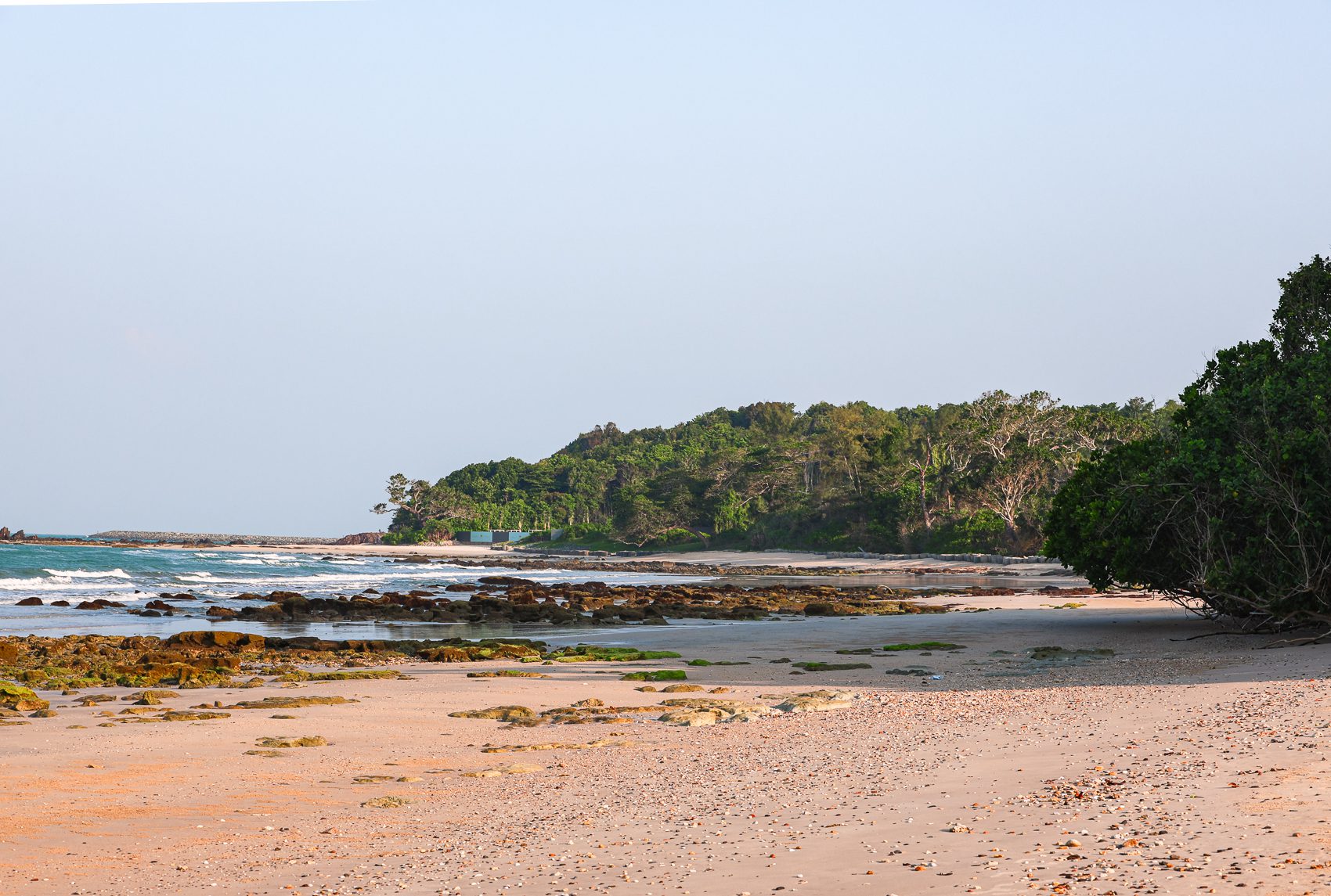
Ehime is a prefecture on Shikoku Island renowned for its citrus fruits, historical sights and distinctive blue-and-white Tobe-yaki tableware.

Even if Matsuyama, the capital of Ehime, is Shikoku’s largest city, the prefecture is not very well known among travellers outside the region, and this means you can have unique first-hand experiences here that most people don’t even know about! Check my list of activities and sights below.

Disclaimer: this trip was supported by the JNTO UK office. Many thanks for Yuuki-san and Tomoko-san for making your journey smooth and more enjoyable!


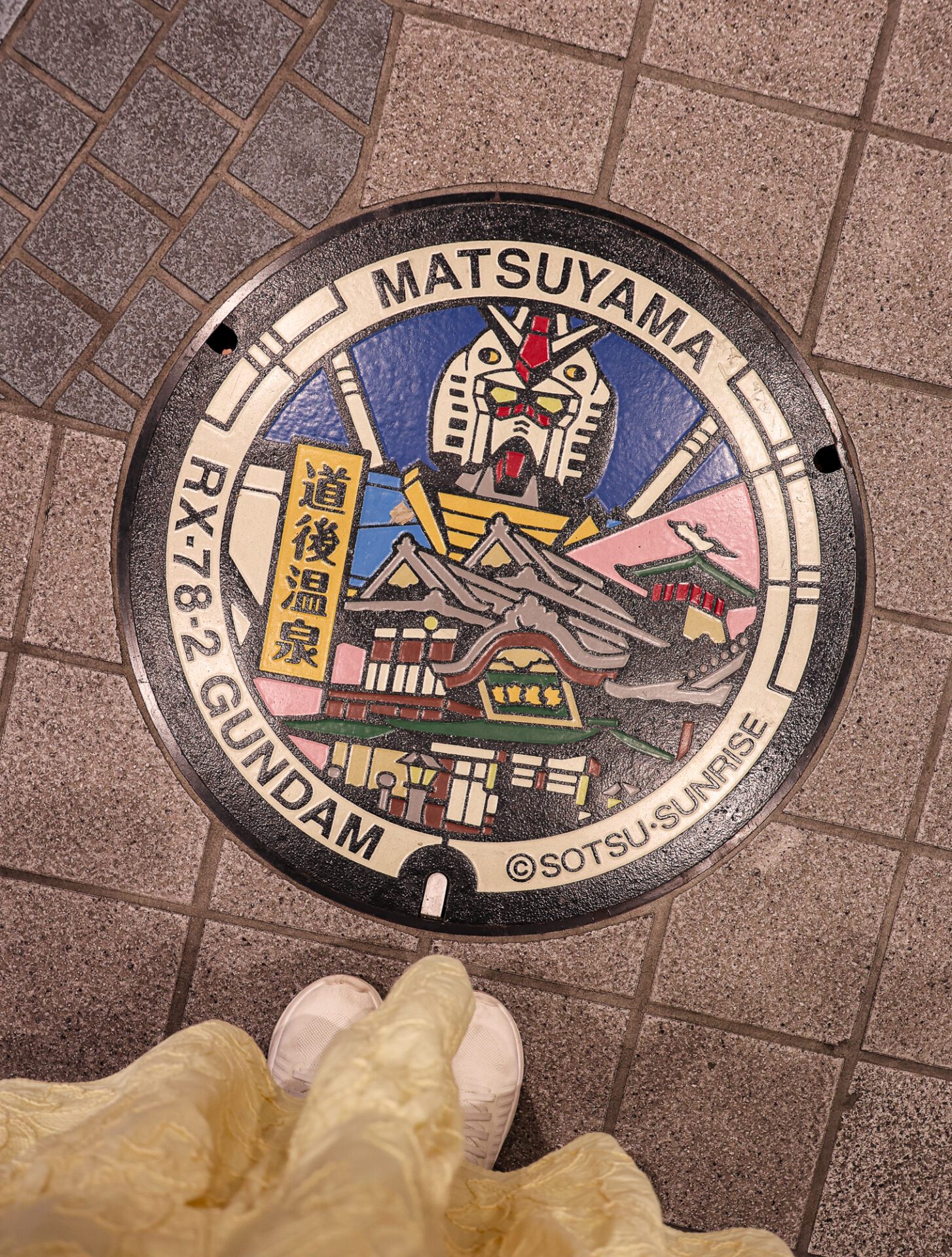
1. Explore Matsuyama Castle
Matsuyama Castle, originally built in 1602 by warlord Kato Yoshiaki, is one of Japan’s 12 remaining original castles .


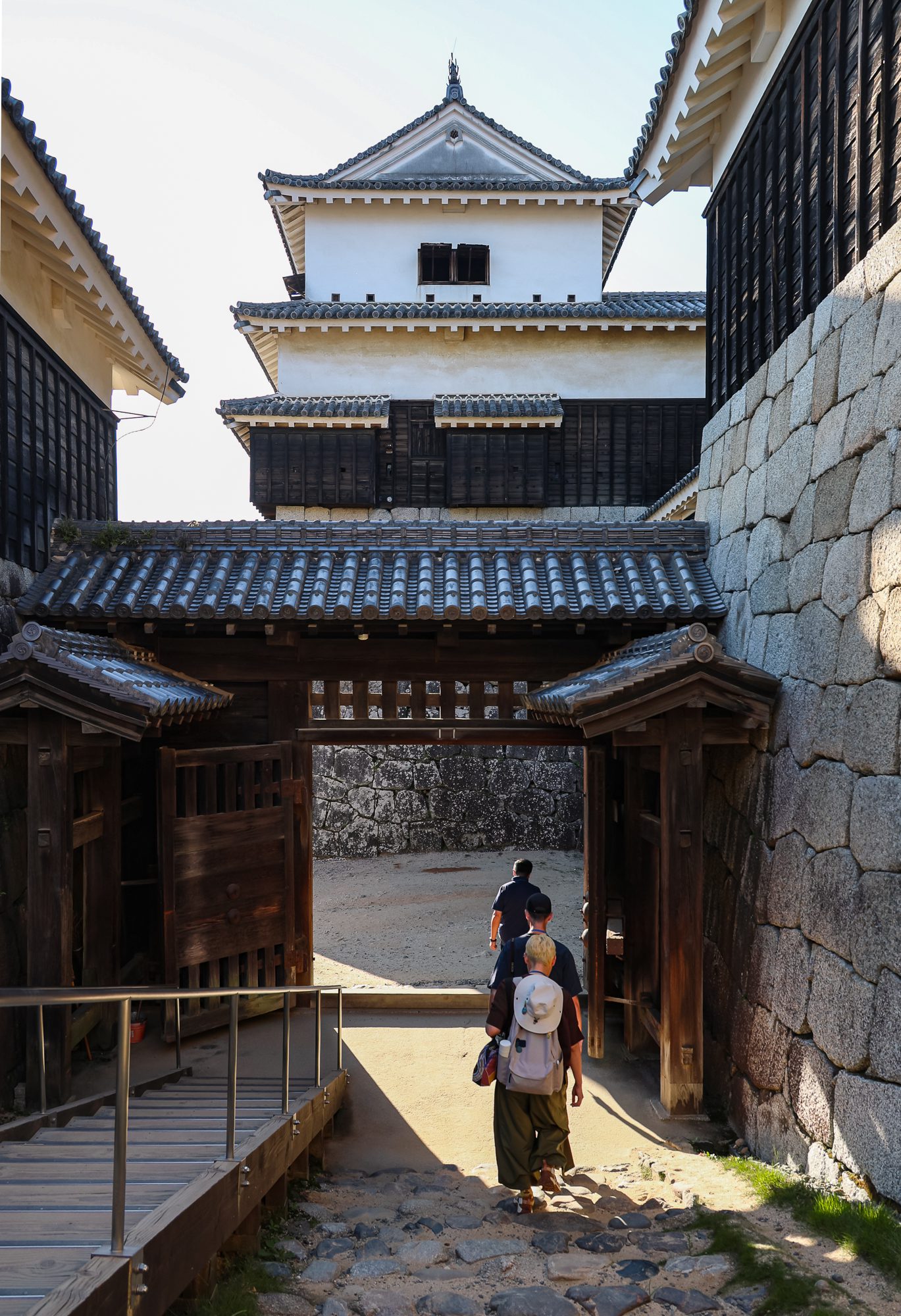
Why only 12? n the late 19th century, during the rise of the Meiji Period (1868–1912), the Japanese intentionally demolished many castles, viewing them as outdated symbols of feudalism. Others were destroyed by earthquakes, warfare, or heavy bombardment during World War II. Read more about my visit to Himeji Castle here.
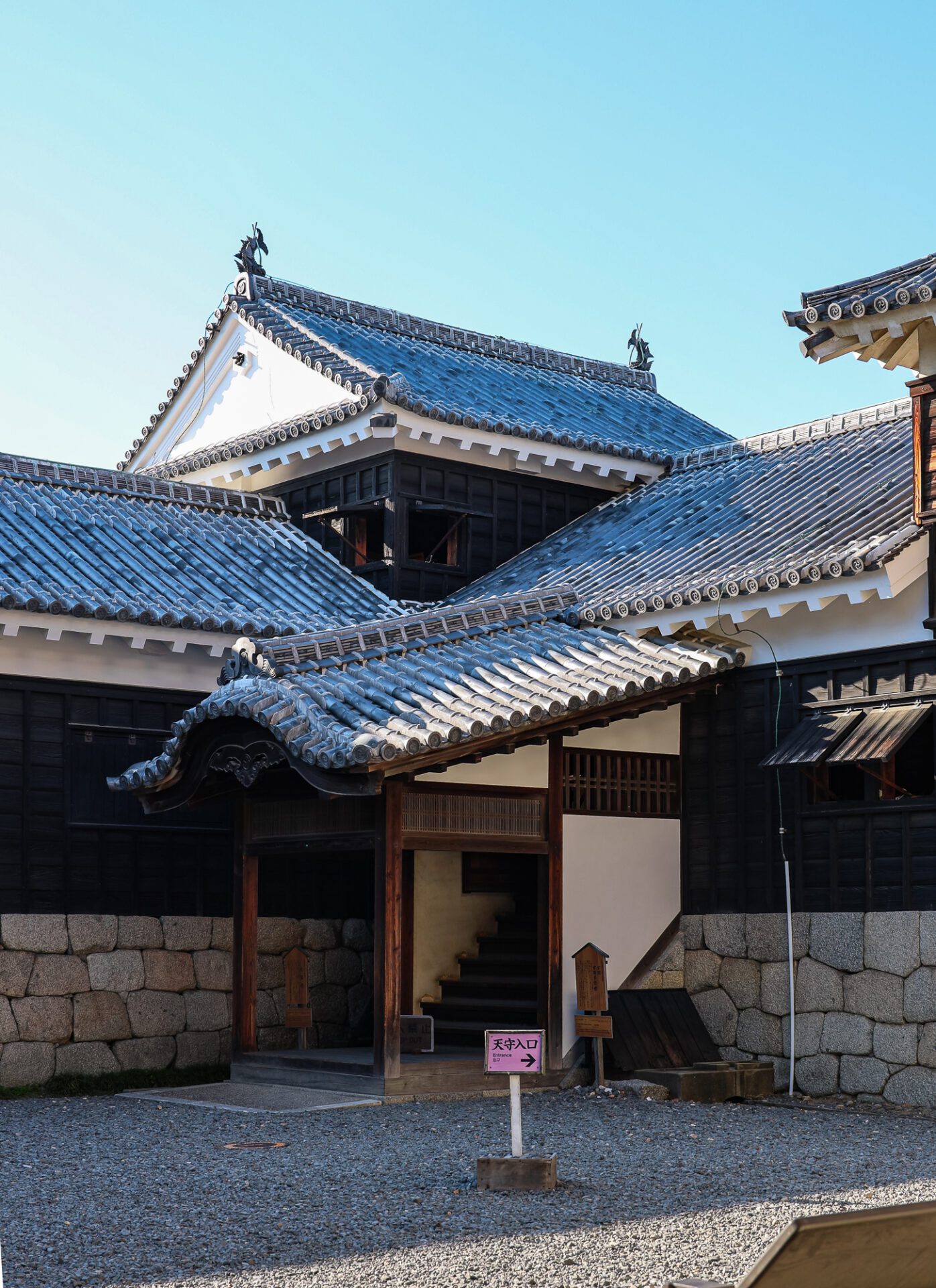
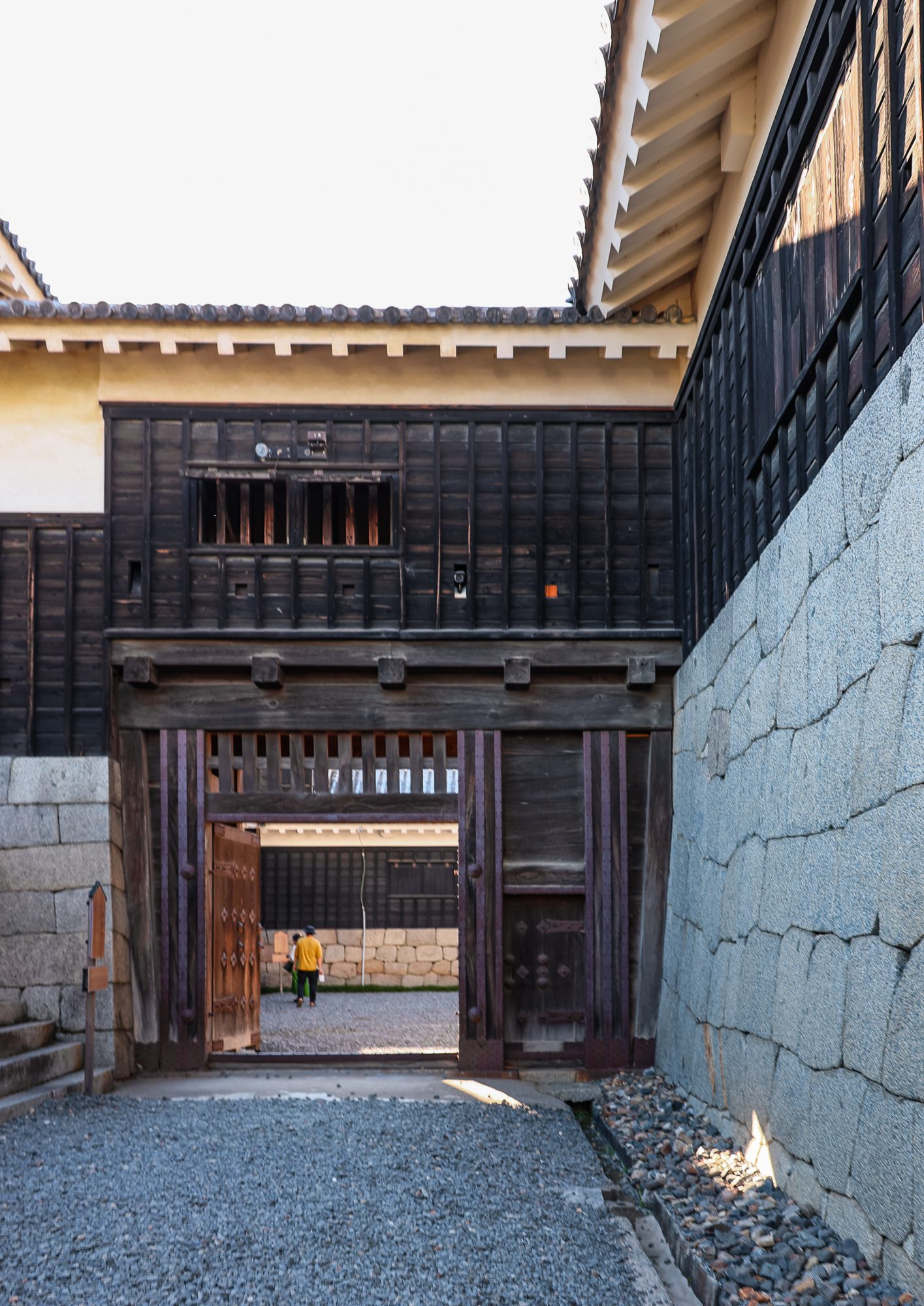

So, the Matsuyama castle is a real gem. The main keep tenshu, numerous inner gates, and high stone ramparts offer visitors a rare glimpse into authentic Edo-period military architecture.
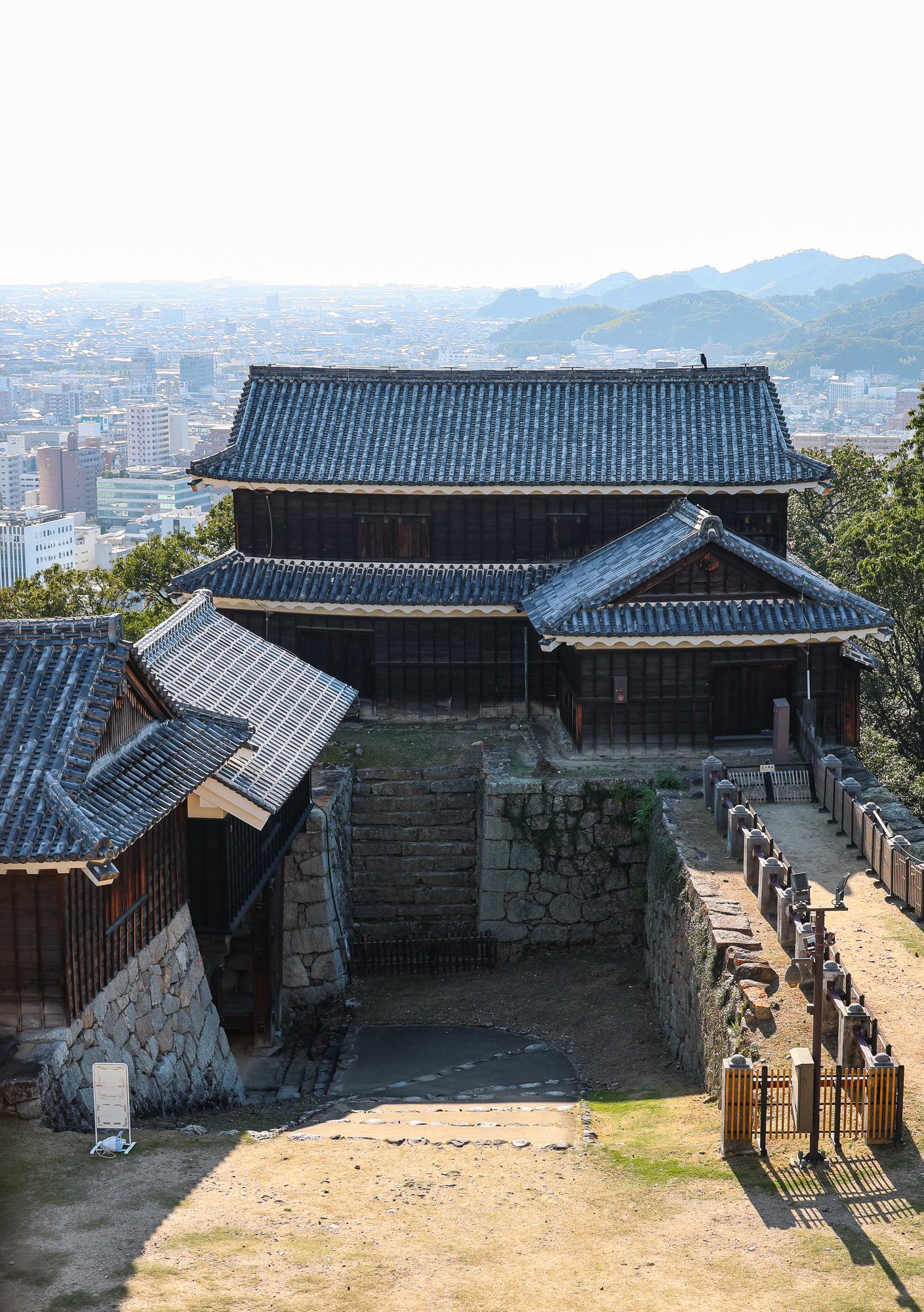
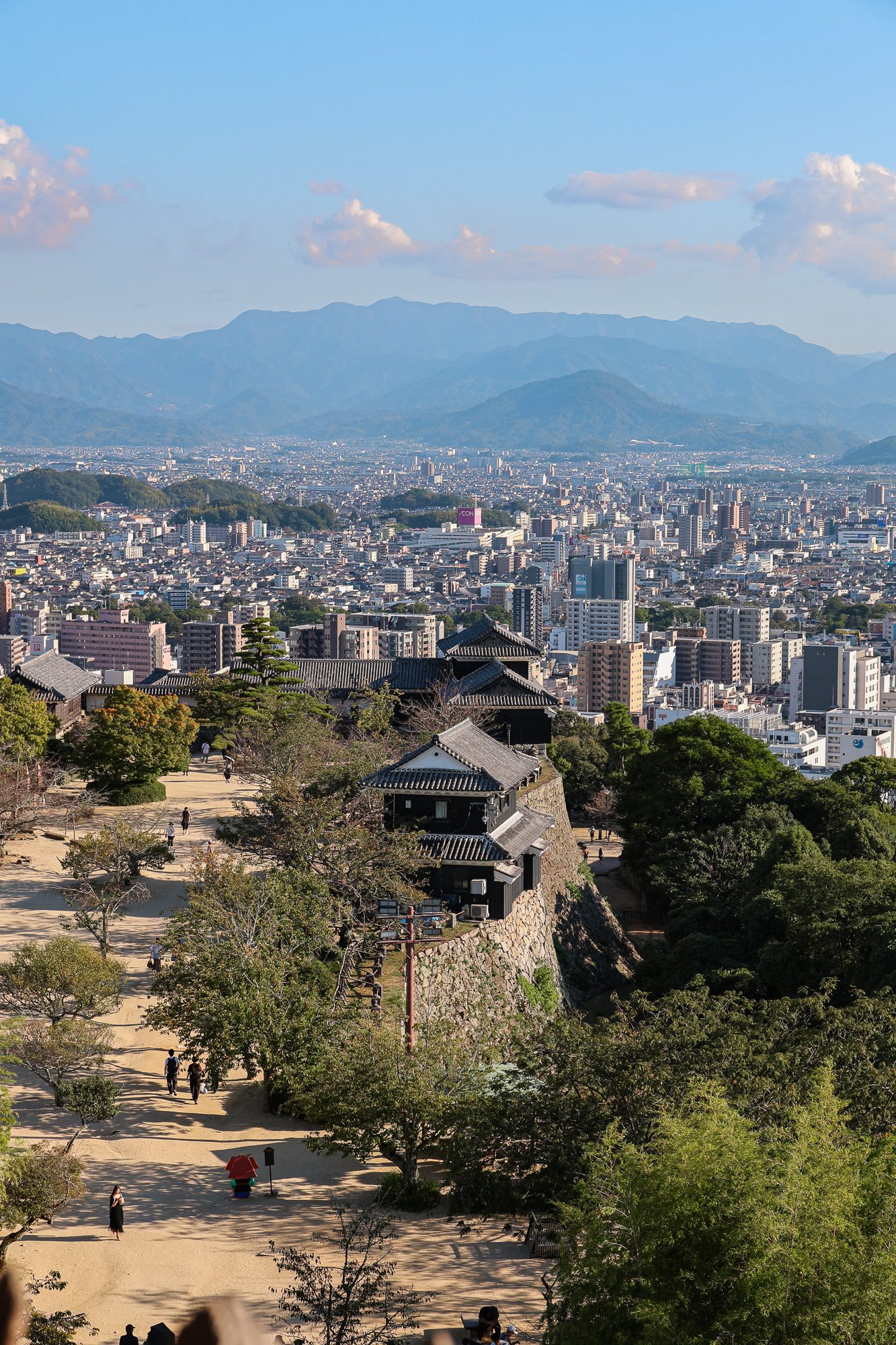
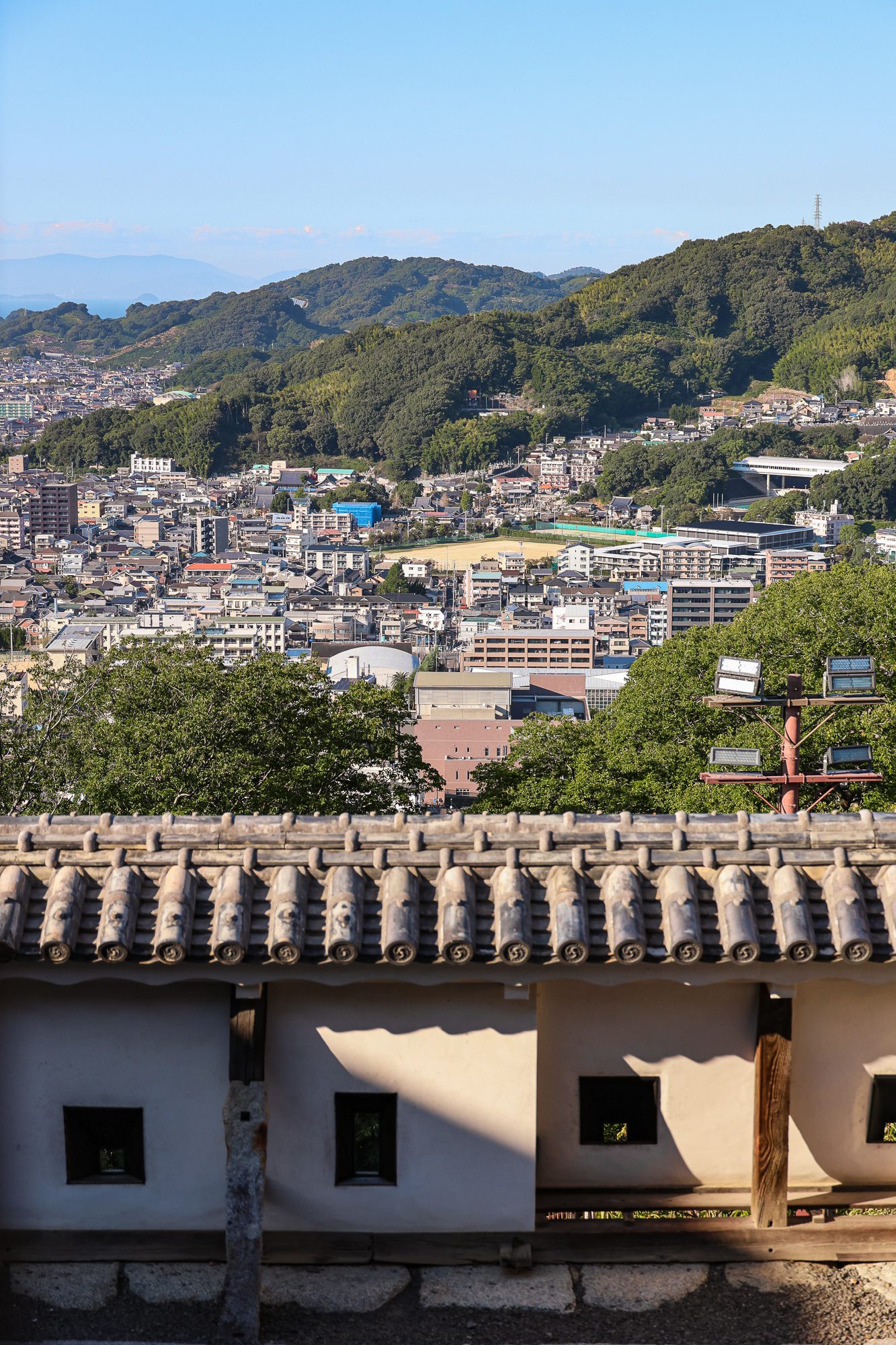

As you wander around the castle, notice the clever architectural traps designed to confuse and eliminate enemies, such as sharp-turn tracks, hidden gates for unexpected attacks, and arms ports. Discover the secrets of the samurai feudal system, admire rare artifacts in the main keep including samurai armor, katana swords and historic documents!
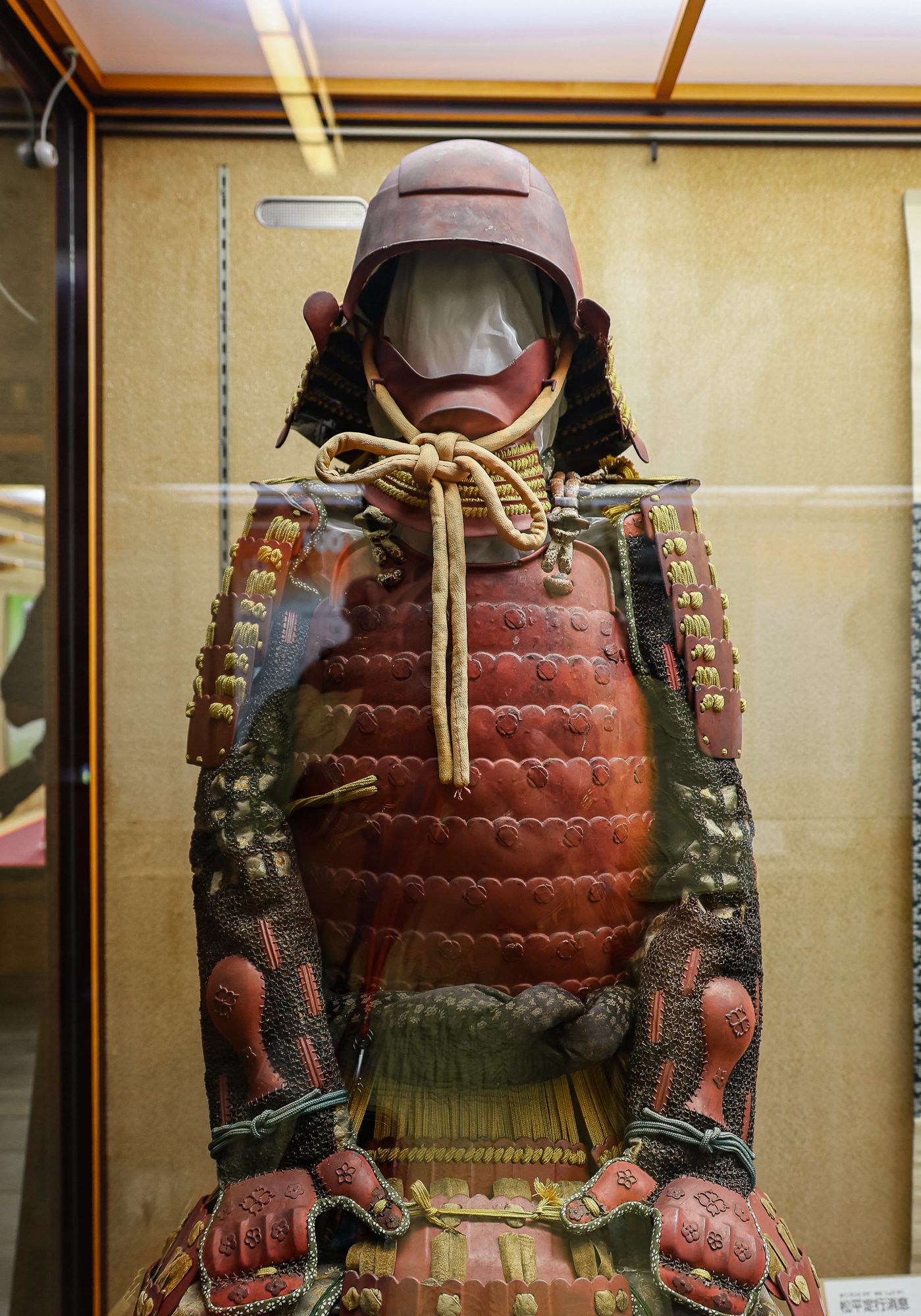

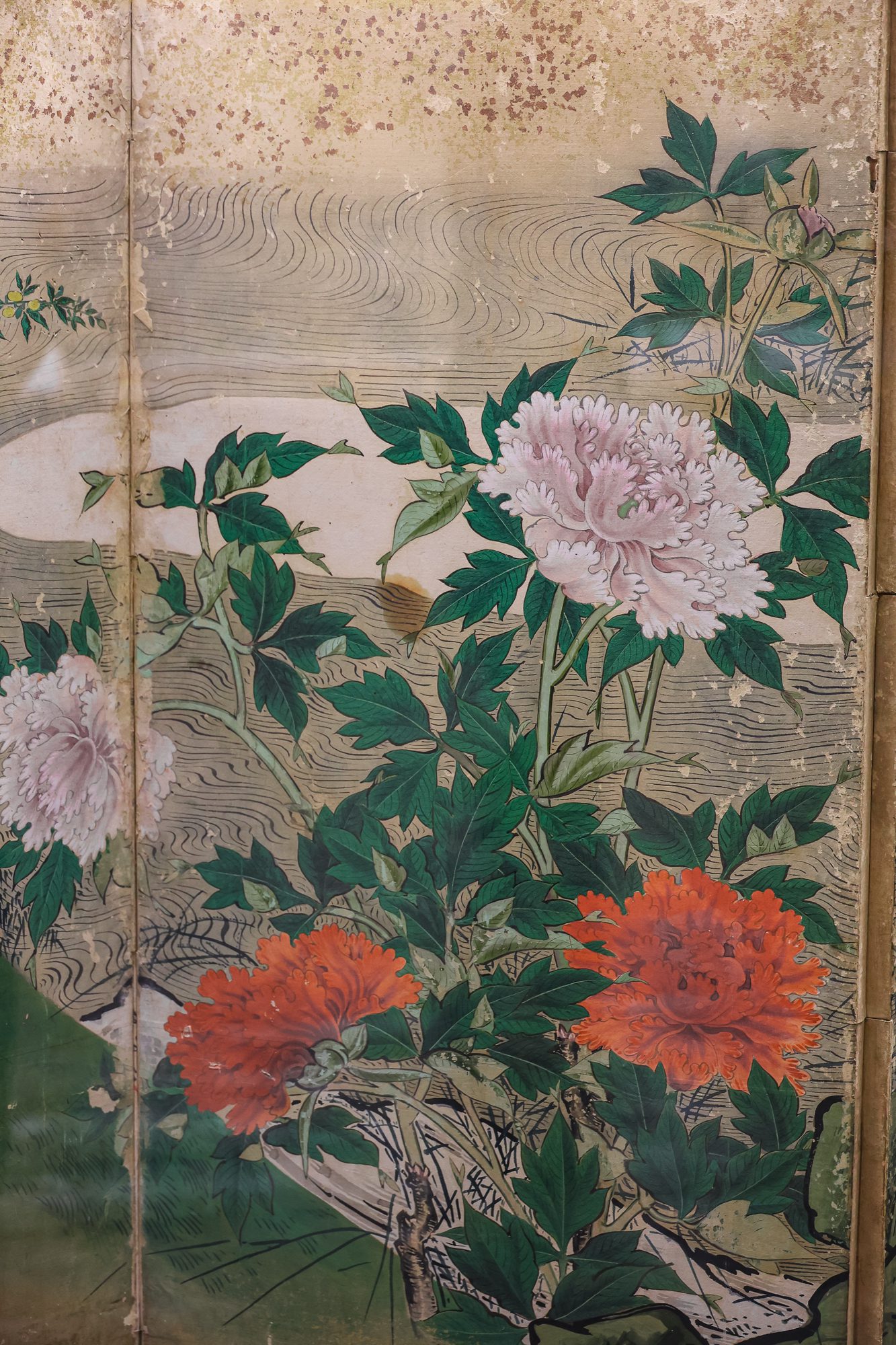
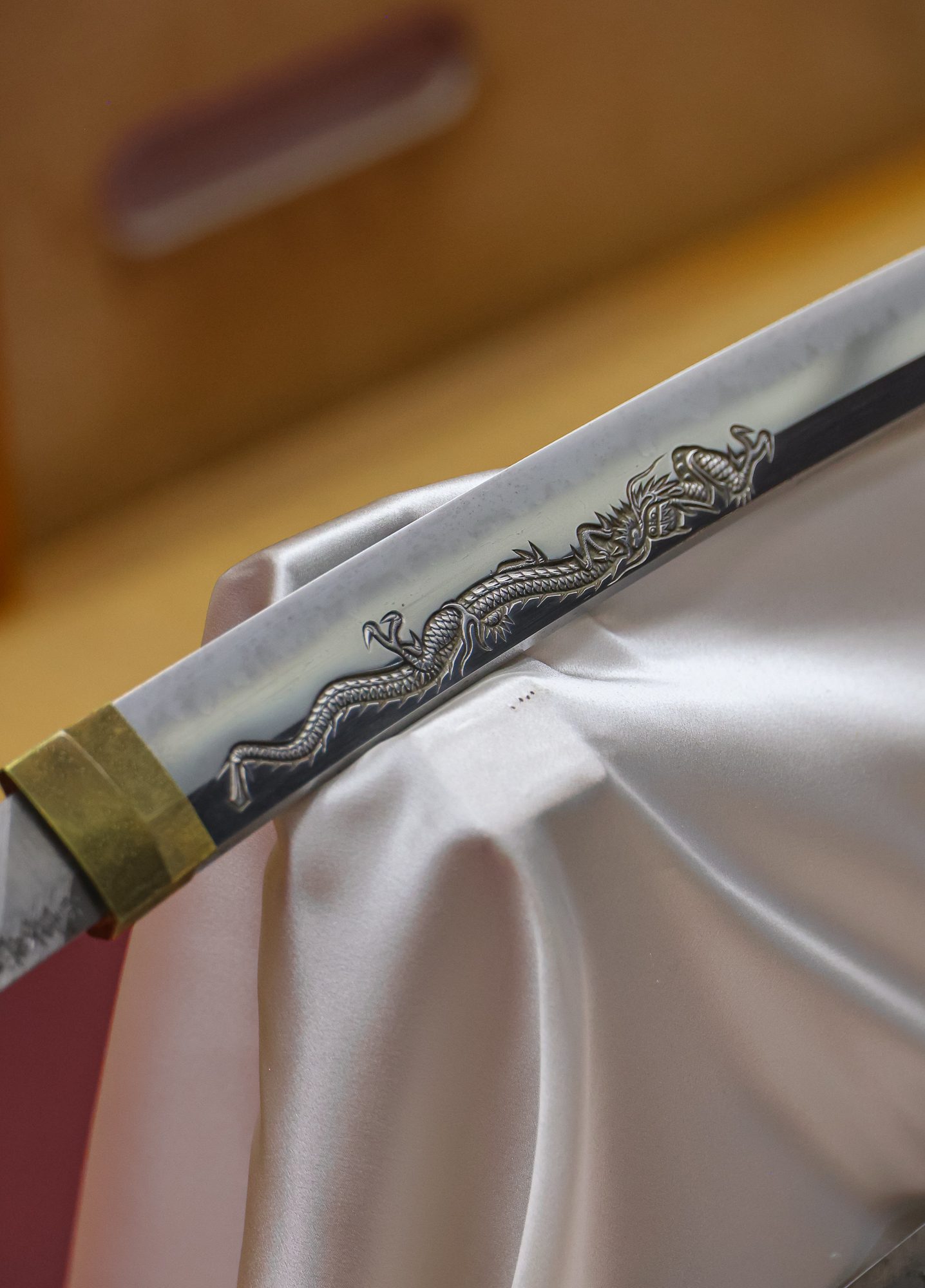
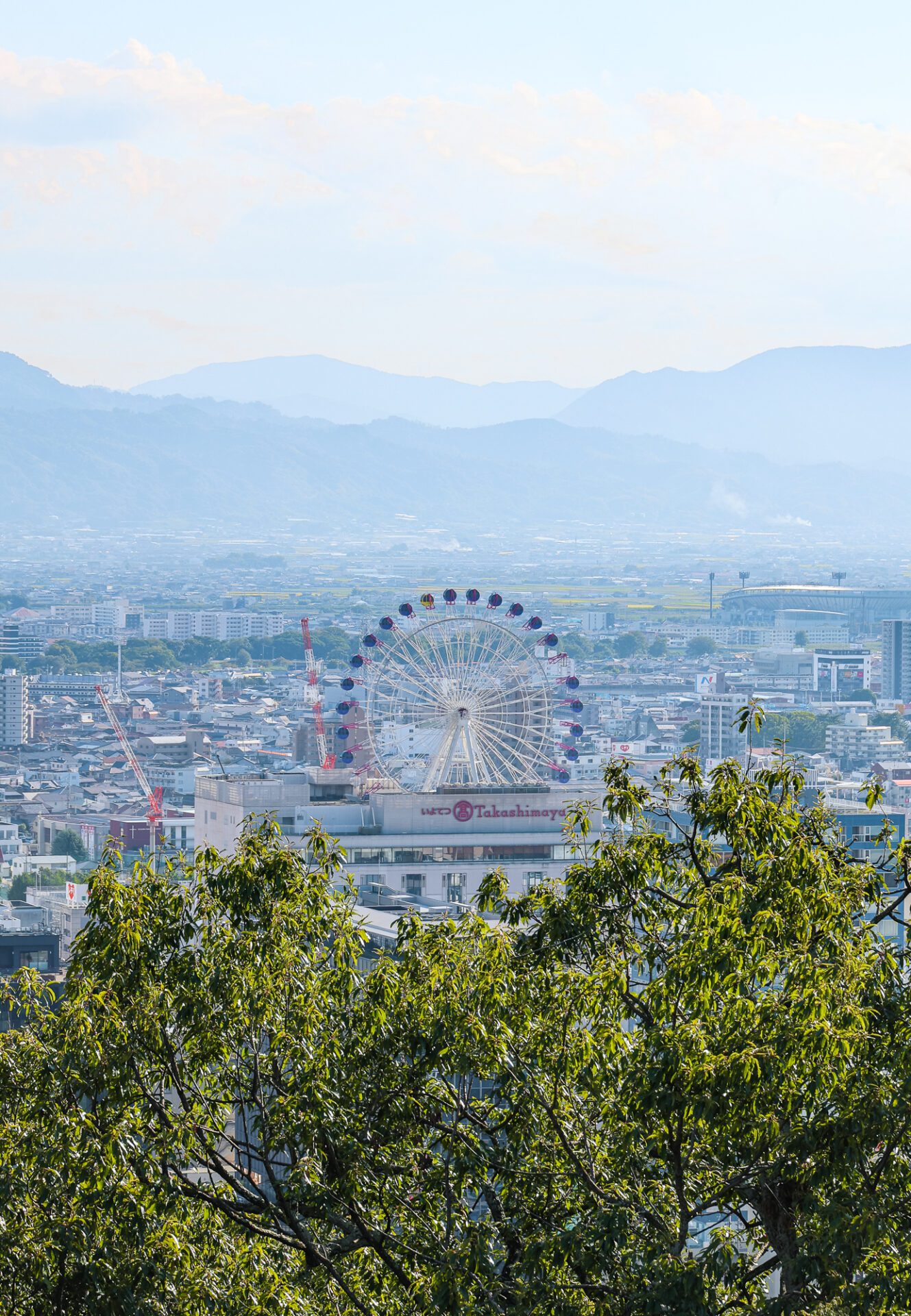
Sitting atop a hill with views of the Seto Inland Sea and the city below, it provides visitors with breathtaking panoramic views from the top of the tenshu!

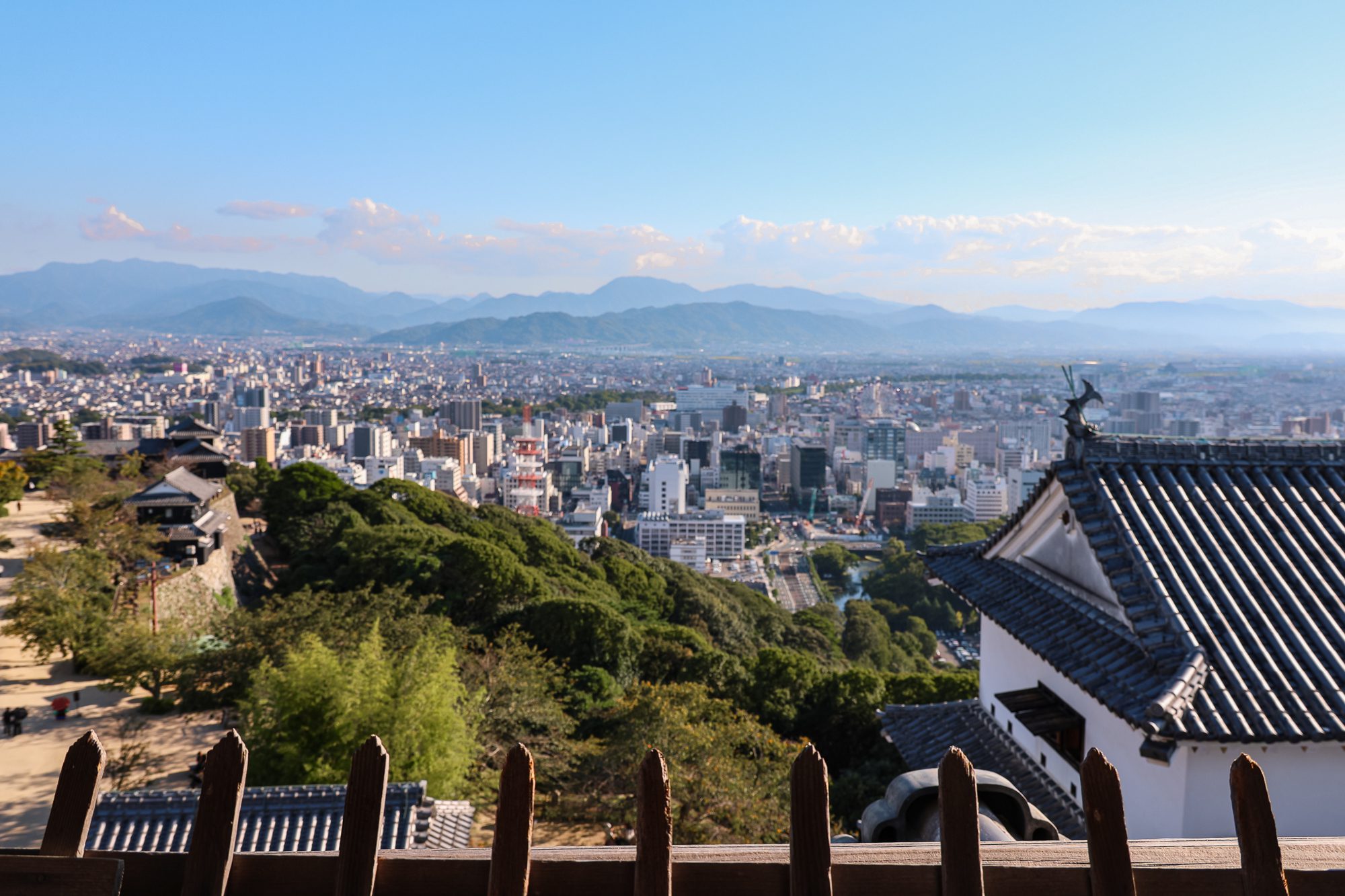

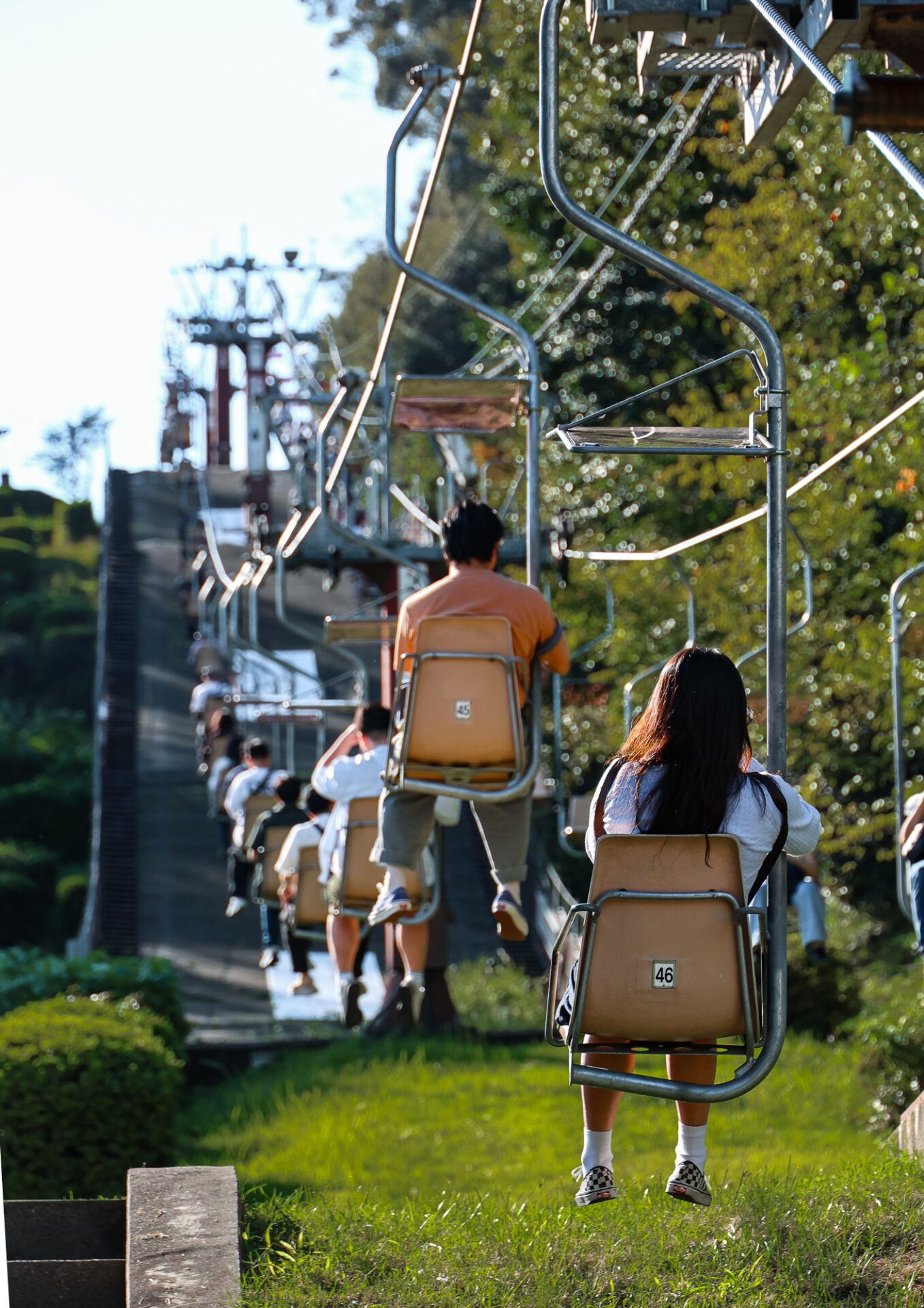
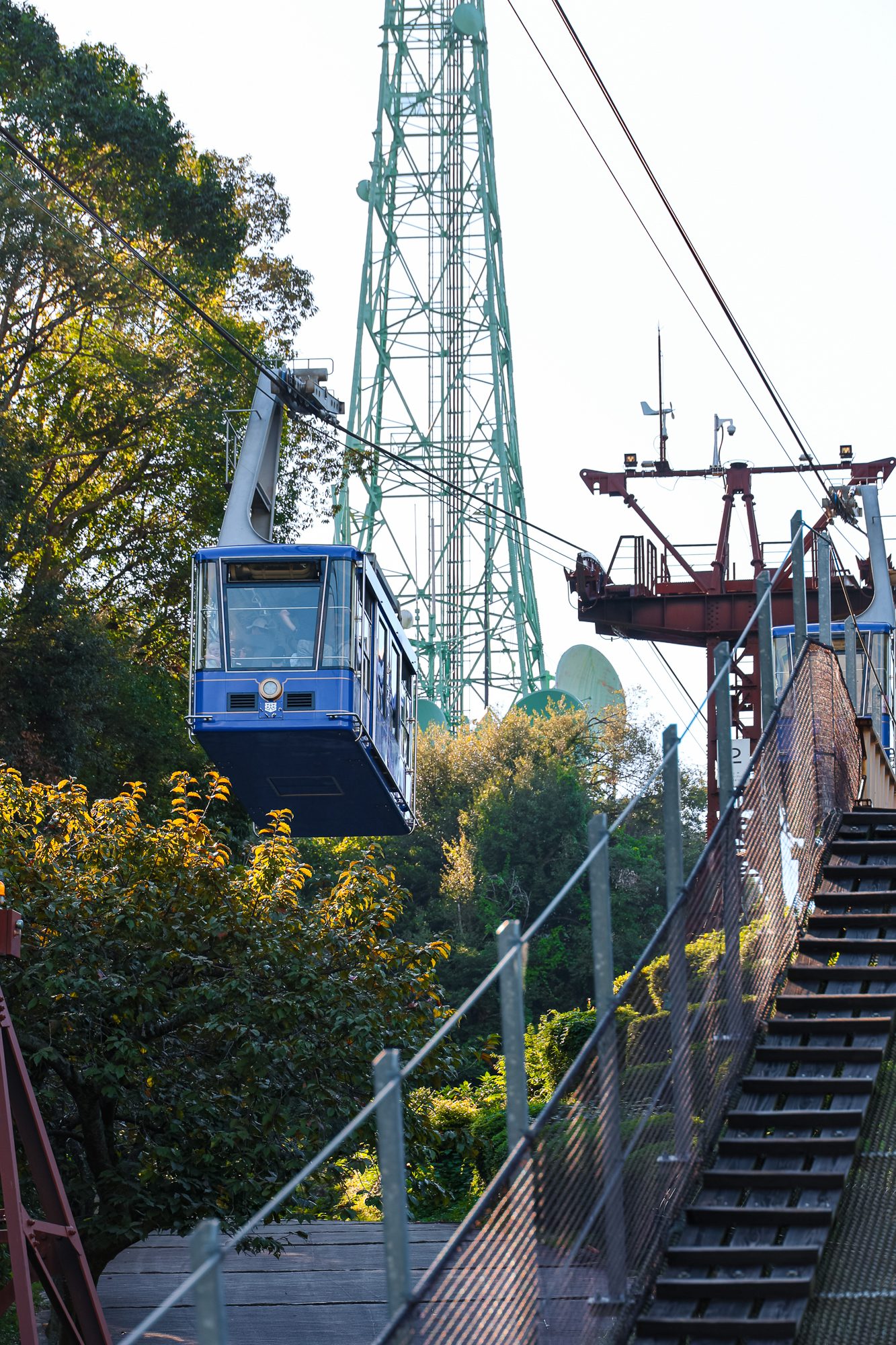
Matsuyama castle is accessible by either cable car (2-3 min ride) or chairlift (6-7 min ride).


2. Get amazed by the Dogo Onsen
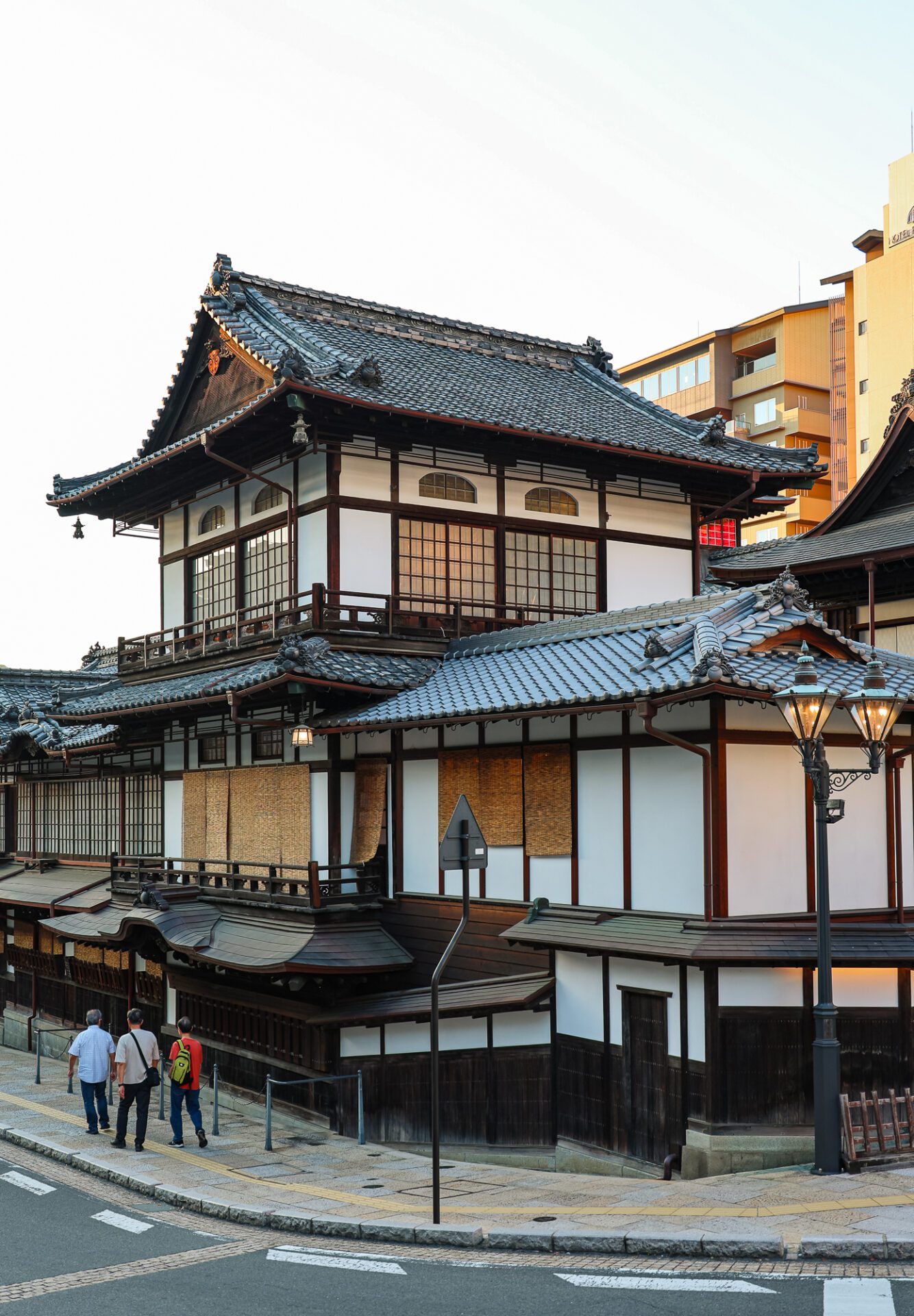
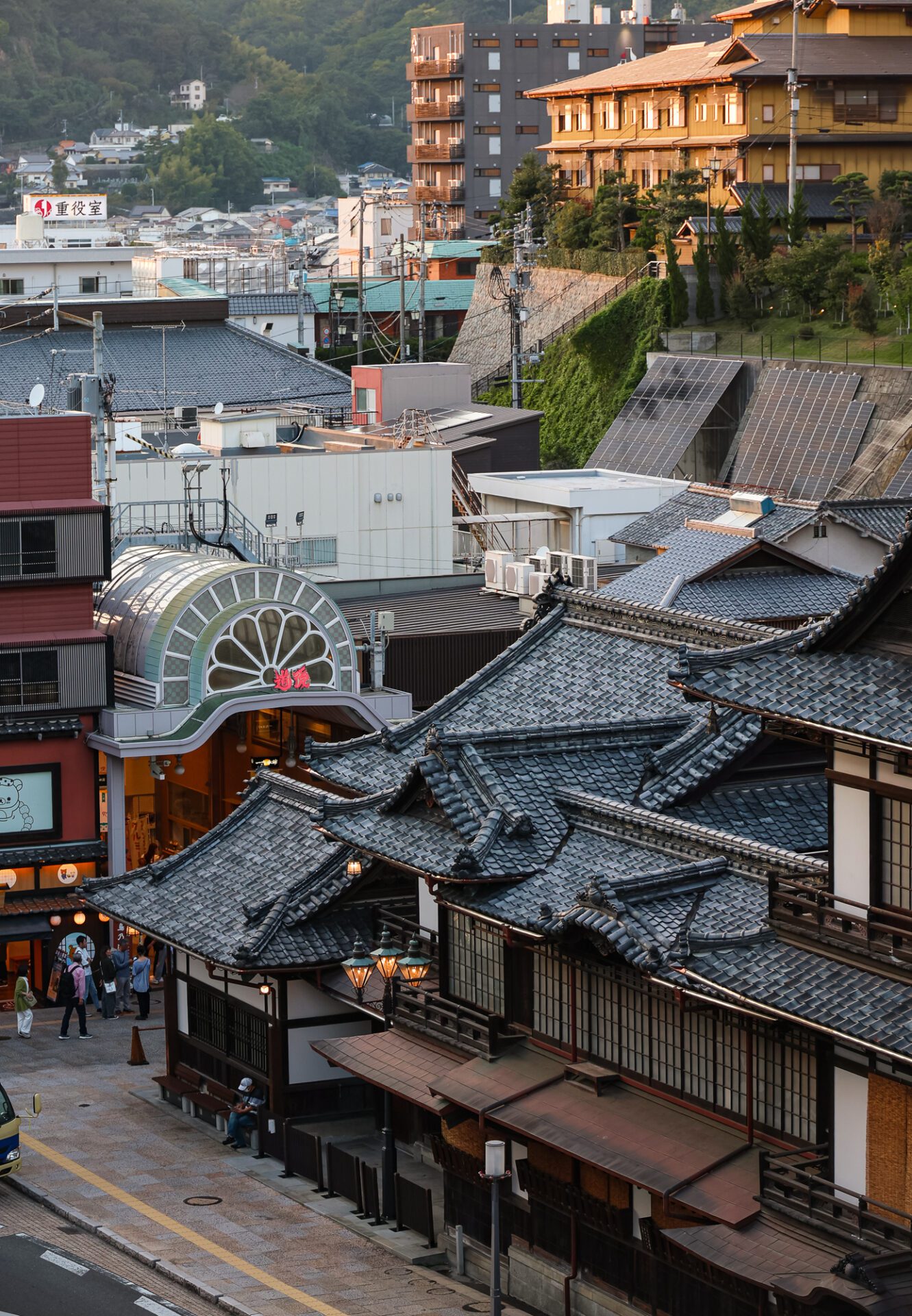
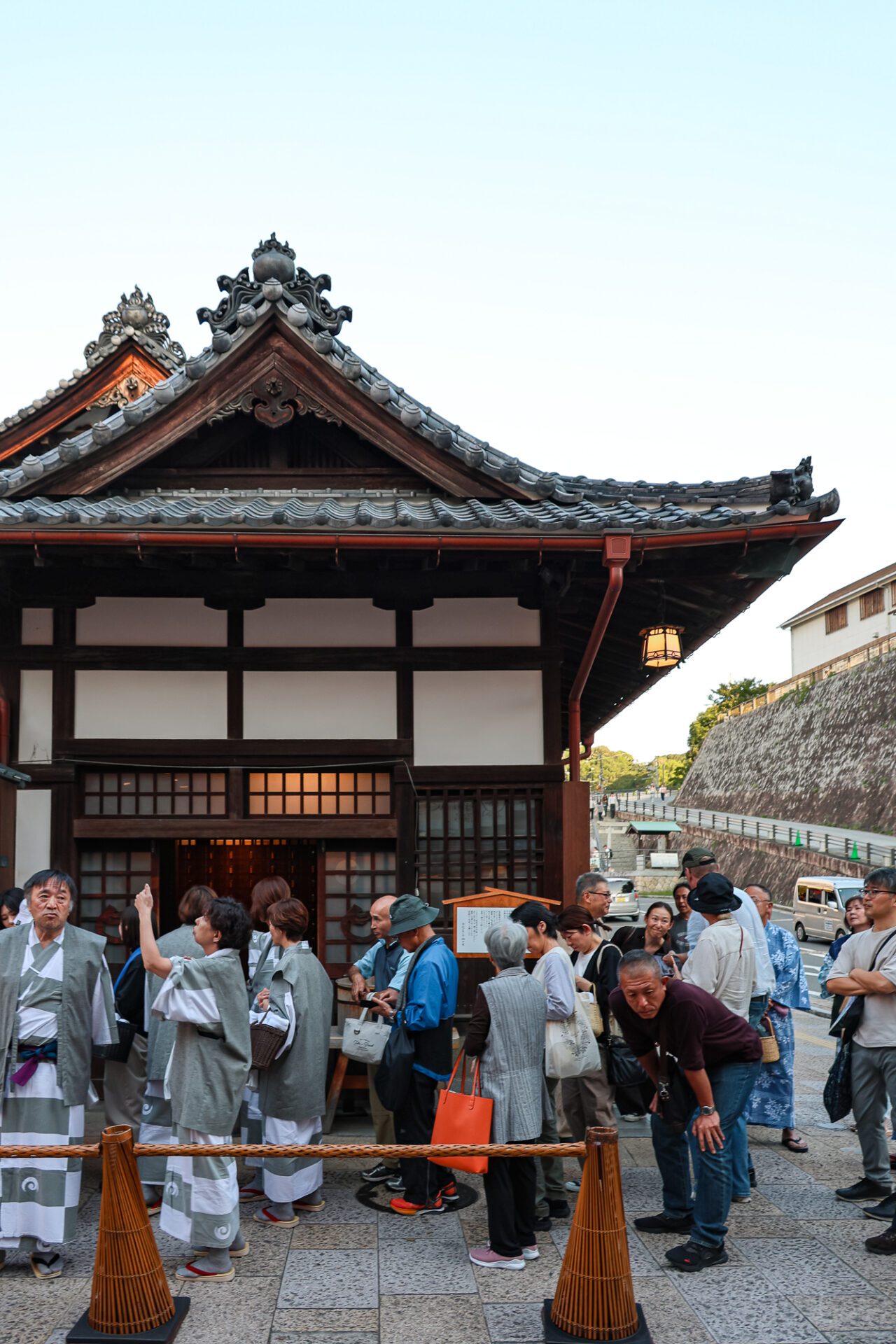
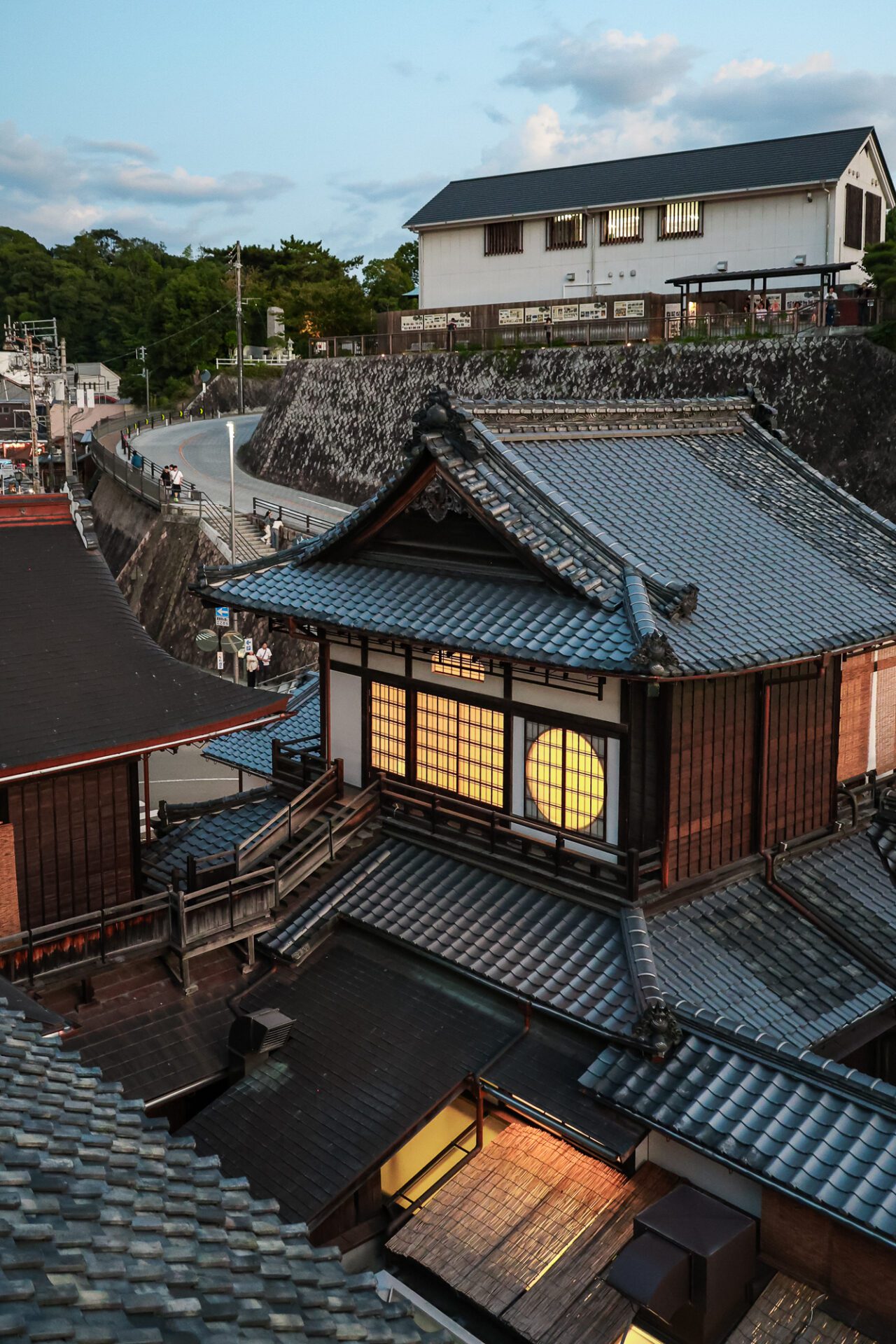
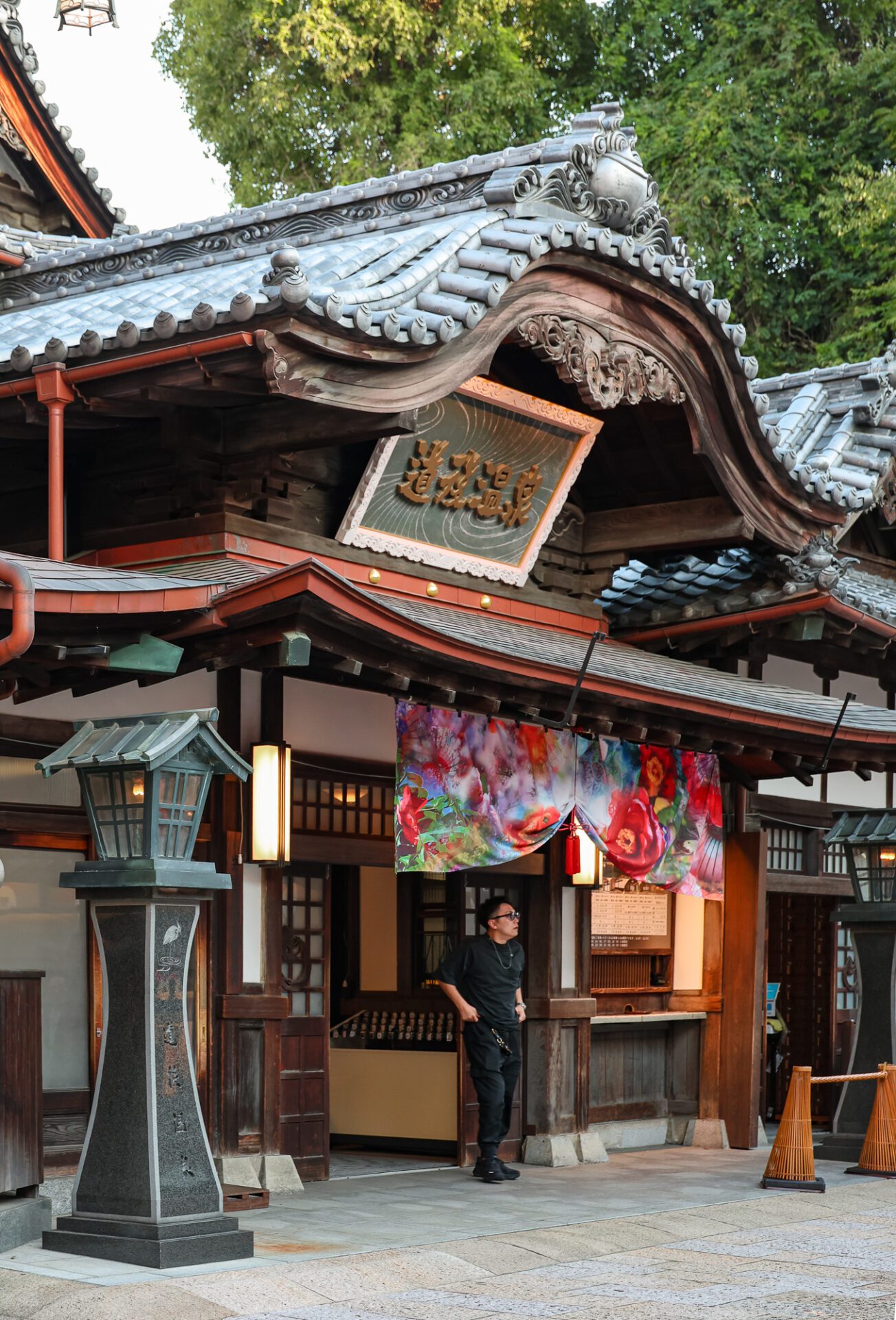
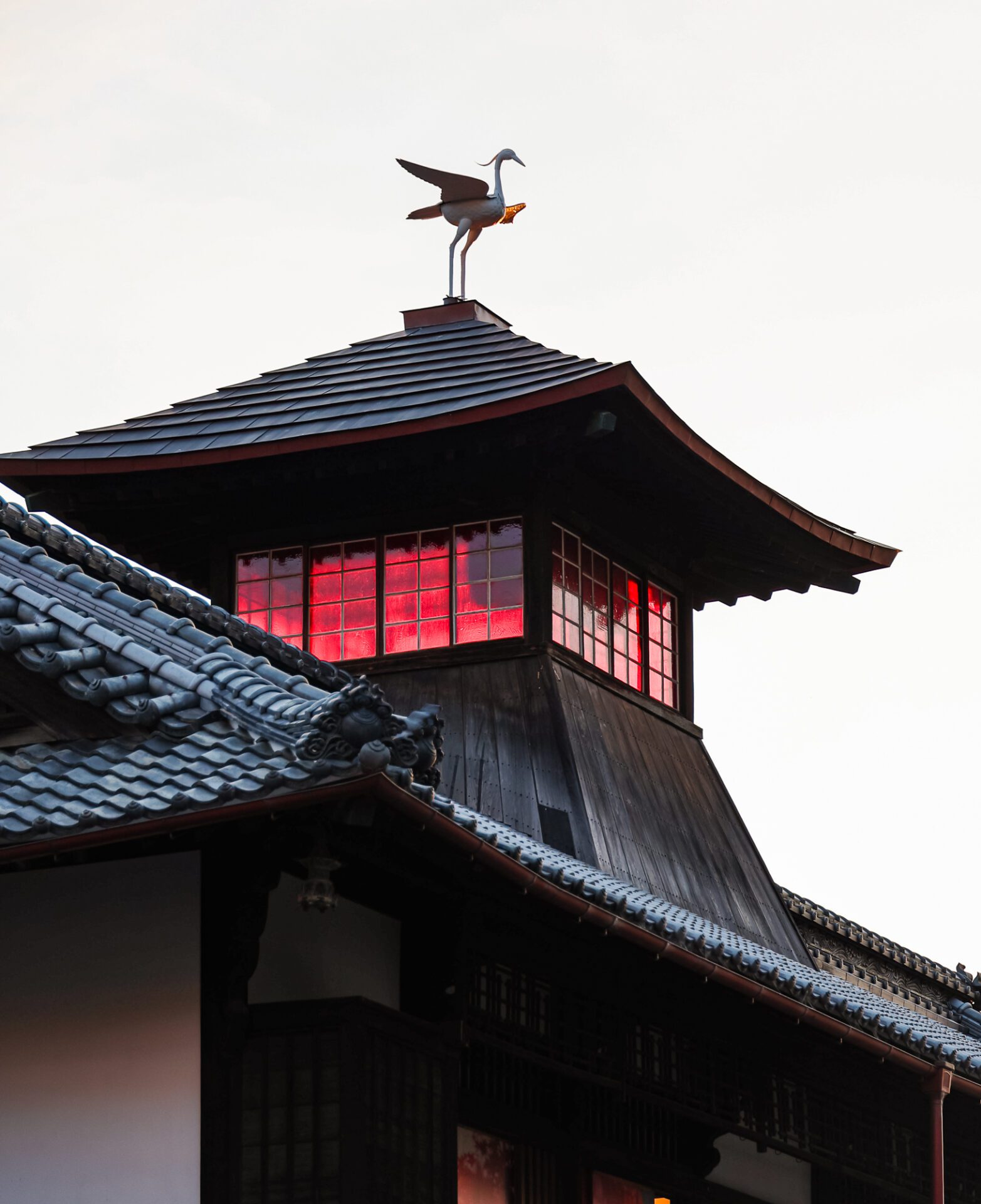
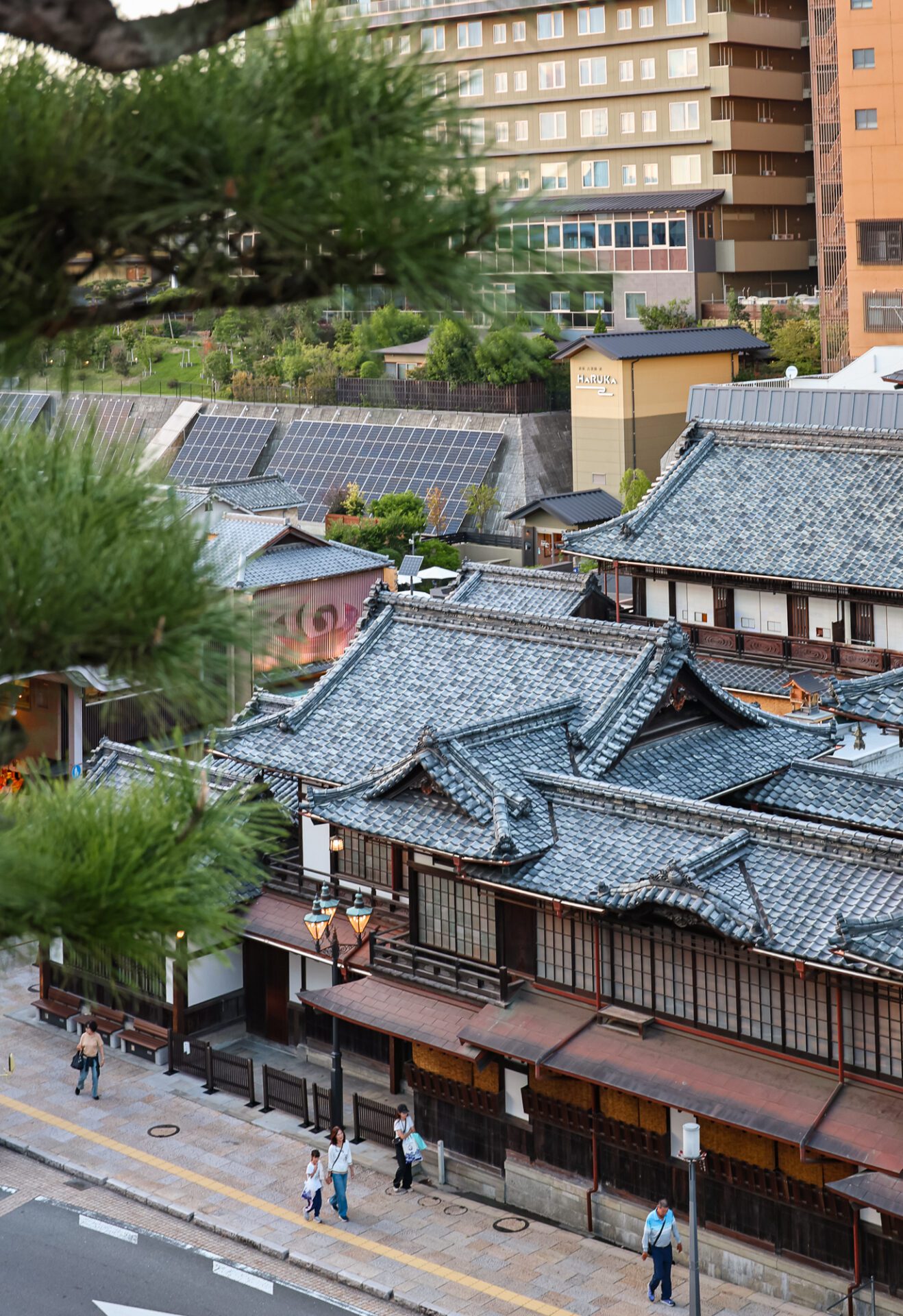
Matsuyama’s most famous landmark is probably Dogo Onsen. With a history spanning back over 3000 years, it is considered Japan’s oldest hot spring, while its iconic main building dates back to 1894.

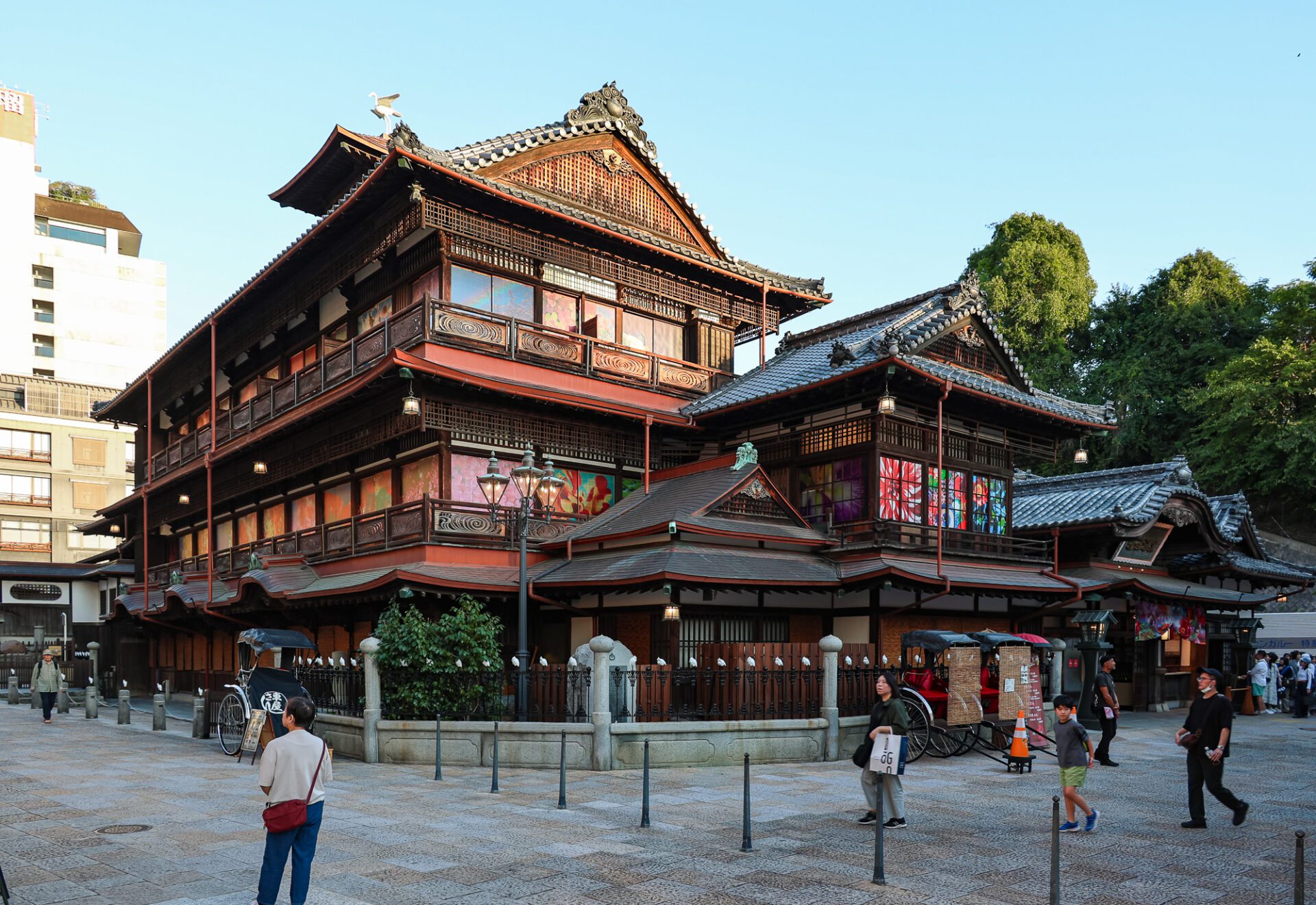


Mentioned in classics like the Nihon Shoki and The Tale of Genji, this landmark is also said to have inspired Miyazaki’s Spirited Away!


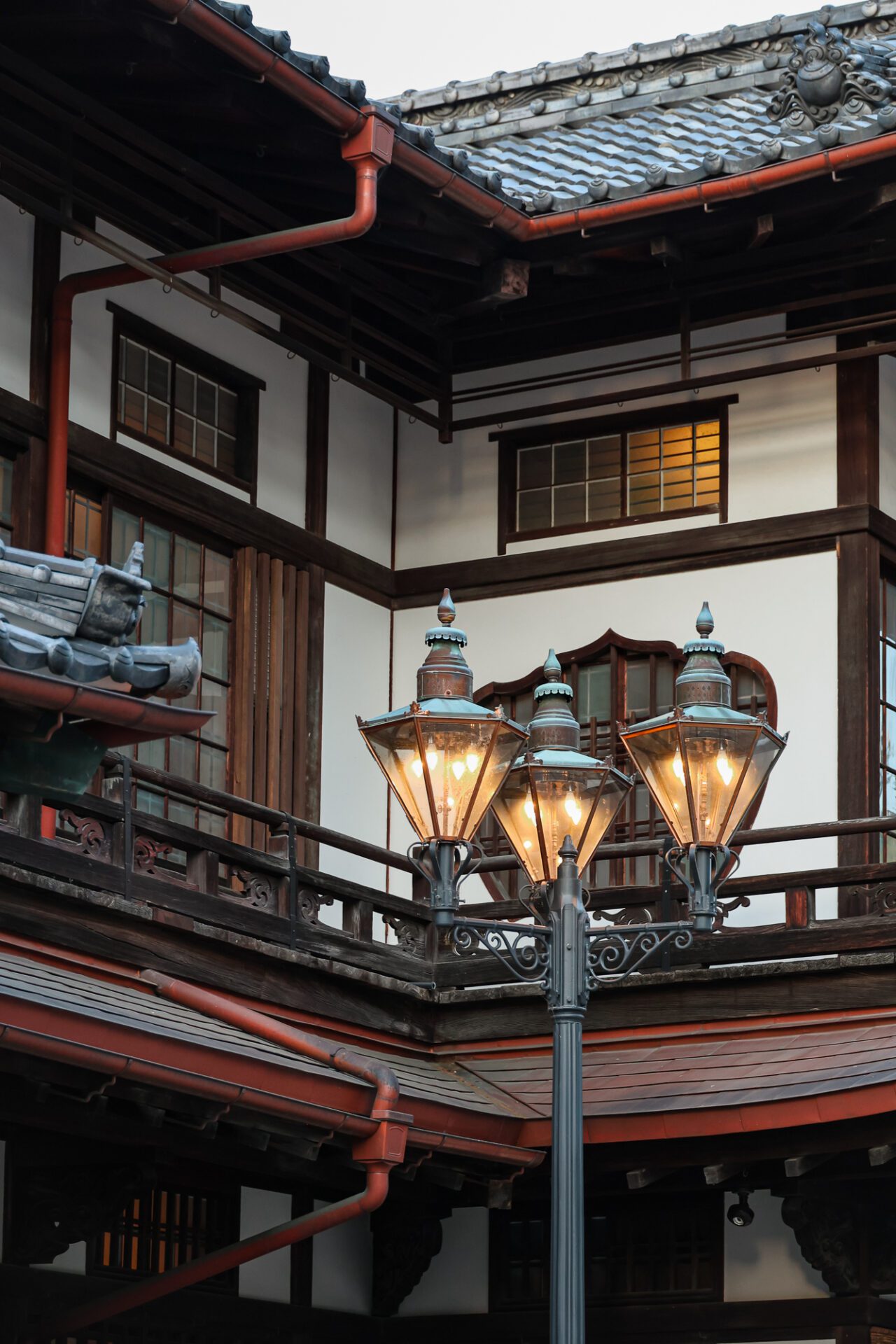
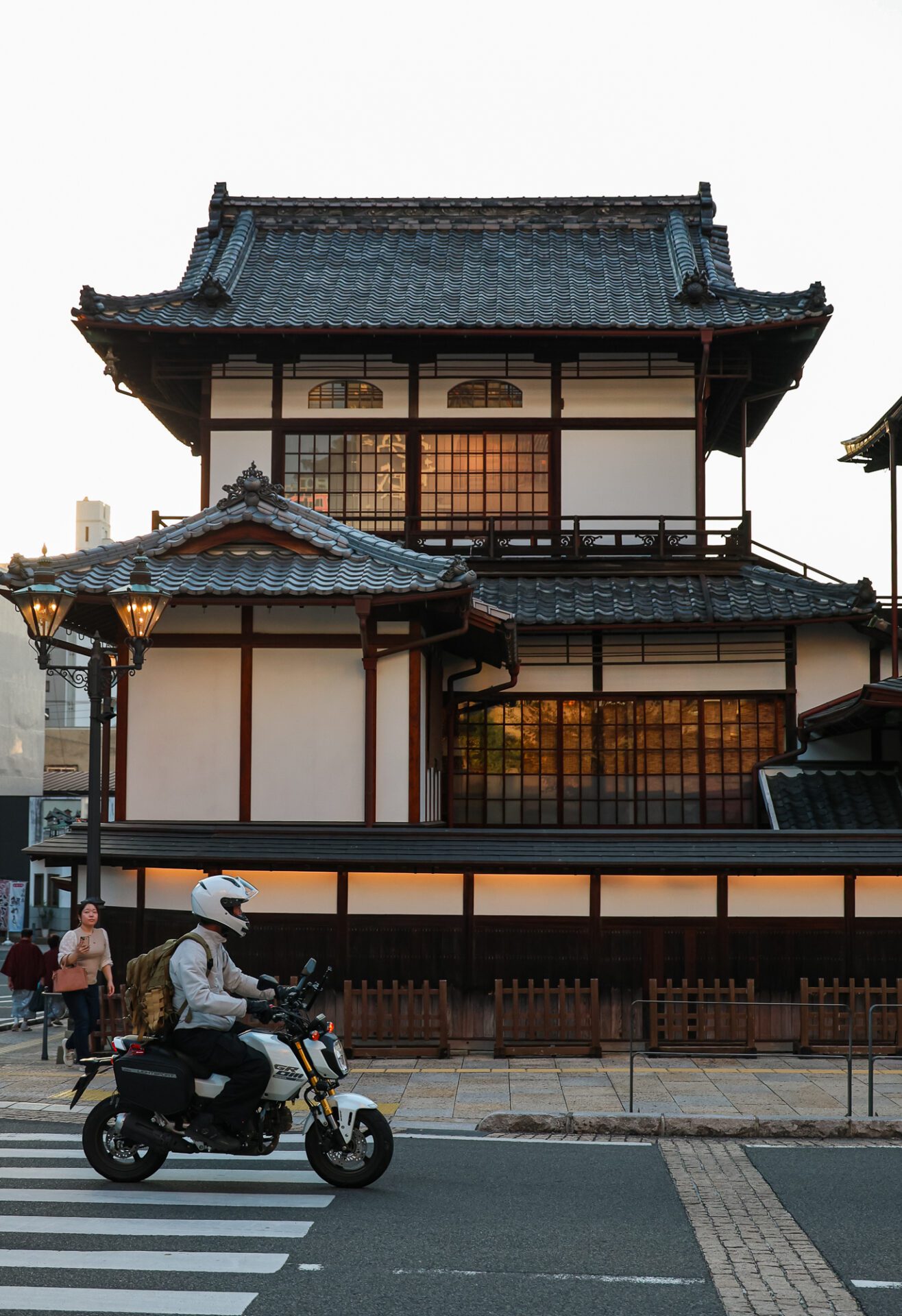
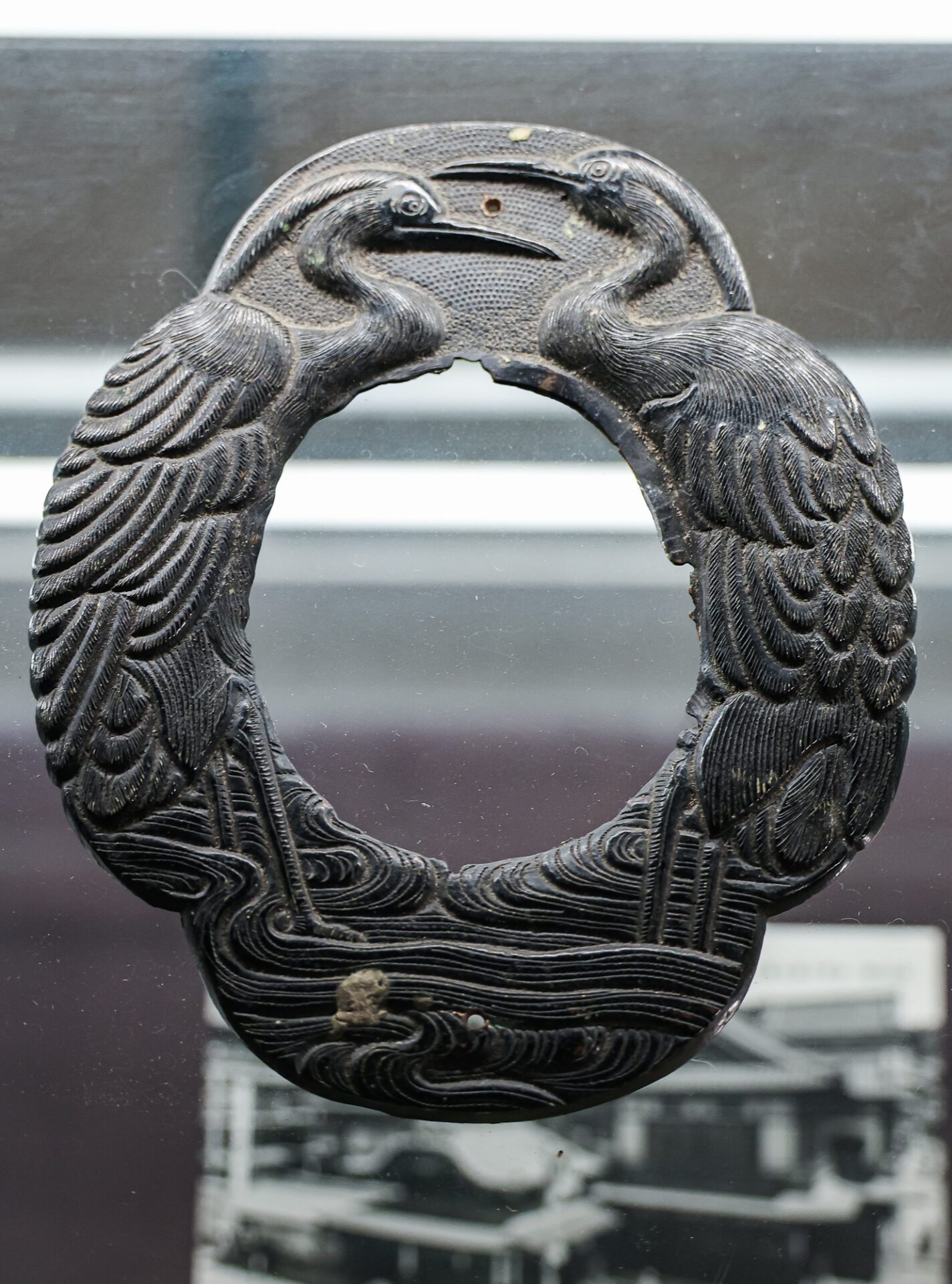
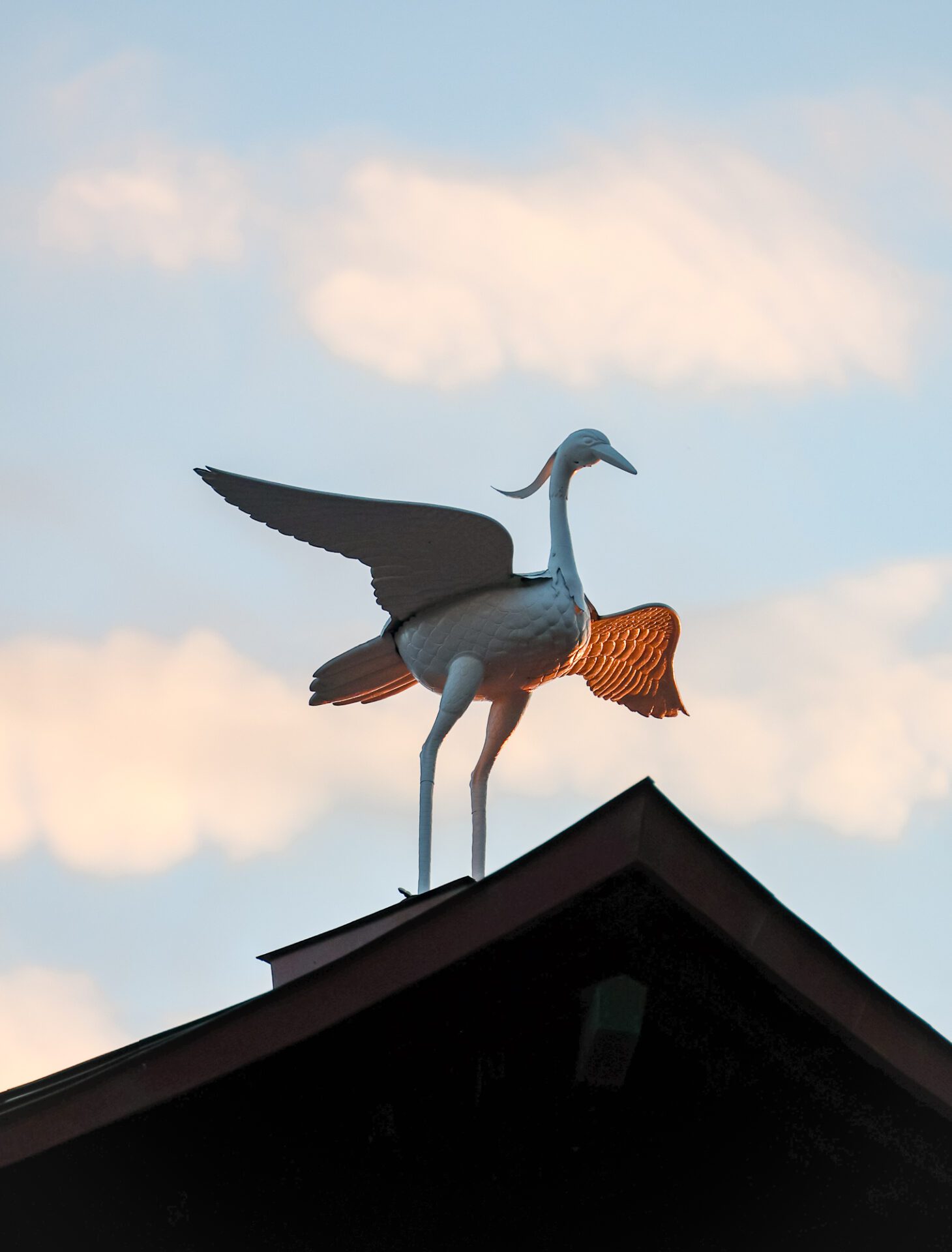
A white heron is the symbol of this place because, according to legend, locals spotted the bird healing its injured leg in the hot springs leading to the site’s discovery 3,000 years ago! Unsurprisingly, this bird remains a beloved symbol of Dogo Onsen.


Opt for a guided tour to explore the Yushinden Entrance built exclusively for the Emperor and the Royal Family members, and the Royal Family’s private rooms including Gyotan-no-Ma, private resting room of the Emperor with intricate decorating, silver sliding doors and huge granite bath.
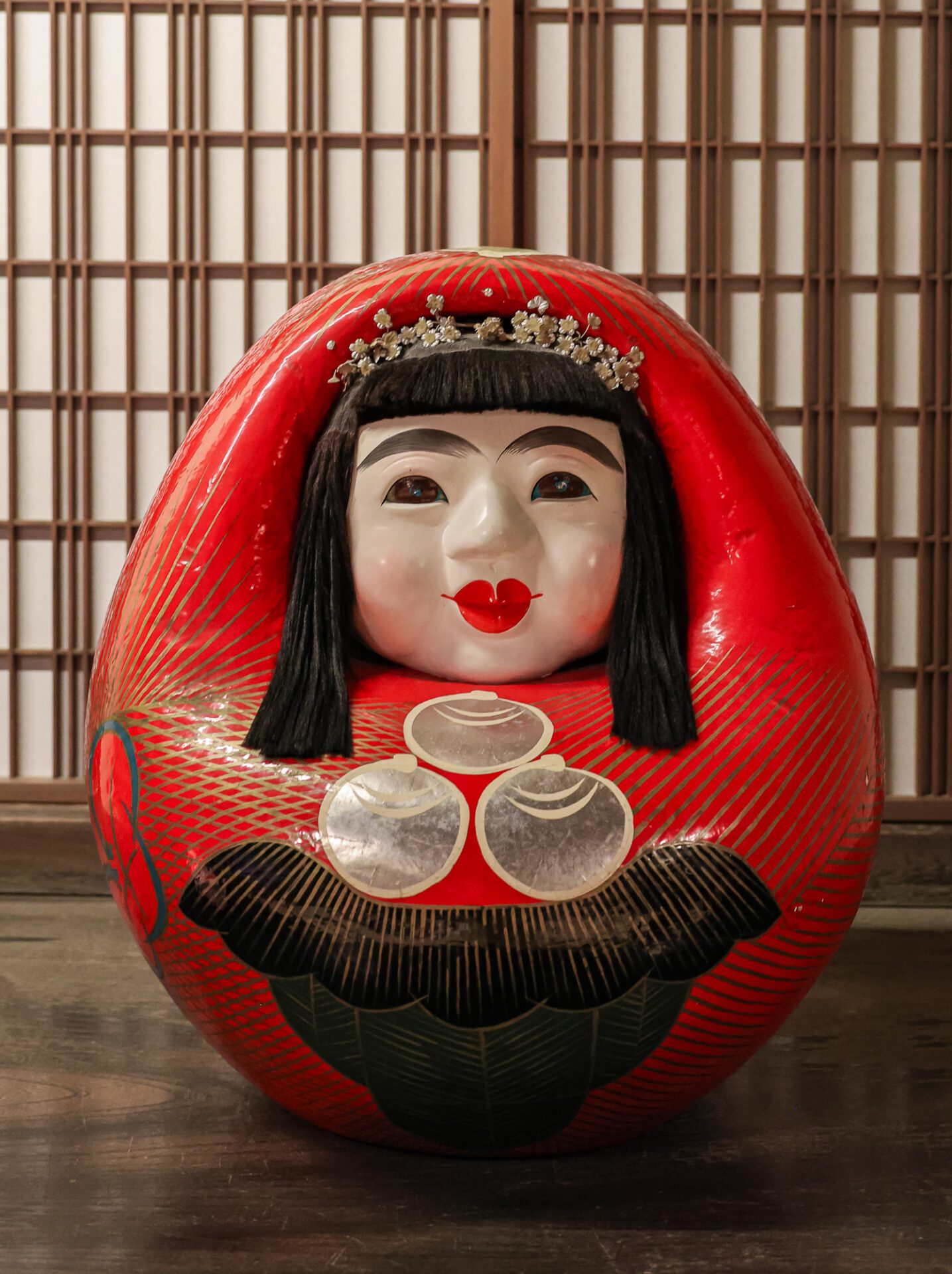
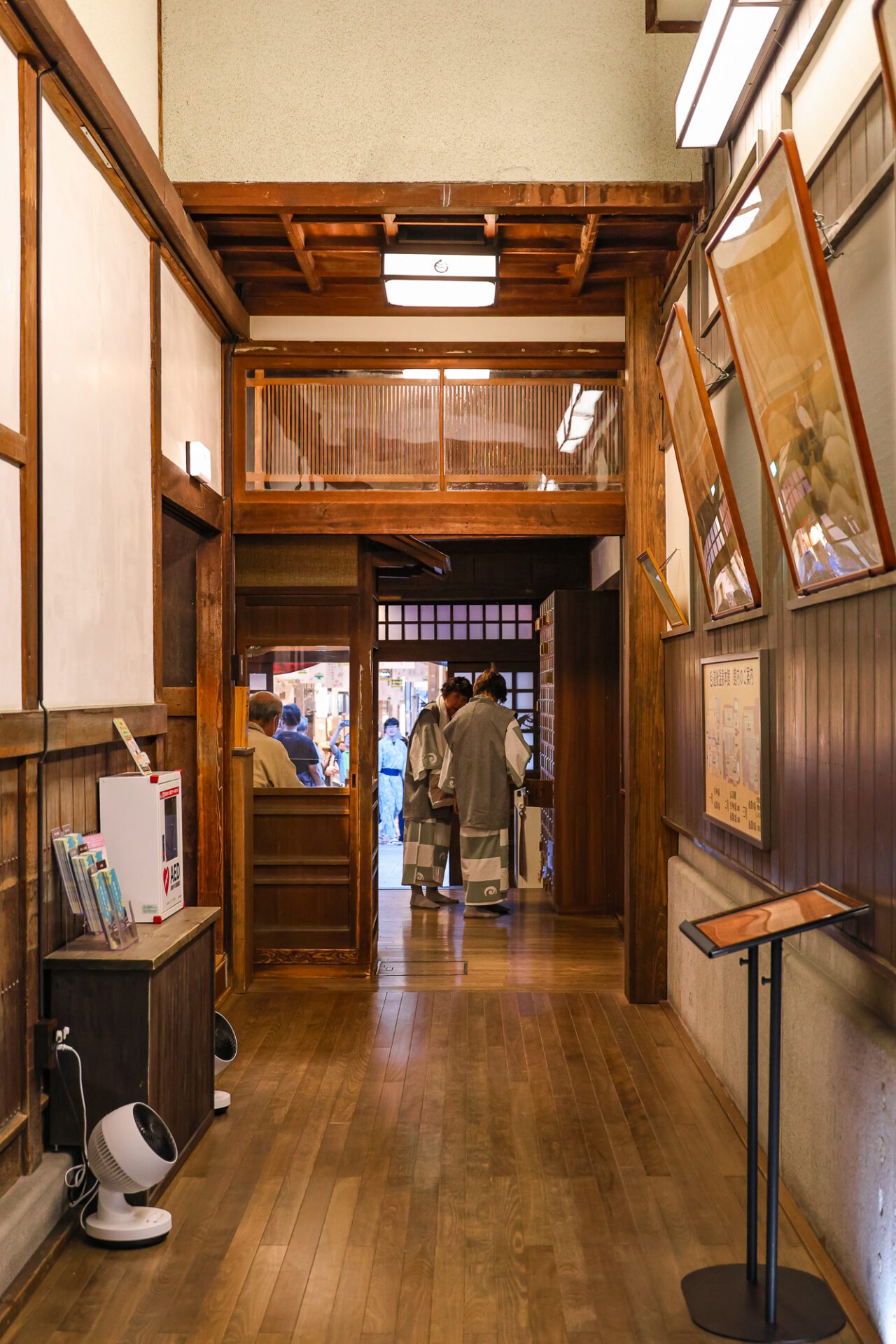
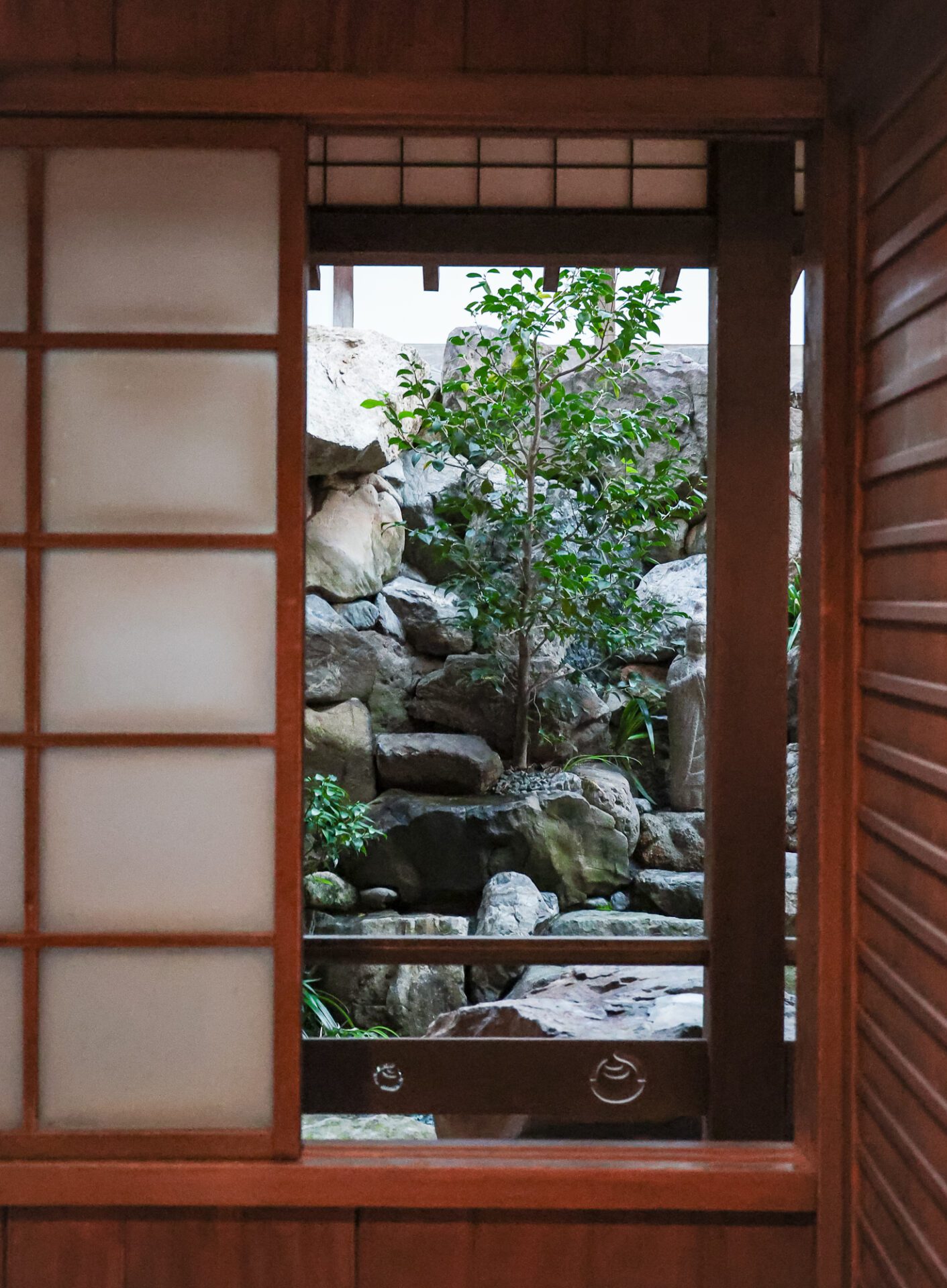

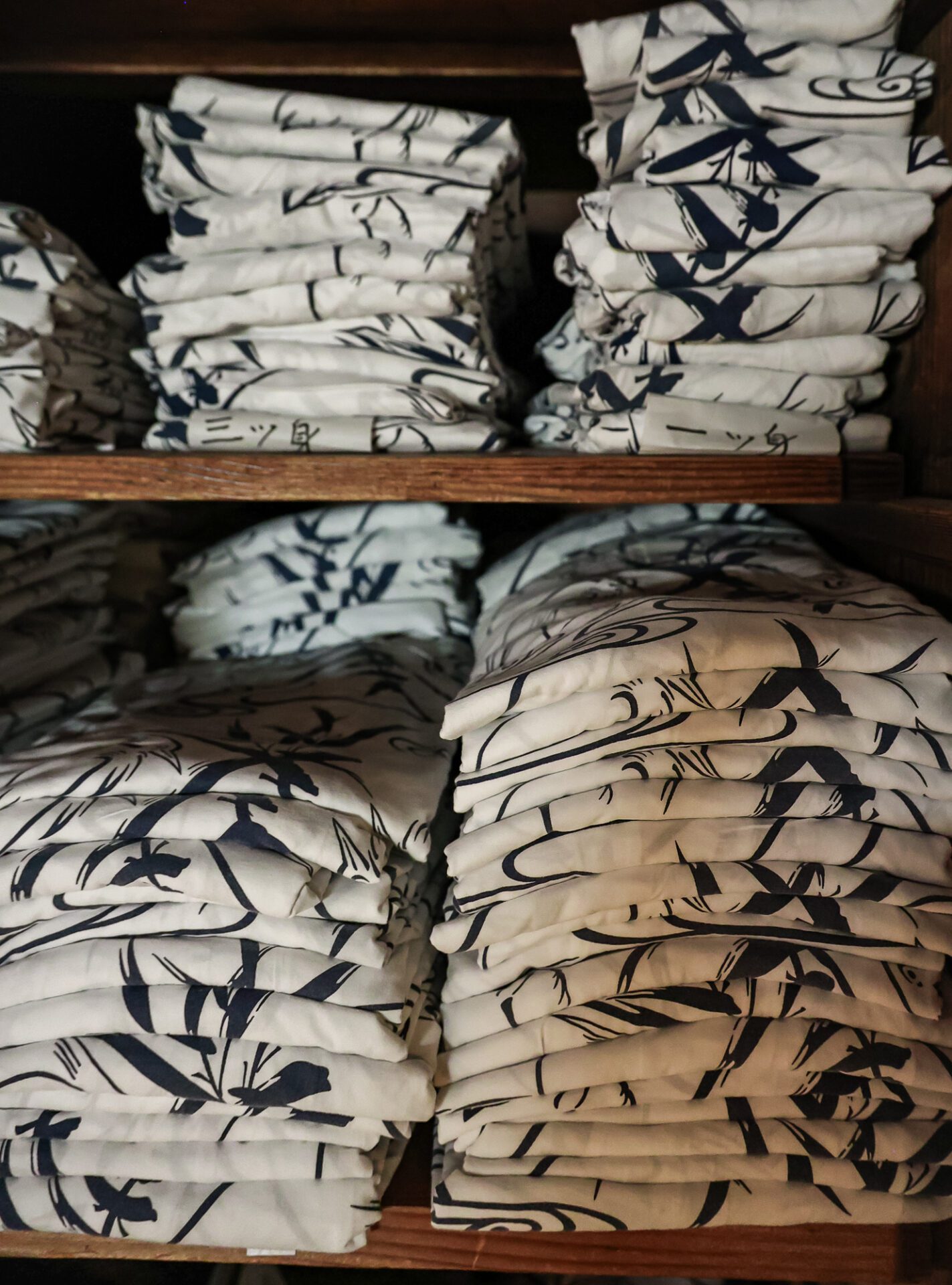
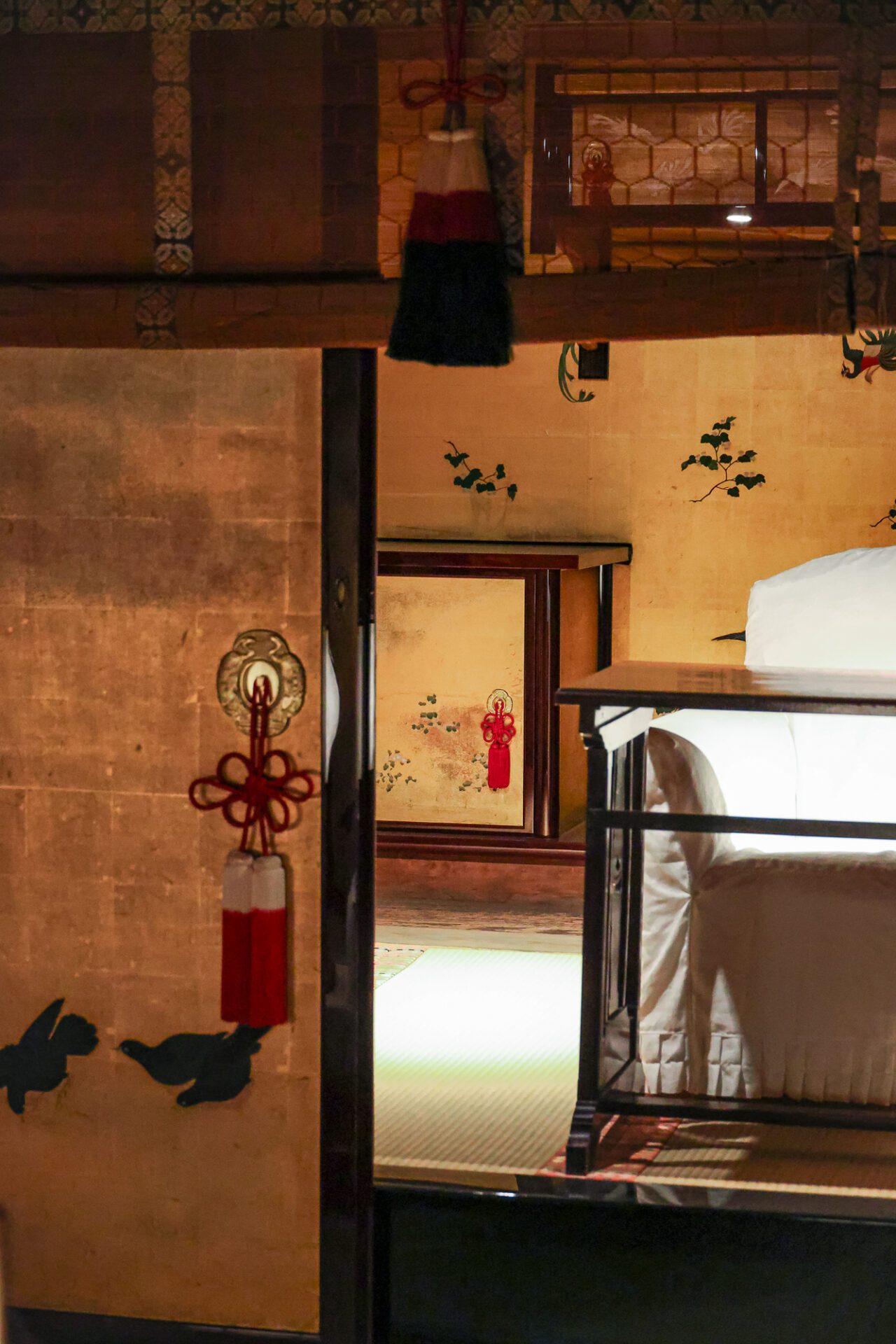
Afterwards, wander through the newly restored maze of public and private rooms, and be sure to catch the Tokidaiko, a historic tradition where the huge drum is struck on the top of Dogo Onsen three times a day.

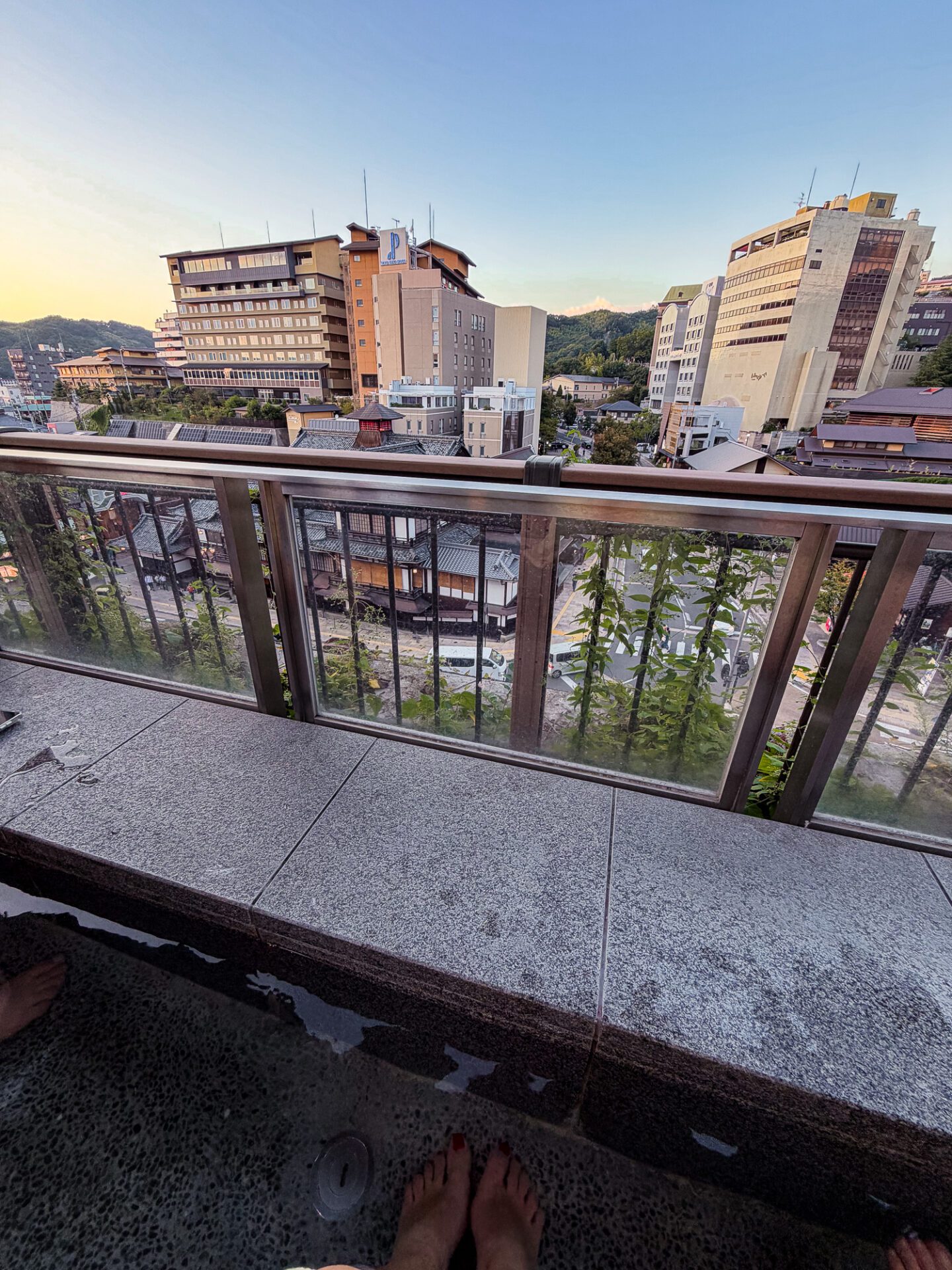
For panoramic views and a relaxing free footbath onsen, head over to nearby Sora no Sanpomichi hill.

3. Drink juice from a tap at Dogo Haikara-dori
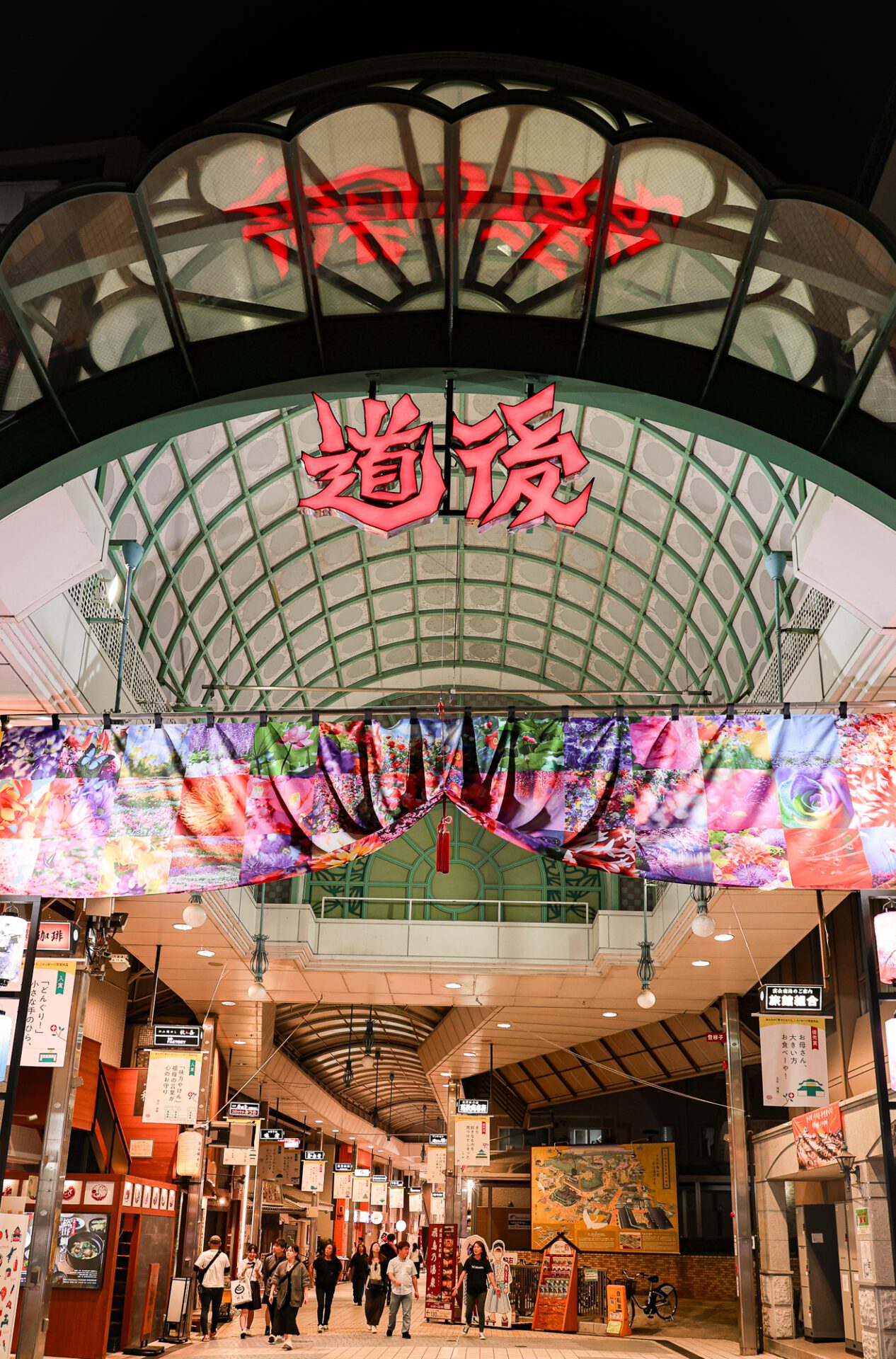
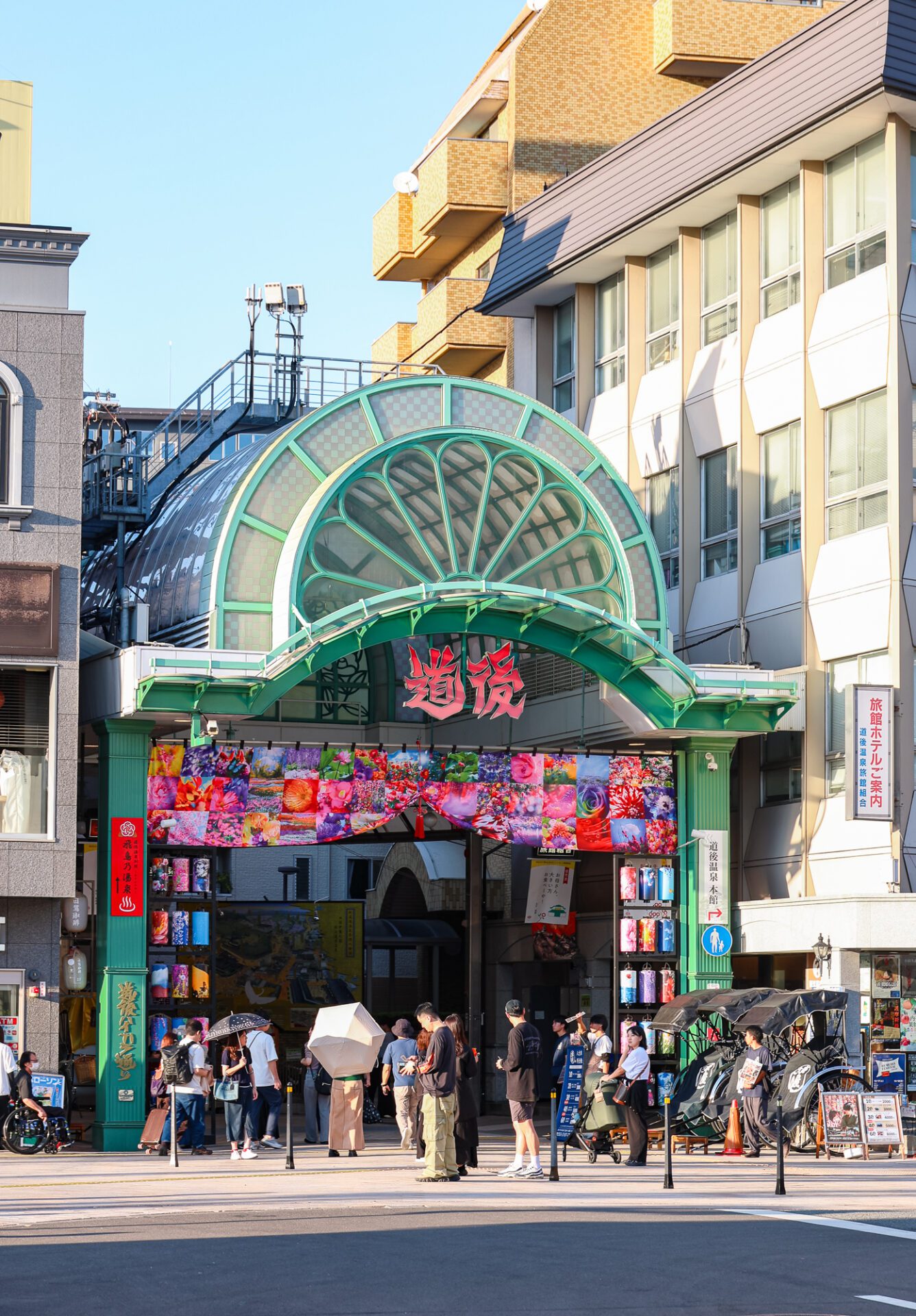
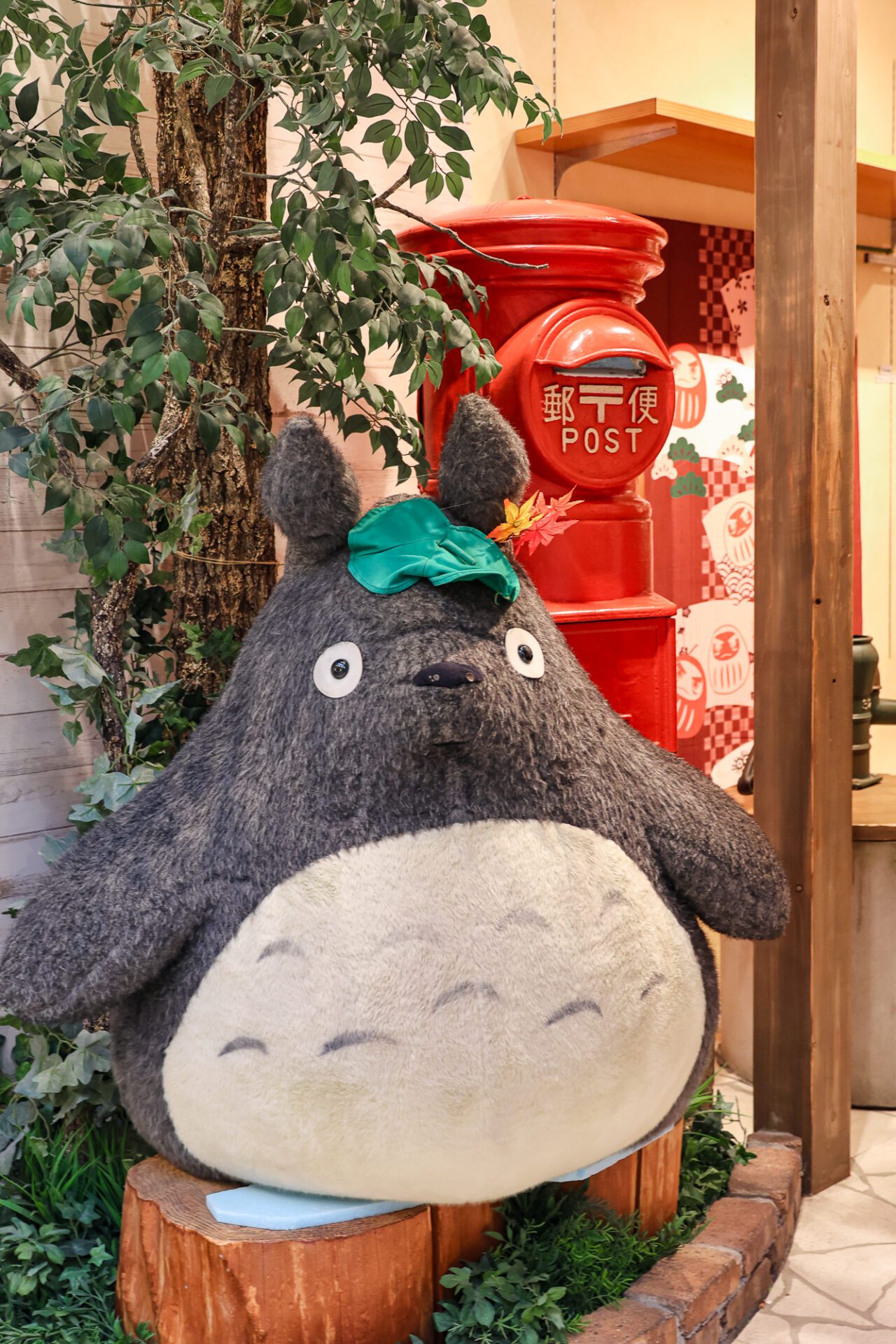
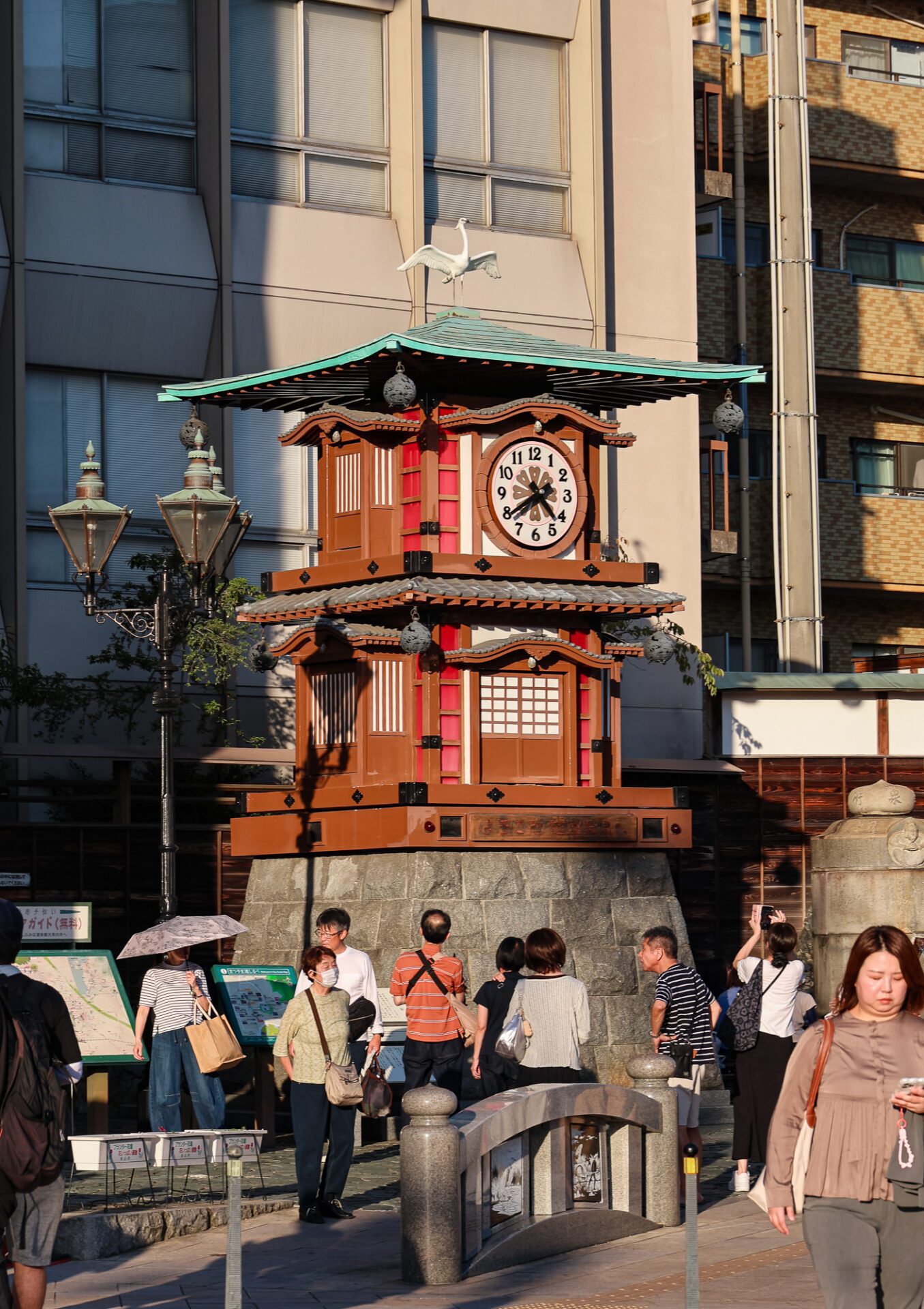
Right next to Dogo Onsen stands Dogo Haikara-dori, the large covered shopping street with retro-vibes. Established in 1964, it features a long stretch of shops on both sides, making it a fantastic destination to pick up mikan-themed souvenirs, citrus jellies, Shiba Inu plush toys, and omikuji fortunes. Besides that, there’s a picturesque Dogo onsen station (see below), free foot onsen and Botchan Karakuri Clock close to its entrance.

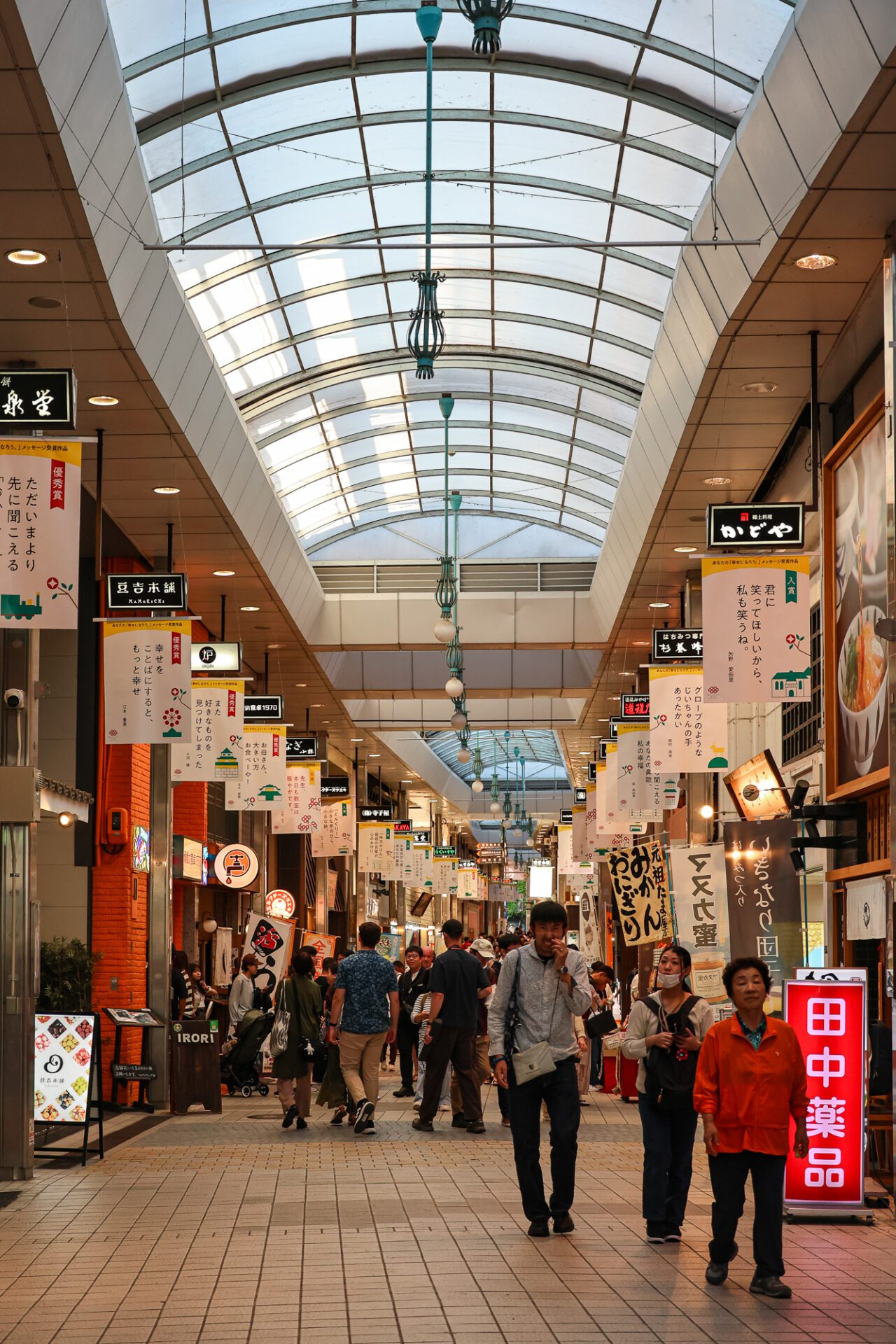
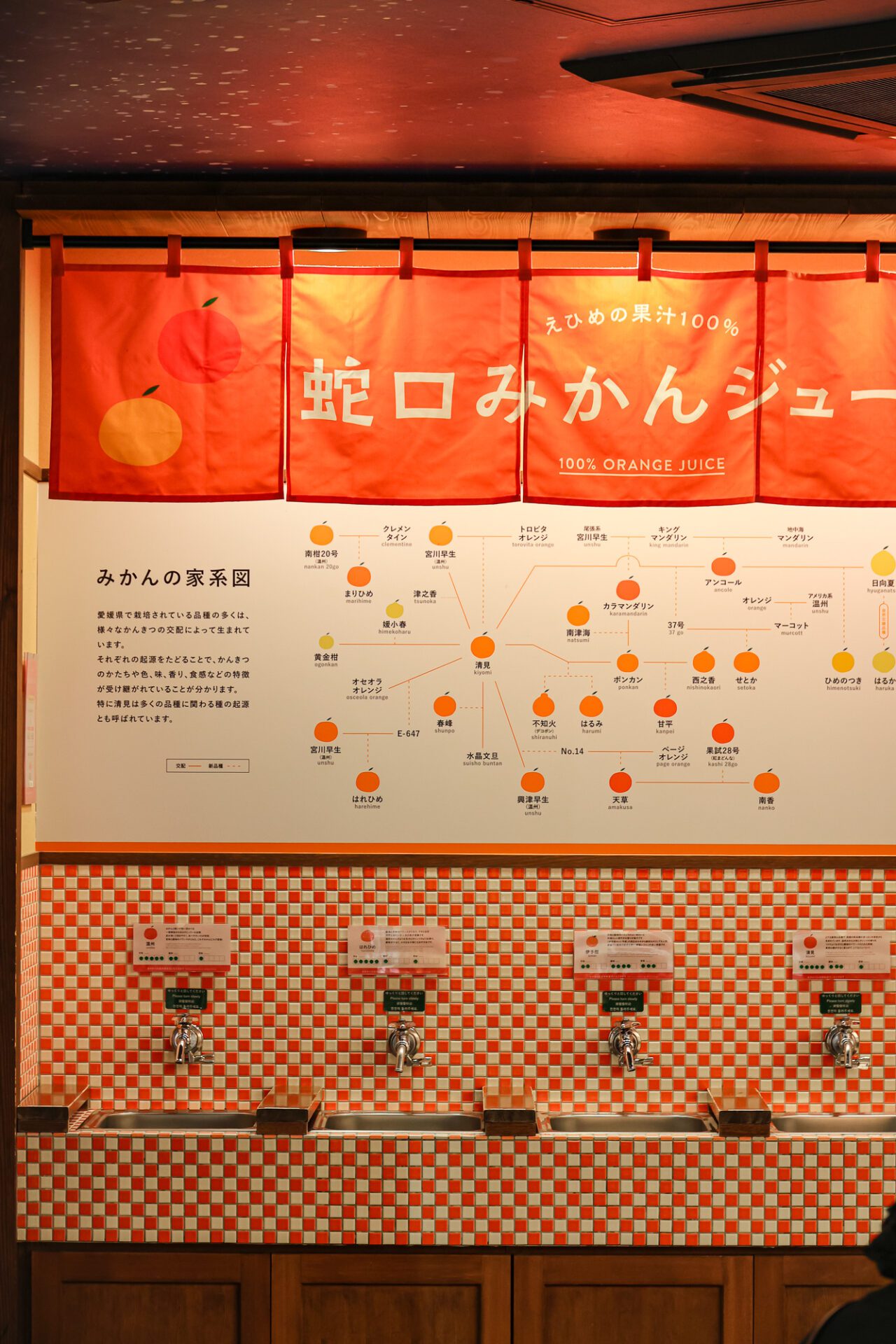
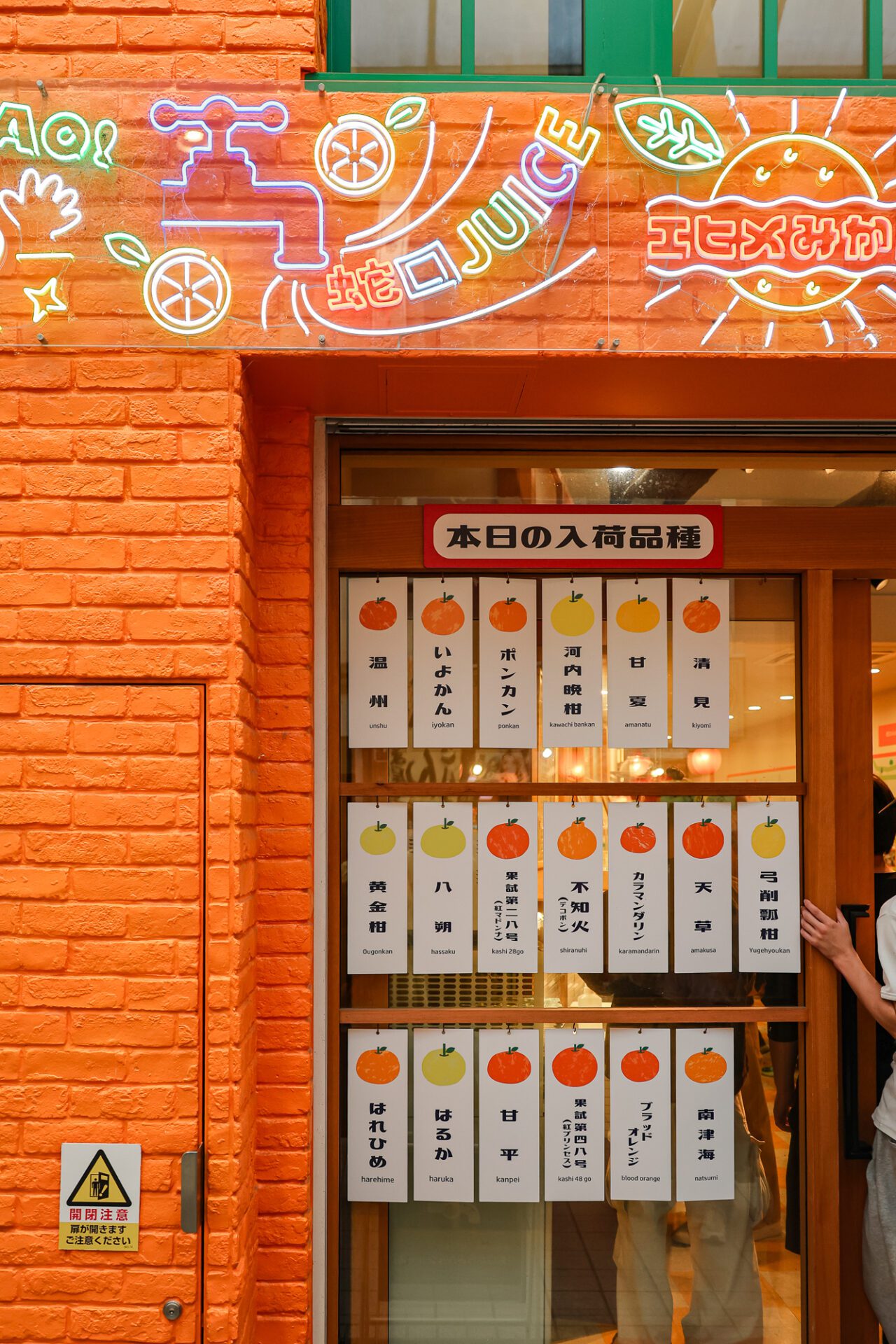
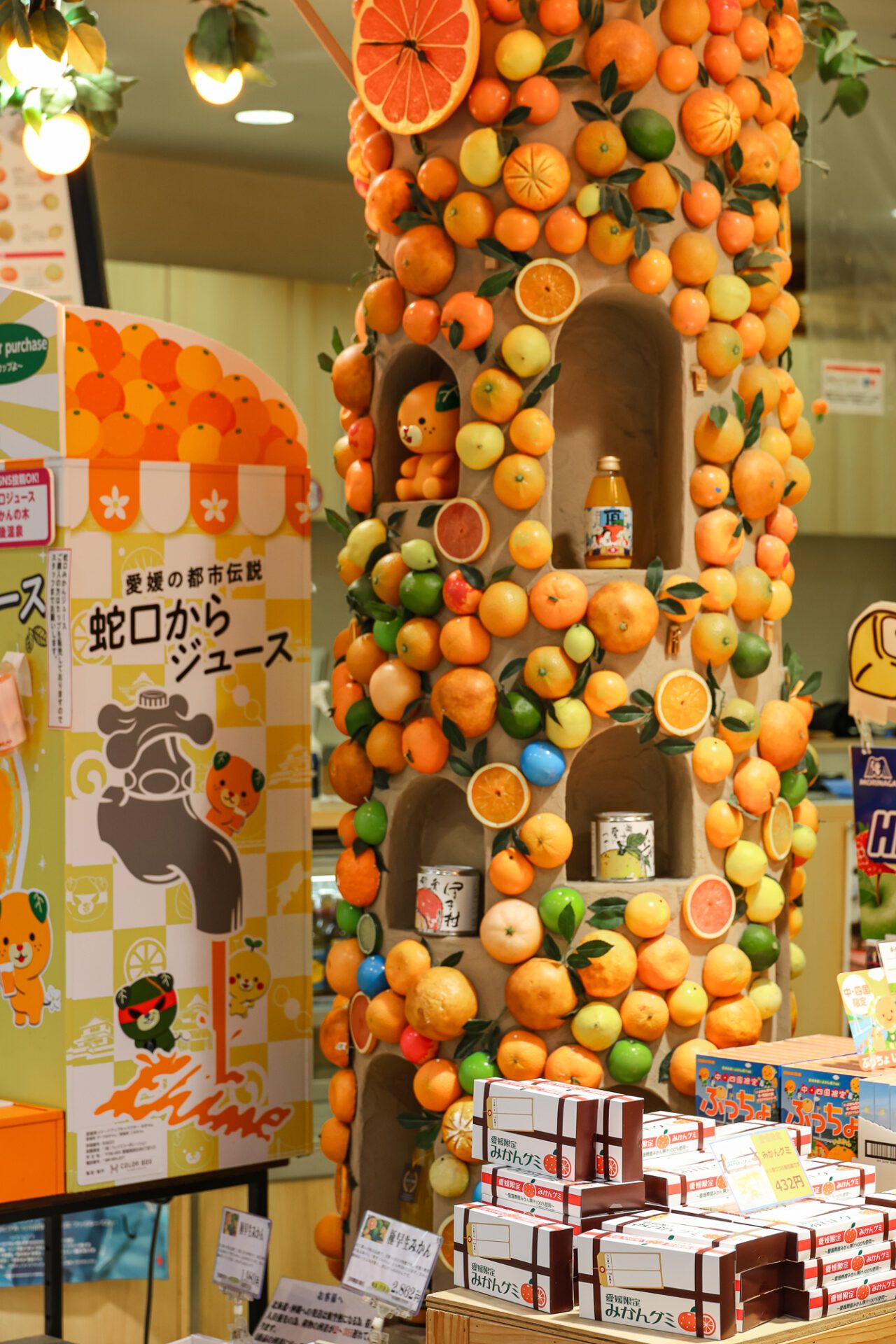
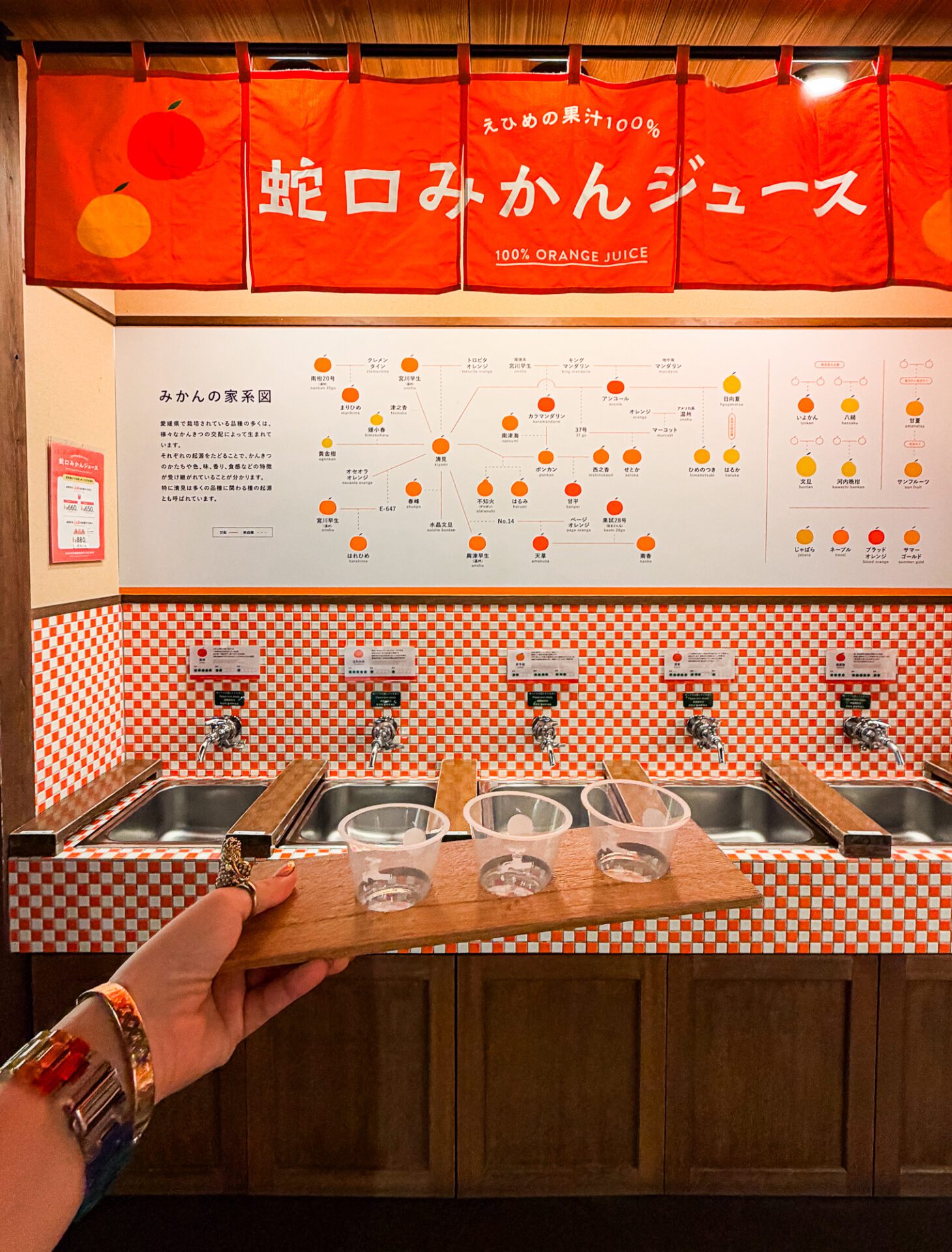
The ultimate highlights are the arcade’s citrus juice taps, where local mikan juice (and other local citrus varieties) flows like water! Ehime no Shokutaku 1970 is the most famous venue, but a few other ‘juice bars’ along the street offer this fun tasting experience as well.



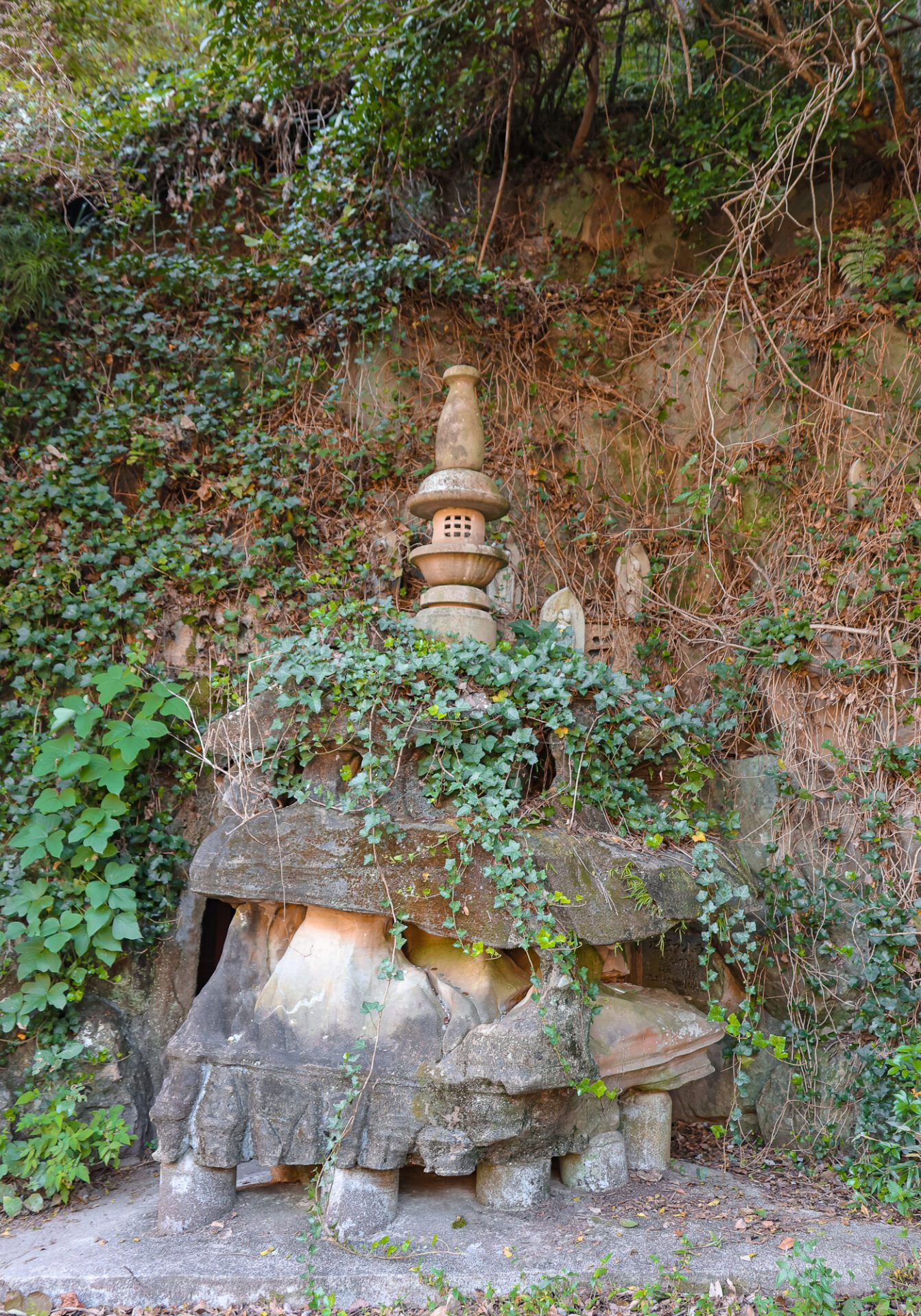
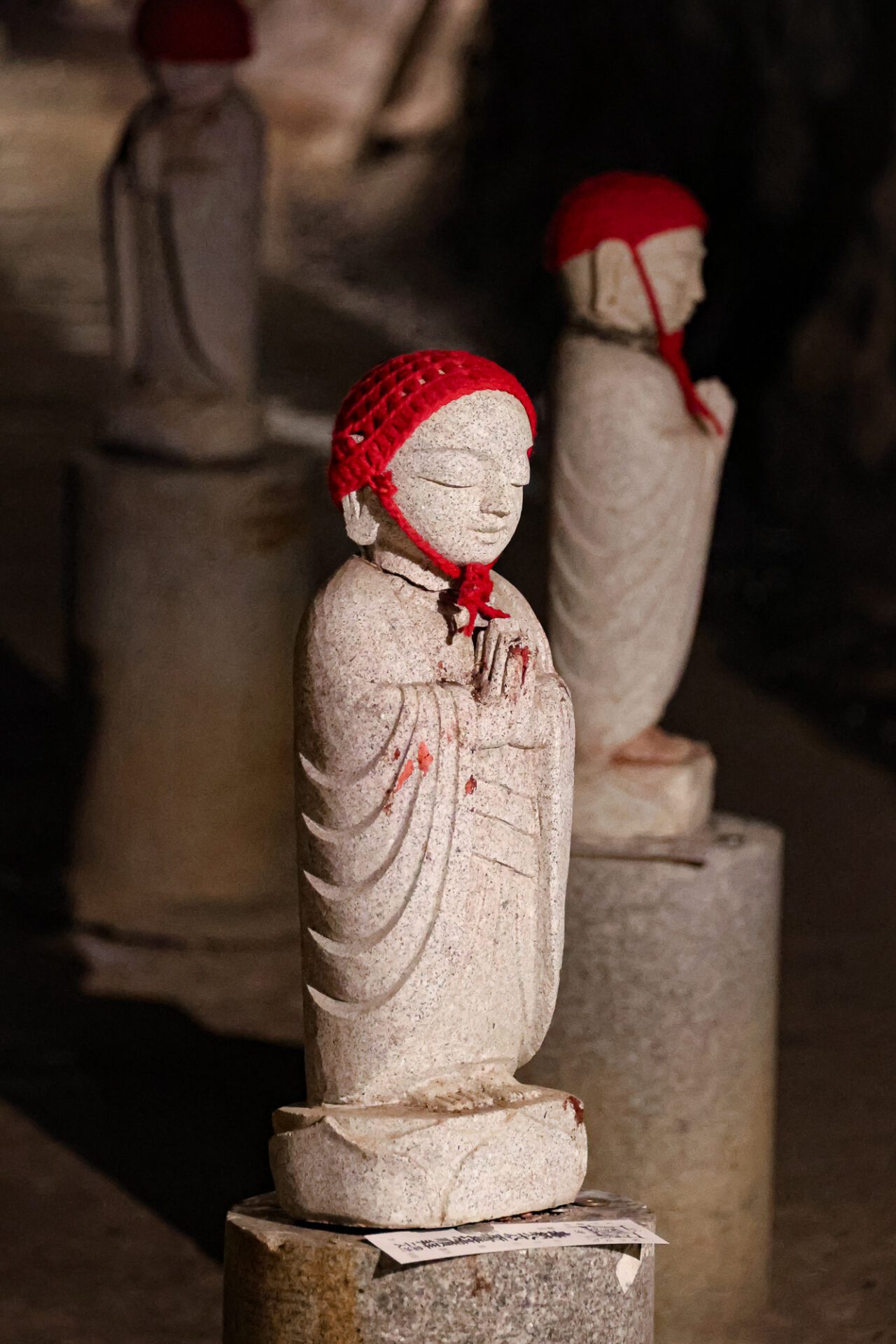
4. Explore the caves of Ishite-ji Temple
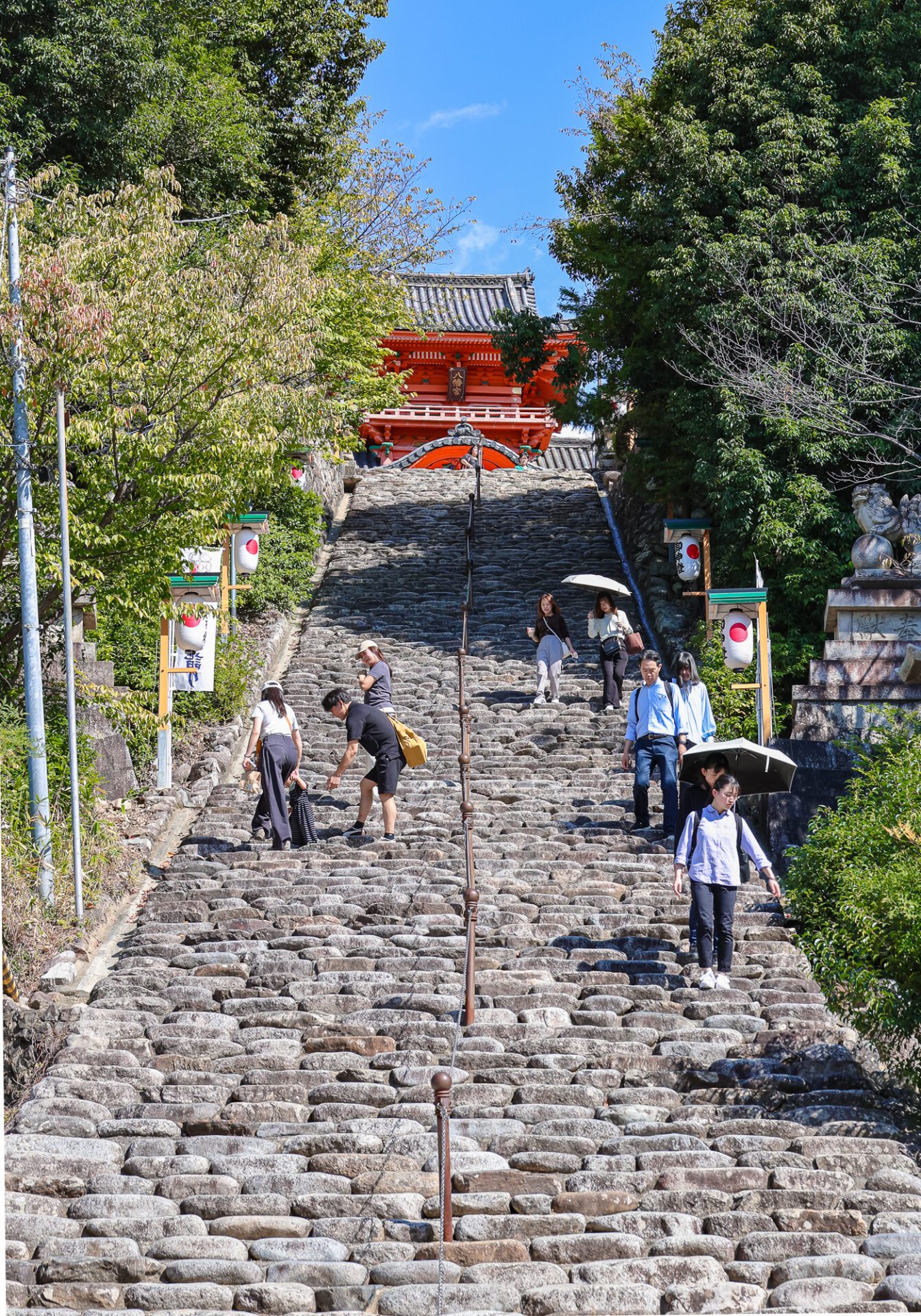
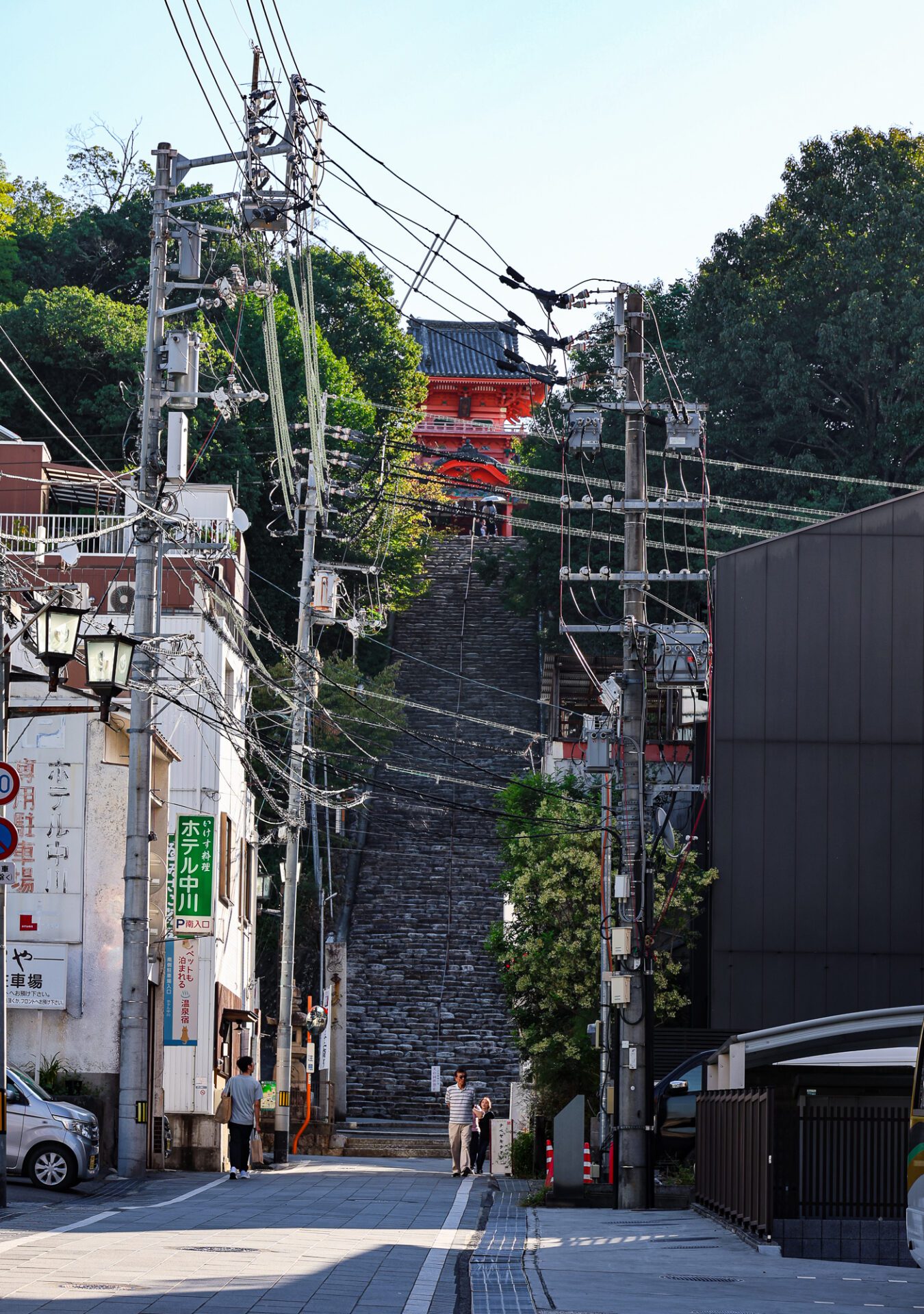
Stop N51 of the Shikoku Pilgrimage, Ishite-ji Temple literally means ‘Stone Hand Temple’.

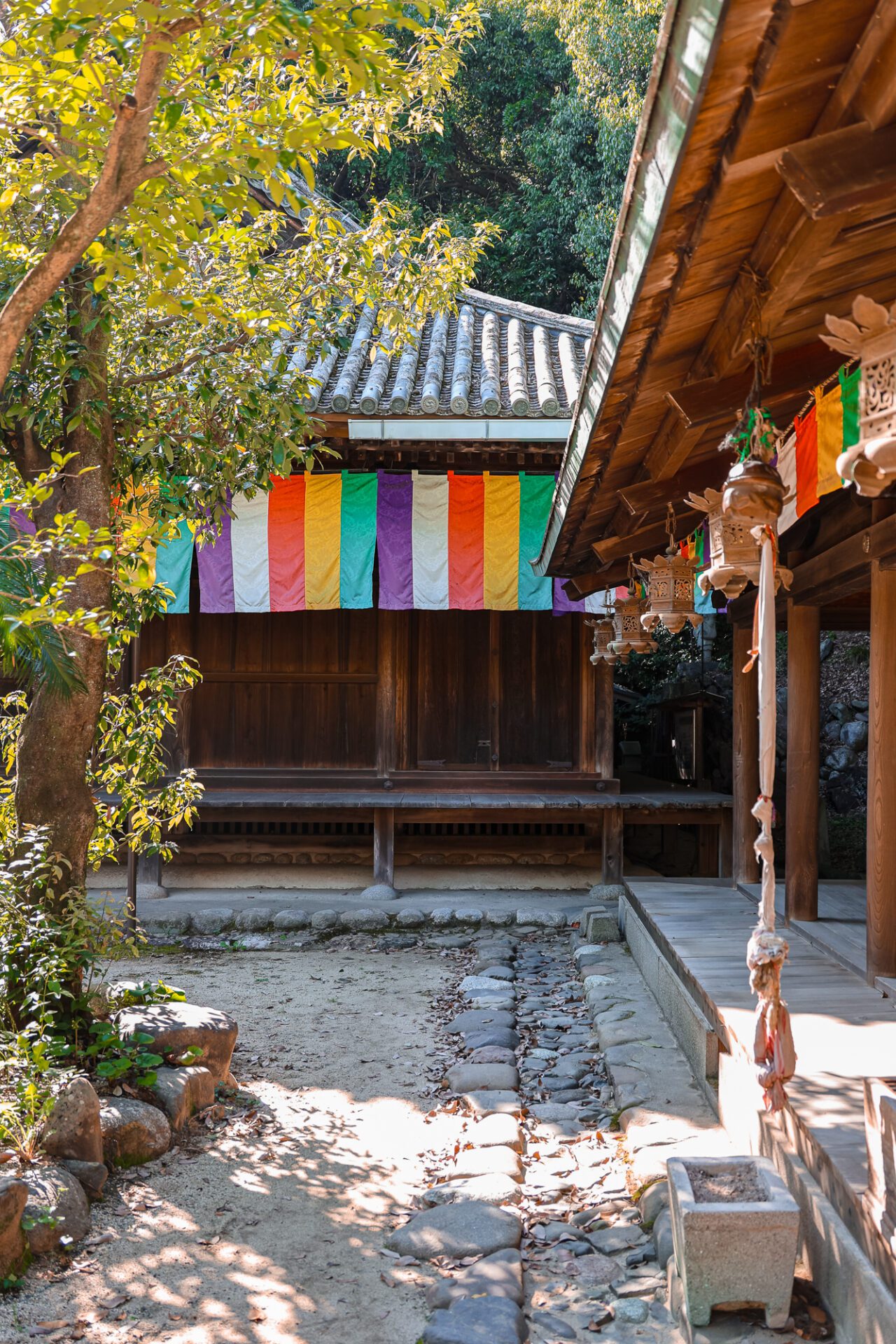

It gets its name from the legend of a wealthy man who offended the monk Kukai, suffered tragic family losses as a result of it, and spent his final years chasing the monk around Shikoku for forgiveness. Pardoned on his deathbed while holding a stone in his hand, he was said to be reborn in Matsuyama still holding the same stone!
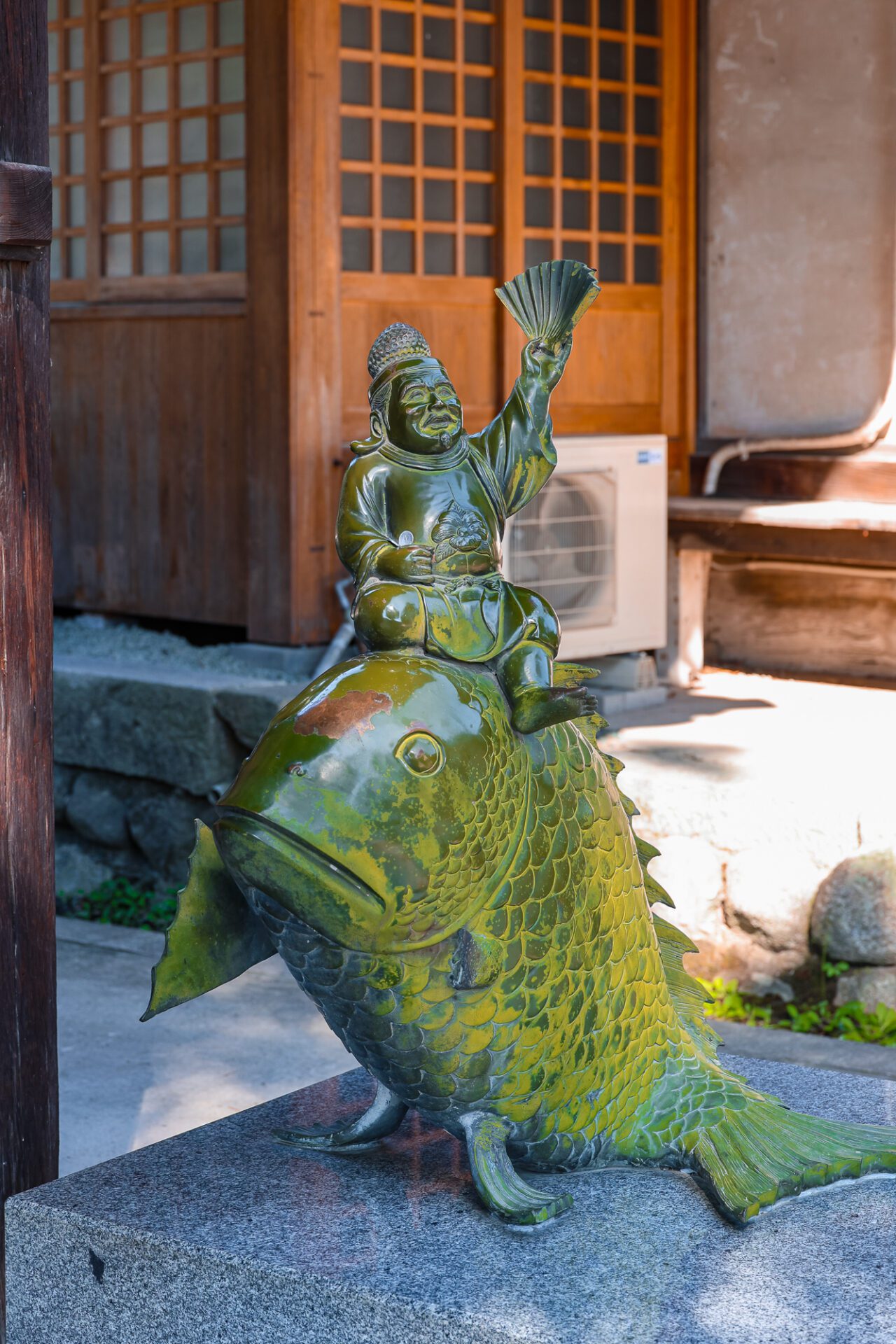
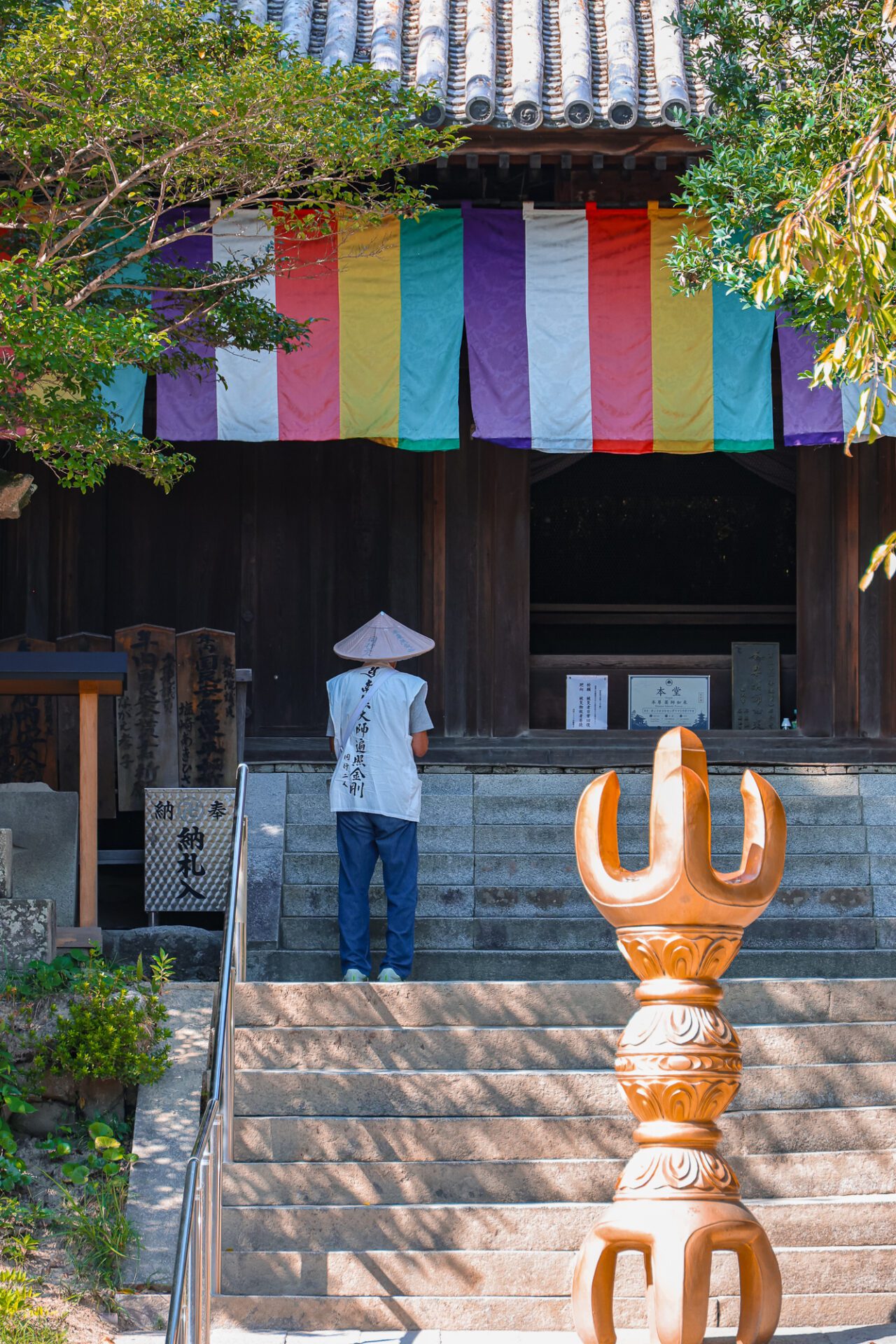

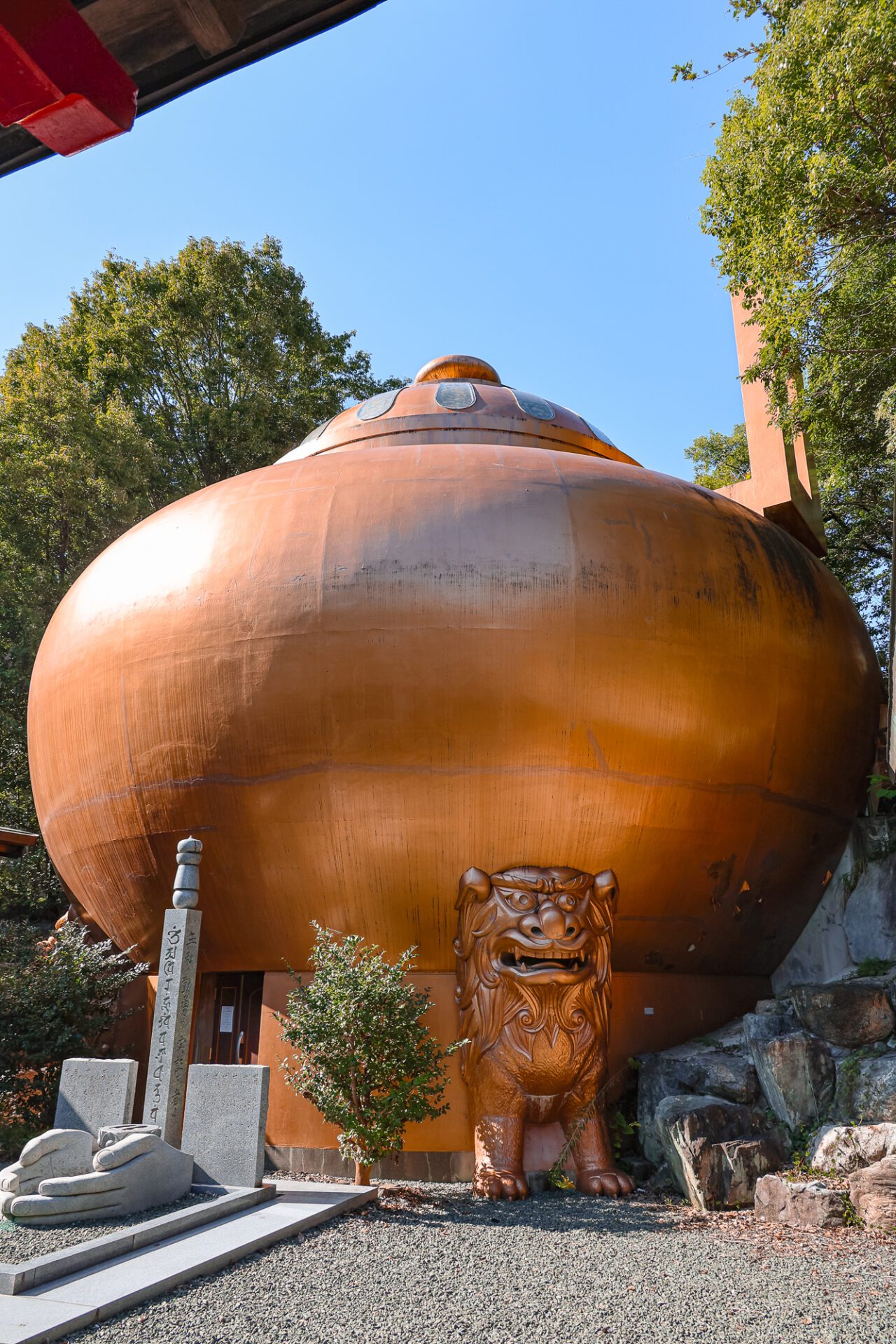
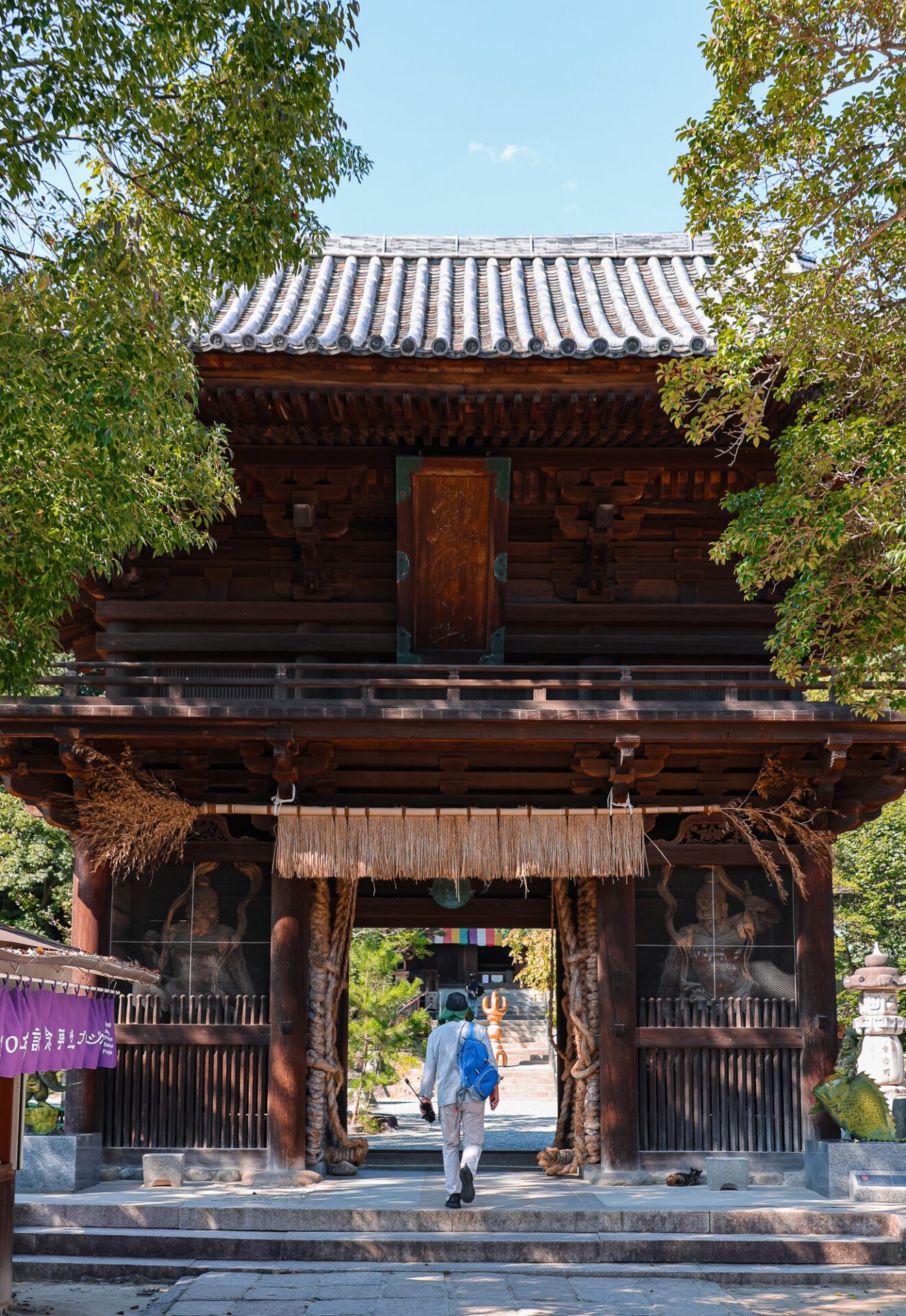
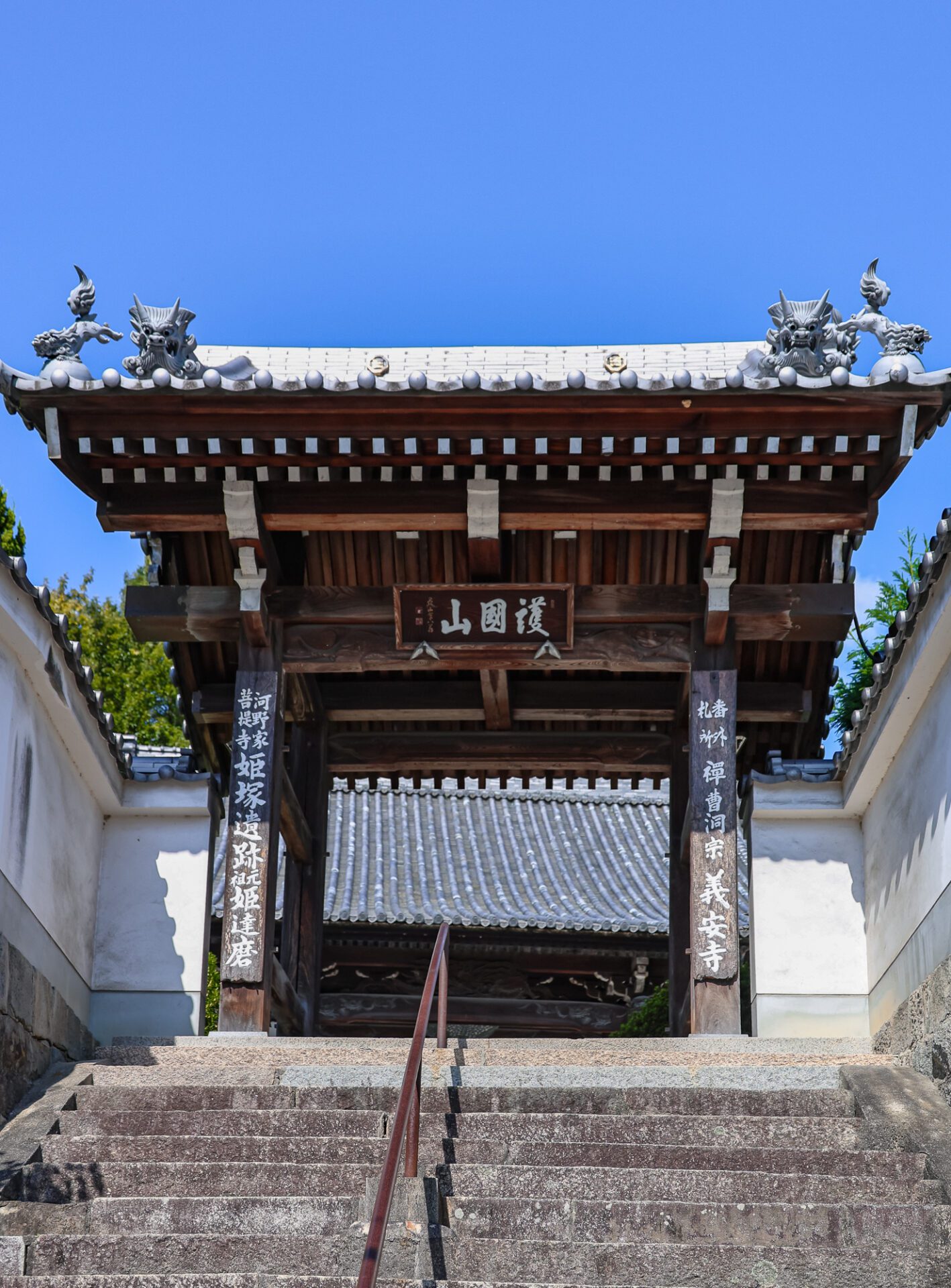
You can admire the important cultural properties here such as the three-story pagoda, the main hall Hondo, and the magnificent Niomon Gate, a designated National Treasure built in 1318 that features two ancient guardian statues.
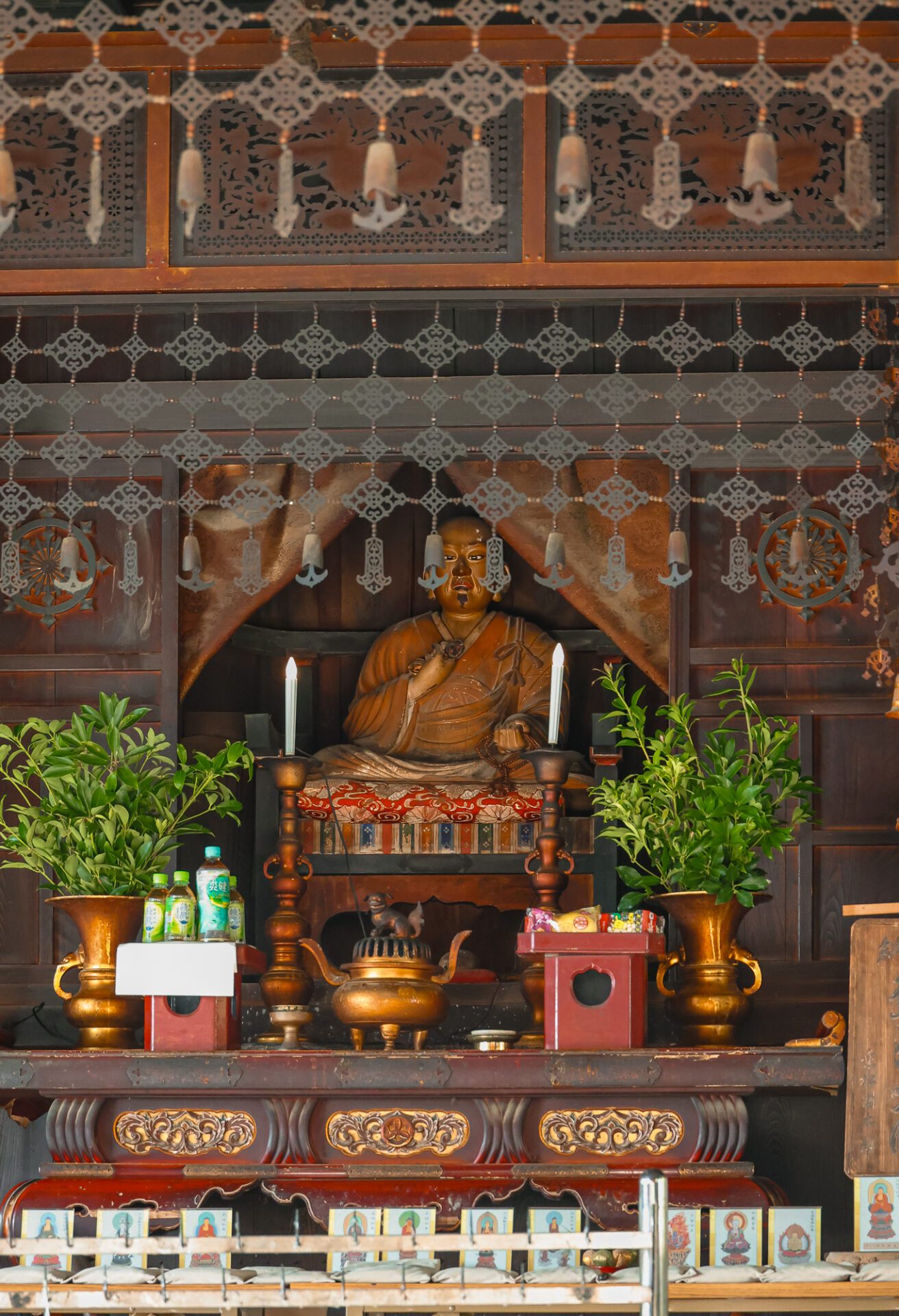
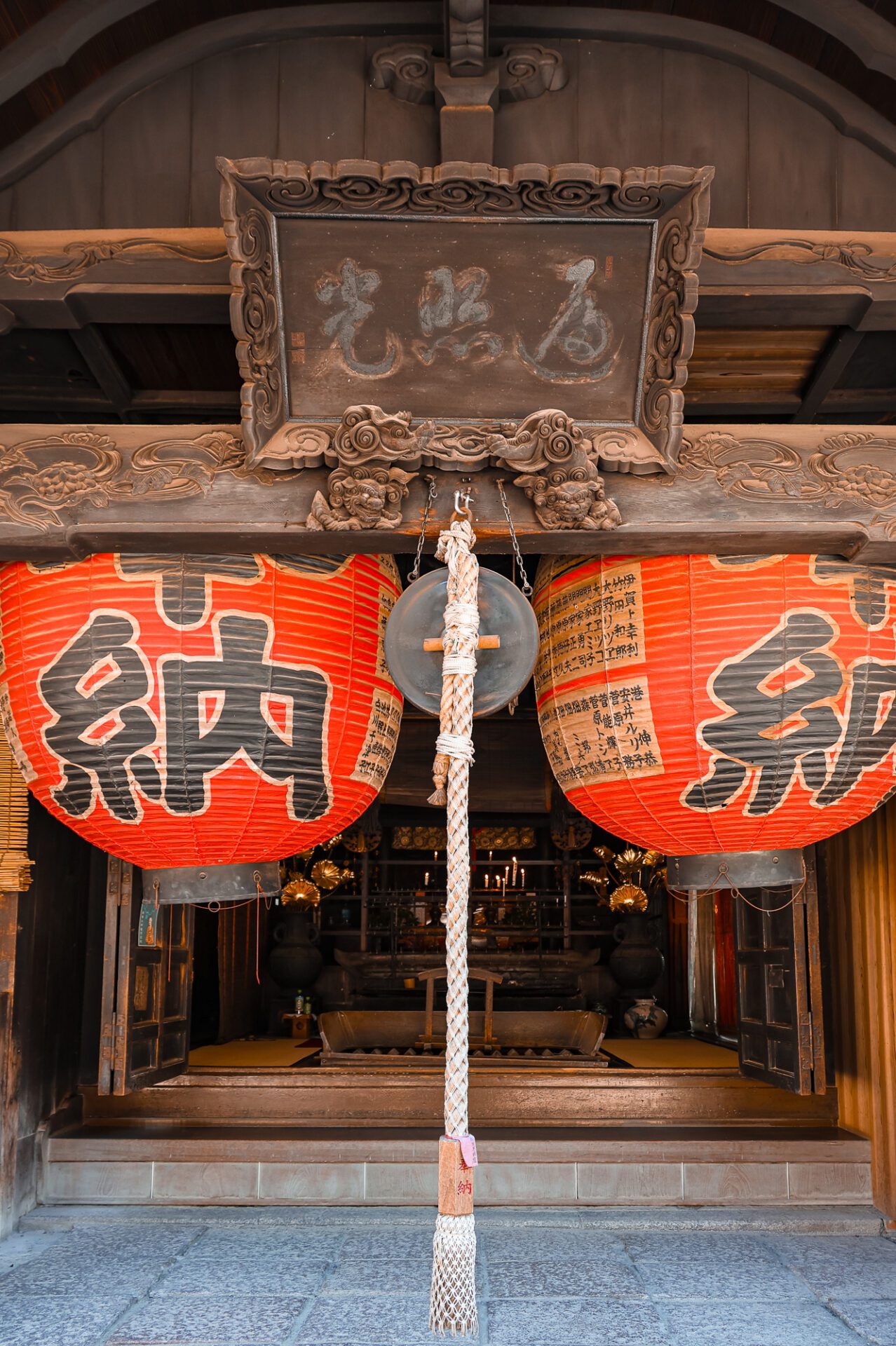

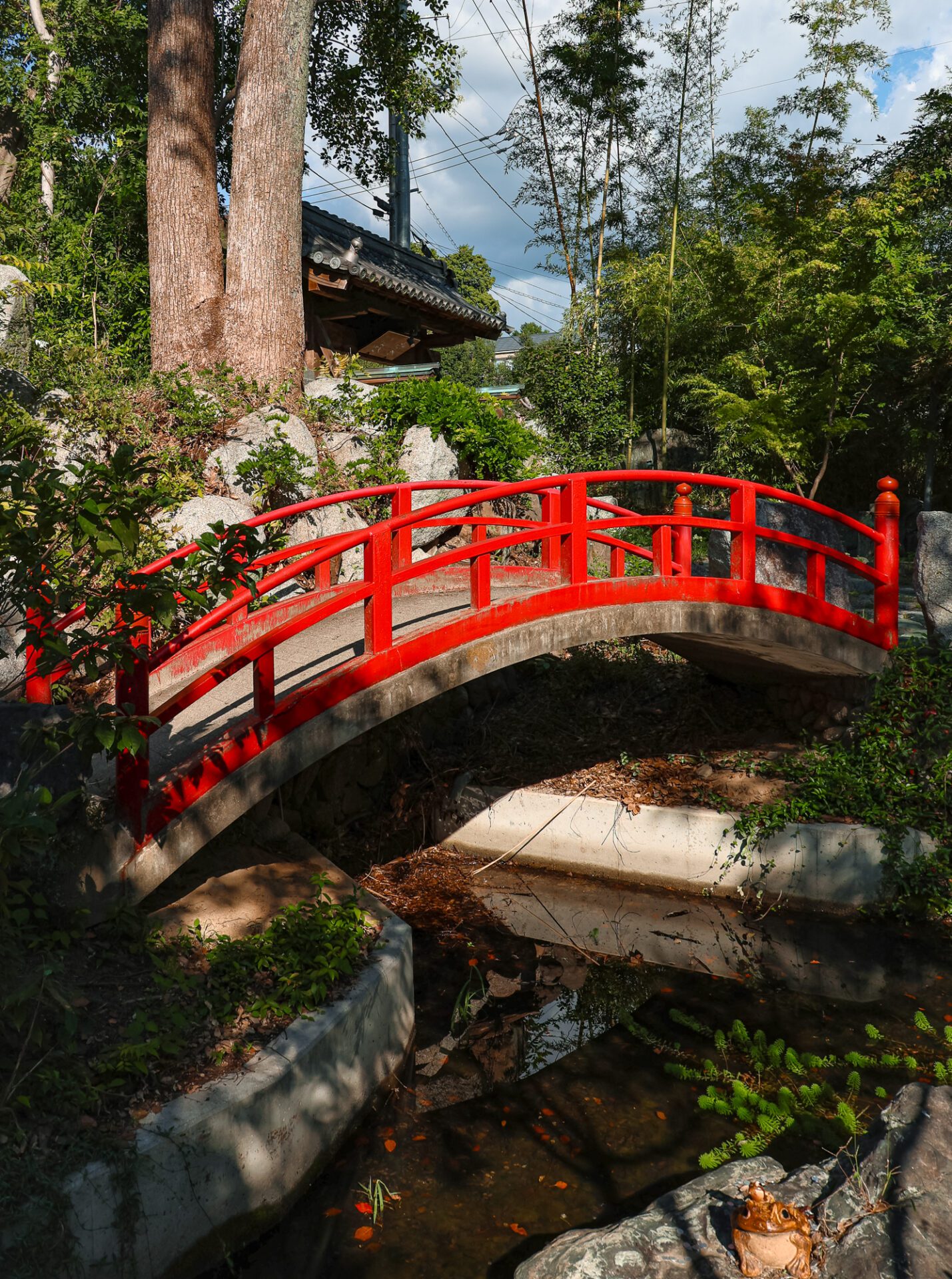

Famous for safe childbirth and fertility blessings, the temple customs allow visitors to borrow a stone from Kishibojin’s hall and bring back two stones once their baby is safely delivered.

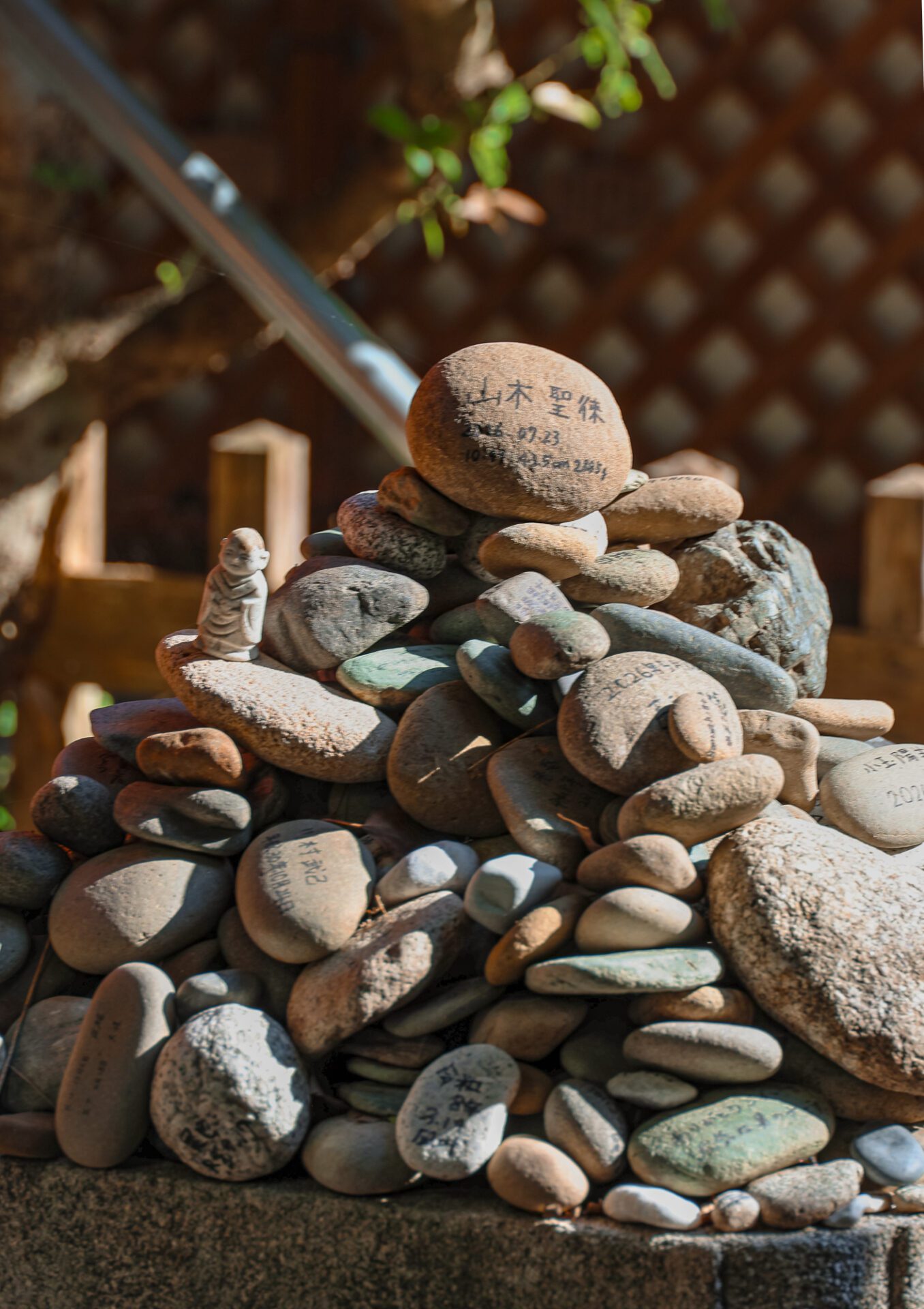

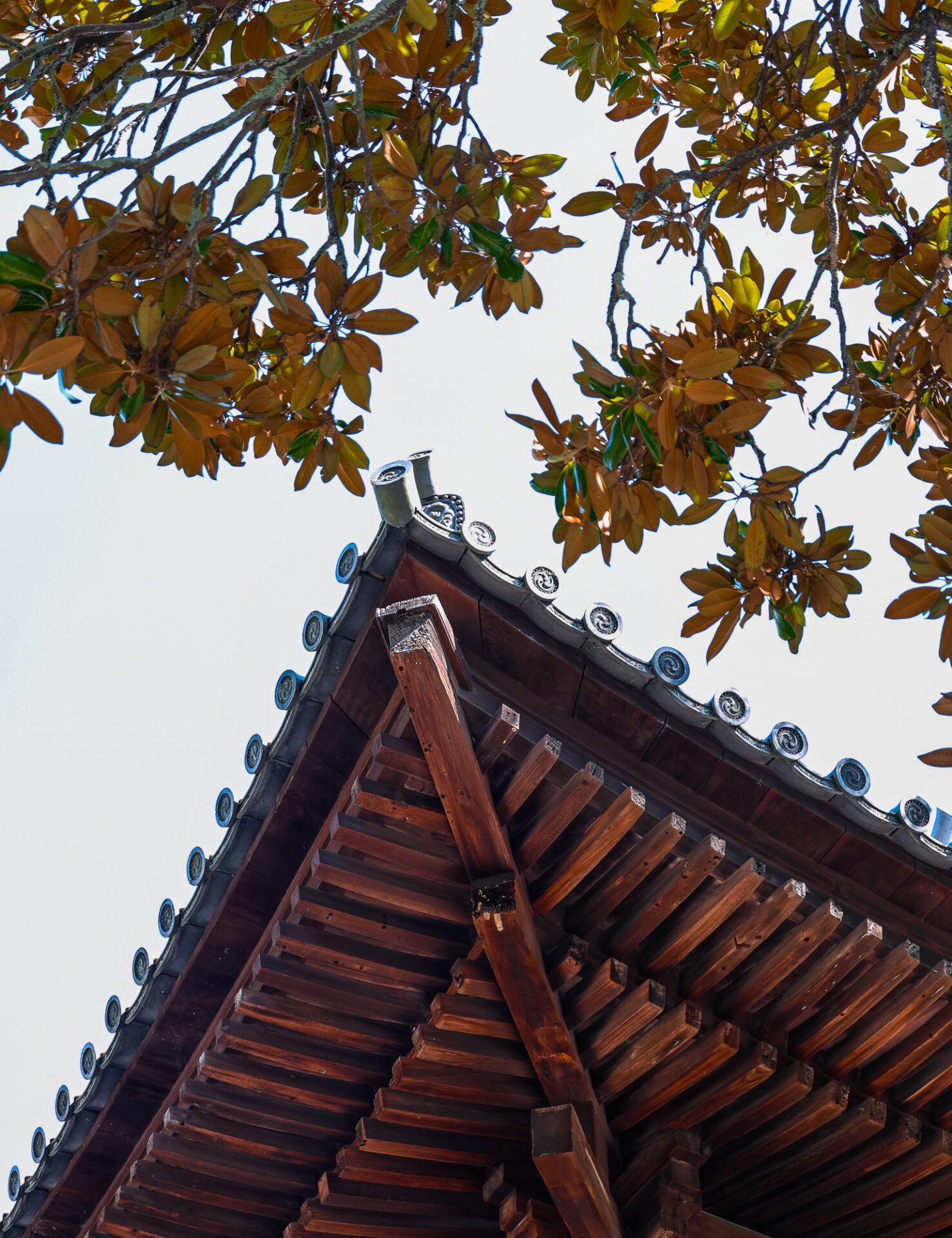
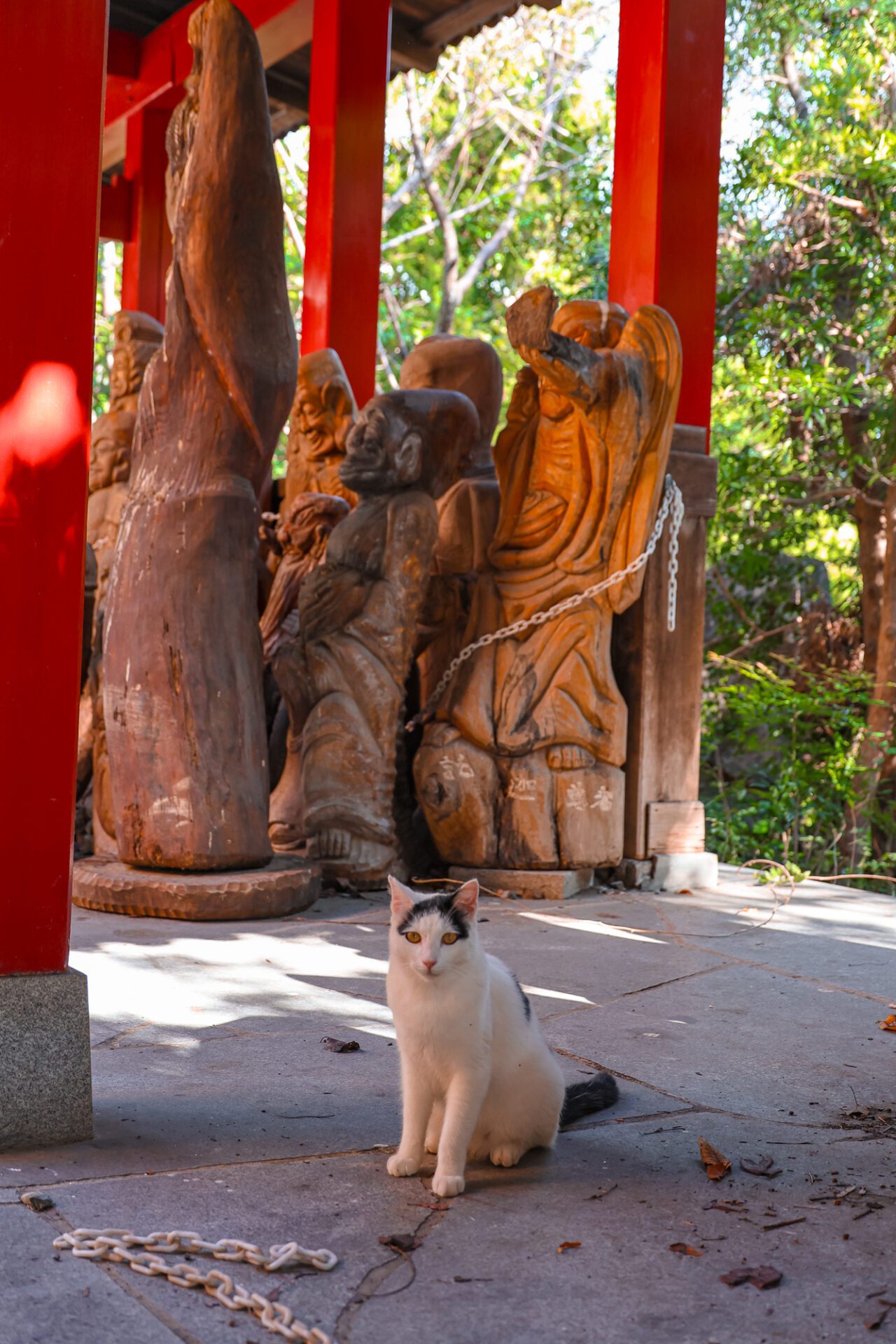
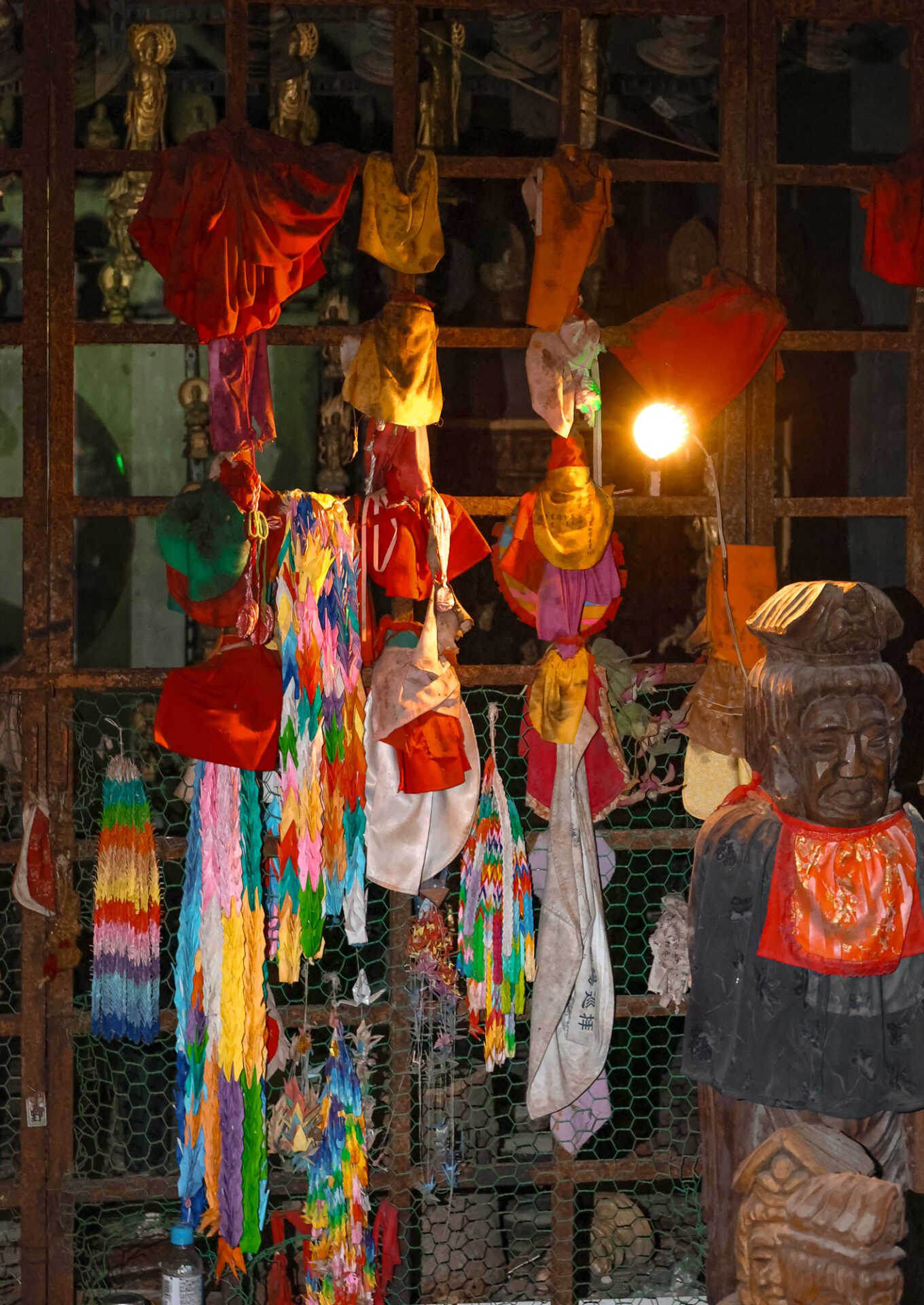
Don’t forget to take time to explore the surroundings, say hi to the local feline residents and wander through the temple’s artificial caves.

5. Walk through Dogo Park
Located just a short walk from Dogo Onsen, Dogo Park occupies the former site of Yuzuki Castle, a 14th-century fortress on a hill built by the Kono clan.


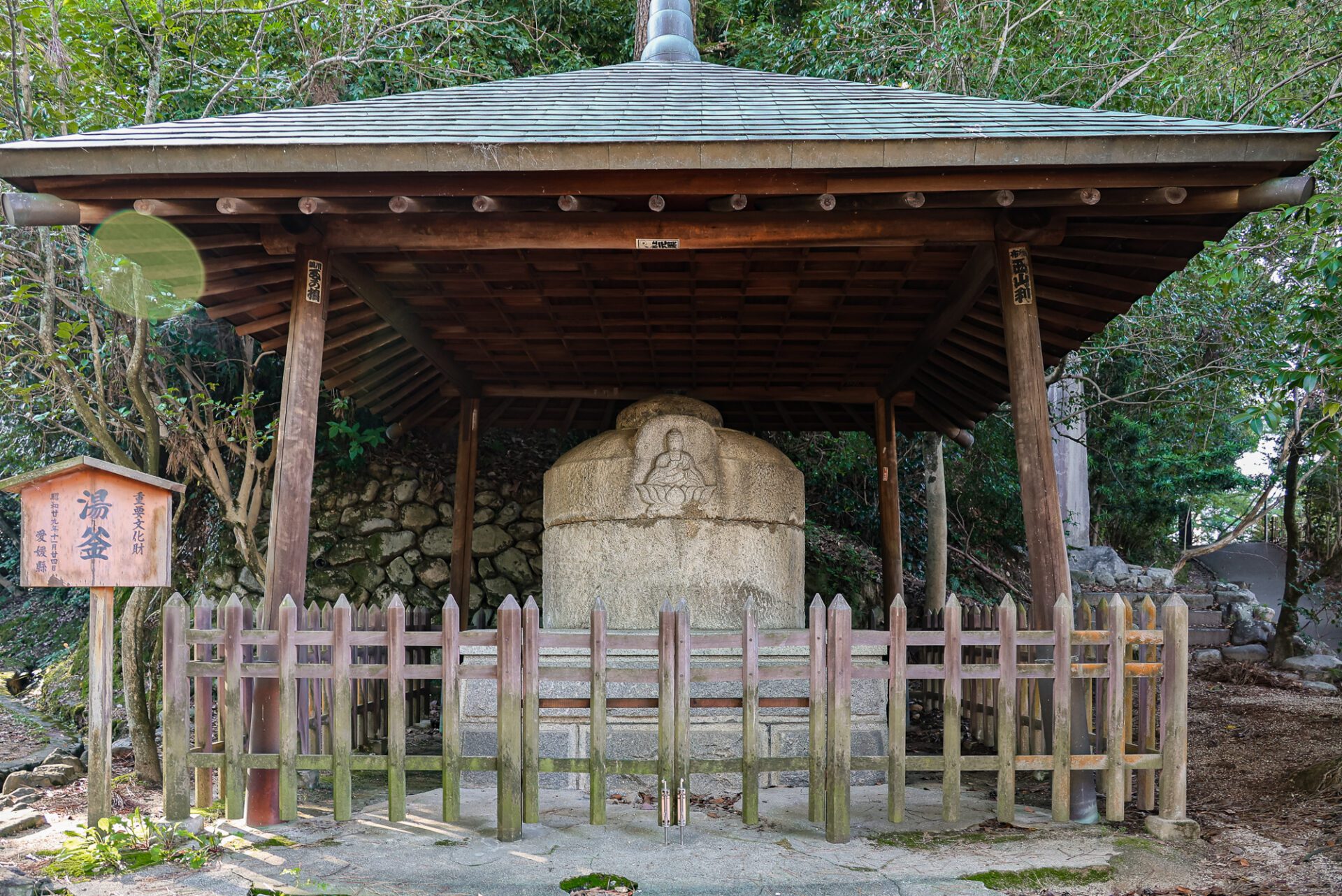
Now the park is famous for its serene moat with water lilies and fantastic views of the city around it.


6. Get your wish granted at Enman-ji Temple
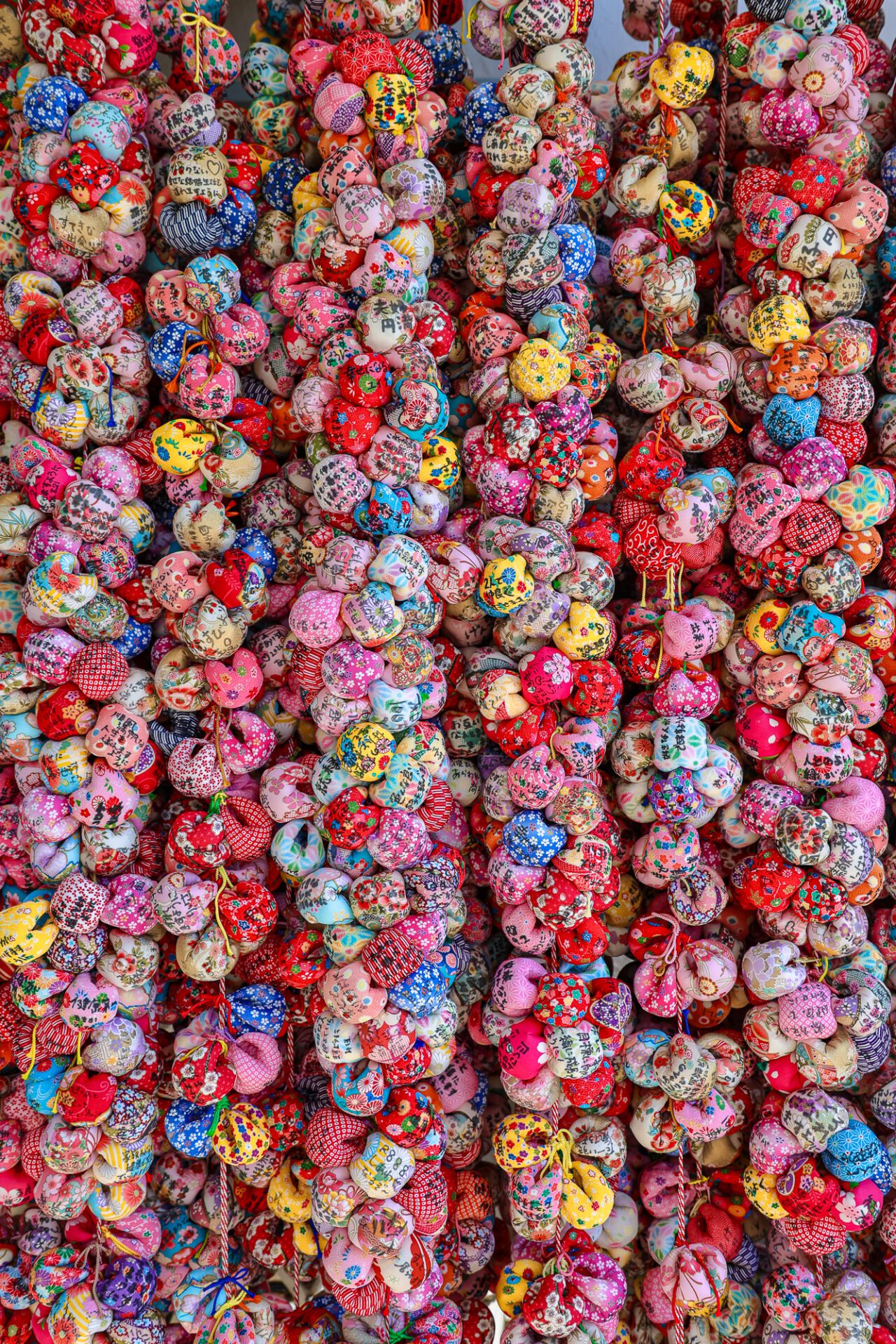
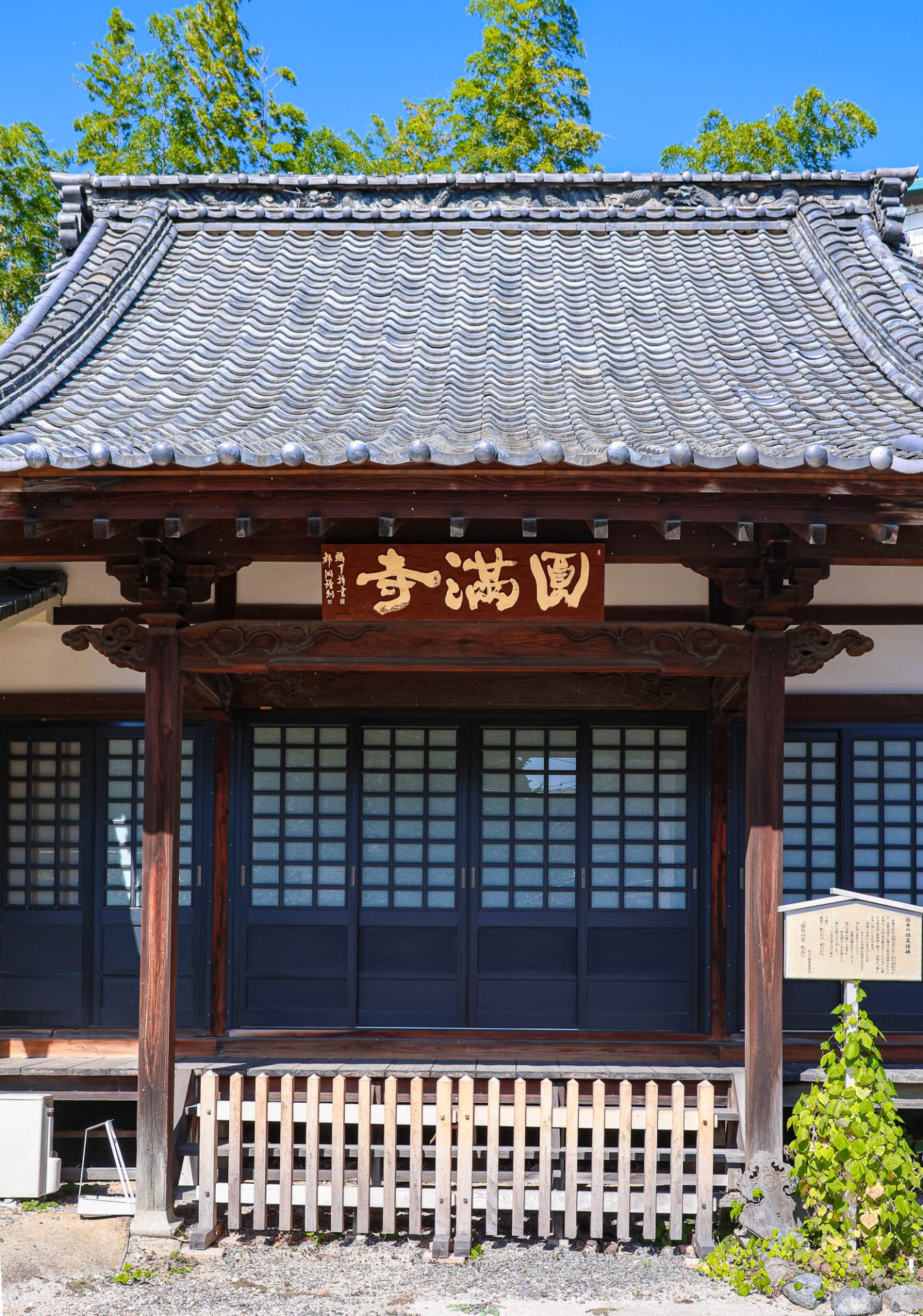
Enman-ji Temple was founded in 812. Come here for a unique wishing tradition – it’s said to be the most powerful if you ask for love! Choose a colorful pattern for your omotsudama ball, hold it in your left palm while making a wish, and string it up with the others. Don’t forget to collect your ‘ticket’ – you’ll need to return it when you come to the temple after your wish comes true!


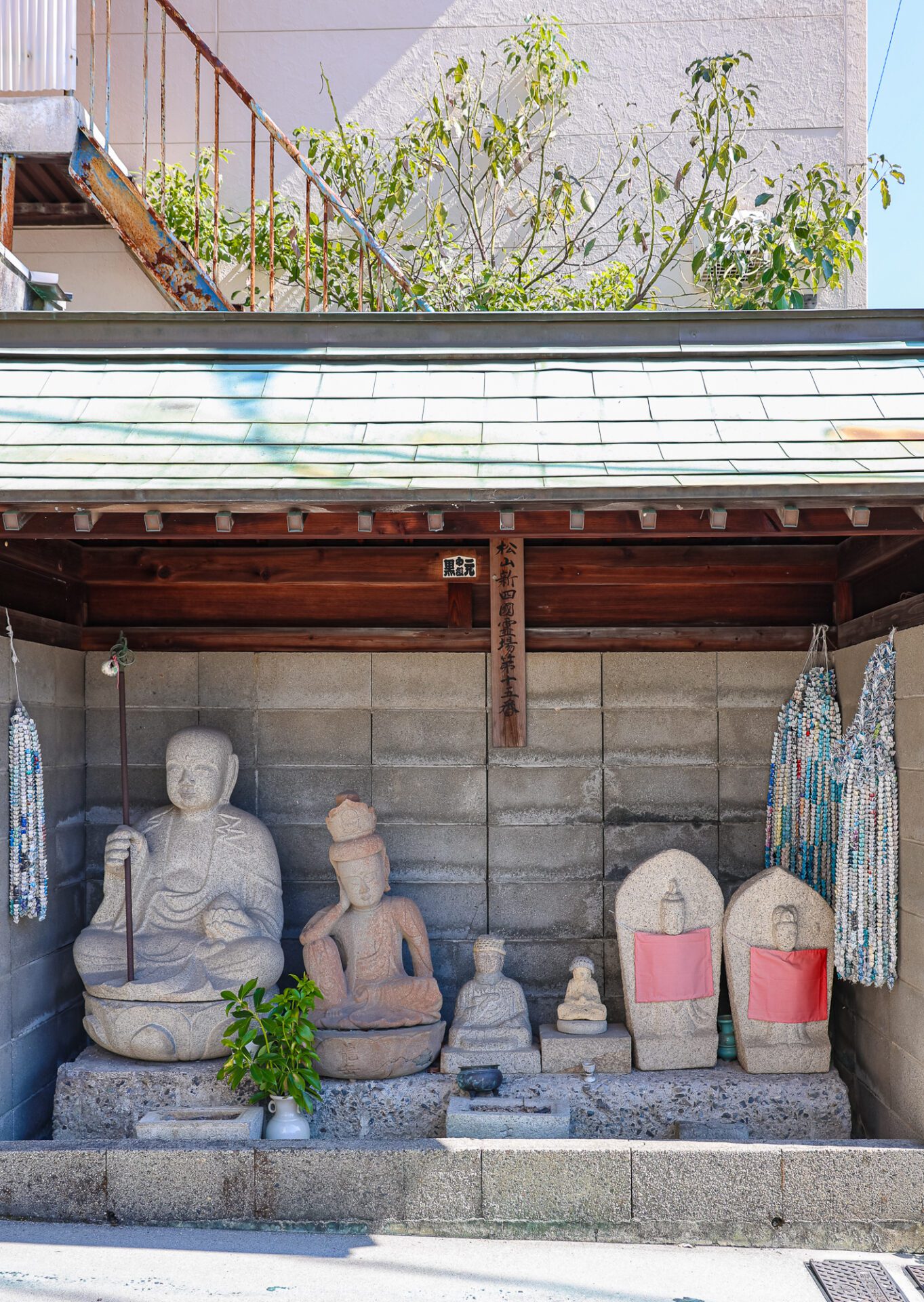
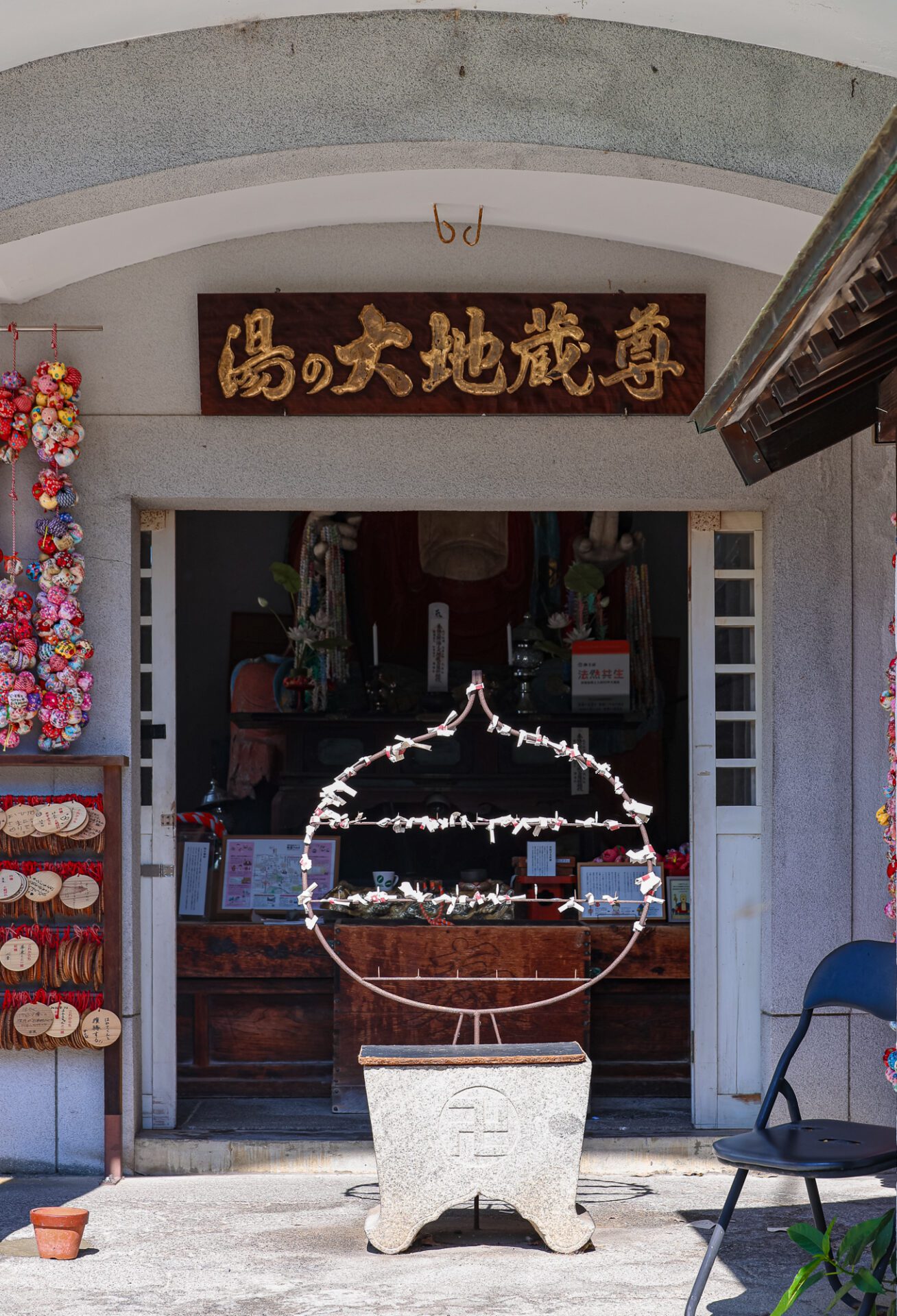
Don’t miss the statue of the Great Jizo of the Hot Spring who protects the area from fire. He has been a part of local legends: when Matsuyama’s famous Dogo Onsen waters ran dry in 1855, locals prayed to Jizo – and he brought the hot springs back.


7. Spot Botchan Ressha
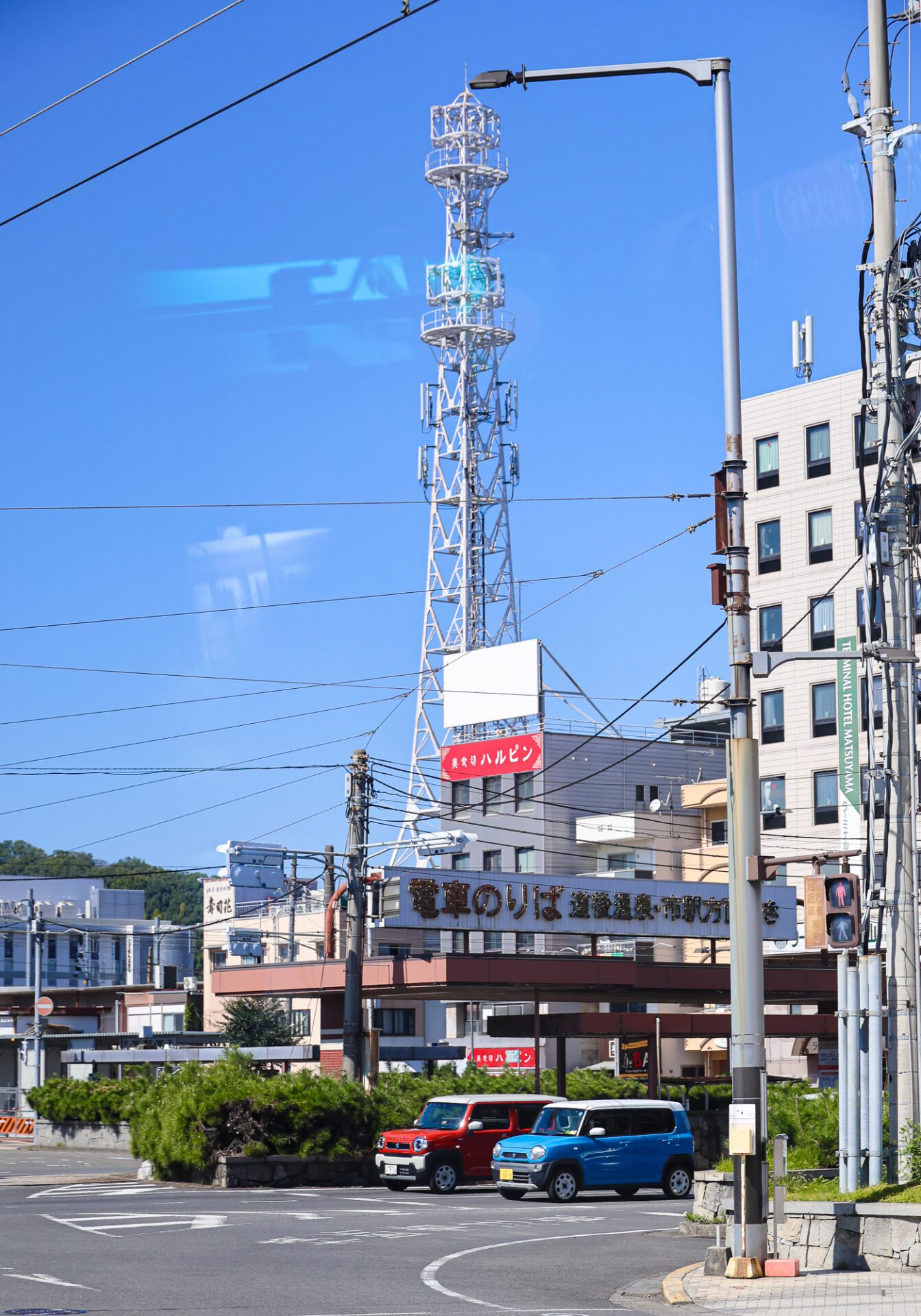
While walking the centre of Matsuyama, you might notice a charming replica of a vintage steam locomotive – it’s the Botchan Ressha, reminiscent of the 1888 original trains operated by Iyo Railway, the first railway company in Shikoku. The train gets its name from Botchan, the famous 1906 novel by renowned Japanese author Natsume Soseki who spent some time in Matsuyama.

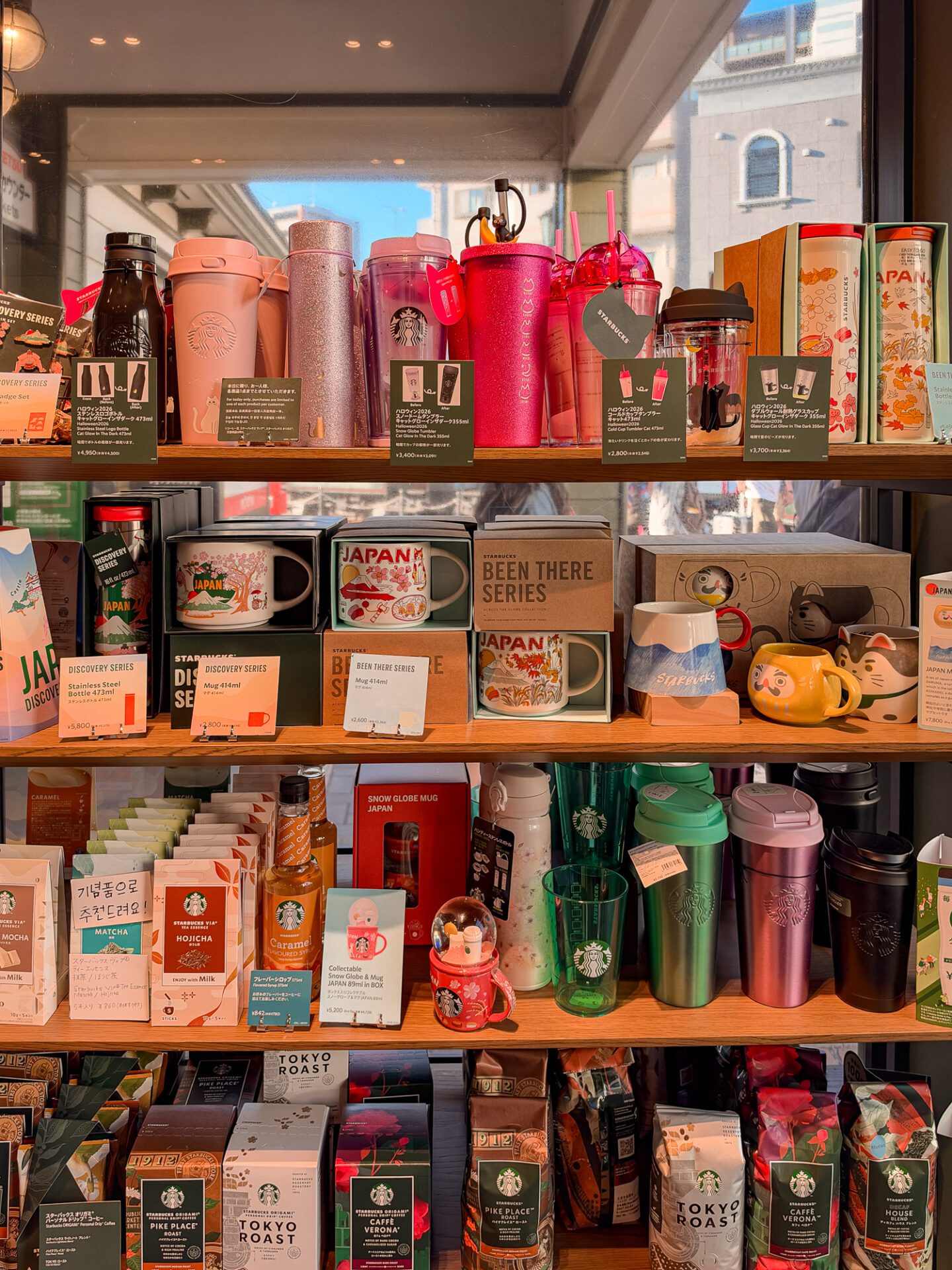
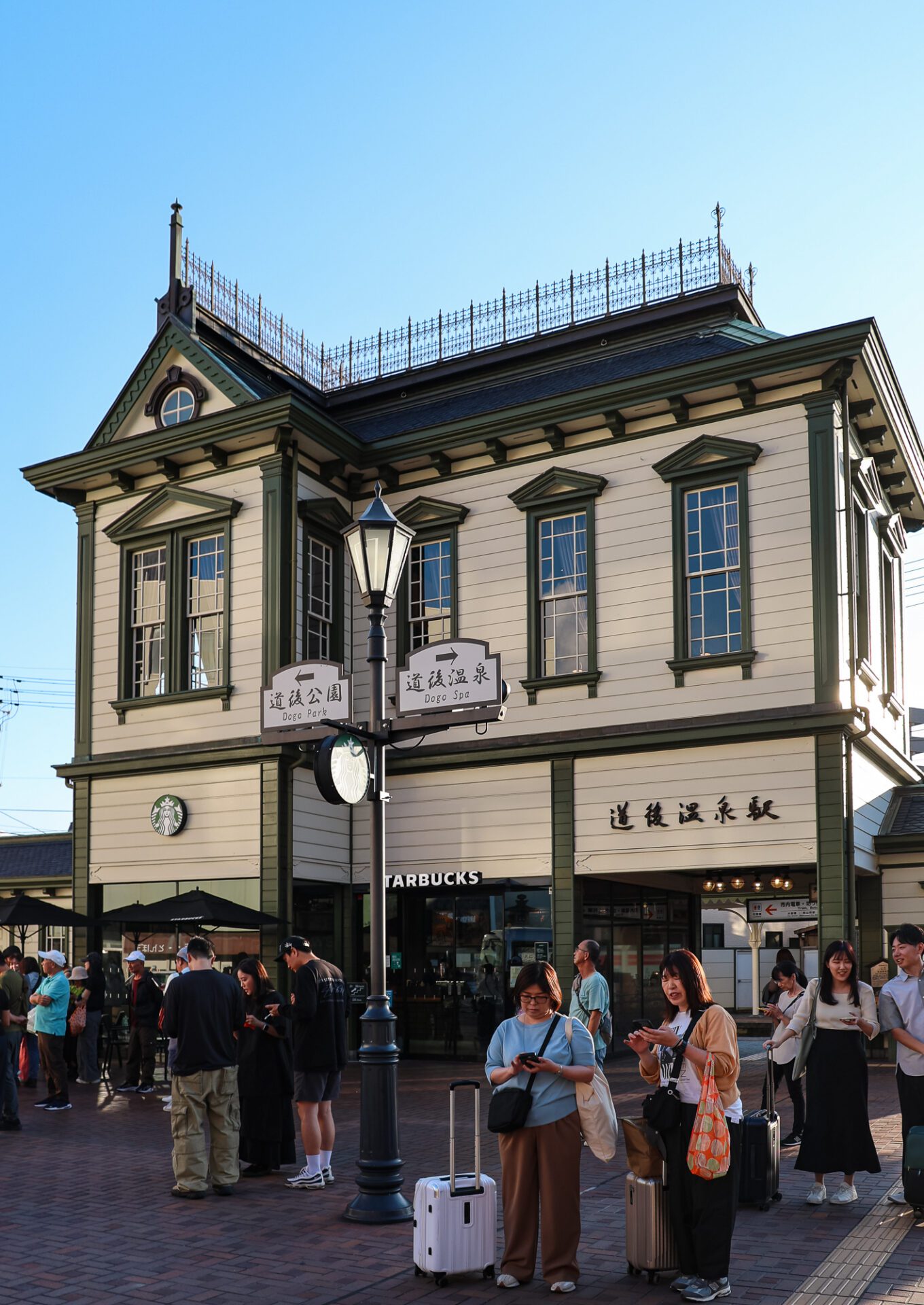
The route terminates at Dogo Onsen Station, a beautifully restored 1911 Meiji-era Western-style building with a distinctive Ghibli-esque aesthetic. Today the station houses a two-story Starbucks.
8. Have lunch at Gohan to Osake Nagasaka
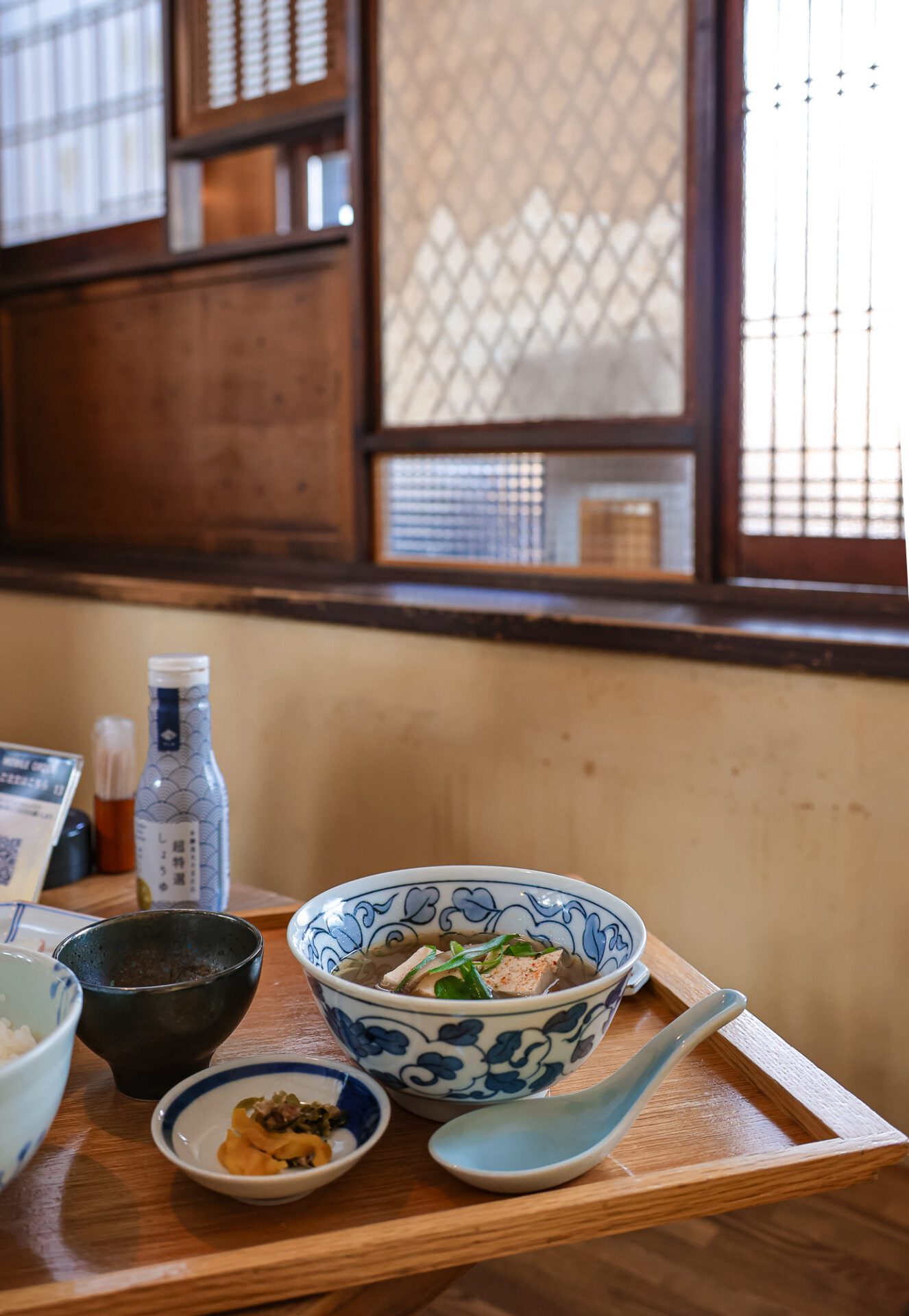
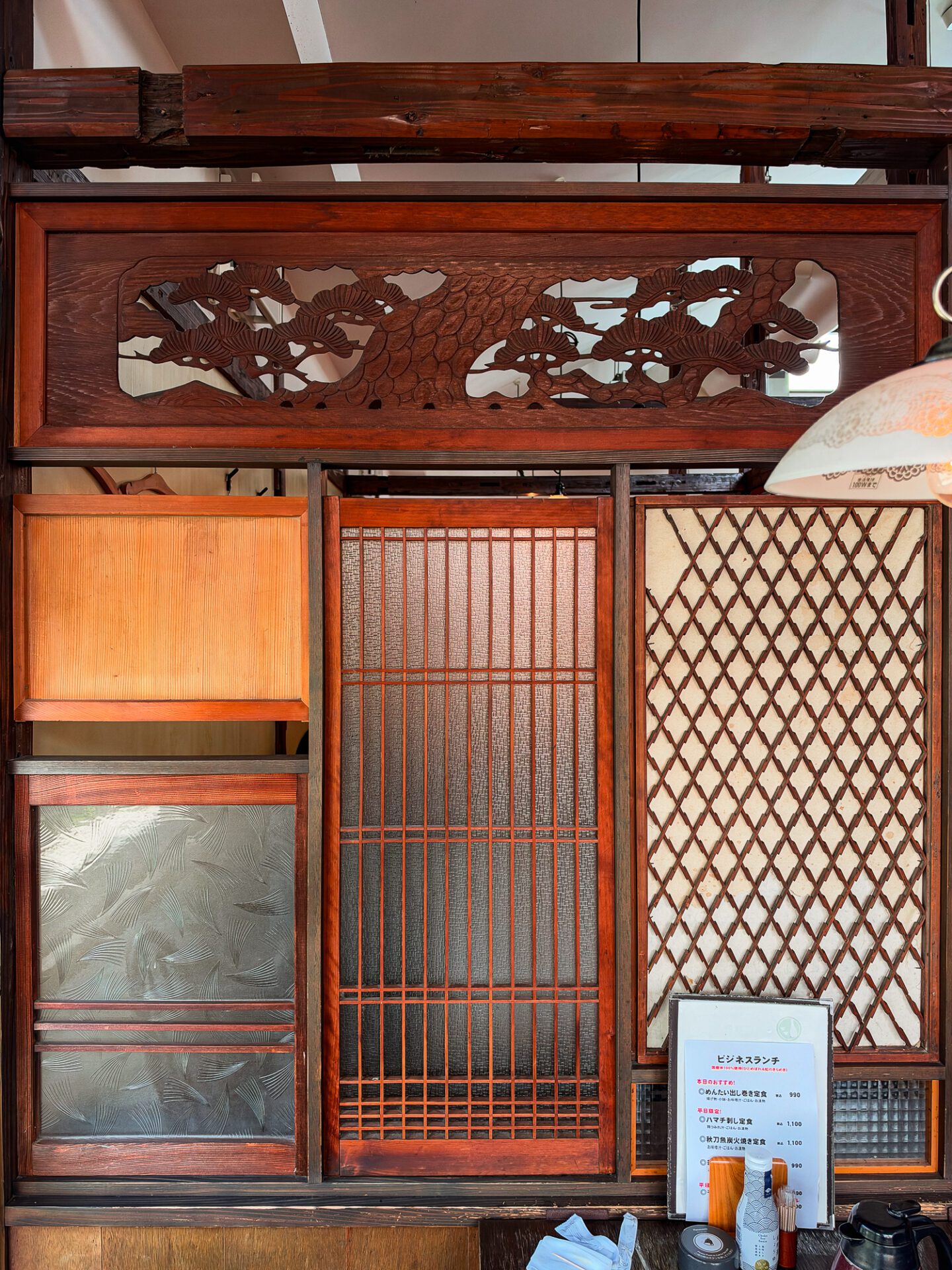
Looking for a great place for lunch? Come to Gohan to Osake Nagasaka izakaya and try the local delicacy Taimeshi as a part of the lunch set: raw sliced red sea bream is served with soy-and-yolk sauce and is eaten with rice.


9. ….and dine at Sushimaru
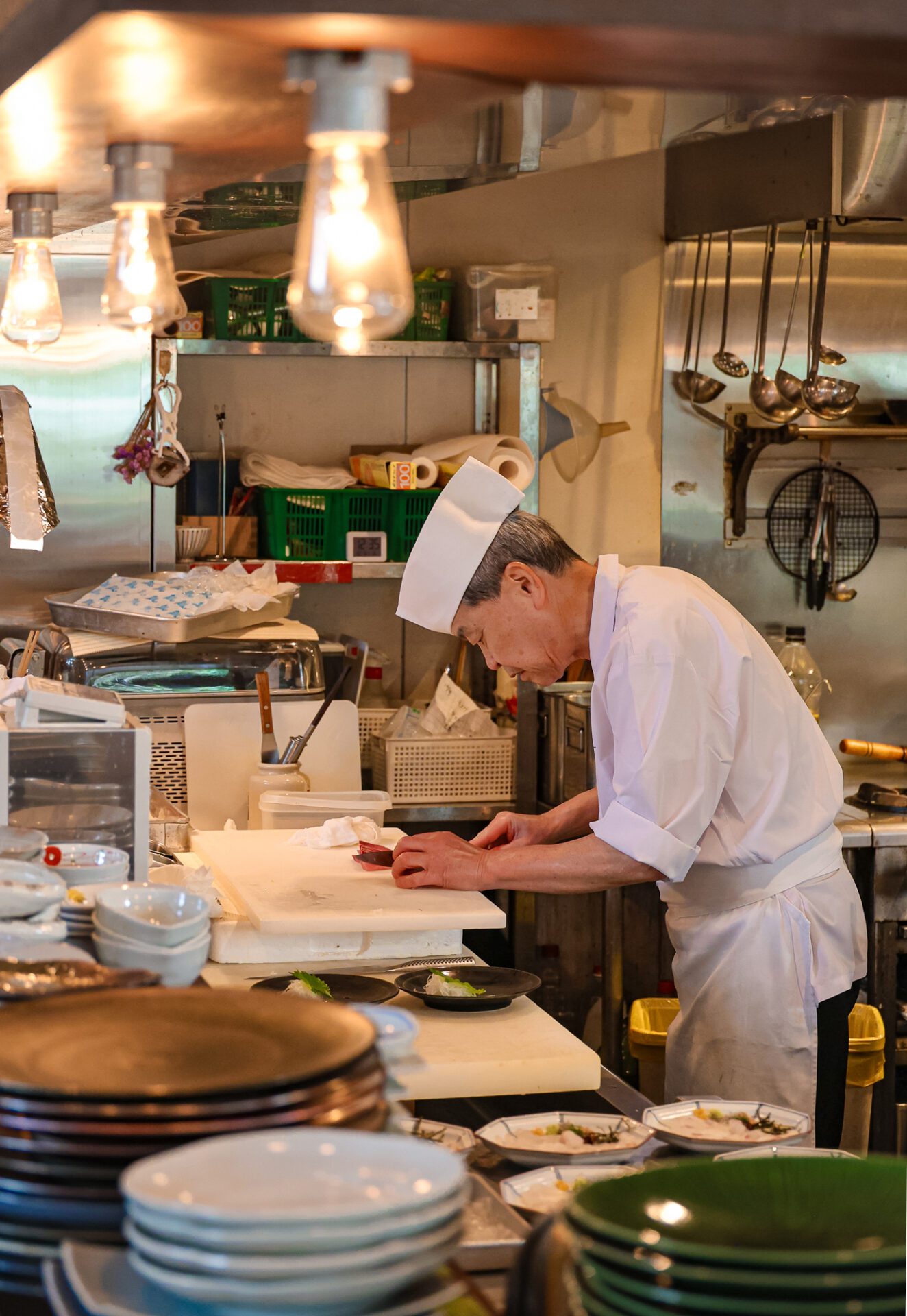
If you’re looking for a beautifully plated Matsuyama-zushi spot in Matsuyama, come to Sushimaru, a gorgeous authentic spot with a great selection of local specialities.
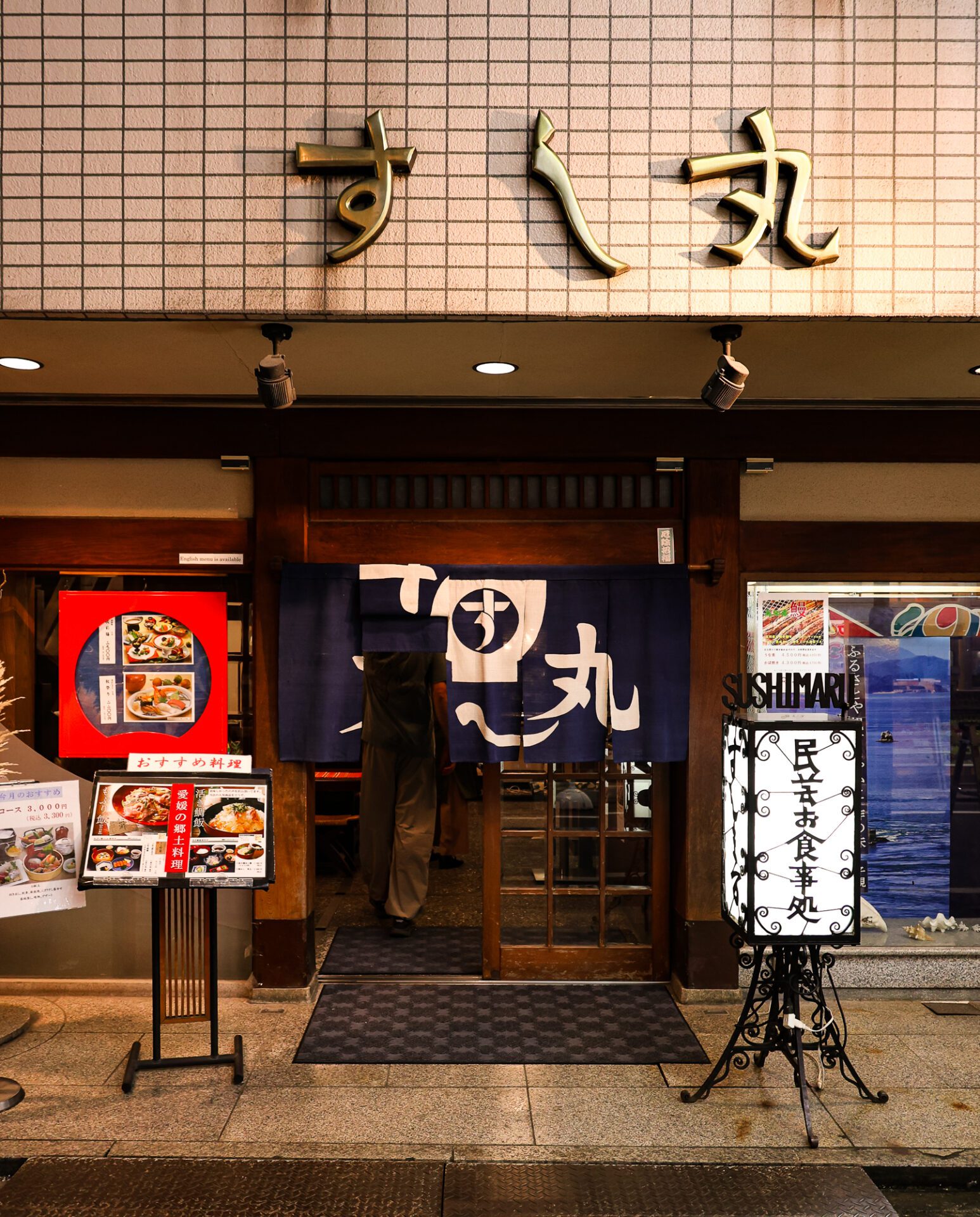

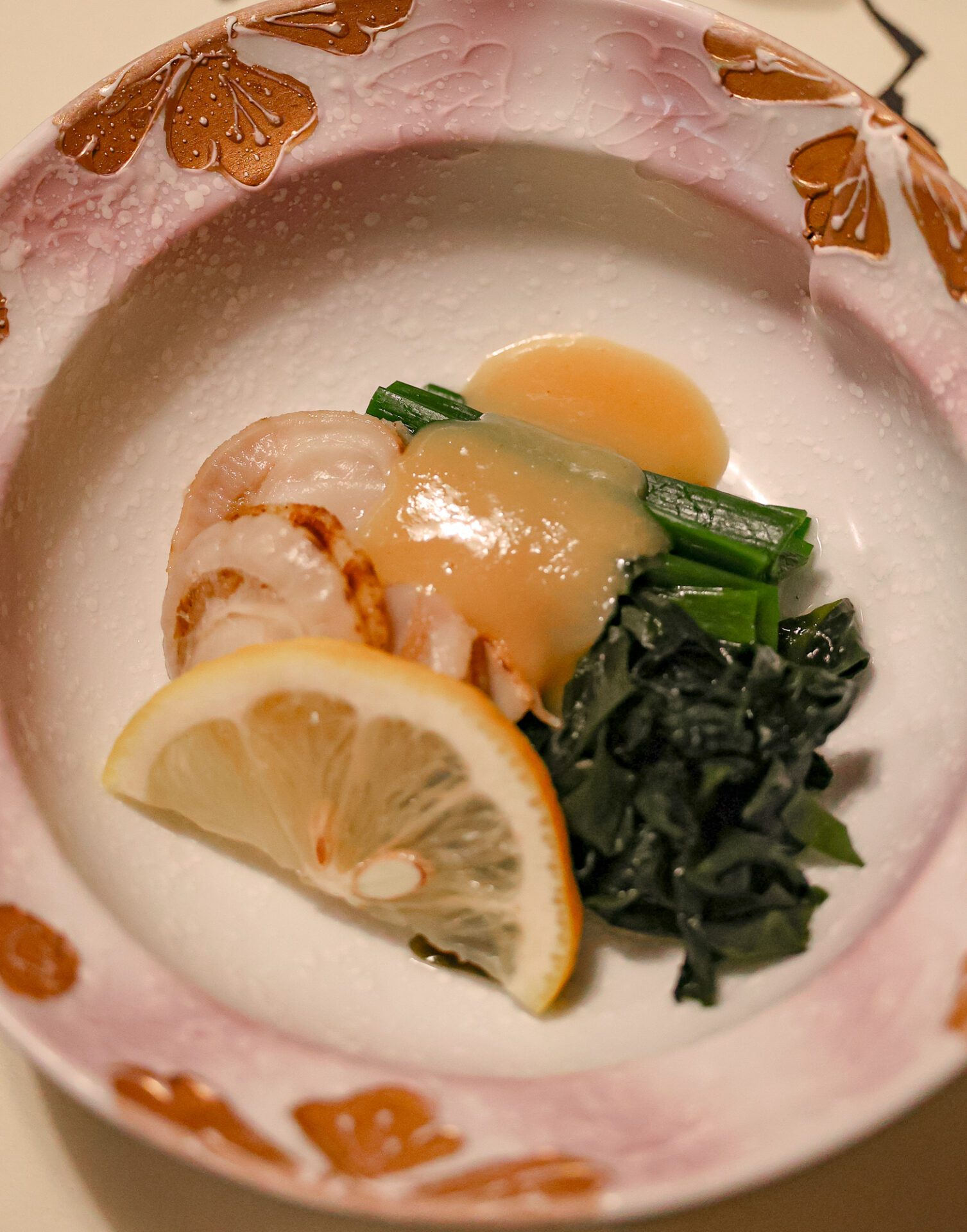
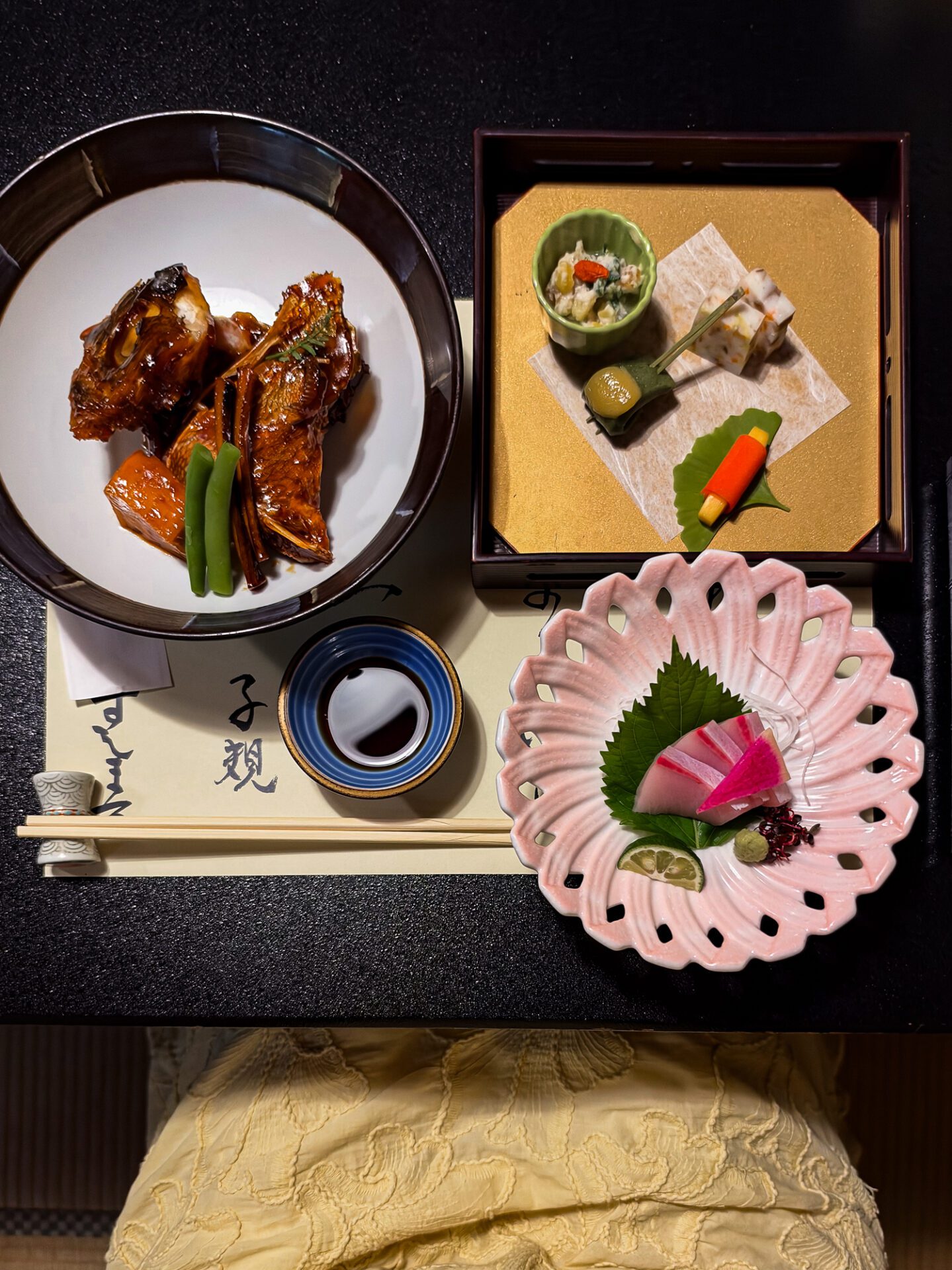
10. Learn about Masaoka Shiki connections
Famous 19th-century Japanese poet Masaoka Shiki (1867–1902) was born in Matsuyama, so it’s no surprise that you’ll find tributes to him distributed throughout the city – including dozens of stone monuments engraved with haiku poems written by Shiki and other poets. Just to give you a flavour of his poems, here are to of them
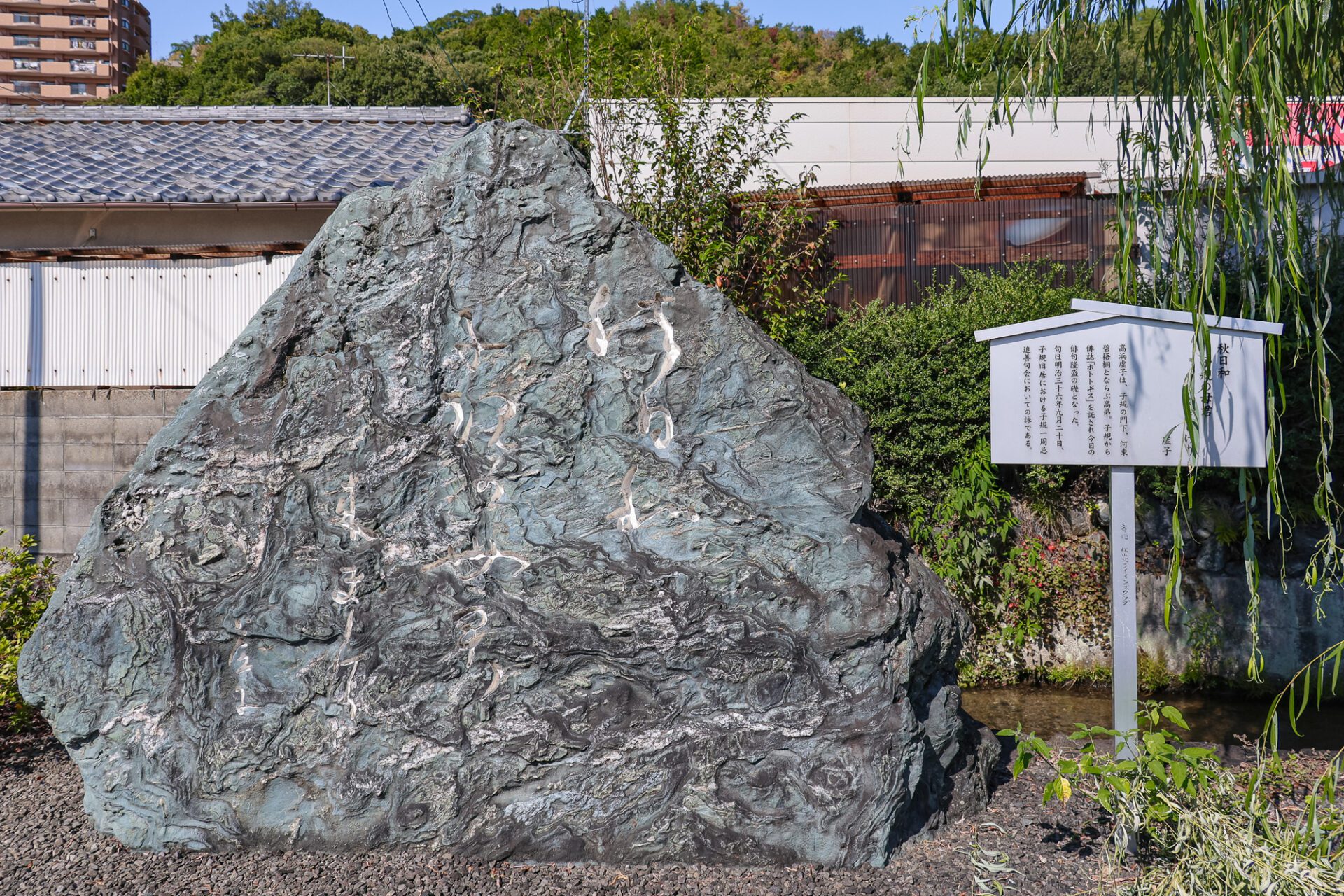
松山の城をのせたり稲むしろ
Matsuyama Castle
lifted over the mats
of rice fields
and the one dedicated to the Ishite-ji Temple: 見上ぐれば塔の高さよ秋の空
looking up
what a high pagoda
in the autumn sky
11. Stay at Dogo Onsen Funaya hotel in Matsuyama
In Matsuyama we stayed at the Dogo Onsen Funaya hotel, founded in 1627 and located just a minute away from Dogo Onsen! Can you imagine that they even hosted Emperor Hirohito and Empress Nagako on their visit to Ehime?


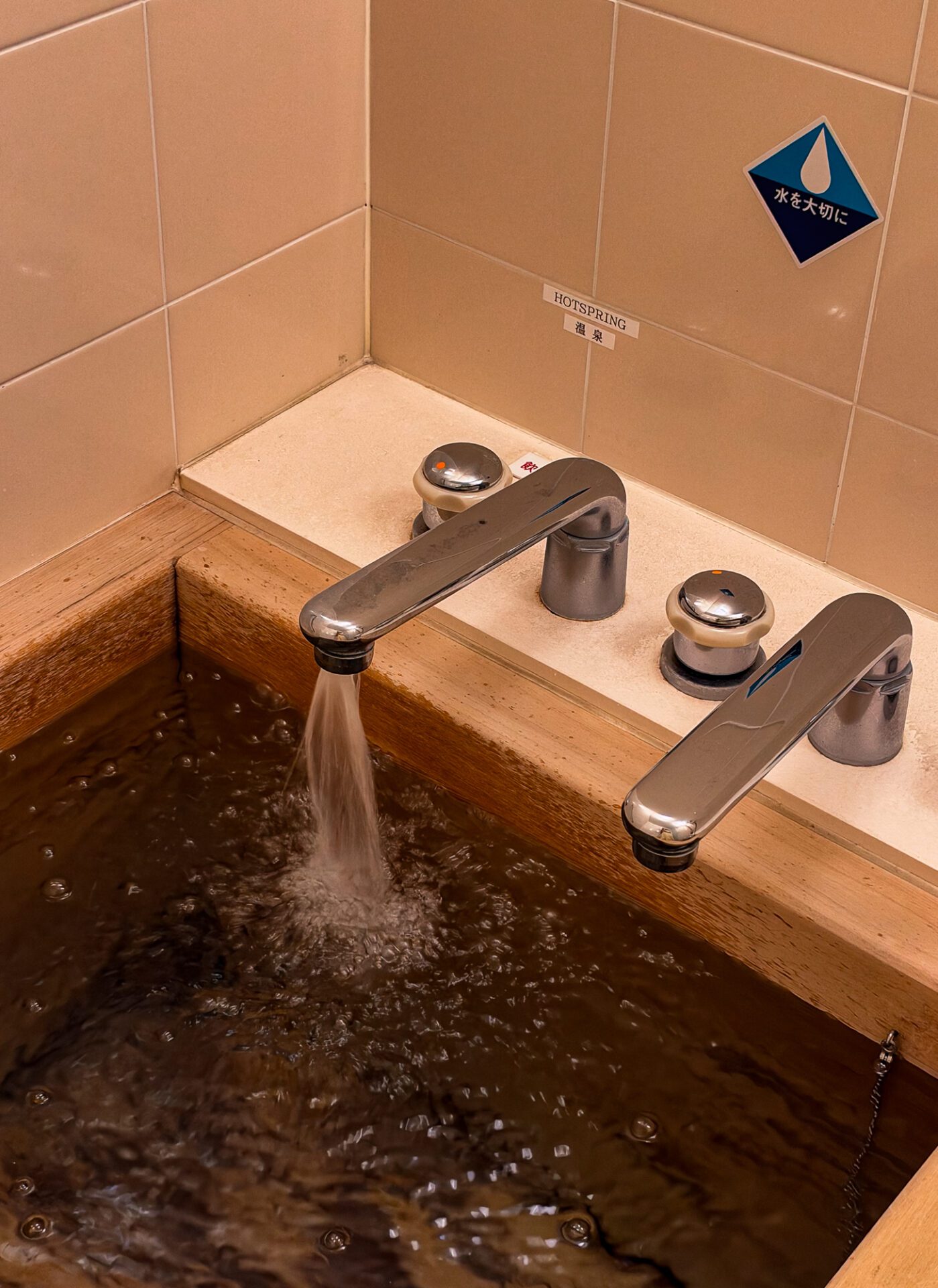
Beautiful traditional Japanese rooms with futons and ikebana, onsen water piped straight to a private tap in our room (but you can enjoy it in the public hotel bath as well), a Western breakfast that looked straight out of a Ghibli movie, and the cutest fish-pattern yukata – everything you could’ve wished for.
What else to see in Matsuyama?
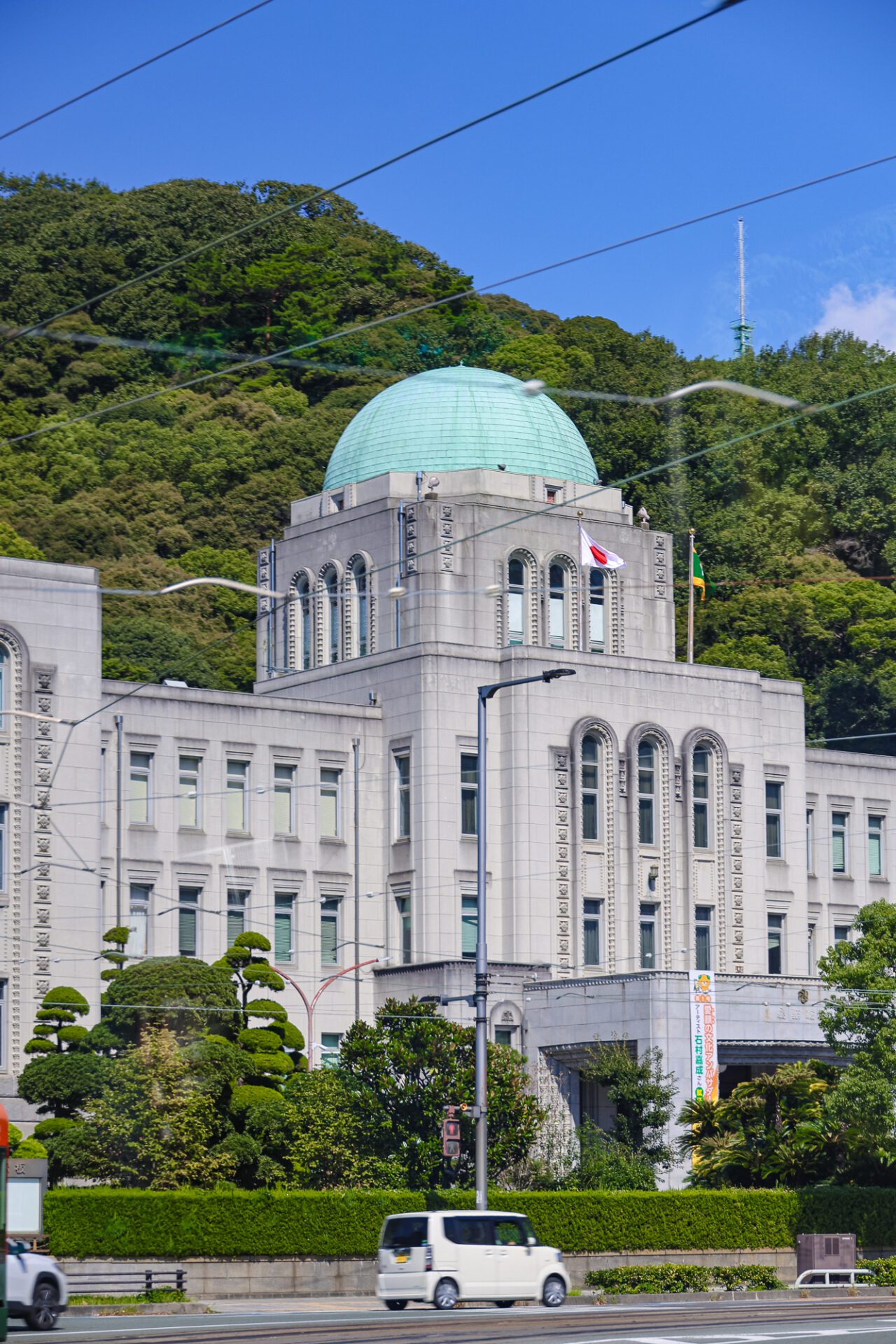
Spot the grand Ehime Prefectural Capital Building, Isaniwa Shrine, Yu Jinja Shrine and Tsubaki Shrine!



12. Make your own design at En-no-Sato Tobeyaki Tourism Center
Head to the town of Tobe to discover Tobe-yaki, distinctive white porcelain decorated with indigo blue patterns, crafted entirely from scratch by local artisans.
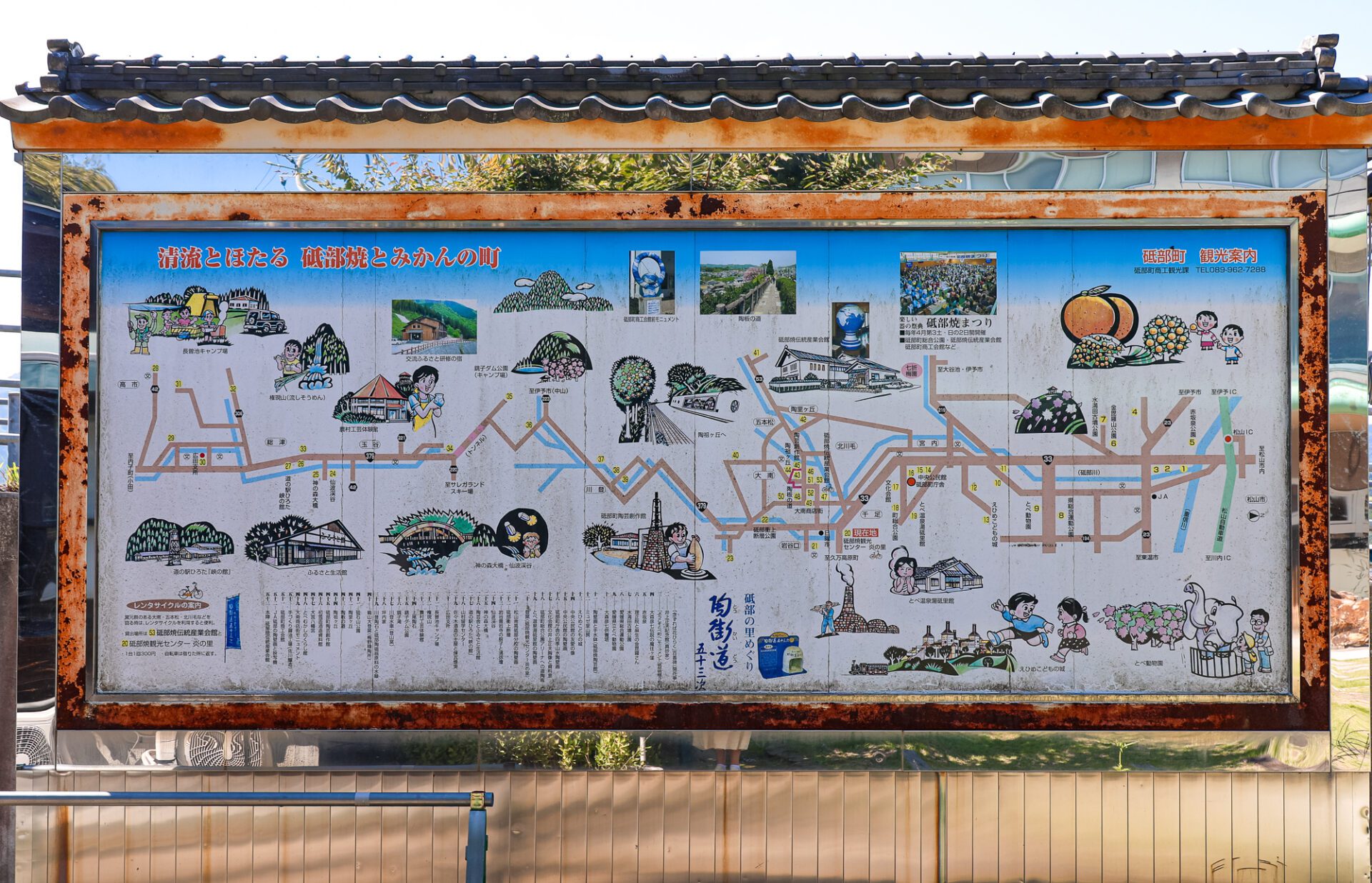
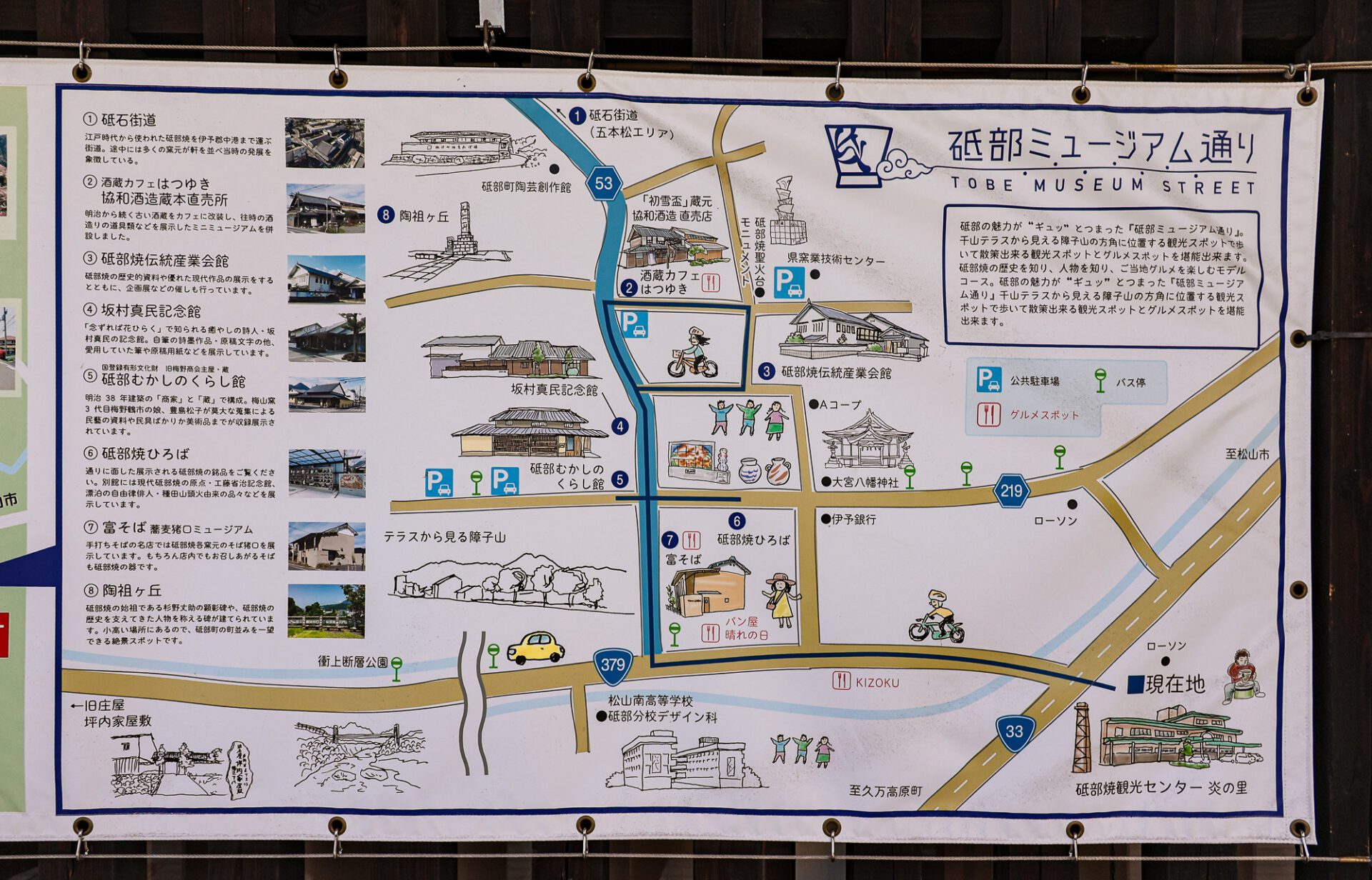
Tobe Ware was established in 1777 and two centuries later, in 1976, was designated a Traditional Craft by the Japanese government.

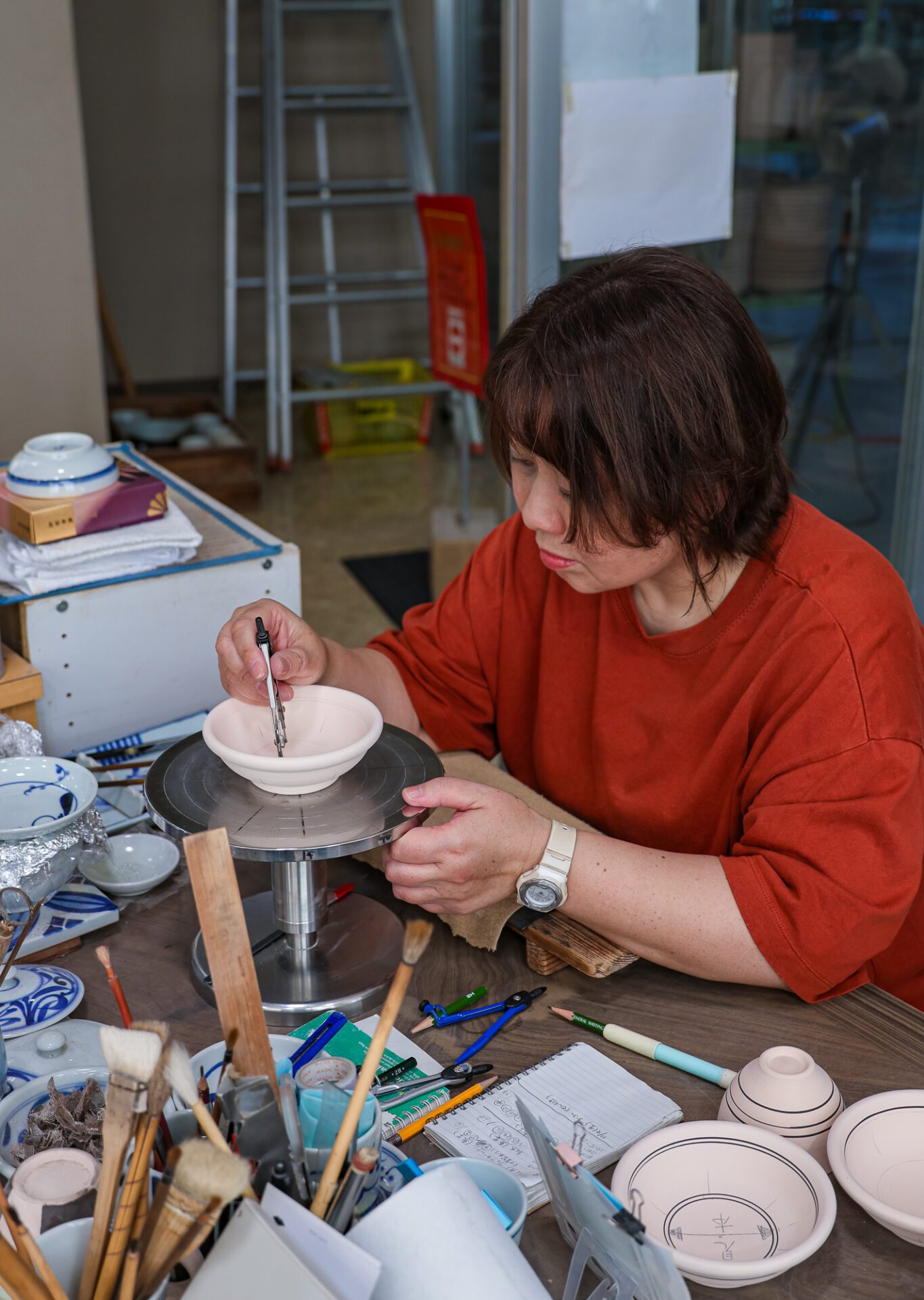


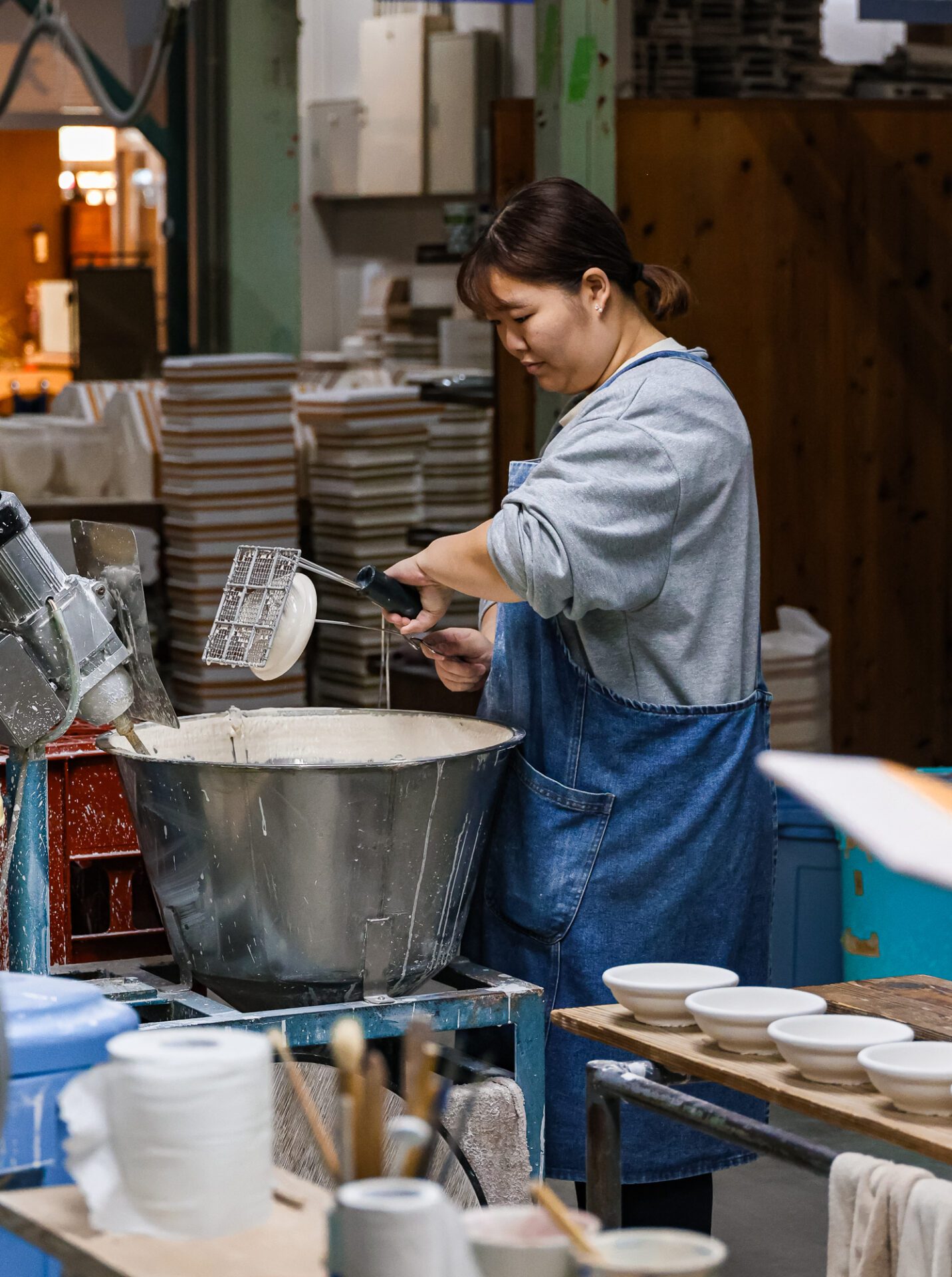
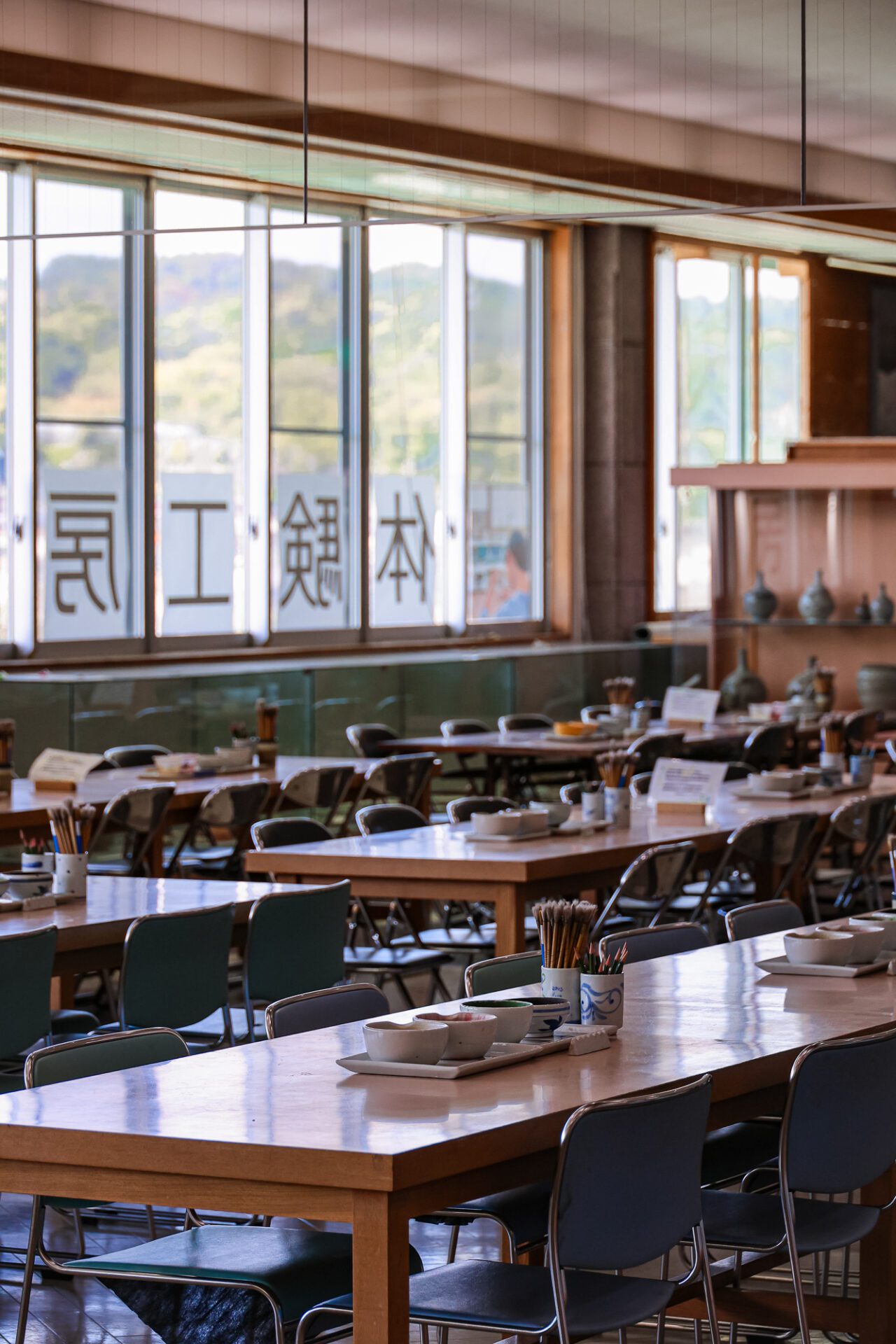
Local artisans of En-no-Sato Tobeyaki Tourism Center guide visitors through every stage of making Tobe-yaki, from processing the clay and kneading it to shaping it on the potter’s wheel, bisque firing, applying the underglaze patterns, glazing, and the final glost firing.
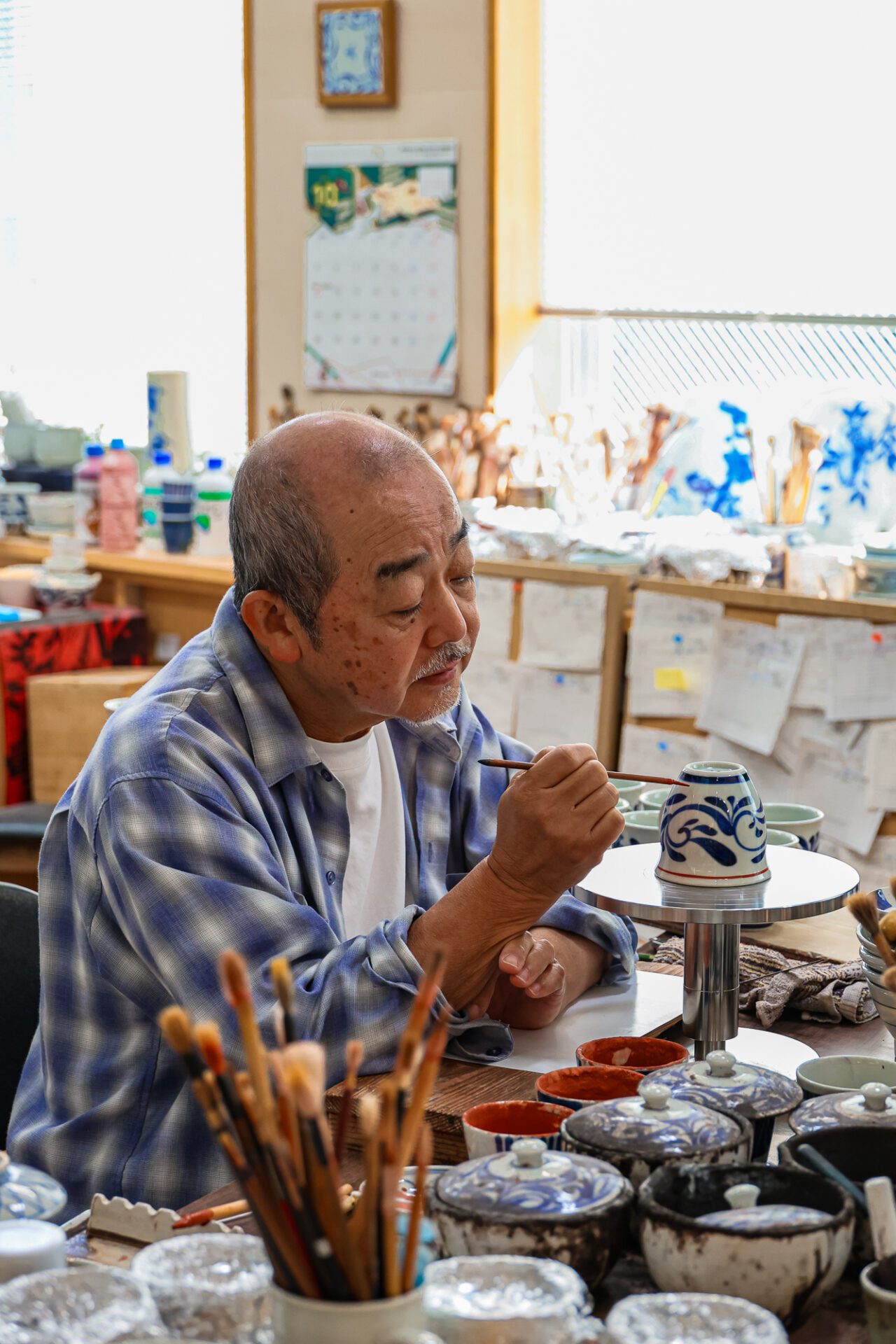
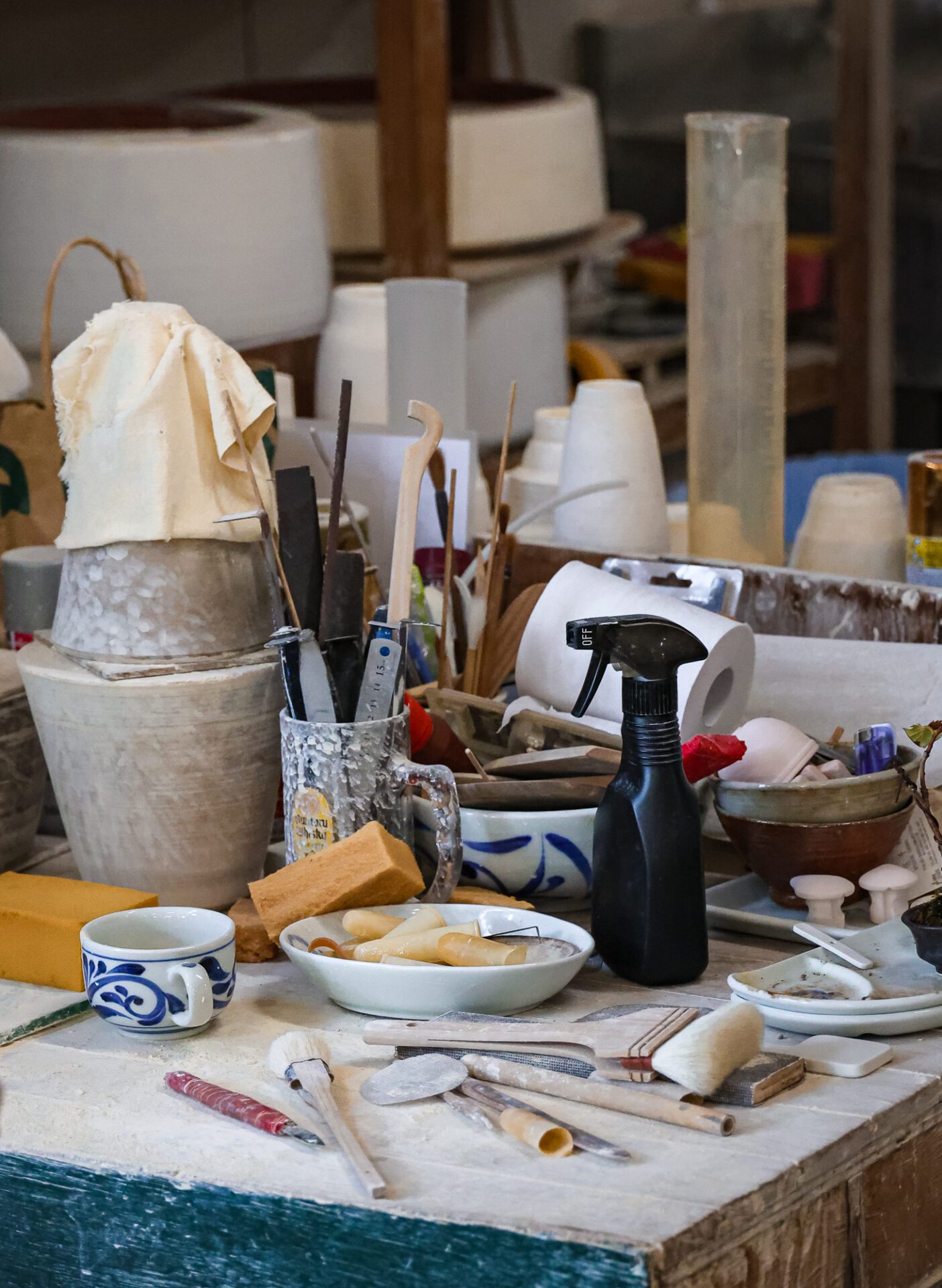
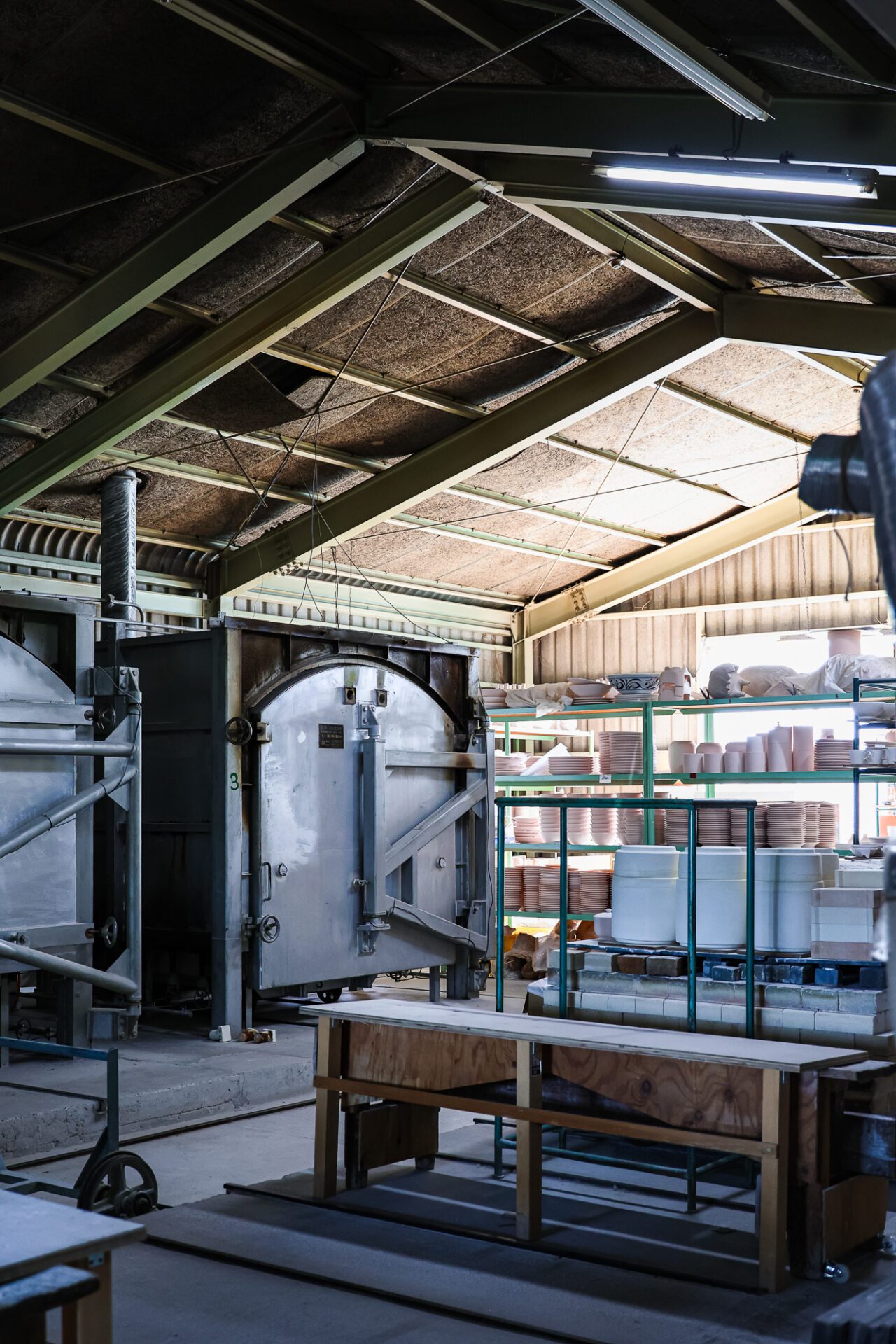

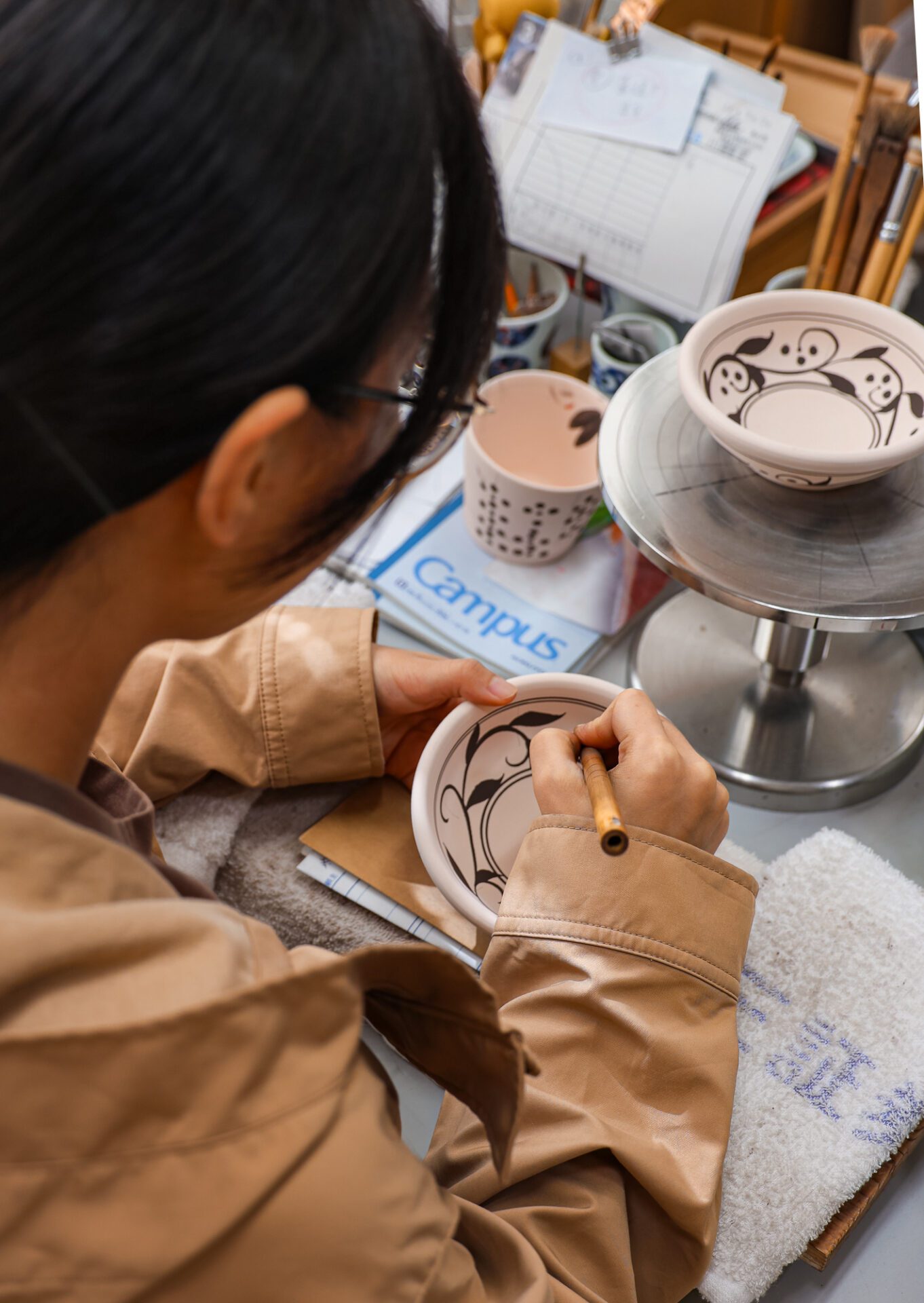
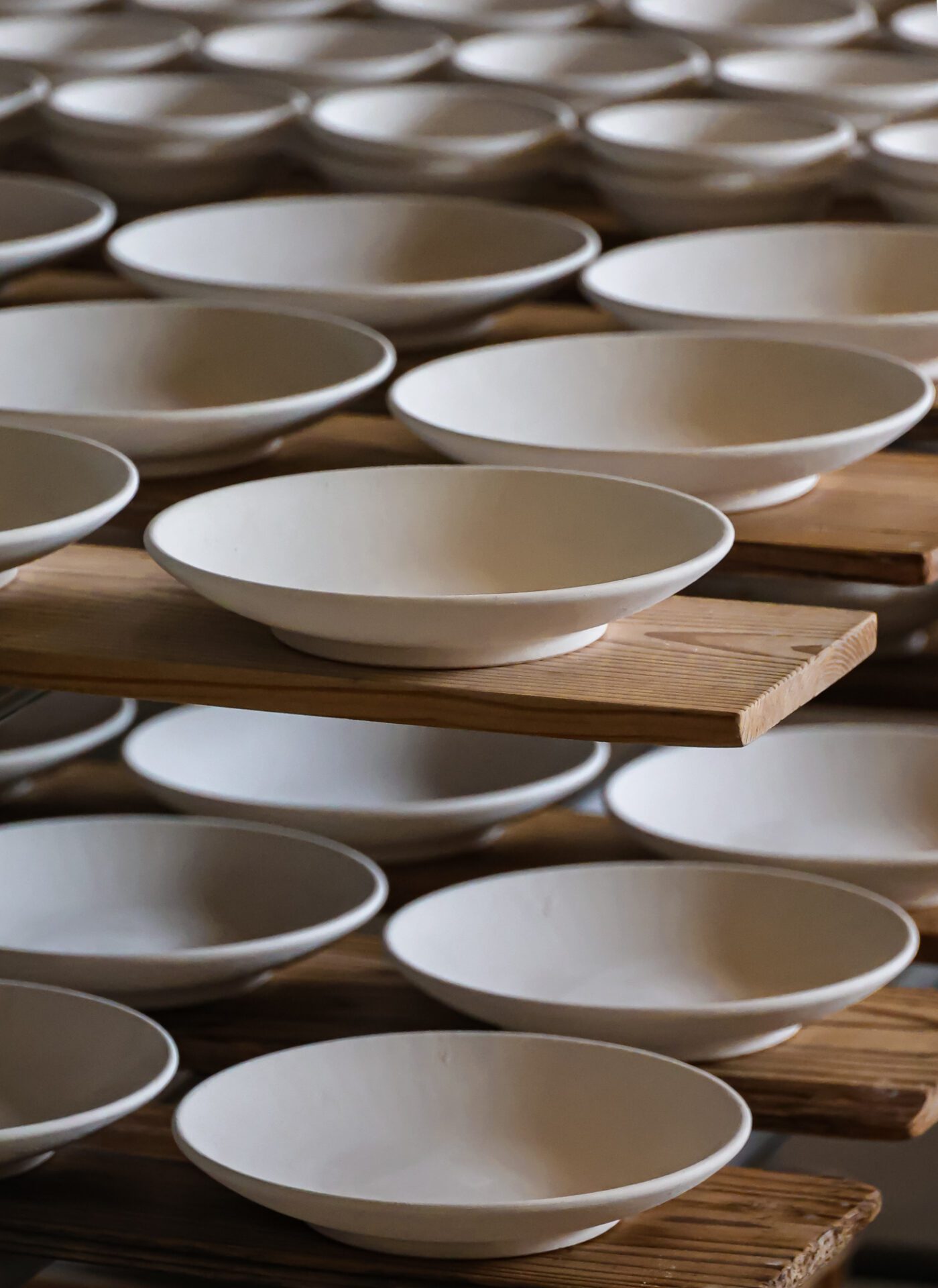
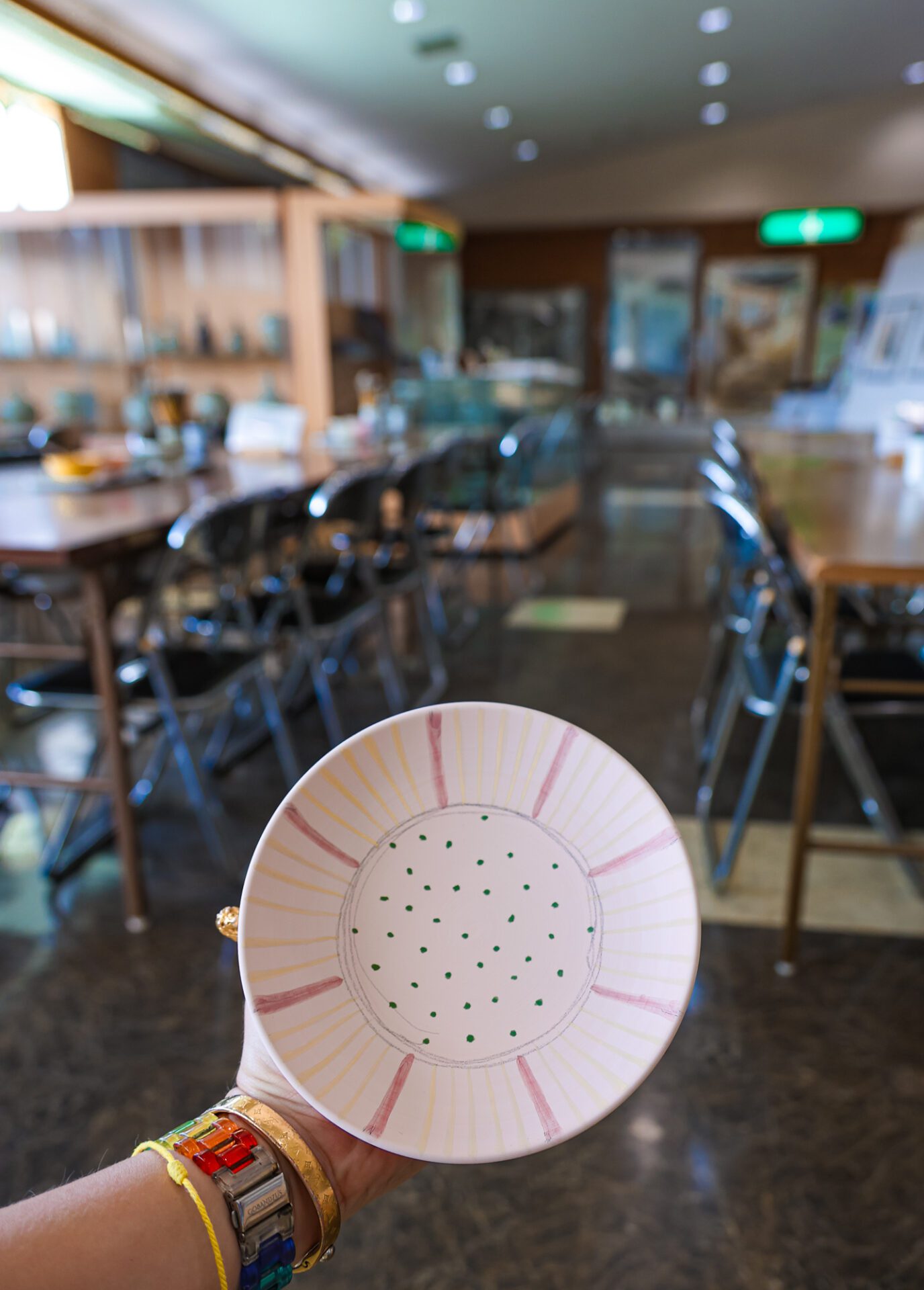
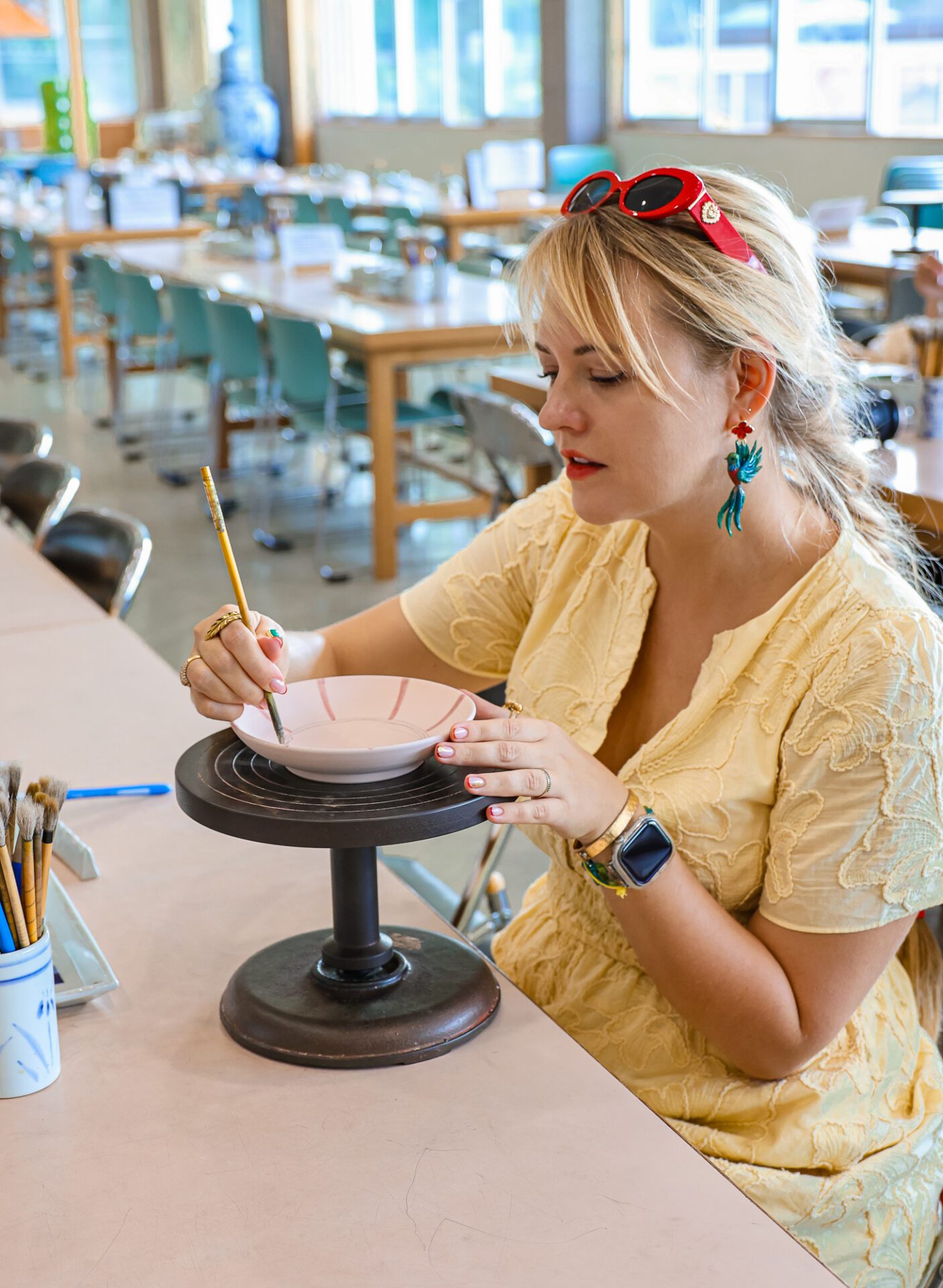
On top of that, we were even lucky enough to paint our own designs using red, yellow, blue, and green paints.
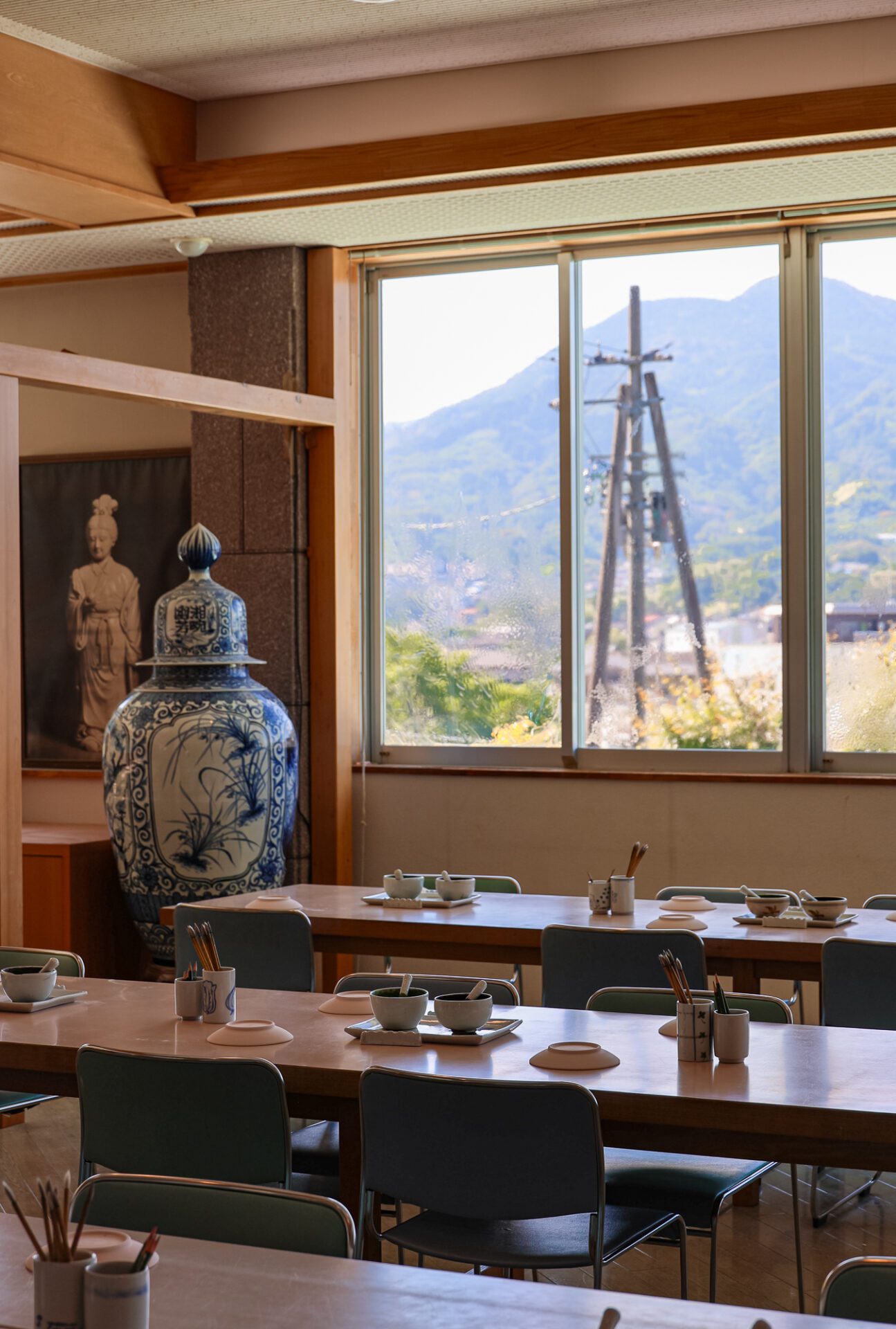
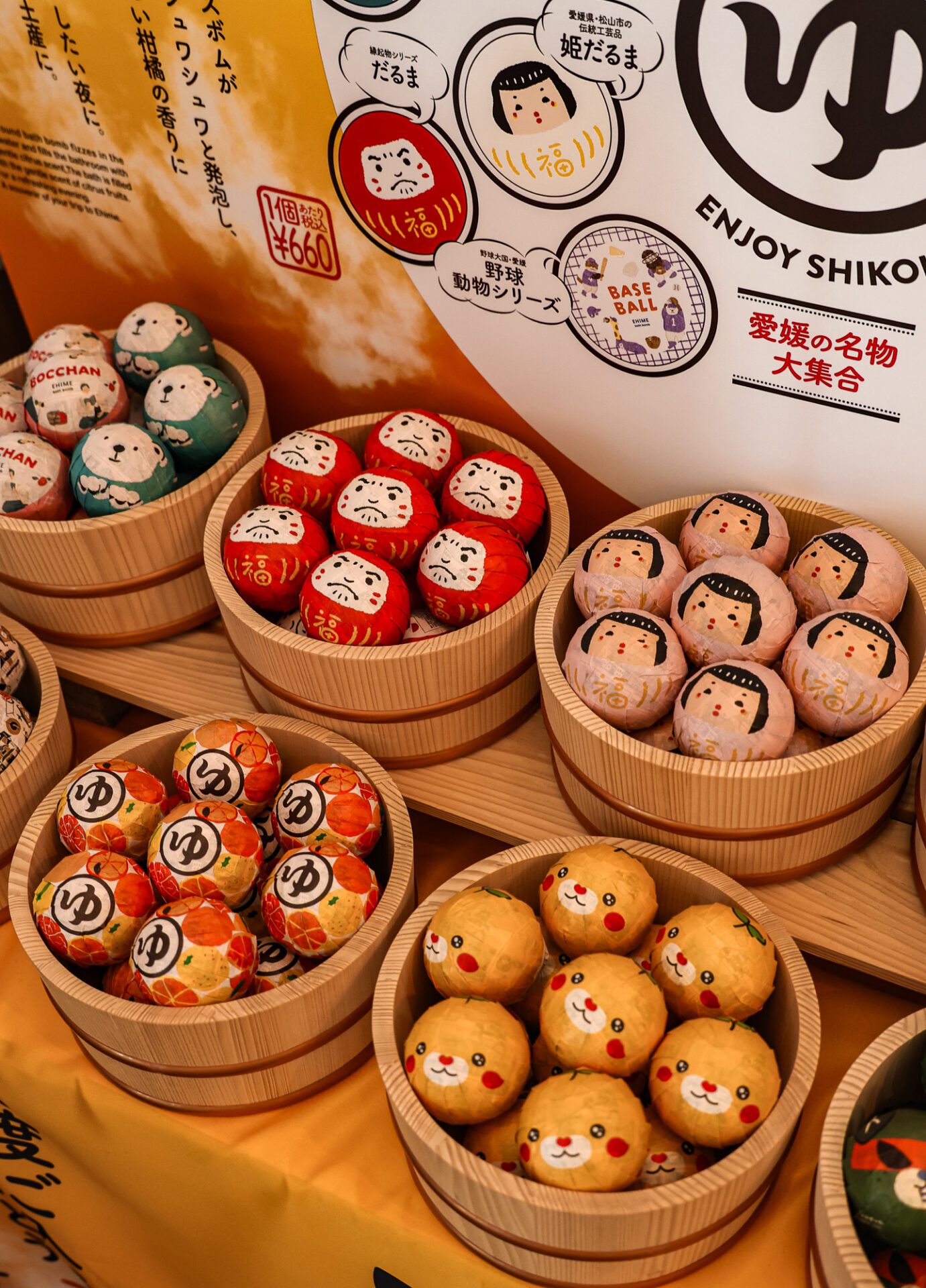
Besides that, if you’re looking for some exclusive souvenirs, come to the Centre’s shop: they sell lots of tableware, citrus sweets and the cutest bath bombs I’ve ever seen! There’s an outdoor cafe with a viewing platform in front of the centre as well.



You might also like:
- Odawara
- Learn Japanese with me: p1 and p2
- Rabbit Island
- Tokushima
- Ginza, Tokyo
- Nara
- Nikko
- Kumagaya, Kanto
- Tokyo, Kanto
- Saitama prefecture, Kanto
- Yokohama, Kanto
- Kanagawa prefecture, Kanto
- Momiji VS Sakura
- What I adored in Japan
- Suzugami workshop (Toyama prefecture)
- Miyajima
- Hiroshima
- Osaka
- Himeji
- Kyoto
- Hakone and mt Fuji
- Nagano
Hope you liked my new blog!
Yours,
Anna xxx