Desaru Coast in Johor state of Malaysia sits on the south of the Malay Peninsula and is widely known to Asian travellers as a tranquil coastal haven for relaxing holidays – especially given that it’s only 1.5-3 hours from Singapore by car, depending on traffic.


However, for the rest of the world it remains relatively undiscovered. And of course, this means that we had to visit it! We spent a fantastic week there – scroll below to see the best activities you can participate in (you can also visit the Waterpark – it was literally minutes away by car from our hotel, but we chose to dedicate our time to the locally-enriched experiences).

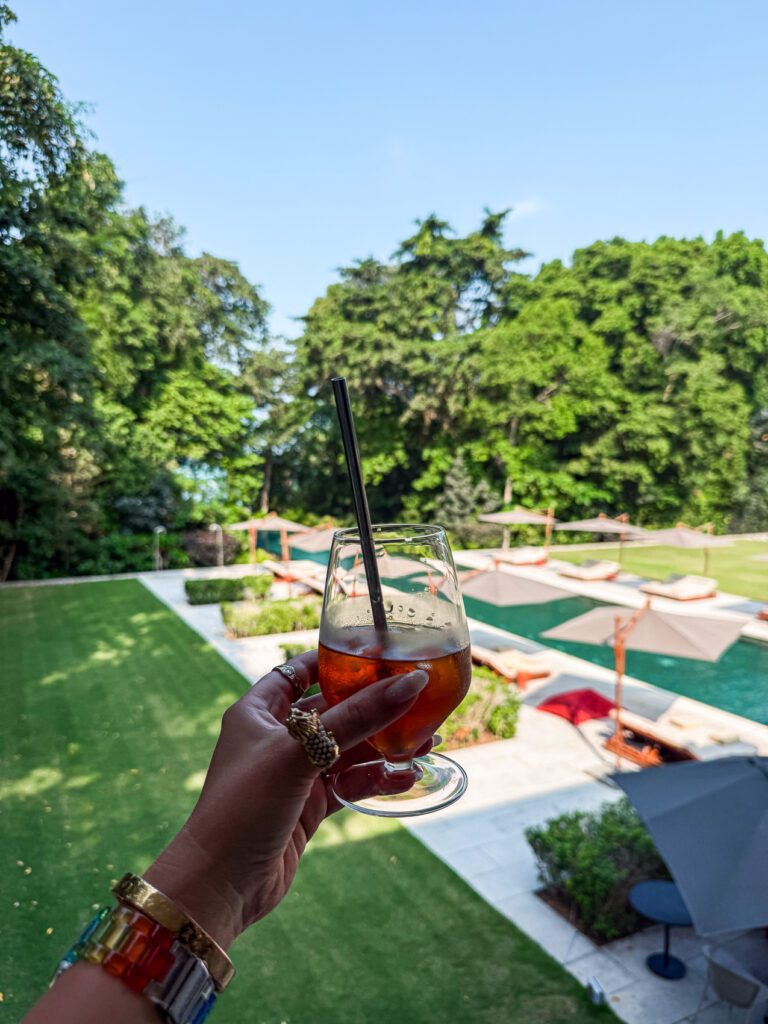
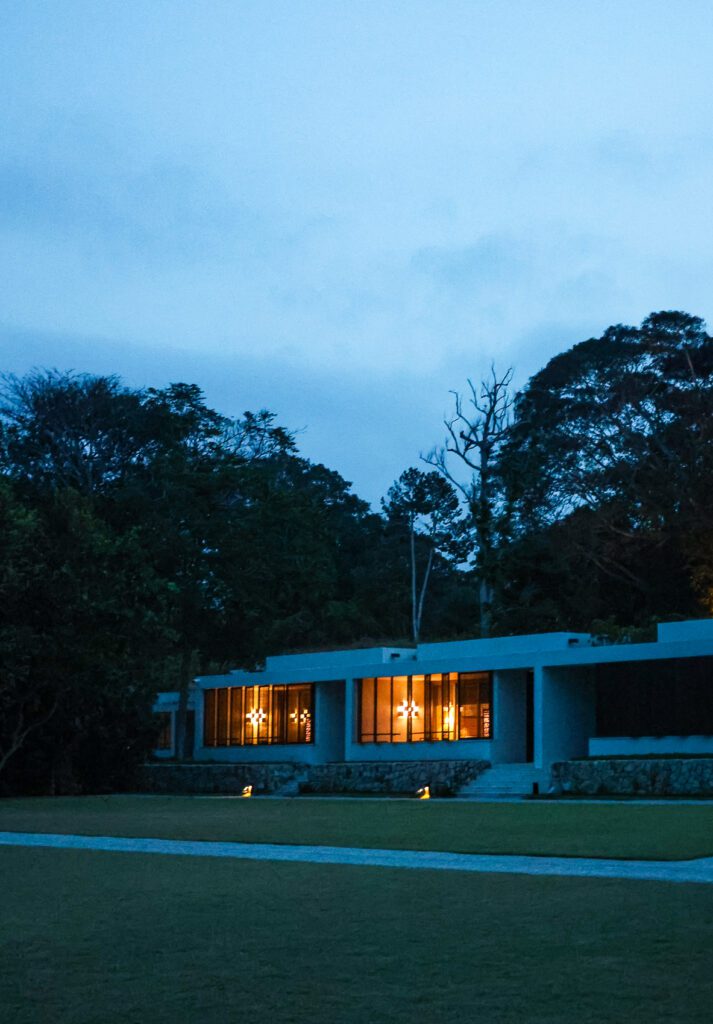
1. Go trekking in the Panti Forest
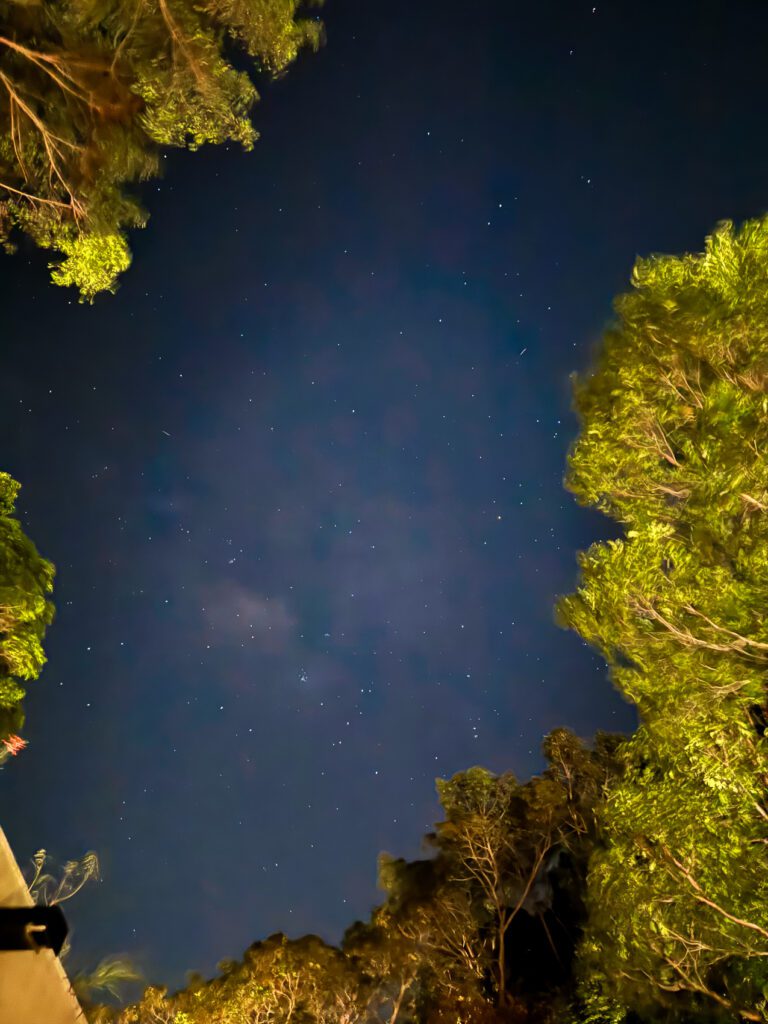
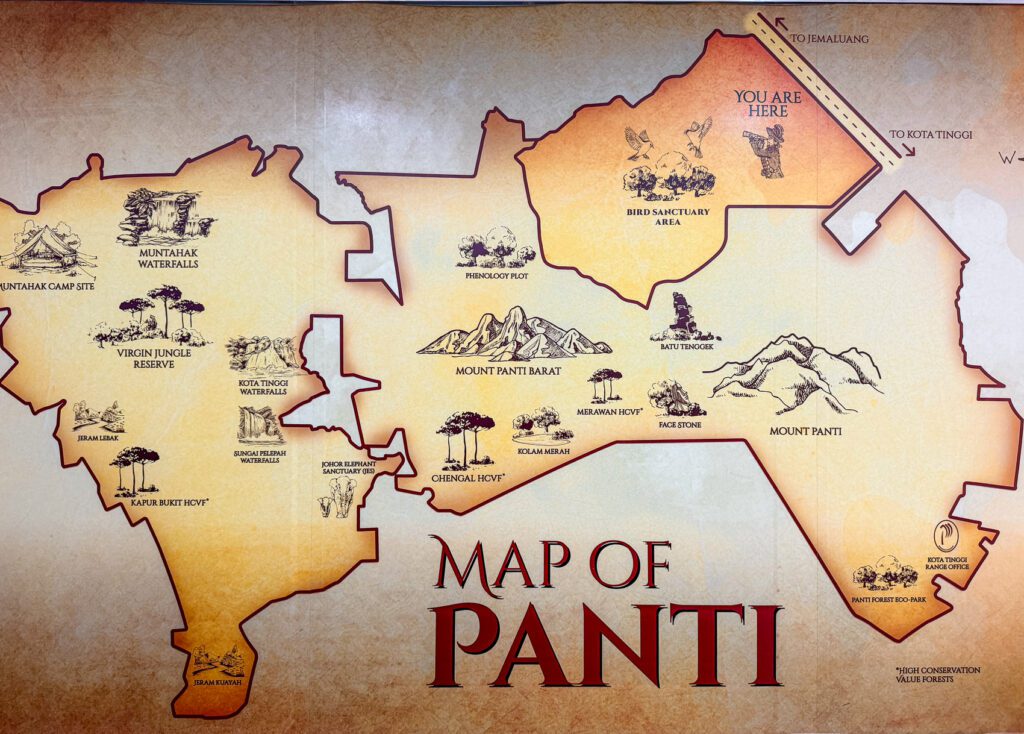
Panti Forest is a protected reserve in Johor covering over 275 square kilometres and famous for its birds – there are over 300 rare avian species and a plethora of other animals too.


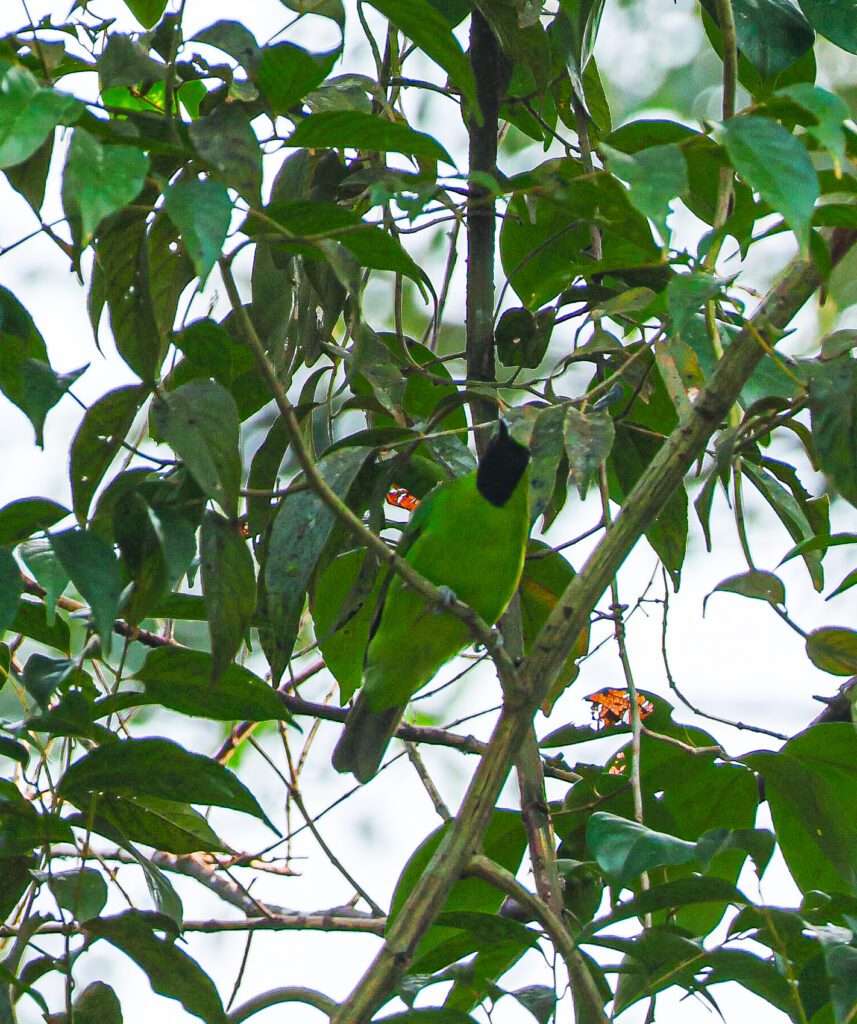
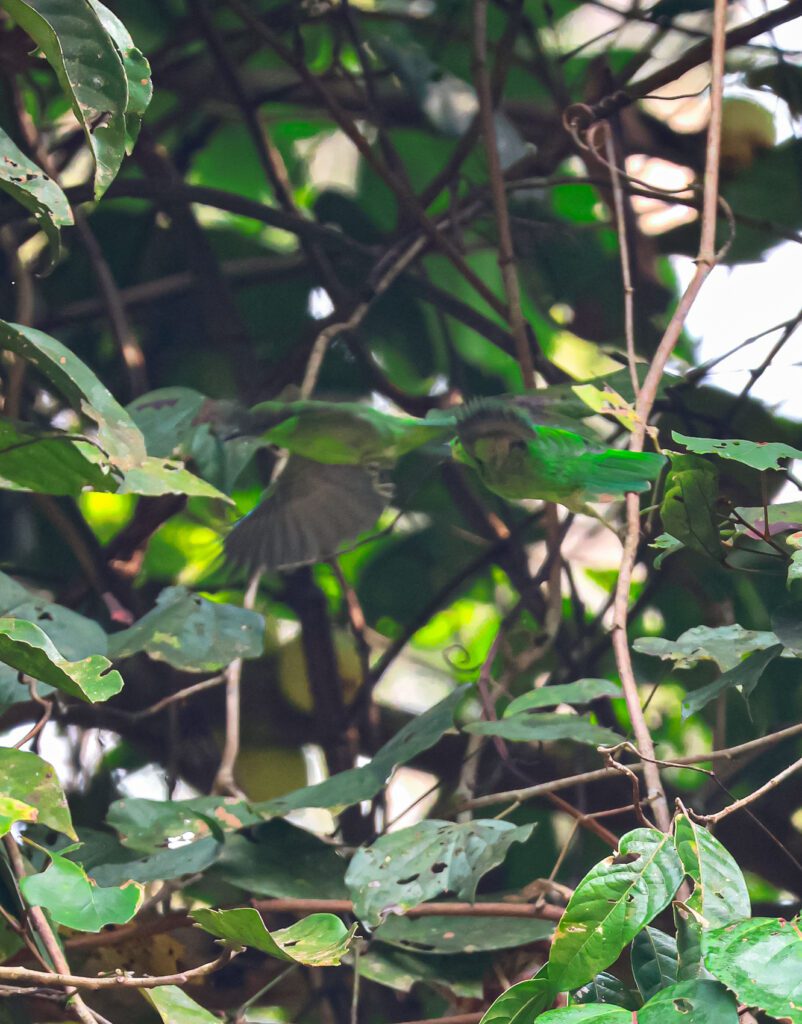
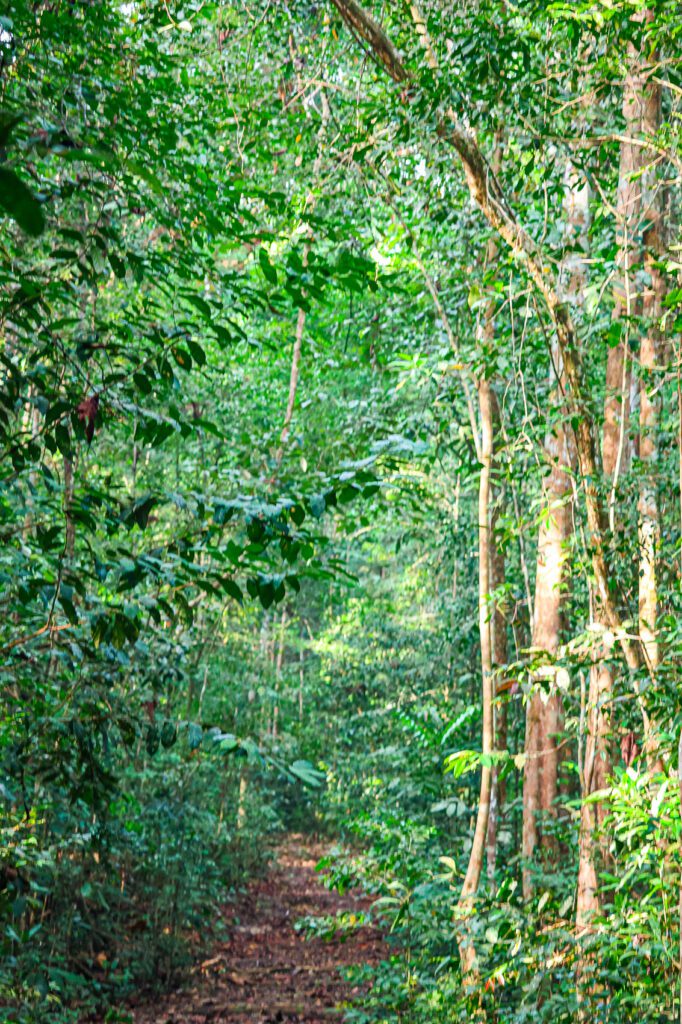
It takes about an hour to get here from Desaru Coast. Important: you cannot enter it without a pre-approved Forestry Department permit (we obtained ours via Junglewalla Desaru, with whom we had a tour). First, we took part in guided jungle trekking – we saw a few birds, a glimpse of White-handed Gibbons and Pig-tailed Macaques (both were too quick to take photos of, but the calls of gibbons could be heard from the canopies around us during the whole journey).
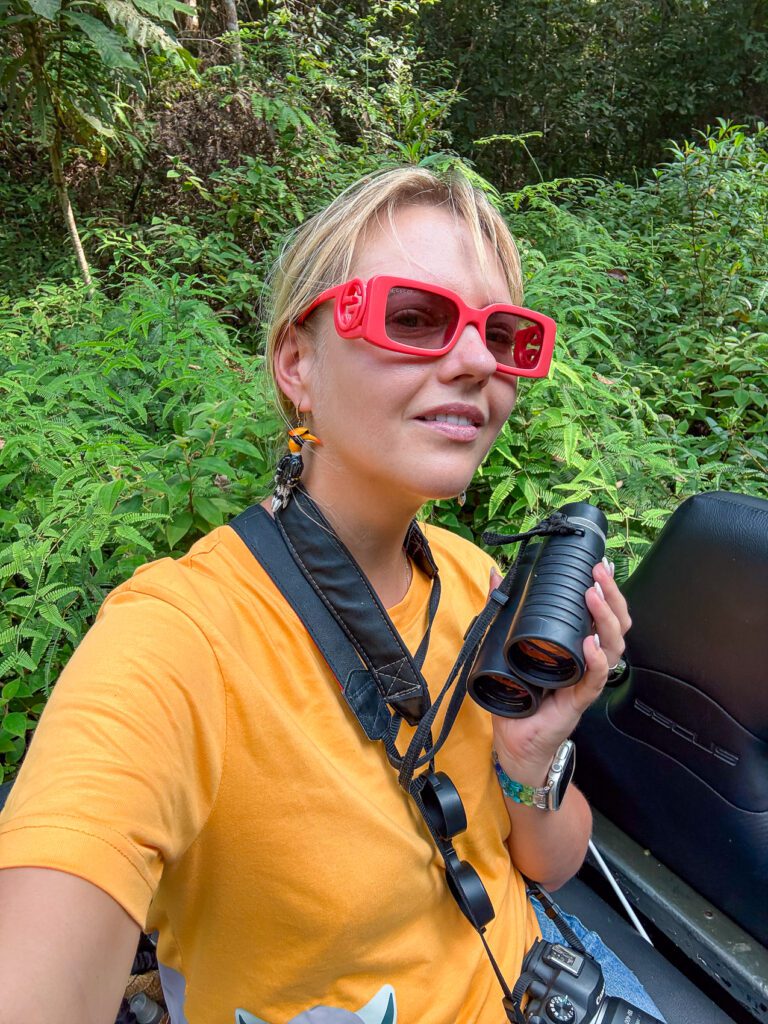

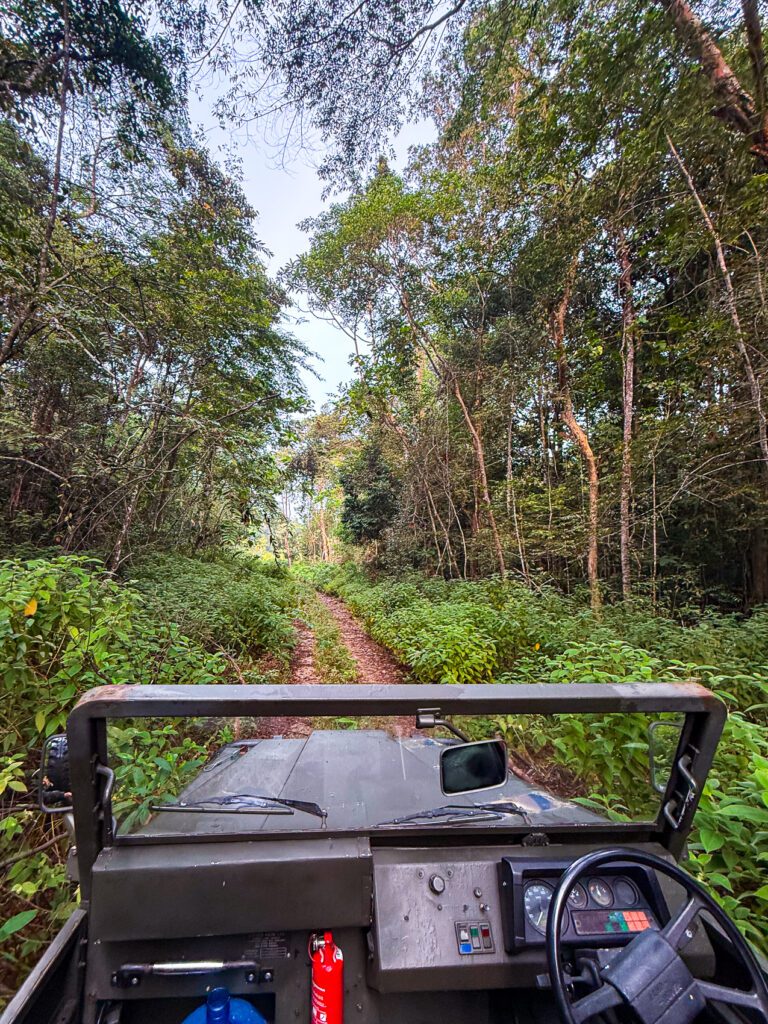

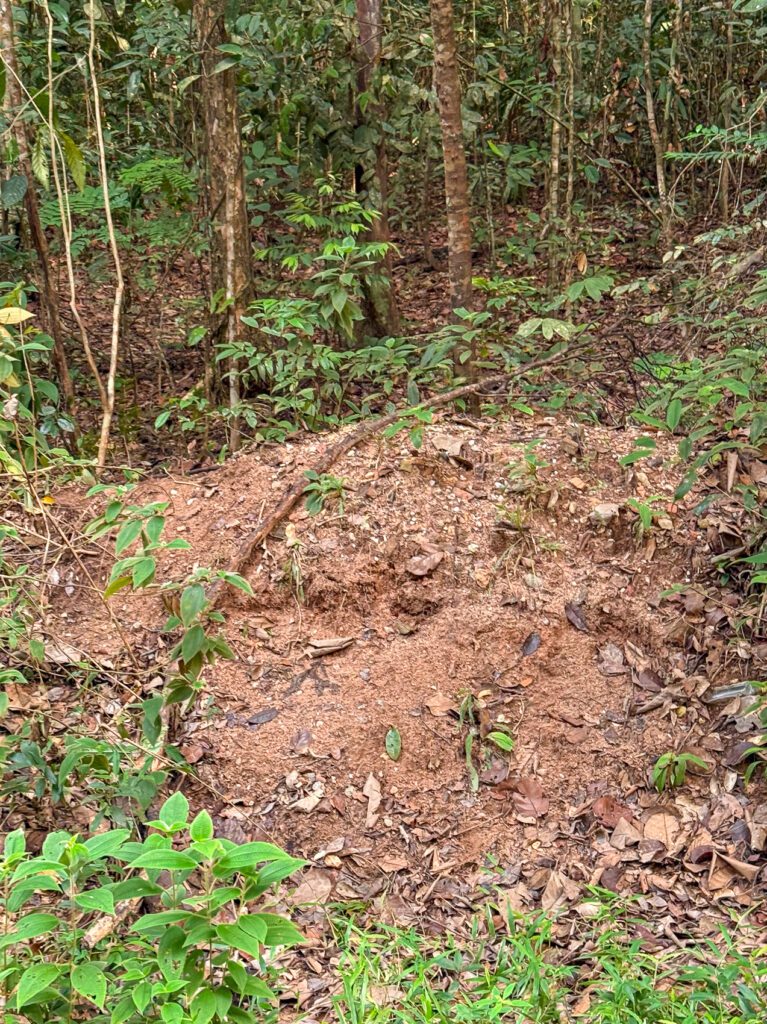
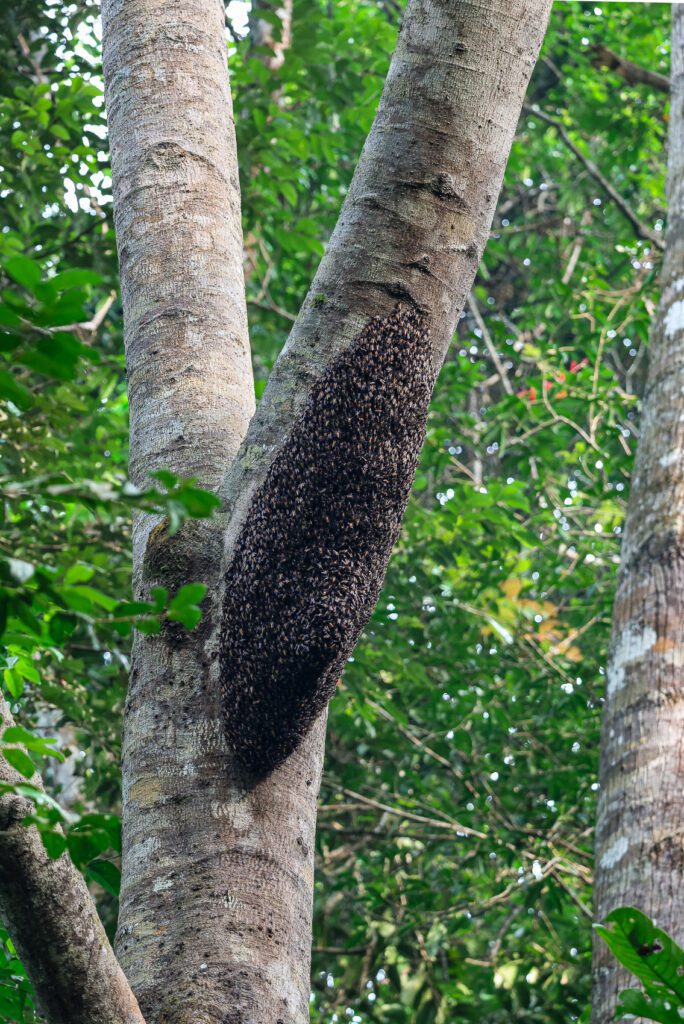
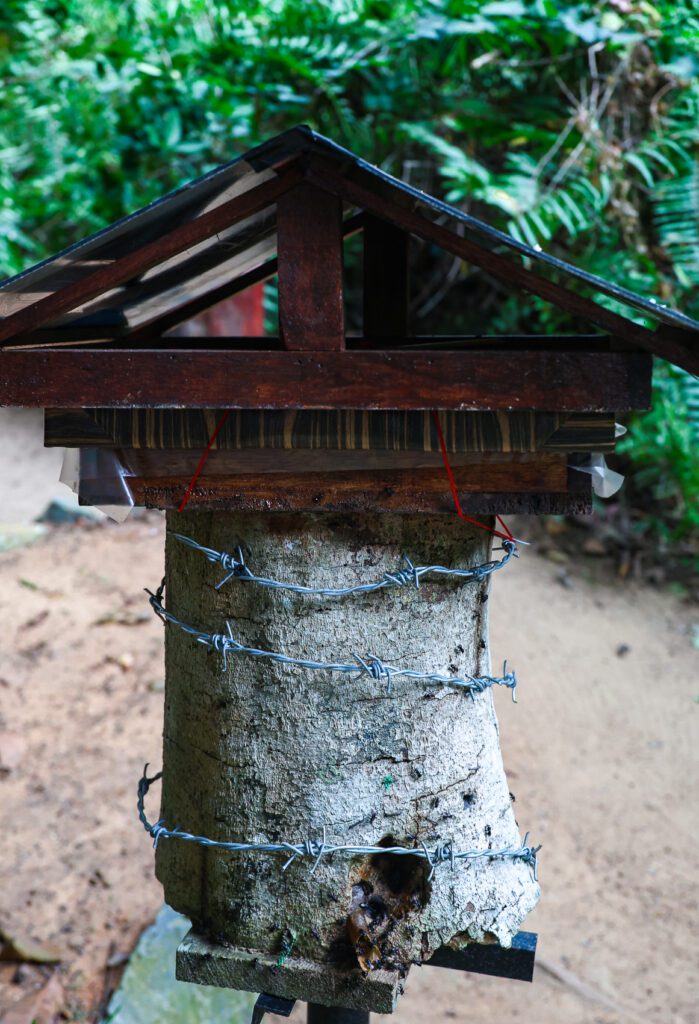
For the plant-lovers, it’s also a great spot as there are over a hundred families including rare ones. Finding a carnivorous pitcher plant in its natural environment was amazing for a plant-enthusiast like me! Then we proceeded along the famous Bunker Trail in a jeep, looking for more wildlife! Our guide showed us the fresh footprints of elephants and even their poo (not that fresh, though) and some scary-looking wild bees.
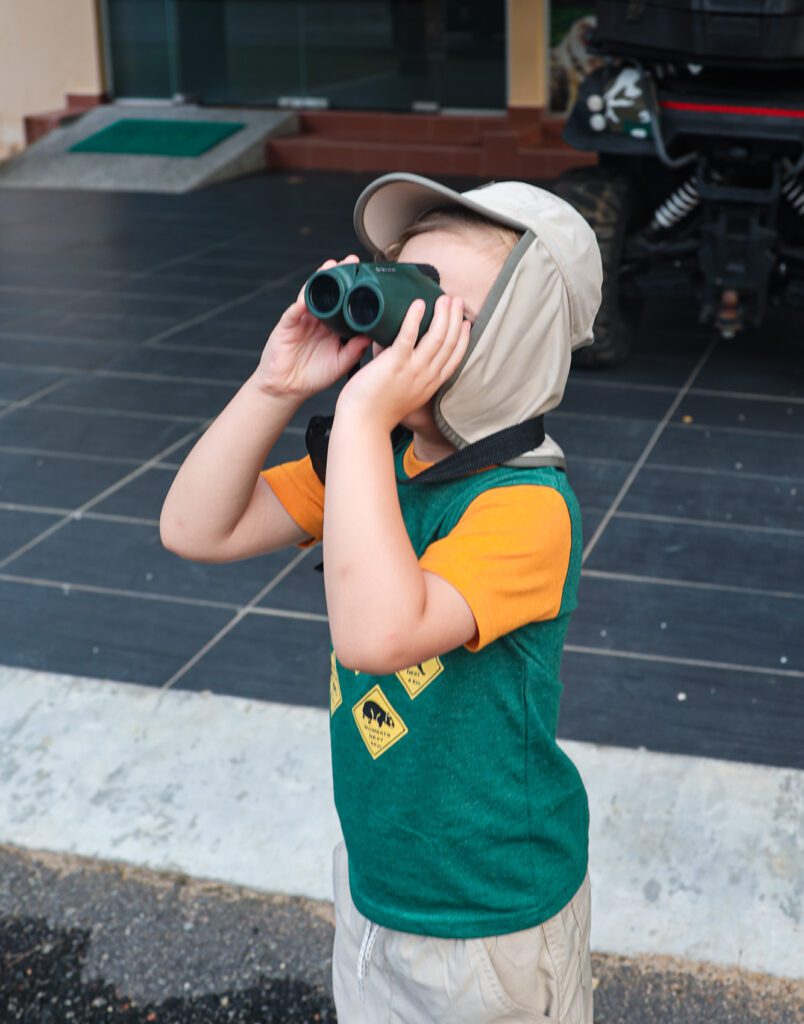


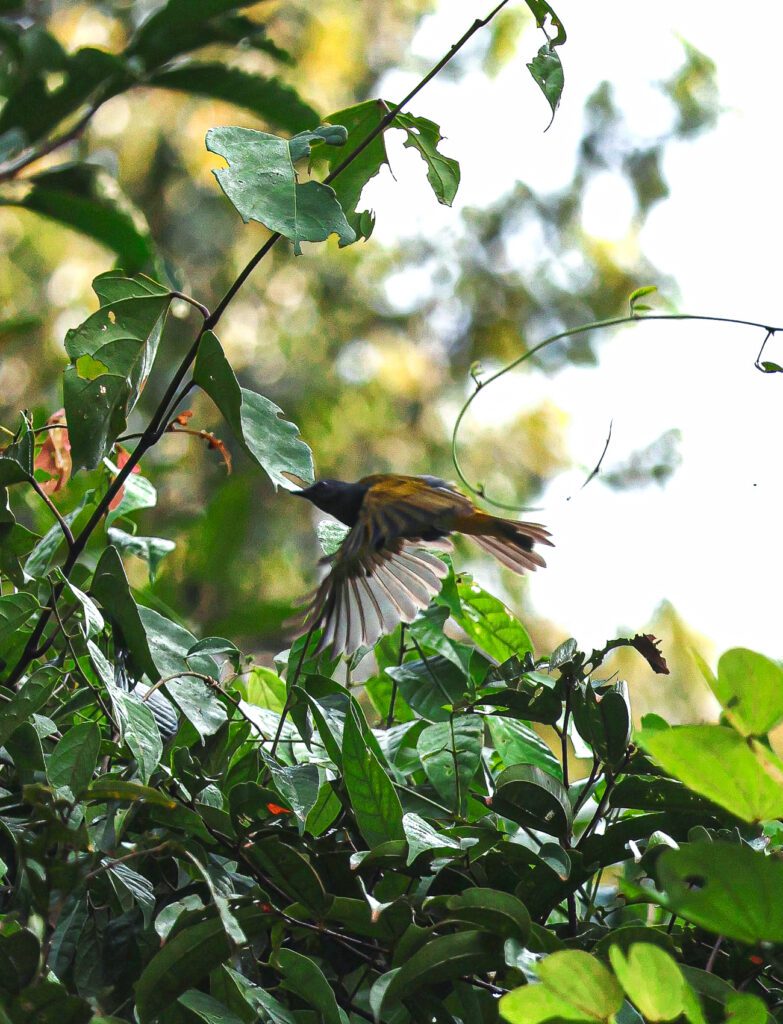
Then, among the birds, we were lucky to spot the Green Leafbird, Rufous Woodpecker, Crested Serpent-Eagle, Cream-vented Bulbul and other types of bulbuls, babblers and a few others. We even heard the Rhinoceros Hornbill, one of the birds I was dying to see; however, we didn’t manage to see it. Overall, our visit was very good despite the fact that we didn’t see much during our 3-hour-long tour around the jungle and didn’t get a chance to see many gibbons – we came in August, which is part of the hot season here.




For more animal sightings, it’s recommended to come in the cooler months. In the educational centre by the entrance of the forest, there’s a large display featuring some of the bird species living here – I wish I could see them all!



2. Eat fruits at Desaru Fruit Farm
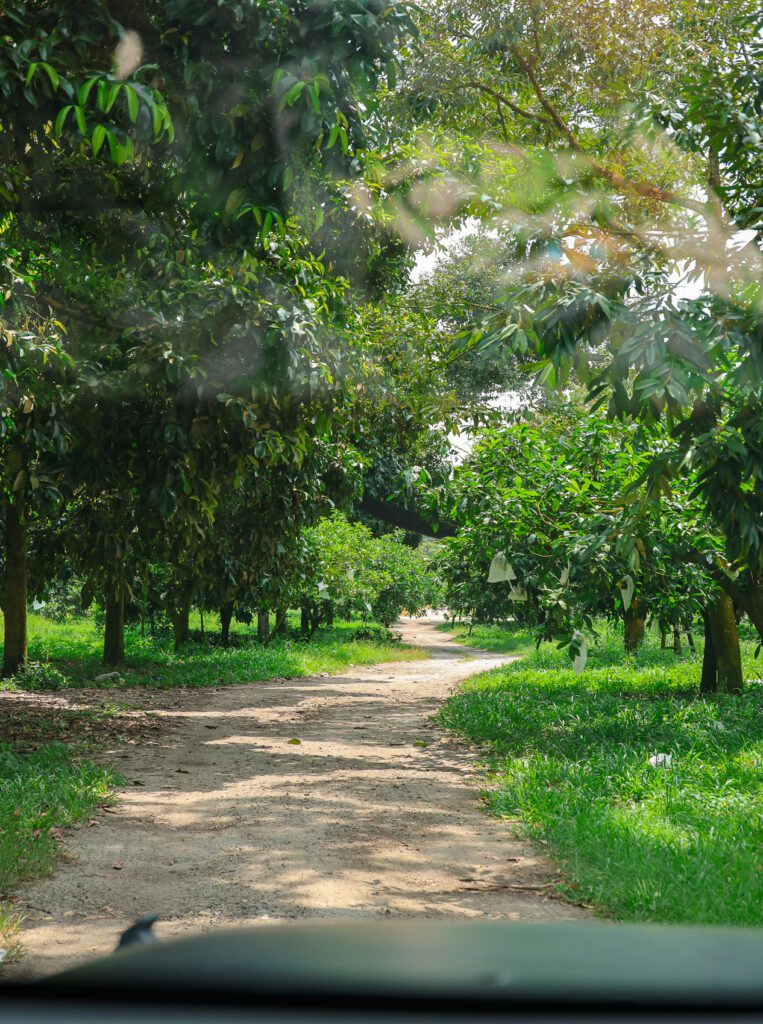
The most entertaining experience in Desaru was definitely visiting the Desaru Fruit Farm and the shop – if you don’t have time for a tour, make sure to at least shop some freshest fruits there for a price incomparable to Europe.

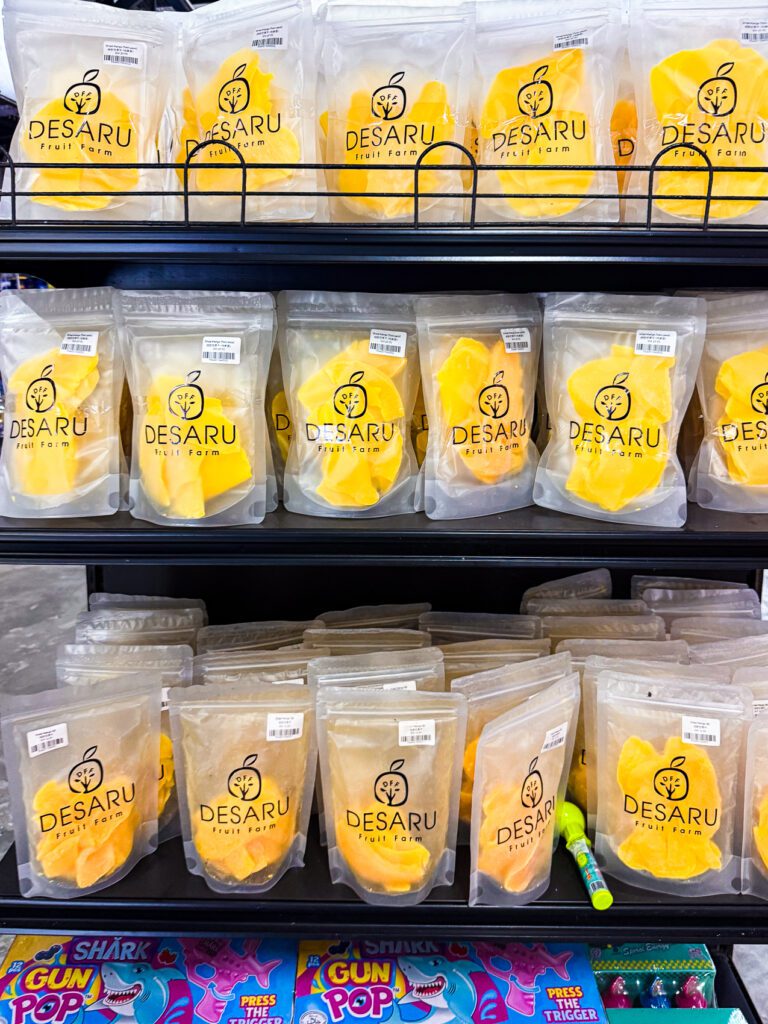
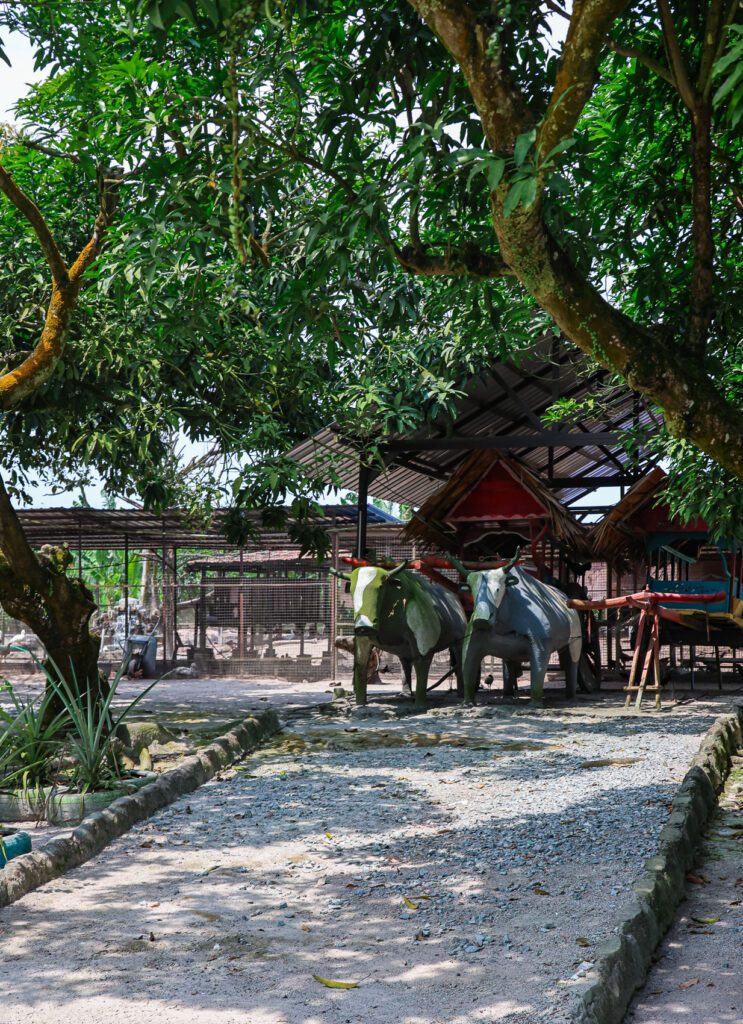

There are a few ways you can explore the farm itself – check the packages on site or online, but there’s usually no need for pre-booking.

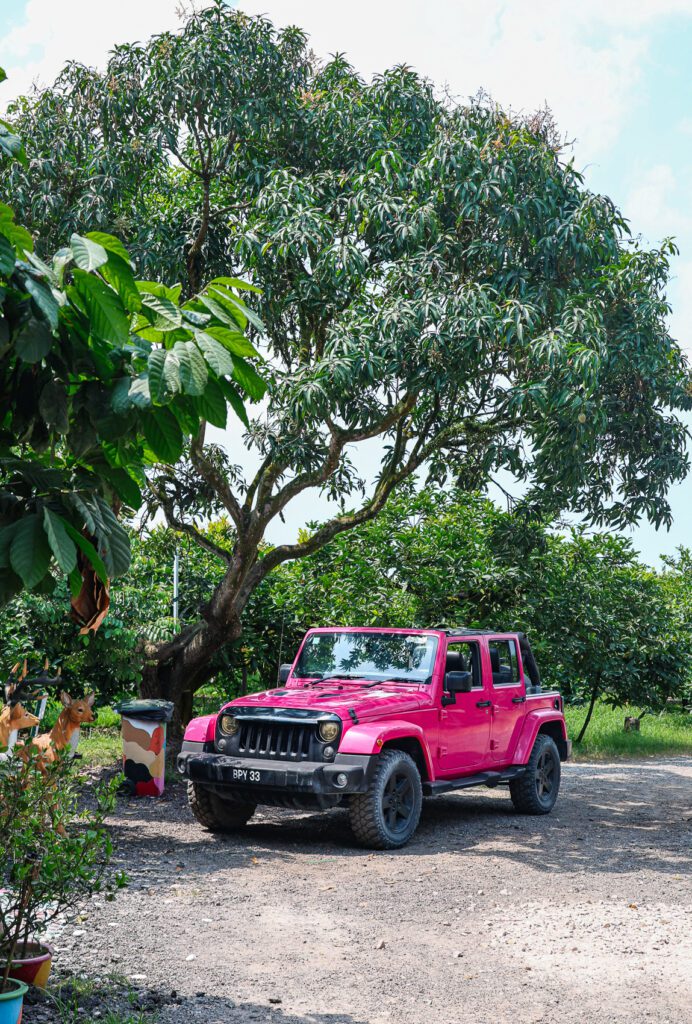

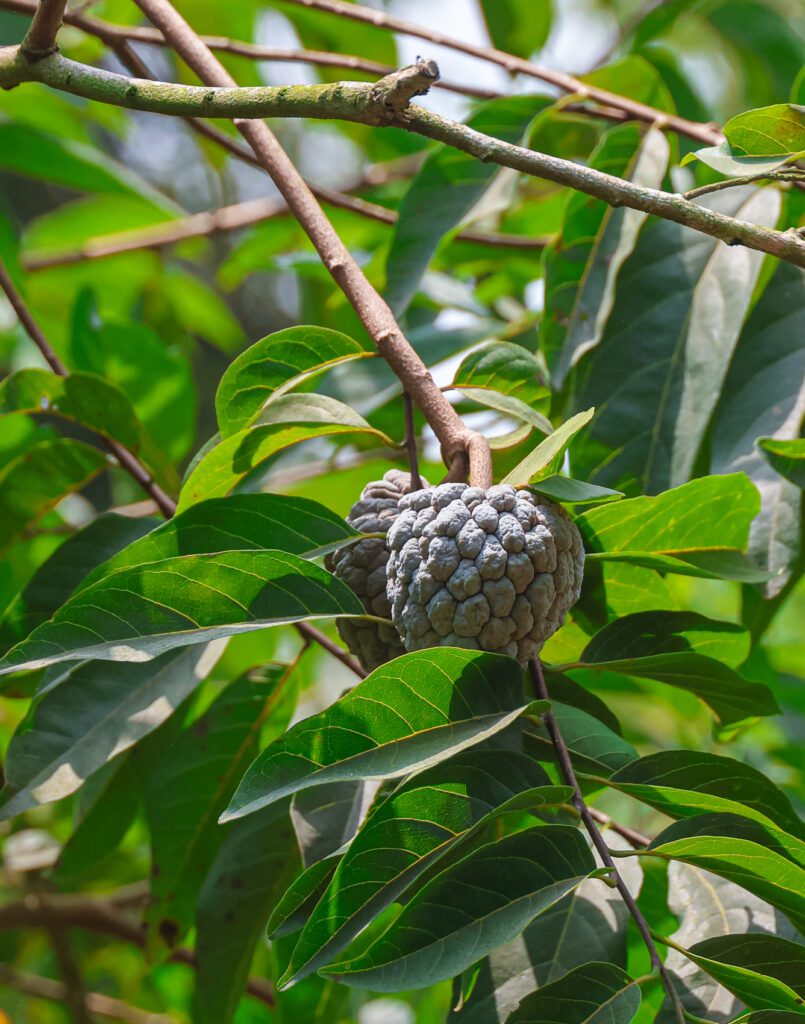

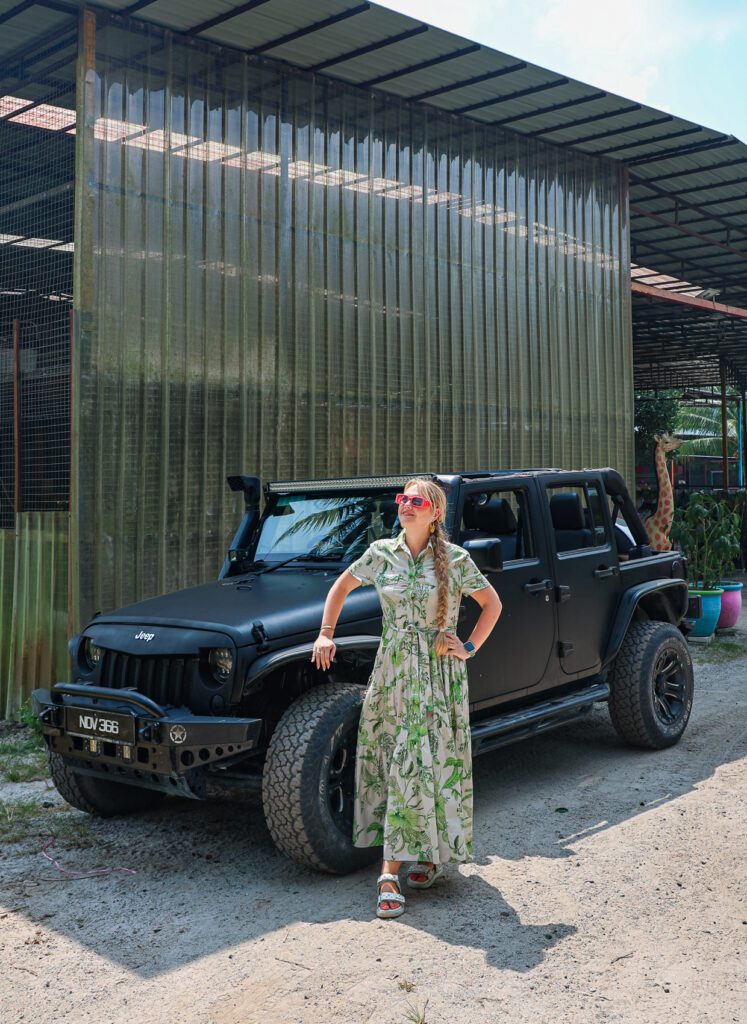
We went for the 60-minute Jeep Riding Tour with a guide. He showed us all the tree species grown there – and on top of that, we got a huge fruit platter, a bottle of fresh dragon fruit juice and a fruit box to take with us!
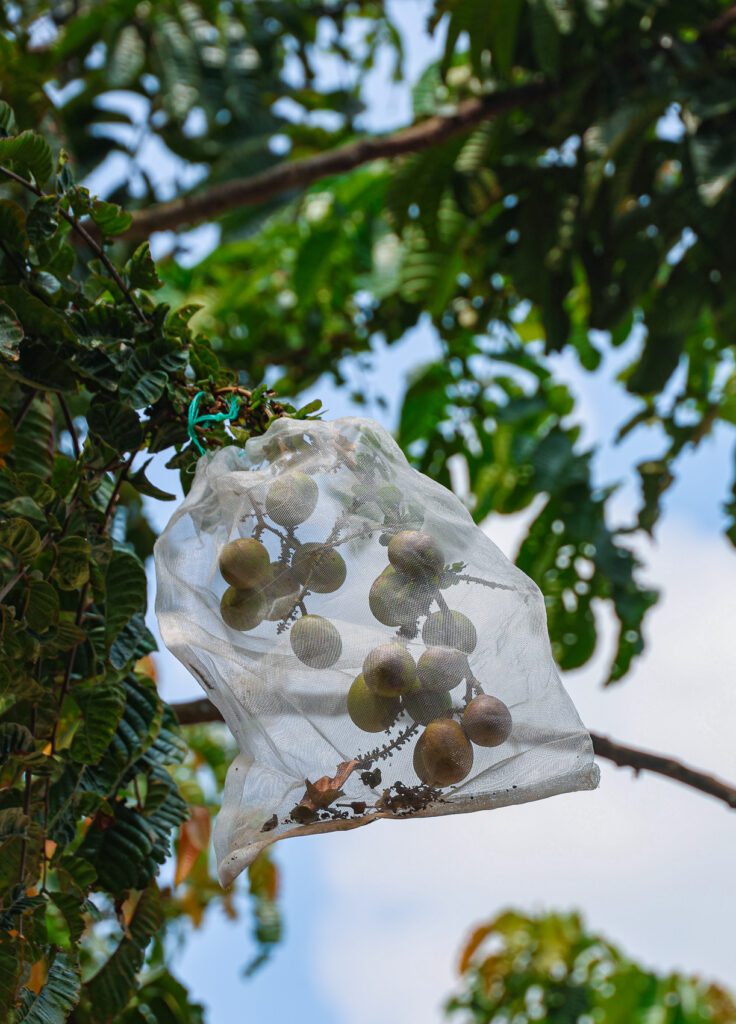


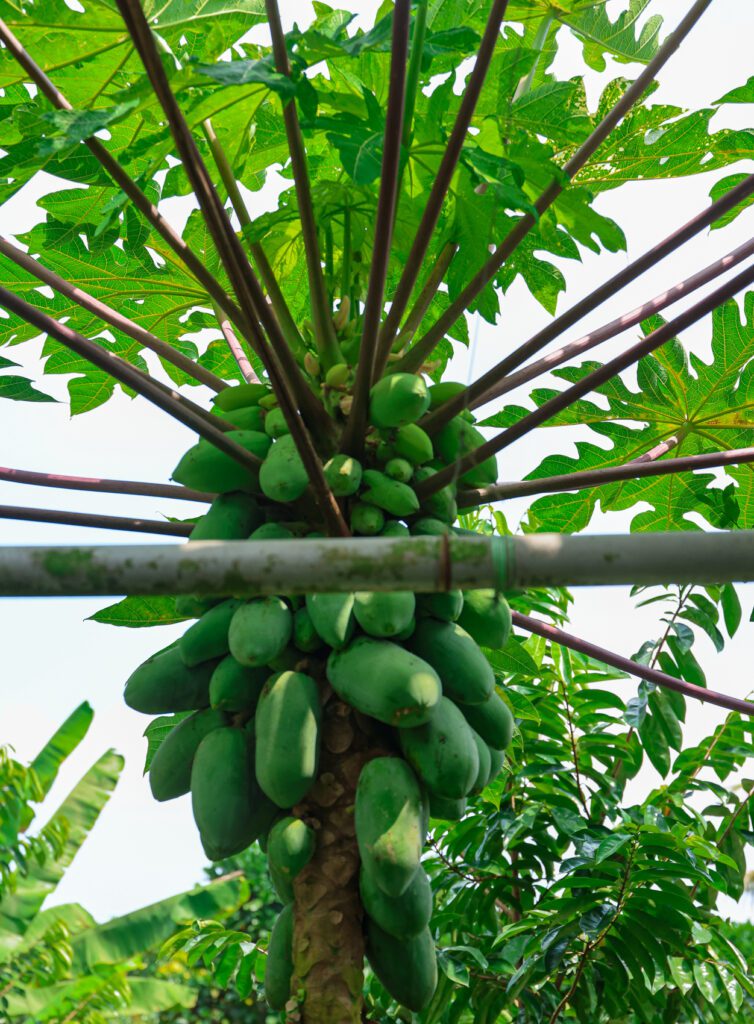
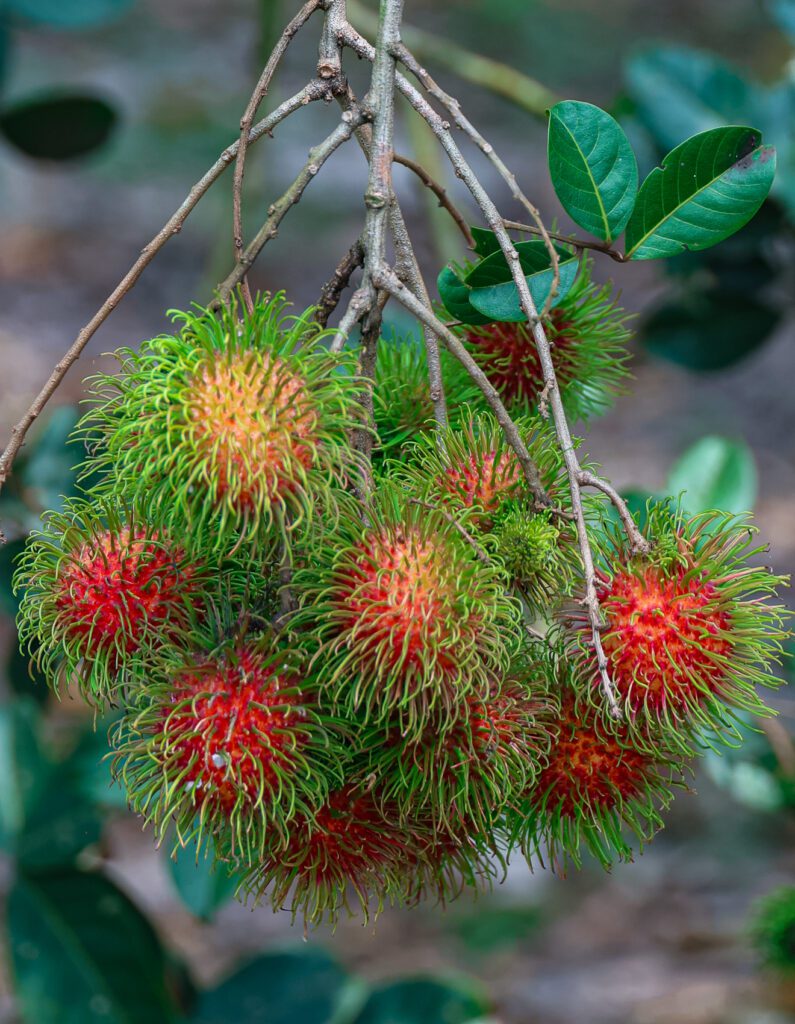
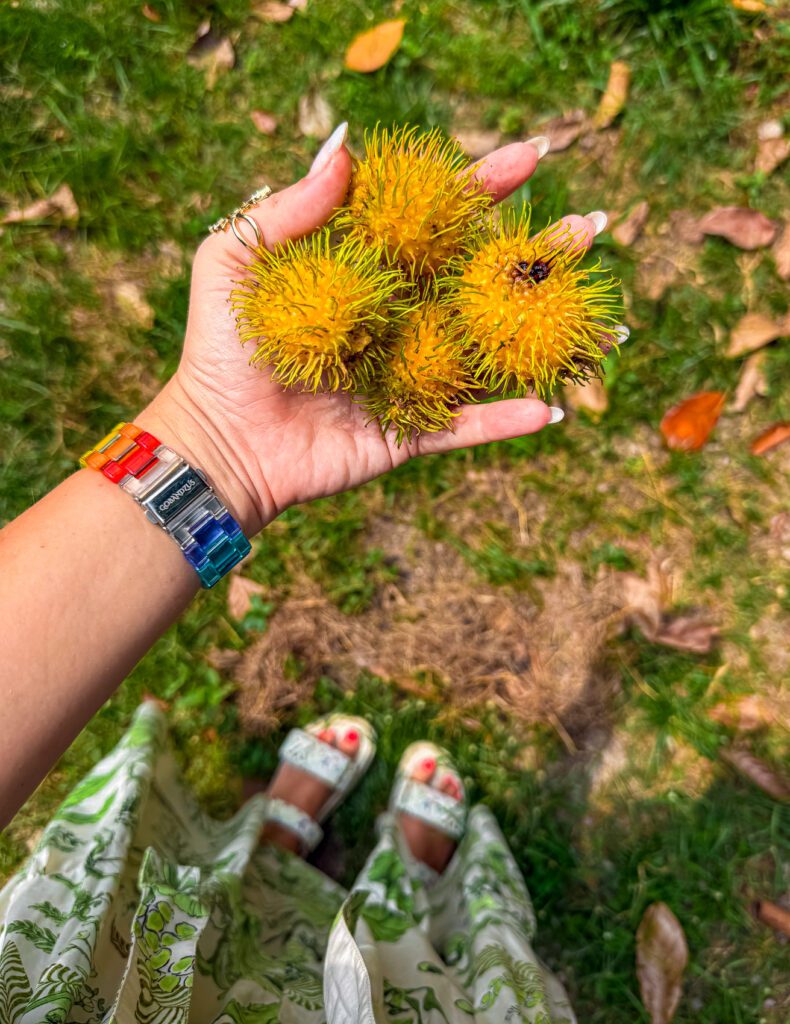
We saw mangosteens, the last of the durians, pulasan, abiu (it was my first time seeing this fruit), papaya, custard apple, sour plum, red and yellow rambutans, bananas, jackfruits, passion fruit and others – such an amazing experience for an urban girl like me. I simply can’t express how delicious the ripe mangosteens, rambutans and pulasan were, having just been hanging on a tree. (All the fruit picking you see was allowed by our guide.)


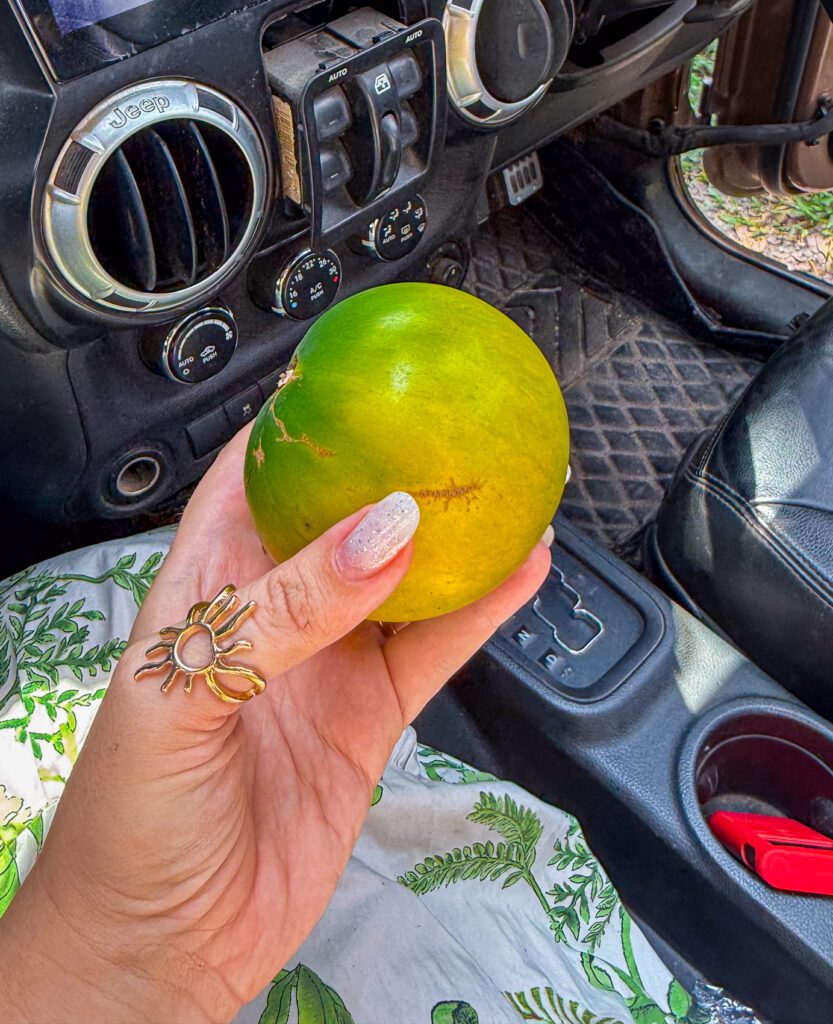

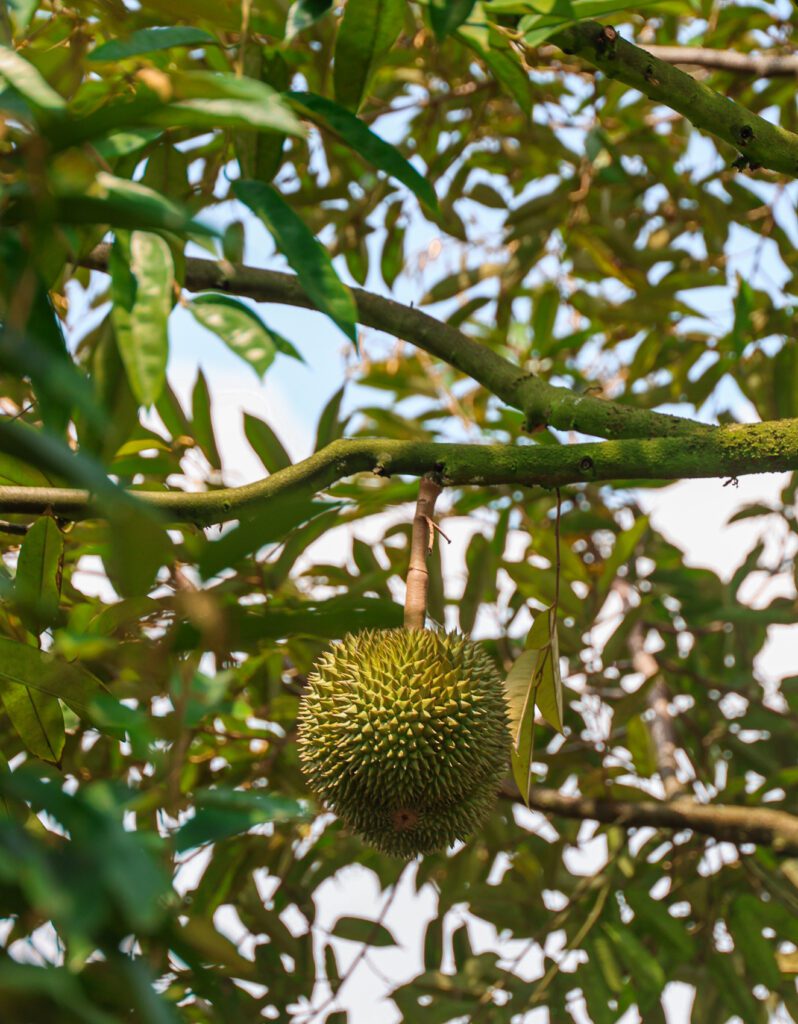
Pulasan has definitely been a discovery of this trip to Malaysia – I first tried it a few days ago, and it’s been amazing to see it growing, too. This fruit rarely makes it out of Southeast Asia, and if you come anywhere you can see it, make sure to try it. It’s a relative of the rambutan and longan and is native to Southeast Asia. And you have to twist it to open it.


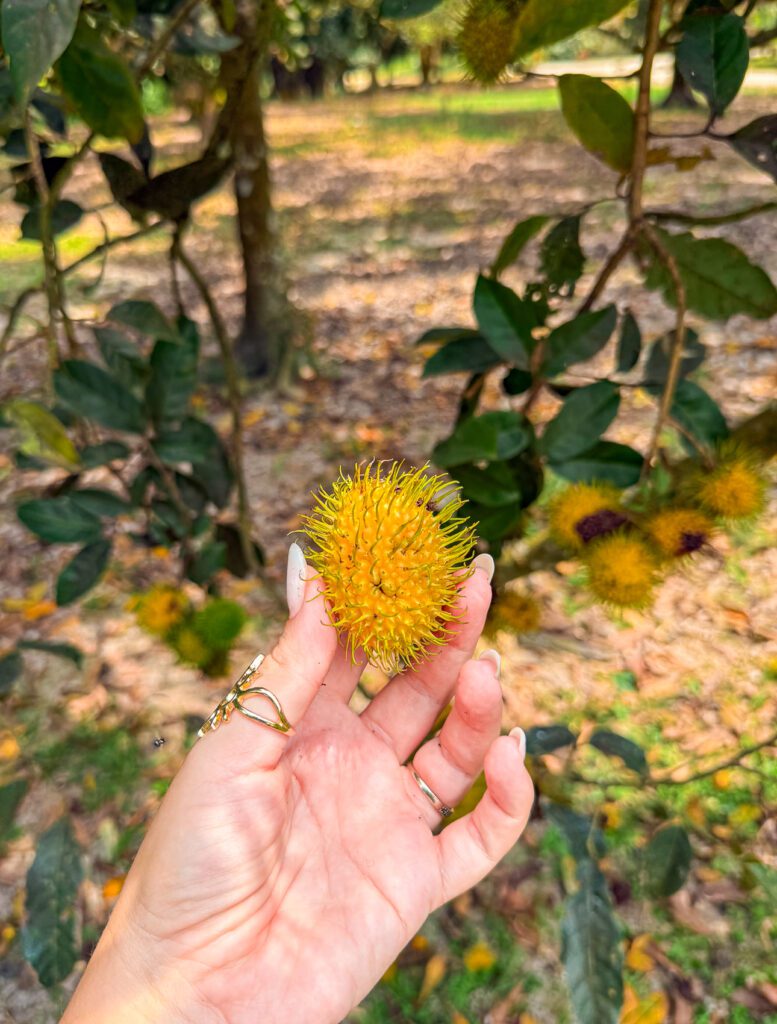
And I’ve just mentioned rambutans (I’m a big fan!)… but what about yellow rambutans? I didn’t even know they existed – they’re fully yellow on the outside when ripe! It’s a super rare version of rambutan with a different taste.

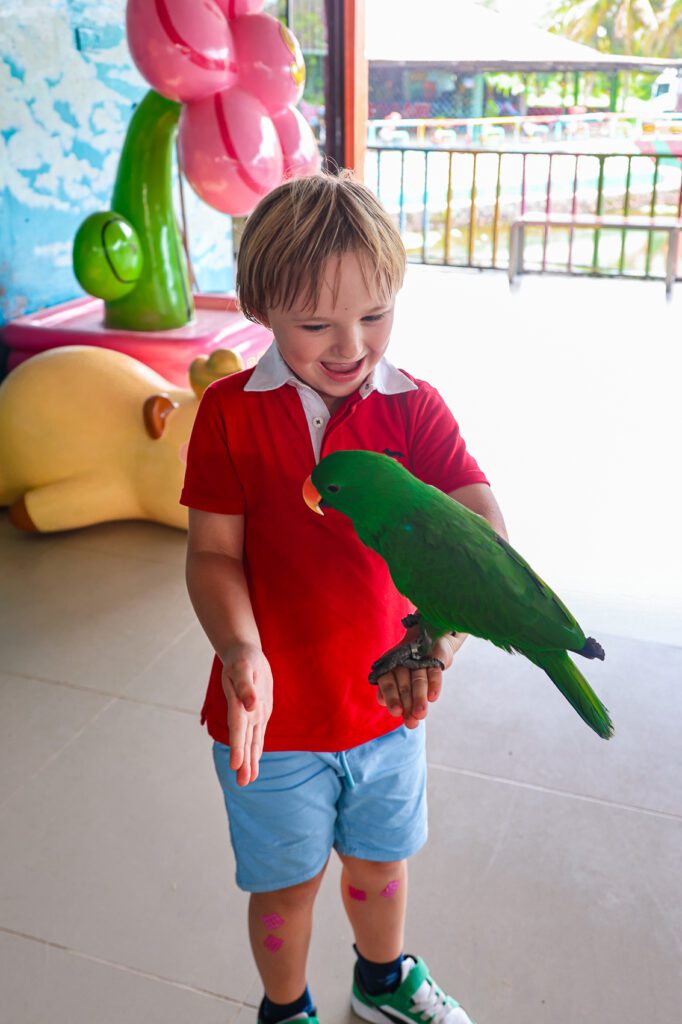
Desaru Fruit Farm also has outdoor and indoor zoos. The first one has raccoons, llamas, capybaras, foxes, cats, meerkats, goats and tiny monkeys (I’d recommend you skip it: although the area is well kept, it’s quite small, the animals might be overfed, and overall the majority of these animals don’t usually belong in a contact zoo).



3. Make a jam from local fruits
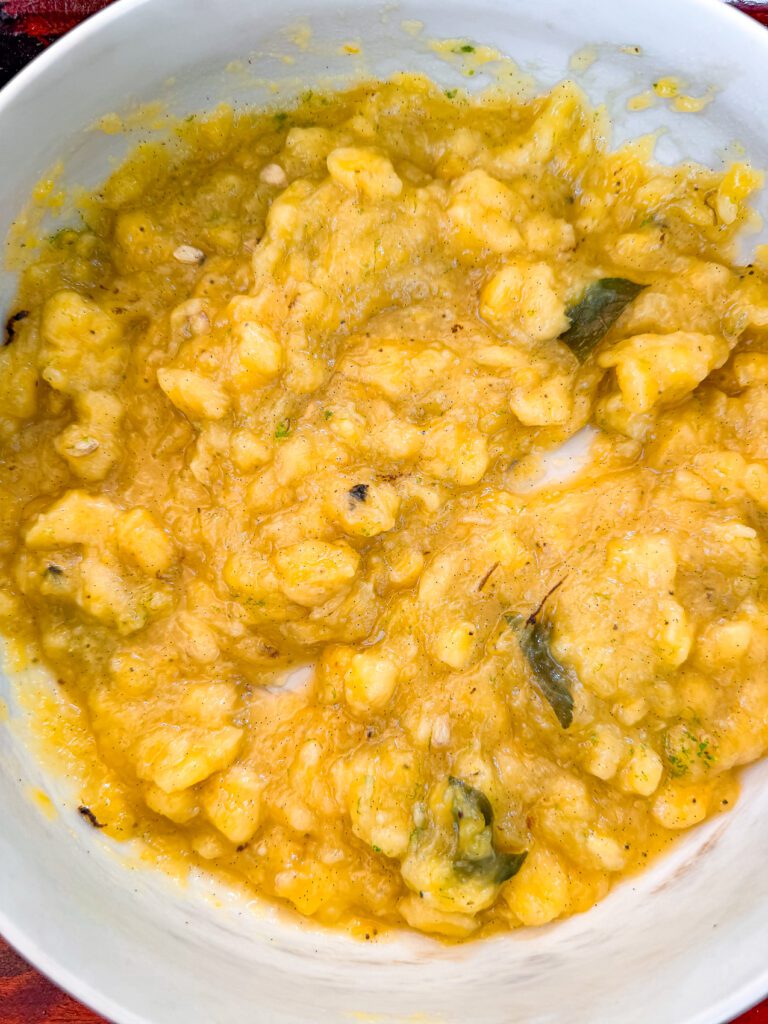
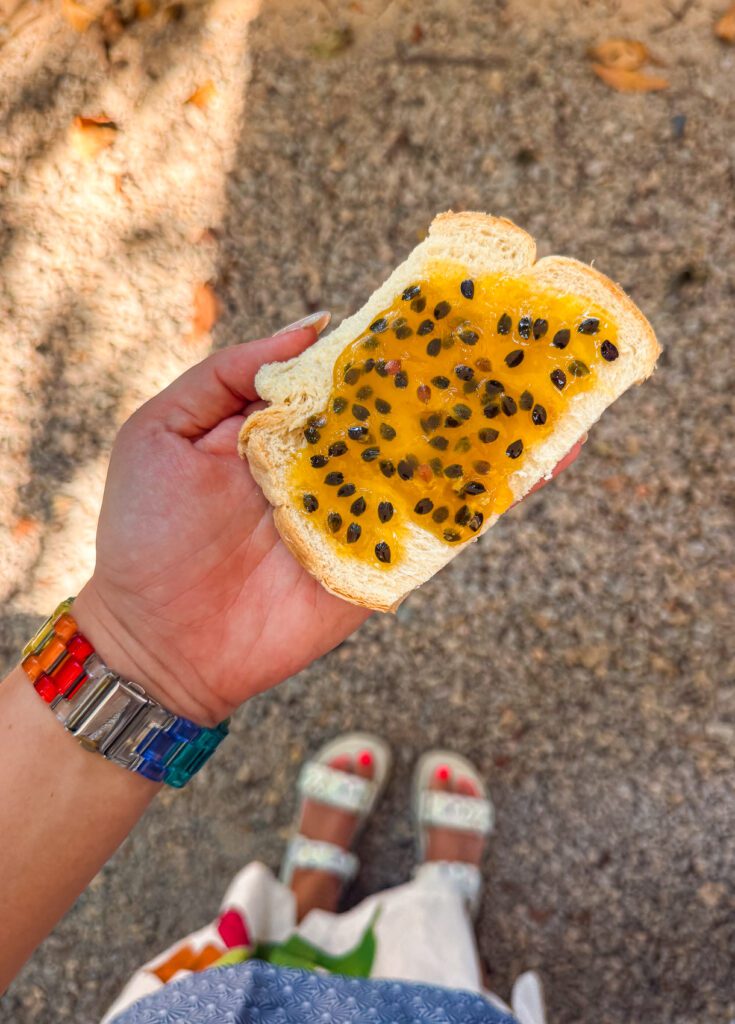
If you got inspired by all the fruits I’ve mentioned, you might have had a thought – oh, can I preserve them and take them home with me? That’s what we and our hotel thought, and as a result we took part in the Local Gems masterclass under the guidance of the Desaru MO chefs, in the Chef’s Garden on the hotel grounds and using local ingredients!
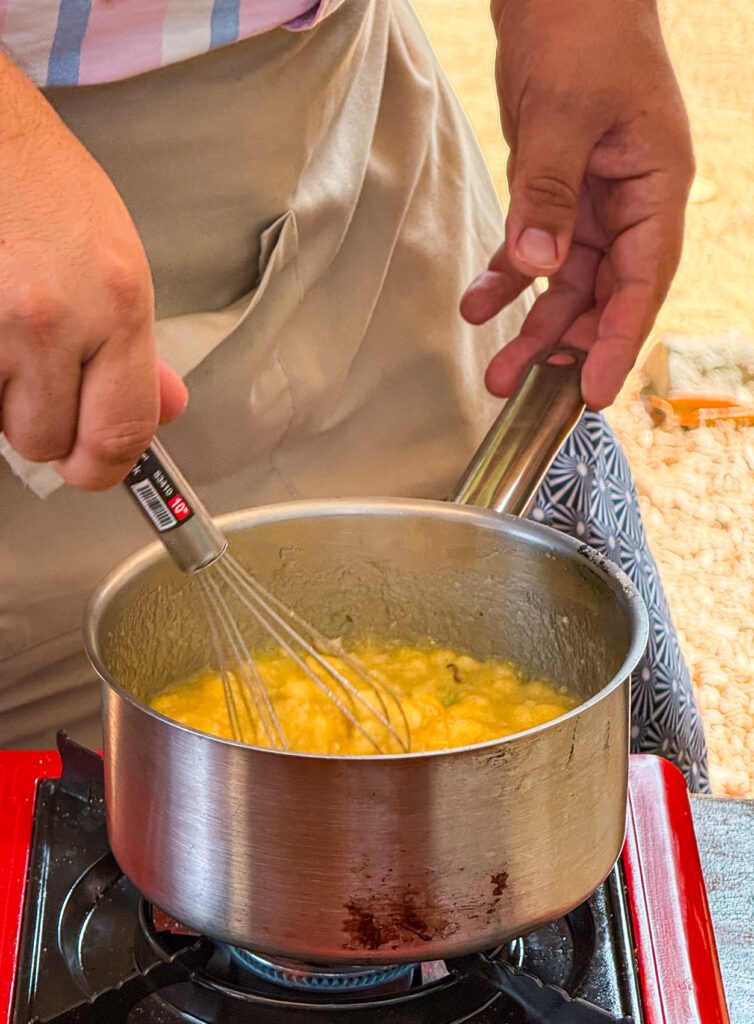

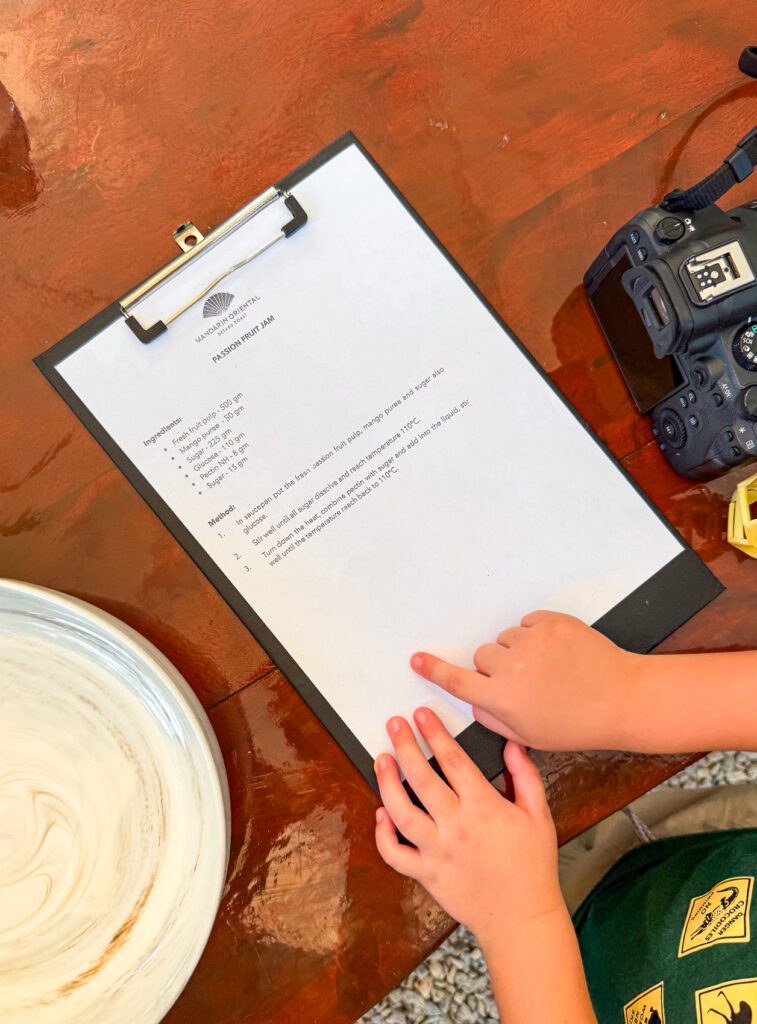

There were two types of exotic jams we made: the passion fruit one and the banana one. The jams were quite easy and quick to prepare – and the result was amazing; we felt like Paddington Bear, but with passion fruit marmalade instead of orange.


4. Watch fireflies in the Sungai Lebam mangrove forest
I must be honest with you: I’ve done firefly tours a few times in Malaysia before, in Selangor and in Sabah, Borneo – and this natural performance never ceases to amaze me.


I can’t recommend seeing it at least once in your life enough. The Lebam River is quite a picturesque area, and some people come here during the daytime to explore the mangrove forest – especially the Berembang trees – and the wildlife living here. But once night falls, you can see one of the most unusual sights in this part of the world: the firefly display. These small insects live on the branches hanging above the river, and if you look closely enough, you will spot the tiny sparkles – that’s them!

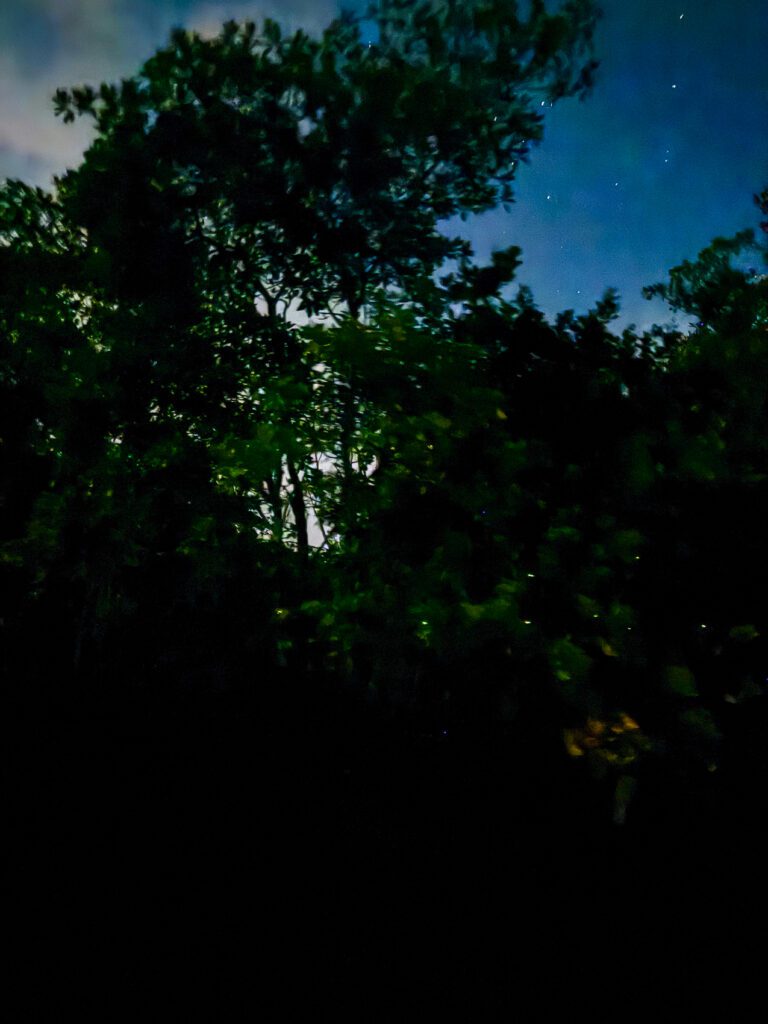


Unfortunately, photography or videography doesn’t do this experience any justice. It took us approximately 30-40 minutes with a bit of traffic from our hotel to get to the right river spot. Then we jumped on board the jetty boat to explore the Sungai Lebam mangrove forest, and on our way we also spotted some fishermen and people hunting for prawns. The total time of the tour is about two hours, and of course, please book it in advance, as you just can’t turn up unannounced.
5. Explore Kota Johor Lama Museum
Kota Johor Lama Museum is a museum on the site where the Kota Johor Lama fort was located in the 16th century. Kota Johor Lama is a fort sitting on the side of the Johor River, one of the fortifications – kota – established across the riverbed.

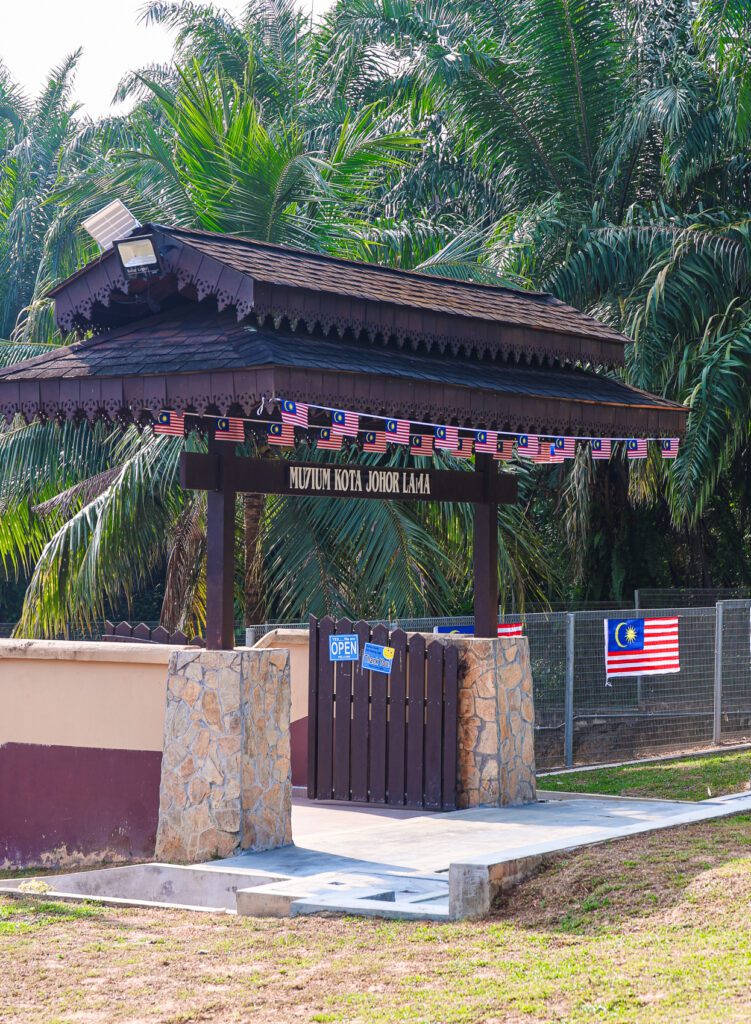
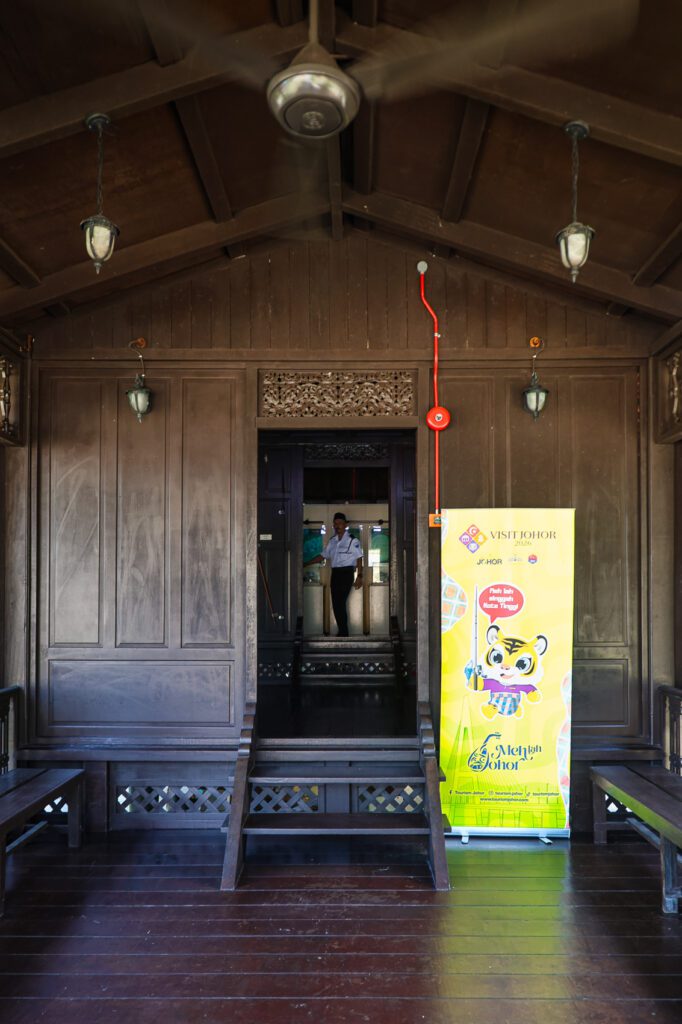
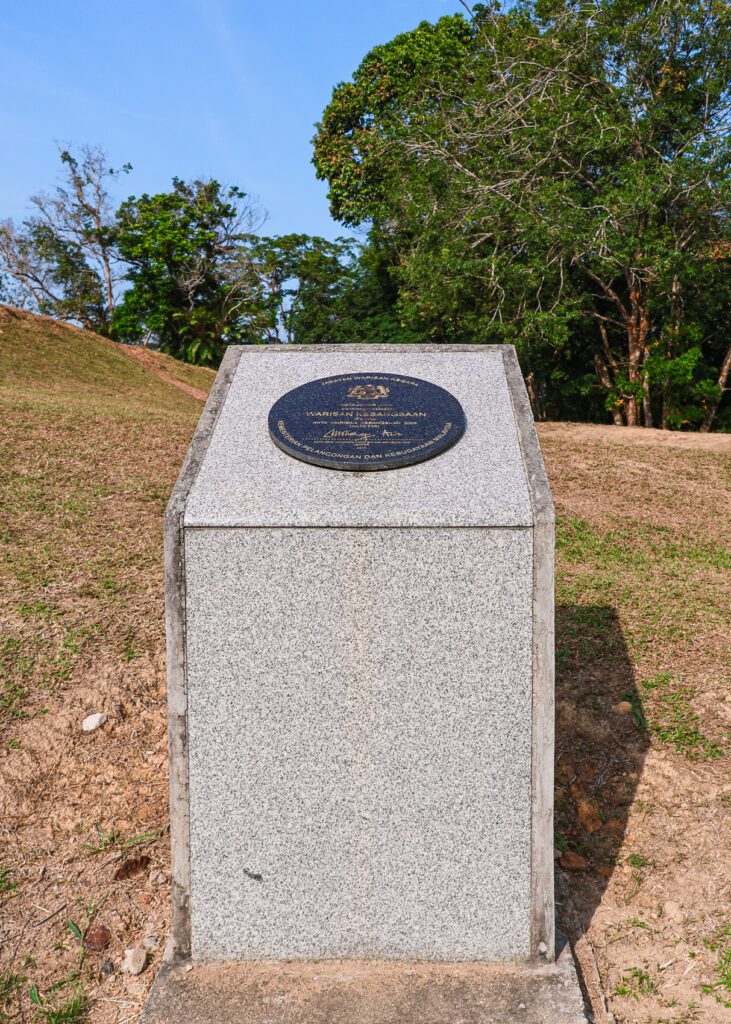
It was built by Sultan Alauddin Riayat Shah II, the first Sultan of Johor, in 1535-1540. He created the Johor Sultanate and moved here after Malacca was taken by the Portuguese. The fort became an important trade centre because of its proximity to the river and successfully fought off Portuguese attacks, but just 24 years after its establishment, the fort was taken by the Aceh Sultanate and the royal family was taken into captivity.
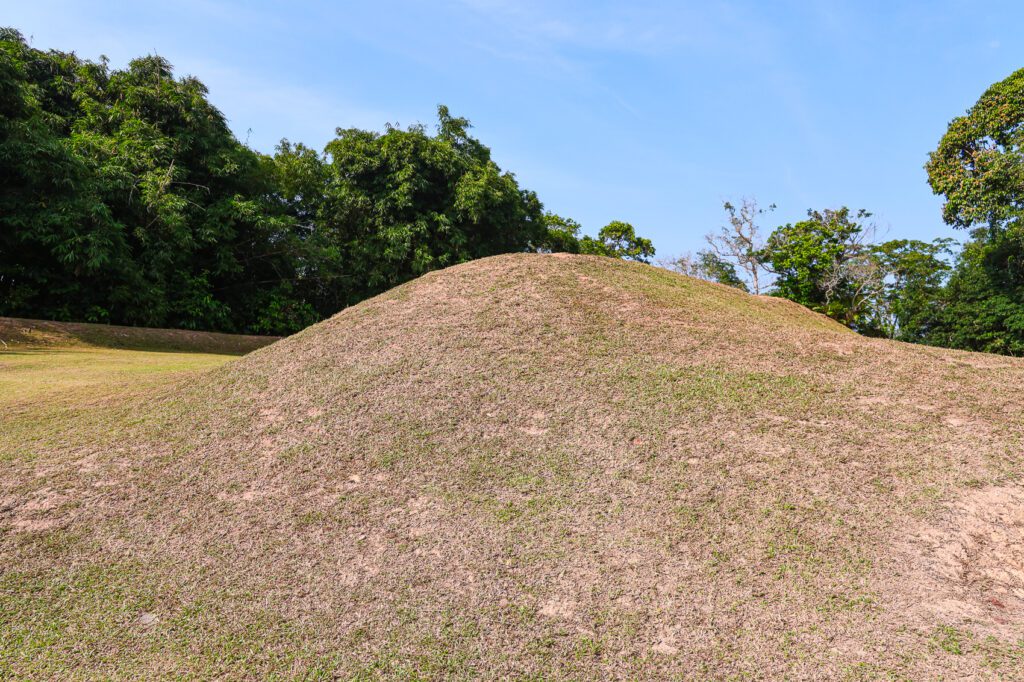

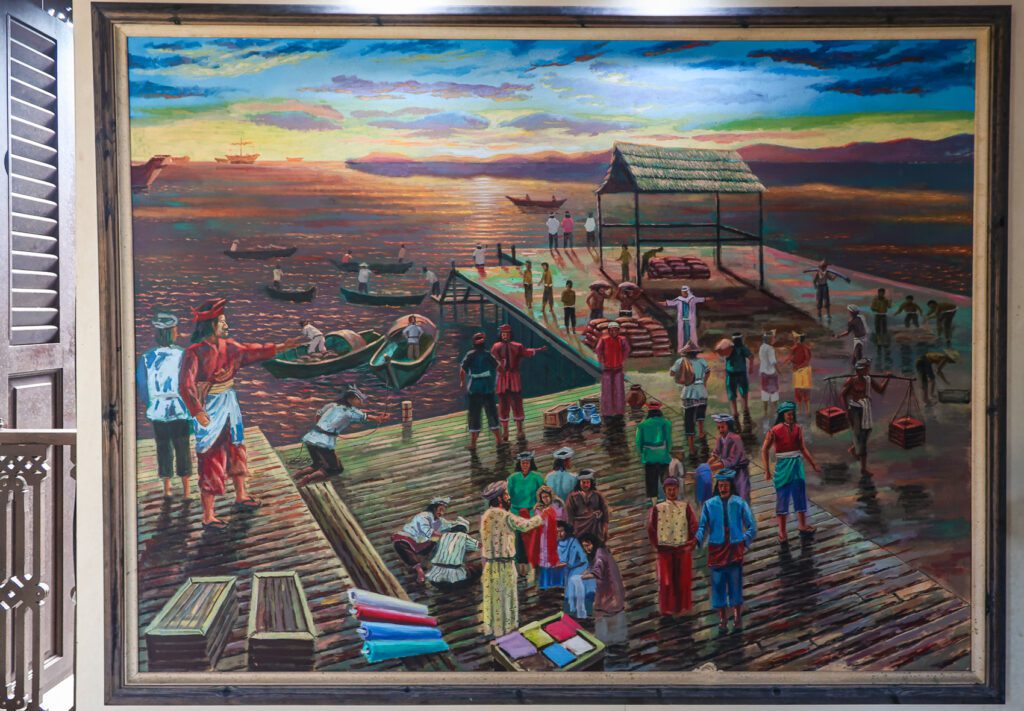

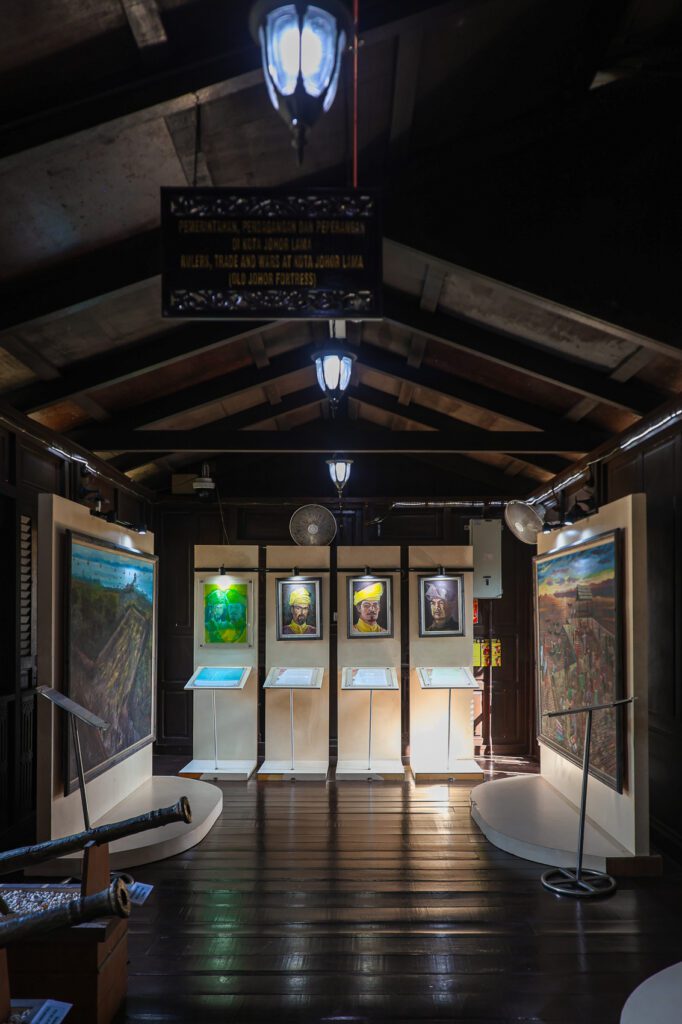
Later, the fort was re-established twice and twice destroyed by the Portuguese. Now you can learn the history of this fort and see a small exposition dedicated to it here.

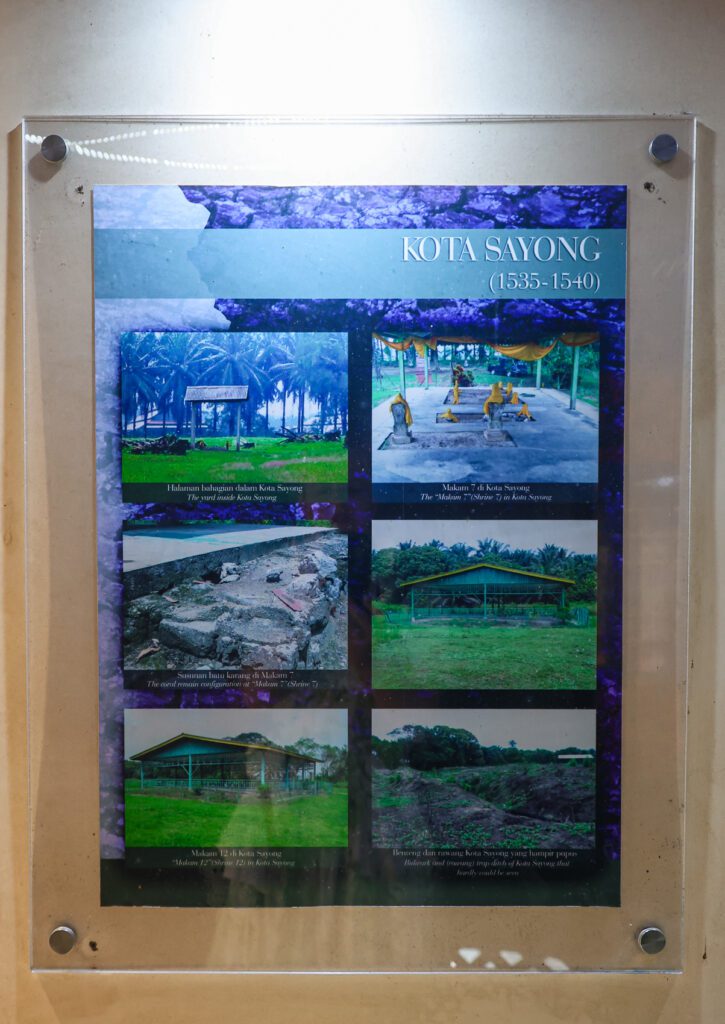
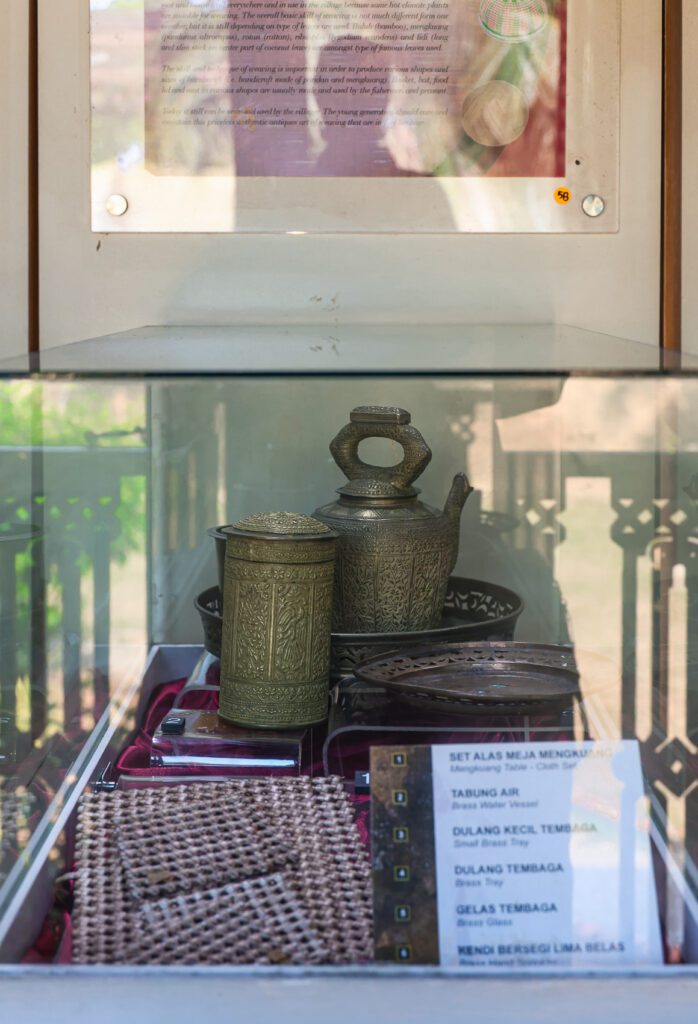
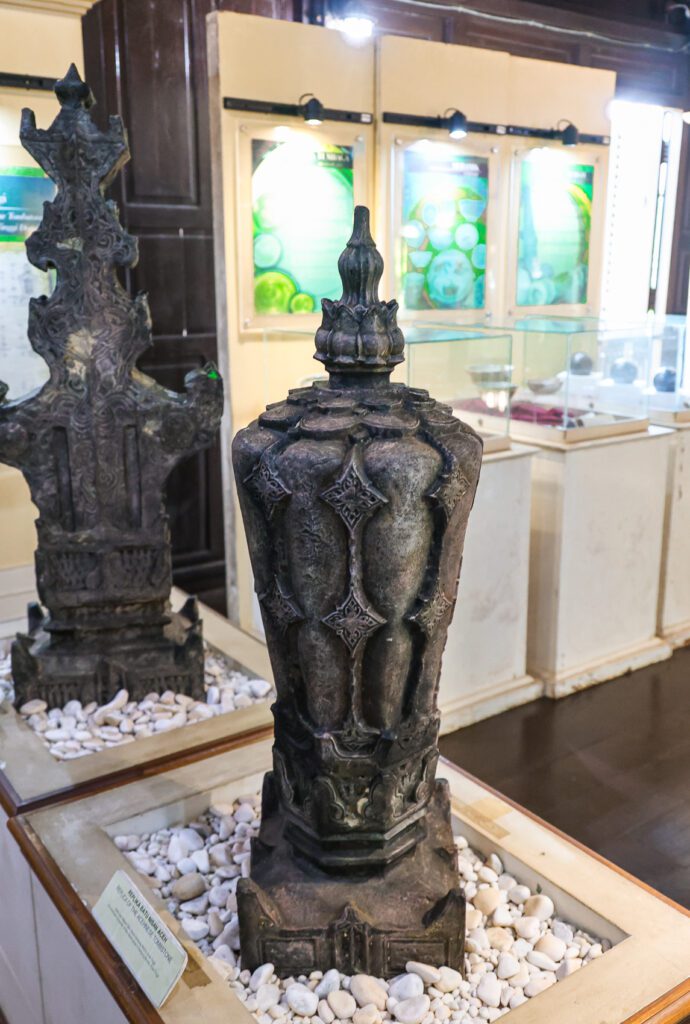

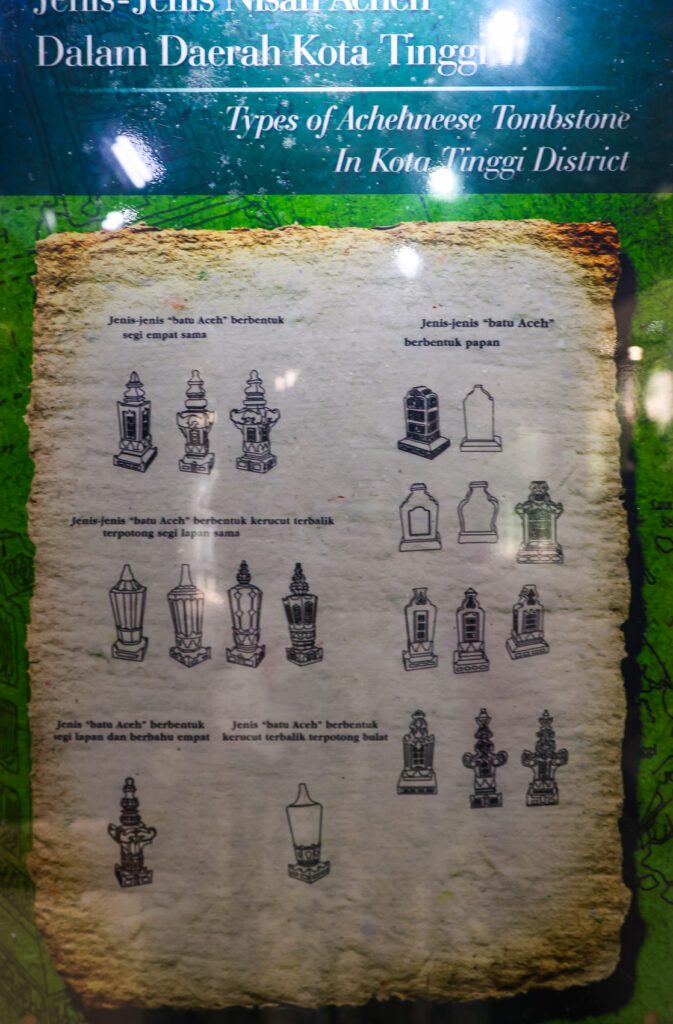
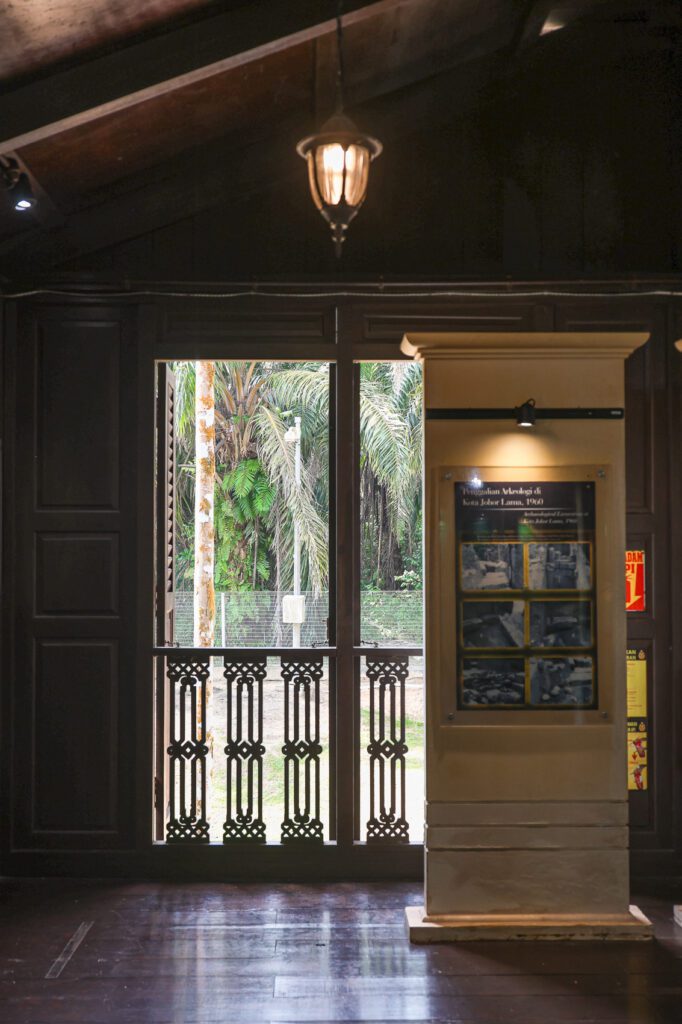
The British excavated it in the 1960s, and the current museum, built in traditional style with wooden carvings, opened to the public in 2007. Entry is free.


6. Learn about batik
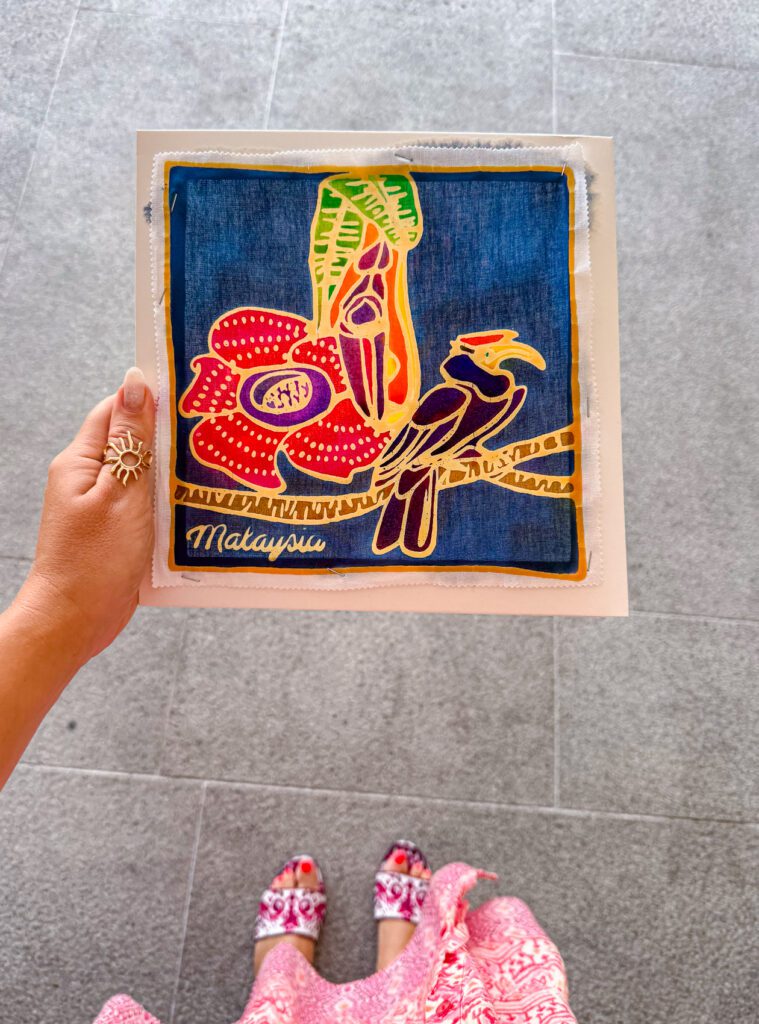
Batik is a traditional Malaysian (and Indonesian) technique of dyeing textiles in which the ornament is made with wax. After the dyeing, the cloth is boiled and the wax comes off, creating white areas which complement the bright colours already applied there.
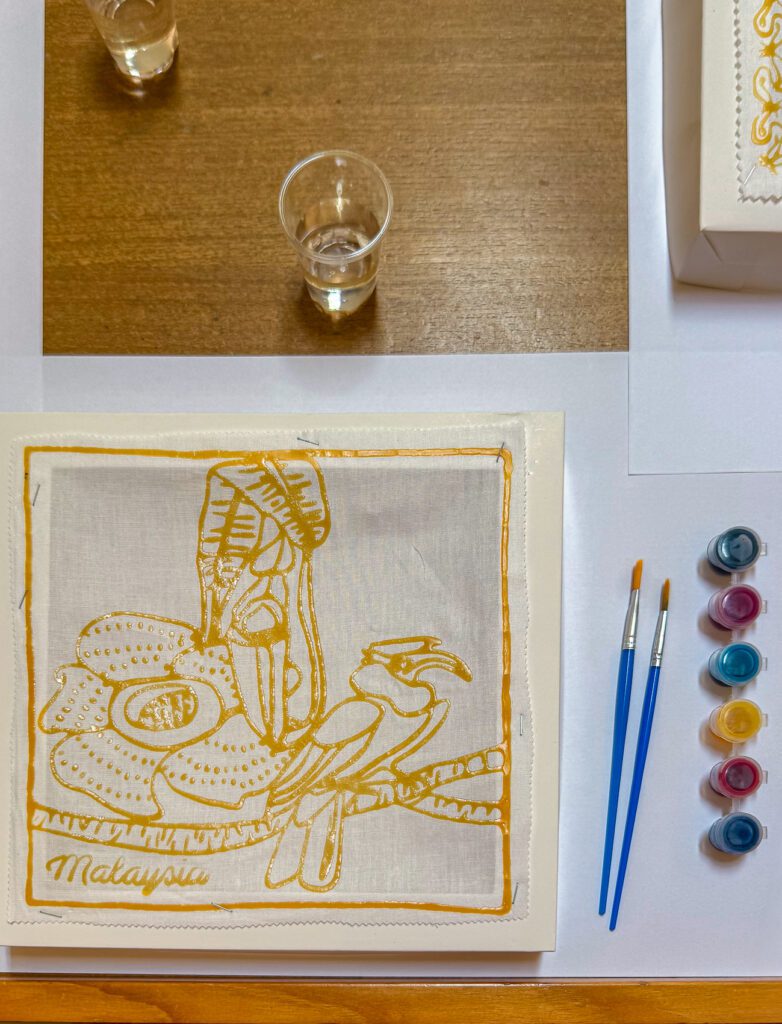

There are a few venues across Desaru Coast where you can learn and try this technique, and we went for our hotel MO option again. We dyed pieces of textile that had already been pre-printed with a wax pattern – Boris and George went for traditional flower ornaments, and I chose the Rafflesia and Hornbill one. Couldn’t be happier with our results!
7. Visit Tanjung Balau Fishermen Museum
The Tanjung Balau Fishermen Museum, opened in 1992, is the only museum in Malaysia dedicated solely to fishing and related activities!


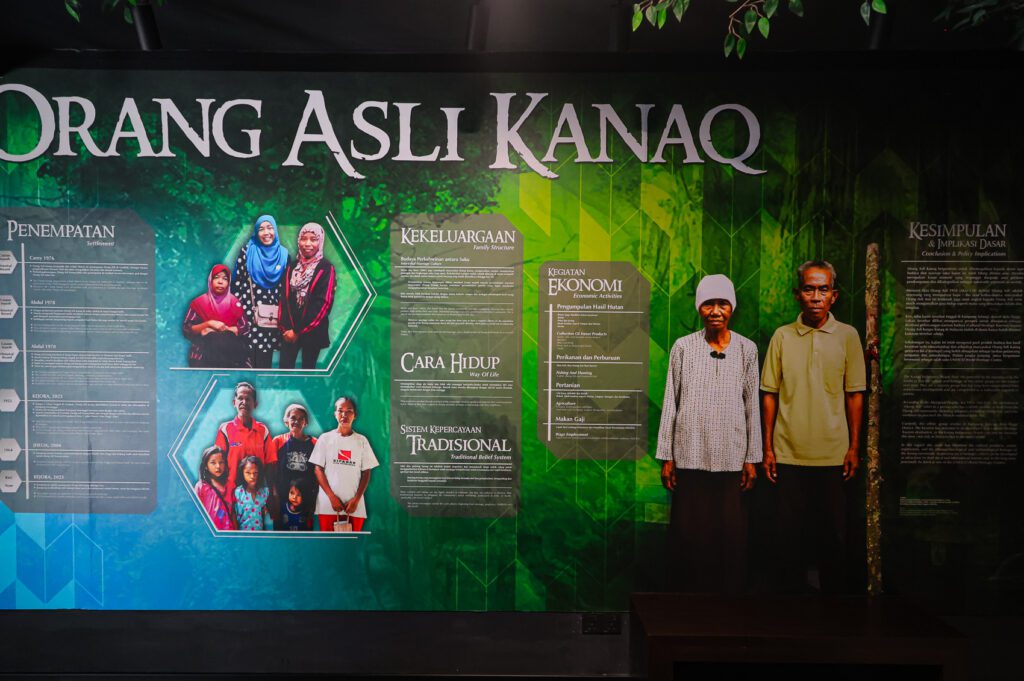
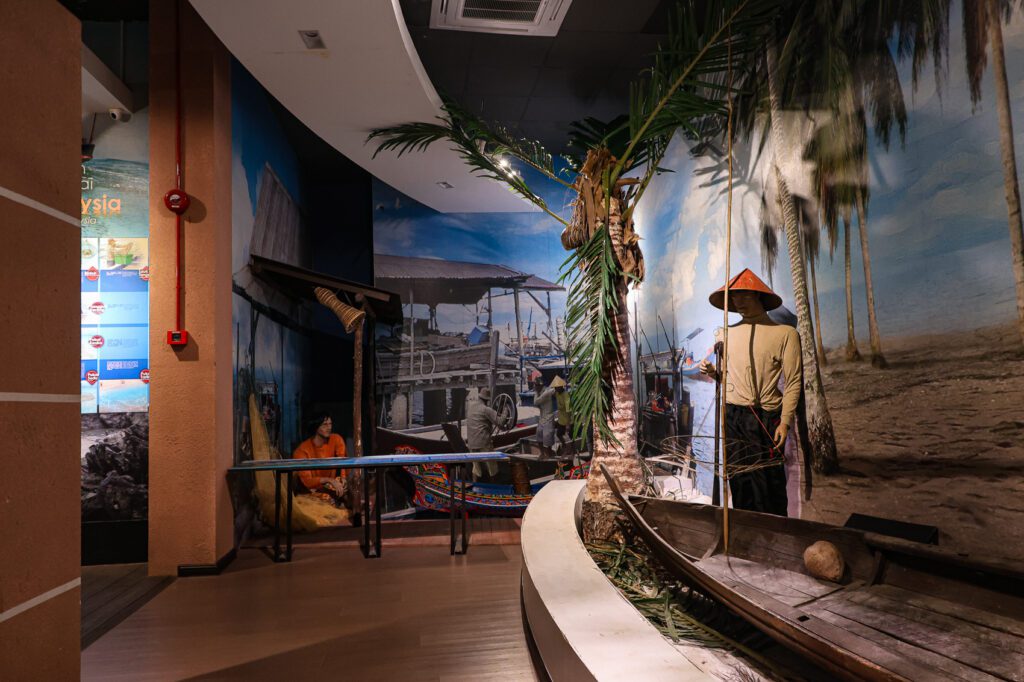
The museum’s collection is not very large, but it still has good educational value for a local museum like this one – I expected much less of it. Various themed exhibitions are split into different rooms-buildings.

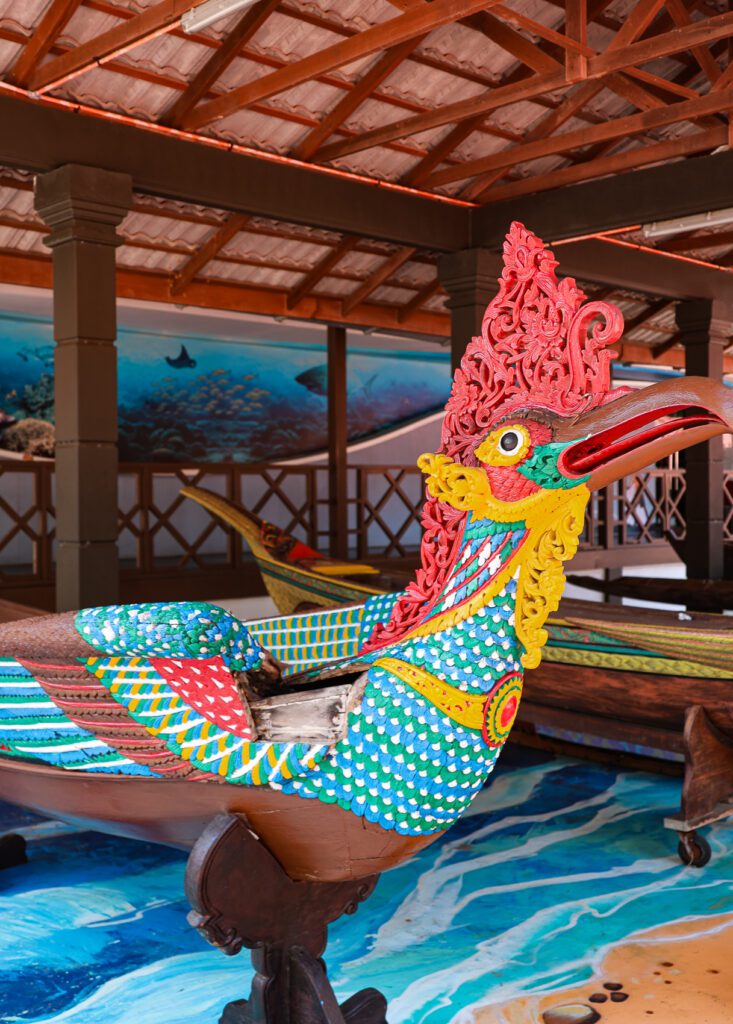


There is an extensive representation of fishing methods, sea safety and fish species found locally, as well as sections dedicated to mineralogy, geology, the British tunnel and indigenous populations, plus the shipwreck gallery featuring a Chinese vessel’s porcelain cargo from the 1830s.


8. Walk along Tanjung Balau Beach and Geological Park
Tanjung Balau Beach, sitting not far from the Fishermen Museum, is a nice spot – don’t miss it!


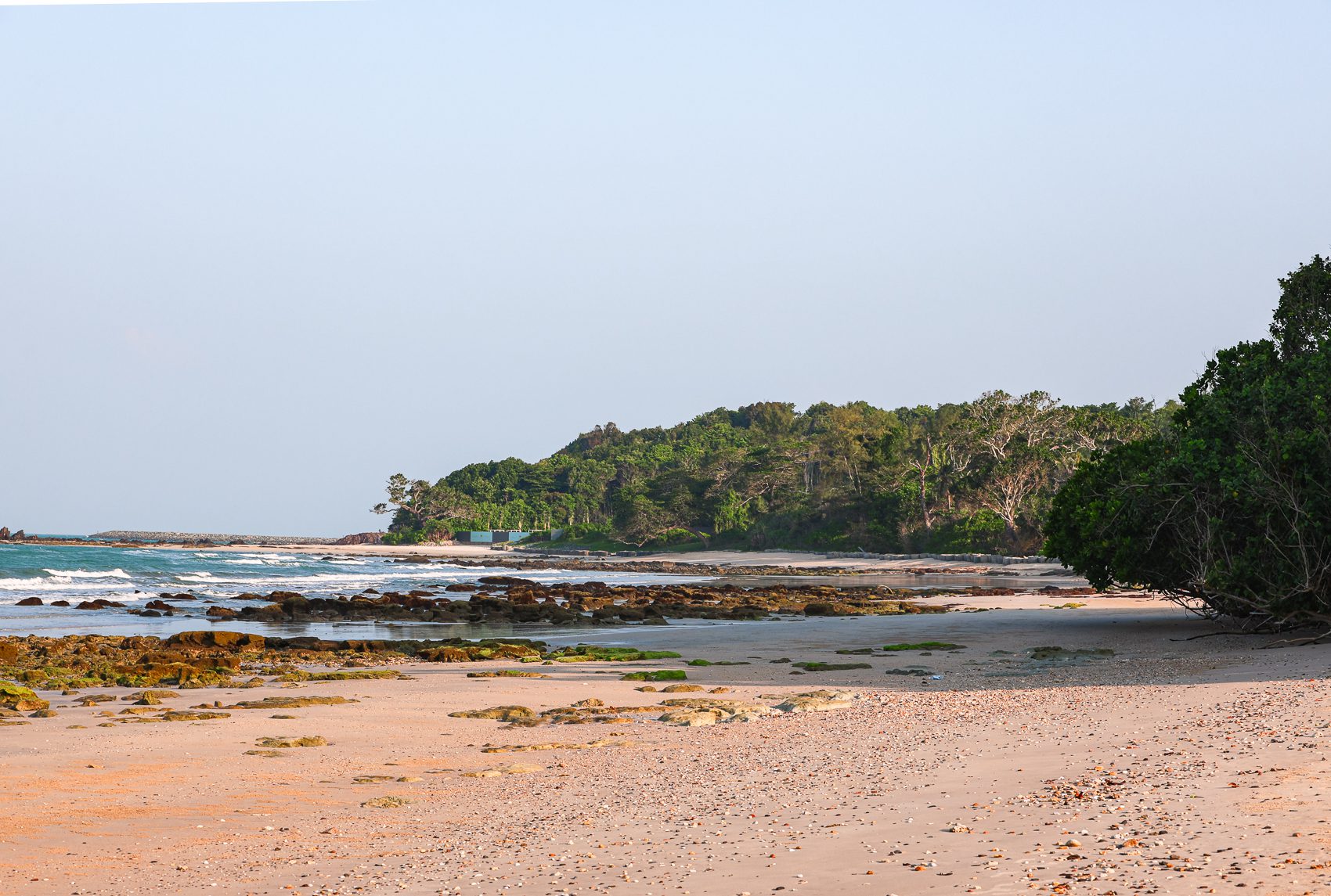
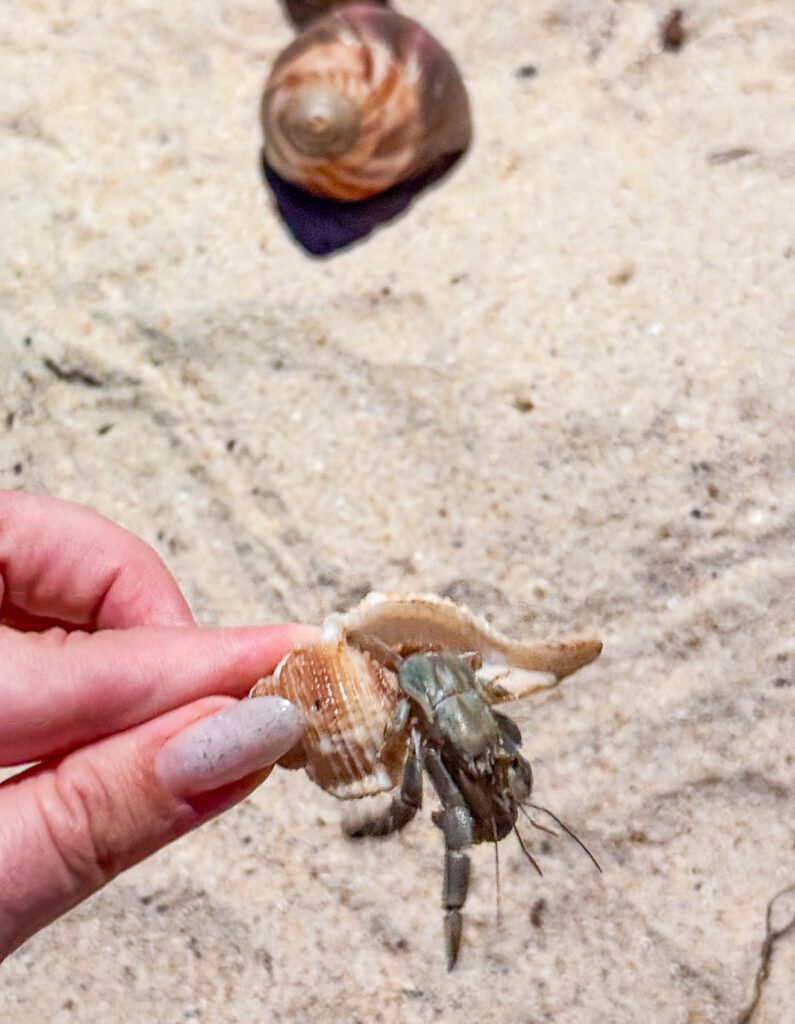
You can also walk along the beach there: the sand is white, the South China Sea is blue, the seashells are gorgeous (just don’t take too many, as some sea life like hermit crabs needs them!) – and the views are amazing!


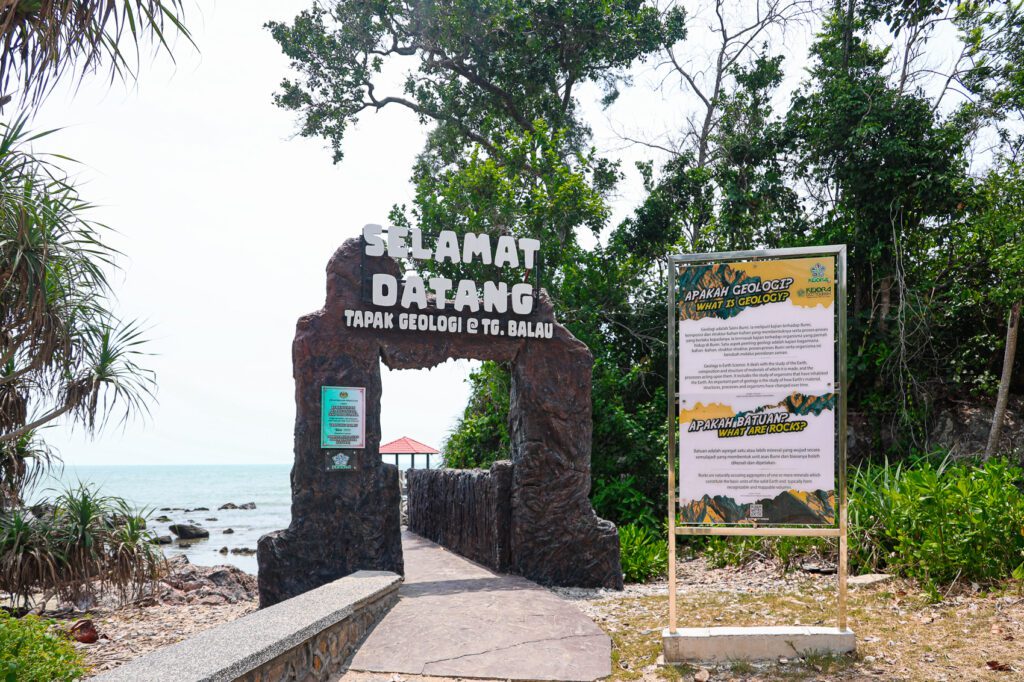
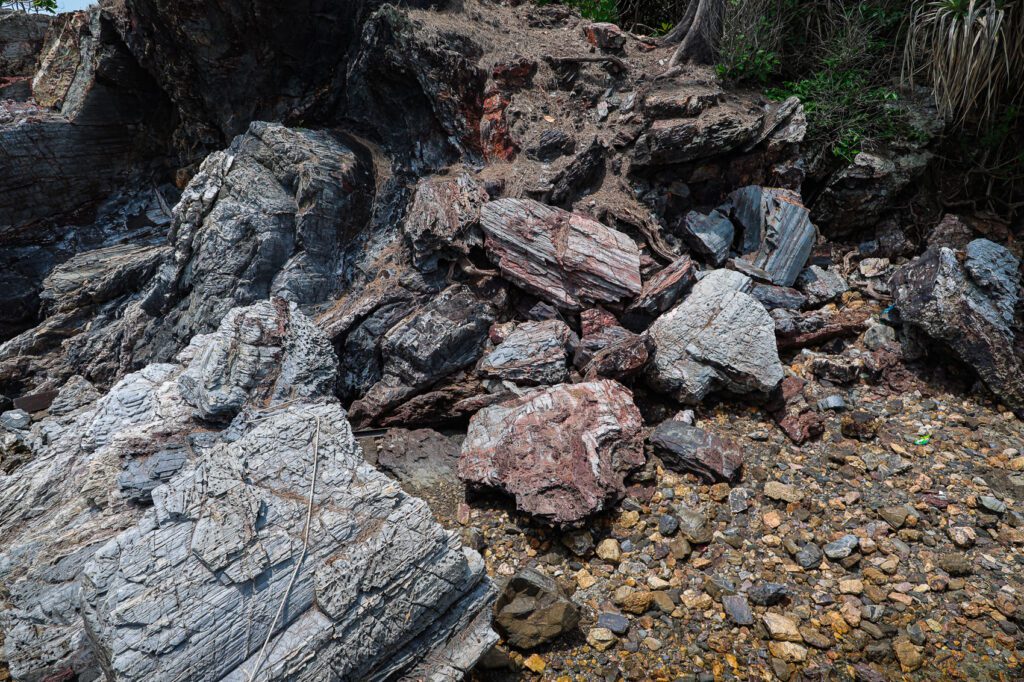
Tanjung Balau Beach holds another unique treasure: it’s an open-air geological park!
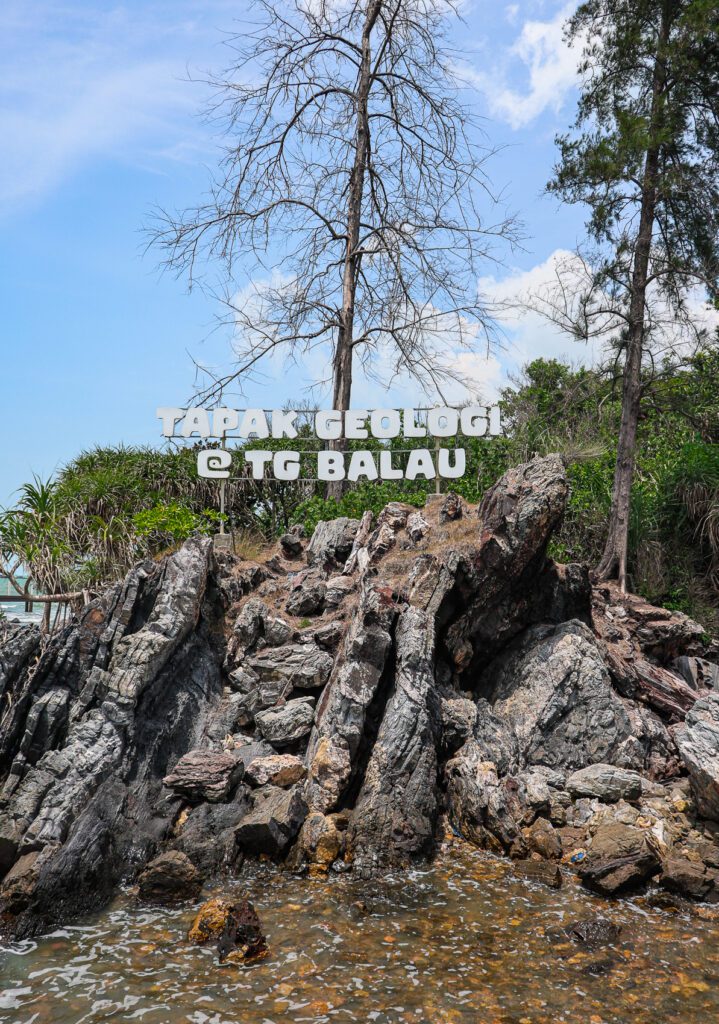


During low tide, you can see rock formations that are believed to be 275 million years old! Such a rare piece of evidence of geological activity – and located right here, on the surface. The site is free to visit, there’s a walkway around it so you can observe it better, and the place is managed by KEJORA, the Johor Tenggara Development Authority.

9. Feed crocodiles at Teluk Sengat Crocodile Farm
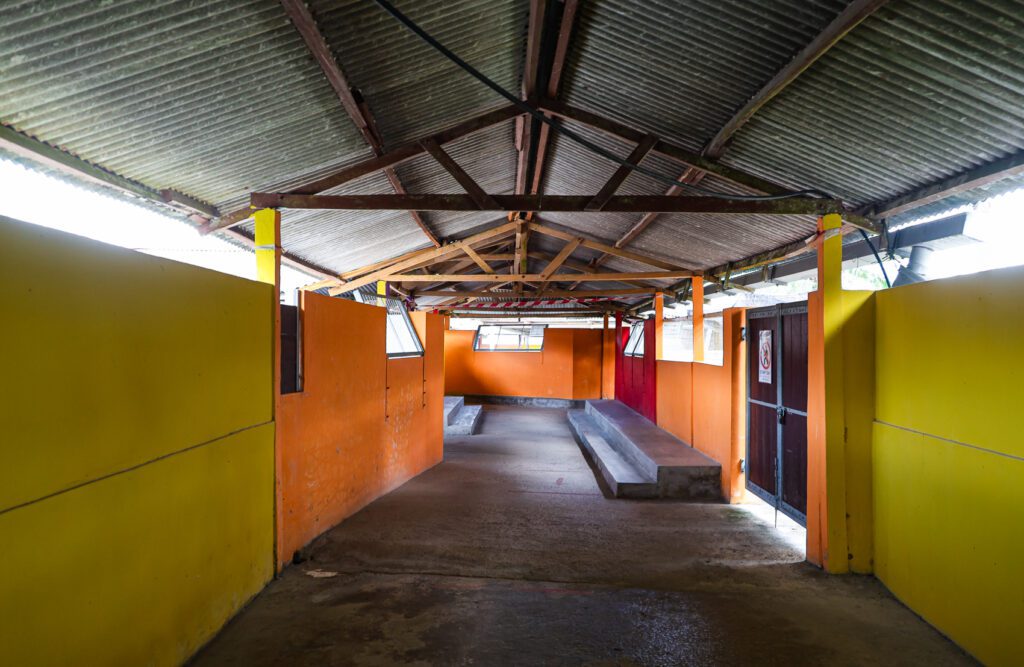
Let me say it straight: Teluk Sengat Crocodile Farm is not a zoo; it’s a real farm where crocodiles are kept for breeding but are taken care of as well. If you’re an animal welfare activist, this place might not be for you. Here, you walk through a one-way coloured walkway, observing the enclosures to your right and left.

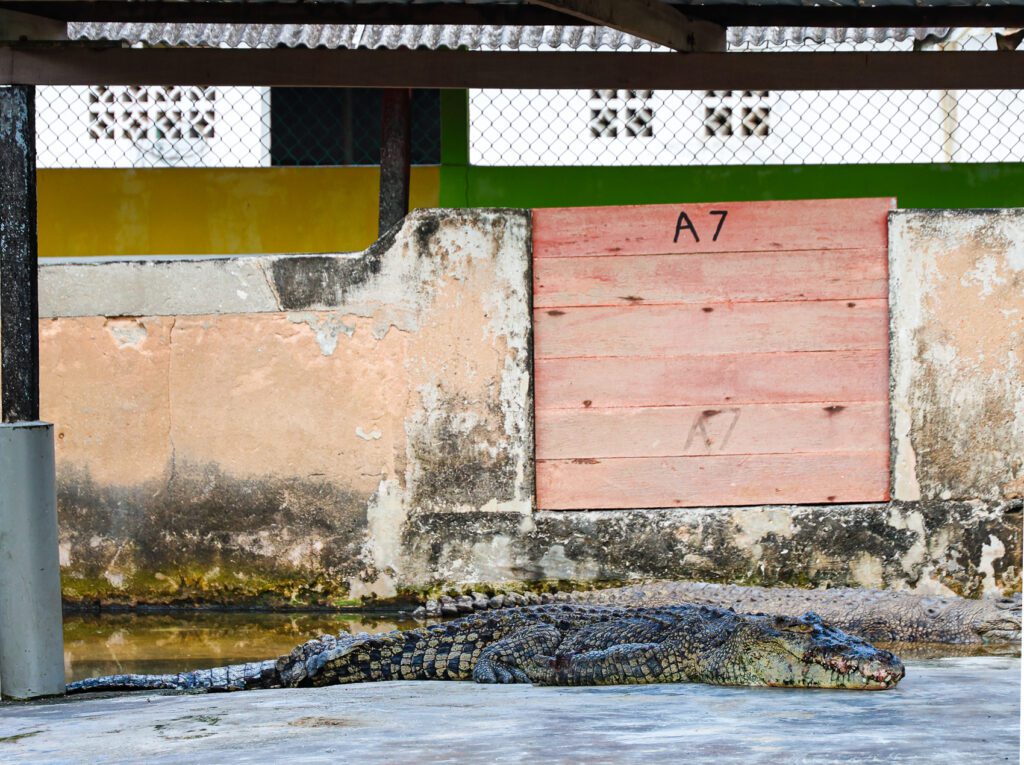

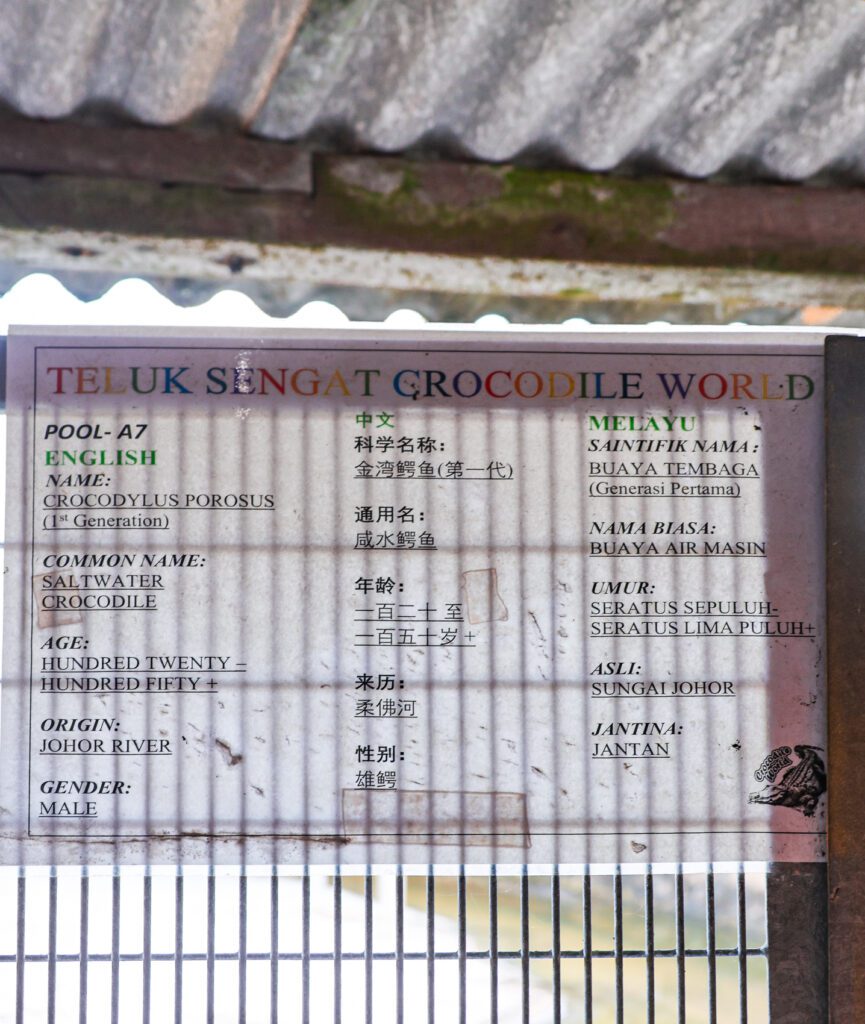
The crocodiles here are saltwater crocodiles from the Johor River, divided by age and gender into various groups. The oldest one we spotted was claimed to be 140 years old! Some enclosures feel pretty tight and bare for such giants; however, they care for disabled animals here too – for instance, blind crocodiles, or crocodiles without tails or with crooked jaws.
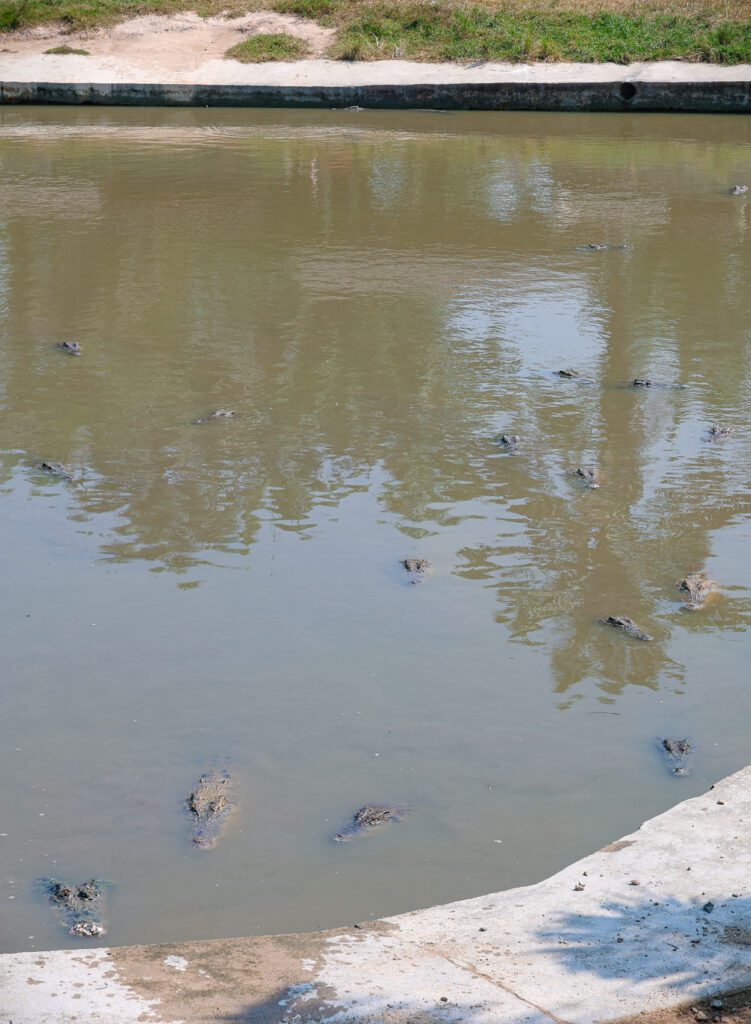

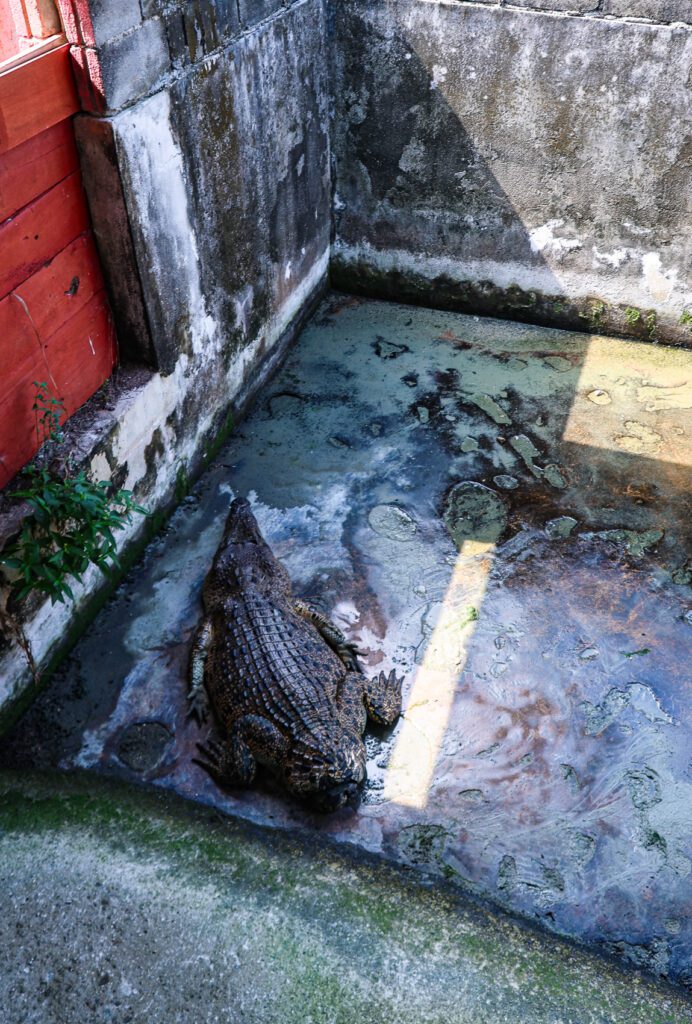
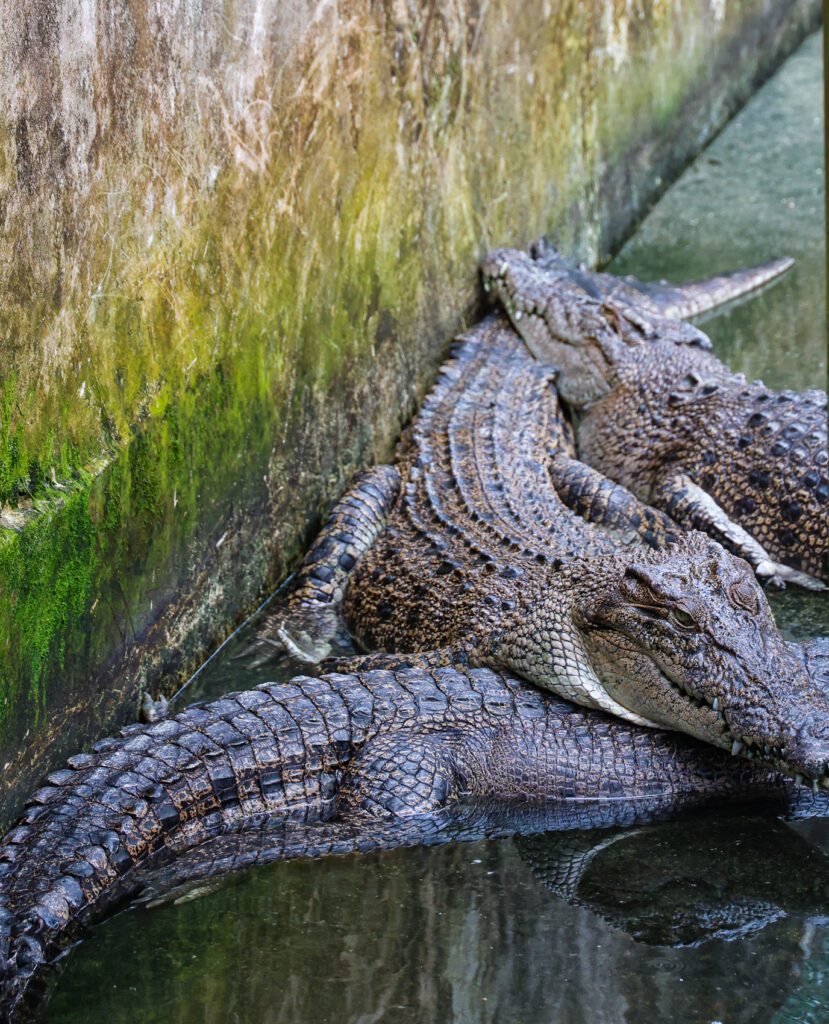
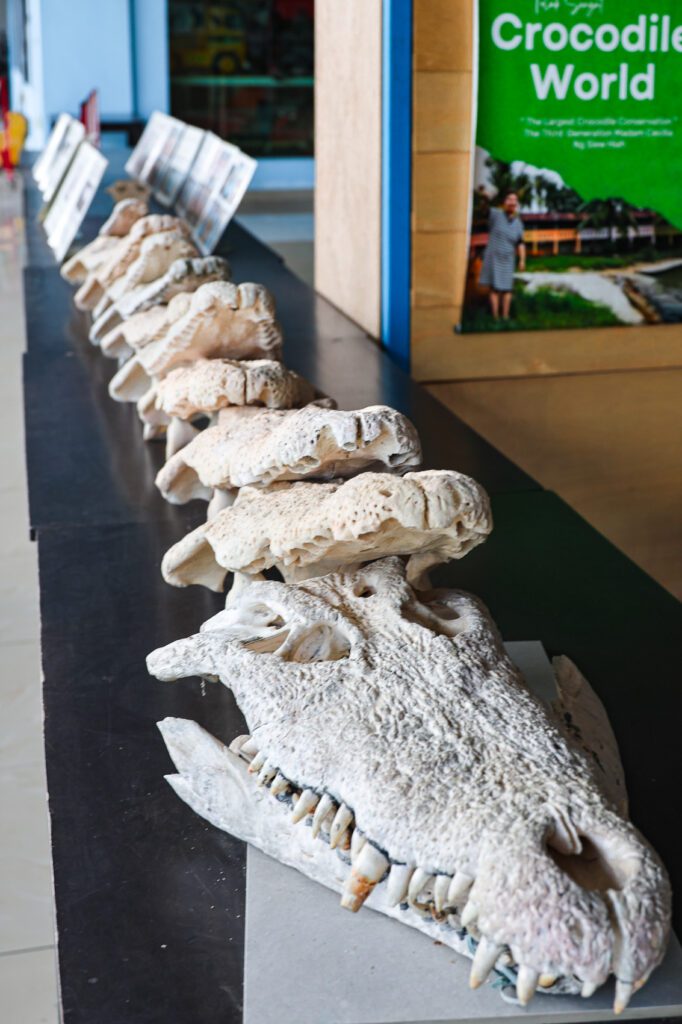
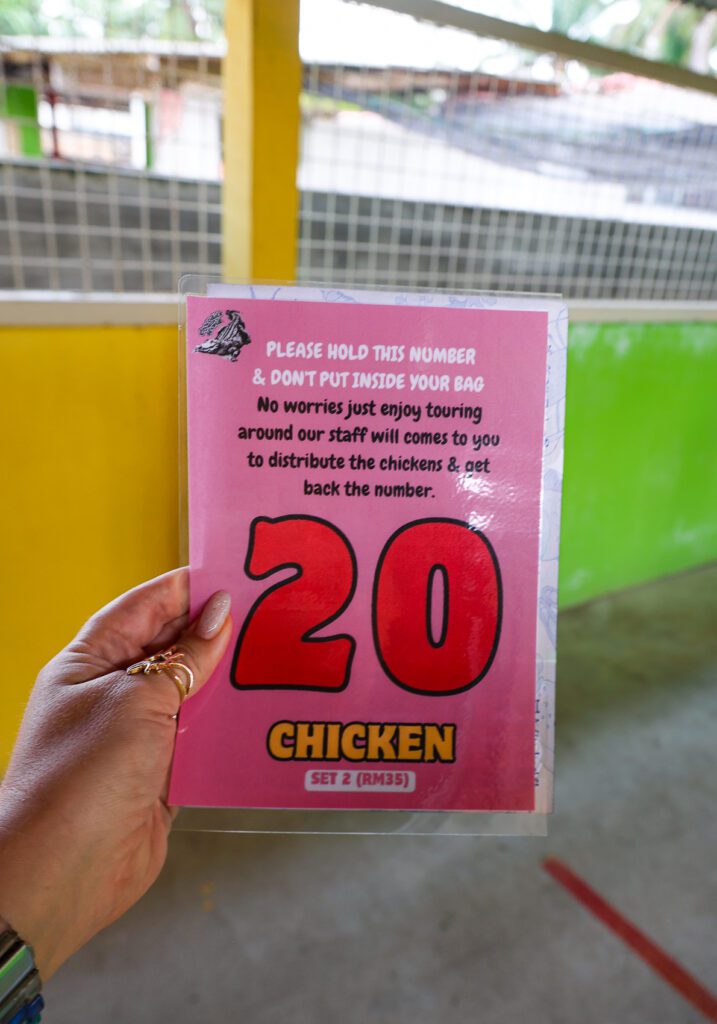
For an extra fee, we decided to give them the local ‘ice cream’ – a bucket with three frozen chickens! You basically just throw the food (you’re given a glove too) over the fence, and that’s it. Overall, I think we saw over two hundred crocodiles here. I’m not sure whether you’d be interested in visiting, but this is definitely a popular local attraction, and I suspect they receive many Chinese tourists, because many signs are in Chinese.



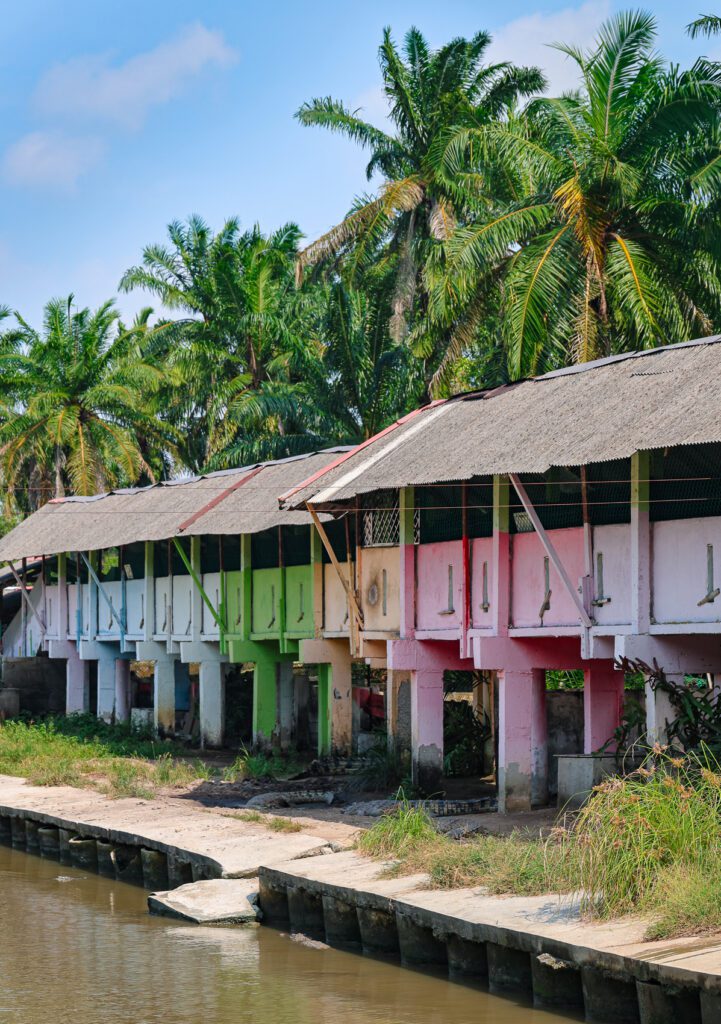
The town next to it, Teluk Sengat, is famous for its seafood and in the past was a big trading town. Now it’s just a fishing village with a mosque and a pier.


10. Pop into SKS City Mall
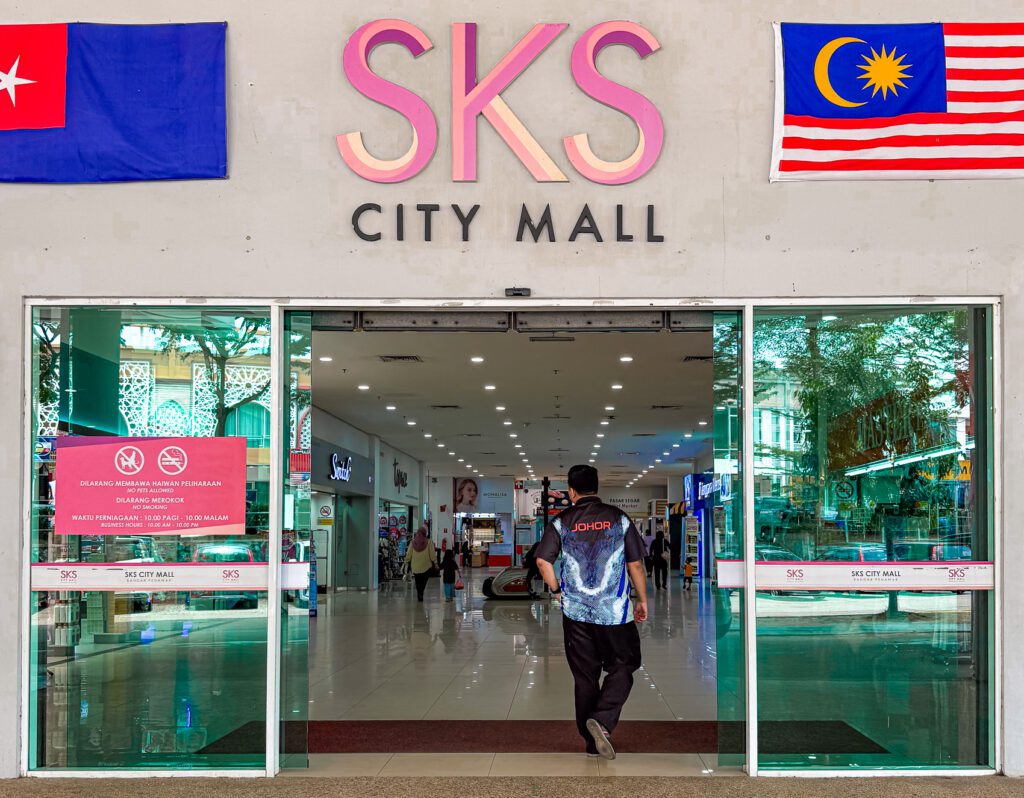
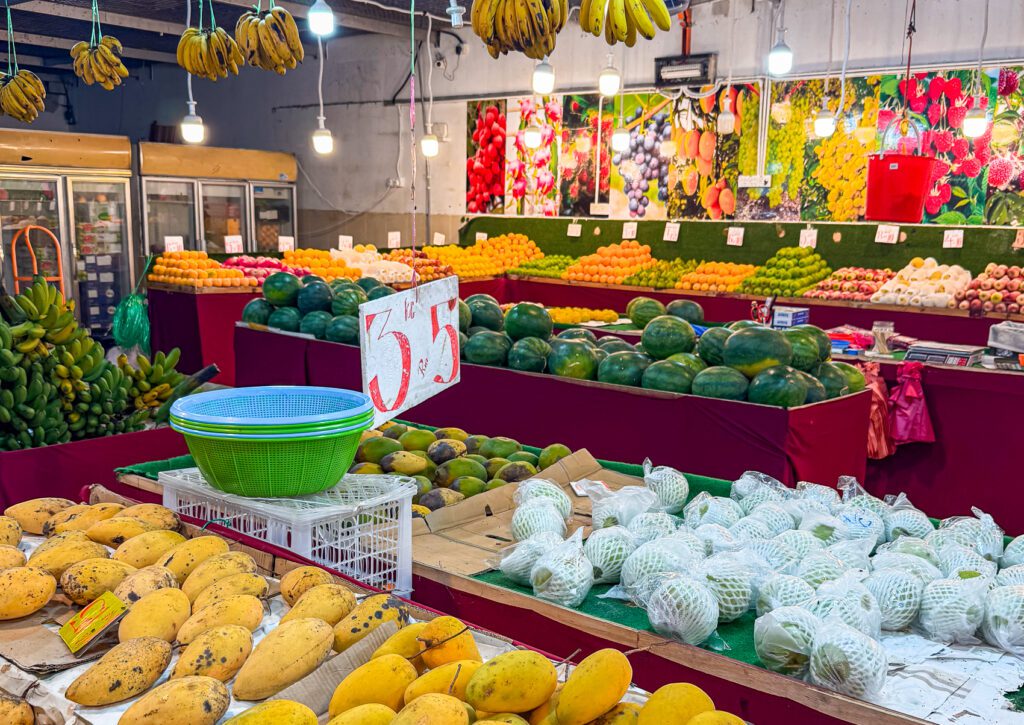
SKS City Mall is quite a small shopping mall, but I presume it’s one of the biggest in this area. It has a Watsons with skincare and some medical products, a wet market with a good selection of very, very cheap exotic fruits grown here, and some stalls with clothes, phone cases, home appliances and other handy things.



Where to stay: Mandarin Oriental Desaru
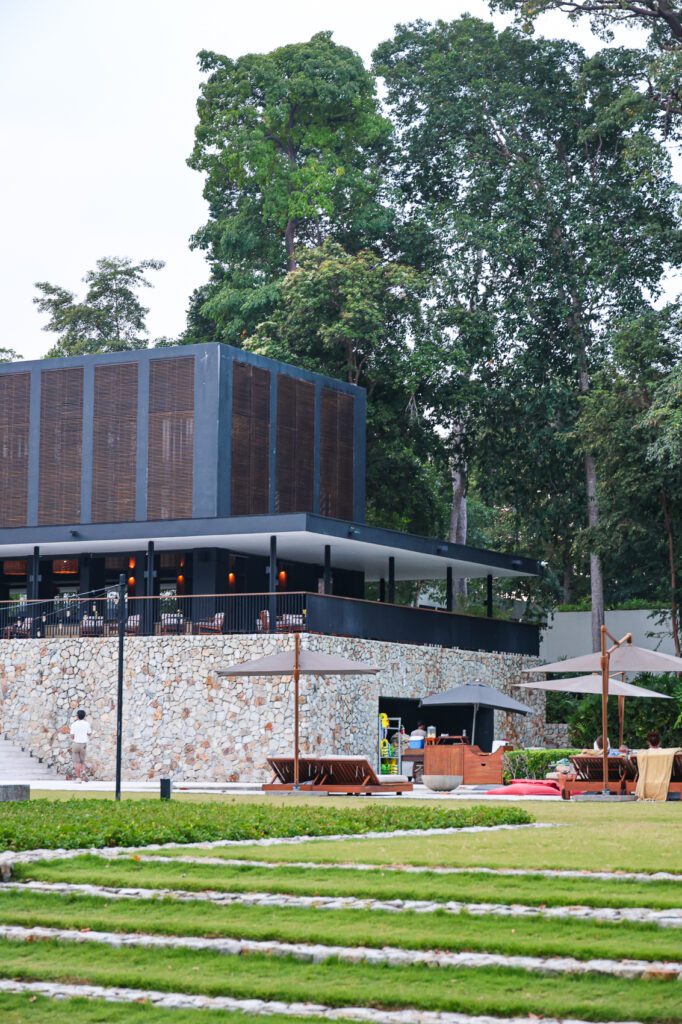
We stayed in one of the most vibrant hotels of Desaru Coast, Mandarin Oriental Desaru, which has just been converted into an MO from a One&Only hotel.
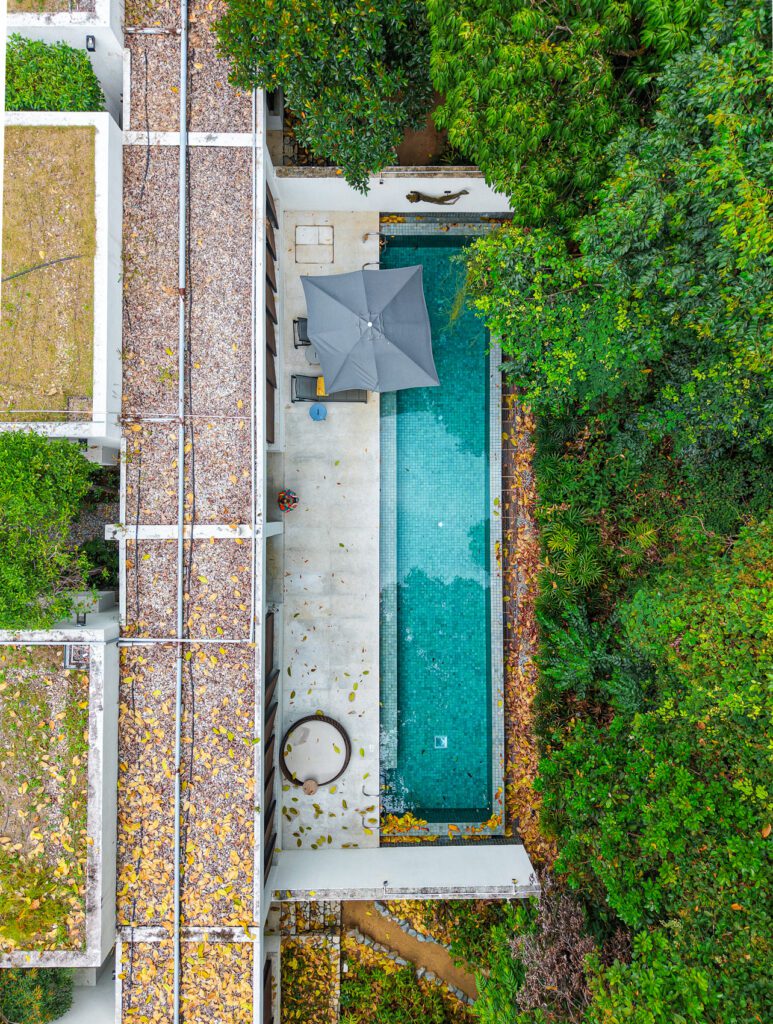

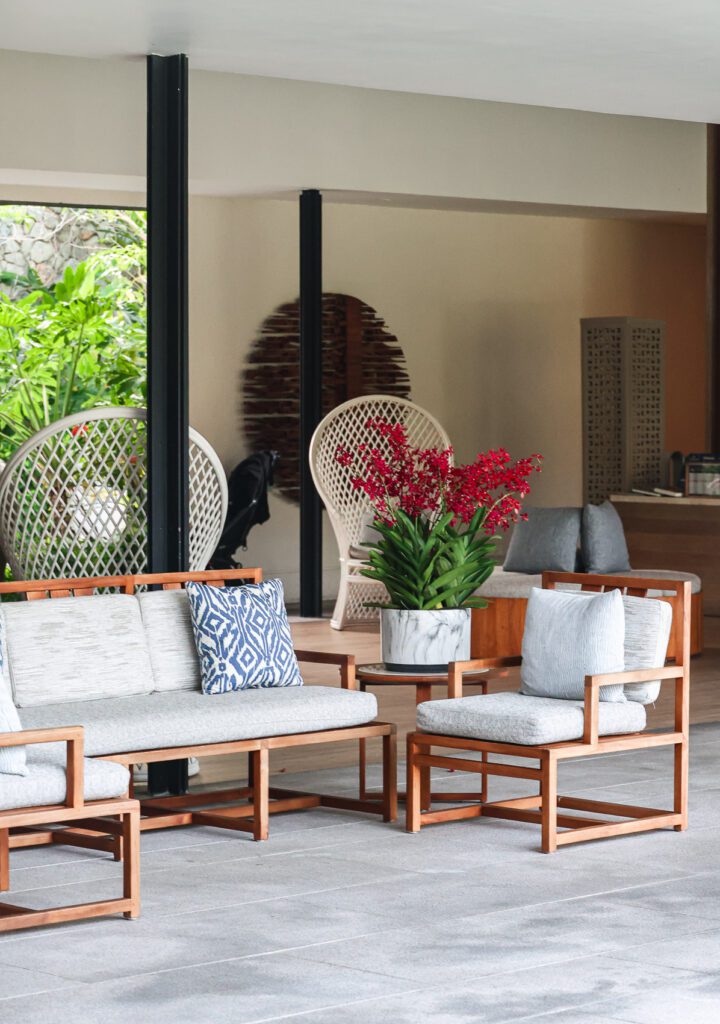


First we stayed a night in an Ocean Junior Suite and then moved to the Rainforest Grand Pool Suite.
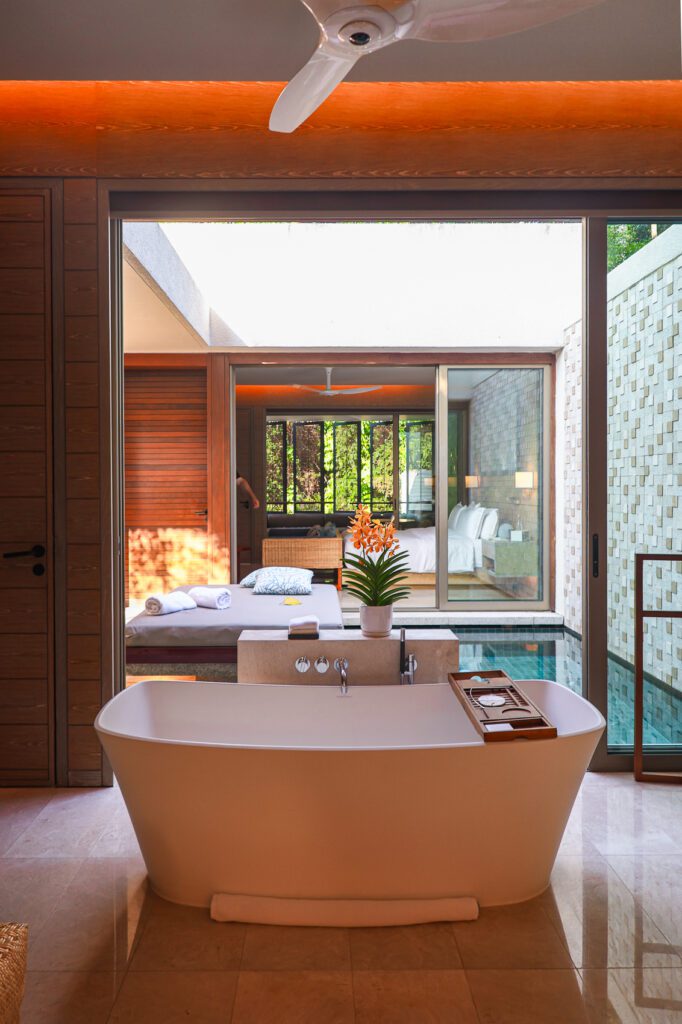
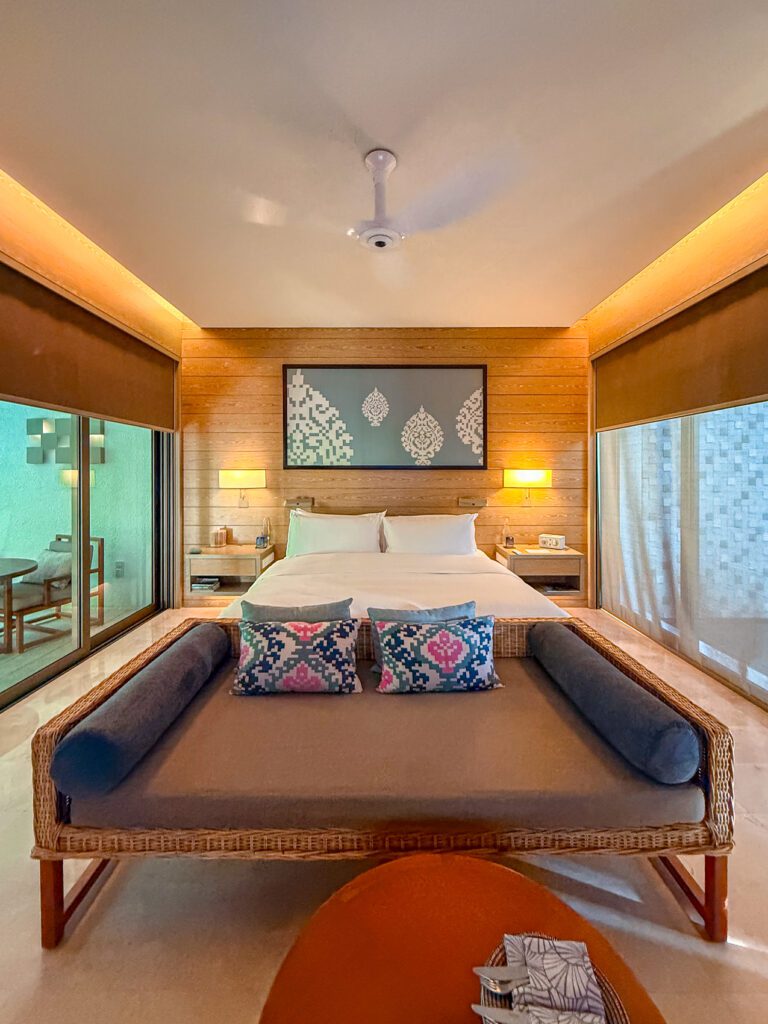
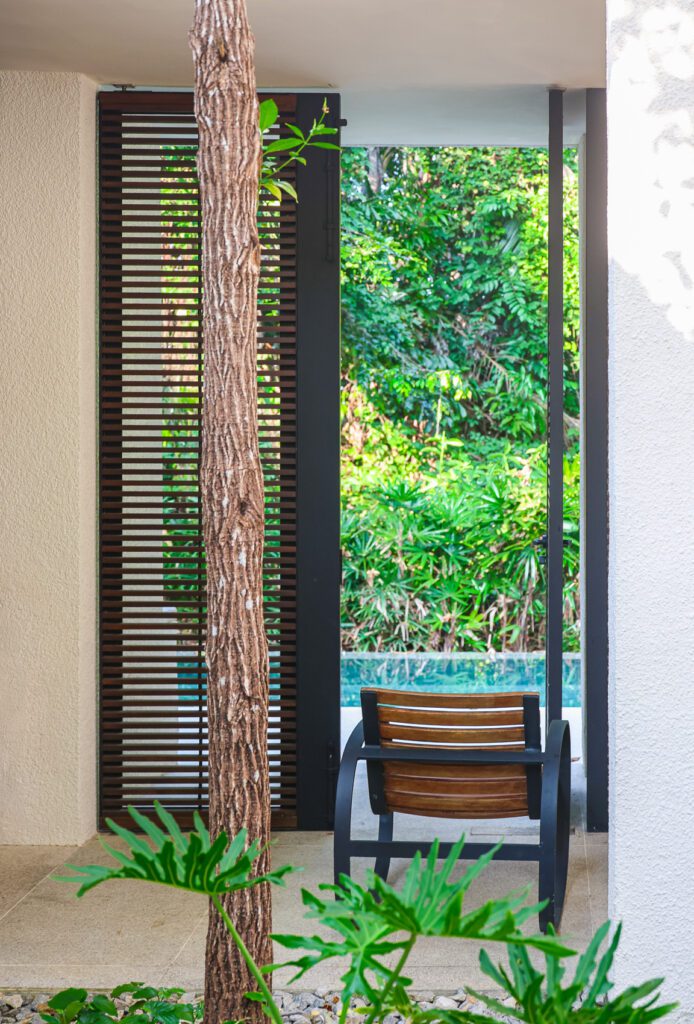
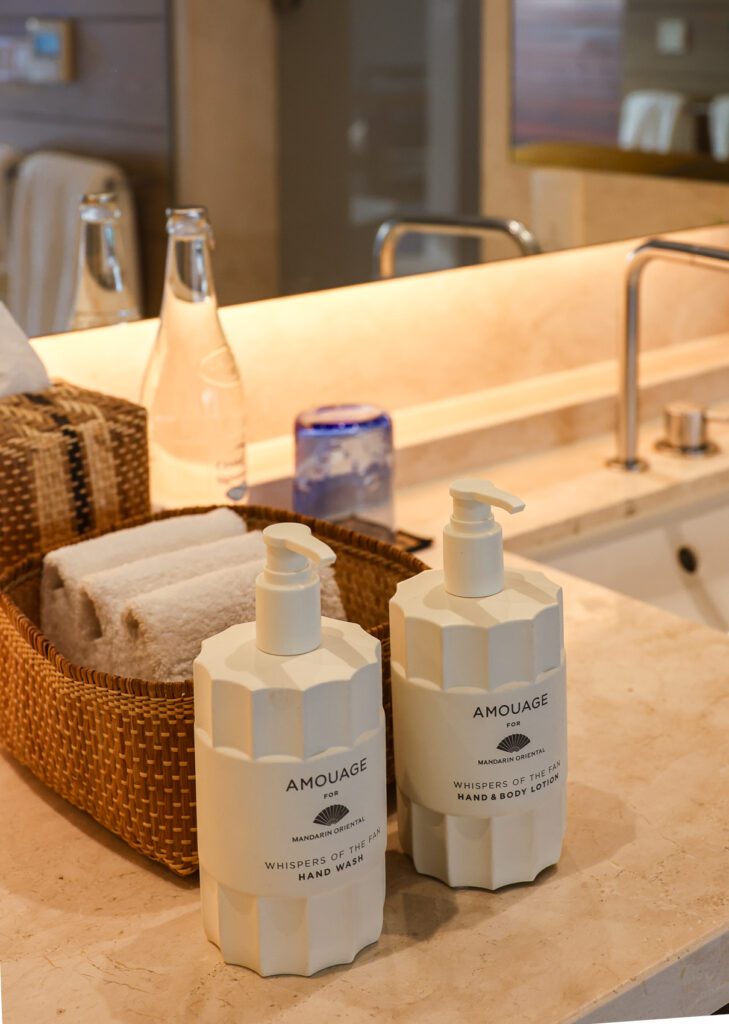
Both had a lovely bathroom opening up to a tiny plunge pool and a pretty bedroom with traditional elements, plus a terrace overlooking the South China Sea in the background in the first case, and a rainforest in the second.
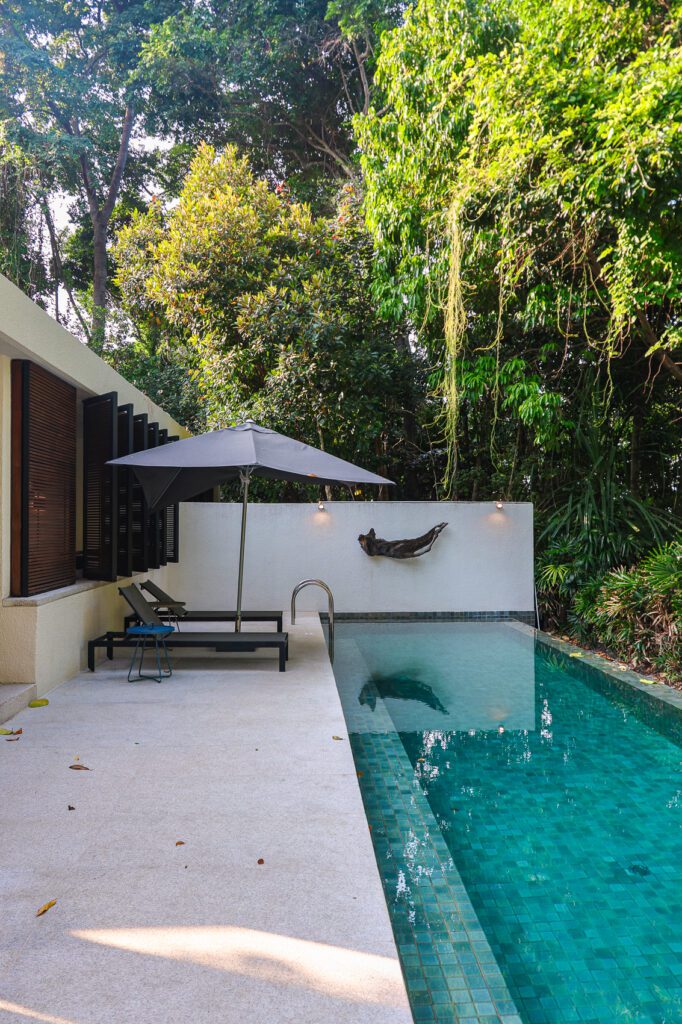
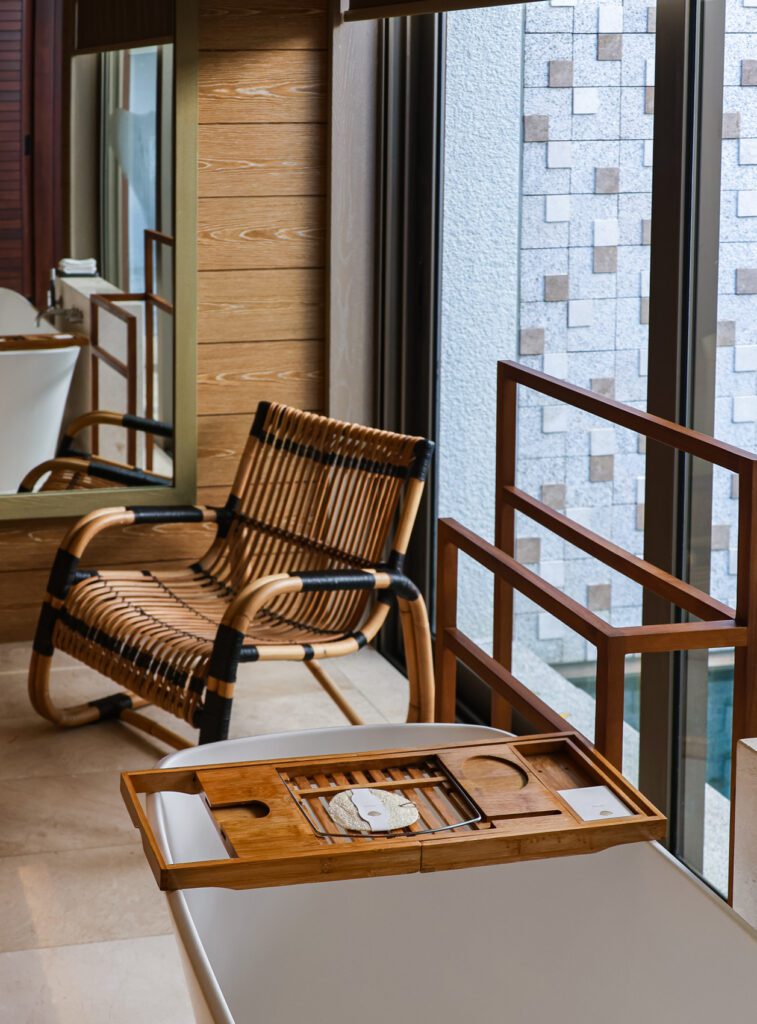
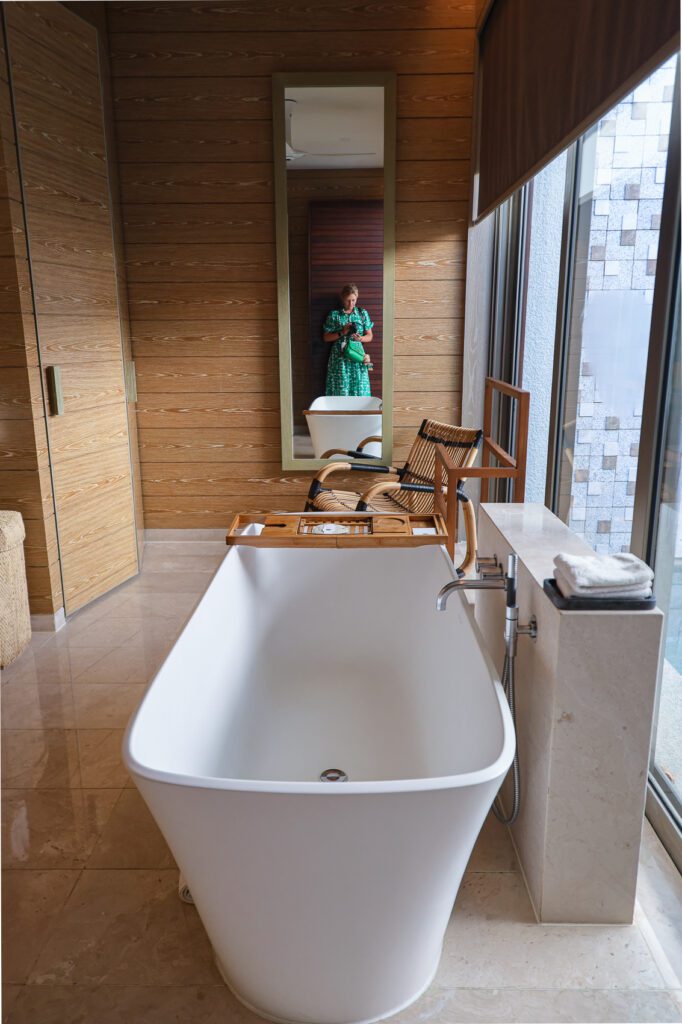

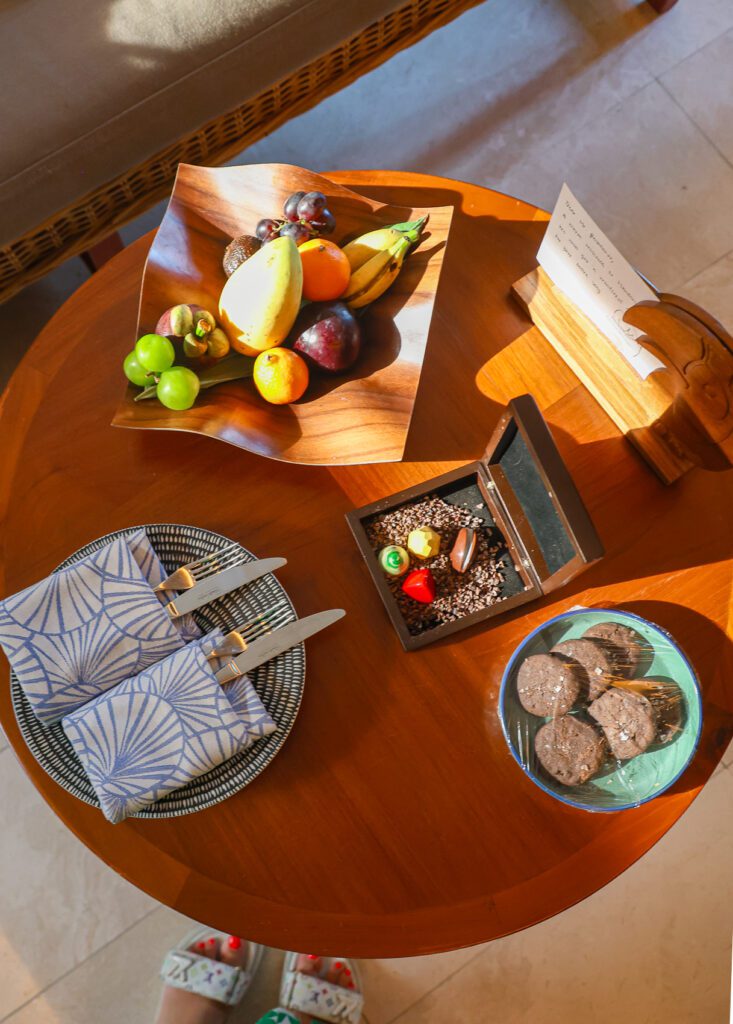
The Grand Pool Suite was actually twice as big, with two bathrooms, a living room in a separate building and a huge pool. Look at our welcome gifts: a local bag, a selection of fruits and chocolates, and a tiger soft toy for George.
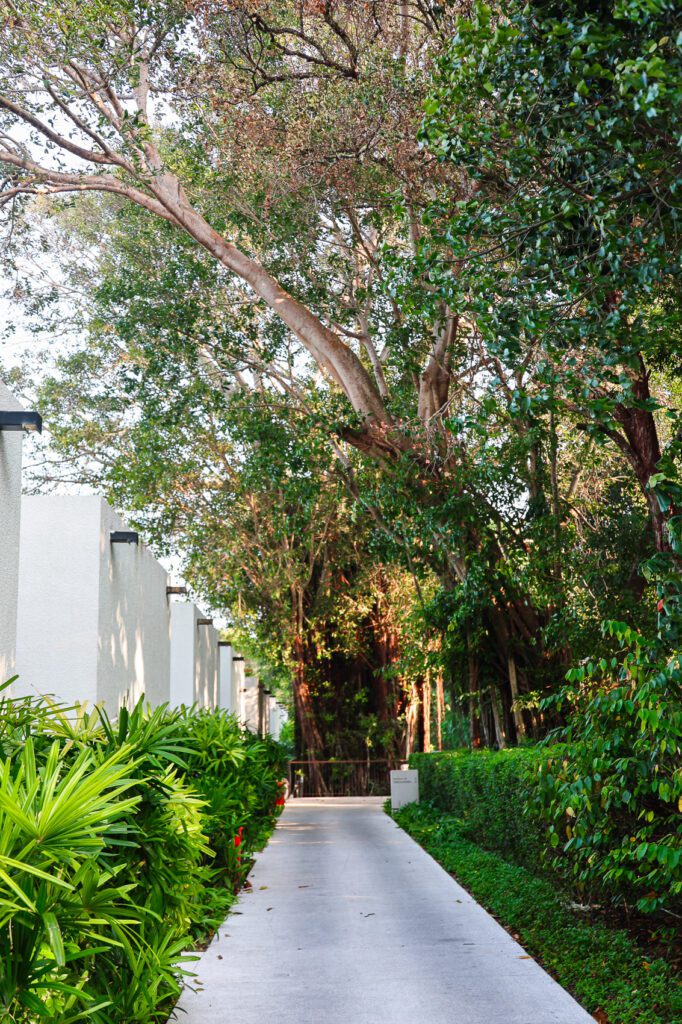
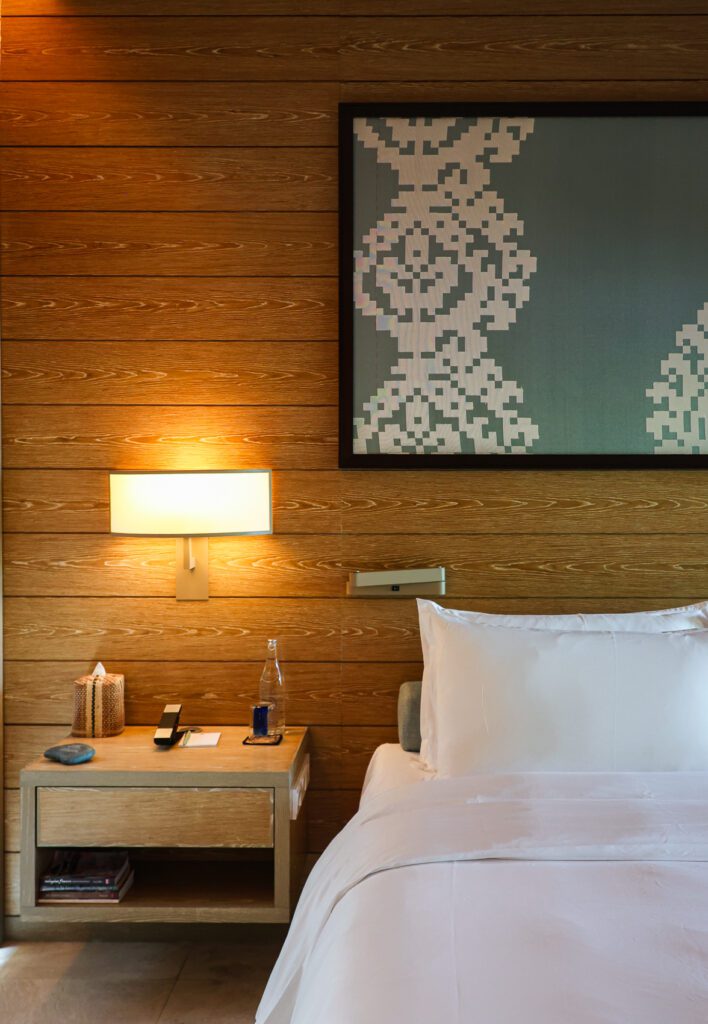

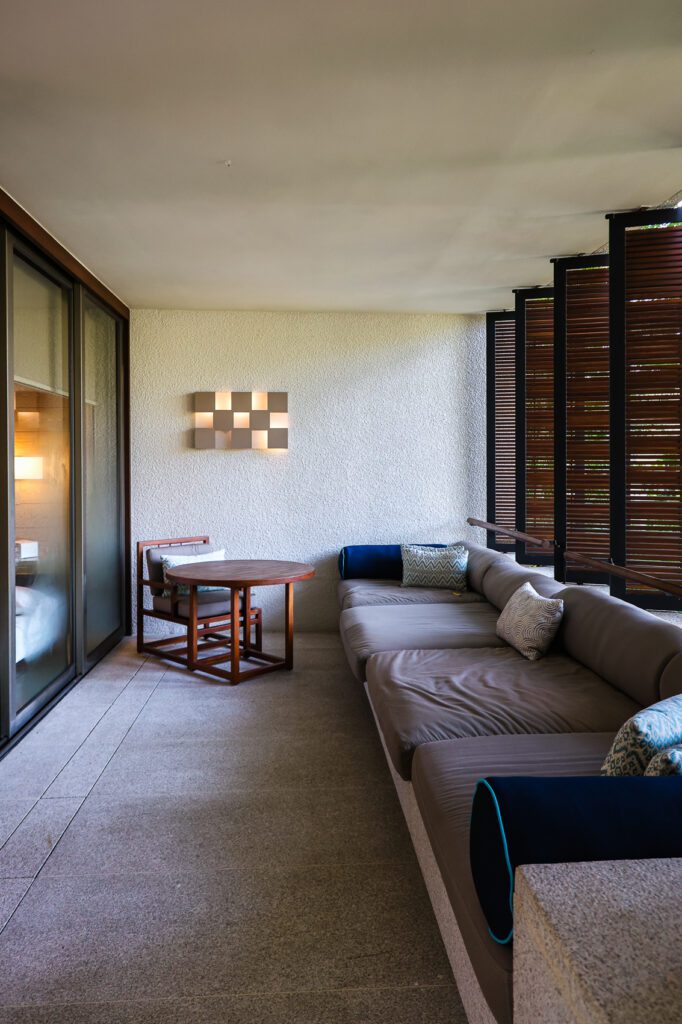
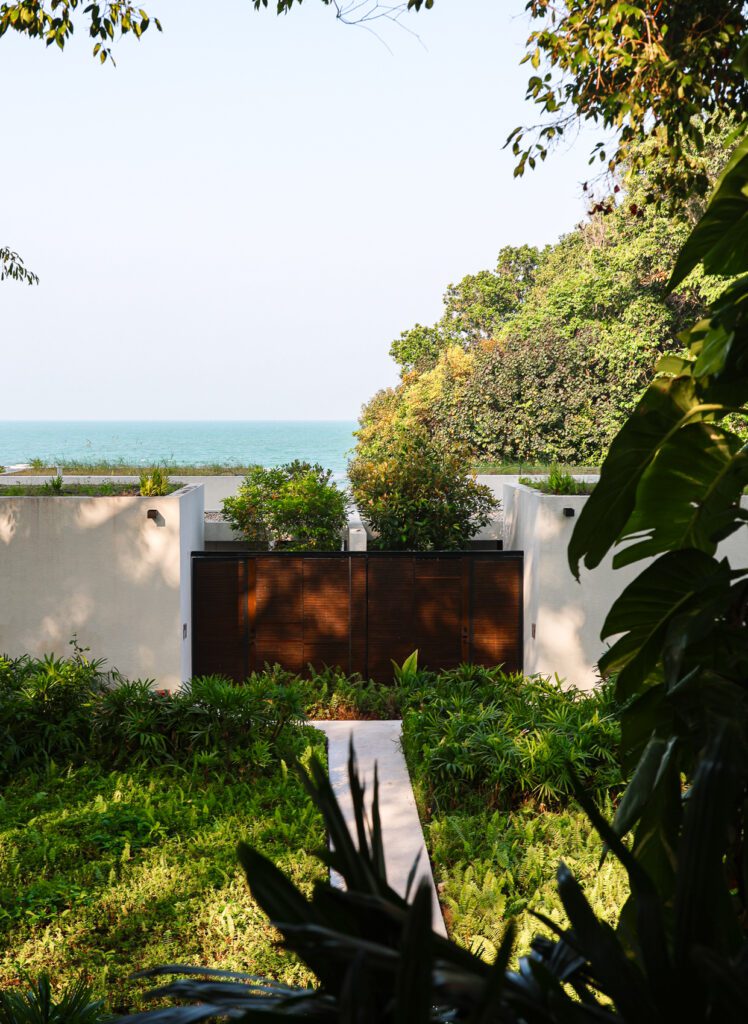
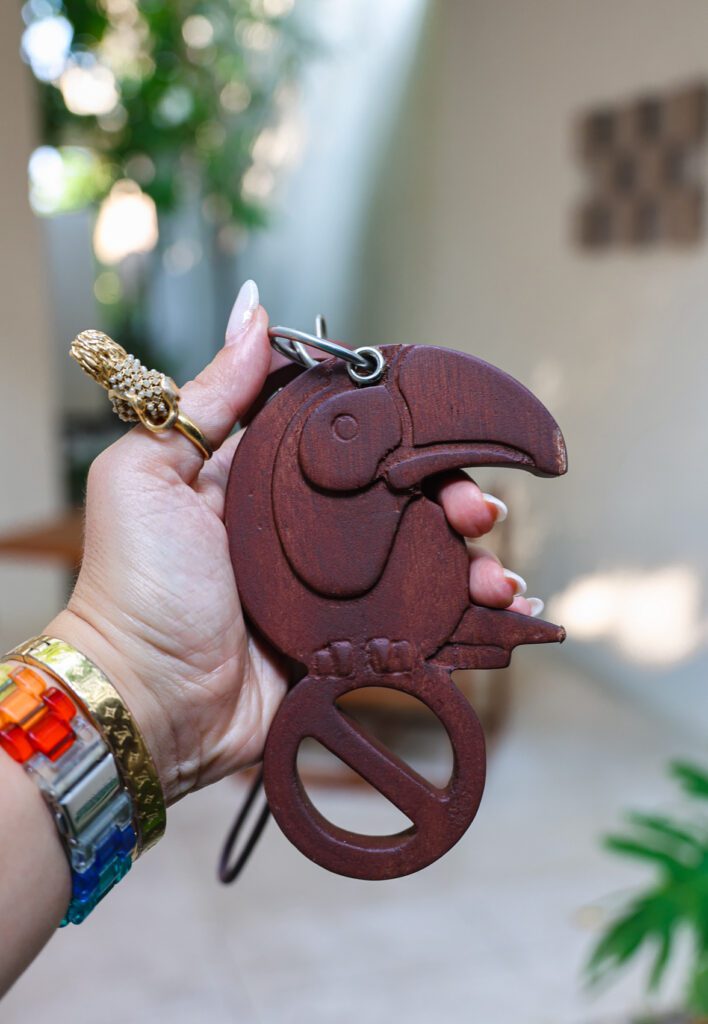
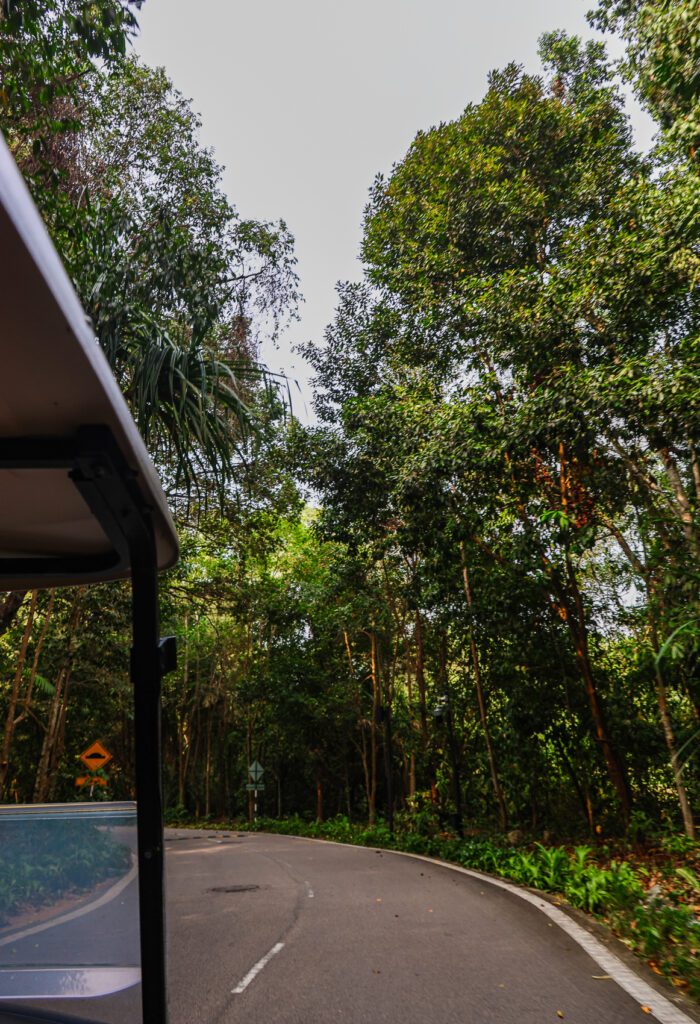
However, can you believe that we were advised to keep the doors shut and locked? That’s because cheeky macaques might pay us a visit through the terrace! The service overall was extremely friendly and helpful, although it felt very unrushed.

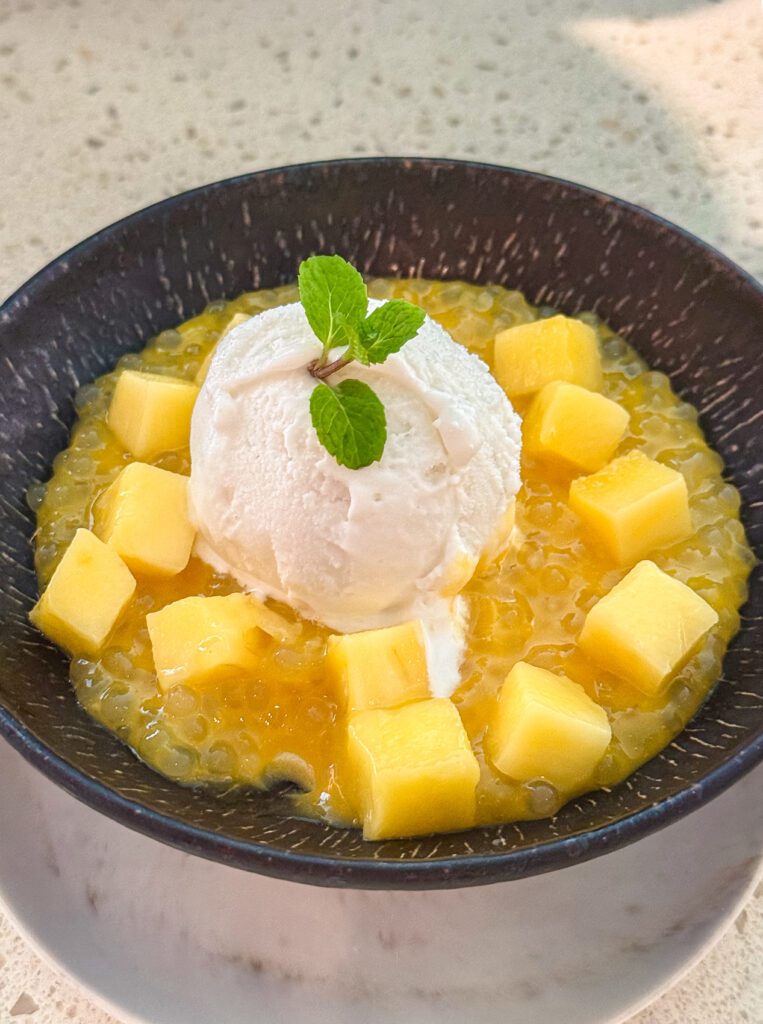
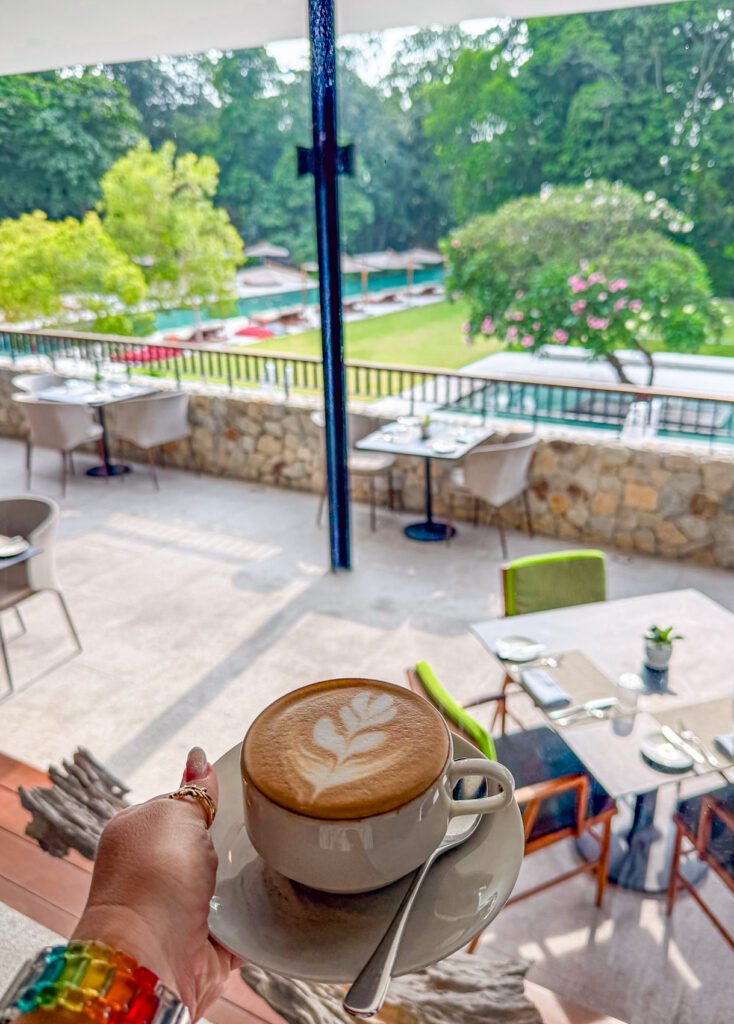
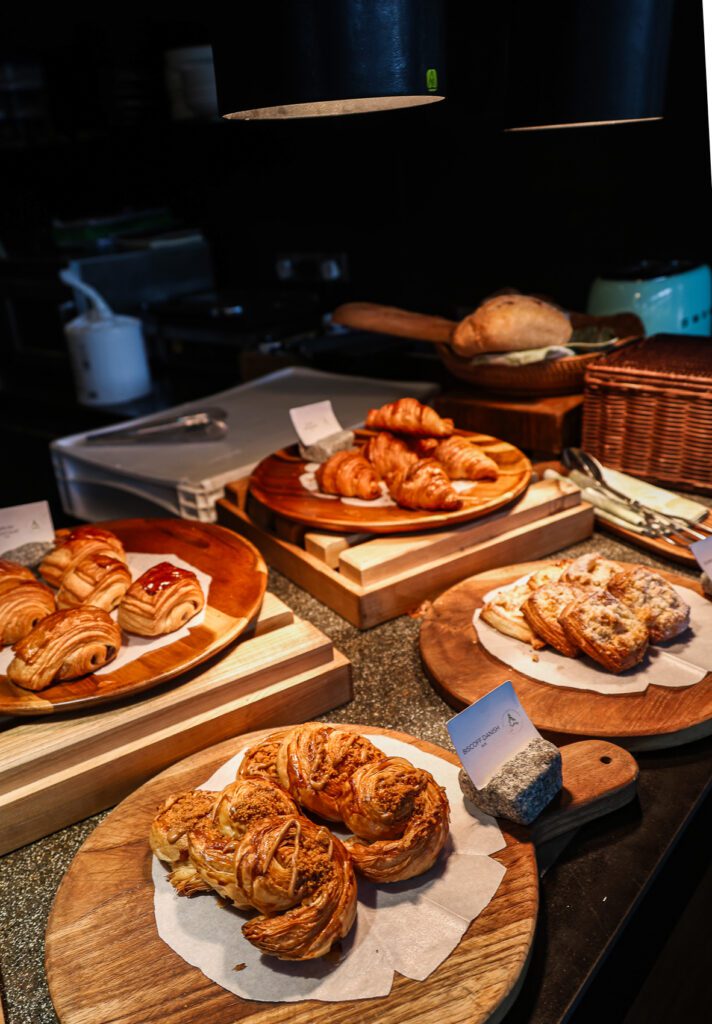
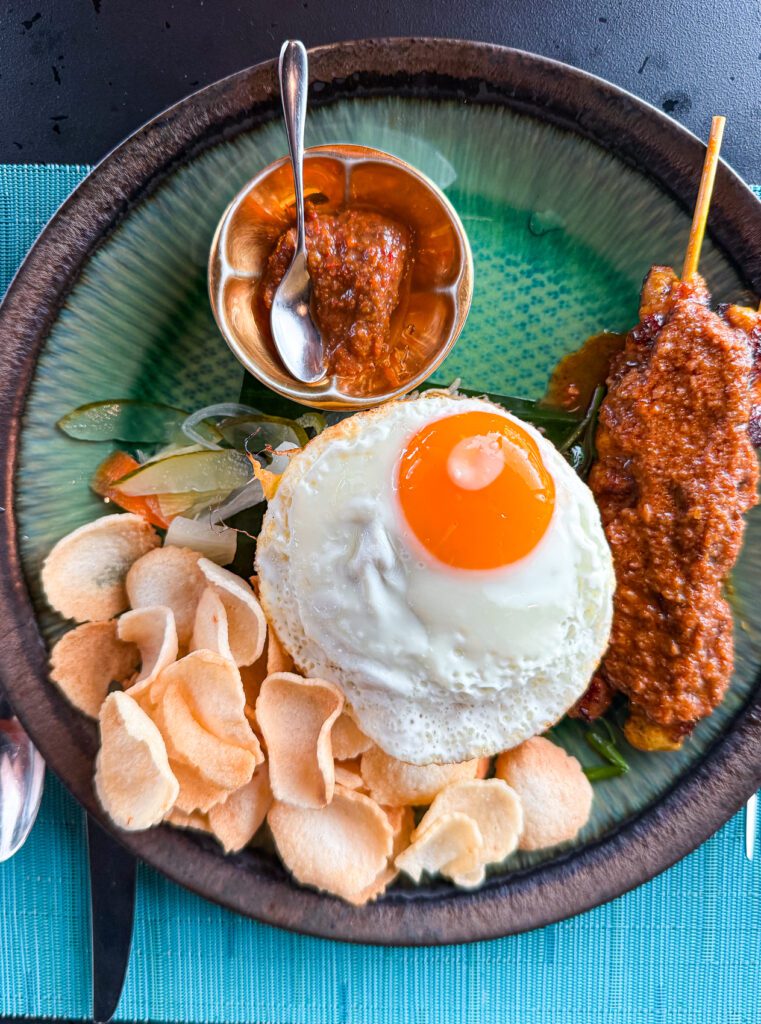
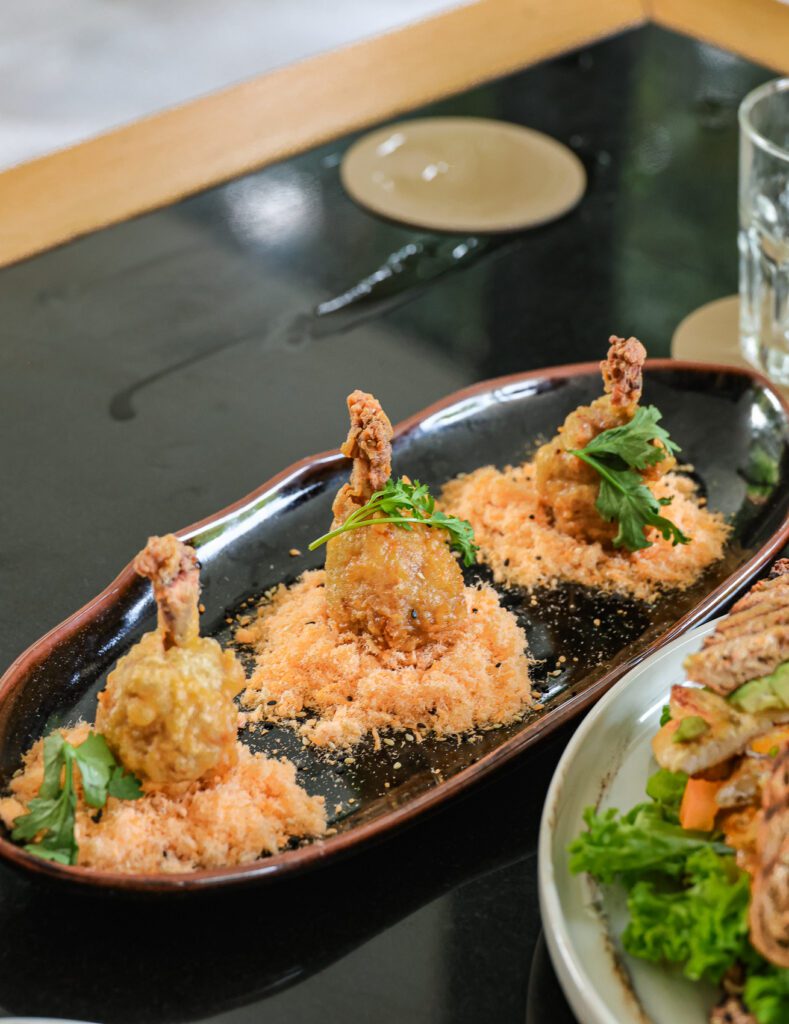
Here in MO Desaru, for breakfast you have both a buffet selection of dishes, which include Malaysian cuisine using local ingredients, and Western cuisine. Jackfruits, fresh guava juice, a variety of jams and durian pastries are the best! Besides that, there is an à la carte menu of drinks and food available as well.
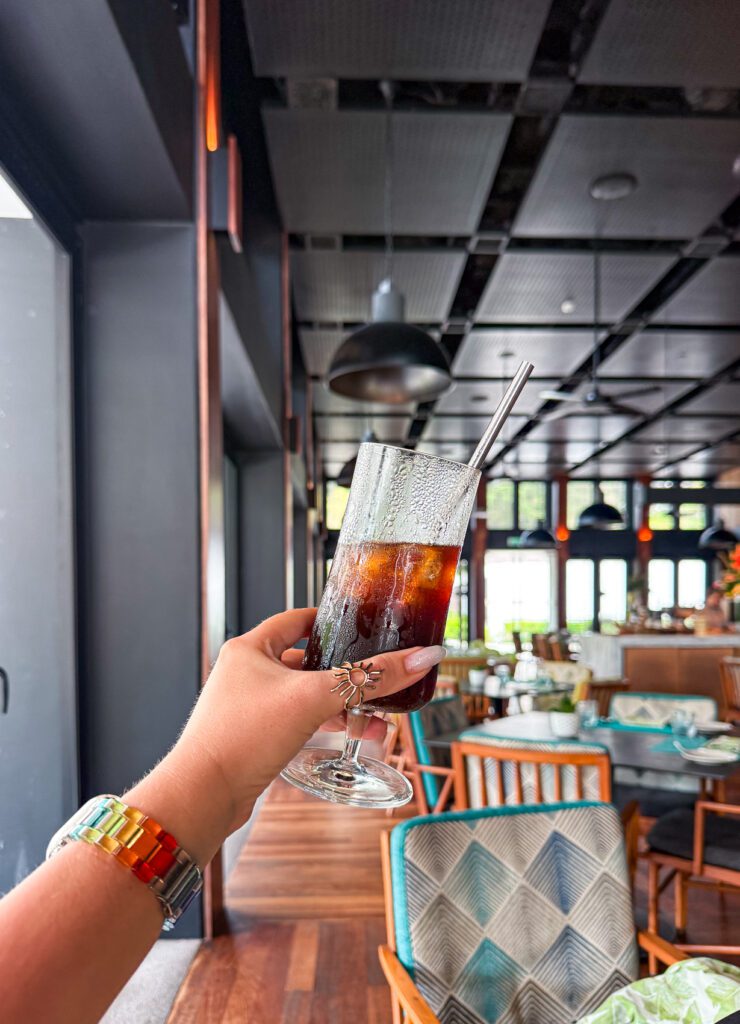
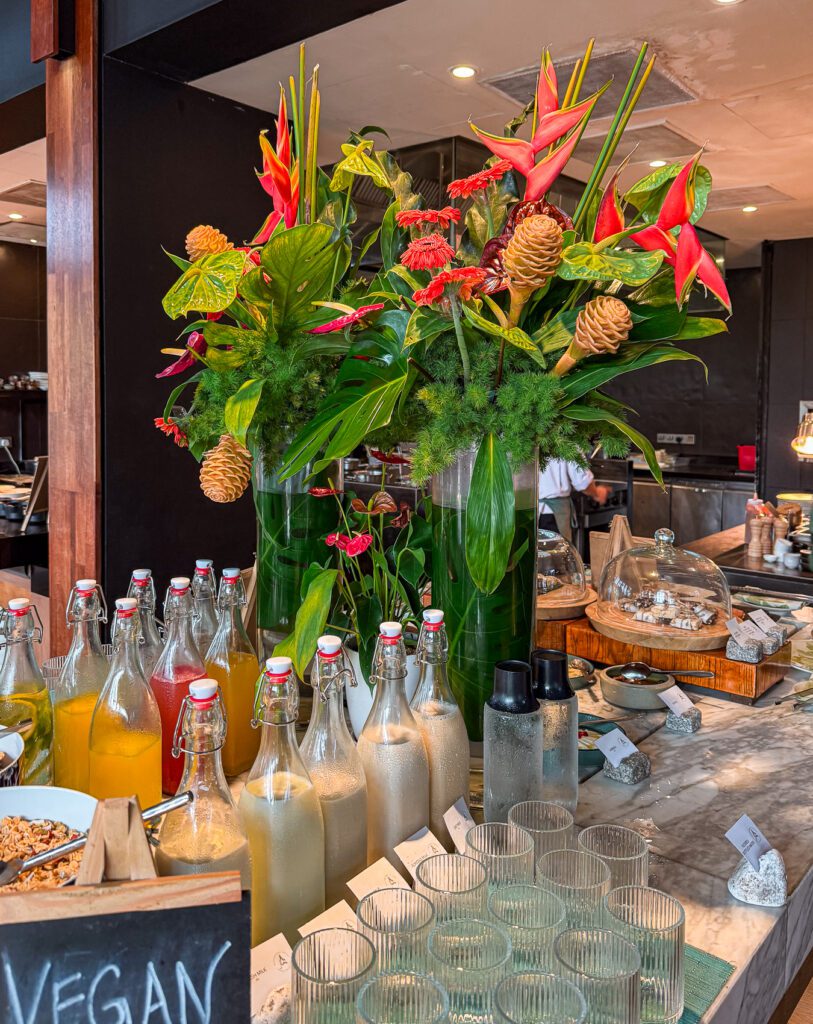
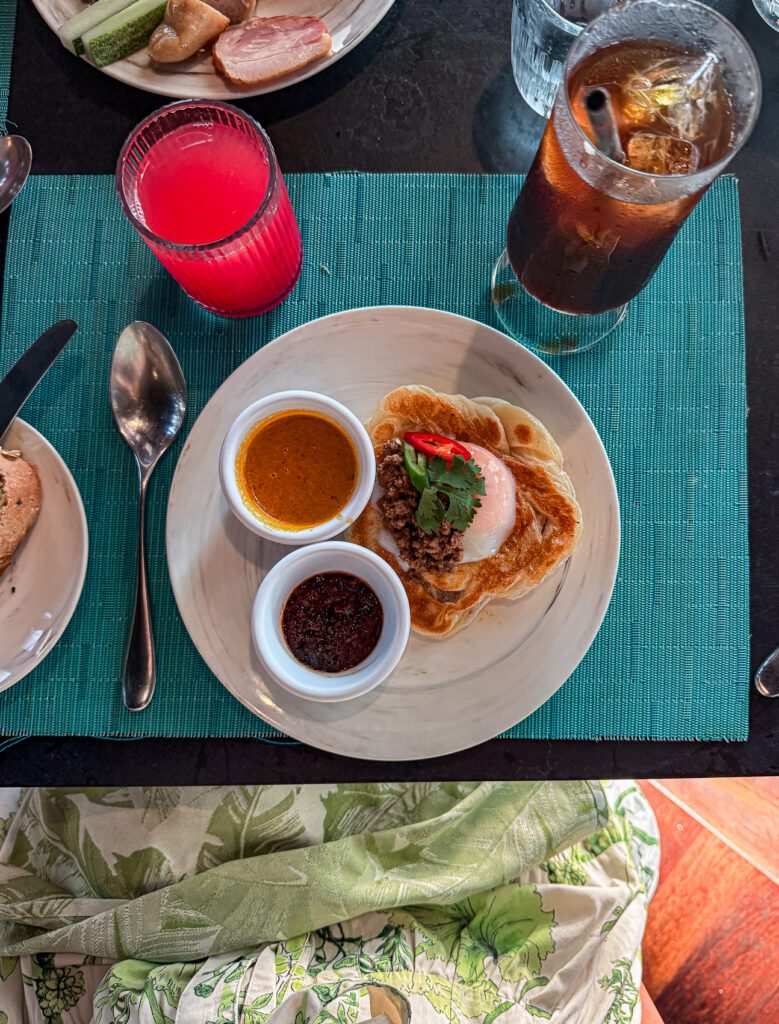

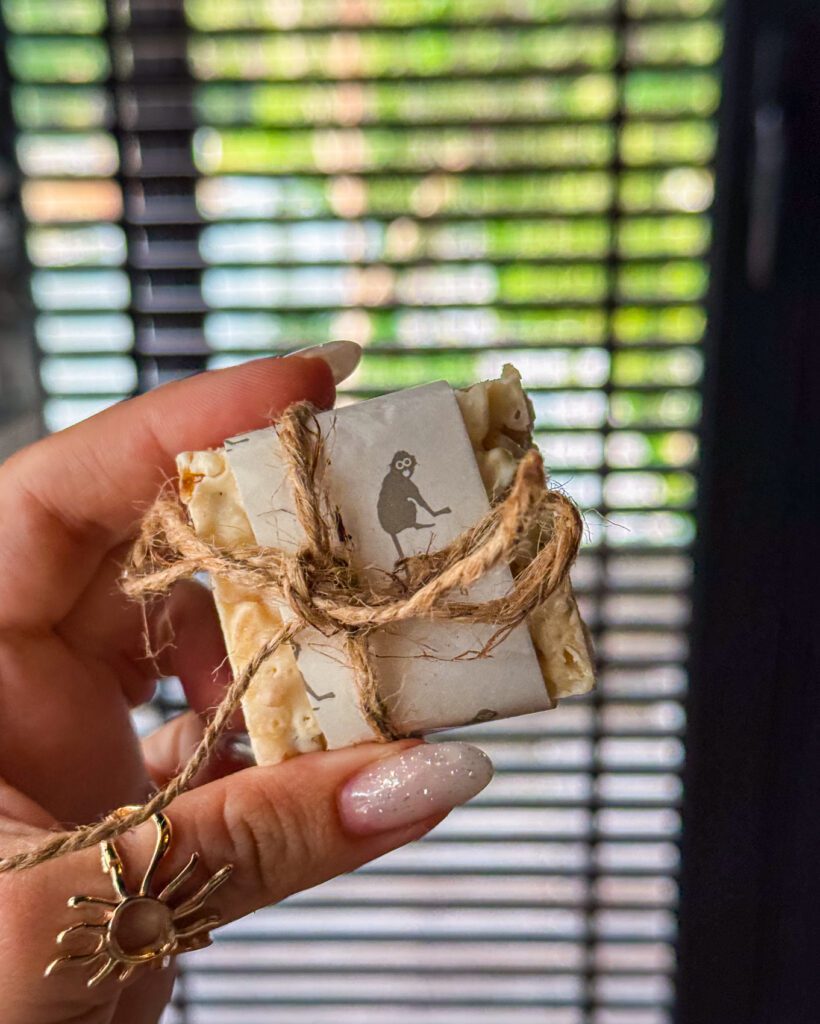
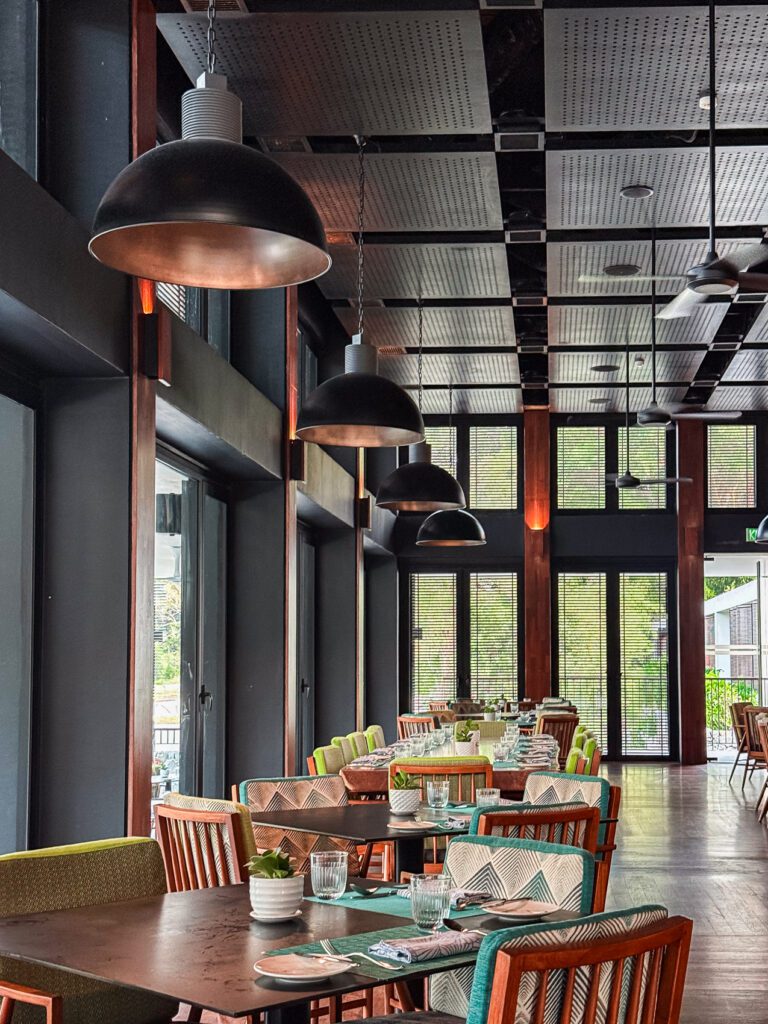
There are a few dining and lunch options, including the Ambara restaurant, serving both Western and local dishes, and the Essential poolside restaurant, focusing more on Western cuisine.
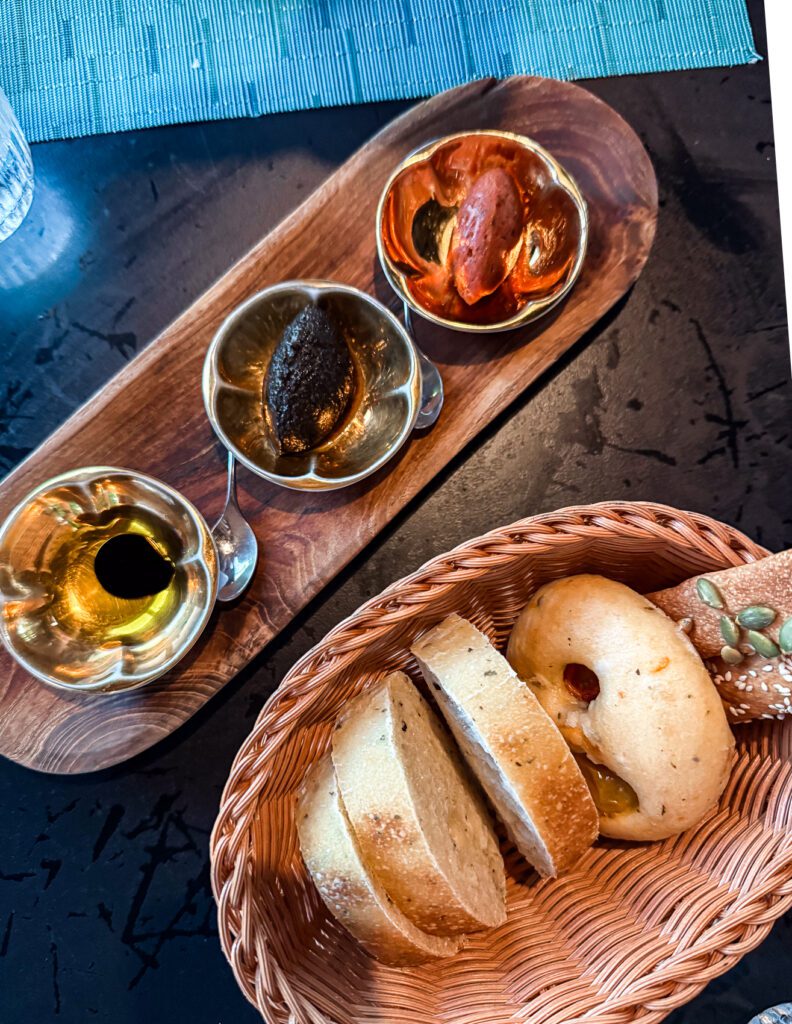

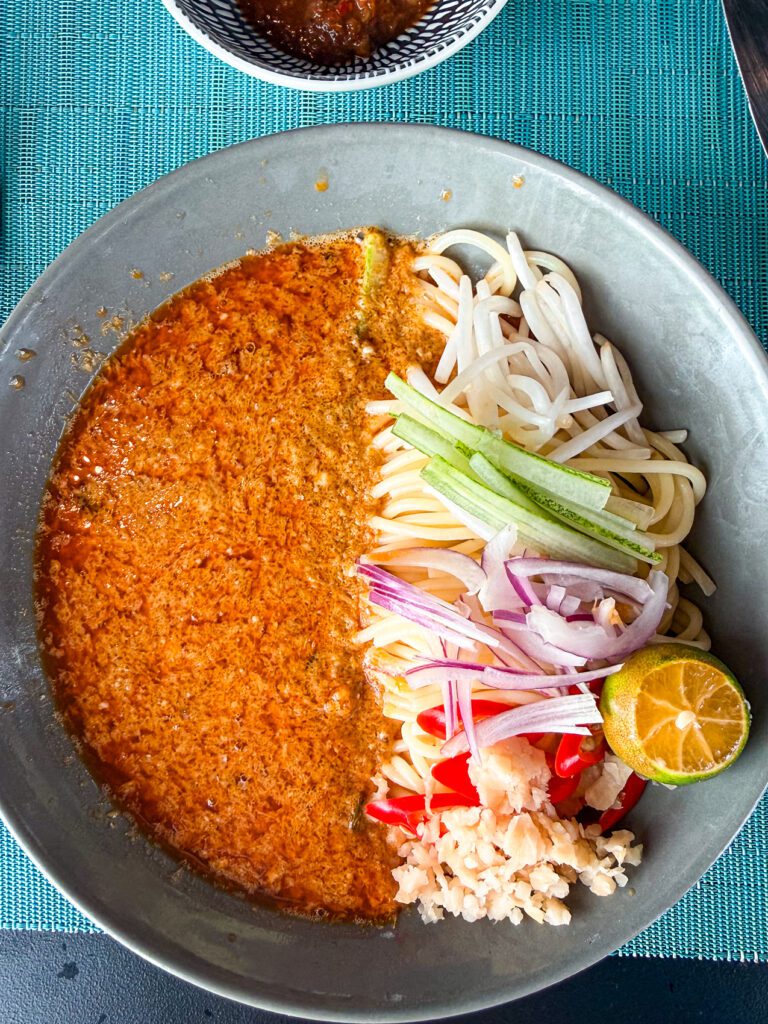
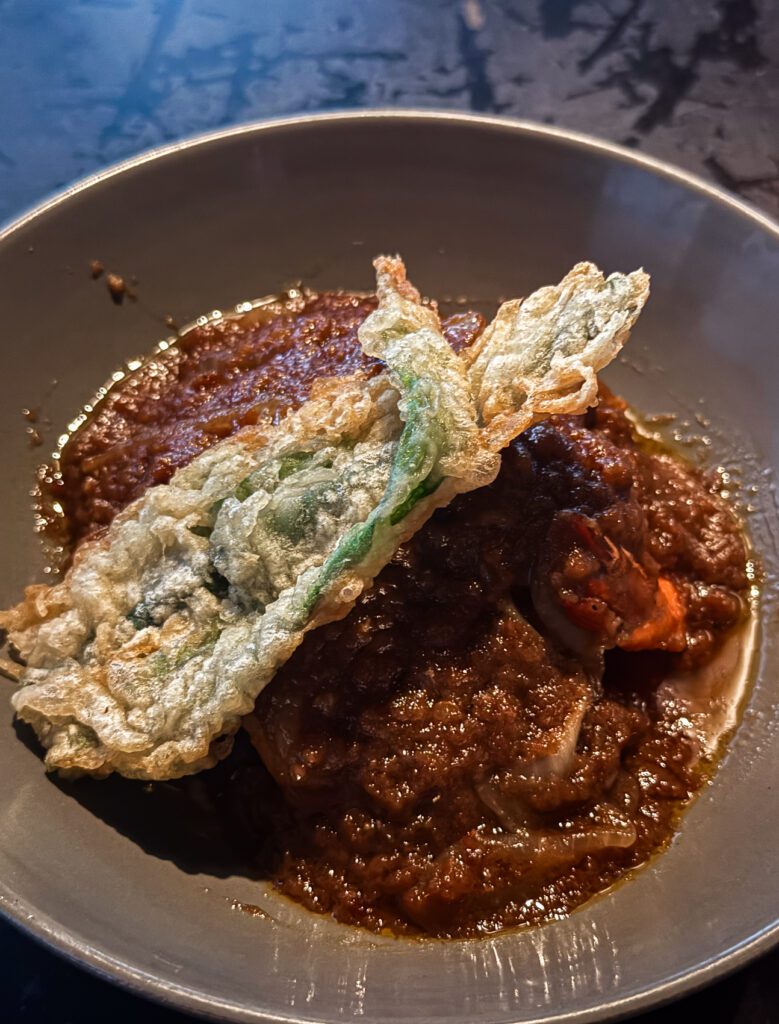

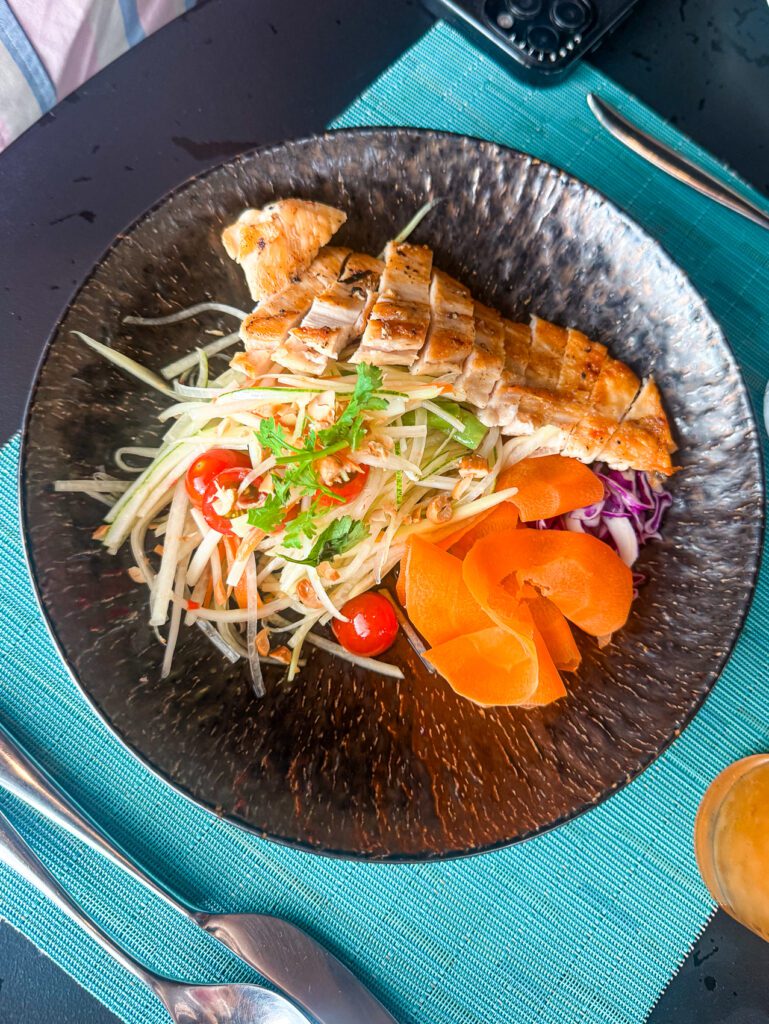
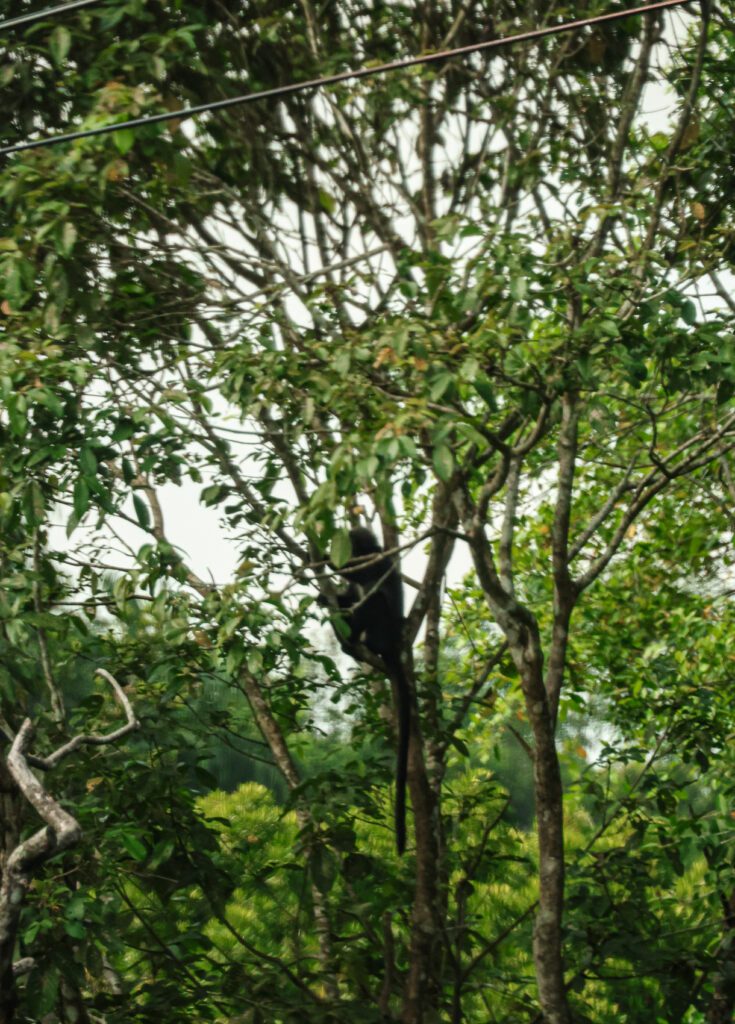
Daily high teas are served at the Dusky Monkey Bar, named after the dusky leaf monkeys that live in this part of Malaysia and sometimes appear around the resort.


Unfortunately we didn’t see the dusky monkeys in our hotel but we spotted them one day crossing the road while exploring the Kota Johor Lama Museum.



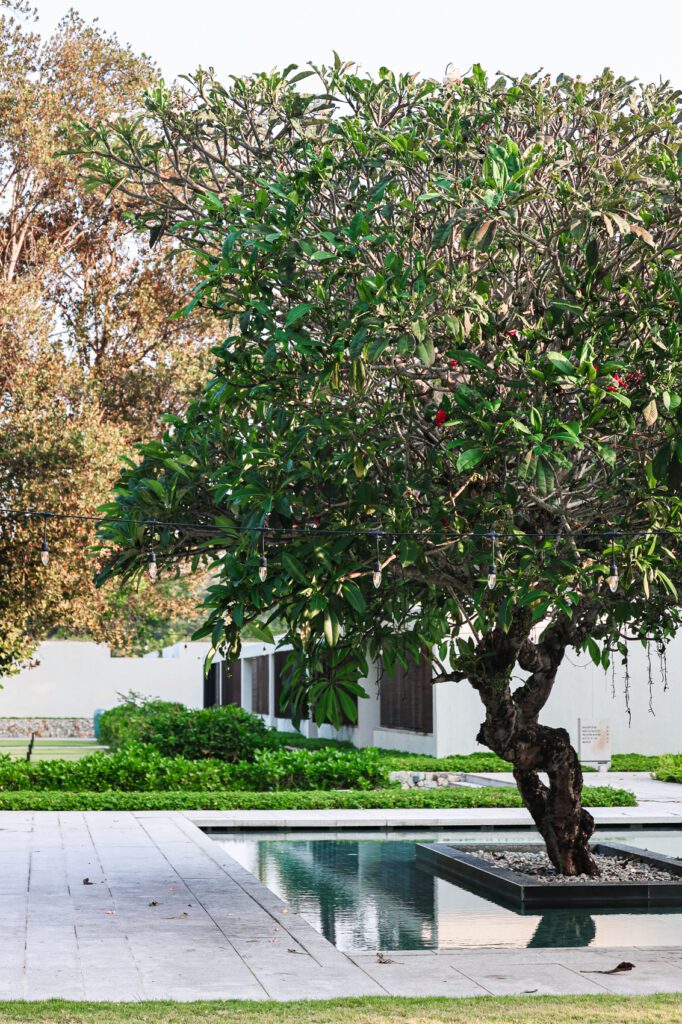
I had an incredible spa experience despite part of the venue being closed for renovation – the half-open lotus pond with the banyan tree was amazing.


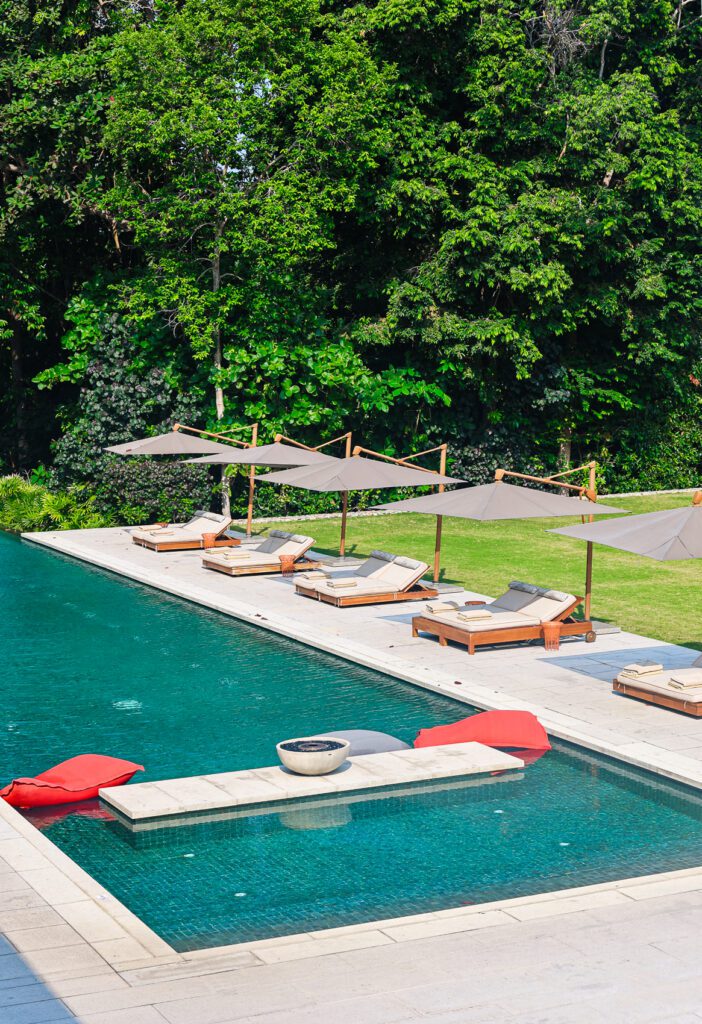
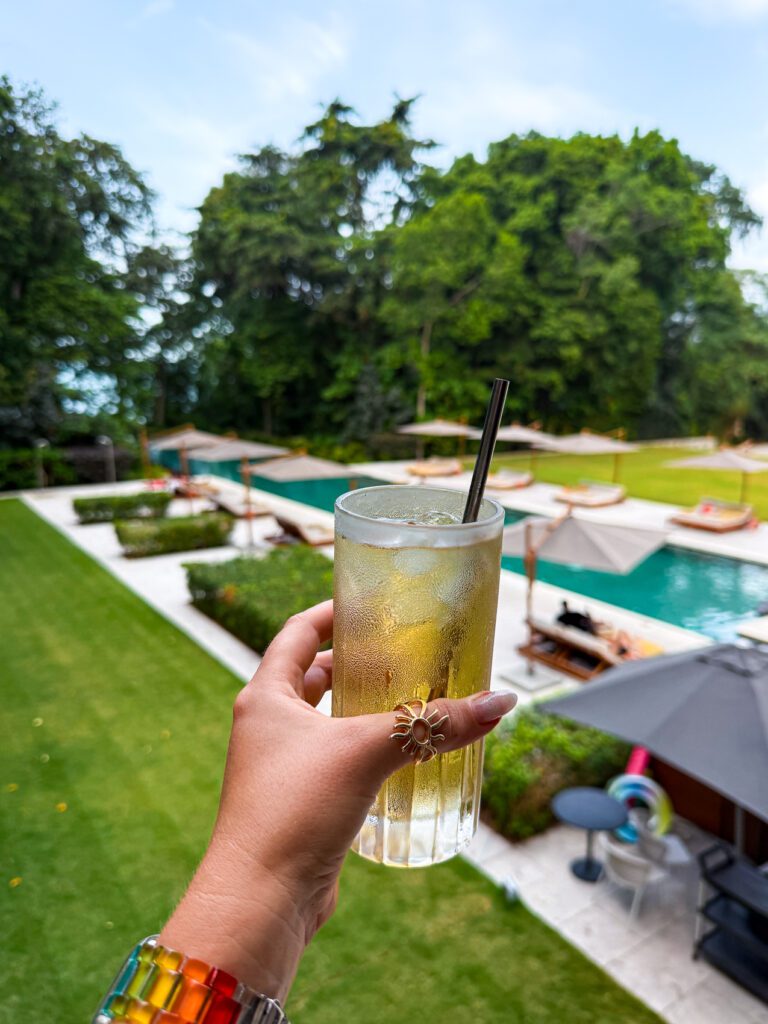
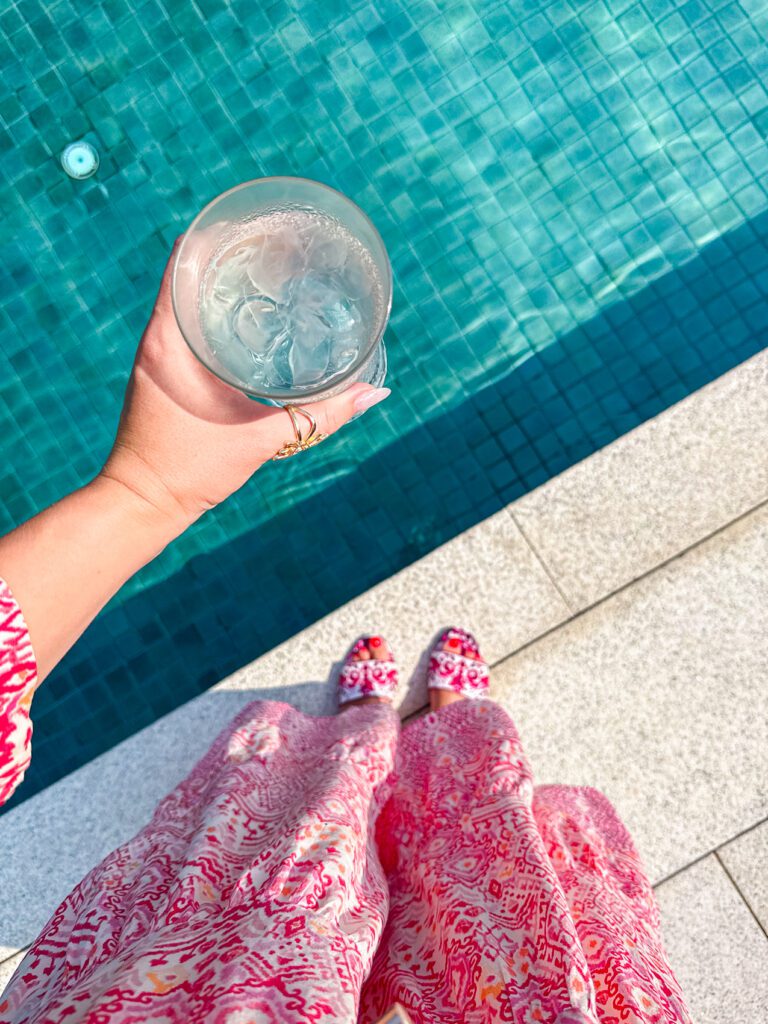
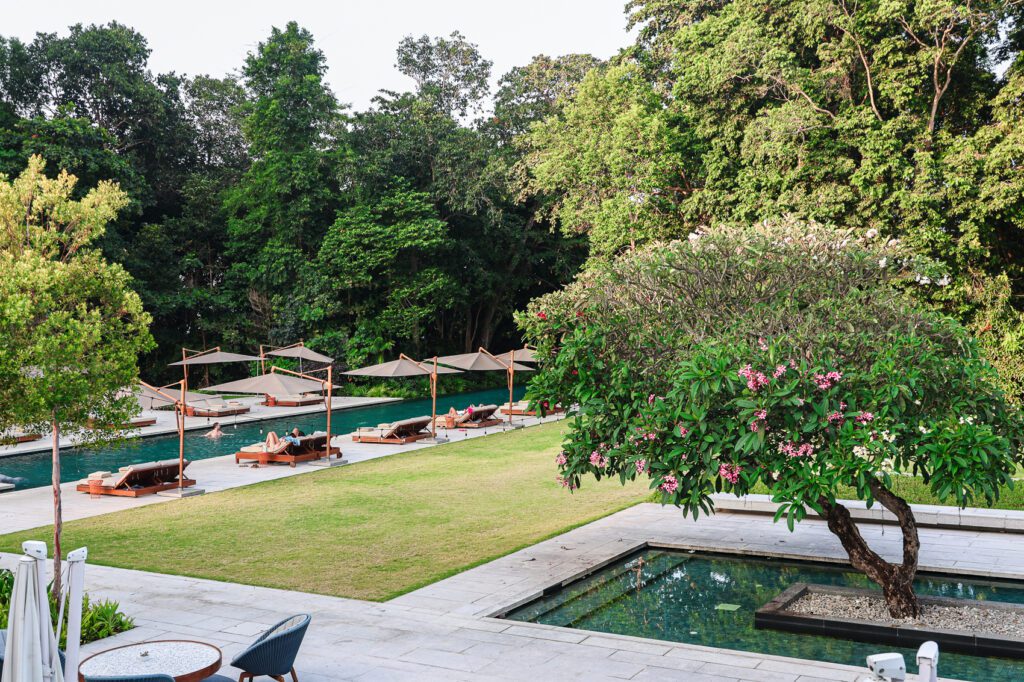
You can also enjoy the picturesque main pool area partly hidden in the rainforest.
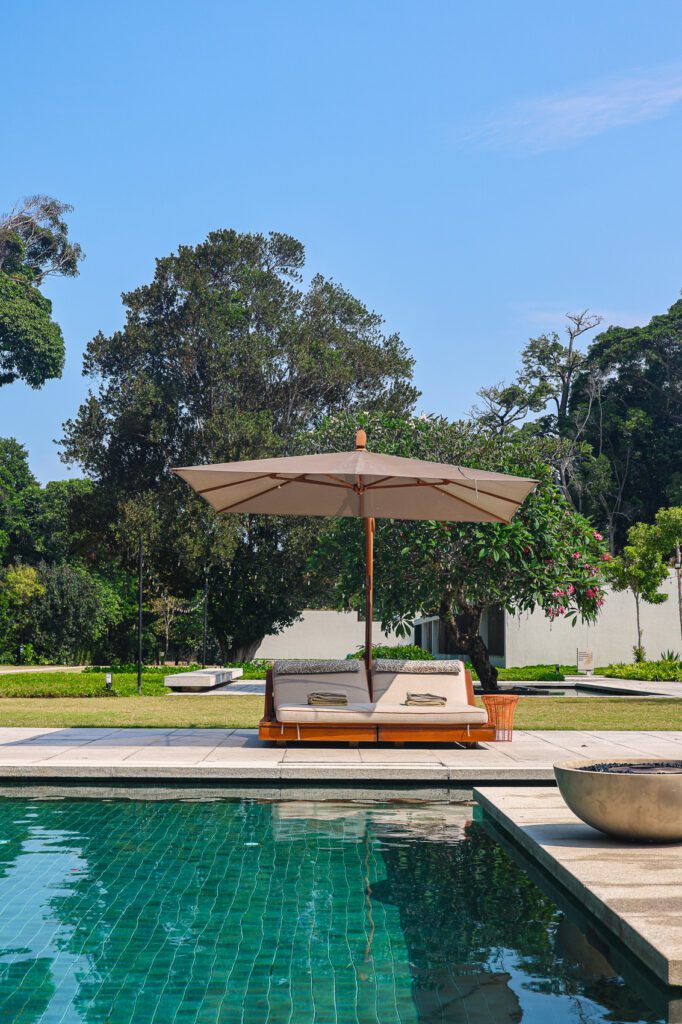
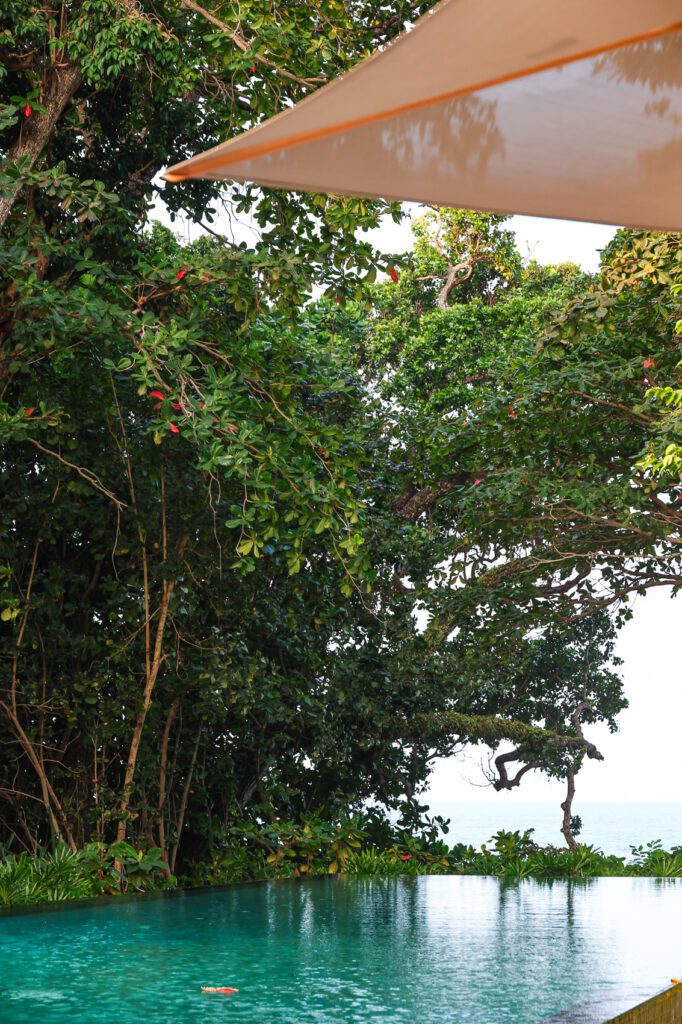

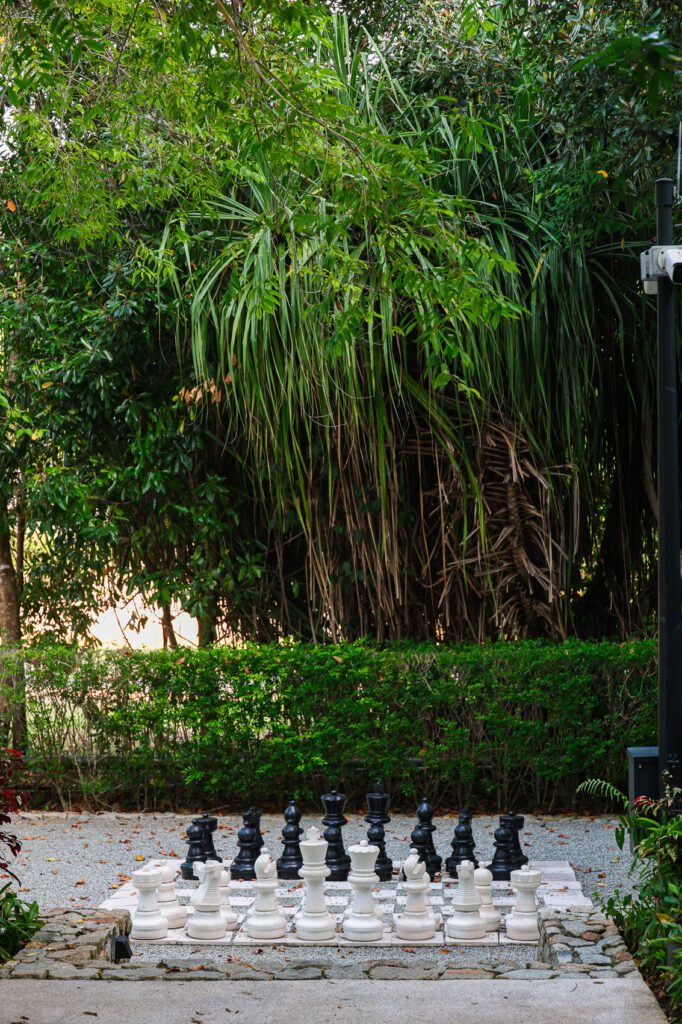
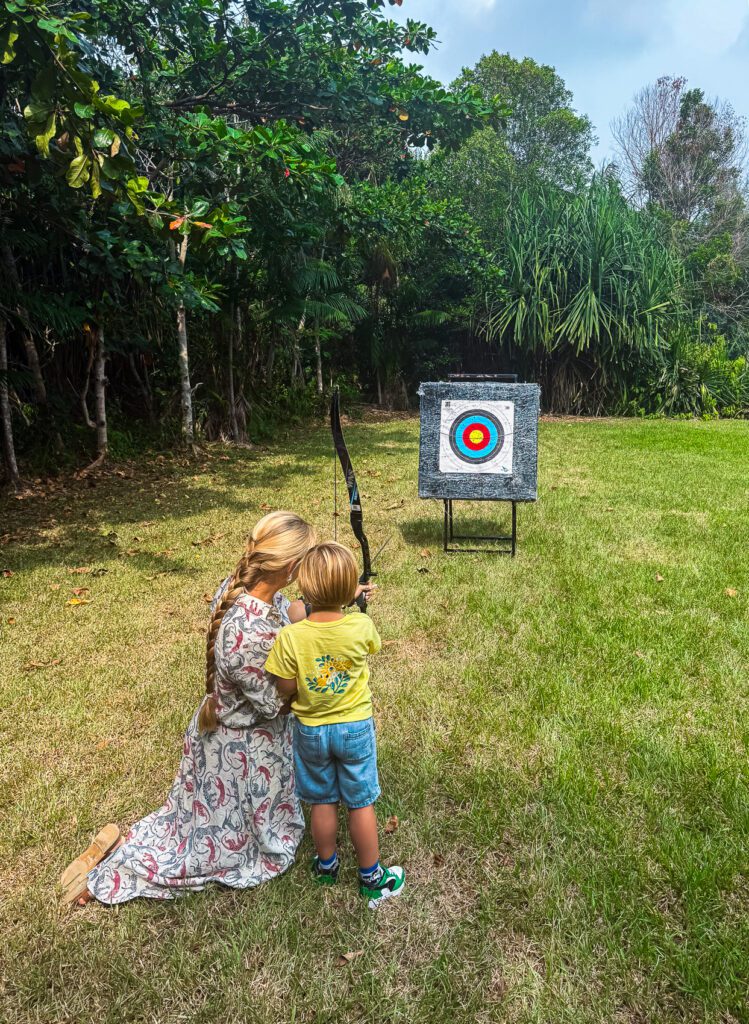
There are some activities you can participate in as well! In the recreation hub, there are padel, table tennis, billiards and other options, and we pre-booked our archery session!

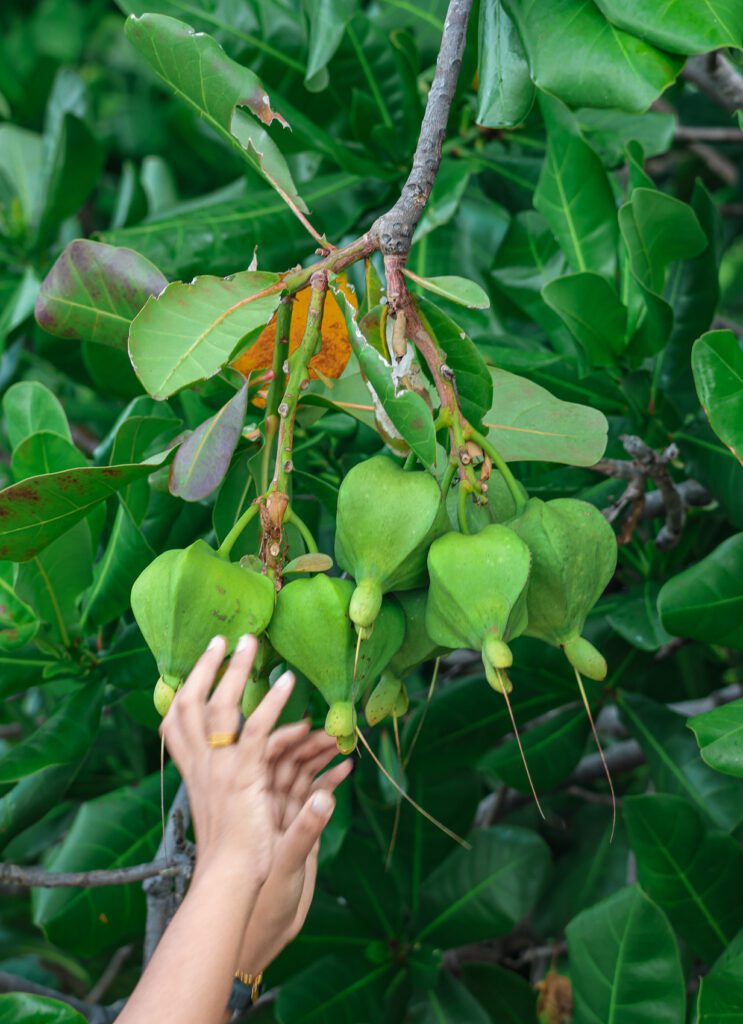

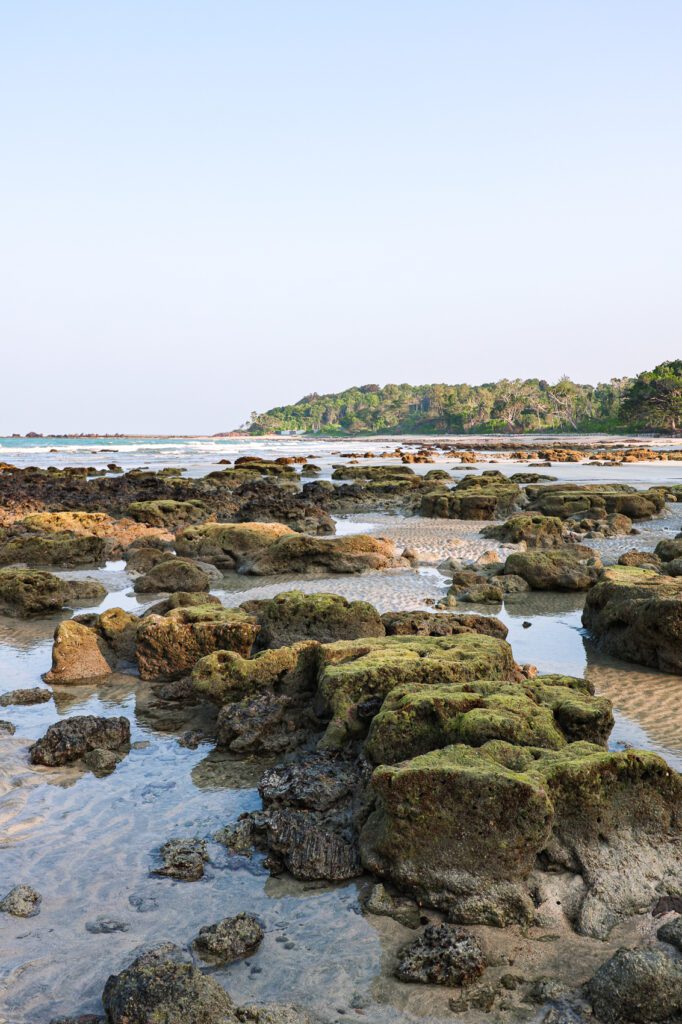
Beach area is rocky and swimming is not advisable though the area is perfect for a leisurely stroll or some animal-spotting. Besides that, it overlooks sunrises daily!

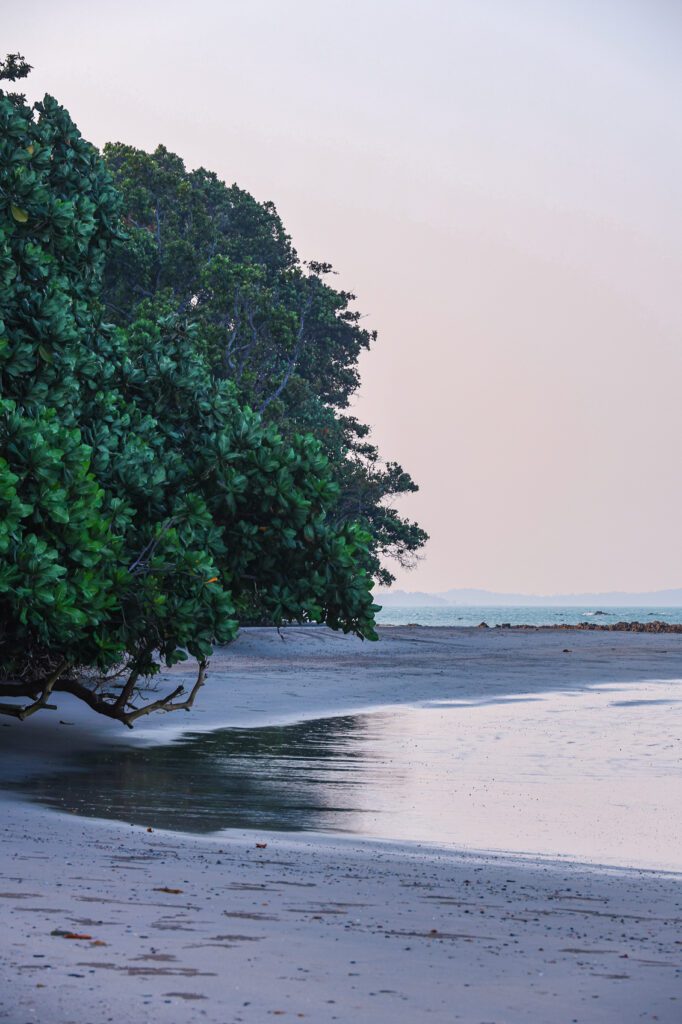
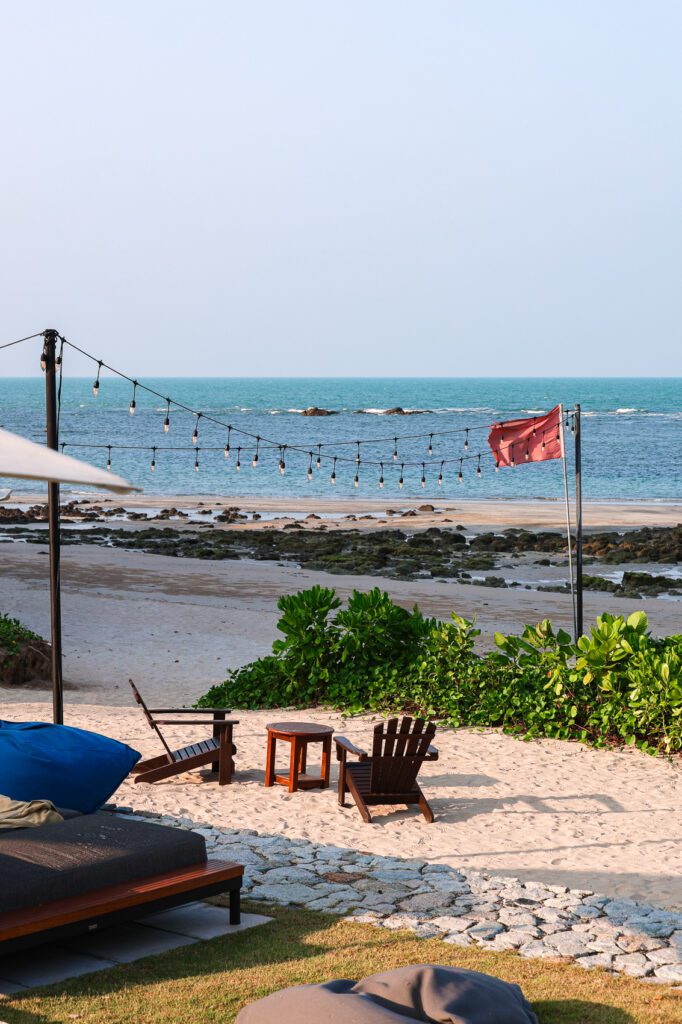
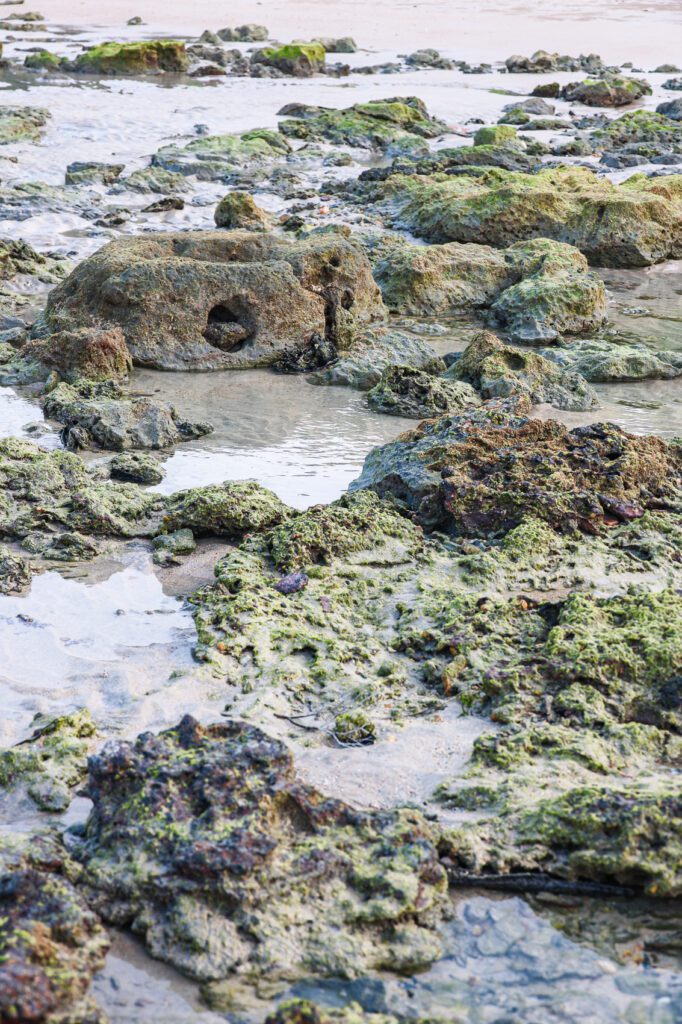
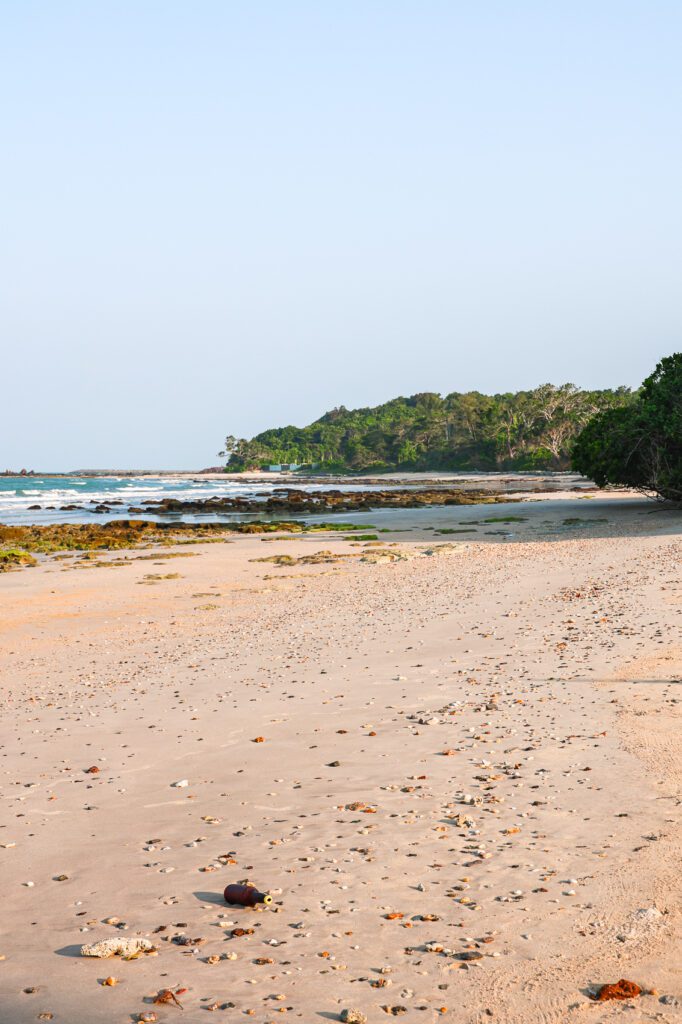
Also, we went for a guided evening walk around the hotel – by the way, Husna was especially friendly and knowledgeable, and apart from spotting some animals, she also gave us some advice on what to see around here! Overall, we spotted the crimson sunbird, collared kingfisher, a few bulbuls, even an eagle, hermit crabs, and sand bubbler crabs.

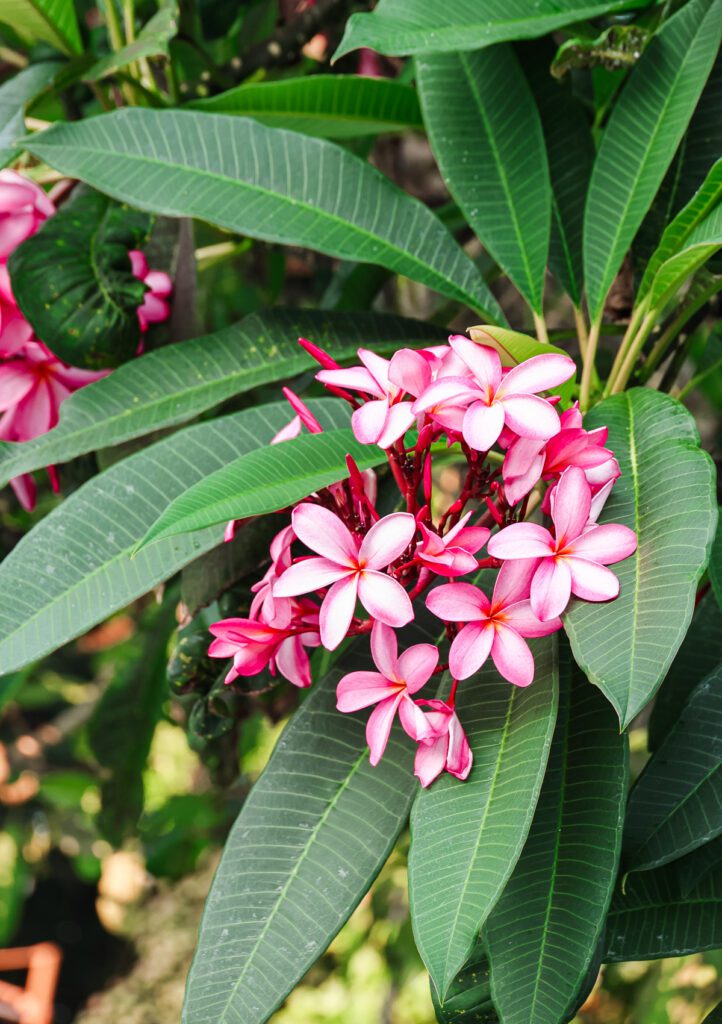


Visitors of the MO DEsaru can also walk through the Chef’s garden where part of local produce is made.

Overall, our stay was extremely pleasant, and I won’t hesitate to return for another week!

Interested in Kuala Lumpur, Malaysian Borneo, Putrajaya or Cameron Highlands? Check my other articles about Malaysia!
Hope you liked my new blog,
Yours, Anna
xxx