Upcoming Diwali celebration is a great opportunity to start a series of my Indian posts. The vast majority of tourists visit Agra only for a single night to see the Taj Mahal and Agra Fort – or just stop by on a day trip from Delhi on their way to Jaipur.
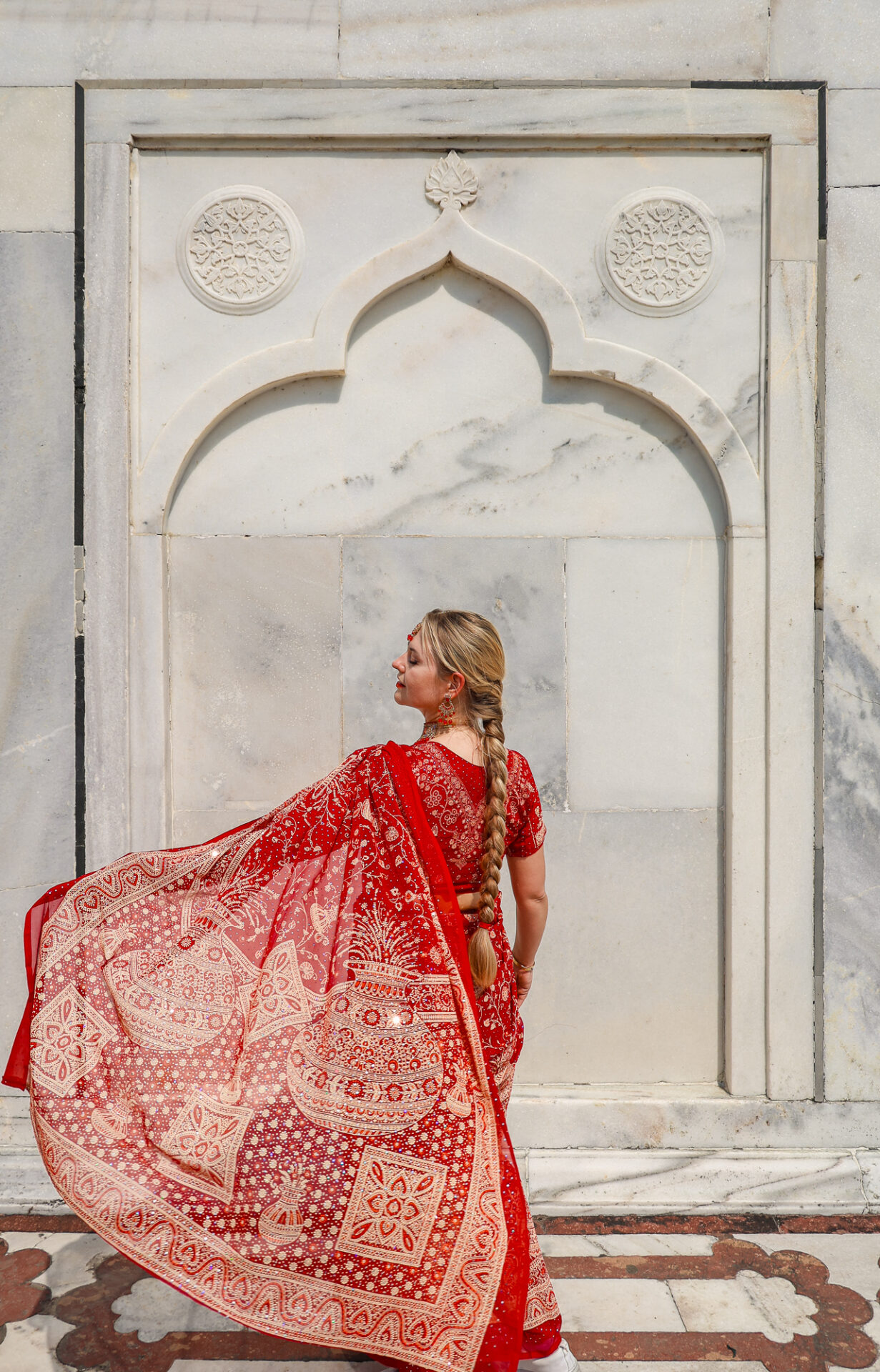
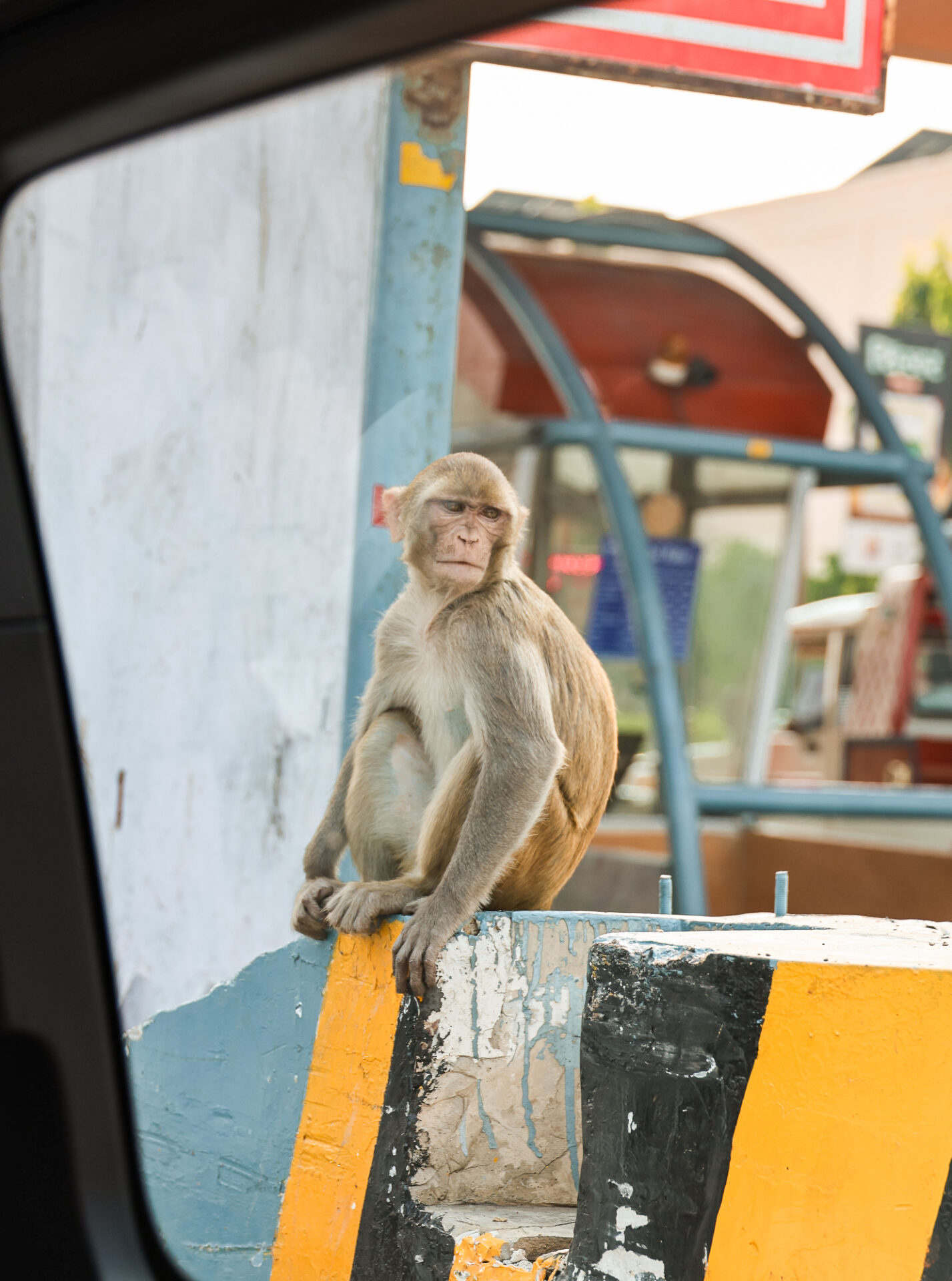
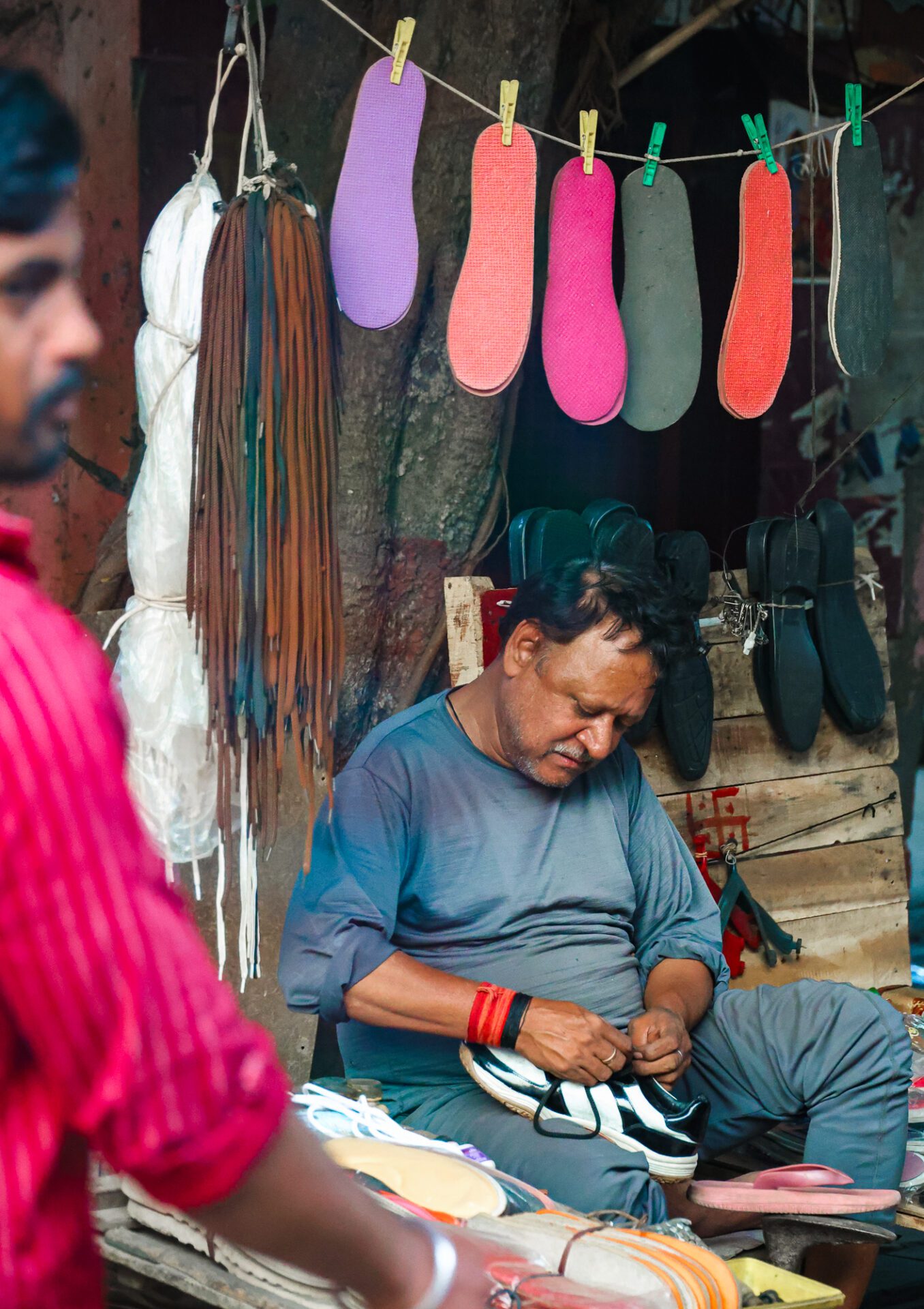
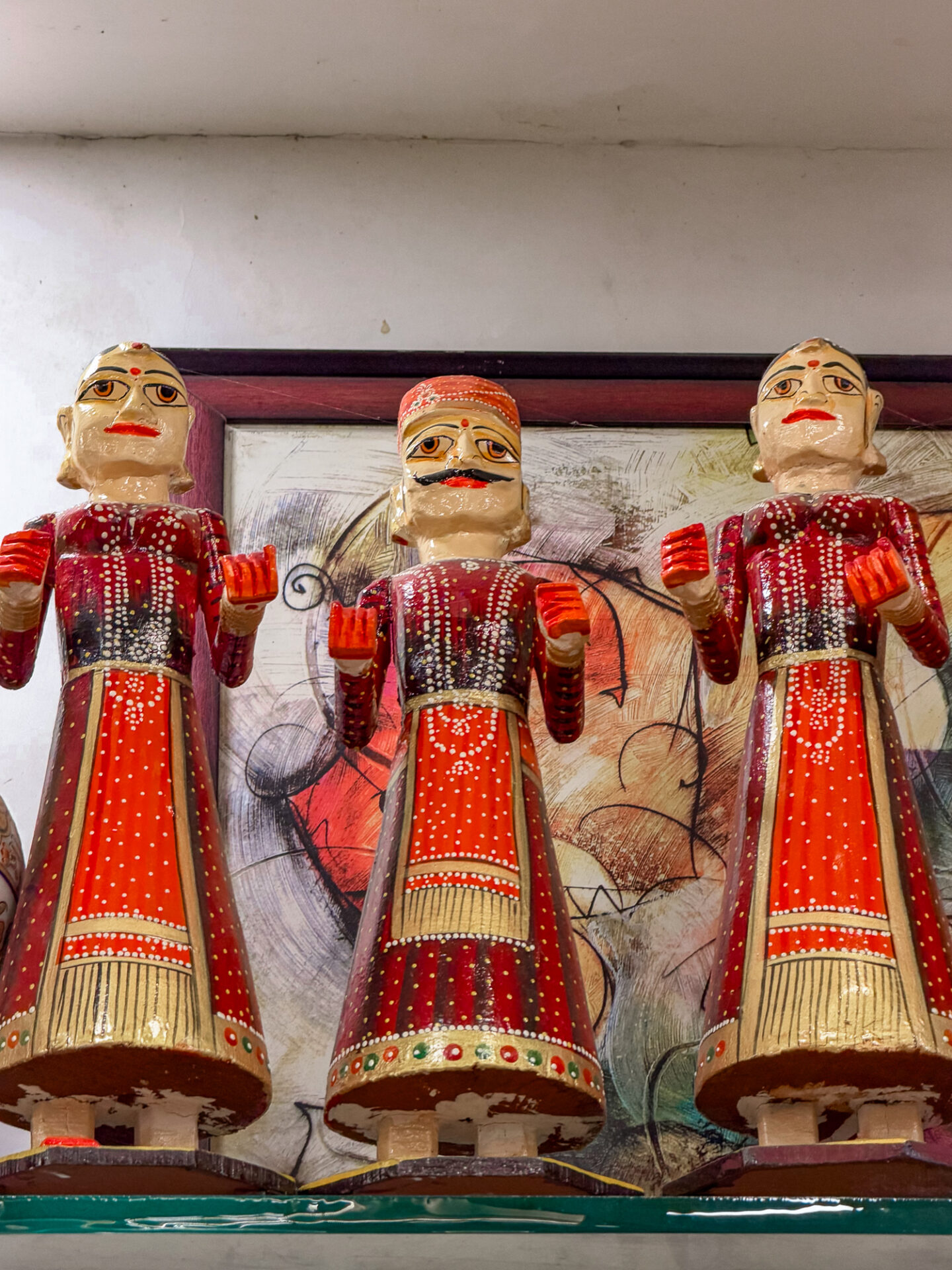
This is a huge mistake! Let me show you what to see here beyond these famed landmarks in the former Mughal capital.

1. Admire the Taj Mahal
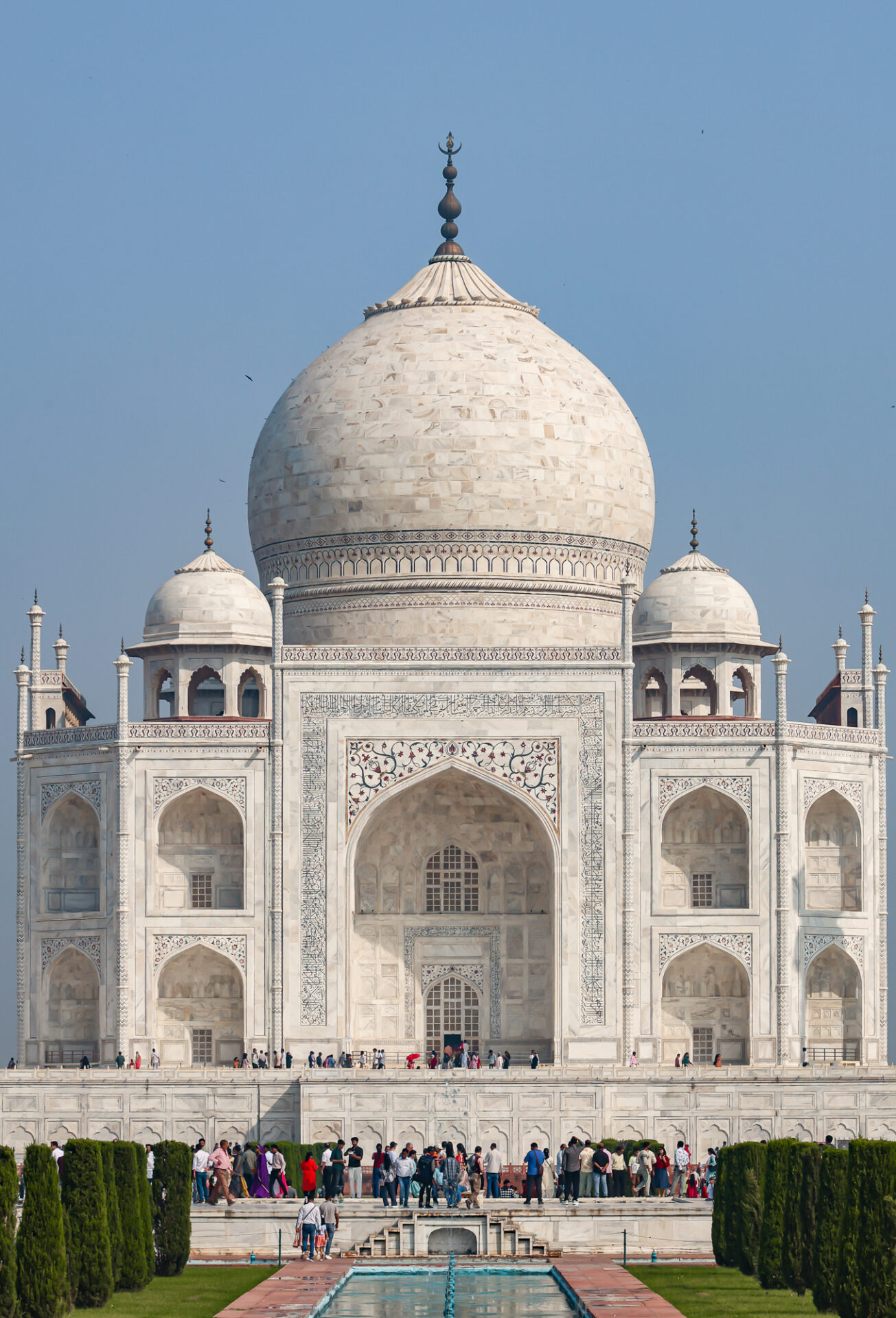
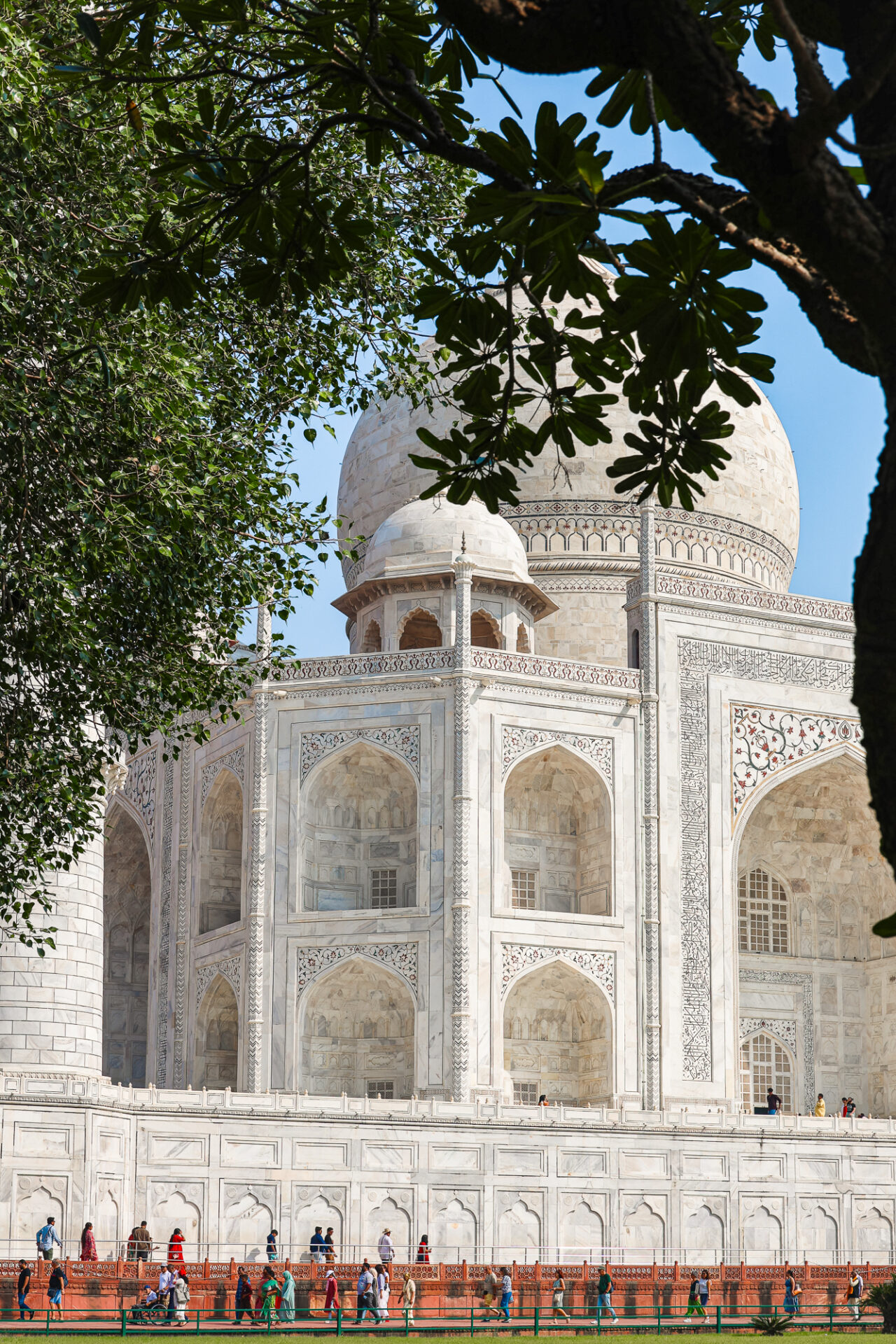
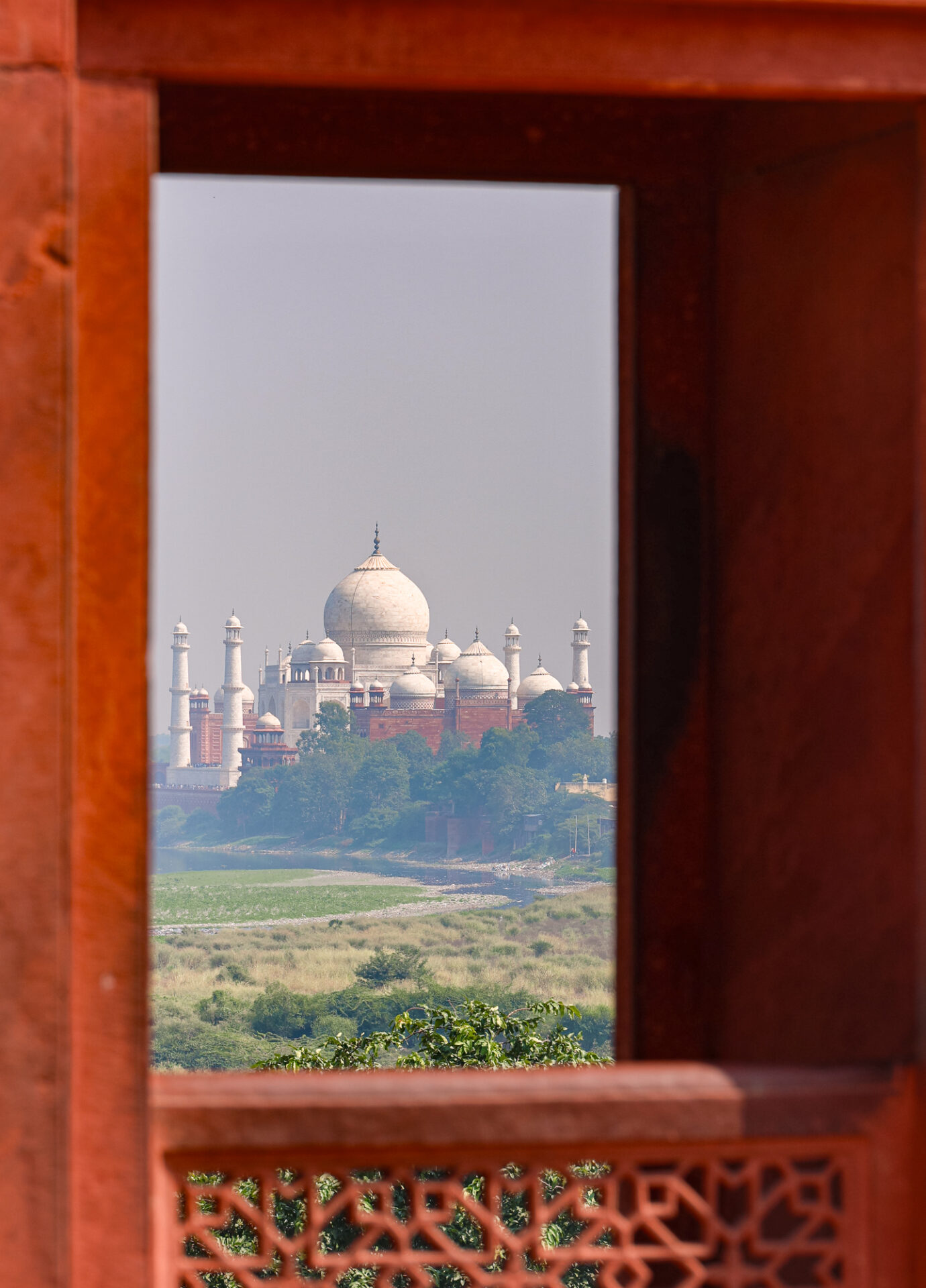
Taj Mahal is easily one of the most recognizable buildings of the world and a symbol of India.
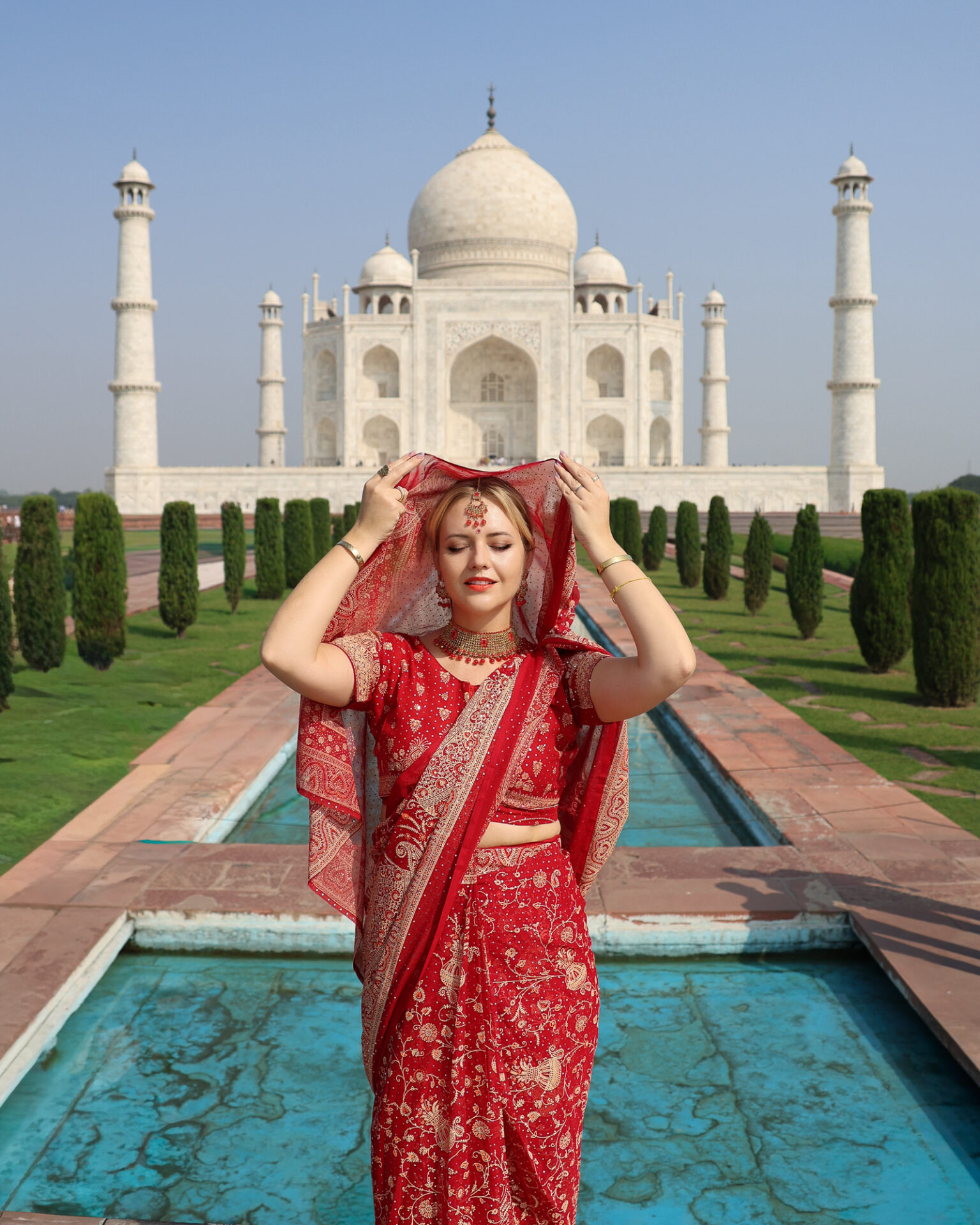
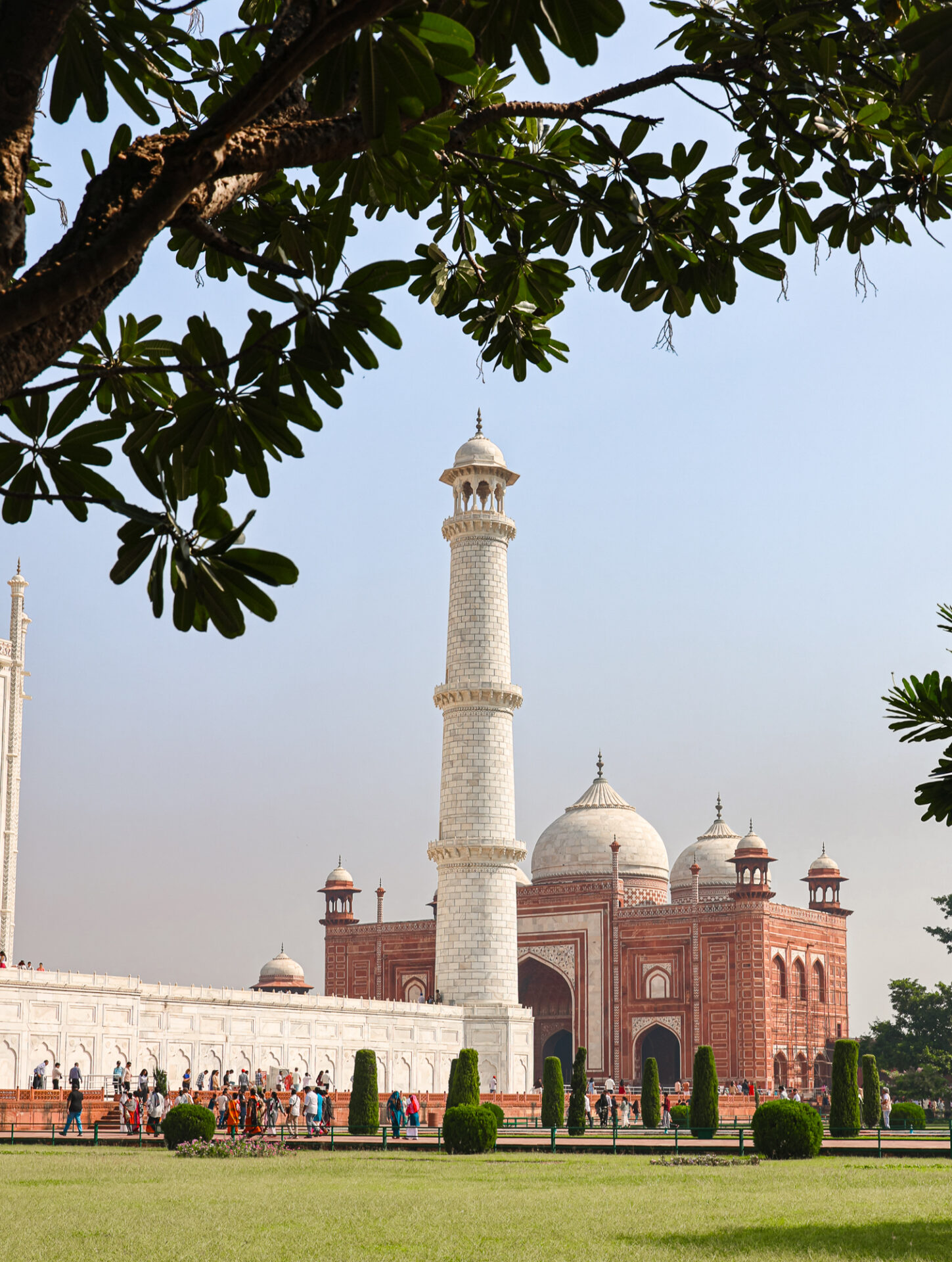
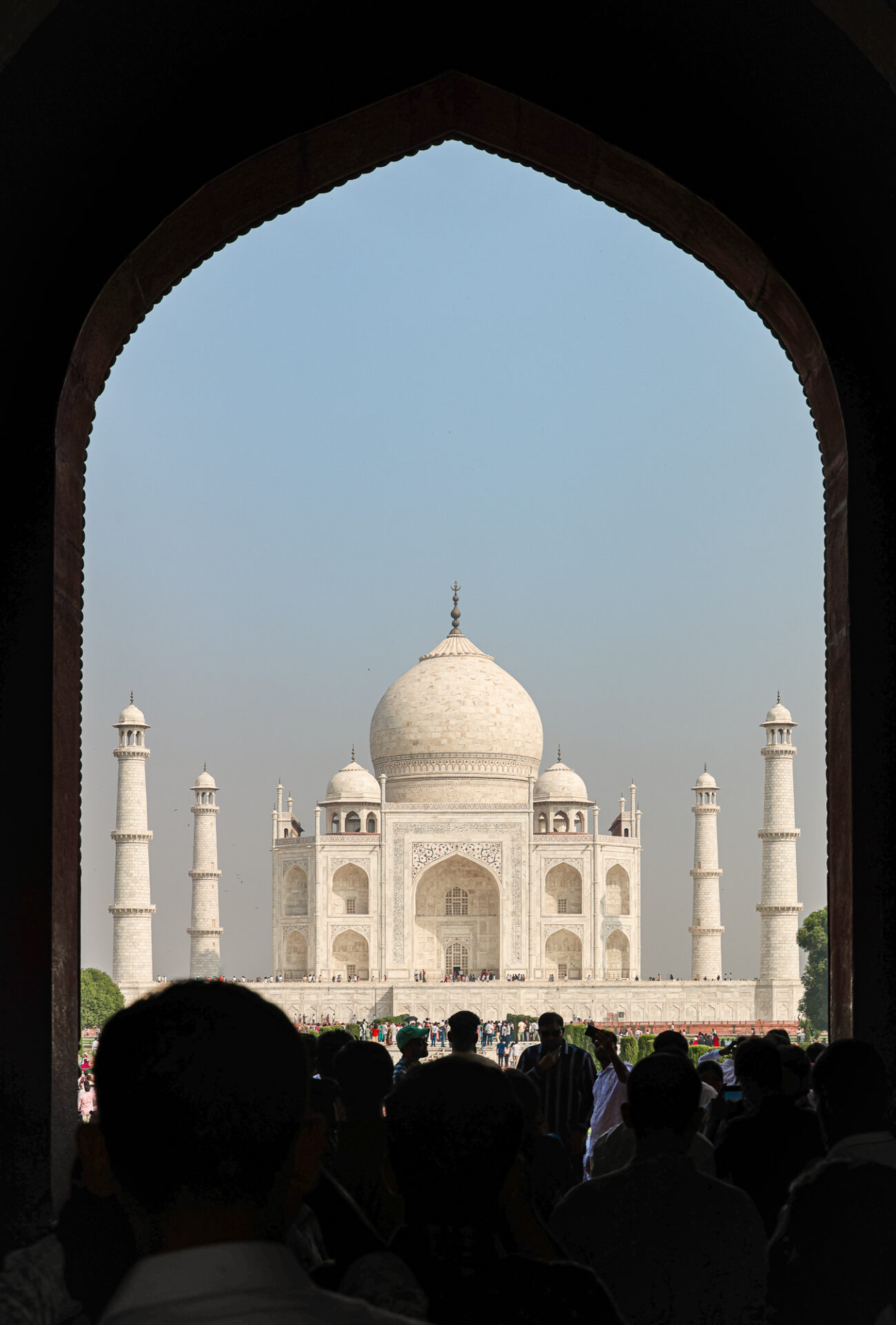
First, a few quick facts about the Taj Mahal (though you probably know them already!): In 1631, the Mughal Emperor Shah Jahan lost his favorite wife, Mumtaz, after she gave birth to their 14th (!) child. It seems that he really loved her, so he brought together over 20,000 architects, stonecutters, and master builders from across the world to build an eternal monument to commemorate her. After 22 years of construction, the Taj Mahal finally stood complete on the banks of the Yamuna River. For the last eight years of his life, the emperor was imprisoned by his own son, Aurangzeb, inside Agra Fort.
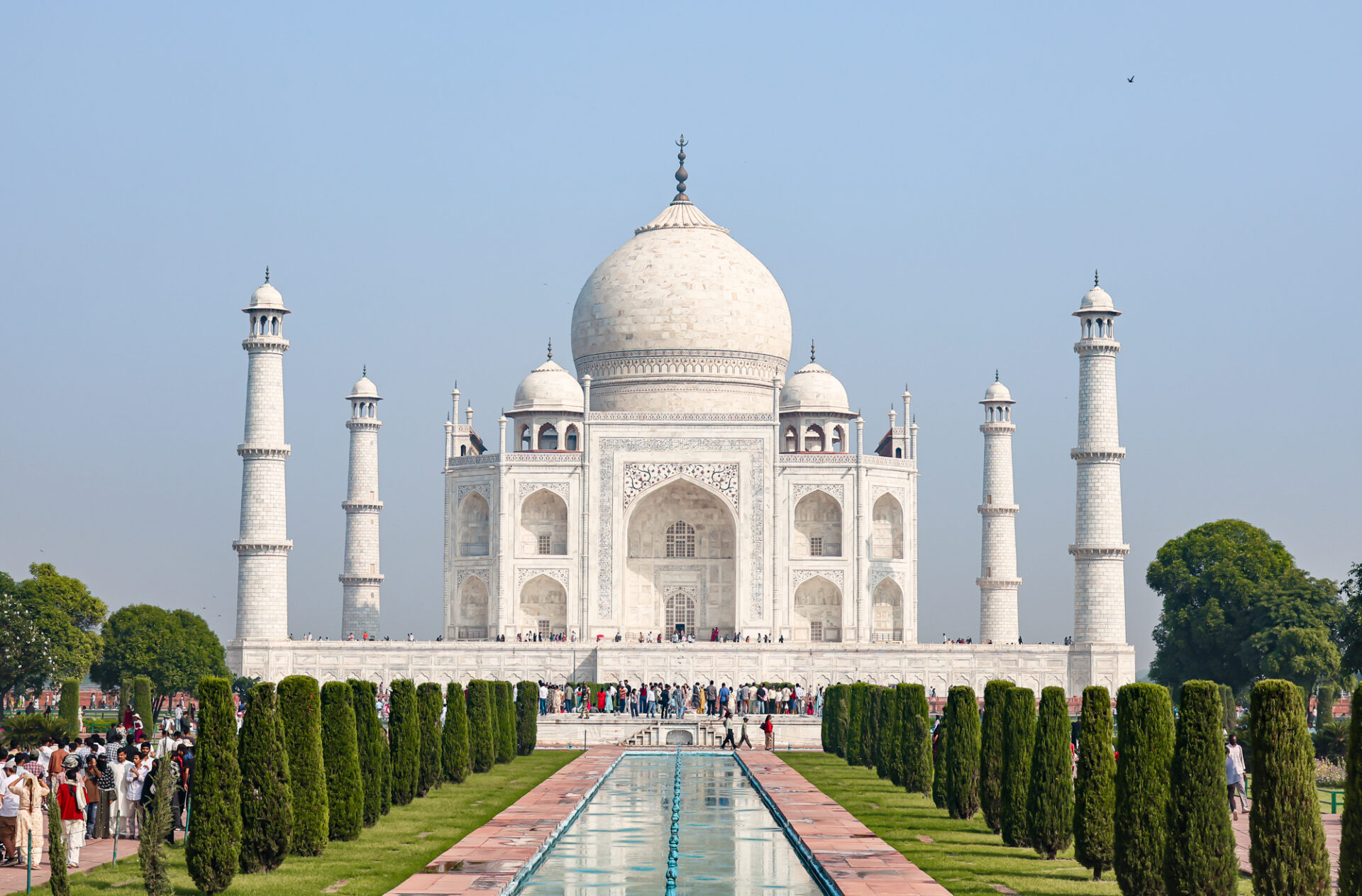
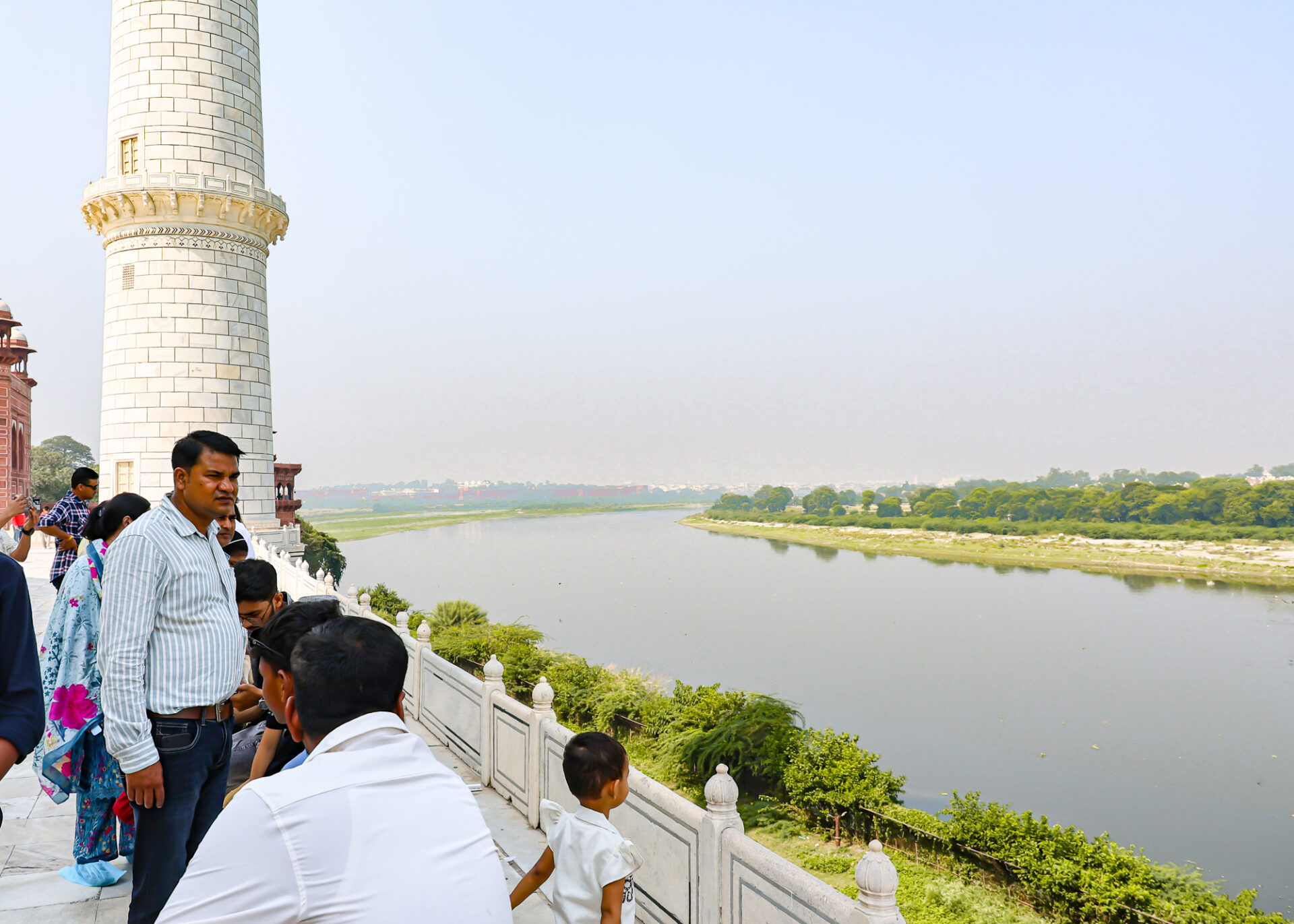
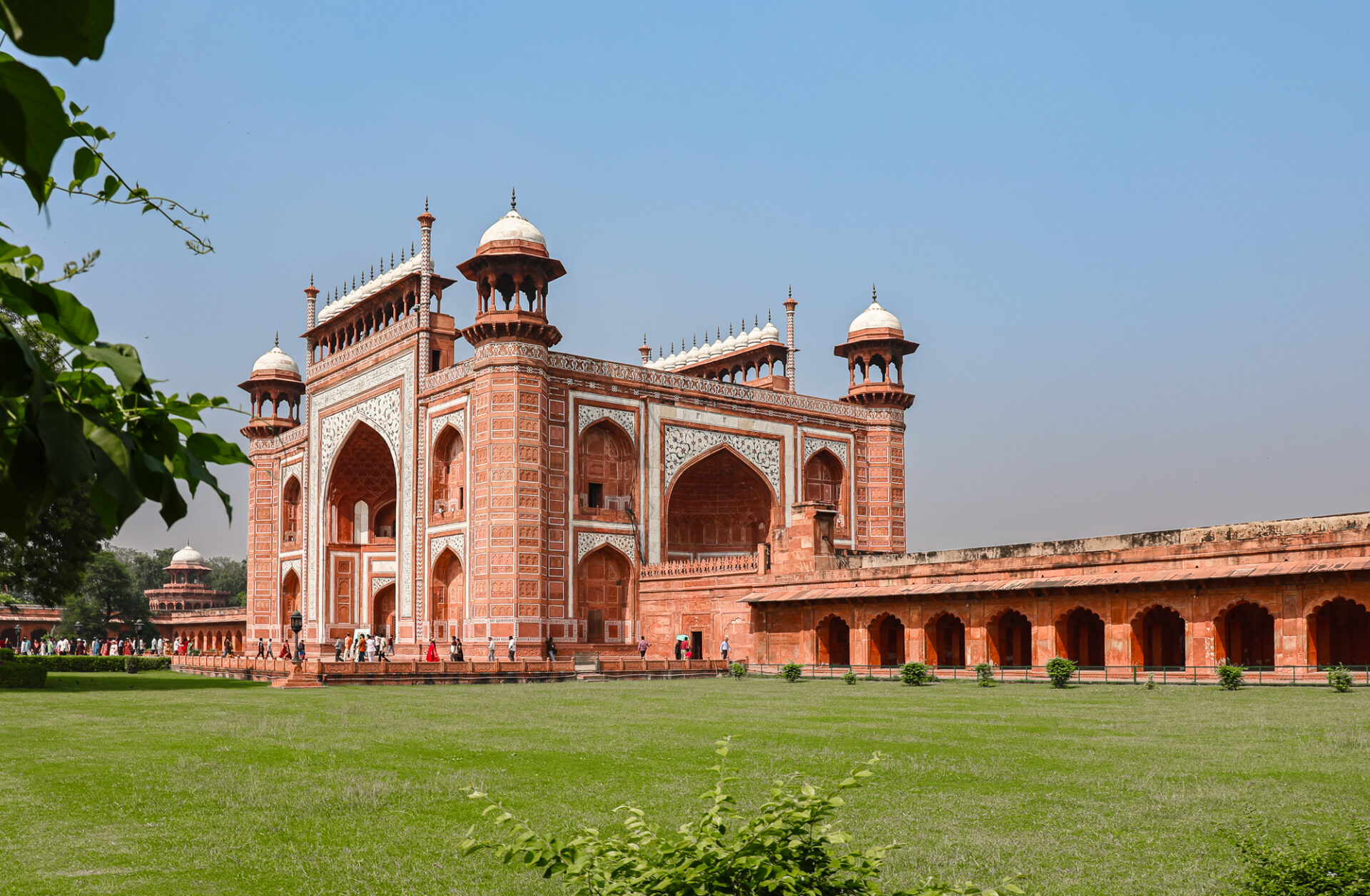
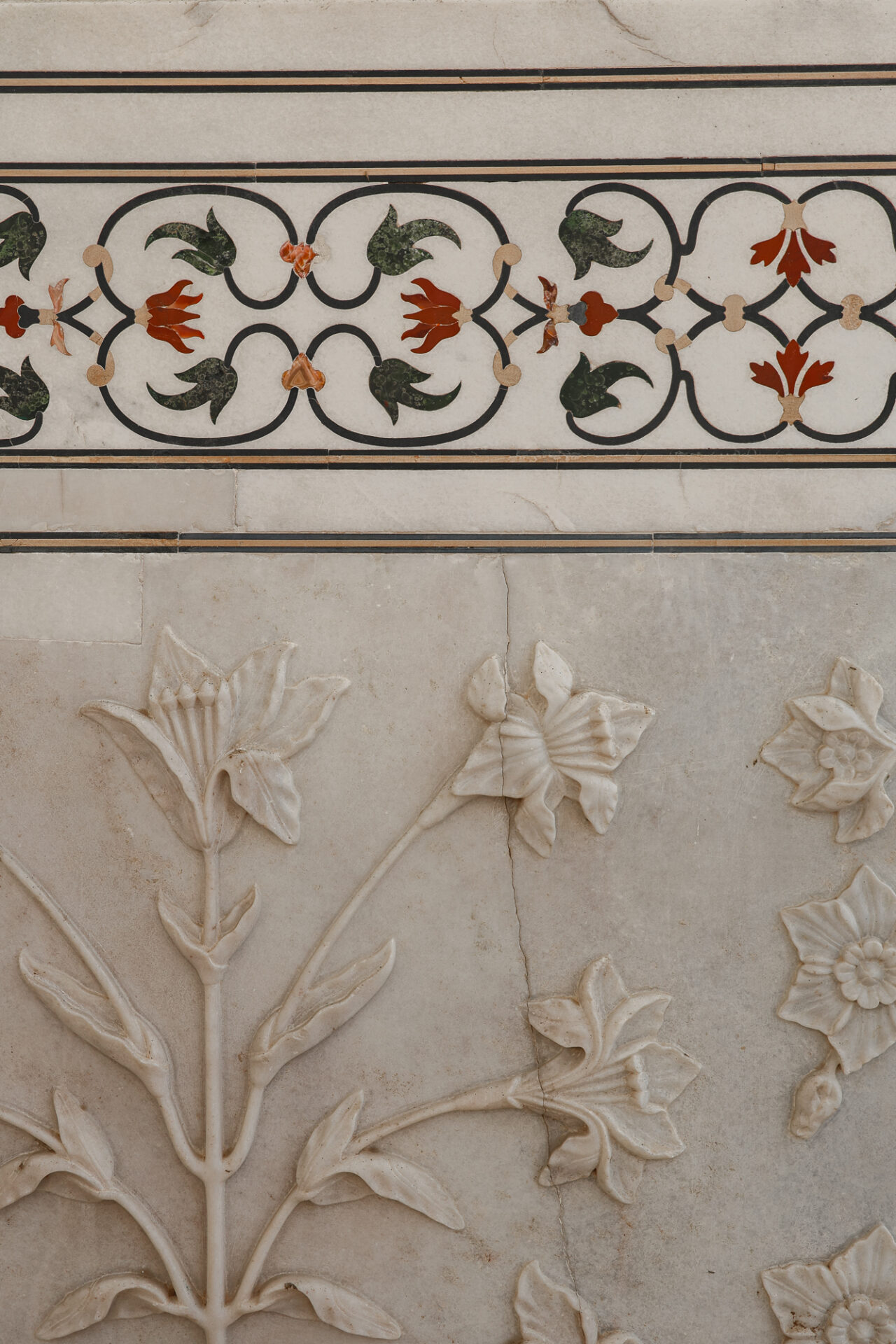
The legend has it that he spent his remaining days gazing upon his wife’s final resting place from his rooms facing the Taj Mahal, and eventually he was entombed beside her. The decorations of the Taj Mahal are intricate and very detailed (If you visited the V&A museum’s Mughal exhibition a few years back, you probably know all of this already!) – see more about the techniques used below.
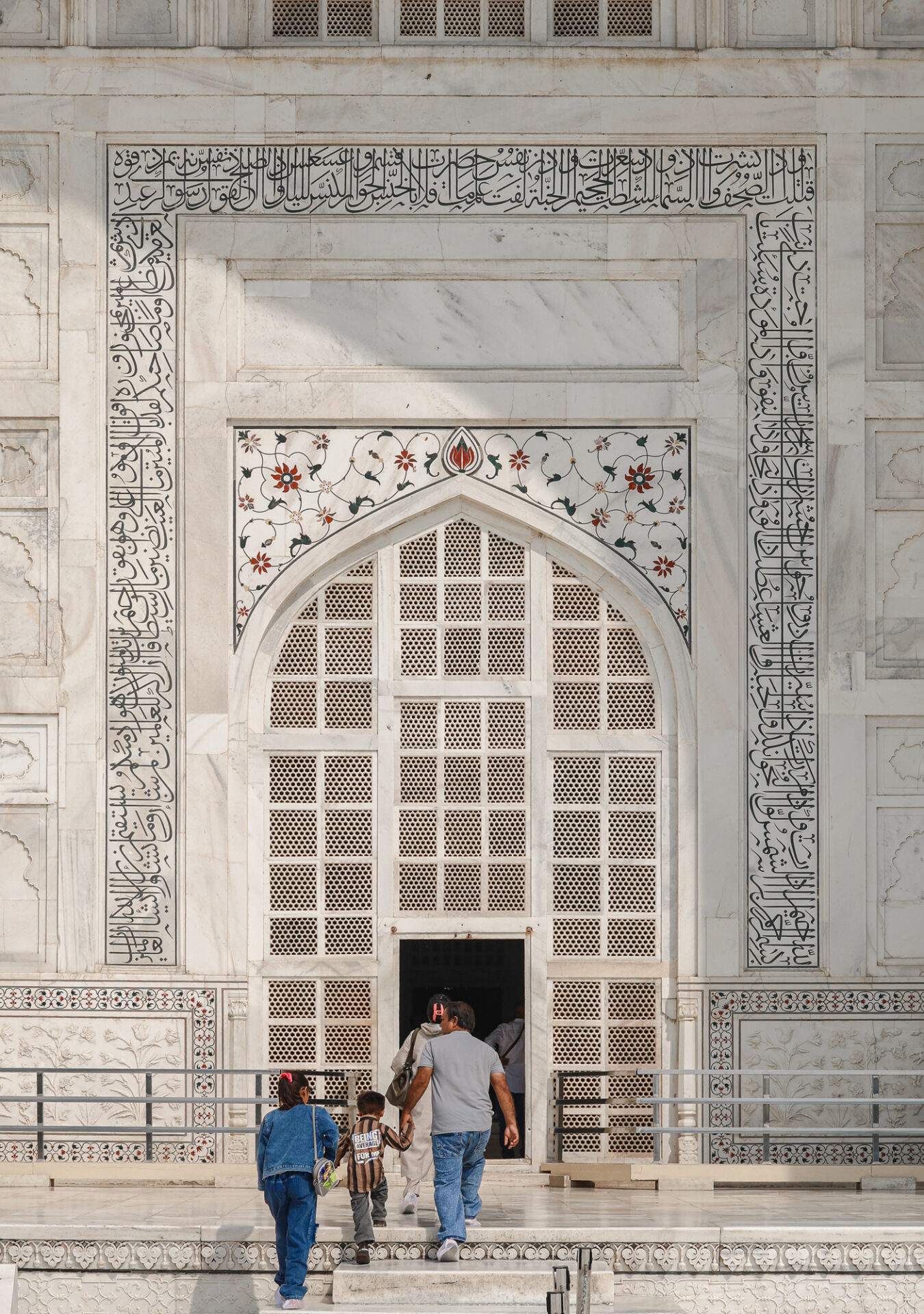
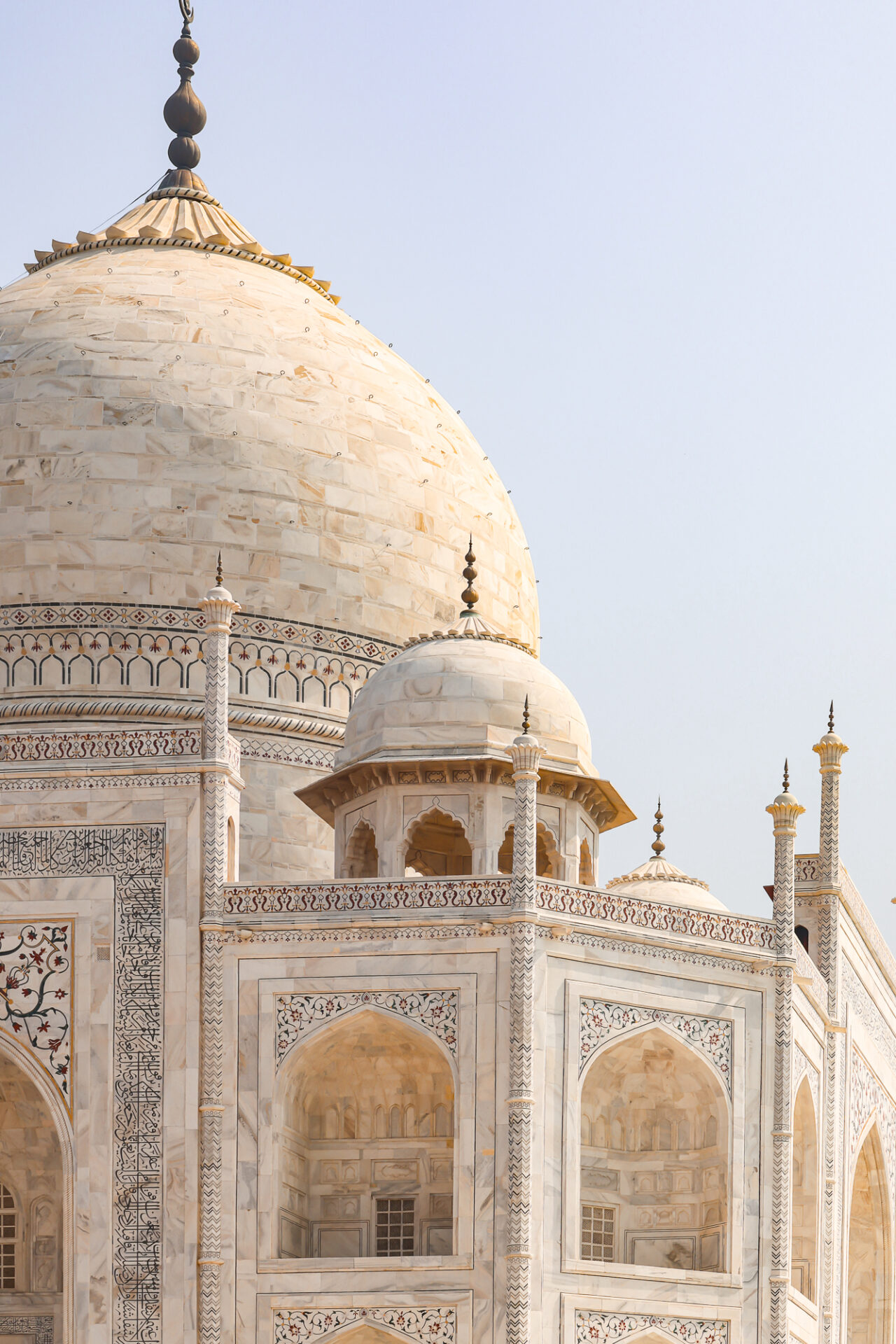
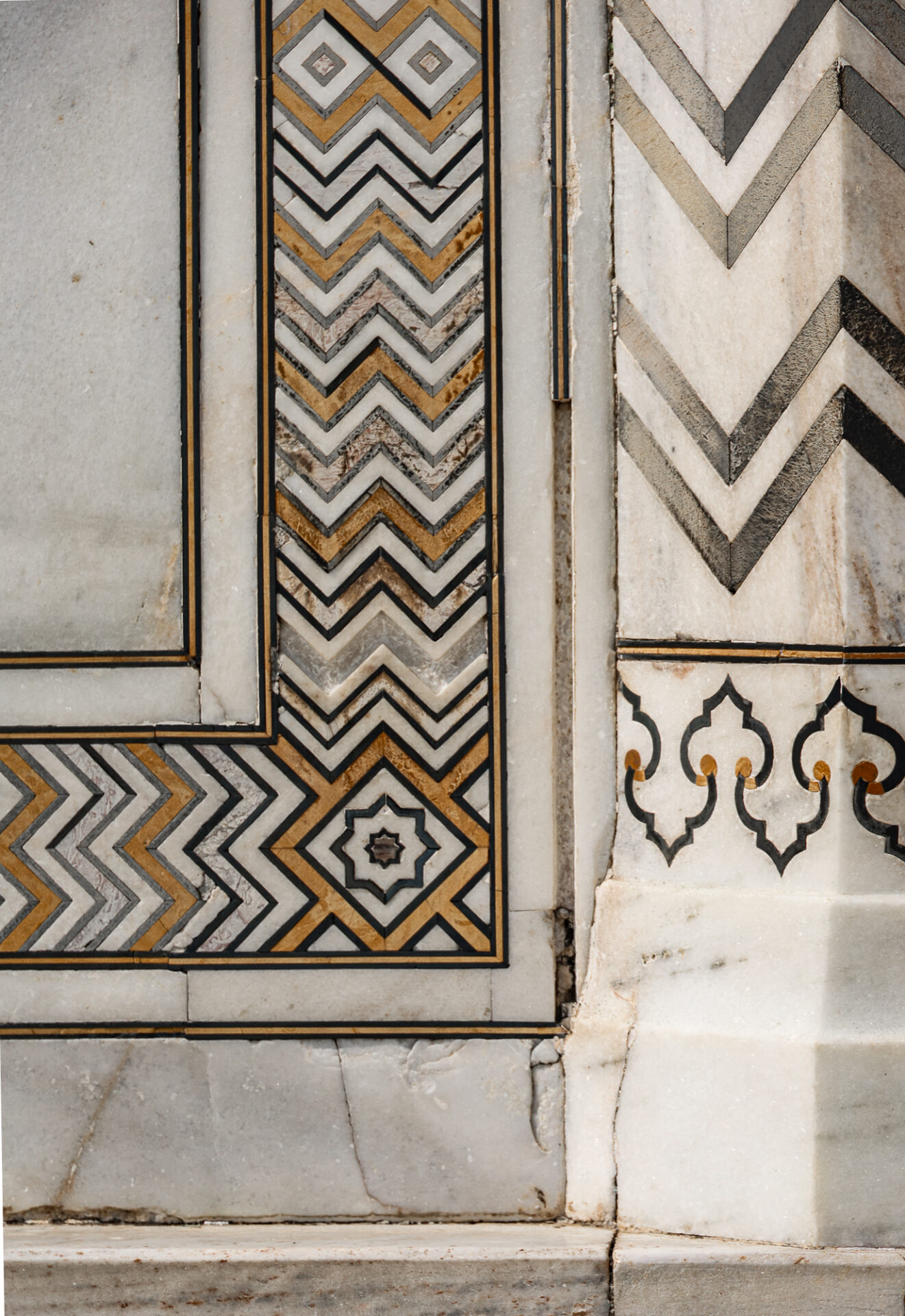

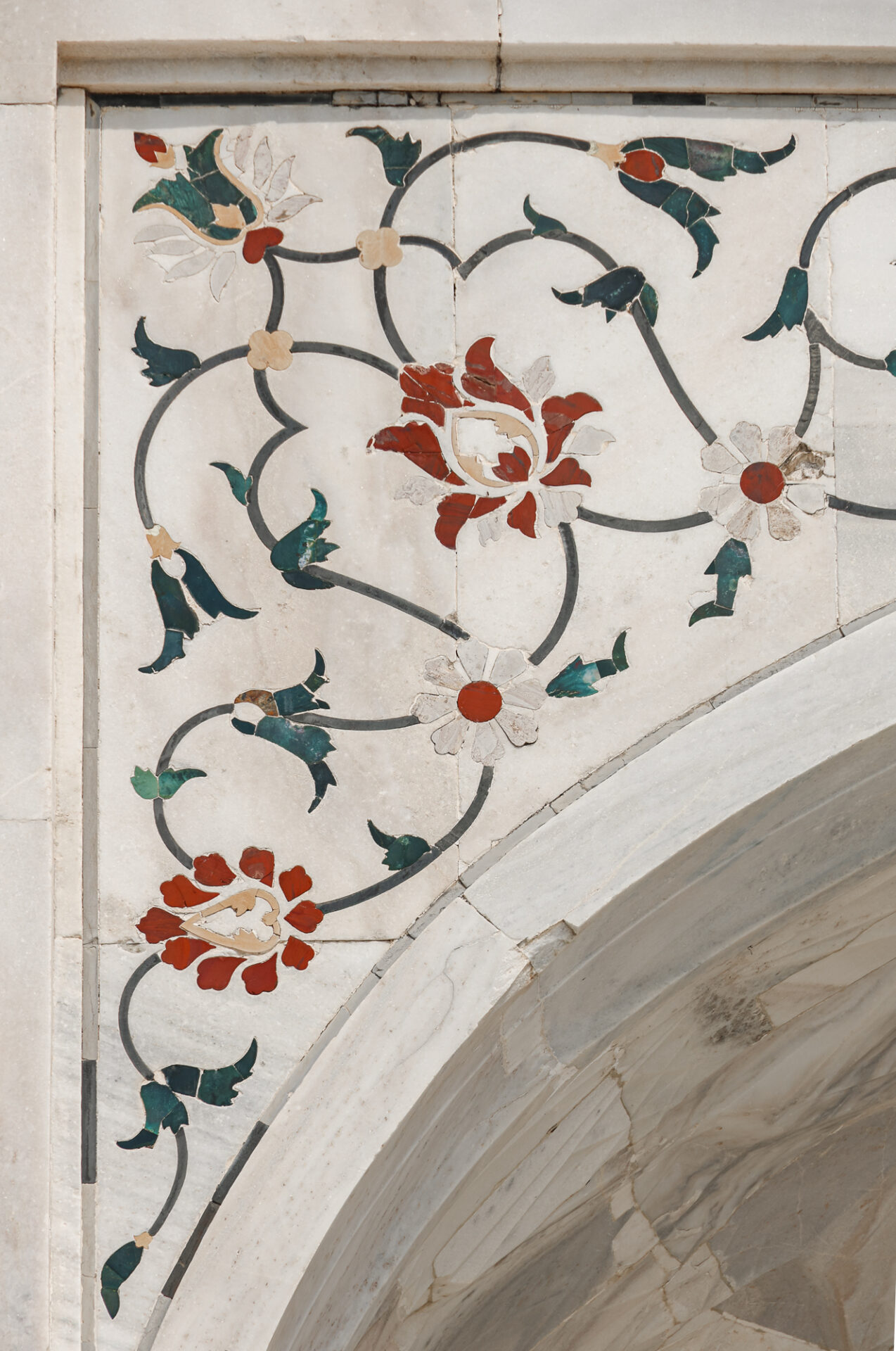
I’ve been told scary stories about trash in India and how you can’t reach Taj Mahal without shoe covers – this is totally not true in 2026, this site as well as other touristy sites are super clean; when you visit the inner part of the Taj Mahal, you have to wear the shoe covers (buy them on site or bring with you).
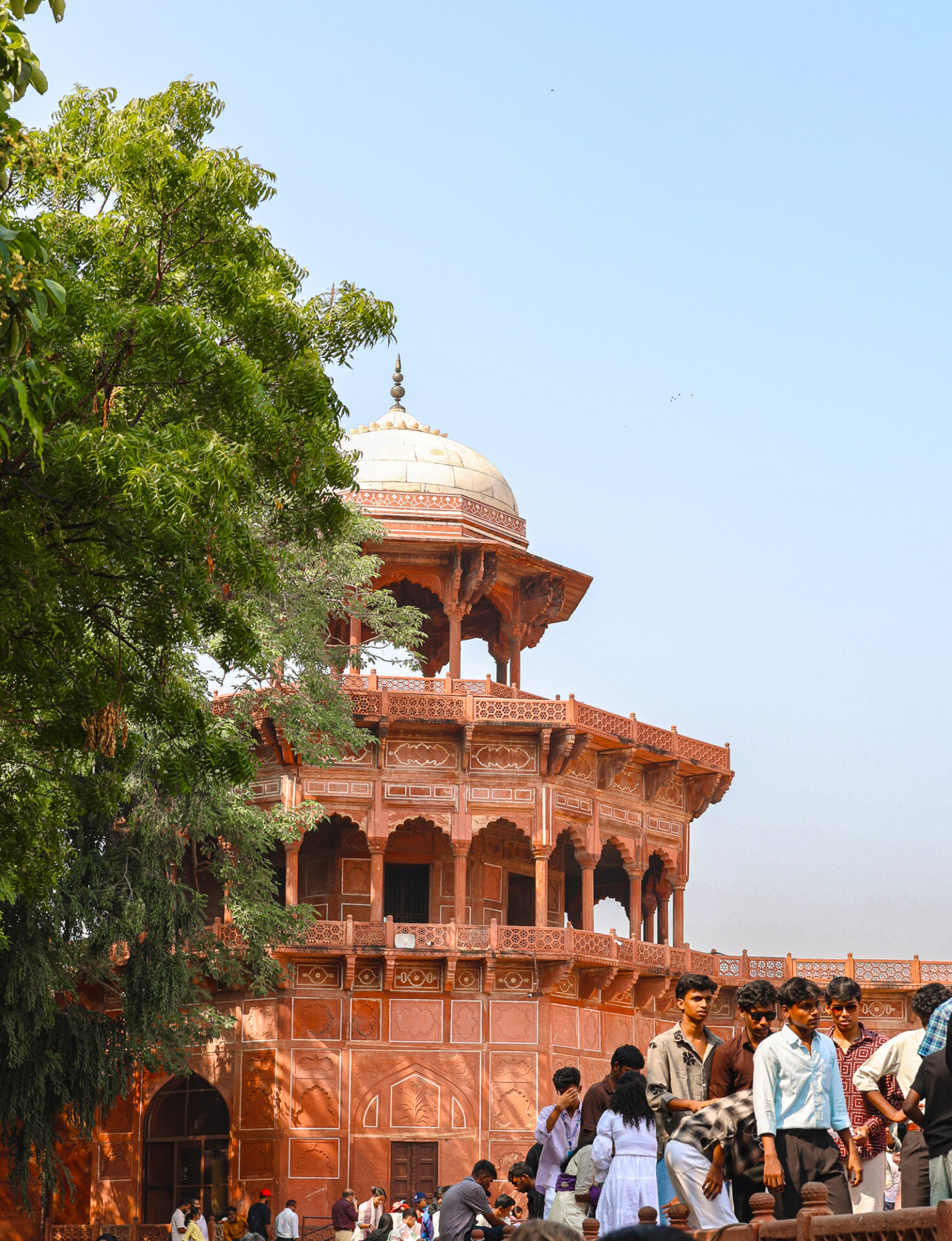
2. Explore Agra fort
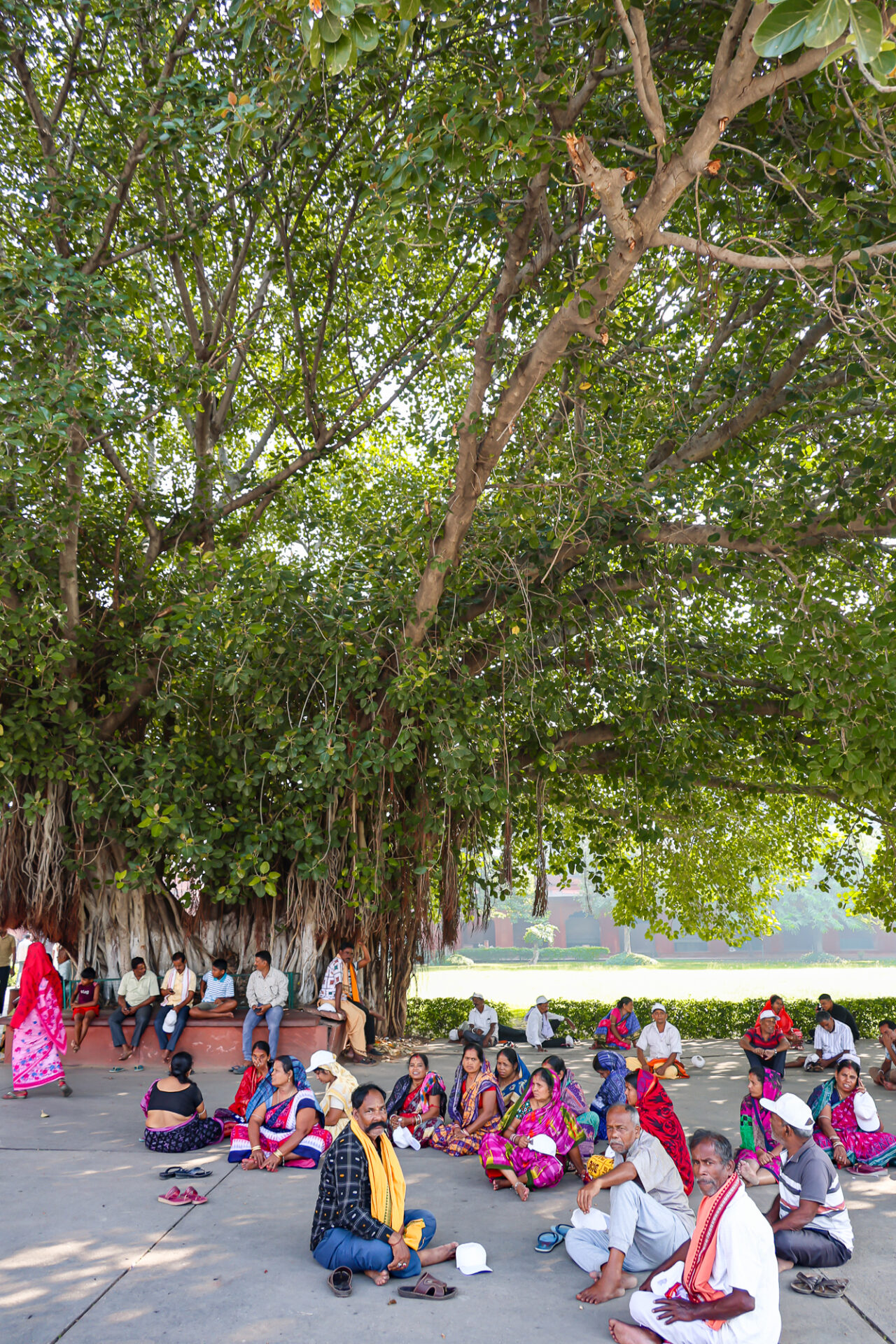
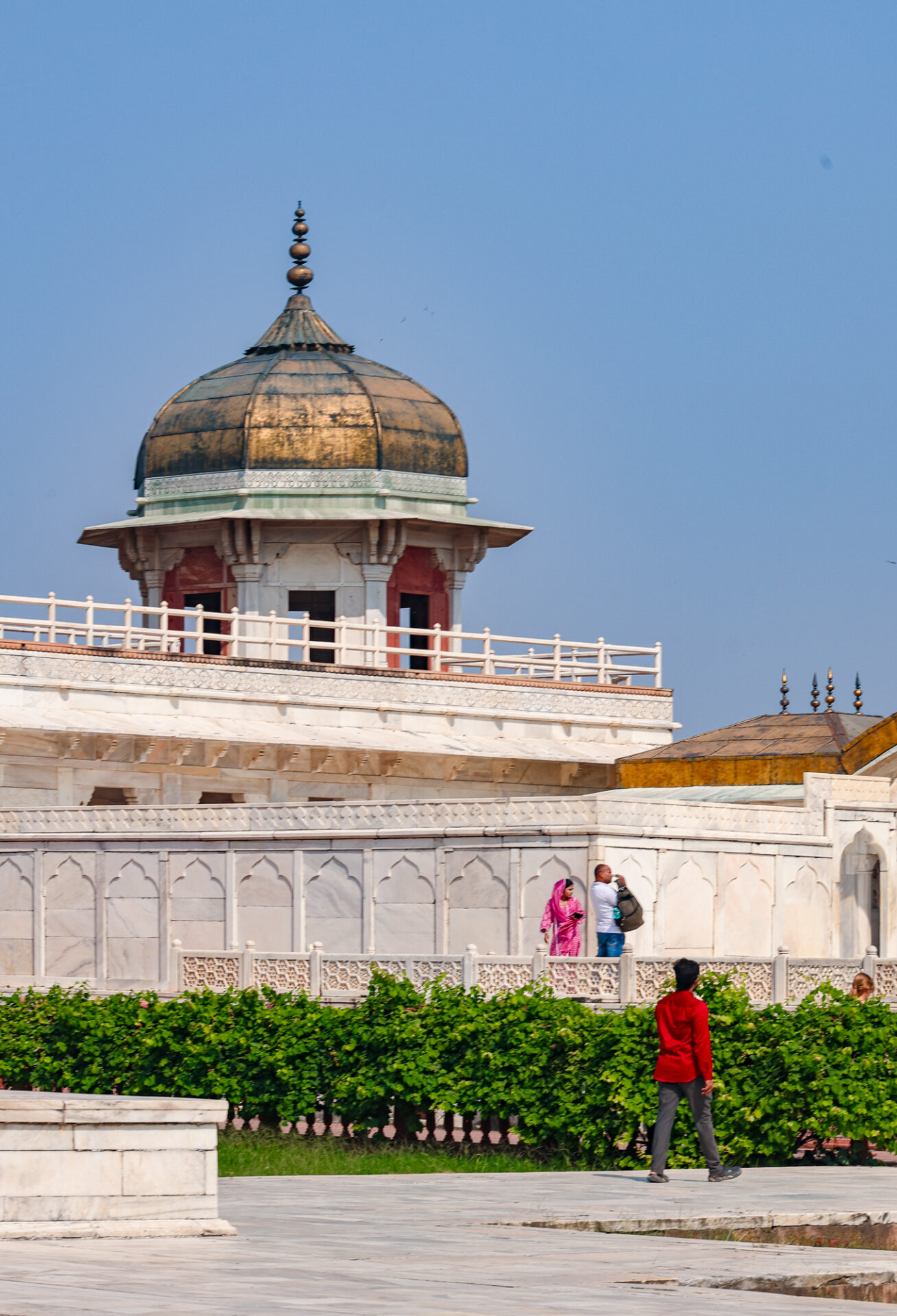
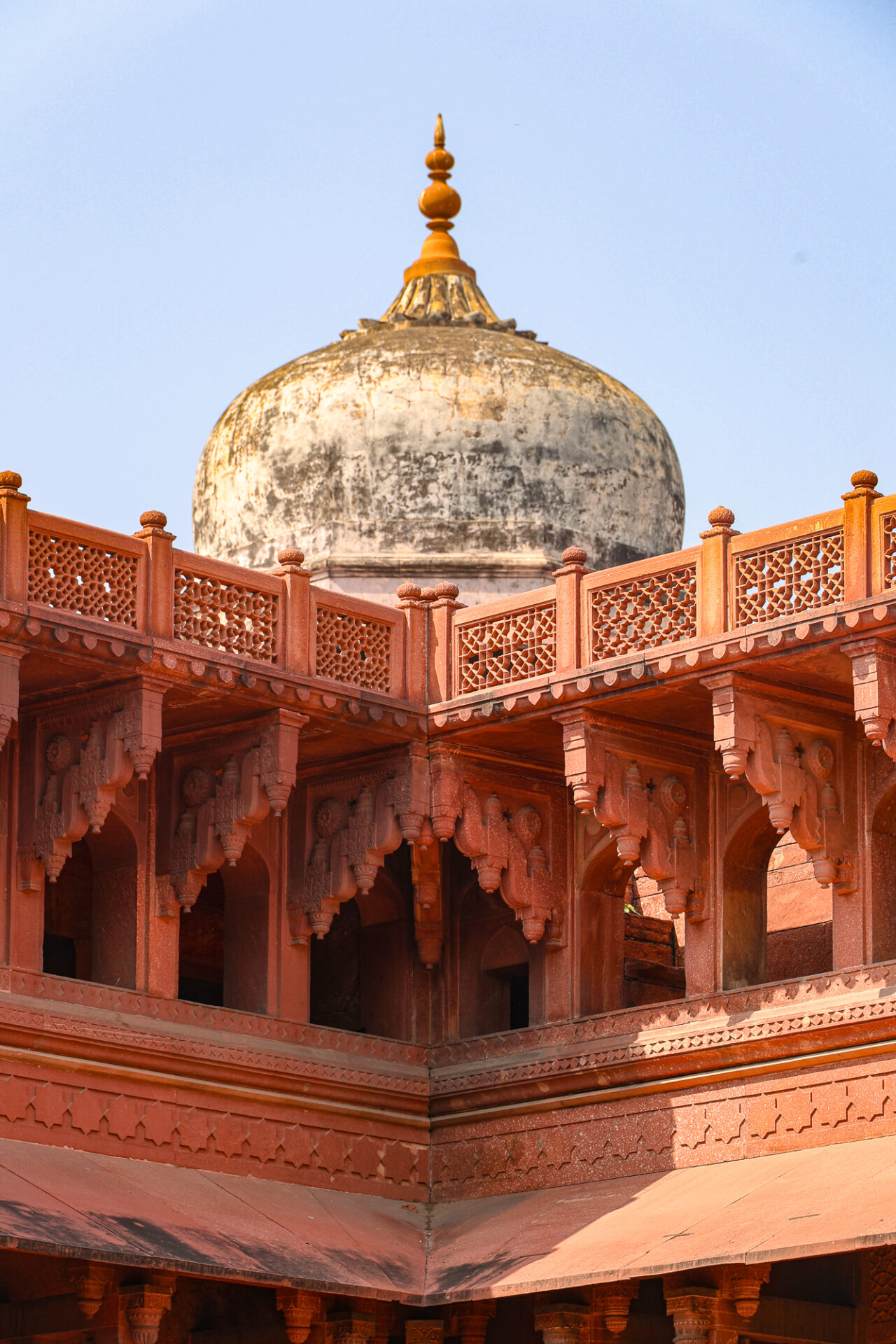
The Agra Fort is the second most famous landmark in Agra – huge, crowded with tourists but still worth a visit.
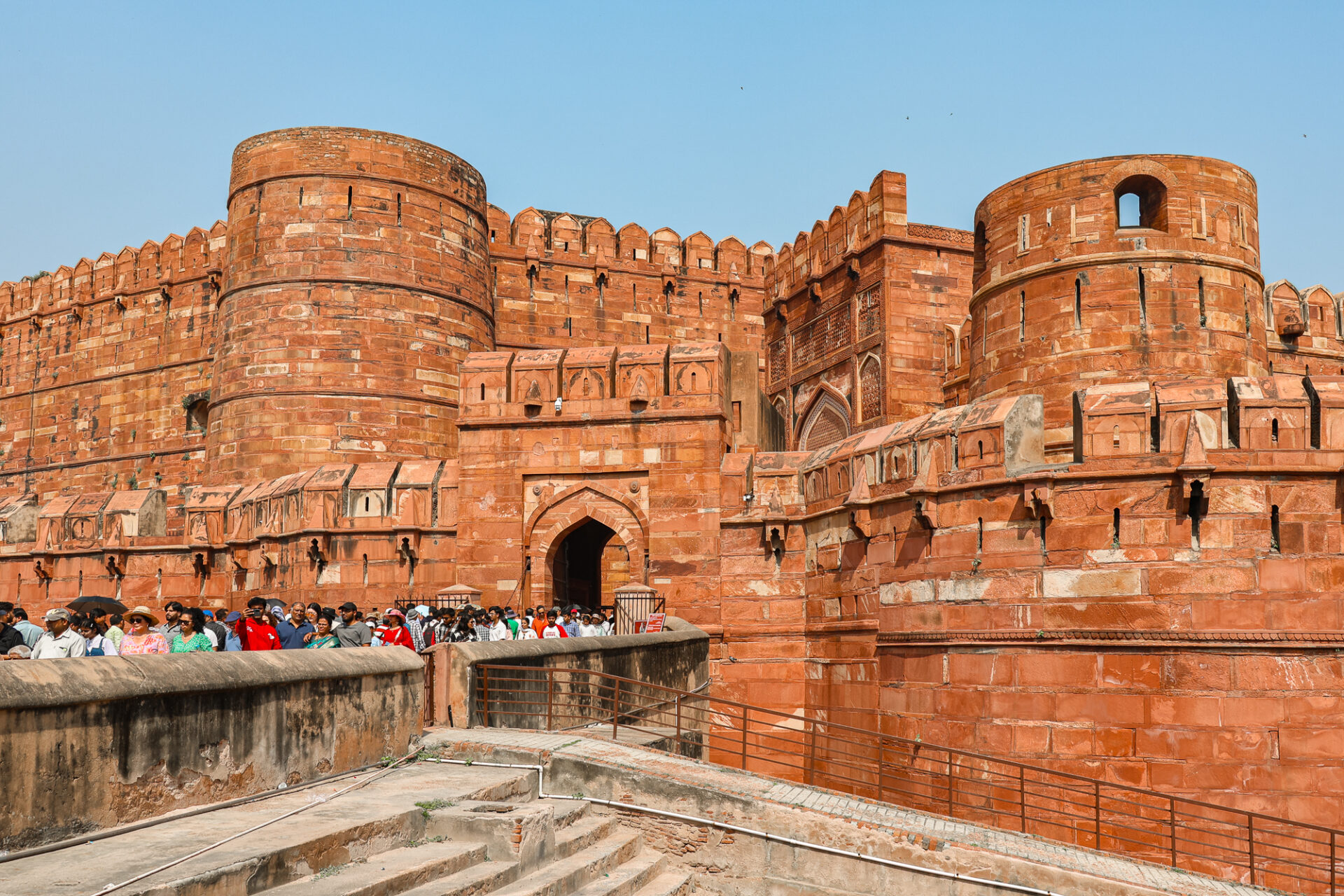
It was rebuilt by the Mughal Emperor Akbar (the grandfather of Shah Jahan) in 1565 on the site of an older fort, transforming it into a grand imperial palace.
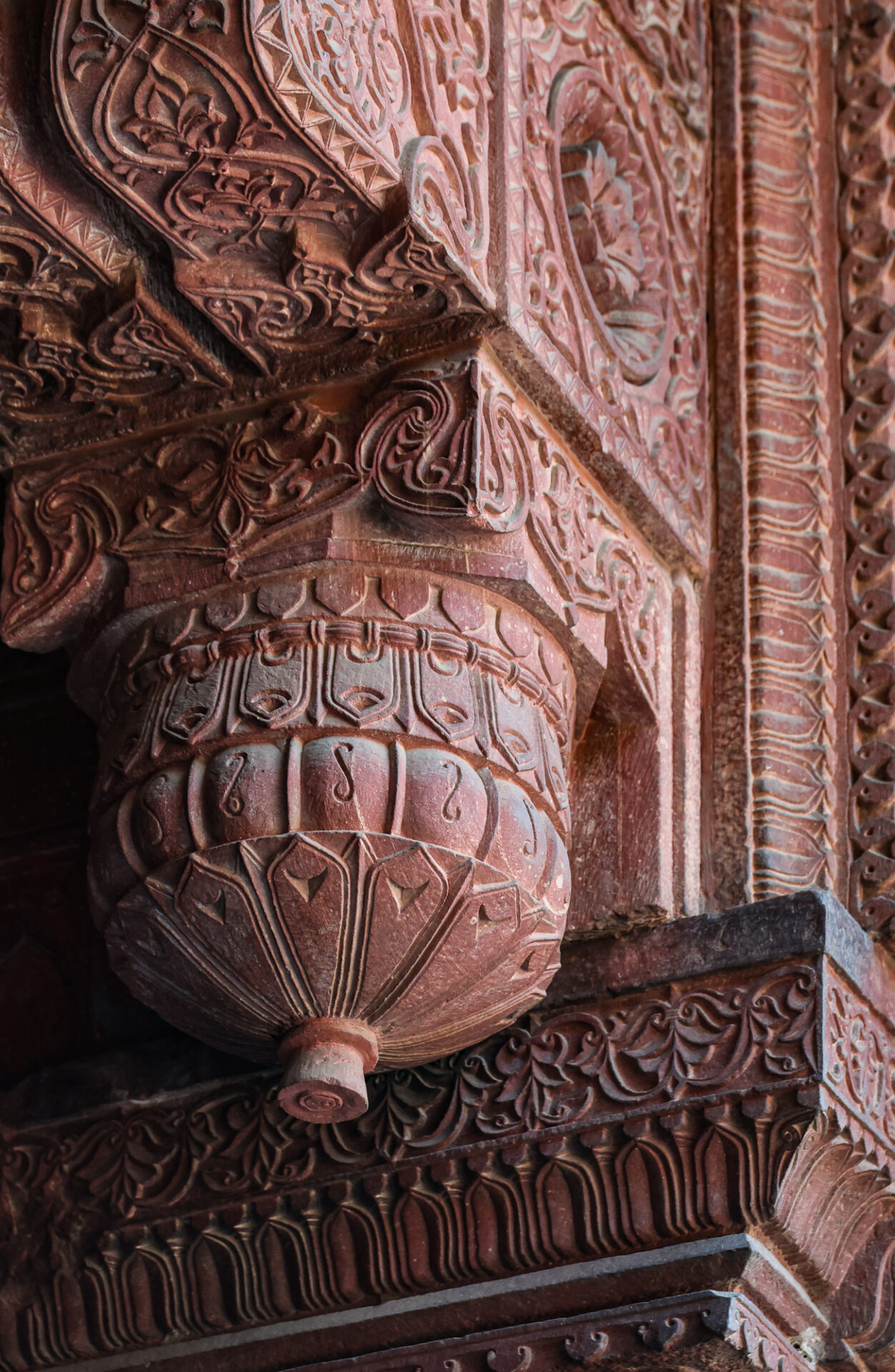
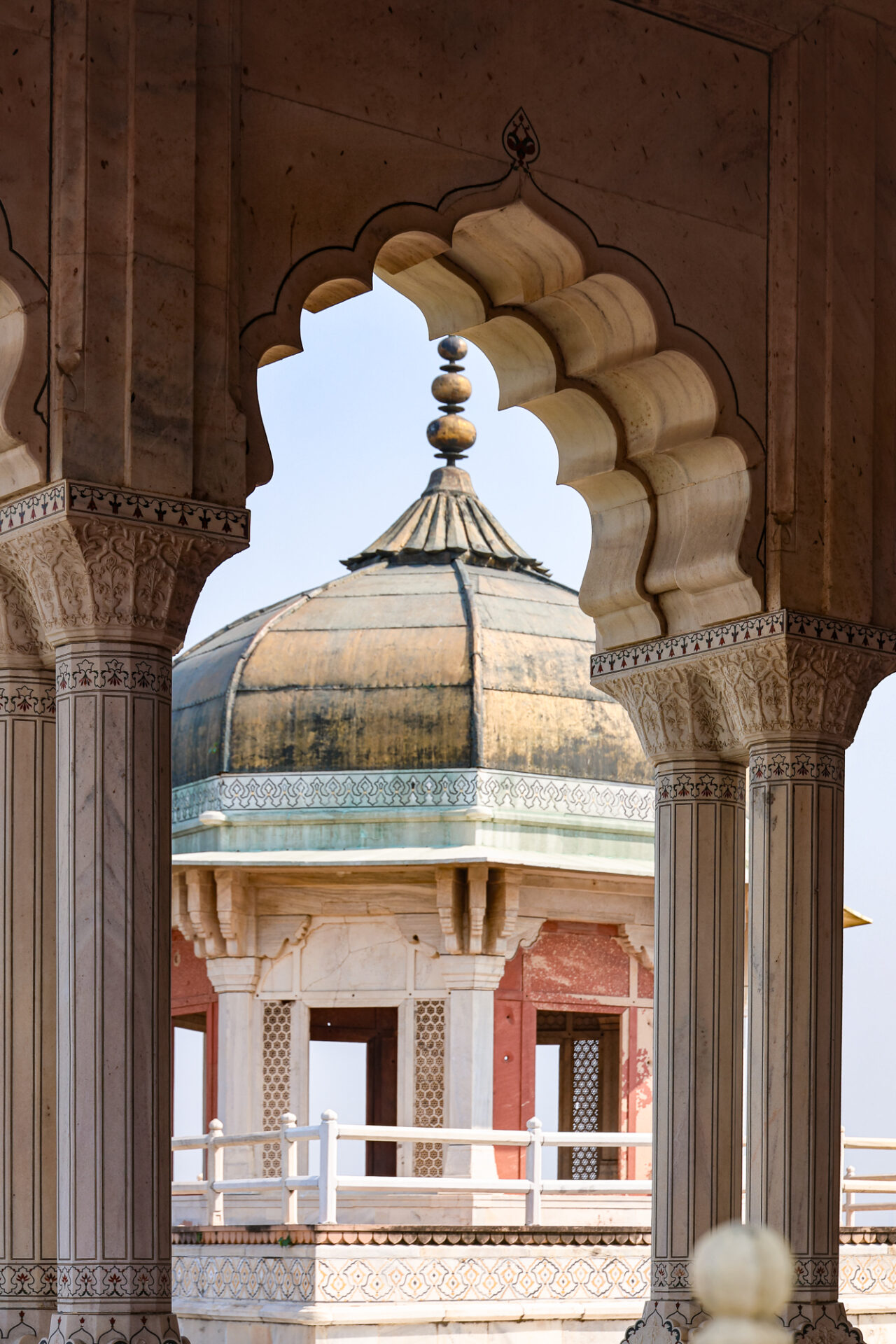
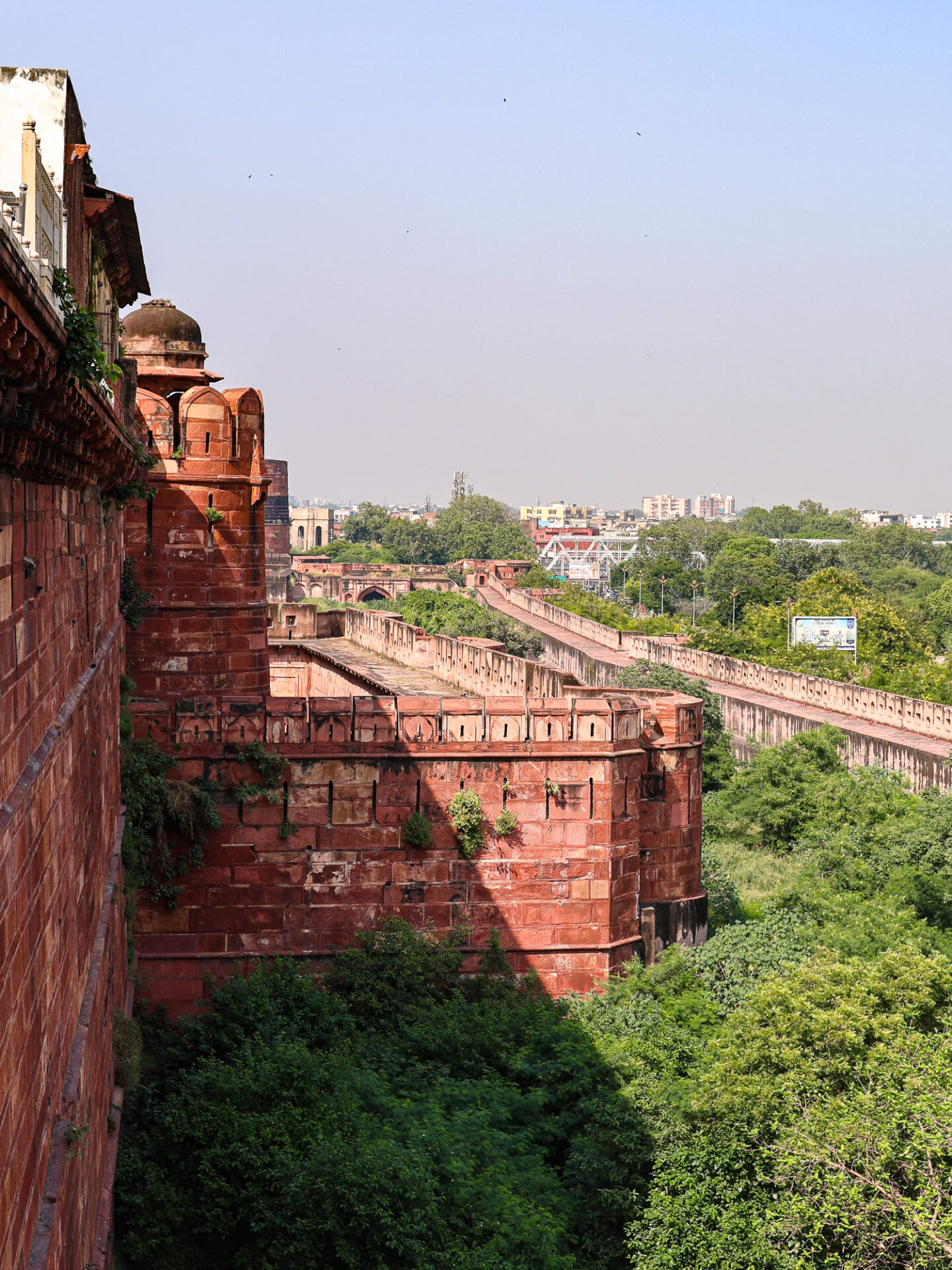
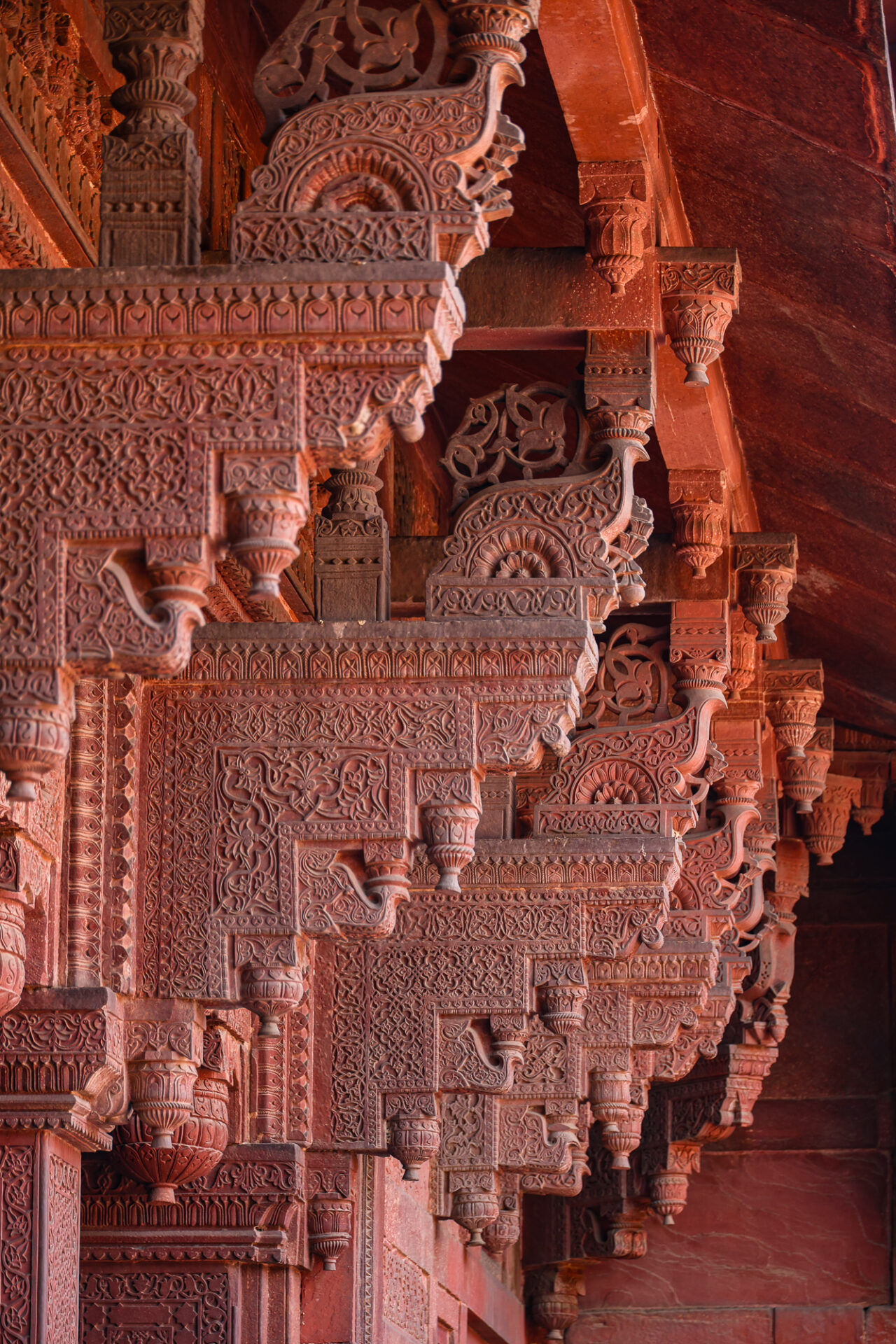
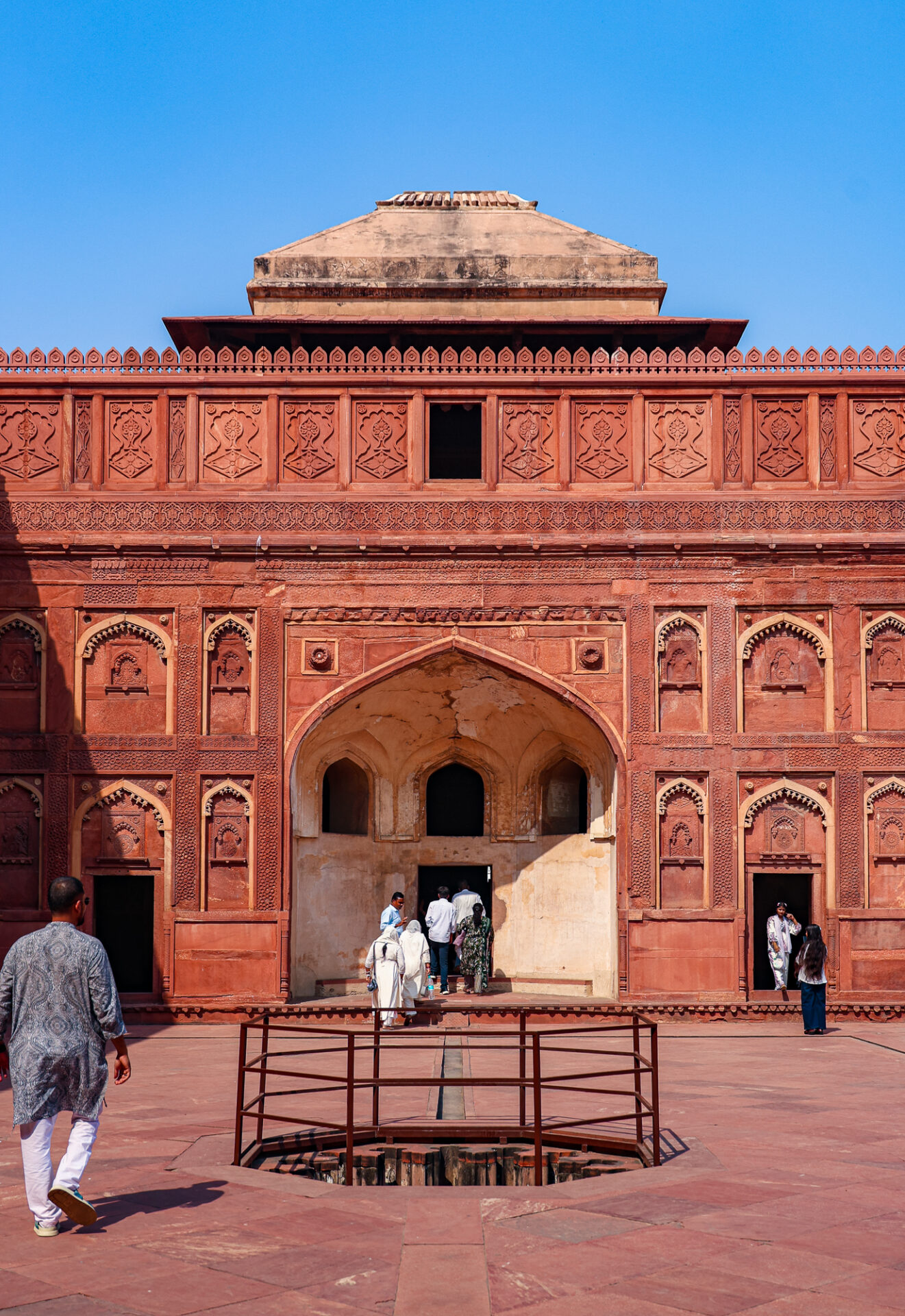
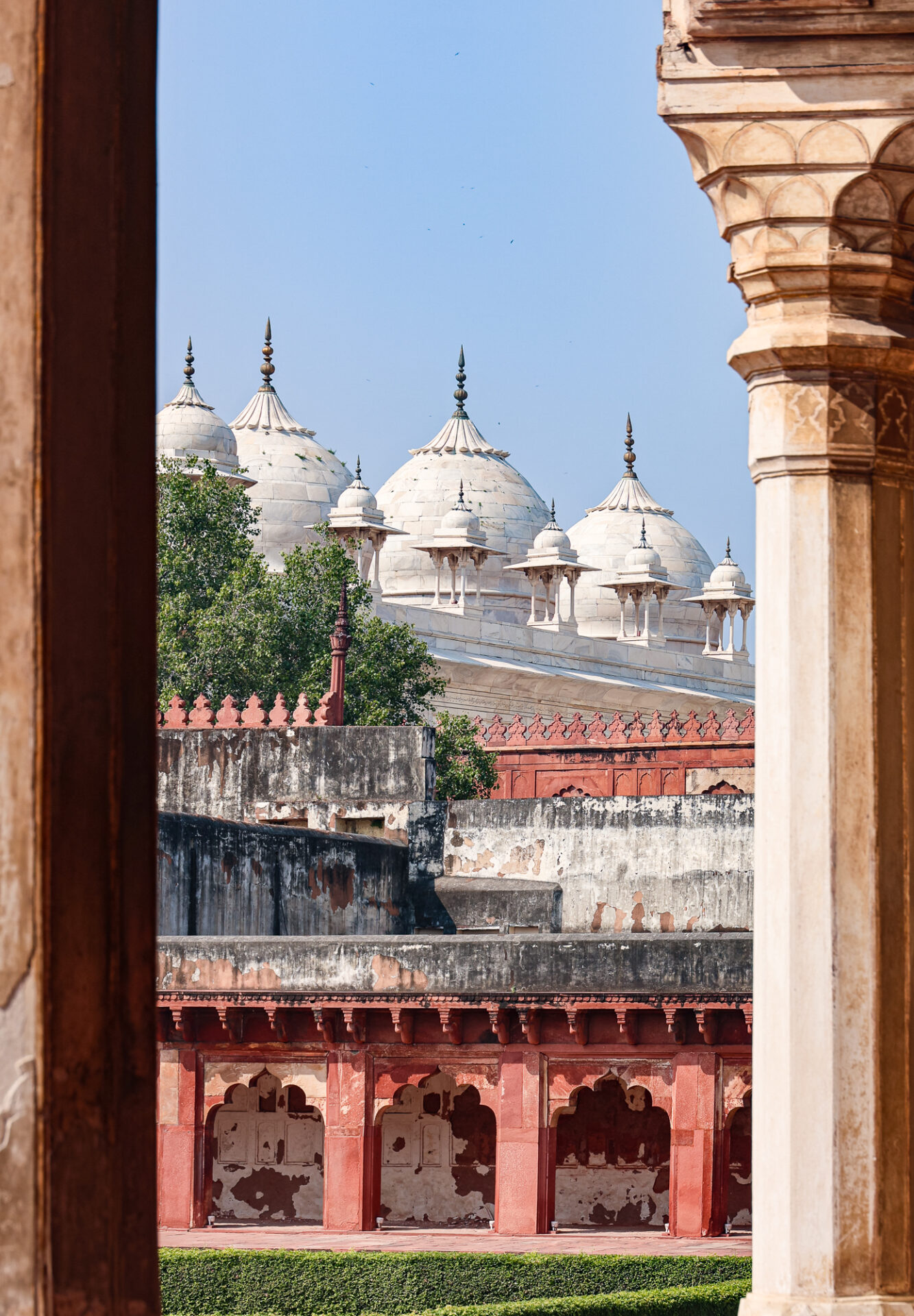
During Shah Jahan’s reign, parts of the palace were rebuilt in white marble before – as I mentioned earlier – he spent his final years imprisoned here by his son, Aurangzeb.
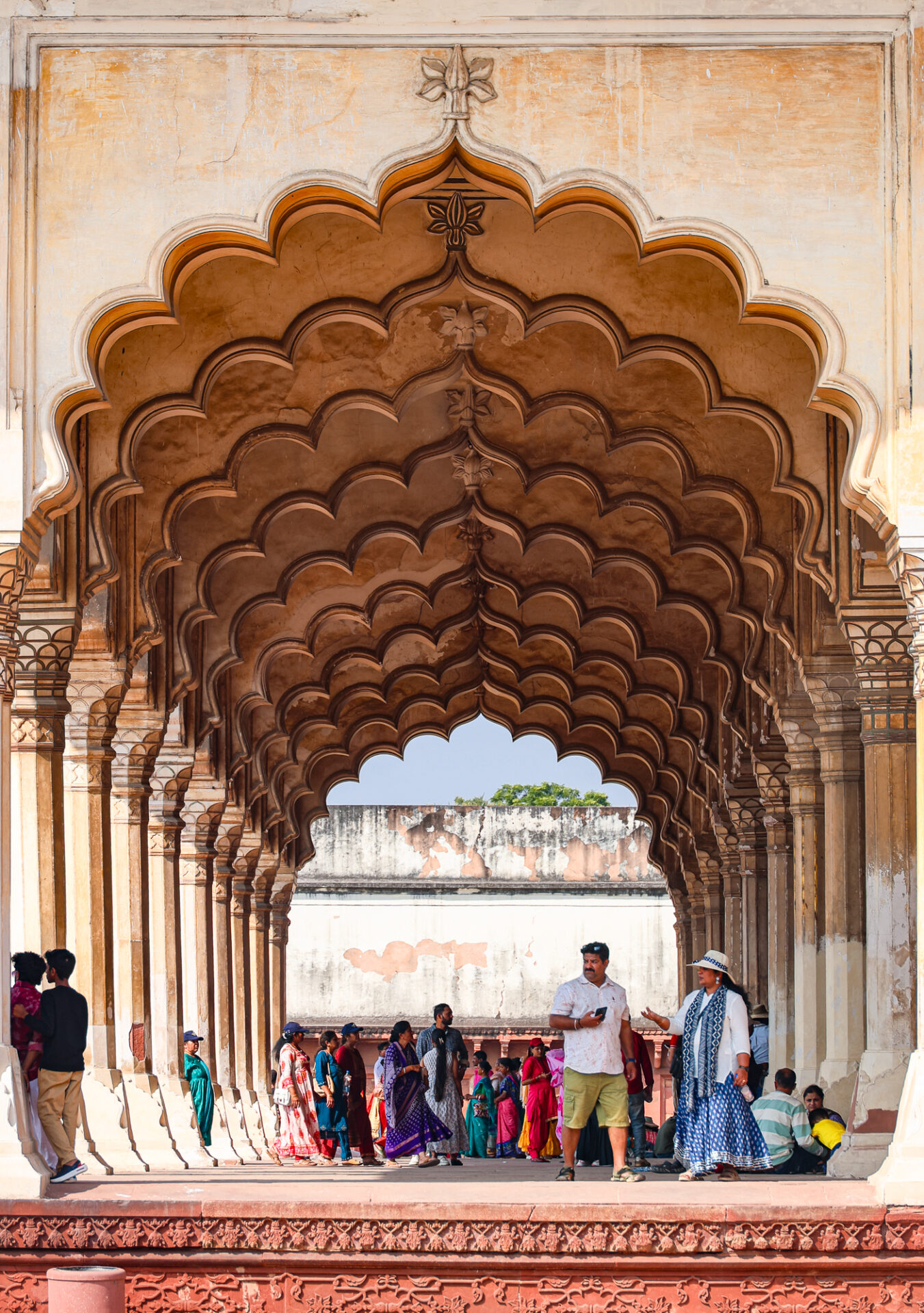
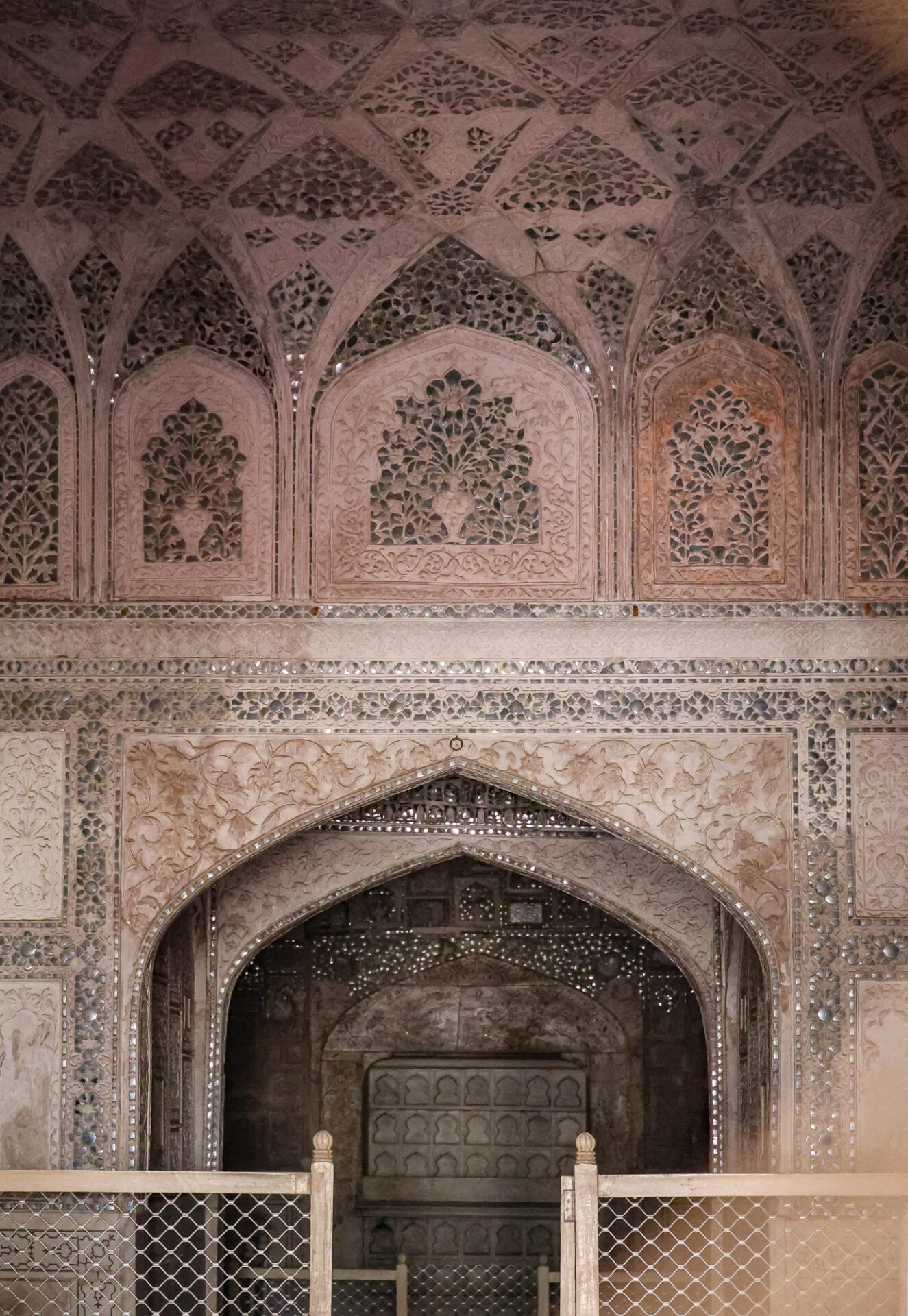
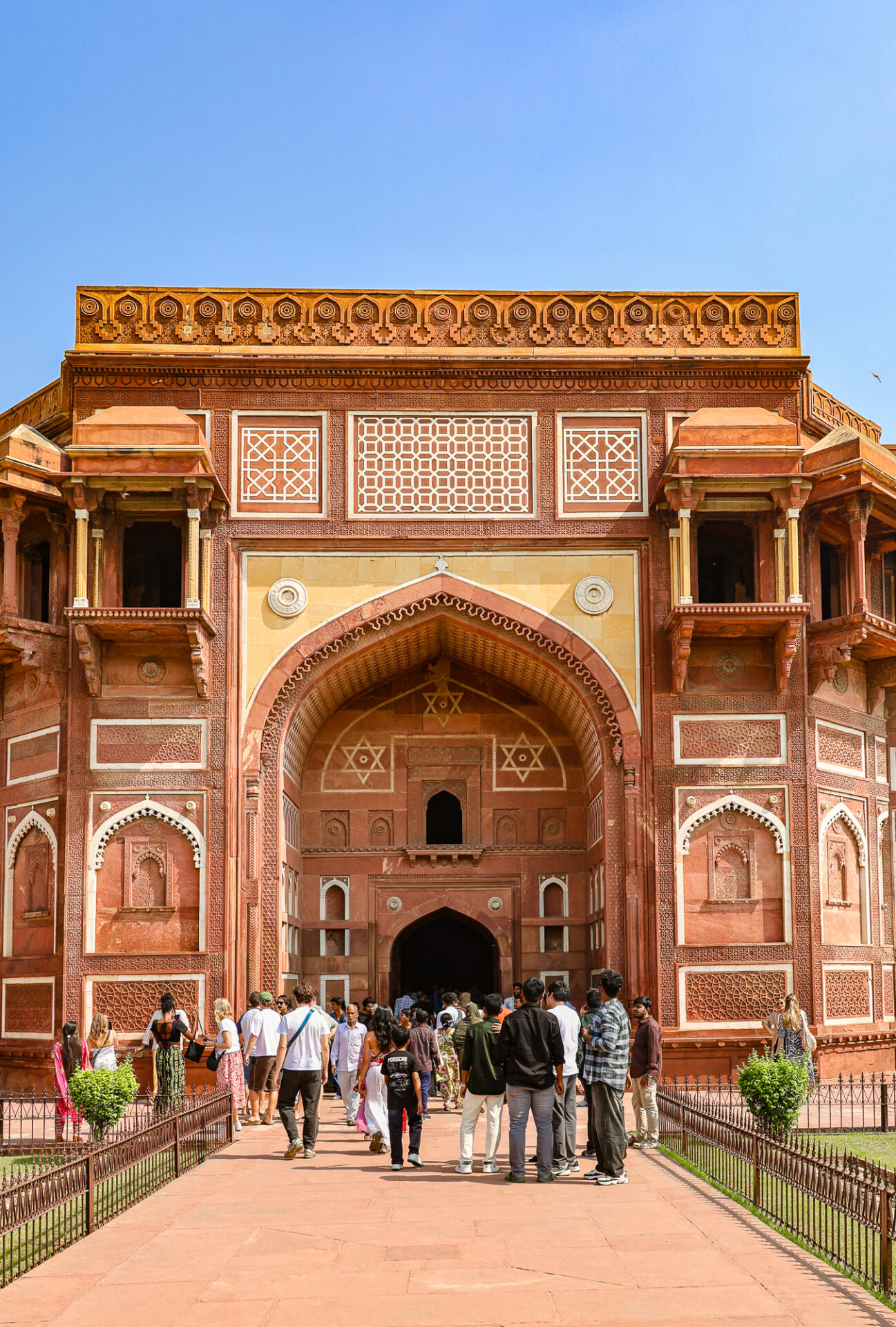
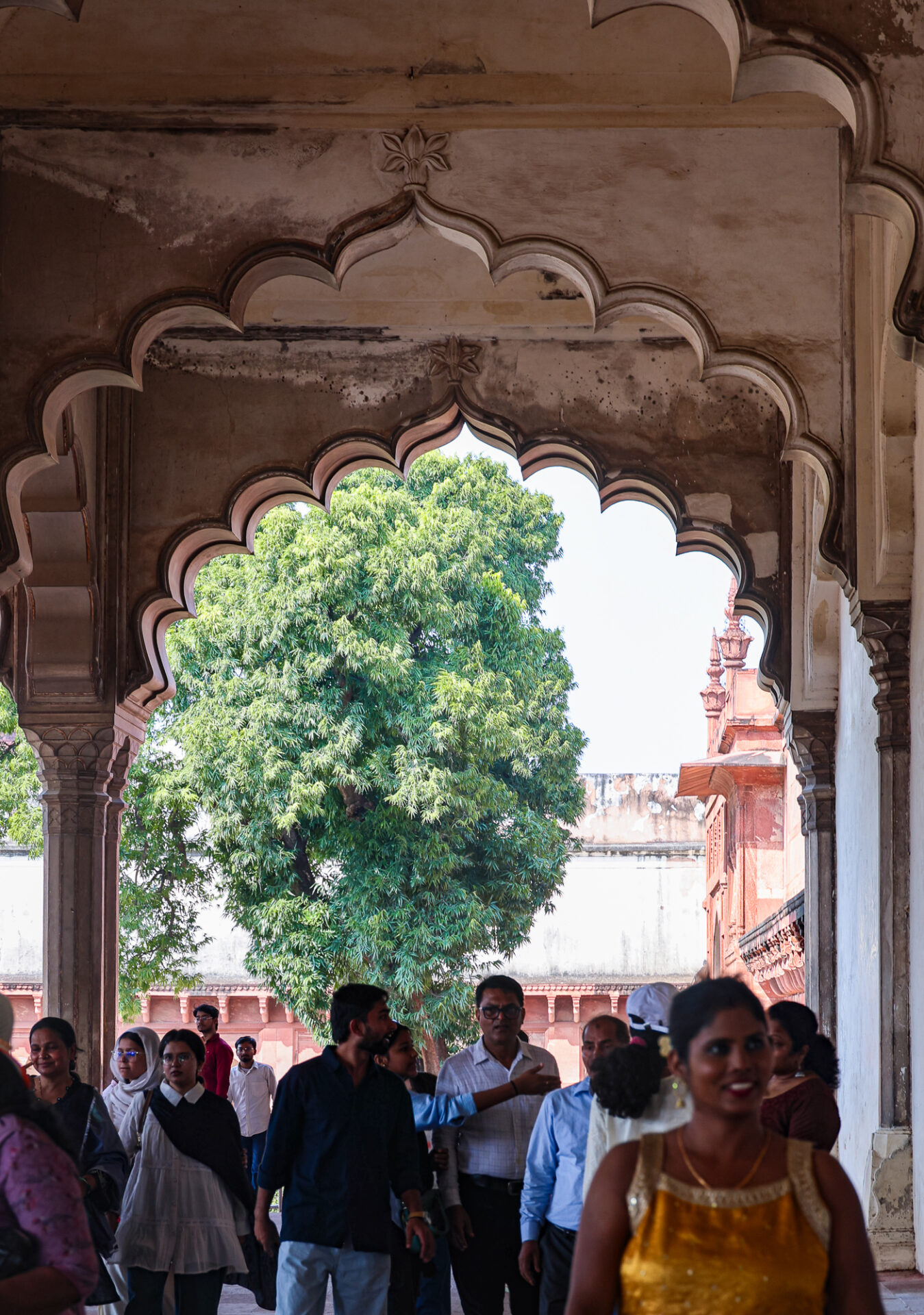
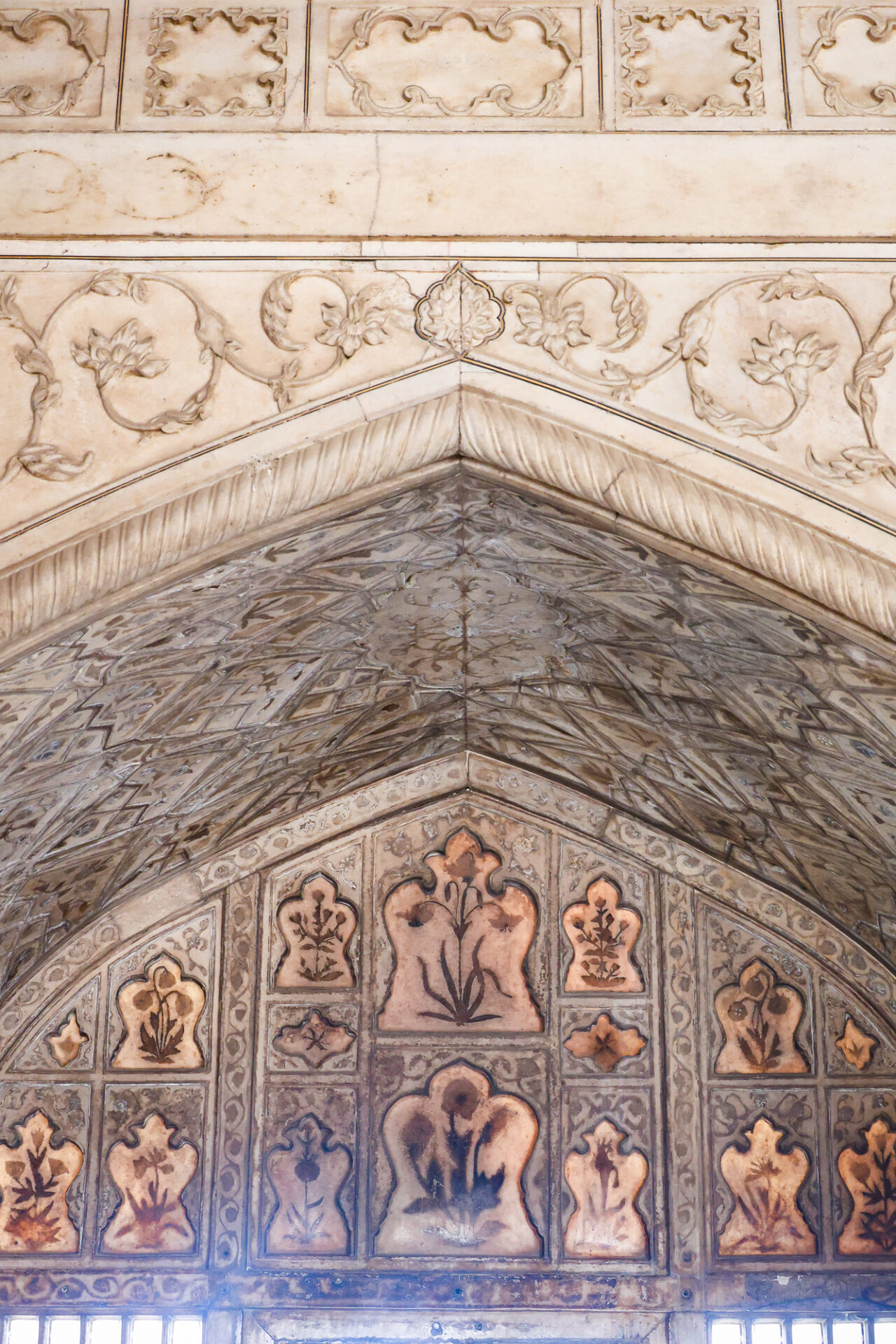

In 1638 the capital of Mughal empire was shifted from Agra to Delhi which affected the Agra fort.
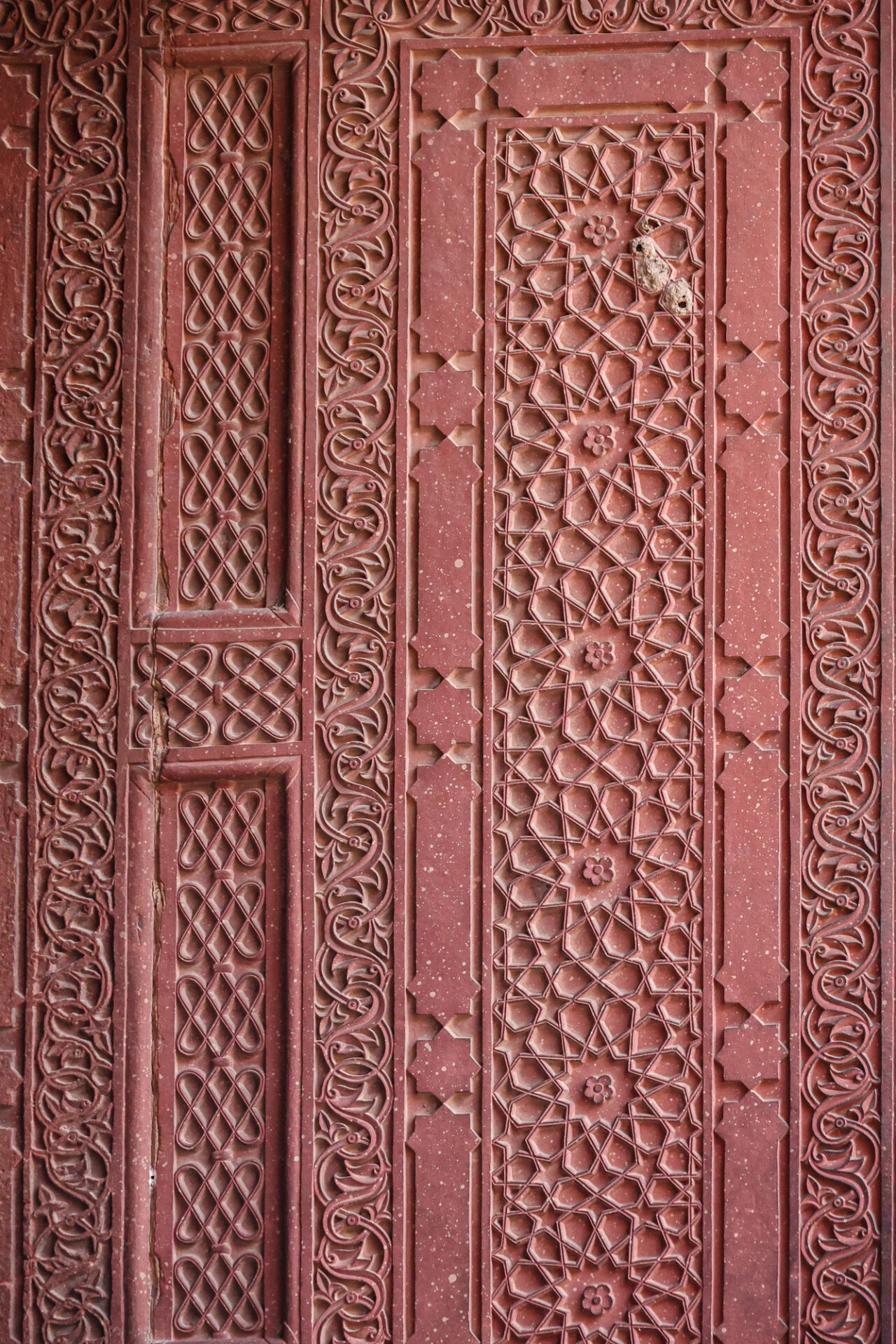
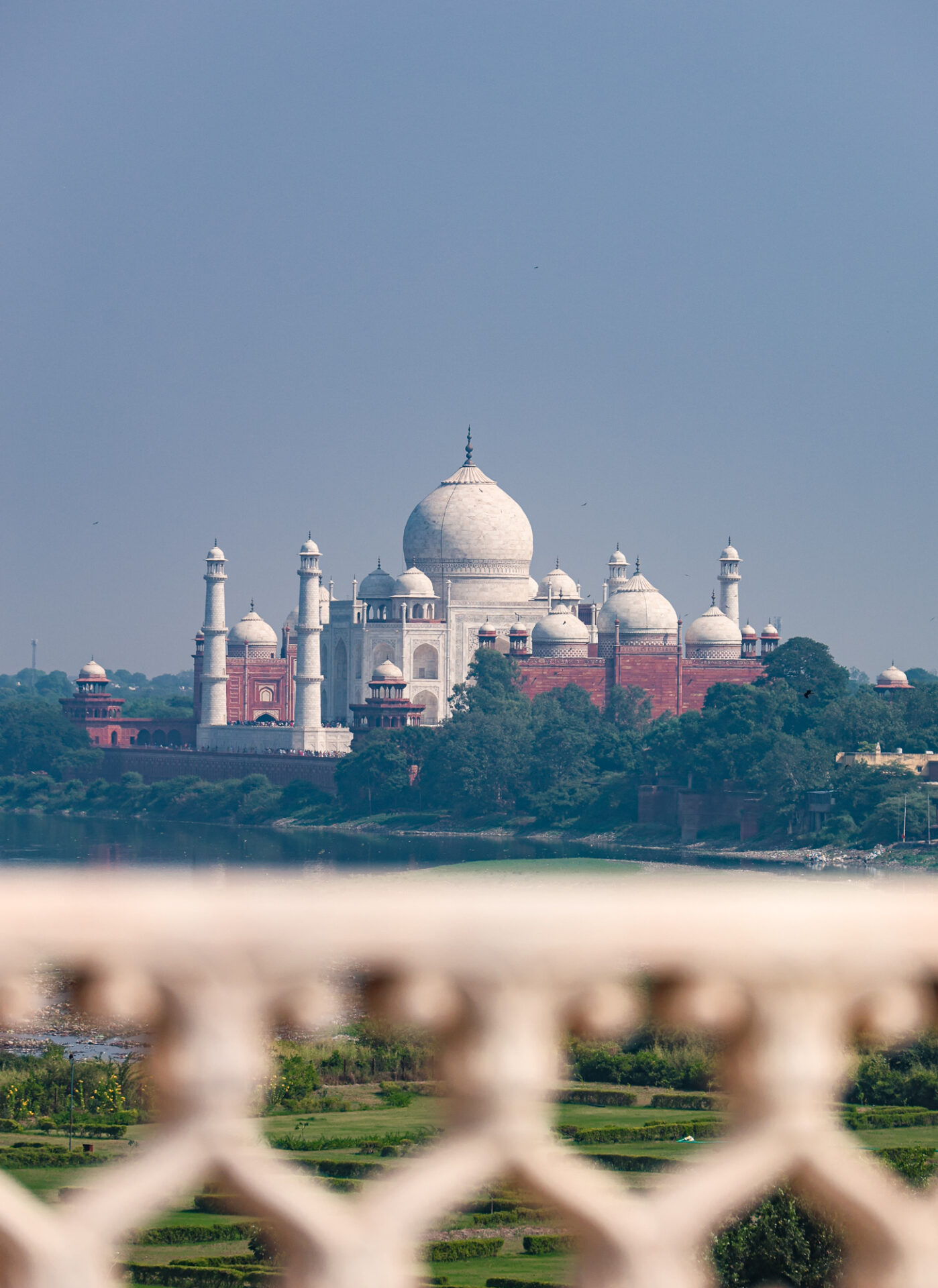
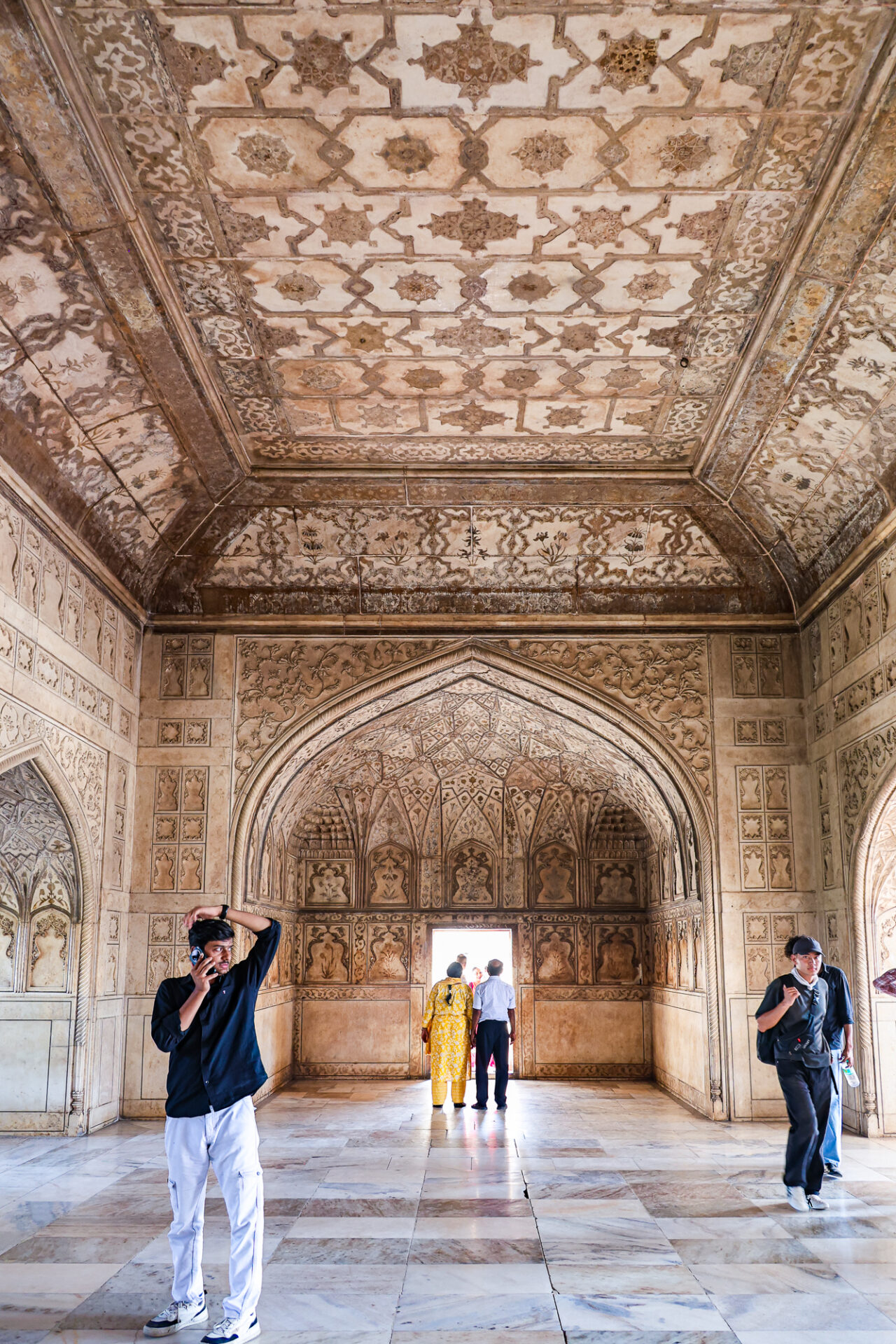
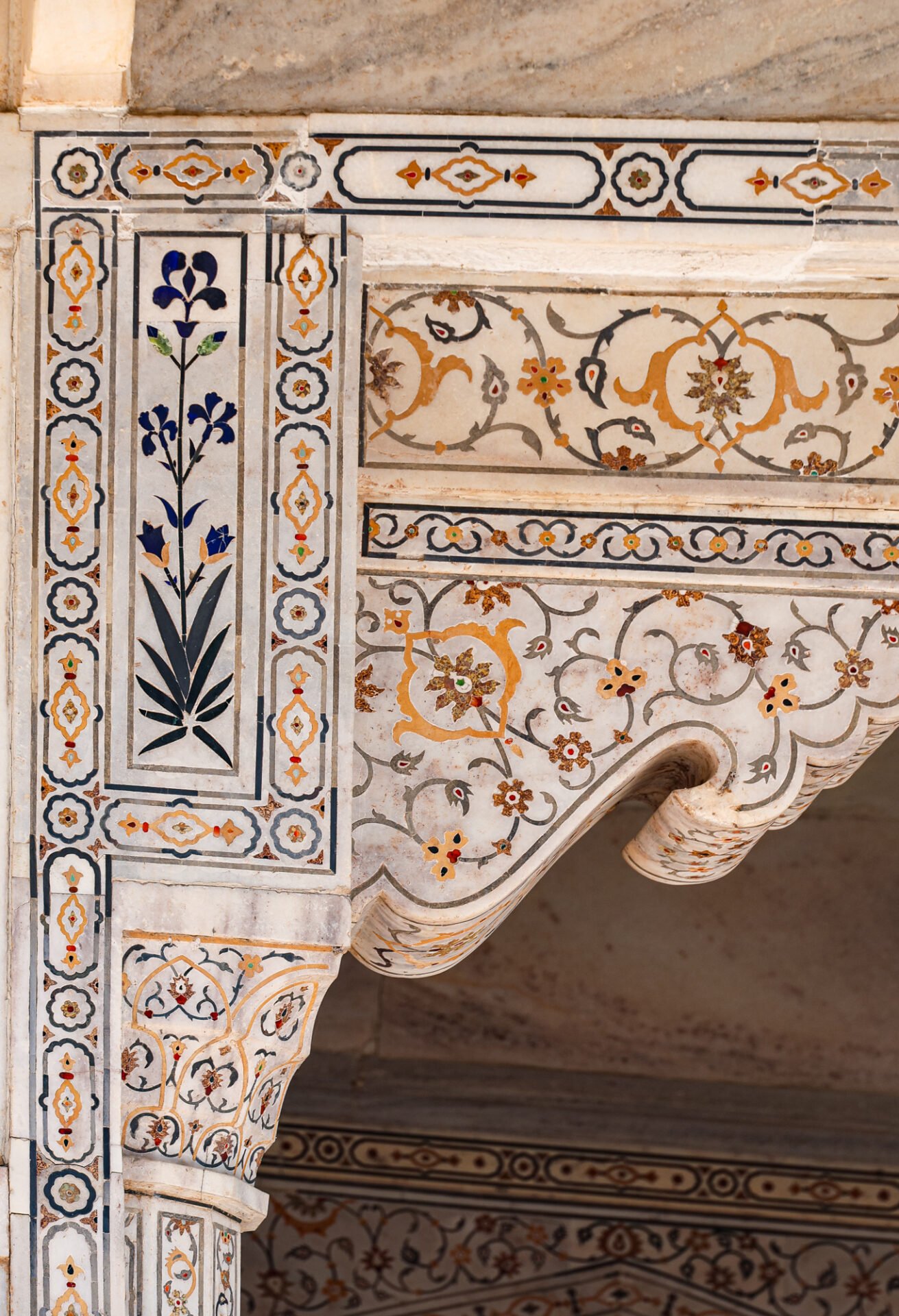
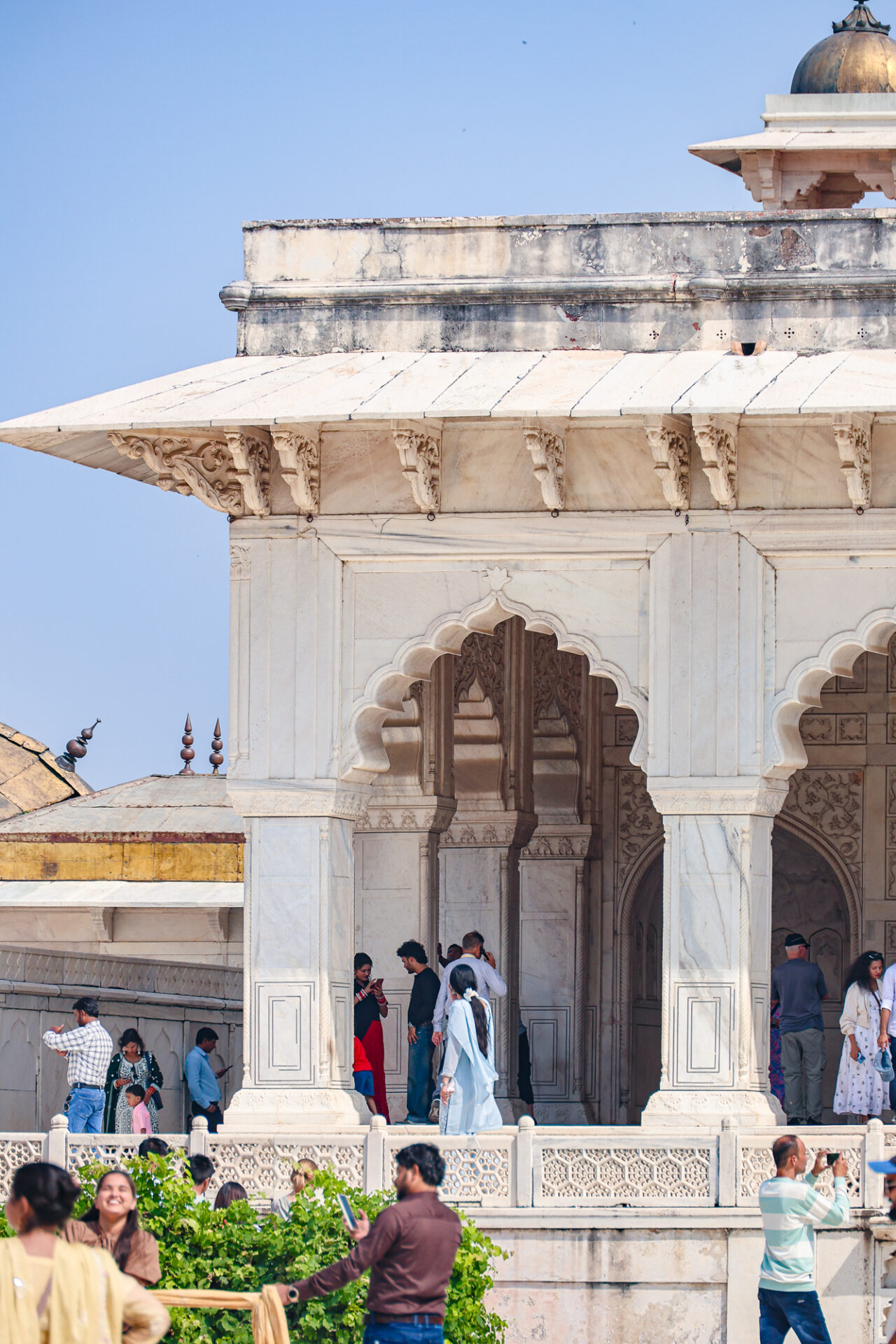
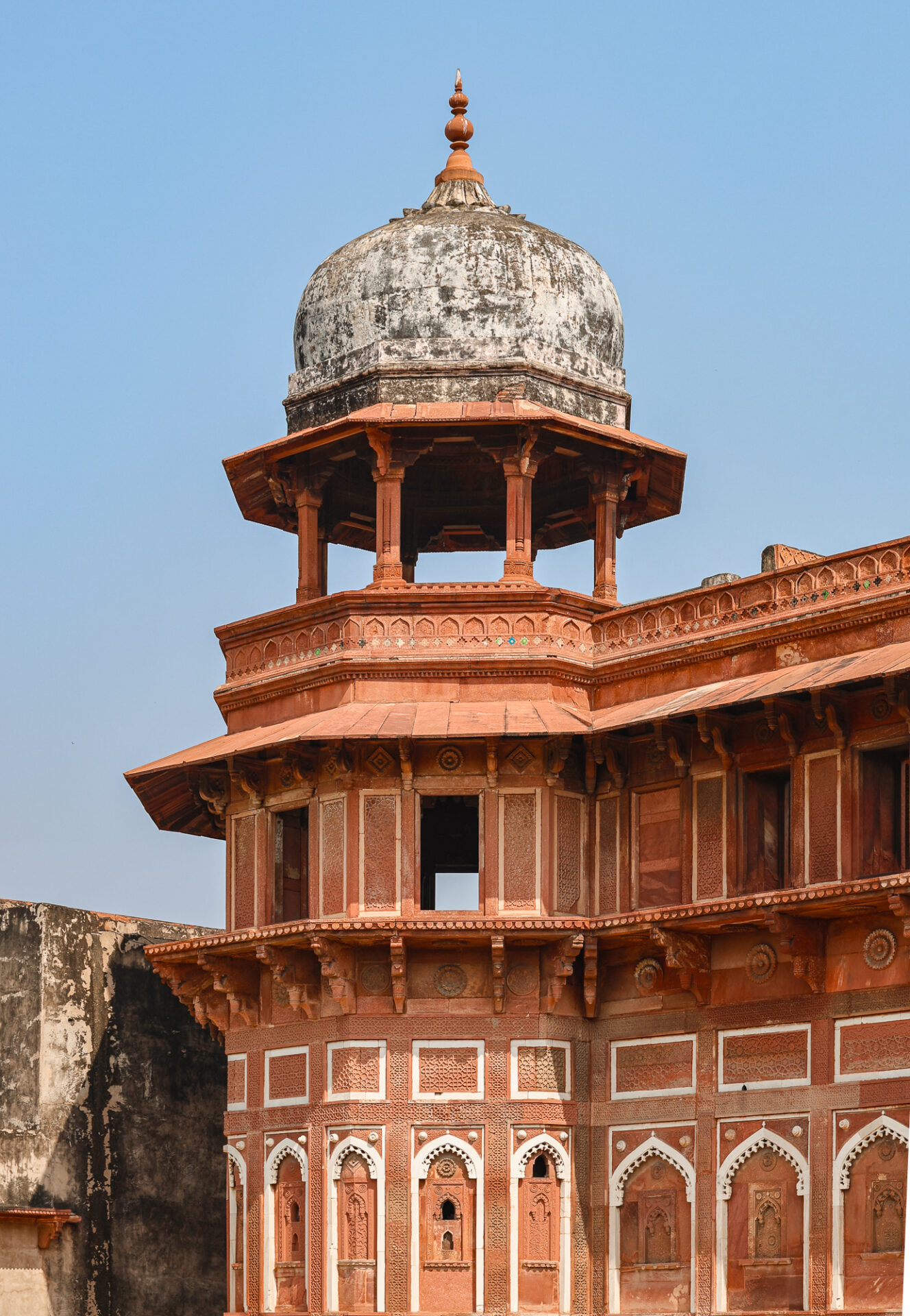
Following Aurangzeb’s death, the Mughal Empire fractured, and the fort was captured multiple times by the Maratha Empire. In 1803, the British took control, converting the citadel into a military stronghold. It even became a key site during the Indian Rebellion of 1857.
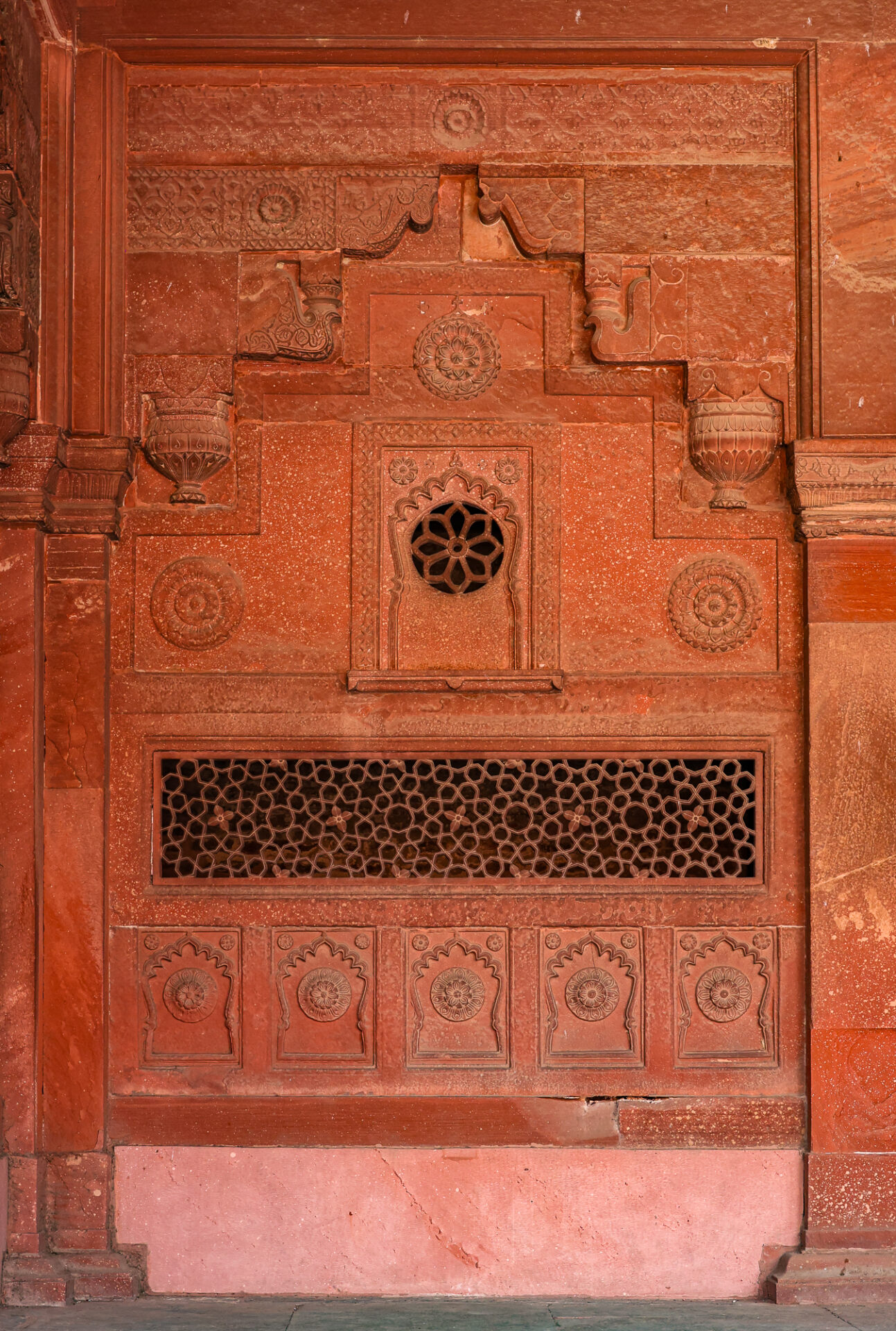
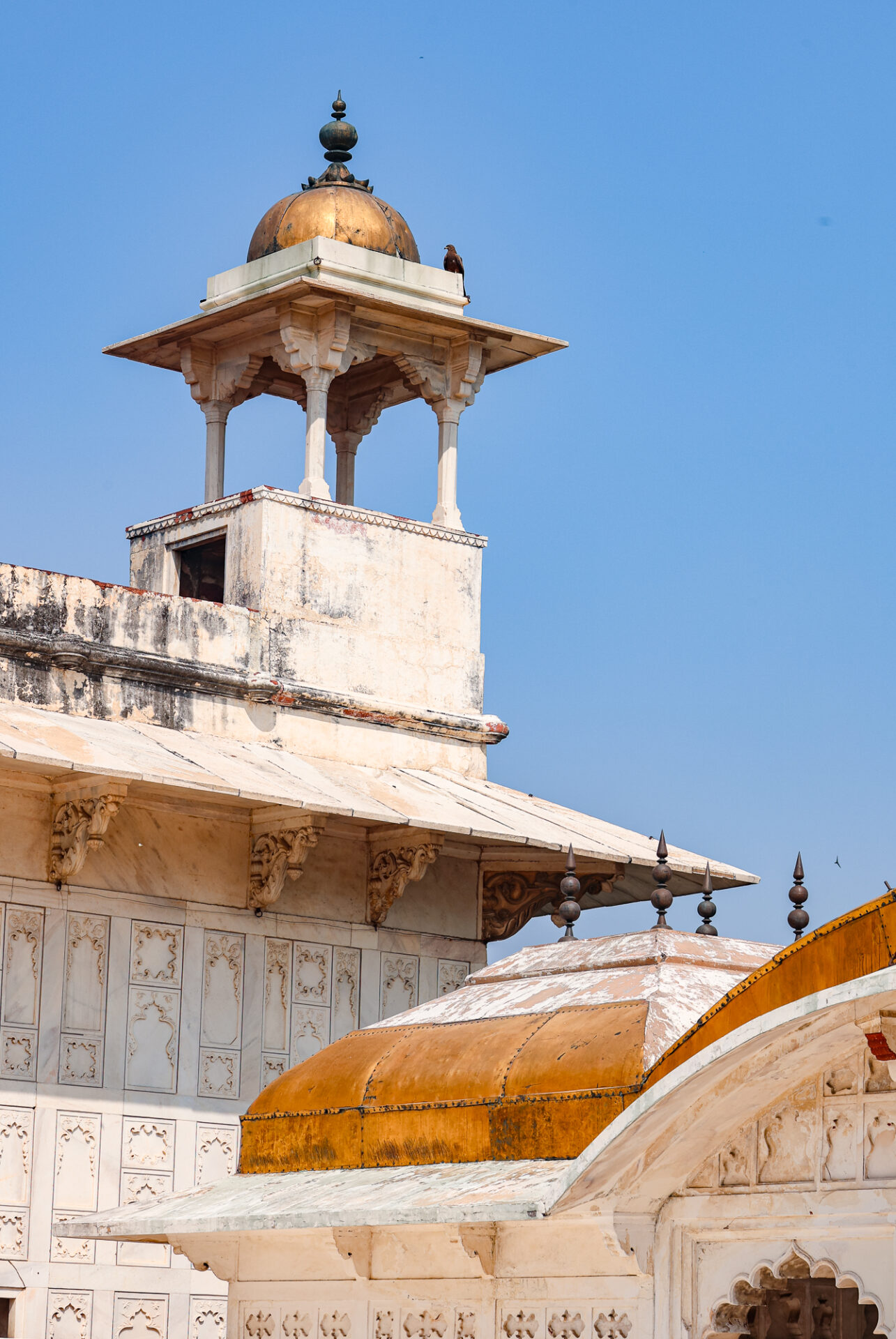
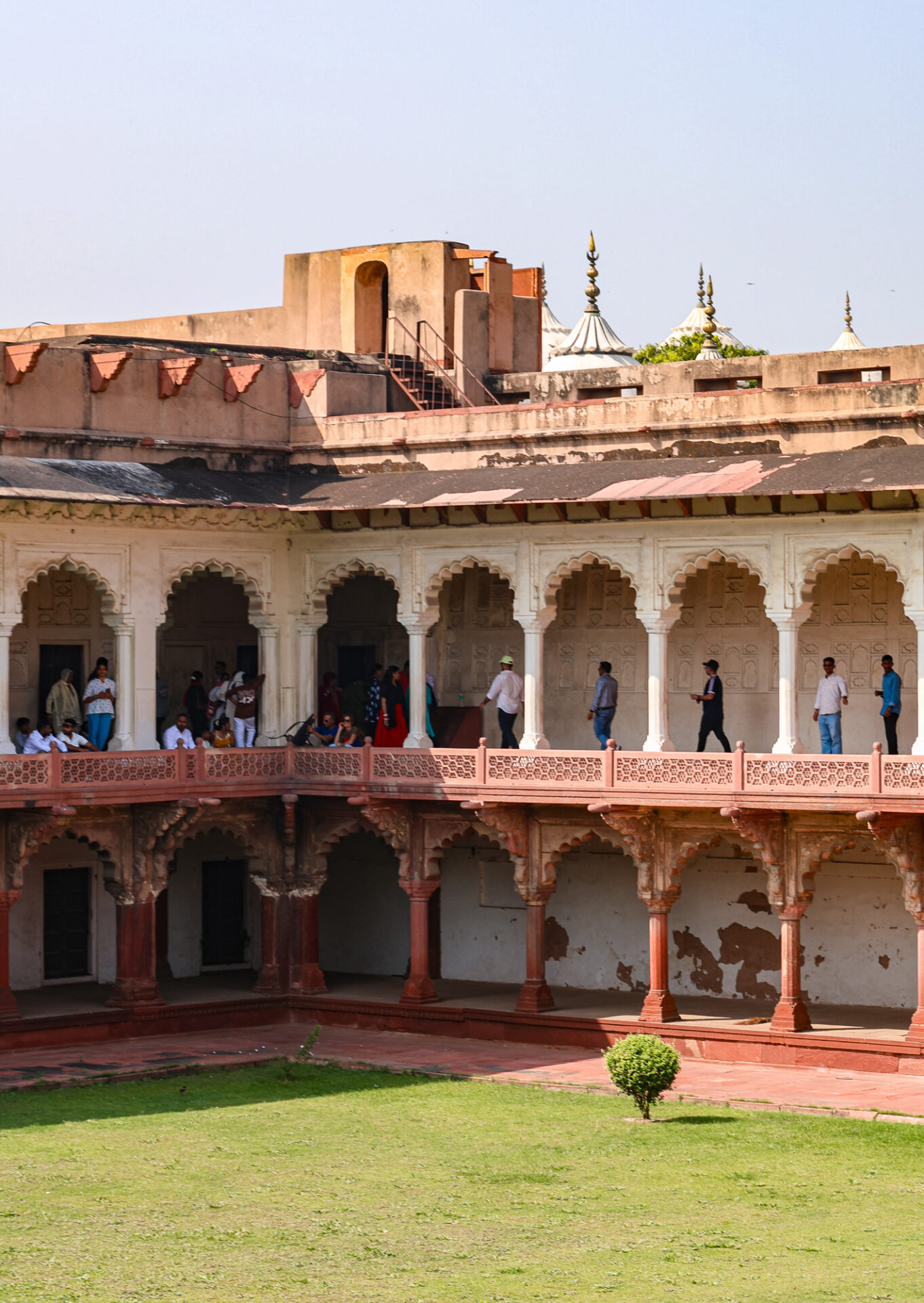

Eventually, the British began restoring parts of its historic Mughal architecture, and today, Agra Fort is a UNESCO World Heritage site partly open as a public museum and partly used as an active Indian military base.
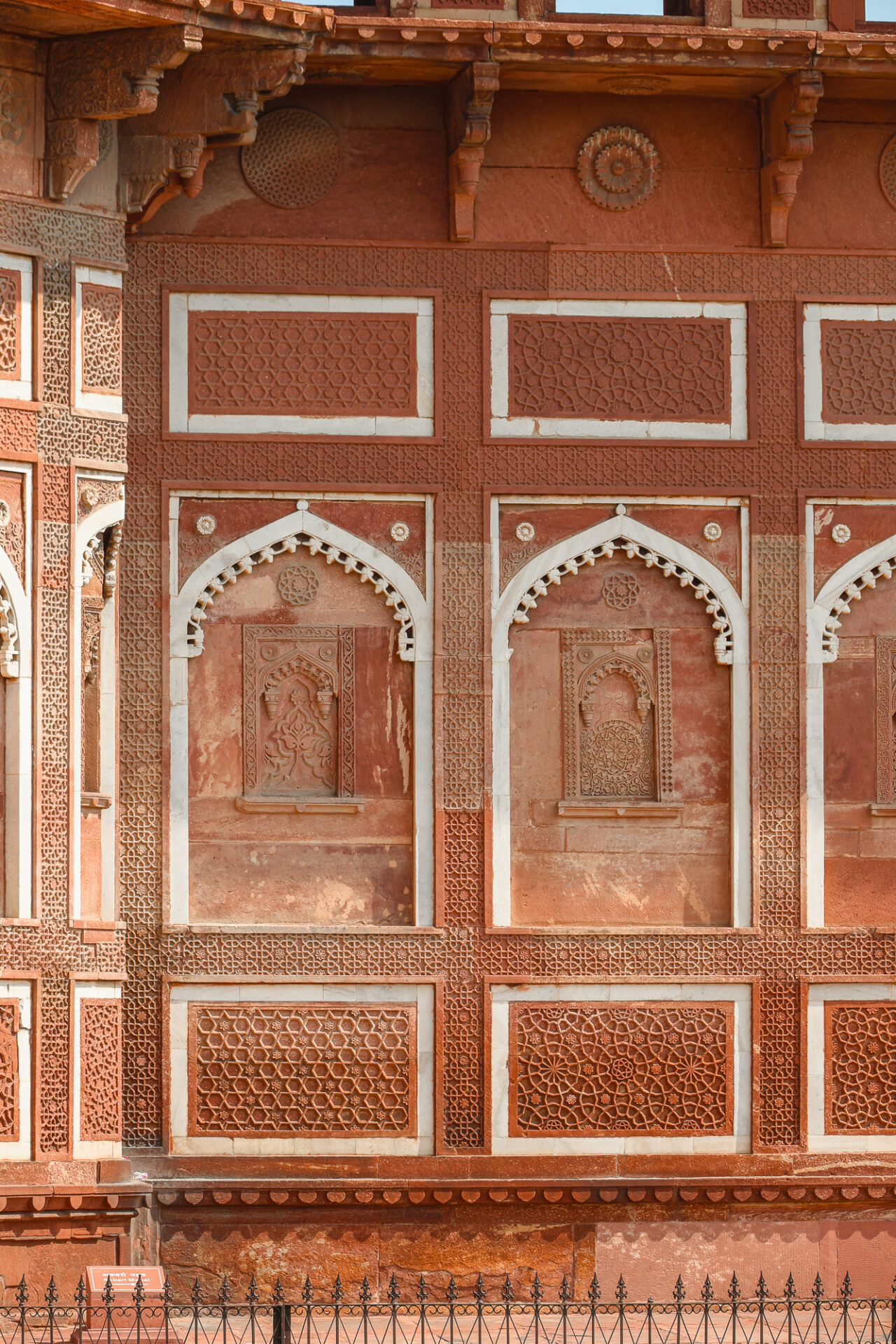
3. Do not miss the Akbar’s tomb
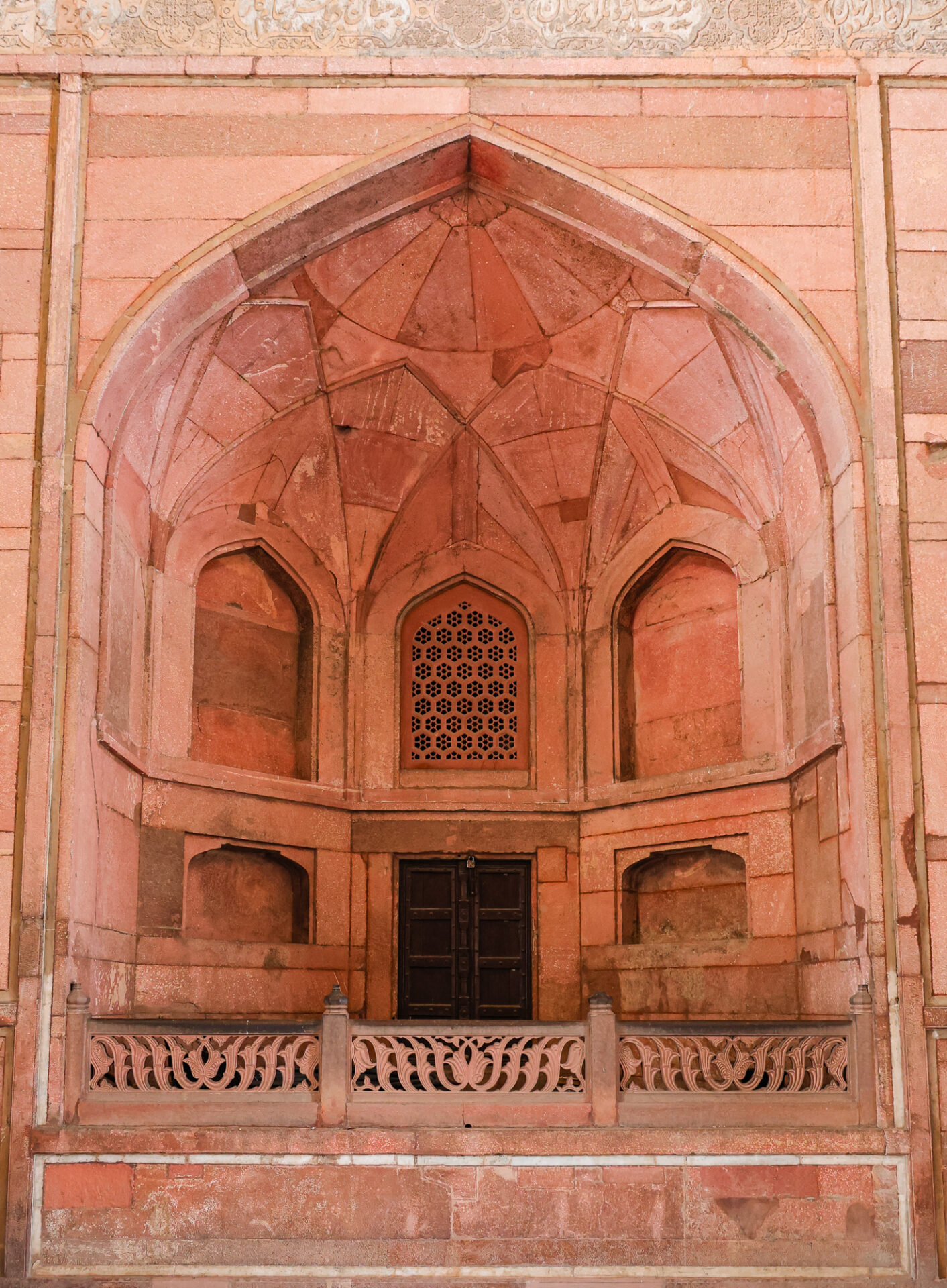
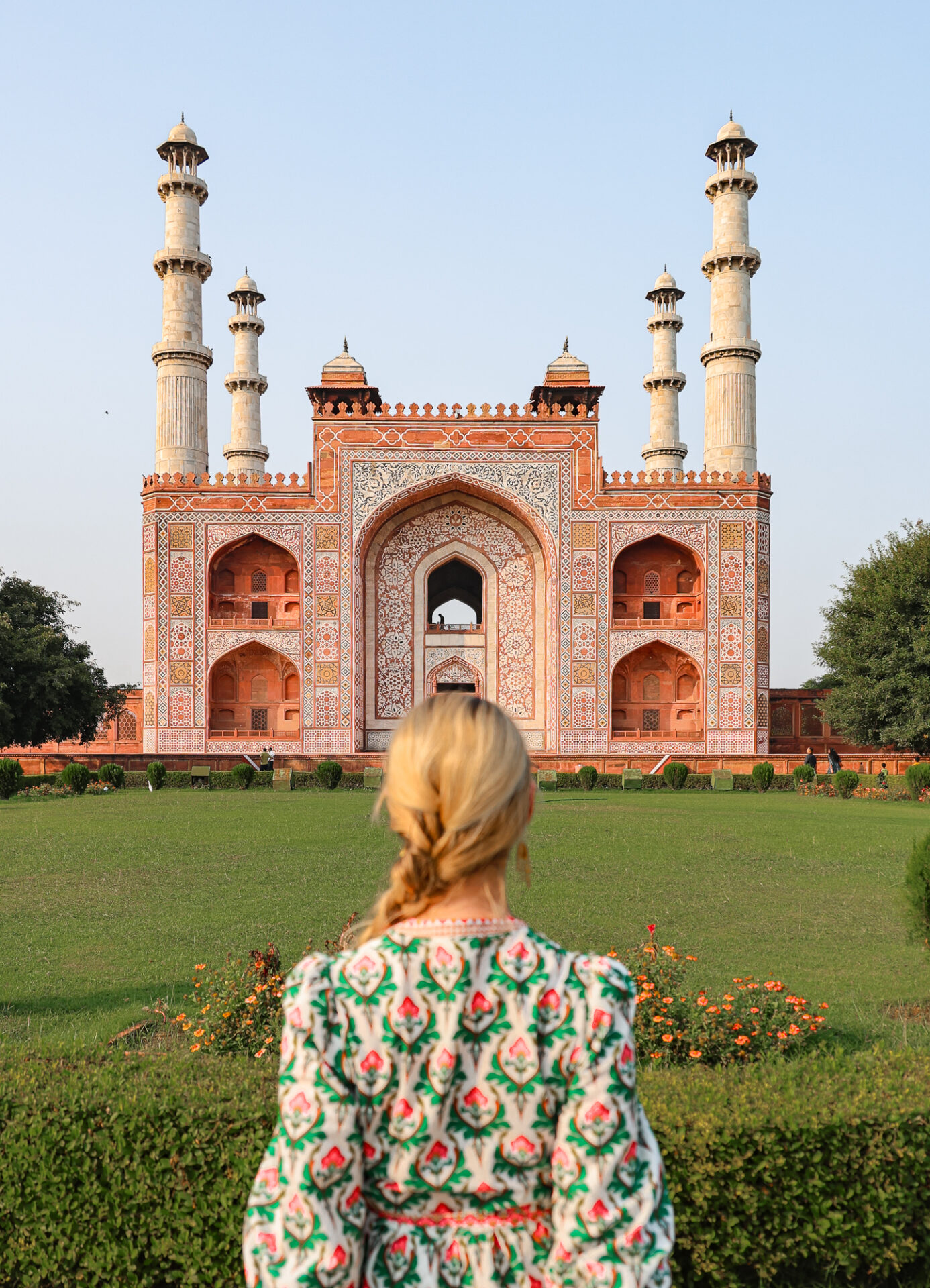
Akbar’s tomb is one of the most frequently neglected sights of Agra, and that’s a big mistake: this serene and breathtaking mausoleum complex built in red sandstone and marble is a must-visit!

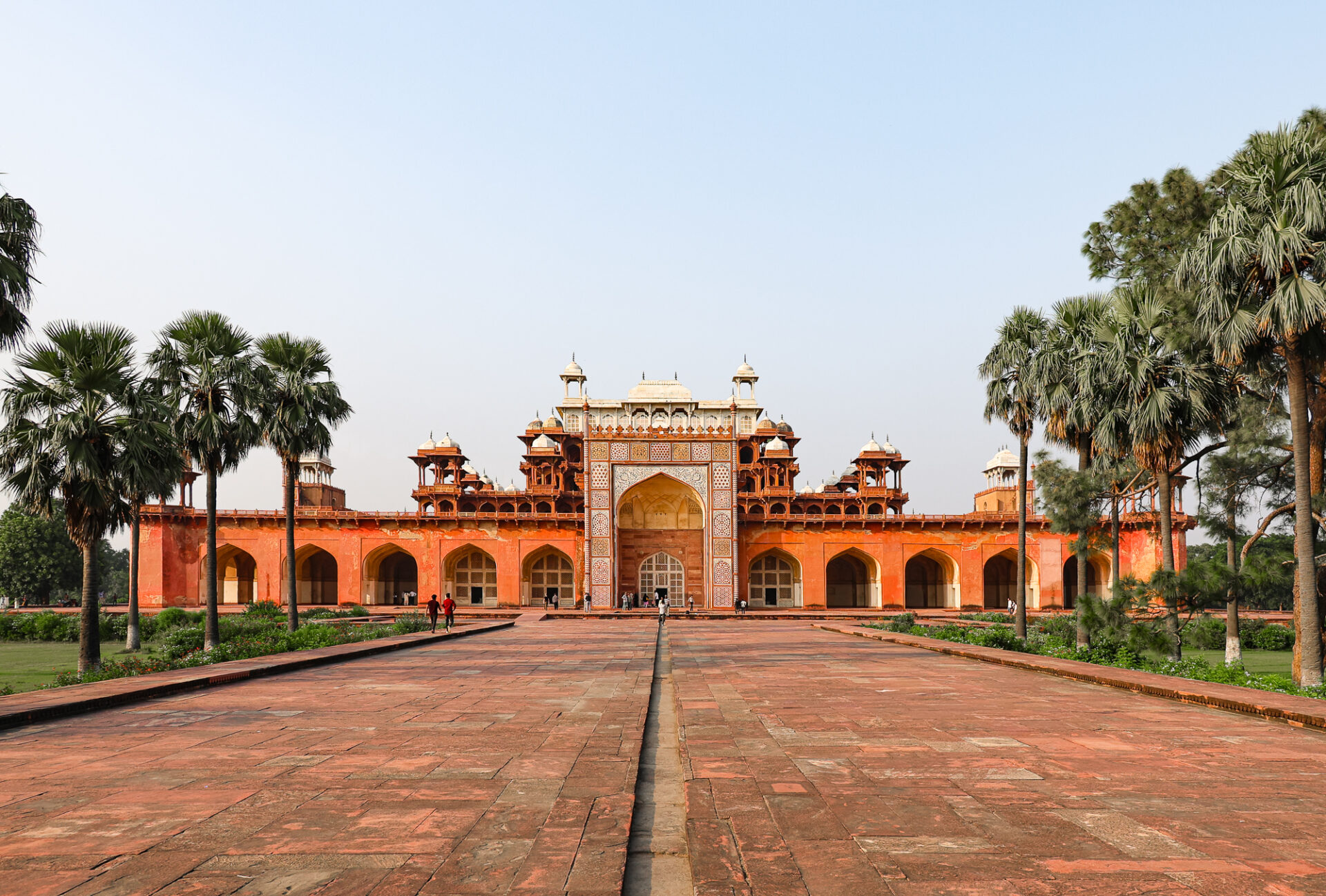
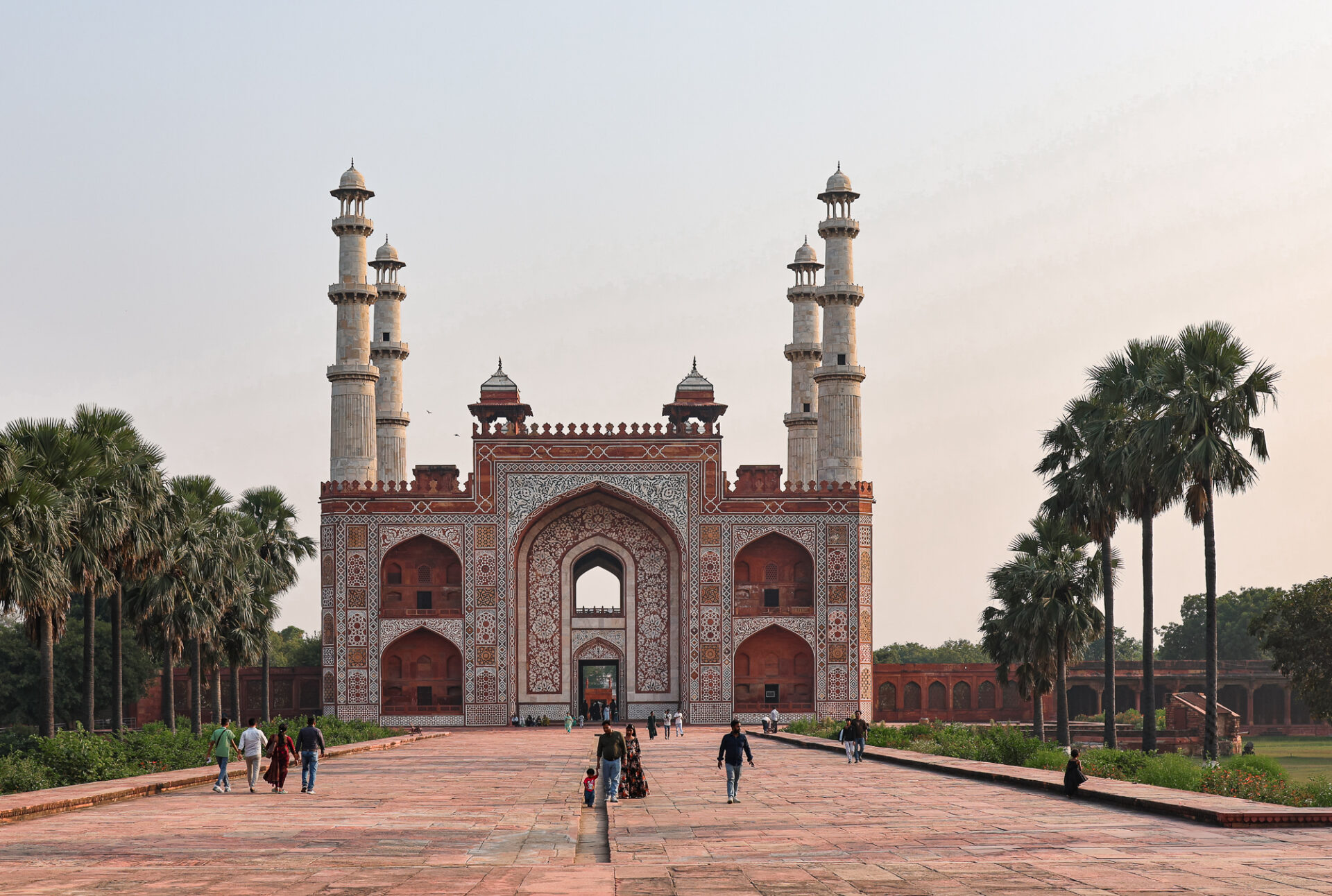
Akbar the Great, the third and most famous Mughal Emperor, planned and started this architectural project himself in 1605, with his son Emperor Jahangir completing it eight years later.
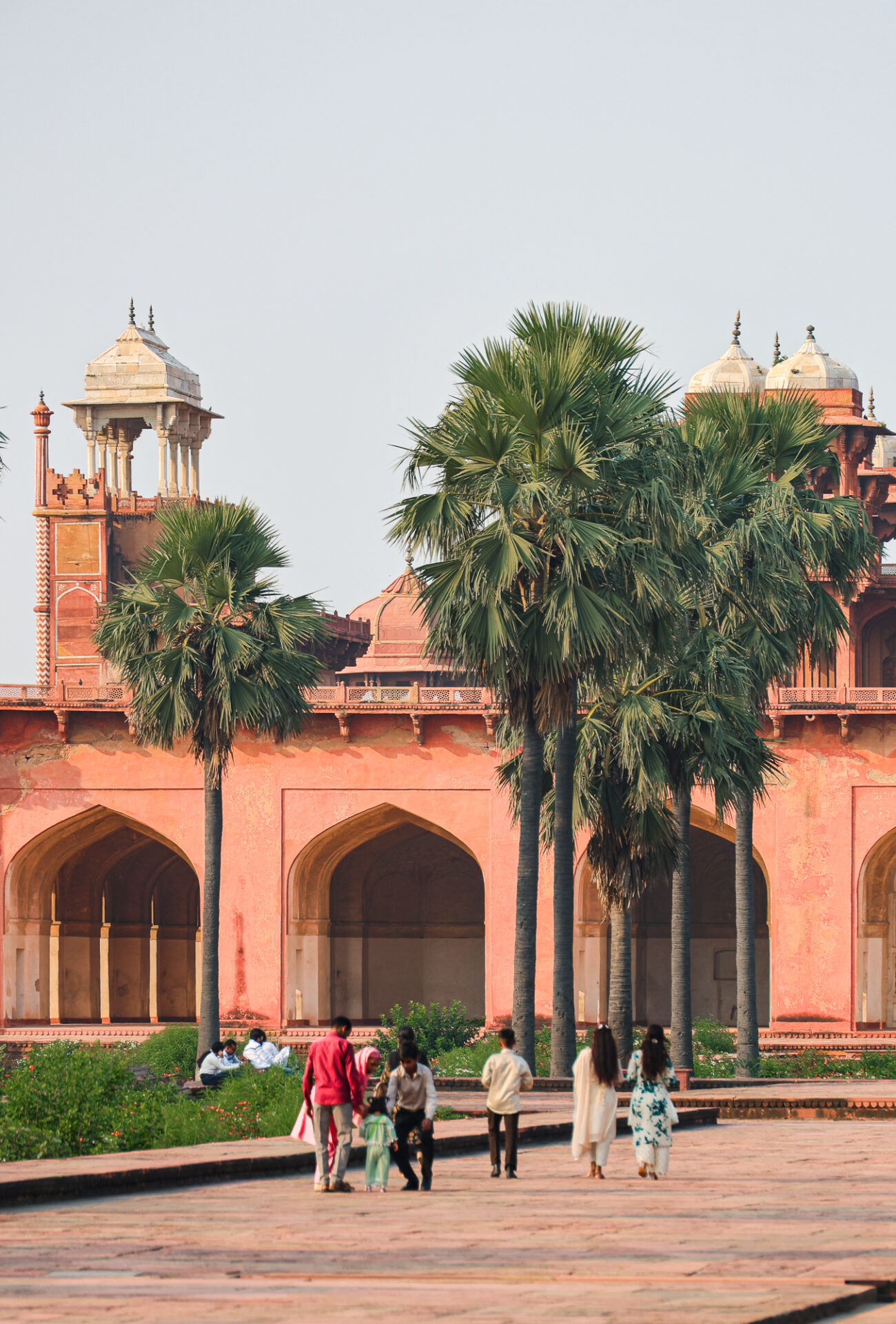
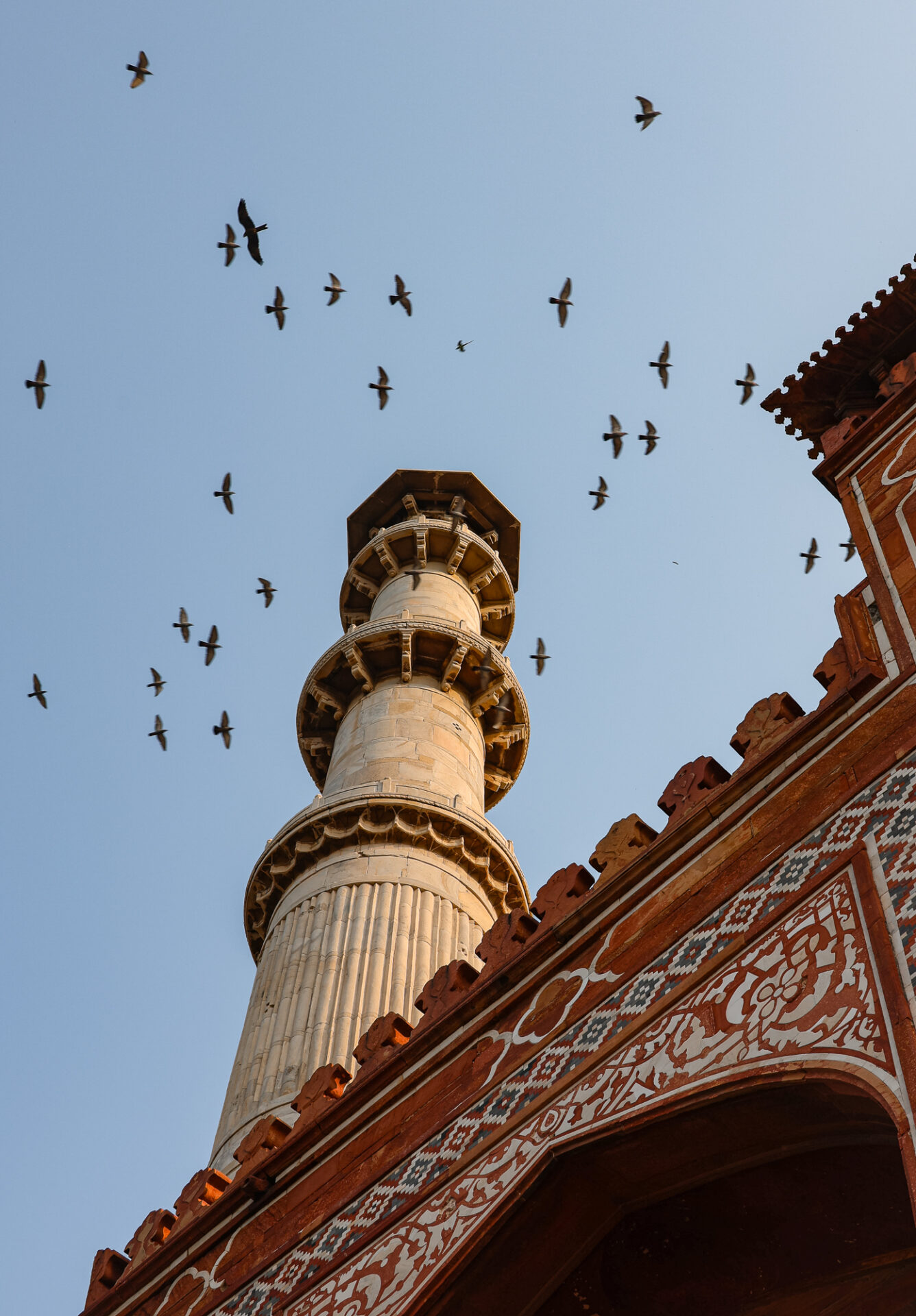
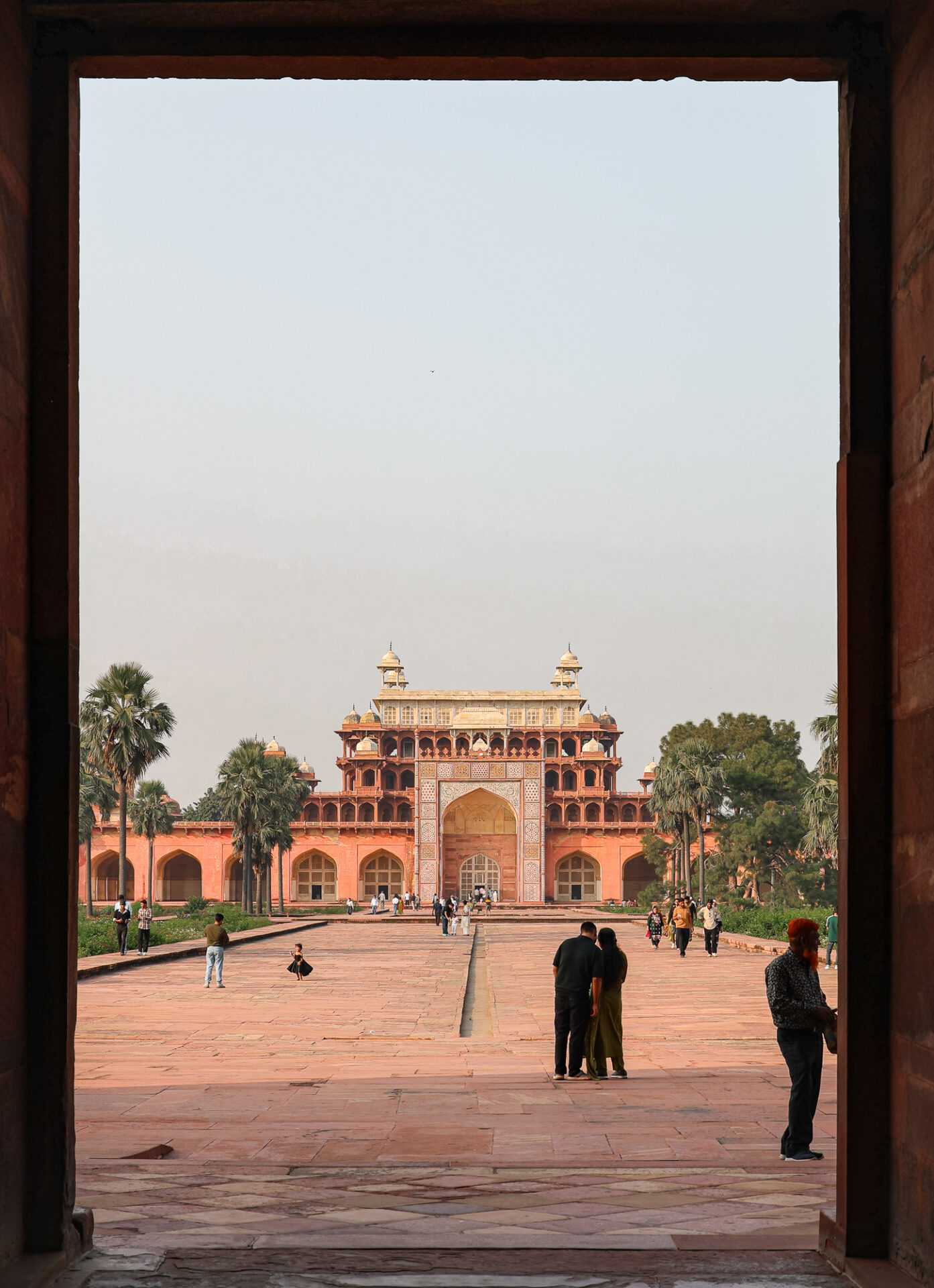
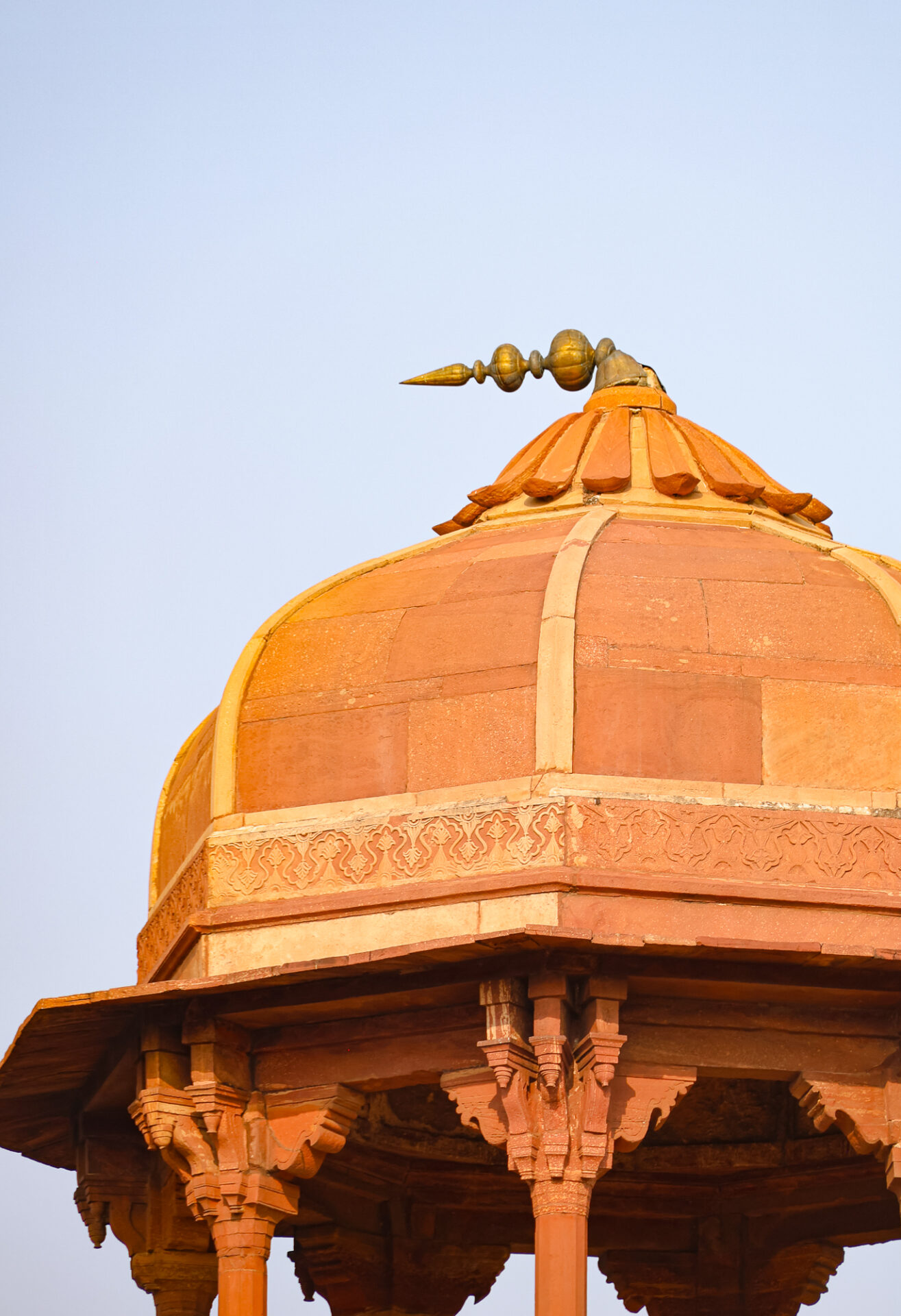
The burial chamber itself is strikingly plain and minimal, in striking contrast to the lavishly decorated Southern gate and outer structure of the tomb.
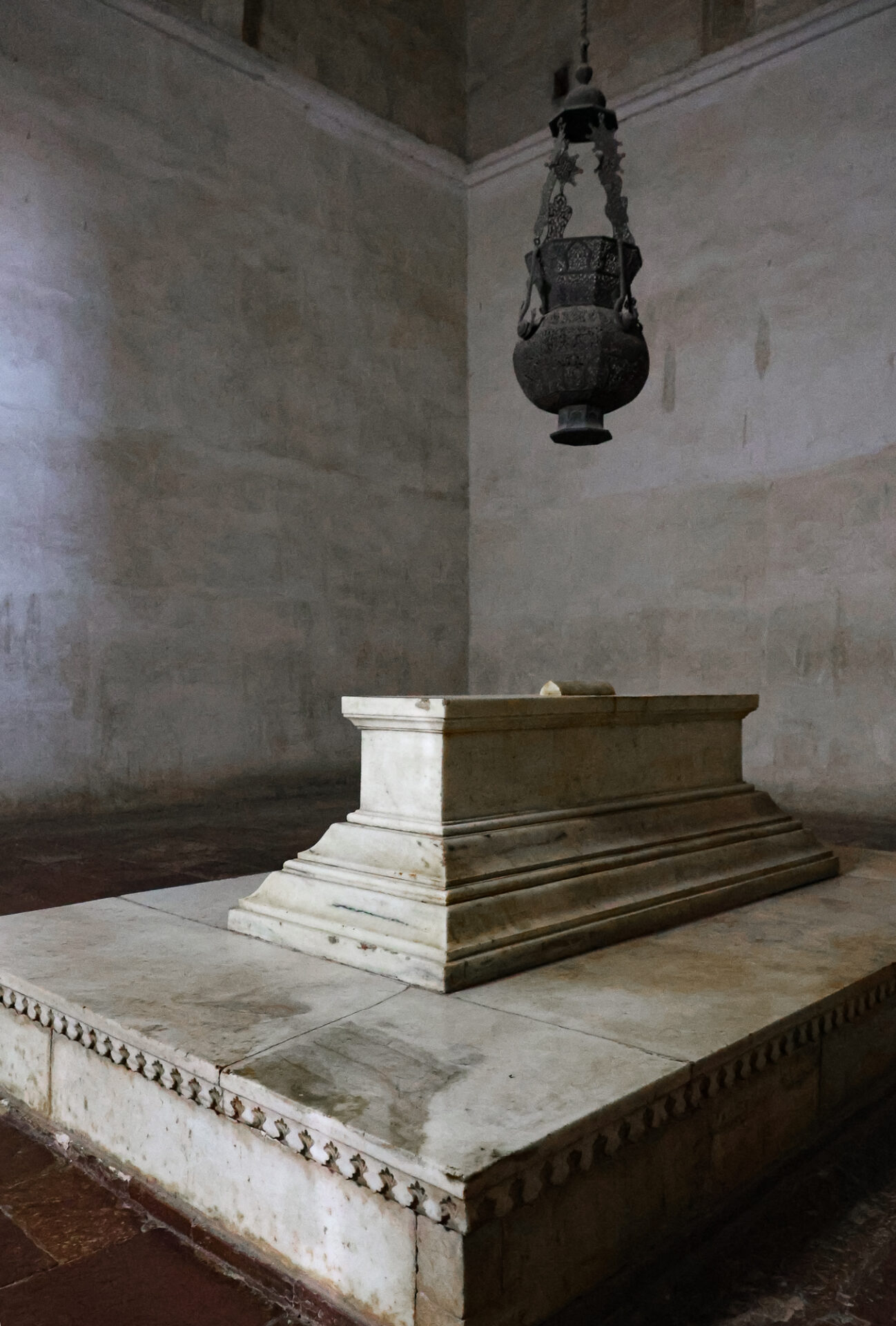
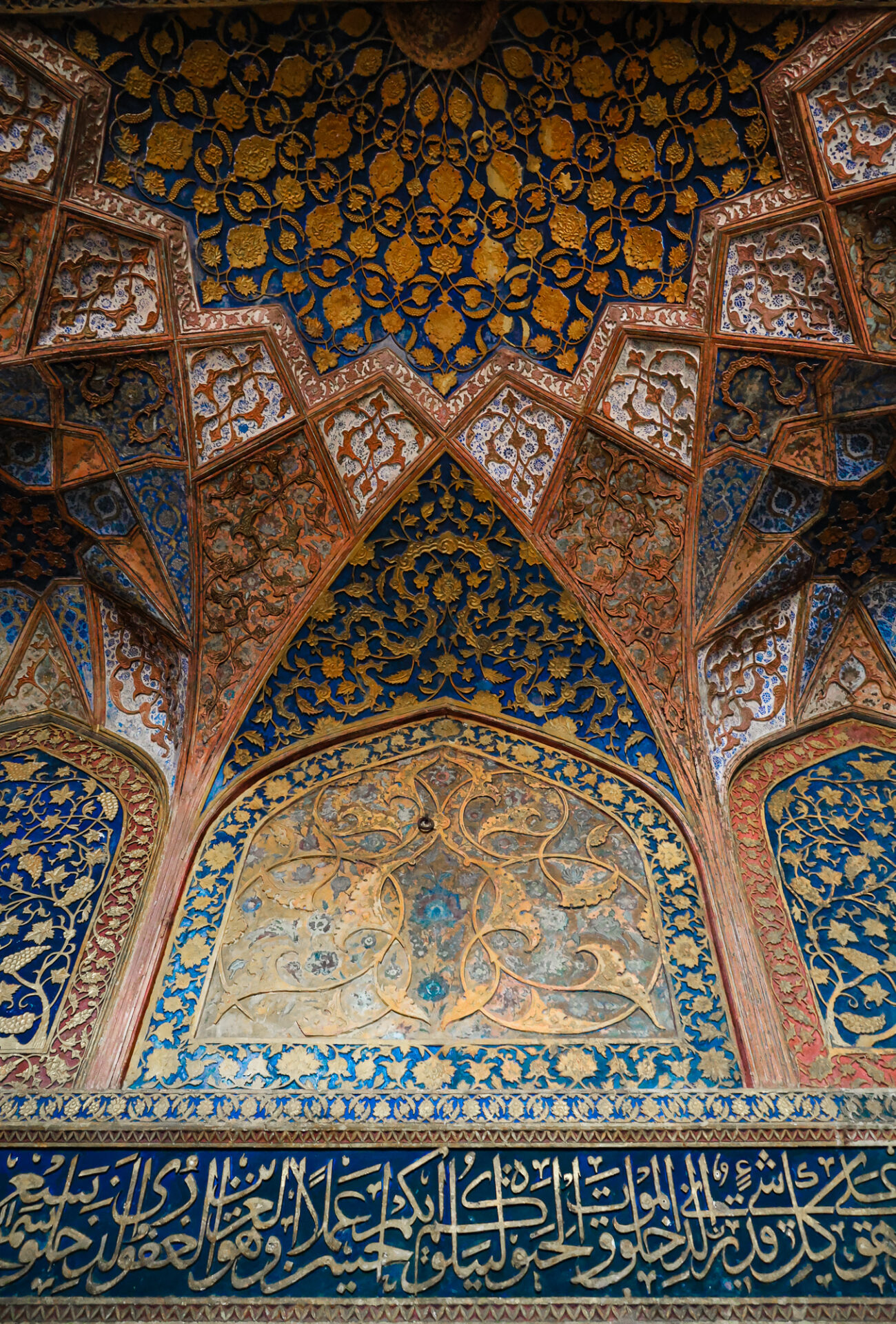
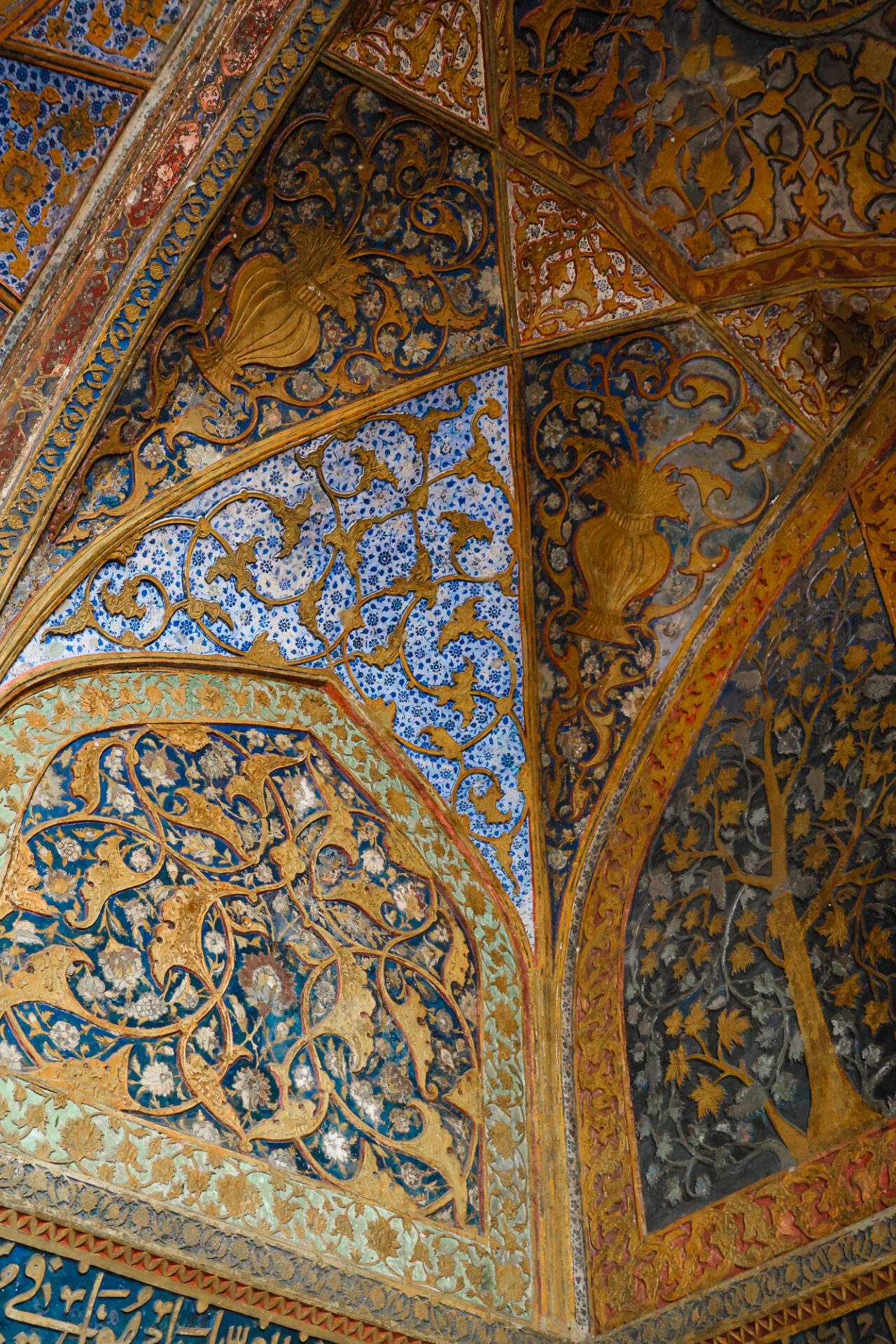
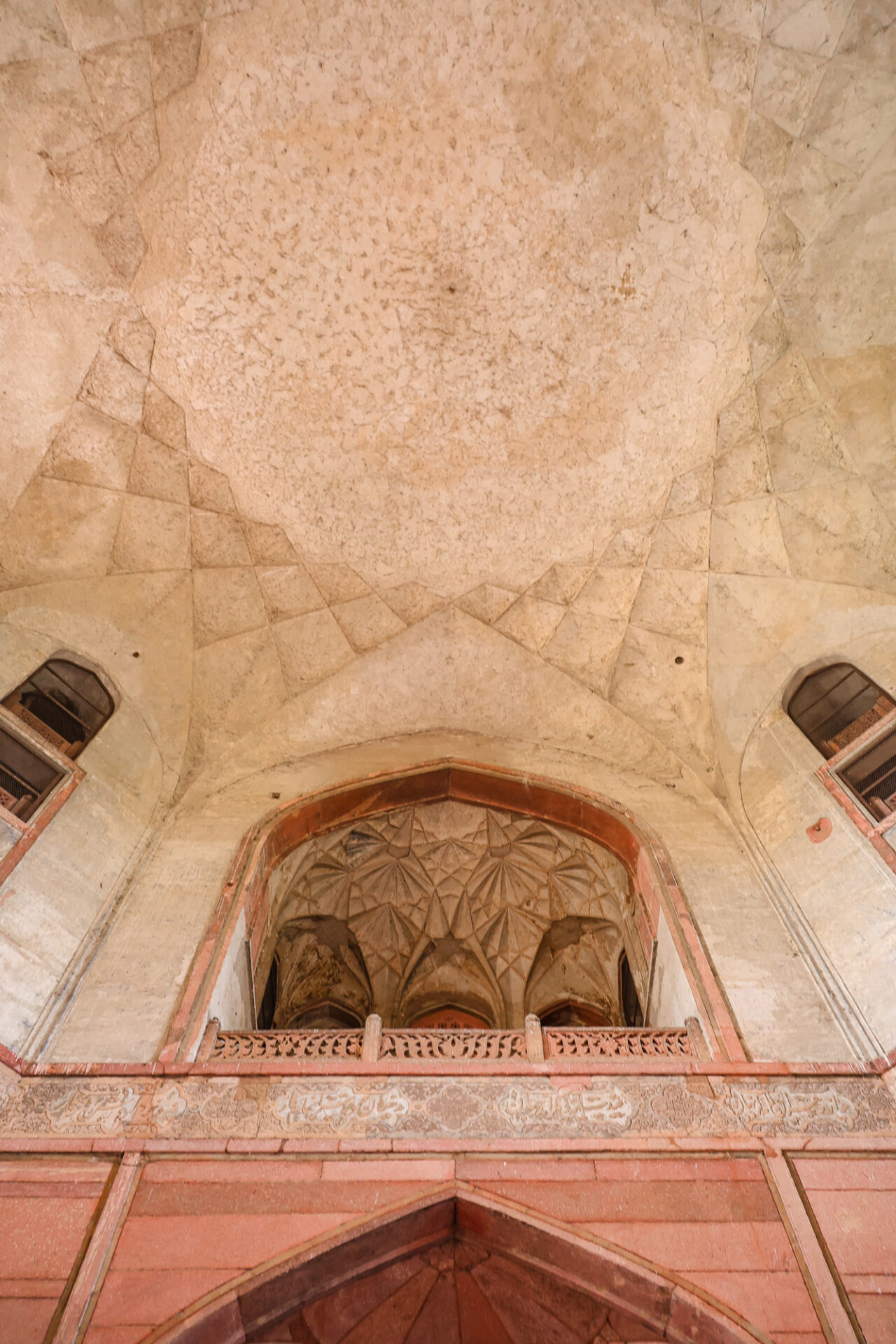
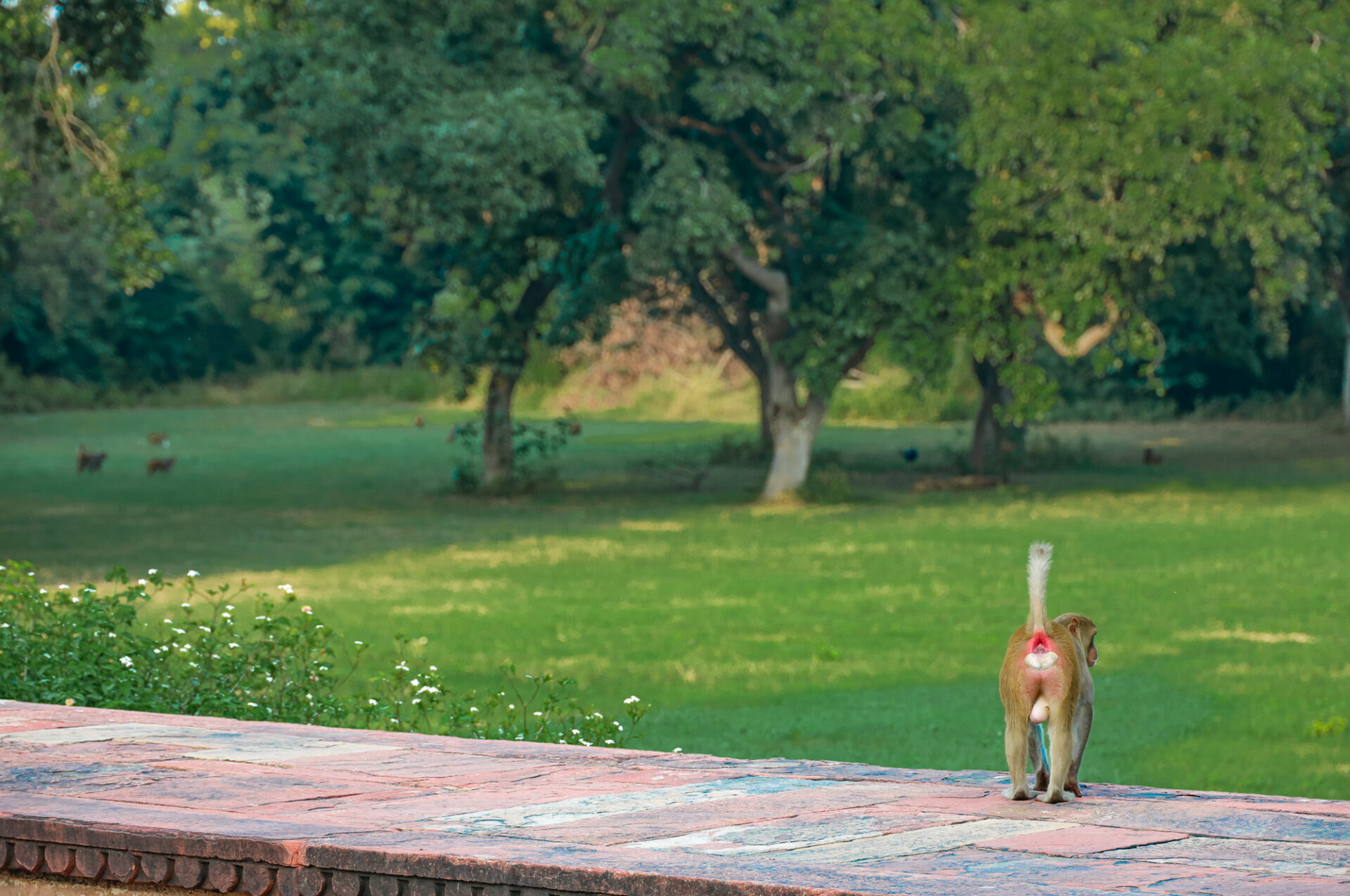
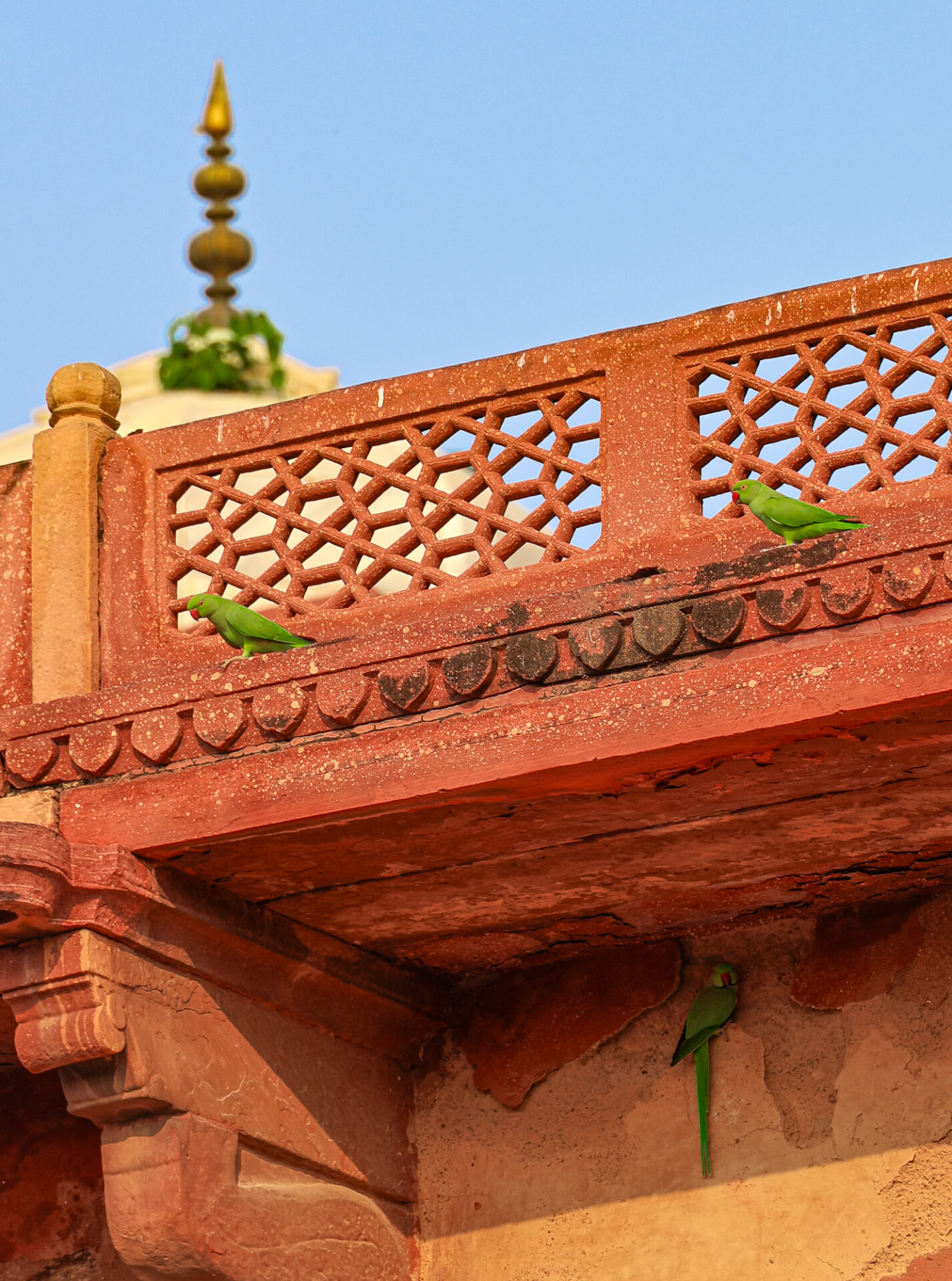
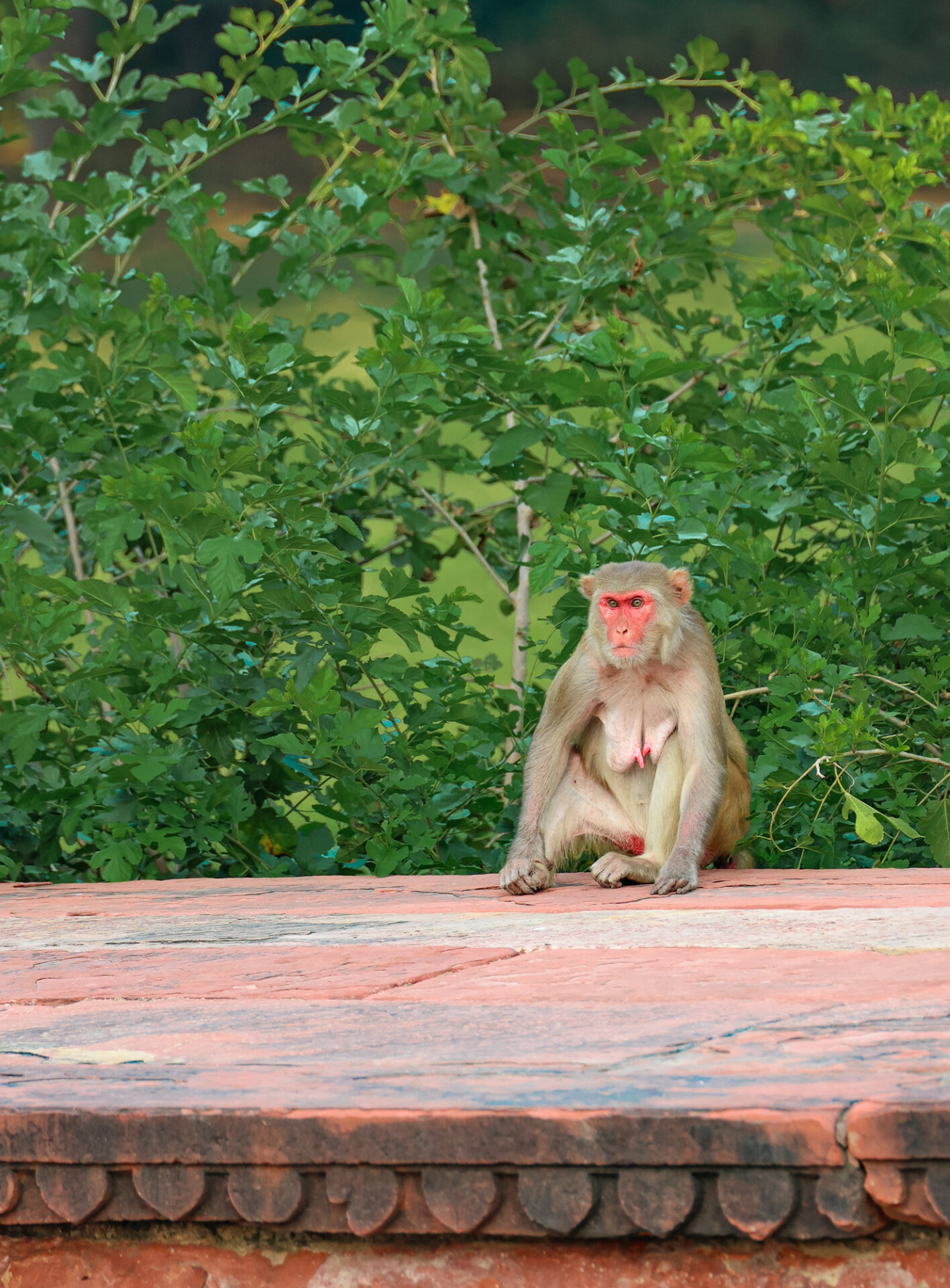
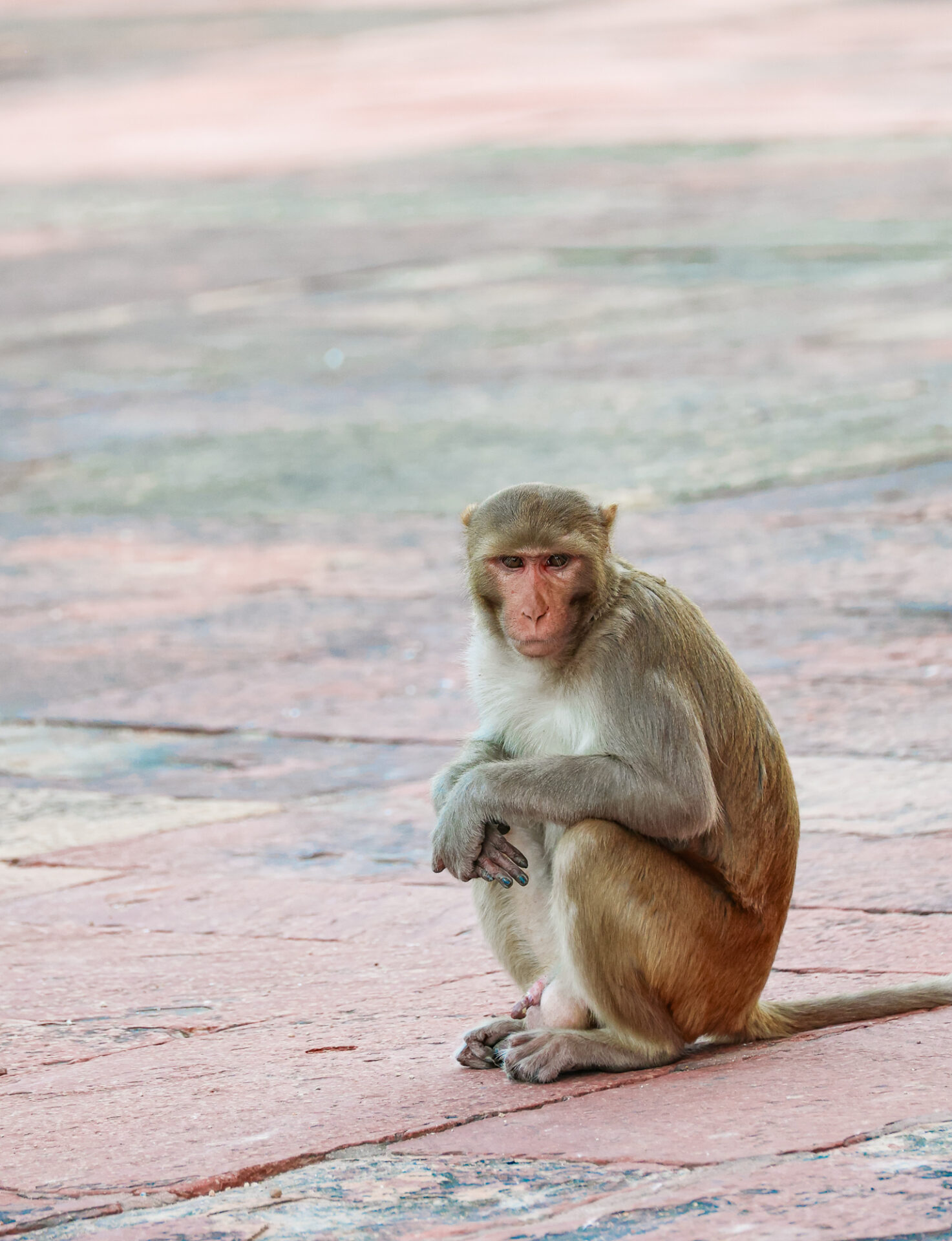
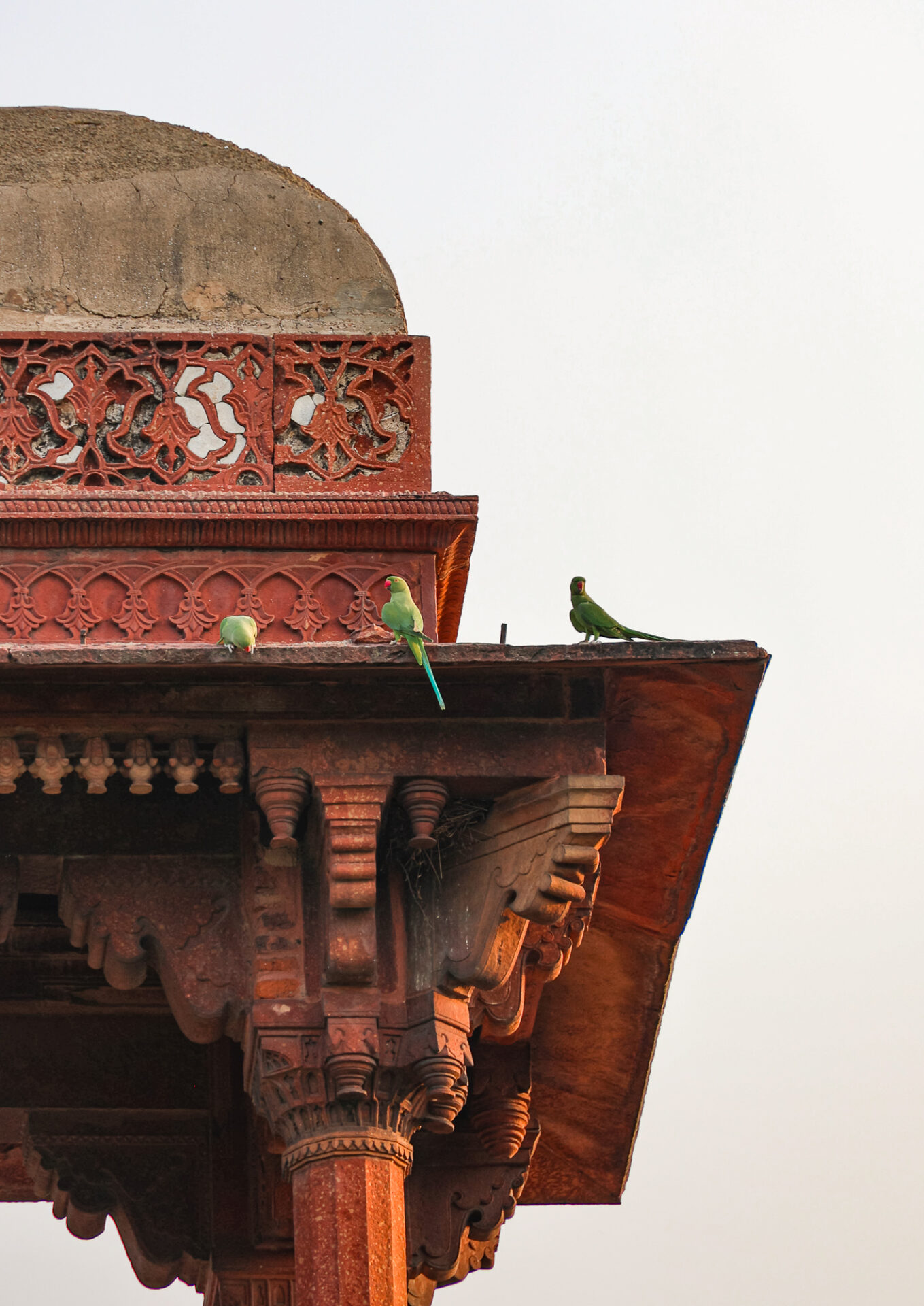
While you’re there, keep your eyes peeled for the rose-ringed parakeets, Rhesus Macaques, and peacocks roaming the grounds! It’s located in Sikandra, 13 km from Agra’s center.


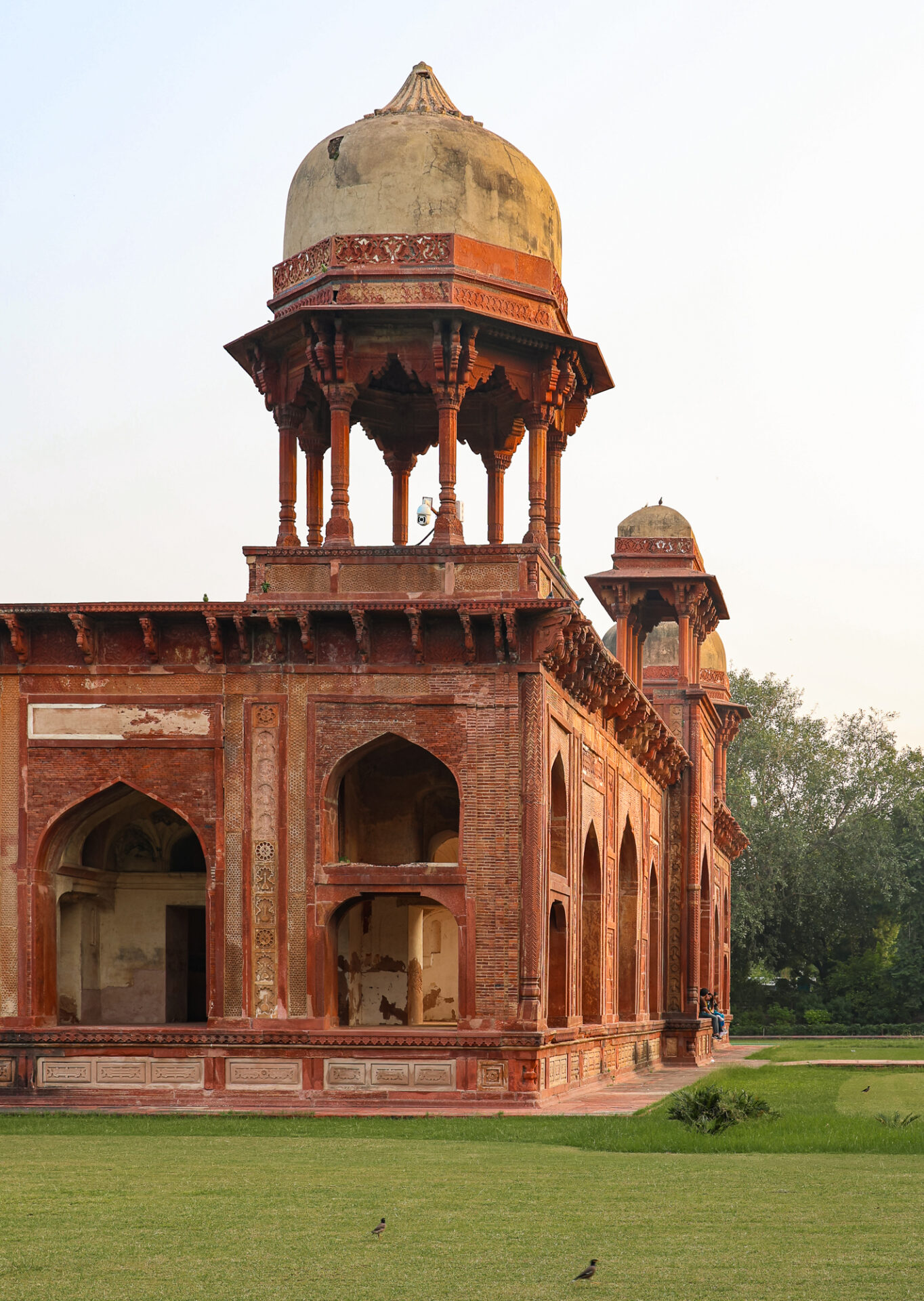
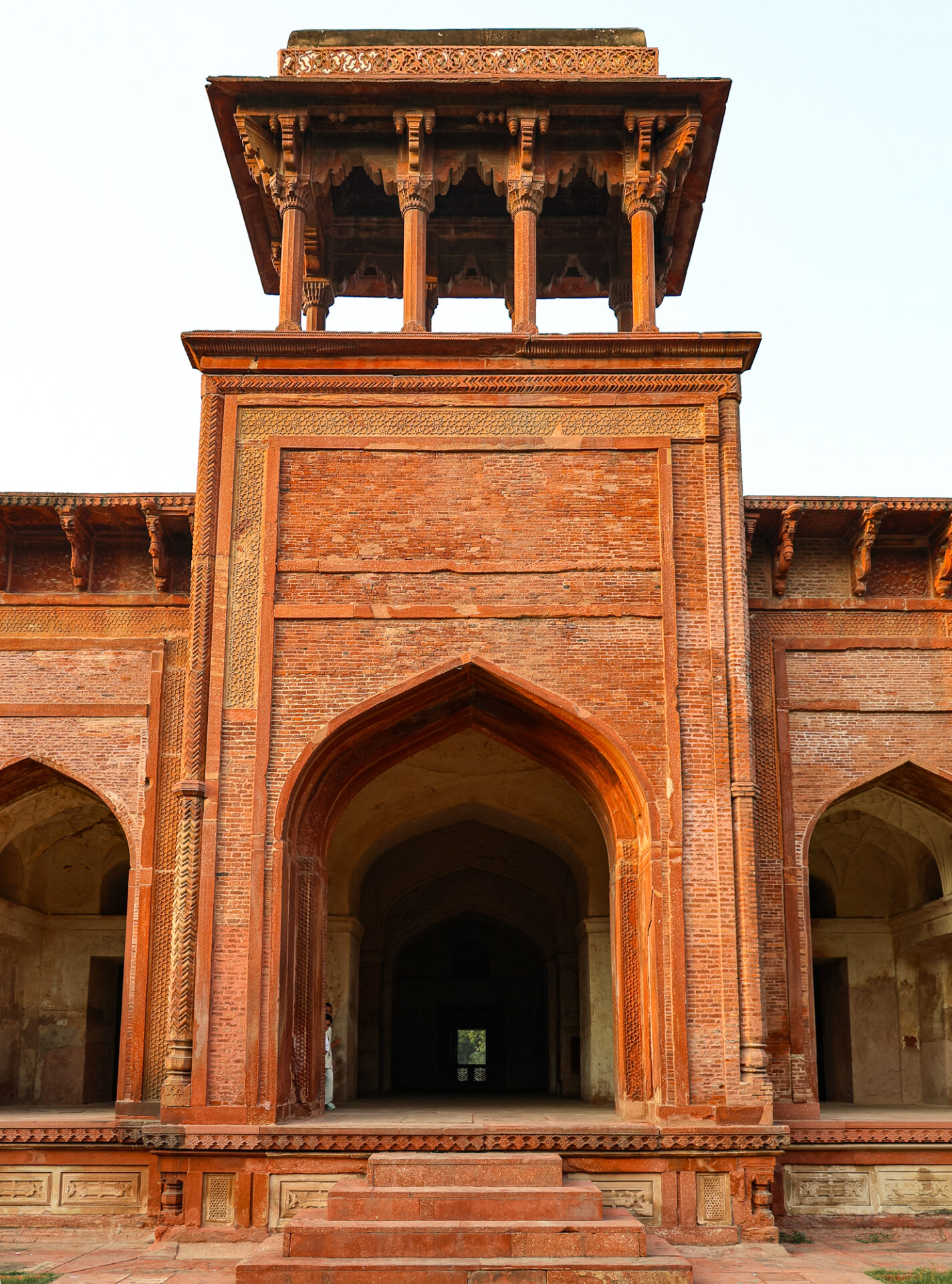
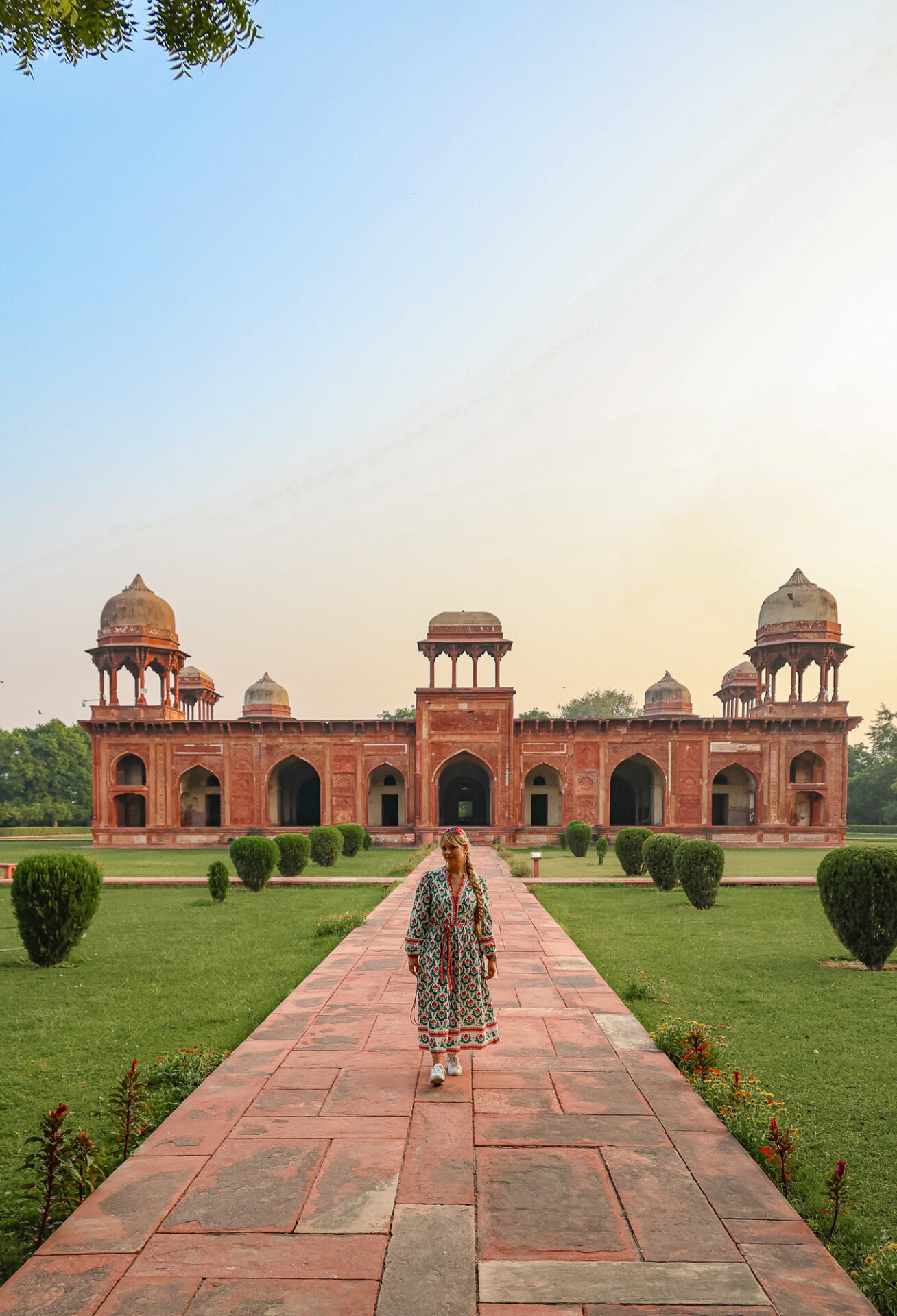
4. Visit Tomb of Mariam-uz-Zamani
Located just 1 kilometer from Akbar’s Tomb lies the Tomb of Mariam-uz-Zamani, Akbar’s favorite wife and the mother of Emperor Jahangir who erected it in his mom’s memory between 1623 and 1627.
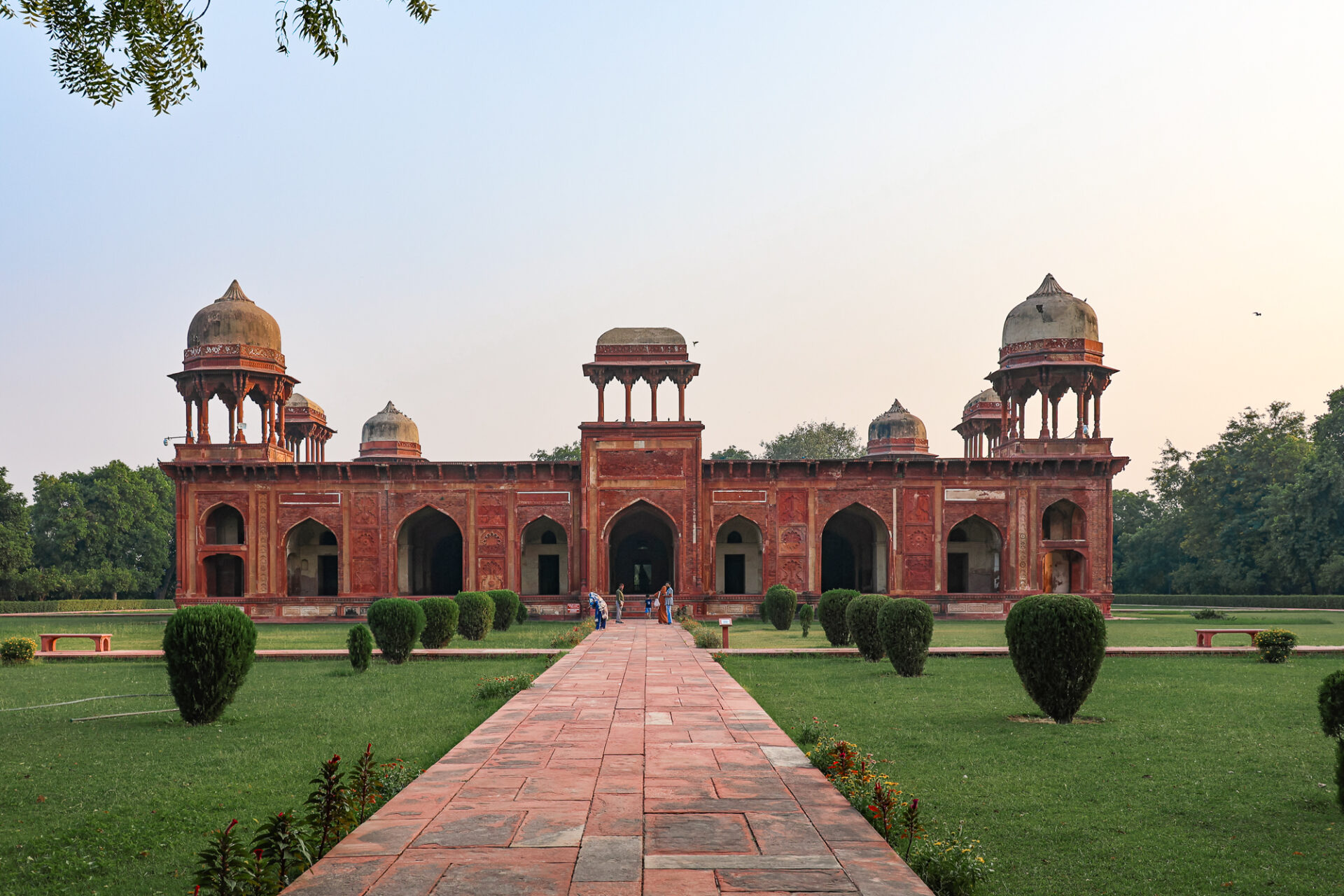
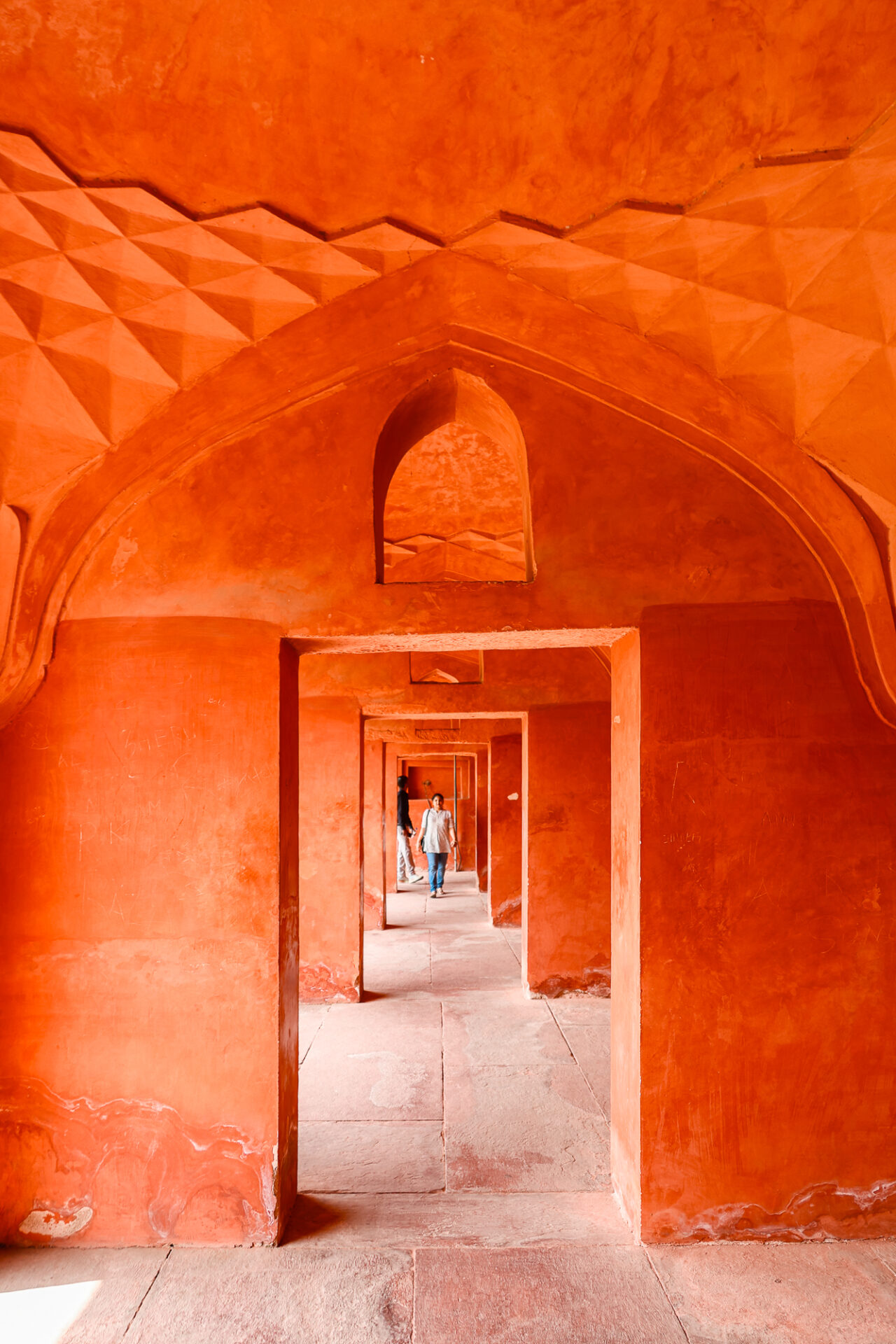
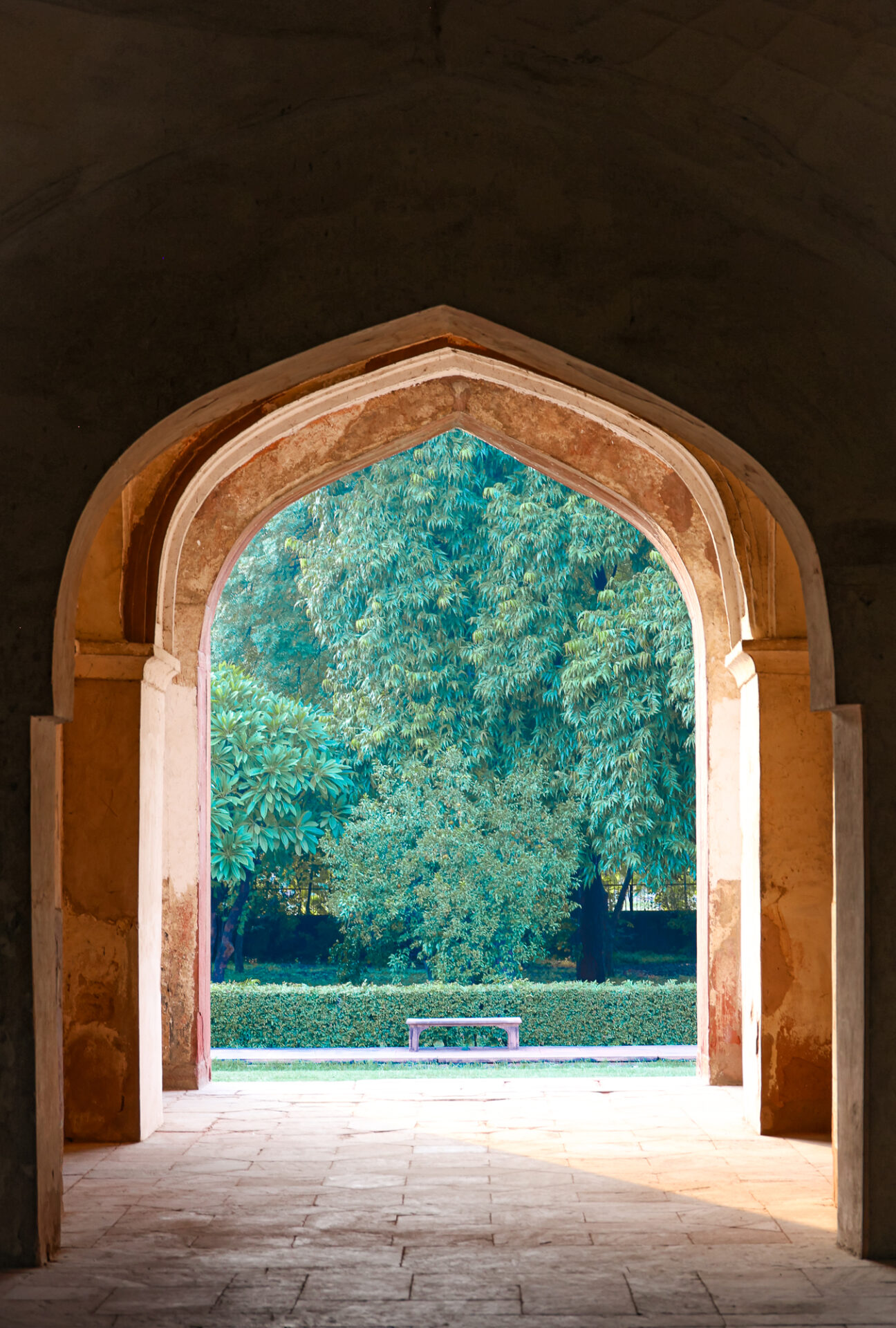
I hardly noticed any international visitors there, and it’s clearly their loss – this mausoleum is a quiet, peaceful sanctuary with gorgeous red-sandstone architecture and arched walkways (the crypt itself is located beneath). To enter, you need to purchase your ticket online using the ASI portal QR code, unlike at some of the larger sites.
5. See sunset from Mehtab Bagh
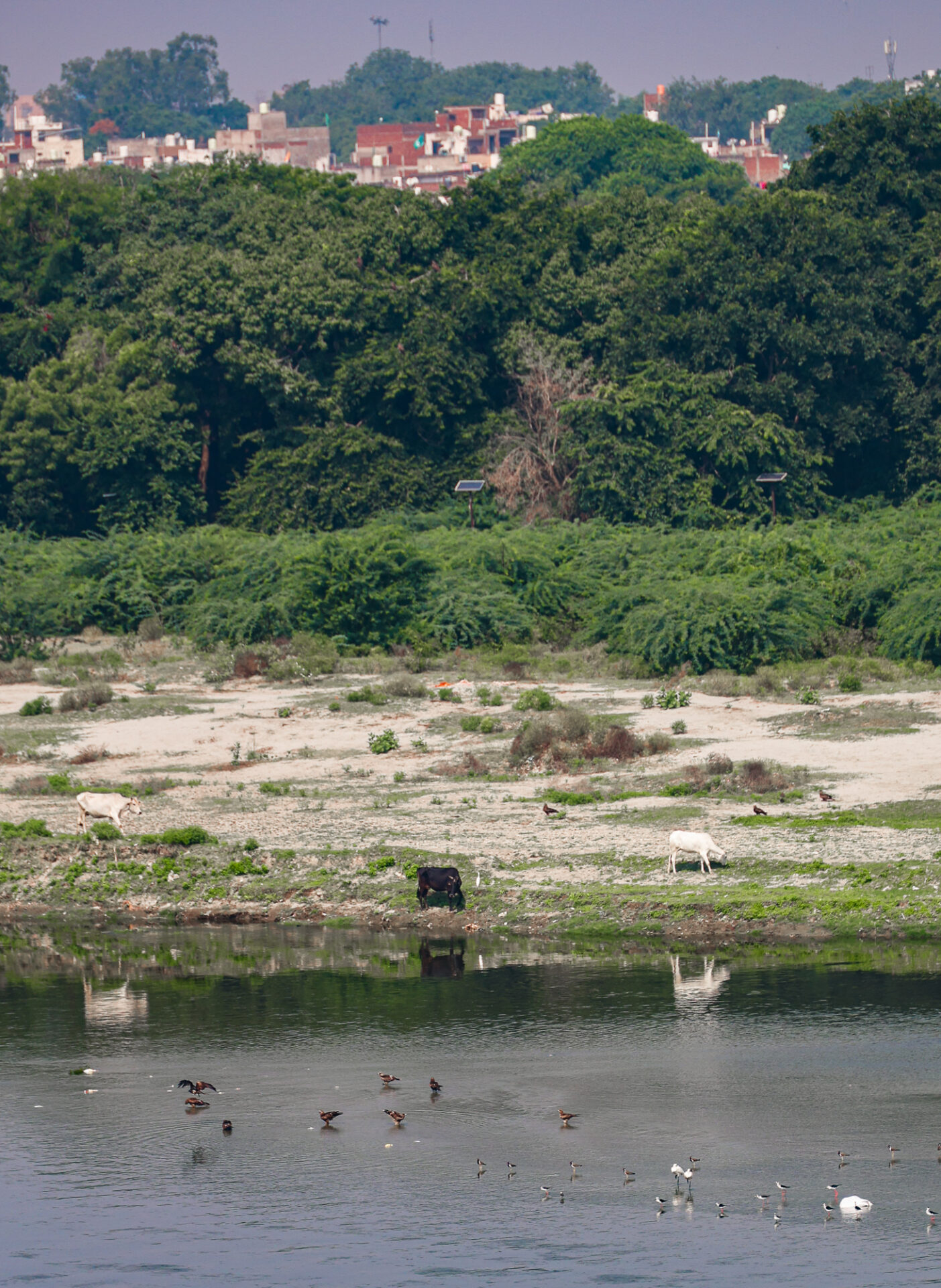
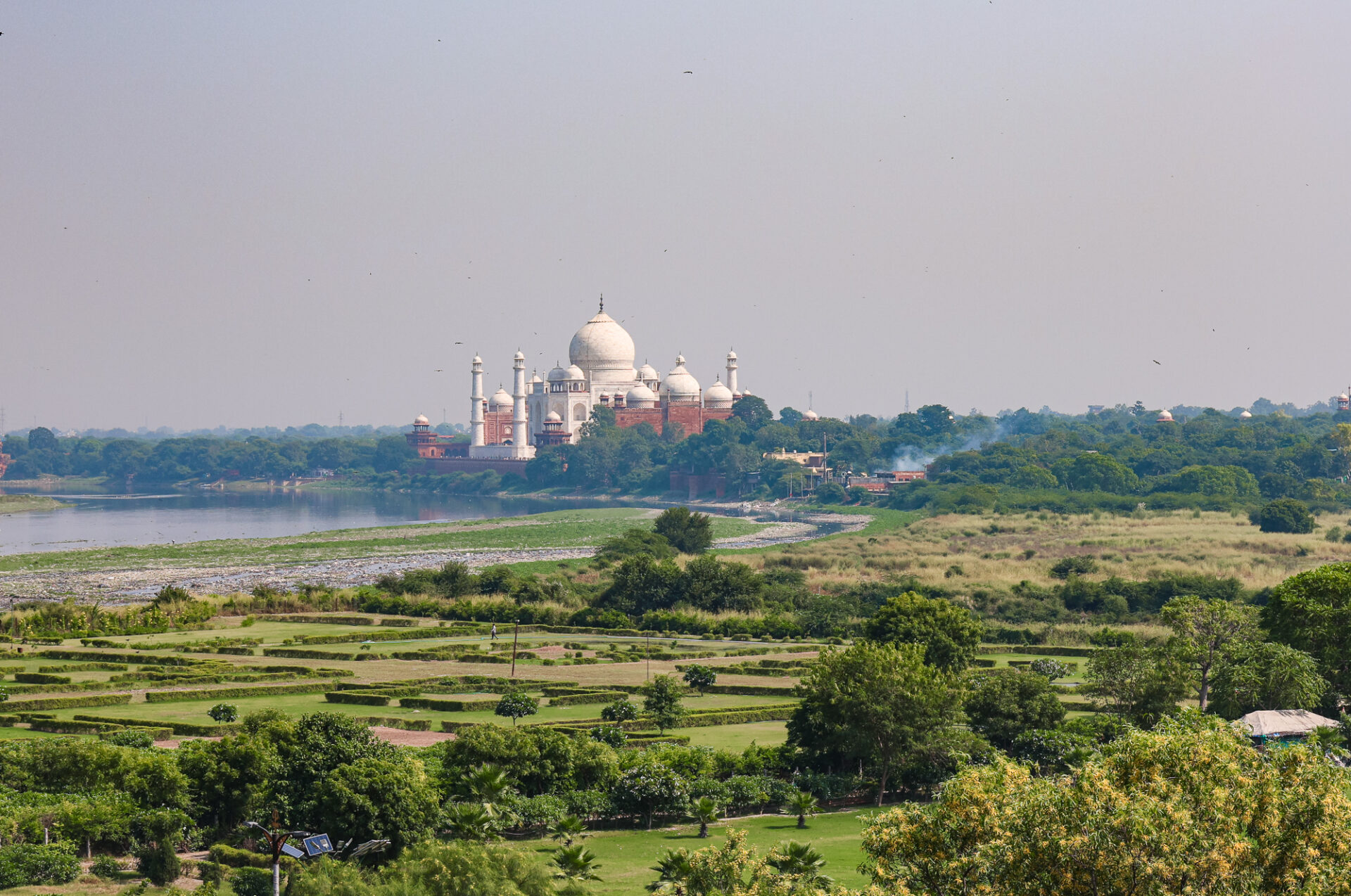
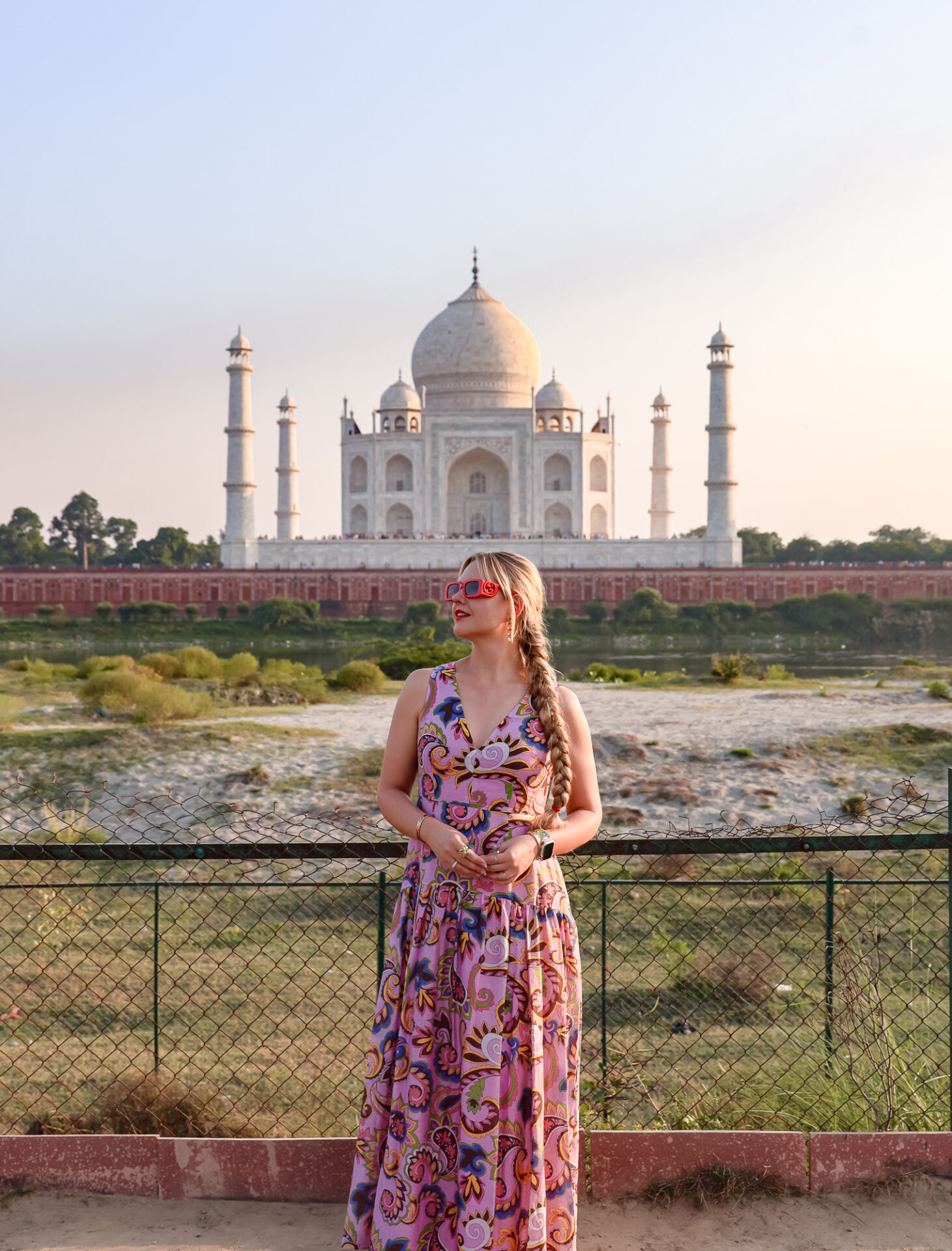
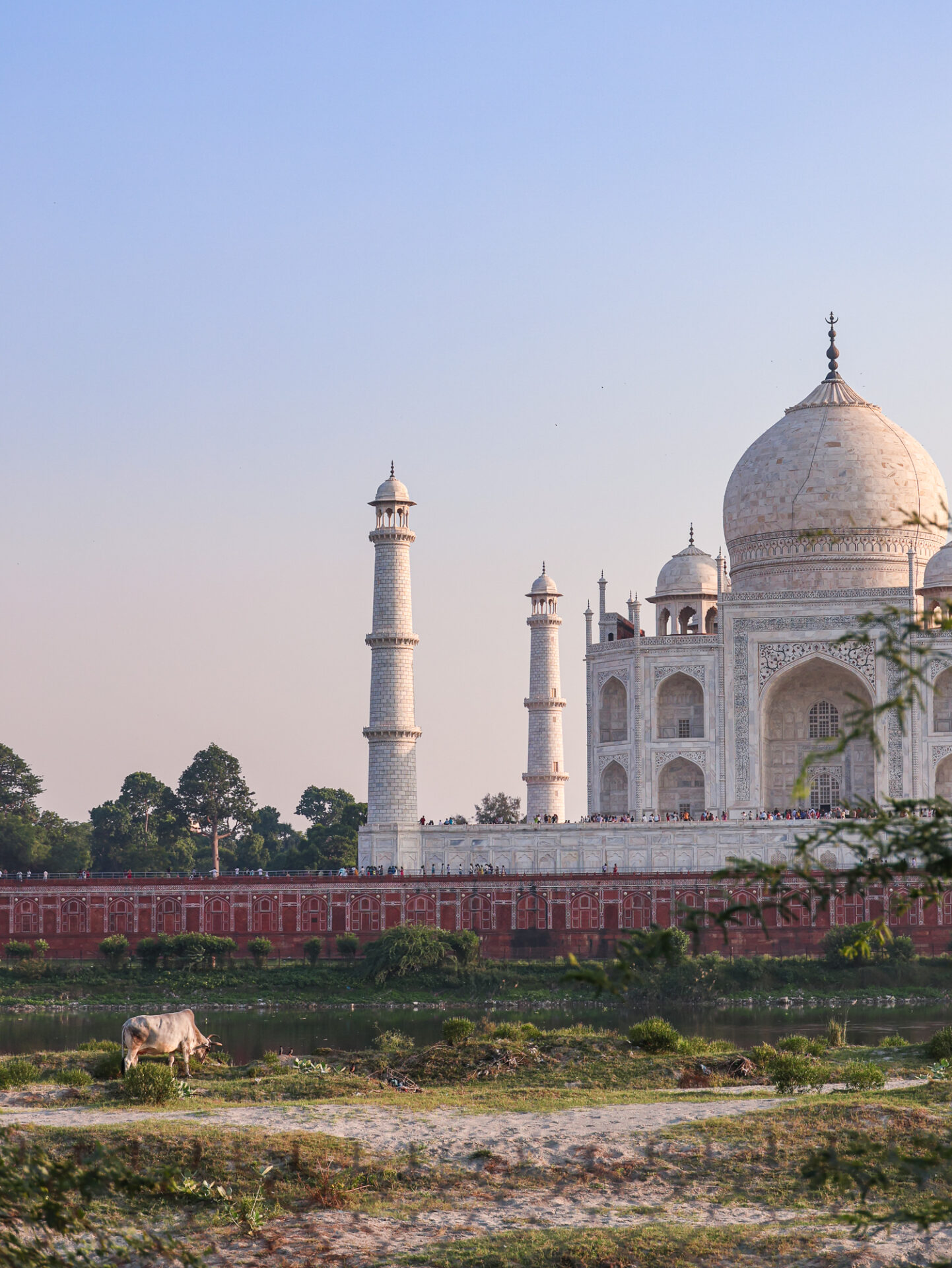
Mehtab Bagh, or the Moonlight Garden, is a historical garden complex situated on the north bank of the Yamuna River (not much left of the original buildings though). Originally commissioned in 1530 by Emperor Babur, the founder of the Mughal dynasty, it’s older than the Taj Mahal.
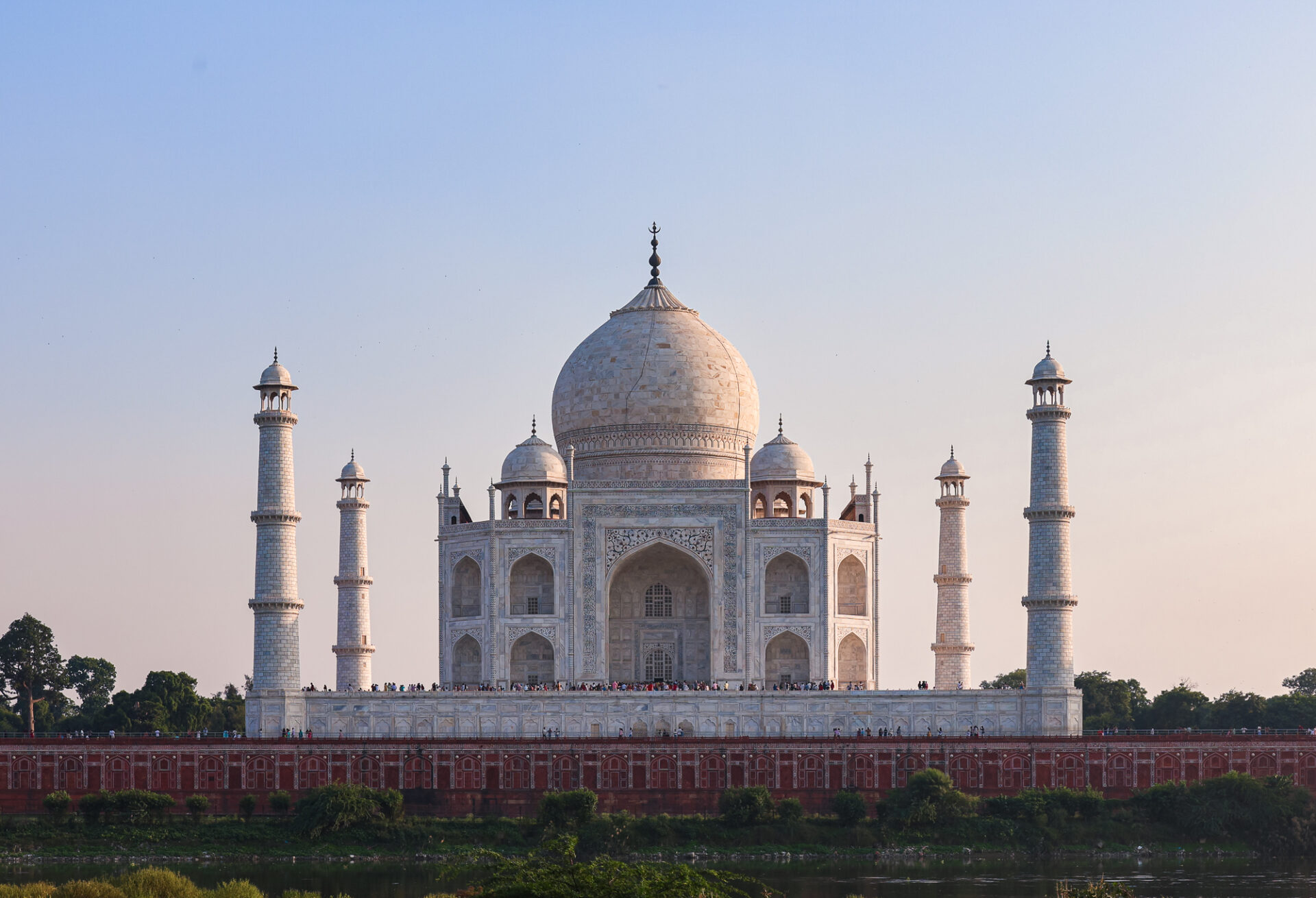
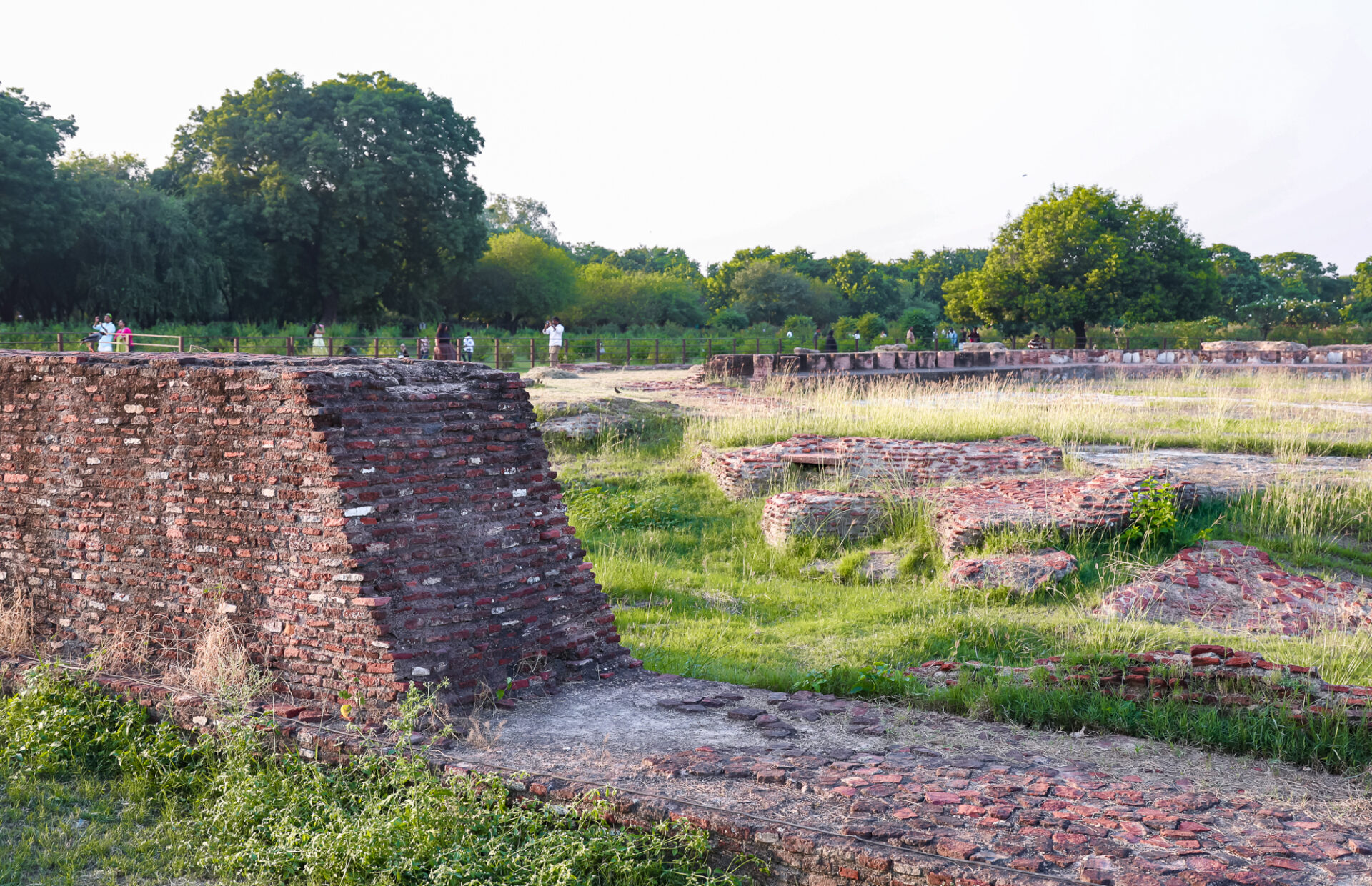

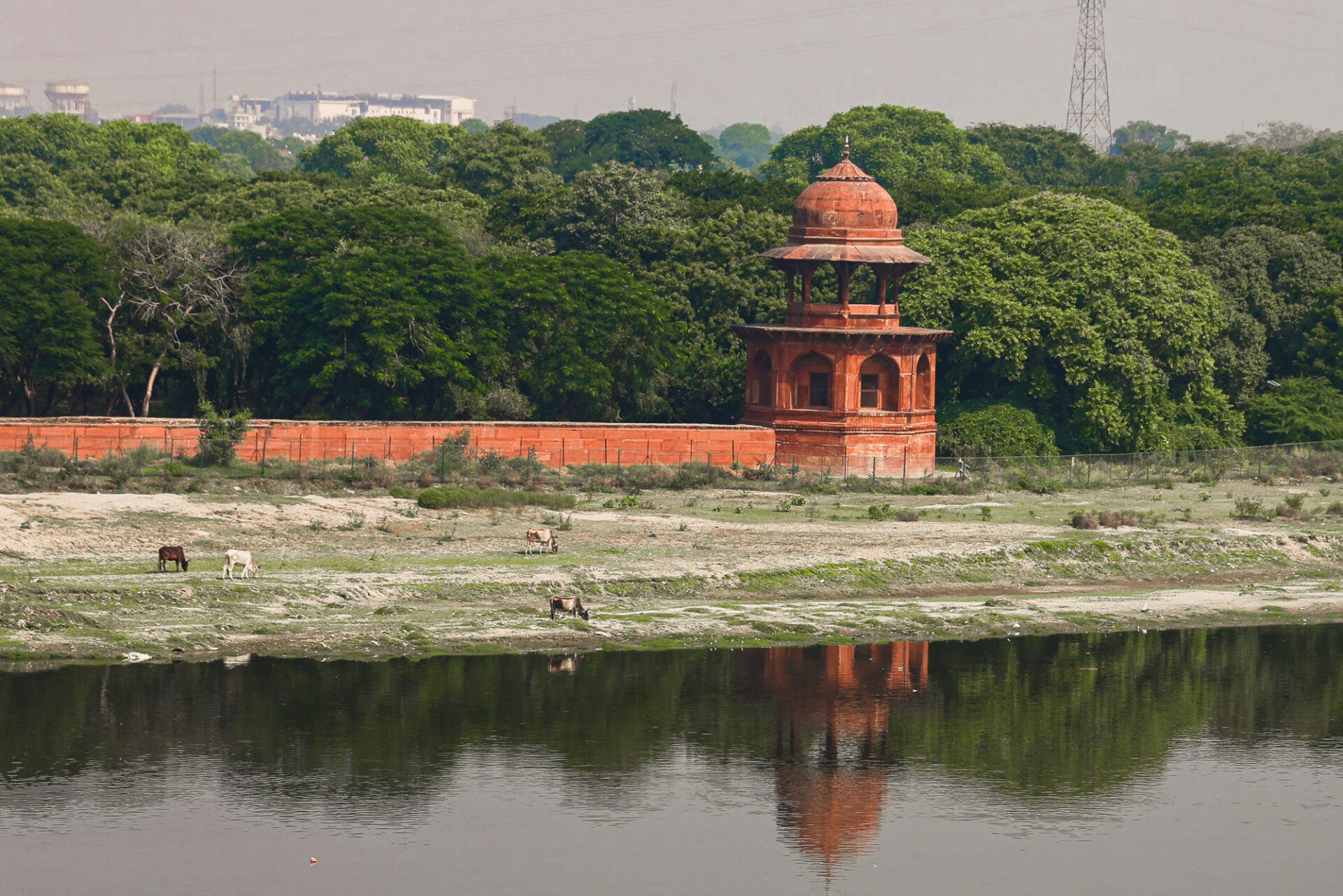
Today it serves as one of the best spots to view the Taj Mahal across the river – although there are just a couple of benches, and people gather in front of the metal fence.
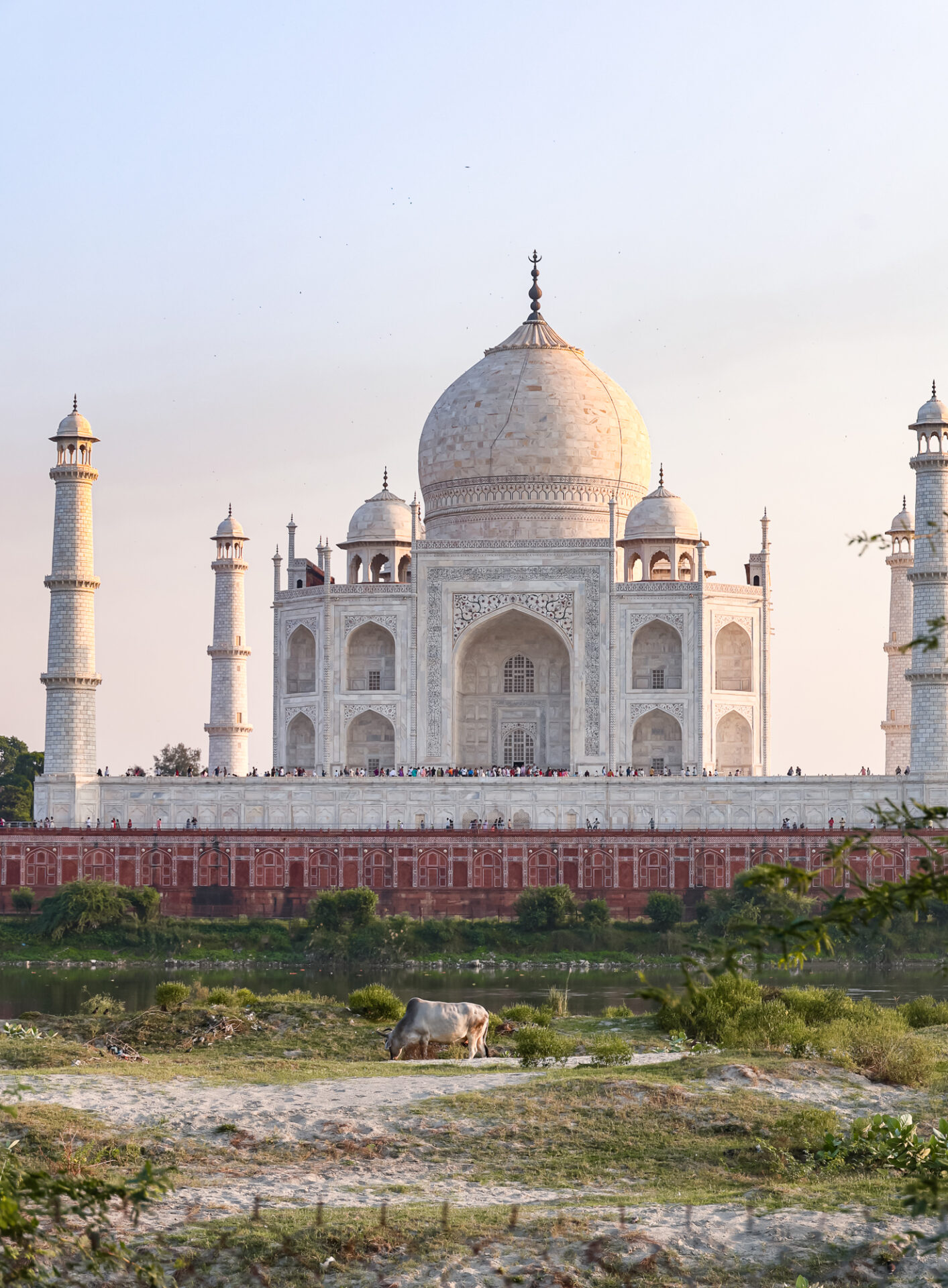
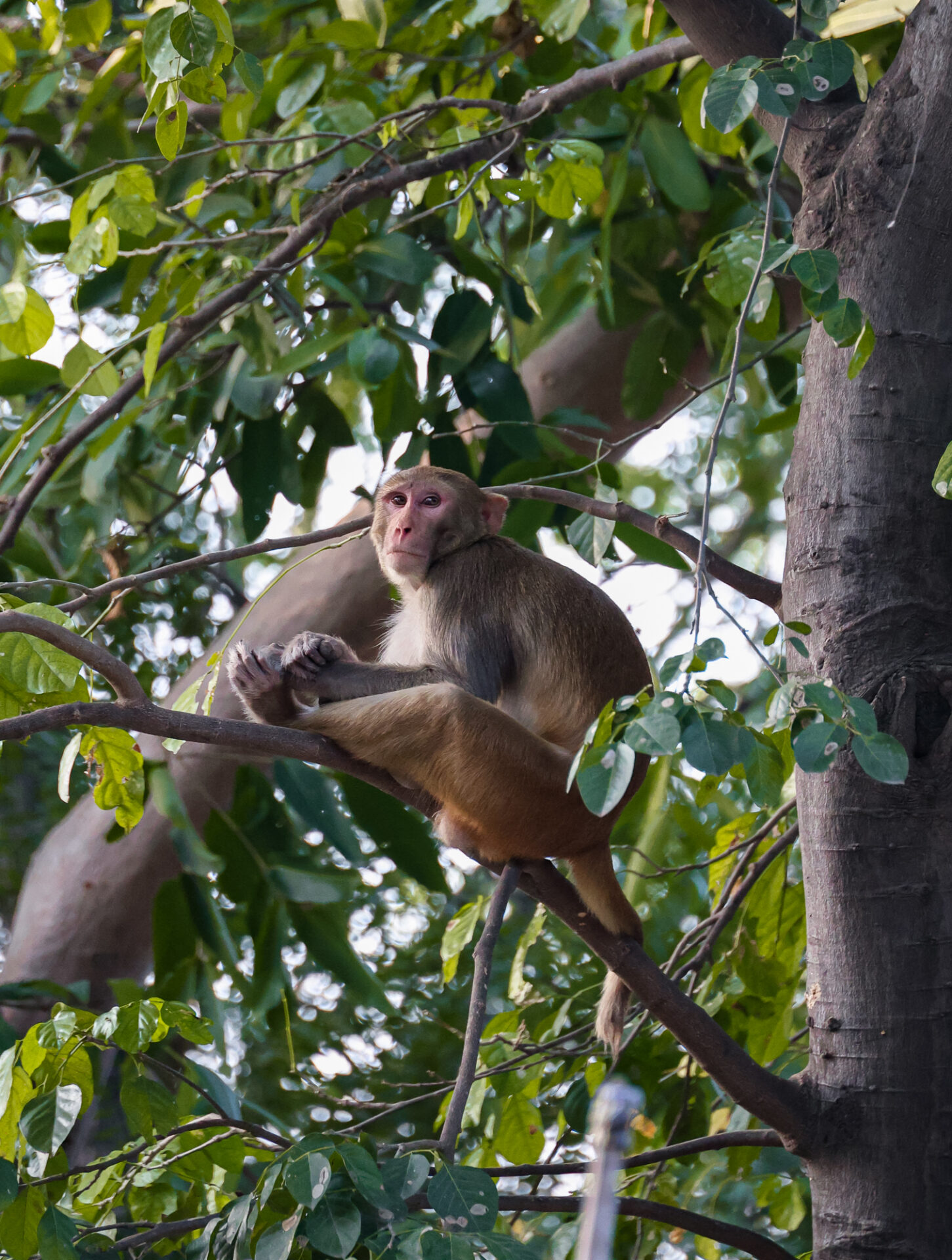
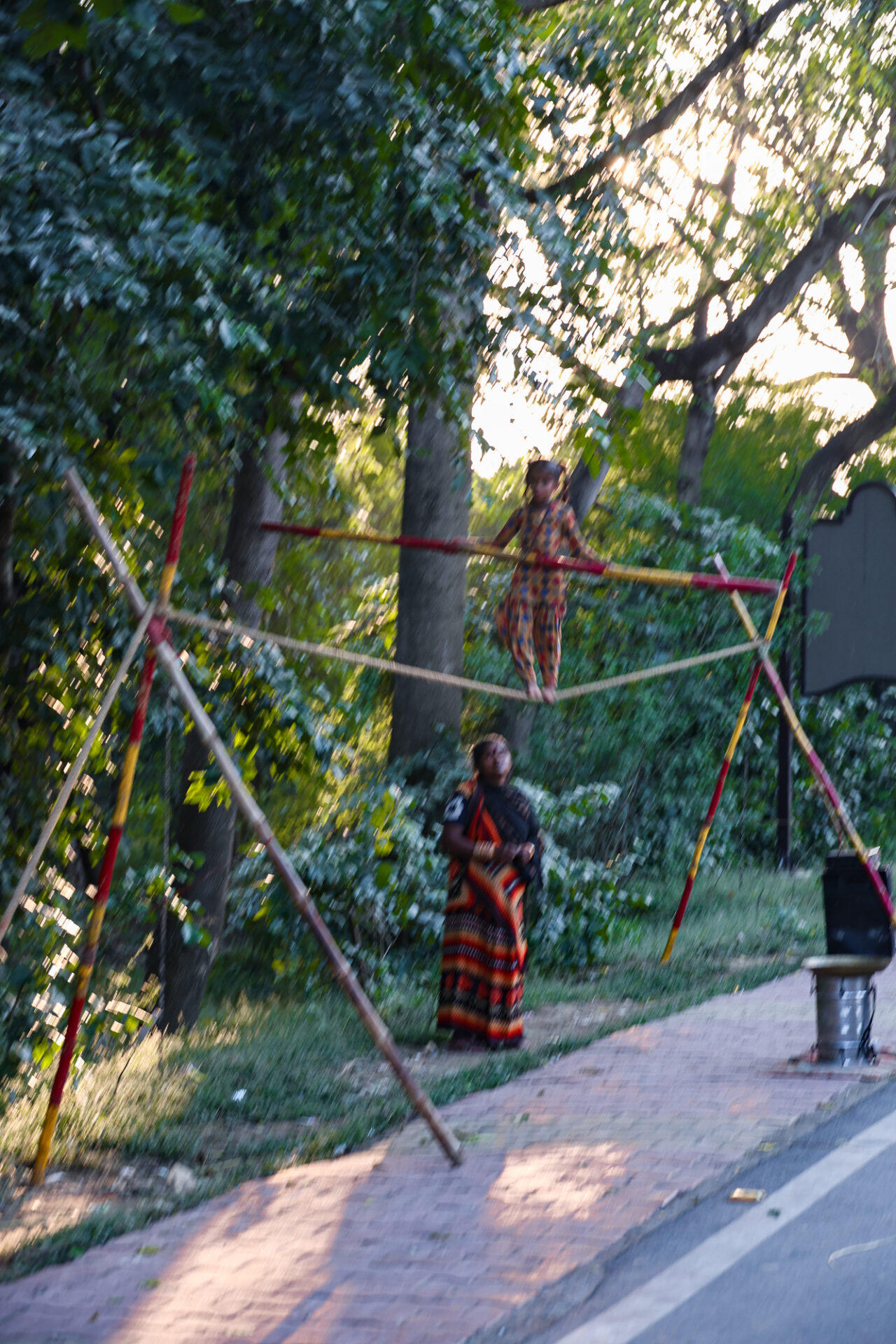
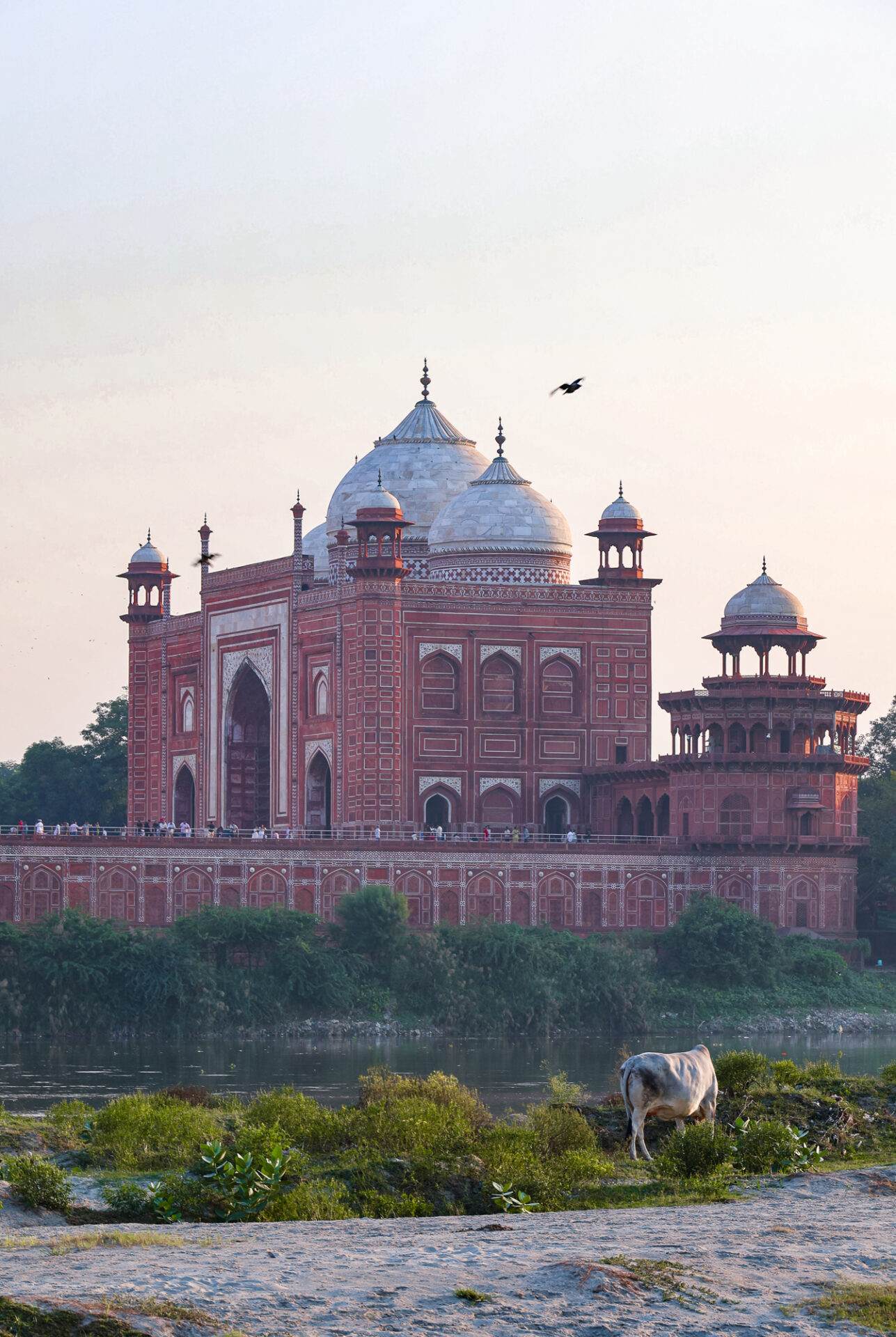
Visit around sunset, taking a short tuktuk ride from the parking area to the garden entrance for panoramic views! The best viewing area is accessible after a short walk along the riverbank.

6. Get stunned by Tomb of I’timād-ud-Daulah
If you loved the Taj Mahal, the Baby Taj is a must-see! The Tomb of I’timād-ud-Daulah is a true masterpiece of Mughal architecture set along the banks of the Yamuna River.
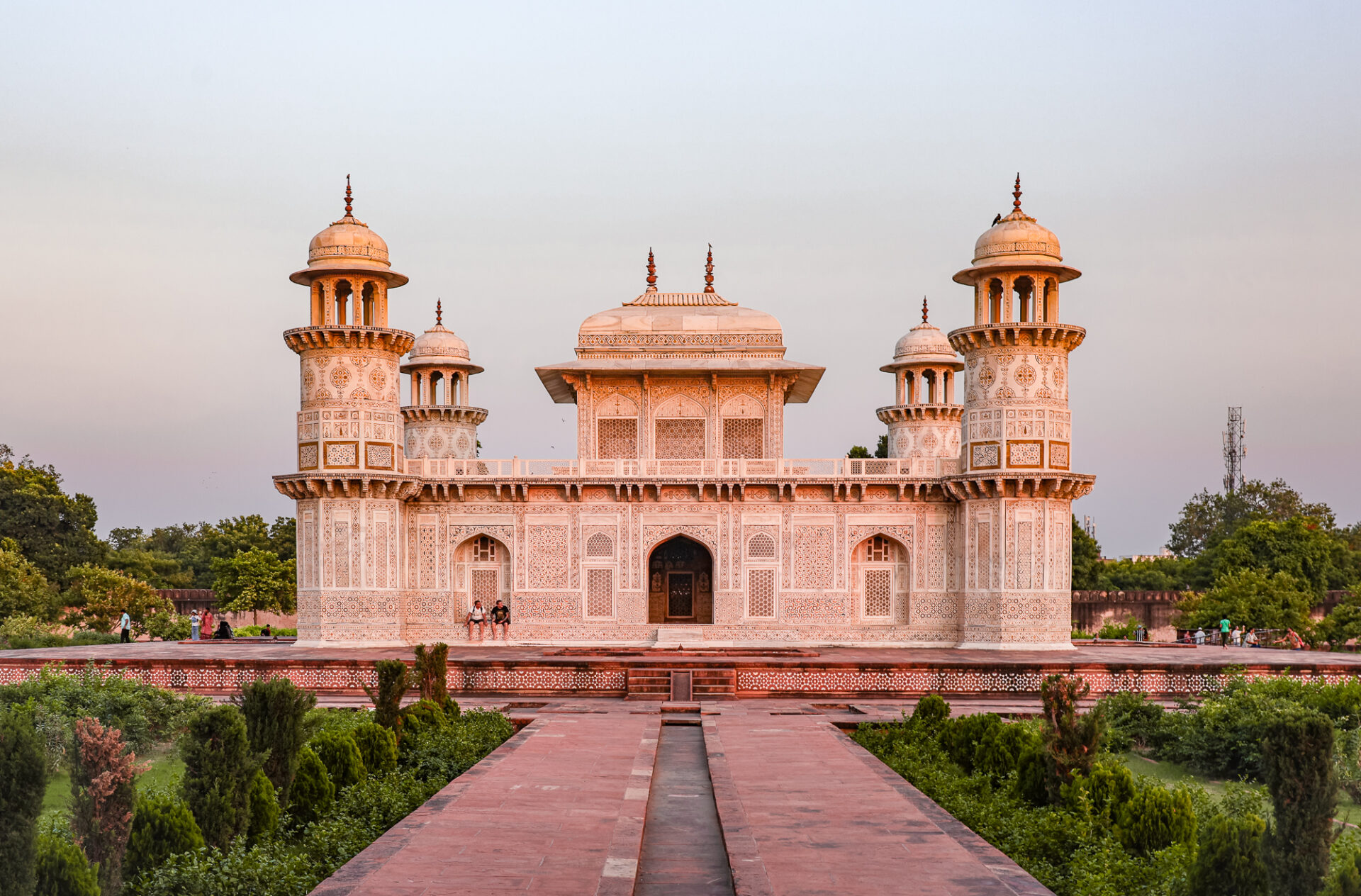

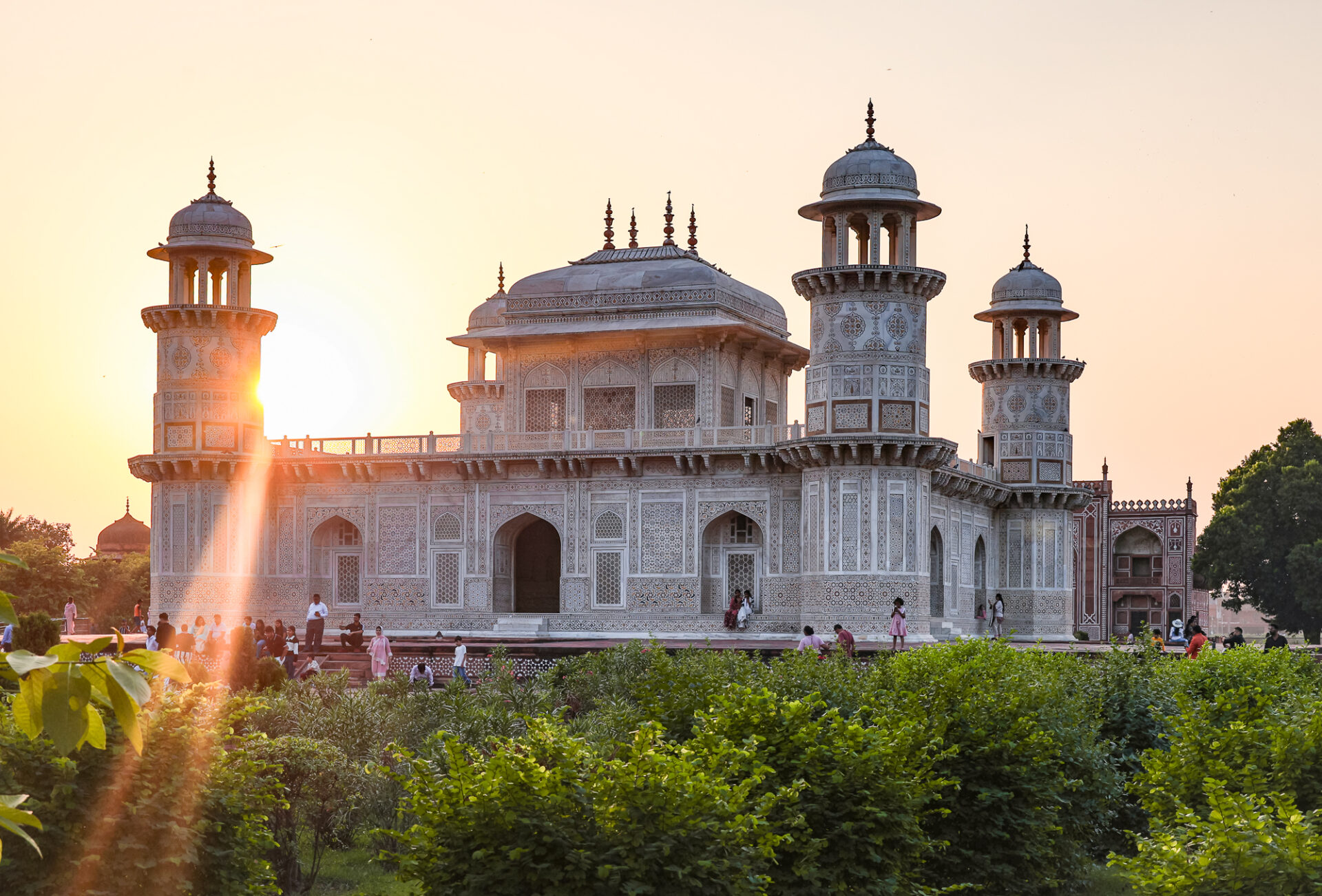

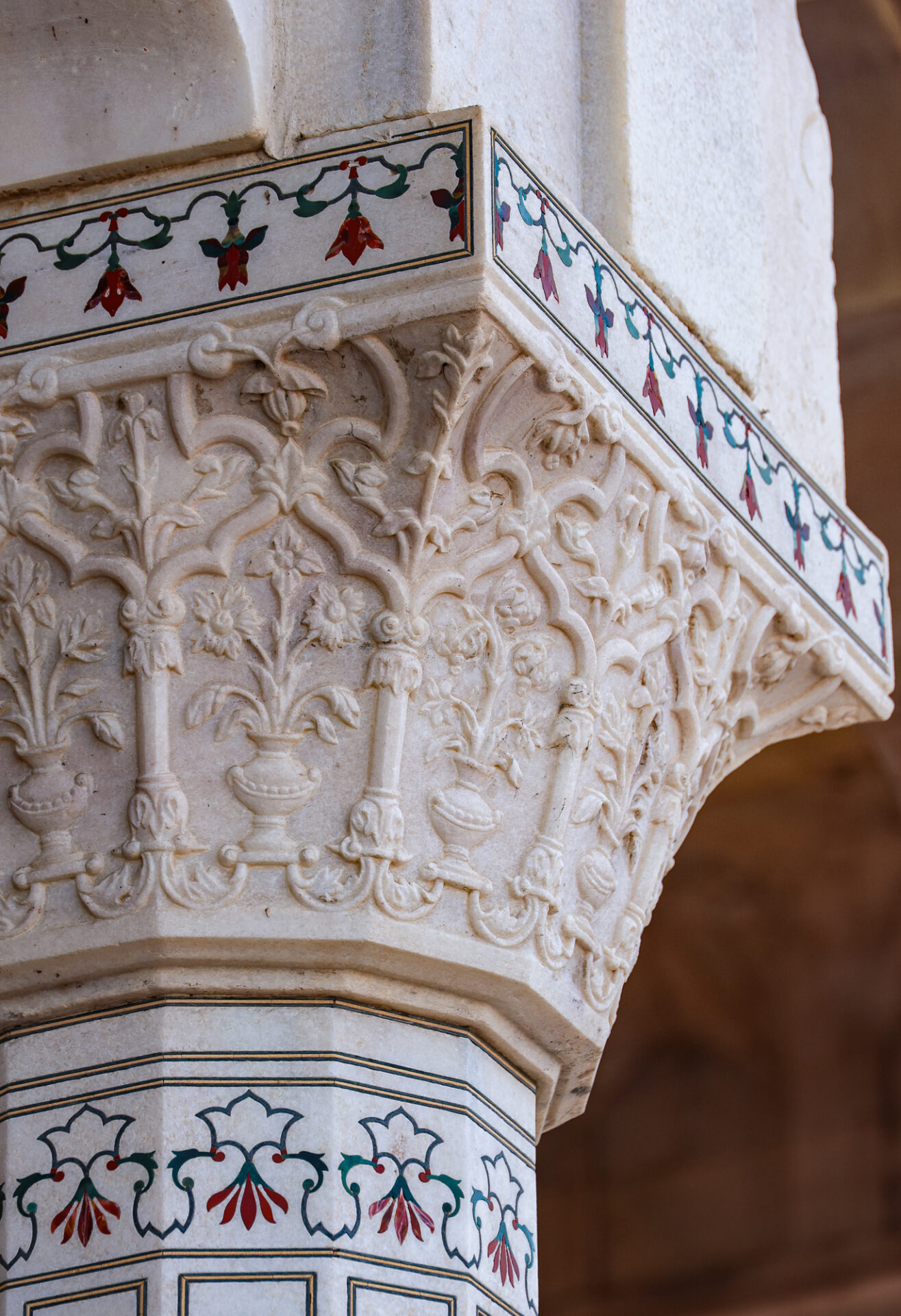
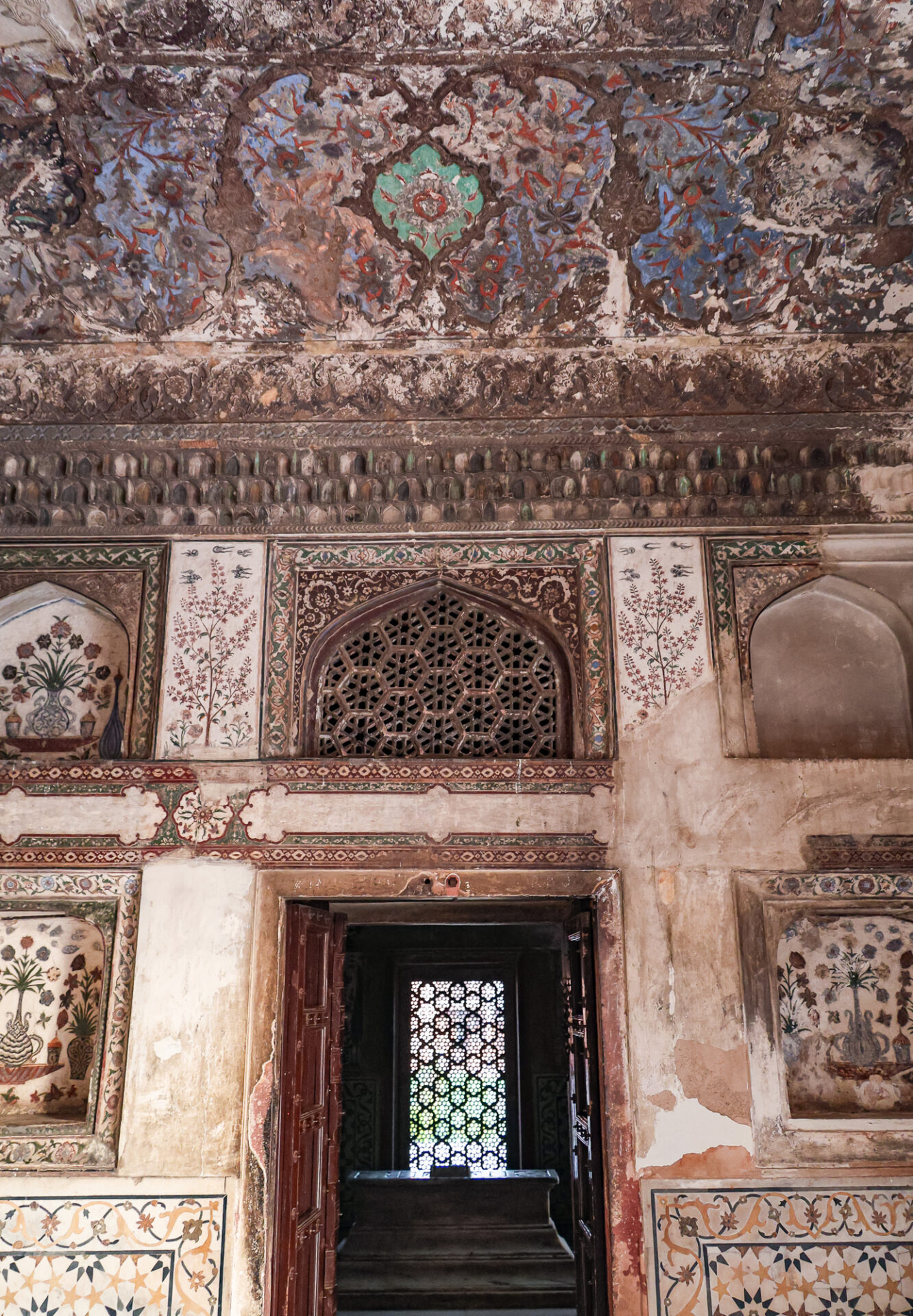
The complex features a striking marble mausoleum, red sandstone gateways, and tranquil Charbagh gardens with monkeys wandering around. Called the ‘jewel box’ of Agra, it was the first Mughal structure built entirely from white marble and features breathtaking Parchin Kari, stone inlays similar to Taj Mahal, alongside lace-like carved lattice screens jalis.
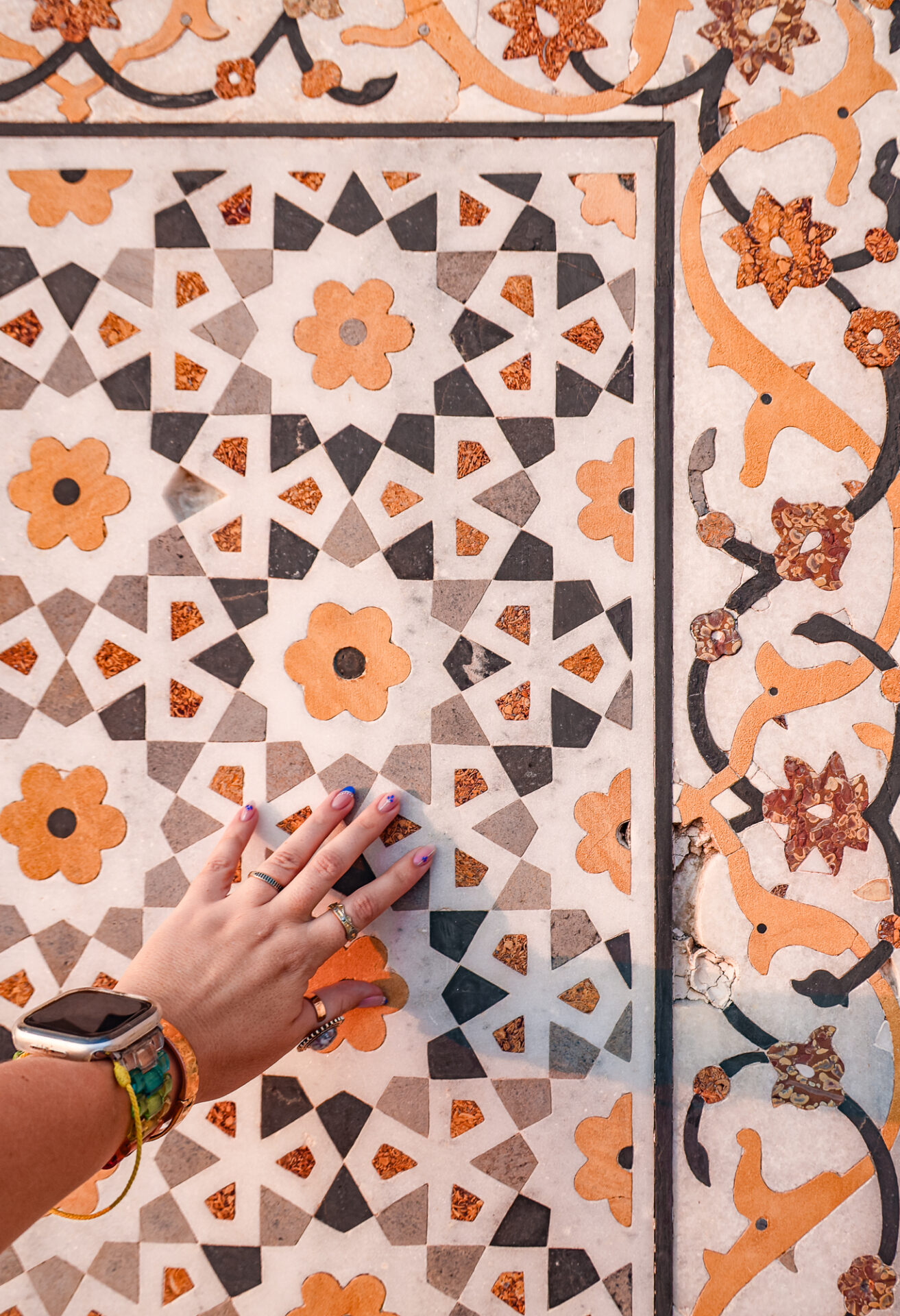
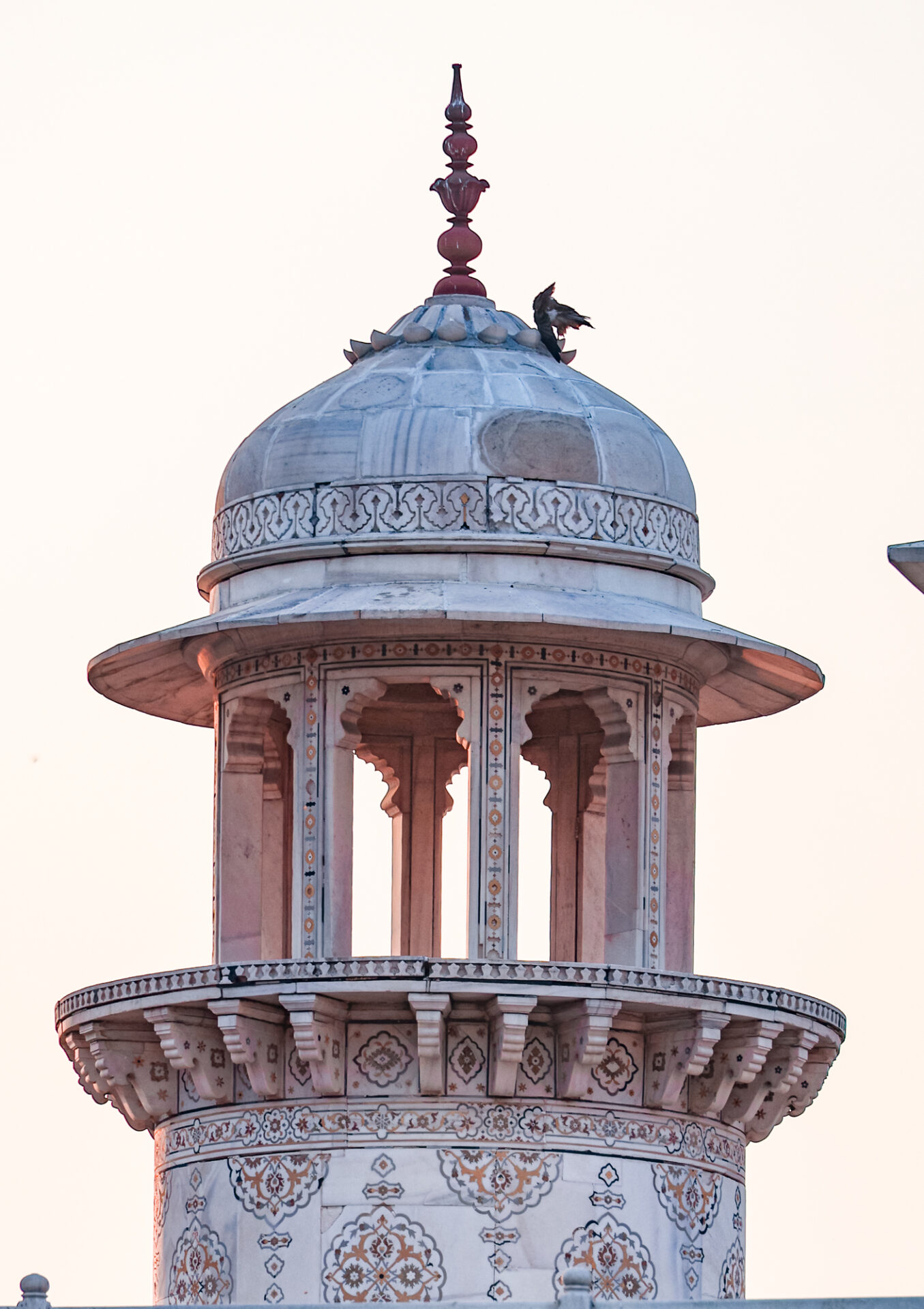

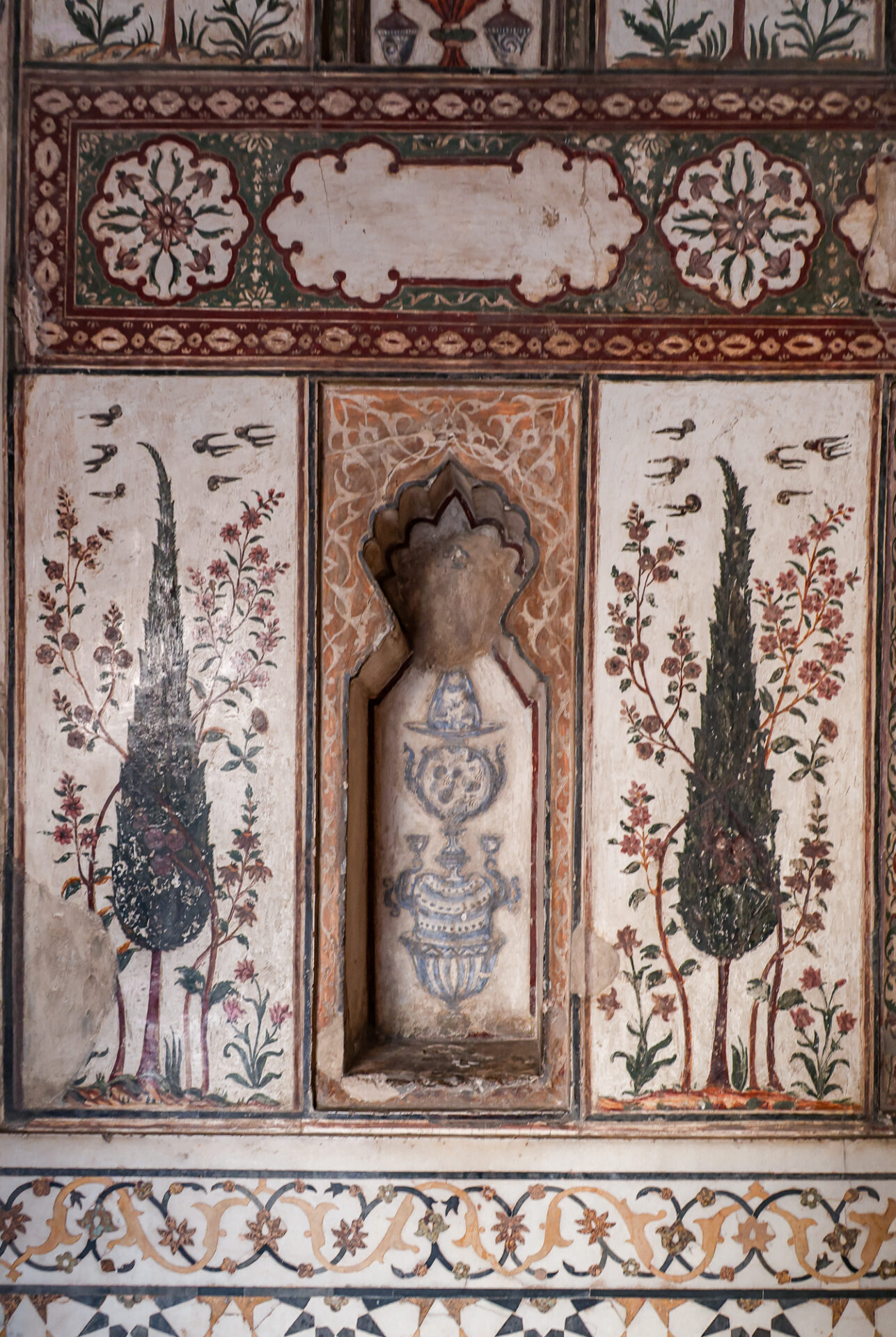
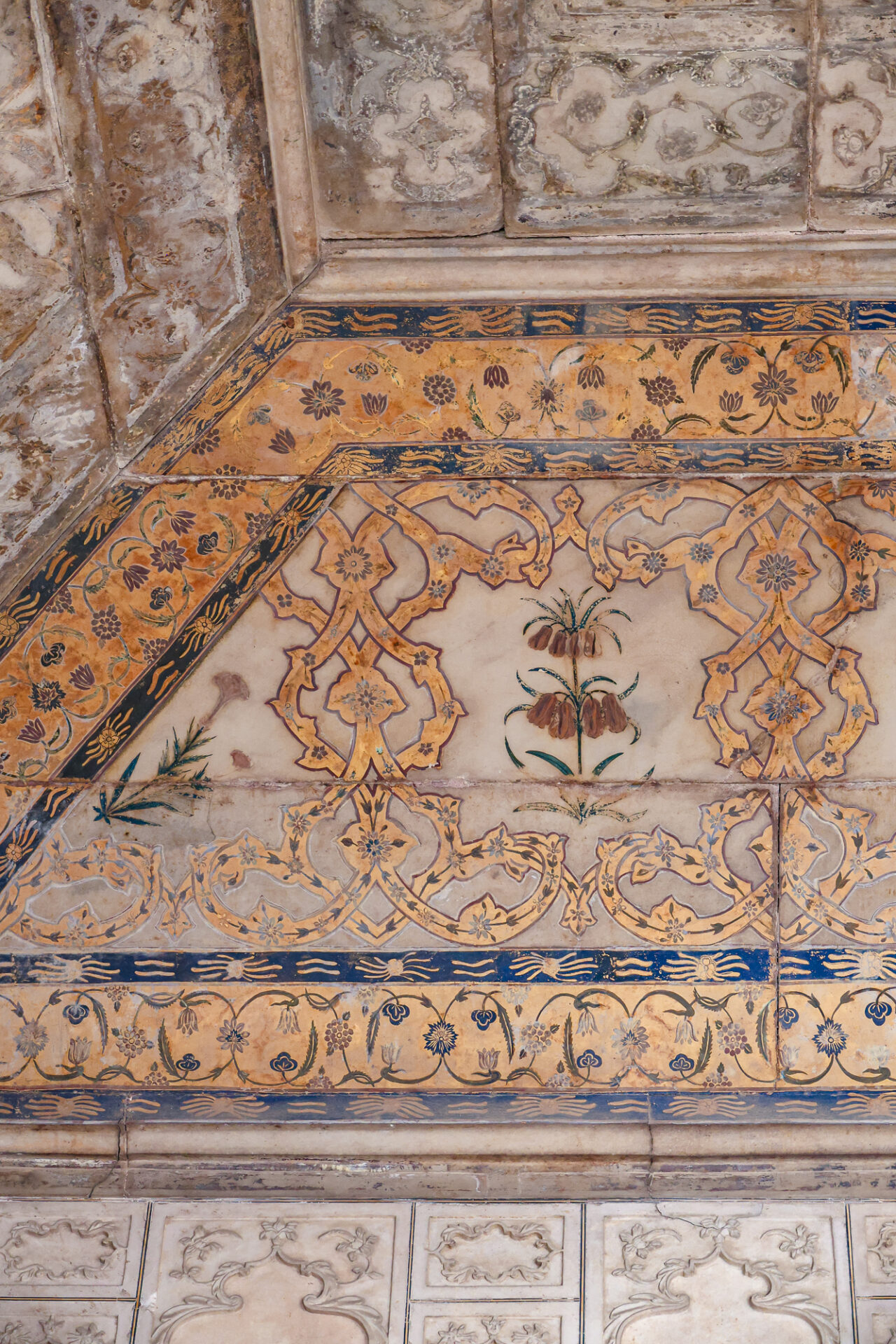
Inside the vaulted ceilings display remarkably preserved floral paintings, housing the central tombs of Empress Nur Jahan (the main wife of Emperor Jahangir)’s parents. In fact, she served as the de facto ruler of the Mughal Empire between 1611 and 1627 as her husband was unable to govern due to his addictions.
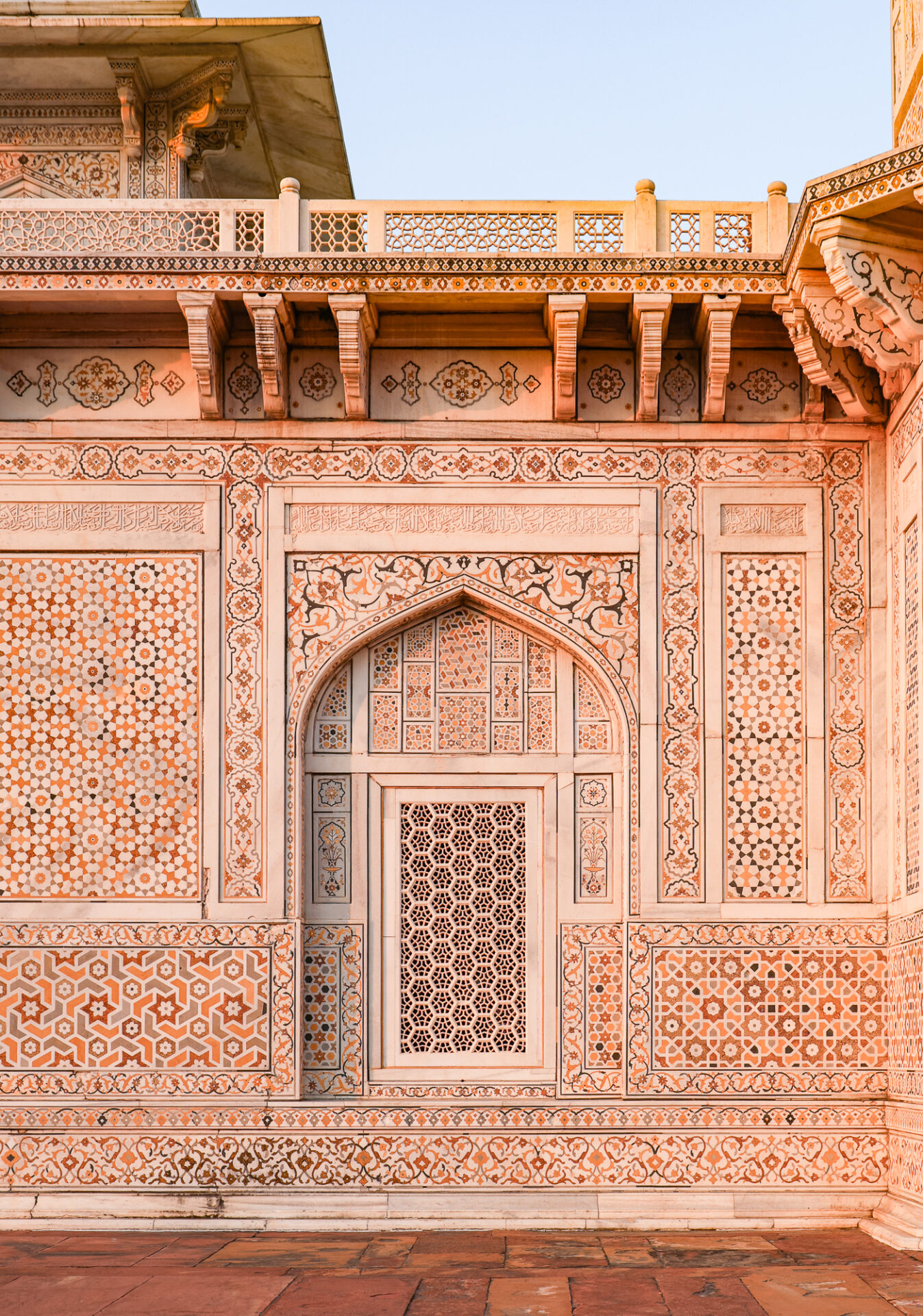
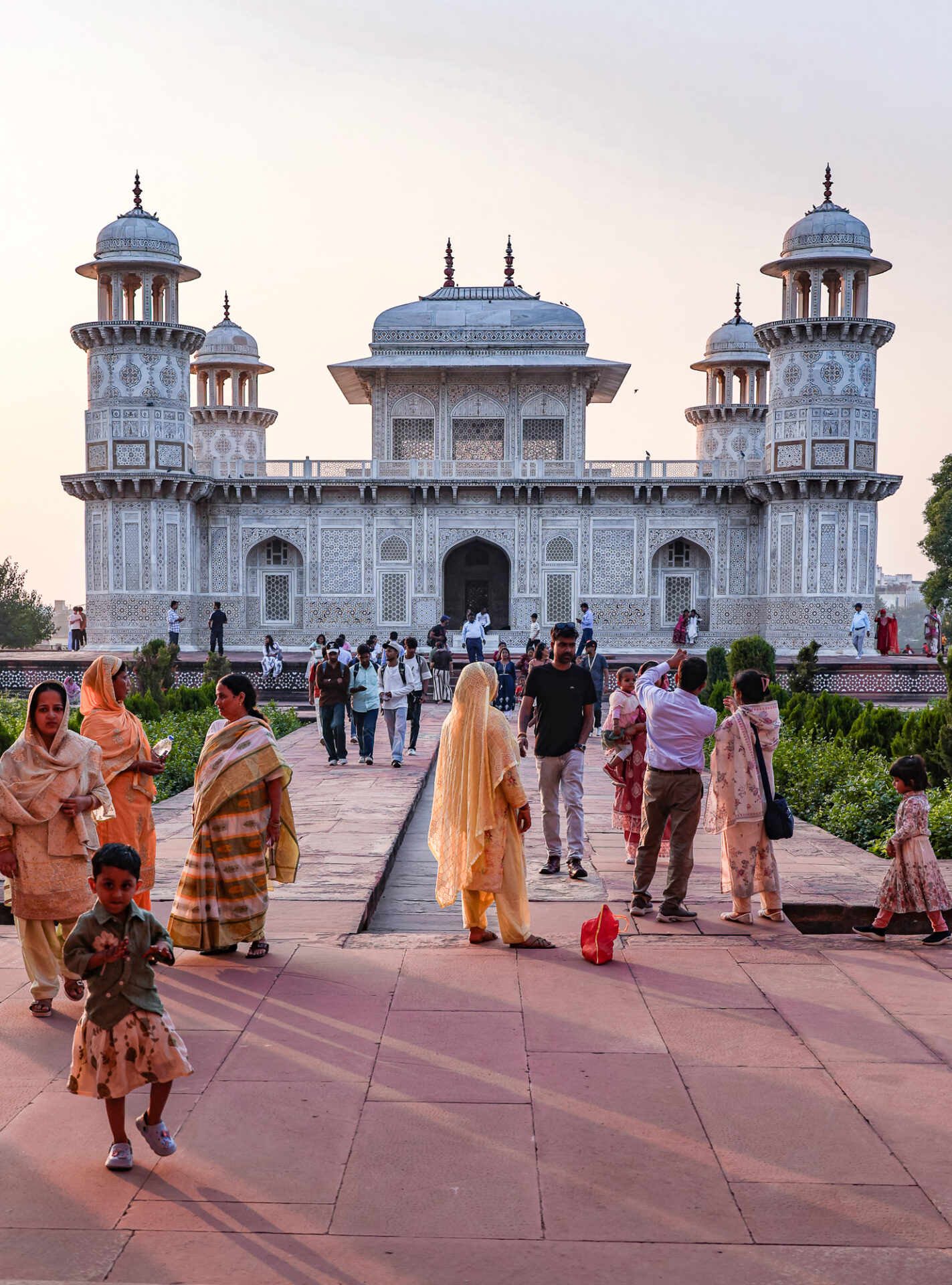

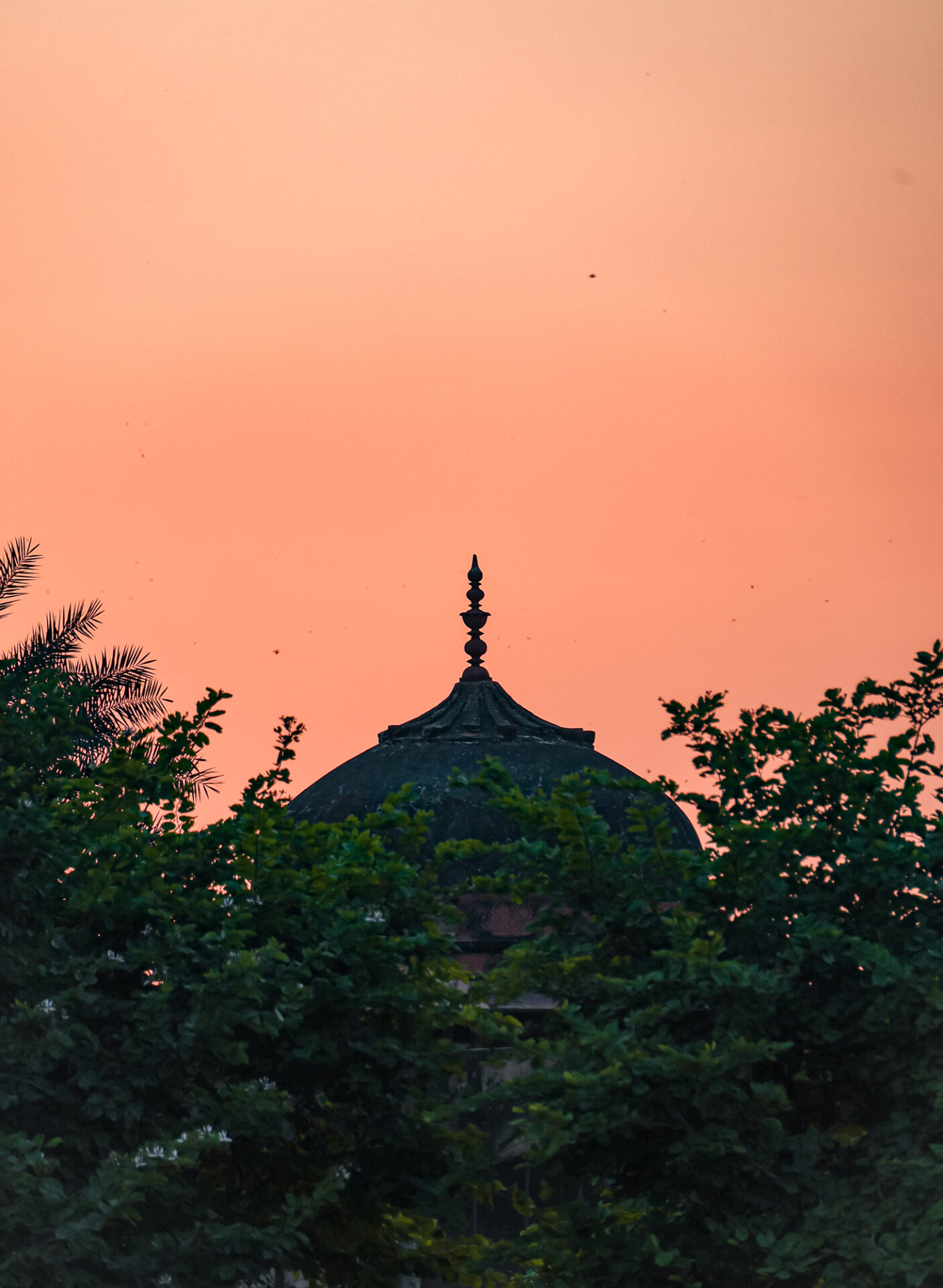
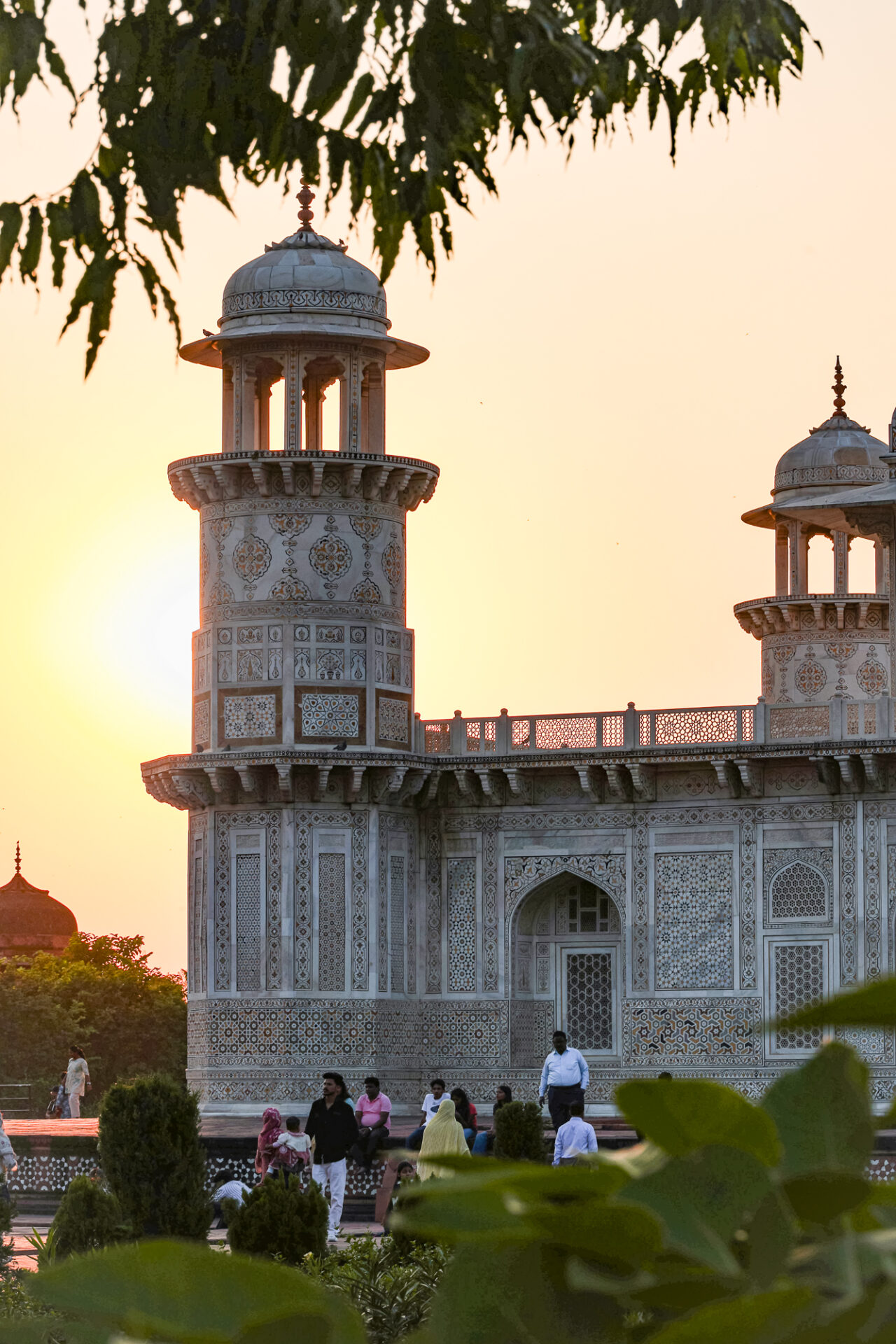
Tomb of I’timād-ud-Daulah is particularly enchanting at sunset when bathed in warm sunset light.
7. Attend an artisan workshop
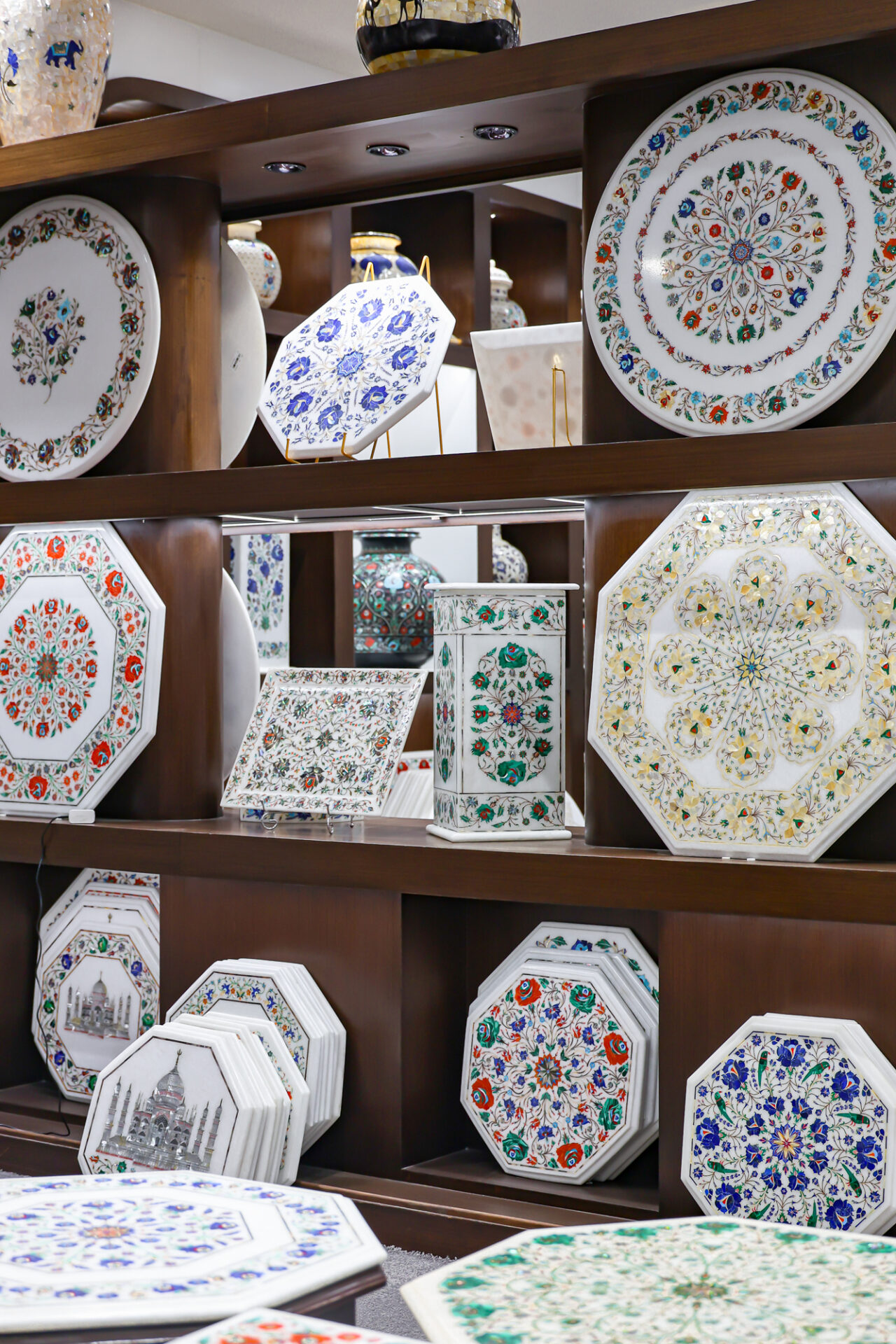
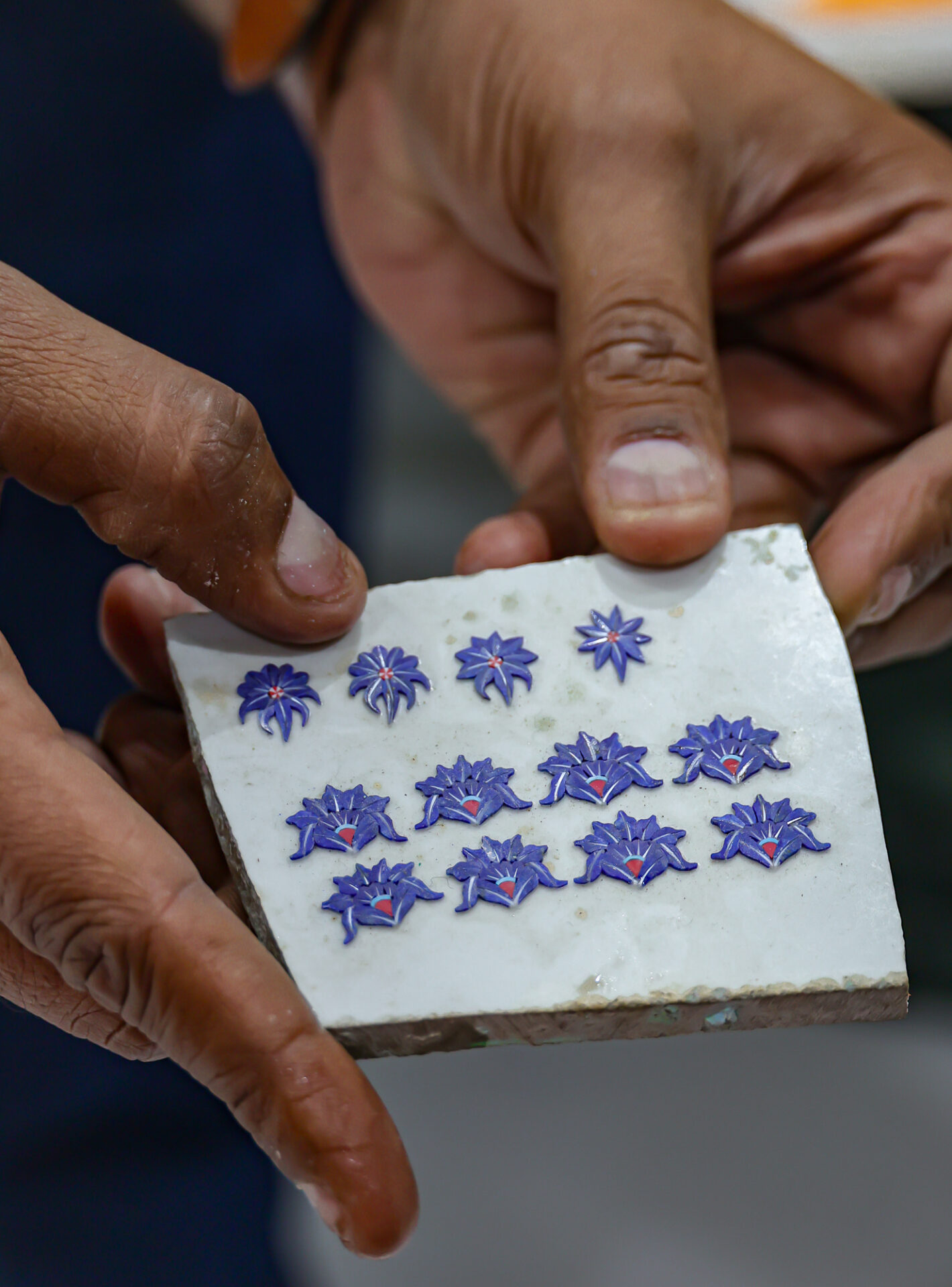
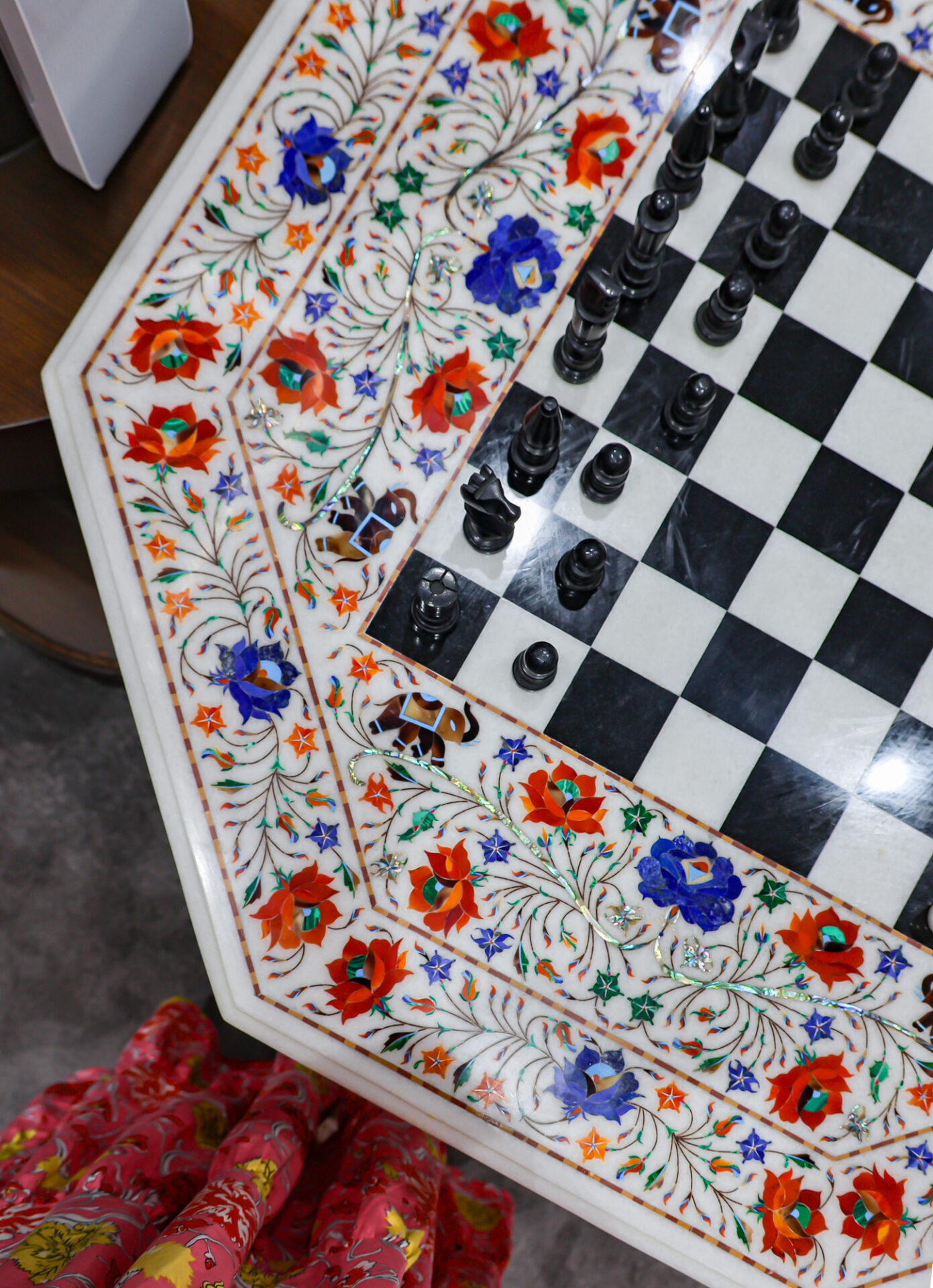
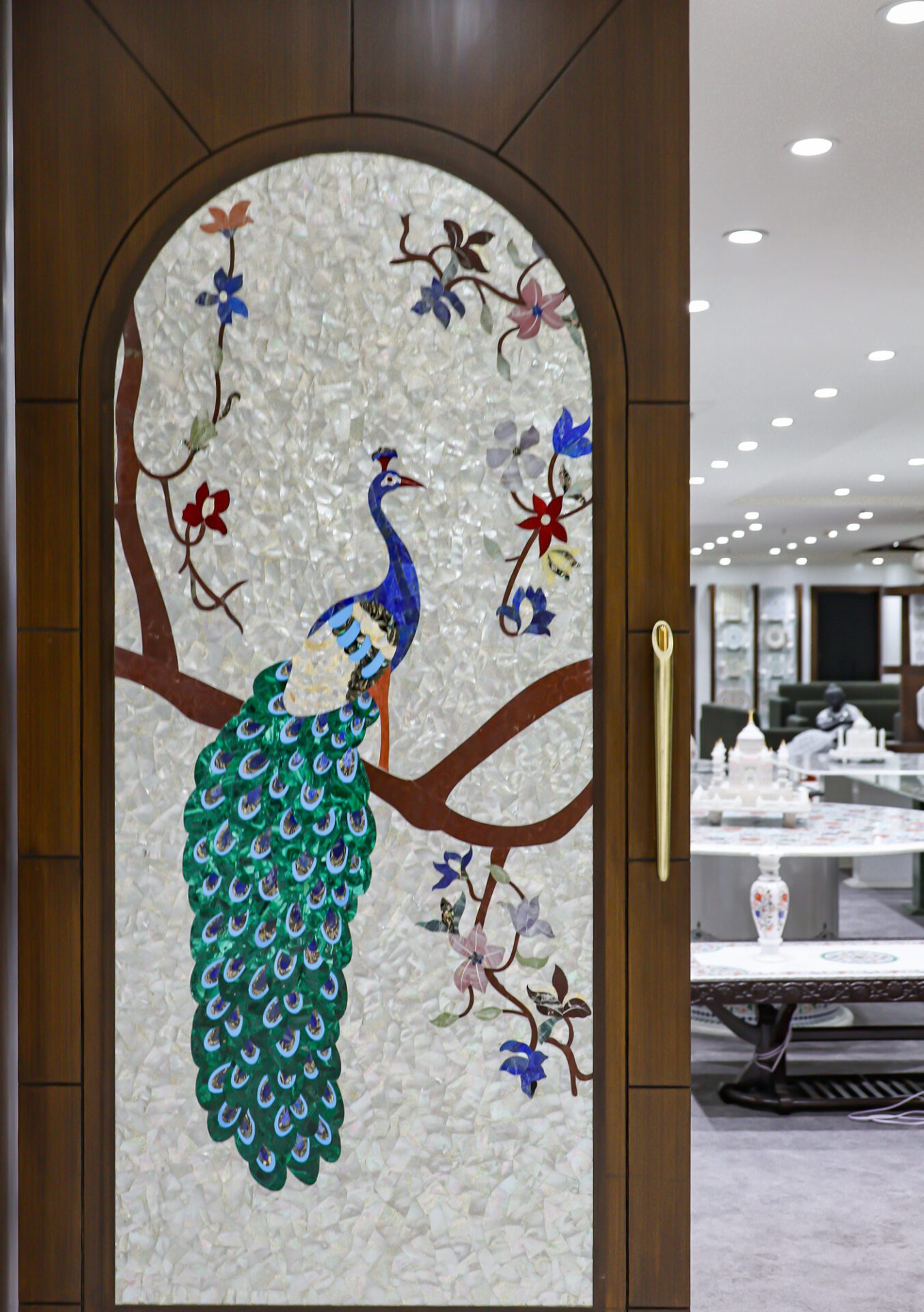
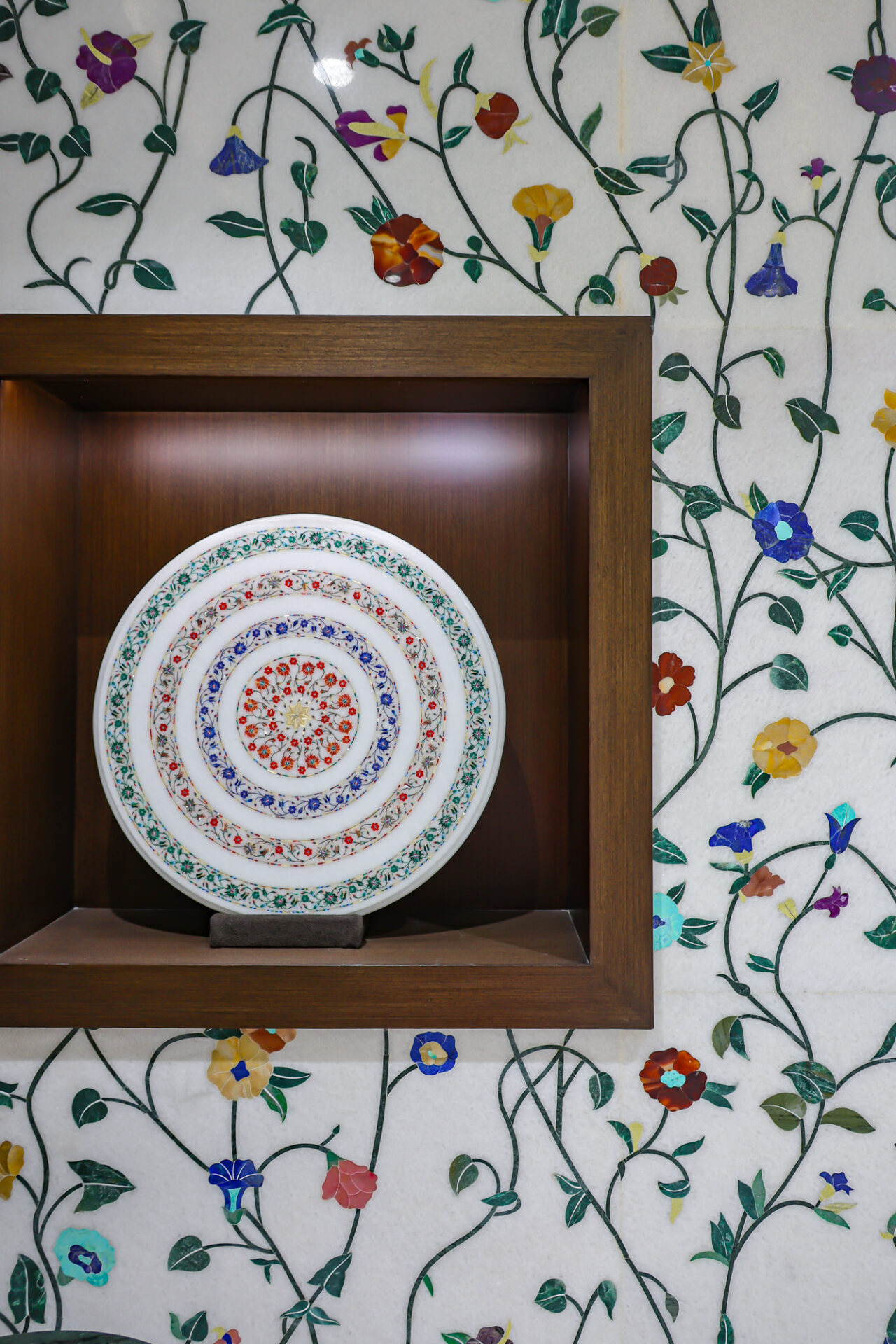
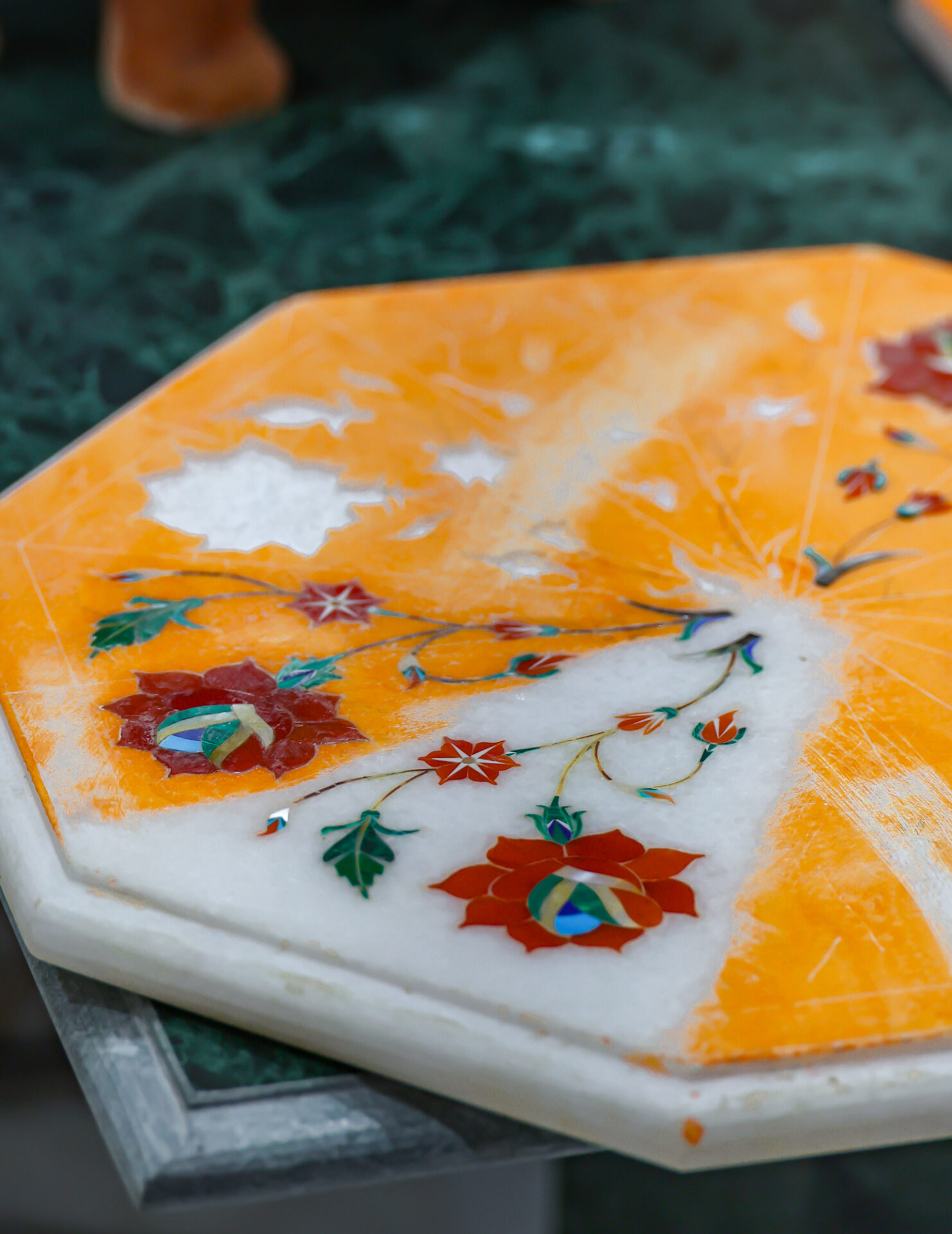
What a more immersive experience into Agra’s past? Pop into one of the artisan workshops in Agra! Of course, you’ll be encouraged to purchase something, but even so, you can get a glimpse of how the incredible marble inlay work of the Taj Mahal was created, as local craftsmen still use similar materials and techniques.

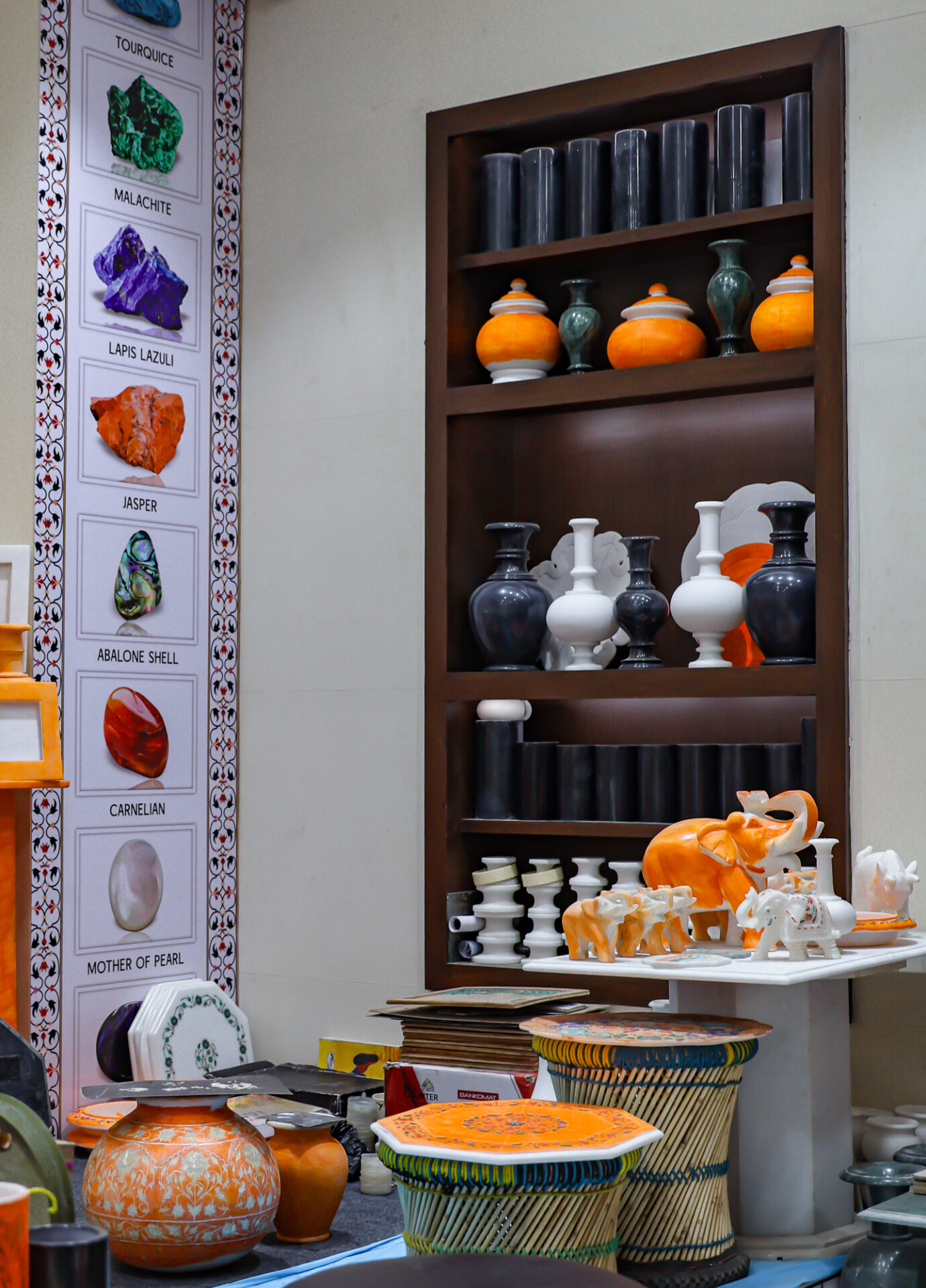
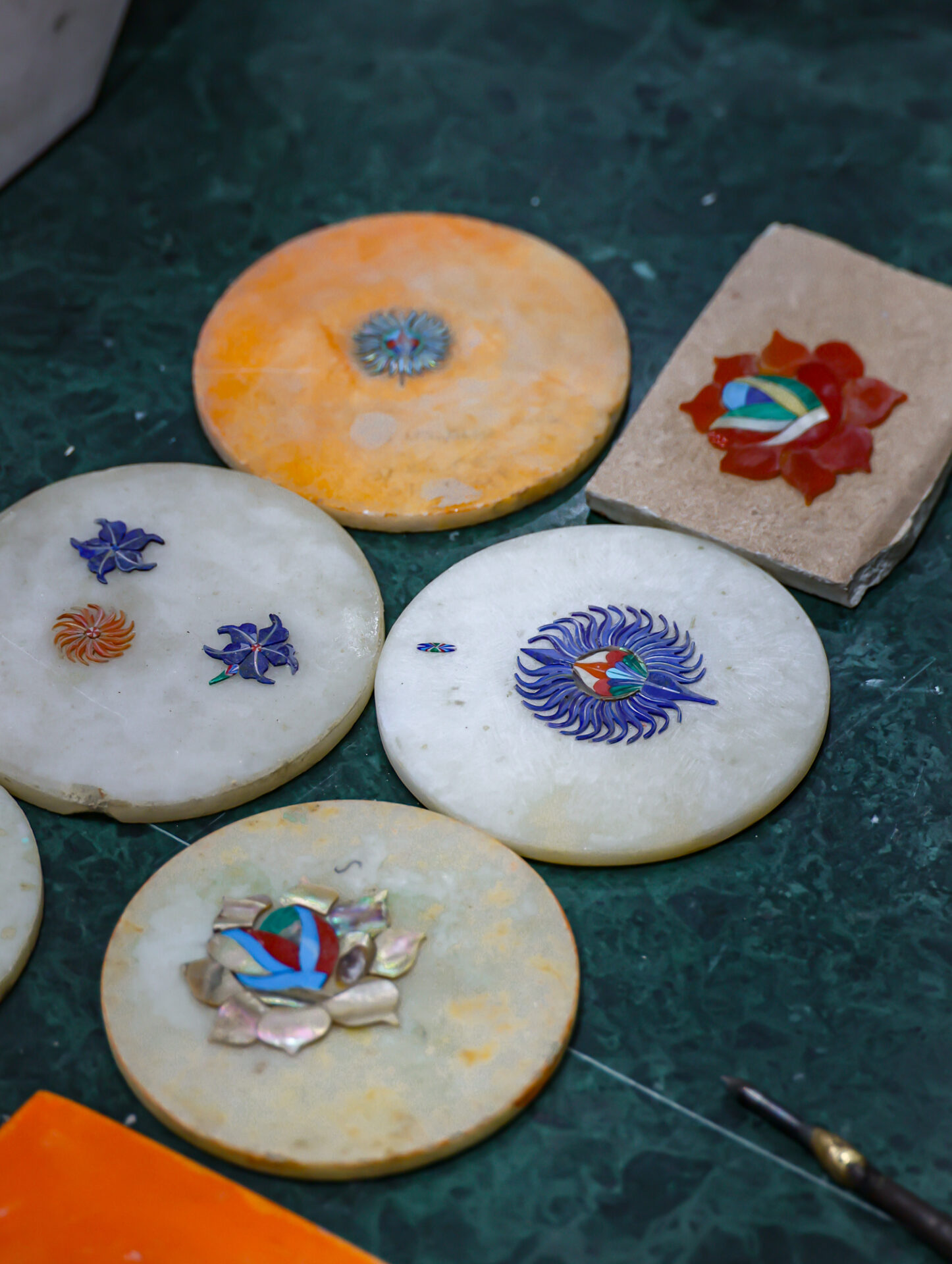
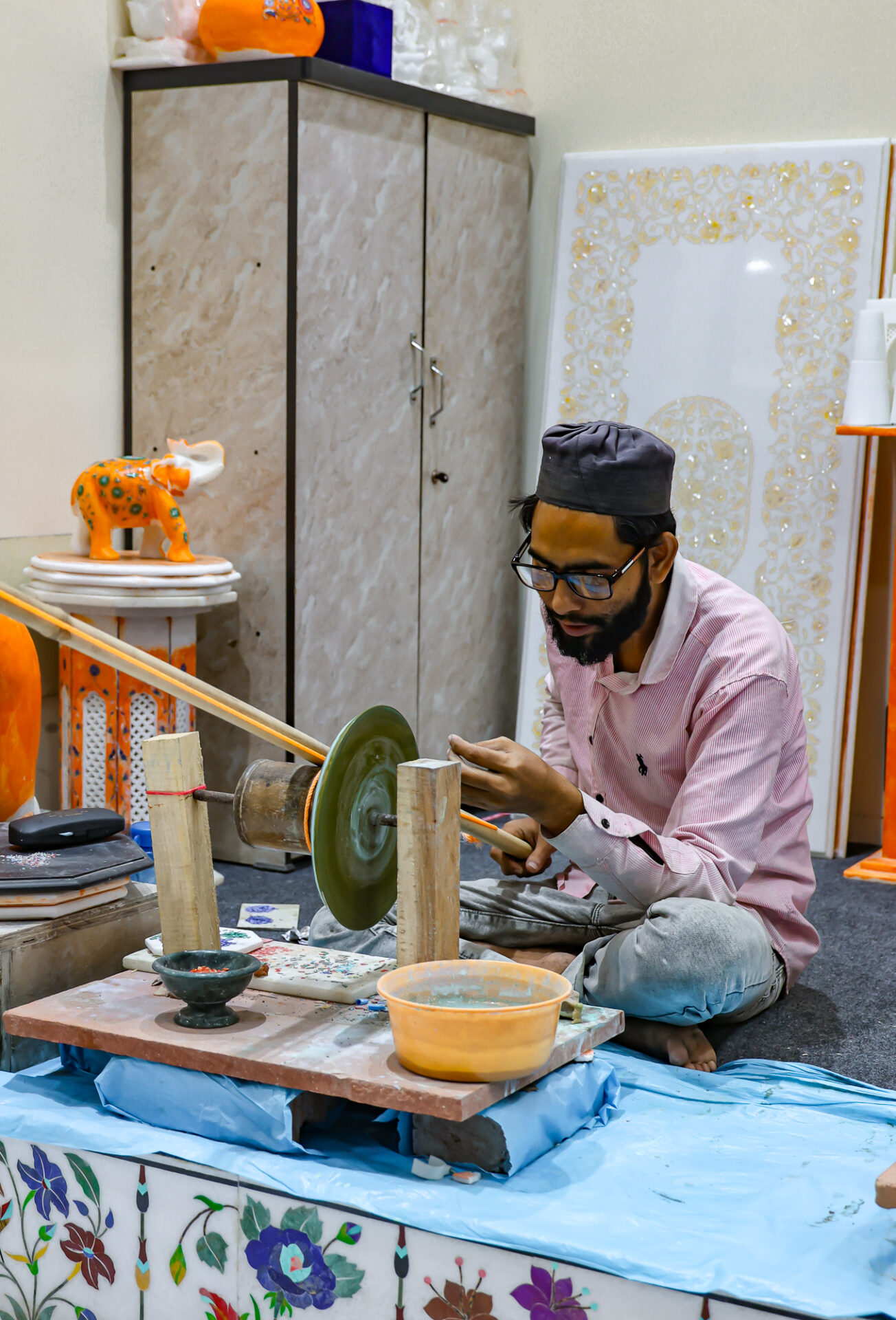
Traditionally called parchin kari, it is the process of inlaying semiprecious stones(carnelian, jasper, agate, mother-of-pearl, lapis lazuli, and turquoise) into translucent local Makrana marble. First, the marble is carved with a pattern; then, the stones are precisely cut to fit the design and finally fixed into place using a special adhesive. The result is mesmerizing!
7. Don’t skip Gurudwara Guru Ka Taal
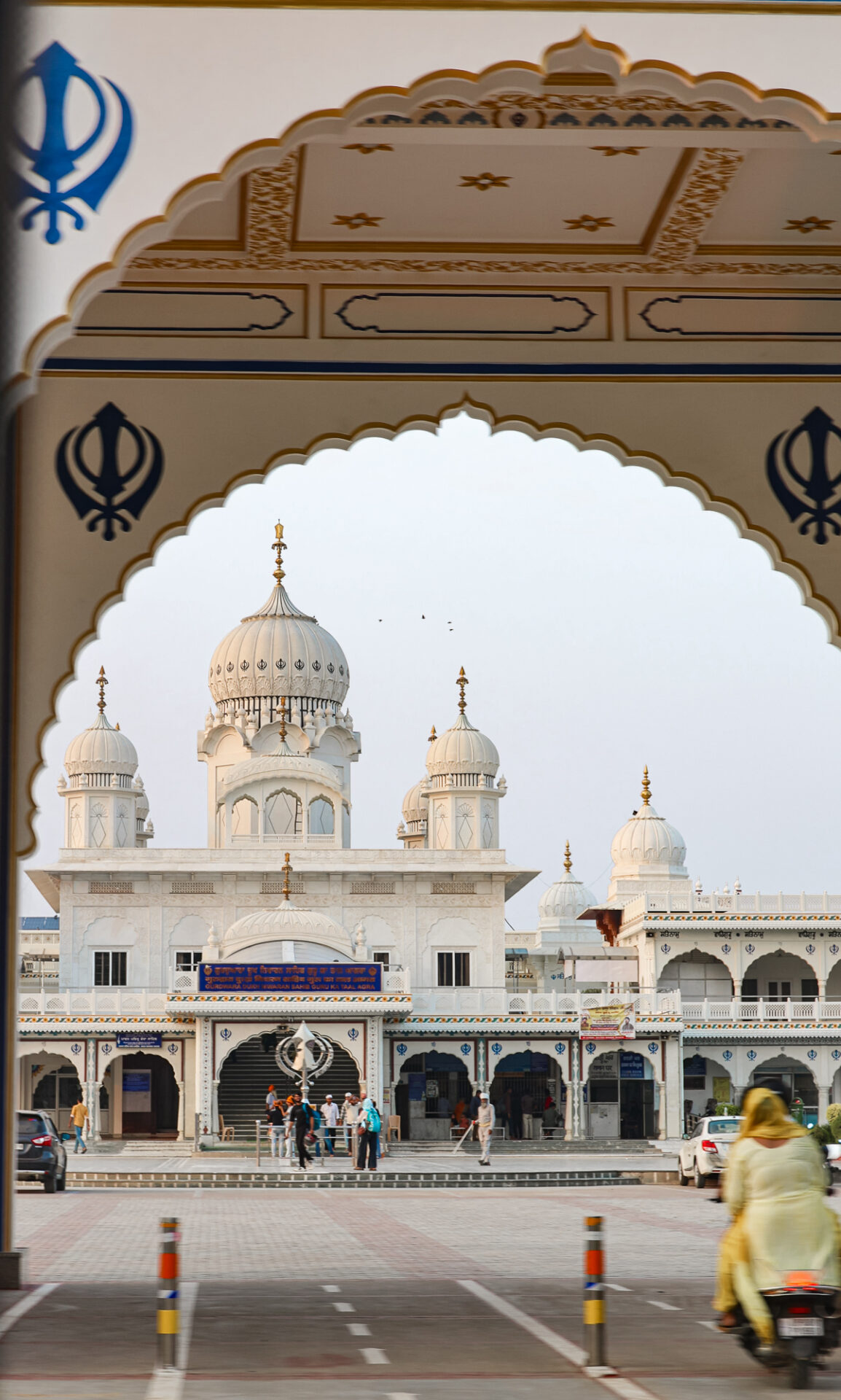
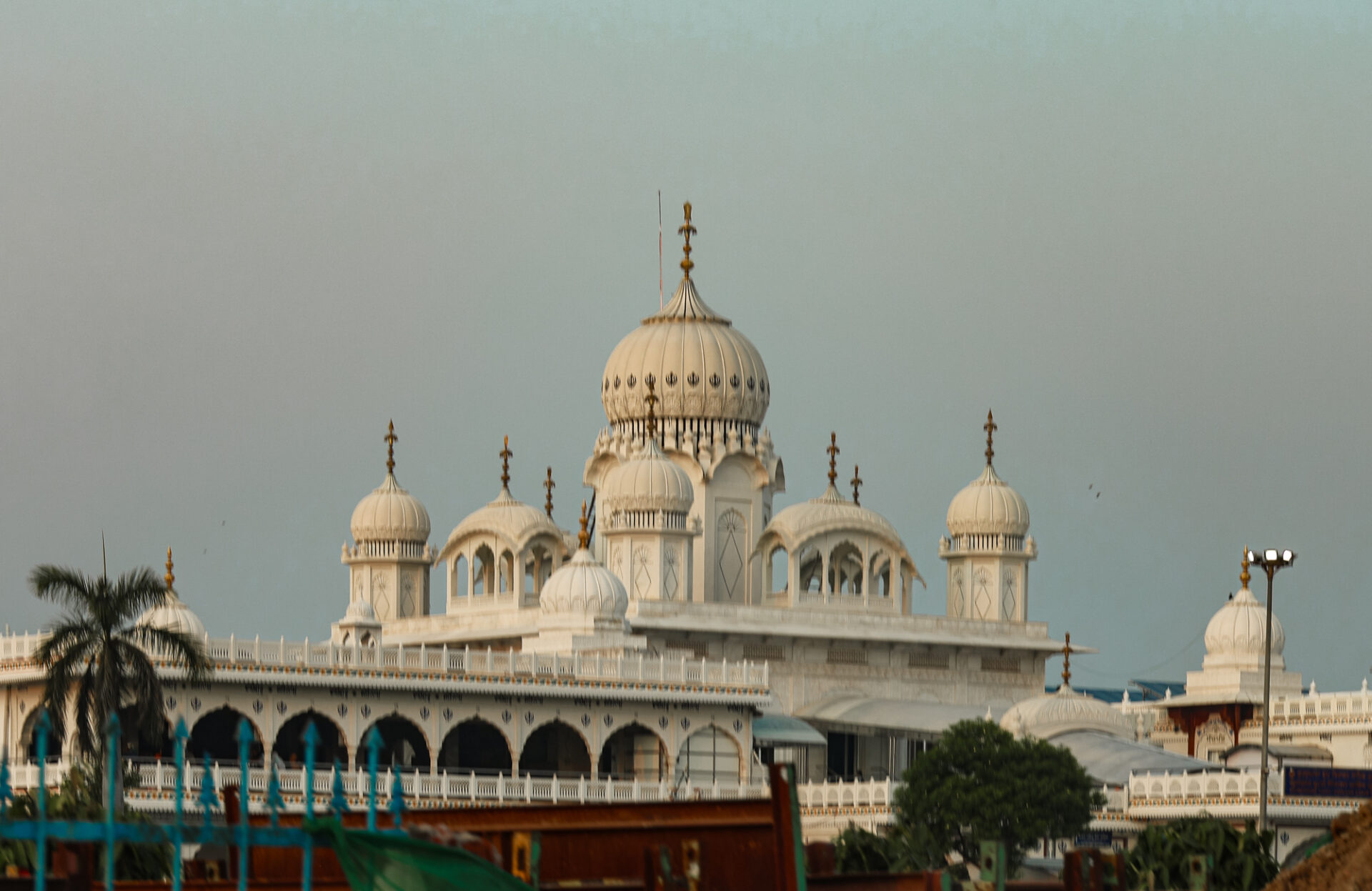
Gurudwara Guru Ka Taal is a Sikh house of worship in Agra featuring historical architectural remnants that date back to the 17th century (though the majority of the current complex is more recent). It is linked to the 9th Sikh Guru, Guru Tegh Bahadur Ji, who surrendered to the Mughals here to protect religious freedom and was later killed in Delhi. Today, it is an important place of pilgrimage featuring a sacred Sarovar pool and a Langar communal kitchen.
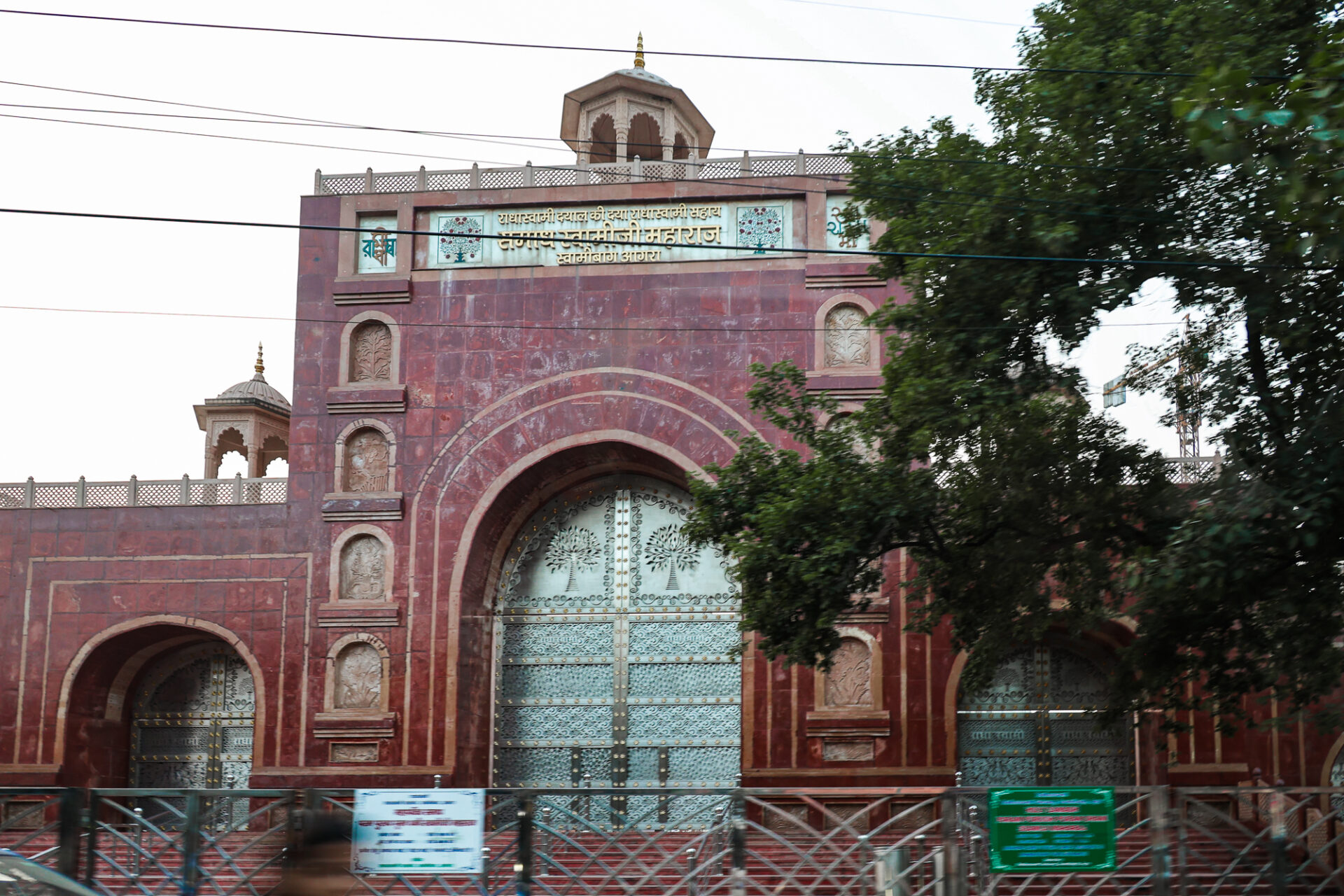
8. Spot Soami Bagh Samadh
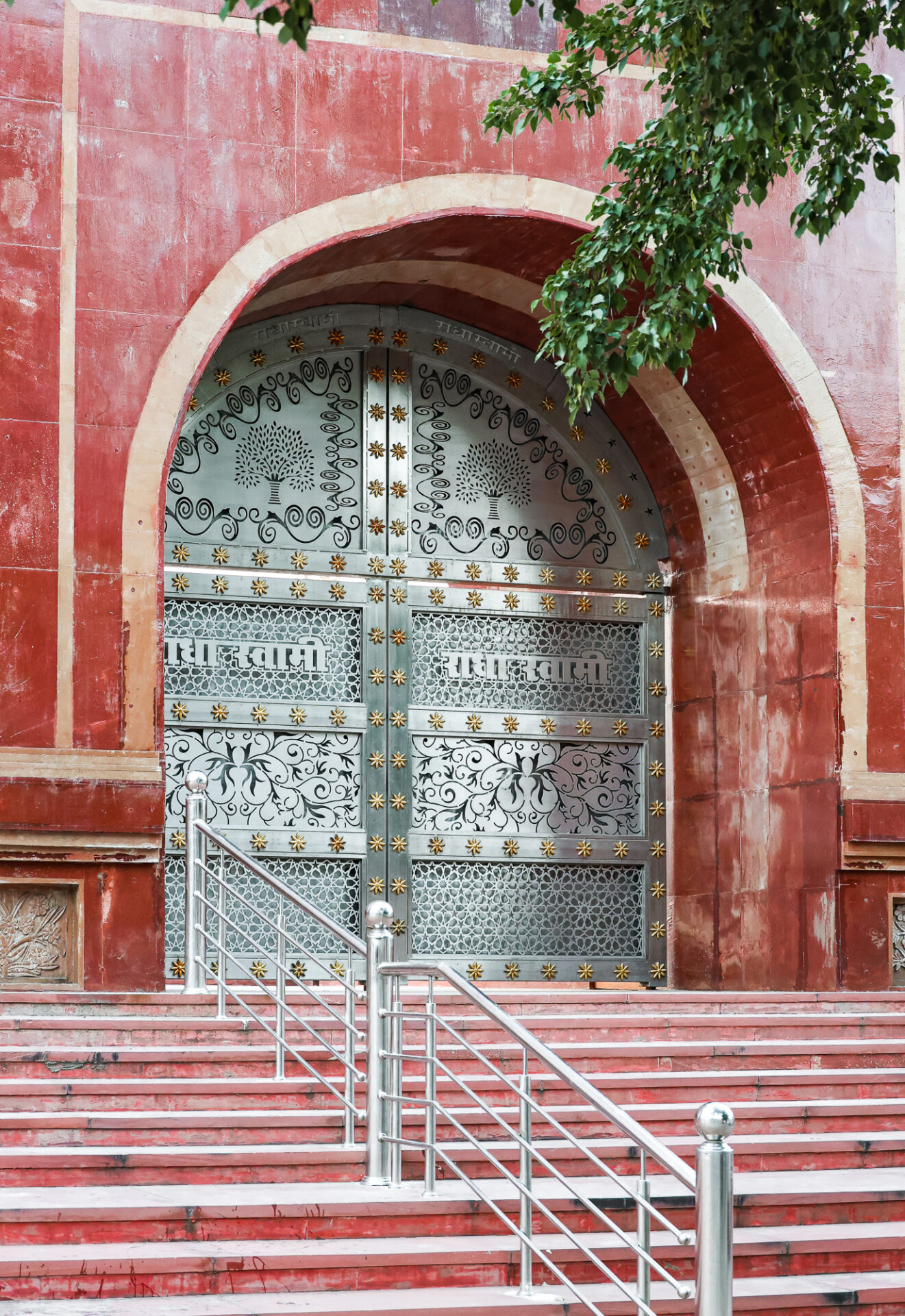
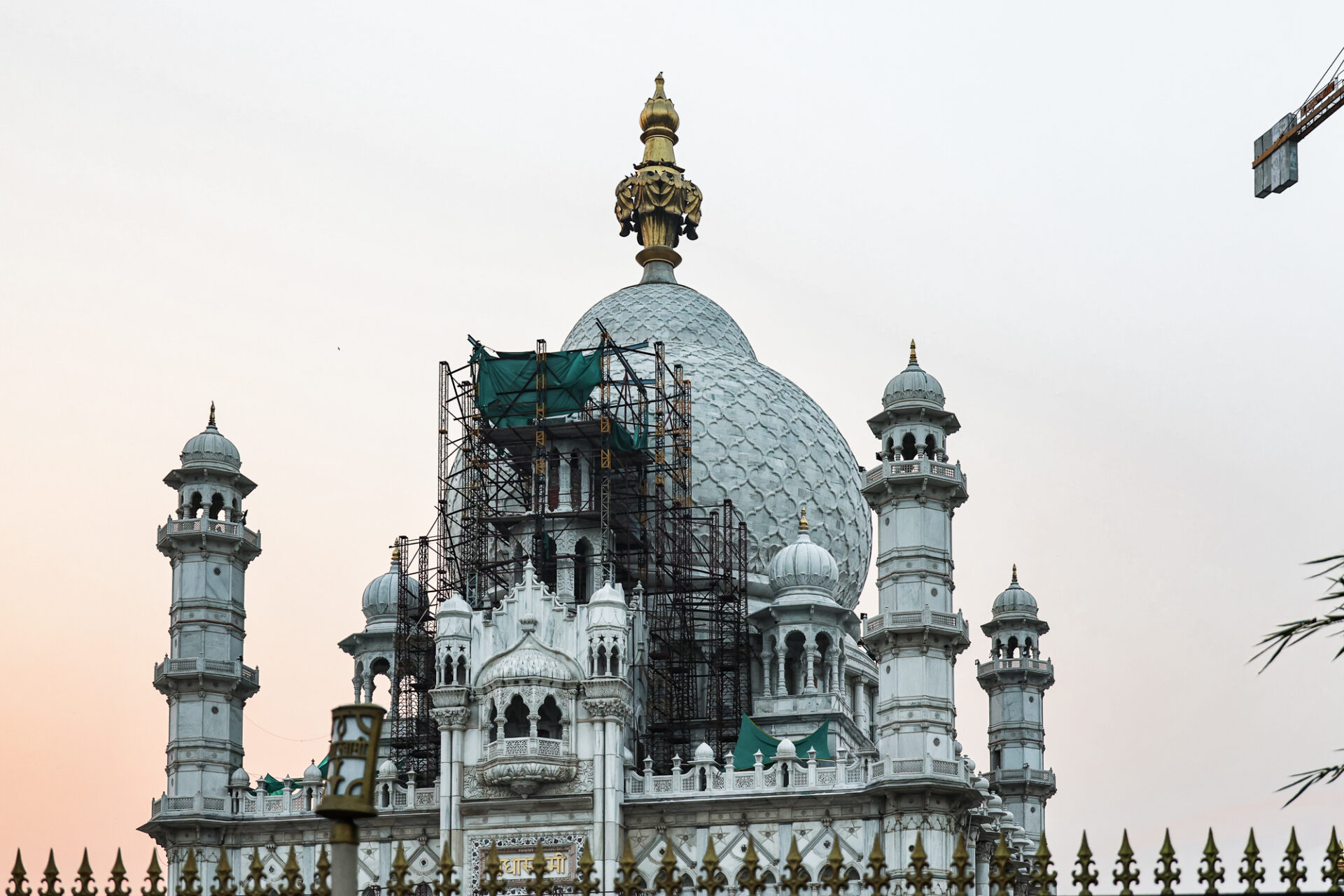
Soami Bagh Samadh is another unusual landmark to see in Agra; however, I must note that we saw it only from the outside, and the site was partly covered in scaffolding. This is a primary destination for followers of the Radhasoami Faith, founded in 1861. The memorial of its founder, Shiv Dayal Singh Ji, is located inside.
9. Attend the Mohabbat The Taj performance
If you’d like to experience a deeper look into Indian culture and the story behind the Taj Mahal, book tickets to the Mohabbat The Taj performance at the Kalakriti Cultural and Convention Centre! During the 80–90 minutes of the show, you’ll watch the love story of Emperor Shah Jahan and Mumtaz unfold, culminating in the construction of the Taj Mahal – where the world’s largest Makrana marble replica of the monument emerges from beneath the stage.
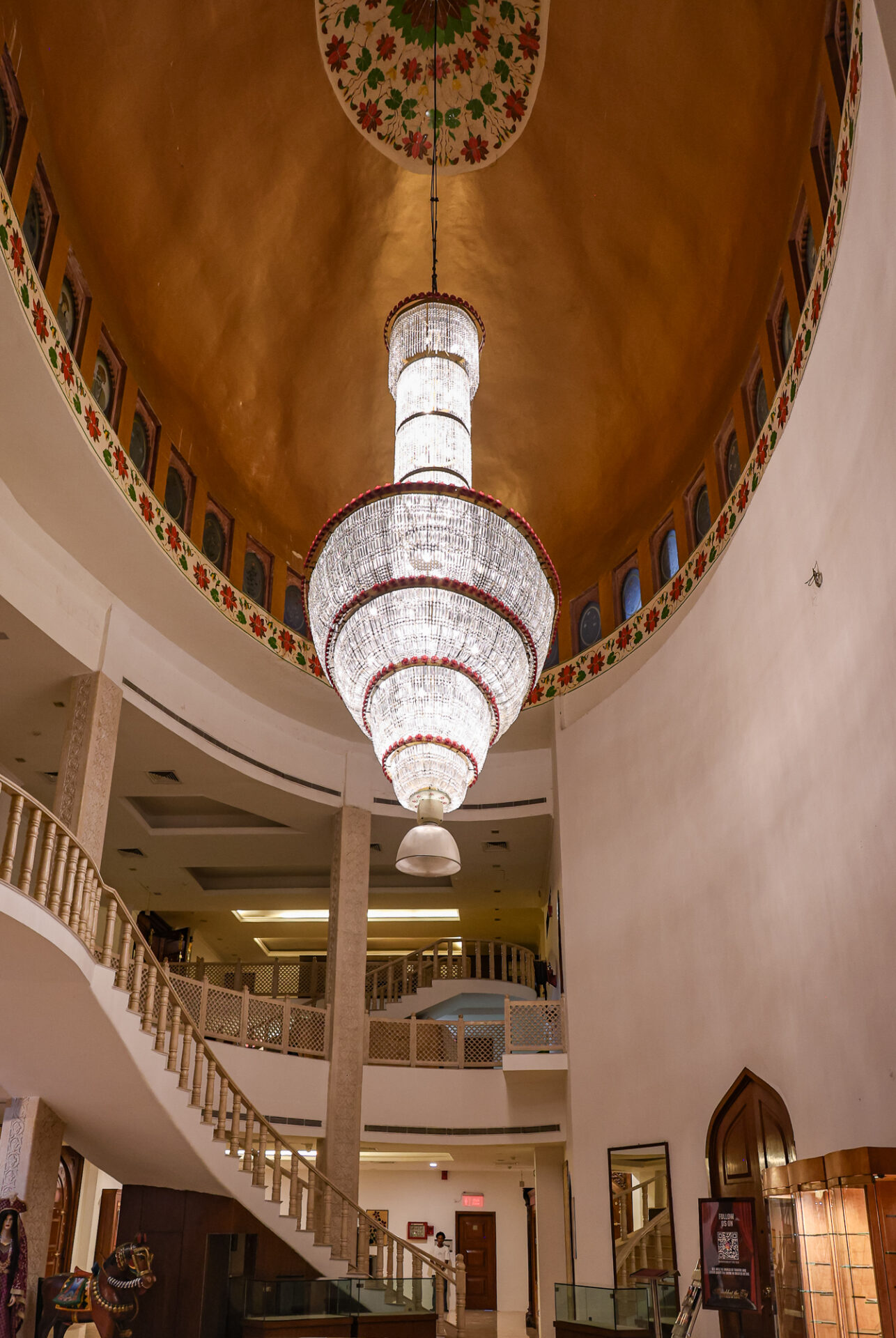
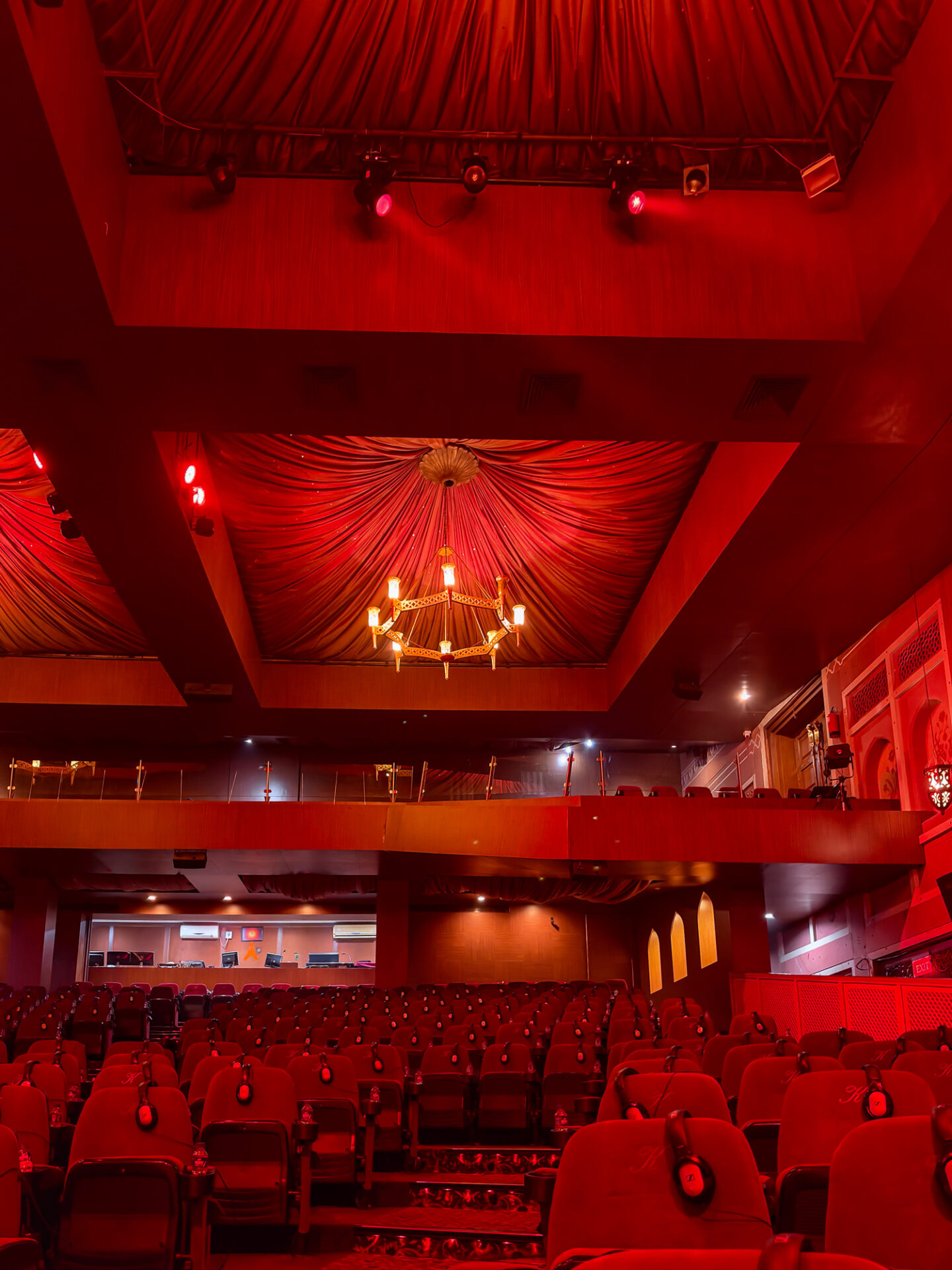

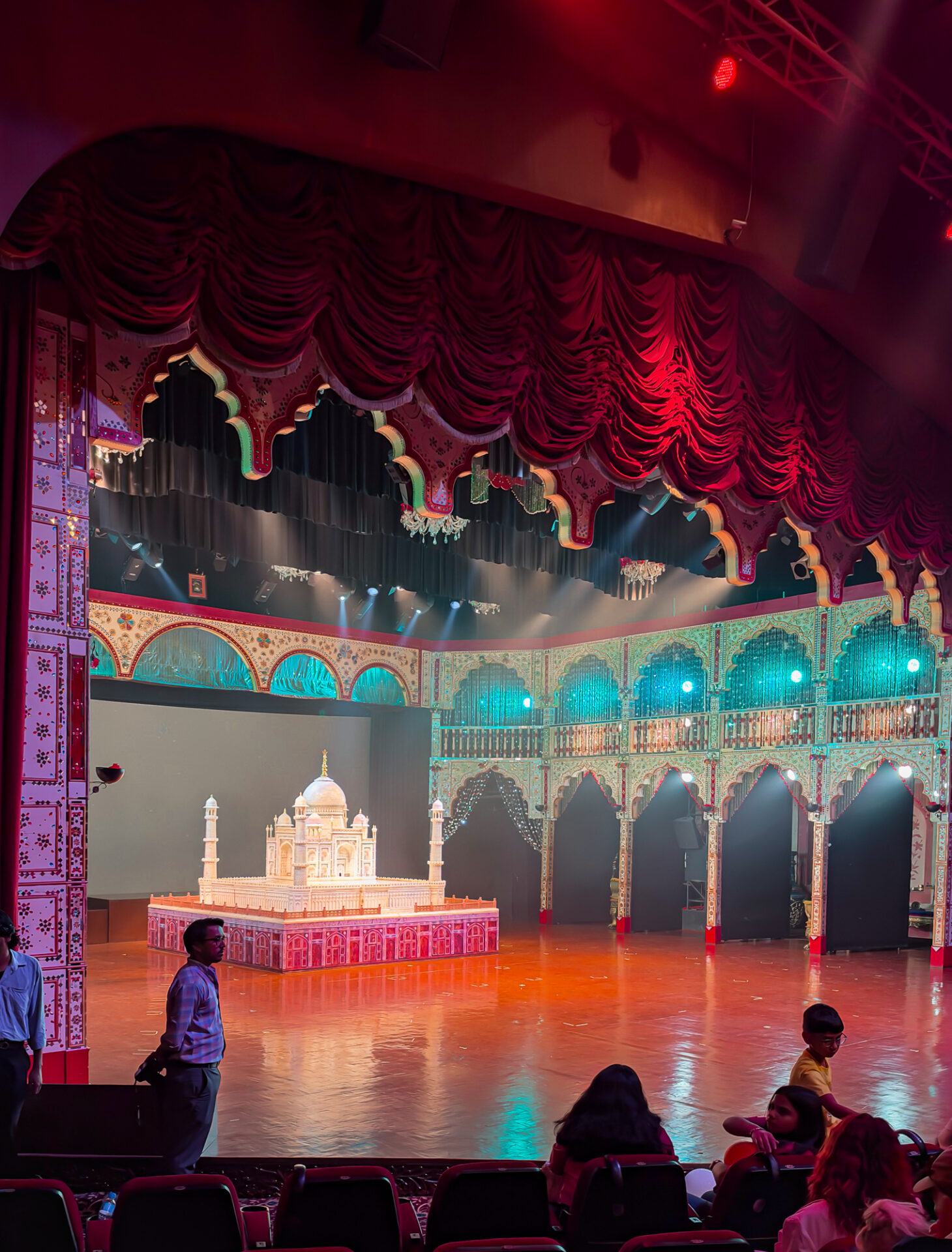
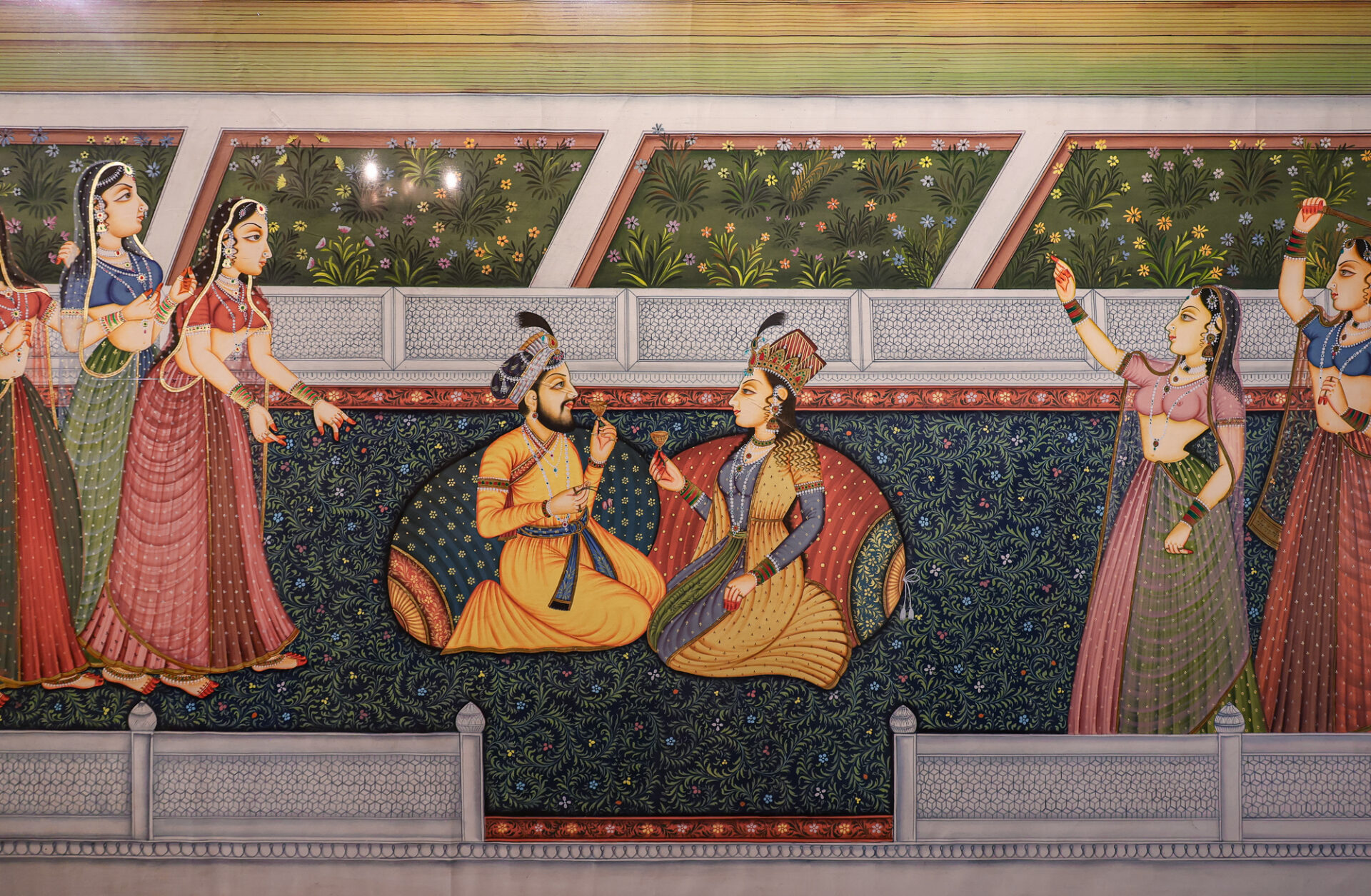
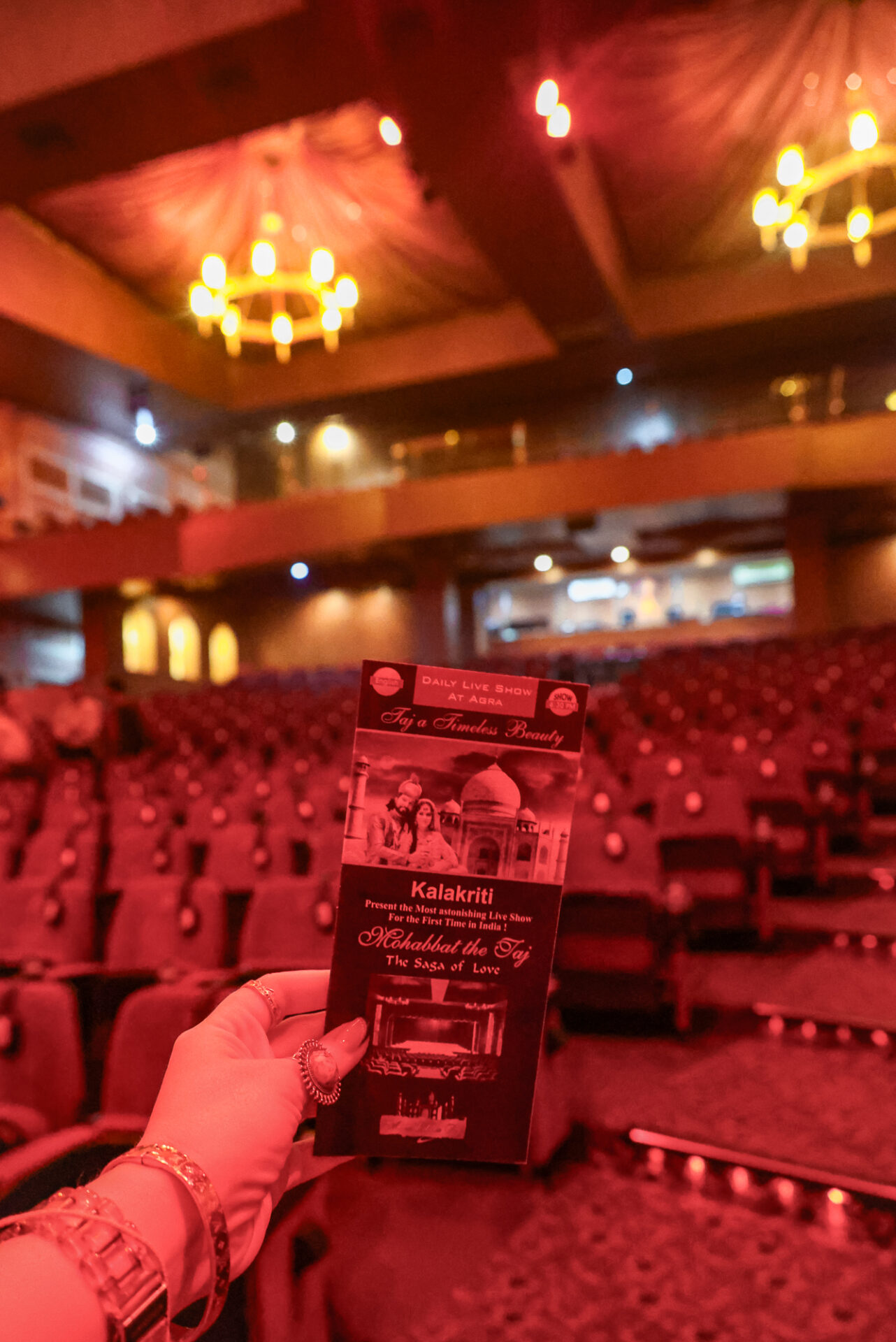
The performance is, of course, not a Bolshoi ballet, but it is vibrant, emotional, and filled with national music and Bollywood-style dances that we enjoyed immensely. Every seat is also equipped with automated audio translation via headphones in a dozen languages.
10. Stay at the Oberoi Amarvilas
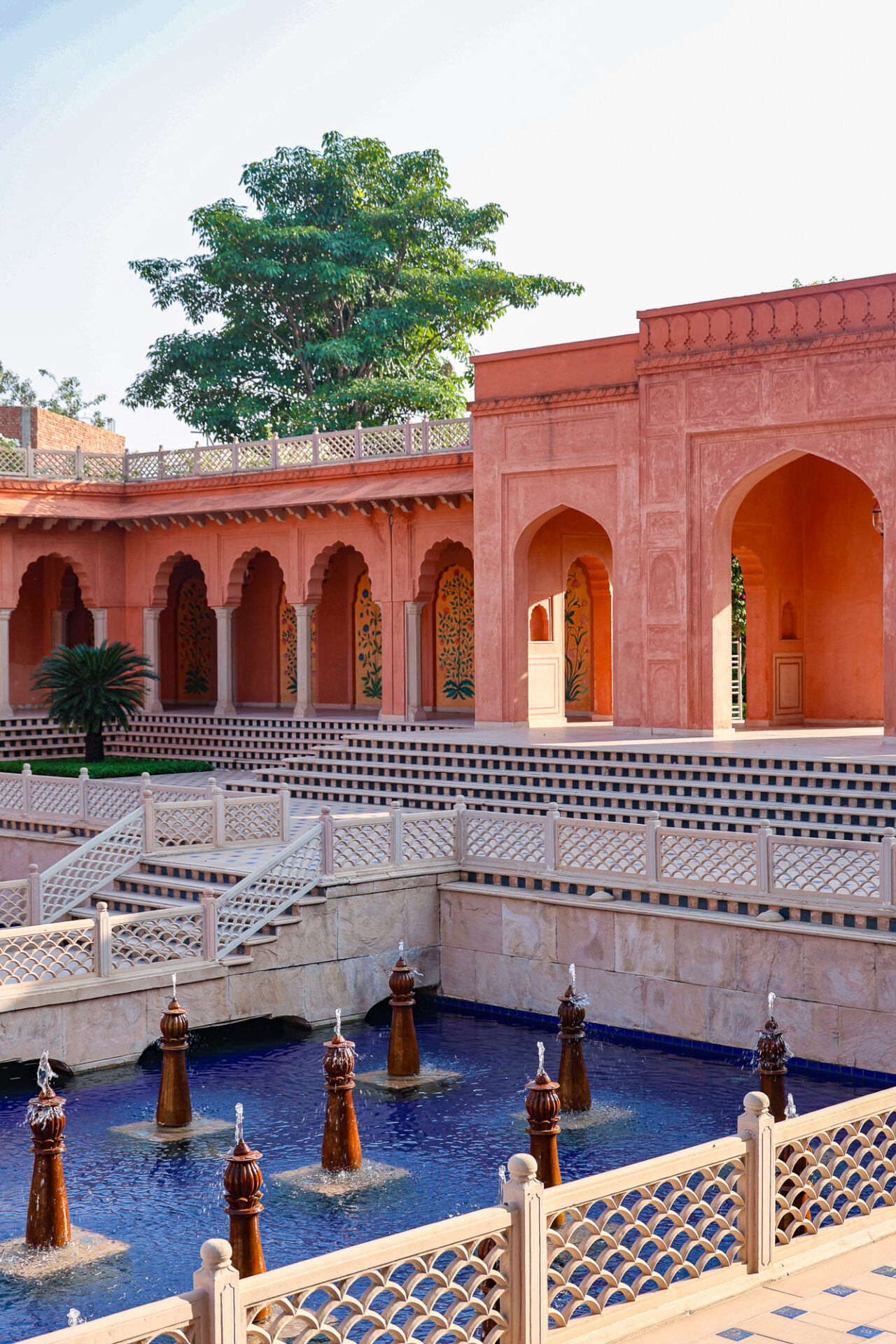
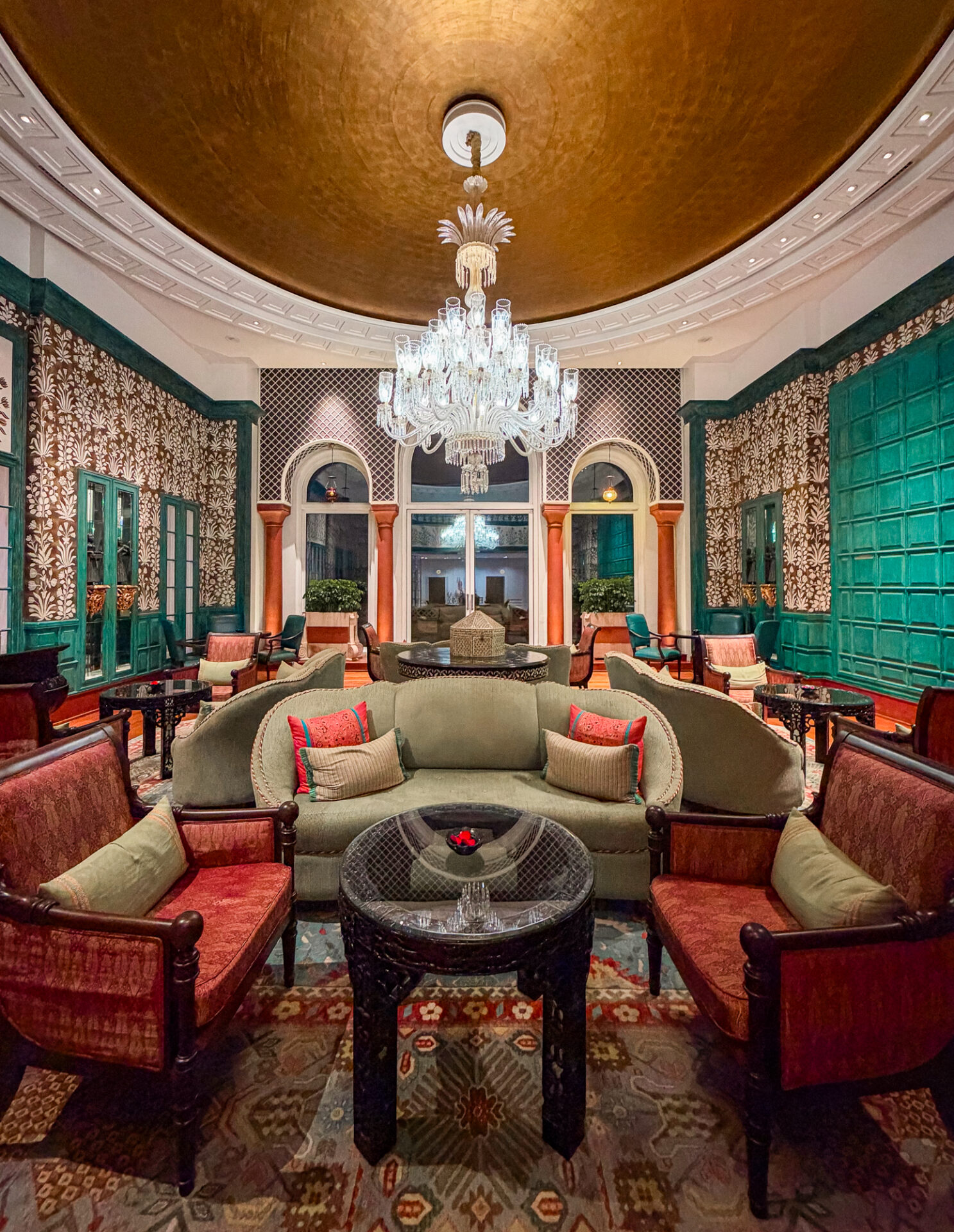
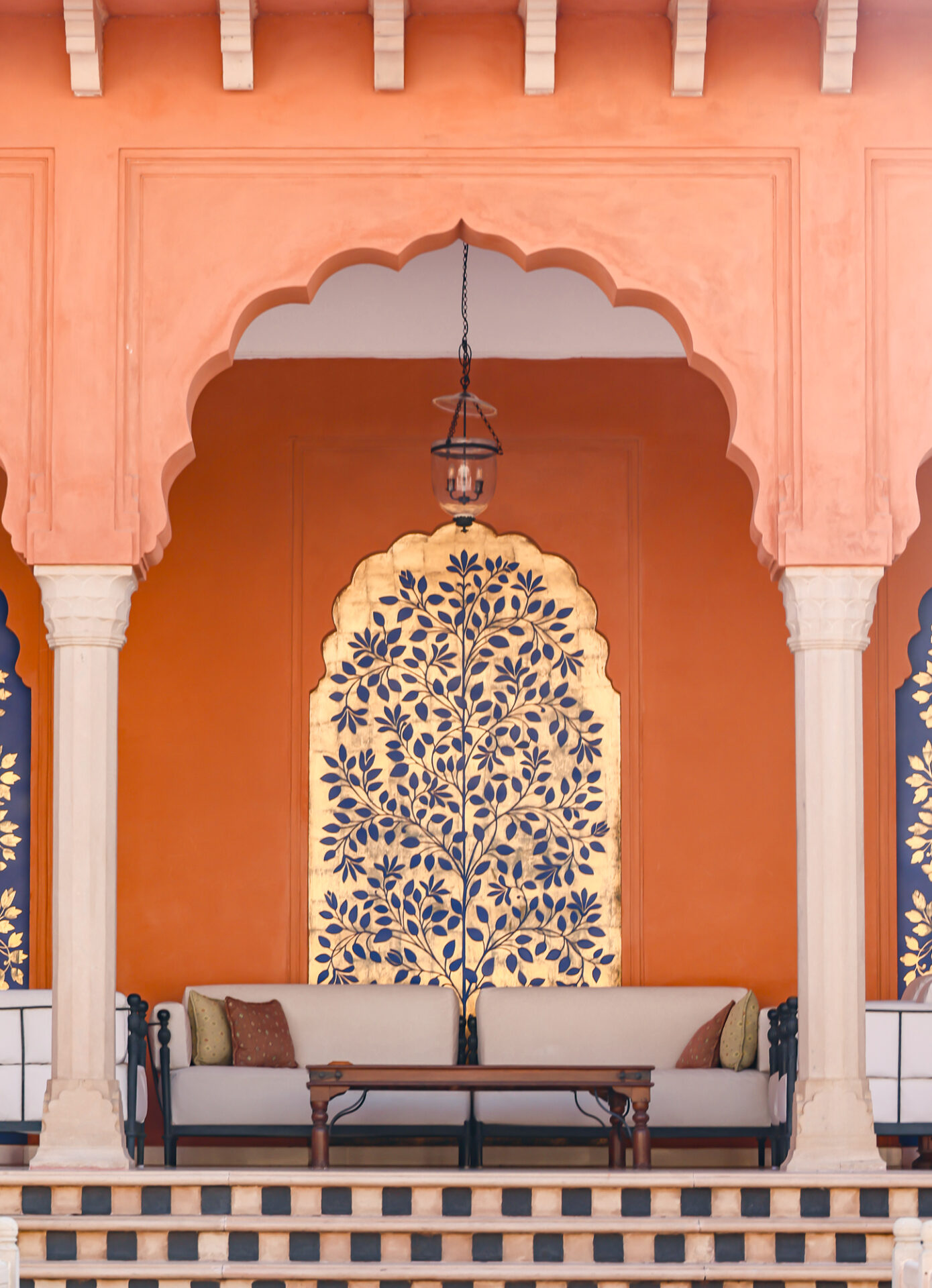
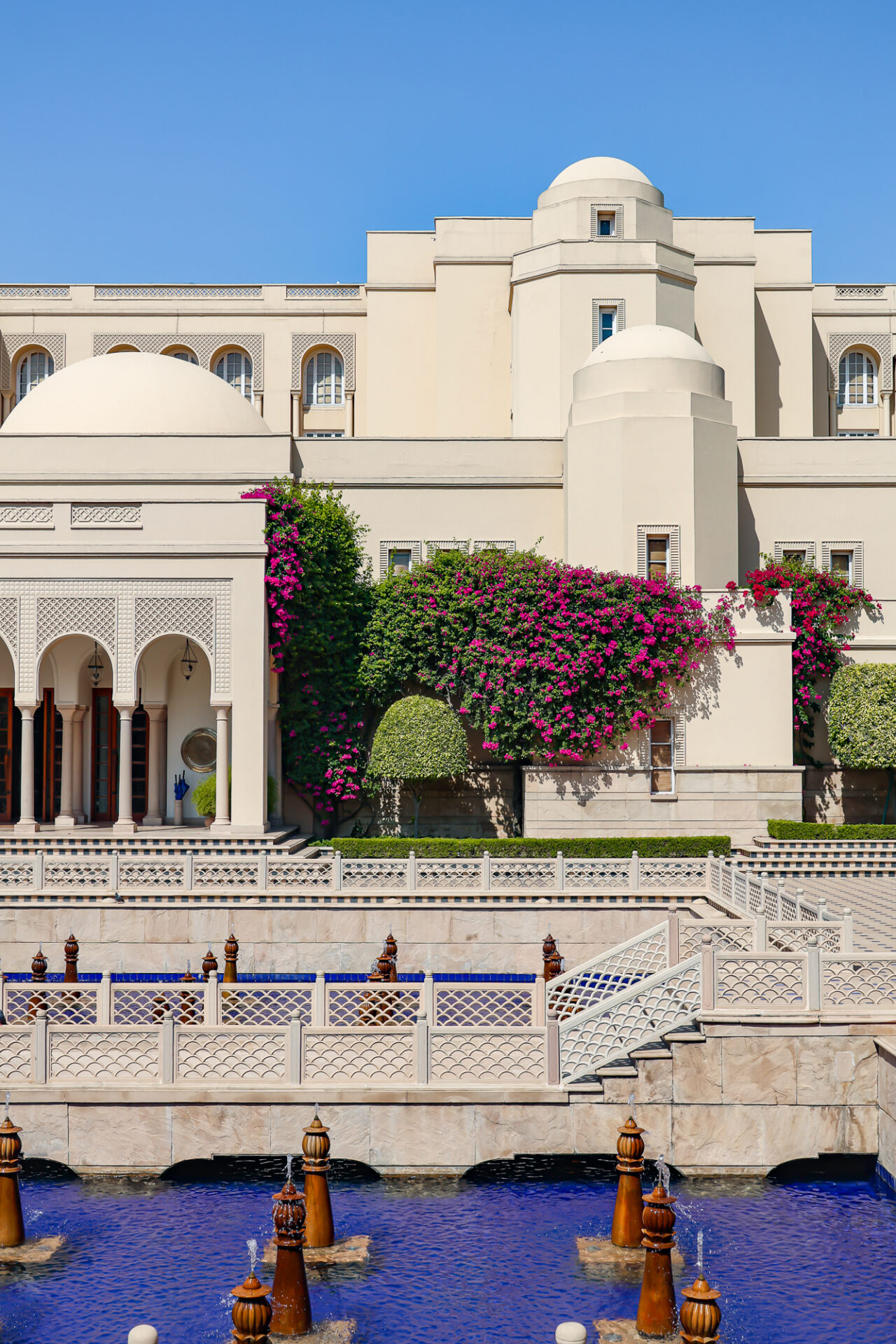
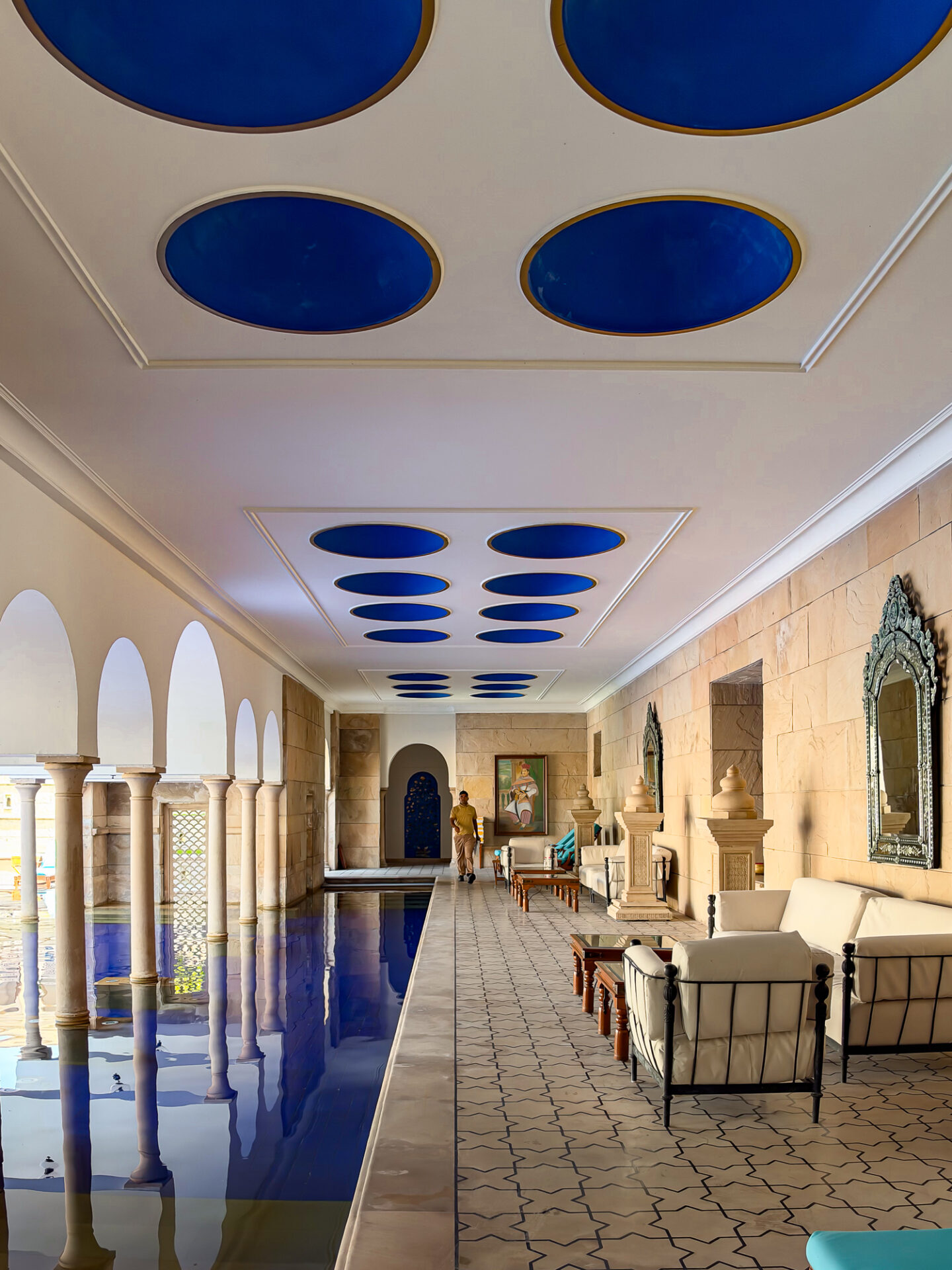
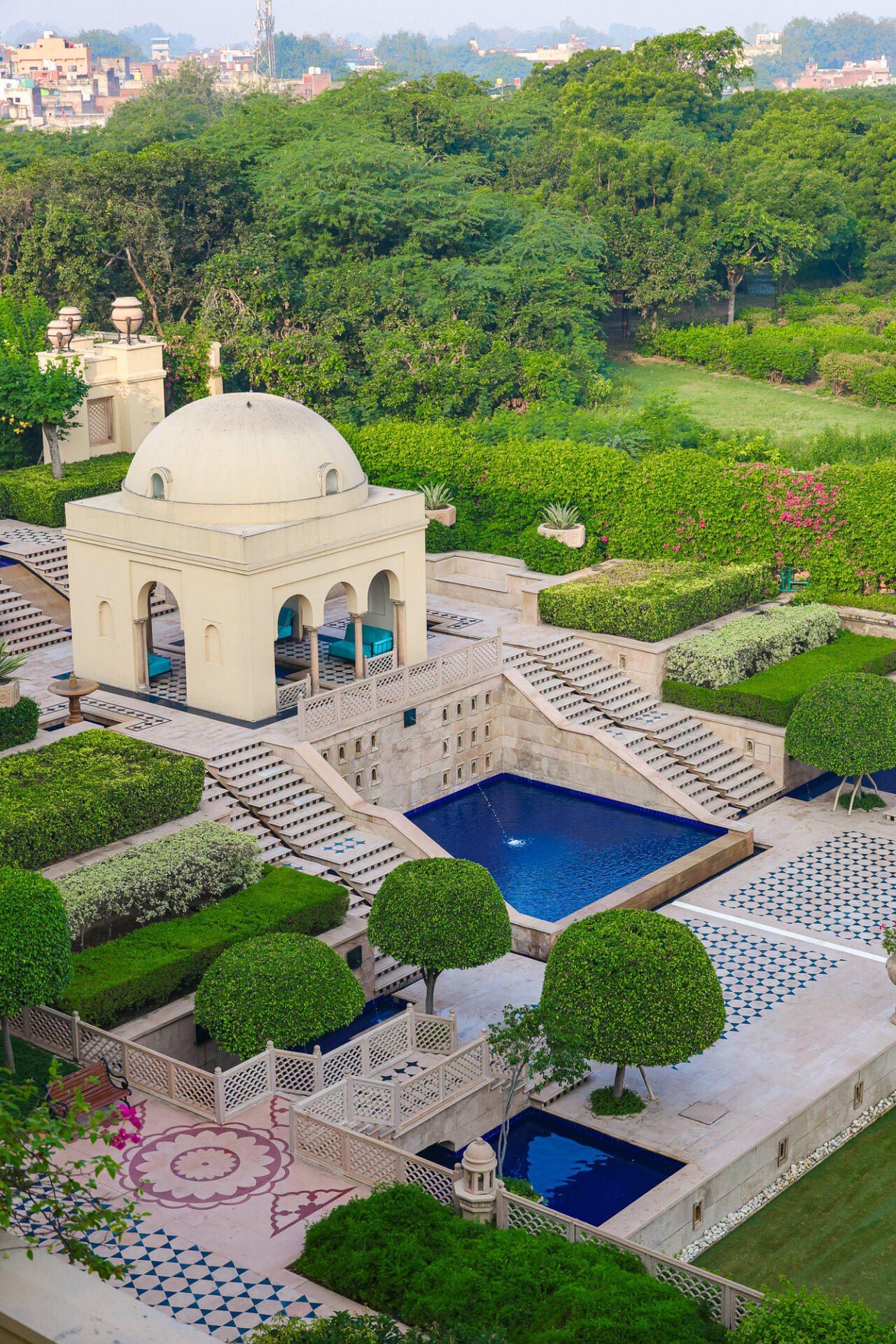
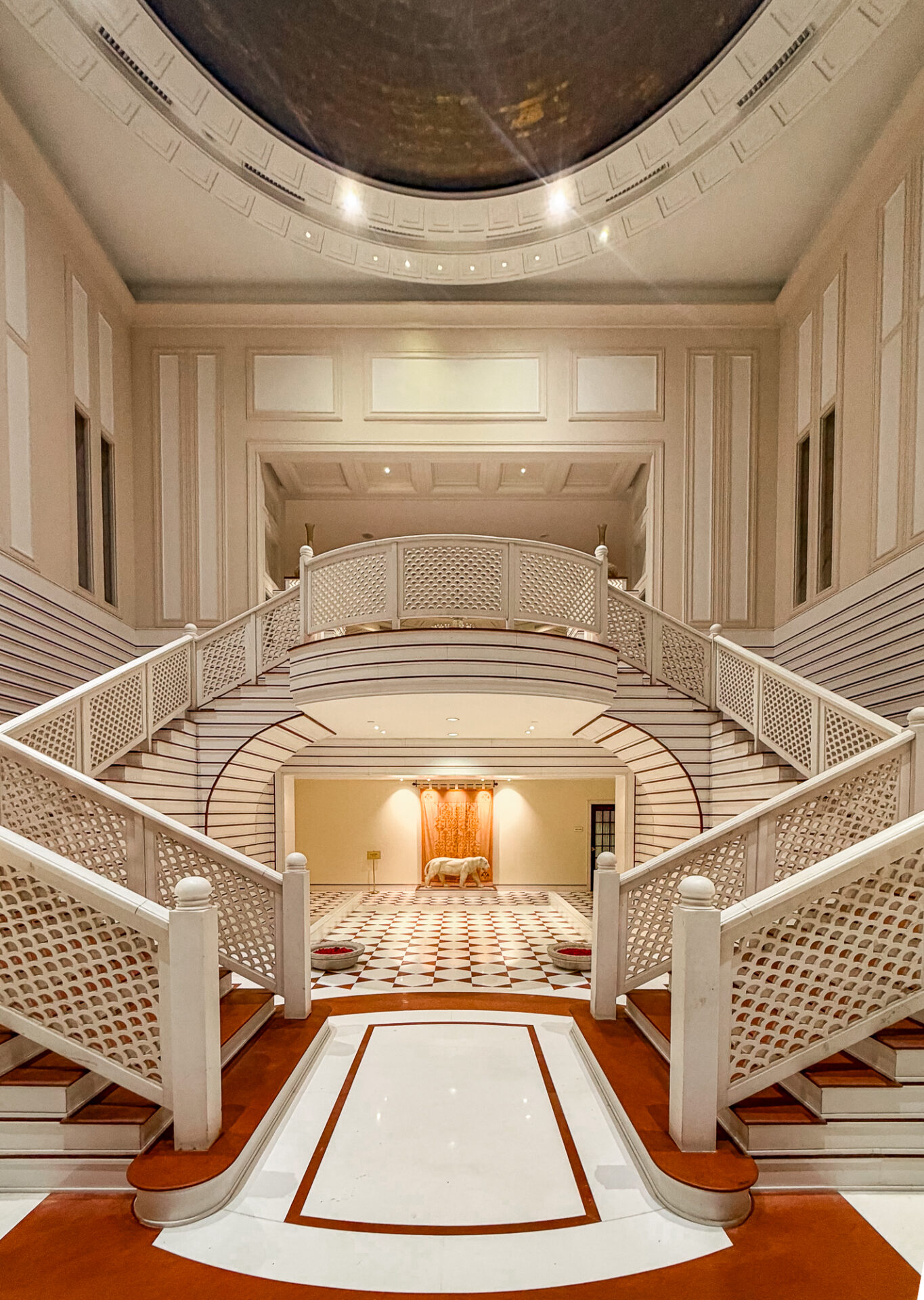
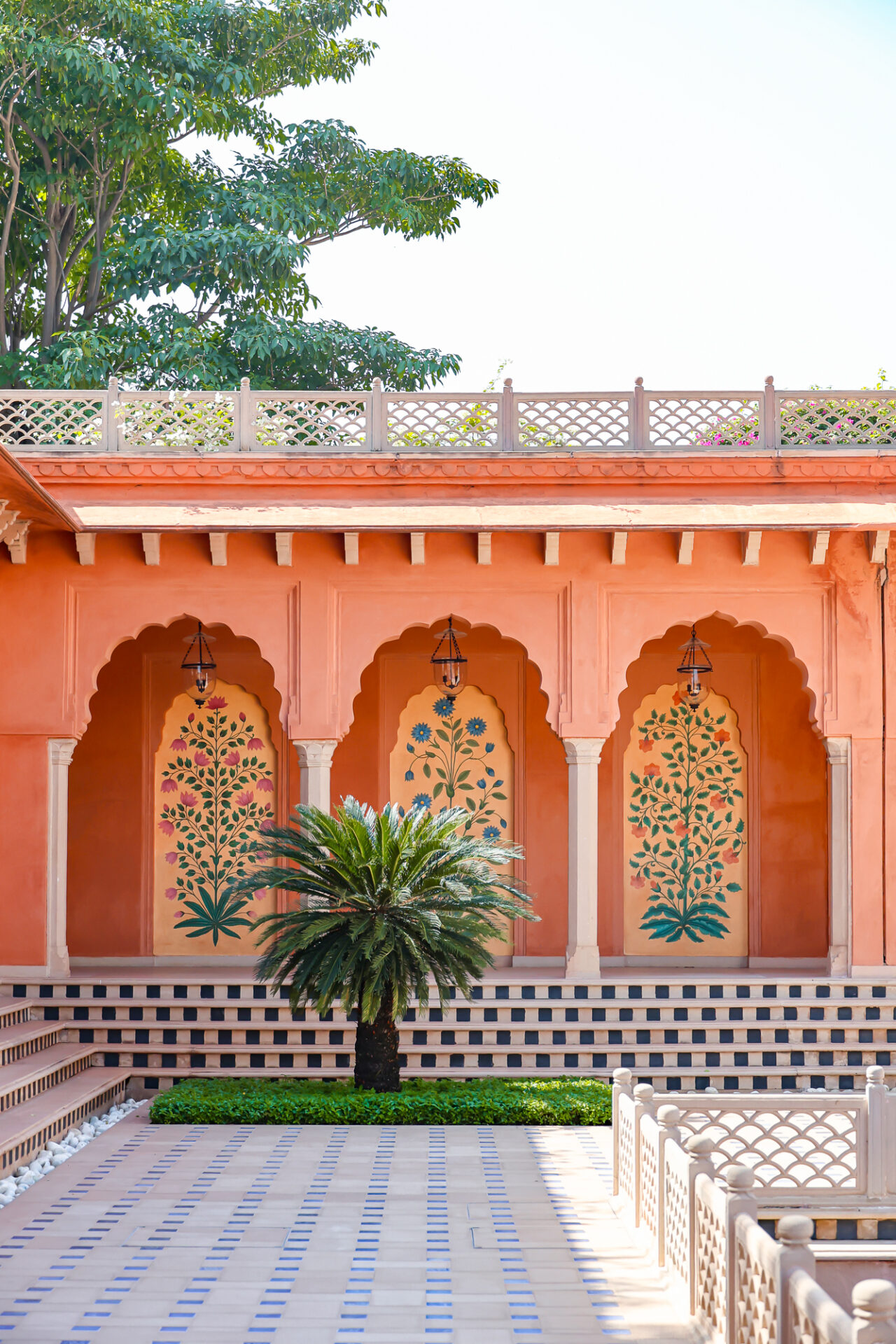
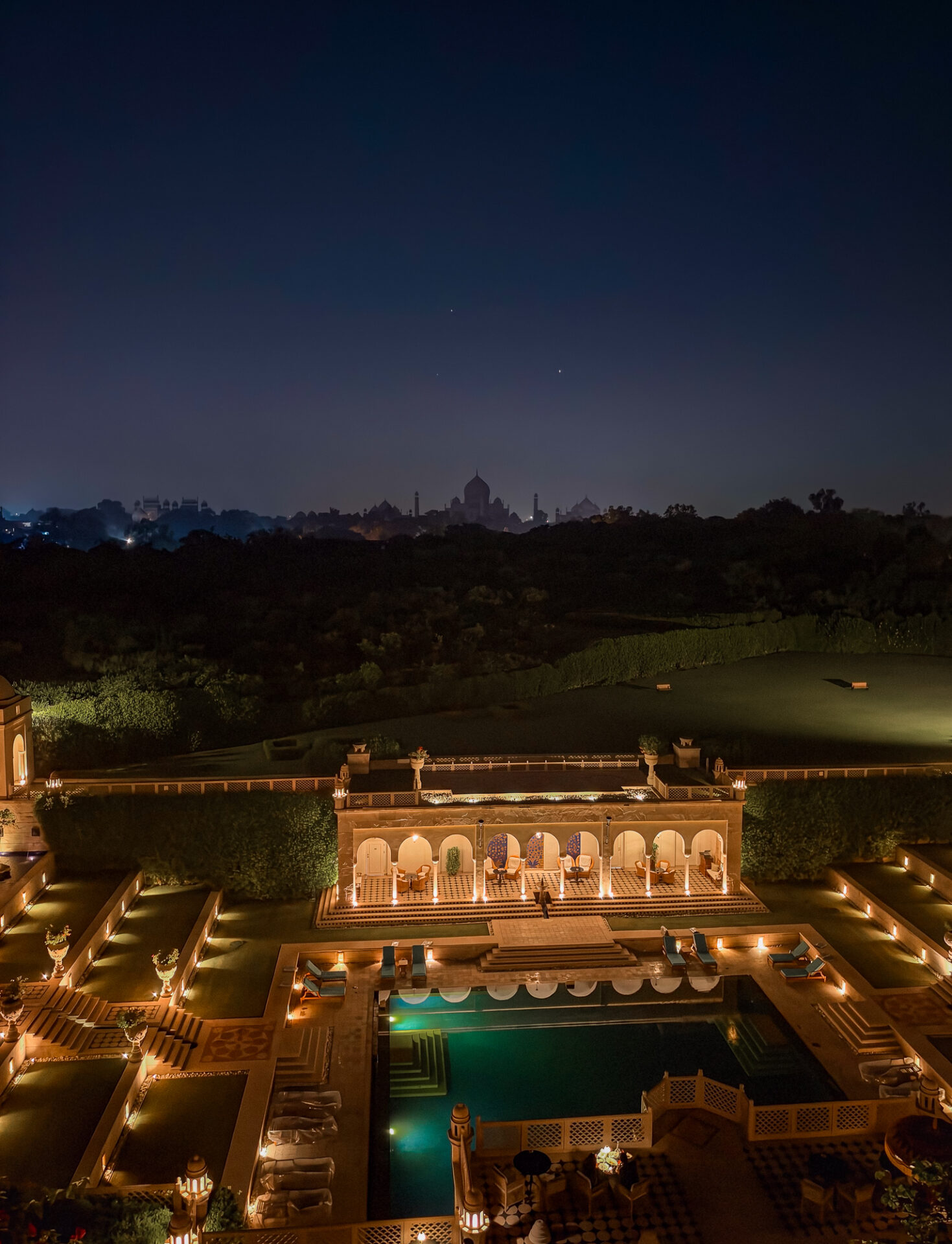
We stayed in Agra at the Oberoi Amarvilas, a fantastic luxurious property reminiscent of the grand Indian palaces itself!

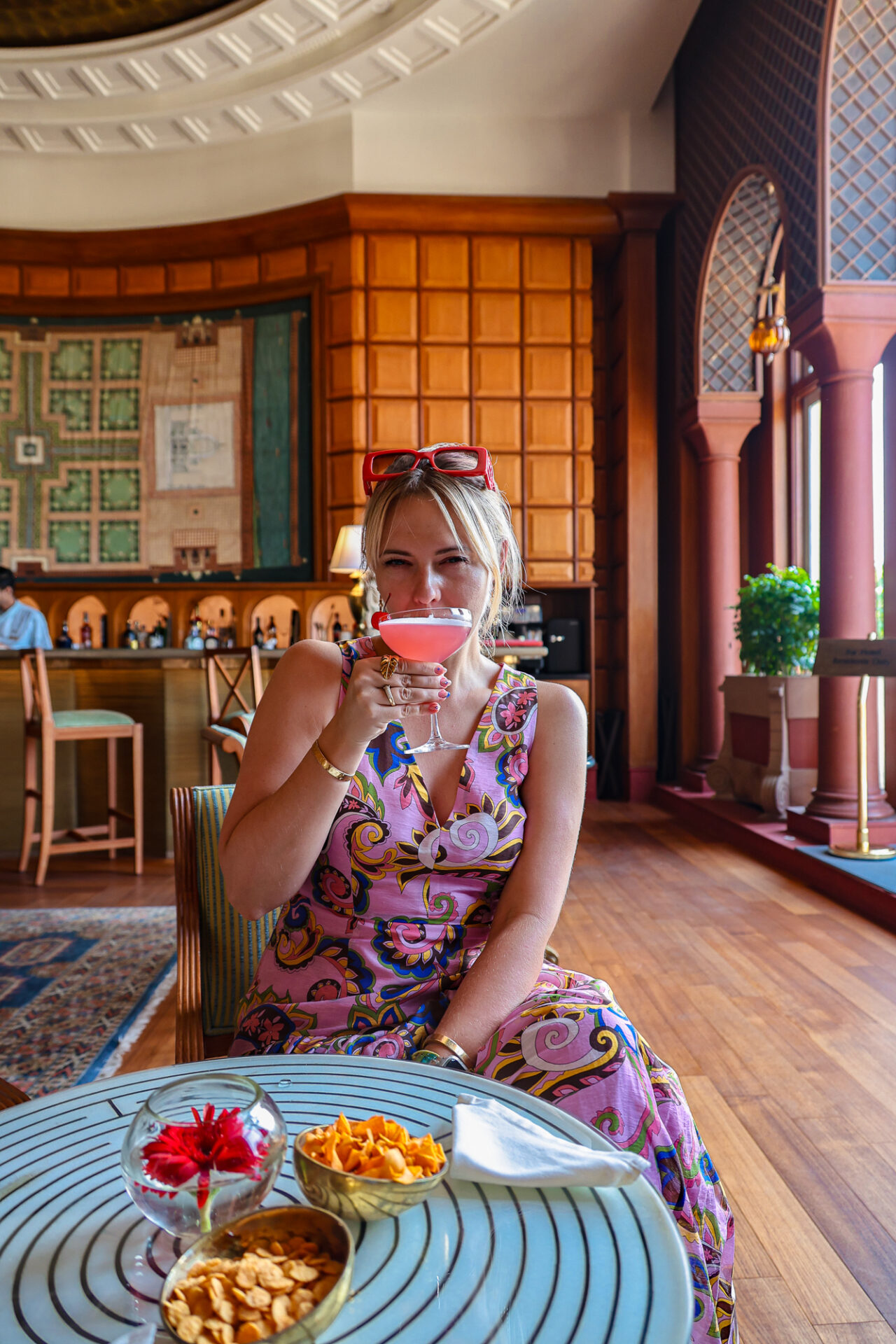
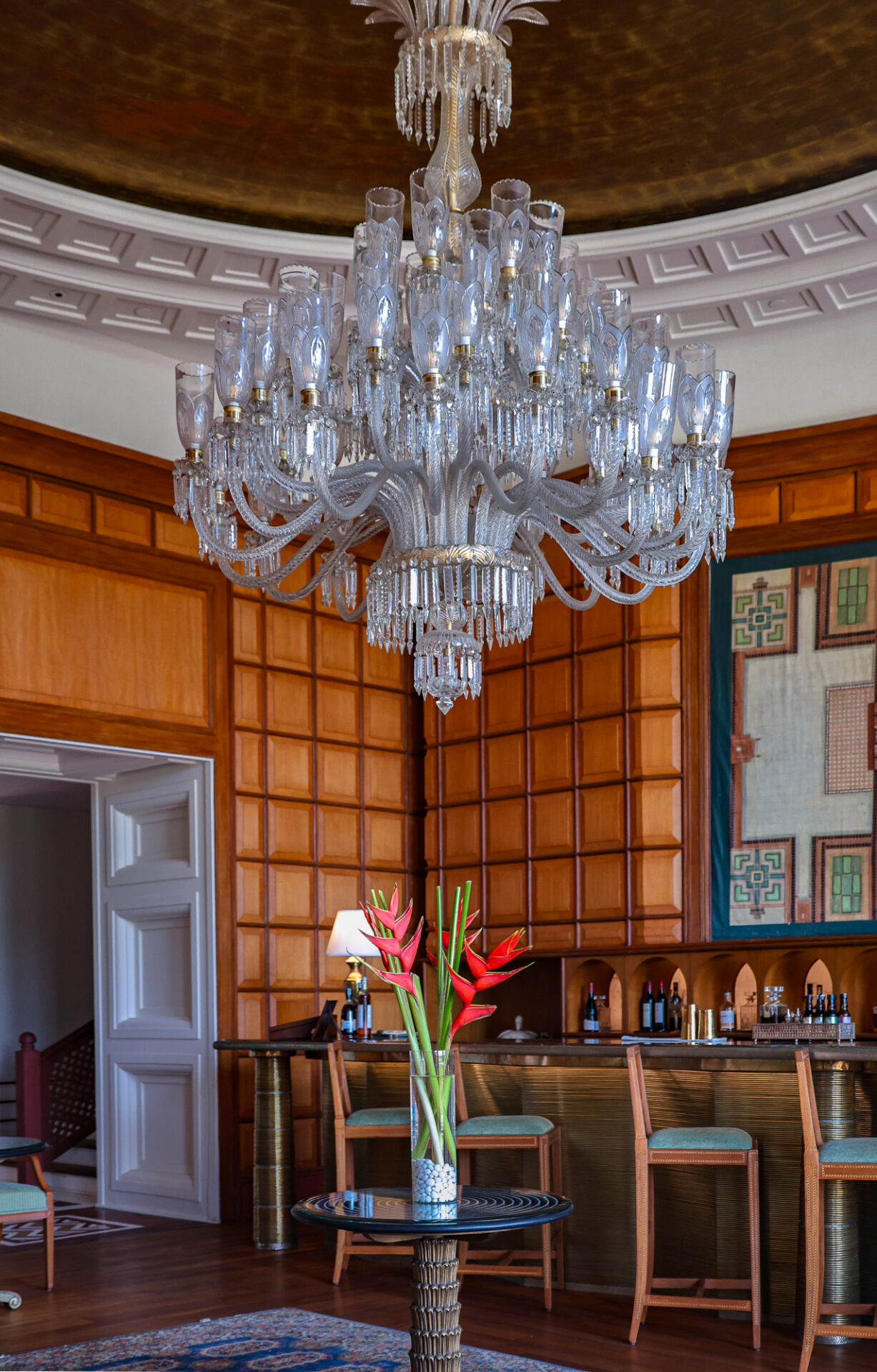
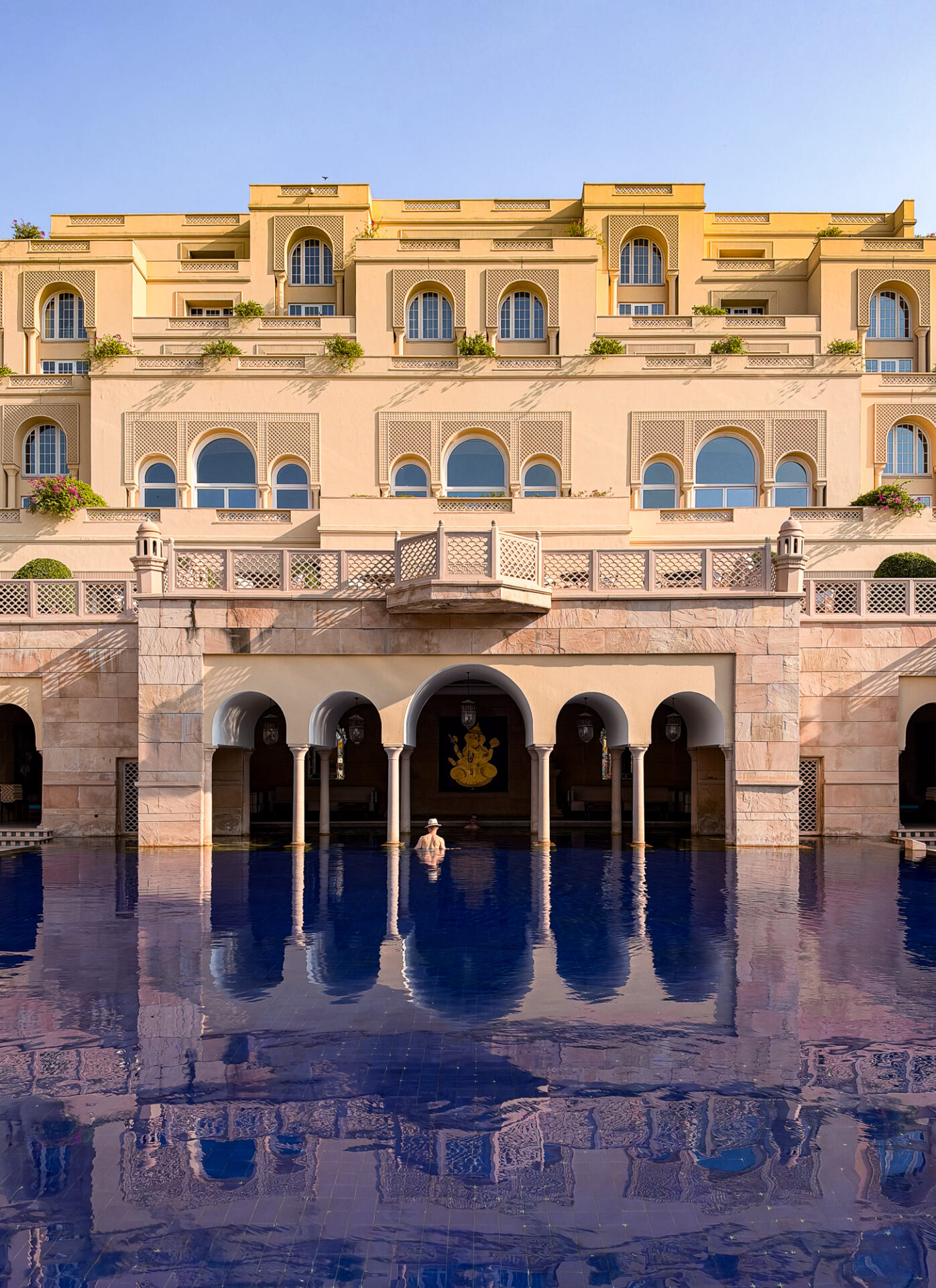
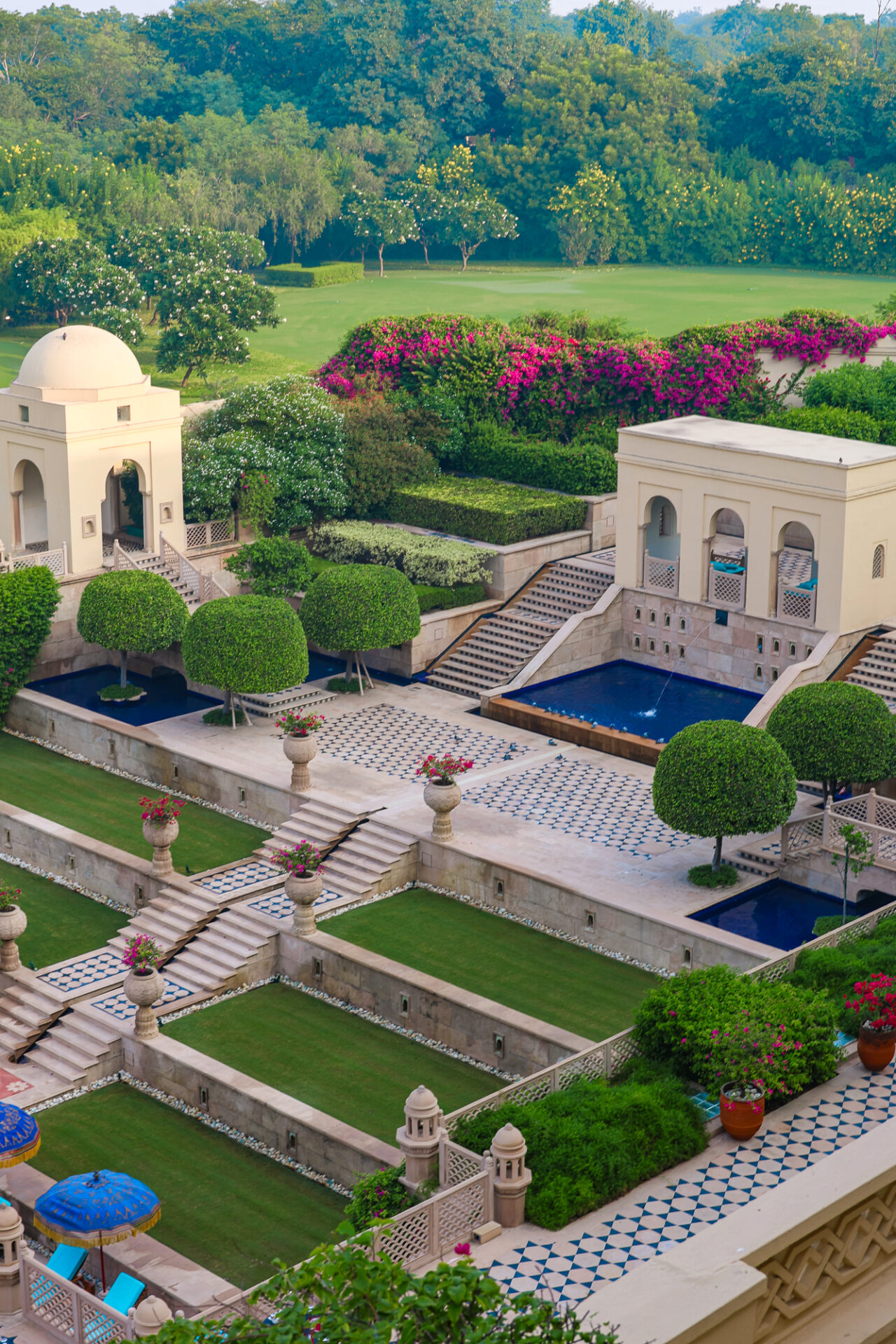
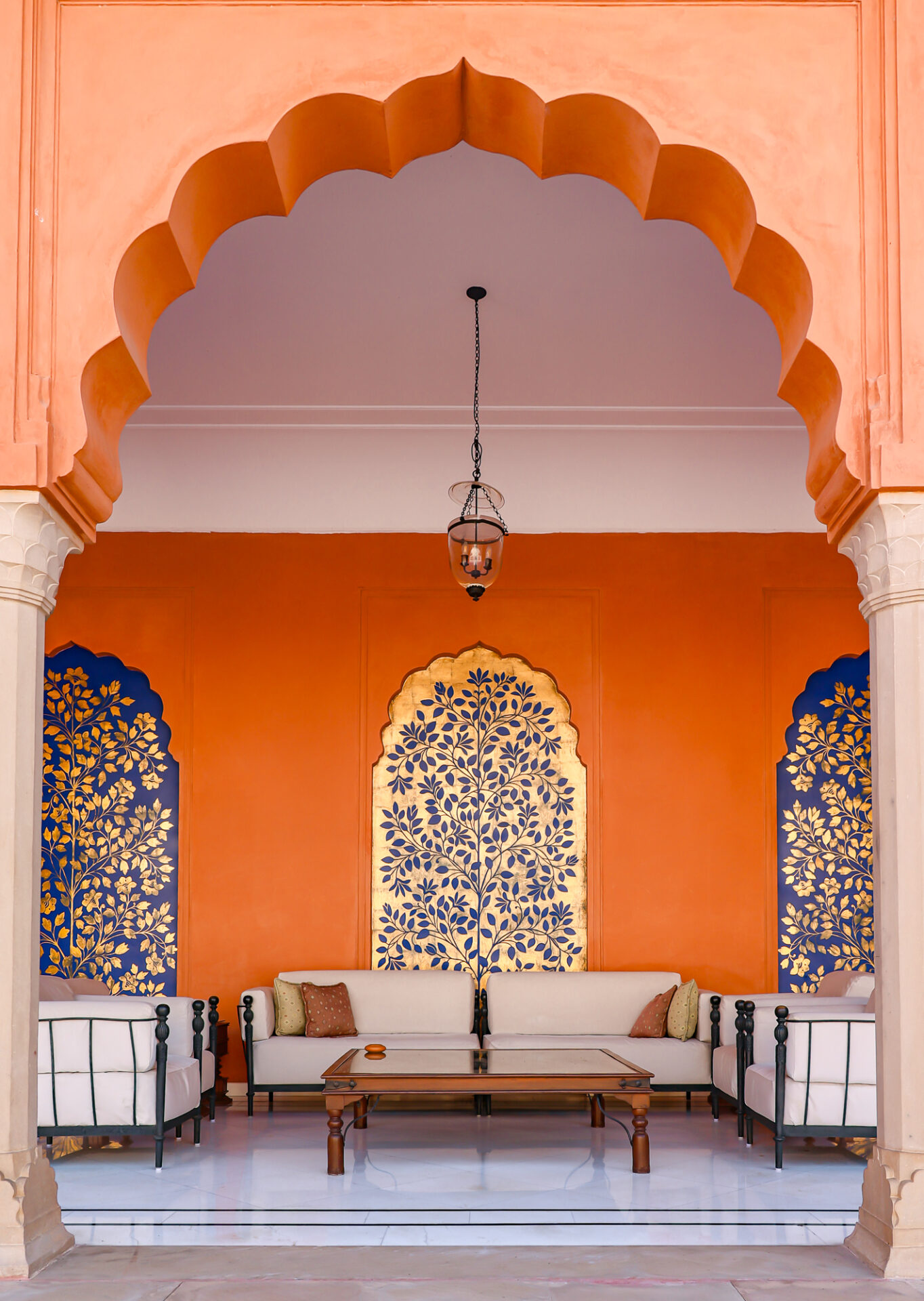
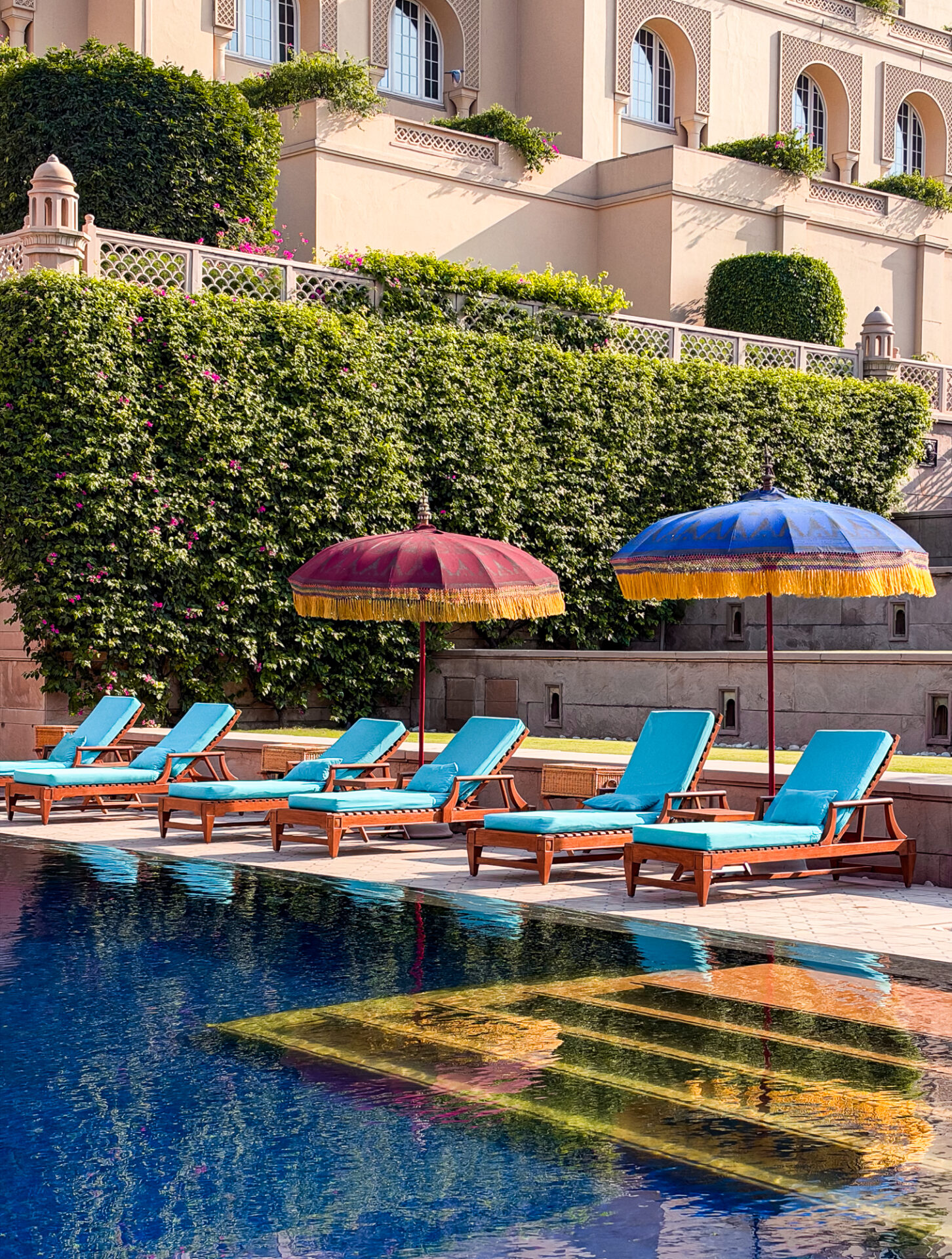
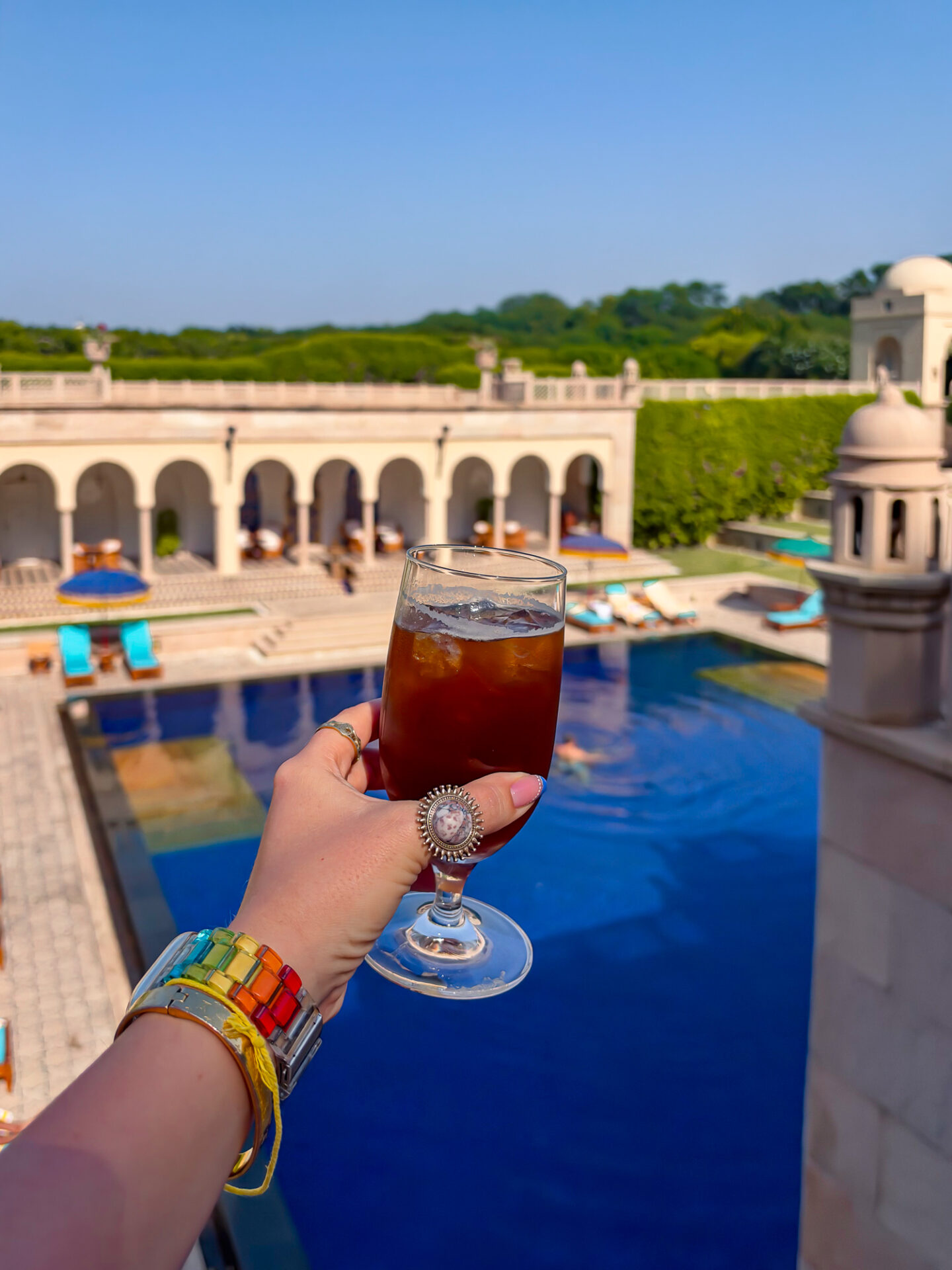
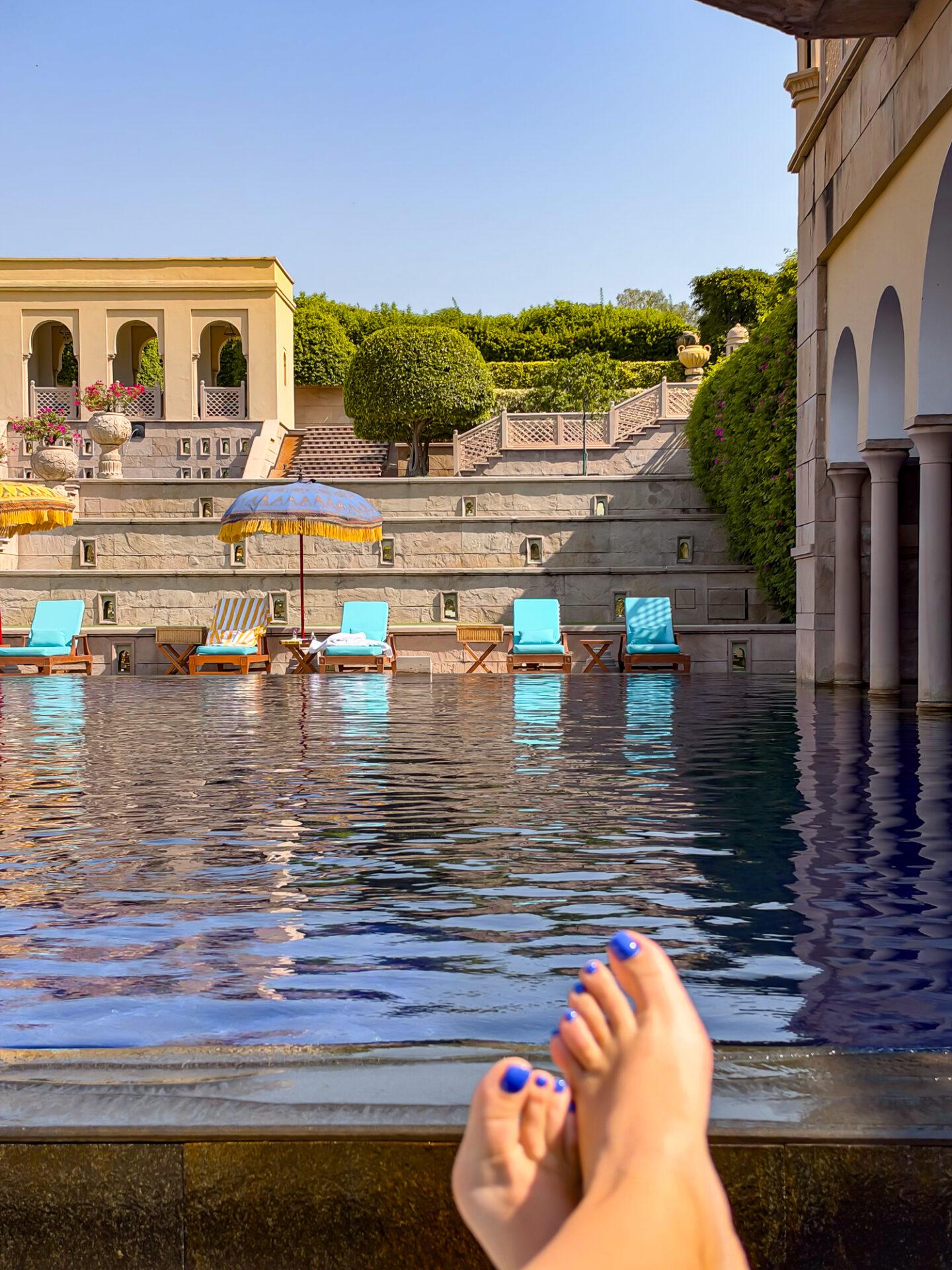
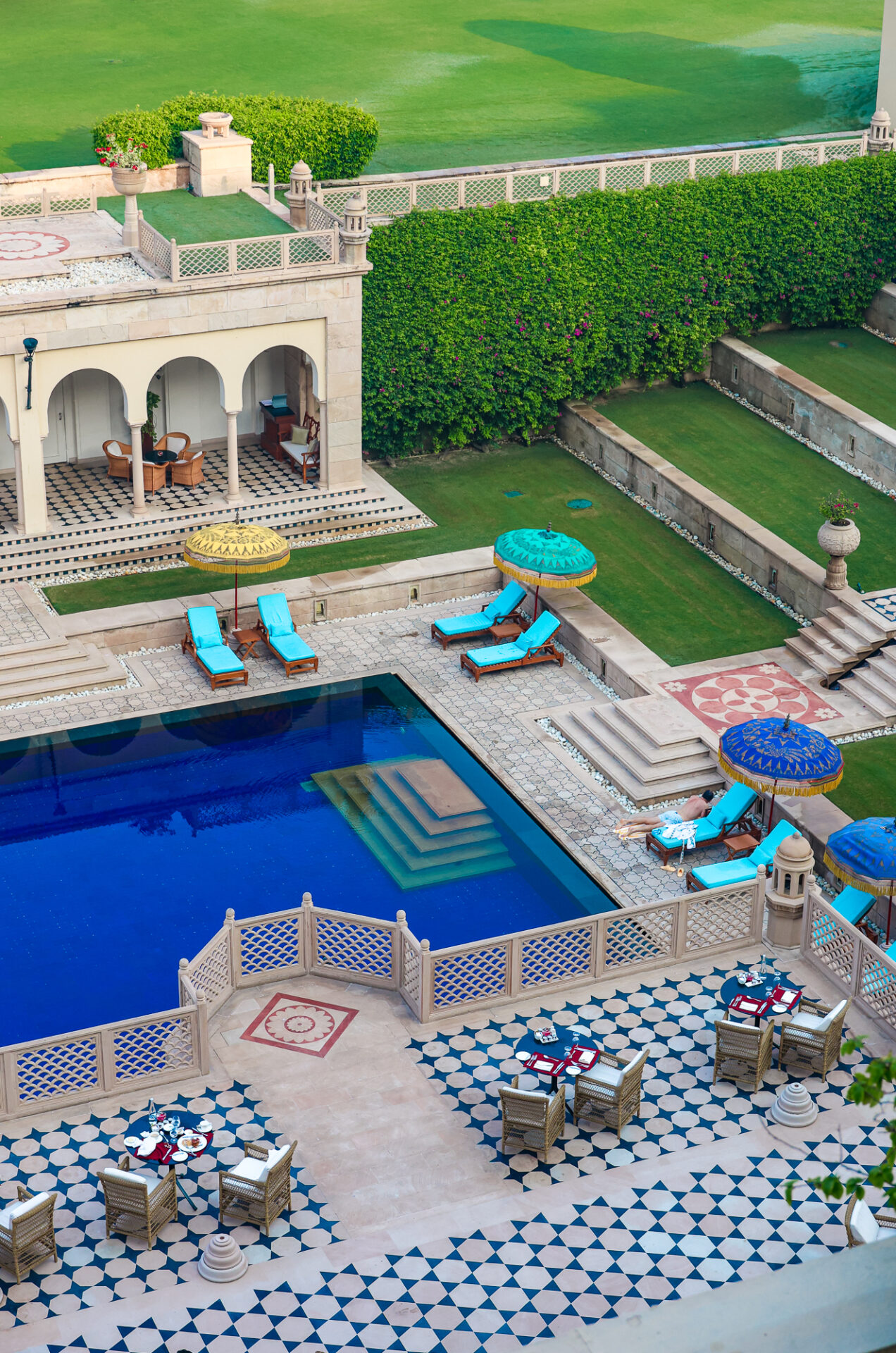
Meticulously crafted ornaments, precious materials, huge fountains, and stylish pool with silk-draped parasol are just a few touches to mention.
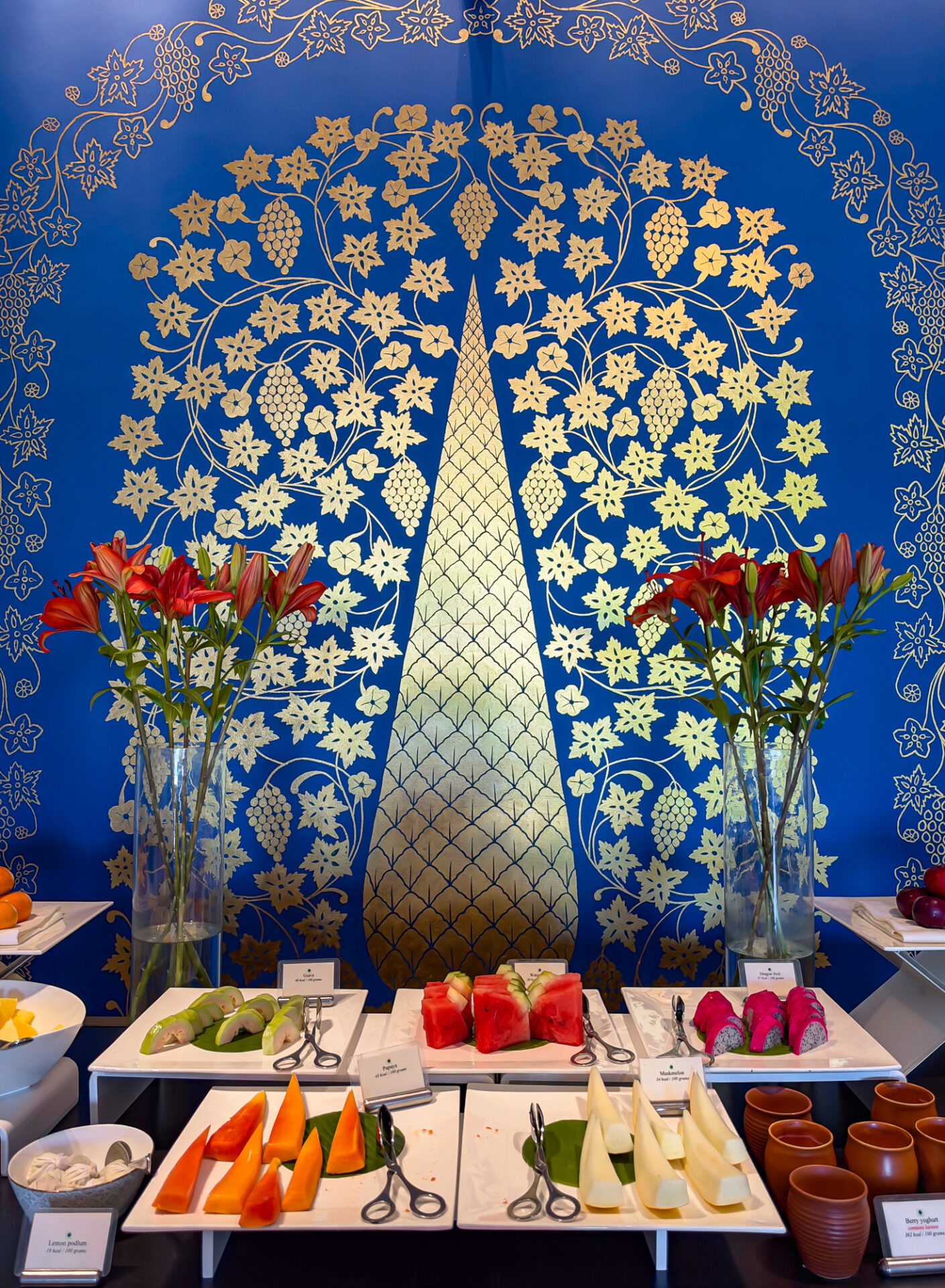
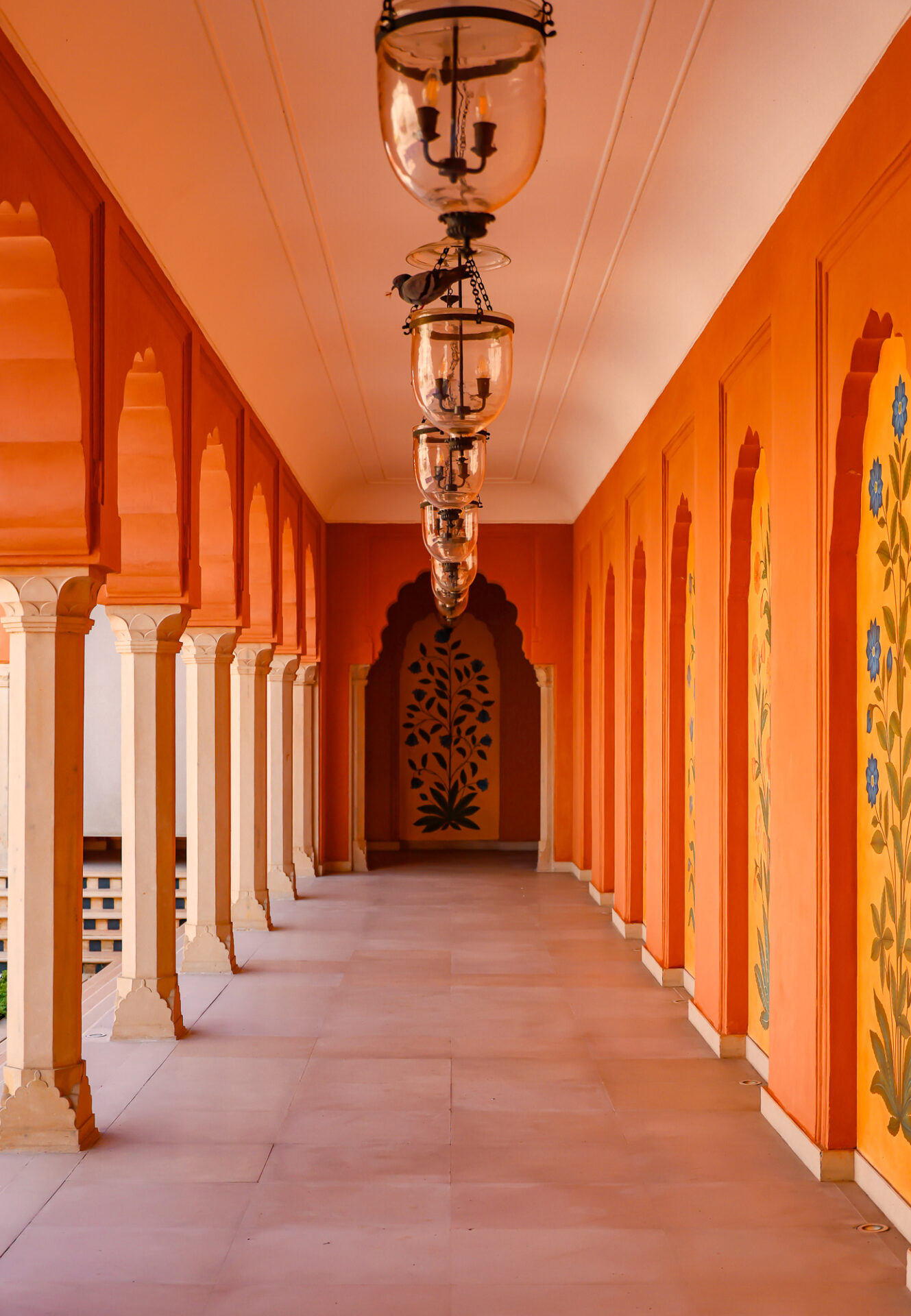
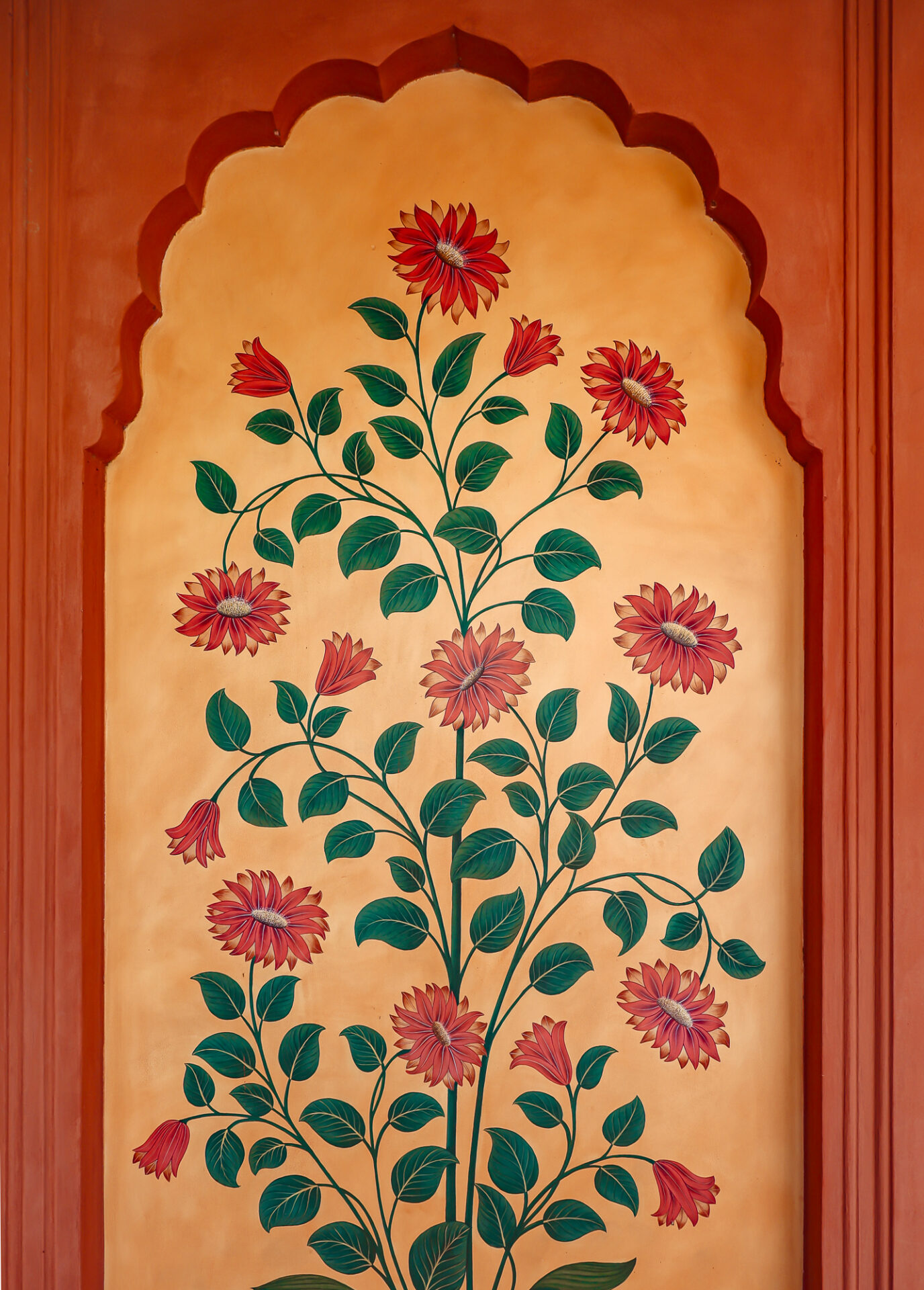
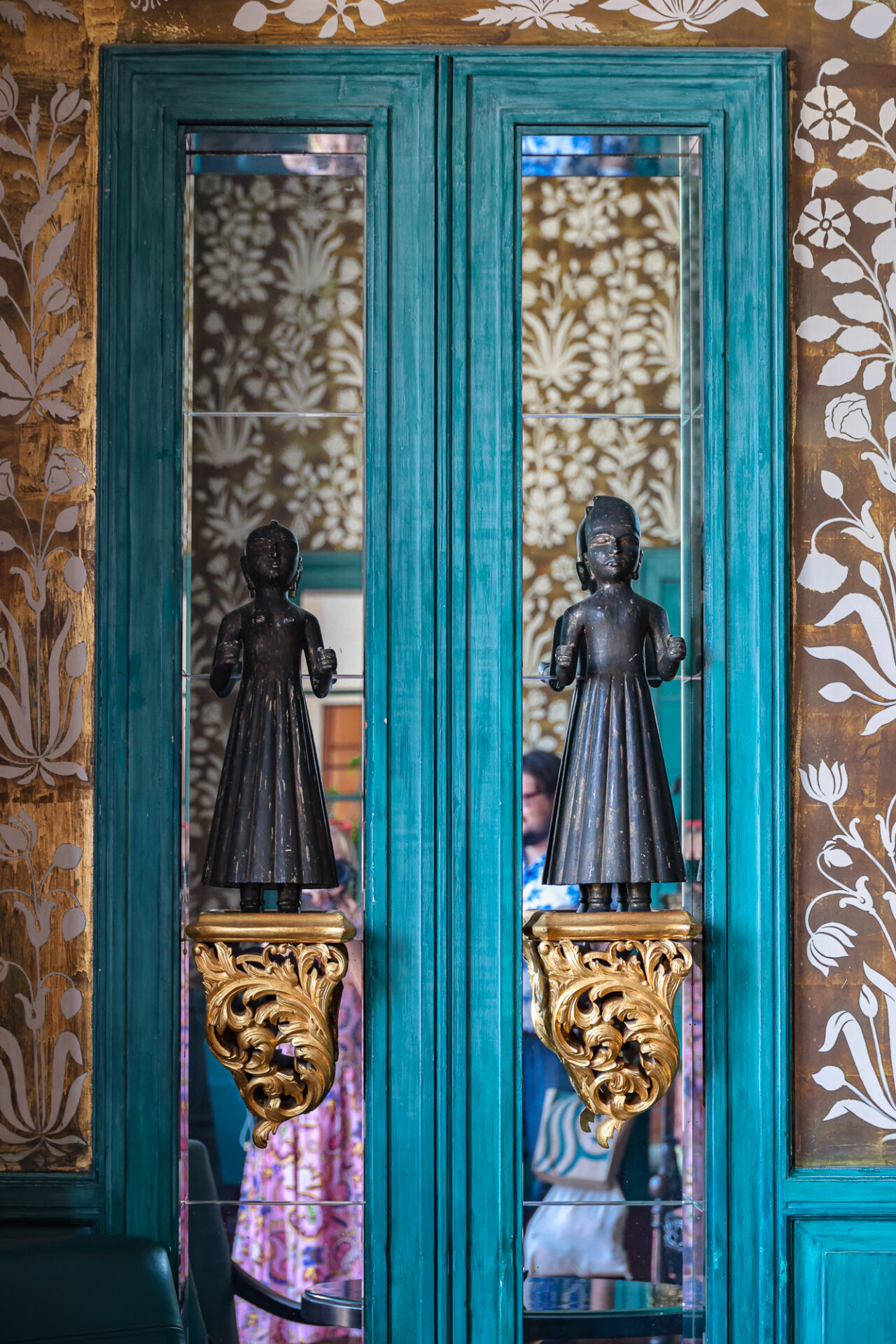
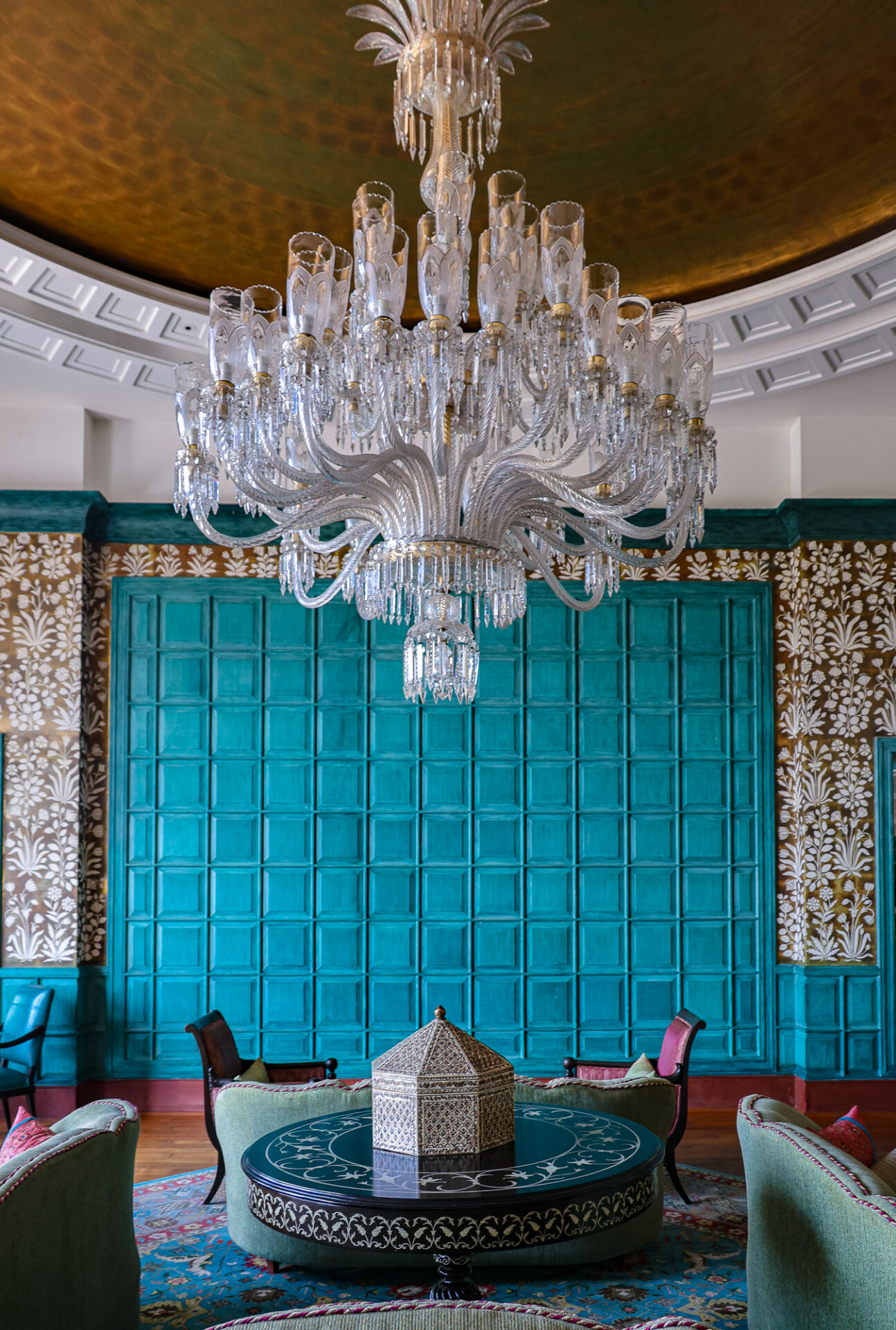
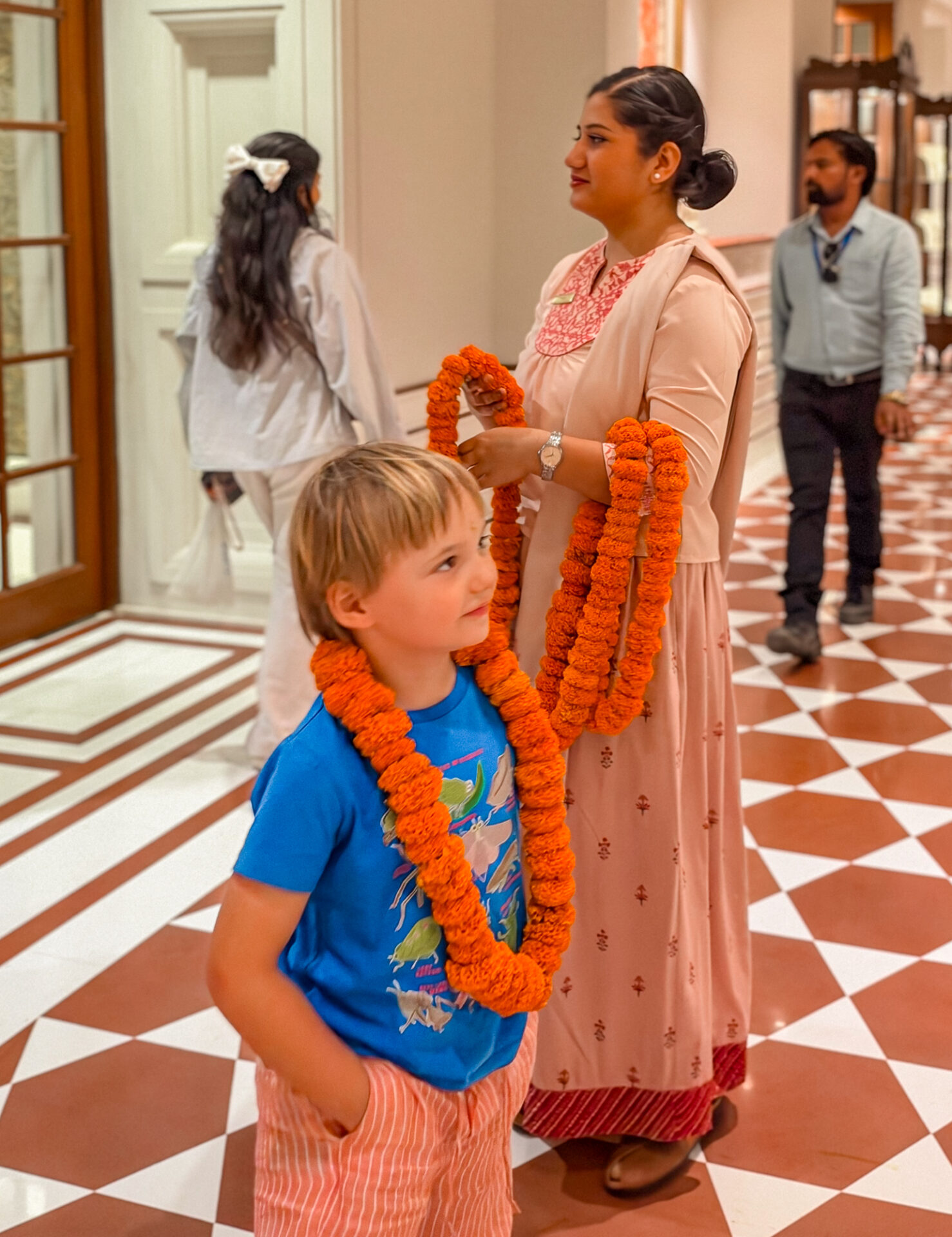
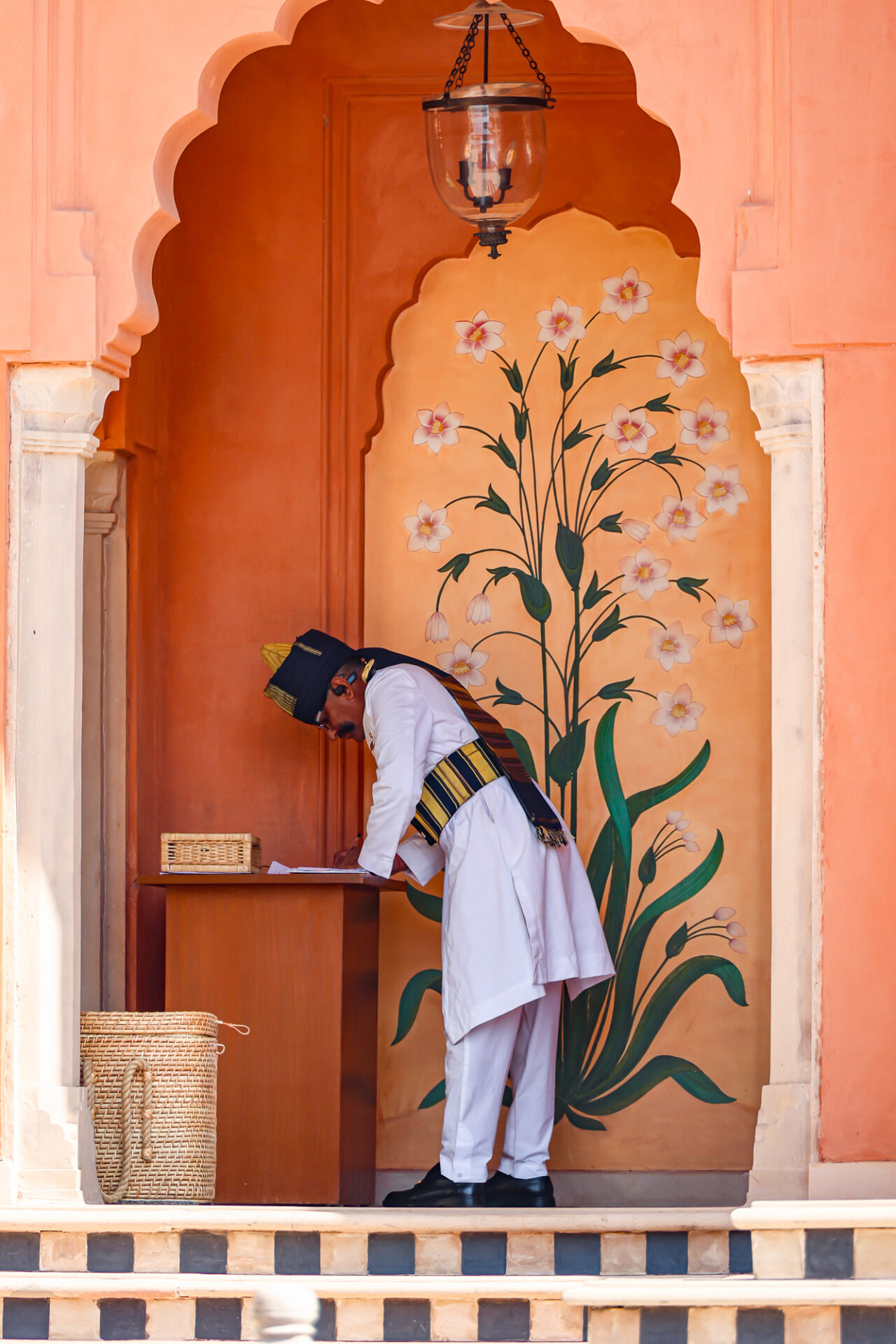
Guests are greeted with marigold garlands, the traditional Atithi Devo Bhava welcome blessing (where a colored tilak dot is pressed onto your forehead and an aarti ceremony is performed to ward off negative energy), and refreshing welcome drinks in the lobby.


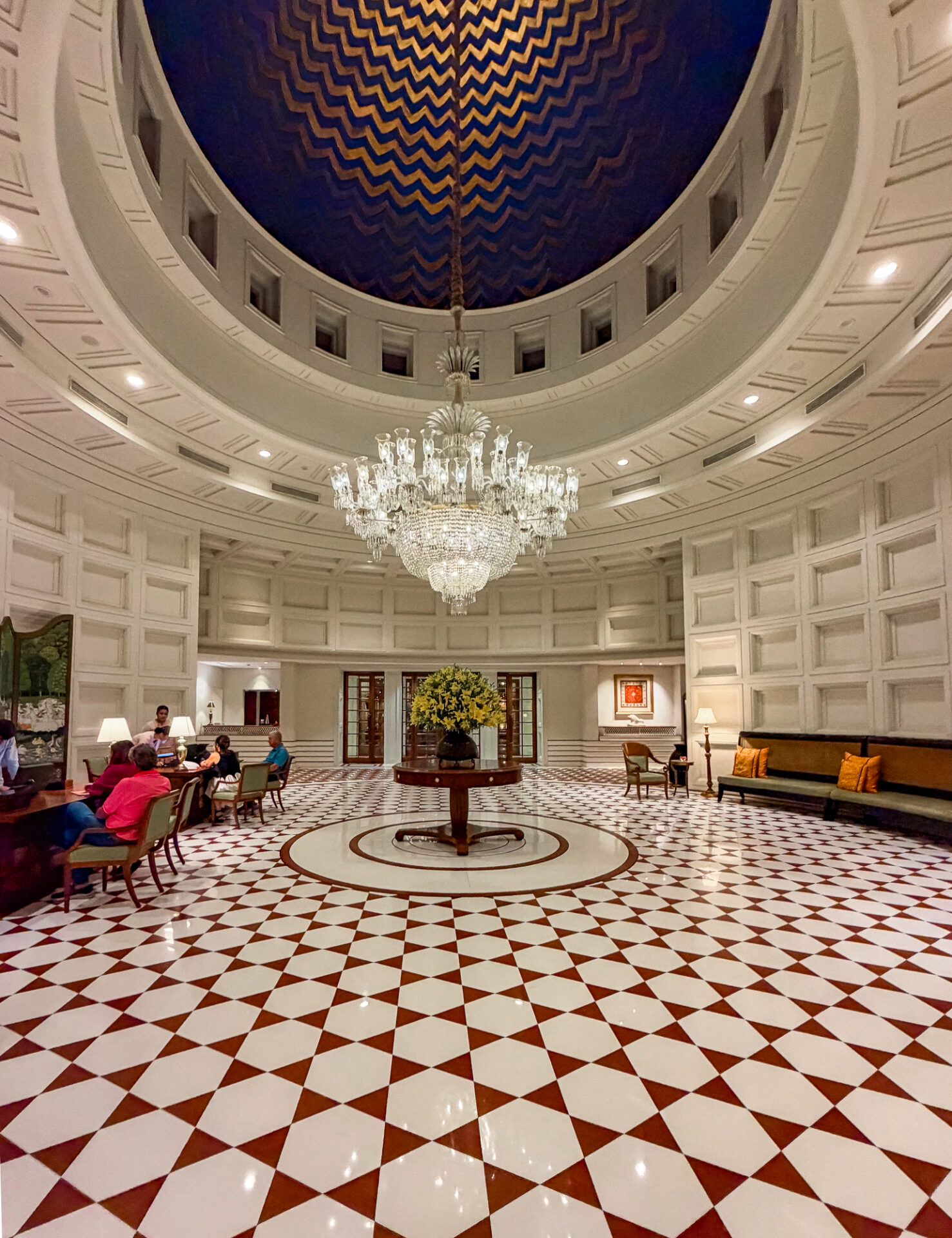
We were hesitating between the balcony room or the bathtub looking over Taj Mahal and eventually went for the first one.
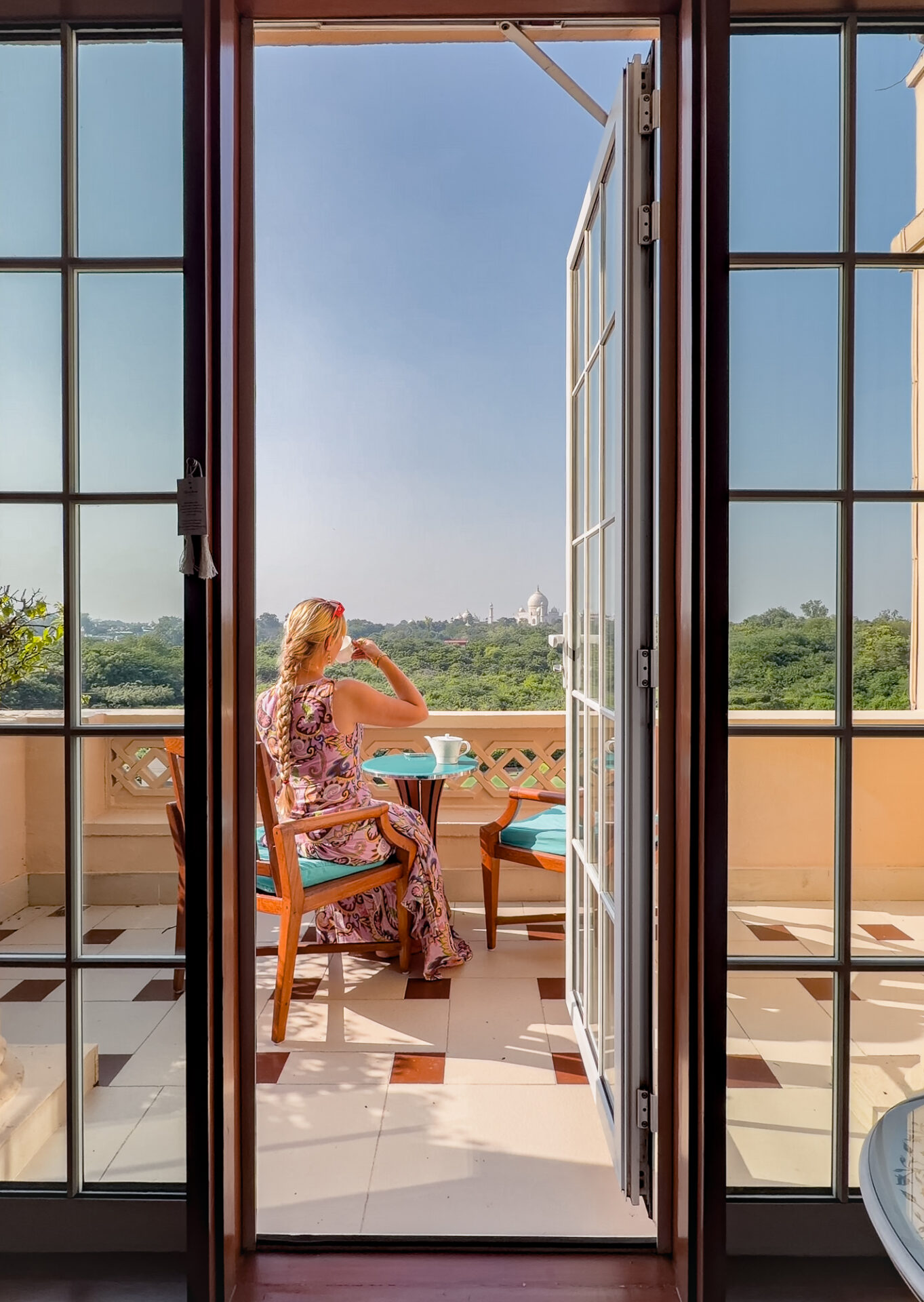
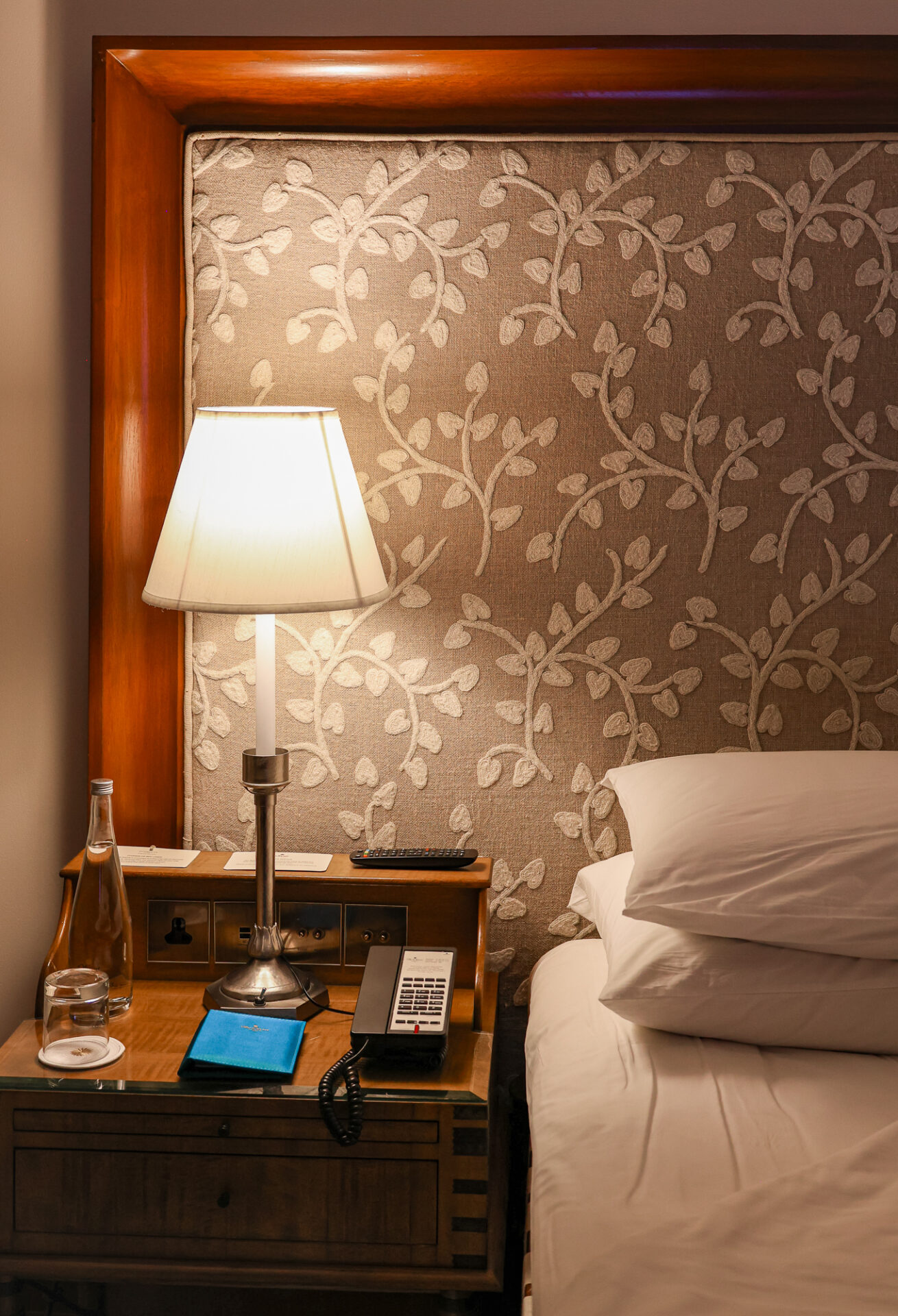
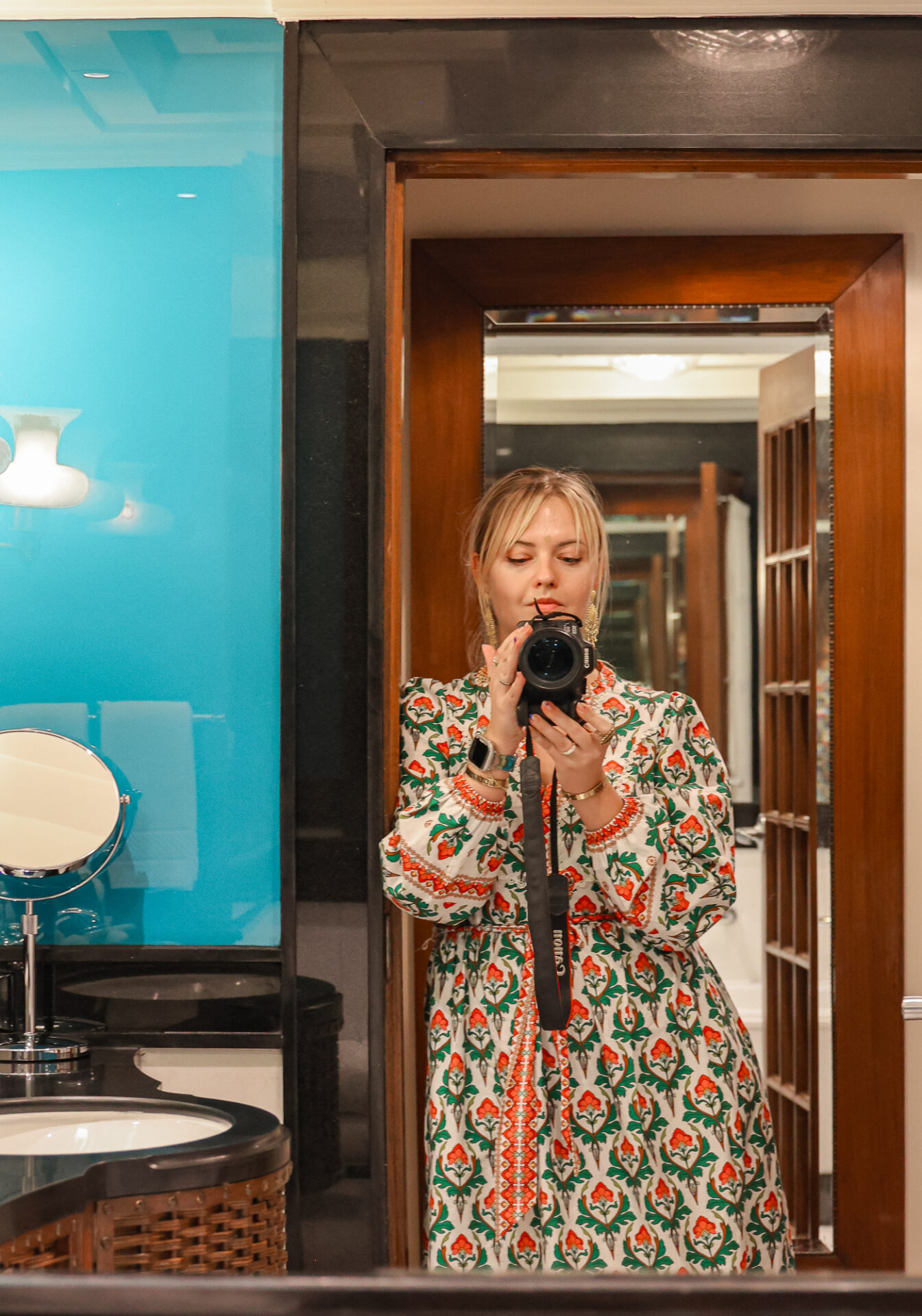
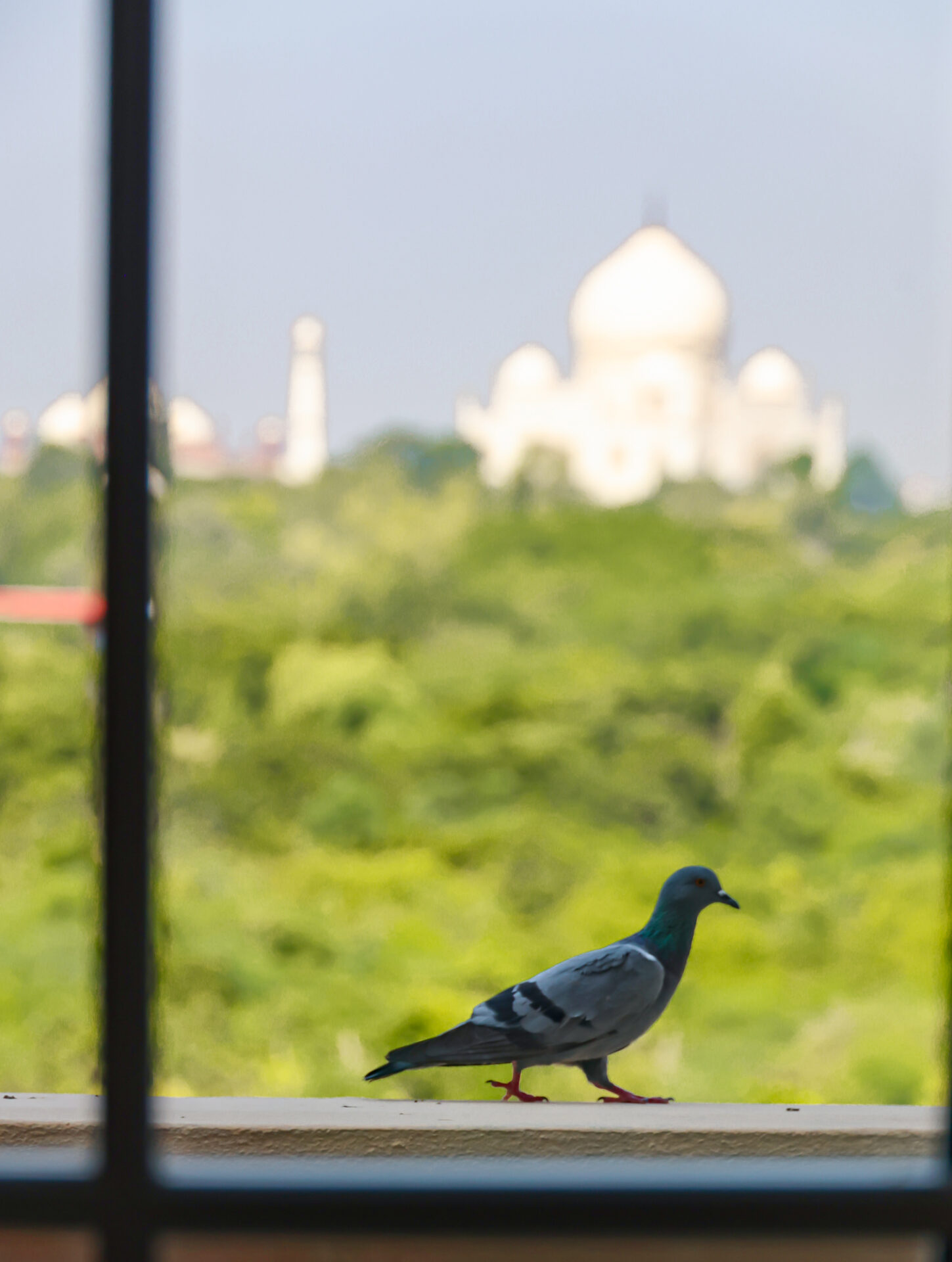
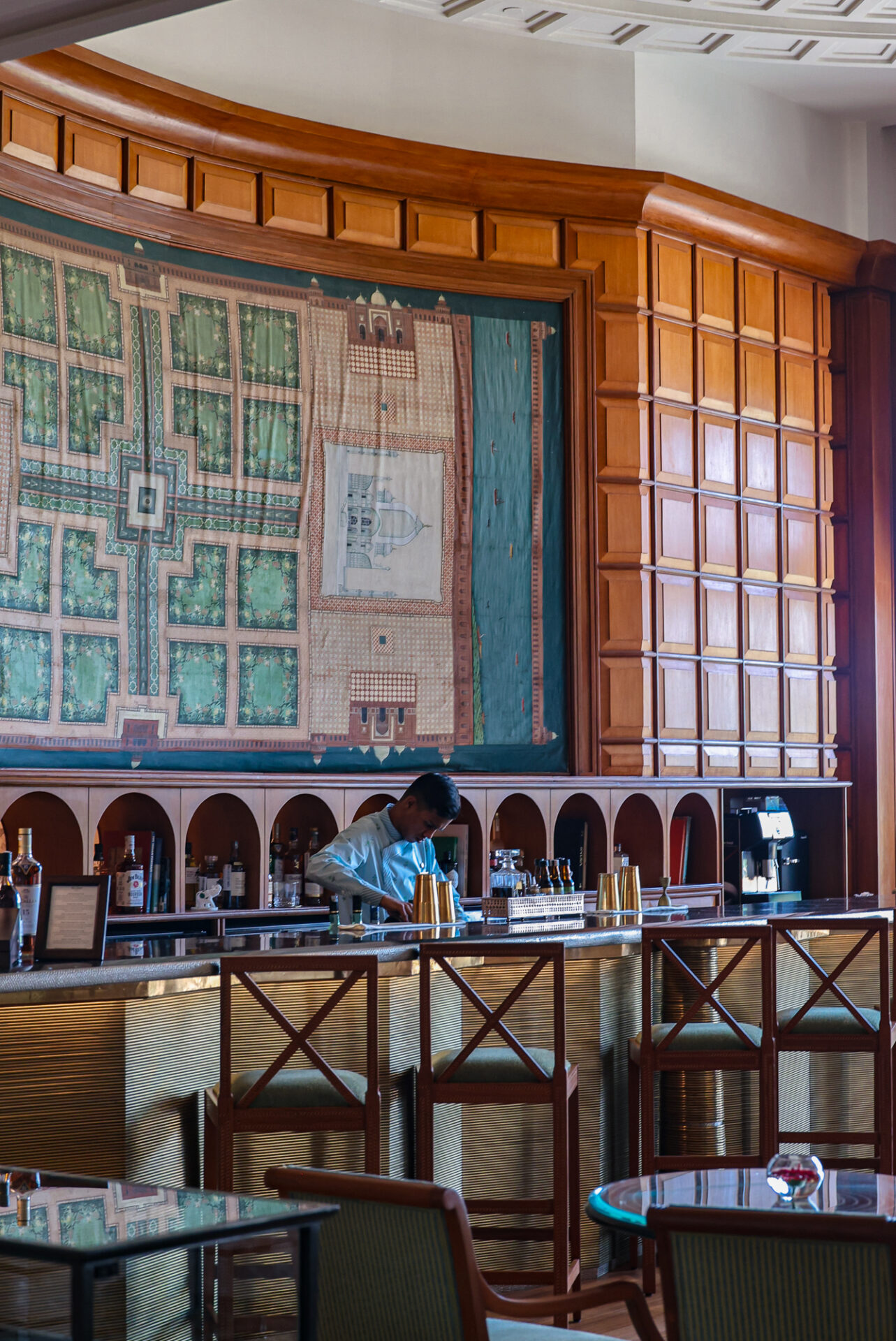
Kids also receive their own welcome pack. But none of these are even the main feature of the hotel – direct views of the Taj Mahal from the rooms, lobby, and bar are!
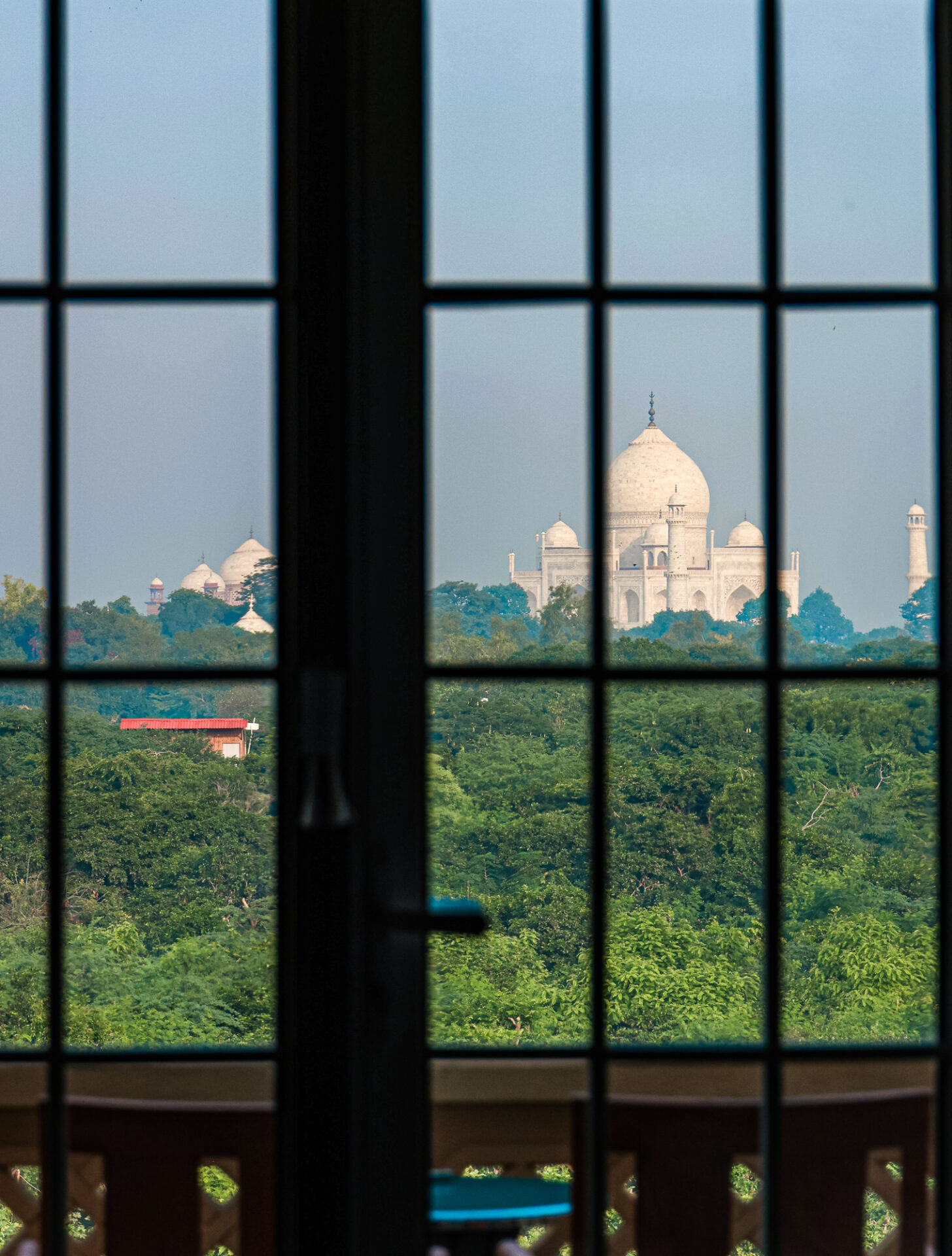
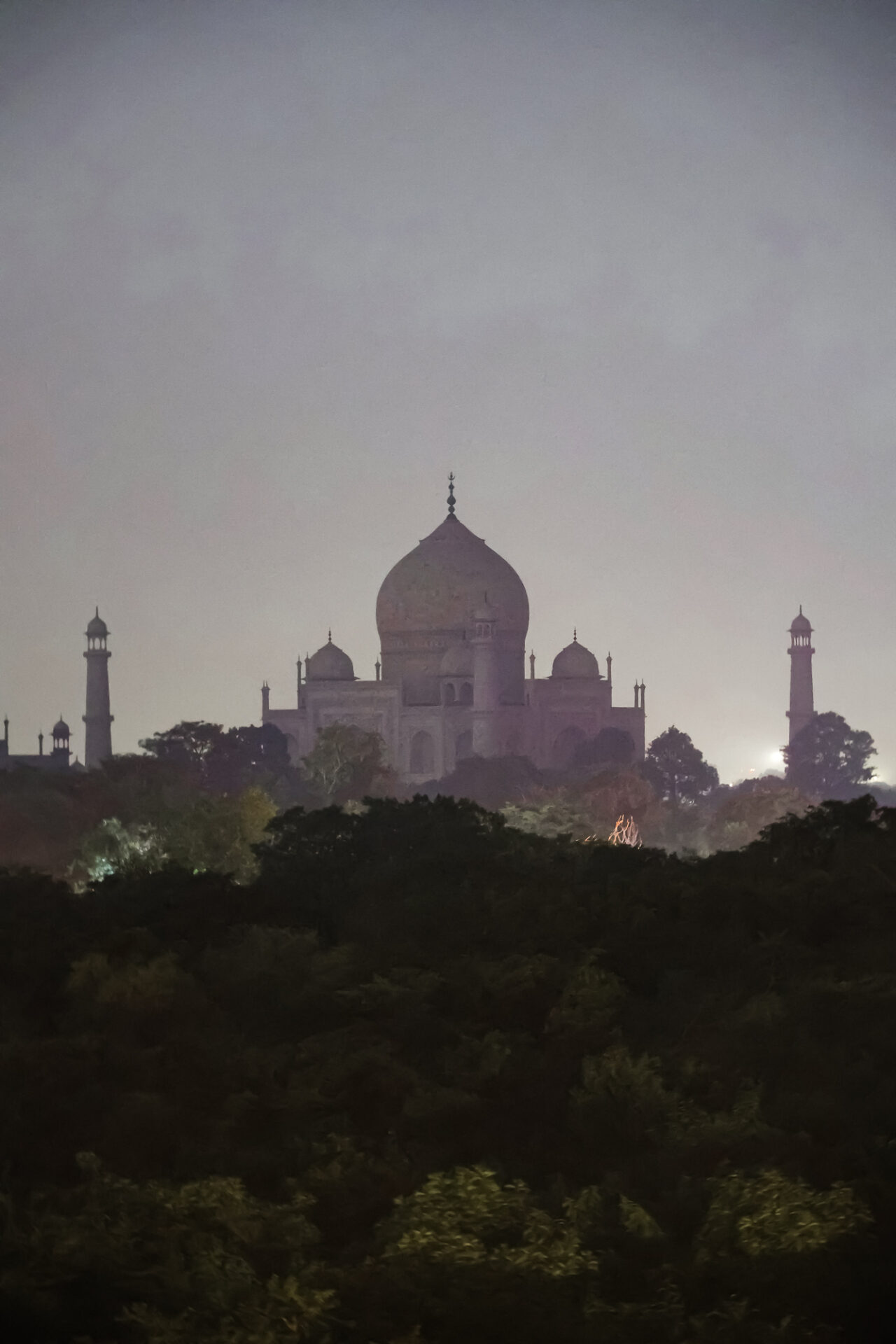
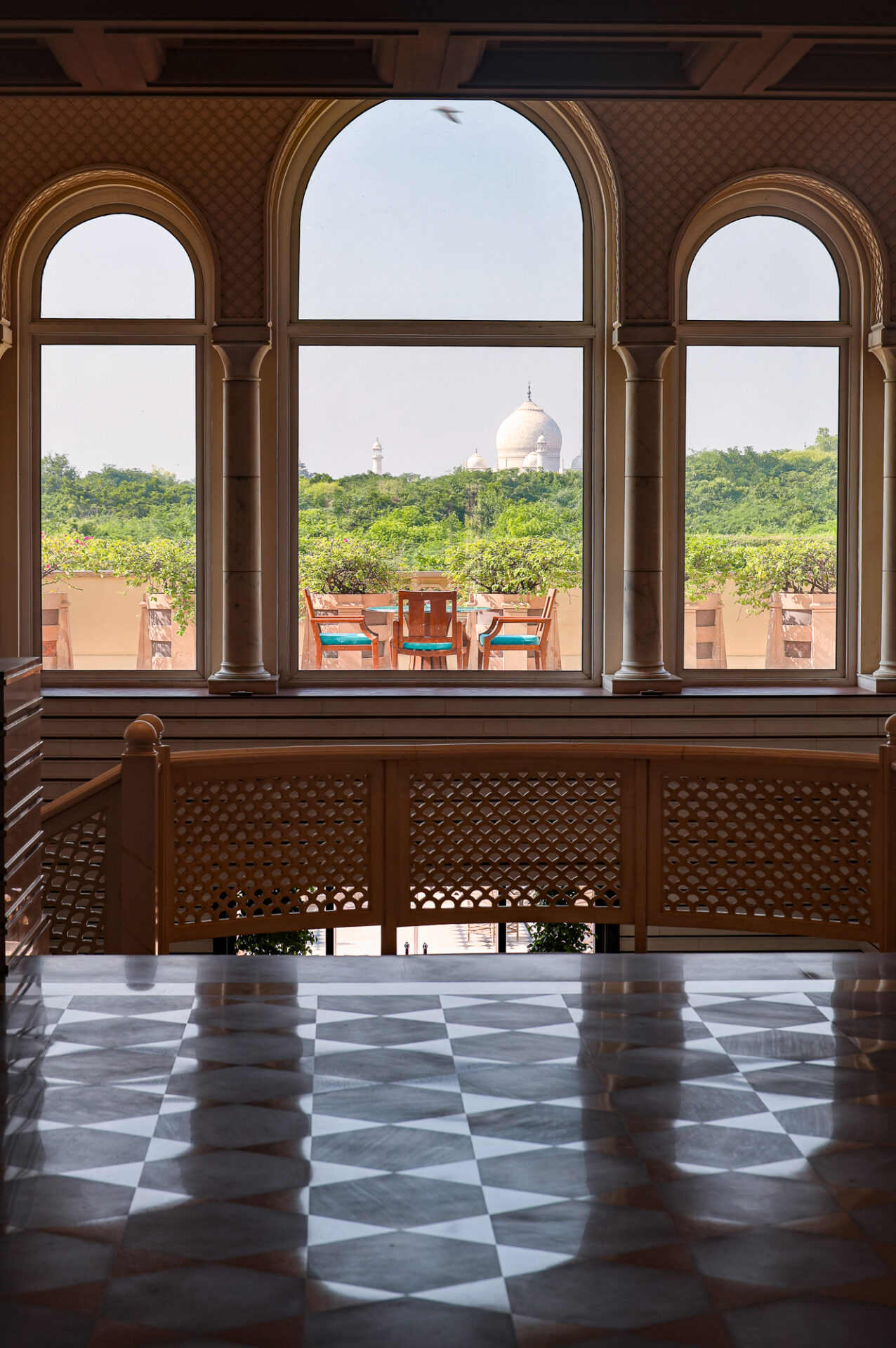
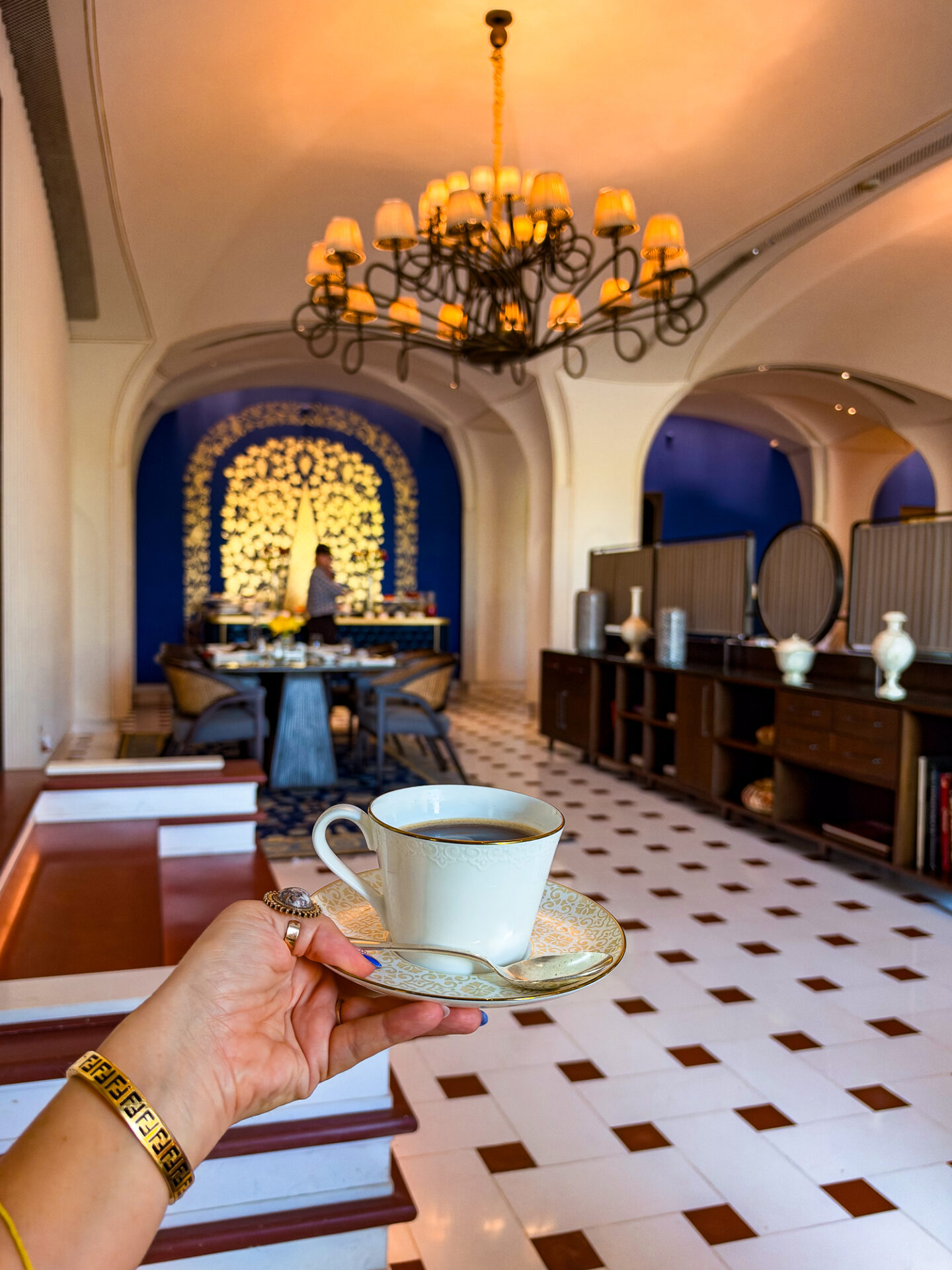
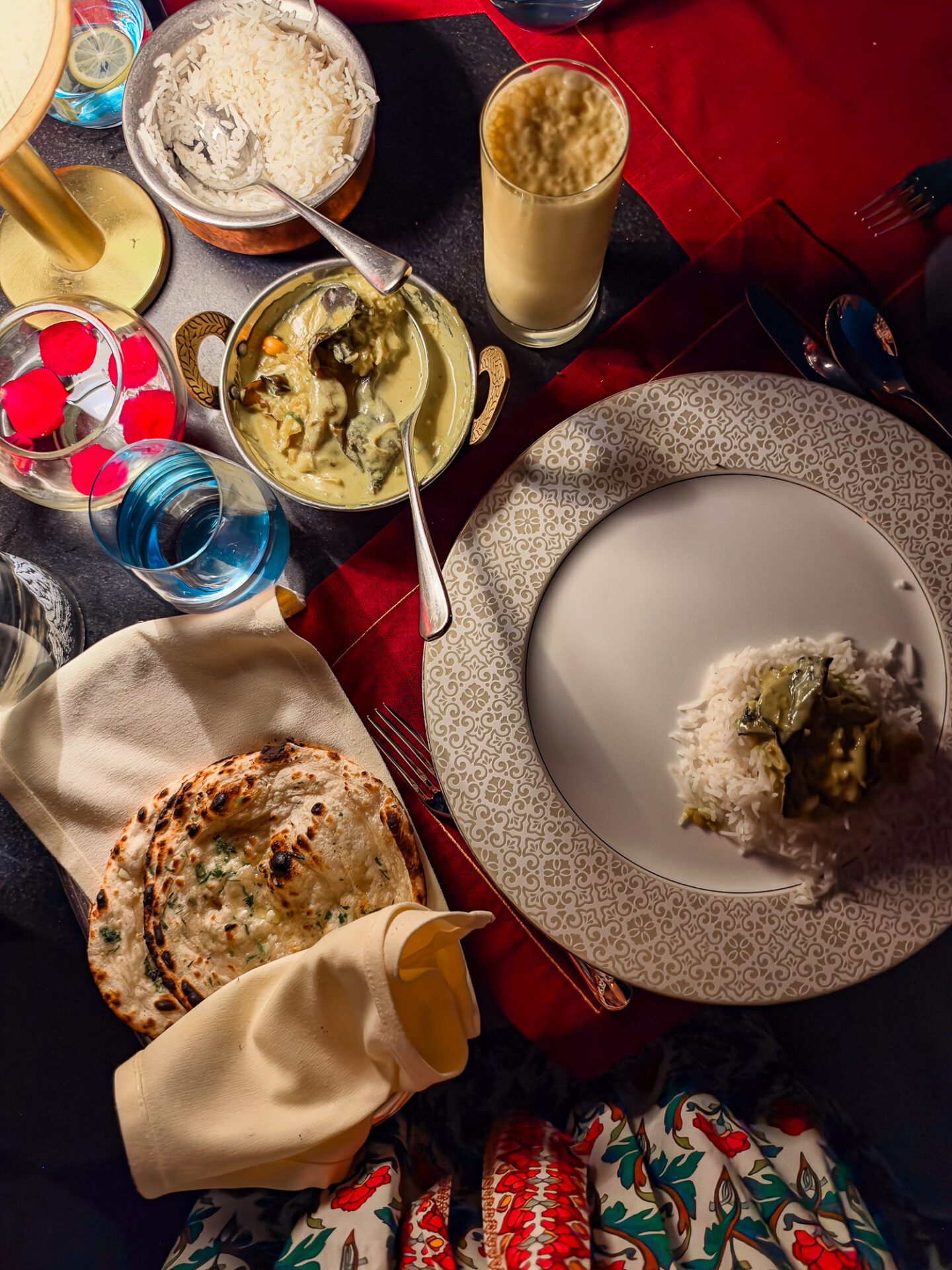
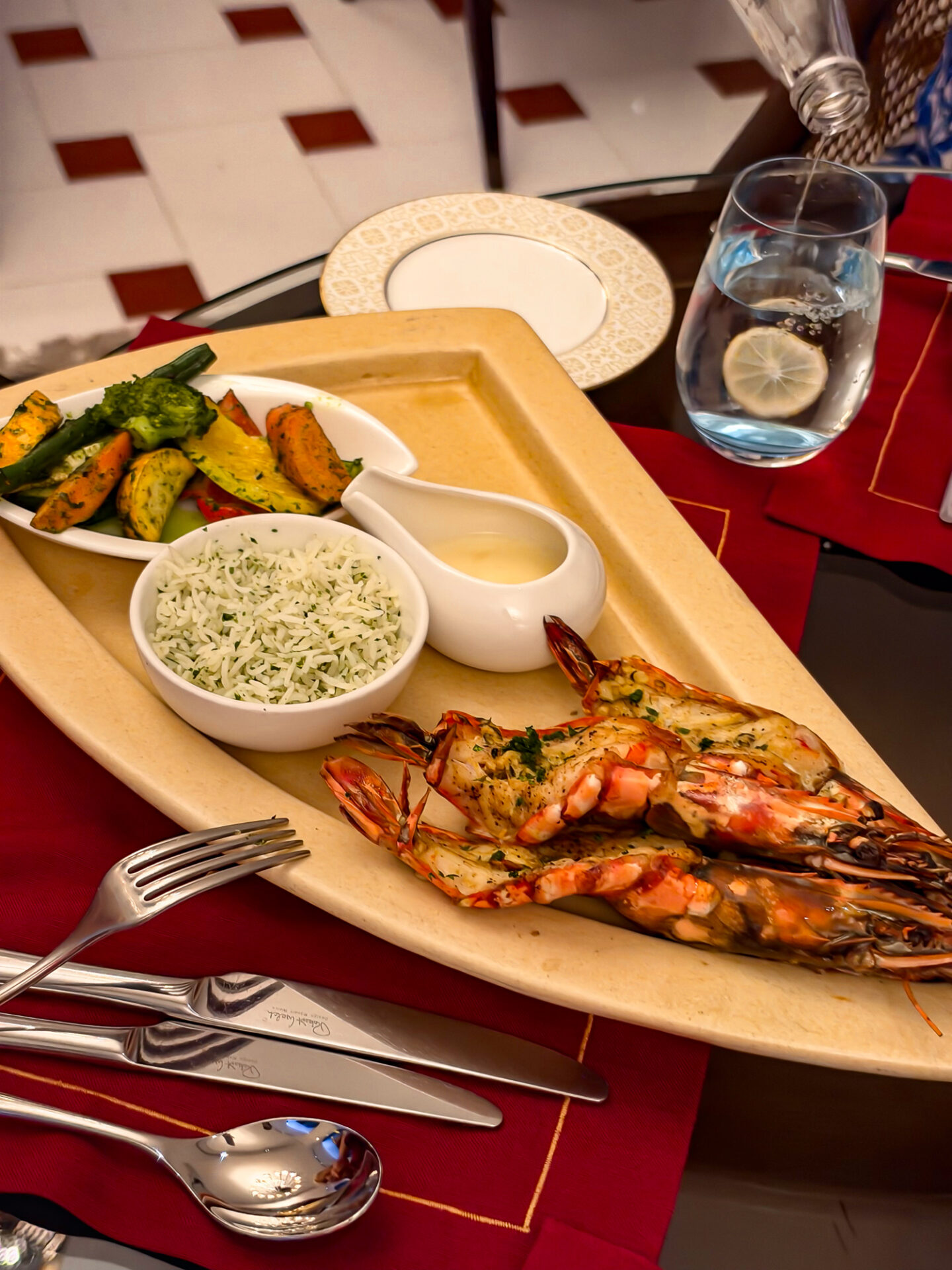
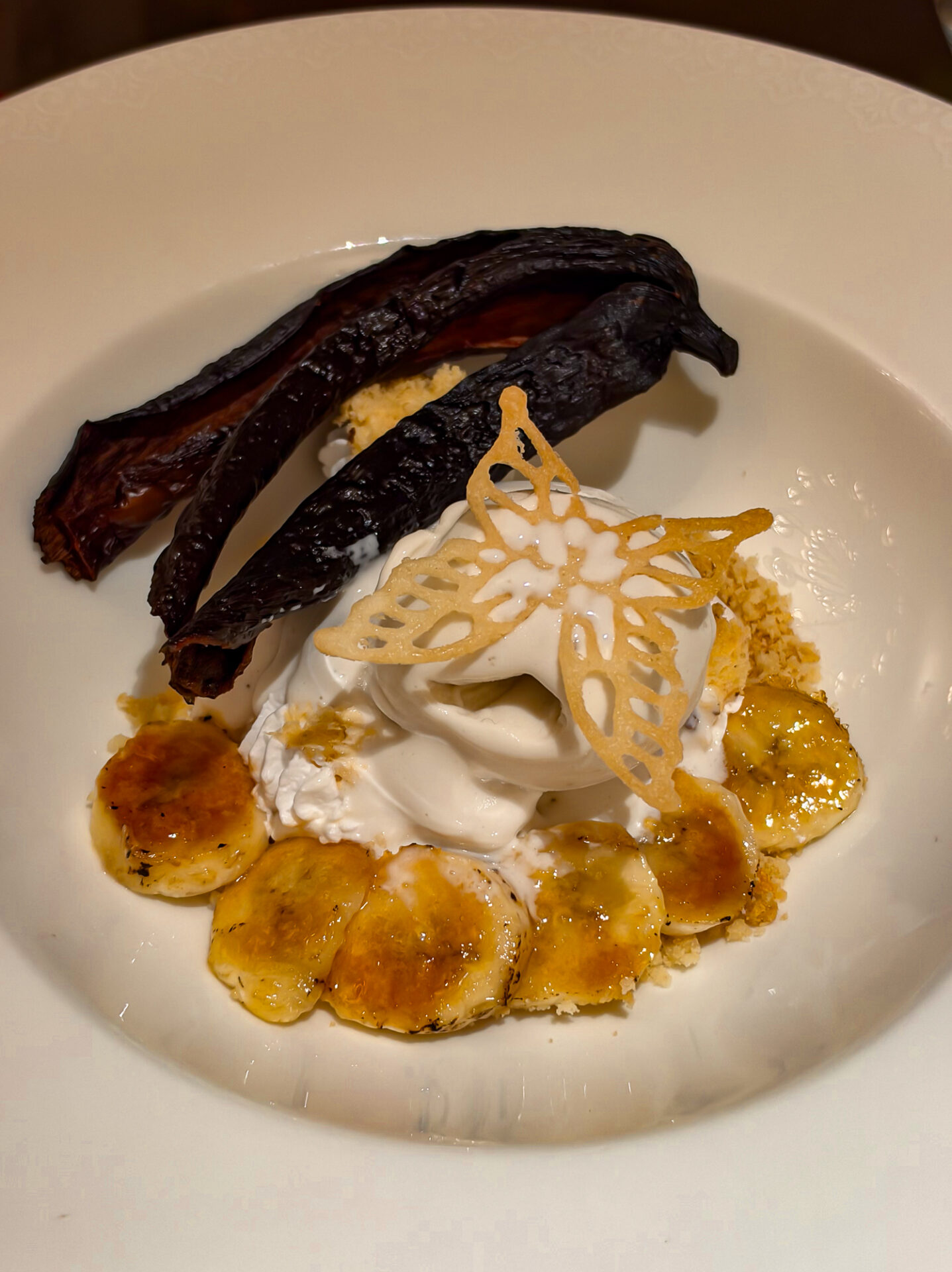
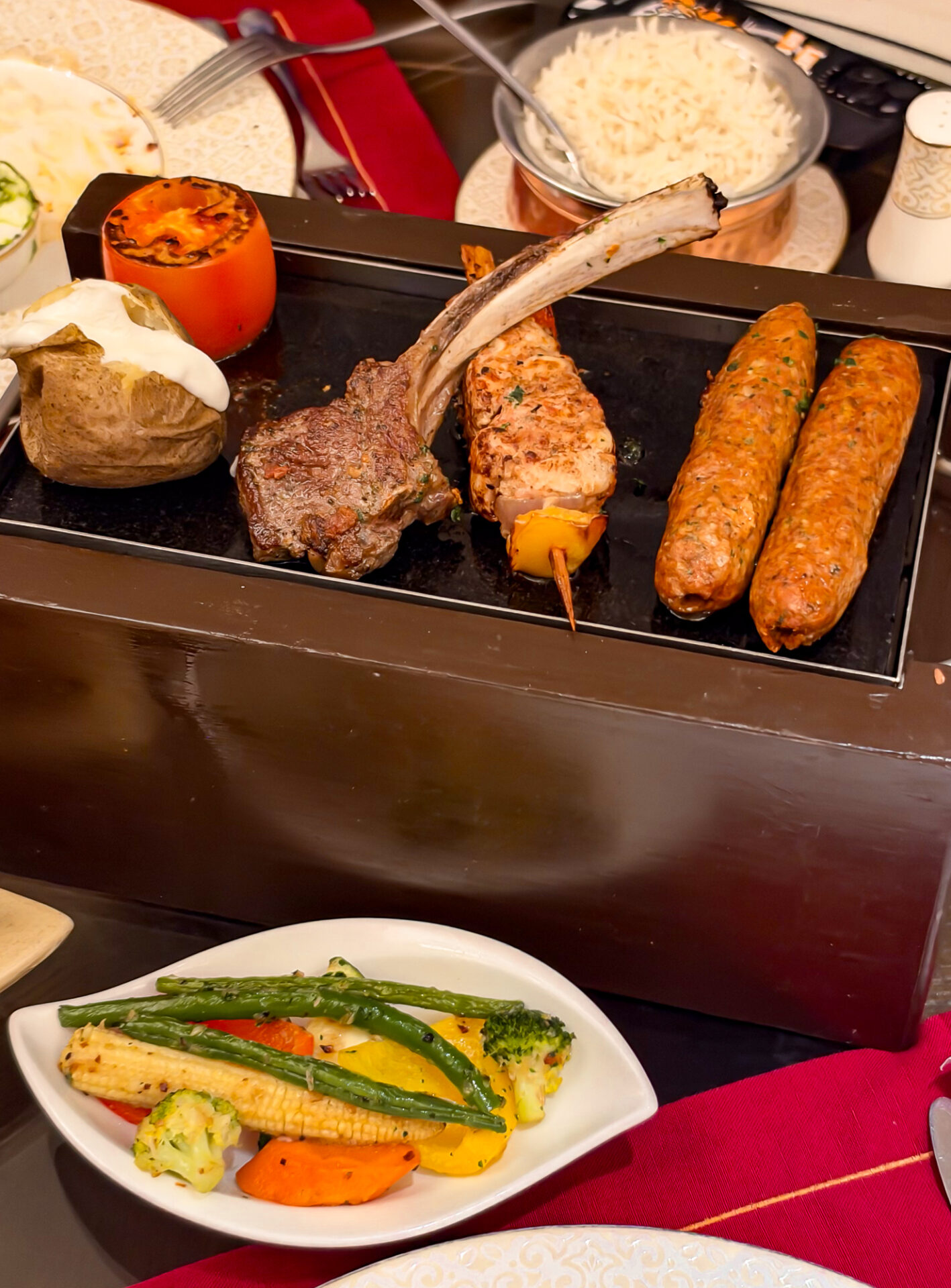
The breakfast is served from the à la carte menu as well as buffet at the Bellevue restaurant. In the evenings, it operates as a great restaurant serving Indian, western and Asian cuisines.

The pool is heated, and visitors are provided with free rose water mist, water and sunscreen upon their arrival.

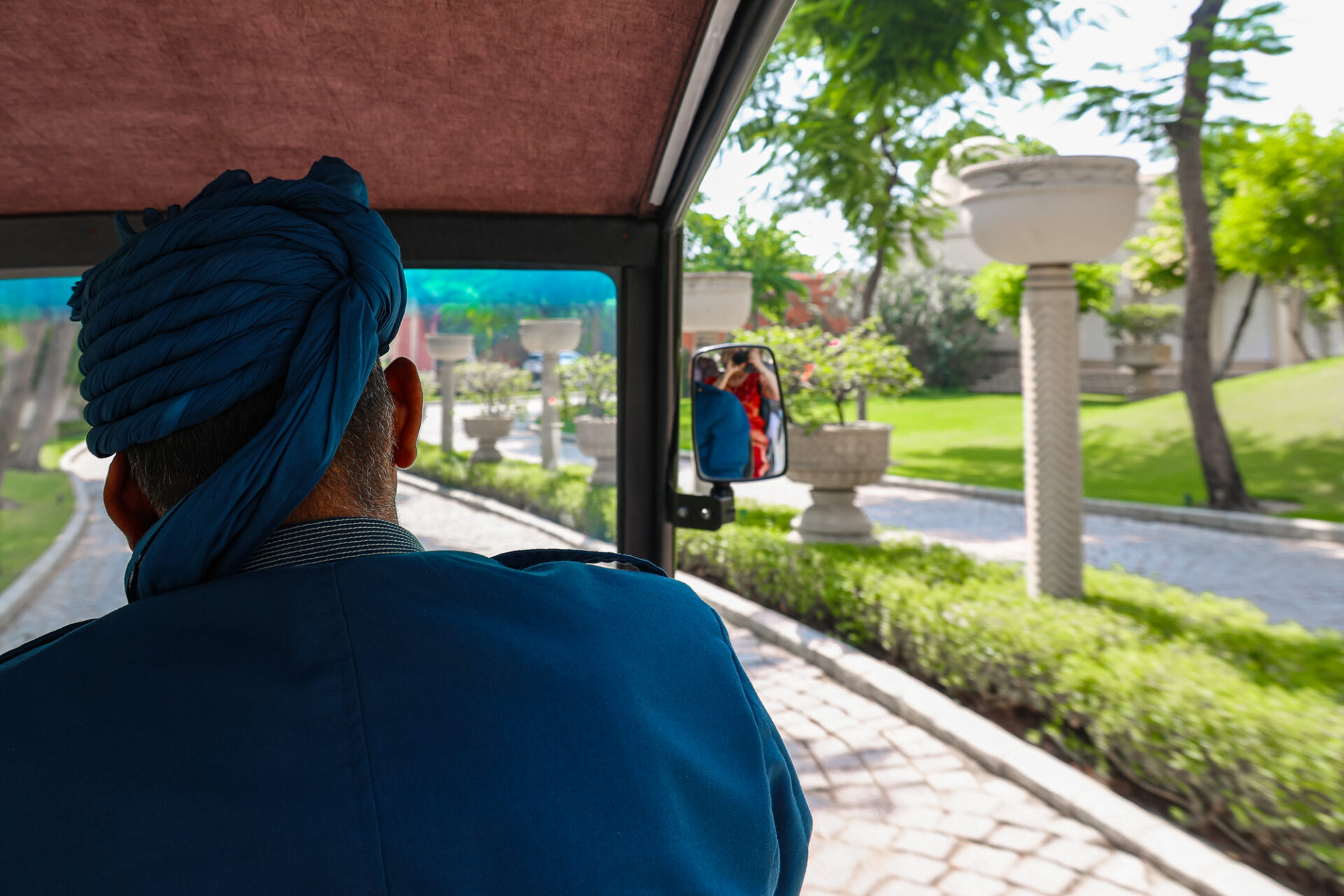
On top of that, the hotel provides a direct private shuttle to the Taj Mahal’s entrance – it’s the only hotel allowed to do so! Naturally, visitors usually start their day with an early visit to India’s most famous architectural marvel from the hotel, so it’s pretty handy.
Also see my posts about Sri-Lanka,
Hope you liked my new blog!
Yours,
Anna xxx