Bangkok, or Krung Thep Mahanakhon Amon Rattanakosin Mahinthara Ayuthaya Mahadilok Phop Noppharat Ratchathani Burirom Udomratchaniwet Mahasathan Amon Piman Awatan Sathit Sakkathattiya Witsanukam Prasit, is a megapolis where you can easily spend weeks exploring more and more new locations.

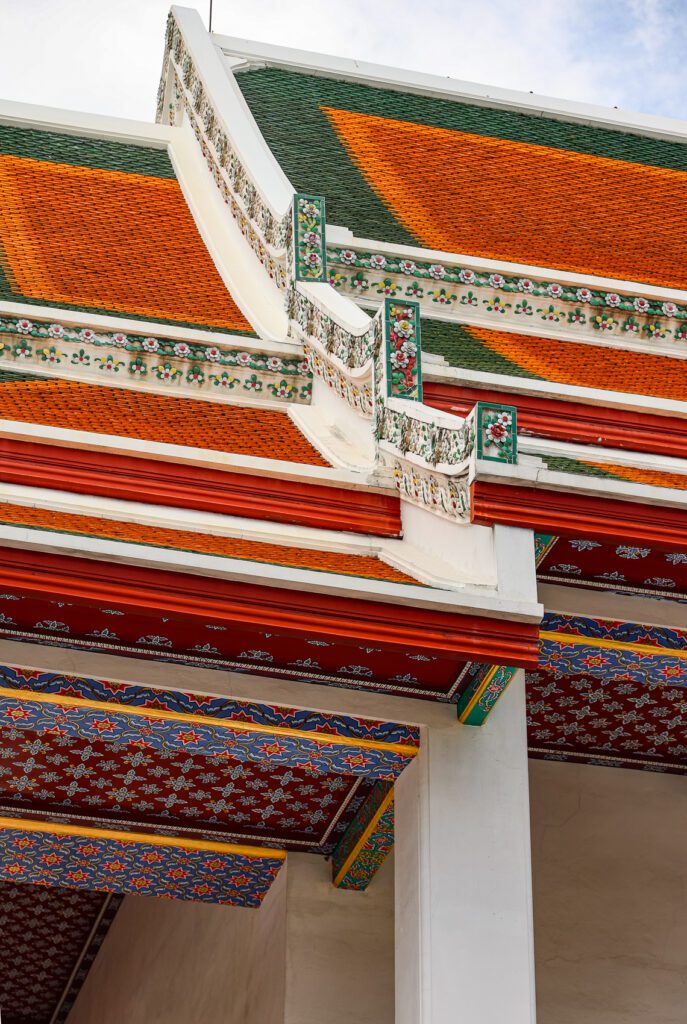


It never ceases to surprise you with its smells, sounds, shiny modern malls and ancient temples. And we were thrilled to return there again!




Check my second part of the Bangkok guide – with more astonishing sites to explore, and I’m confident it’s not the end of the list here, still more to discover and to share with you.



Please don’t regard this part as secondary to the locations mentioned in the first part – they are certainly not less important!


16. Icon Siam
ICONSIAM totally lives up to its reputation. It’s huge, it’s shiny, and it’s totally worth a visit. This “Icon of Eternal Prosperity” opened in 2018 on the shore of the river, adorned with all the tallest buildings in the country, and it has been a major attraction since then. First of all, come to the top floor for their pinnacle and observation deck over the river and buzzing Bangkok!


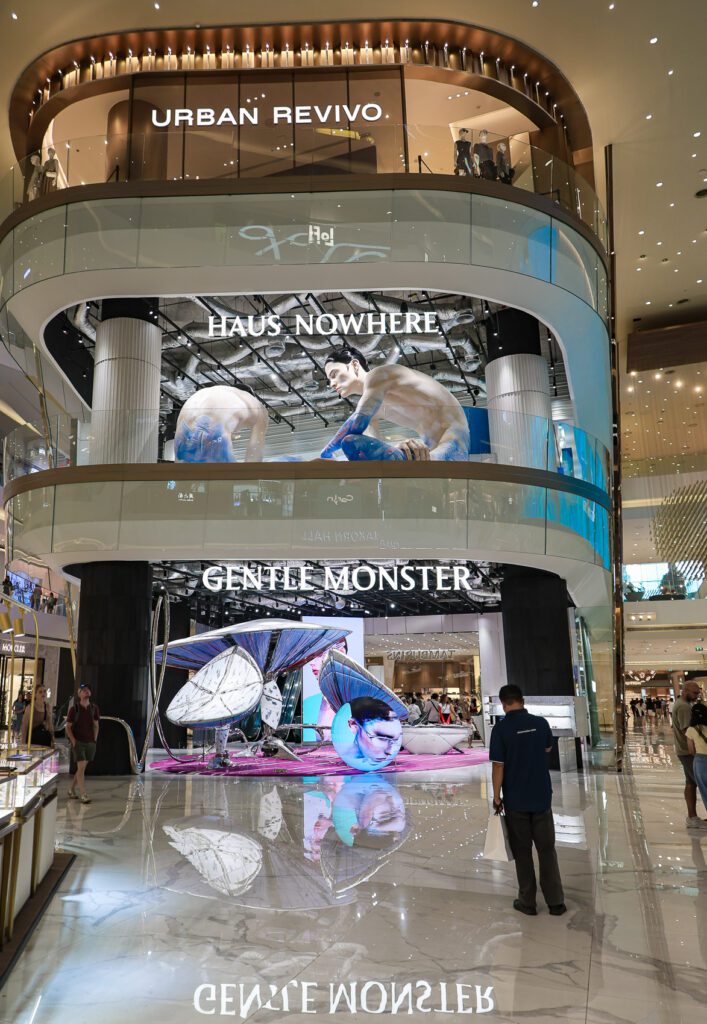
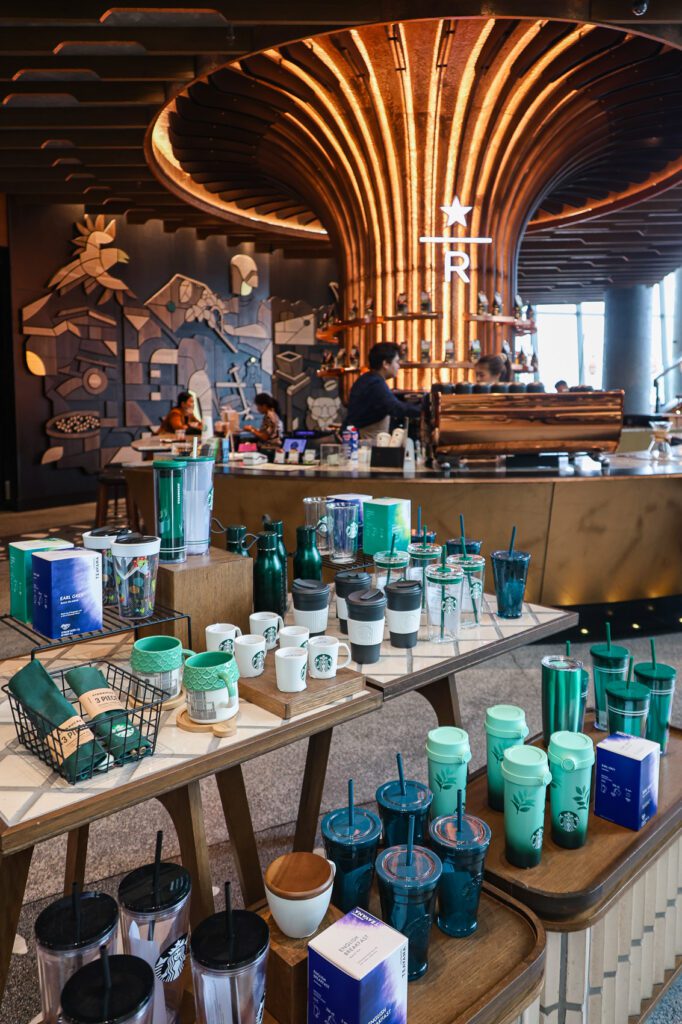

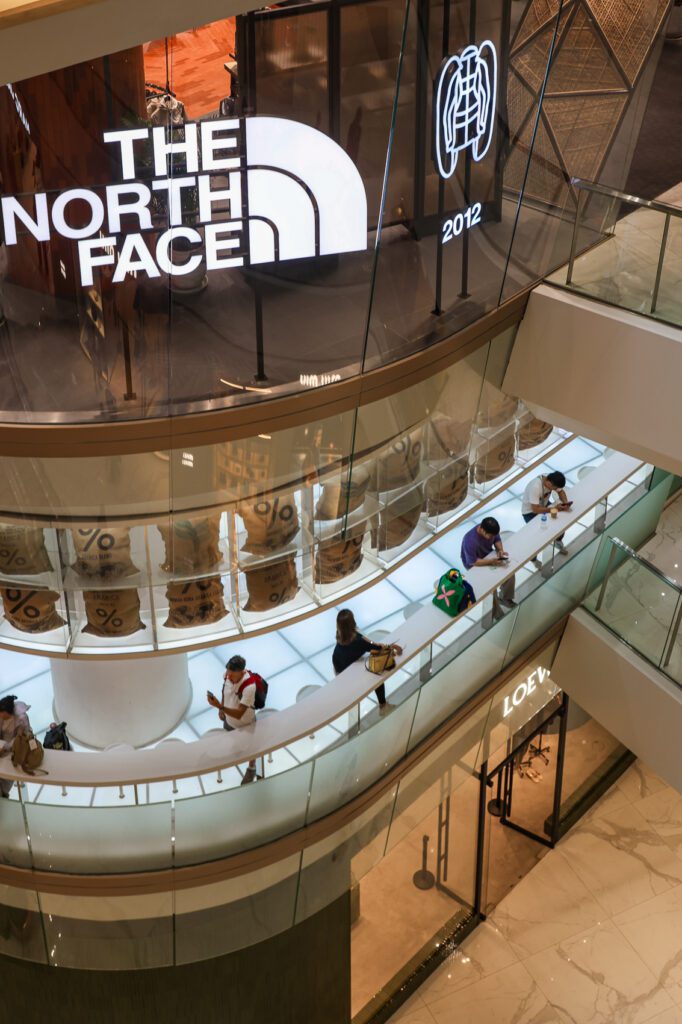
It’s a luxury shopping destination: here are lots of high-end shops such as Dior, Hermès, Chanel, Louis Vuitton and others, but there’s more to it. Just behind it you’ll find an addition to the main building, the ICS Building.




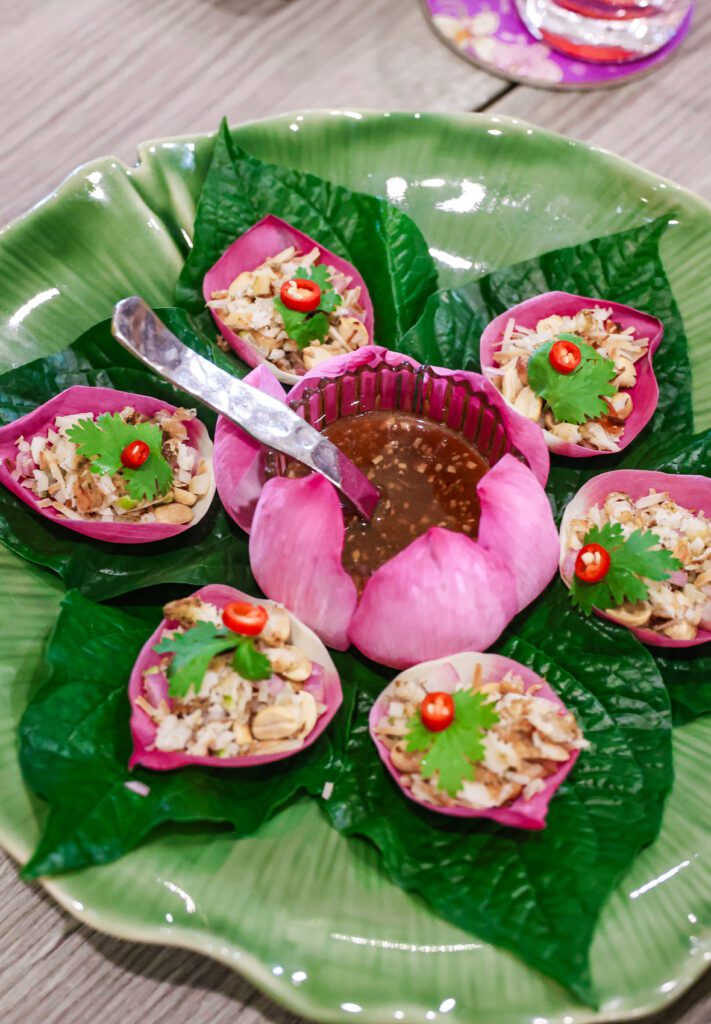
Many come here for the food – for instance, we admired the Nara restaurant there. The food in this Thai‑cuisine restaurant is simply begging to be photographed on a phone!

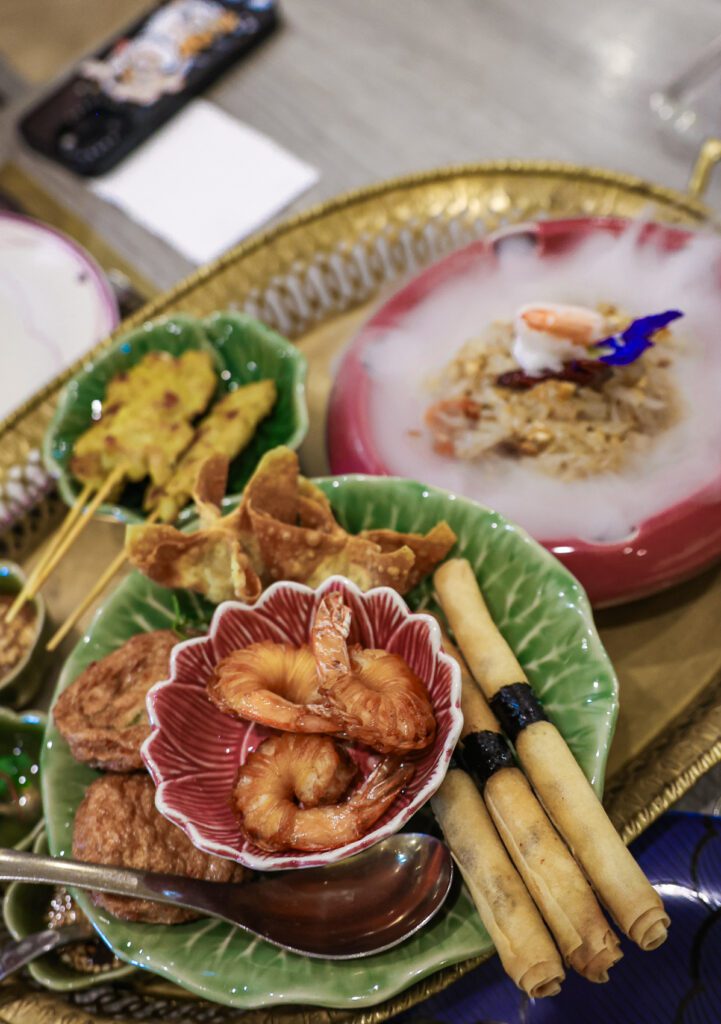

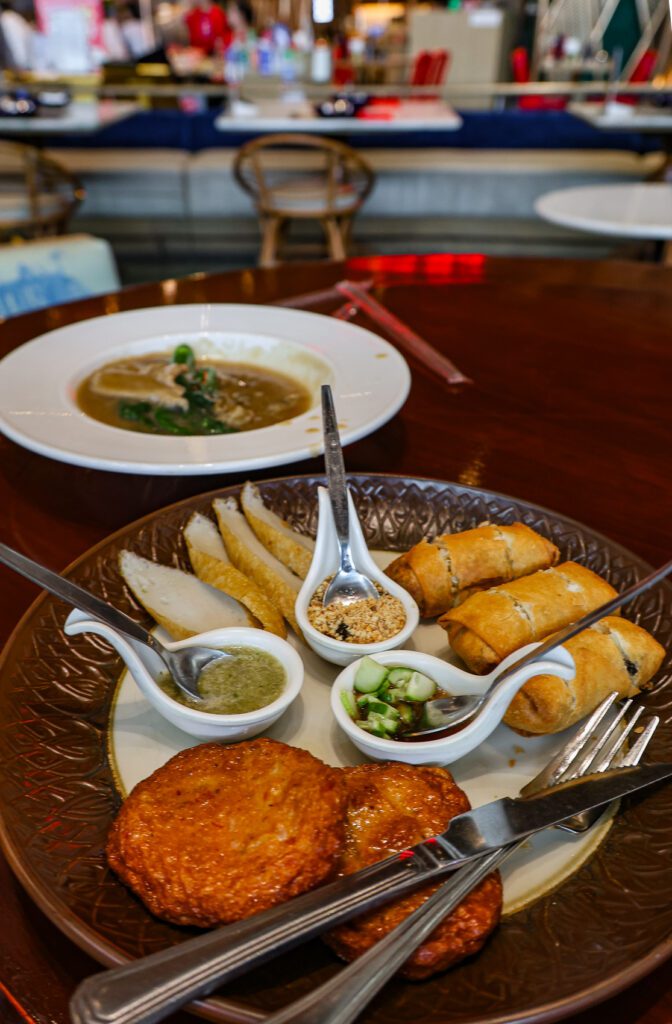
For other dinner occasion, we chose a meal at the Lukkai Thong restaurant at the top of ICONSIAM serving Royal Thai cuisine – on the top of that, it offered the best views over the indoor waterfall. Moreover, the restaurant itself sits inside an artificial pond!
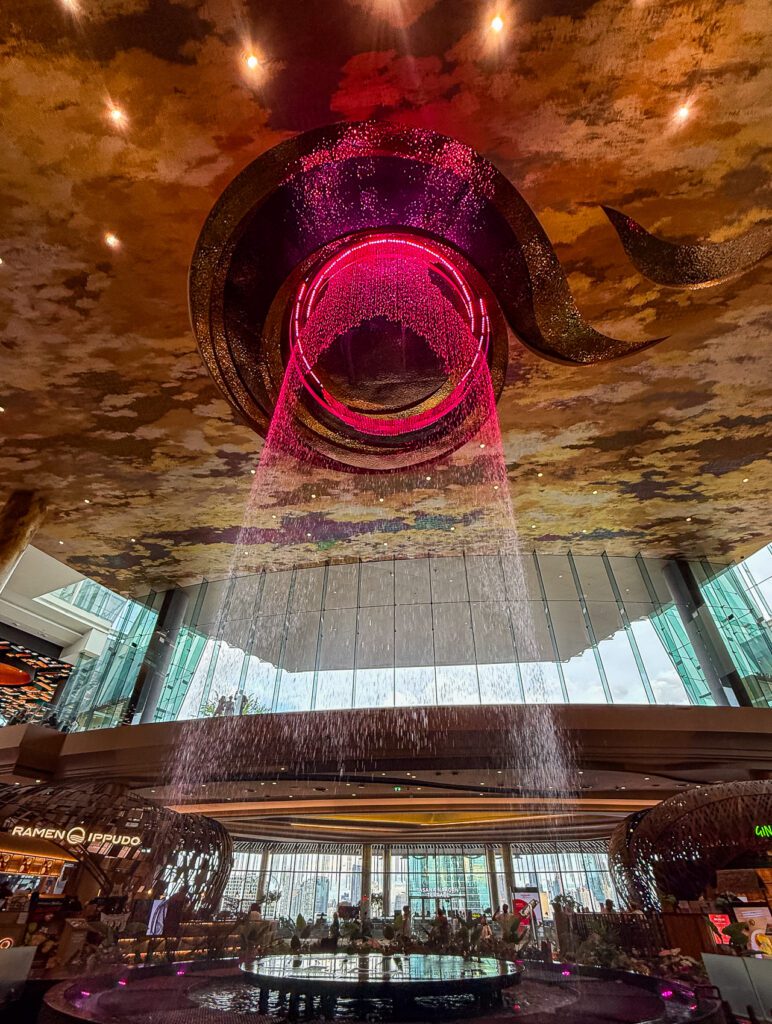


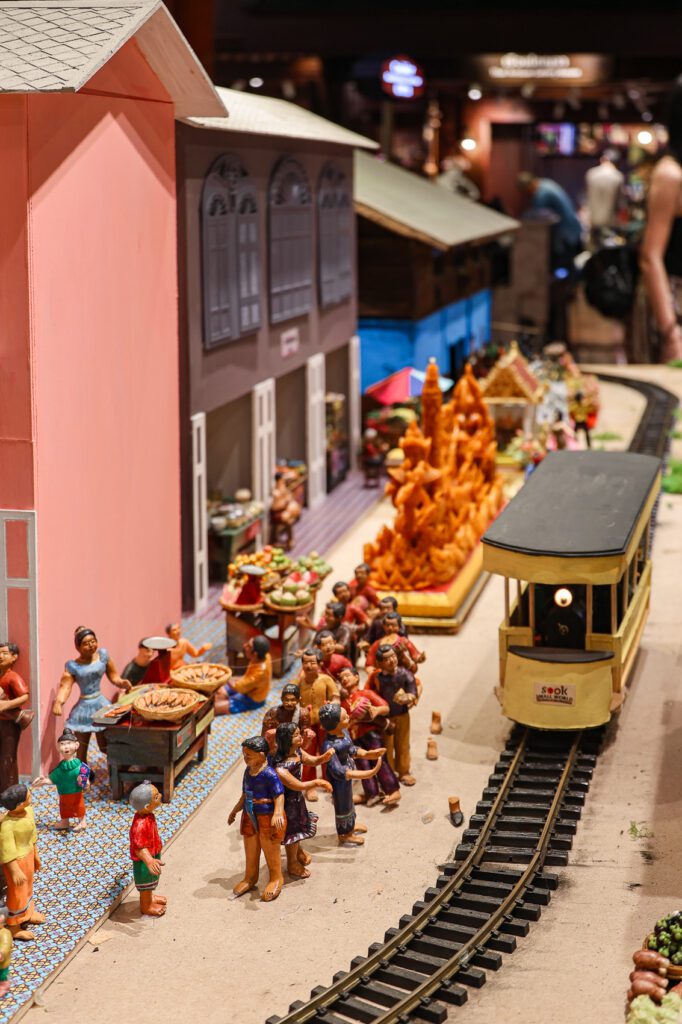
But there’s even more to ICONSIAM than you could imagine. It has Sooksiam area on the ground floor – a huge indoor floating market representing various cuisines from all the regions of Thailand, as well as their crafts. You can literally spend a few hours here trying different products from different vendors and exploring the clothes, souvenirs, jewelry, bags, and wood carvings sold there.

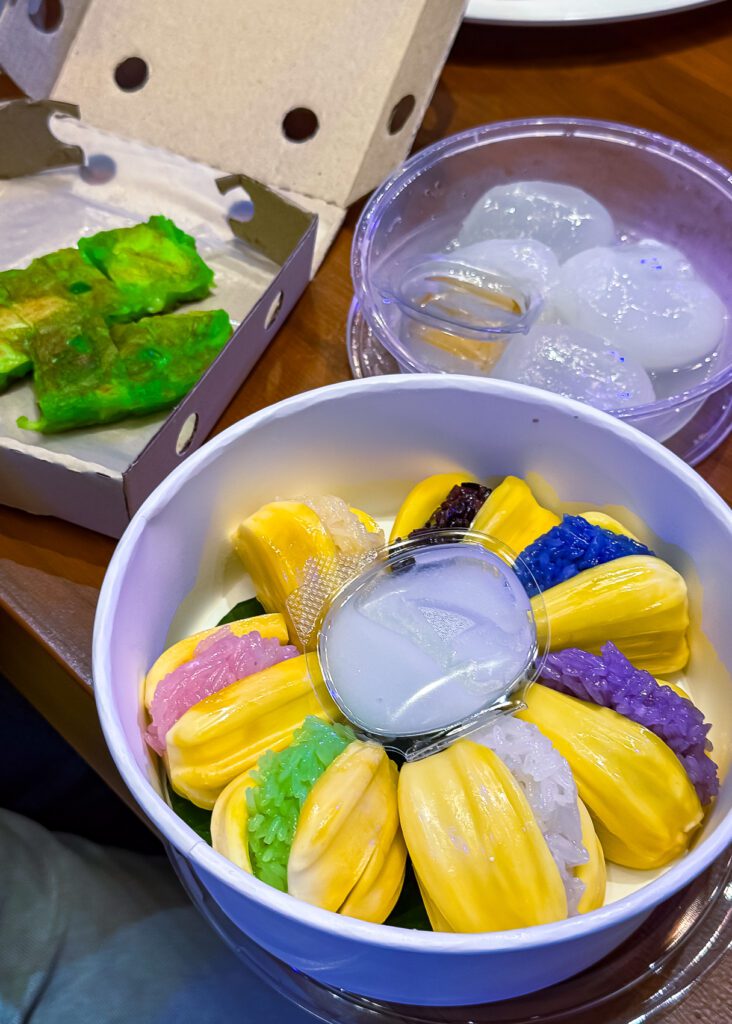


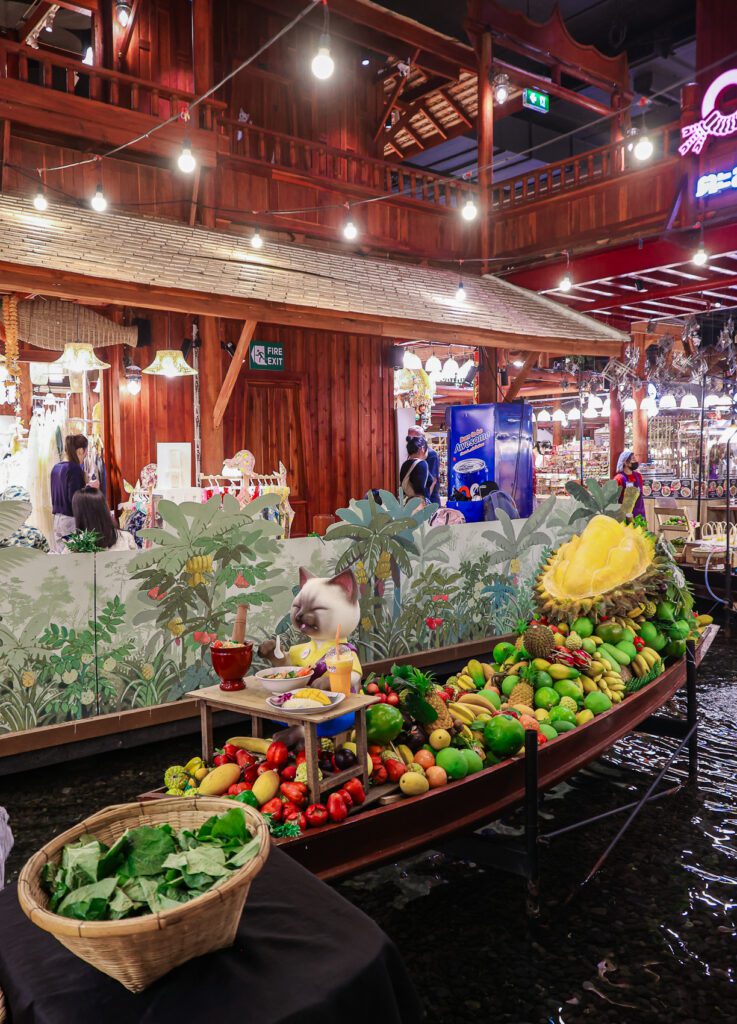
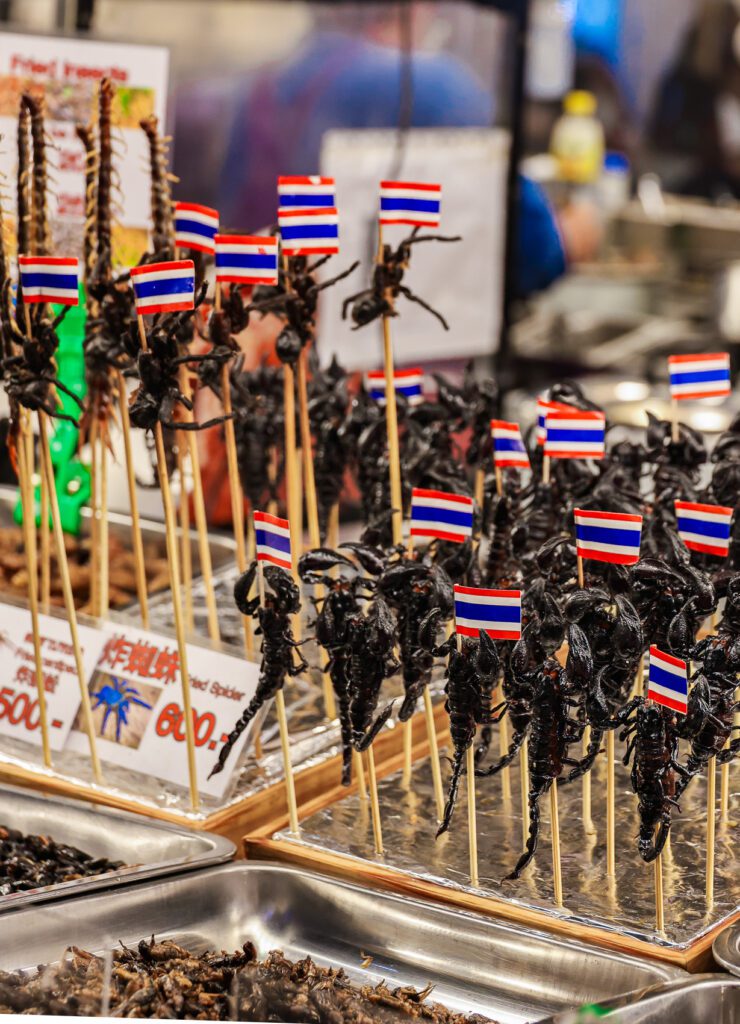

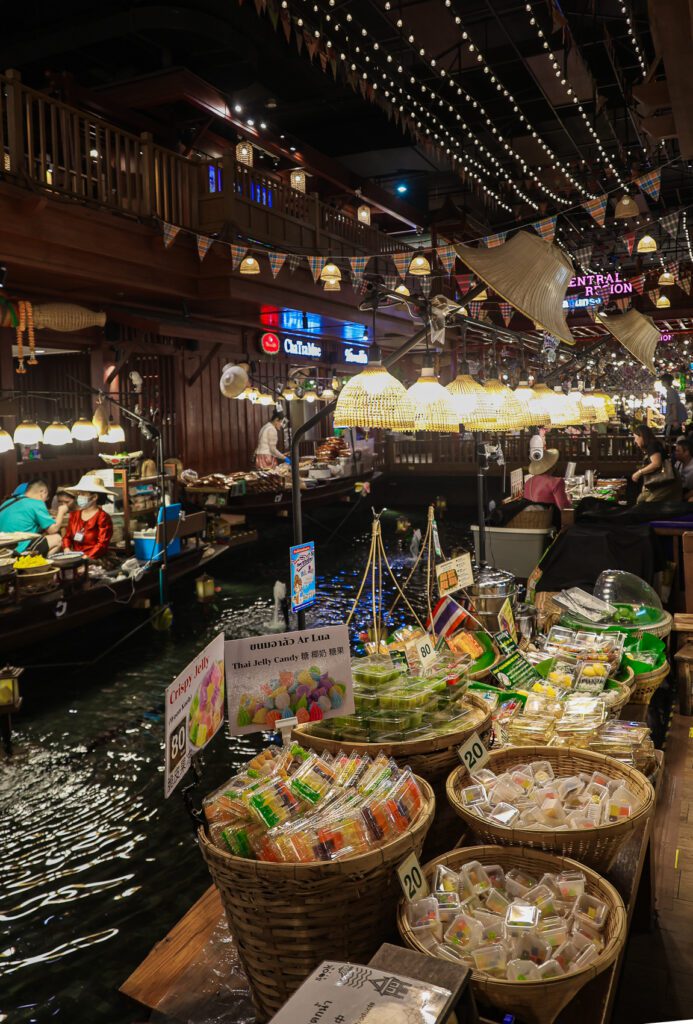
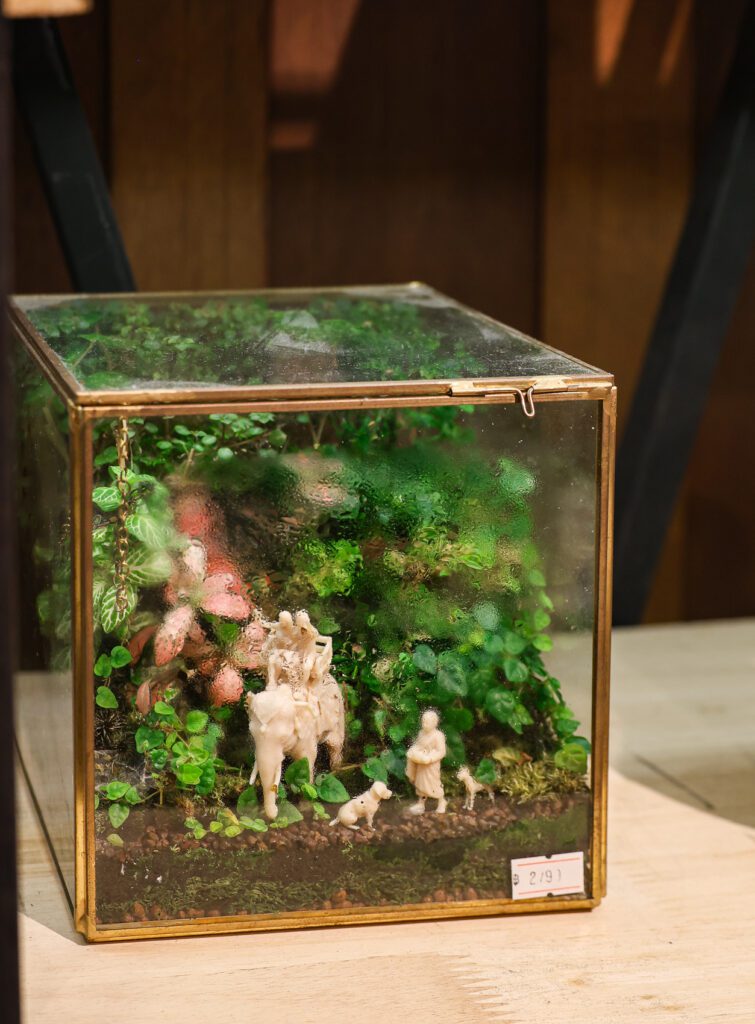
Come to the upper‑ground floor of Sook to explore the Small Worlds exhibition too.


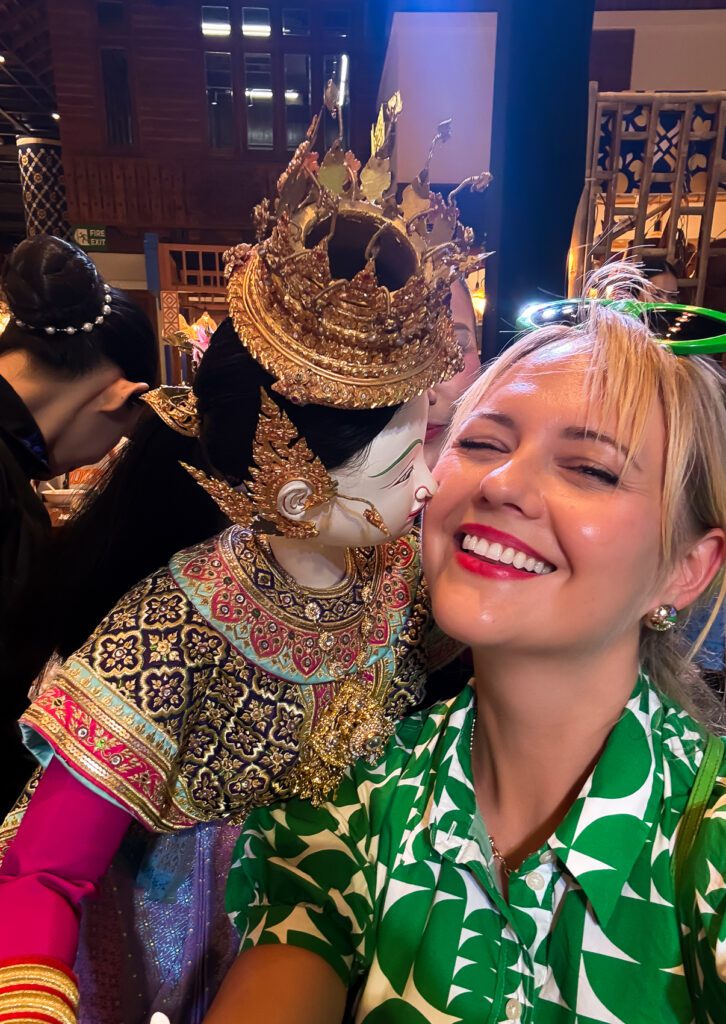
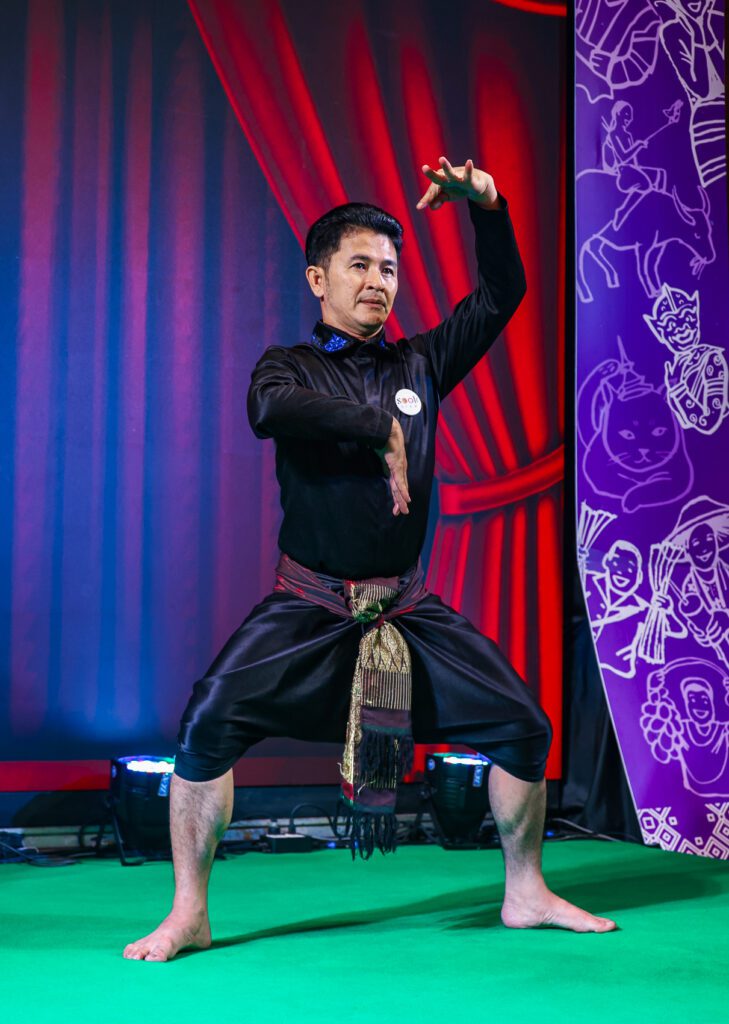
We also came to Sook of ICONSIAM specifically to watch the traditional puppet show – Hun Lakhorn Lek! This performance features handcrafted, approximately one‑metre‑tall figures that are brought to life by three people each, mimicking realistic movements. The puppets usually represent characters from the Ramayana, or Ramakien in Thai.

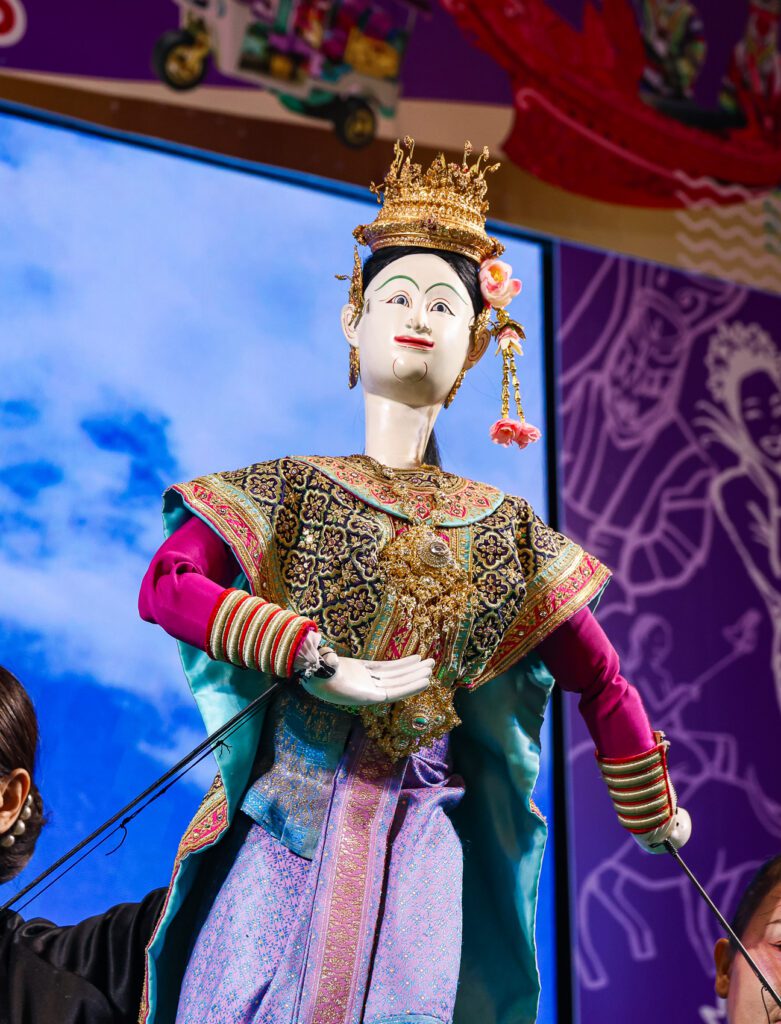
In our case they were Hanuman, the white‑monkey general, and Sida, the princess. Such an amazing performance – I will definitely need to see more of it in the future! By the way, on the ground floor at the Soon Market of IconSiam, you can see this and other agricultural performances for free – just check their timetable in advance (we came specifically for this show after seeing an announcement on social media a few months ago).


In the evenings, ICONSIAM is home to the spectacular multimedia water‑feature shows held at its front close to the Chao Phraya river.
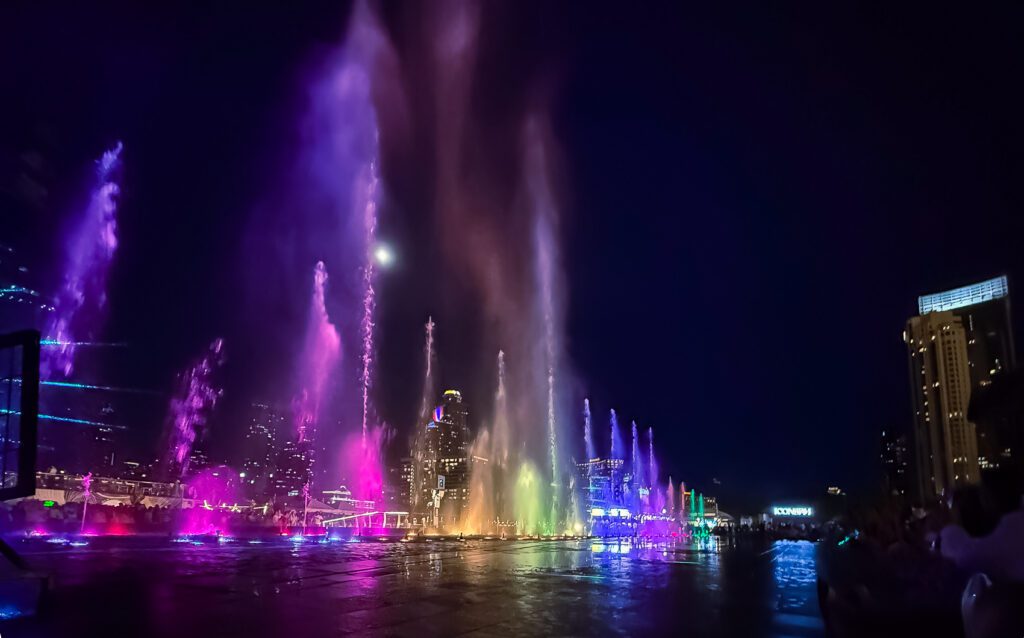

They last about ten minutes and take place at 7 pm, 8 pm and 9 pm. And they’re free to watch!


17. Bangkok National Museum
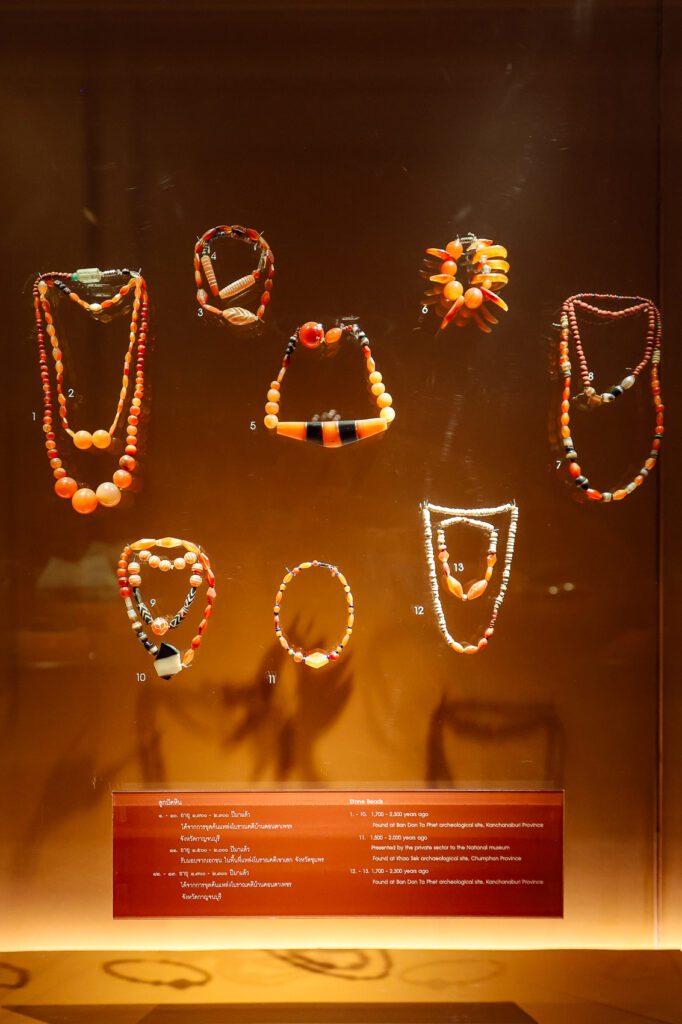
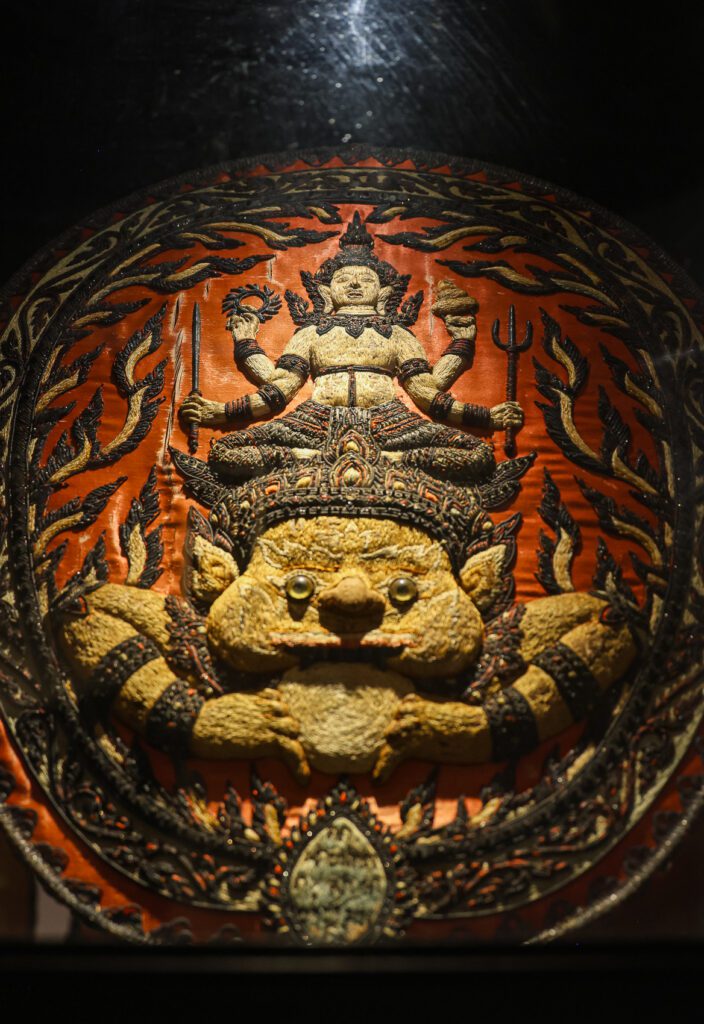
Bangkok National Museum is a fantastic venue split across a few buildings showcasing the most important artifacts of Thai and Siamese history. This is one of the largest museums in Southeast Asia and is located close to the Grand Palace in the former Front Palace (Wang Na), the residence of the vice-king, one of the highest-ranking royal members.
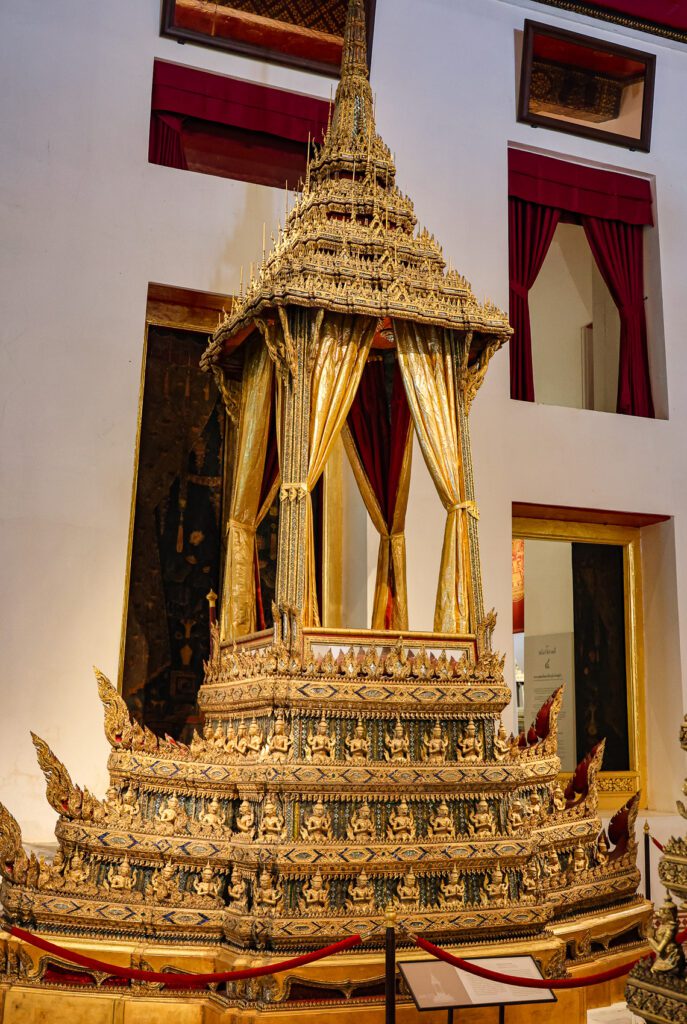


Established in 1887 by King Rama V, its core collection is based on the King’s private museum. The museum features three permanent collections: the Thai History Gallery, the Decorative Arts and Ethnological Collection, and the Historical Period Gallery.

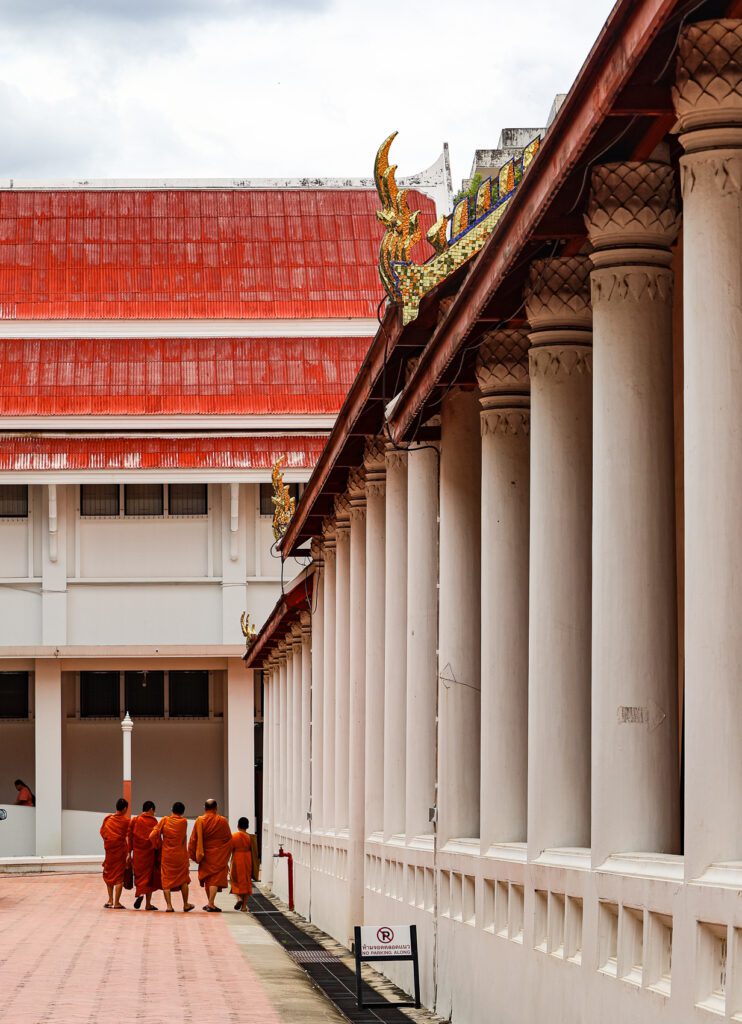

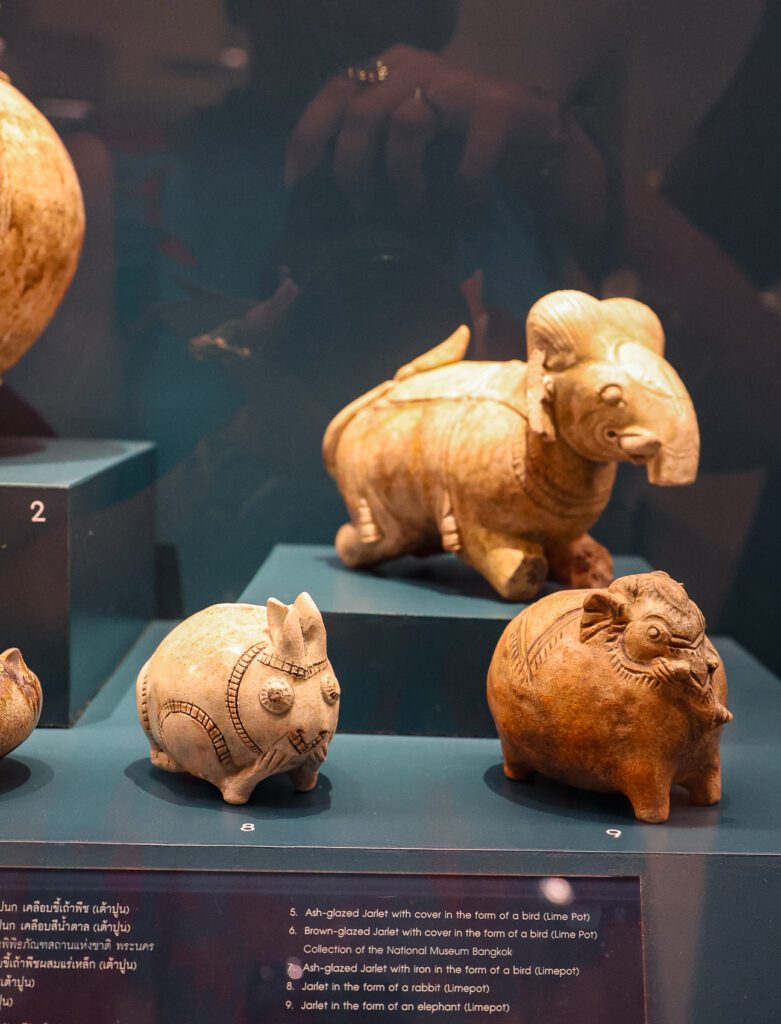
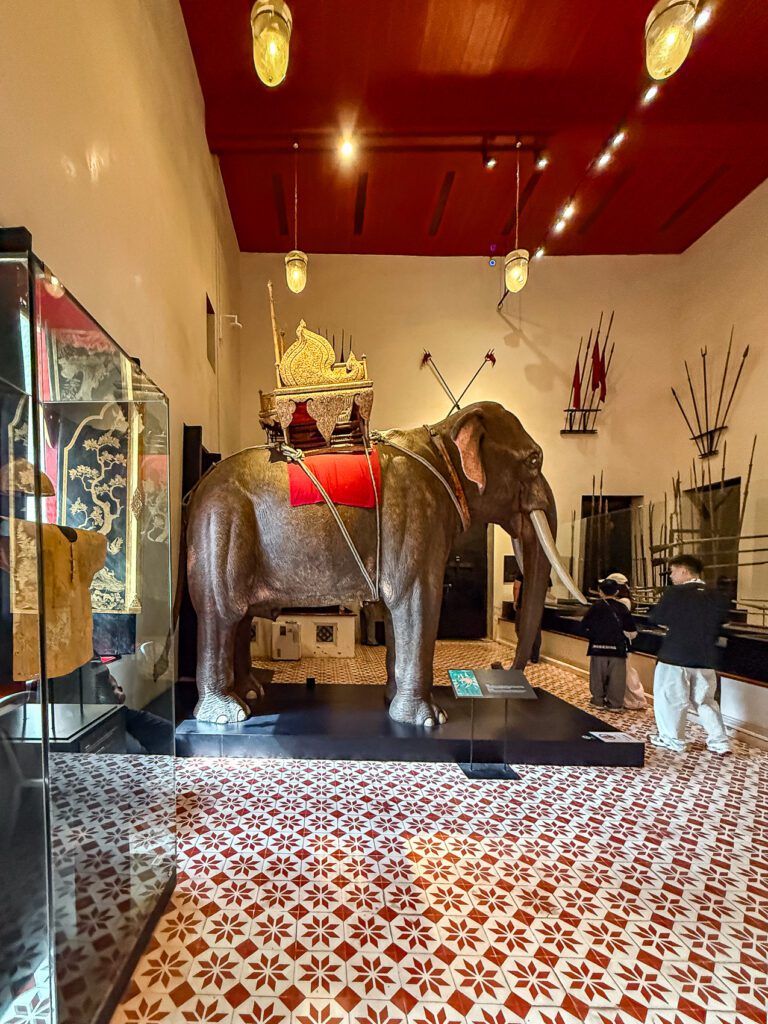

Besides that, there is the red house, Tam Nak Daeng, showcasing child- and household-related items; the astonishing Buddhaisawan Chapel; and the Cremation Chariot Hall (it was closed during our visit as, as I understood, some exhibits were being used recently for the royal funerals: Thailand’s eldest princess, Princess Bajrakitiyabha, died in June 2026 and Queen Mother Sirikit died in October 2025).

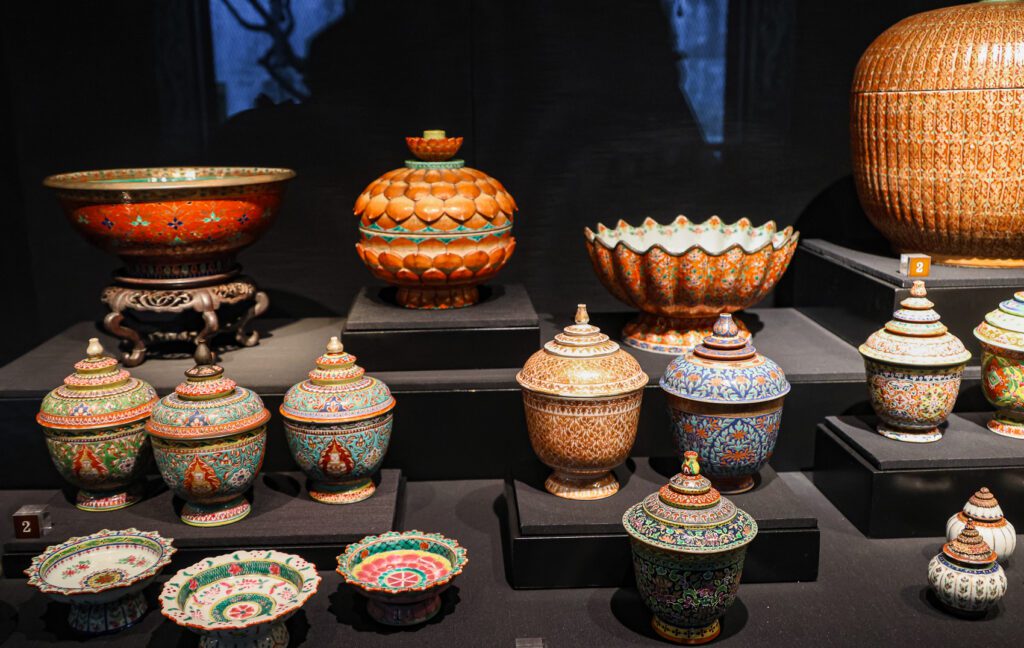
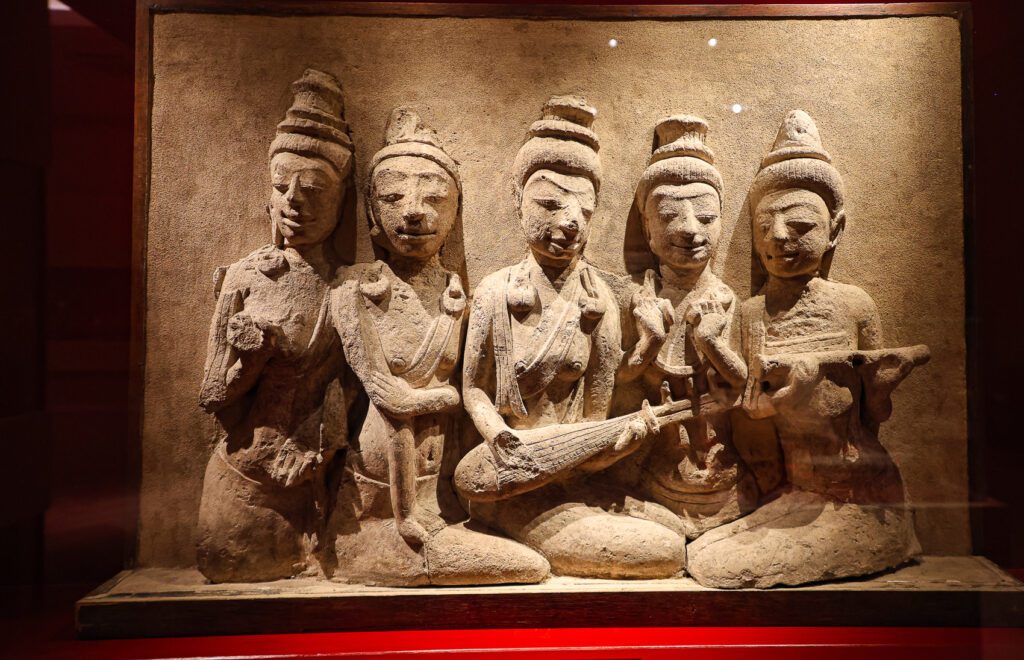
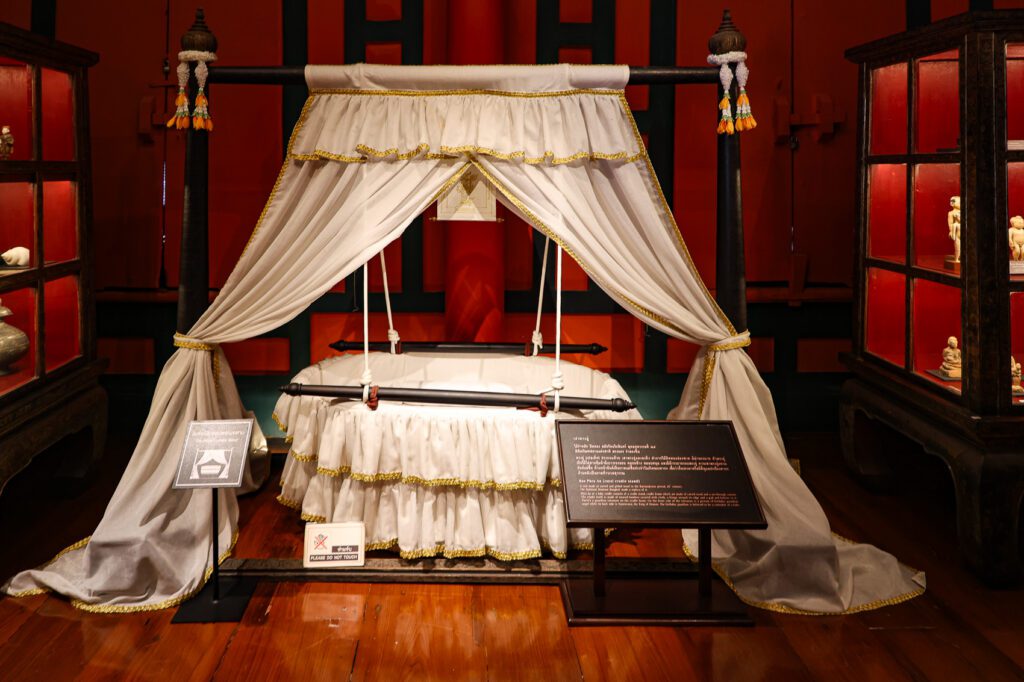

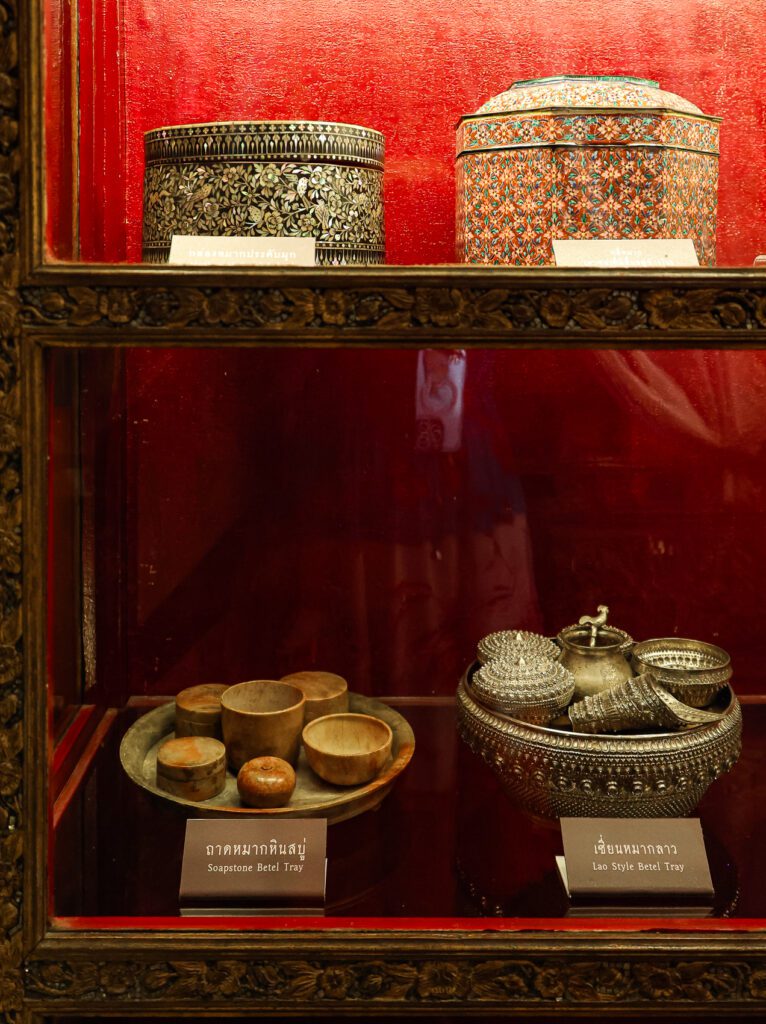
Expect to admire the Thai heritage from the Neolithic period through the Sukhothai and Ayutthaya periods and to be stunned by artistic mastery, which includes palanquins, monk fans, theatrical masks and puppets, mother‑of‑pearls‑inlaid thrones, clothes, armory, and many other precious items.

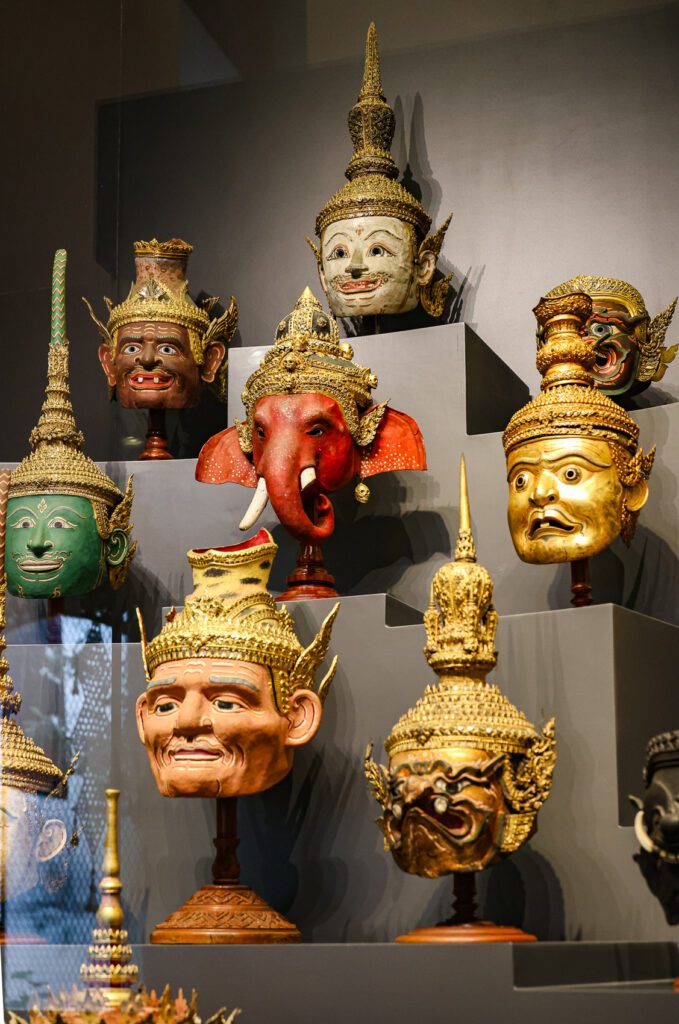

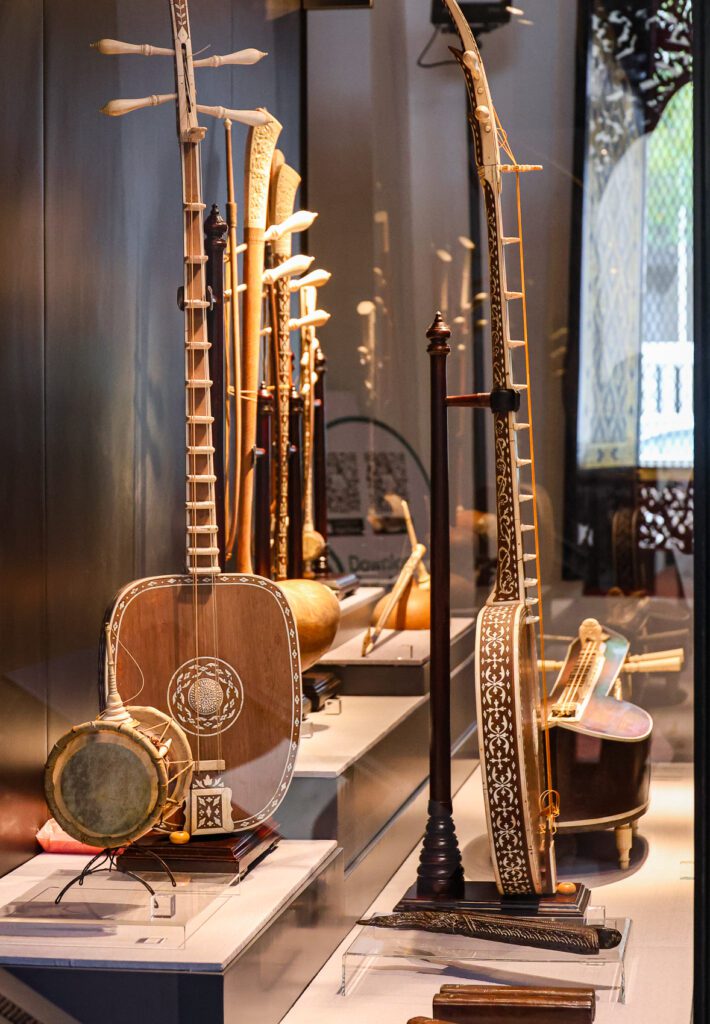
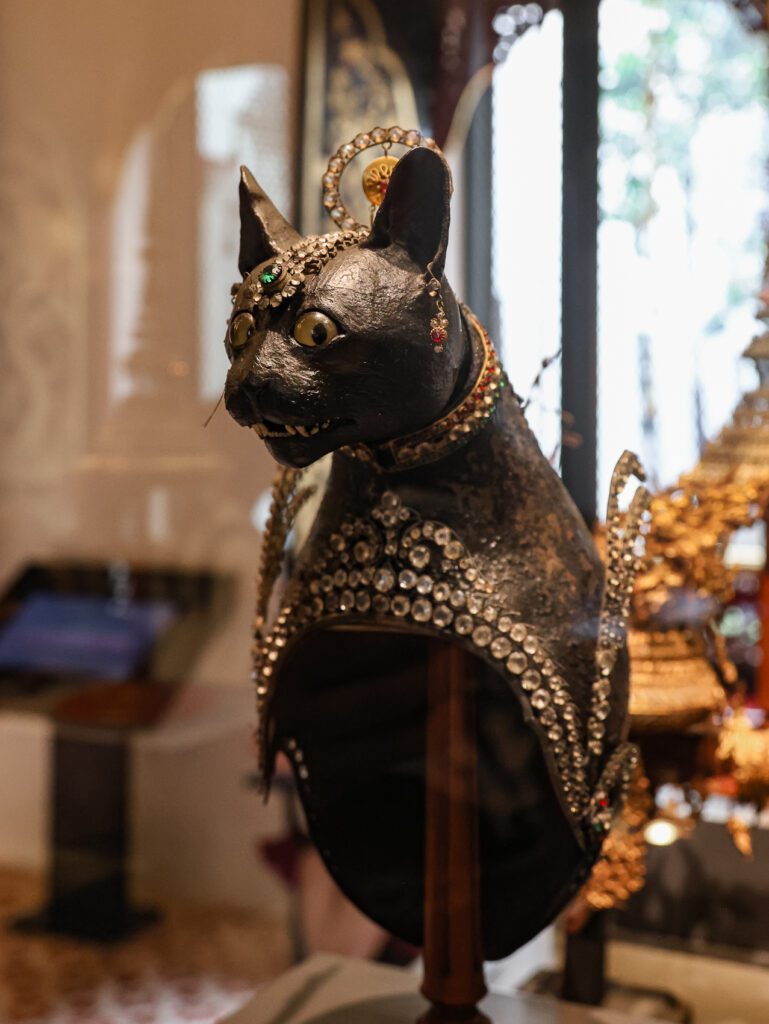

You’ll need at least a couple of hours to see the collection, don’t rush your visit and admire the collection on display!



18. Rama VIII Bridge
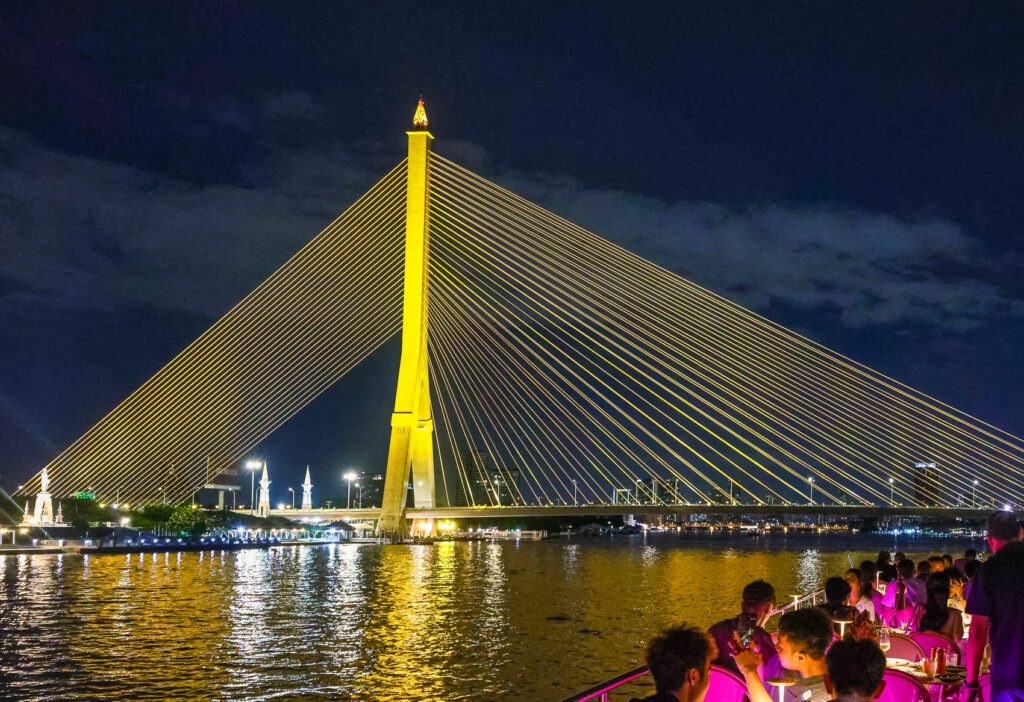
The Rama VIII Bridge is probably the most famous bridge in Bangkok and is pretty both day and night! It opened in 2002 and you might notice that the cables coming out of the upside‑down‑Y‑shaped pylon are asymmetrical – at the time of its construction it was one of the tallest bridges of such design!

19. Santi Chai Prakan Park
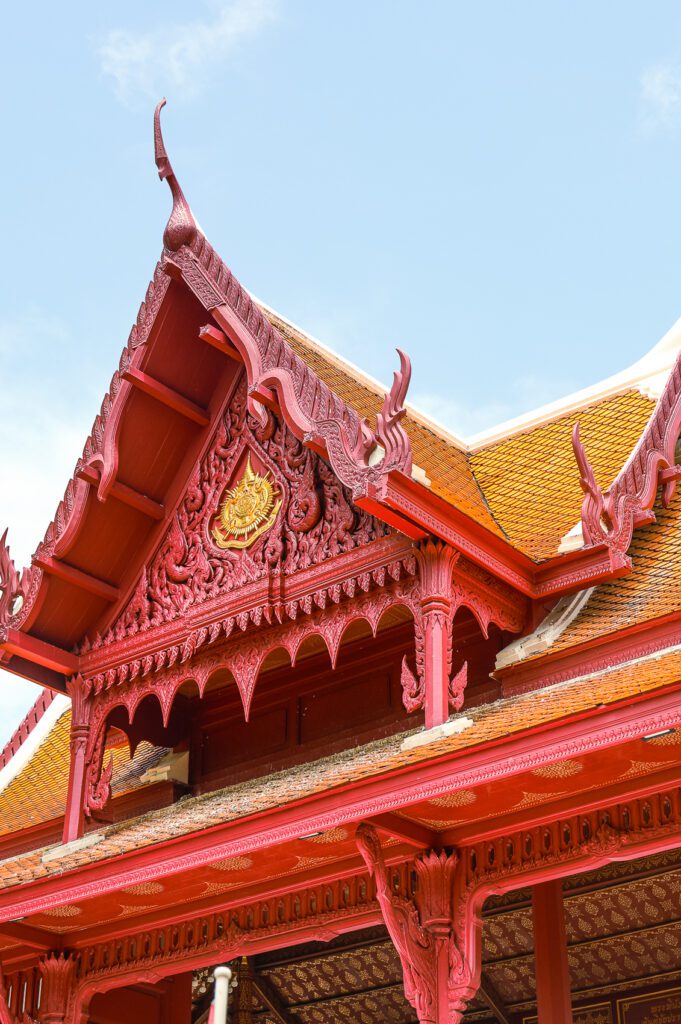
Santi Chai Prakan Park is a small and pretty public park sitting on a bank of the Chao Phraya River. In the past, it was the site of a sugar factory, but the area was redesigned and opened as a park in 1999.


Now it’s the home of the last Lam Phu tree – mangrove apple – in Bangkok (it’s believed to be over a century old), after which the whole district was named Bang Lamphu. A gorgeous old‑styled building overlooking the river is the Santi Chai Prakan Royal Pavilion, or Mansion, used for royal ceremonies.

20. Phra Sumen Fort
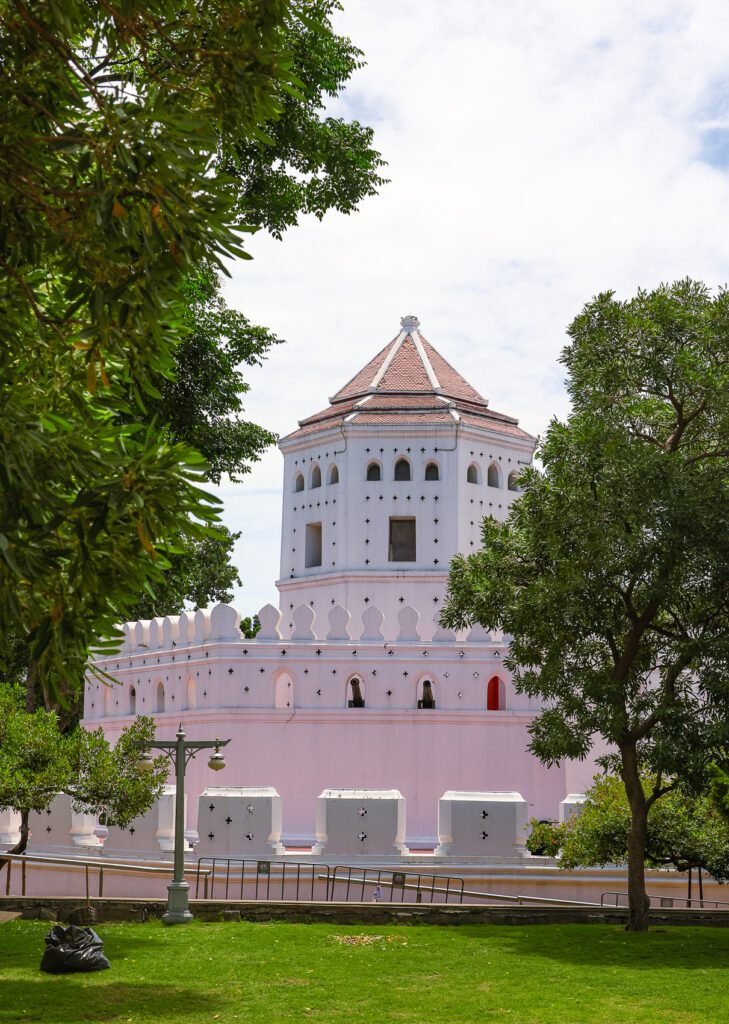
Don’t miss the huge, magnificent fortification at Santi Chai Prakan Park: it’s the Phra Sumen Fort, built in 1783 shortly after Bangkok became the capital under King Rama I in 1782 following the fall of Ayutthaya to the Burmese.
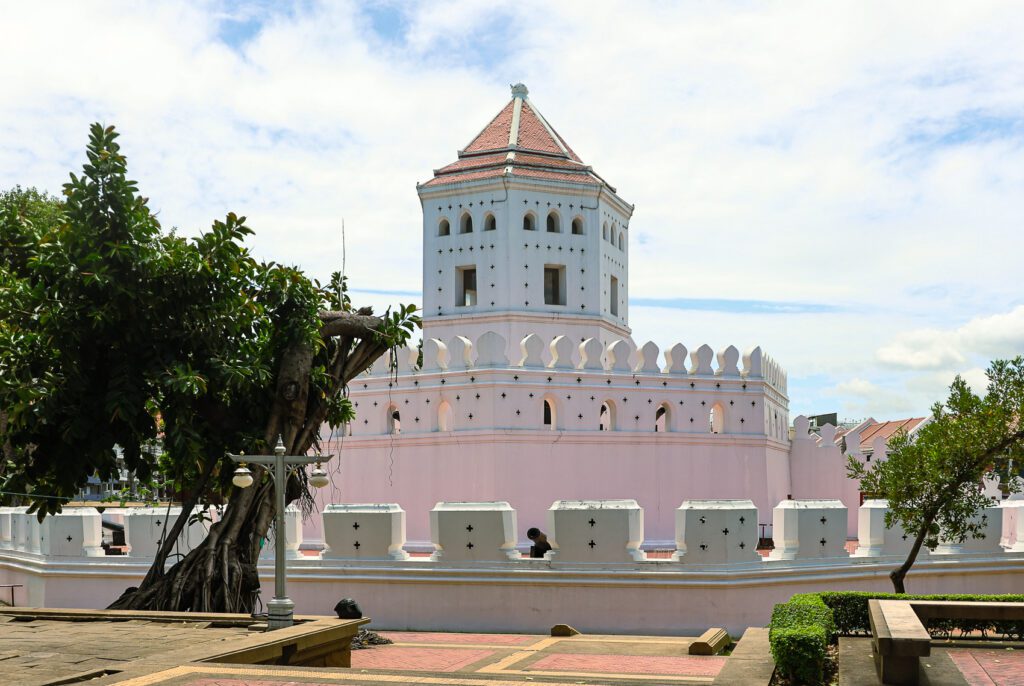
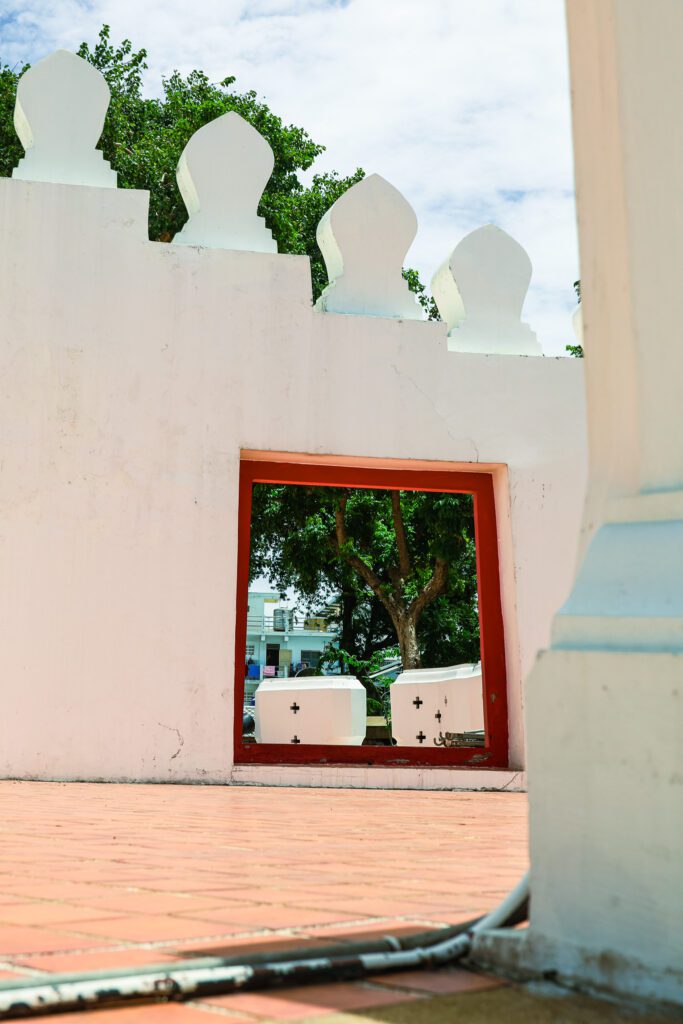
The young capital needed protection, and a wall with 14 watchtowers was erected to fulfill this function. Now only two of them survive, Mahakan Fort (see more here) and Phra Sumen Fort. You can now observe this beautiful white building with cannons from the outside.



21. Bang Lamphu Museum
You might want to quickly visit the Bang Lamphu Museum. Just one floor is available for walking, and as for exposition on the second floor, you can see it only with a tour guide (you can’t go there by yourself).
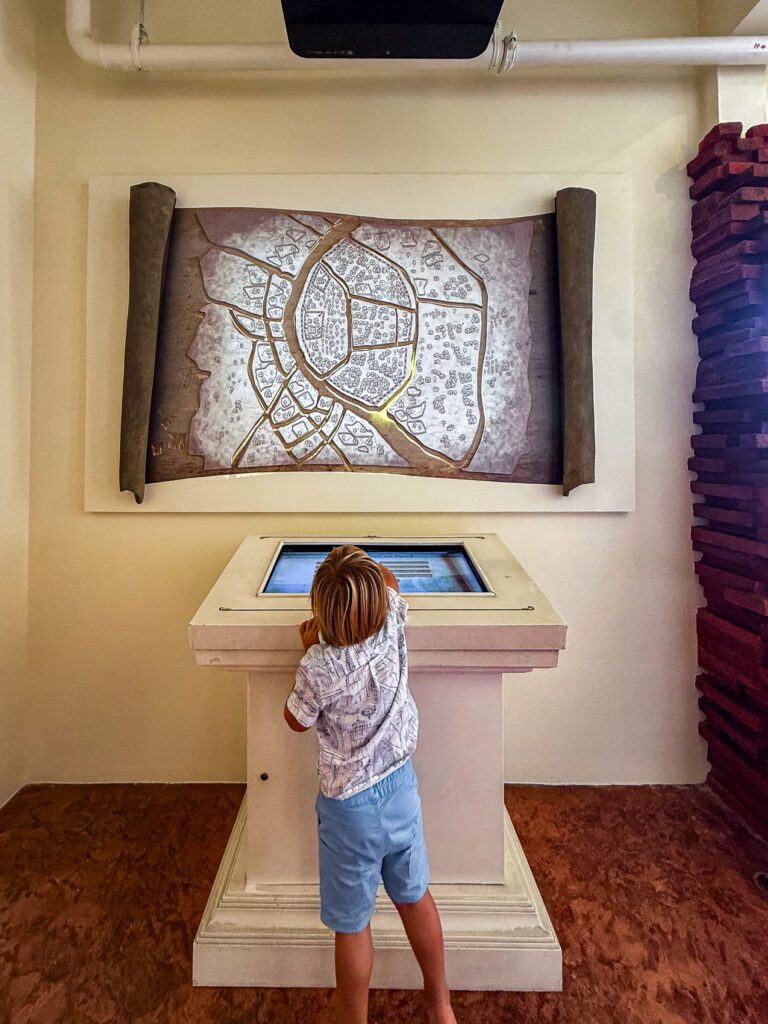


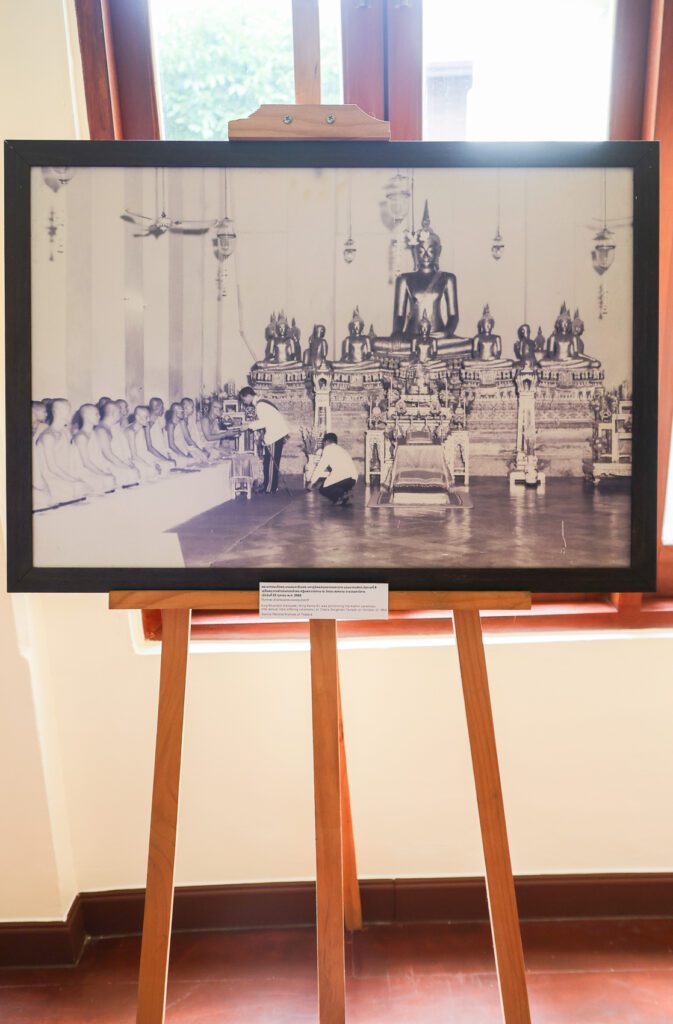
Despite these limitations (or maybe it will be an advantage for you if you love guided tours, have a lot of time and travel no‑children‑free), this exposition still gives you a good idea of the early days of Bangkok, the canal system including Khlong Banglamphu, former defensive moat, and fortifications erected in this important central district of Bangkok.


22. Khao San Road
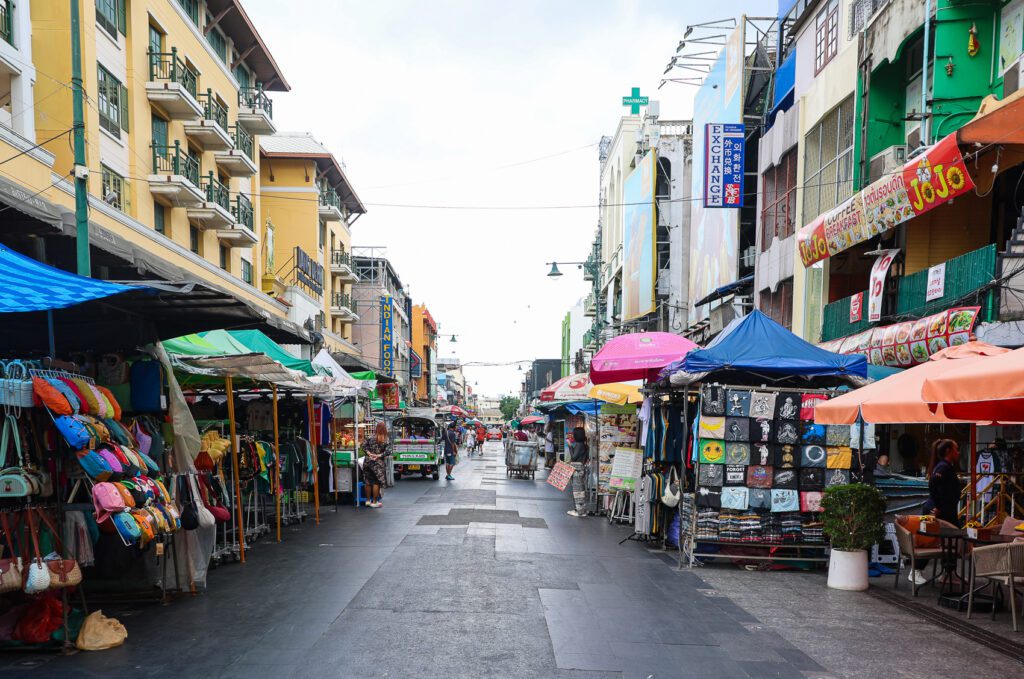
Khao San Road is one of the most famous streets in Bangkok because at night this 410‑metre long stretch turns into the busiest night market with food stalls and clothing/souvenir shops.


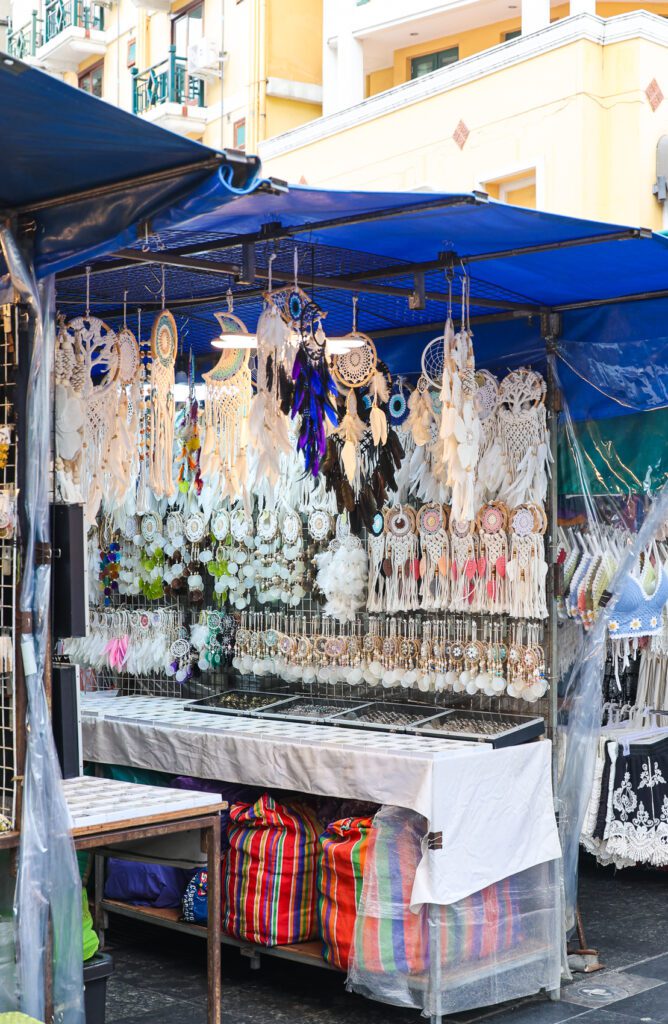
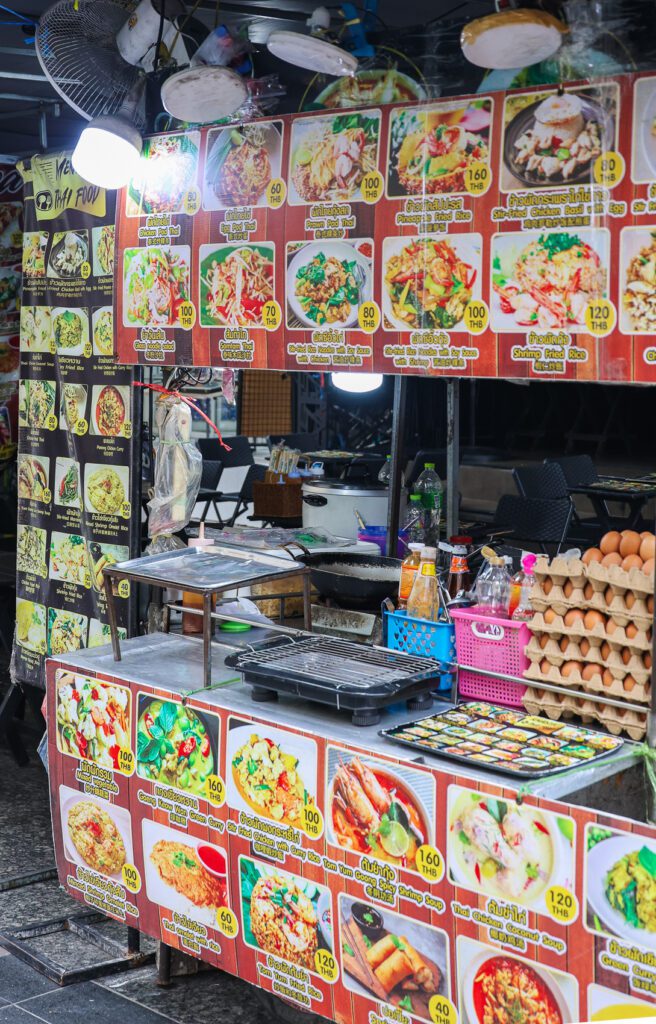


However, as you can see, it’s pretty much alive during the daytime as well. In the past an ancient rice market was located on this spot. The area in the immediate proximity also predominantly targets the tourists.


23. Wat Chana Songkhram
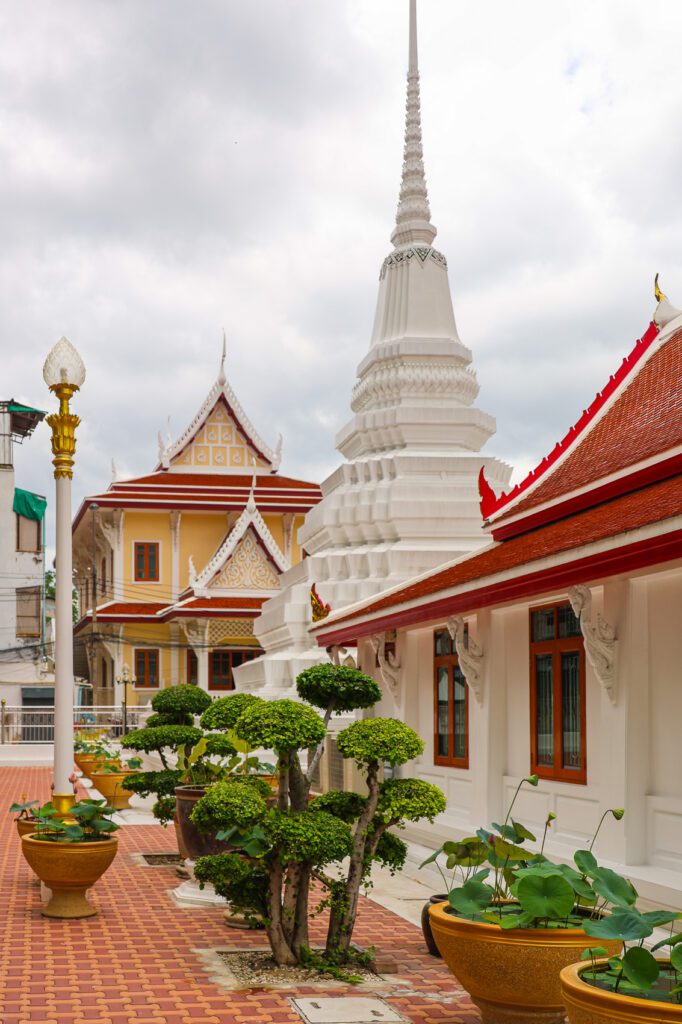
Wat Chana Songkhram is a gorgeous and relatively quiet royal monastery built before Bangkok became a capital of Siam: it was named Wat Klang Na, meaning “Temple in the Middle of the Paddy Field,” back then.
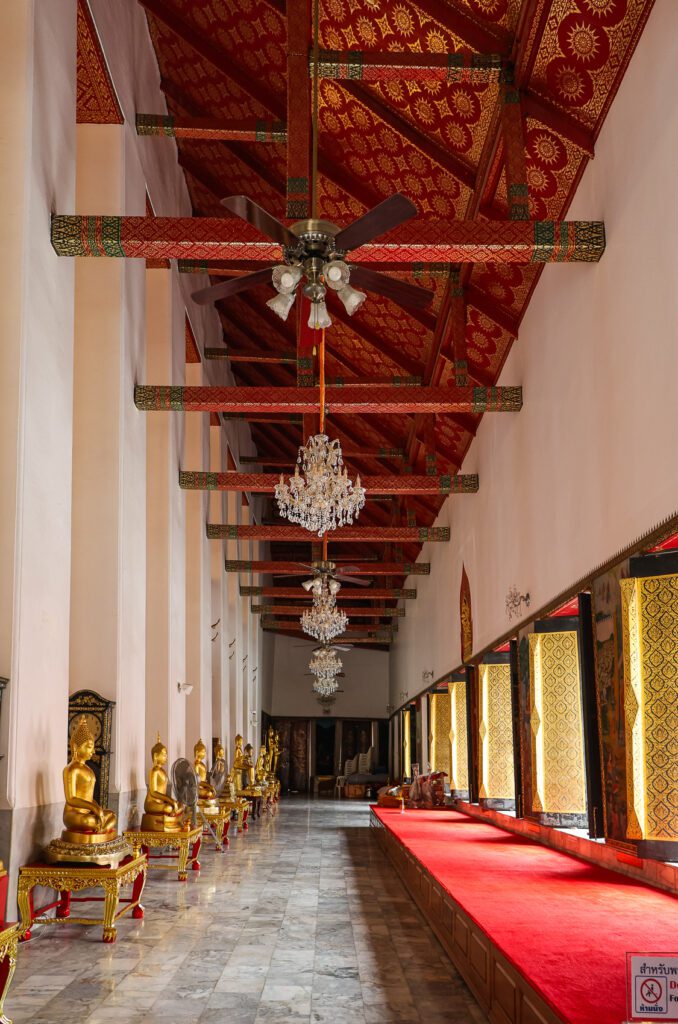
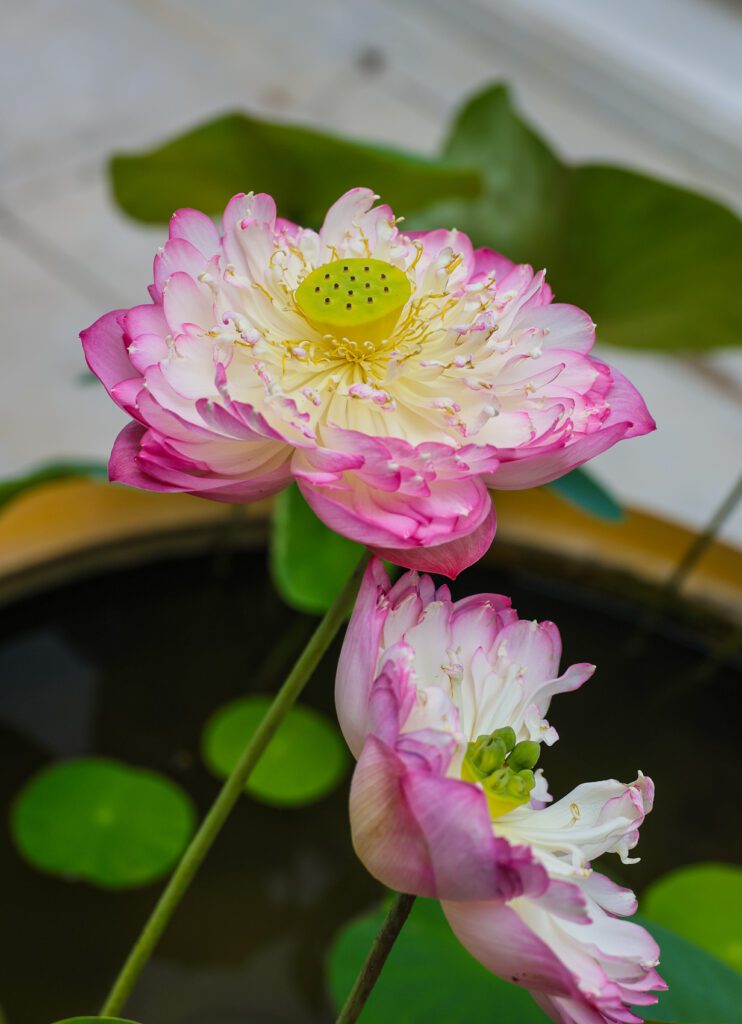


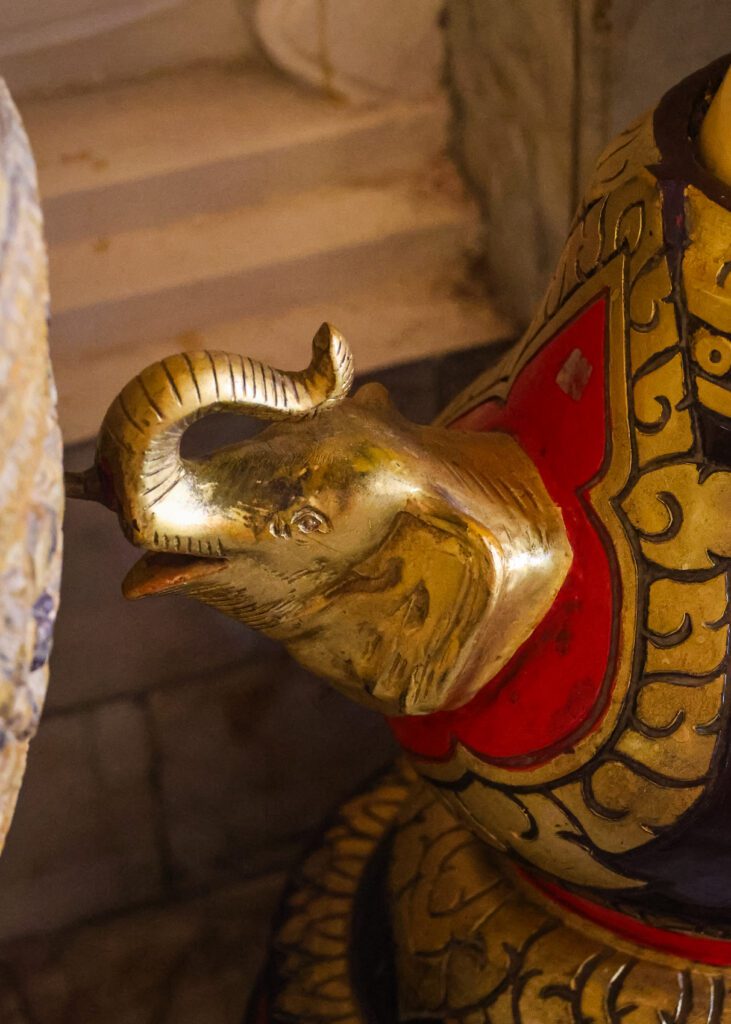
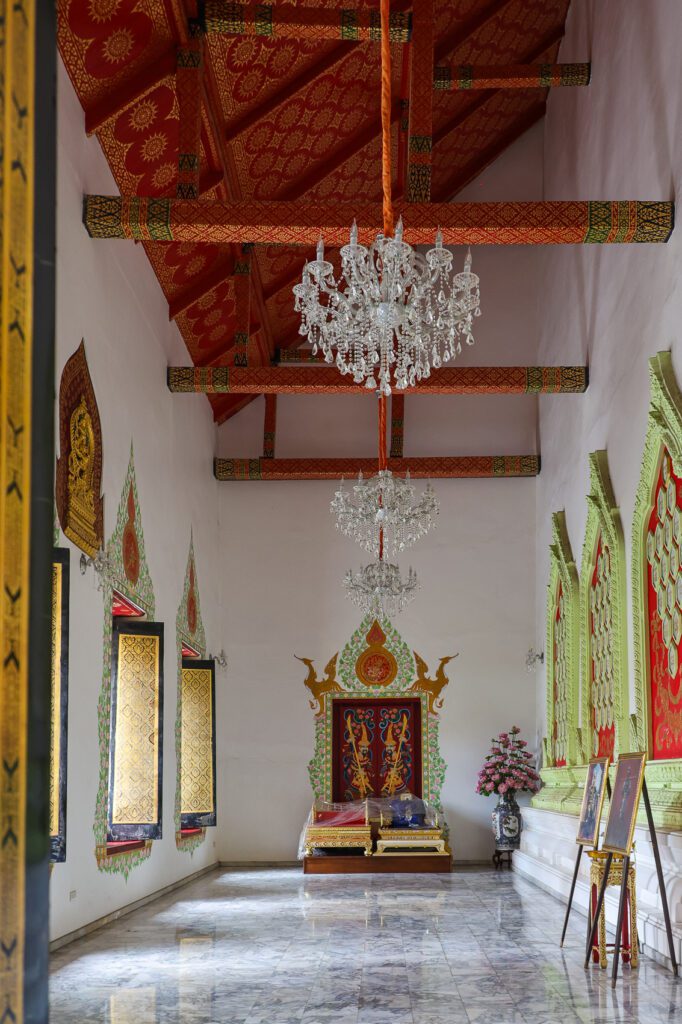
Later on, King Rama I’s brother granted access to this area for Mon monks and people (they are an ethnic group who lived in Myanmar and some areas of Thailand) and later it became a centre of the Mon sect of Buddhism. I was really impressed by the grandeur of this place, with all the mural paintings, golden statues and elephant tusks. Thai temples are not usually short of this, but this one – probably because it was empty and tranquil – had a unique dignified atmosphere.
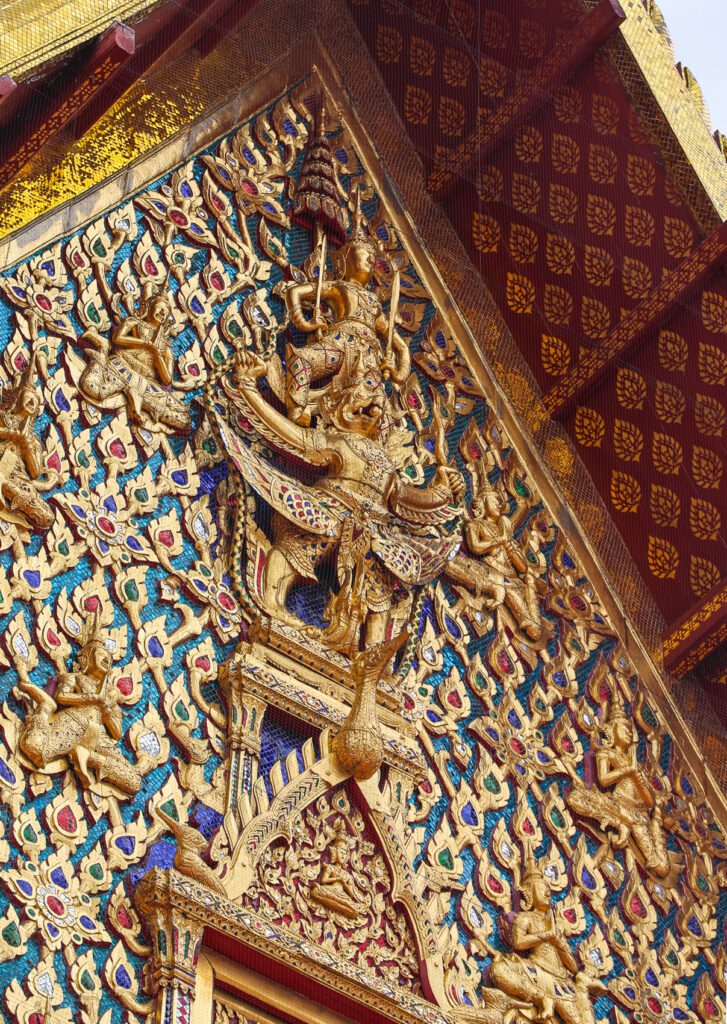
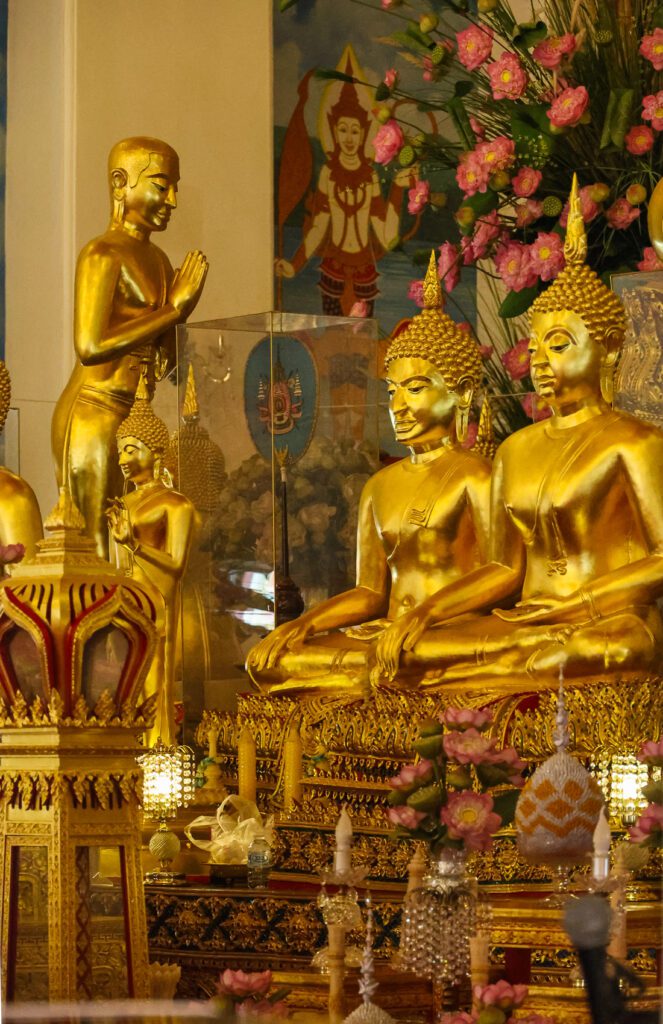
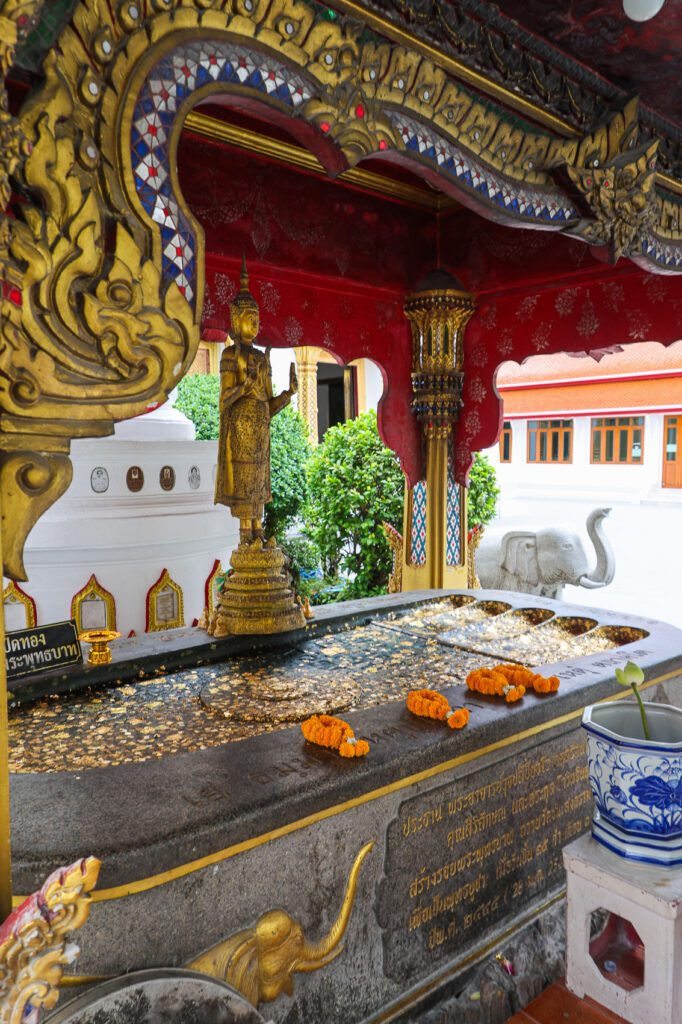


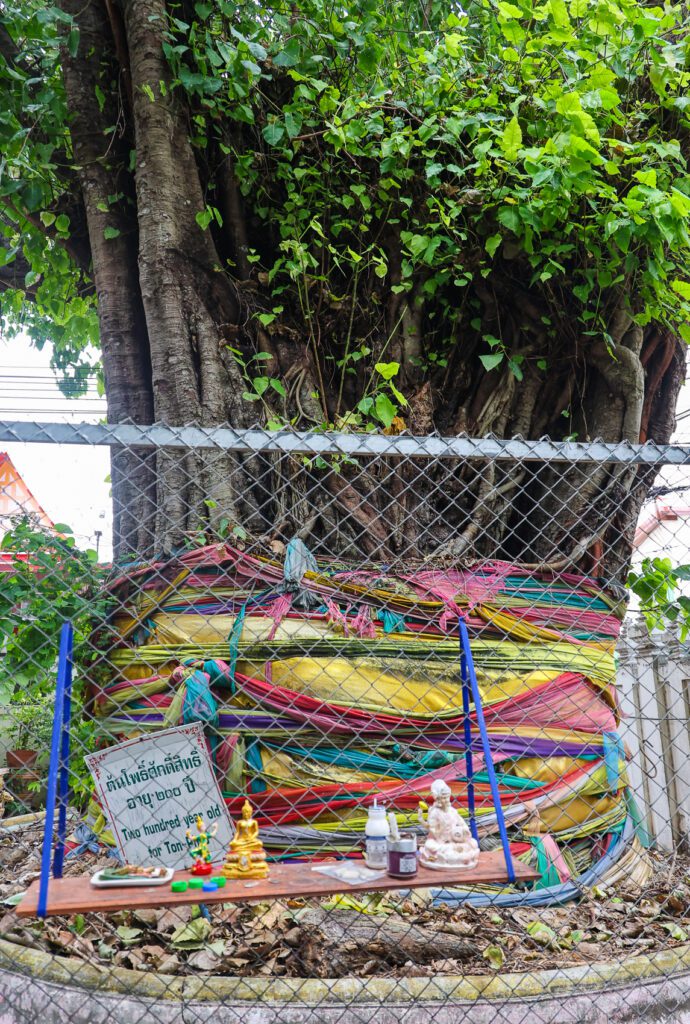
Make sure to walk around the territory to admire the beautiful architecture – and you can also spot a large banyan tree said to be over 200 years old not far from the temple!


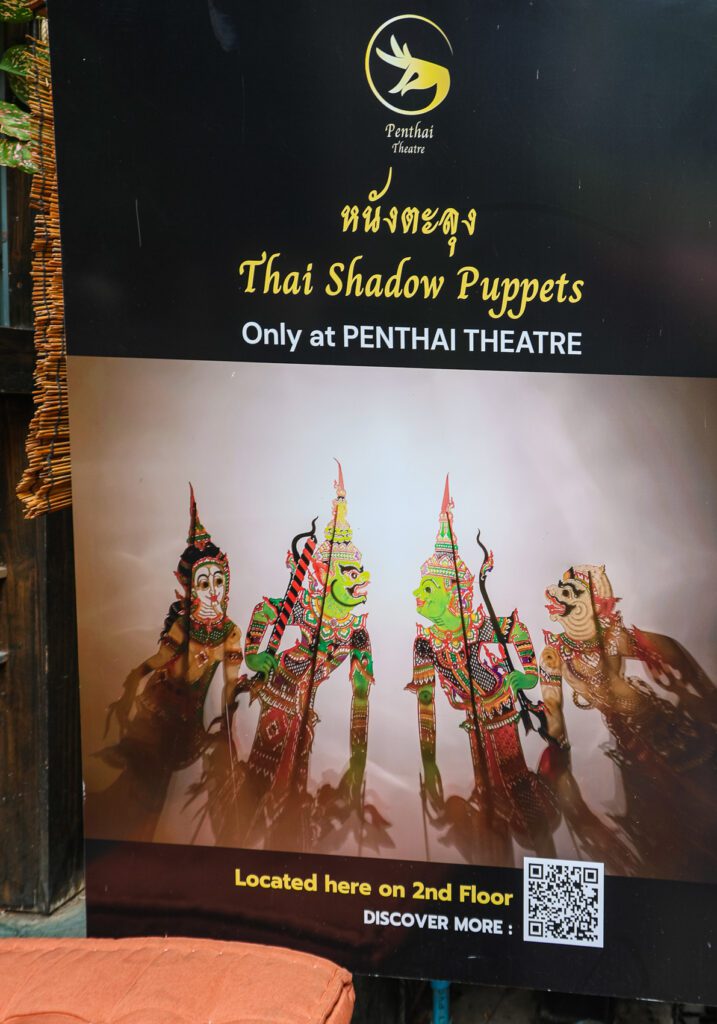
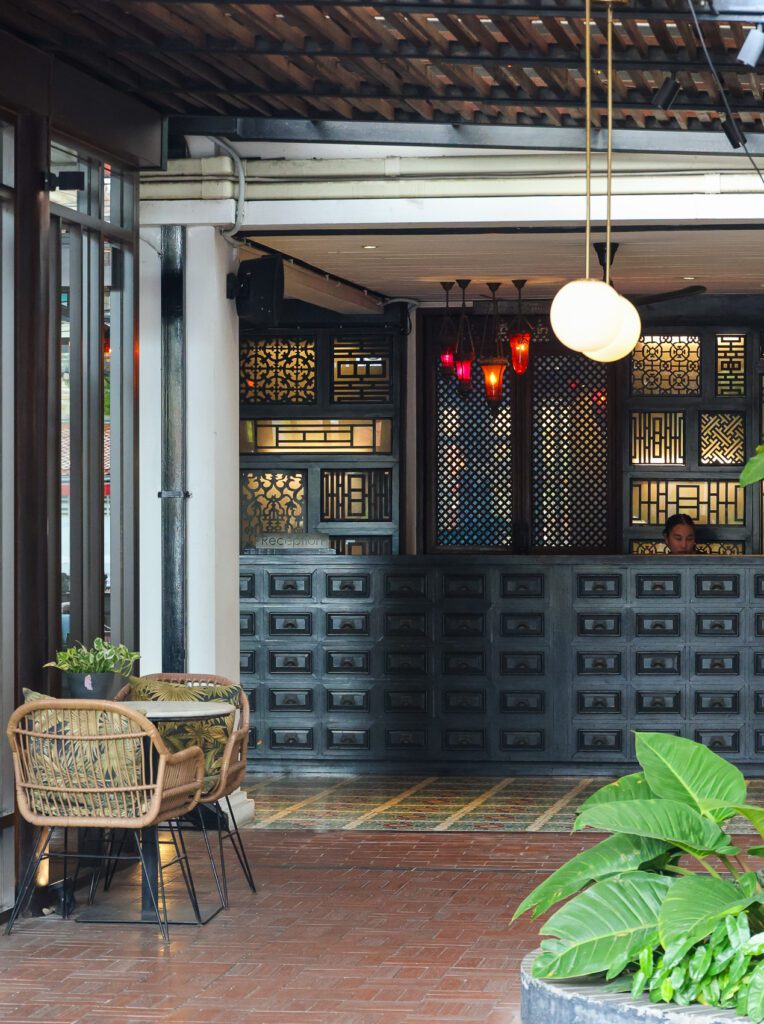
Penthai traditional theatre is nearby too, but it seemed temporarily closed during our visit. Save the Starbucks by the Courtyard hotel for the prettiest views over the temple.
24. National Gallery
The National Gallery is an art museum located in the area where former royal residences and administrative buildings stood, and precisely this building, erected in the Western style, used to house the Royal Thai mint.

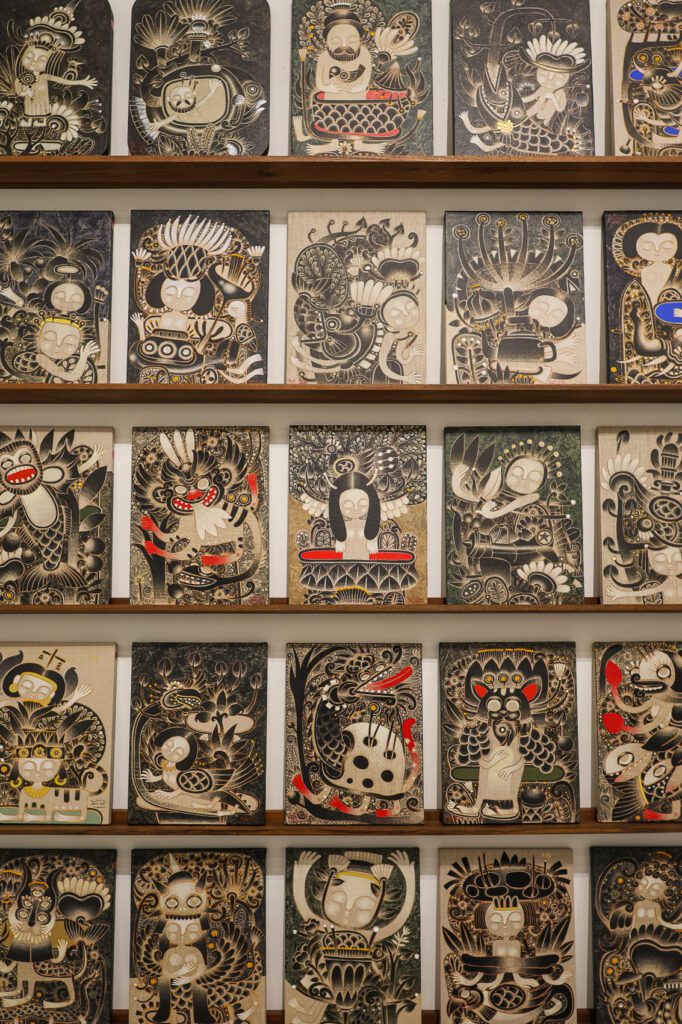
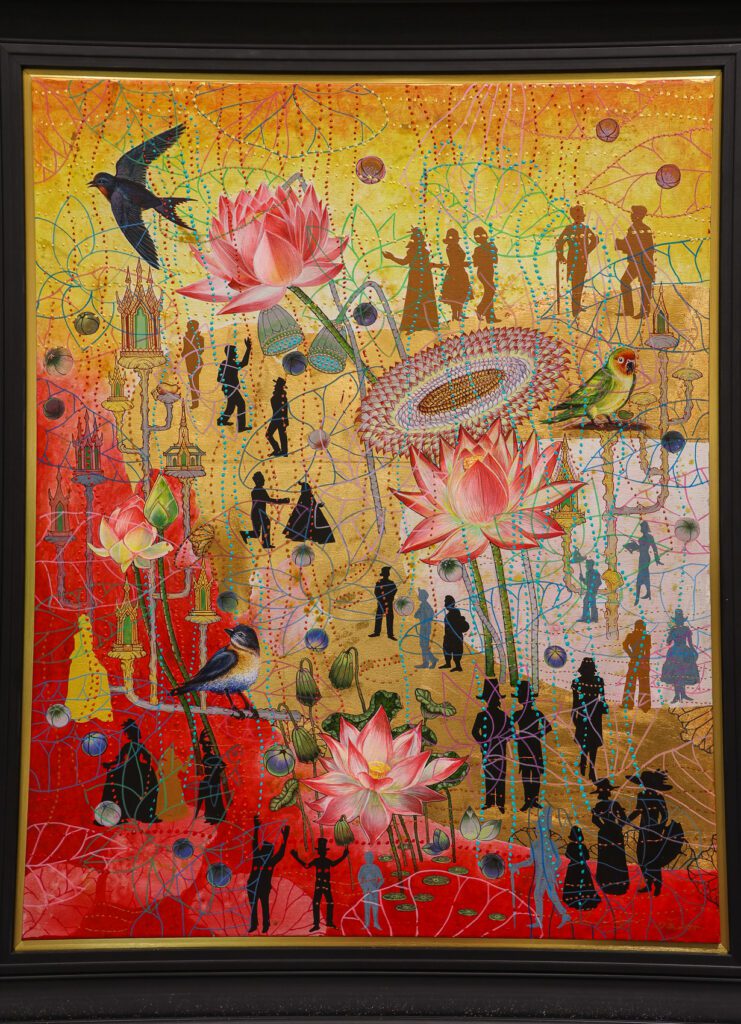
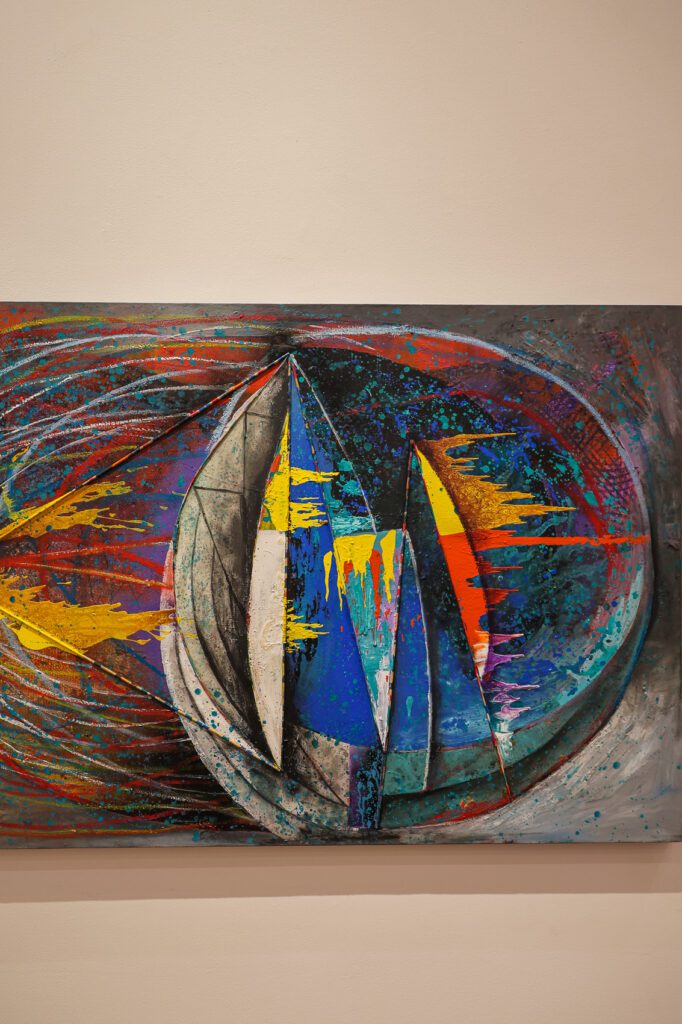
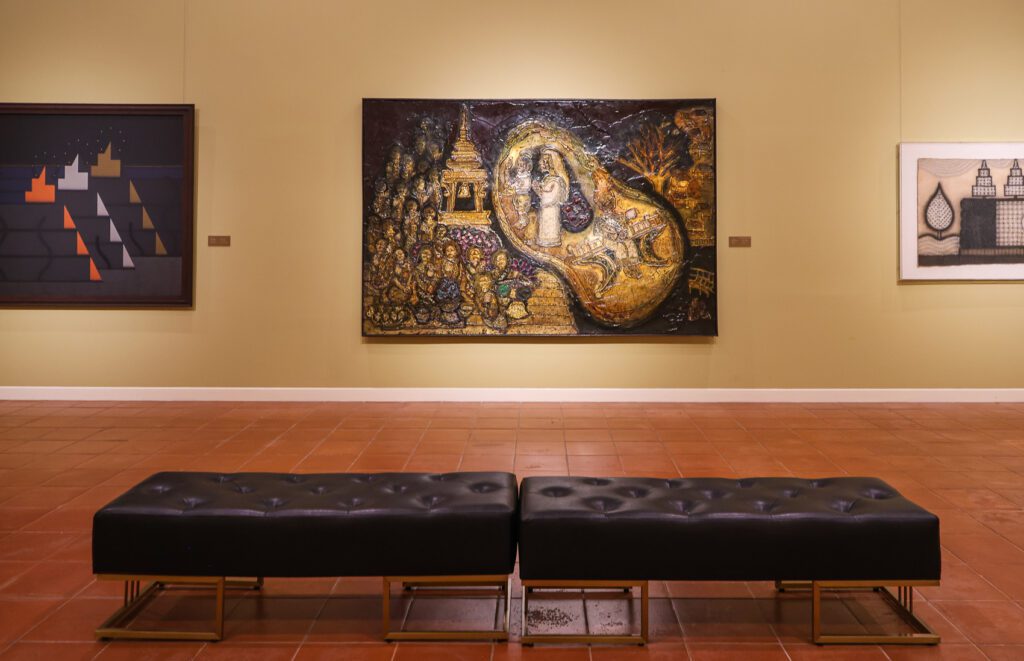
The gallery consists of a few buildings showcasing the works of contemporary and modern artists and their reflection upon Thai culture and heritage.
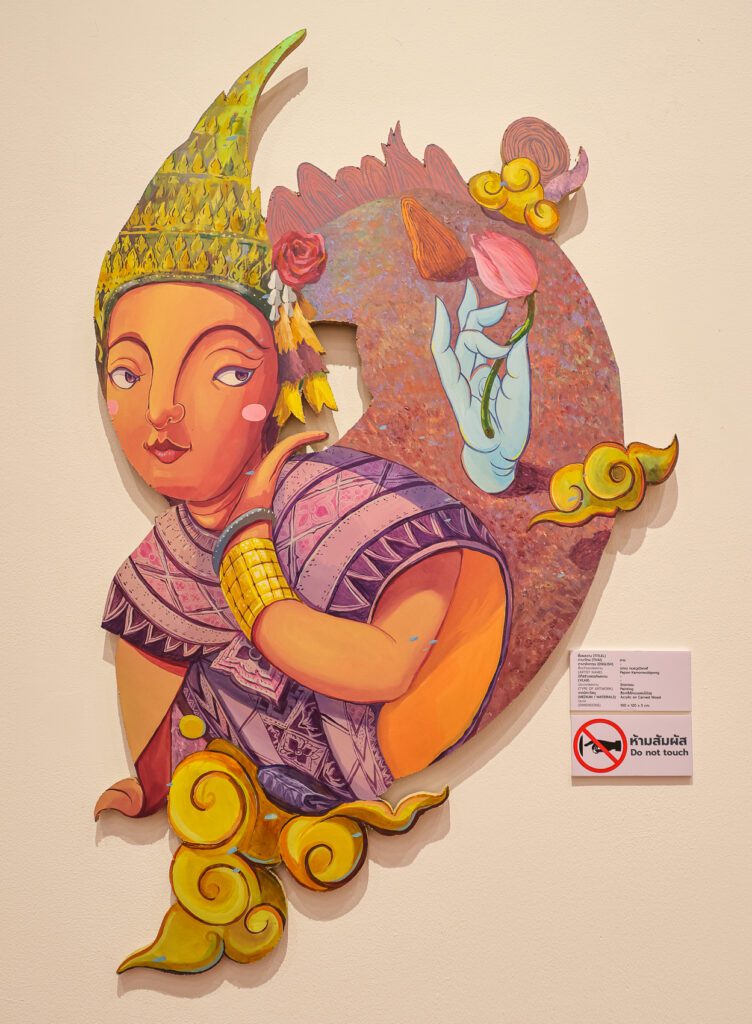


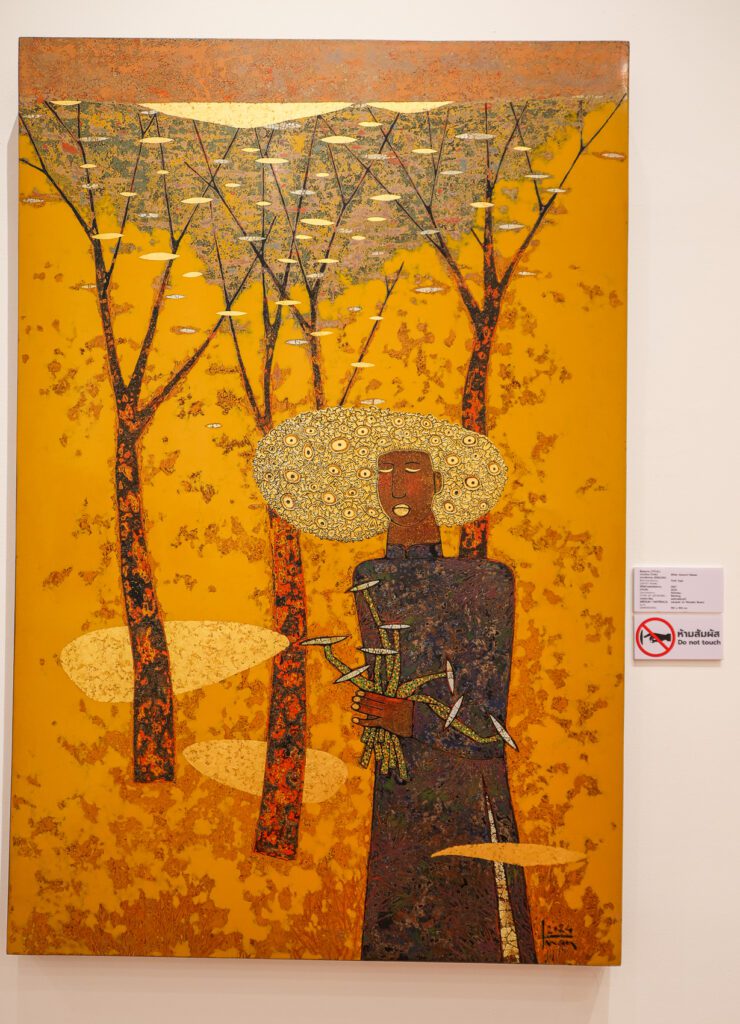
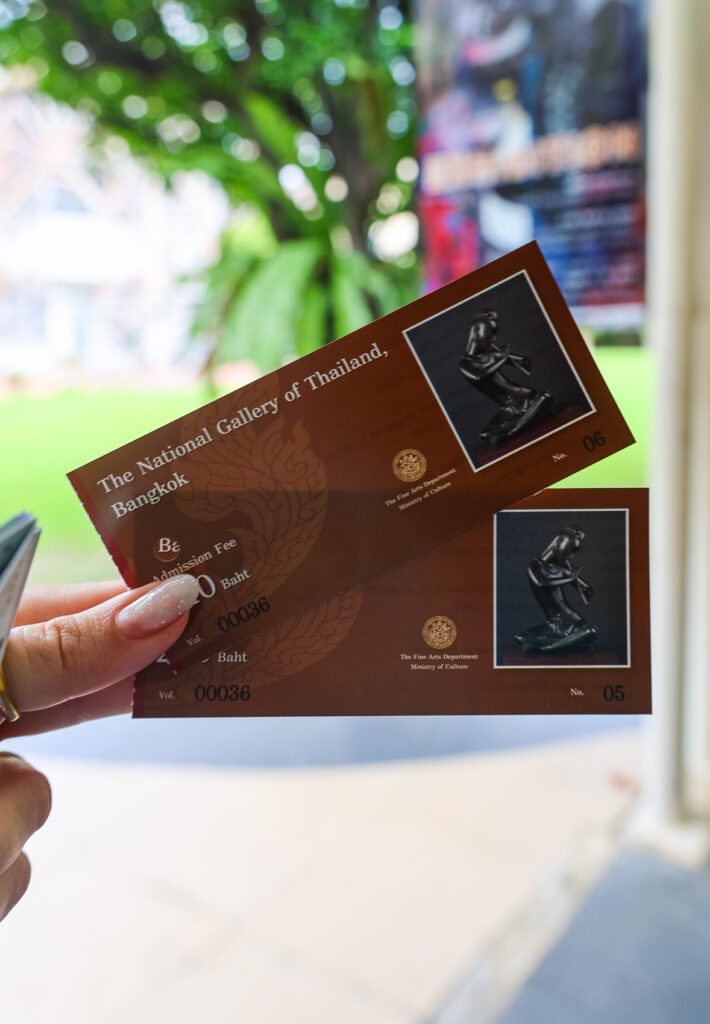

We spent probably about 45 minutes–1 hour there, but your visit can be reduced to 20–30 minutes as well as extended to 2 hours.

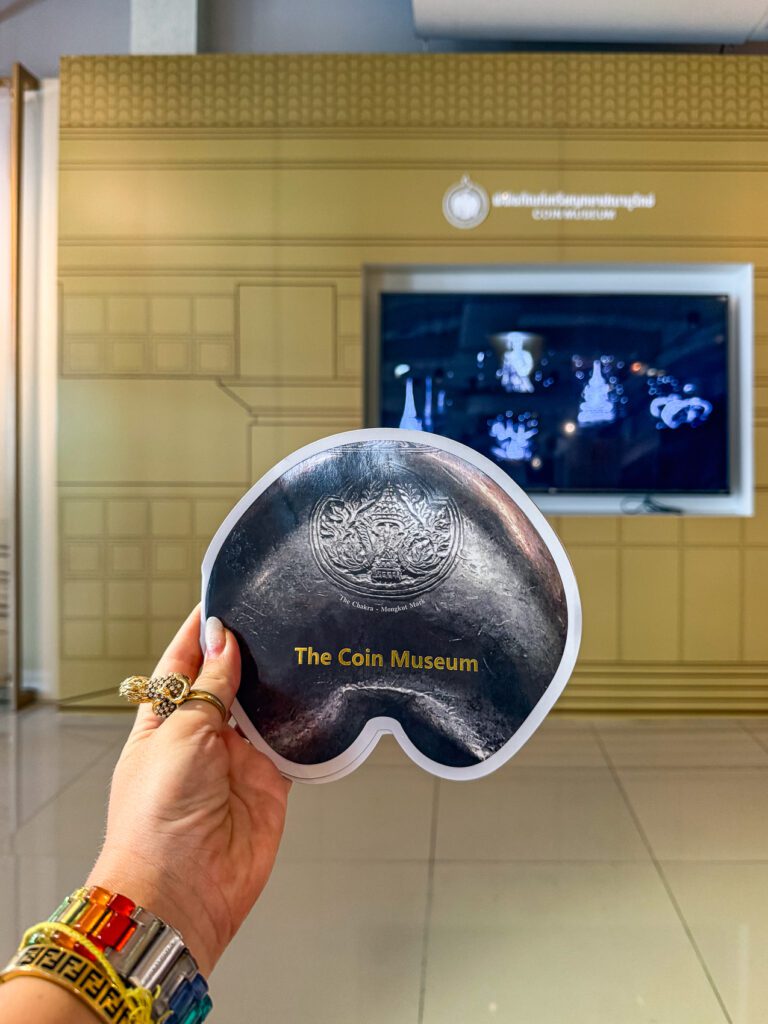
25. Coin Museum
The Coin Museum is dedicated to the history of the current and establishment and evolution of Thai coins from Funan and Ancient kingdoms to the Siamese and Thai currency, including pod duang, tok and ingot.
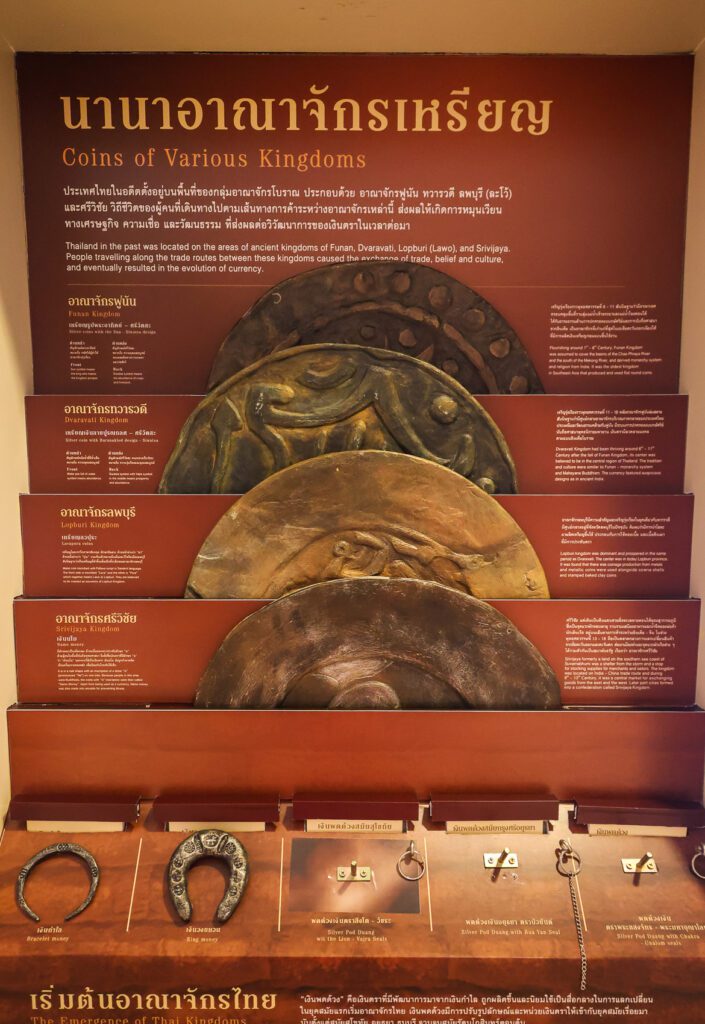

You will learn about historical and social events that shaped it as well as the Western influences on it. Again, only a small part of the exposition is available to see without a guided tour (unfortunately, we had to skip it as guided tours are usually not easy to attend with kids and are less relaxed than self-guided tours, but we’ll try to return here next time). The museum is run by the Treasury Department of Thailand.


26. BKK Tiger Shrine
BKK Tiger Shrine is one of the oldest Taoist shrines in Bangkok, and it has a very authentic vibe as there are no tourists, just people praying. This temple is also called Chaopho Suea, or Xuandi, as it’s the name of the Tiger God.

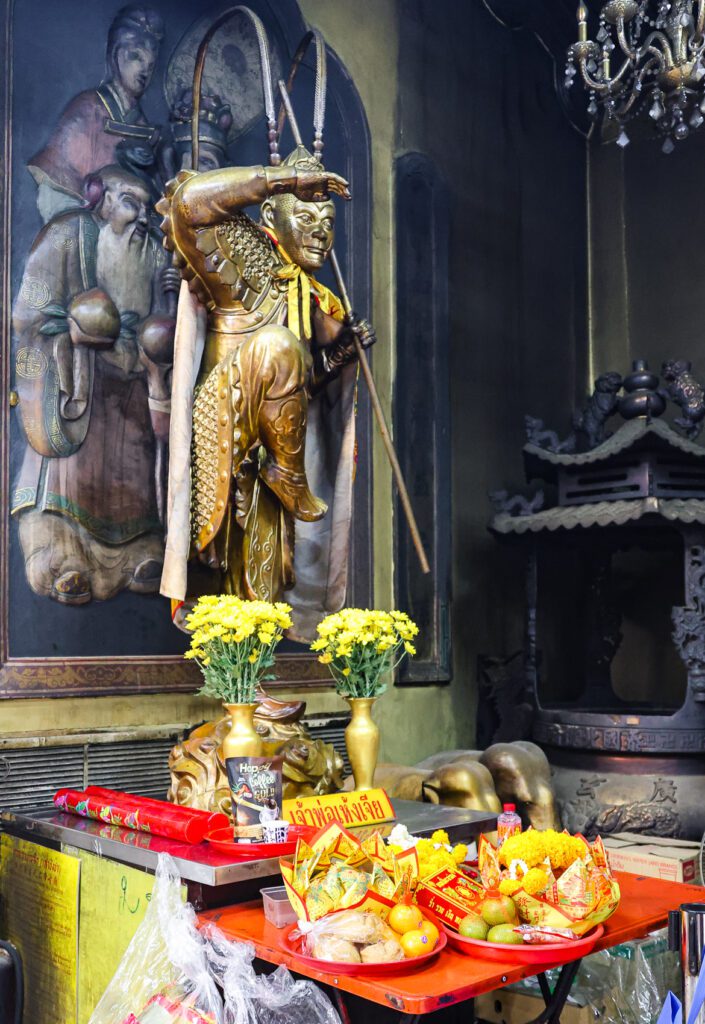

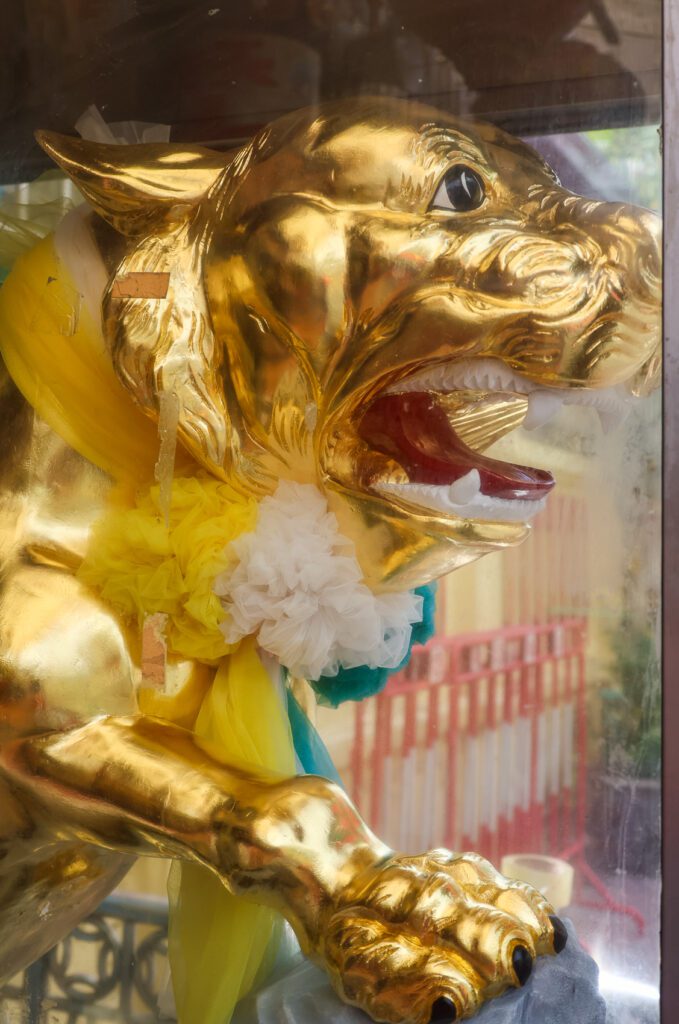
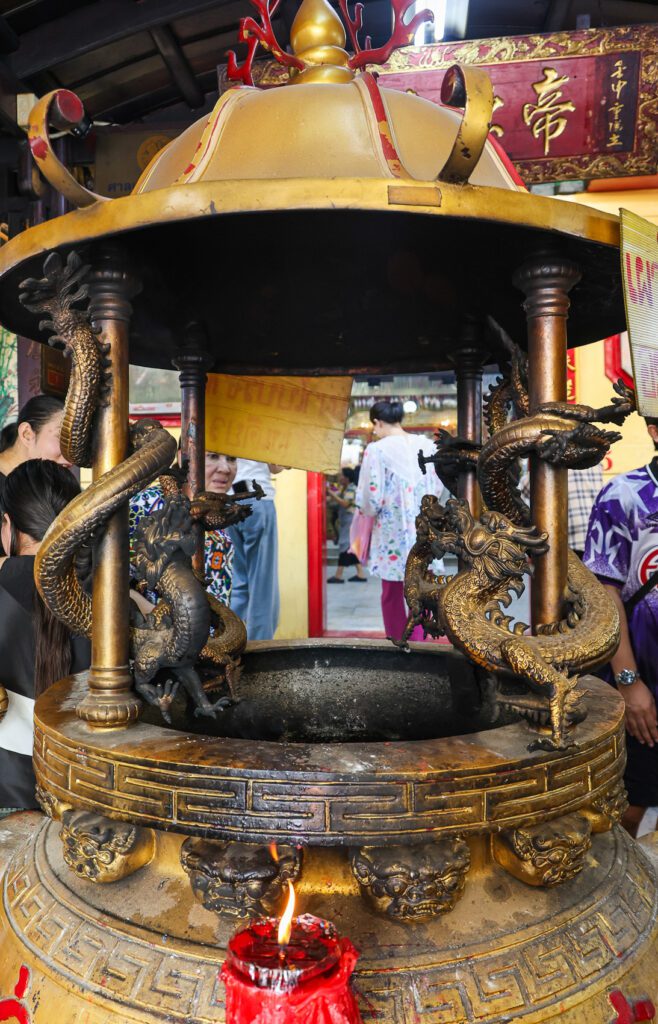
The temple was finished in 1834. Come here for some incense, golden tiger statues, large candles and lots of vendors selling offerings by the temple’s entrance.


27. River Cruise
Hesitating where to go in Bangkok in the evening? Come to the river cruise!


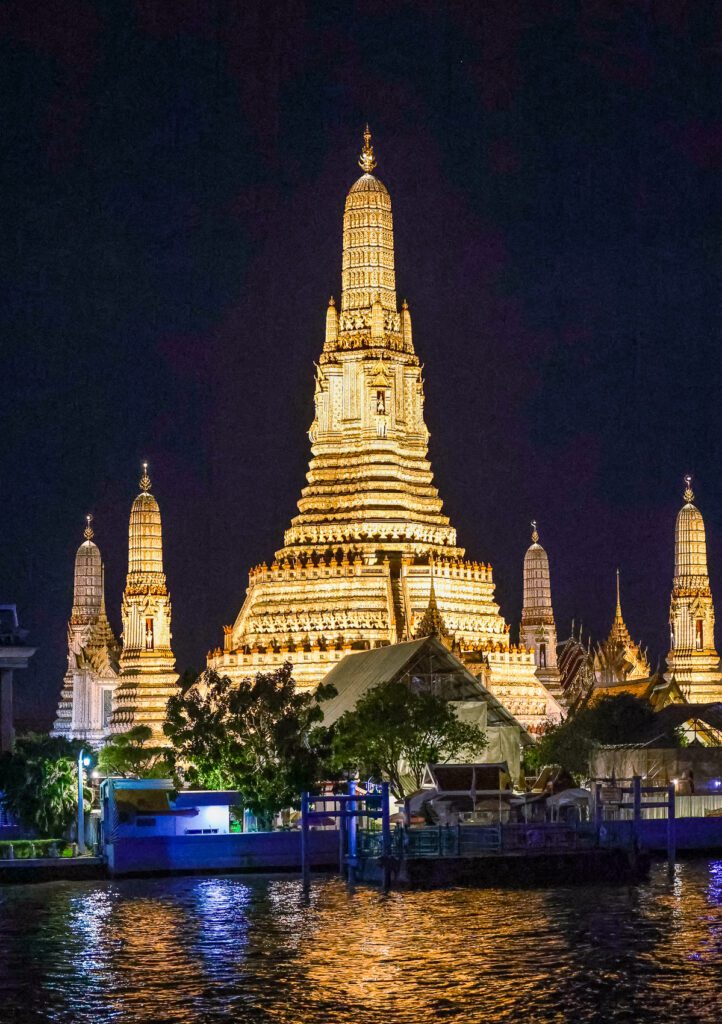
We booked the Super Galaxy cruise, a 2.5‑hour dinner cruise along the Chao Phraya river! There are quite a few options of similar entertainment available, but we went for the Super Galaxy one.
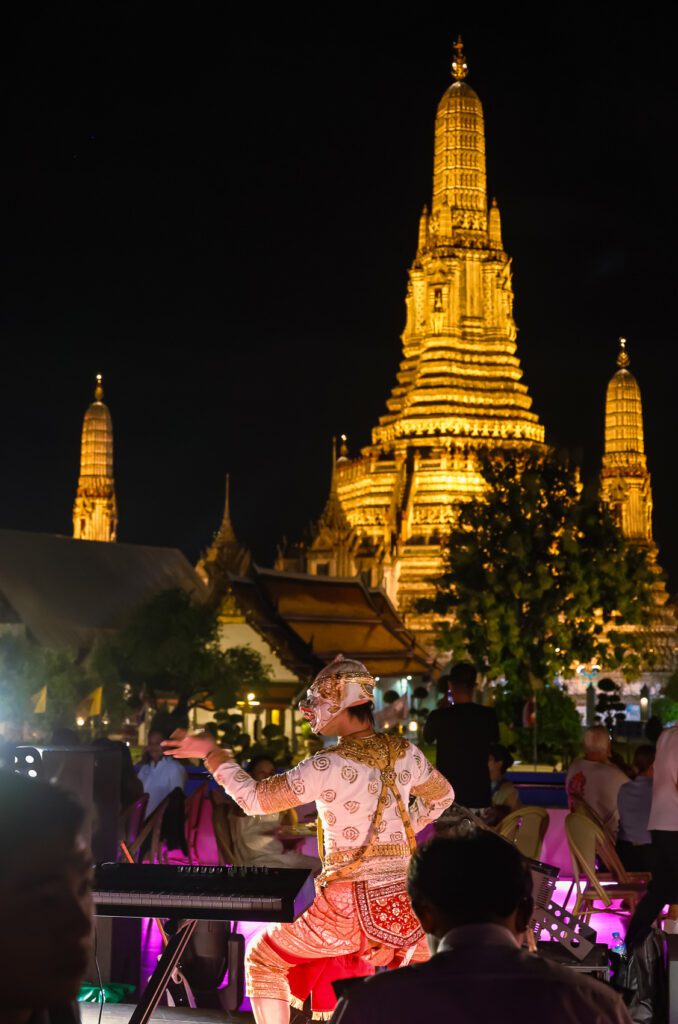


Each guest is allocated a table in advance, and you have to collect your ticket well before boarding. At night Bangkok is the prettiest, with all the bridges, palaces and temples along the river.
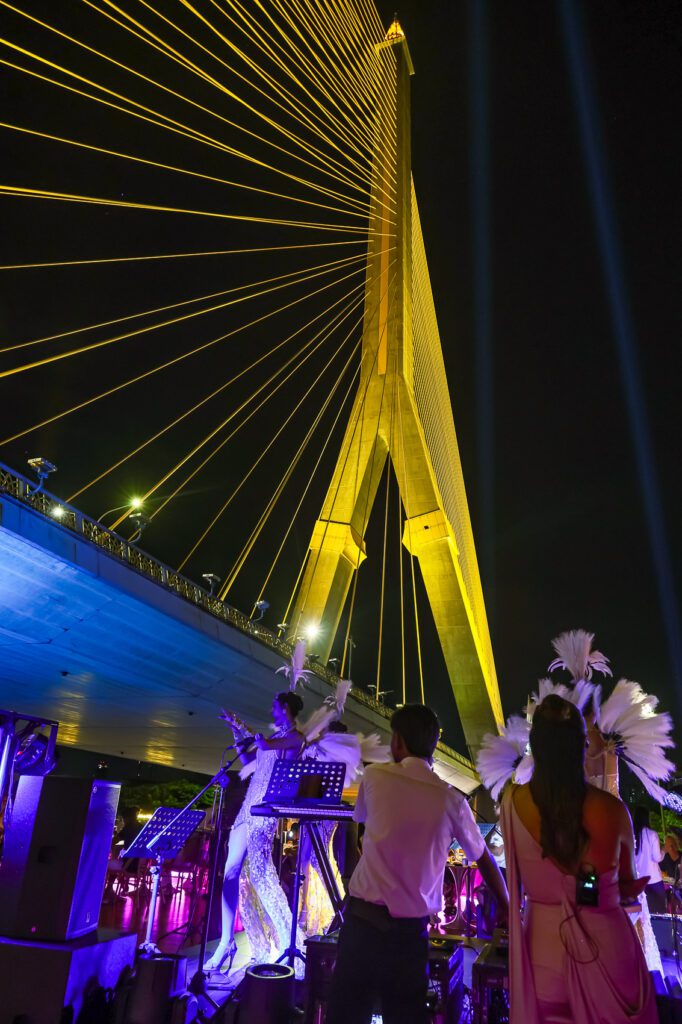


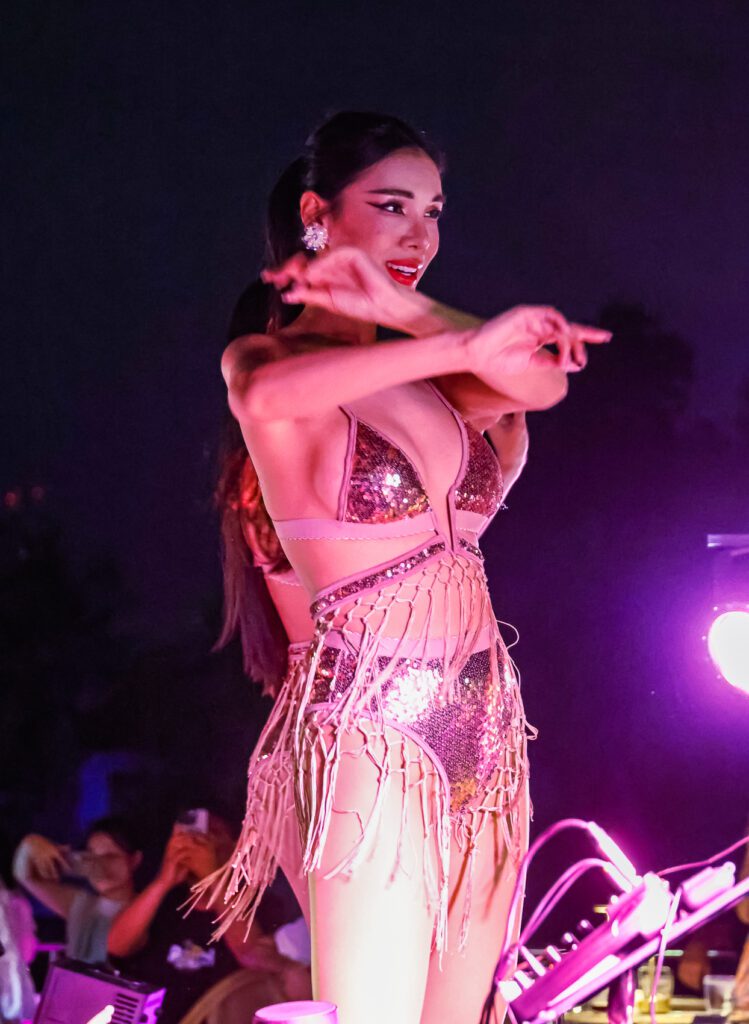
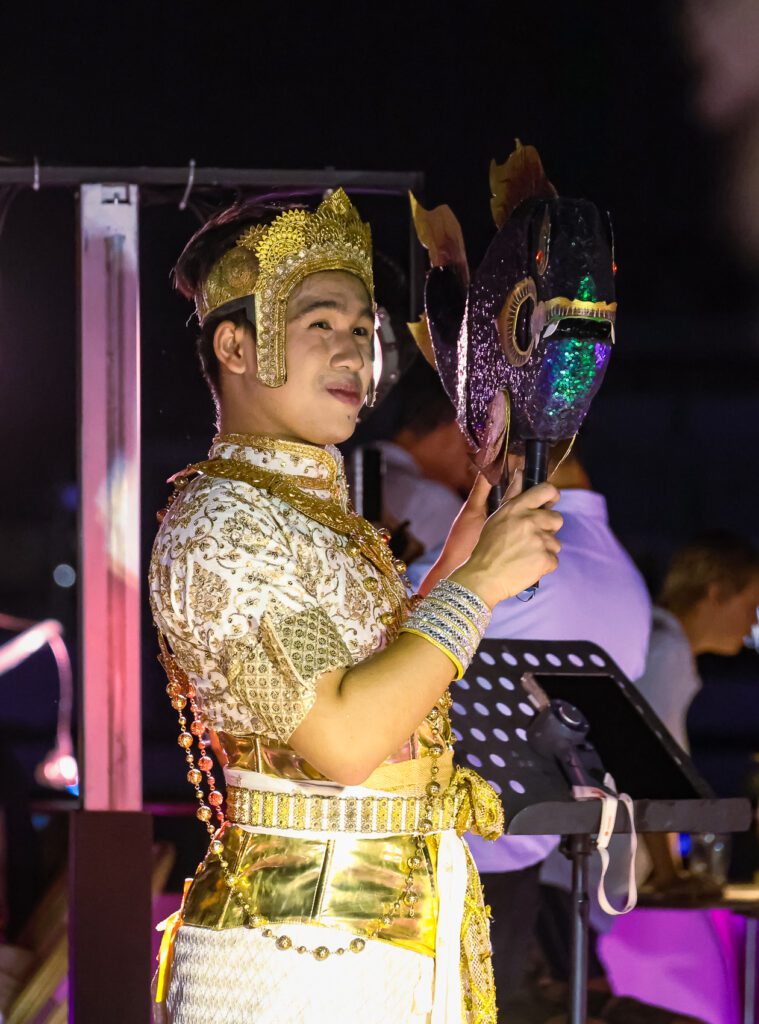
Besides that, our cruise provided us with live music from a Philippine band, cabaret performance and traditional dances.




28. Wat Mahannapharam
Wat Mahannapharam is another gorgeous temple with beautiful ornaments and statues.


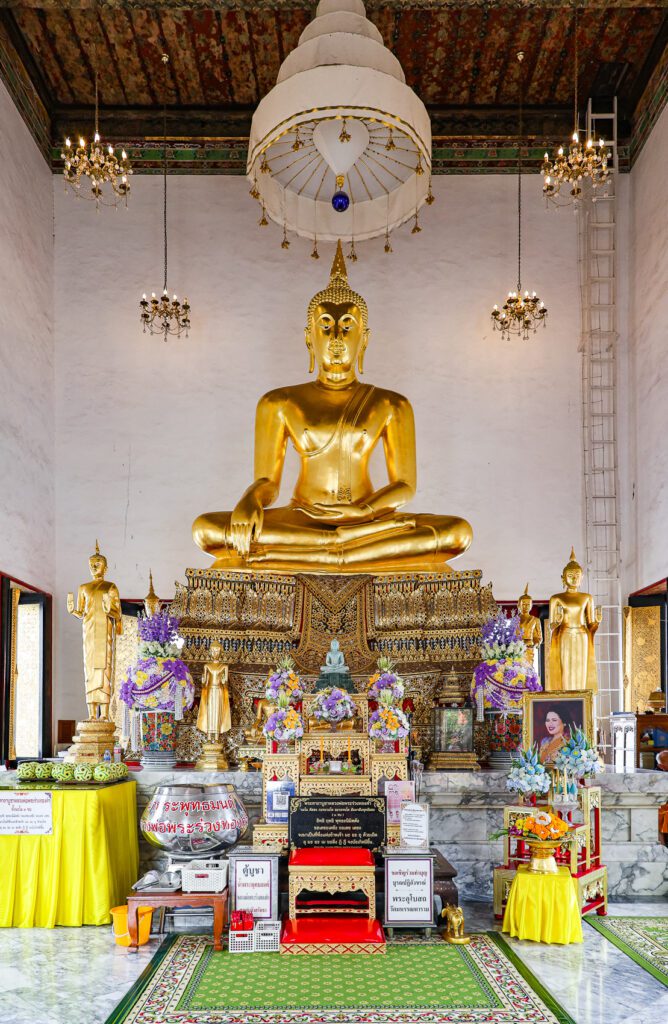
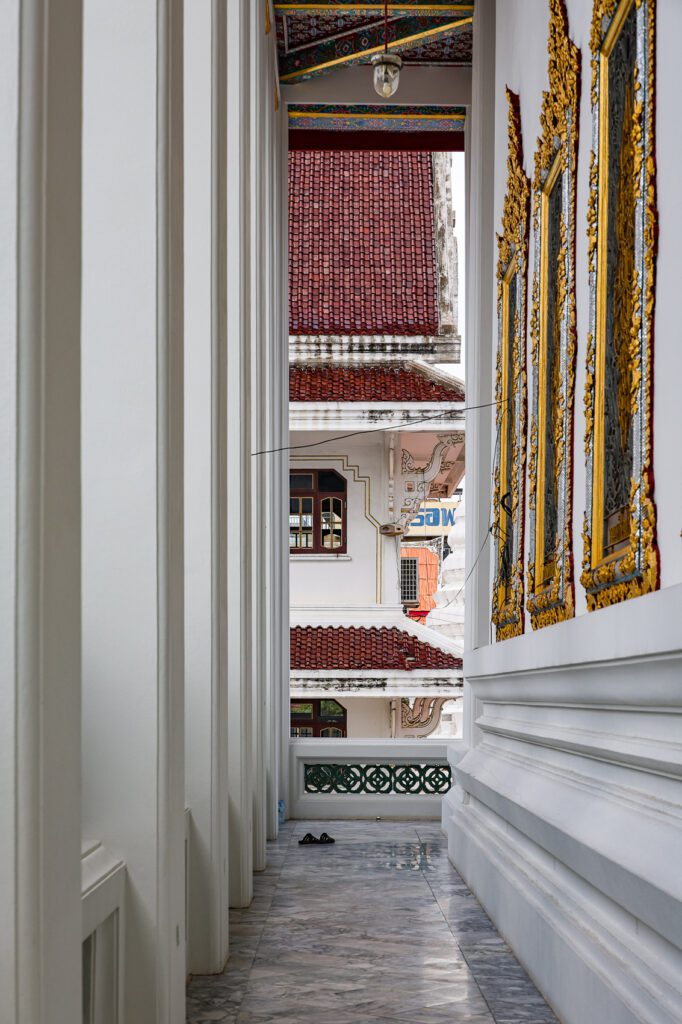


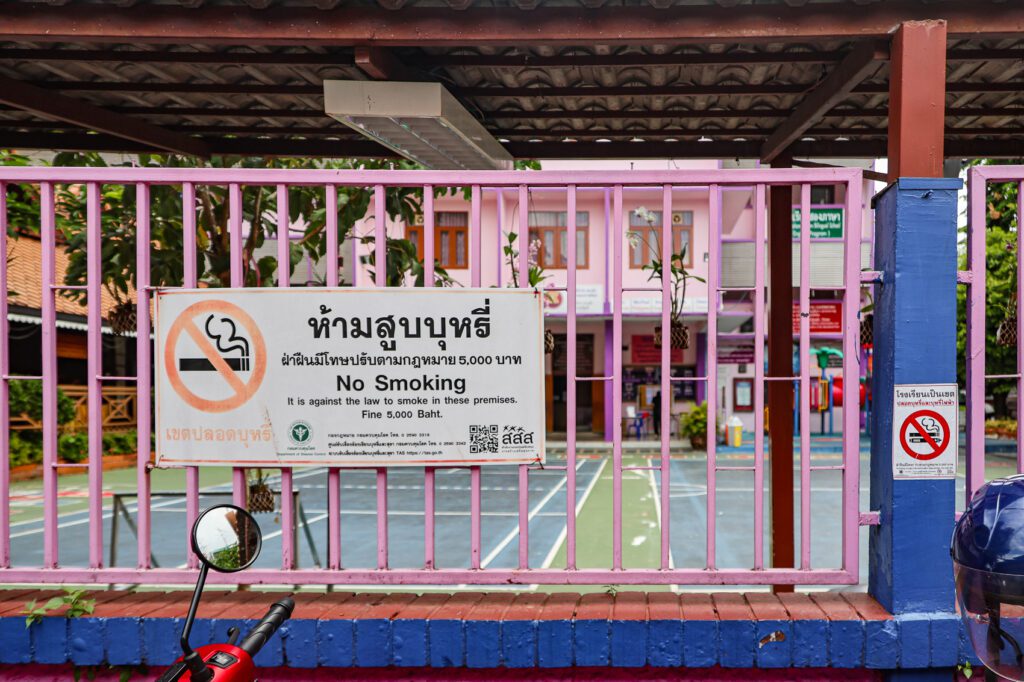
Add this temple to your list of places located off‑beat track for tourists and make sure to visit the prayer hall for beuritful decorations and golden statues. It is famous for the first public state school in Thailand that was established on its premises in 1884.


29. Chee Chin Khor Temple
Chee Chin Khor Temple, located in the Khlong San district right across the river from Chinatown, was built in 1993 by the Chee Chin Khor Moral Uplifting Society, which was established in 1952. The temple complex is constructed in a mix of Chinese and Thai styles. Its most prominent landmark is the 8-story pagoda named Mahathat Chedi Prajonchatri Thai-Chin Charoen, which can be seen from afar.

30. Guan Yu Shrine
Don’t miss Guan Yu Shrine in Khlong San district too – it’s almost a century old and is the oldest Guan Yu shrine in Thailand! Guan Yu is a real Chinese general who lived in the 3rd century AD and is venerated as a god of war, loyalty and righteousness.


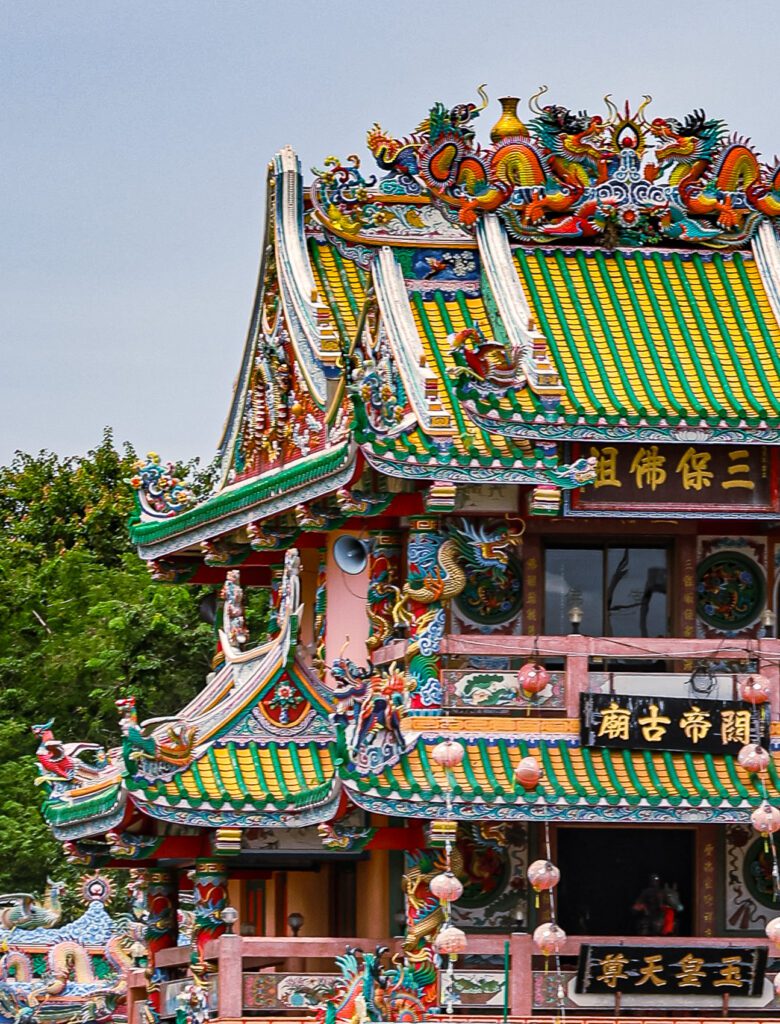
Where to stay: The Peninsula Bangkok
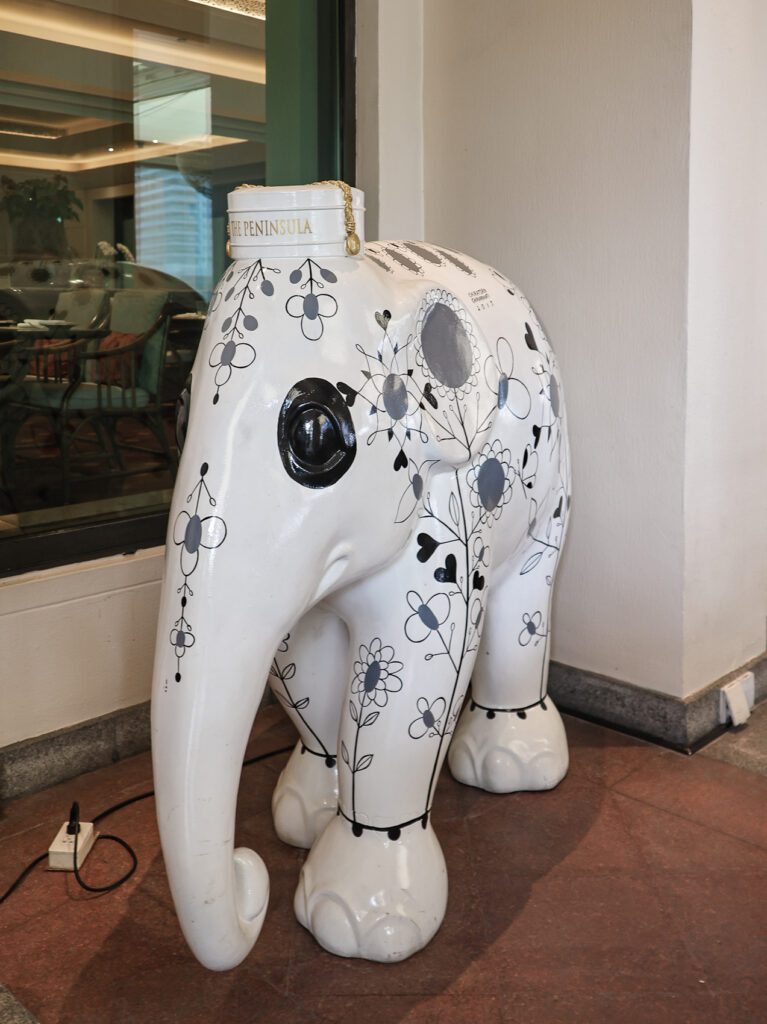
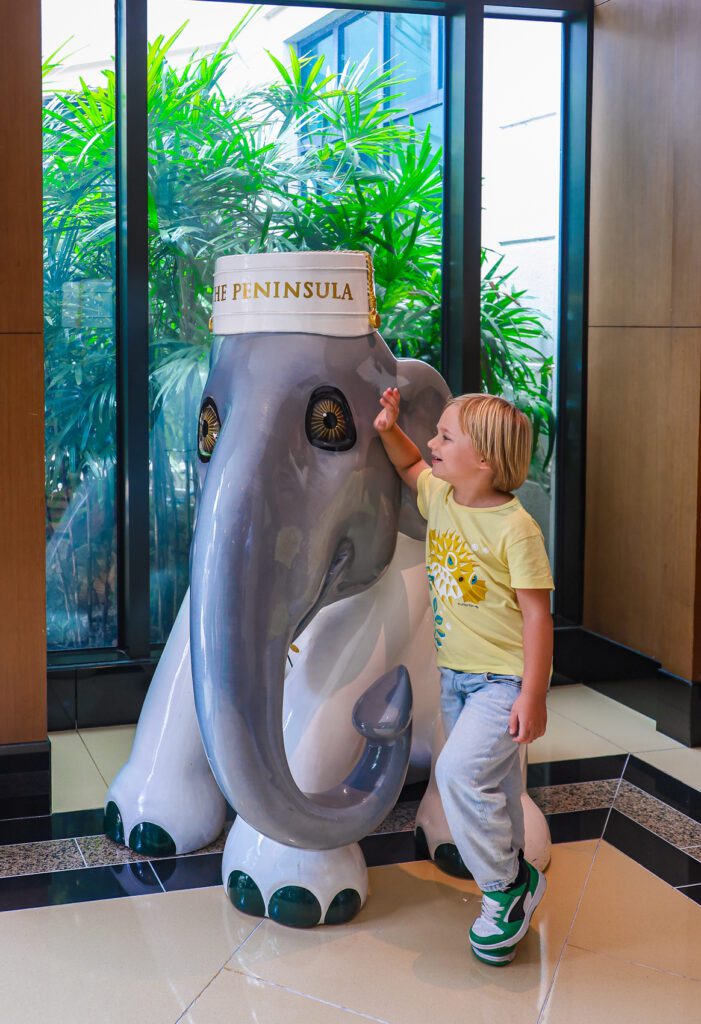
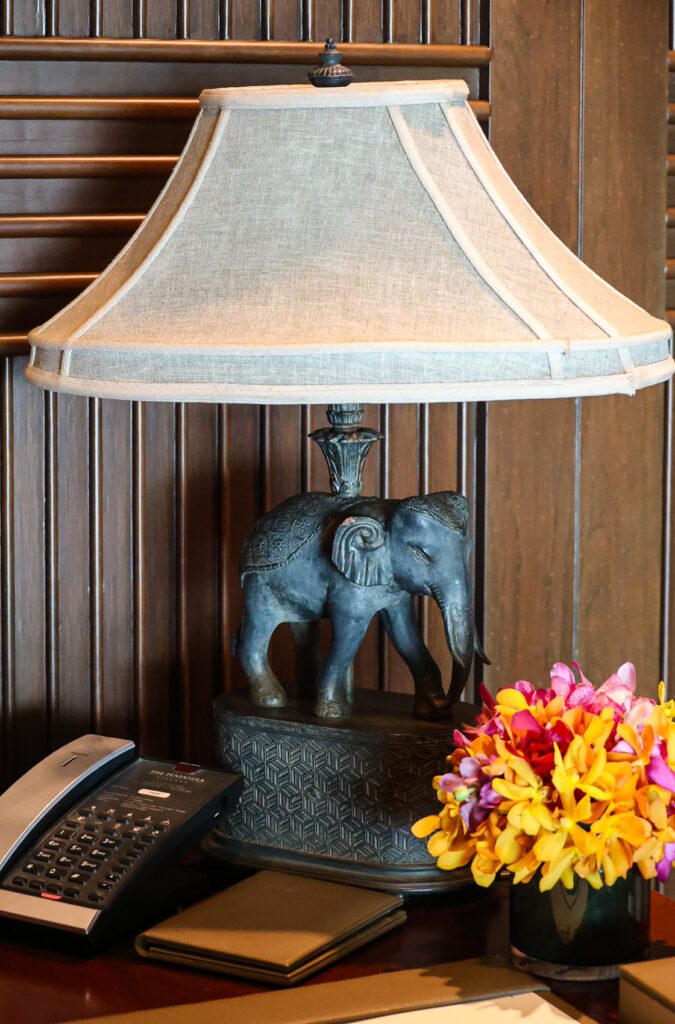
The Peninsula Bangkok is a fantastic property that provided us with one of the most tailored and high‑end stays we ever had. And they even have their own elephant from Elephant Parade brand – not one, but two sculptures!


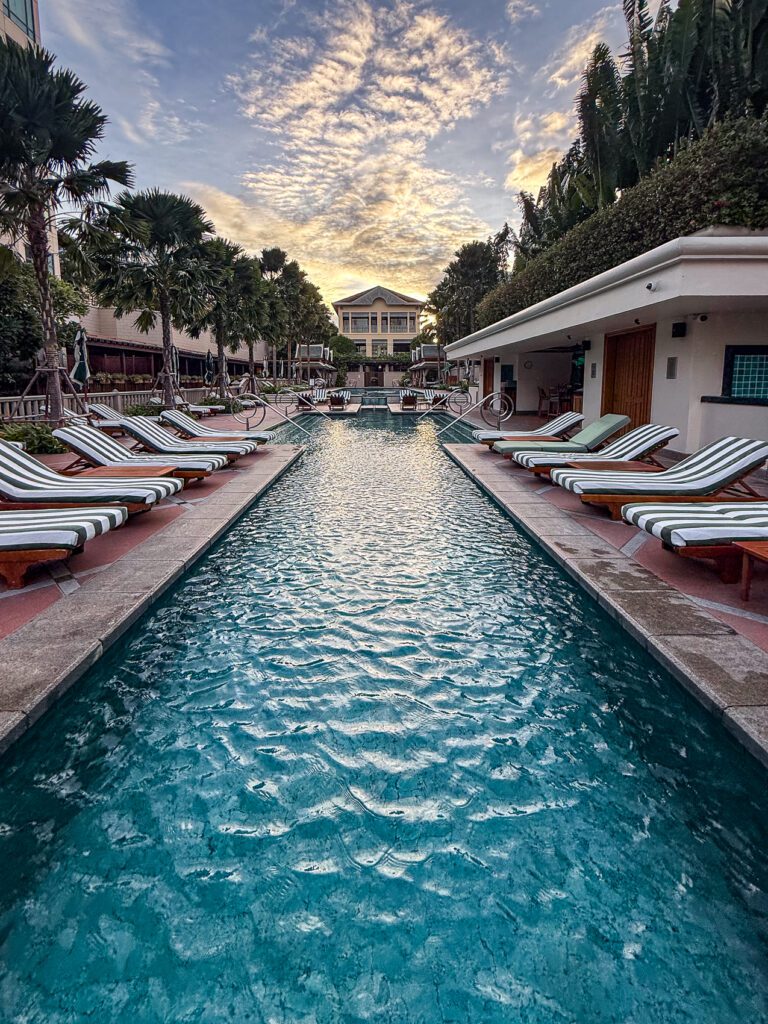
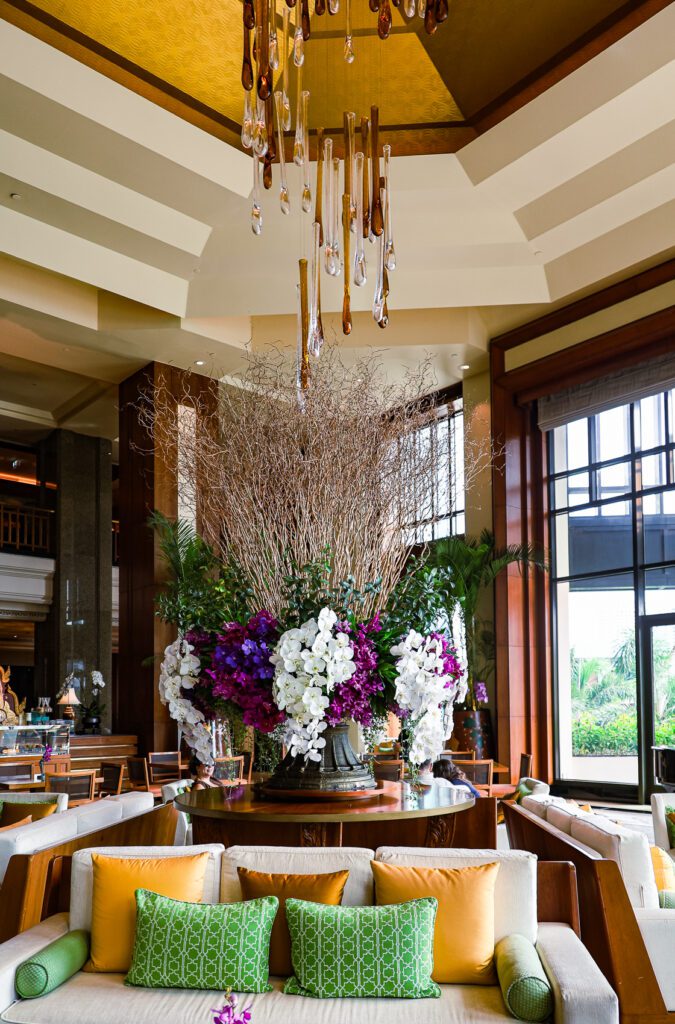
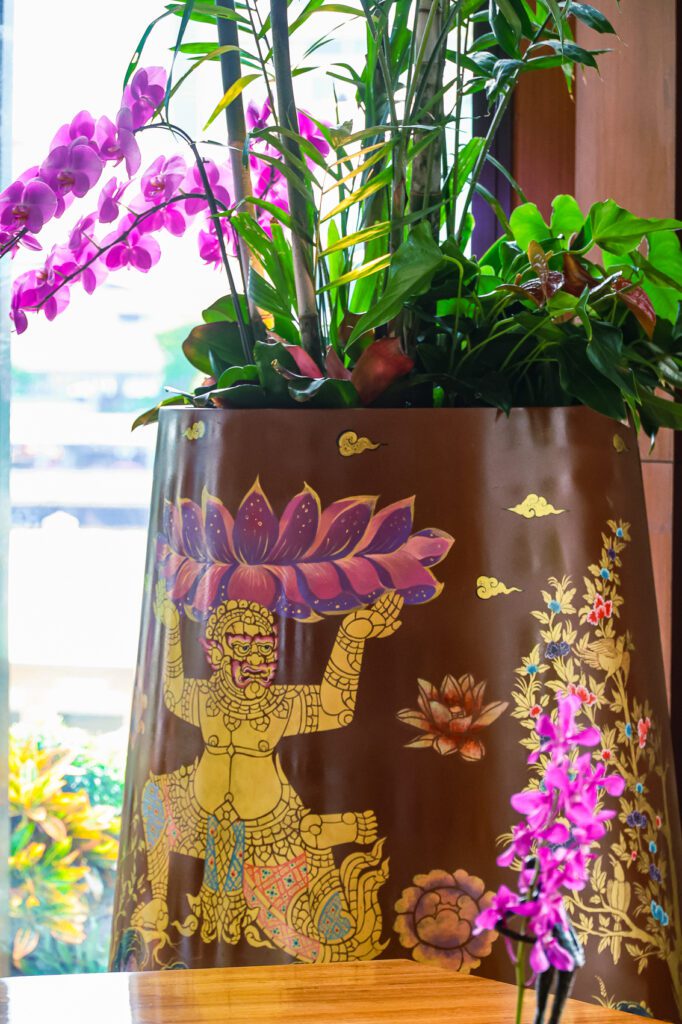
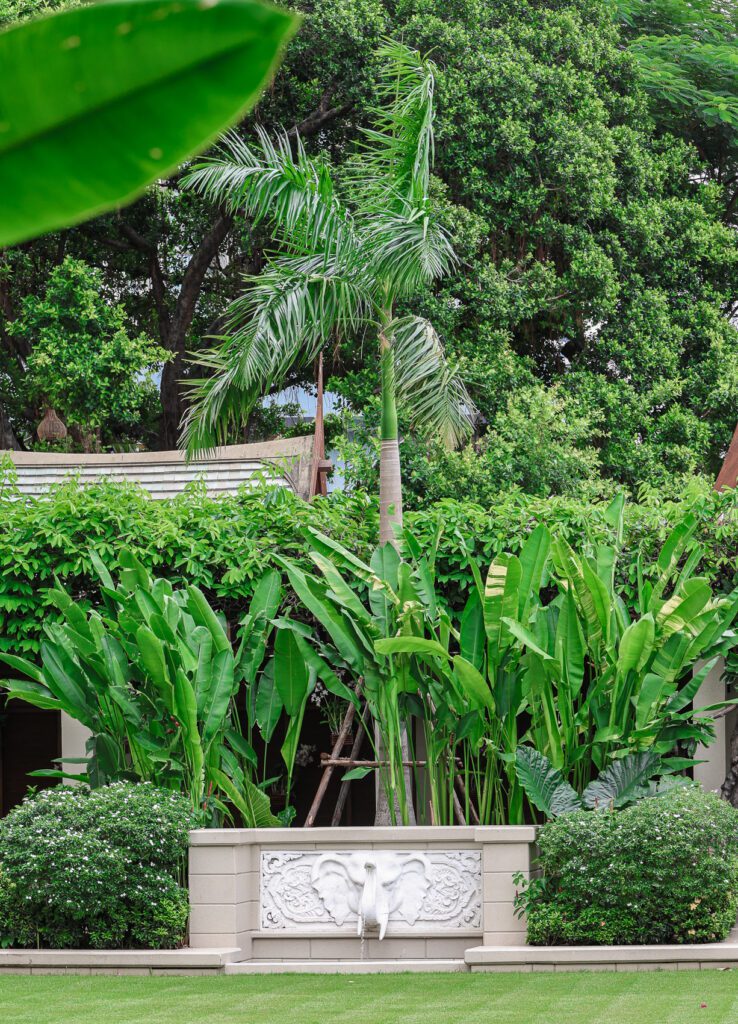
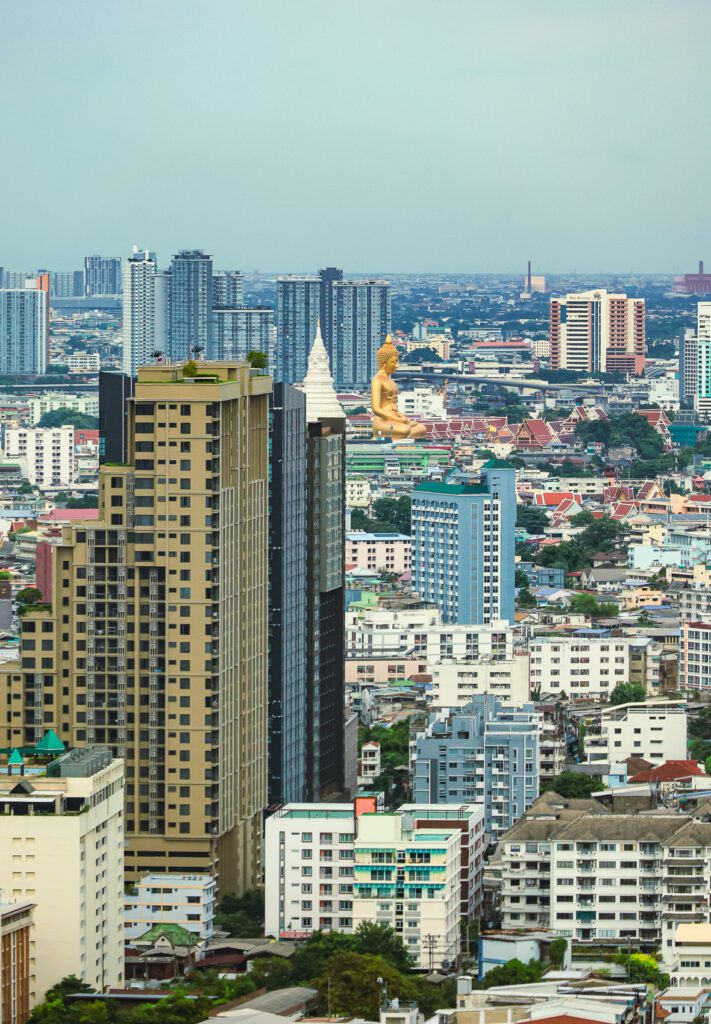
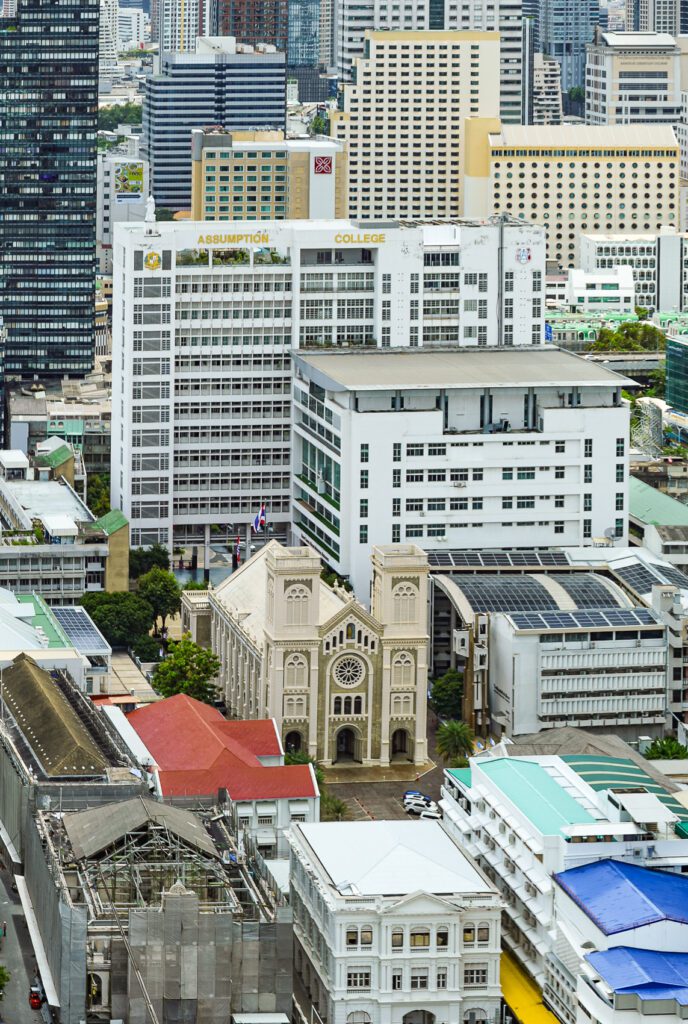
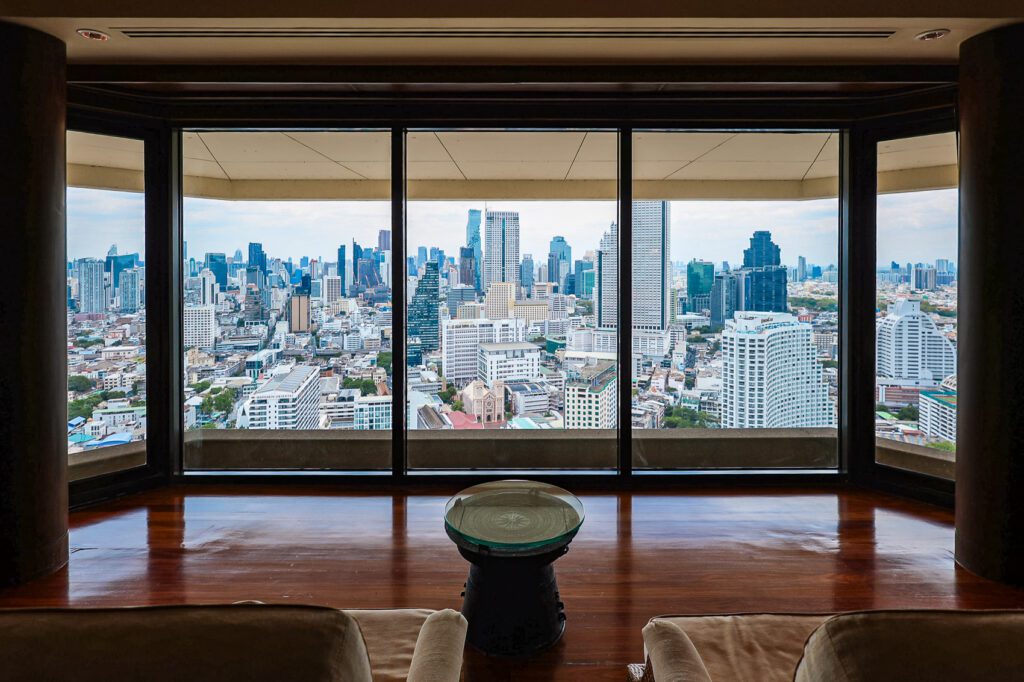
There’s only a dozen Peninsula hotels around the world; it’s our third Peninsula (after Manila and Hong Kong). And the views over the city from here are hard to beat.


And what a welcome we received from the personnel (personal thanks to Susie!) including the welcome amenities and fresh flower bracelet!
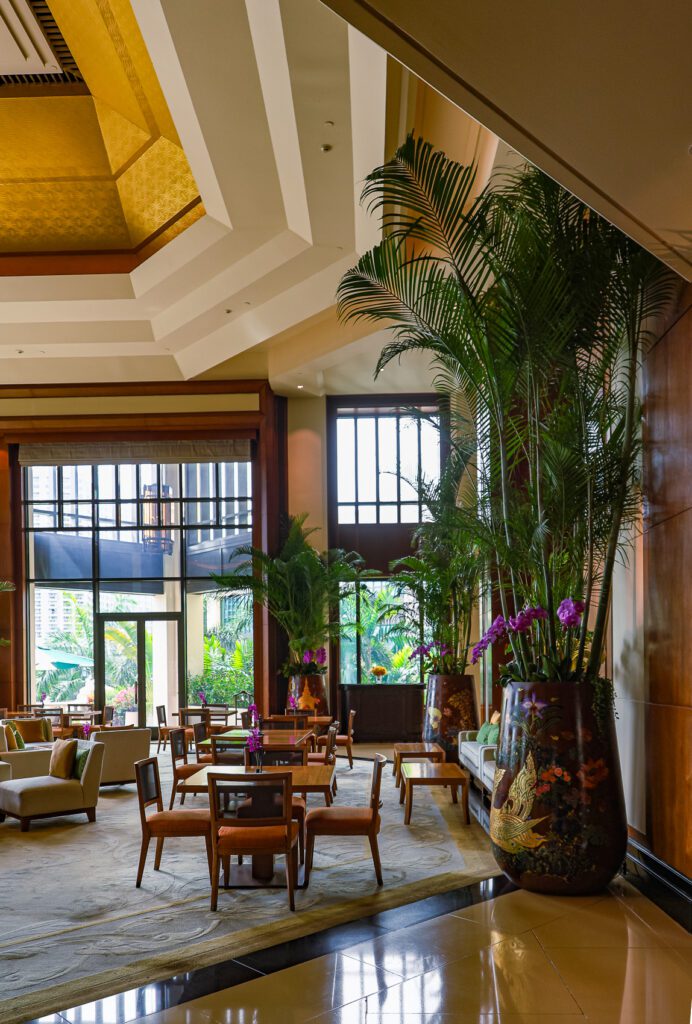




We stayed in the Thai suite where the country’s heritage is expressed in decor, colours and books.

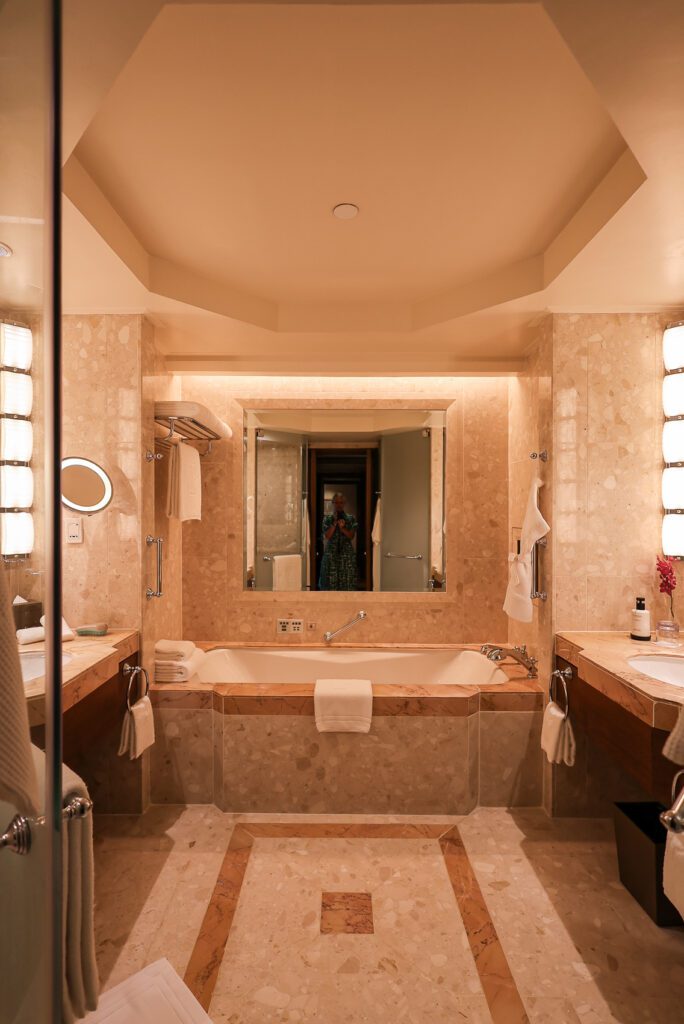
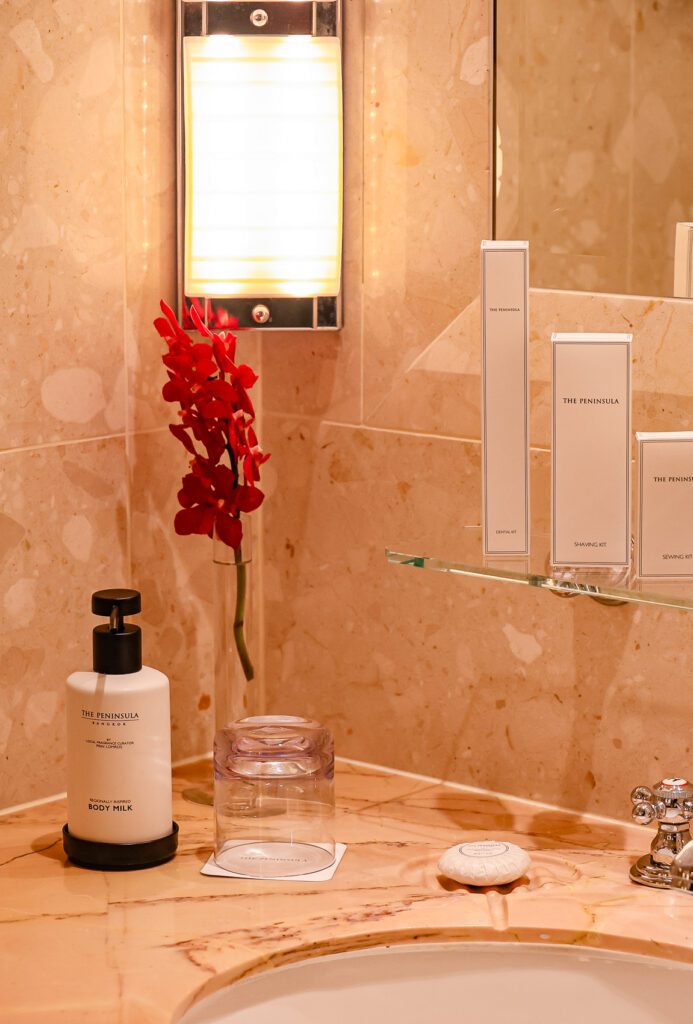
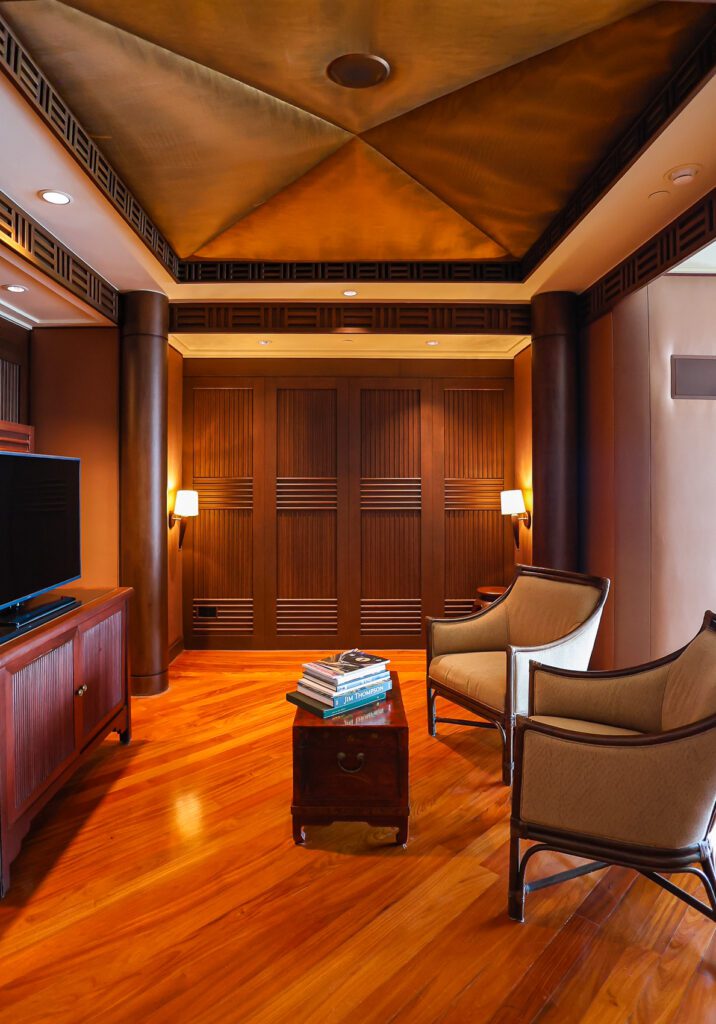
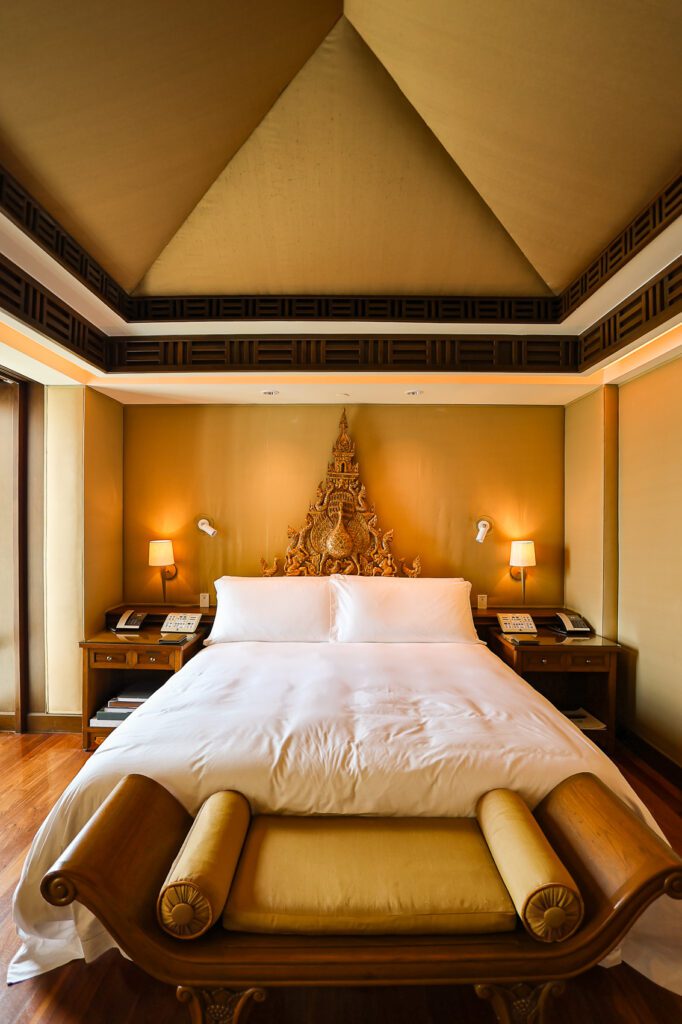


As our room was located on the very top of the hotel, on the 36th floor, we had simply the best view over the Chao Phraya River.



Breakfast has two sections, indoor one with products kept cold, and outdoor one, with hot dishes and egg and noodle stations.

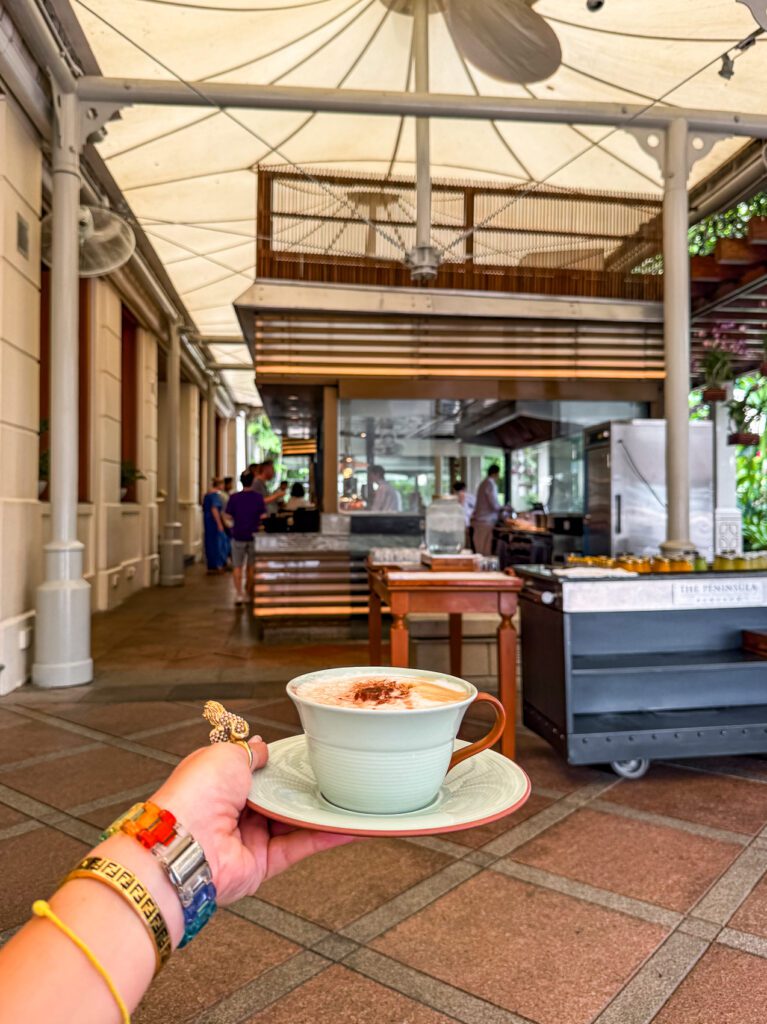

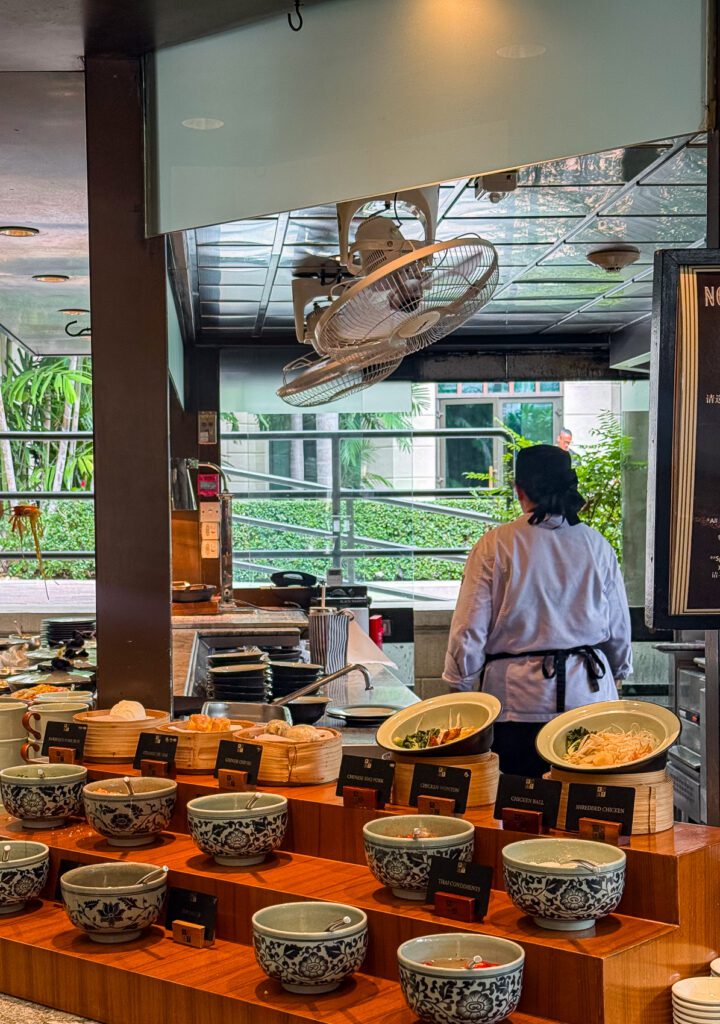
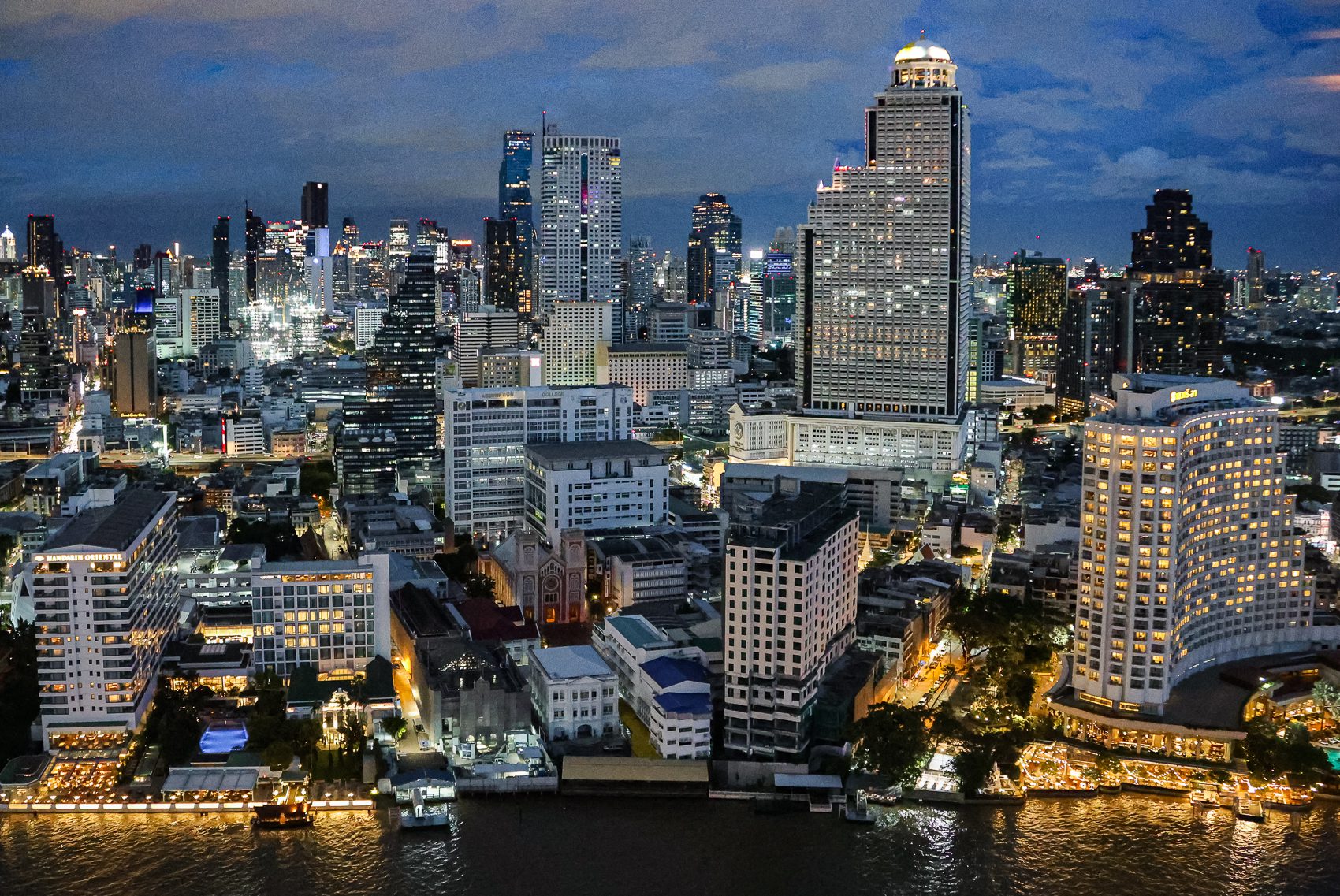
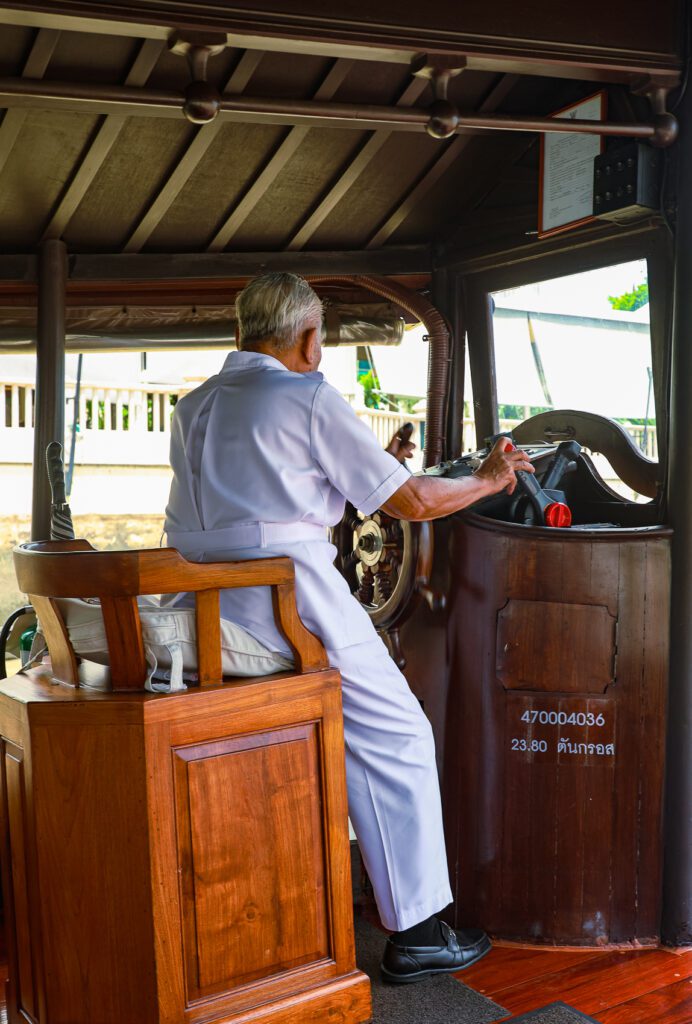
Many luxury hotels sitting on the riverbanks, such as Mandarin Oriental, Sheraton, Shangri‑La, have their own piers and boats to transfer their guests along the stream. The Peninsula is not short of such services as well.


Read more about Bangkok, Phuket, Ayutthaya, Ang Thong and Phan Nga bay here!
Hope you liked my new blog,
Yours, Anna
xxx