Rabat is located a bit far away from the usual tourist itineraries of Morocco. It’s the modern capital city and the main administrative center of the country for more than a century since the French transferred it here from Fez in the early 20th century. It took us 1.5 hours by car to get here from Casablanca, but you can also go by train.


Rabat was founded in the 12th century by the sultans from the Almohad dynasty, thus it’s the fourth imperial city of Morocco (we visited all of them) alongside Marrakesh, Fez, and Meknes. Although its population is just below 600 thousand, together with Salé and Kénitra on Rabat’s sides, it doubles in size and makes quite a large metropolitan area.


Rabat is the cleanest and most organized Moroccan city of all we visited, and it’s also getting ready for the African Cup by building stadiums and related infrastructure.


Let’s see what you can explore here in Rabat in a day!
1.Dar al Makhzen
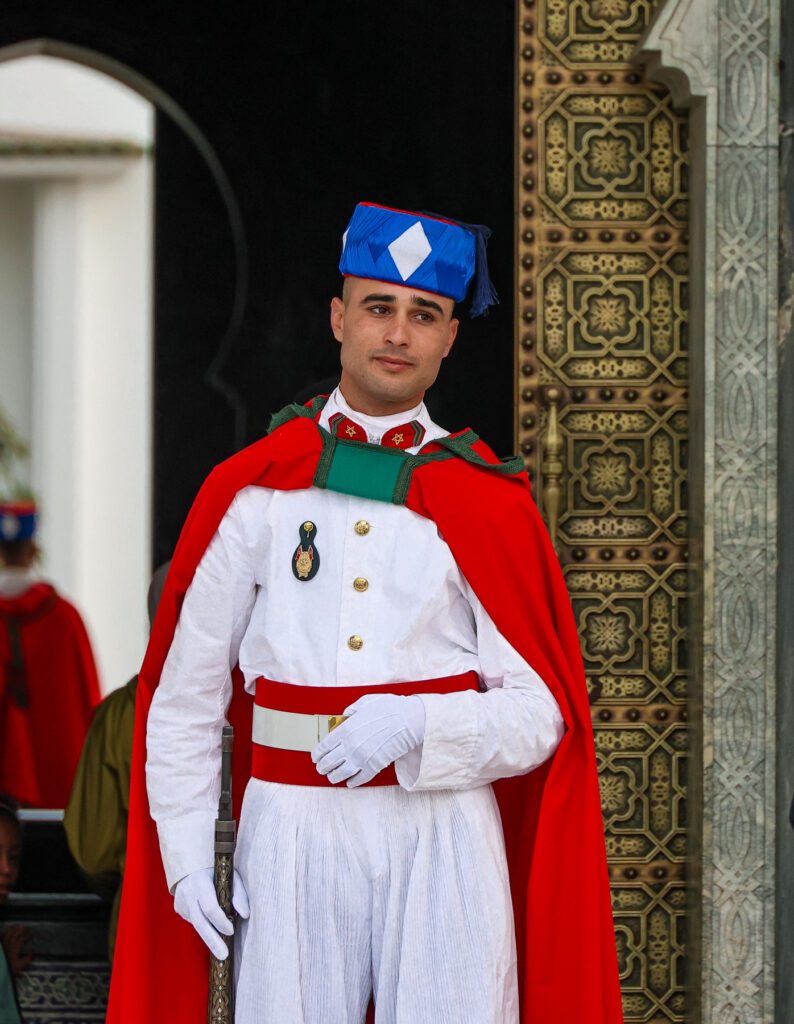
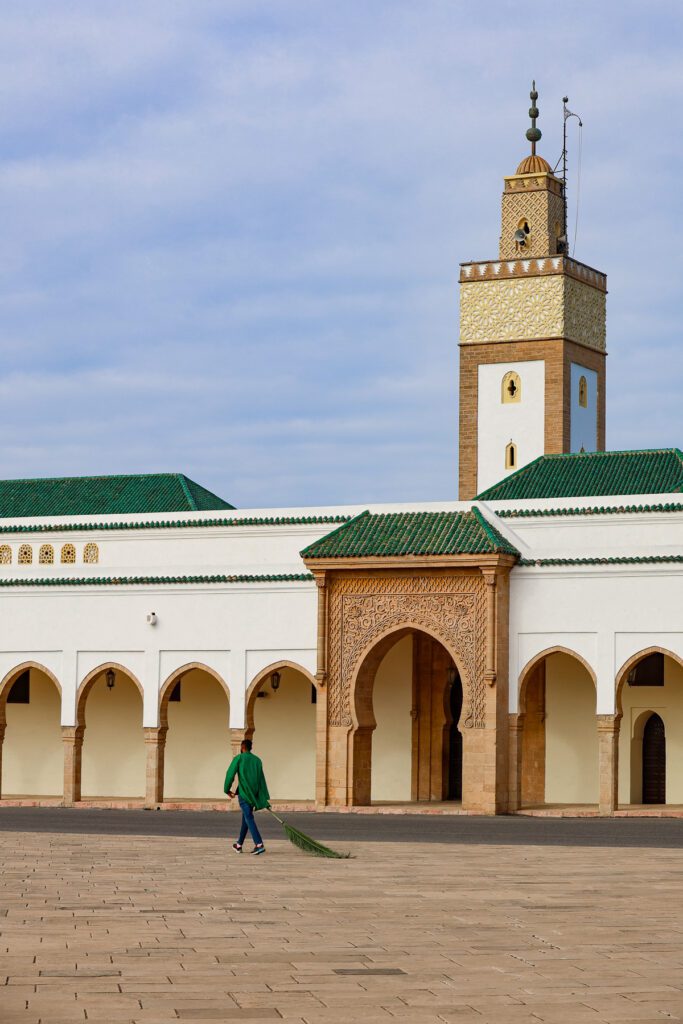
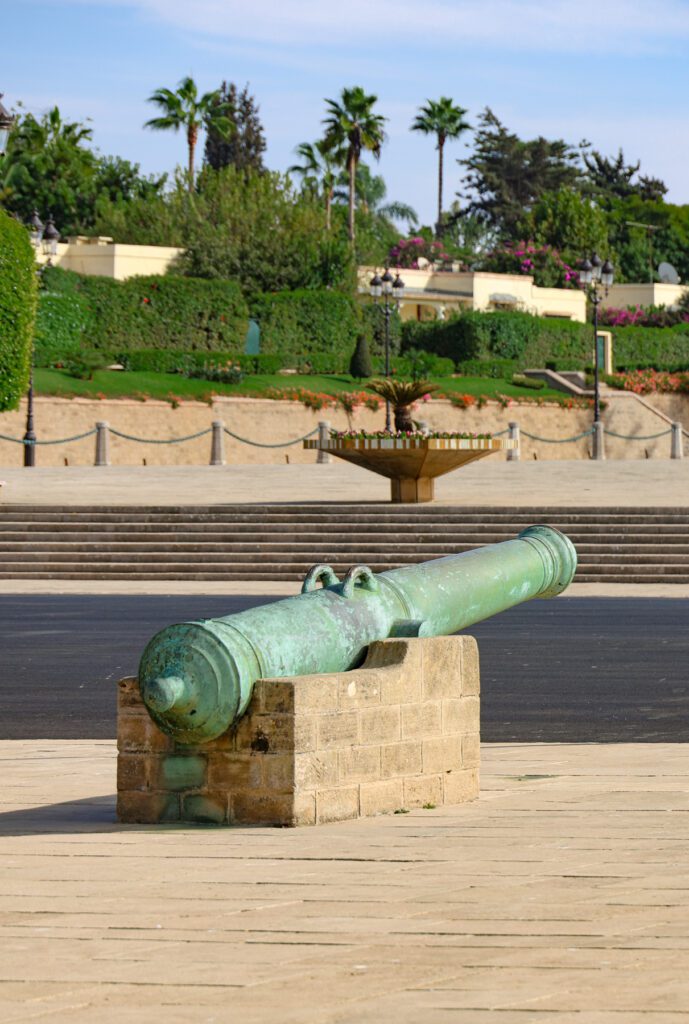
Dar al Makhzen is the main royal residence of the King of Morocco: although some kings live in a different location, this is the place where the king works and holds official ceremonies.
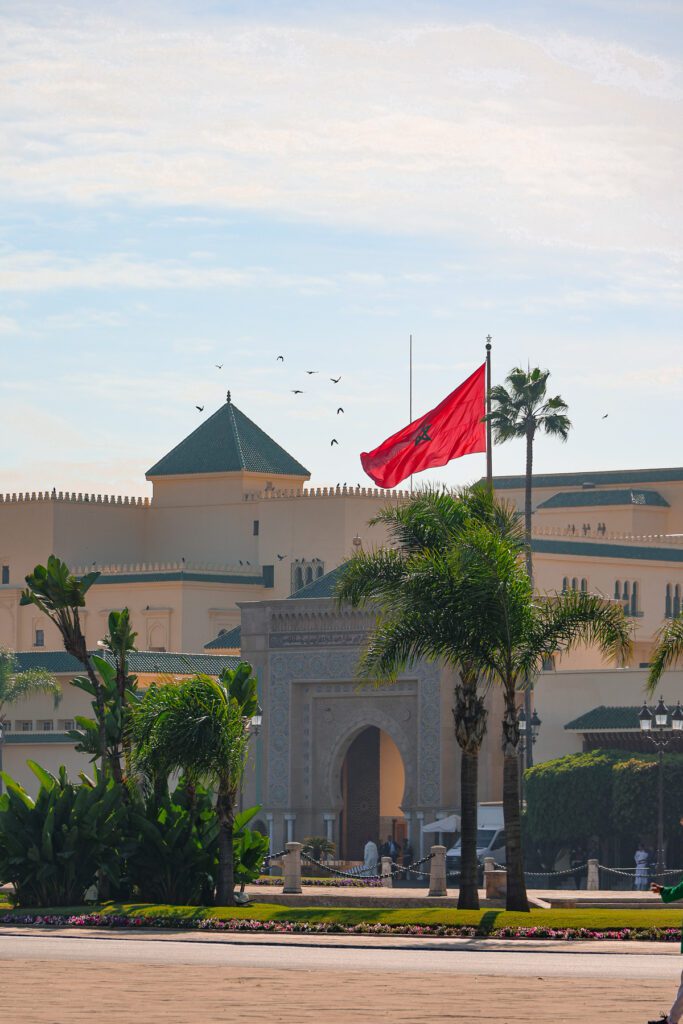


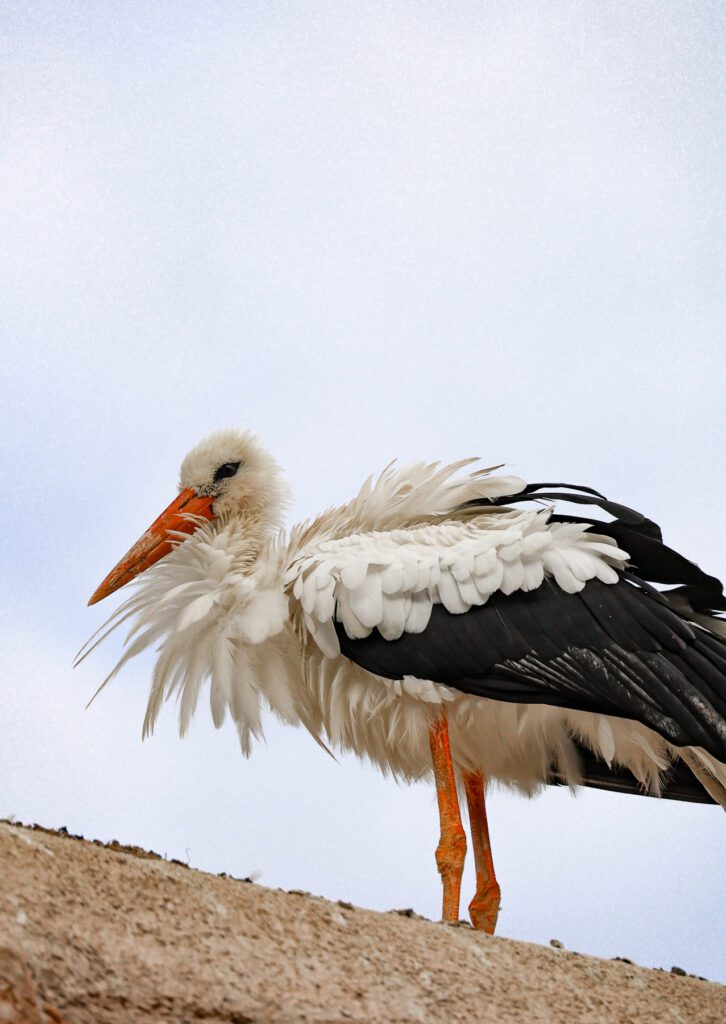
You can see the royal gates, the guards, the mosque, and part of the gardens with dozens of storks there.
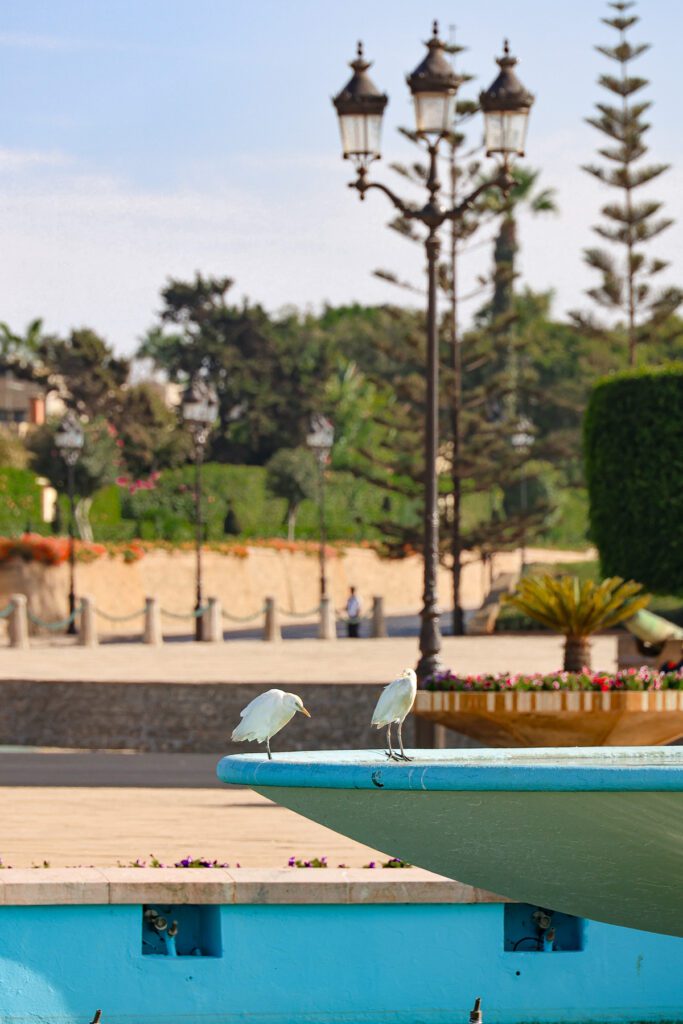
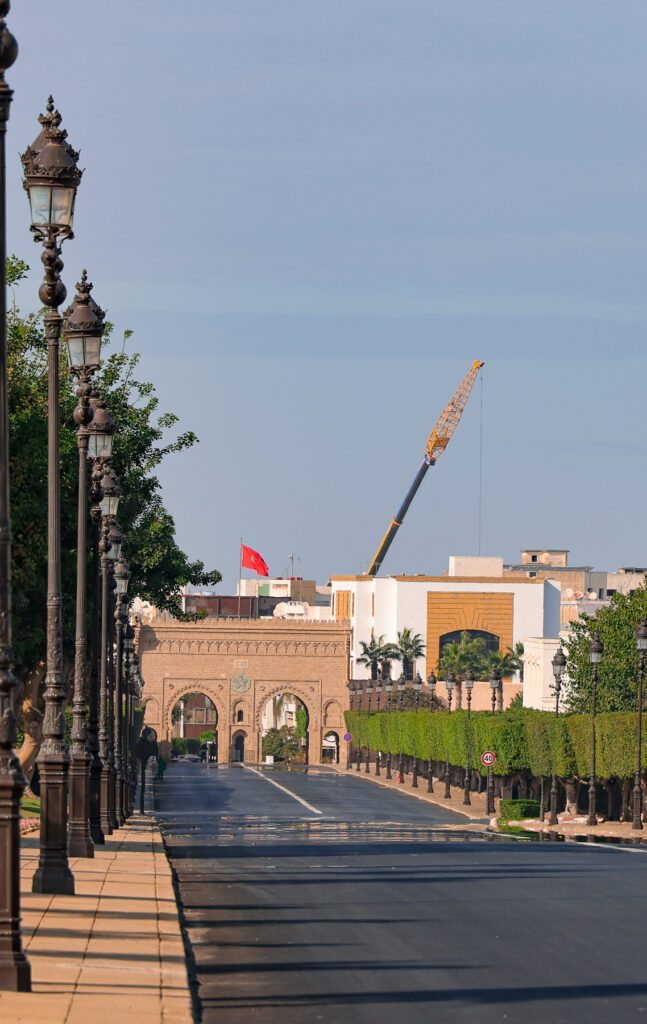

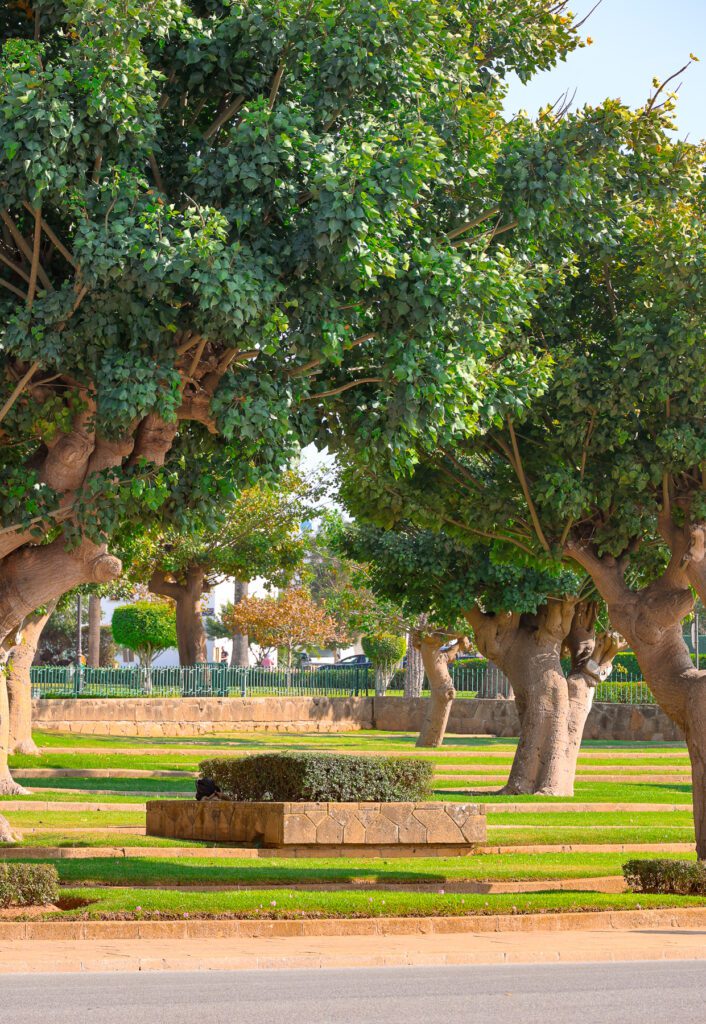
If you visit with a licensed guide on a tourist transport, you can enter the premises in a car (otherwise, I presume you have to walk there and have your passports with you).



2.Chellah Citadel
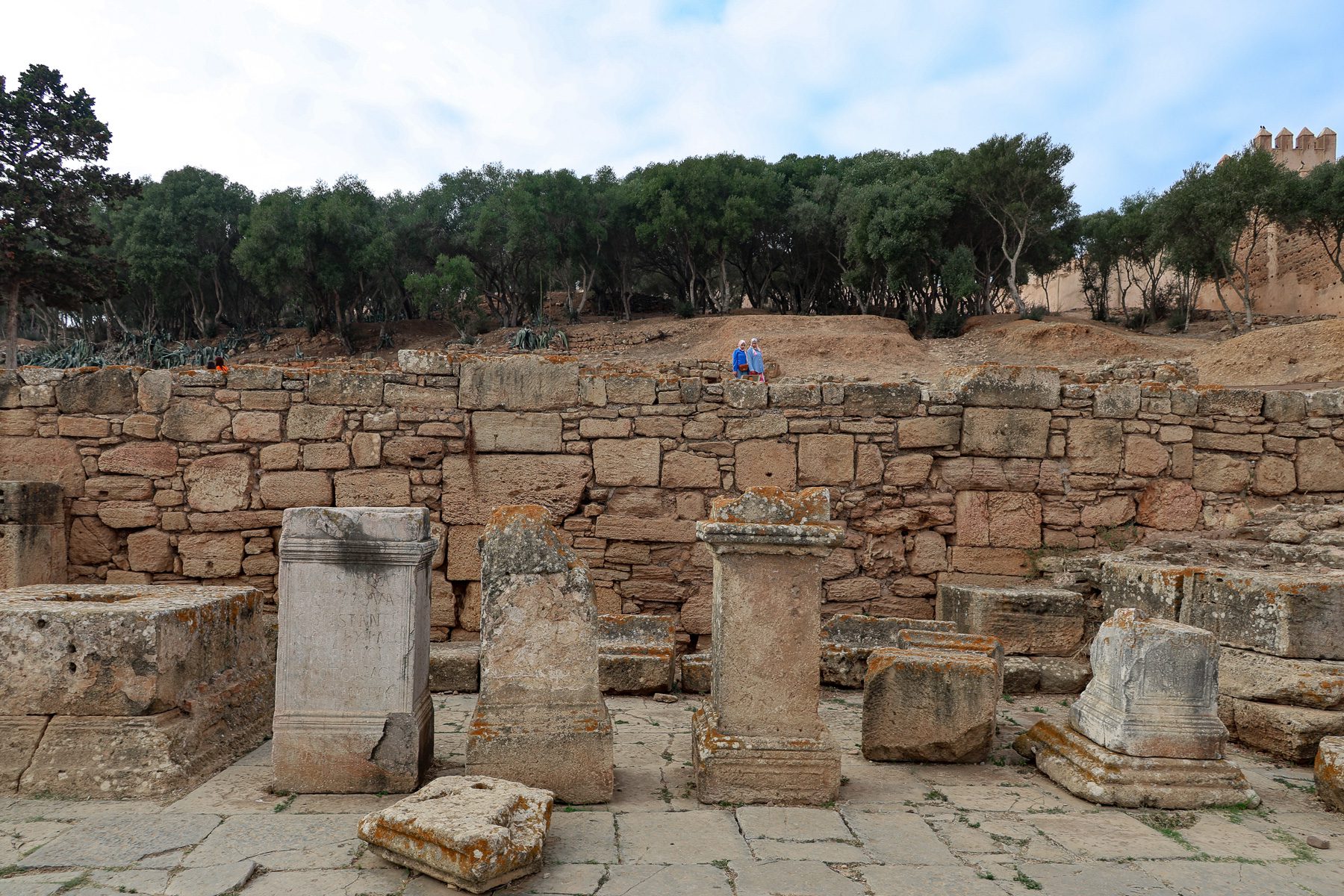
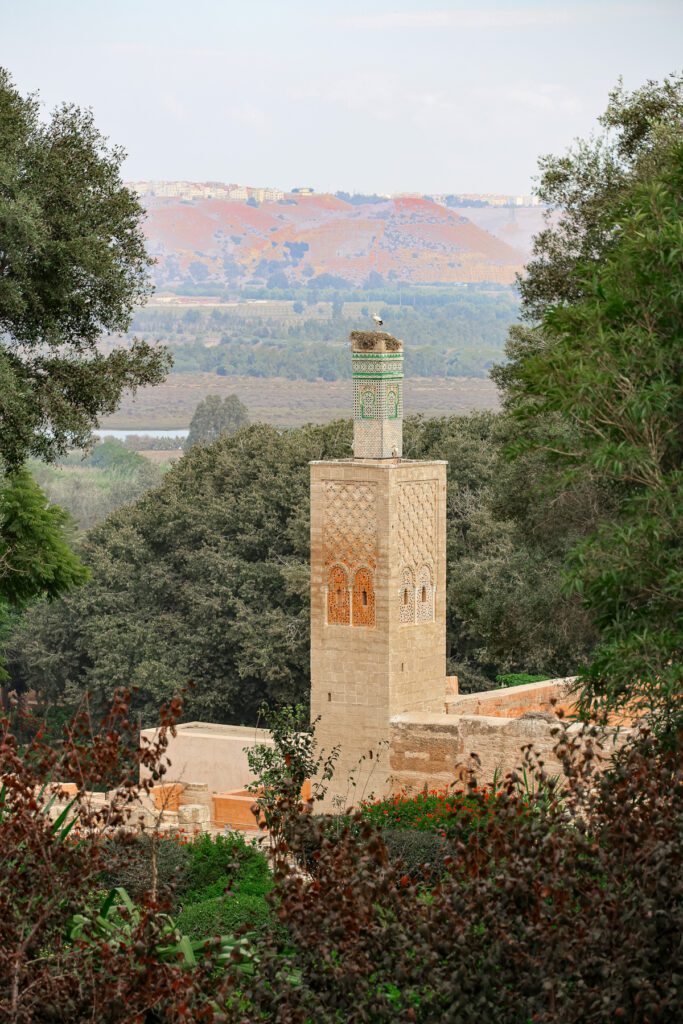
The Chellah is the most important historical site of Rabat, rediscovered in 1914 by Edmond Doutté.


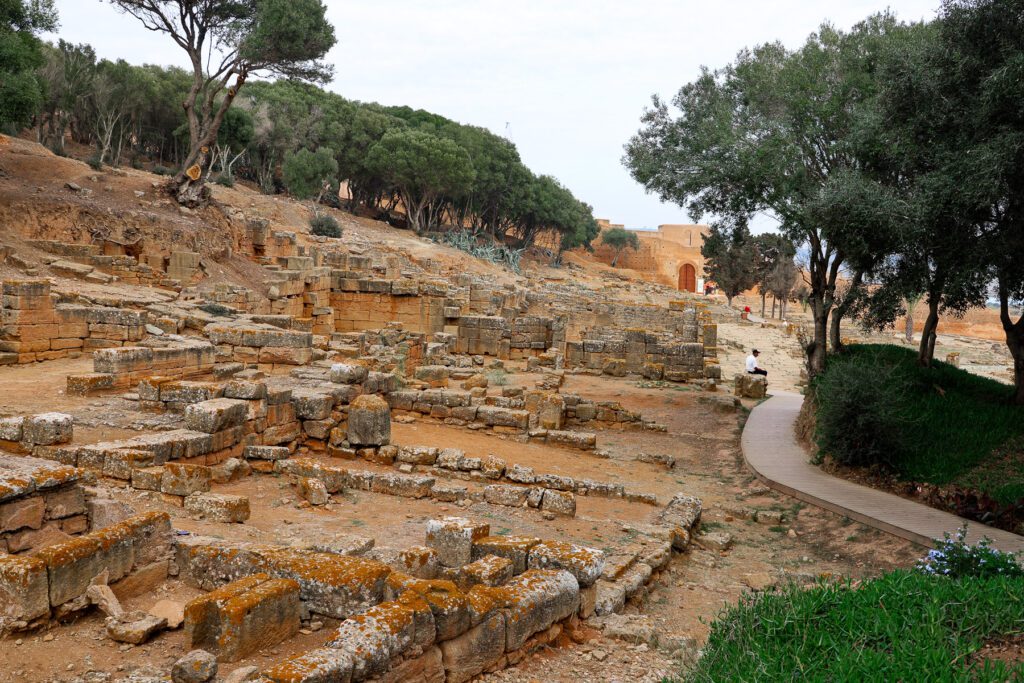
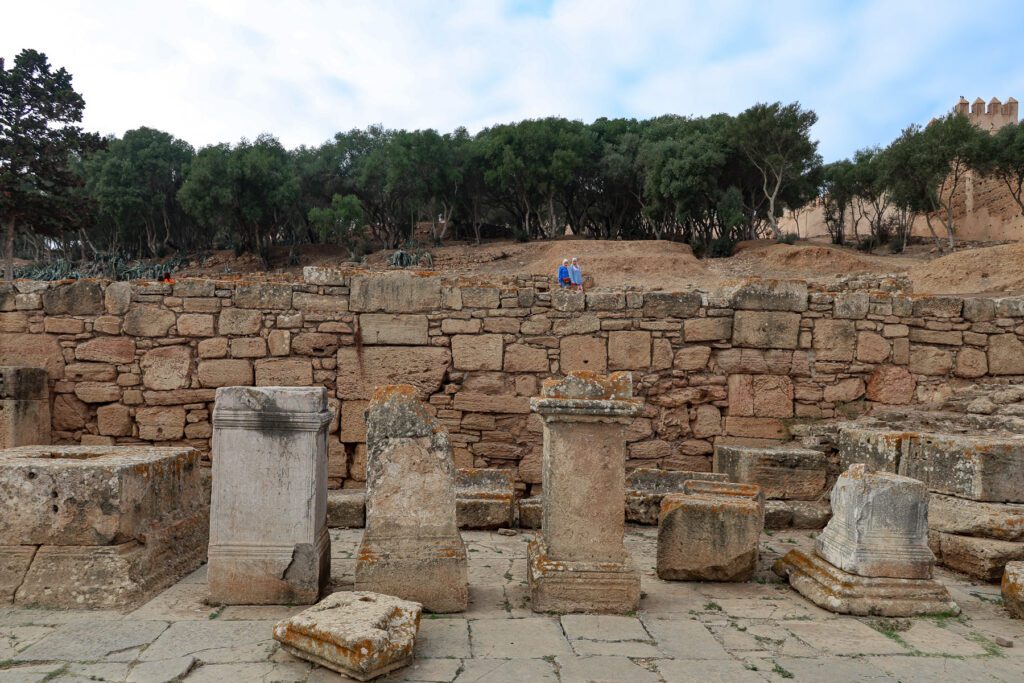
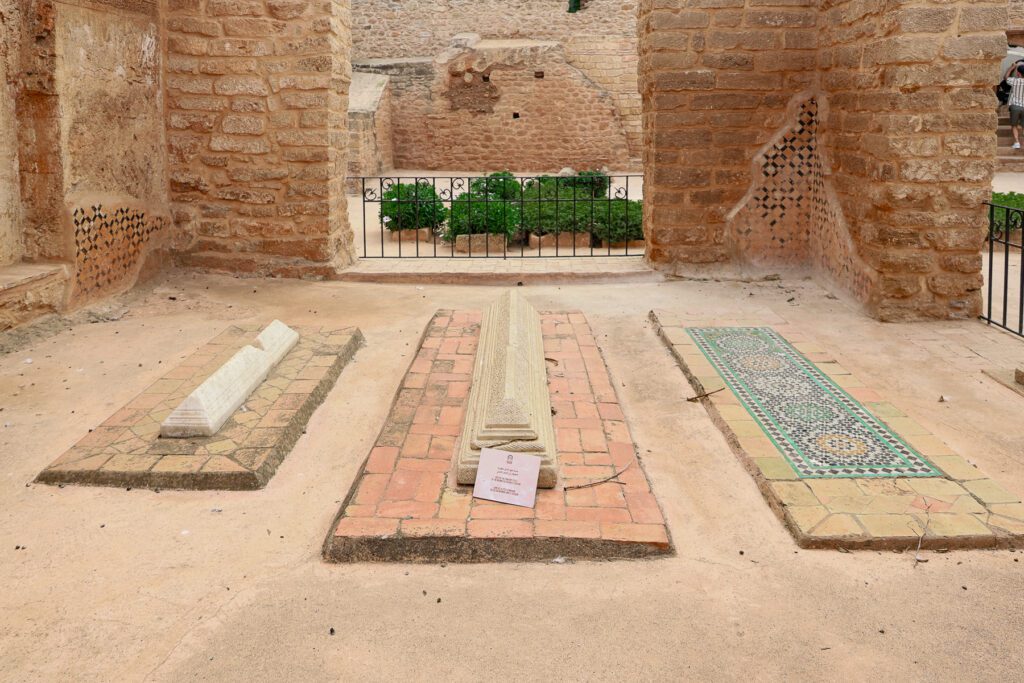
This heritage site combines numerous archaeological levels, starting from the Phoenician and Mauritanian eras, through Roman times, and up to the medieval Muslim city under the Merinid dynasty, which eventually became the royal necropolis.


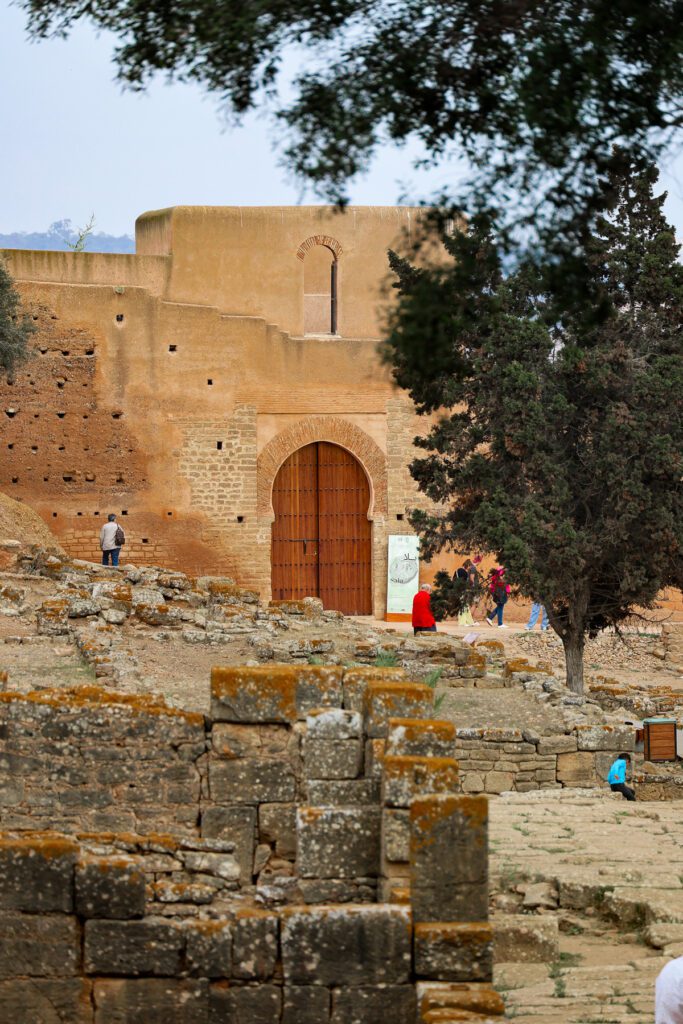

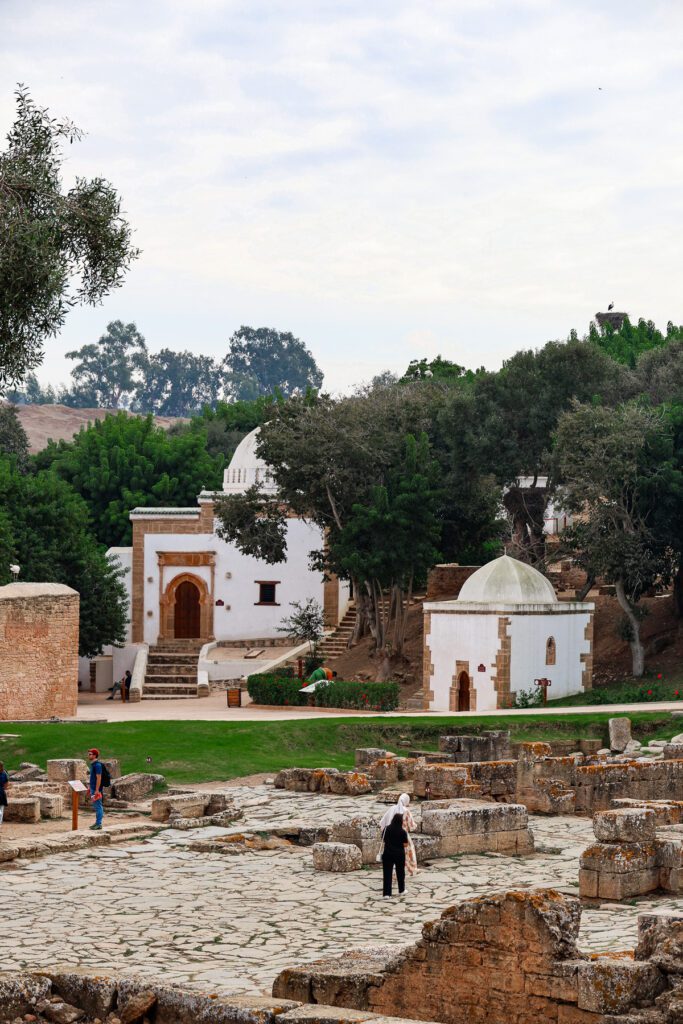
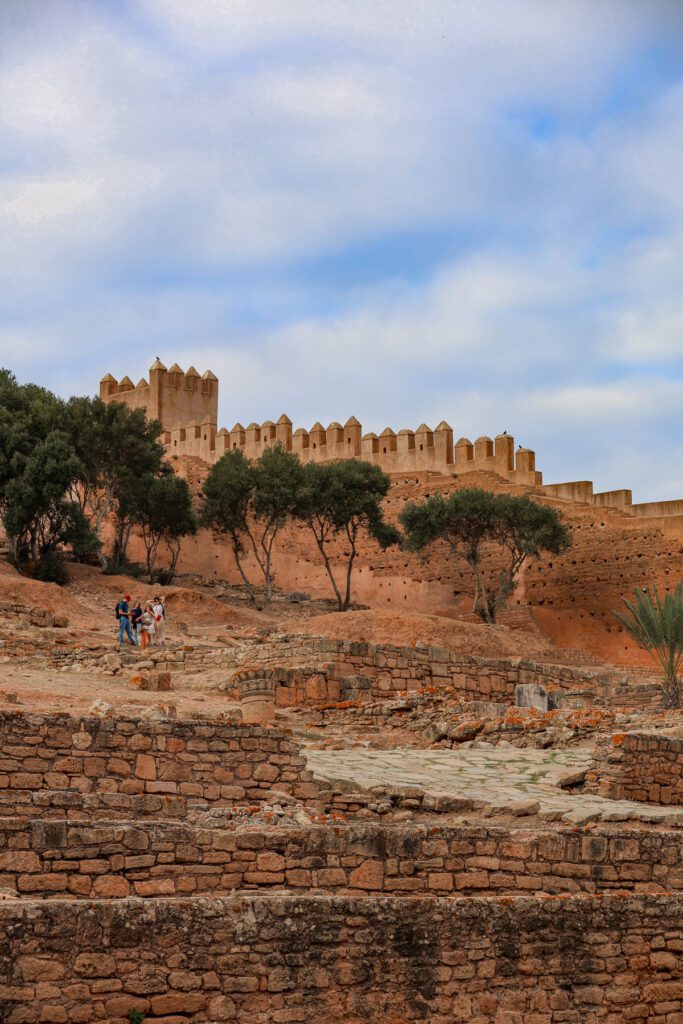


Spot the remnants of three Mauritanian temples – some artifacts were recovered there, including the statue of King Ptolemy, who was killed by the Romans (its copy is held in a small museum room nearby). The majority of the ruins belong to Sala Colonia, the Roman colony: you can walk the streets of the artisan area where shops and other related buildings were located, as well as the Jupiter temple, the Forum, and the Capitol.
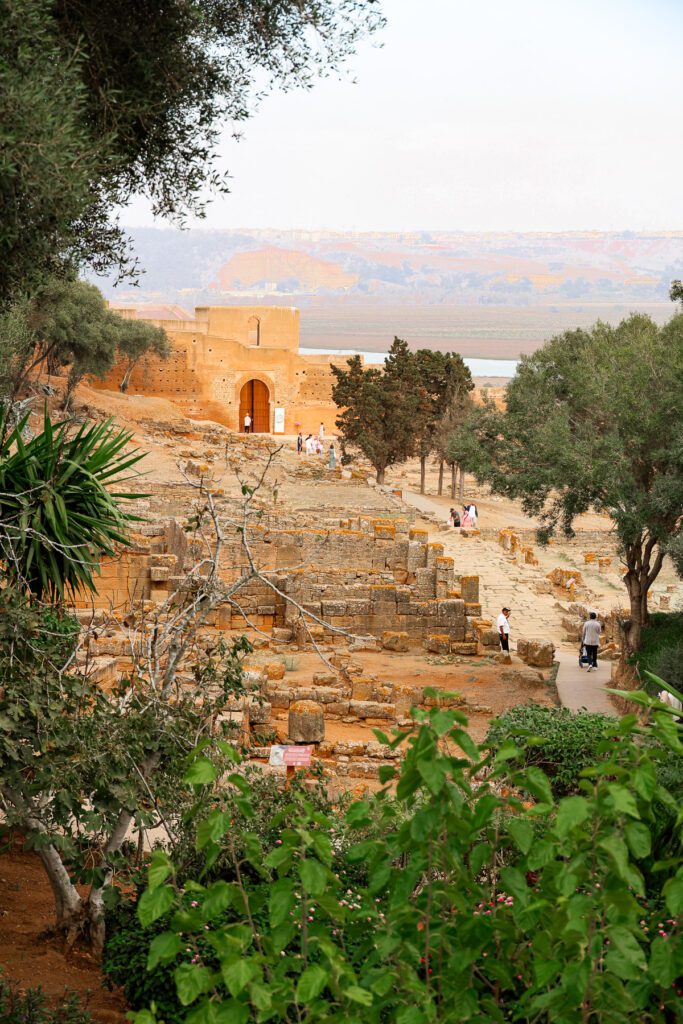
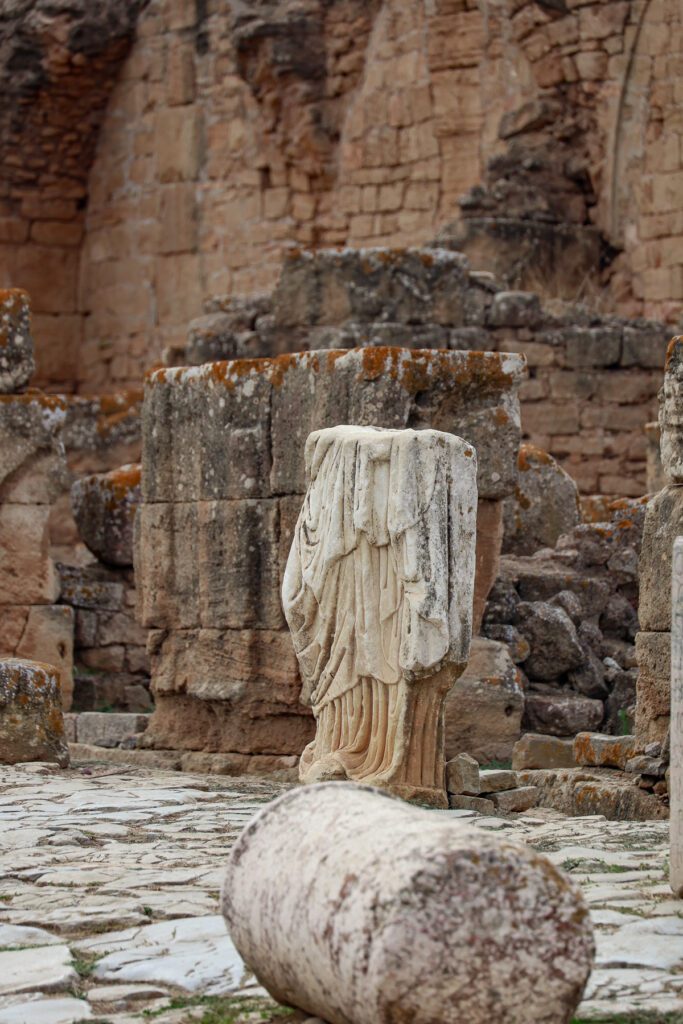


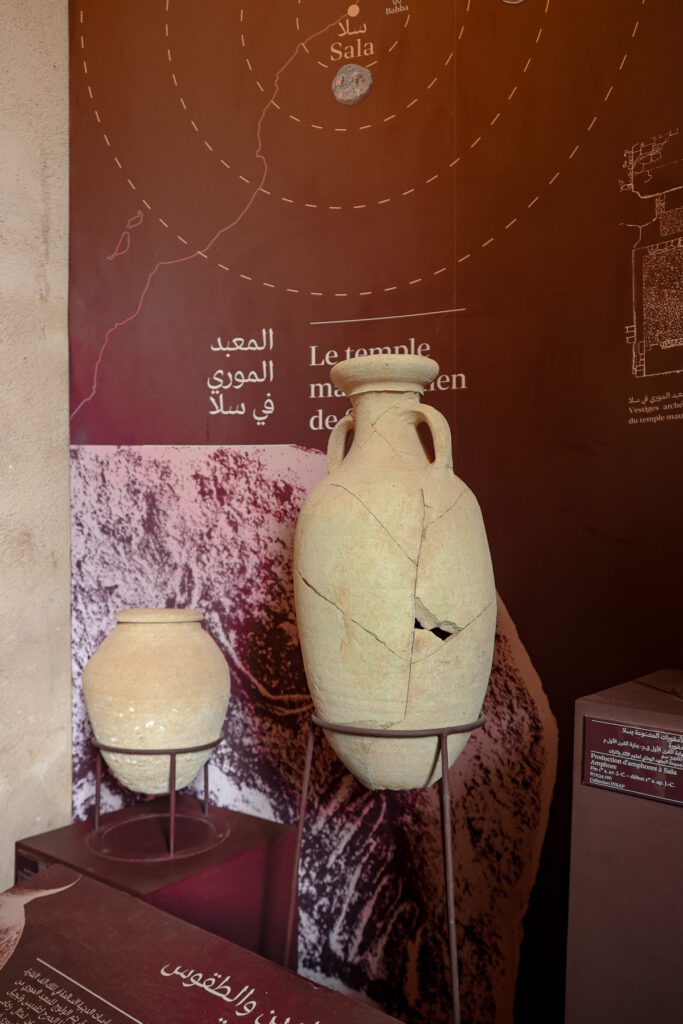


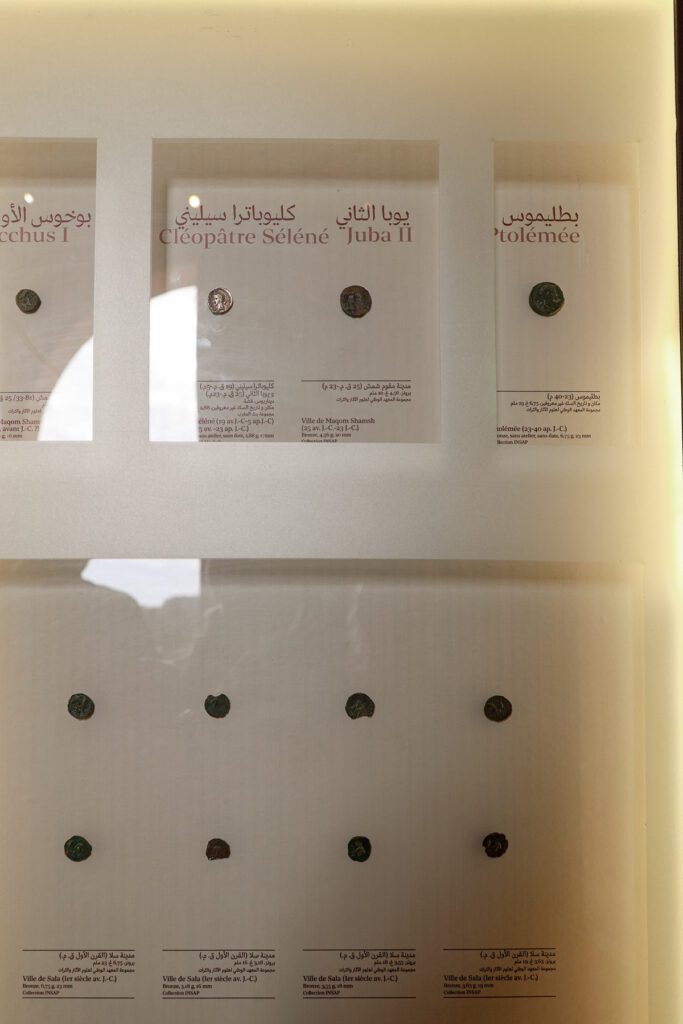
The Islamic ruins include the mosque of Abou Youssouf Yaacoub, the Medresa, and the 14th century mausoleums of Sultan Abu El Hassan (who died in 1351), his wife, and the mother of Sultan Abu Inan Shems D’ha. There are also a few more modern Islamic mausoleums and a house of the local artist Jelali Garbaoui on Marabout Hill.


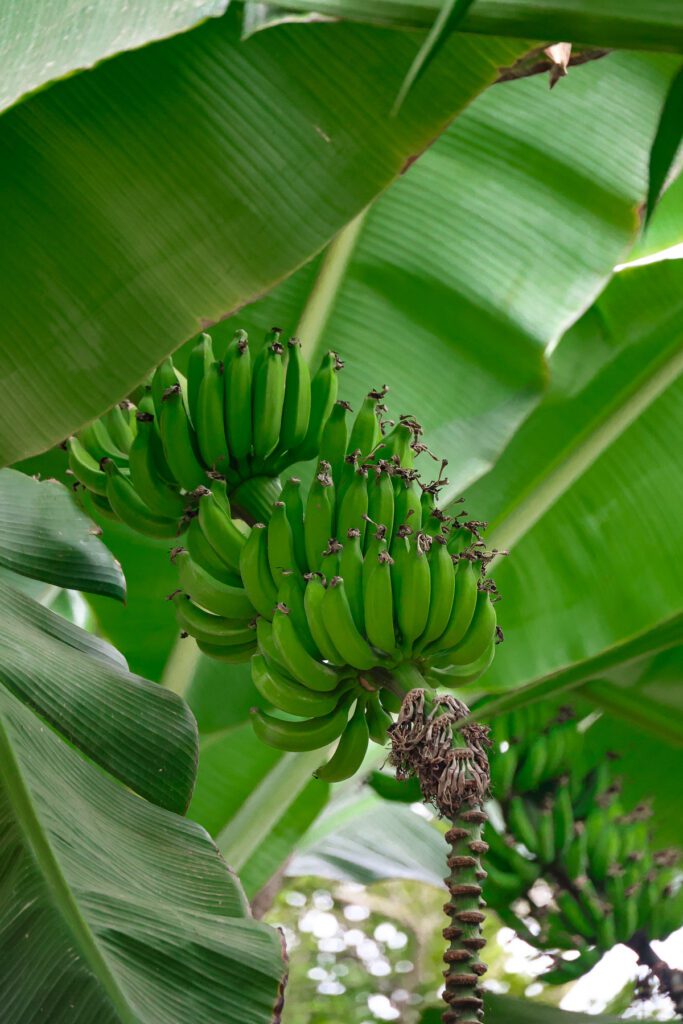
Observe Salé from the walls of the fortress, stroll along the small but blooming gardens, and try to find the eel in the eel pond there!




3.Hassan Tower
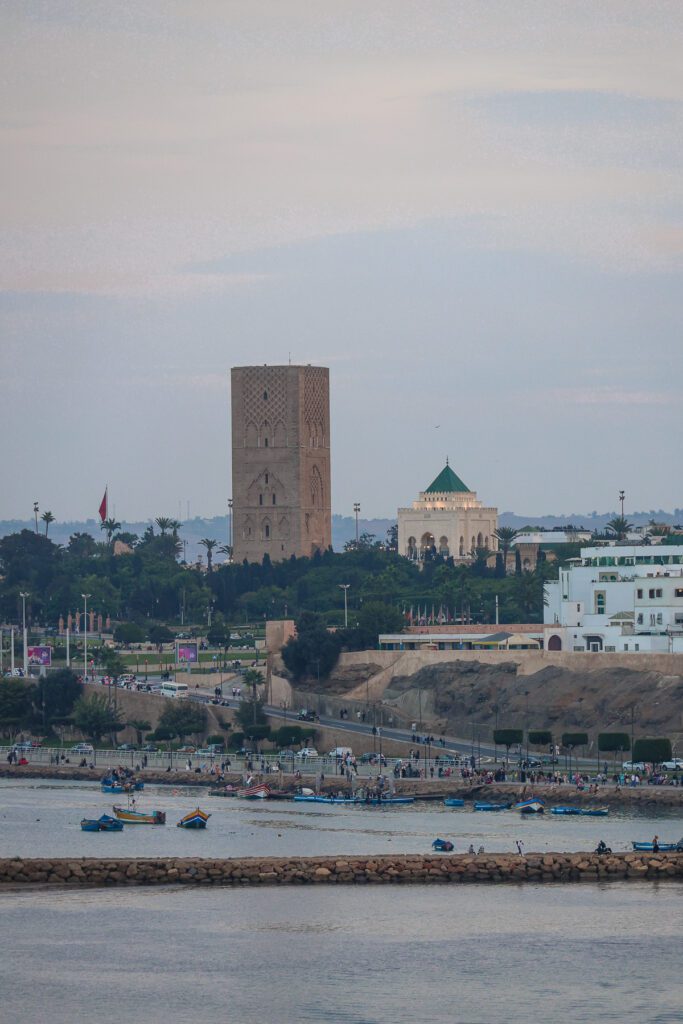
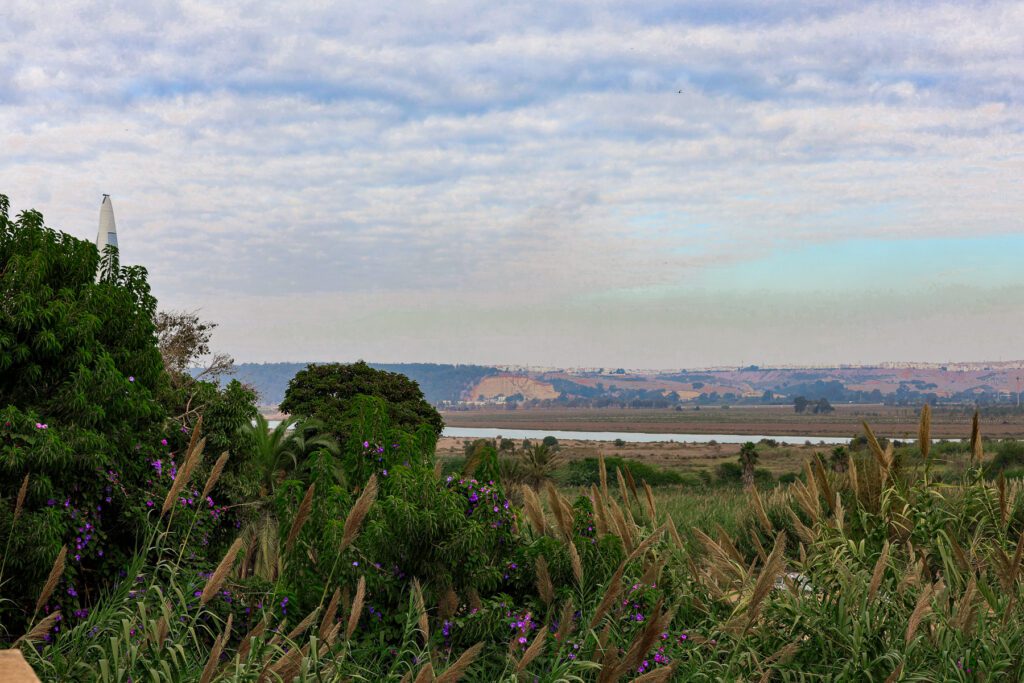
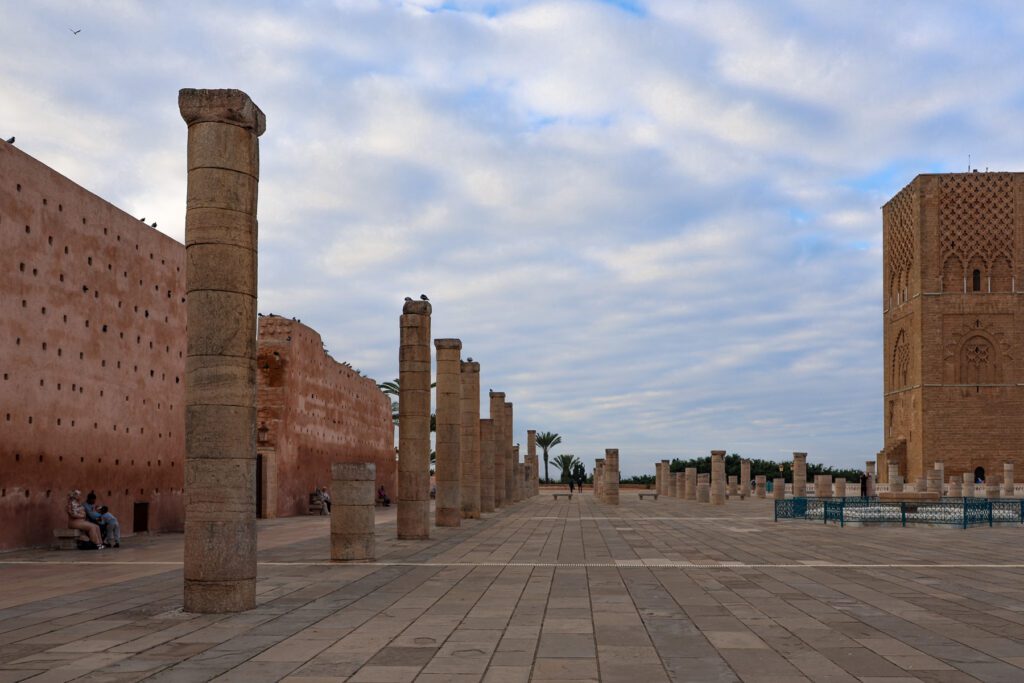
Hassan Tower is an iconic but unfinished landmark of the city: it sits on a large hill overlooking the Bouregreg River and Salé.


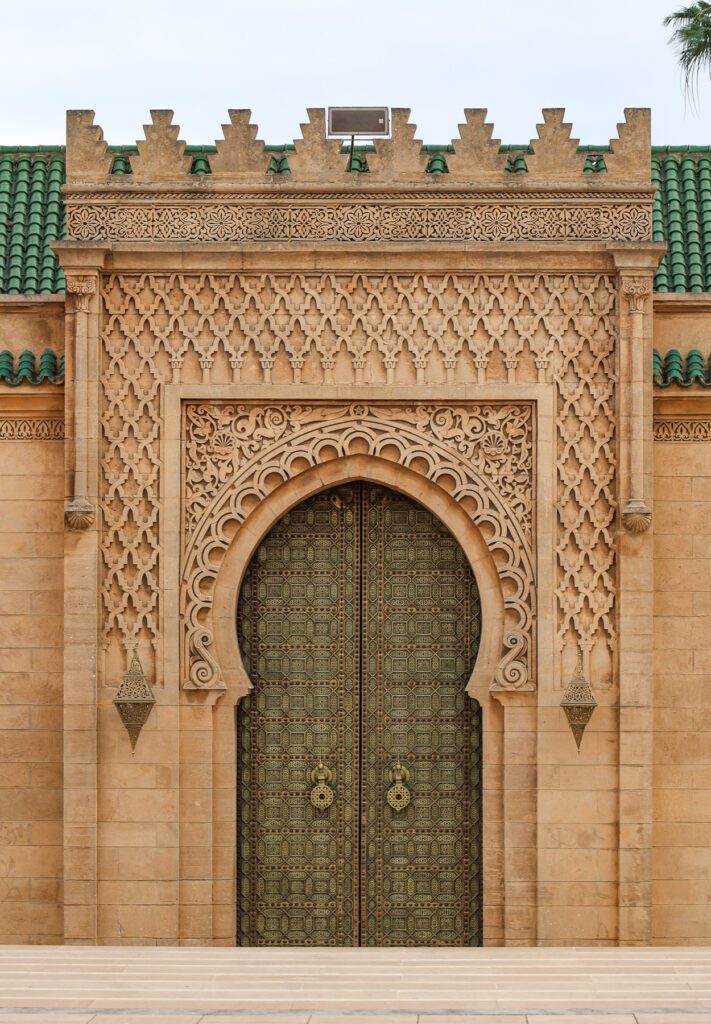

This rectangular tower was part of the mosque commissioned by Sultan Yaqub al-Mansour from the Almohad dynasty. He had an ambitious project that included a large minaret and a roofed prayer hall with hundreds of Roman columns – eventually, this would have been the largest mosque in the world. Sadly, the sultan died, and the project was never finished: the tower reached 46.5 meters, which is about half of the originally planned height.

4.Mausoleum of Mohamed V
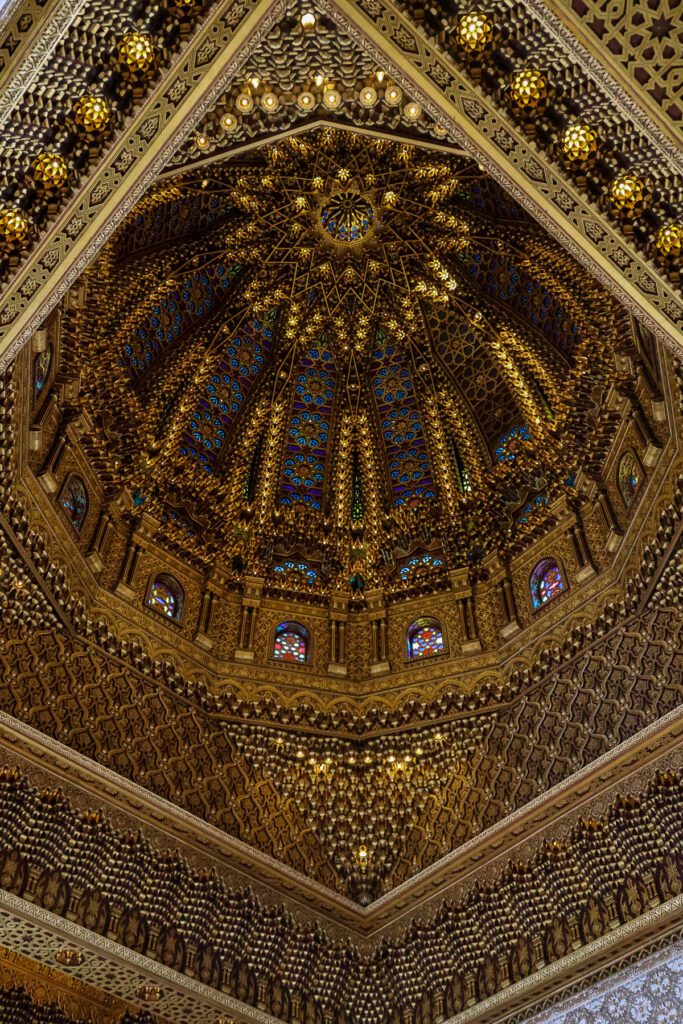
The Mausoleum of Mohamed V, together with the museum (closed to the public), were recent additions to the same area where Hassan Tower is located; it dates to 1961.
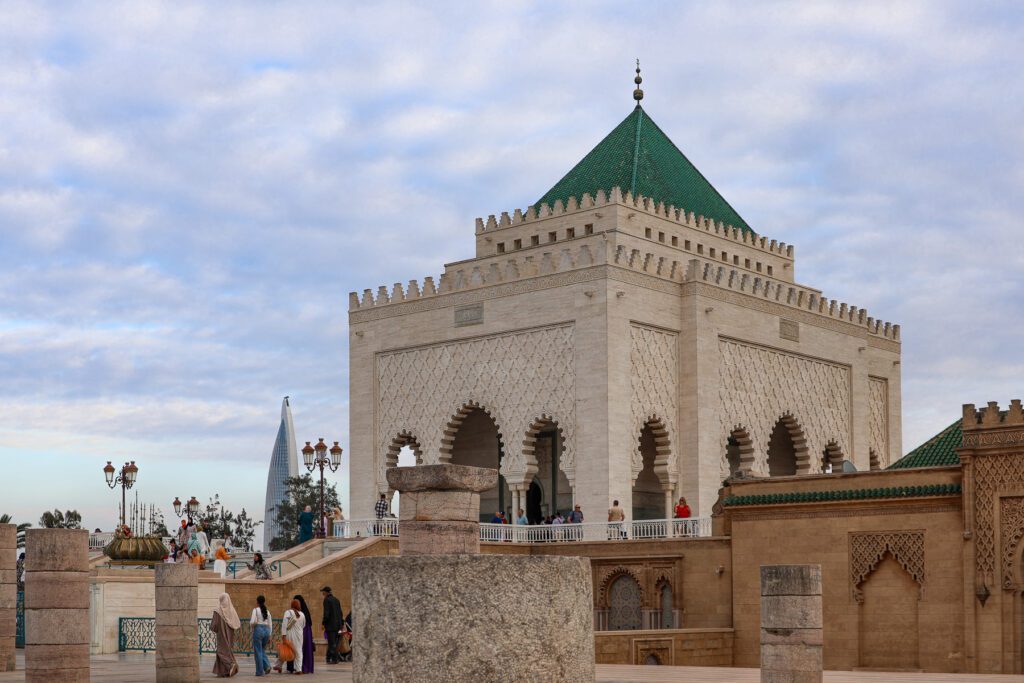
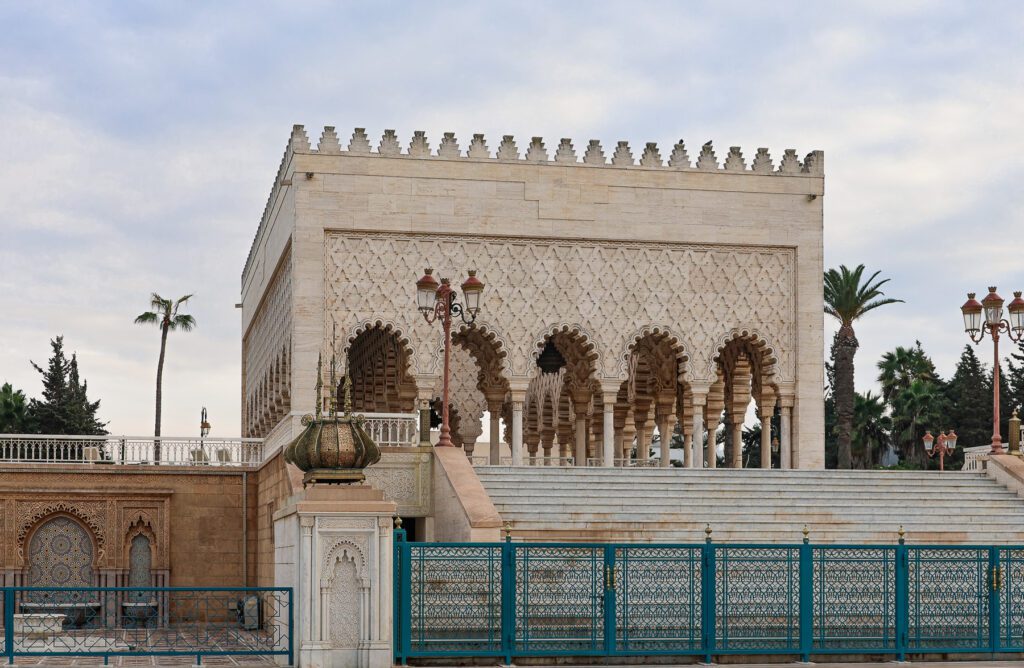
This project, featuring a decorated rectangular building under a green tiled roof, is a masterpiece of Vietnamese architect Cong Vo Toan and is declared a UNESCO site along with other sites of Rabat. Initially, King Mohamed V was buried here after his death, and later, the tombs of Prince Moulay Abdullah and King Hassan II were added as well.
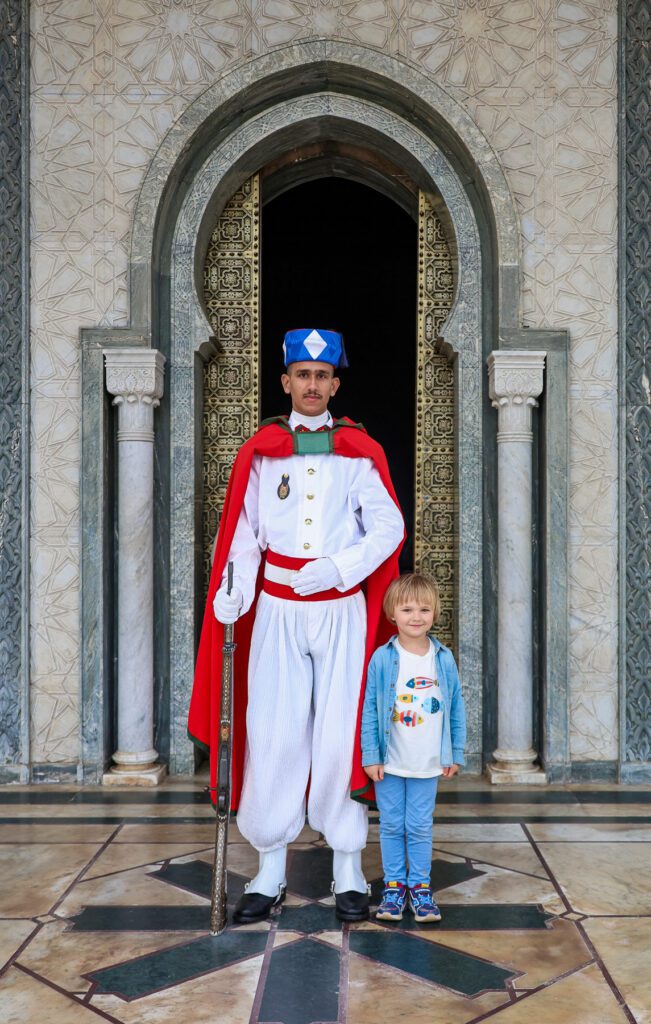


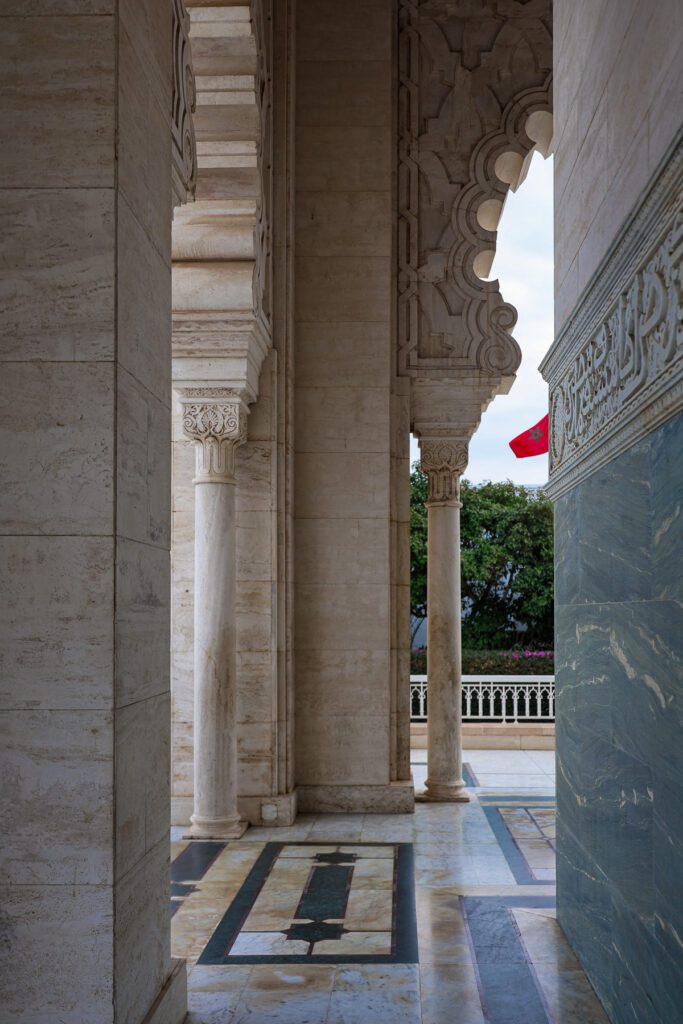


Now it’s a majestic, dignified monument with royal guards standing on all four sides of it.

5.Kasbah of the Udayas
The Kasbah of the Udayas, sitting on a hill above the Atlantic coast, is a must-visit in Rabat.

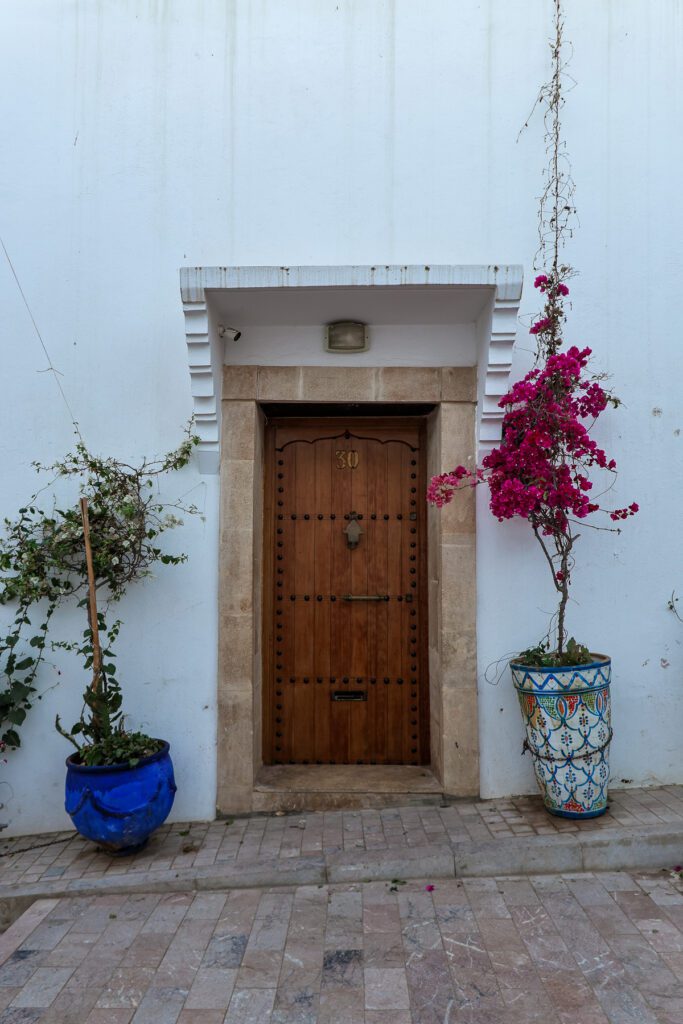


Right by the Bab Lakbir gate entrance to the Kasbah, you can spot the remnants of the Almoravid fortress dating to the mid-12th century, but there’s a possibility that an older fort stood there since the 10th century.
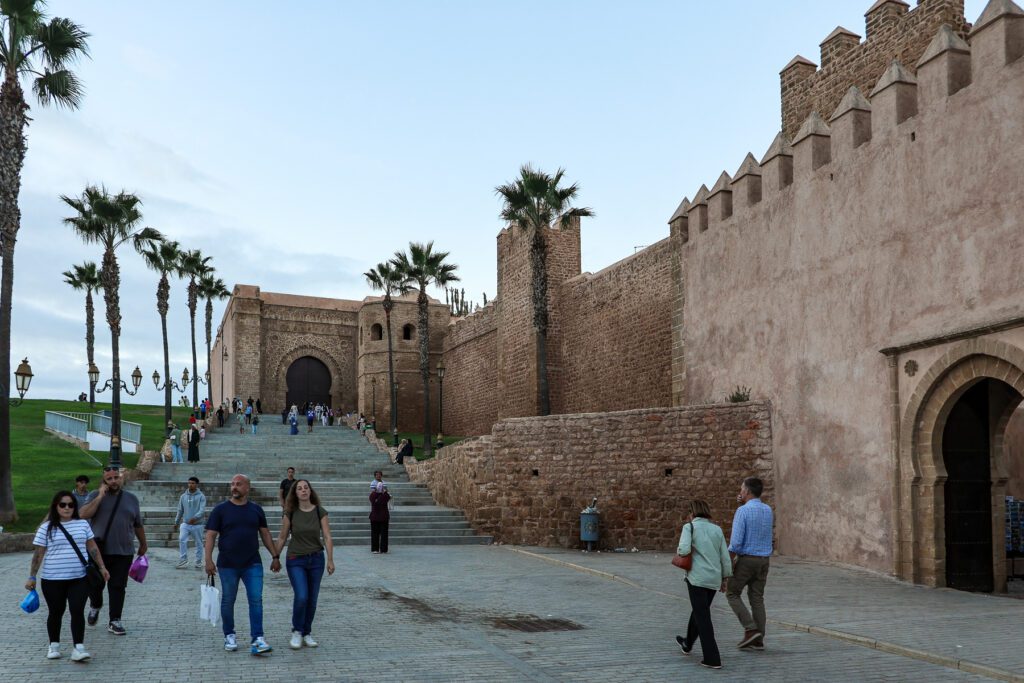
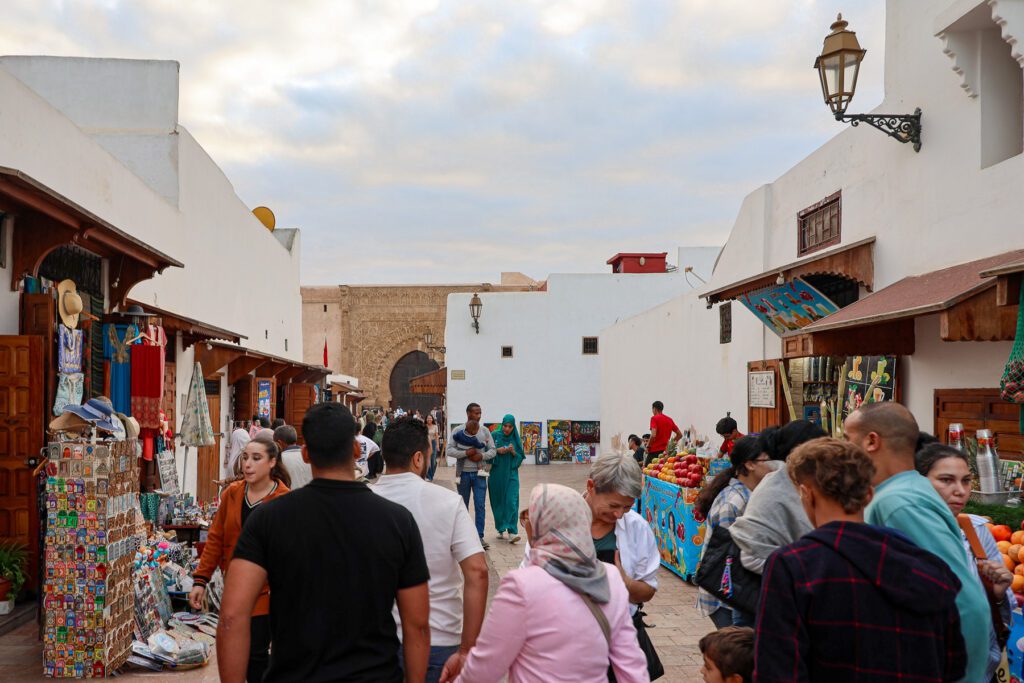


This citadel within the high walls is really unique: once, it became the very center of a democratic pirate state! The ‘Salé Rovers,’ the Moors expelled from Spain in the 17th century, who terrorised the Mediterranean and Atlantic seas, had their base here.


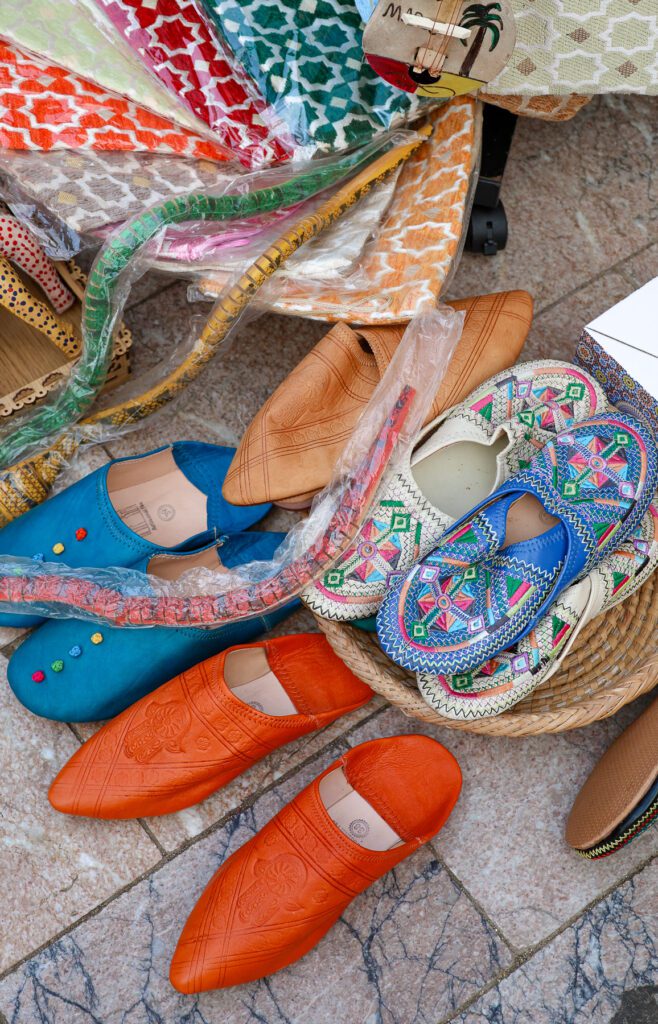
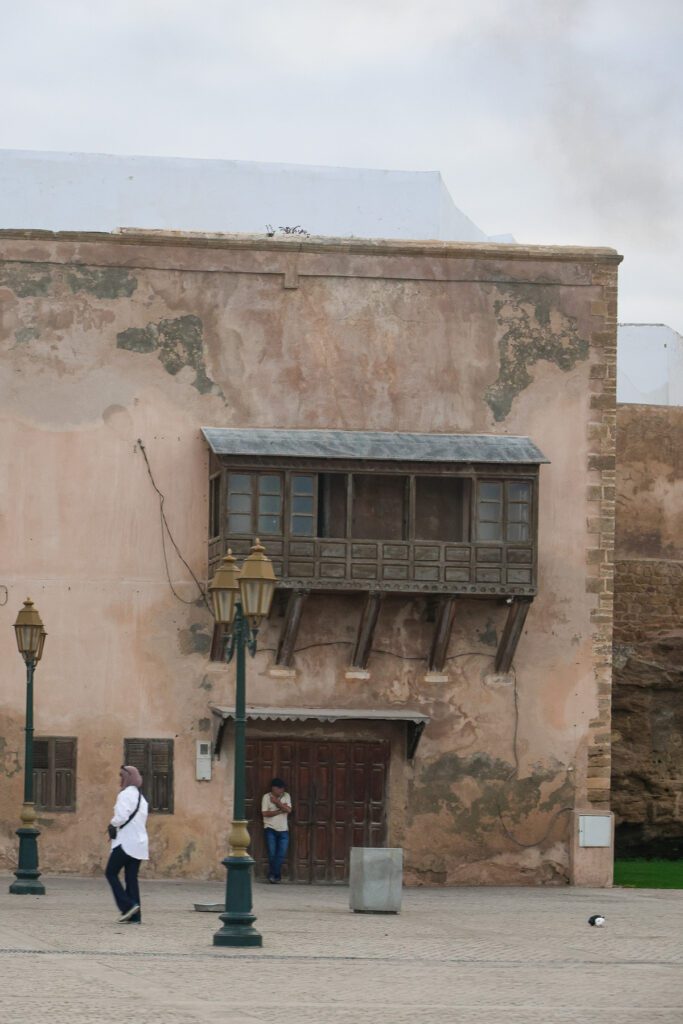
The Kasbah is not big but it still has the unique vibe of a Moroccan souk, with the white buildings and brightly coloured doors, it’s a good photogenic spot as well. And yes, the historical mightly walls enclosing it are really impressive!


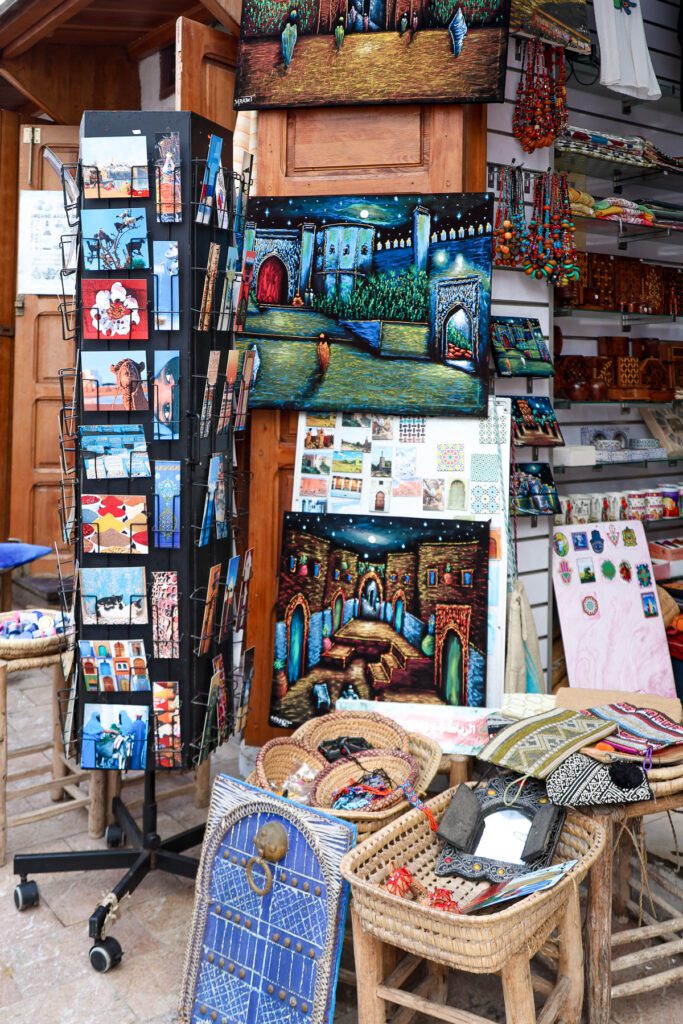


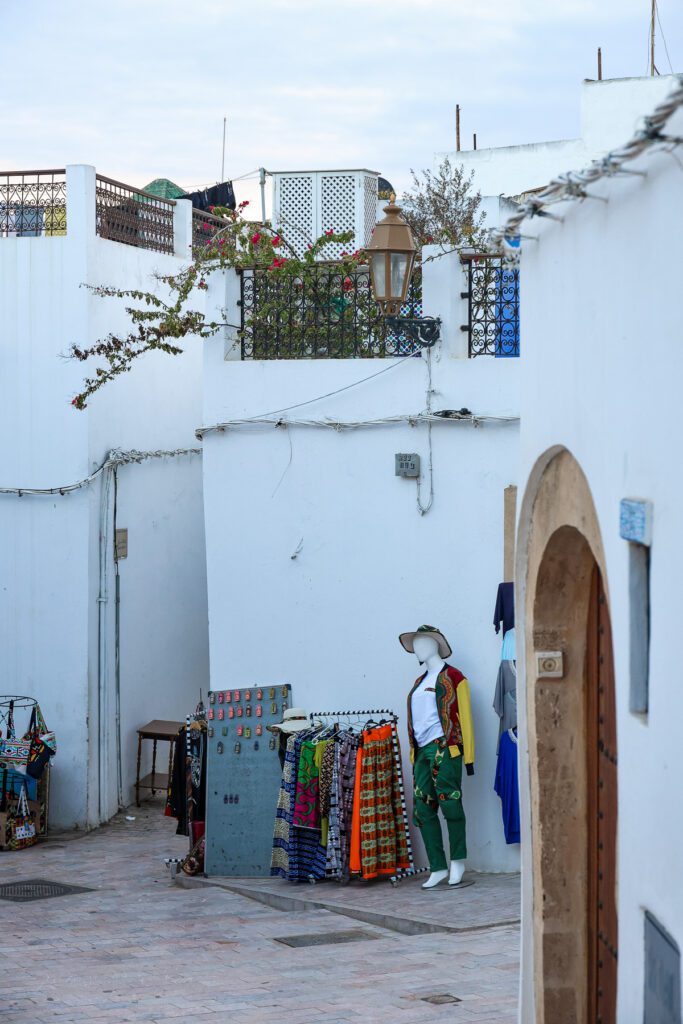
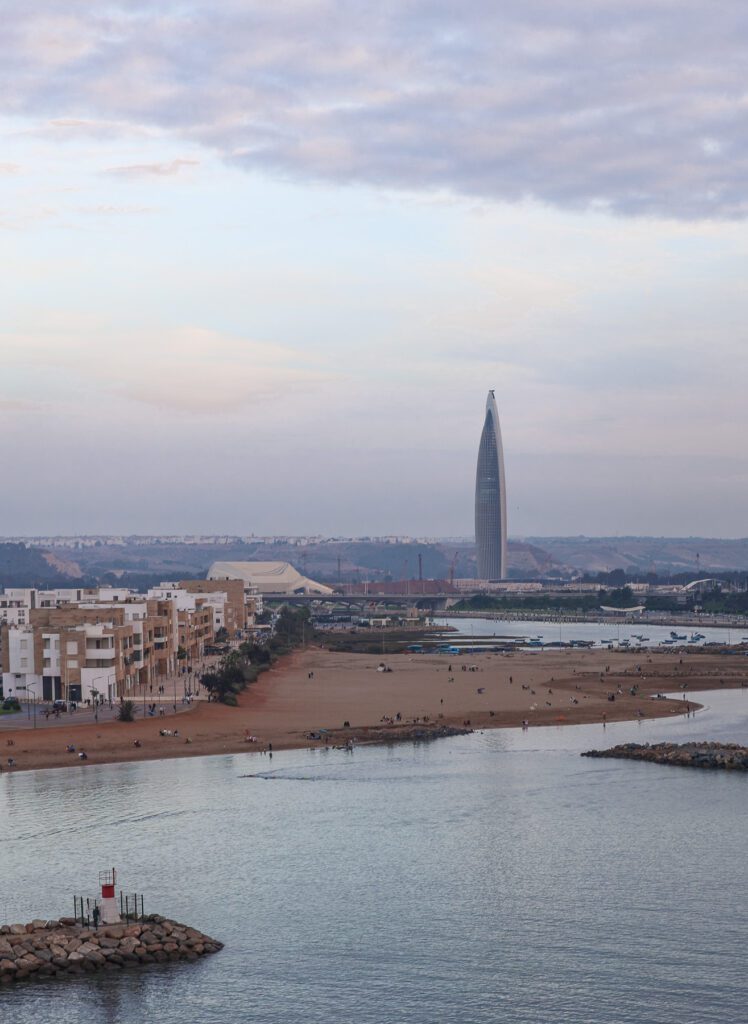
You can enjoy a relaxed stroll there and the majestic views over the ocean: the shops and cafes there have an unusually calm vibe compared to the hectic atmosphere of similar places in other cities.

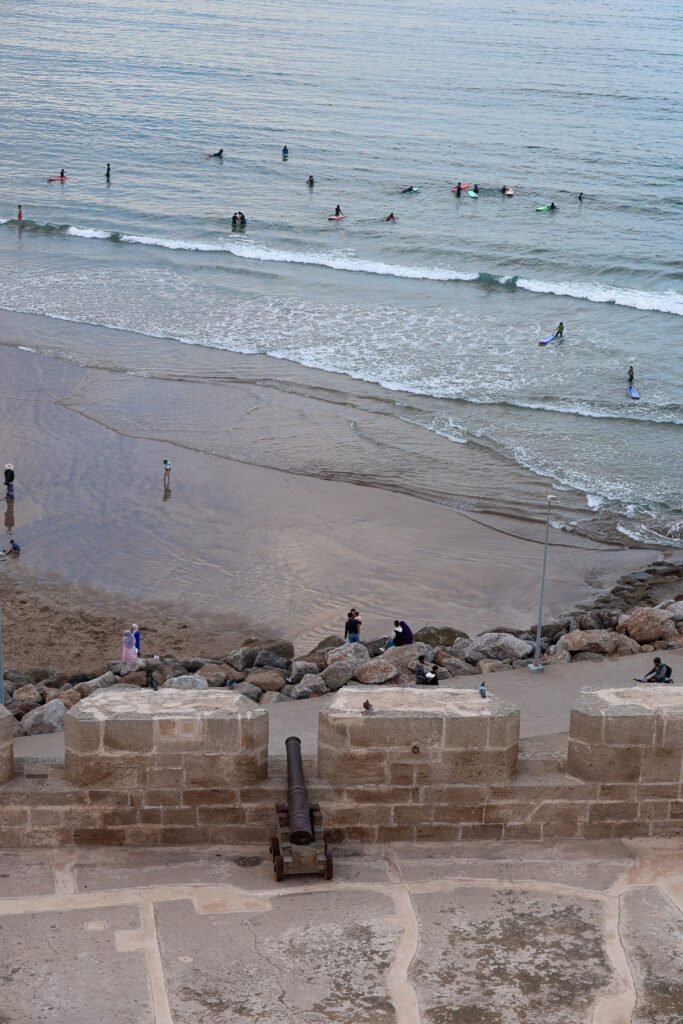

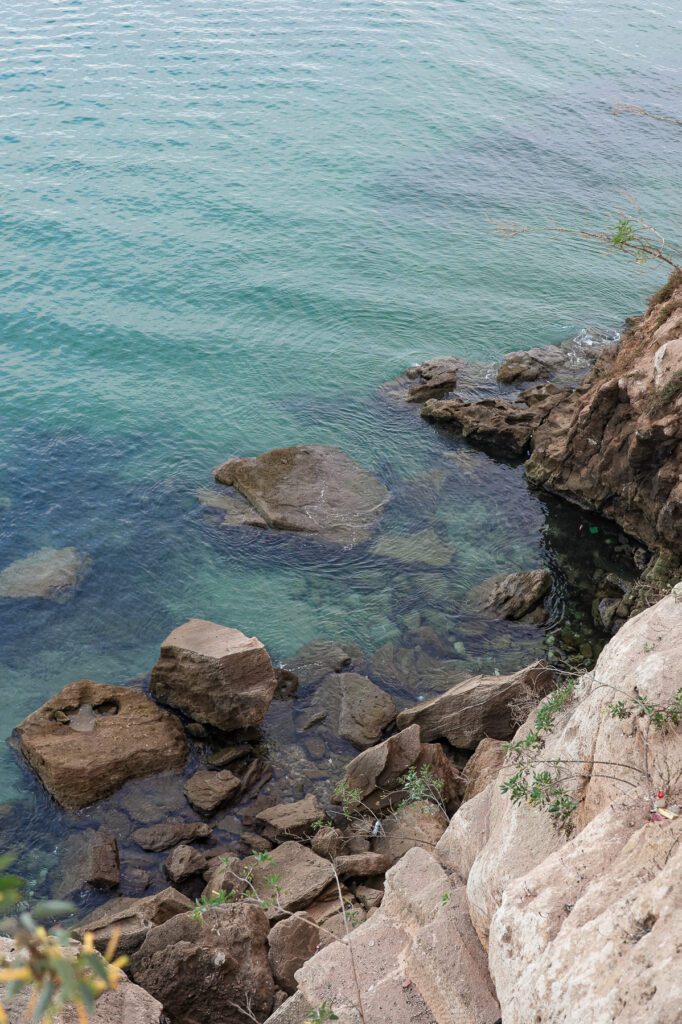

There’s also an Andalusian garden created by the French within the citadel premises.
6. Modern Landmarks
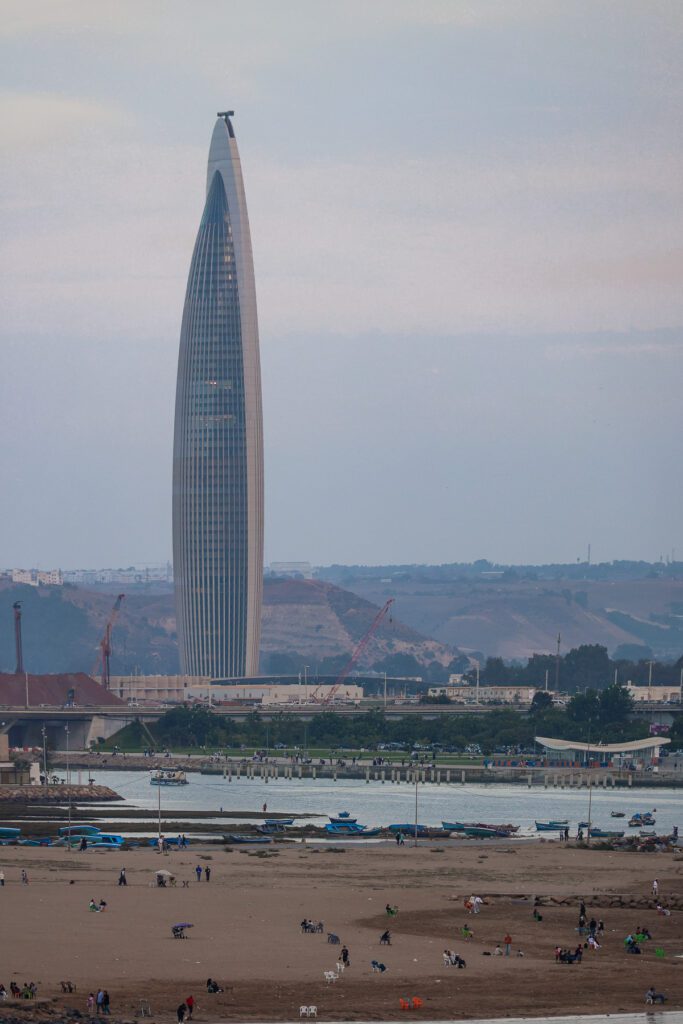
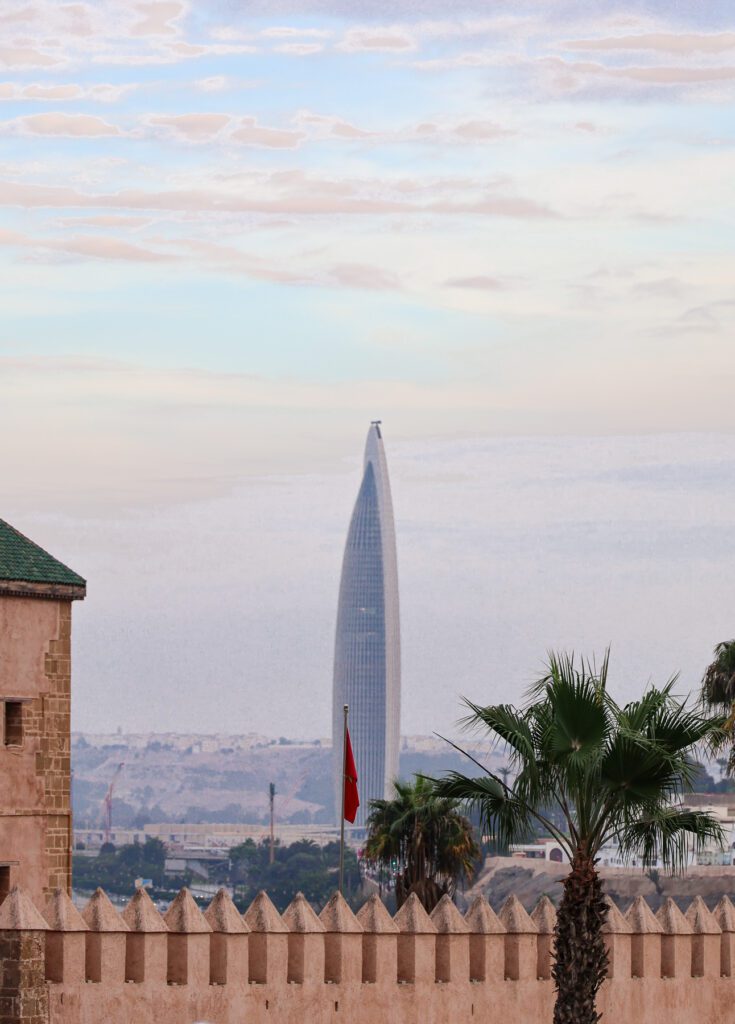
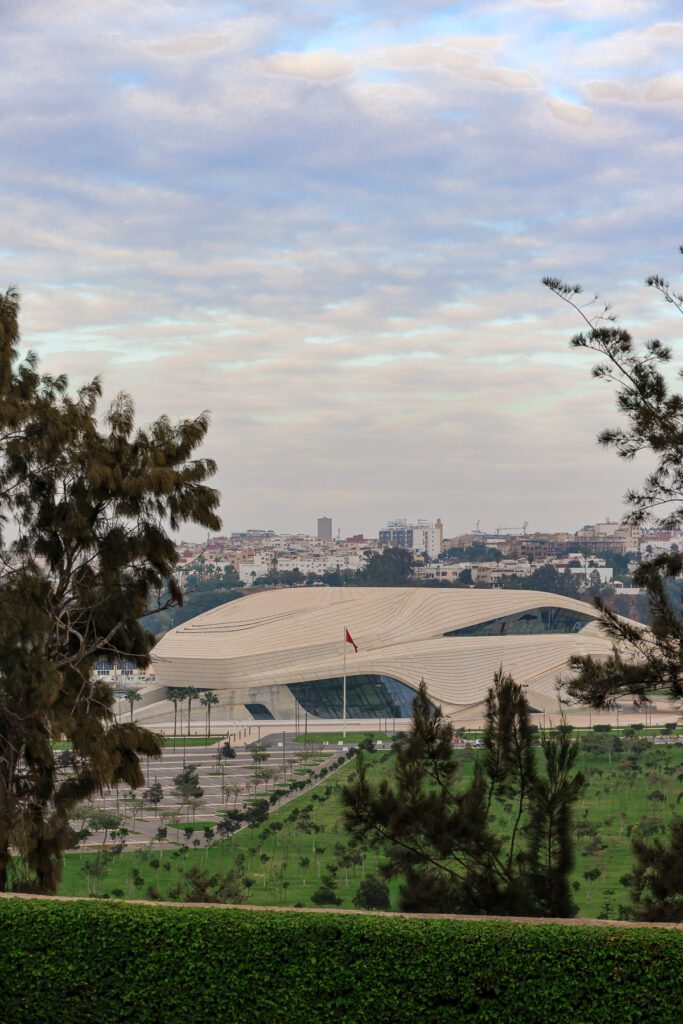
Rabat is a city where you can admire the best of modern architecture as well!

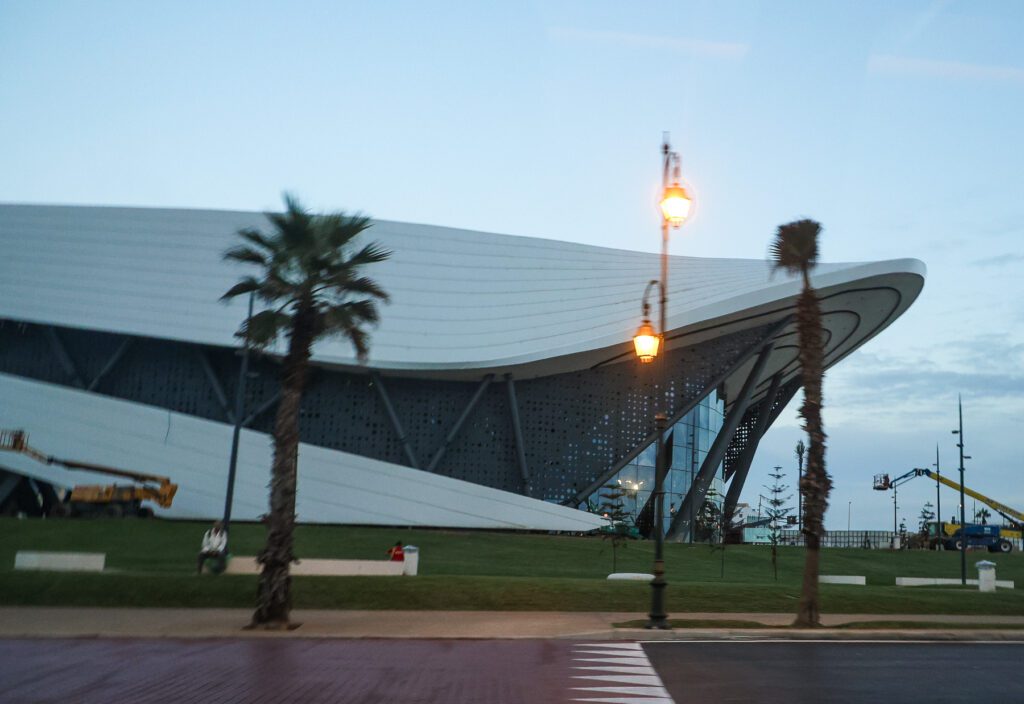
Observe the modern buildings of Rabat too, such as the 250-meter-high Mohammed VI Tower and the Grand Theatre of Rabat, designed by Zaha Hadid.

7. Rabat Souks
If you’d like to add some more shopping to your list, you can walk through the Old Medina, which is located opposite the seaside promenade at the foot of the Kasbah: souvenirs, carpets, spices, etc., are waiting for you.


What else to see in Rabat?
You might also like to see St. Peter’s Cathedral of Rabat and Rabat Zoo if you have time, as well as a few museums such as the Villa des Arts, Rabat Archaeological Museum, and the Museum of Mohammed V of Modern and Contemporary Art.



Read more blogs about Morocco!
Hope you liked my blog,
Yours,
Anna xxx