Kochi is one of four prefectures of Shikoku, the smallest of Japan’s four main islands.

It’s famous for its stunning coastal views, as the birthplace of samurai Sakamoto Ryoma, for the vibrant ‘Niyodo Blue’ river waters, and for its rich yuzu harvest.

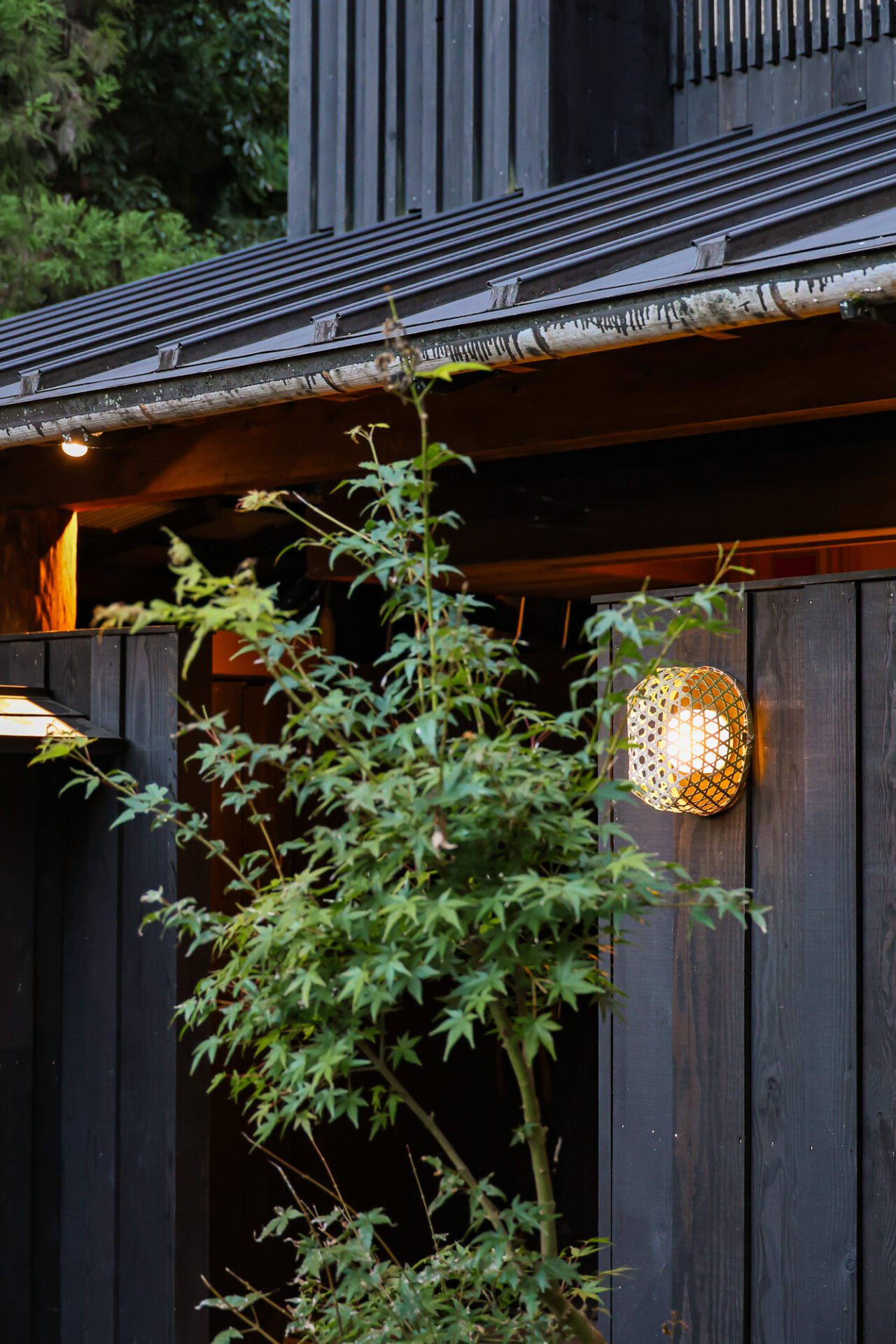
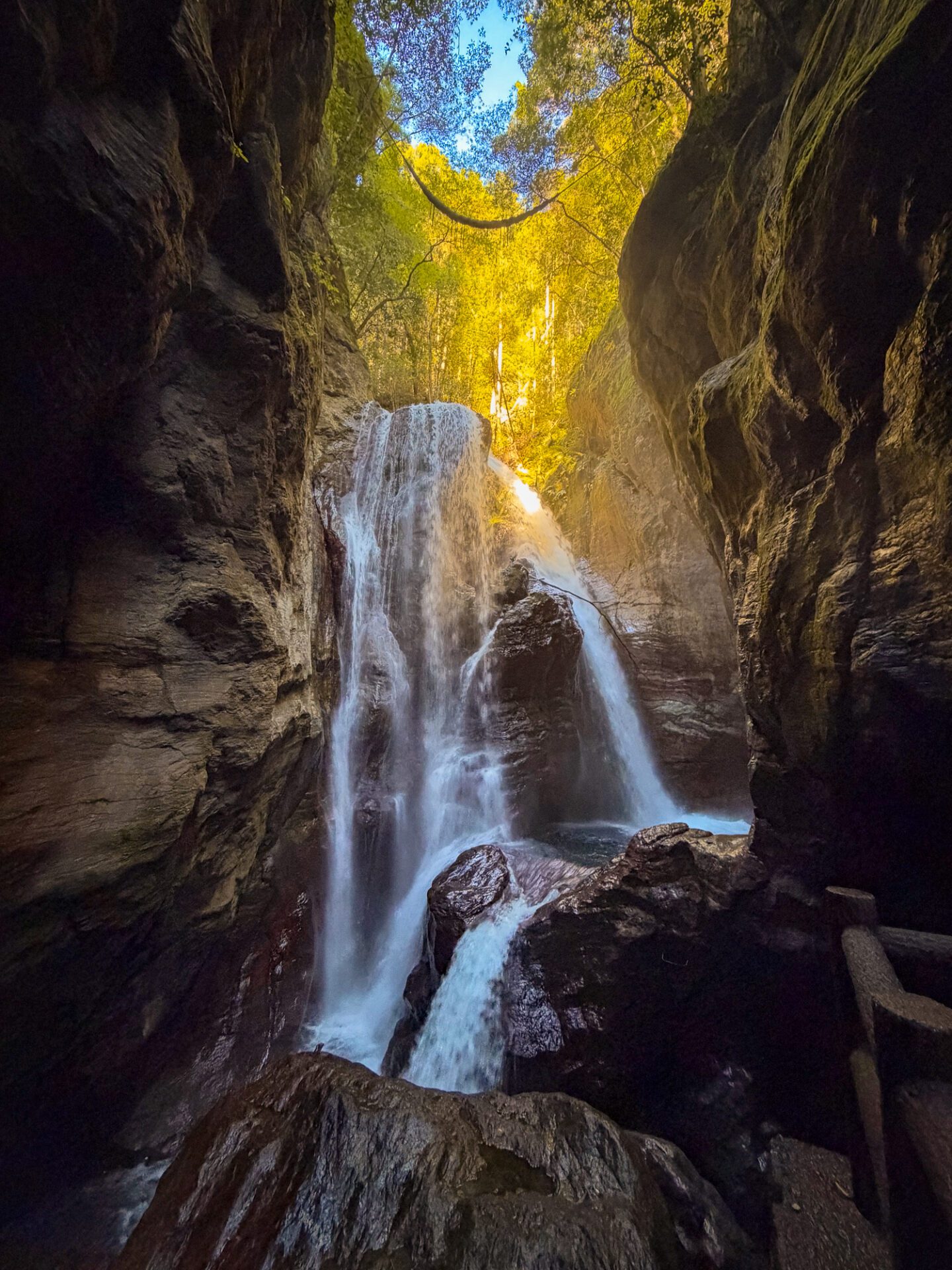
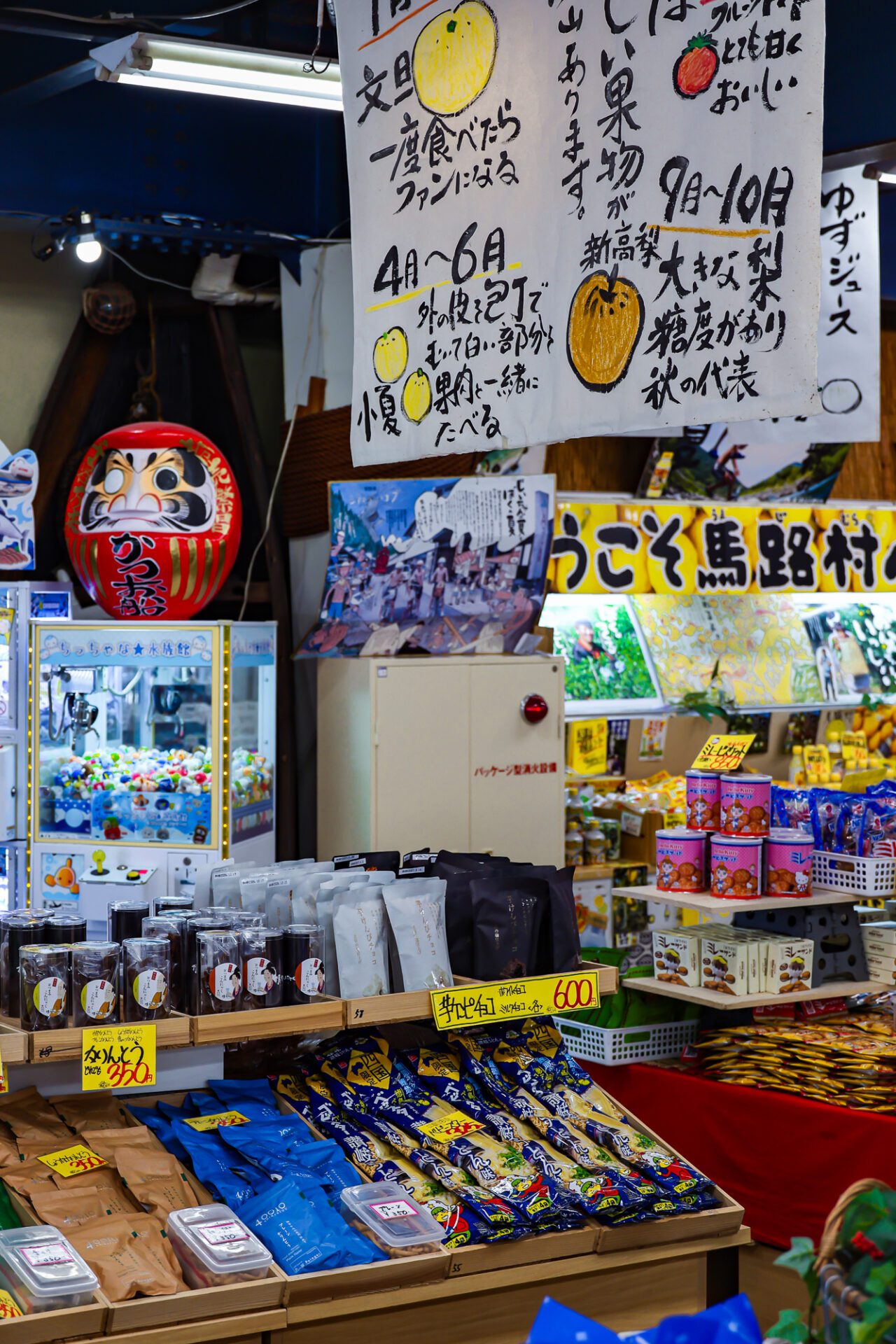
Visit Kochi to experience an authentic less visited side of Japan with a few packed days of exploring the prefecture! Scroll down to discover more.
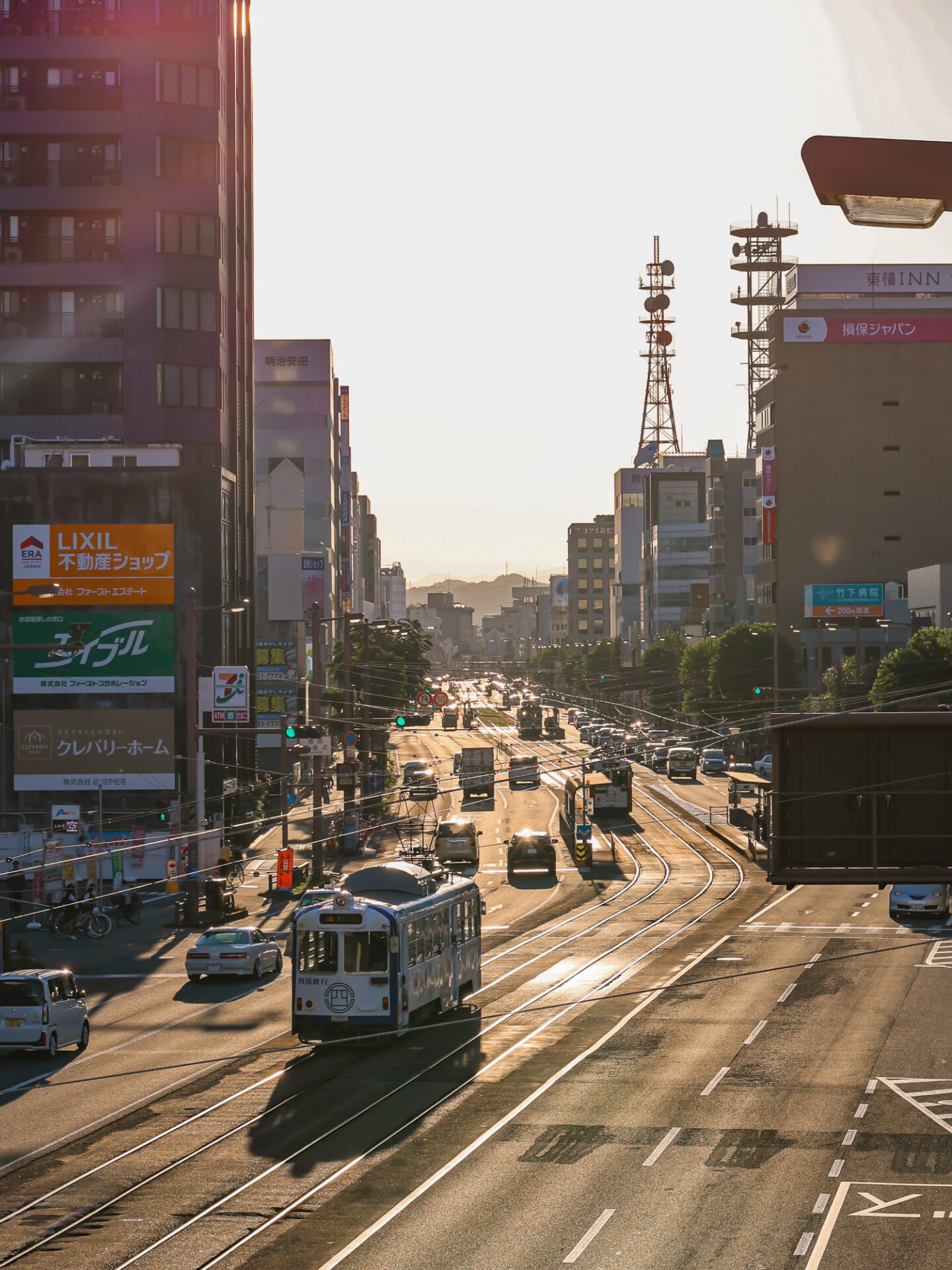
Disclaimer: this trip was supported by the JNTO UK office.
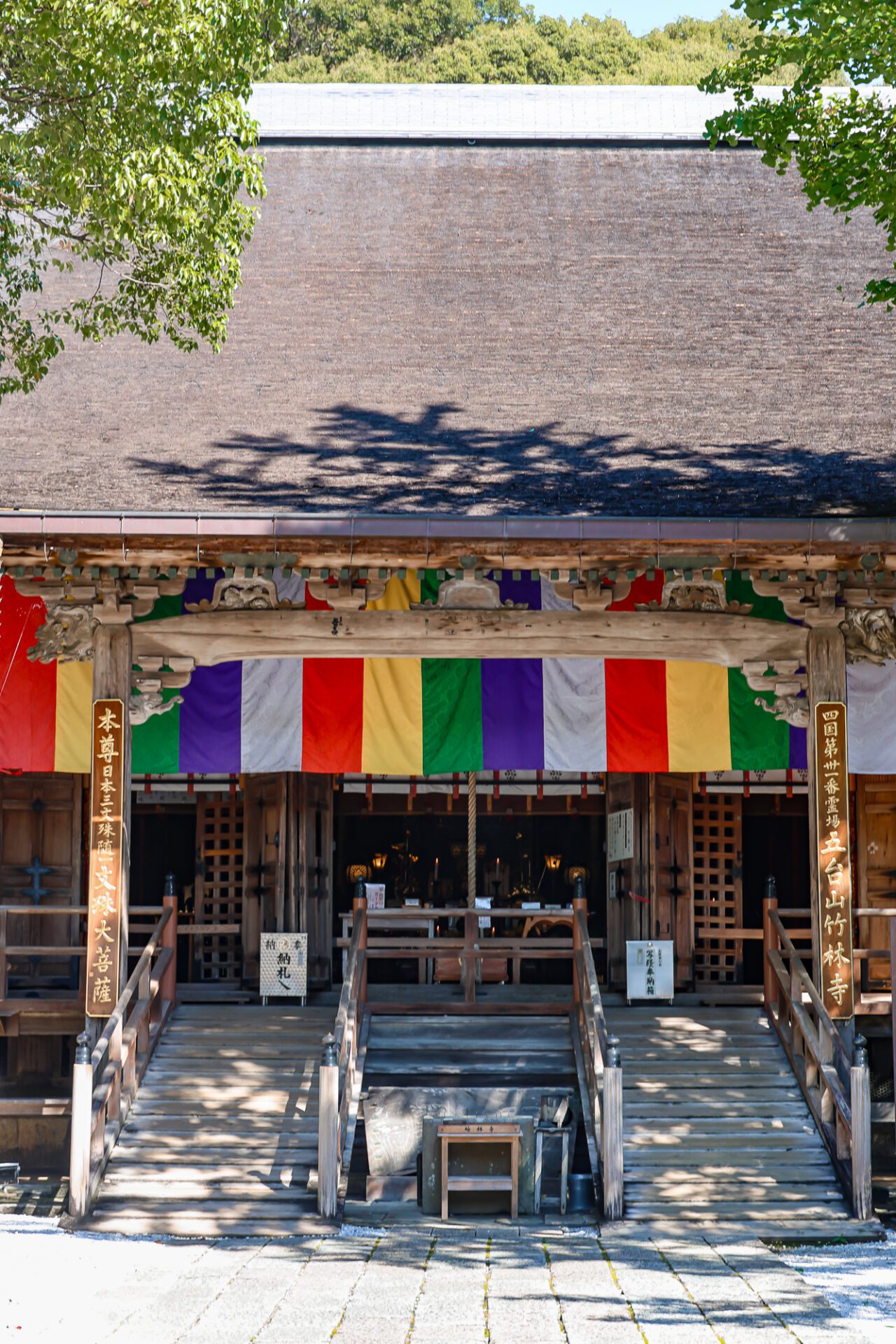
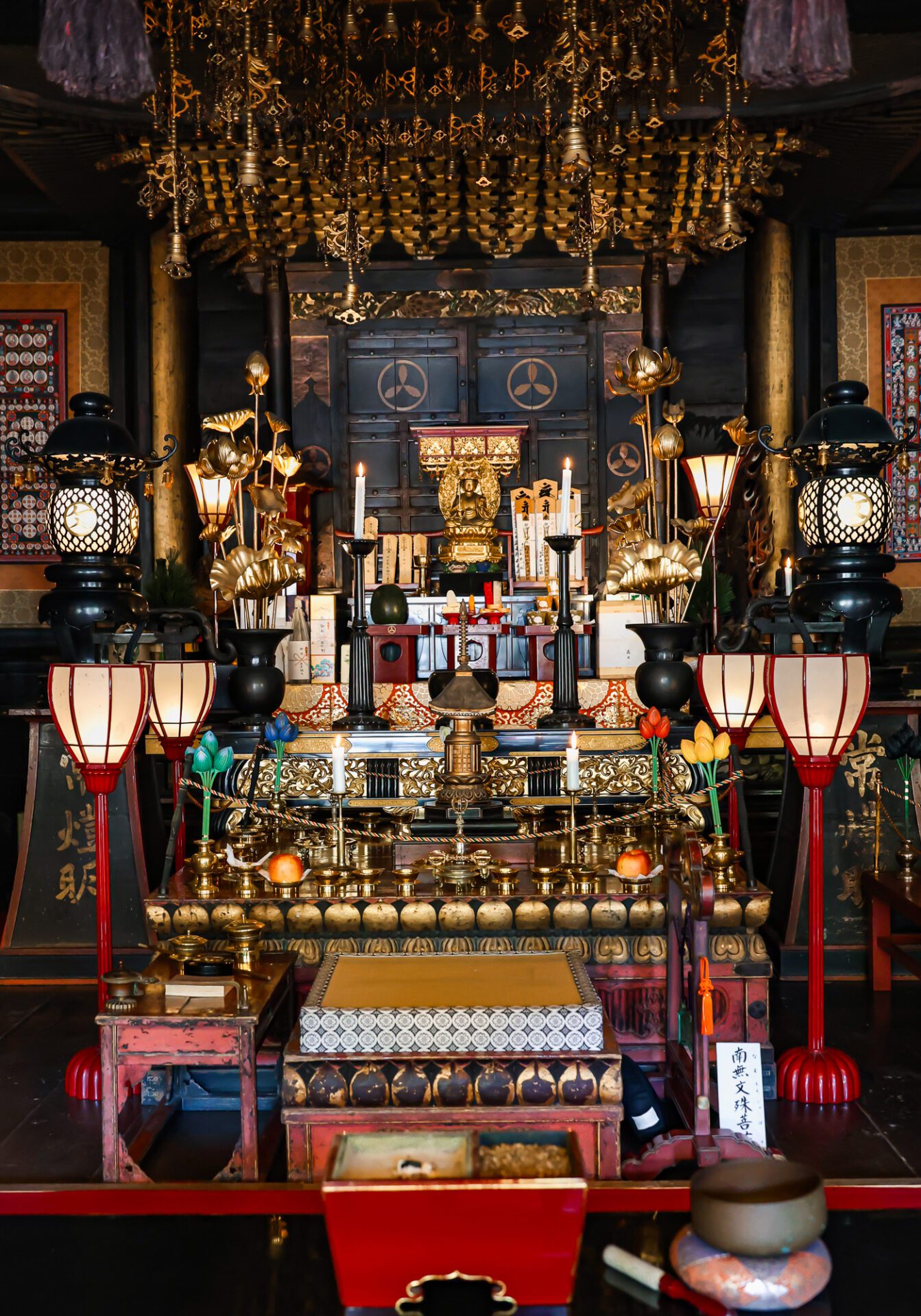
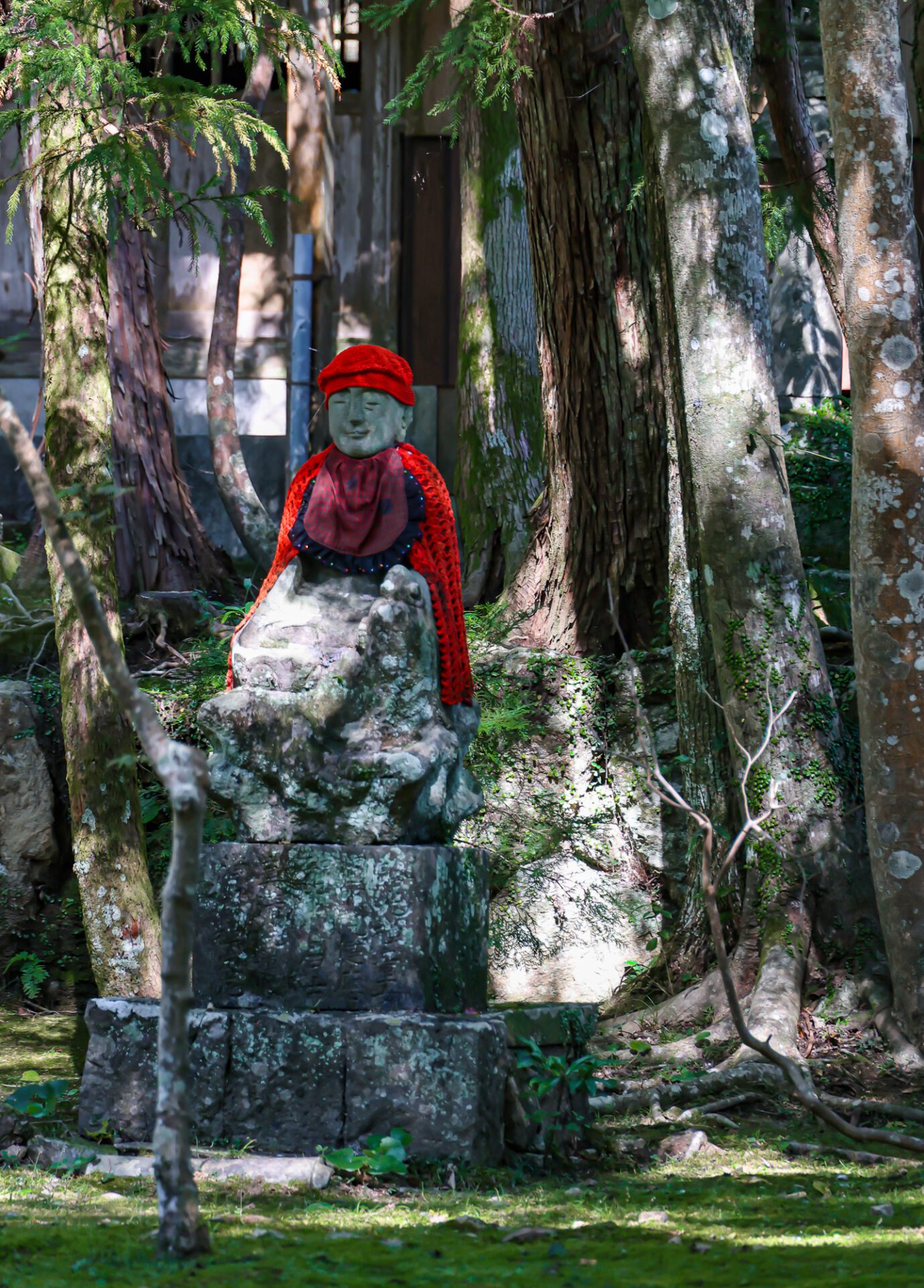
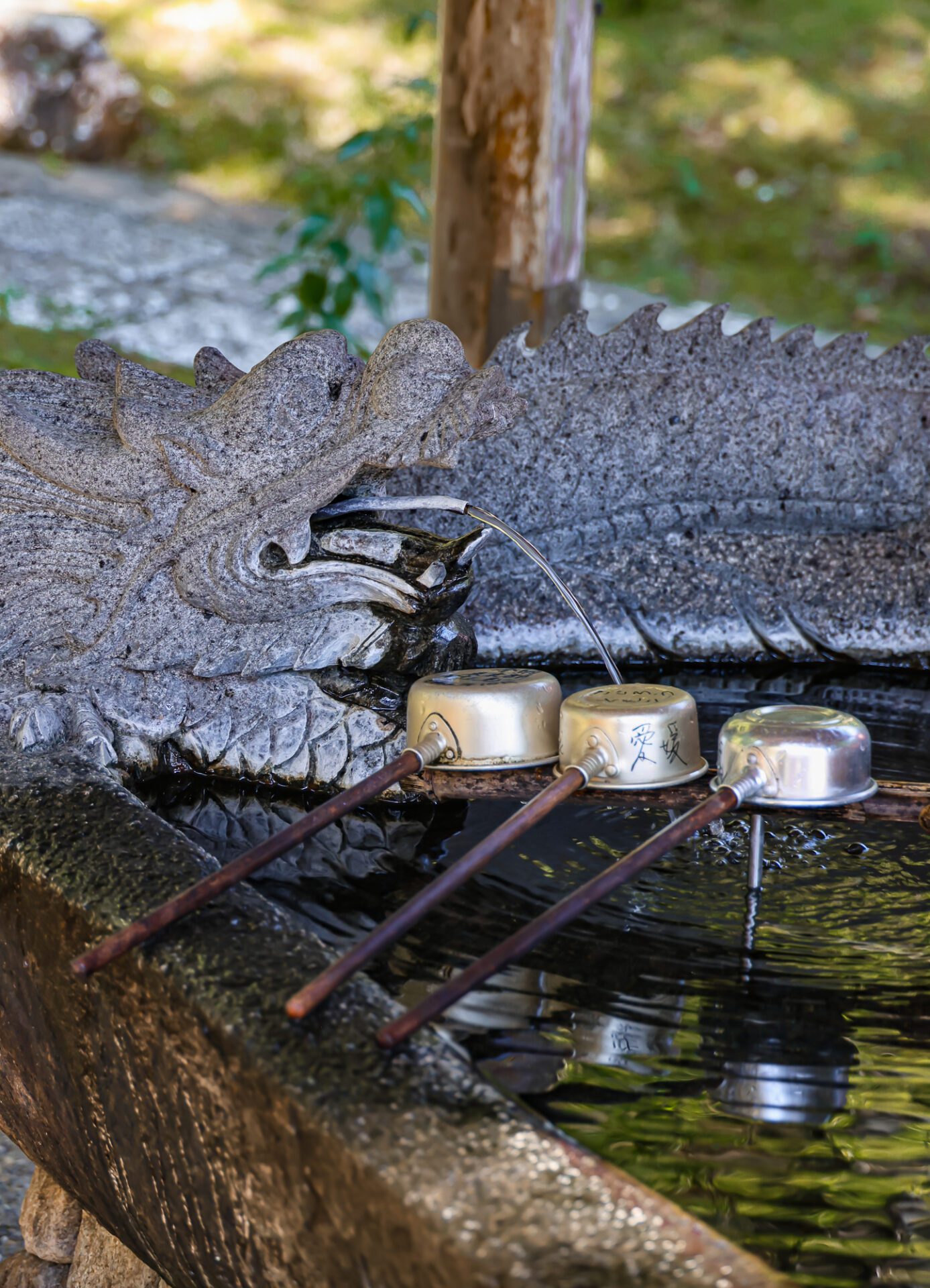
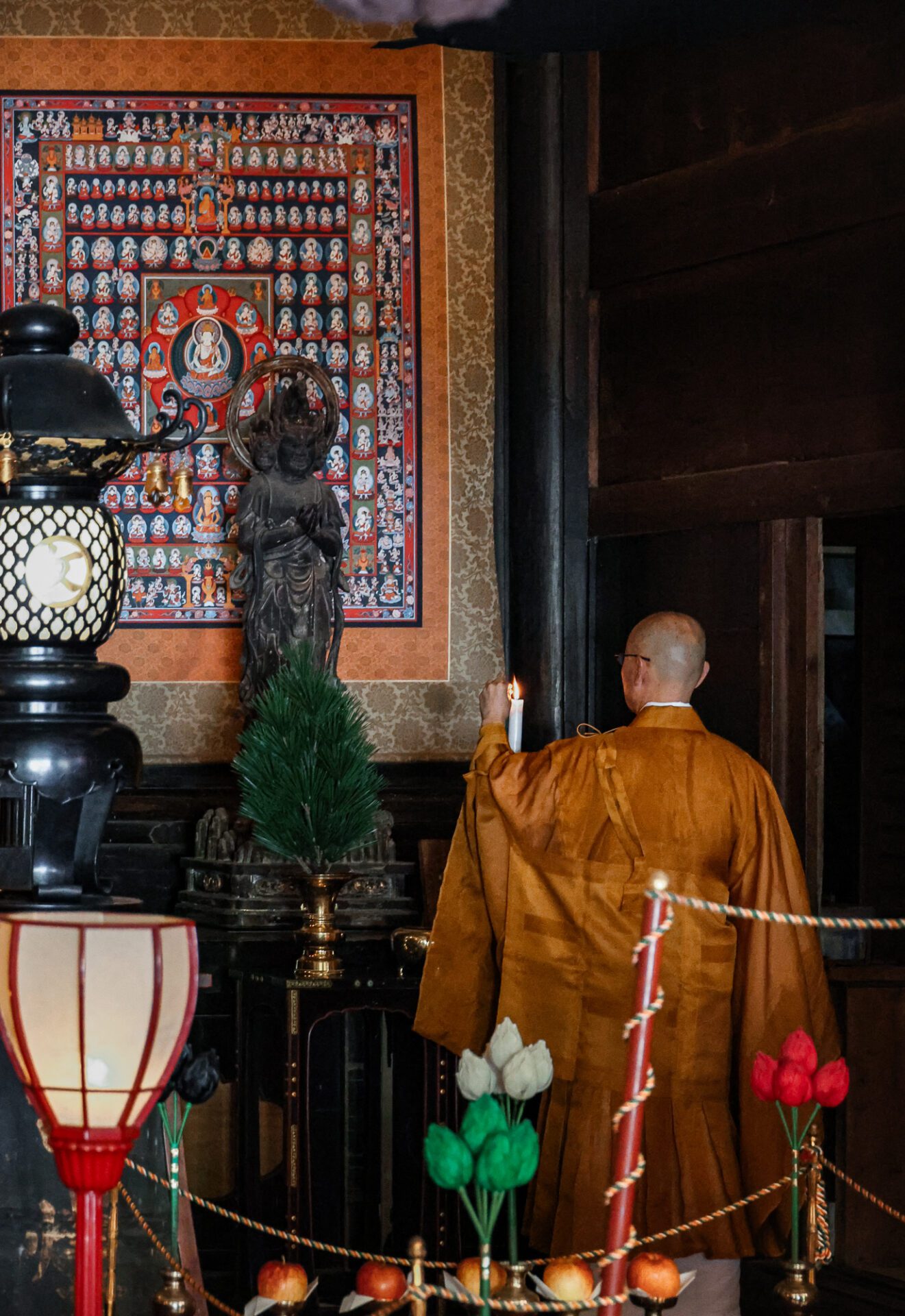
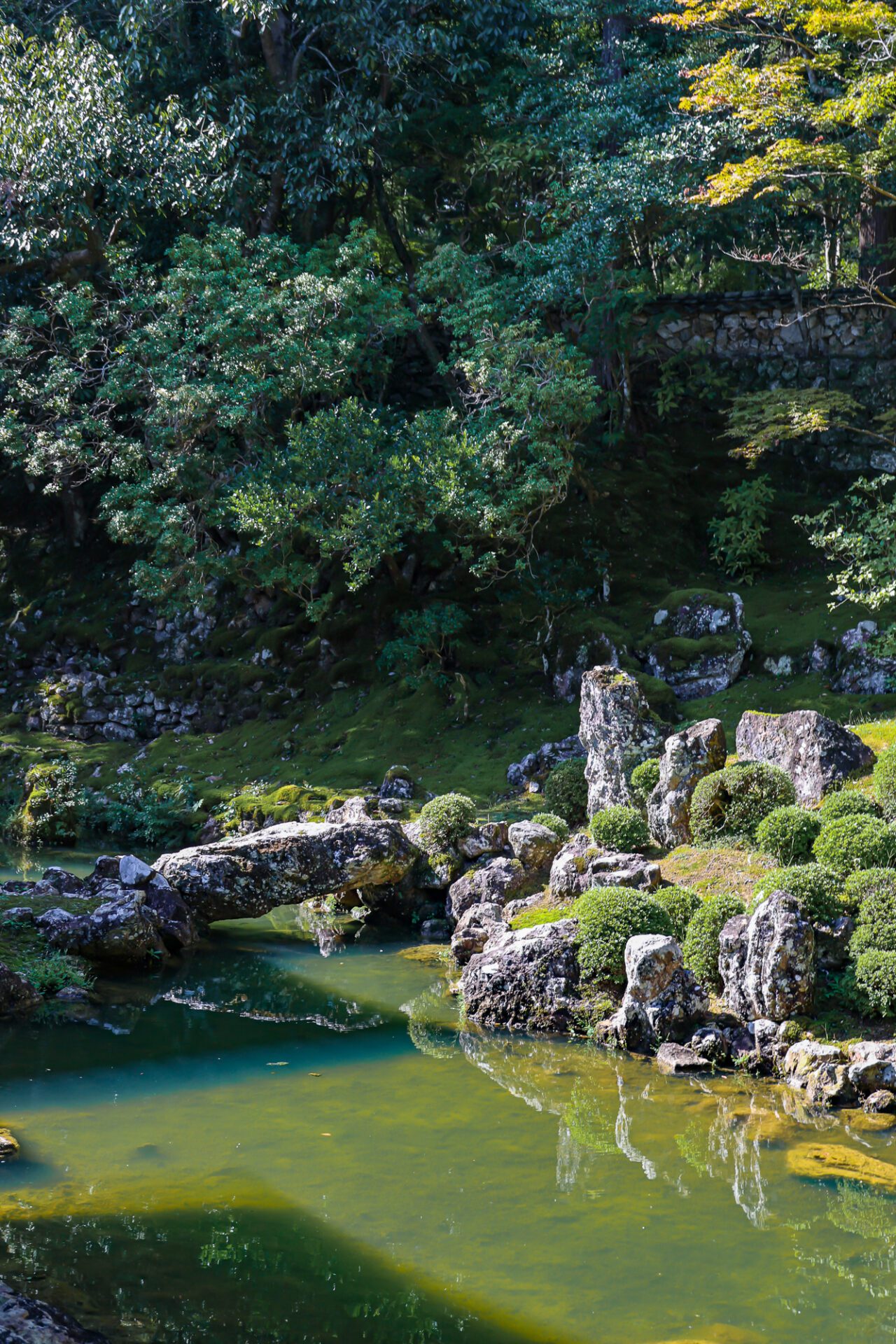
1. Learn about Shikoku pilgrimage at the Chikurin-ji Temple
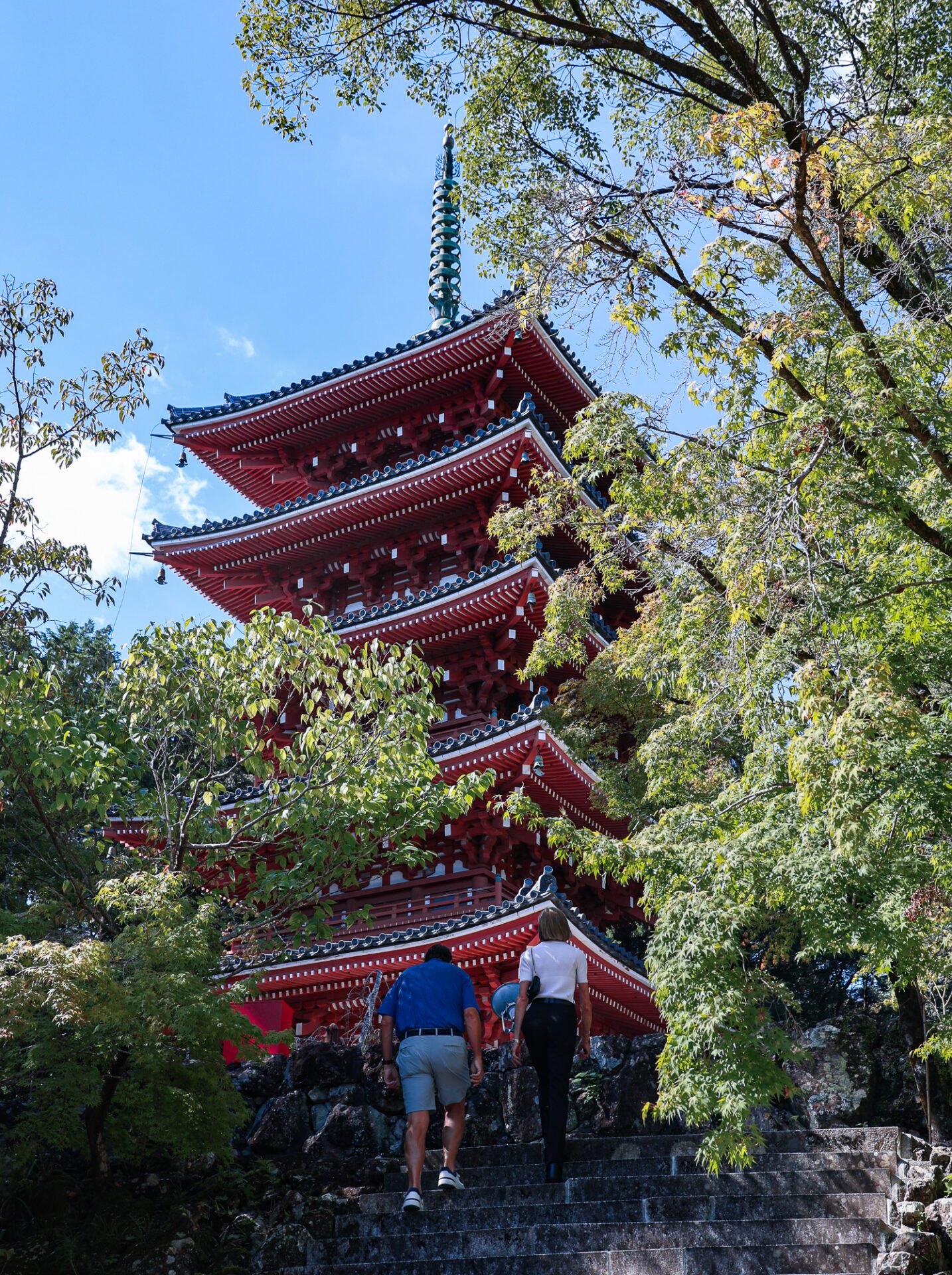
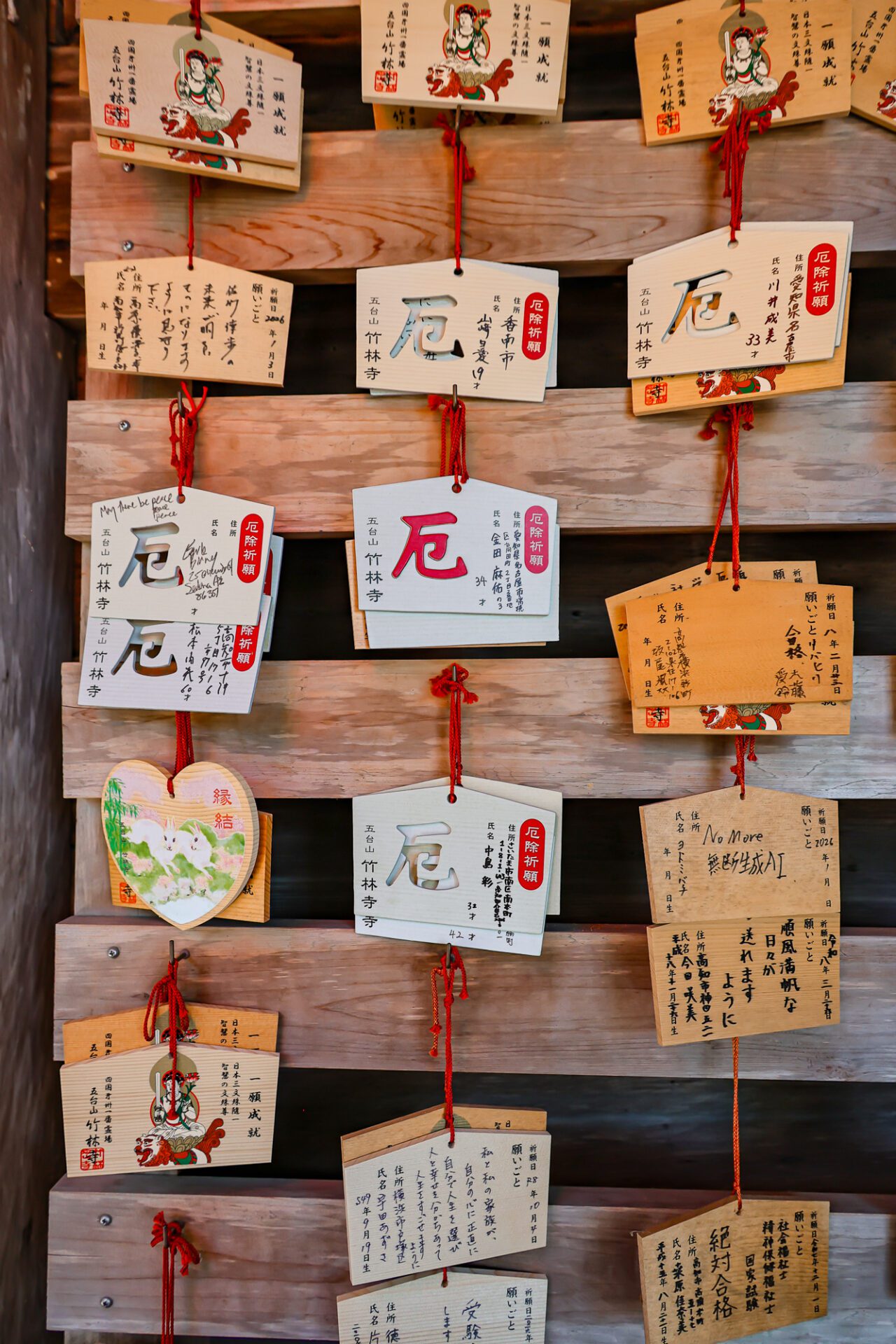
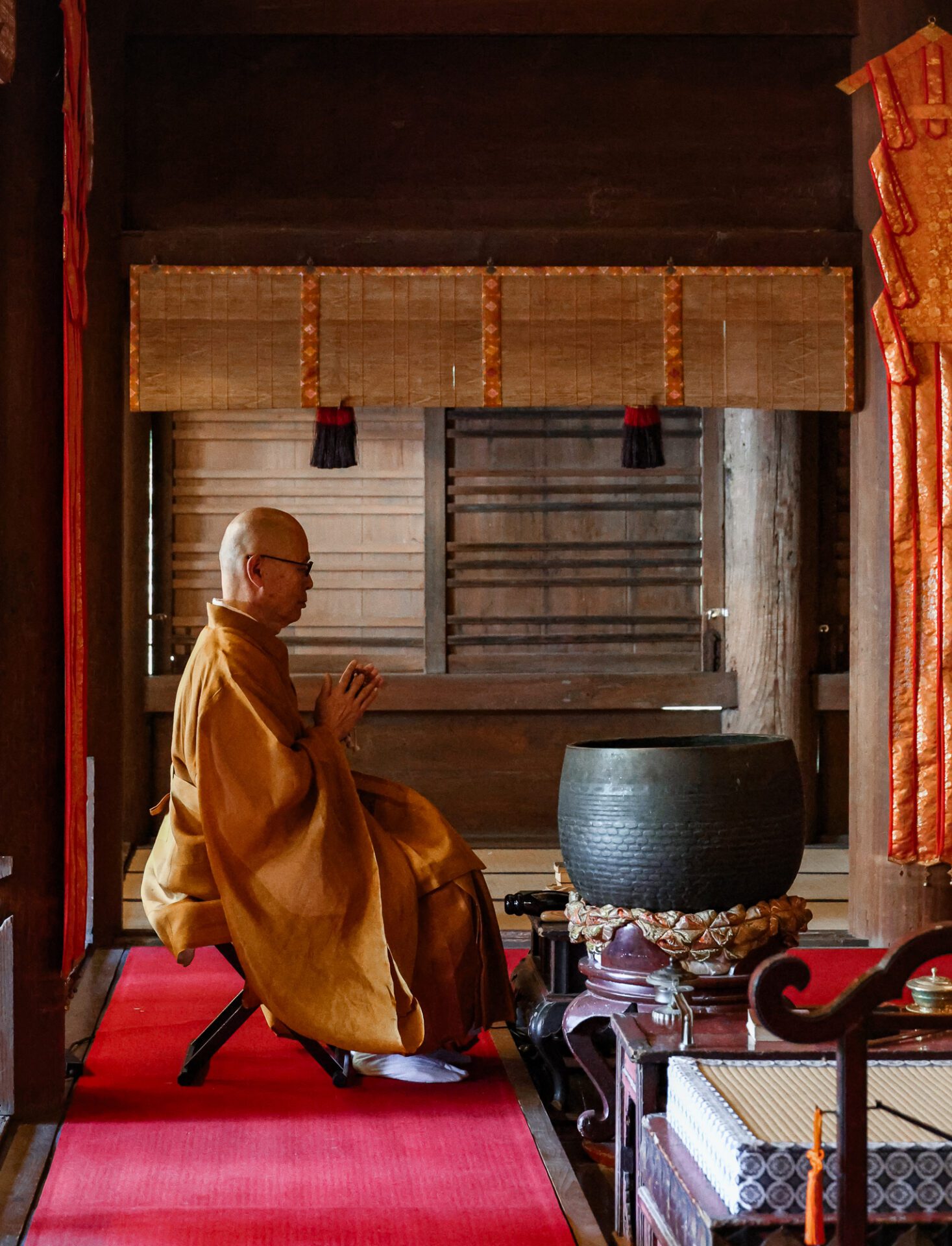
Chikurin-ji Temple is a part of the legendary 1,200 km circular pilgrimage across Shikoku and dedicated to the revered 8th–9th century monk Kūkai. Visiting all 88 temples on the route takes around six weeks.
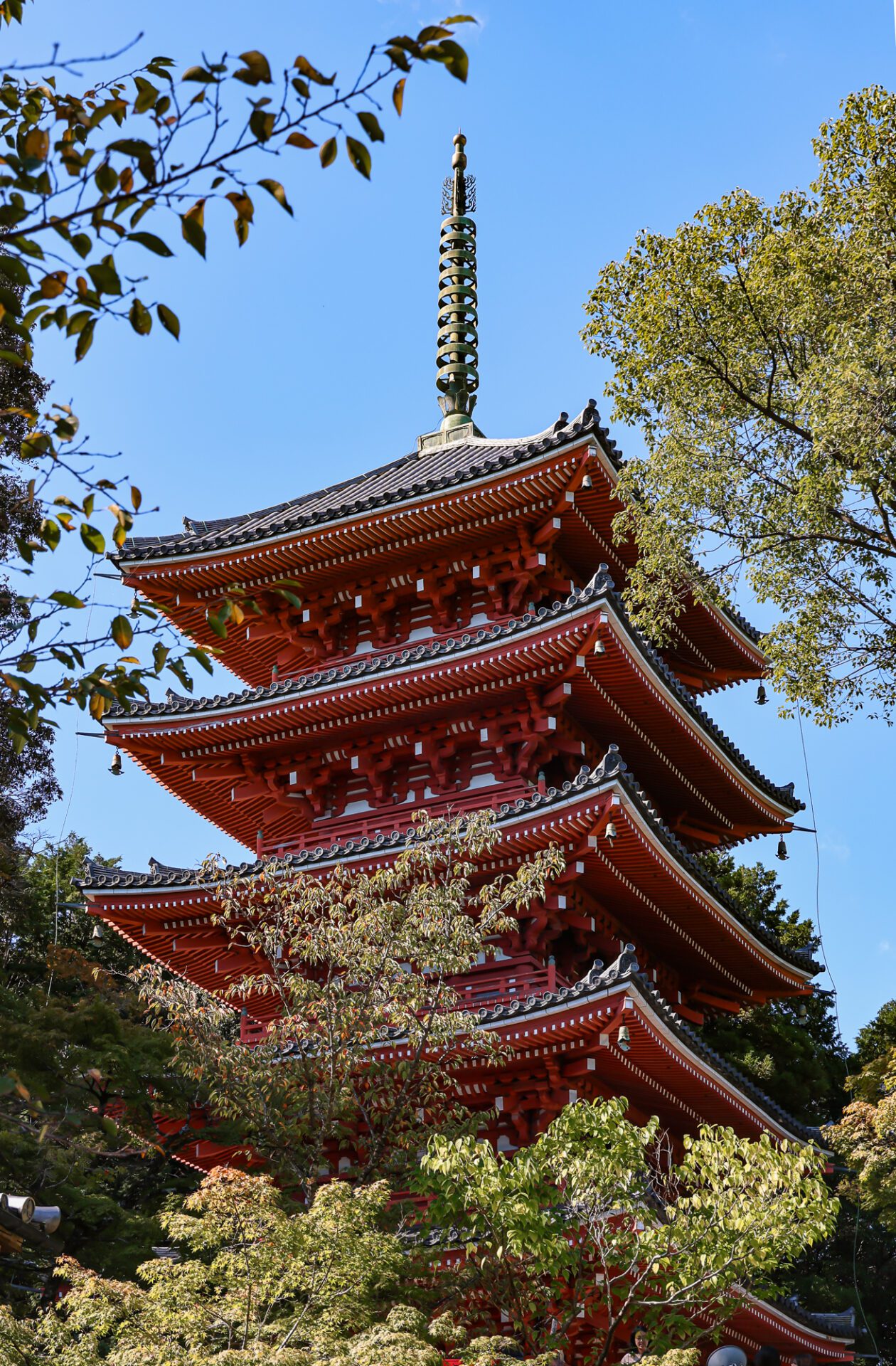
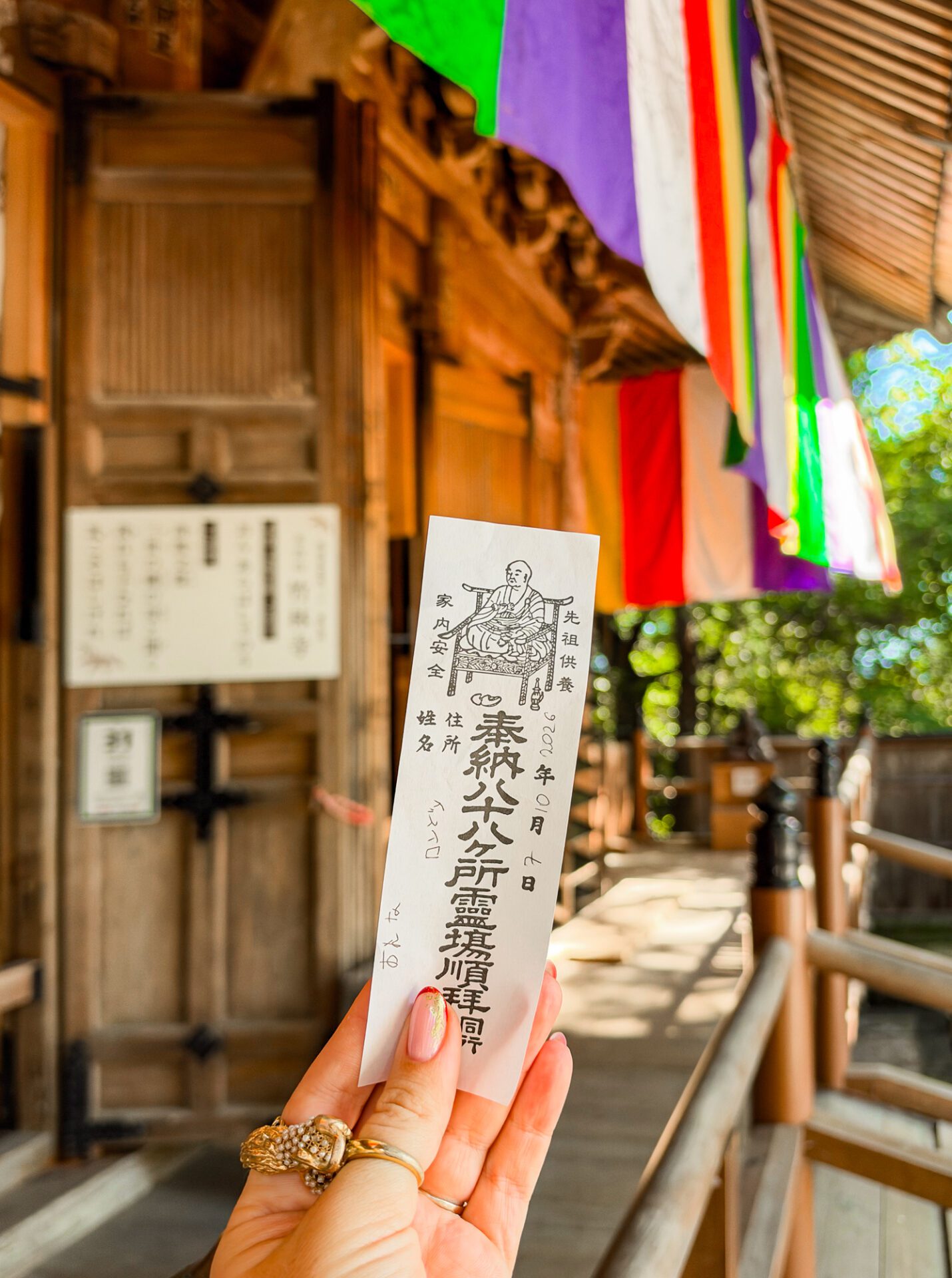
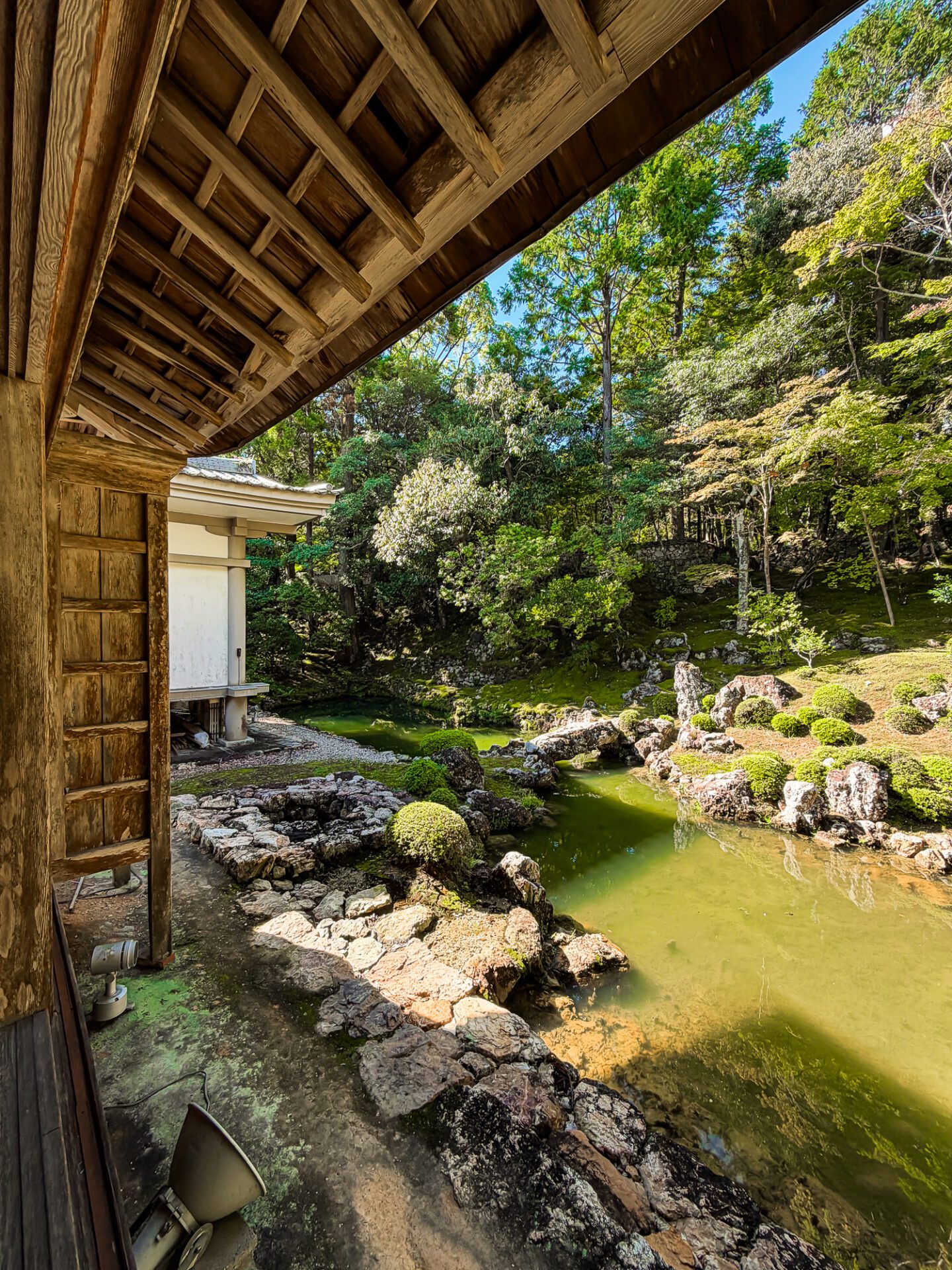
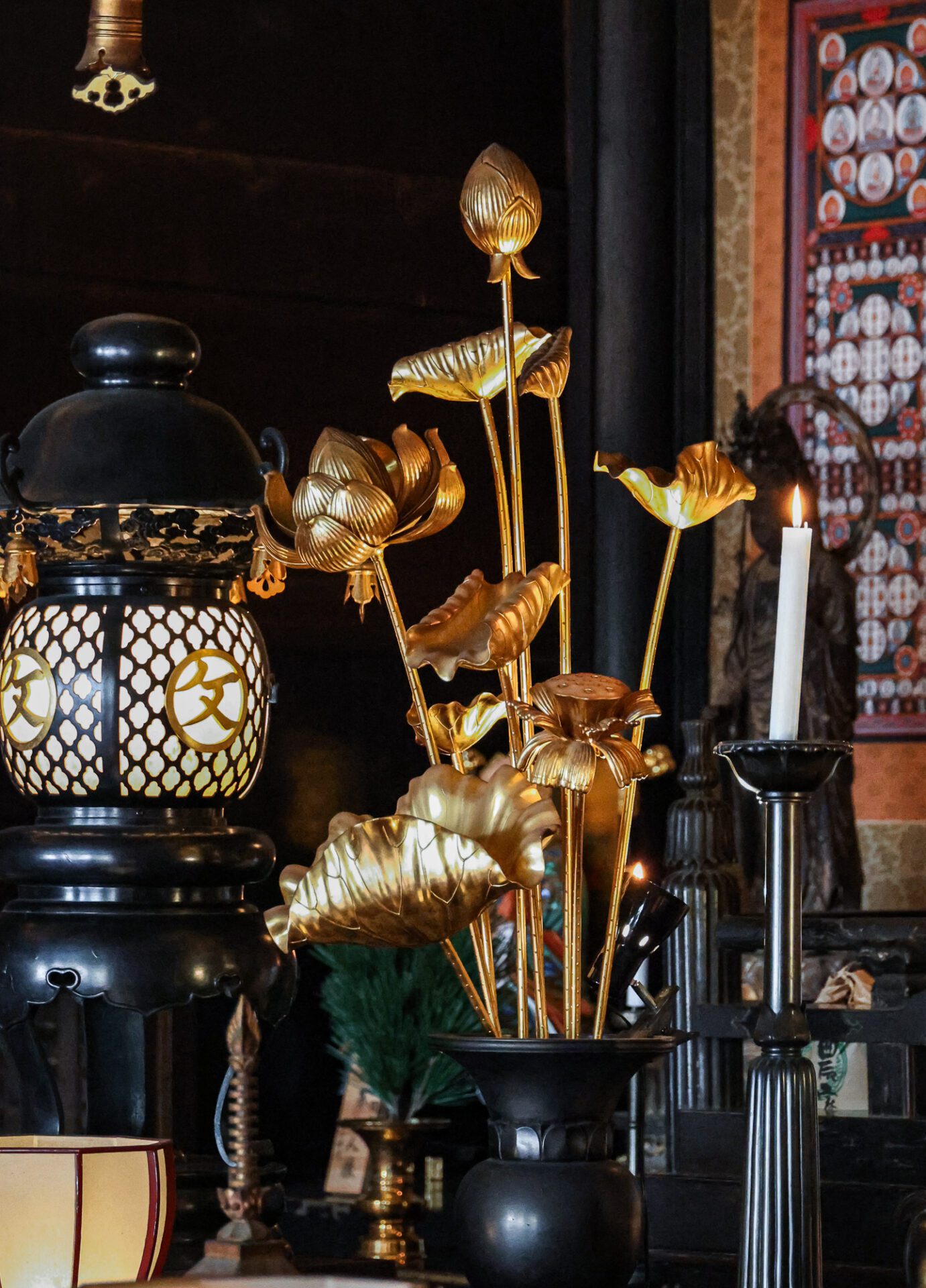
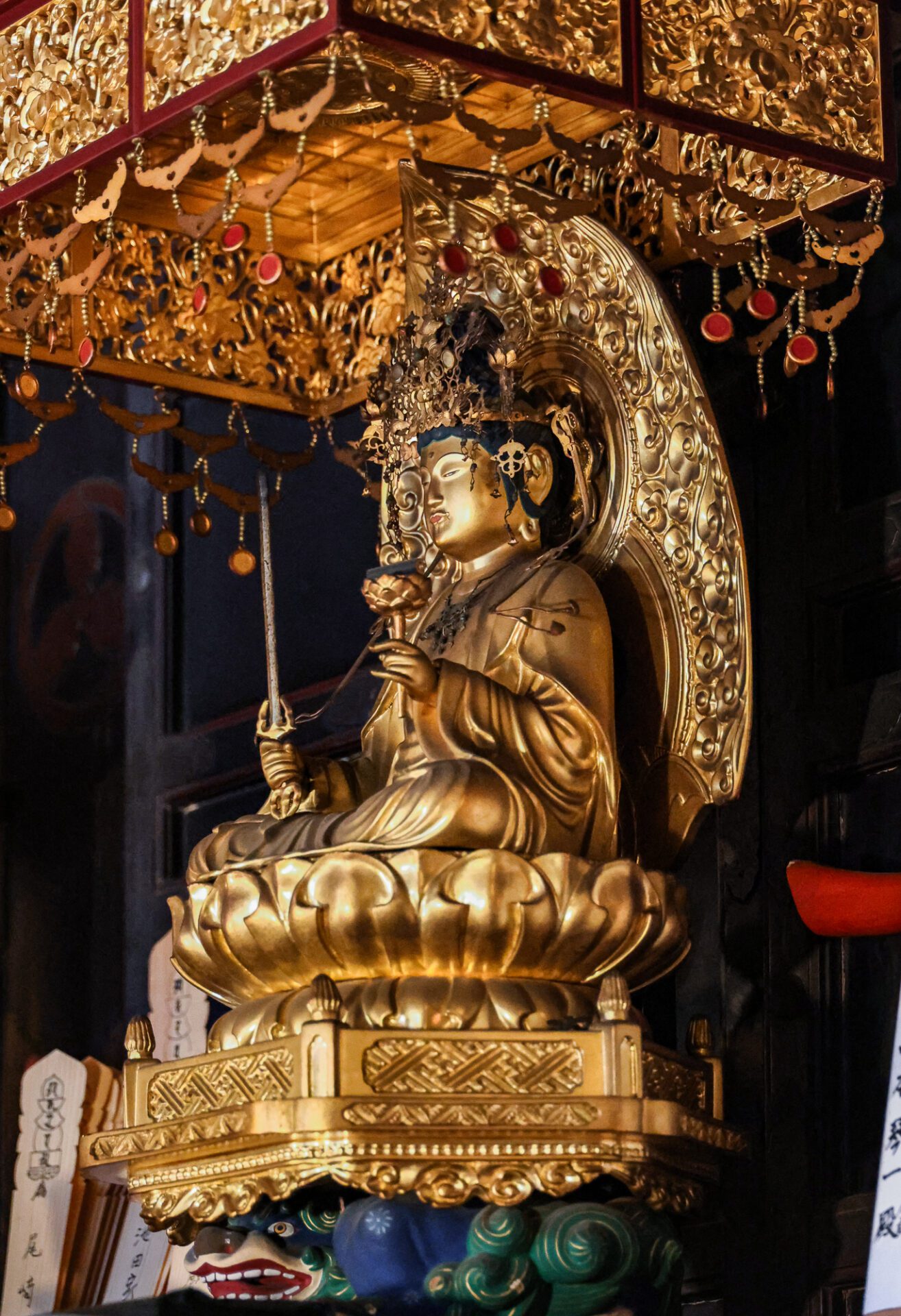
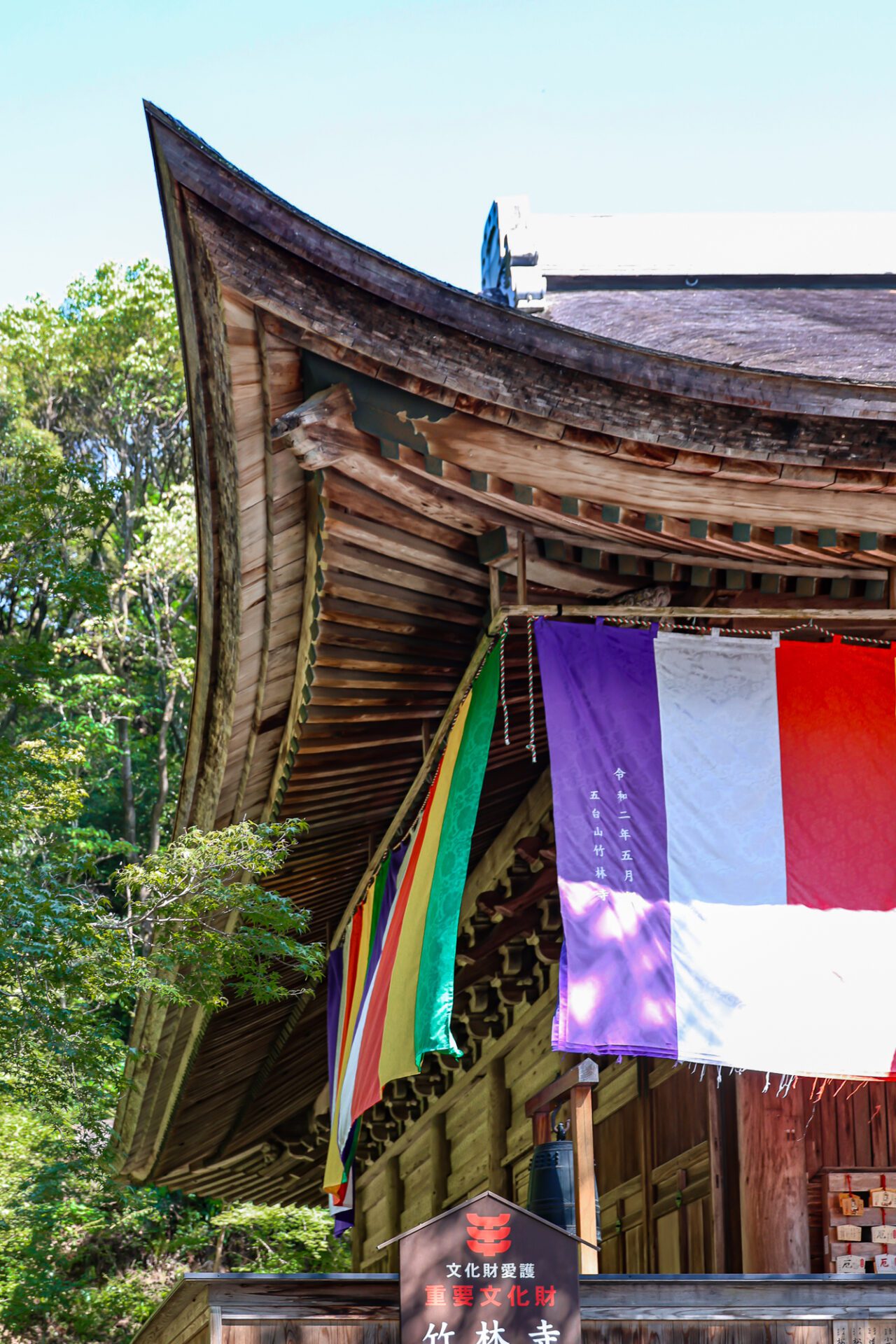
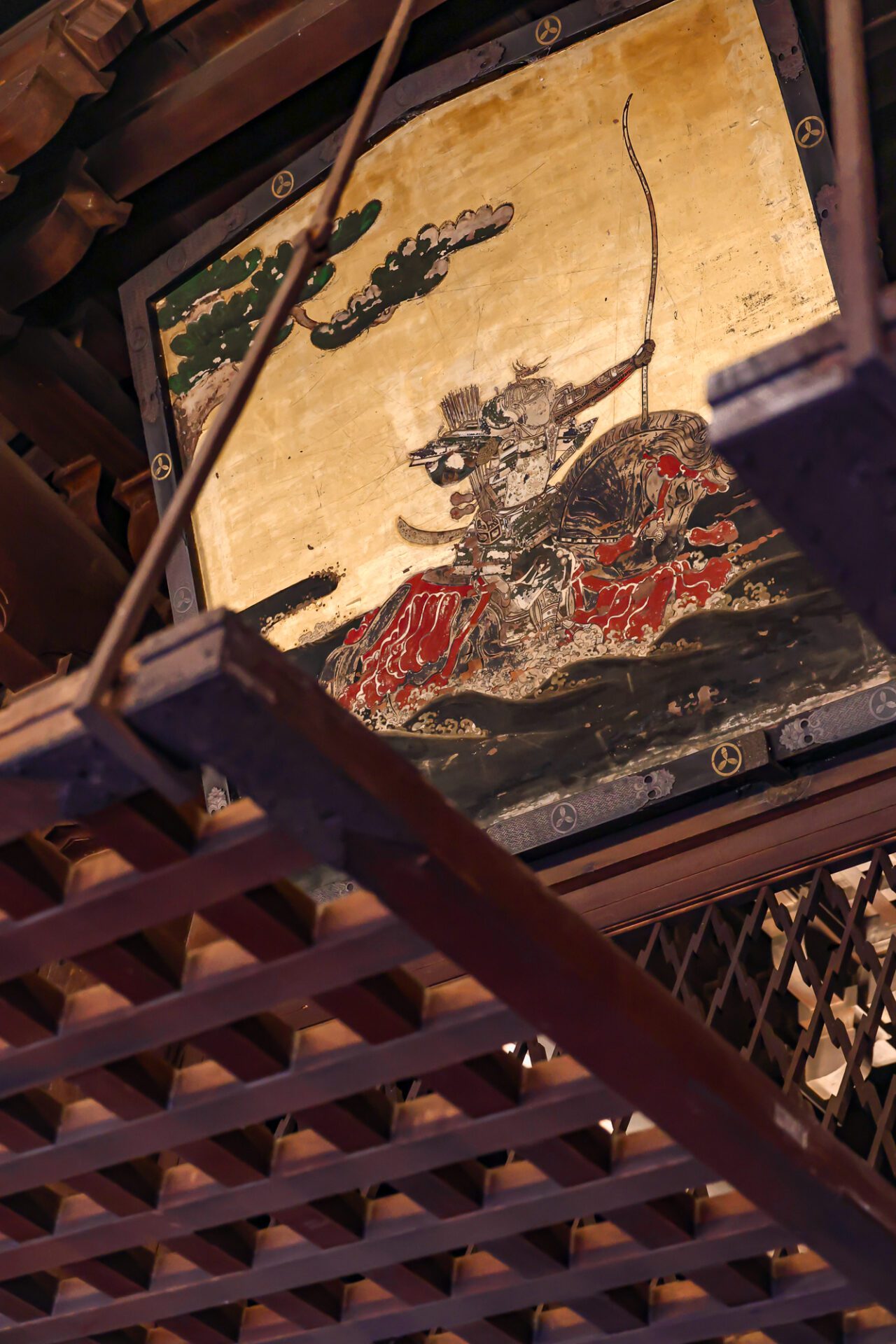
In addition to the five-story pagoda built in 1980 (the only one in Kochi Prefecture), visitors can enjoy the views of the beautiful temple garden and admire the main hall.
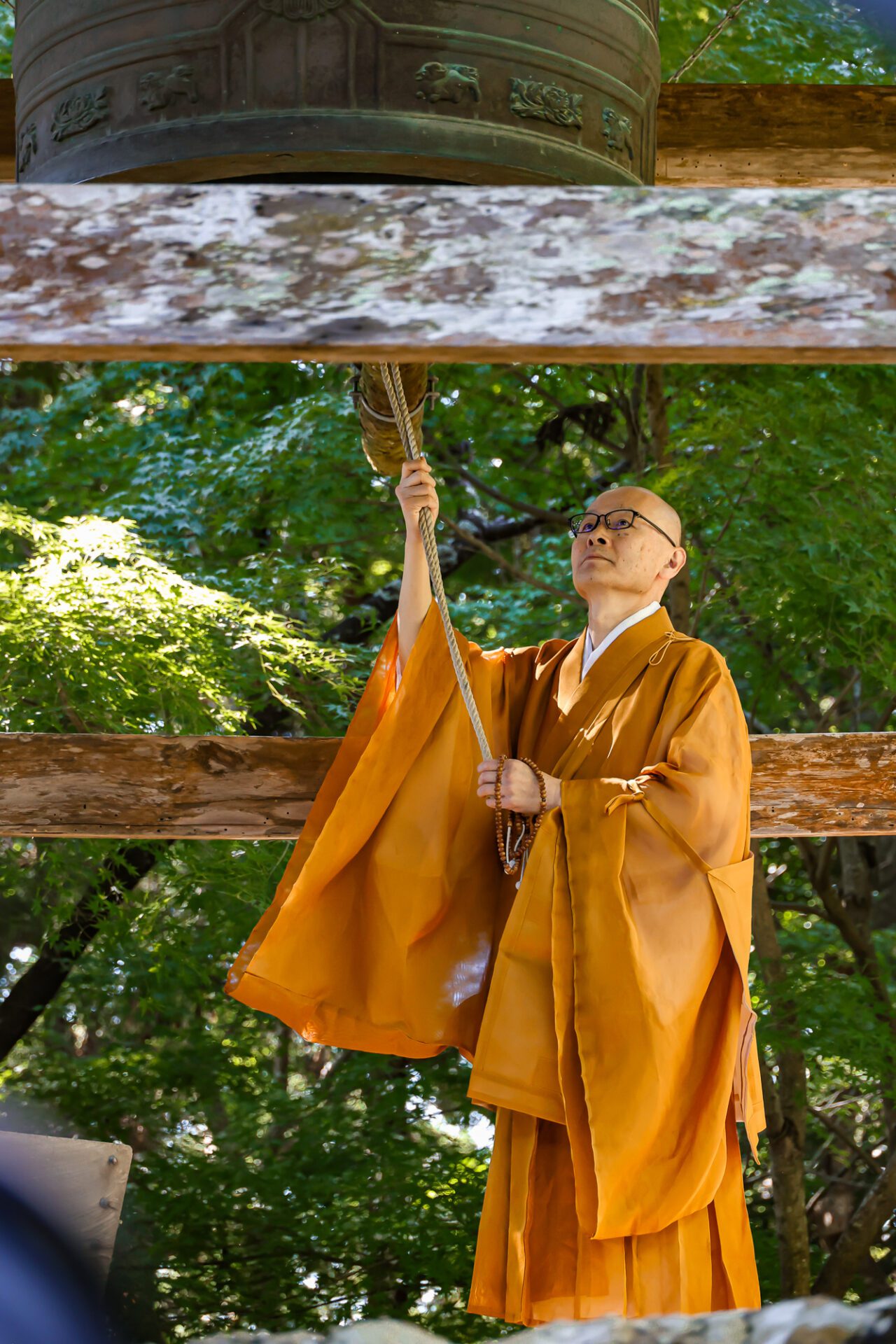
We were lucky to learn about osettai, the local tradition of offering small edible gifts to pilgrims, directly from Washi Ebizuka, the head of the Association of Kochi Pilgrimage Temples, and even try on the traditional pilgrimage attire.

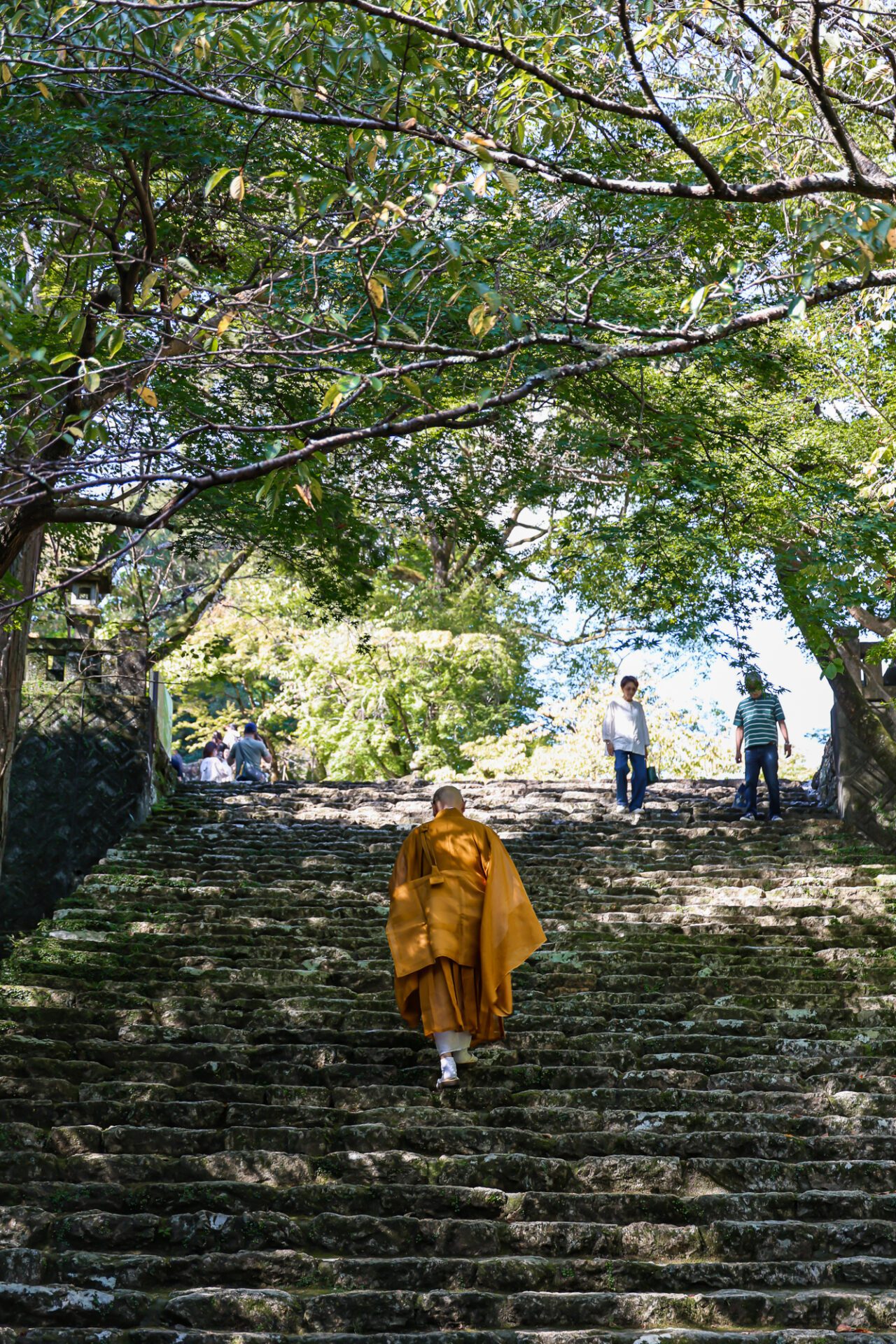

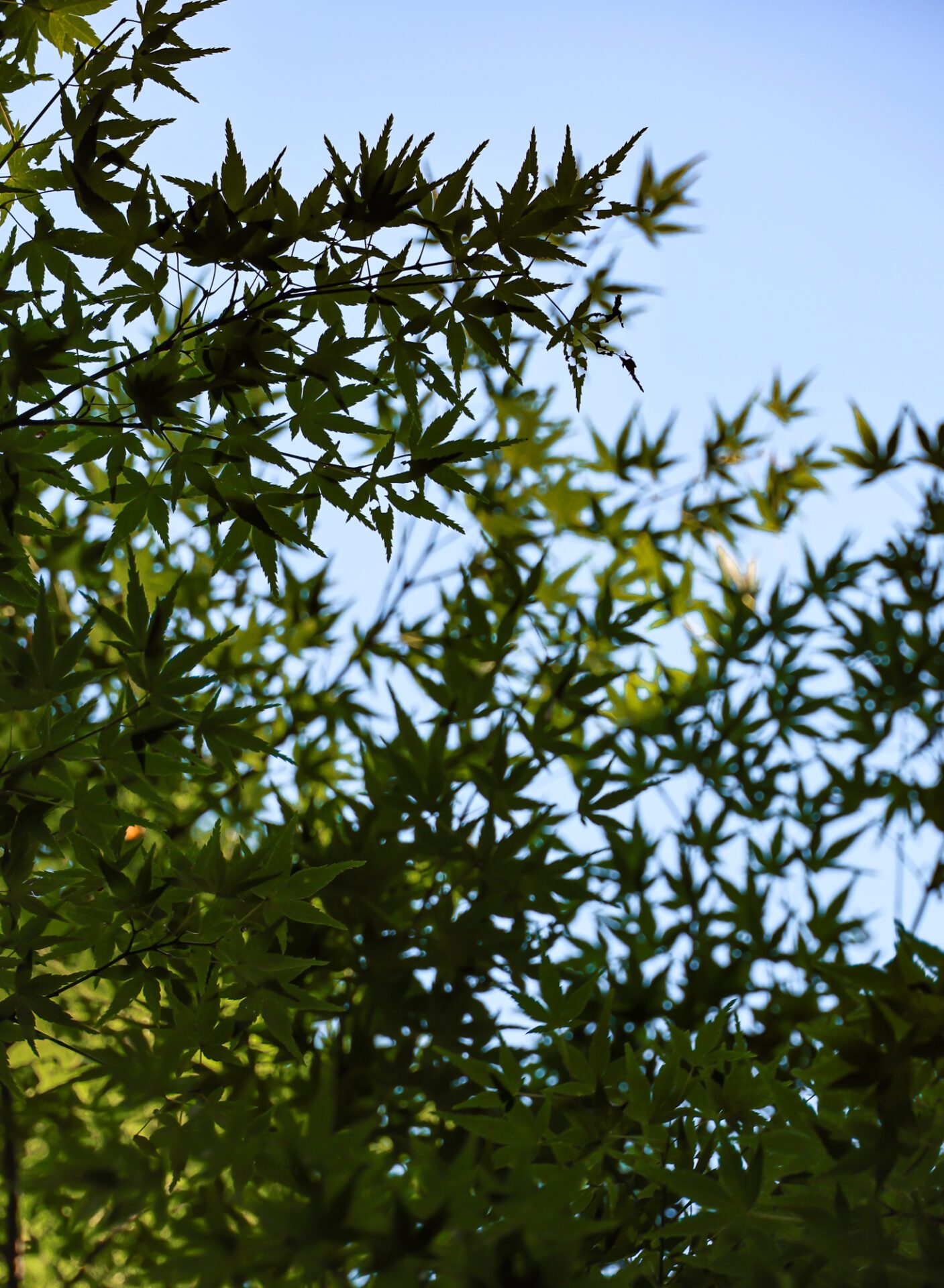
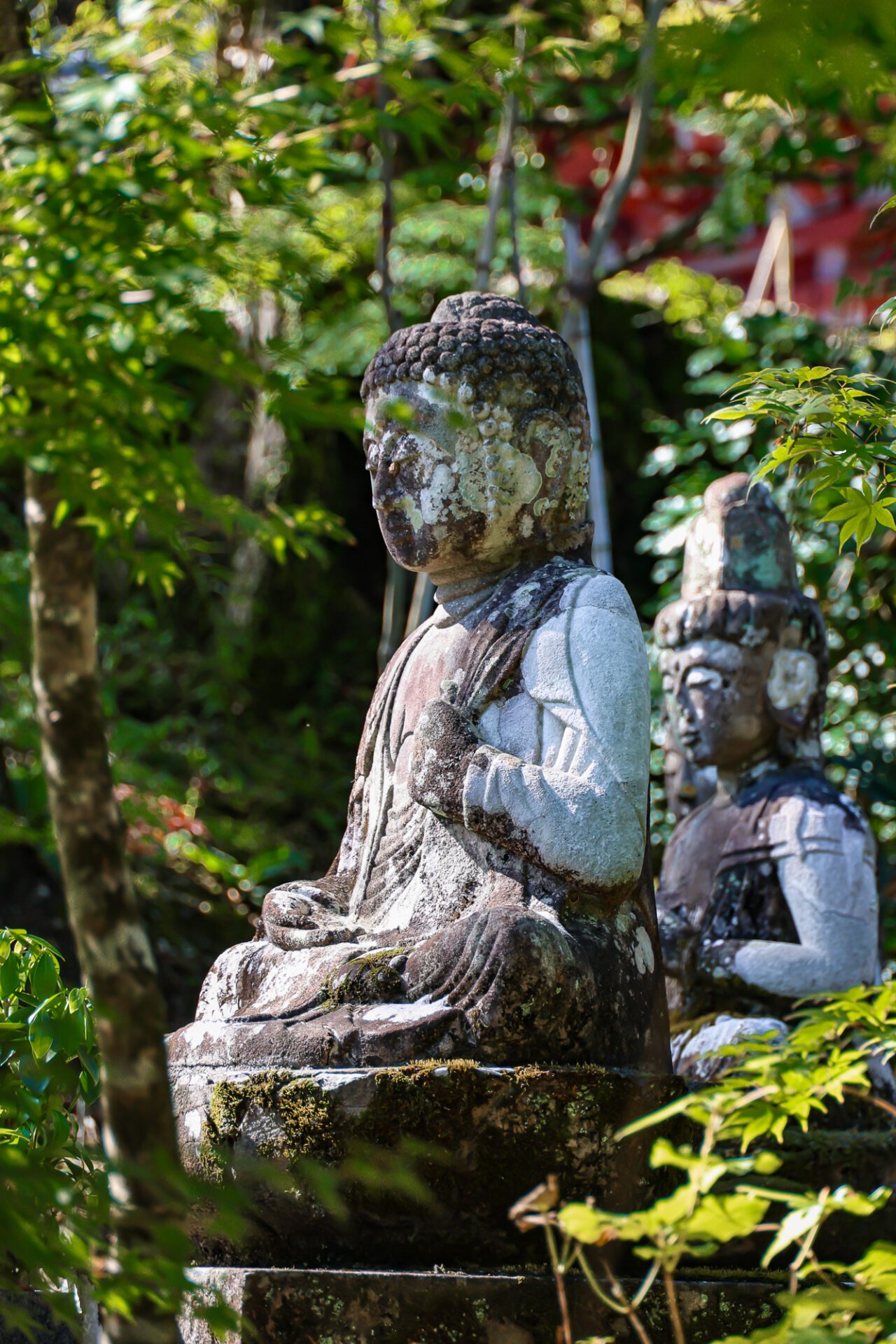
The outfit consists of a white vest, a wooden staff, a sugegasa hat, and a purple wagesa, an embroidered strip of fabric worn around the neck.
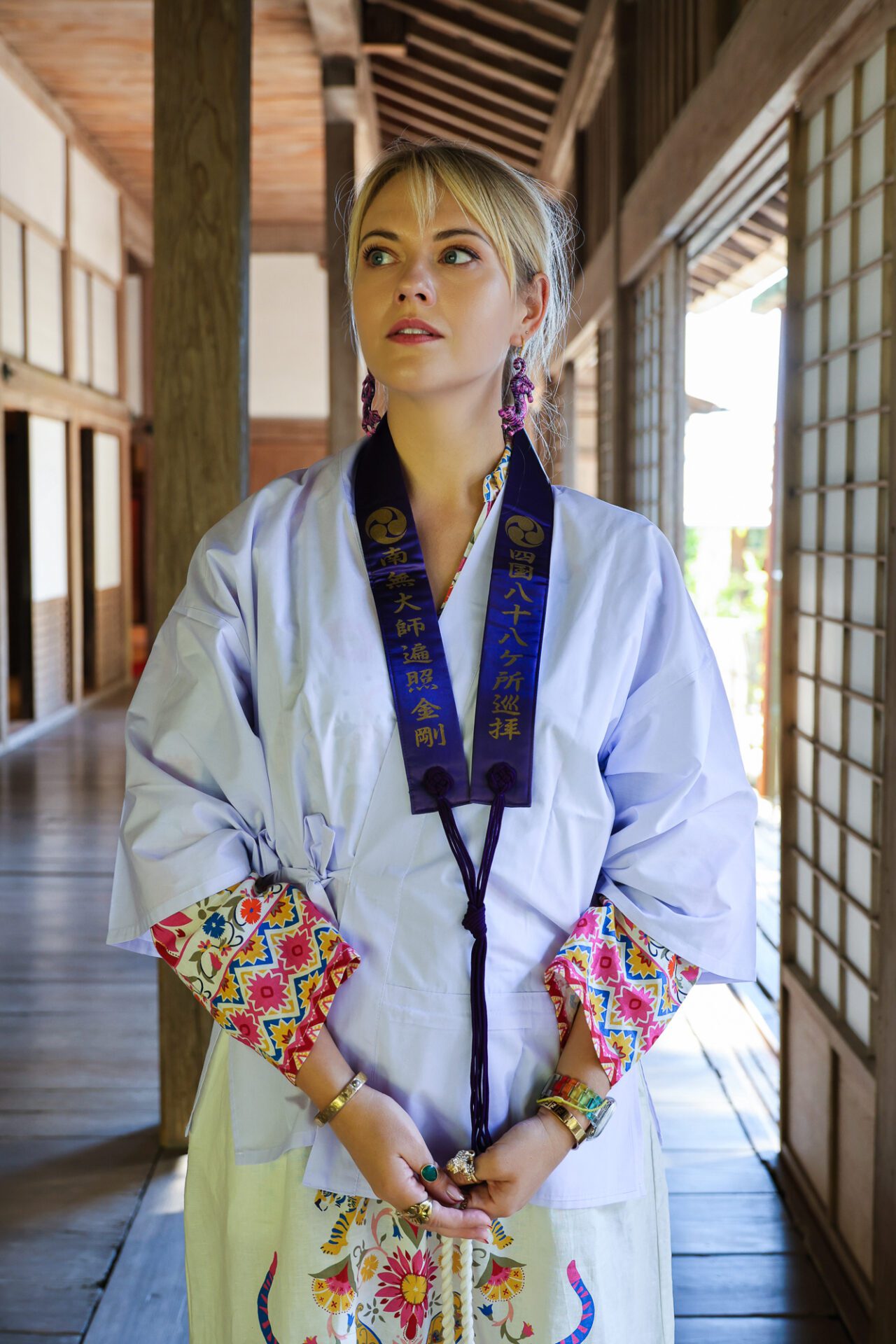
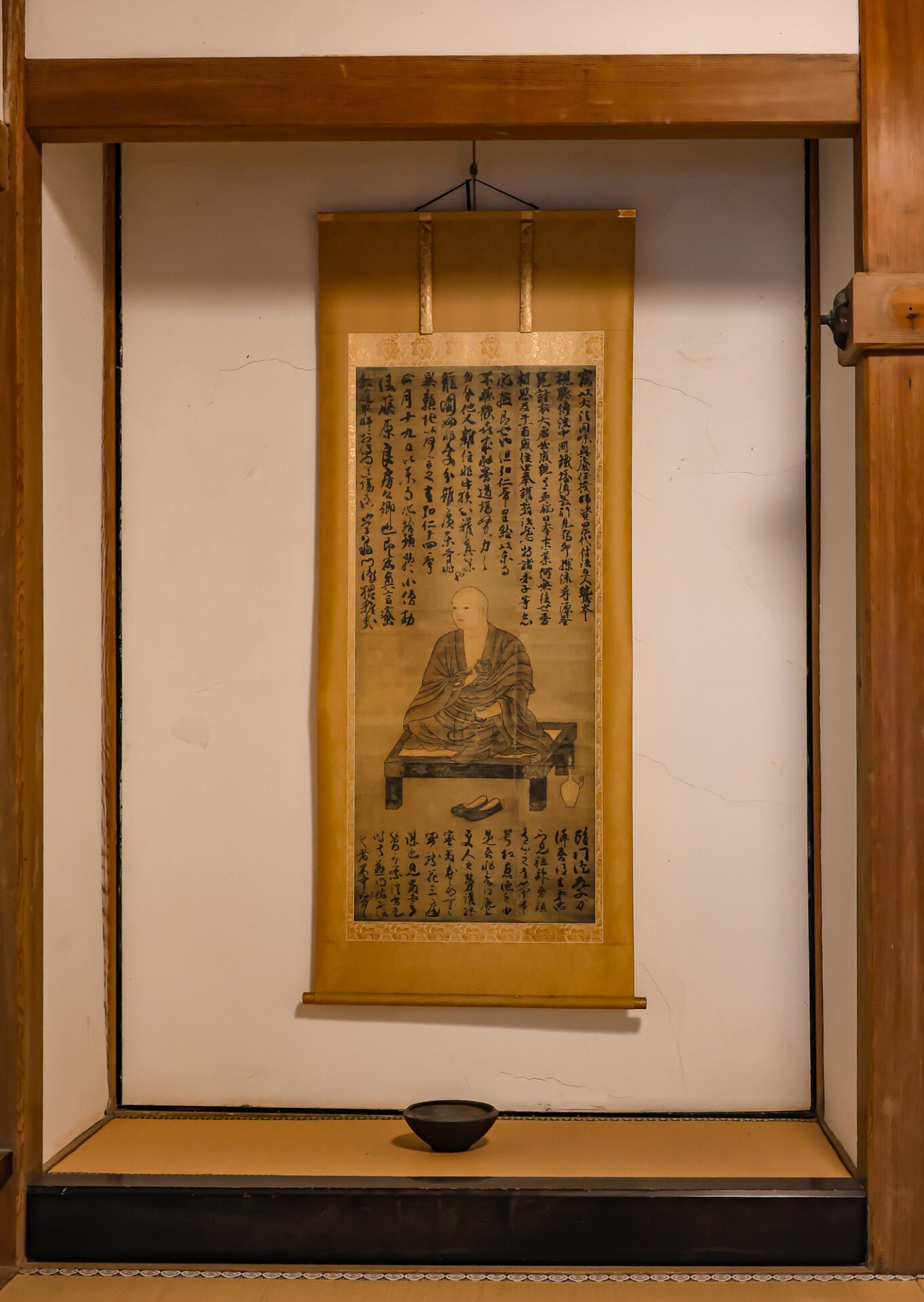
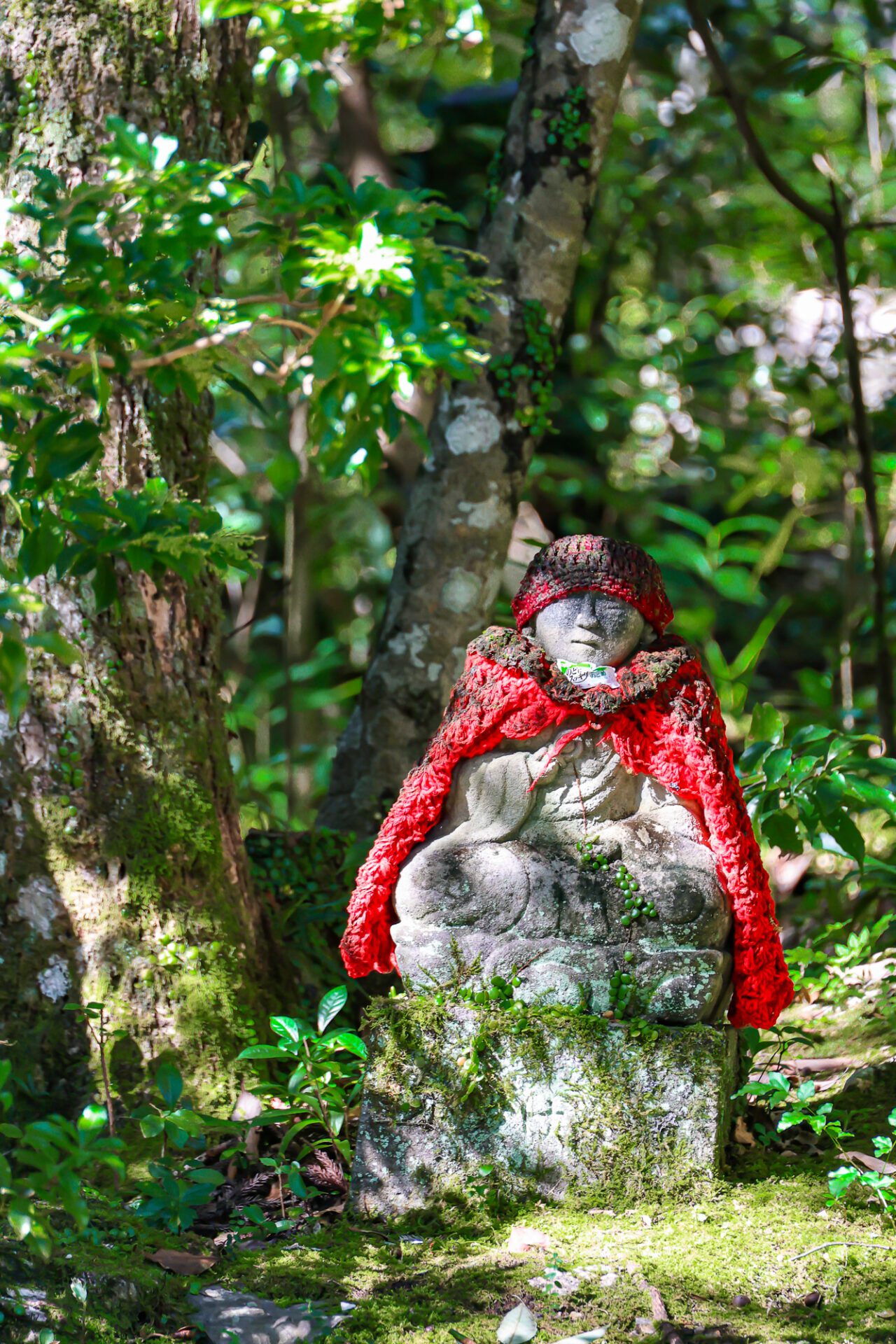
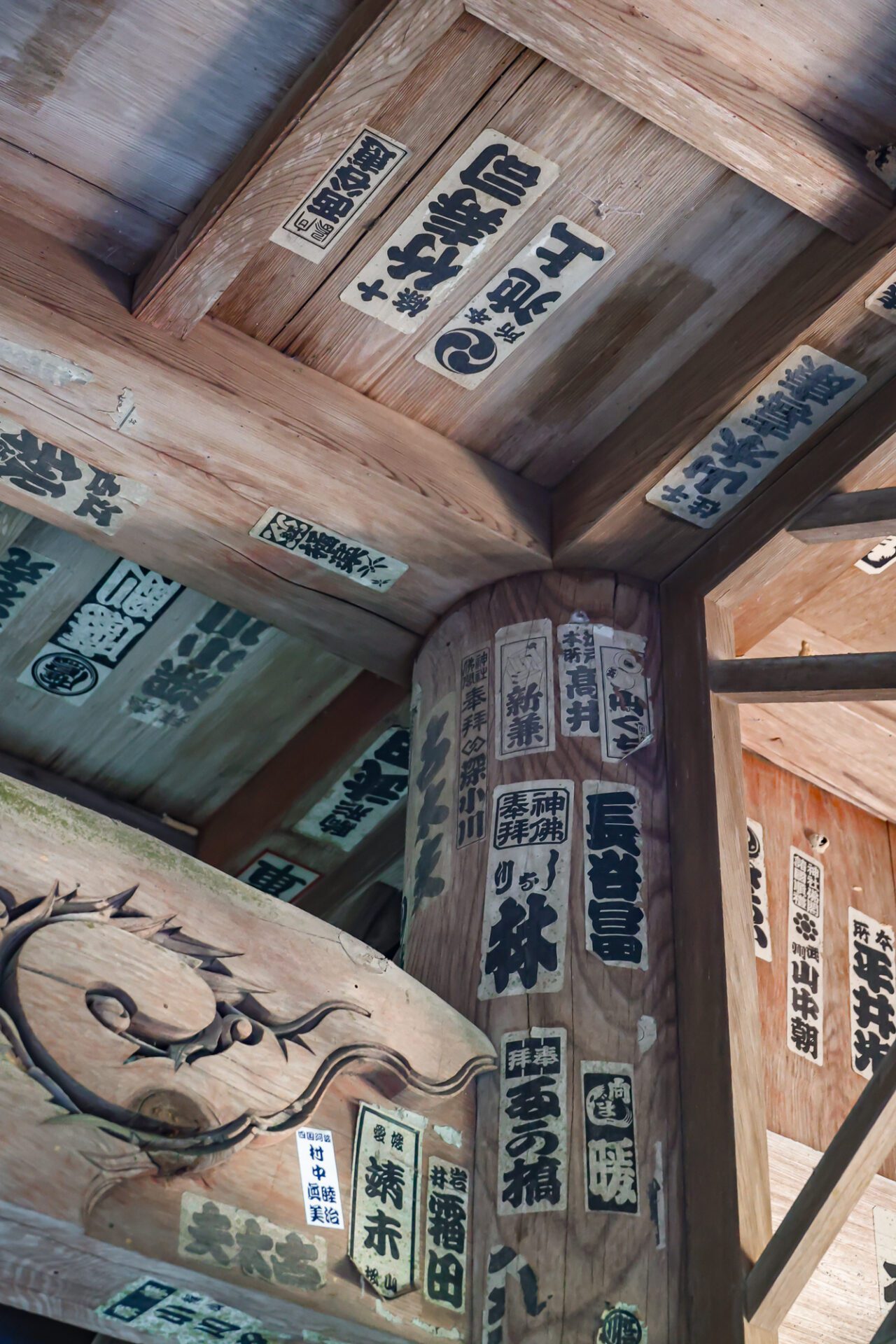
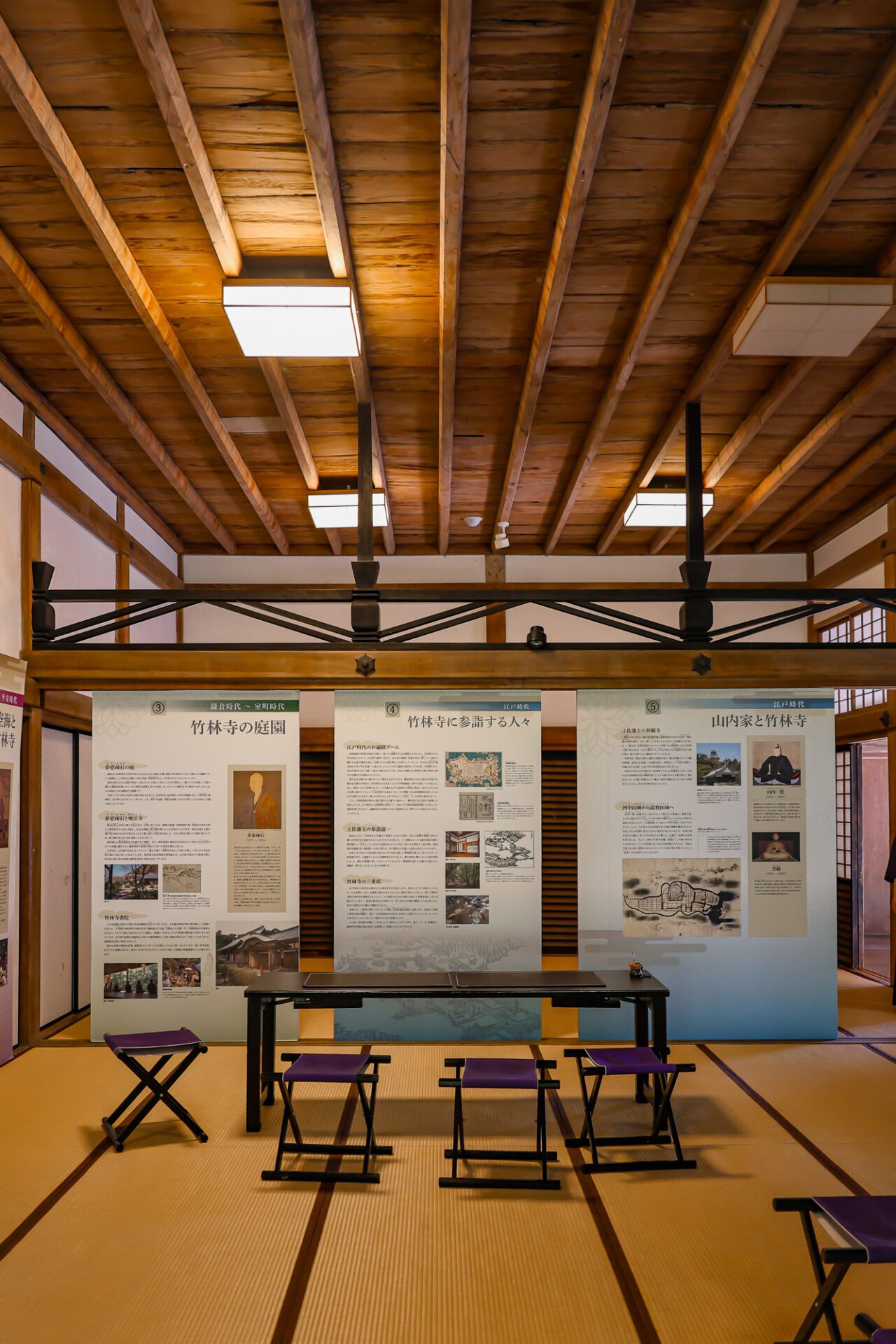
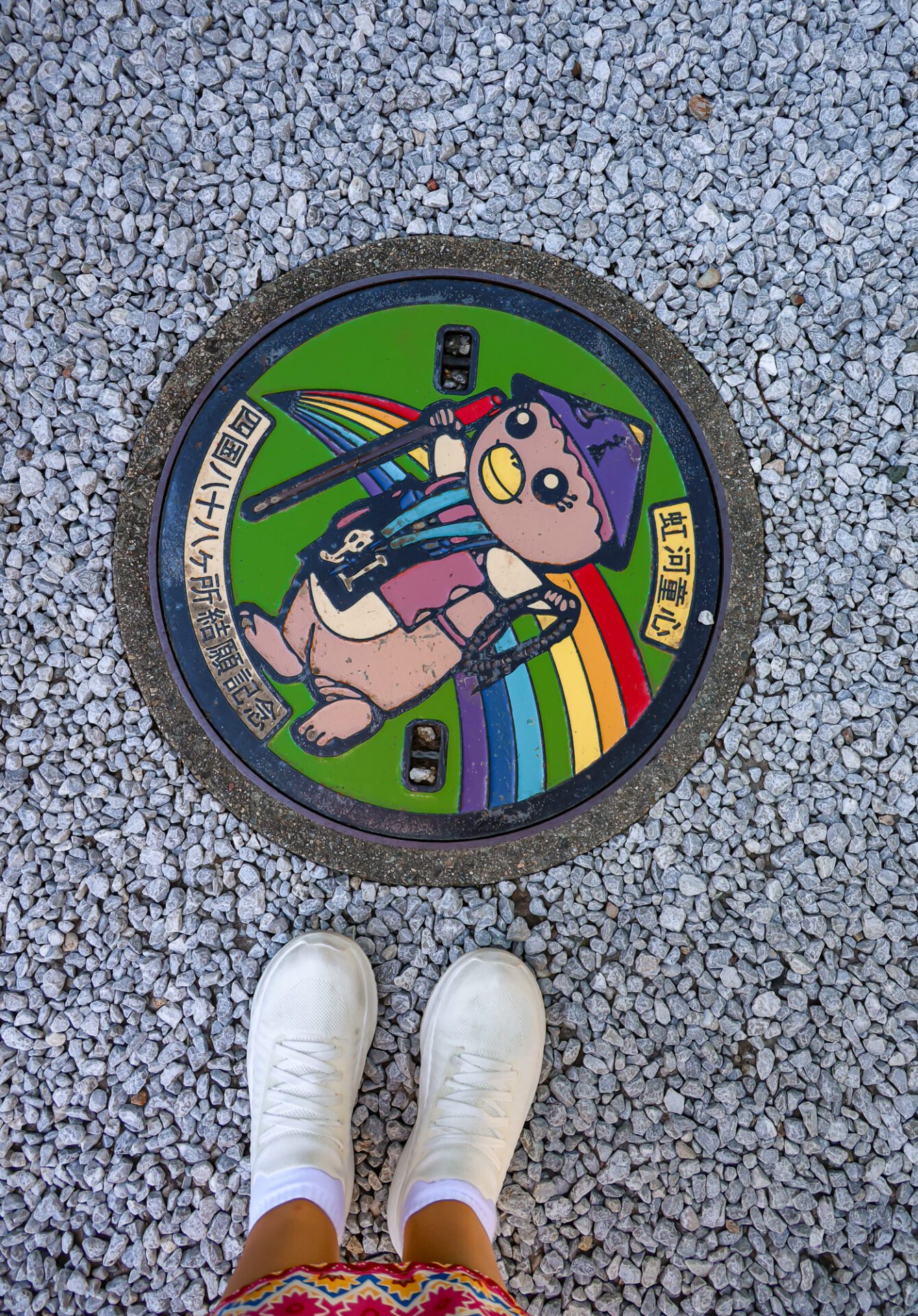
Some people complete the Shikoku Pilgrimage by bus or car – and yes, it still counts as a true pilgrimage!
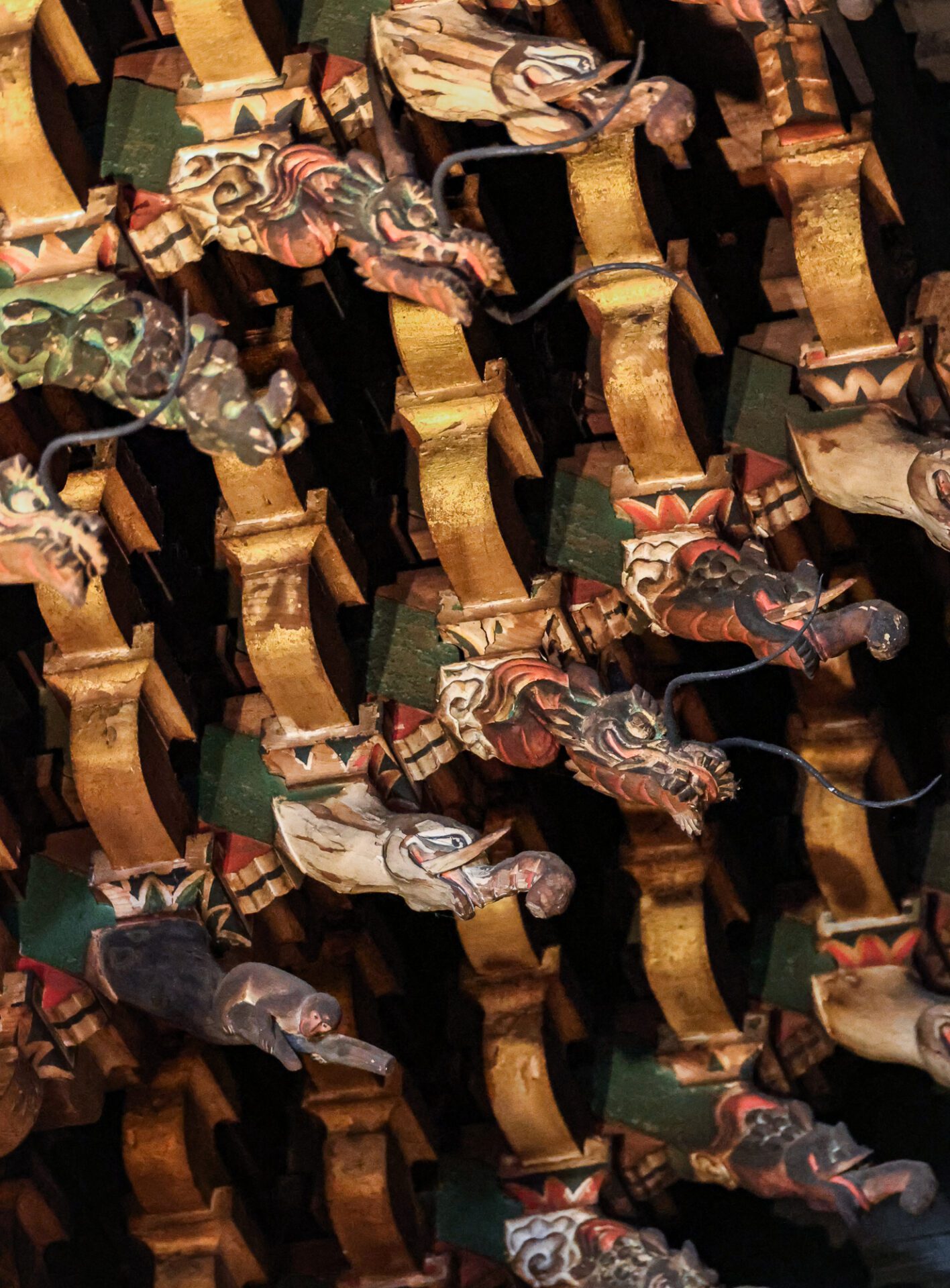
2. Admire Watatsumi Shrine
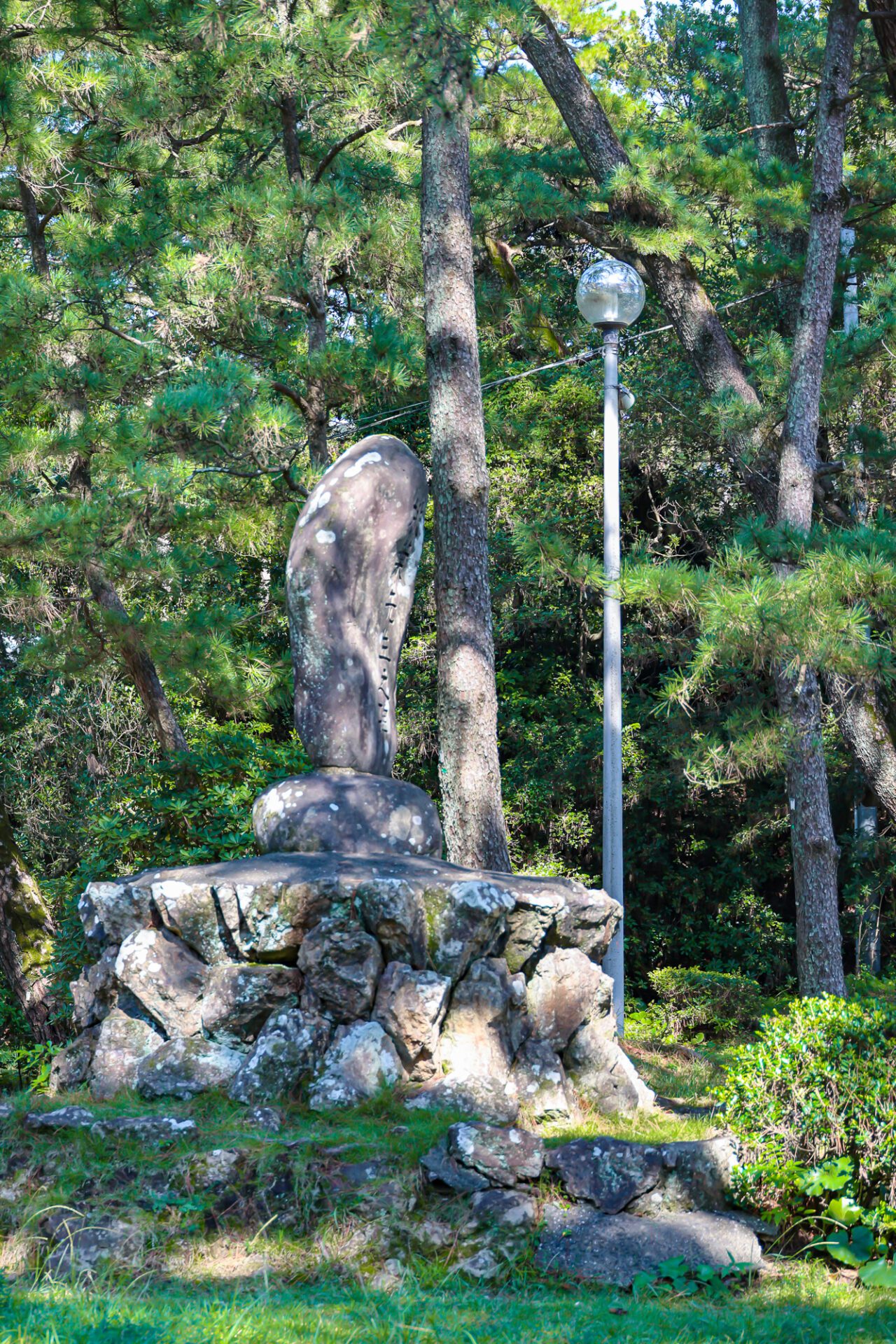
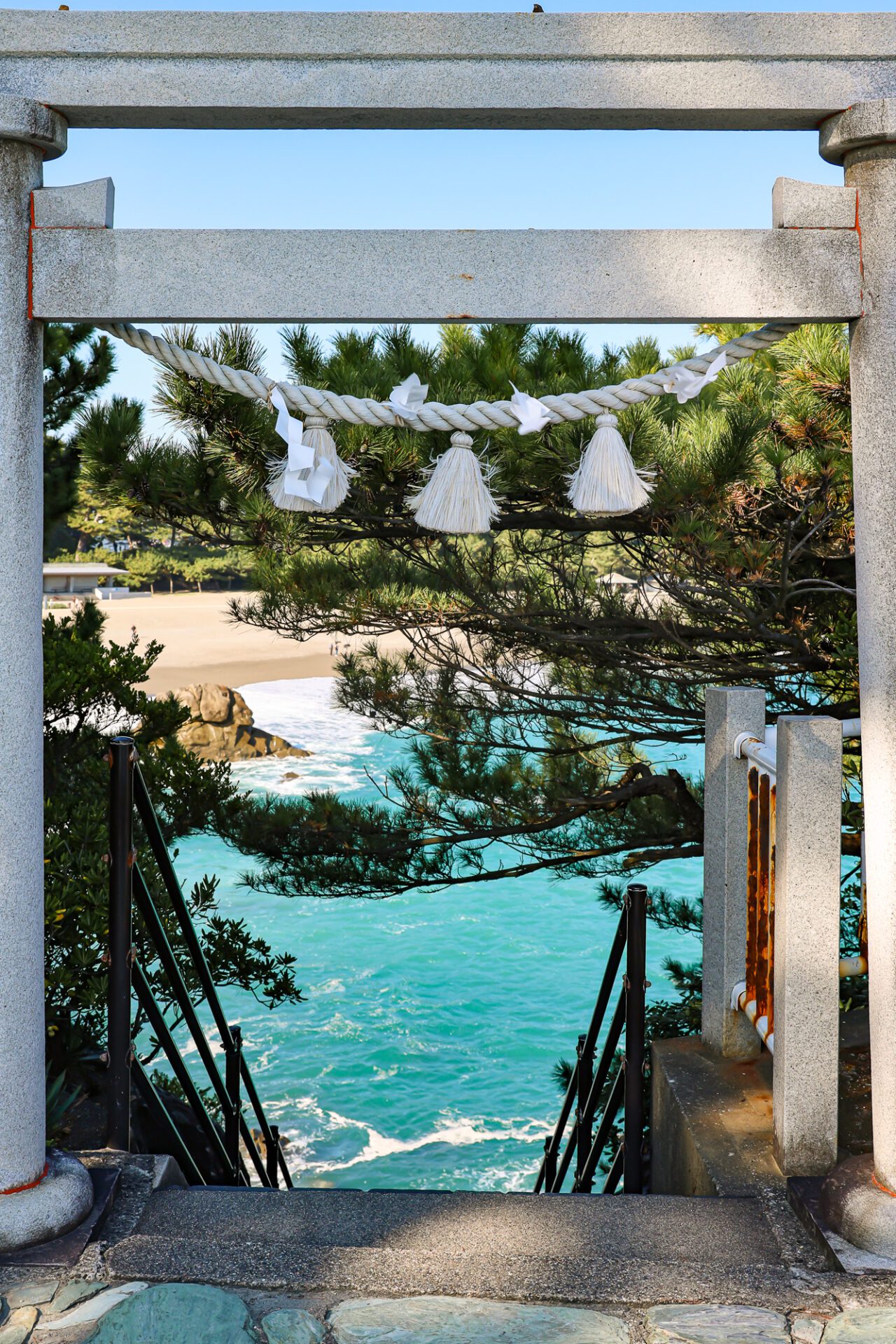
Katsurahama Park is famous for its coastal pine trees and scenic views: the scenery here is simply insane – and in the past, the site was considered an ideal spot for moon-viewing. Swimming isn’t allowed here though because of the powerful Pacific Ocean currents!
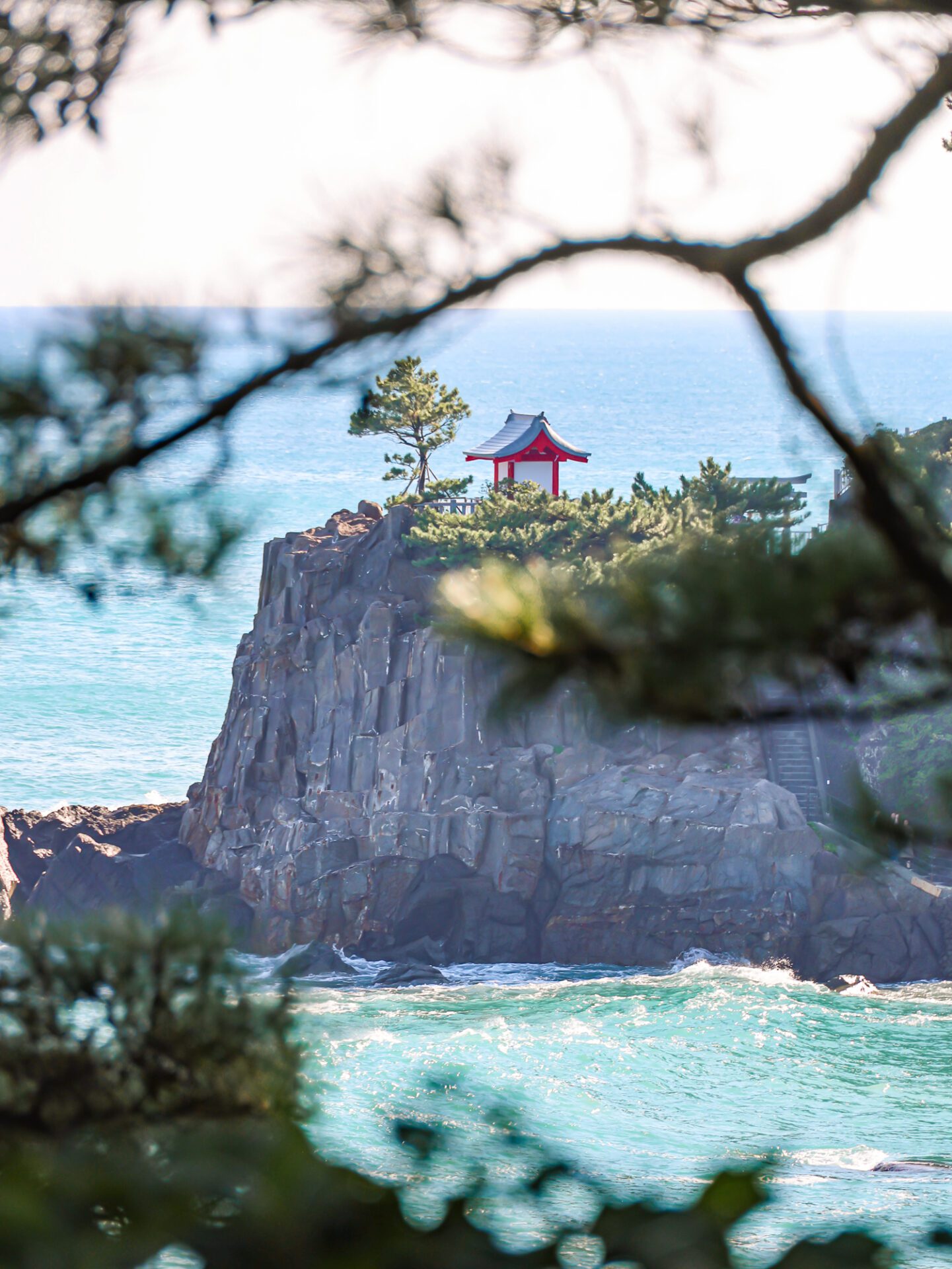
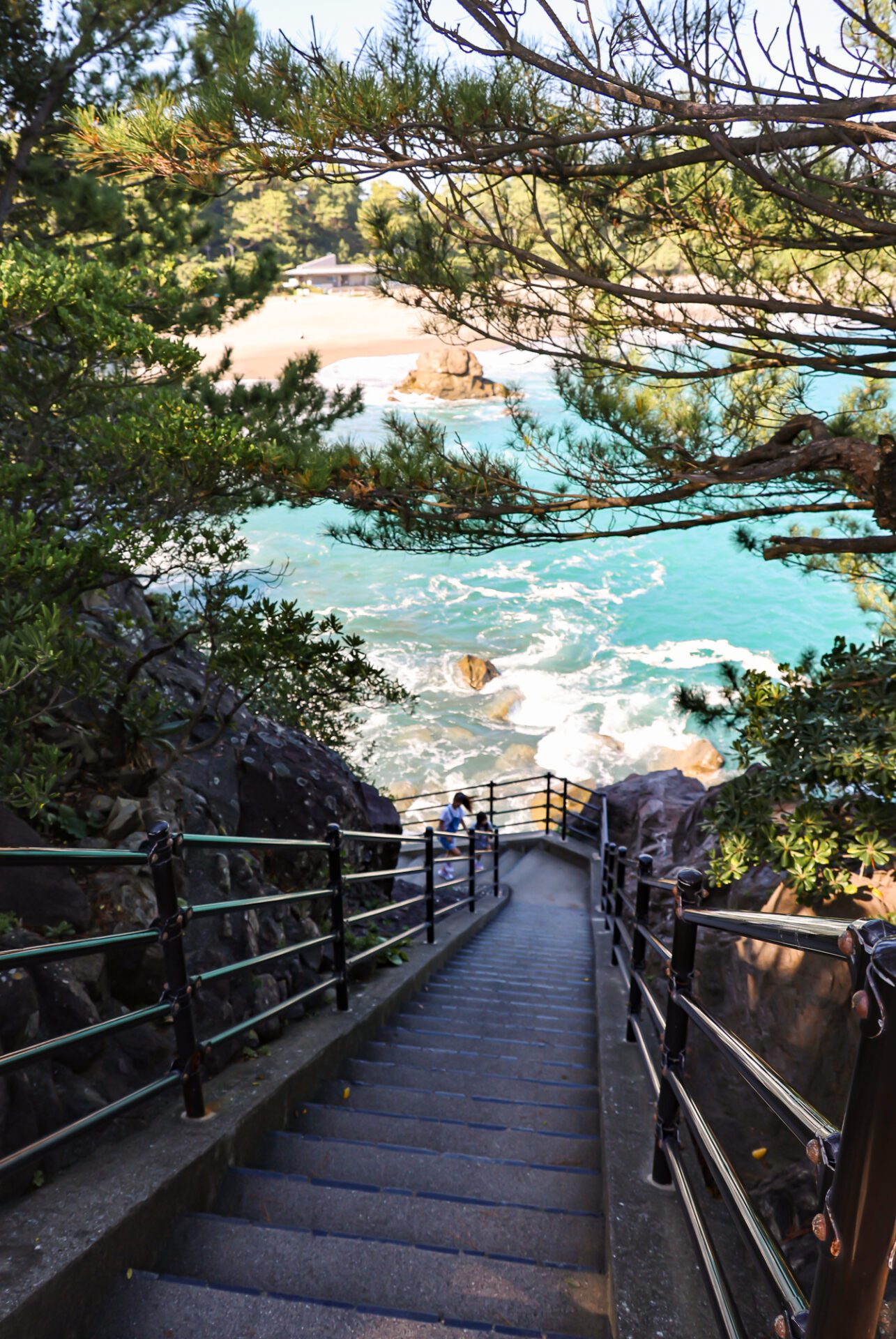
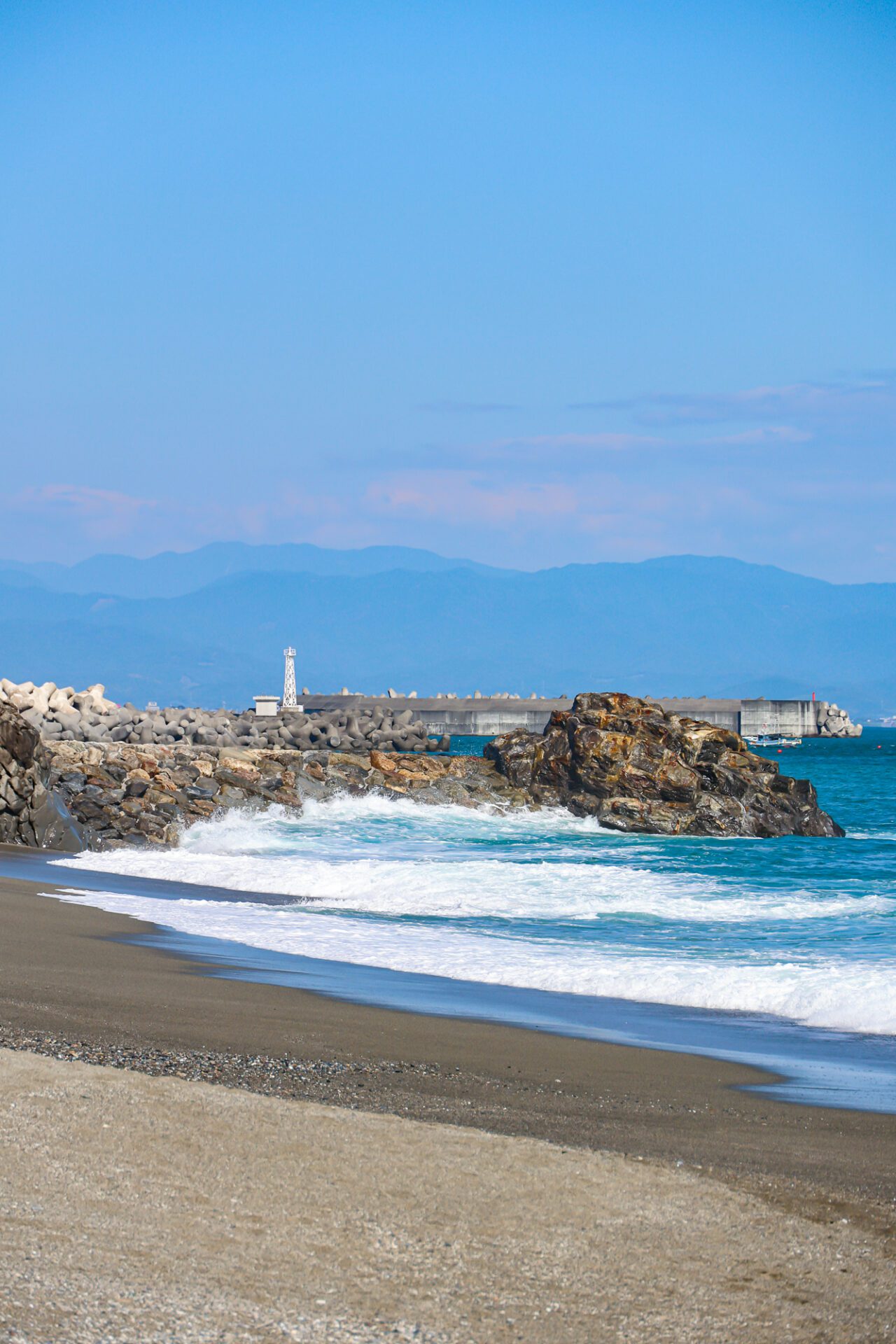
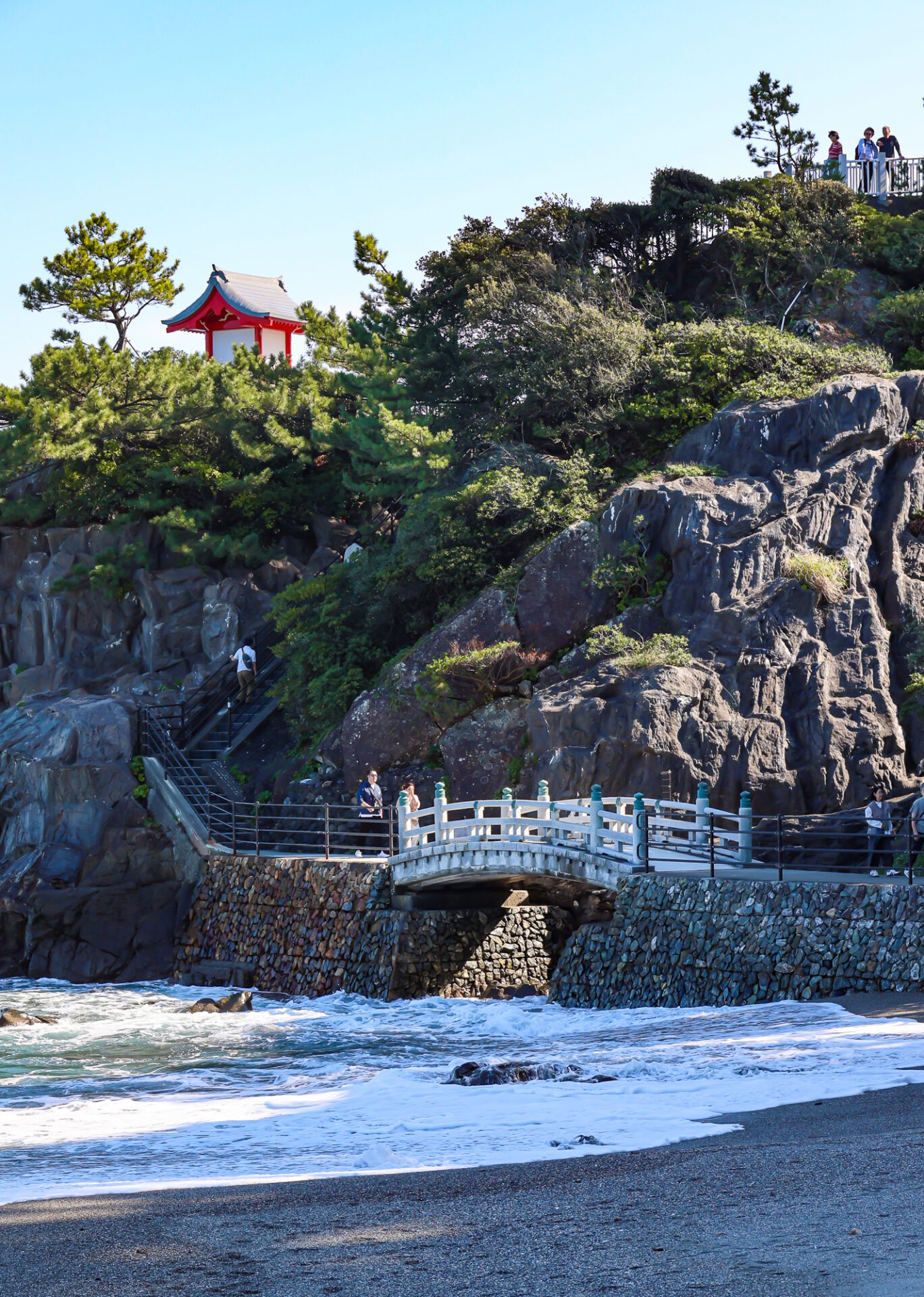
Usually visitors come here for scenic Watatsumi Shrine, dedicated to the sea deity Owatatsumi-no-Kami and sitting dramatically atop the cliff.

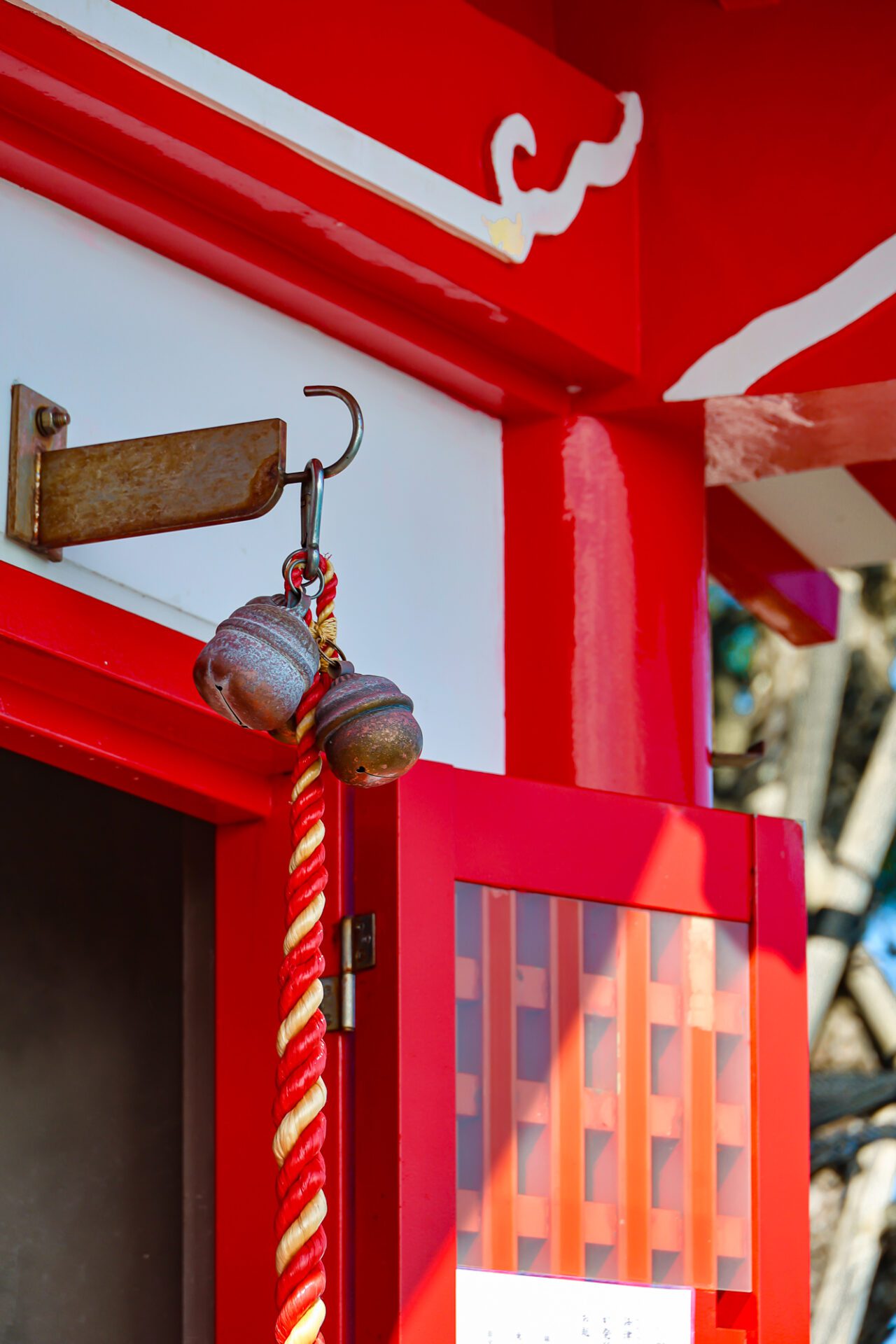
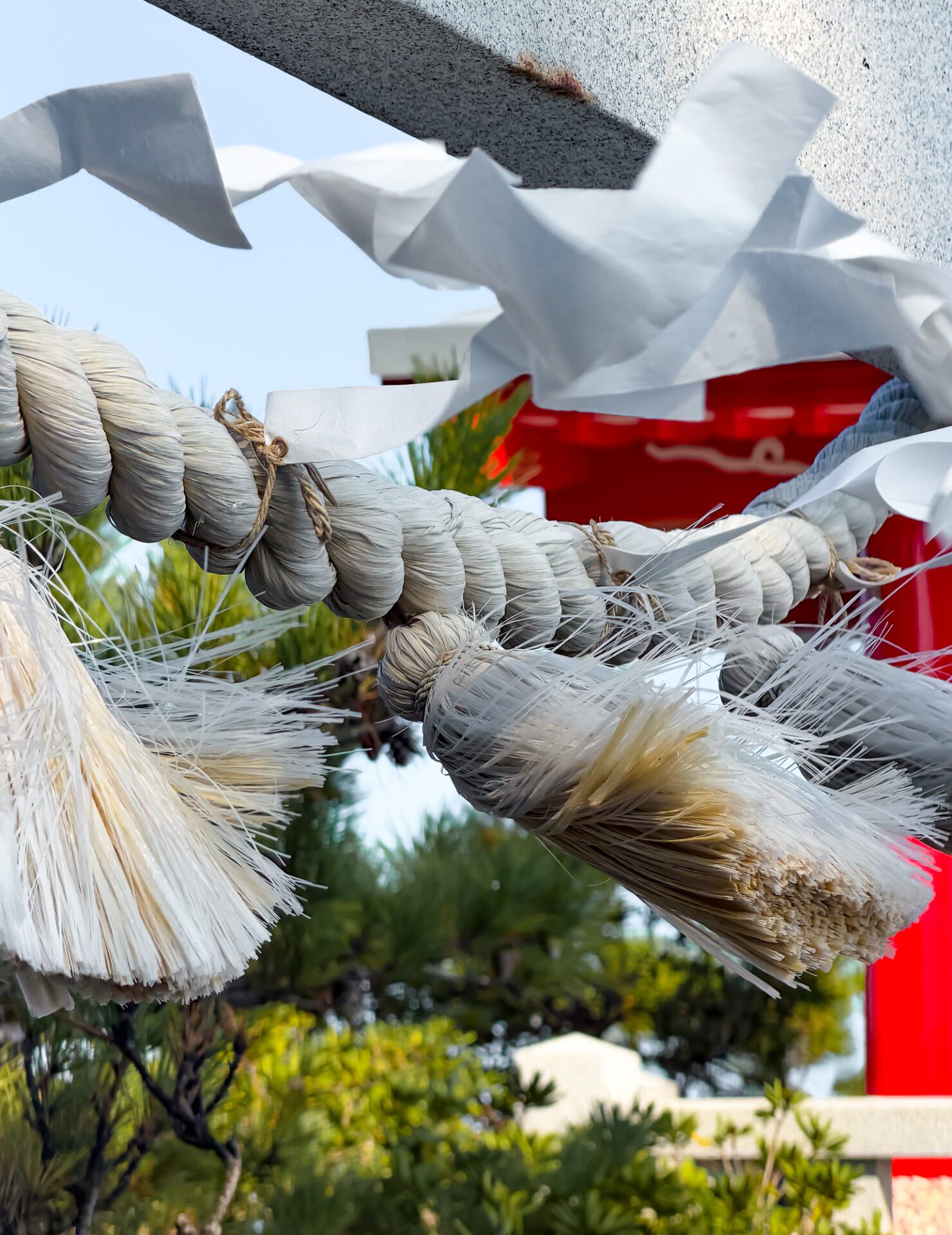
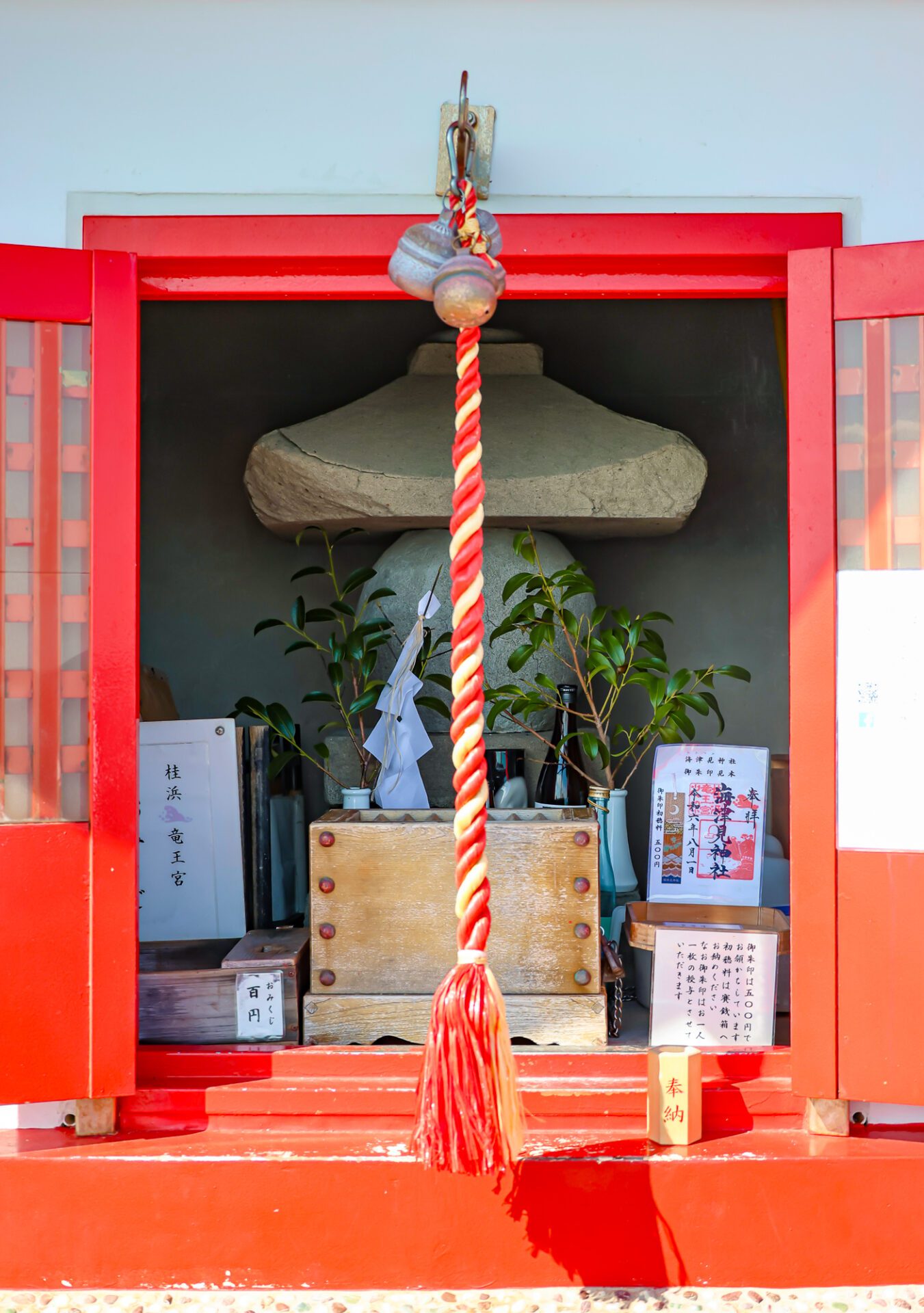
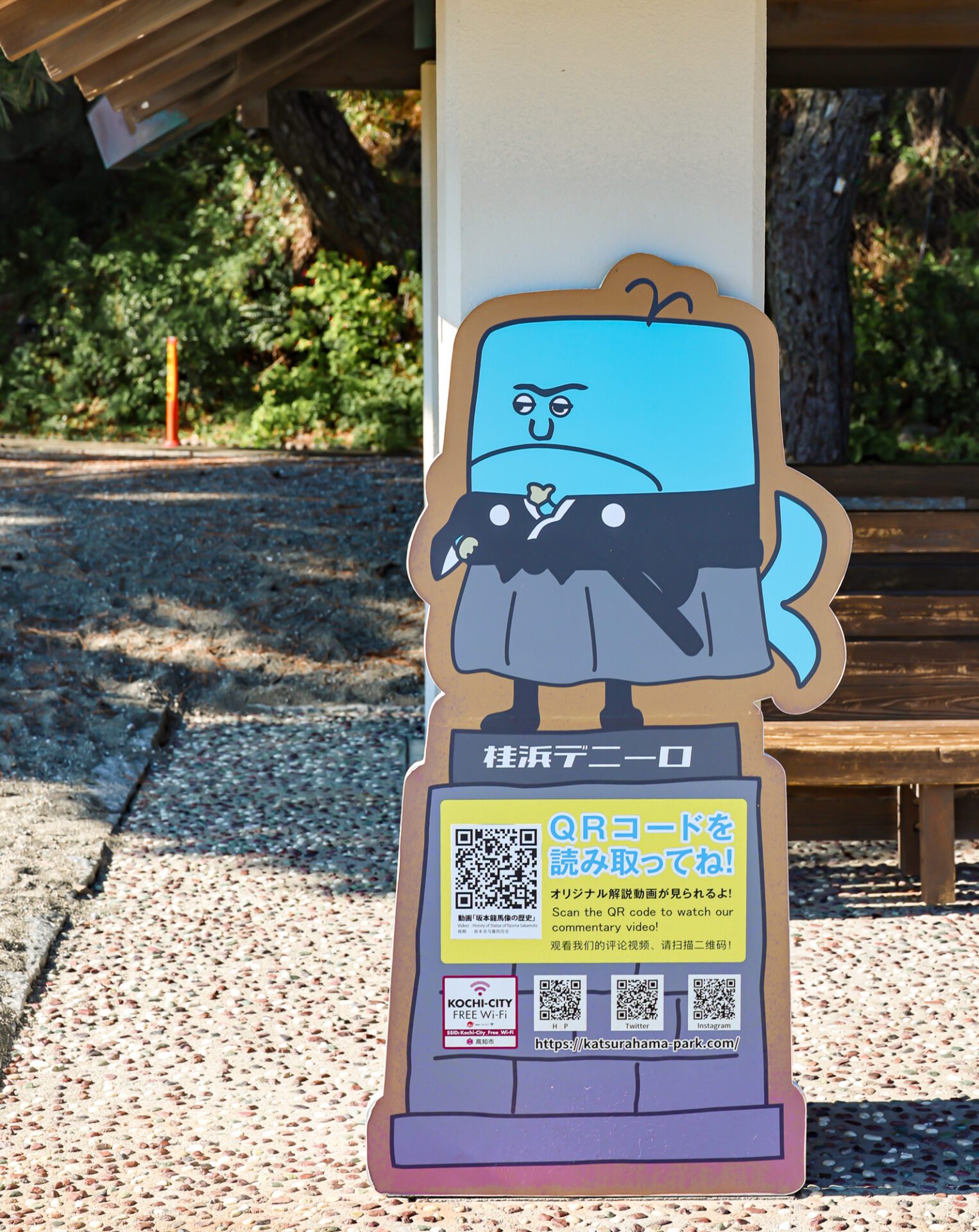
Nearby, you can admire the statue of Sakamoto Ryoma, a local legendary 19th-century samurai.

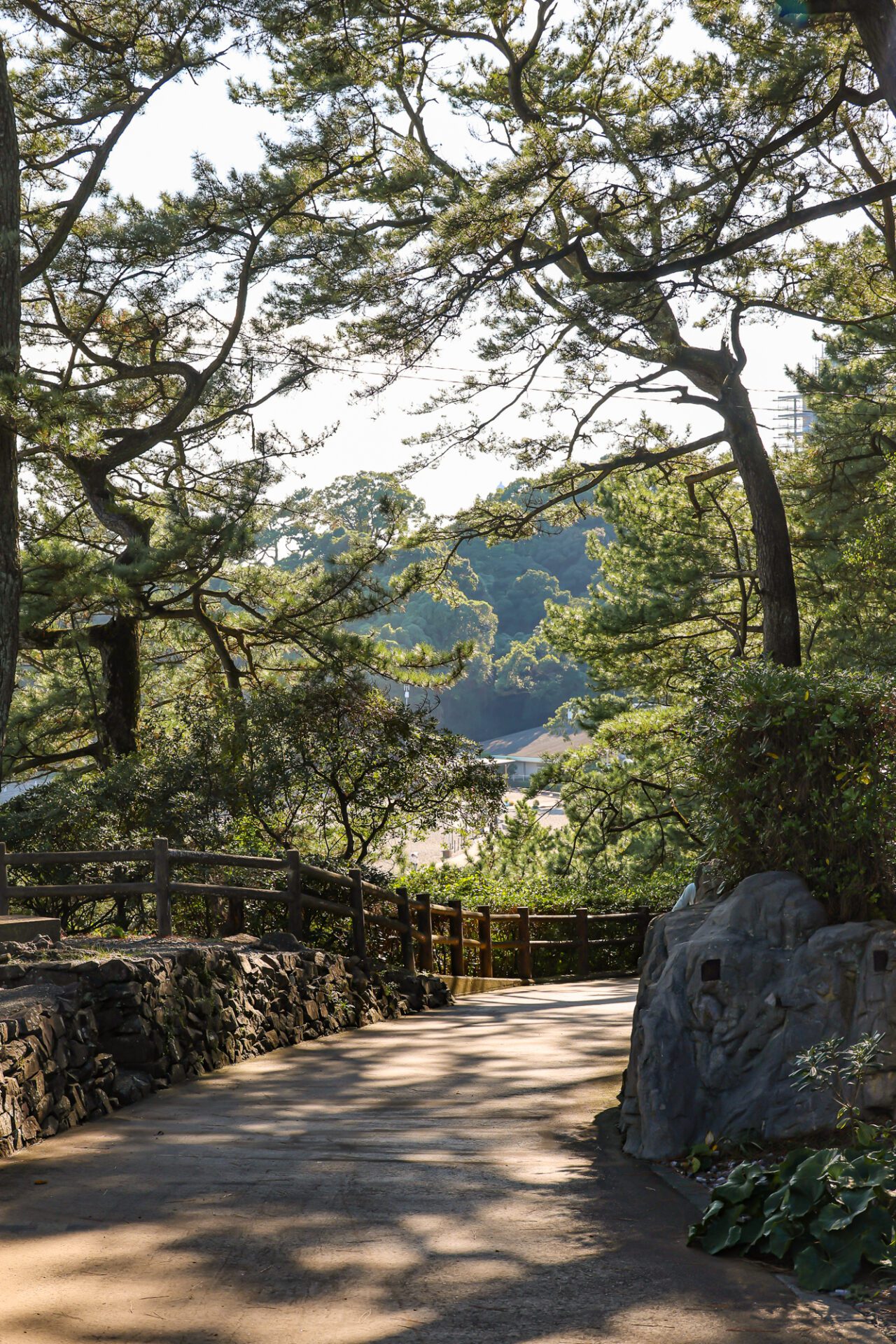
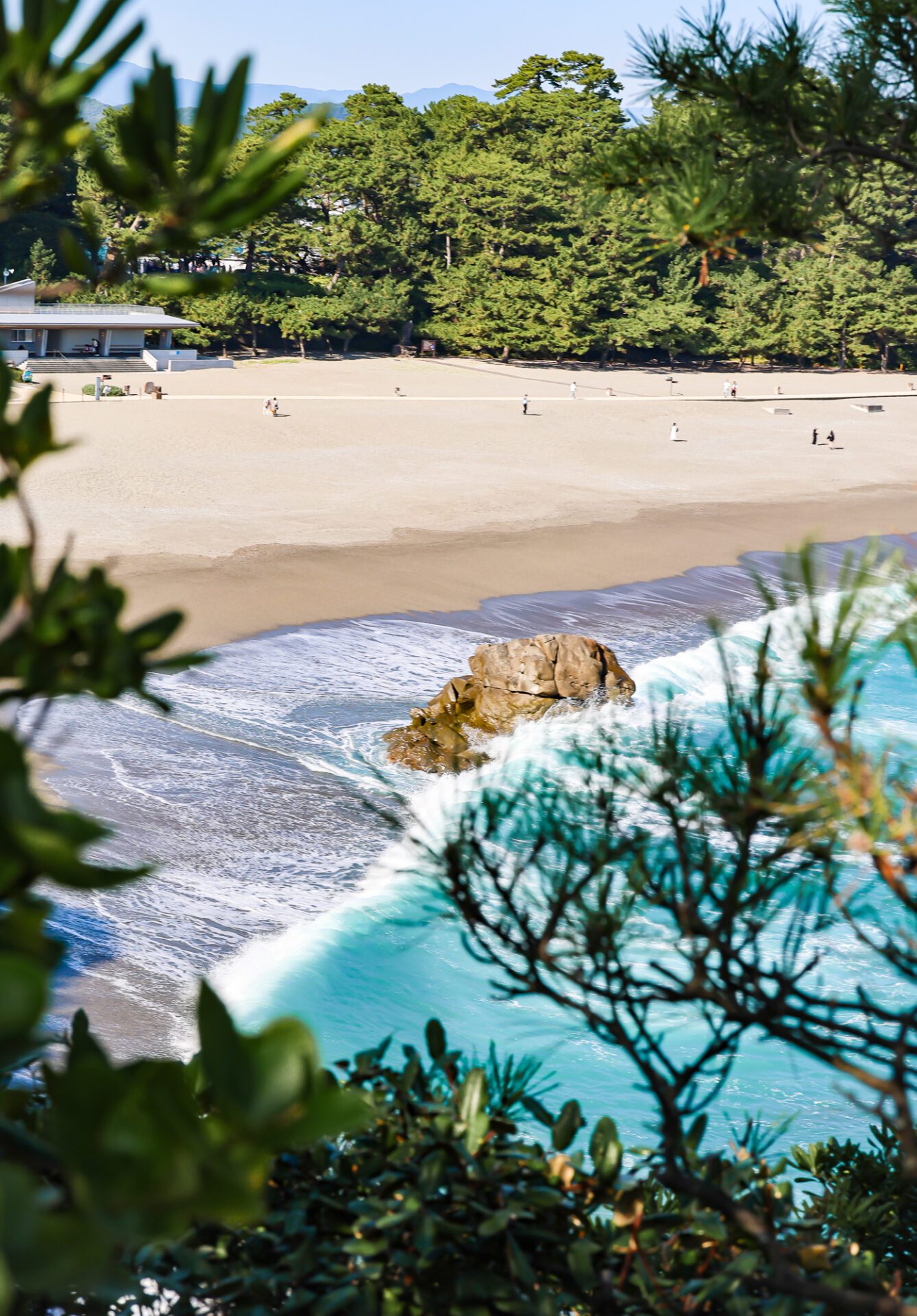
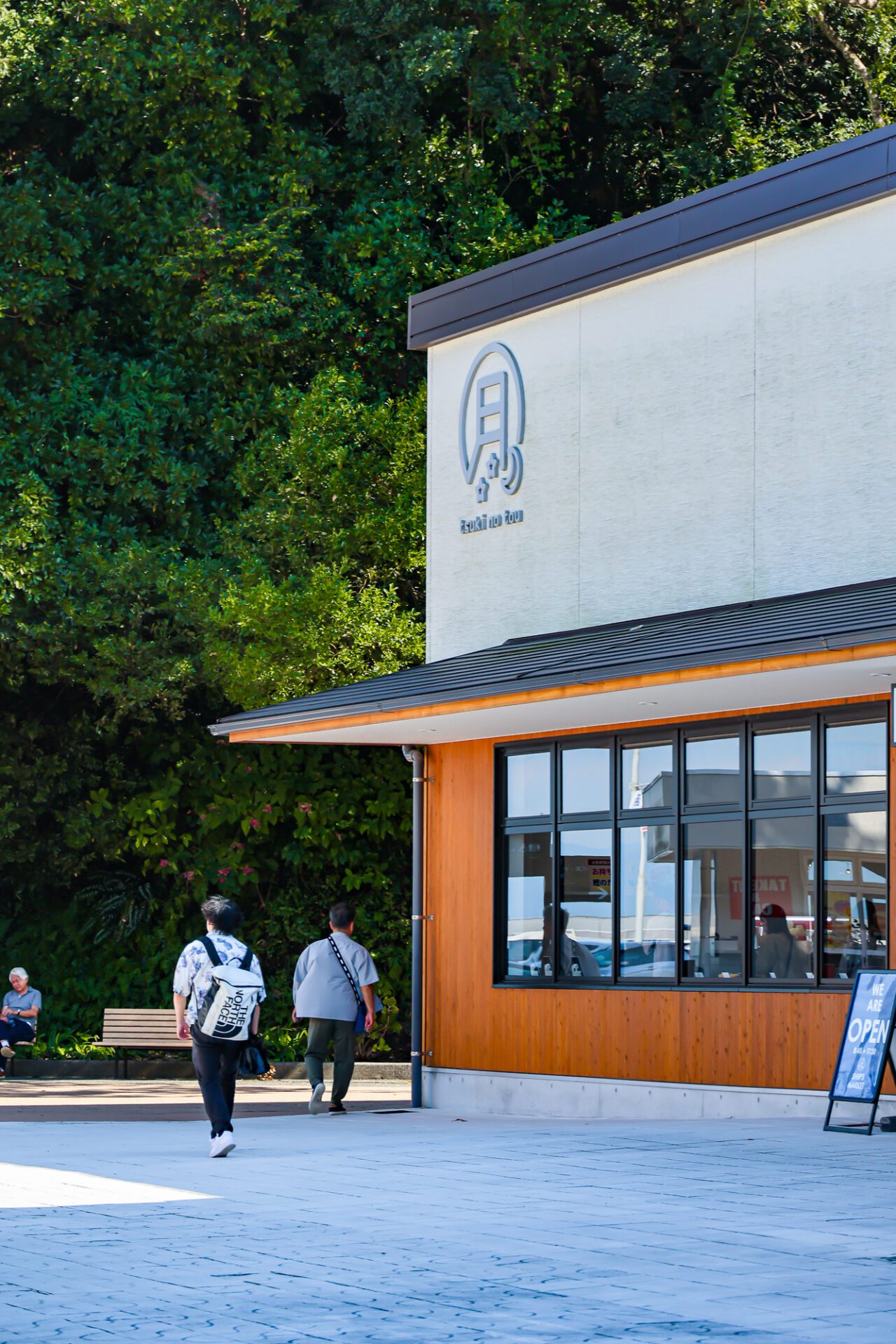
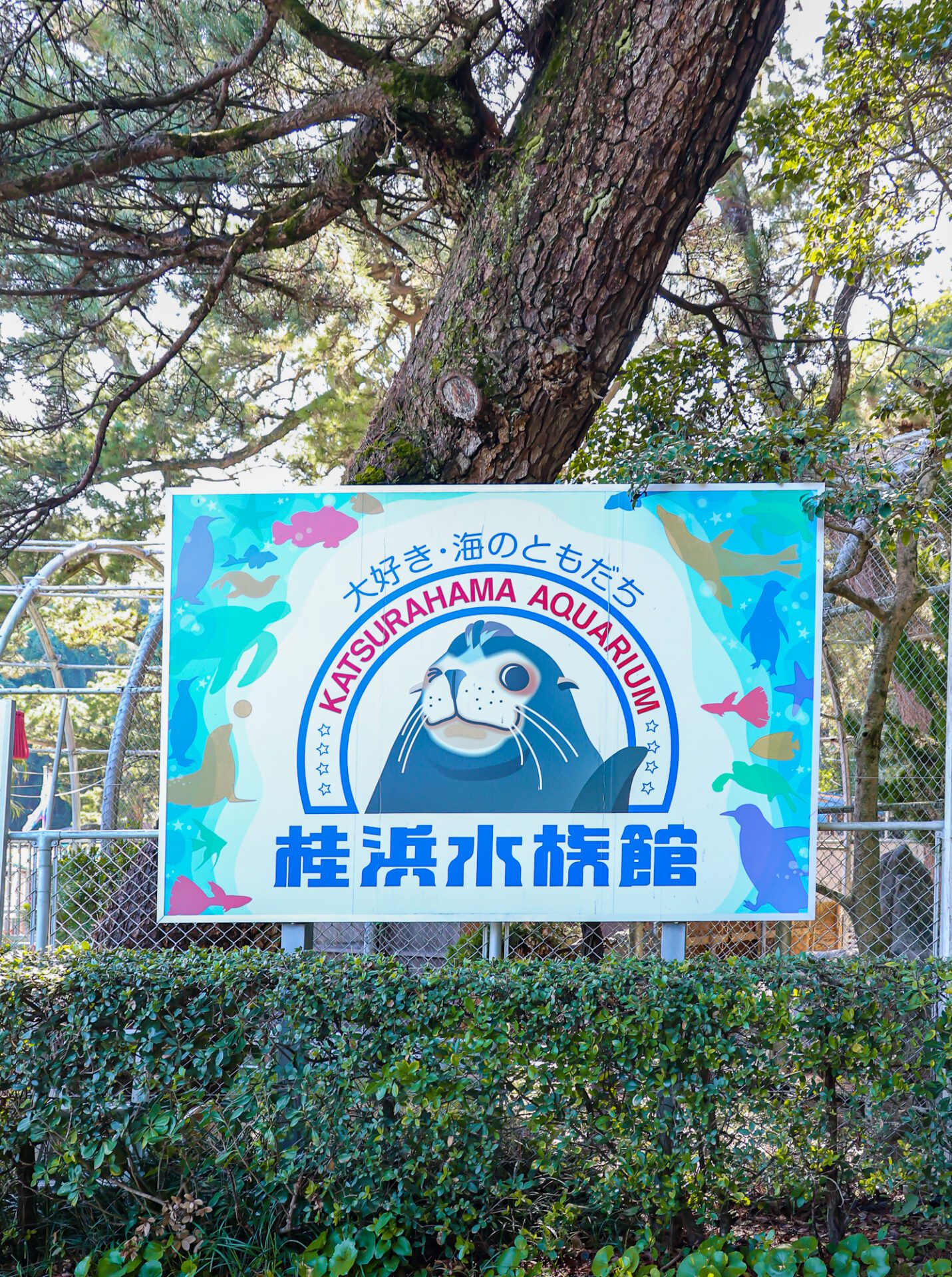
The area also houses the Katsurahama Aquarium and the brand-new Umi-no-Terrace, a lively spot filled with cafes and shops.
3. Make your own Katsuo no Tataki at Tosa Tataki Dojo
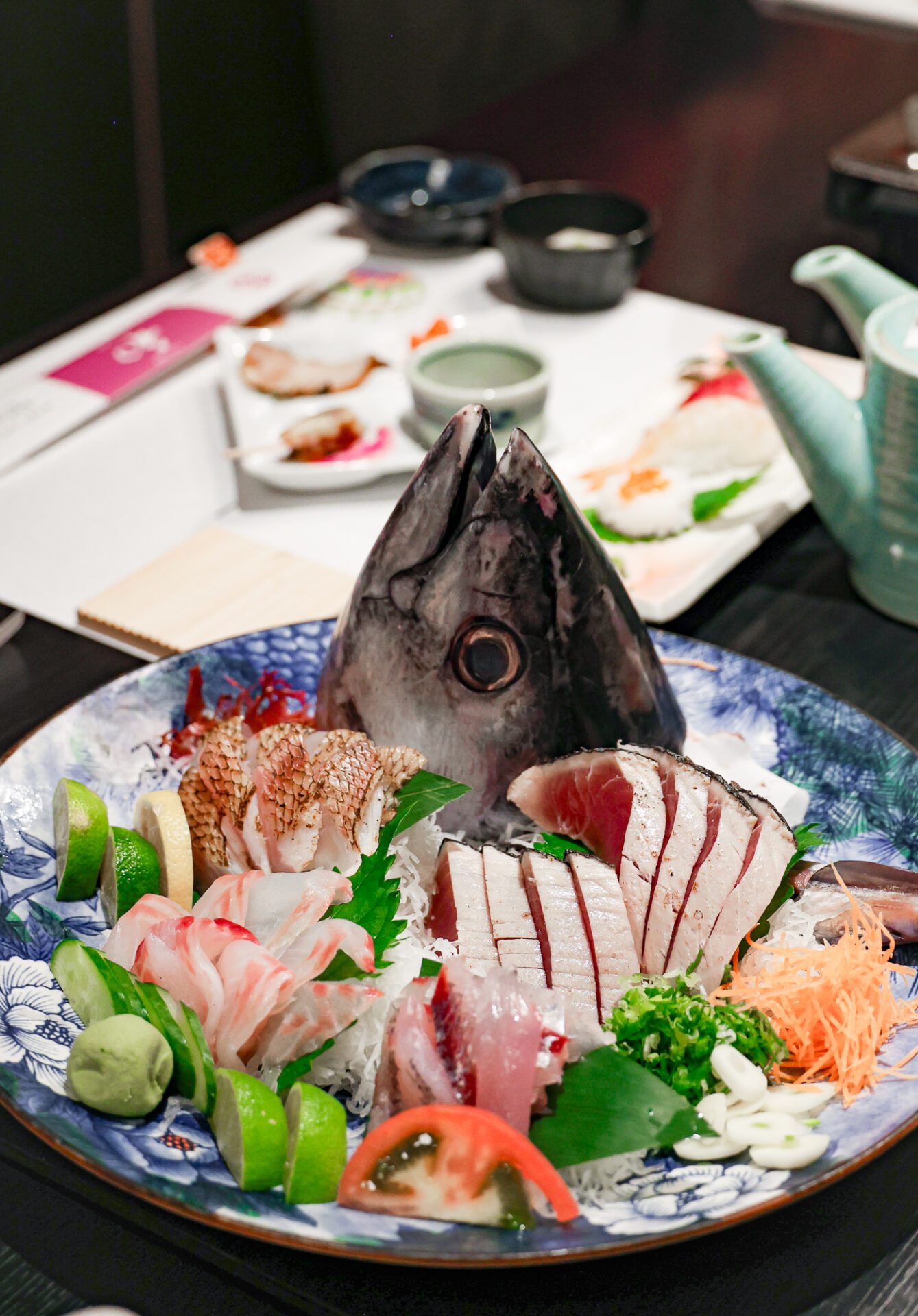
Head to Tosa Tataki Dojo to try one of the best-known specialities of Kochi, Katsuo no Tataki: it’s a generous piece of bonito fish fillet seared over a straw fire.

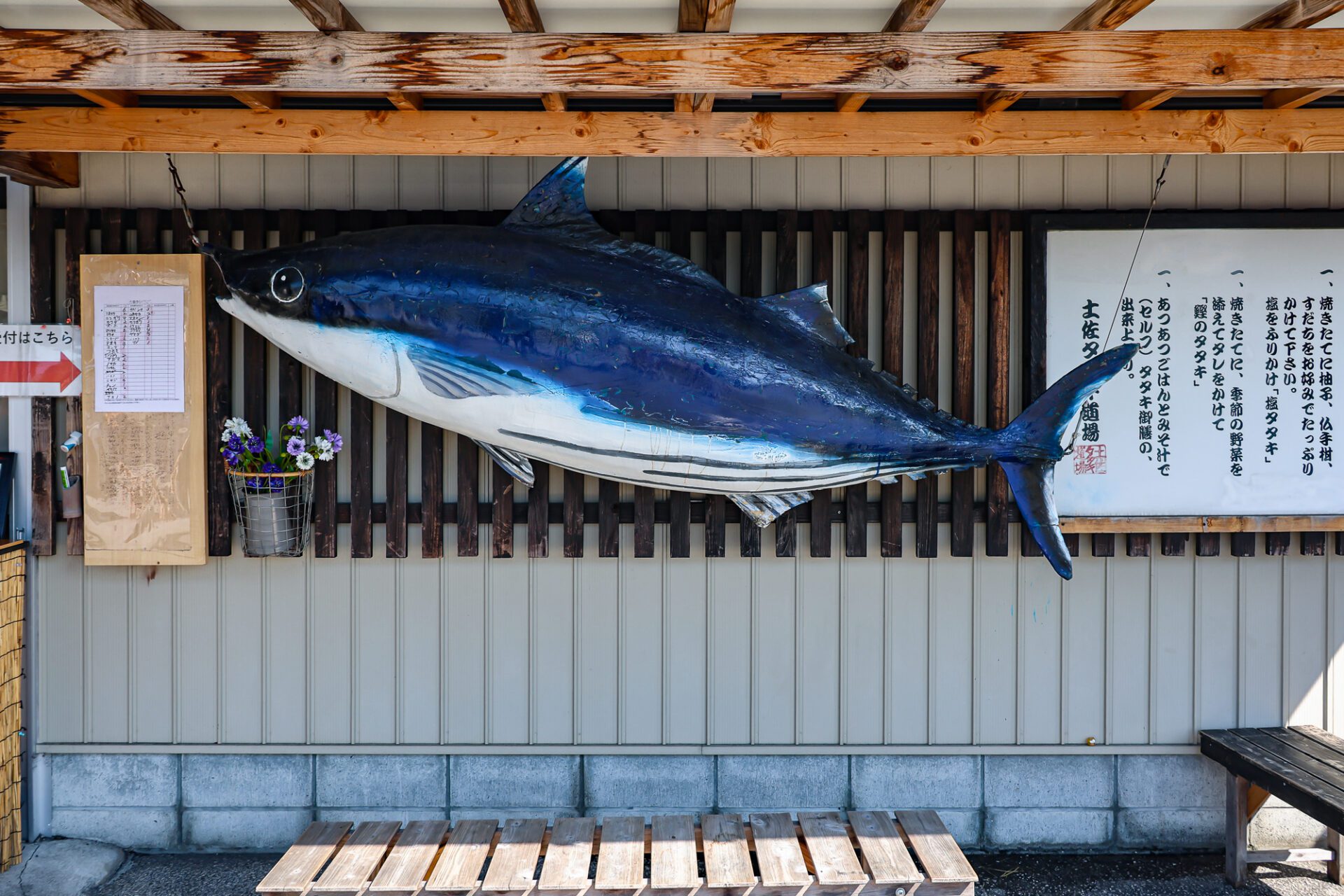


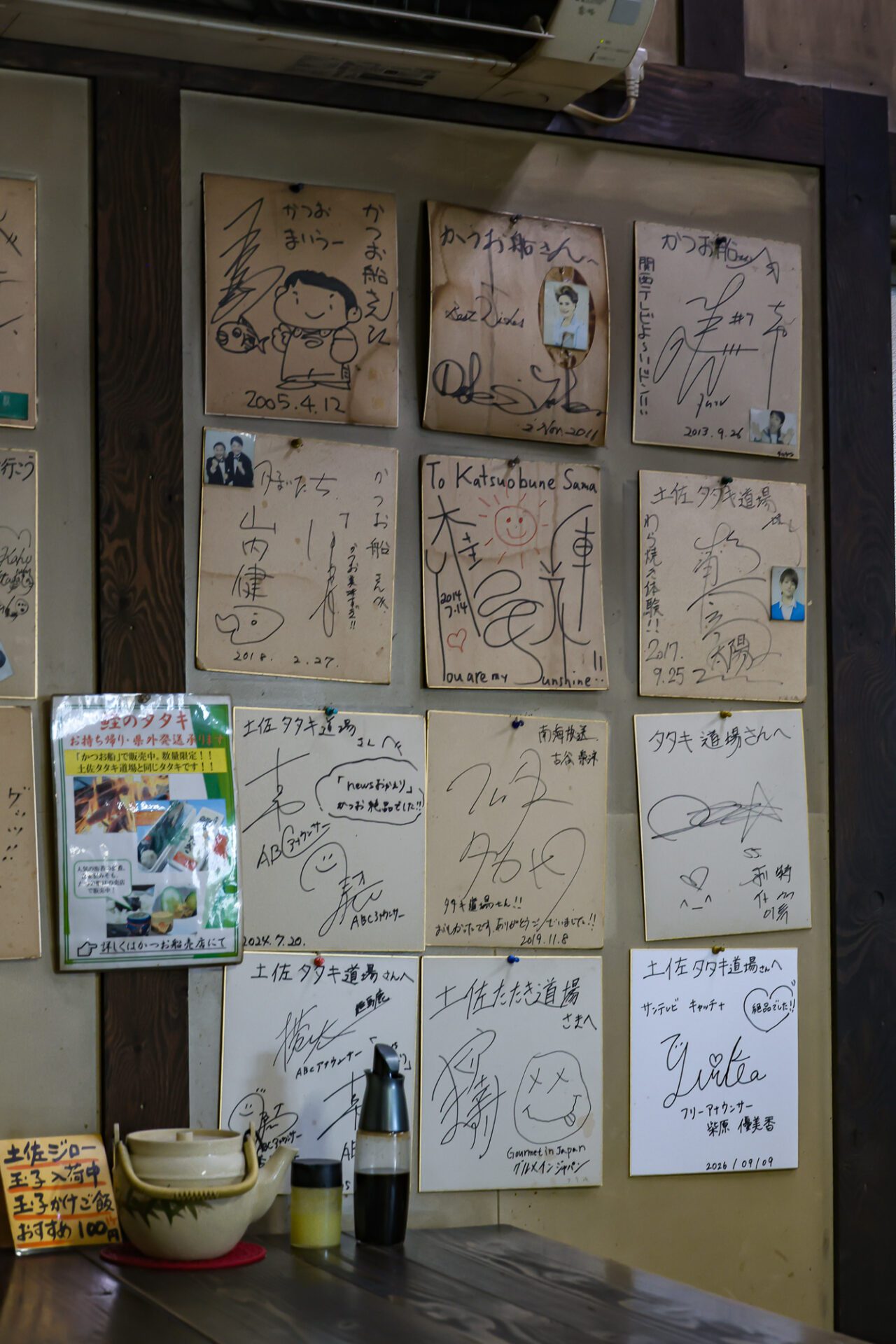
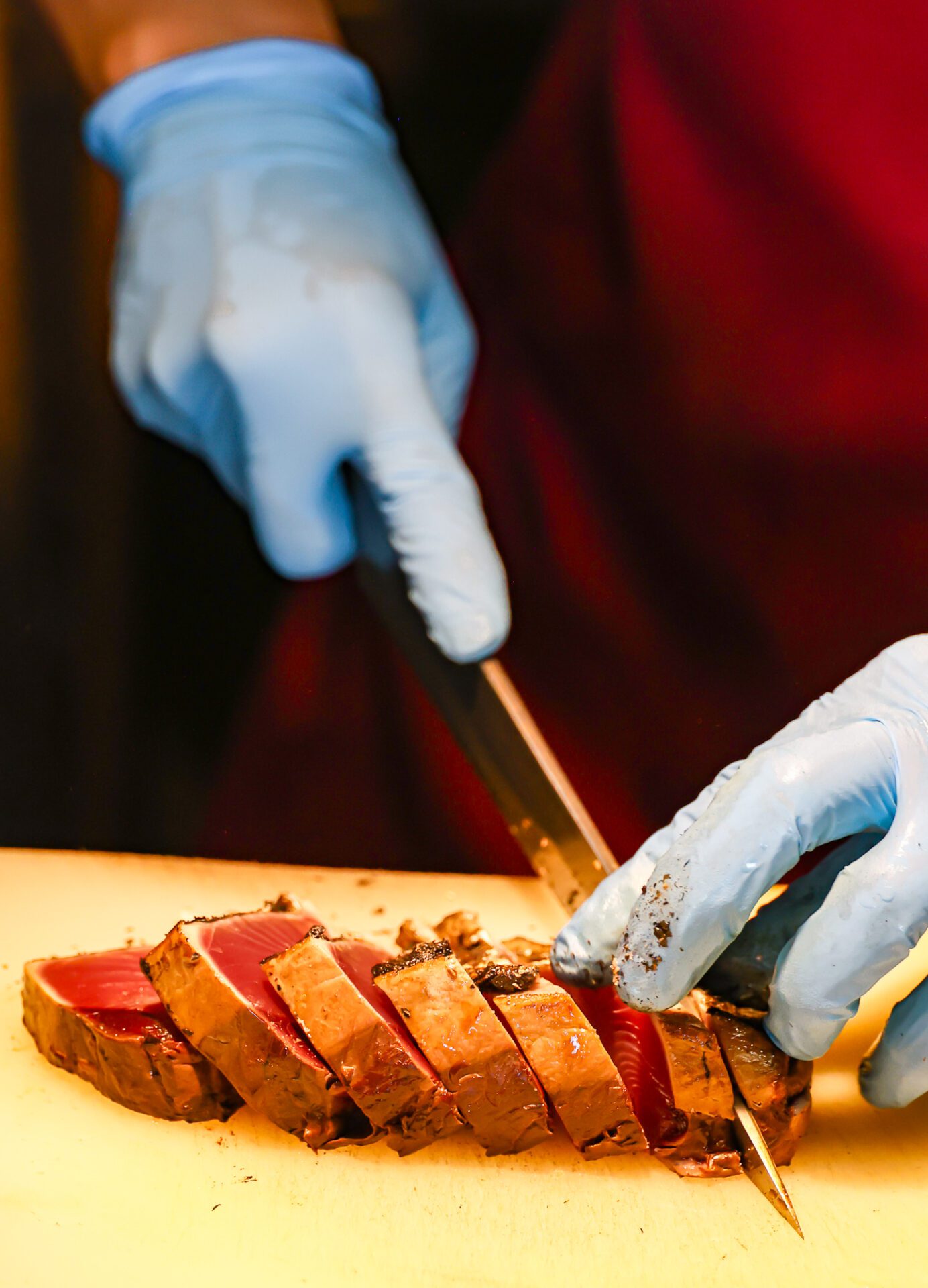
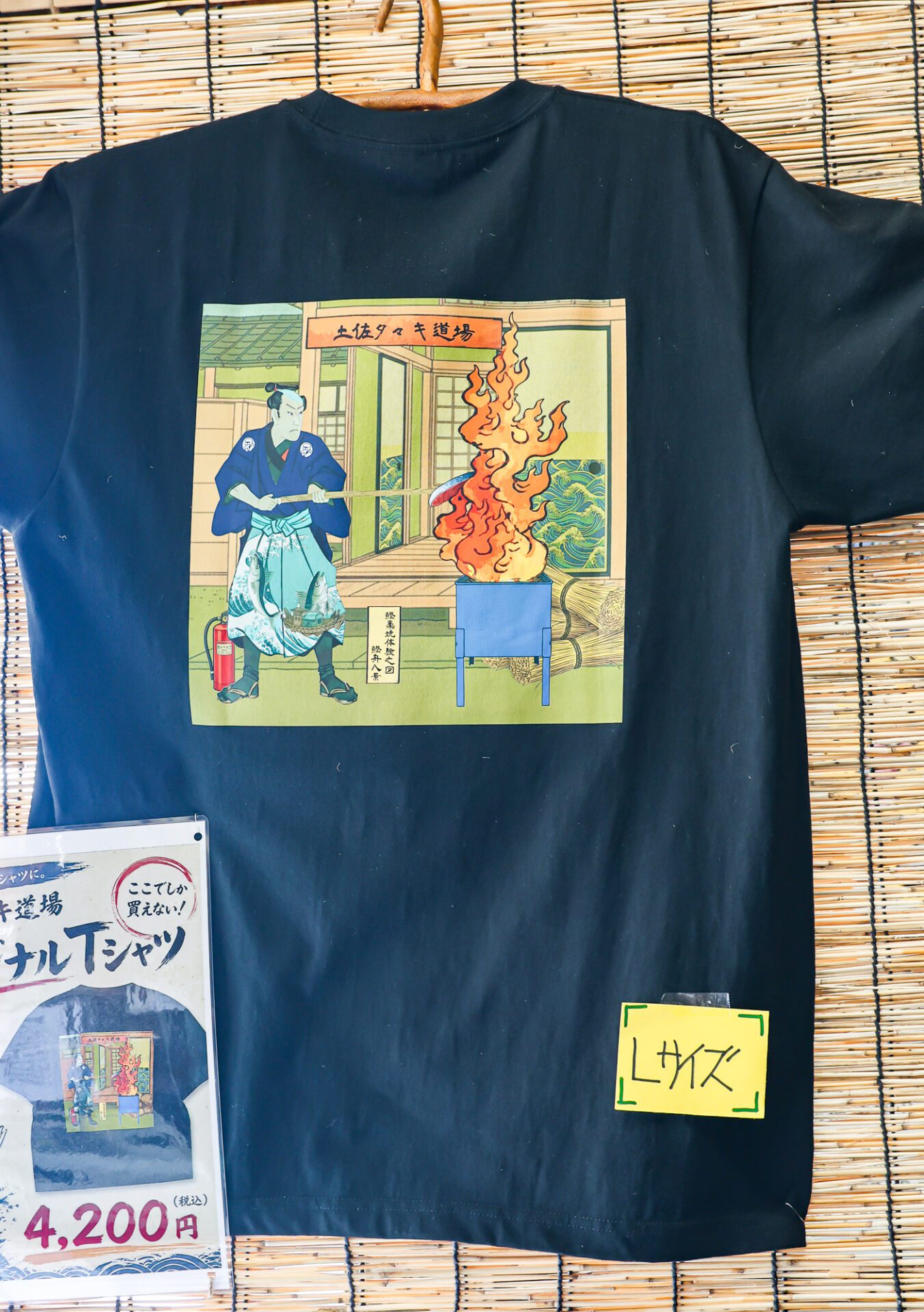
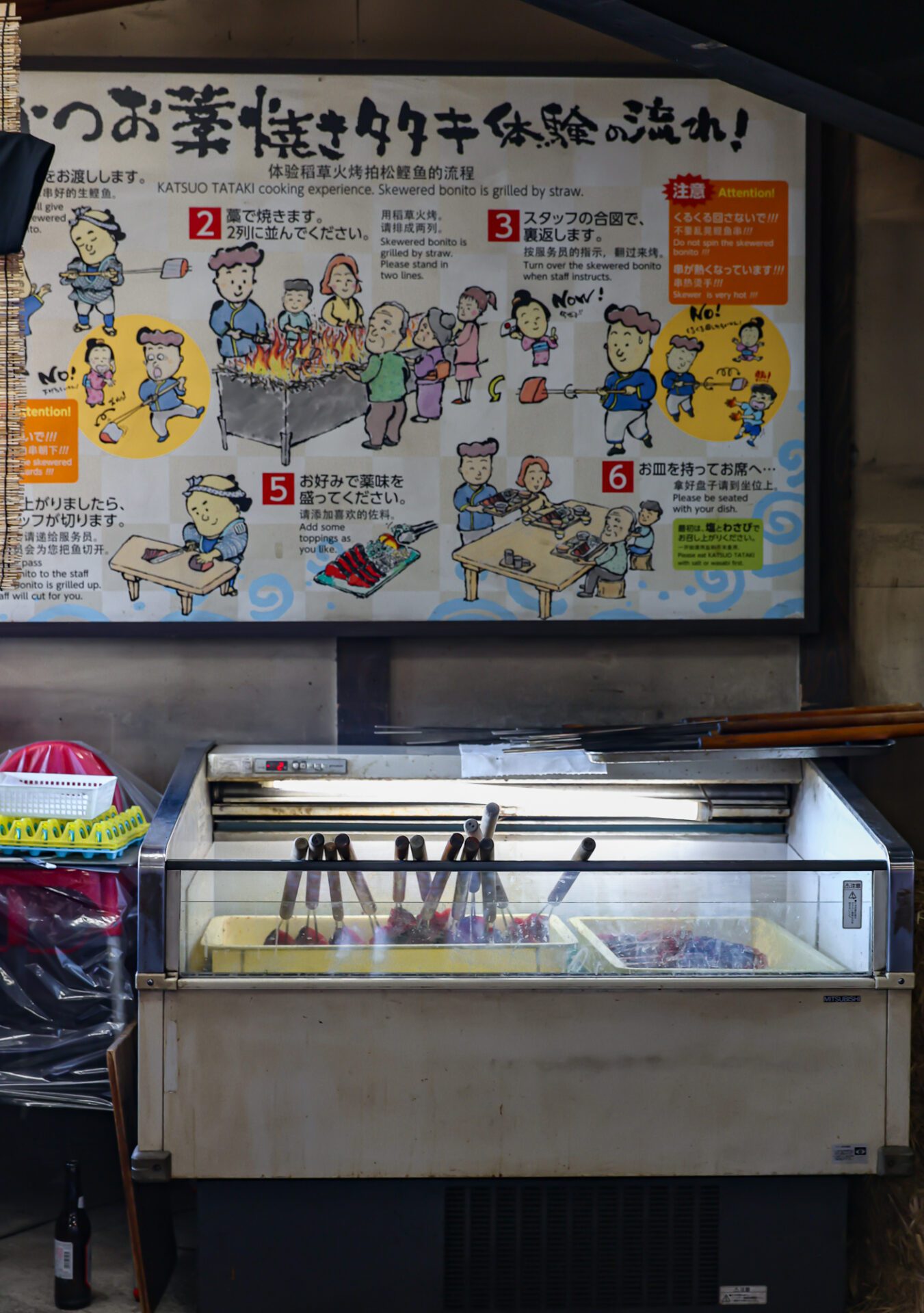
Just 90 seconds of high-heat searing infuses the bonito with a rich smokiness, giving you perfectly prepared Katsuo no Tataki.

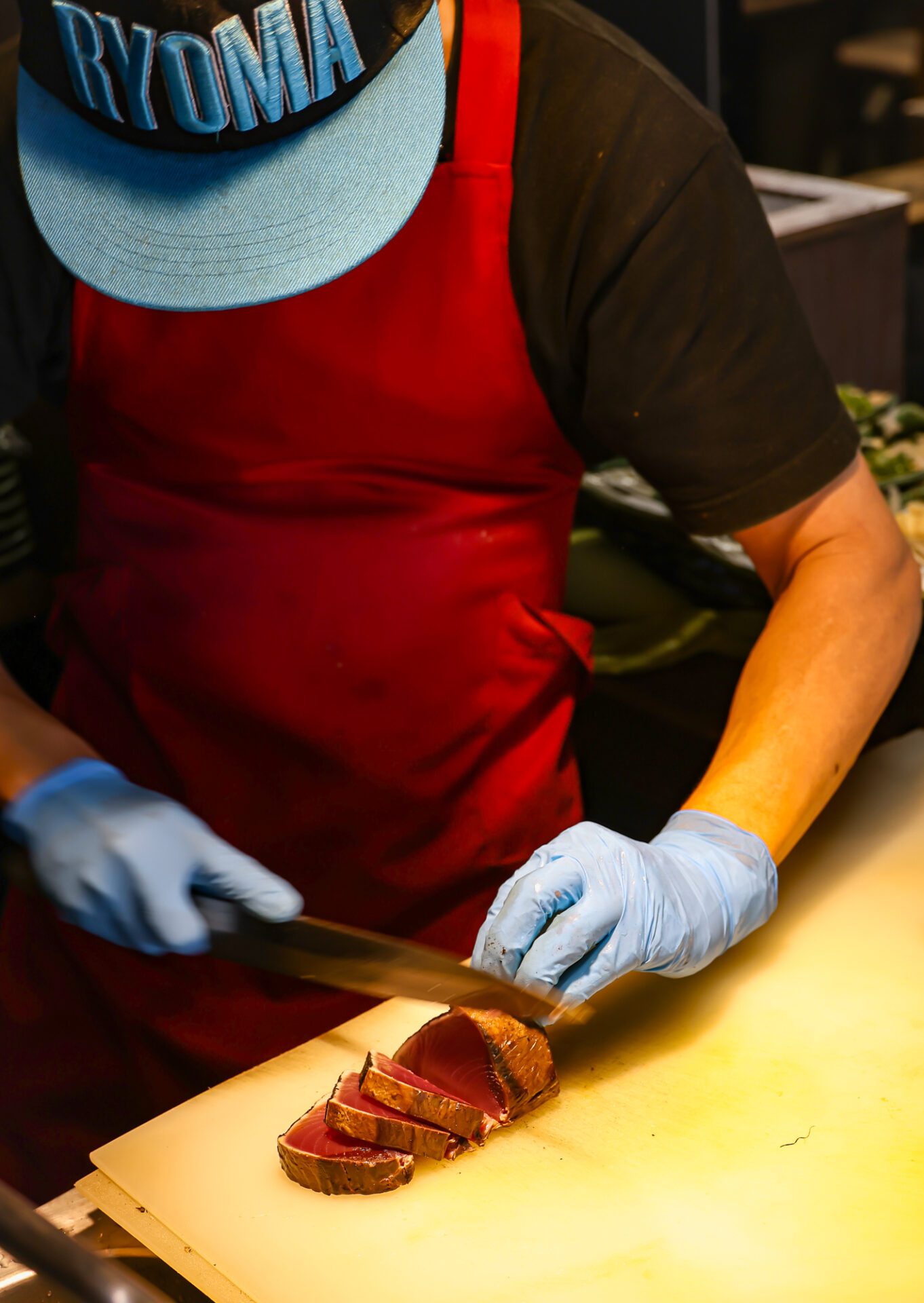


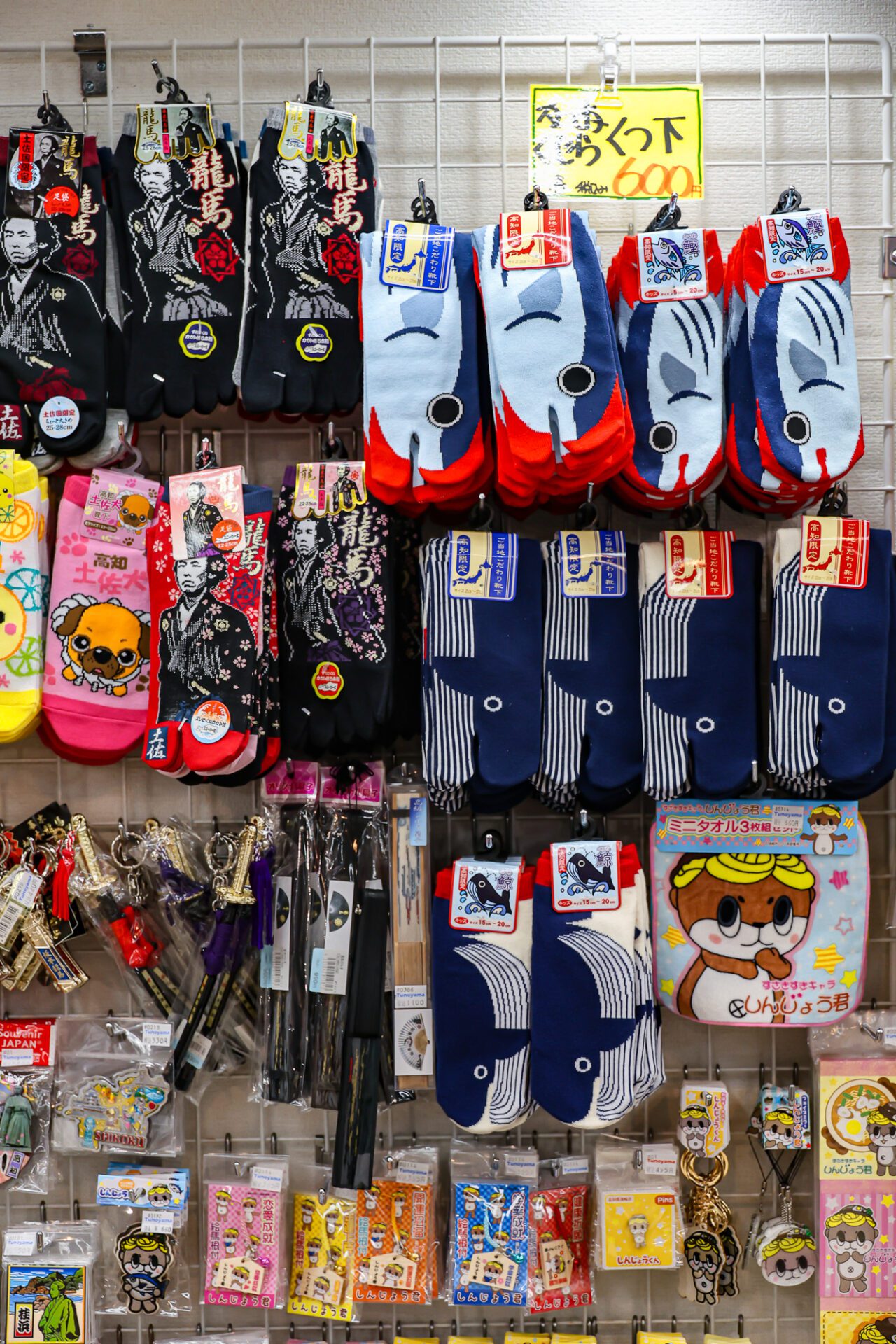
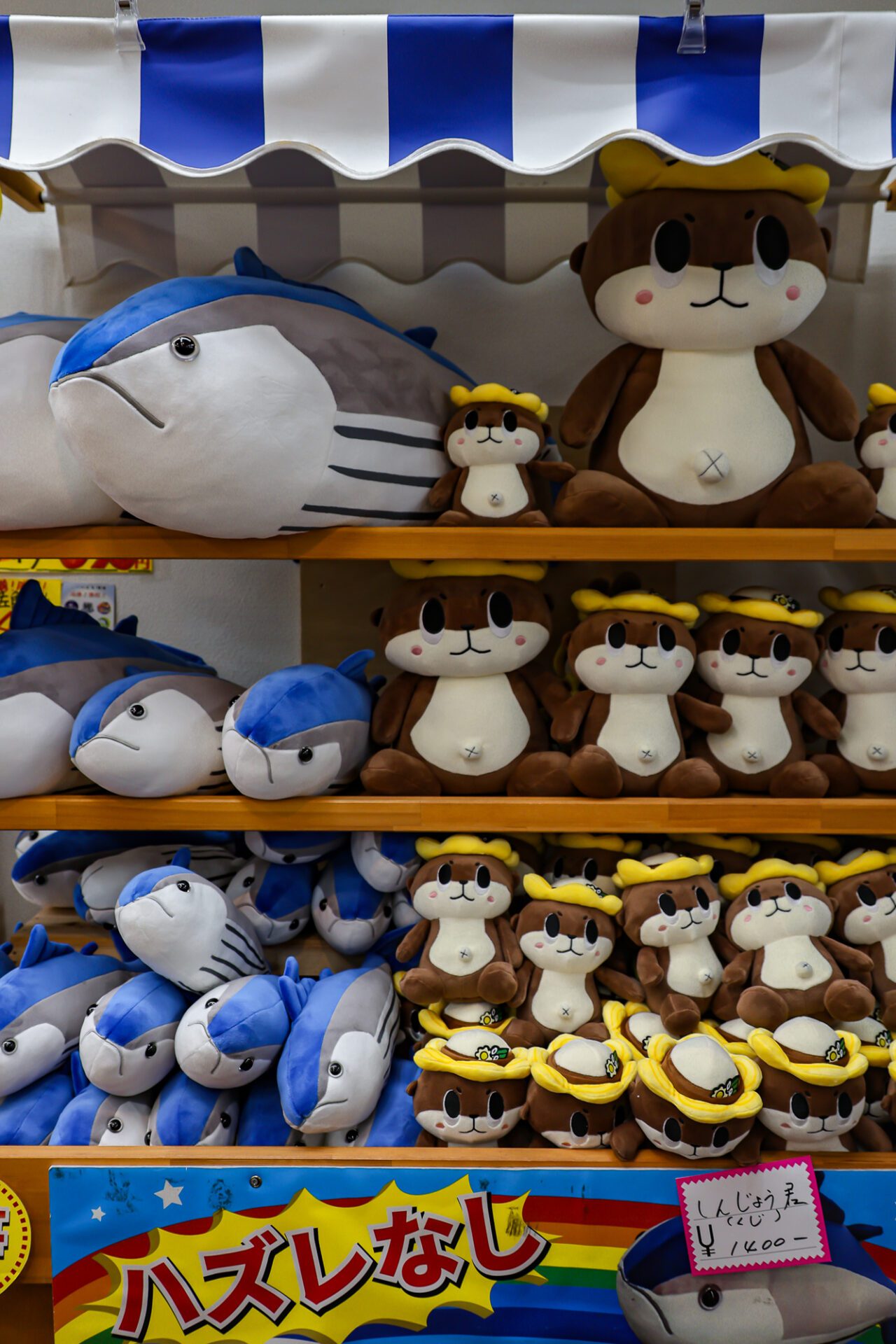
Enjoy it with ponzu sauce, myoga ginger, fresh garlic, shiso leaves, and white and green onions – and shop some bonito-themed souvenirs as well!
4. Train your dancing skills at Kochi Yosakoi Museum
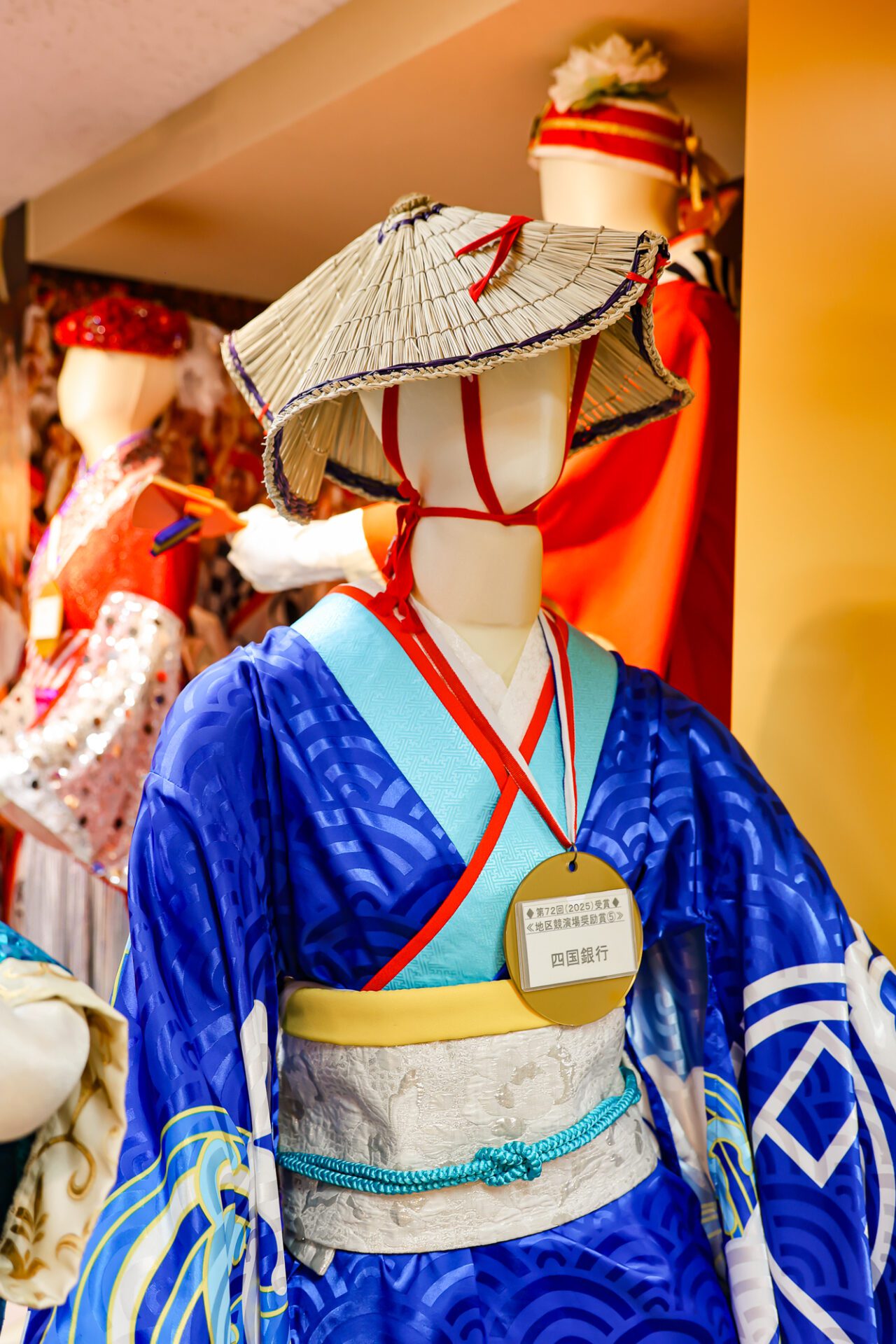
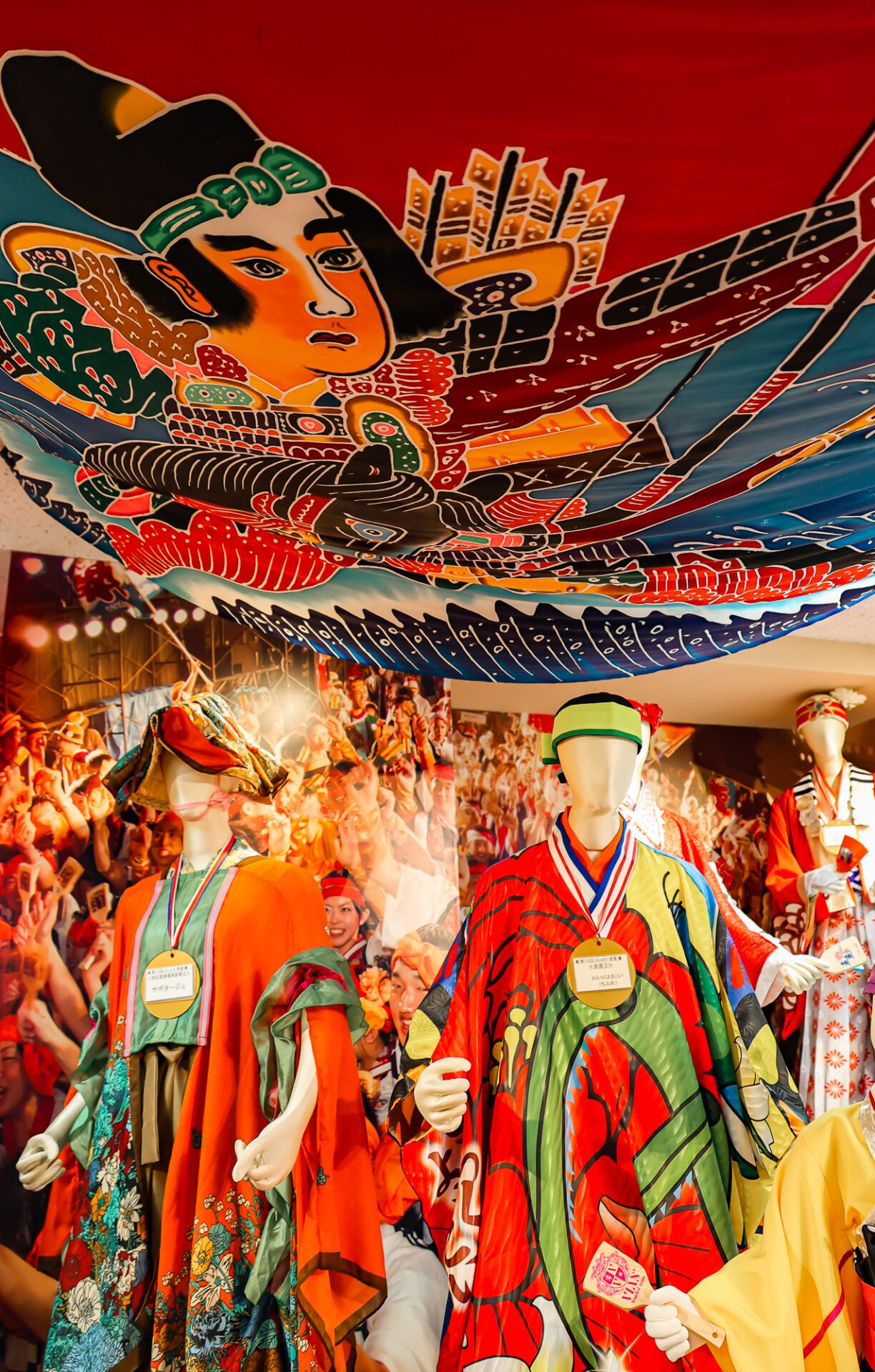
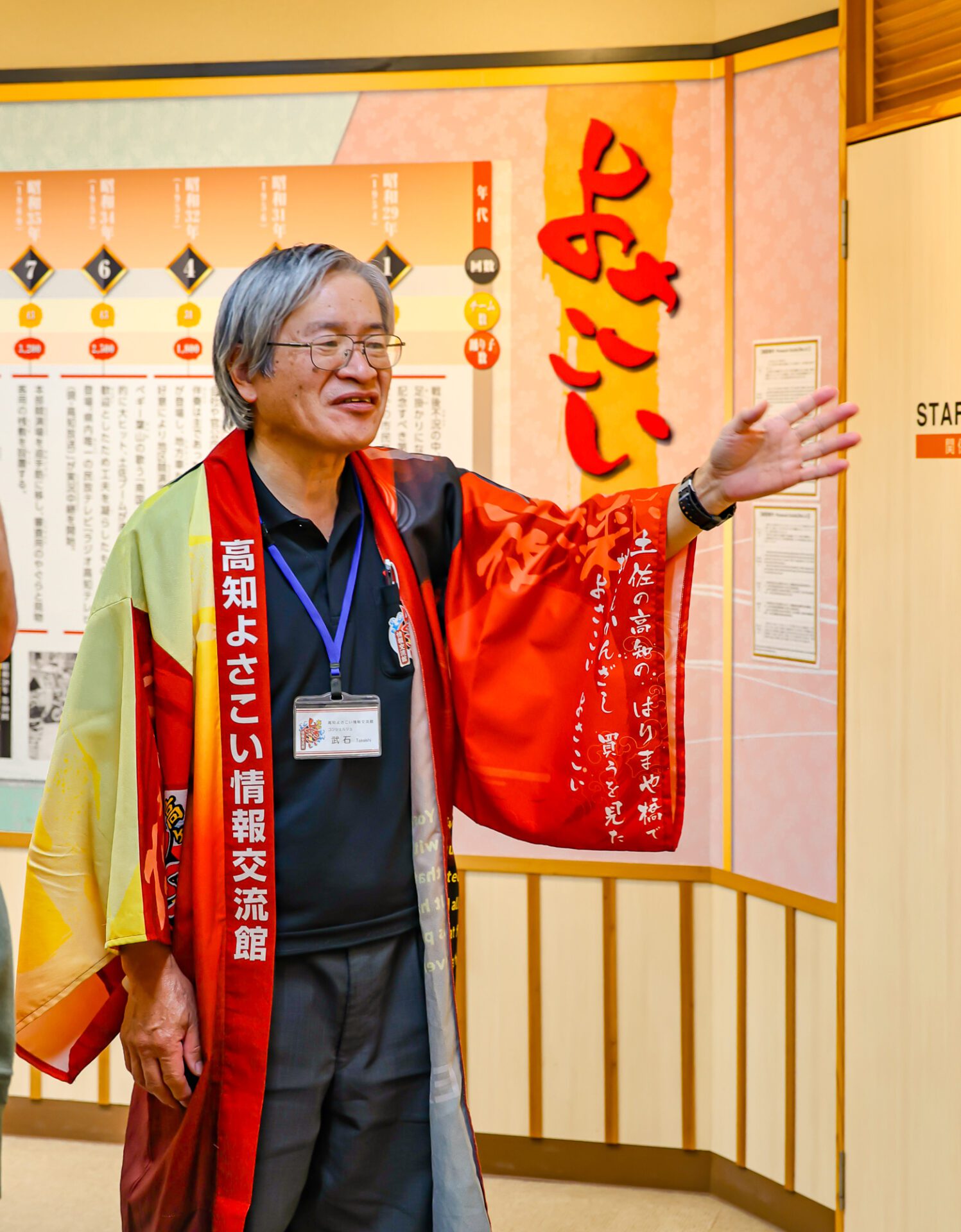
Kochi Yosakoi Museum is dedicated to the Kochi Yosakoi Festival, which was first introduced in 1954 to boost the local economy and tourism.


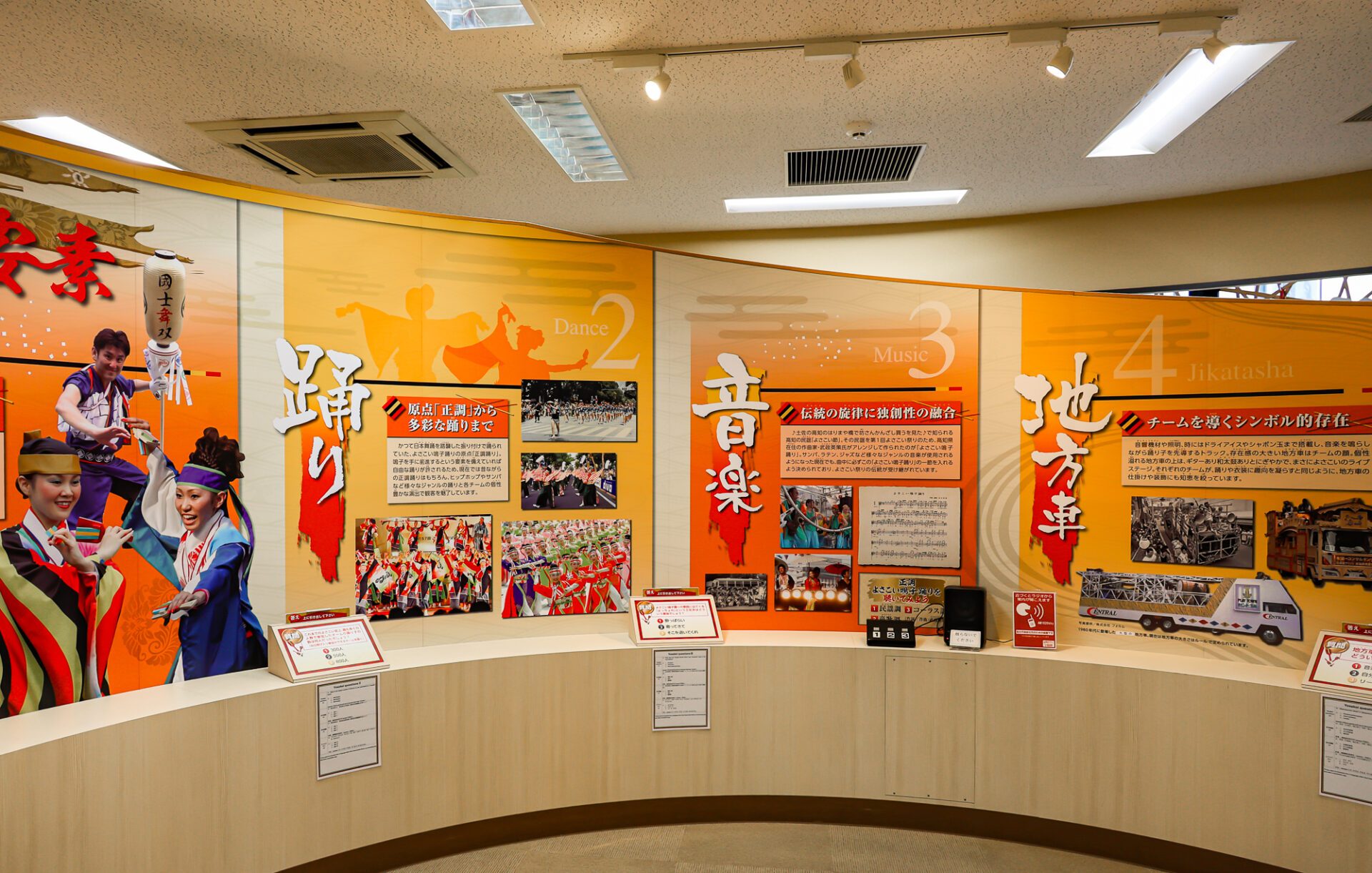
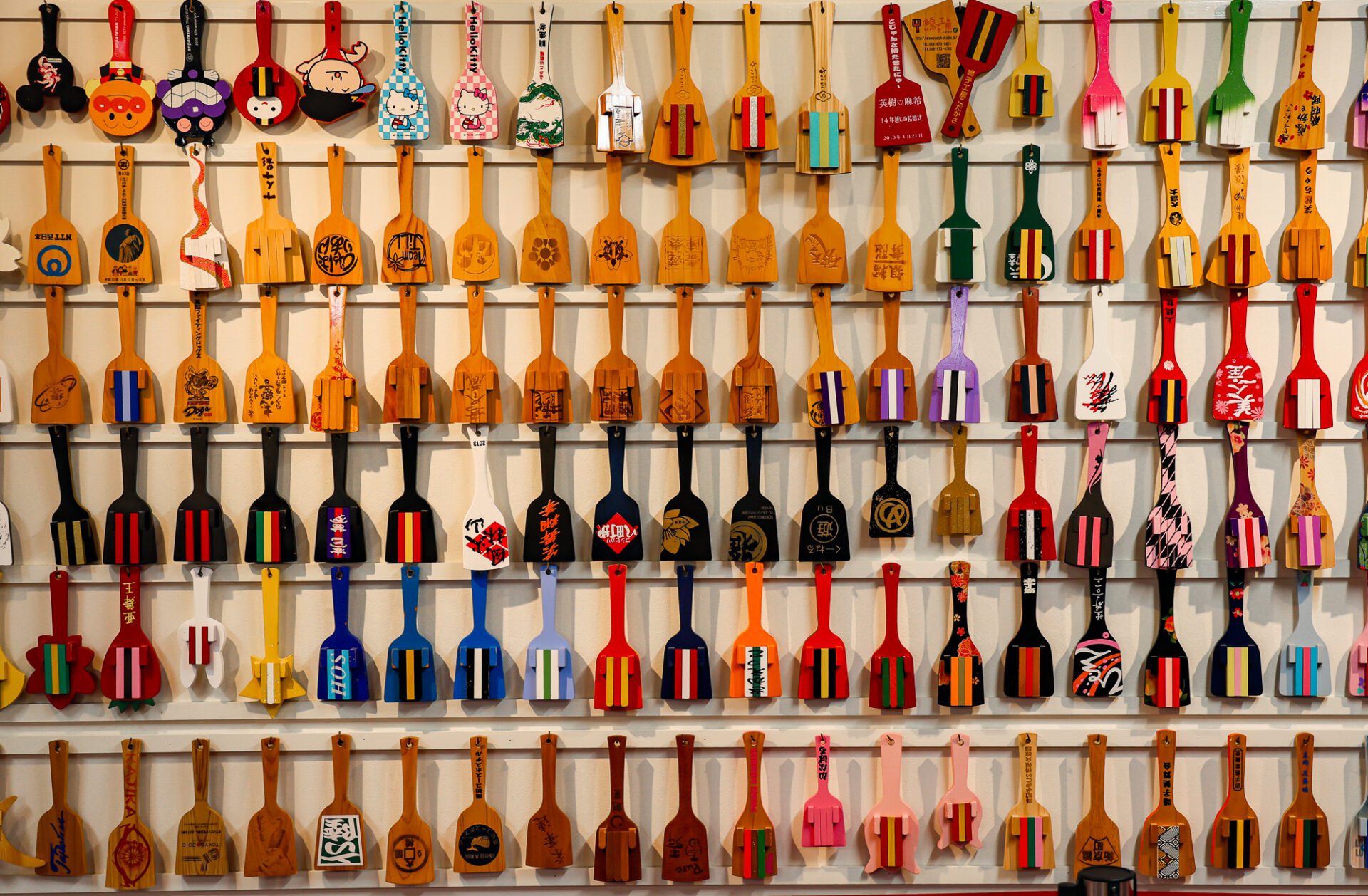
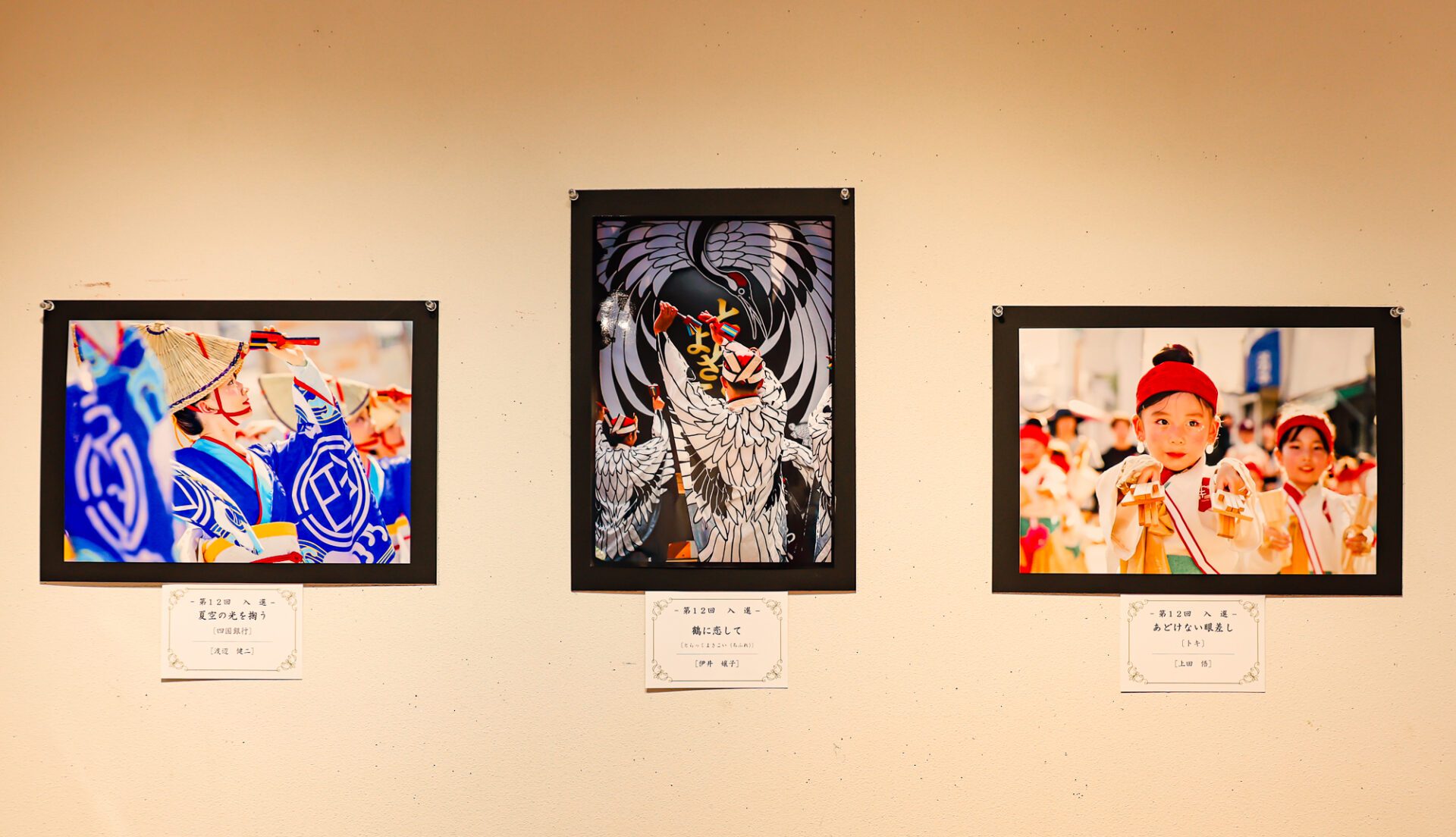
Learn here about the yosakoi-bushi song, traditional wooden clappers naruko and colourful creative costumes of the dancers – and follow the digital instructor to learn some dance movements!
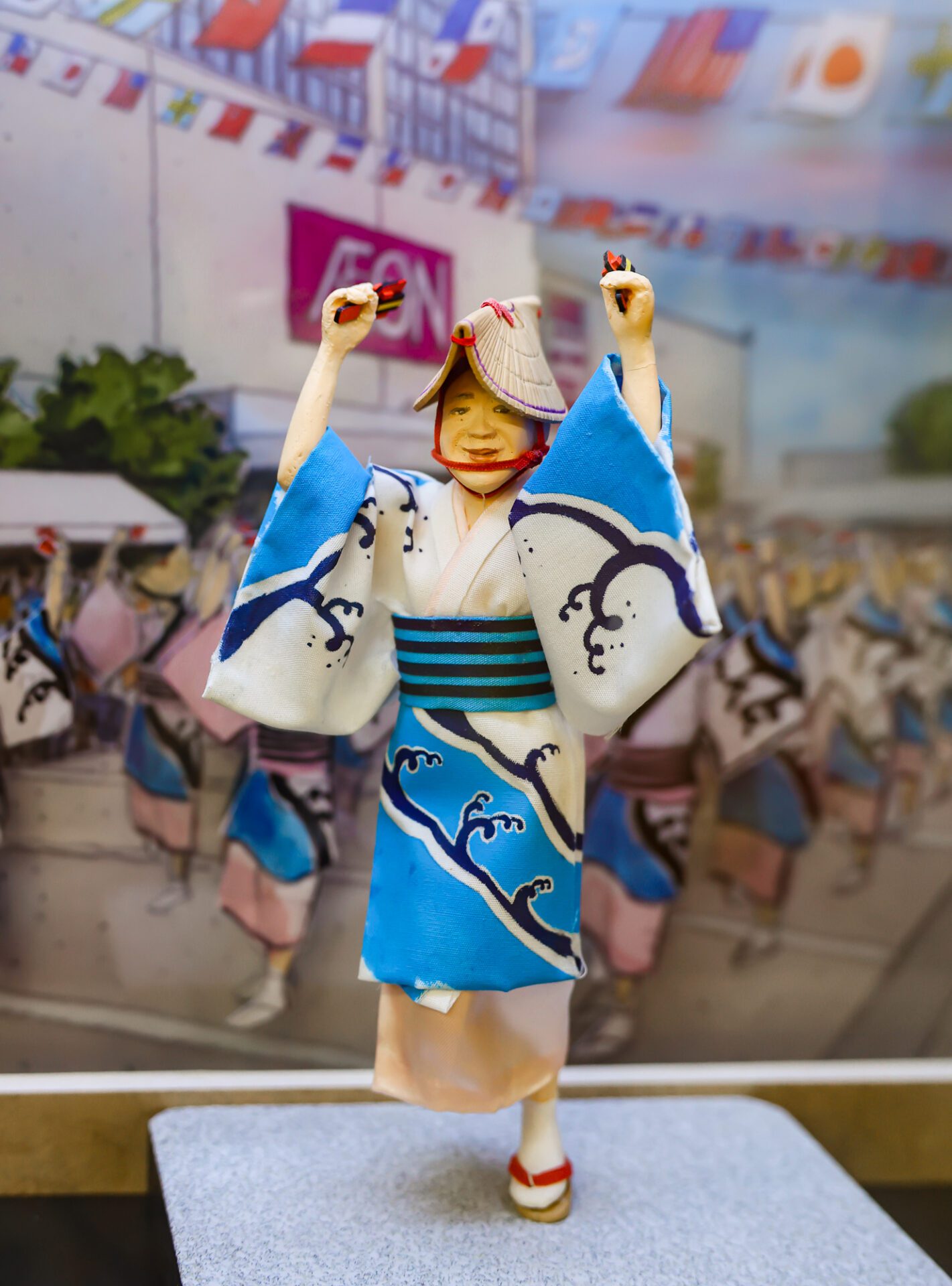

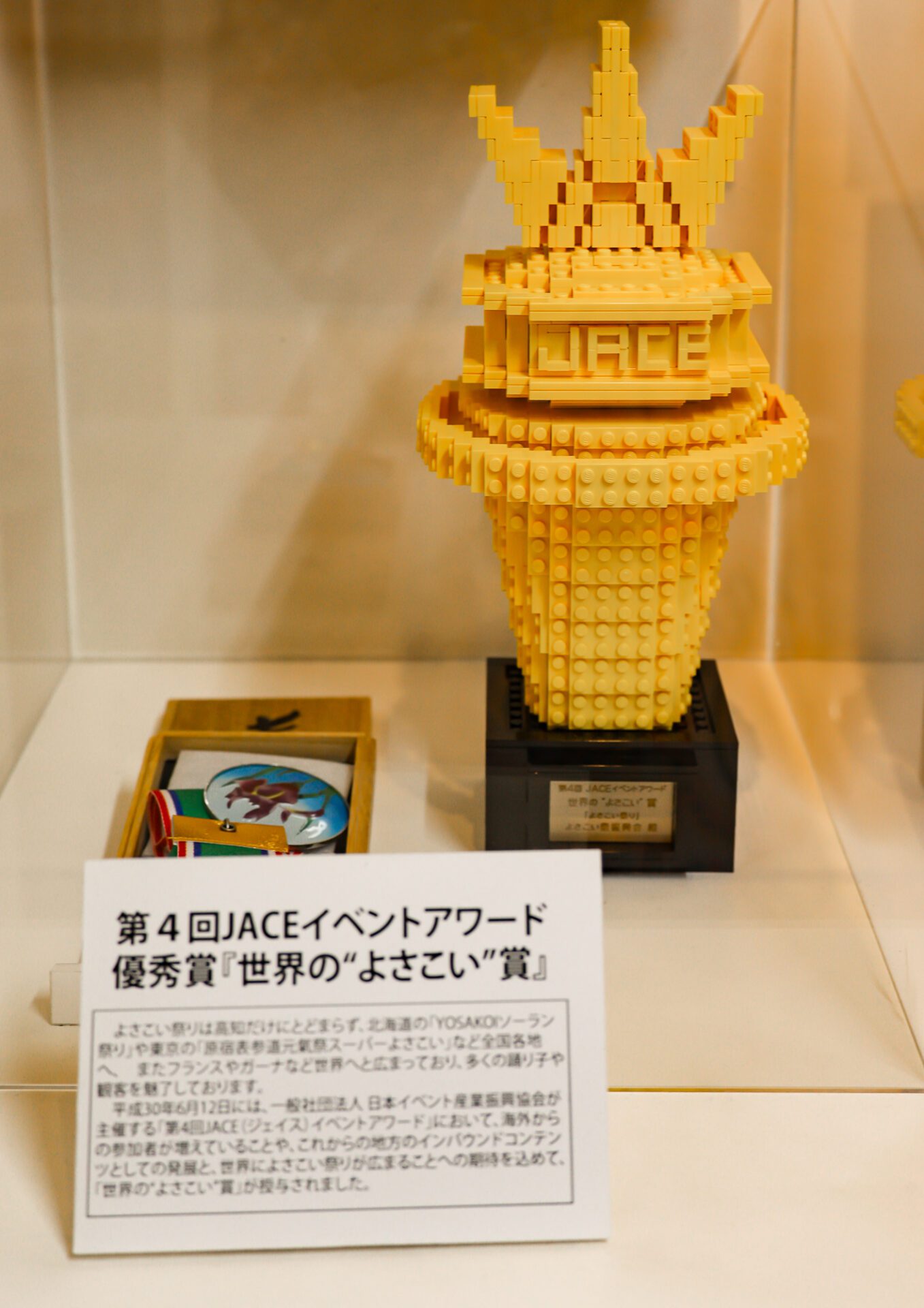
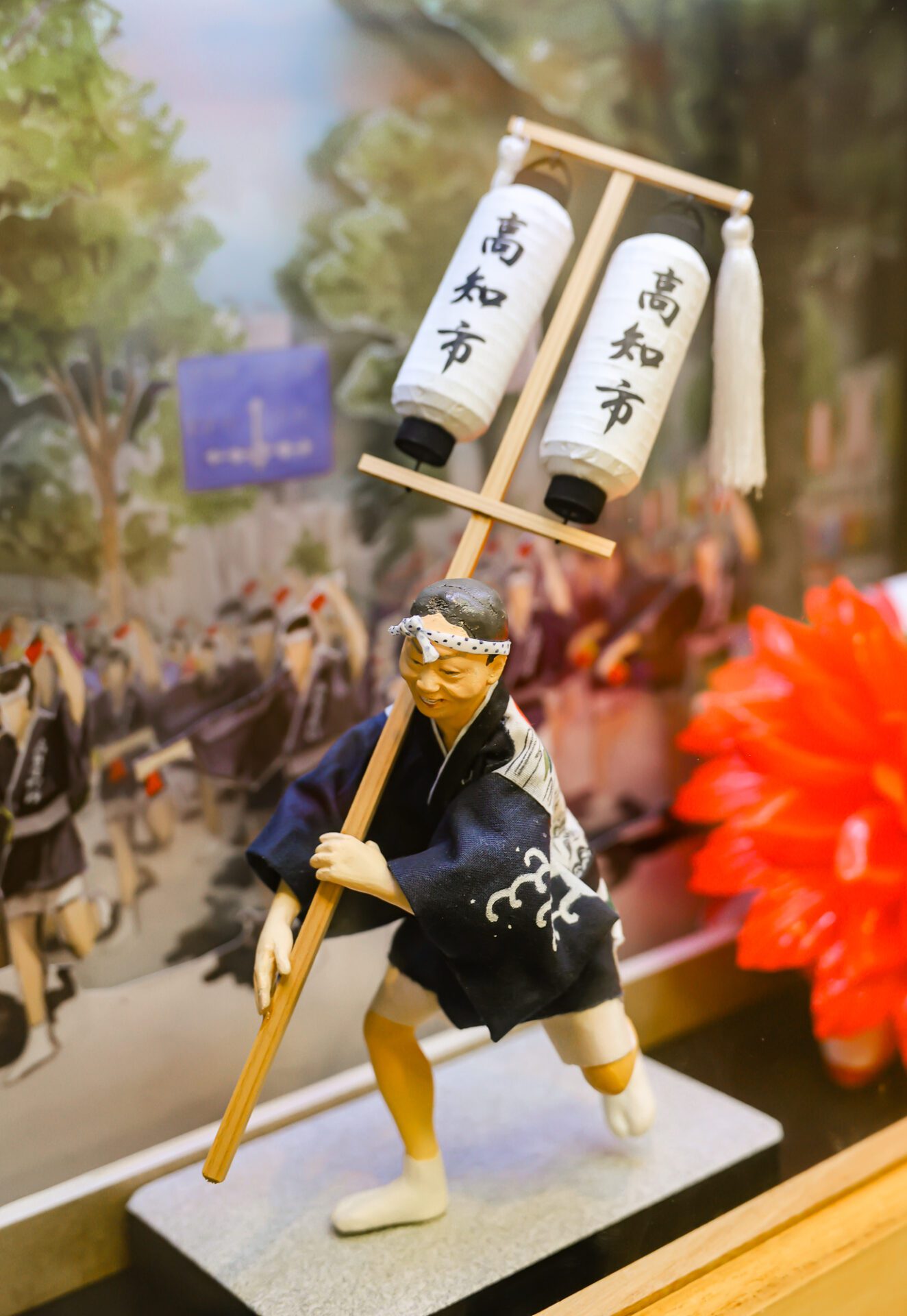
The festival takes place in Kochi in August.
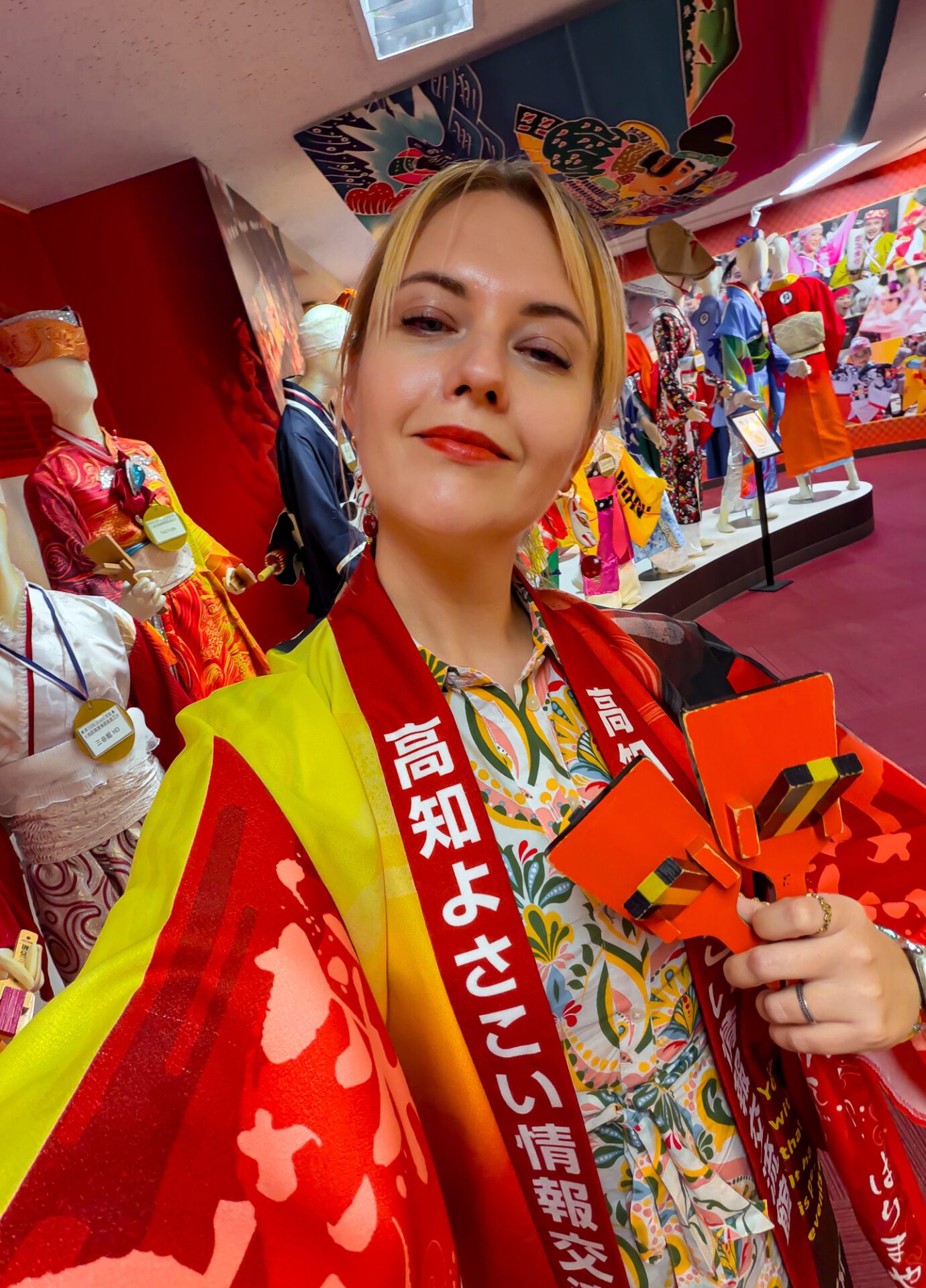
5. Spot the Harimaya Bridge
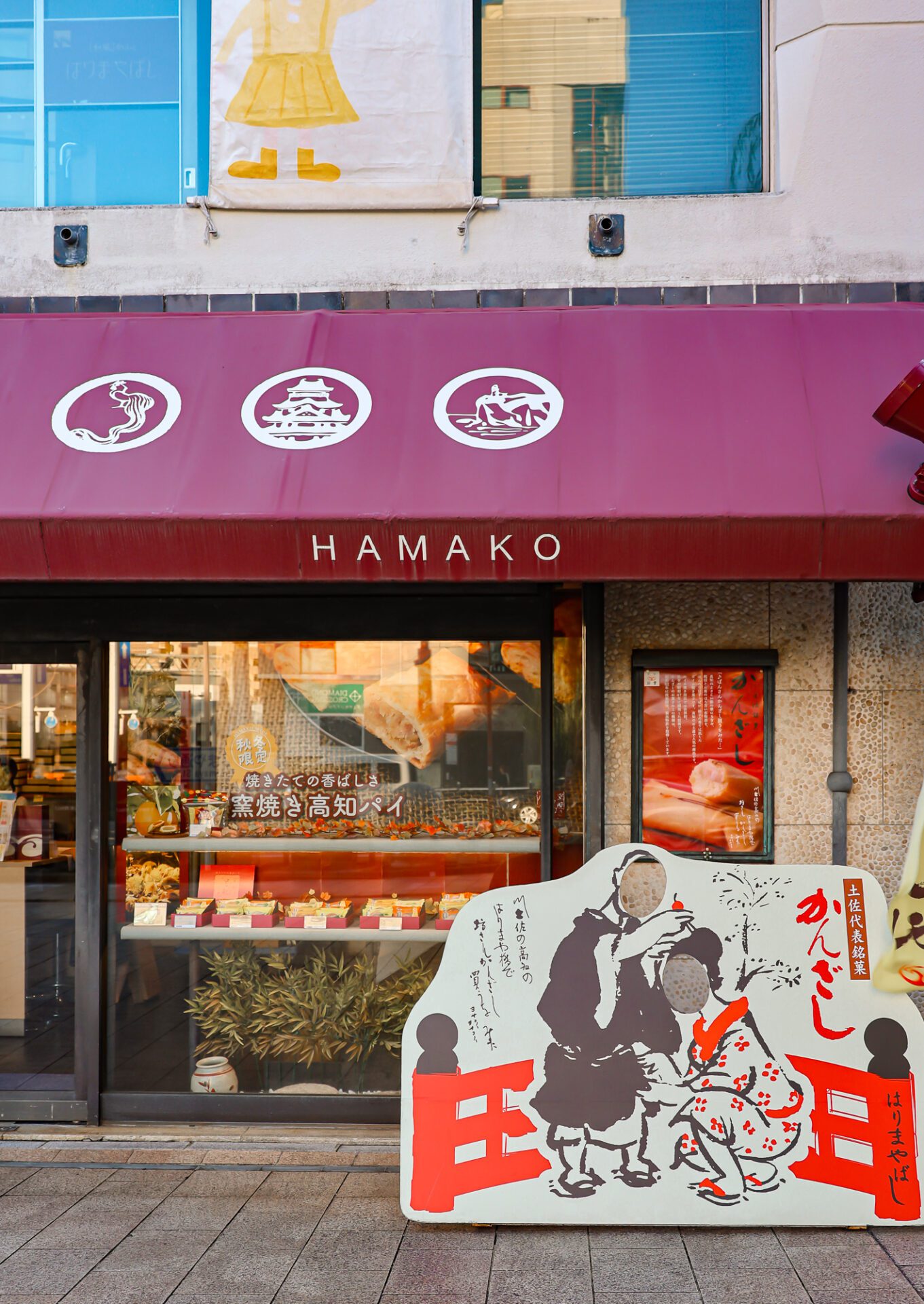
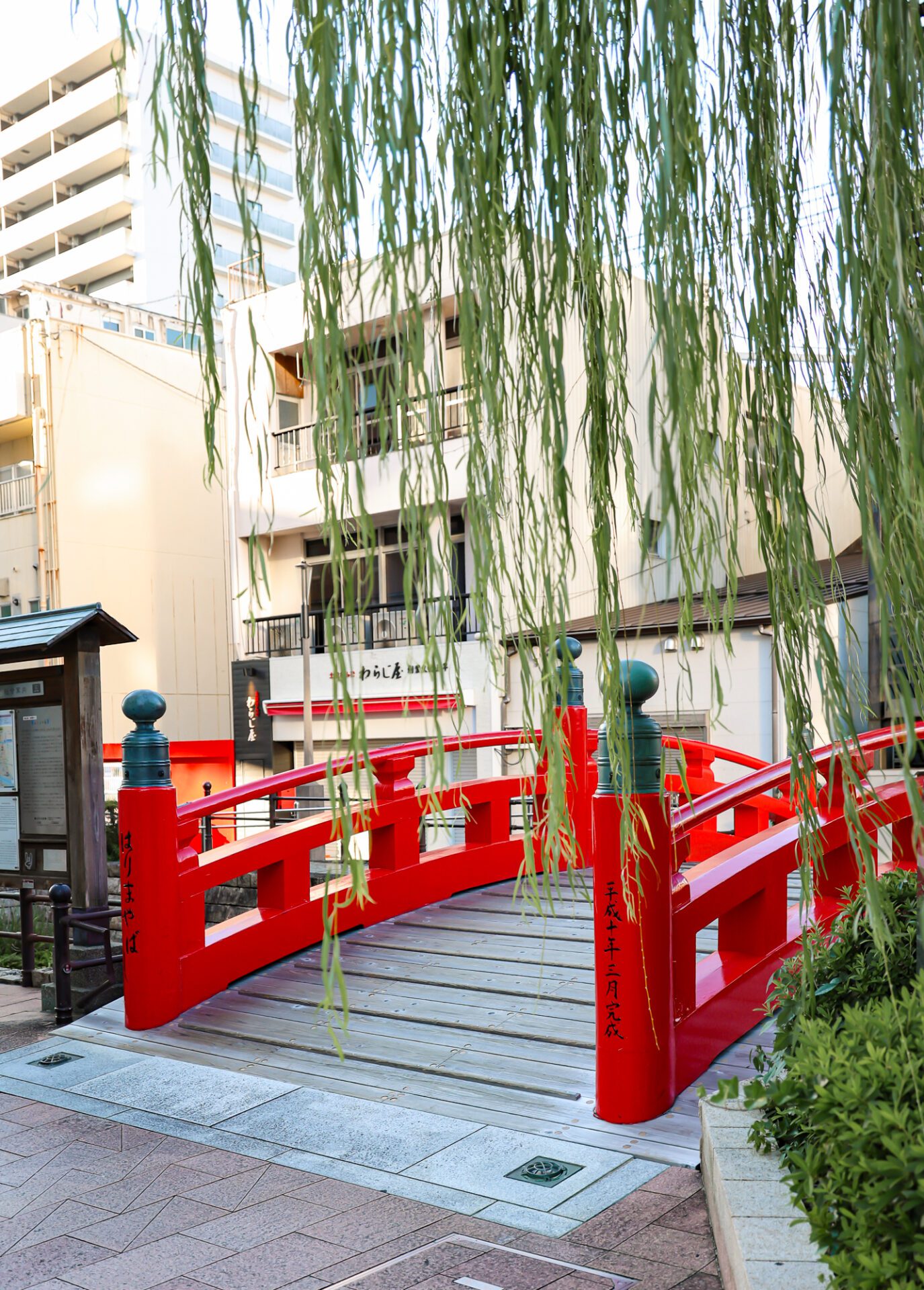
The tiny vibrant-red Harimaya Bridge, located just a few minutes away from the Kochi Yosakoi Museum, is iconic for its connection to a tragic love story.

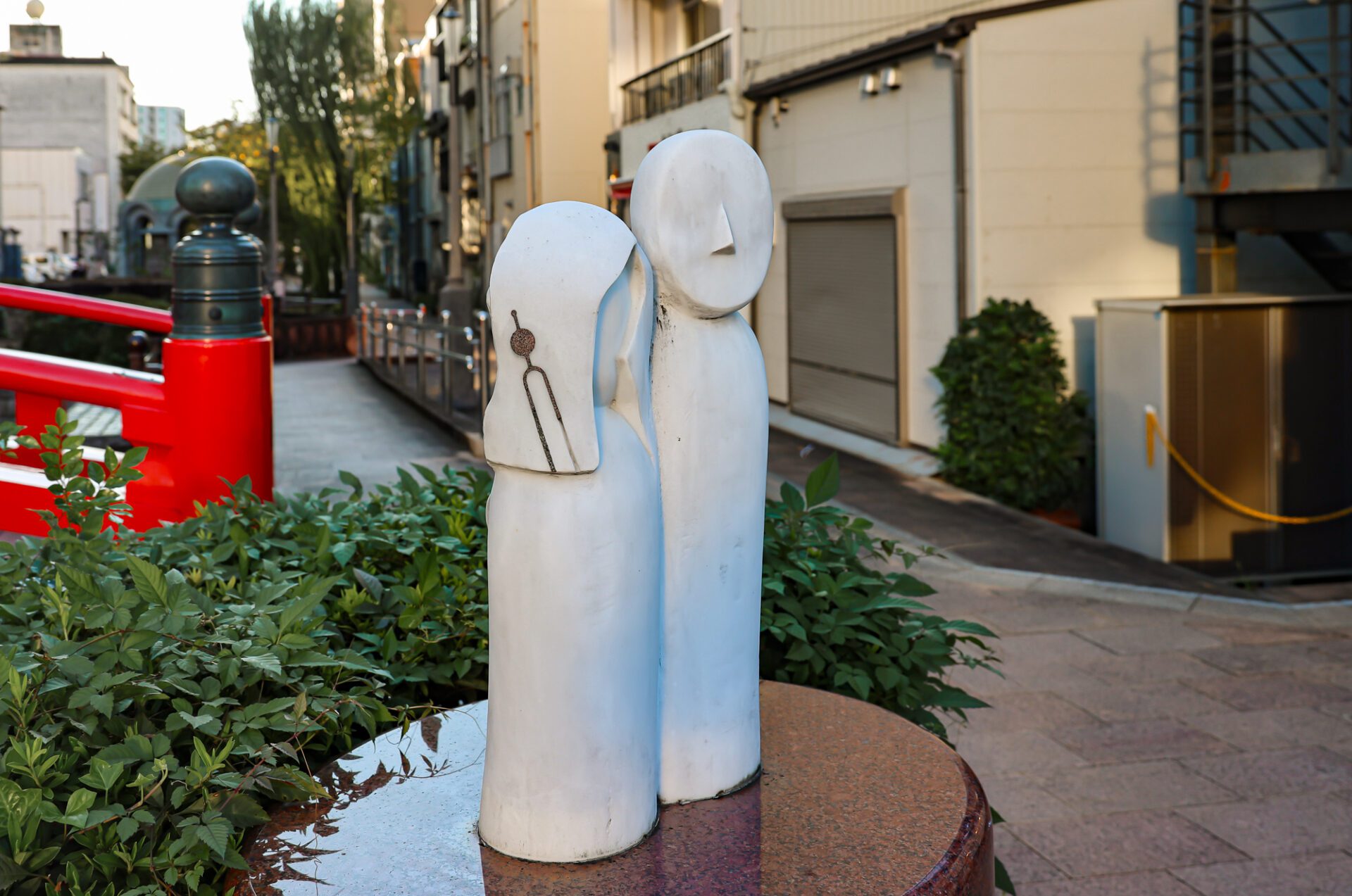
Legend has it that a monk purchased a kanzashi hairpin near this bridge for the merchant’s daughter he loved; however, unfortunately, they were separated for life. This story is narrated in the famous Yosakoi-bushi folk song.
6. Grab some local food: Hirome Market and Ramen Jiyu-Ken
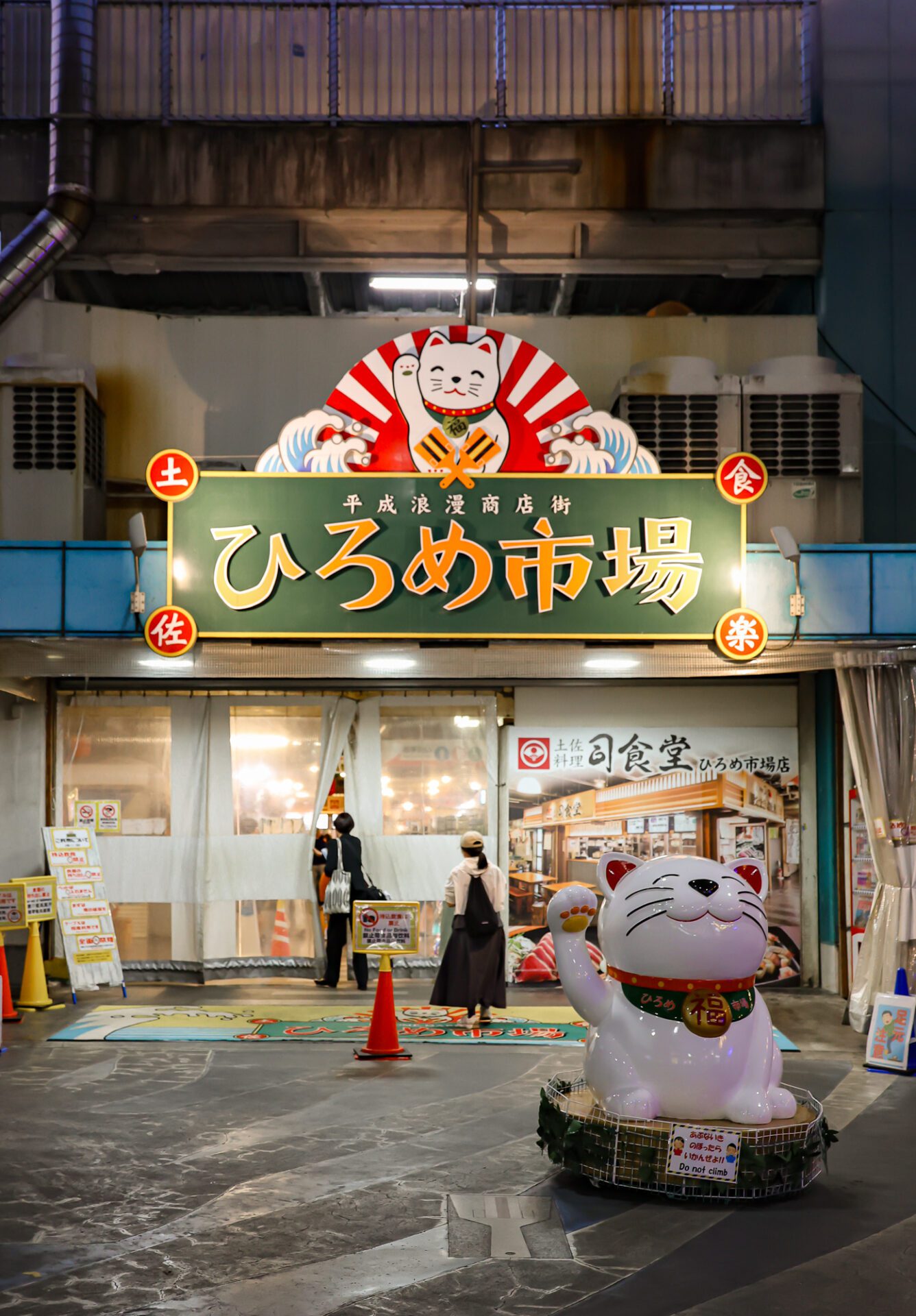
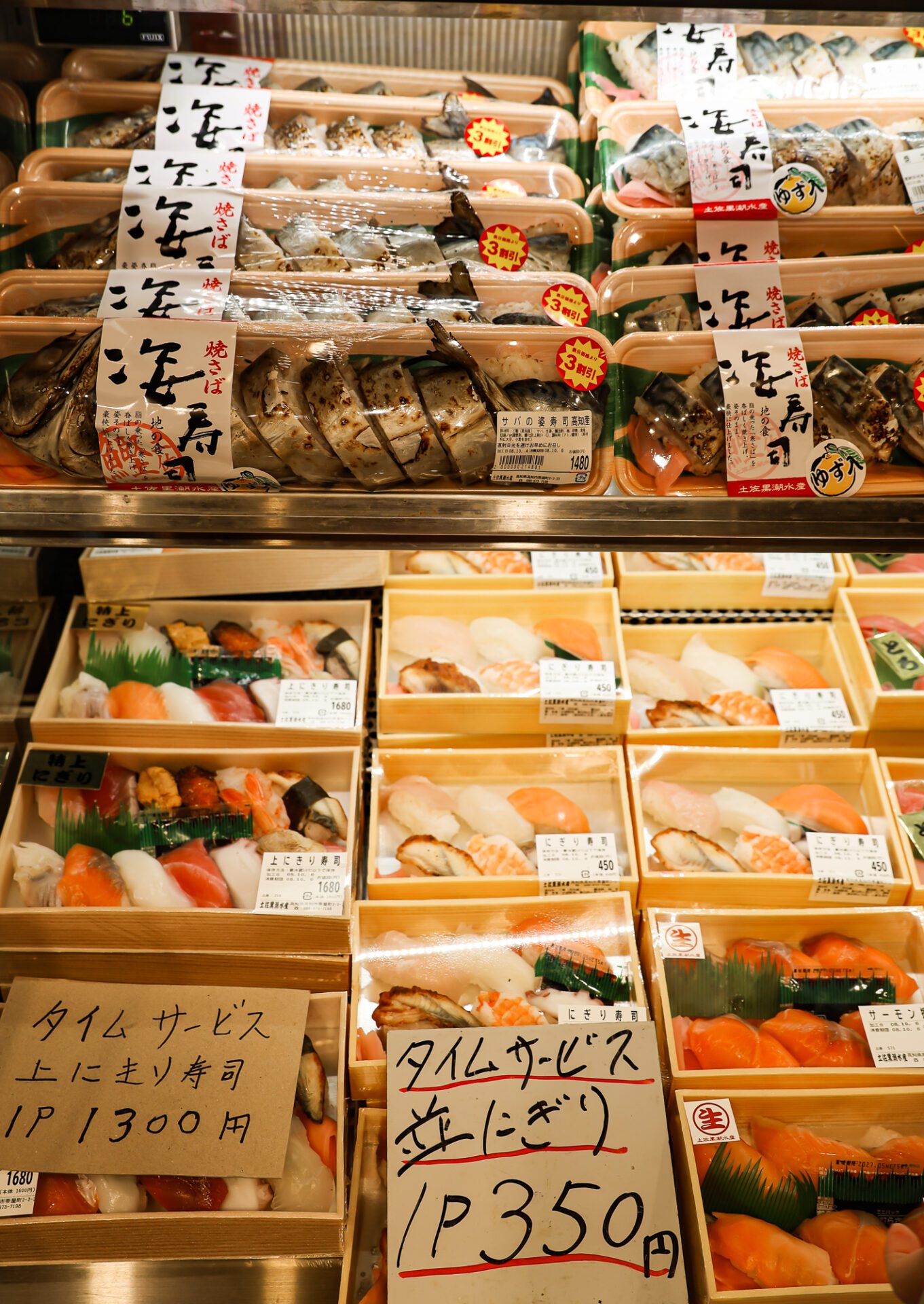
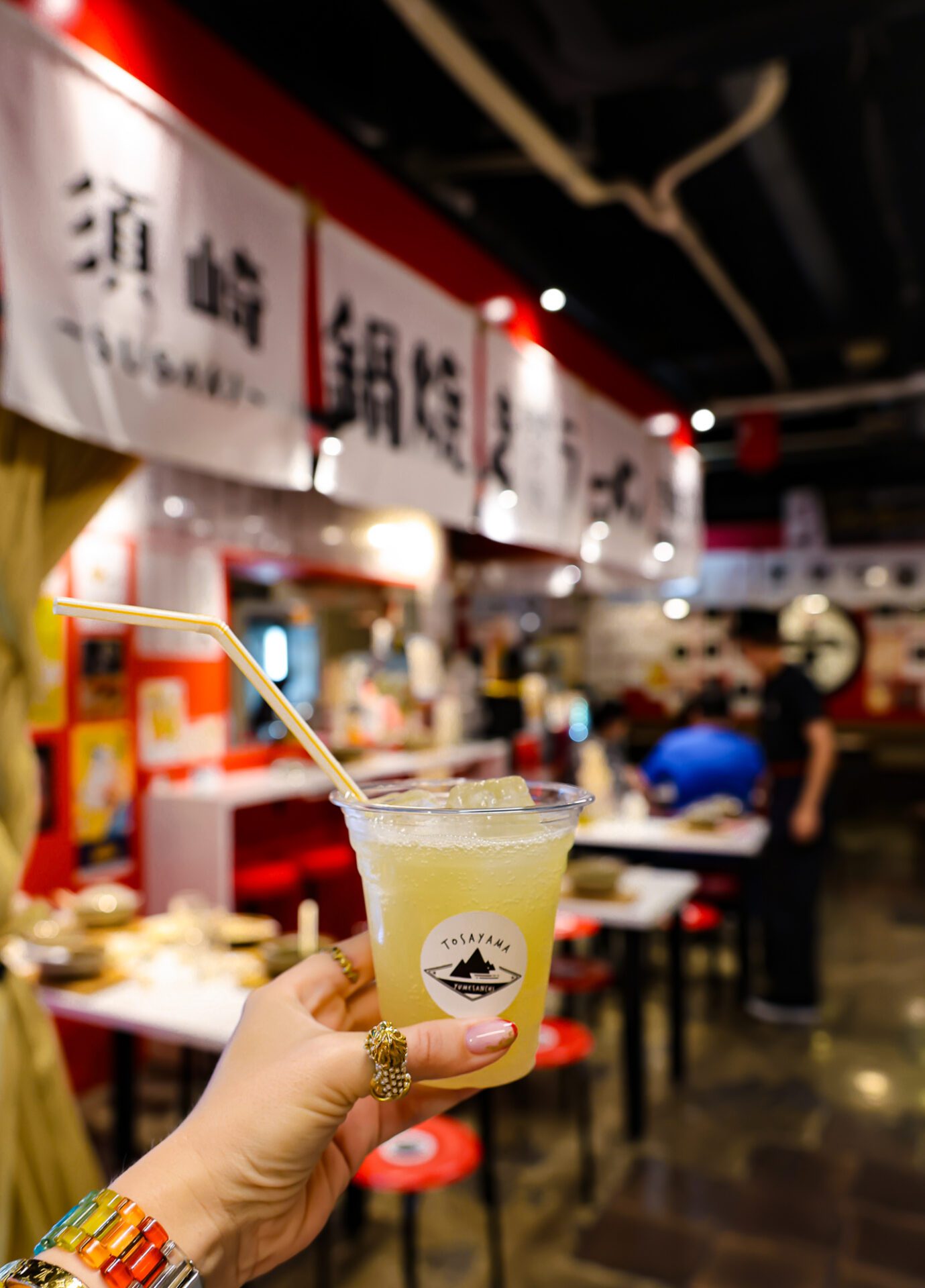
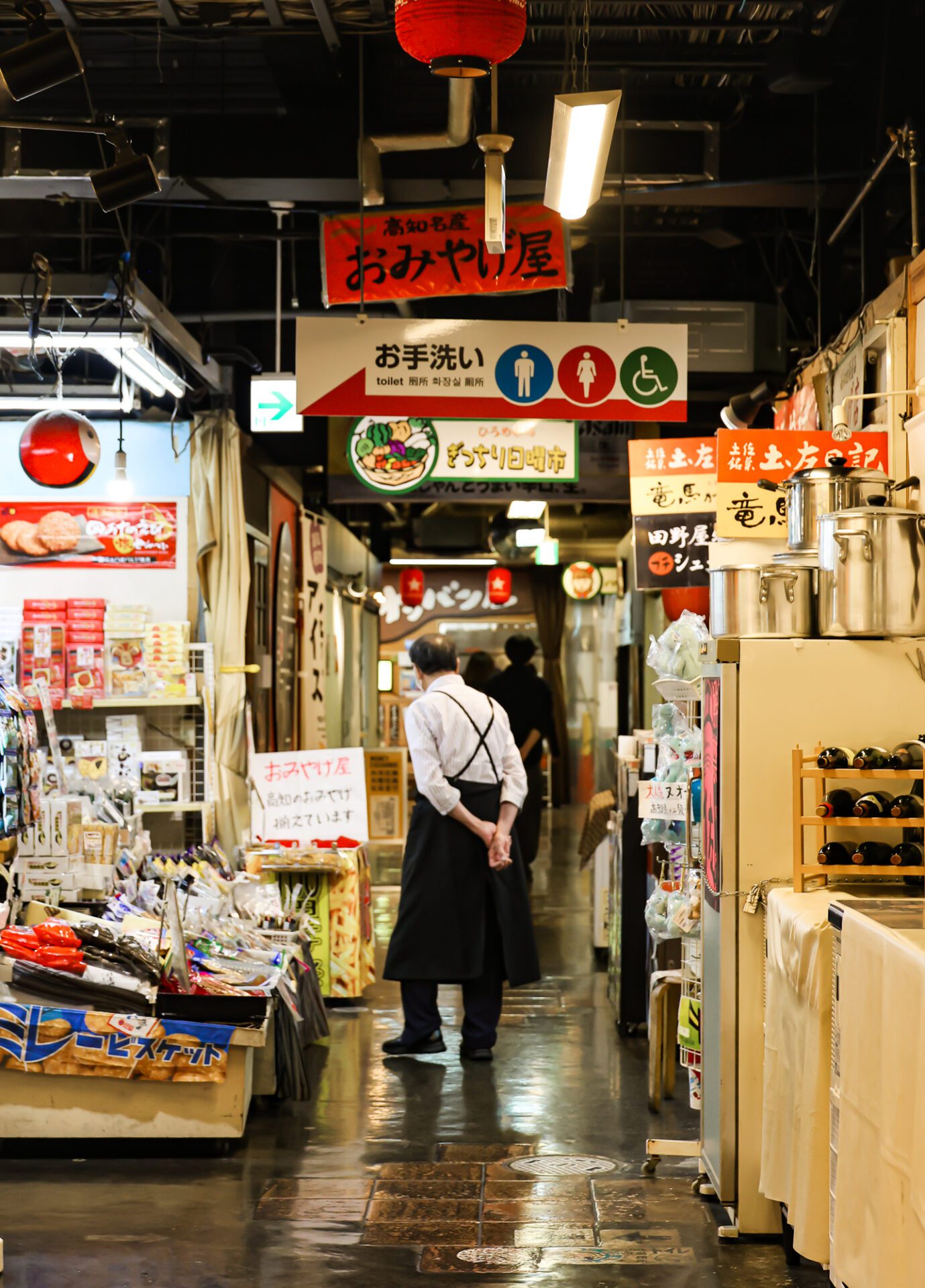
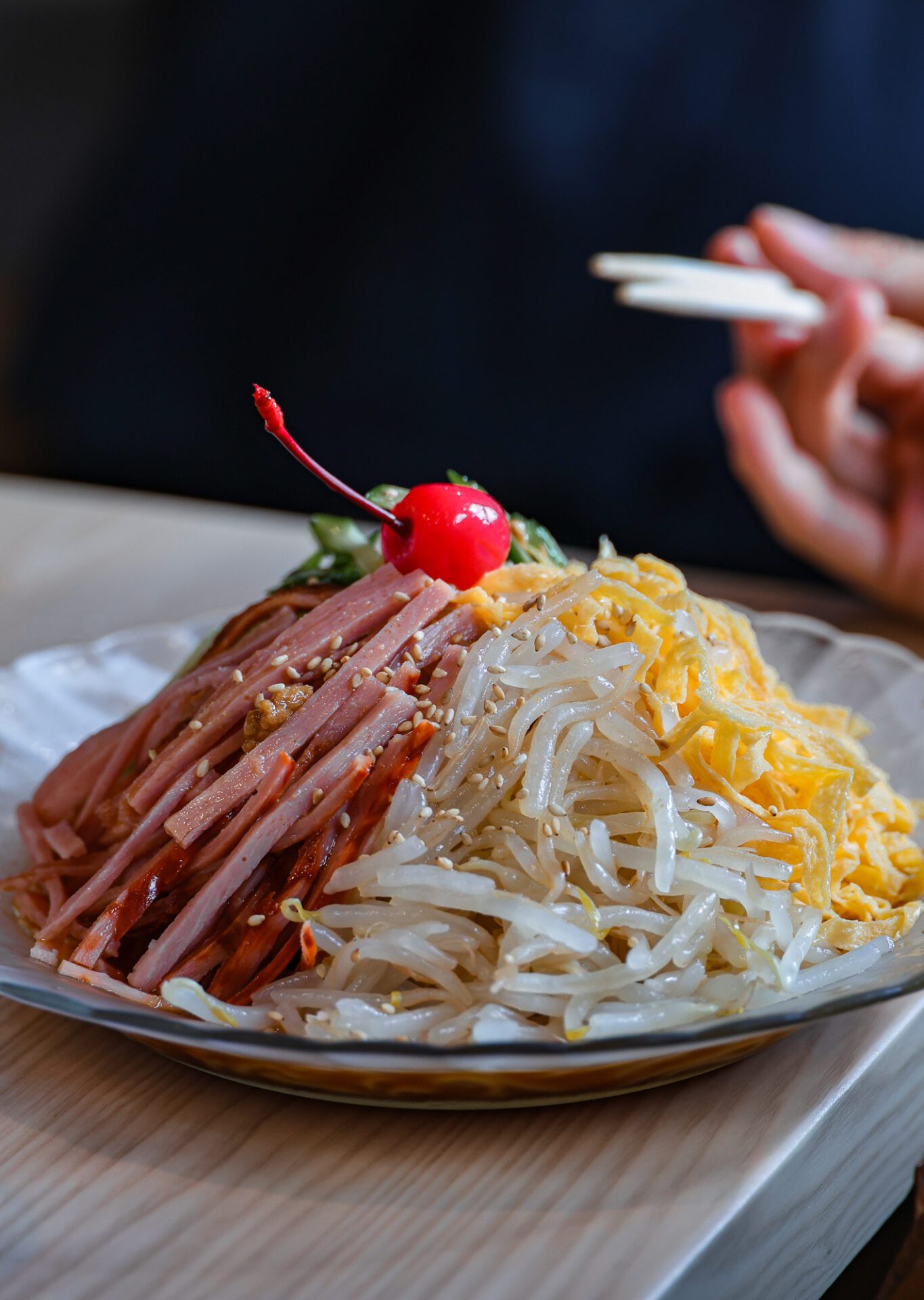
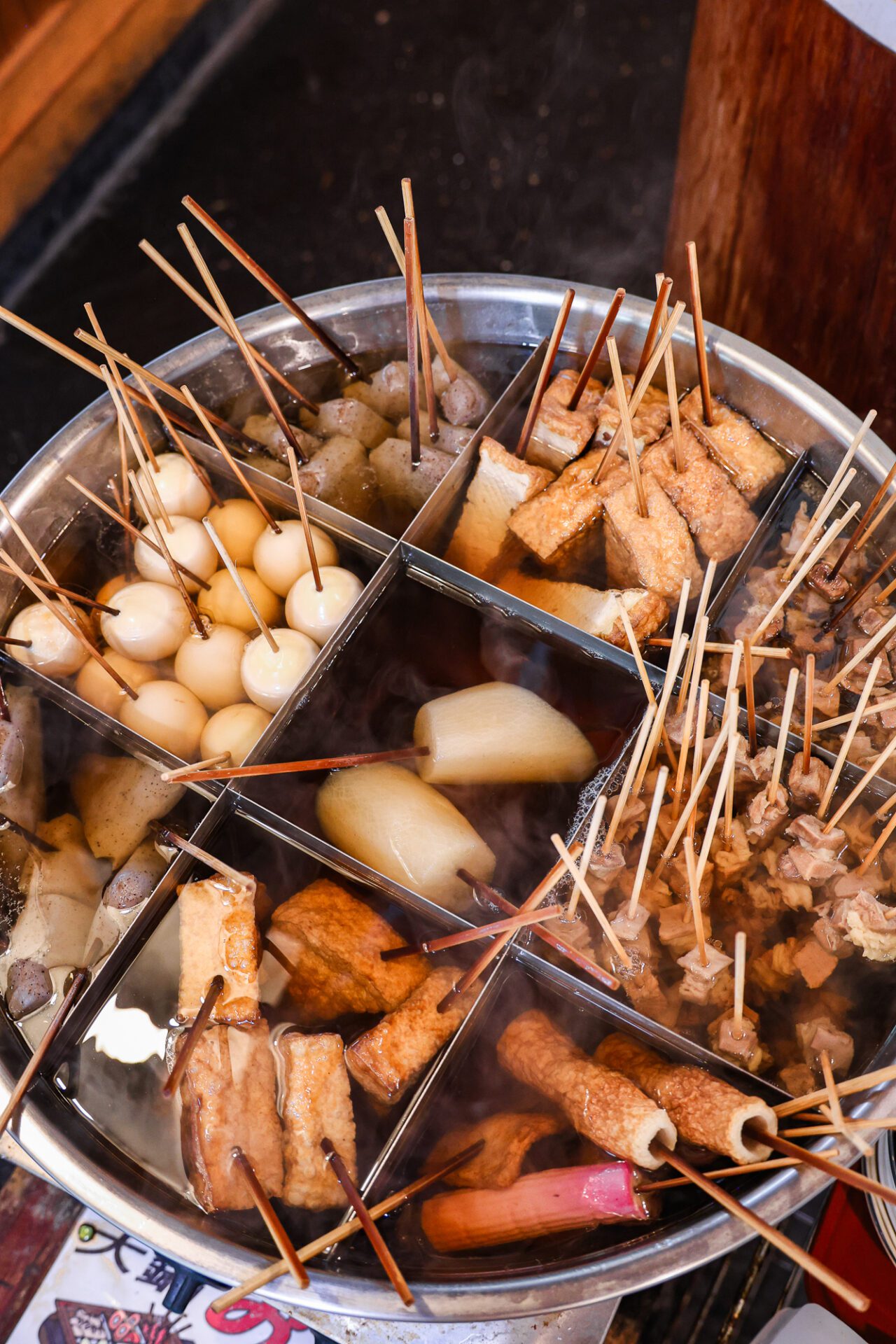
Looking for an authentic selection of local food? Then head to Hirome Market, an indoor food market with about 65 food stalls and a seating area for visitors. Make sure to try the seafood Kochi is famous for, including straw-seared bonito, fried gyoza, tempura and inaka sushi!
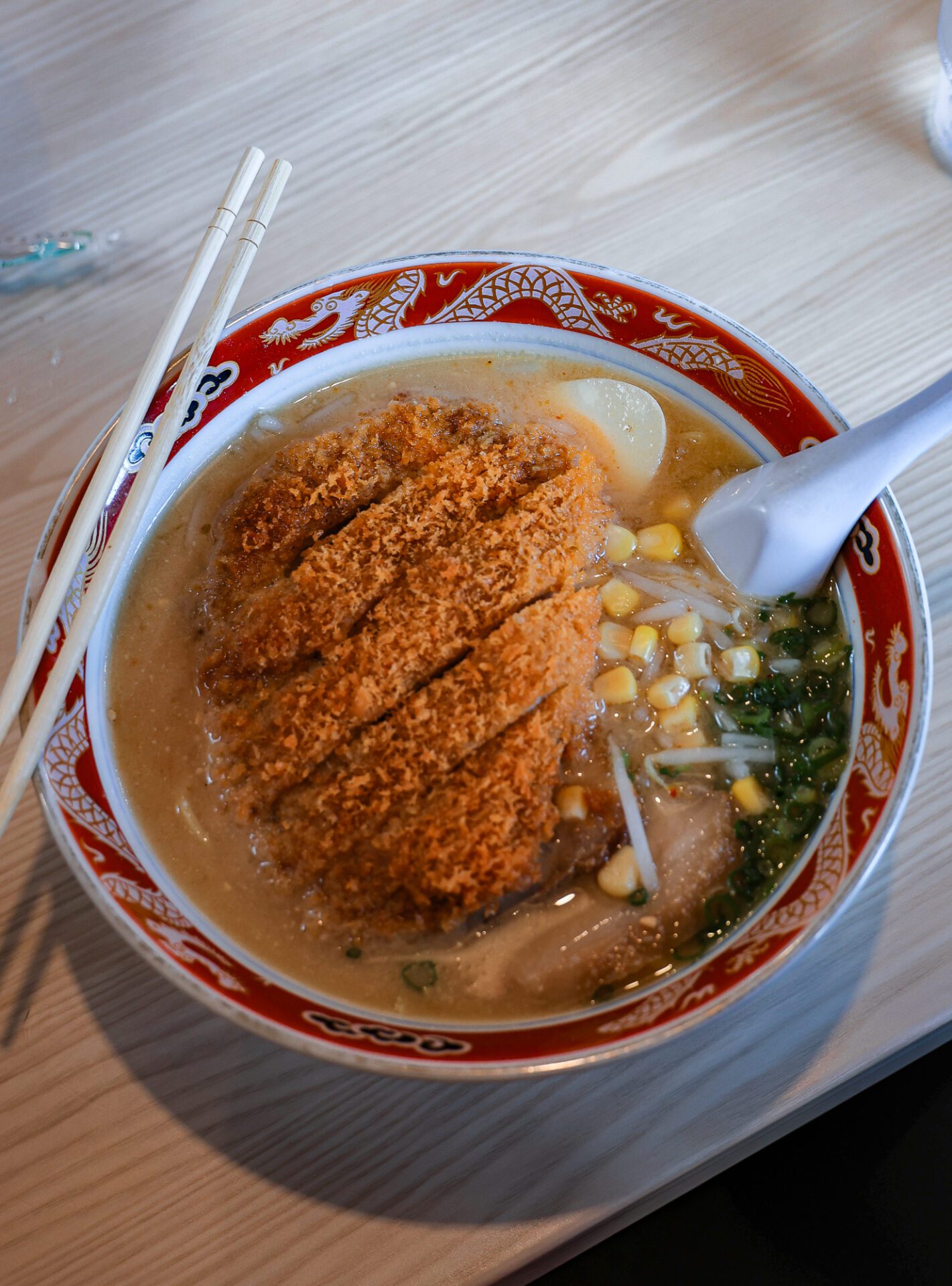
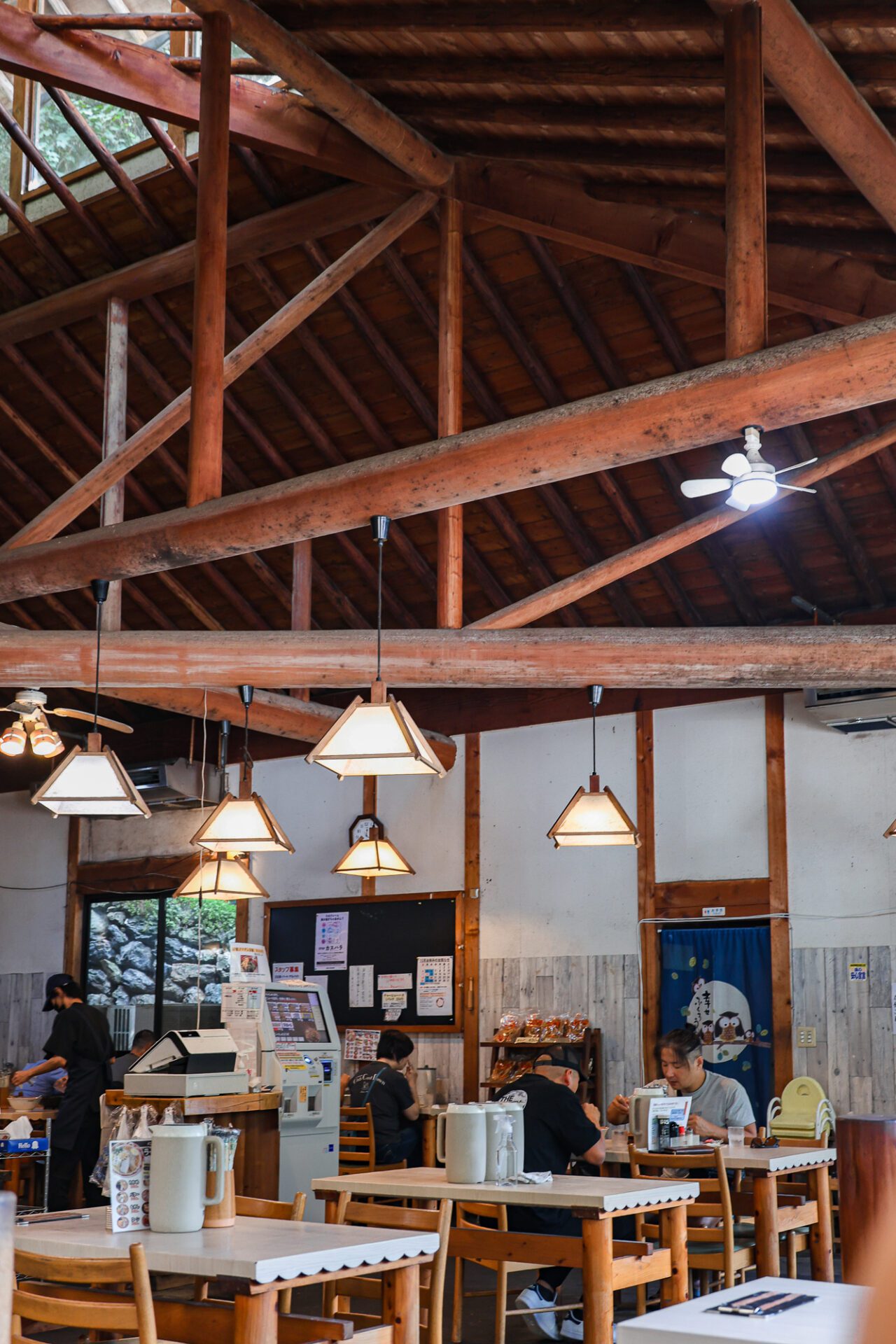
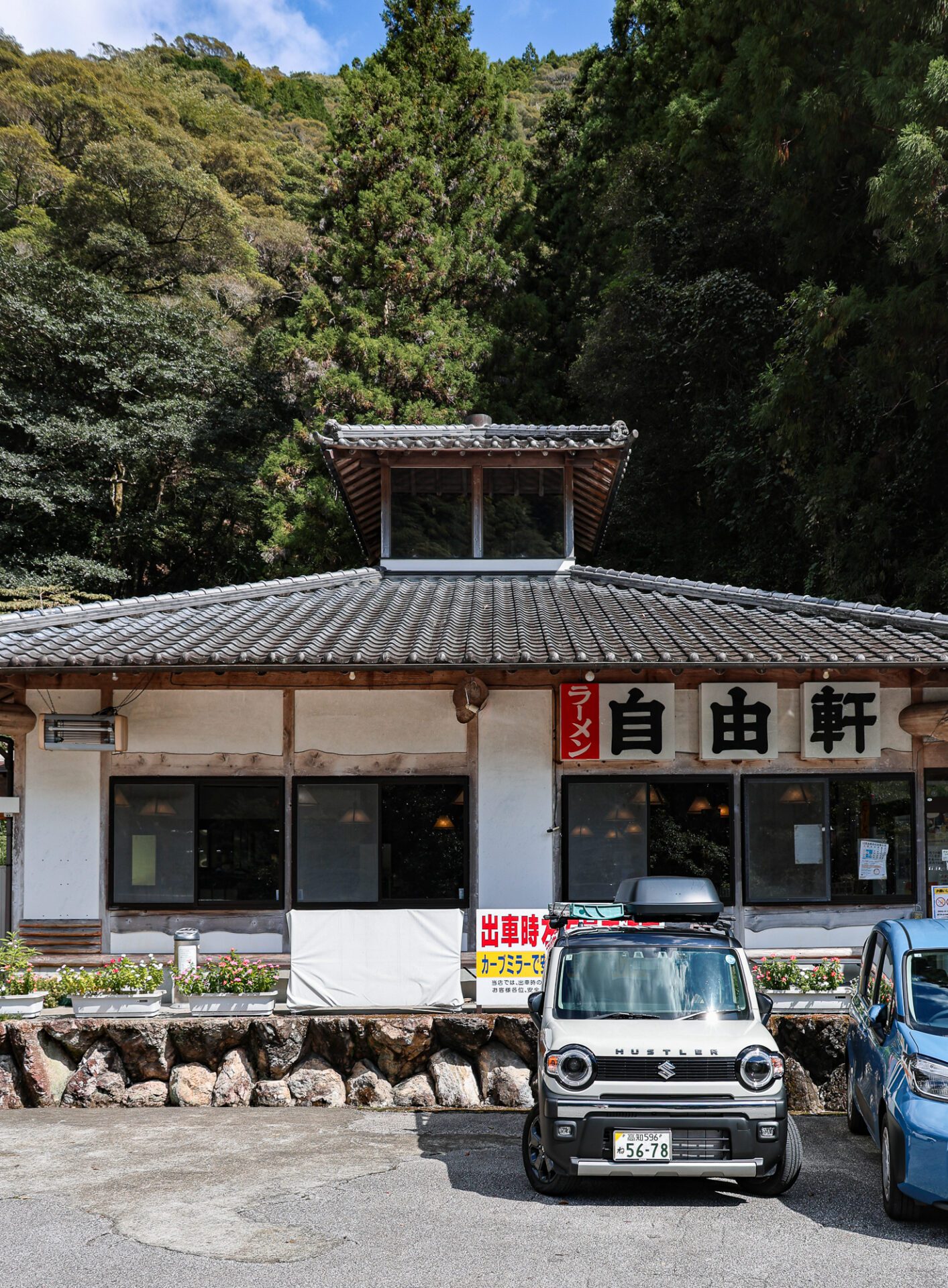
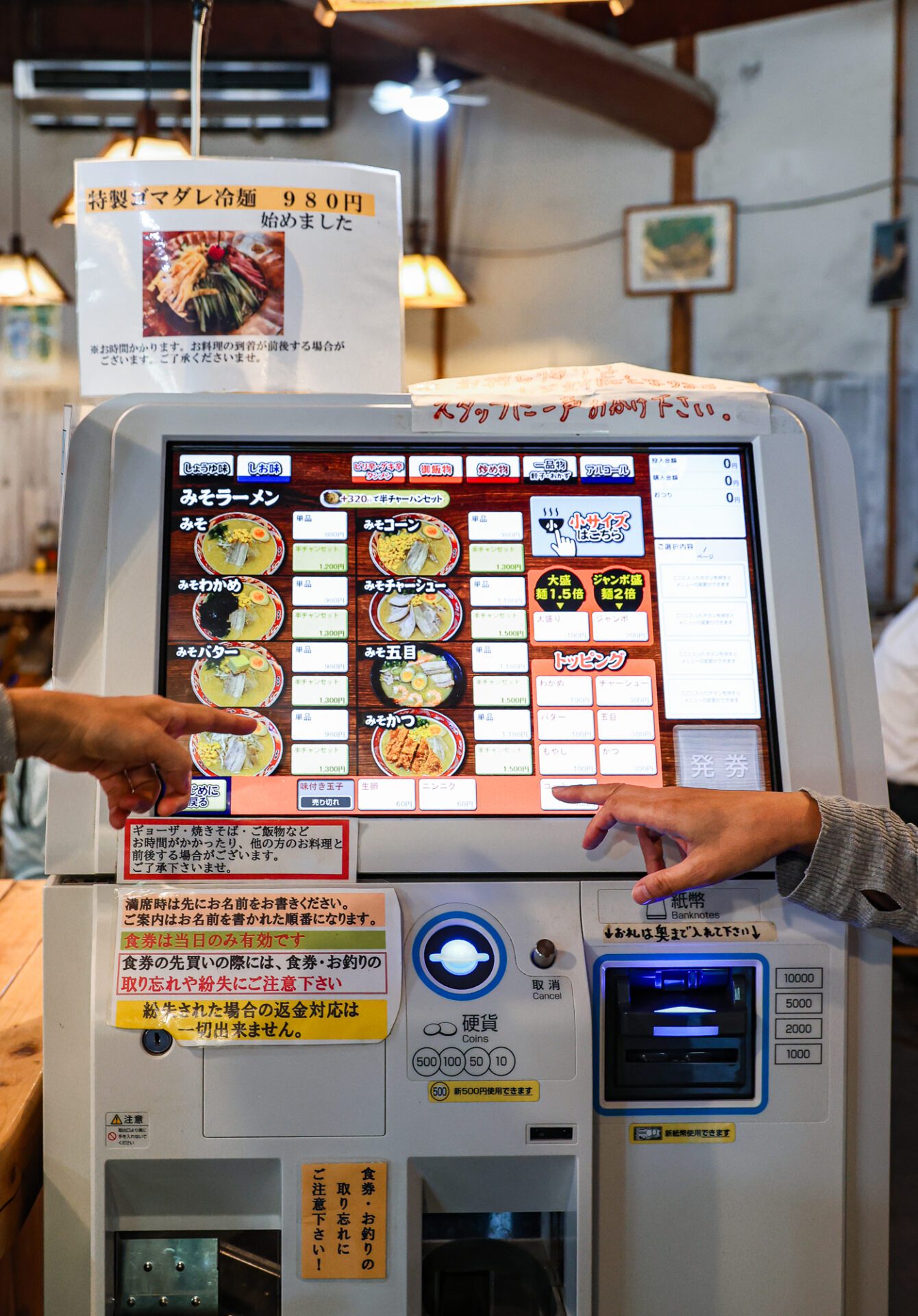
Besides that, you might encounter a very unusual local speciality when traveling around Kochi: Miso Katsu Ramen! It’s a hearty dish featuring a crispy pork cutlet sitting atop ramen noodles with a soft-boiled egg and crunchy bean sprouts (we tried it in the Ramen Jiyu-Ken, Ino Dekiji branch).
7. Take a Yakatabune cruise along the Niyodo River
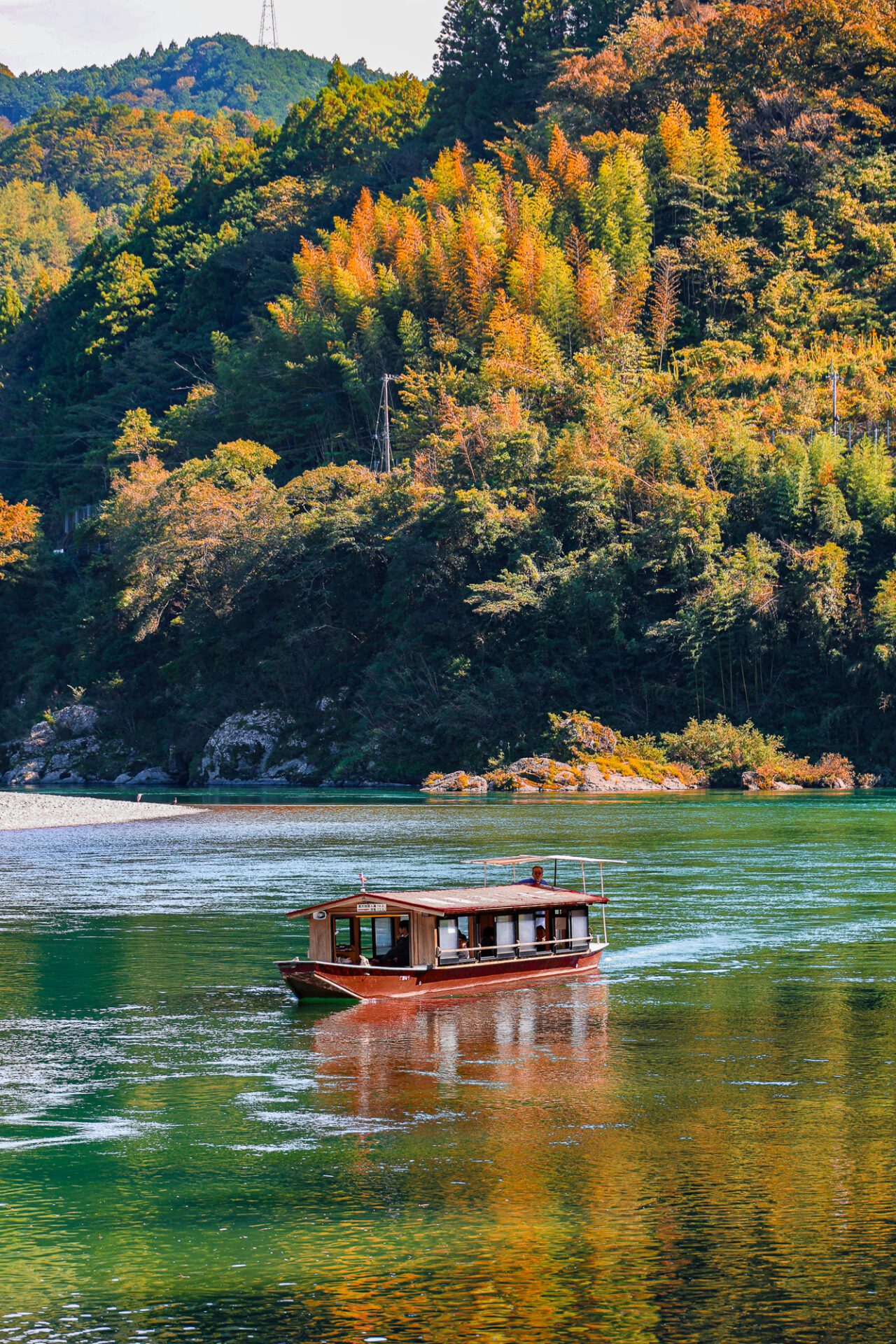
Originating from Mt. Ishizuchi, the Niyodo River runs through Kochi Prefecture before flowing into the Pacific Ocean.
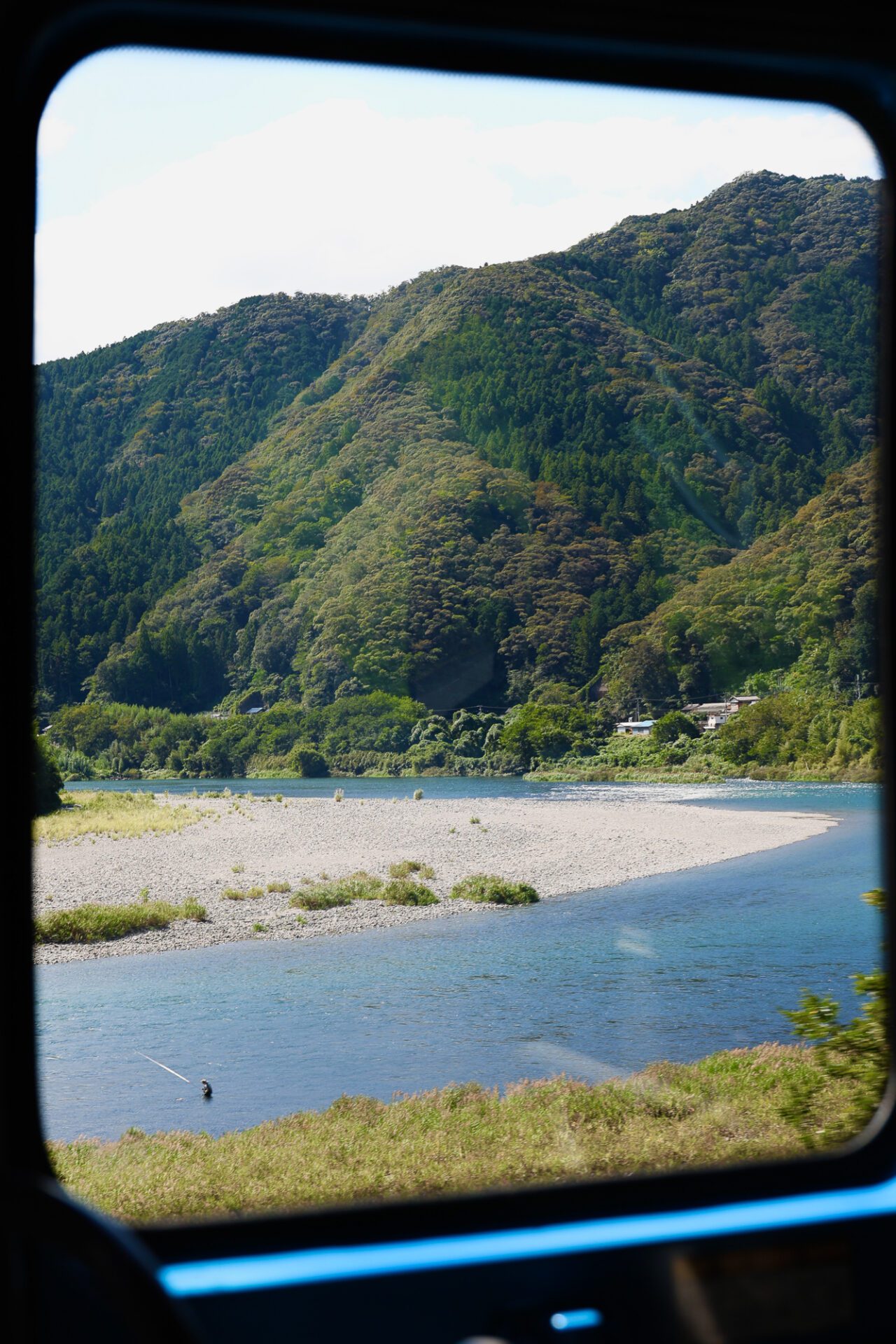
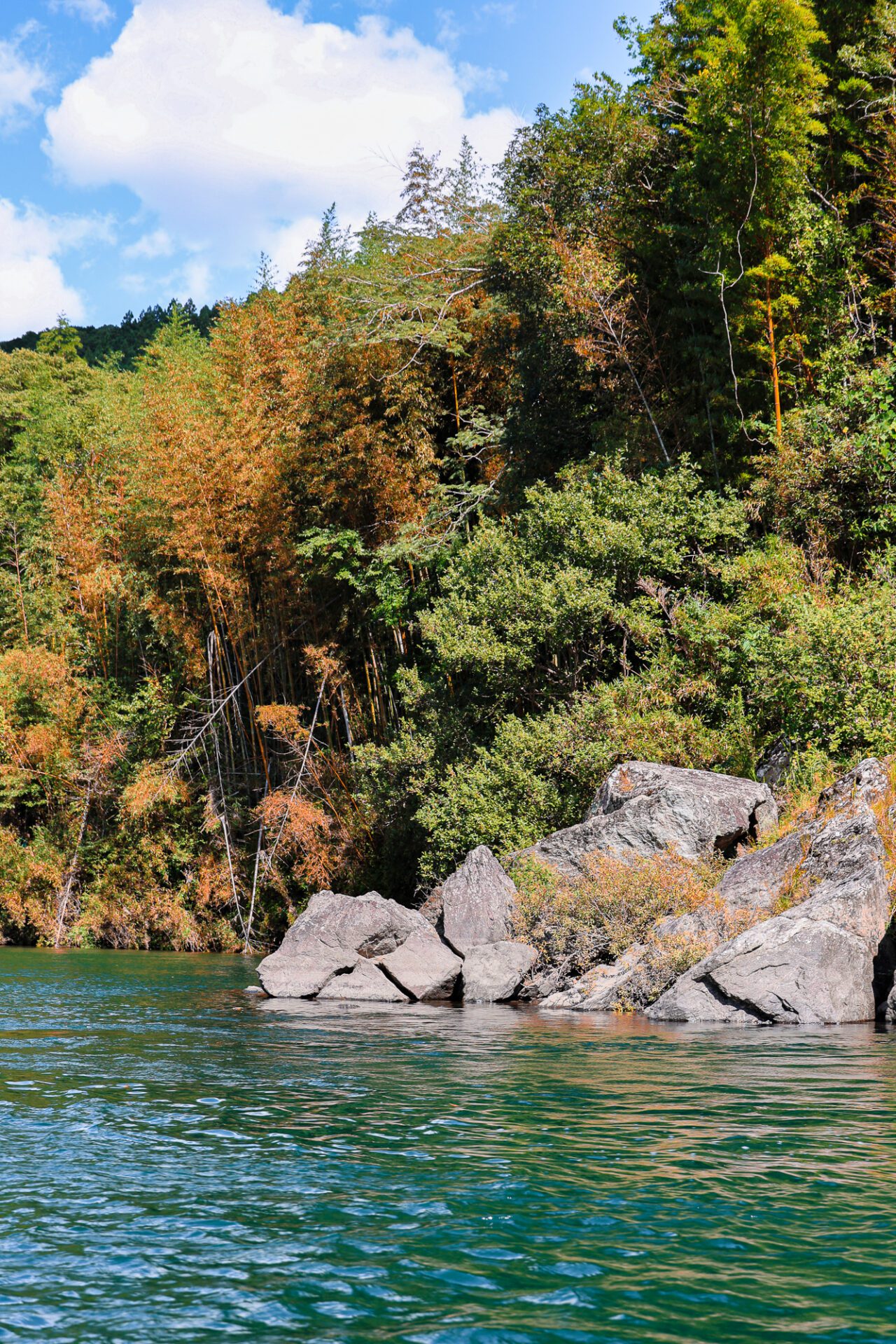
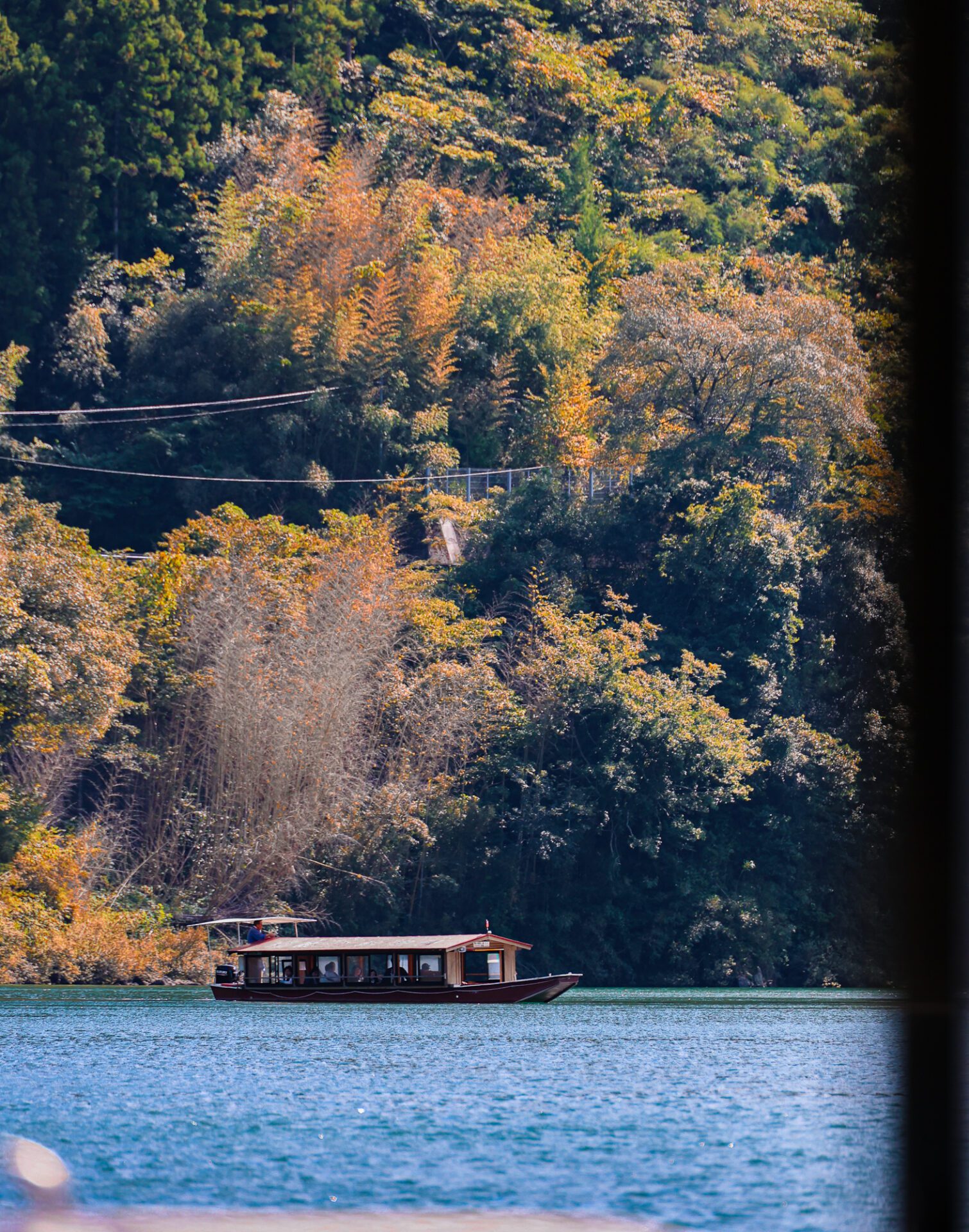

Praised for its crystal-clear turquoise waters, it is frequently named as one of Japan’s most stunning rivers – make sure to add it to your itinerary.
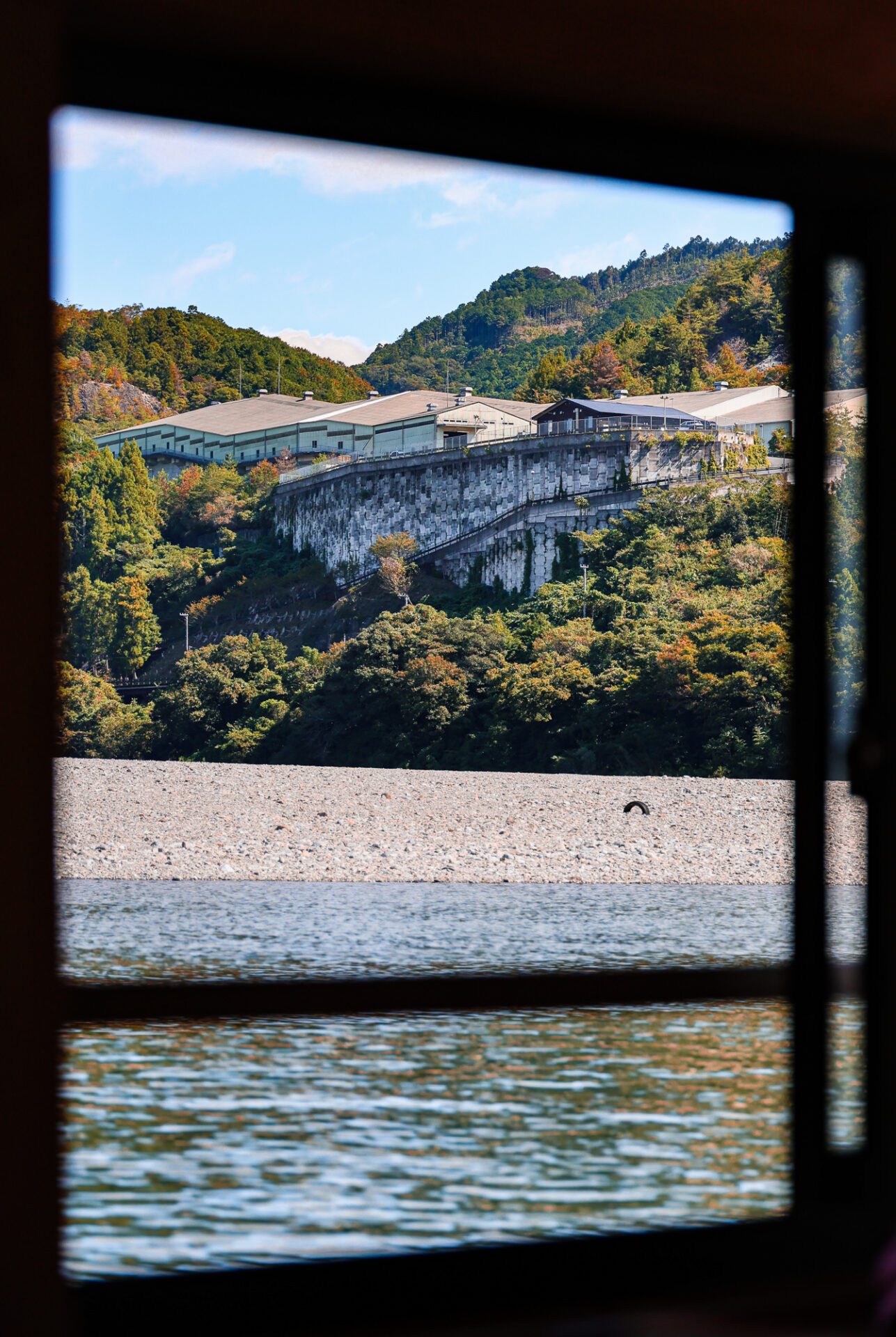
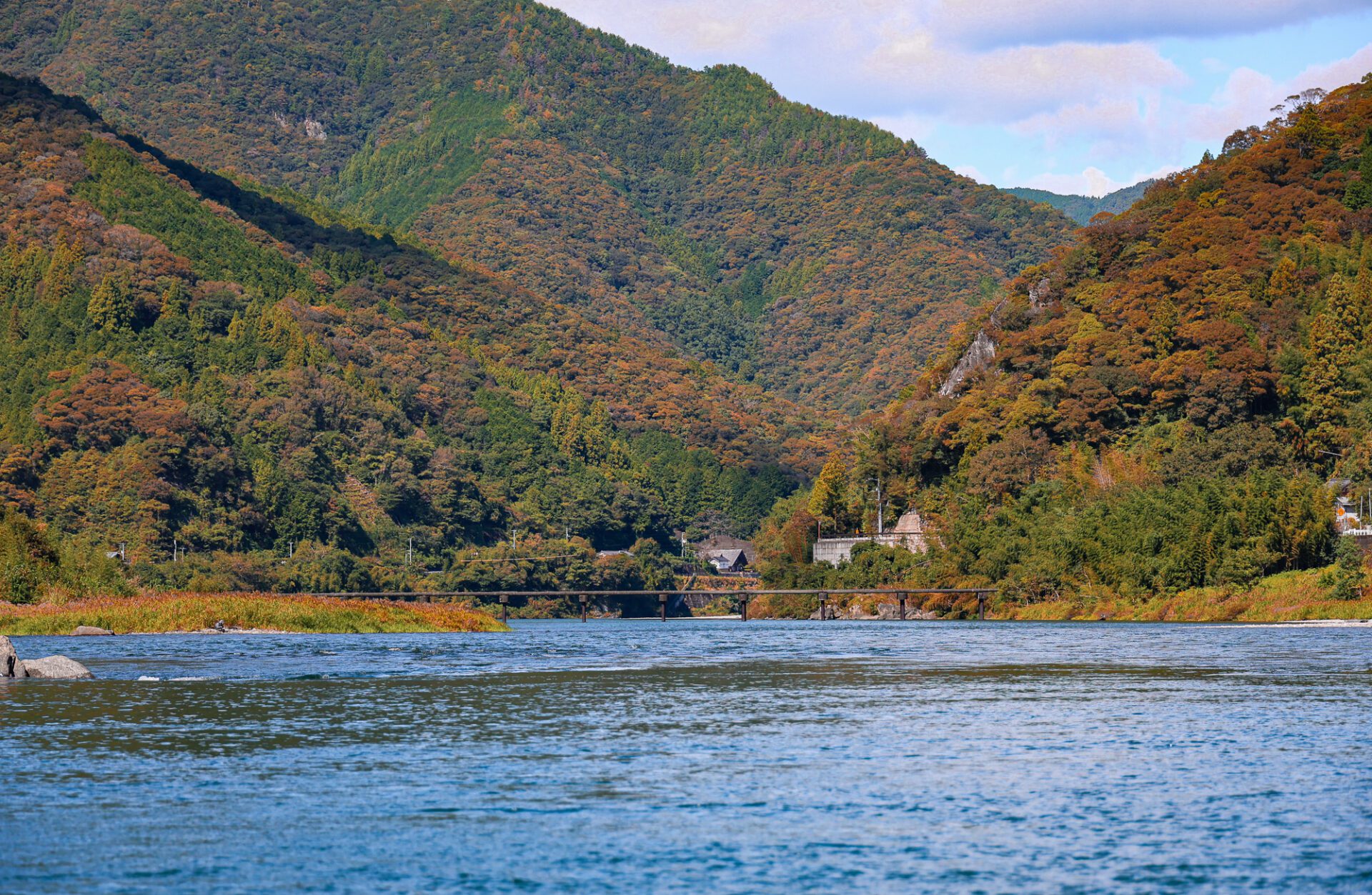

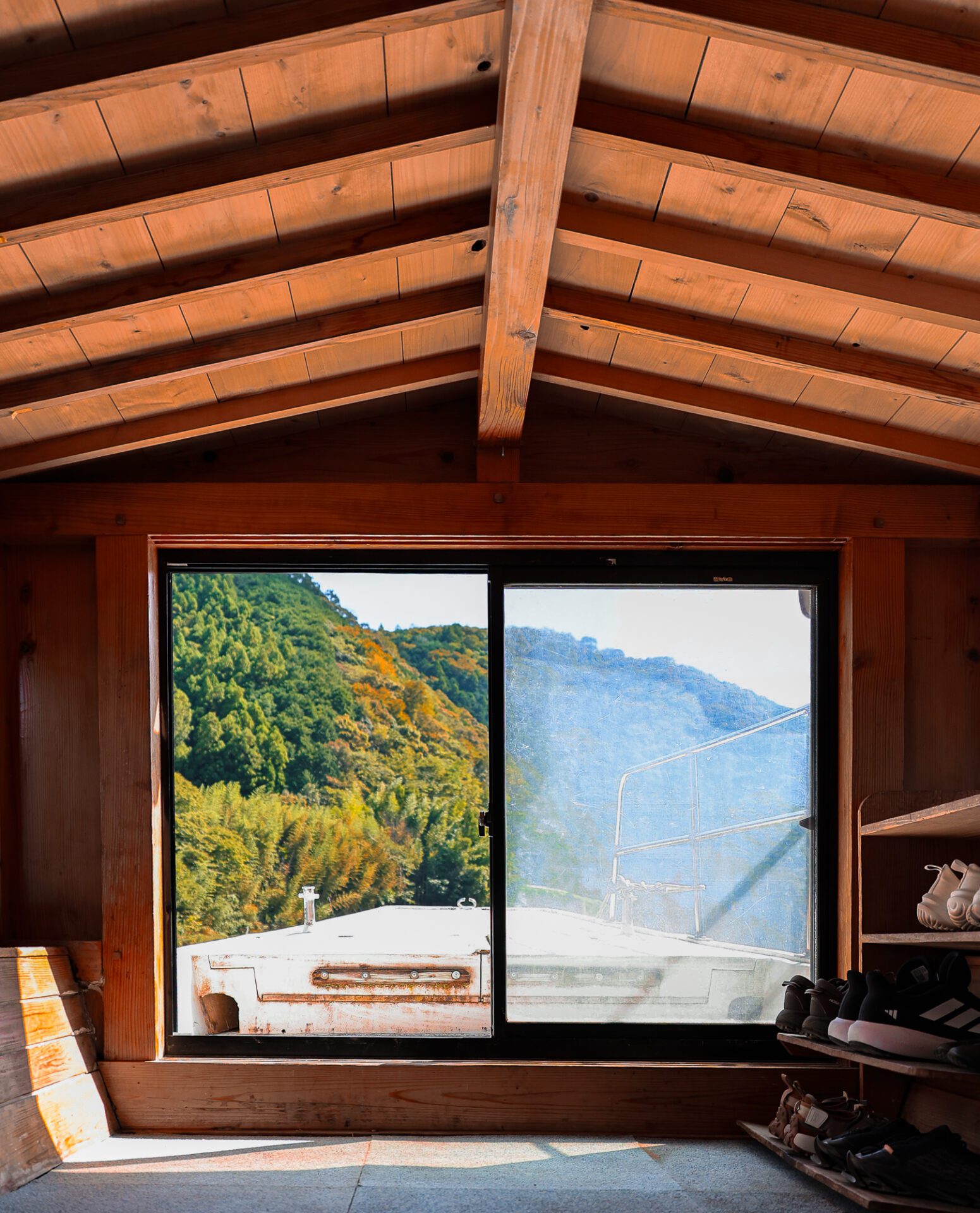
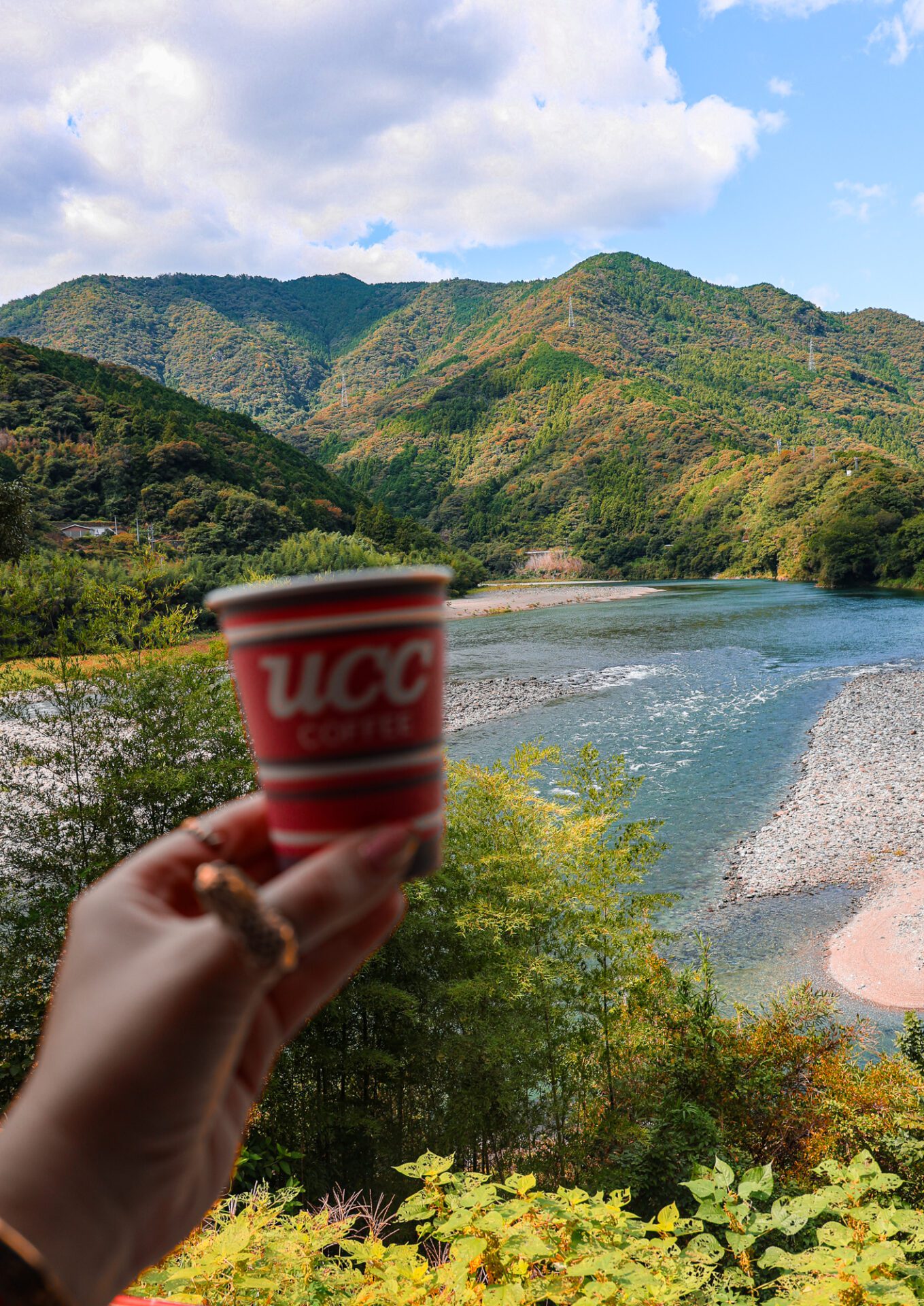
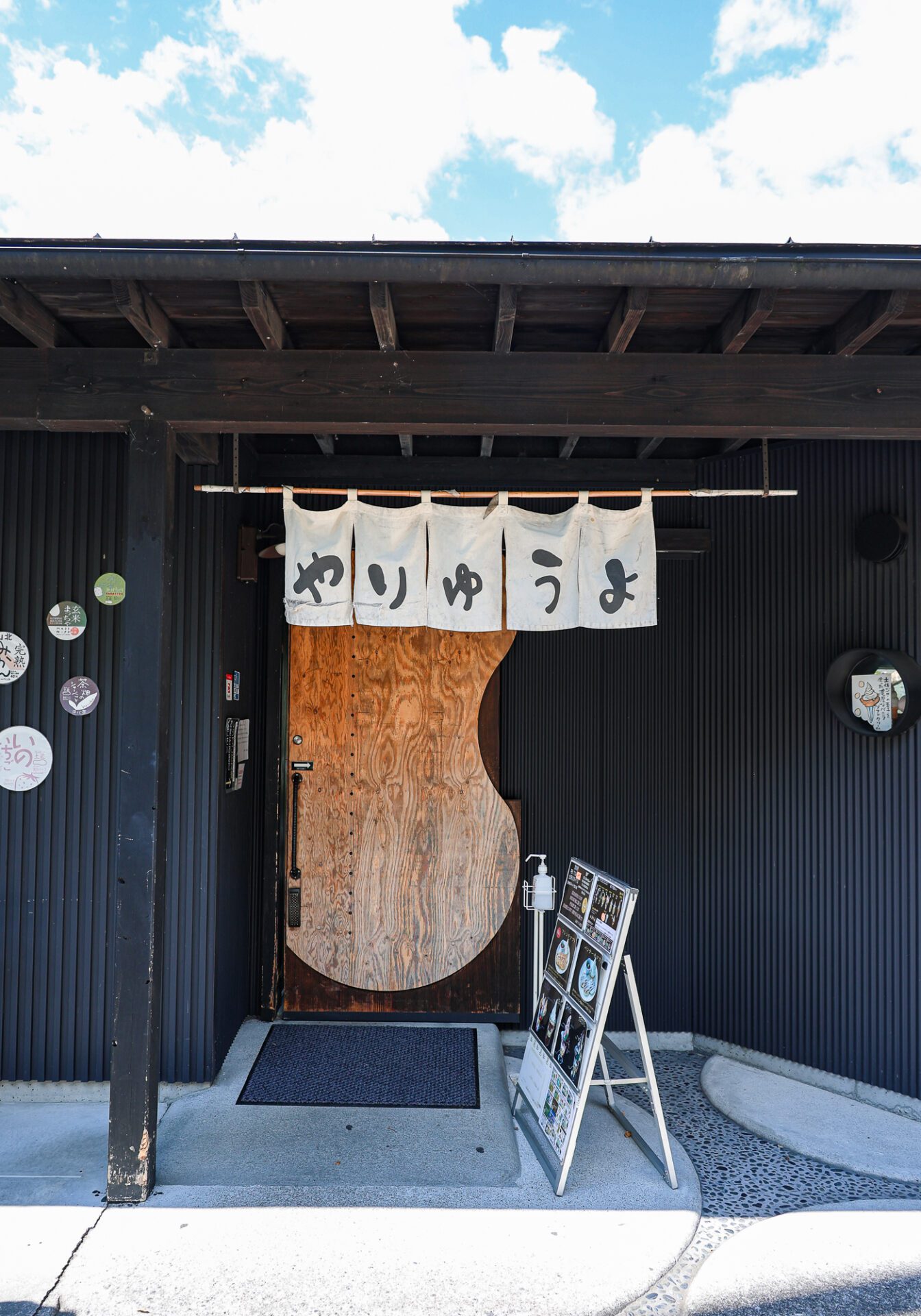
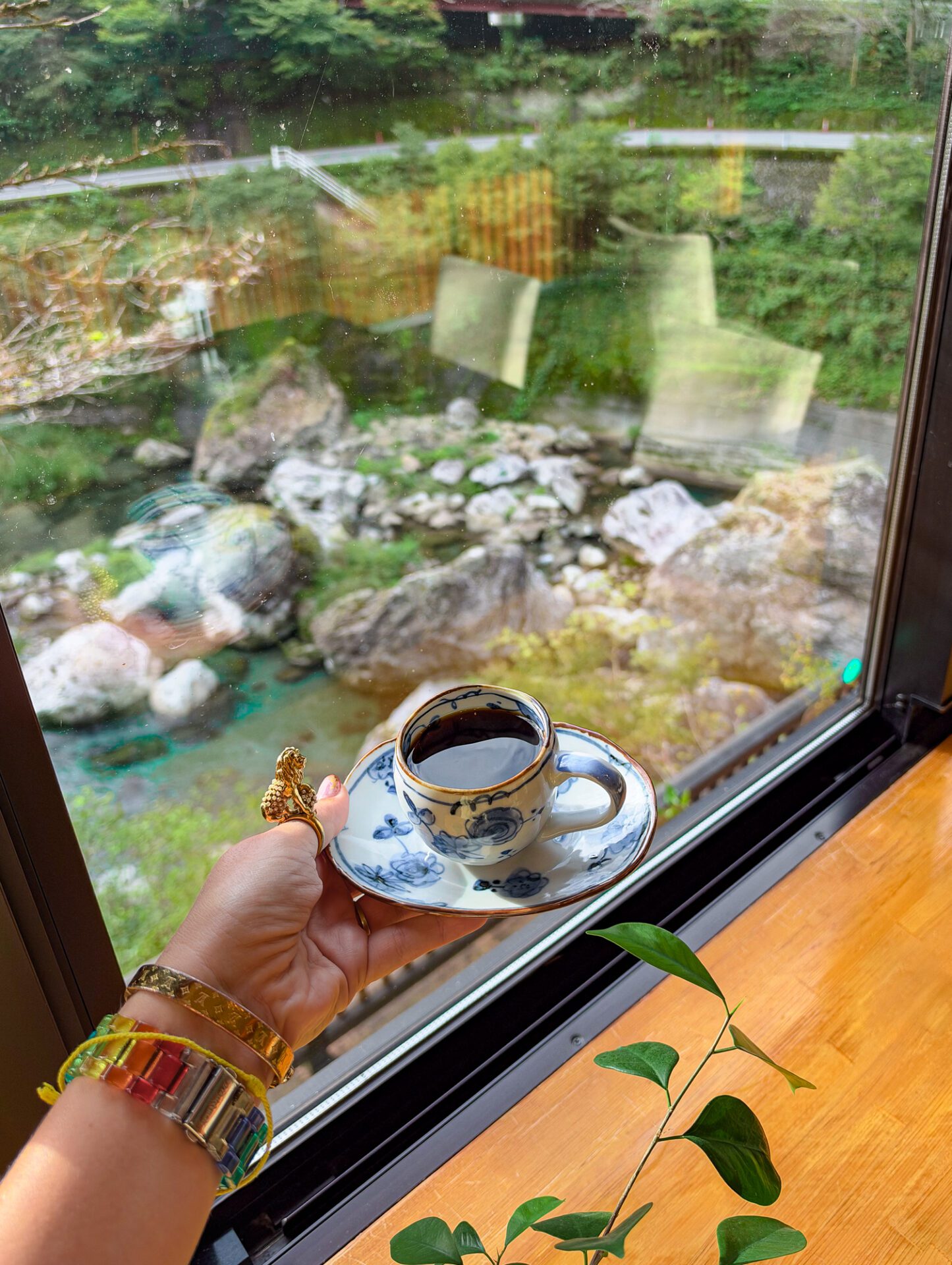
Not only can you enjoy a coffee with a view of the Niyodo River, but you can also embark on a scenic 50-minute Yakatabune boat cruise to admire its famous Niyodo Blue waters and local wildlife!

8. Enjoy a cup of tea at the Kiriyama Tea Farm
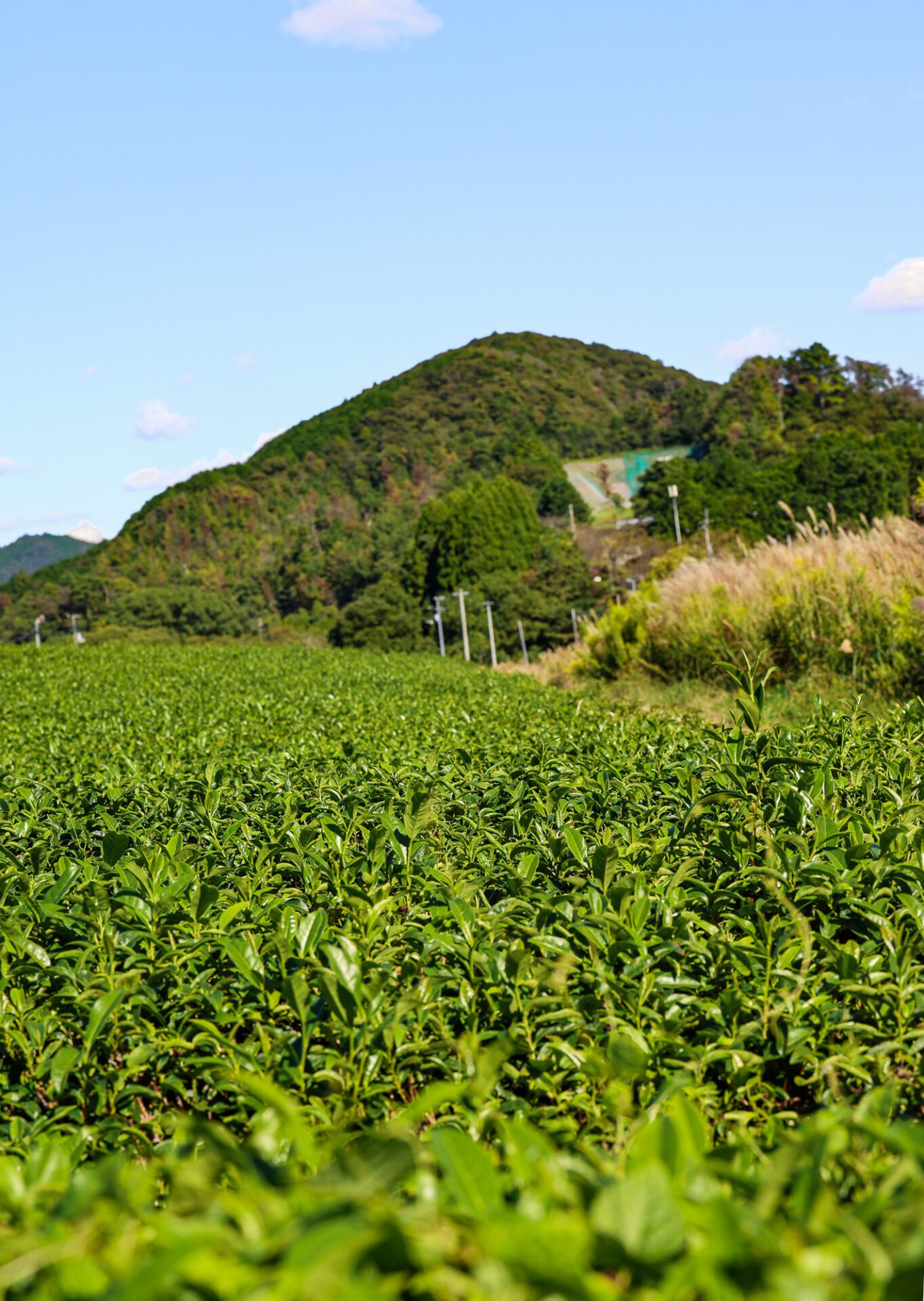
The Kiriyama Tea Farm is a gorgeous tea plantation covering nearly 200,000 m2 across the hillside slopes.

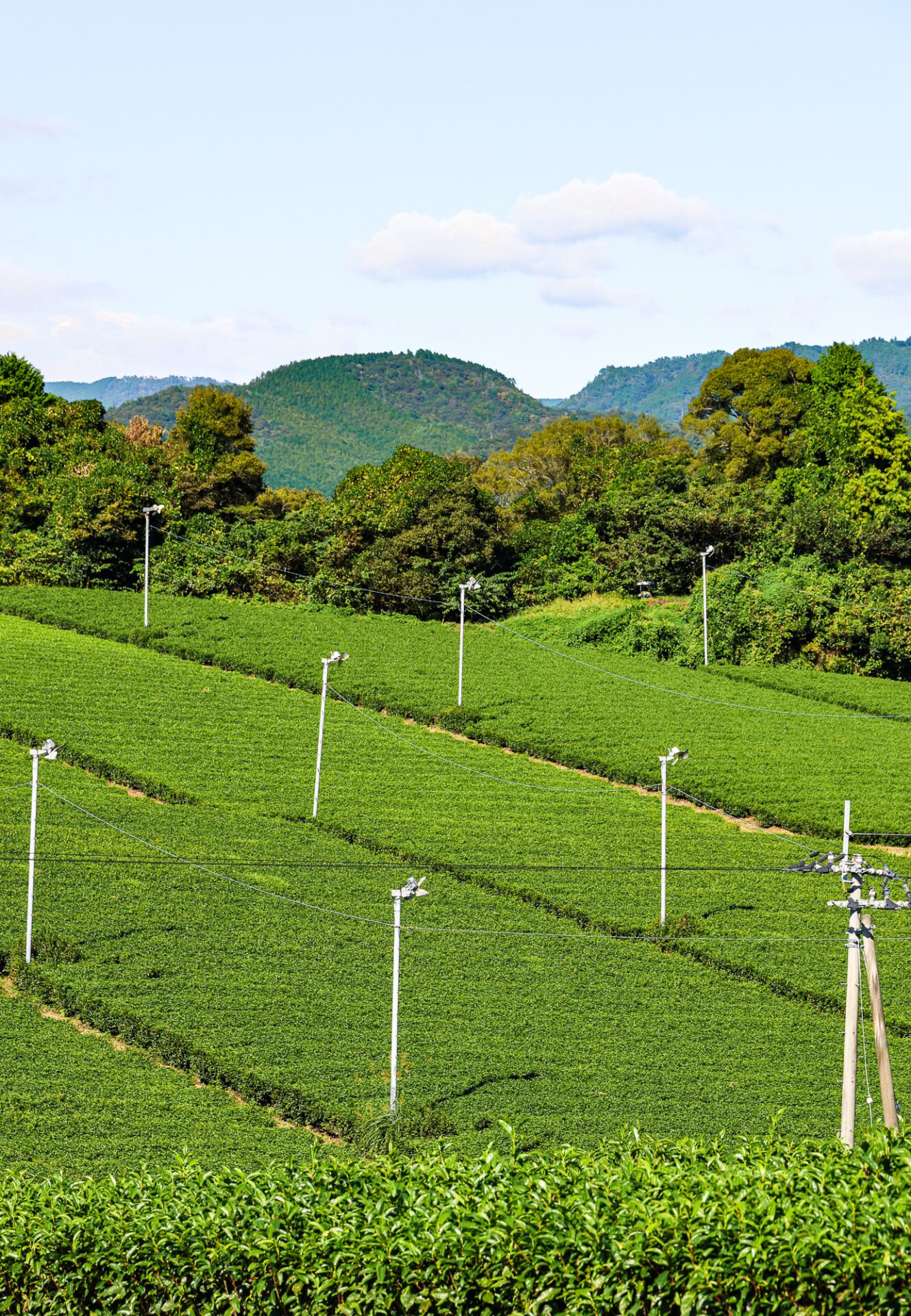
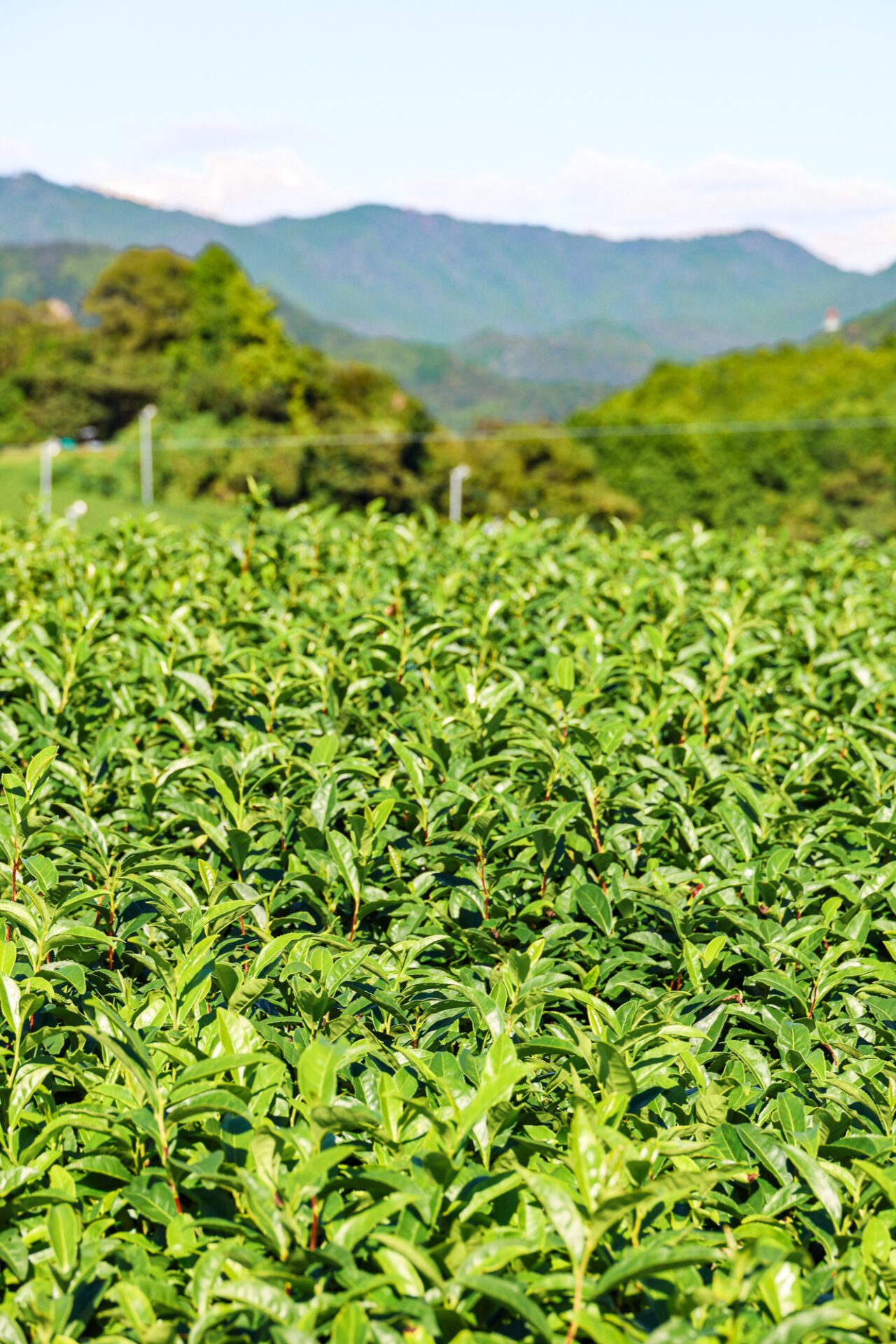
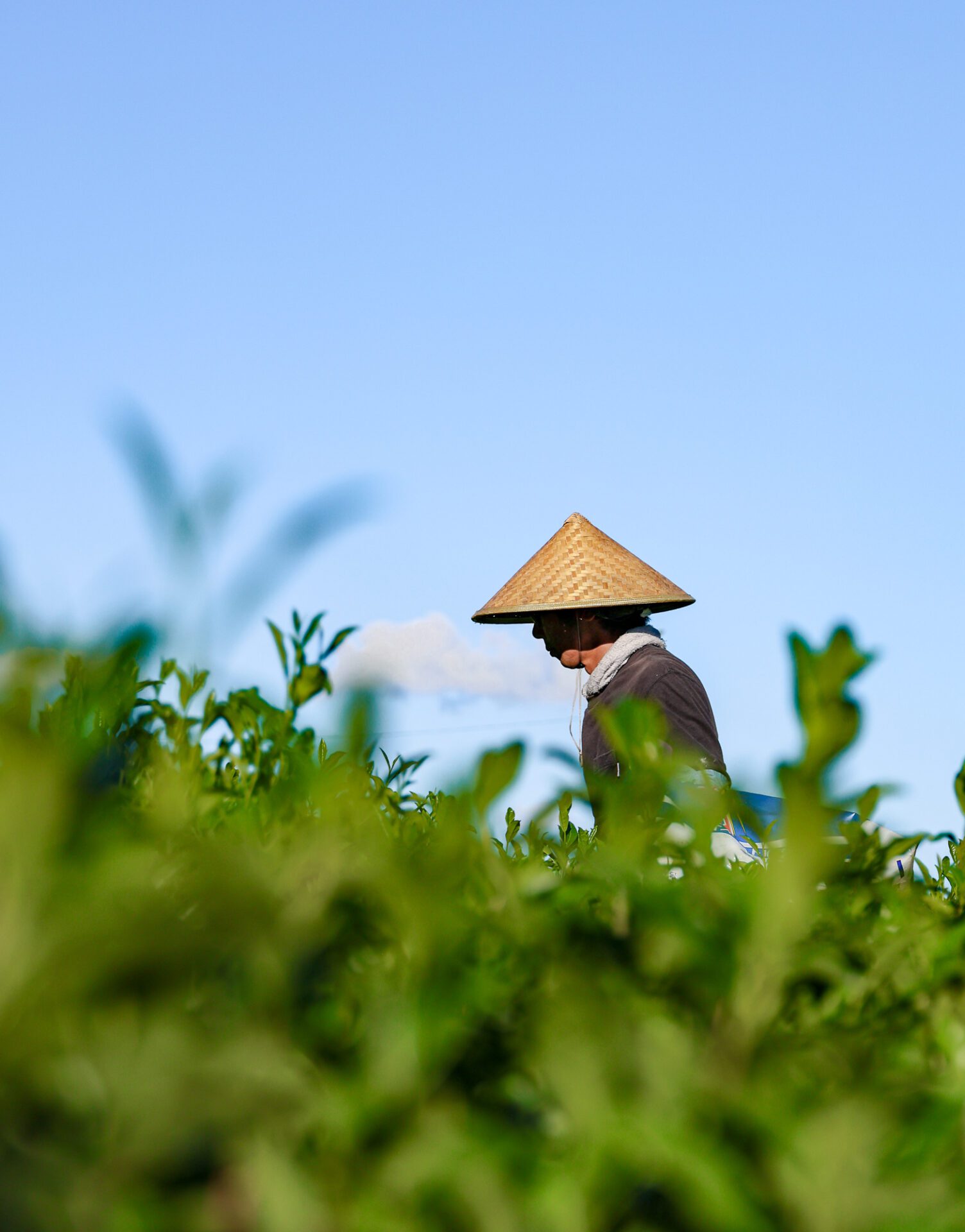

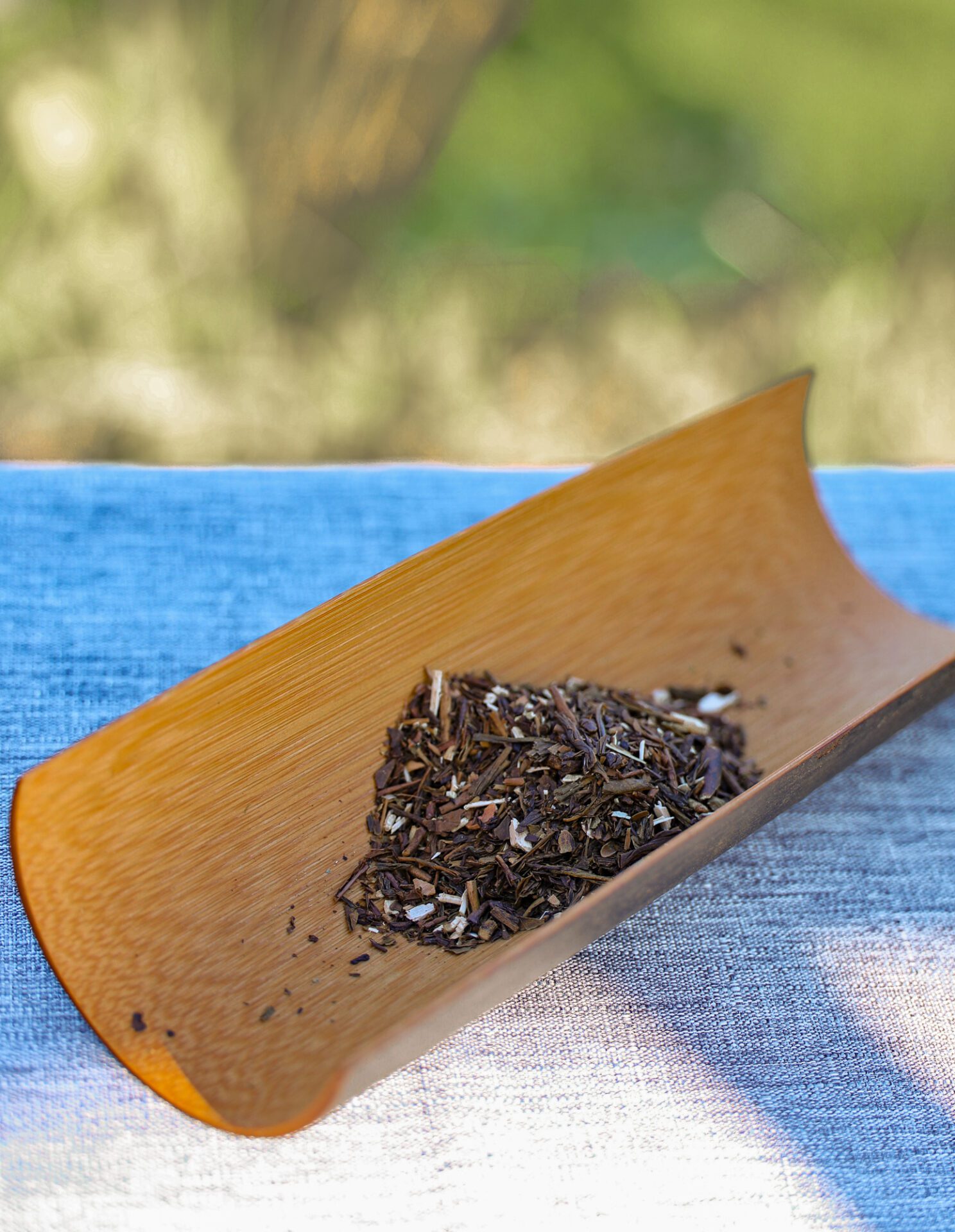
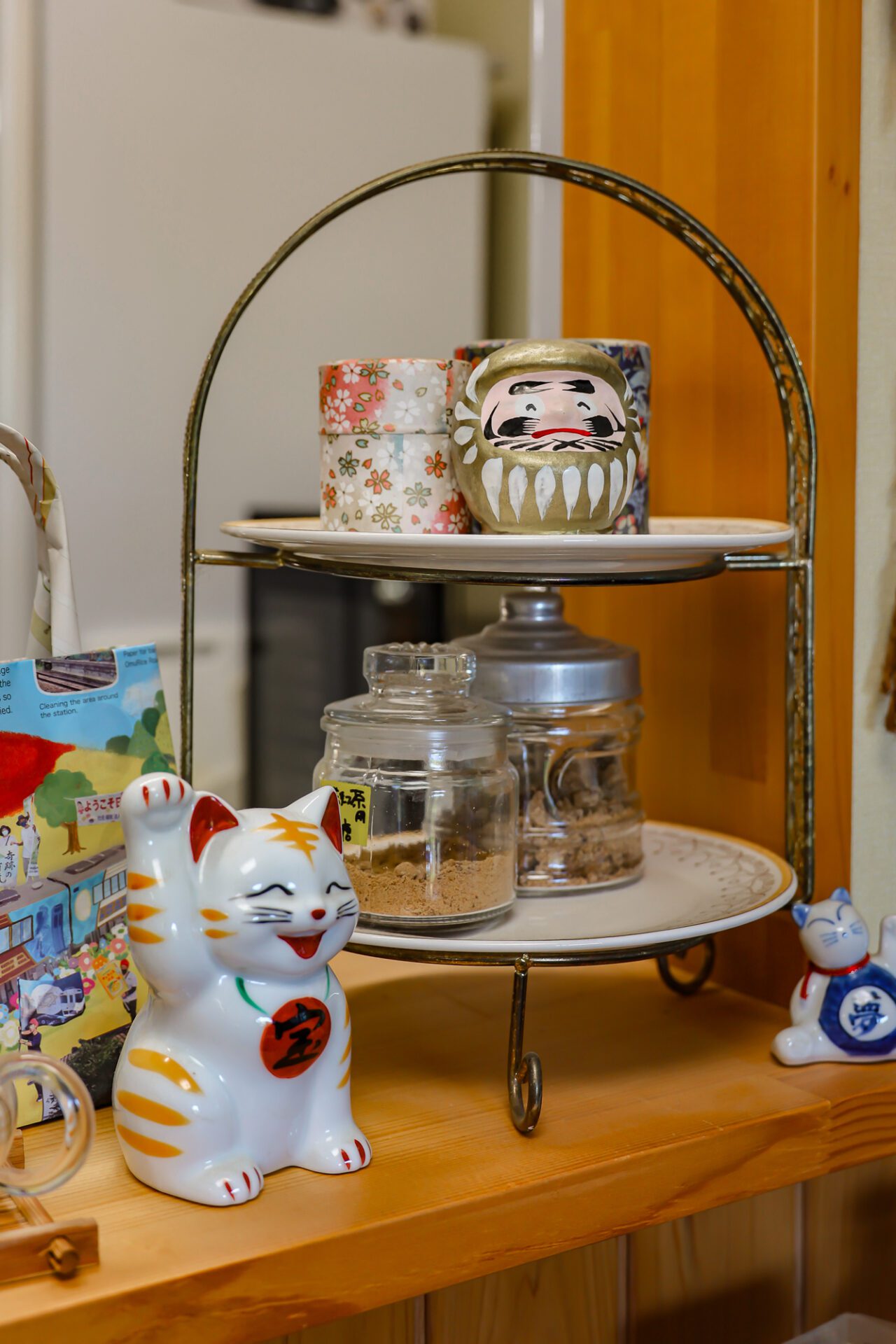
It’s family-owned and produces flavourful Tosa (the historical name for Kochi) tea. We had a wonderful private Tosa Tea experience sampling Sencha, Hojicha, Black tea, and Buntan blossom-infused Oolong, accompanied by sweet and savory pairings.

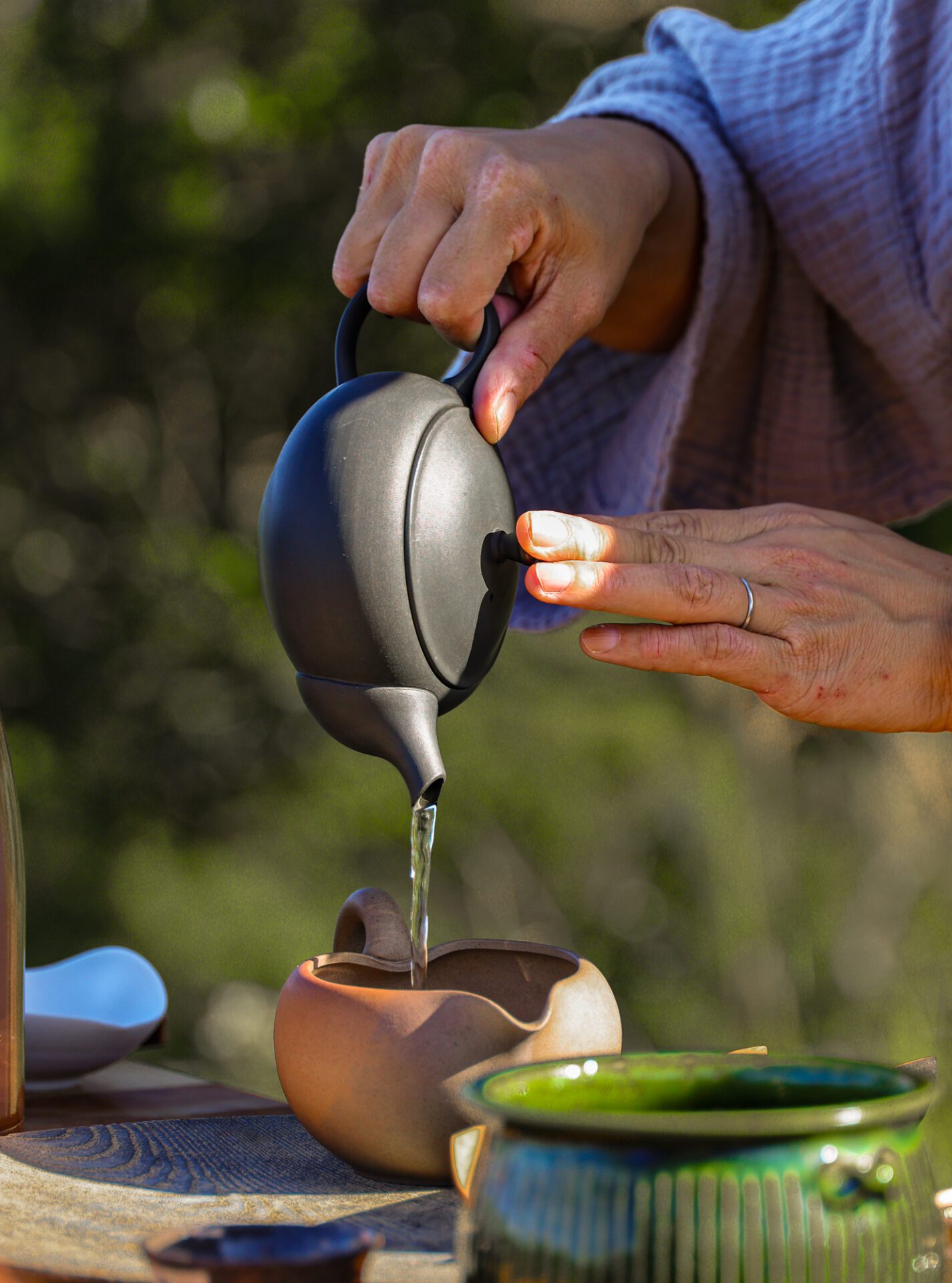

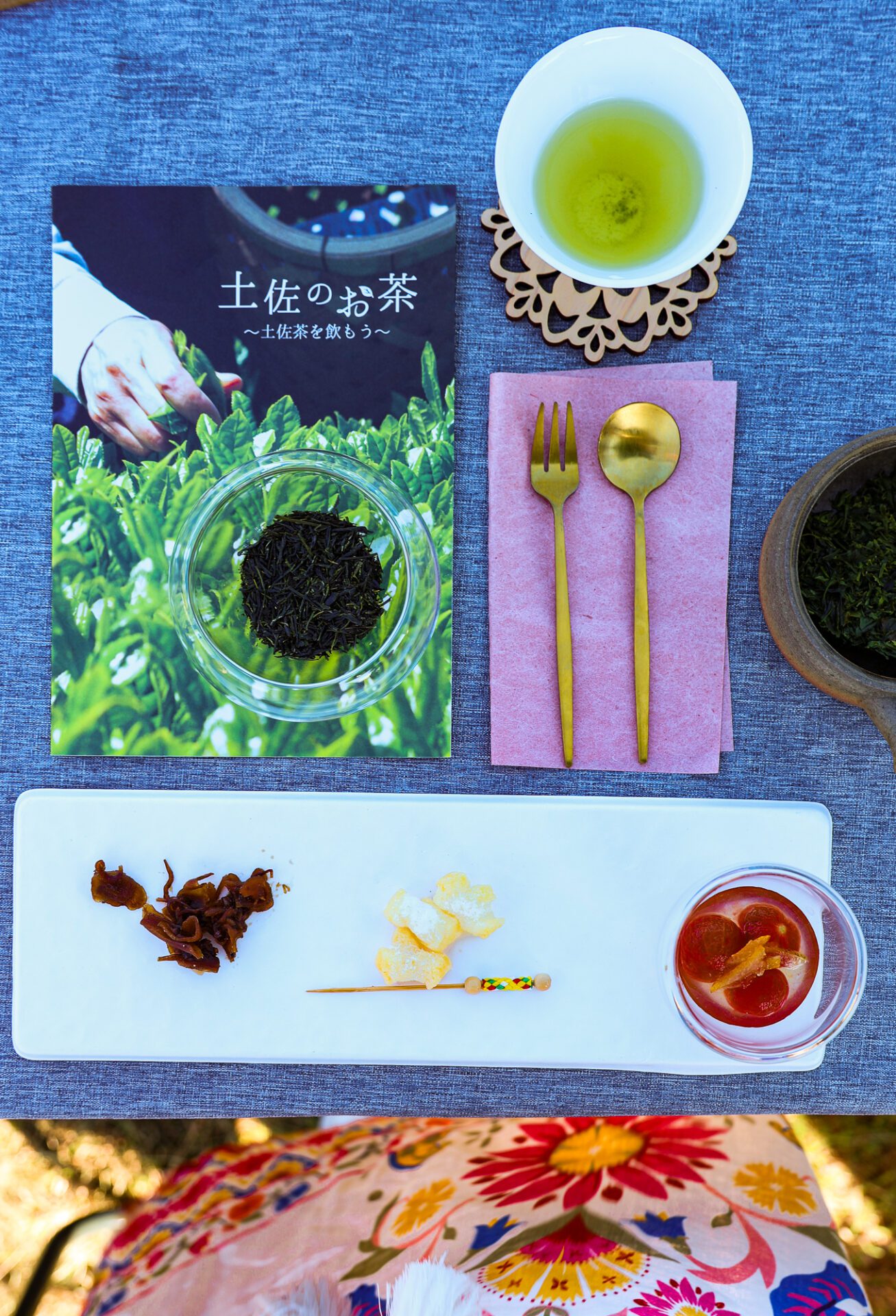
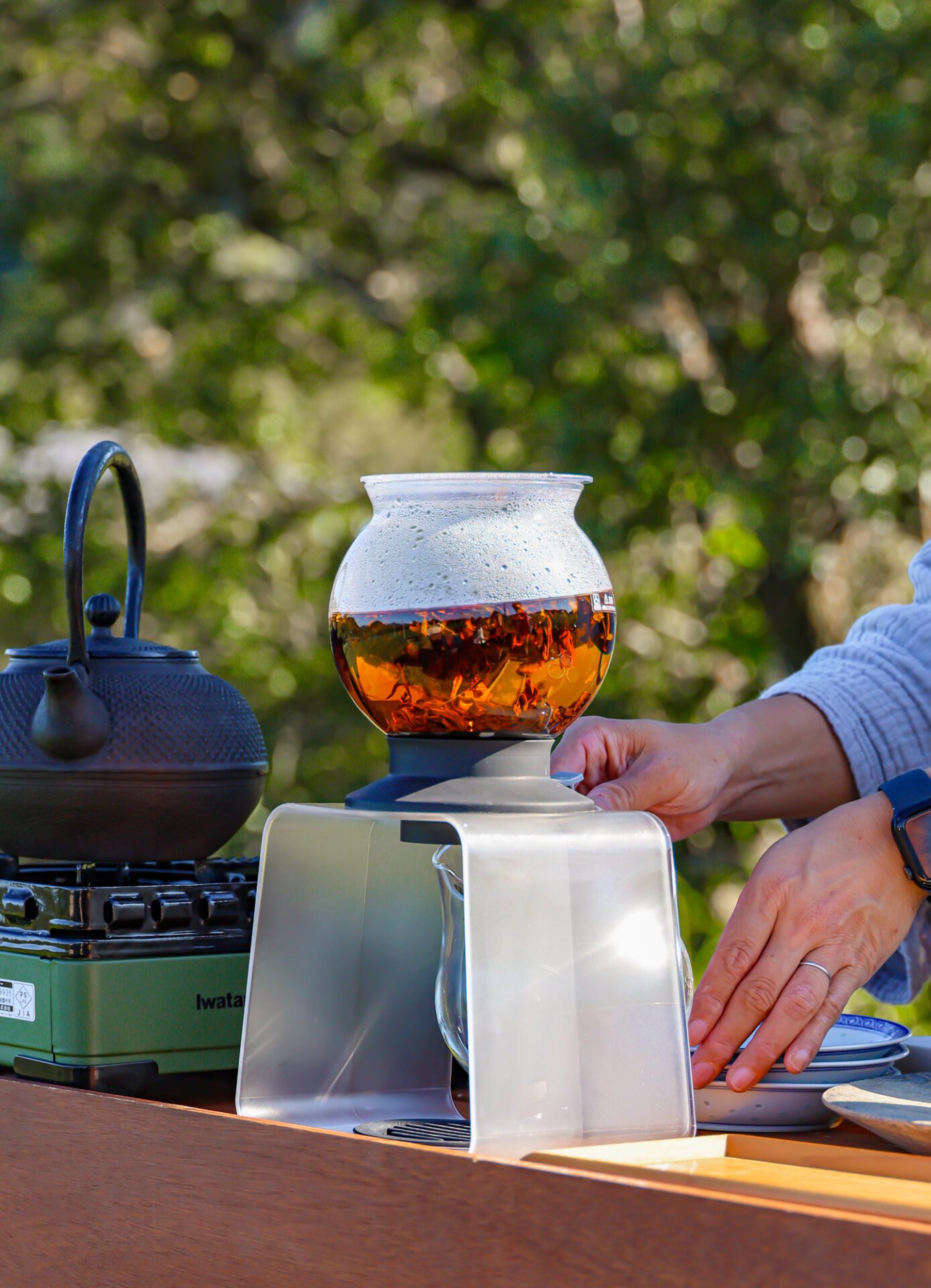

Kiriyama Tea Farm is only 40 minutes away from Kochi City by car, and the whole experience is totally worth it!


9. Ride an e-bike across the Shikoku Karst plateau
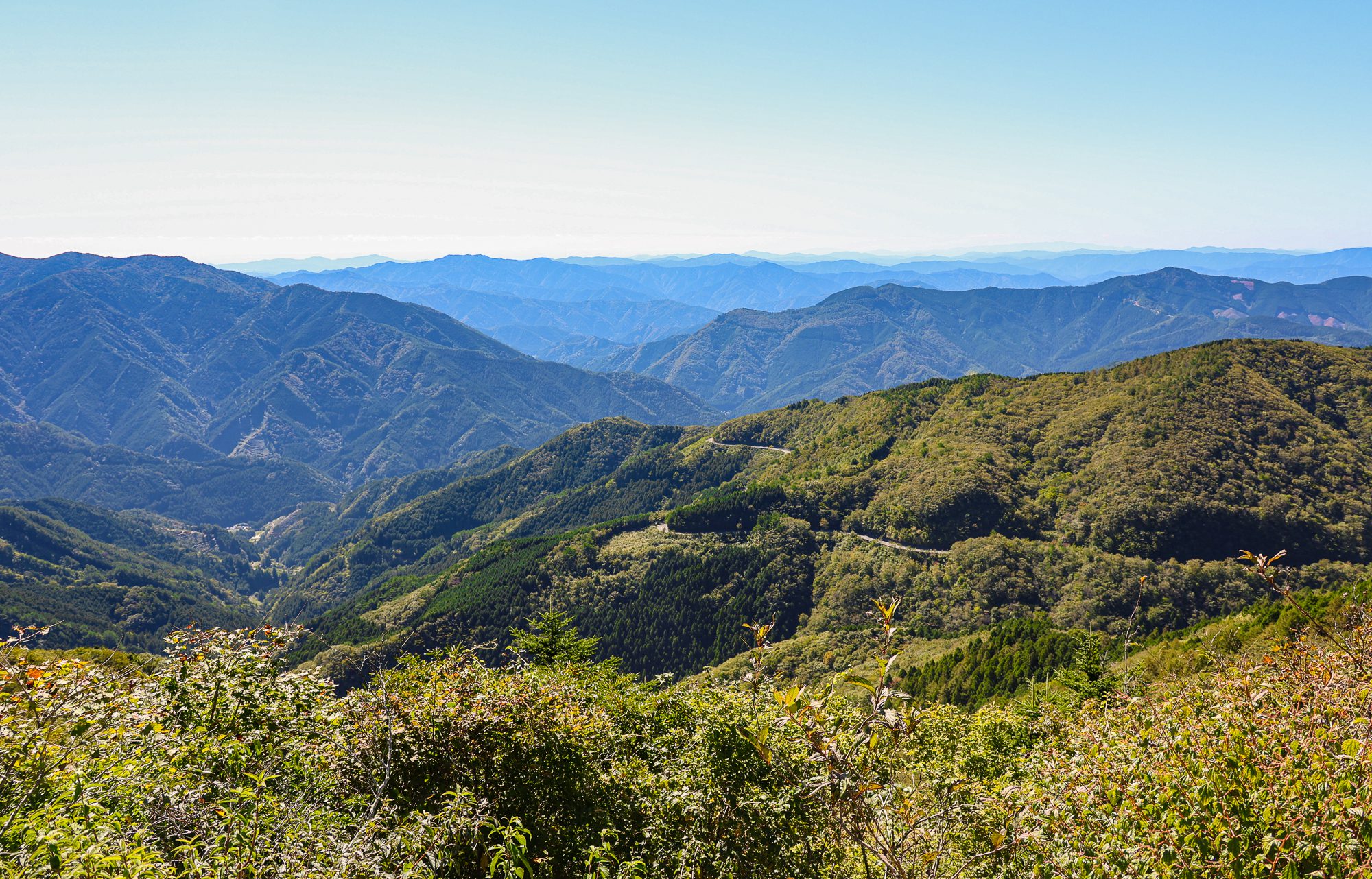
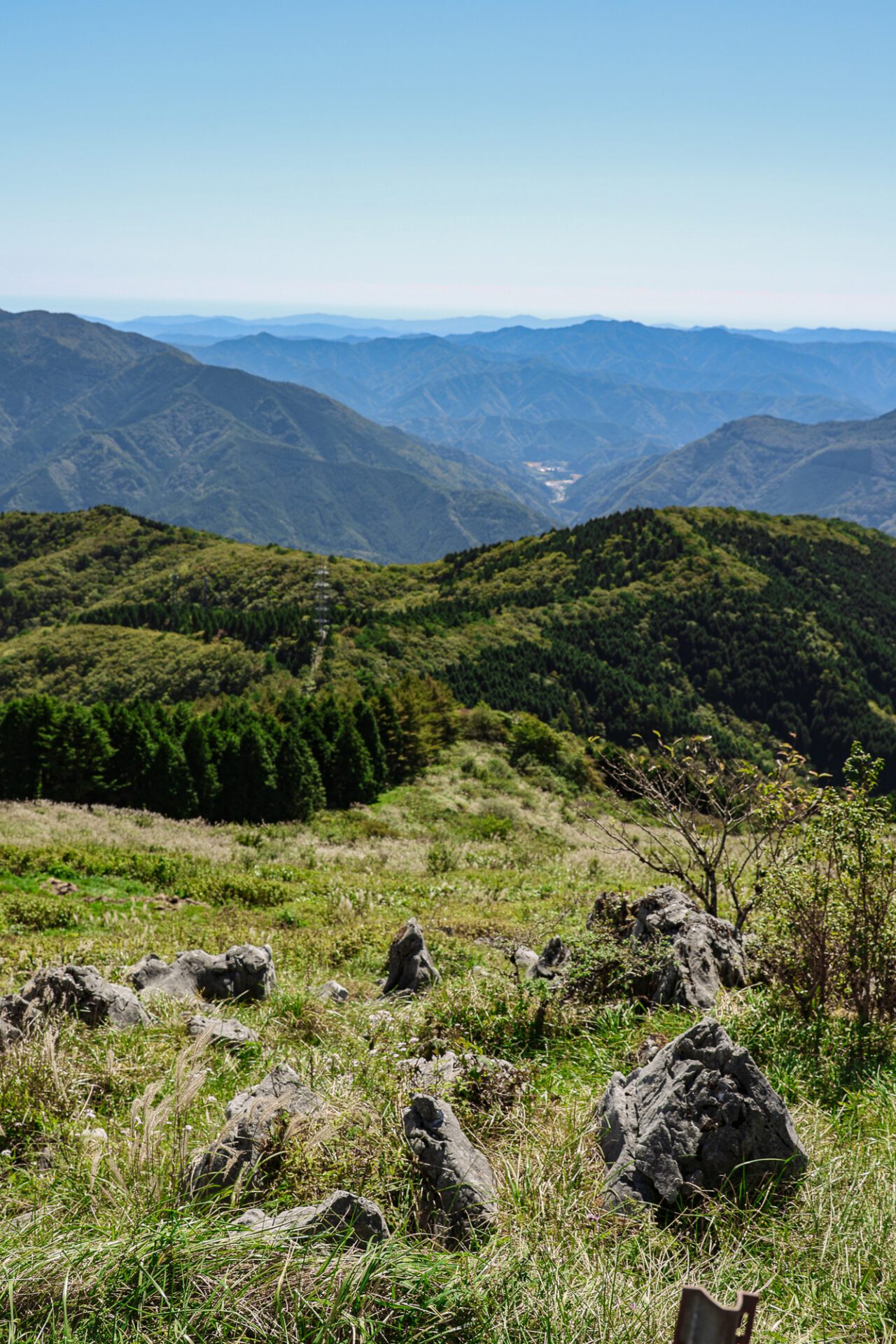
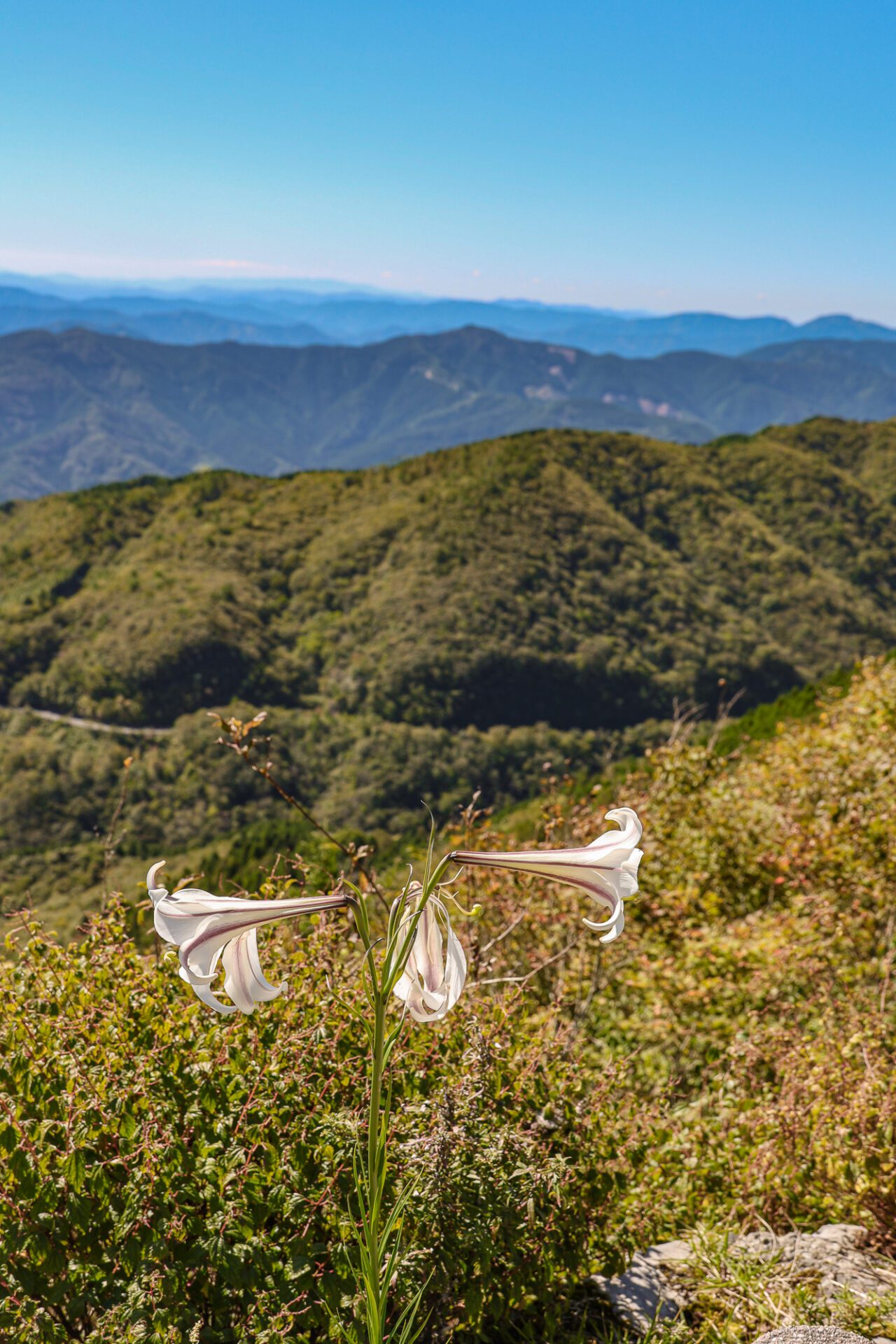
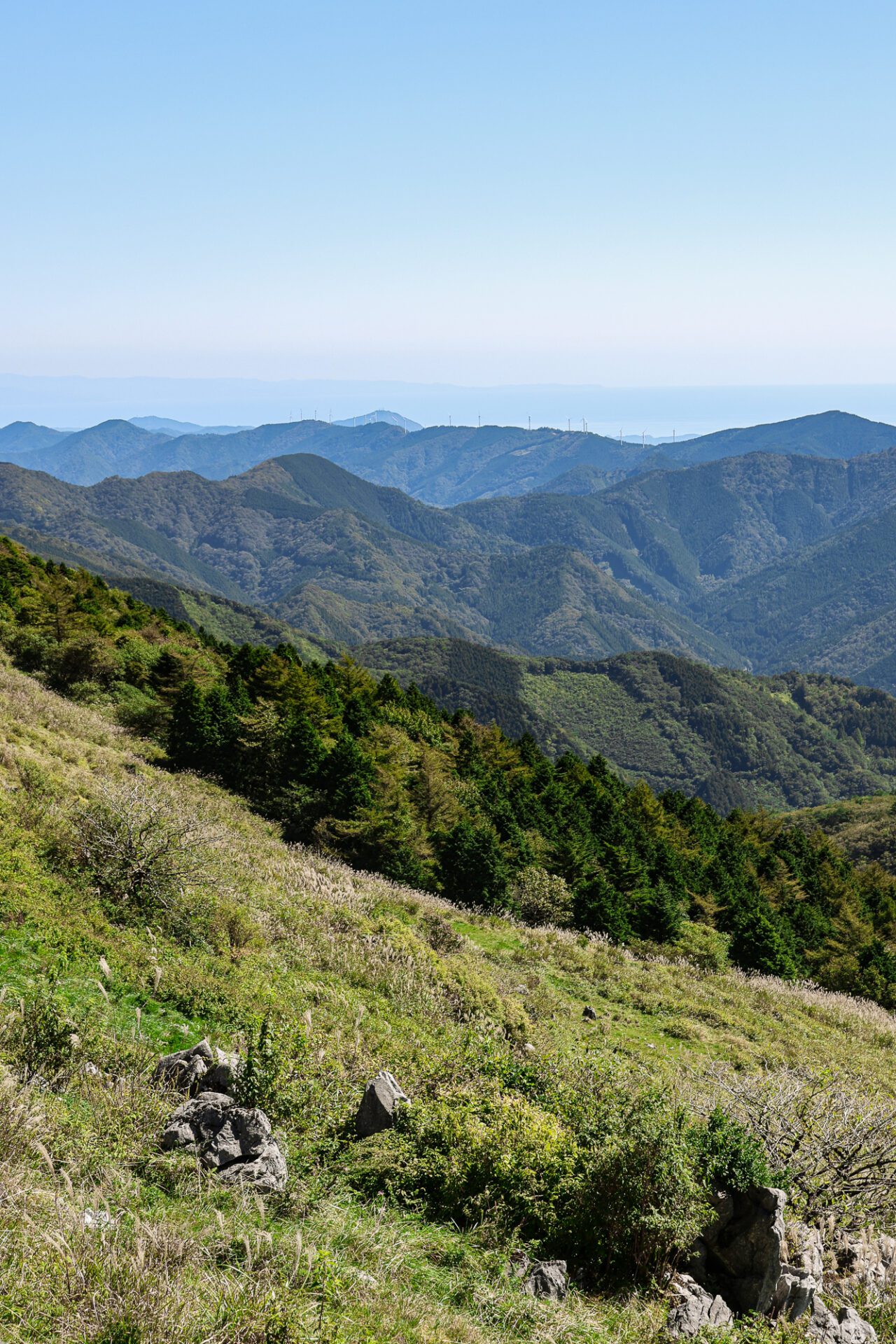
The Shikoku Karst plateau spans Kochi and Ehime prefectures and reaches an elevation of 1485 meters – visitors come here for the spectacular panoramas.
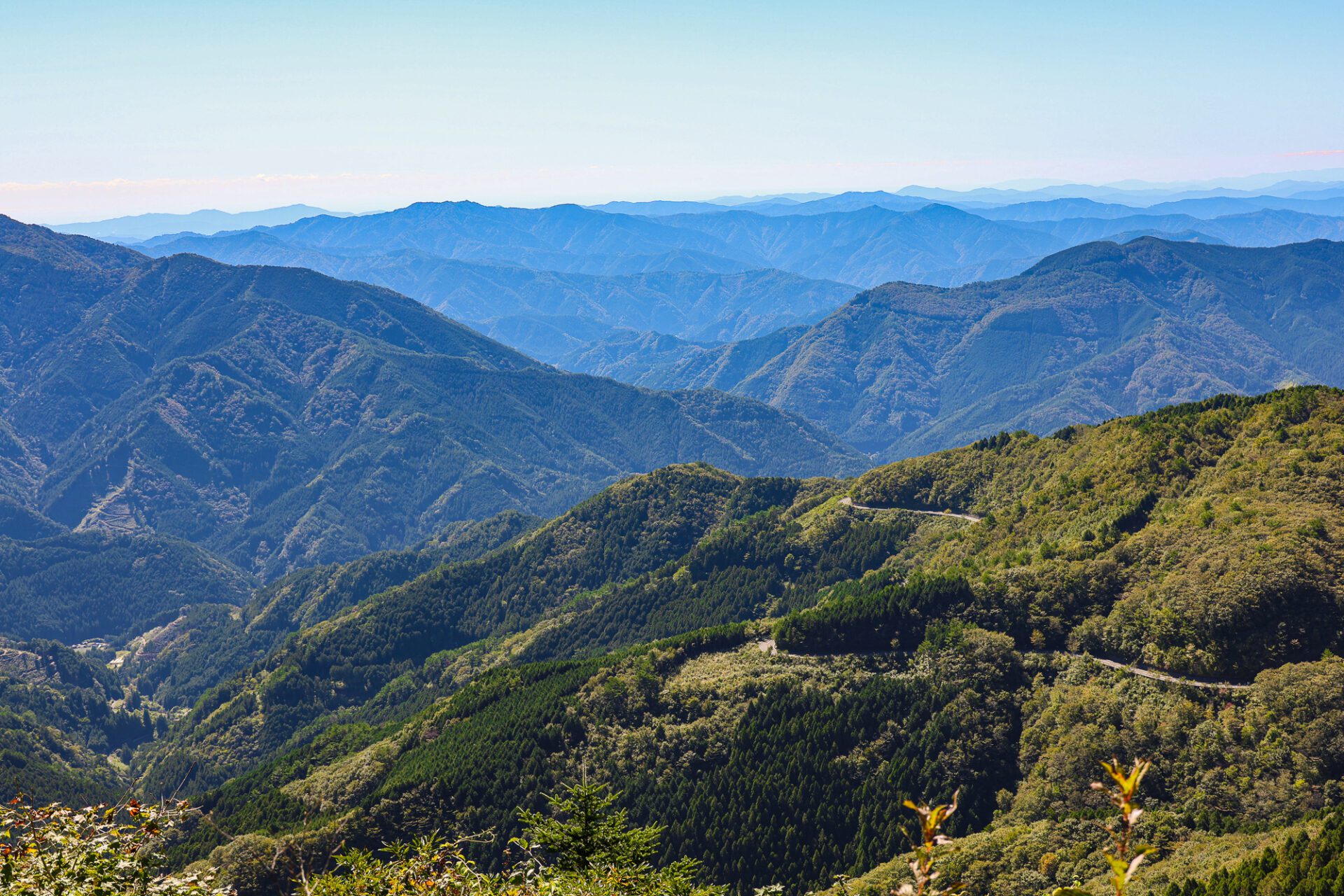
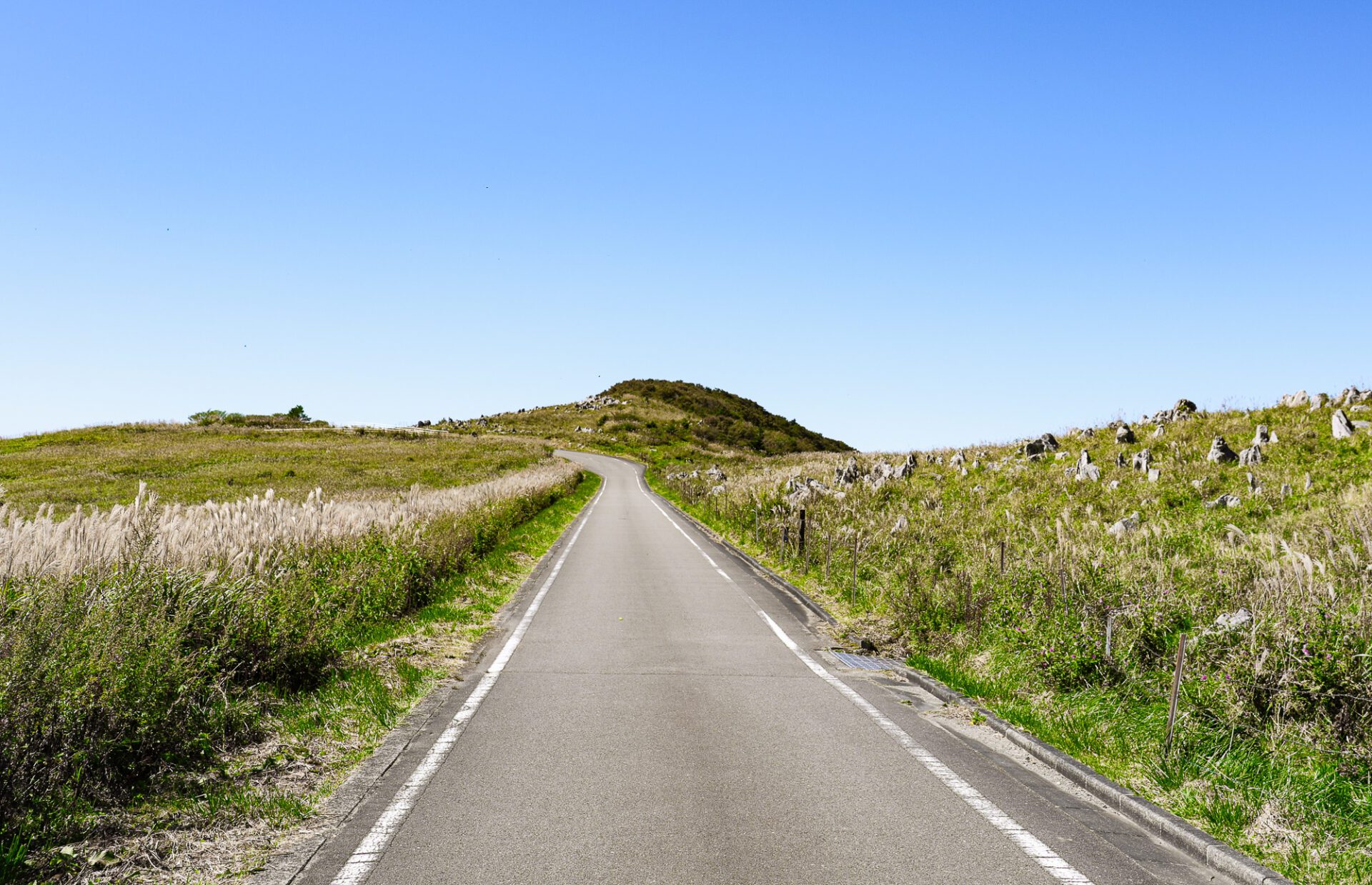

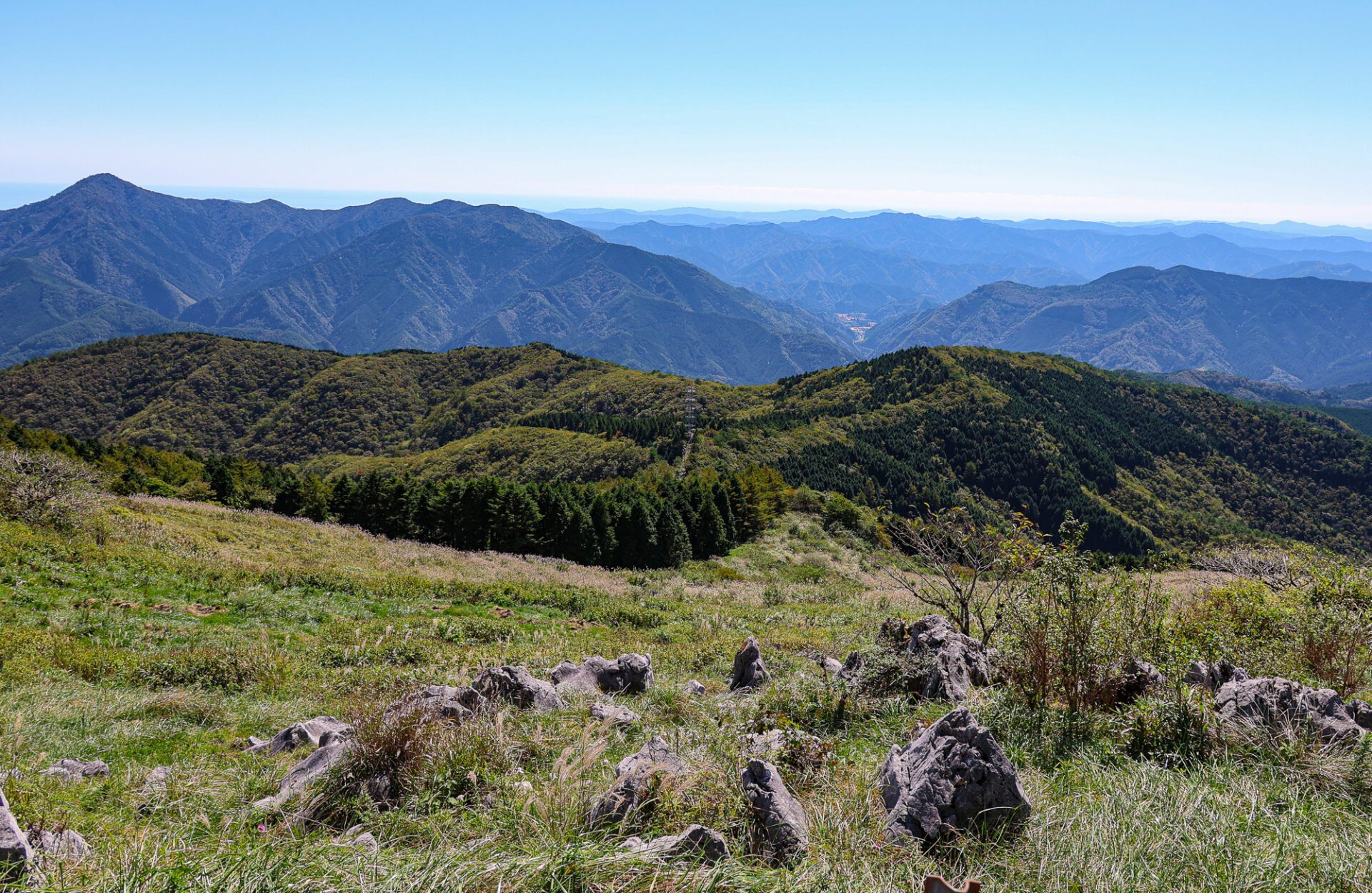

The area is divided into three zones: Tengu Highland, Keyakidaira, and Mezurudaira. The easiest way to access the plateau is by car, though you can also get here by public transport.
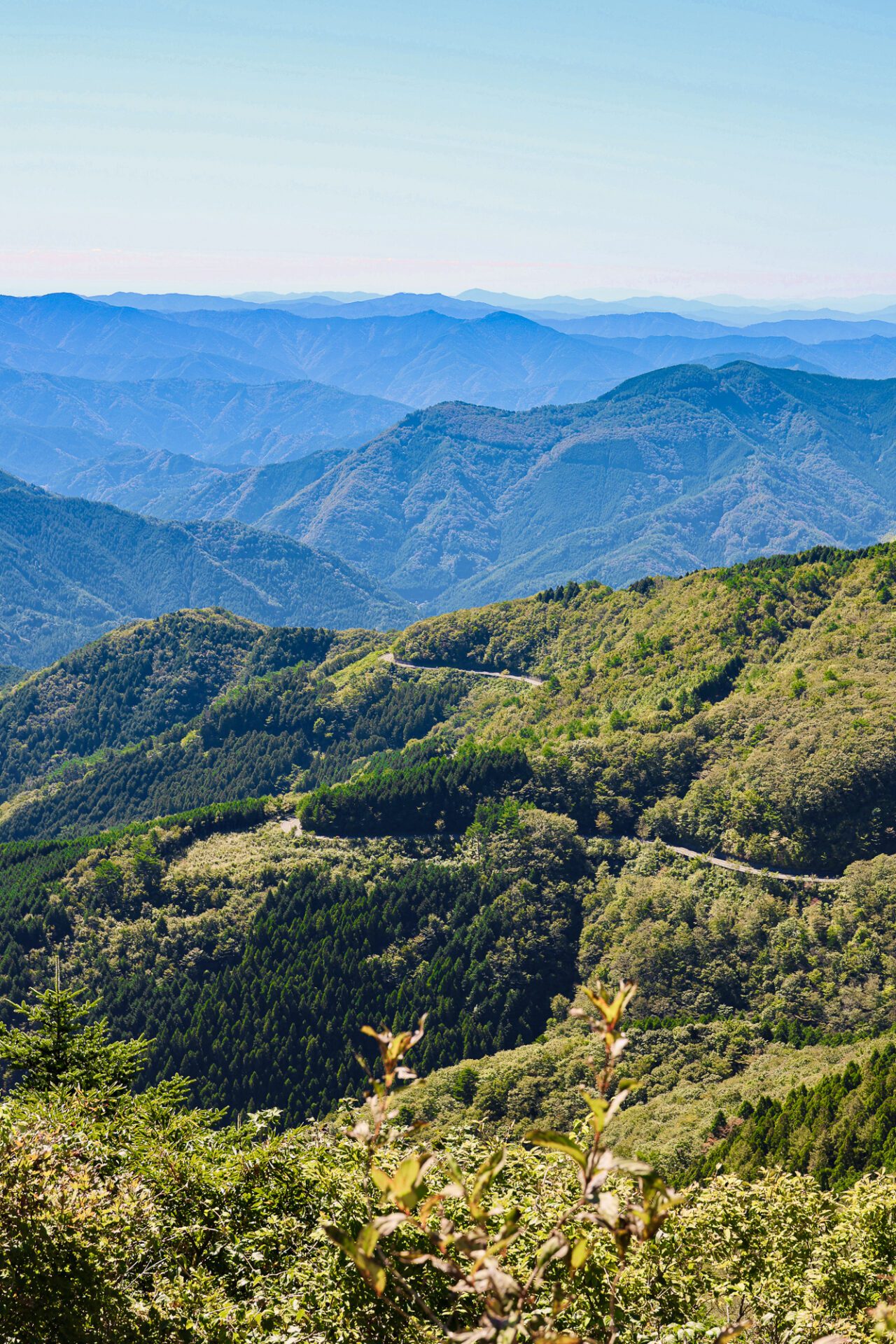
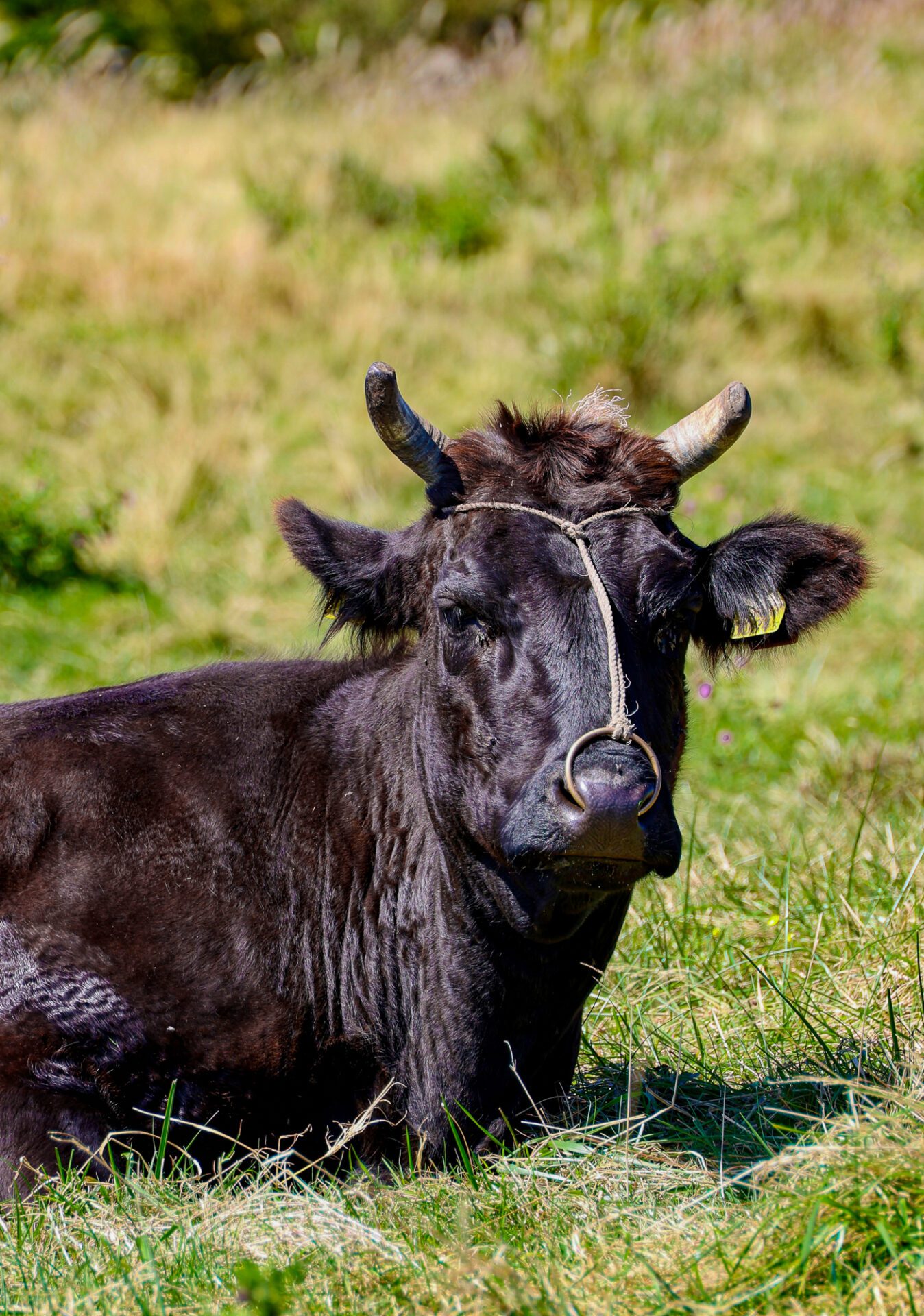
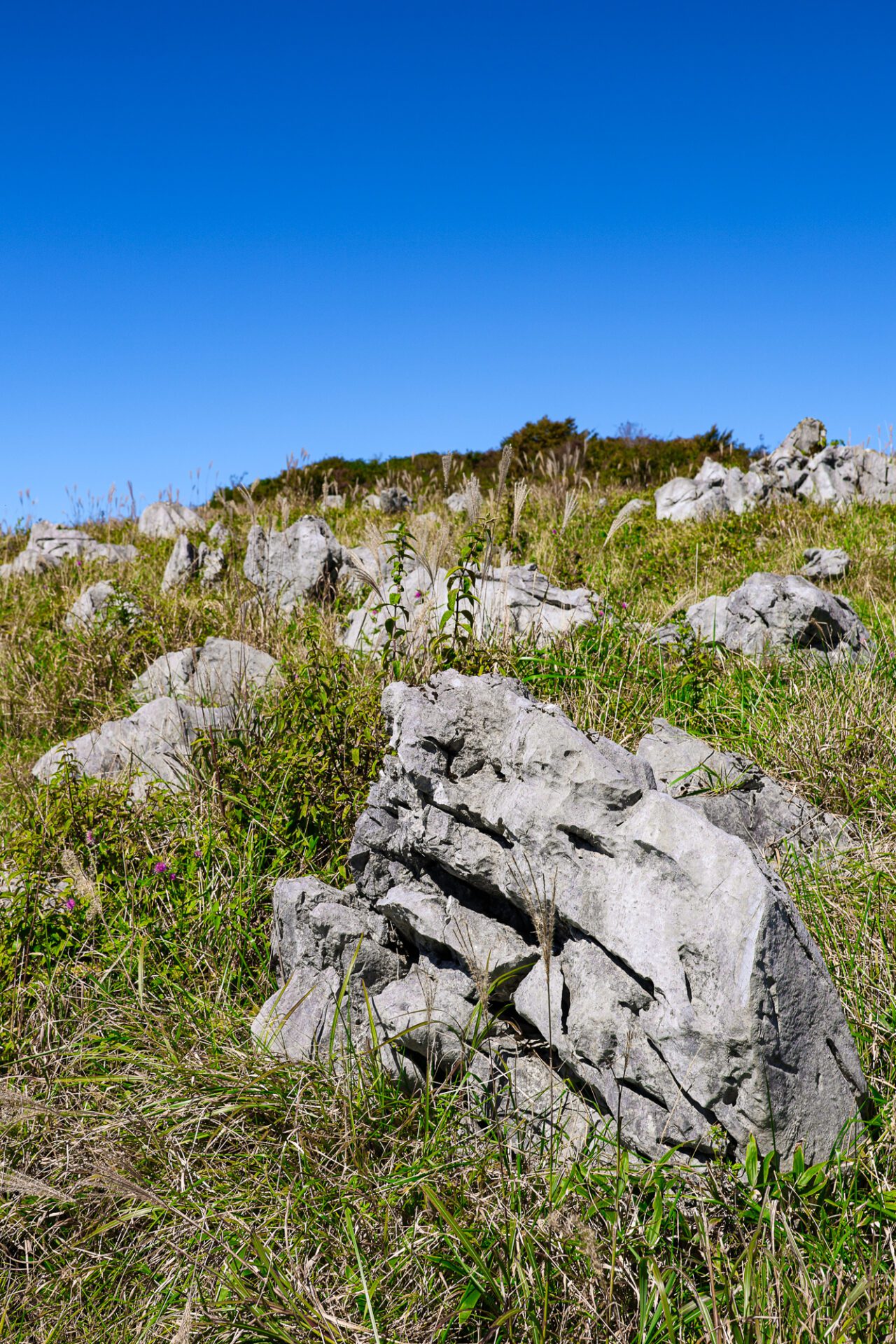
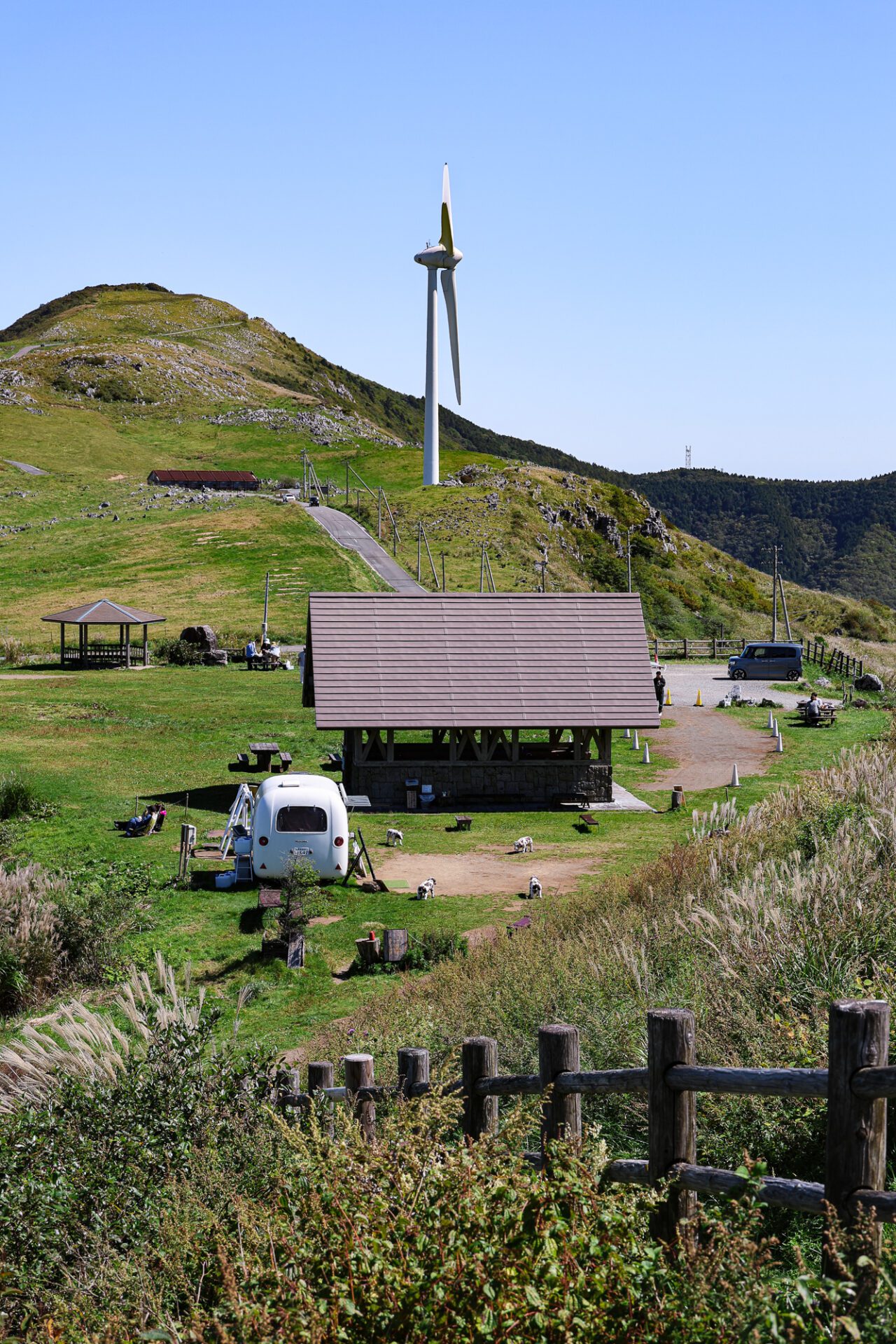

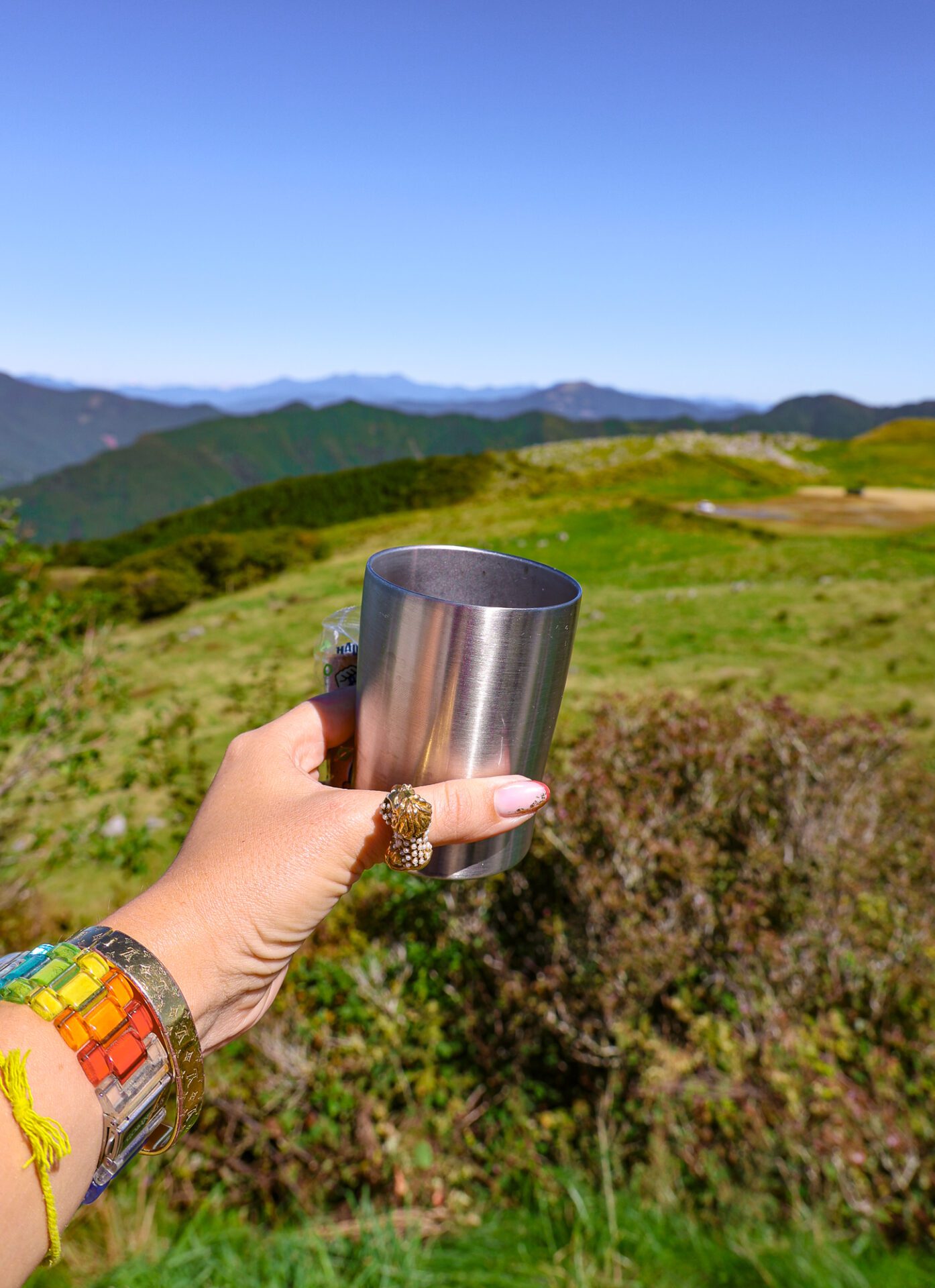
One of the most popular things to do here is e-bike cycling while admiring the stunning scenery – however, to be completely honest with you, I just posed with the bike for photos.
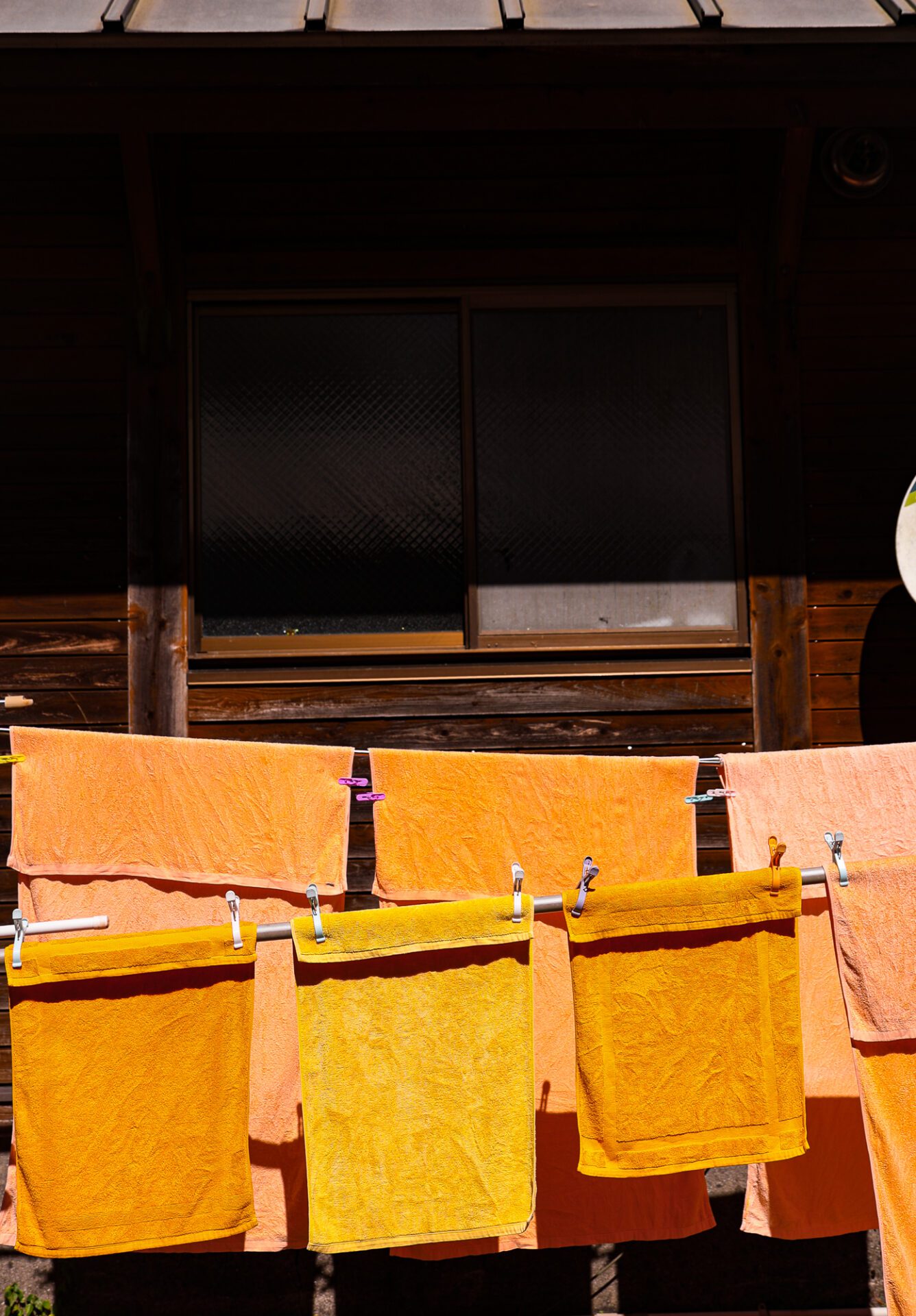
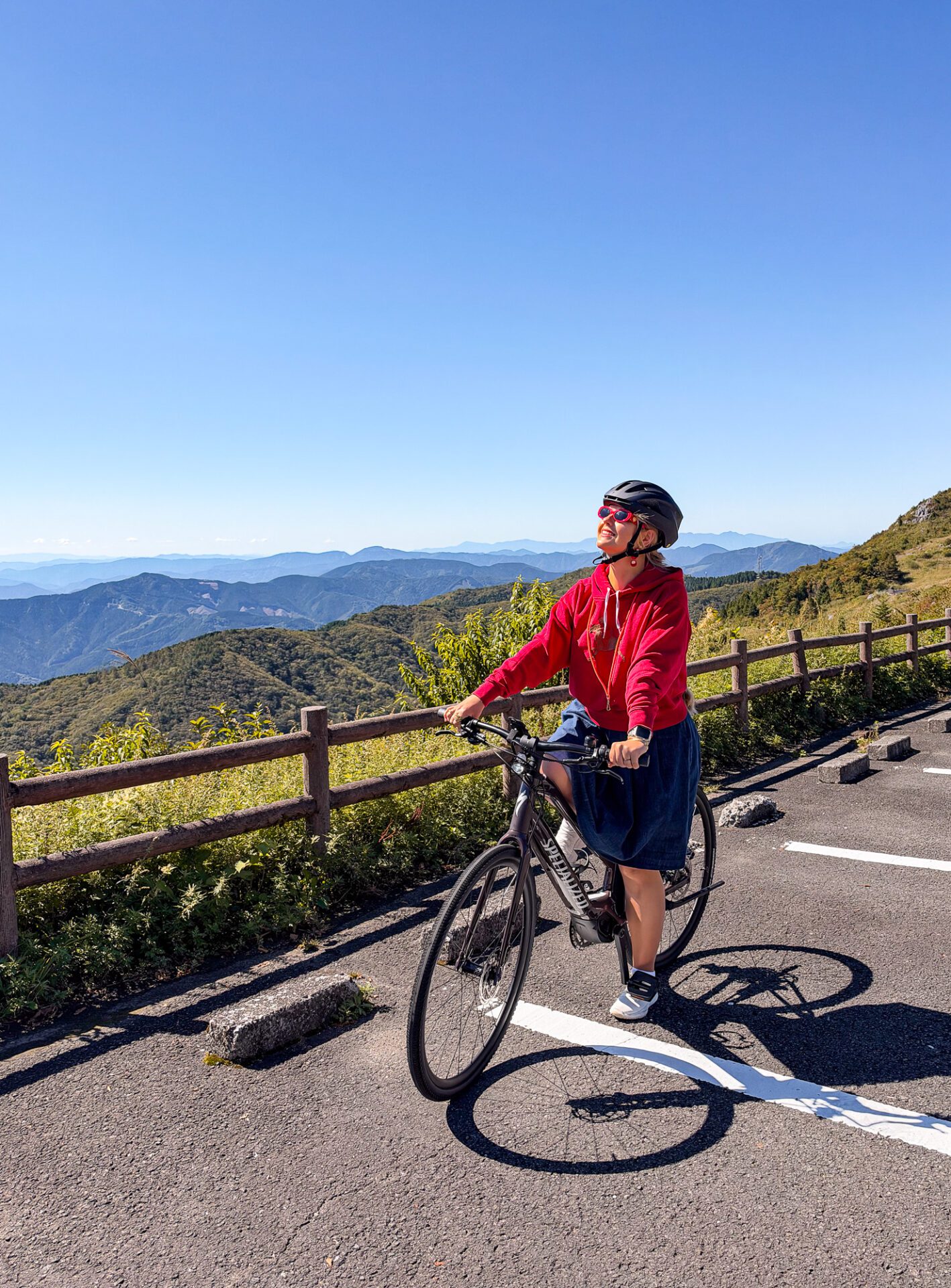
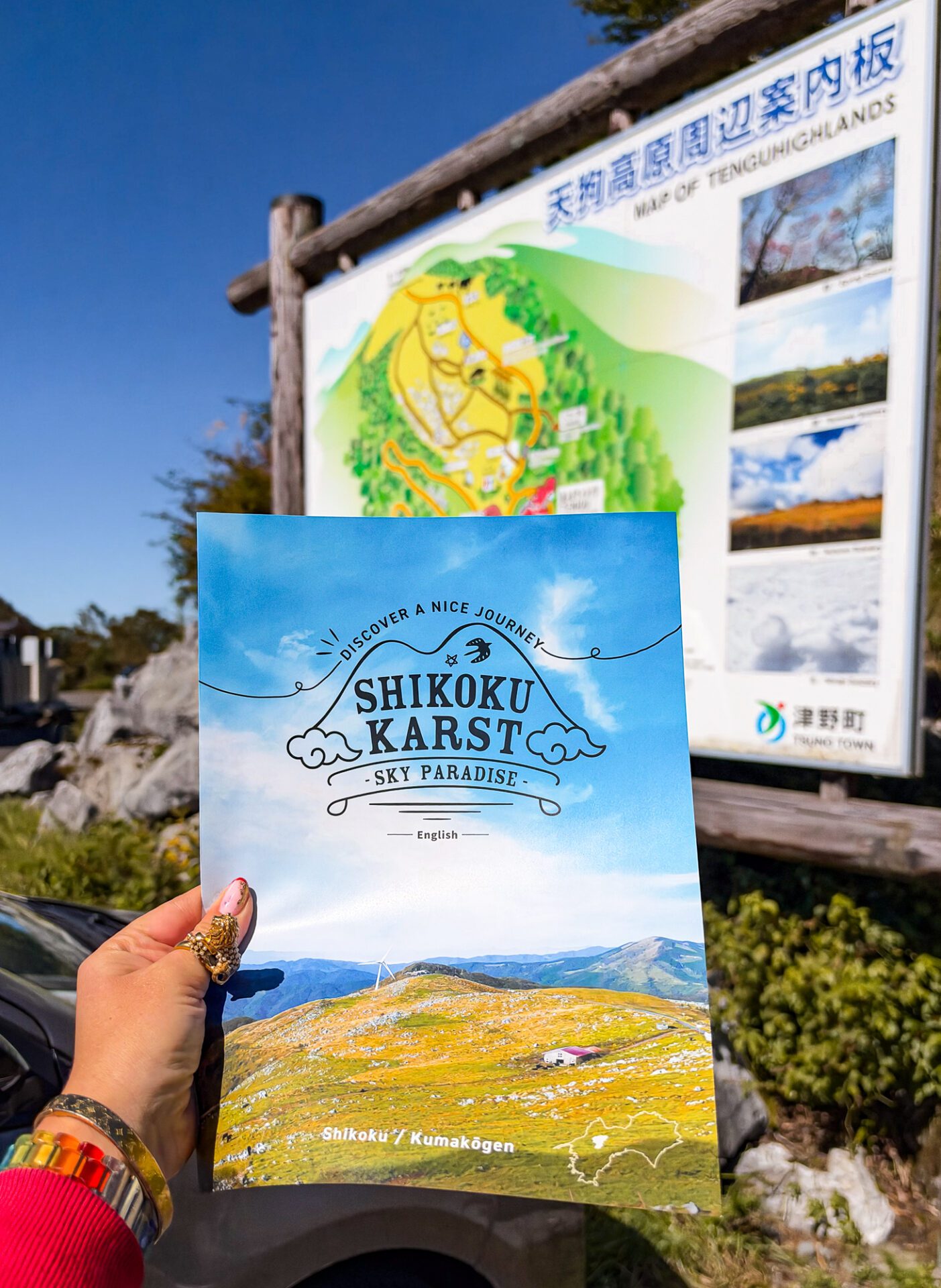
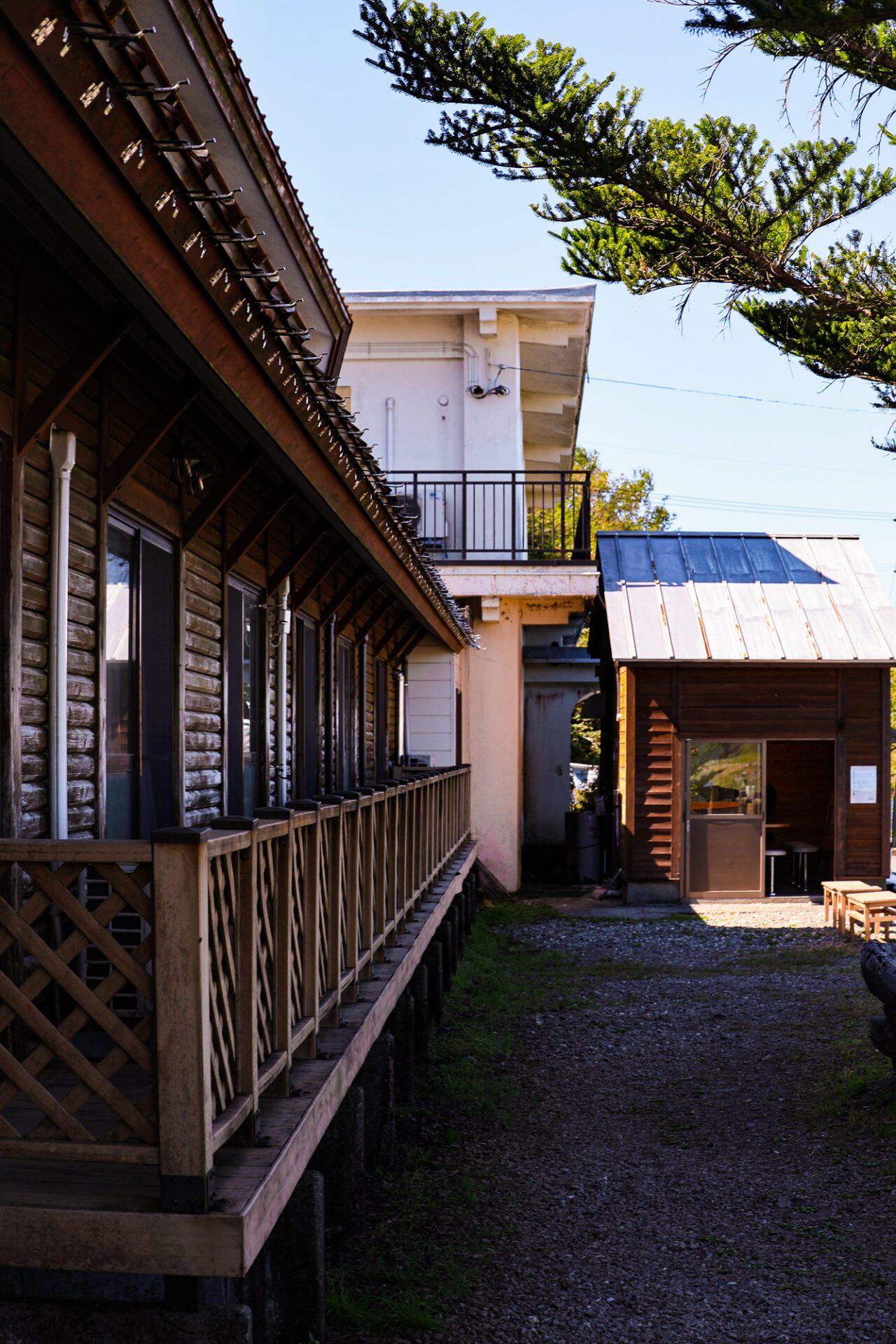
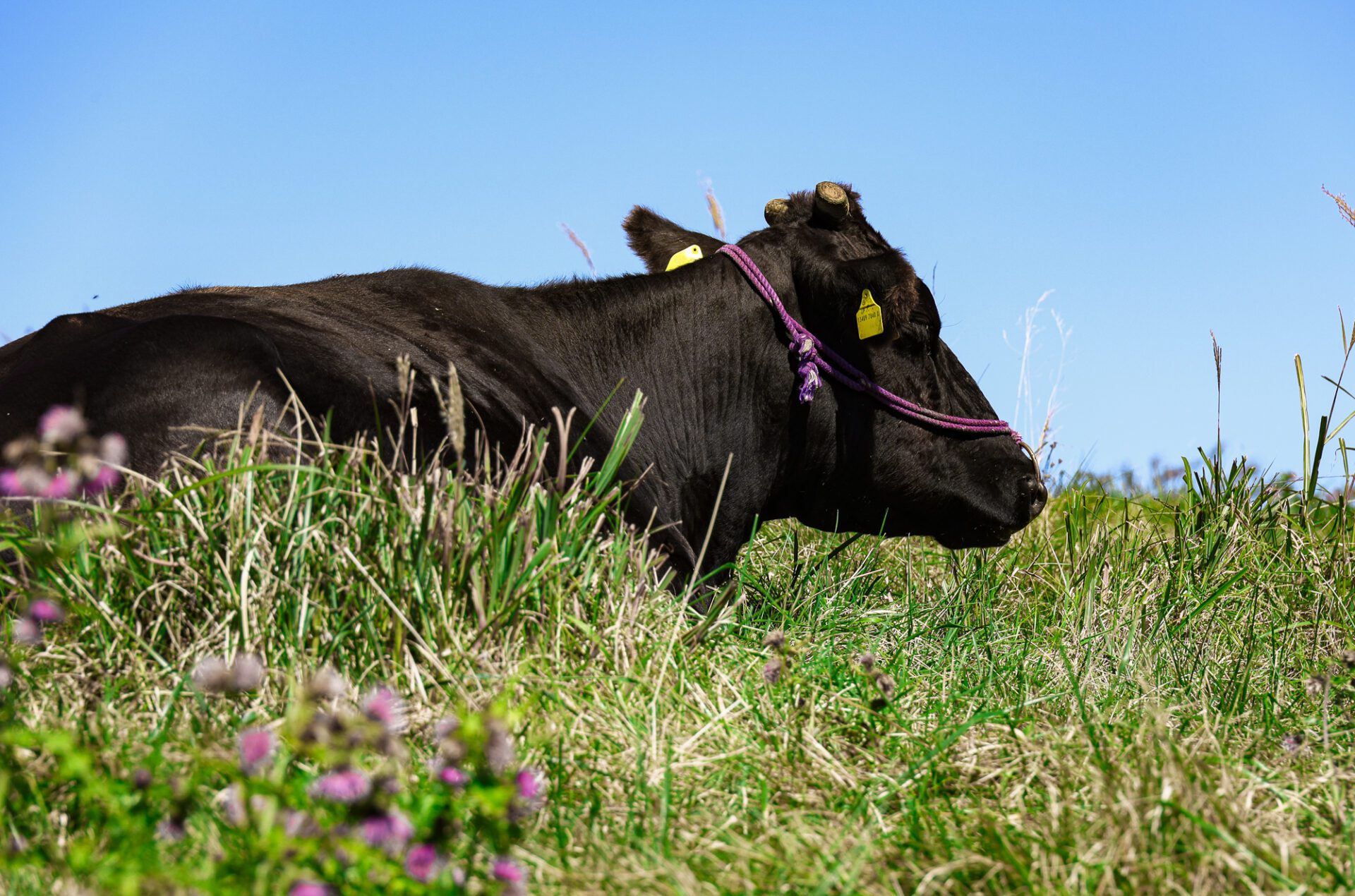
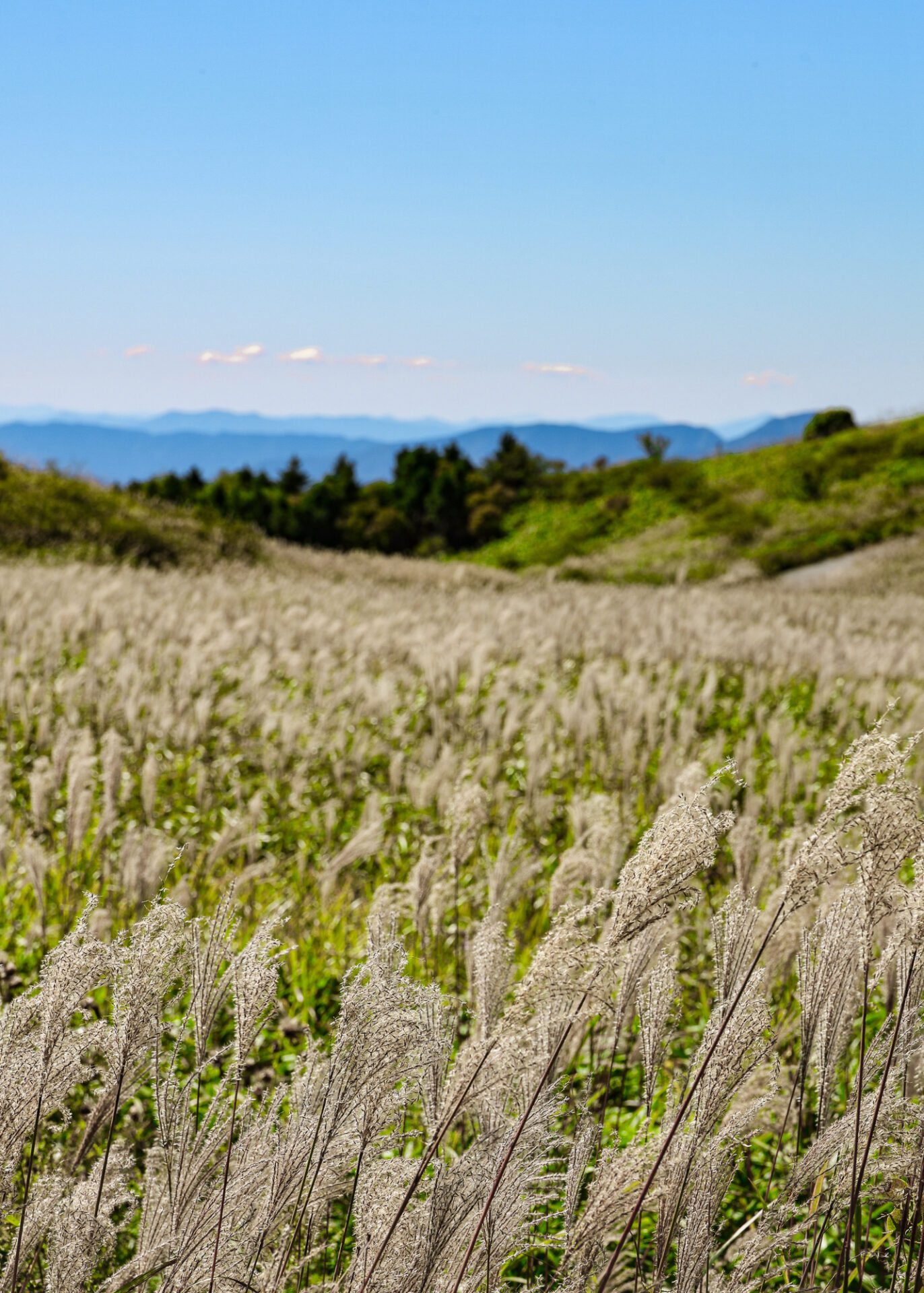
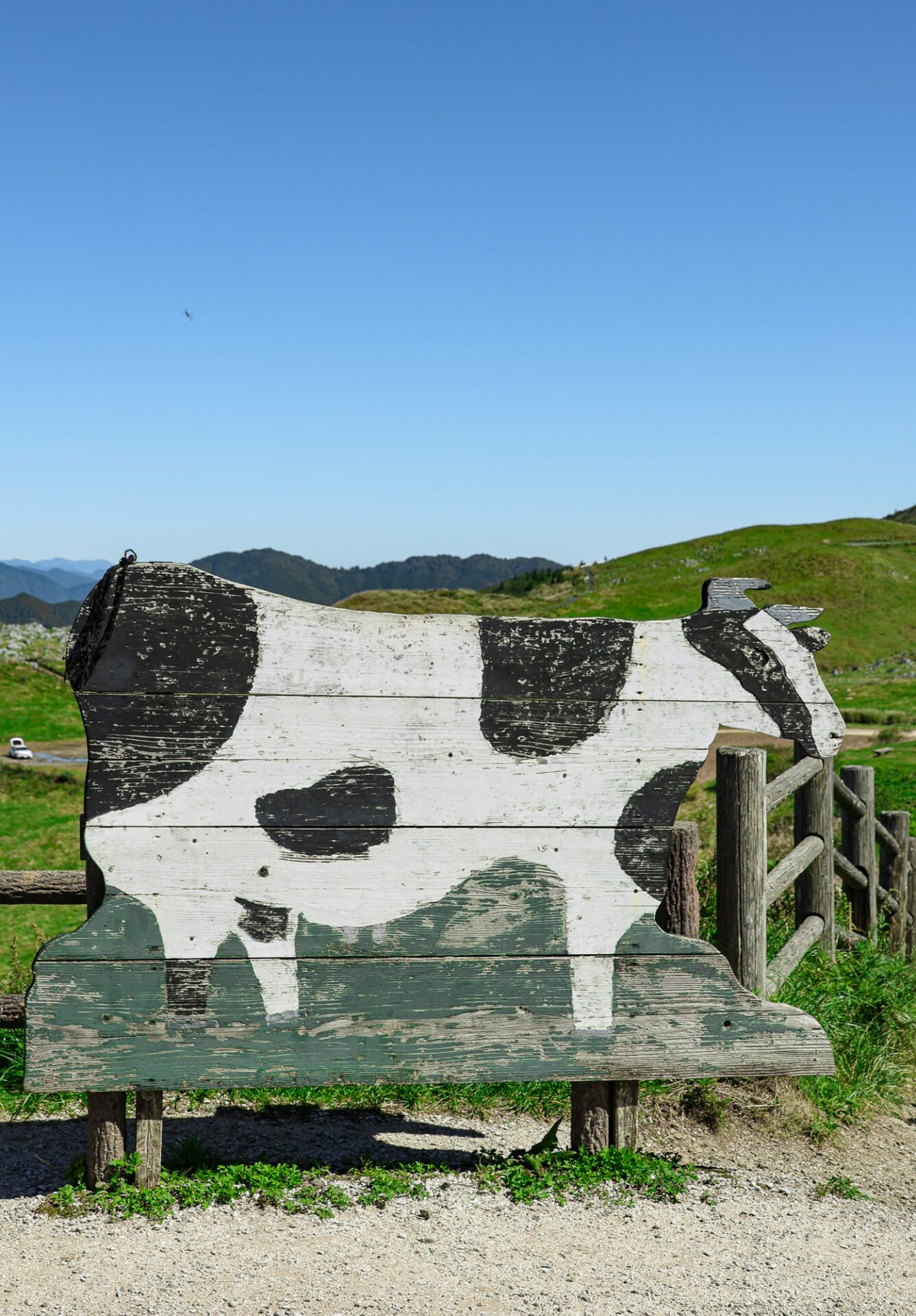
Dramatic white limestone karst formations contrasting the sunlit grasslands, with cows roaming freely along the Godankogen highland – such a blissful place to be!
10. Explore the Nakatsu Gorge
Head to Niyodogawa Town to hike along the stunning Nakatsu Gorge. If you come in November, the vivid red momiji leaves will frame it for a perfect shot!

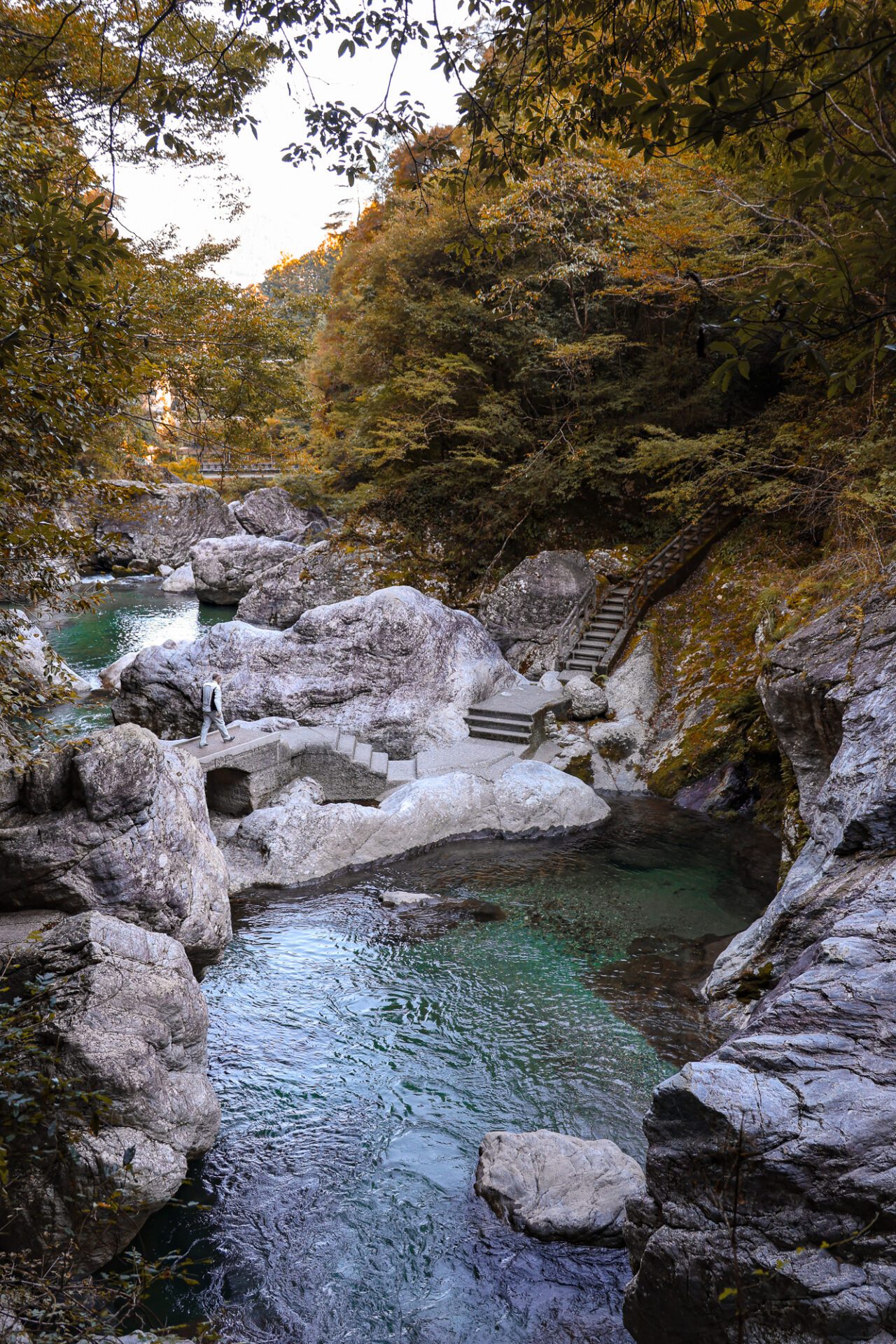
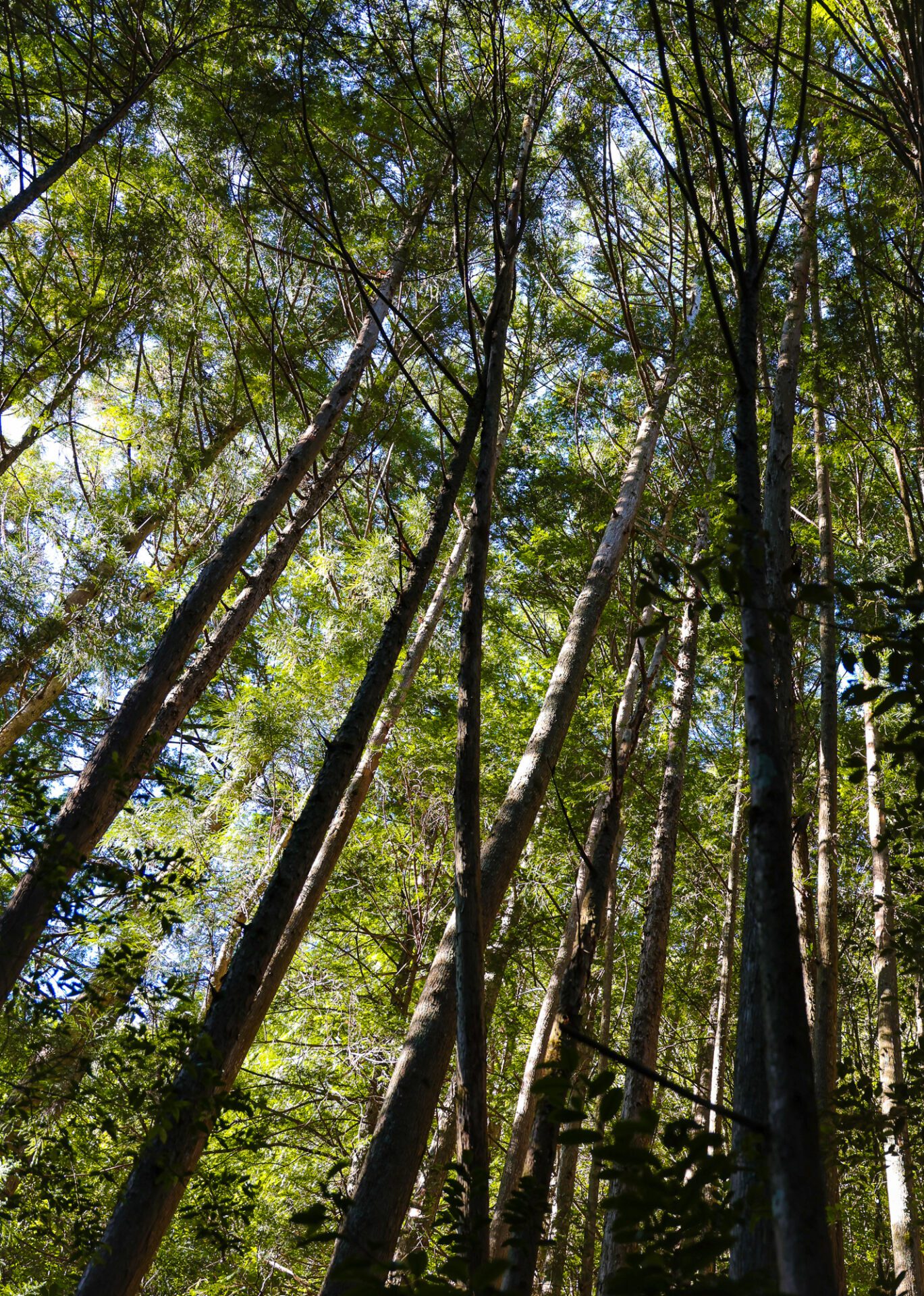
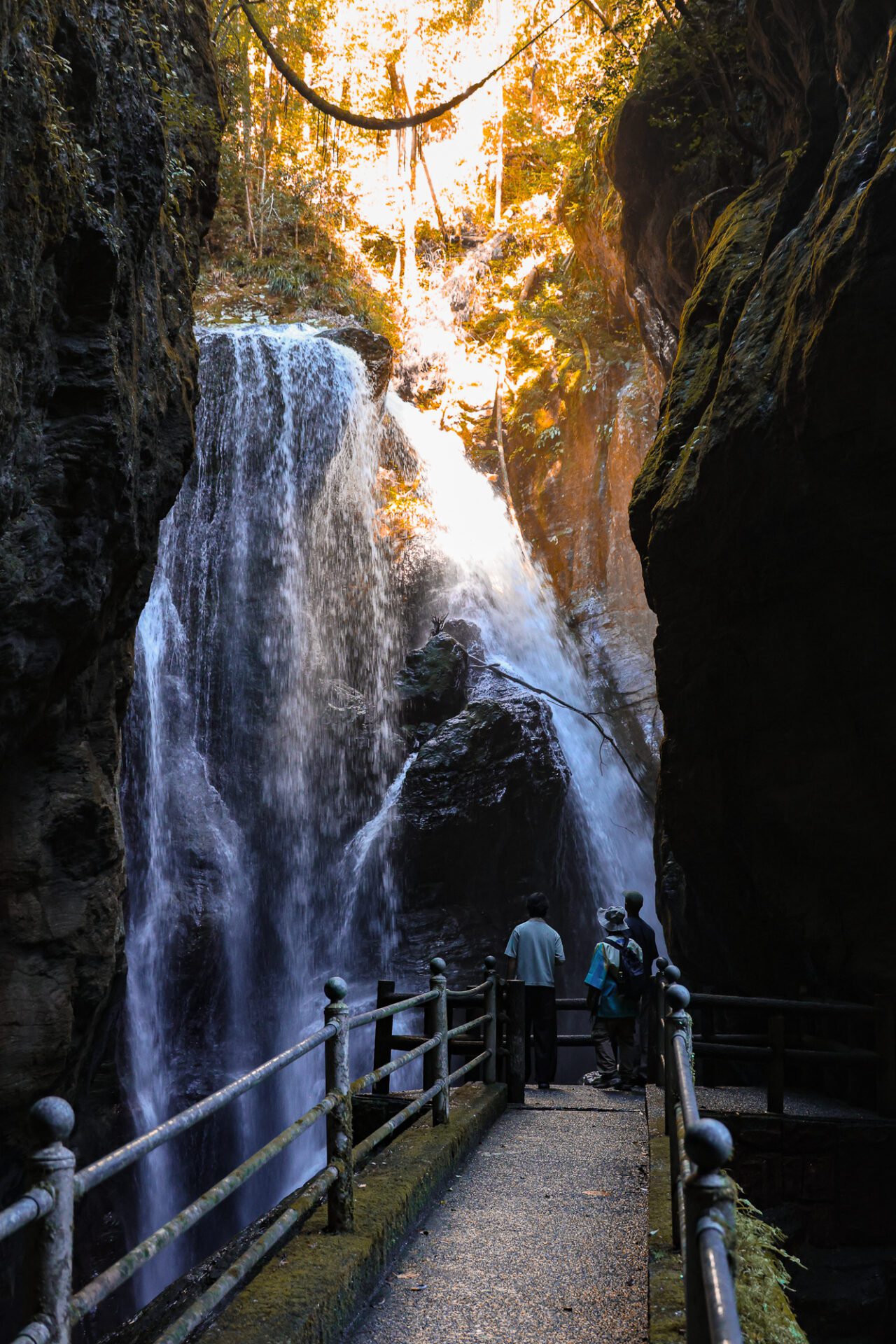
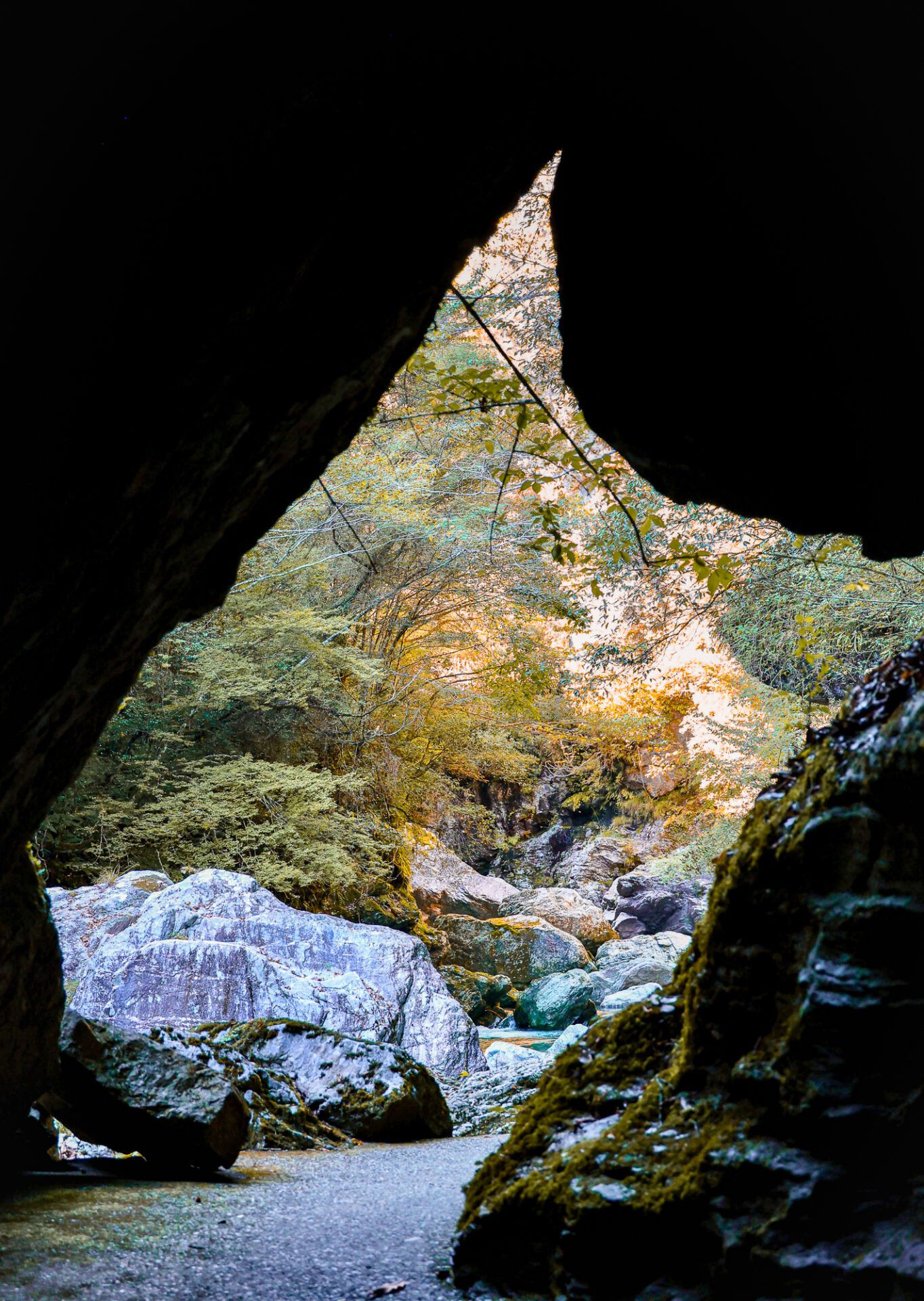
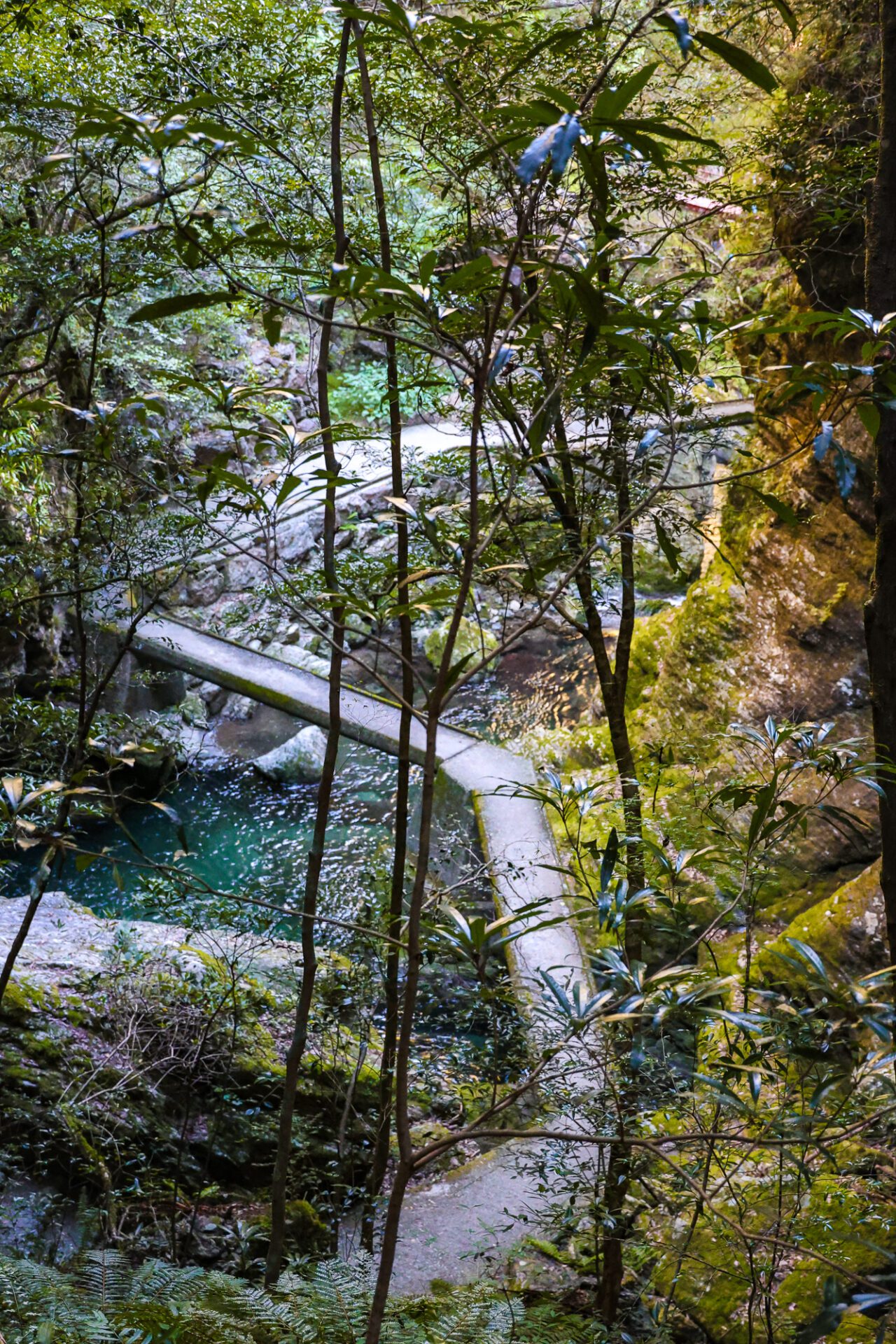
Over 300 million years ago, colliding tectonic plates beneath the seafloor pushed ancient rock upward, forming the bedrock of Nakatsu Gorge. Later changes occurred through continuous water erosion from the Niyodo River.
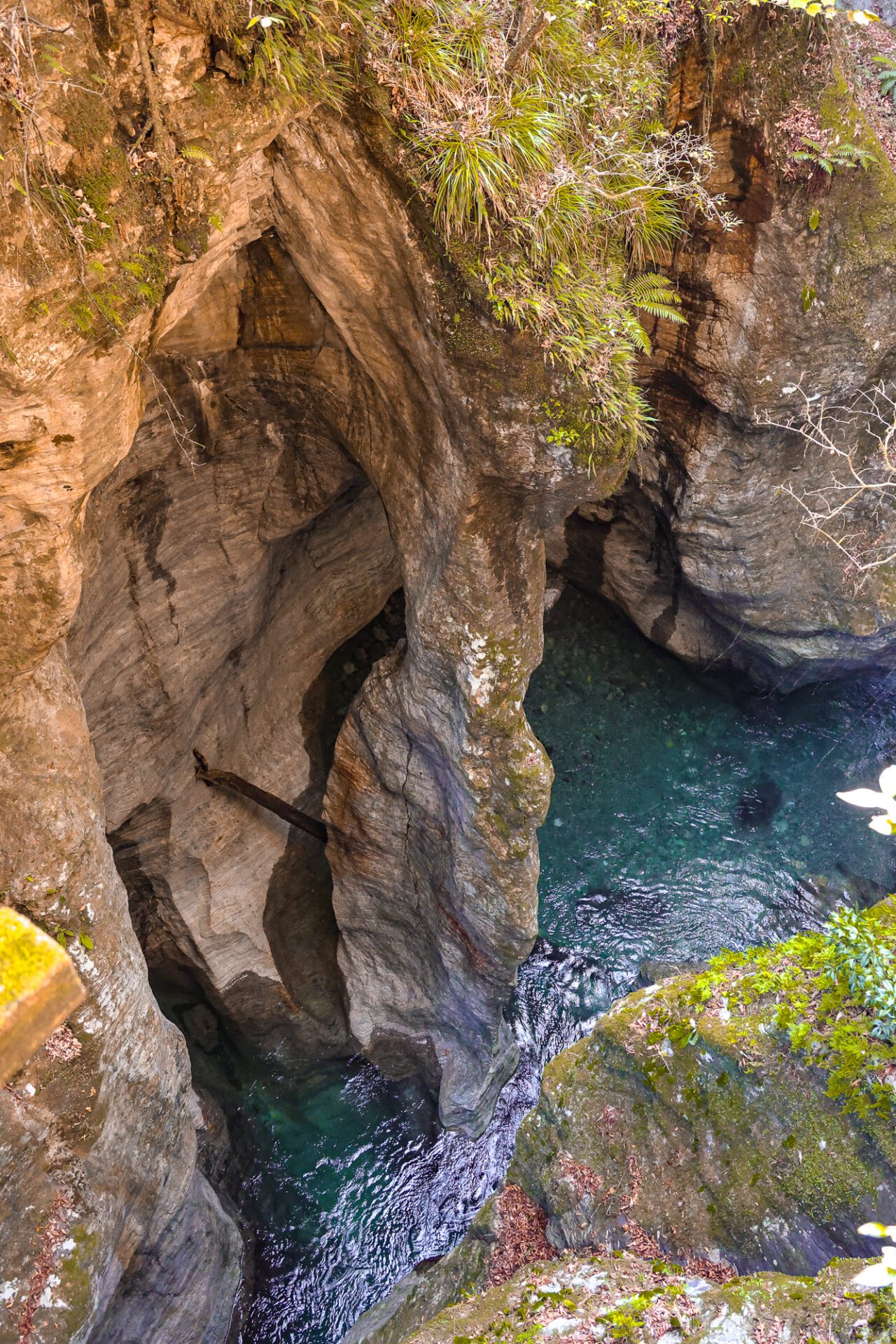
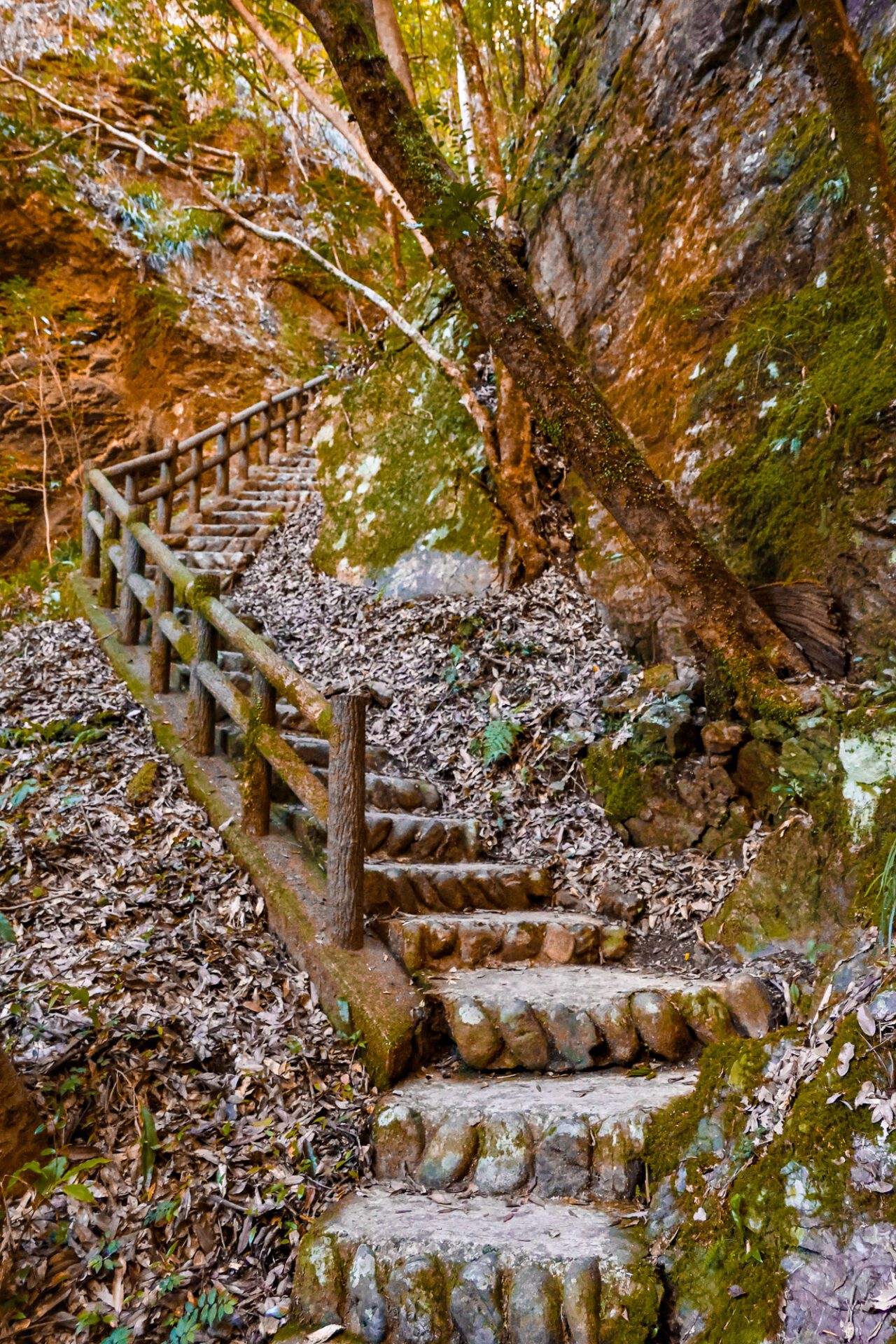


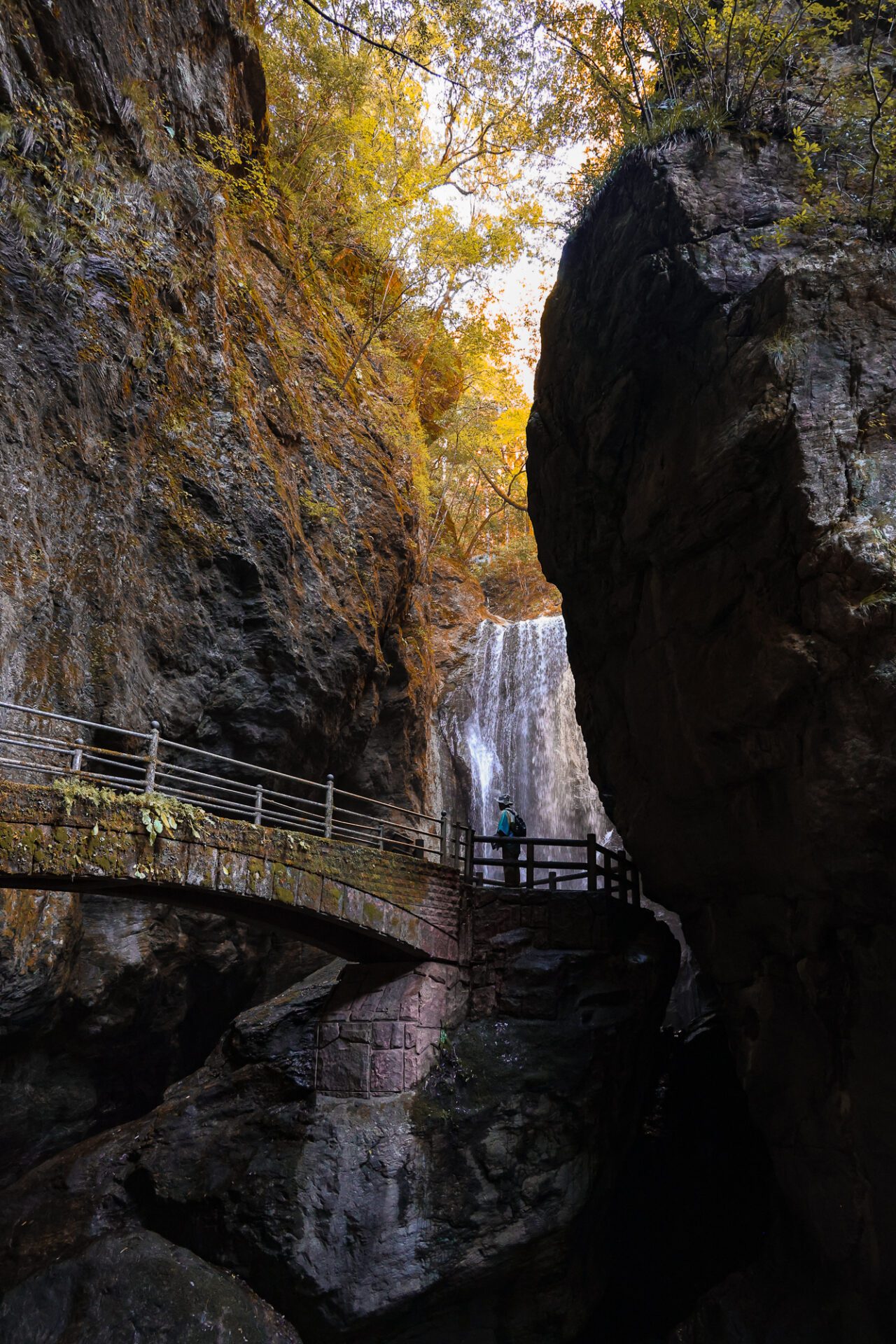
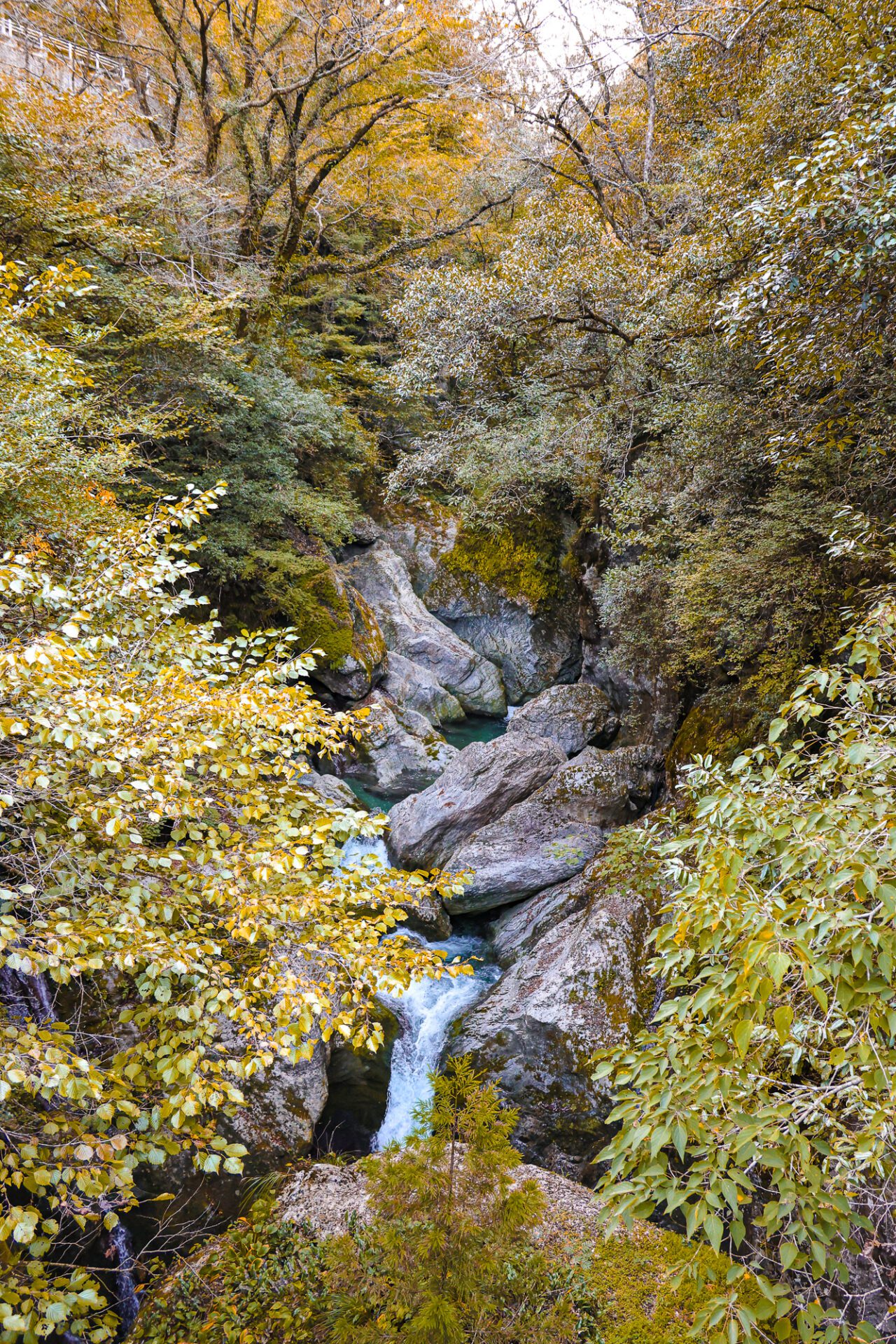
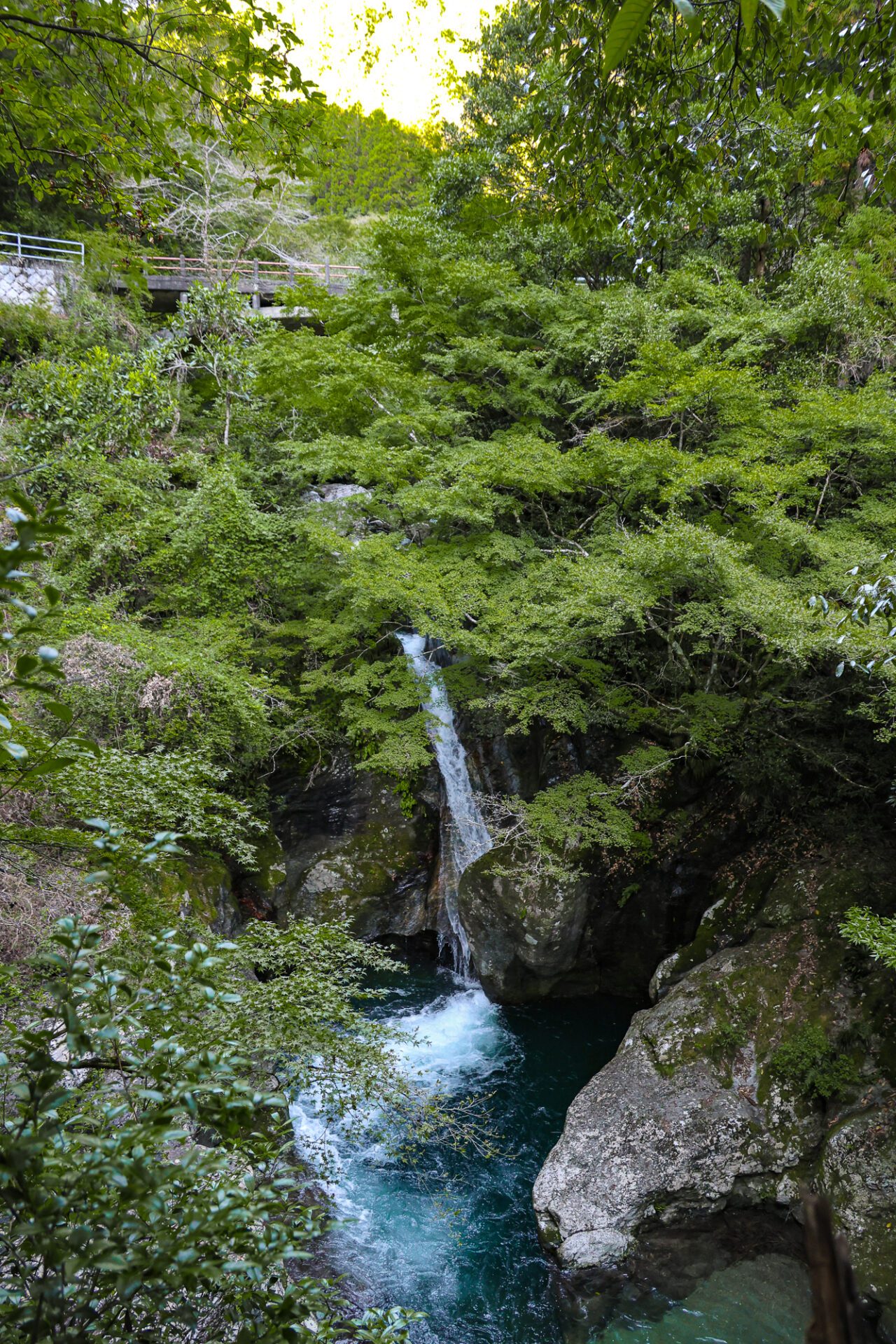
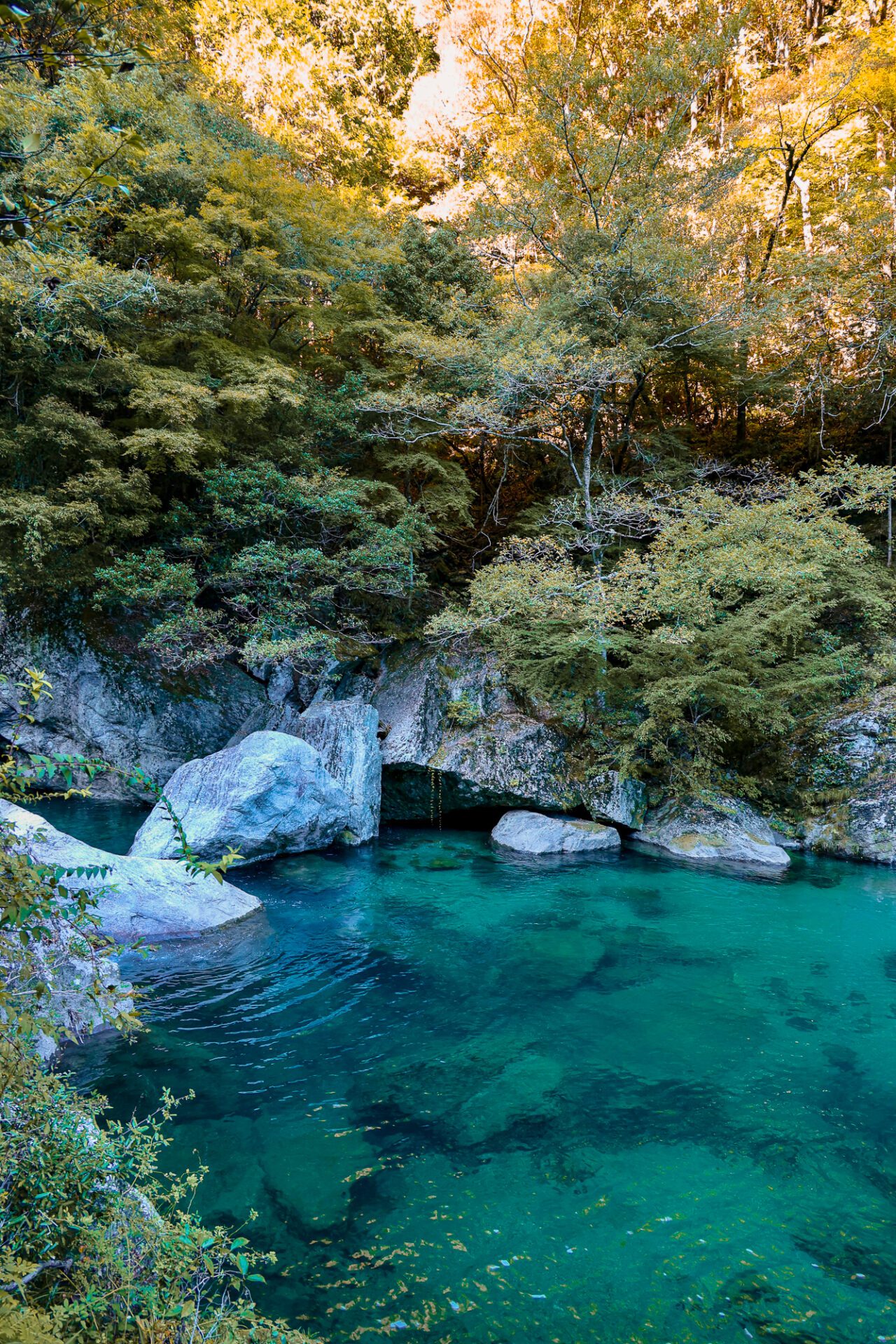
Follow the up-and-down trail over bridges and mossy rocks to admire the famous Niyodo Blue stream, the 20-meter-tall Uryu Falls, the Ryugabuchi pool and dramatic stone pillars shaped by water erosion.


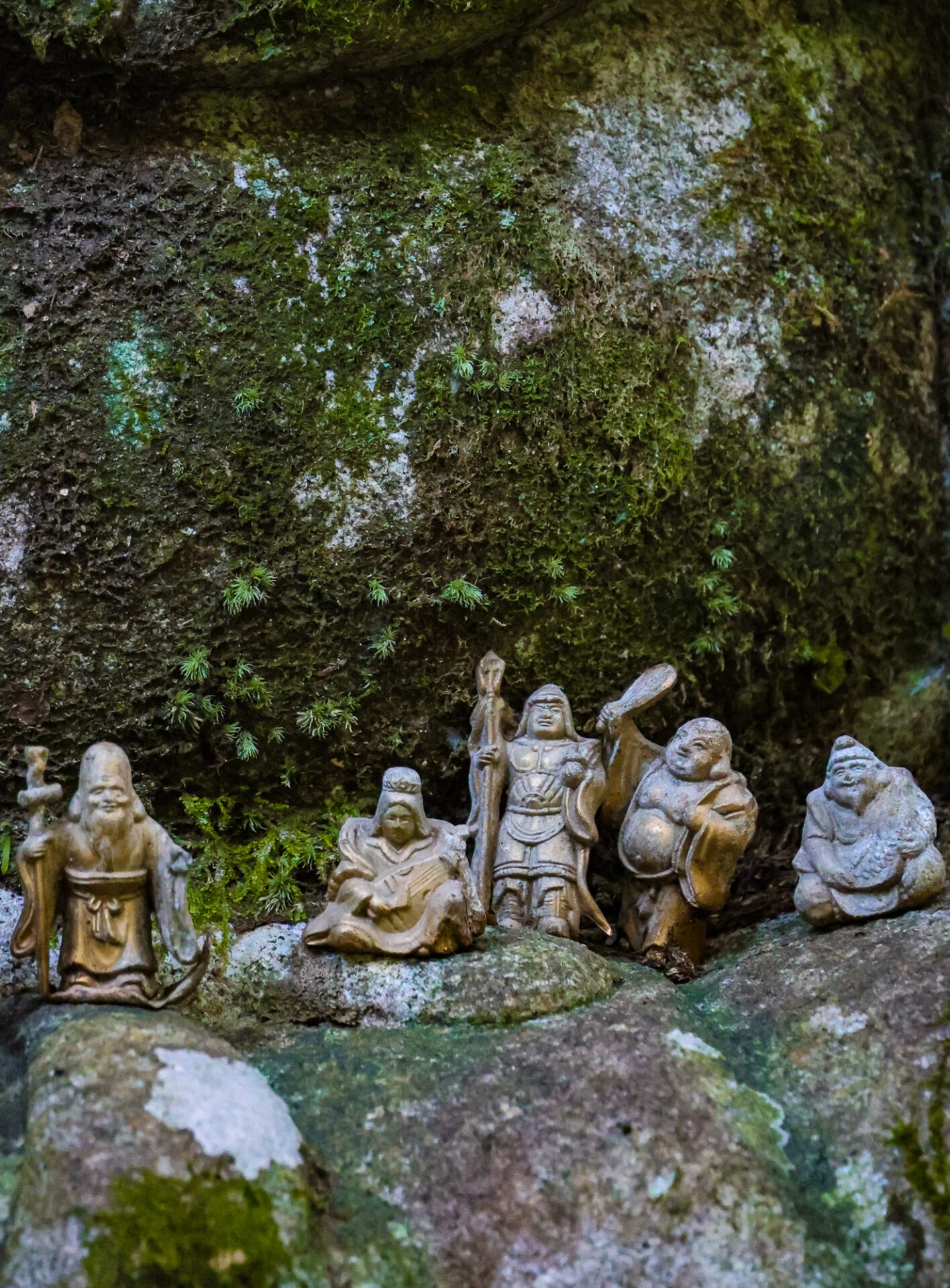
If you look closely, you’ll spot the statues of the Seven Lucky Gods, or Shichifukujin, hidden along the path.
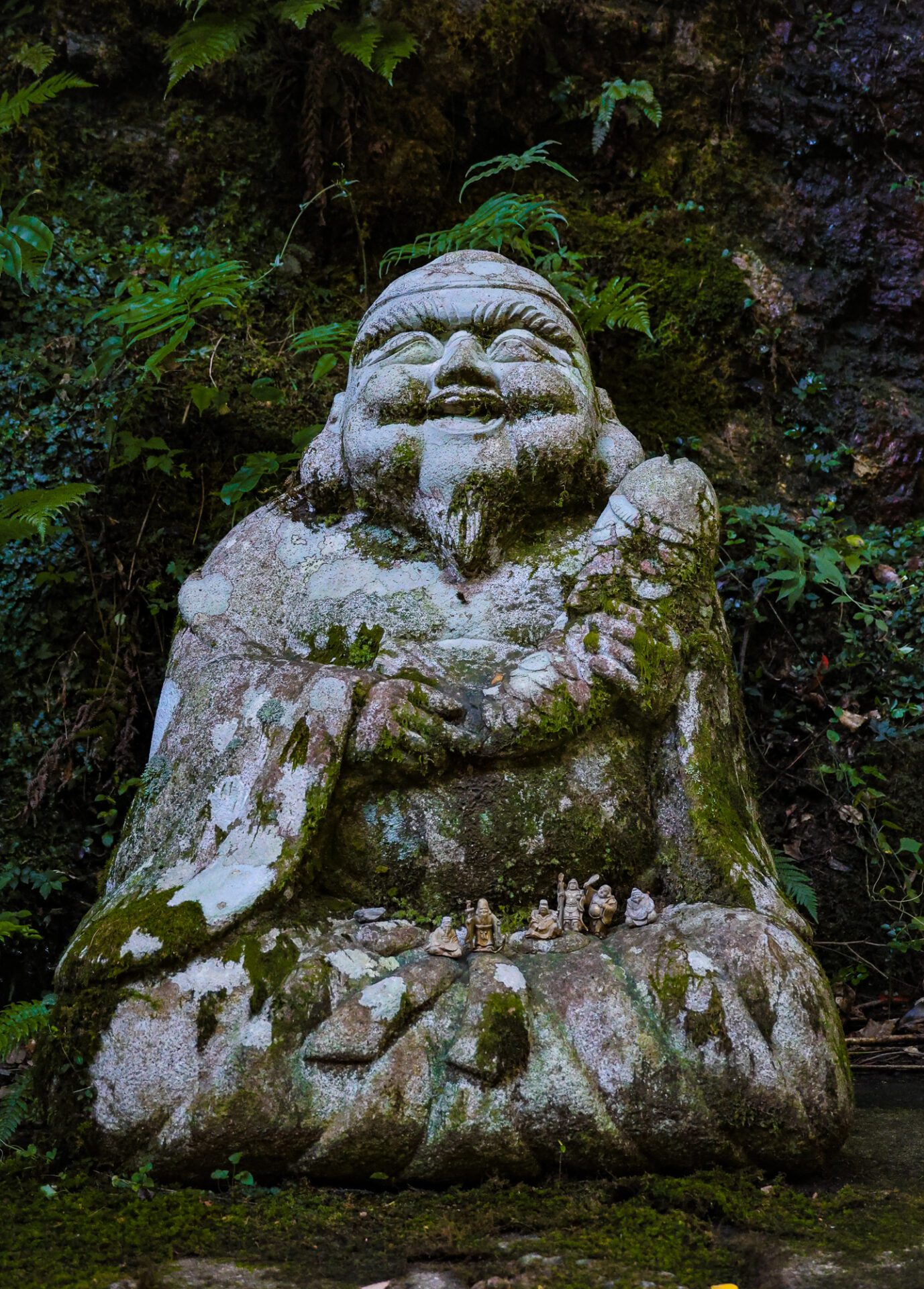

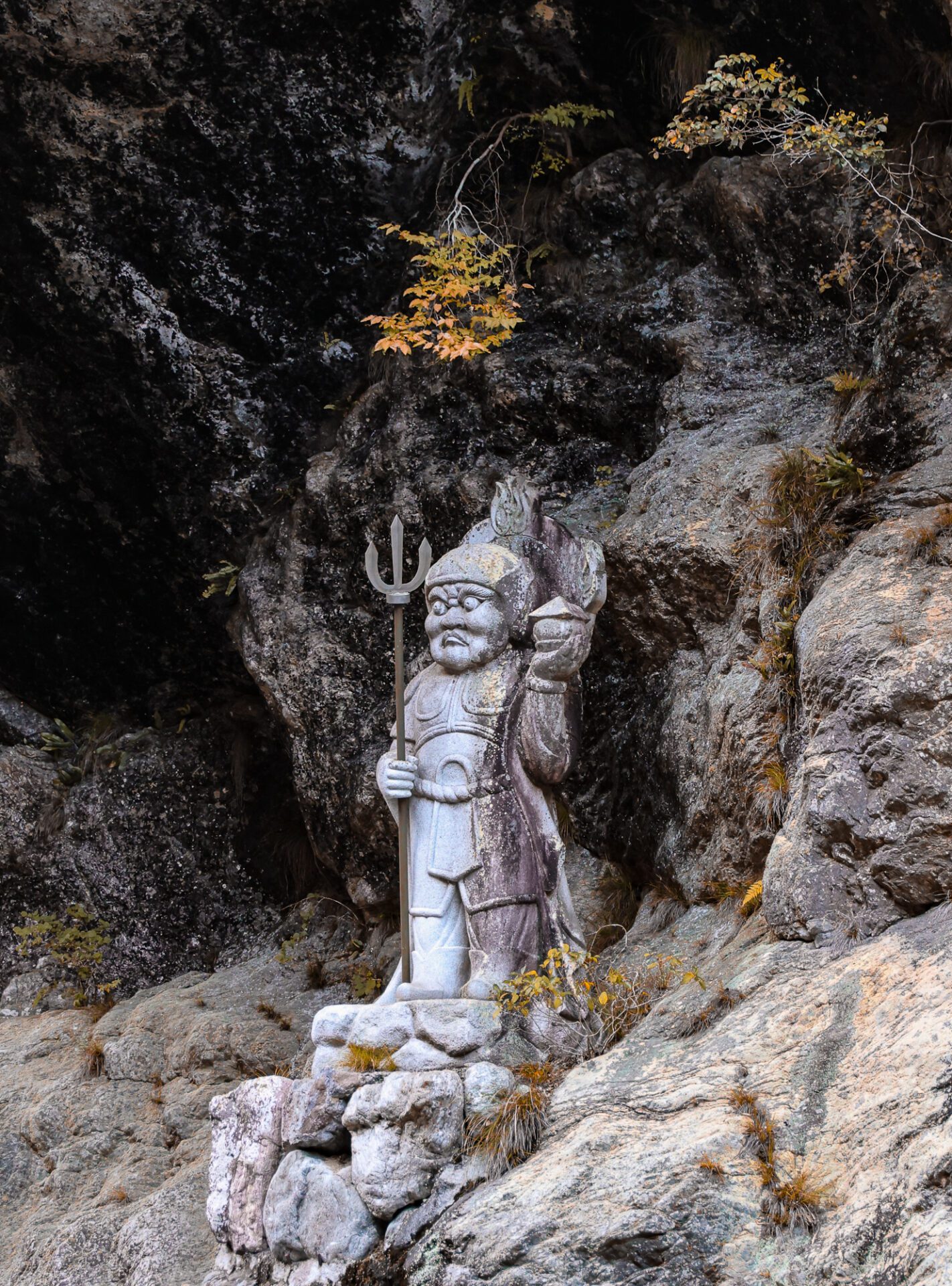


Moreover, it’s completely free to visit!

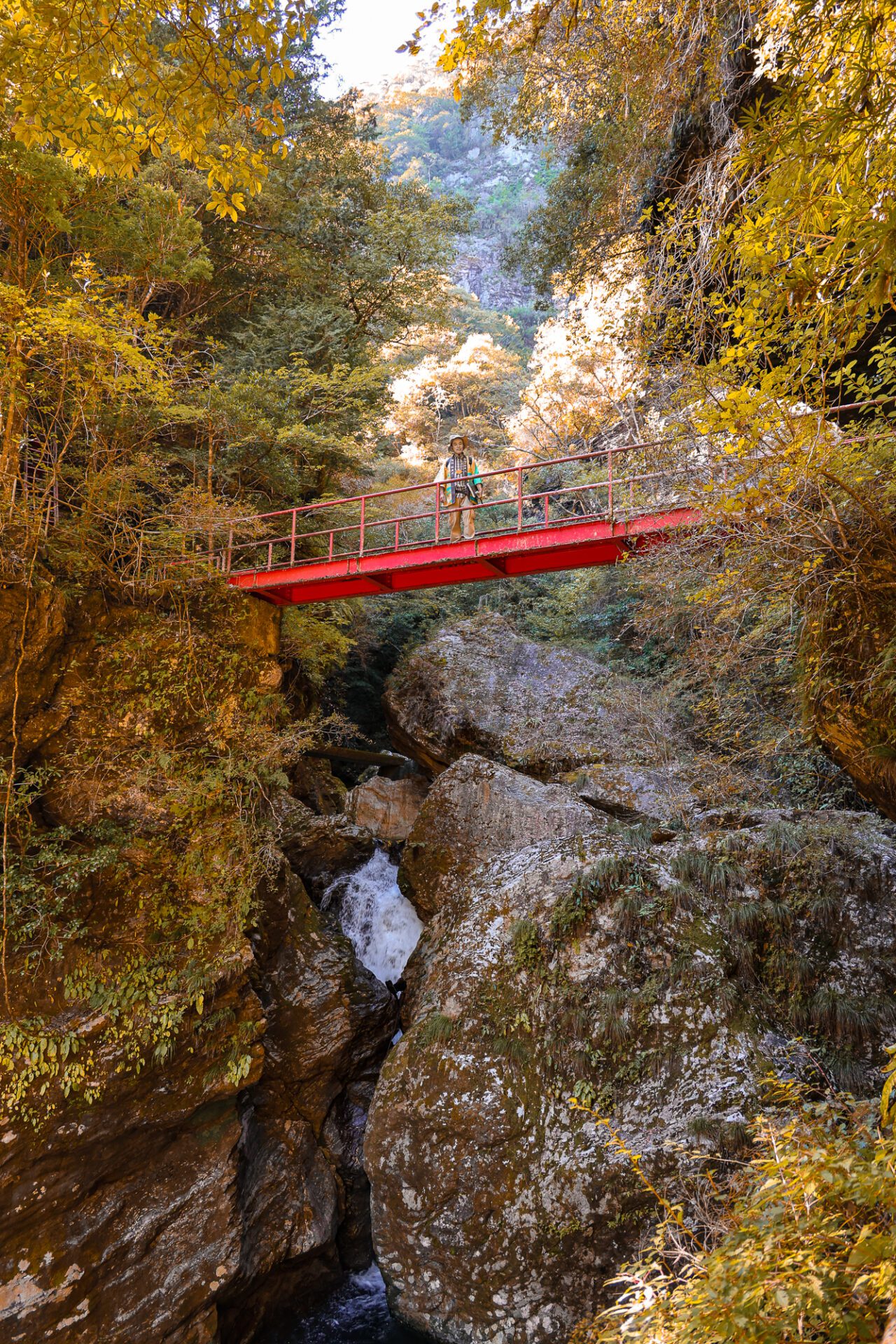

Where to stay in Kochi:
Around Kochi City: ANA Crowne Plaza Kochi and view over Kochi castle
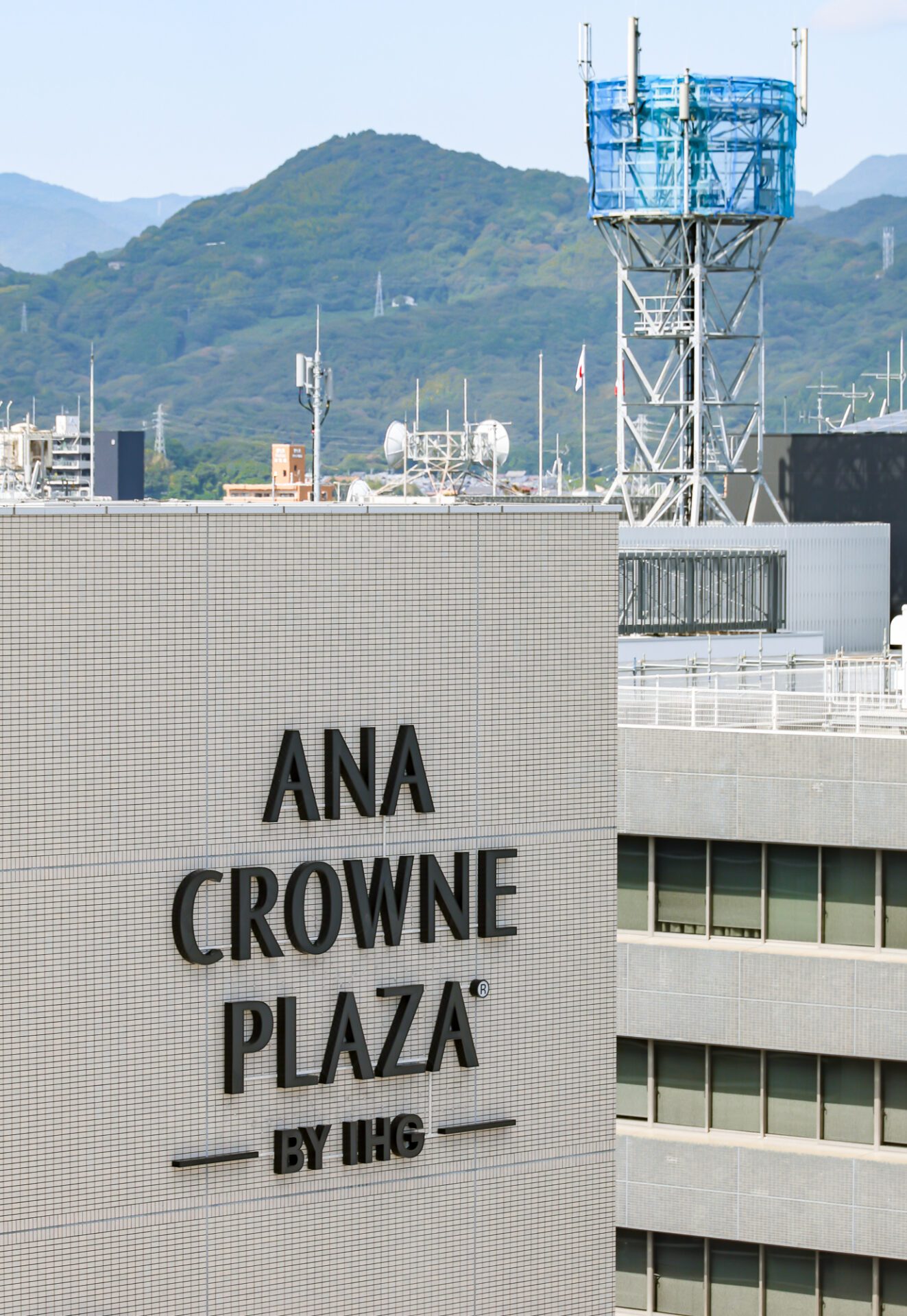
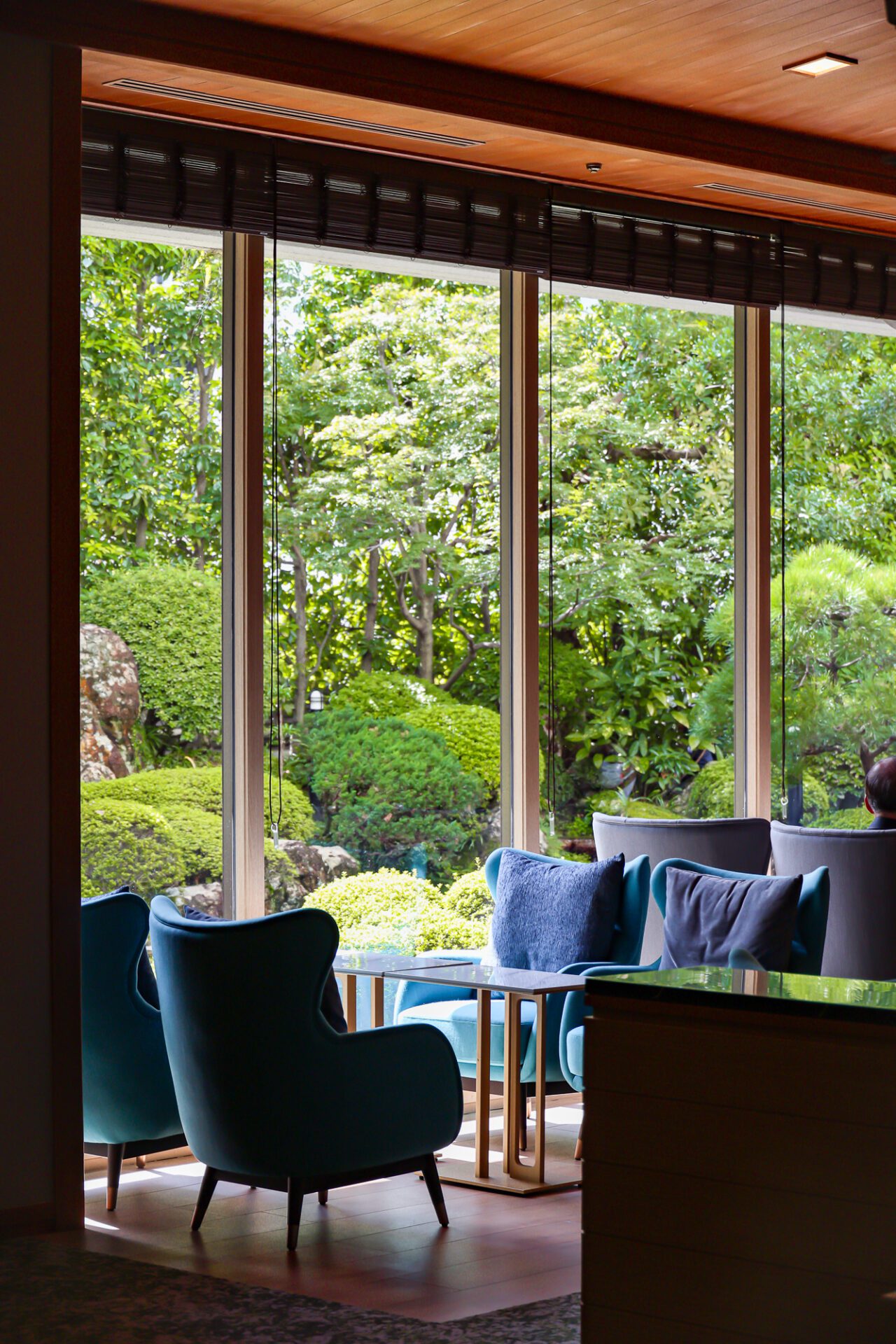
Conveniently located in the city center, ANA Crowne Plaza Kochi (formerly Crown Palais Kochi) sits within walking distance of the main landmarks in Kochi City and is just a 30-minute drive from Kochi Ryoma Airport.

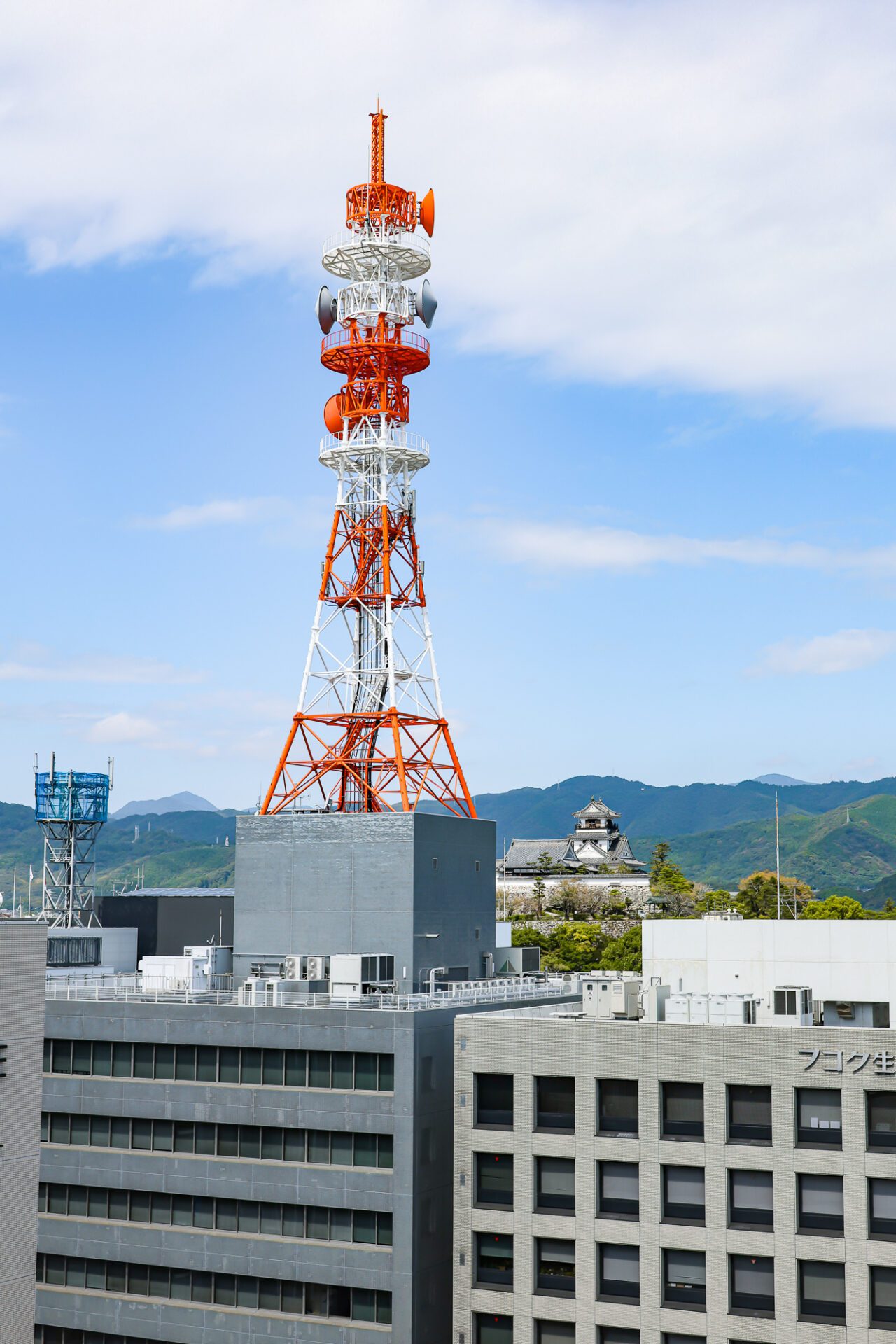
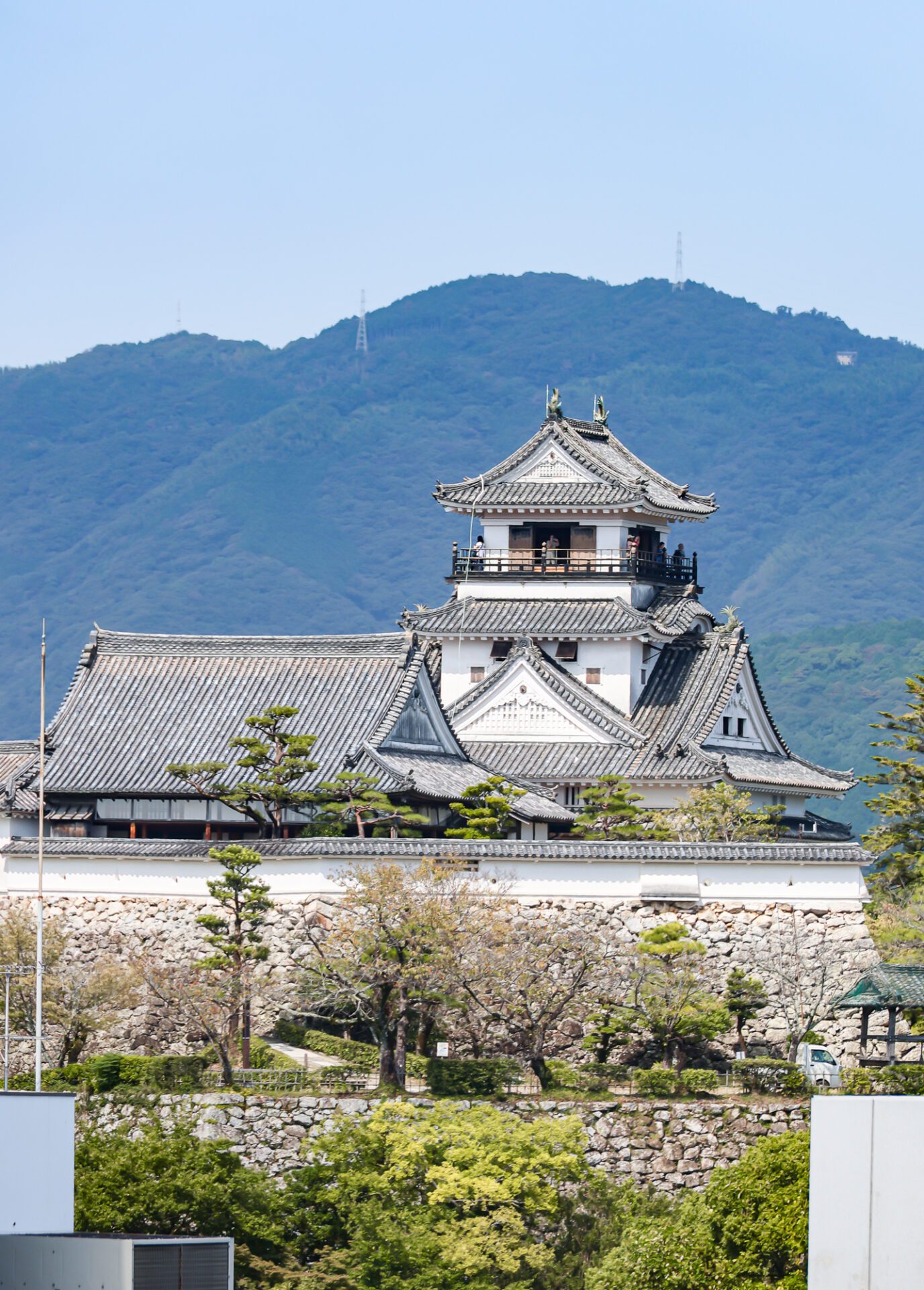
The rooms were Western-styled, quite compact – and opening up to this astonishing view of Kochi Castle right from my room! It was constructed in the early 17th century and is one of 12 original castles remaining in Japan, with both tenshu main keep and honmaru palace chambers still intact.
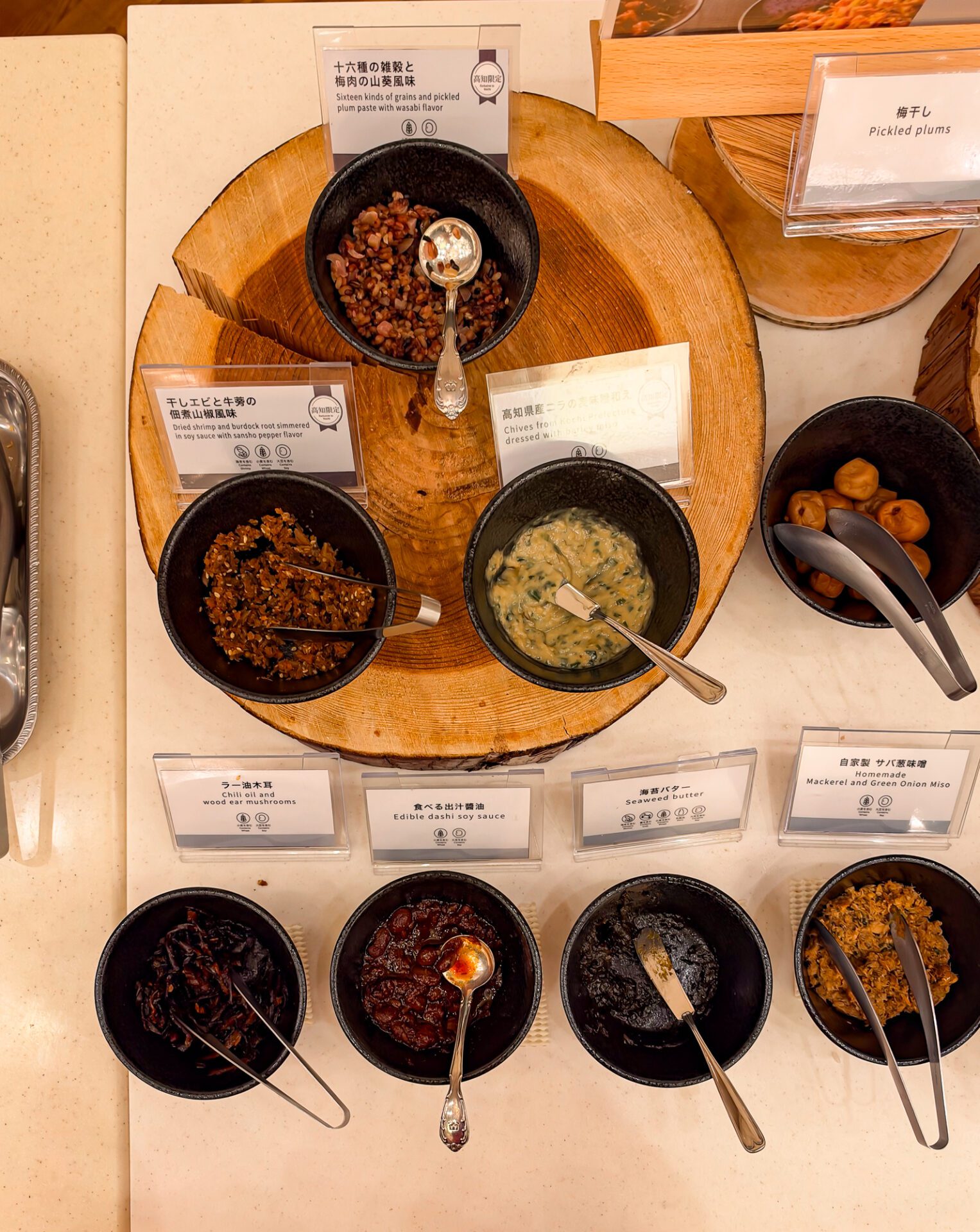
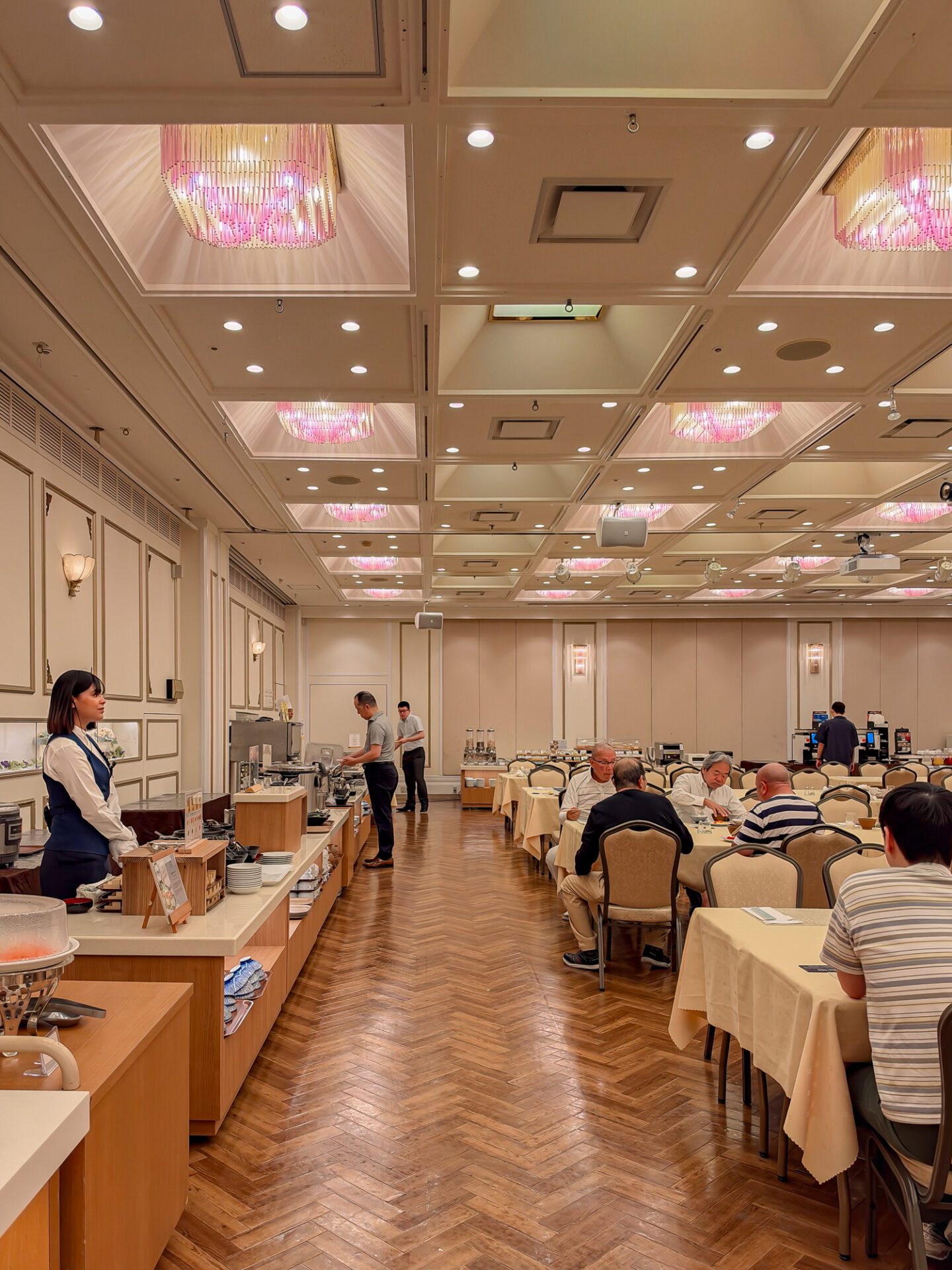
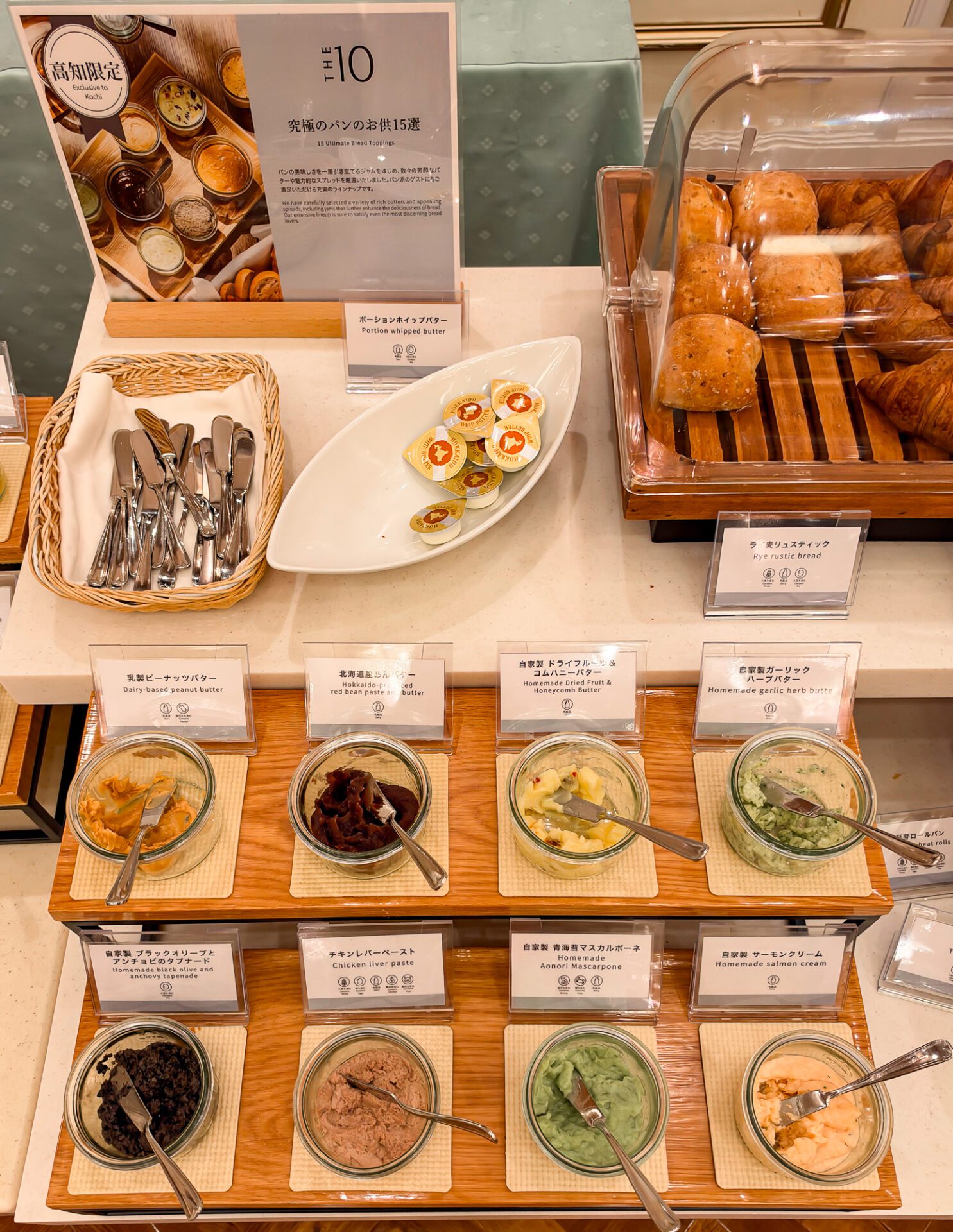
The hotel breakfast includes both Western and Japanese dishes and is served as a buffet in the banquet hall.

Around Susaki City: Yawaragi Ryokan
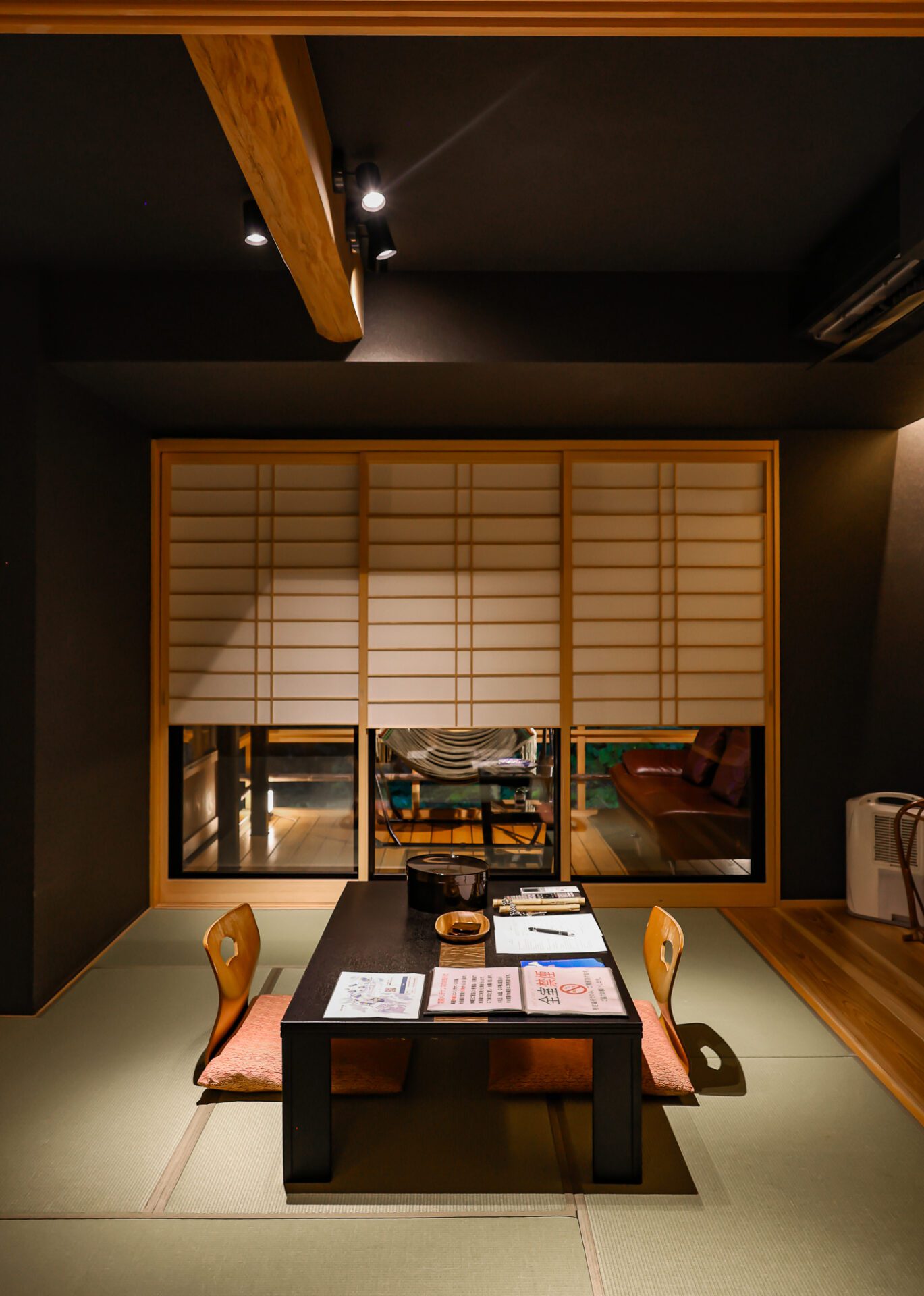
Sondayama Yawaragi Ryokan is hidden in the mountains near Susaki City.
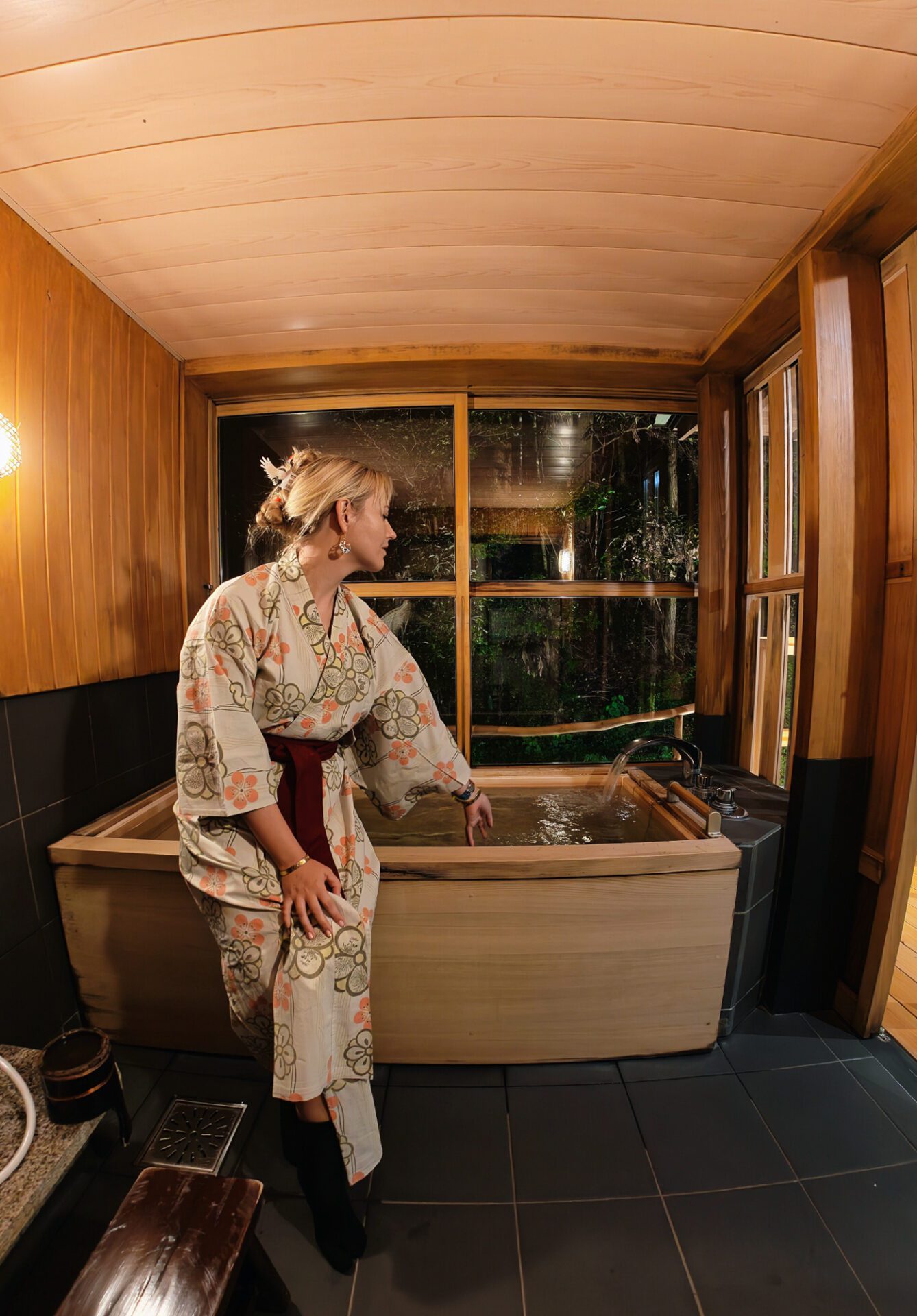
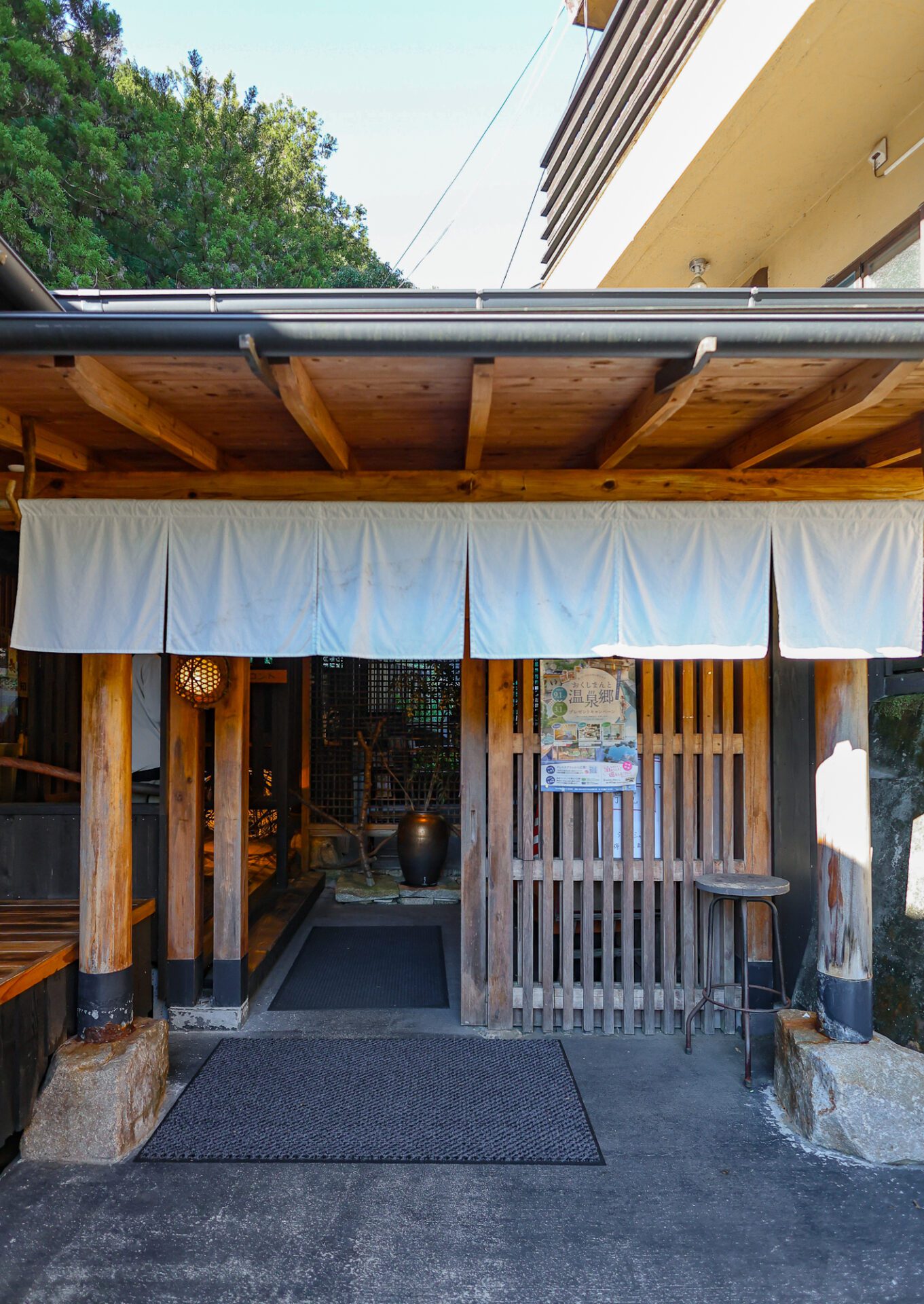
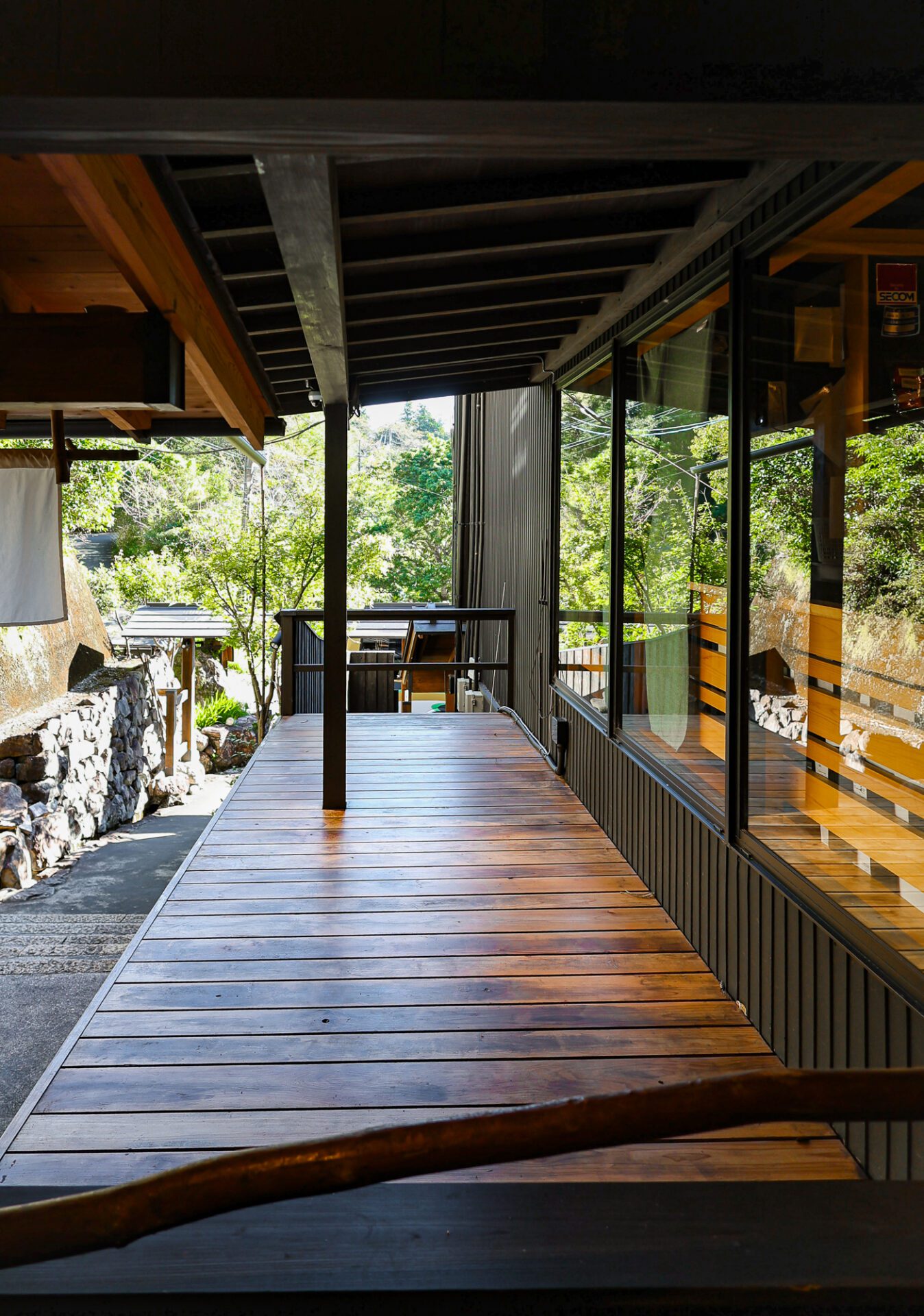


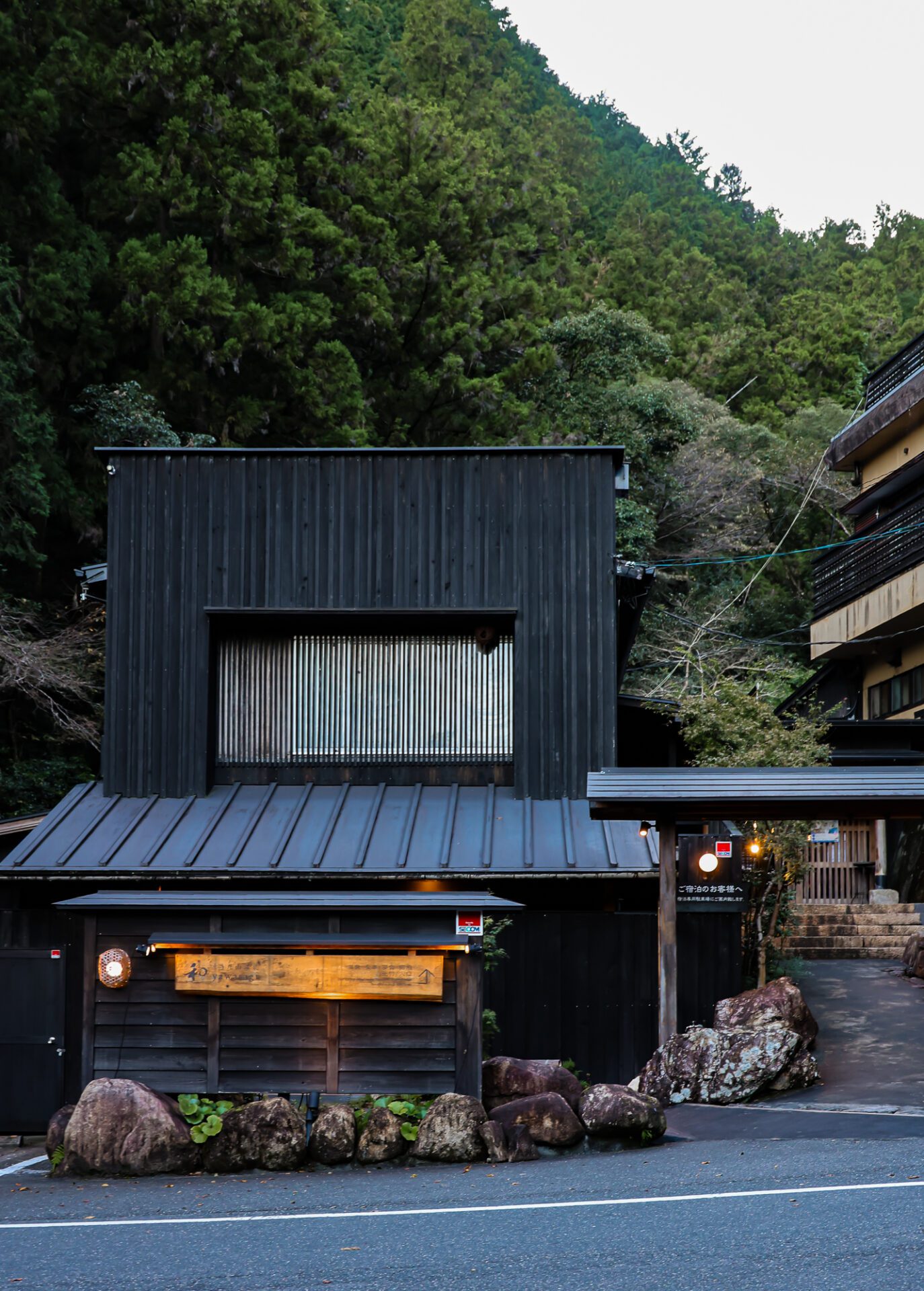
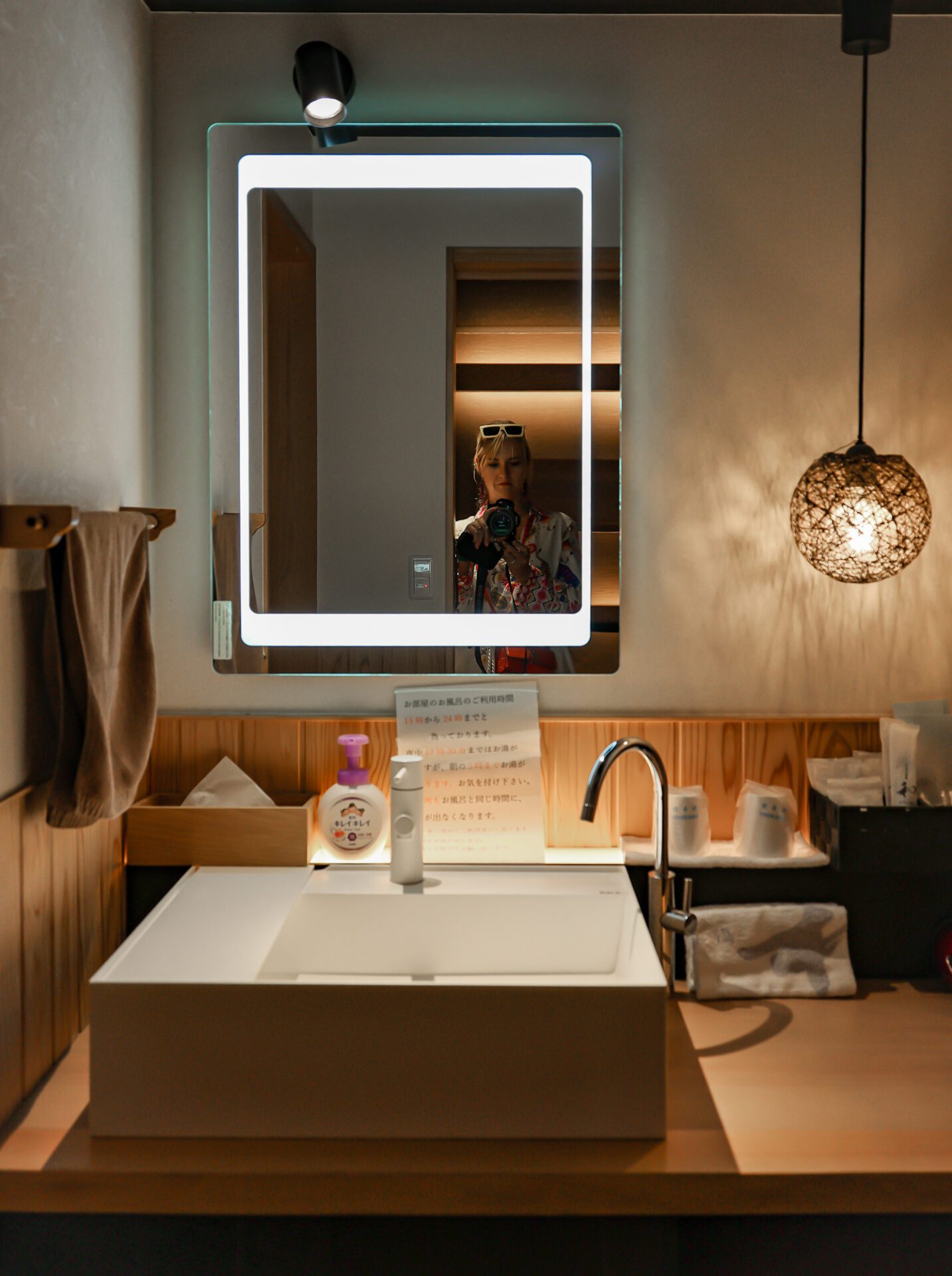
It features 9 private secluded rooms, each with its own hot spring bath onsen.
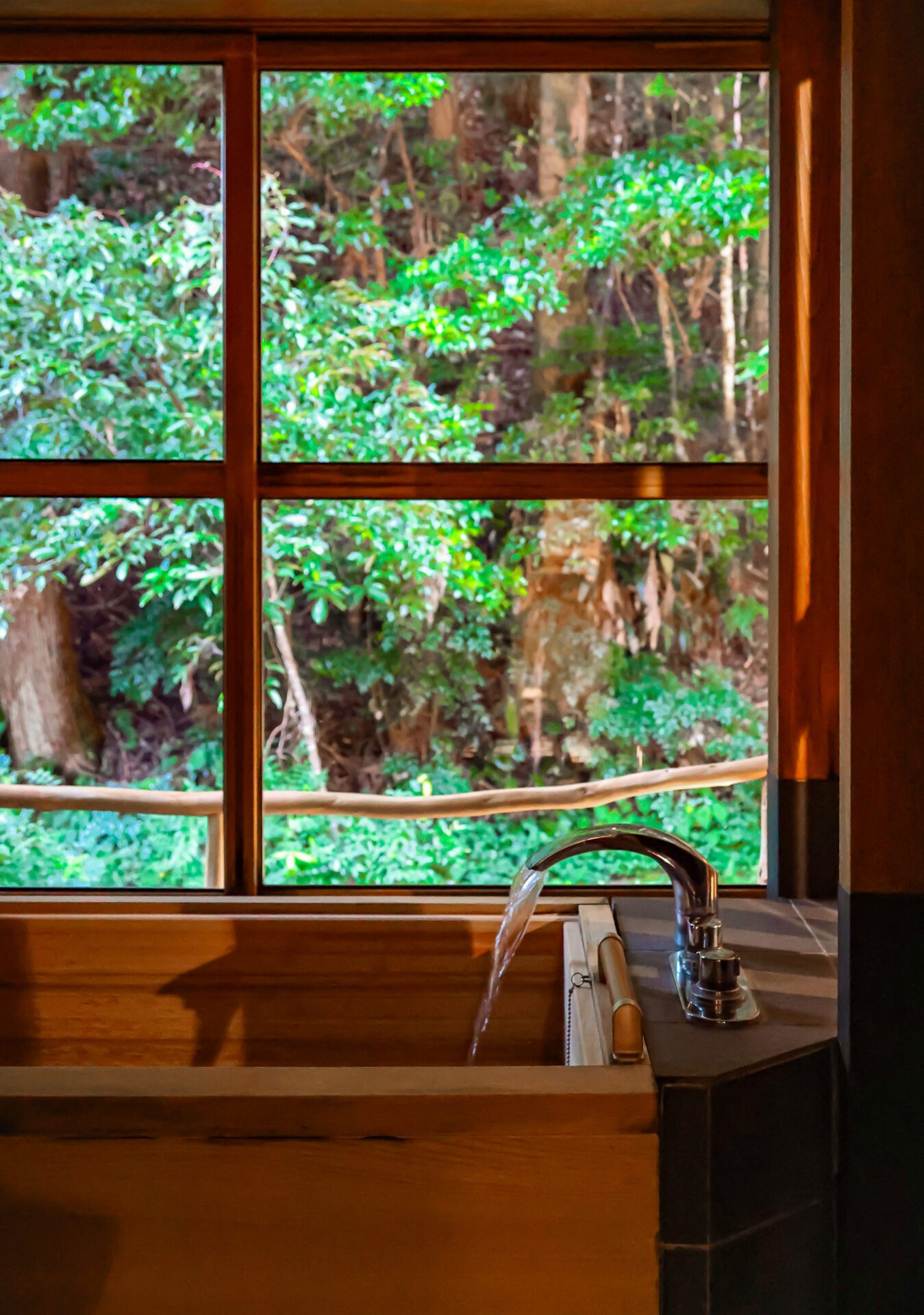

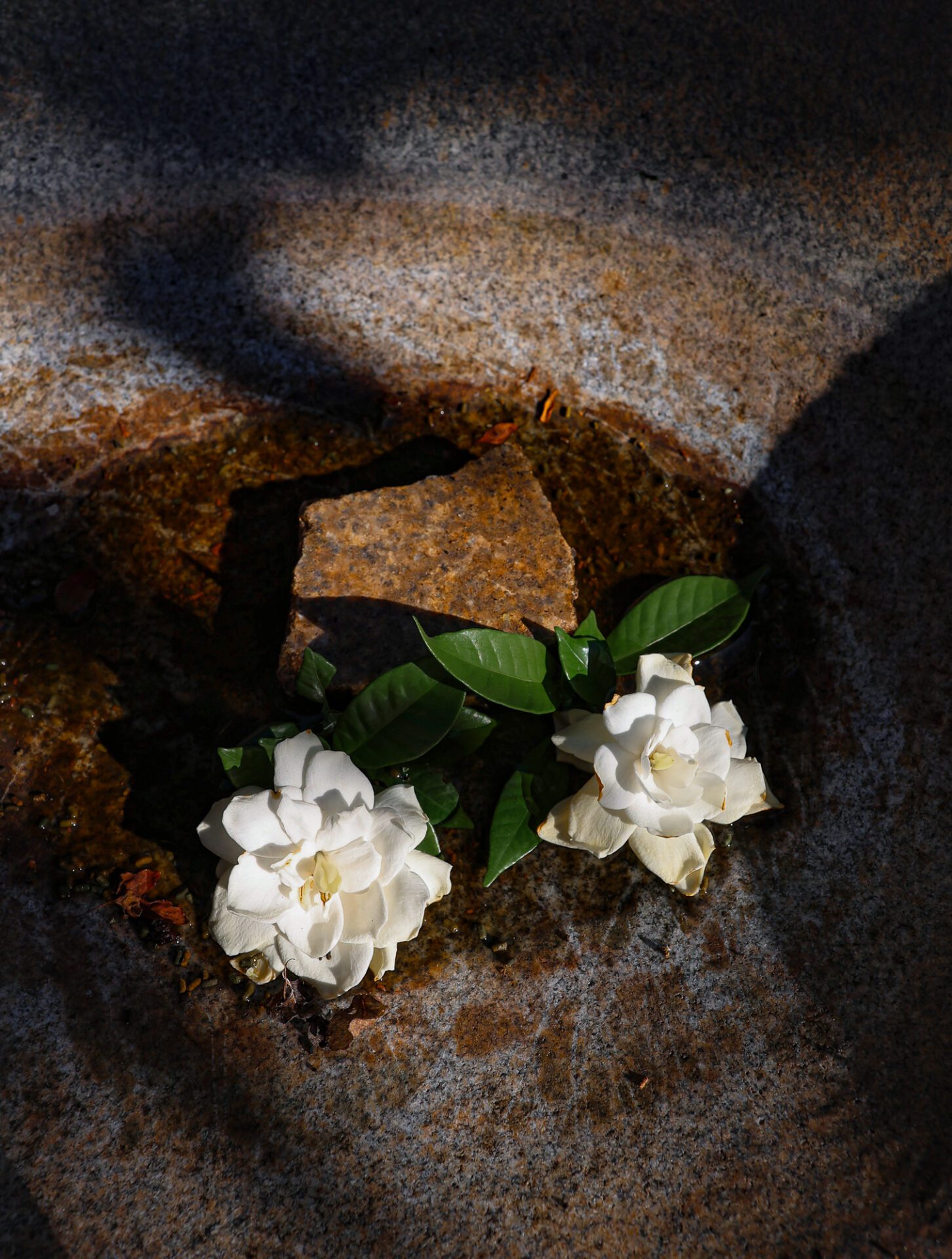
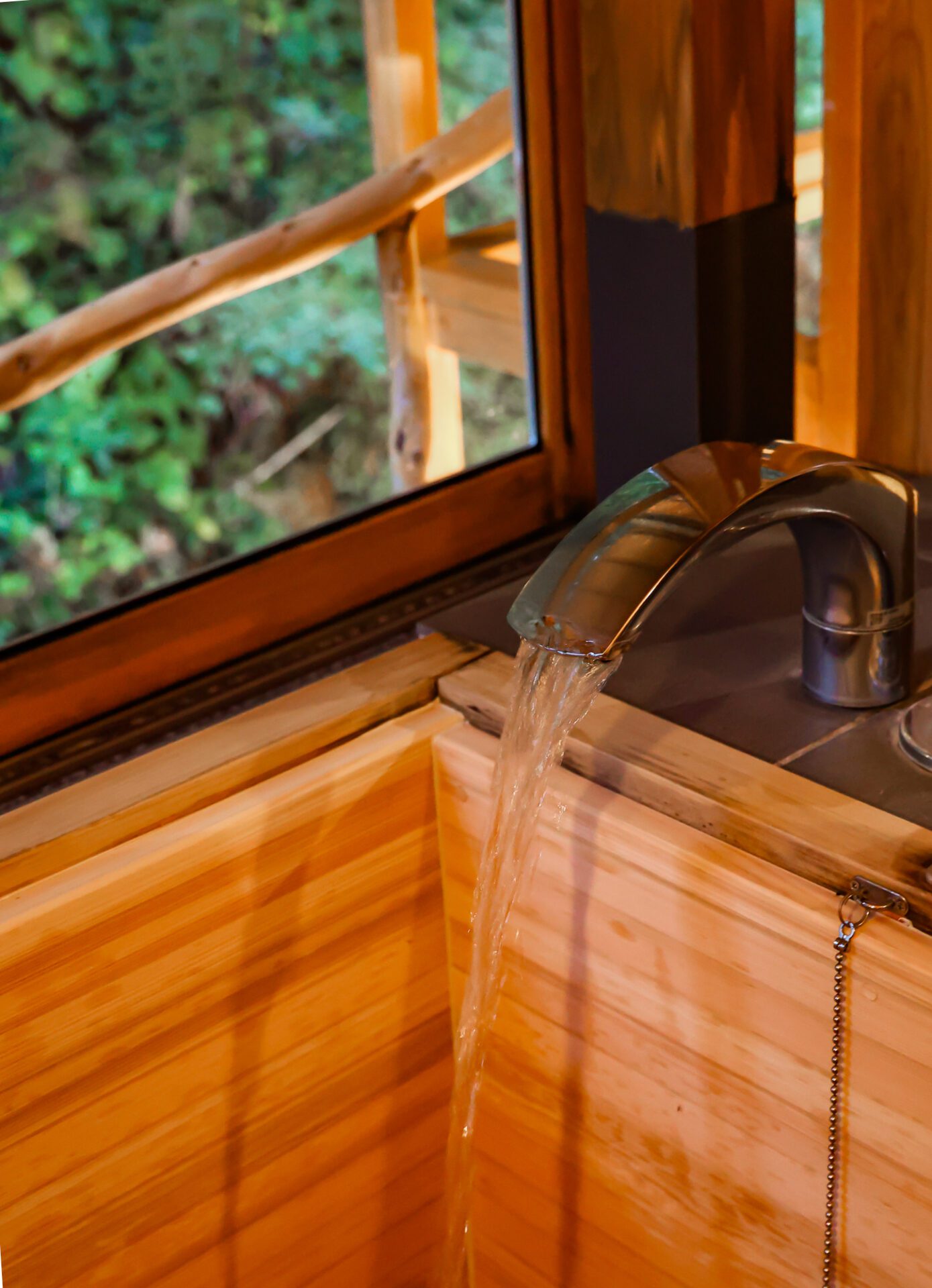
Experiencing a ryokan, a traditional Japanese inn, is a must for any visitor to Japan, and choosing one featuring natural hot springs would make the stay even better.
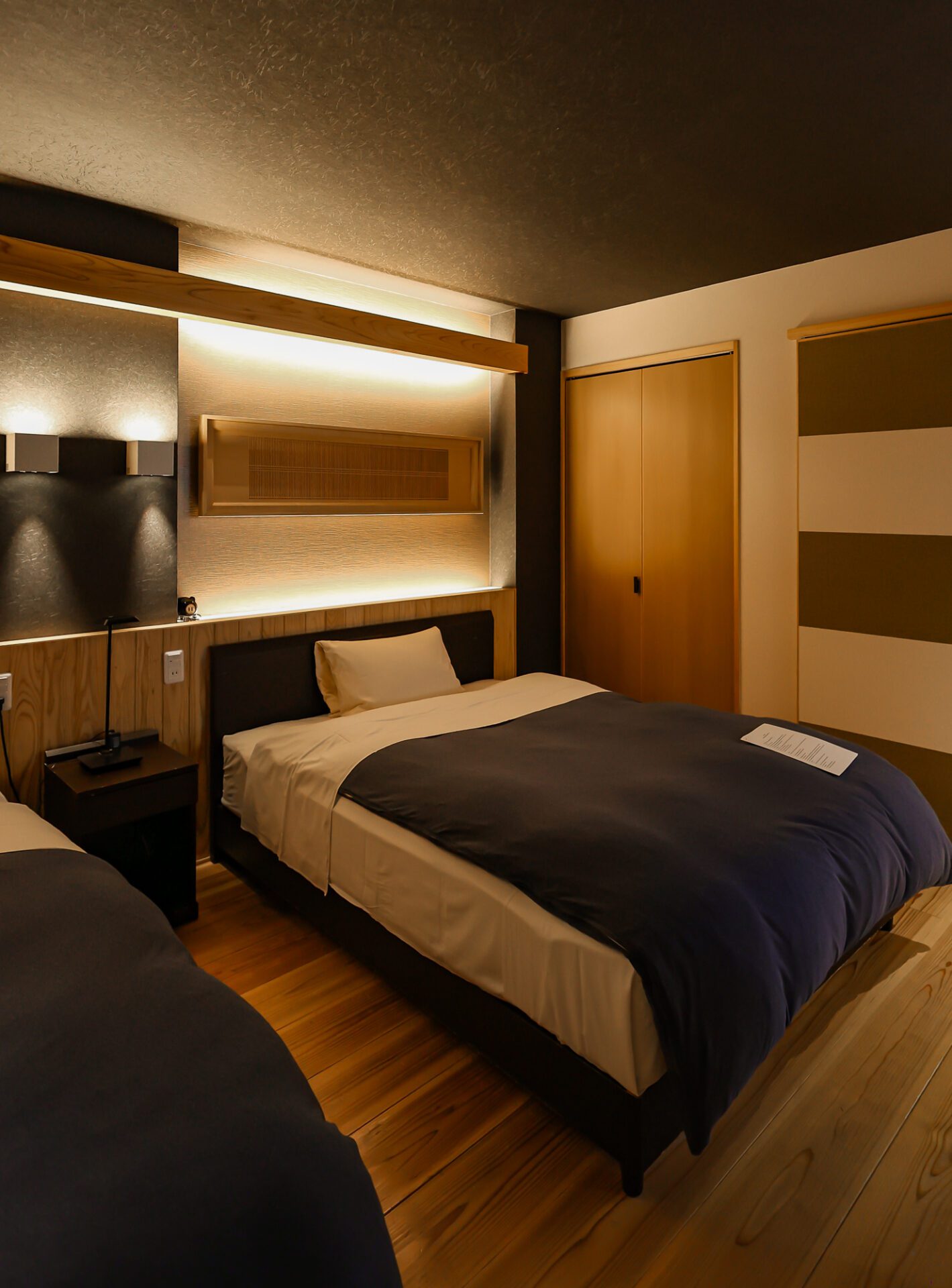

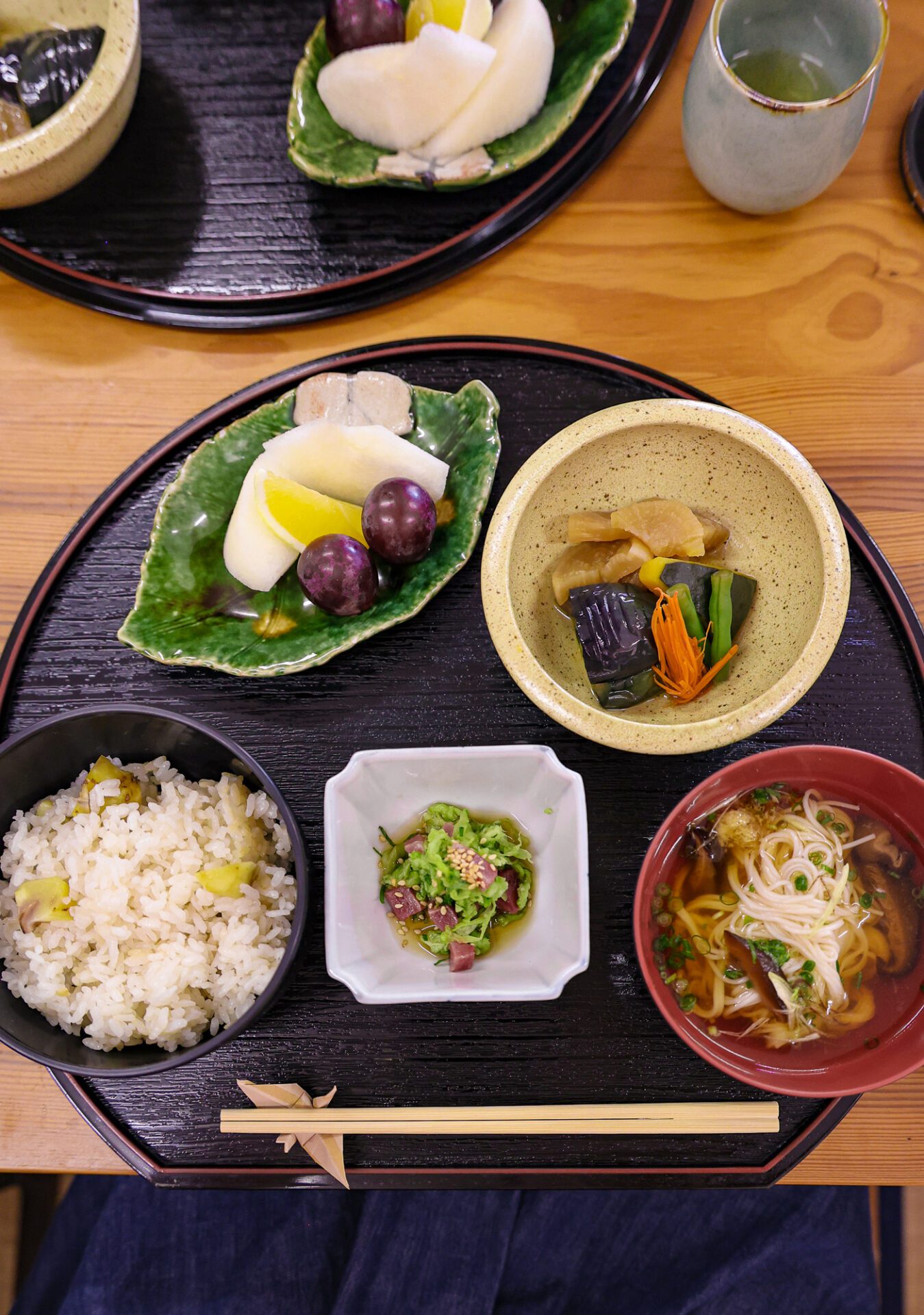
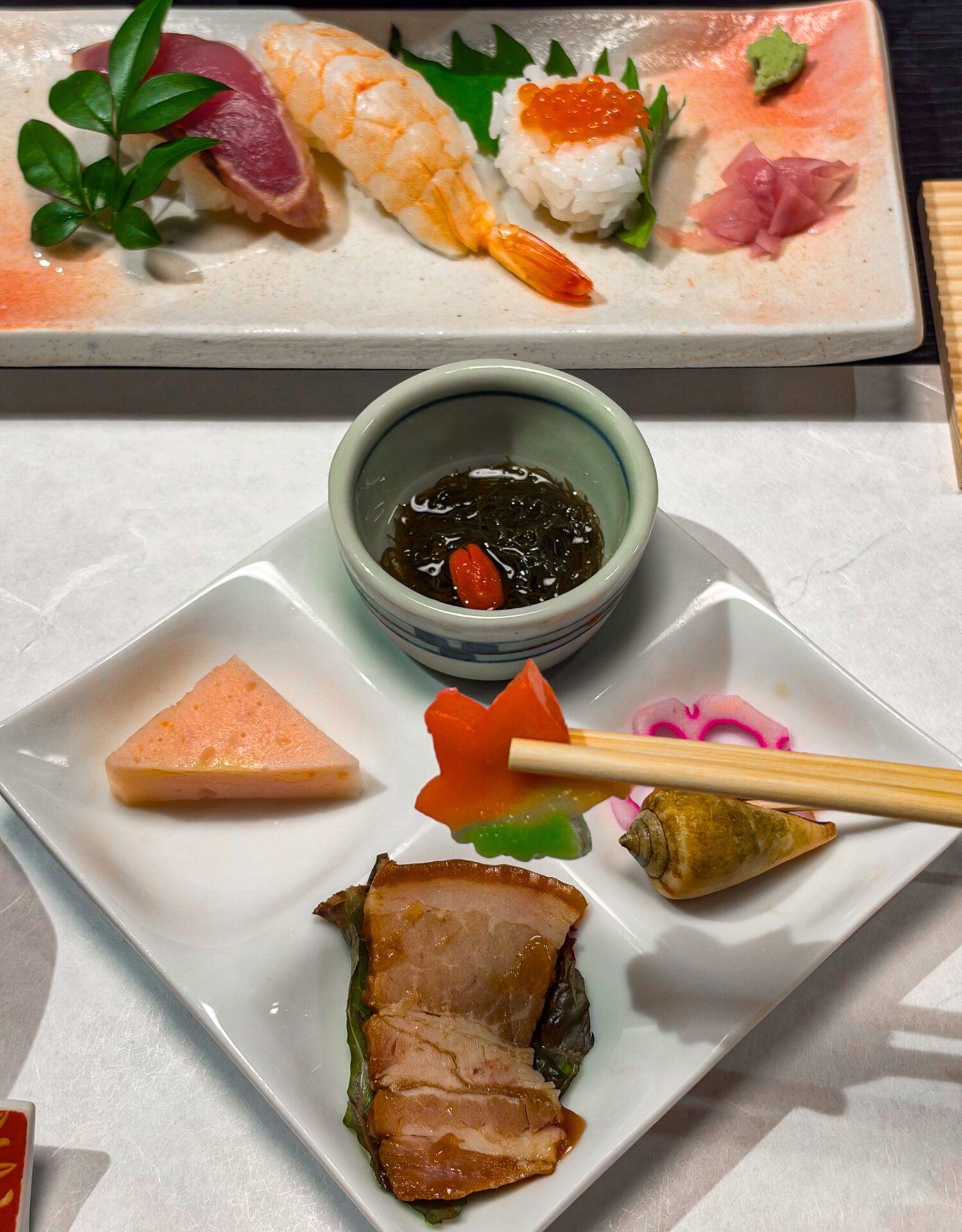
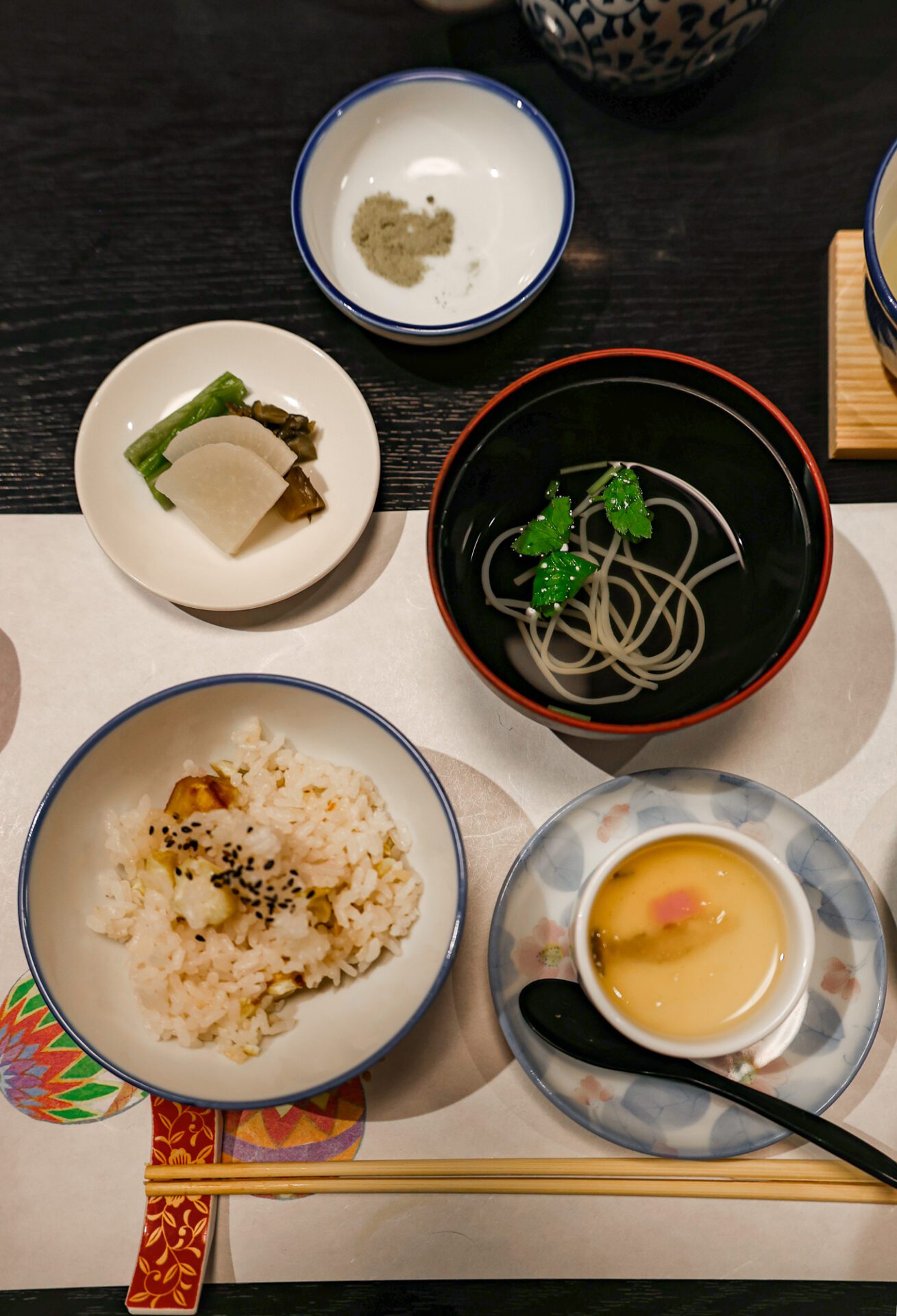
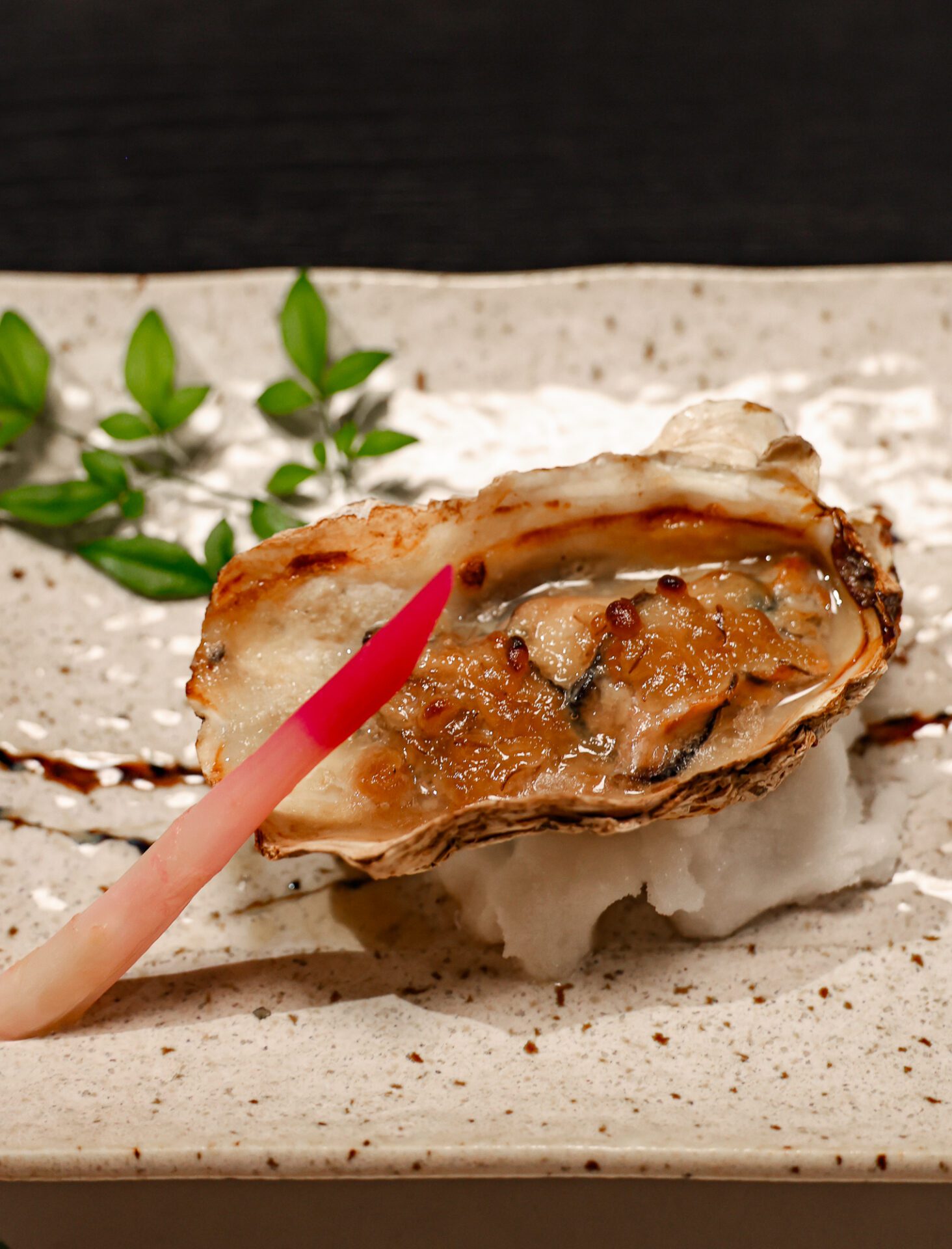
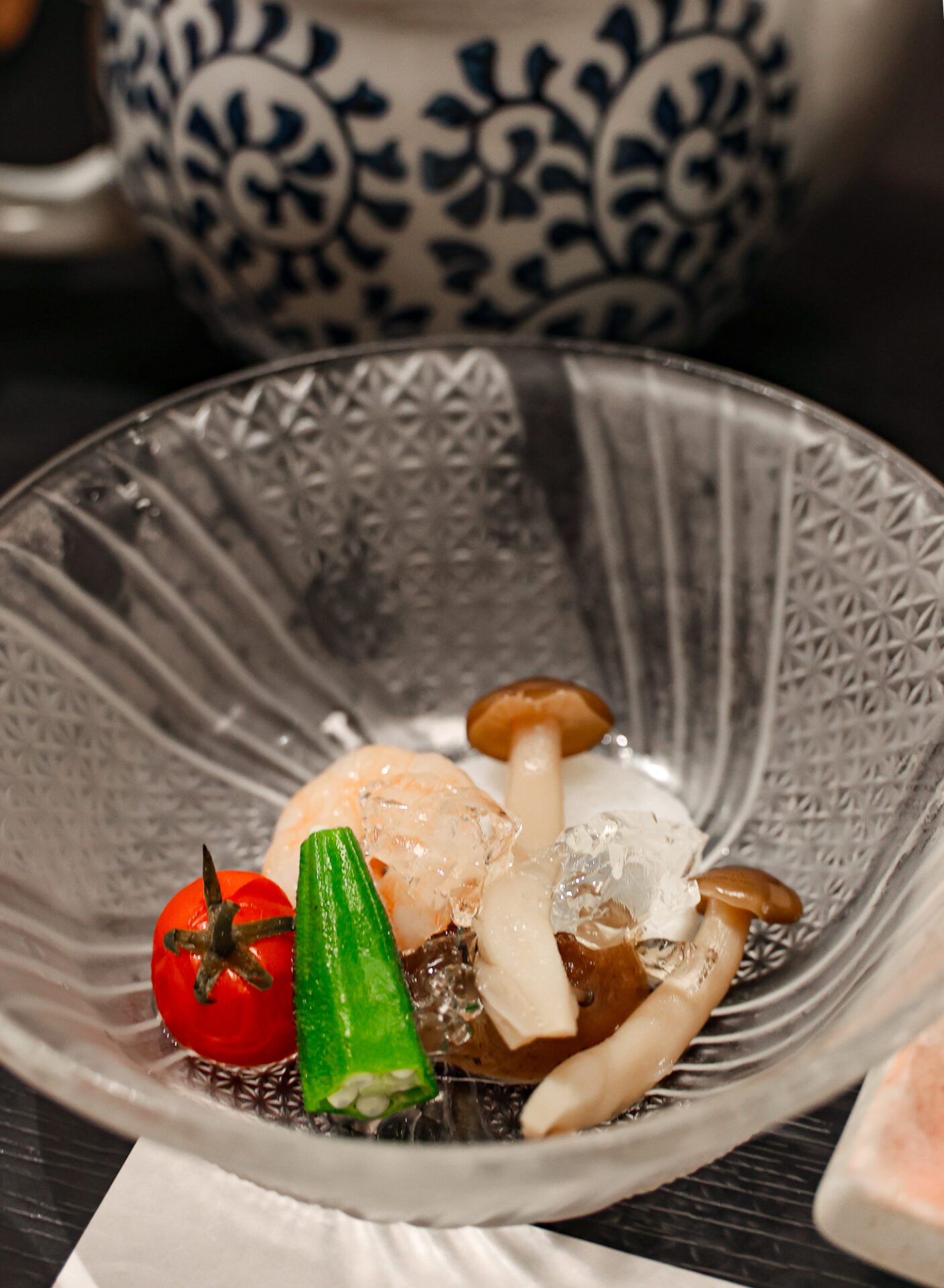
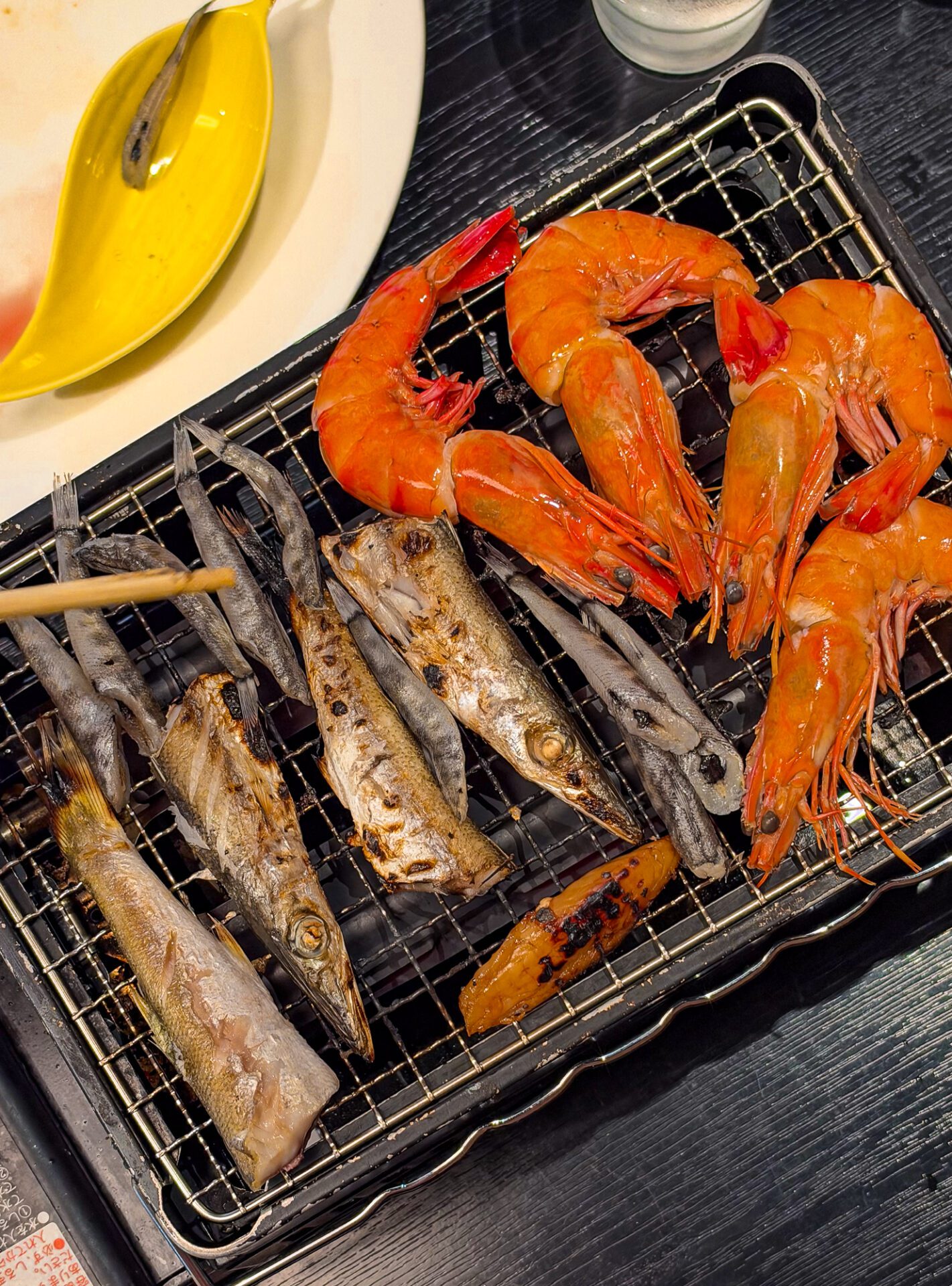
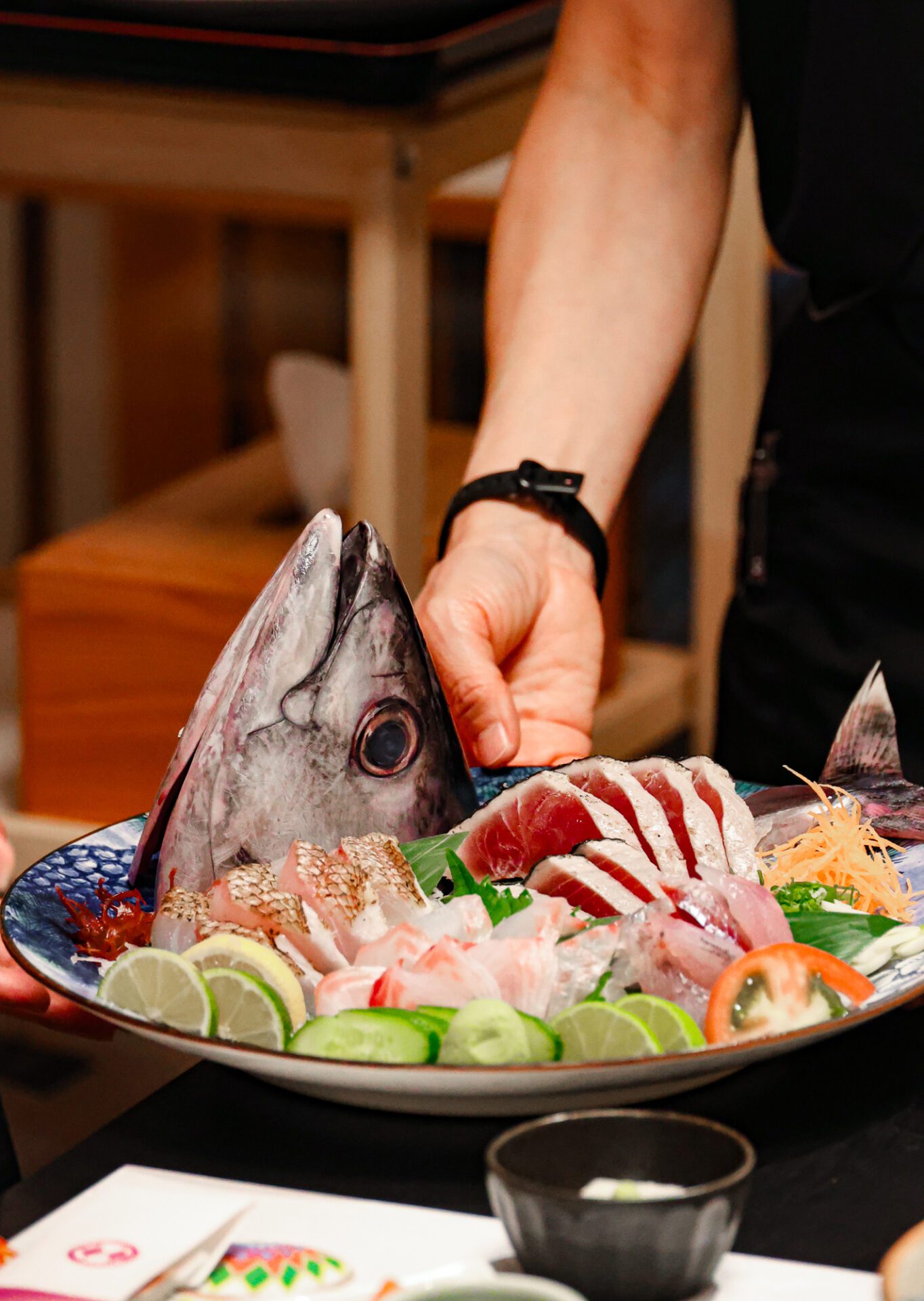
To really make the most of your stay, be sure to indulge in a full traditional Japanese breakfast – and I highly recommend their traditional dinner as well!



Around Niyodogawa Town: Nakatsu Valley Yunomori
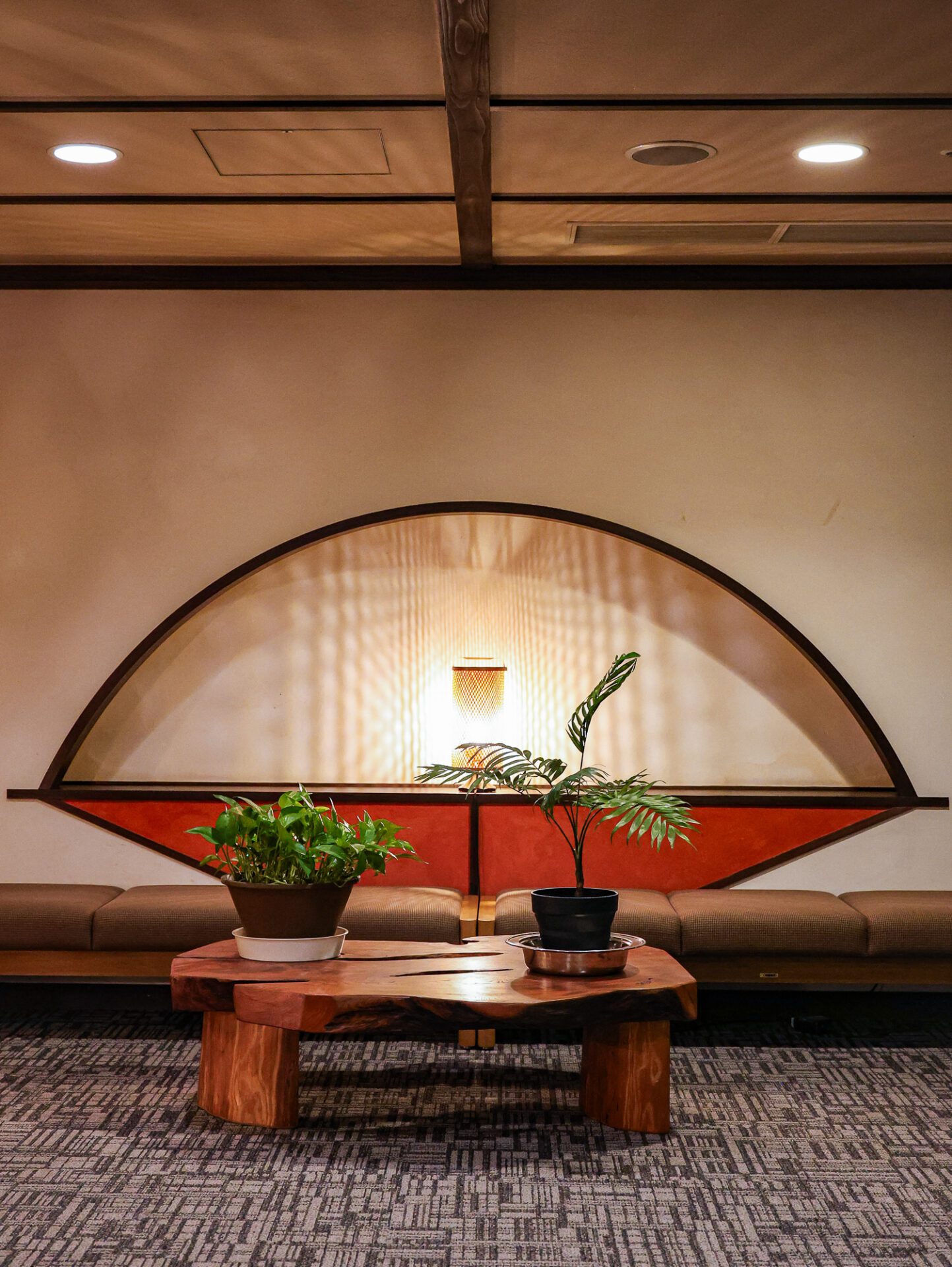
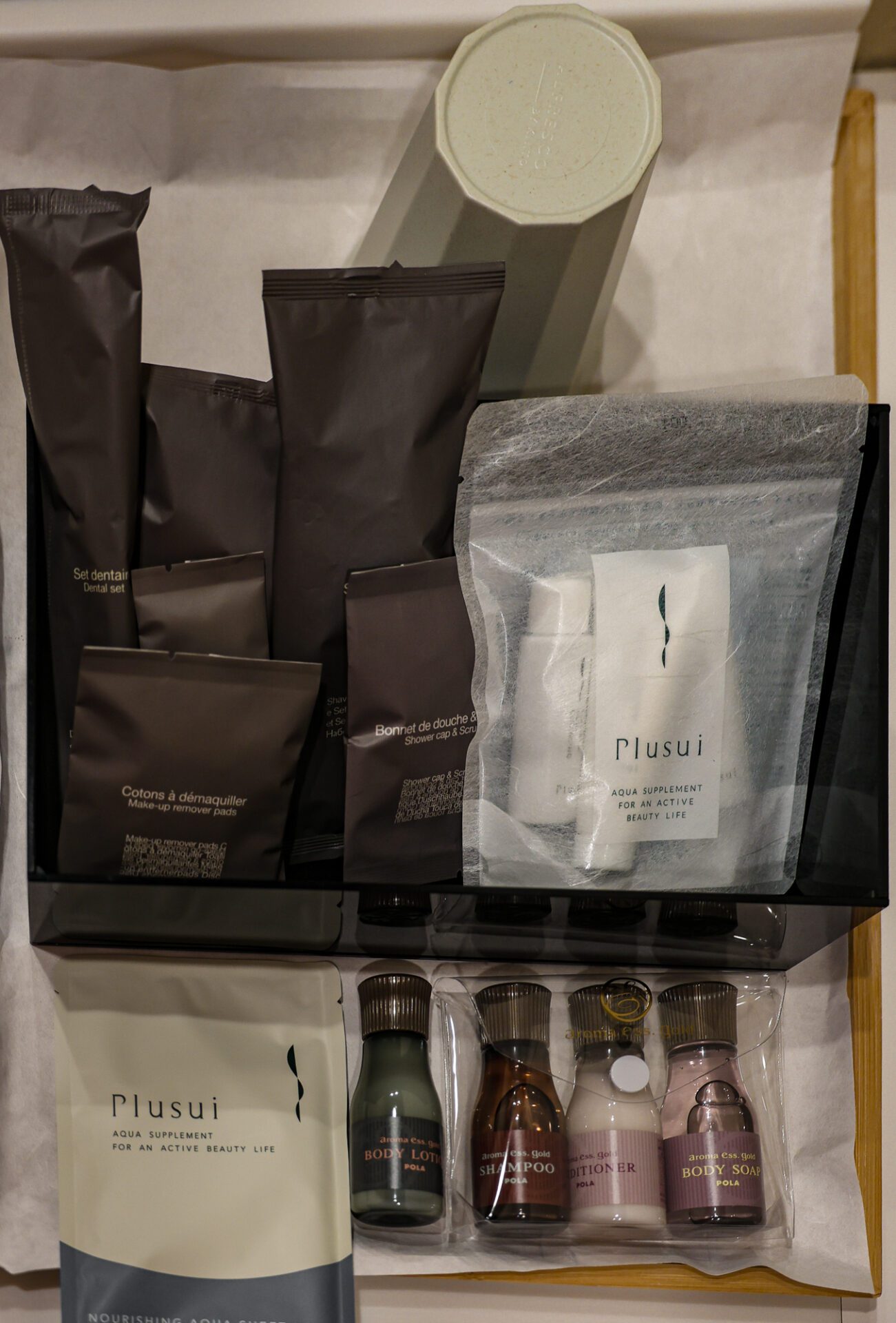
The Nakatsu Valley Yunomori is a lovely hotel blending traditional Japanese and Western styles and located right where the Nakatsu Gorge hiking trail begins.
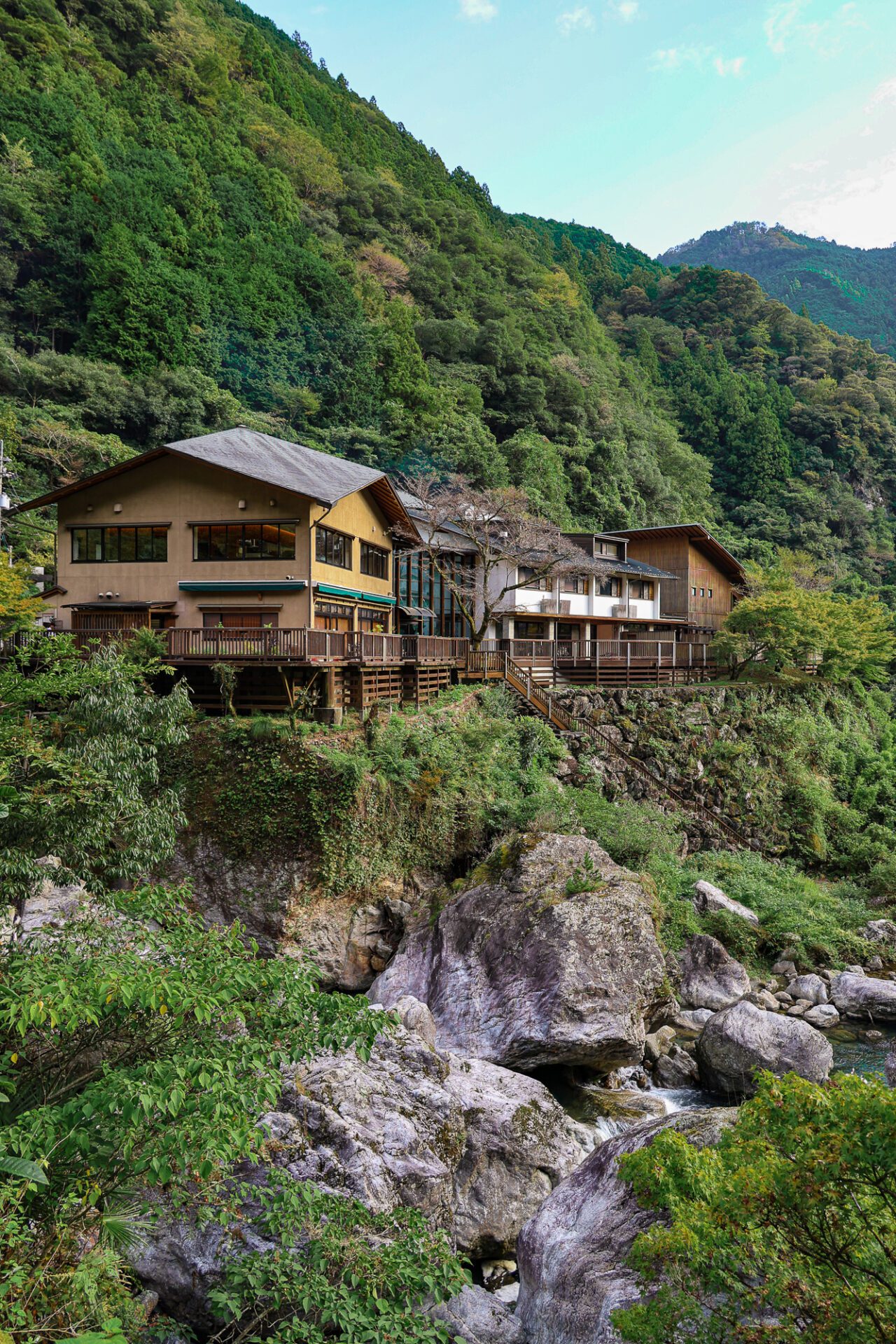


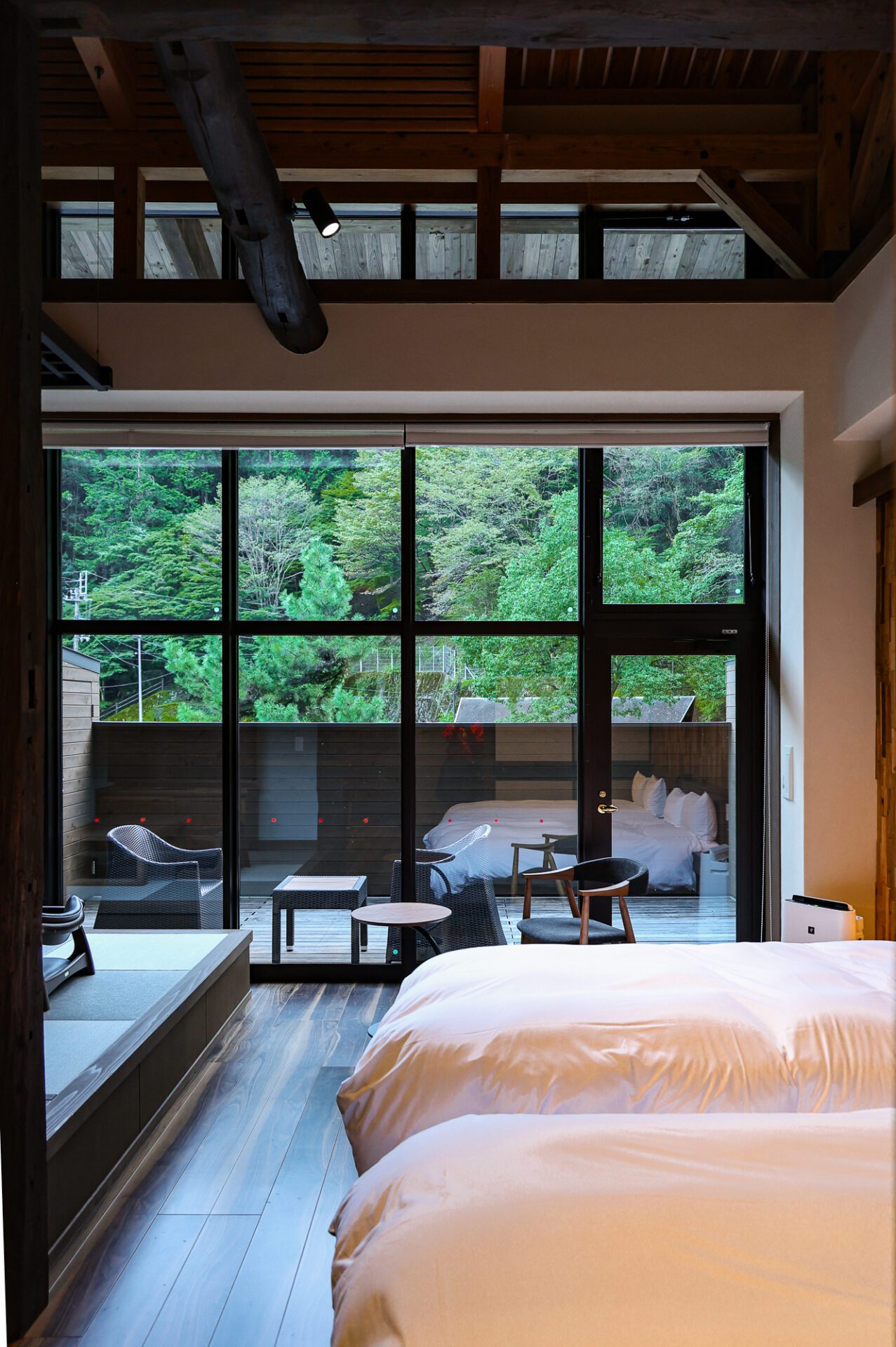
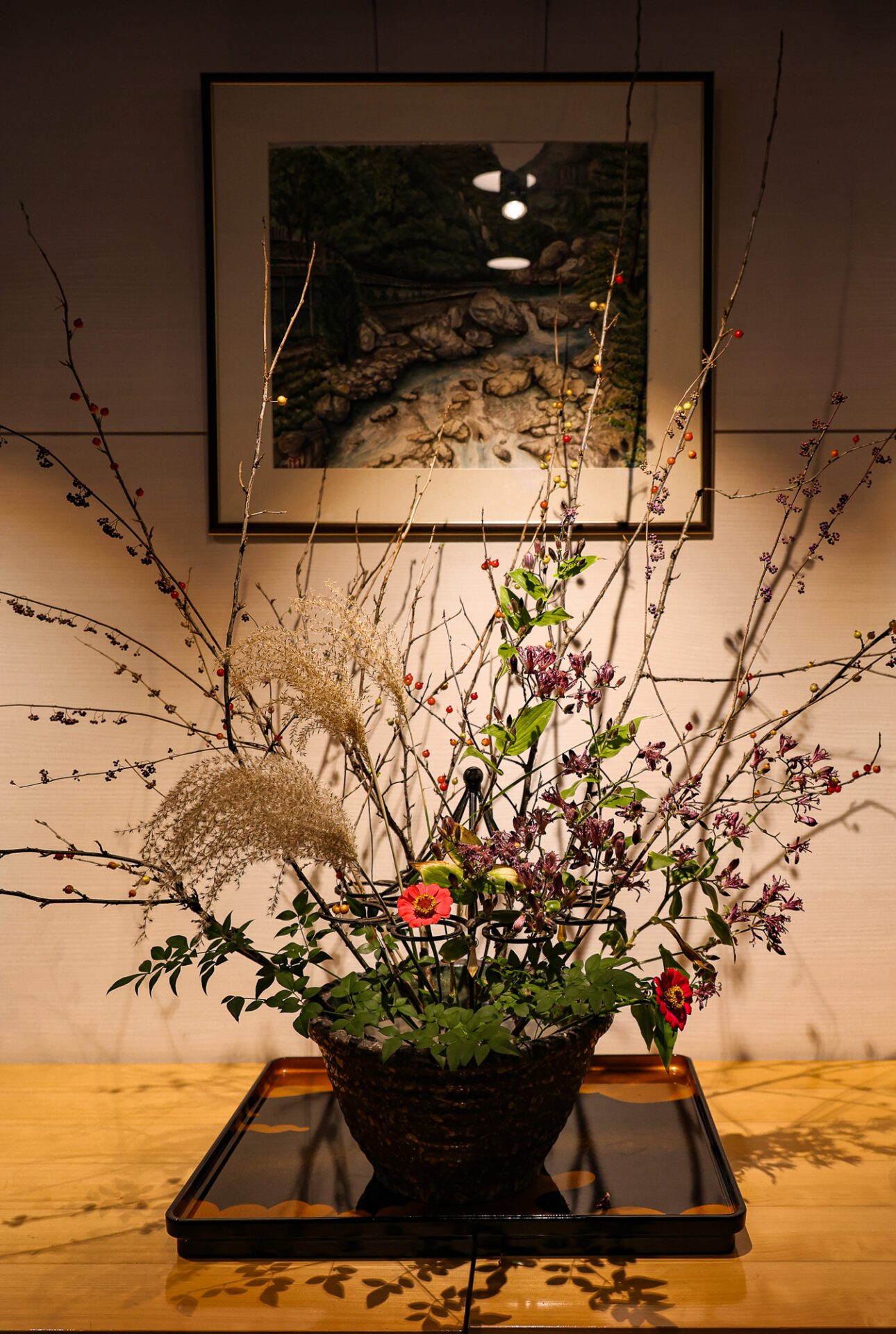
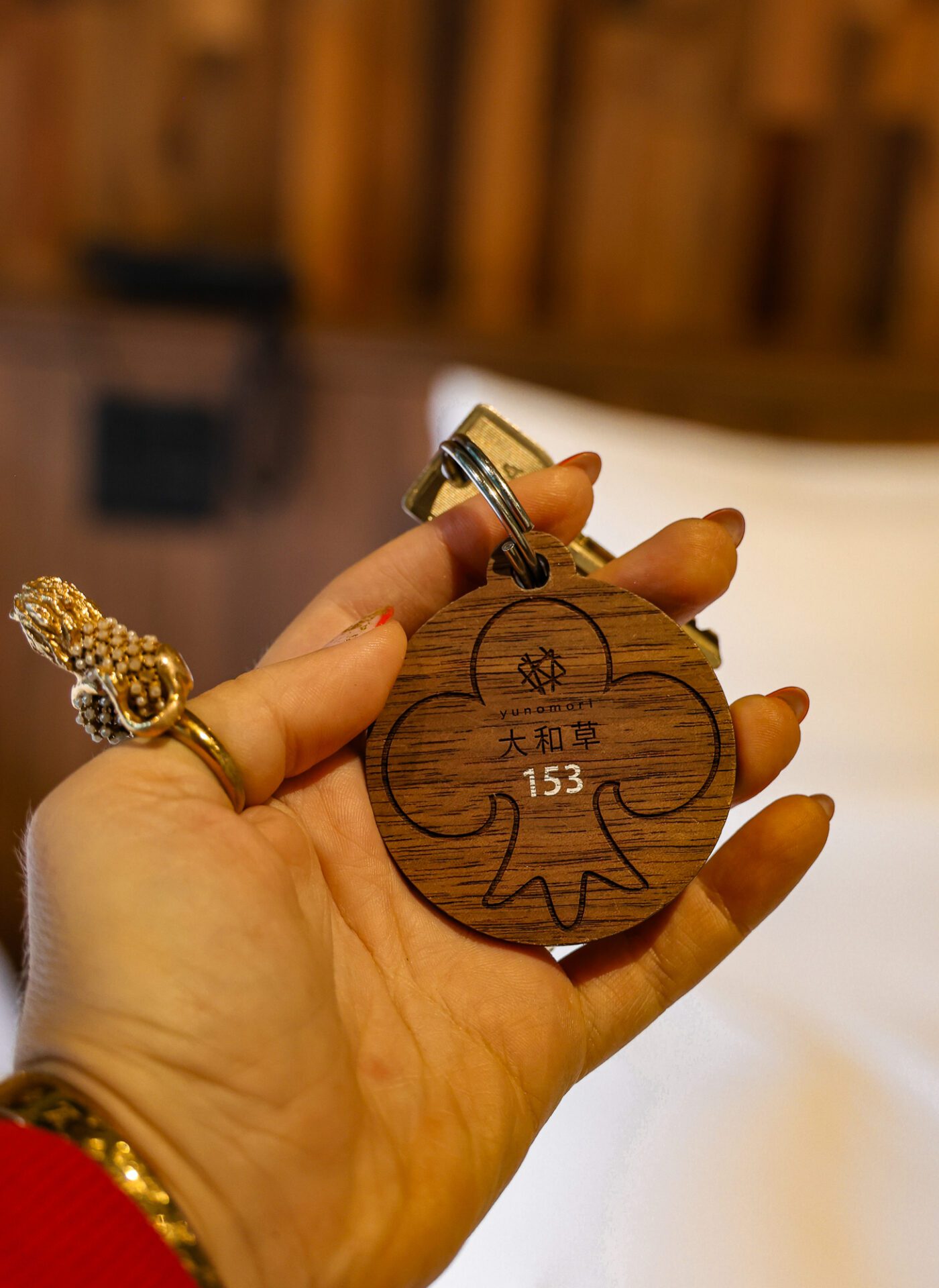
Another property, another onsen: Nakatsu Valley Yunomori provides its guests with access to a Japanese bathhouse as well, a public one this time.
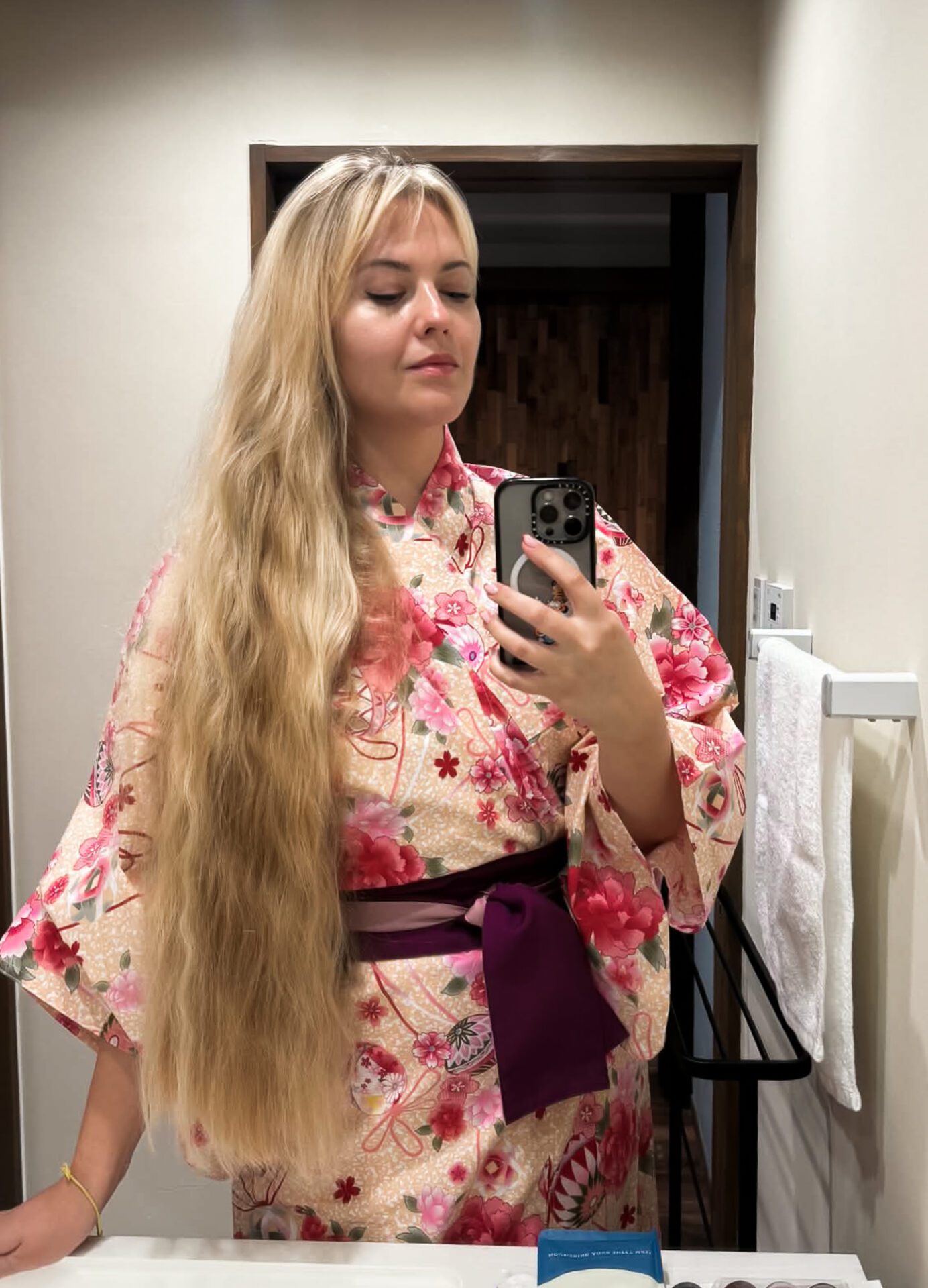
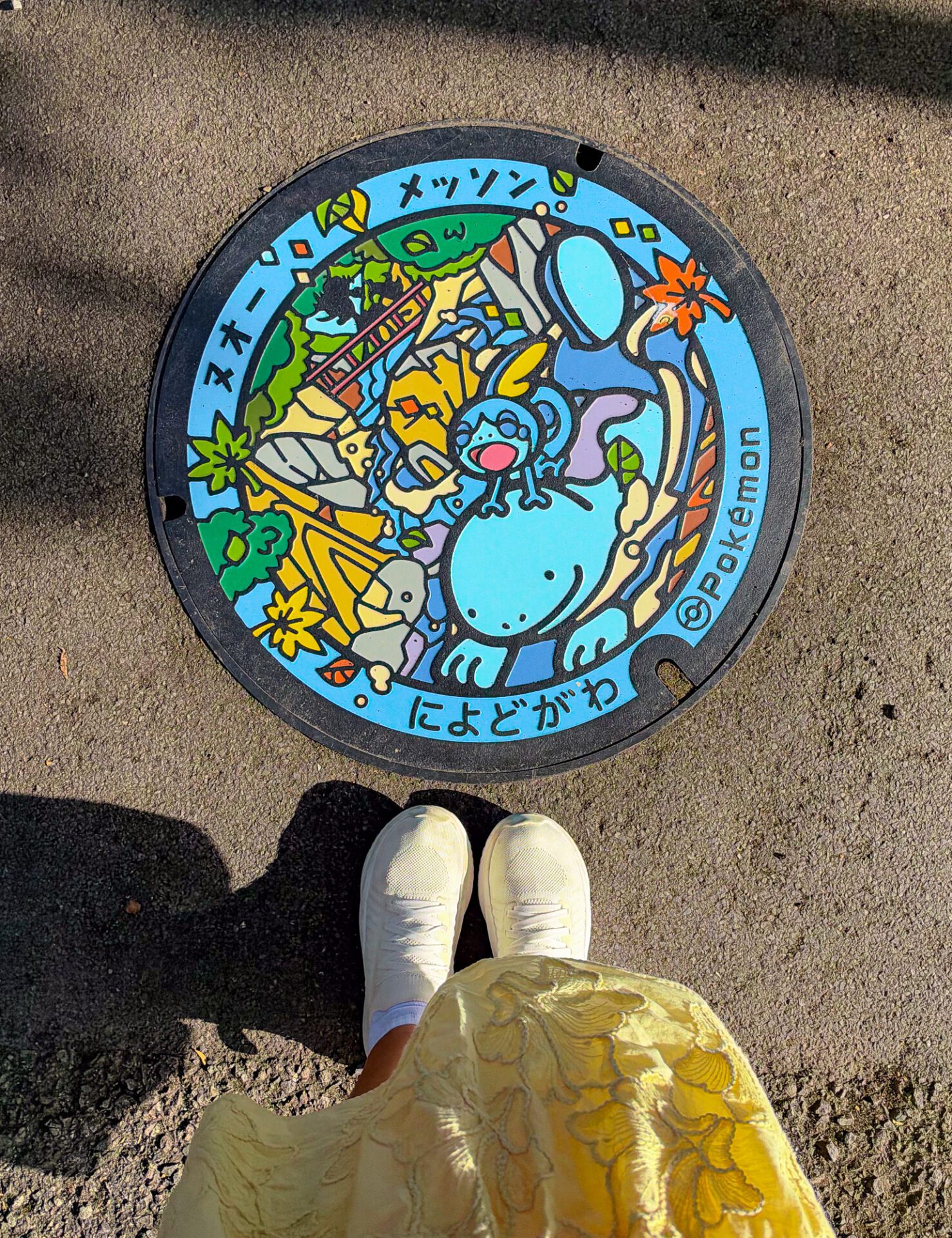
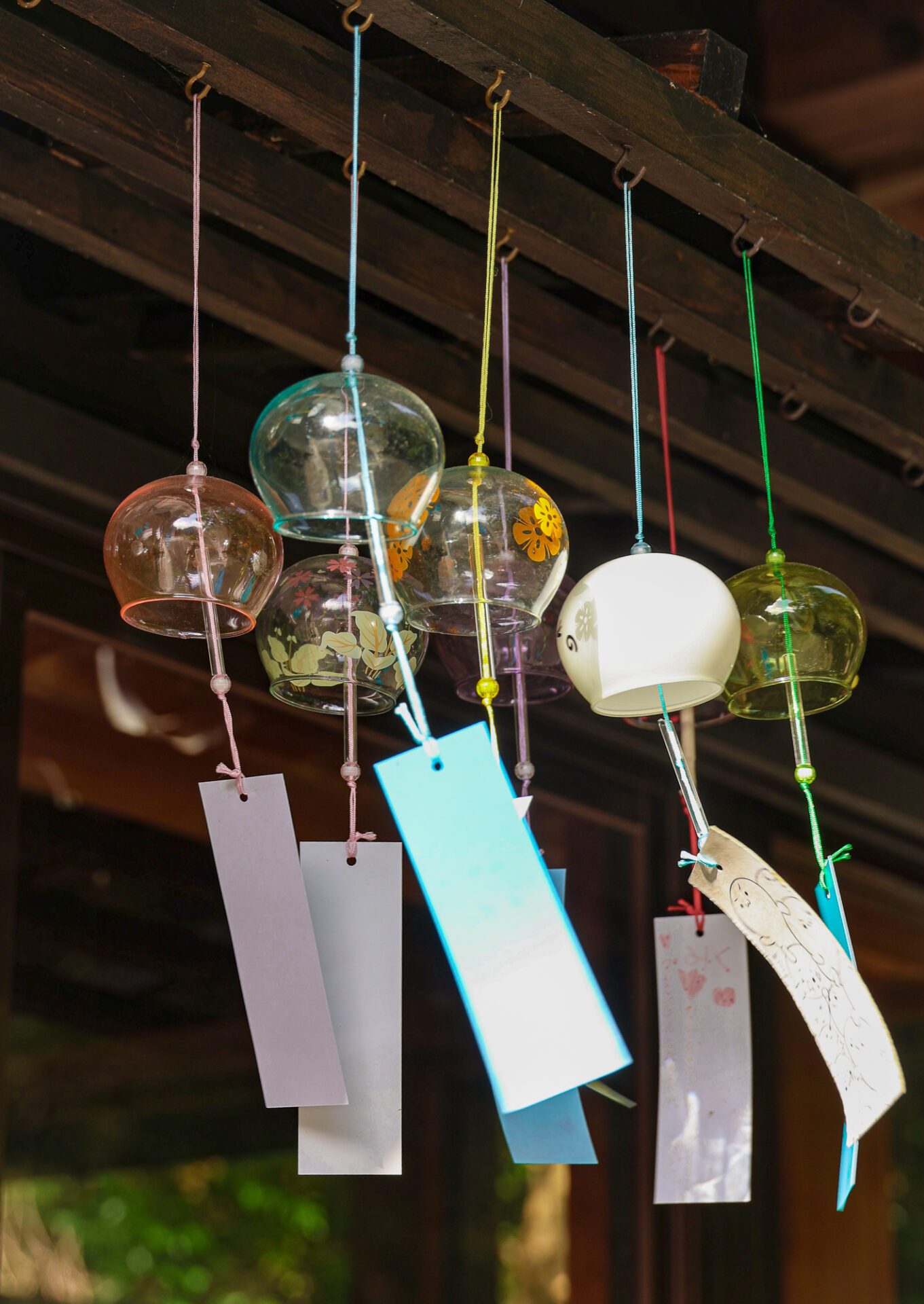
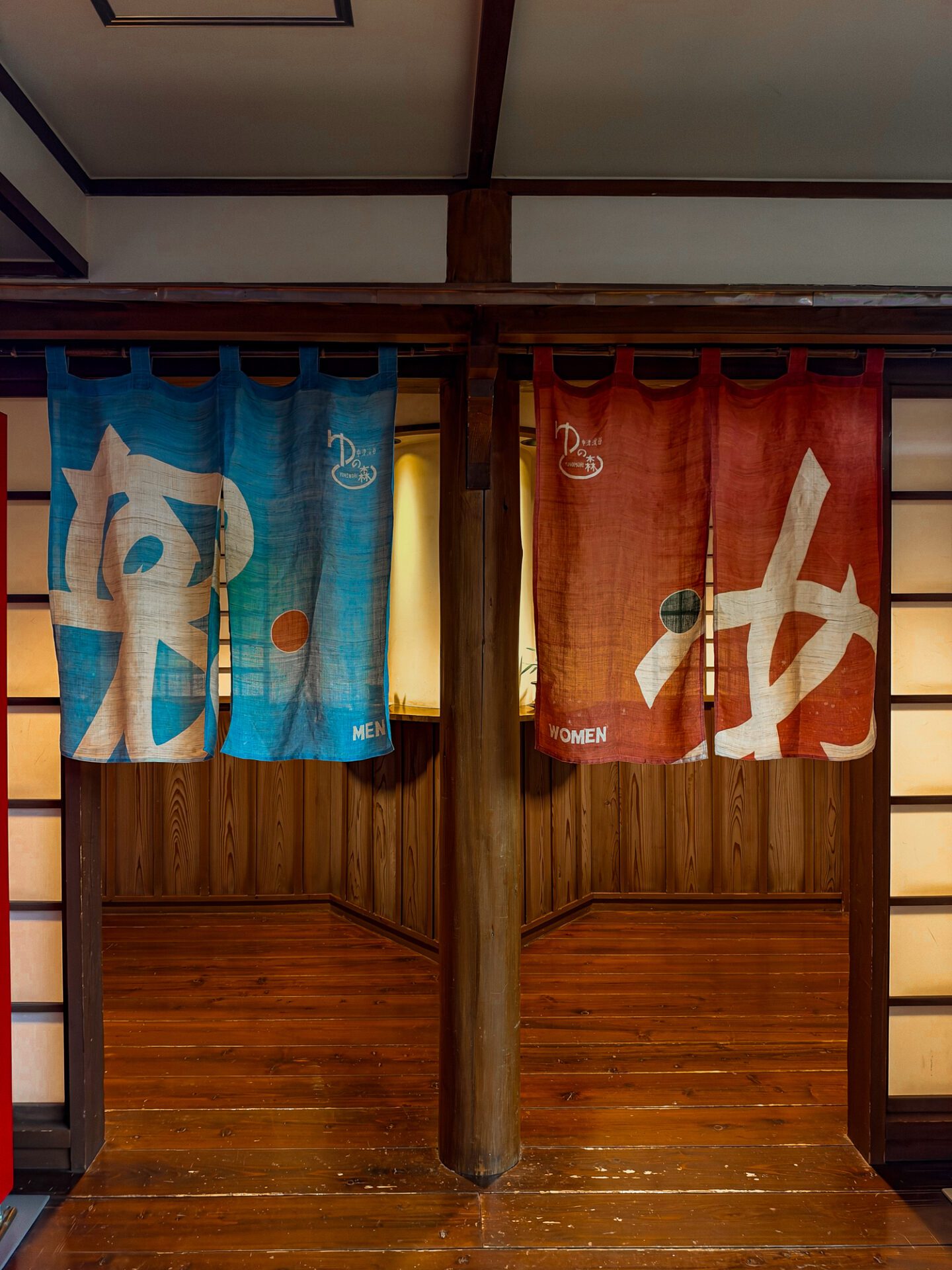
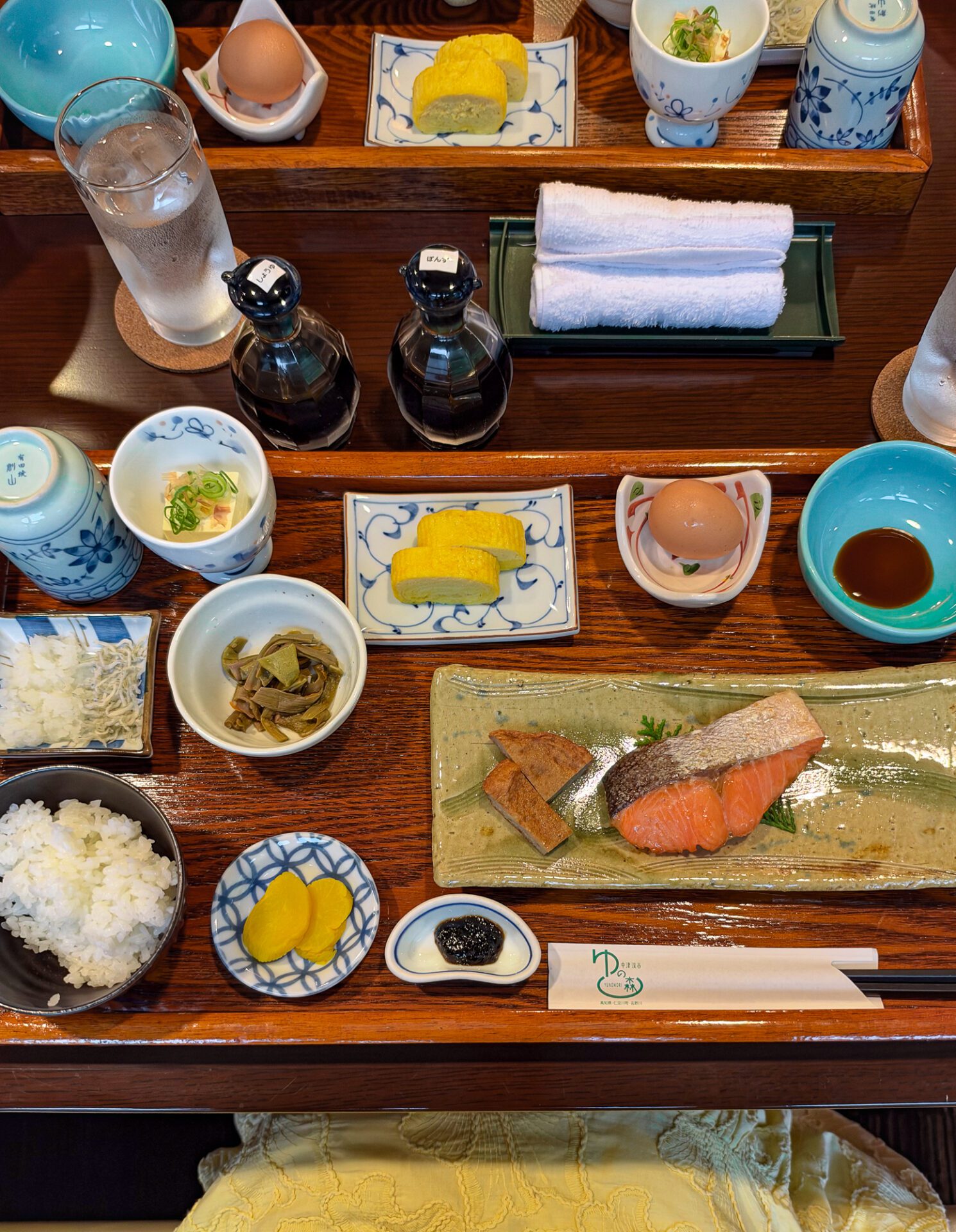
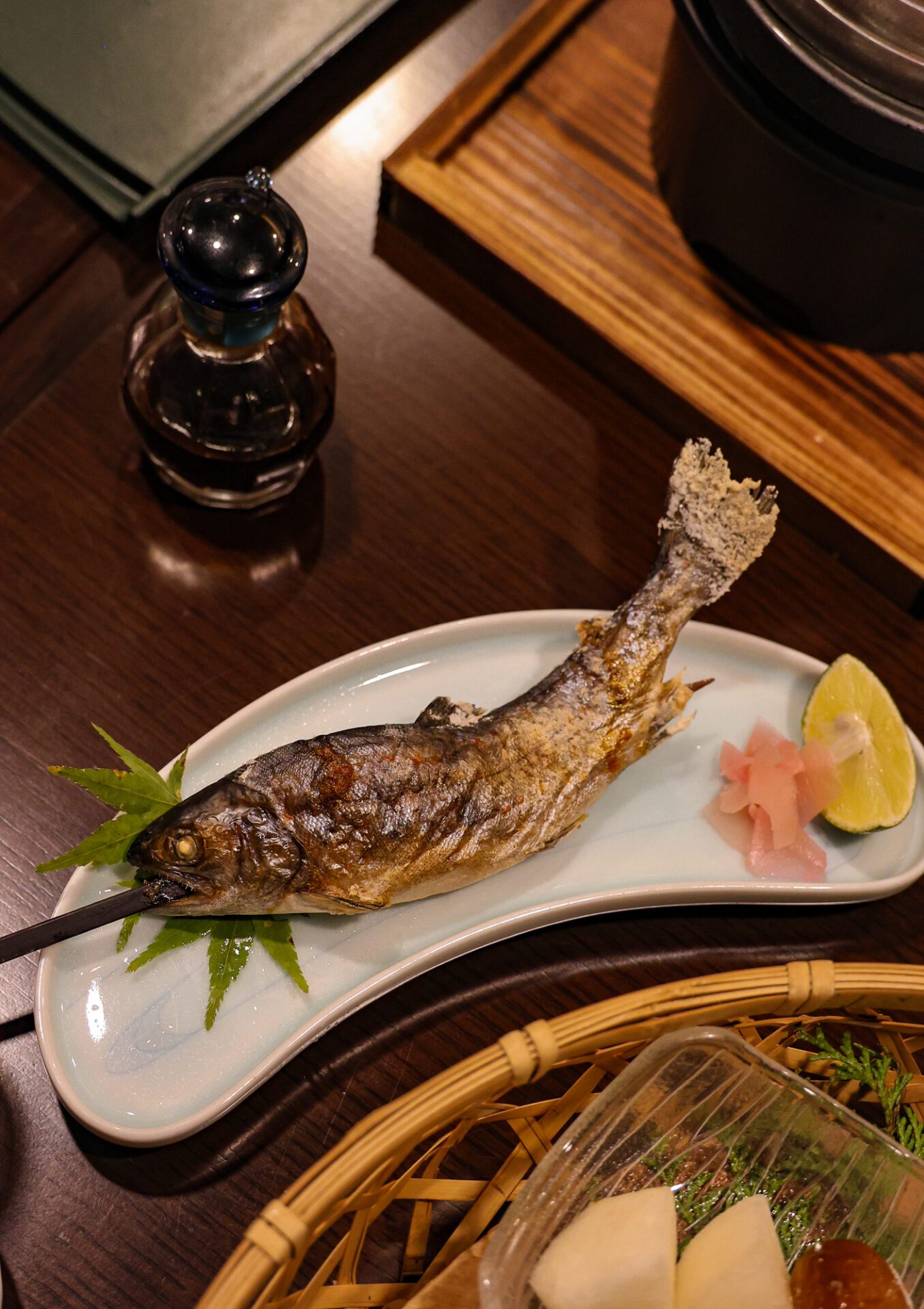
What a view you can get from the restaurant over the river, not to mention the great selection of food for breakfasts and dinners – I bet you won’t skip a meal like this followed by fried fish, barbecued meat, and miso soup!

You might also like:
- Odawara
- Learn Japanese with me: p1 and p2
- Rabbit Island
- Tokushima
- Ginza, Tokyo
- Nara
- Nikko
- Kumagaya, Kanto
- Tokyo, Kanto
- Saitama prefecture, Kanto
- Yokohama, Kanto
- Kanagawa prefecture, Kanto
- Momiji VS Sakura
- What I adored in Japan
- Suzugami workshop (Toyama prefecture)
- Miyajima
- Hiroshima
- Osaka
- Himeji
- Kyoto
- Hakone and mt Fuji
- Nagano
- Ehime prefecture, Japan
Hope you liked my new blog!
Yours,
Anna xxx