Manila, the historical capital of the Philippines located on Luzon Island, has both historical and modern landmarks and numerous amazing hotels.
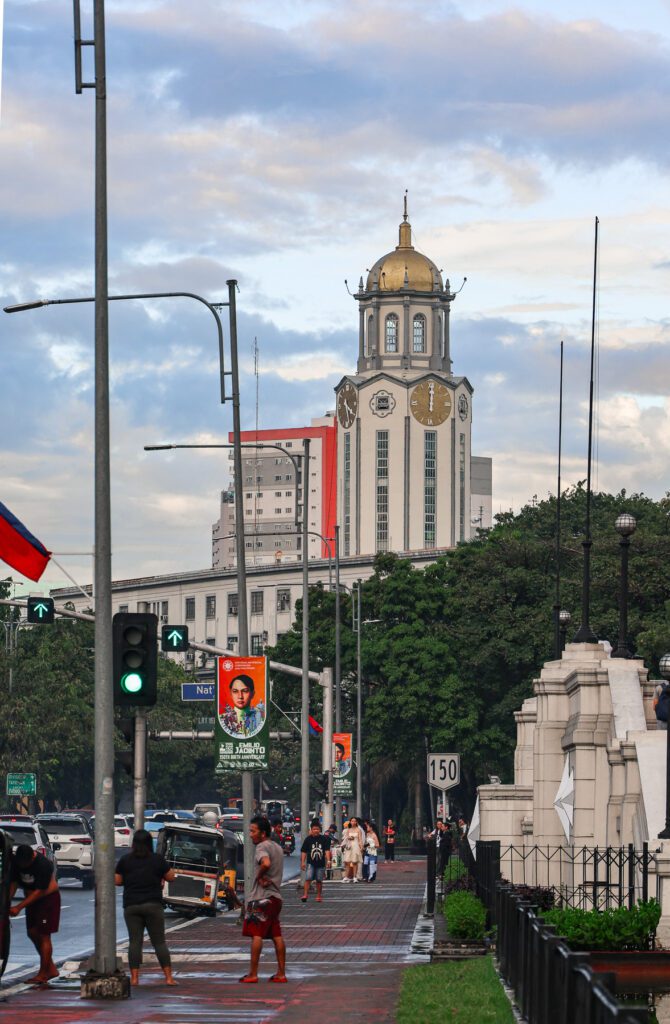
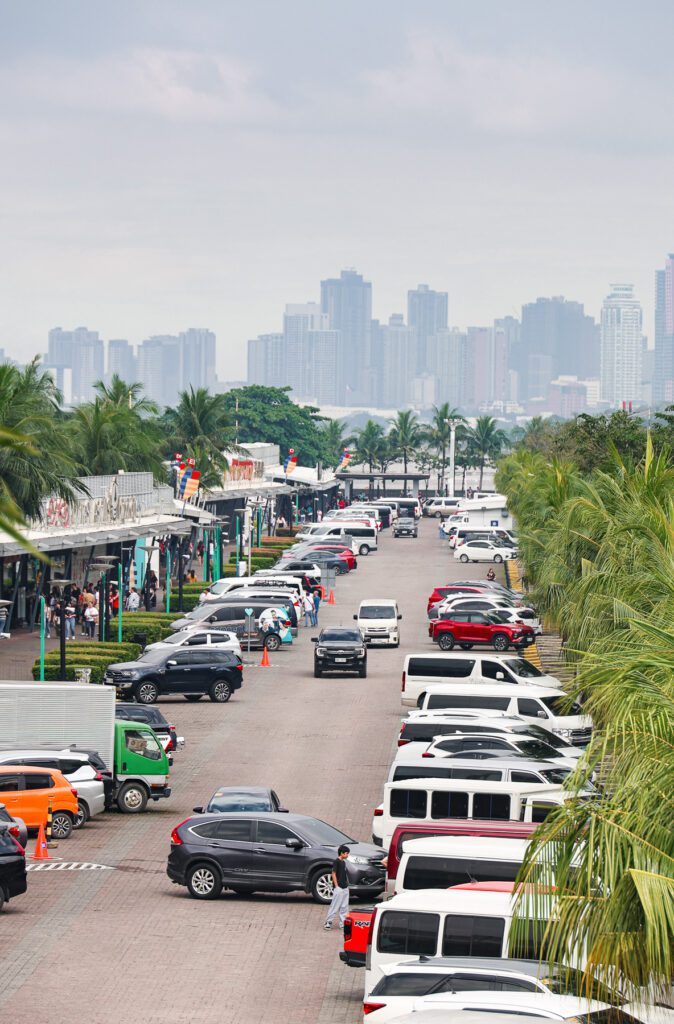
You could easily spend a week here exploring various spots – but beware that the traffic during peak hours and in particular areas is really, really bad there; one of the worst I’ve seen in my life.
Consider this when planning your travel; you might end up visiting less than you intended!

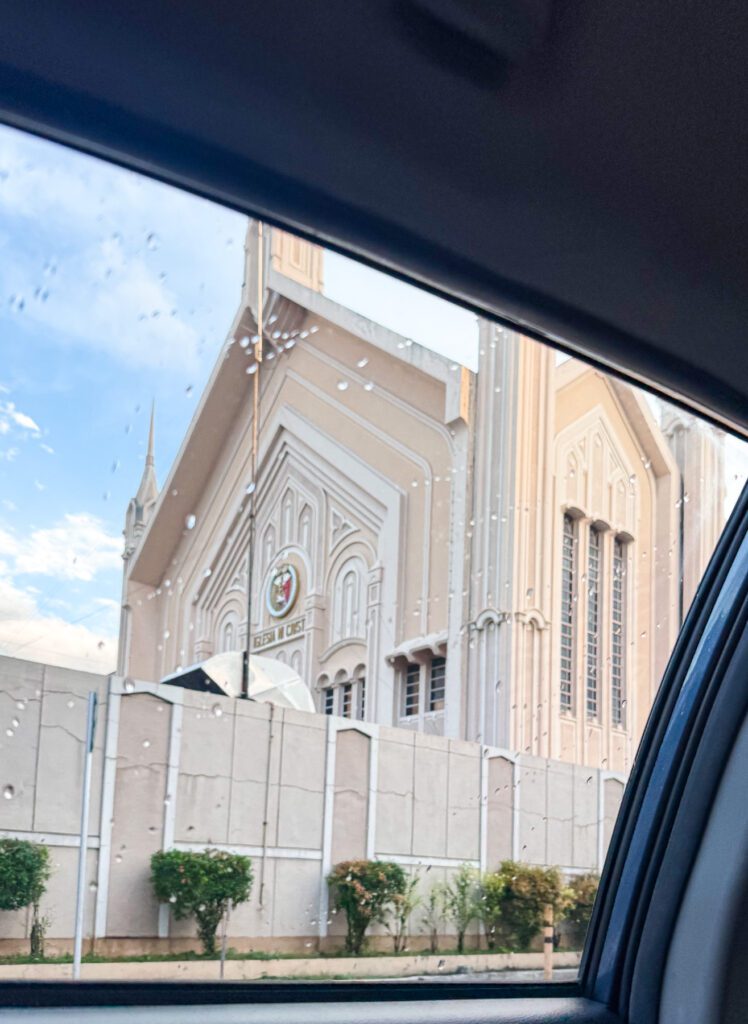
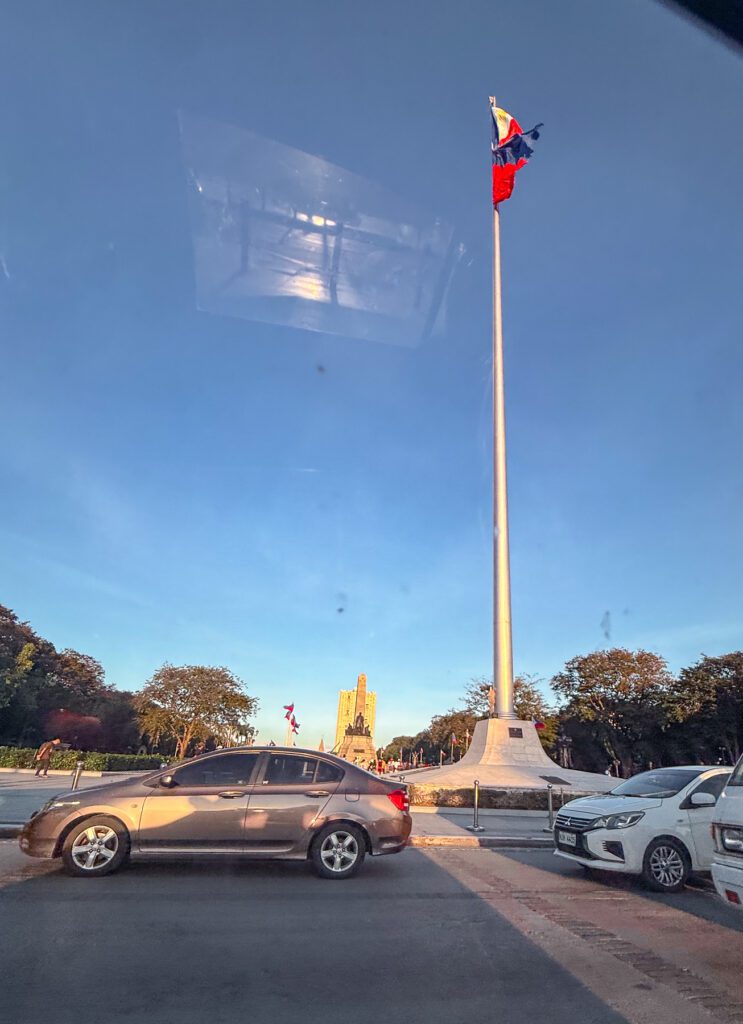
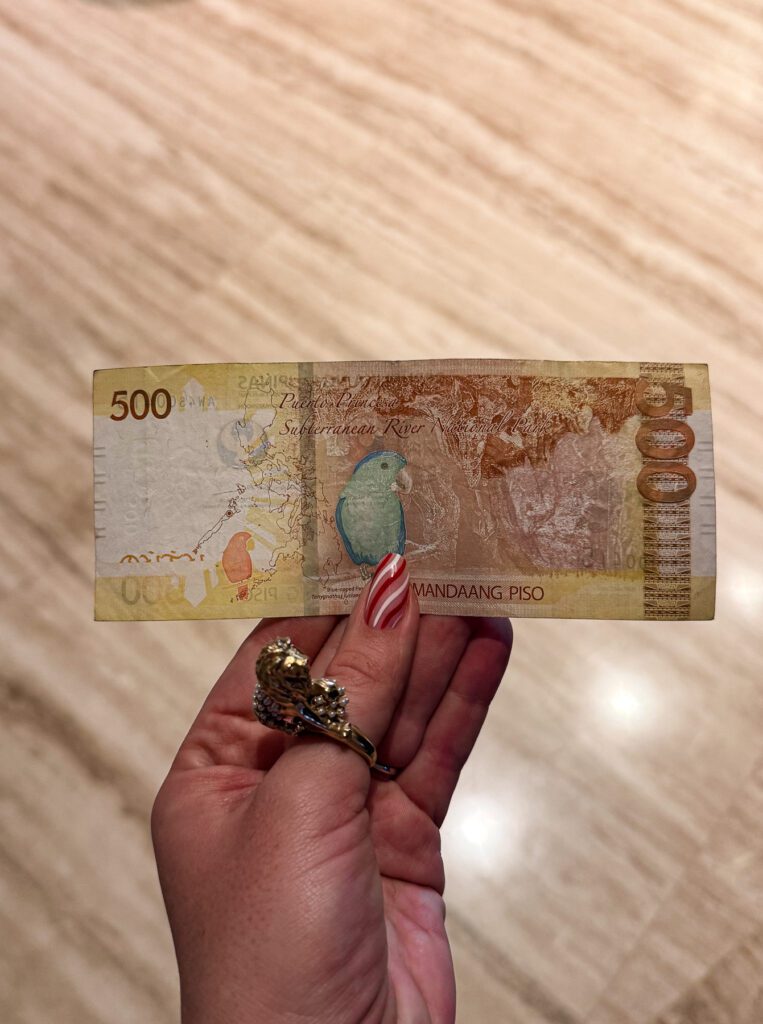
1. Intramuros
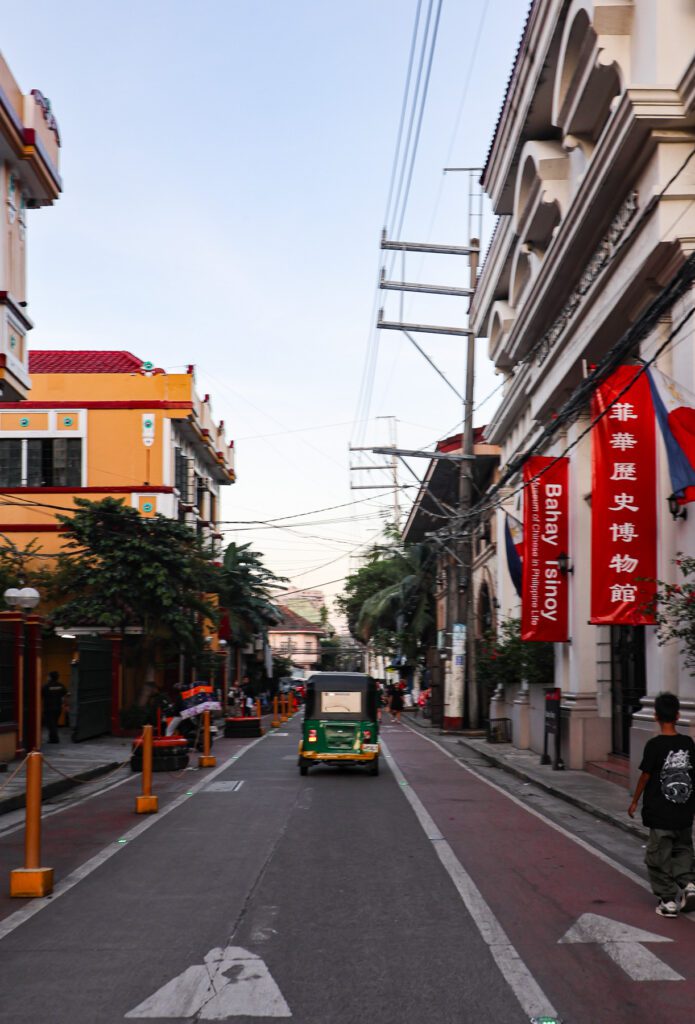
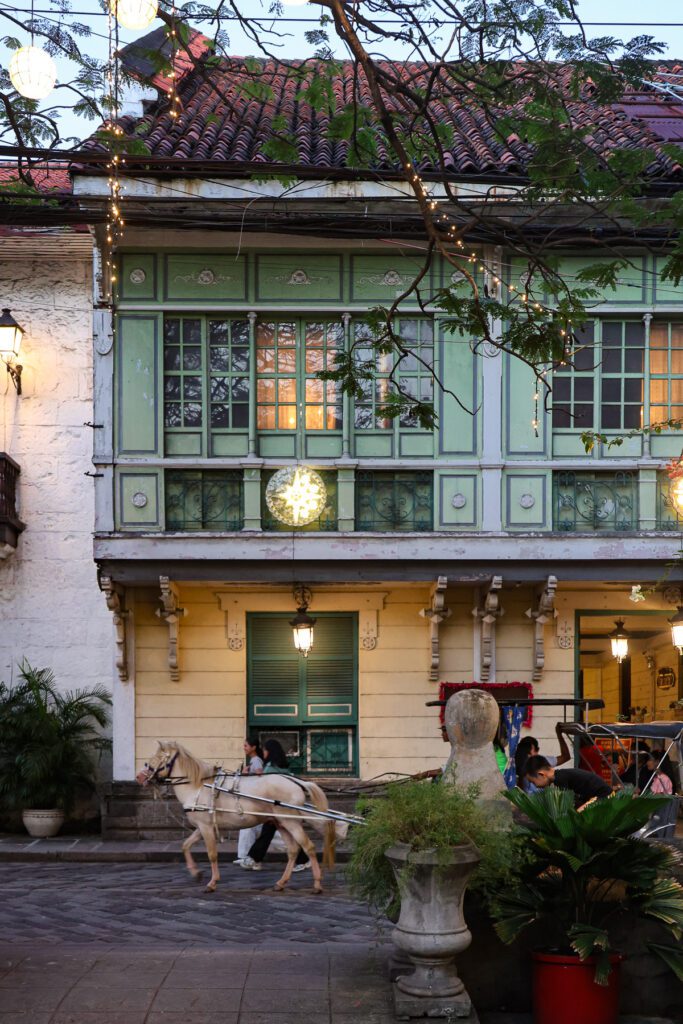
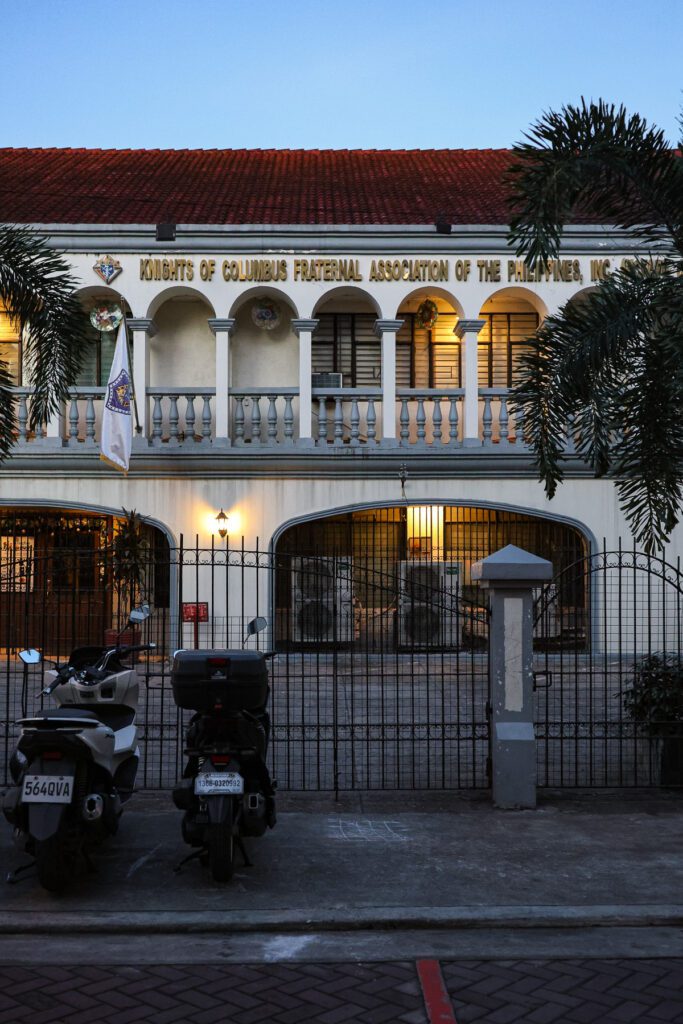
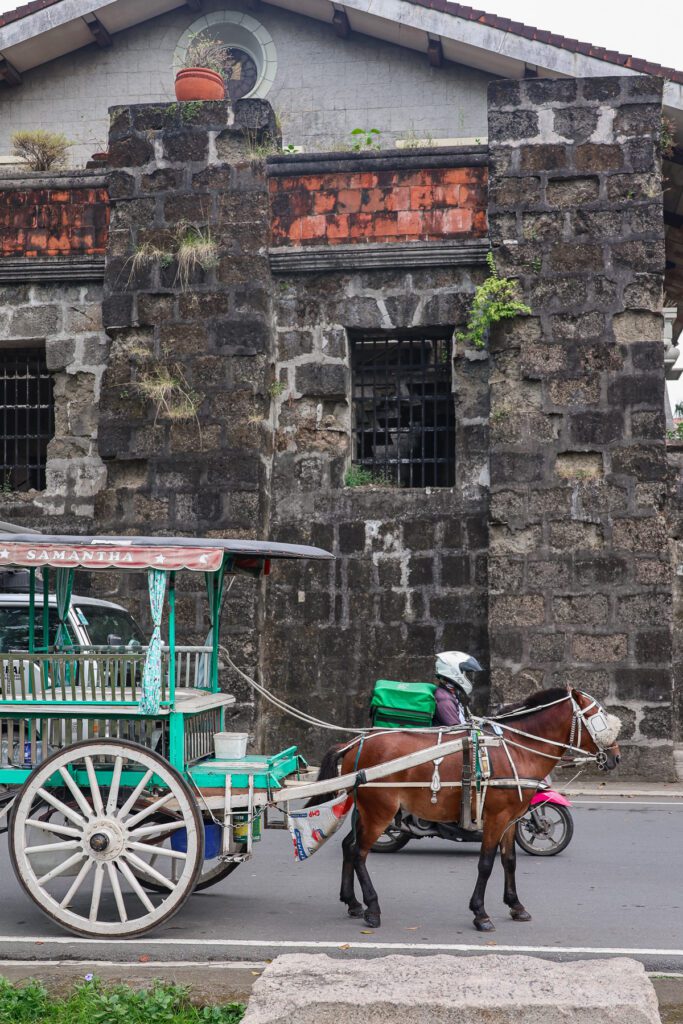
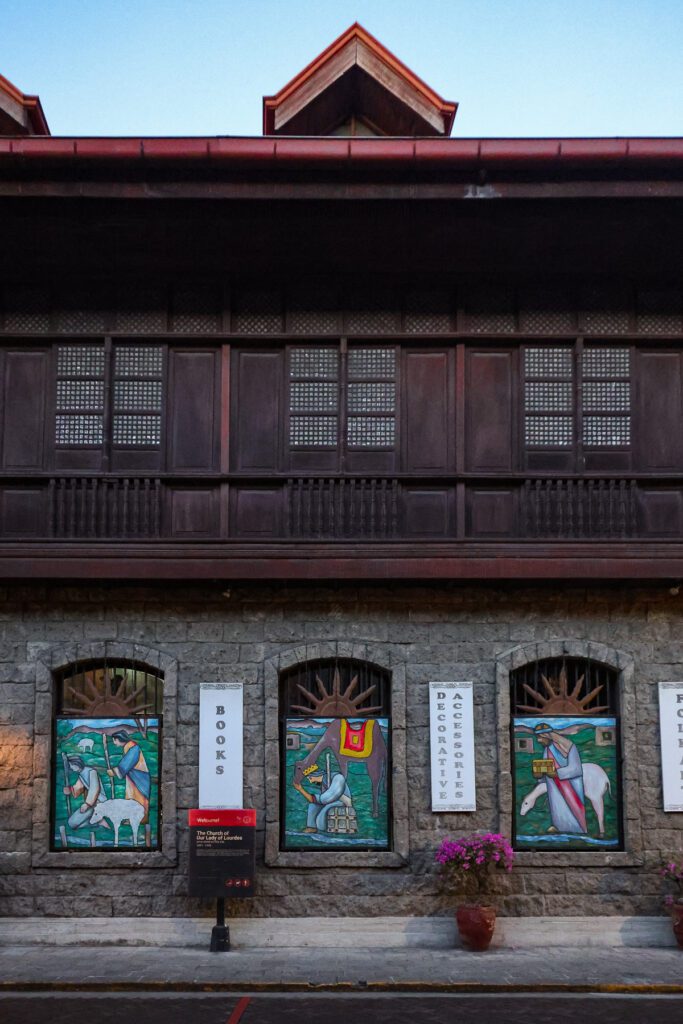
Intramuros is a historic area in Manila where the Spanish established their rule in 1571 and lasted till 1898 when the Americans came here.
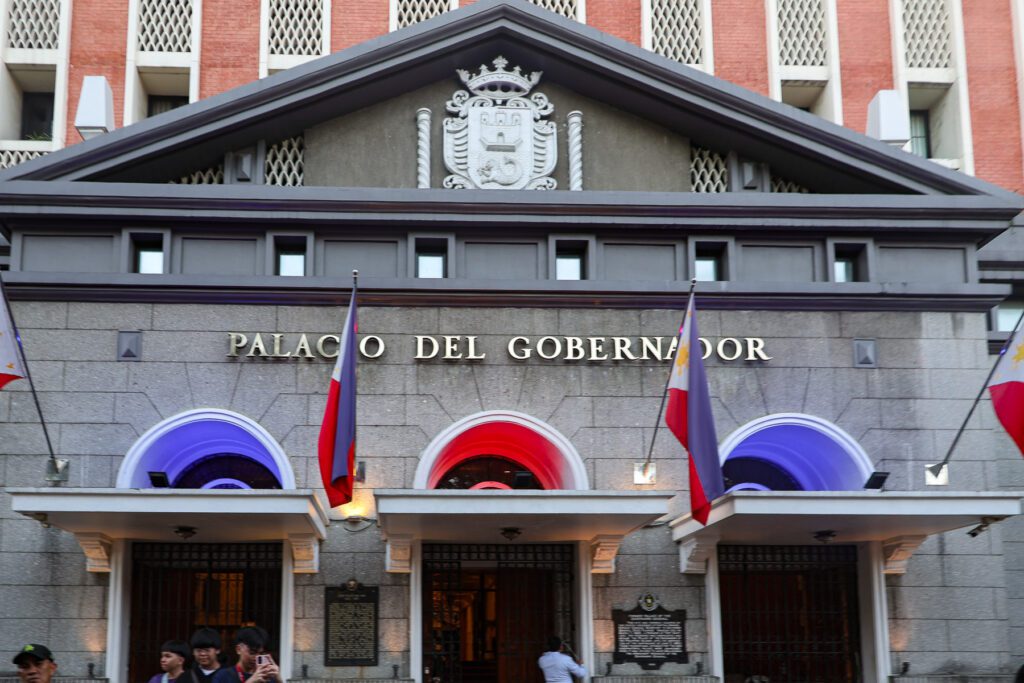
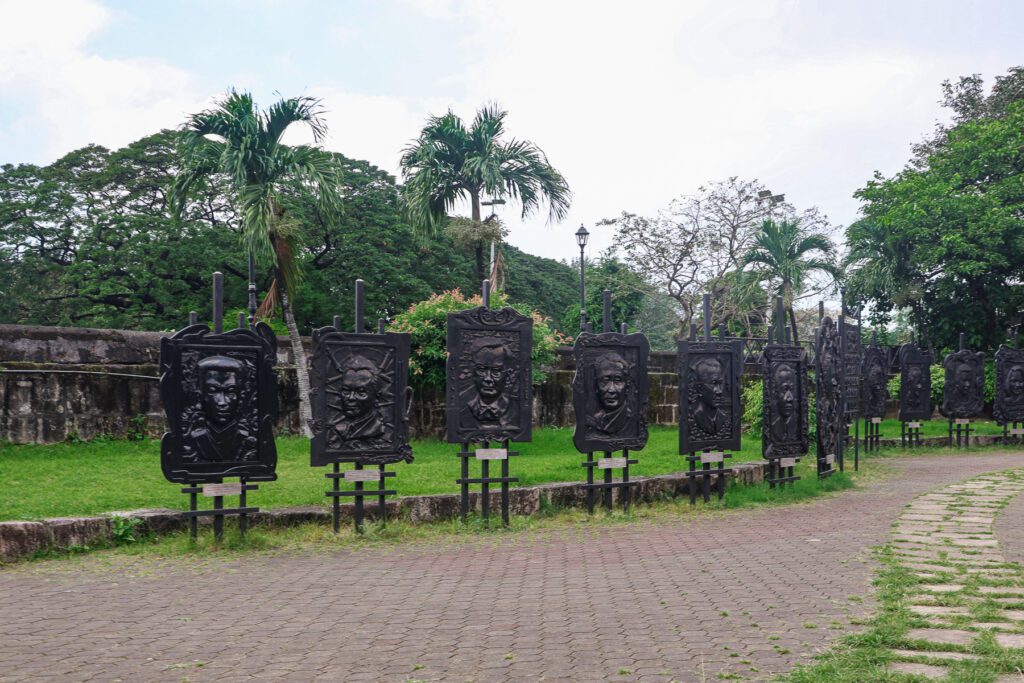
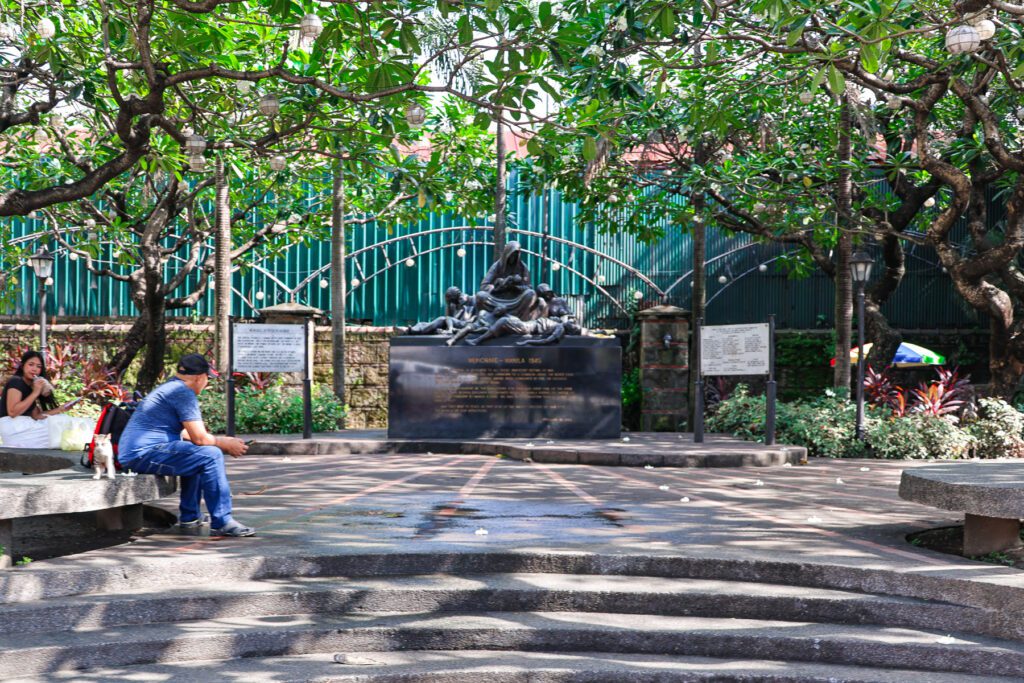
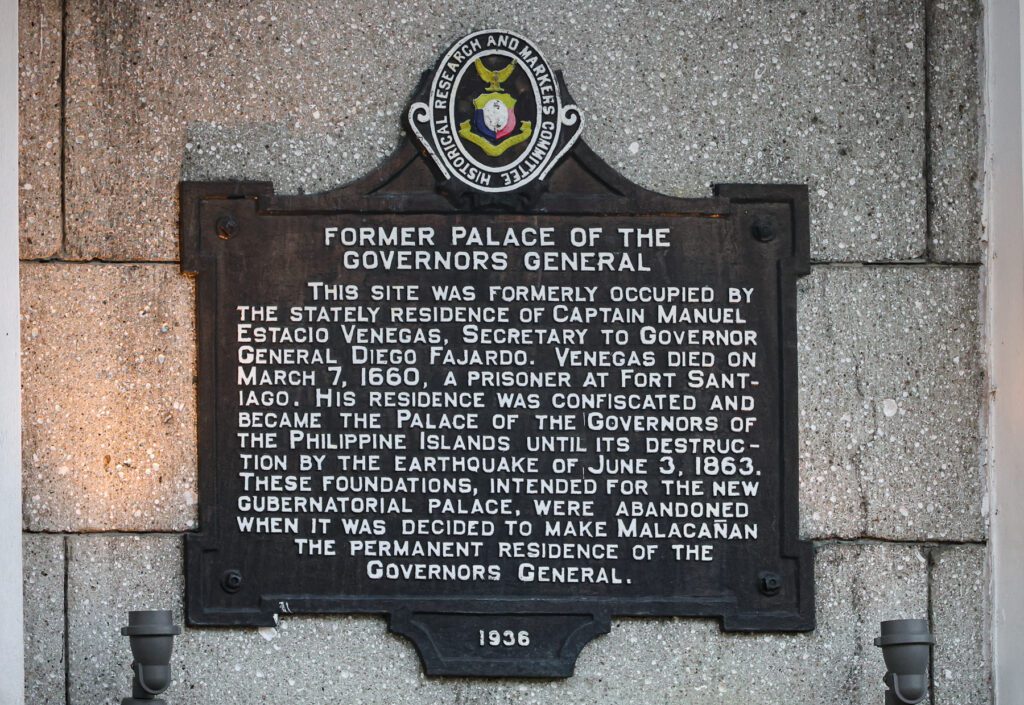
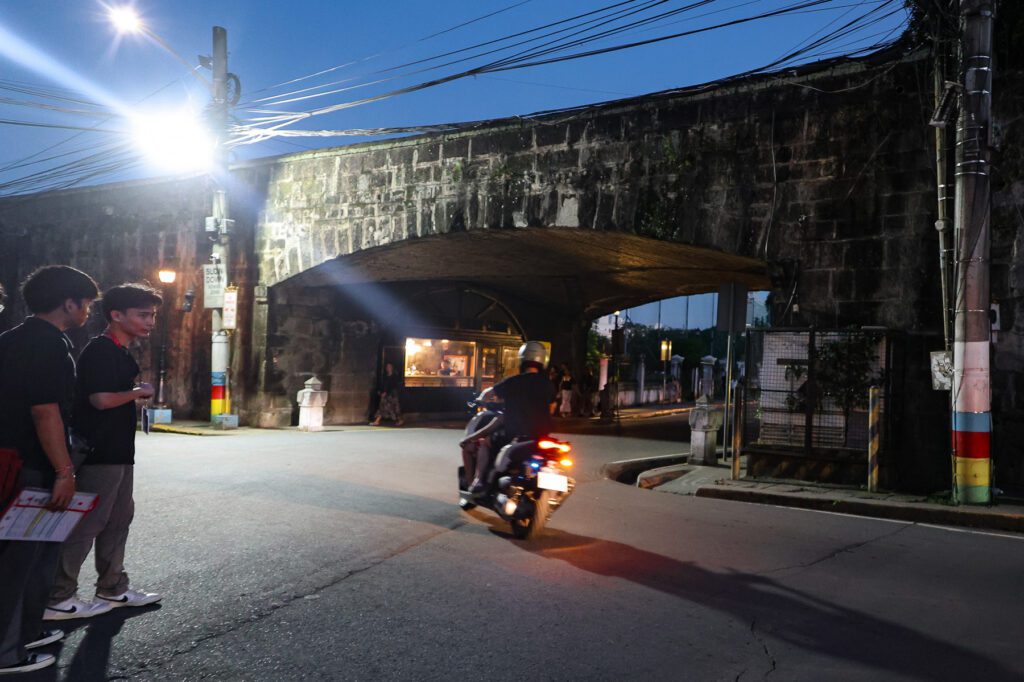
This name means ‘within the walls’ in Spanish and describes the walled district with old administrative buildings and churches. There are quite a few sights to see here, and we’ll return here later – but we started with churches.
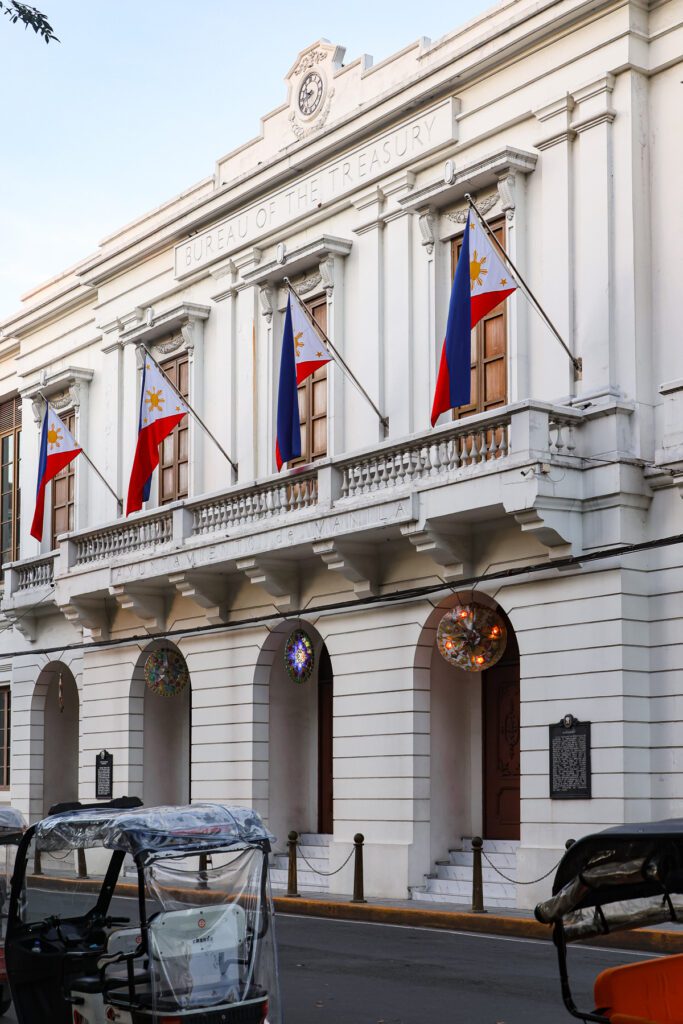

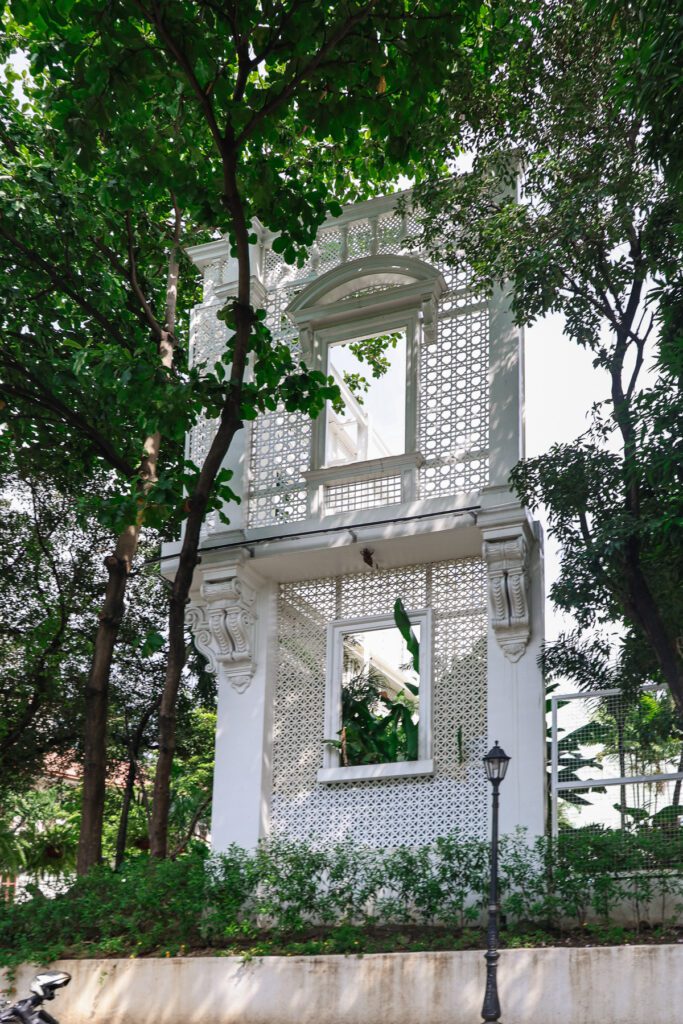
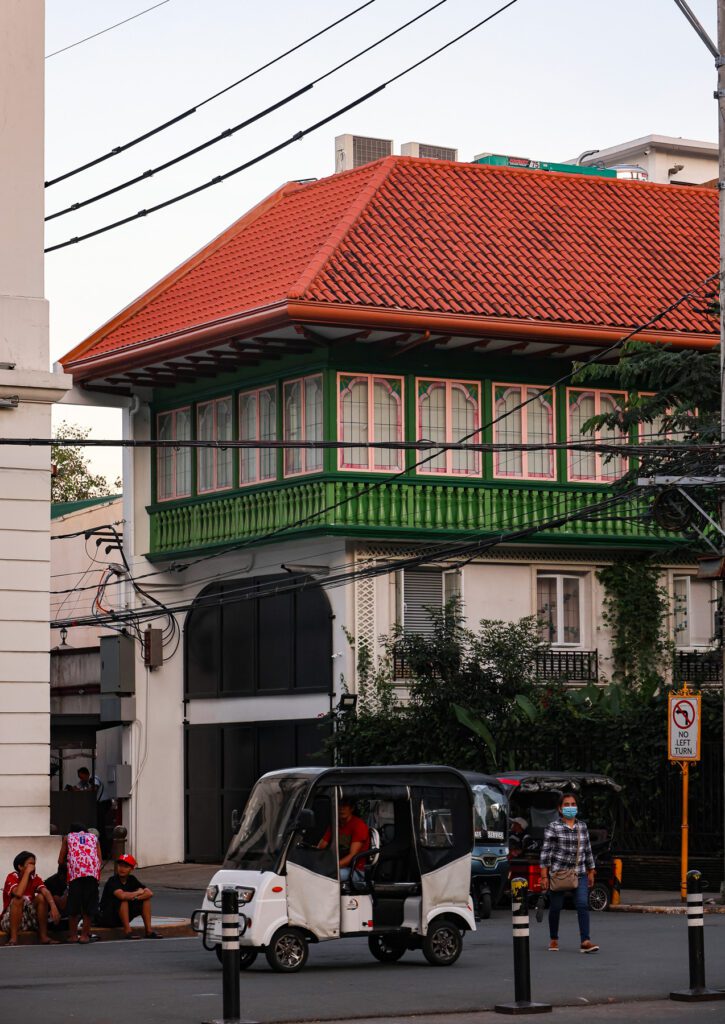
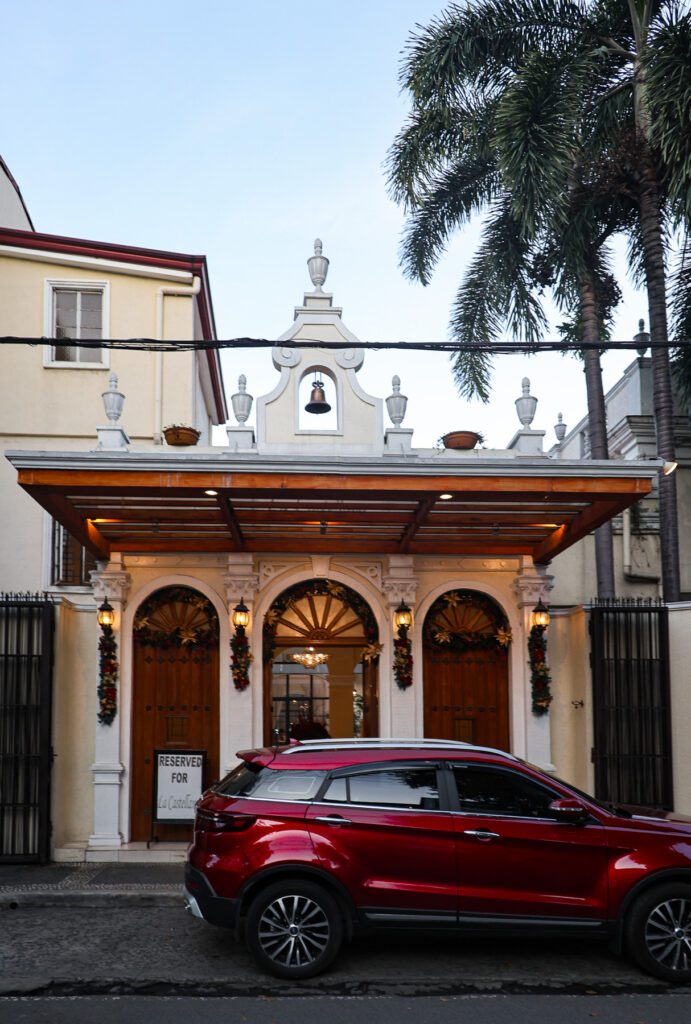
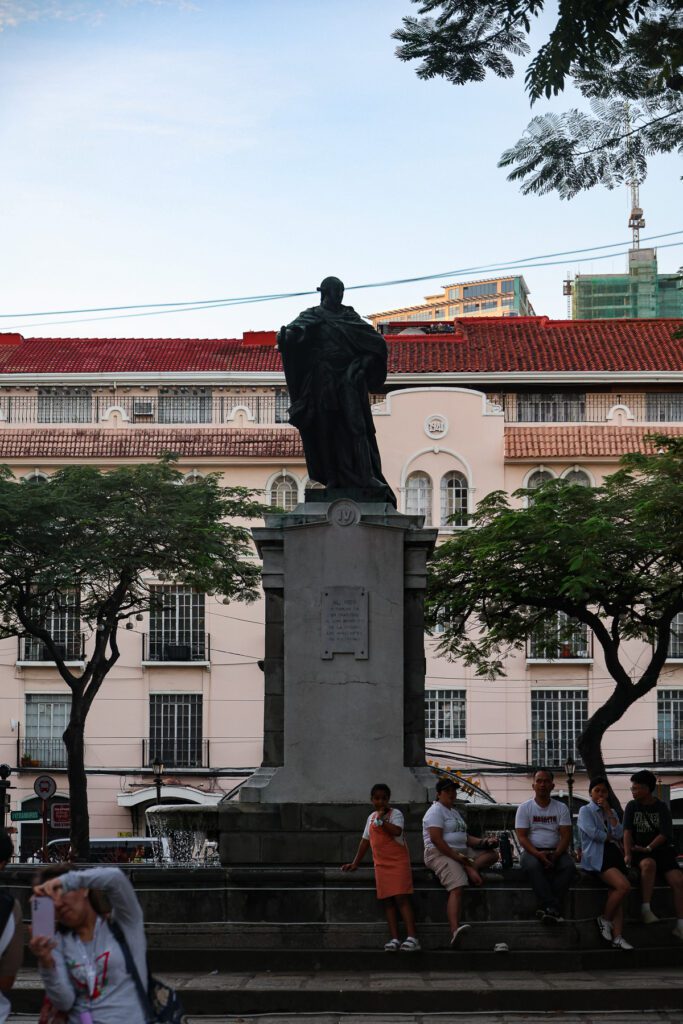
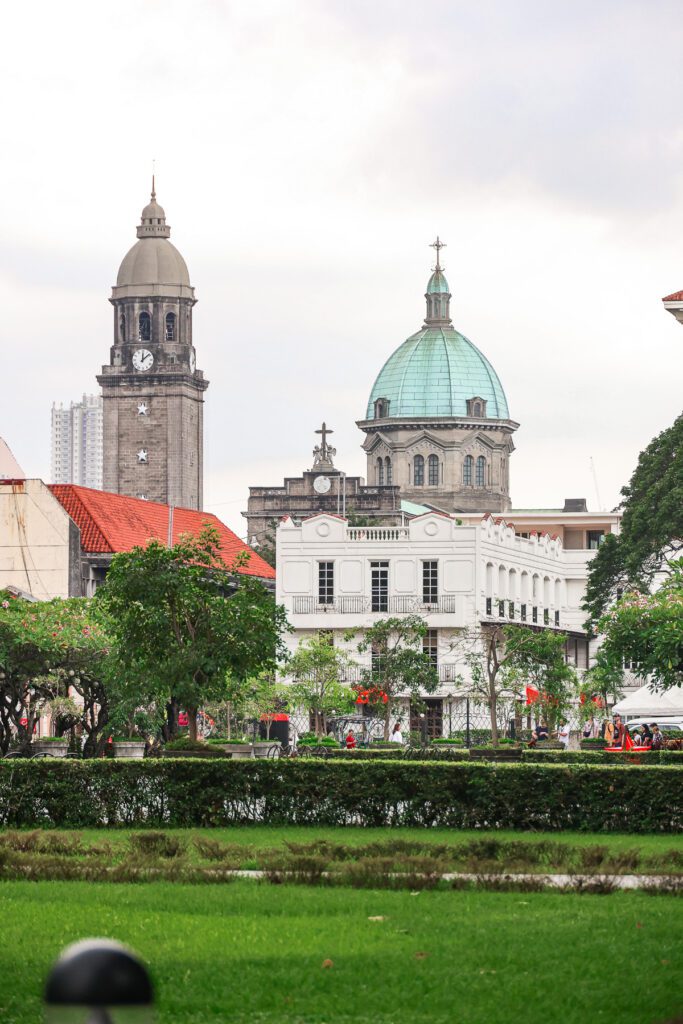
Plaza de Roma (formerly Plaza Mayor) is one of the main squares of Intramuros: see here Ayuntamiento de Manila (Manila City Hall), King of Spain Charles IV Monument, and Manila Cathedral. More spots are covered below.
2. Manila Cathedral
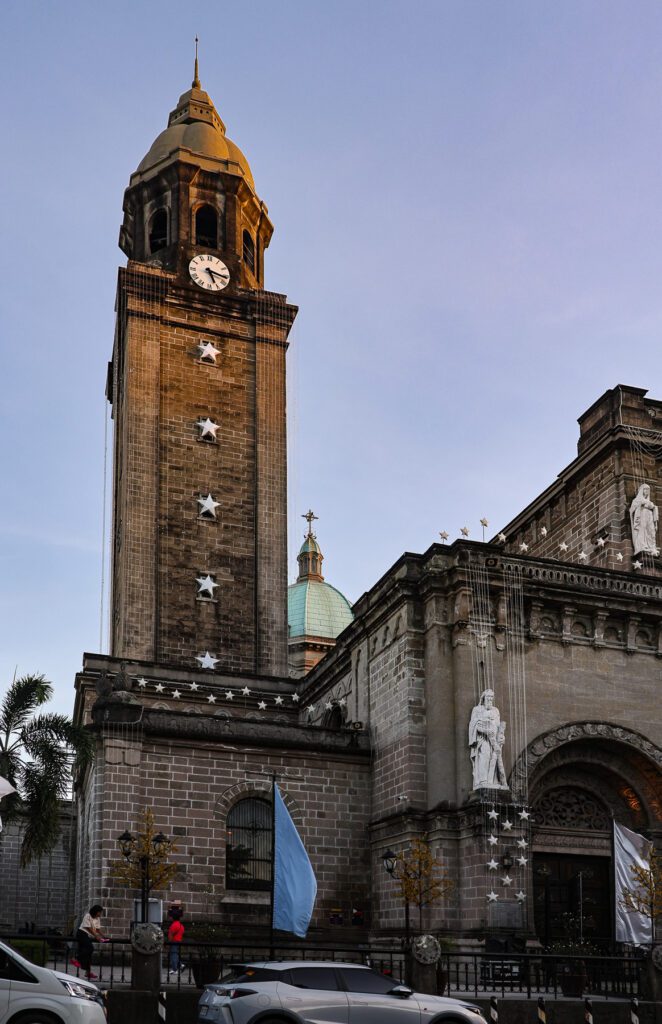
The Manila Cathedral, or the Minor Basilica and Metropolitan Cathedral of the Immaculate Conception, was originally founded in 1571, but the current one is actually the 8th on this site; it dates to 1958.
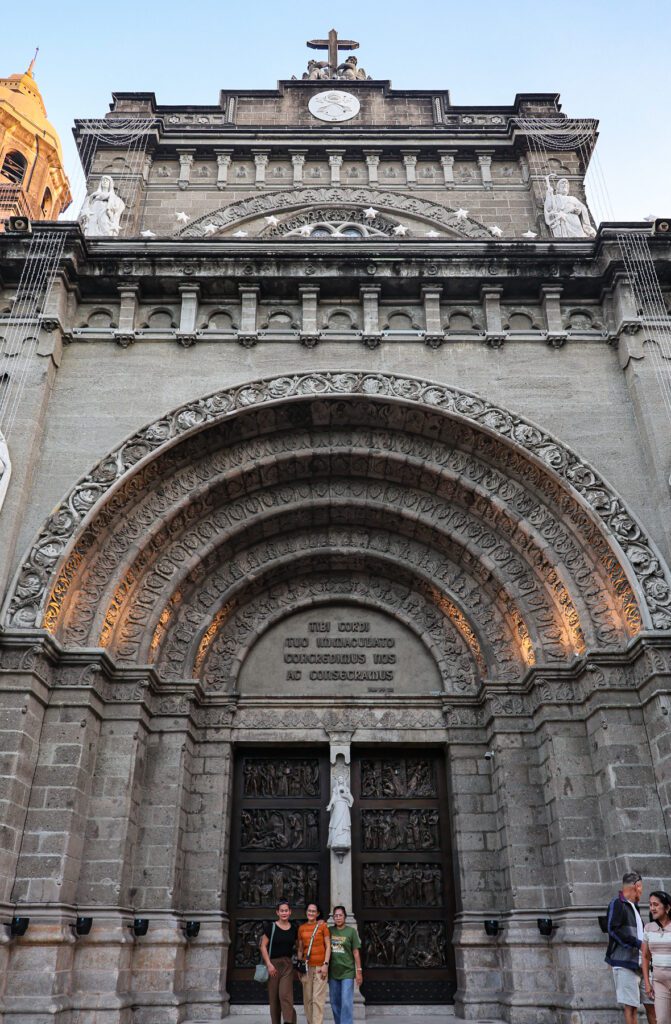


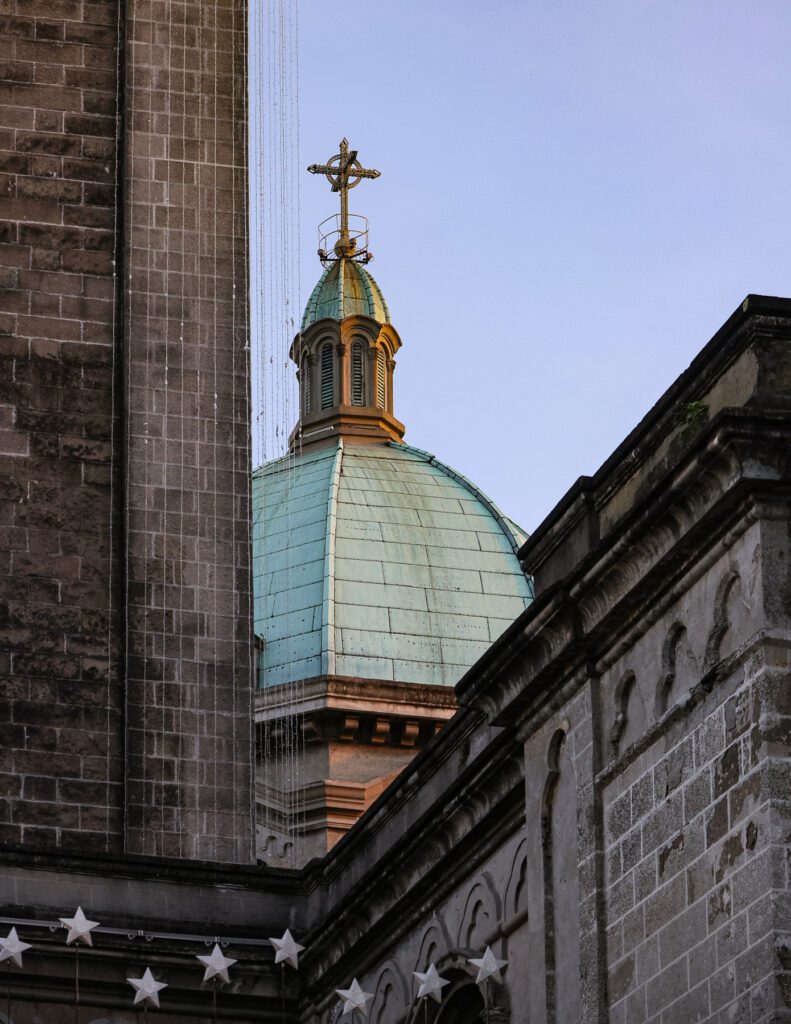
Previous ones were destroyed by wars, fires, or earthquakes.
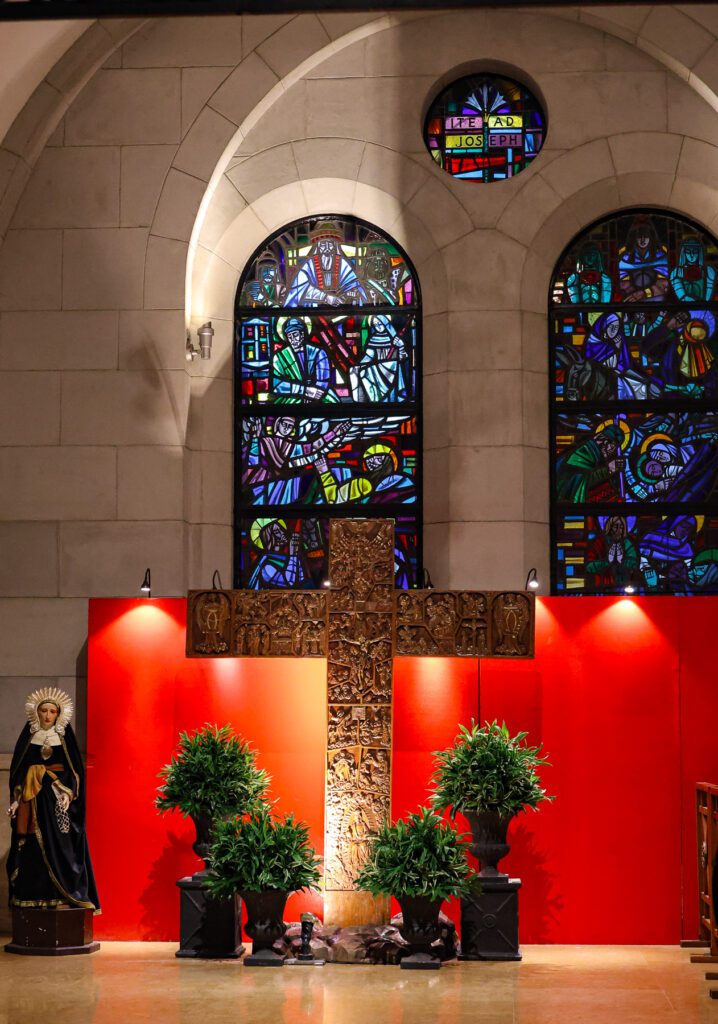
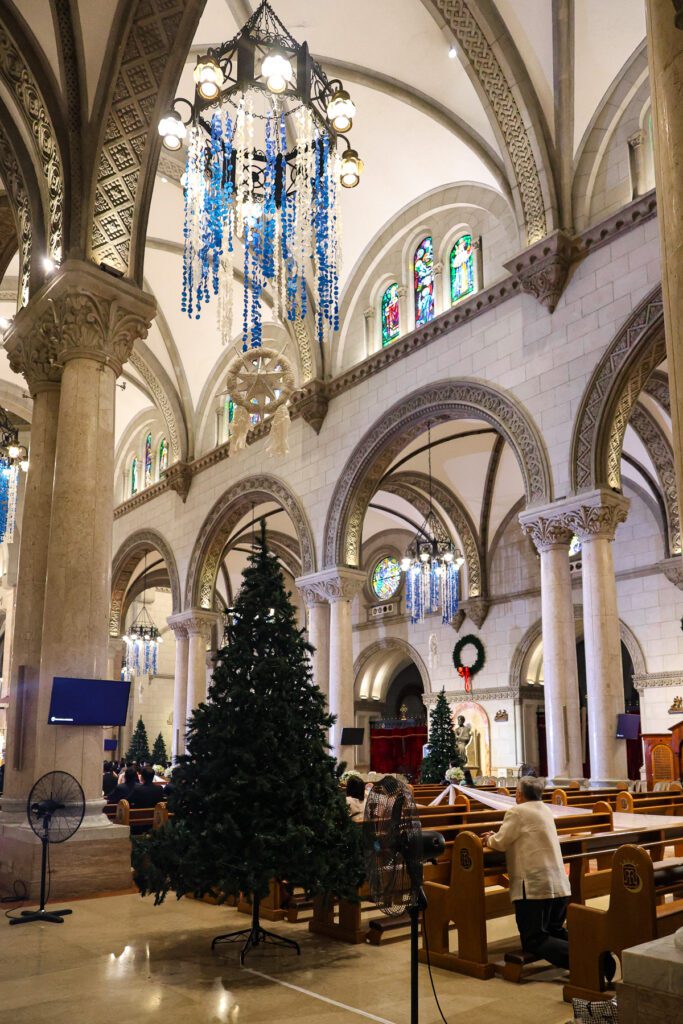
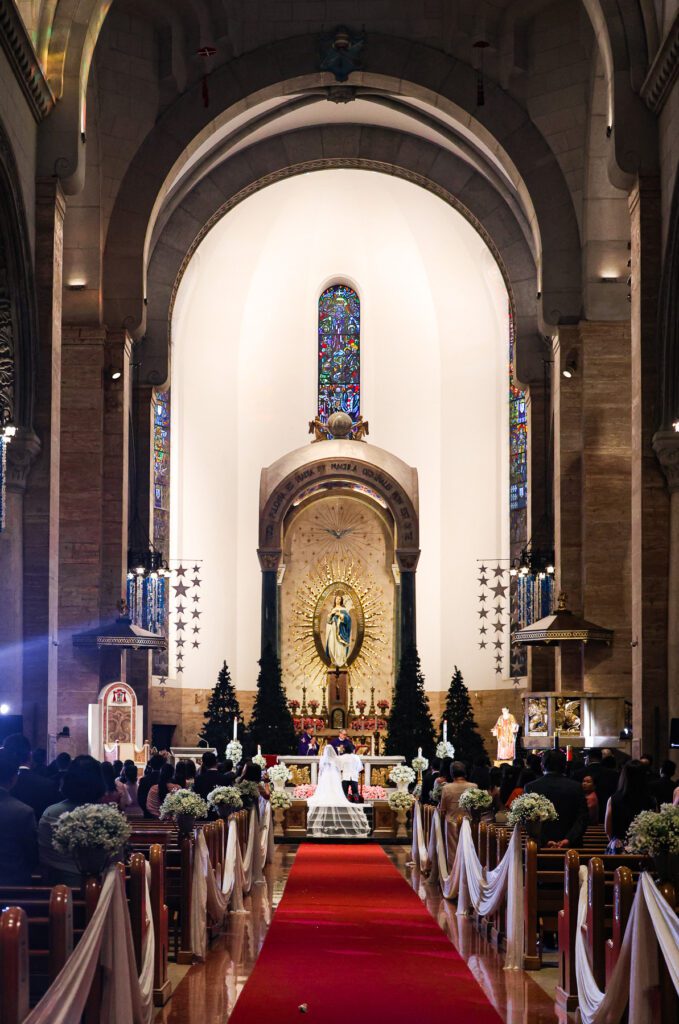

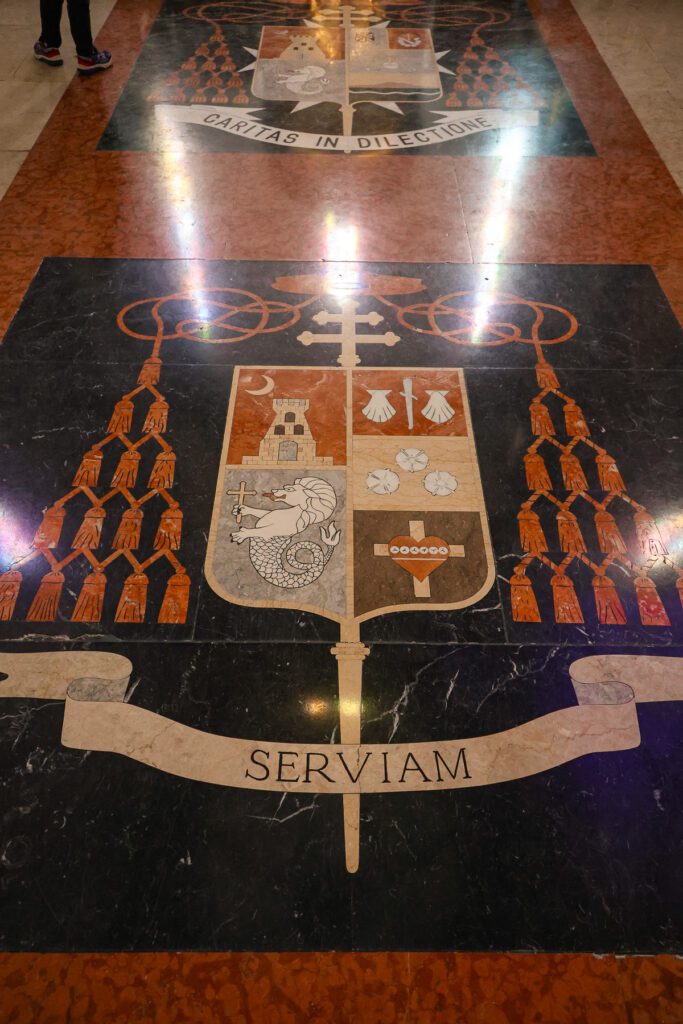

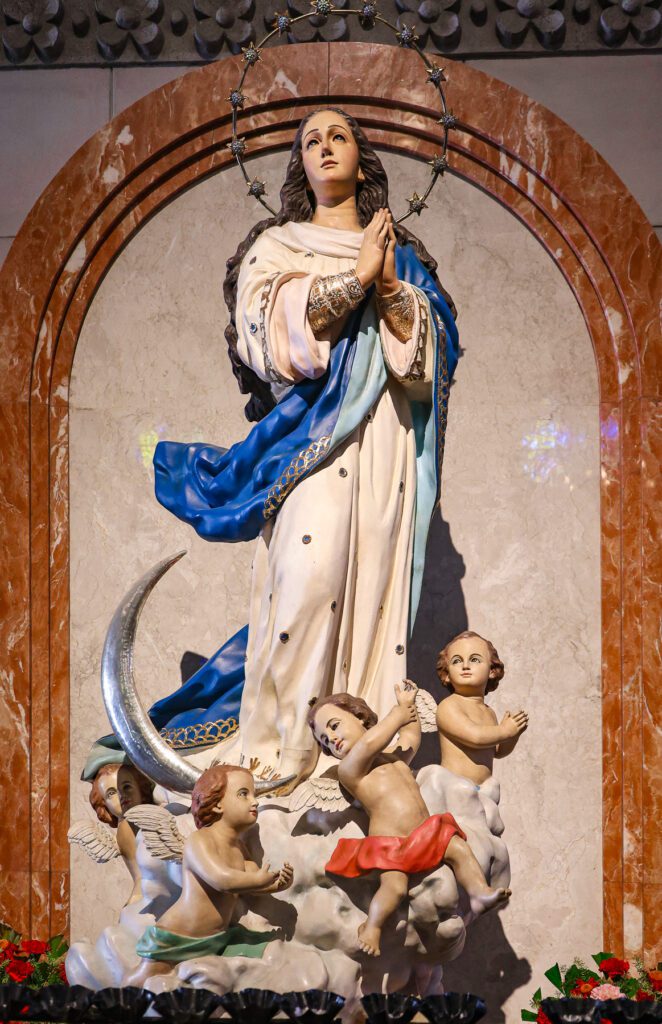
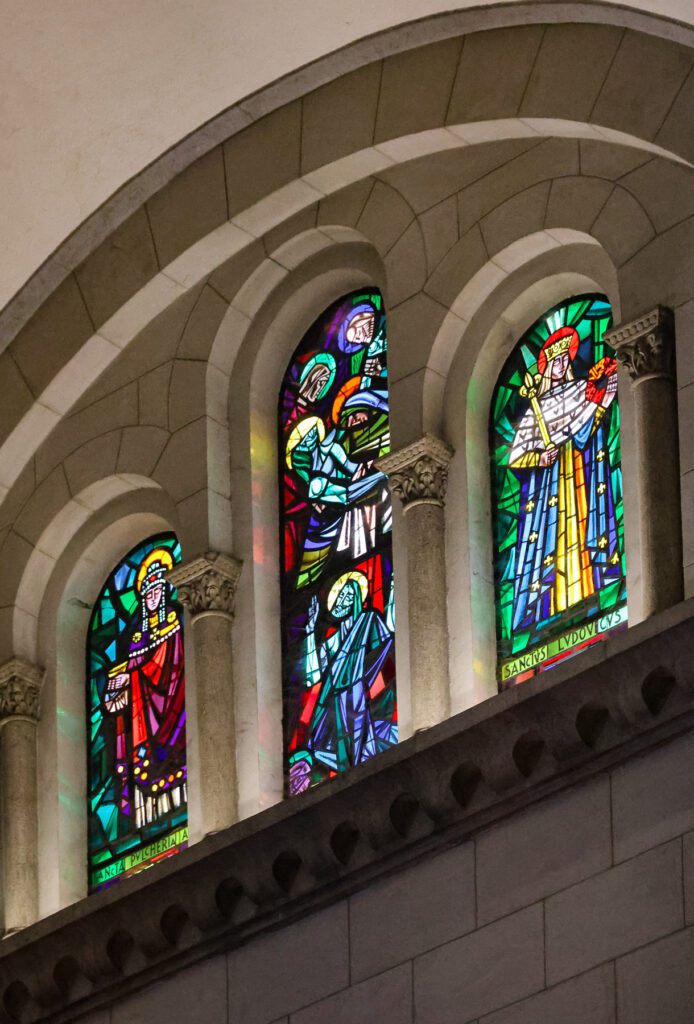
Make sure to visit its interior: the stained glass is amazing, and above the altar you’ll see a statue of the Virgin Mary, also called the Immaculate Conception, the main patroness saint of the Philippines.
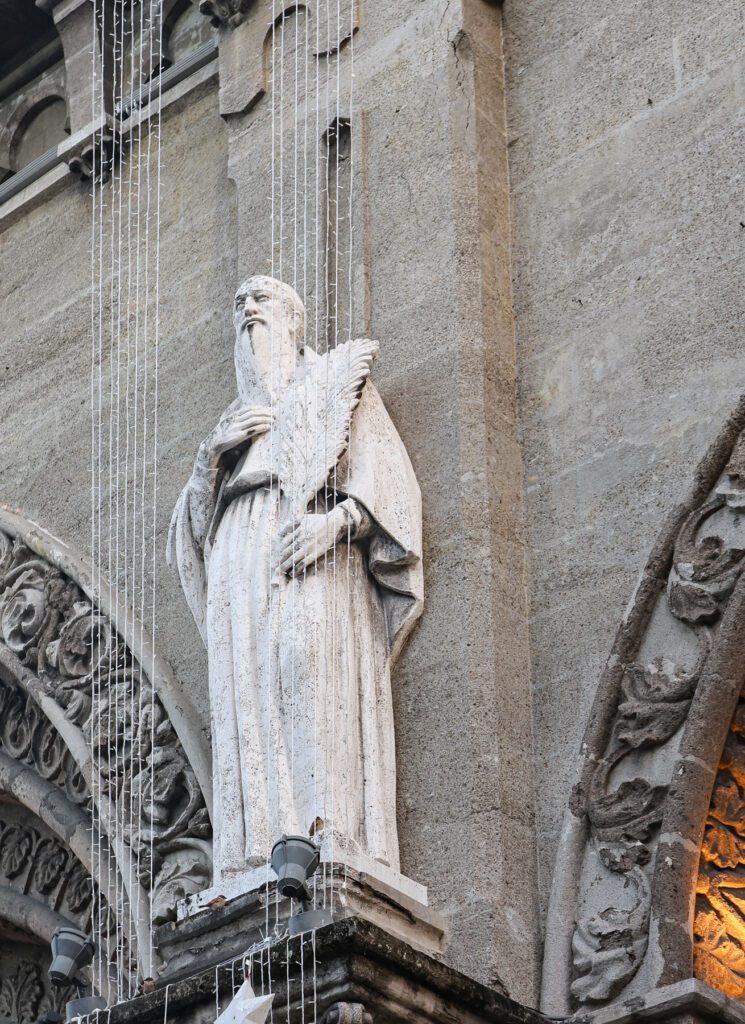
3. San Agustin Church and Museum
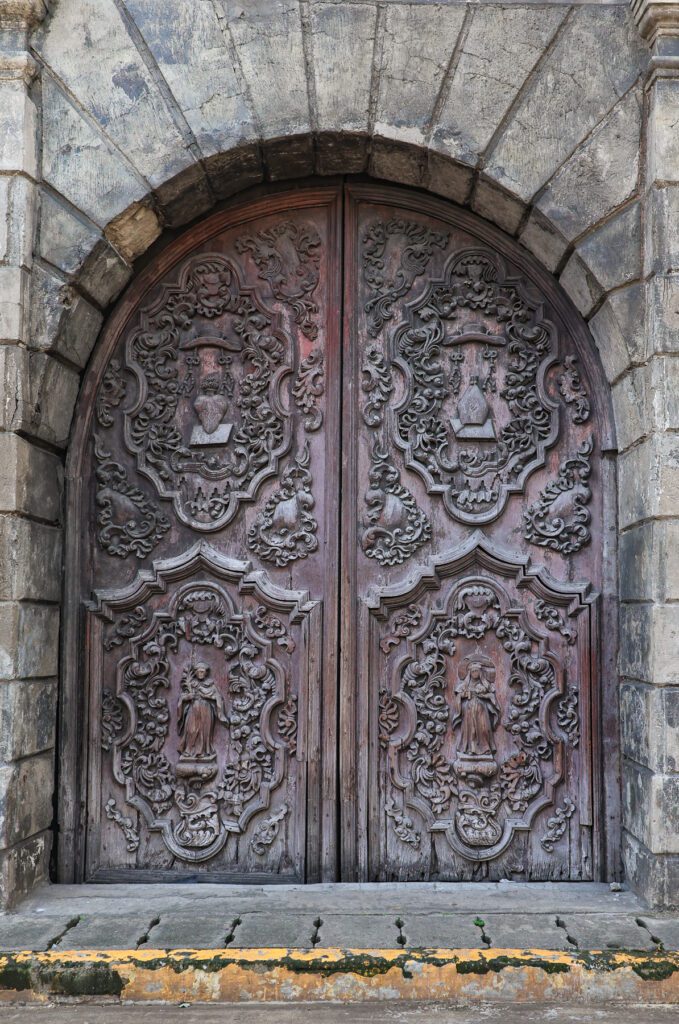
The San Agustin Church is a UNESCO heritage site, also originally dating to 1571, and again it was damaged by earthquakes, fires, and wars, but much less than the Cathedral; actually, it’s only the third church on this site, and the current building dates to 1607.
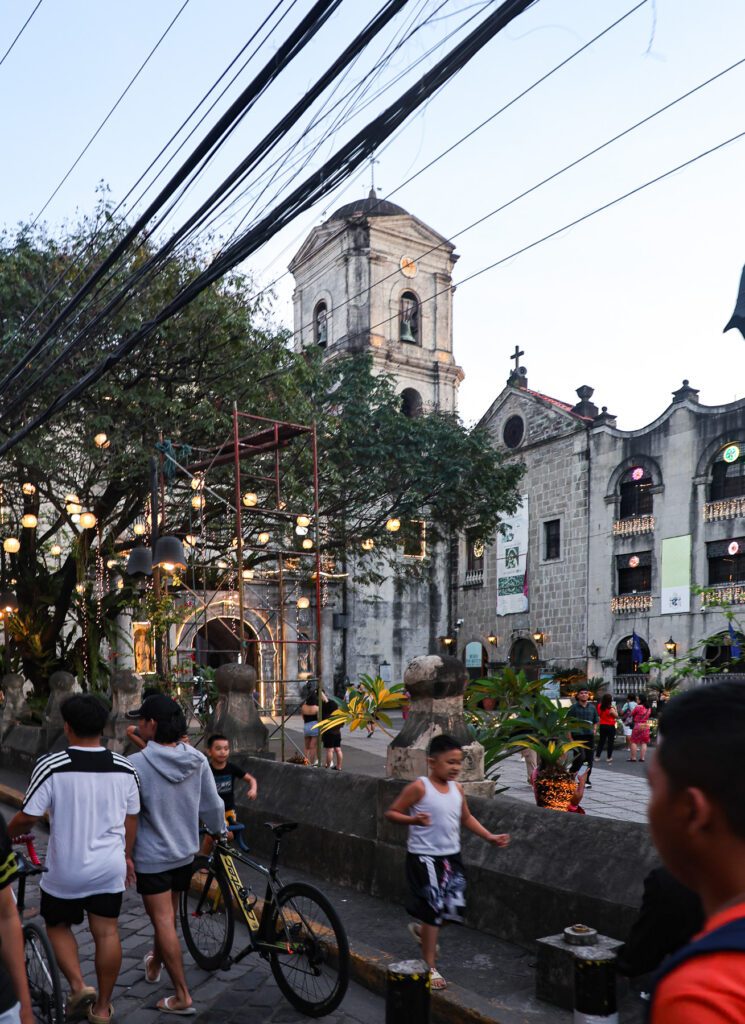
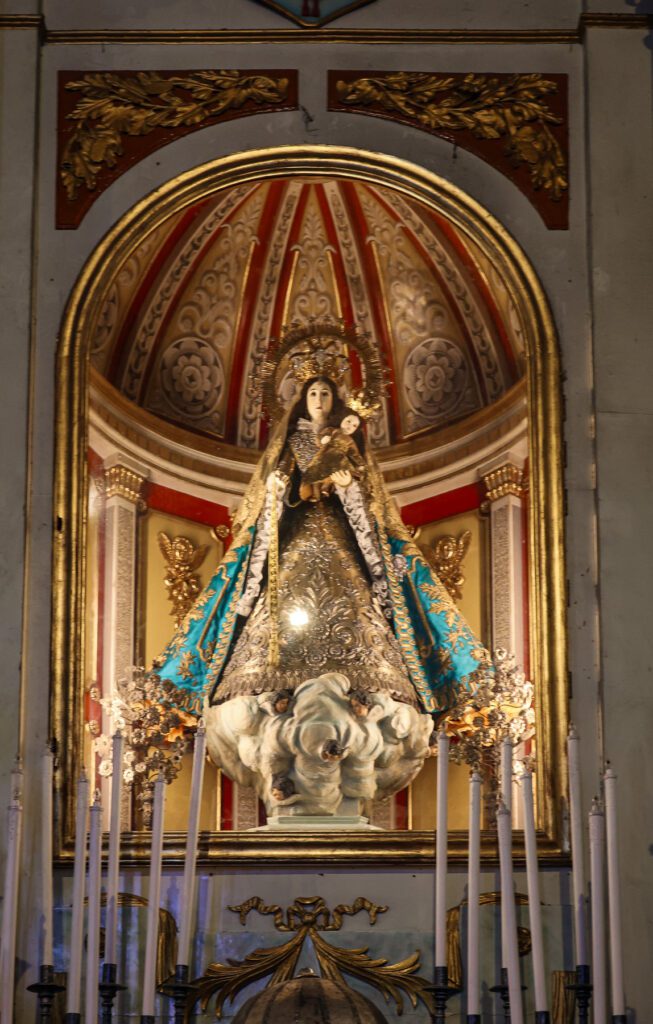
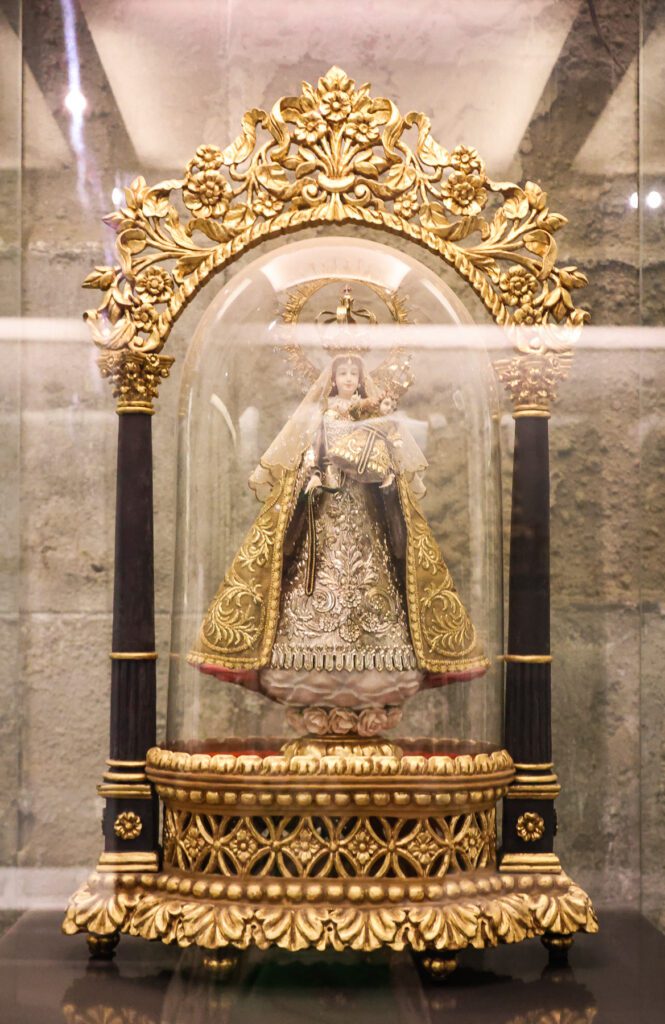
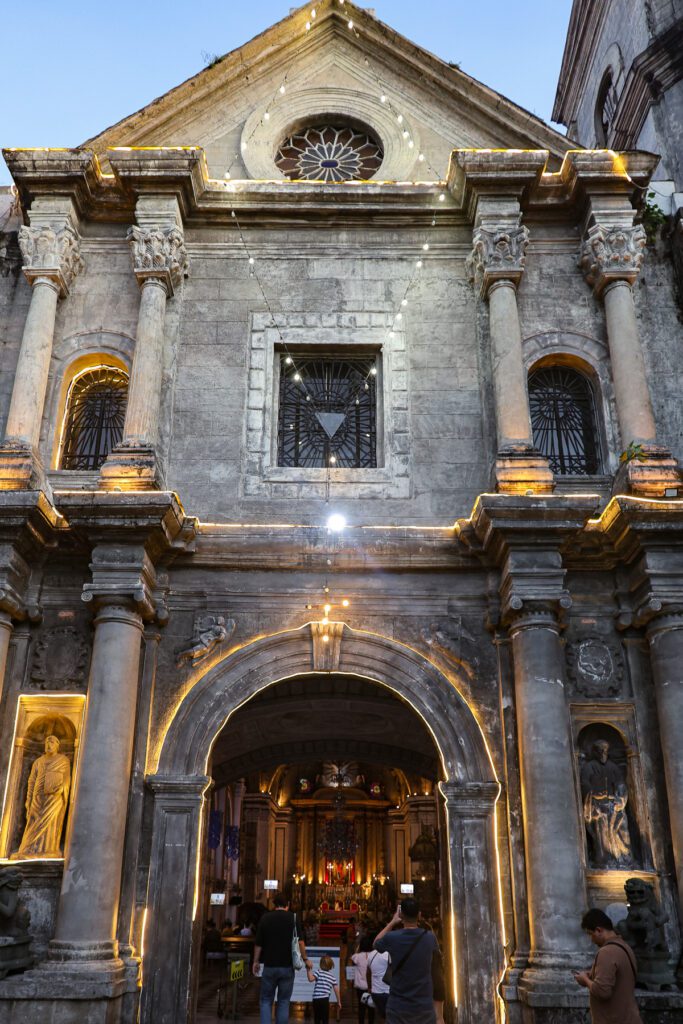
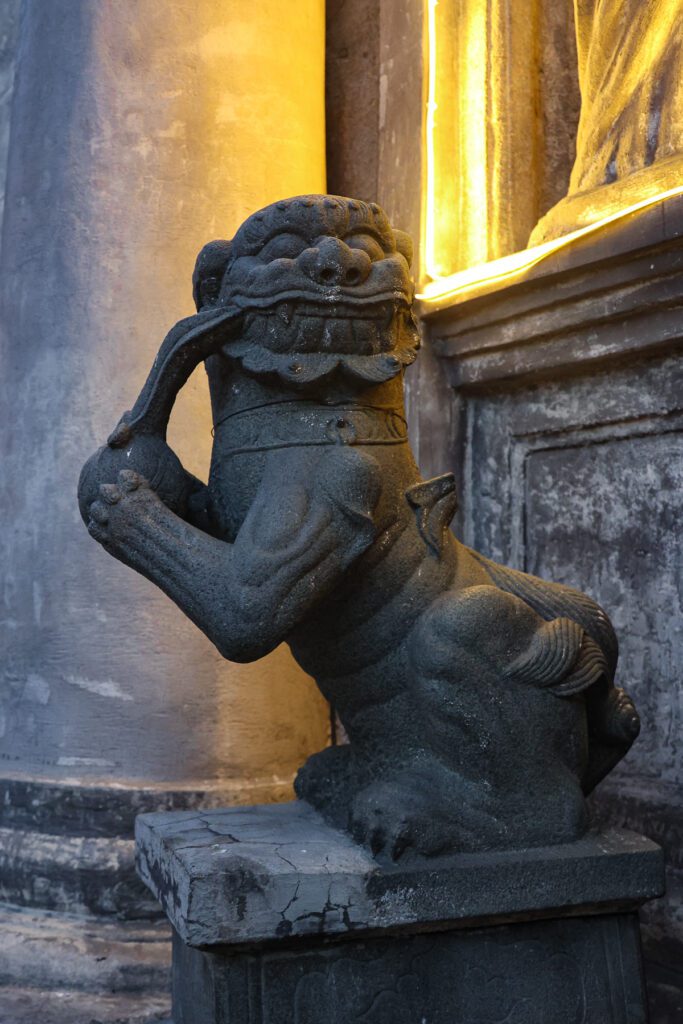
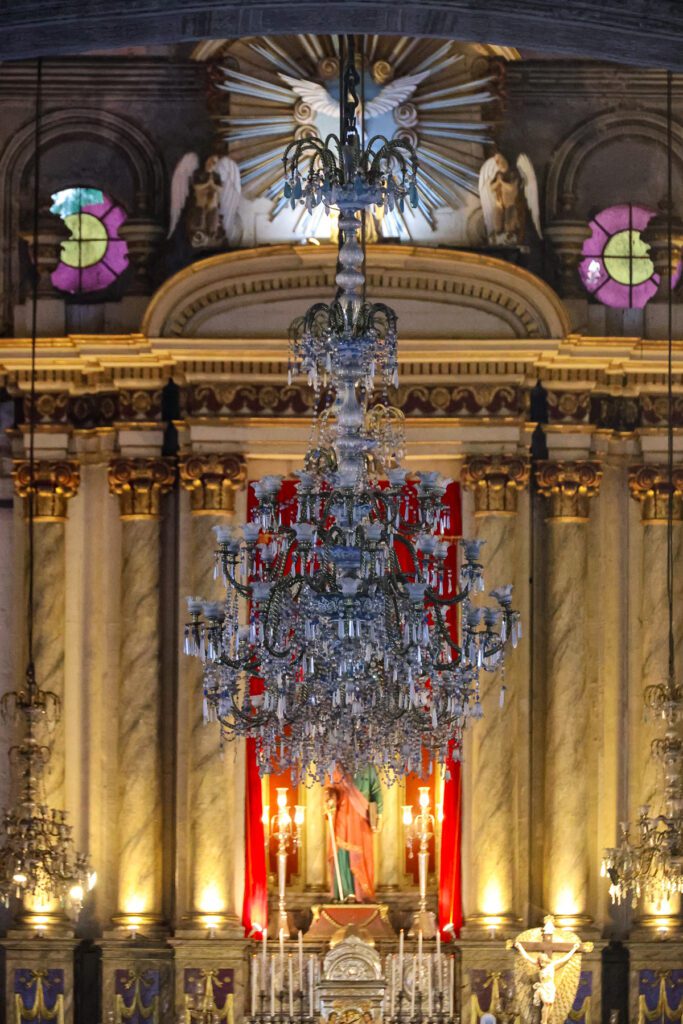
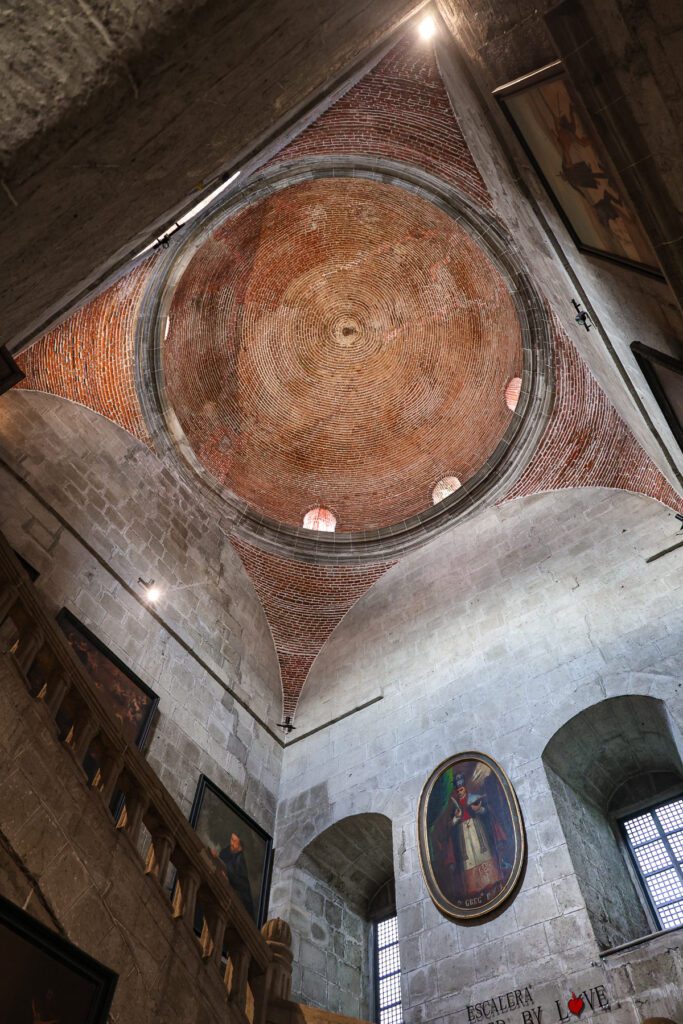
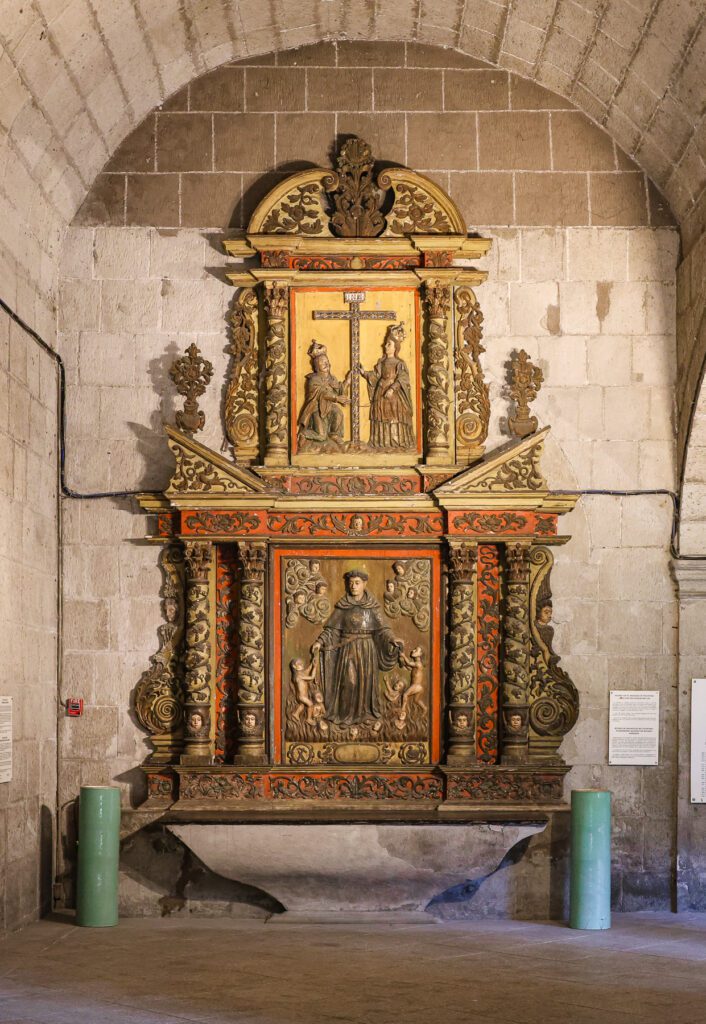
The photography inside is limited, but it has a gorgeous interior with a beautiful ceiling creating a 3D illusion of decorations, the colorful chapels, and important burials.
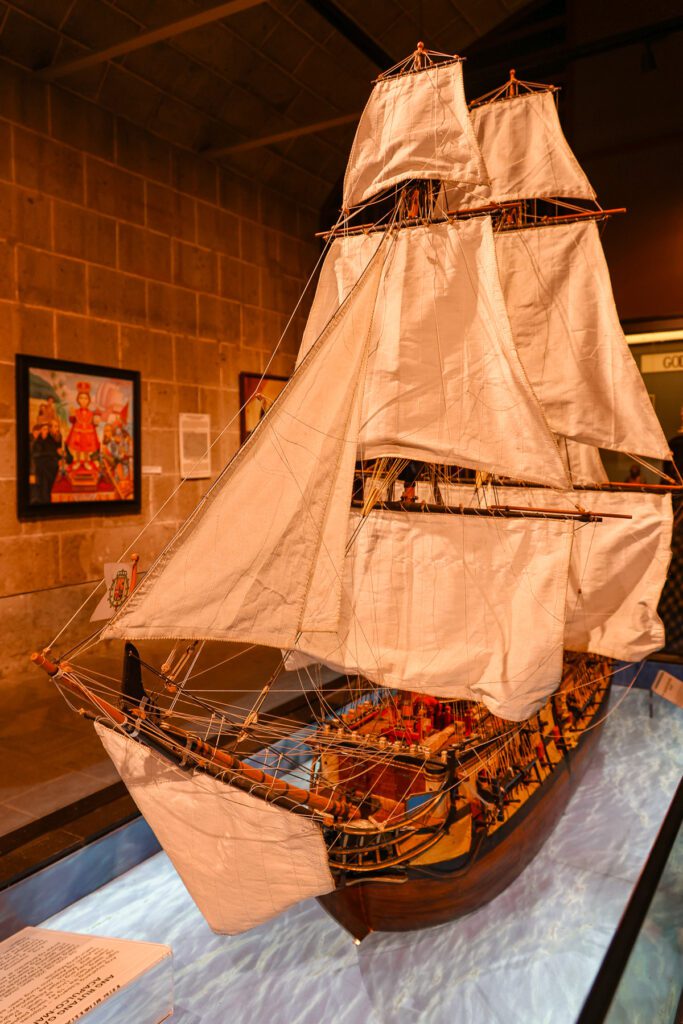
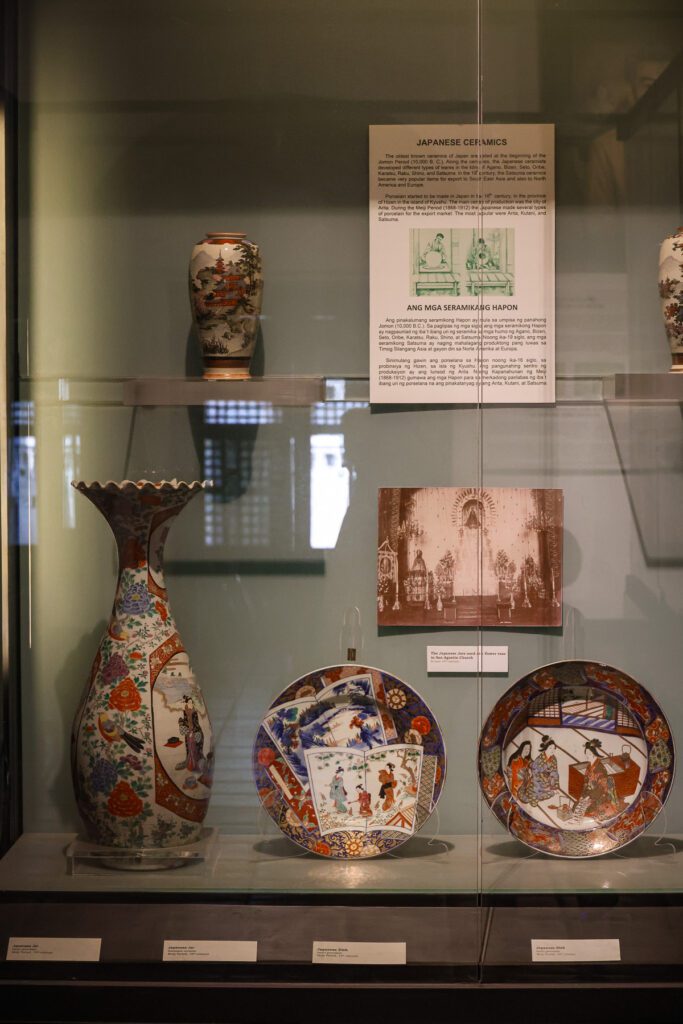
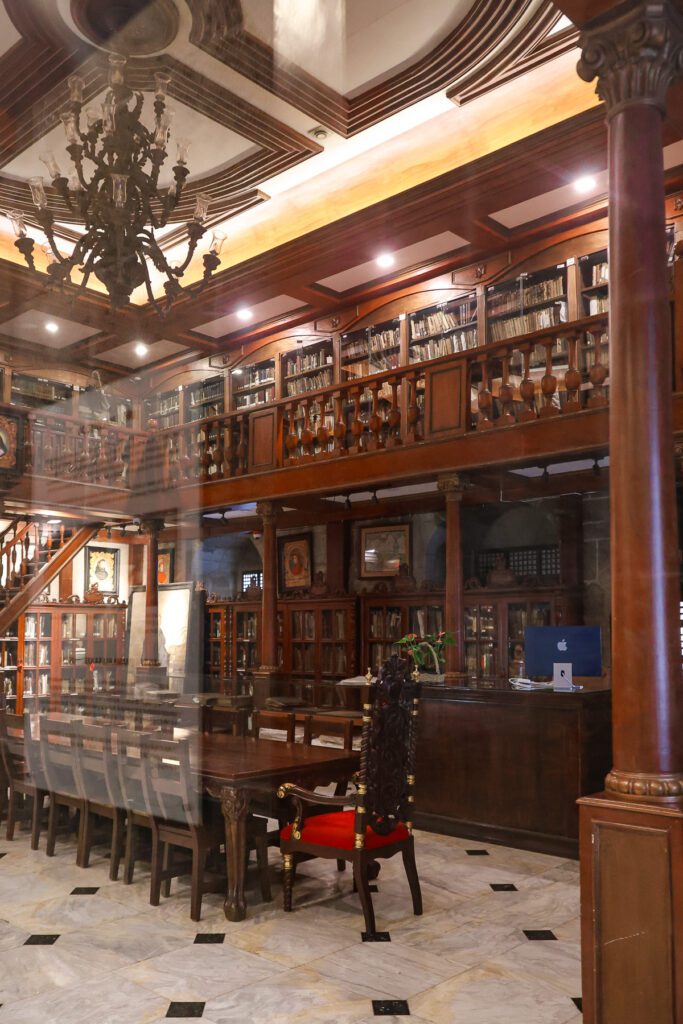
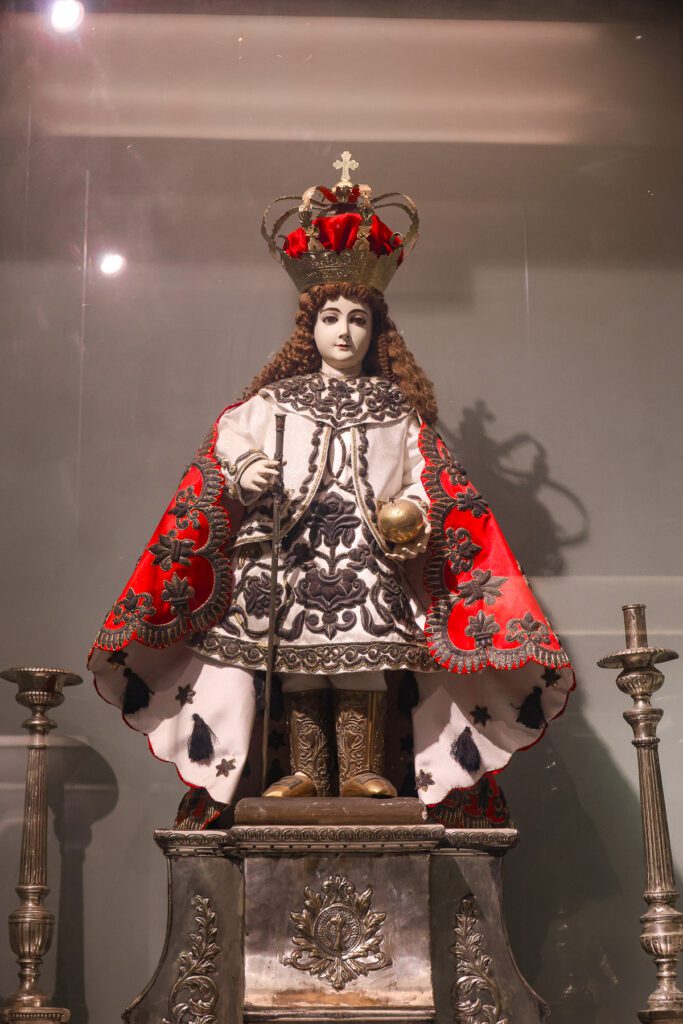
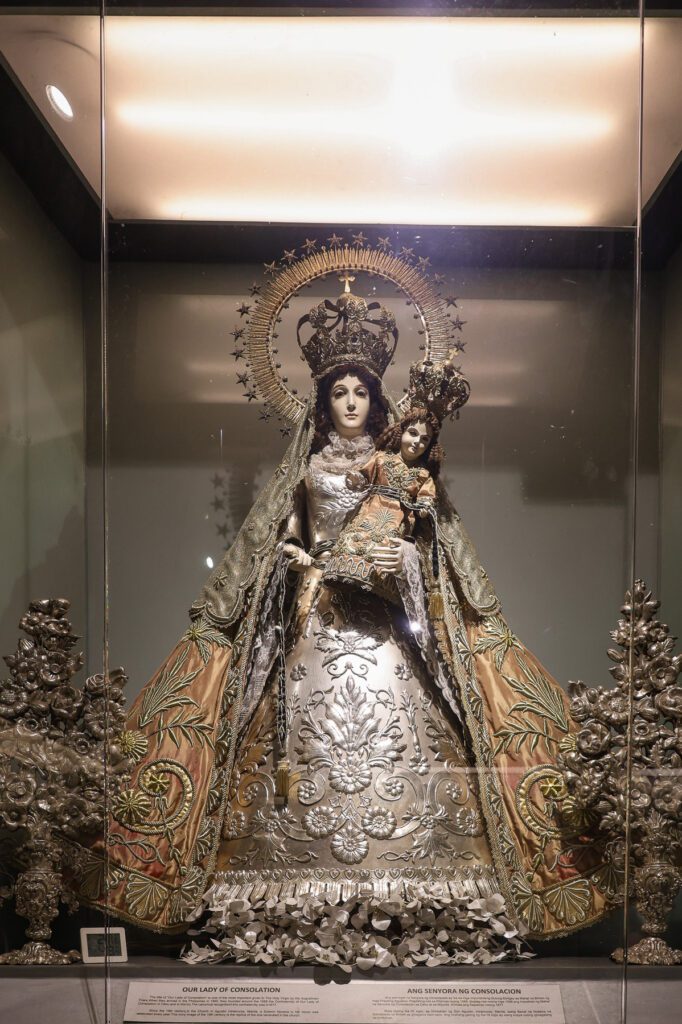

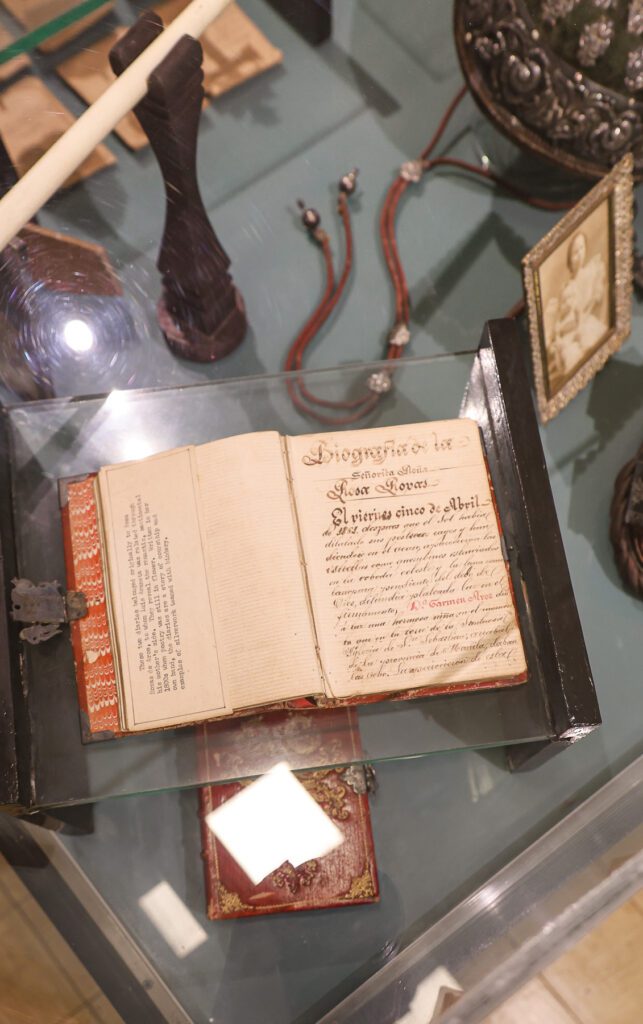
Besides that, you can visit a gorgeous museum to the side of the San Agustin Church – and don’t be shy to take photos here!
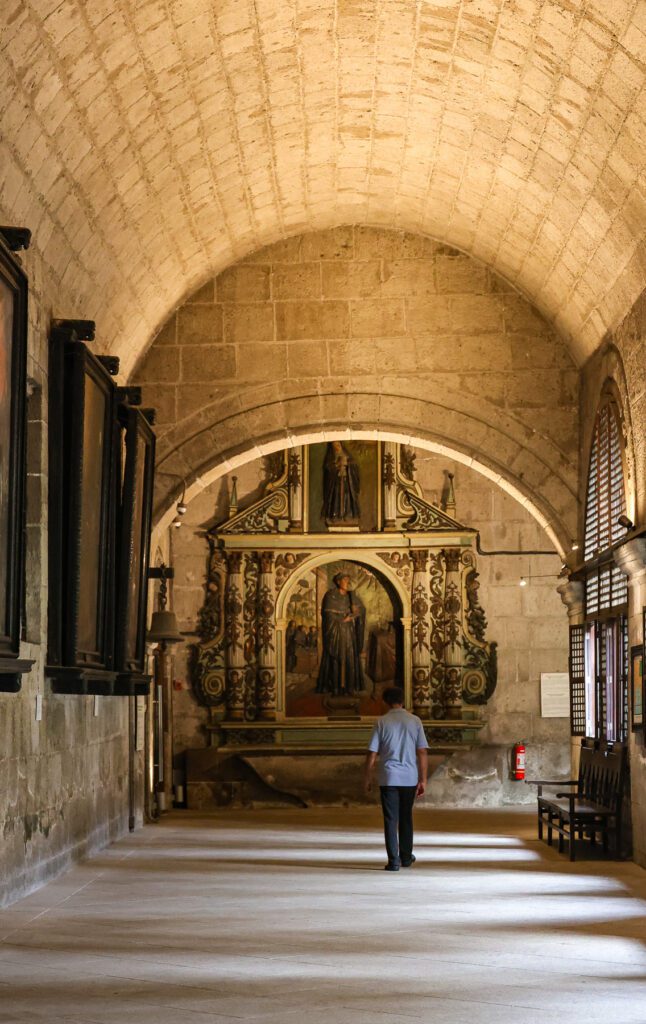
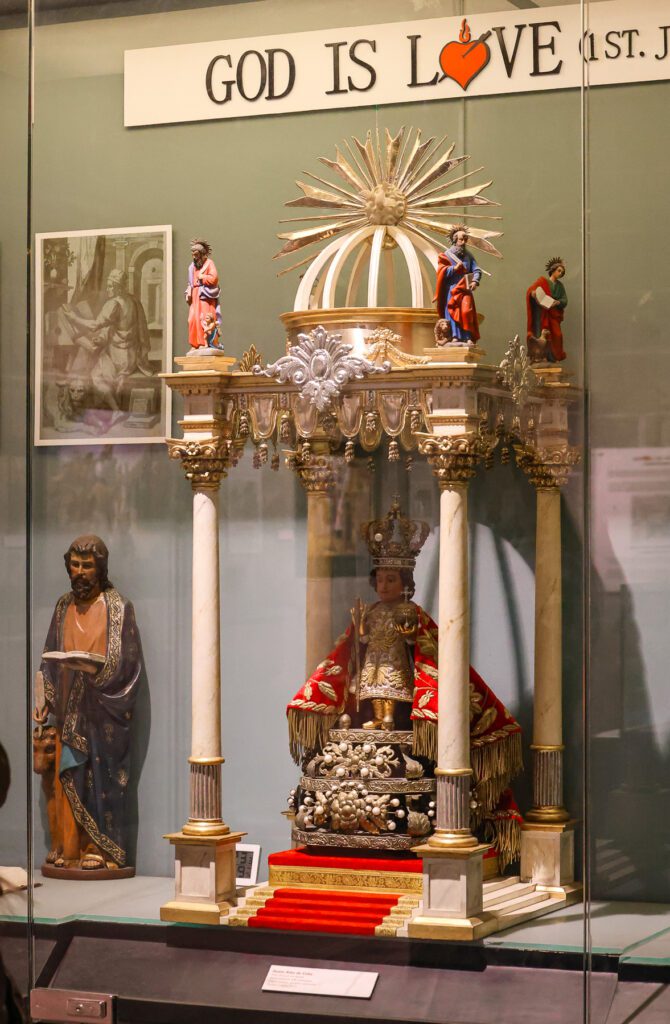
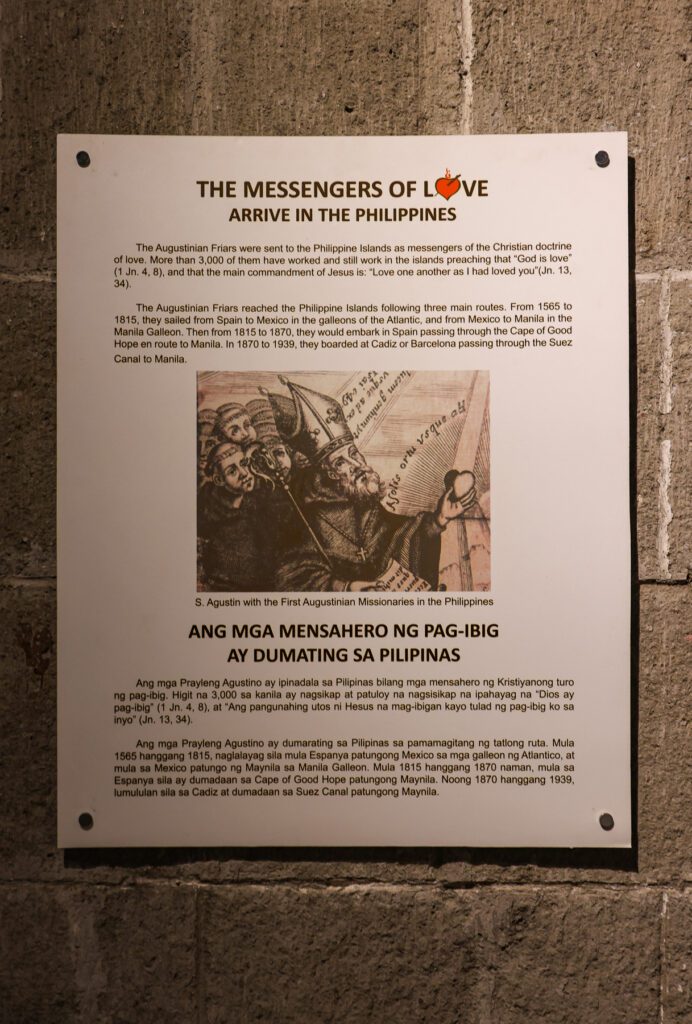
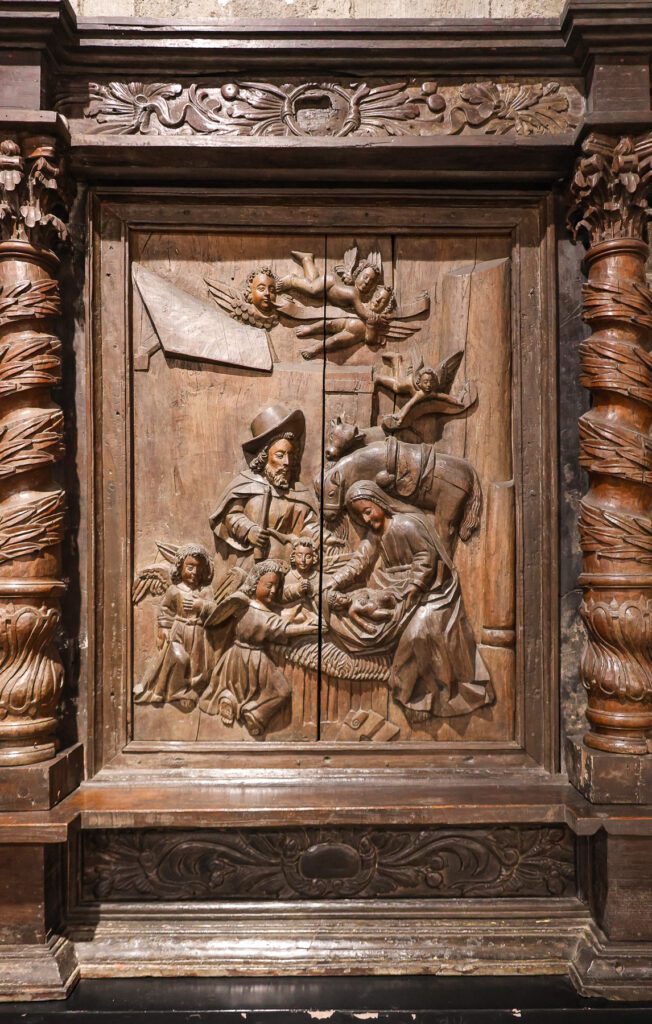
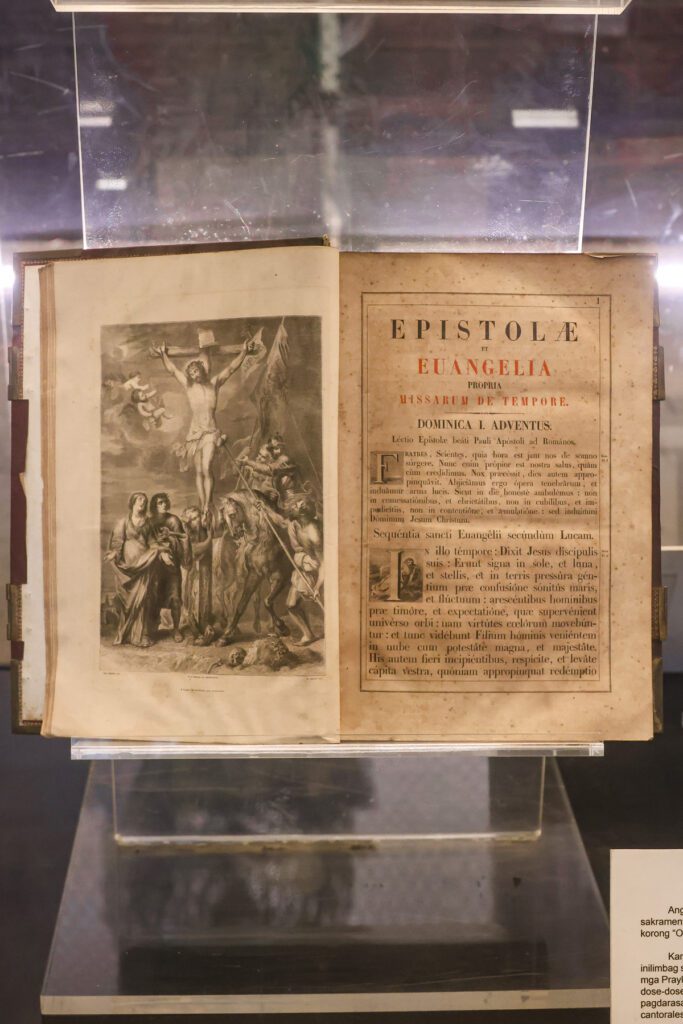

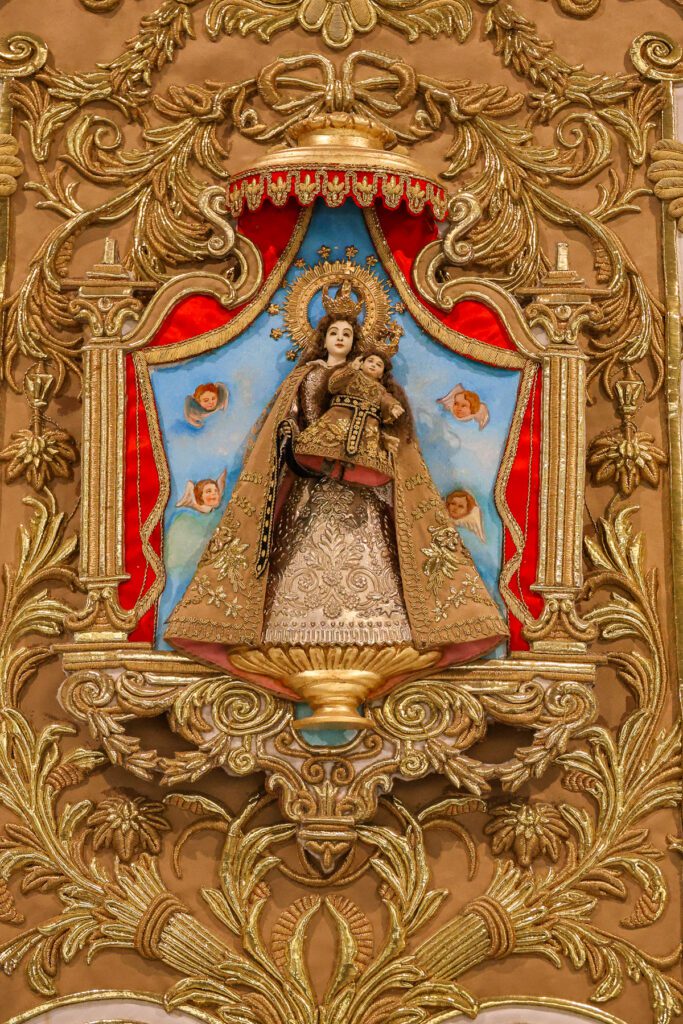
The religious treasures, paintings, carvings, and clothes are kept there. Besides that, there’s also an Augustinian library and a monument to 140 priests killed here at the end of the Japanese occupation in 1945.
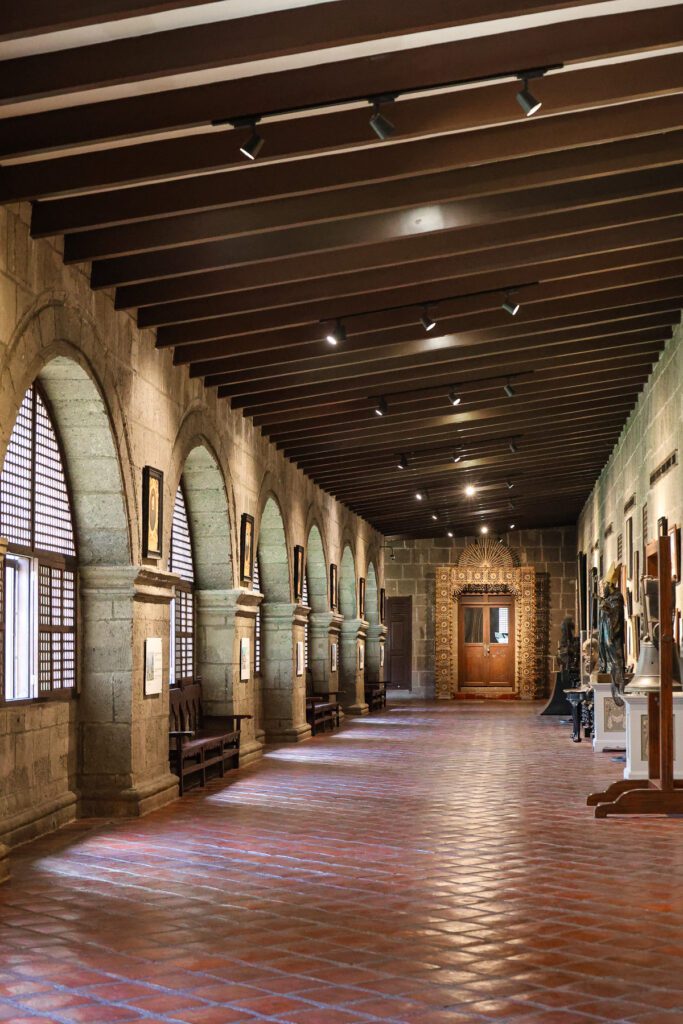
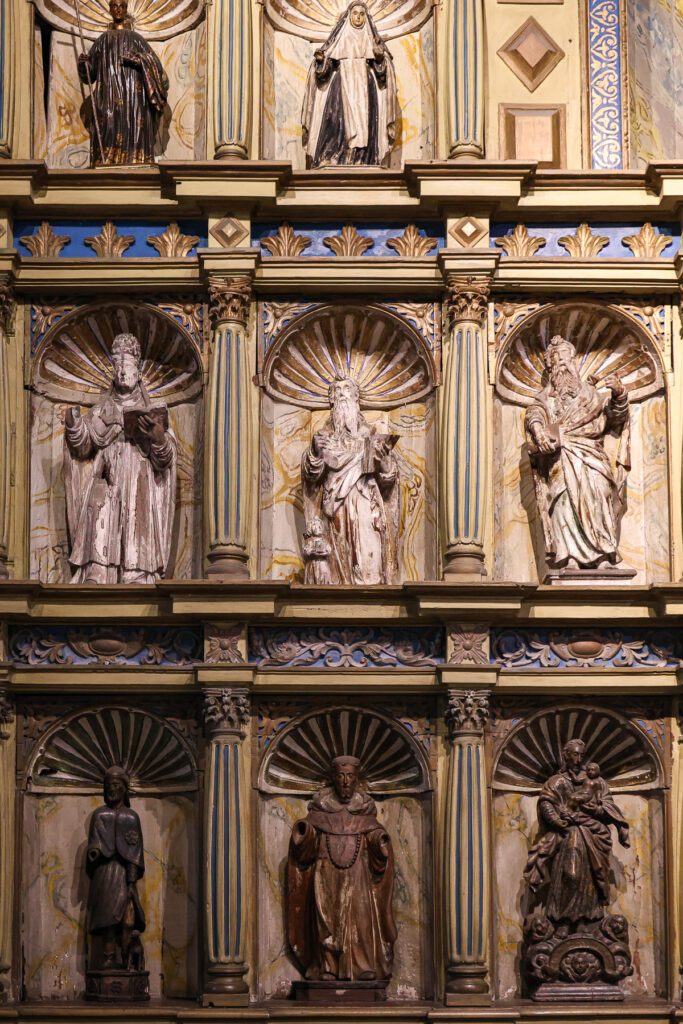
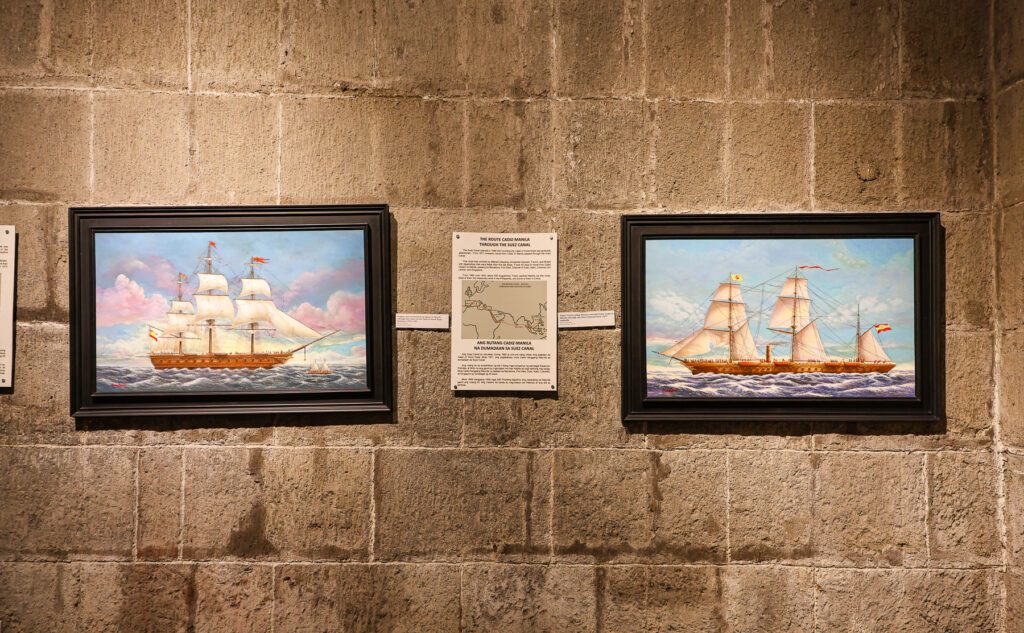
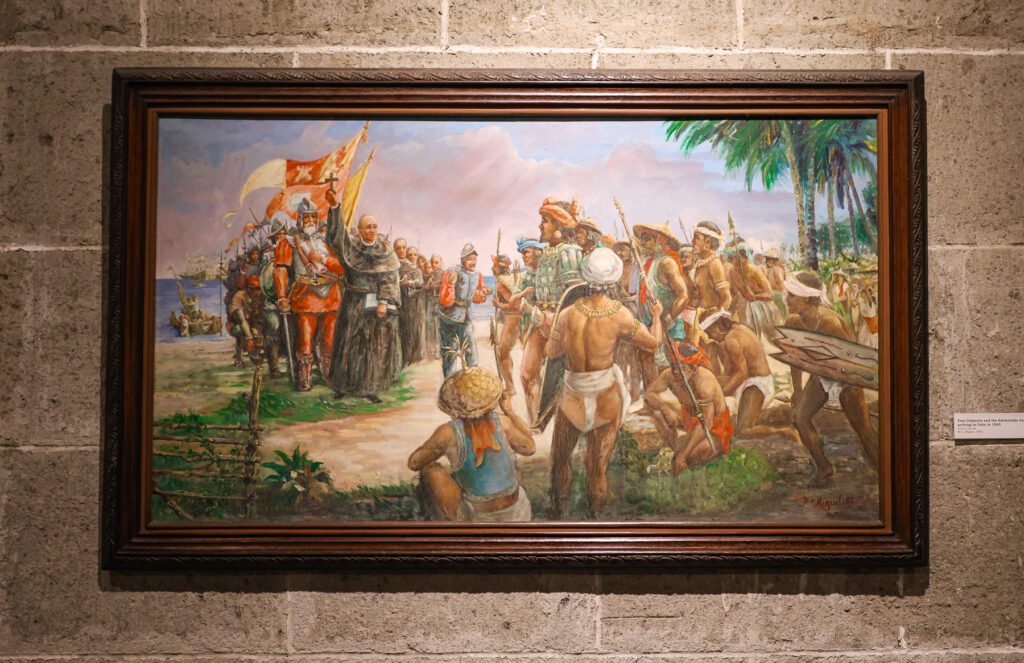
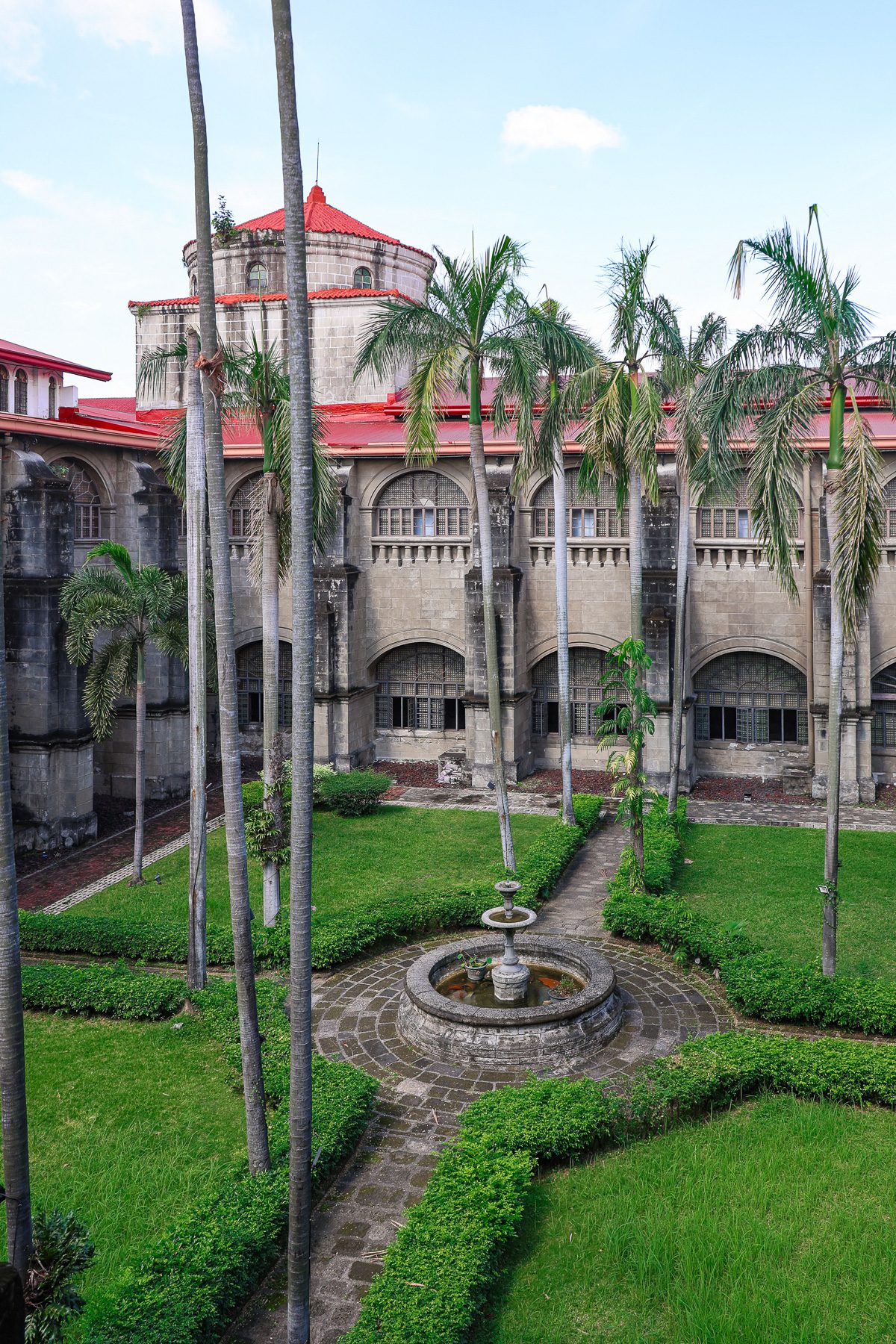
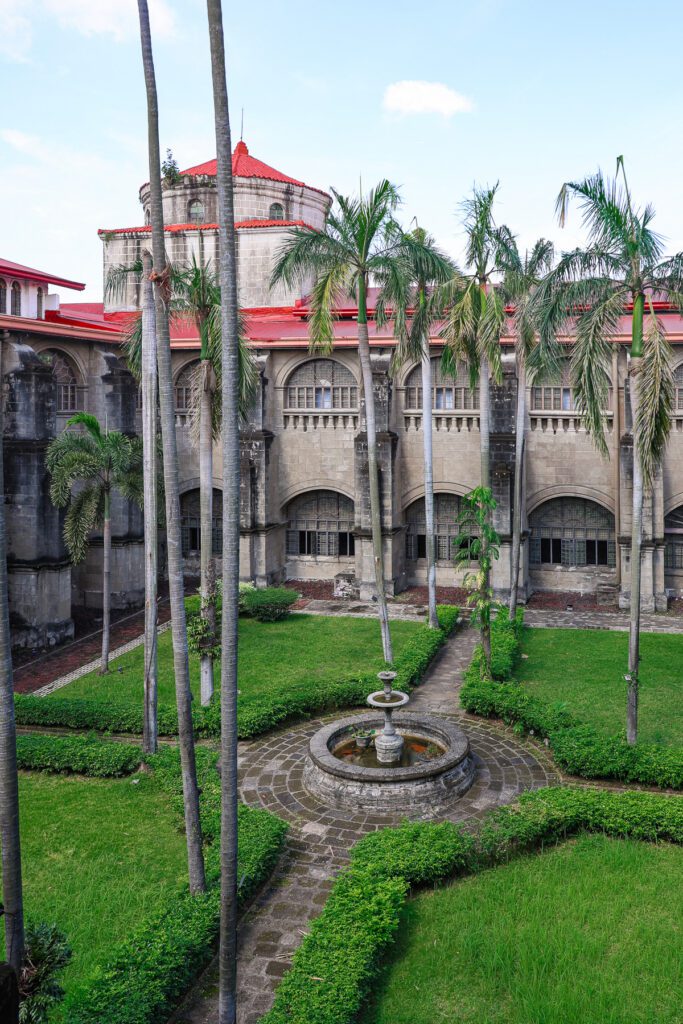
The views of the cloister with a fountain in the middle would make a perfect postcard shot!

4. Fort Santiago
Fort Santiago is a citadel inside the walled city of Intramuros; the origins of it can be traced back to 1571, but the original structure was destroyed shortly after that.
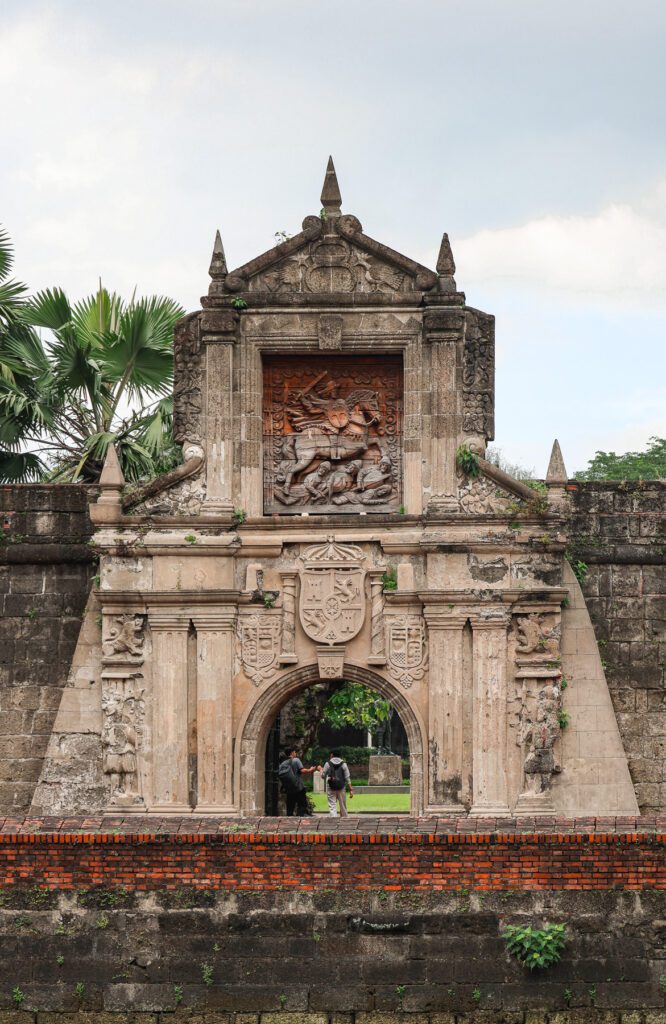
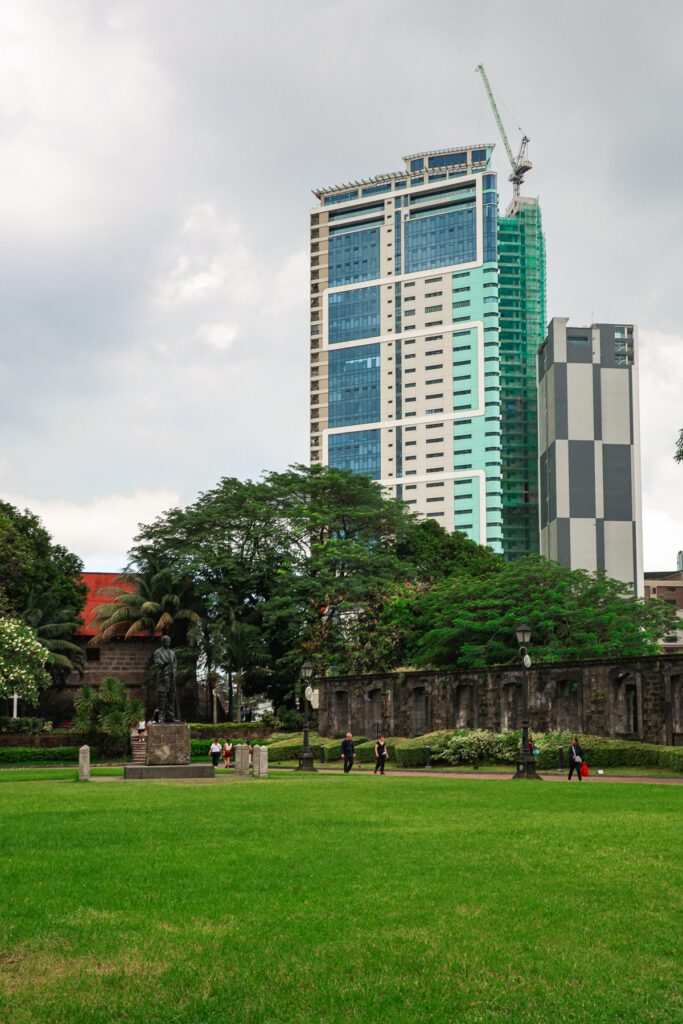
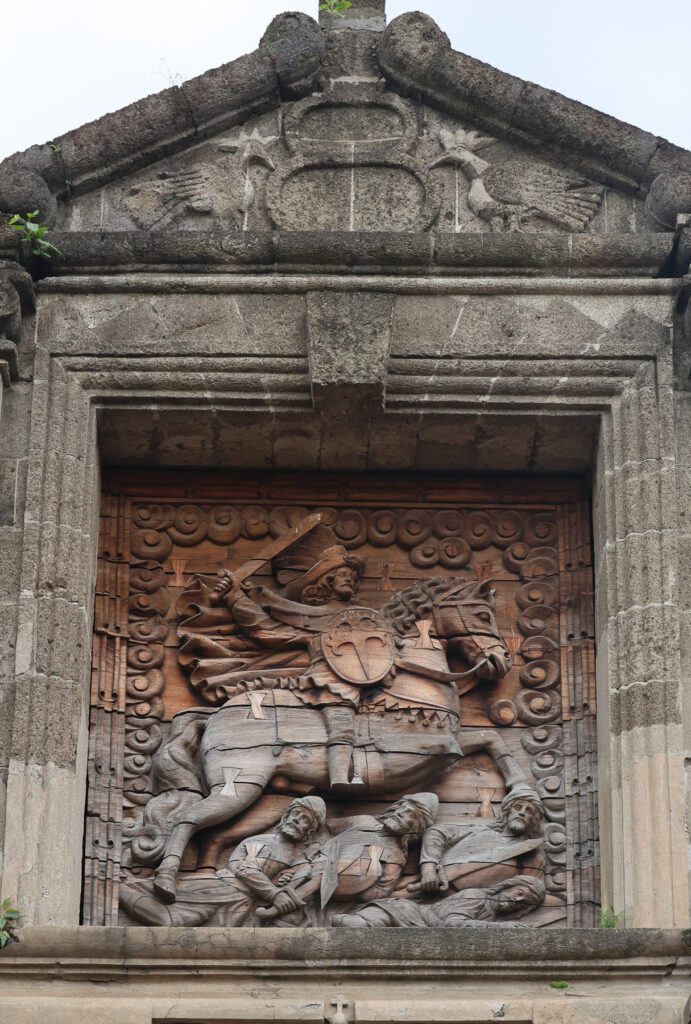
The fort was fortified and enlarged during its history while suffering from natural disasters and wars.
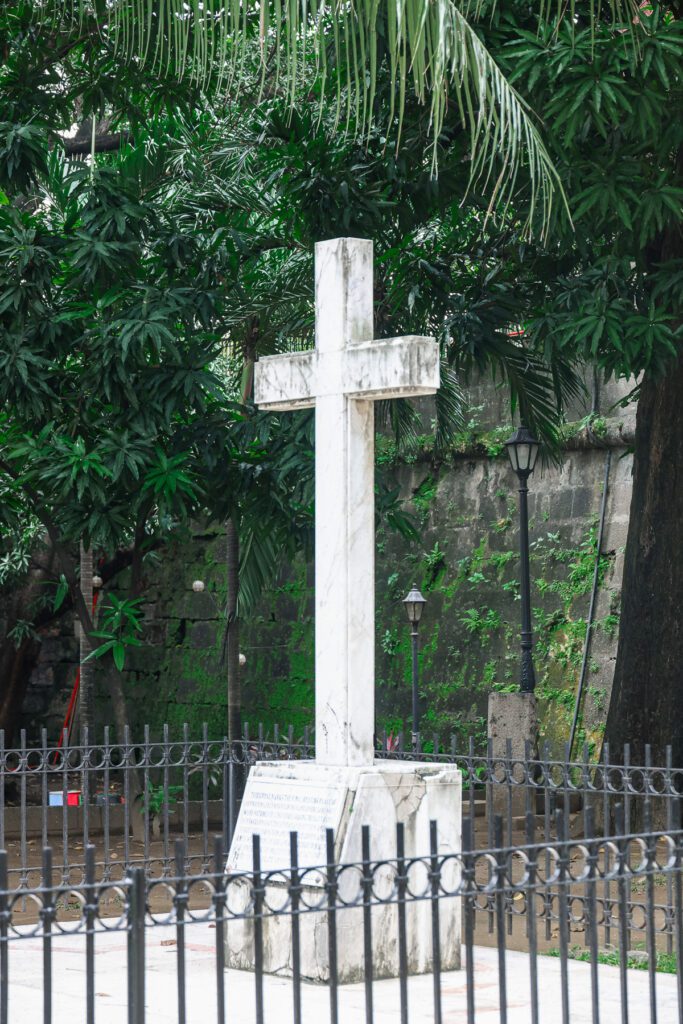
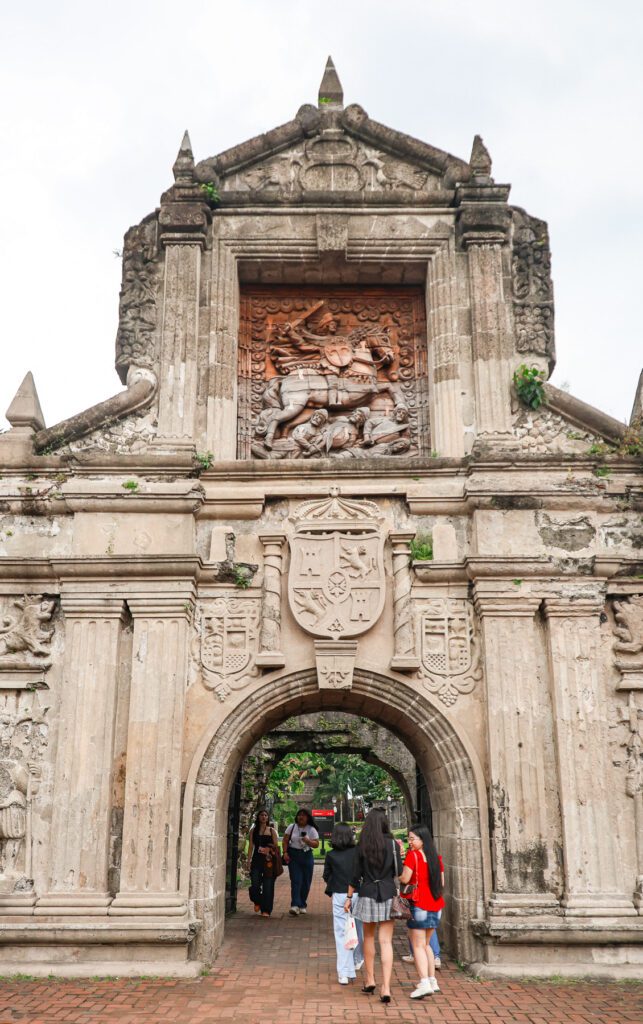
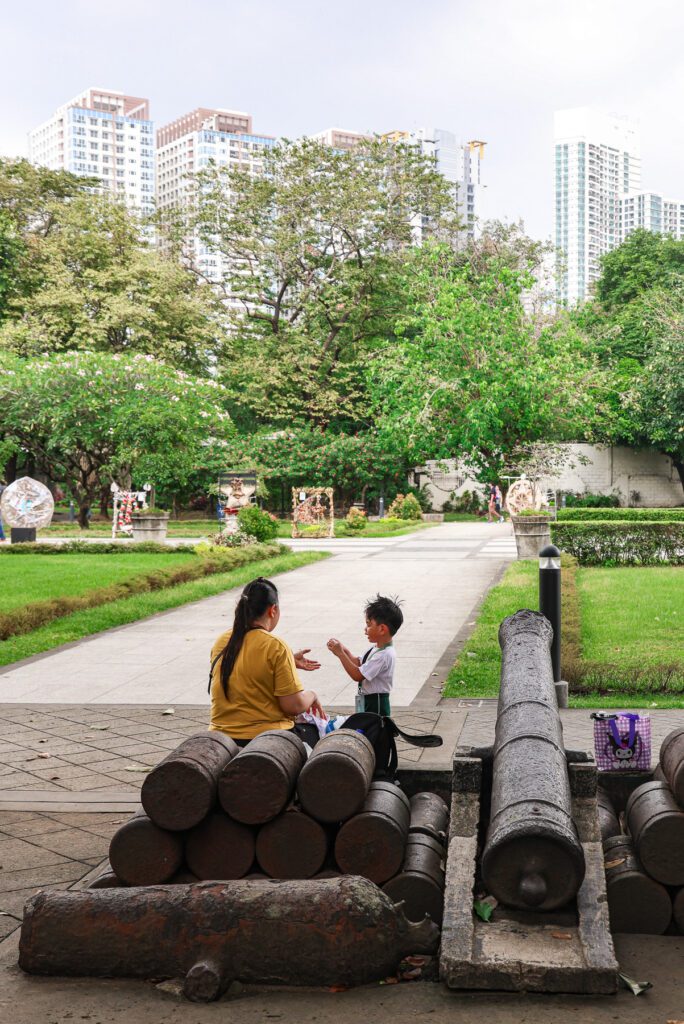
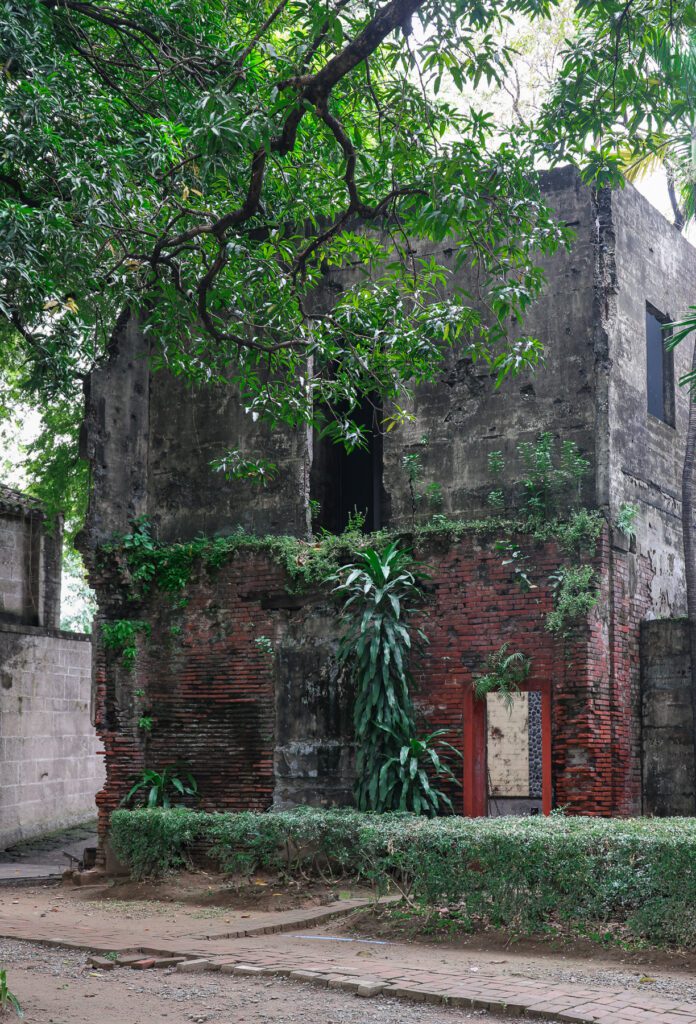
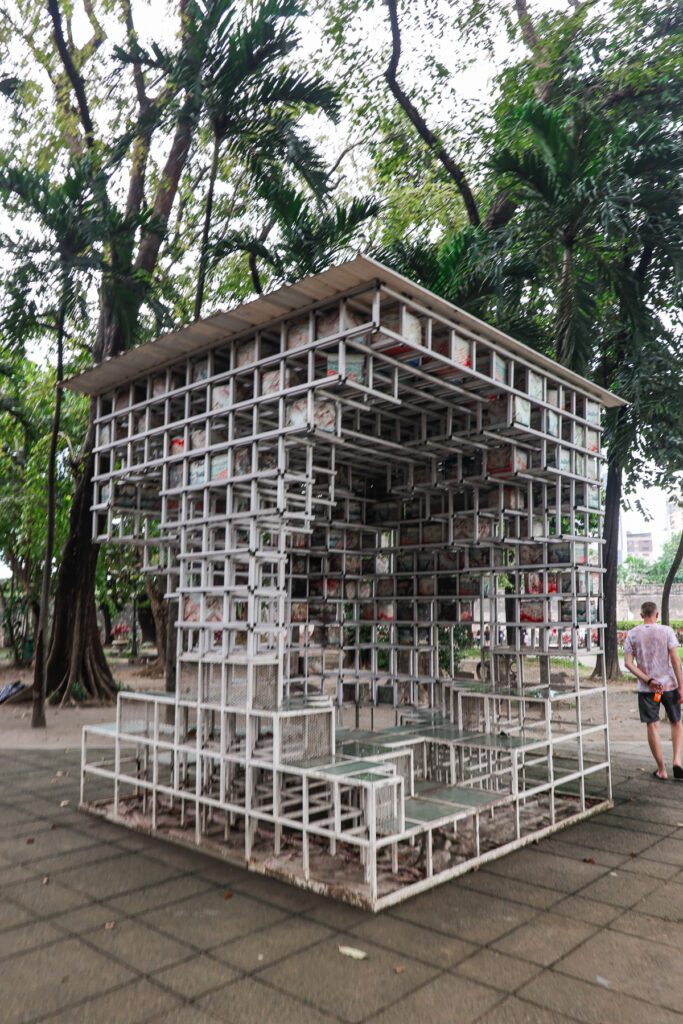
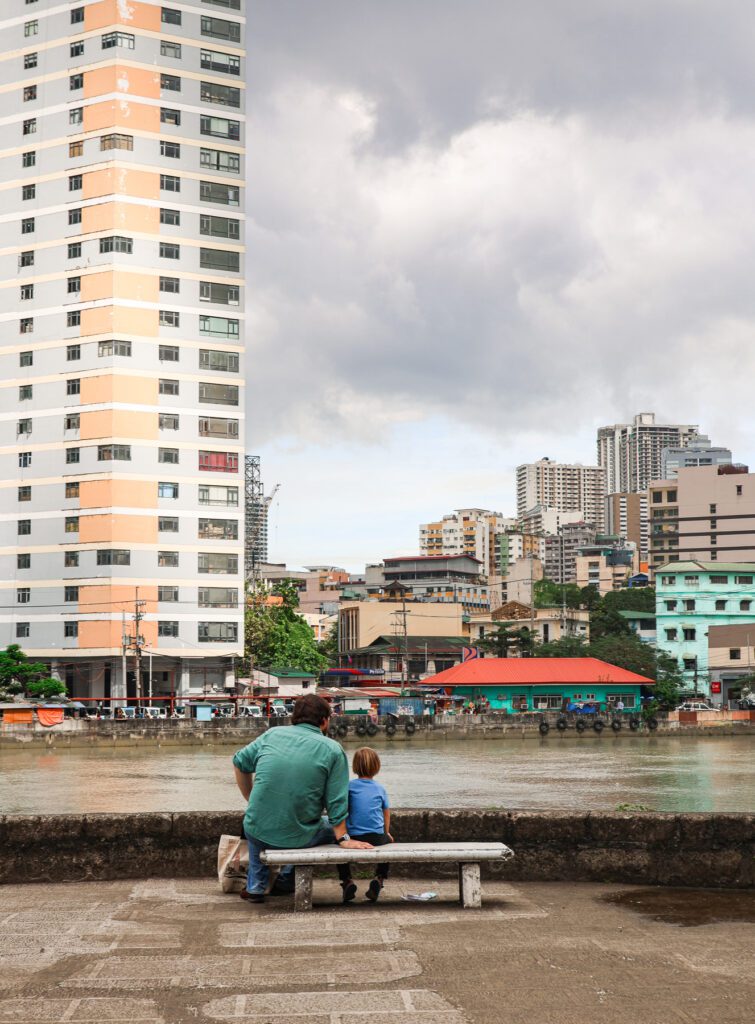
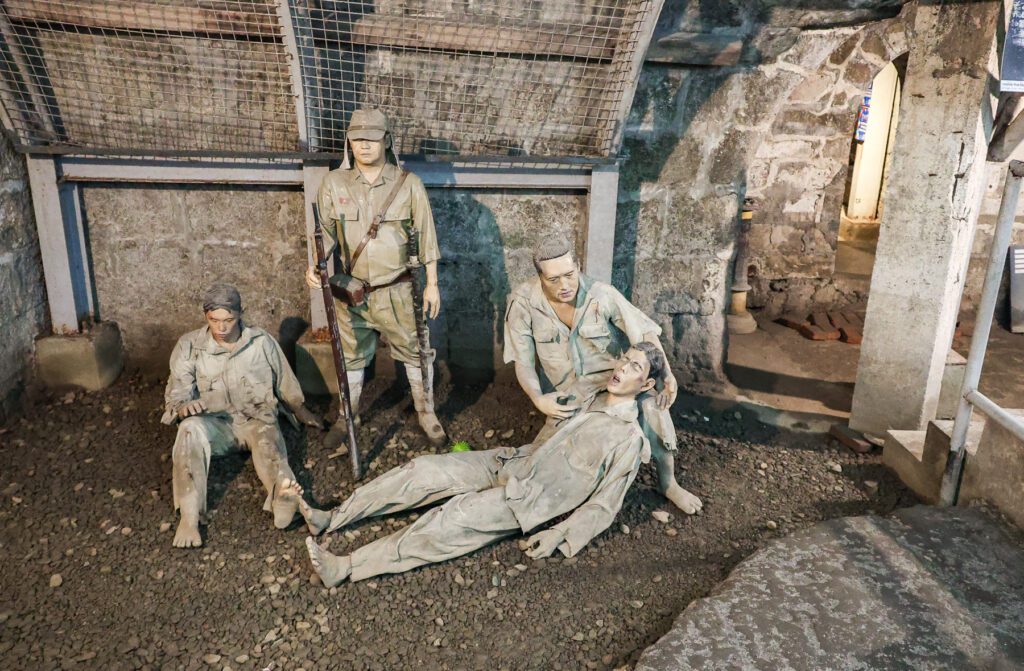
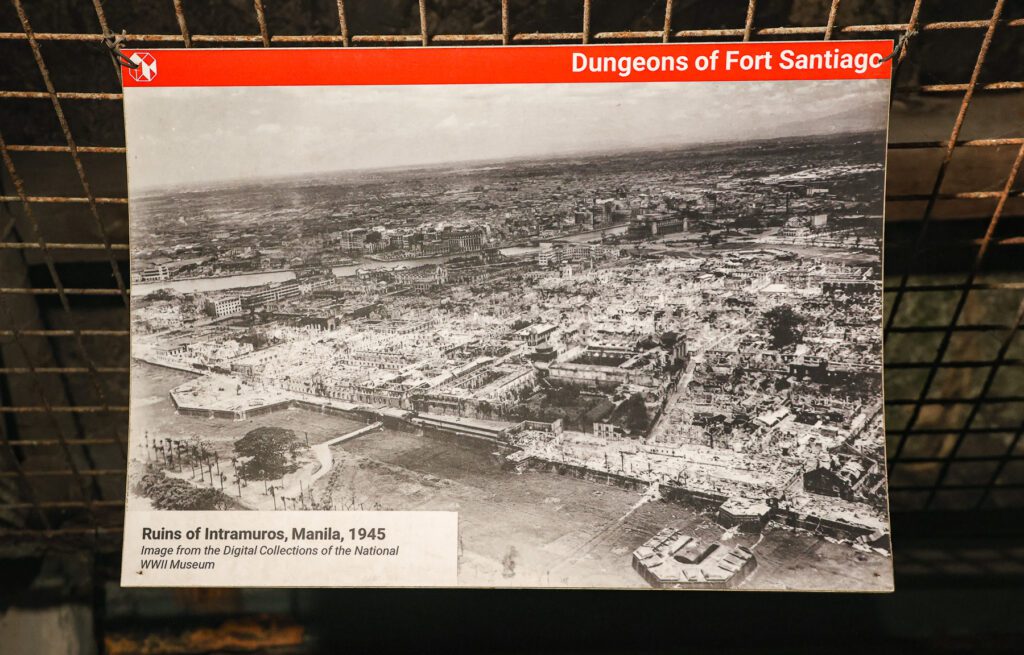
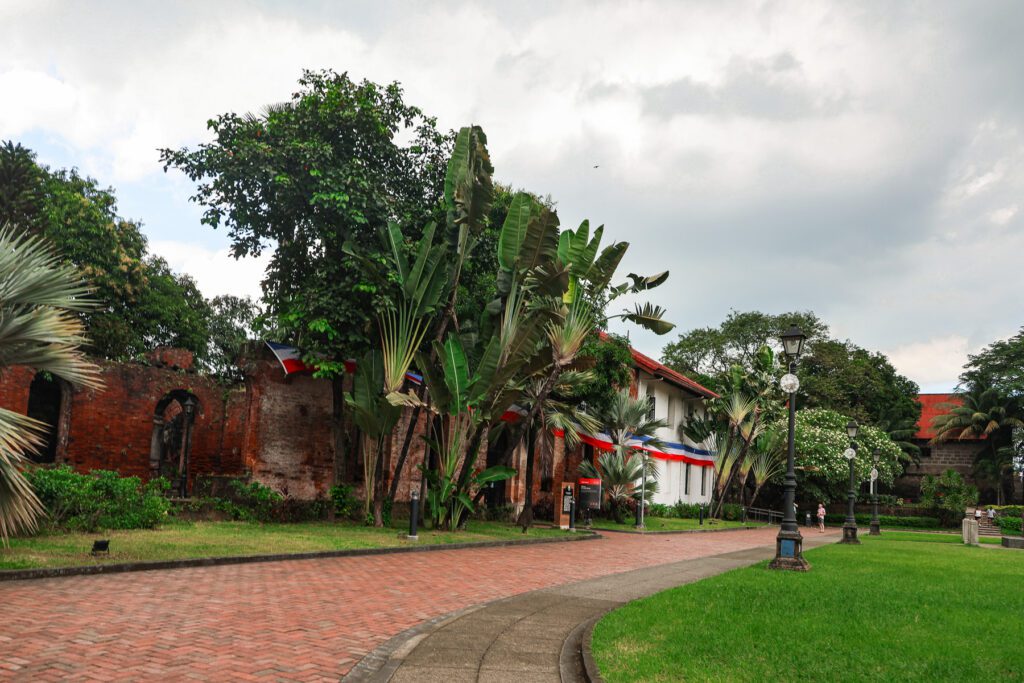
You can explore the famous Fort Santiago Gate with a bas-relief of St. Santiago; Baluarte de San Miguel; the ruins of the American barracks and Spanish barracks; Plaza Armas; Rajah Soliman Theater; dungeons telling you the story of the Japanese occupation; and a white cross established to commemorate their victims.
5. Casa Manila
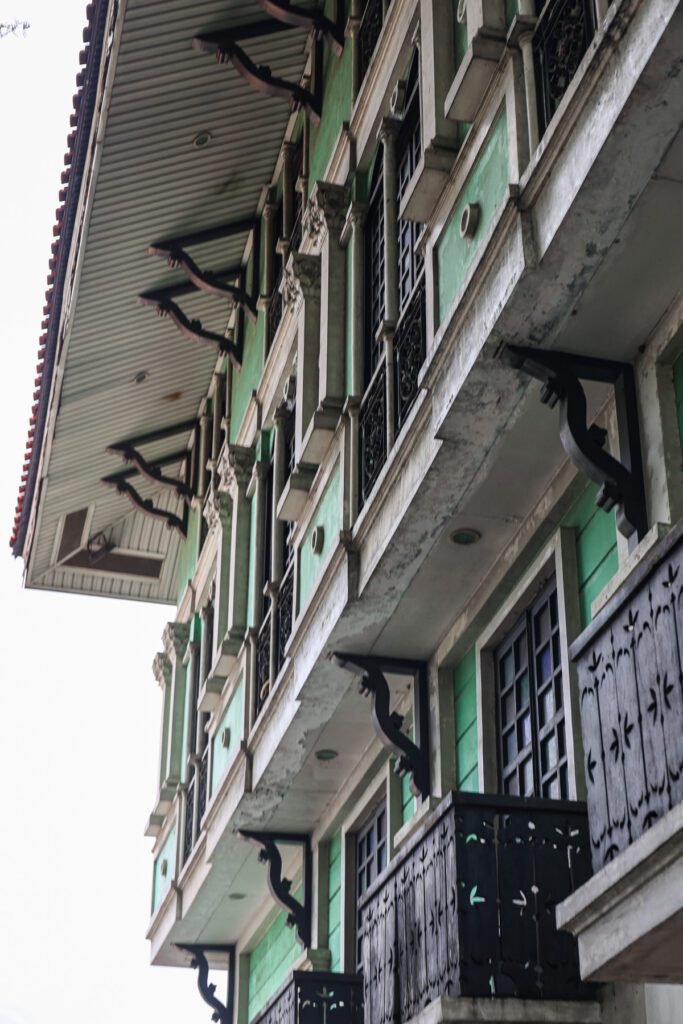
Casa Manila, or House Manila, is a museum in Intramuros documenting a prosperous Philippine family under Spanish control.
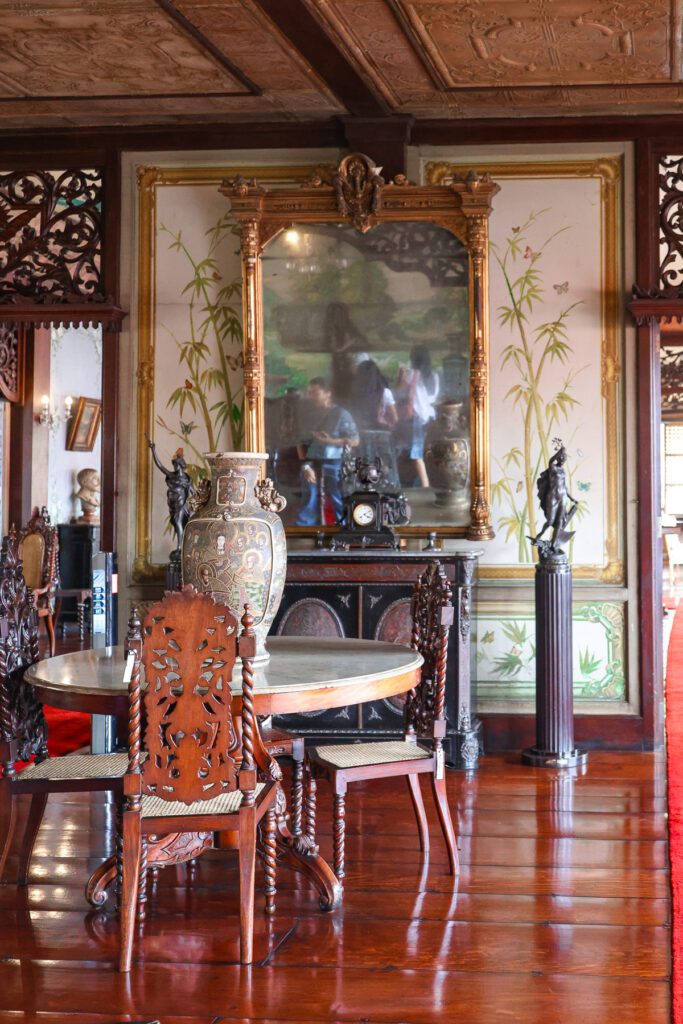

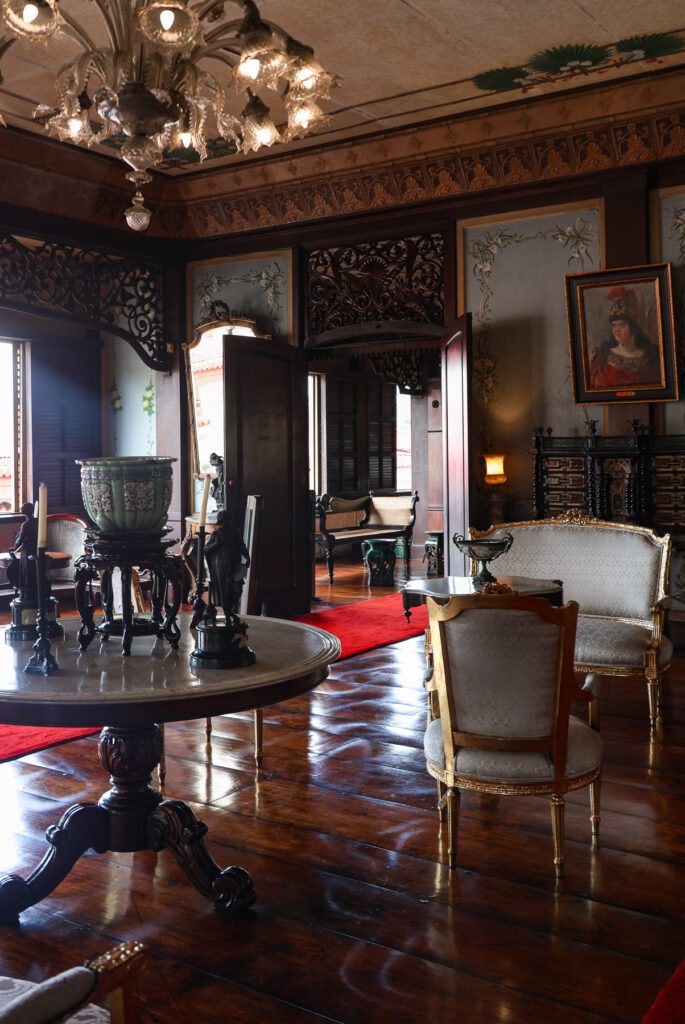
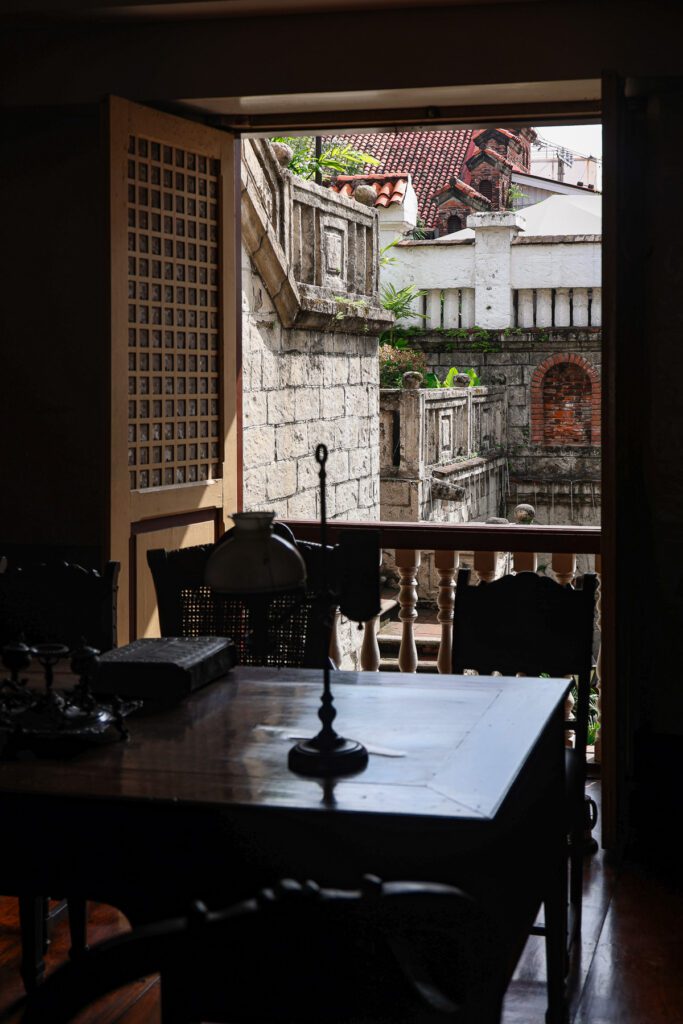
It’s a three-storey villa where you walk through a series of living rooms, bedrooms, offices, a library, a prayer room (Oratorio), and a kitchen featuring traditional furniture and fashionable pieces of that period such as Chinese-themed objects and chandeliers.
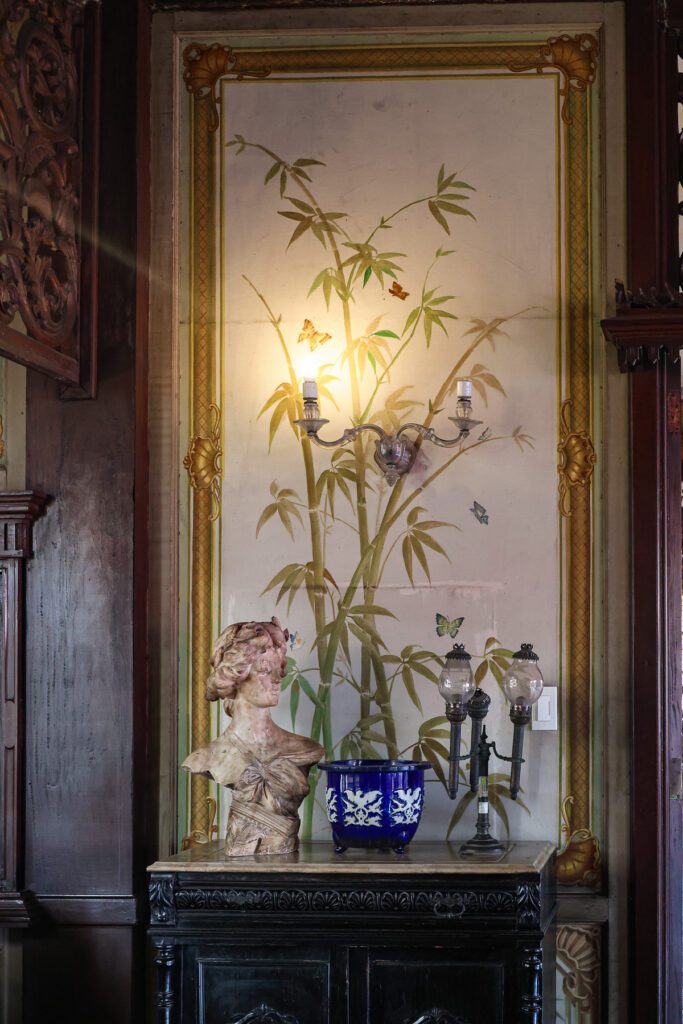
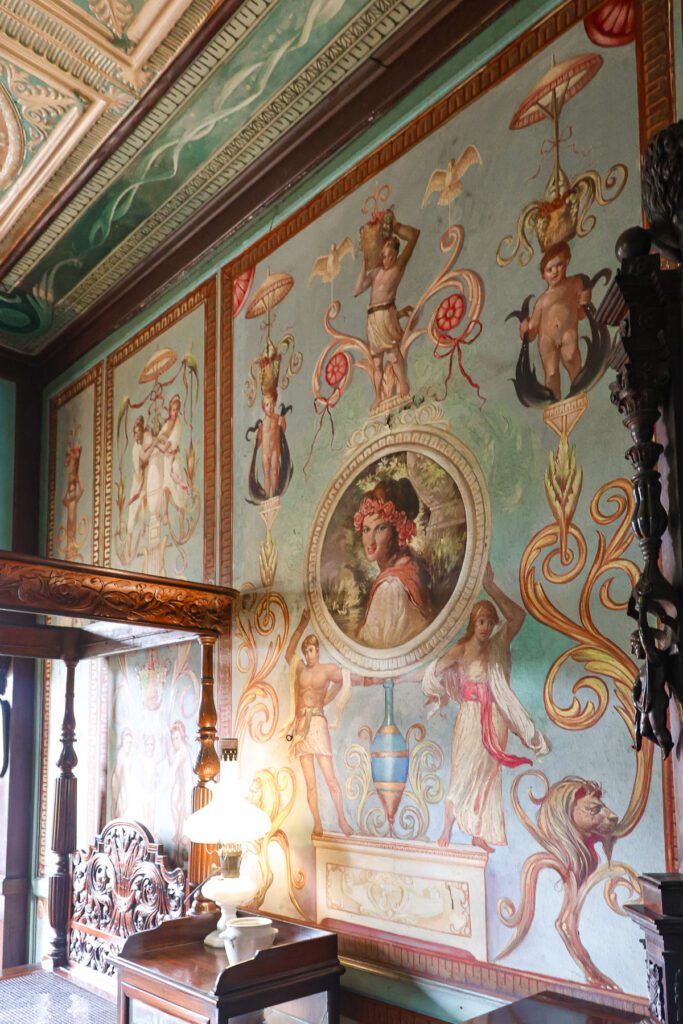
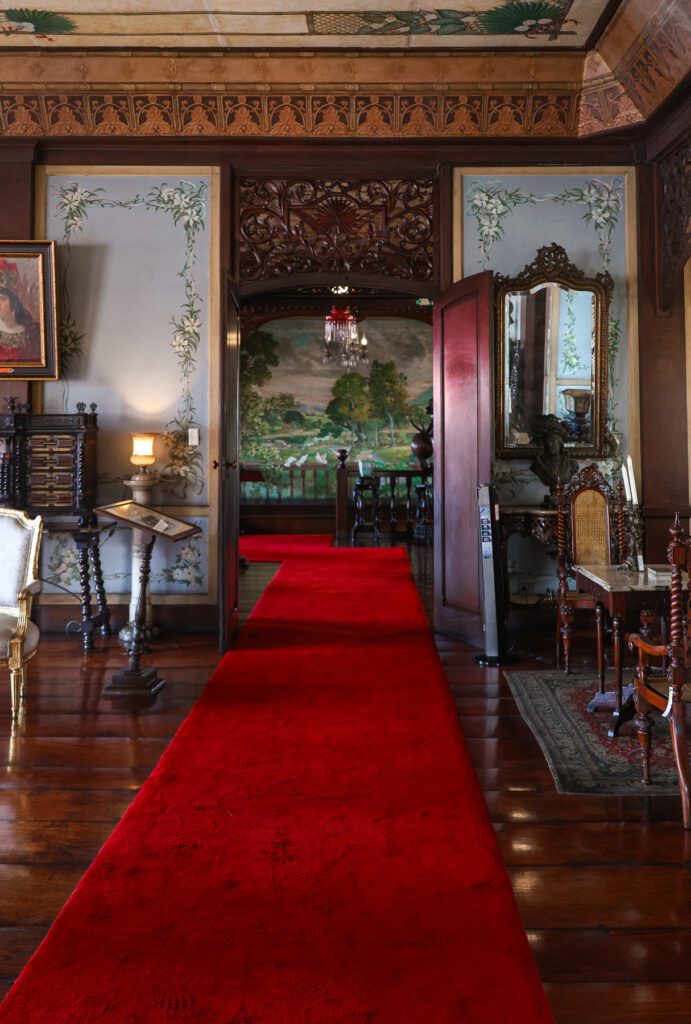
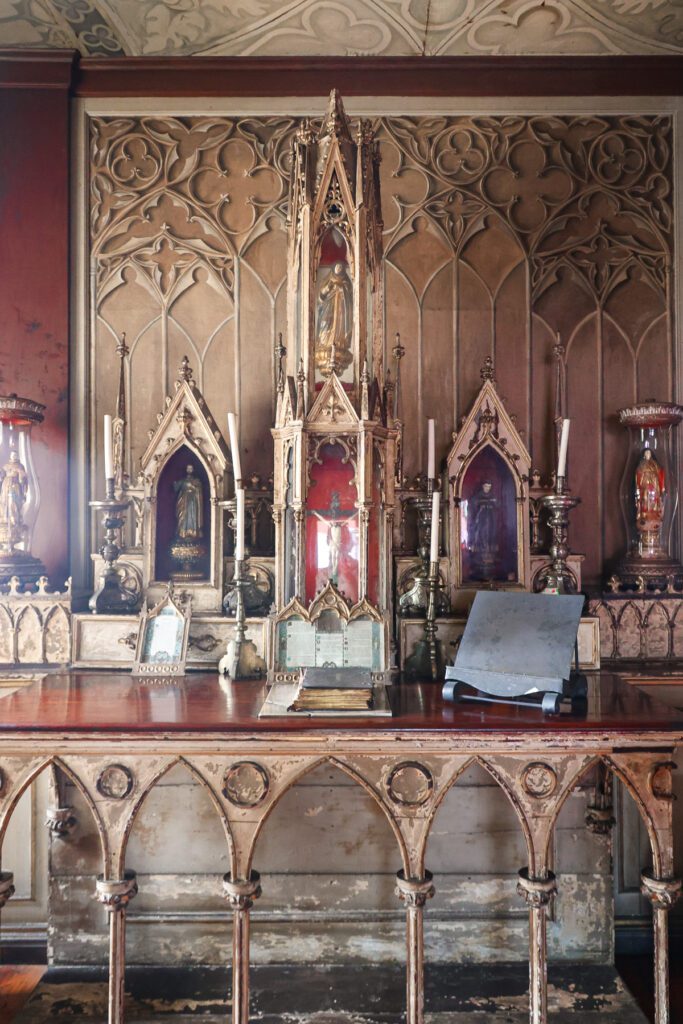
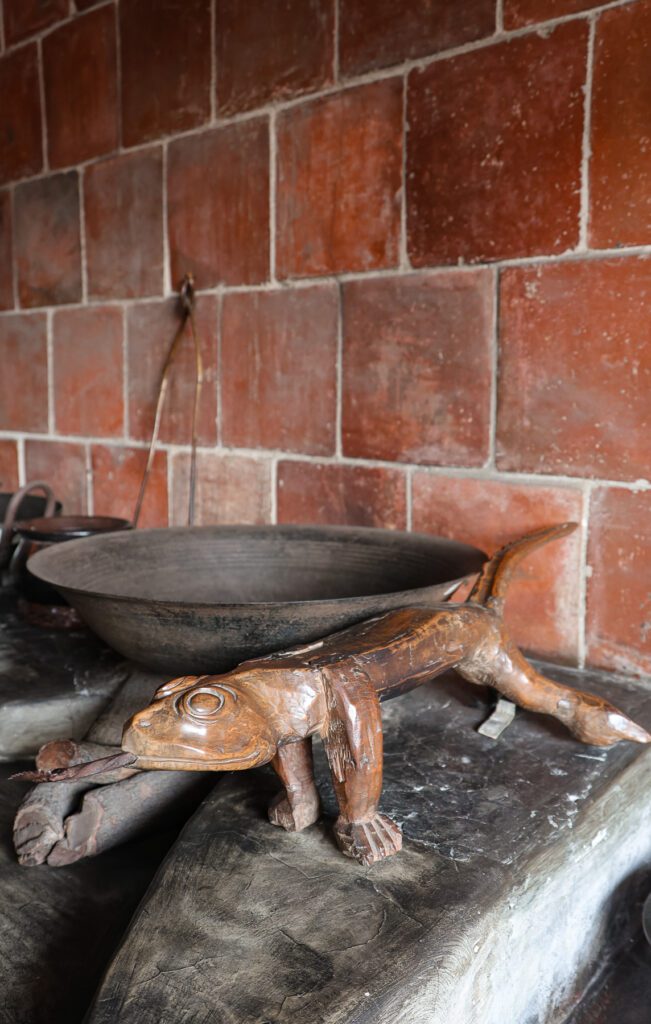
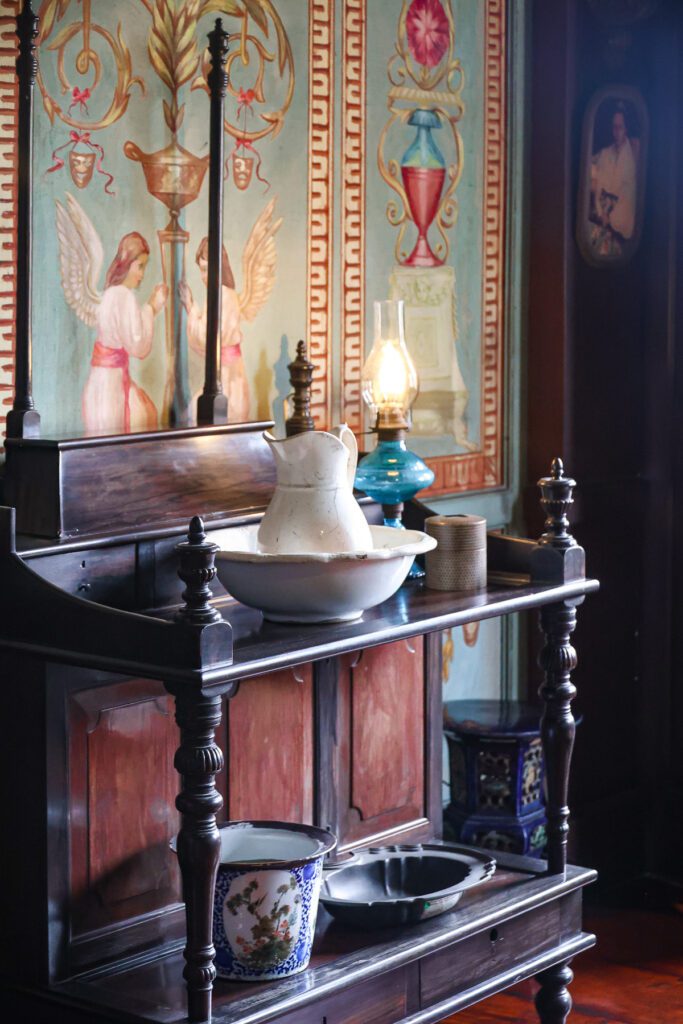
Originally, this house was called San Nicolas House and was erected in the mid-19th century on a different spot but was rebuilt on this spot recently as everything in Intramuros perished in WWII.

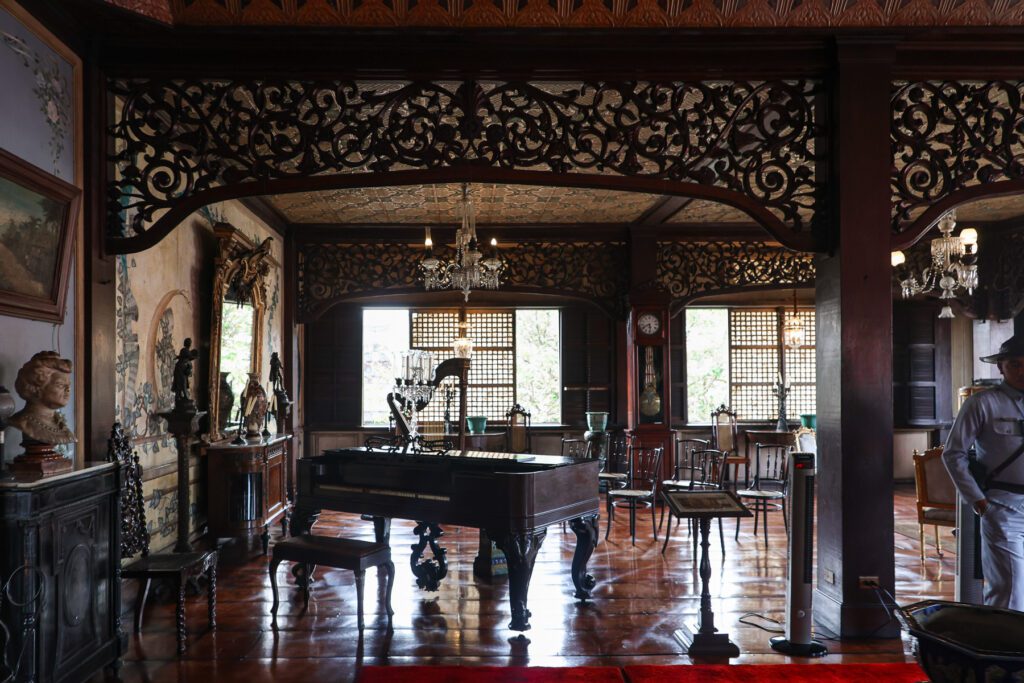
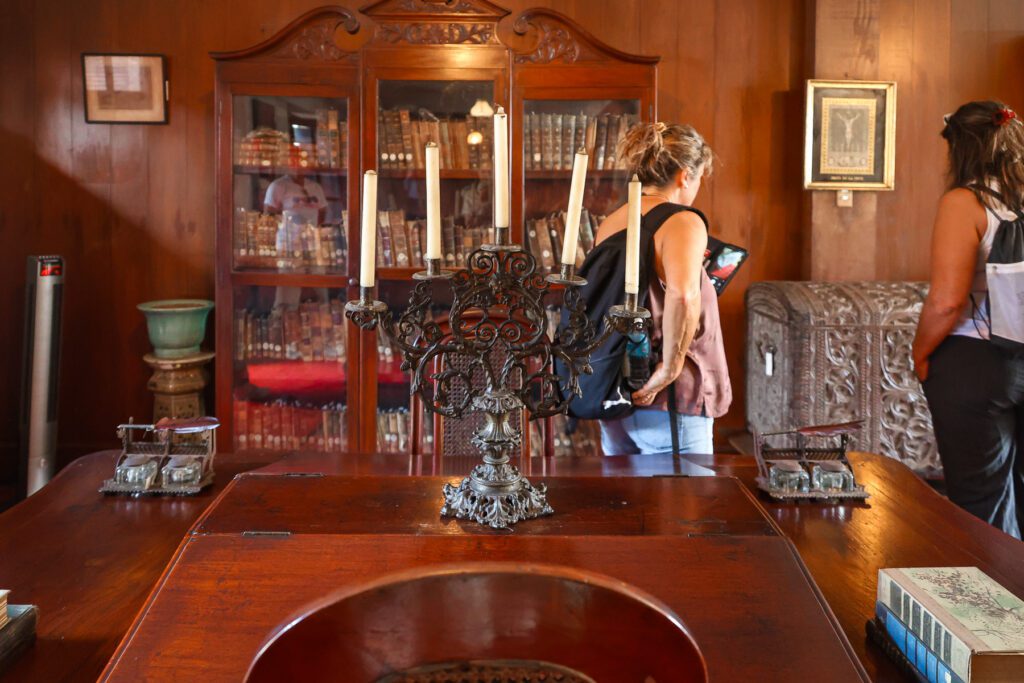
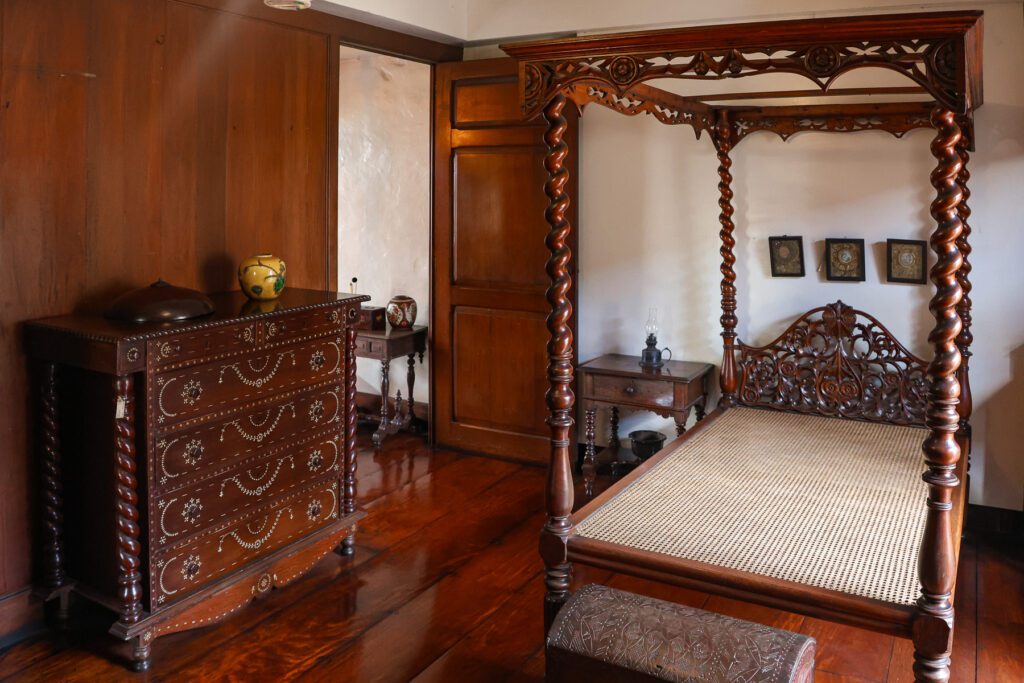
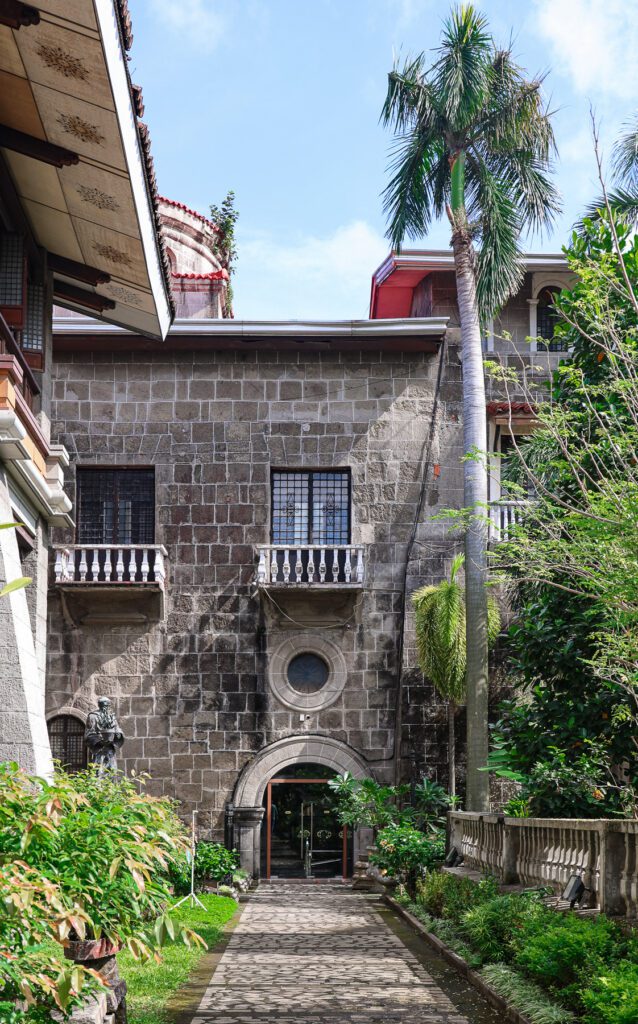
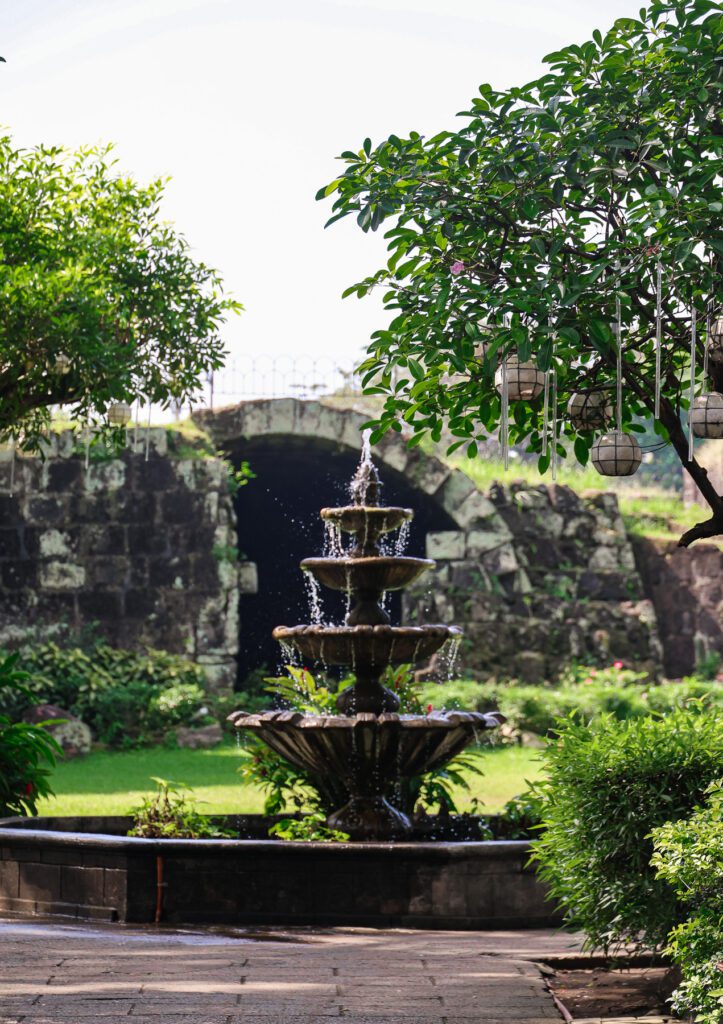
If you don’t have time for the museum, at least admire the patio with a fountain and flower pots!

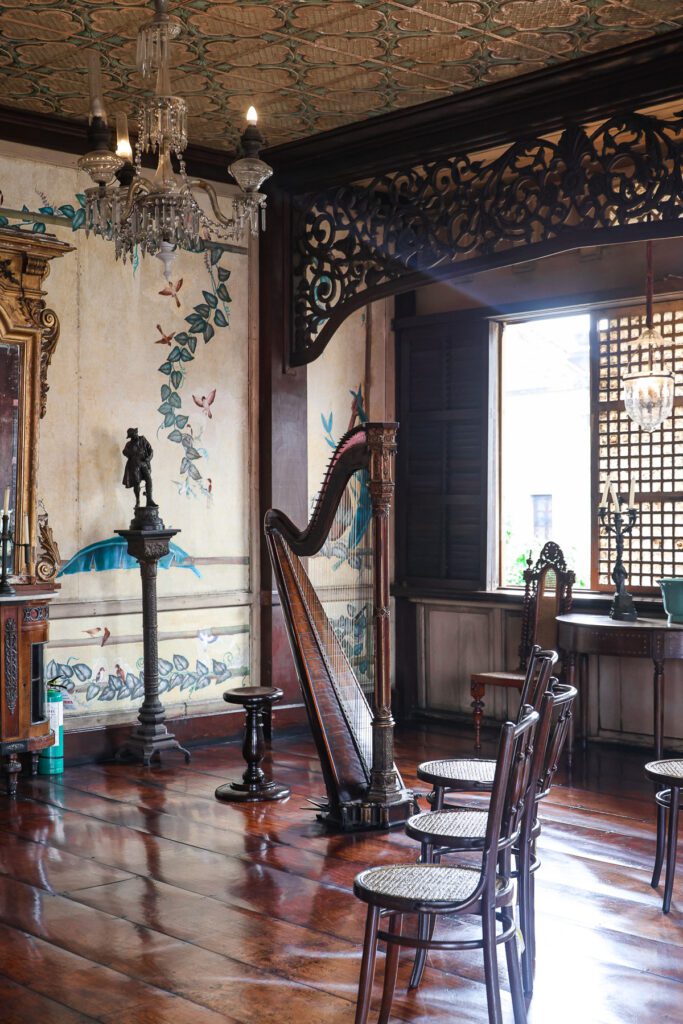
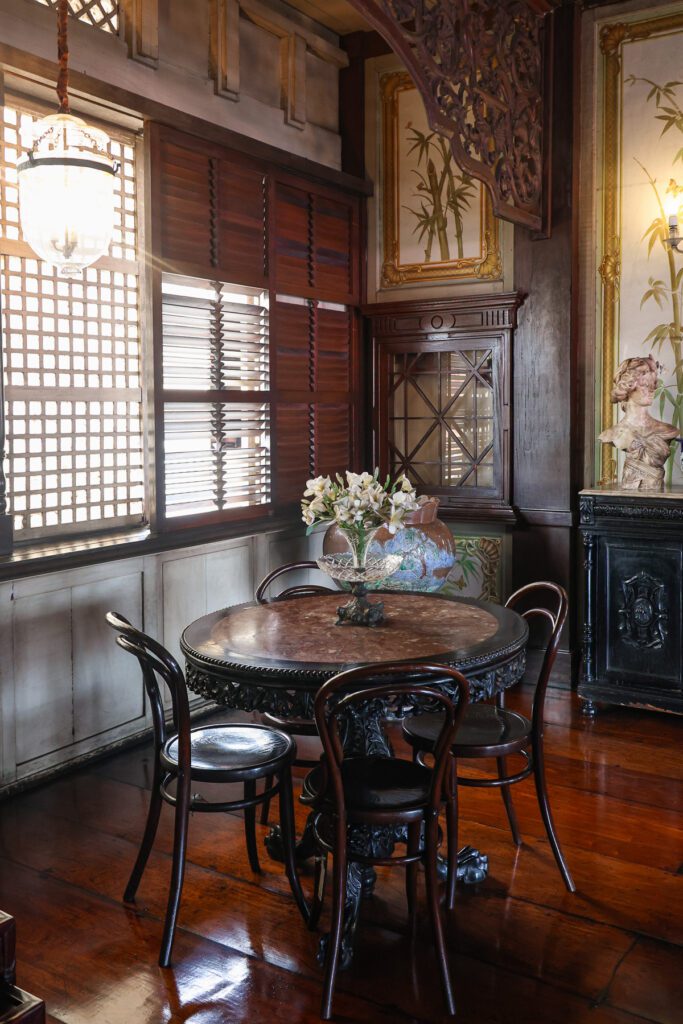
6. Baluarte de San Diego
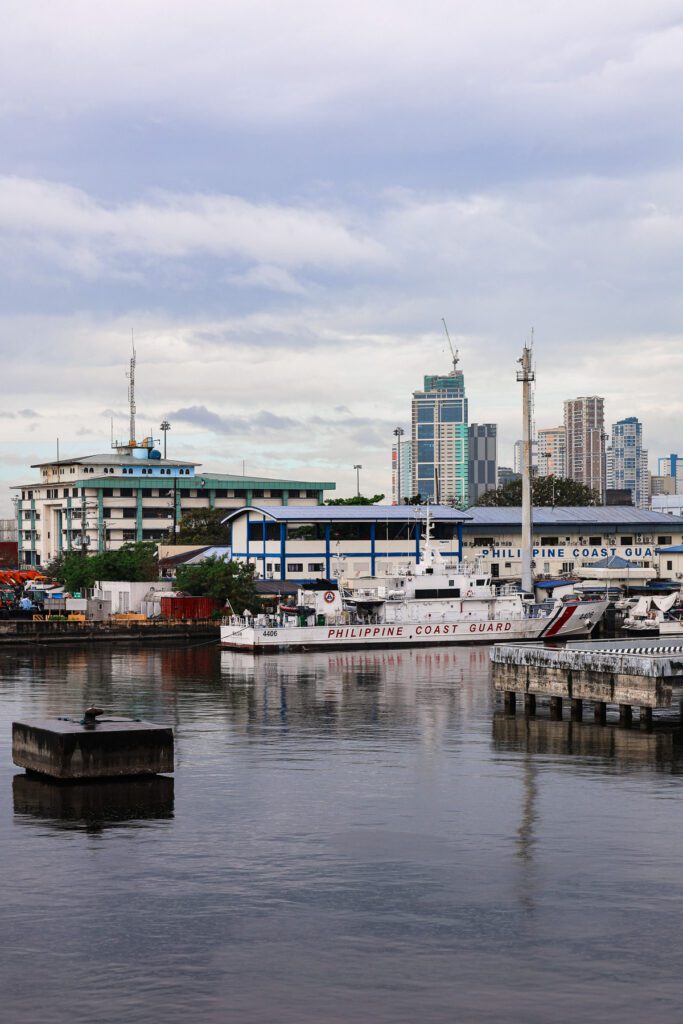
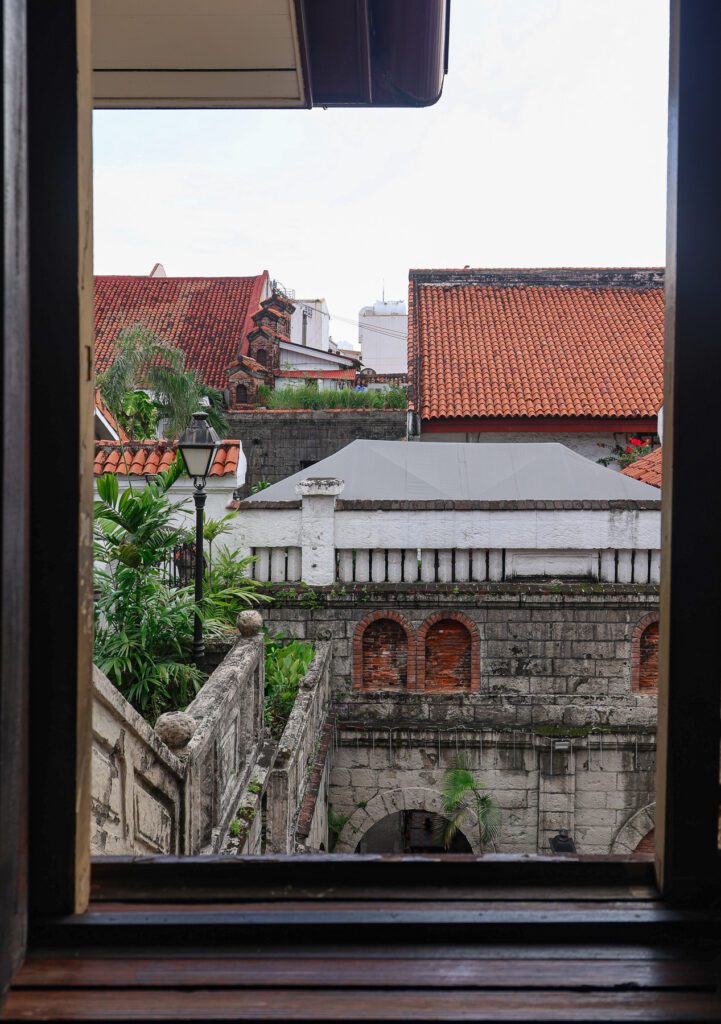
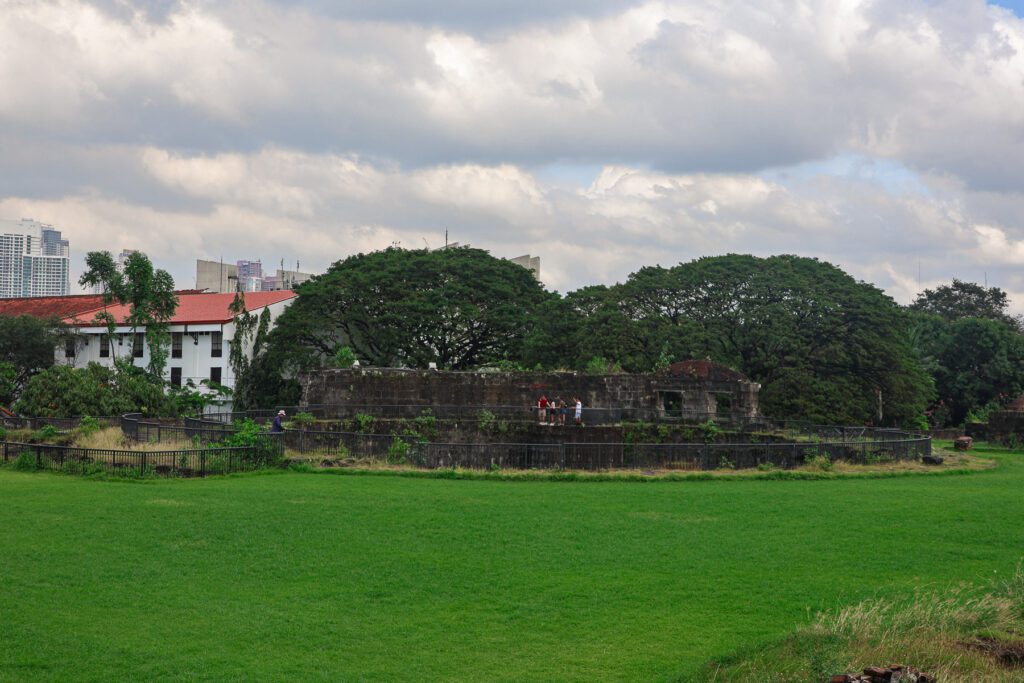
One of the oldest surviving parts of the original Spanish fortifications, Baluarte de San Diego used to be the main entry point for trade ships coming to the Port of Manila, and we were told that the sea was closer to the walls.
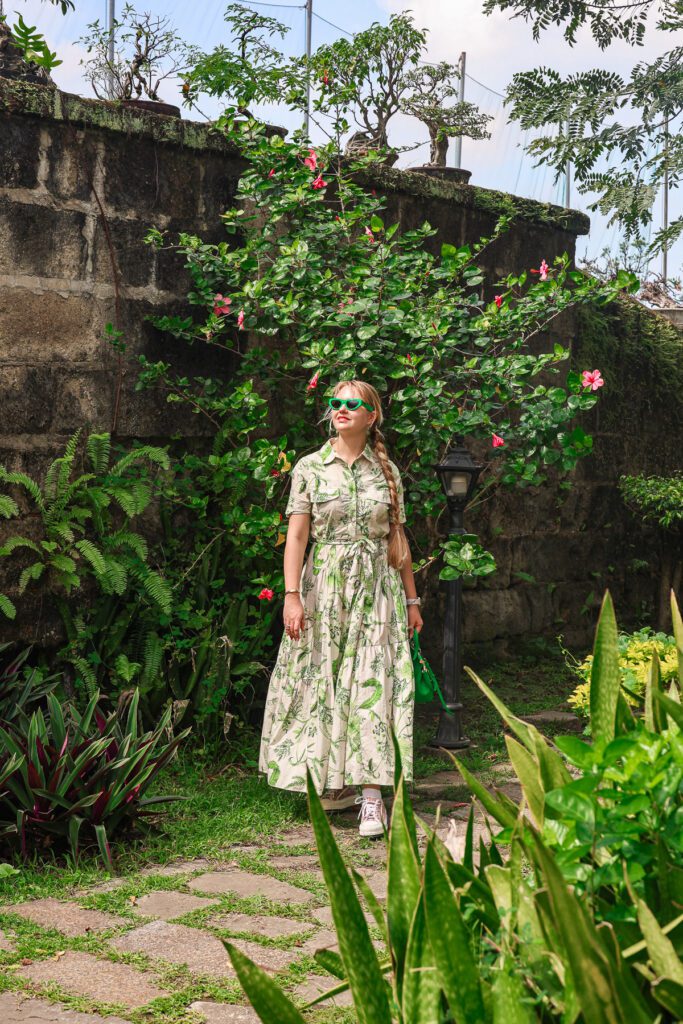
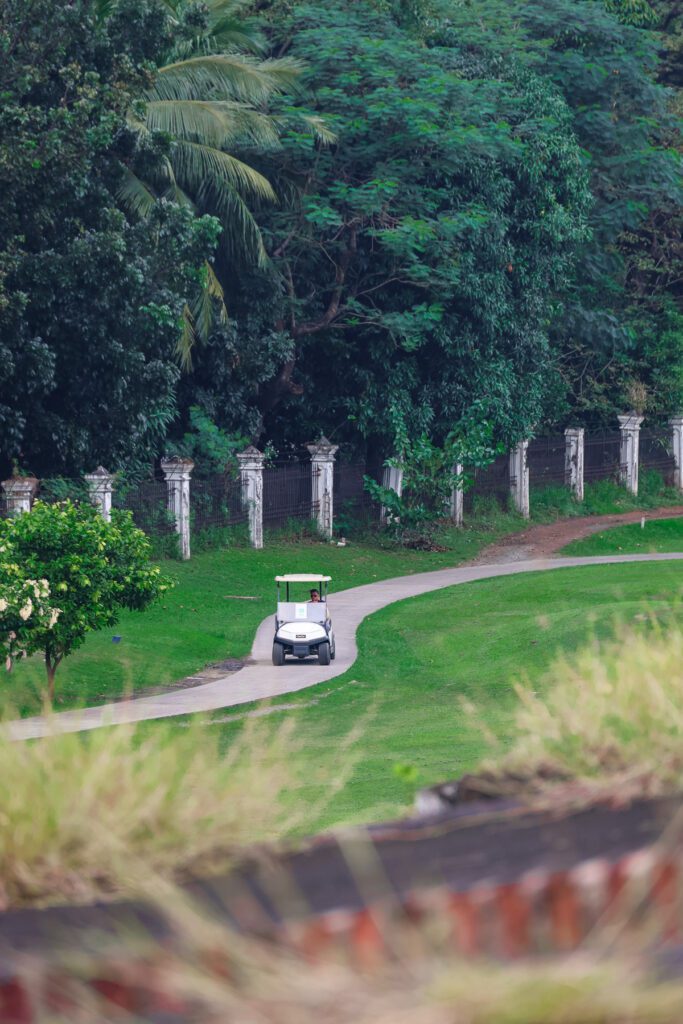
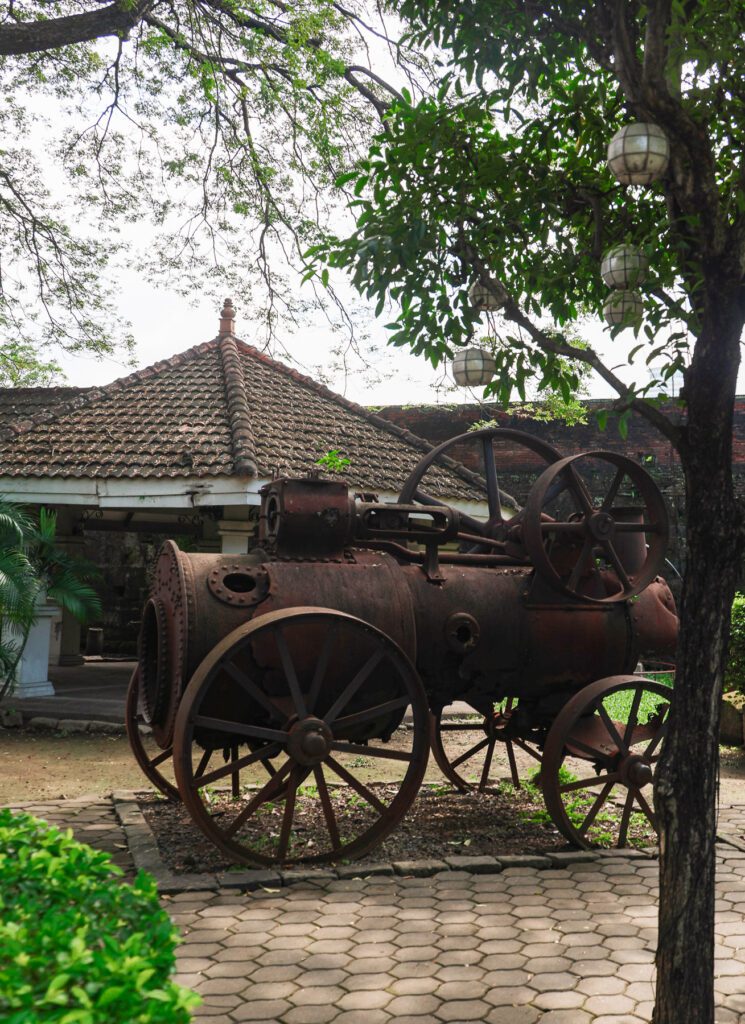
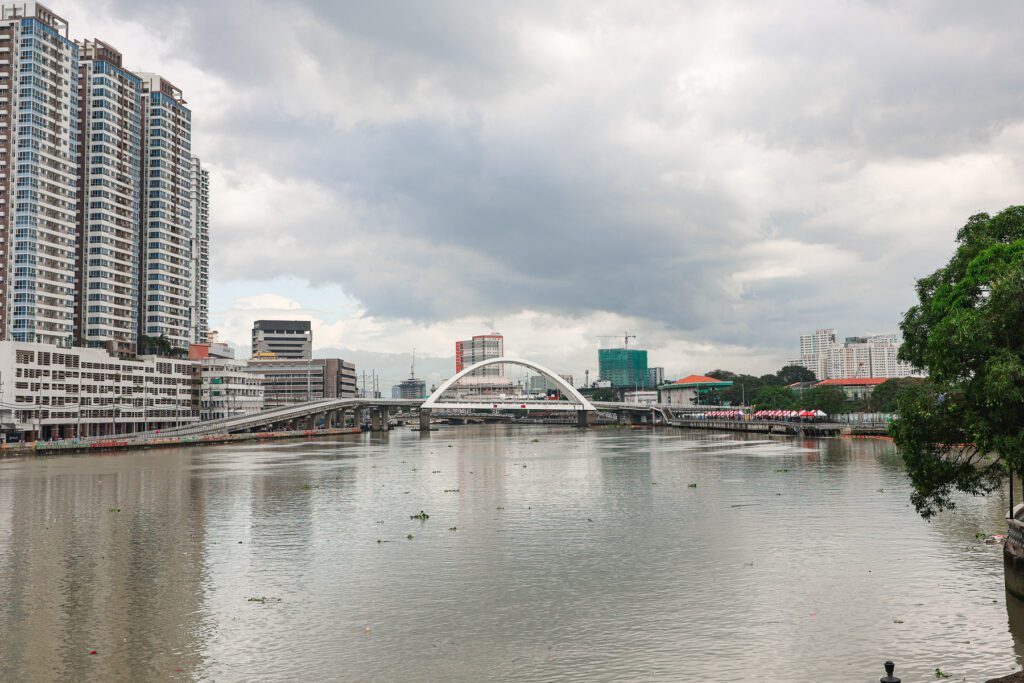
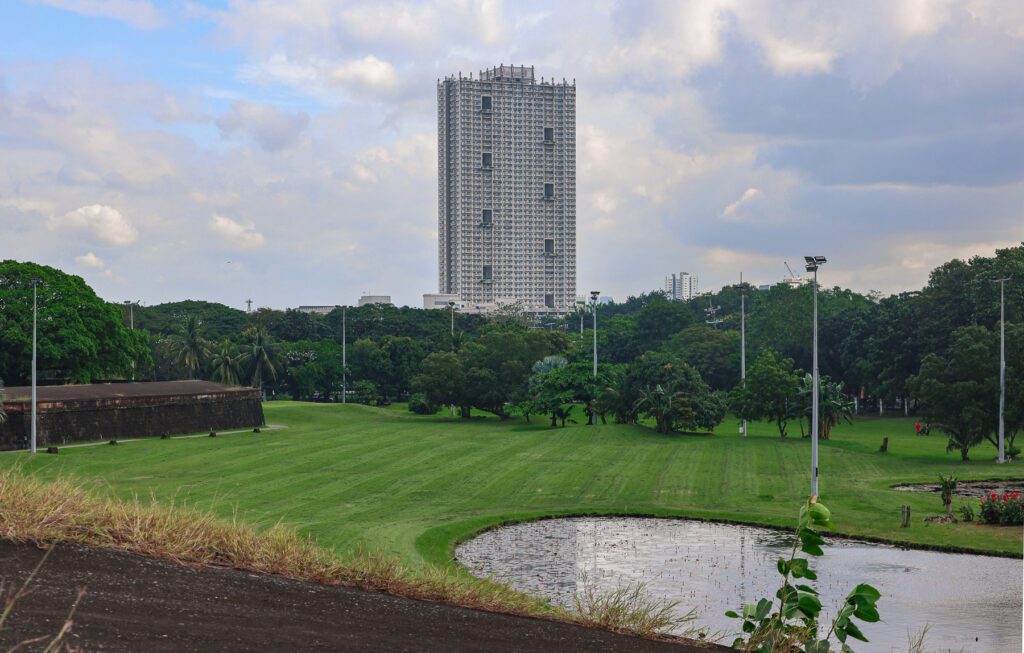
Now the scenery is different; you can see there a large golf course, and in the past, a large body of water led to the sea on this site (now the Pasig River course is redirected under a special project, and it goes only to the other side of Intramuros, near Fort Santiago). It dates to the 1580s, and the recent renovations took place in the late 20th century.
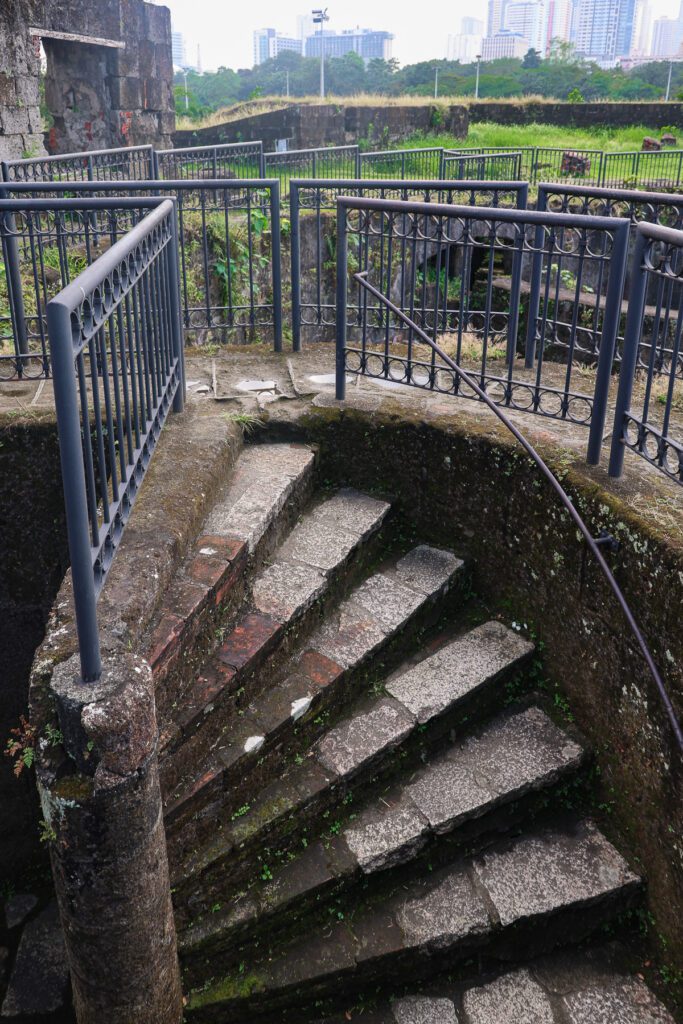
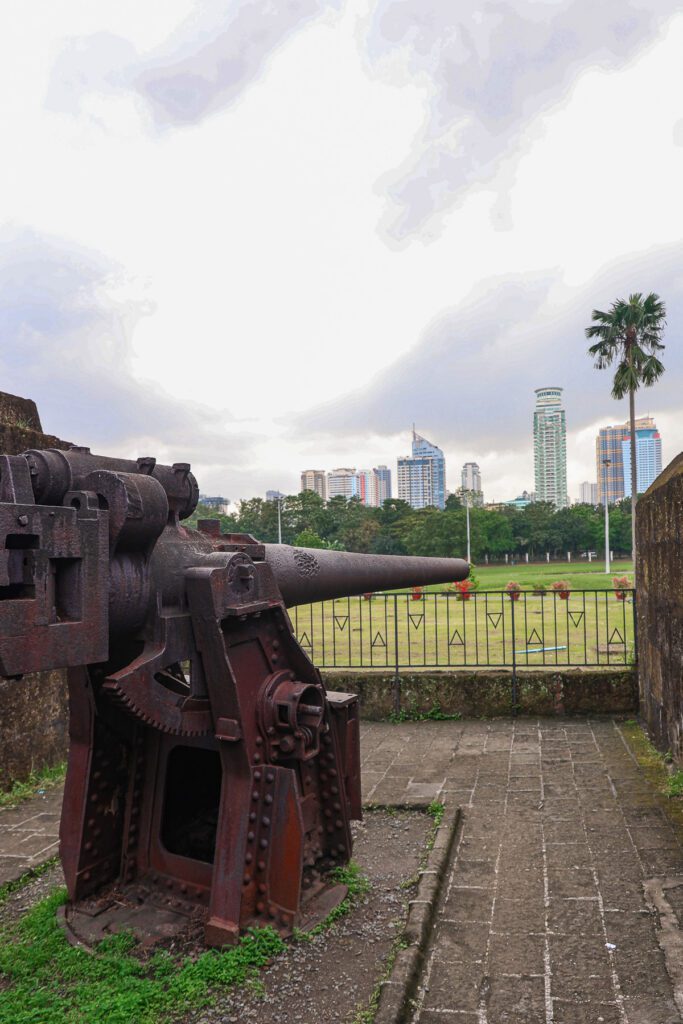
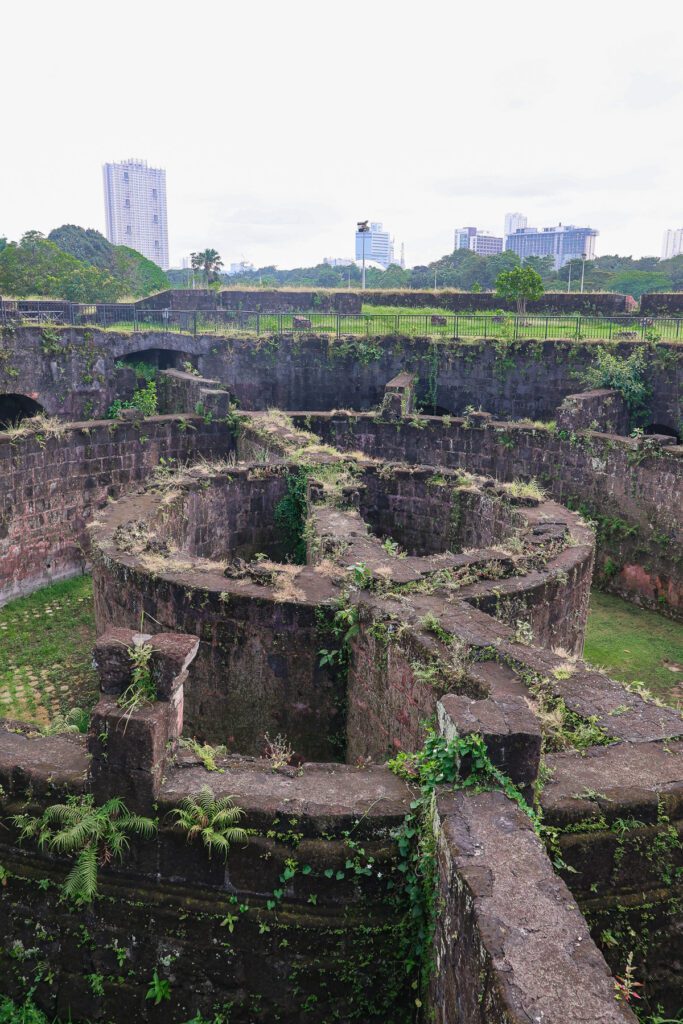

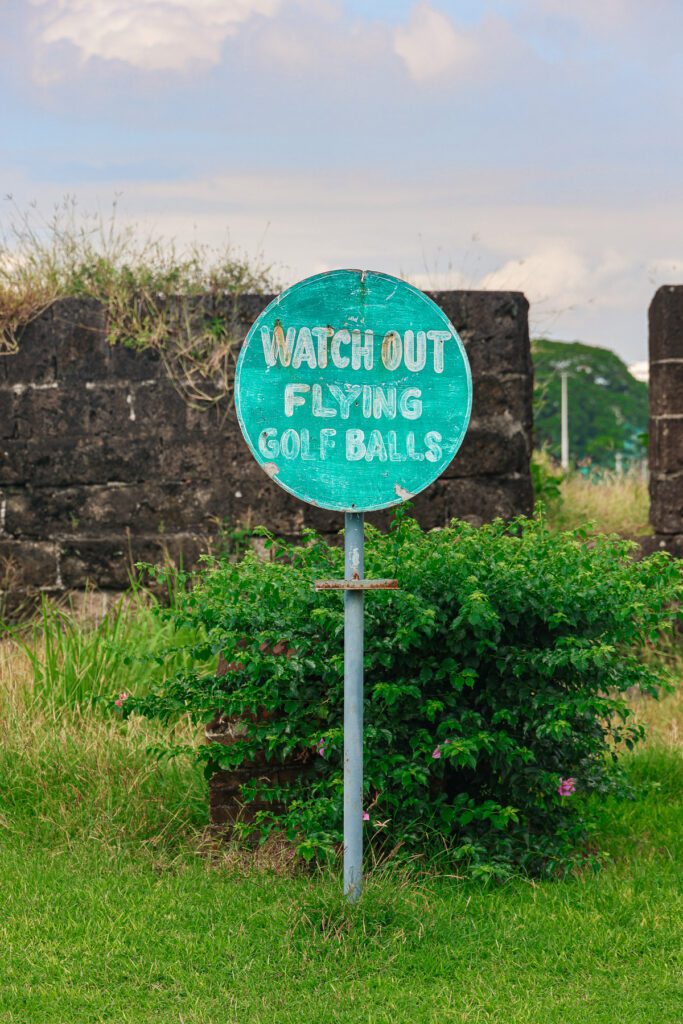
The main sight here is the remnants of the circular tower – it’s really impressive, and the view over Manila is spectacular, but beware of the golf balls!

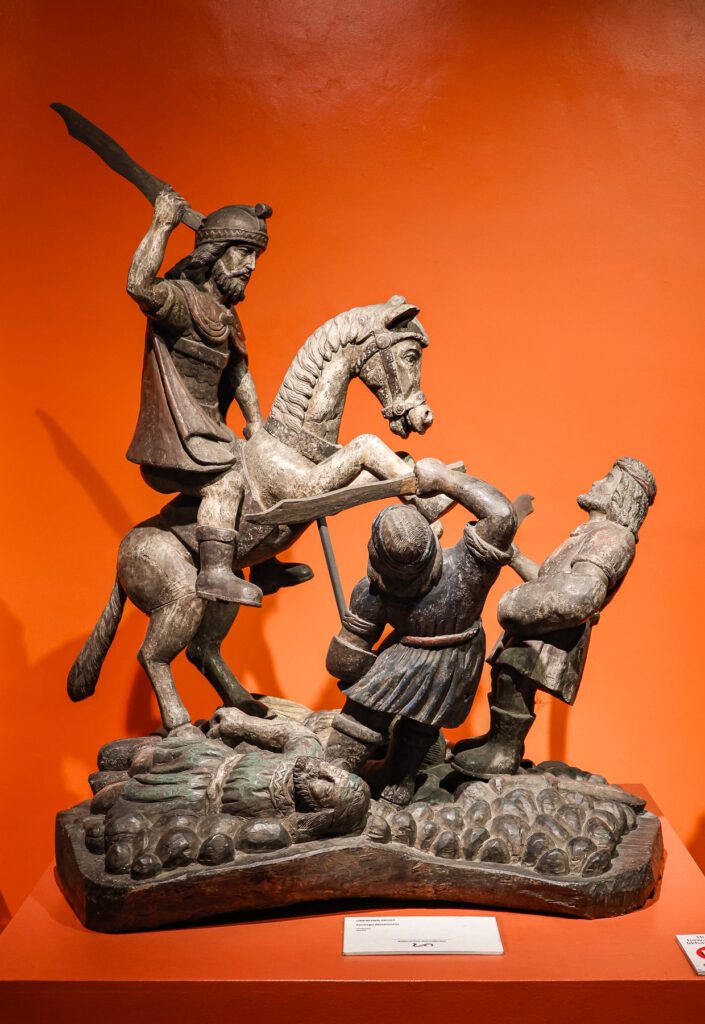
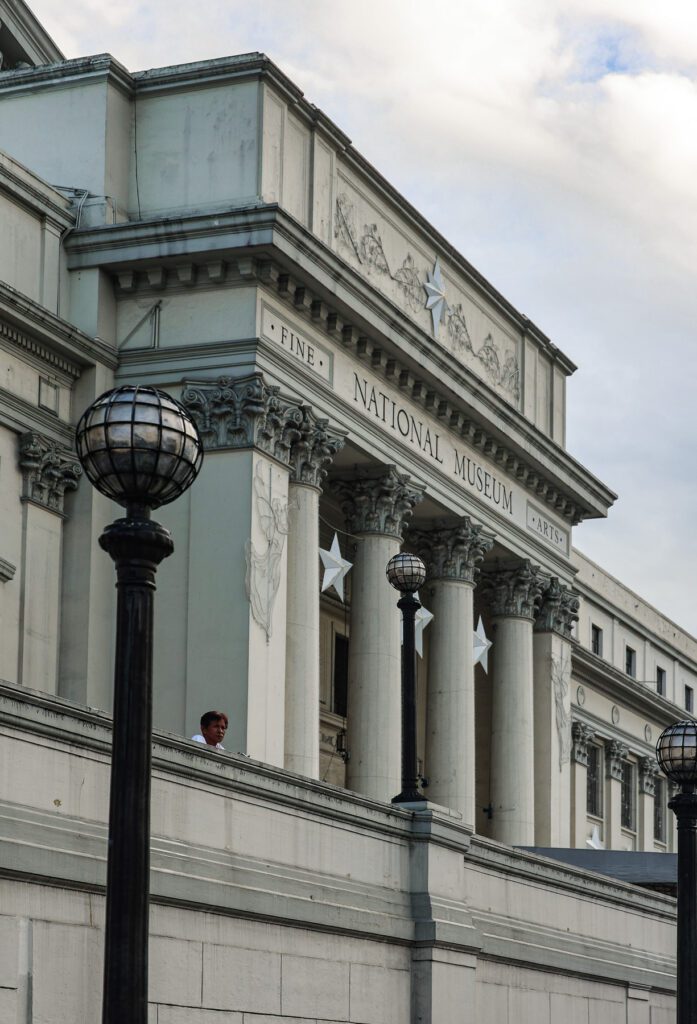
7. National Museum of Fine Arts
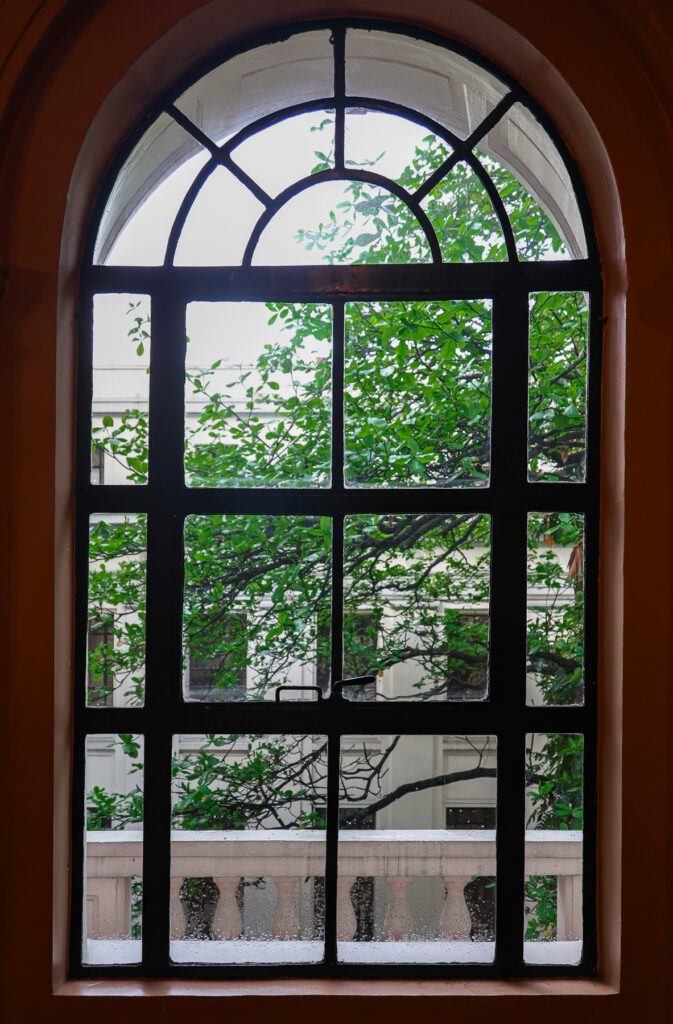
The National Museum of Fine Arts is located inside a gorgeous Old Legislative Building and was built between 1918 and 1926.
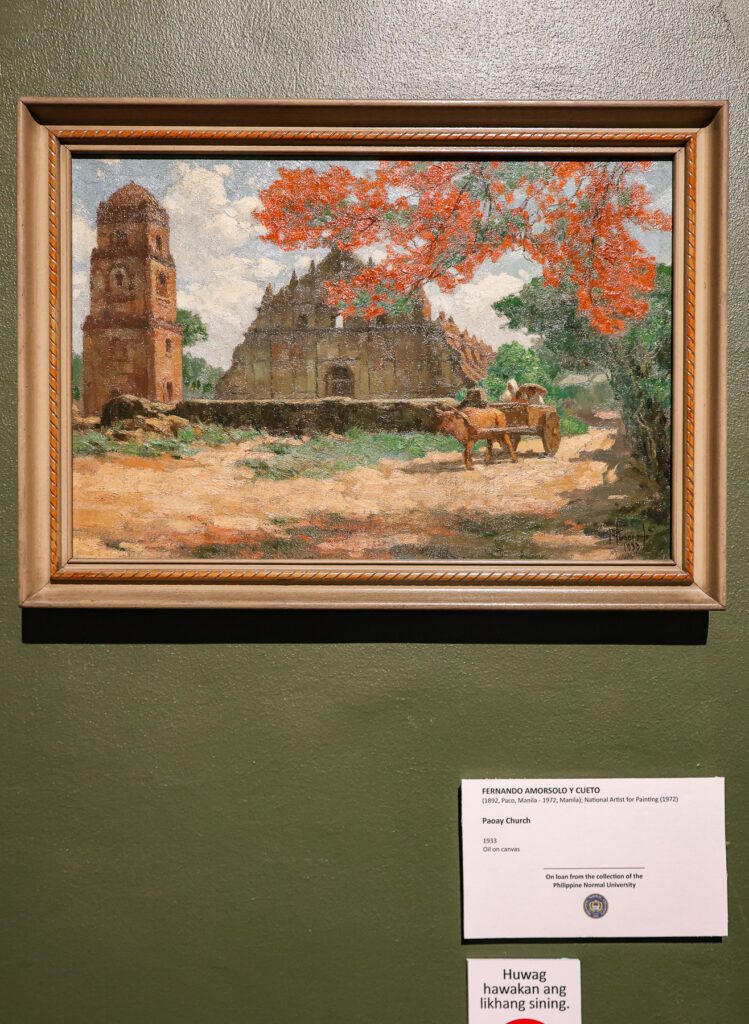
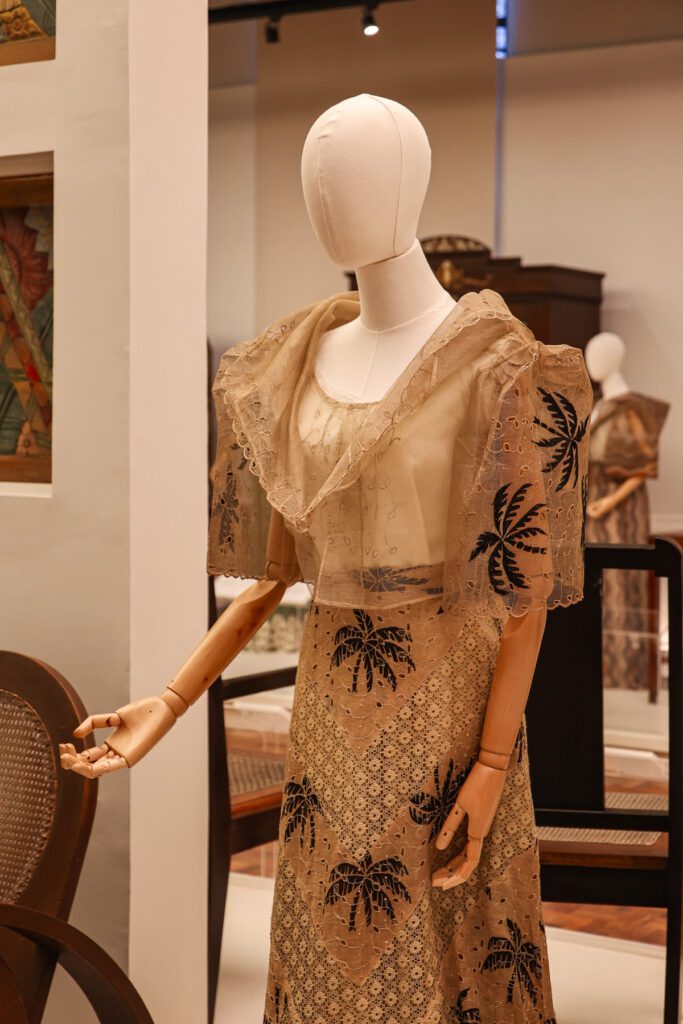
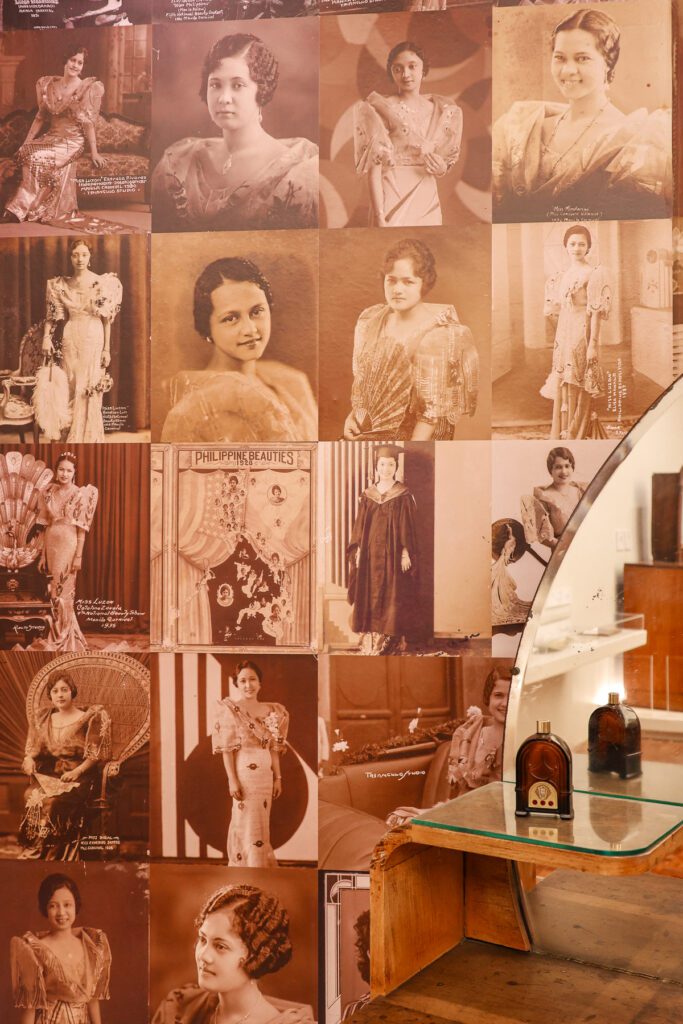
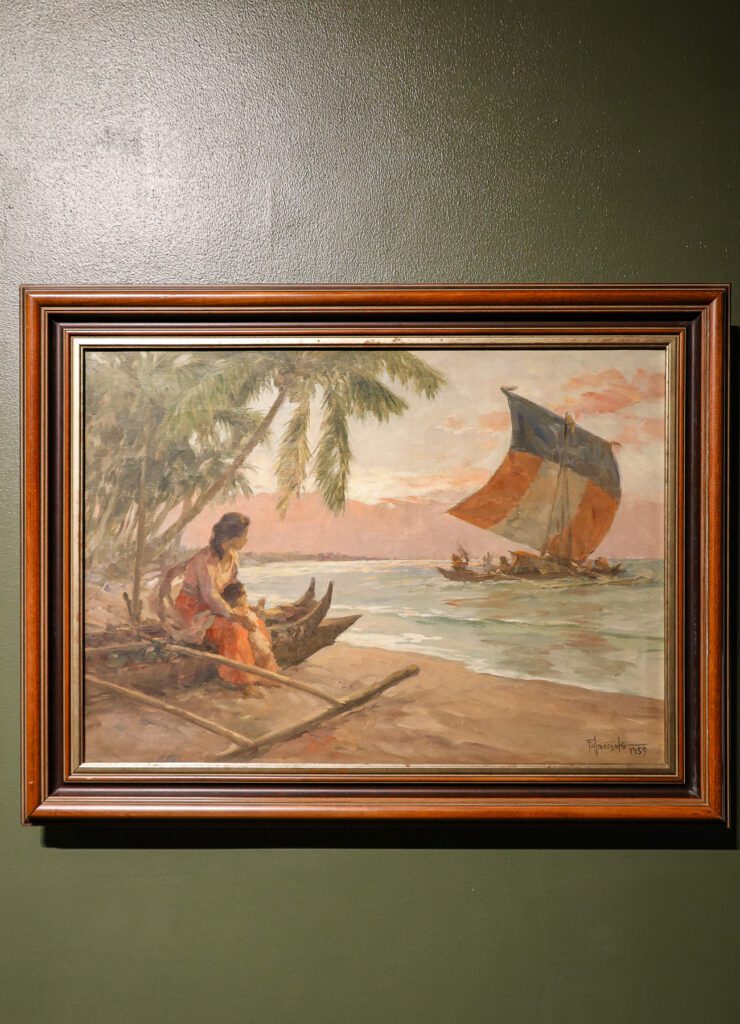
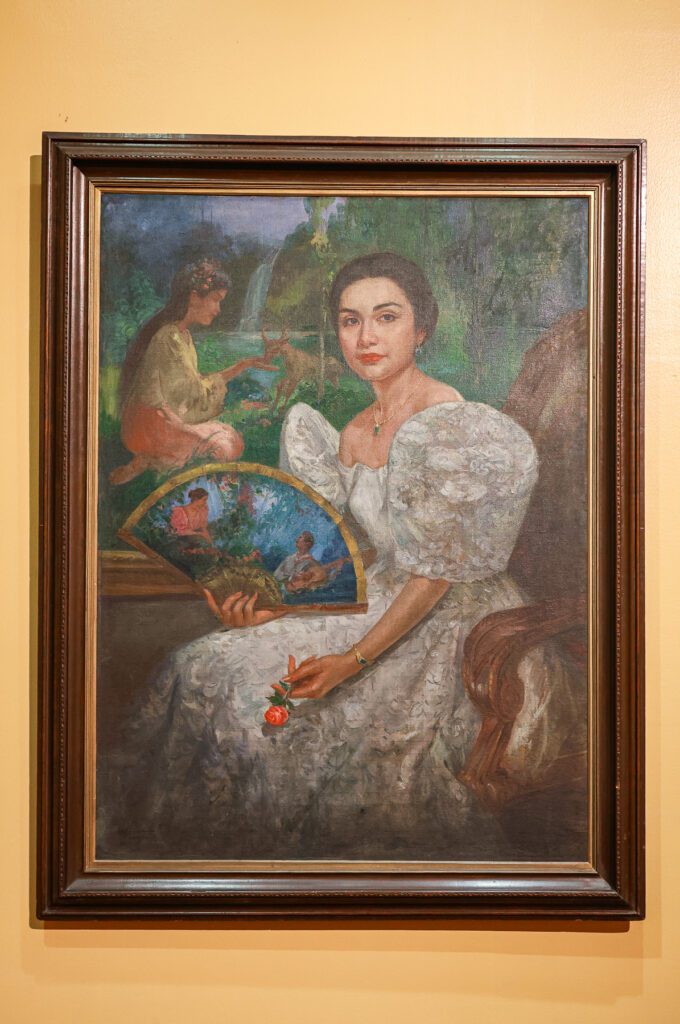
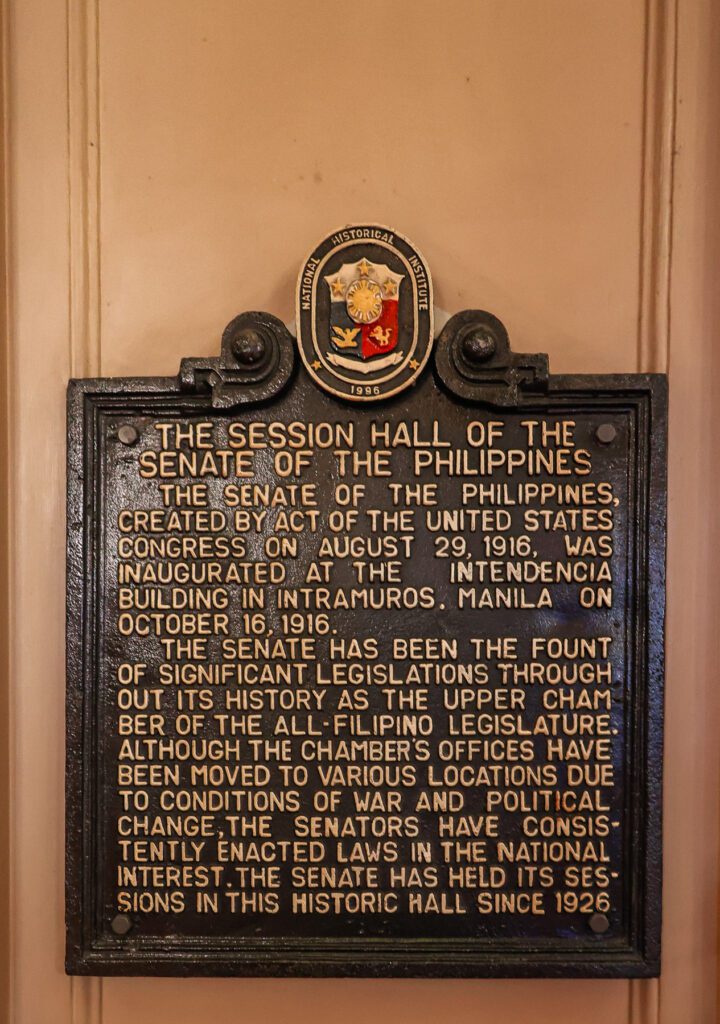
It has an extensive collection of Filipino art spread through numerous galleries, covering centuries of local art activities.
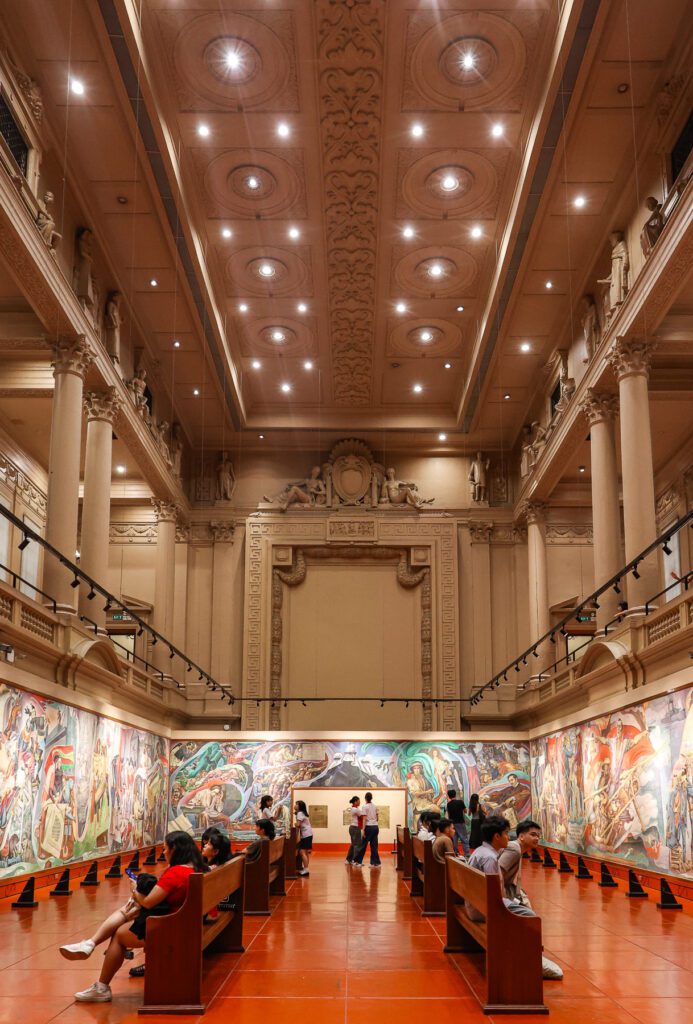
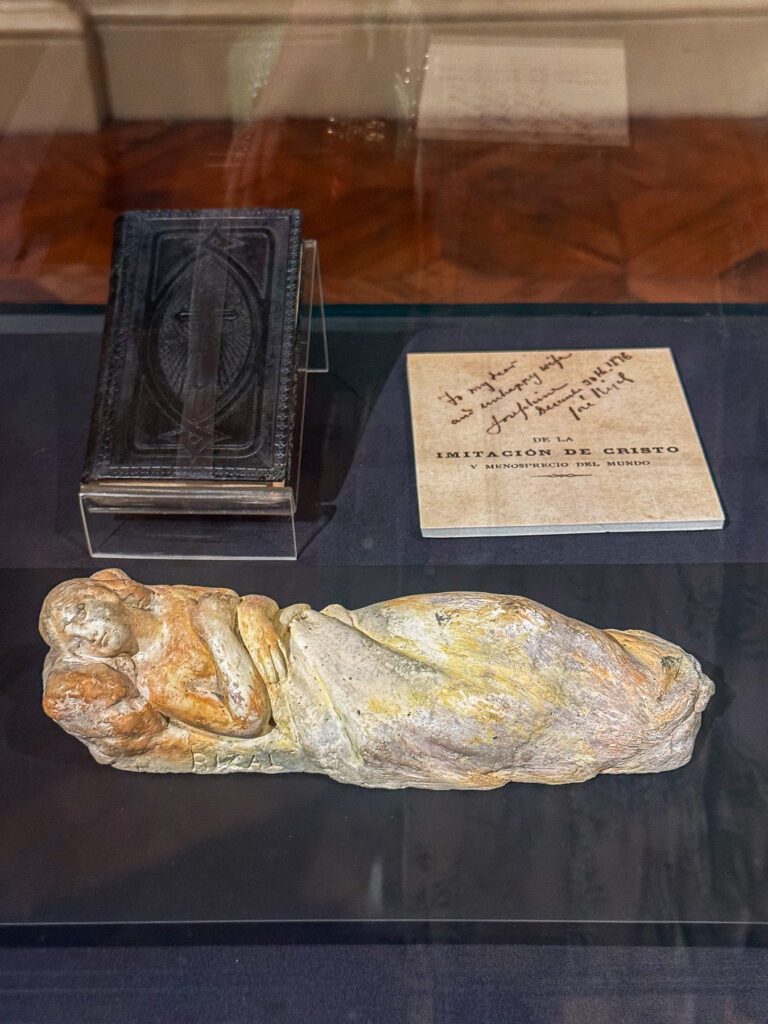

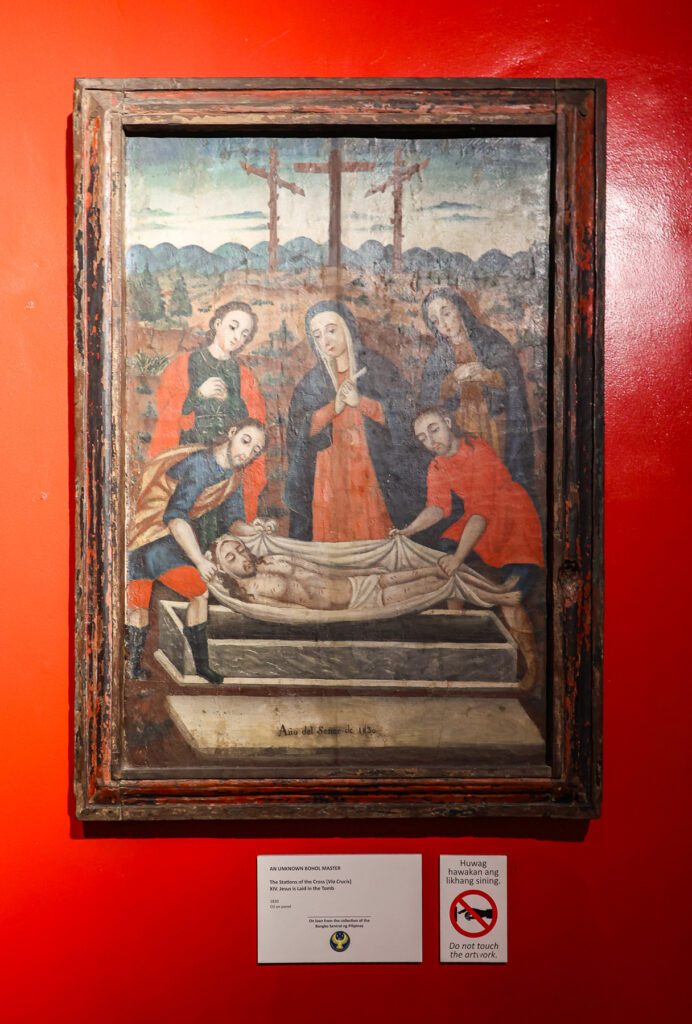
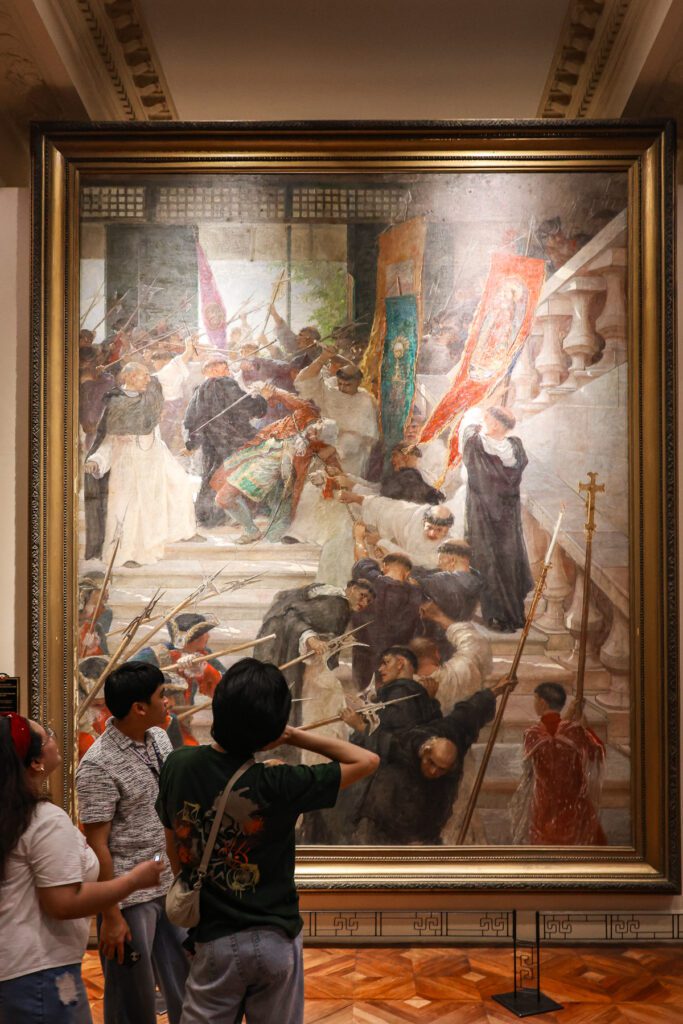
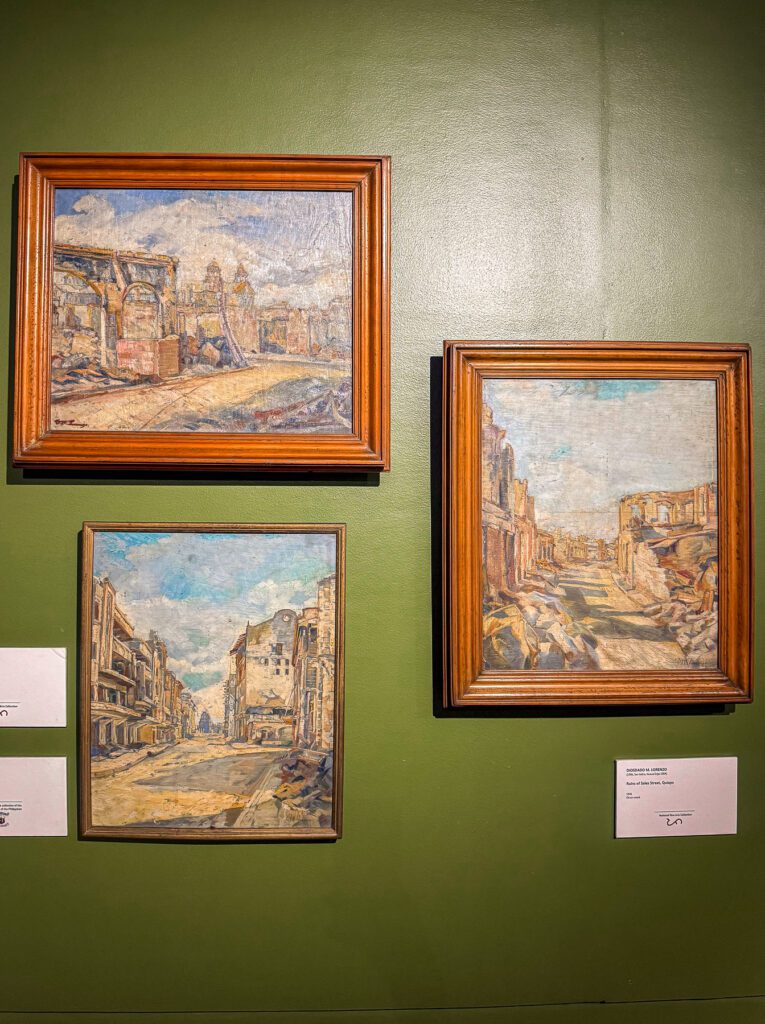
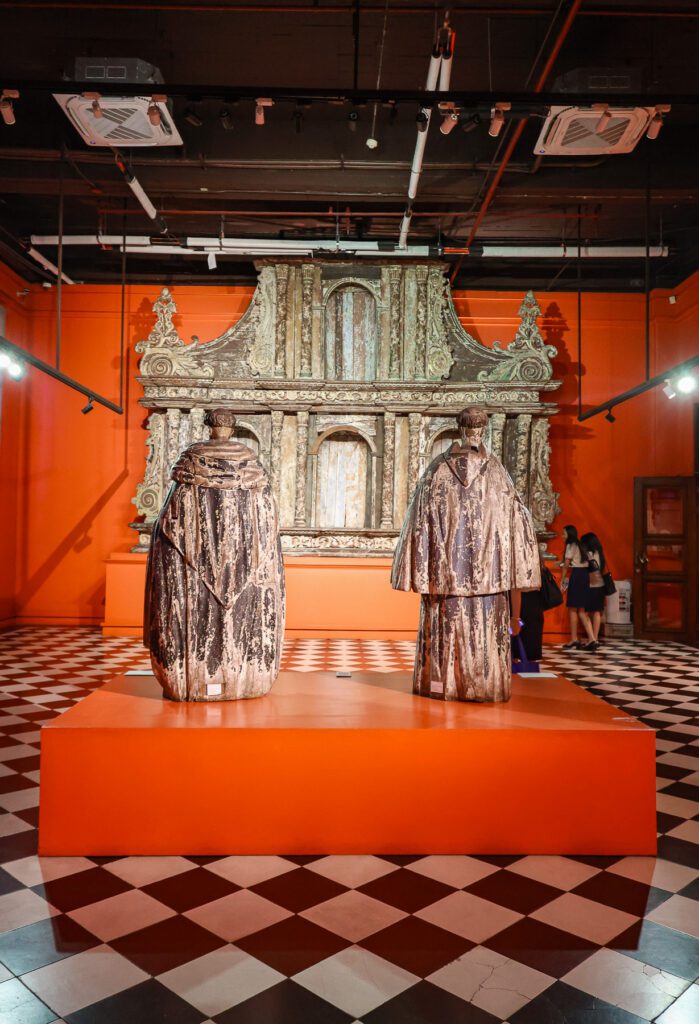
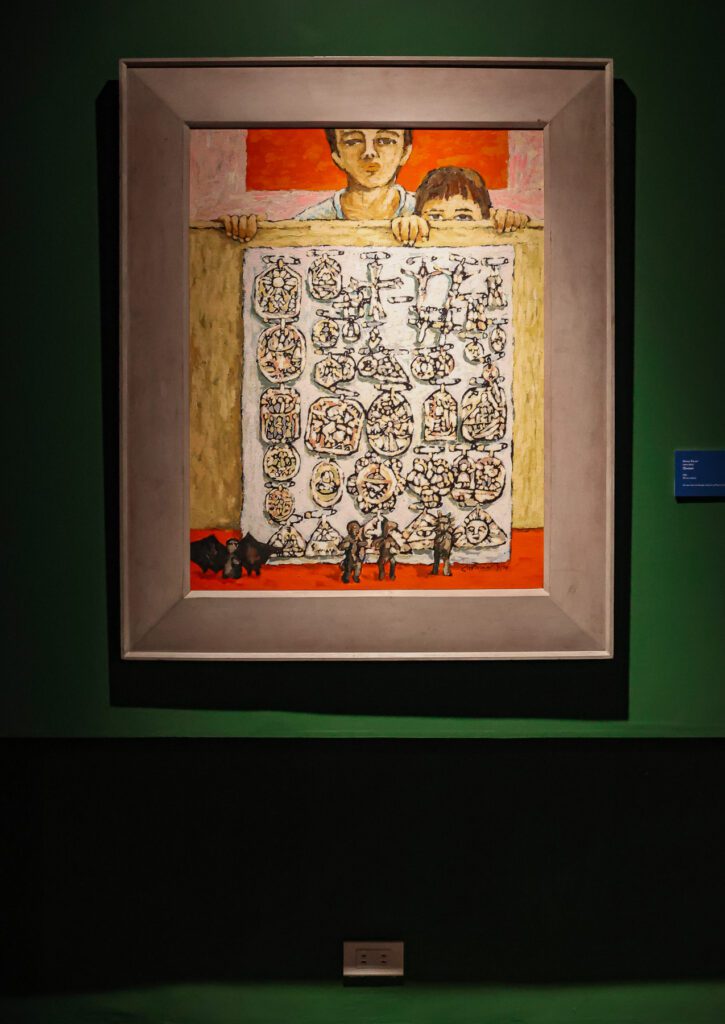
Come here to admire the paintings, sculptures, prints, and carvings, as well as the huge Old Senate Session Hall where you can learn about the most important historical battles of the Philippine people.
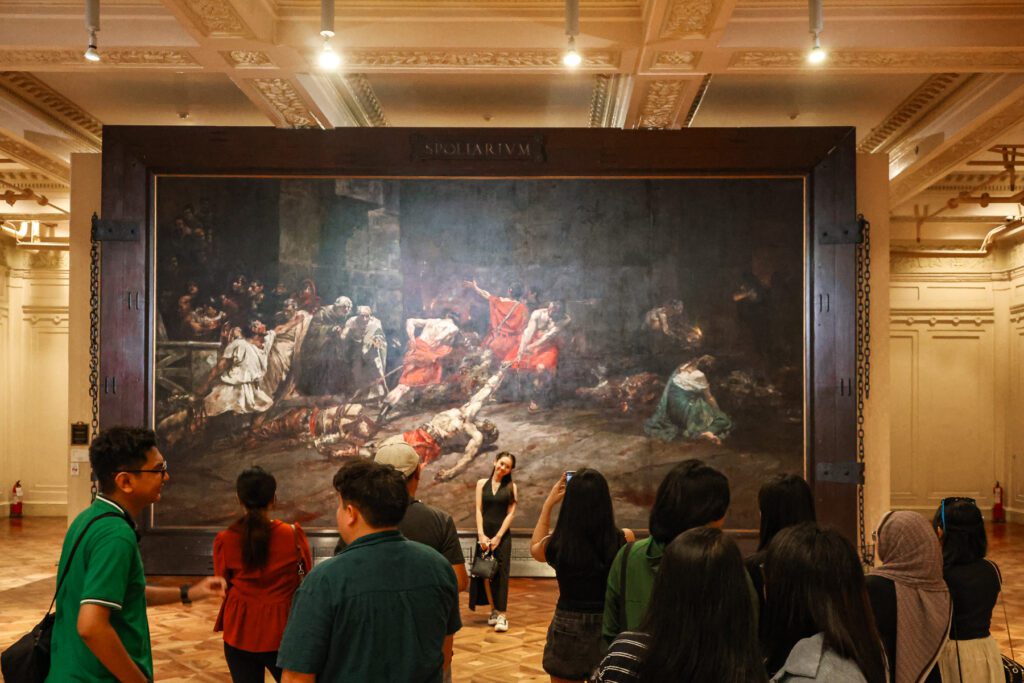
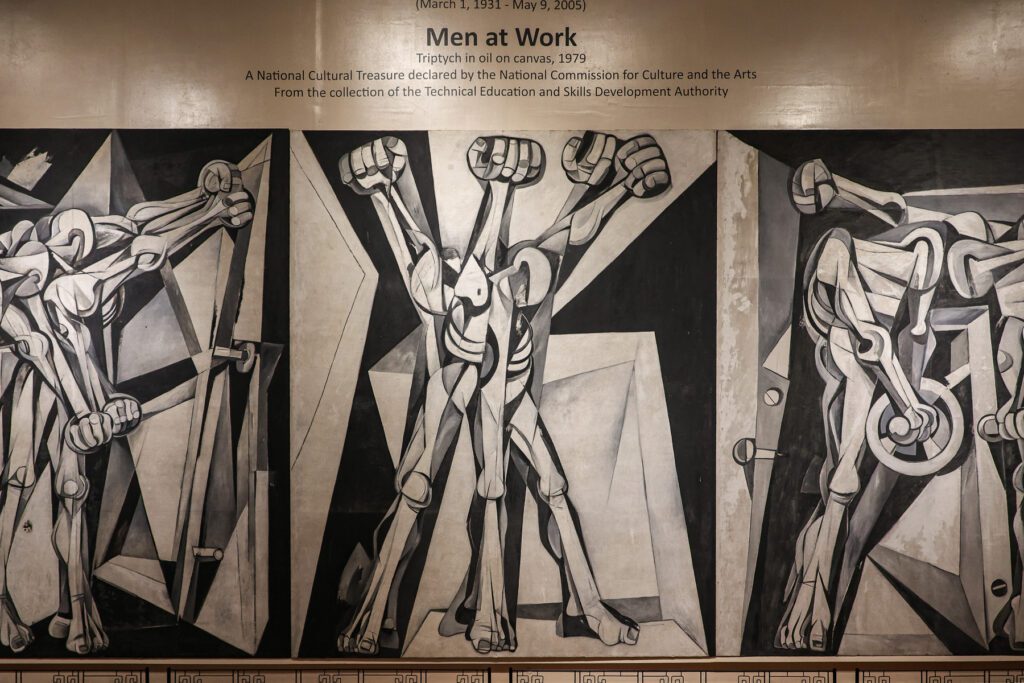
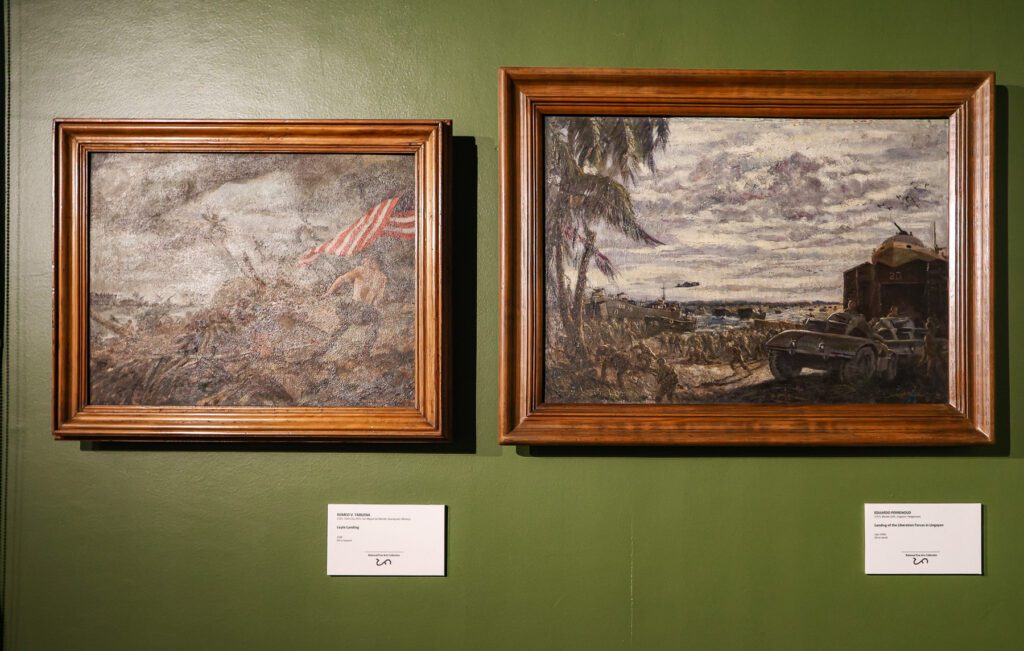
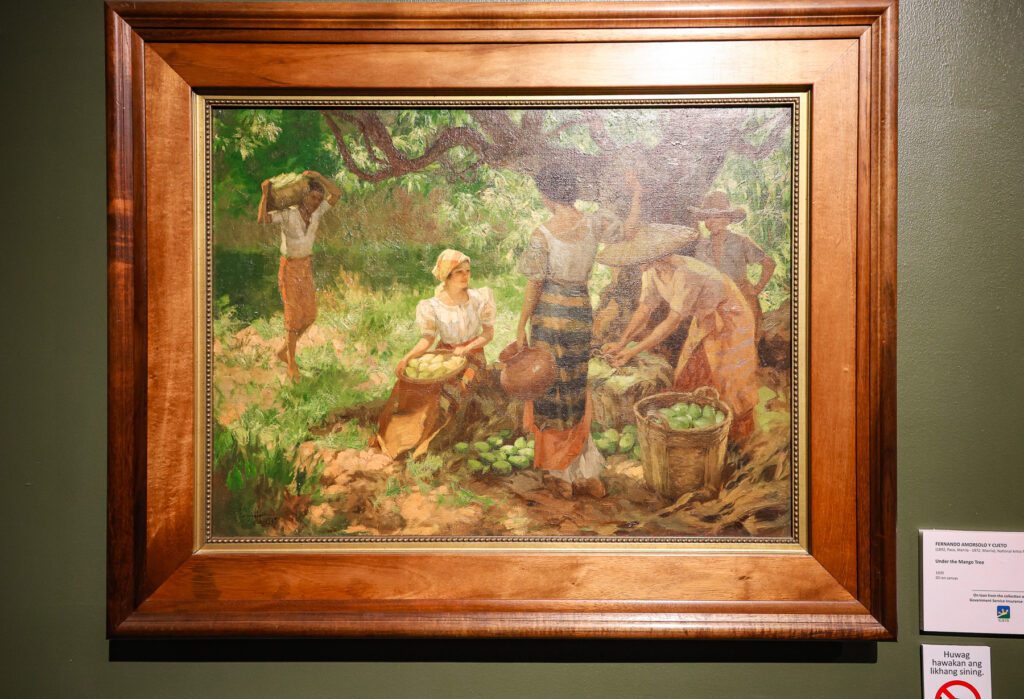


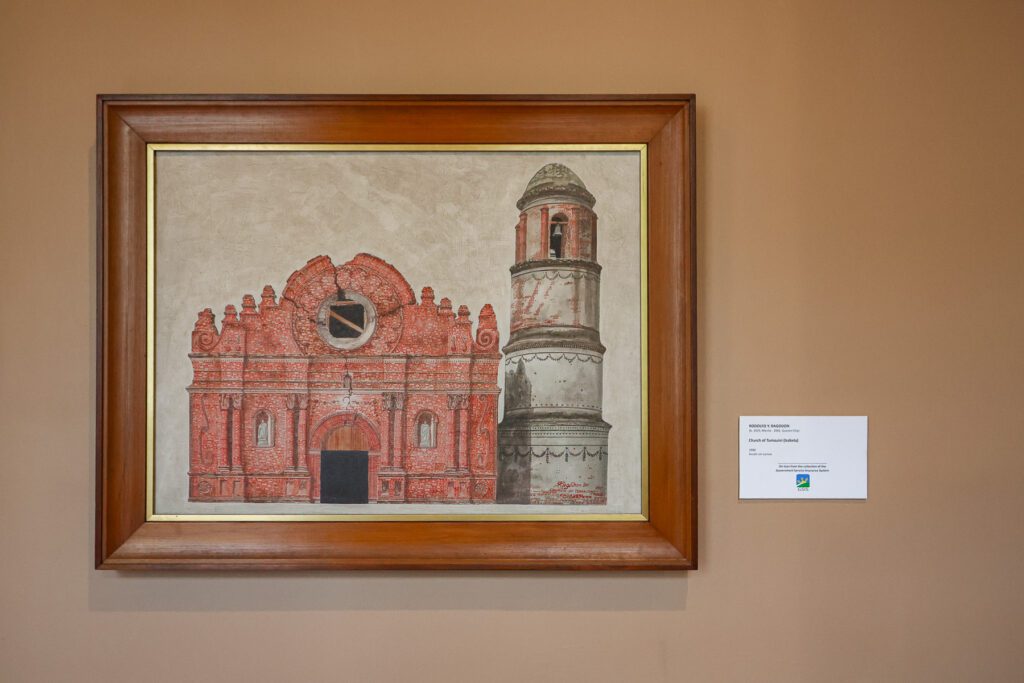
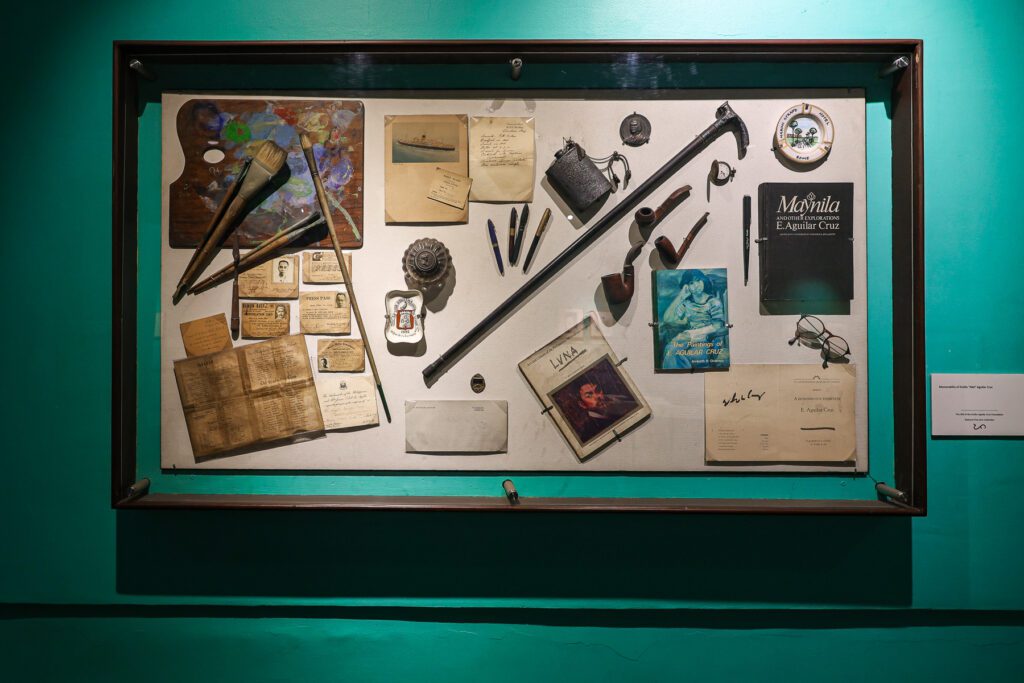
Don’t forget to bring your ID with you!

8. Ocean Park
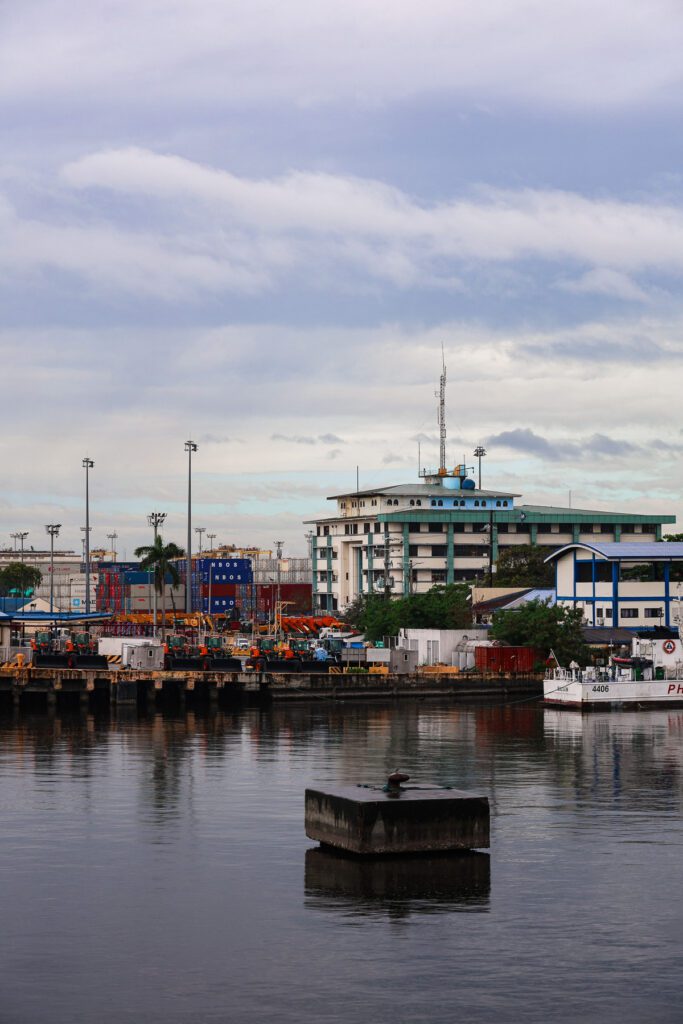
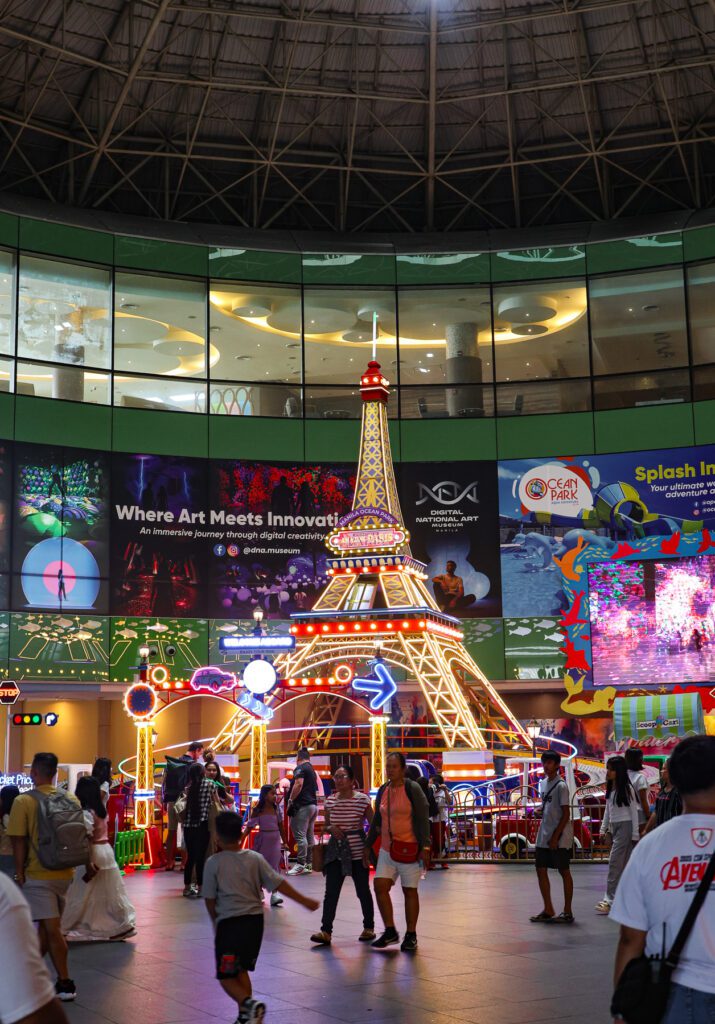
Ocean Park is a large complex located not far from the historical part of the city.
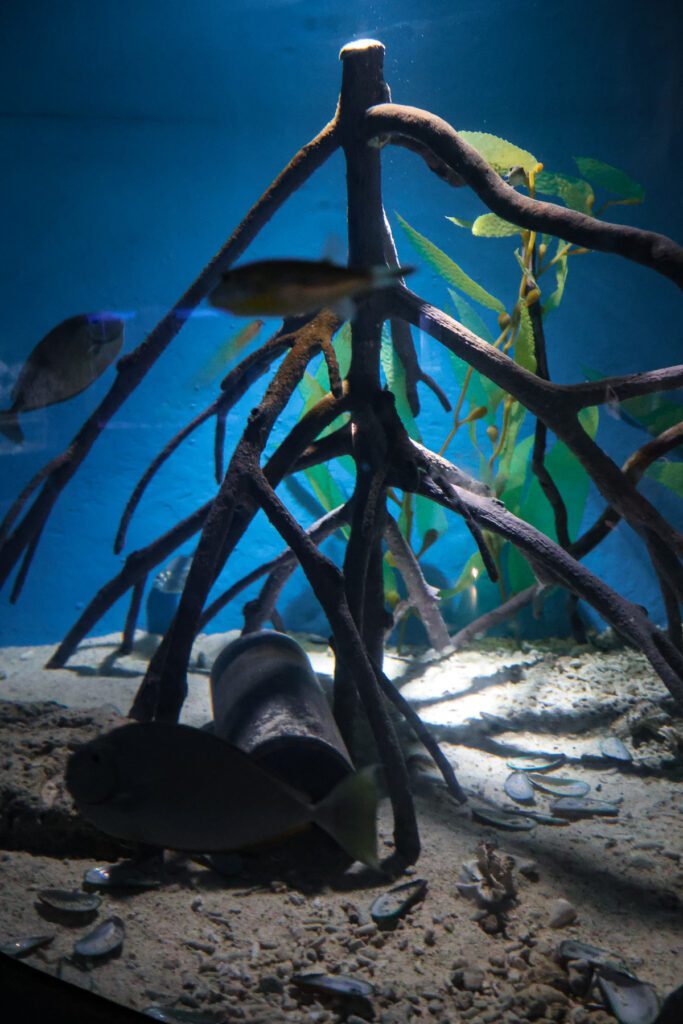

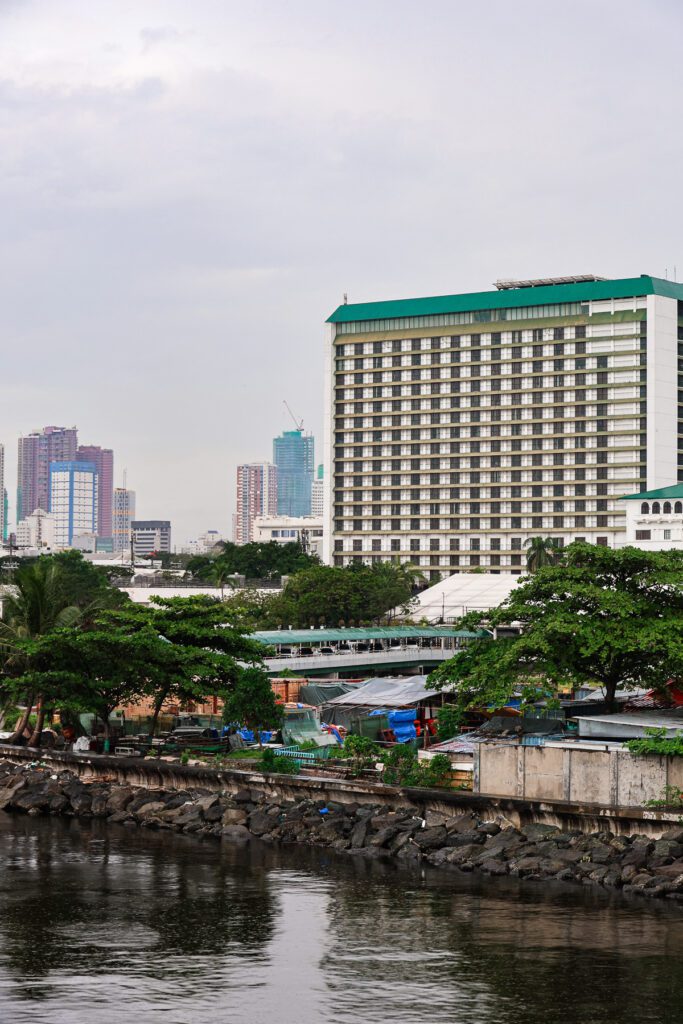
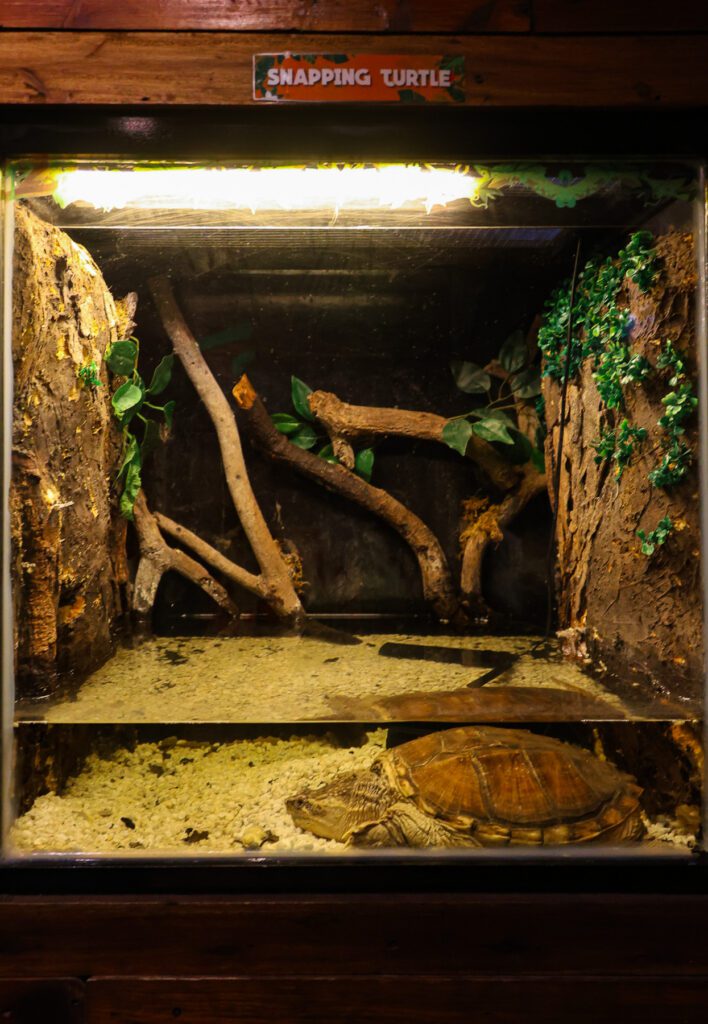
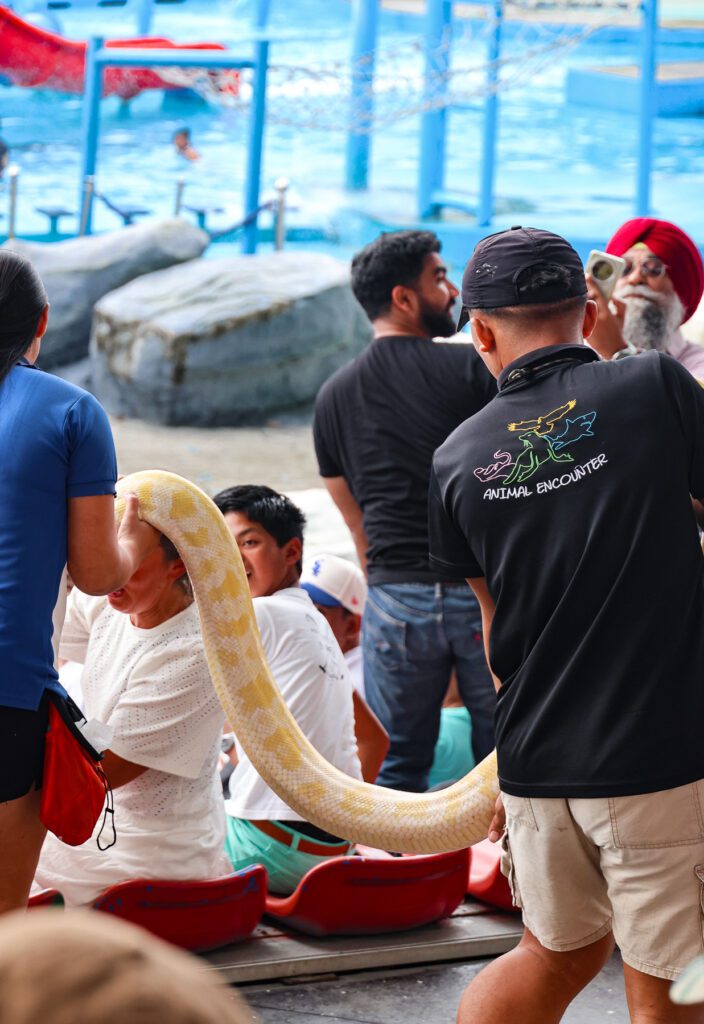
There are a few attractions you can visit there, including shows with birds and sea lions, the Creepy Crawlies with snakes, frogs, spiders, and lizards; the Oceanarium; the Biodome; and Trails to Antarctica: The Penguin Quest.
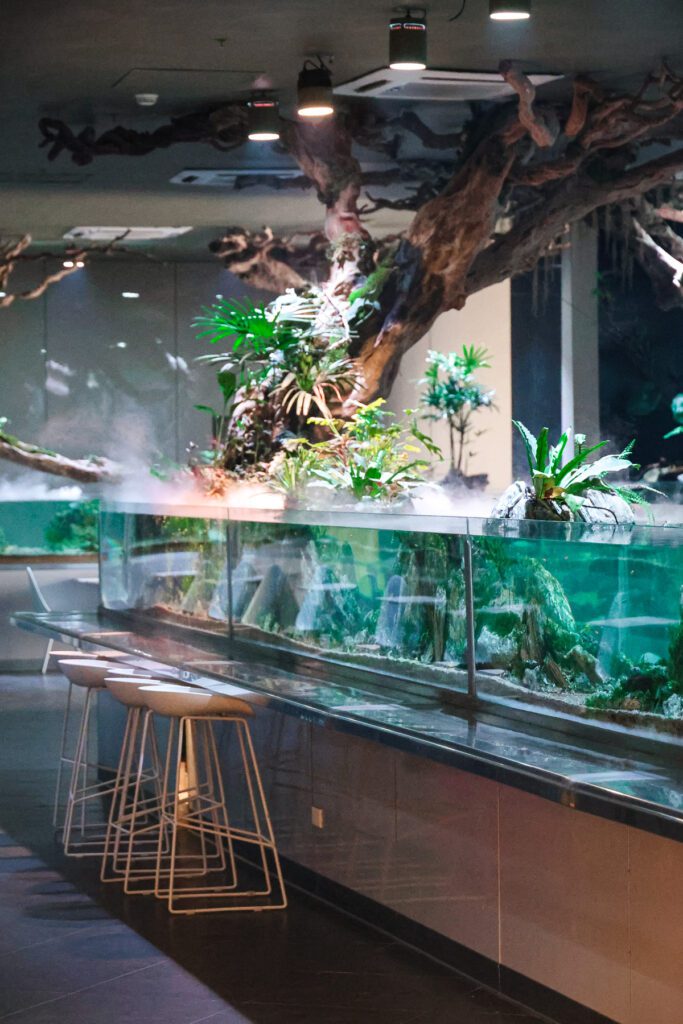
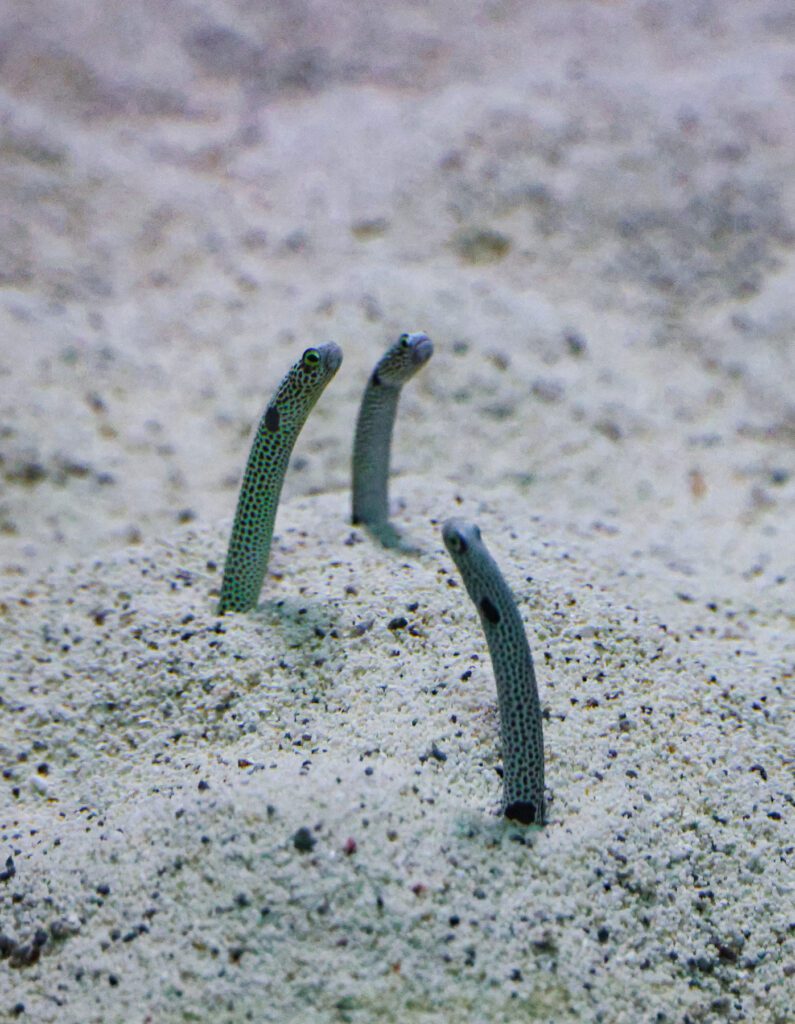
The Oceanarium is famous for its underwater tunnel, which features a collection of almost 300 species of marine animals, all from Southeast Asia, and the encounters it offers – for instance, I went to feed stingrays and sharks! For Christmas, there’s also a Christmas village with a few photo zones.

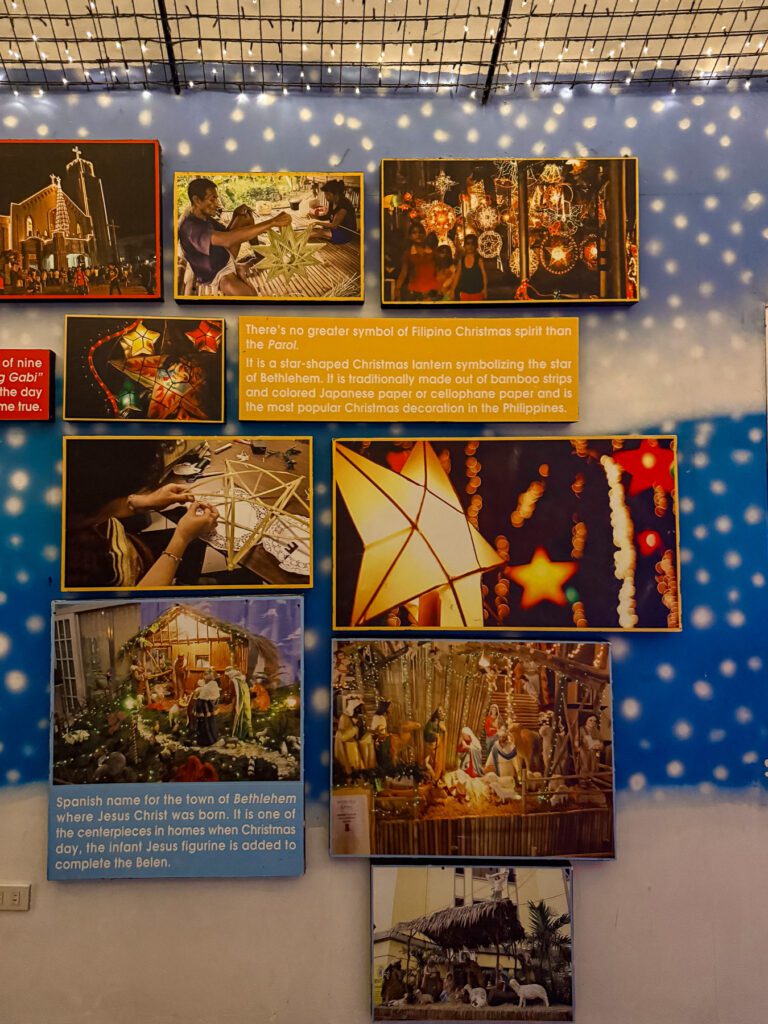
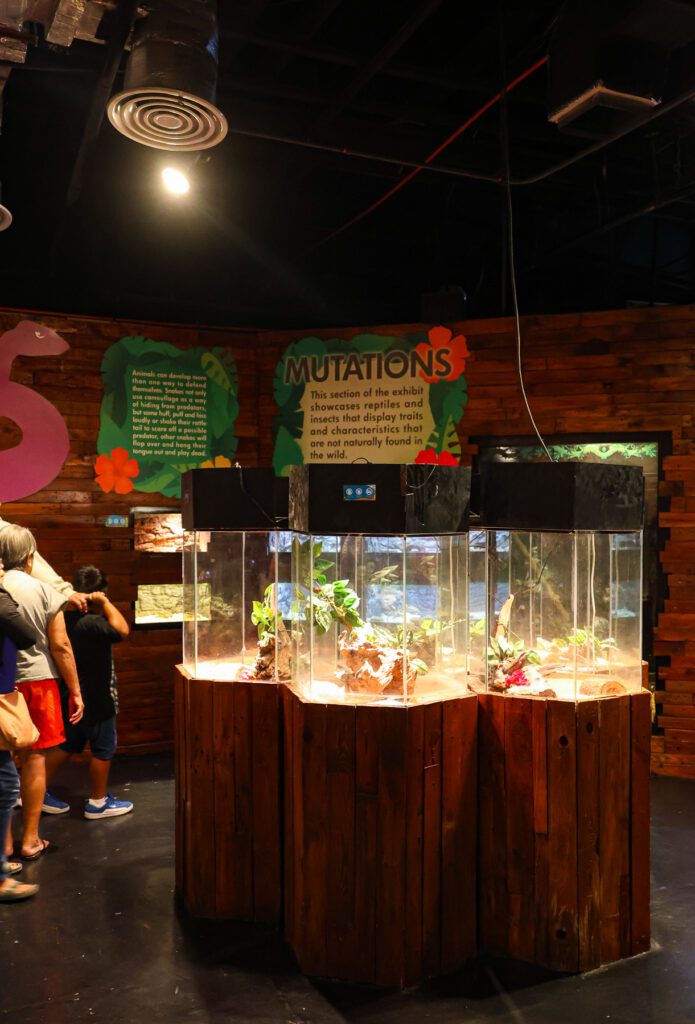
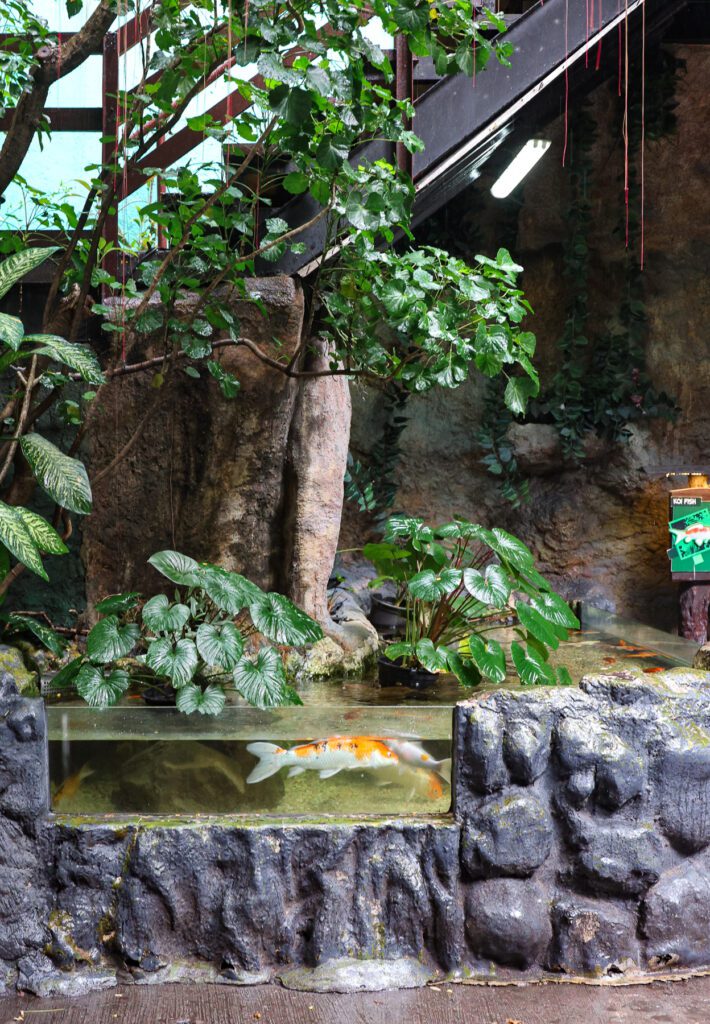
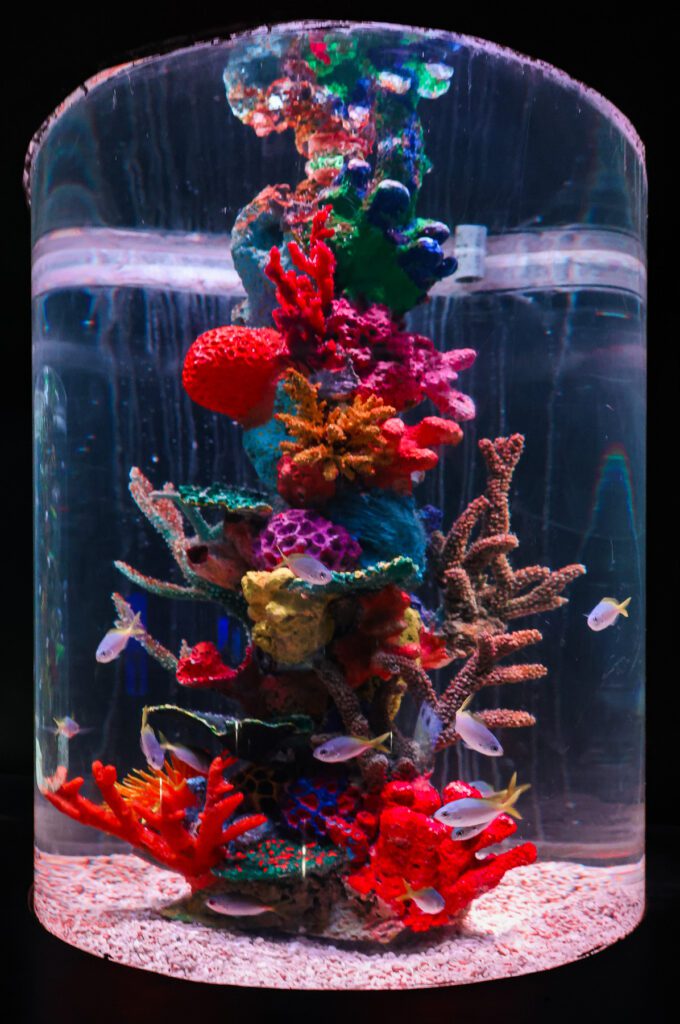
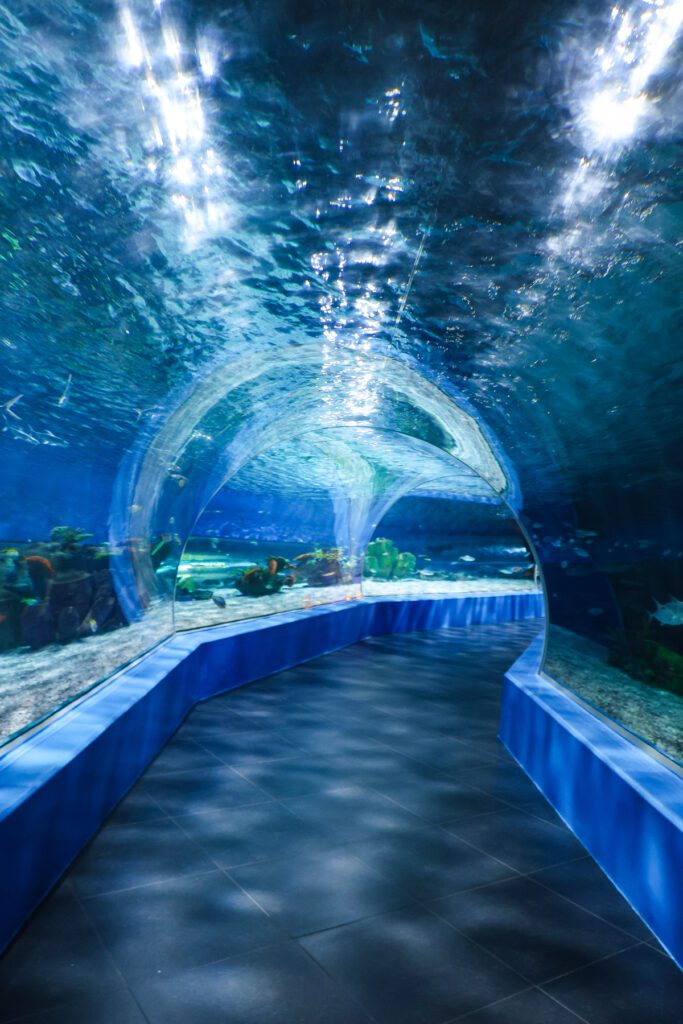
Overall, it’s a must-visit, especially if you’re with kids!
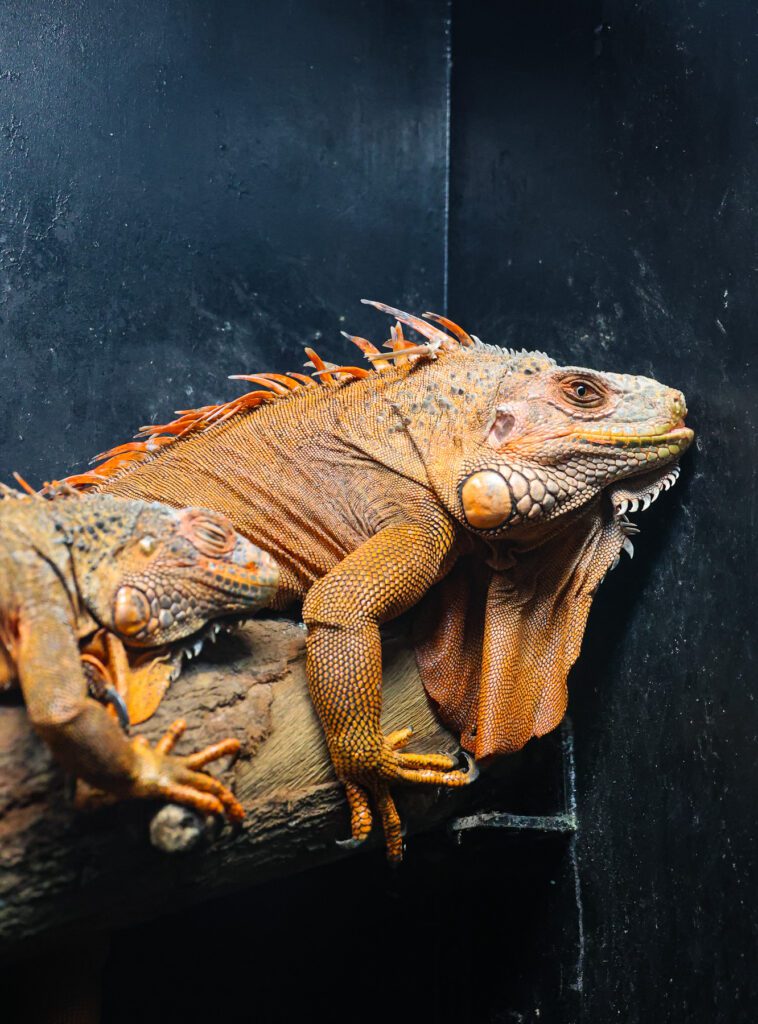

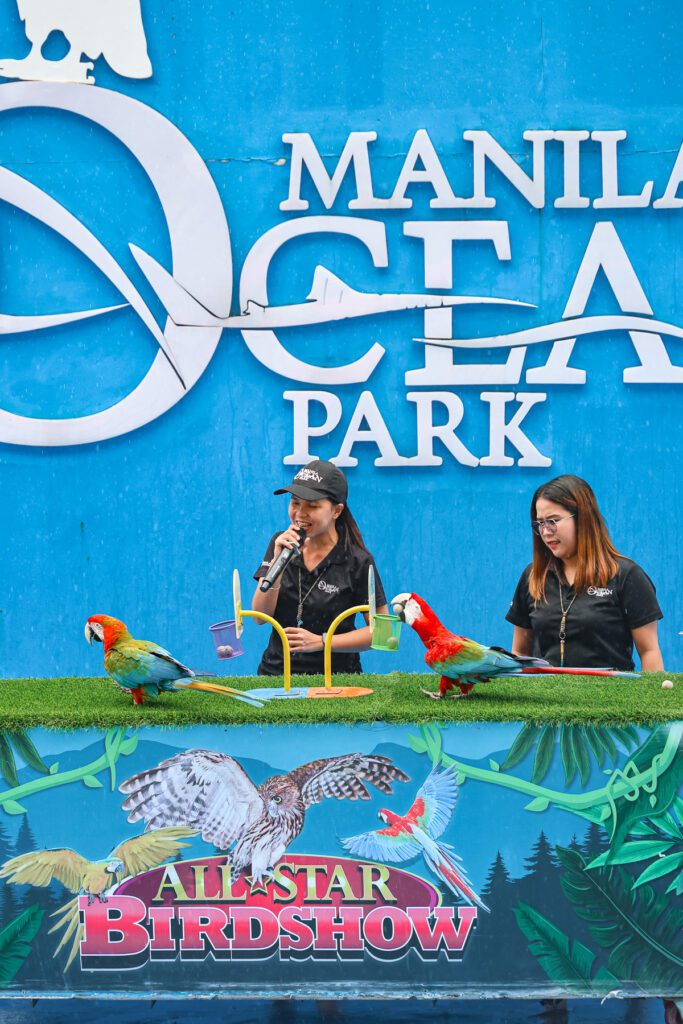
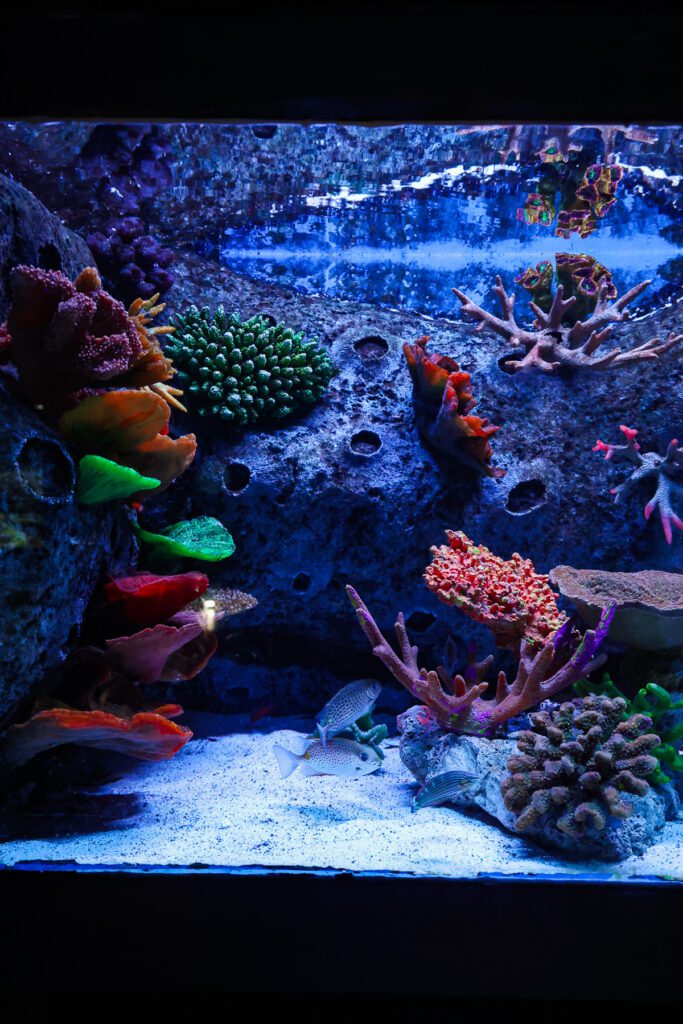
9. DNA Museum
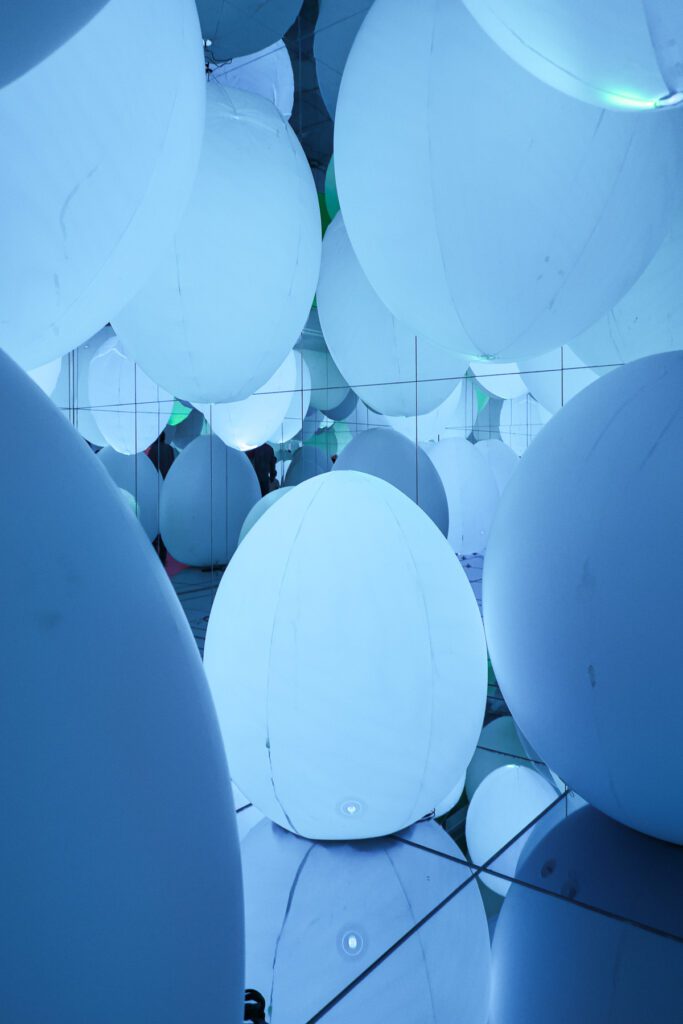
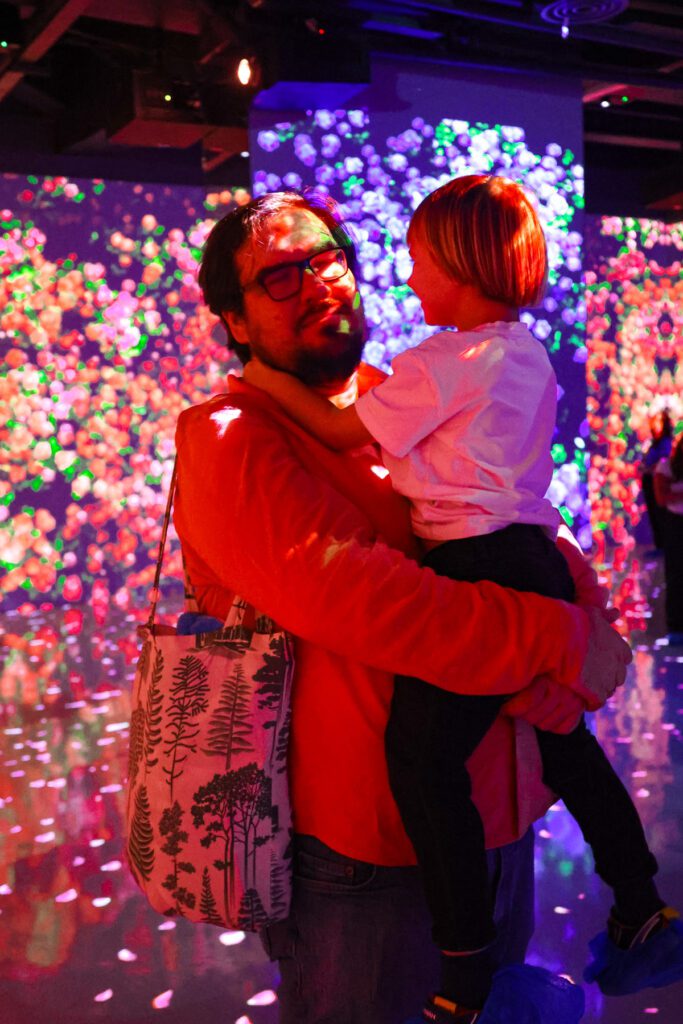
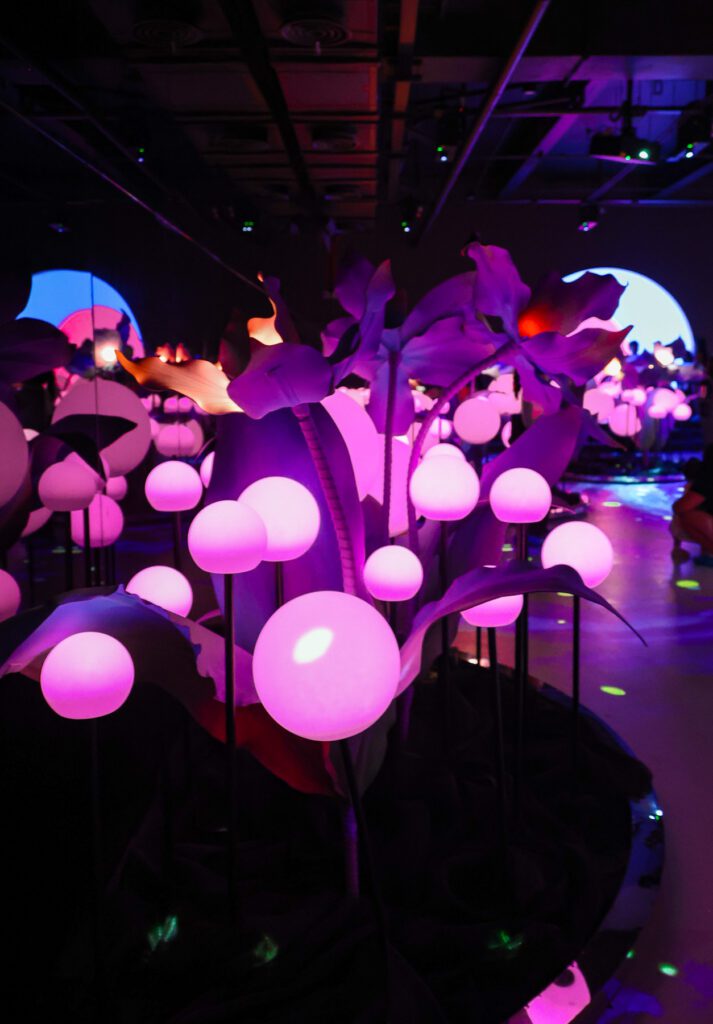
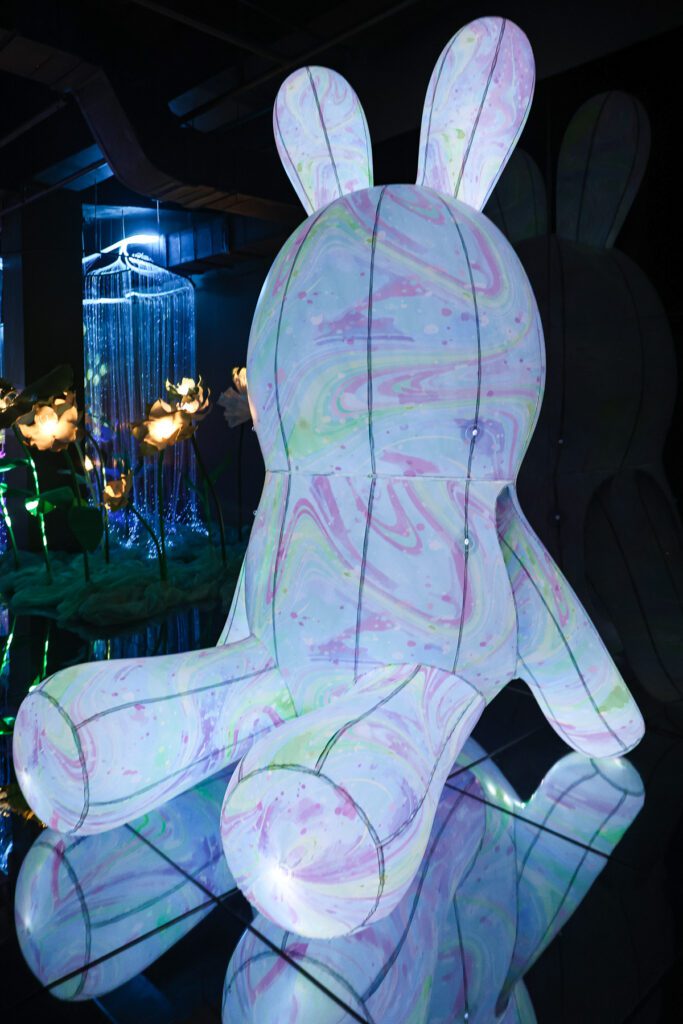
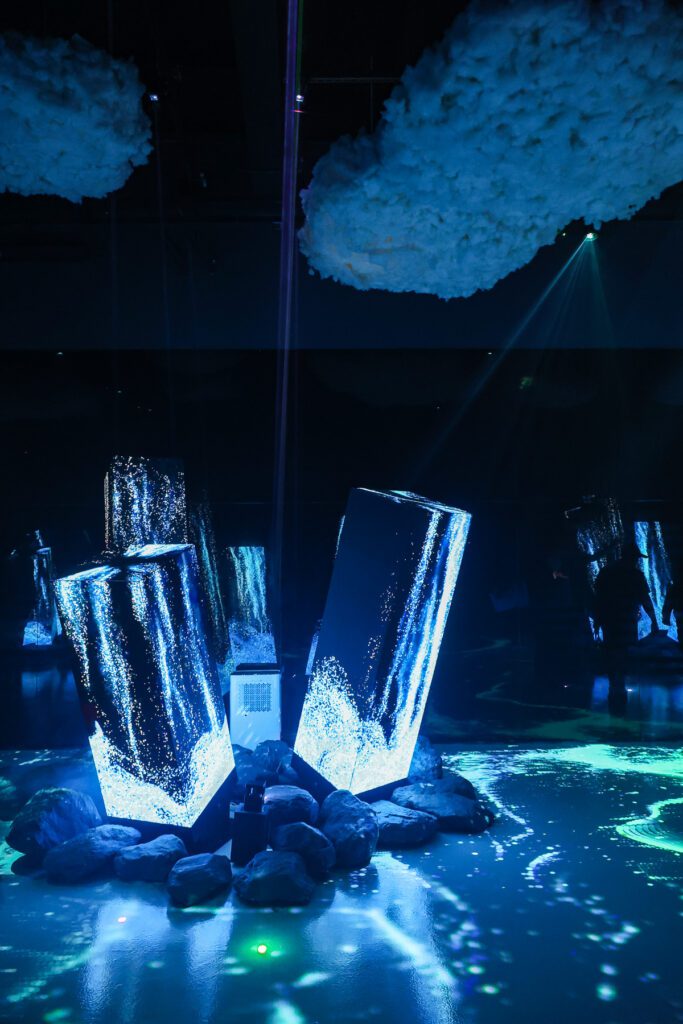
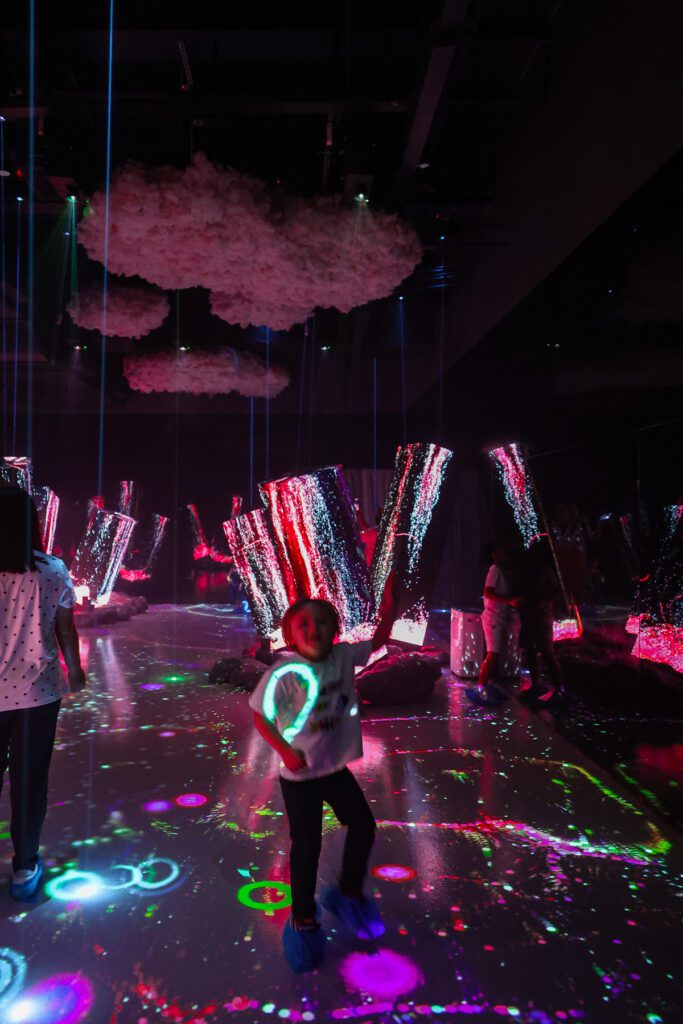
DNA stands for the Digital National Art Museum, and it has the same concept as the TeamLab museums in Japan, the art museums in Dubai, and the Art and Science Museum in Singapore.
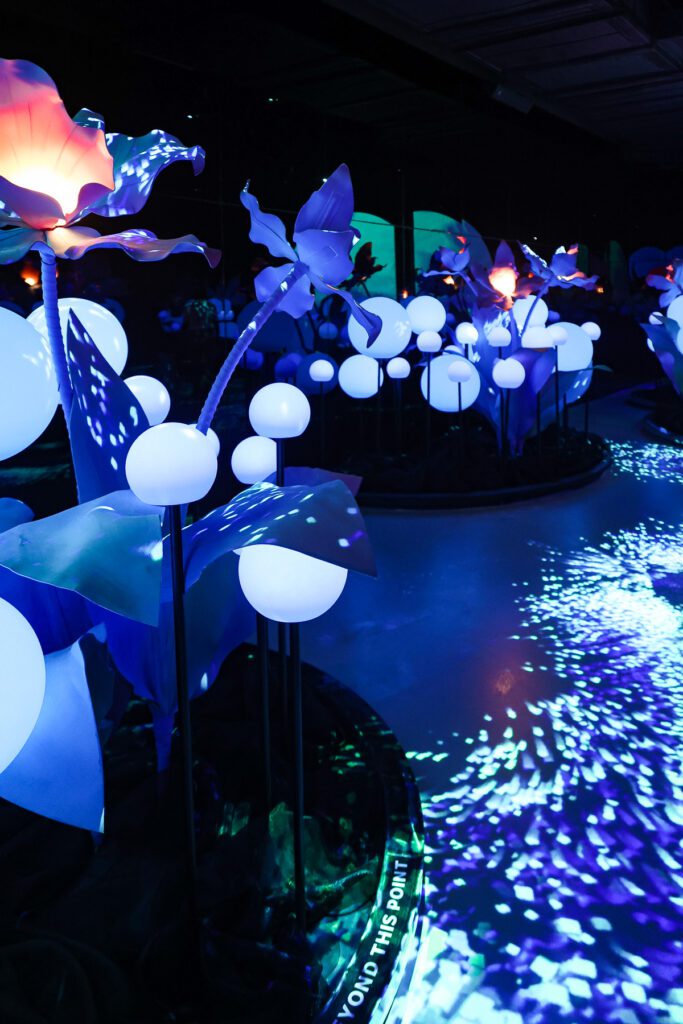
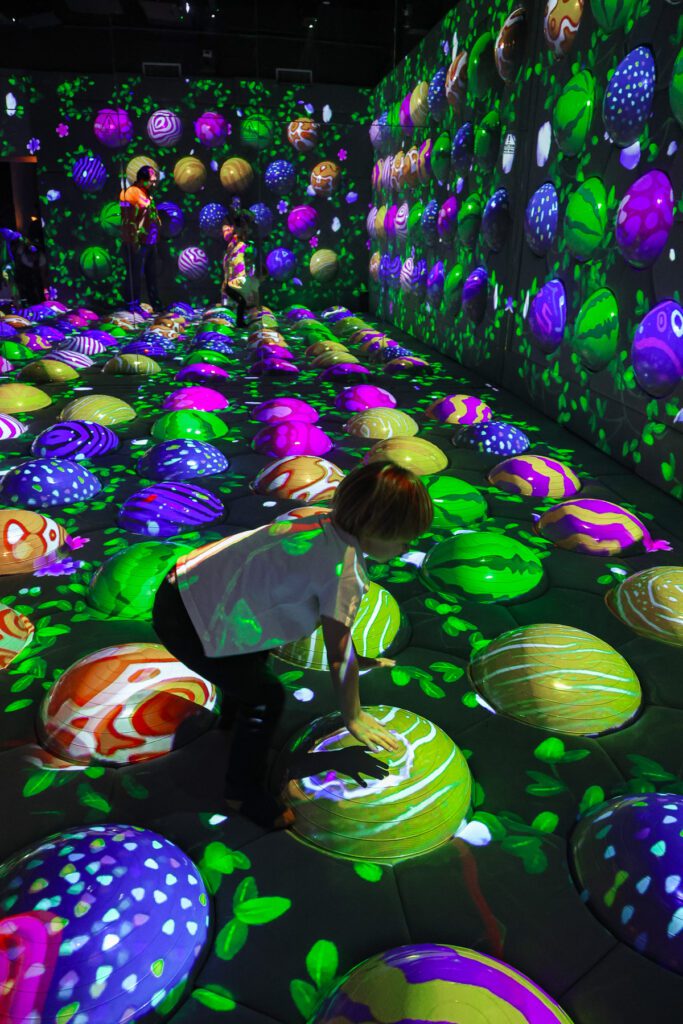
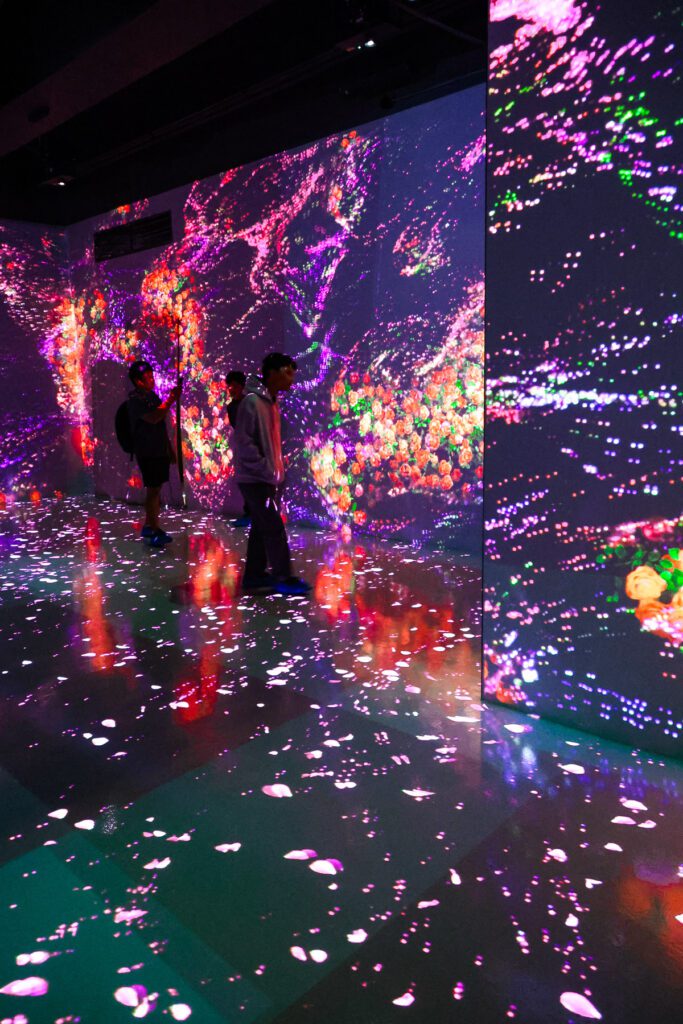

There are 12 immersive rooms with various installations, all dedicated to various natural objects or natural phenomena. Actually, all the graphics and music synchronization are really good, and you will definitely enjoy your visit. I was really surprised to see installations of this level in Manila. At the very end of your visit, you can participate in an immersive drink experience.

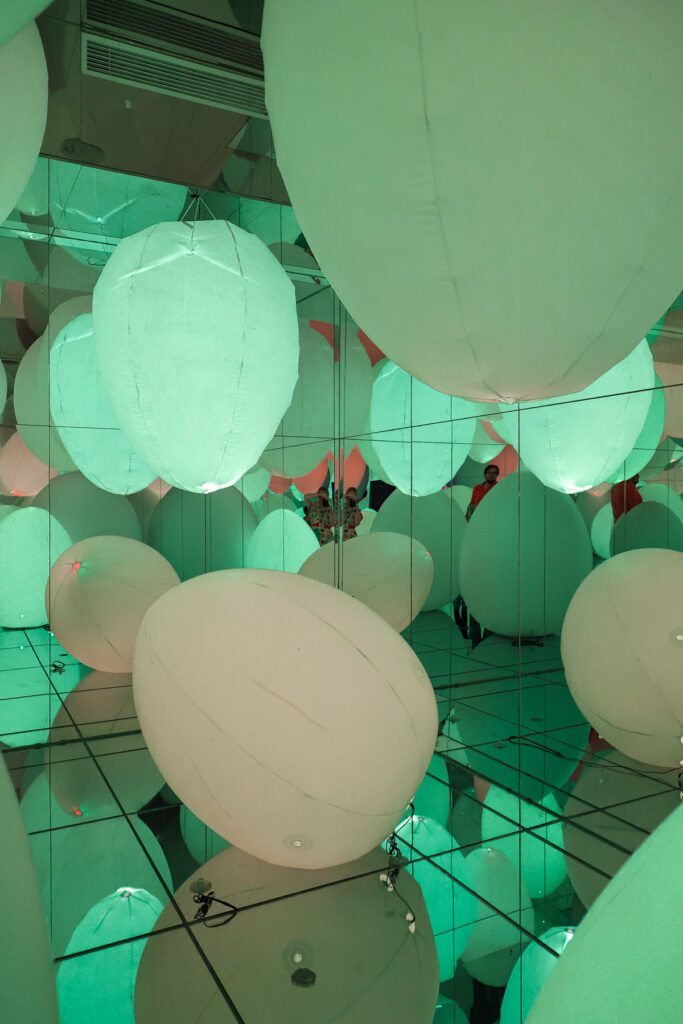
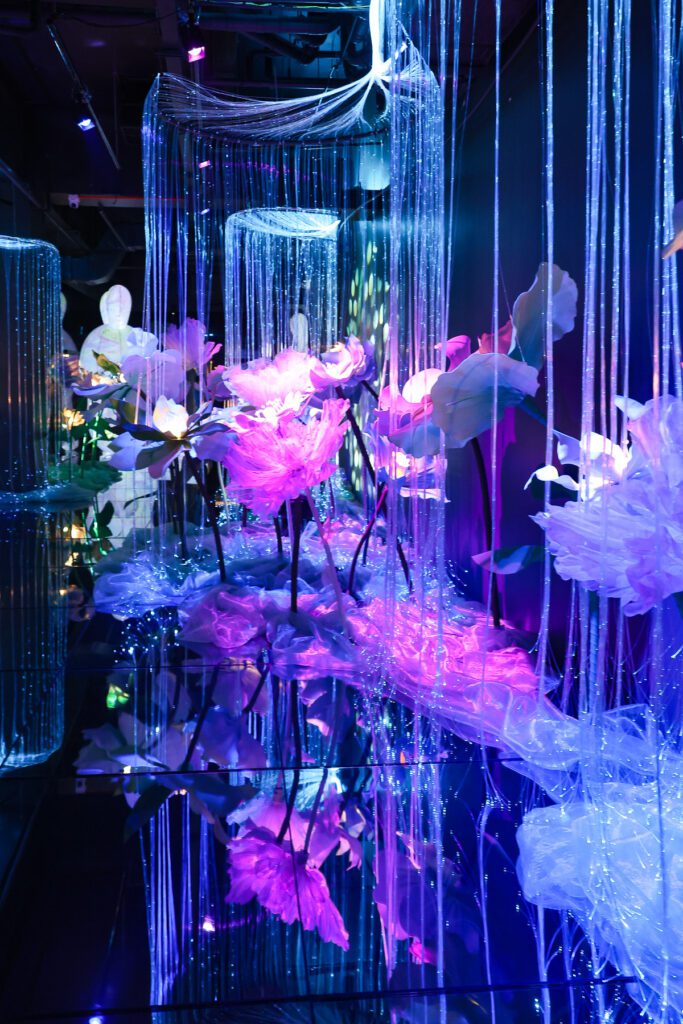
I tried a similar one in Dubai, and I absolutely had to try this one as well. A bare branch starts blooming once you receive your chosen drink, and once the Sakura petals stop falling, a small fish appears in your cup. Absolutely magical!
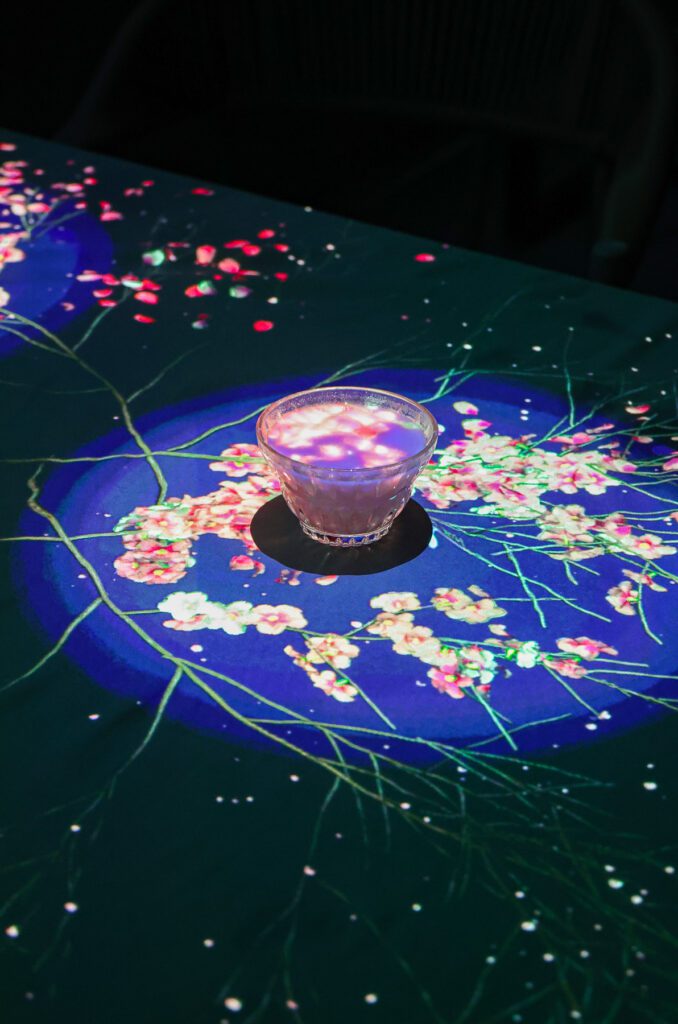
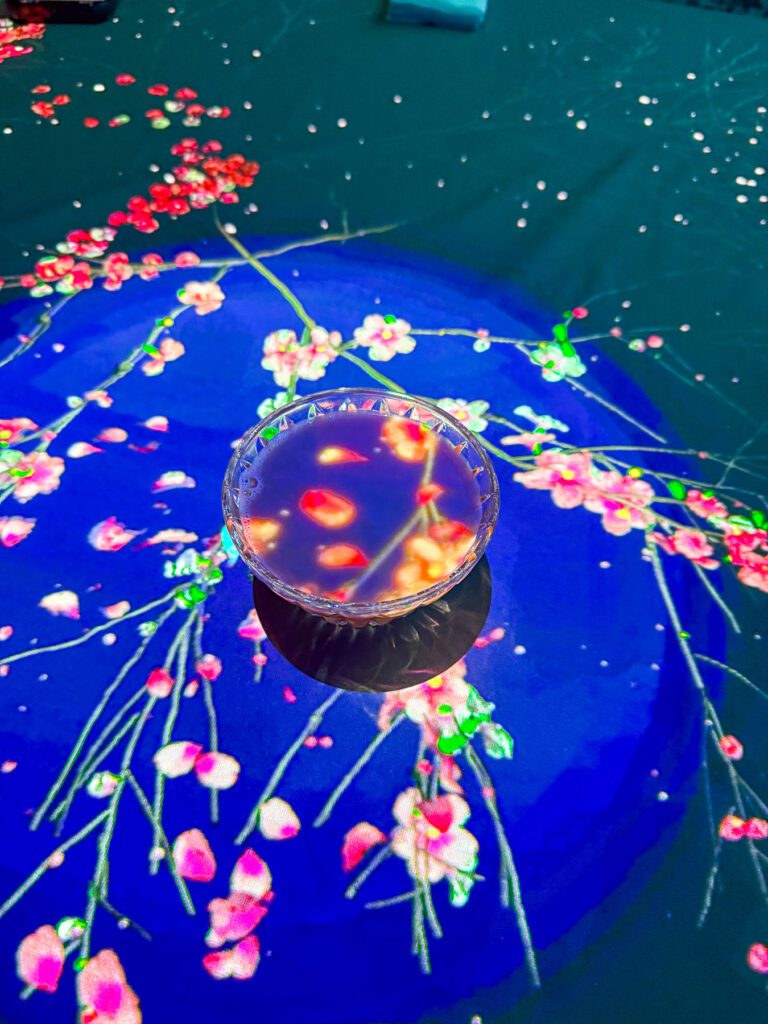
The DNA Museum is also located within the Ocean Park area. The majority of museums in Manila are closed on Mondays – keep this in mind – but the DNA Museum is an exception.
10. Chinatown of Manila
Chinatown of Manila was established in 1594, making it the oldest Chinatown in the world.
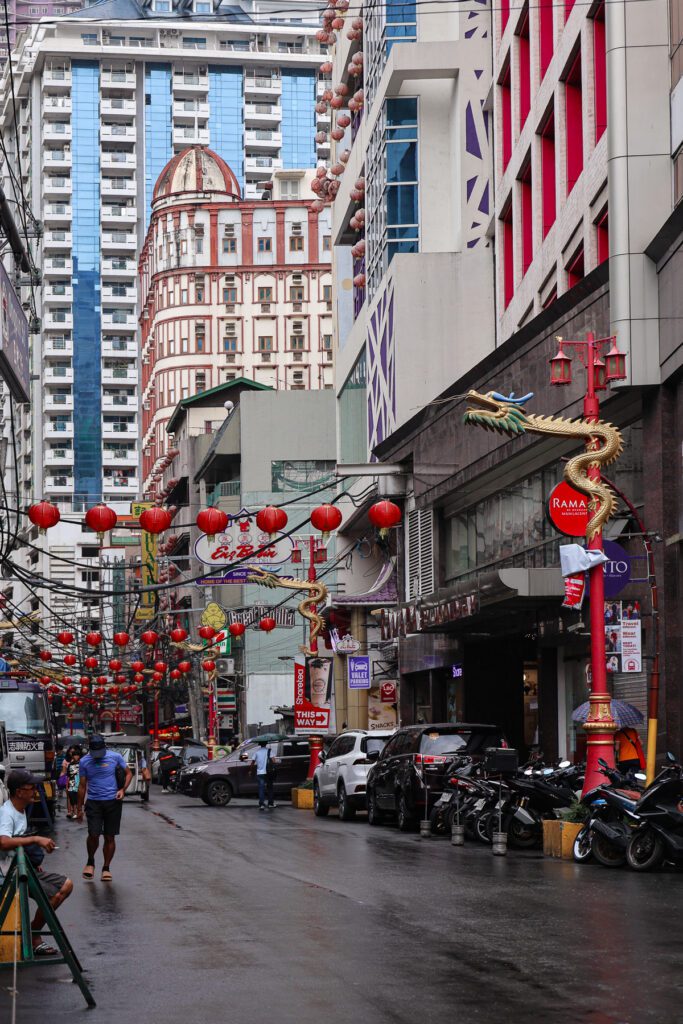
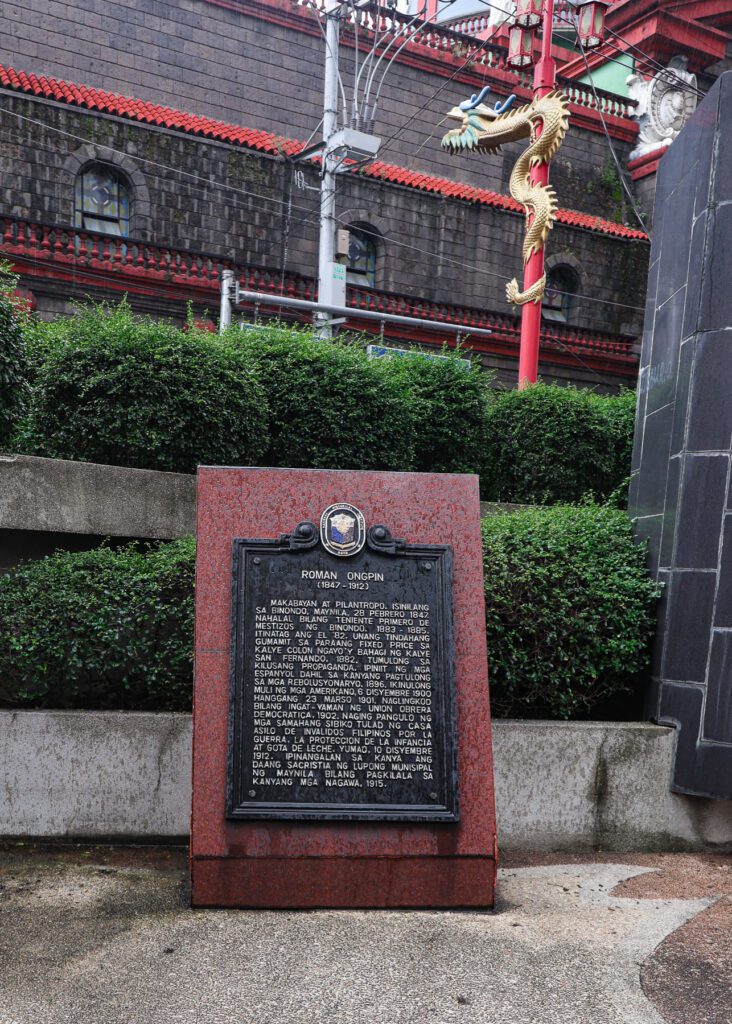
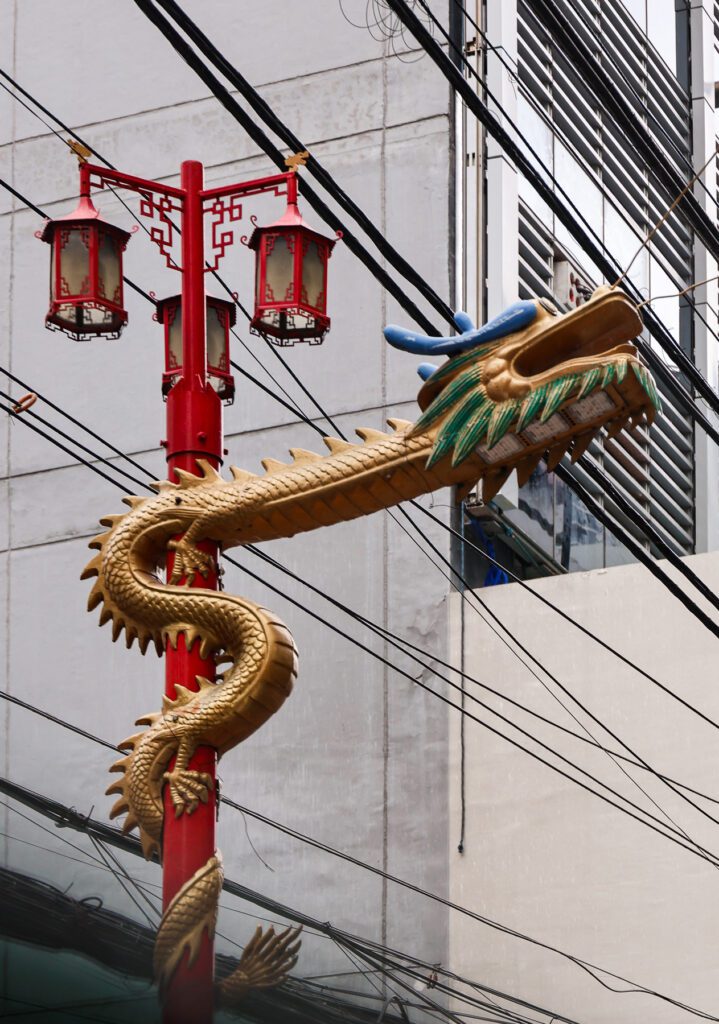
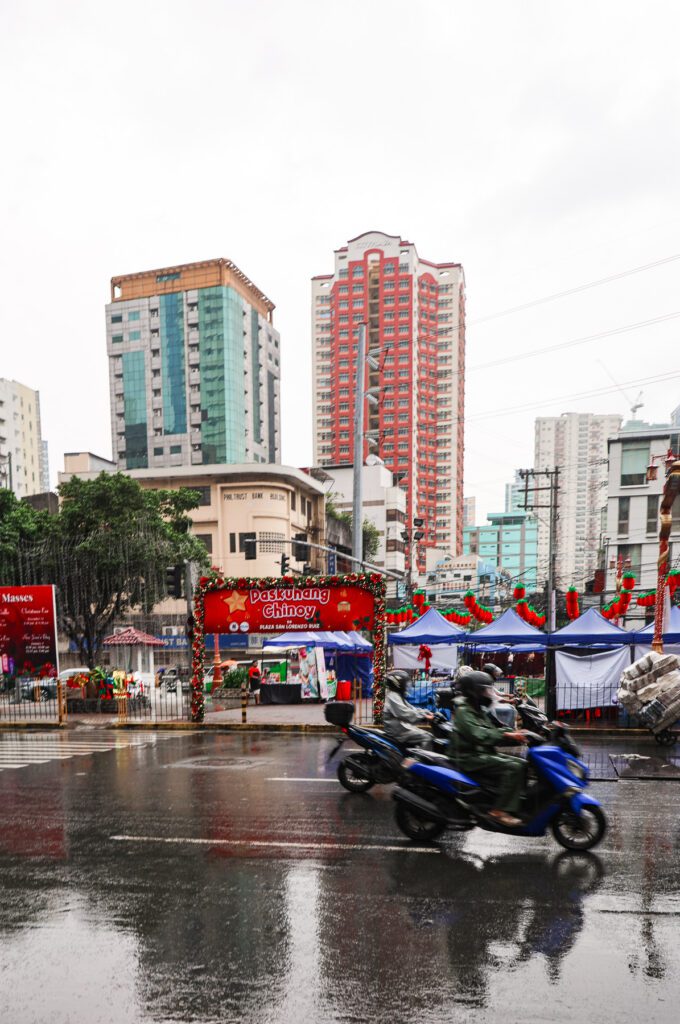
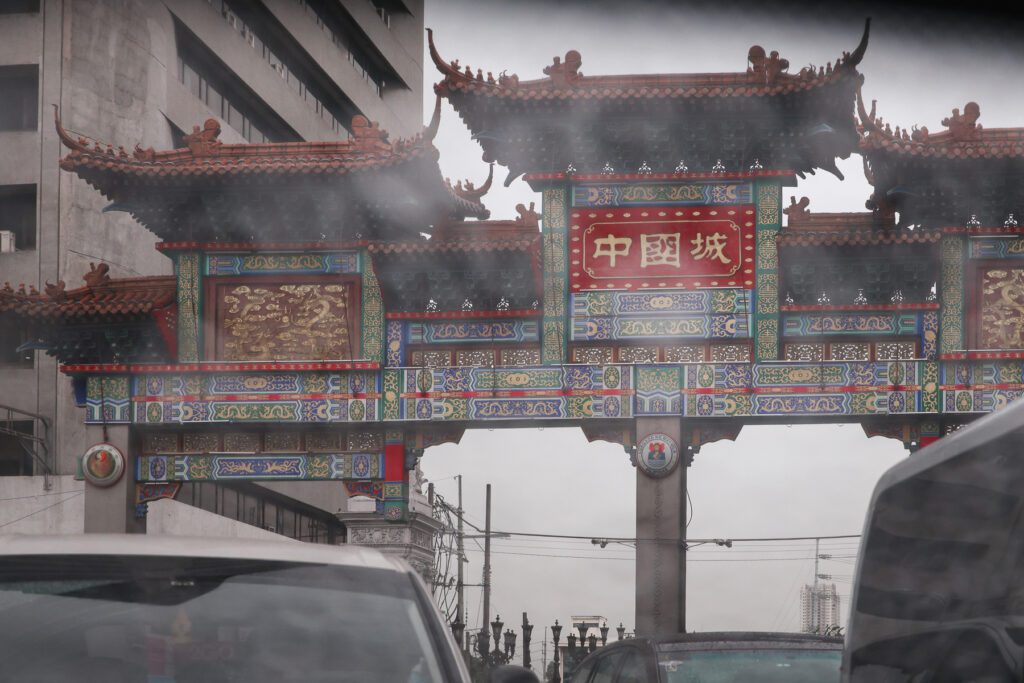
It’s also known by the name Binondo. This used to be a busy trading district, and it remains pretty lively today as well. Come here to see the numerous Chinese shops, Plaza Lorenzo Ruiz (during our visit, there was a market taking place), and Chinatown Arch – and you’ll probably arrive via the gorgeous William A. Jones Memorial Bridge over the Pasig River.
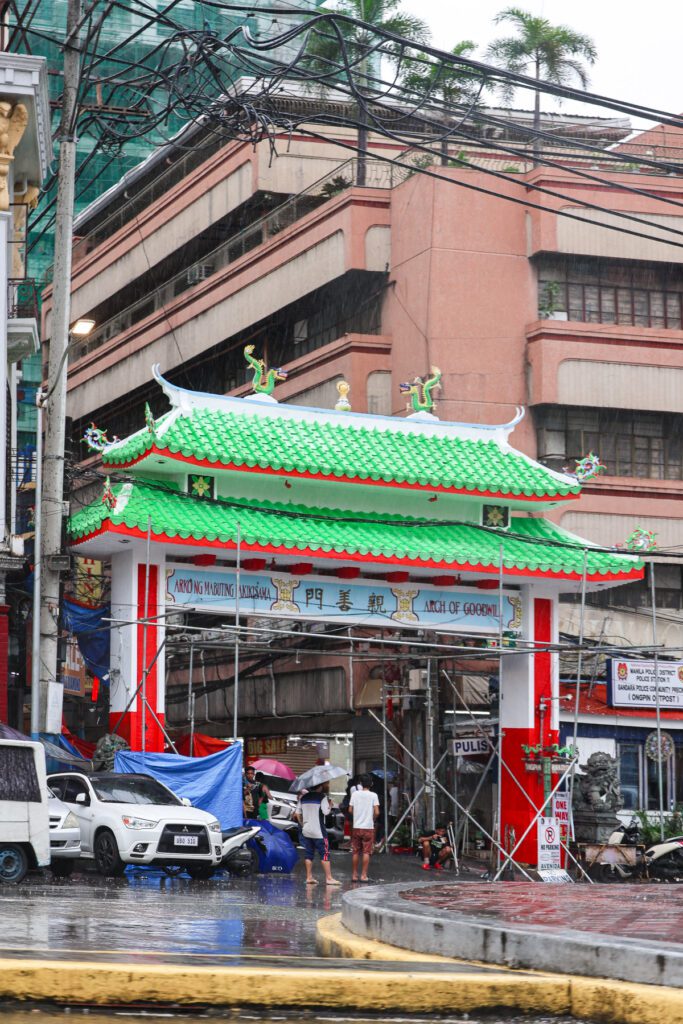
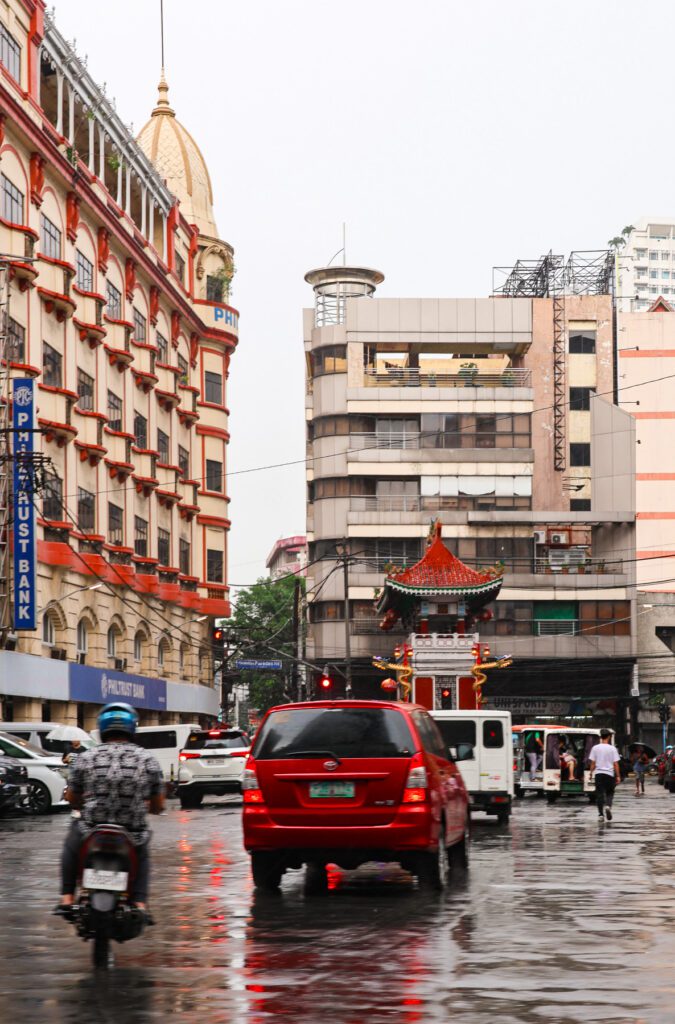
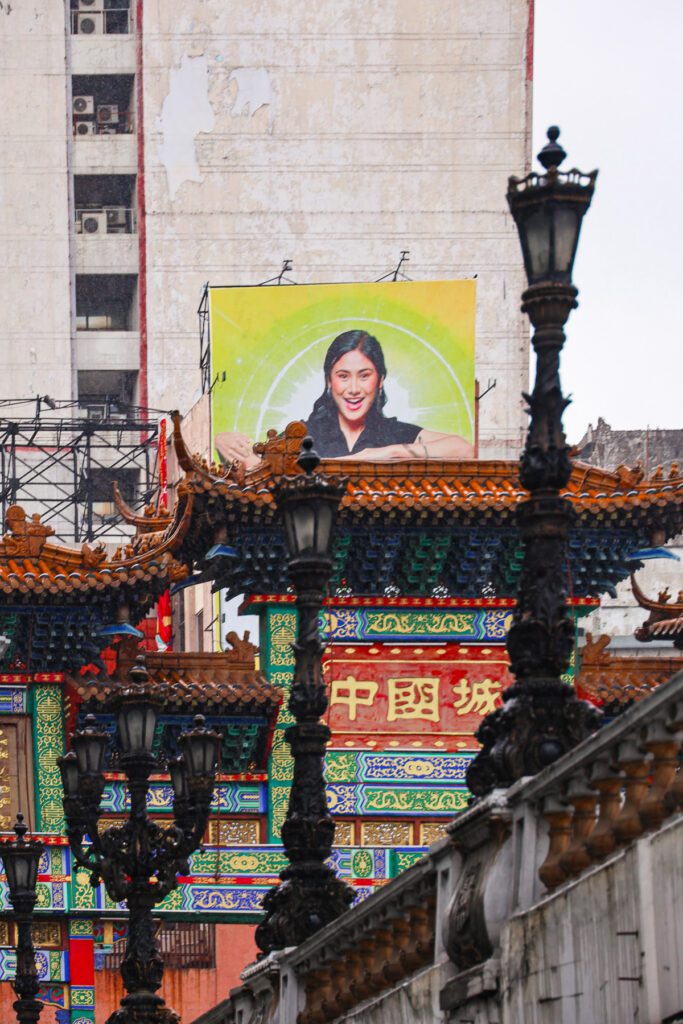
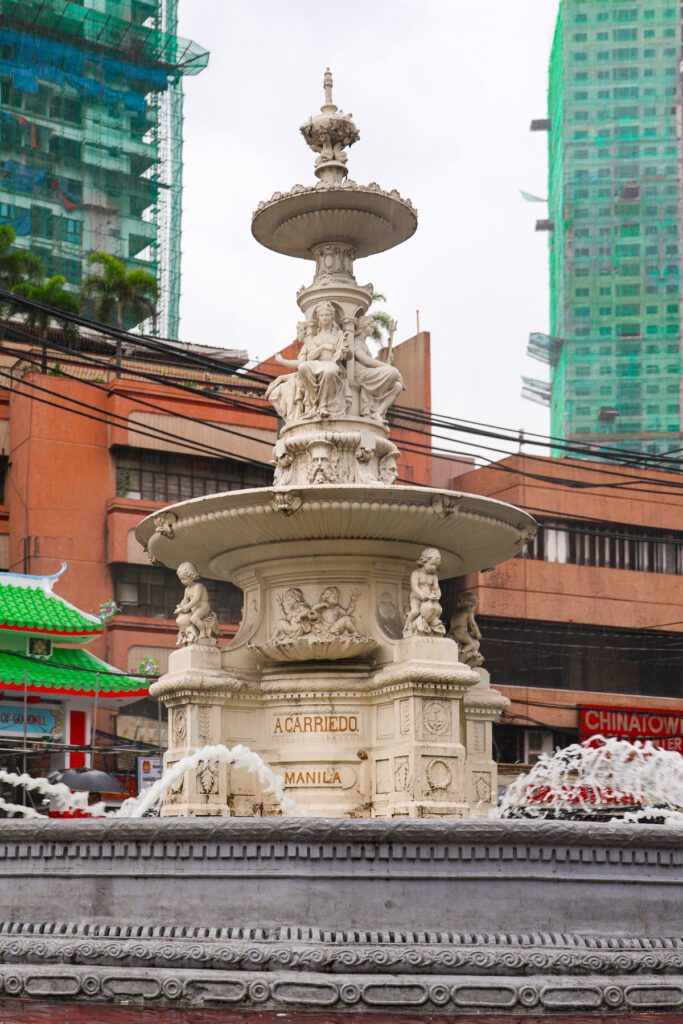
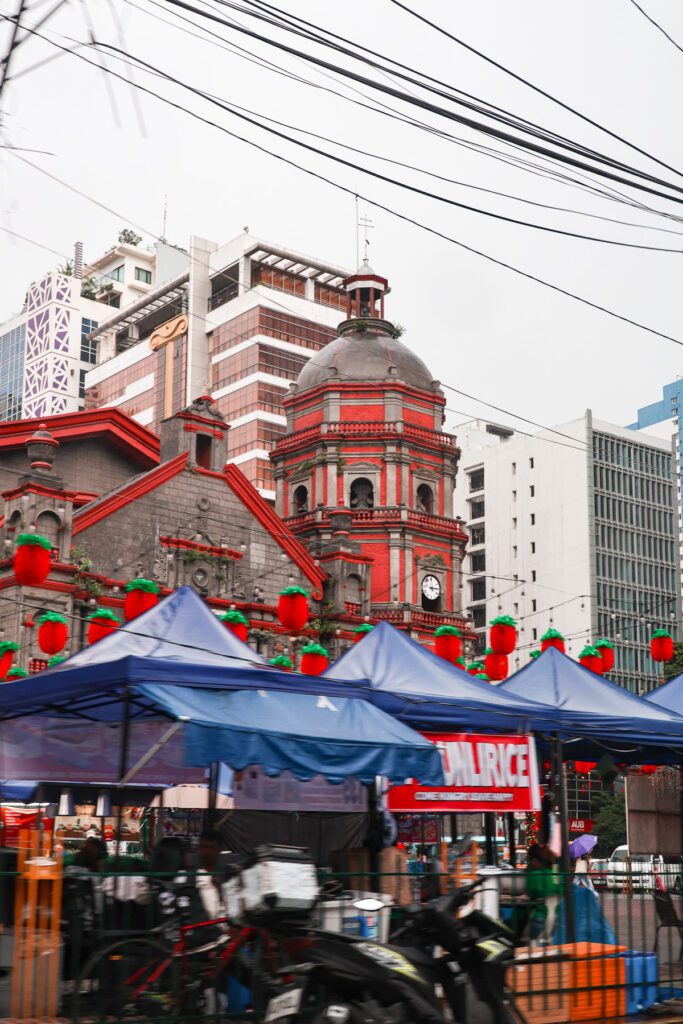
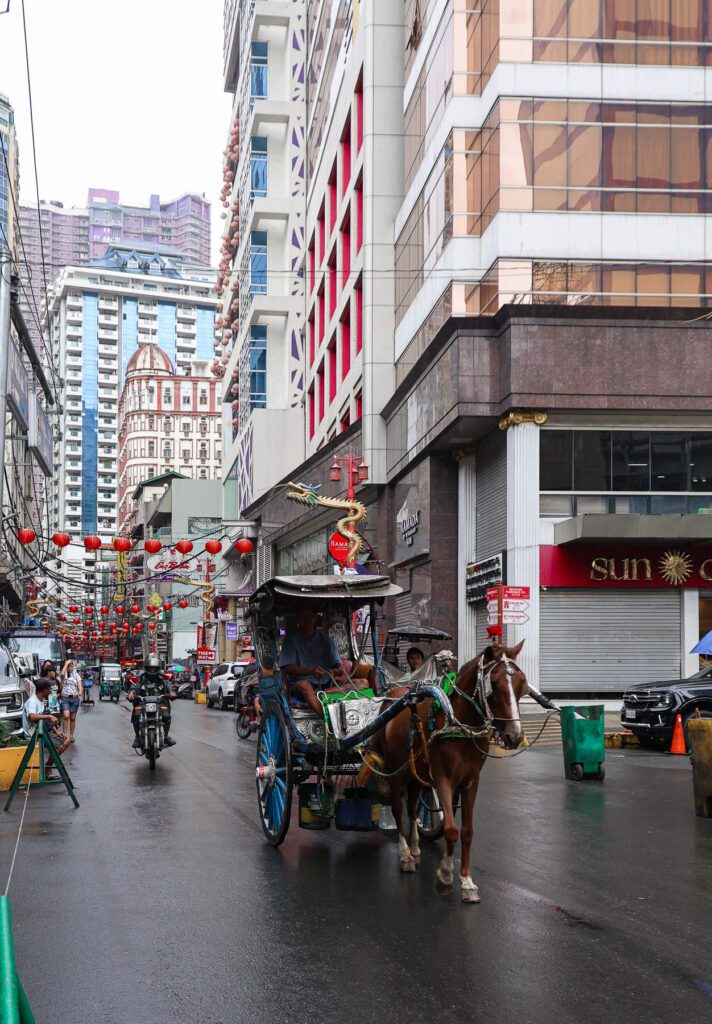
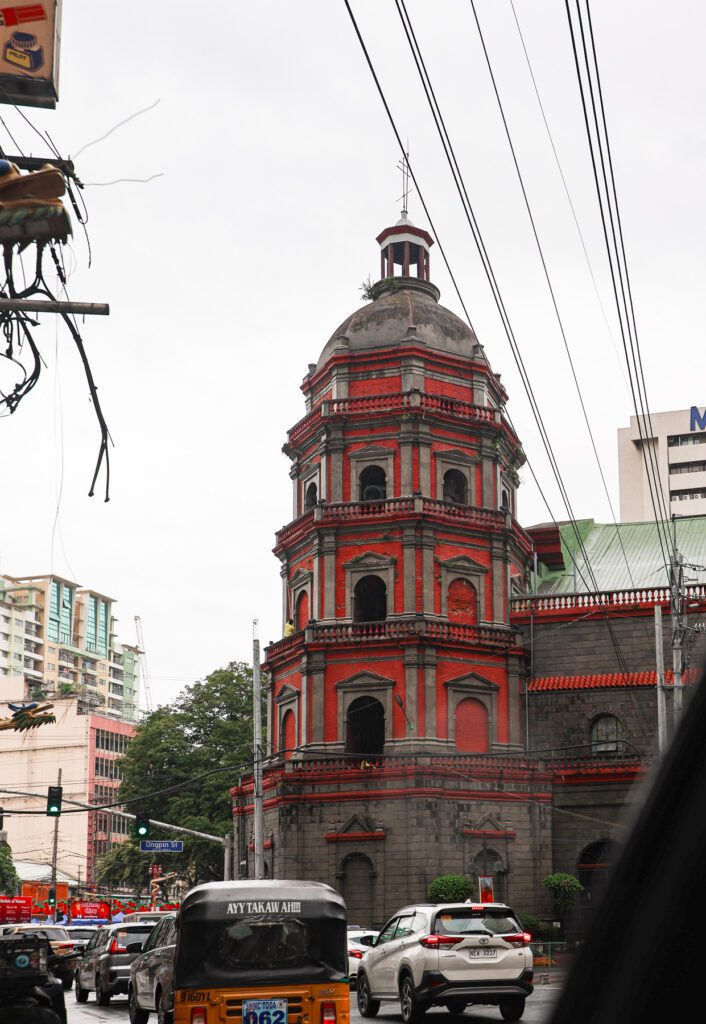
The most famous landmark of Chinatown is probably the Our Lady of the Most Holy Rosary Parish, also known as Binondo Church. Founded on the site by the Dominican order in 1592, the current building mostly dates to the second half of the 20th century.
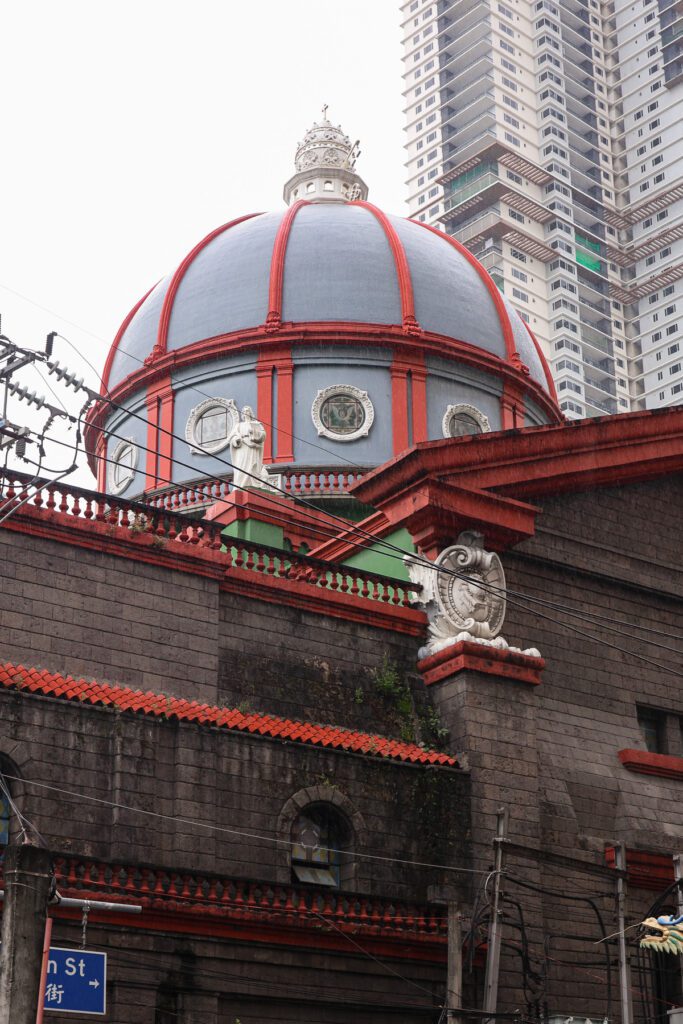
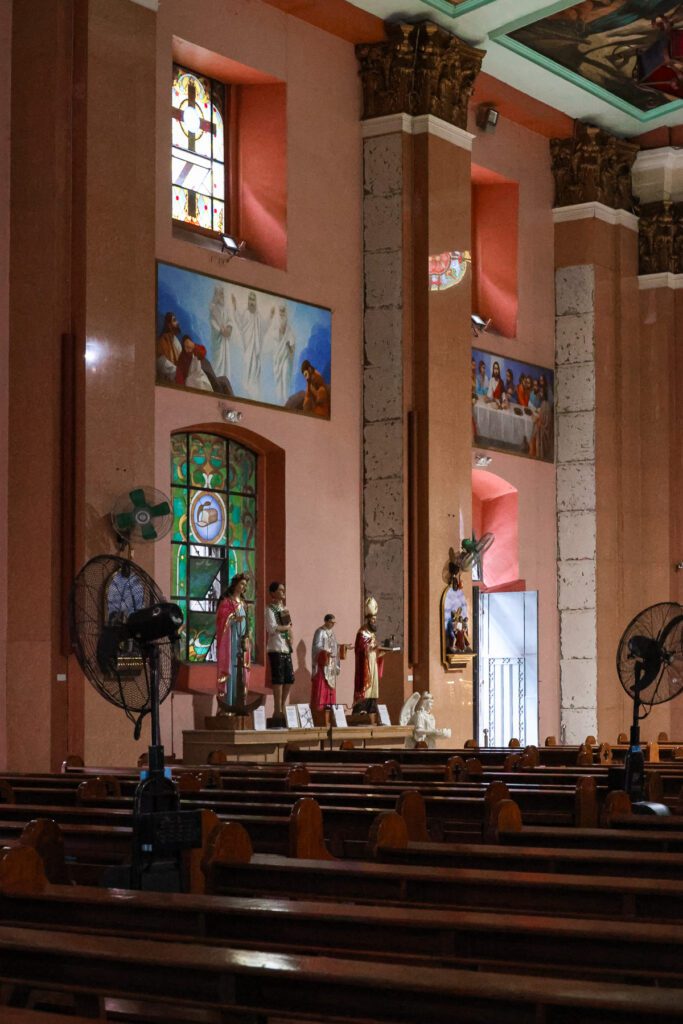
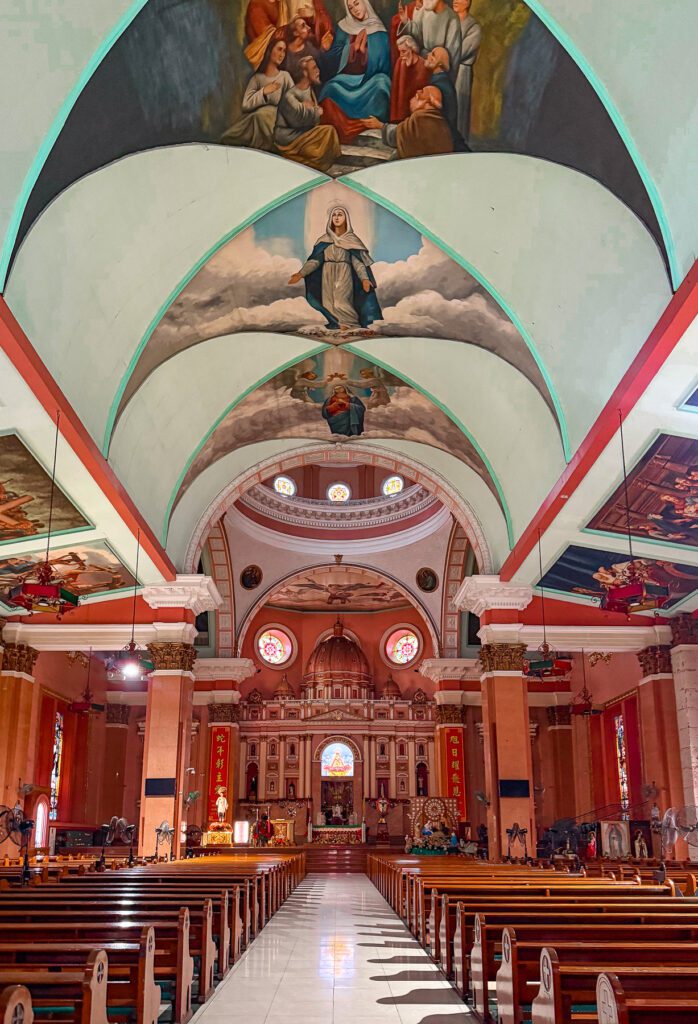
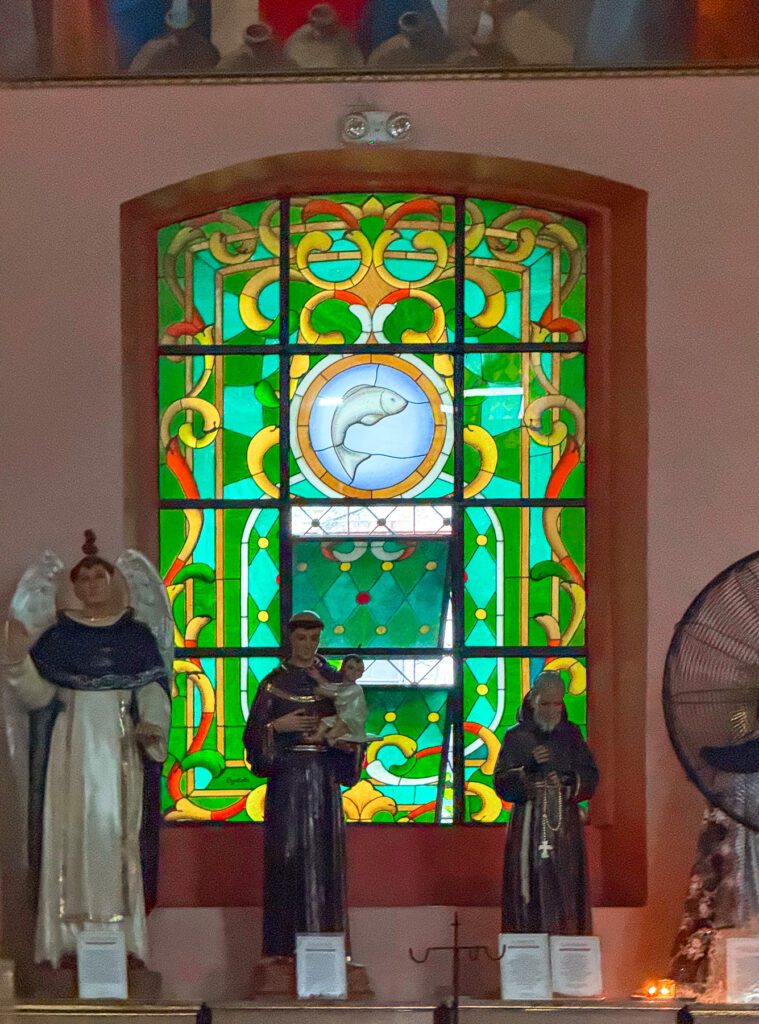
This church is closely linked to Lorenzo Ruiz, the first Filipino martyr who was executed by the Japanese in the seventeenth century.
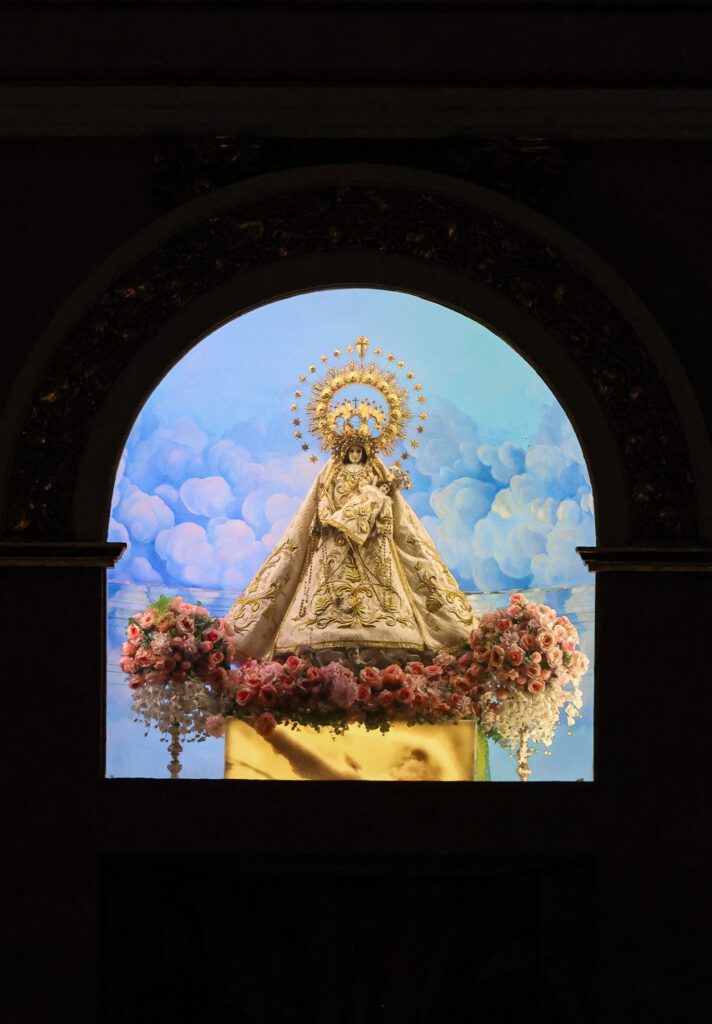
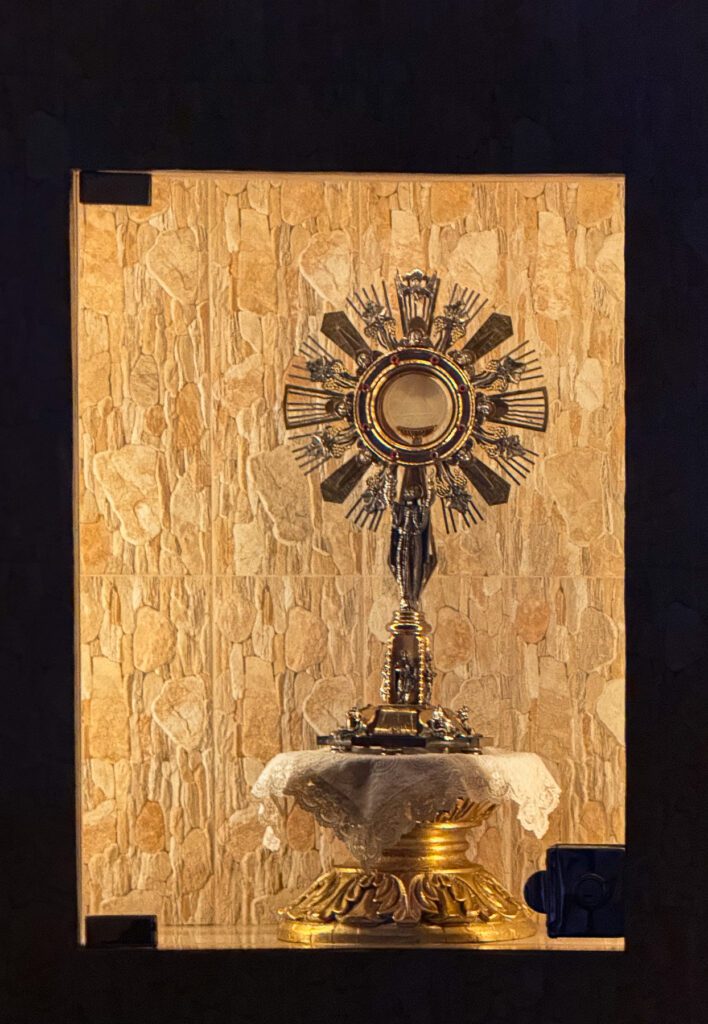
11. Quiapo Cathedral
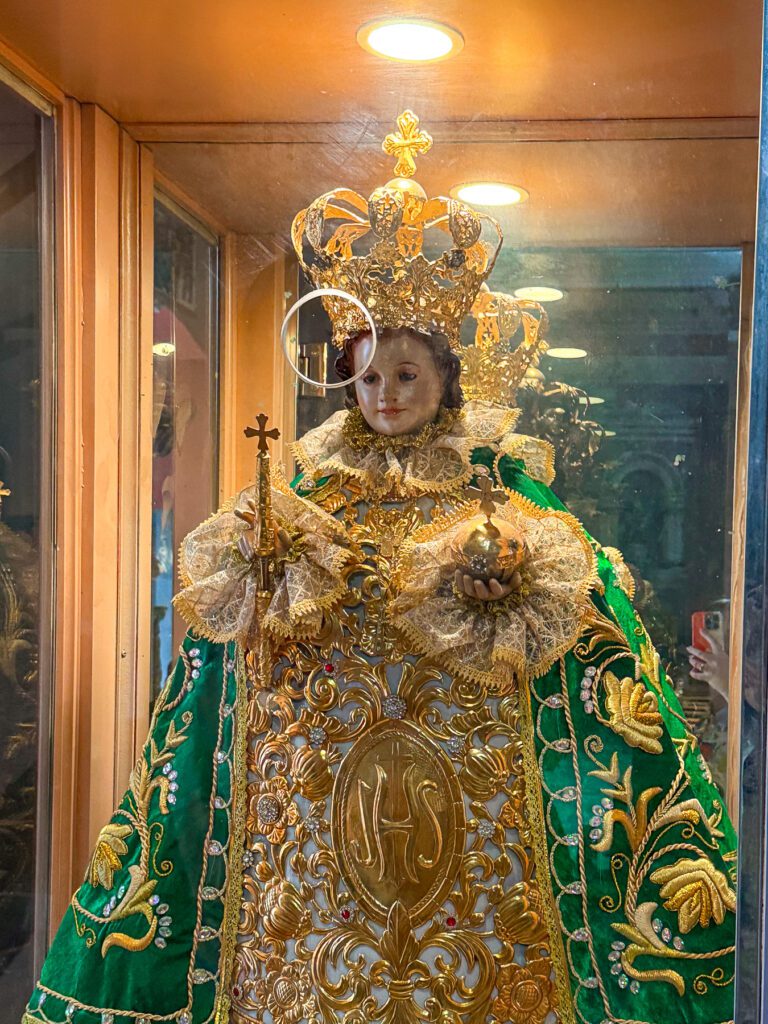
Quip is frequently called the Downtown of Manila, and you can visit the Carlos Palanca street and Quinta market, and the shopping centre. But the main attraction here is the Quiapo Cathedral.
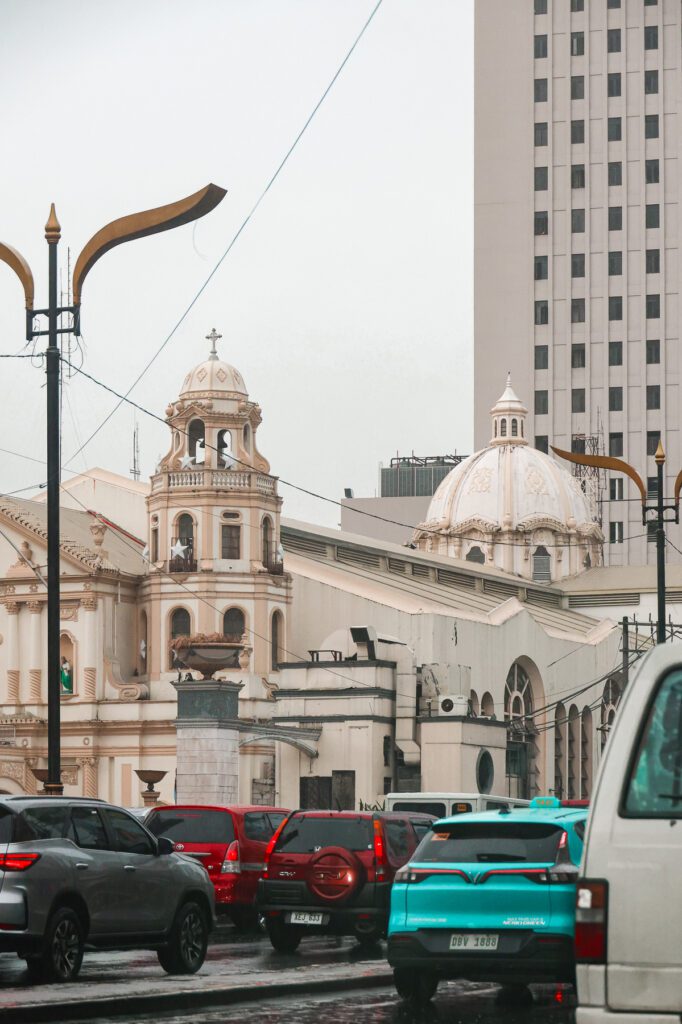
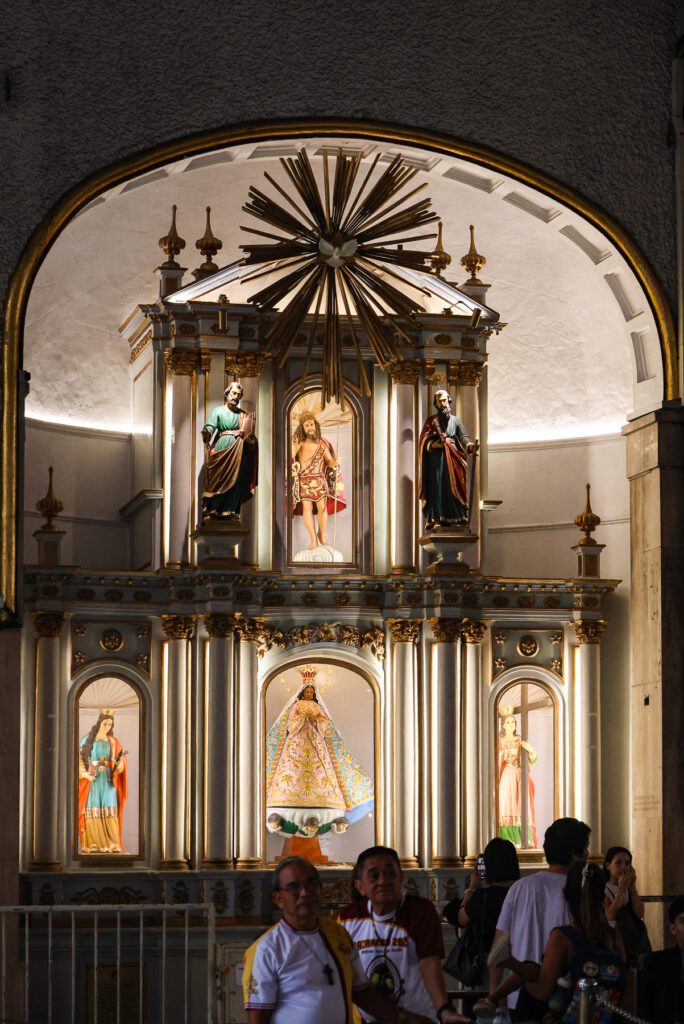
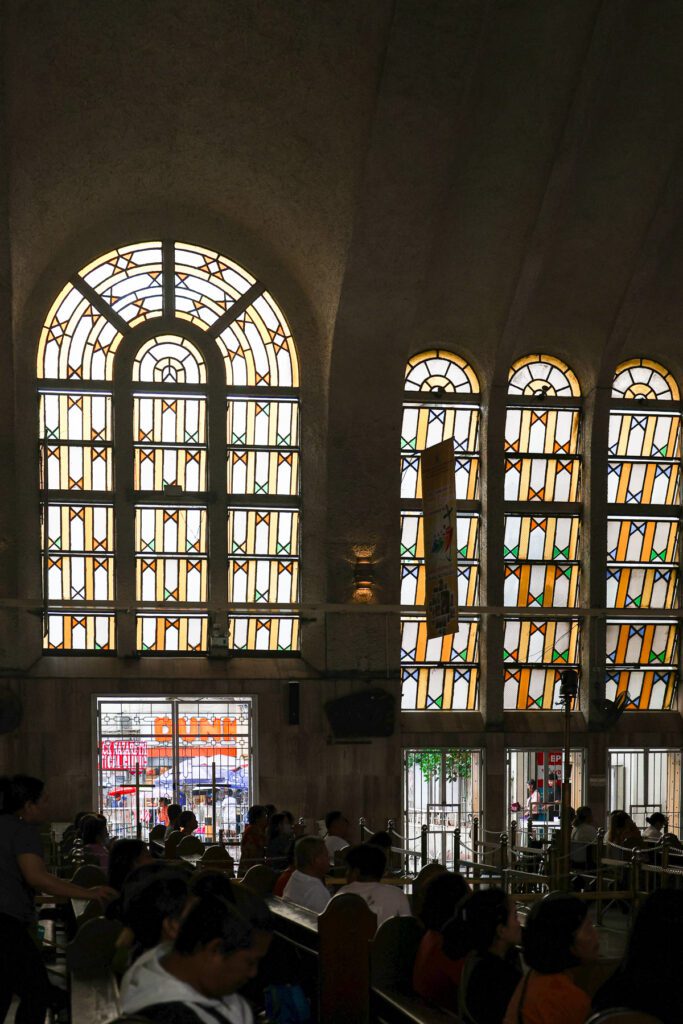
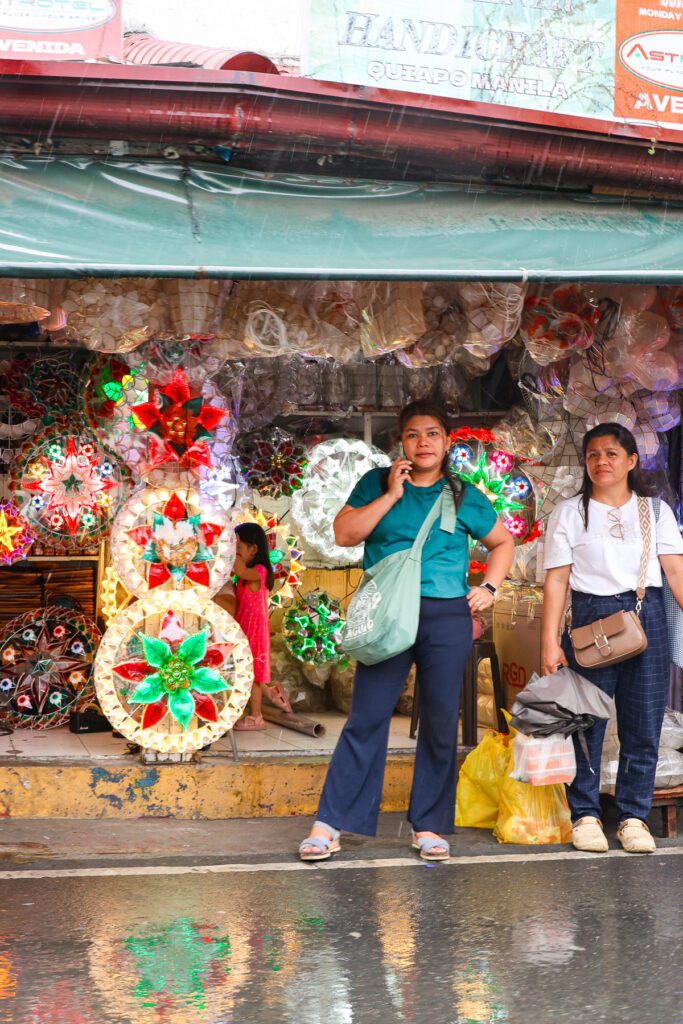
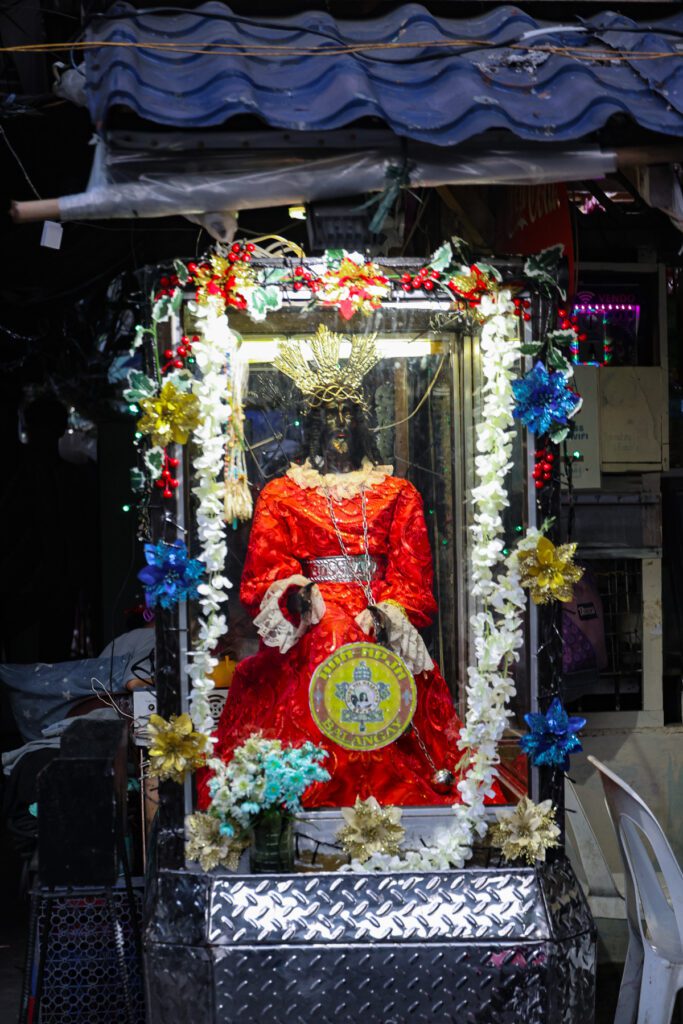
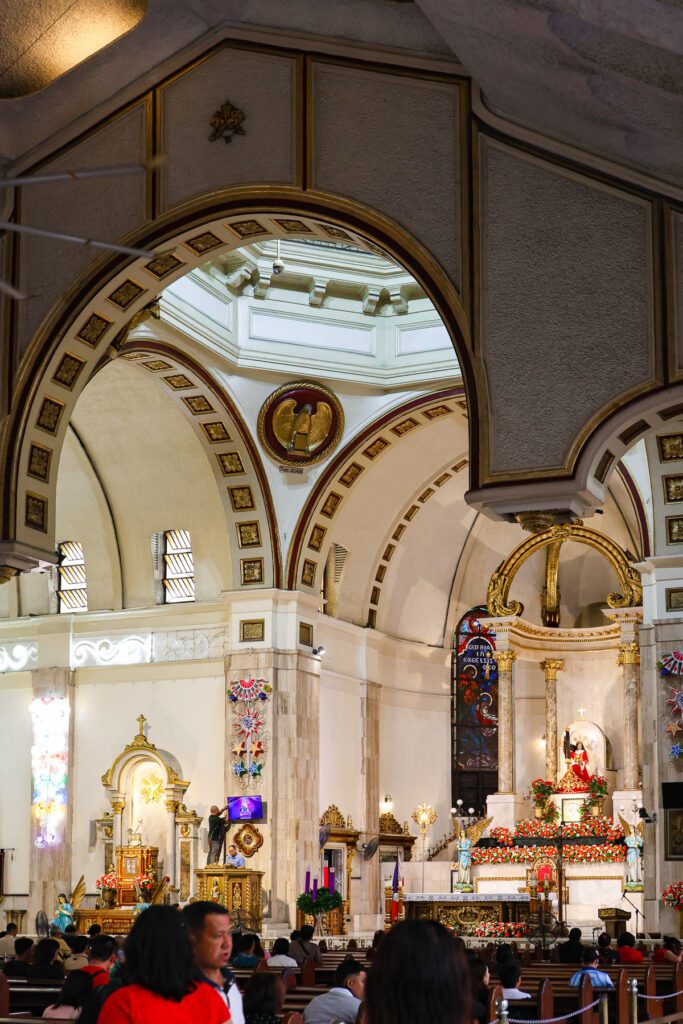
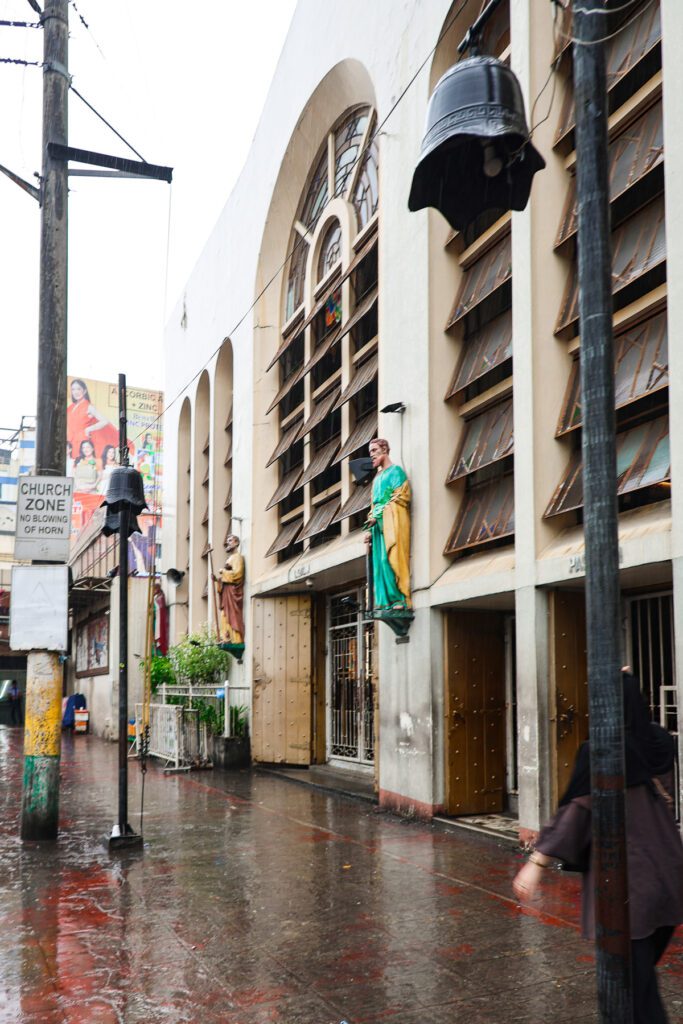
The full name of the Quiapo Cathedral is the Minor Basilica of the Black Nazarene, named after a shrine of the Black Nazarene, a dark-colored figure of Jesus from Mexico, which is kept there. It was founded in 1588, but again, the building today dates to the 20th century. Do you also feel the strength of the Spanish Catholic influence over Manila?

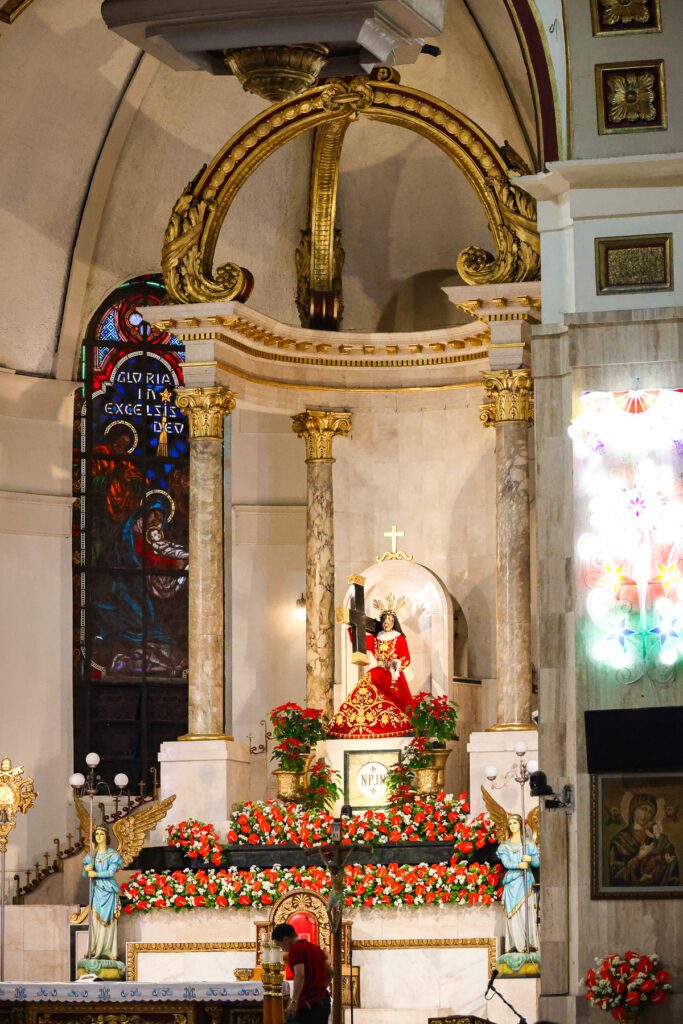
12. Greenbelt
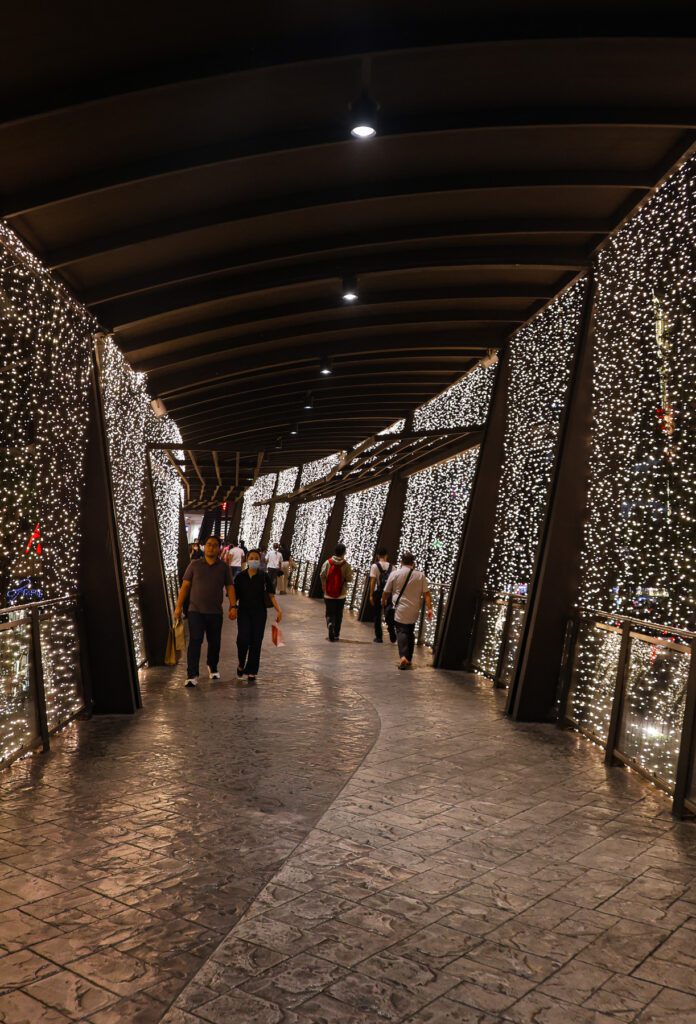
The Greenbelt is an astonishing modern garden blended into the shopping mall and divided into a few sections.
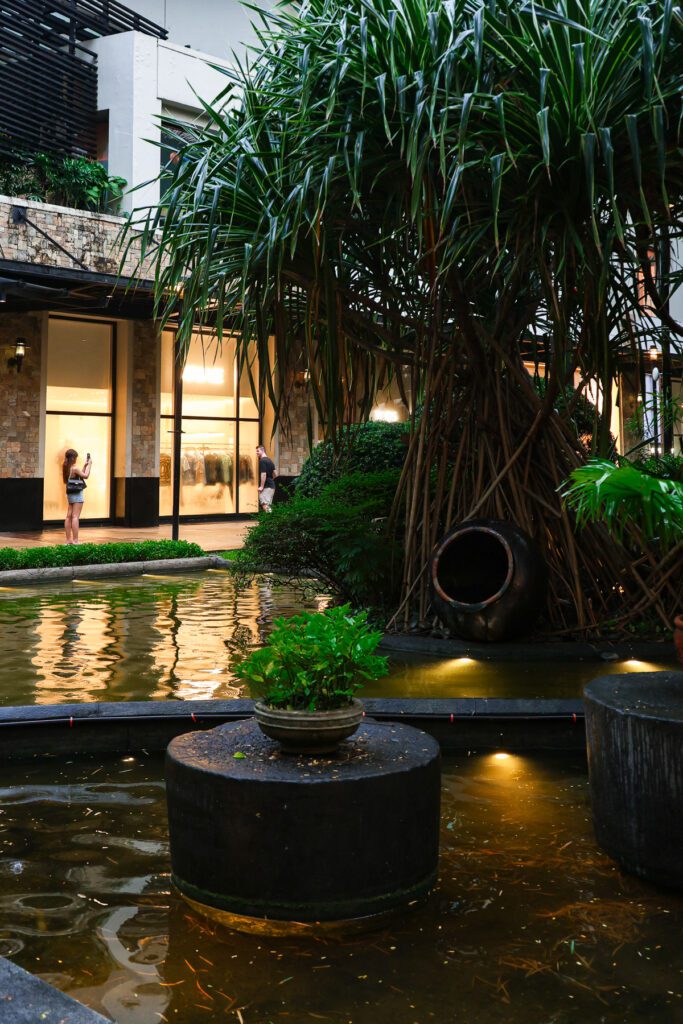

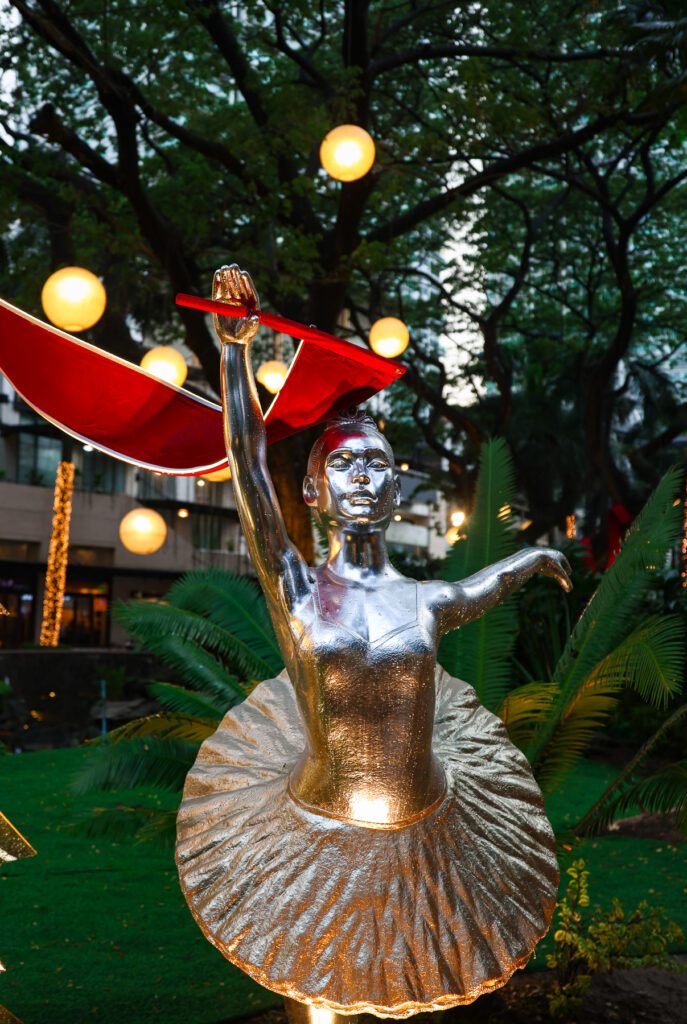

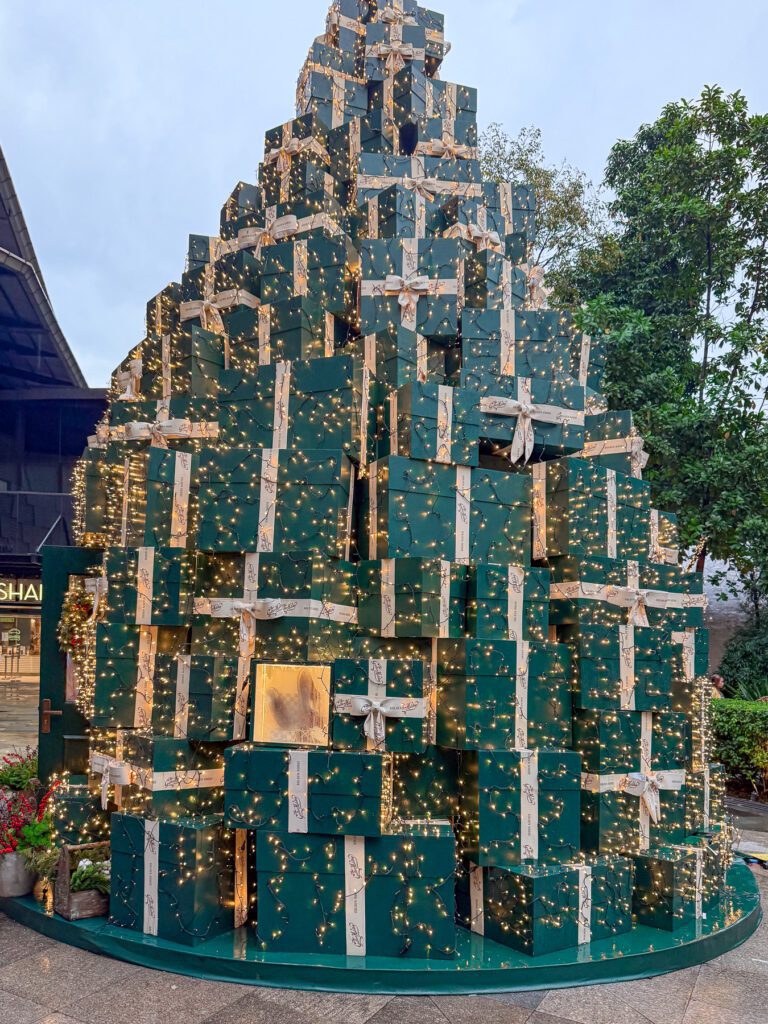
Can you believe that this is Manila? Actually, it looks like the best spaces in Kuala Lumpur and Bangkok! Come here to shop Dior, Hermès, Louis Vuitton, Tiffany, Balenciaga, Gucci, and numerous other high-end brands – and the selection of restaurants is great as well, from traditional Philippine cuisine to modern Western ones!

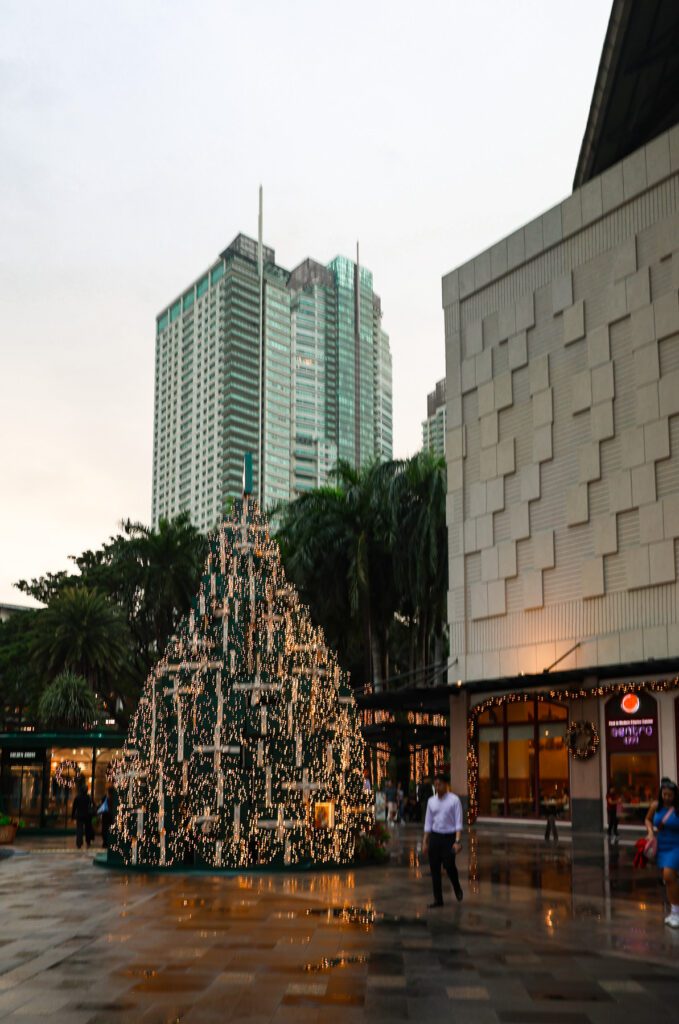
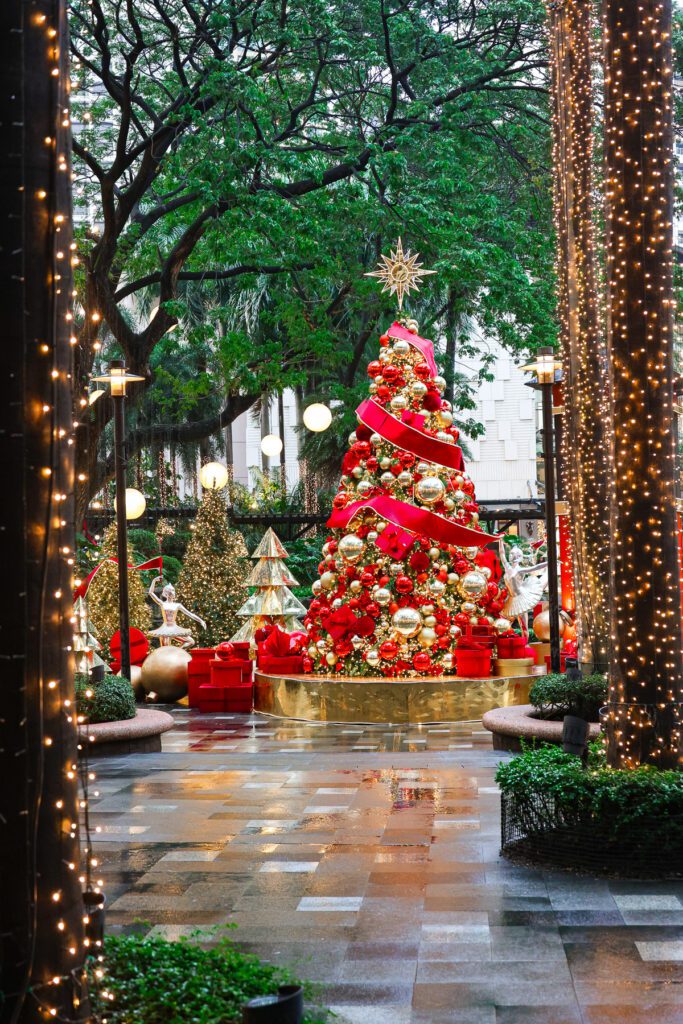
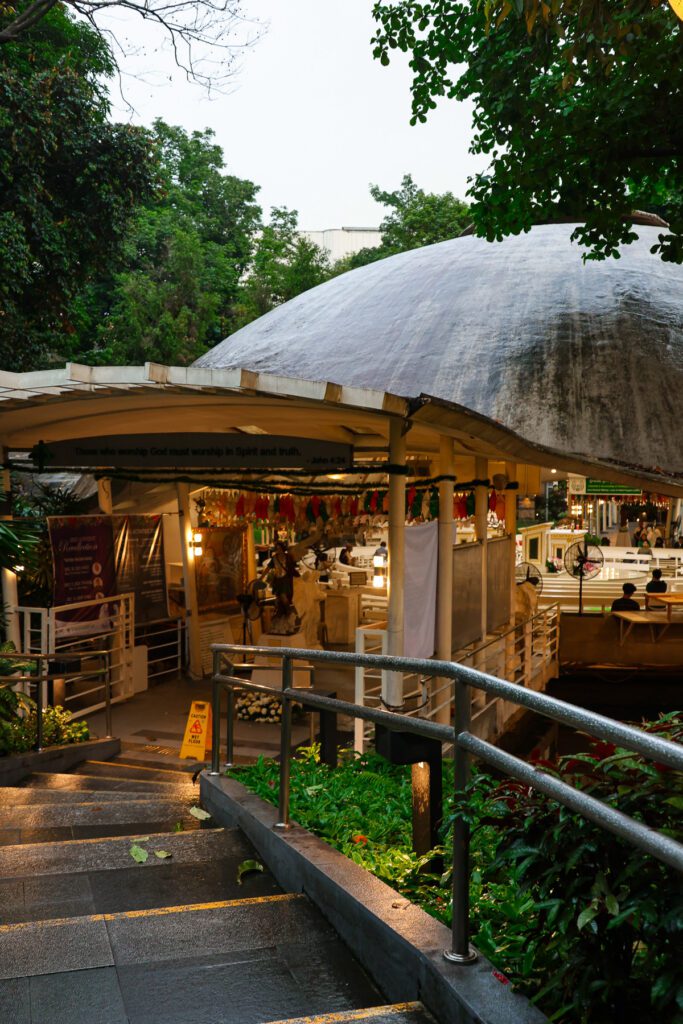
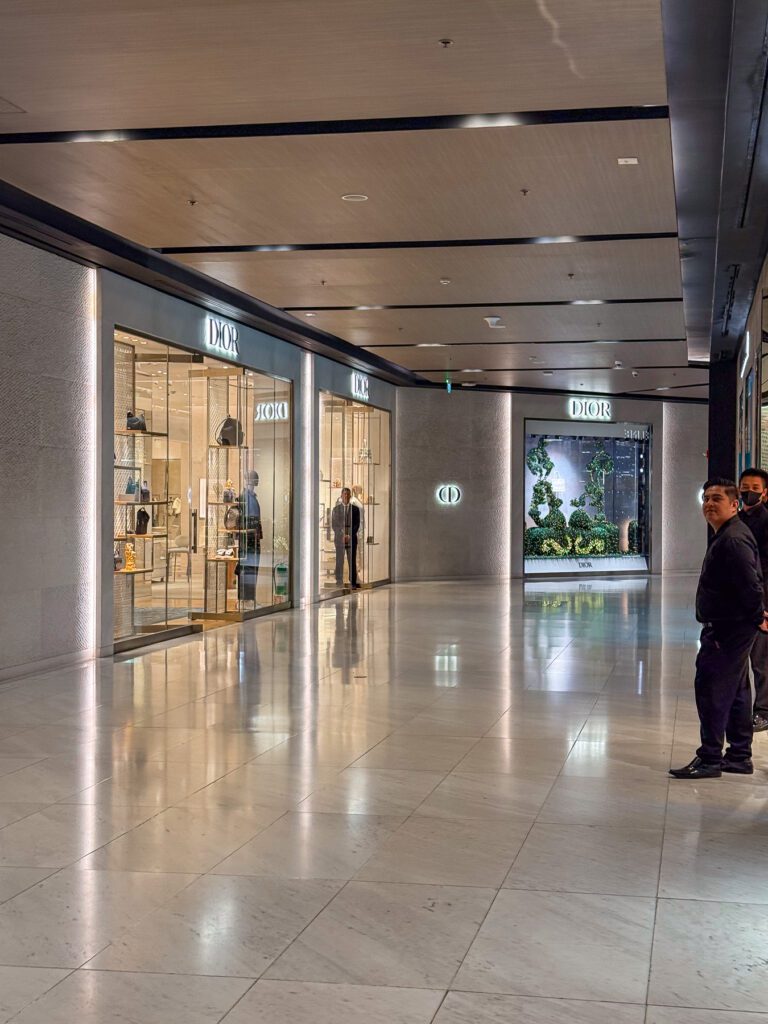
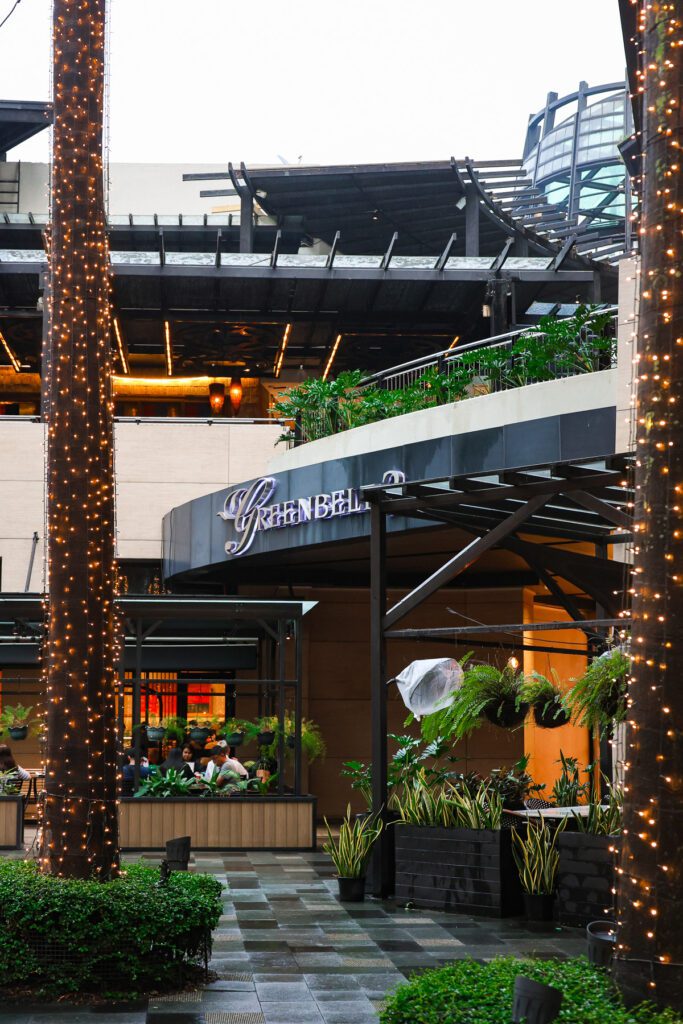
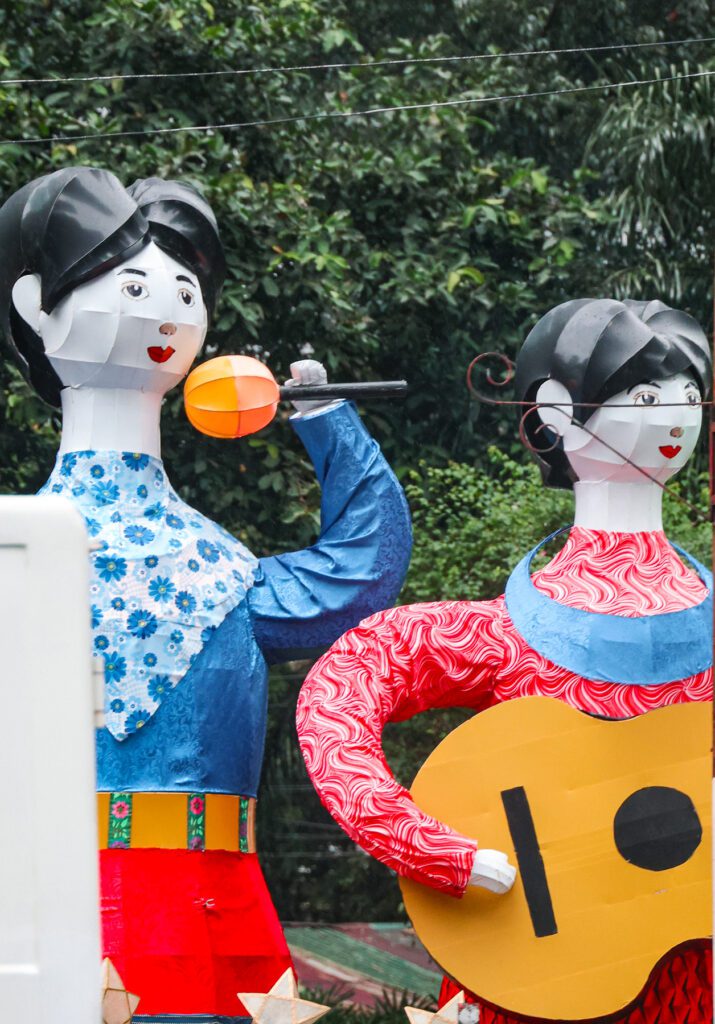
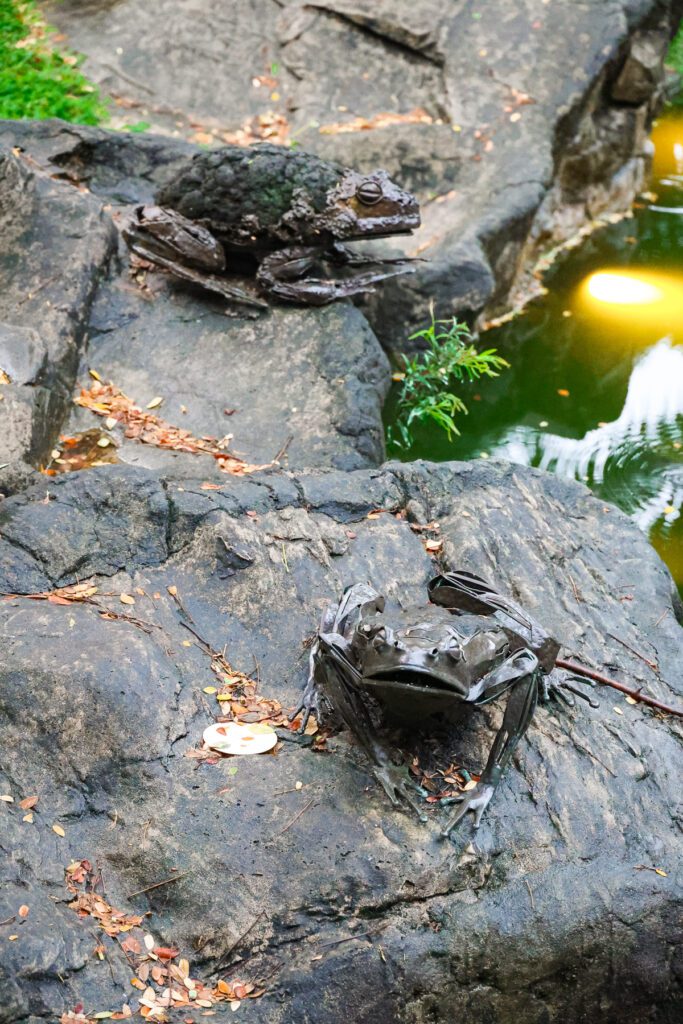
And can we agree that the decorations here are just insanely good? Oh, did I mention that there is also the Ayala Museum located in one of the shopping malls? You can also explore a garden with a Koi pond and a chapel right in the middle of the park between the malls?
13. Ayala Museum
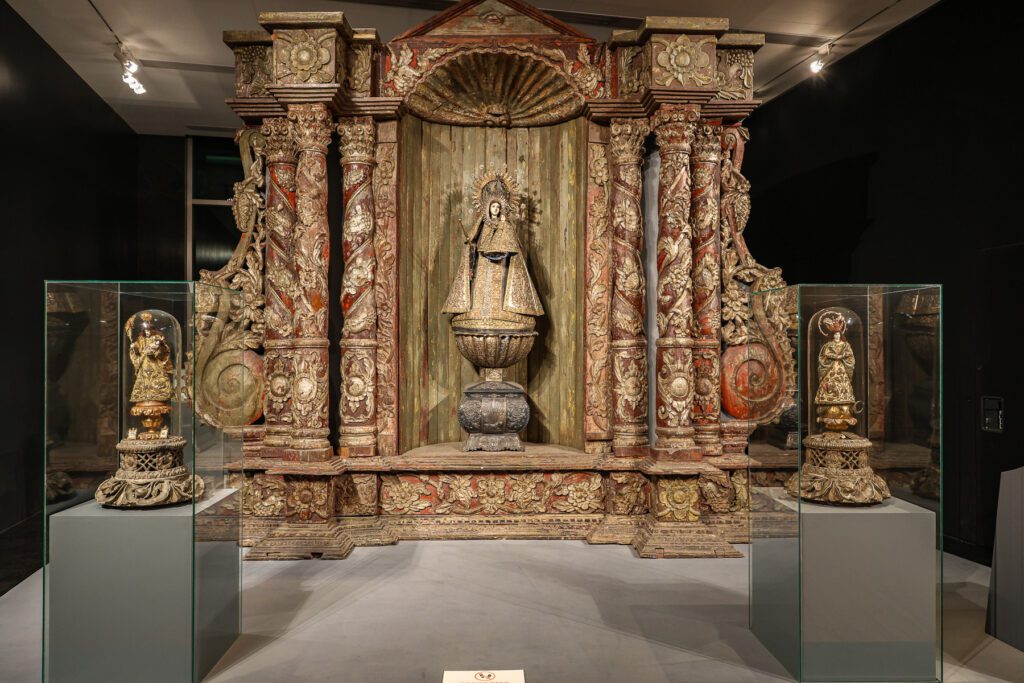
The Ayala Museum, located in the Greenbelt, was probably my favorite museum I’ve been to in Manila.

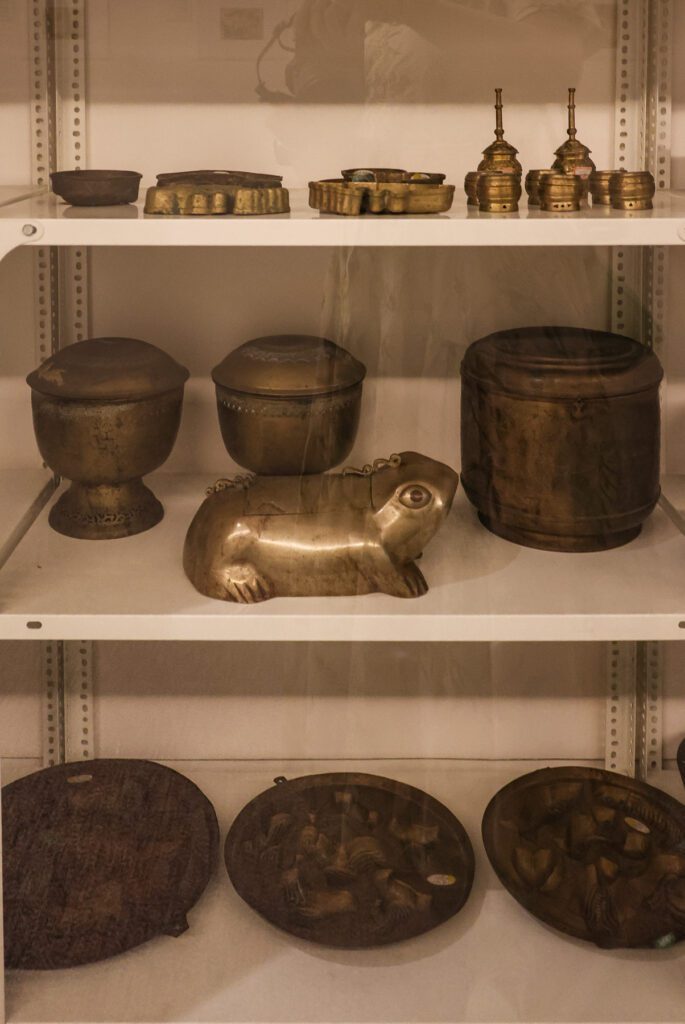
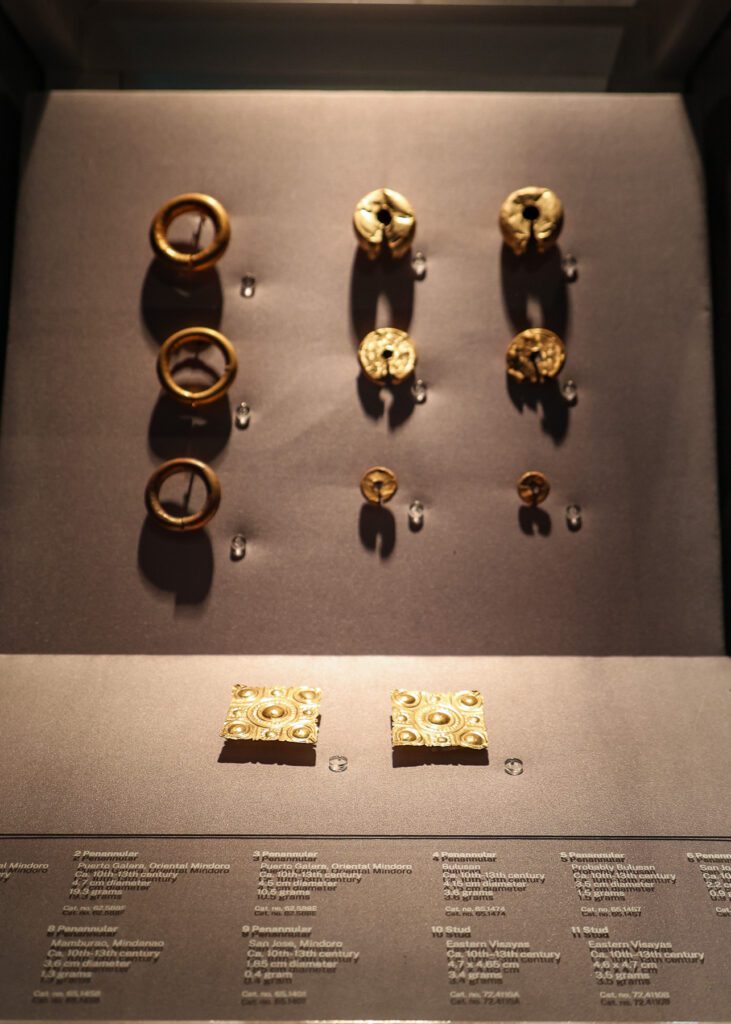
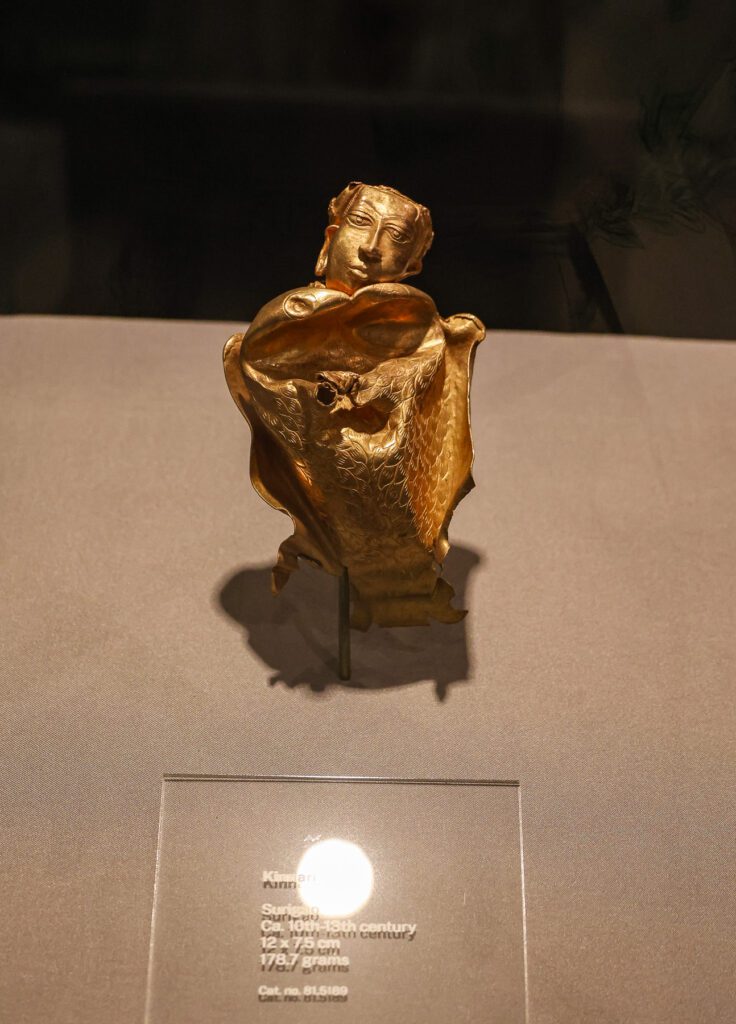
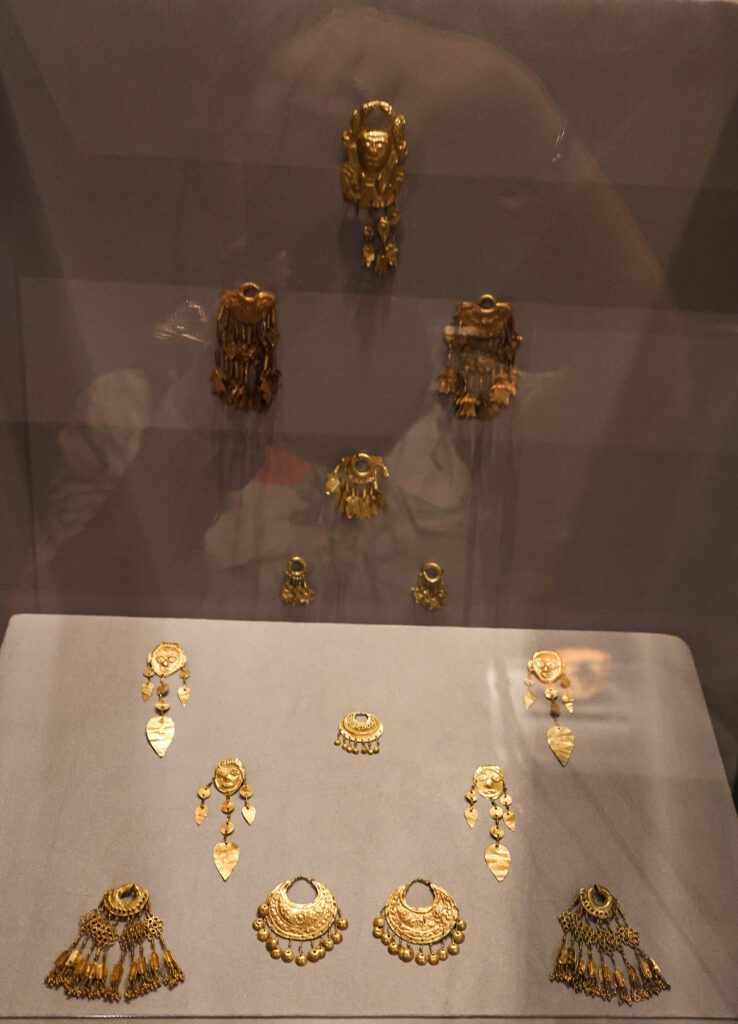
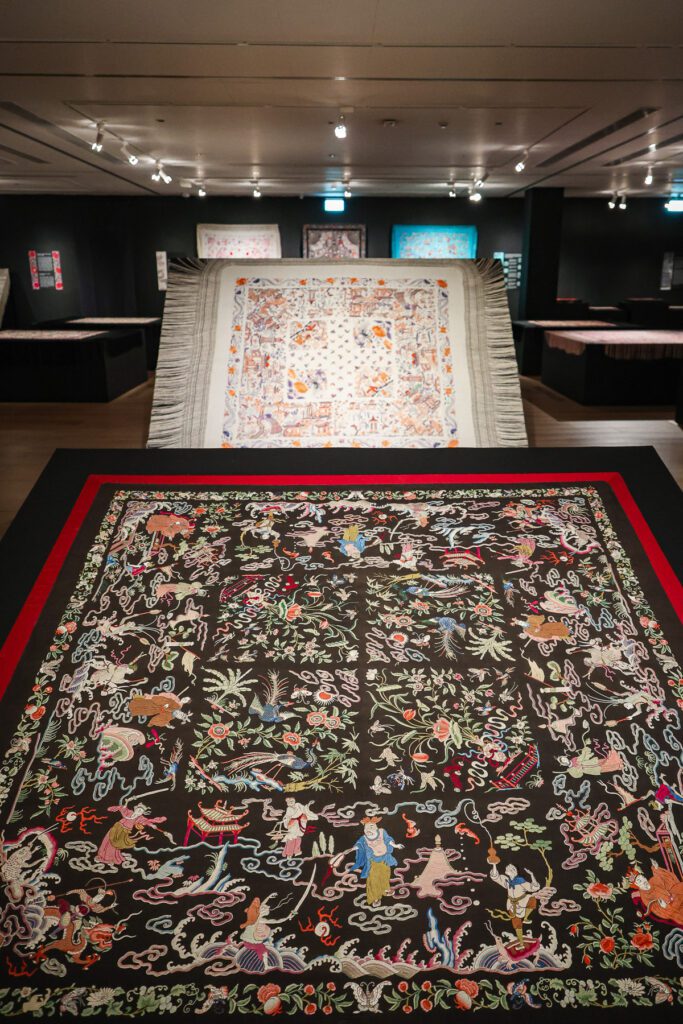
It originally opened in 1967 and then transferred to the current location in the Greenbelt.
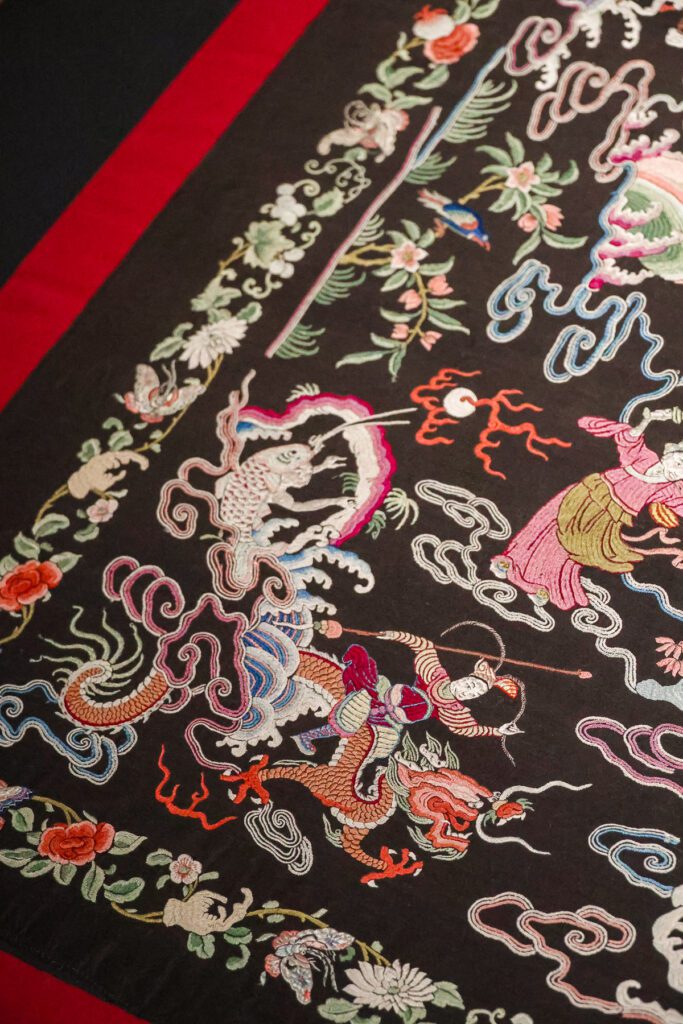
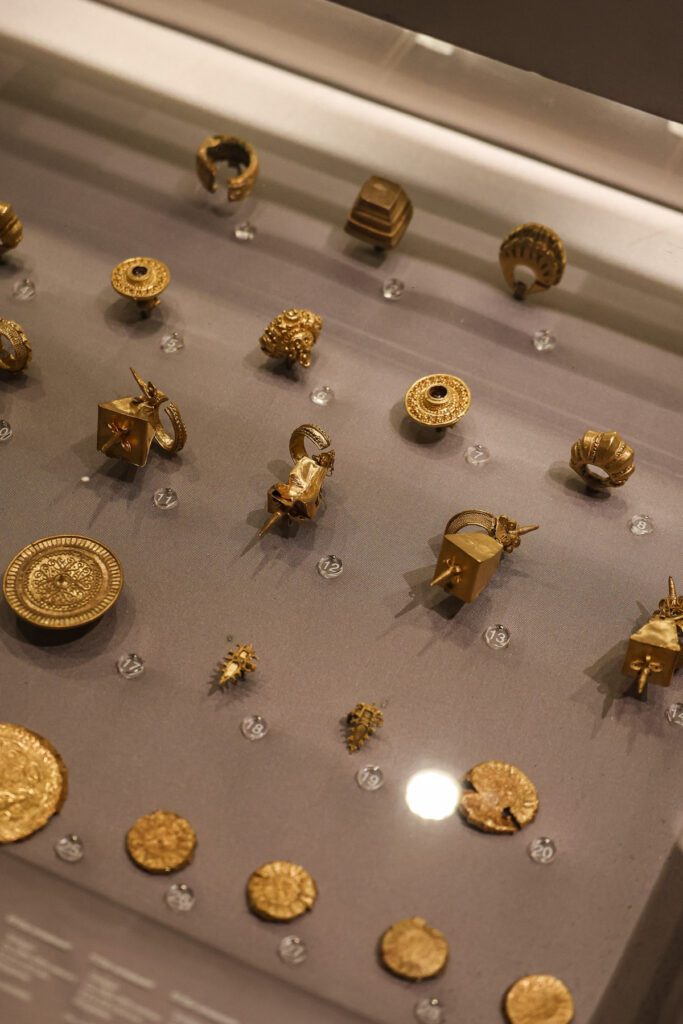
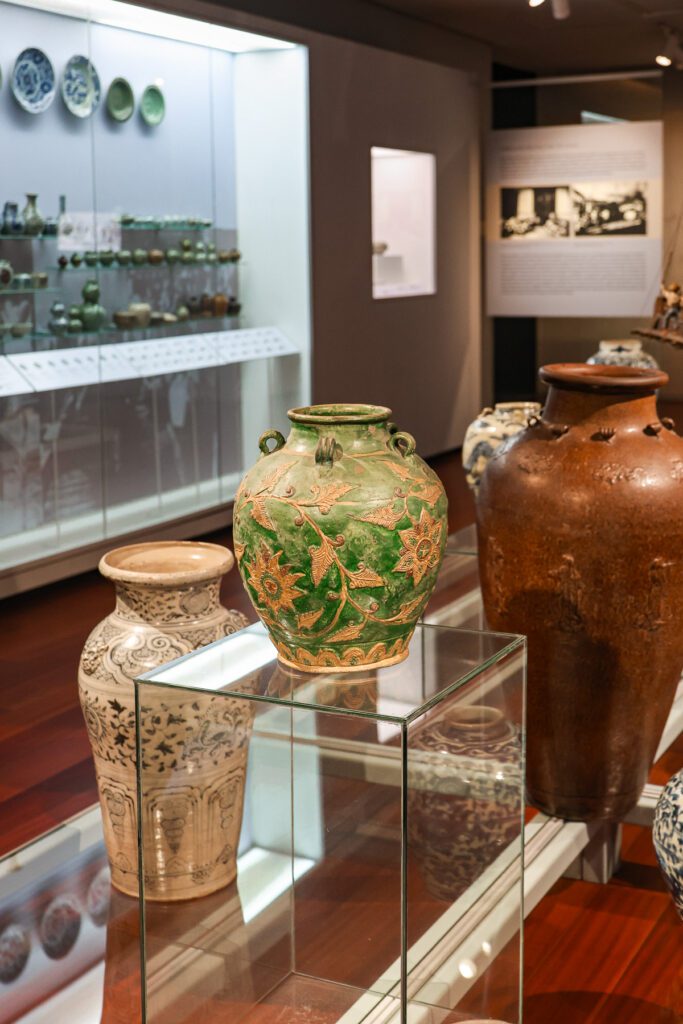
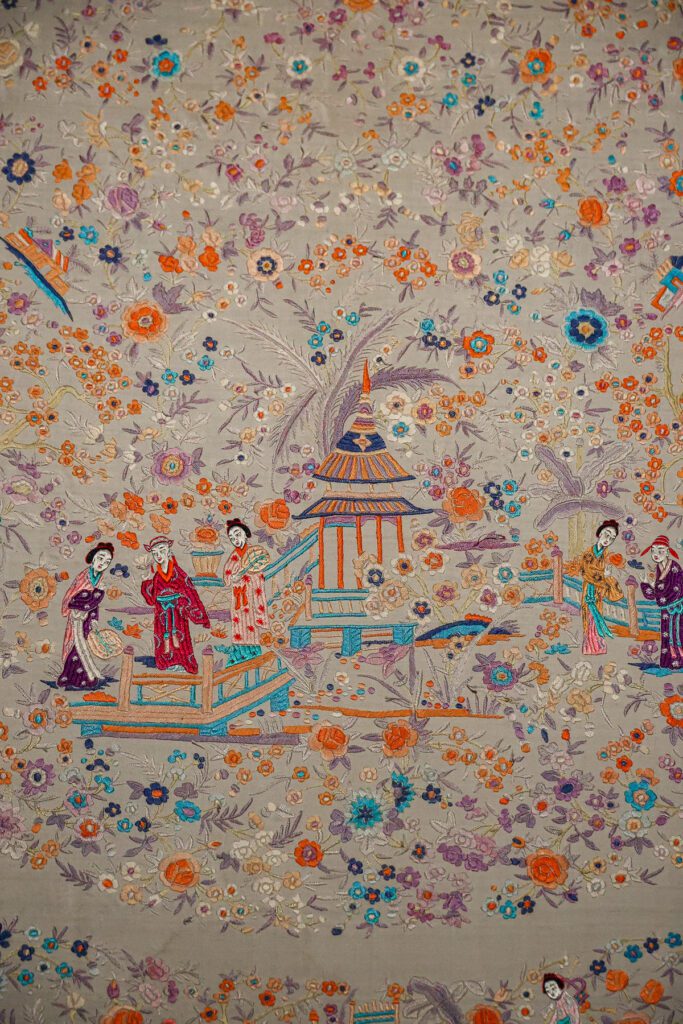
The Ayala Museum is really well made, with each exhibit presented skillfully and with love.
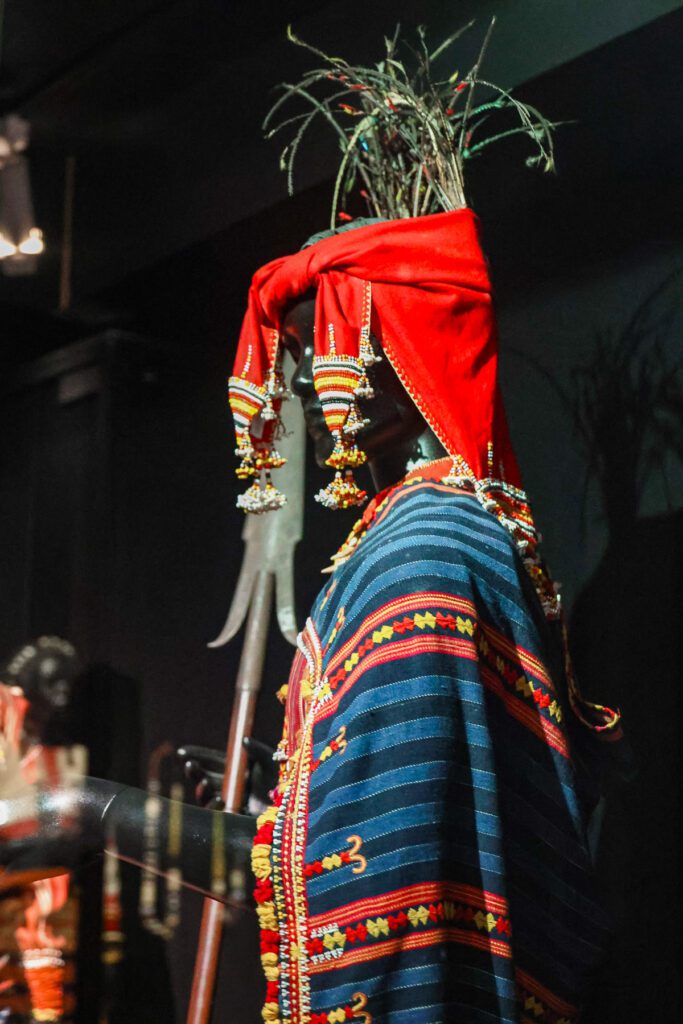
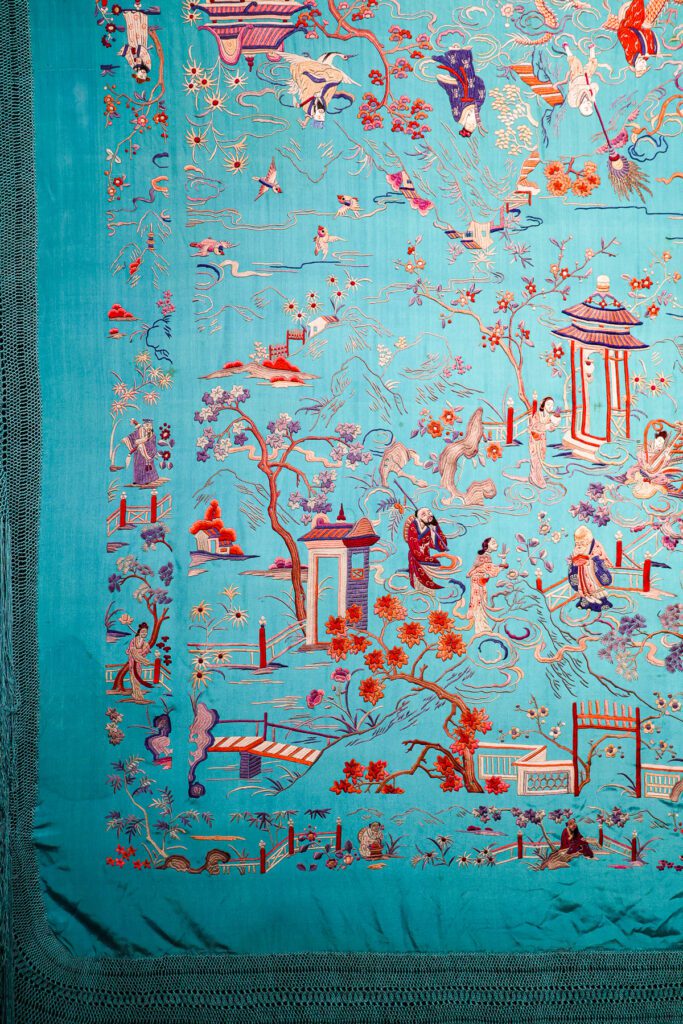

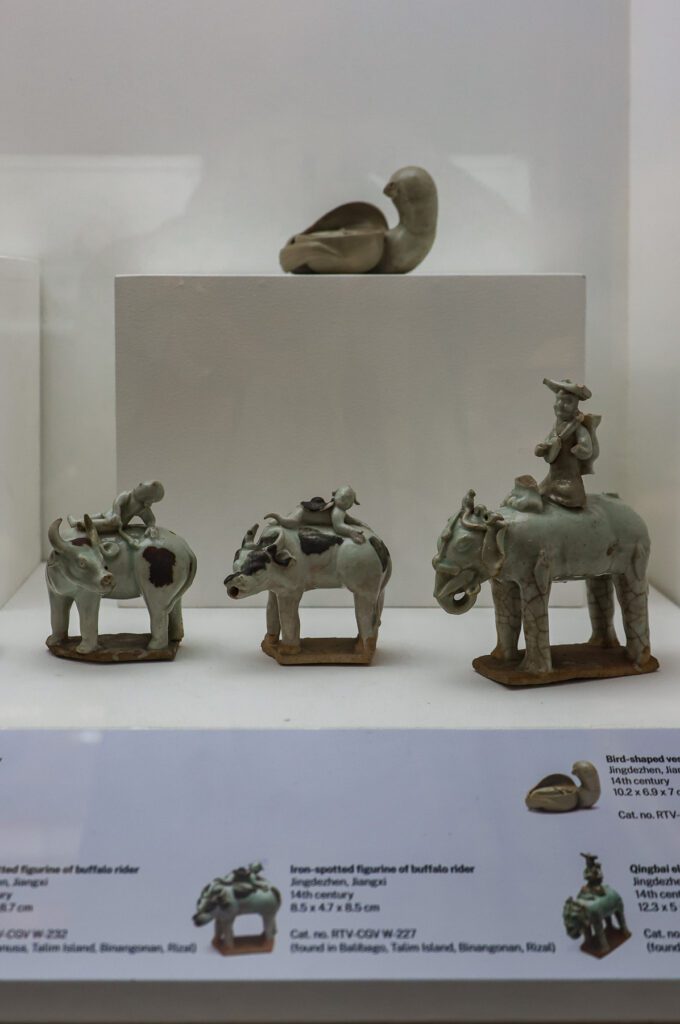
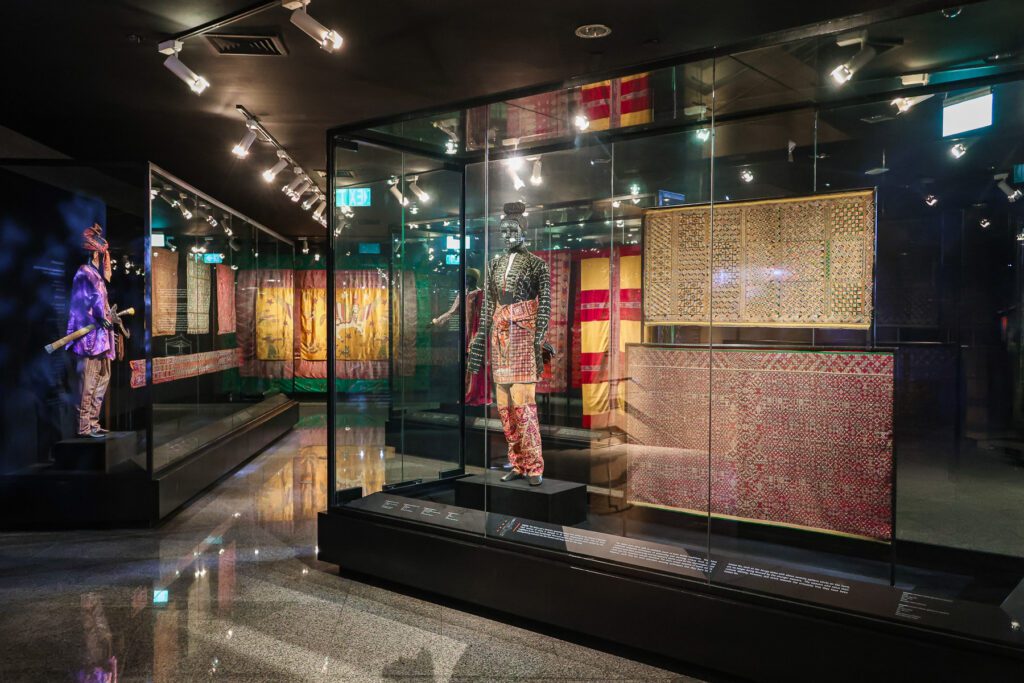
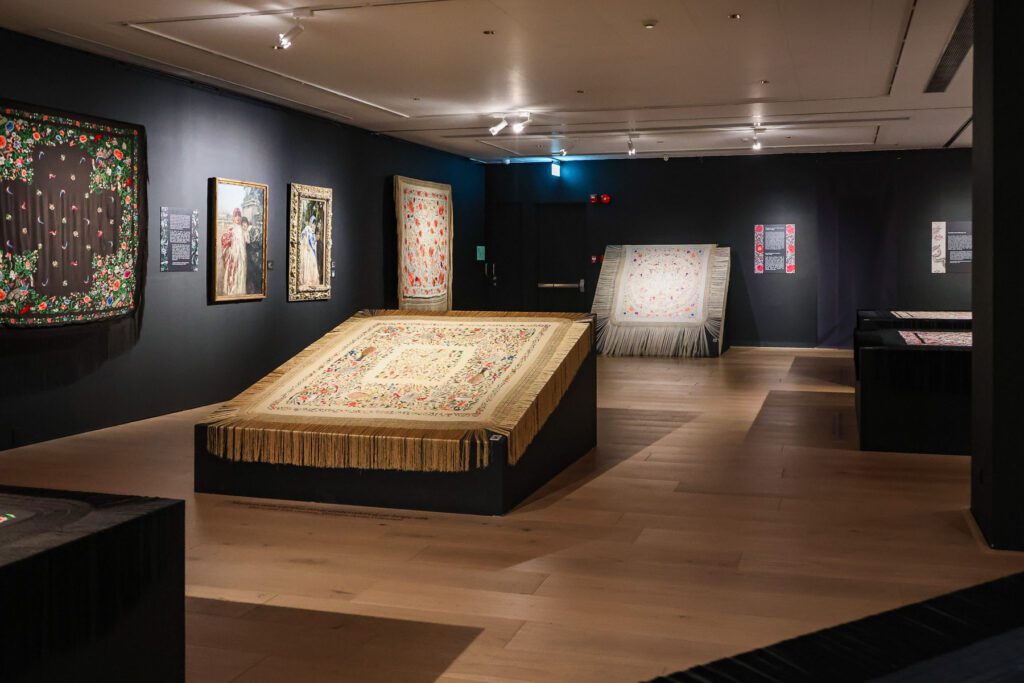
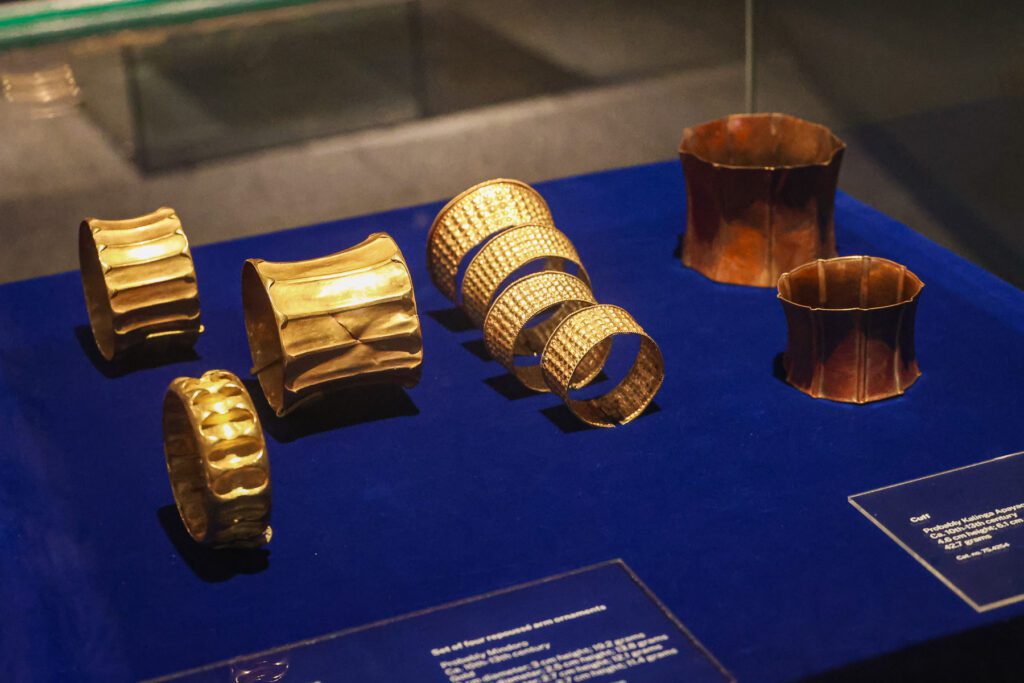
Here you can learn about the most amazing aspects of Filipino art and arts and crafts, such as the most ancient gold items from the pre-colonization period, precious textiles and carpets, porcelain, maritime-related goods, various arts and crafts, and traditional clothes.
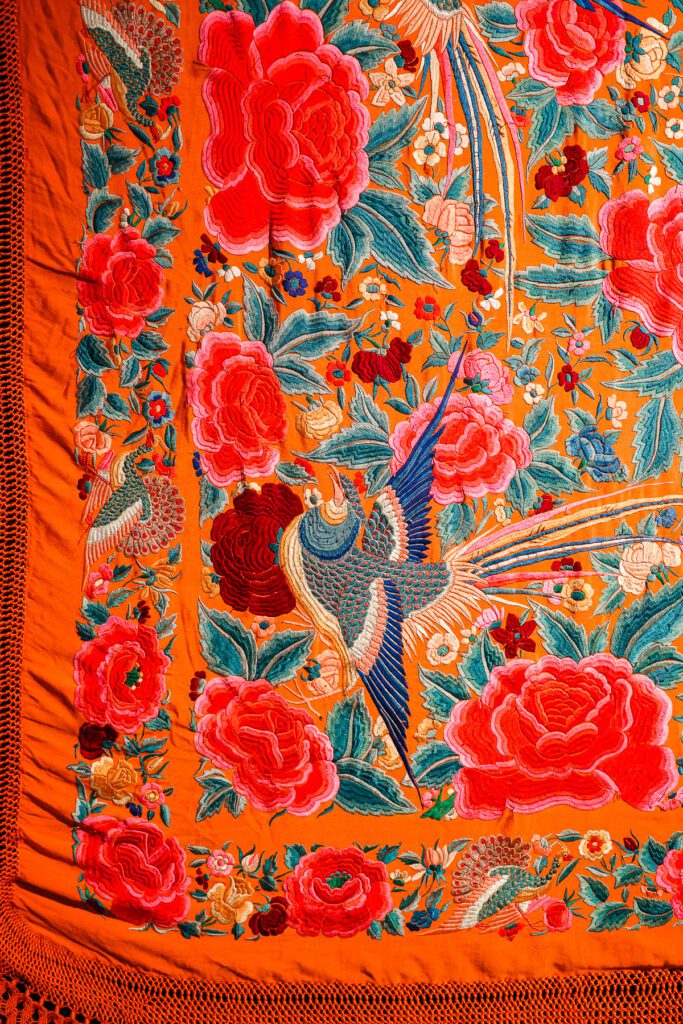
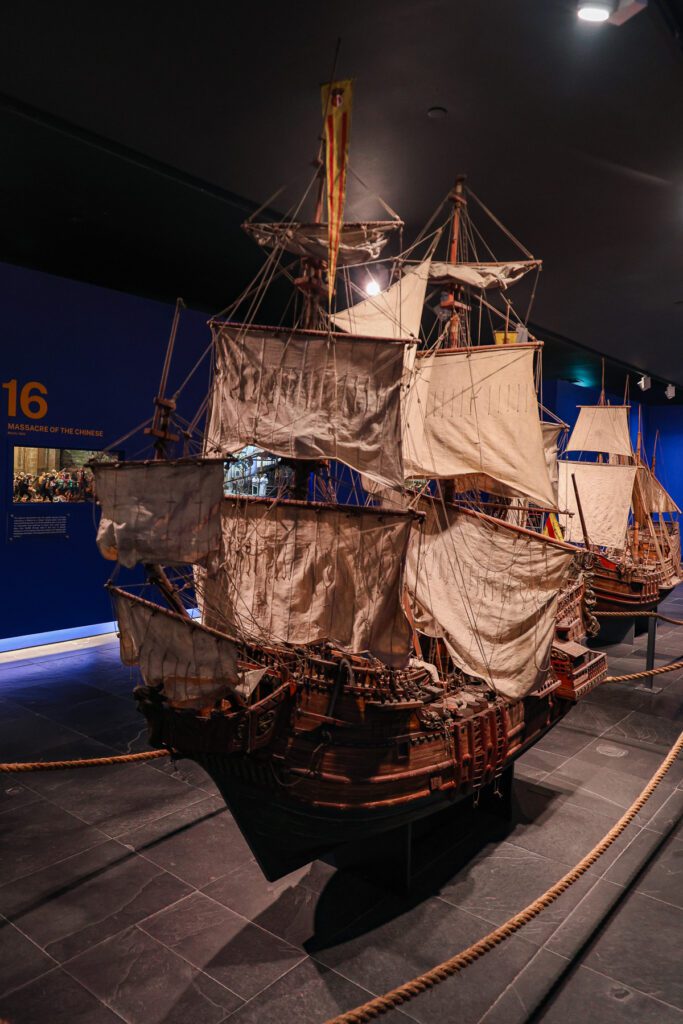
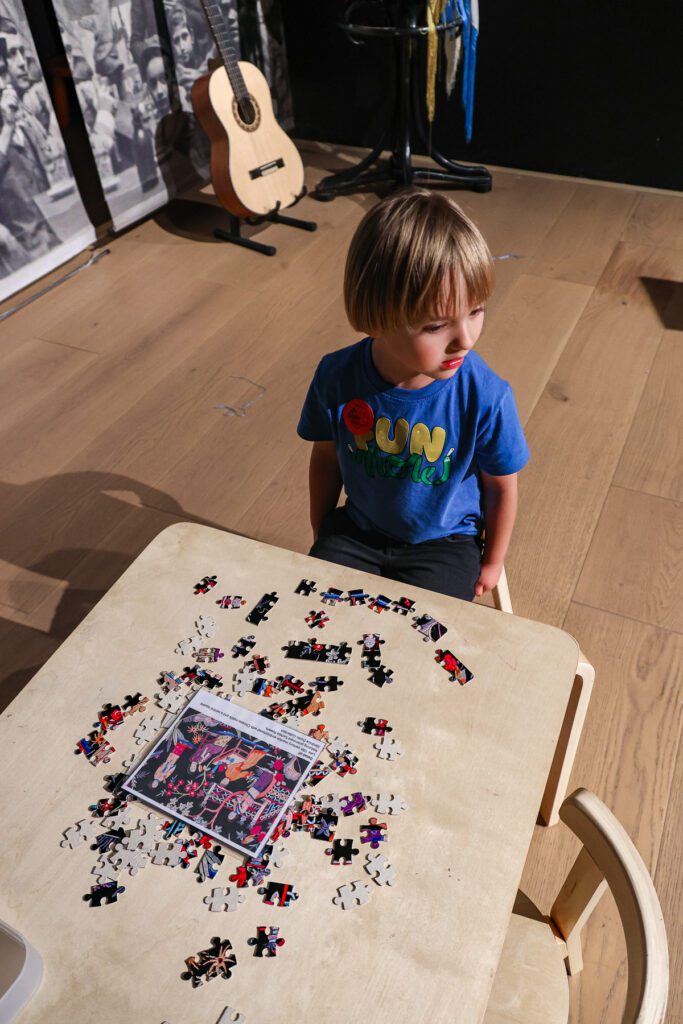
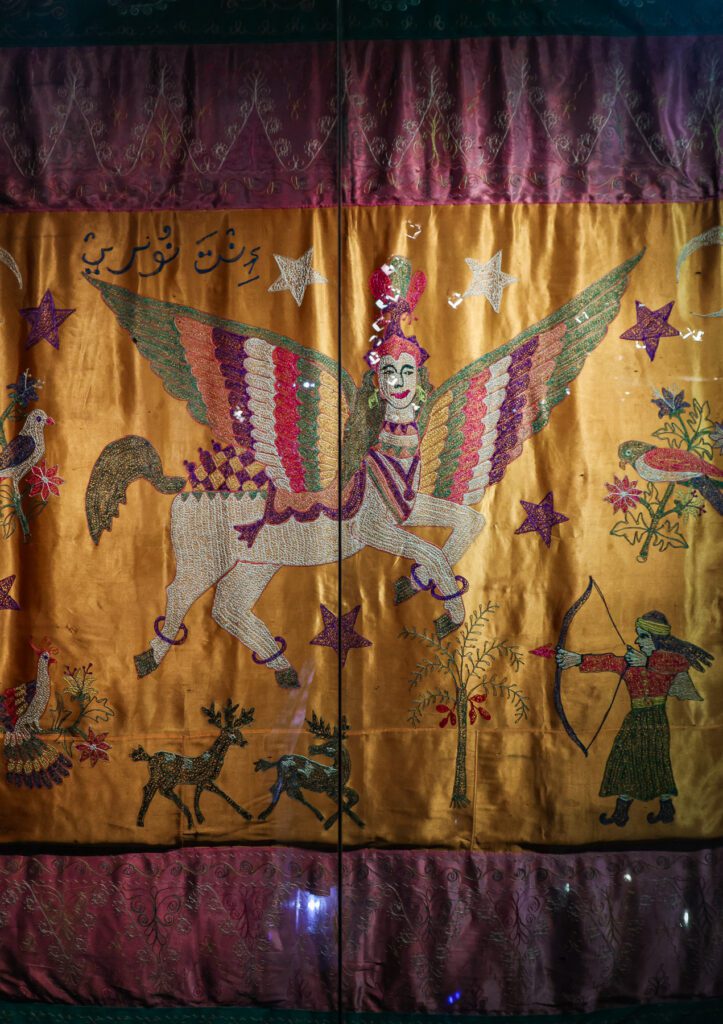
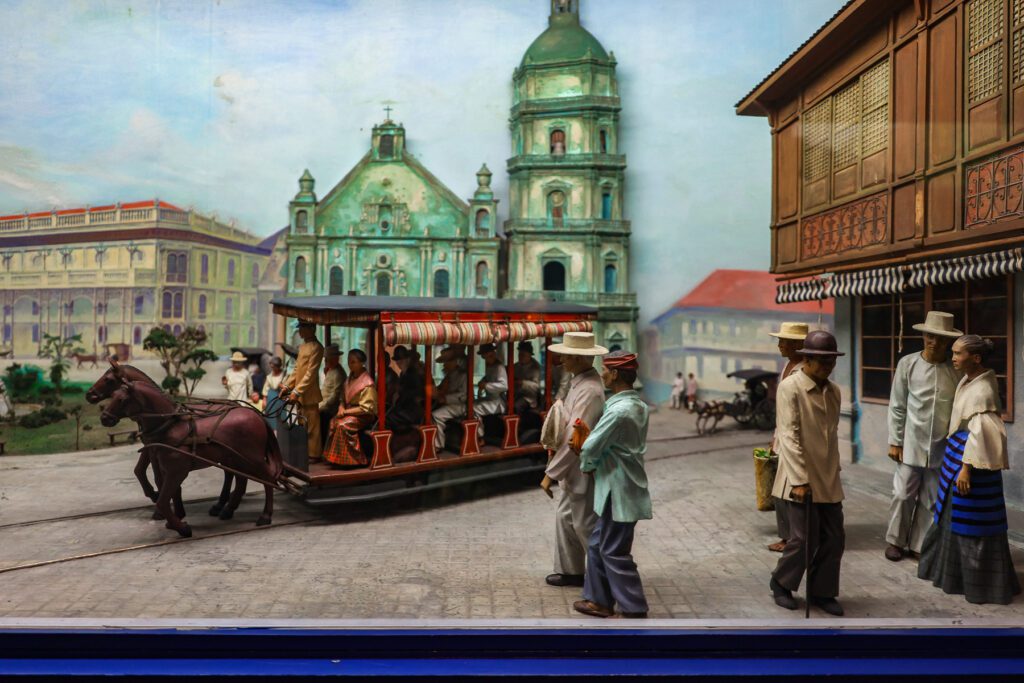
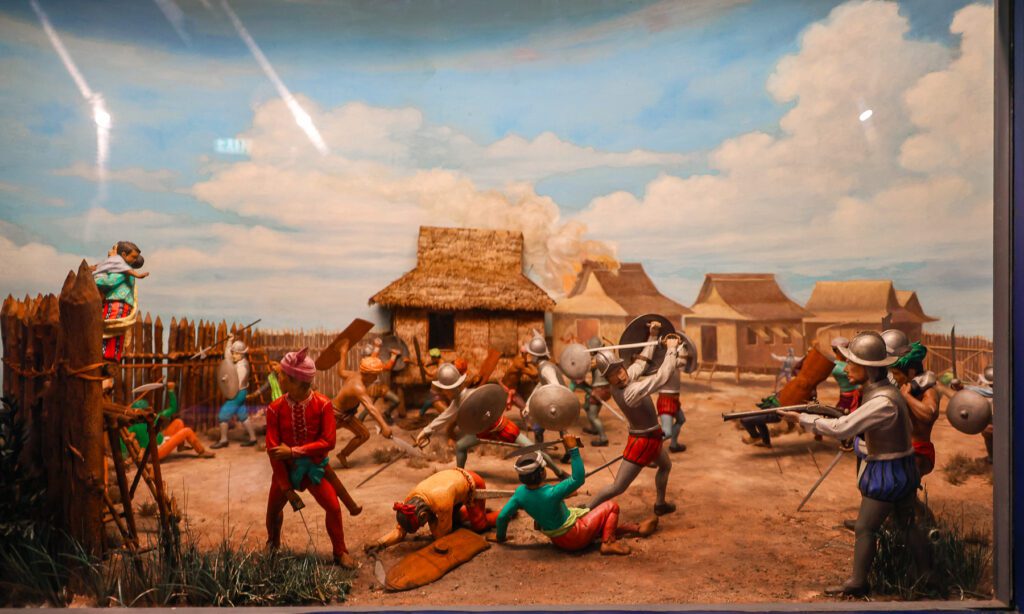
Besides that, through the collection of 60 old diorama narratives, you can learn about the most important events in the country’s history!
14. SM Mall of Asia
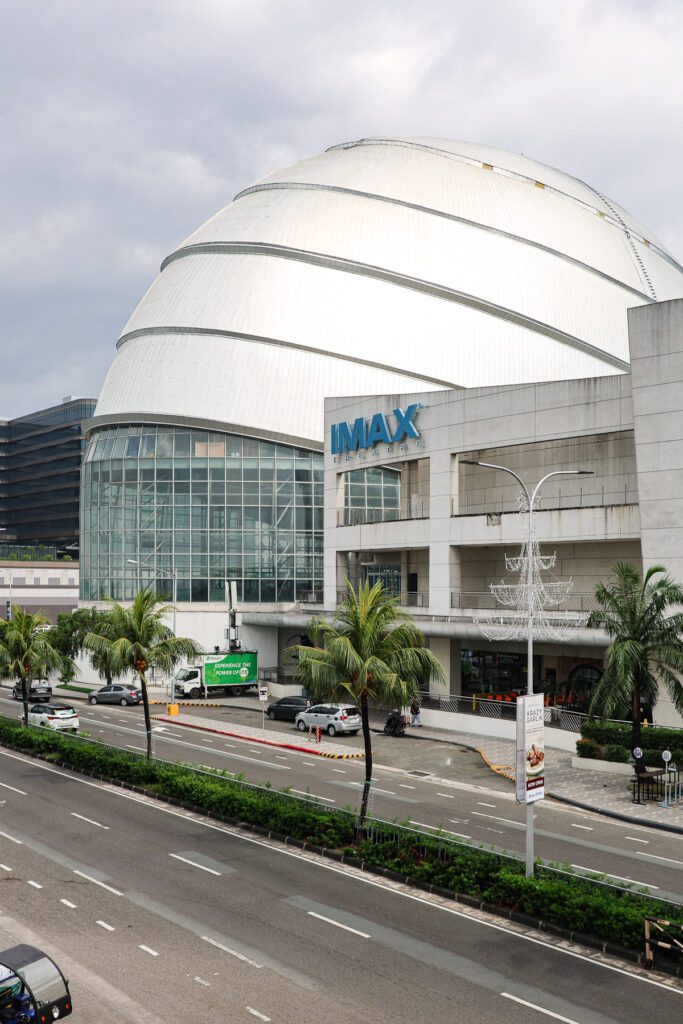
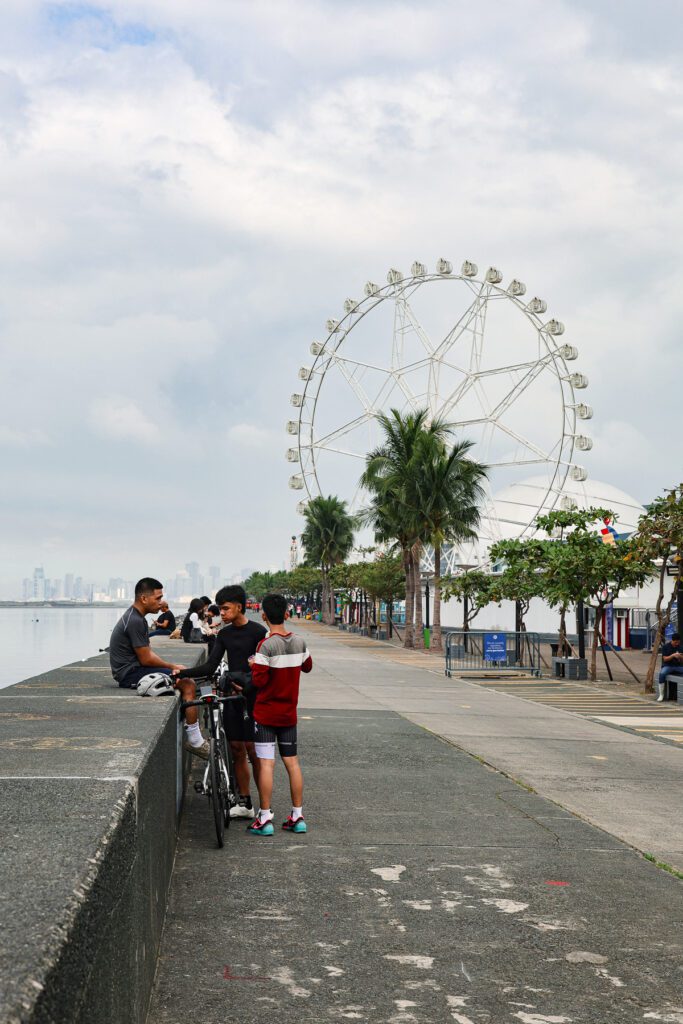
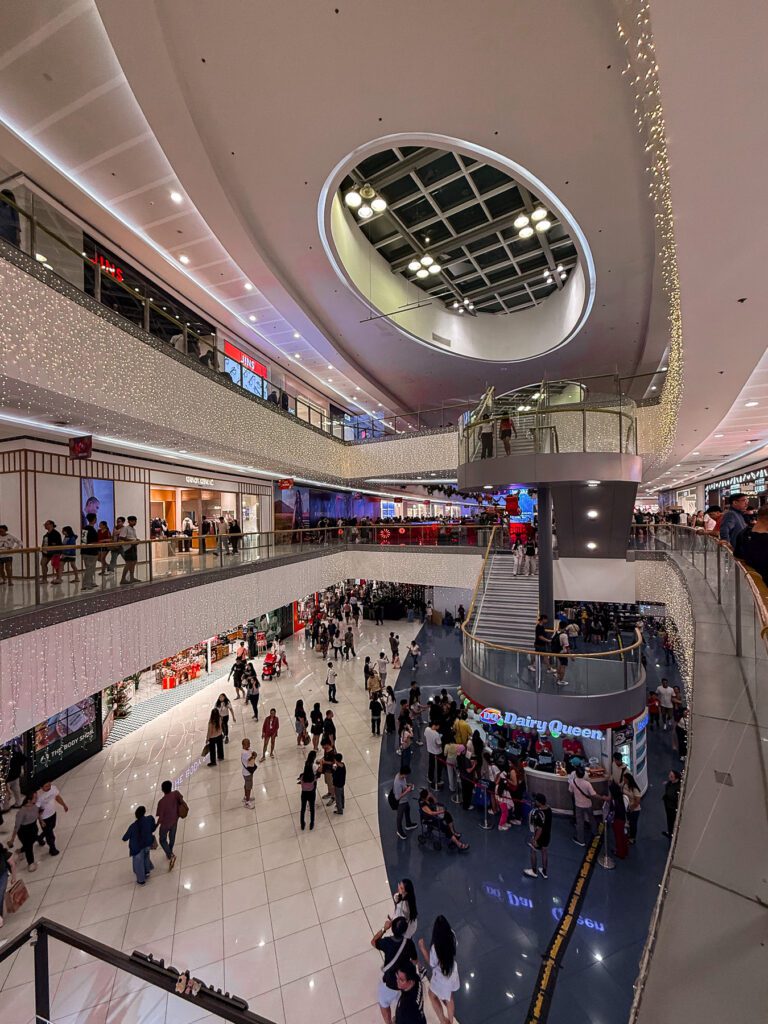
SM Mall of Asia is the largest shopping mall in the Philippines, the second largest in Asia, and the 6th largest in the world (by gross leasable area!). It opened in 2006 and is now considered one of the top tourist spots in Manila.
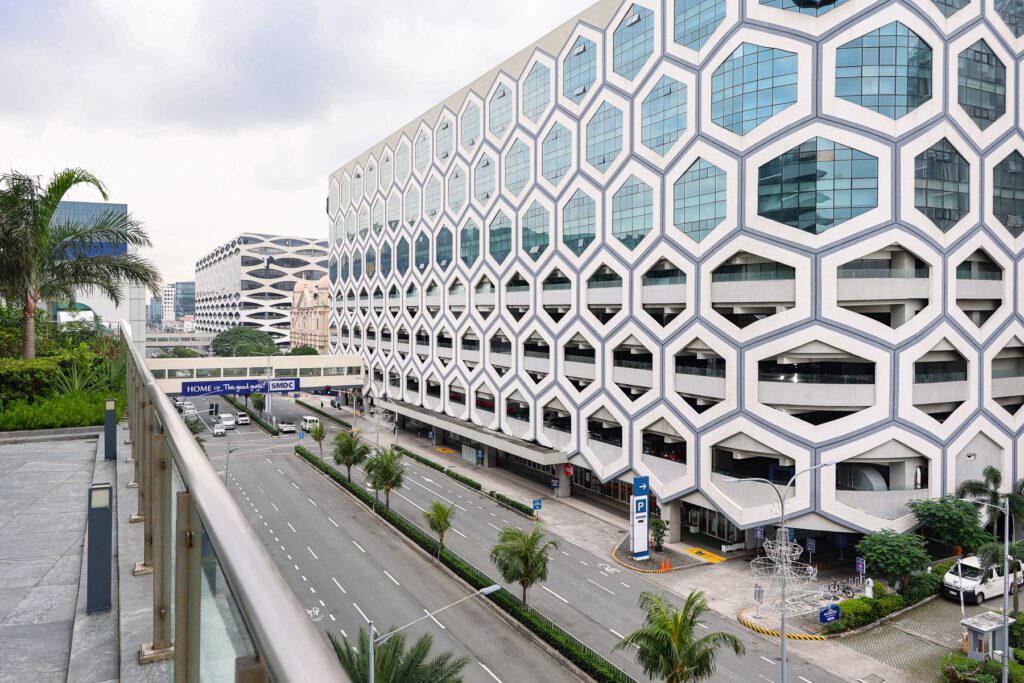
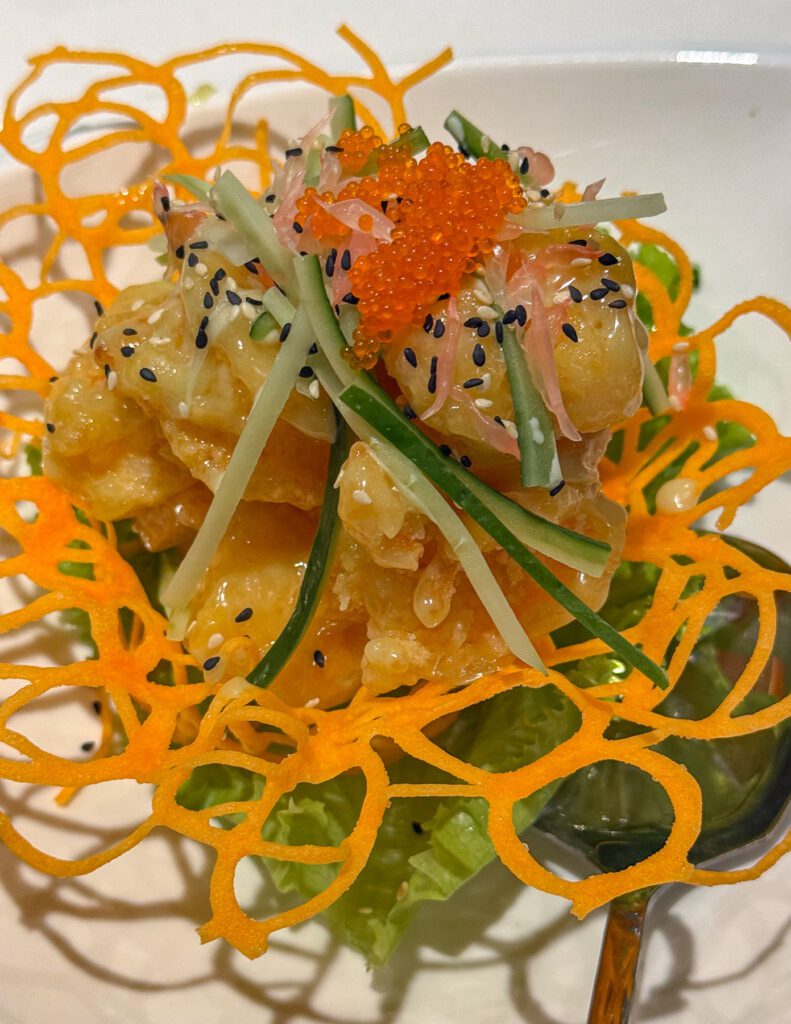
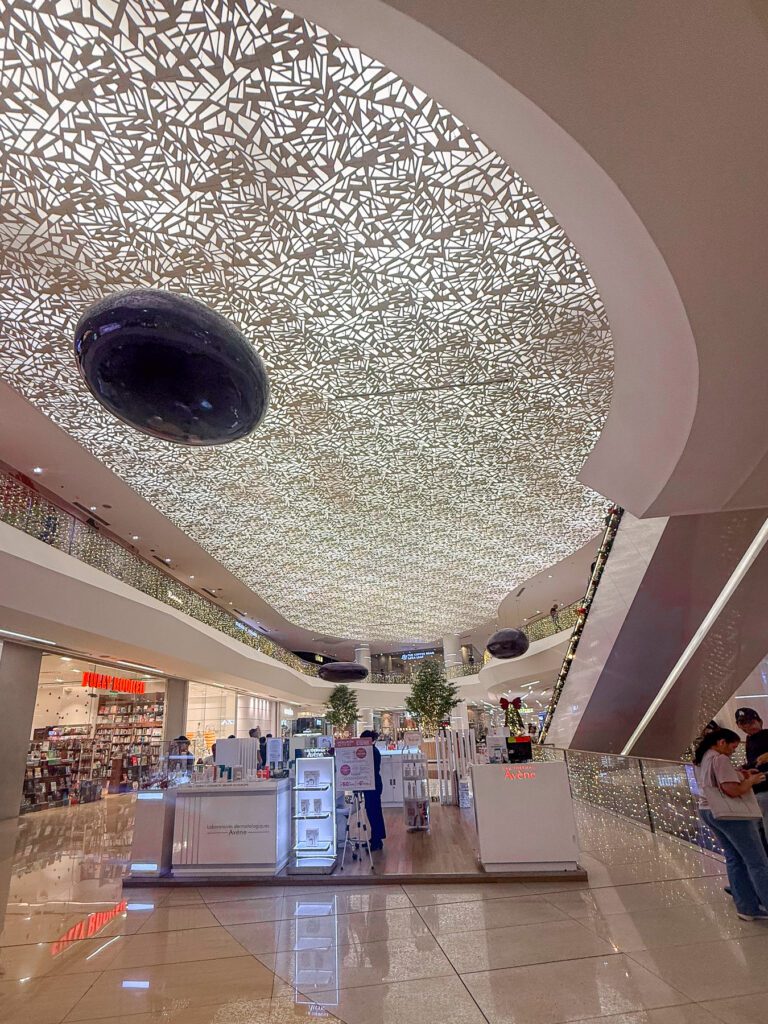
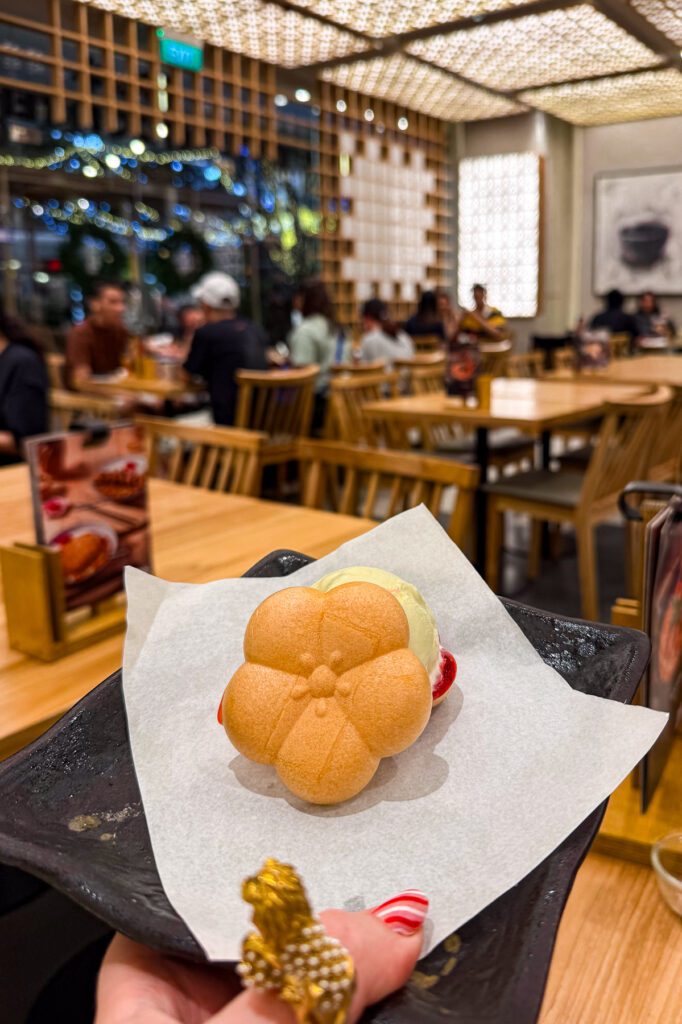
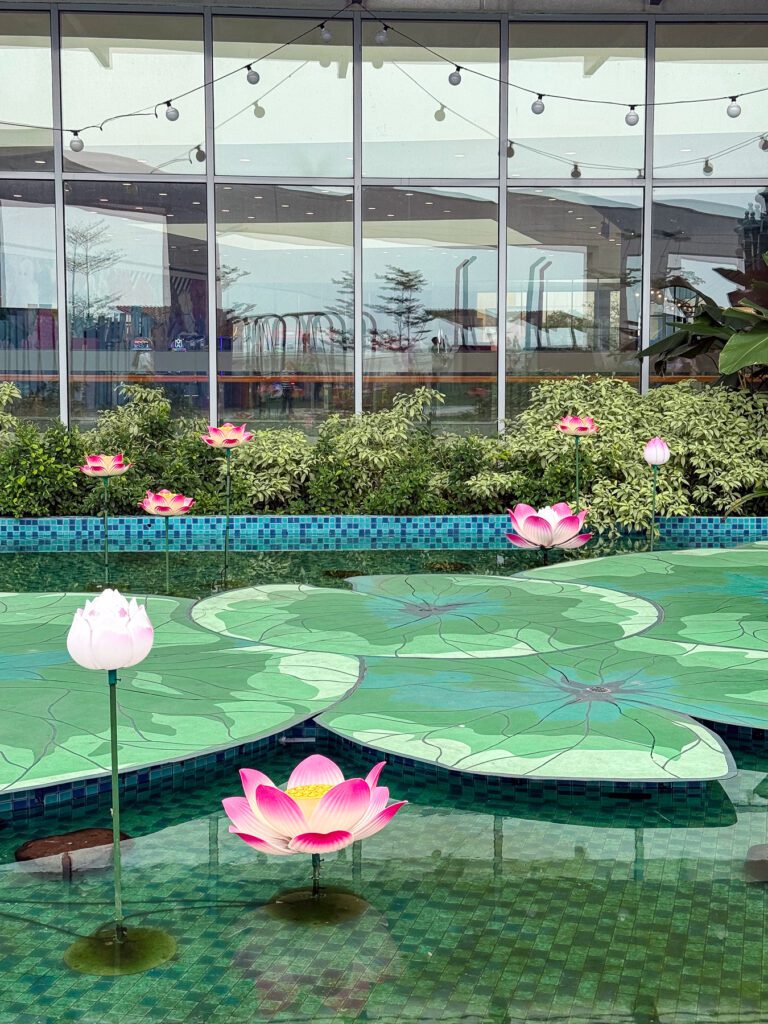
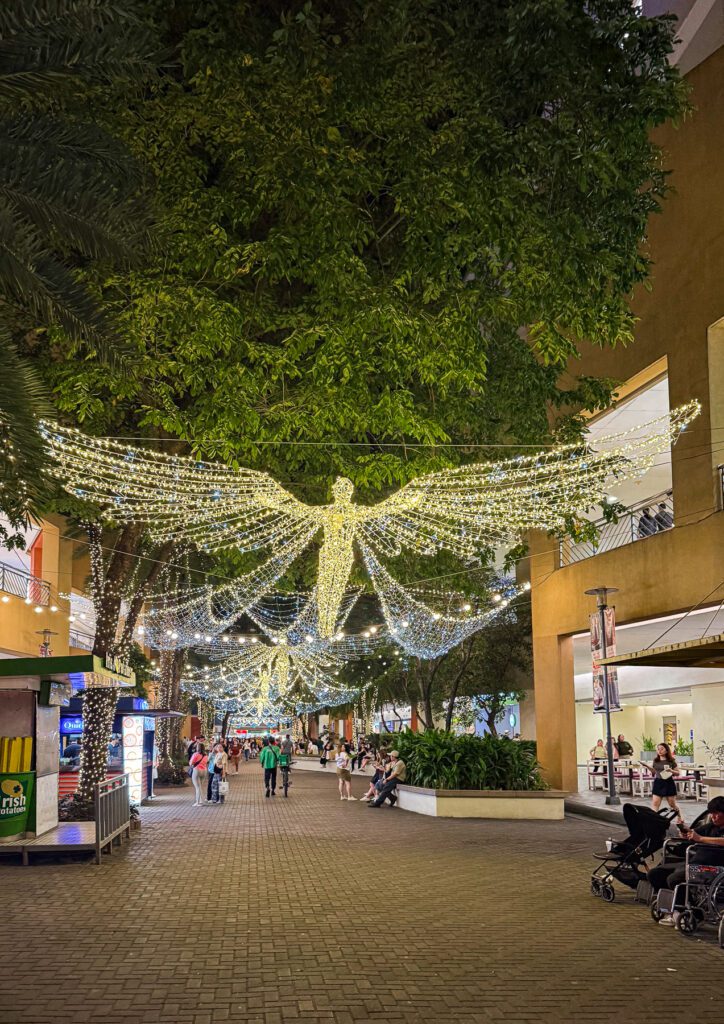
It looks really impressive, with an incredible selection of international and local brands. Part of it is located indoors, and part is outdoors. It also has amazing Christmas decorations everywhere!
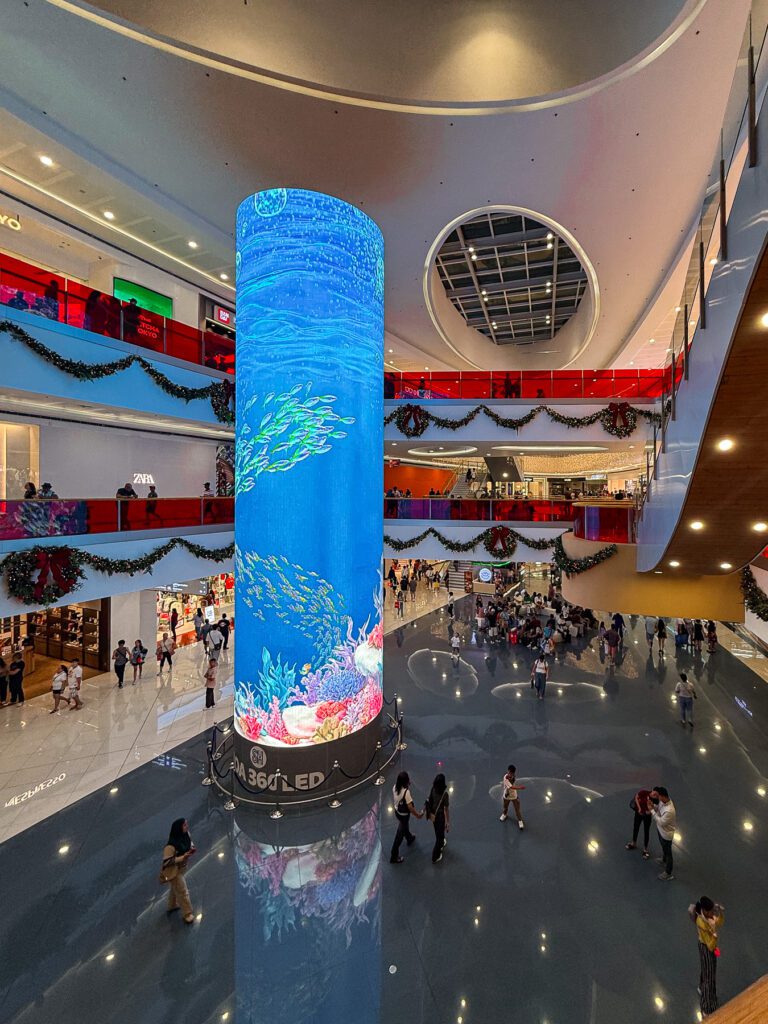



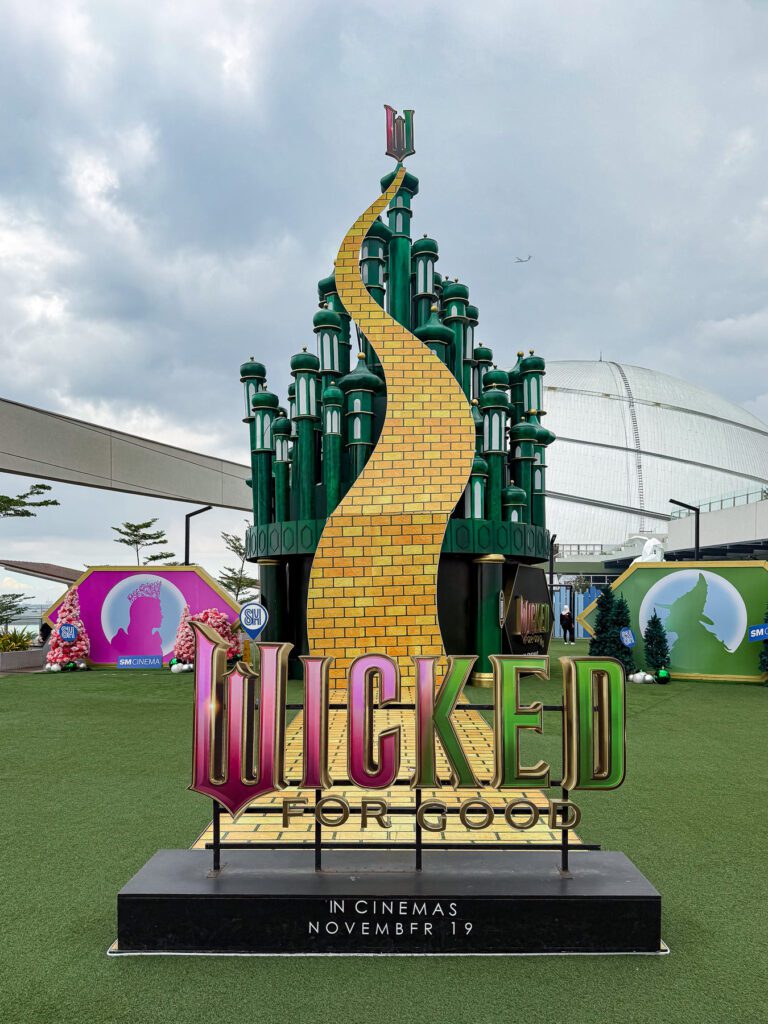

I swear that our outdoor part is adorned with angels 100% similar to what we had on Regent Street in London for Christmas!


15. Dessert Museum
The Dessert Museum is an interactive venue divided into eight different rooms, each celebrating a particular dessert famous in the Philippines.
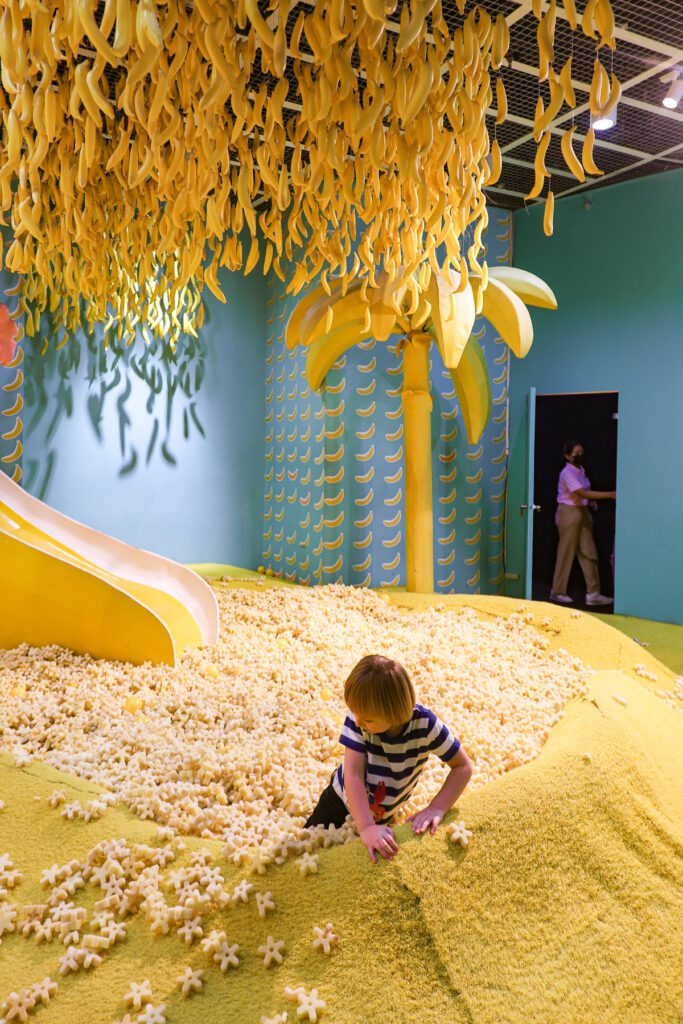
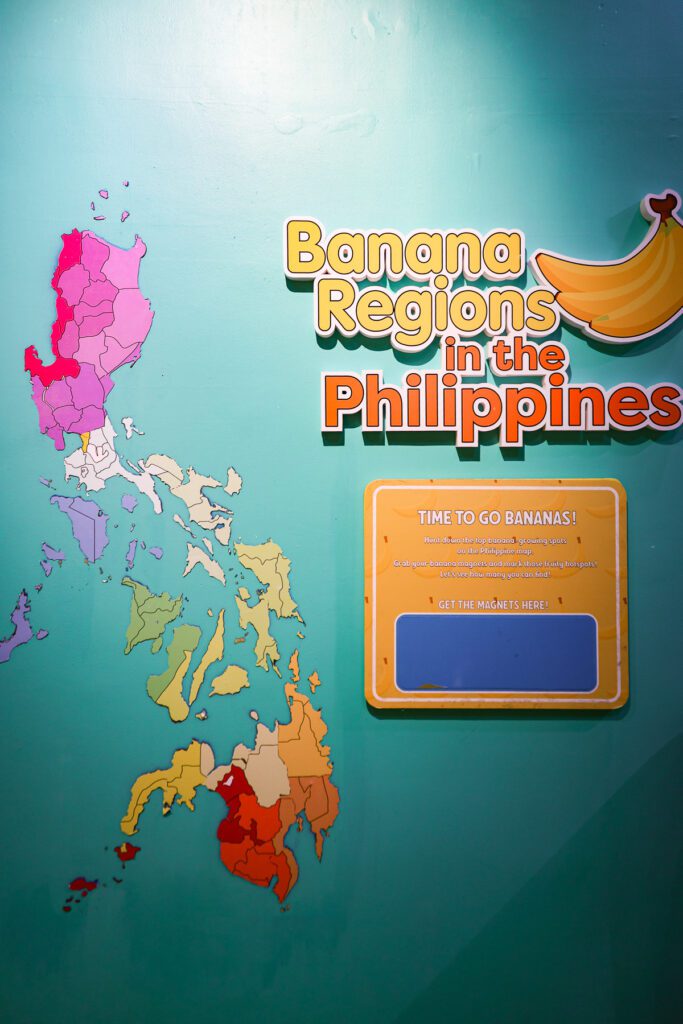
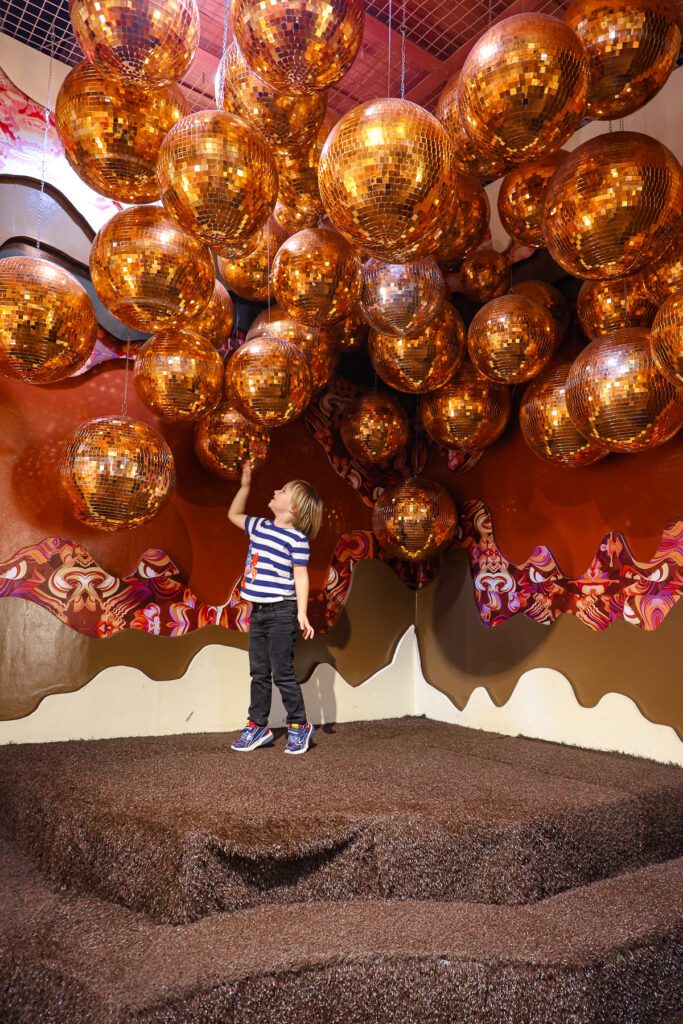
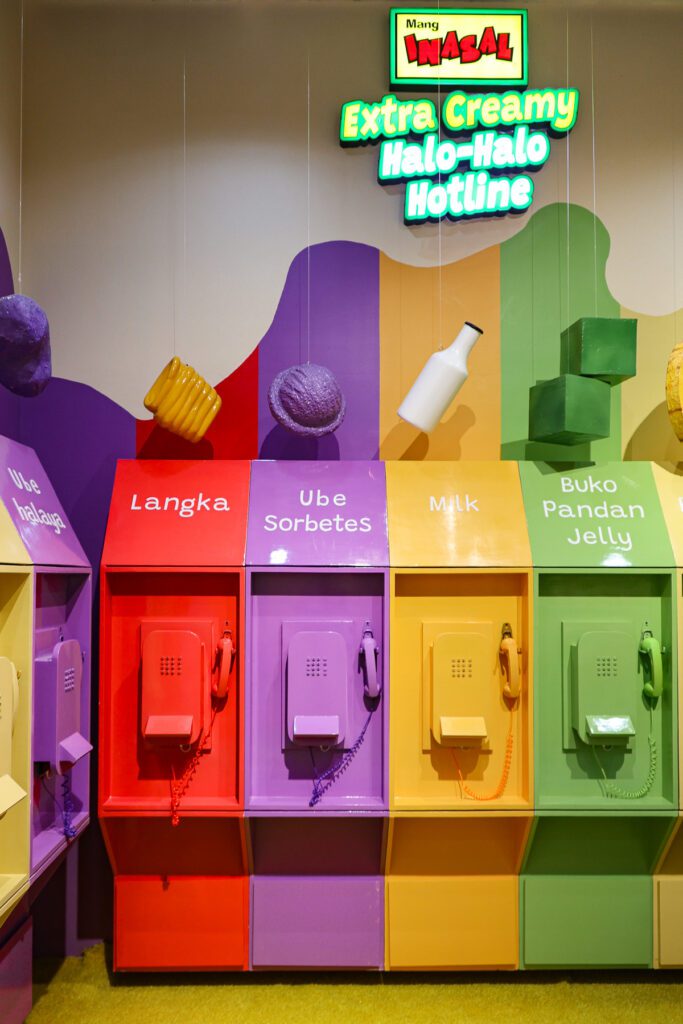


Doughnuts, bananas, dairy products and milk tea, chocolate and cake pops, halo-halo, marshmallows, candy canes, ice cream…sounds good, right? There are many play zones and slides for kids – and besides that, you get a voucher to receive sweets and ice creams throughout your journey!
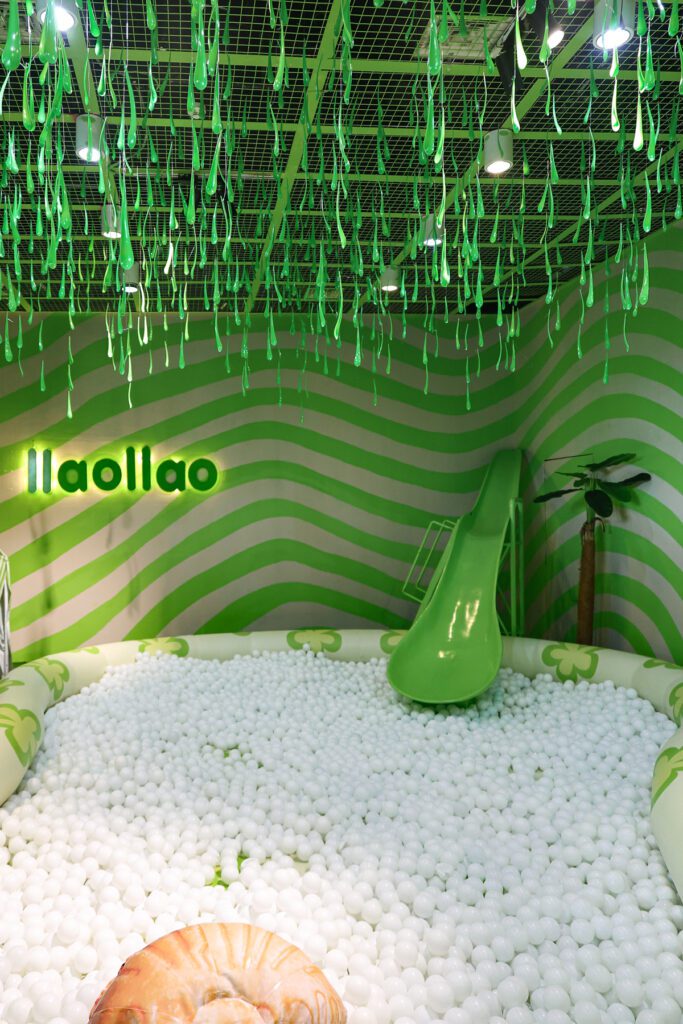

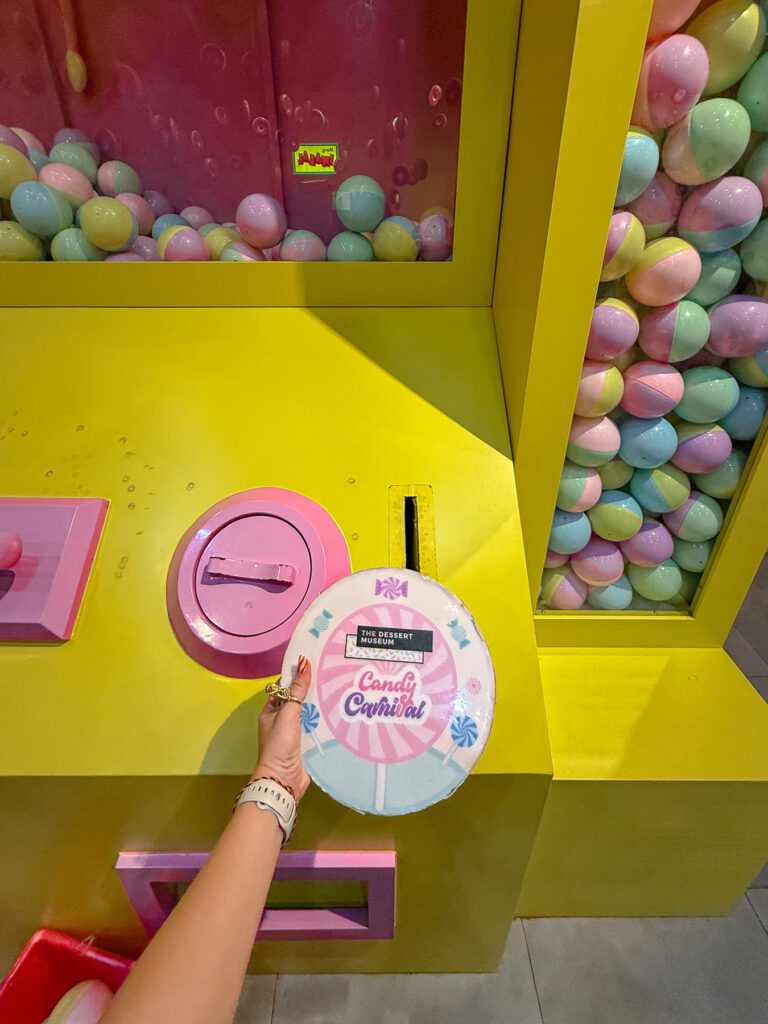

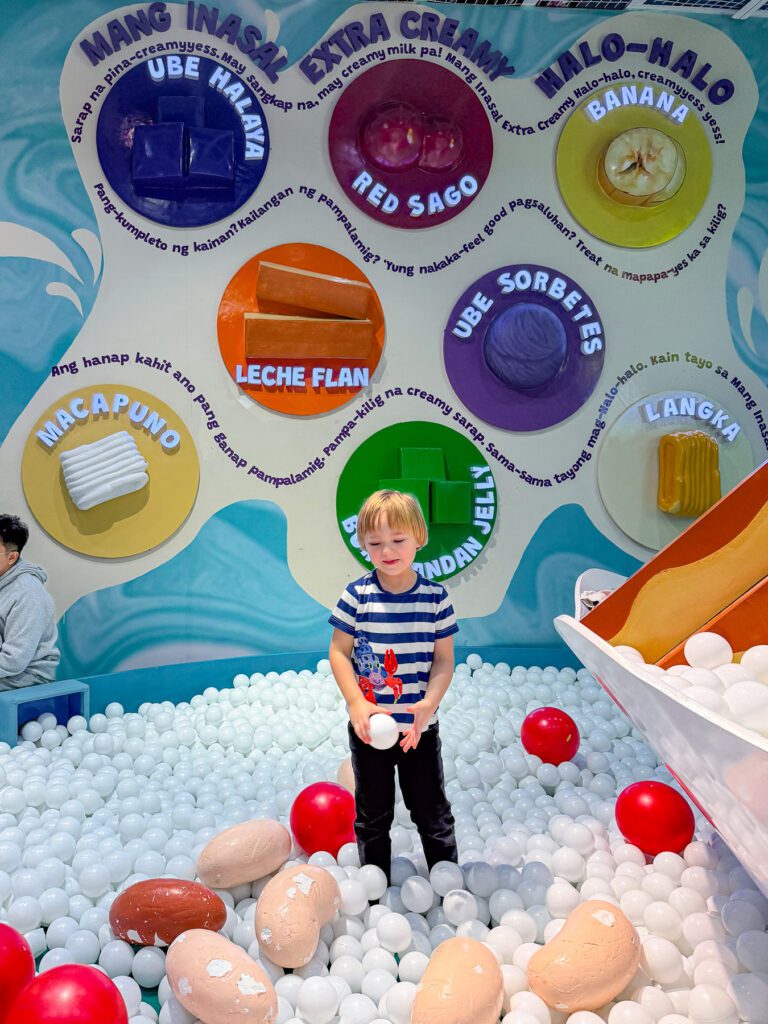
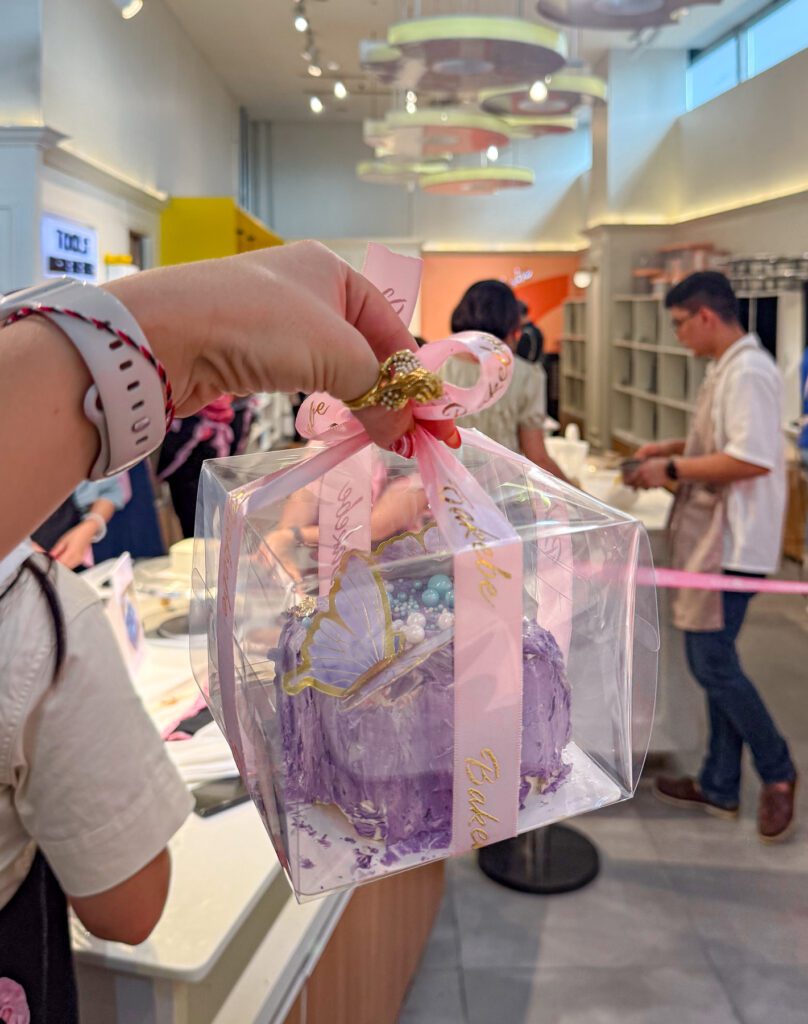
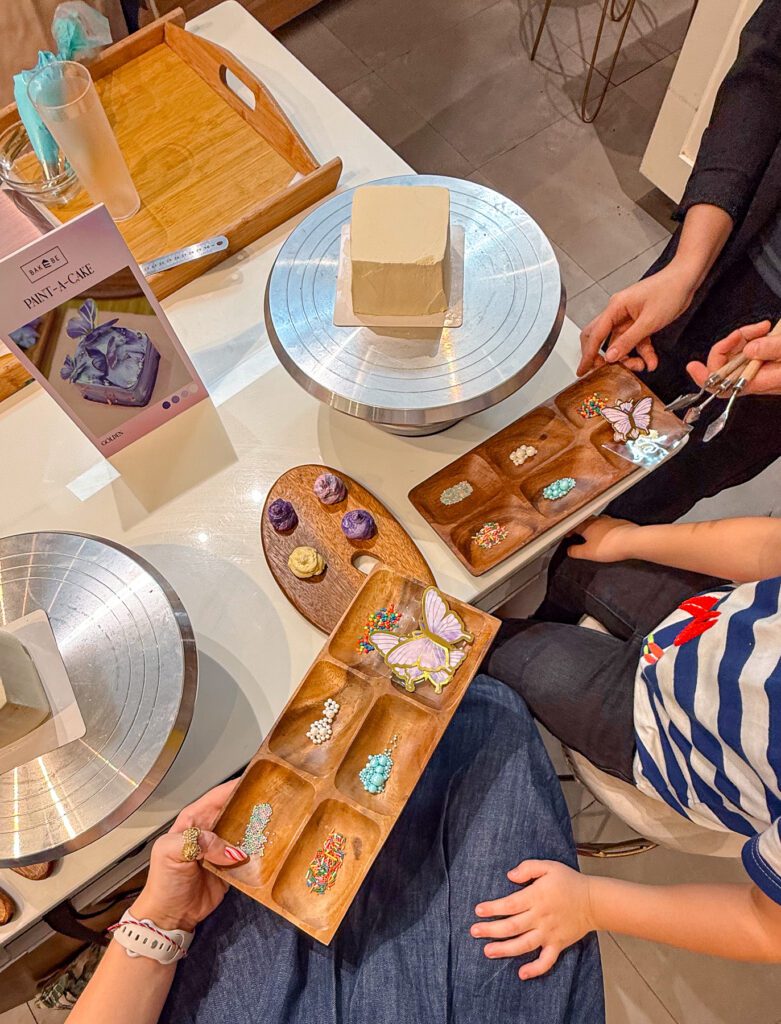
For an extra charge, you can paint your own cake in a café at the end of your route! We booked our experience in advance – I suggest you do that as well. You’re given an art palette with differently colored creams (we went for K-demon hunters), edible gold leaf, and various sprinkles.

Where to stay in Manila? Peninsula Manila
The Peninsula is located in the Makati district of Metro Manila – this is a business district with skyscrapers, high-end shopping, and numerous hotels.
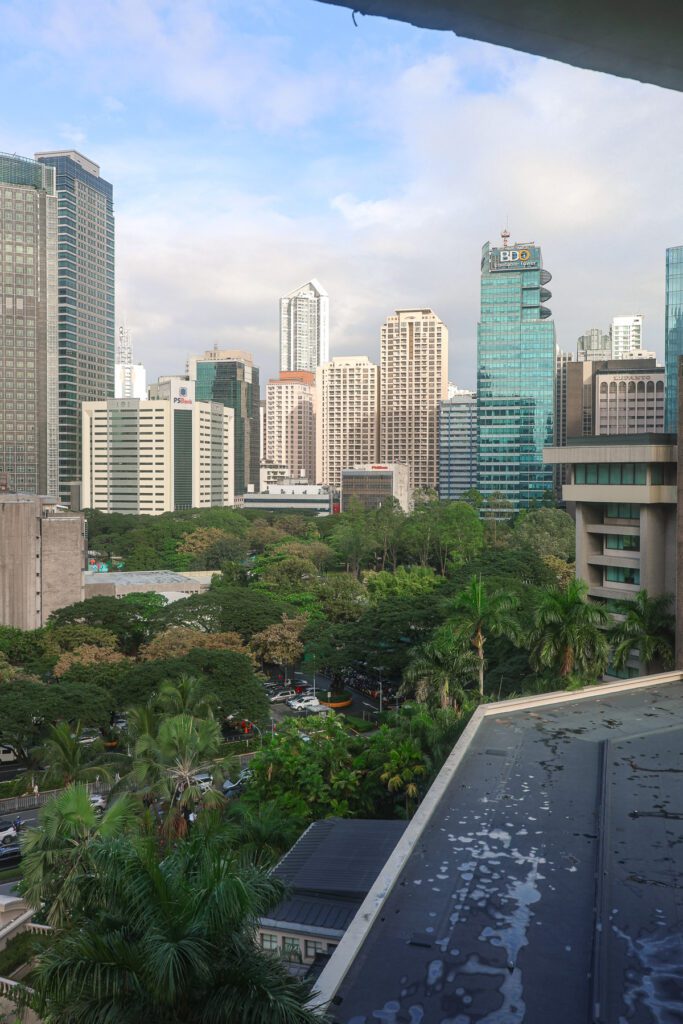
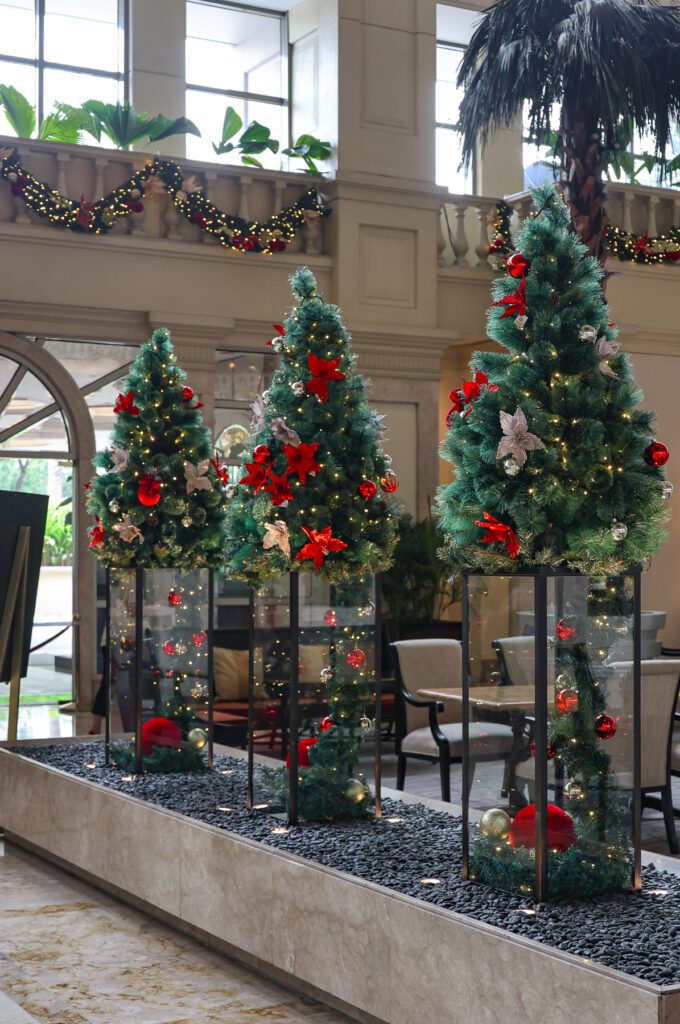

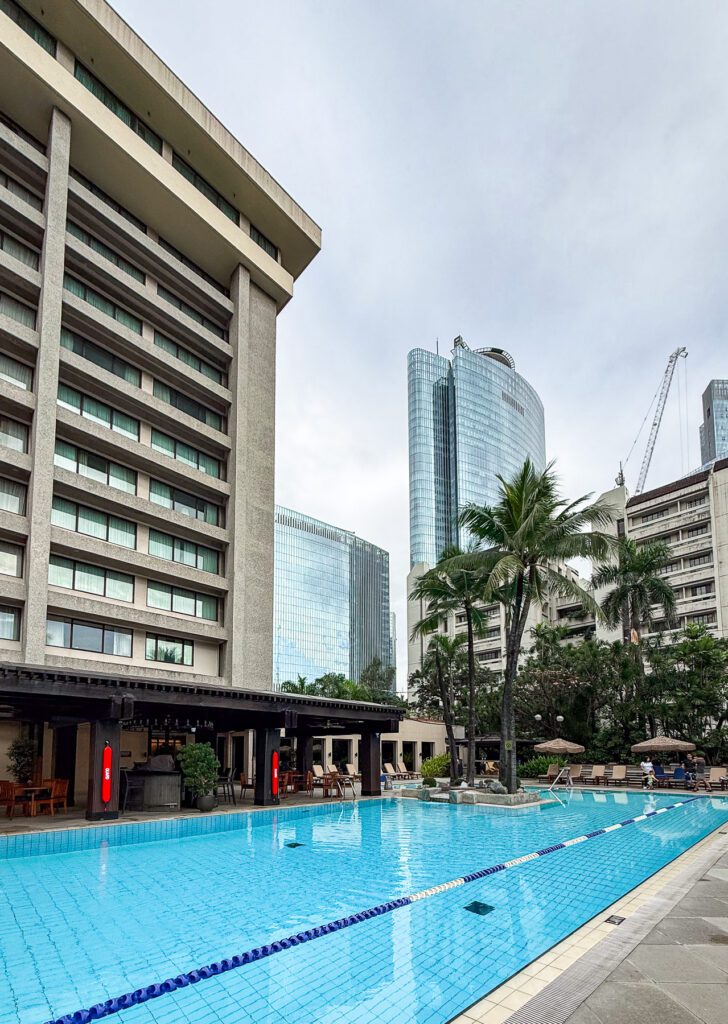
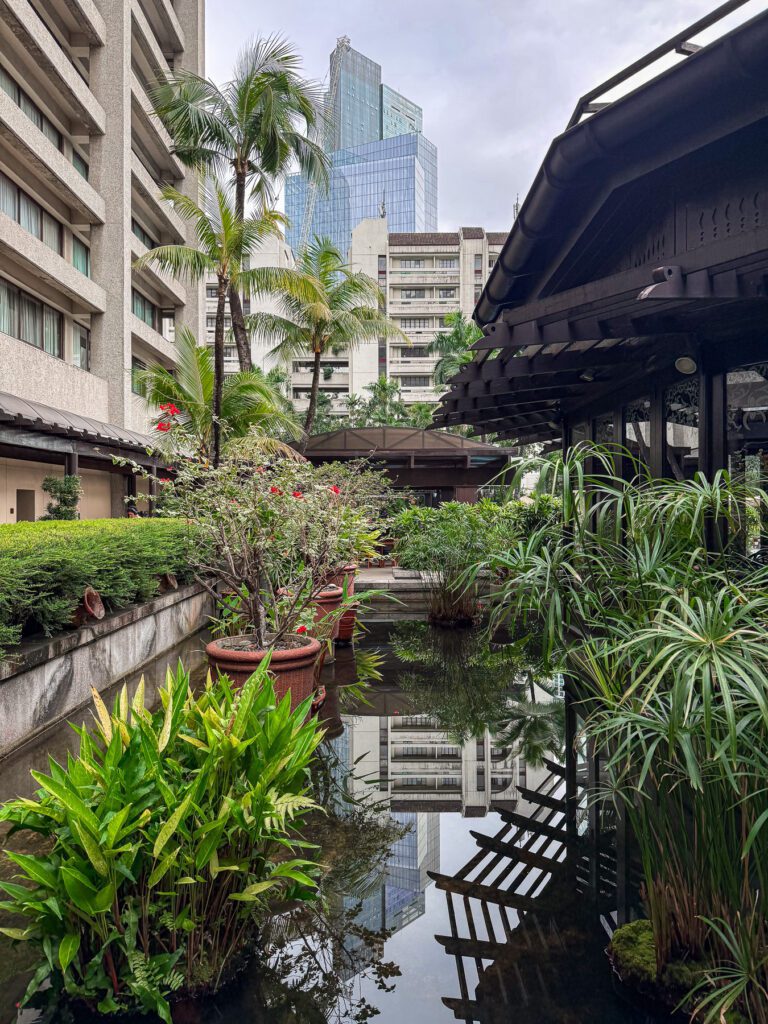
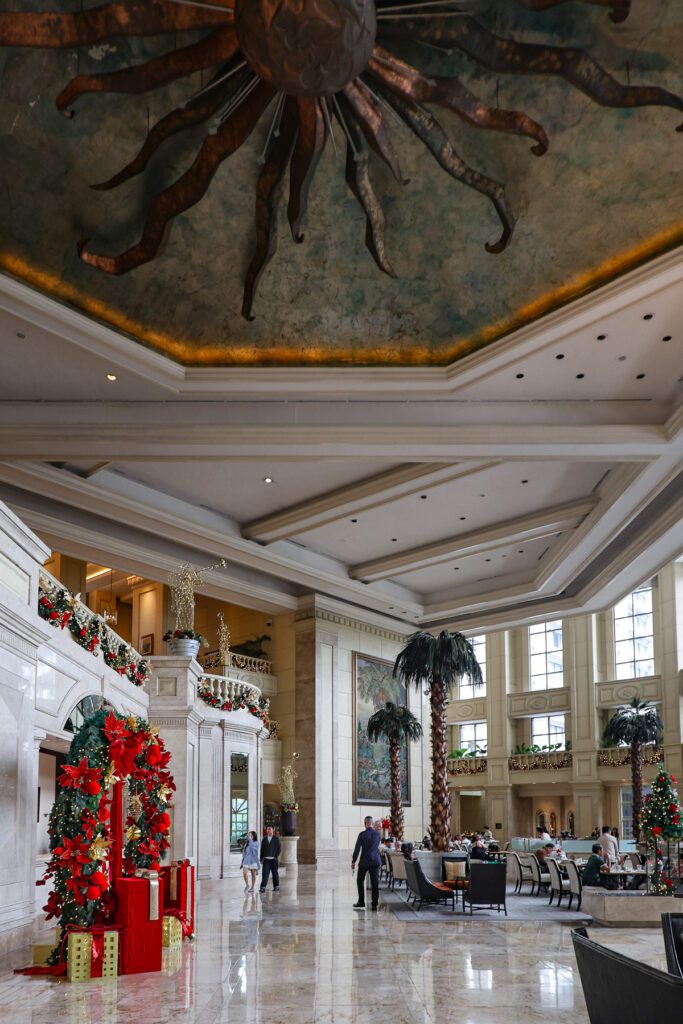
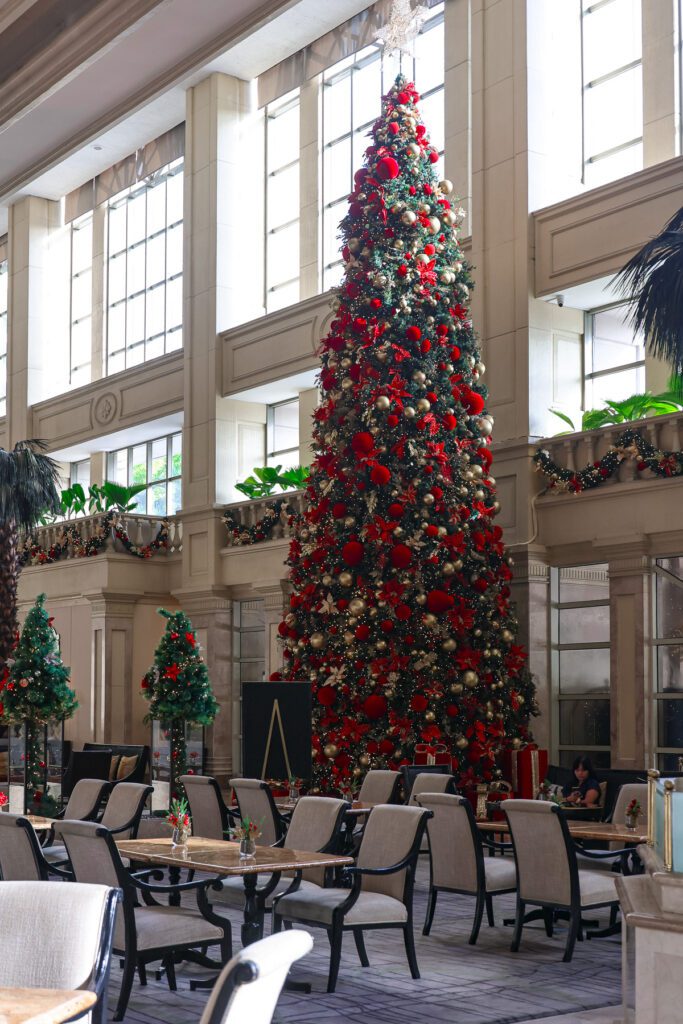
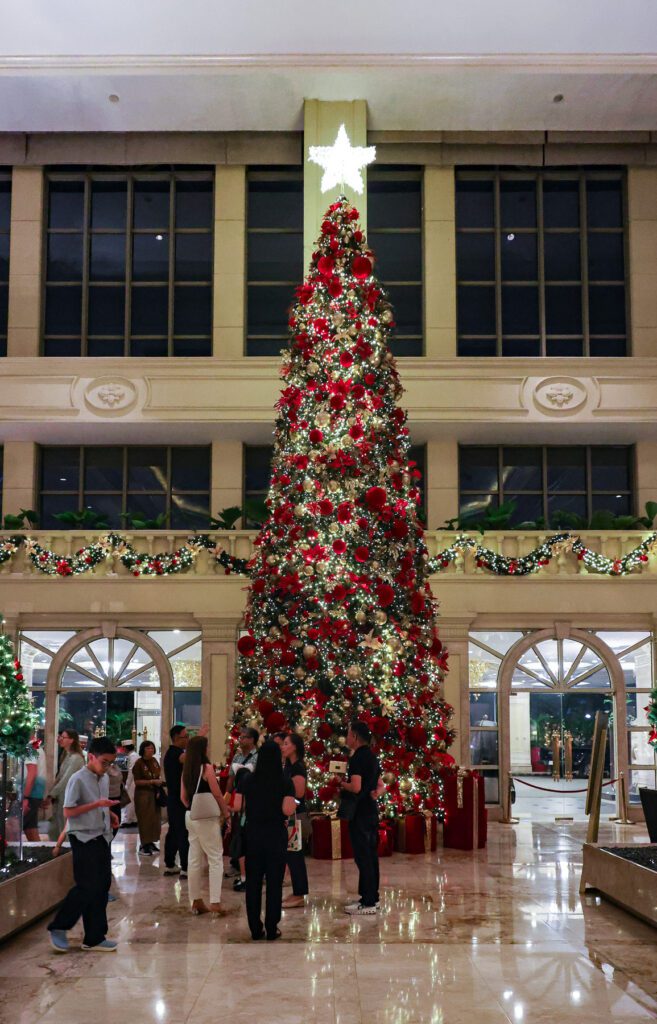
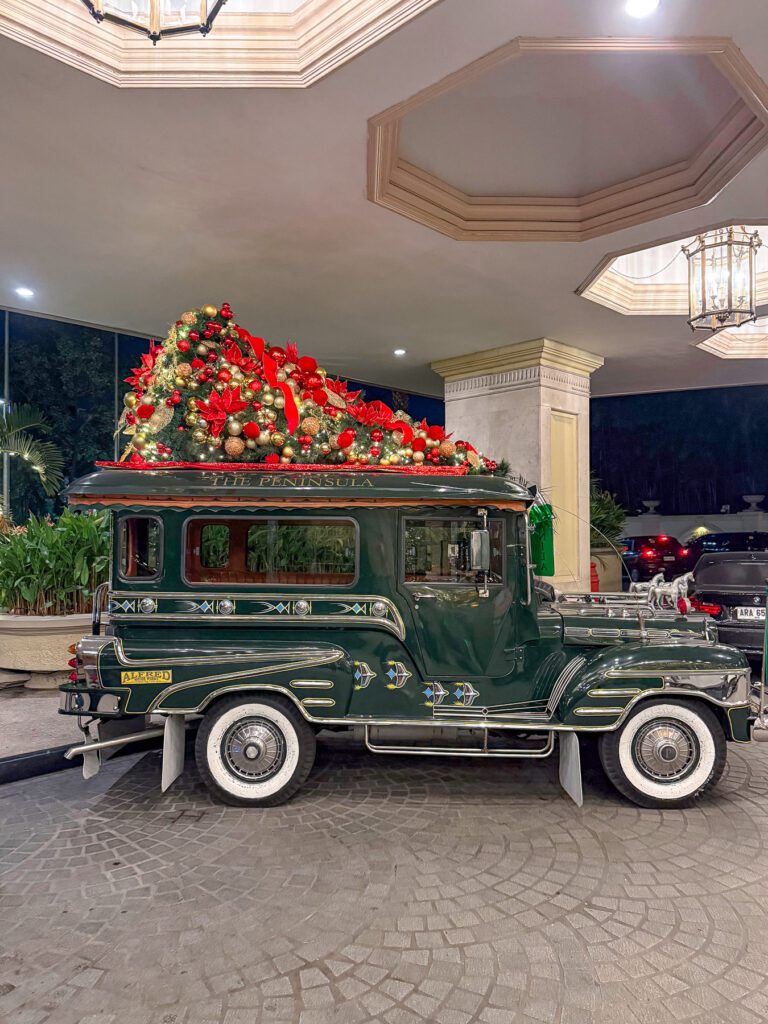
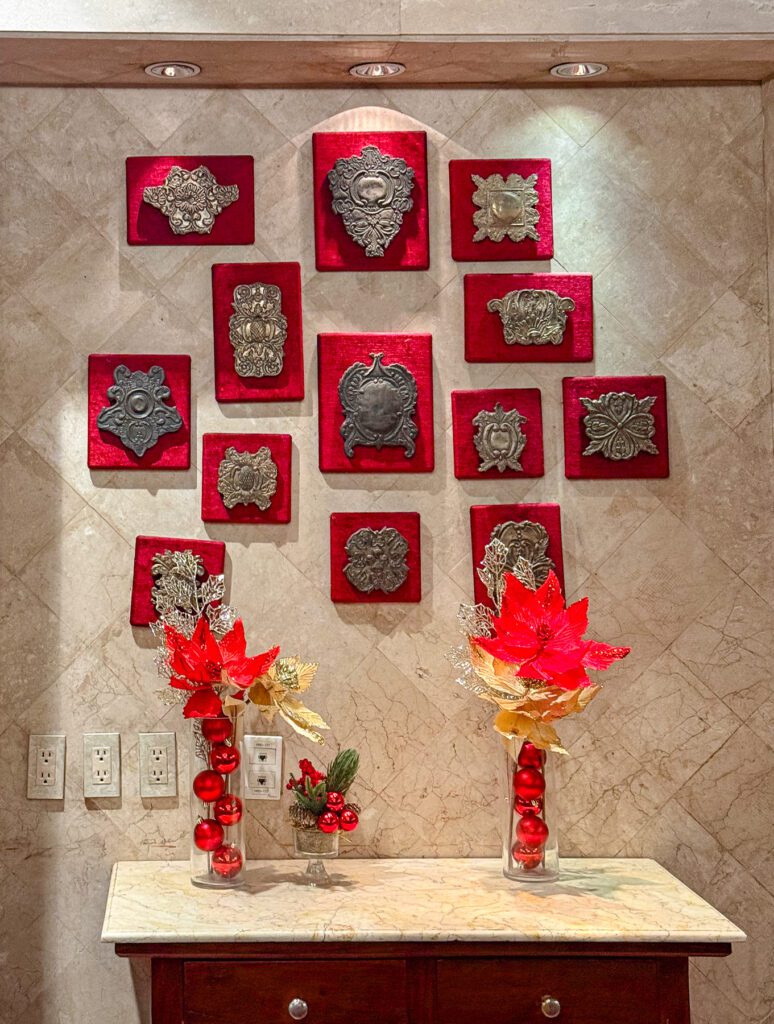
The Peninsula is considered one of the best hotels in Manila’s hotel scene. I was captivated by its huge impressive atrium decorated with garlands and Christmas trees for winter; this part of the hotel was really the best!

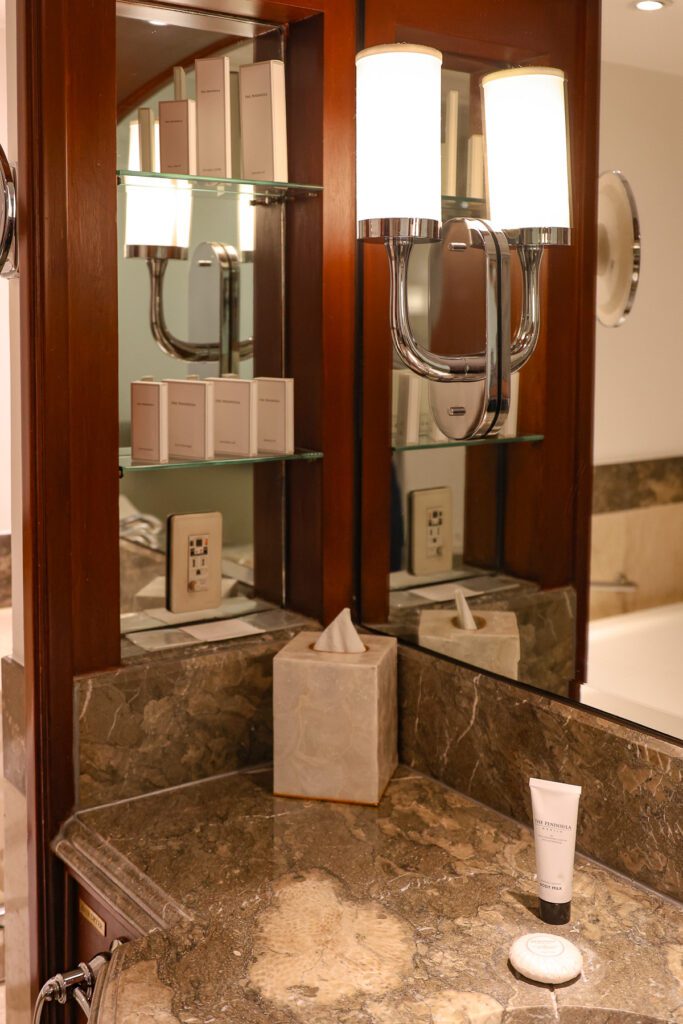
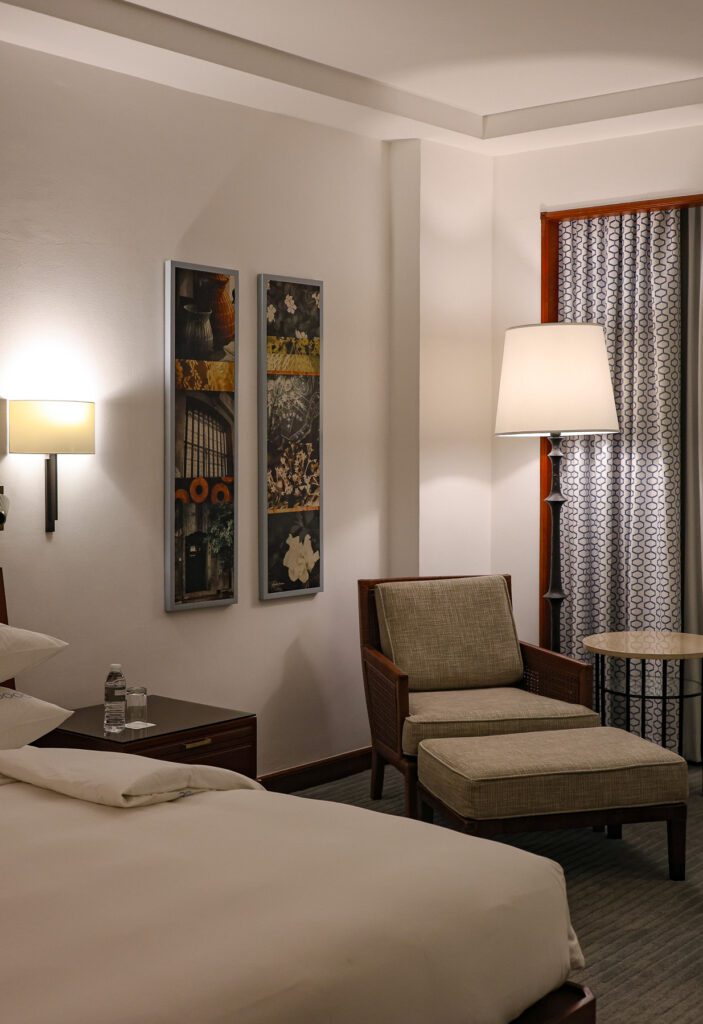
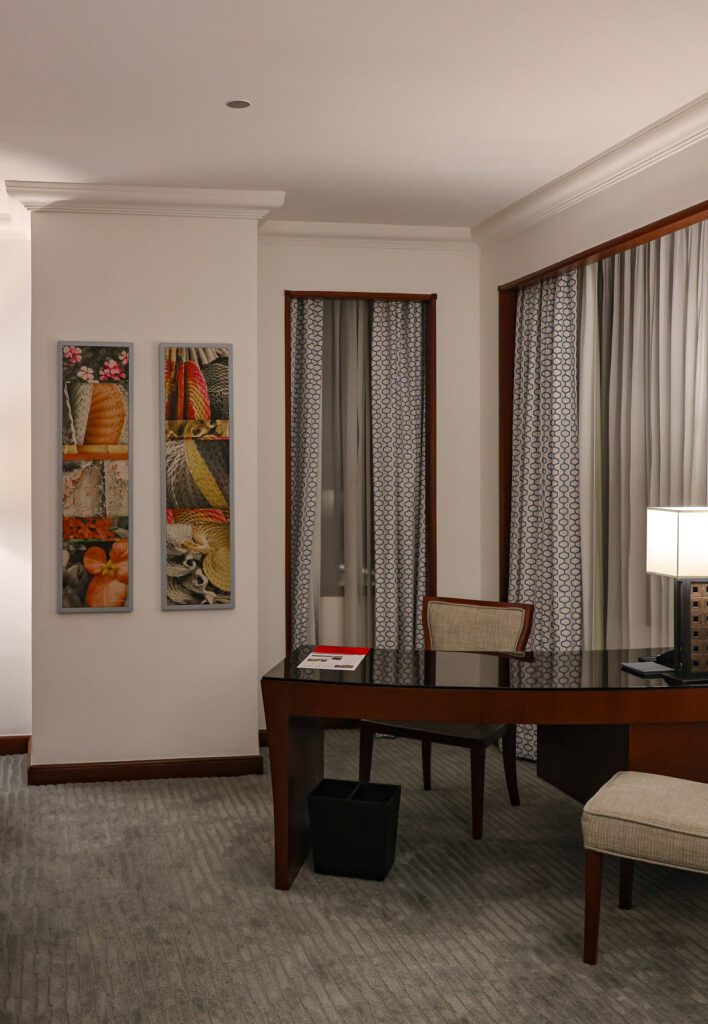
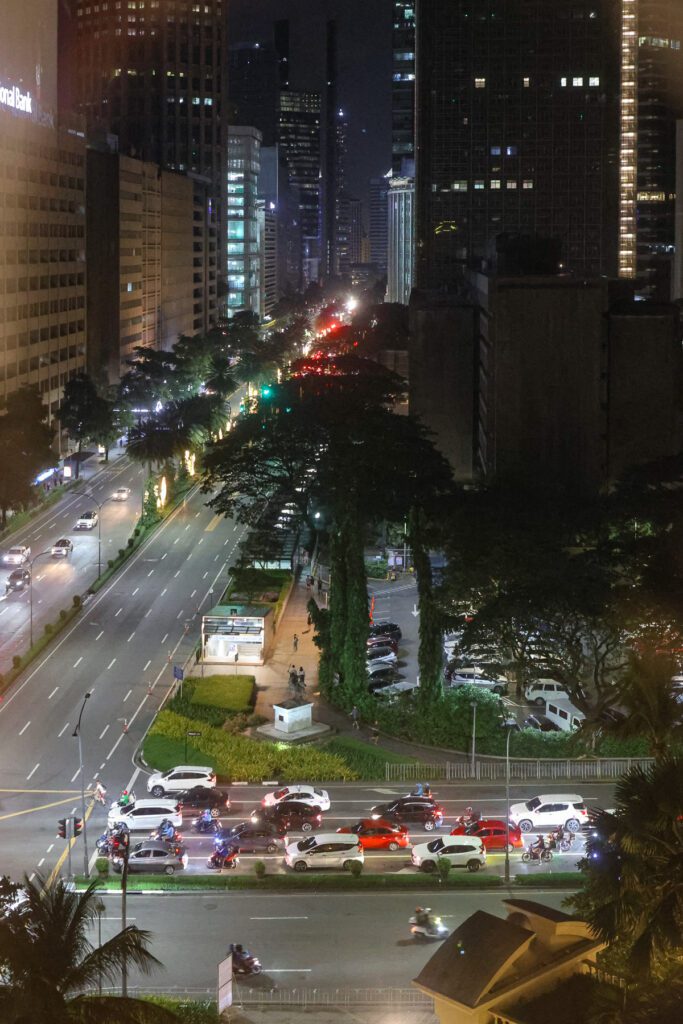
Our room felt a bit outdated, and concierge services had room for improvement; however, in general, the service was good, and the views over Makati from our suite were splendid.
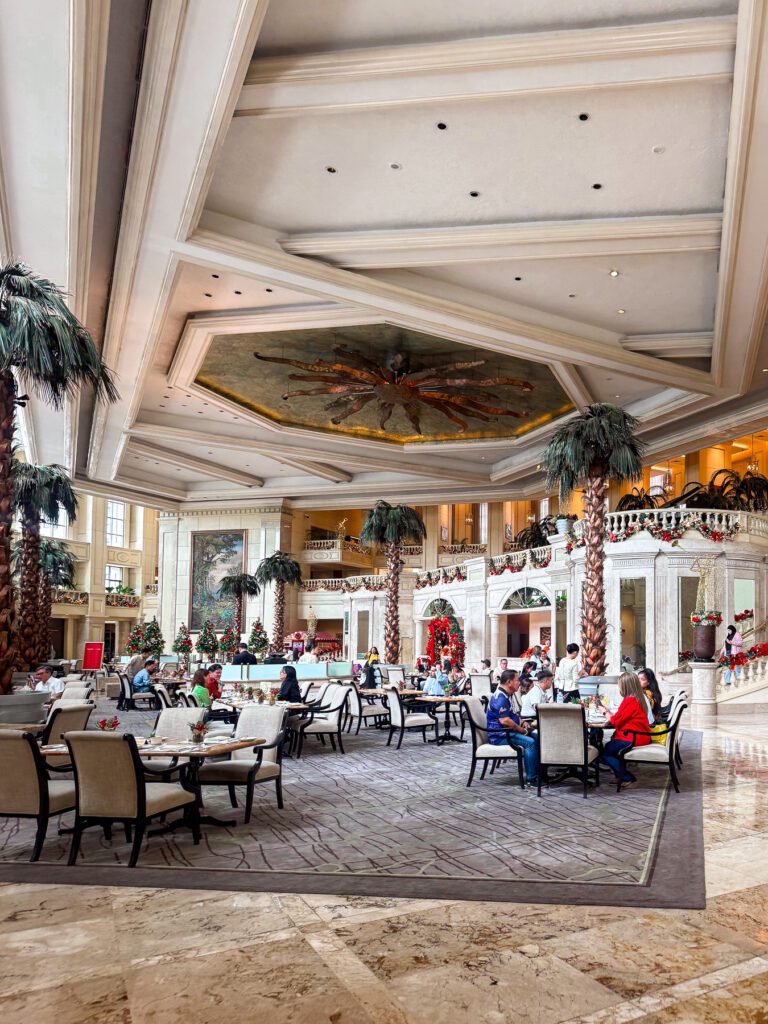
The breakfast selection was not bad; however, it fell below the breakfasts we had in the Conrad Hotel Manila.
We also visited their evening buffet in the same area, which featured a selection of Filipino, Chinese, and Western dishes.
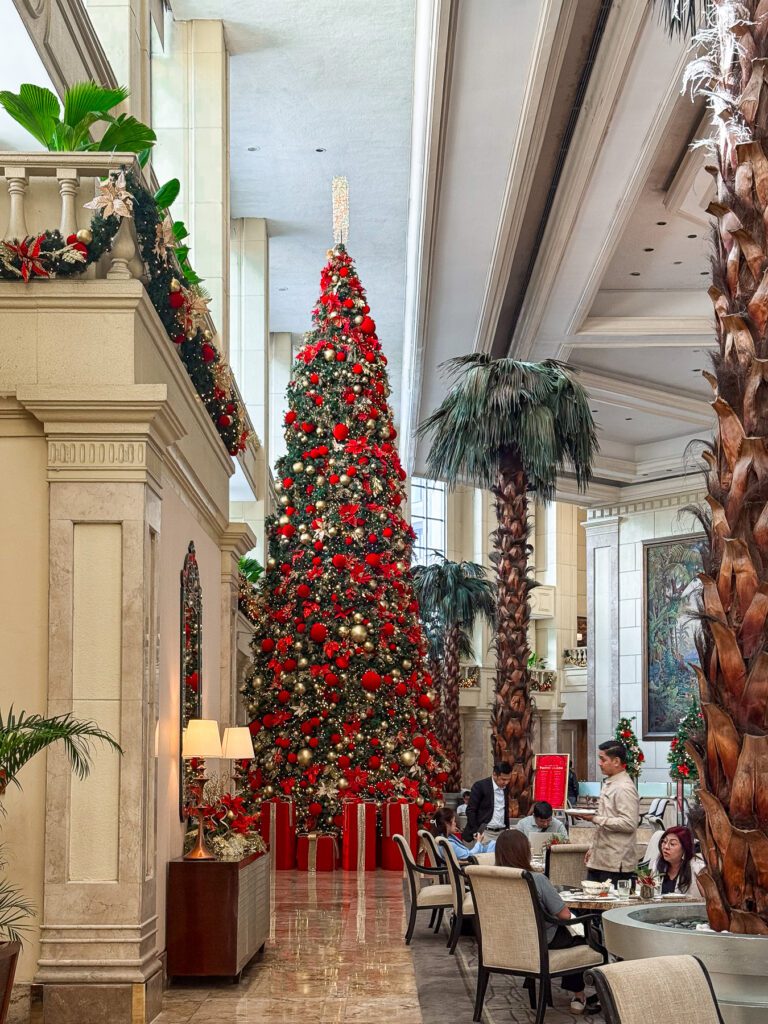
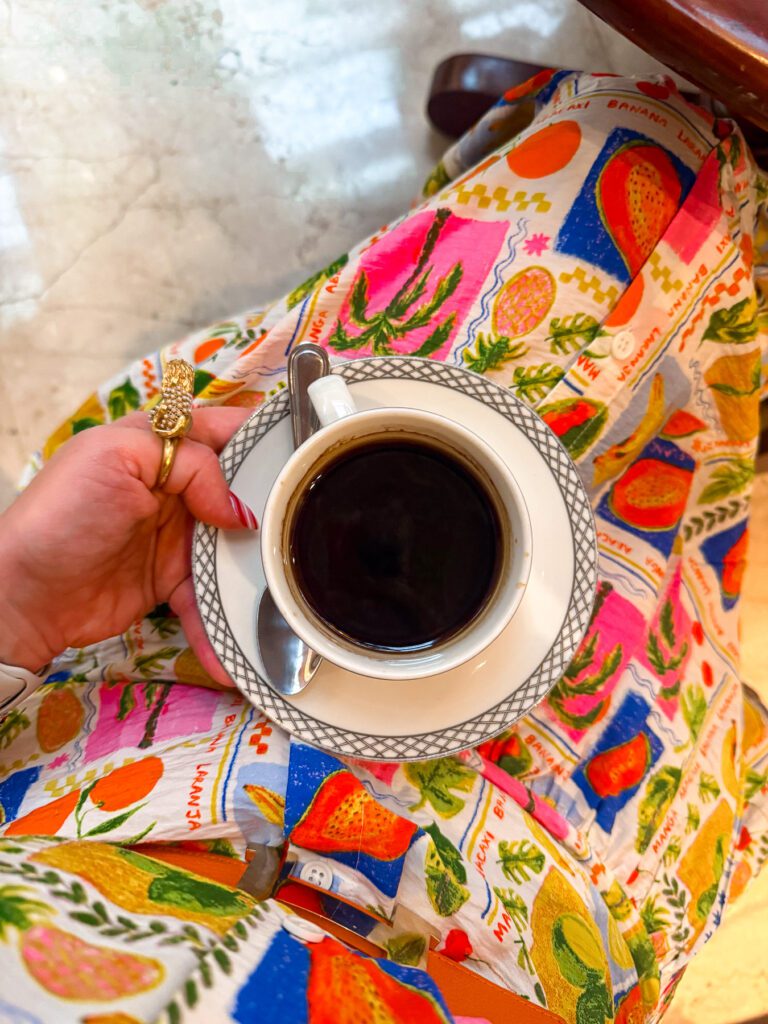
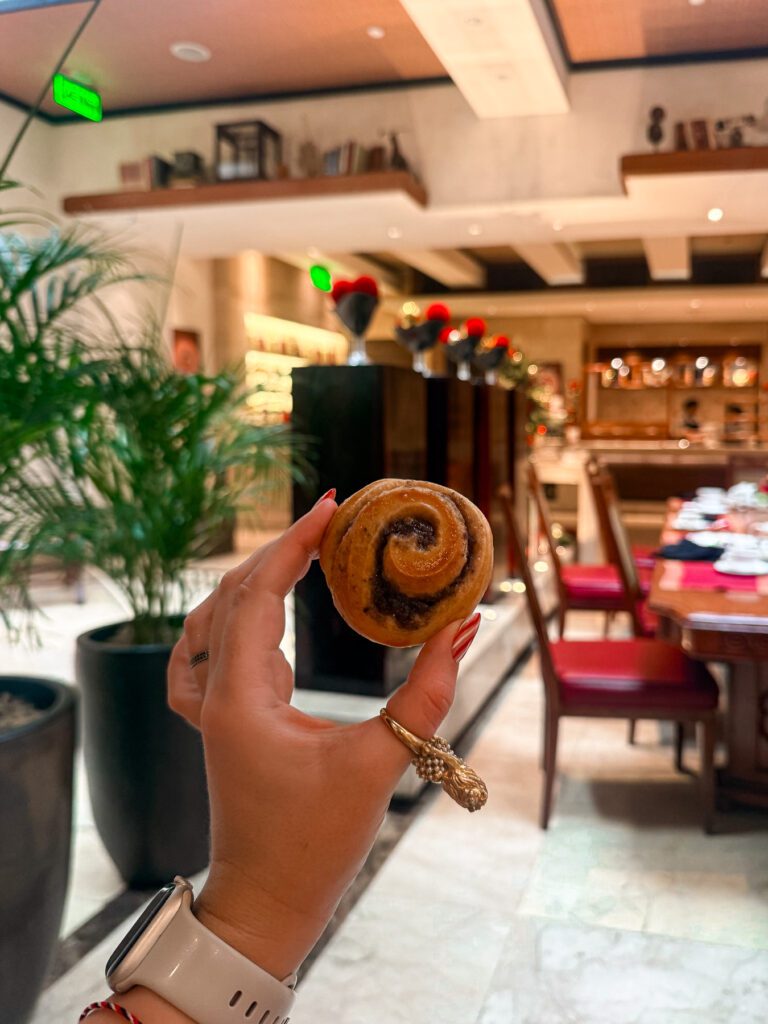

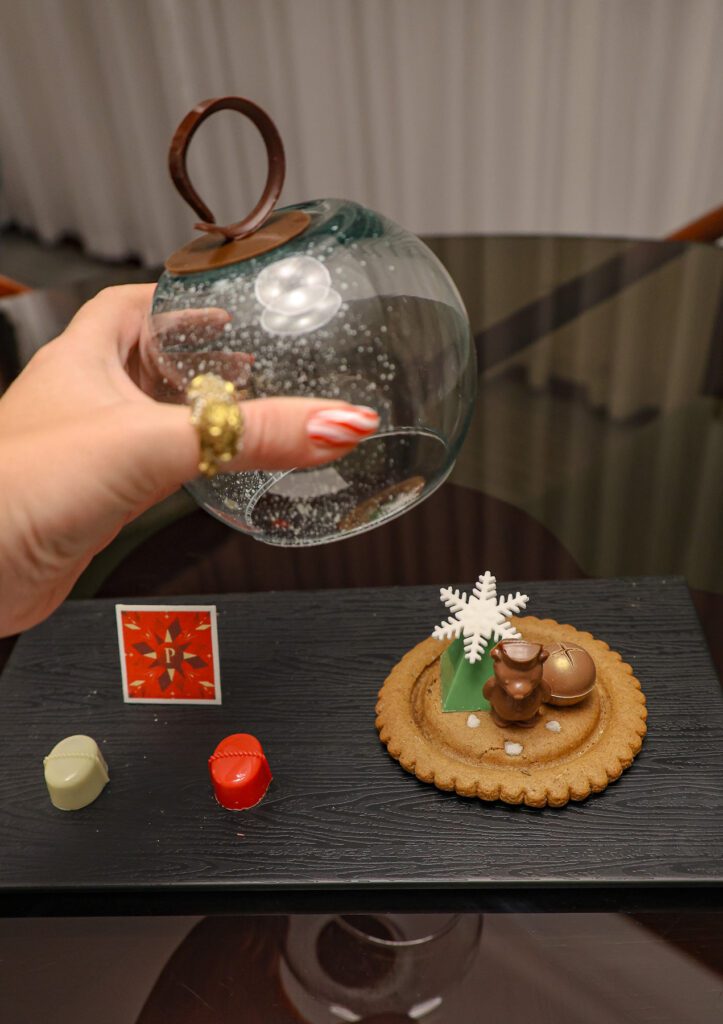
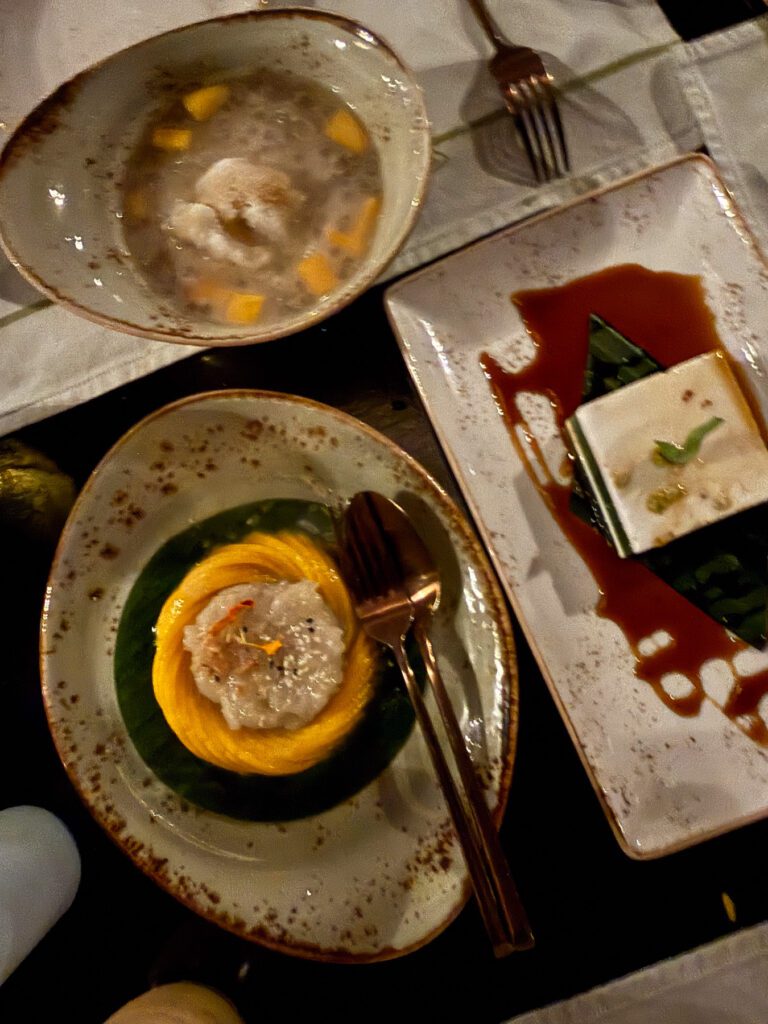
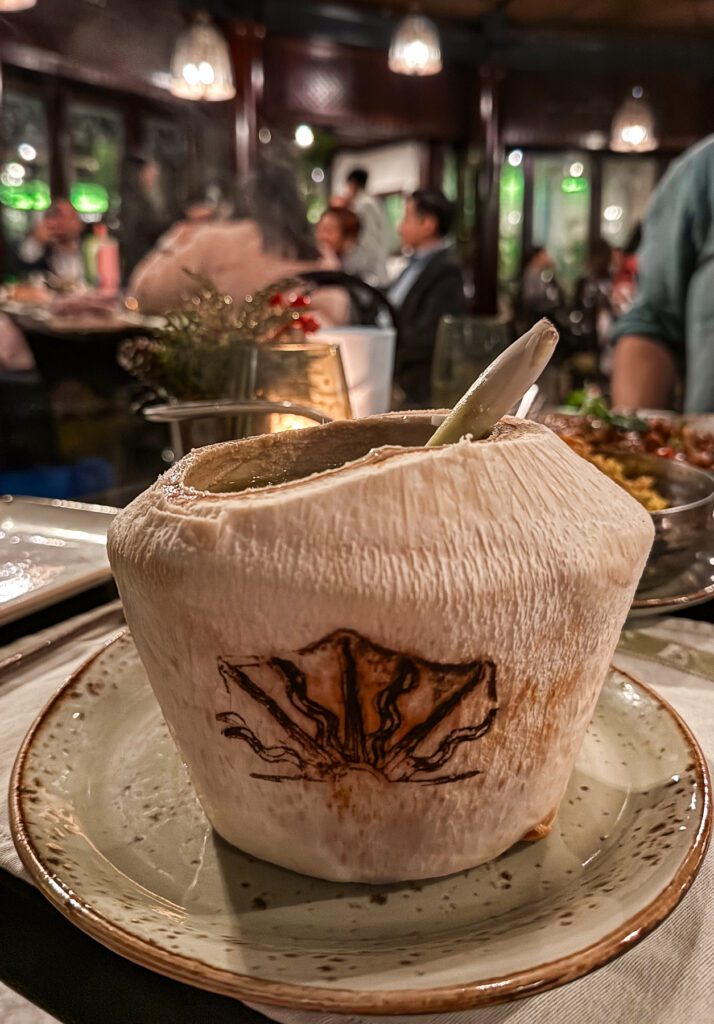
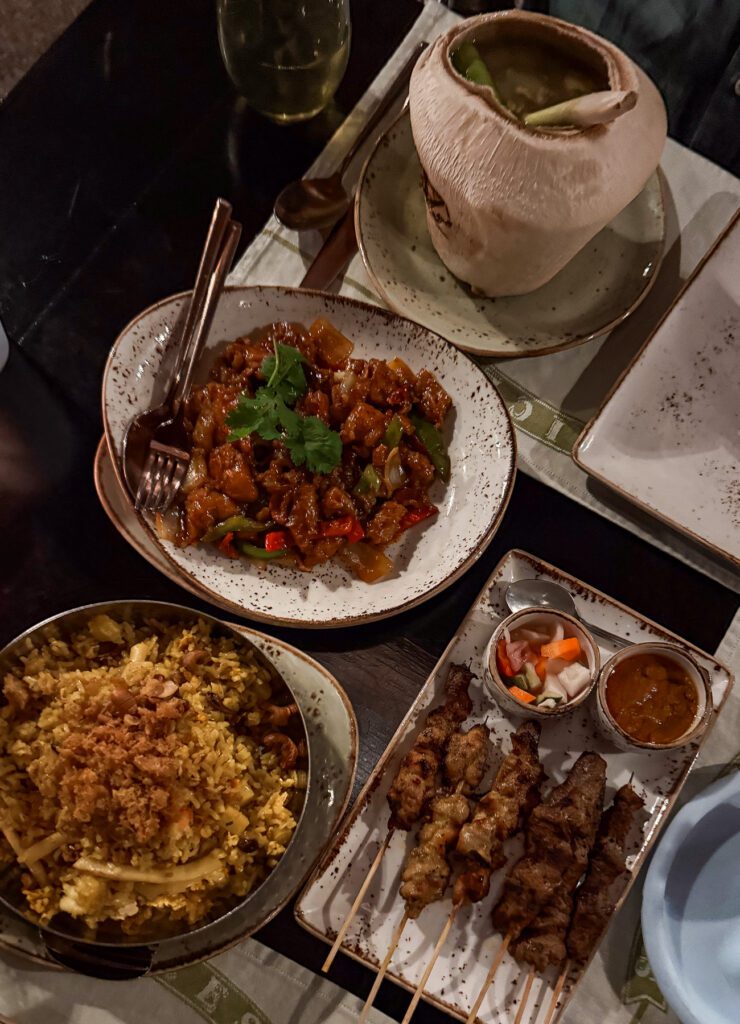
The Spices restaurant (Michelin guide) in our hotel was pretty good too – the desserts especially stood out for me.
See more blogs about Philippines here,
Hope you liked my new post,
Best,
Anna xxx