Vienna, the capital of Austria, has the top museums of the whole world in terms of artistic and scientific collections: Habsburg collections, museum quarter, lots of musical collections… If you’re a museum-goer, you would definitely find places to visit!


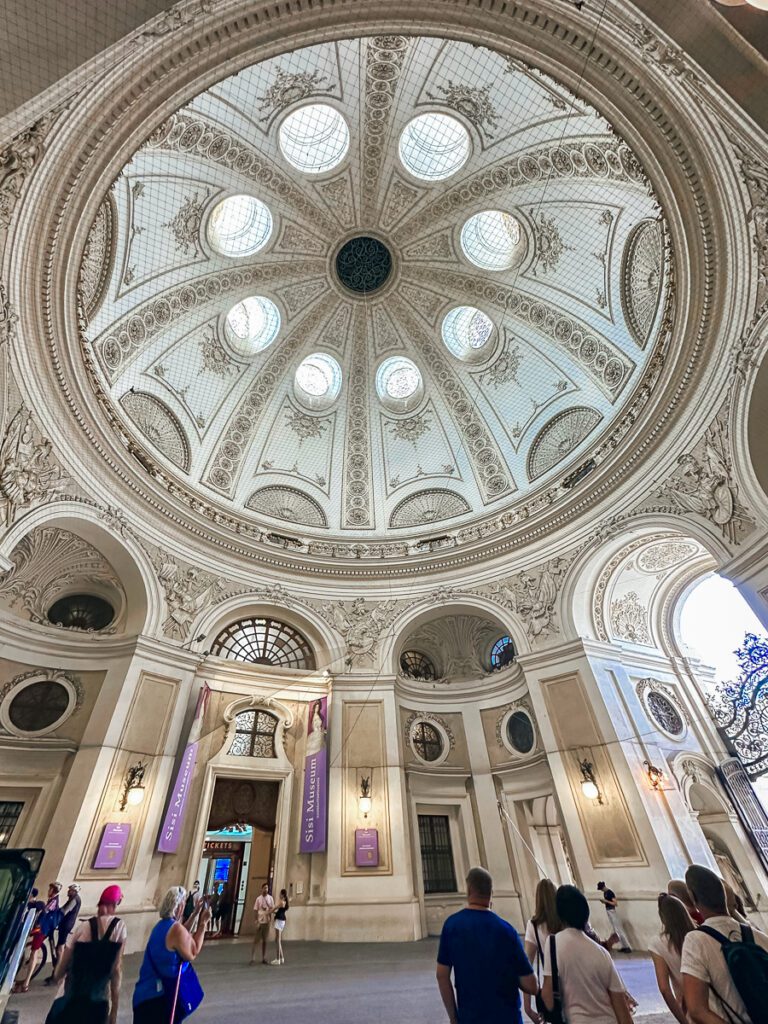


To facilitate your experience, I’ve collected the most famous of the museums – scroll below to learn about them!




1. Albertina museum
The Albertina Museum is one of the world’s most visited museums – mainly because of its graphical collection and collections of impressionists, and avant-garde artists.


The temporary exhibition is currently on display is dedicated to Roy Lichtenstein’s 100th birthday.


You can also visit the state rooms well preserved inside the museum too – because actually Albertina Museum is a former palace close to Homburg.


In the past they occupied by the daughters of Empress Maria Theresia, Archduchess Marie-Christine, and Archduke Karl, who fought against Napoleon.


2. Papyrus museum
The Papyrus Museum’s collection is one of the most impressive in the world: there are over 180,000 items! It’s also known as the Reiner collection because Archduke Rainer of Austria gifted his private collection to the Emperor as a birthday present in 1899.


You can admire the Book of the Dead, amazing portraits, clay tablets, private and official letters on papyri, and even listen to reconstructed music from Orestes, a play by Euripides! Now, the collection is part of the Austrian National Library.


3. Natural History Museum
The Natural History Museum, located on Maria-Theresien-Platz opposite the Kunsthistorisches Museum, is one of the largest museums in the country, with collections assembled over 250 years ago.


Come here if your kids love dinosaurs and scientific discoveries, there are many activities for them and a shop full of cool stuff!


The museum was officially opened in 1889. Come here to learn about evolution, dinosaurs, minerals and all other things you expect from a museum like this.


4. Museum of Fine Arts
The Kunsthistorisches Museum, or the Museum of Fine Arts, is a twin museum on Maria-Theresien-Platz that houses Austria’s largest collection of art objects.


It was opened in 1891 and houses an impressive collection of paintings and other precious objects that initially started as the private collection of the Royal Habsburg Family.


5. Mozart’s house in Vienna
The Mozarthaus, or the House of Mozart, at Domgasse 5 is probably a must-visit museum in Vienna because this city’s fame is at least supported by the influence of the best composers of all times, such as Mozart, Beethoven, and Strauss.


Mozart lived in this building from 1784 to 1787; this is the only Mozart residence in Vienna that has made it to this day. With an audio guide, you can explore the composer’s life and some of the objects and furniture of his time. During our visit, photography was limited.


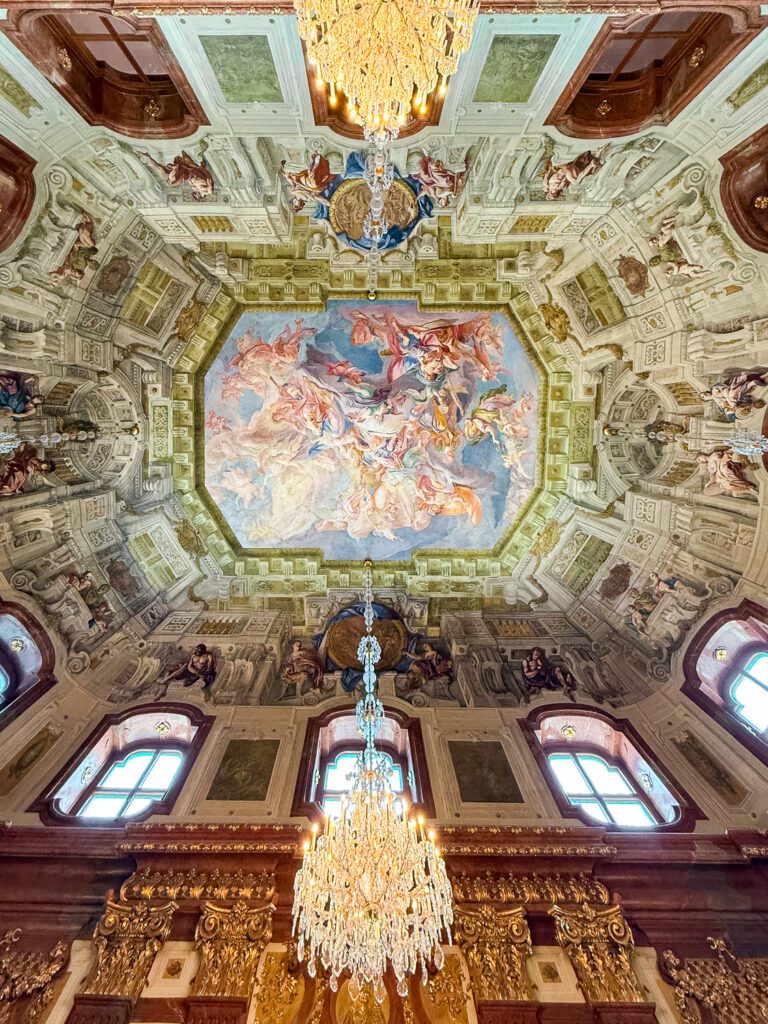
6. Belvedere Palace
Belvedere Palace is another must-visit spot for both history and art lovers.


This palace complex, which consisted of a few buildings (Upper and Lower Belvedere, Orangery and Stables), was built in the early 19th century and used to be the summer residence of Prince Eugene of Savoy.


Now, everyone comes here not only to admire the baroque gem of Hildenbrandt but also to see many world-famous pieces of art, starting from mediaeval art to more modern pieces, including The Kiss by Gustav Klimt.


WE’ve been there a few times, and last time we were lucky to see more investigation of the Klimt’s works in the Lower palace. Don’t forget to book your tickets online in advance as this place is extremely popular!


7. Schönbrunn Palace
Schönbrunn Palace, in contrast to Hobsburg, was the Habsburg’s main summer residence and now it’s turned into a lavish museum. It’s called ‘Beautiful Spring’ after a famous mineral spring around the court. The Palace is a UNESCO World Heritage Site.


It’s a large, lavish palace where you can learn about the significant events of the Austrian Empire and its main characters – don’t forget to take an audio guide to enrich your experience! The buildings on this site date back to the 14th century, while the Kattenburg estate was acquired by Maximilian II Habsburg in 1569 (it was renamed Schönbrunn later, around 1642).


The exterior you see today dates to the mid-18th century and the reign of Empress Maria Theresa. Unfortunately, the photography inside the Palace was limited during my visit; however, you can still take photos of the park outside.


The Neptune Fountain overlooking the Palace is one of the palace gems. It was commissioned by Maria Theresa in the 1770s, along with other park elements. Take a tram ride on Panoramabahn around the park to see Gloriette and other hidden (or not conveniently located to get with a pram) gems of the park. And to finalise the trip to the Palace, have some treats in the historic Gerstner cafe.


8. Children’s museum (Schönbrunn Palace)
The Children’s Museum within the grounds of Schönbrunn Palace is entertaining: it’s located in the 12 rooms of the Palace itself (it’s a different entity from the Palace’s leading exhibition, and you need a ticket to enter).


There are lots of activities like dressing up, toys, puzzles, educational games – and moreover, you and your kids learnt about life in Austria in the 18th century, during Maria Theresa’s rule!


Think about the lifestyle, dresses, hygiene, daily routine, education, etc: it’s all pretty well covered there.


9. Austrian National Library, State Hall
Prunksaal, or the State Hall, is the most precious part of the Imperial Library, which contains the Habsburg collection of books, manuscripts, rare books, maps, incunables, papyri, etc.


It’s located inside the Hofburg Palace and is now part of the Austrian National Library, the largest library in Austria! The collection includes over 200,000 historical pieces and four Venetian globes; the latest restoration occurred in 2023.


During our visit, they had an exhibition dedicated to Anton Bruckner, the famous composer.


10. Sisi museum
Duchess Elisabeth who was born in Bavaria and became the Empress of Austria and Queen of Hungary after marrying Emperor Franz Joseph I, is a national icon of Austria. Everyone loves her!


She attracted more attention especially after her tragic death. Princess Sisi, as she was nicknamed, was famous for her beauty and her slender figure, but this is just one part of the story. And you can learn more about her at the Sisi Museum.


She felt trapped by court life, travelled a lot, and sadly lost her only son Rudolf (by double suicide with his mistress) and eventually was assassinated in 1898 in Geneva an Italian anarchist Luigi Lucheni.


But that’s not all you can see in the Sisi museum: you also have access to the Imperial apartments!


In total, you can explore 24 rooms that belonged to the imperial family before 1918, including the audience room of Emperor Franz Joseph and Sisi’s private rooms.


11. Hundertwasser house
Hundertwasserhaus, or the Hundertwasser house, is one of the most unusual buildings you’ve seen in your life: it’s multicoloured, with some plants growing here and there and giving vibes of Barcelona’s most creative architectural sites. It’s definitely a museum en plain air!


This apartment house was completed in 1985 and was designed with the innovative ideas of Friedensreich Hundertwasser (there was an unpleasant court case that stated that the help of Joseph Krawina, who made an artistic concept come true, should also be noted). You can’t visit the apartment, but you can explore the Hundertwasser Village, created in 1990-1991, nearby.


12. Museums Quartier and Leopold Museum
Museums Quartier Wien is literally a part of the City where lots of different museums are brought together. The museums occupy different buildings, both modern and historical, and they close on different days to provide you with opportunity to visit at least some any day, so you are better off checking the schedule in advance.
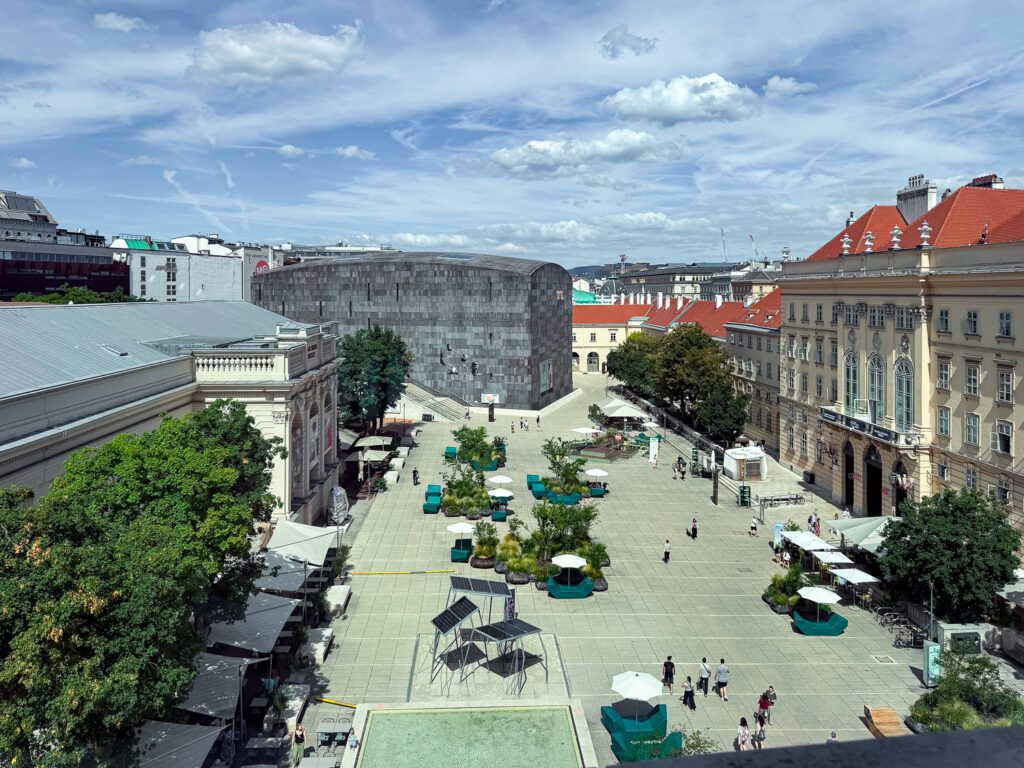
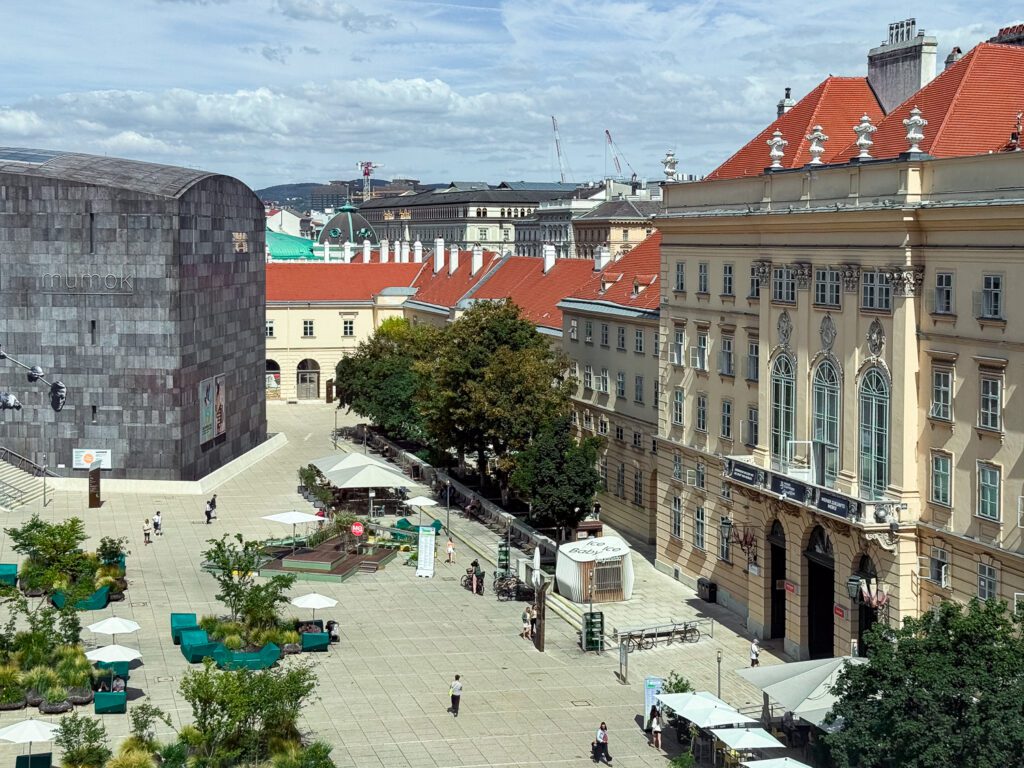

The most famous museums here are the Leopold Museum, the MUMOK (Museum of Modern Art Ludwig Foundation Vienna) and Architekturzentrum Wien. Apart from the Museums there are open air installations, cafés, shops with a very good selection of art books and related items so it’s a must for everyone who has time to pay a visit in Vienna.

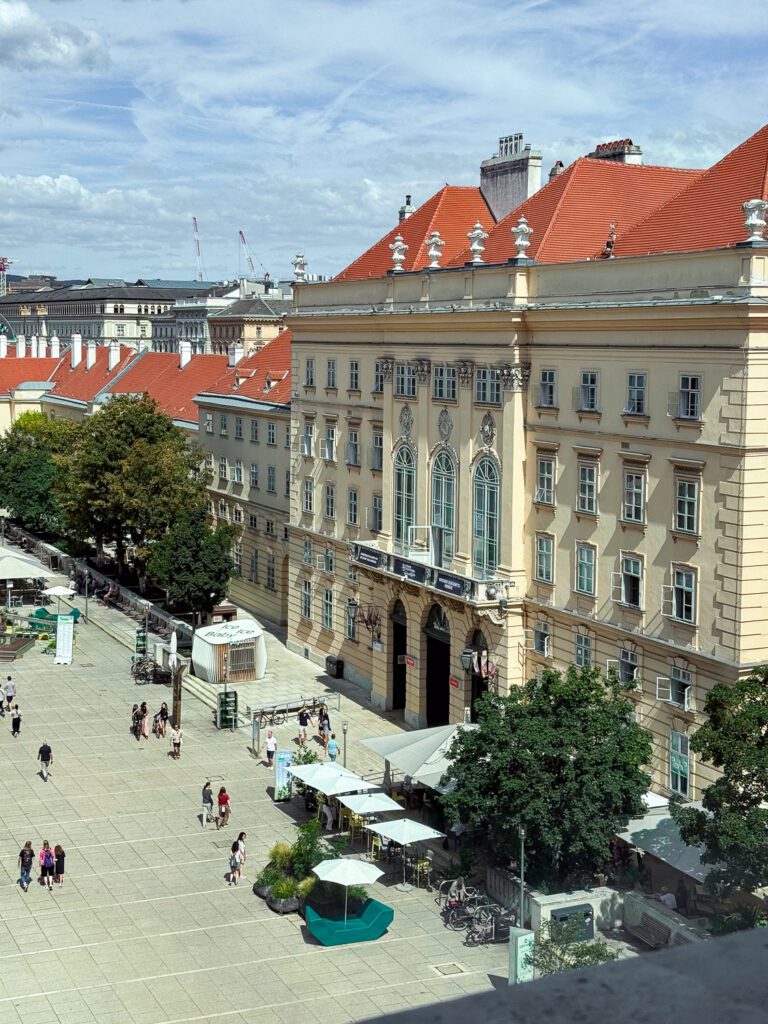
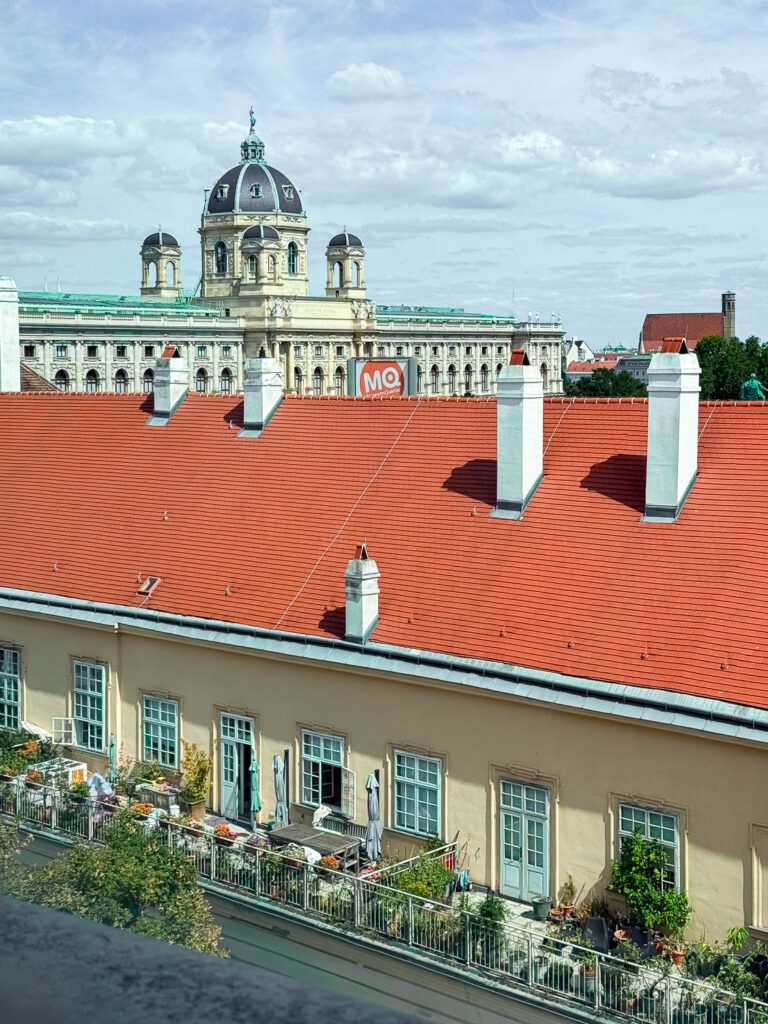

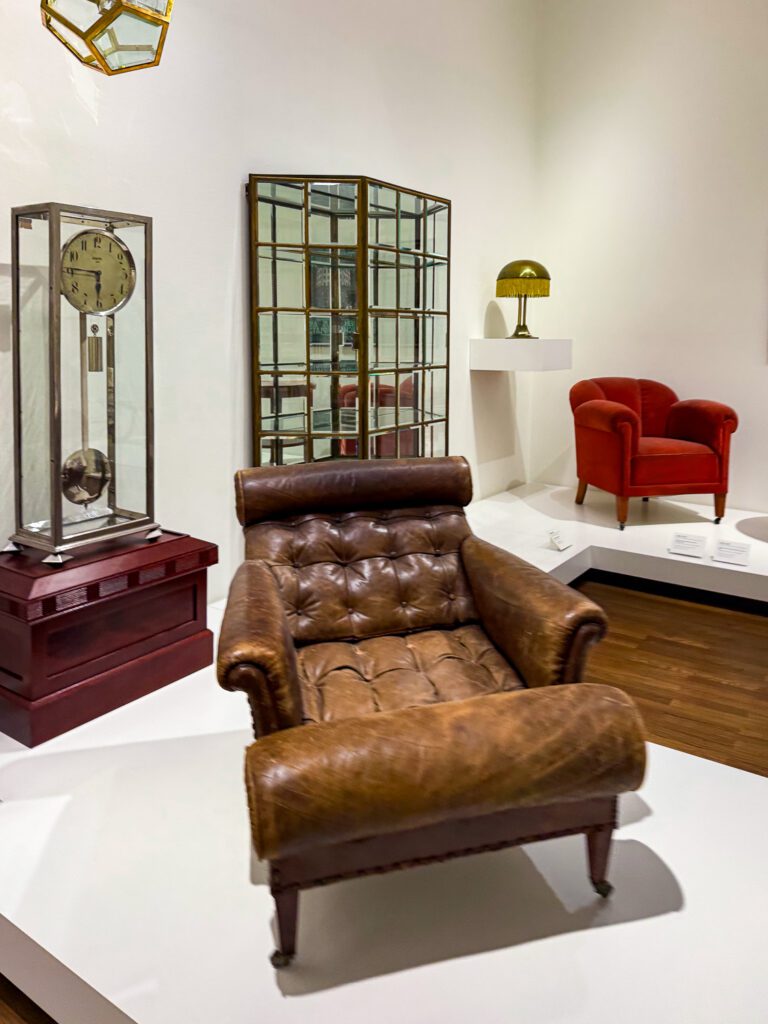
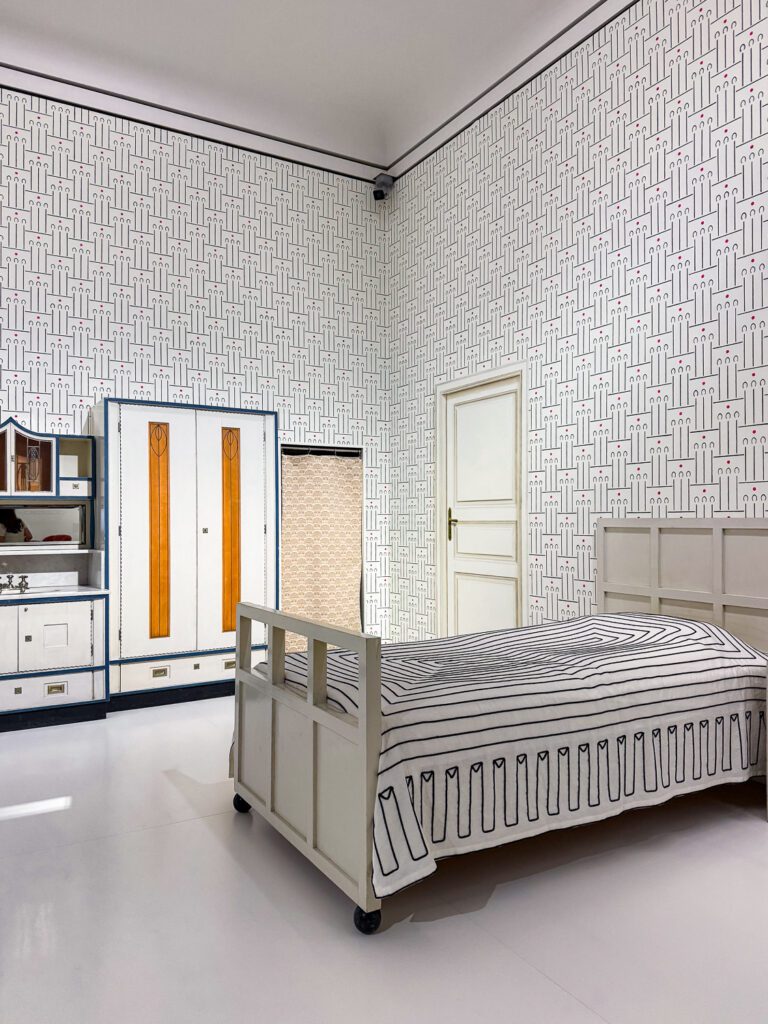
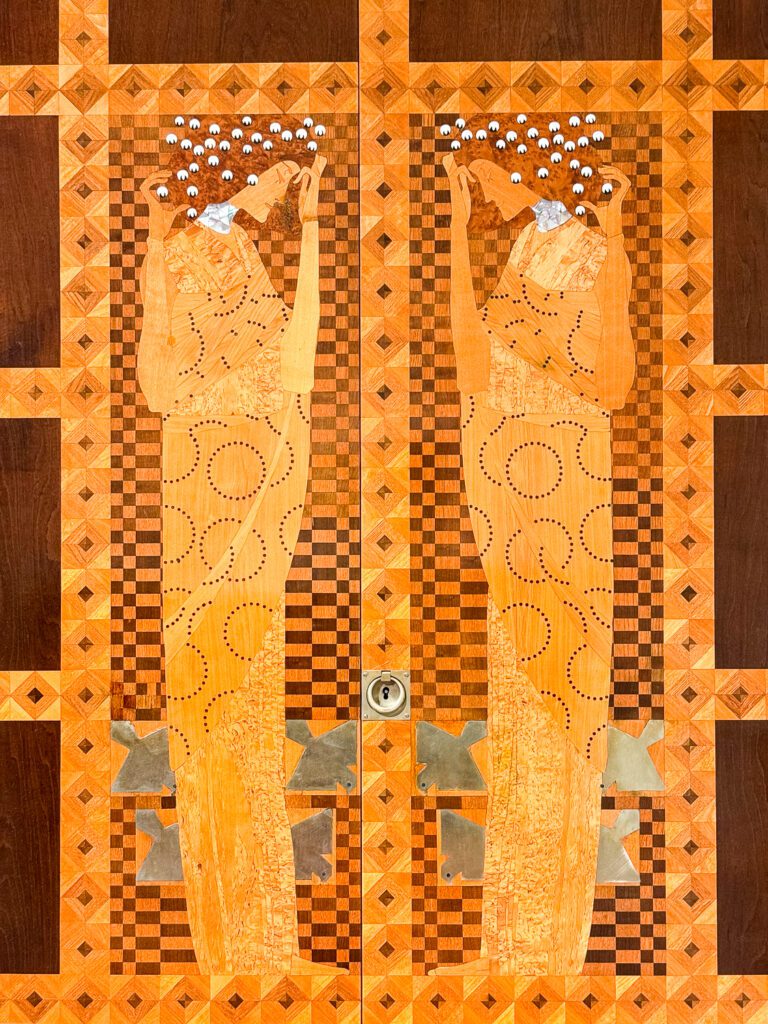
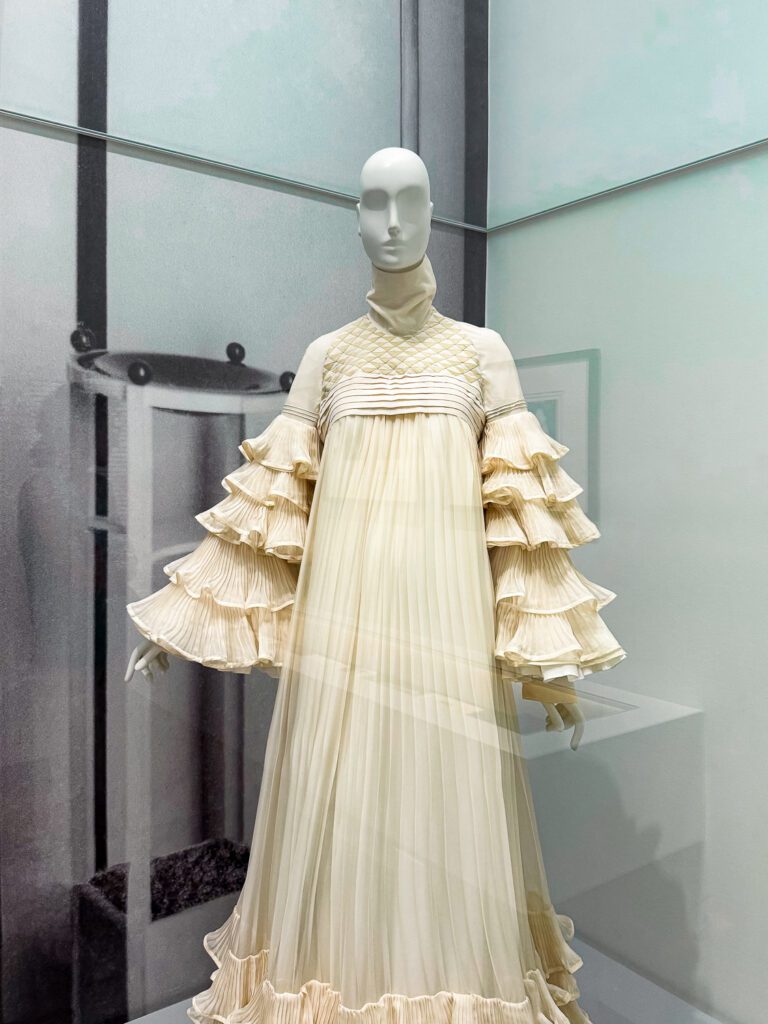
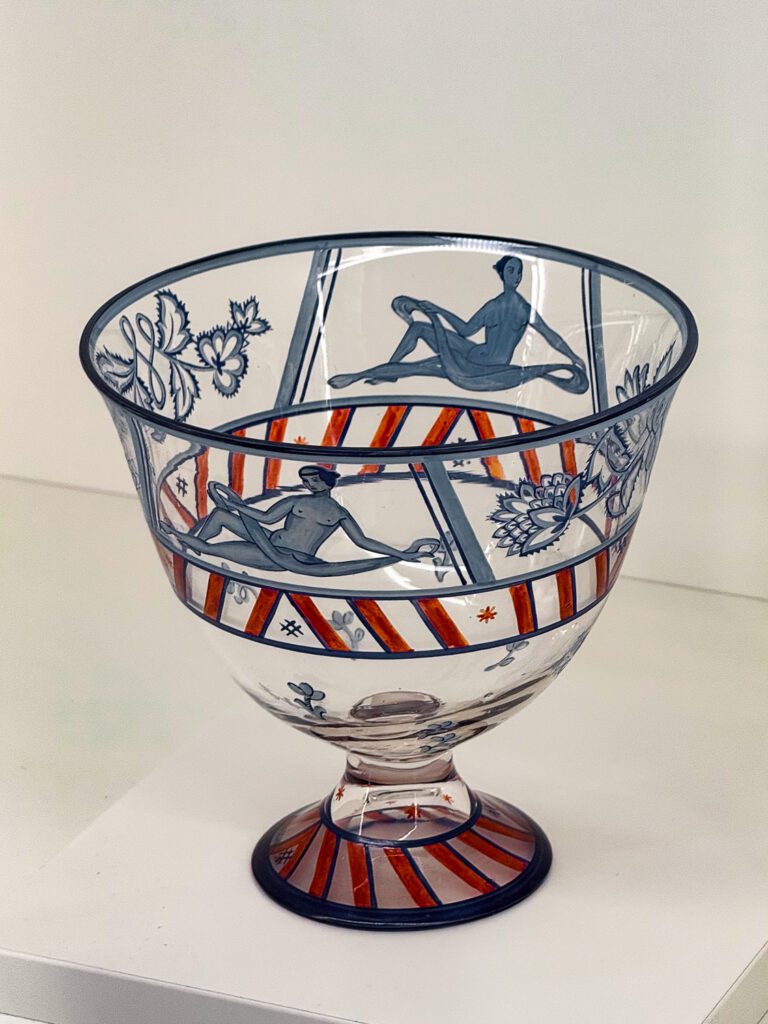
And we headed to the Leopold museum this time around. Come here to explore a couple of floors of Austrian art including Jugendstil starting from the late 19th century: Gustav Klimt, Koloman Moser, Egon Schiele, Oskar Kokoschka, Richard Gerstl, Max Oppenheimer and others.


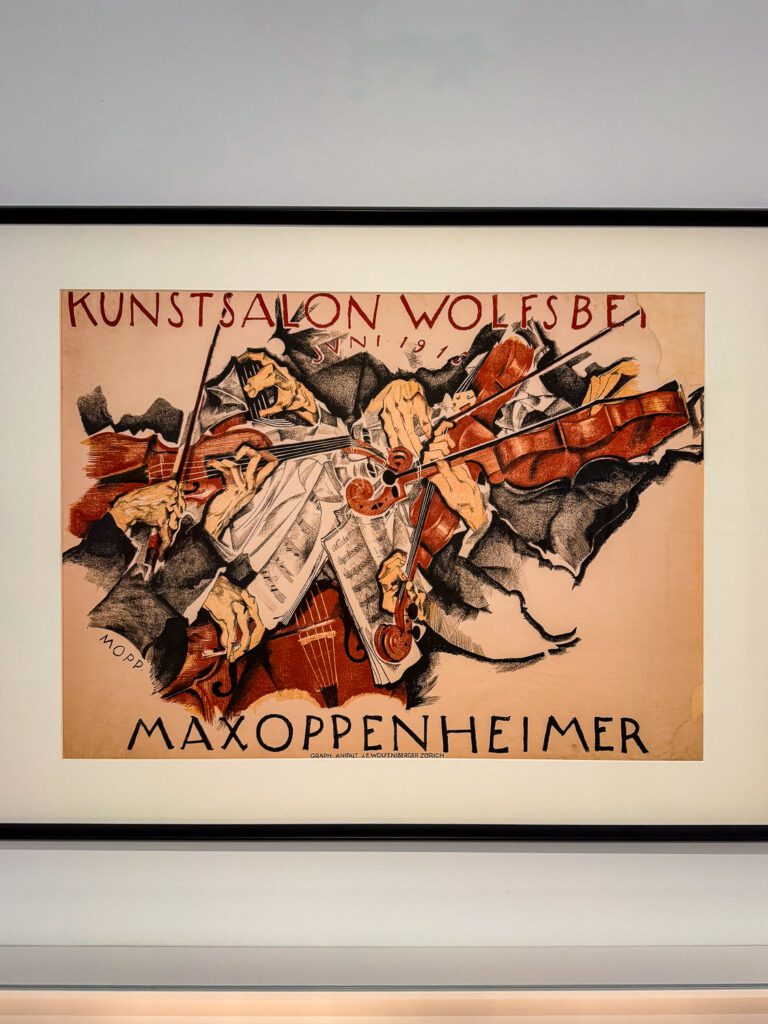
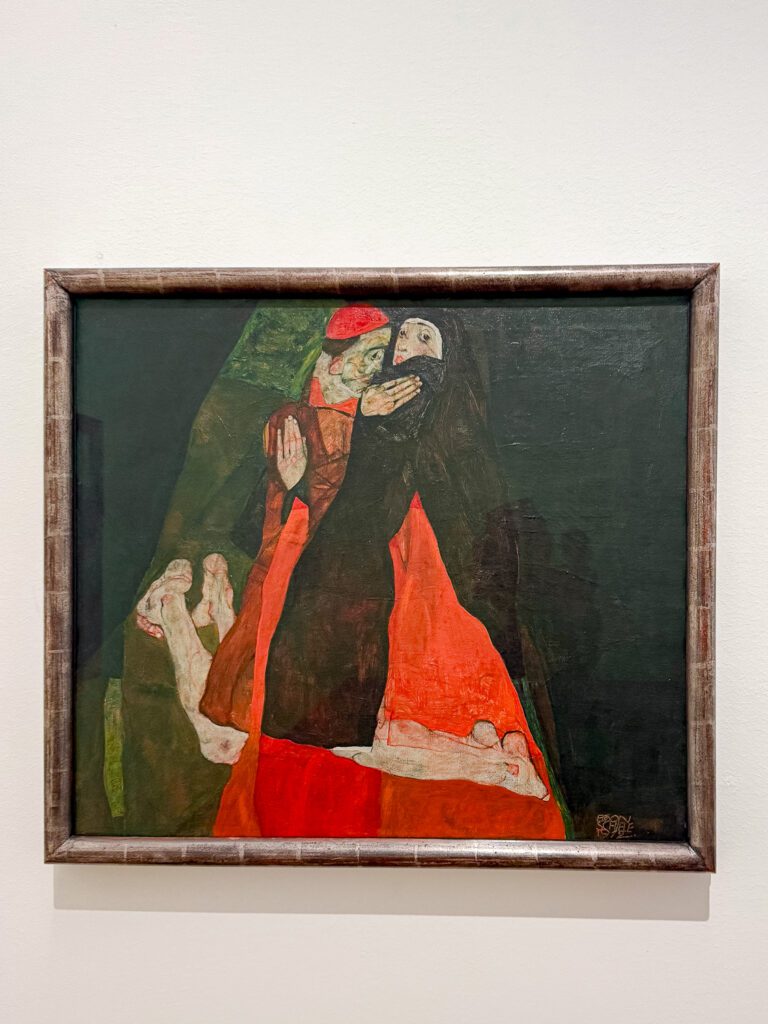
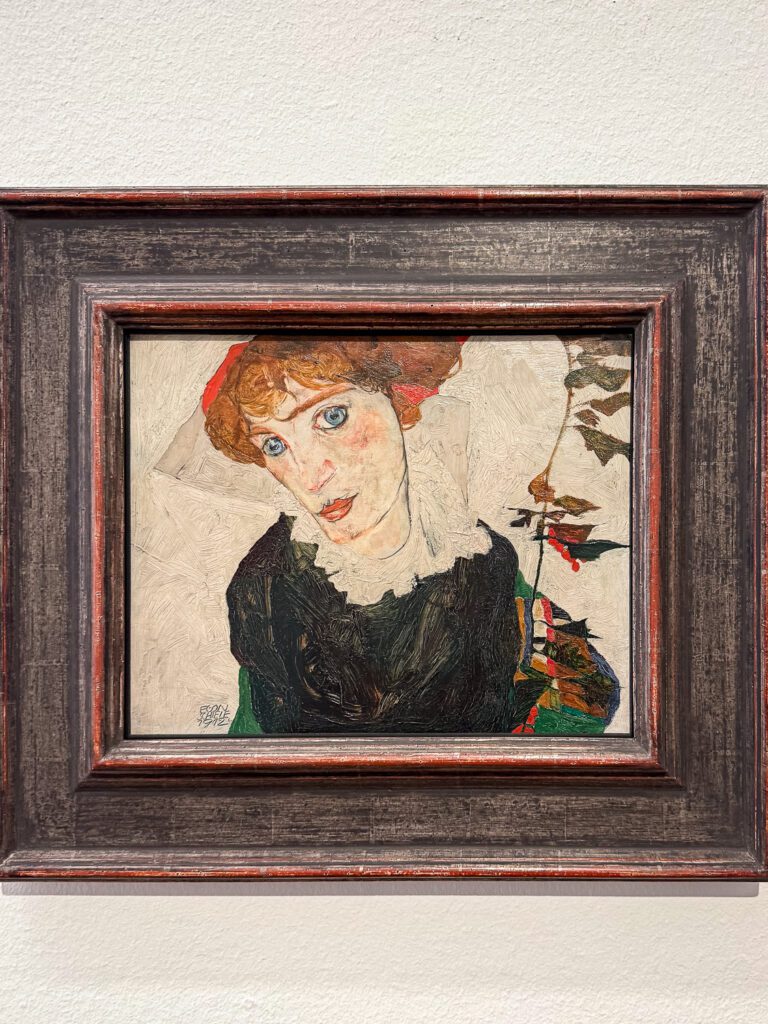
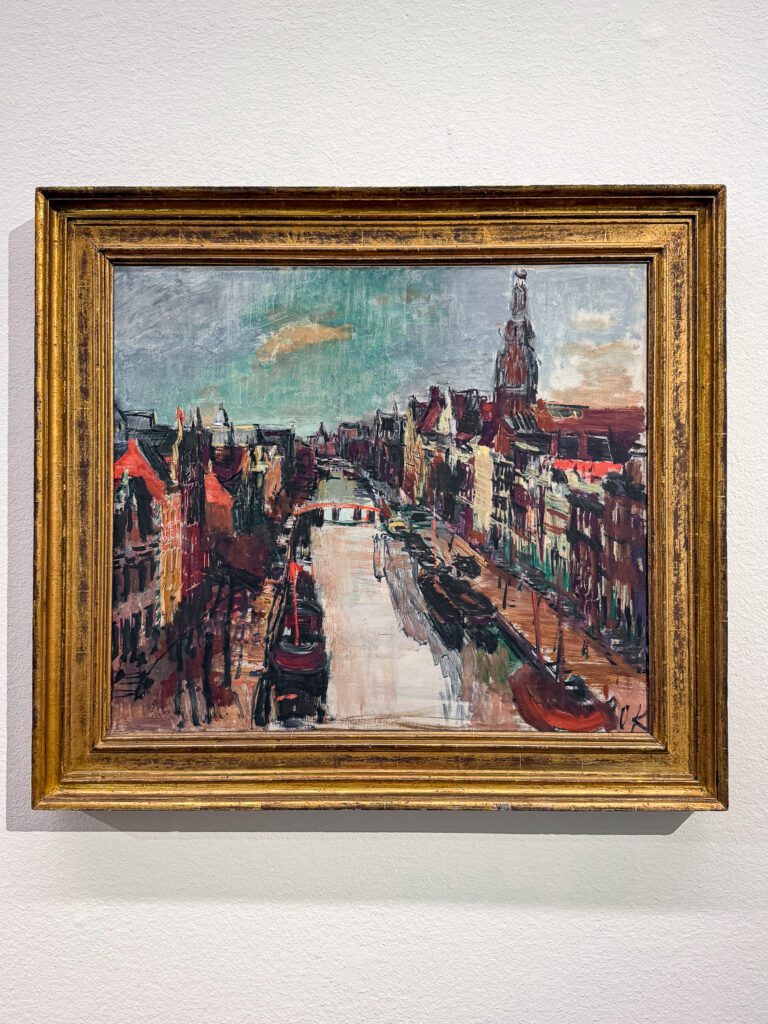
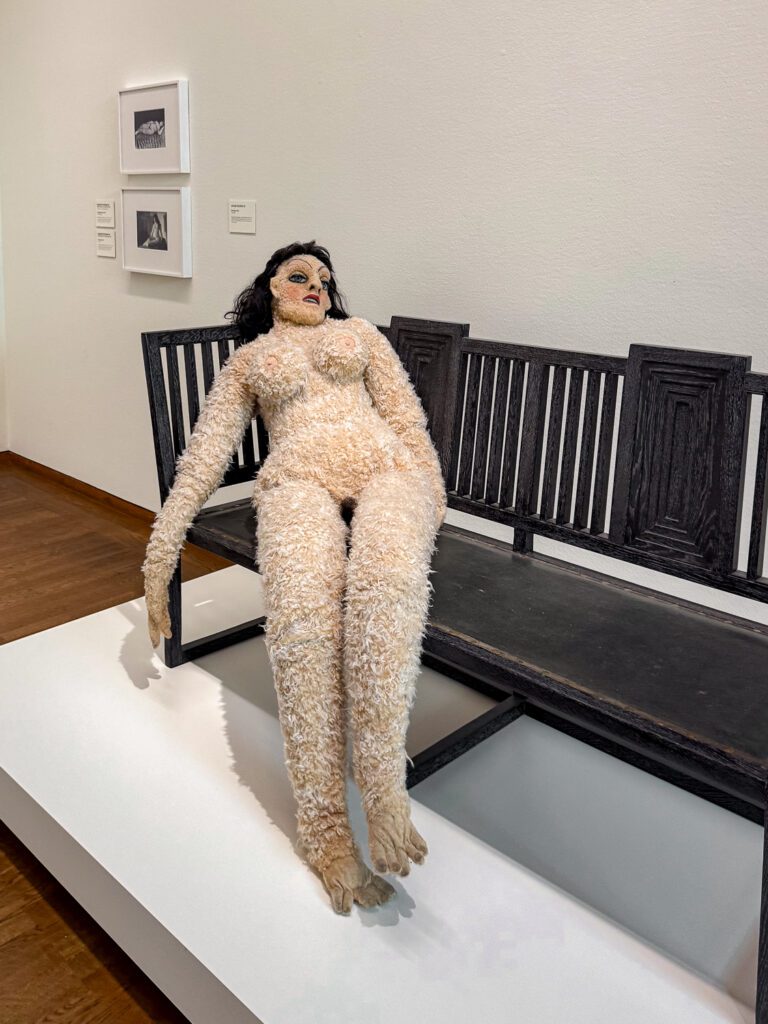
You can explore here not only the paintings but other art pieces such as tableware, outfits, jewelry, furniture, and even part of Klimt’s studio! The Cafe Leopoldo is well worth a visit too – there is a nice place for coffee with a view over the Museum Quarter.




You might also like my other post about Austria:
- Winter in Salzburg
- Christmas in Vienna
- Innsbruck guide
- Vienna with kids
- Vienna guide part 1 and part 2
Hope you liked my blog!
Yours,
Anna xxx