When you explore the coast of the Turkish Riviera in Anatolia, or Asia Minor, you can find a few wonders of the ancient world and numerous ruins of old cities where famous people from your school history books lived centuries ago. If you’d like to see some parts of the Türkiye’s famous ancient heritage^ Bodrum is a good starting point of such exploration.
This time, we were based in Bodrum and explored this city and a bit of the surrounding area. If you’re interested in ancient cultural heritage and archaeological sites, there are a few spots easily accessible by car within 1.5-2 hours from Bodrum!
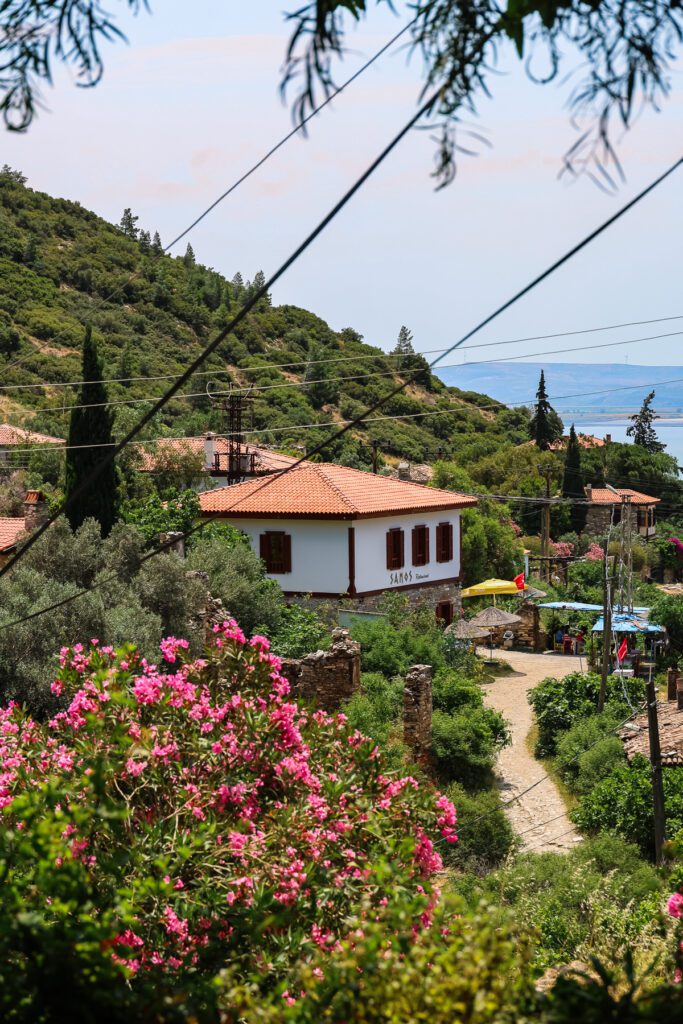
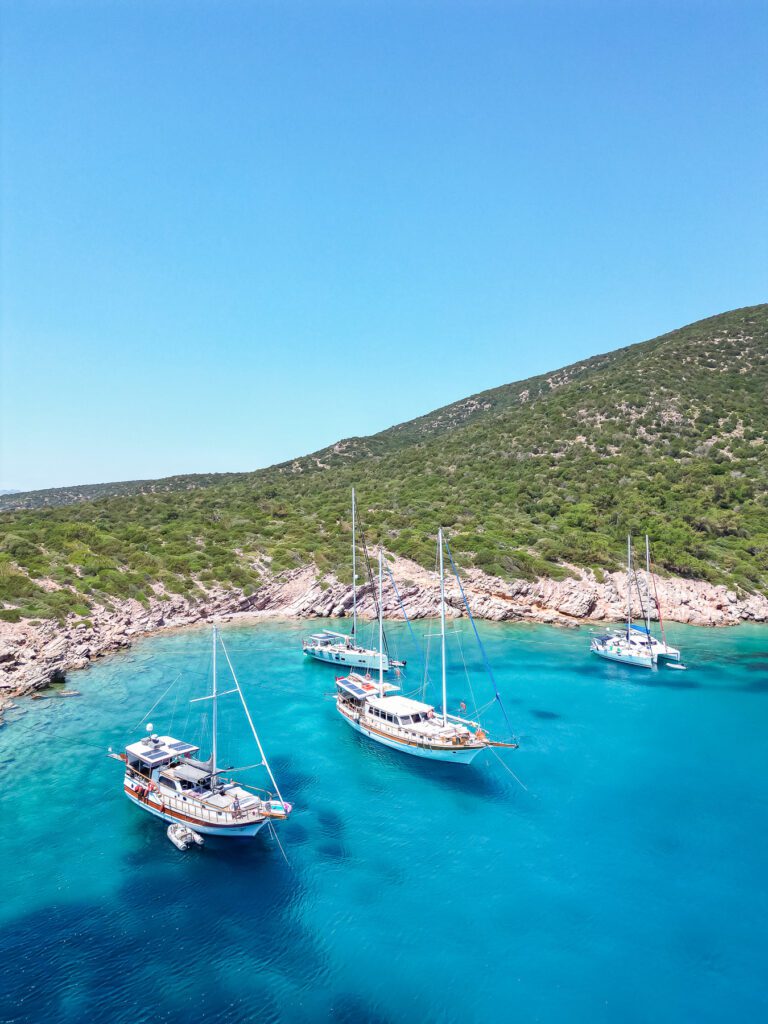
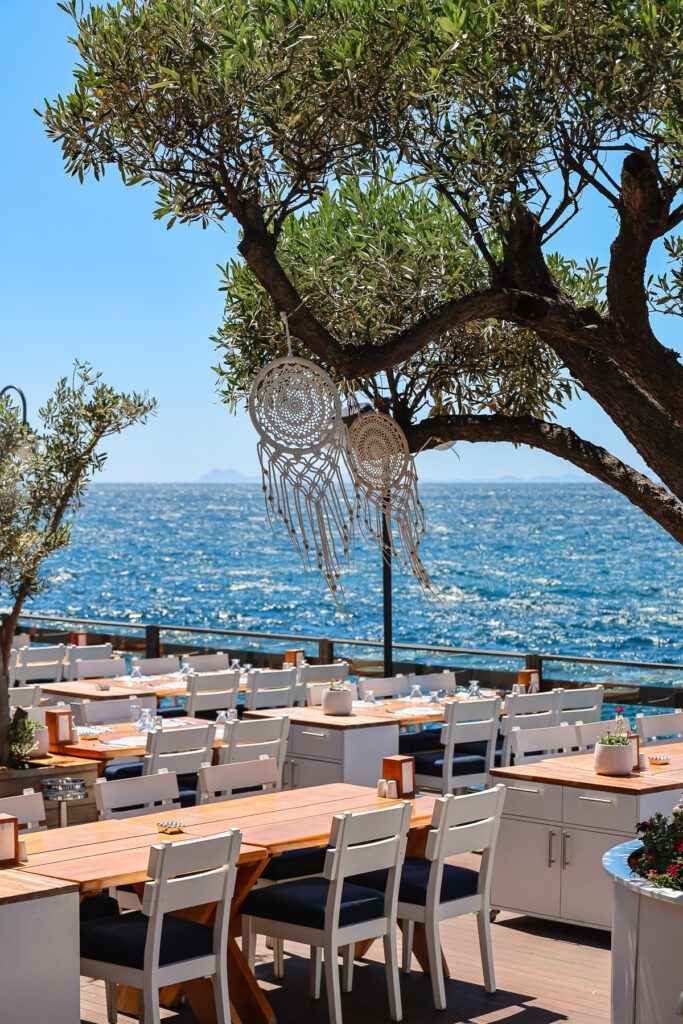

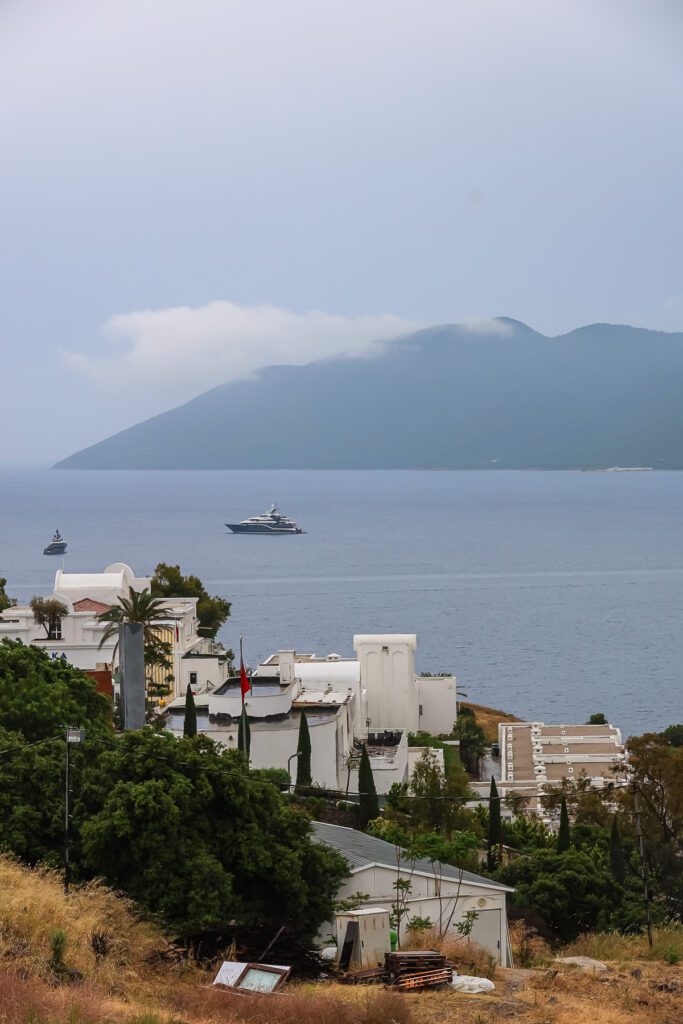
Check my article on what you can see in Bodrum and beyond, and stay tuned for a detailed guide to Bodrum city as well.
1. Bodrum
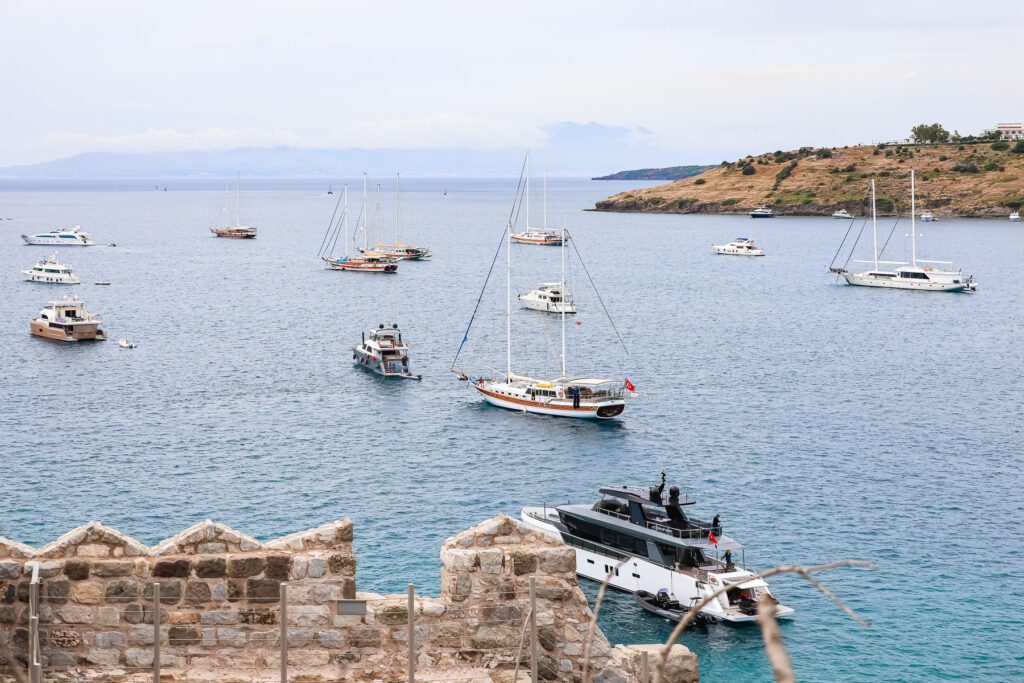
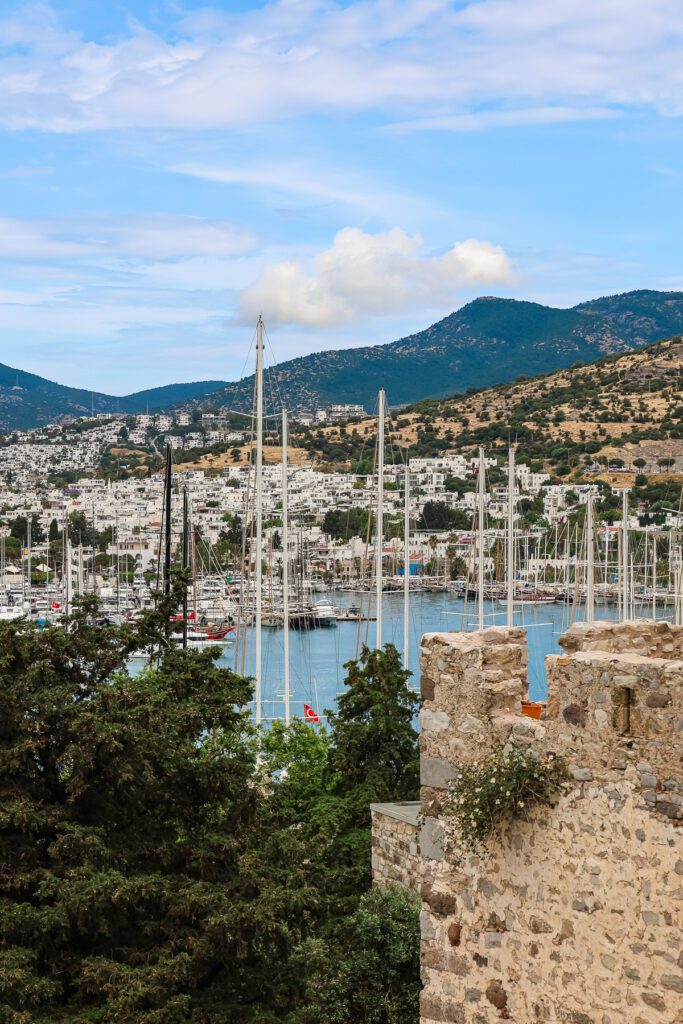
Modern Bodrum, Türkiye, is located on the site of the ancient city of Halicarnassus, founded around the 8th century BC by Greek settlers who were colonizing the Mediterranean around that time.
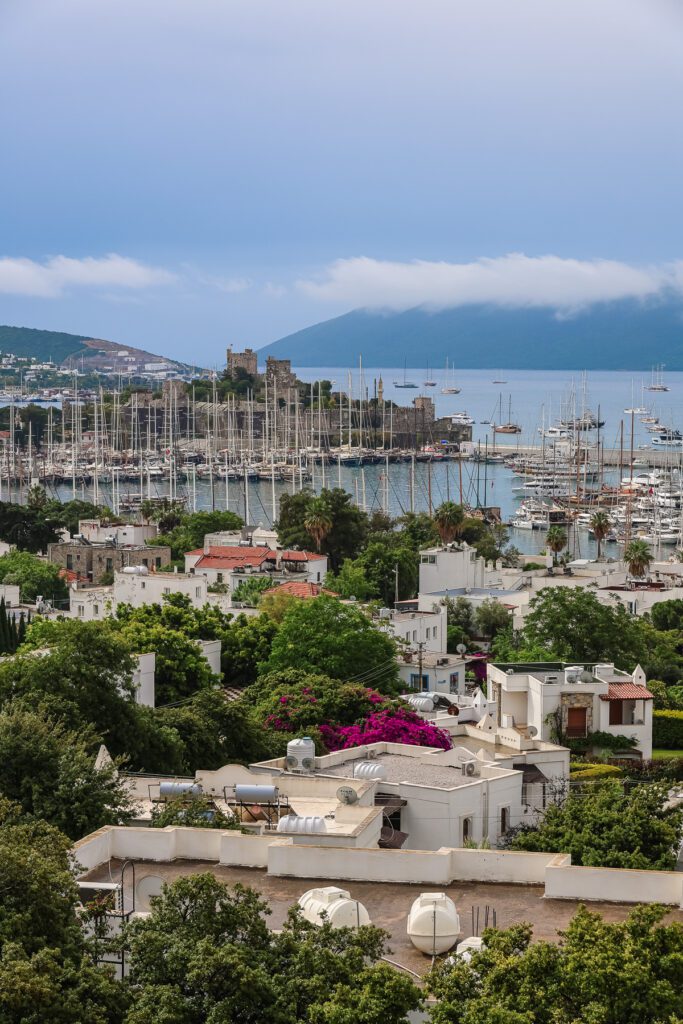

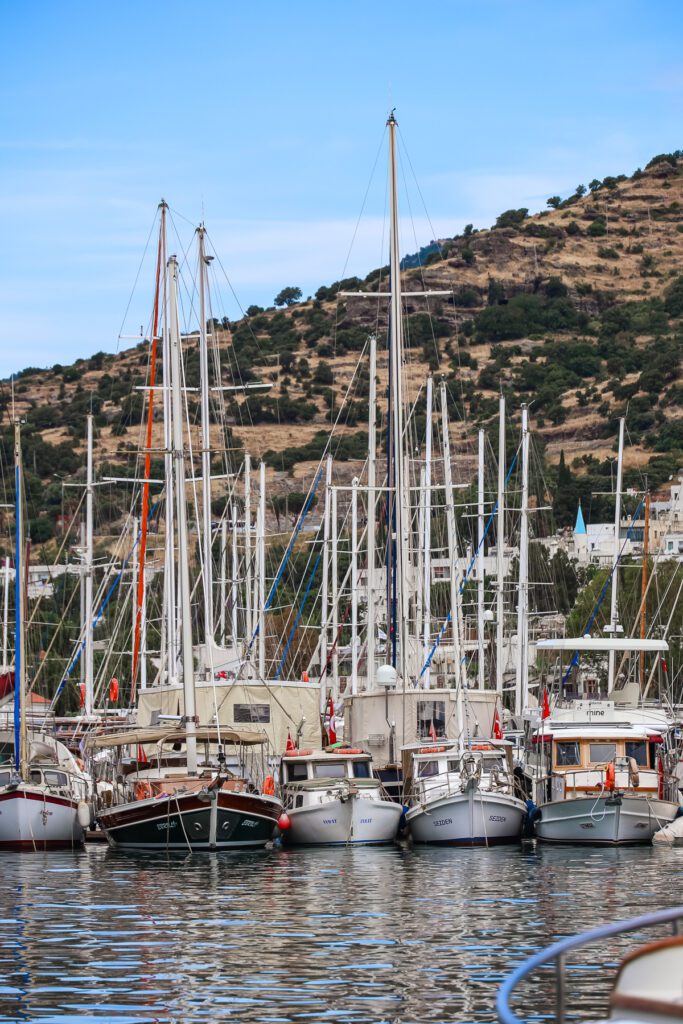
According to a legend, it was founded by a mythical hero, Anthes, a son of Poseidon and Alcyone. Unsurprisingly, the most significant landmarks of Bodrum are linked to its glorious past as Halicarnassus. The city was later conquered by Alexander the Great.
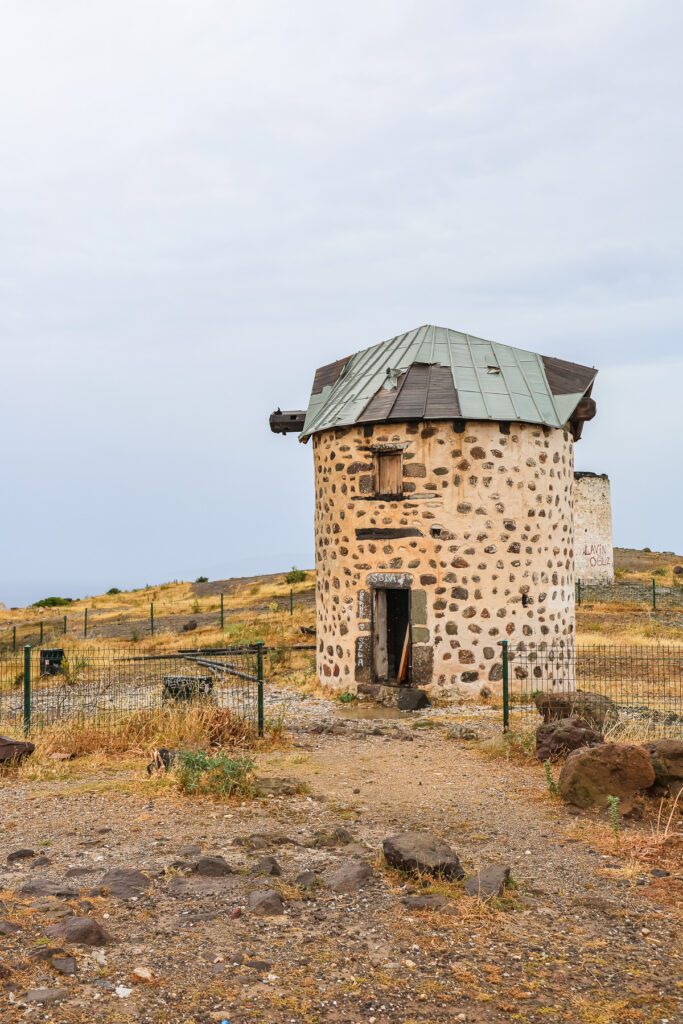
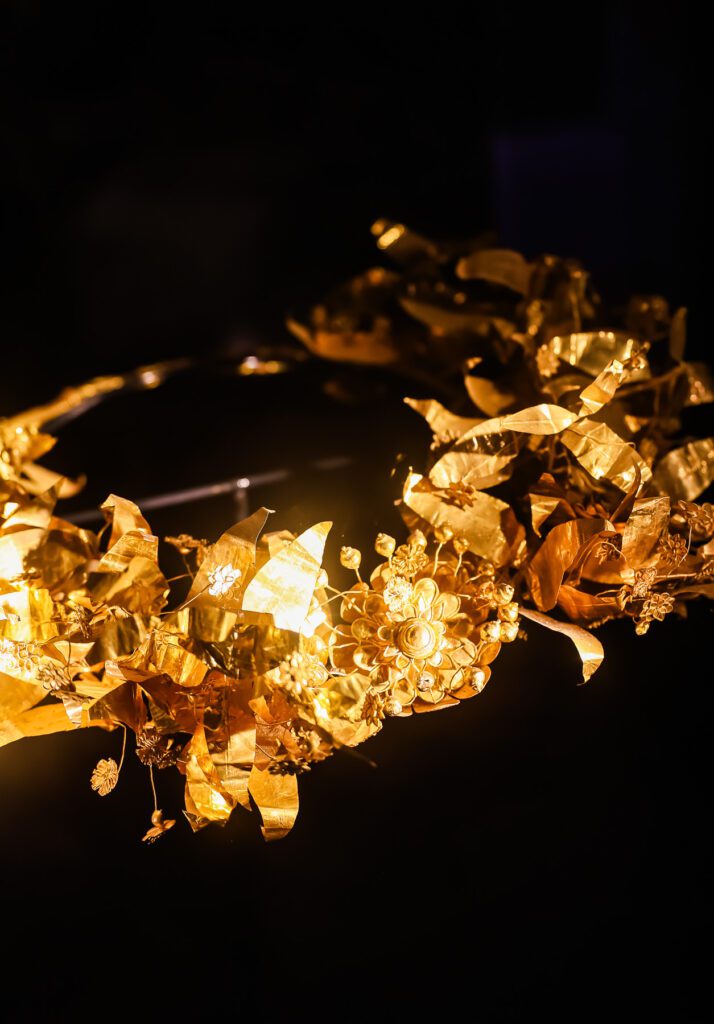
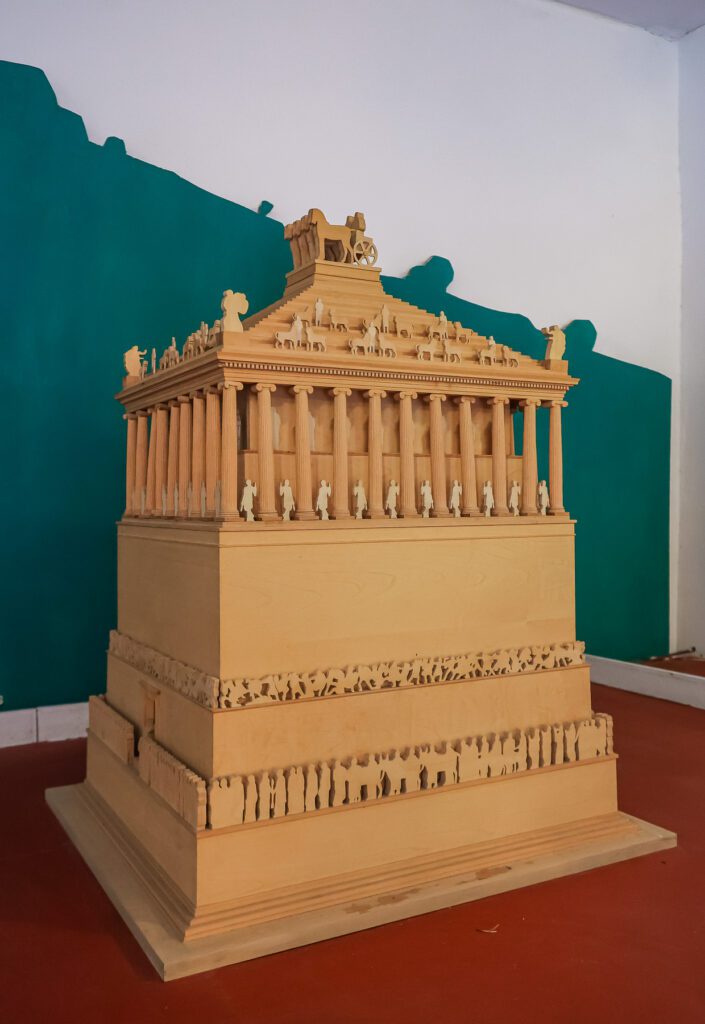
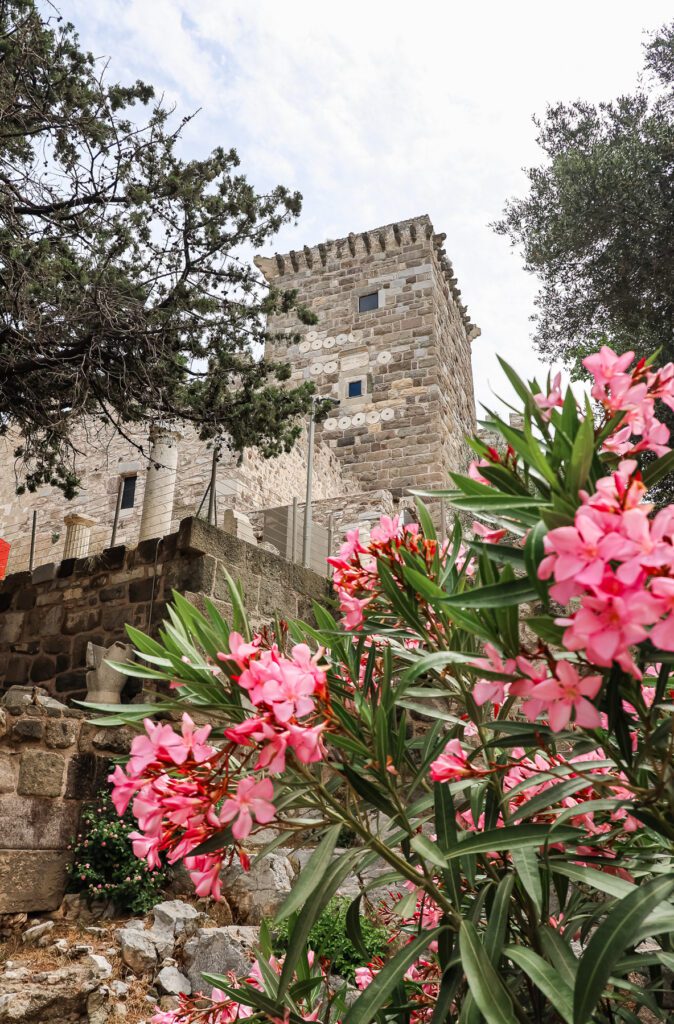
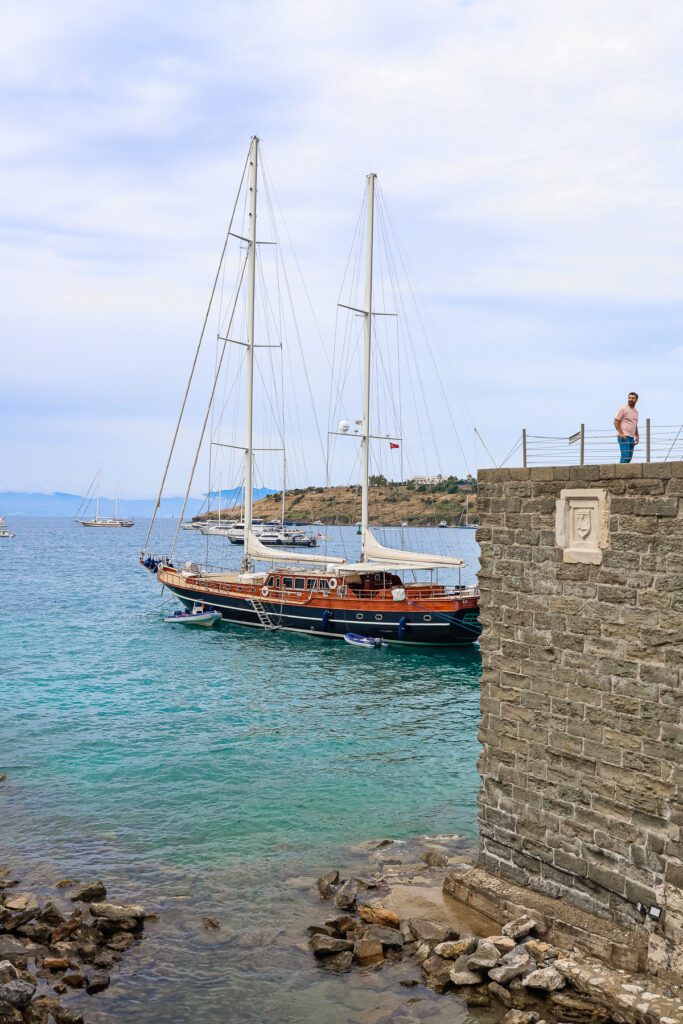
Although I’m preparing a guide to Bodrum, let me mention here that there is a range of ancient spots you can’t miss: the mausoleum at Halicarnassus, built for a Carian king and satrap Mausolus and his wife; remnants of the old city fortifications, including part of the city wall and Myndos Gate; the ancient theatre; and the Bodrum Castle, built much later by the Knights Hospitaller. Inside, there’s a unique museum dedicated to underwater archaeology and the excavation of shipwrecks.

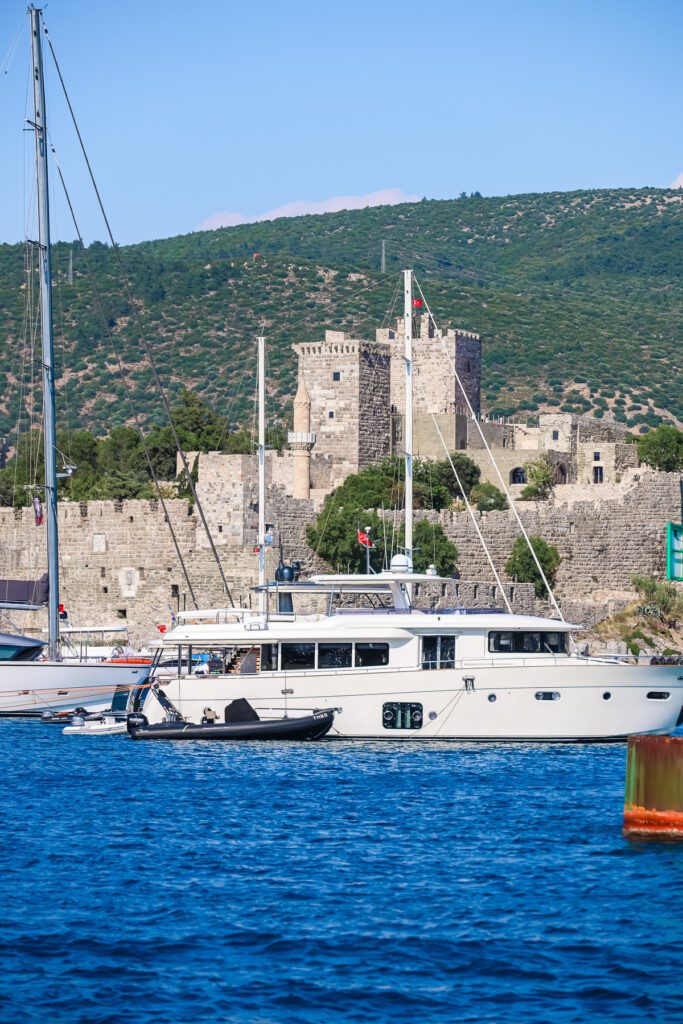
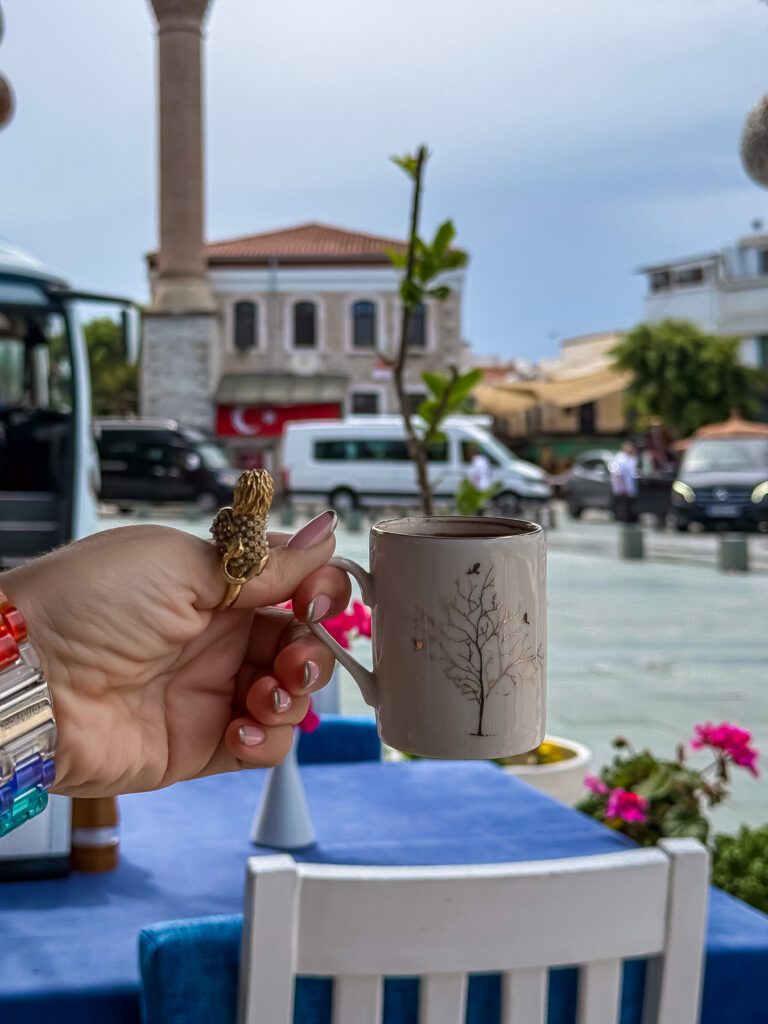
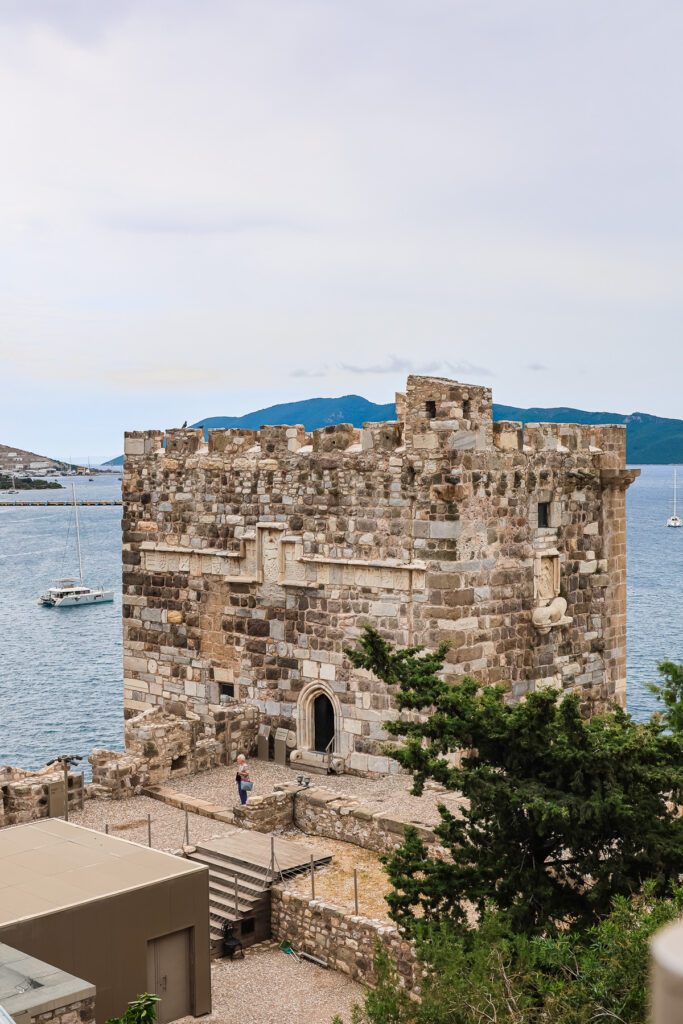
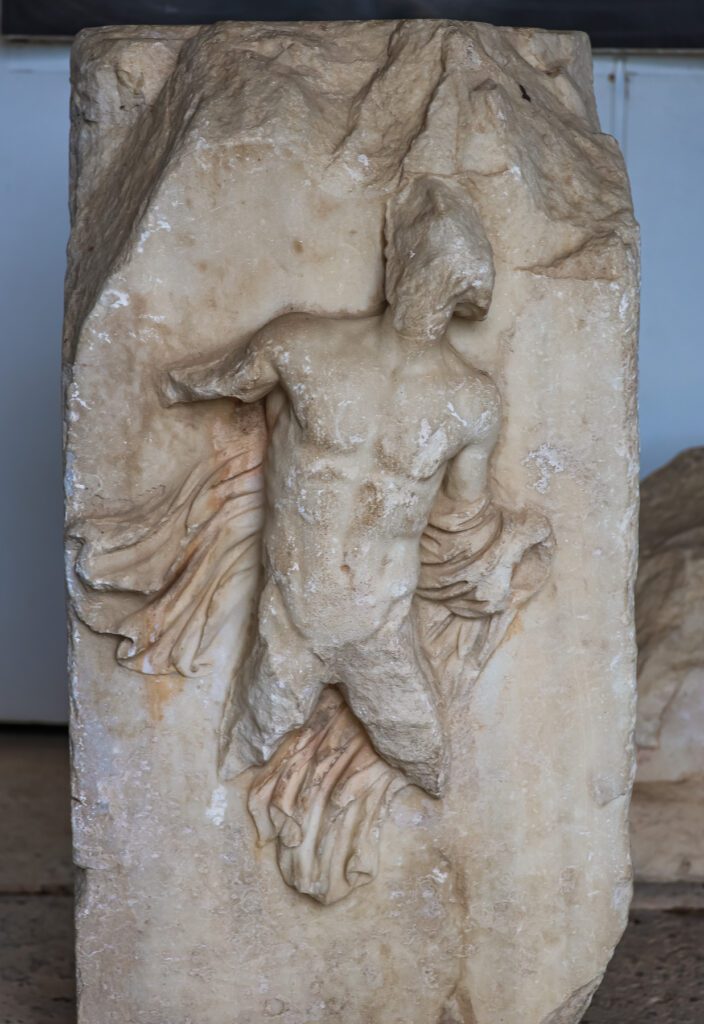
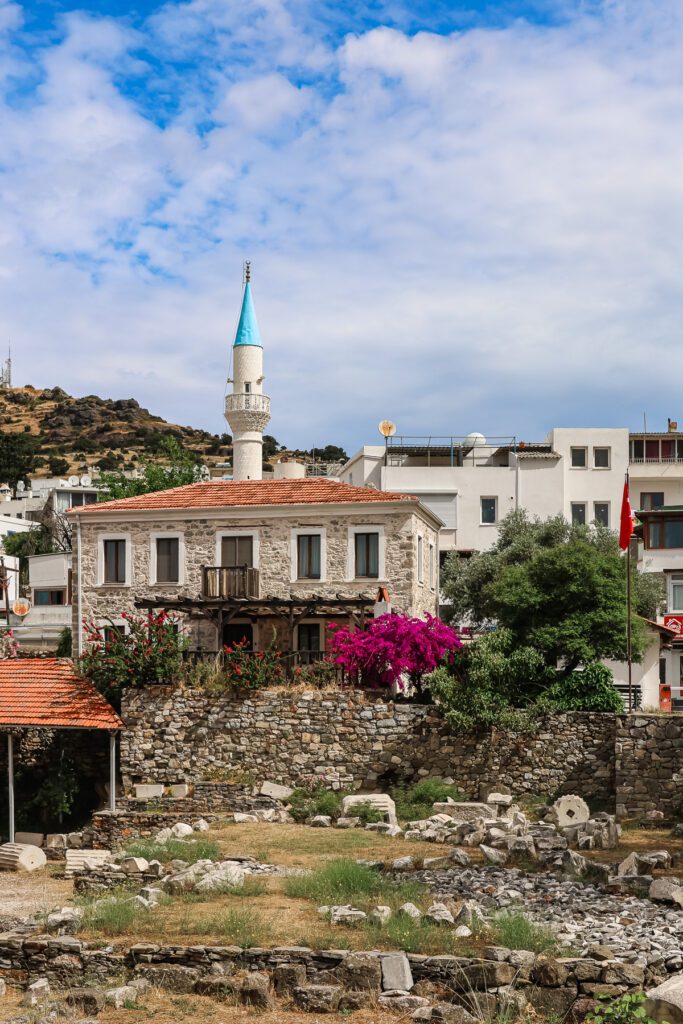
It’s also worth mentioning that Herodotus, the Father of History and the author of Histories, was born here.
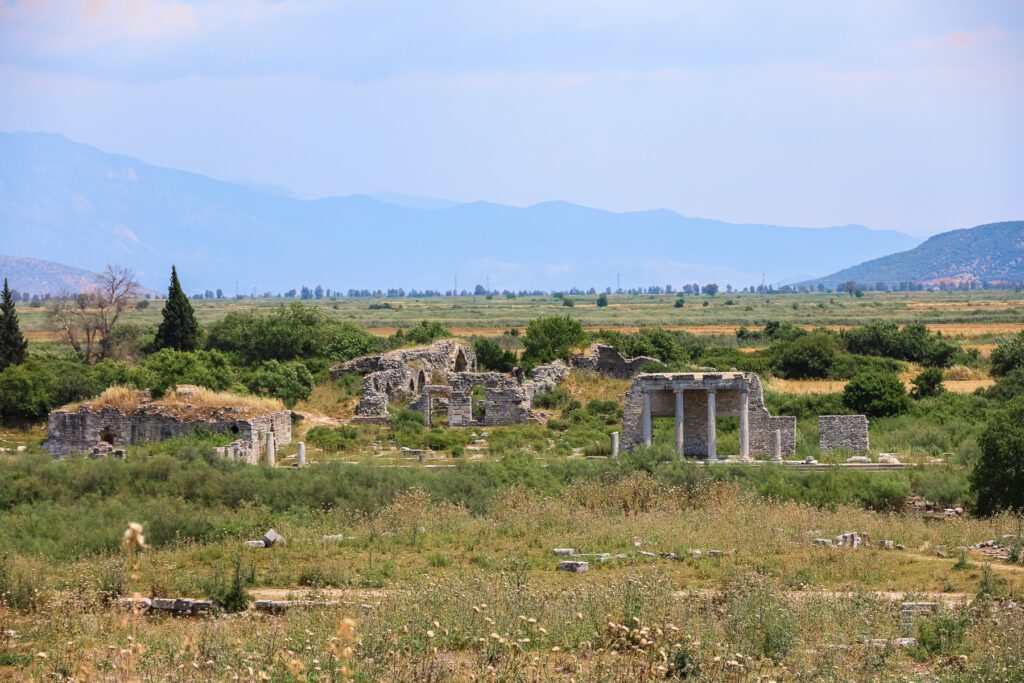
2. Ancient Miletus
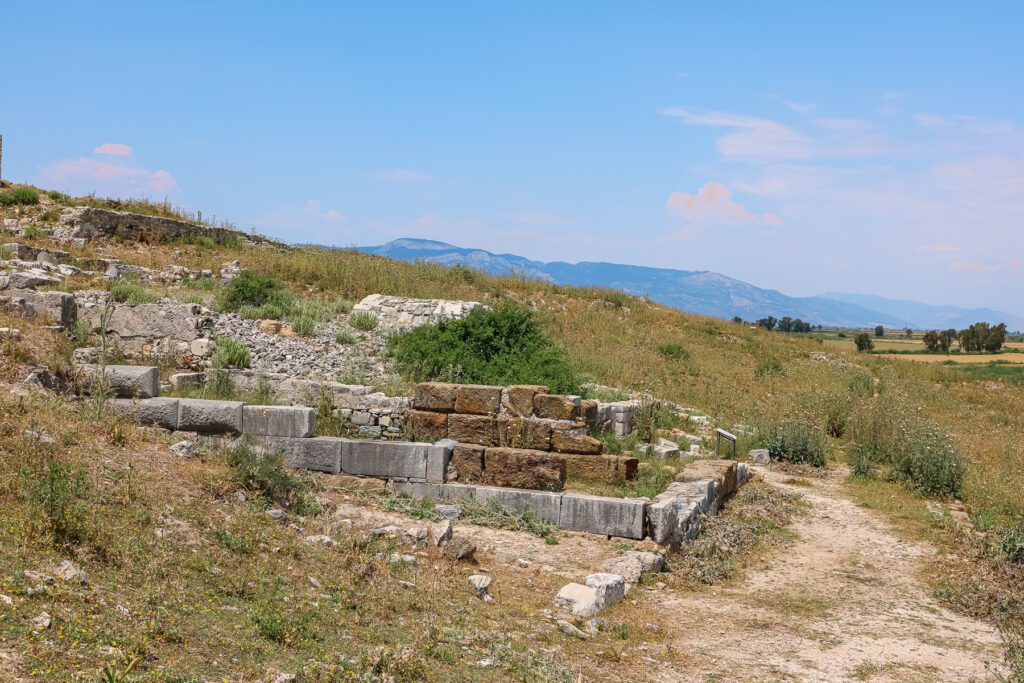
Miletus was one of the most influential and powerful cities of the ancient Greek world. The coastline of the Aegean Sea has changed now, but in the past, Miletus occupied a strategic position by the harbors, allowing its maritime trade to thrive as well as to develop agriculture.

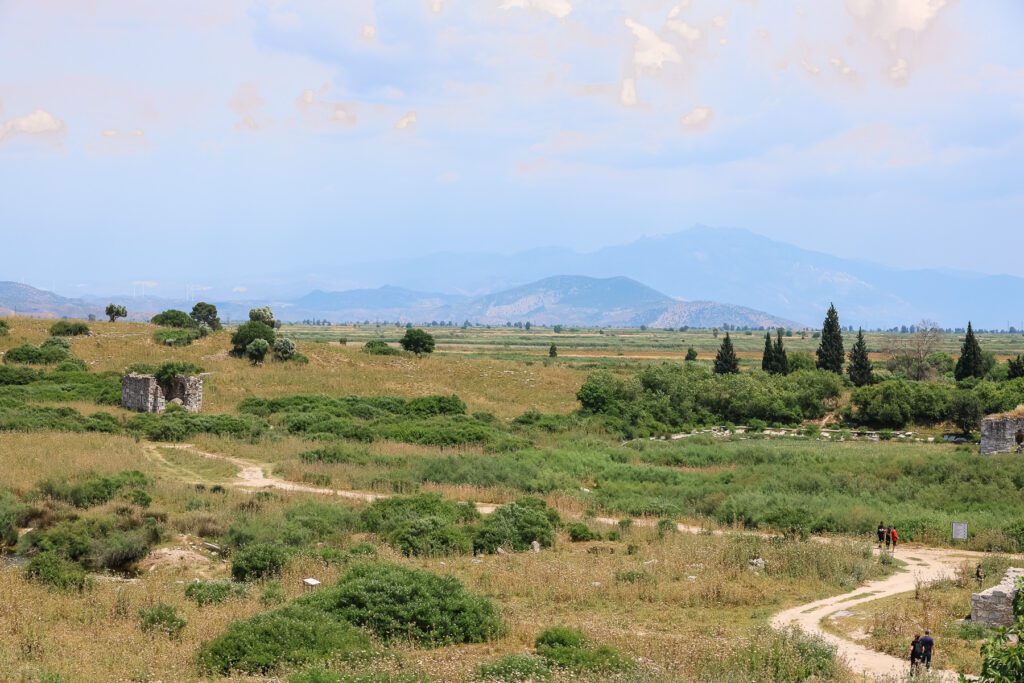
However, four harbors were not the only quality Miletus could brag about; it was a huge cultural center connecting various parts of the world. This led to the development of philosophy in the 6th century: the Milesian School was among the first such unions of thinkers and included Thales, Anaximander, and Anaximenes. This school of thought is characterised by a scientific and mathematical approach to the world, in contrast to the mythological perception of reality.
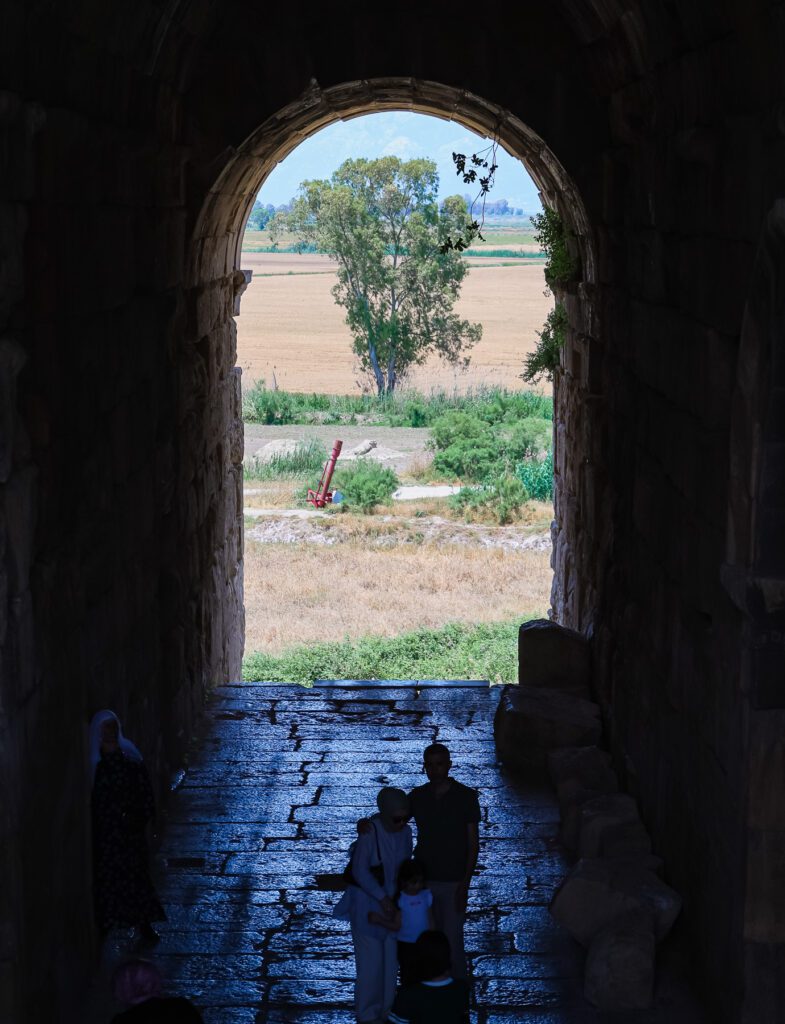
Numerous other notable figures were born here, including Aspasia, a lover of Pericles, and Hippodamus, an architect behind the Hippodamian plan when the city had a regular grid-like layout.
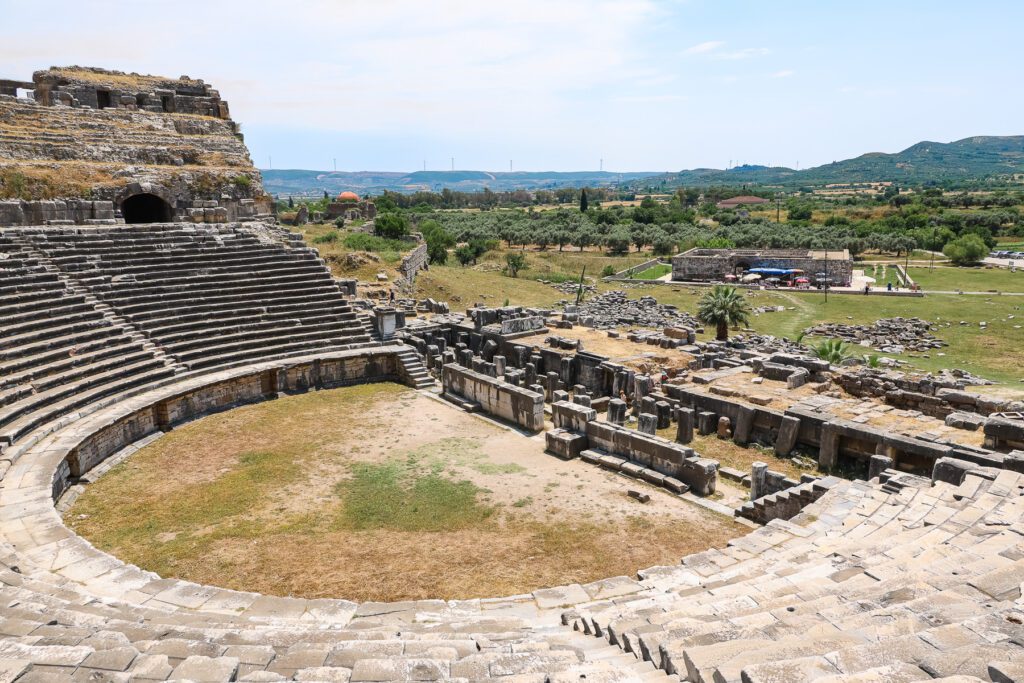
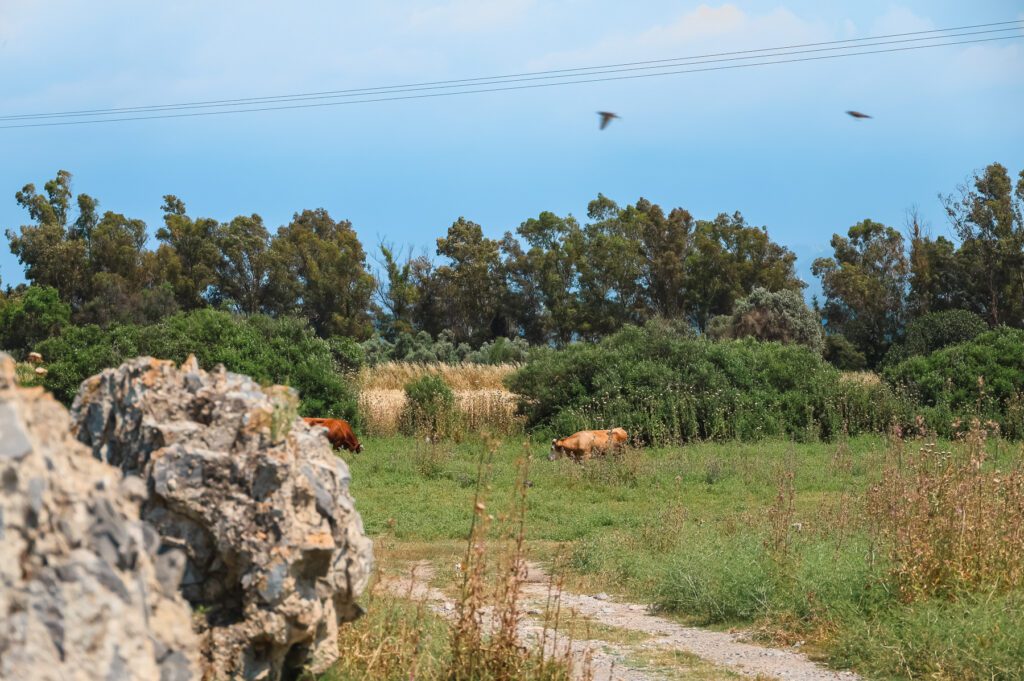
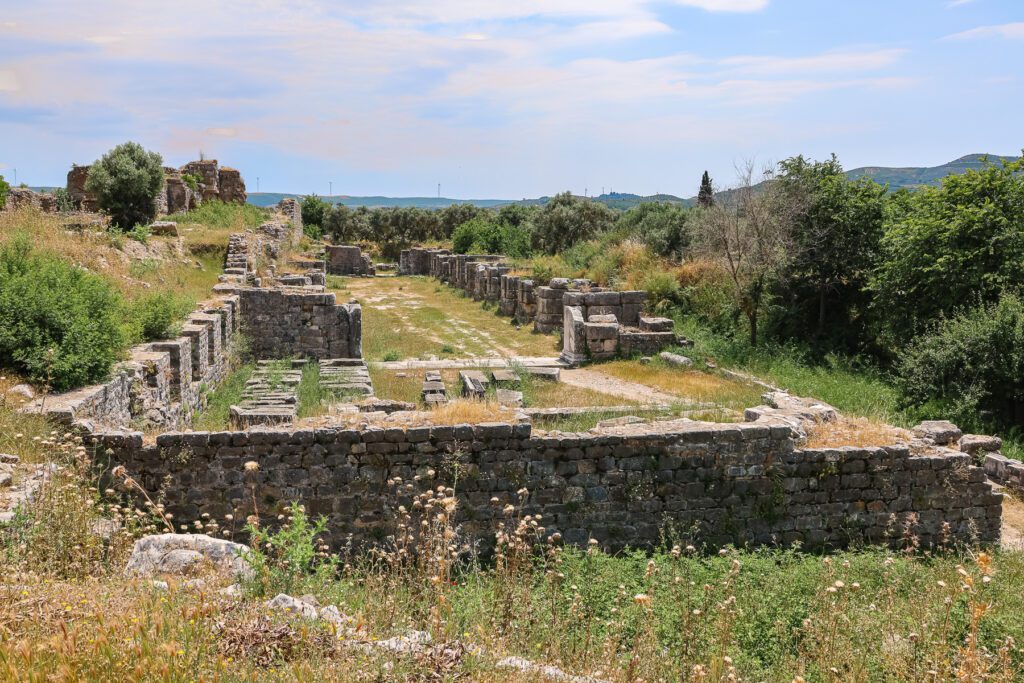
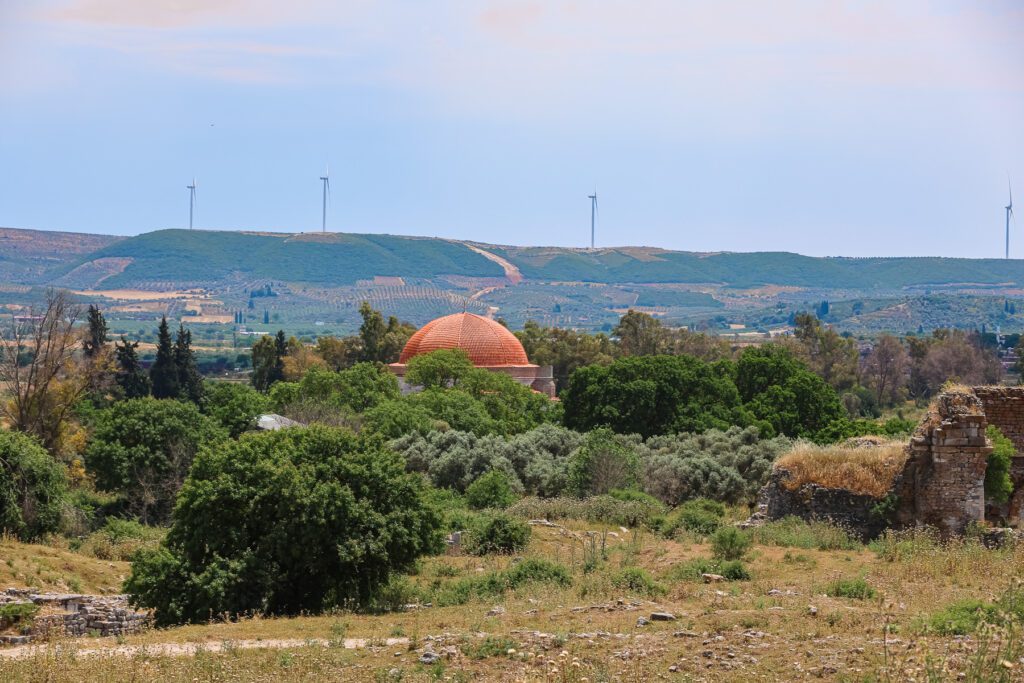
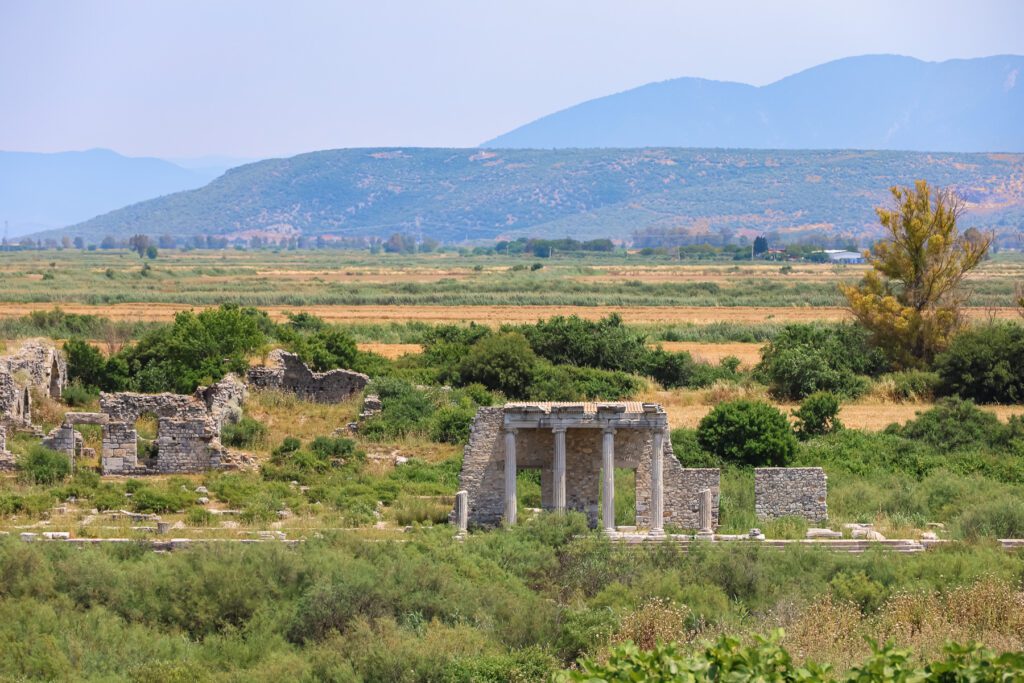
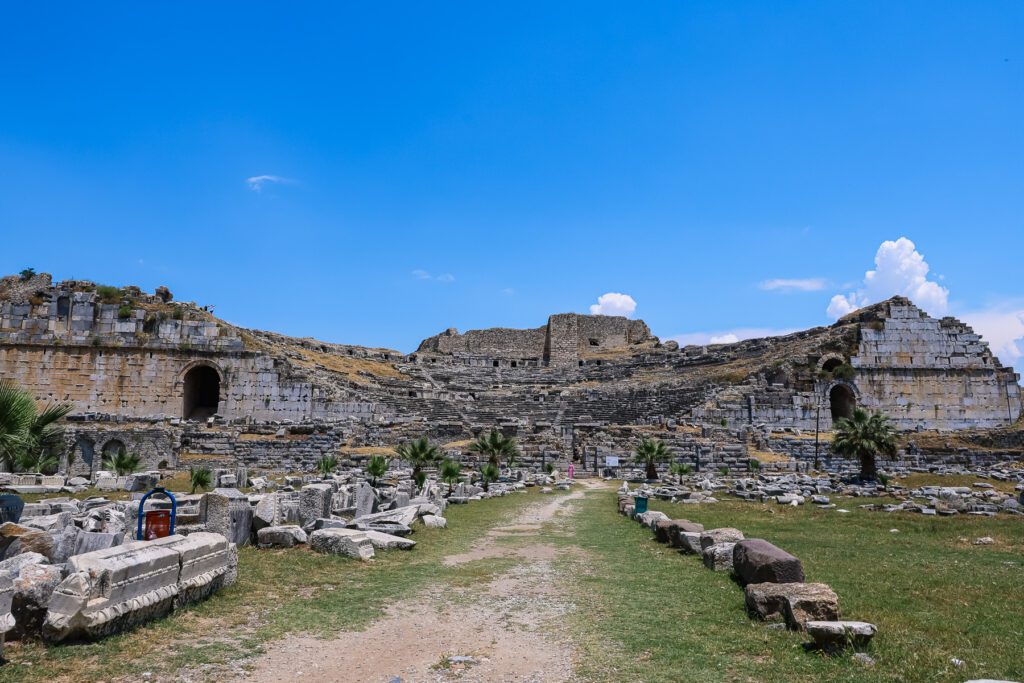
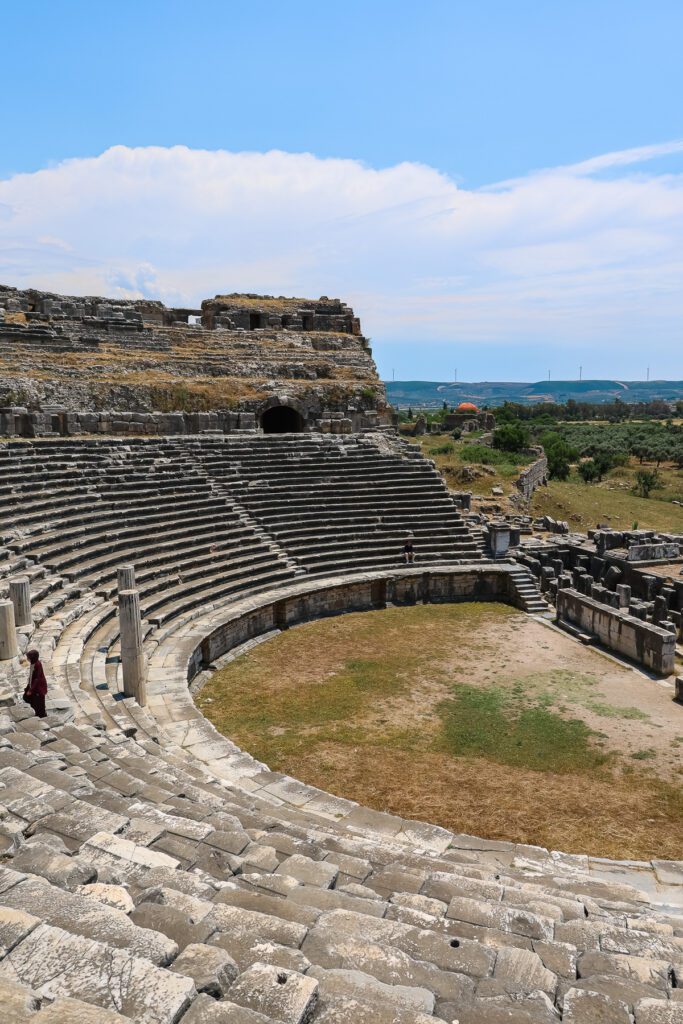
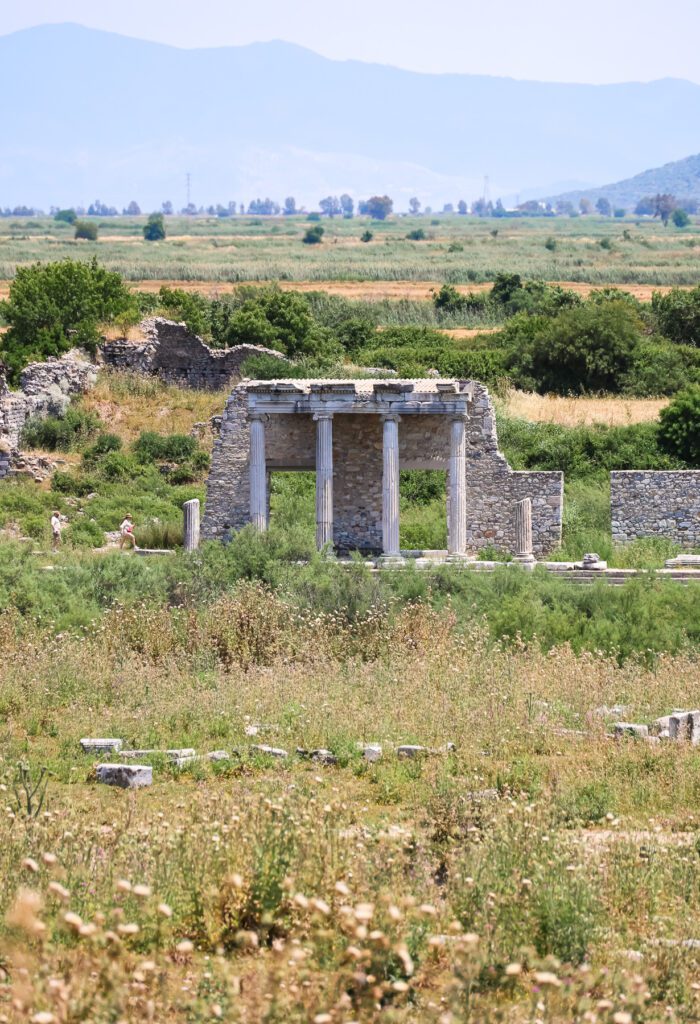
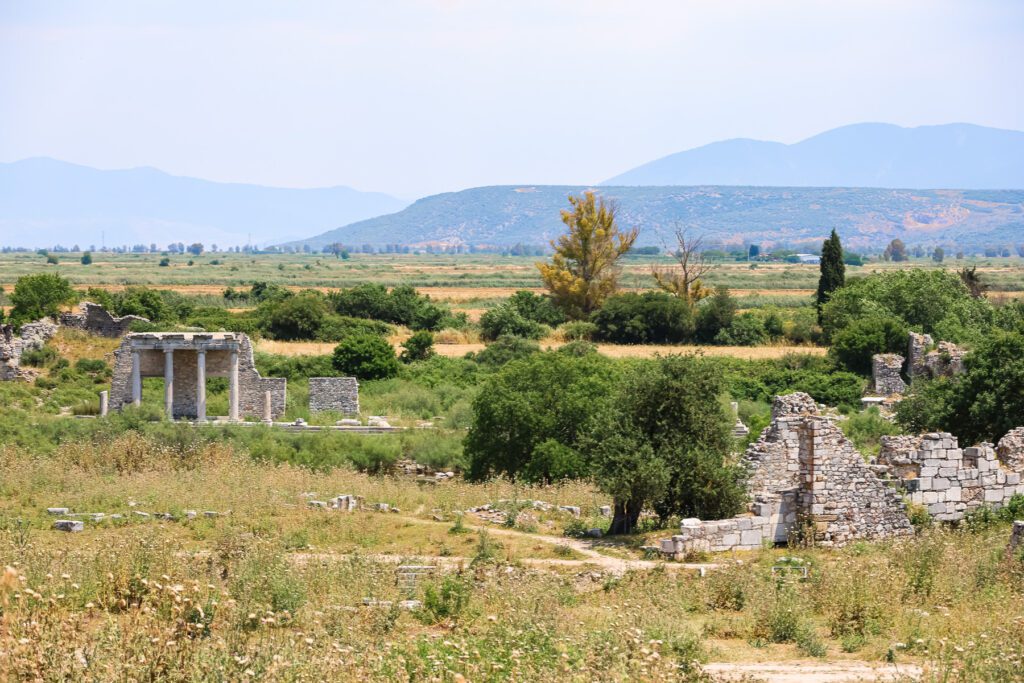
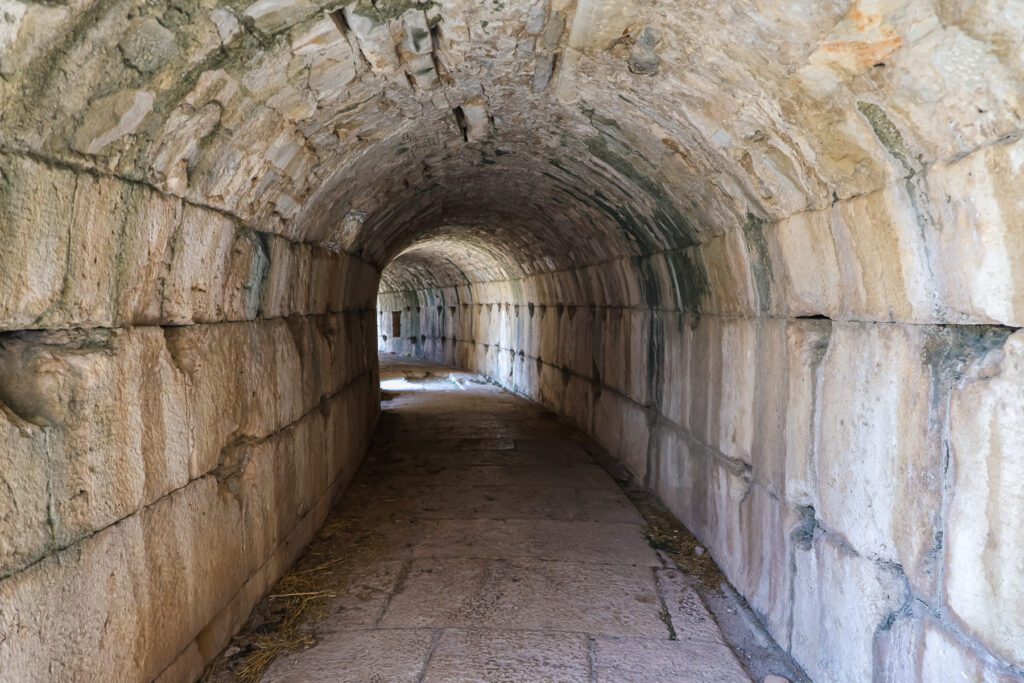
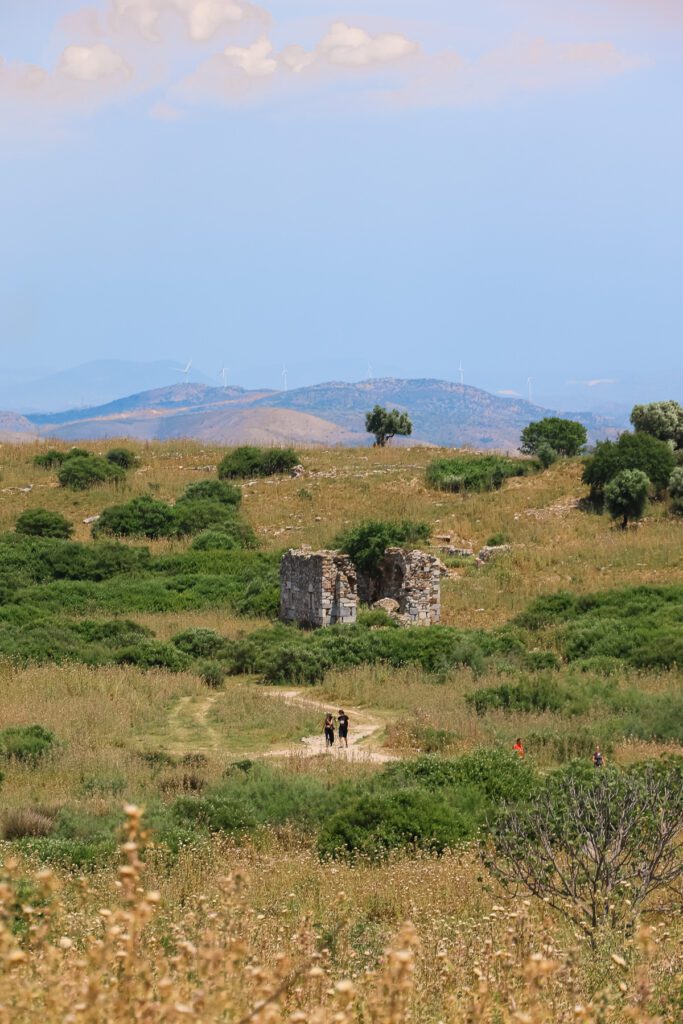
There is still a lot to see on this archaeological site, and it’s worth mentioning that many locations have not yet been excavated. The main surviving landmark is the great theatre with the ruined Byzantine Fortress right above it.
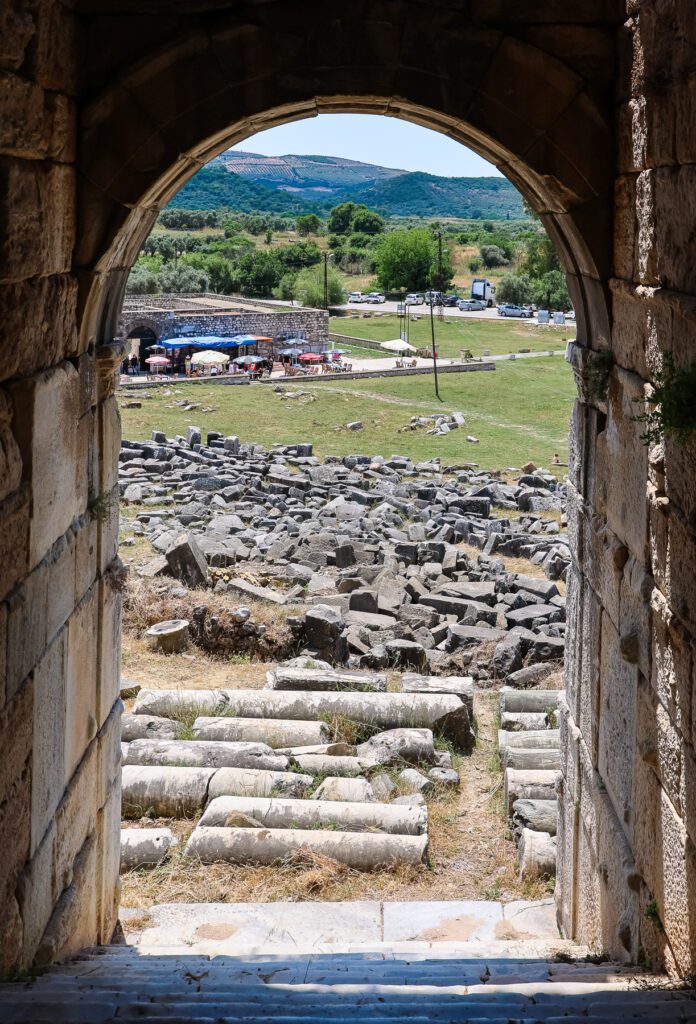
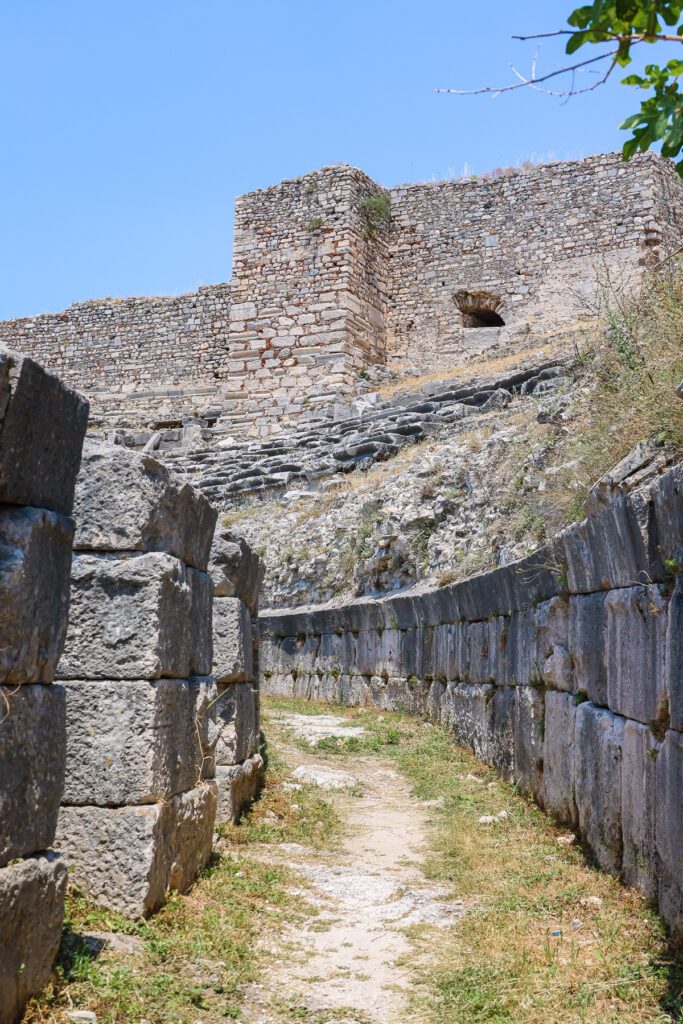
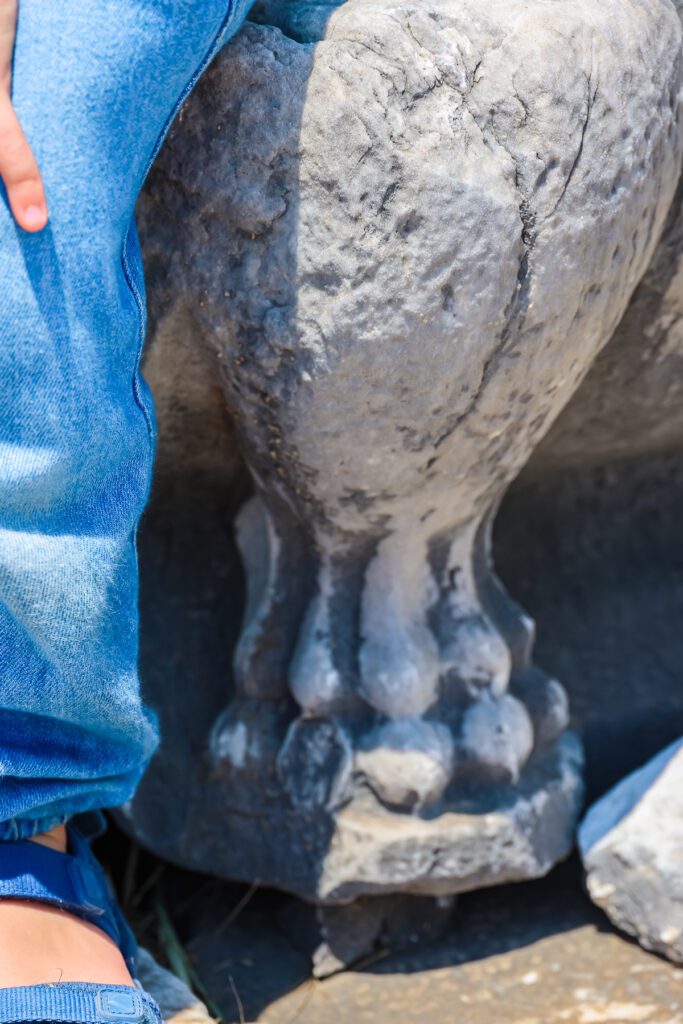
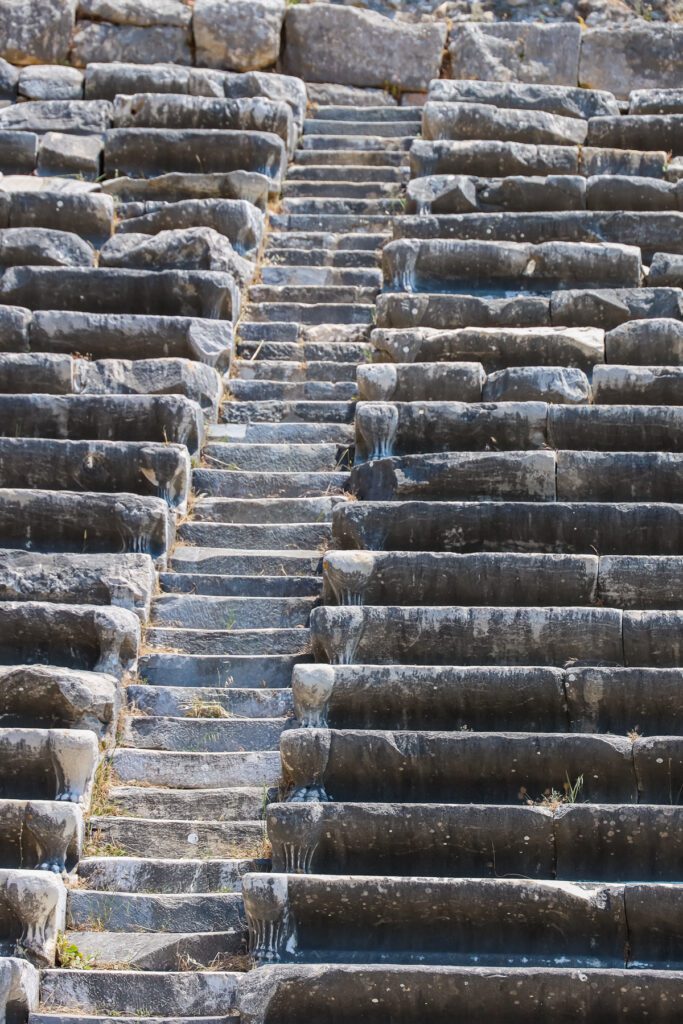
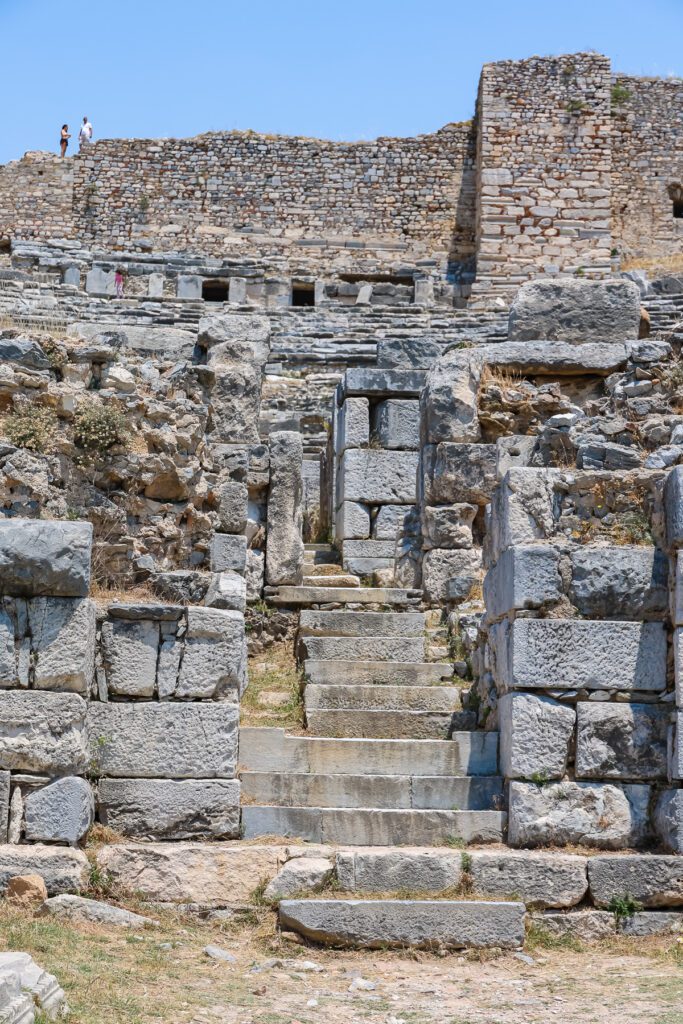
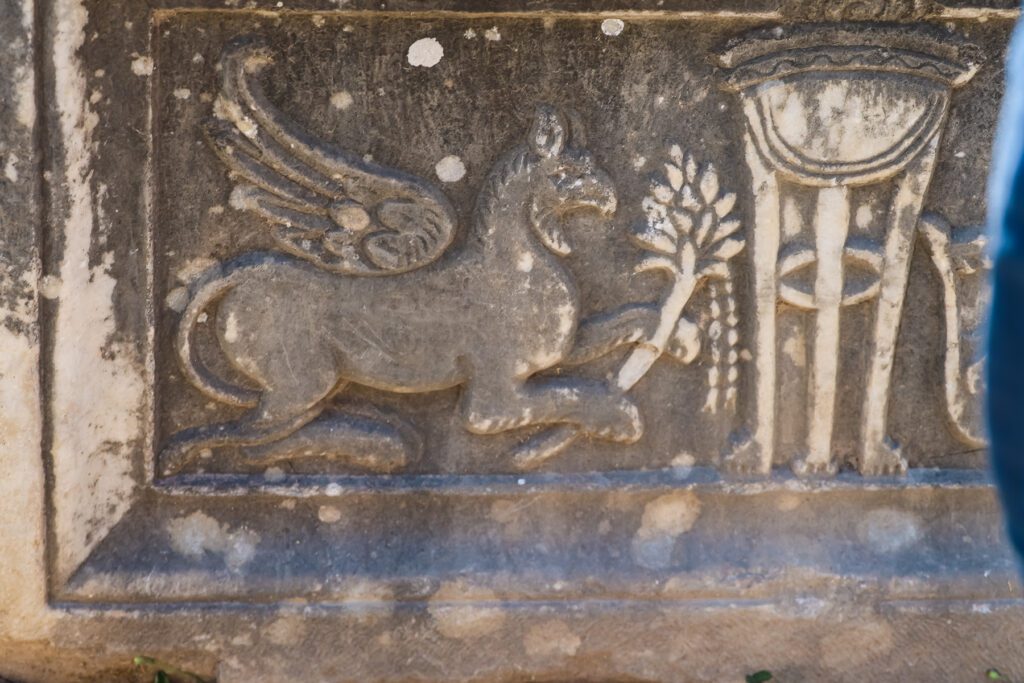
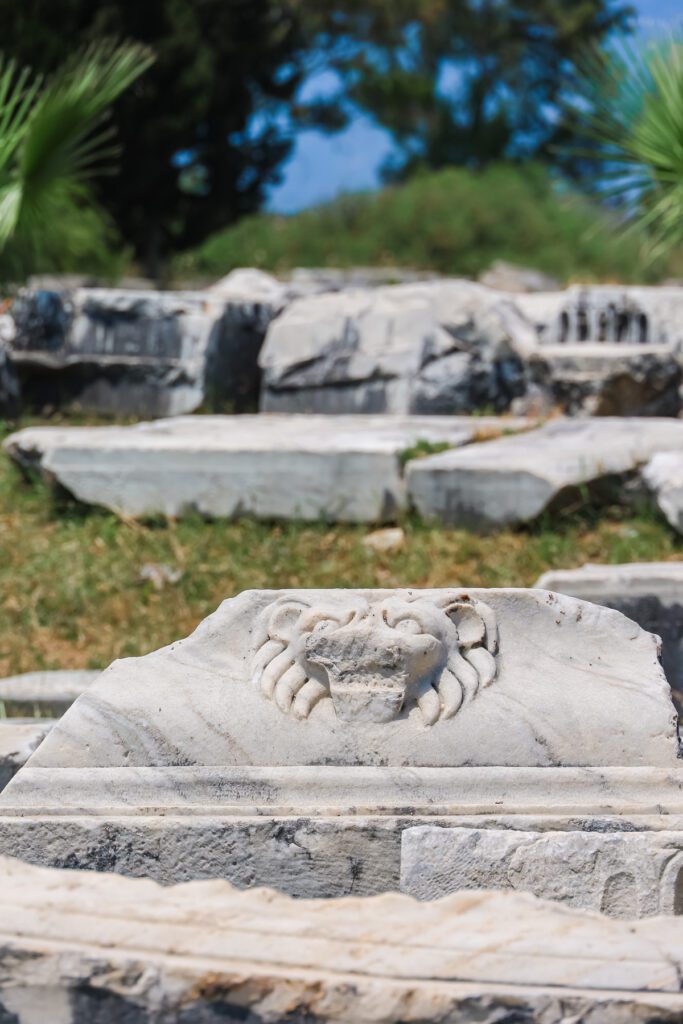
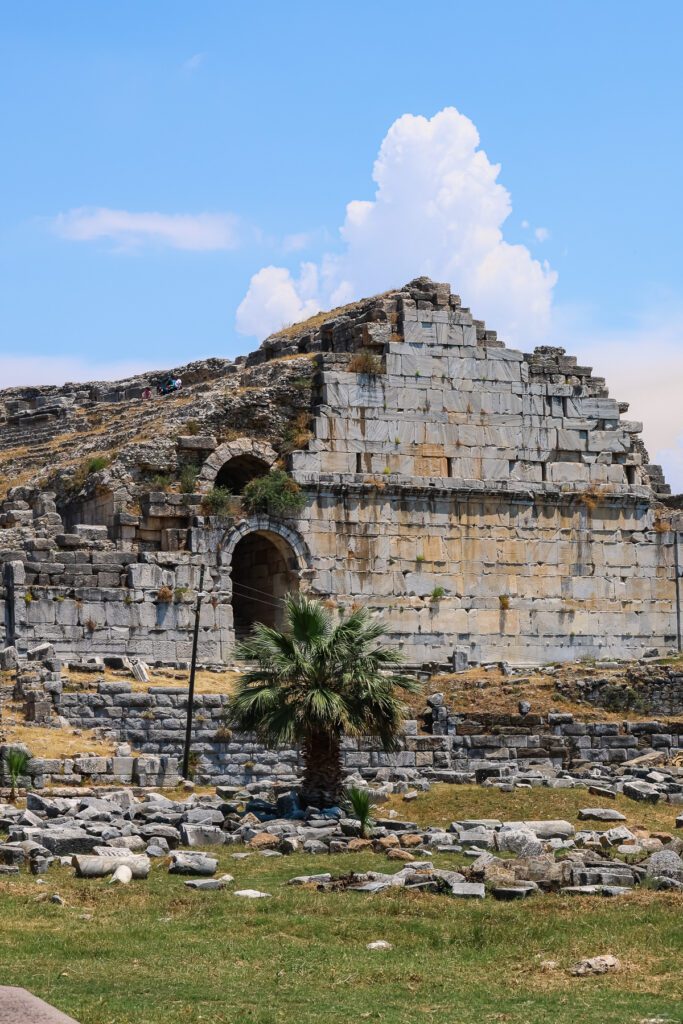
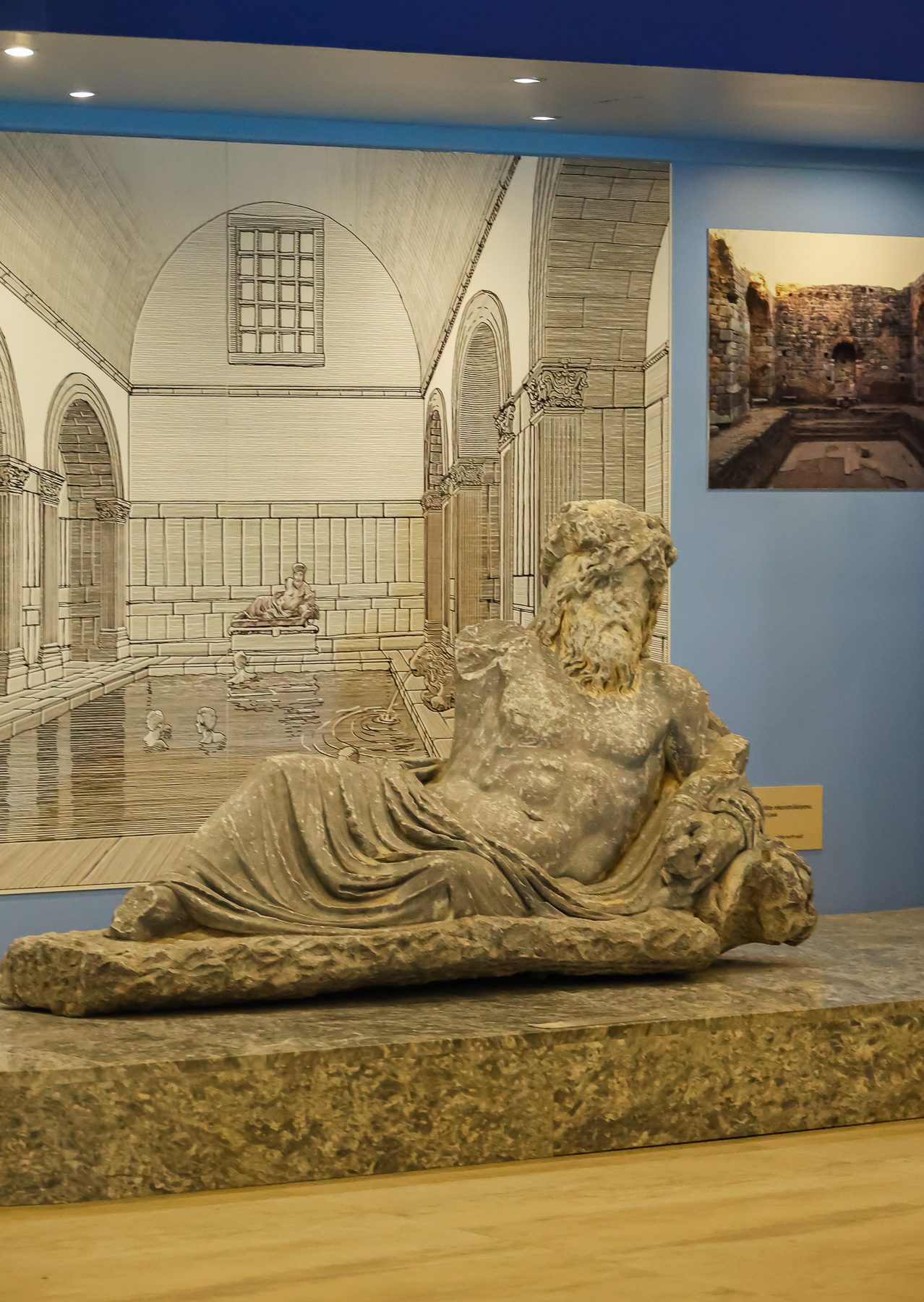
Also walk through the bathhouse commissioned by Faustina, wife of Marcus Aurelius, which features a replica of the Maeander River god (modern-day Büyük Menderes River).

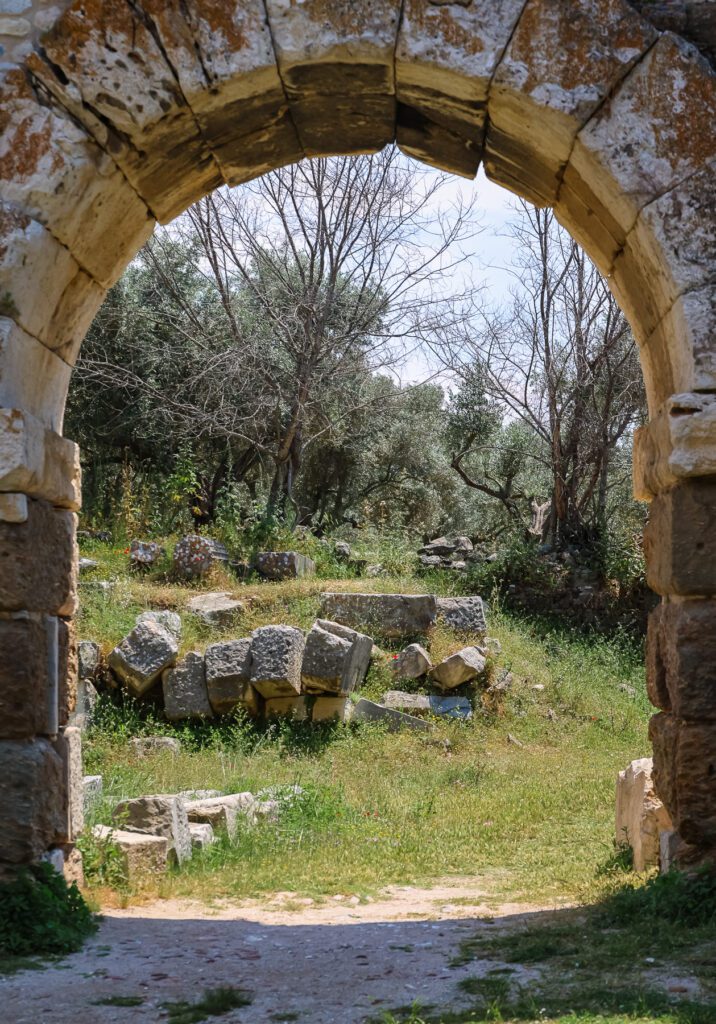

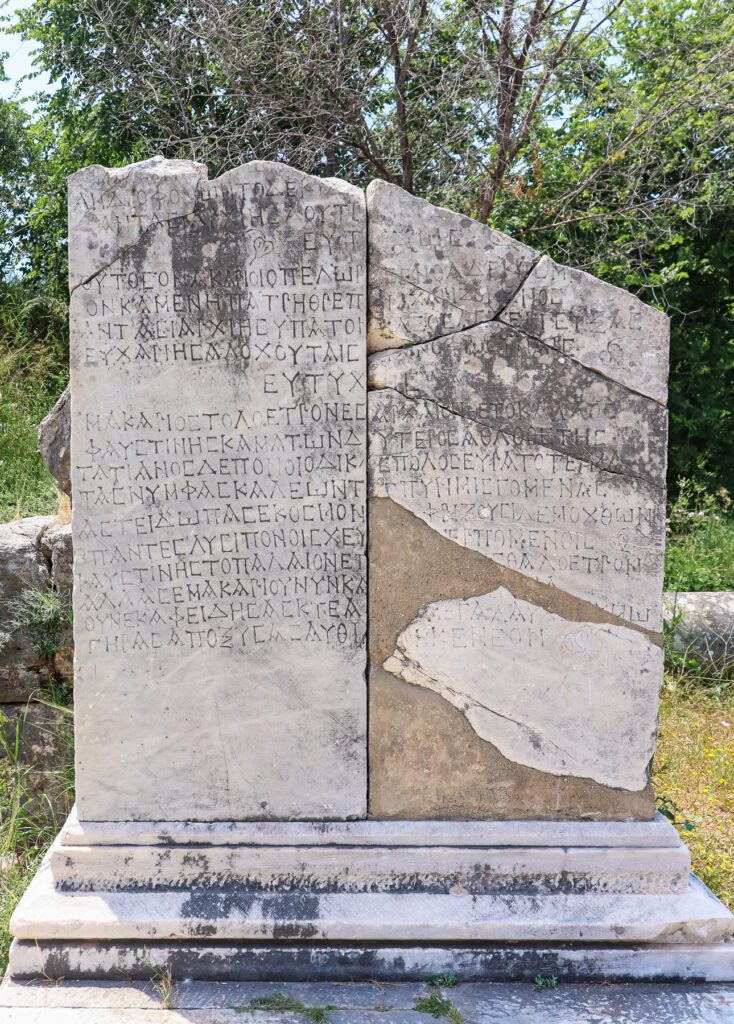
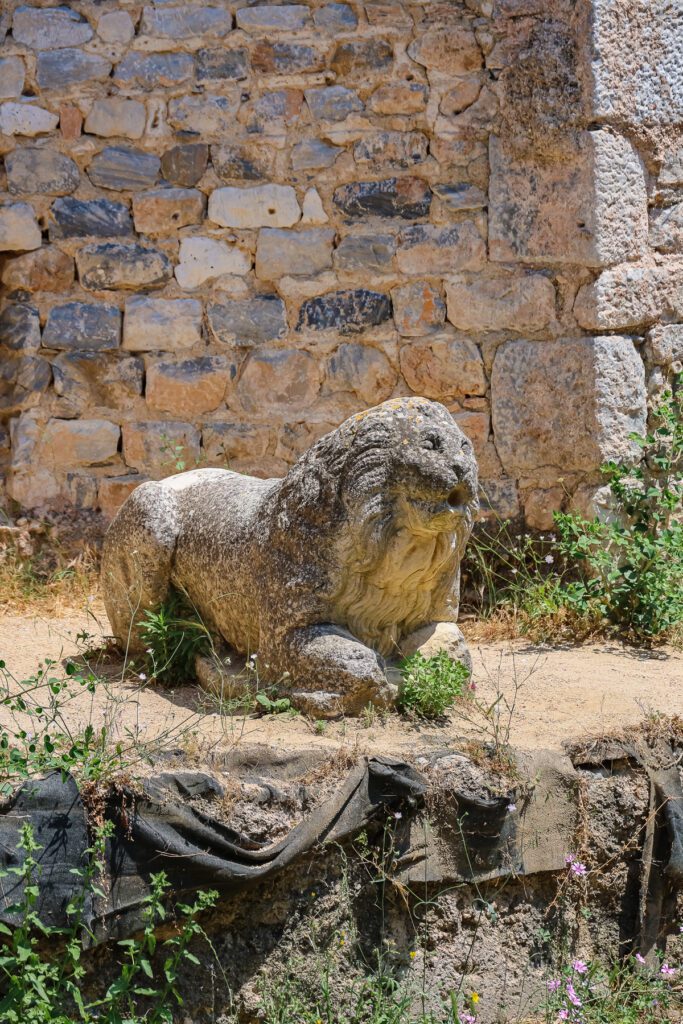
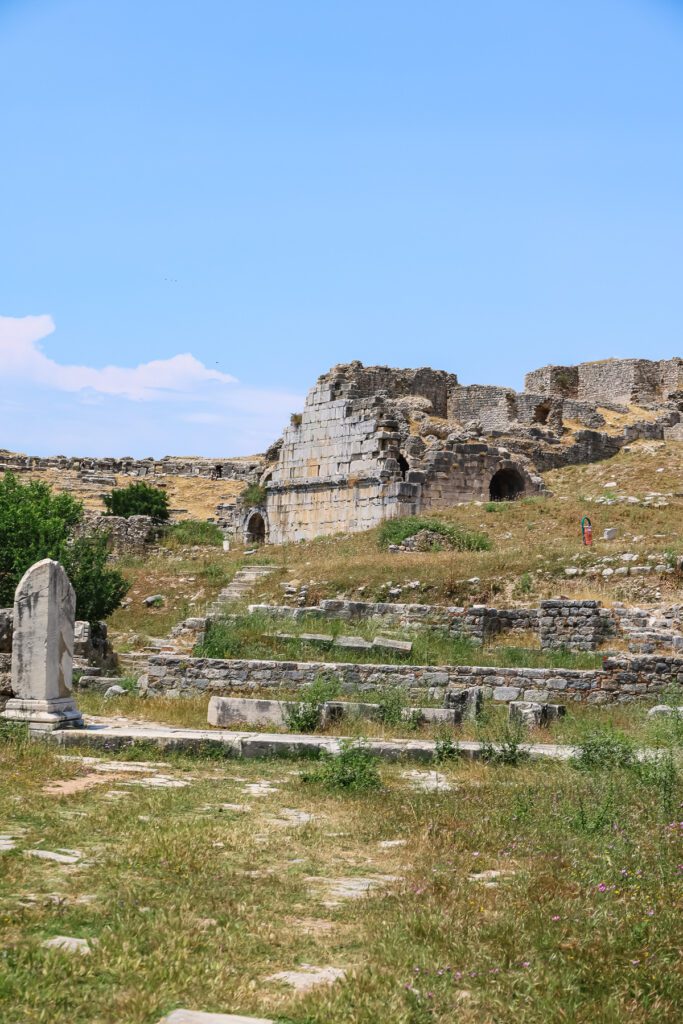
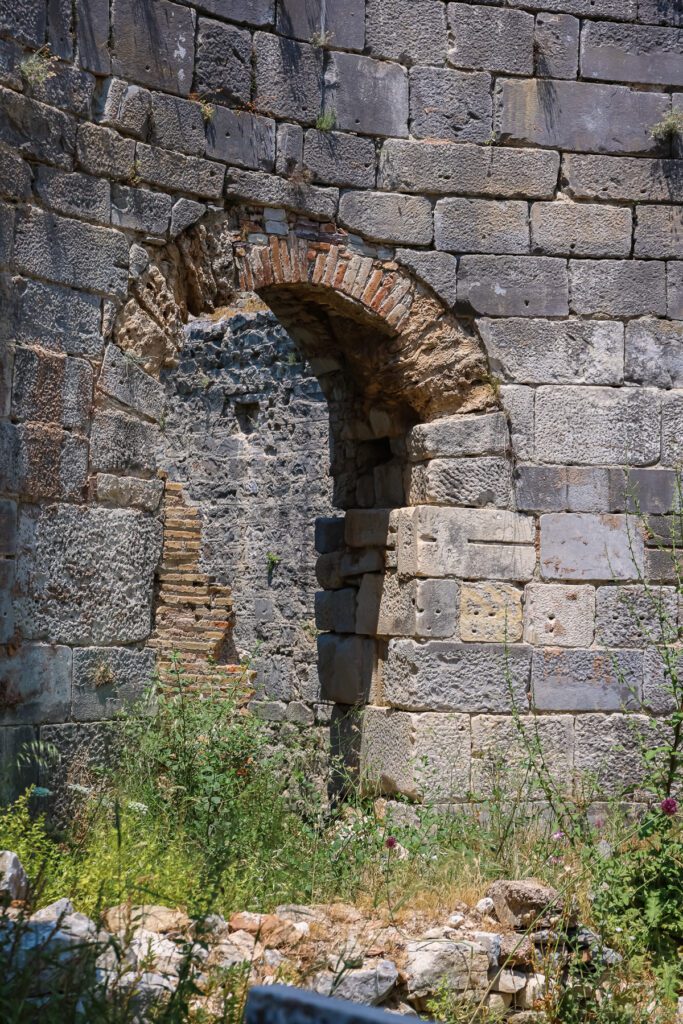
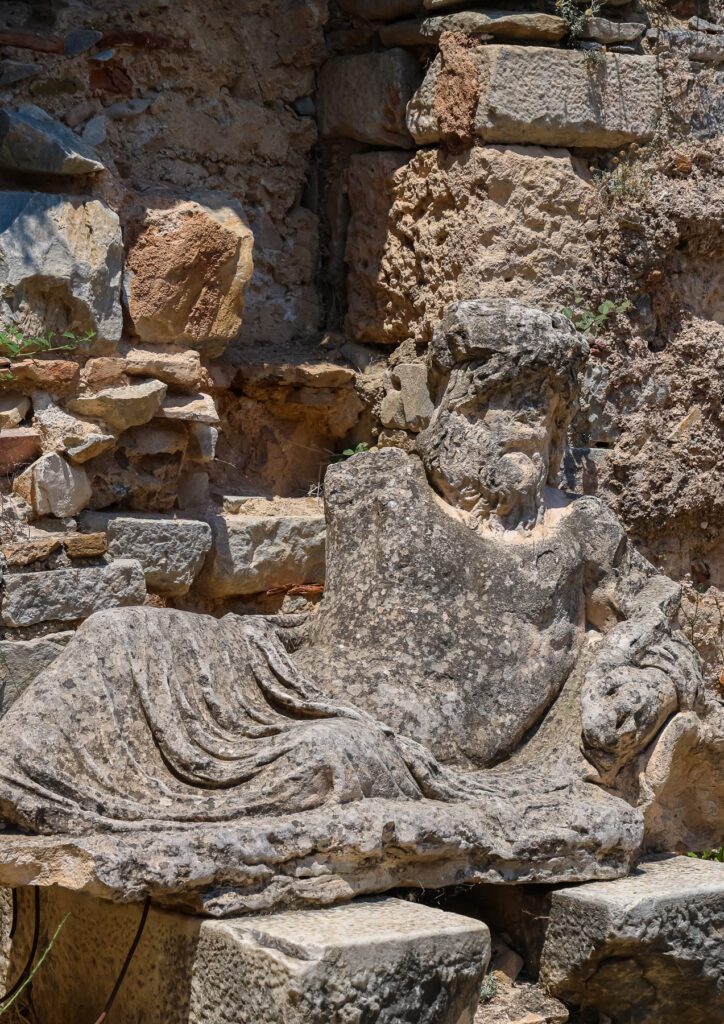
Besides that, you can explore he ruins of two agoras, the bouleuterion, and the Delphinium, a temple of Apollo, at the beginning of the Sacred Way to Didyma; the 15th-century İlyas Bey Mosque; and a few other spots. Toilets and tourist cafe are also located nearby.


3. Miletus Museum
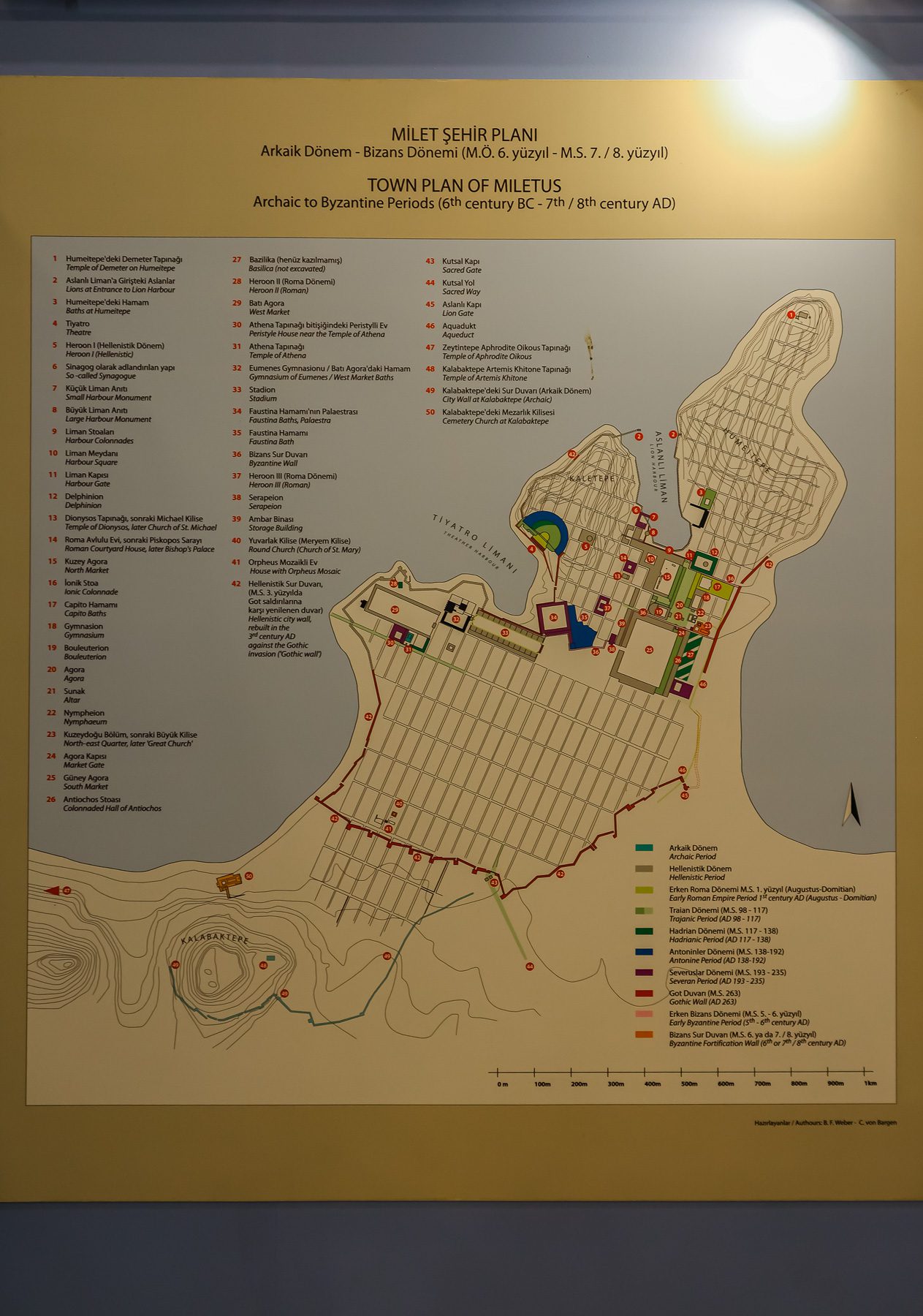
Close to the archaeological site, the Miletus Museum is located – it took us several minutes by car to get there.
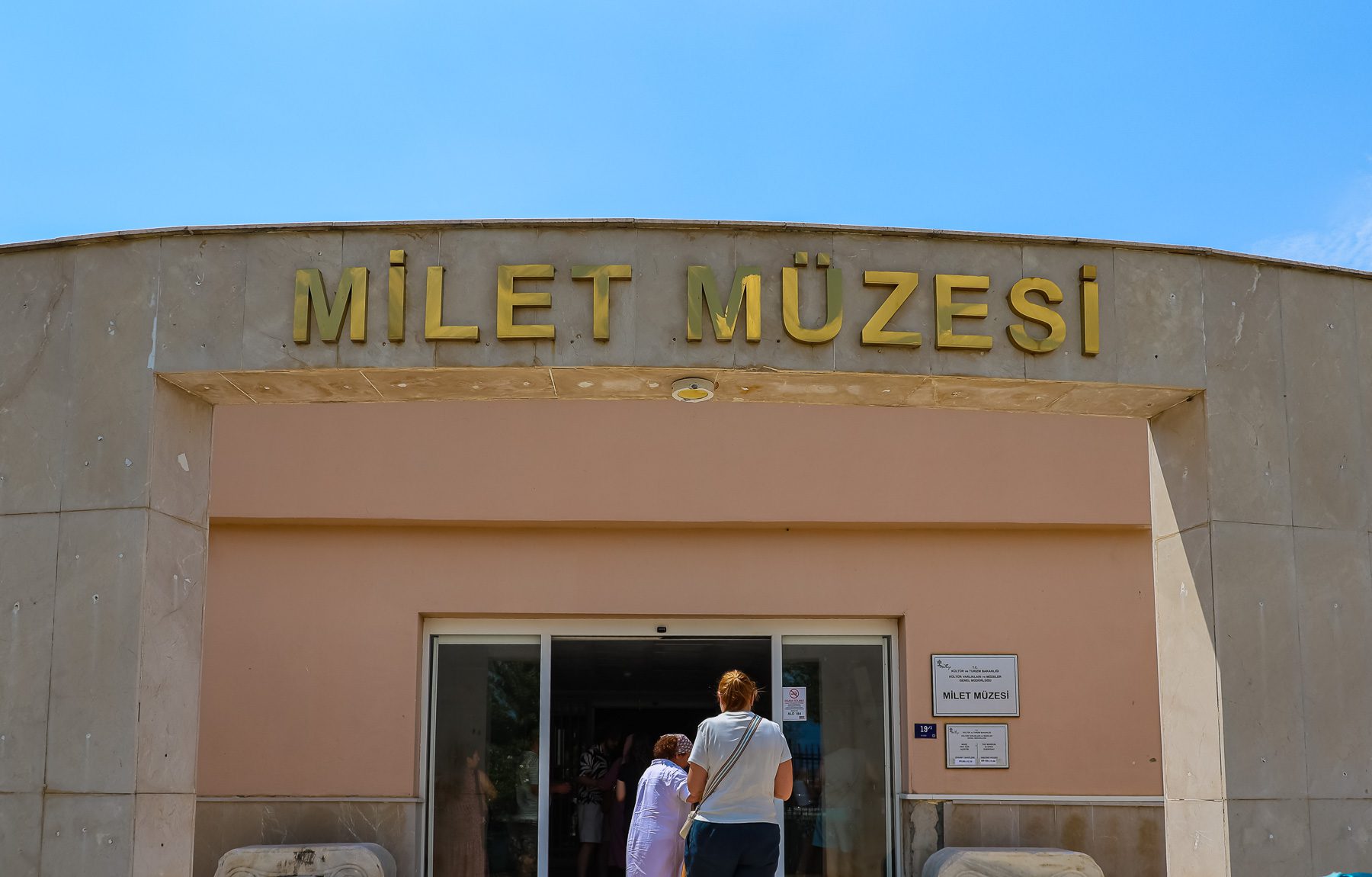
It’s rather small, but you can see how the city’s geographical position in relation to the sea has changed since ancient times as well some artefacts that were not translocated to the other museums.
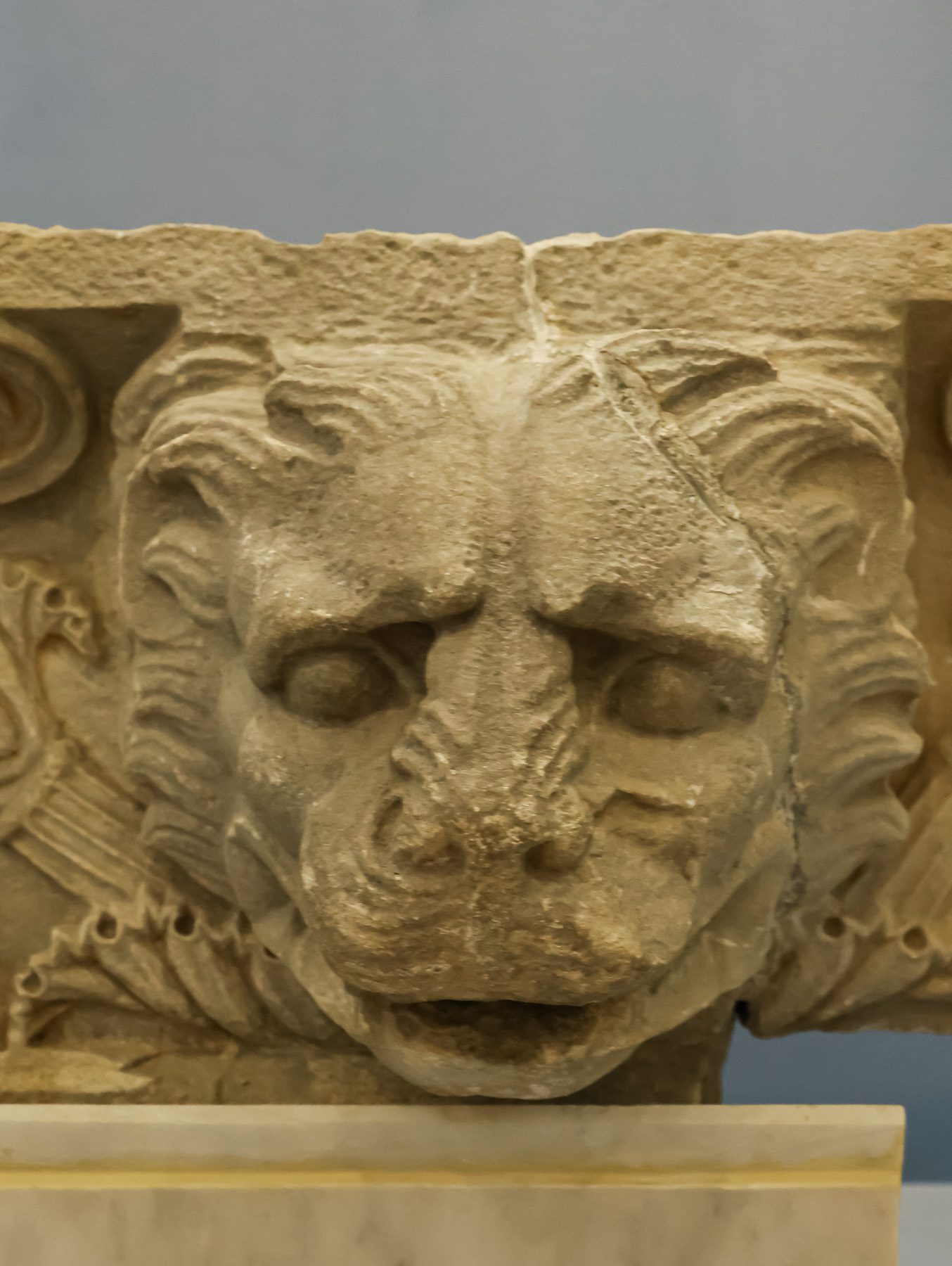
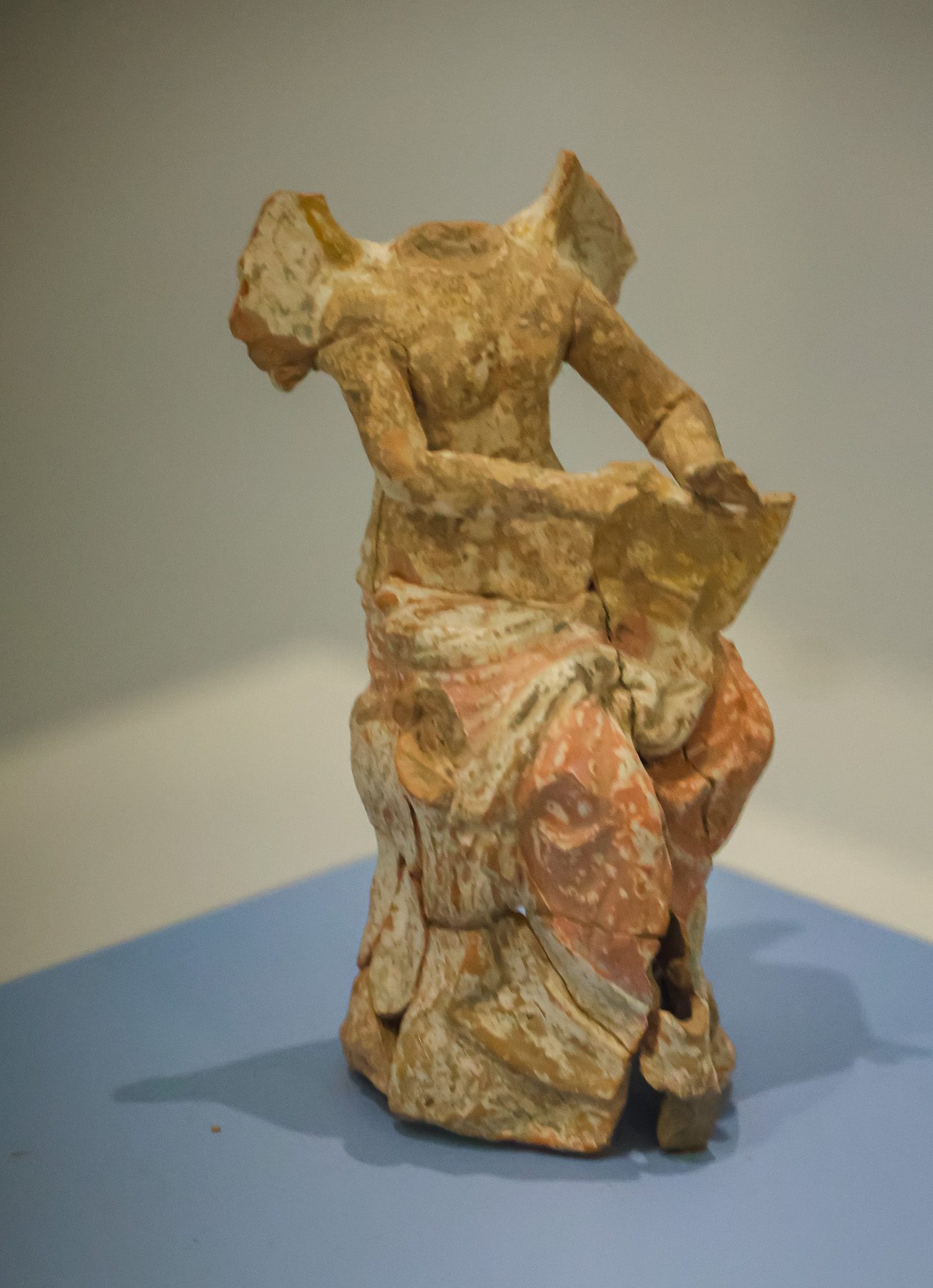
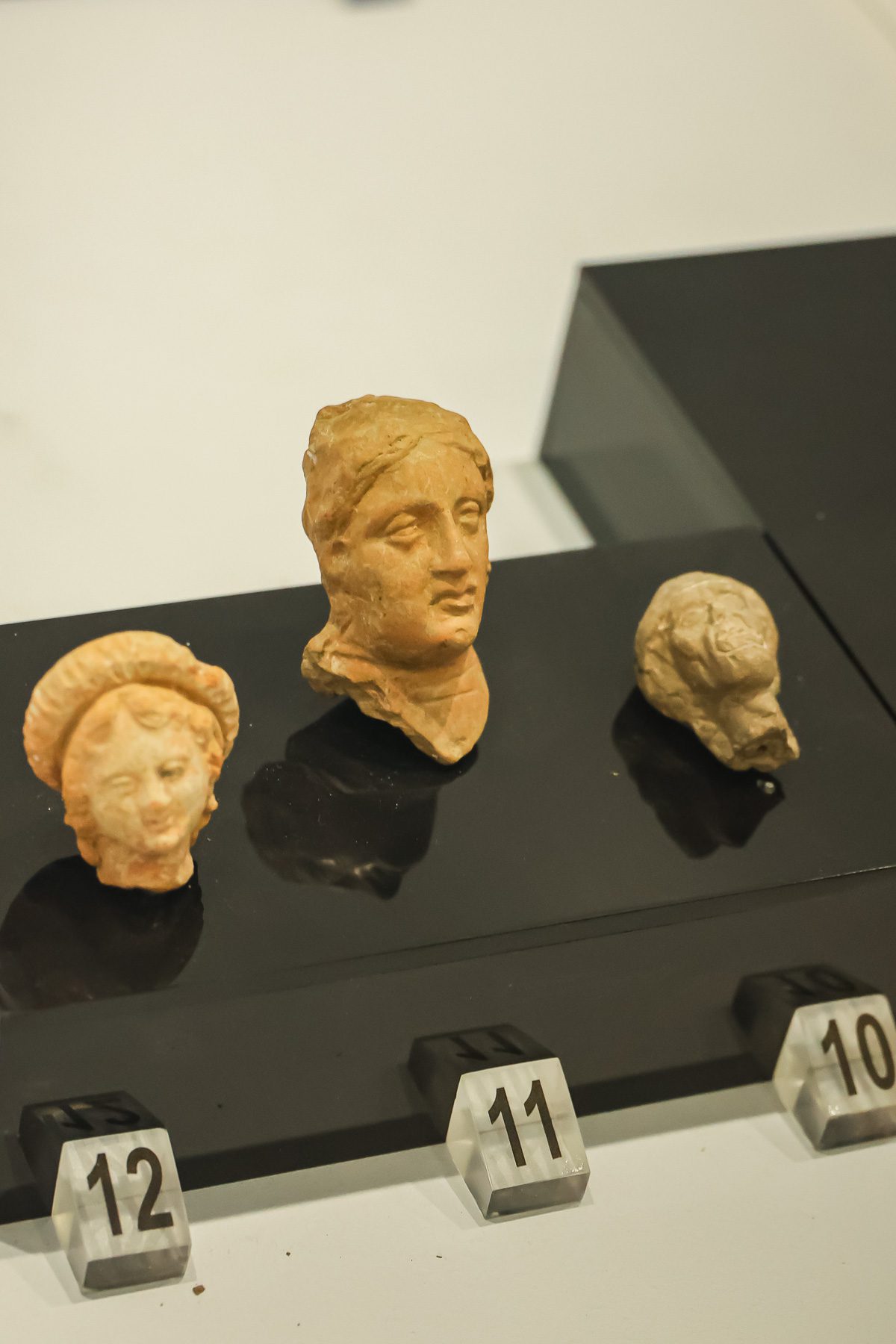
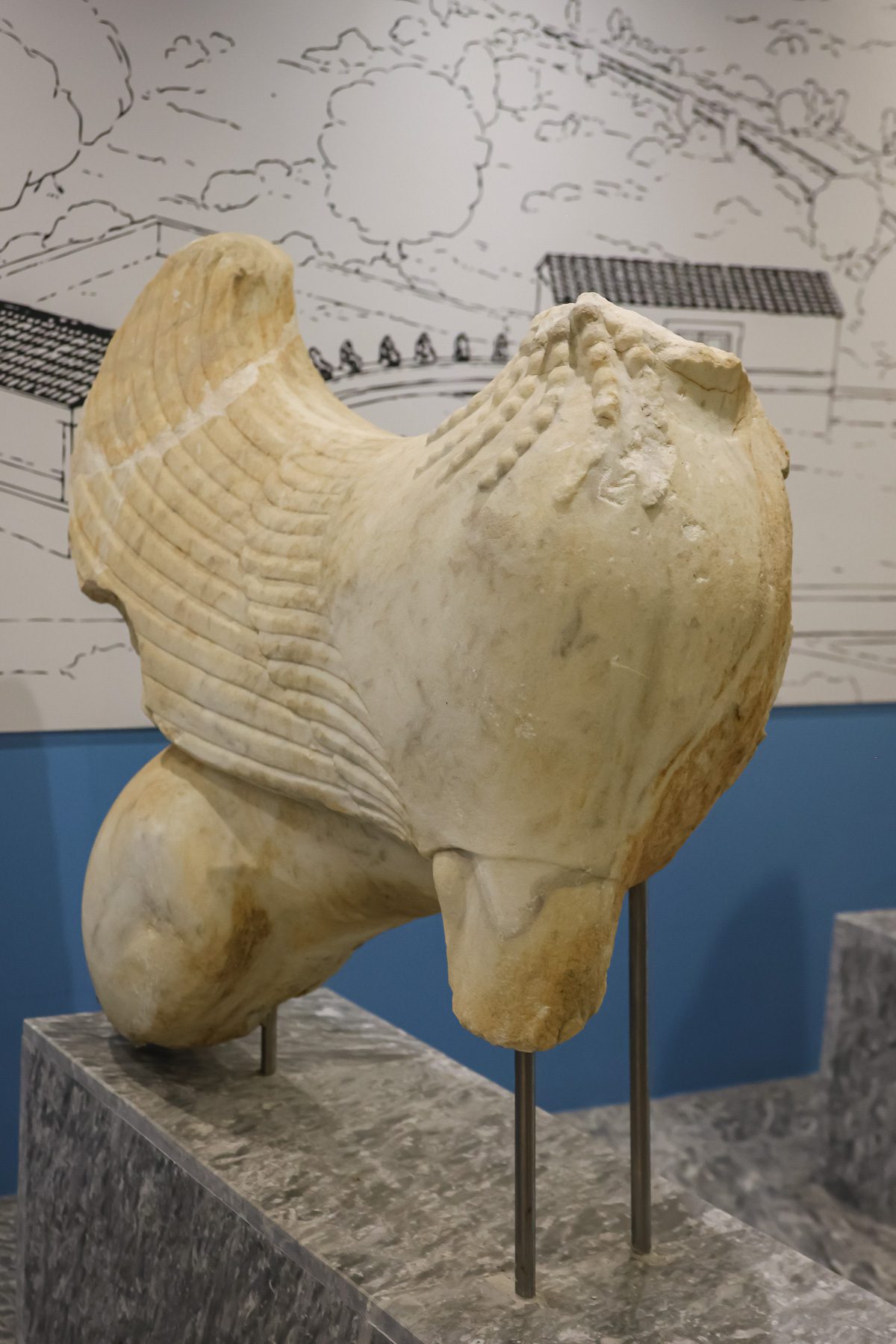
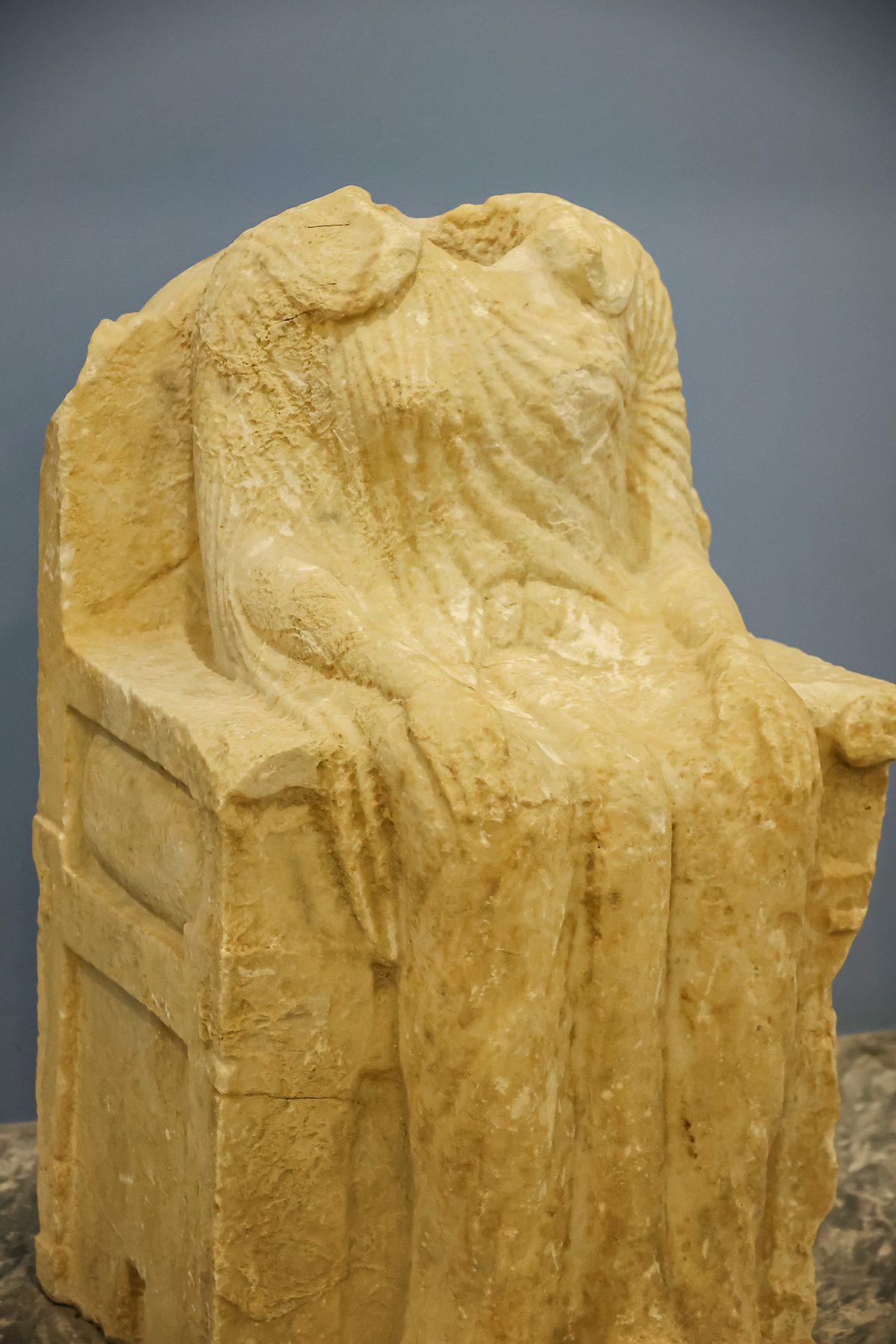
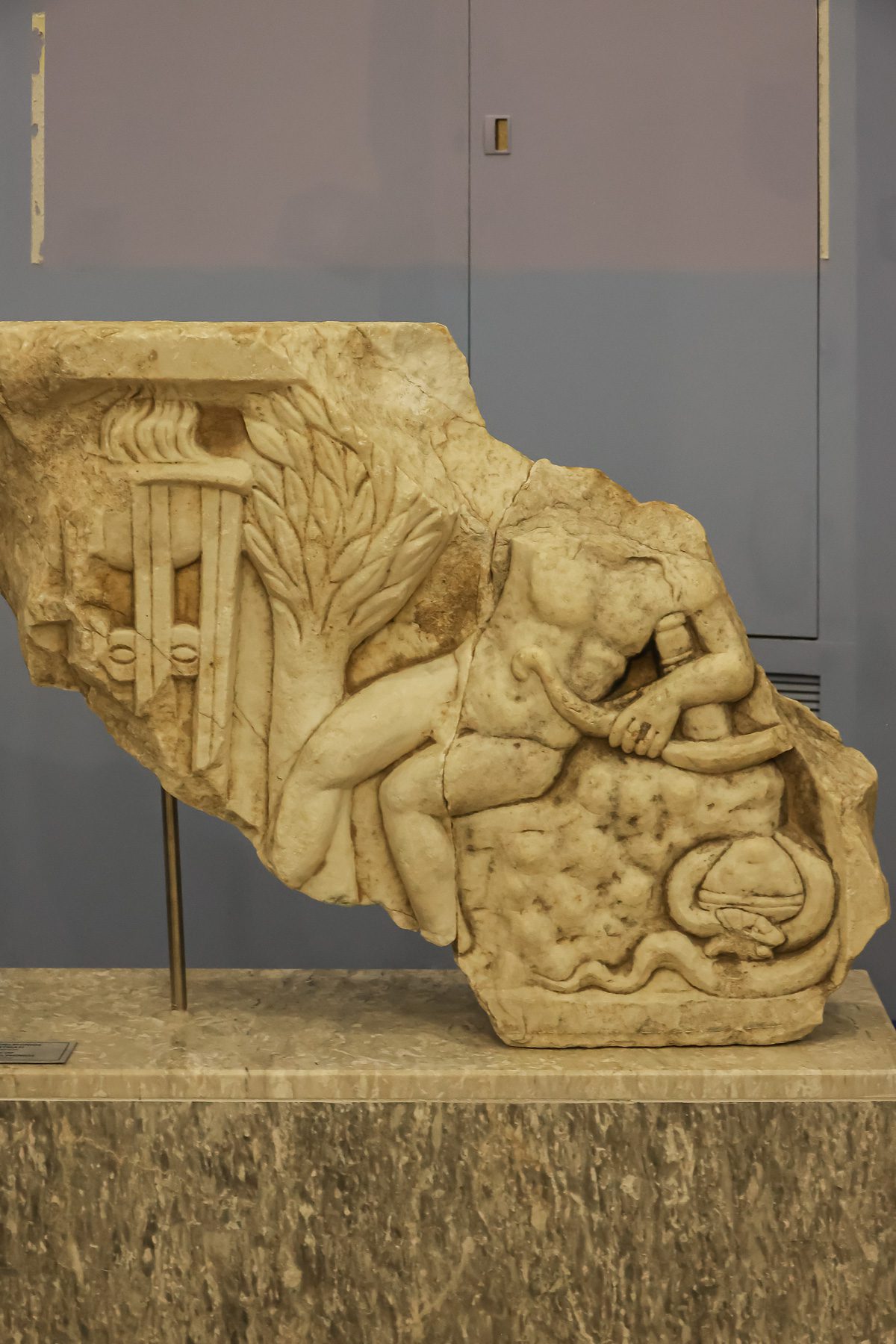
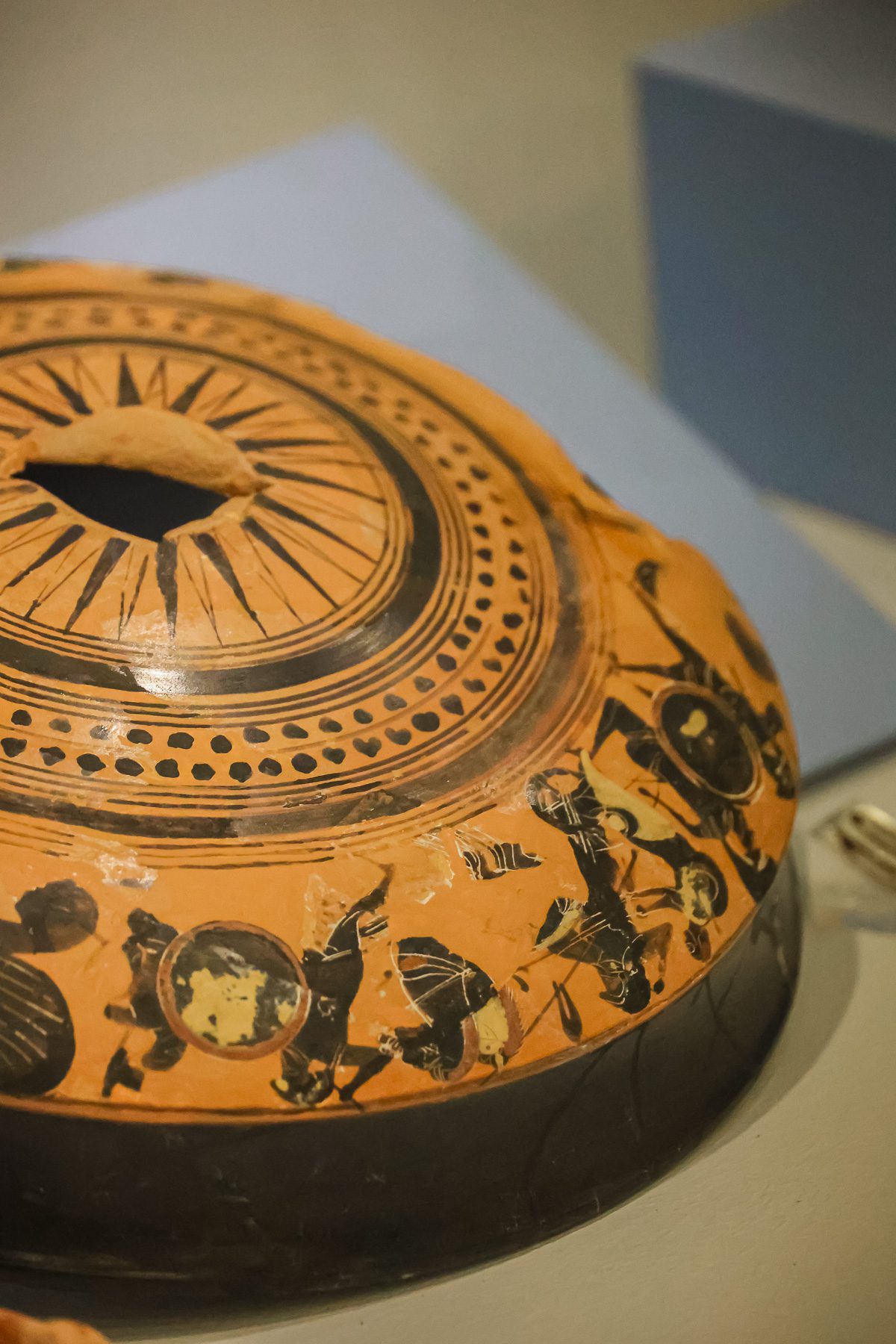
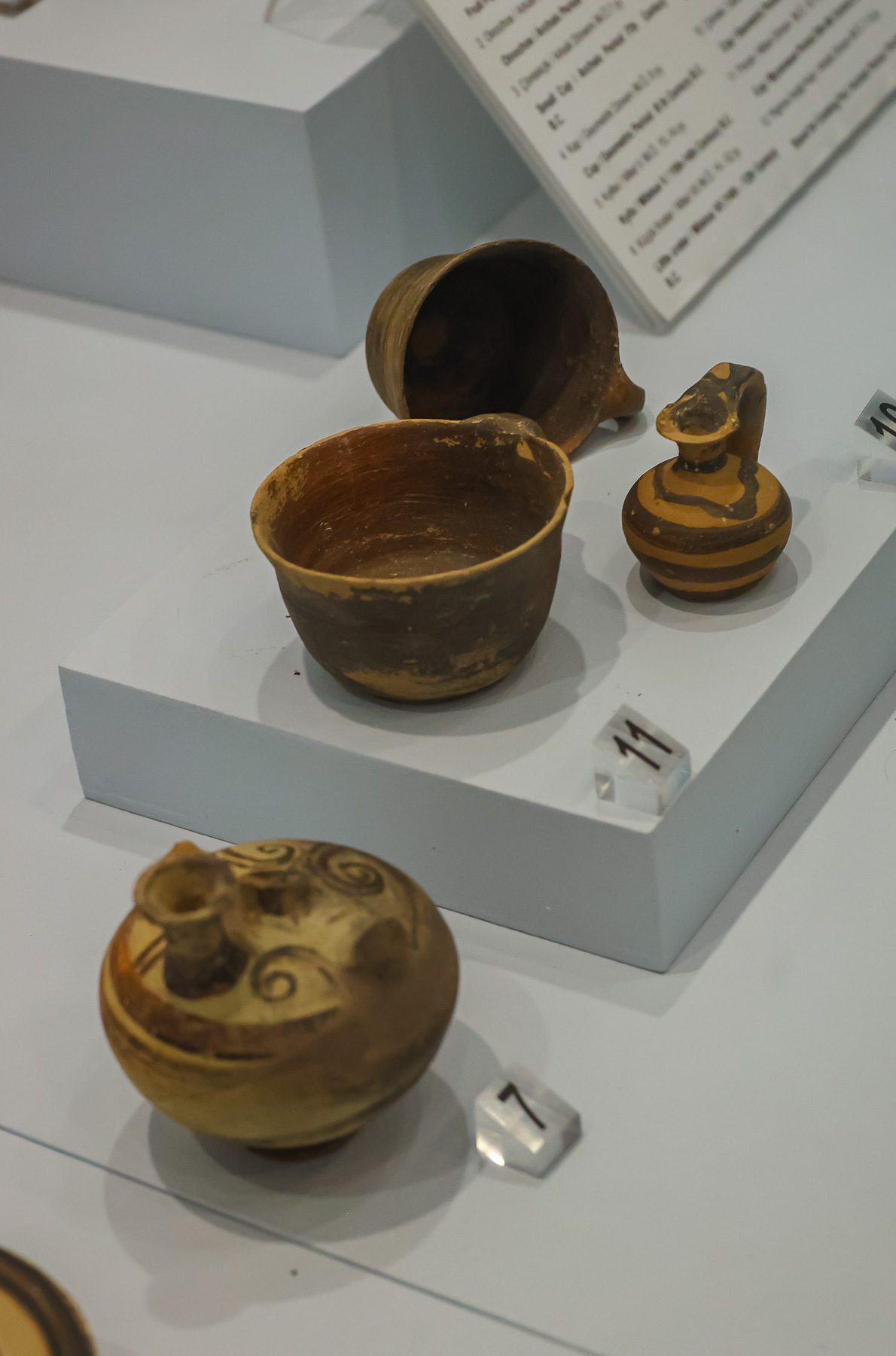
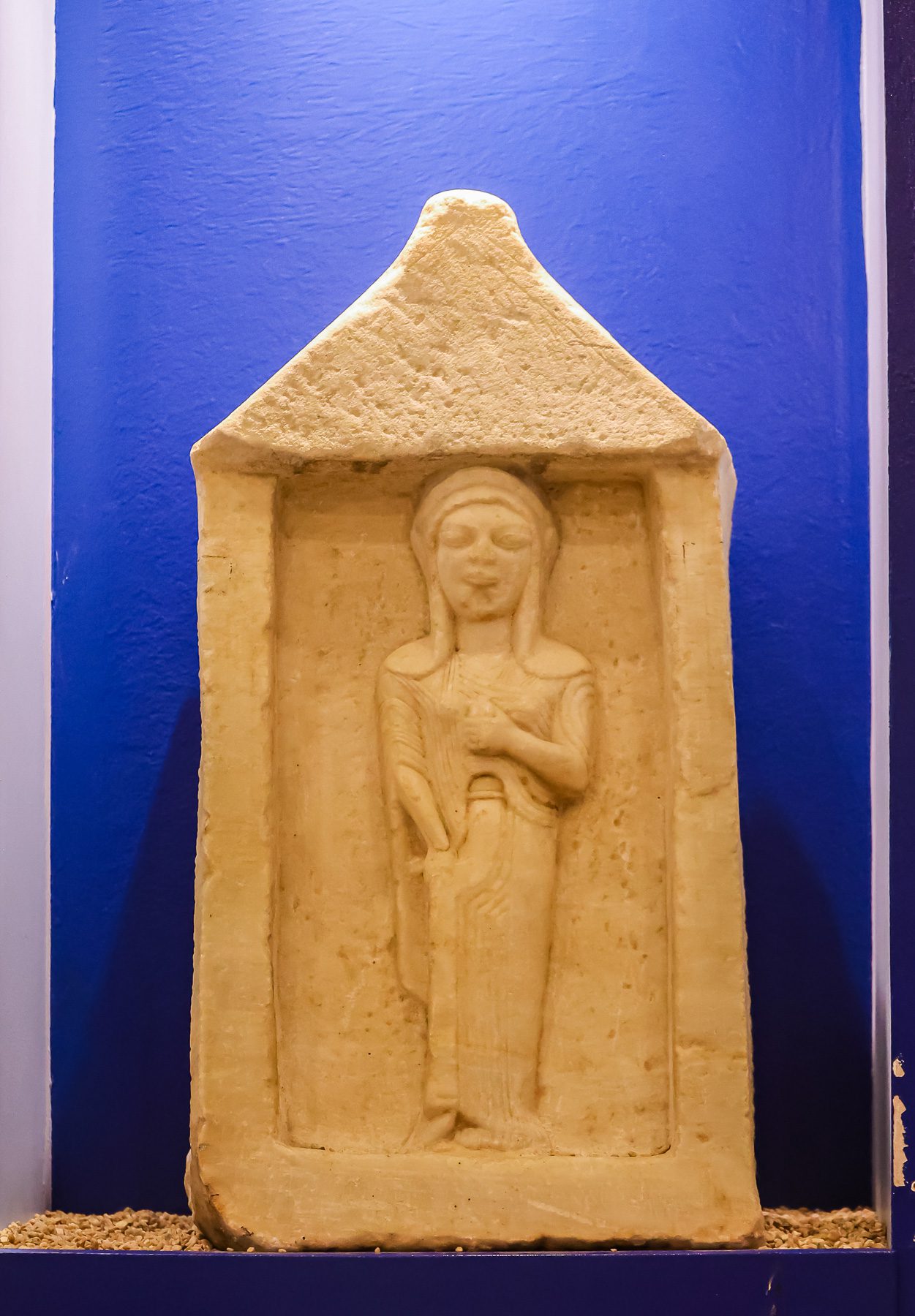
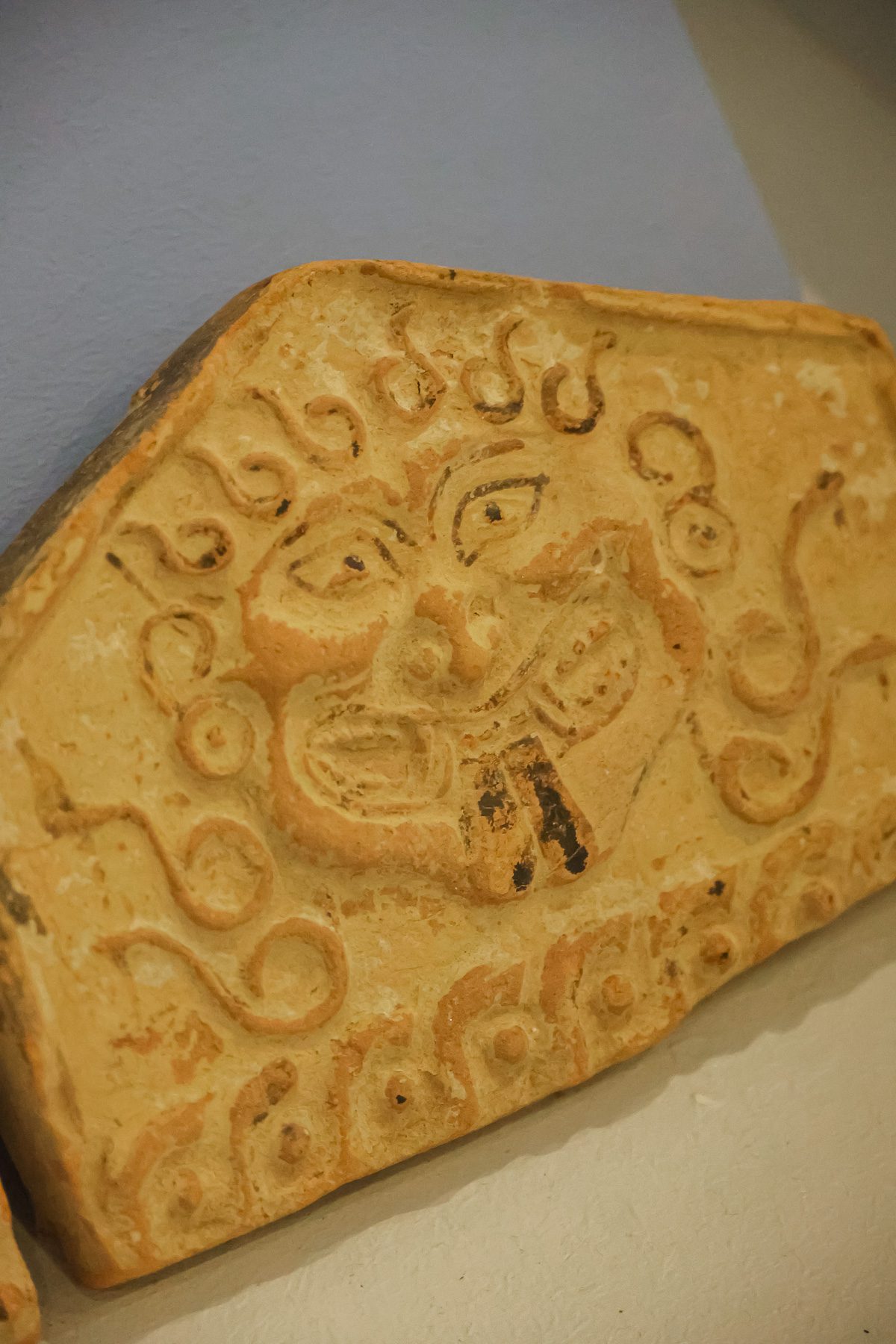
Explore here some excavated artefacts such as votive tablets, lamps, vases, amphoras, small figurines, the original statue of the Maeander River god from the Faustina’s baths, and also some objects from Priene and Didim.
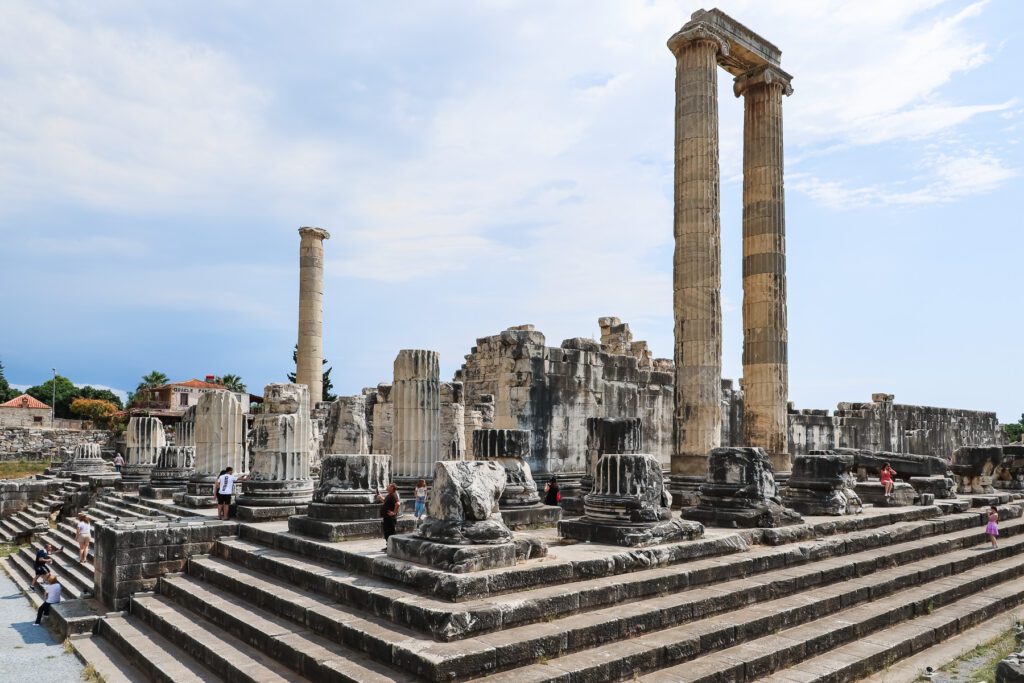
4. Temple of Apollo in Didyma
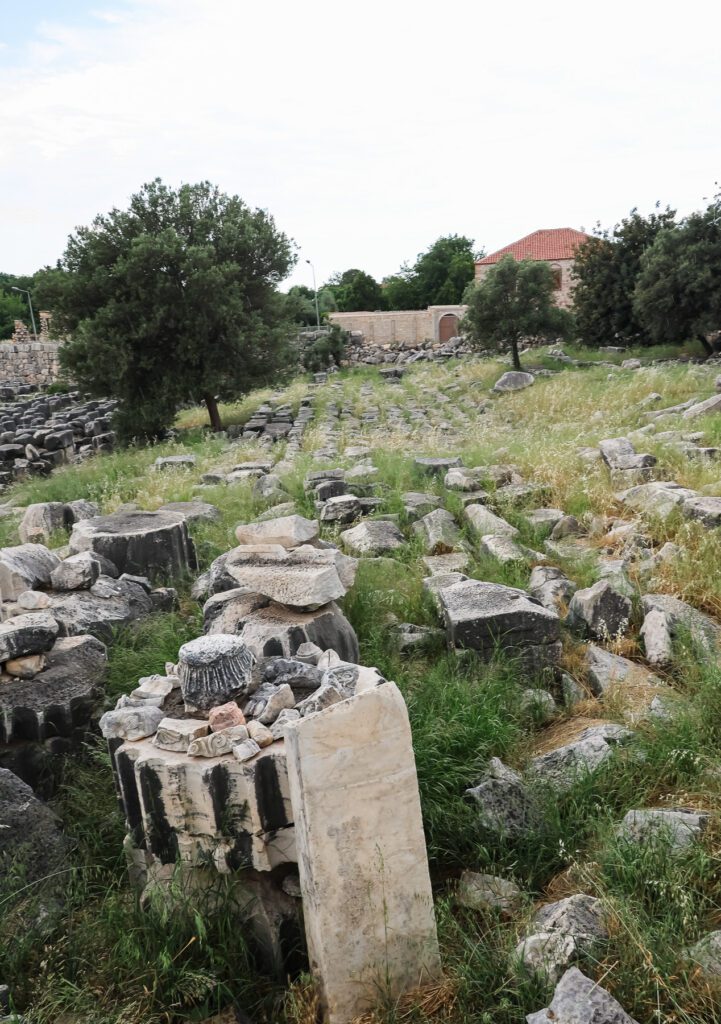
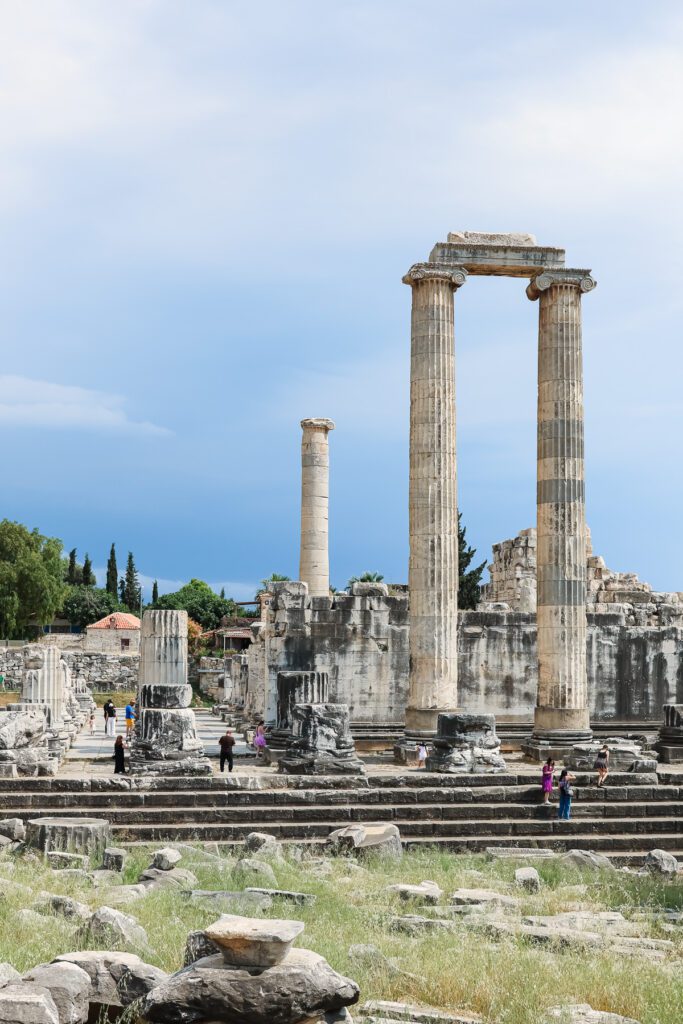
The famous Temple of Apollo in Didyma was founded in 800–700 BC at the latest. The next temple that stood on the site was built around 550 BC; however, it was destroyed by the Persians in 494 BC.
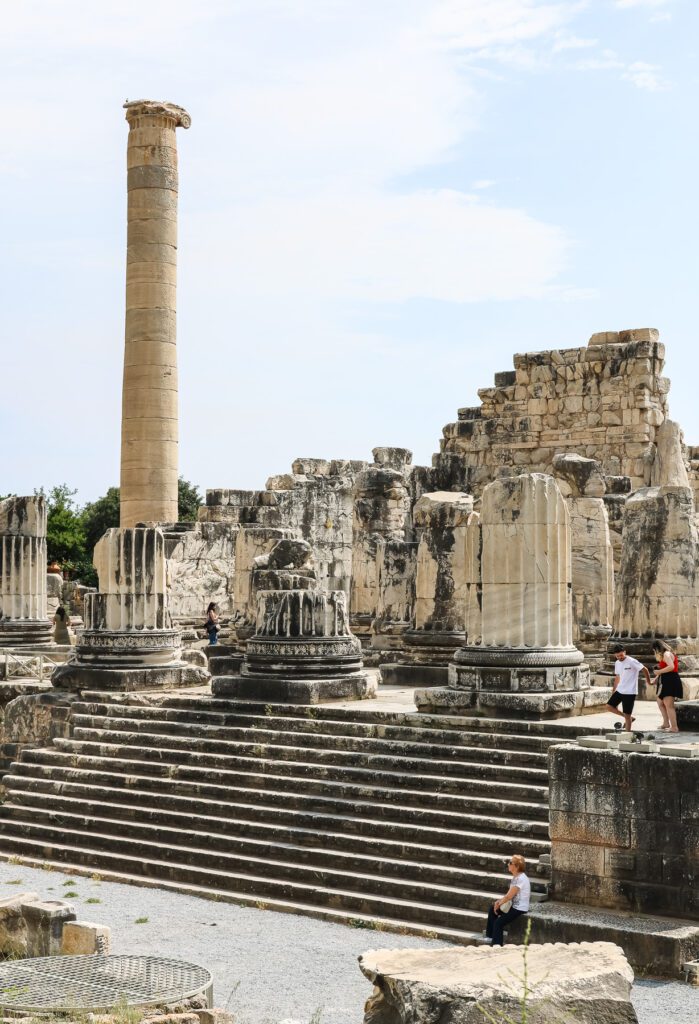

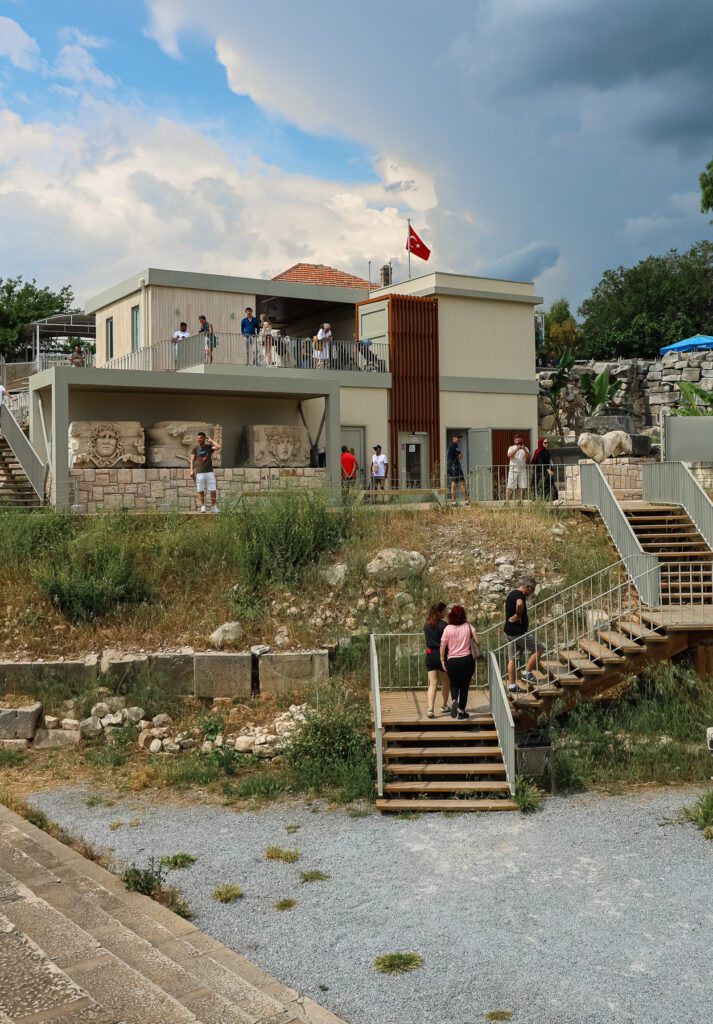
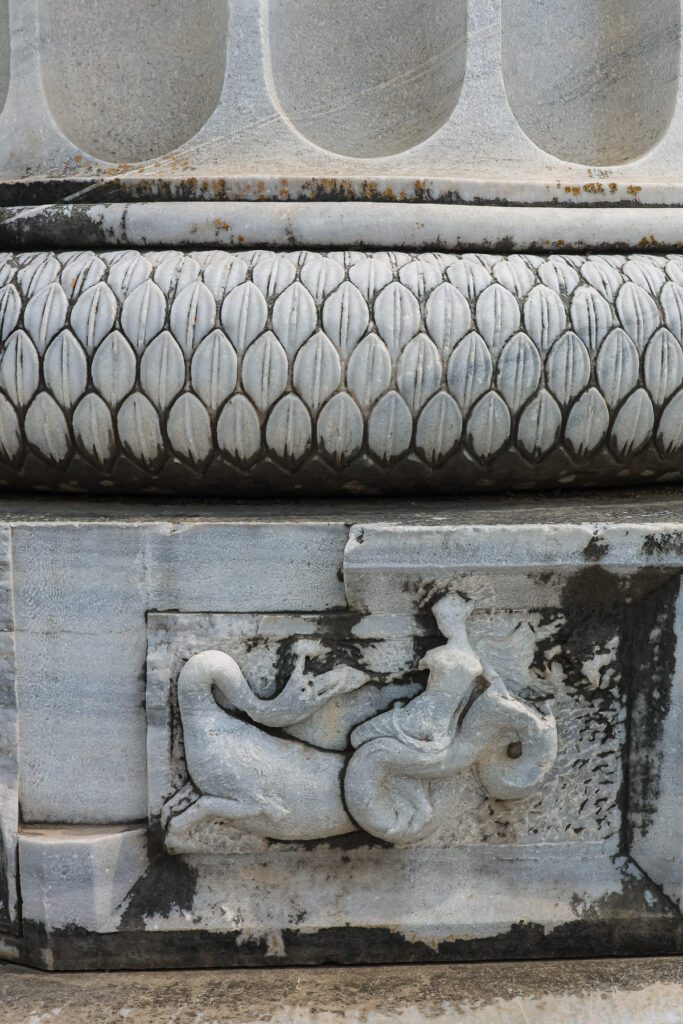
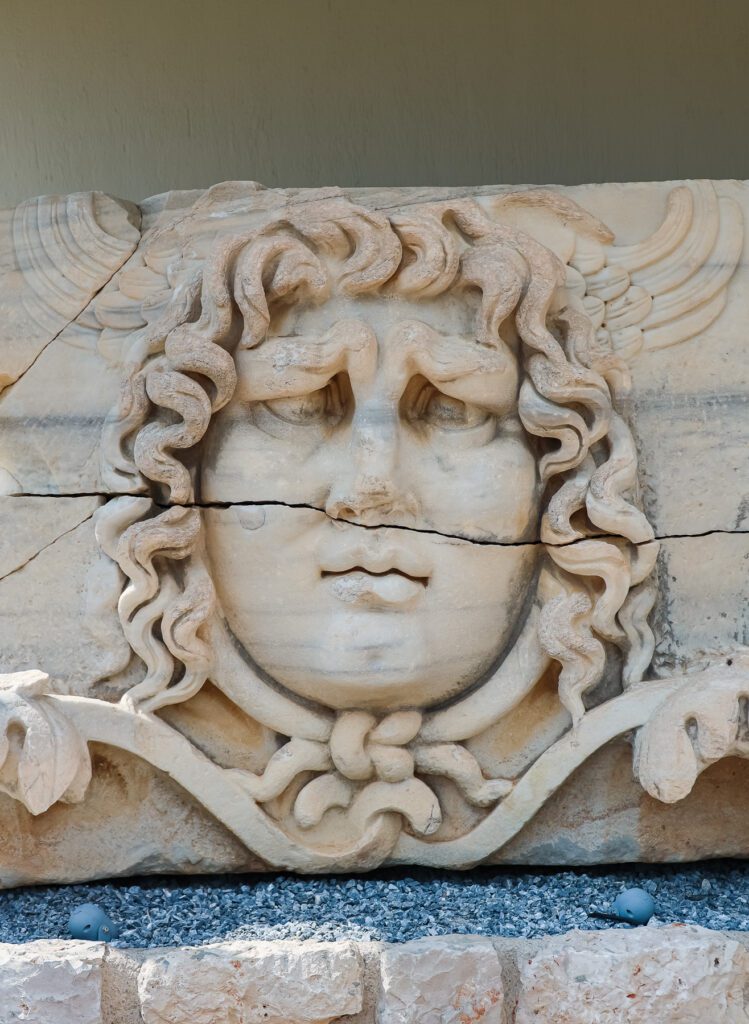
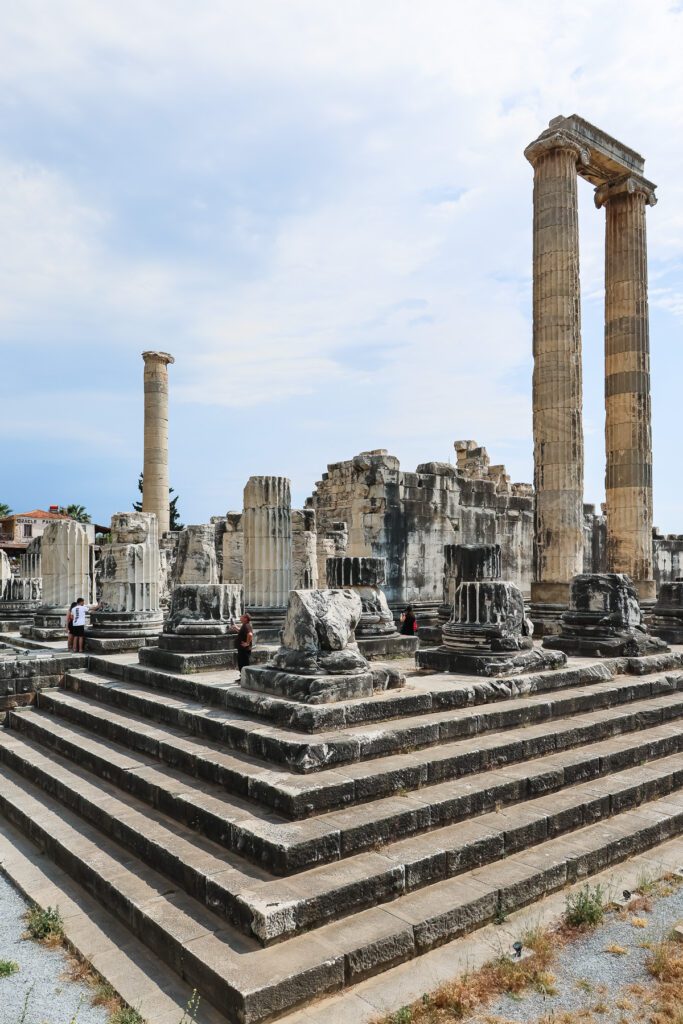
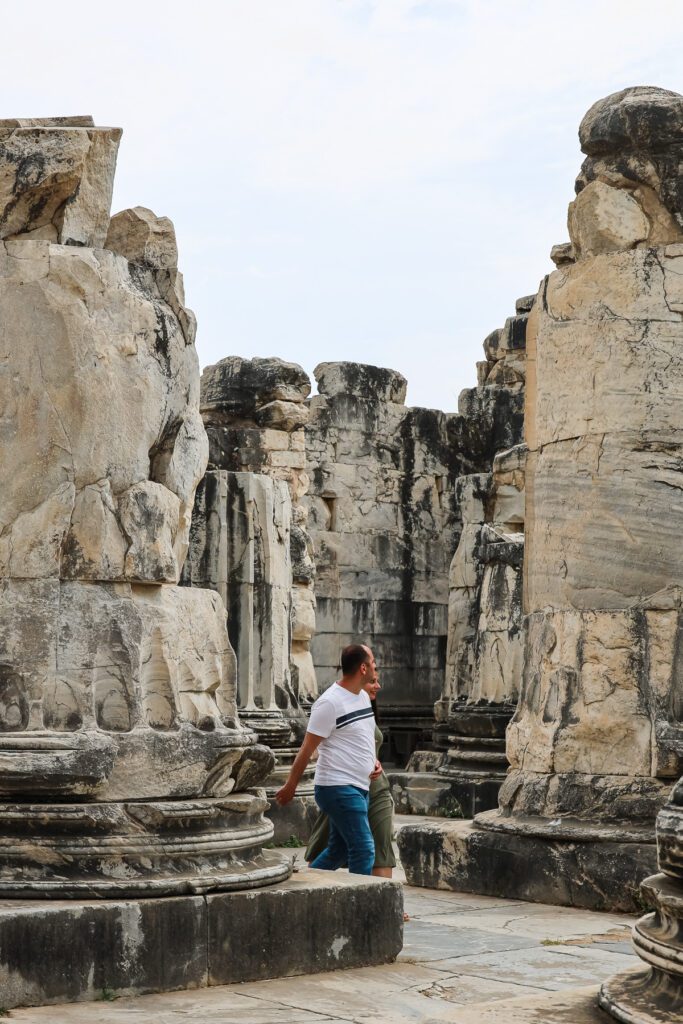
The temple you see today was erected around 300 BC after Alexander the Great commissioned it to be rebuilt, but eventually, this structure was never fully completed! However, it was still considered one of the largest temples of the ancient world.


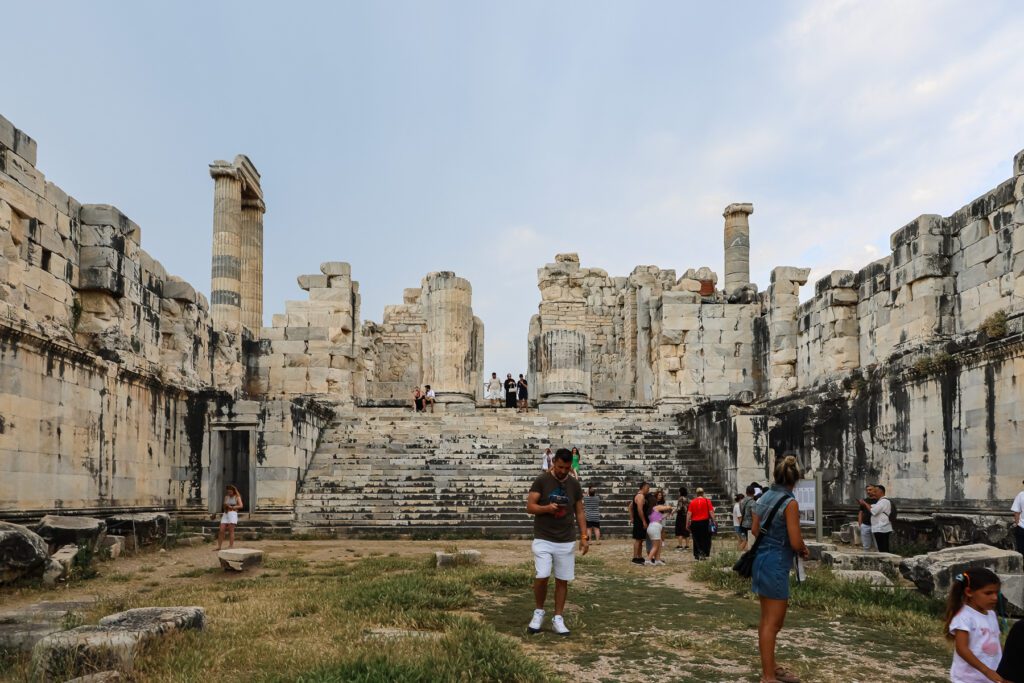

Just like at the main Apollo sanctuary in Delphi (which I actually visited many years ago), the oracle of Apollo delivered prophecies after drinking from the sacred spring on the territory of the temple.
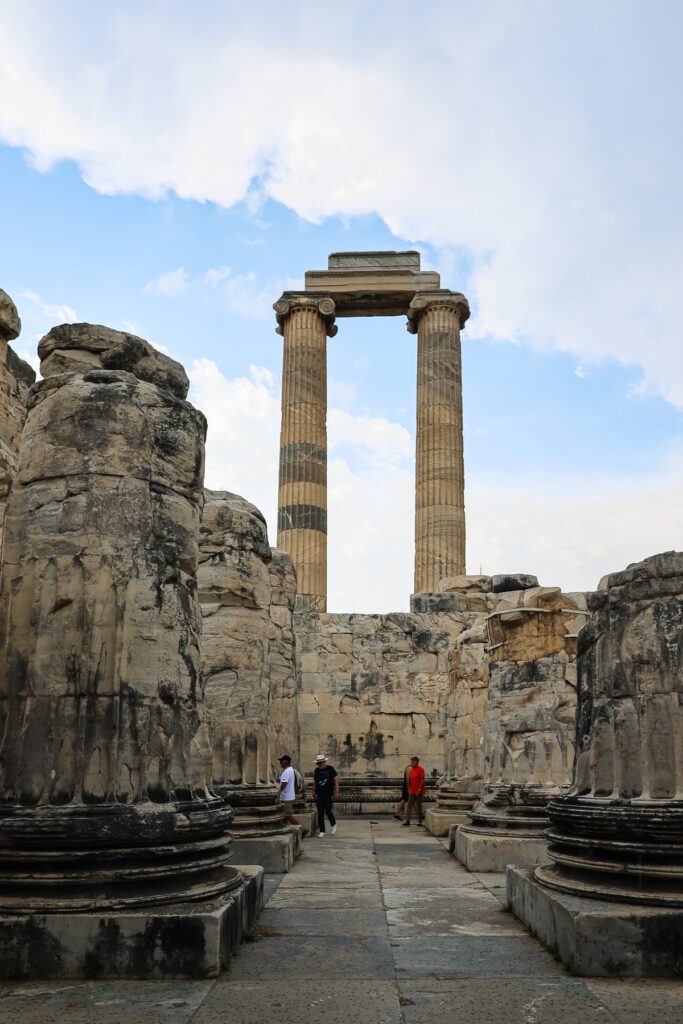

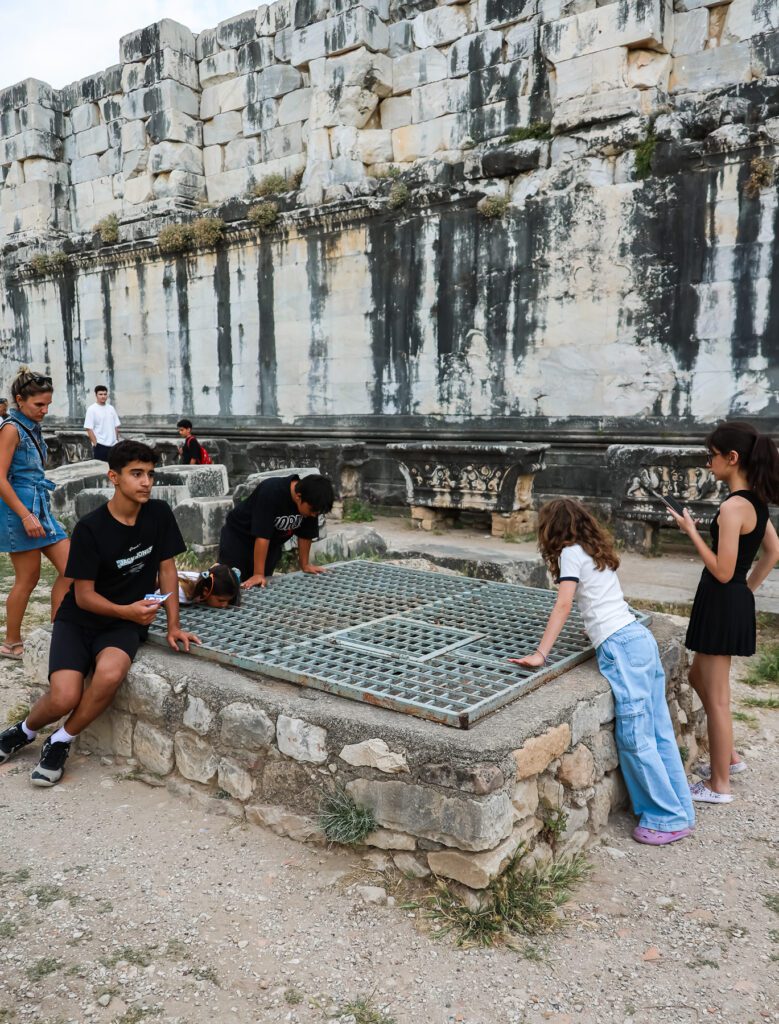
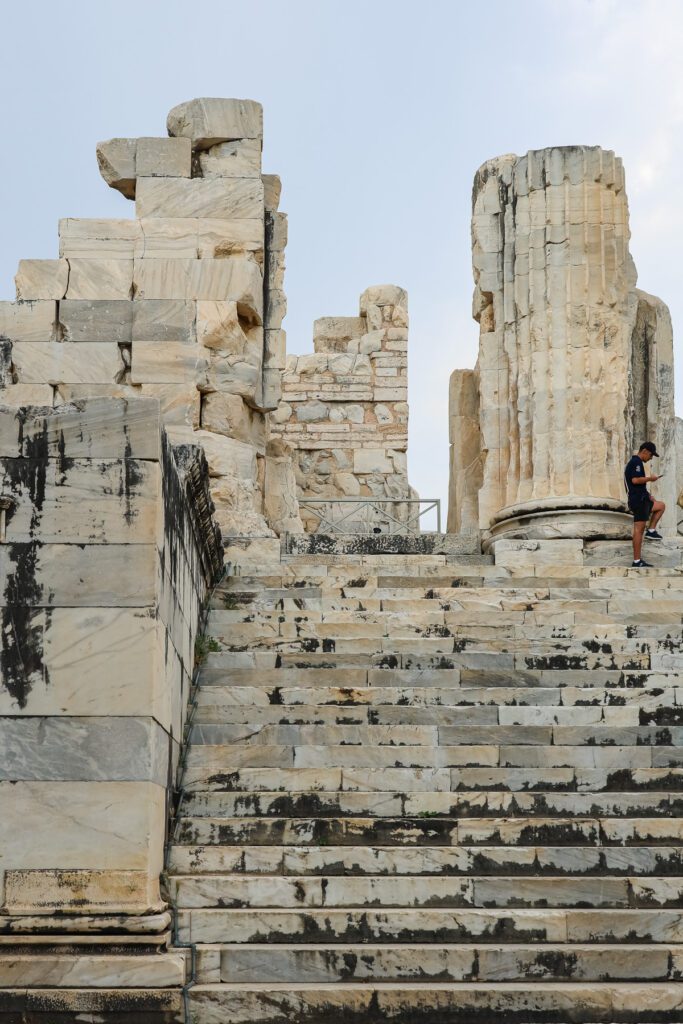
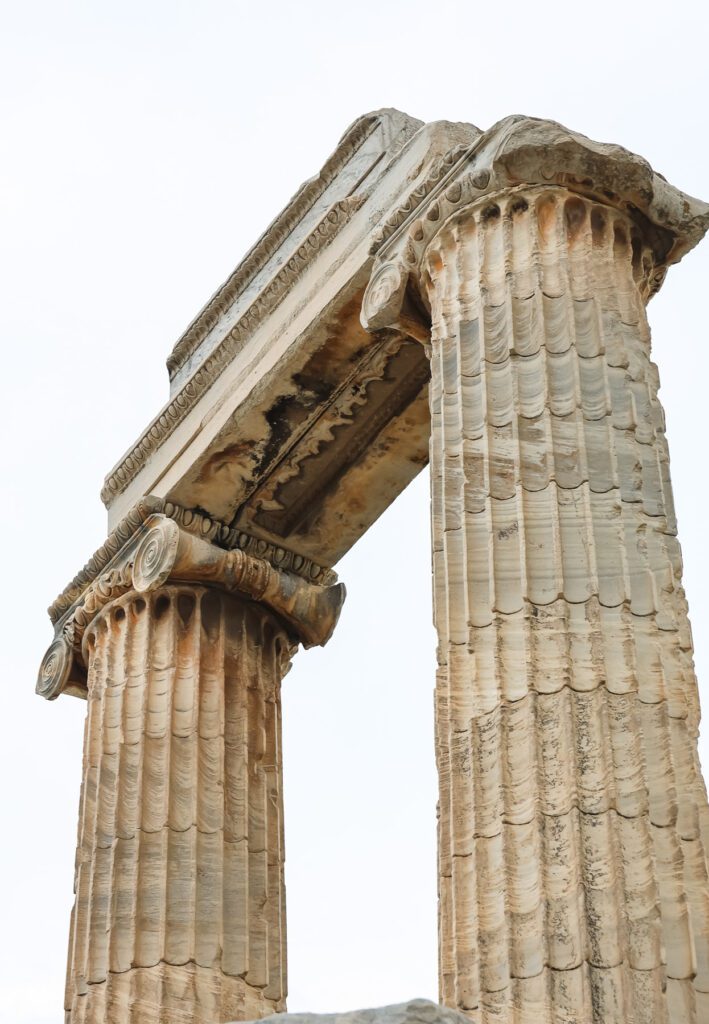
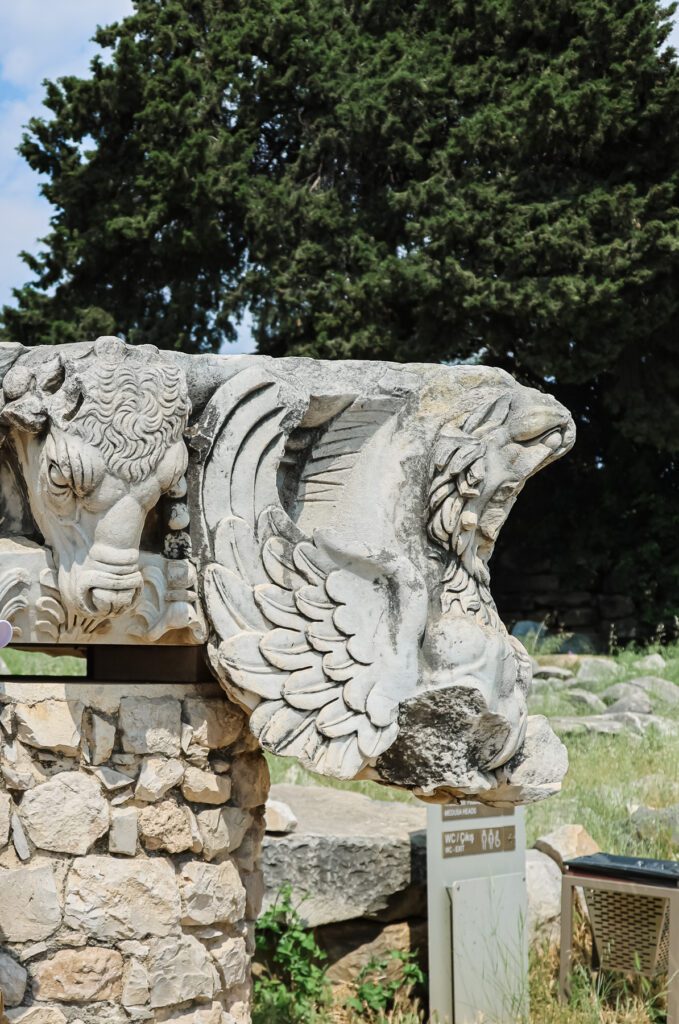
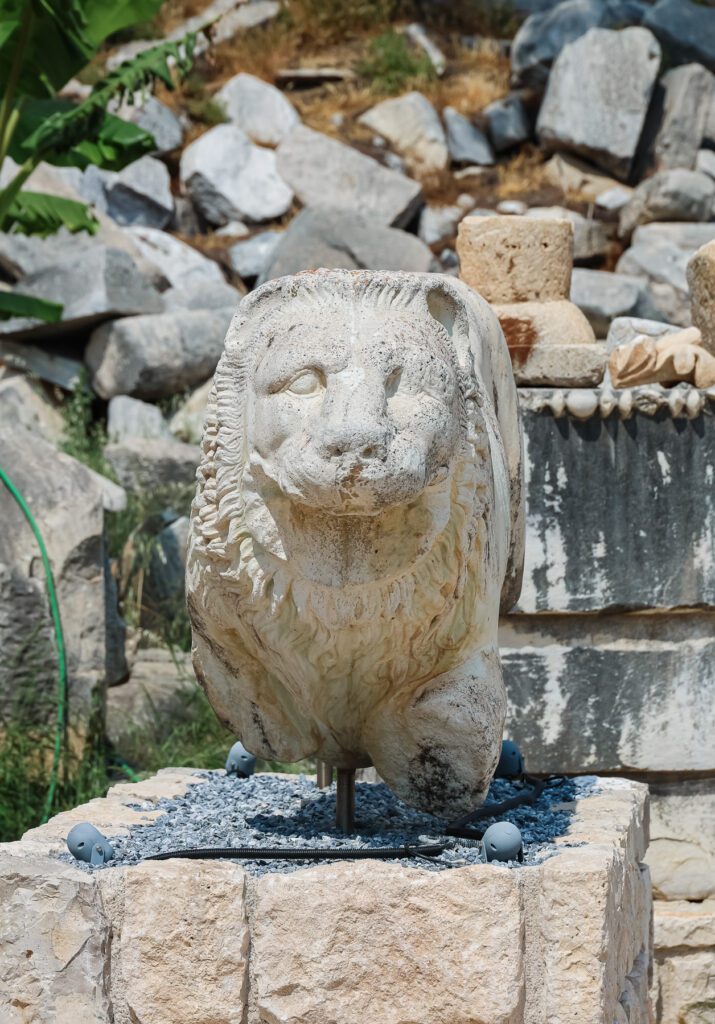
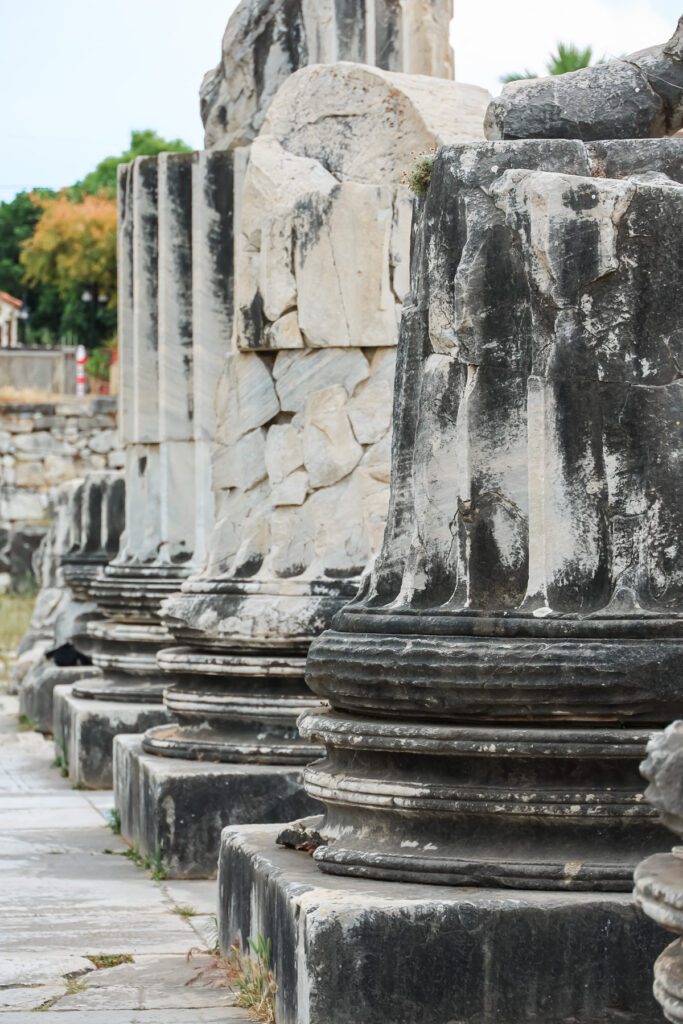
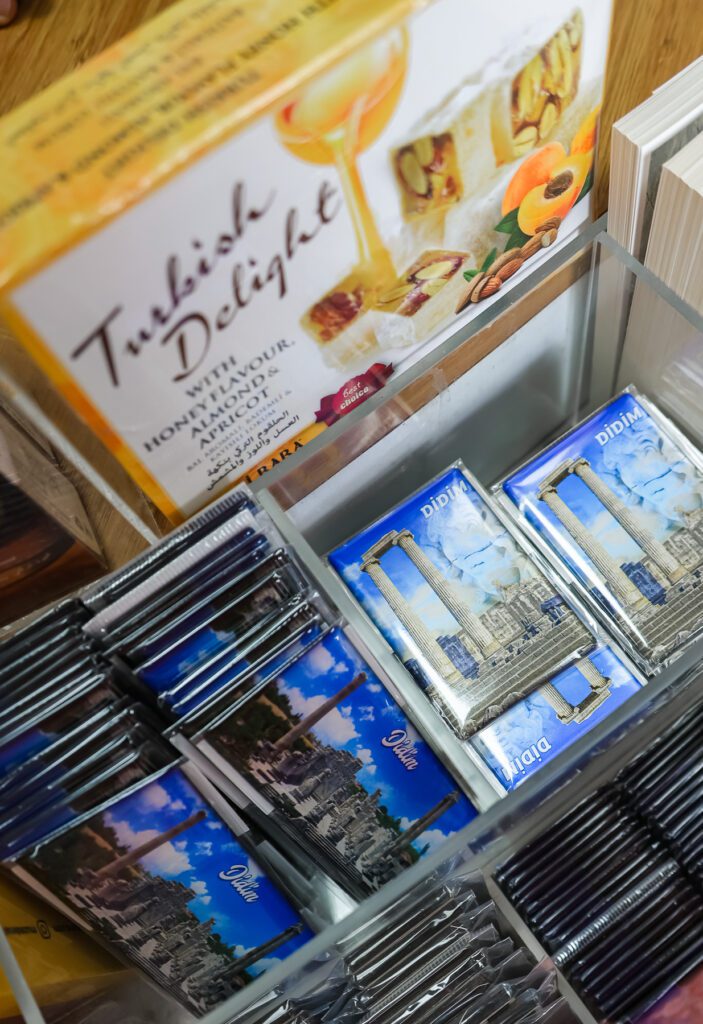
Although the generally accepted myths insist that Apollo and his twin sister Artemis were born on the island of Delos, some say that they were born here, in Didyma. The temple was linked to Miletus by the Sacred Way, which was about 20 km long and was used for religious processions. Today this is a touristy place with restaurants and gift shops.
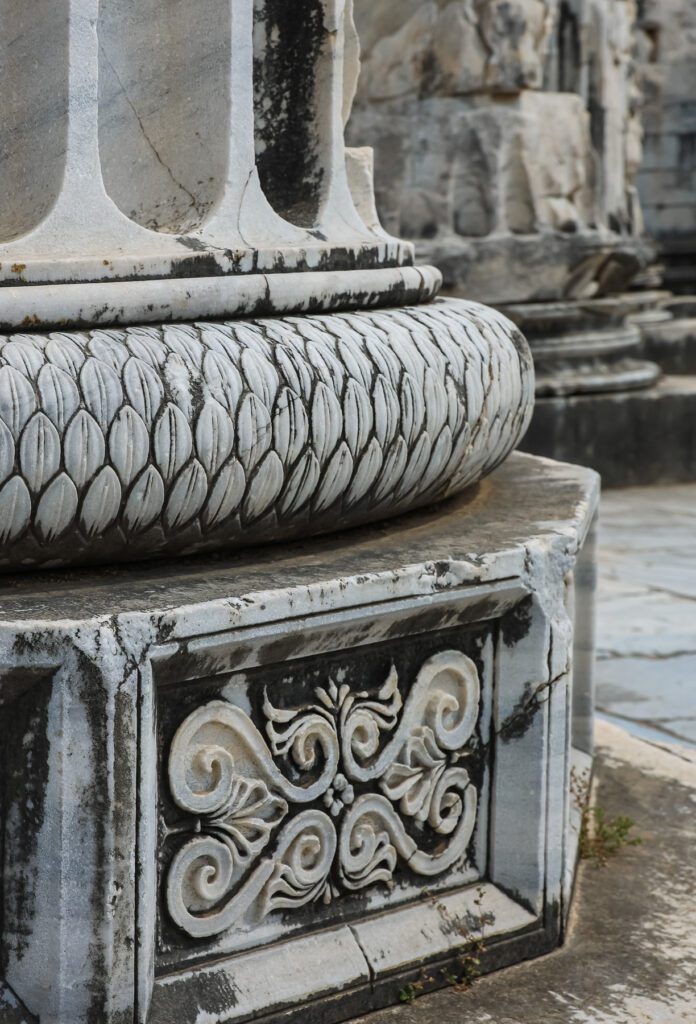

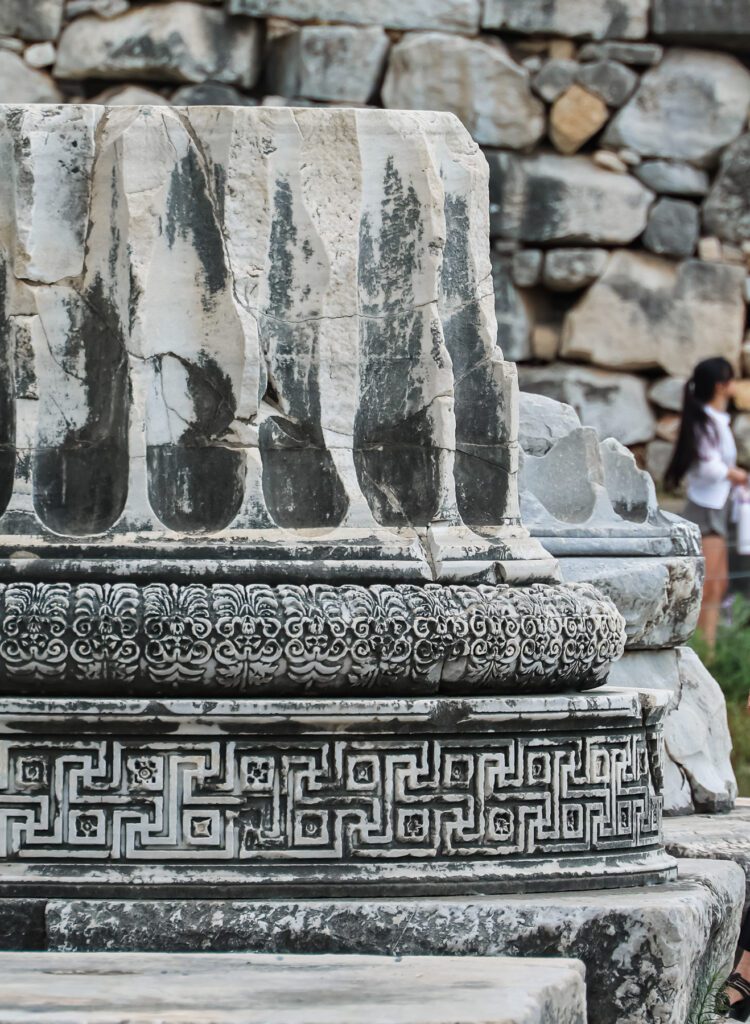
Meander, or this traditional Greek ornament, is actually named after the Maeander River, which flows here, constantly twisting! And you can spot a varian of it here too.

5. Priene
Priene is an ancient city that was probably founded by Ionian Greeks in the 11th century BC, but the construction of the ‘new’ classical city here dates to the 4th century BC.
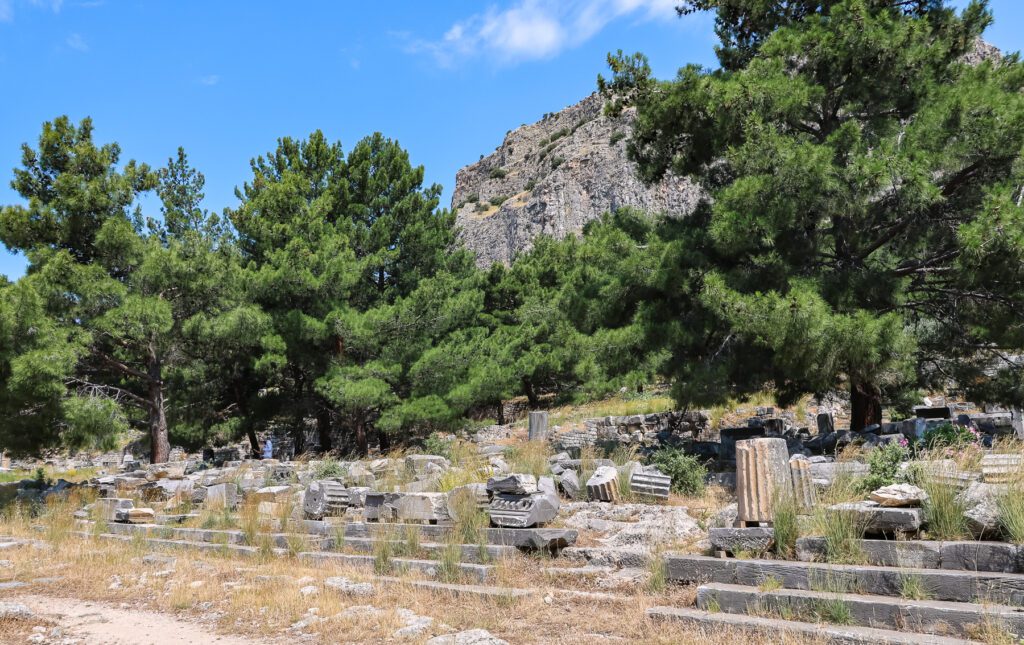
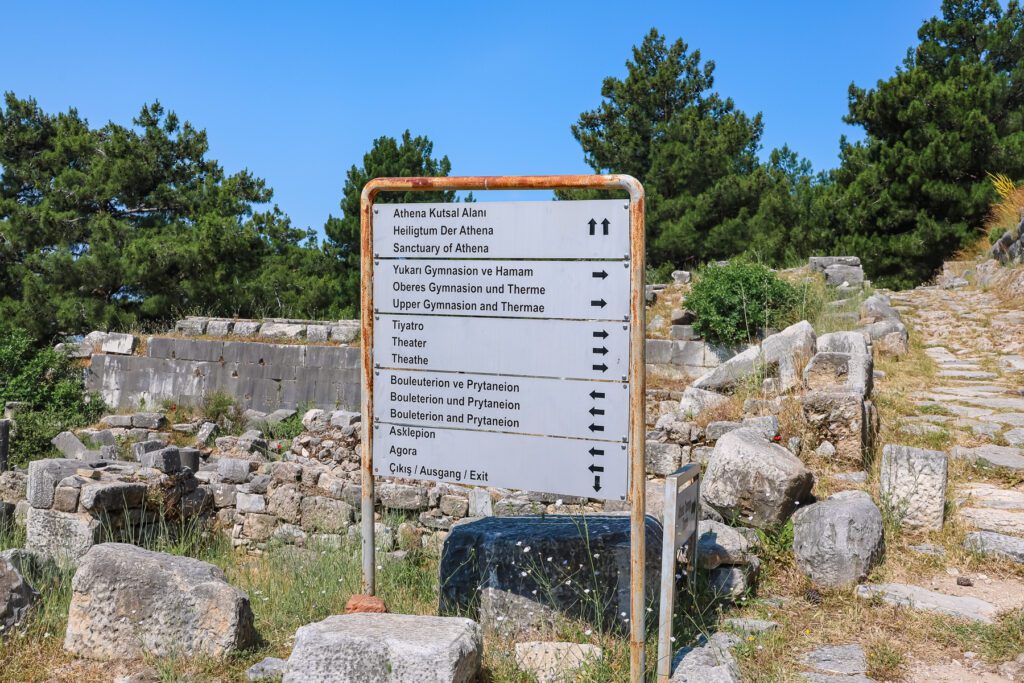
This was a prosperous city that thrived for centuries despite a major earthquake in the 2nd century BC; it slowly went into economic decline through the Roman and Byzantine periods until the 13th century when this area was occupied by Islamic rulers. Today, it’s located in the Aydın Province of modern-day Turkey. The city was first excavated by the British and then by the Germans.
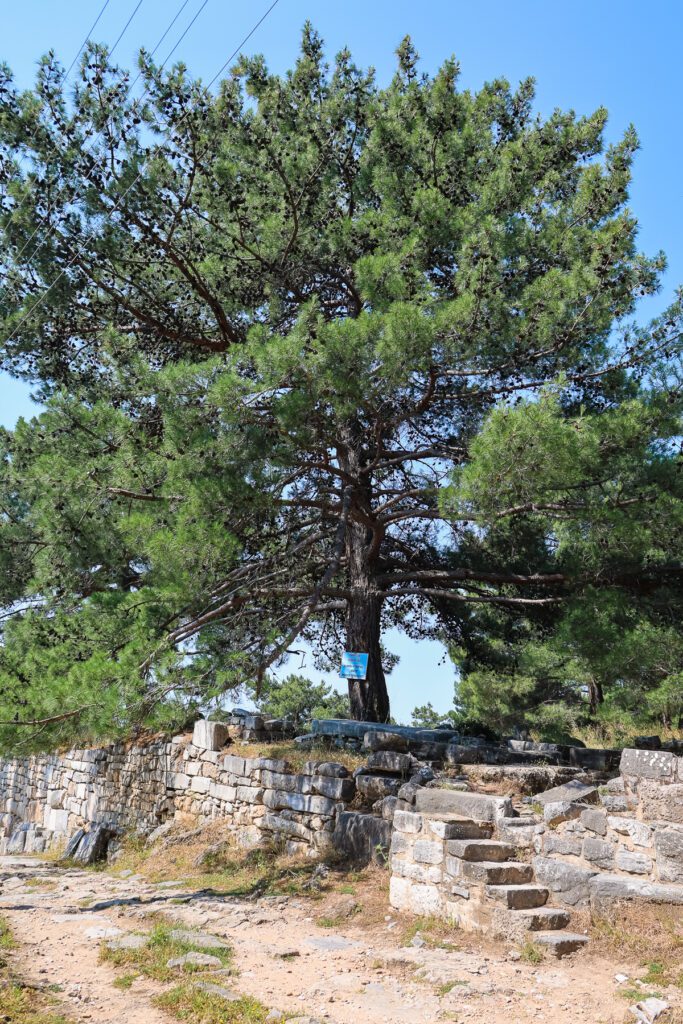
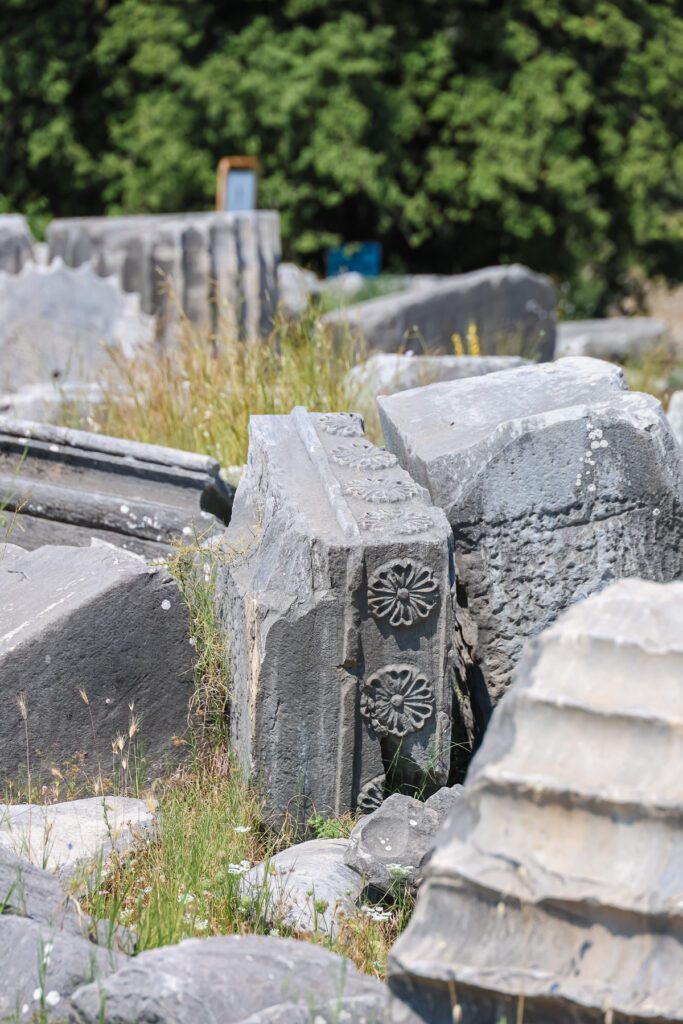
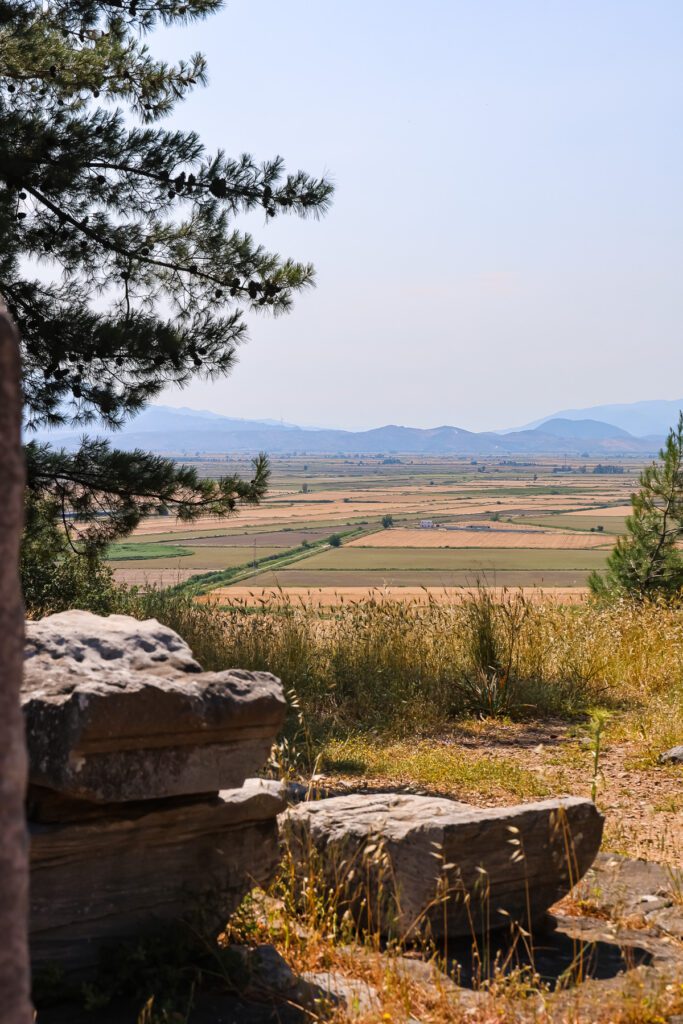
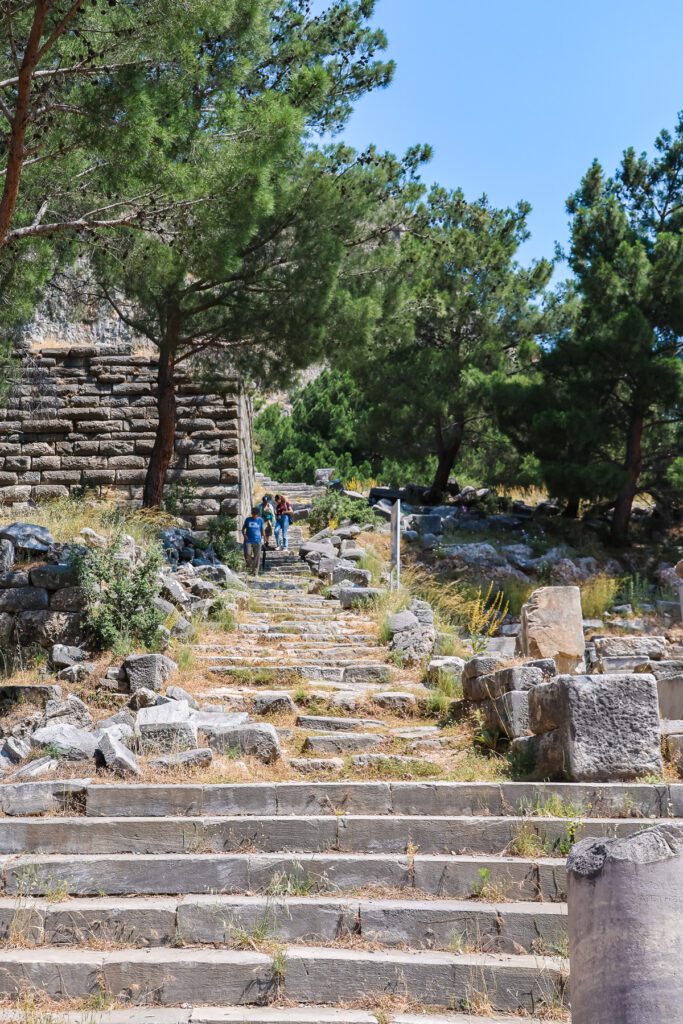
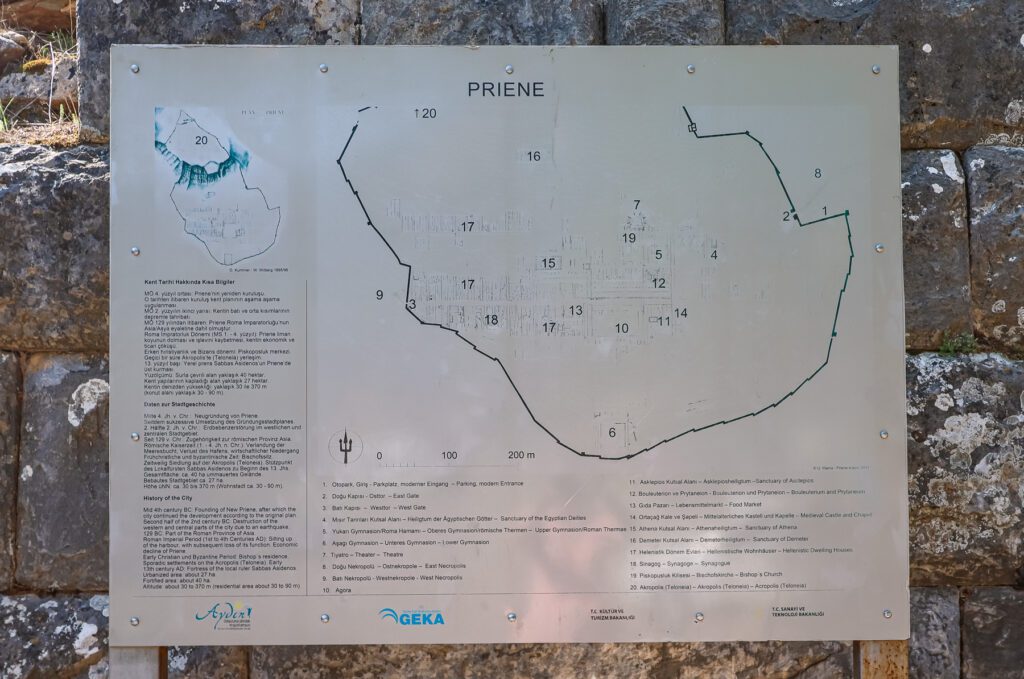
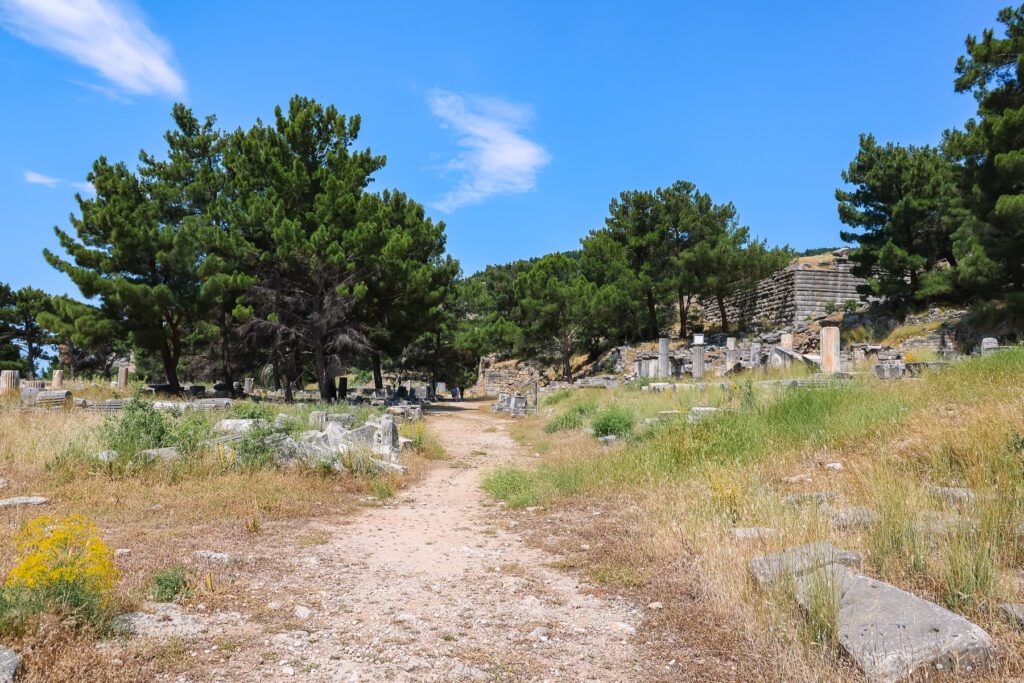
Priene sits on steep terraces under Mount Mycale, and in the past, it was closer to the Aegean Sea. Now it’s a perfect example of the ancient Greek polis outline, featuring a very structured rectangular city plan: districts with strikingly different functions and straight streets are easily identifiable even today.

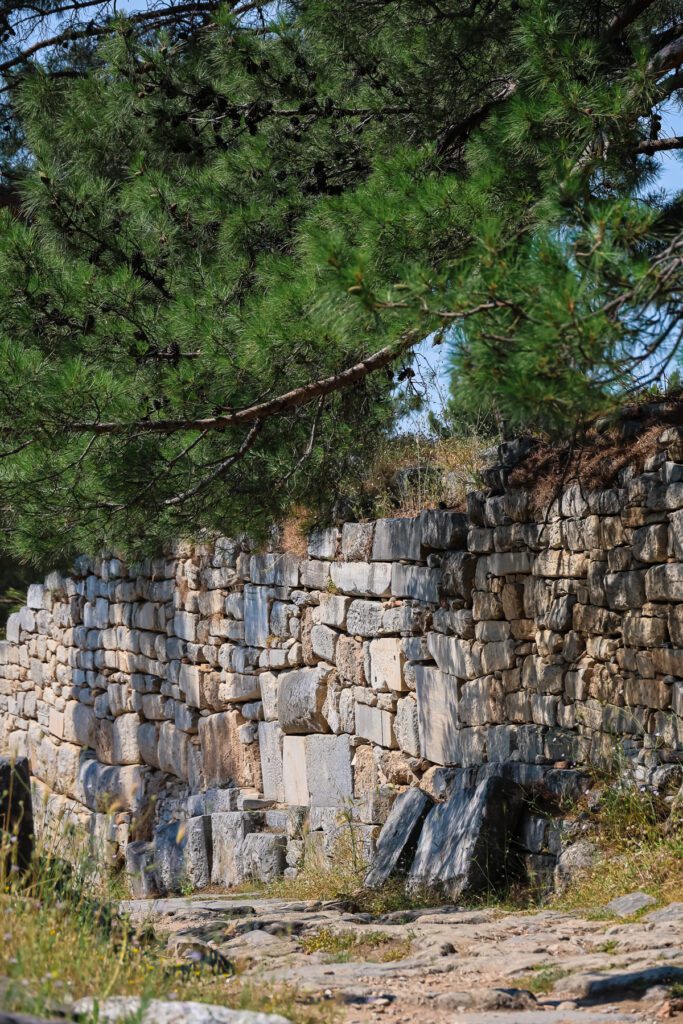
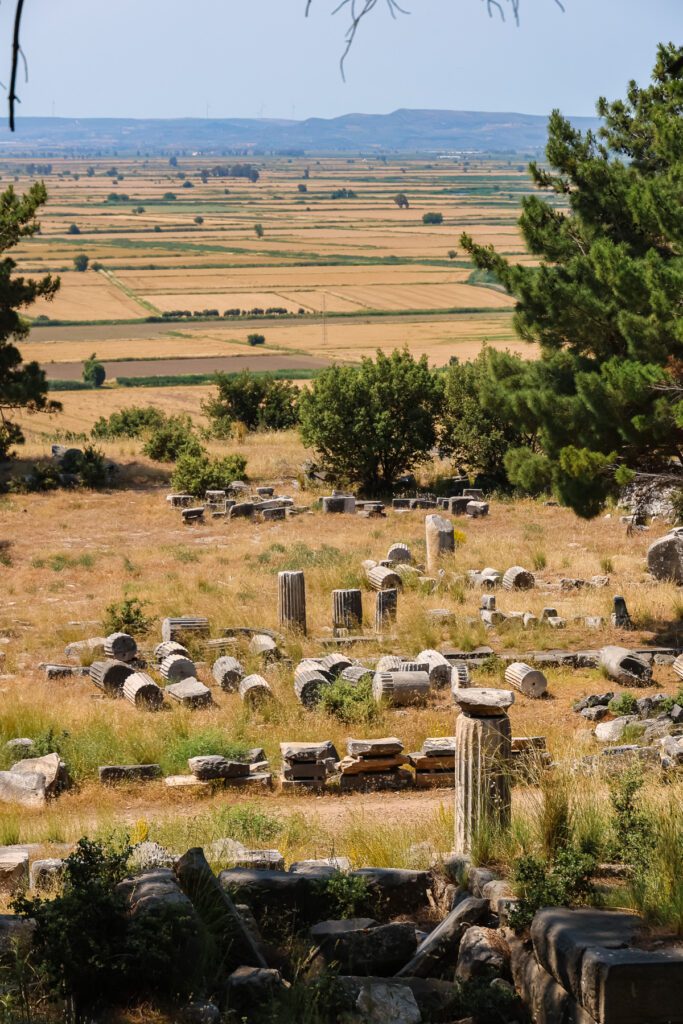
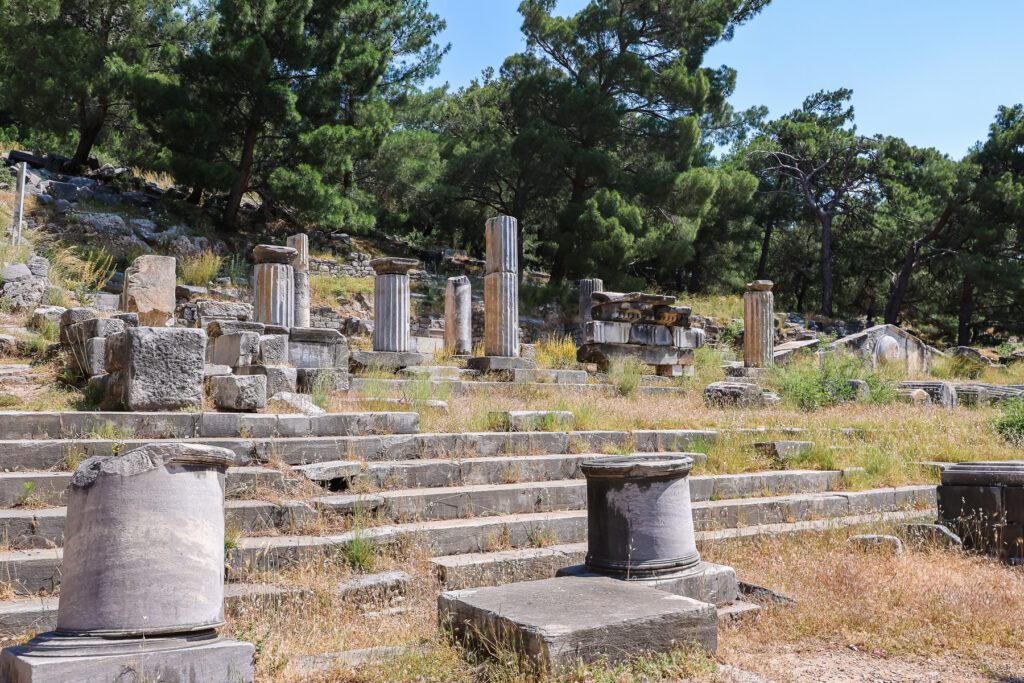
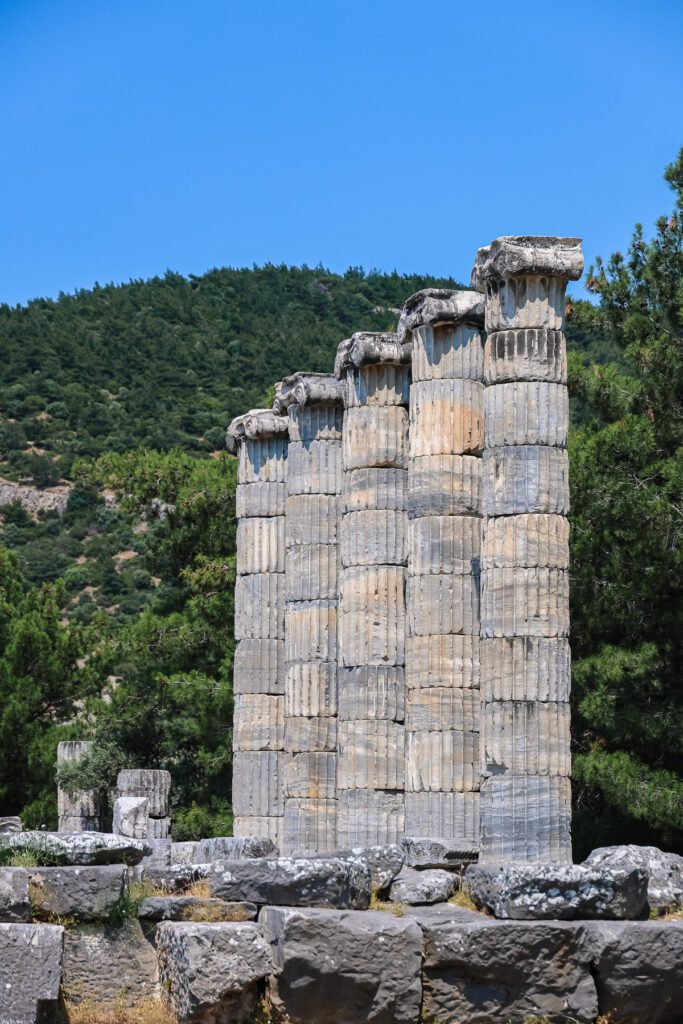
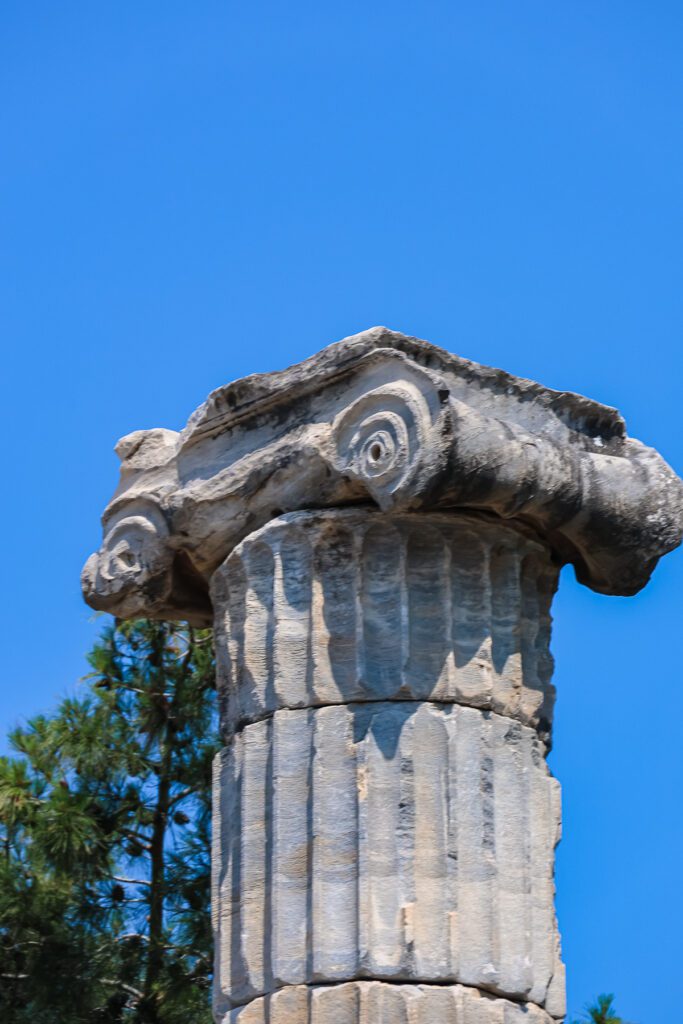
There is a religious district with a beautiful temple of Athena Polias, constructed in the Ionic order and designed by Pytheos, one of the architects behind the Mausoleum at Halicarnassus; the funds were probably donated by Alexander the Great. Some remnants of sanctuaries dedicated to Zeus, Asclepius, and Demeter were also found here, and the locations of an Egyptian temple and synagogue have been excavated as well.
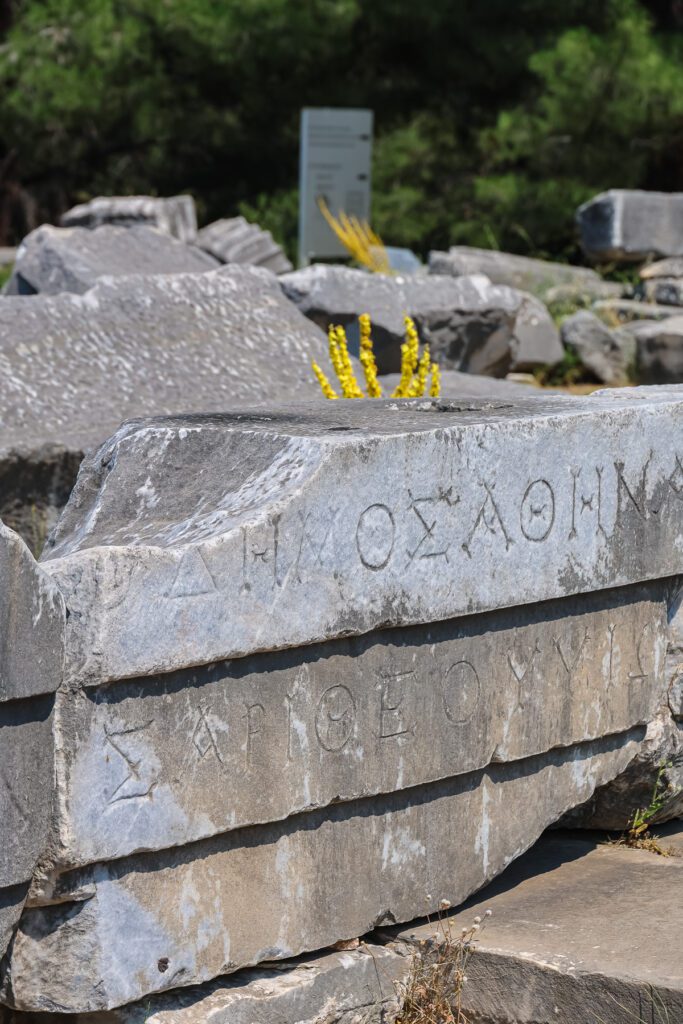


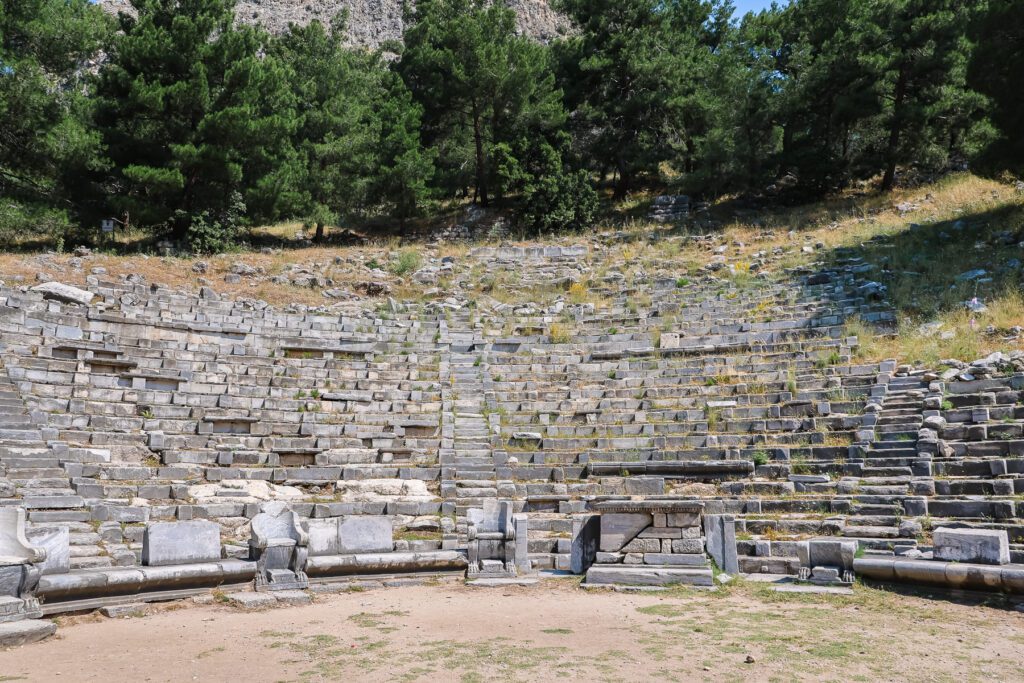
There is a theatre, heroon, and remnants of a medieval church; the ruins of food market shops around the agora area.
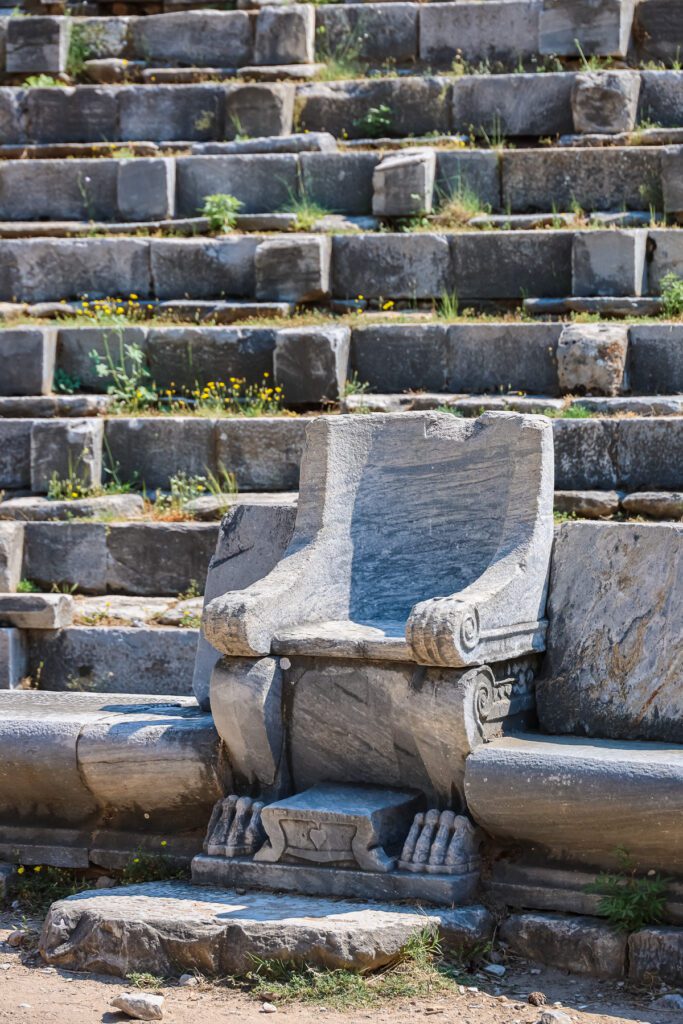
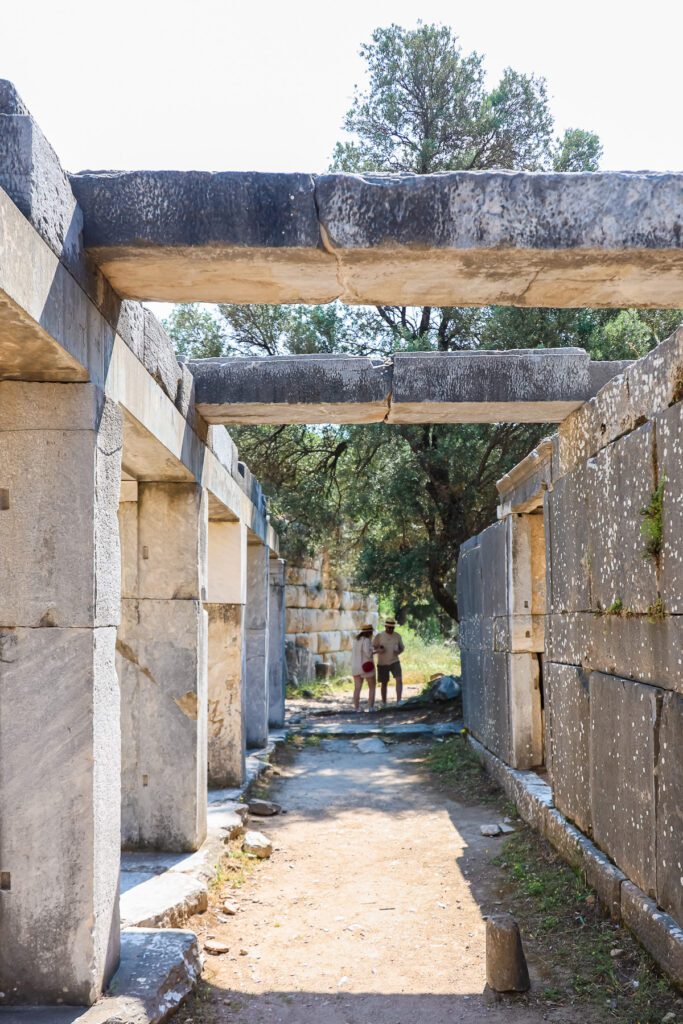
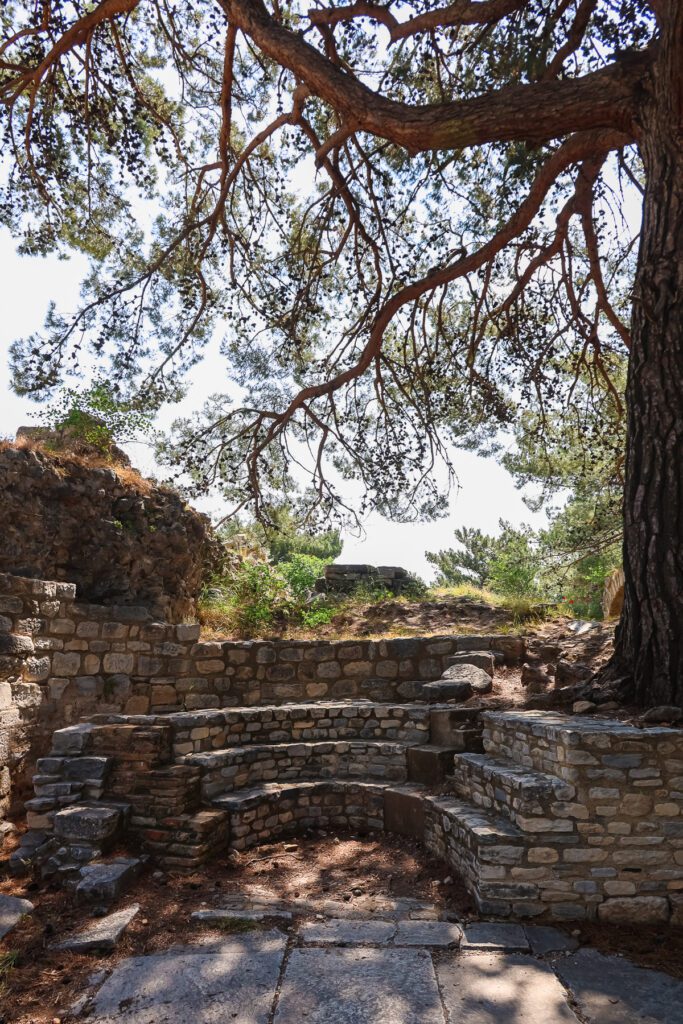
Besides that, there are the bouleuterion (citizen council house); and the prytaneion (the seat of the government, or of the prytaneis) where all political and cultural issues were discussed. The acropolis sits high above the city and is not usually accessible for visitors.

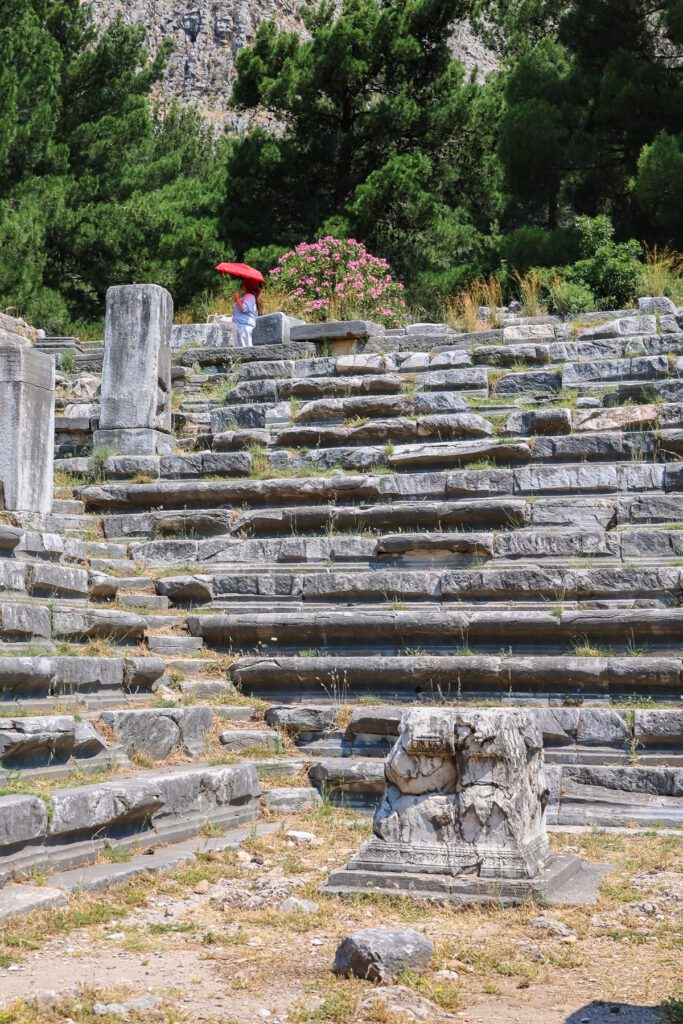
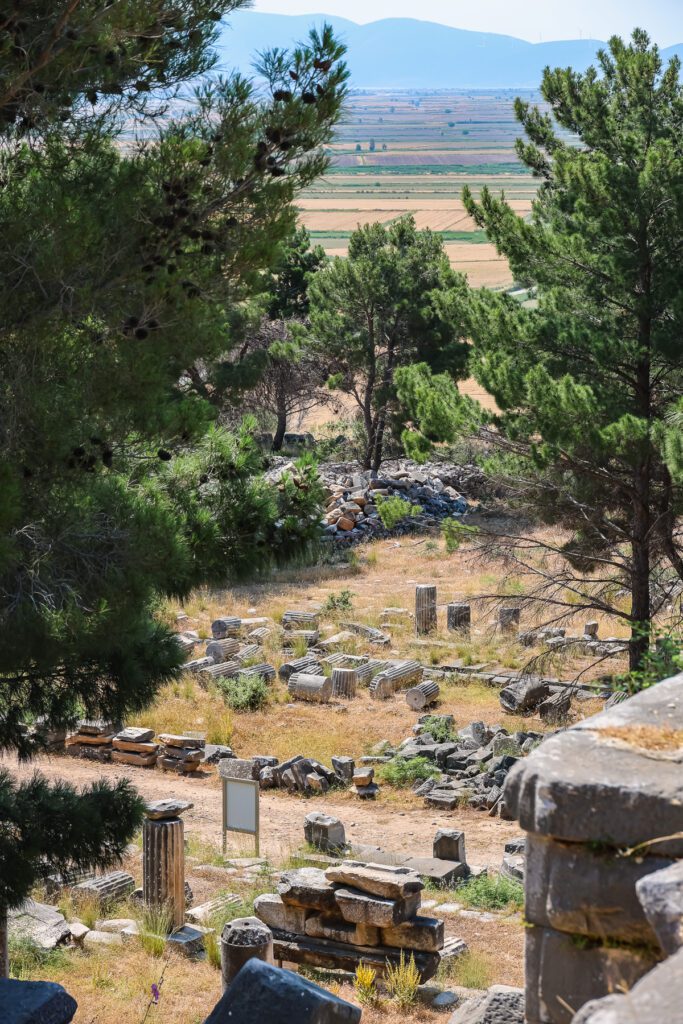
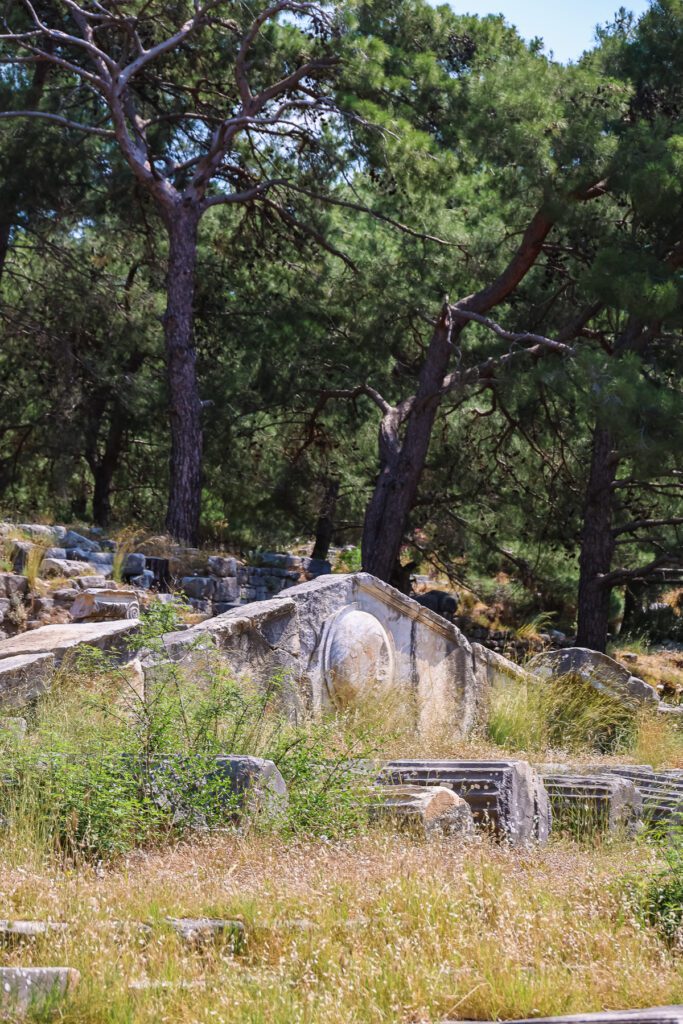
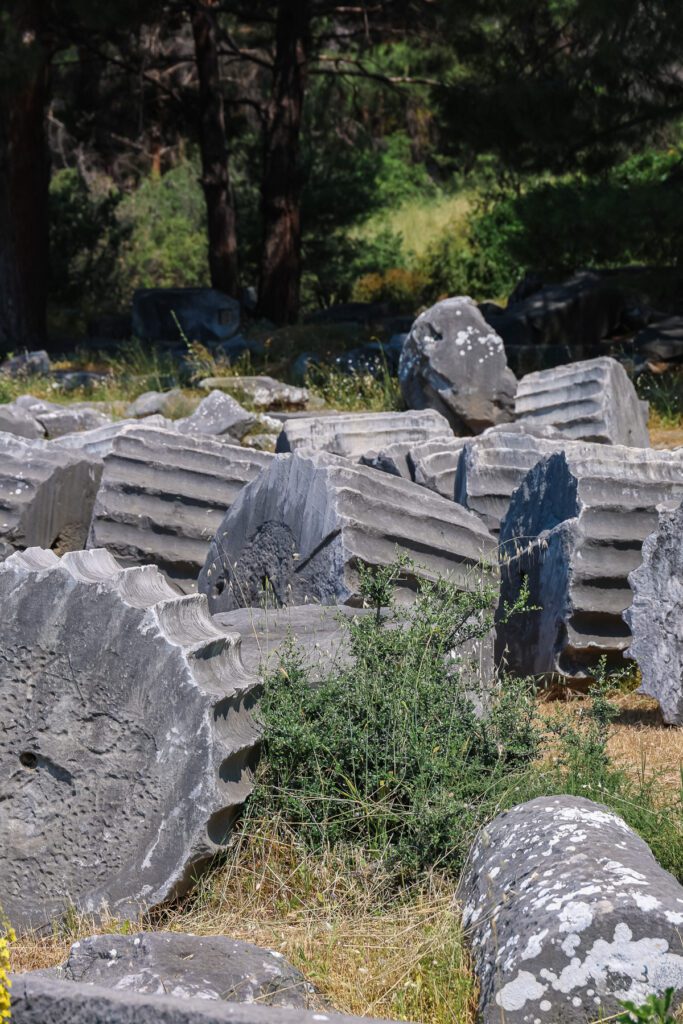
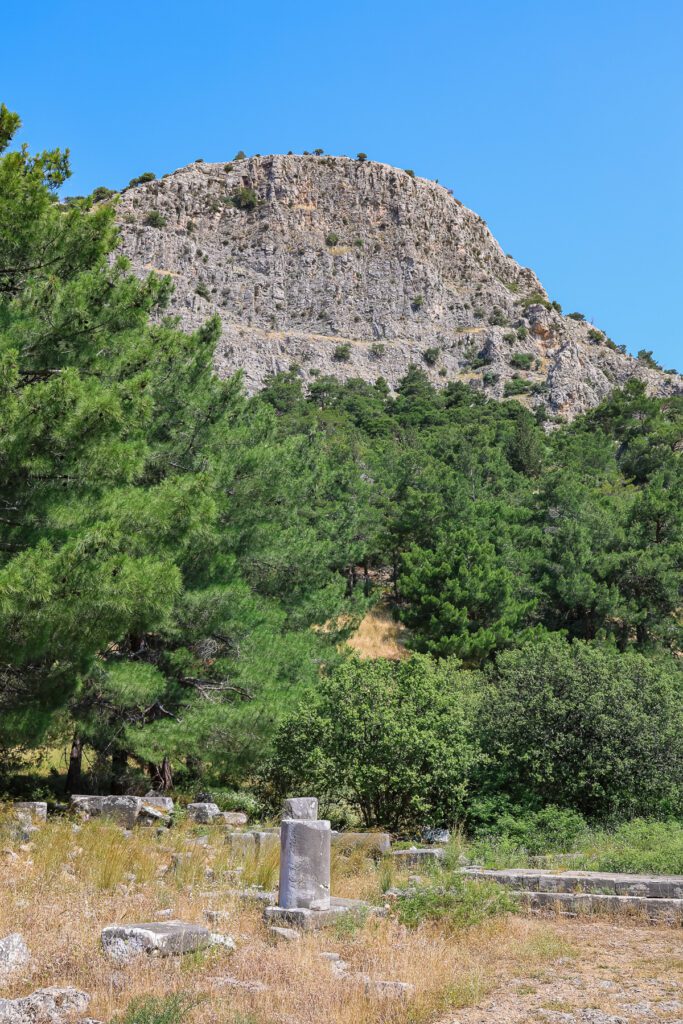
Make sure to wear comfortable shoes and bring a hat and sunscreen with you while exploring Priene!
6. Abandoned Village Doğanbey
Looking for a piece of more modern history showcasing how the Ottoman Empire shifted into modern-day Turkey? Come to Doğanbey village, not far from Priene!
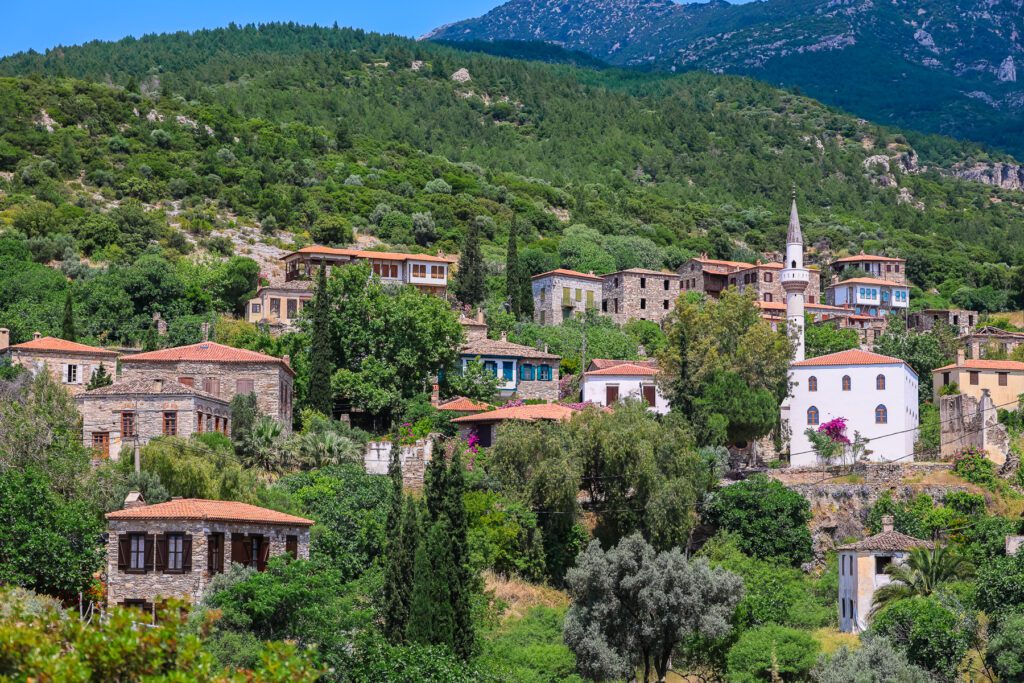
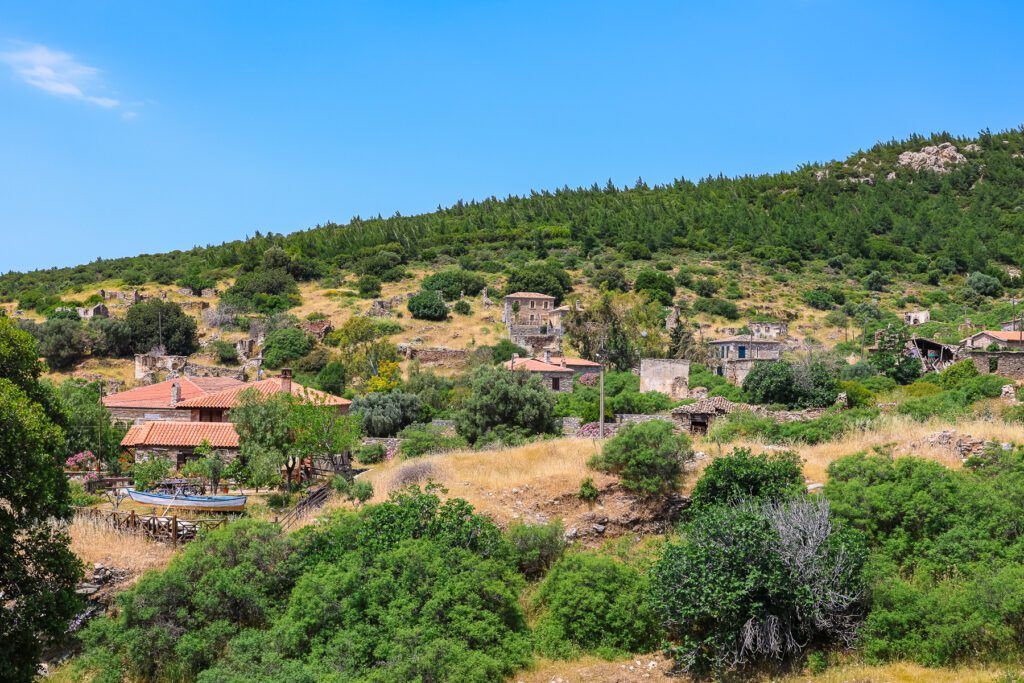
About a century ago, Doğanbey was a prosperous Greek village called Dolmatia that dates back to the 7th century. However, all the inhabitants were forcibly moved from it to Greece as part of the treaty following the Greco-Turkish War of 1919-1922 when Greece and Turkey exchanged populations in 1923.
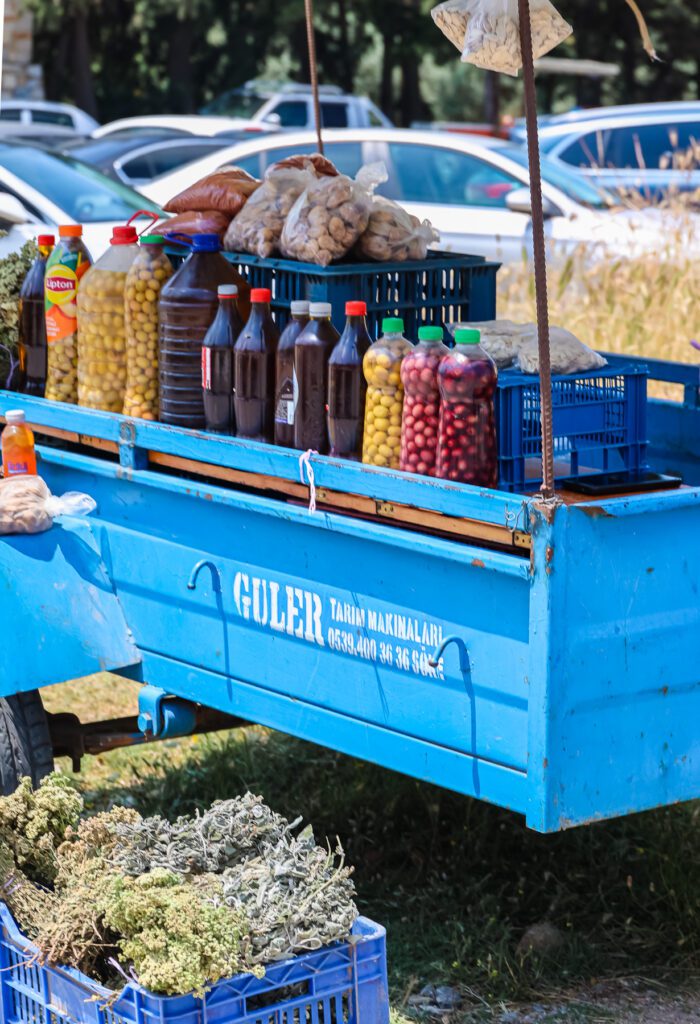
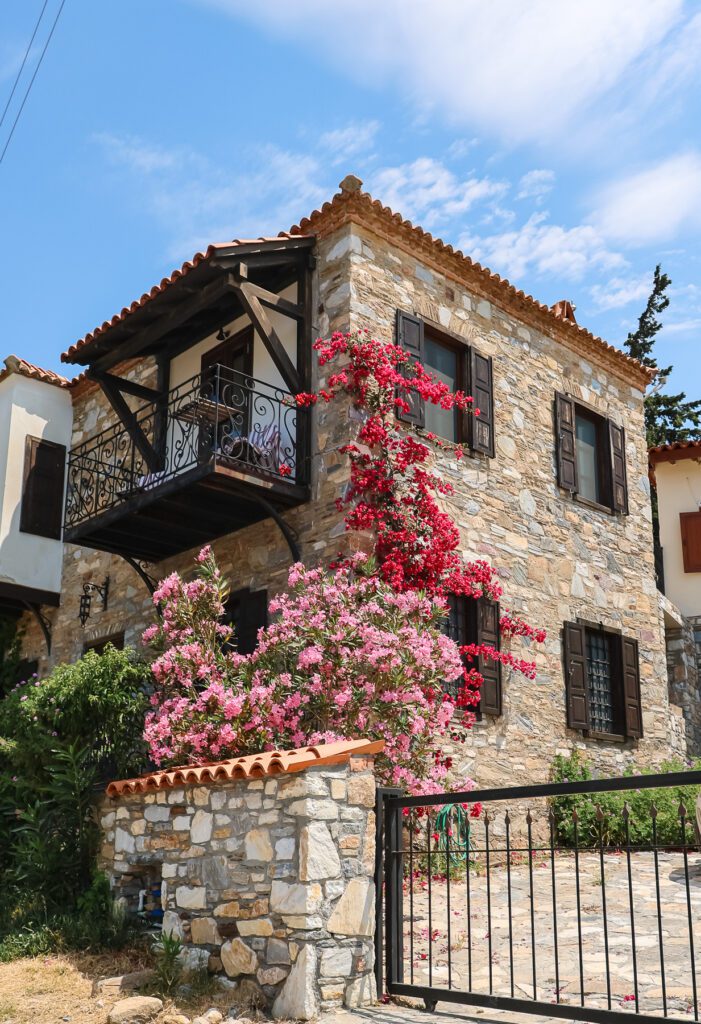
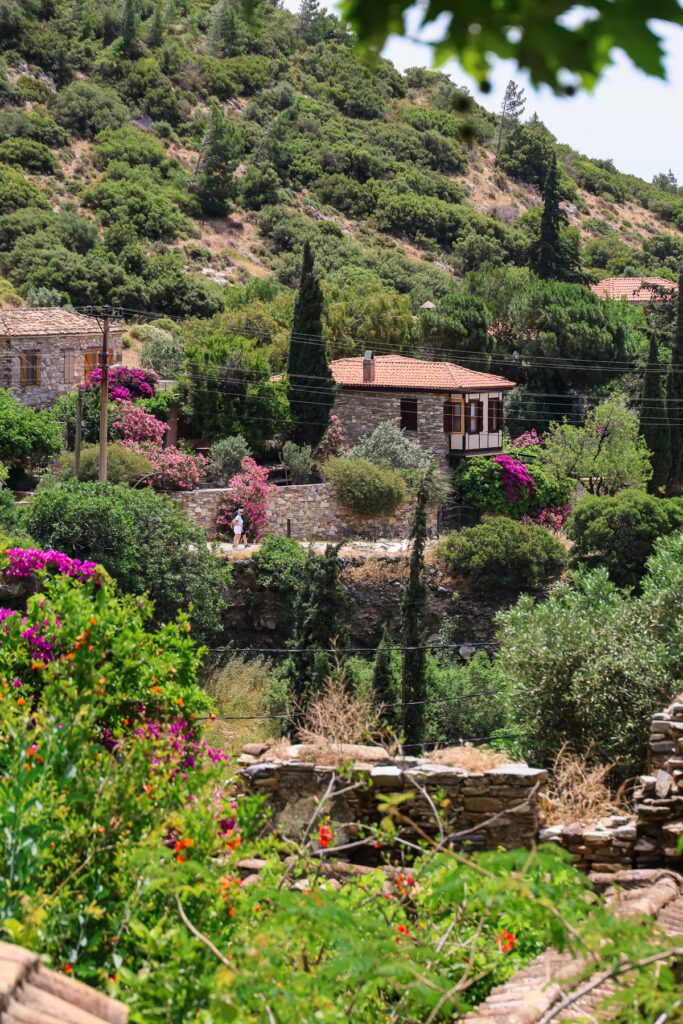
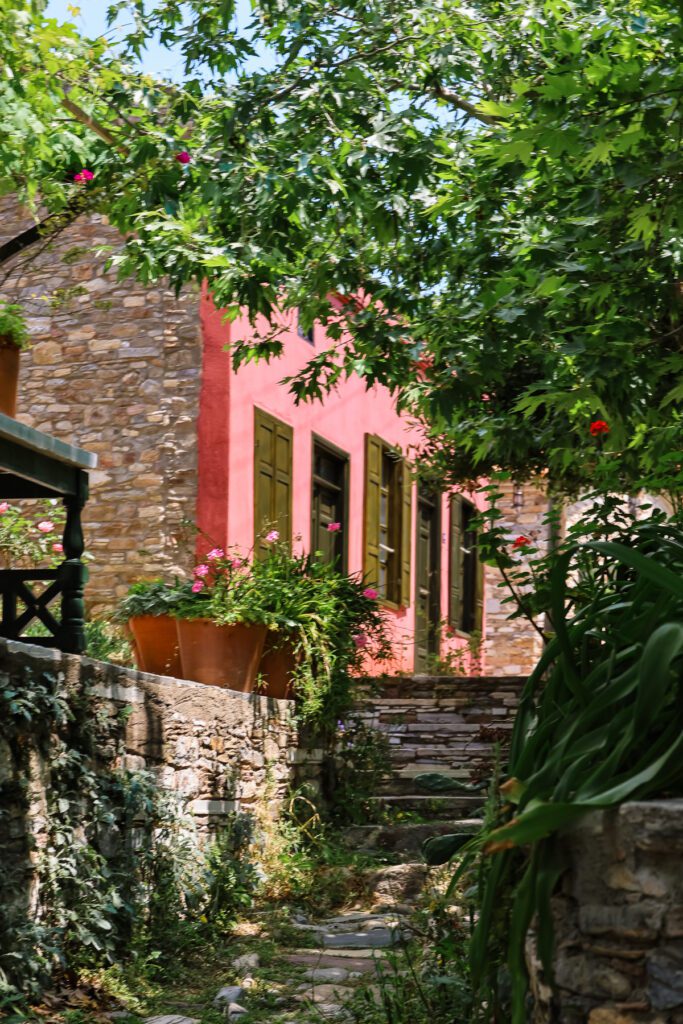
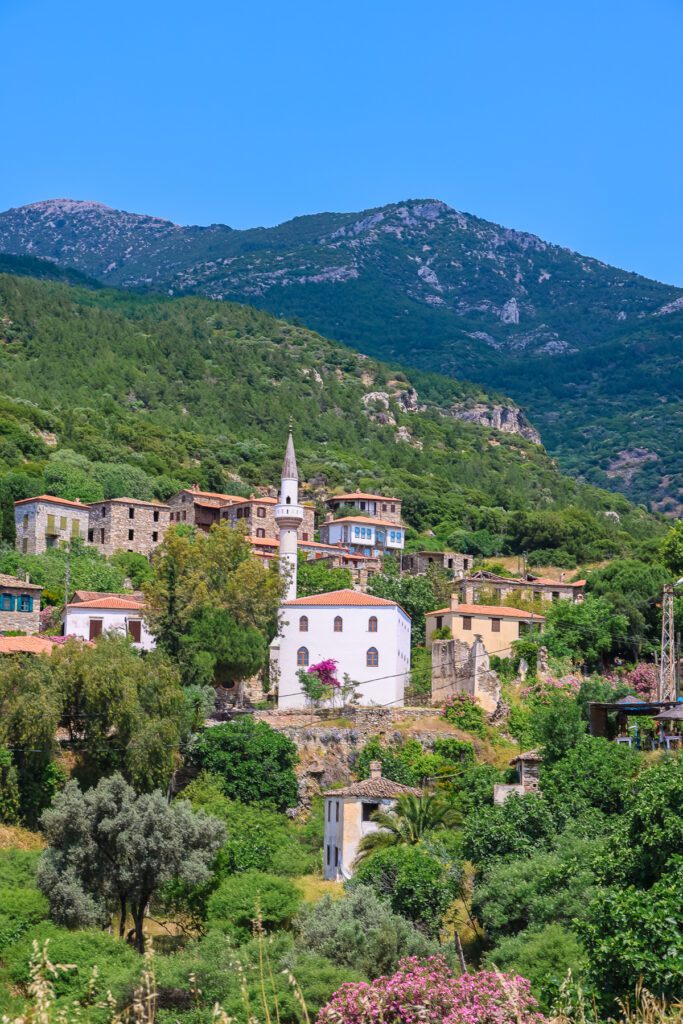
To make matters worse, there was an earthquake in 1959, and the village was completely abandoned. Now, some settlers are slowly returning to this ghost village, restoring the place, which is becoming a tourist attraction as well.
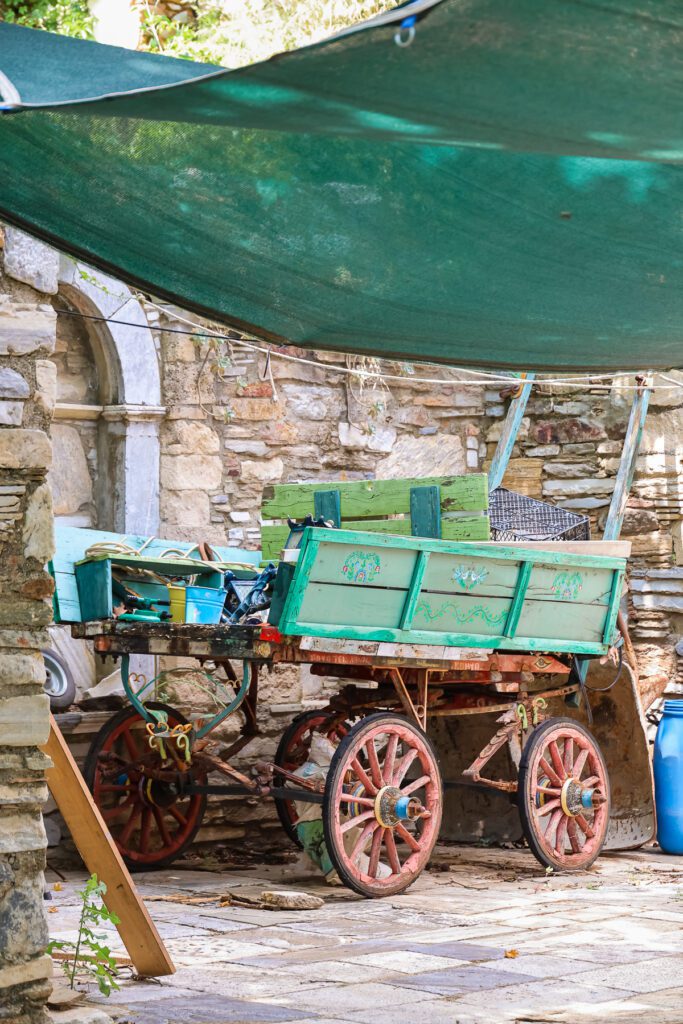
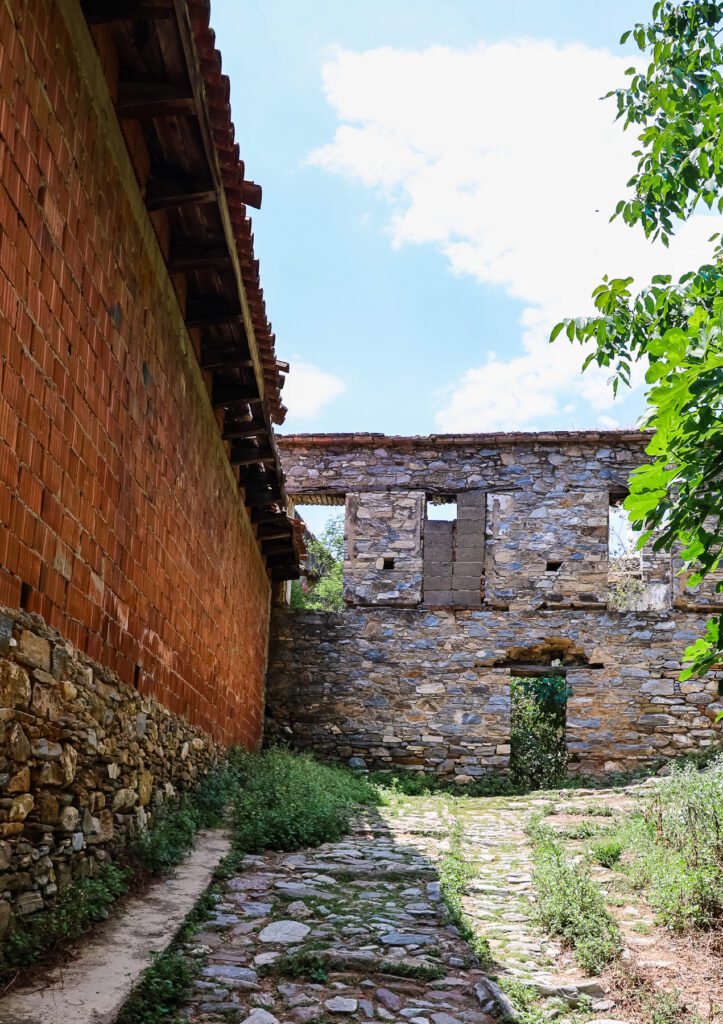
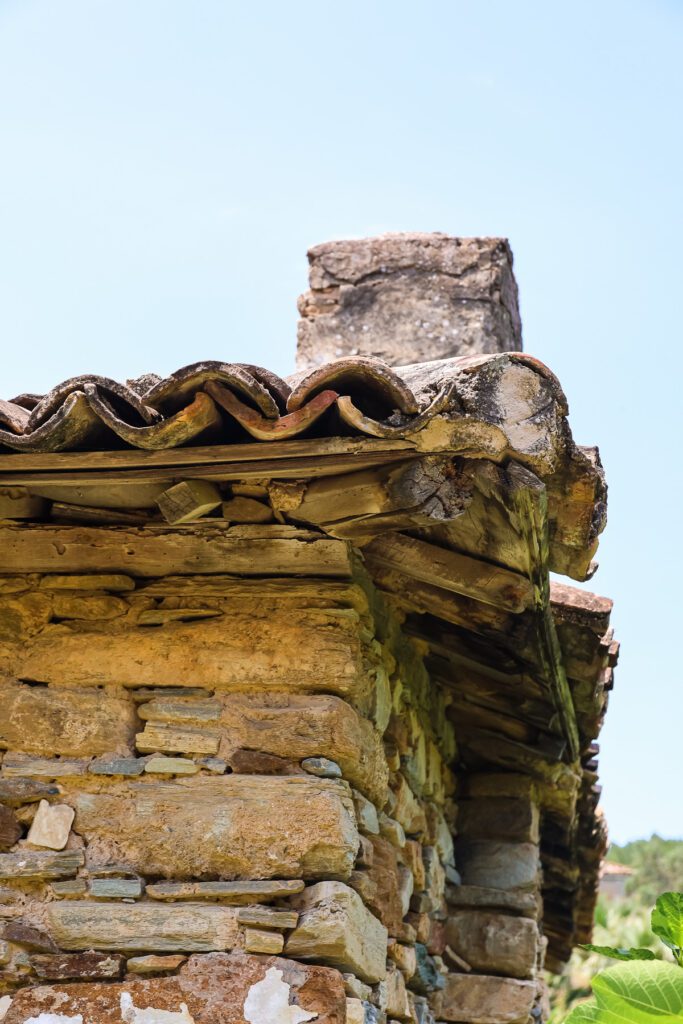
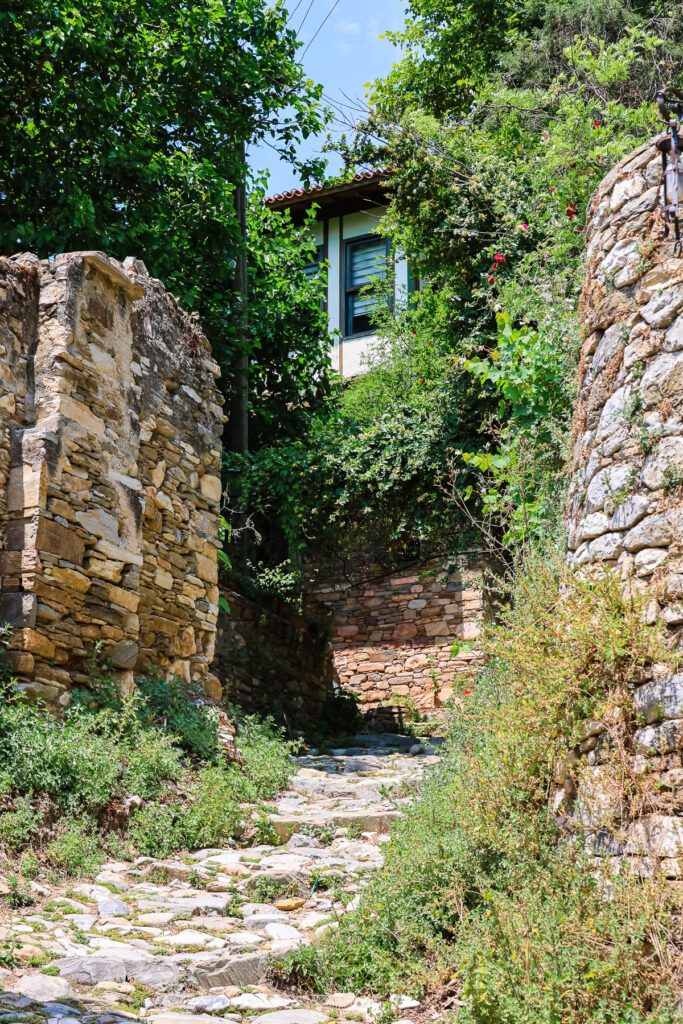
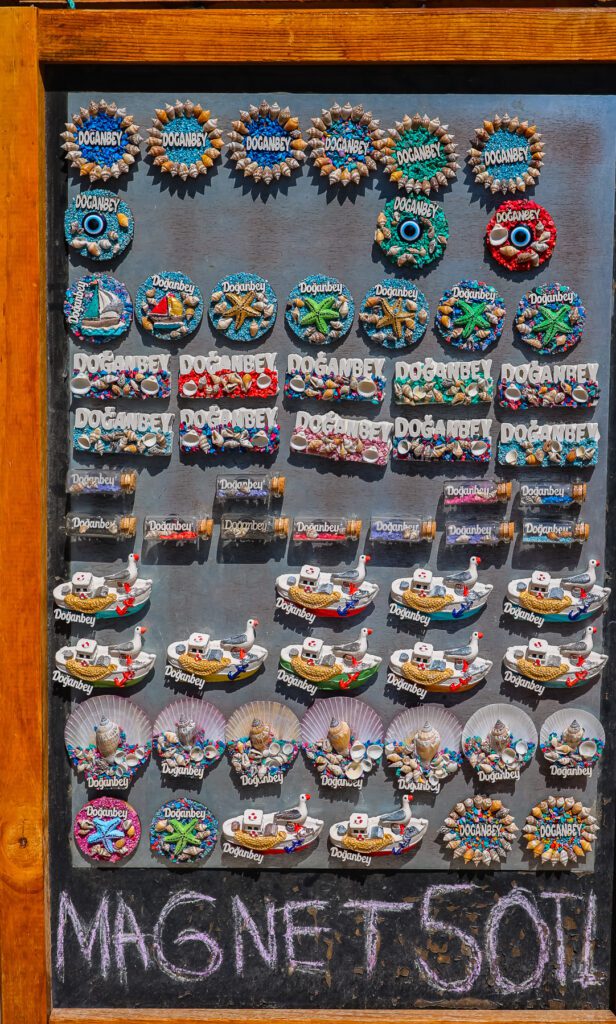
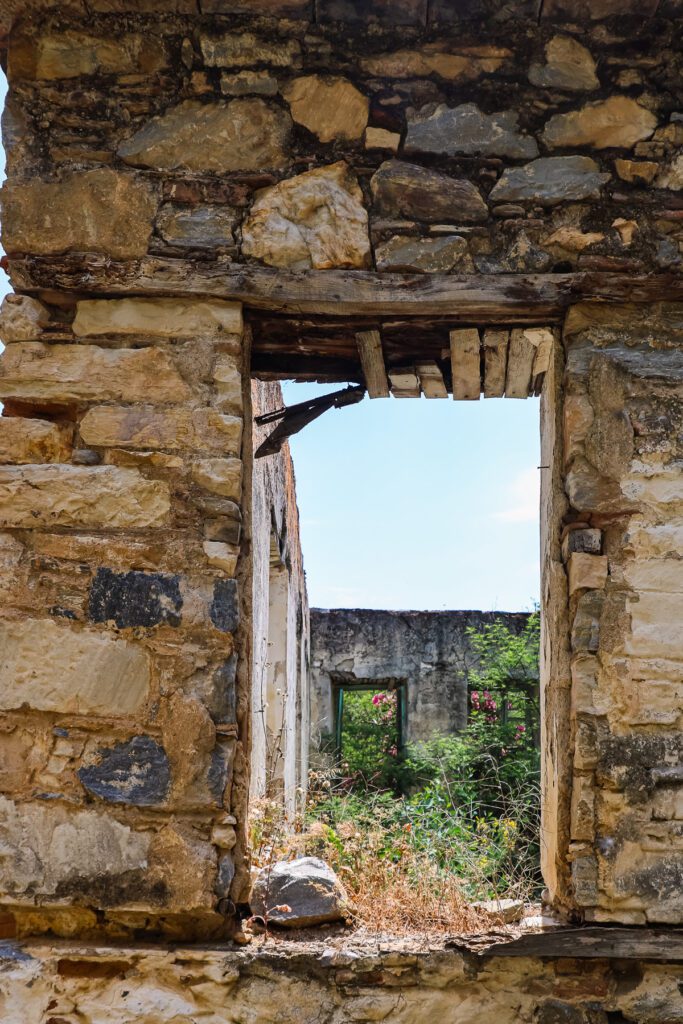
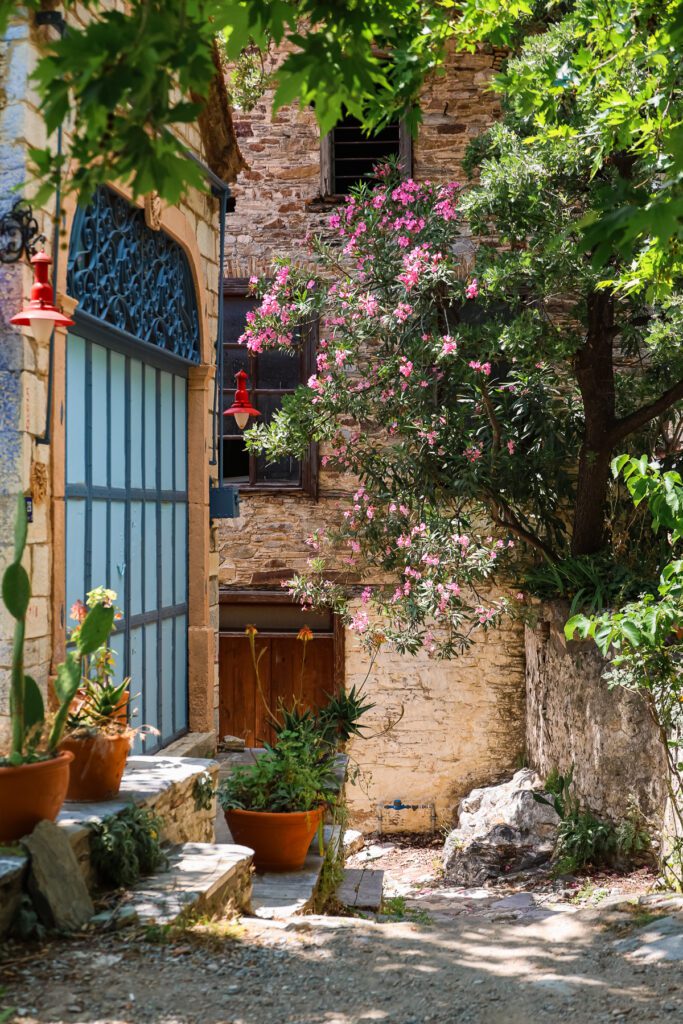
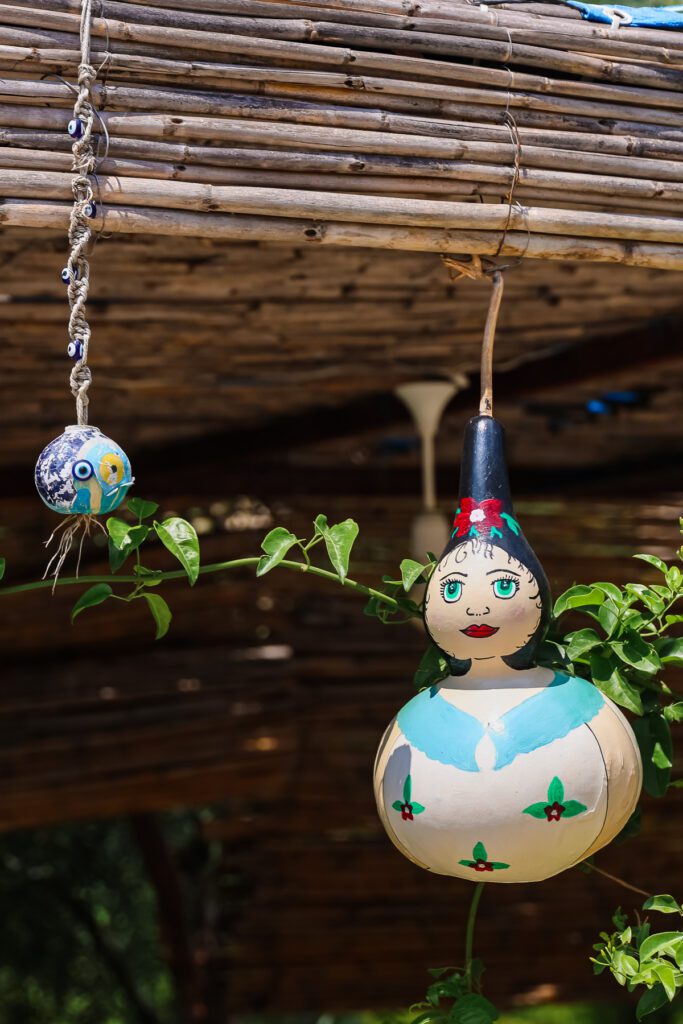
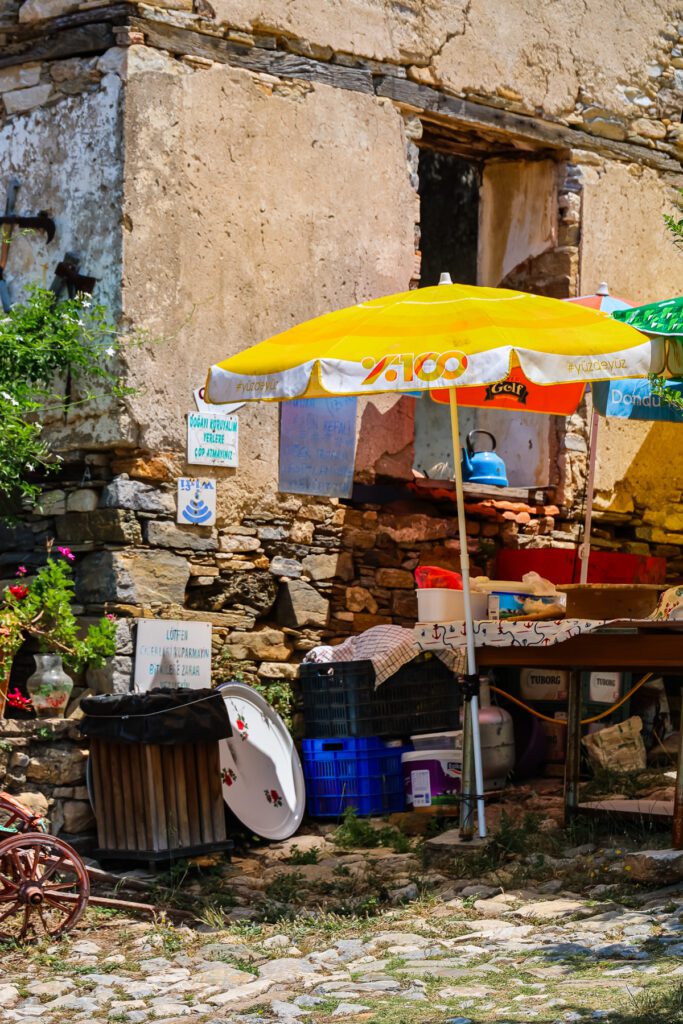
Come here for the picturesque panoramic views, rough cobbled streets, restored Greek houses dating to the 19th century, and some unusual sightseeing!


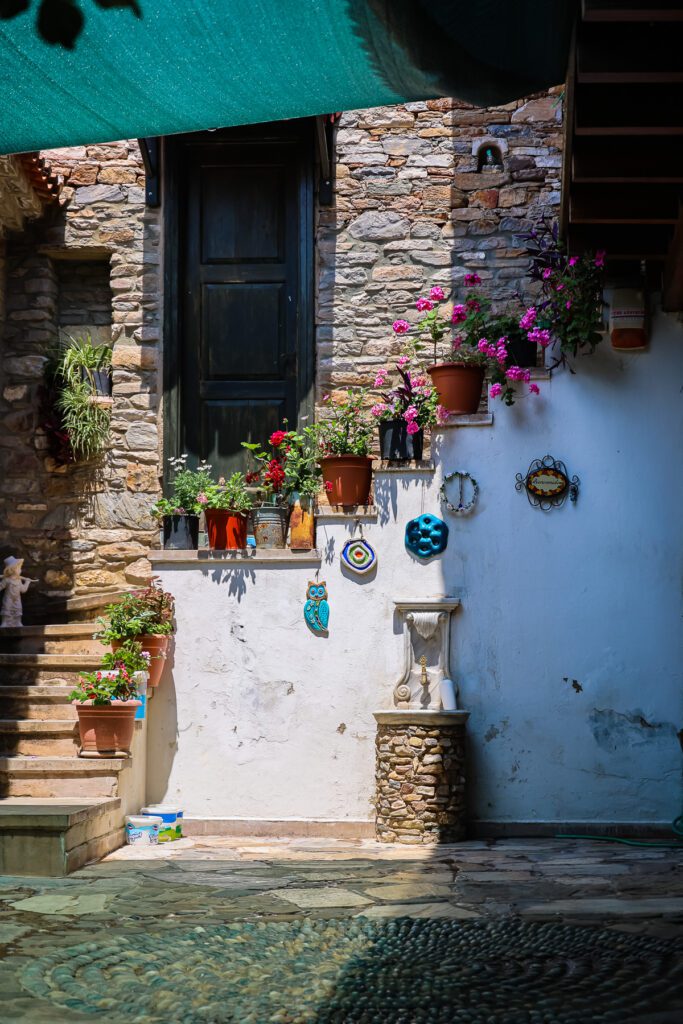
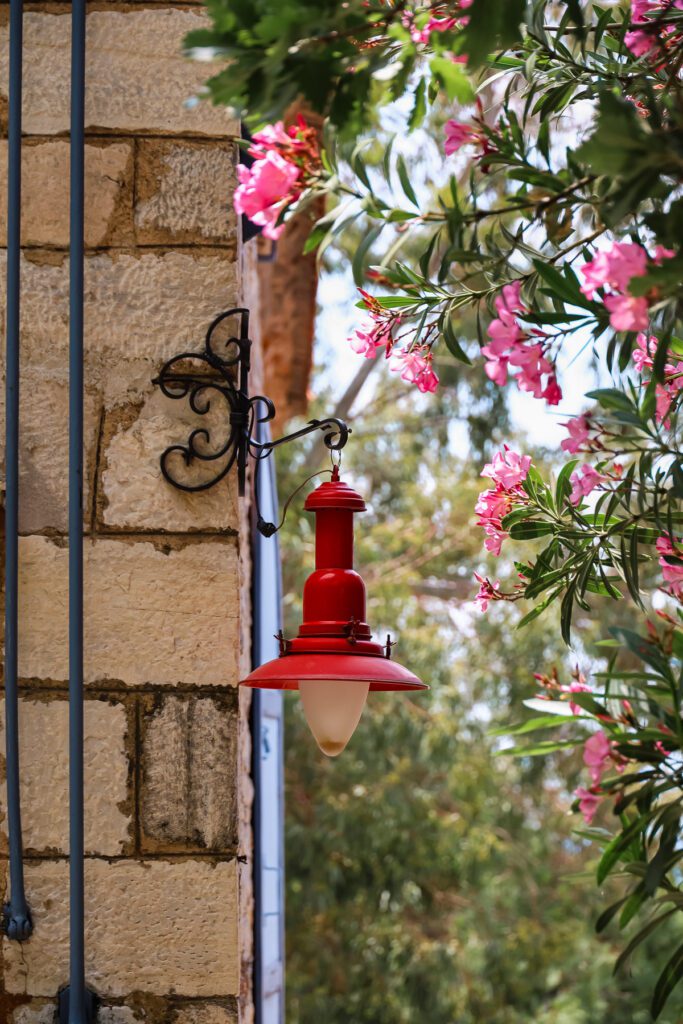
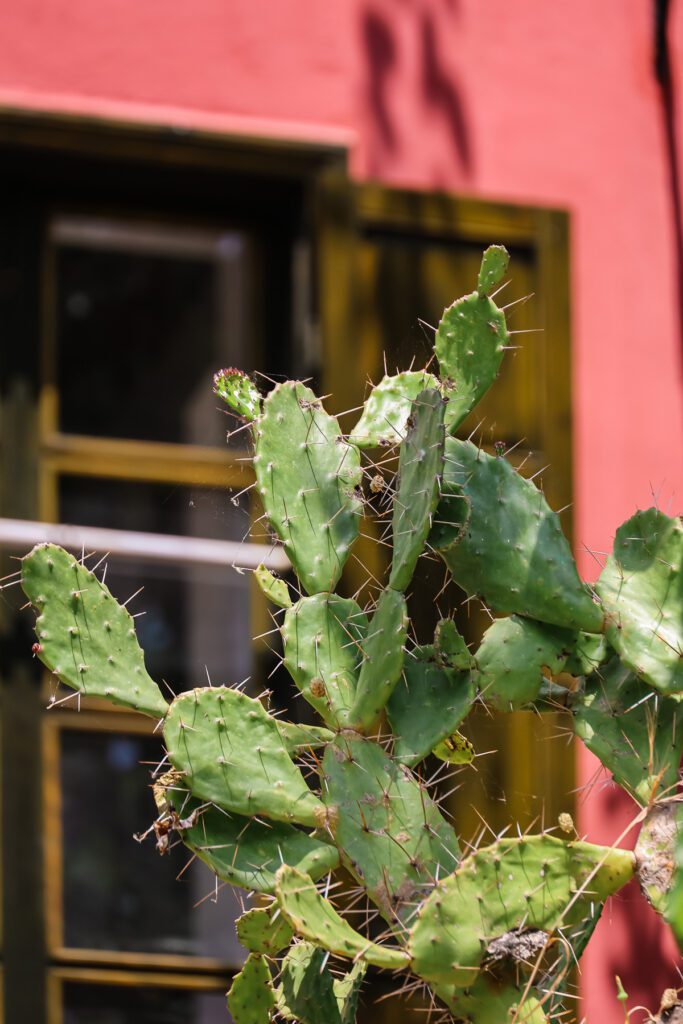
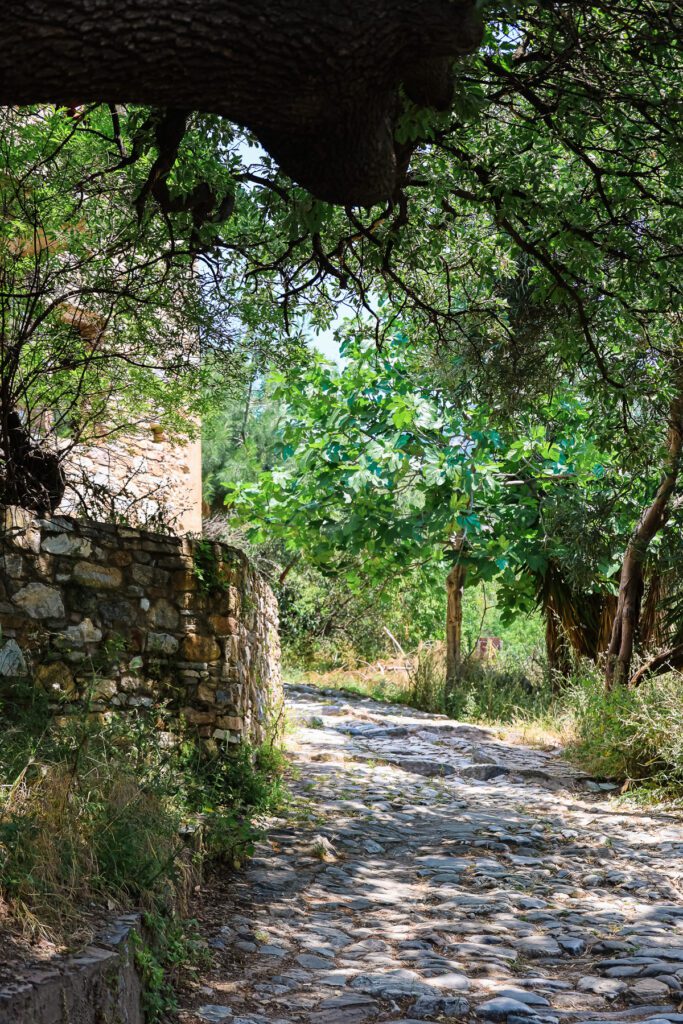
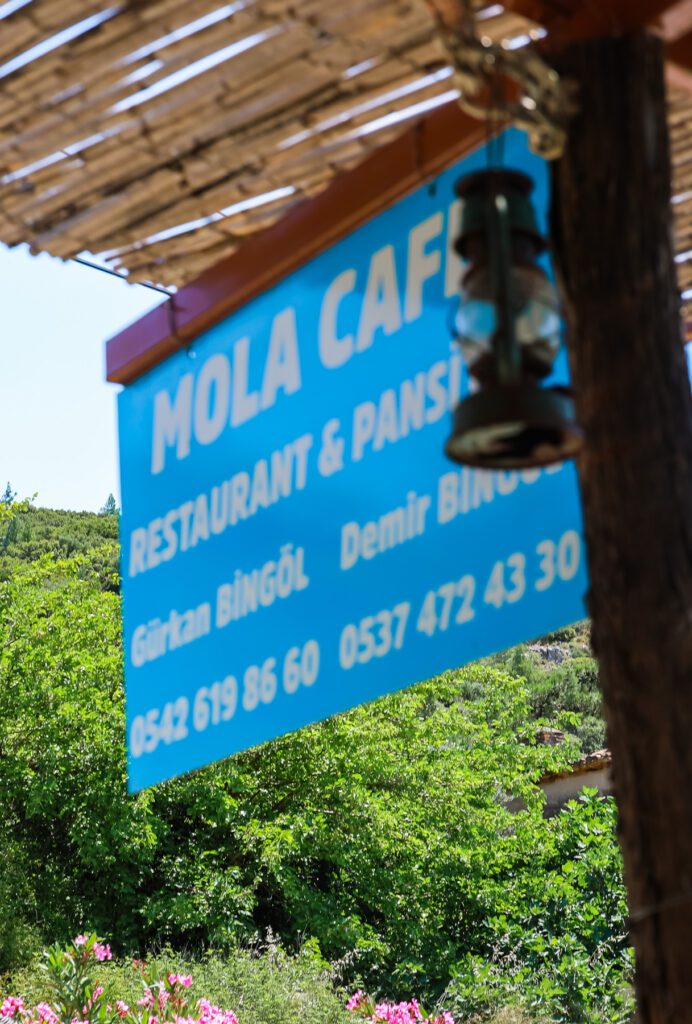
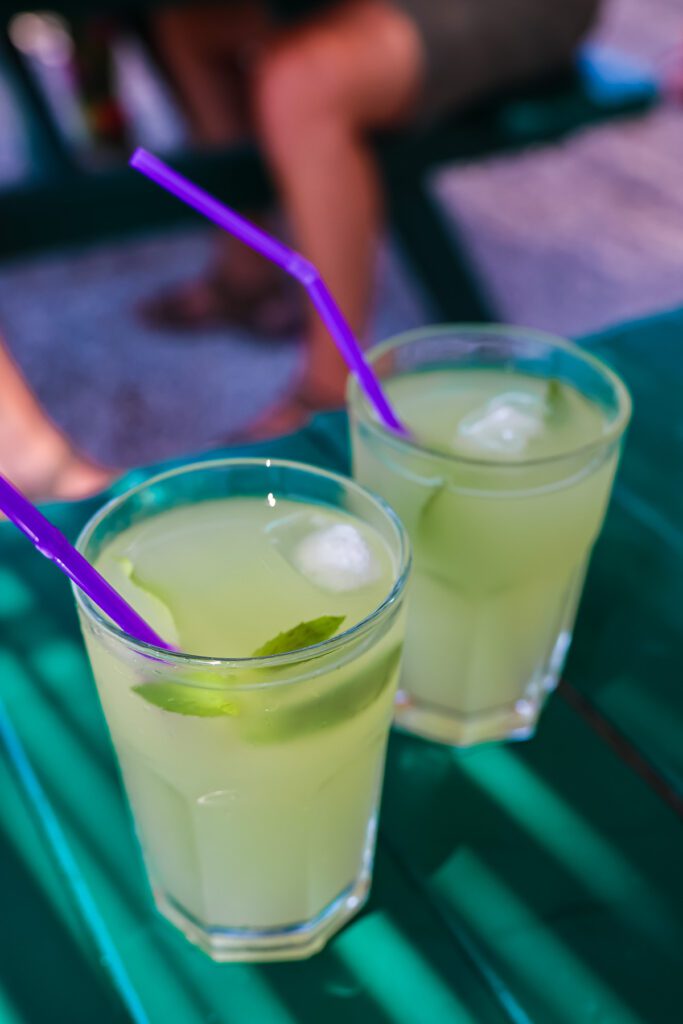
There are also a few cafes and souvenir shops there: we went to Mola Cafe, and although their lemonade was nice, a young waitress there spoke no English whatsoever and seemed pretty irritated to see foreigners – so it might be better to go elsewhere.

7. Bafa Lake
Stop by the 60-square-kilometer Bafa Lake, a former part of the sea and a popular stopover point.
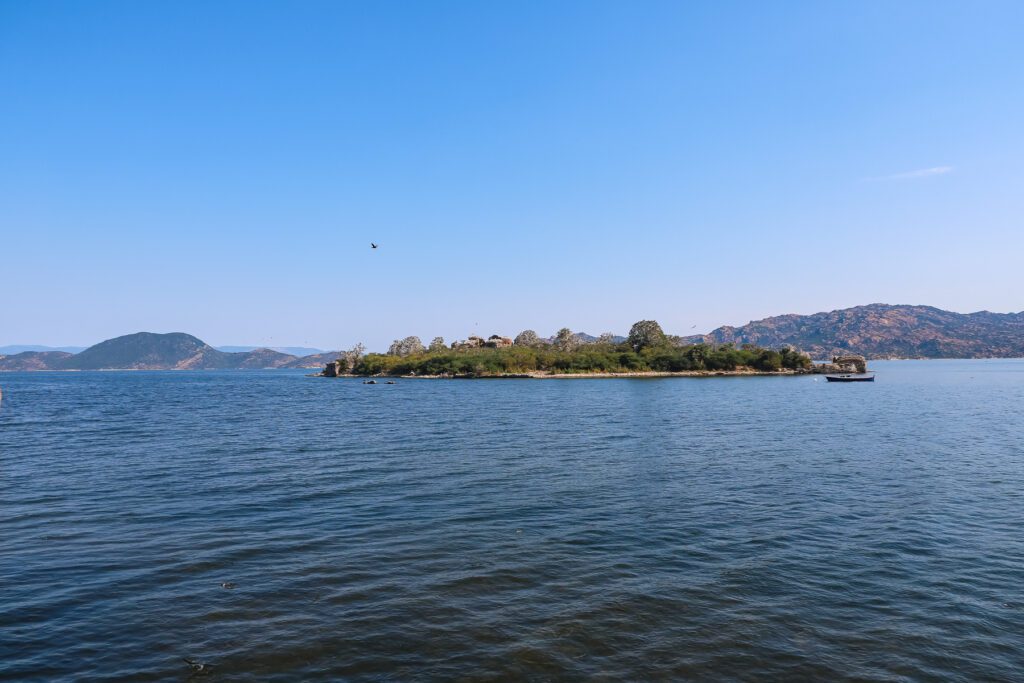


Today, it’s part of a natural reserve and a bird sanctuary.
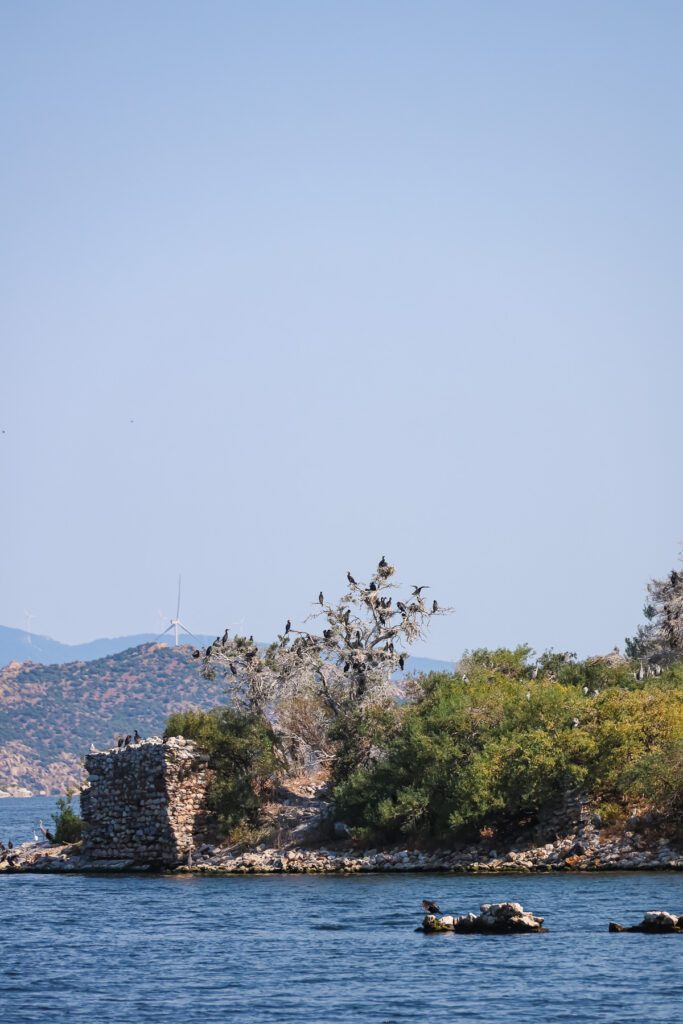
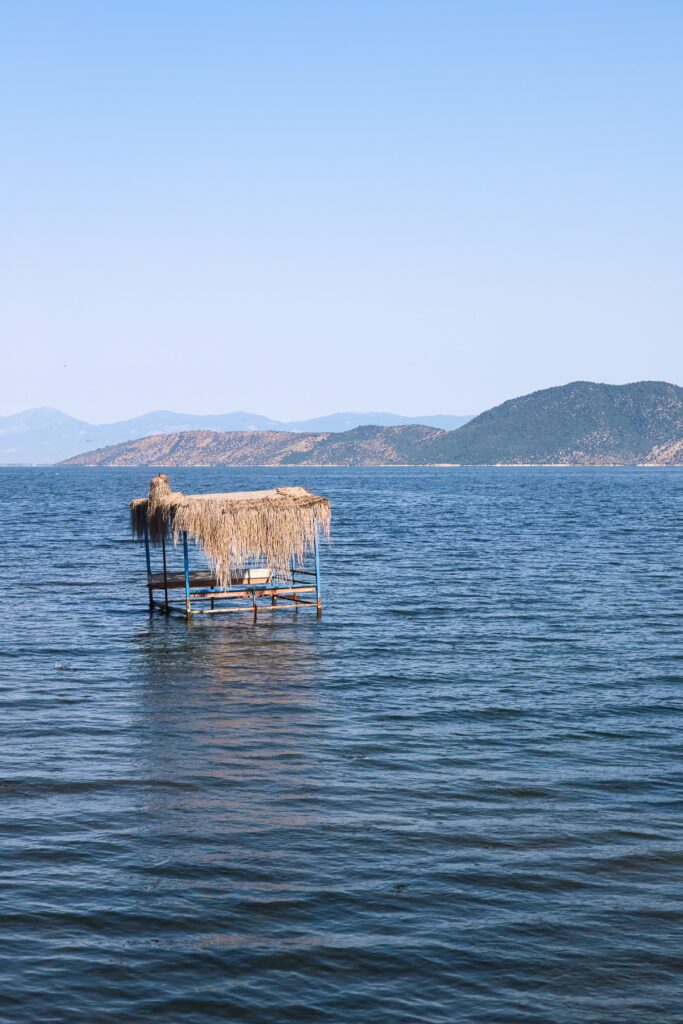
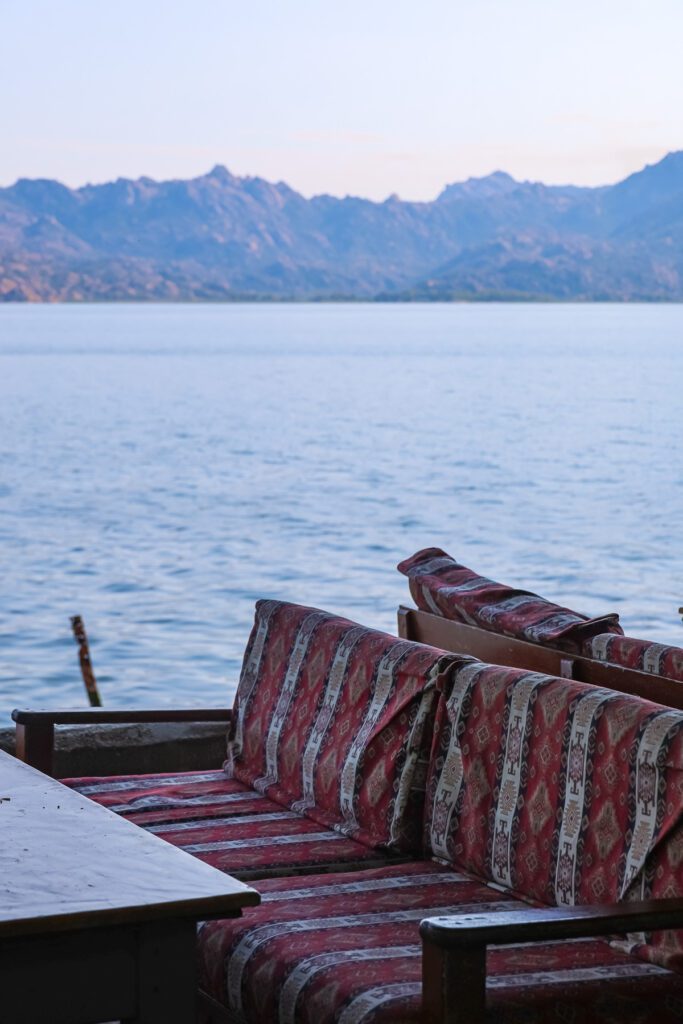
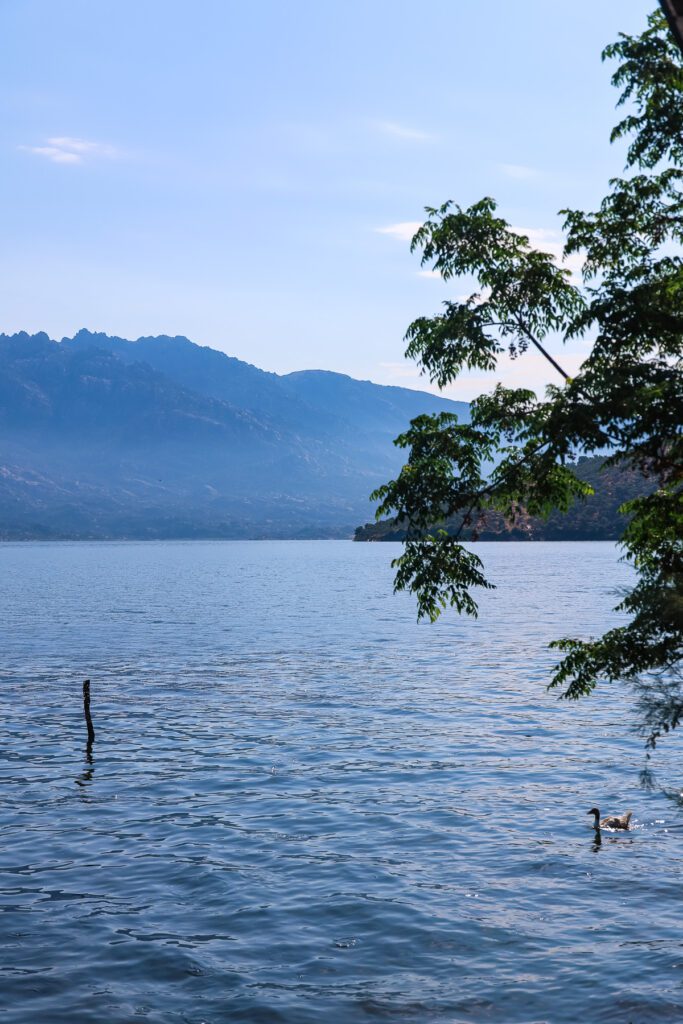
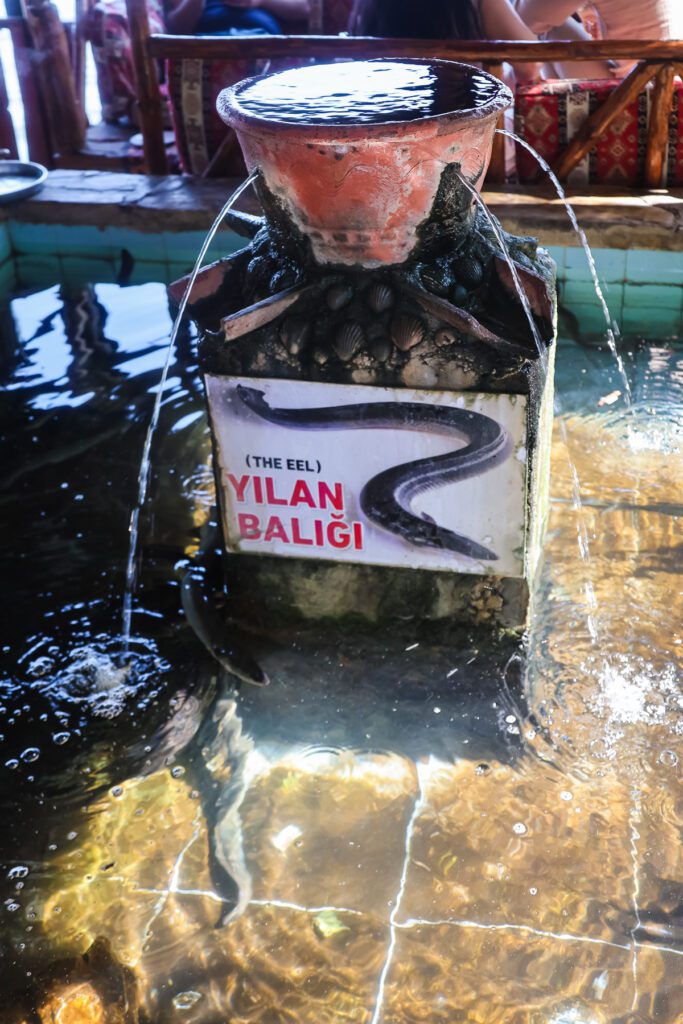
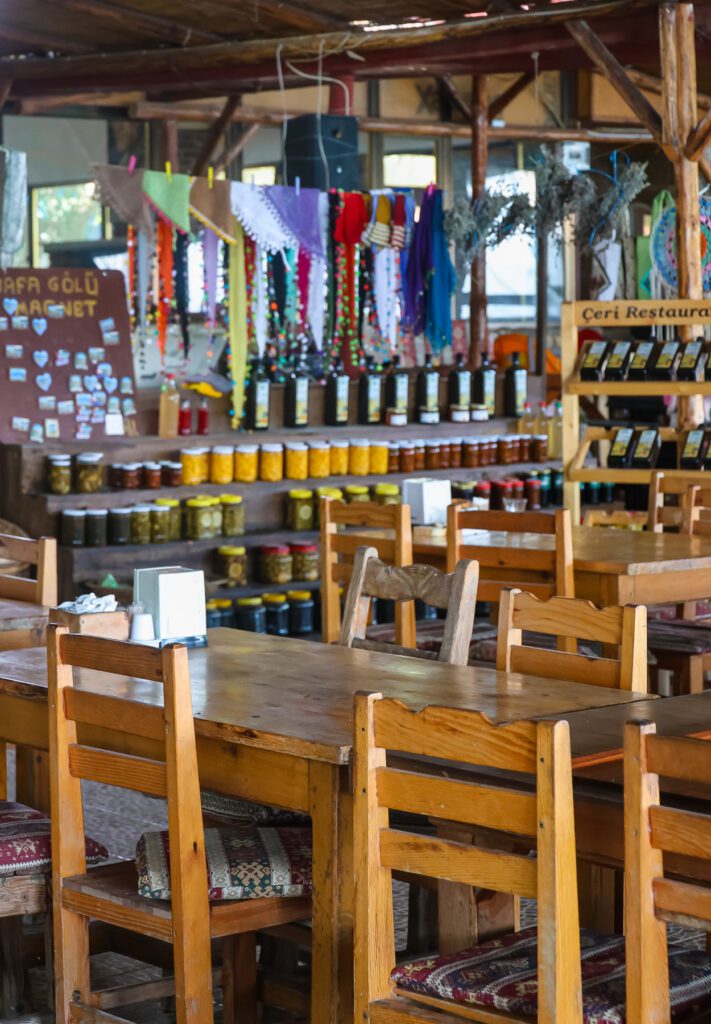
Although you might come here to see the ruins of Herakleia, the majority of visitors come here for the views and some food, as there’s a Çeri restaurant serving local delicacies, including eels: you can literally choose an eel to eat here!

Where to Stay in Bodrum
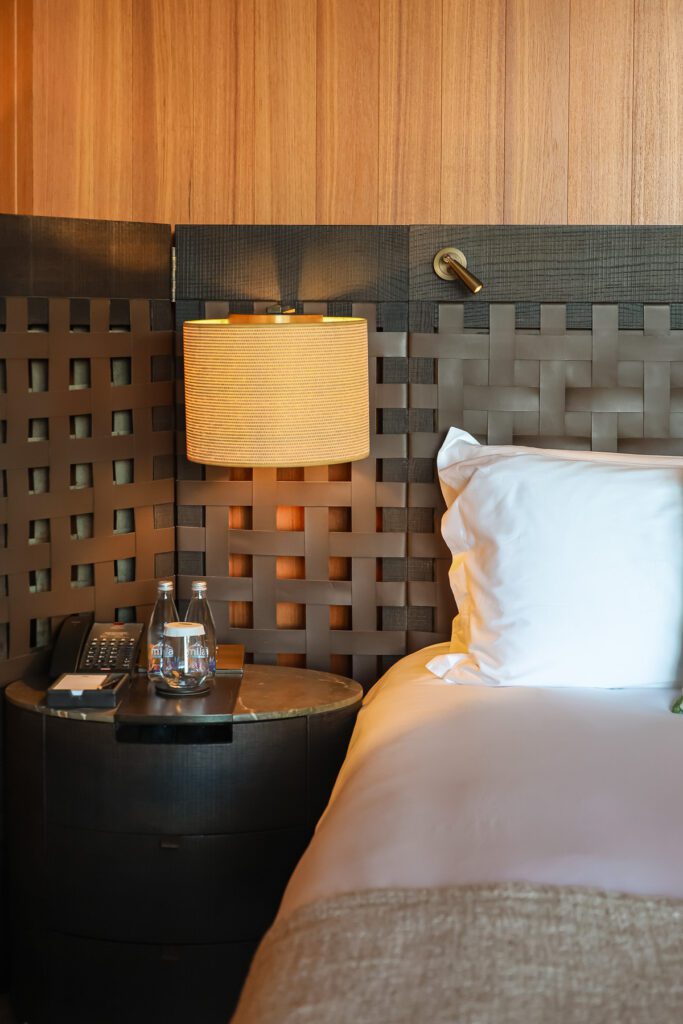
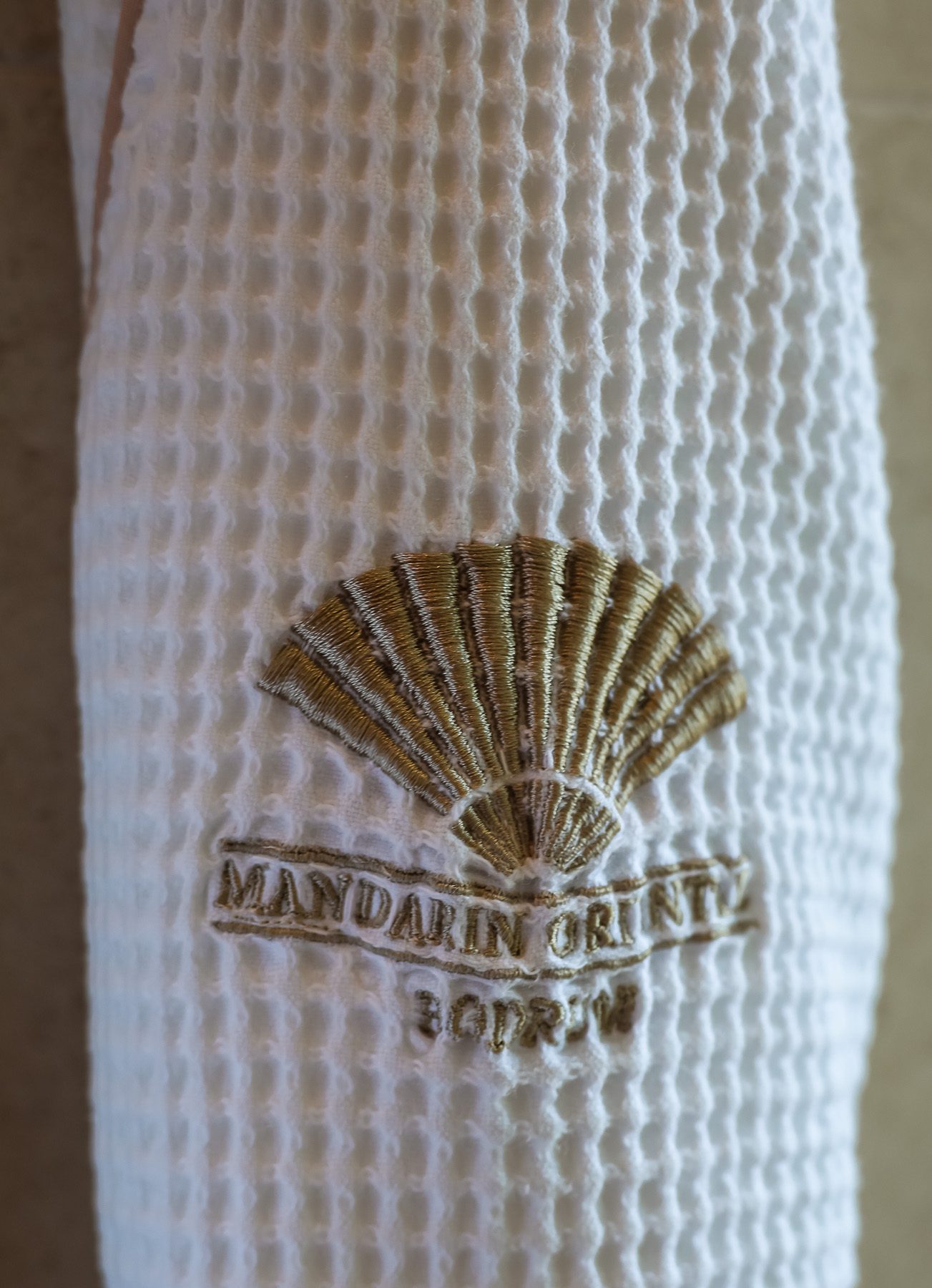
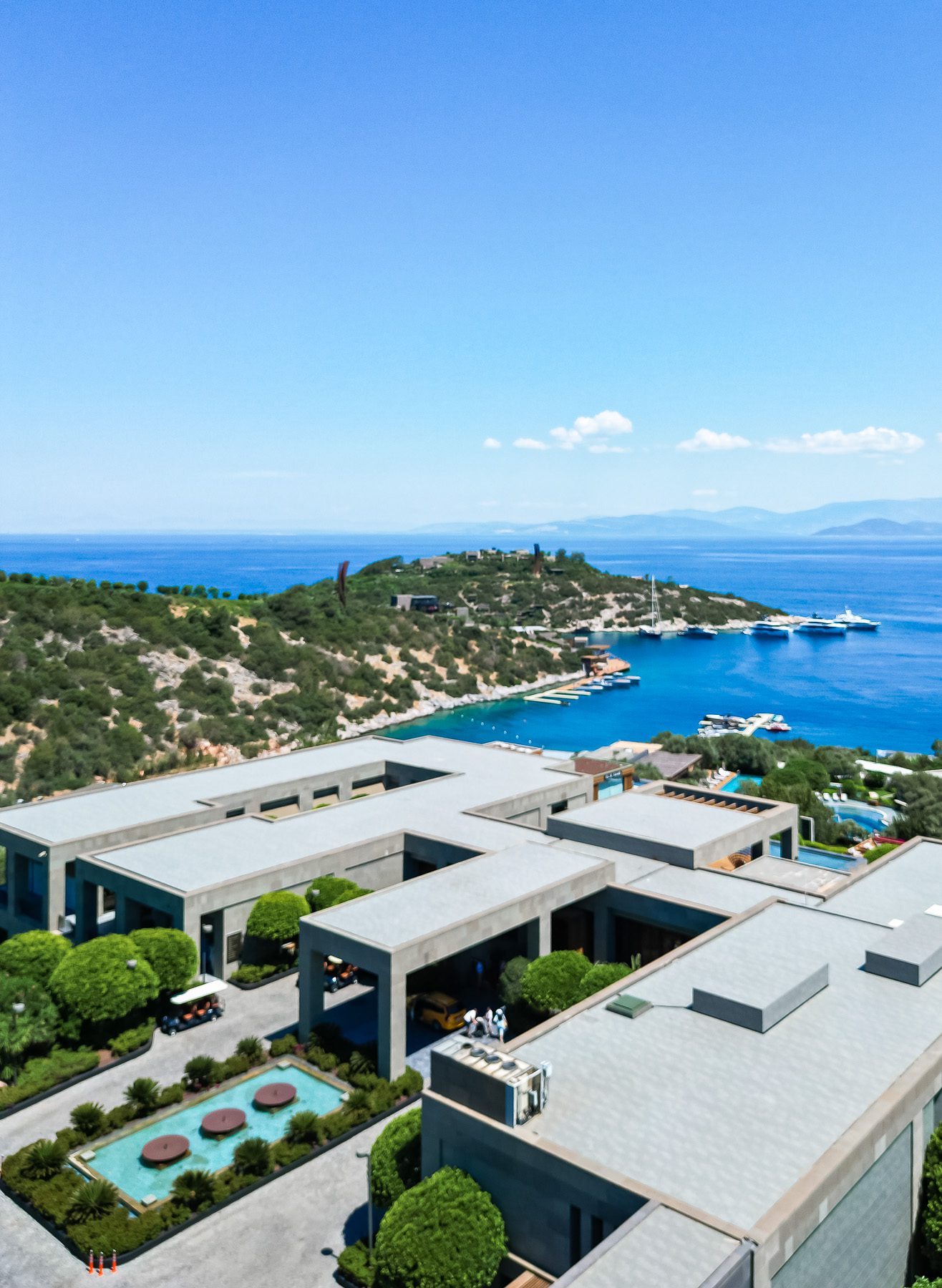
Our hotel, Mandarin Oriental Bodrum, is located 1 hour away from the Milas/Bodrum airport and approximately 30 minutes from the old city of Bodrum.
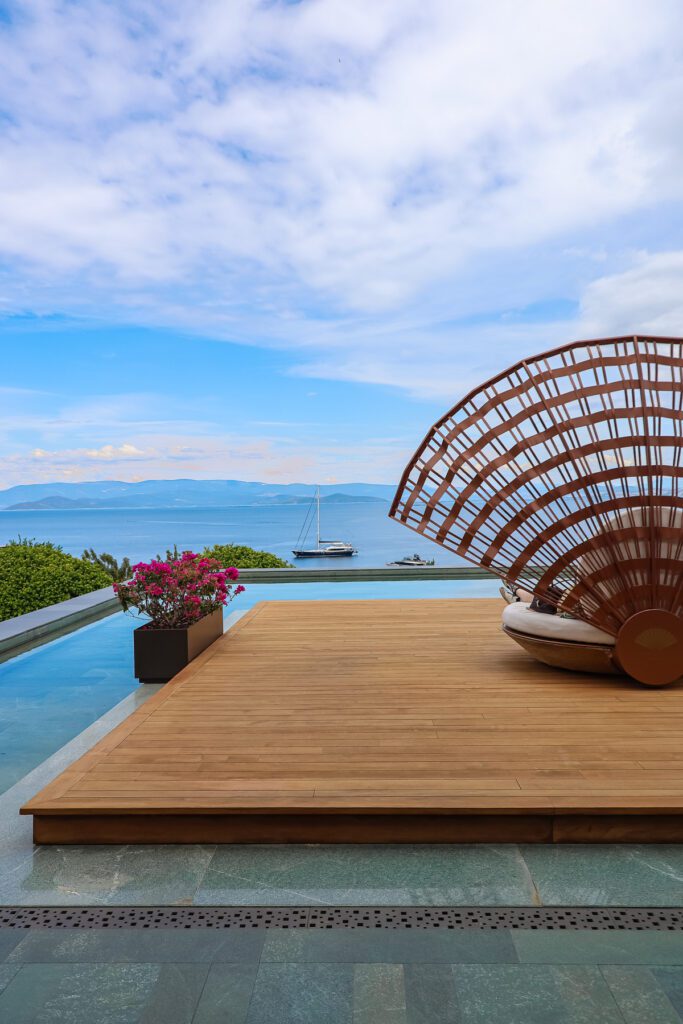
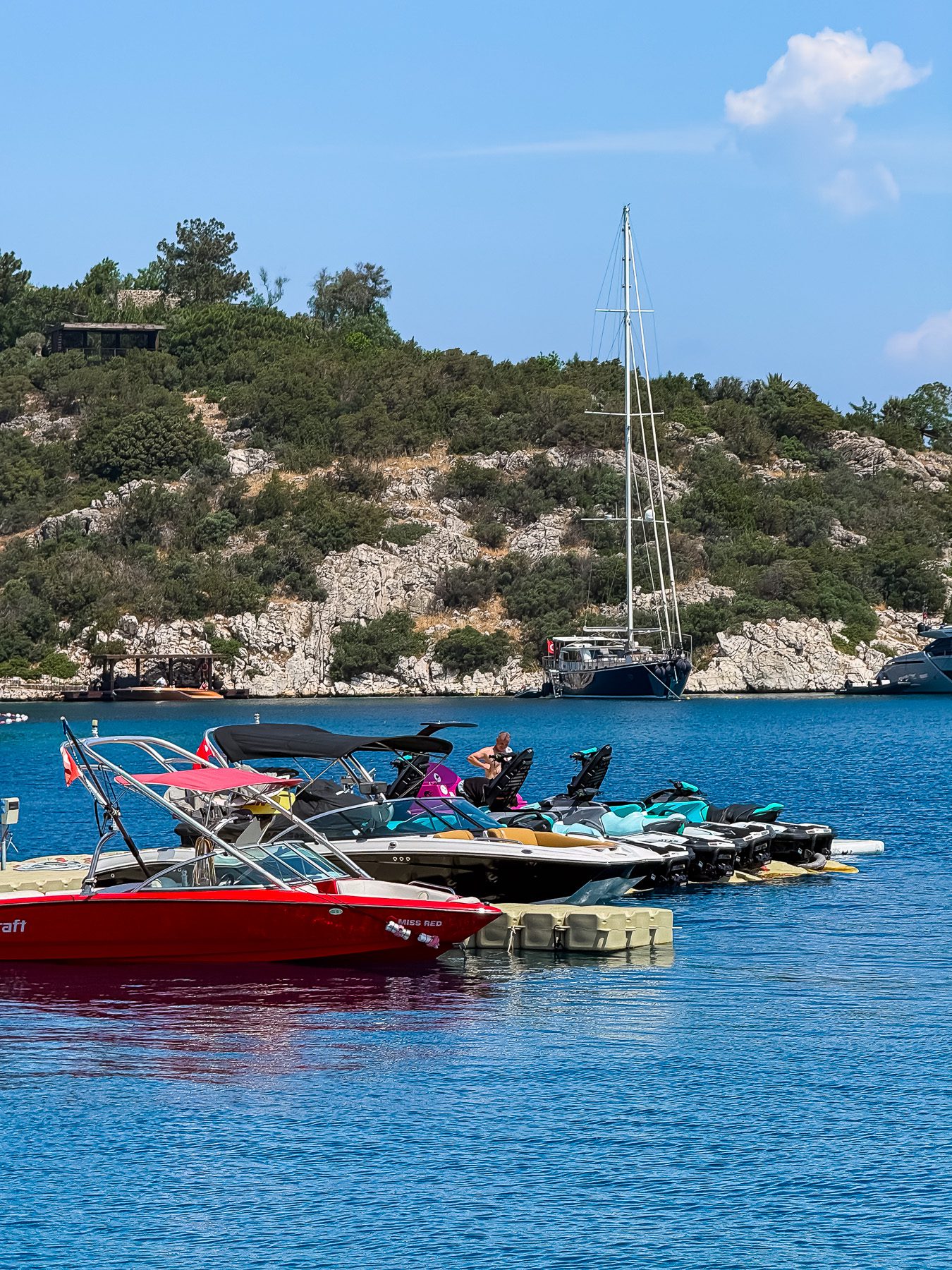
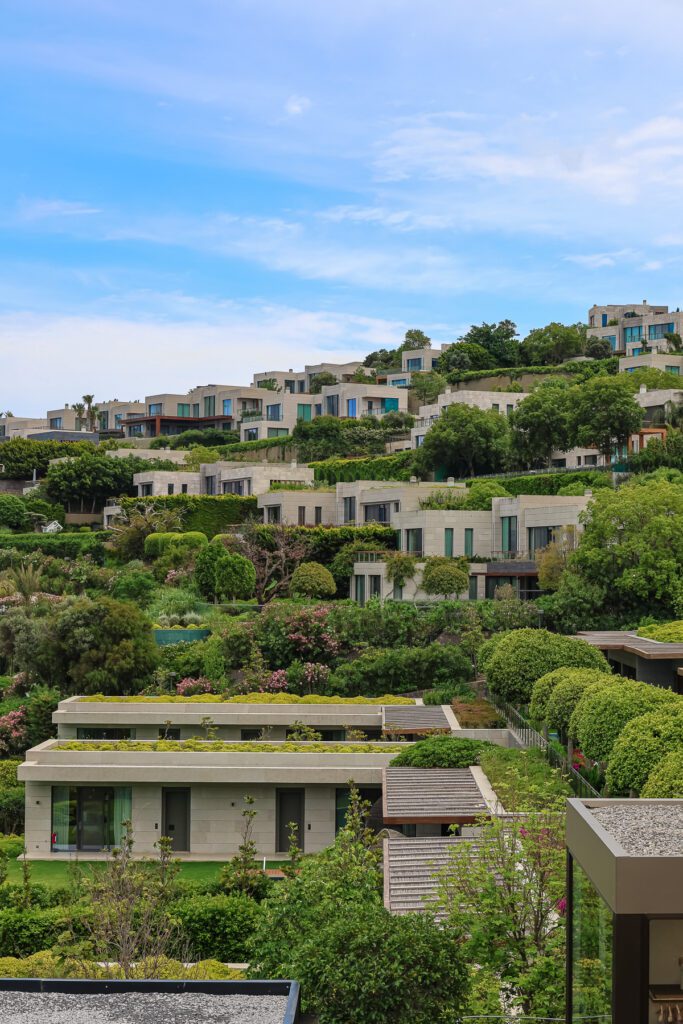
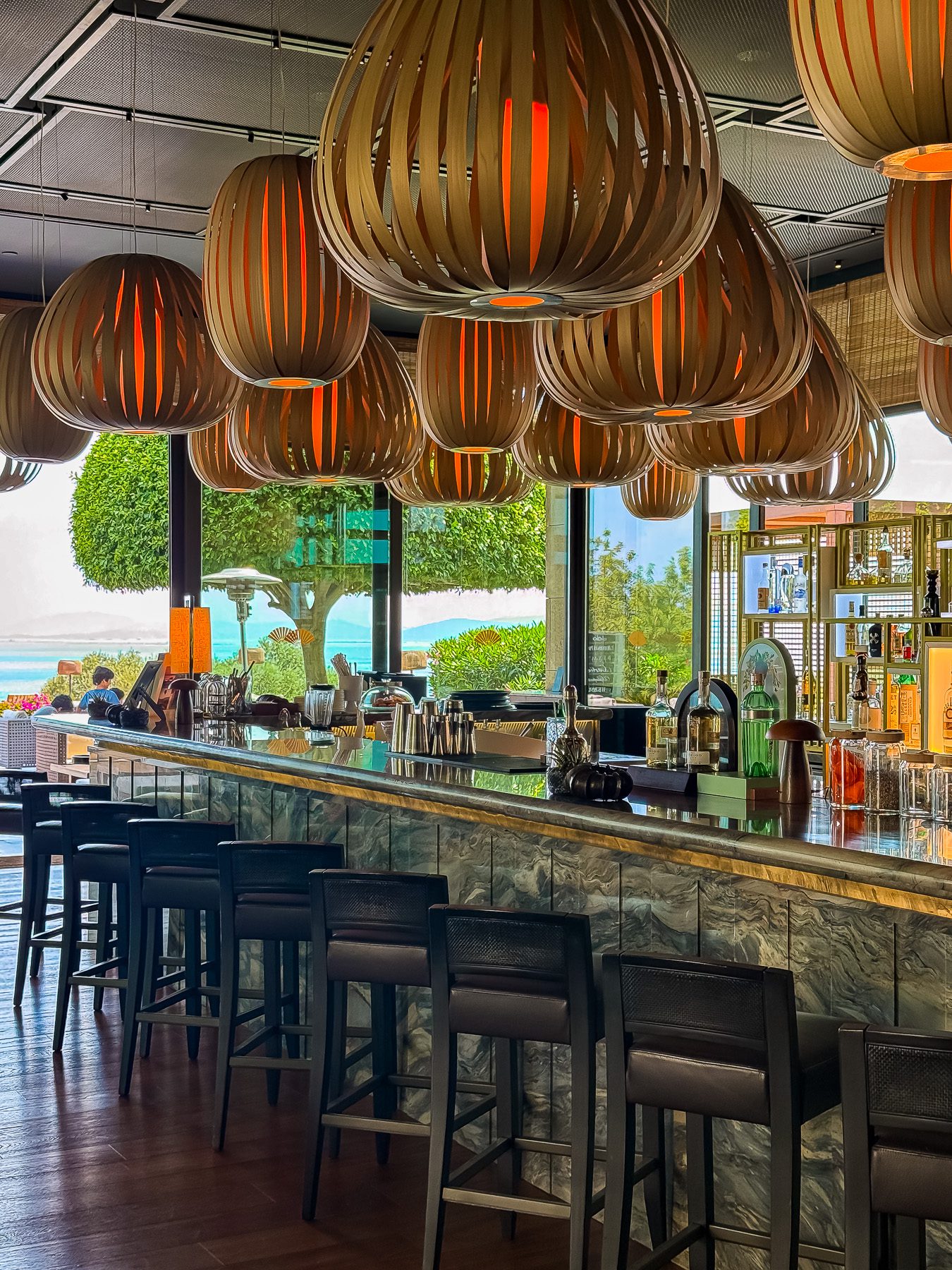
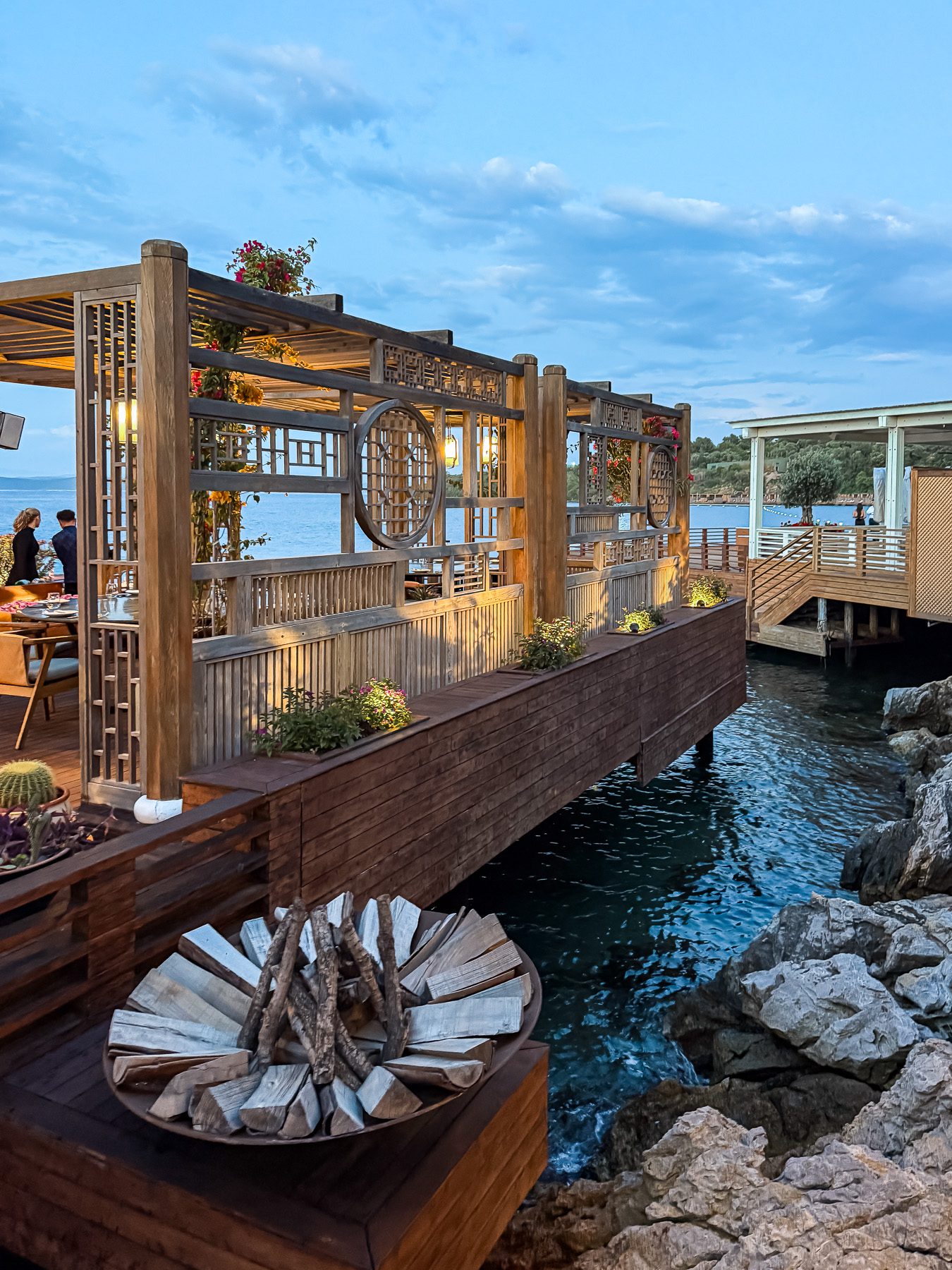
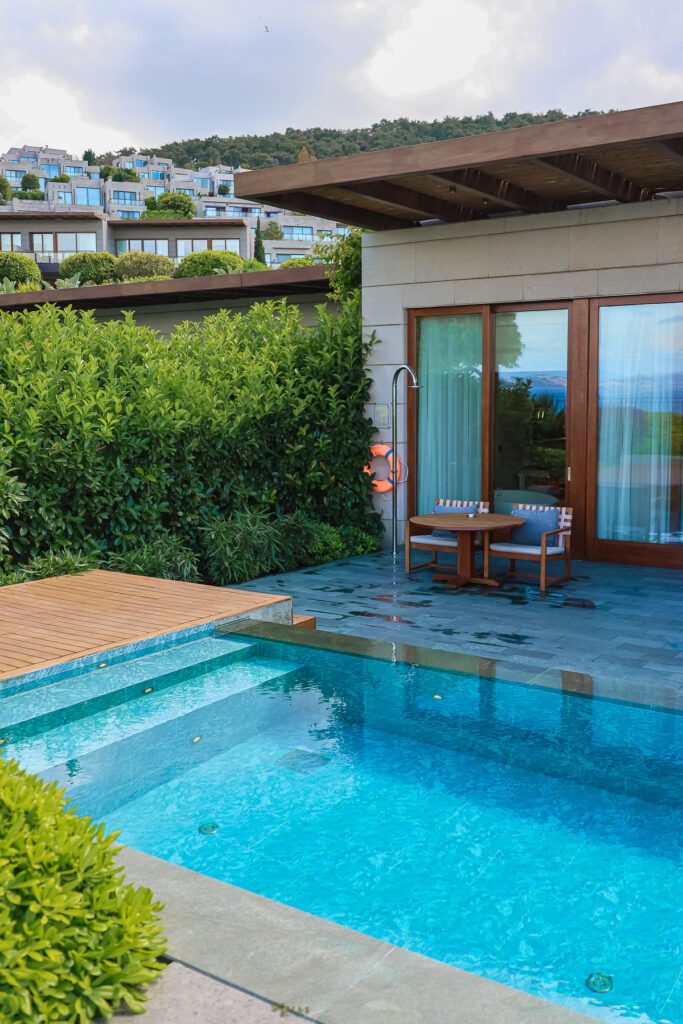
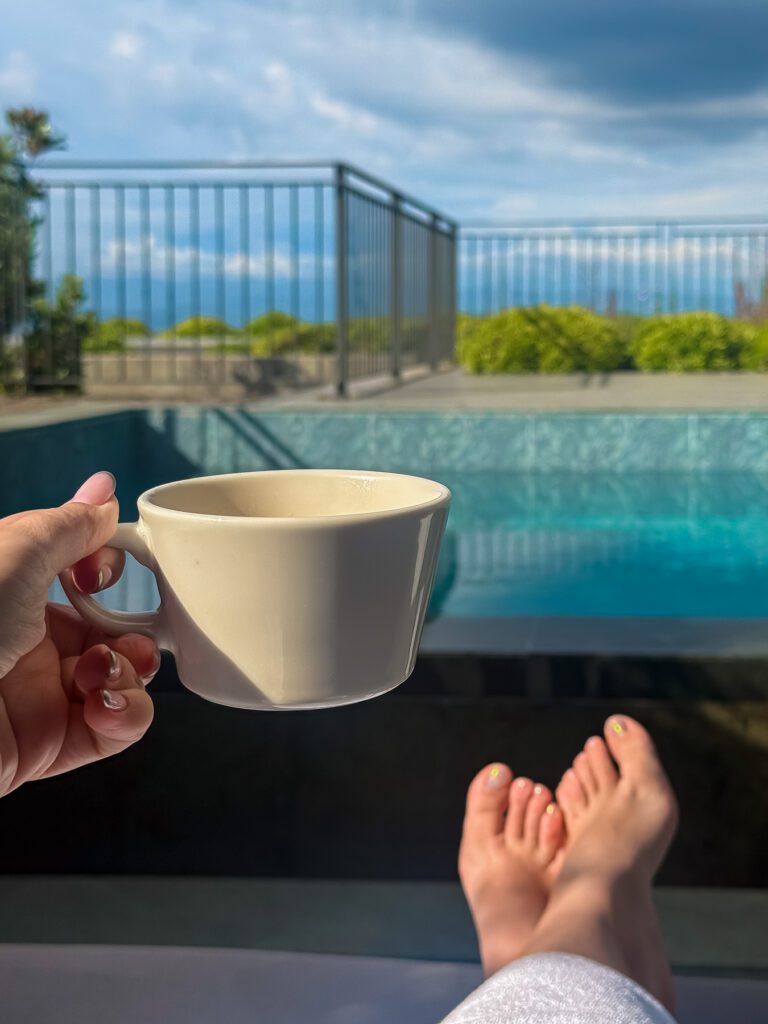
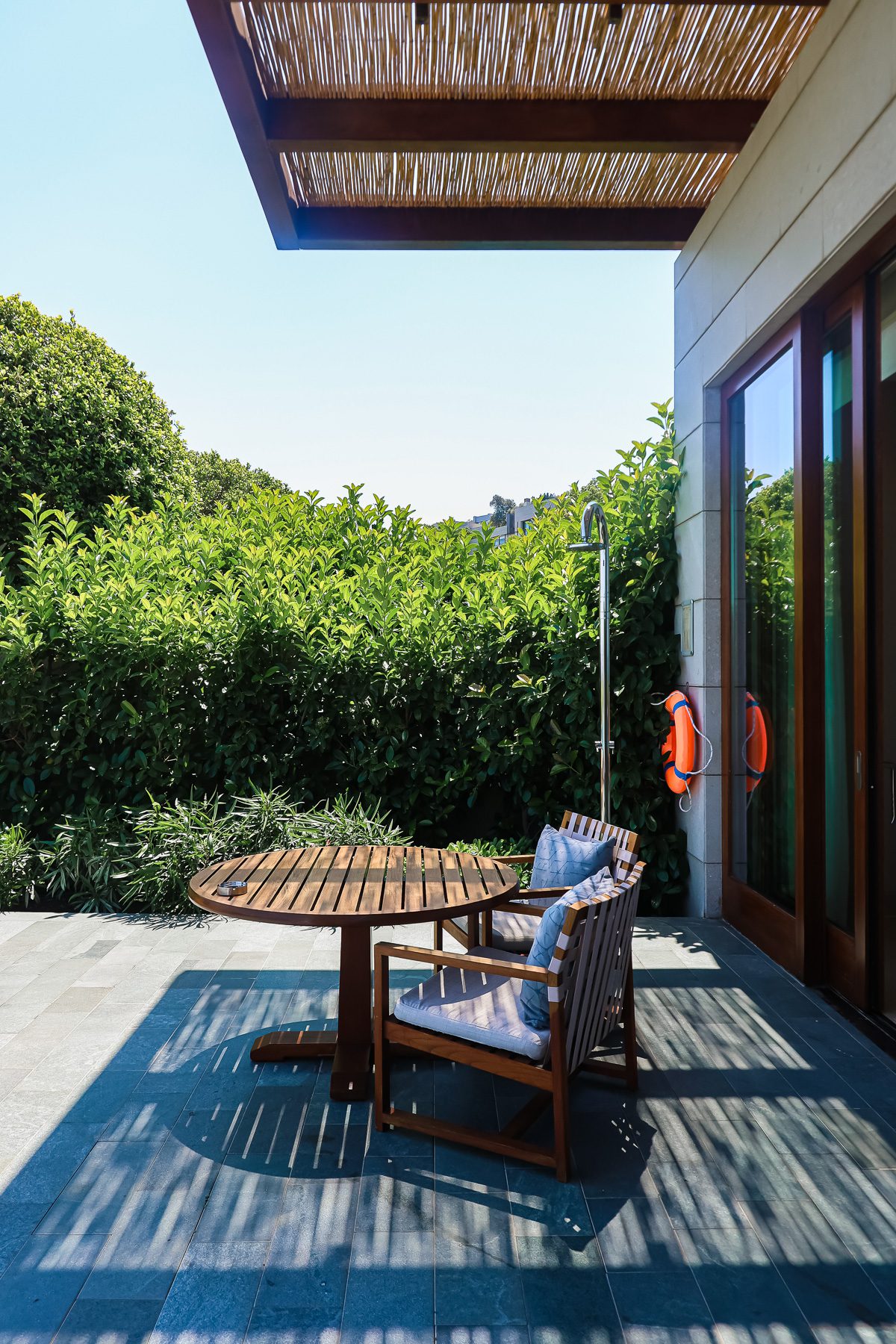
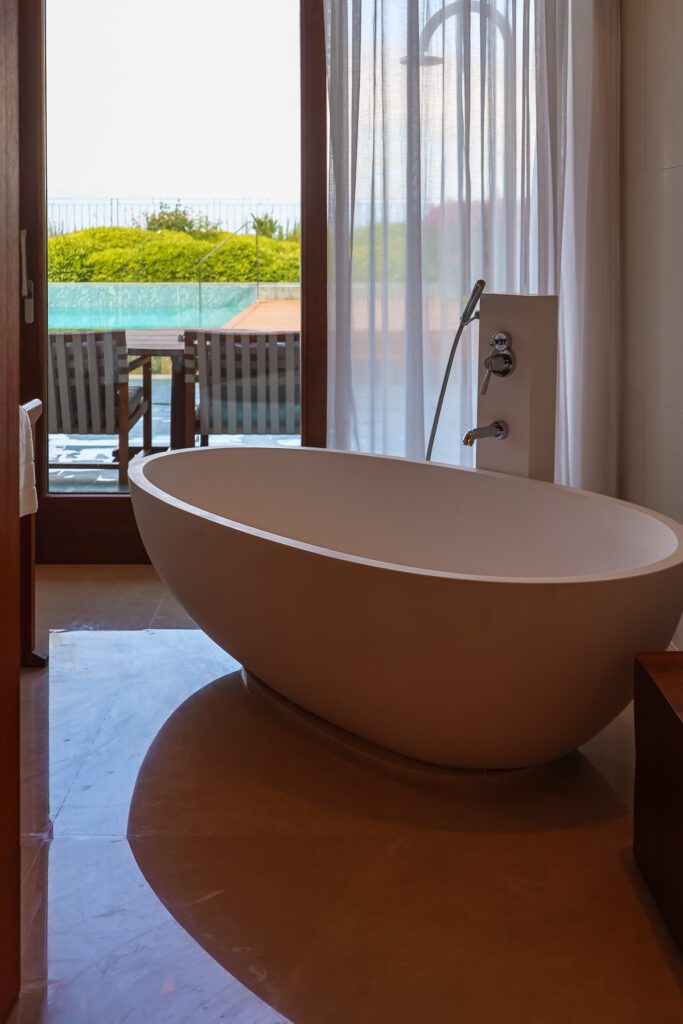
We stayed in a one-bedroom villa with a plunge pool and a lovely patio opening up to a scenic view. Just look at our private terrace – it was still wet from the rain when we first arrived, but it still looked very appealing!


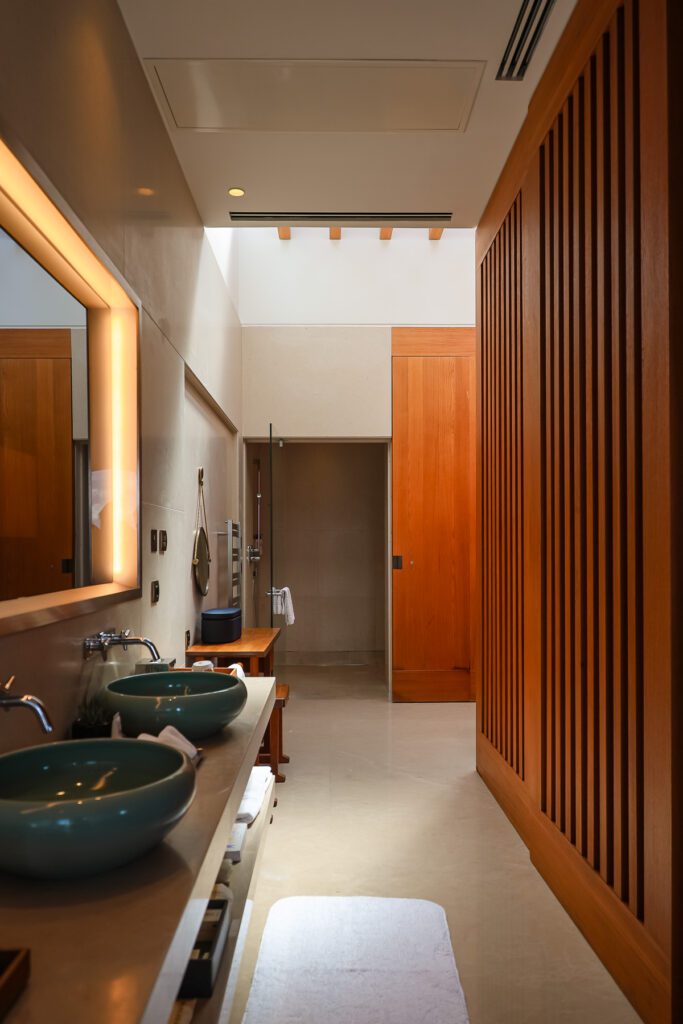
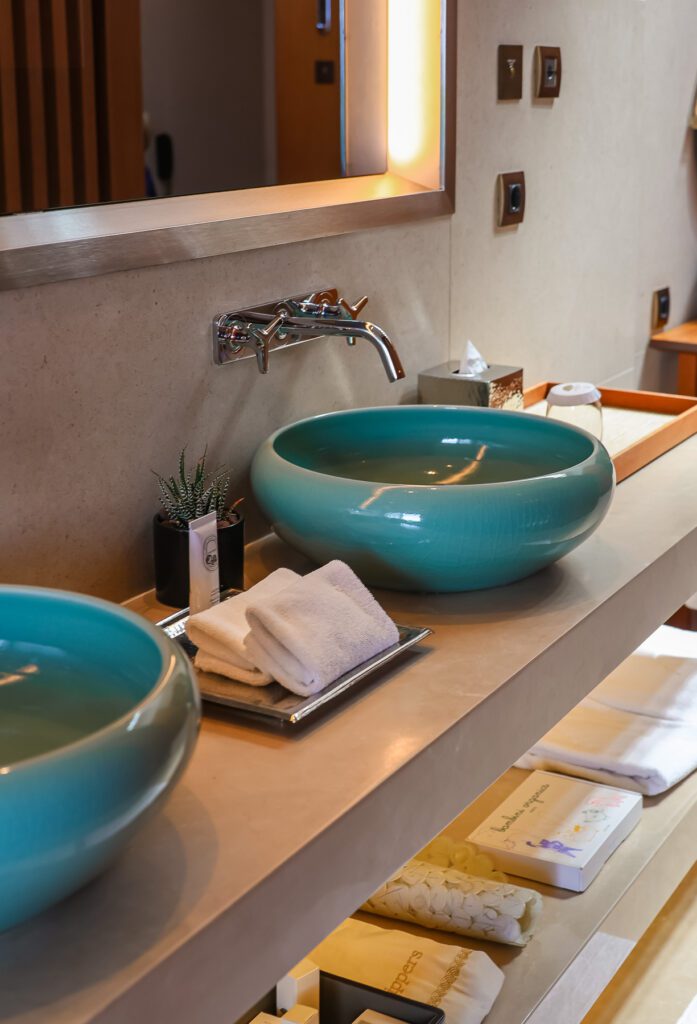
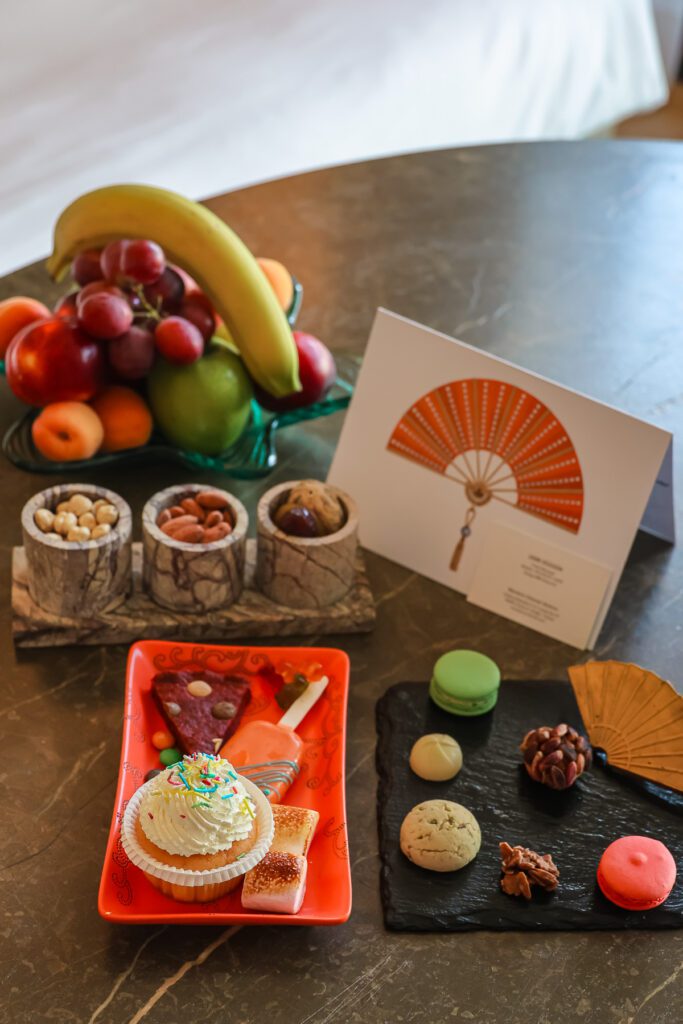
The bathroom is extremely stylish, with Diptyque skincare products and a natural color palette. Besides that, we received a great selection of welcome goodies; however, unfortunately, they don’t provide signature MO toys or activity packs for kids.

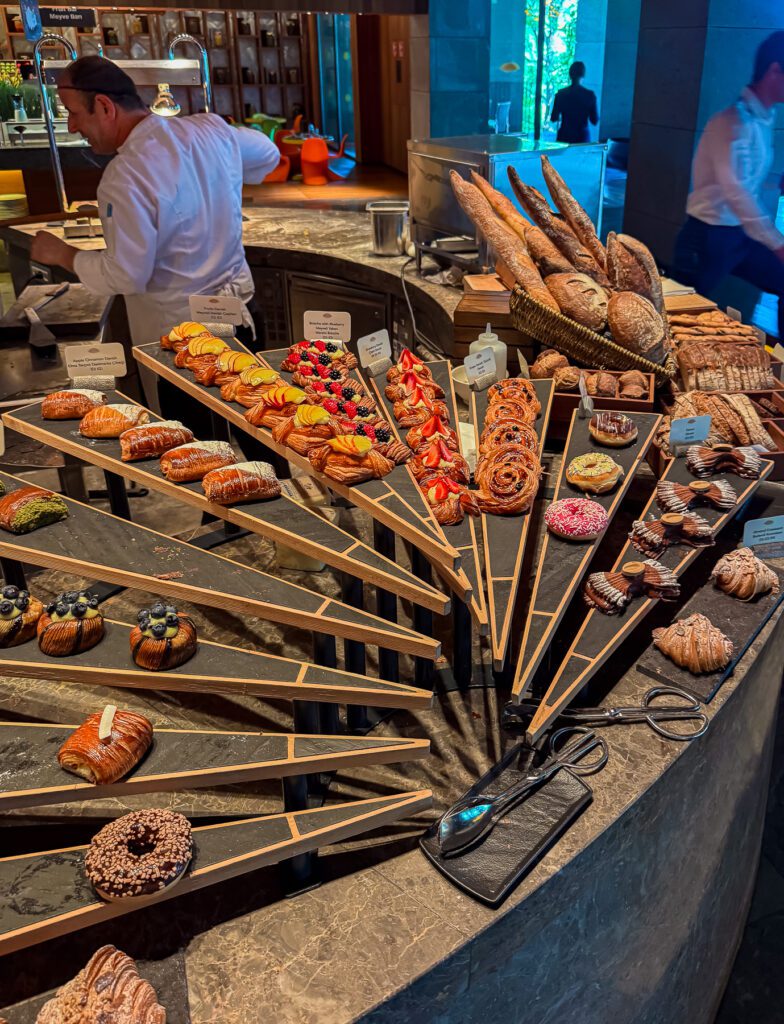
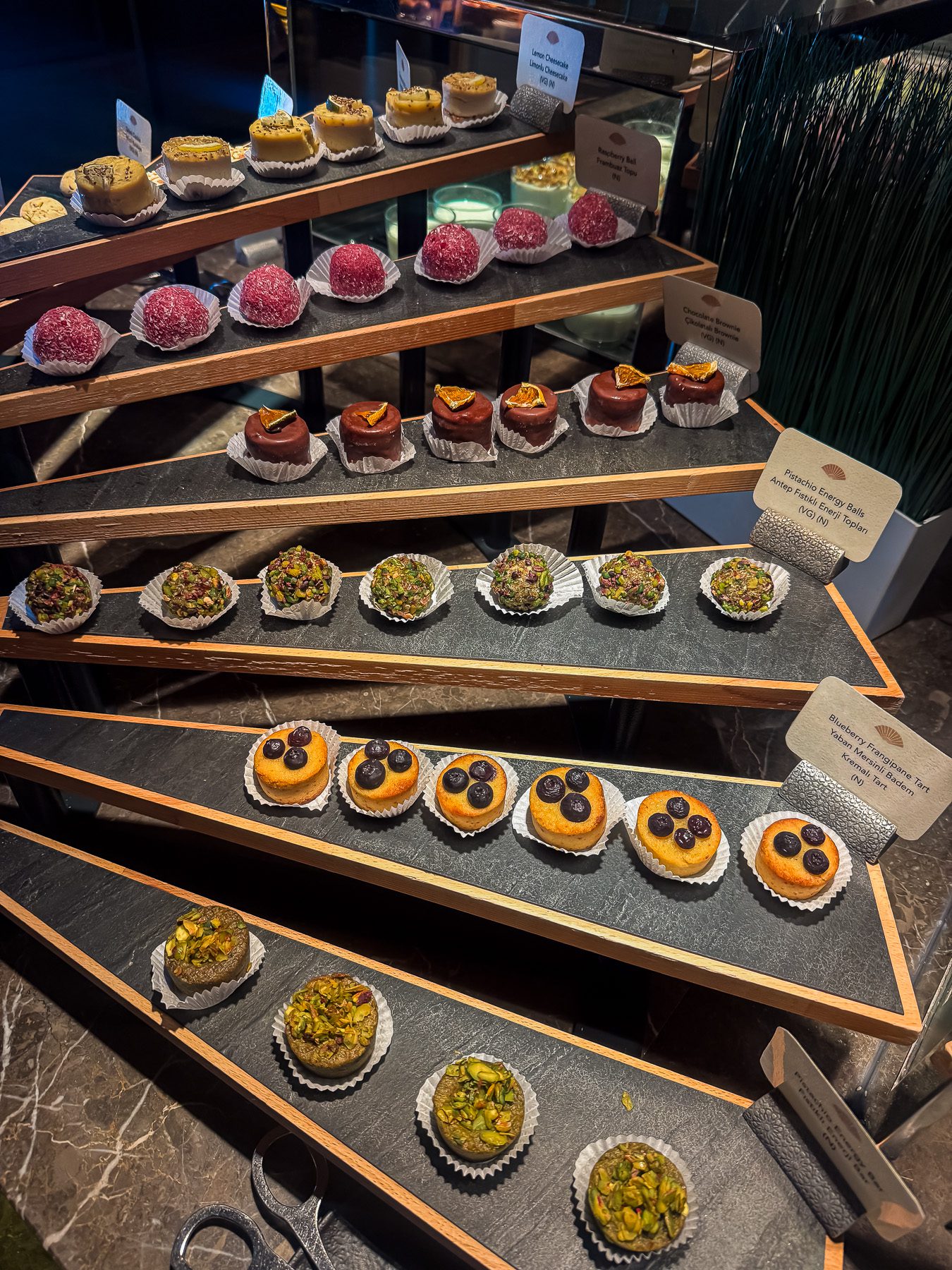
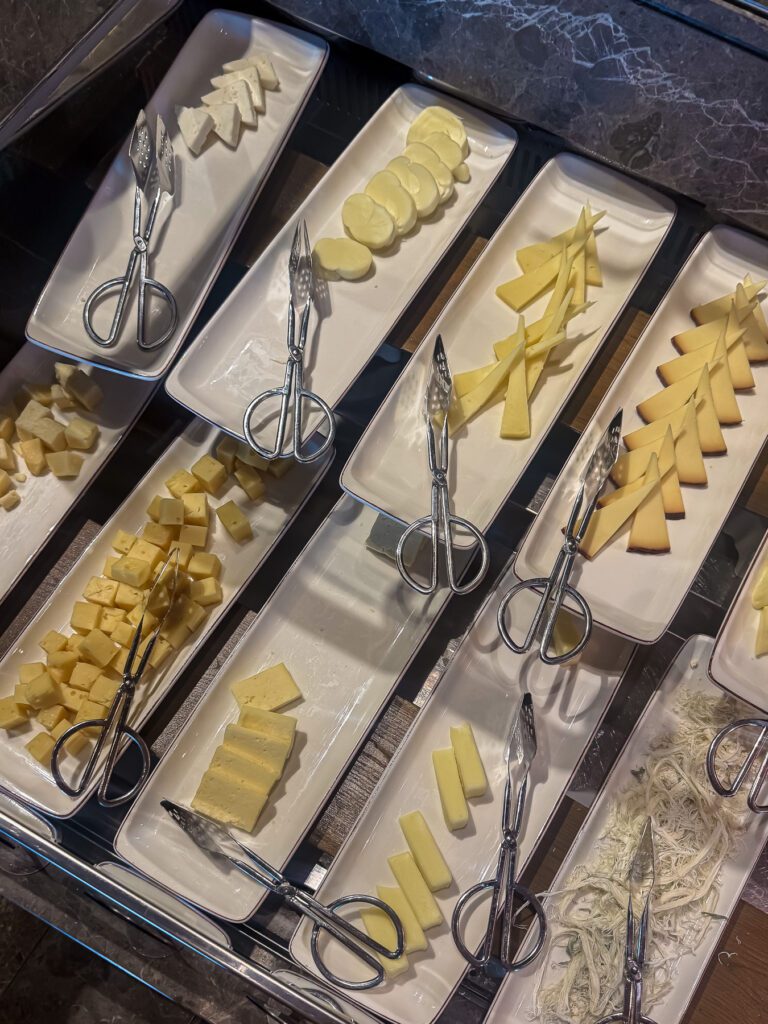
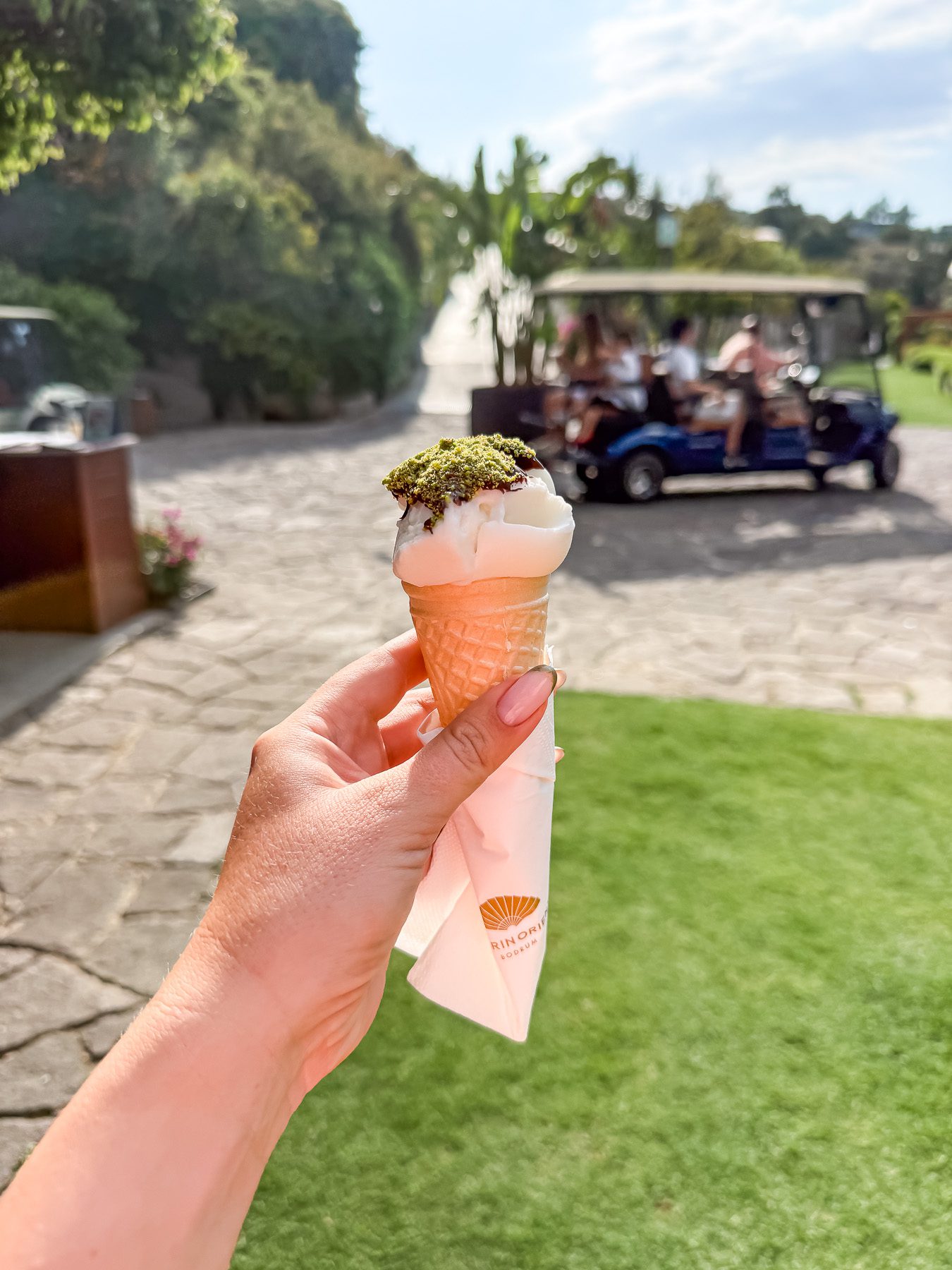
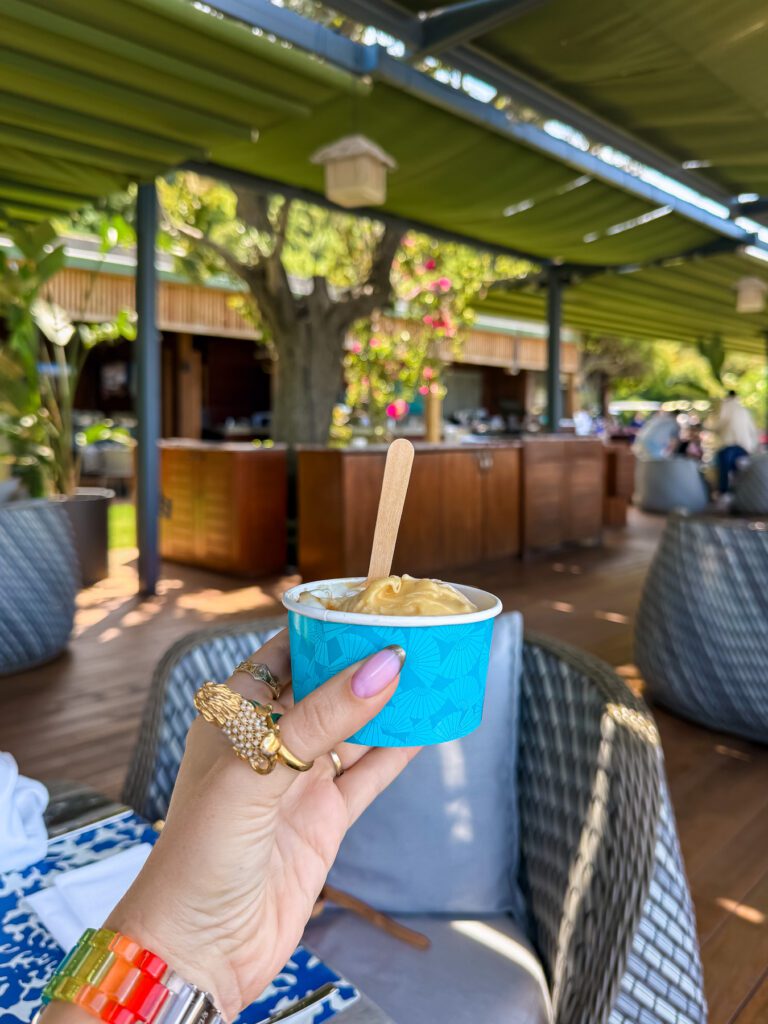
This is what I call a great breakfast selection! It included pide and pastries prepared right in front of you, a wide variety of Turkish dishes, and local produce, including vegetables, fruits, and cheeses. And it would be unfair not to mention the dessert section because it’s really good!
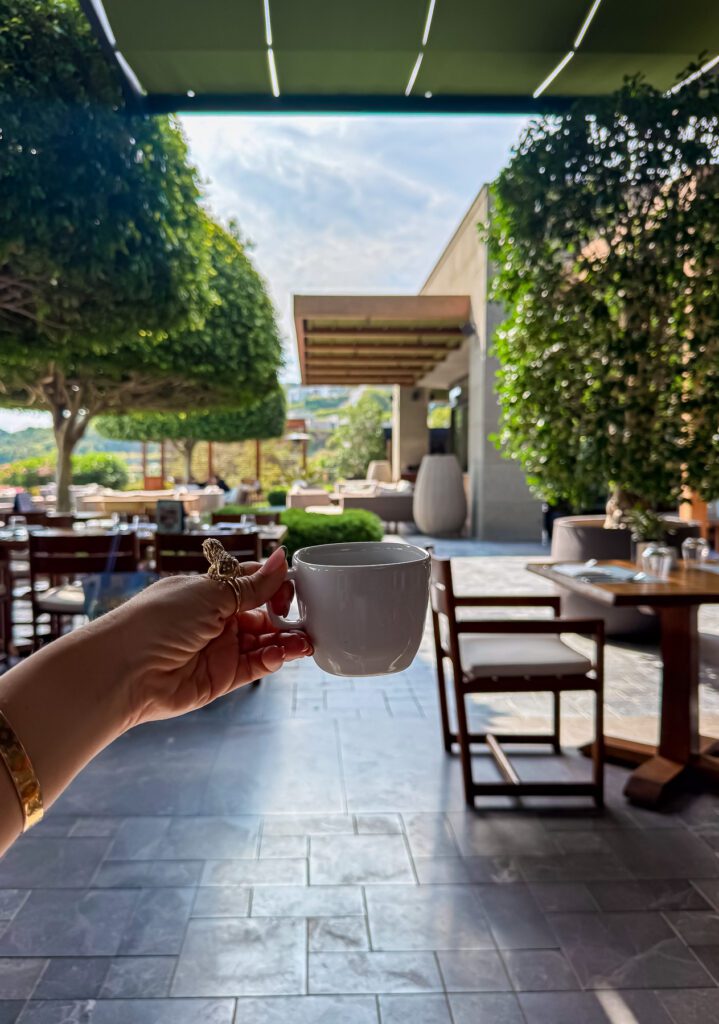
And would you say about a view over the Aegean Sea and the Chanel boutique?
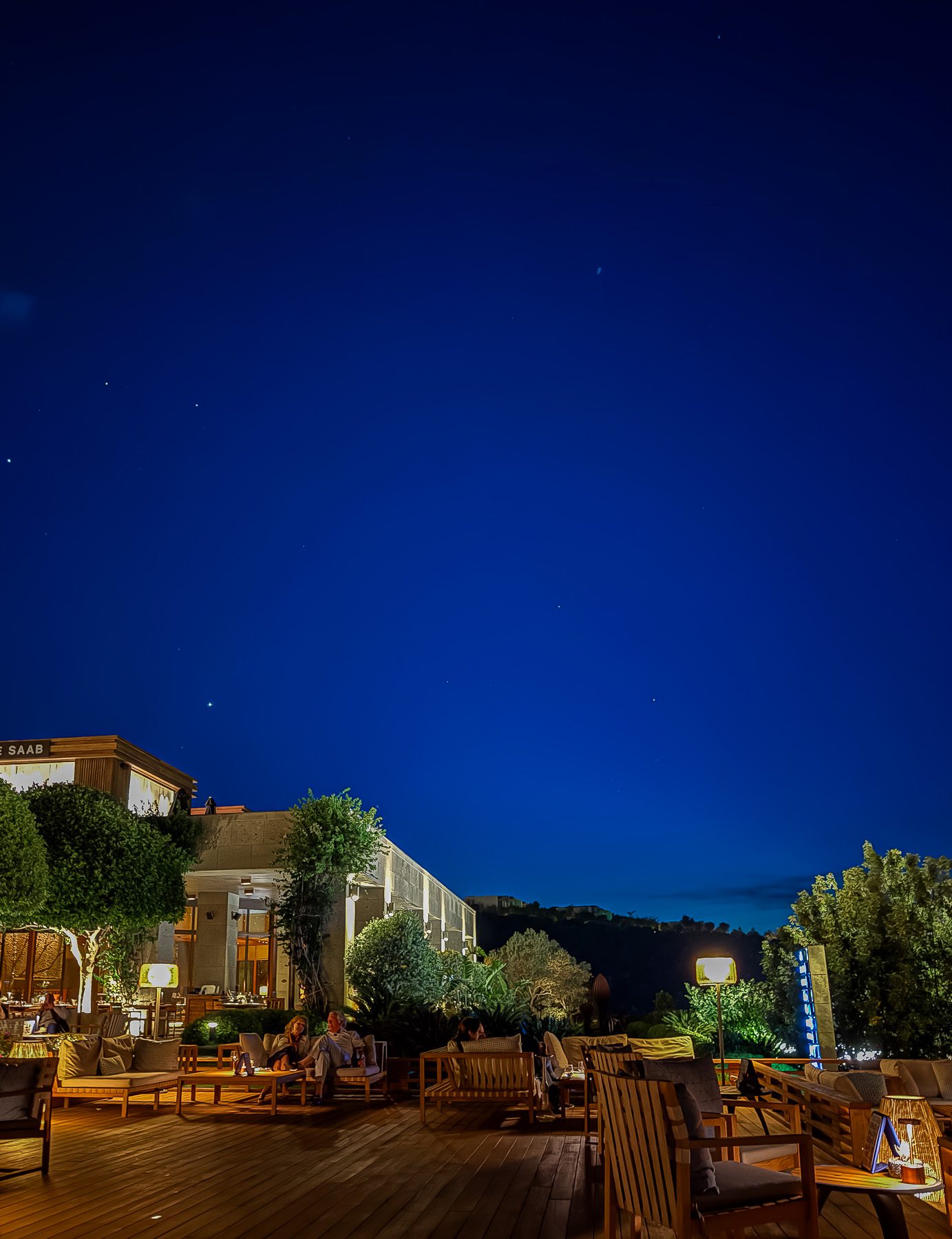
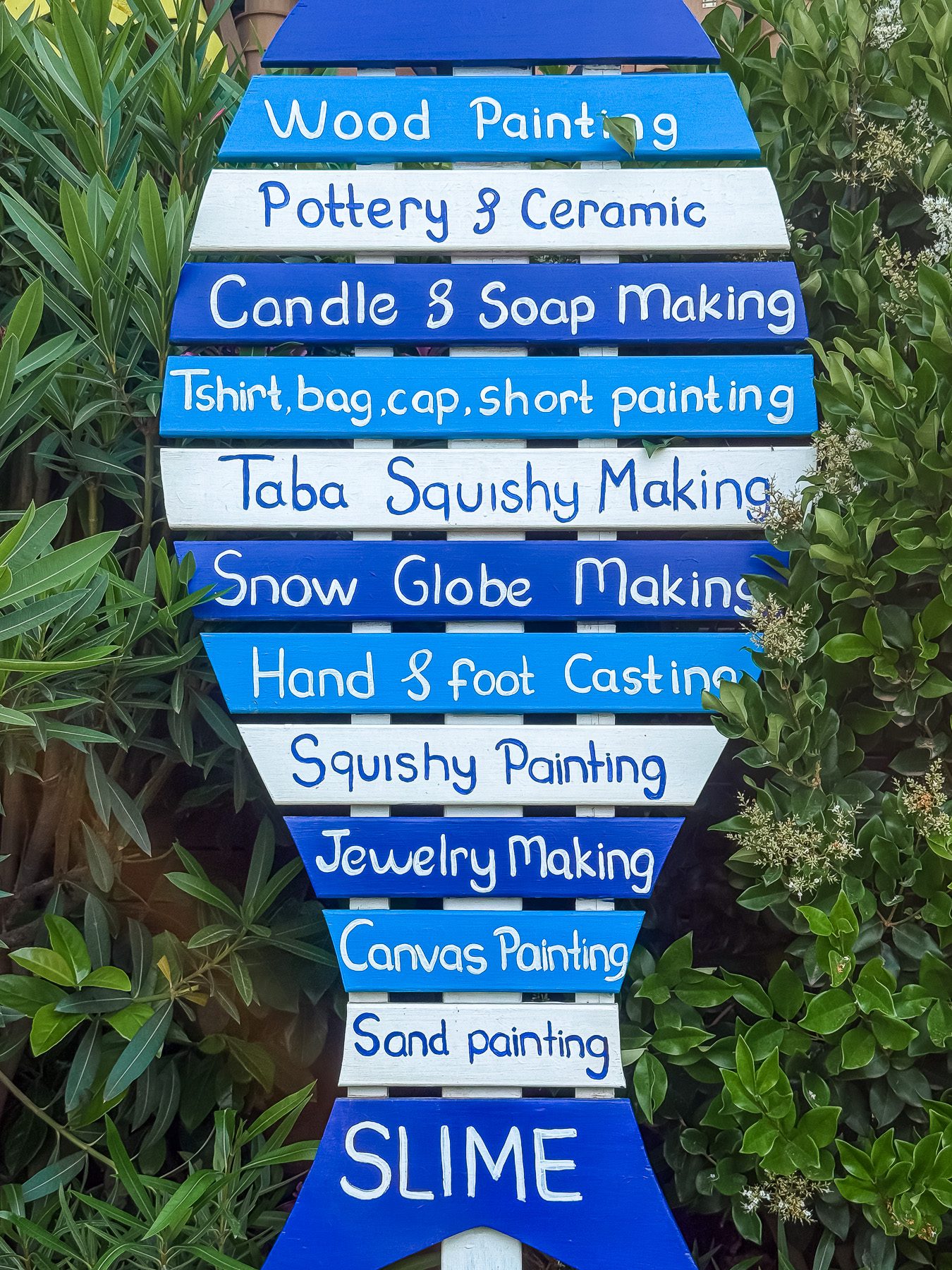
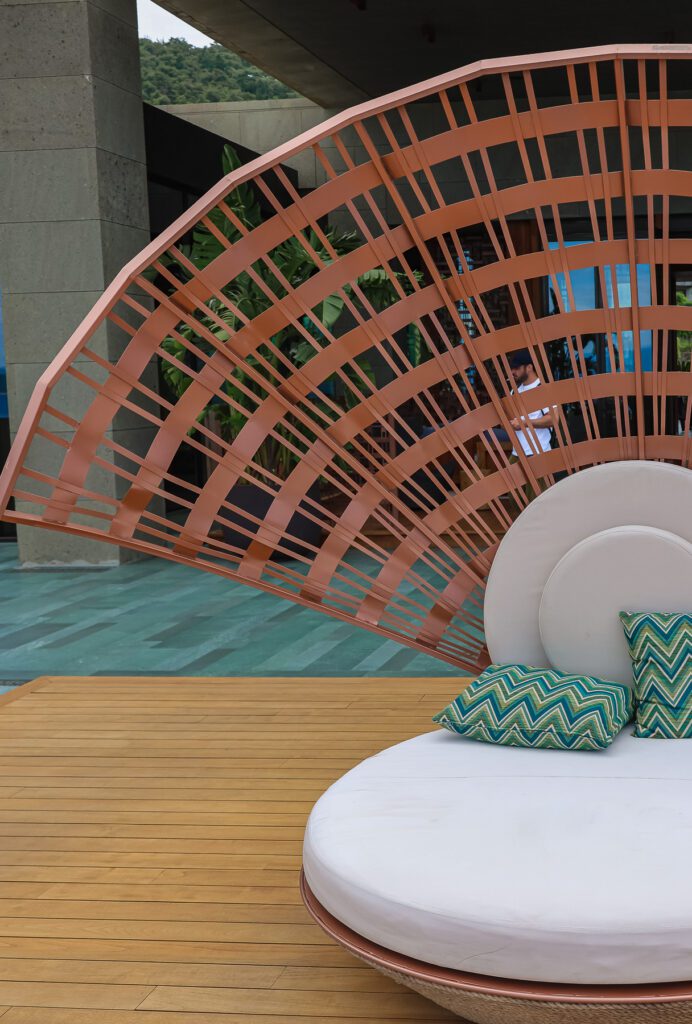
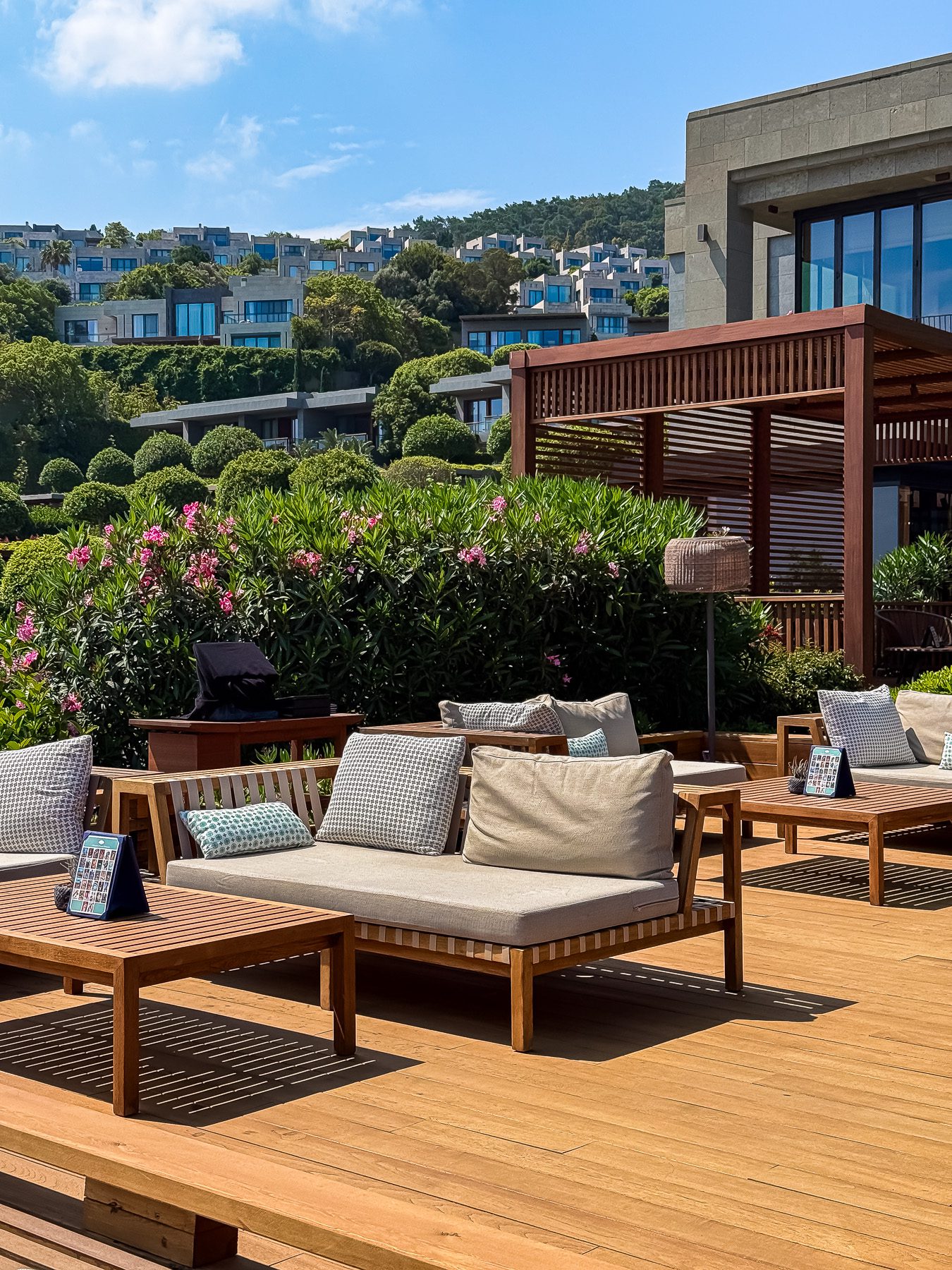
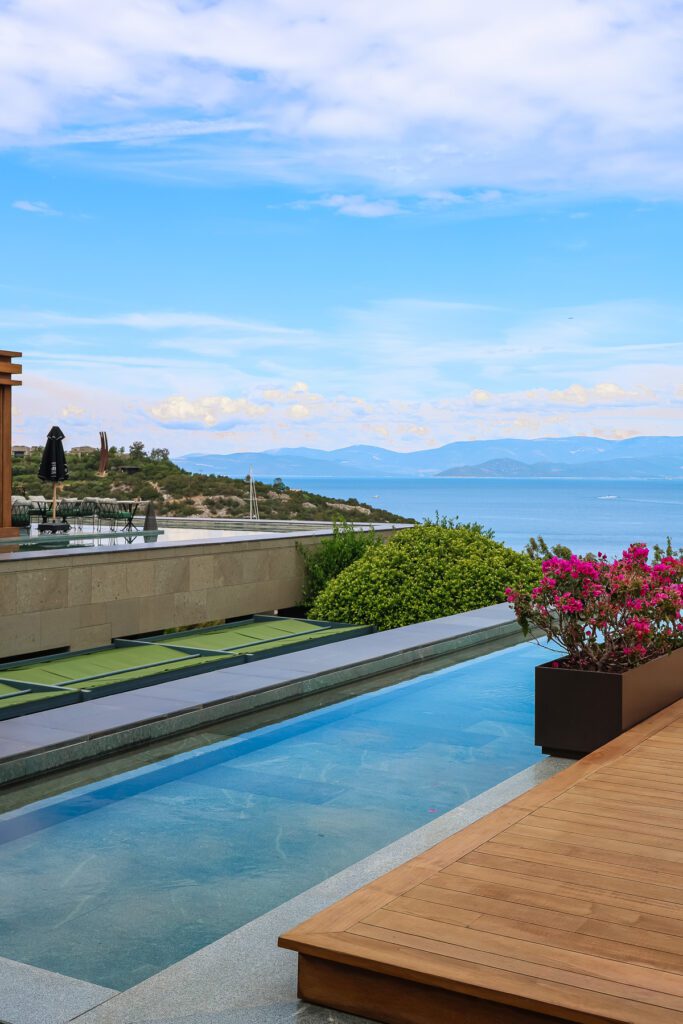
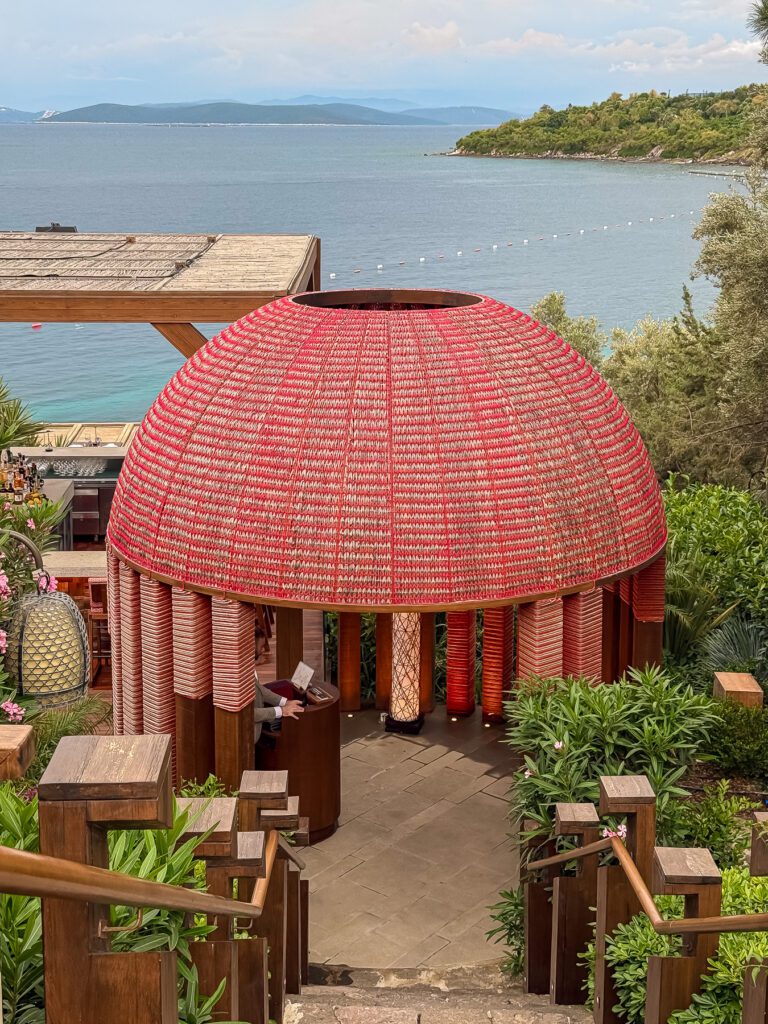
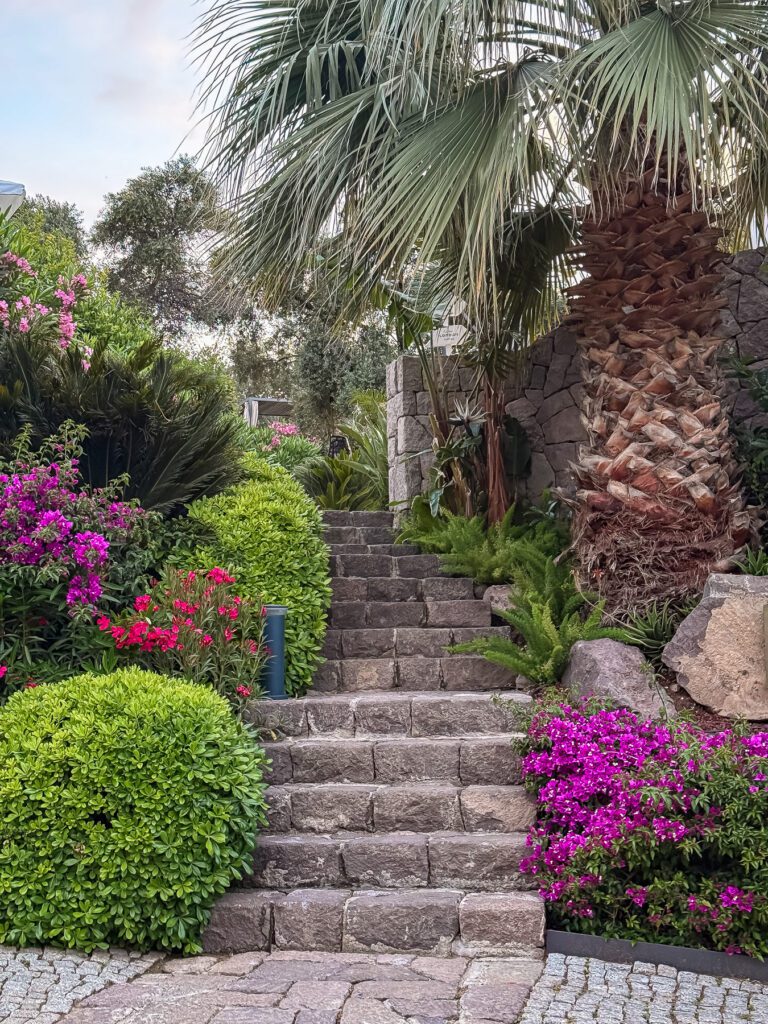
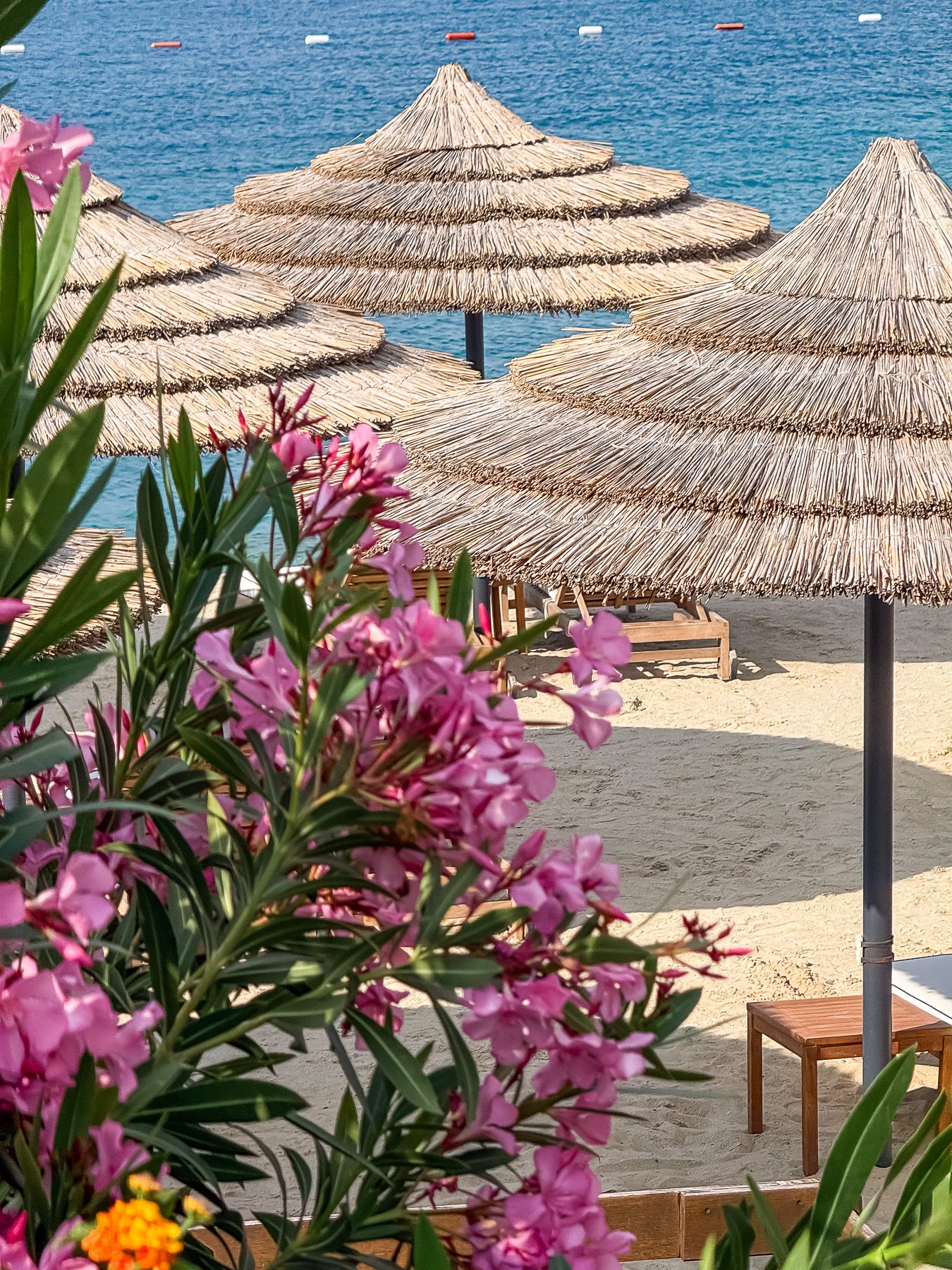
The territory of MO Bodrum is a perfectly curated Mediterranean bliss, with olives, oleander trees, and fragrant herbs surrounding the stone paths.
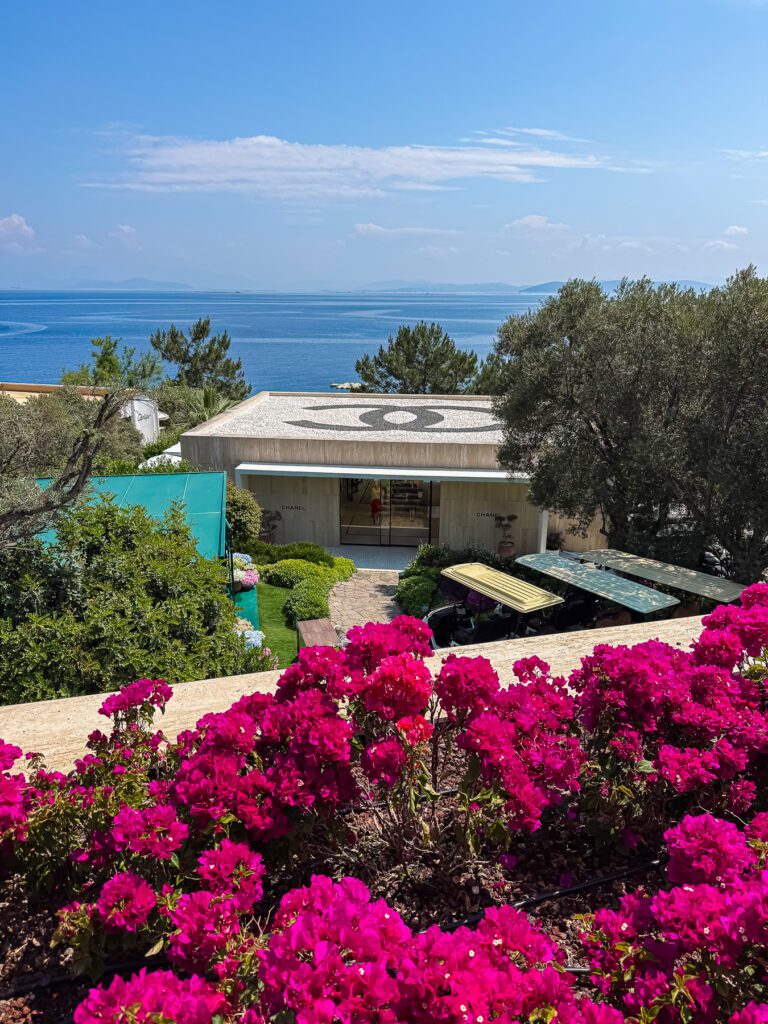

The brands represented here are Hermes, Chanel, Cartier, Louis Vuitton, Dior beauty, and a few others.
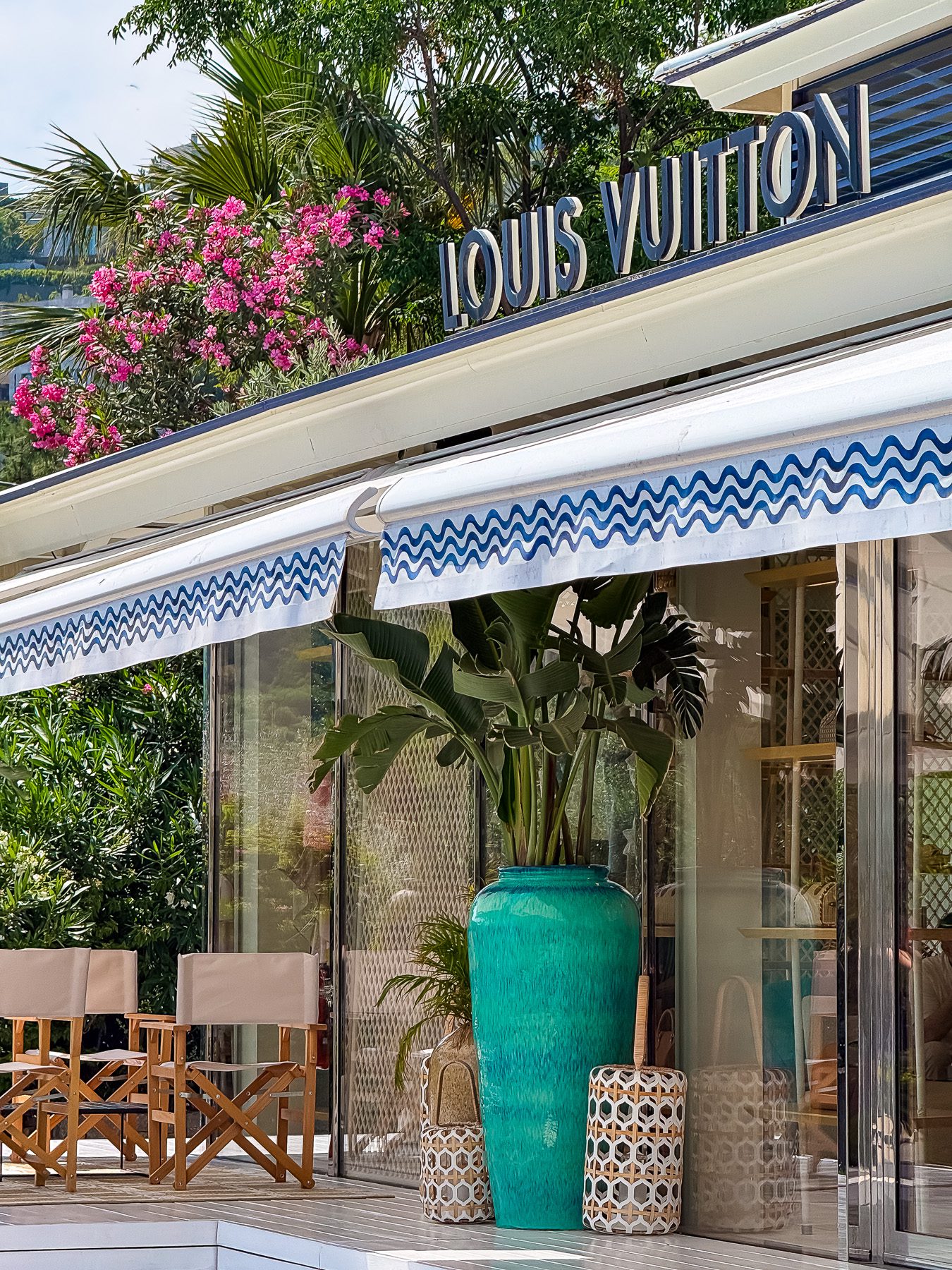
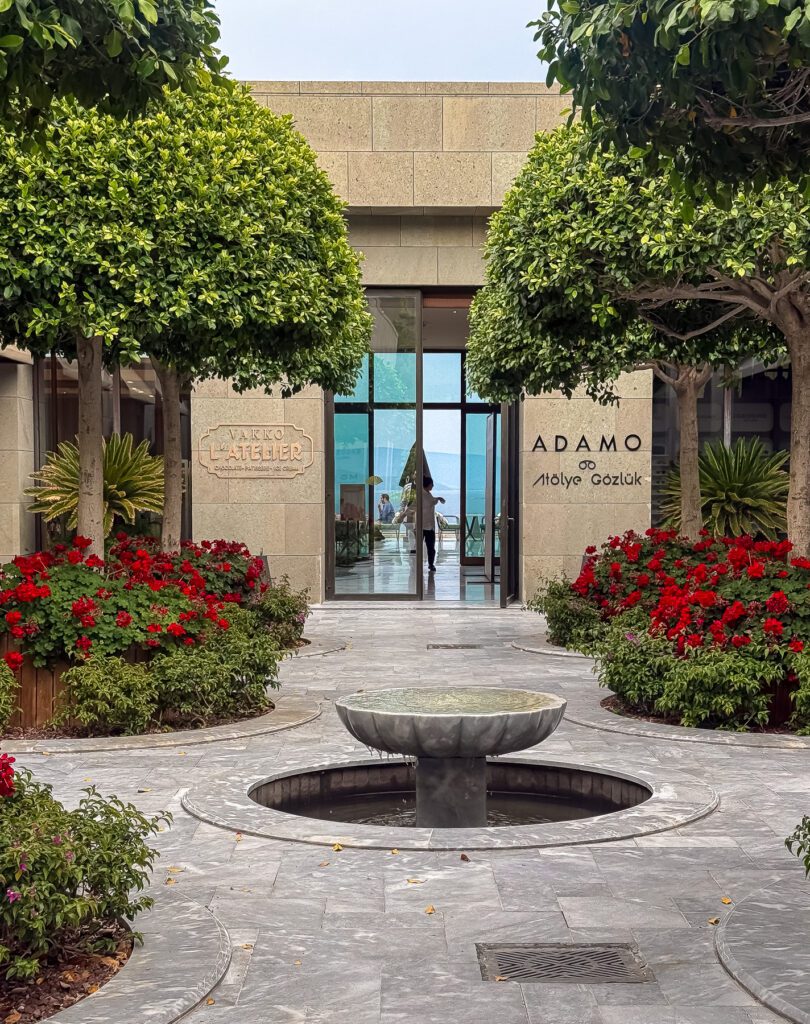
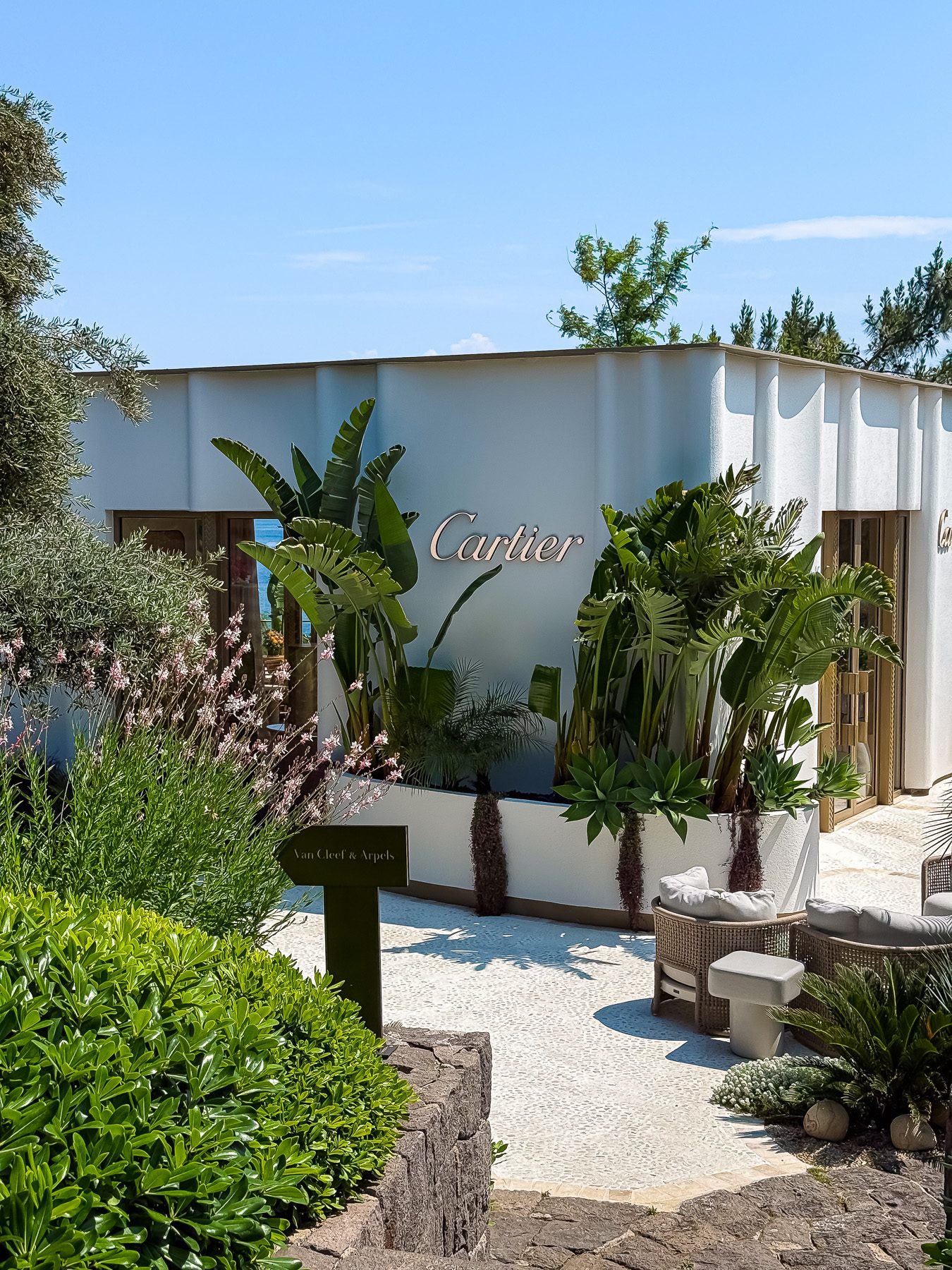

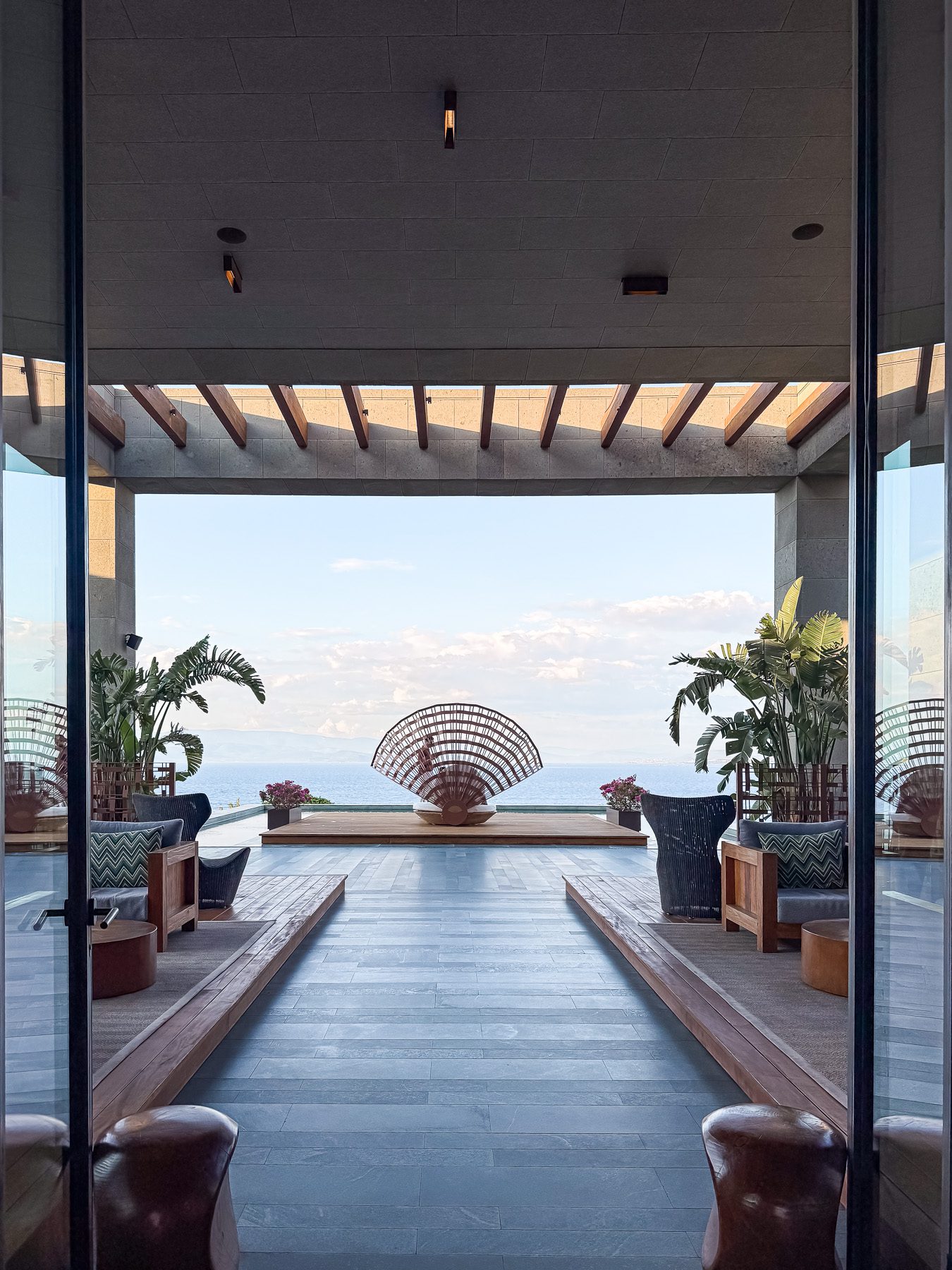

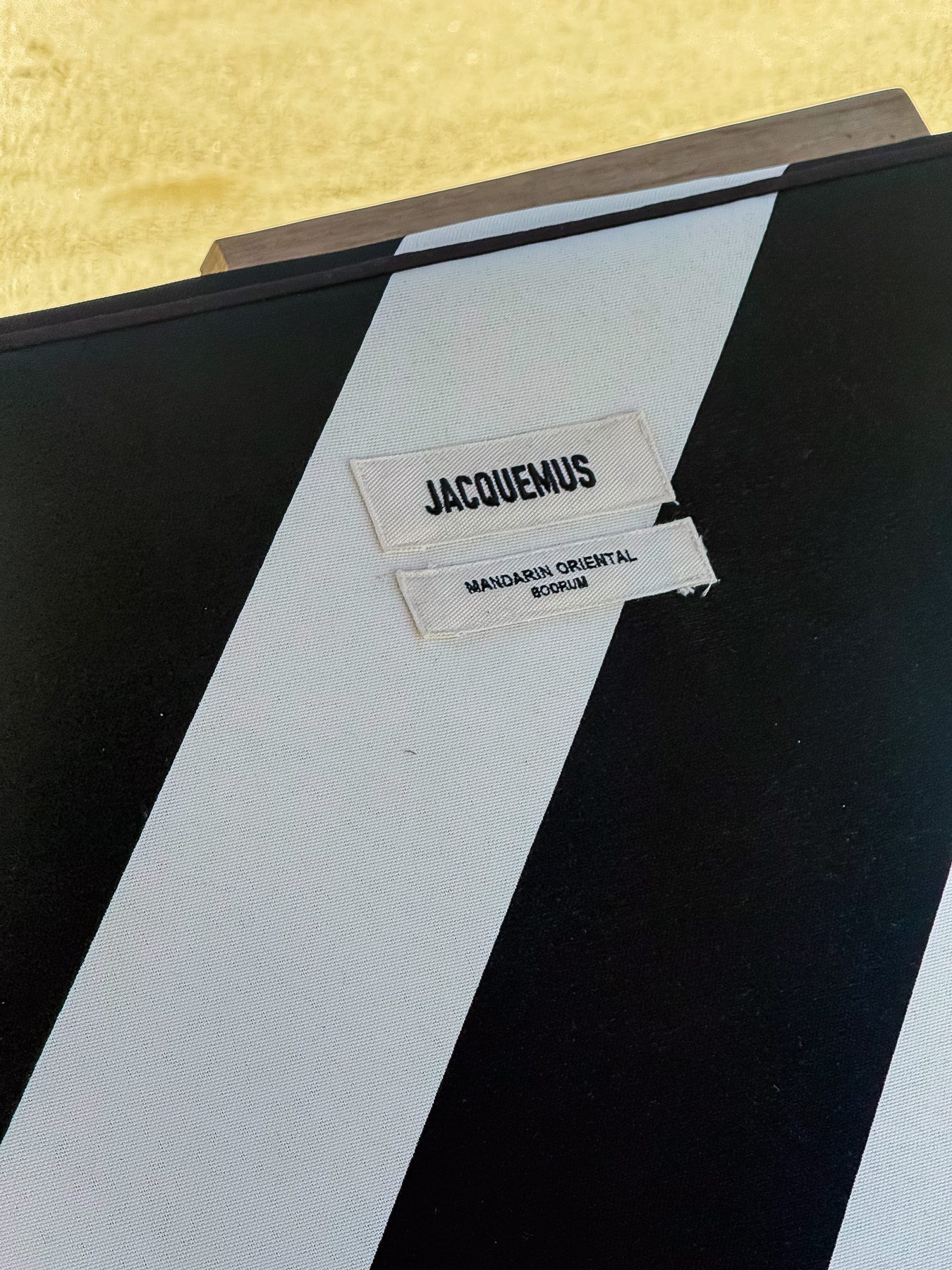
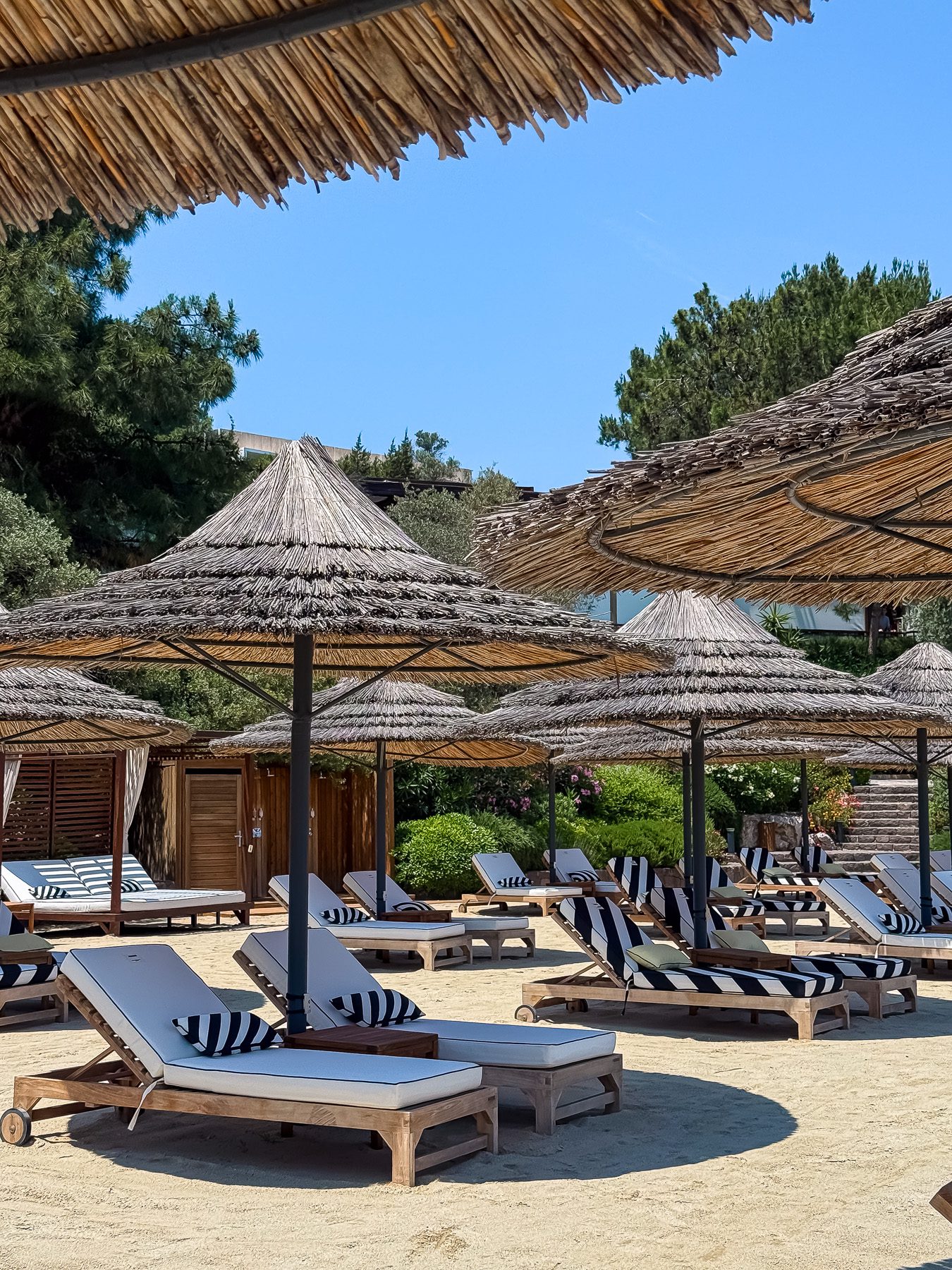
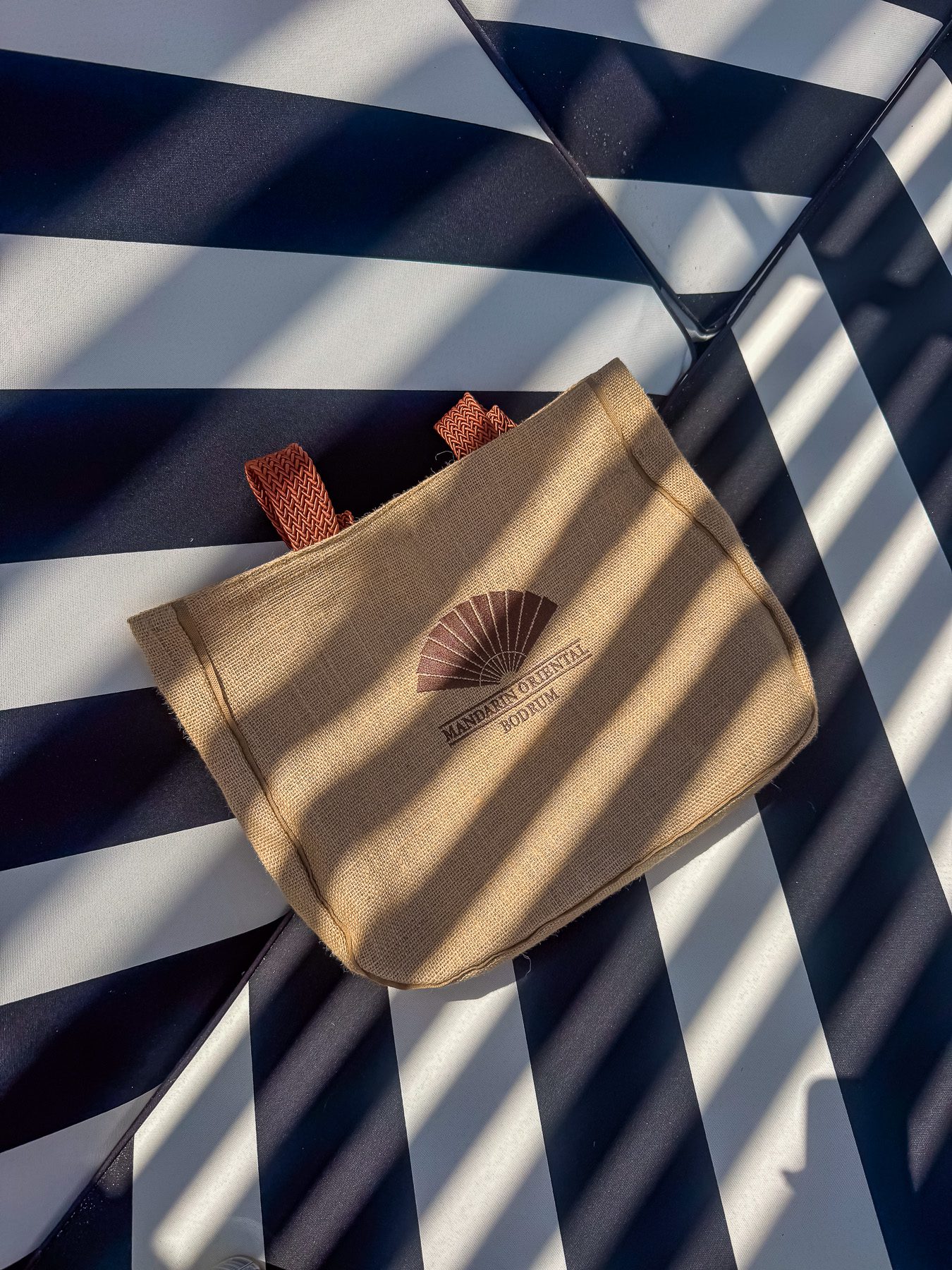
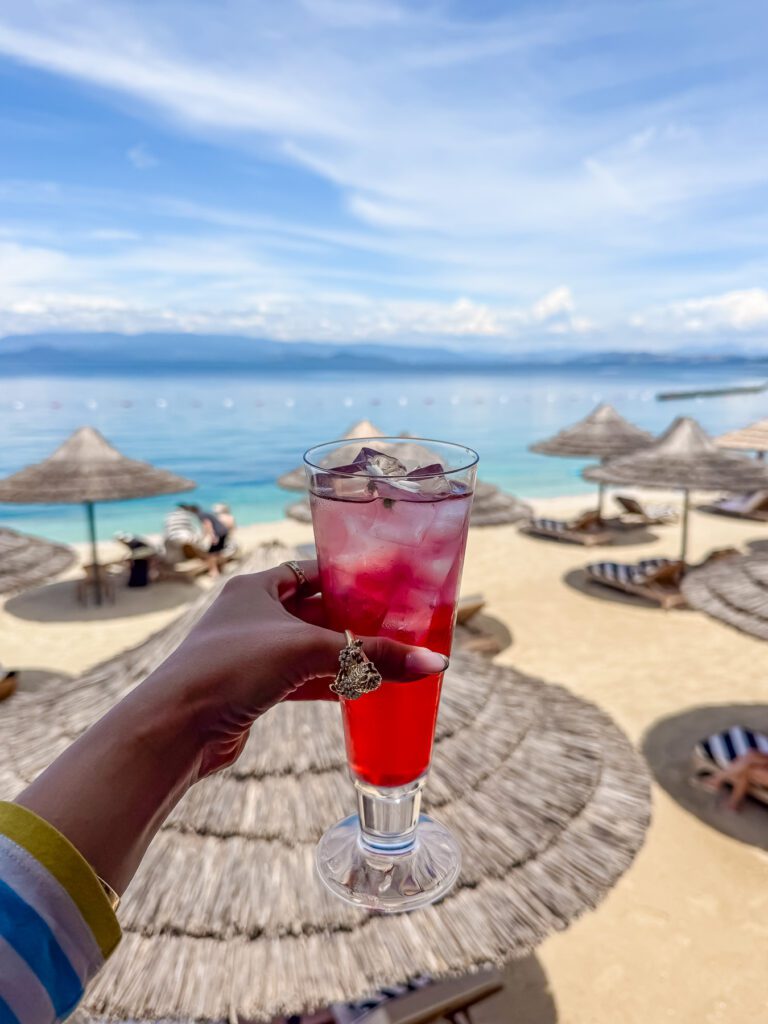
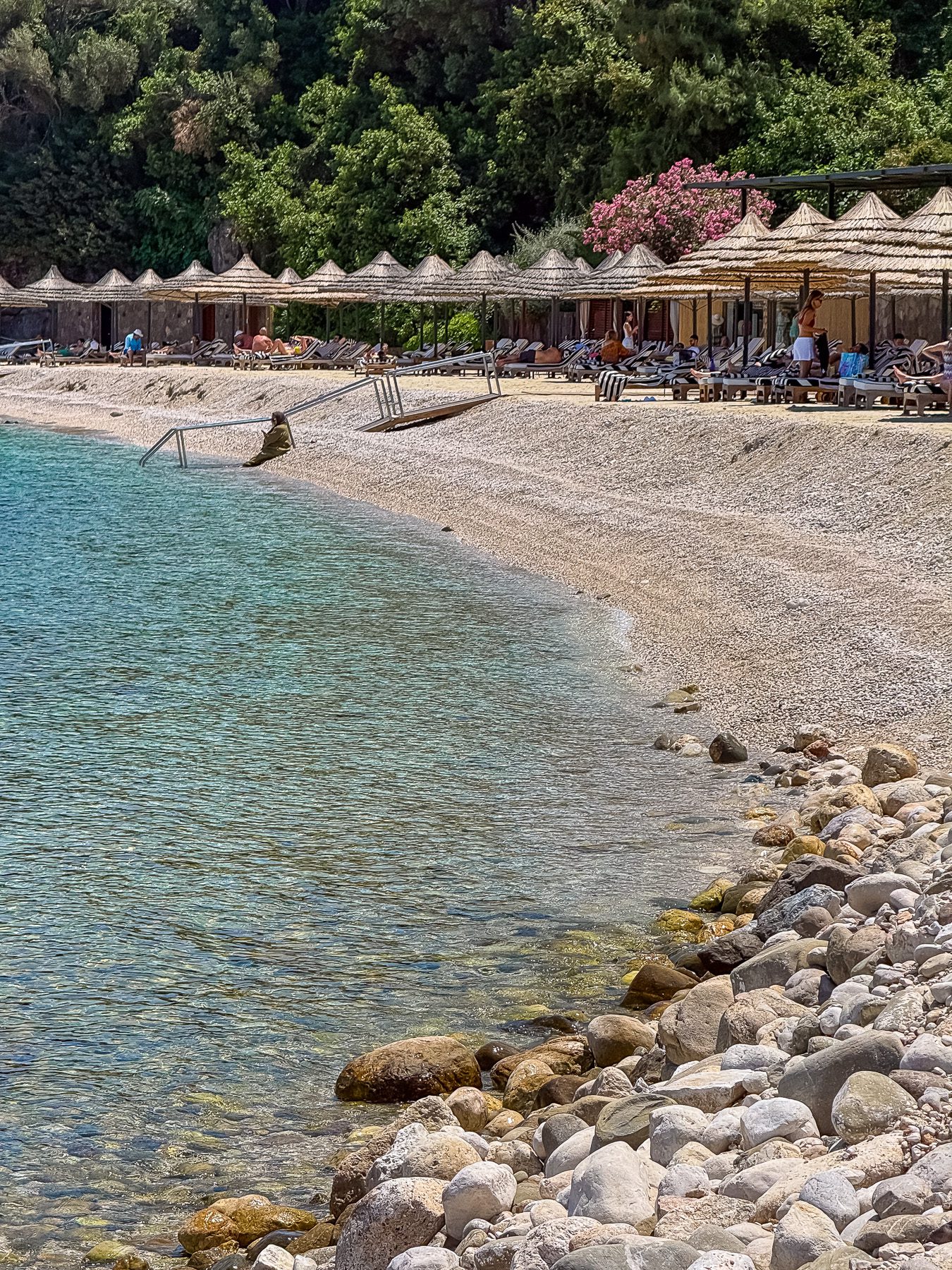
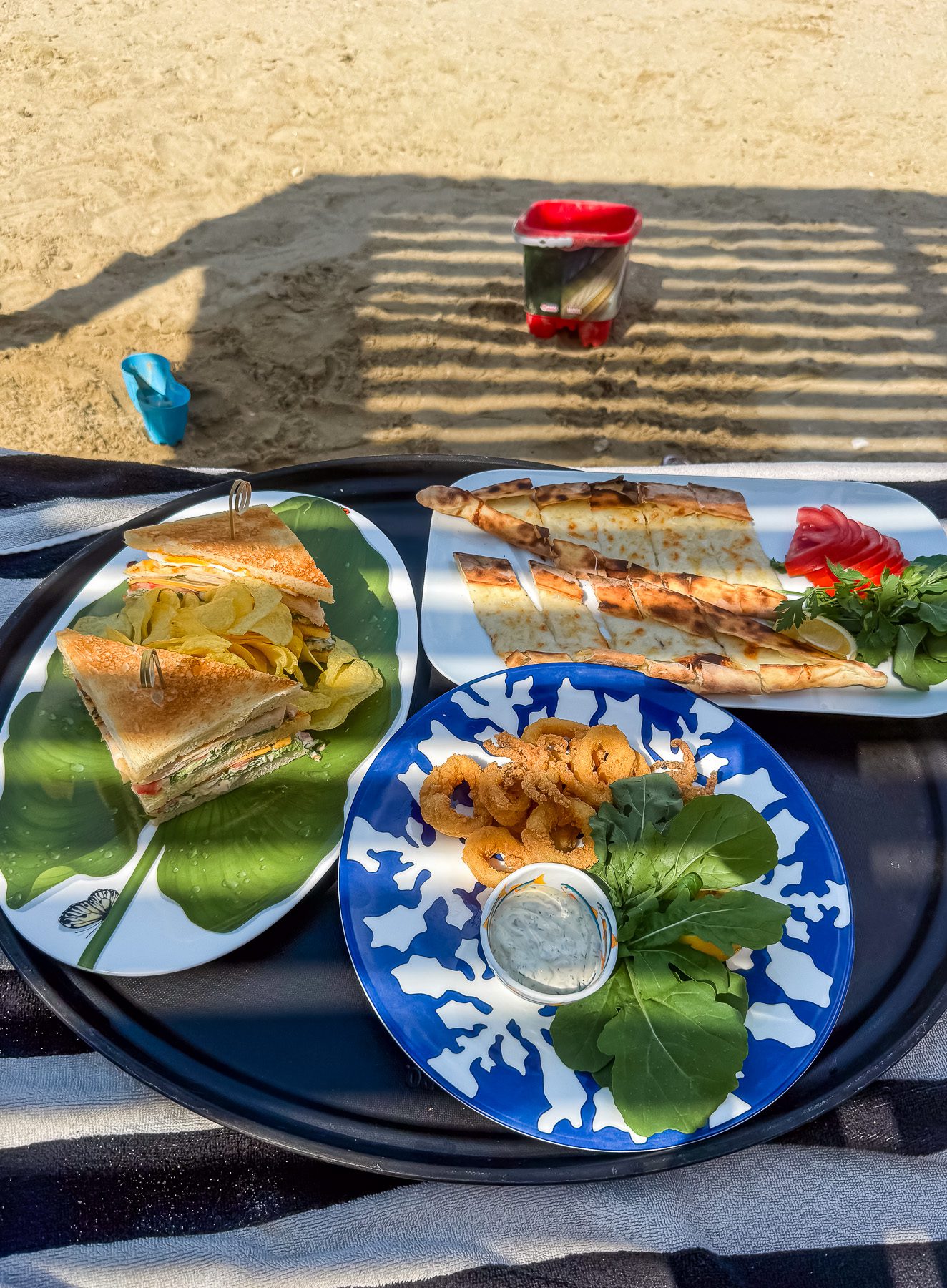
The beach, decorated in white and black by Jacquemus, is a yes from me, and the service was really exceptional.
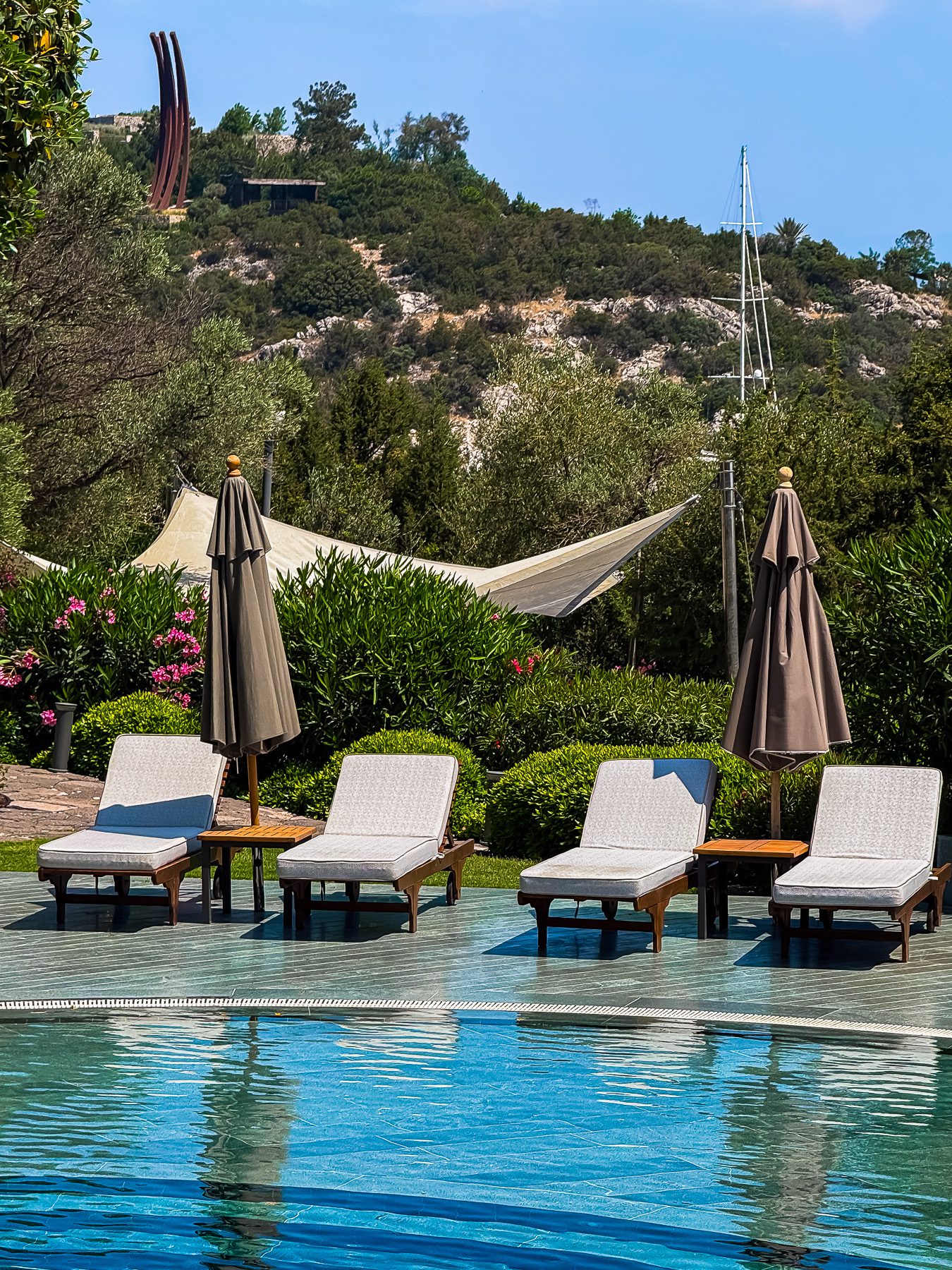
Although we had our heated plunge pool, the public pool looked pretty good as well; however, unfortunately, it’s not heated.
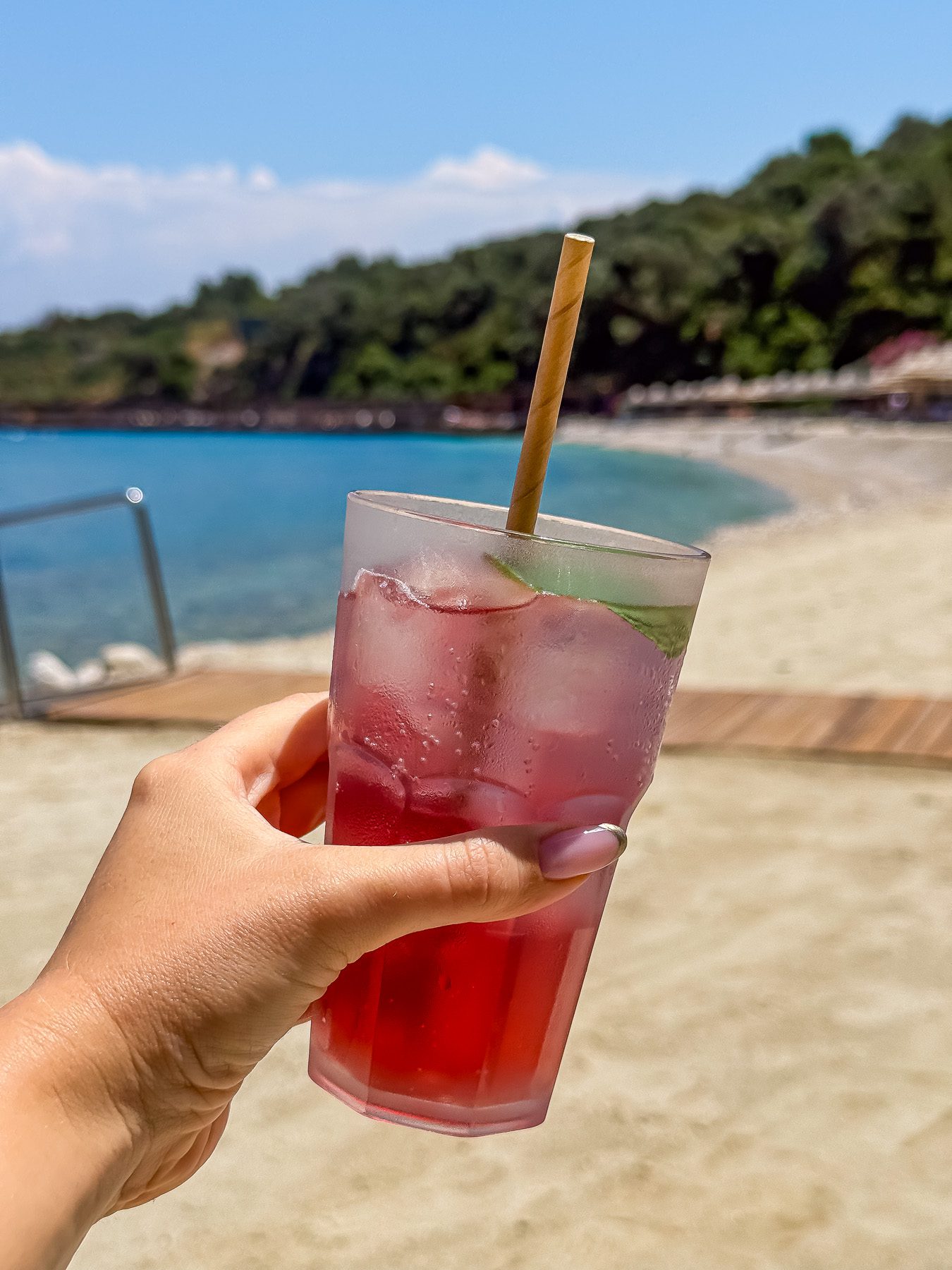

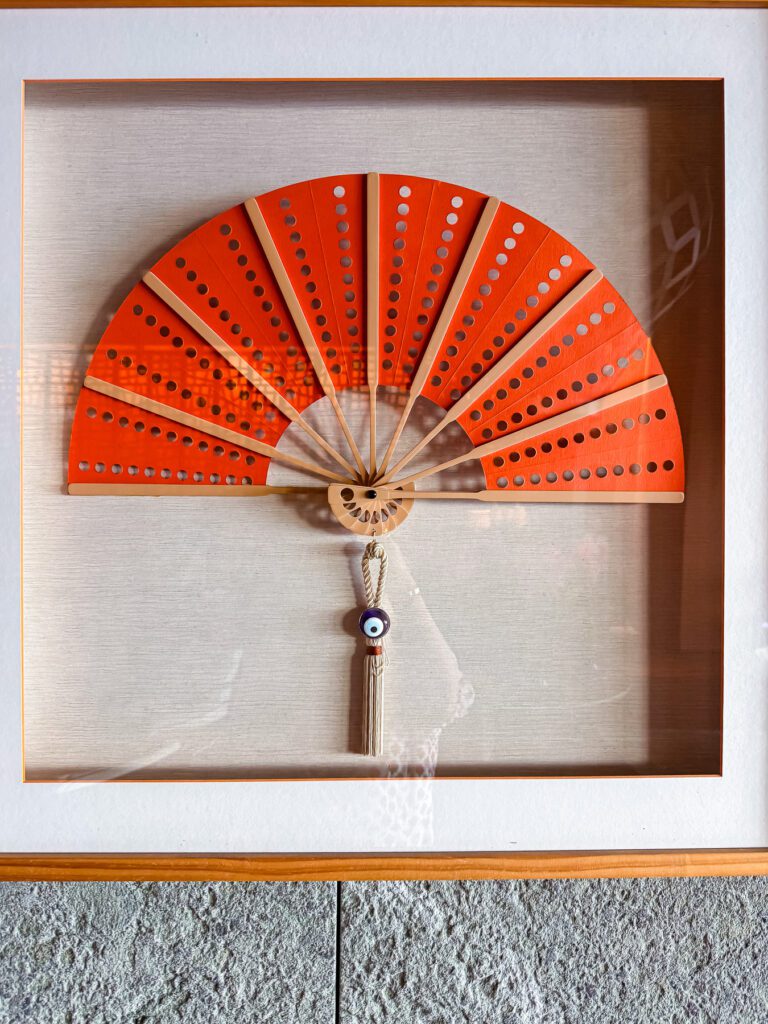
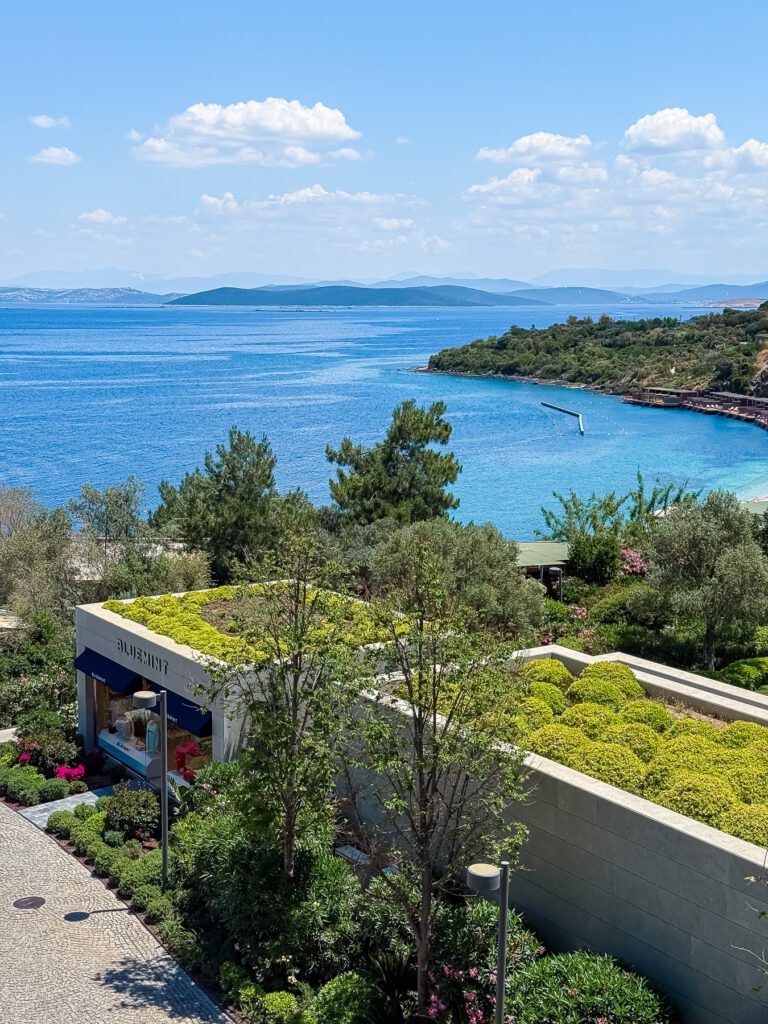
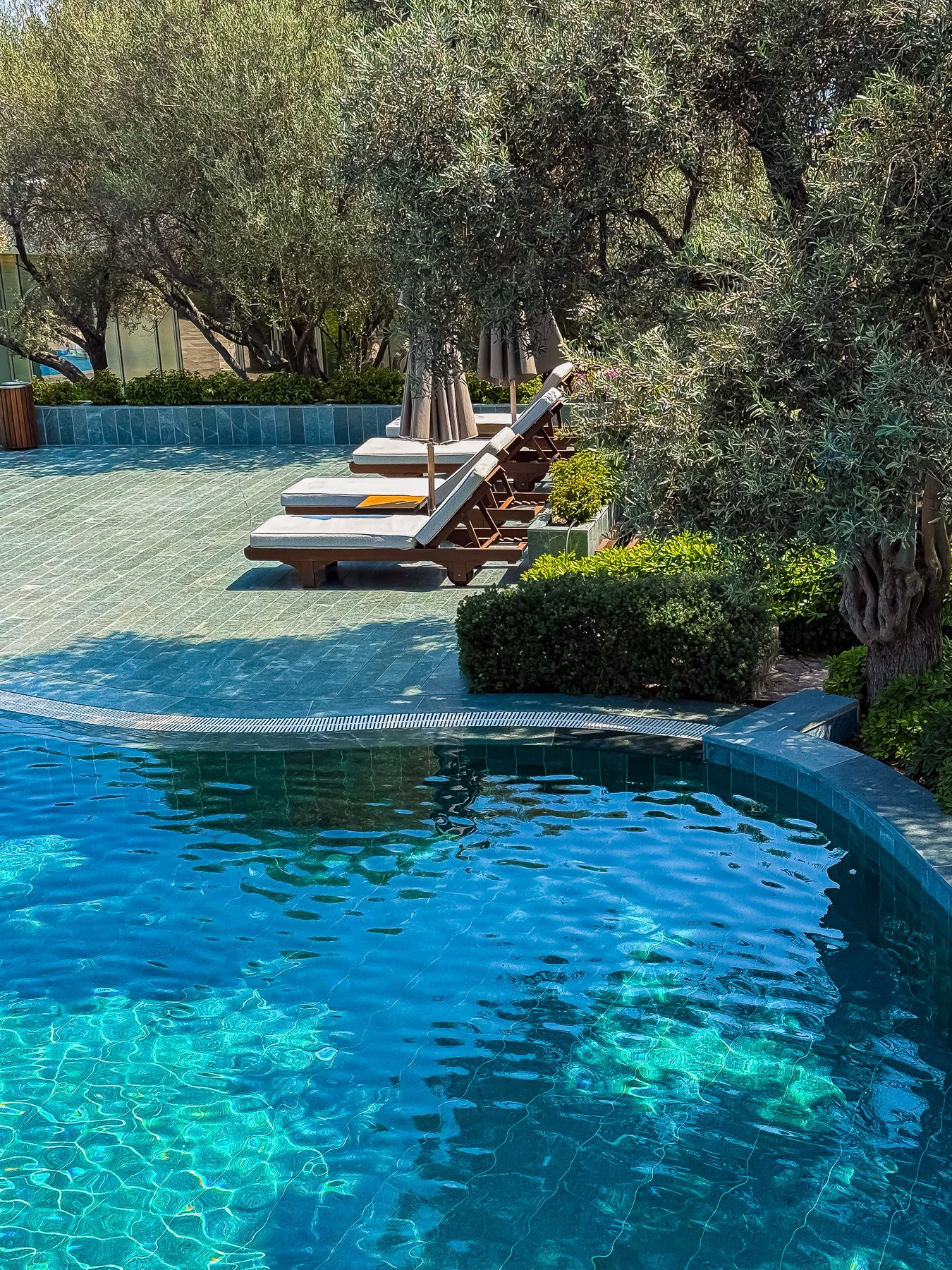
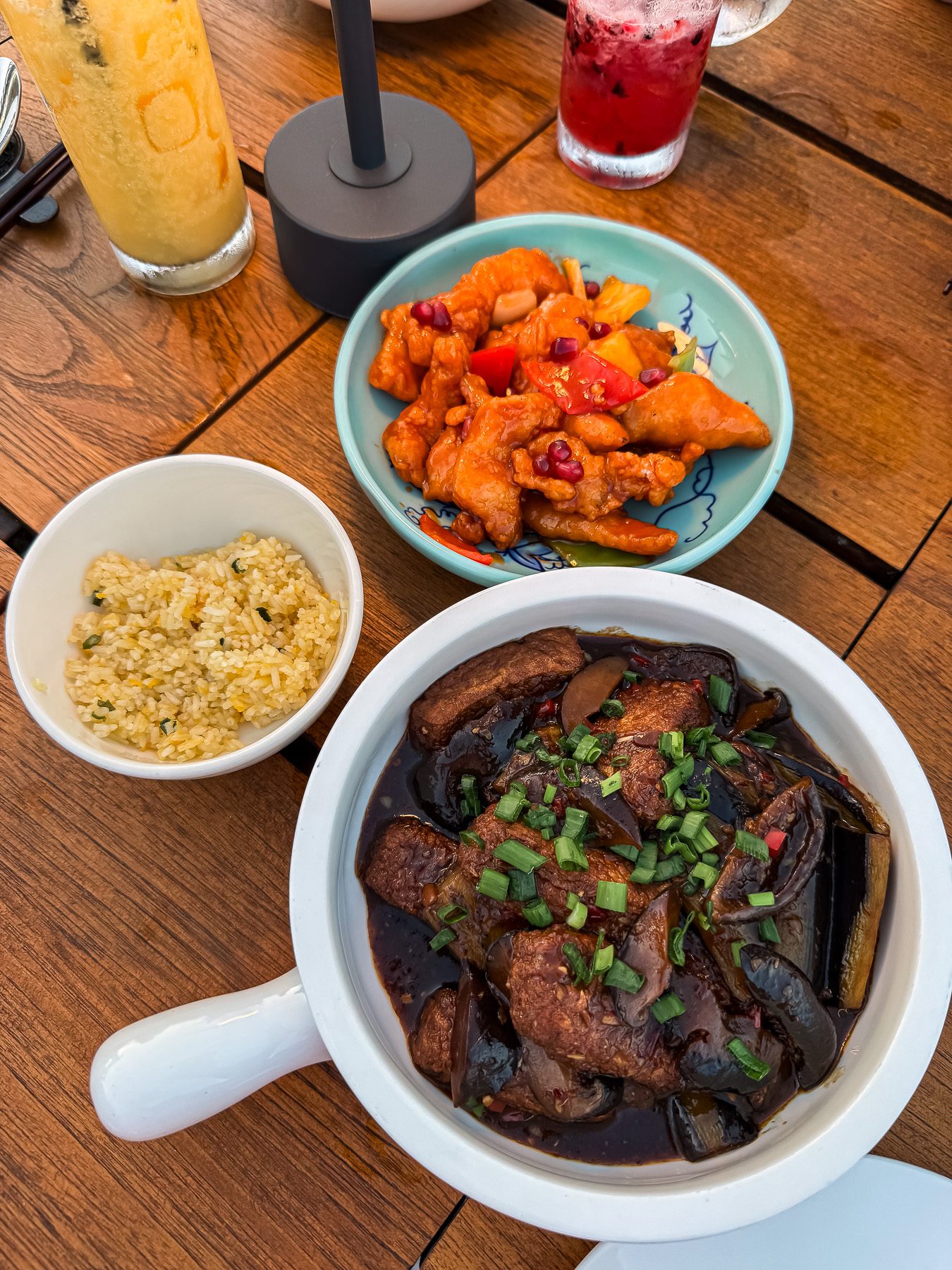
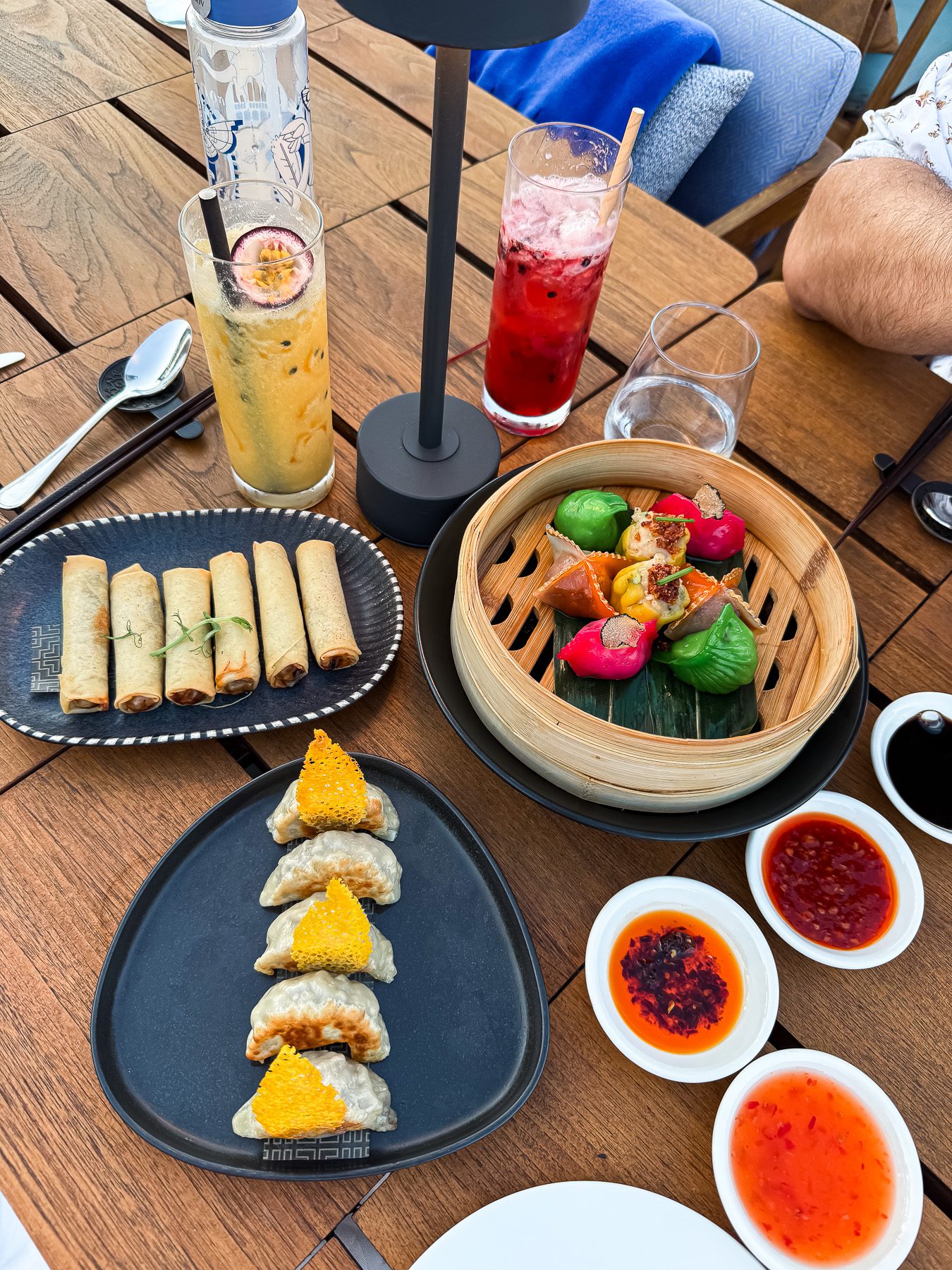
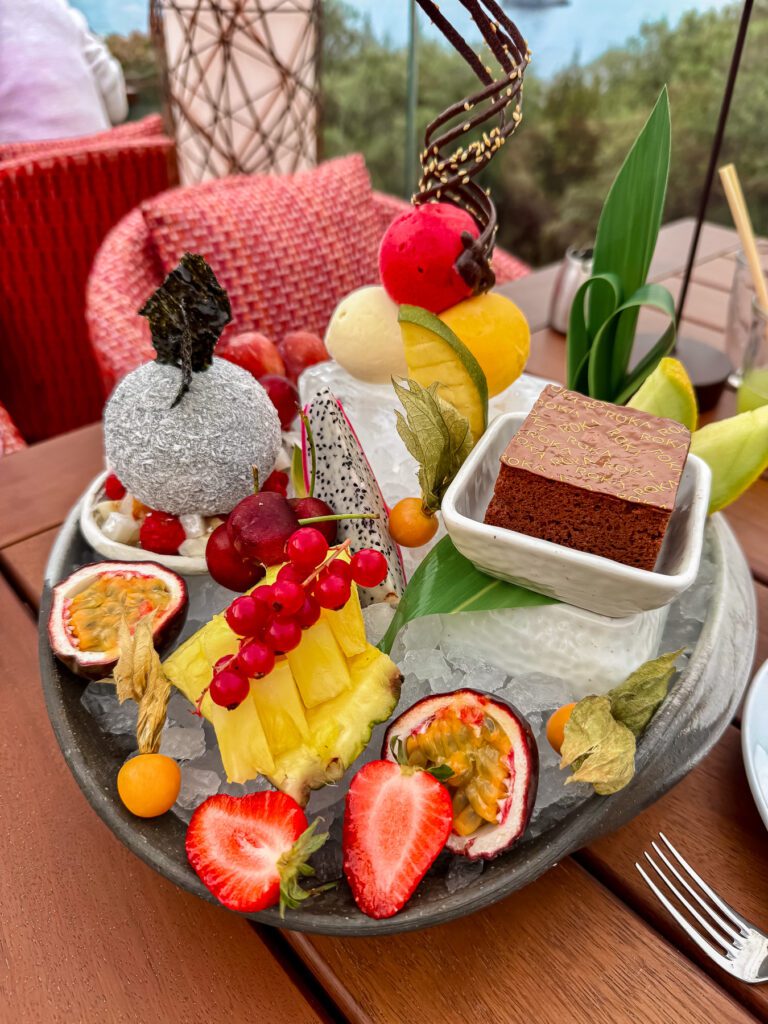
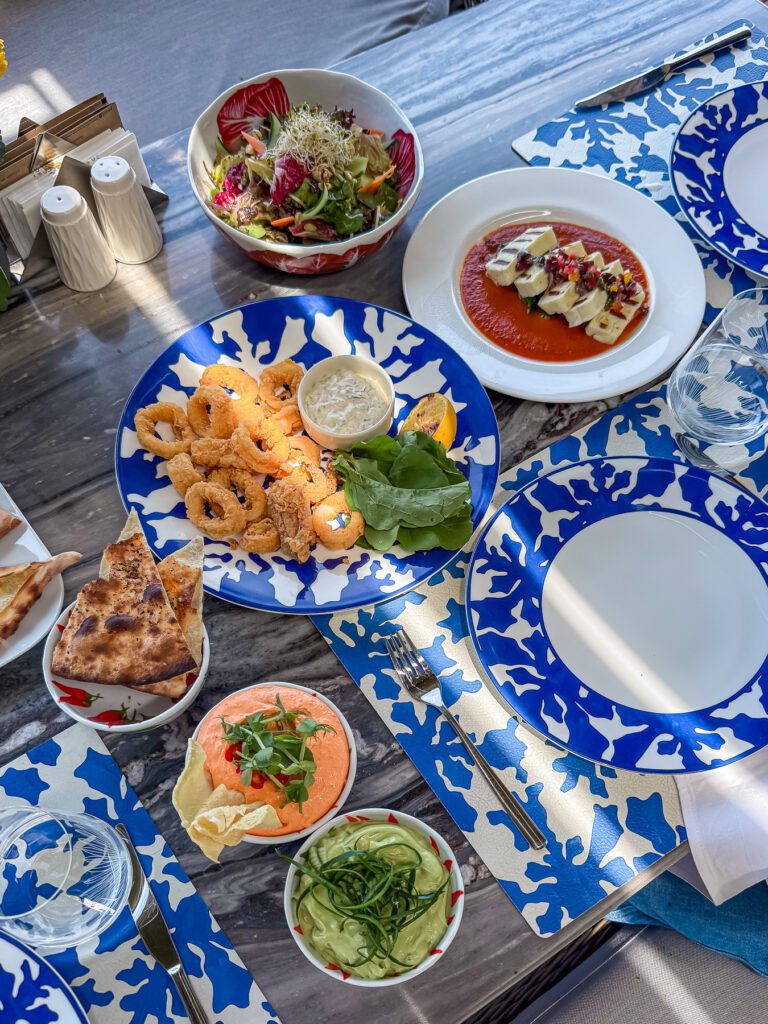
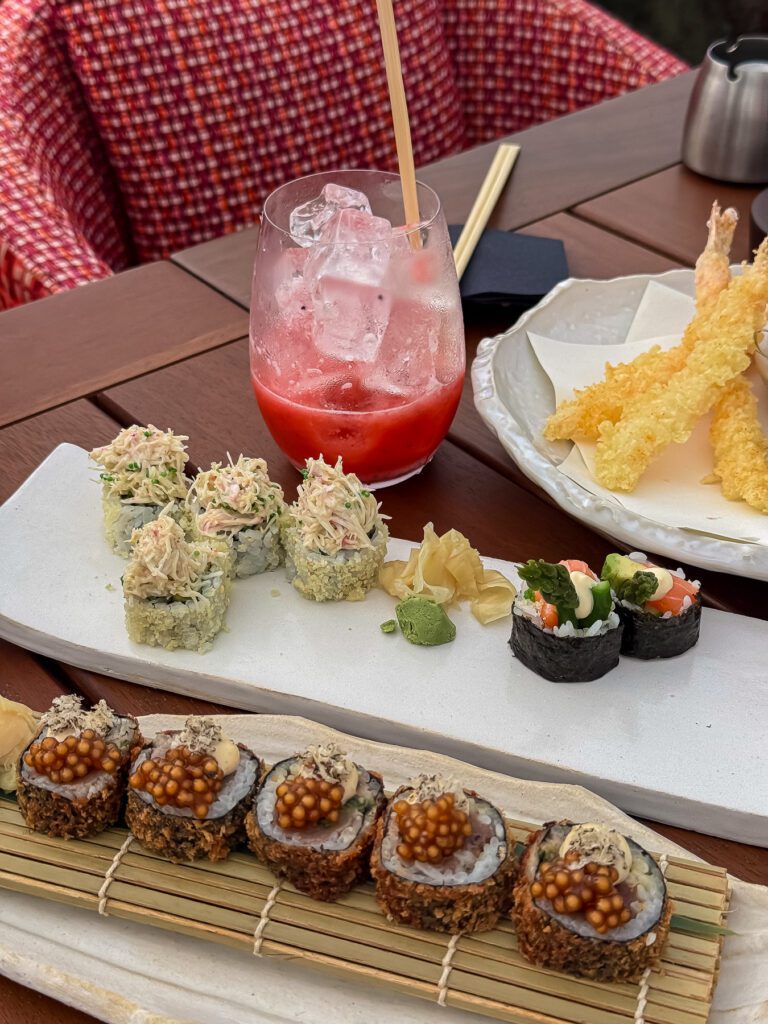
Overall, there are eight restaurants here: Roka, Hakkasan, Maison Revka, Sofra, Blue Beach Club, Gaia, Ferdi Baba, and Gigi Bodrum. Besides that, they have their own shopping village right here, within the hotel territory.

Check my other blogs about Turkey!
Hope you liked my blog,
Yours, Anna
xxx