Are you looking for a trip itinerary to explore as many gems around Tunis as you can?
Look no more and steal my list of 10 places to visit! Of course, there is more to see in Tunisia: you can visit the Roman city of Dougga, relax on Djerba Island, or explore ksars and villages in the desert, but these are the places you simply can’t miss!
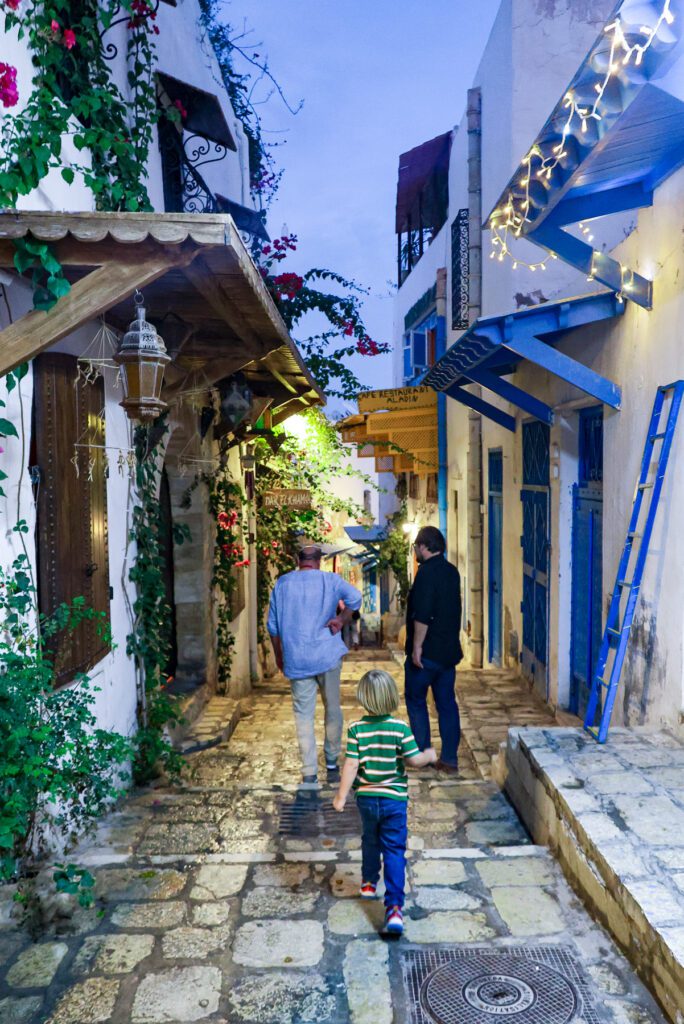

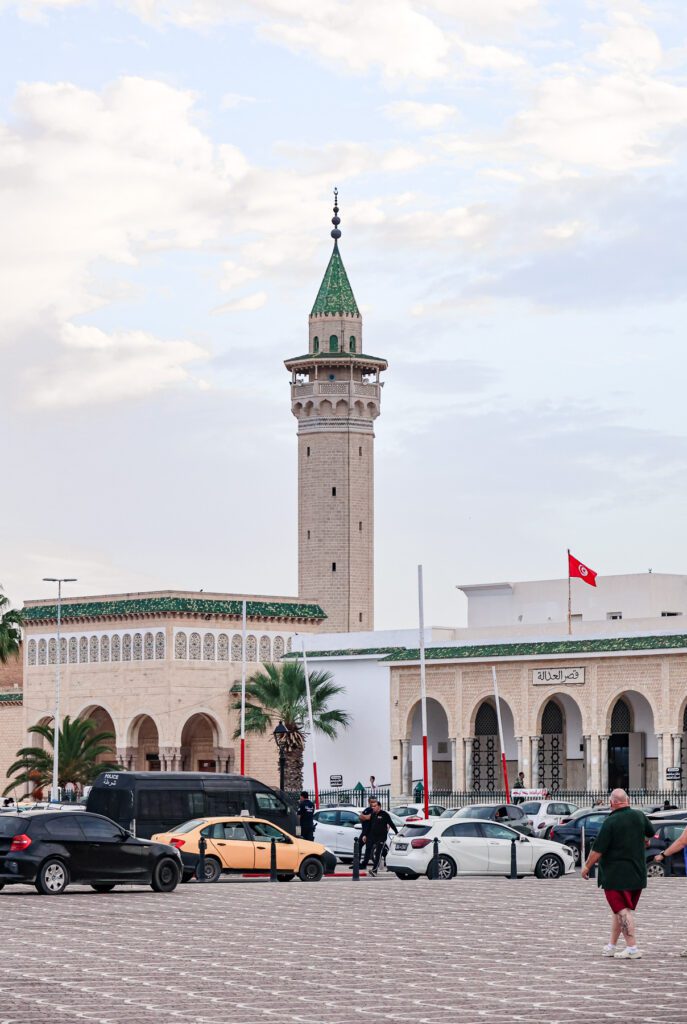
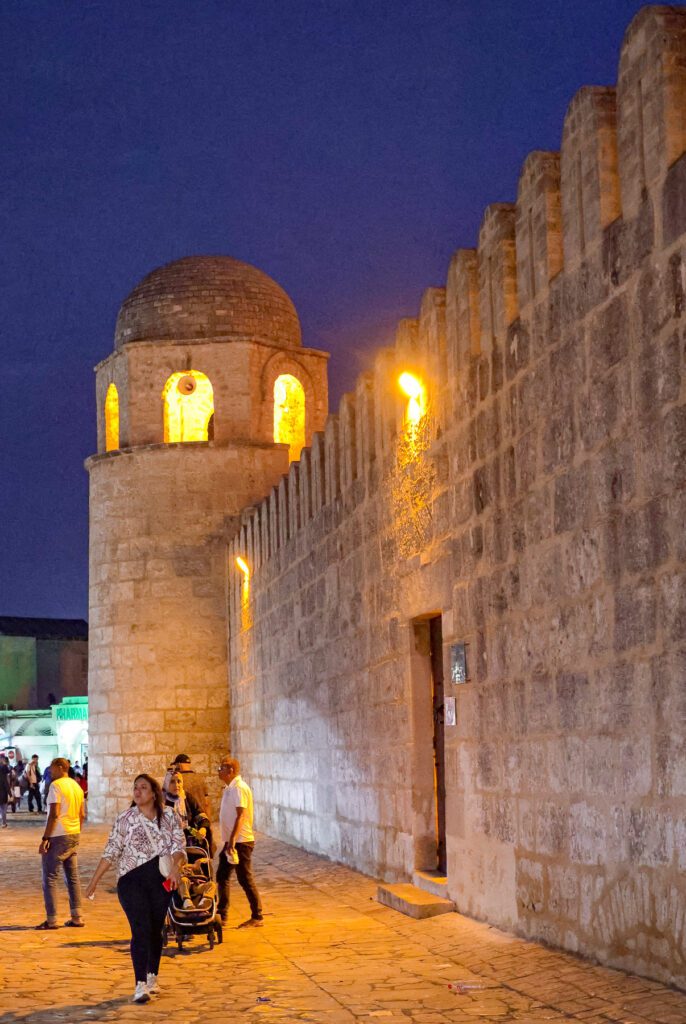
First, I will give you a small introduction to each city and then mention its most famous landmarks that attract people from all over the world.


Kairouan
Kairouan, an ancient city and a UNESCO World Heritage Site, is about 2-2.5 hours by car from the center of Tunis, depending on traffic (and traffic is a real issue here). The city was founded by the Umayyad dynasty around 670 AD and became one of the most important cities in North Africa.
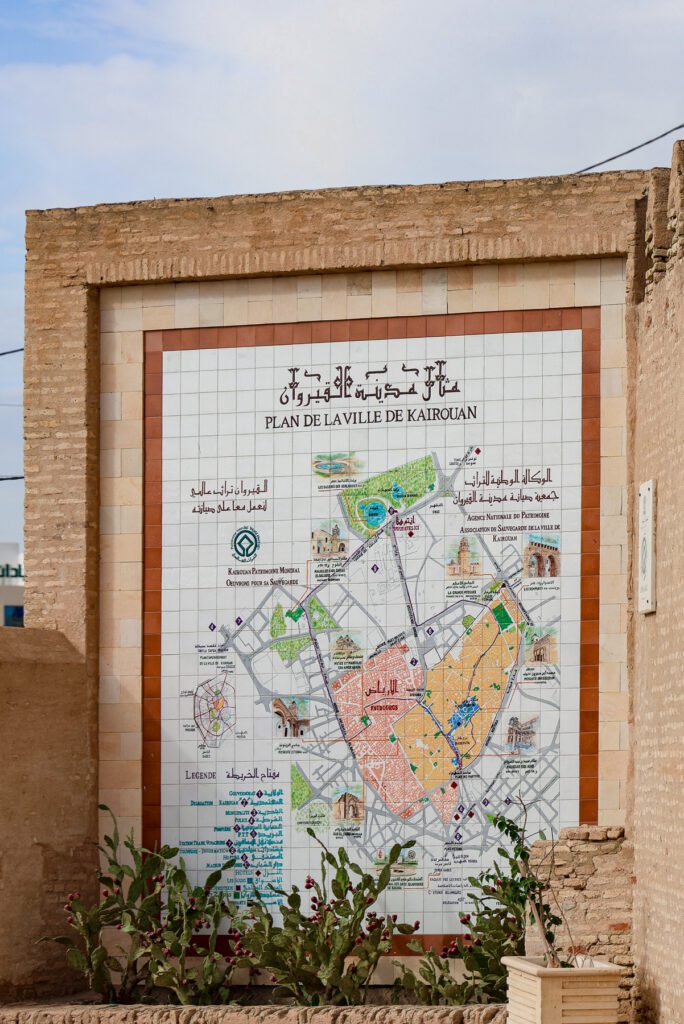

1.Kairouan Carpets
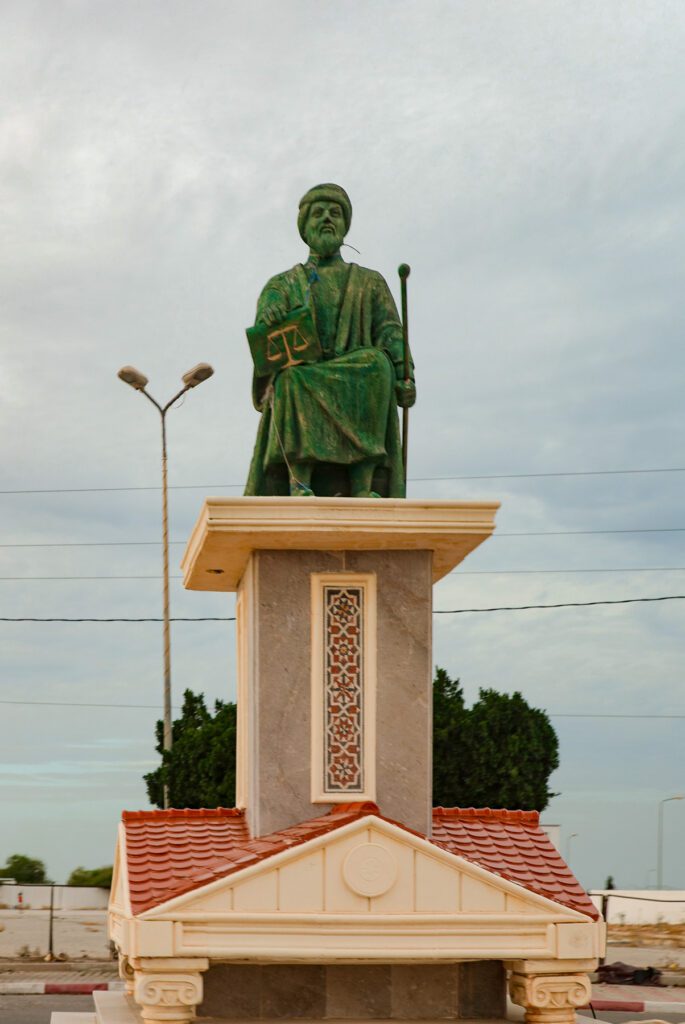
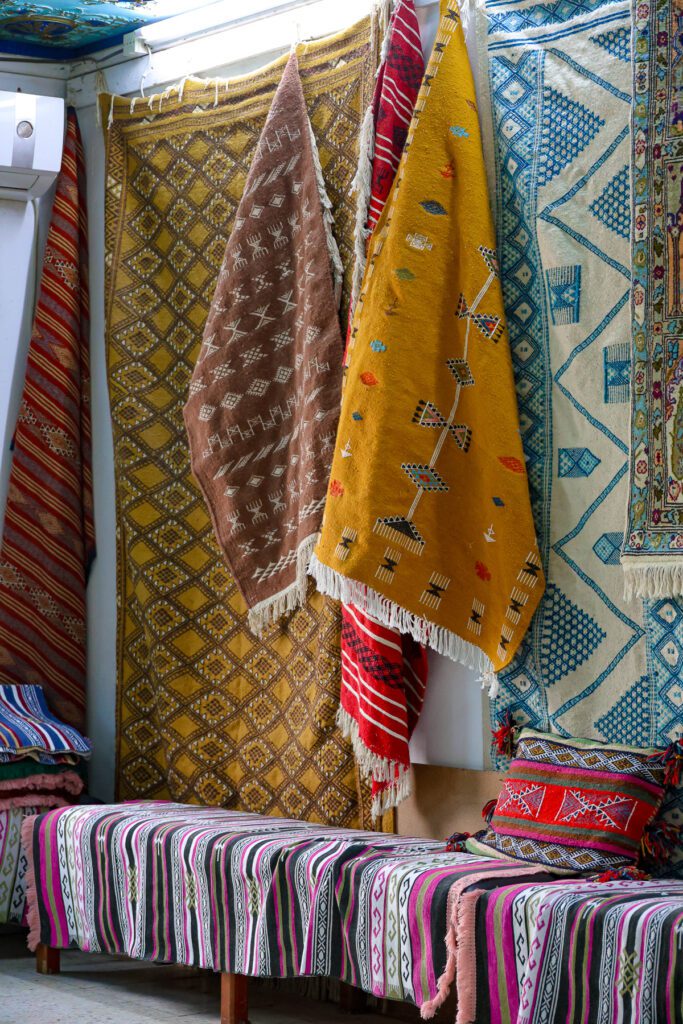
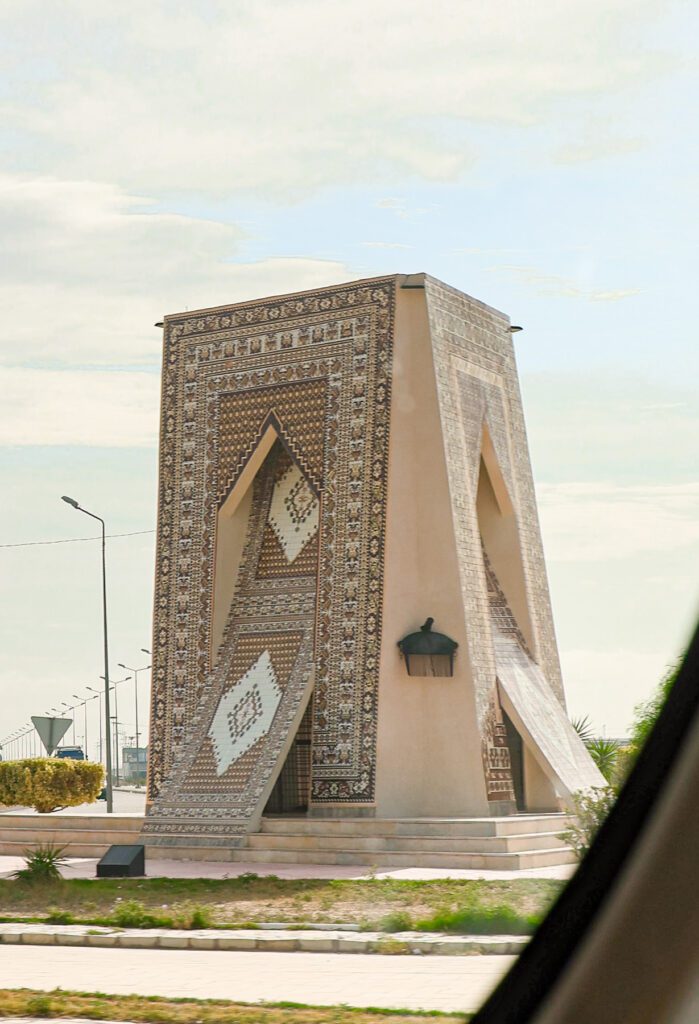
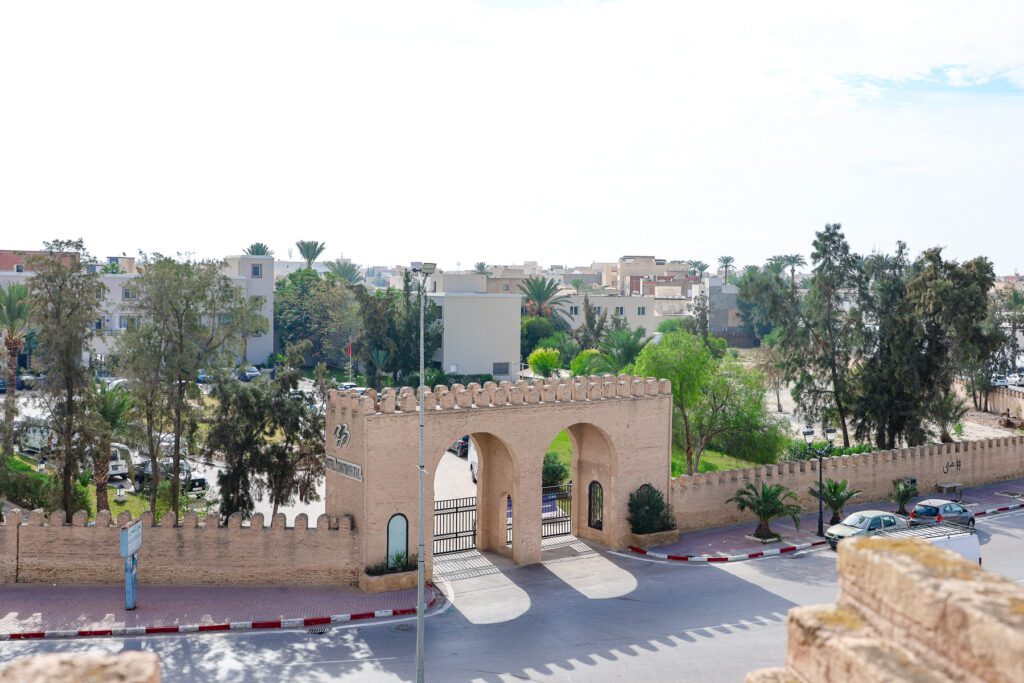
Once you enter the city, a large carpet monument welcomes visitors. Kairouan is considered one of the main centers for handwoven carpets in the world, right after cities in Iran and India!
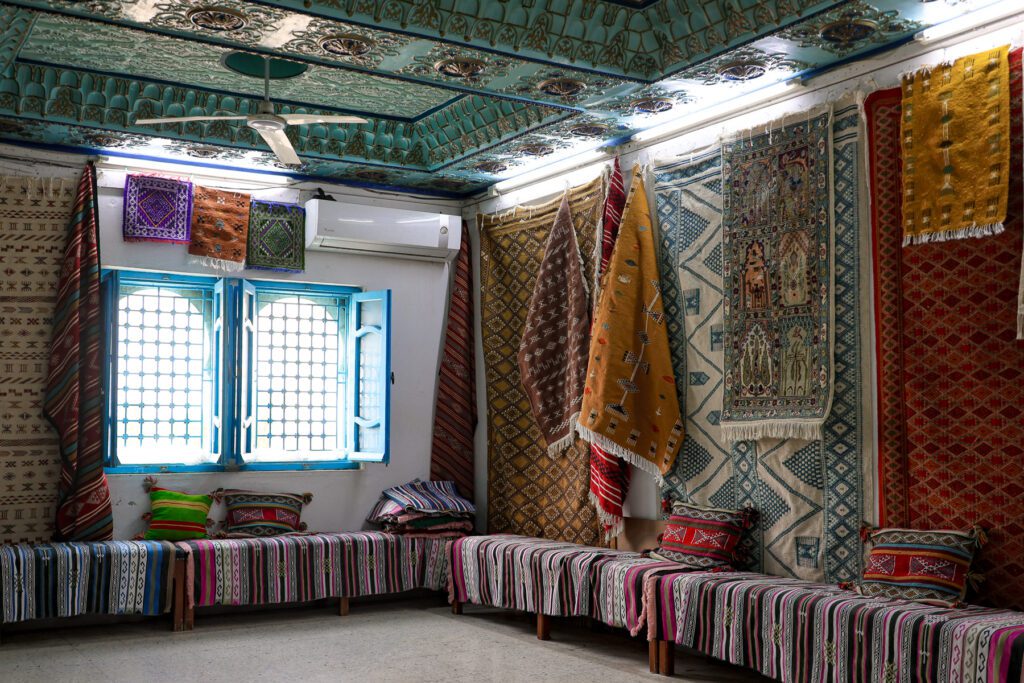
I swore that I wouldn’t buy a carpet during this trip (everyone brings home a carpet from Morocco and Tunisia) – but I couldn’t resist the temptation here, and now we’re the proud owners of a beautiful carpet with colourful Berber/Amazigh patterns.

2. Great Mosque of Kairouan
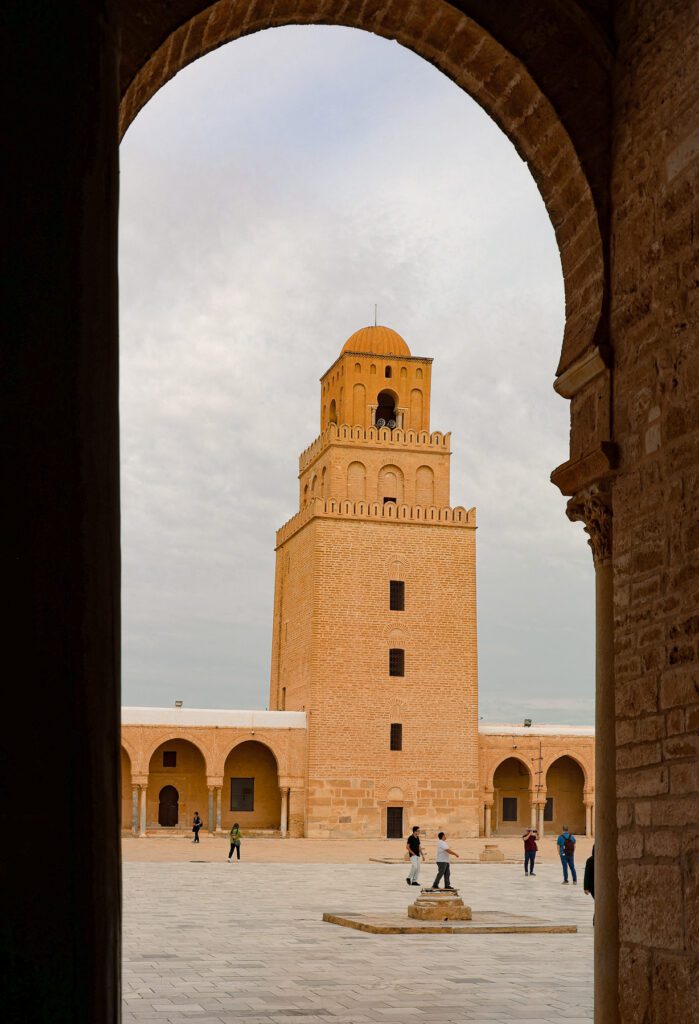
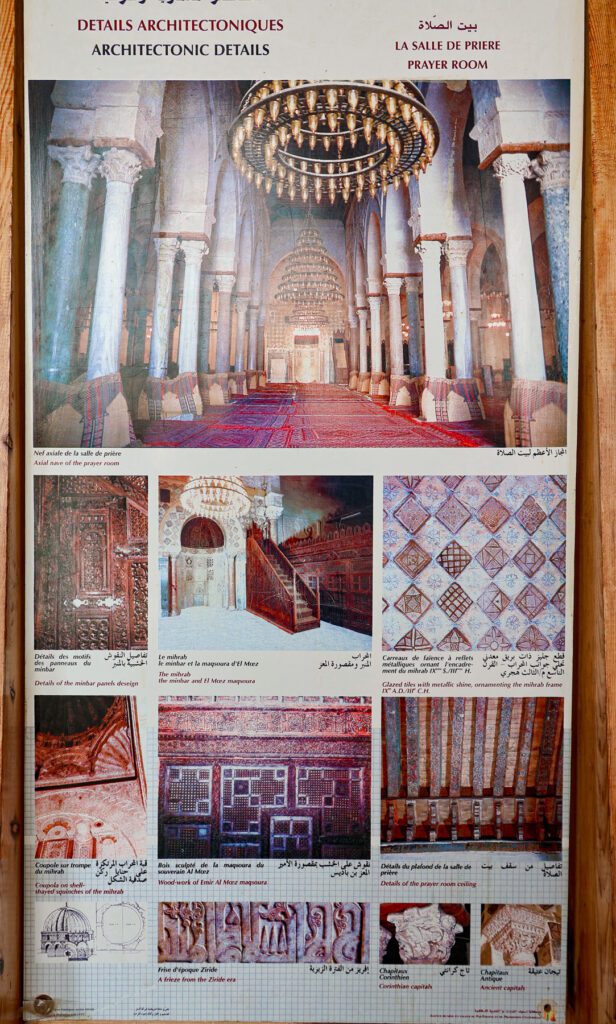
However, tourists usually come to Kairouan not for carpets. Did you know that Kairouan is the fourth holiest city for Muslims after Mecca, Medina, and Jerusalem? The Great Mosque of Kairouan, also known as the Great Mosque of Sidi-Uqba, is the main landmark of Kairouan and the largest Muslim building in North Africa.


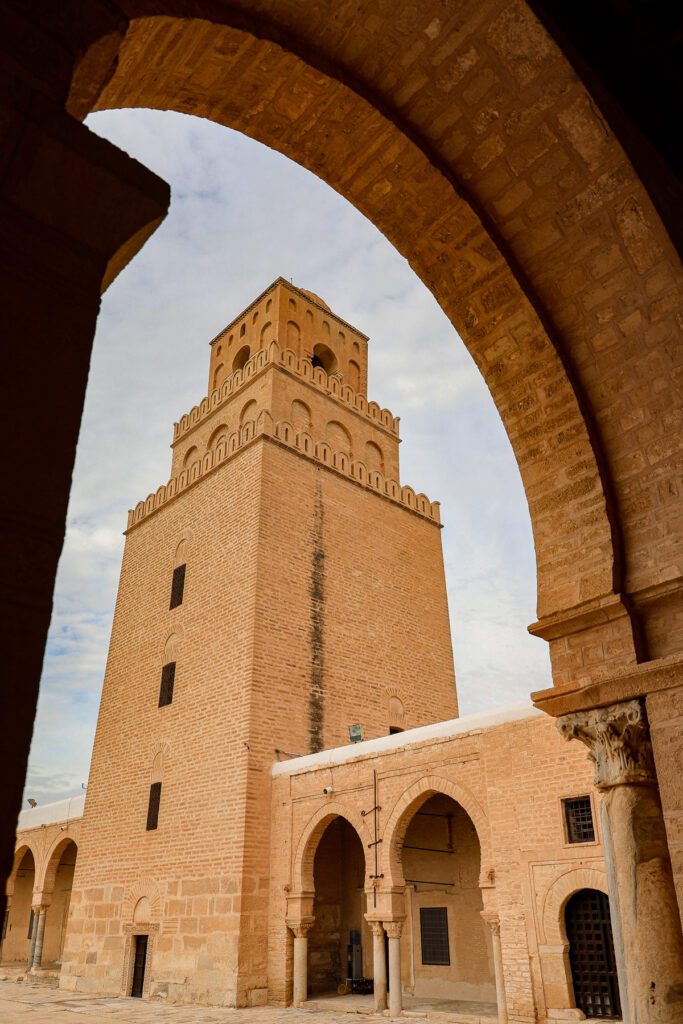
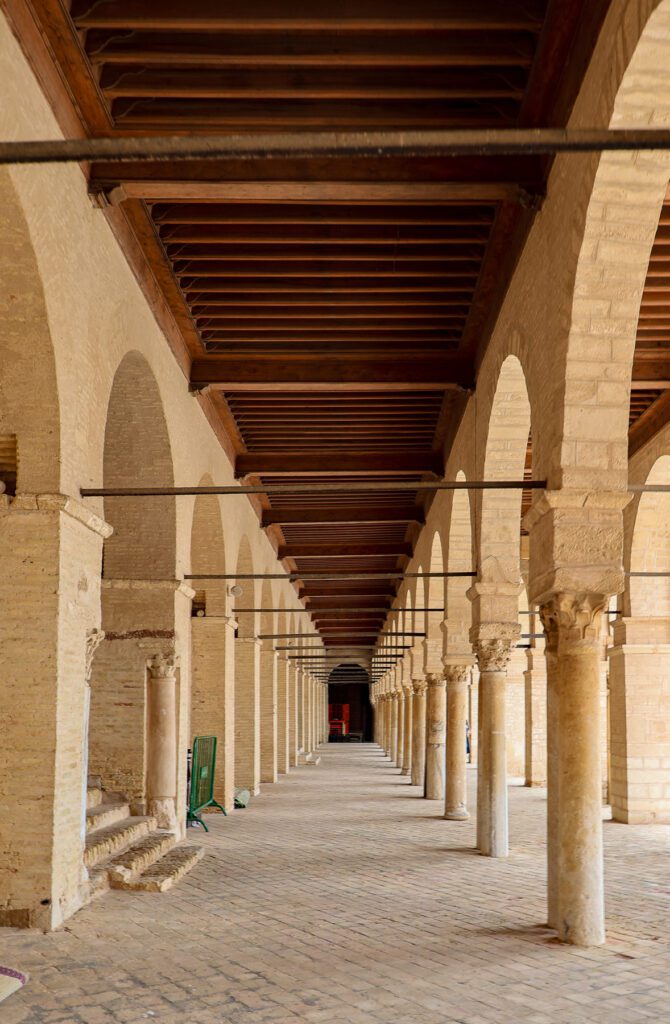
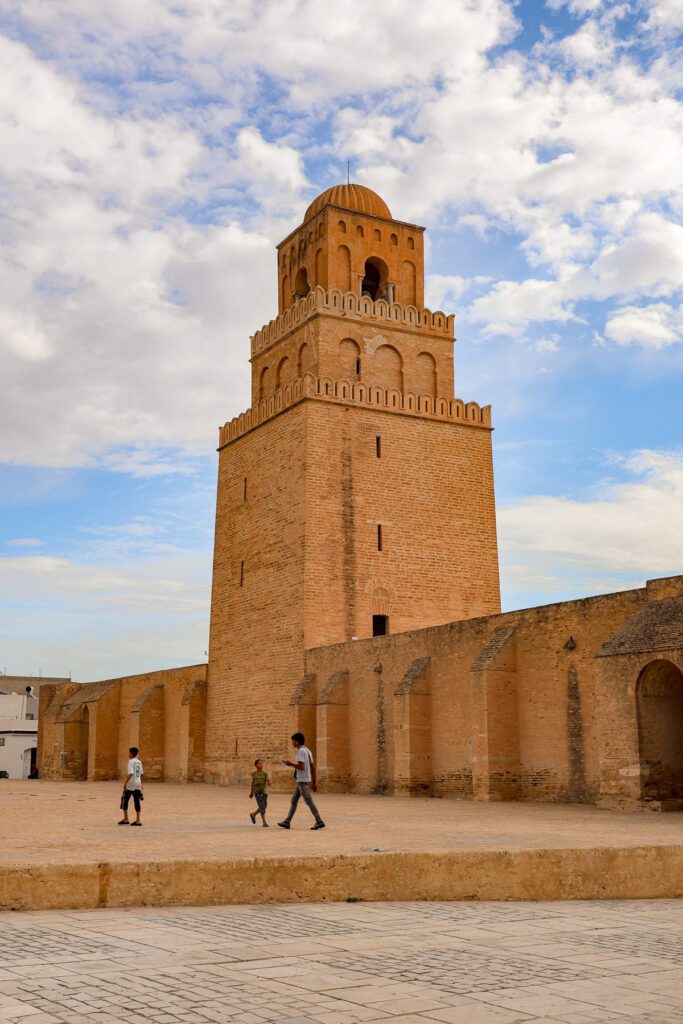
It was erected soon after the establishment of Islam in the 7th or 8th century AD, as soon as Islam was brought into this part of the world, and served not only as a religious venue but also as an educational institution. The building has hardly been modified since the 9th century, and with its square minaret and inner decorations, it became an architectural model for all other mosques in the Maghreb region (today consisting of Morocco, Tunisia, Algeria, Libya, and Mauritania).
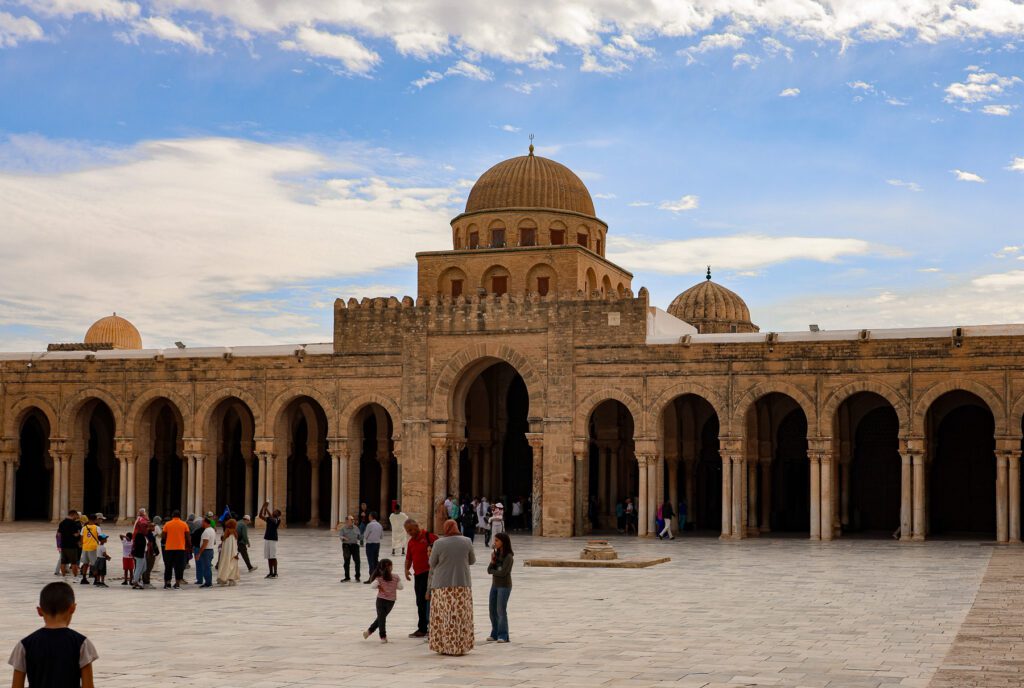
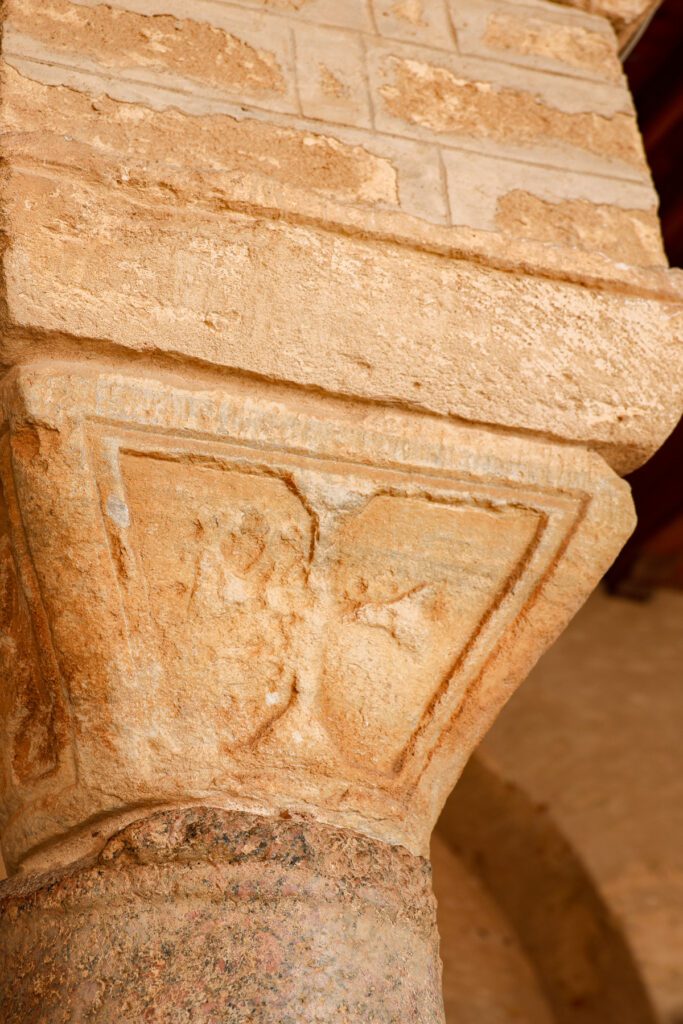
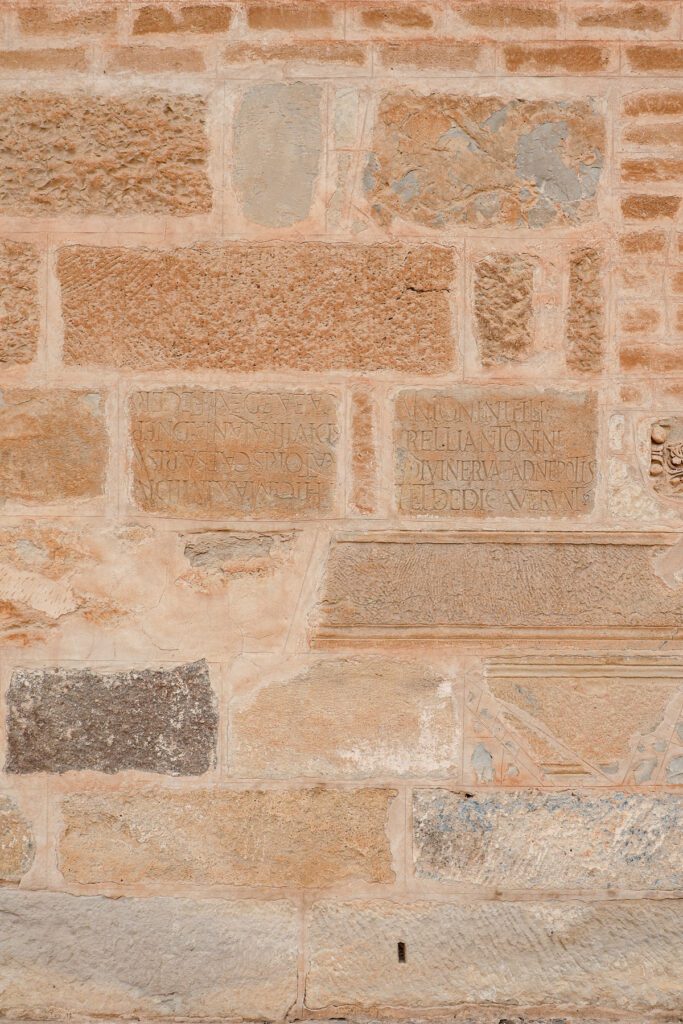
You won’t find similar columns and capitals in the colonnaded courtyard; these have also been reused from Roman sites. Some even have cross symbols or Latin inscriptions upside down!
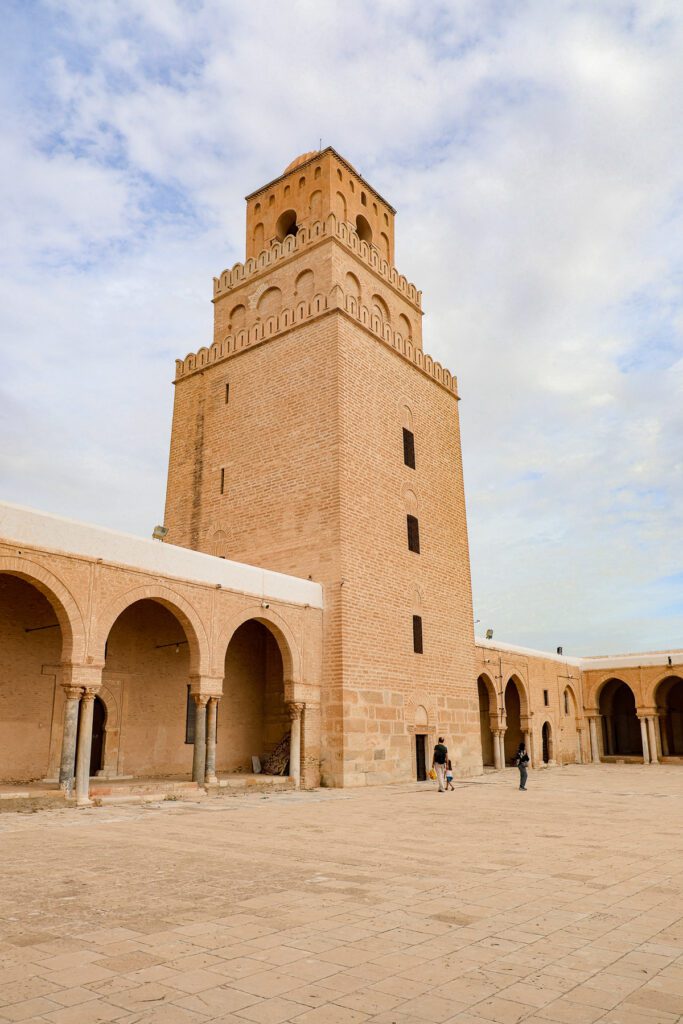
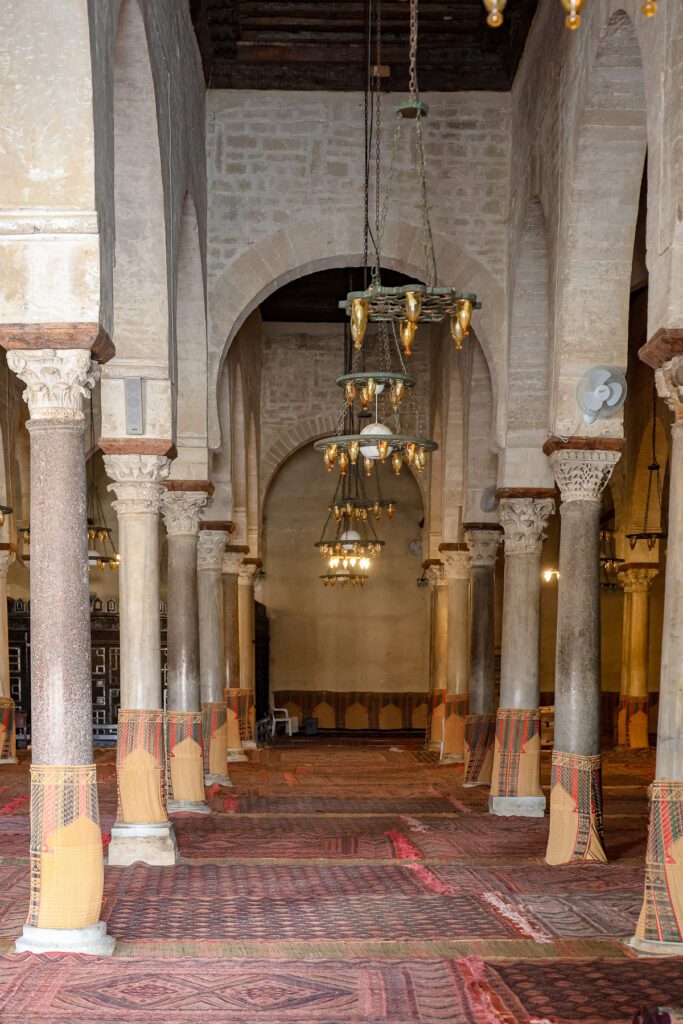
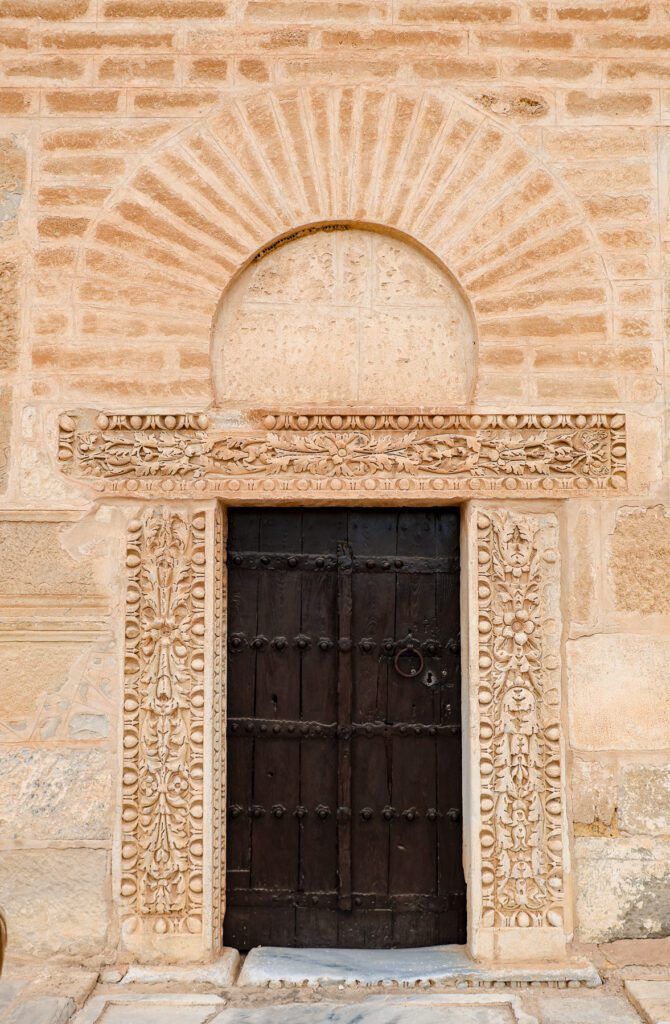
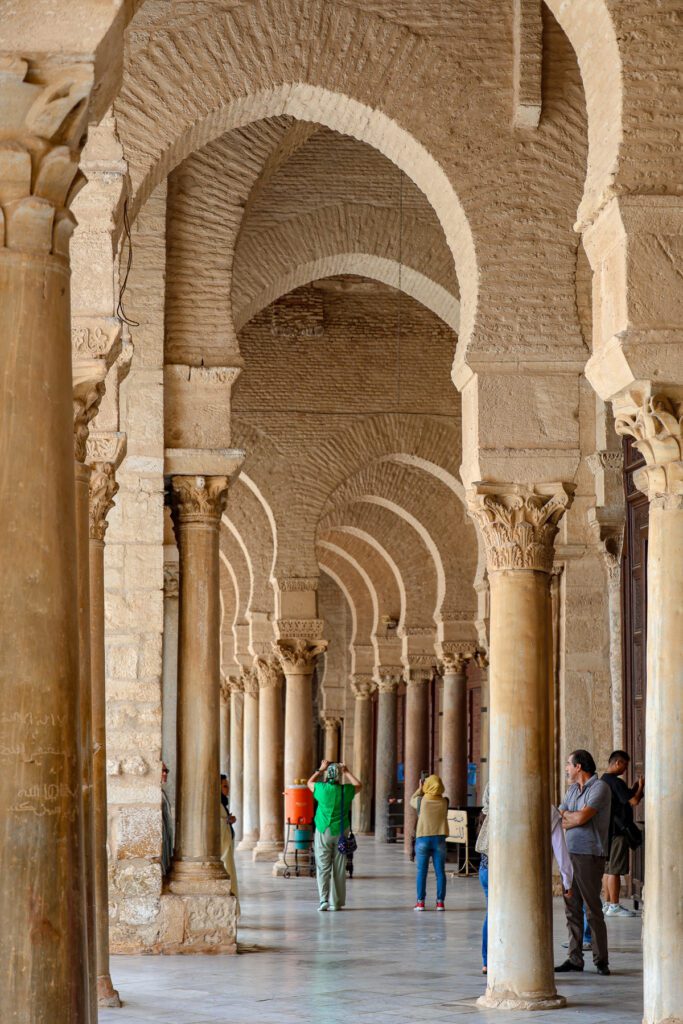
Non-Muslims are allowed into the courtyard (just don’t forget to wear decent clothes – no need for women to wear an abaya, just cover your knees and shoulders and wear a head covering; it’s much more relaxed compared to Arab countries), and you can peek into the prayer hall.
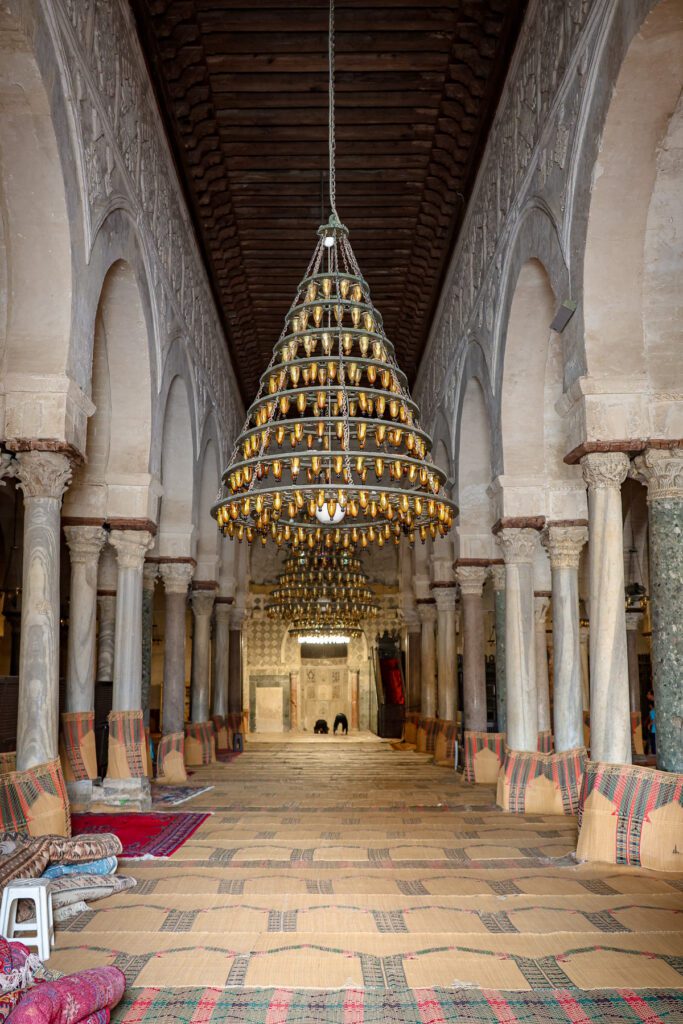

3. Mosque of the Barber in Kairouan
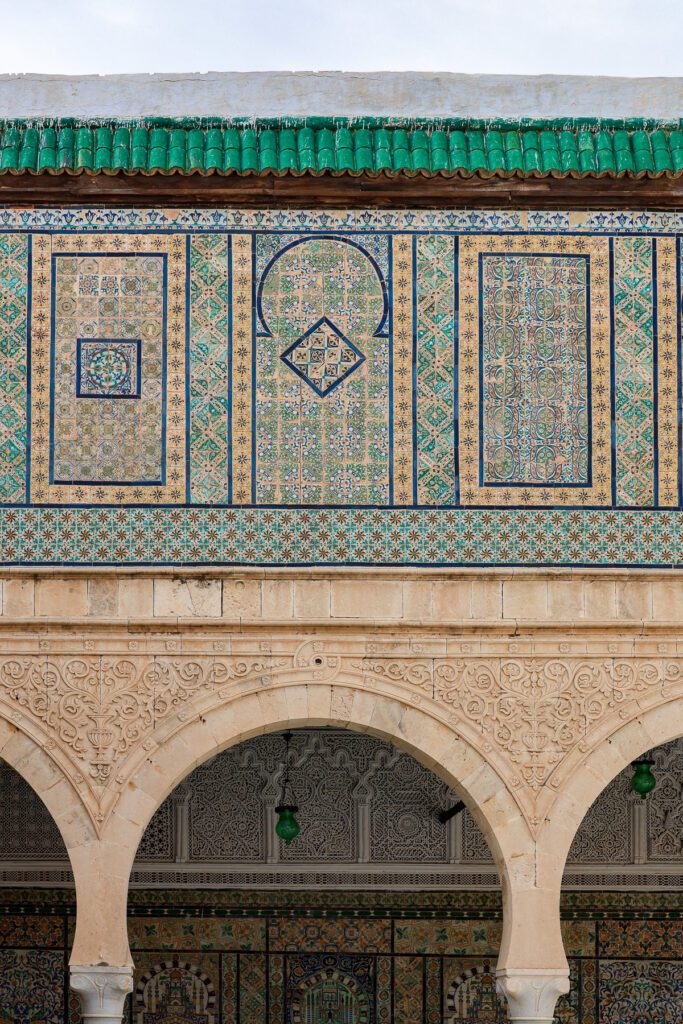
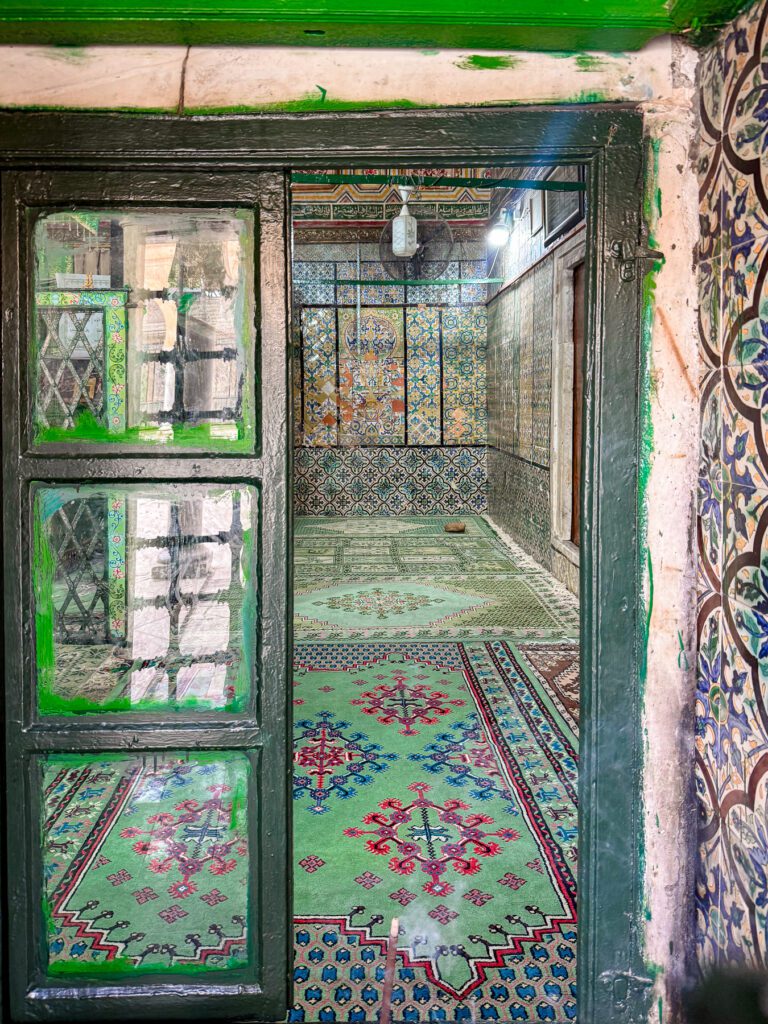
Another important religious landmark in Kairouan is the Zawiya of Sidi Sahib (zawiya is an Islamic shrine or mausoleum), also known as the Mosque of the Barber. Originally erected in the 14th century (although pilgrimage to this site started much earlier), it was renovated in the 17th century.
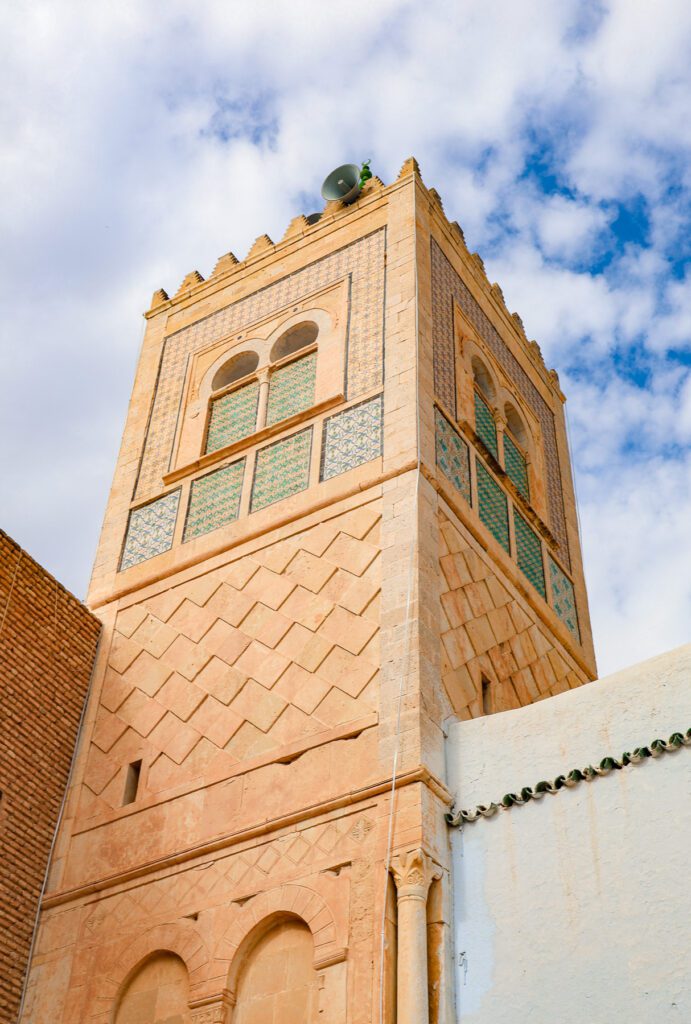
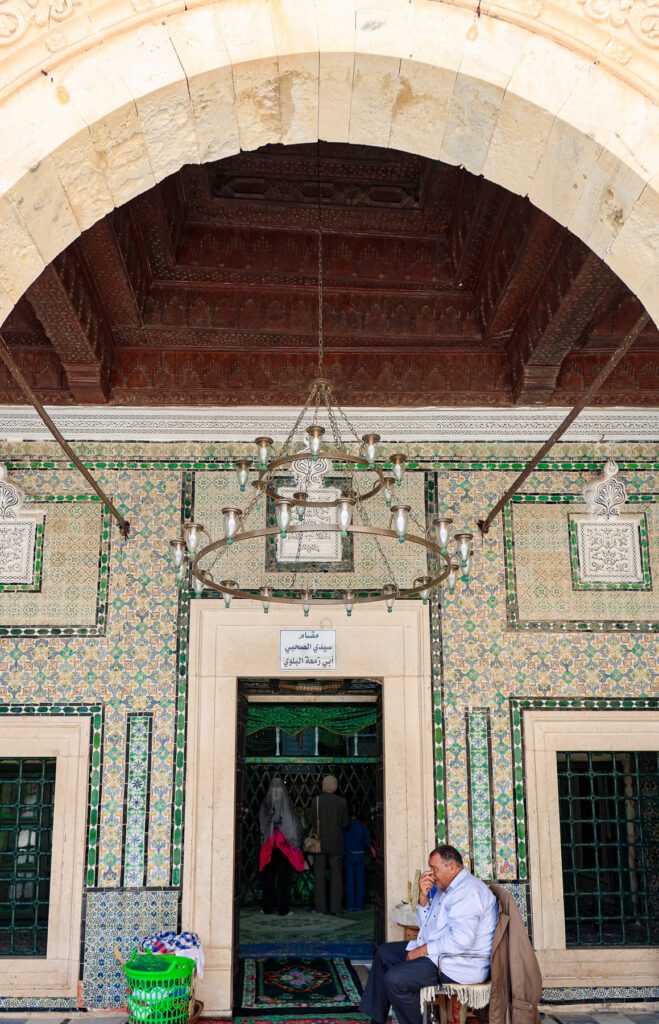
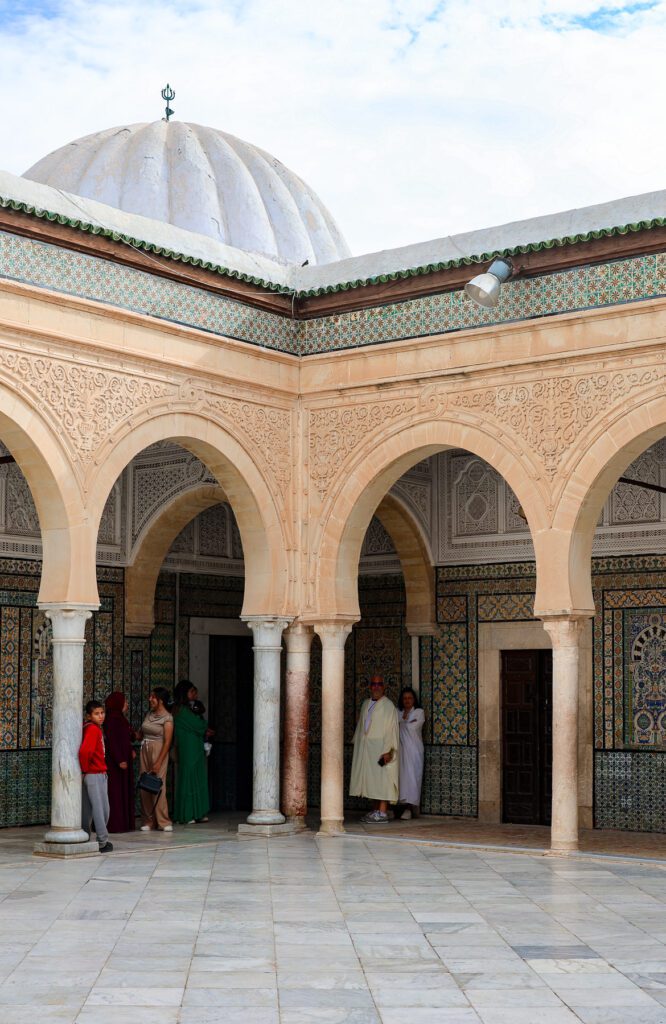

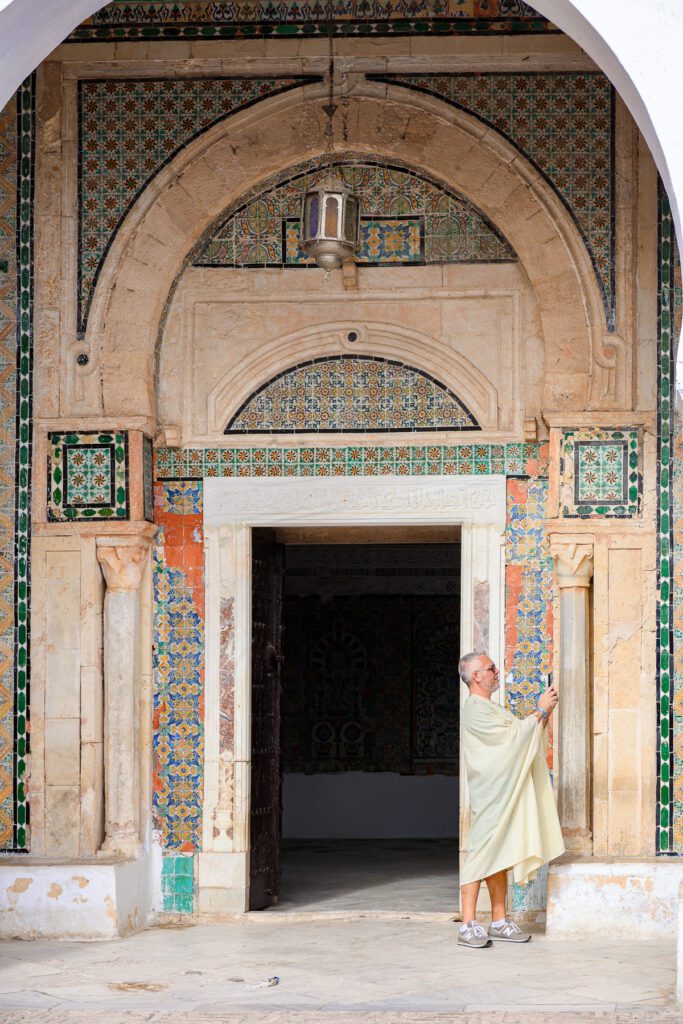
It contains the mausoleum of Abu Zama’ al-Balawi, who personally knew the Prophet Muhammad and, as our guide said, is believed to have literally been his barber. After Abu Zama’ al-Balawi’s death, his body was transferred to another spot, and a few hairs were found in his hand – these are believed to be the original Prophet’s hair!
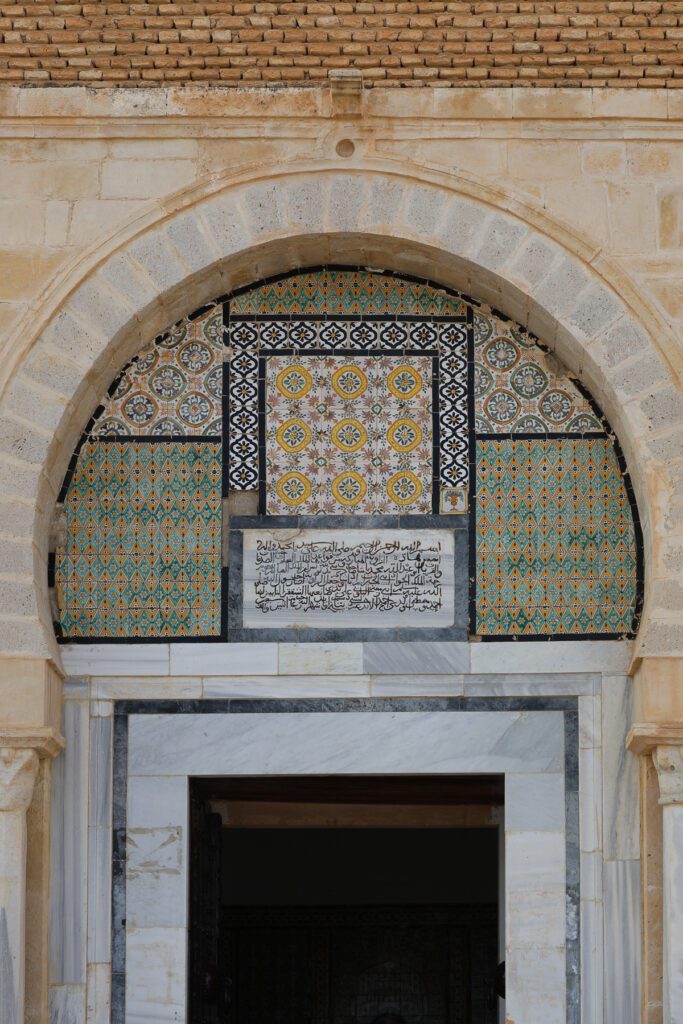
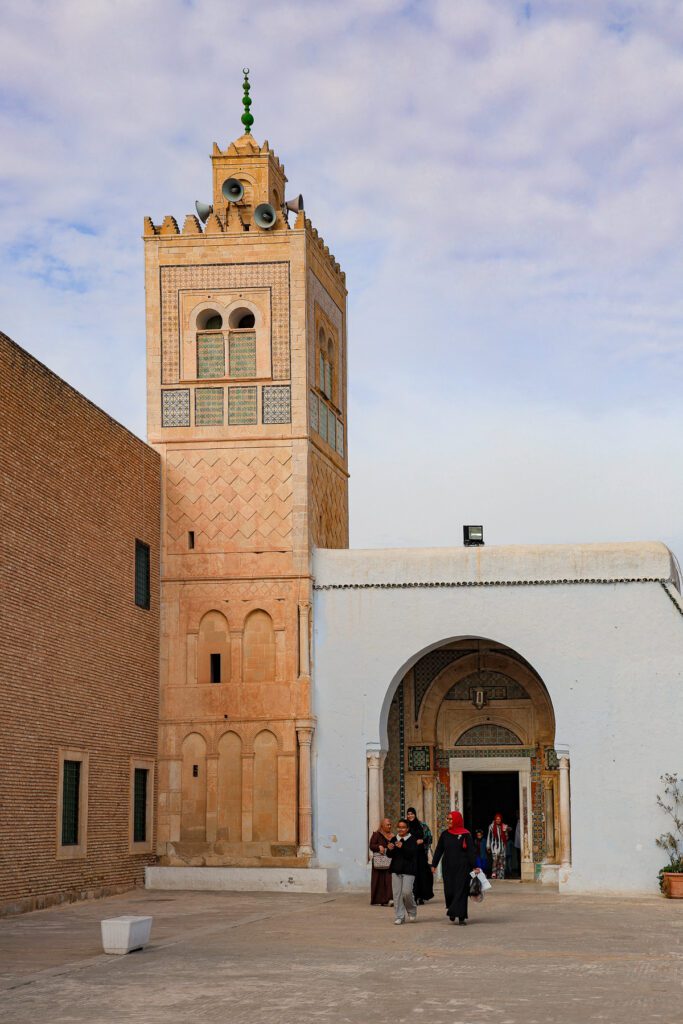
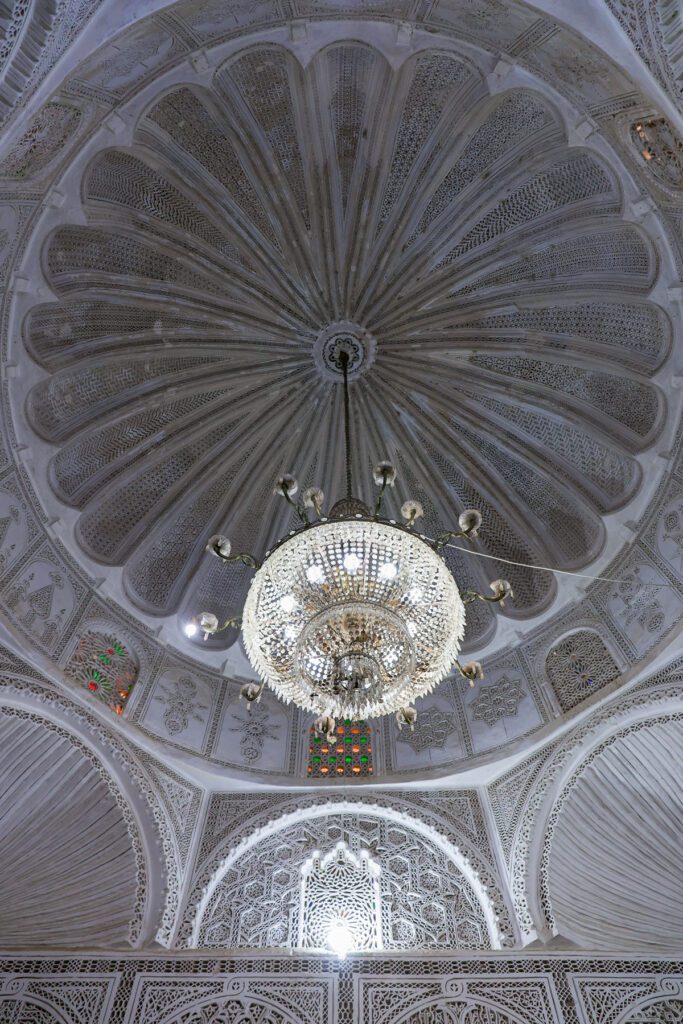
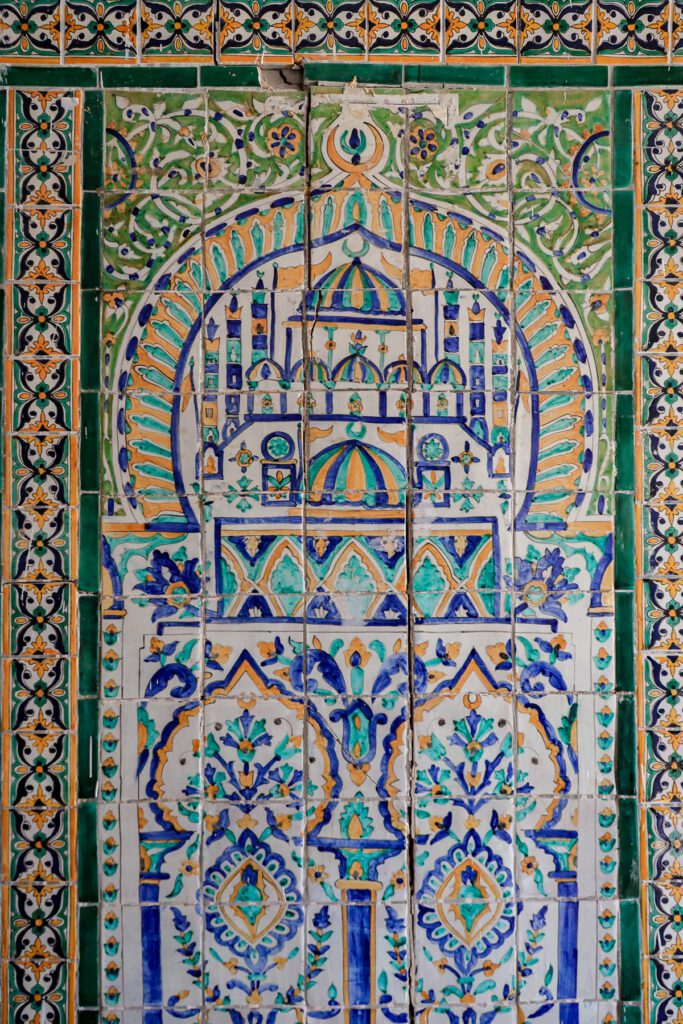
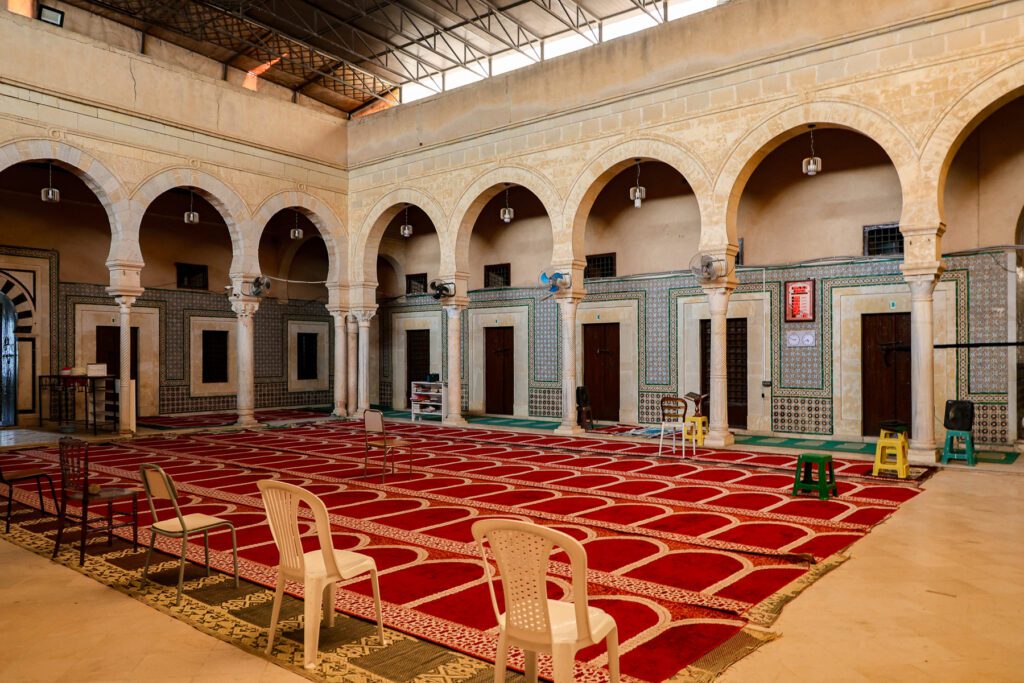
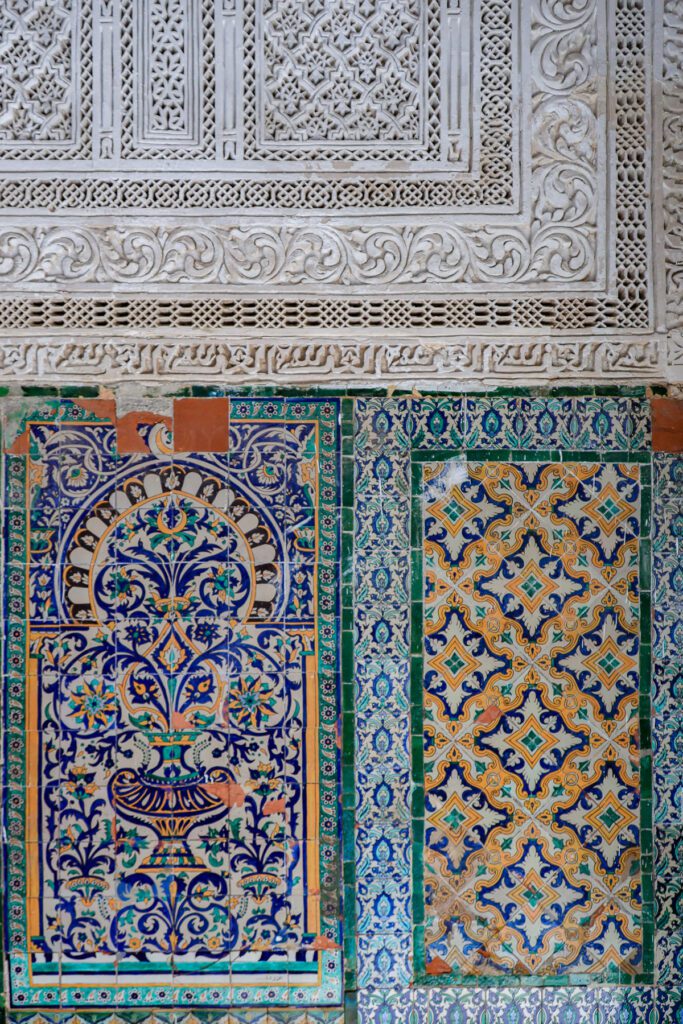
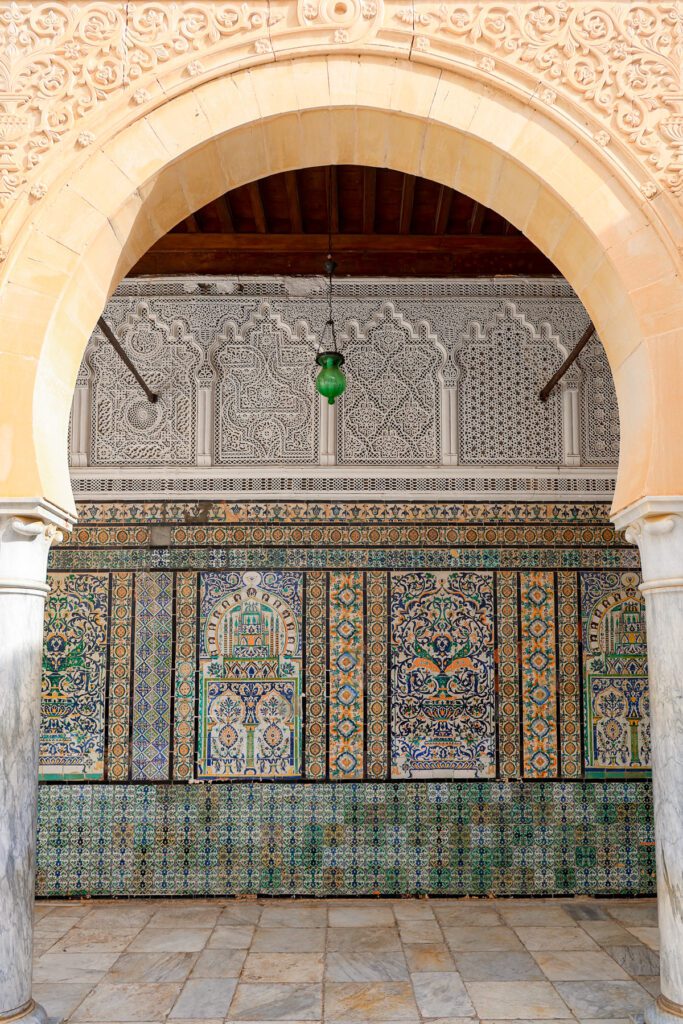
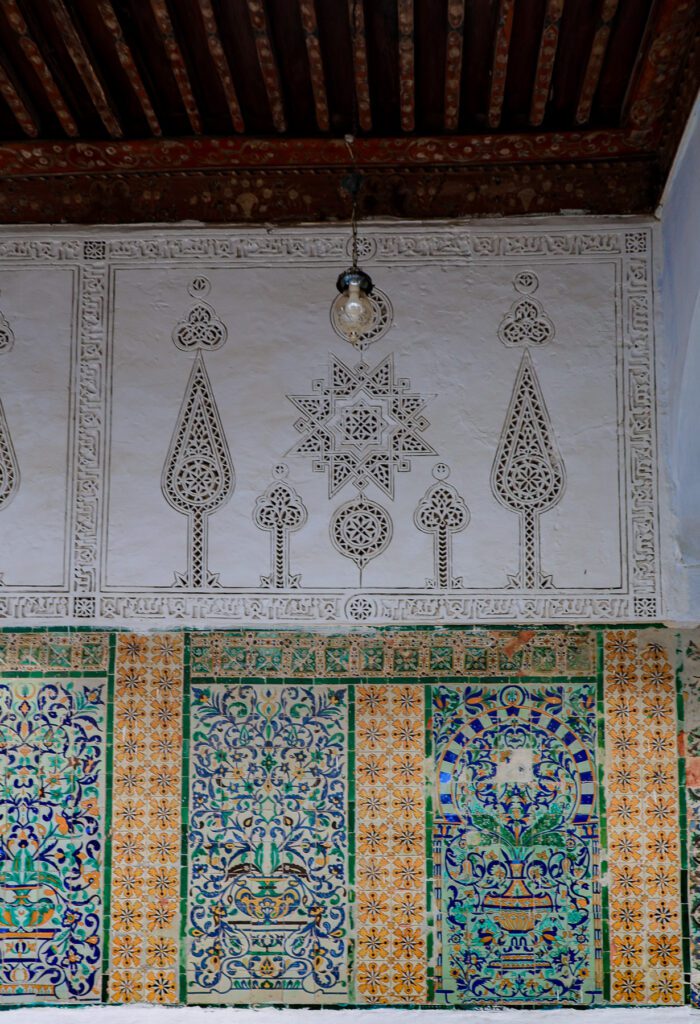
This religious complex includes a former medresa turned into a mosque, a beautiful set of open colonnaded courtyards, and a mausoleum (only Muslims can enter it). The tiles there are exceptional: vivid colors, beautiful scenes, plants, and geometric patterns transform the ambiance into a large piece of art.



4. Aghlabid Basins in Kairouan
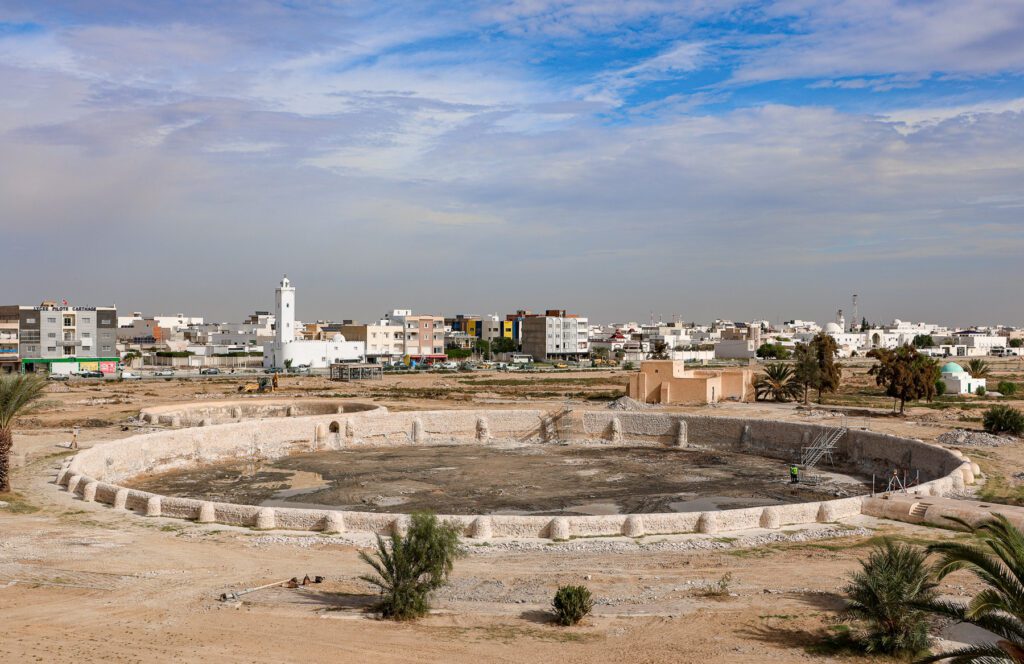
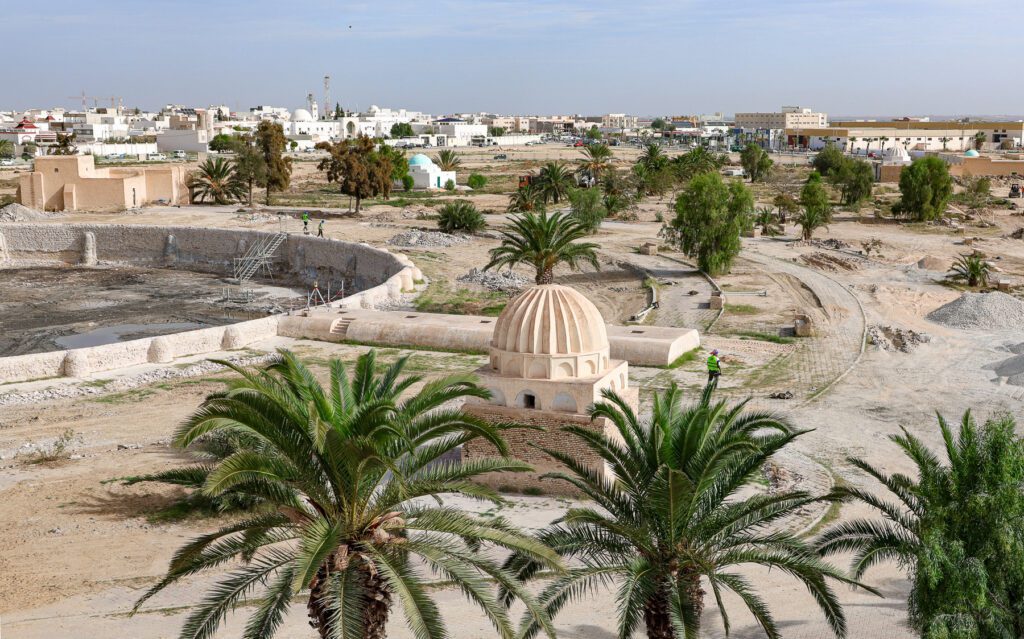
Although access to the Aghlabid basins (or Fiskiat al Aghaliba) was restricted during our visit, this unusual landmark is still an important sight in Kairouan.
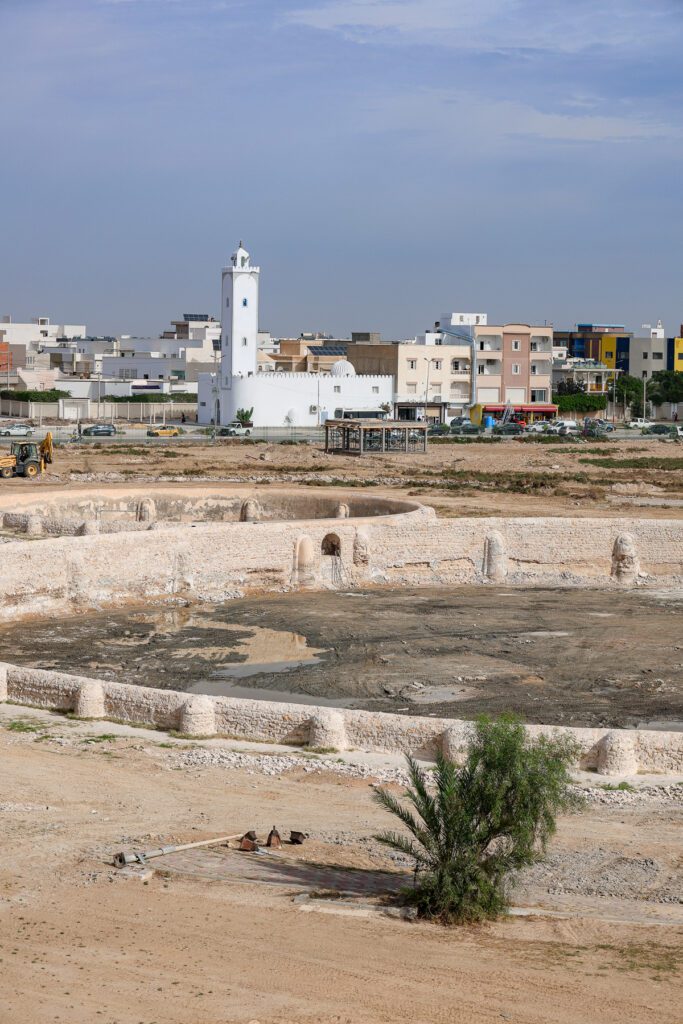

Built in the 9th century, it consists of two basins, a smaller and a larger one, with an opening sitting high on the wall between them (which helps to filter the water) and small roundish structures inside the basin that promote water flow. Located just outside the Mdina of Kairouan, it provided the city with fresh water.
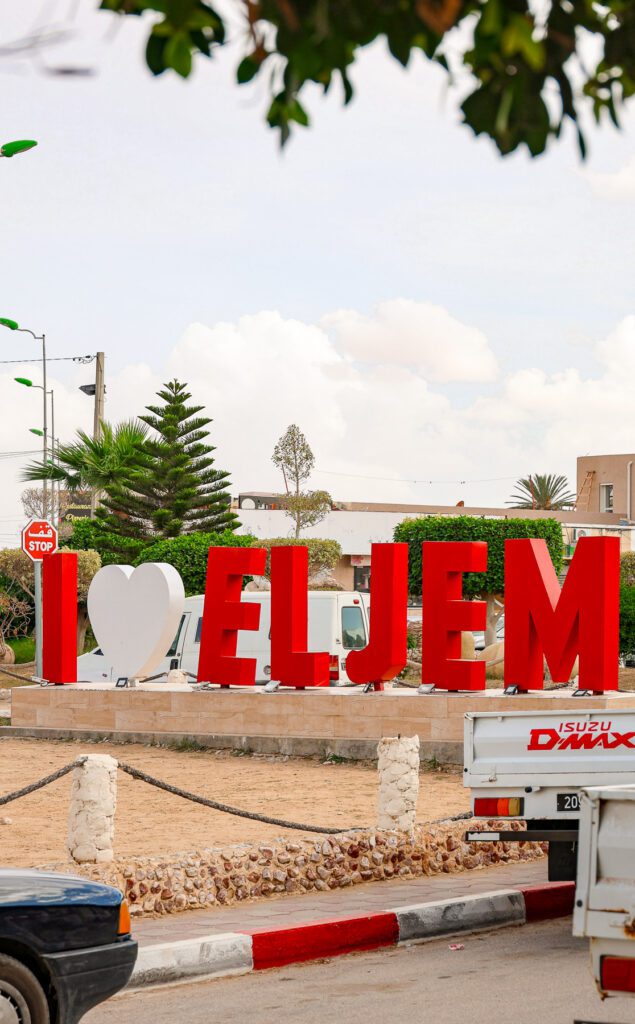
El Djem
In 75-90 minutes from Kairouan or in 3-3.5 hours by car from Tunis, you’ll find El Djem, a city known as Thysdrus during Roman times. It was familiar to Caesar and Pompey, and in the 2nd-3rd centuries AD, it was one of the most important Roman cities in the African province, along with Carthage, Hadrumetum (today’s Sousse), Utique, and Leptis Magna (in present-day Libya).
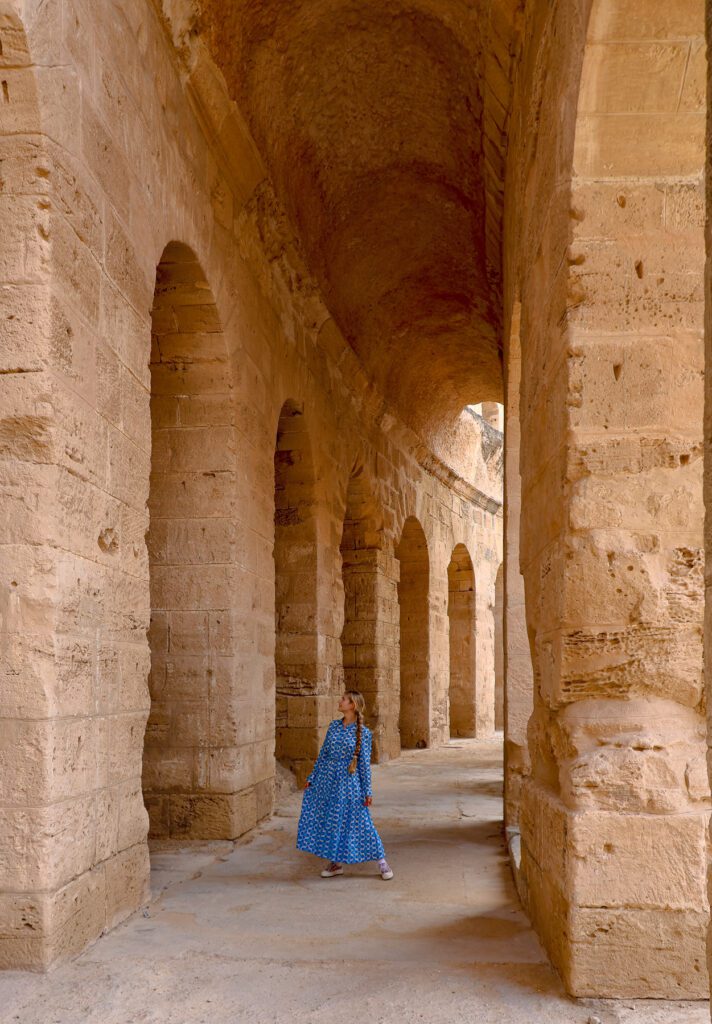
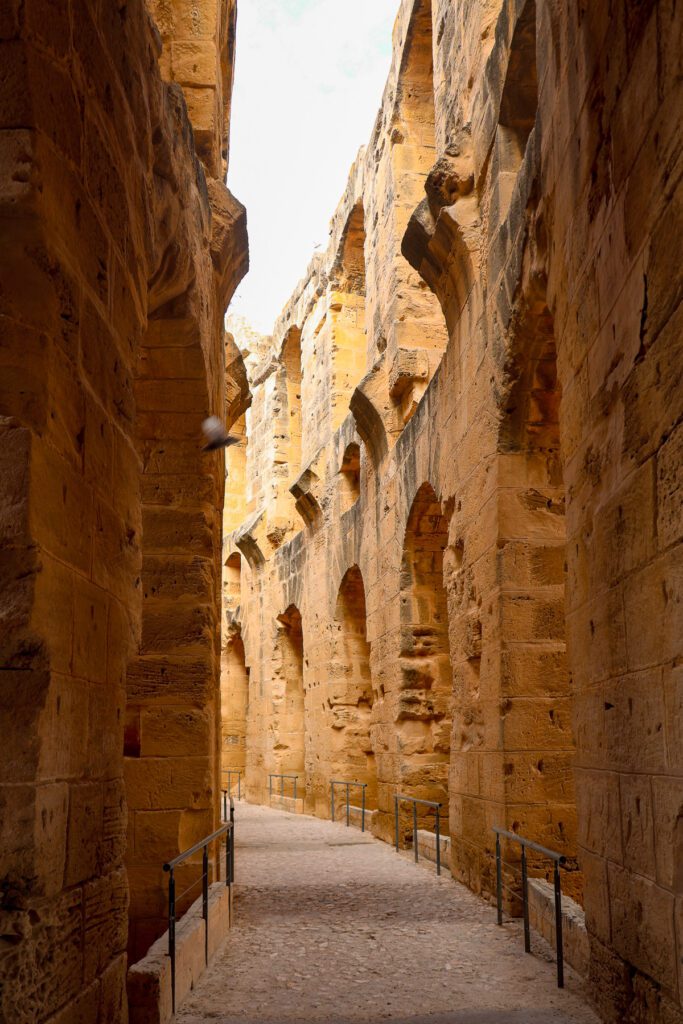
It had thermae, a circus, and an amphitheater, and numerous wealthy people became rich from trade. You can spot numerous depictions of the African province as the Romans imagined it: look for a lady with an elephant trunk on her head instead of a hat!
5. El Djem Amphitheater
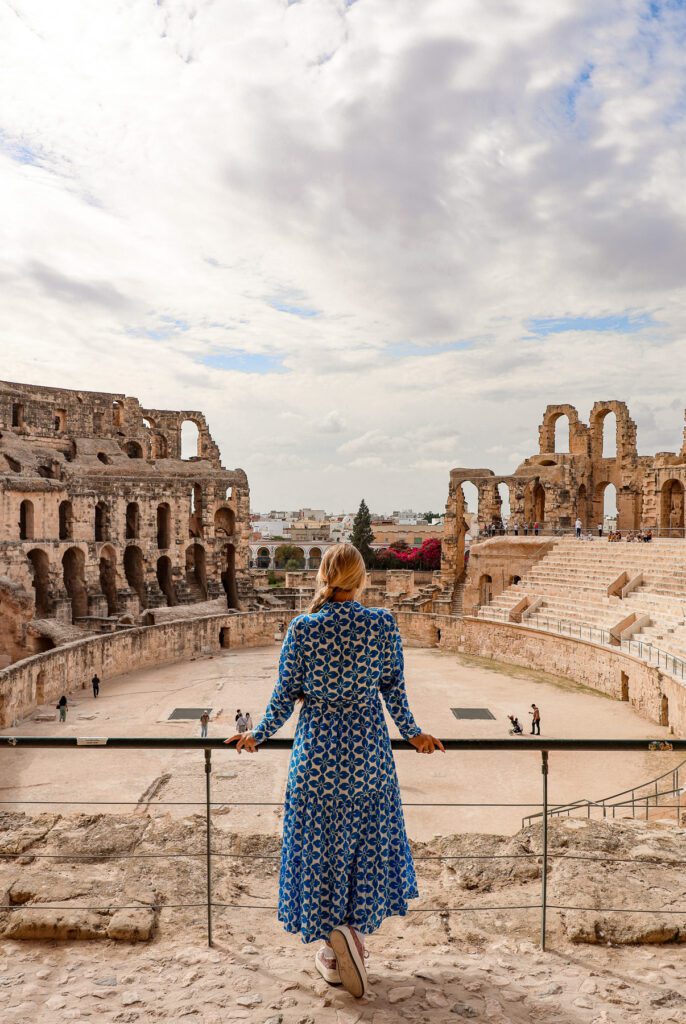
El Djem contains another UNESCO World Heritage site: the Amphitheatre of El Djem.
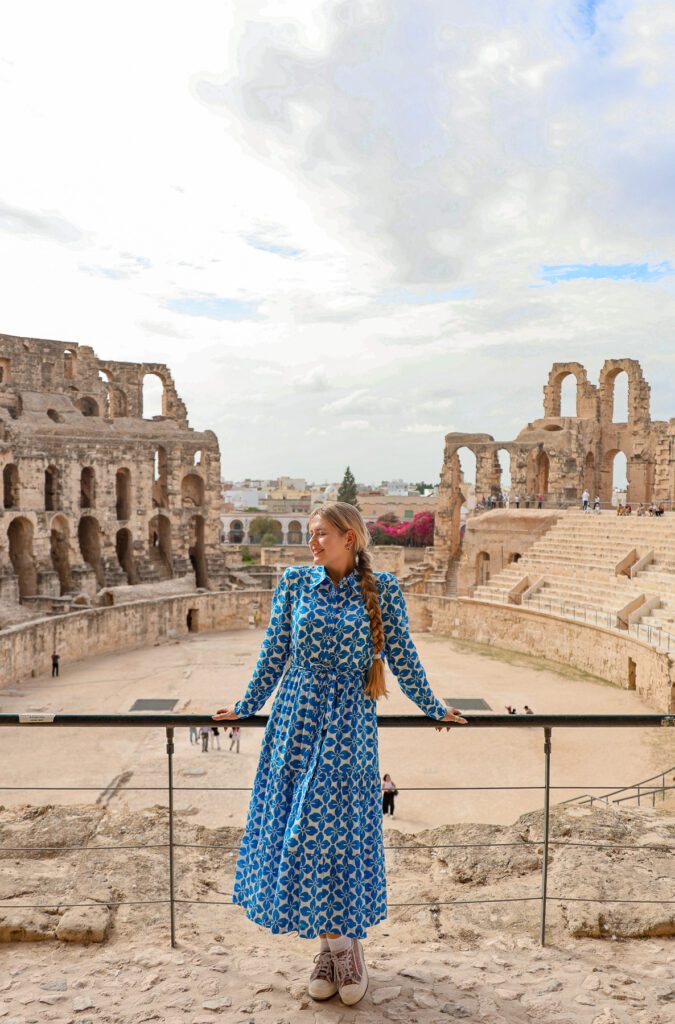
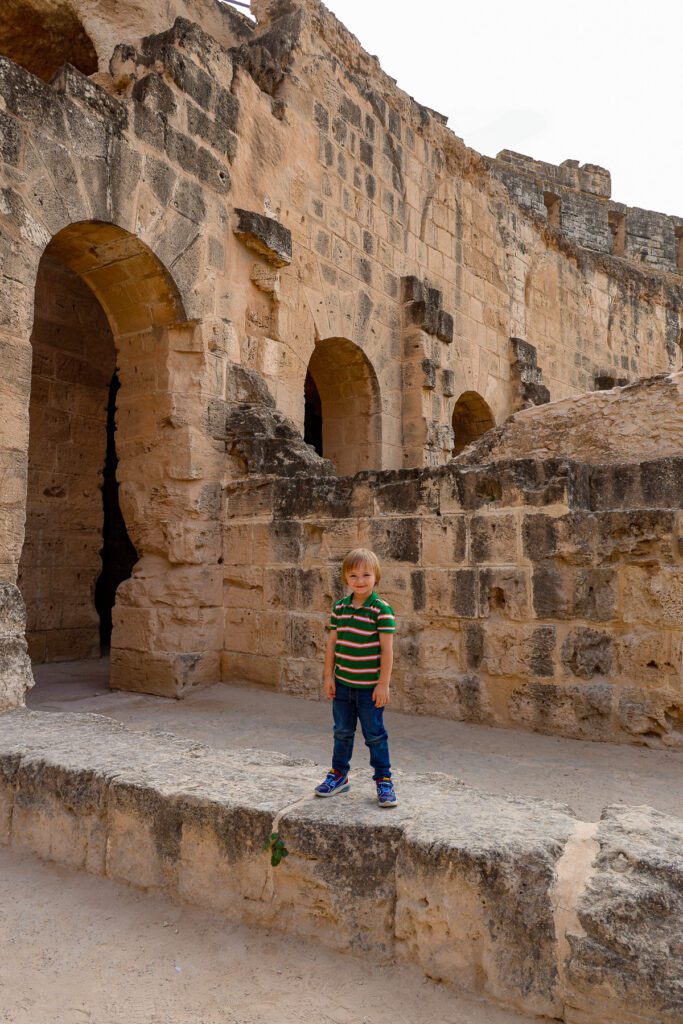
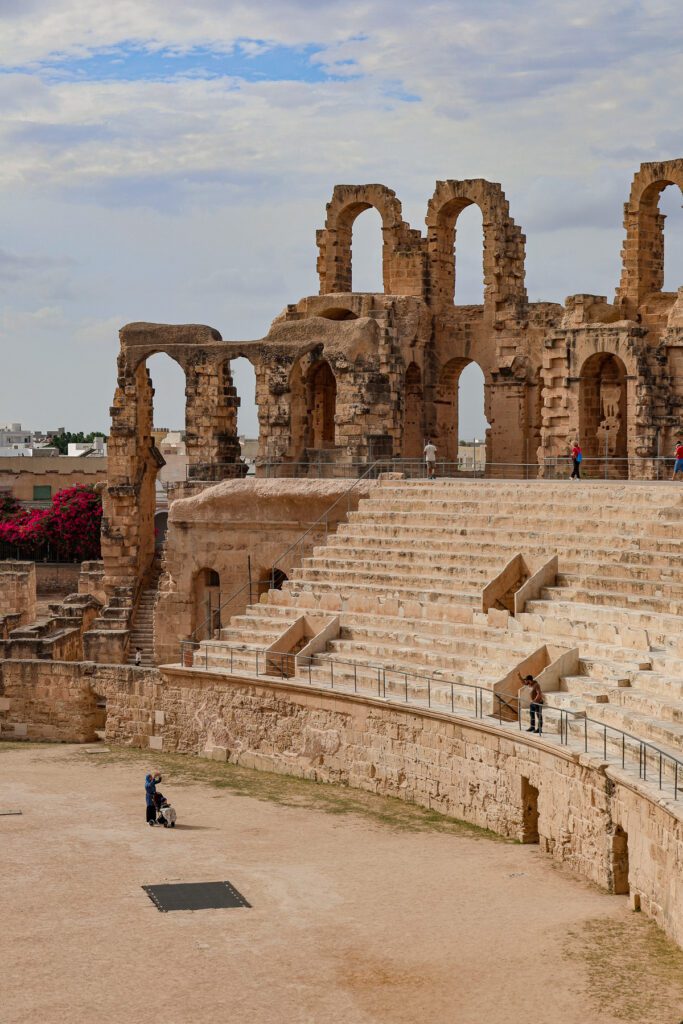
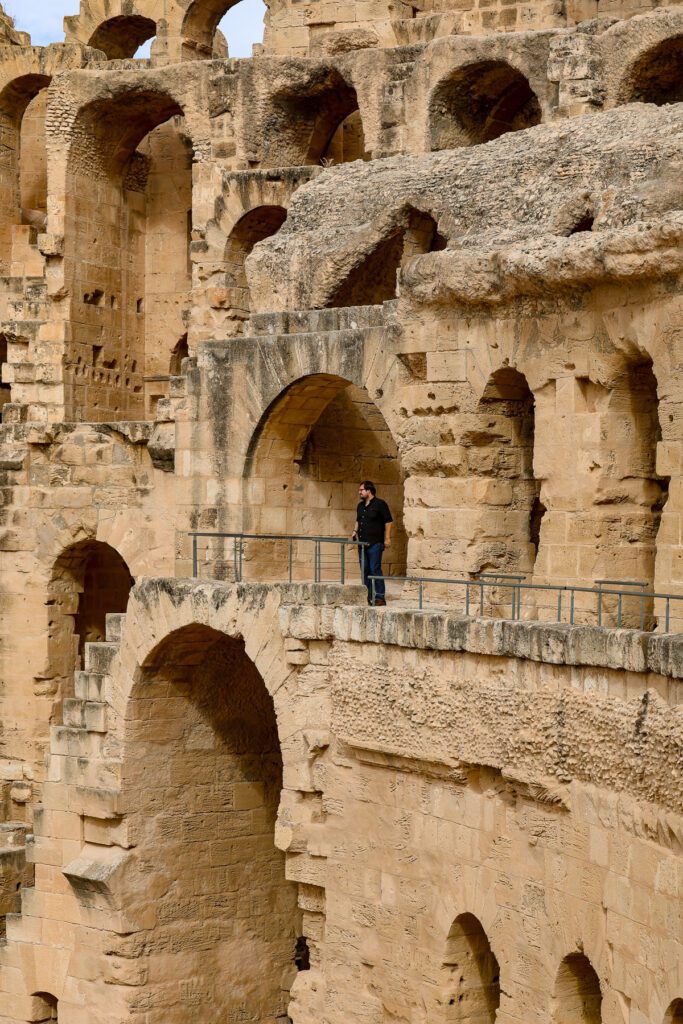
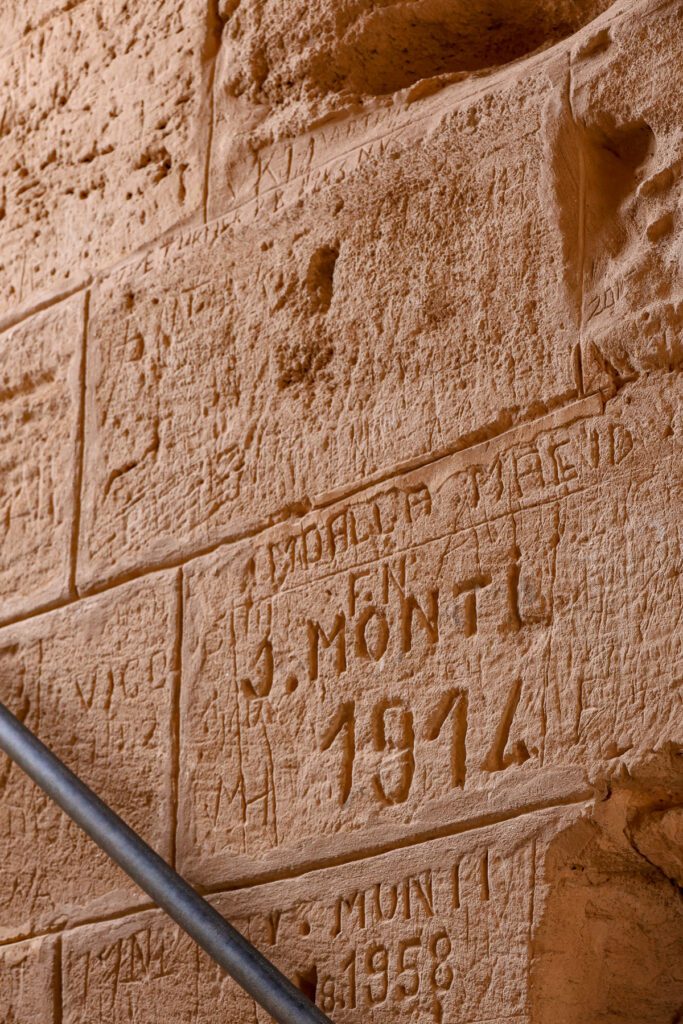
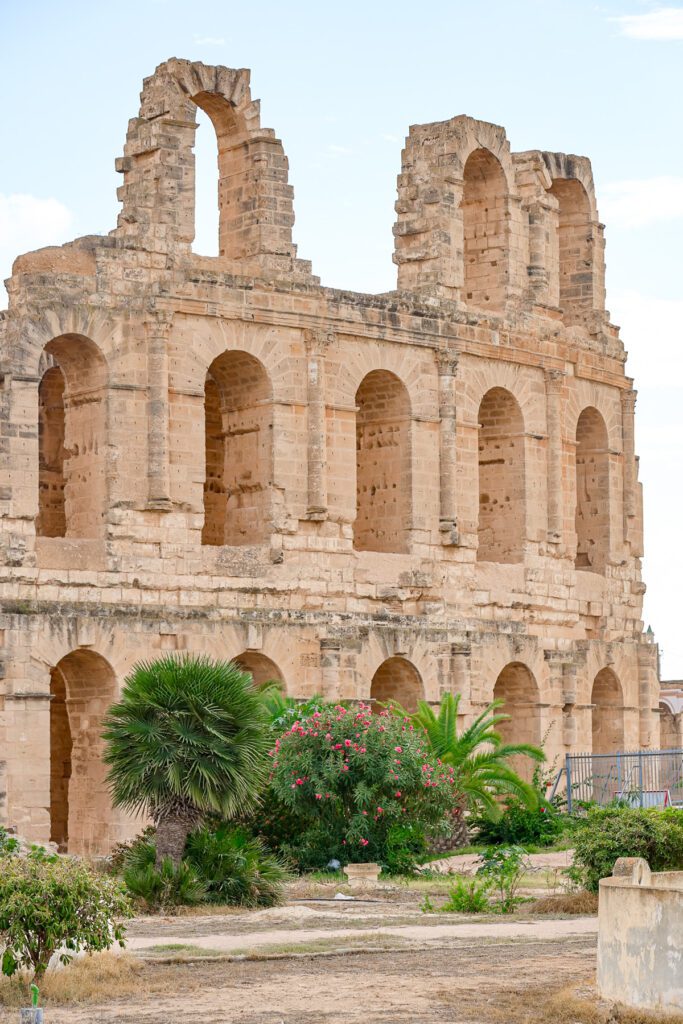
This is one of the largest amphitheaters built in the Roman Empire (the only larger ones are the Colosseum in Rome and those in Capua, Caserta, both in Italy) and one of the last; it dates to the 3rd century AD.
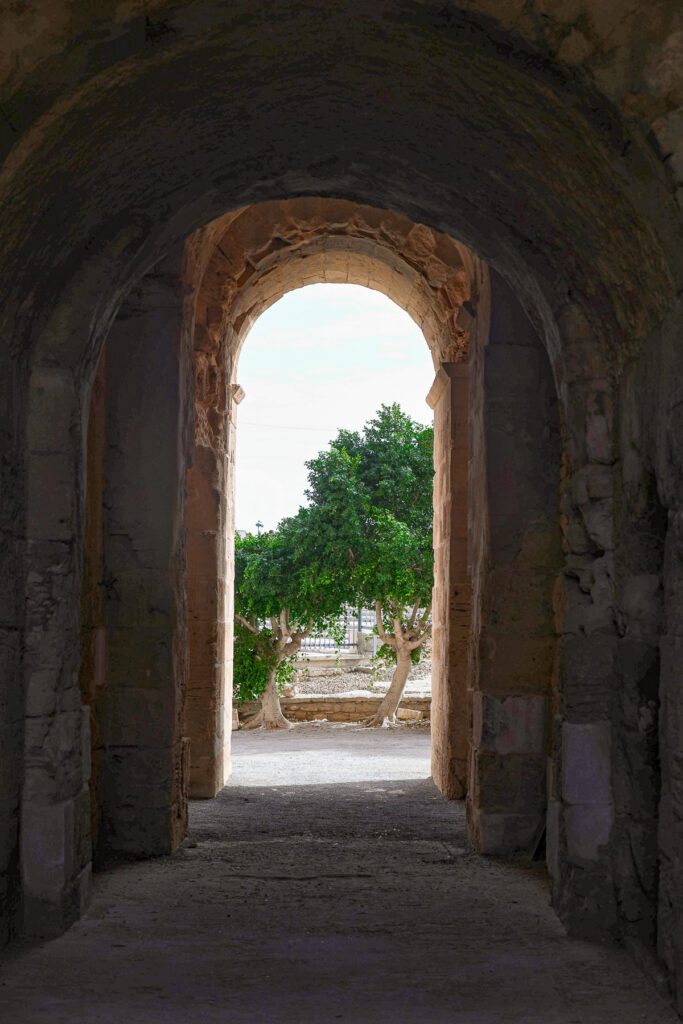
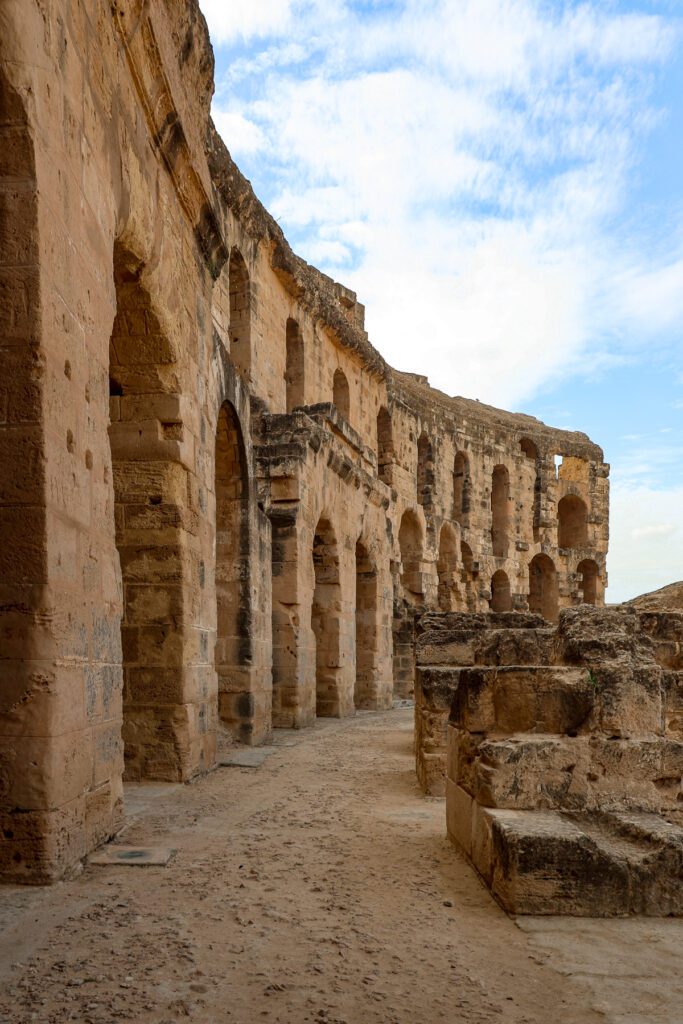
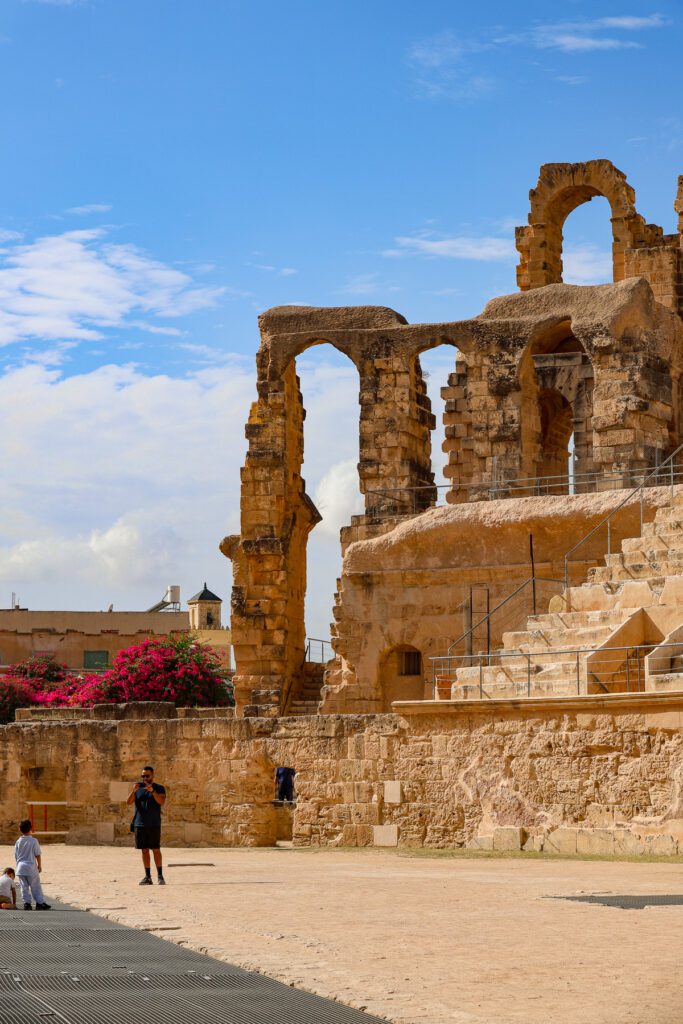
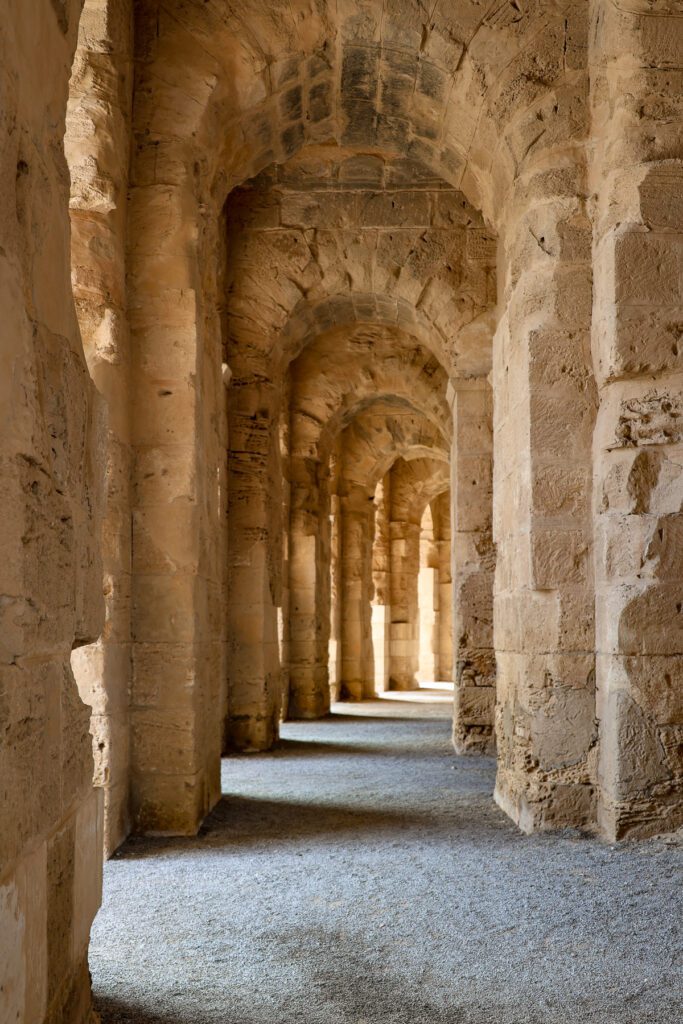
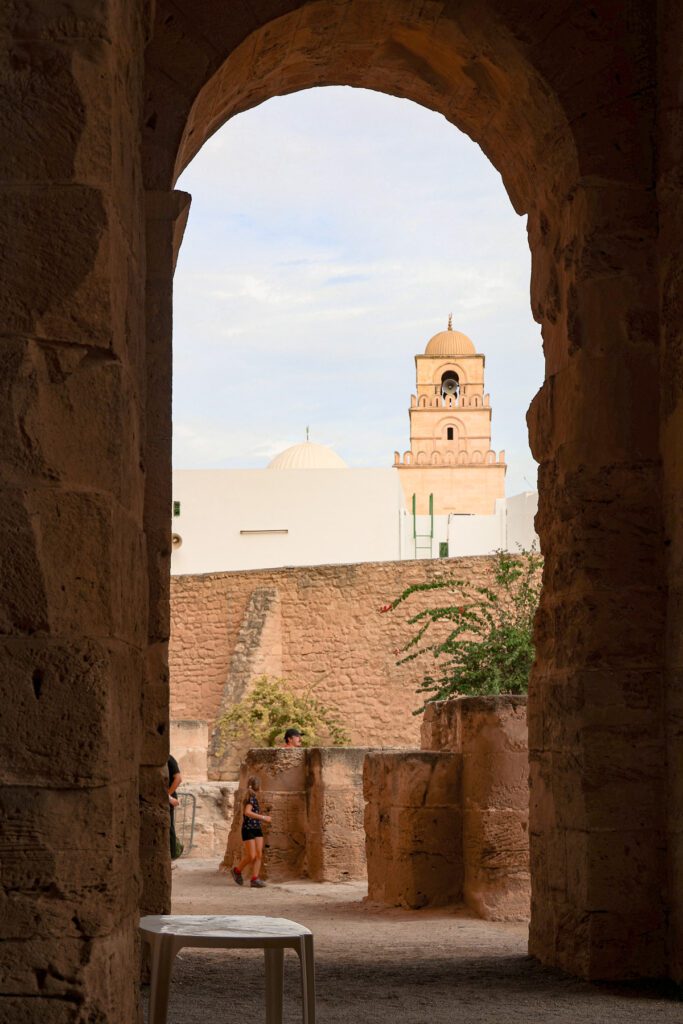
You can climb different levels of it to learn where the gladiators and animals were kept, how the ancient lift under the arena worked, and how gladiators became successful sportsmen of their era. Some movies have been filmed here as well, and I’m not surprised: this site is truly impressive.
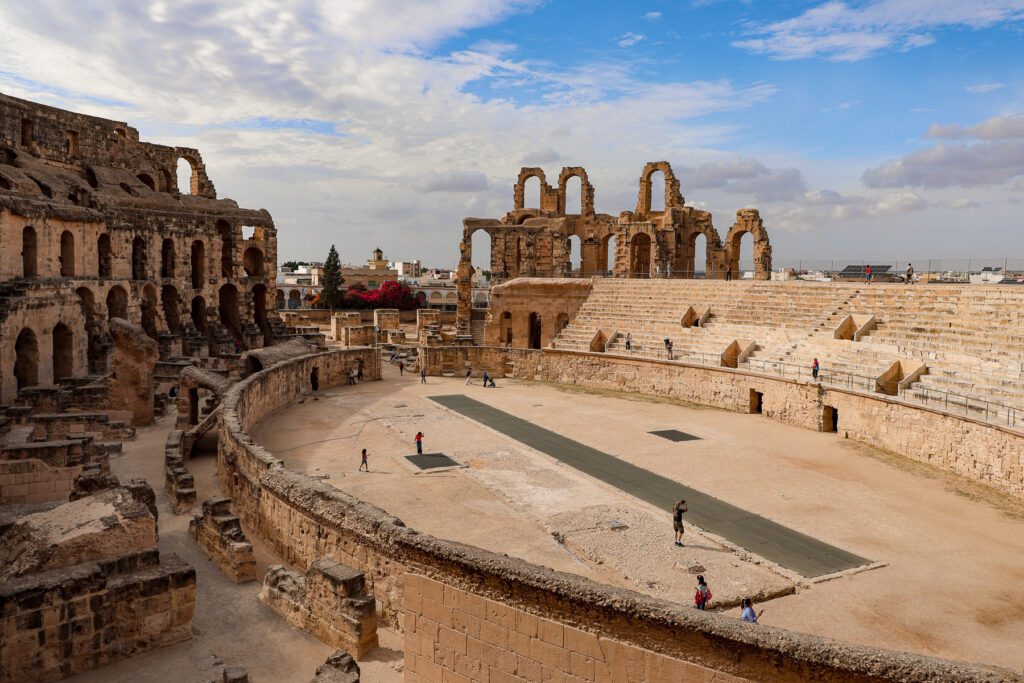

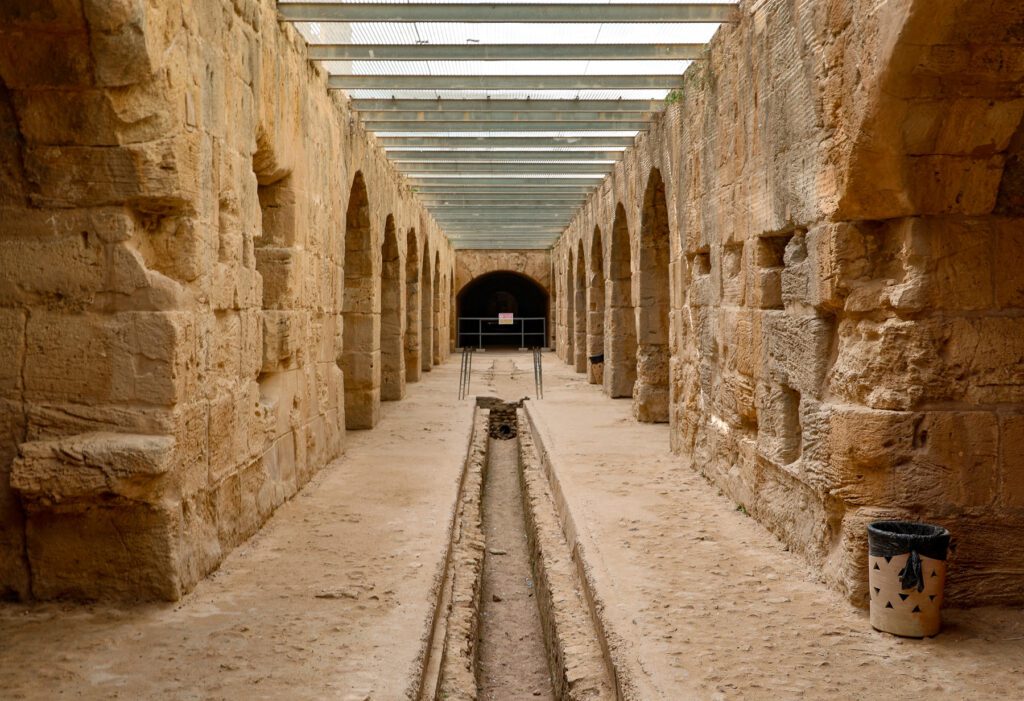
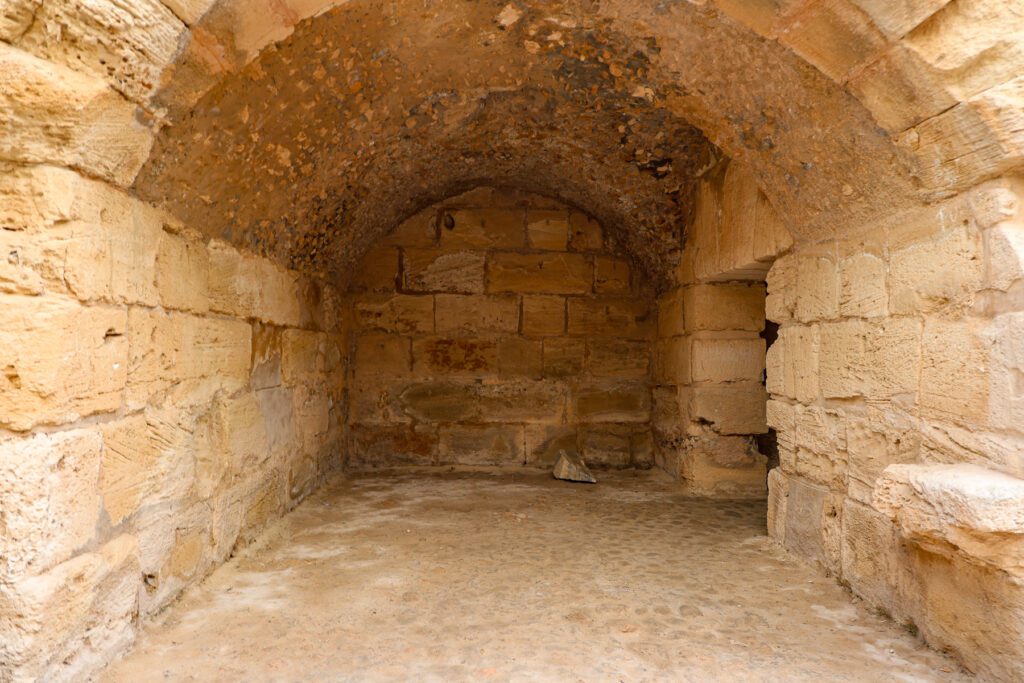
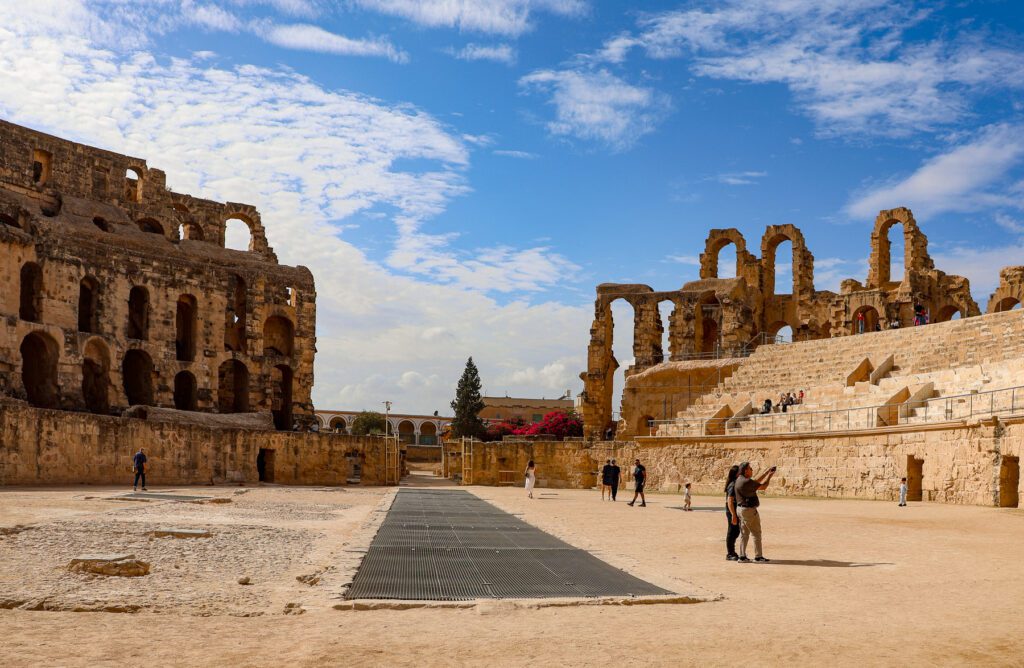

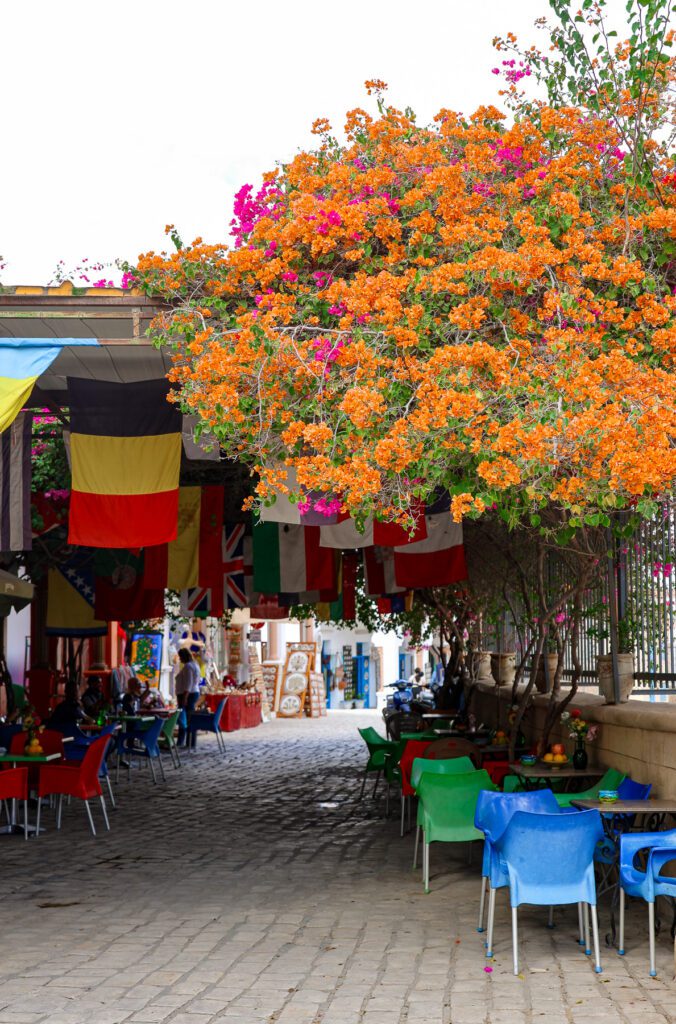
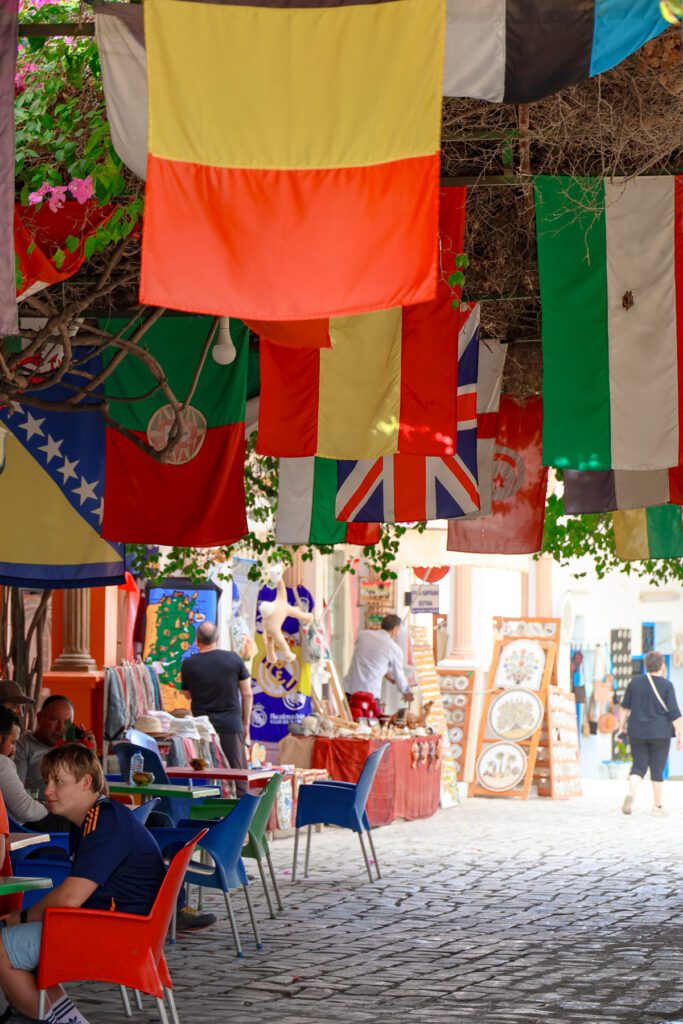
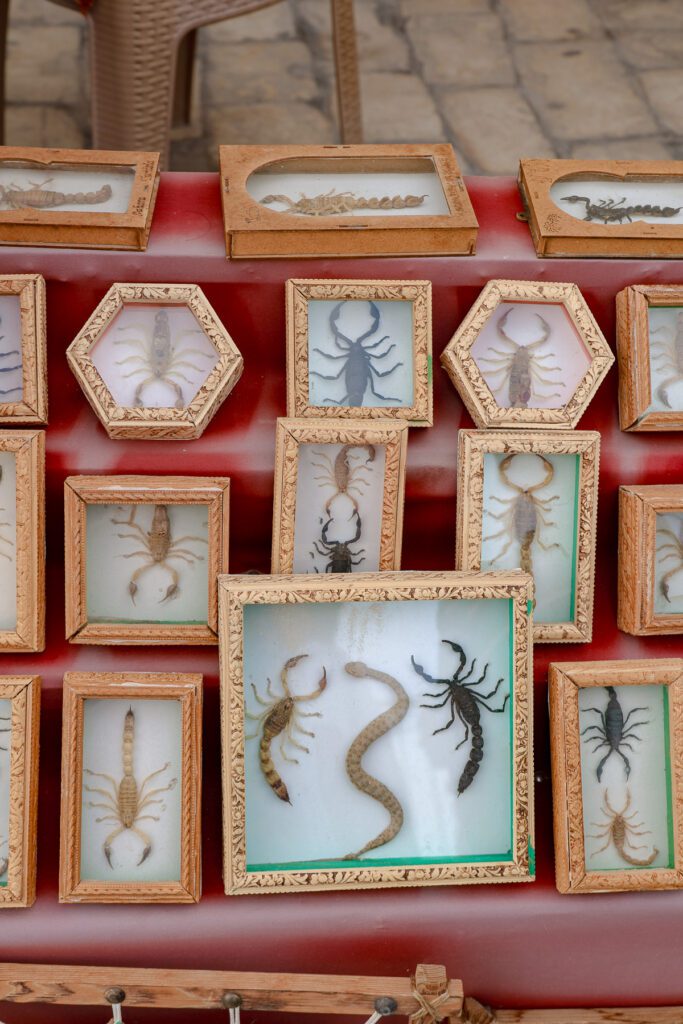
The amphitheater is beautifully maintained, and the area around it is clean and welcoming, with numerous cafes and souvenir shops.

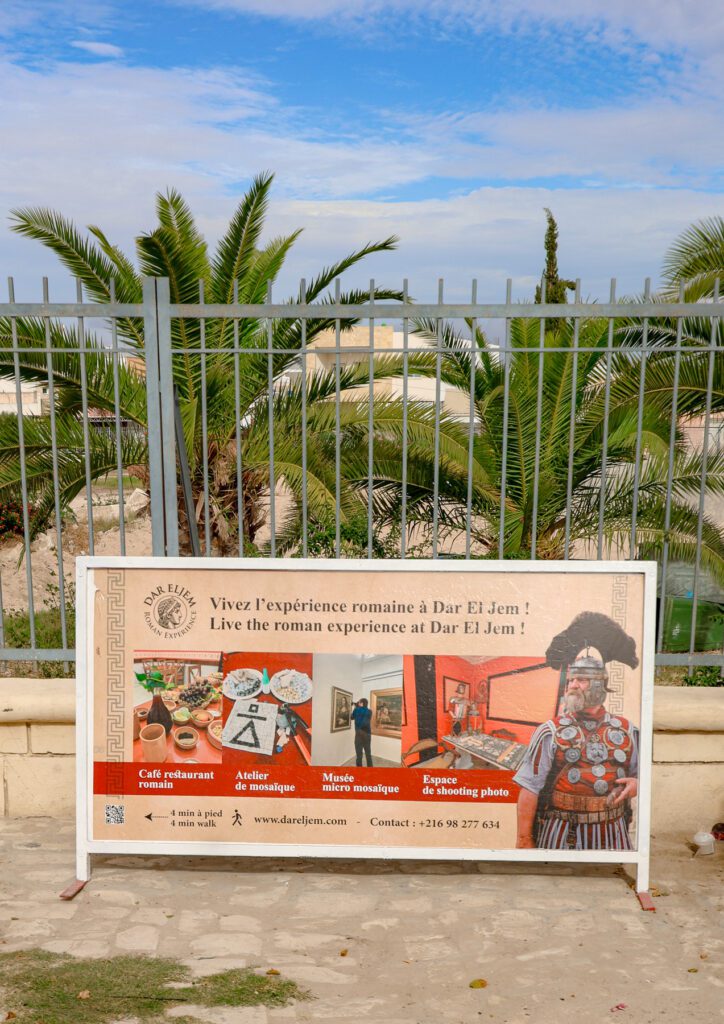
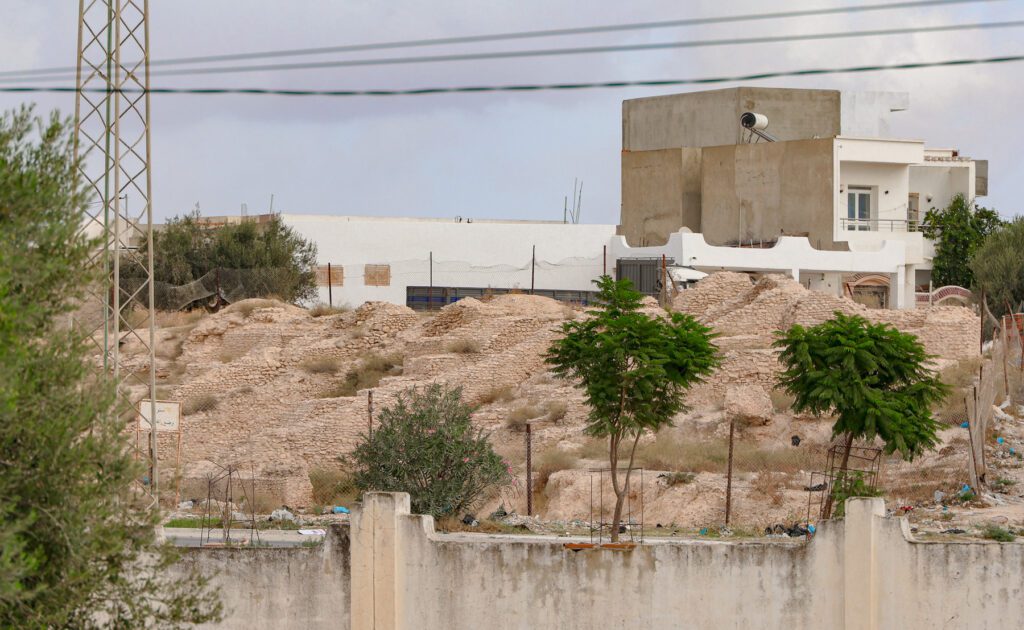
There’s also a second Roman amphitheater in El Djem, but as I understand, it is currently closed to the public and only partially excavated.
6. El Djem Archaeological Museum
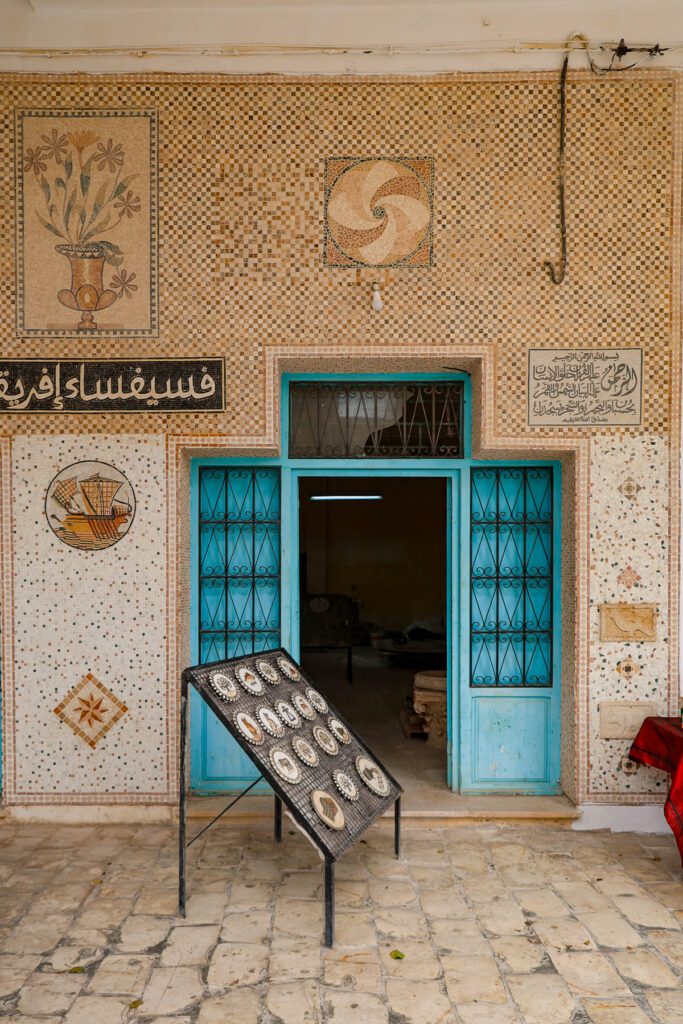
There is more to see in El Djem: make sure to visit the El Djem Archaeological Museum, which has a magnificent collection of Roman mosaics, everyday life objects, and statues.
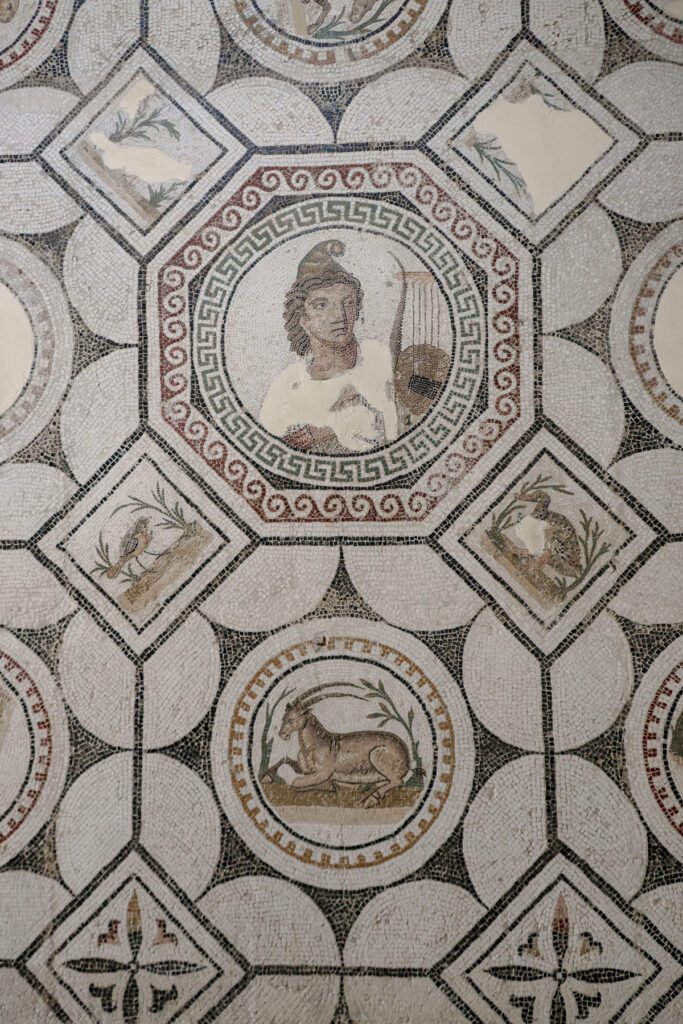

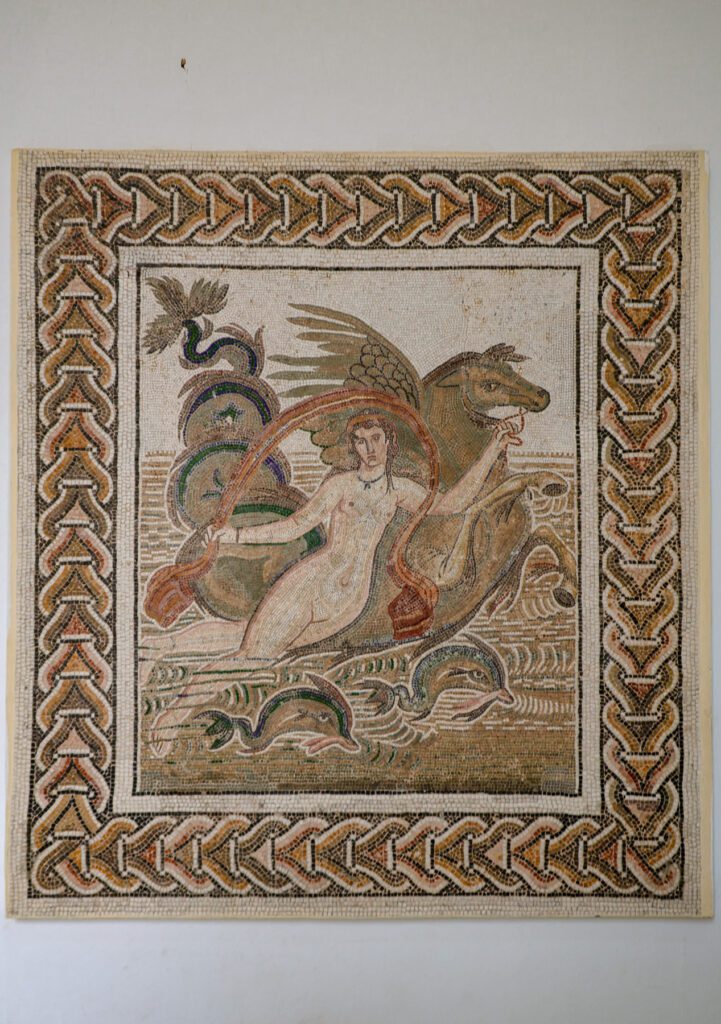
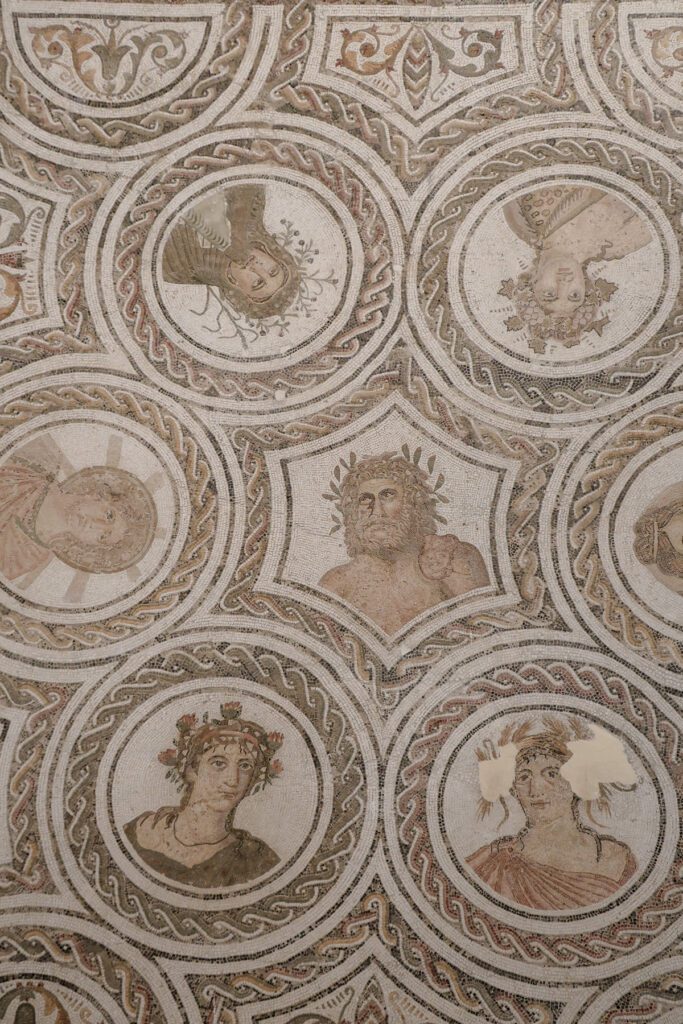
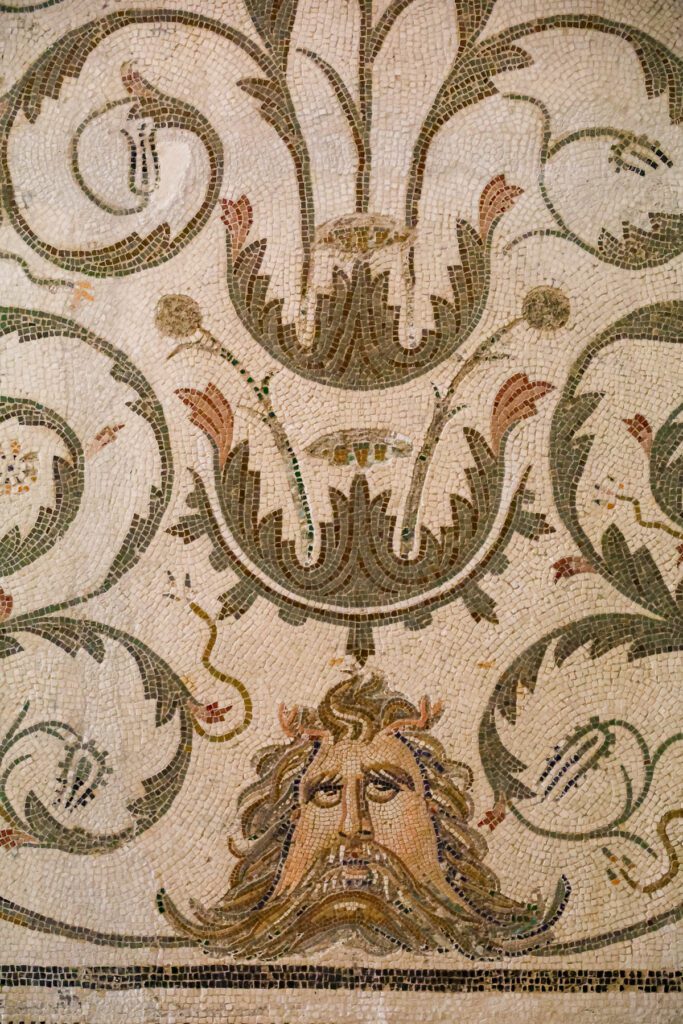
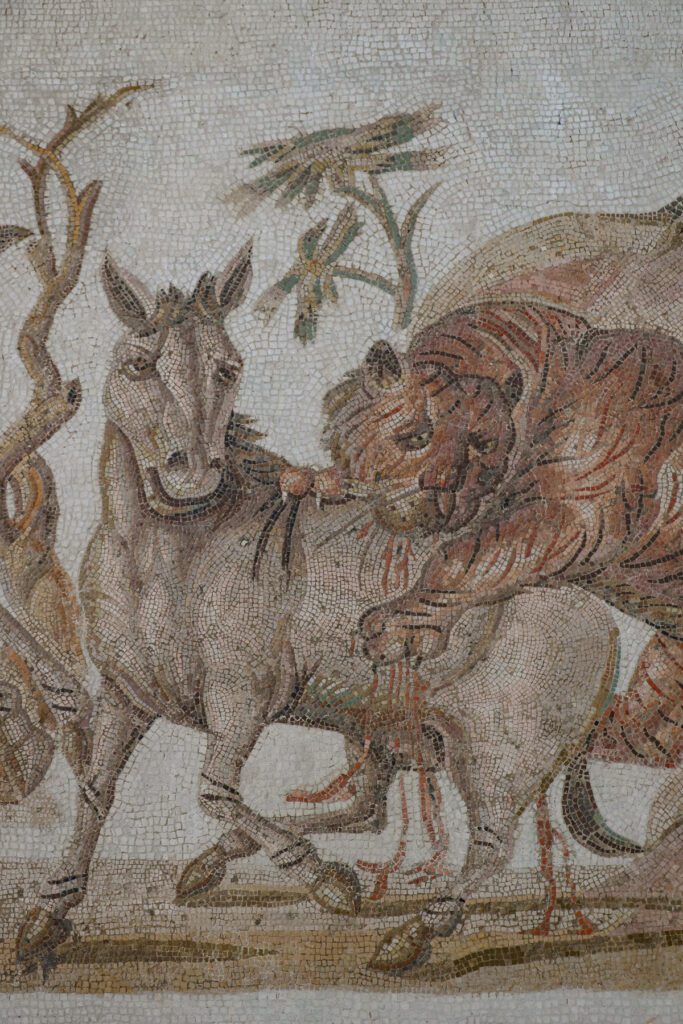
It’s an amazing venue you should visit along the Bardo National Museum near Tunis!
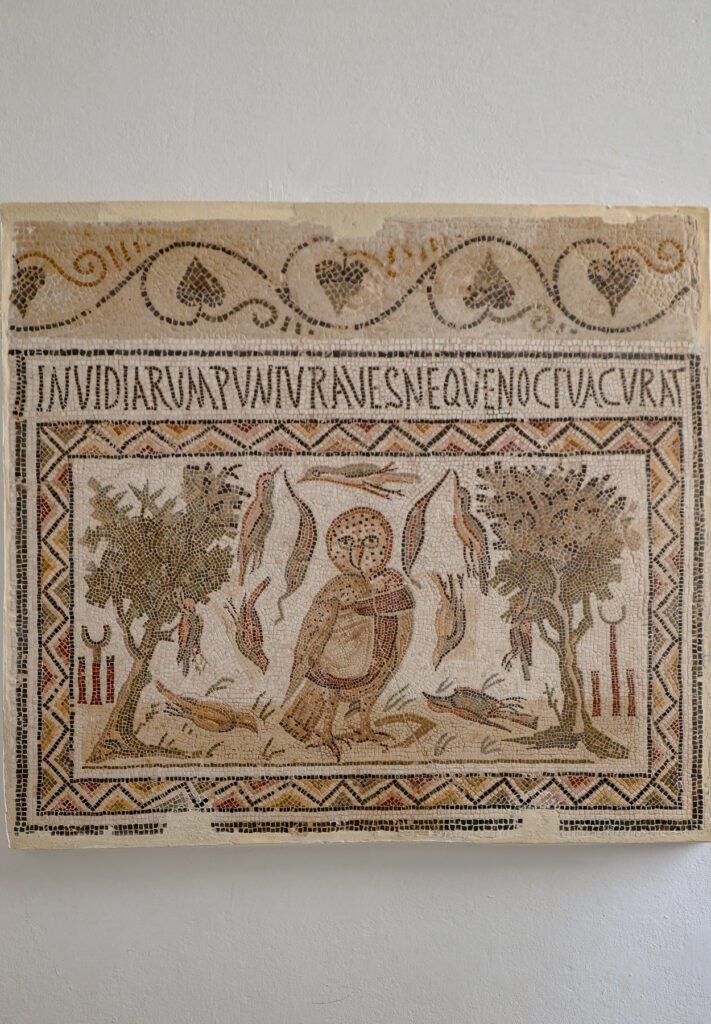
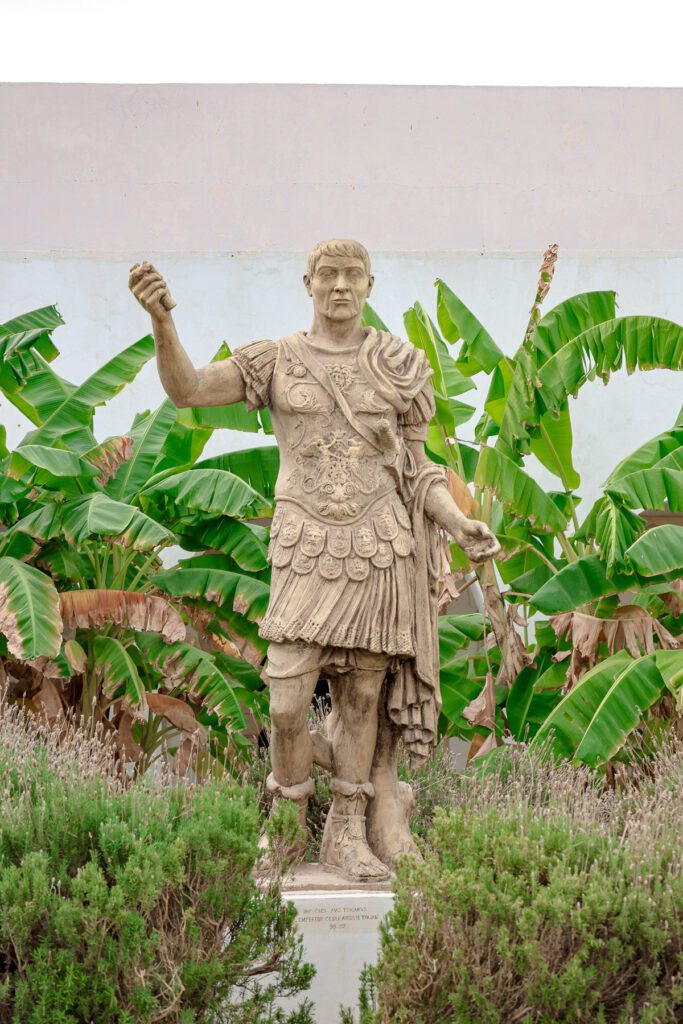
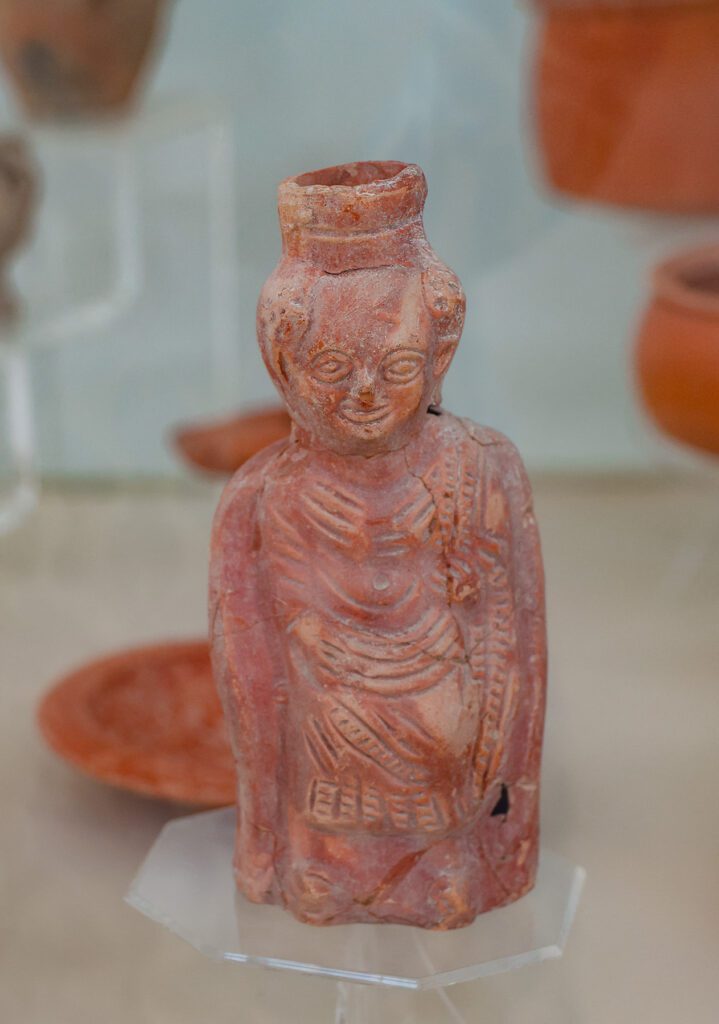
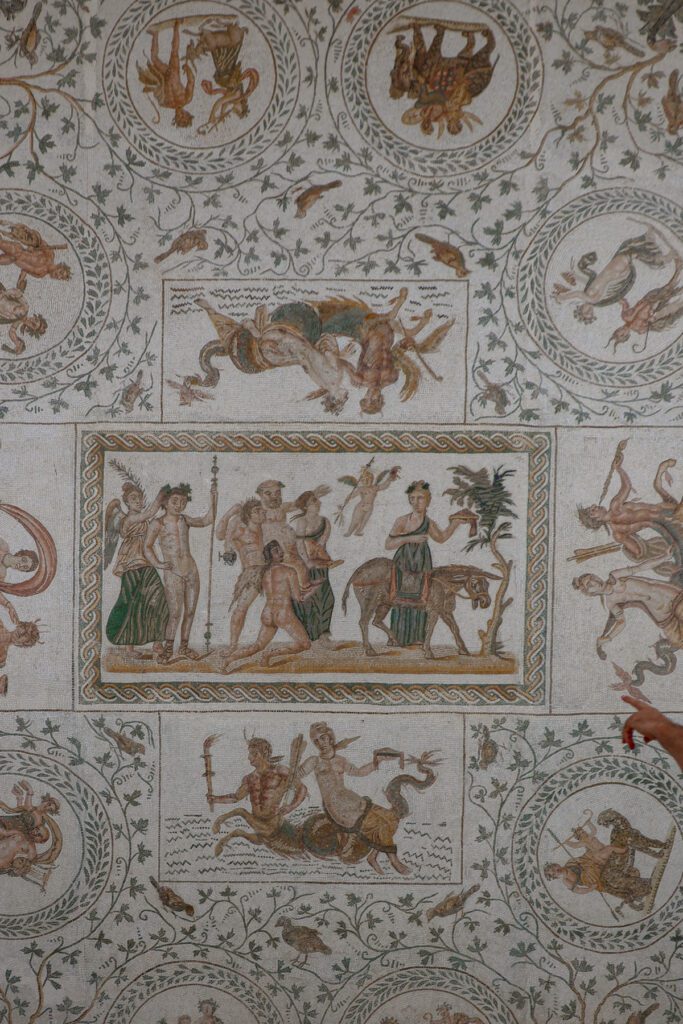
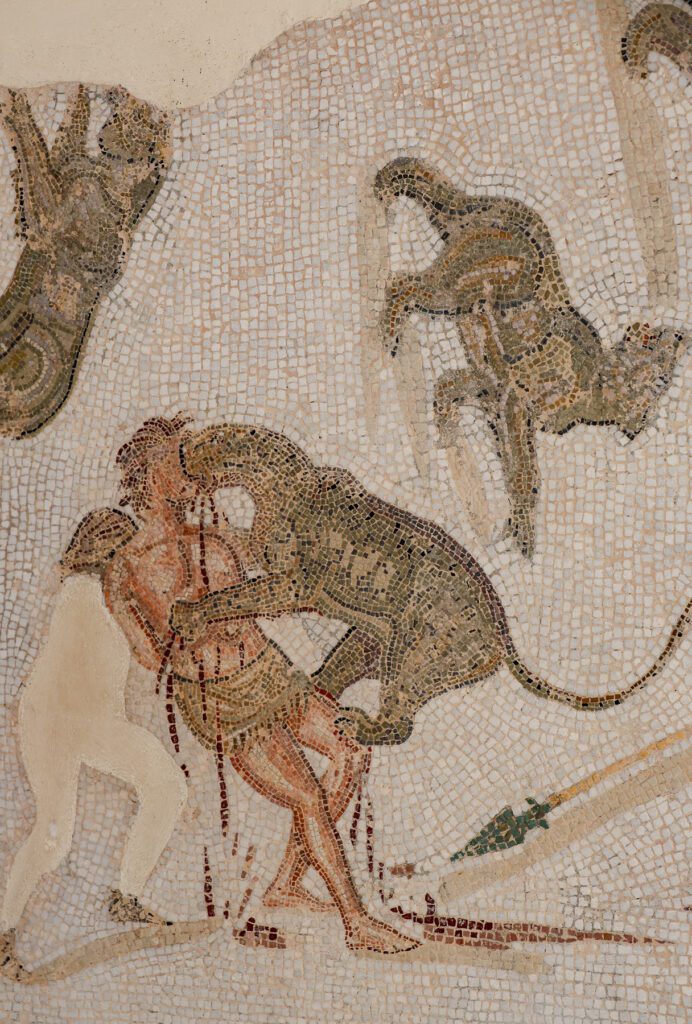
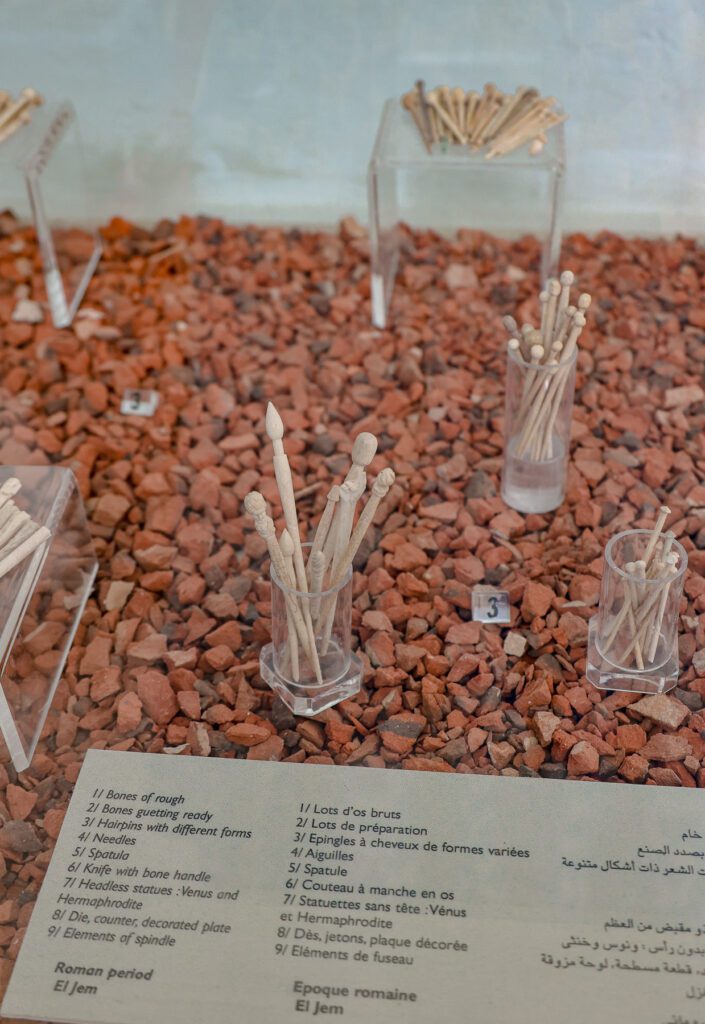
You can also explore the Villa Africa, or Dar Afrika, an extremely well-preserved Roman villa built in the 2nd century AD, with rooms specially reconstructed and arranged as they were before.
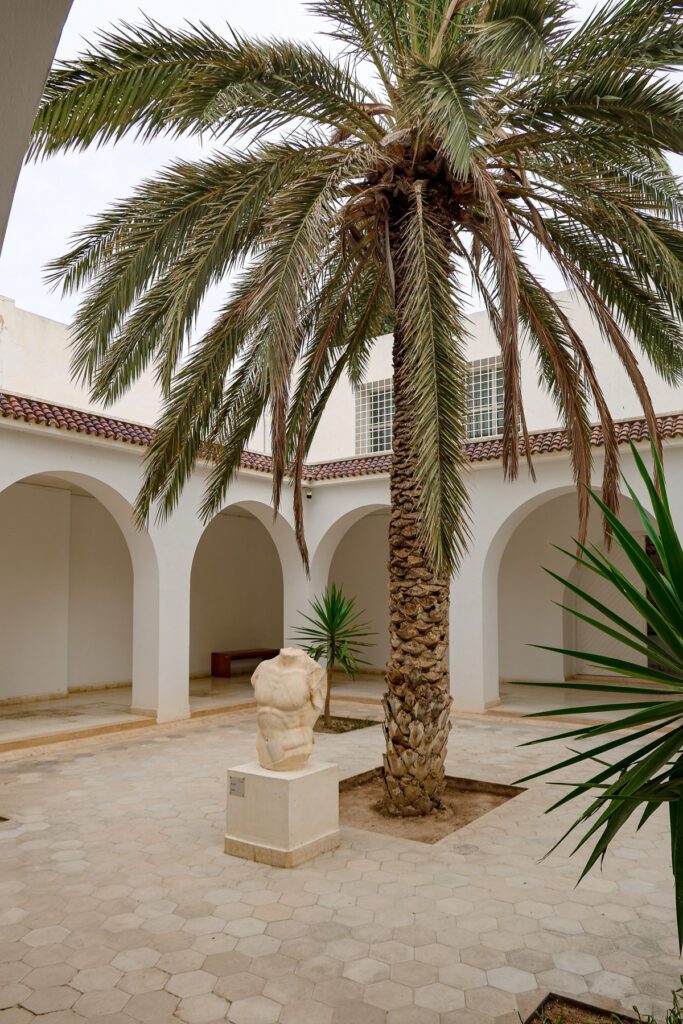
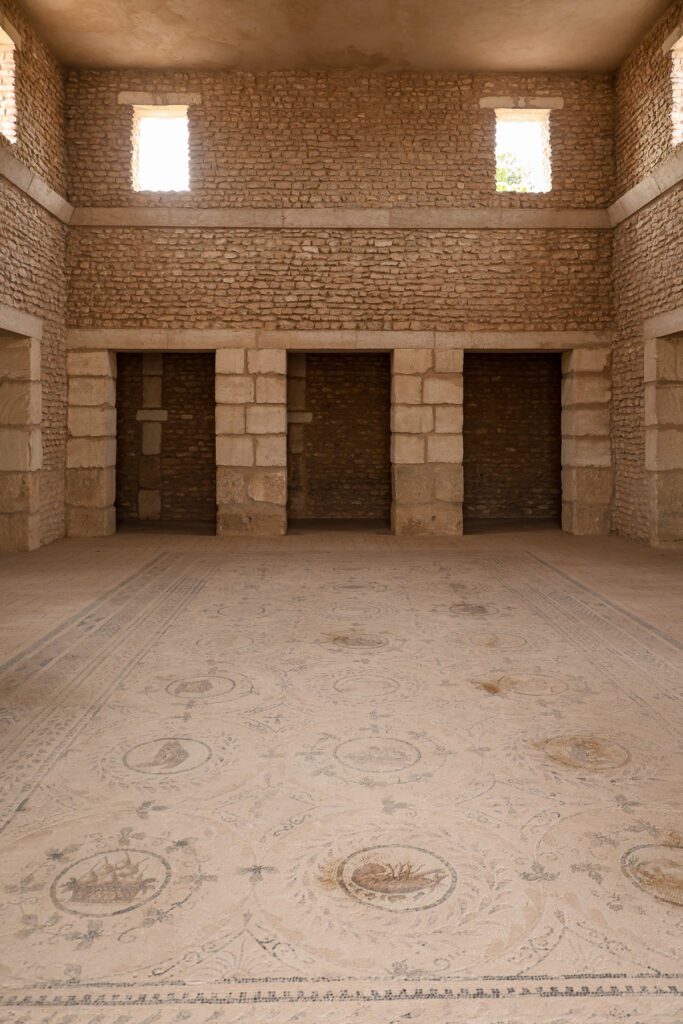
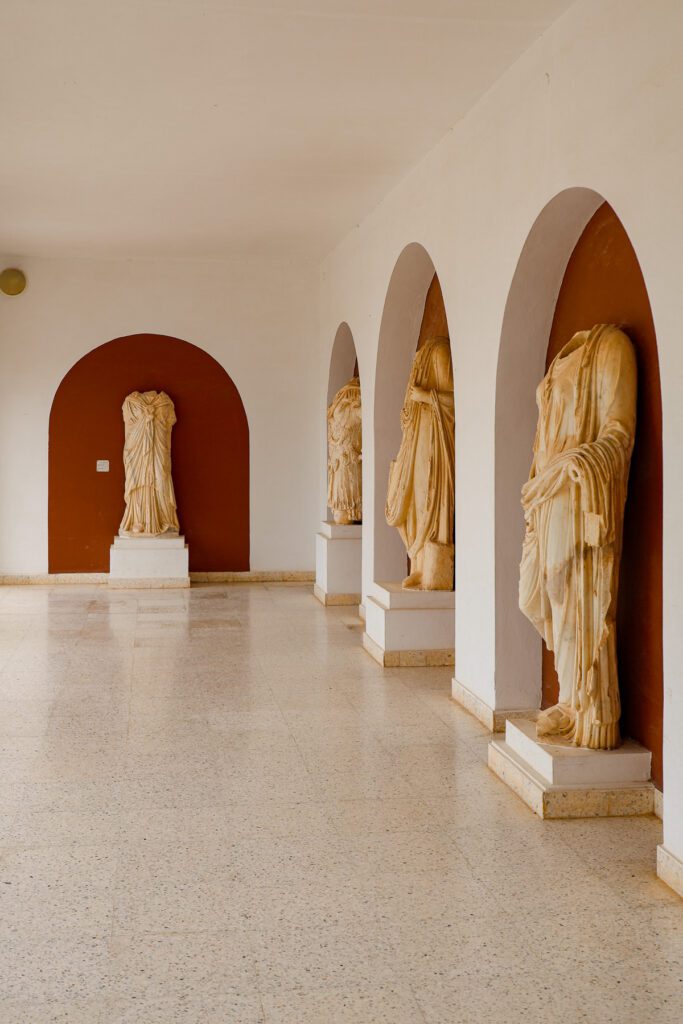
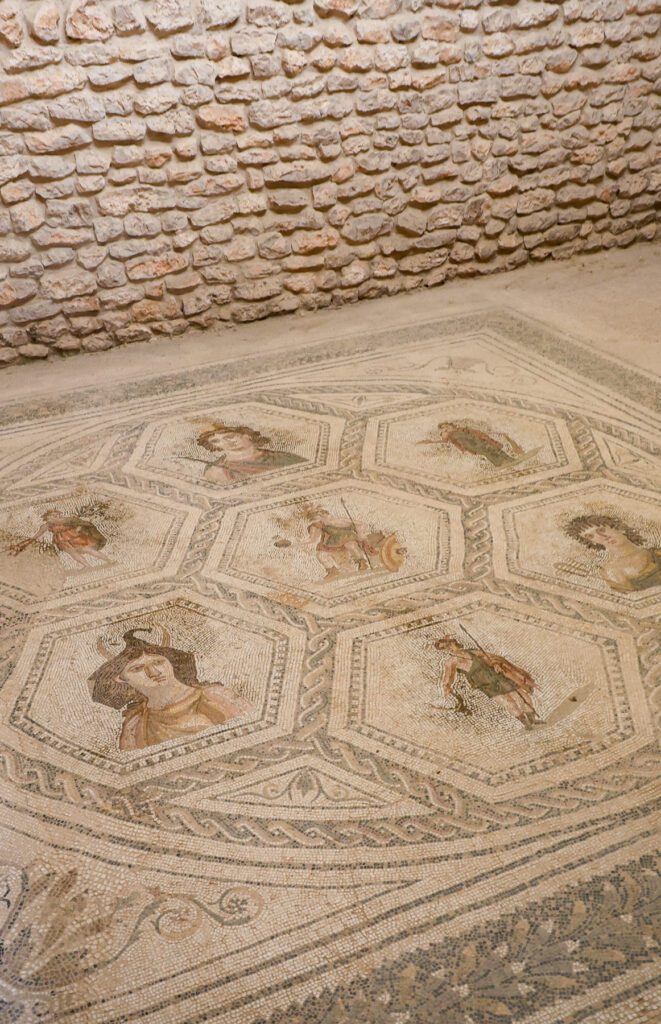
The museum opened in 1970 and underwent refurbishment in 2002.


Monastir
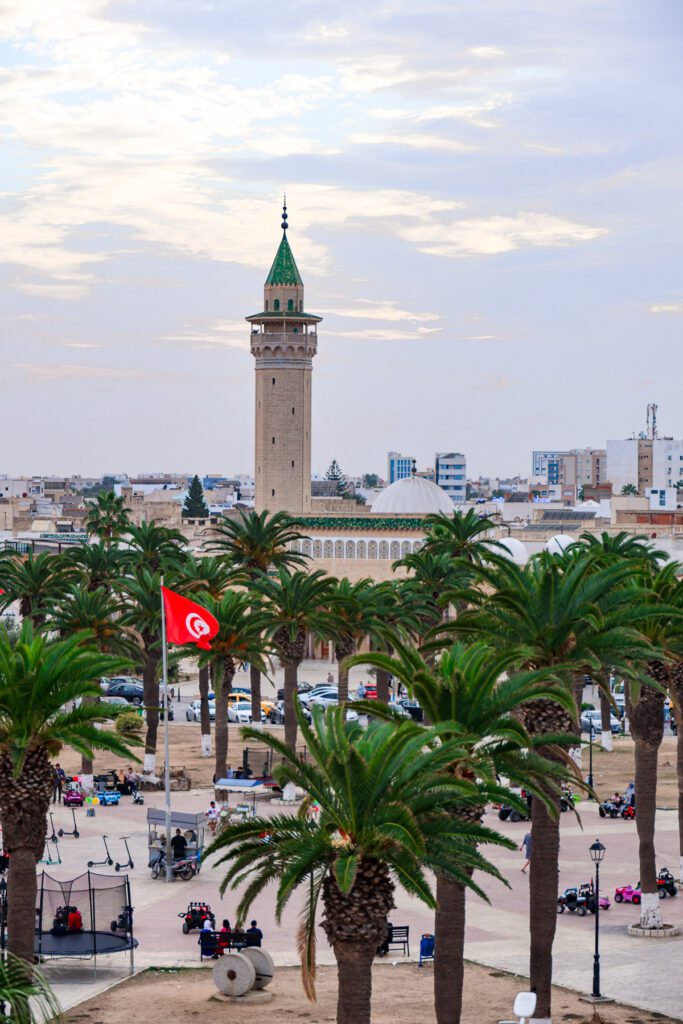
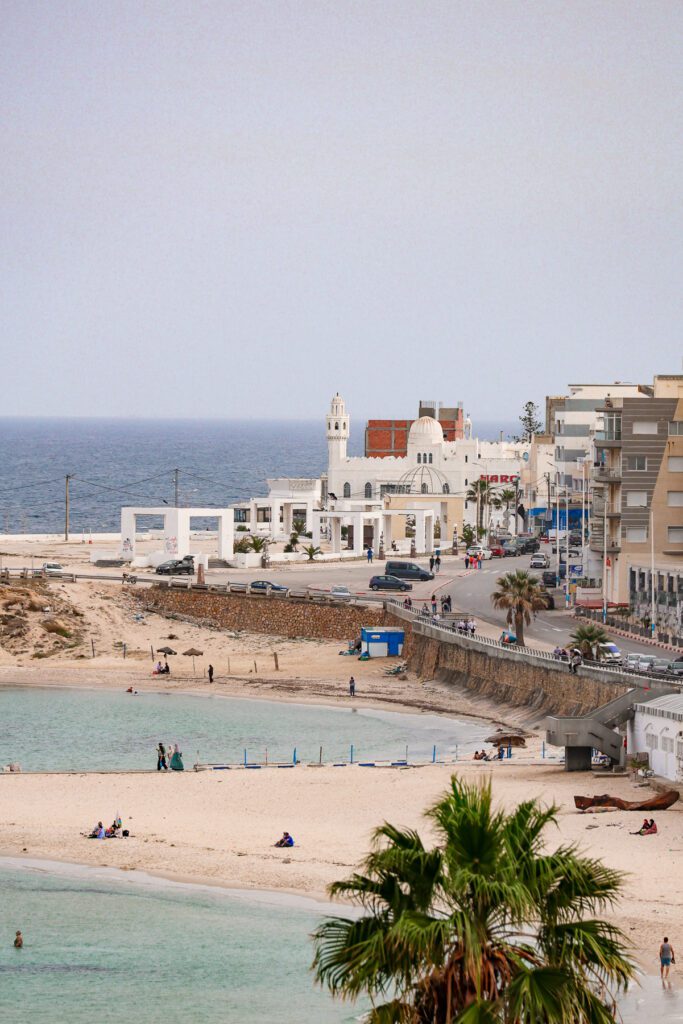
Monastir is one of the most famous seaside cities in Tunisia, and many tourists choose to stay here for their holidays.


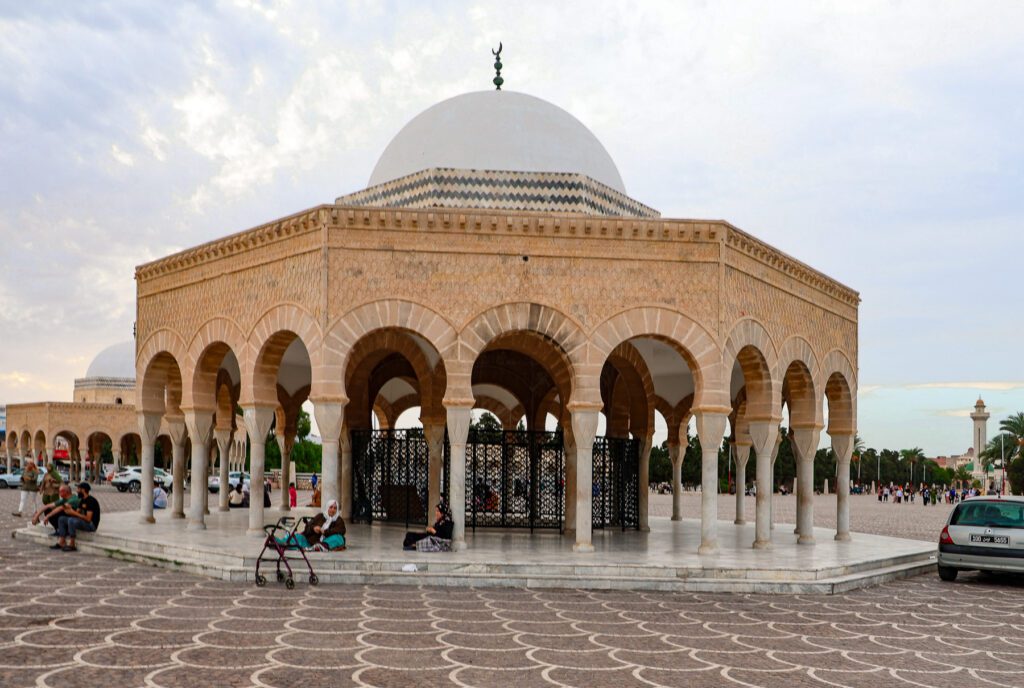
Originally, the Phoenicians founded a fishing village here called Ruspina, which was later inhabited by Carthaginians and Romans – it was the first city in Africa that pledged loyalty to Julius Caesar! Monastir was founded on the ruins of this ancient city, and its name comes from the numerous temples and monasteries here (they are called ‘Monastir’ in Greek).

7. Ribat of Monastir
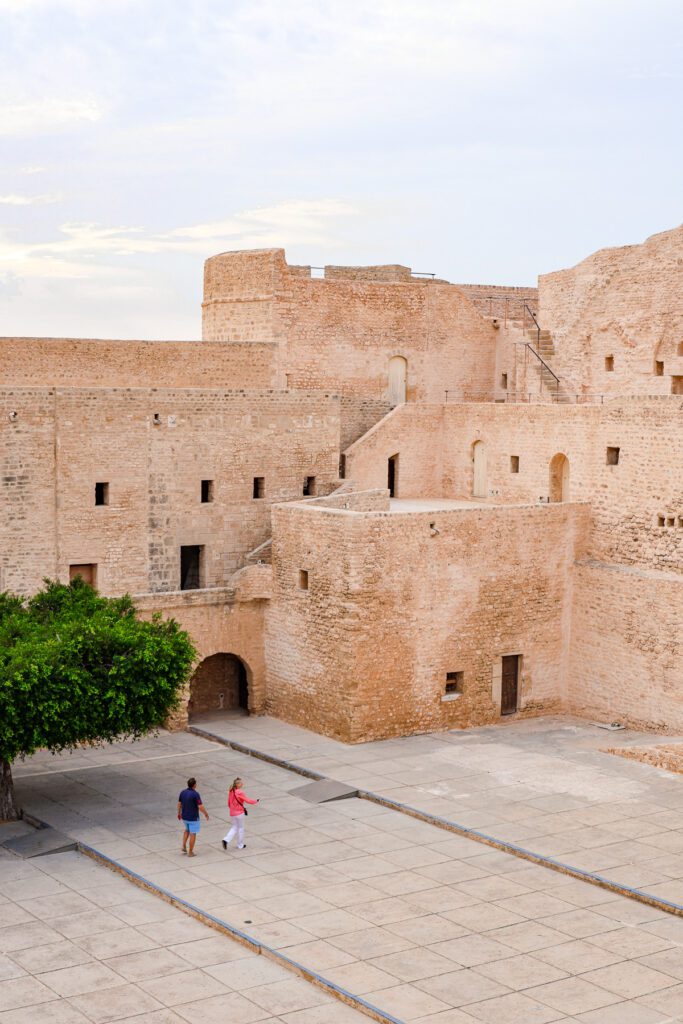
The Ribat is the main sight in Monastir. This is a fort built by the Abbasids during their conquest of Maghreb territories in 796 – the oldest Arab fortress in North Africa.
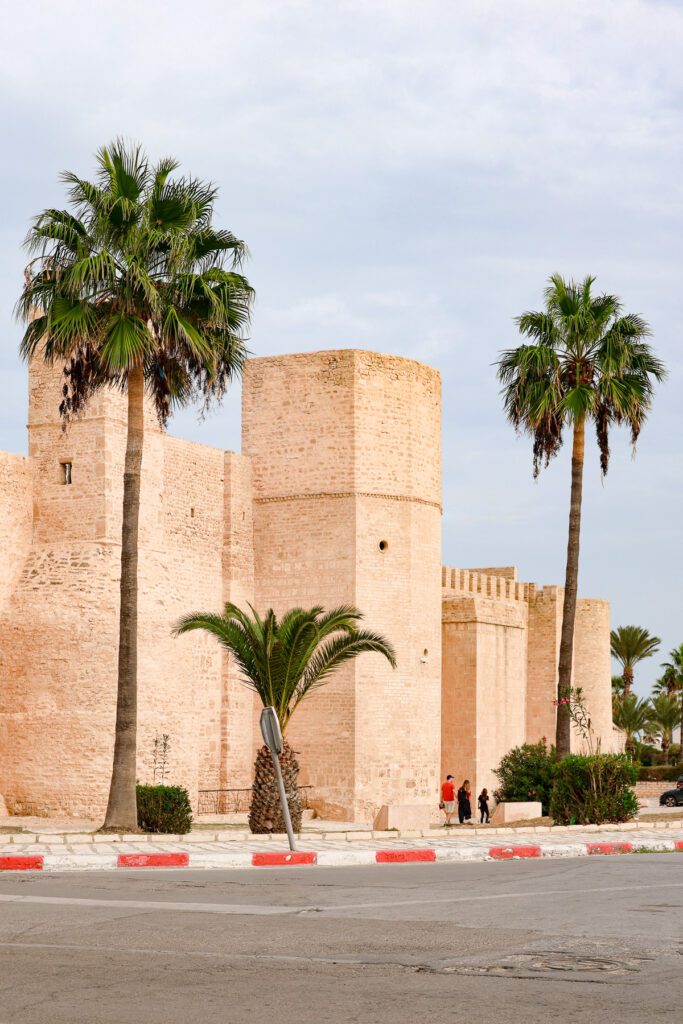
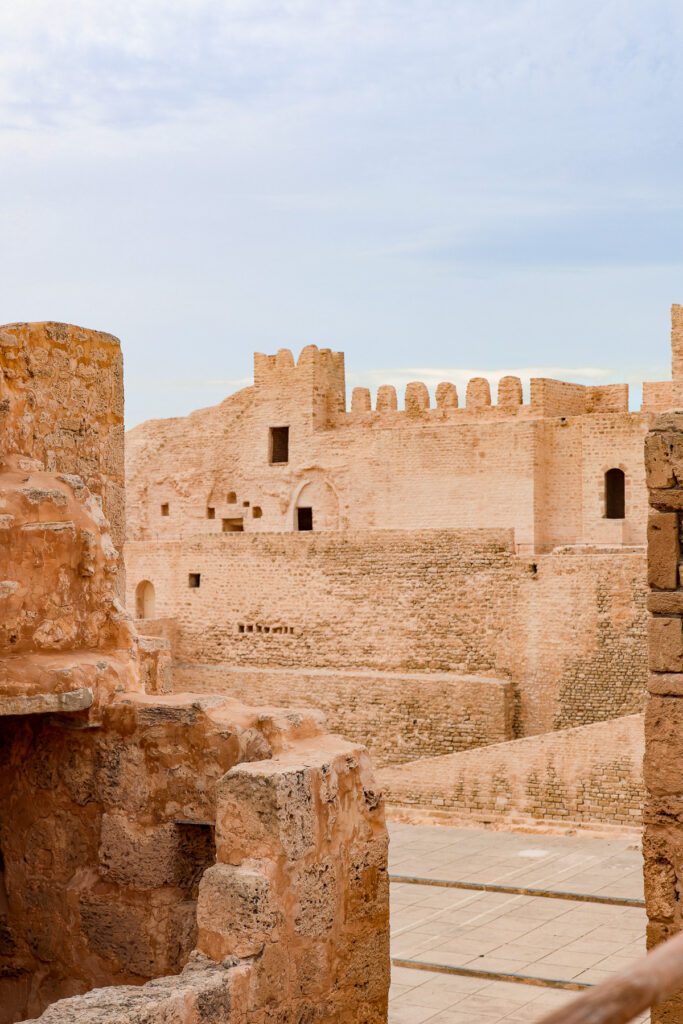
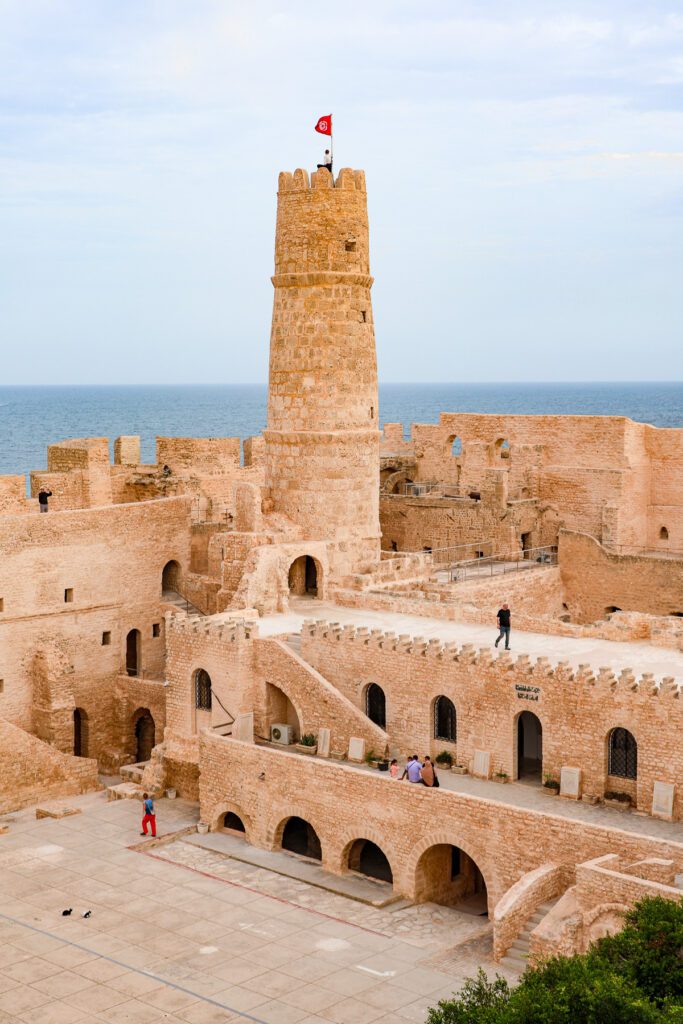

Overall, there was a chain of such fortresses along the coast to protect against attacks from the sea.
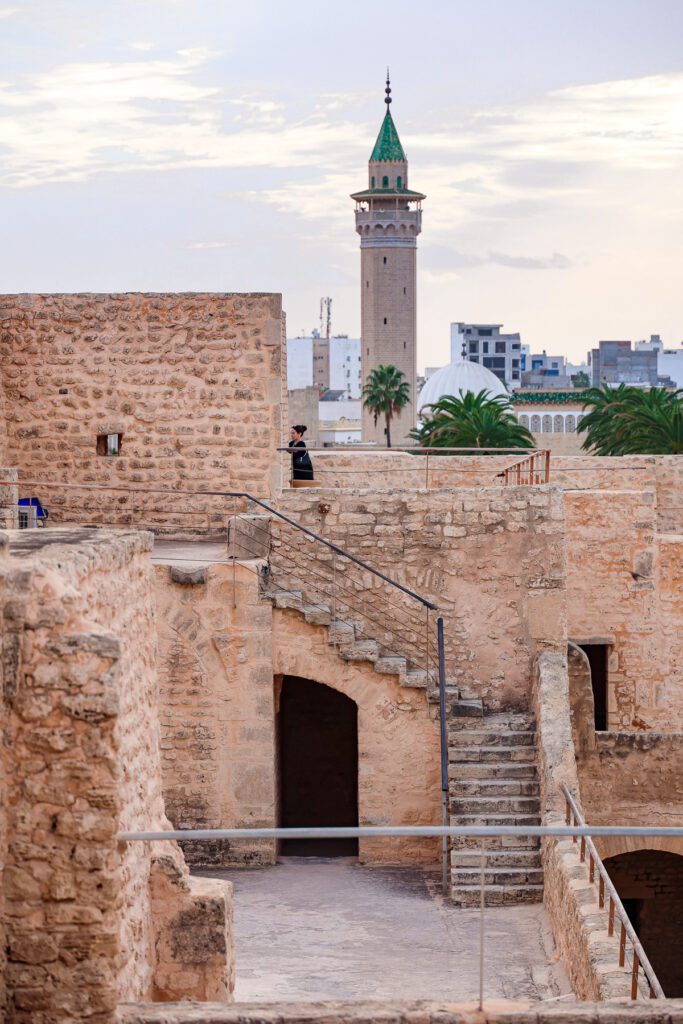
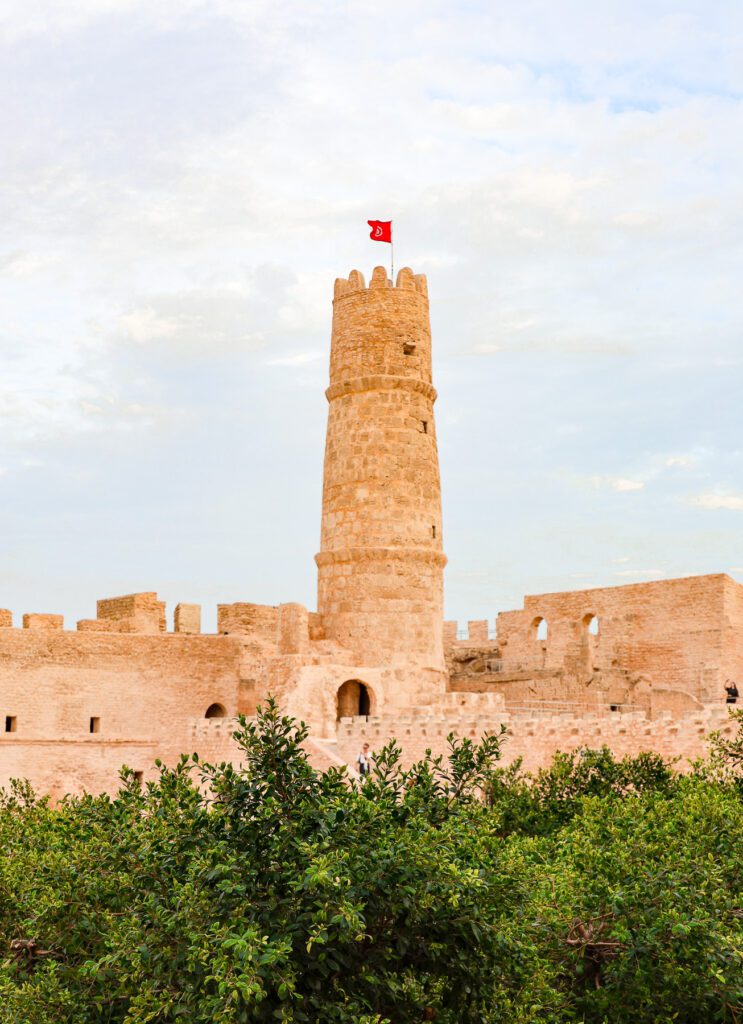
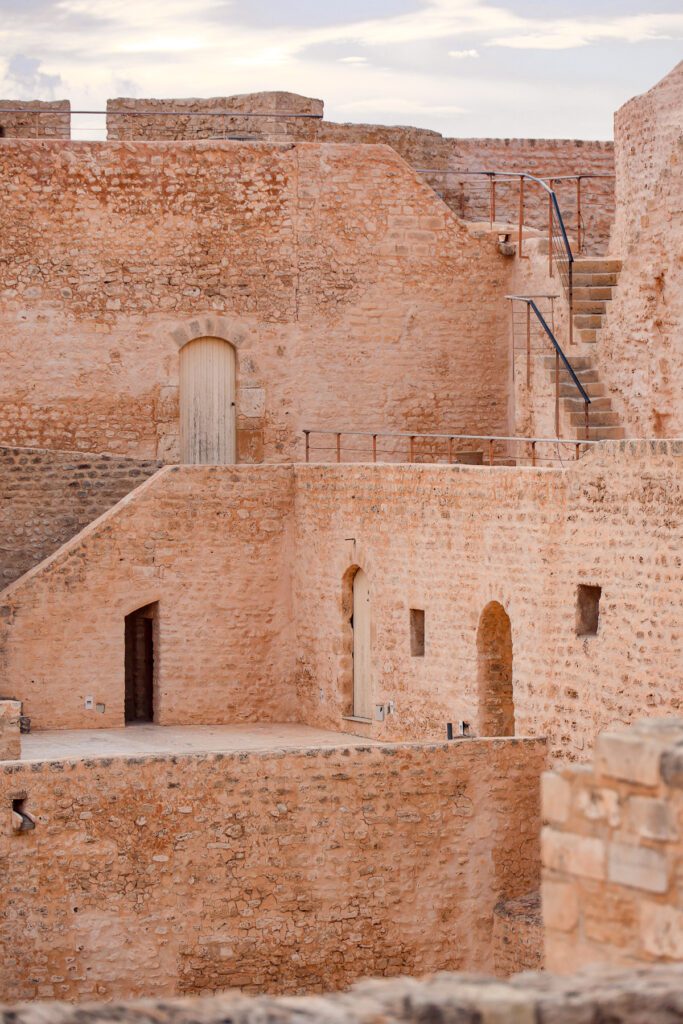
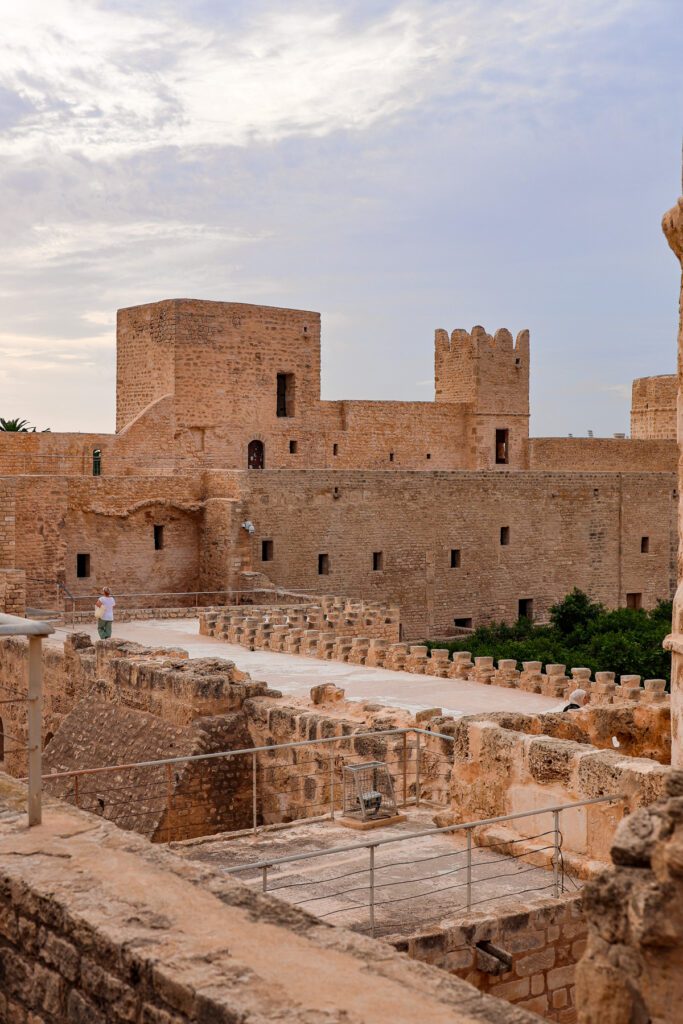
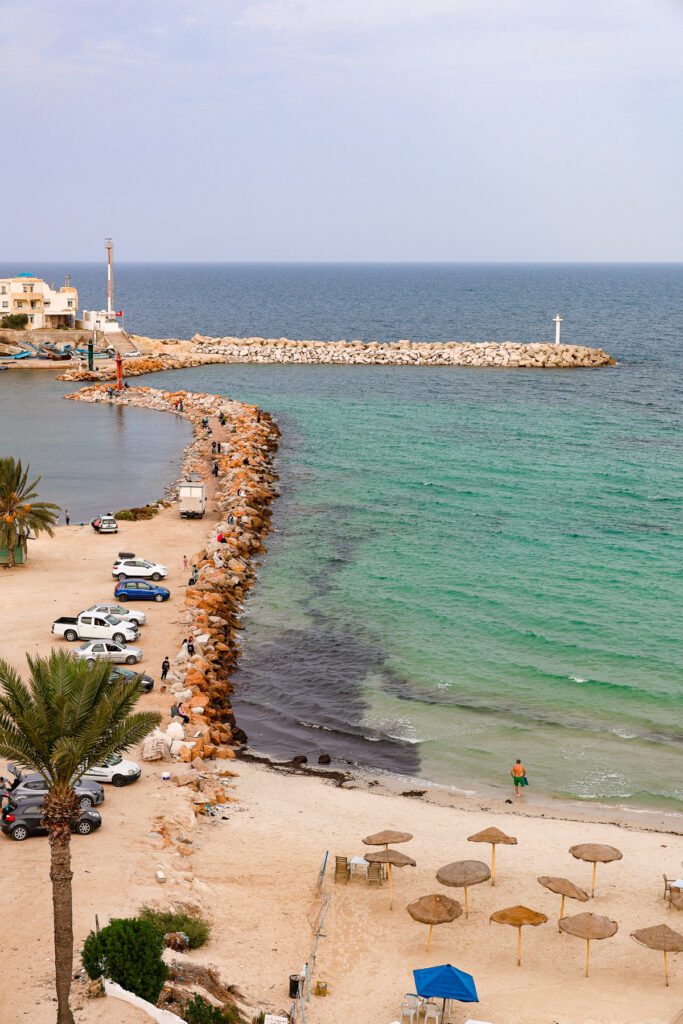
Numerous architectural elements were added during the long life of this fort, but the initial structure is still intact, albeit modified: now you can admire the watchtower, the gates, circular towers on the sides of the fortress, and a large inner courtyard. There’s also a small museum inside. The views of the seaside promenade and the city from the walls are amazing!
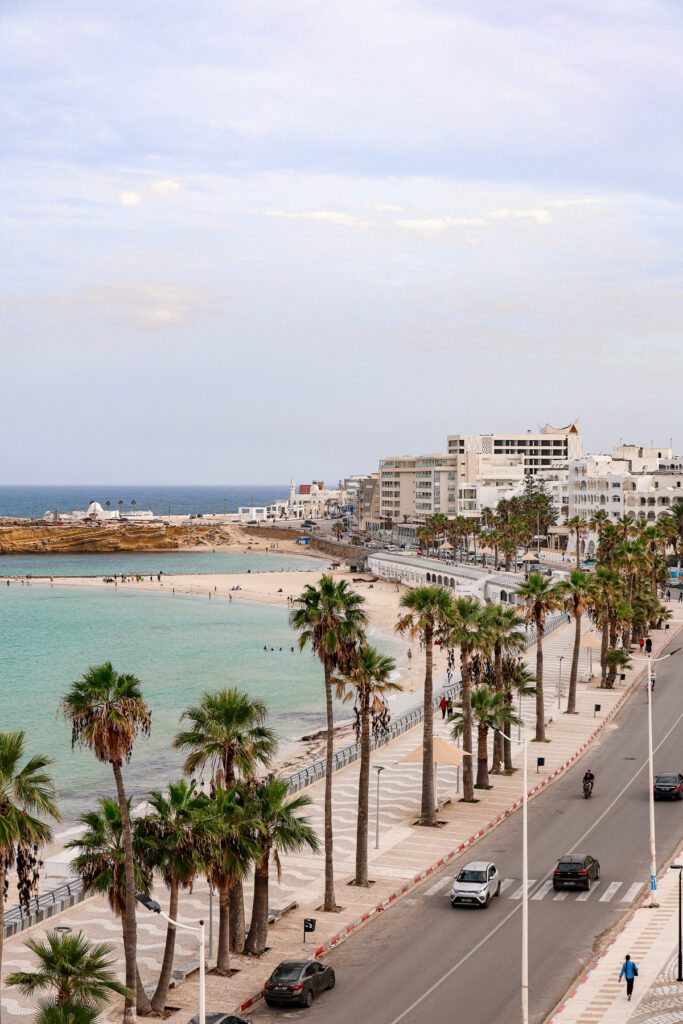
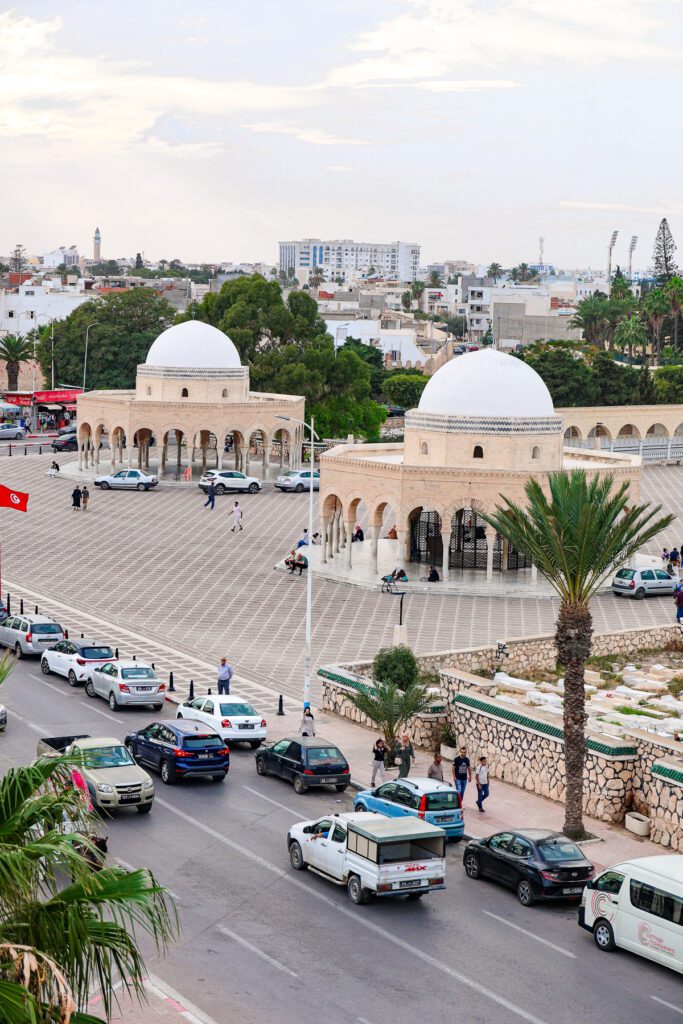
8. Mausoleum of Habib Bourguiba in Monastir
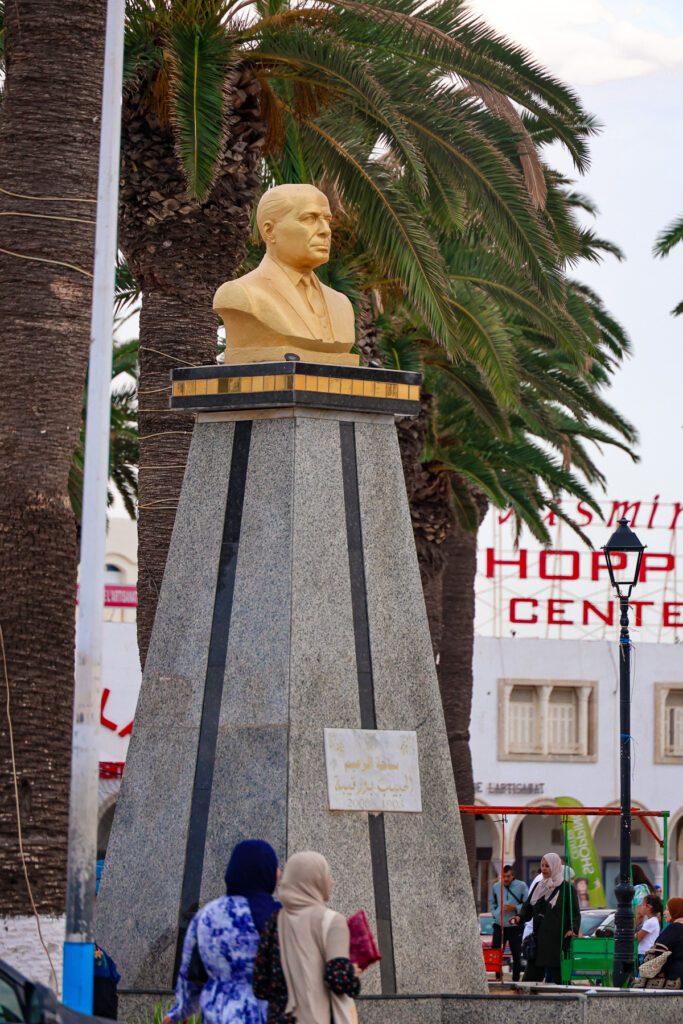
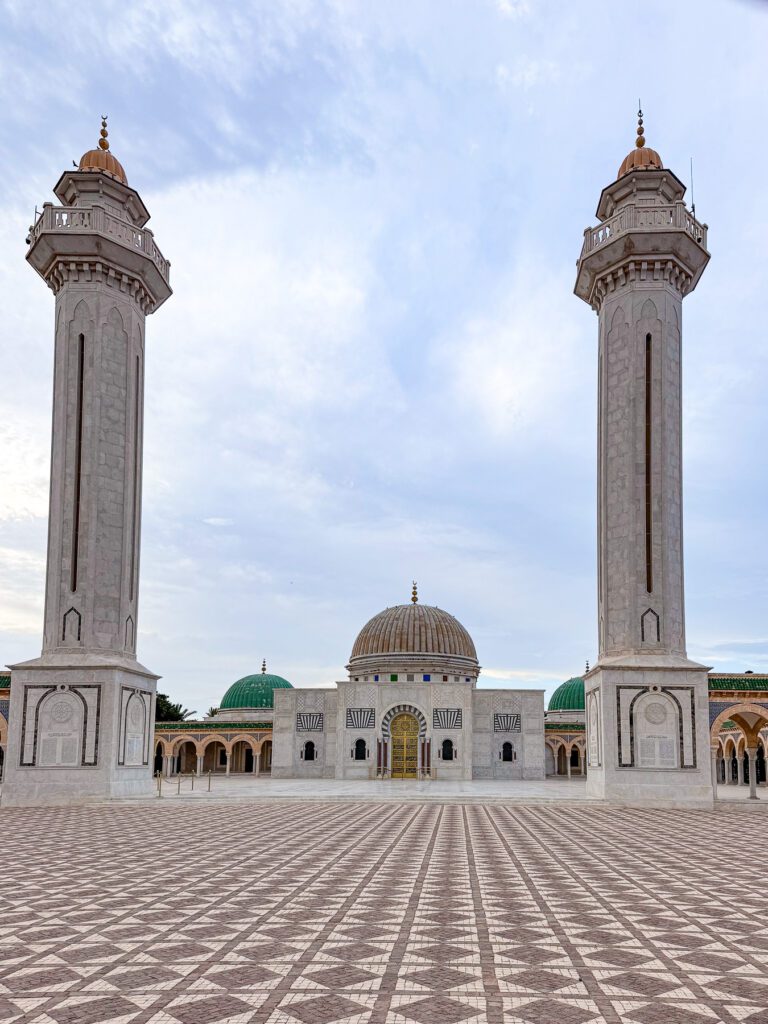
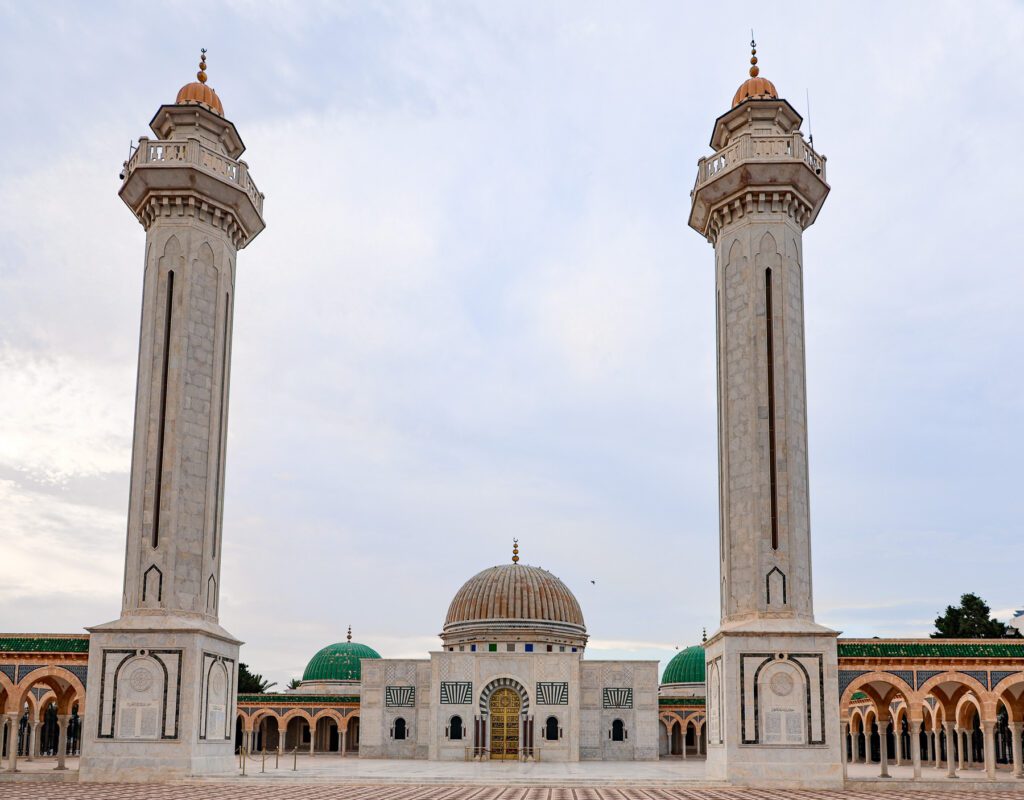
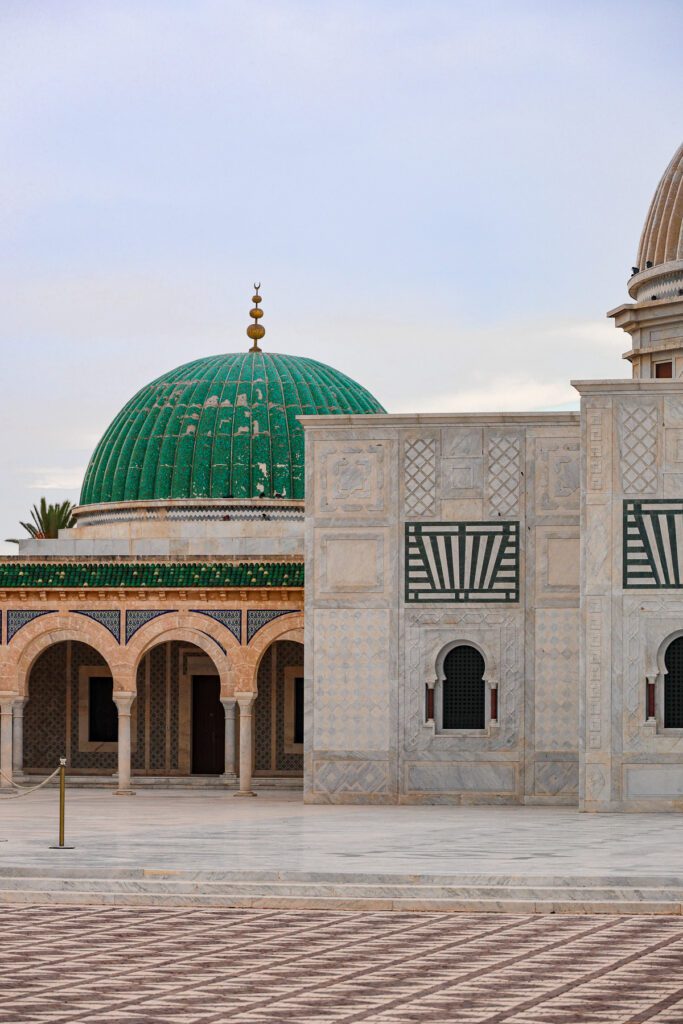
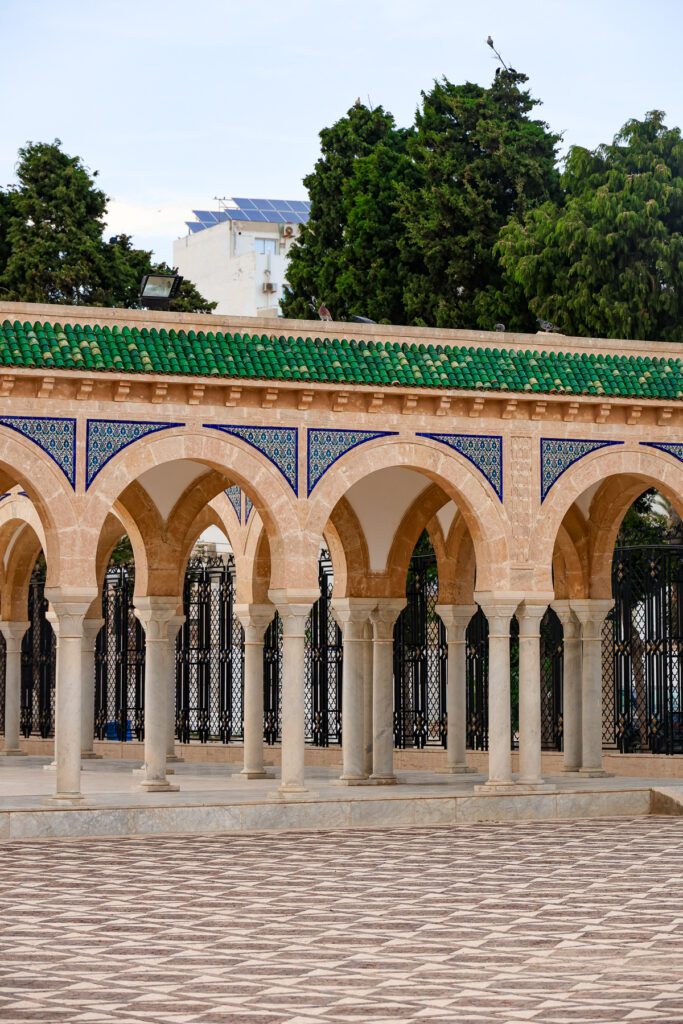
Another important site in Monastir is the Mausoleum of Habib Bourguiba, the first president of Tunisia.
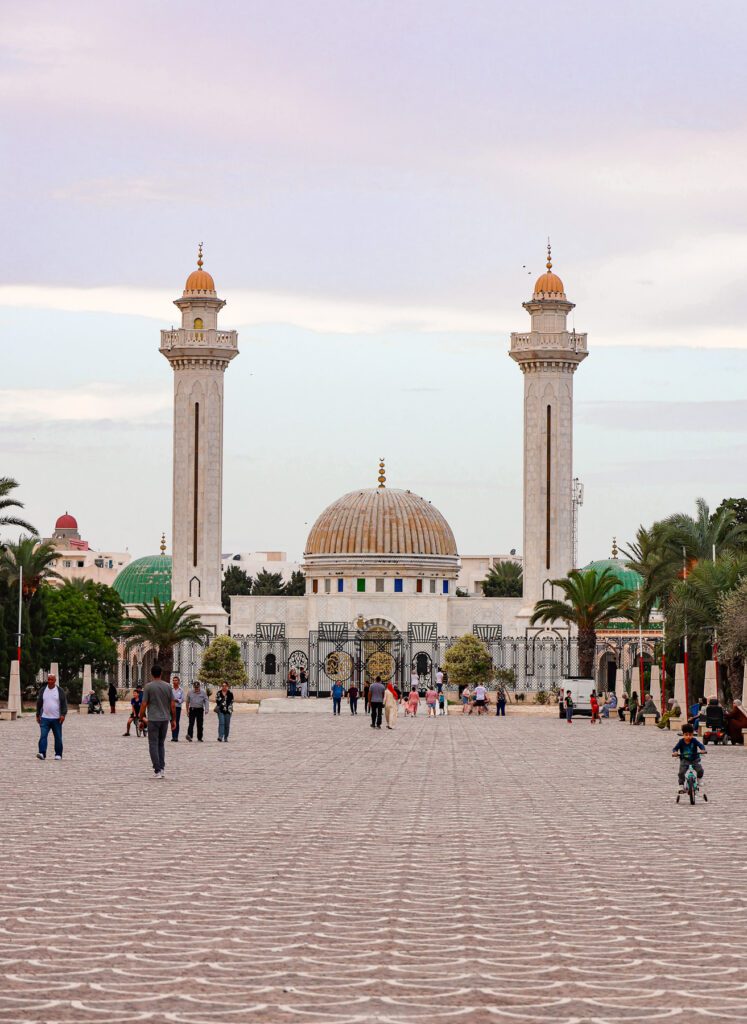
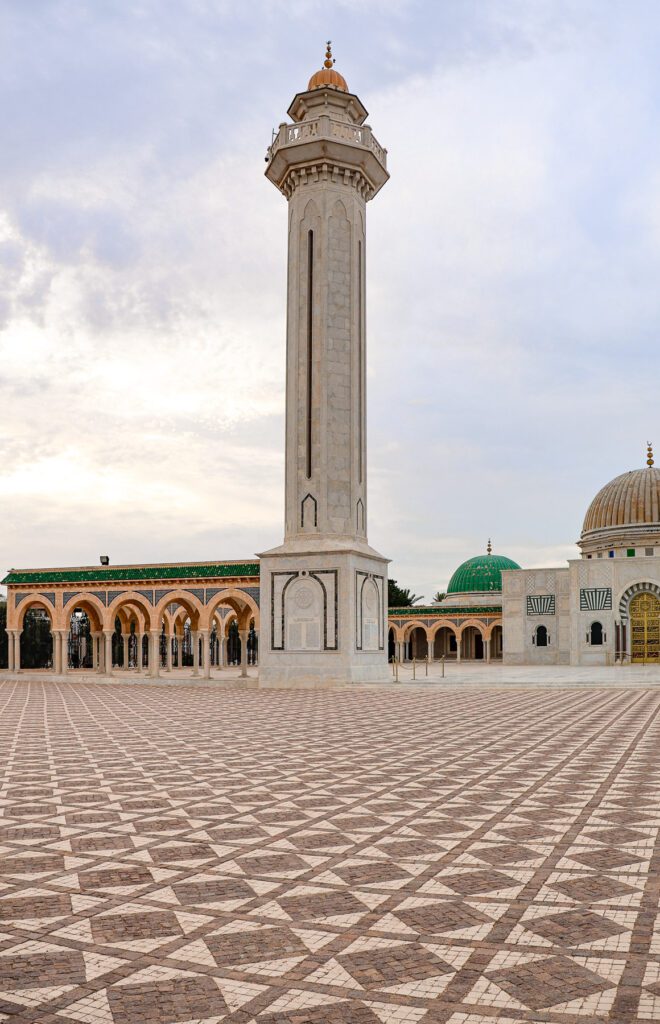
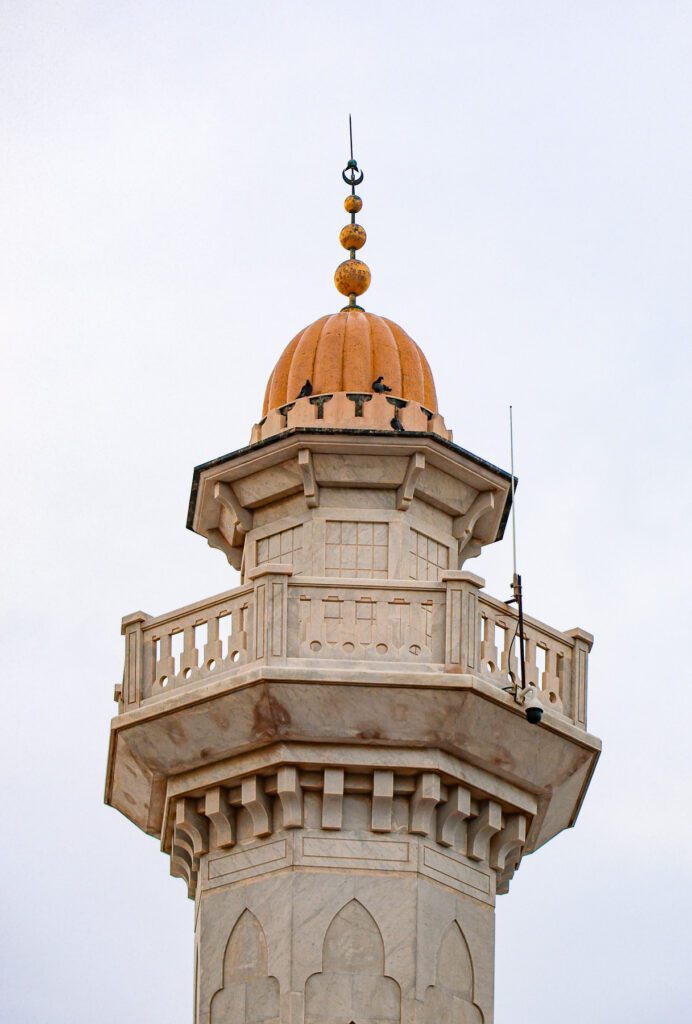
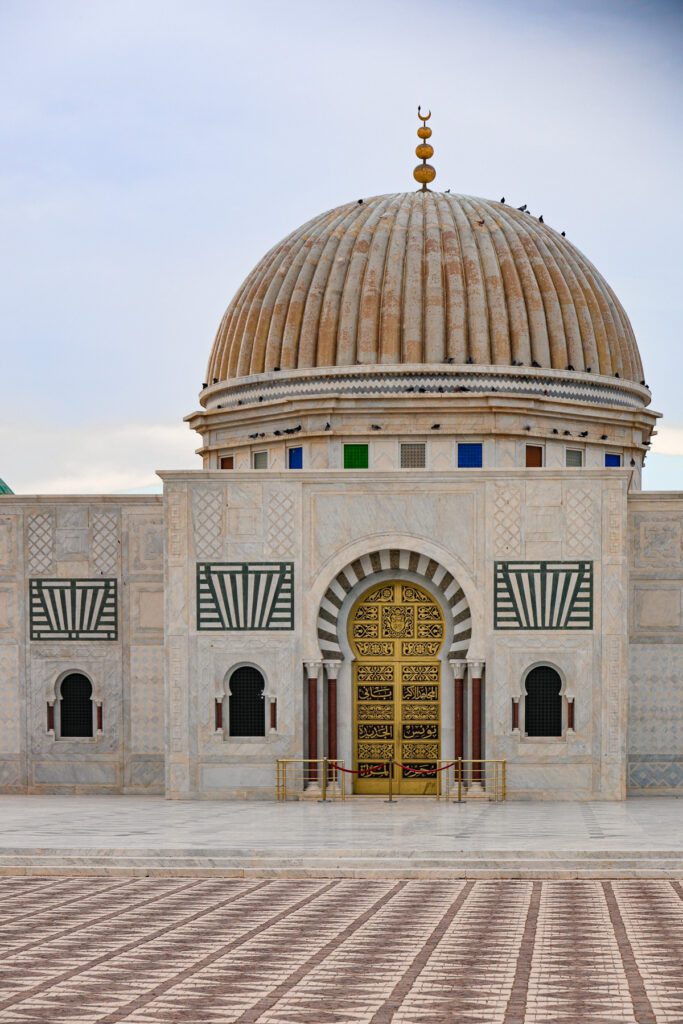
This building was constructed between 1963 and 1978; construction started soon after Tunisia gained its independence and while the first president was still alive (he died in 2000). It now holds the burials of the extended Bourguiba family. The architecture of the mausoleum is astonishing – make sure to at least have a glimpse of it!
9. Flamingo Watching in Monastir
Awww, did you know that flamingos naturally live in Tunisia?
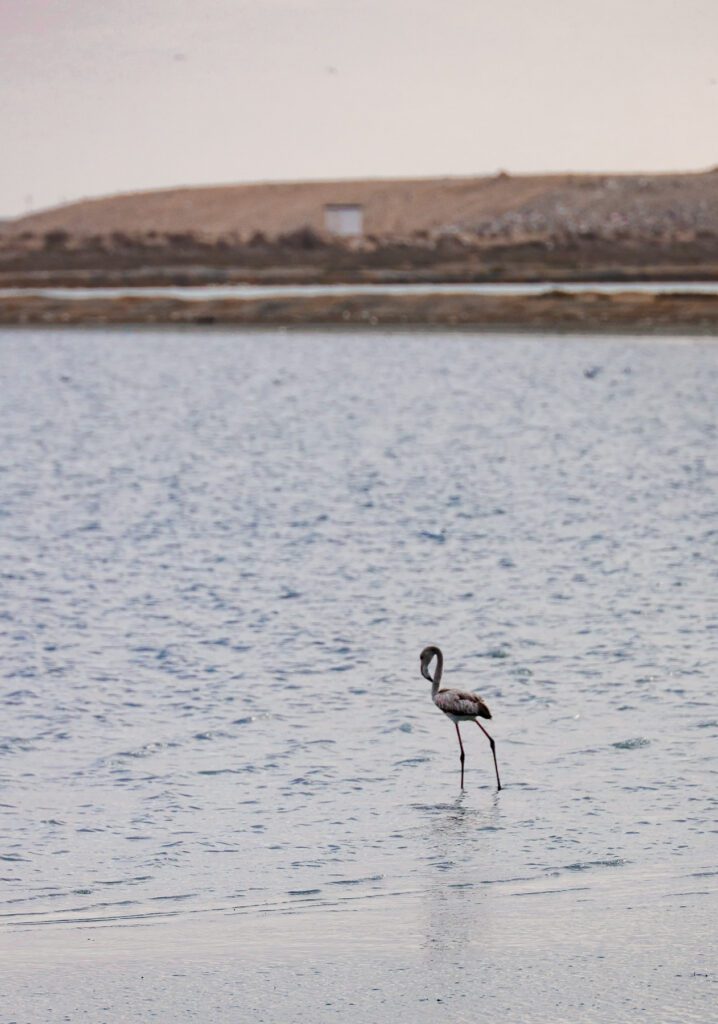
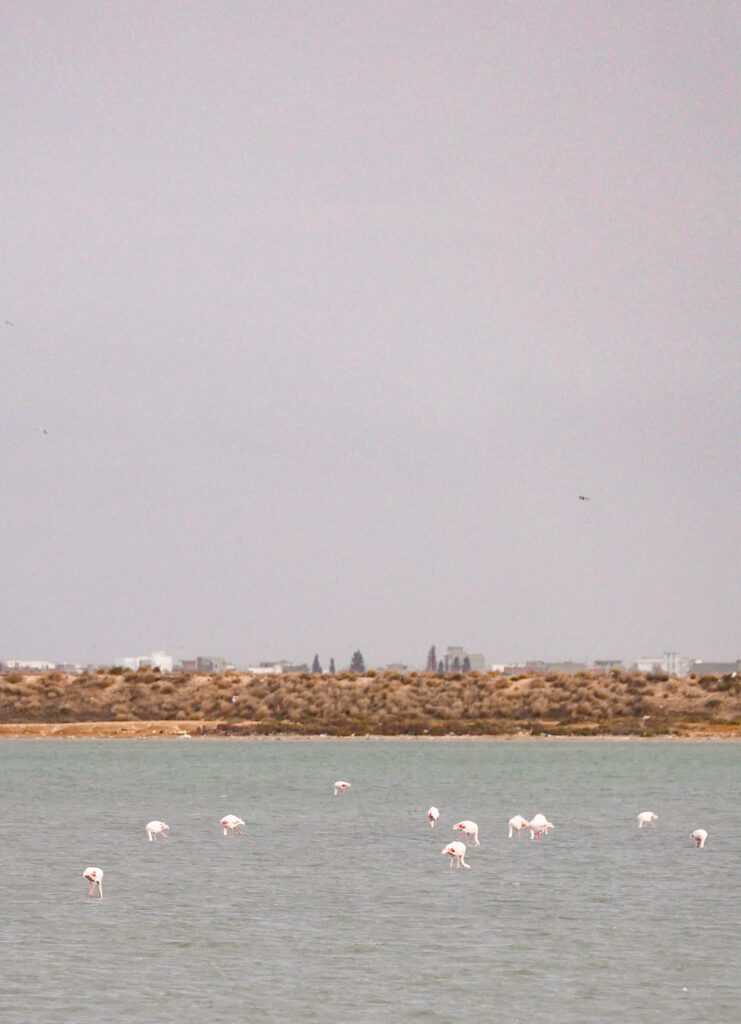

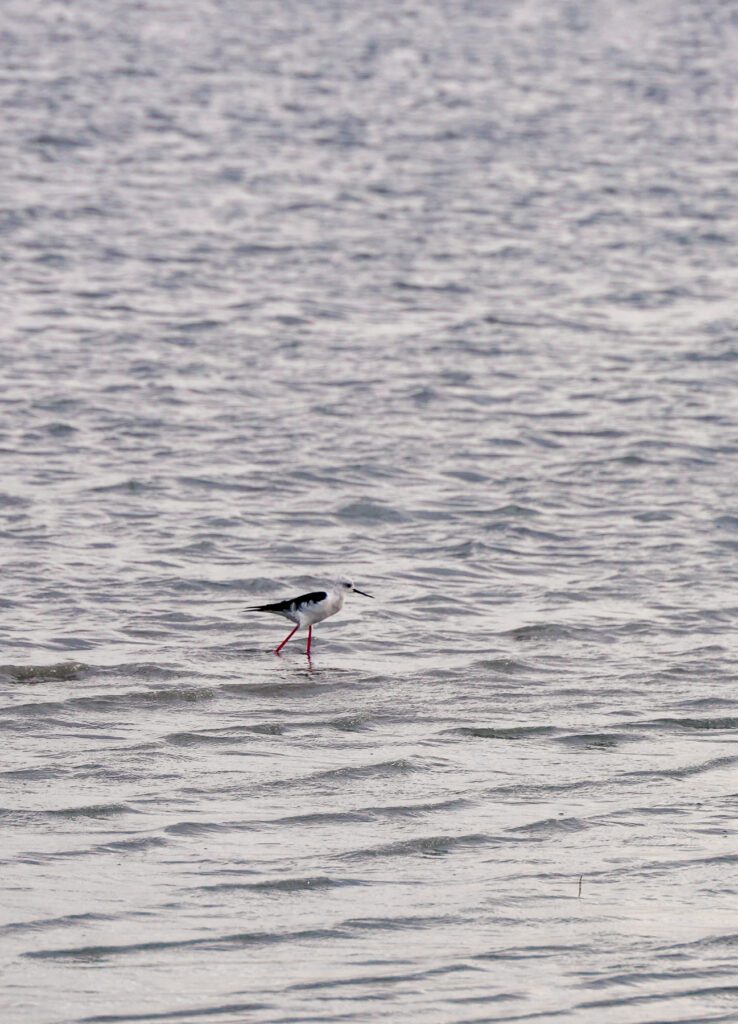
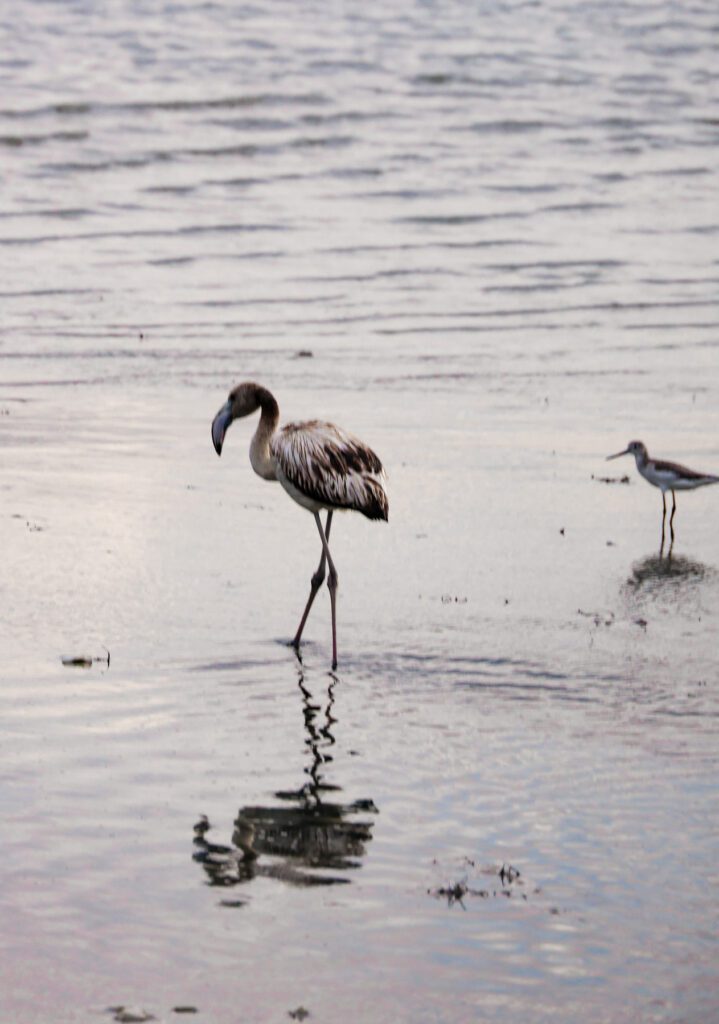
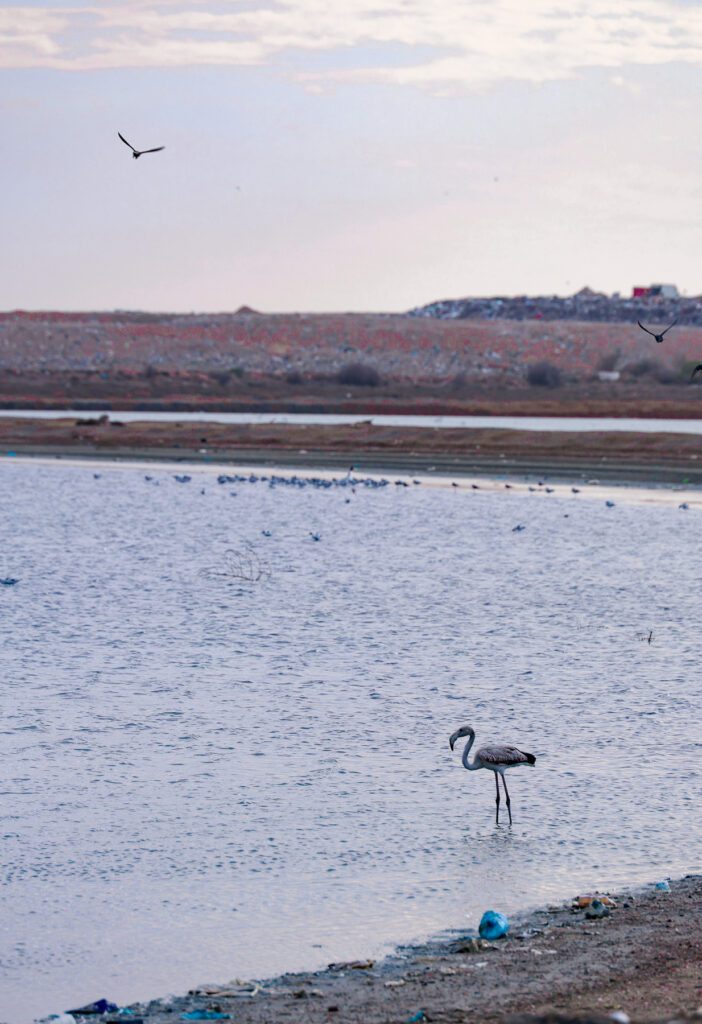
We spotted over a hundred of these magnificent birds near Monastir at the lakes/salt flats!

Sousse
Sousse is another seaside tourist destination, located about 1-1.5 hours’ drive from Monastir and 2.5 hours from Tunis. Sousse is famous for its historical sites – we wished we had more time here, as the city looks very pretty with numerous landmarks to explore!


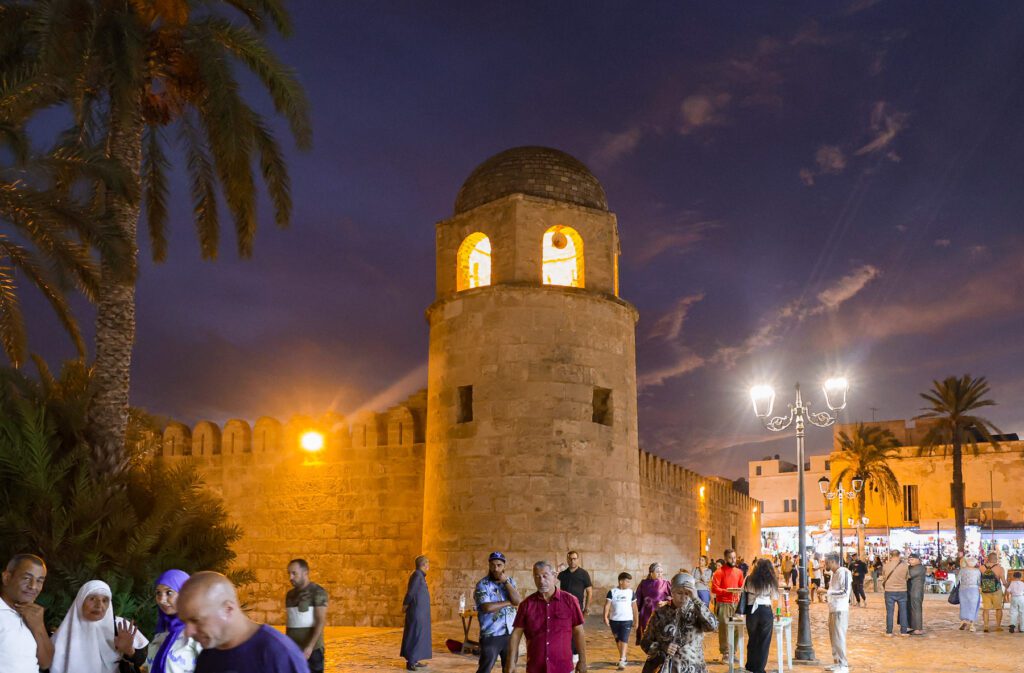
10. Medina of Sousse
The Medina of Sousse is a UNESCO World Heritage site, and there are quite a few landmarks you can explore there!
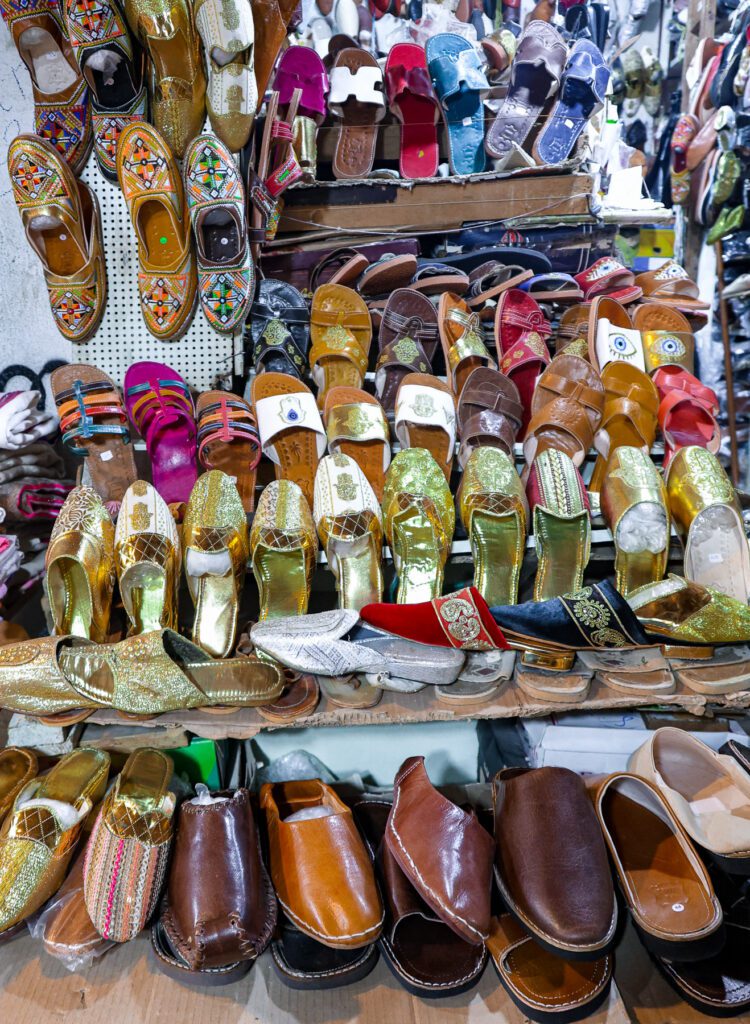
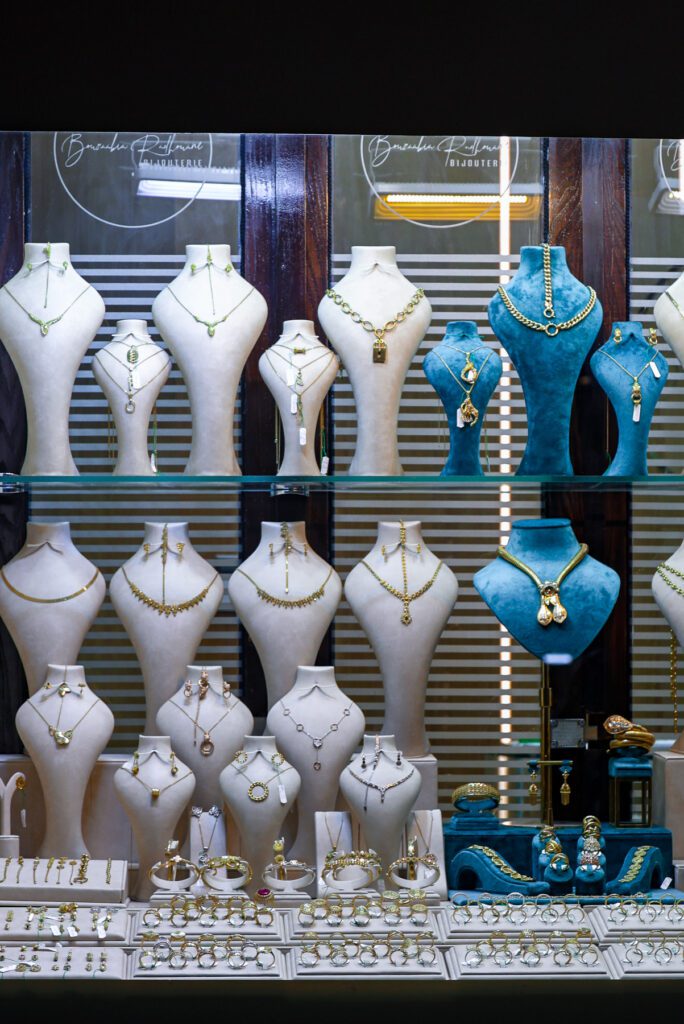
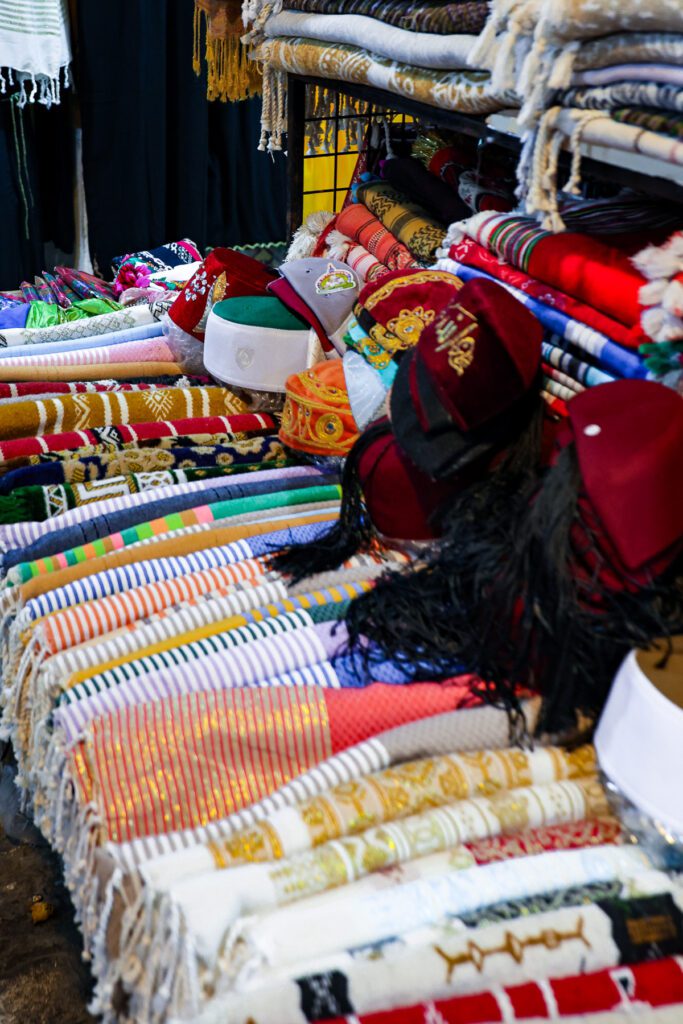
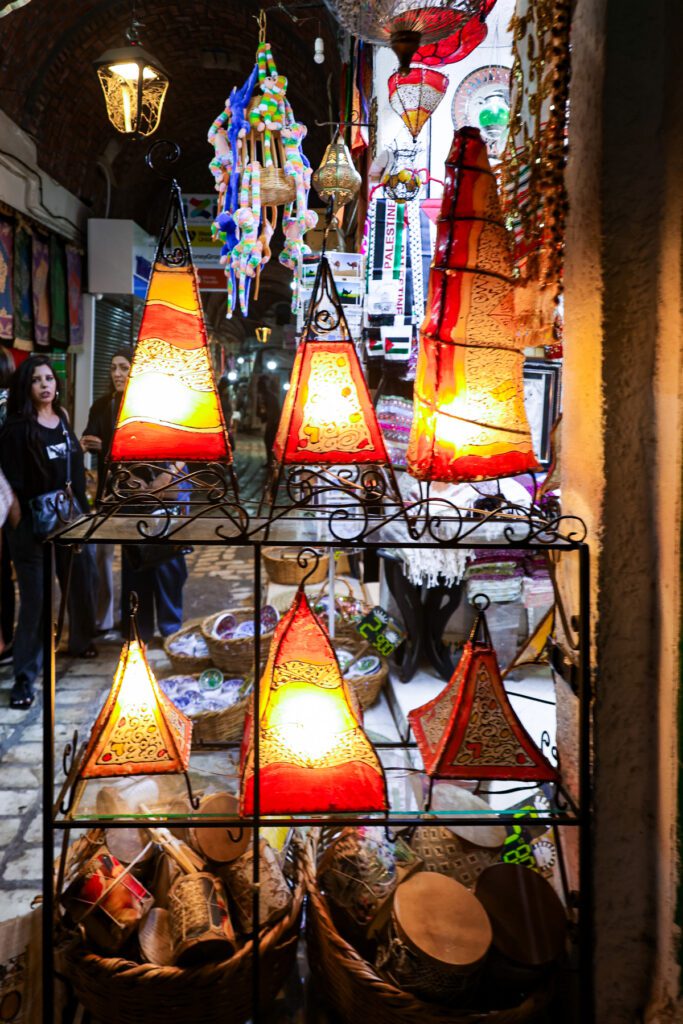

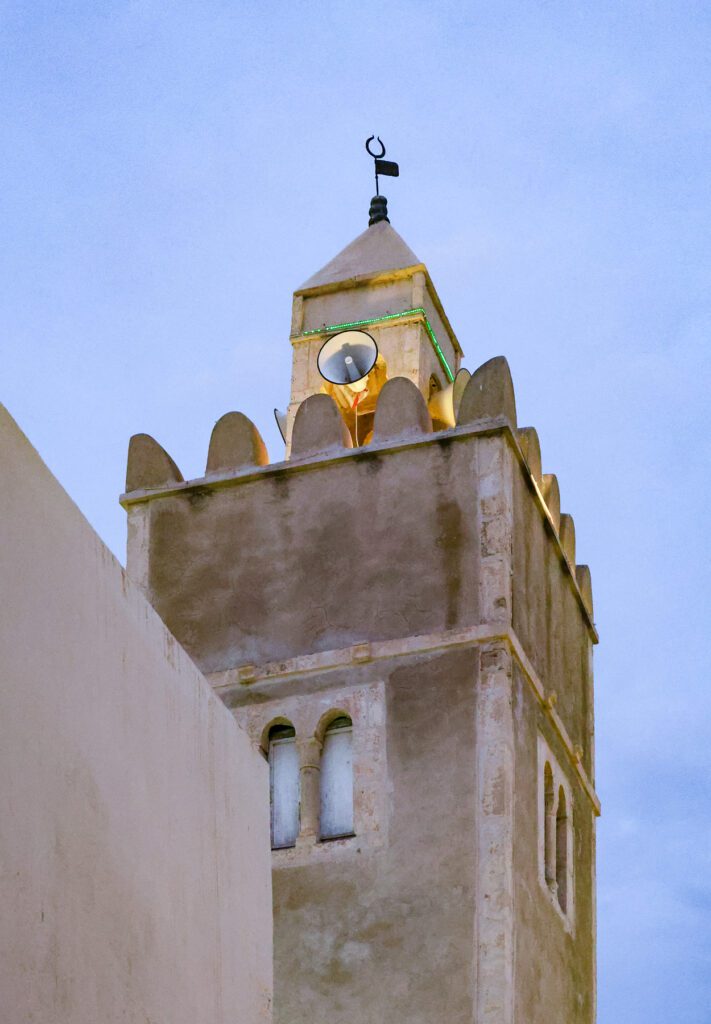
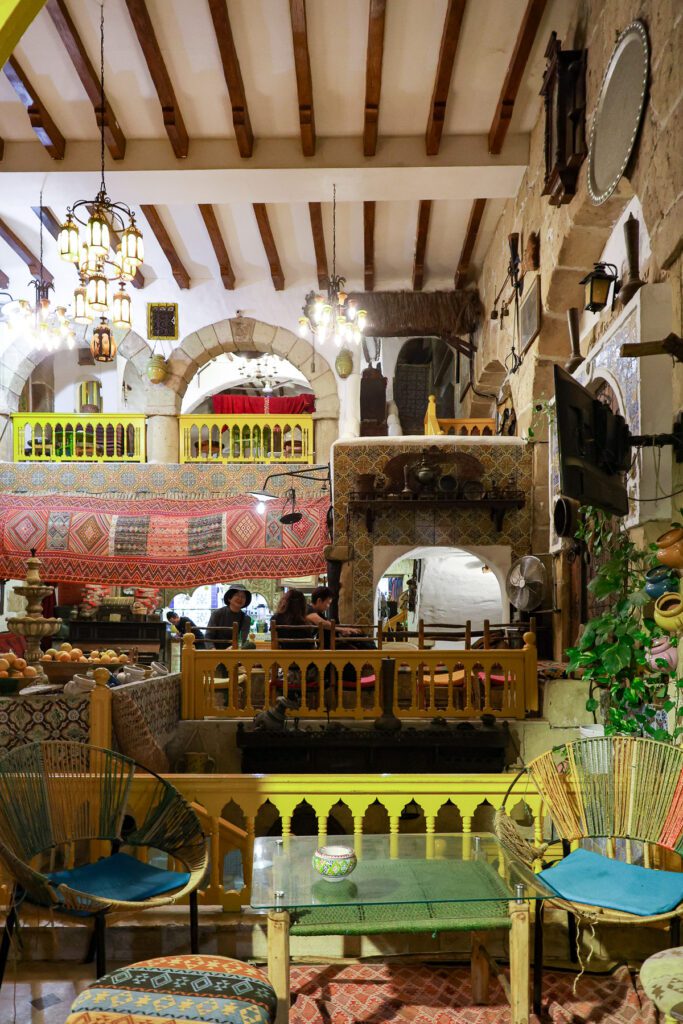
First of all, of course, there is a souk, or market, with numerous lanes and alleys where you can find cafes, fresh vegetables, babouche shoes, and other leather goods, gold jewelry, and so on.
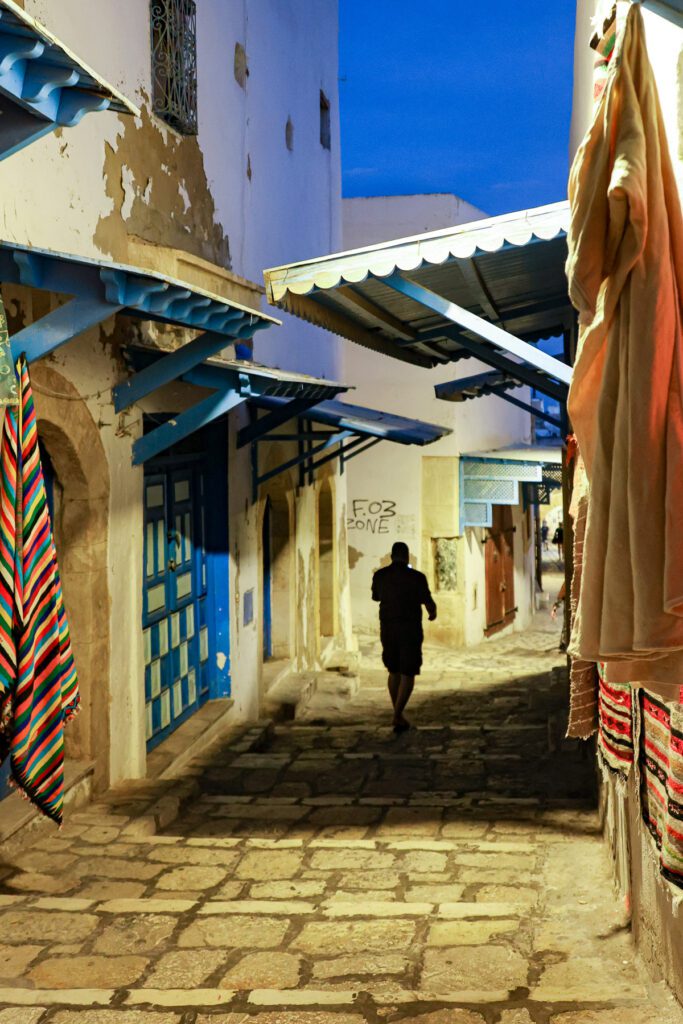
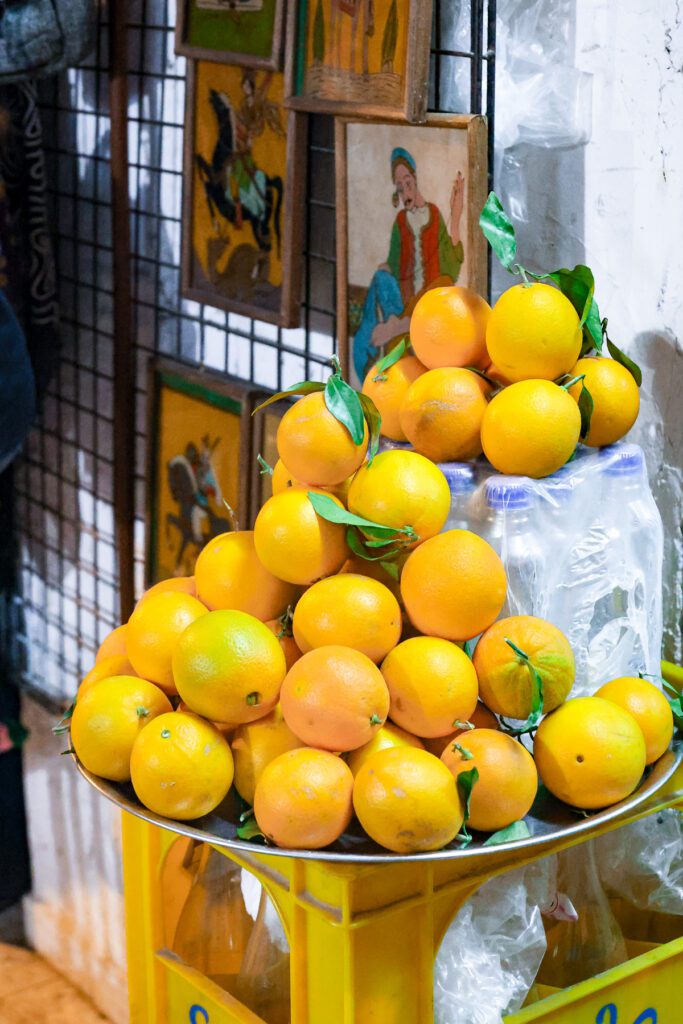
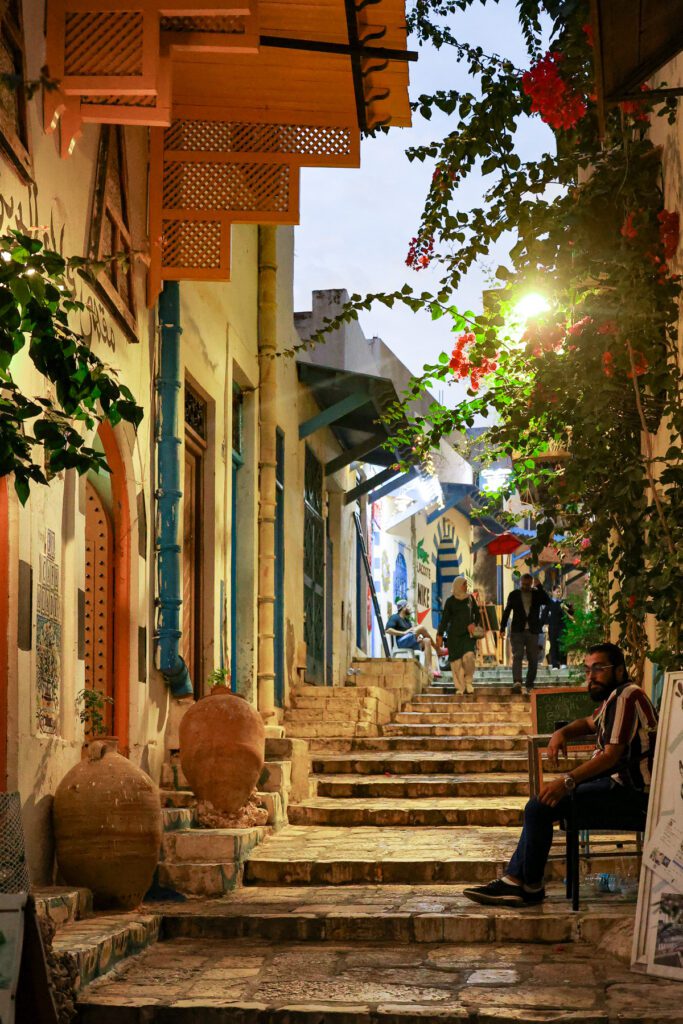
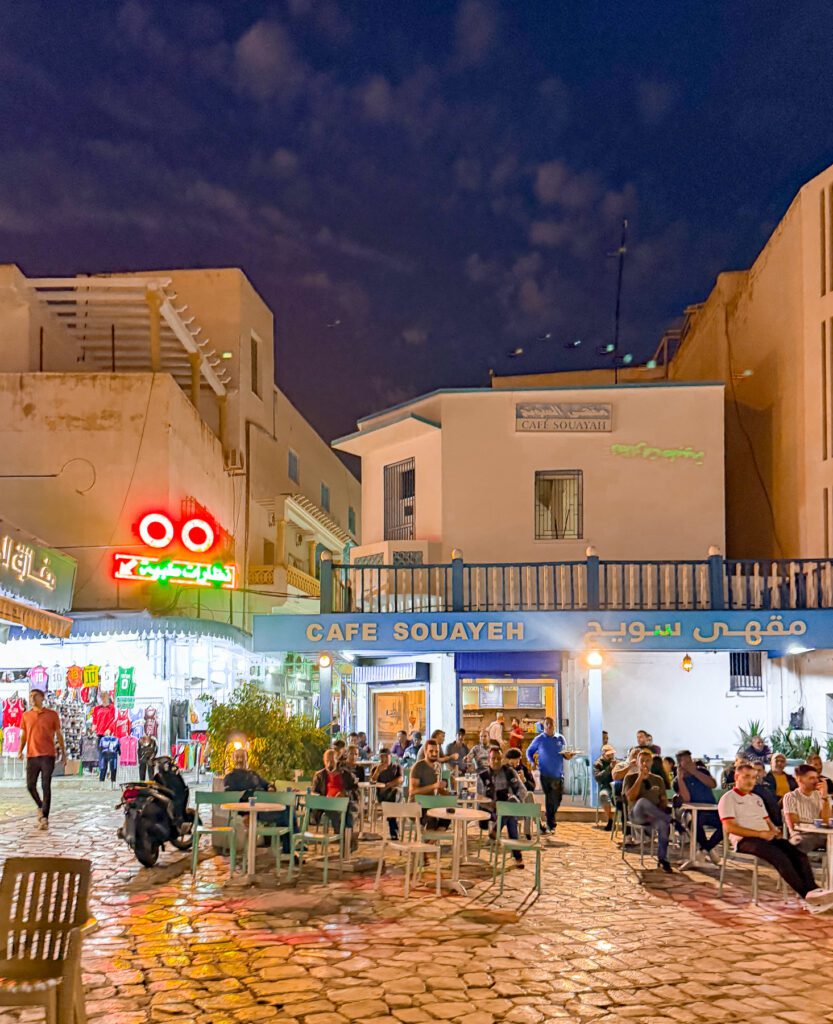
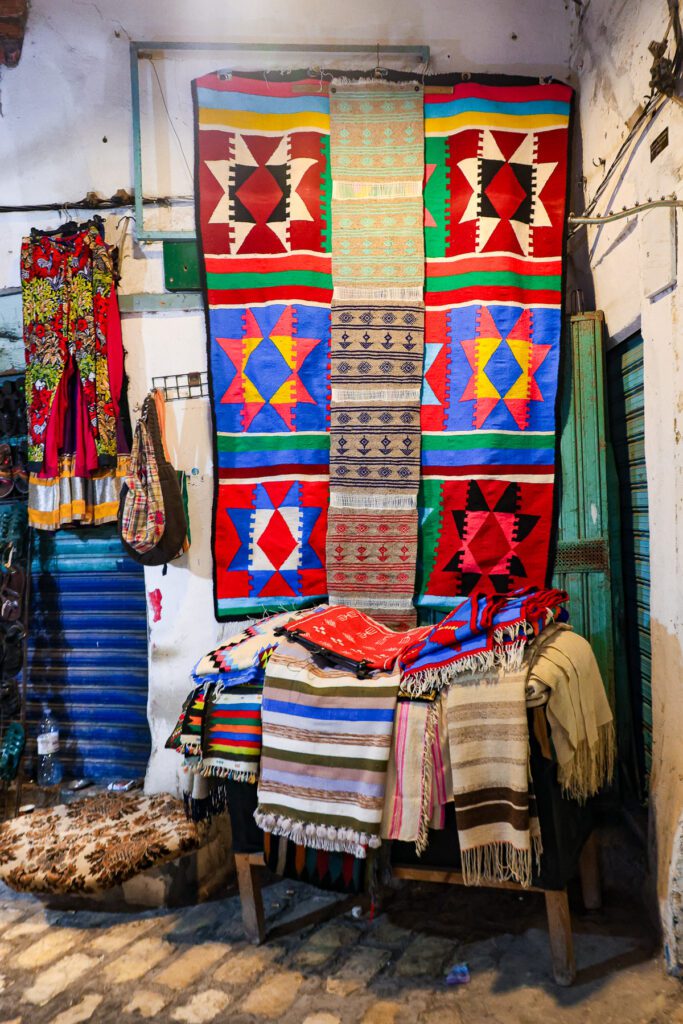
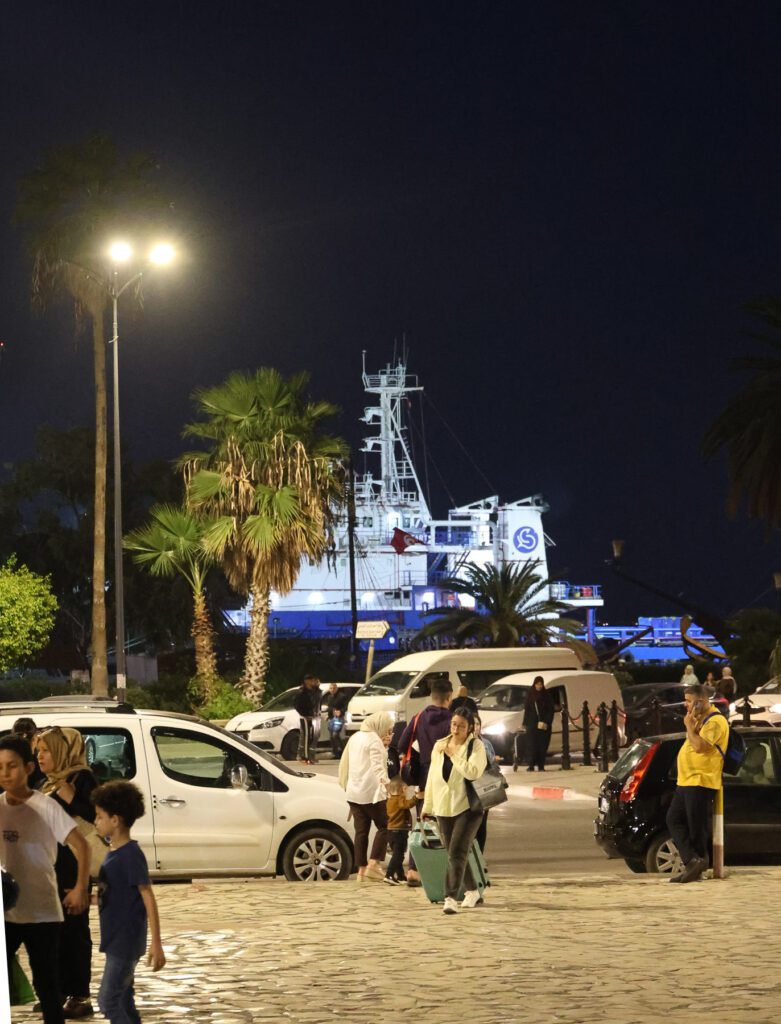
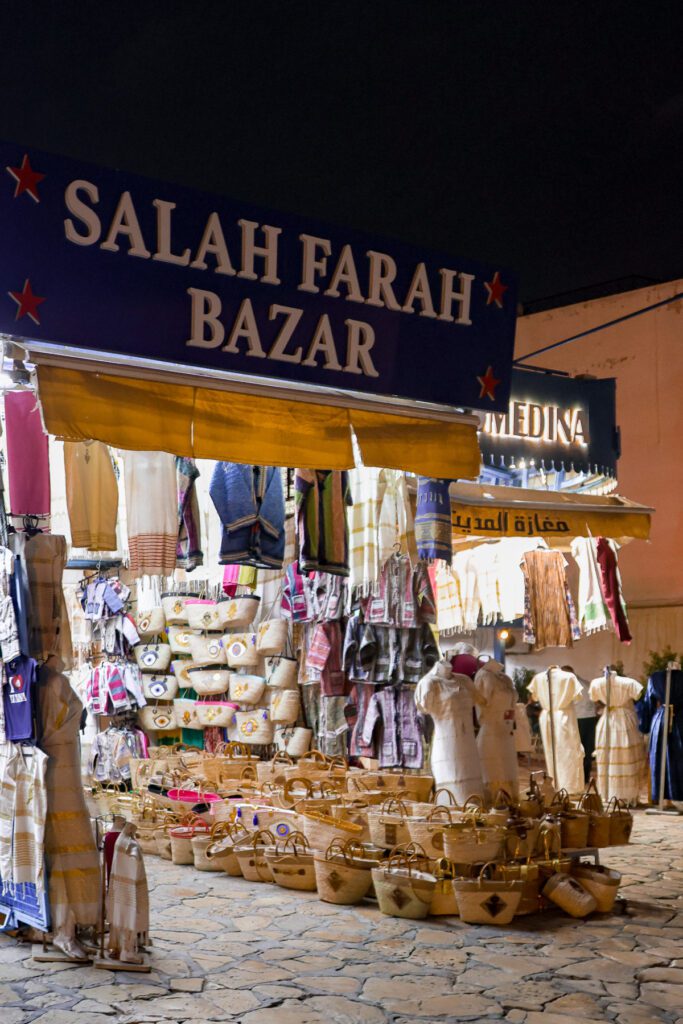
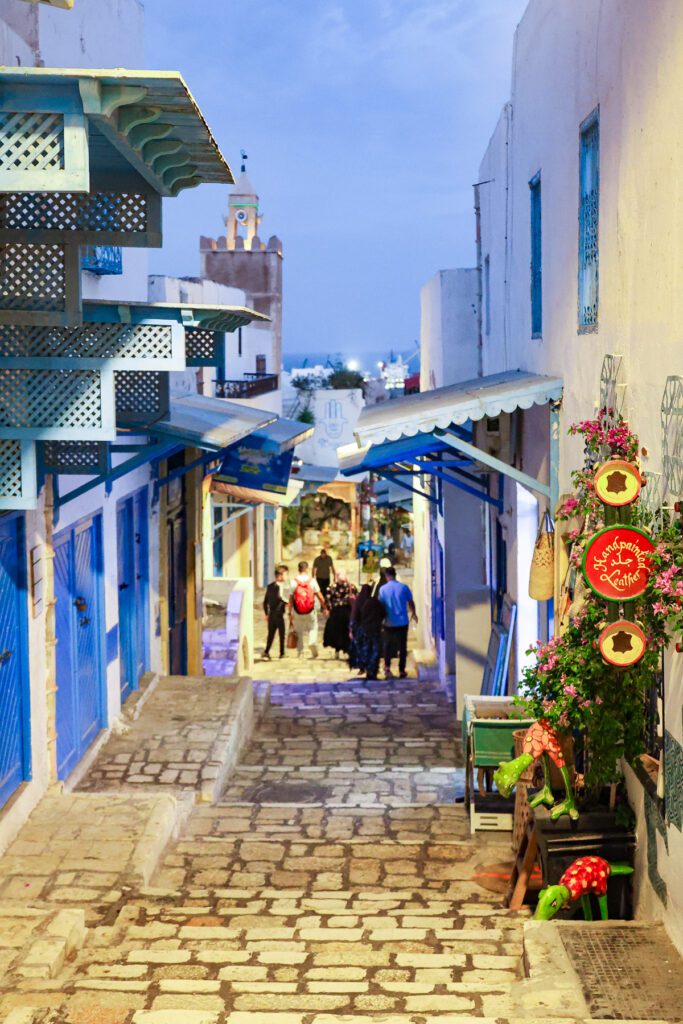
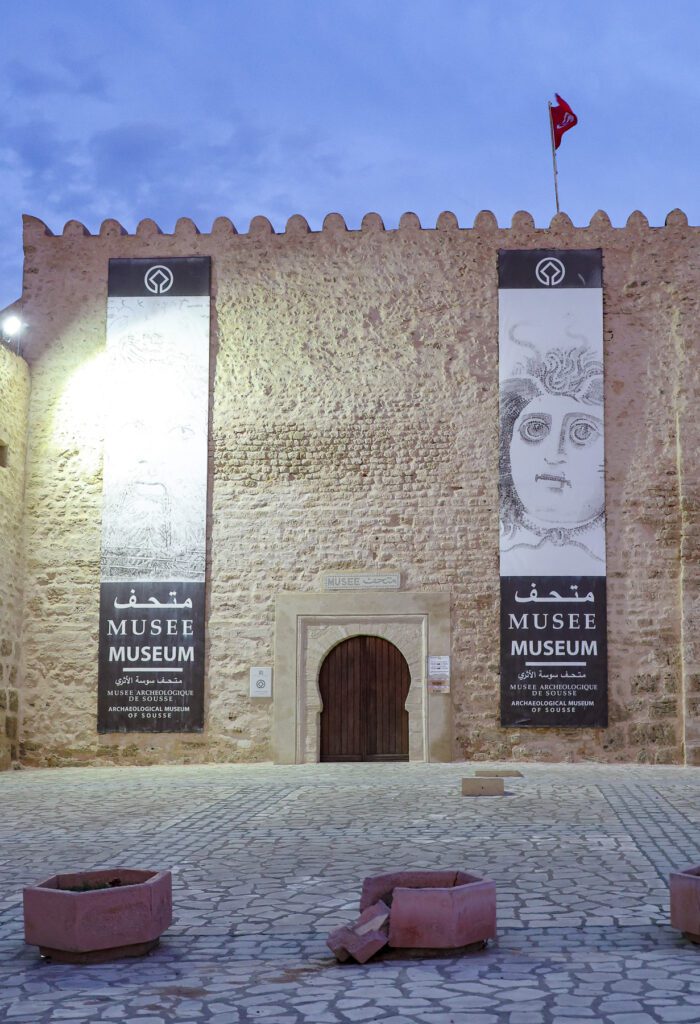
And of course, lots of souvenirs! Next, at the highest point of the Medina, there is a Kasbah, or citadel, where a military garrison is stationed, and now the Sousse Archaeological Museum, with precious Roman and Carthaginian mosaics, is located there.

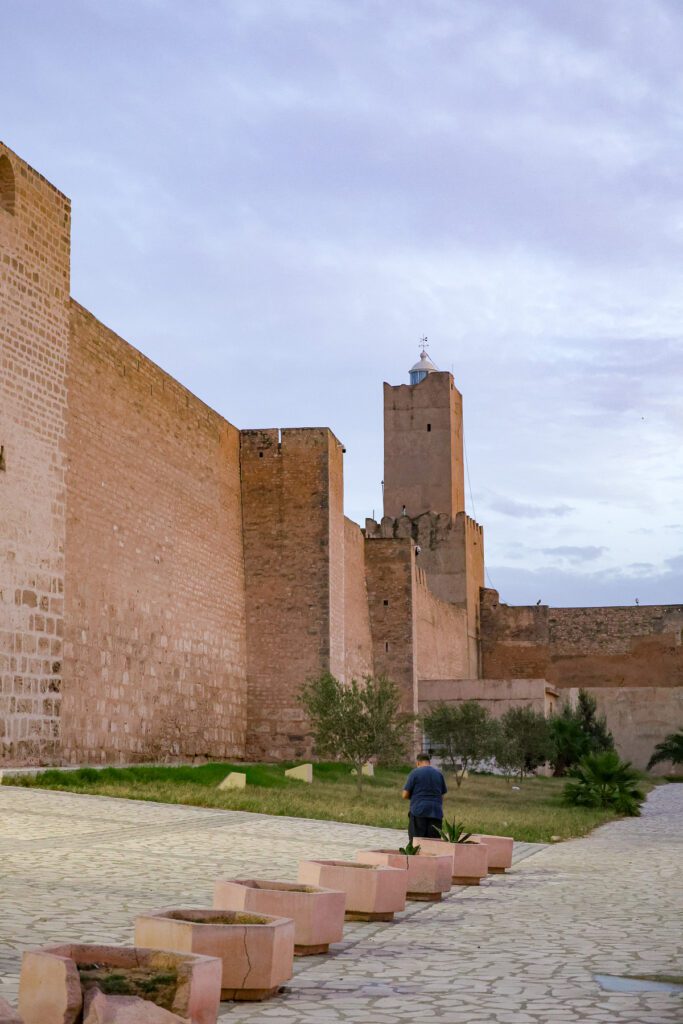
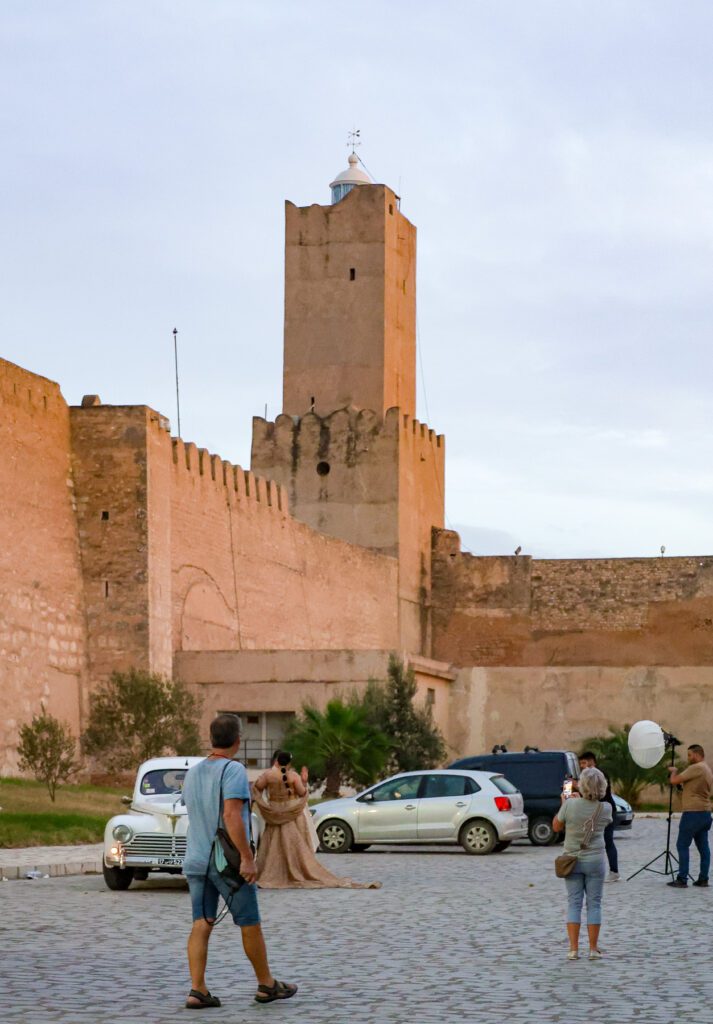
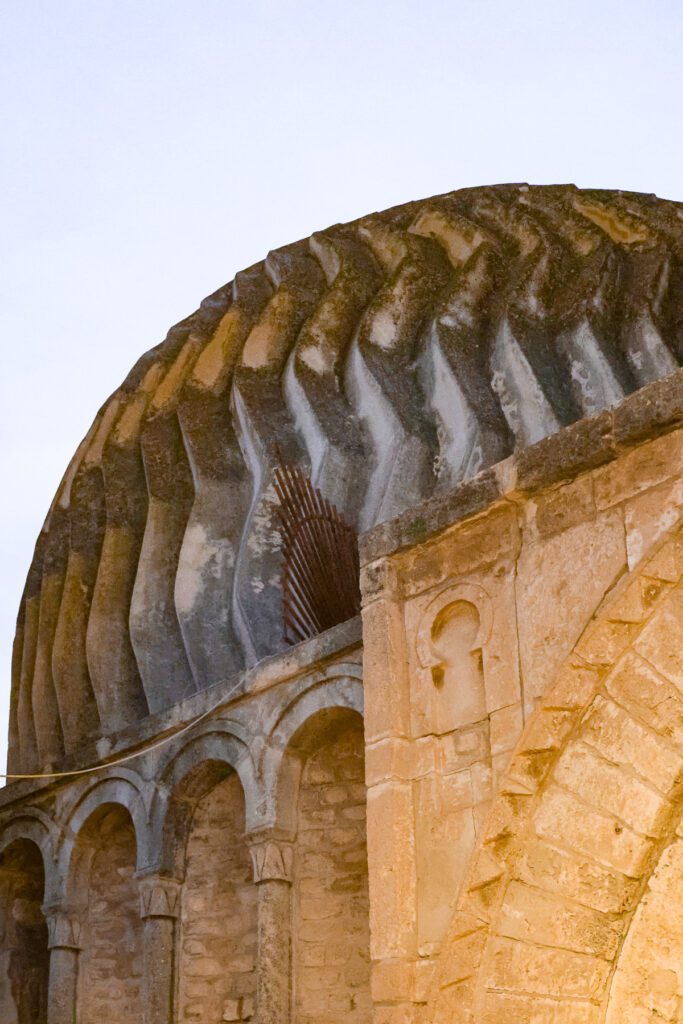
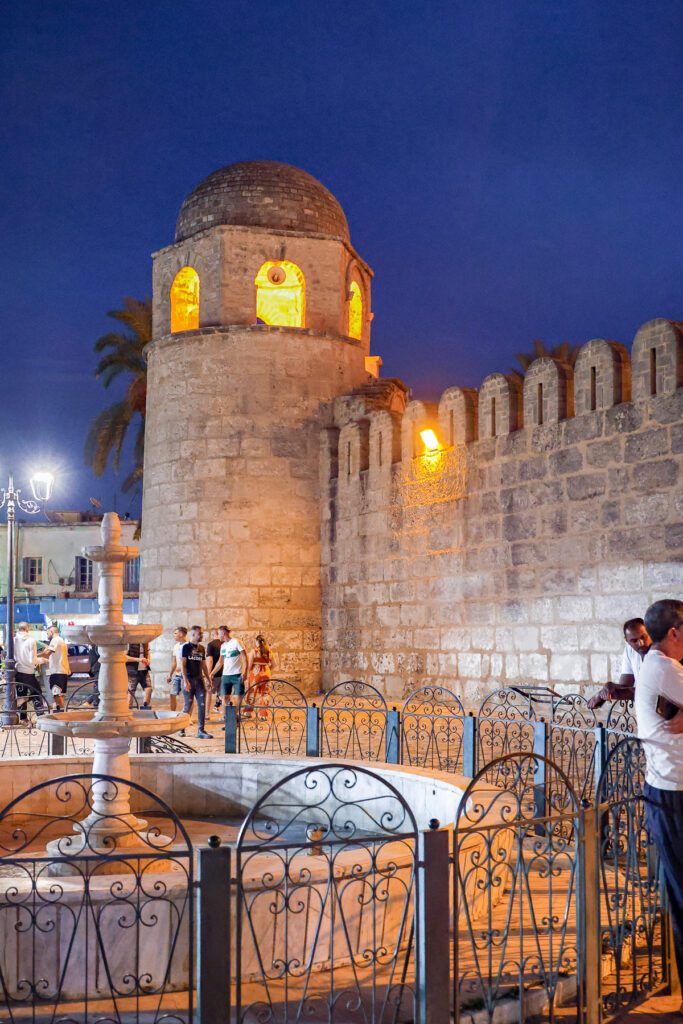
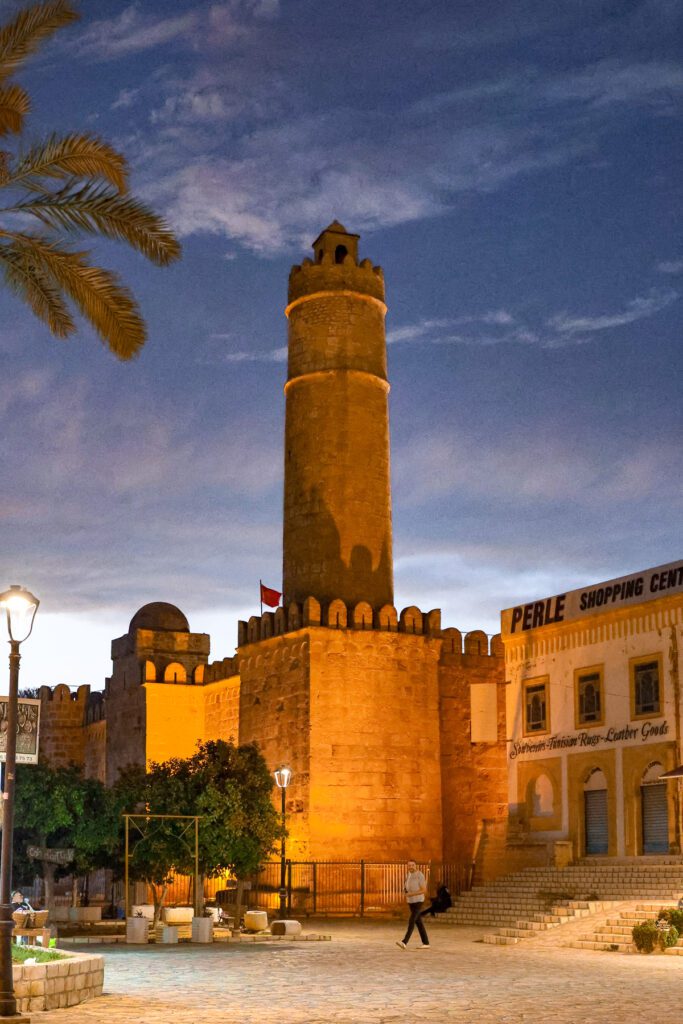
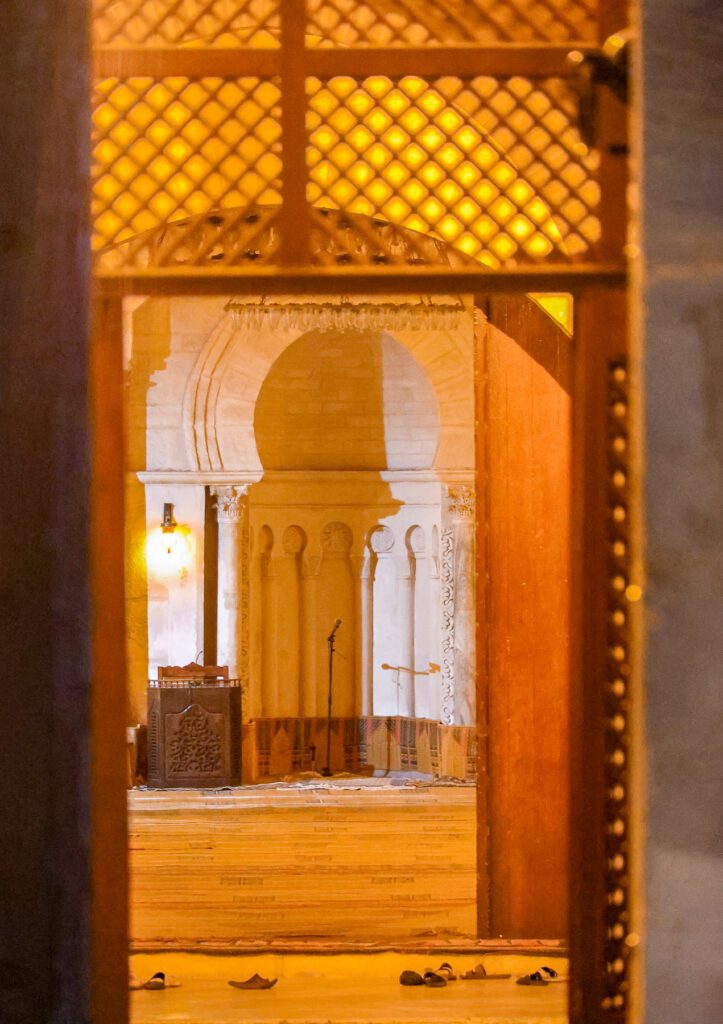
The Great Mosque, originally dating to the 9th century, was built under the Aghlabid dynasty. Unusually, it doesn’t have a minaret – be sure to see it from the outside! Also, spot the beautiful Ribat of Sousse, a defensive fortress whose tower was used as a minaret instead, dating to the 8th century. Finally, if you have time, visit the Dar Essid cultural museum.
Read more blogs about Tunisia!
Hope you liked my blog,
Yours,
Anna xxx