Florence, a Renaissance gem of Europe famous for its artists and political figures, is one of my favourite cities in Italy.

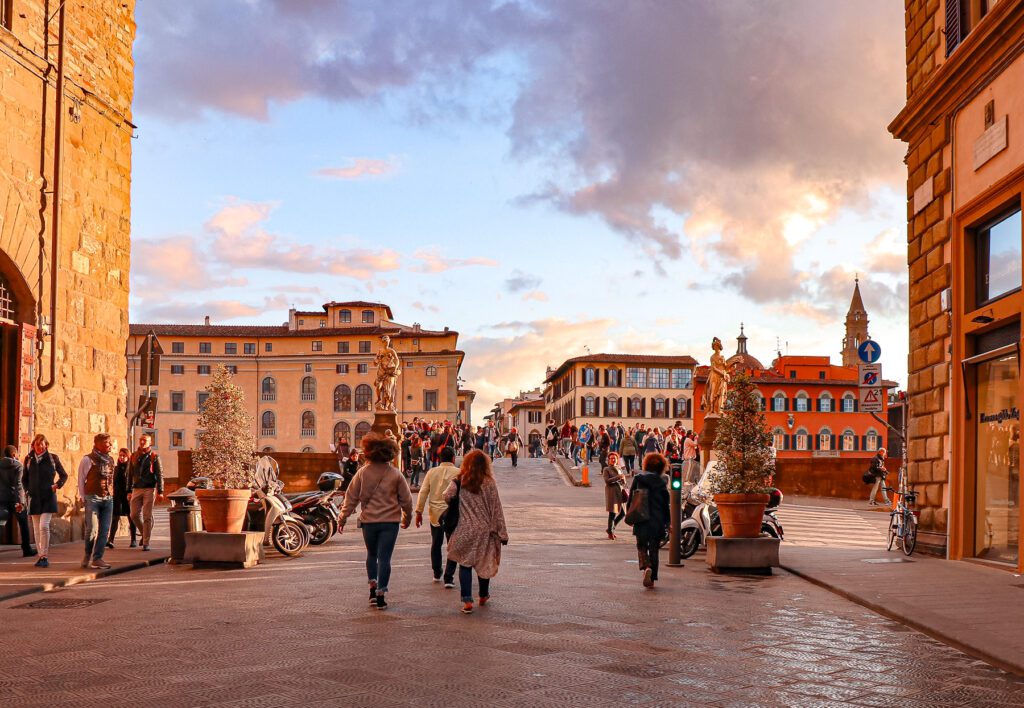
Initially inhabited by Etruscans, in 59 BC it became the Roman colony of Florentia. It even was the second capital of the unified Kingdom of Italy from 1865 to 1871 – after Turin and before Rome! Architecture, museums, historical heritage, everything here makes me in awe.
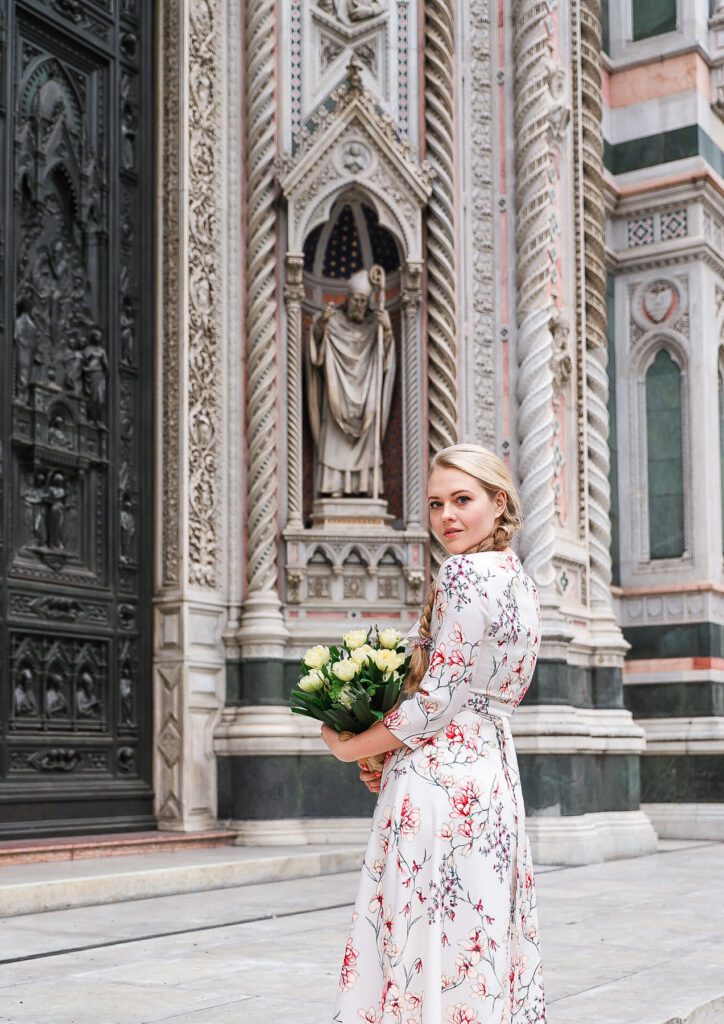
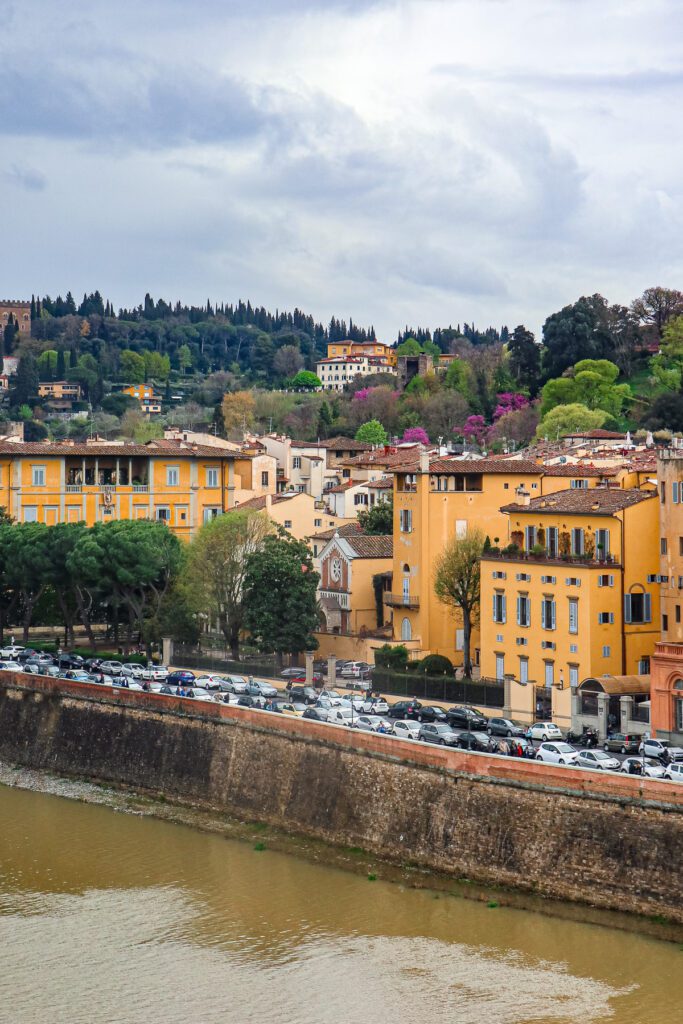
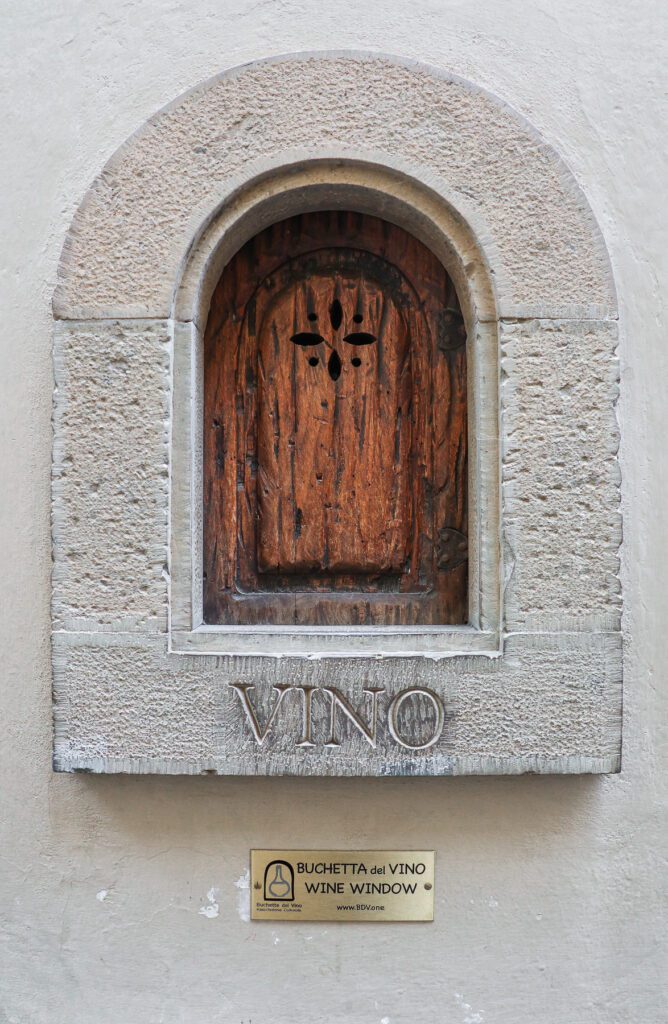

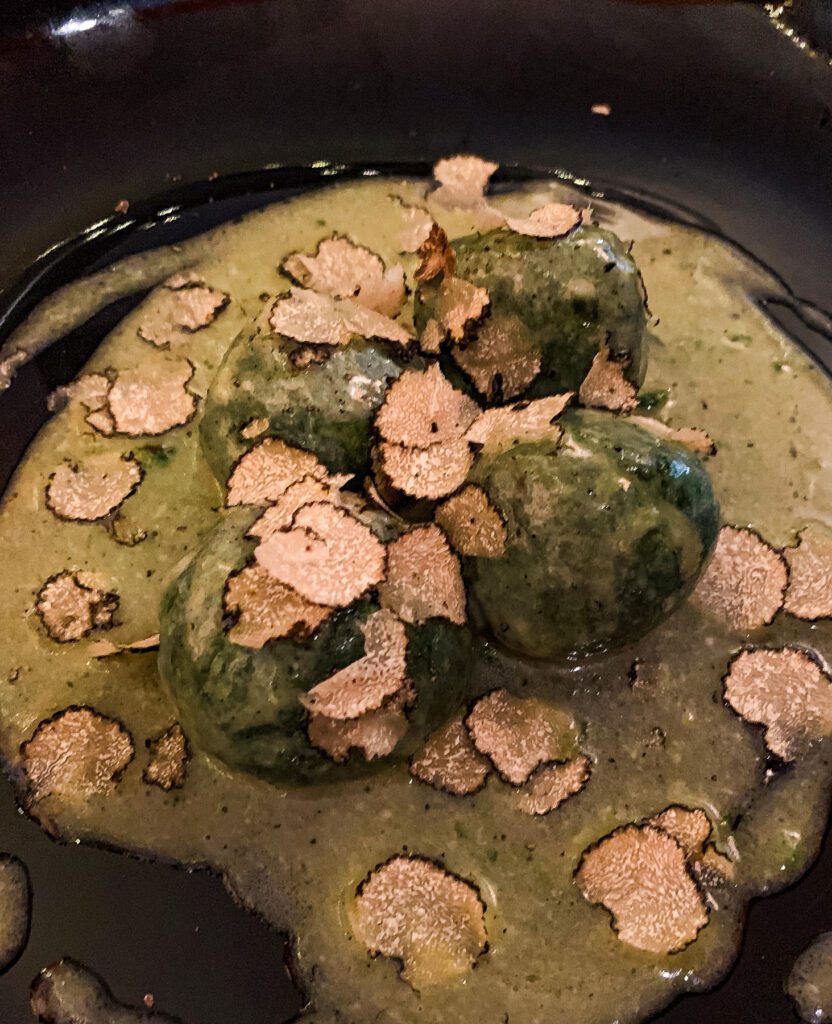
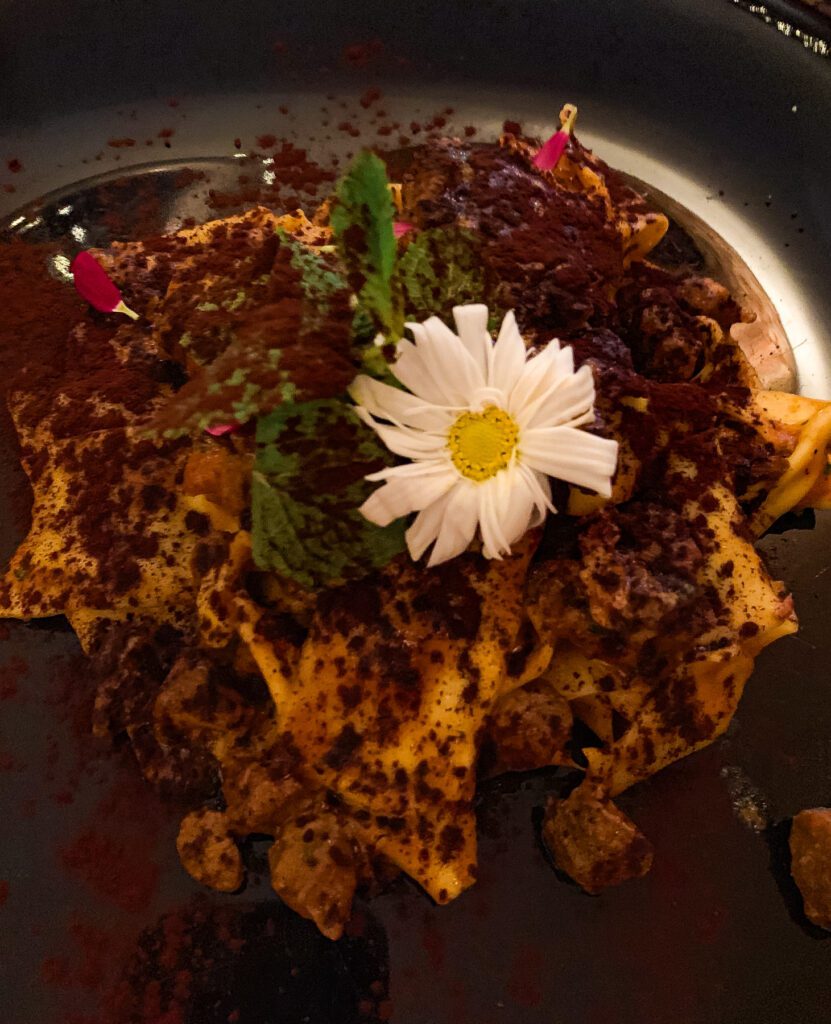
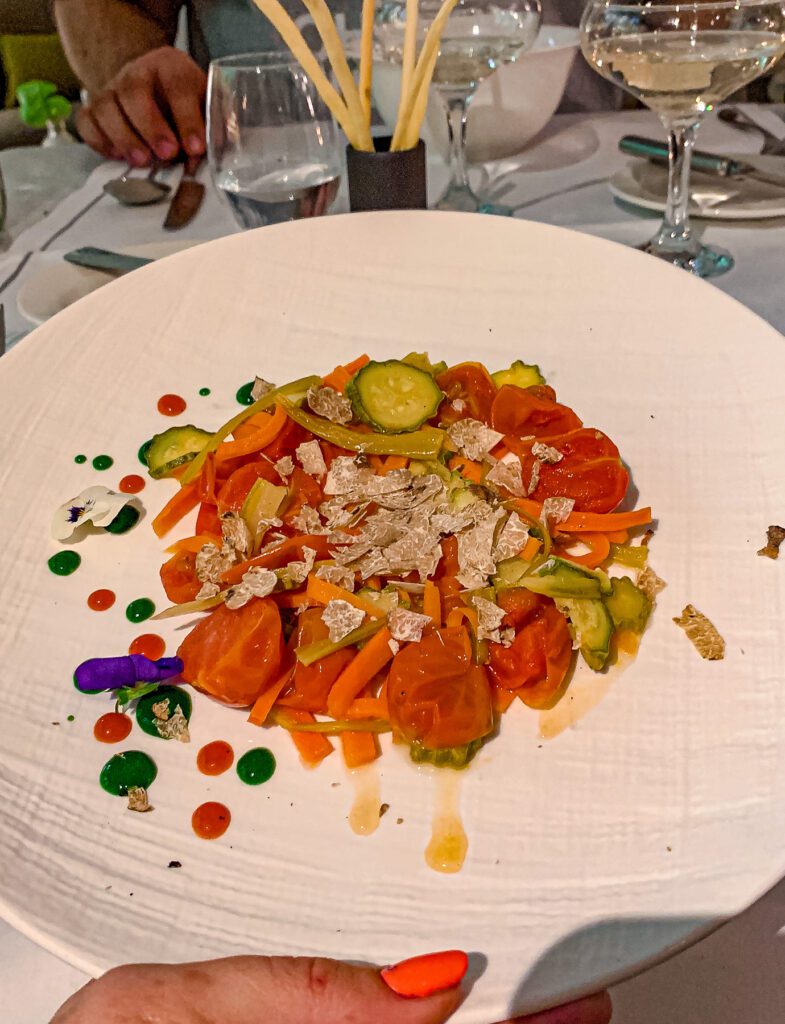
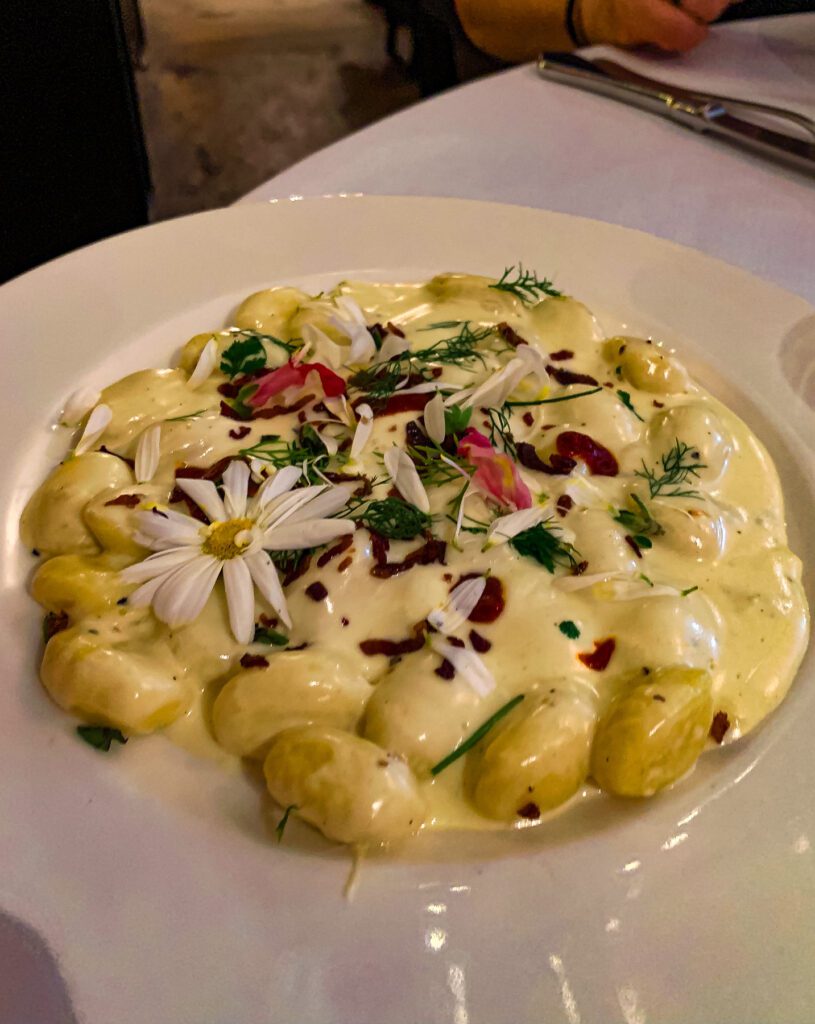
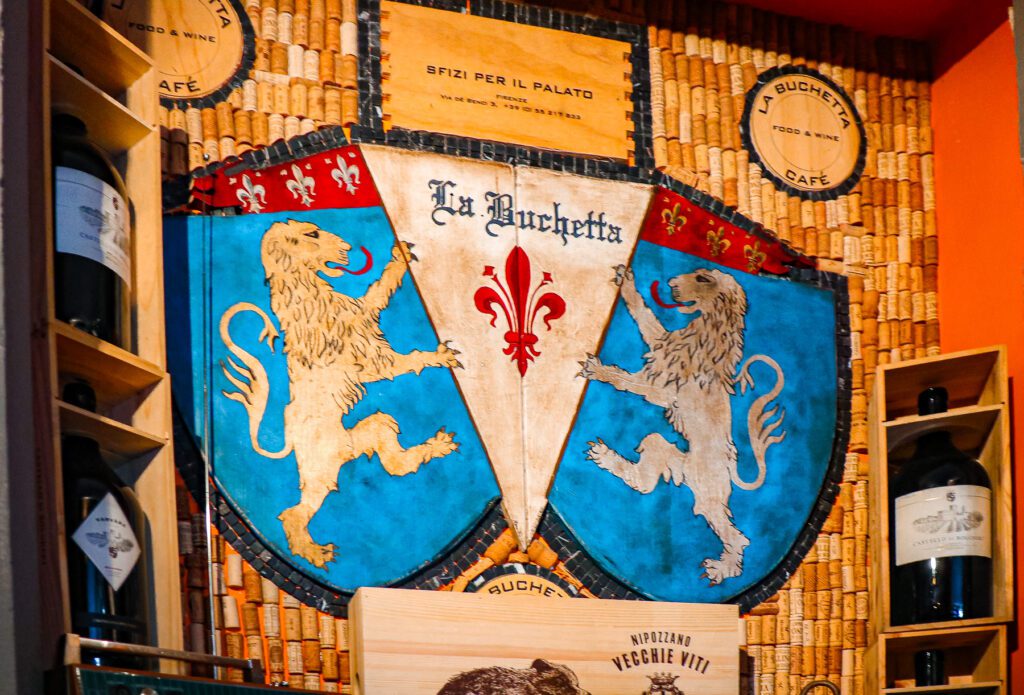
And of course, as the gastronomical destination, it’s fantastic as well! Just think of Pappardelle al Cinghiale, Bistecca alla Fiorentina, and wine windows Buchette del vino.
And yes, its incredibly well-preserved historical centre is enlisted as a UNESCO World Heritage Site. I was lucky to visit it on a few occasions, and it was incredible to explore the city closely connected with the Medici family, Alighieri, Brunelleschi, Botticelli, Donatello, Michelangelo, and Galileo Galilei.
Finally, I decided to make a guide for the first comers – scroll below to see some of the most important landmarks every tourist must not miss in Florence on a first visit.

1. Santa Maria del Fiore
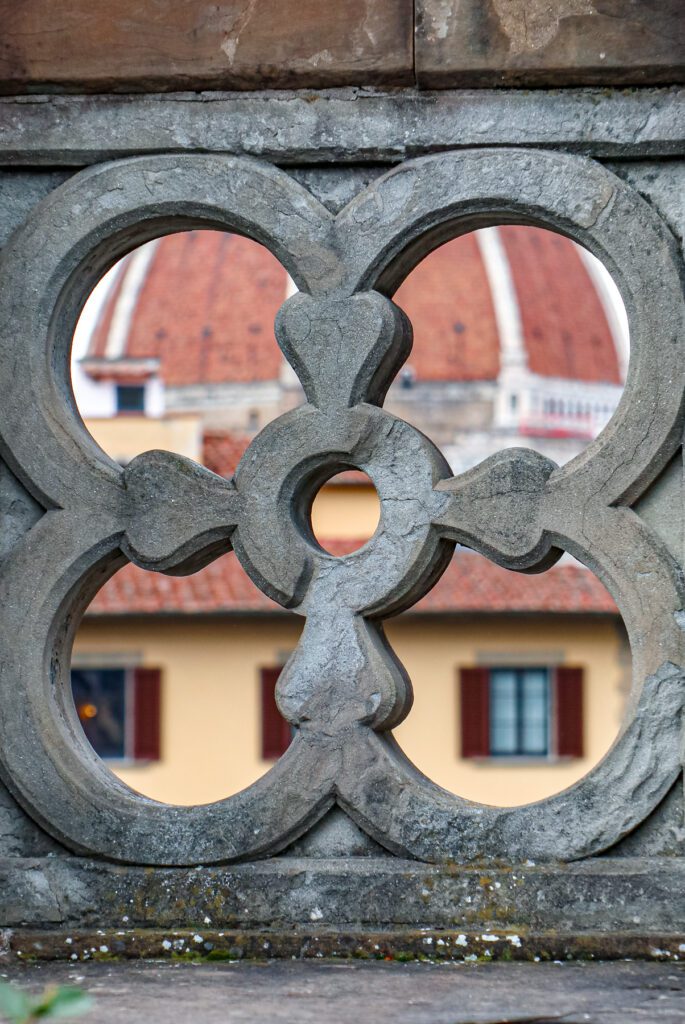
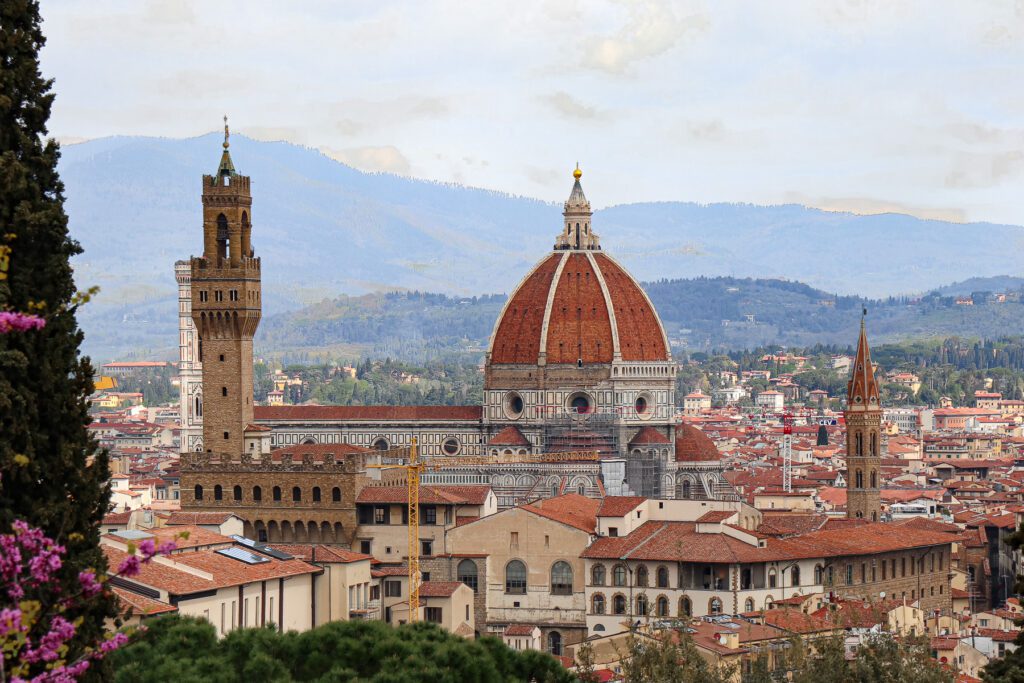
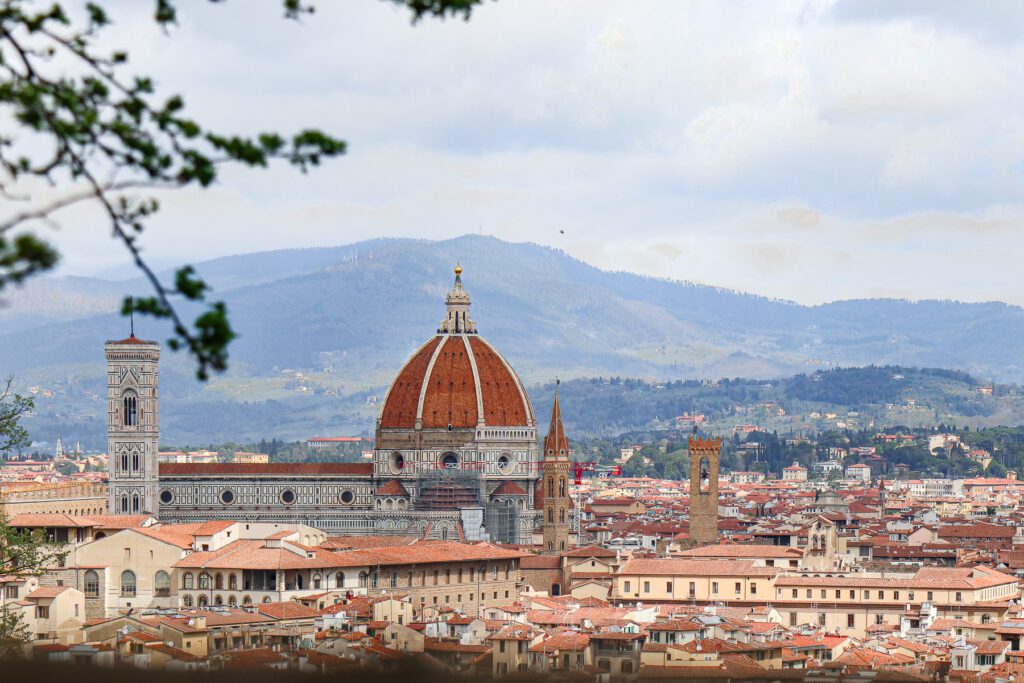
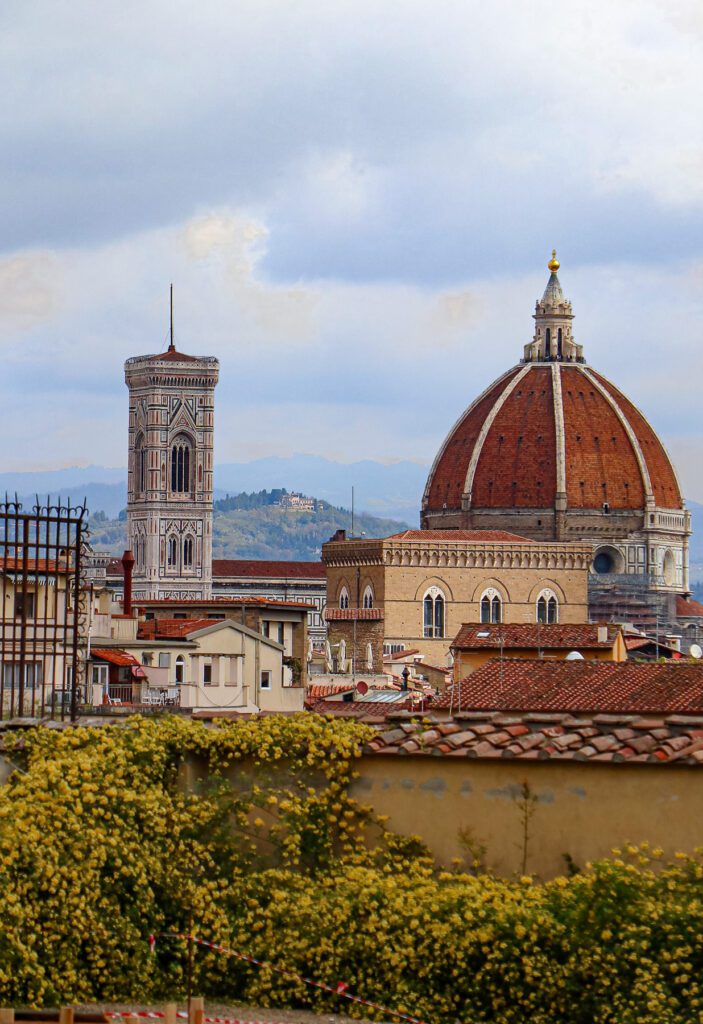
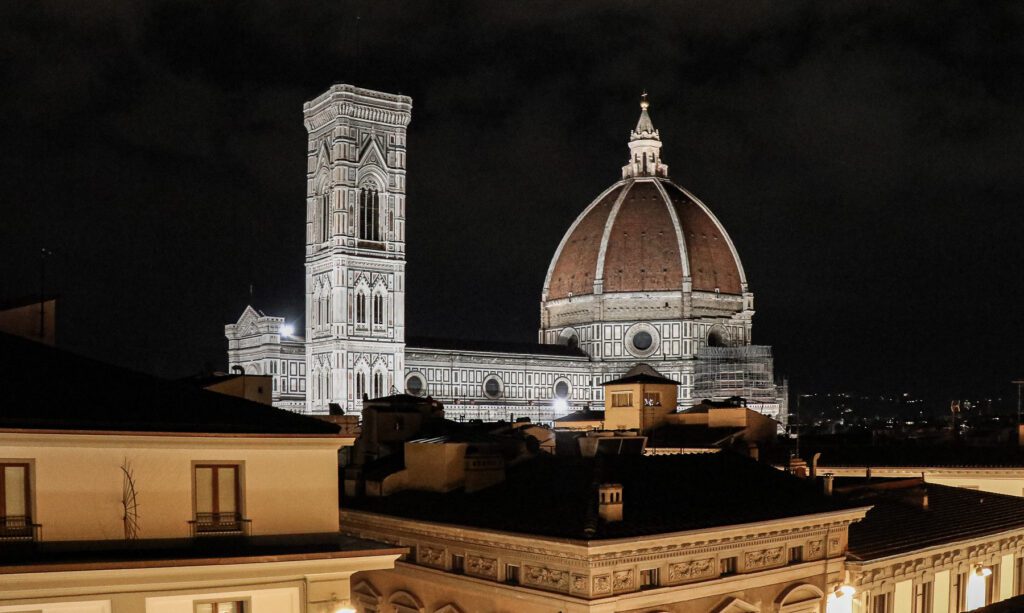
Florence Cathedral, or Santa Maria del Fiore (Cathedral of Saint Mary of the Flower), is an architectural gem and religious site everyone has seen at least once in their life, whether on a postcard, a TV show about Italy, or in a book about architecture or European history.
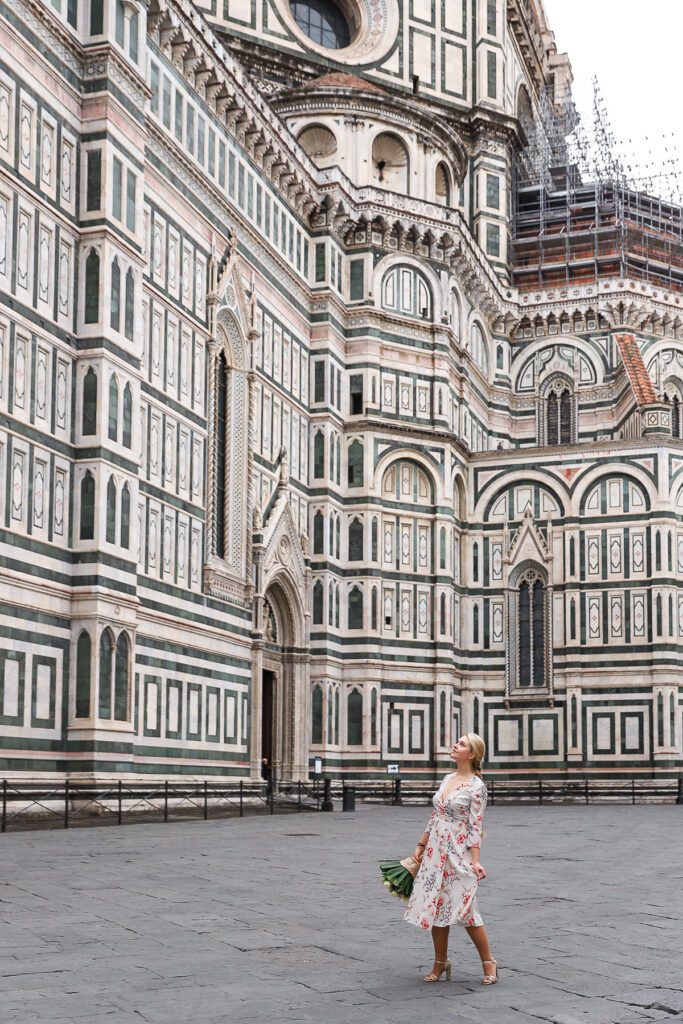
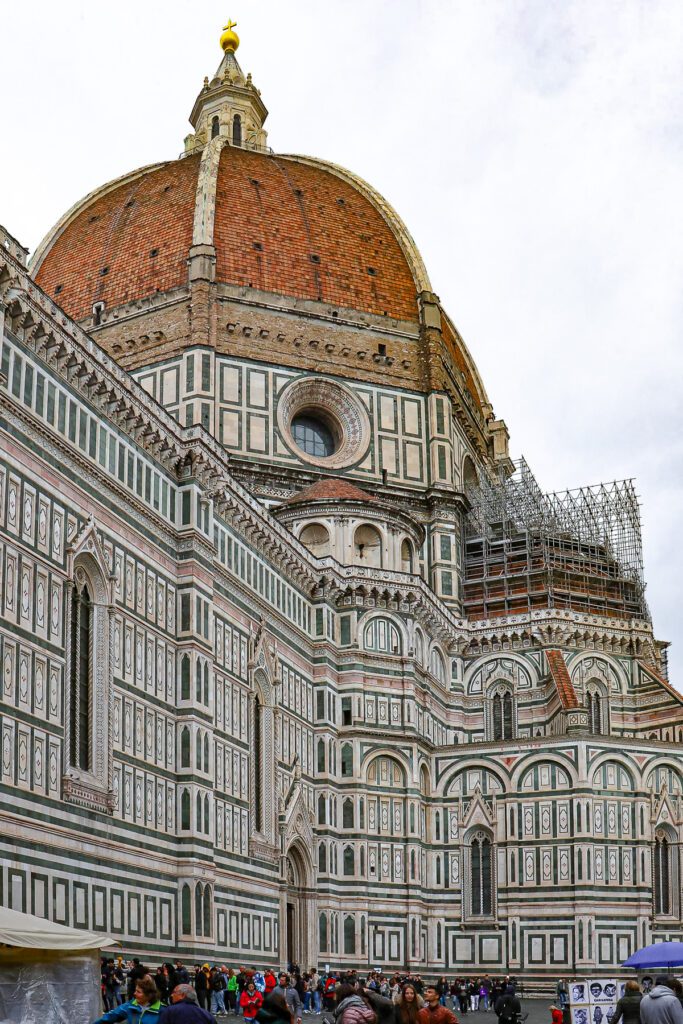

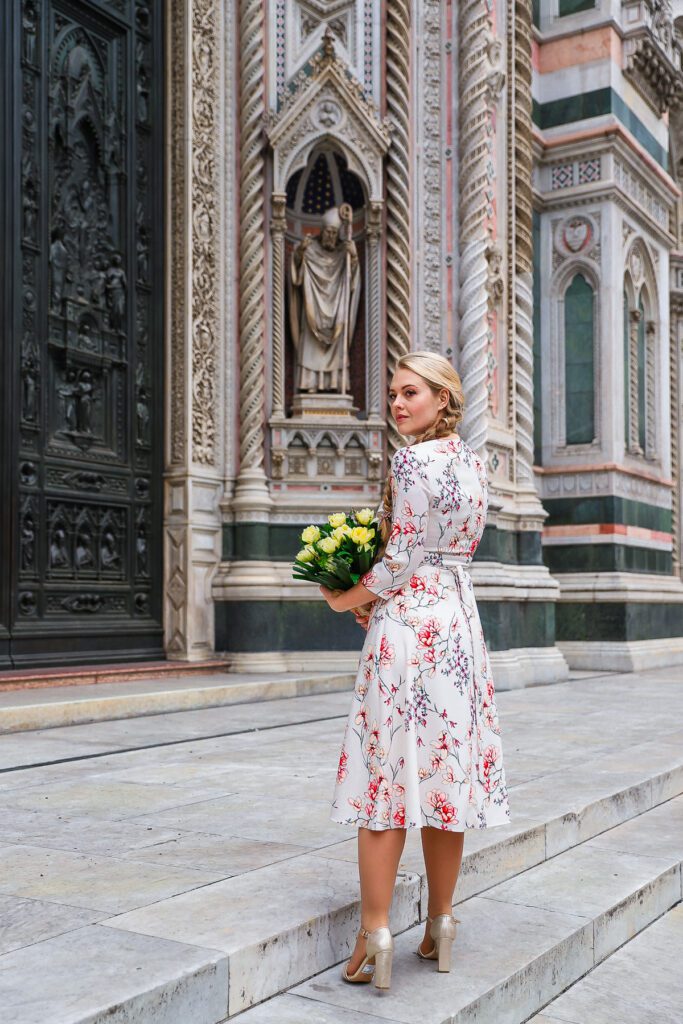
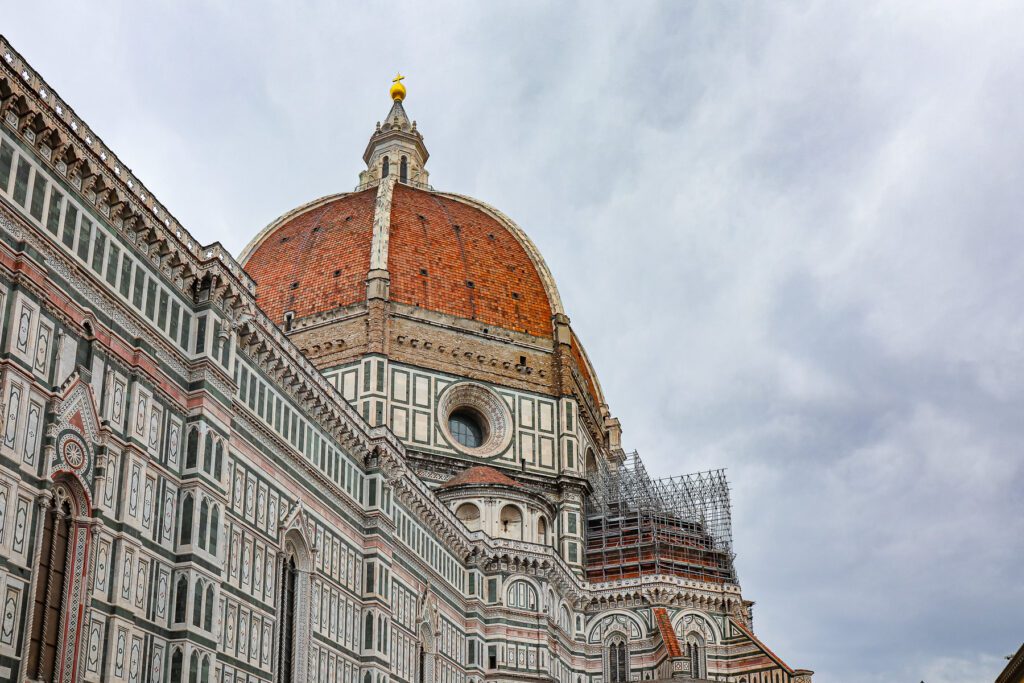
The construction of this initially Gothic cathedral started in 1296 (on a site of previous religious buildings, with the earliest dating to the 5th century), but everyone knows it because of Filippo Brunelleschi’s dome, a 15th-century architectural marvel whose realisation postponed the building’s structural completion for decades. The façade everyone is so fond of was the 19th-century work by Emilio De Fabris.
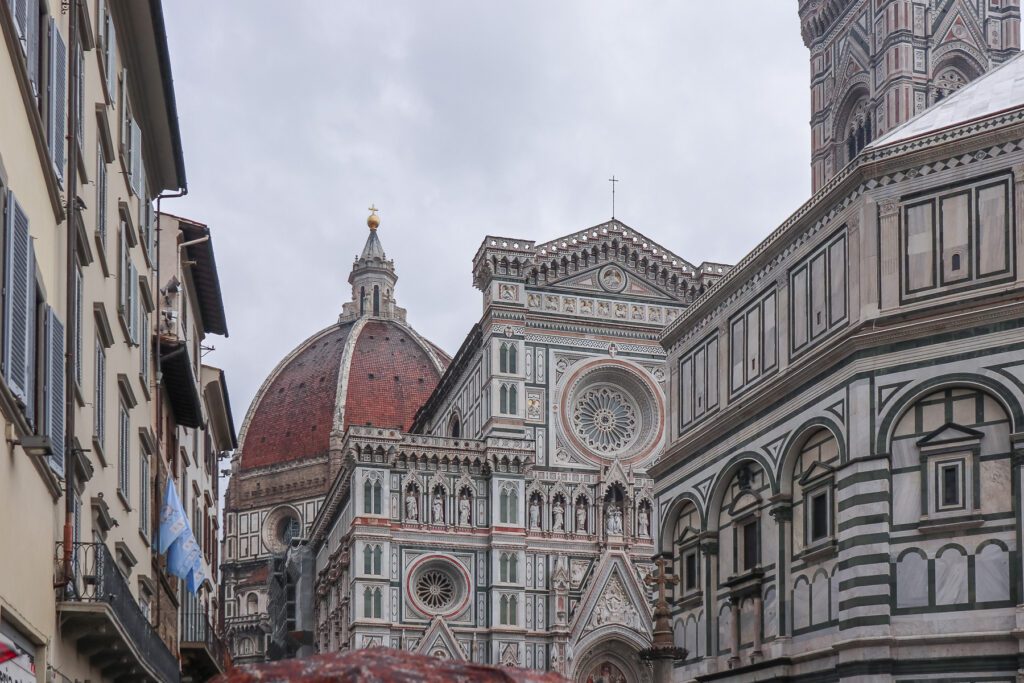


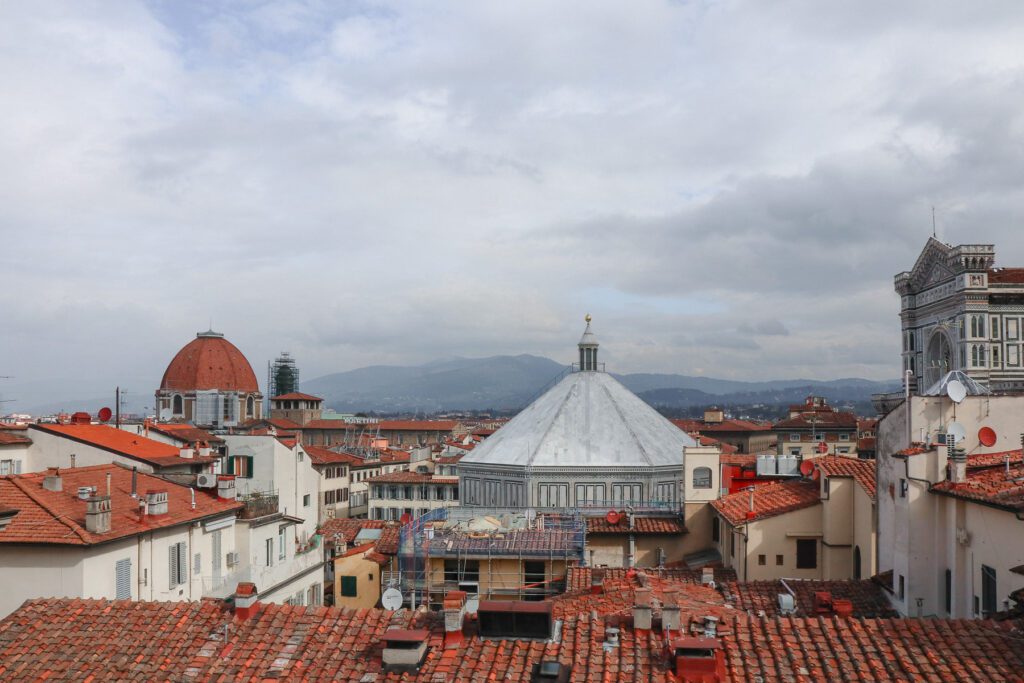
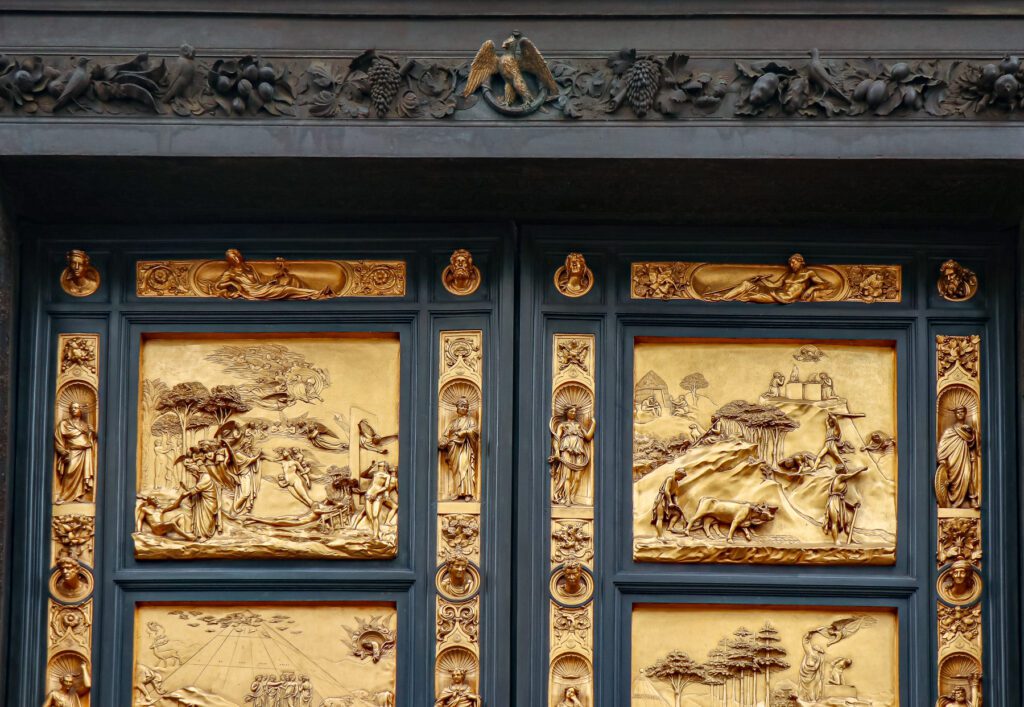
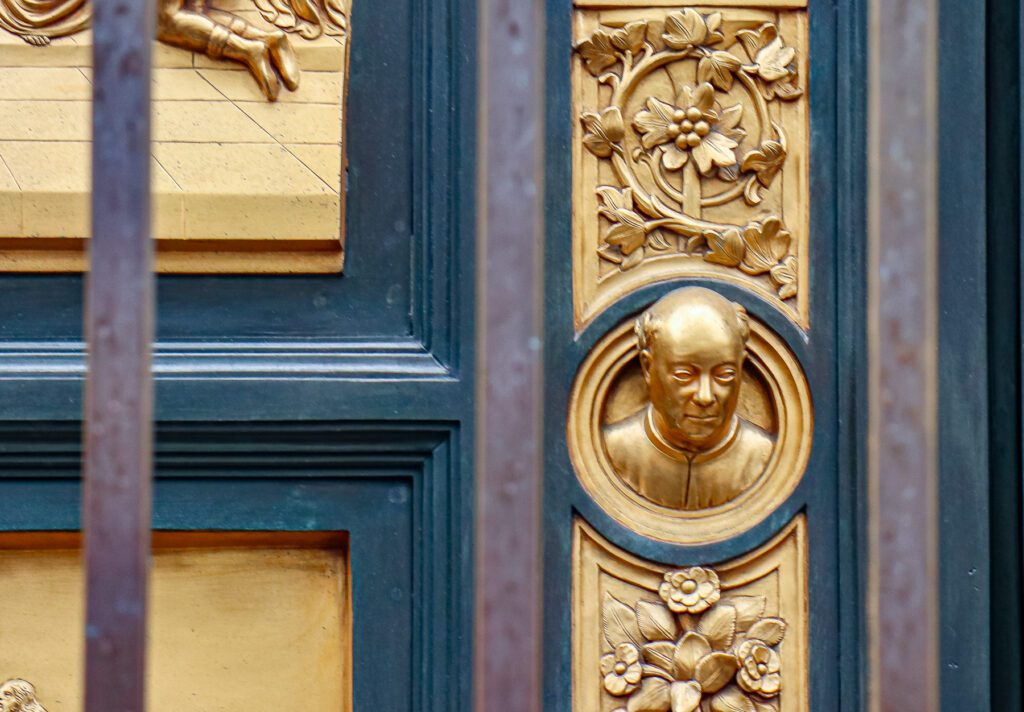
Also, make sure to explore the Piazza del Duomo with touristy restaurants, the 85-meter-tall Giotto’s Campanile, and the Baptistery of Saint John.

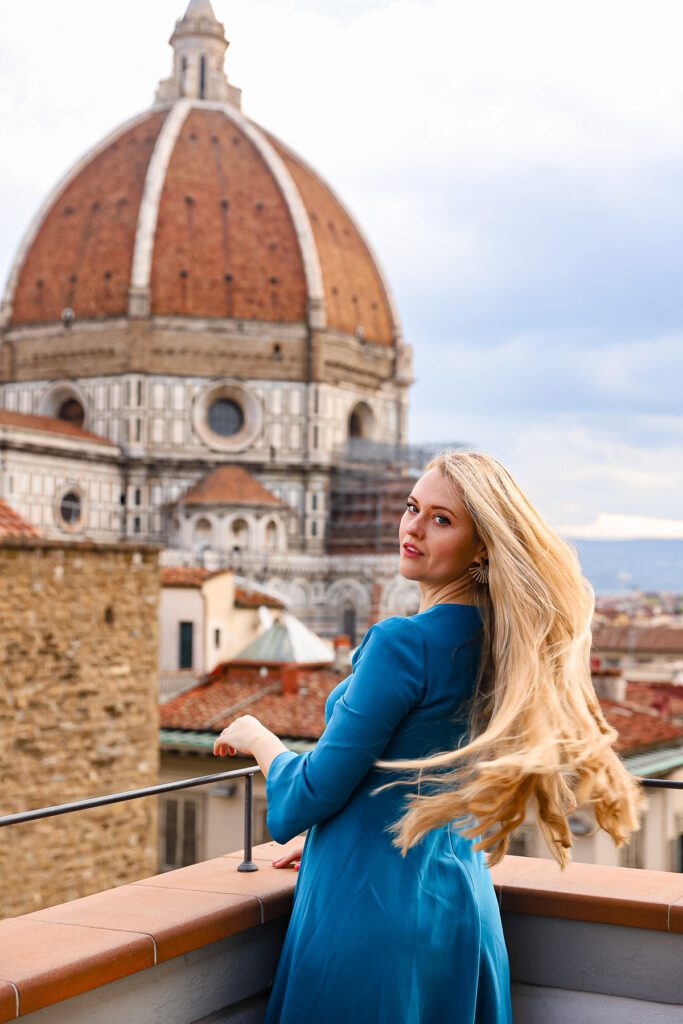
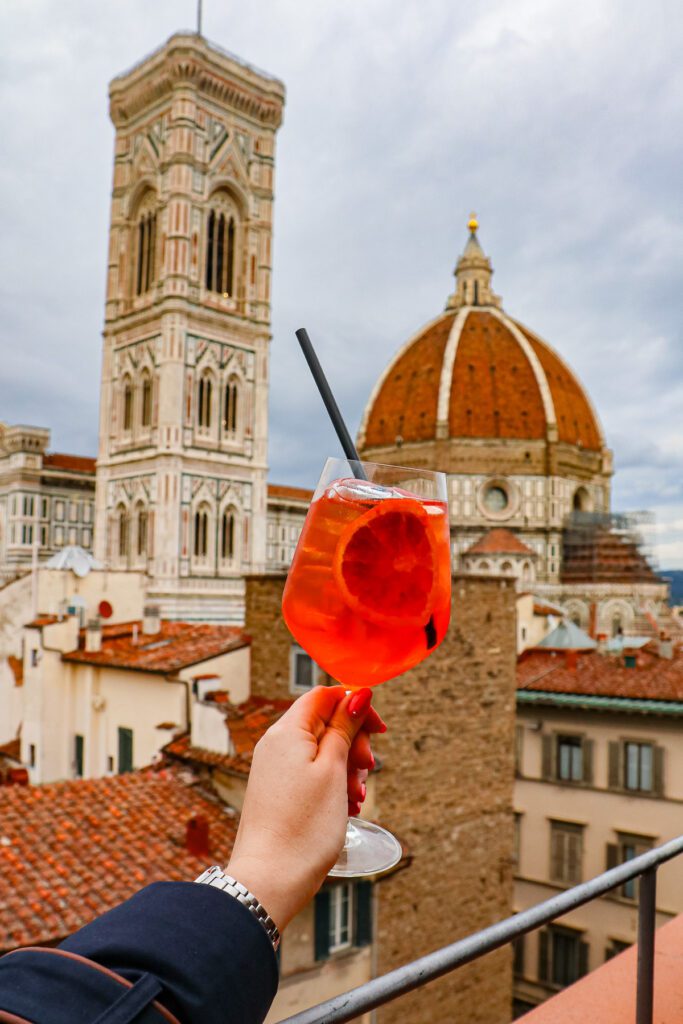
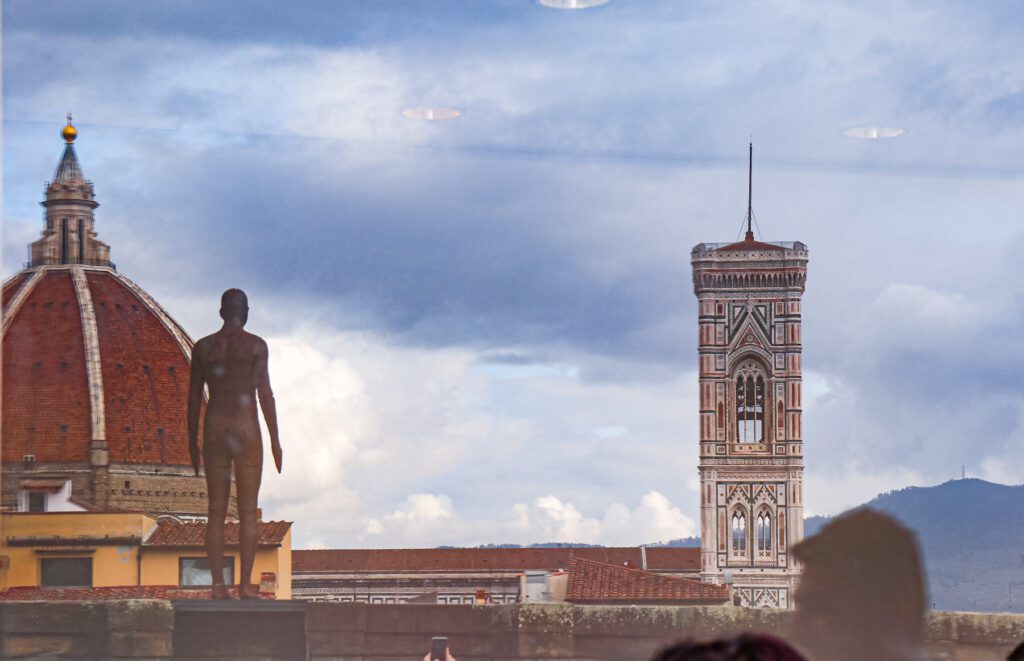
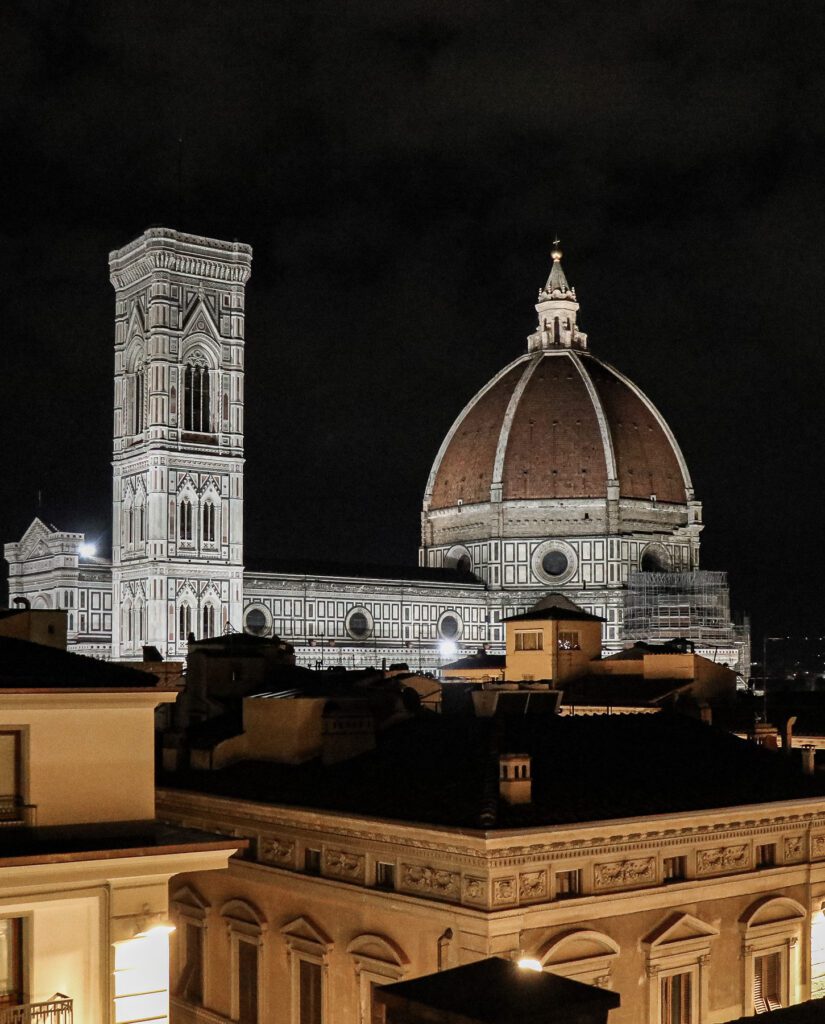
One of my favourite spots for viewing the dome was the View on Art restaurant located on the 6th floor of a budget hotel near Piazza la Repubblica; however, the service might not impress you.
2. Gli Uffizi
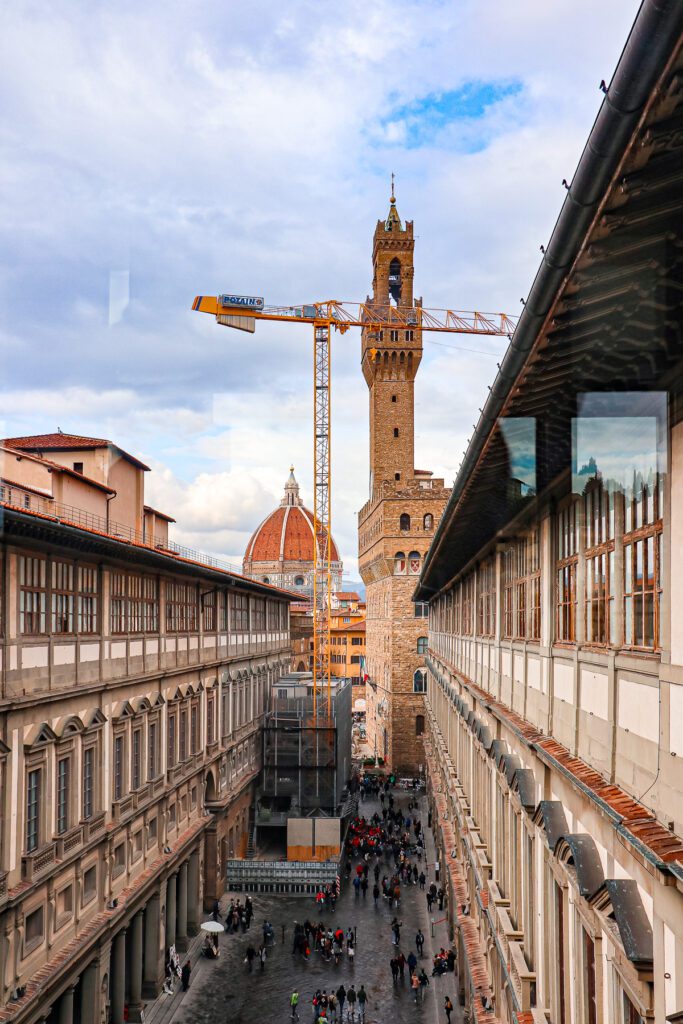
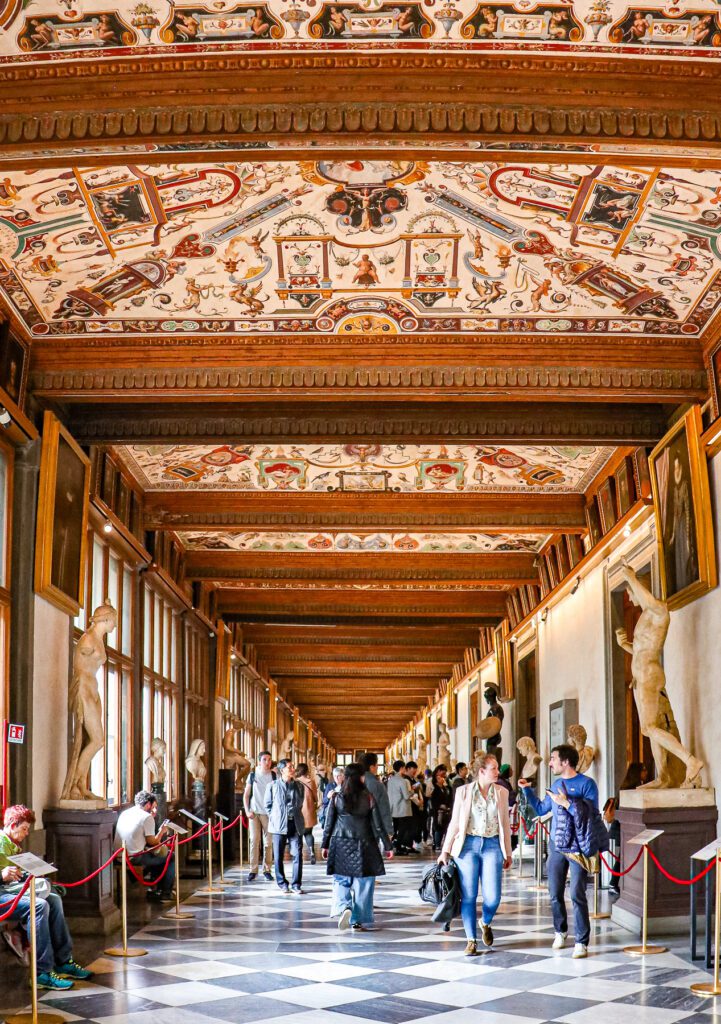
I bet everyone has heard about the Uffizi, one of the leading museums in the world alongside the Louvre, the British Museum, and the NYC Metropolitan Museum of Art. It was designed by Giorgio Vasari and originally opened as the office building for Cosimo I de’ Medici in the 16th century to host the courts, guilds, tribunals, and so on. Later, this building was turned into a public museum as early as 1769.
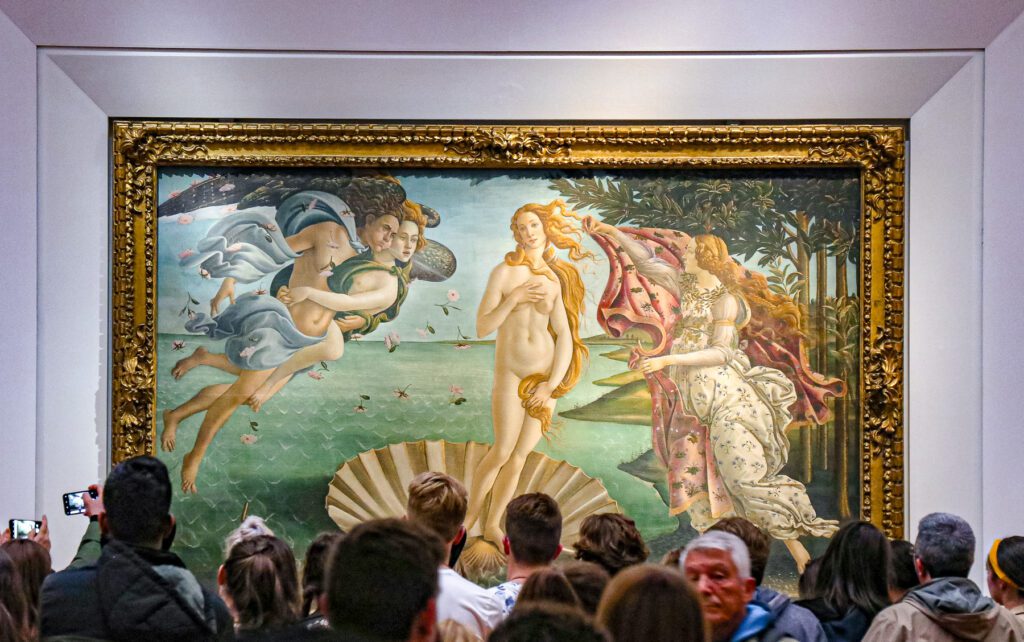
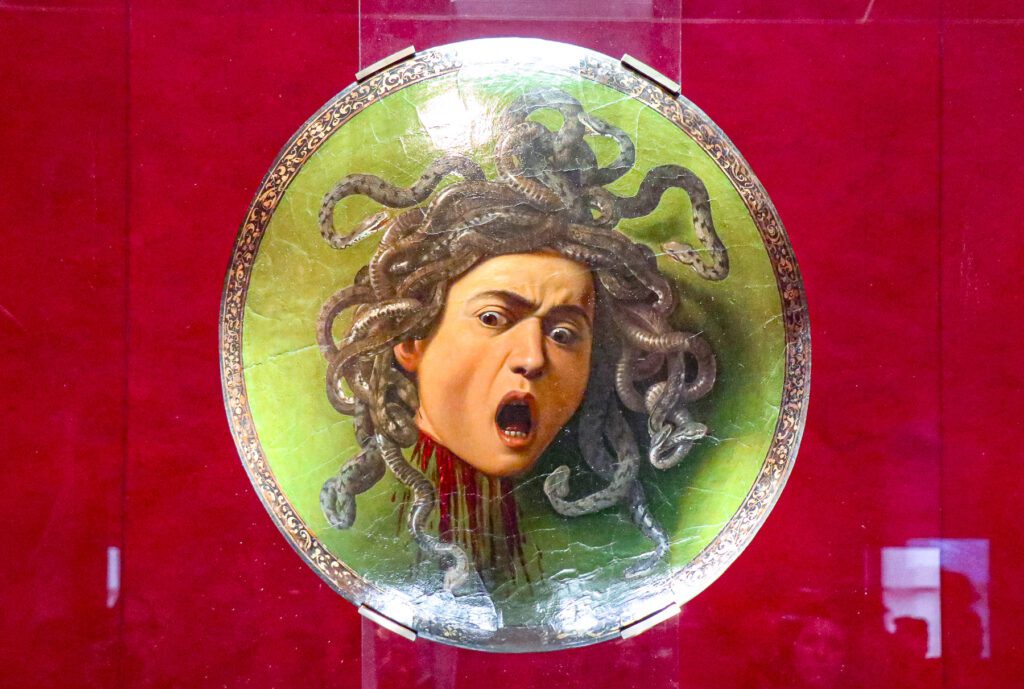
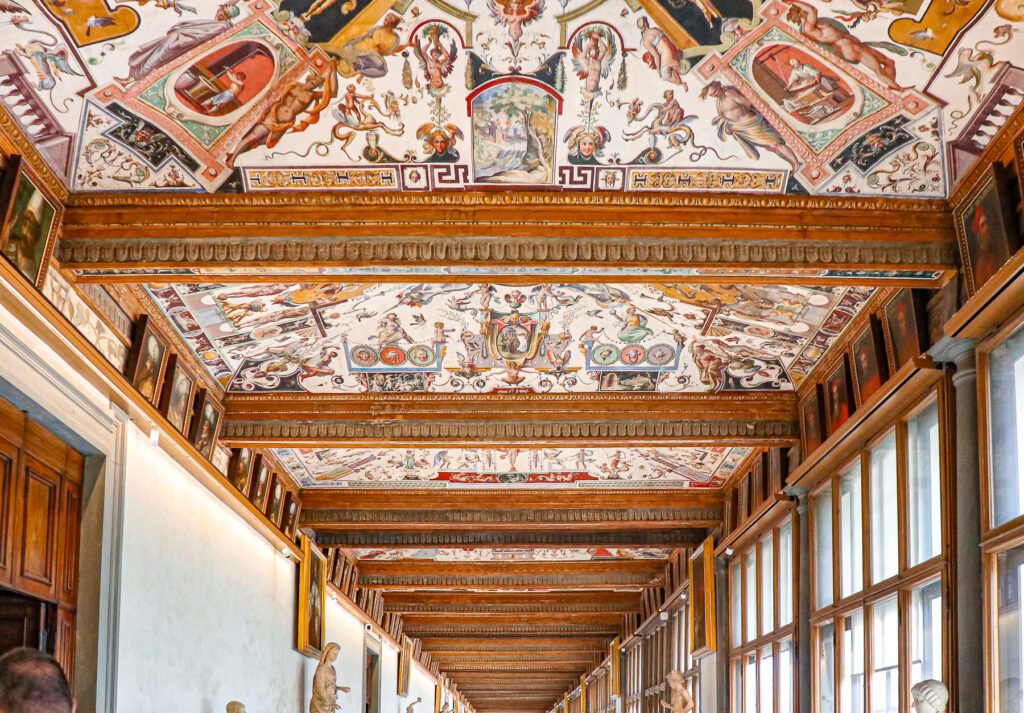
Primarily, visitors come here for Botticelli, Michelangelo, Leonardo da Vinci, Raffaello, Correggio, Filippo Lippi, Giotto, and Caravaggio, and other geniuses of Proto-Renaissance, Renaissance, and Baroque, but don’t miss the amazing sculpture collection there as well.
Make sure to book your tickets in advance, and as the Uffizi tends to get extremely crowded, review the option of fast-track tickets as well as leaving plenty of time not to rush your visit.
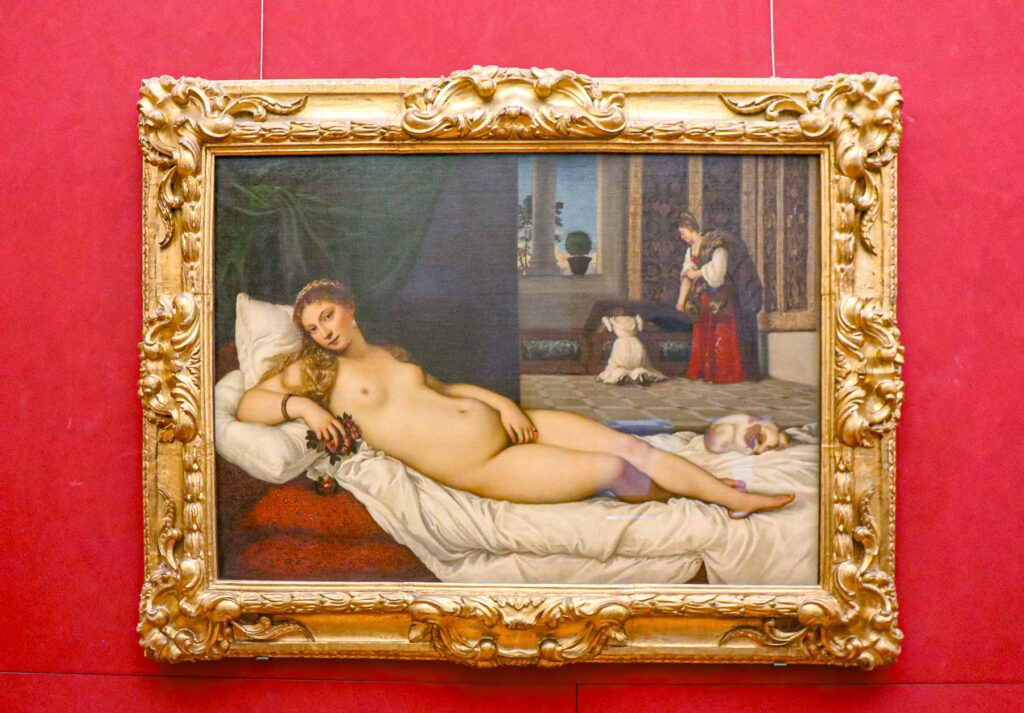
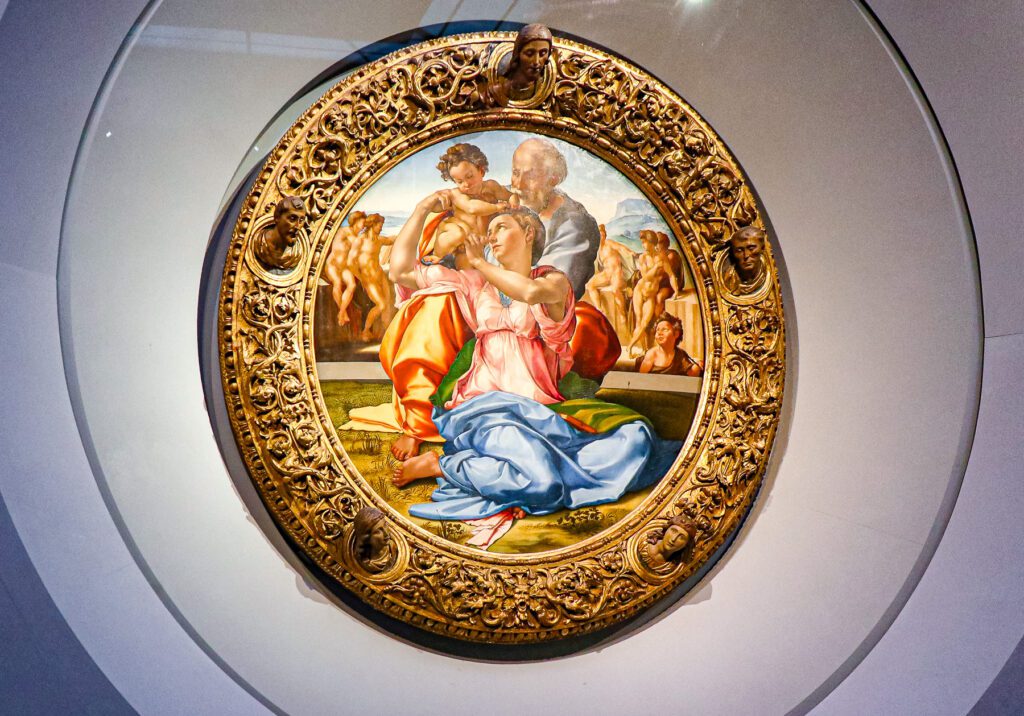

Now, the Gli Uffizi museum is part of The Uffizi Galleries together with Palazzo Pitti, Boboli Gardens, and Corridoio Vasariano, where you can see private collections of art pieces of the prominent figures of Tuscany as well as some antique pieces and even other exhibits of art up to the 19th and 20th centuries.

3. Cappelle Medicee
The Medici family, especially Cosimo the Elder, Lorenzo the Magnificent, and Cosimo I, and his descendants who were crowned as grand dukes of Tuscany, changed and shaped the story of Florence for years. Not to mention that Medici family members extended their power to France as political figures there and to the whole religious world as popes.
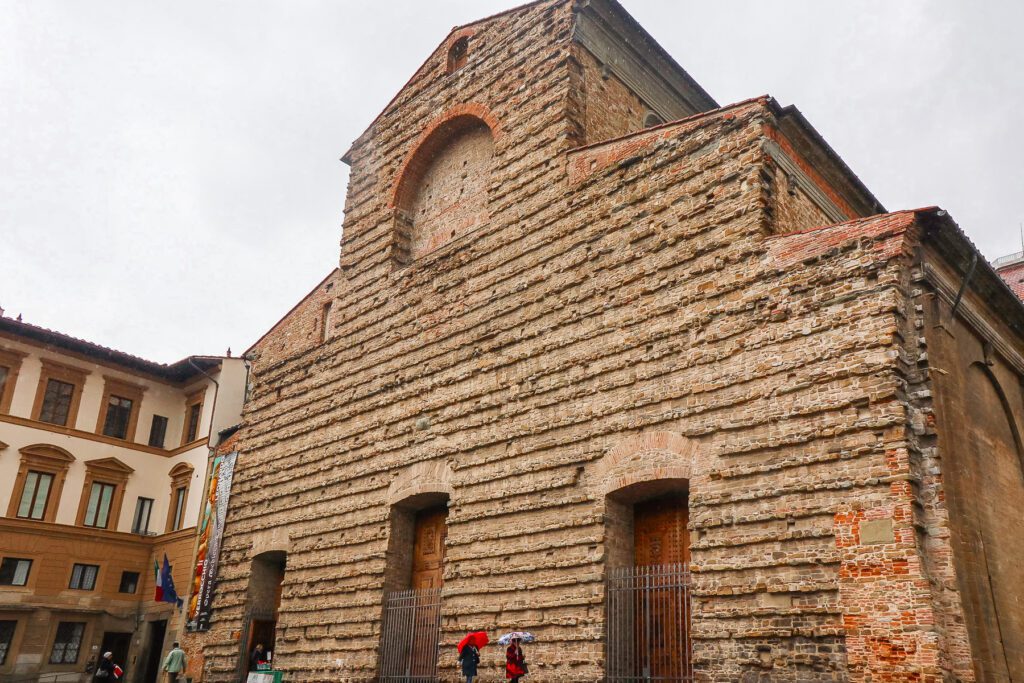
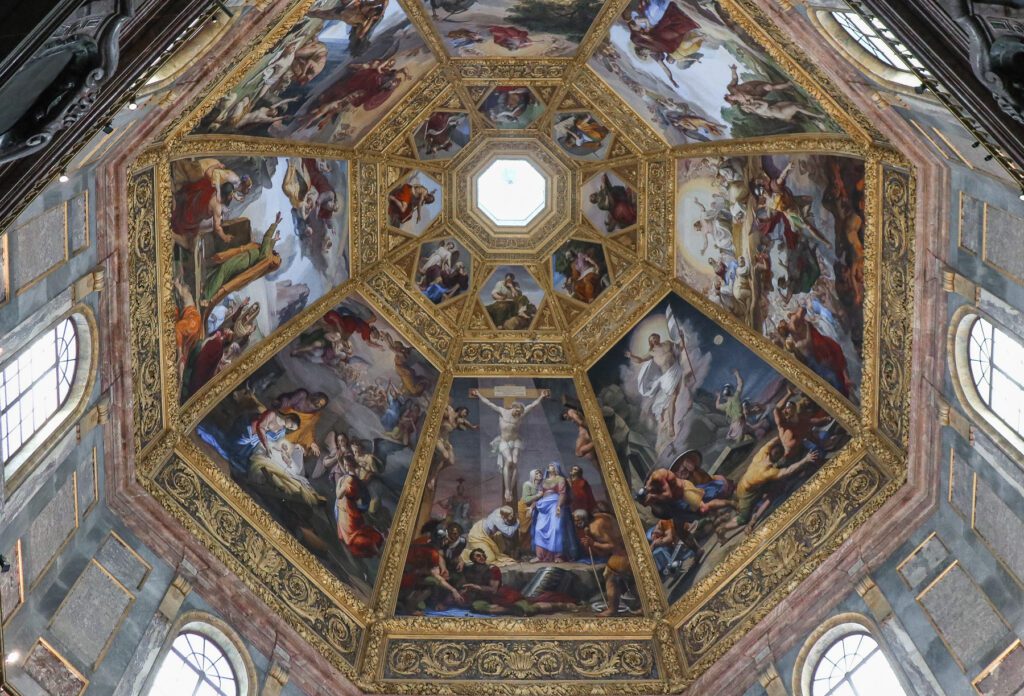
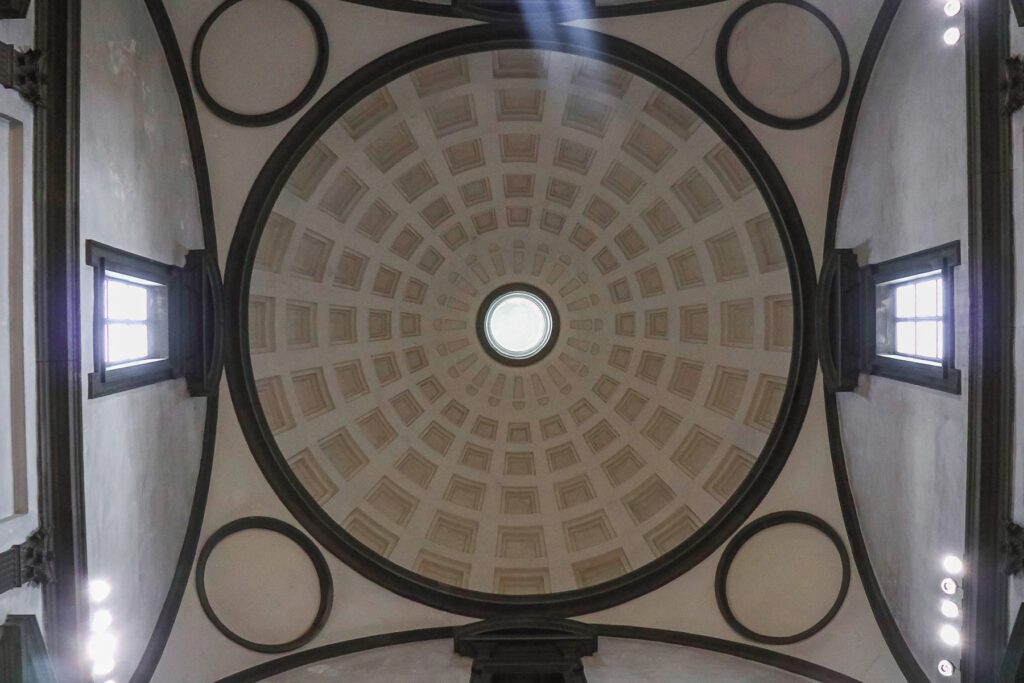

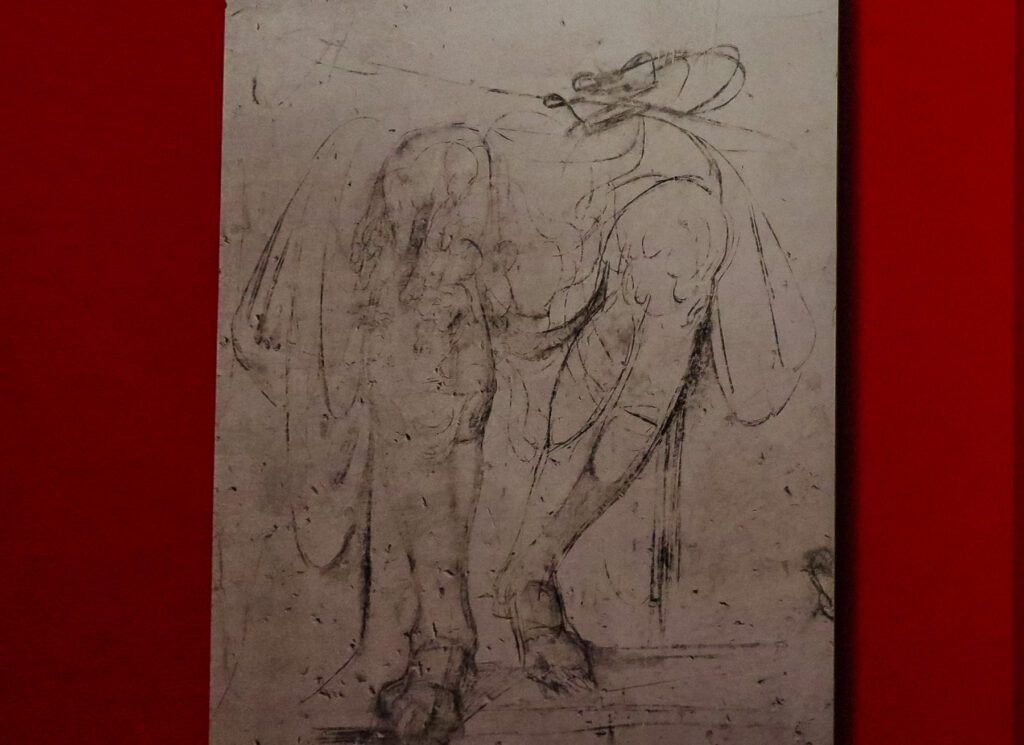
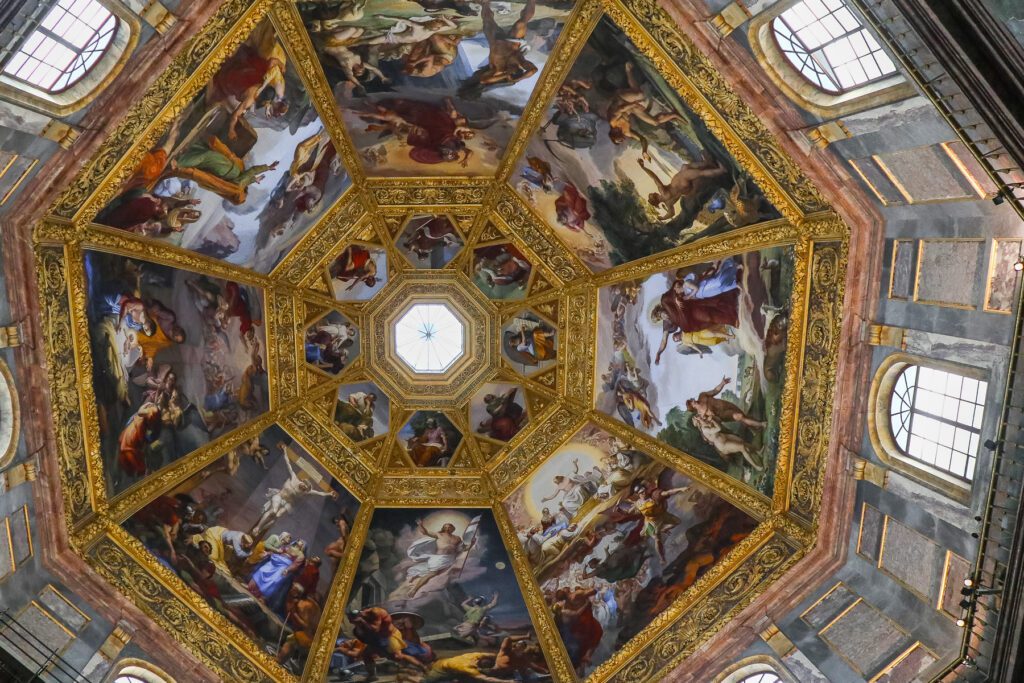
Thus, the Medici Chapels, dating to the 16th and 17th centuries, are an unmissable spot for those who come to the city. Built as extensions to the Basilica of San Lorenzo, one of the oldest documented religious buildings of the city, the Medici Necropolis consists of two main parts.
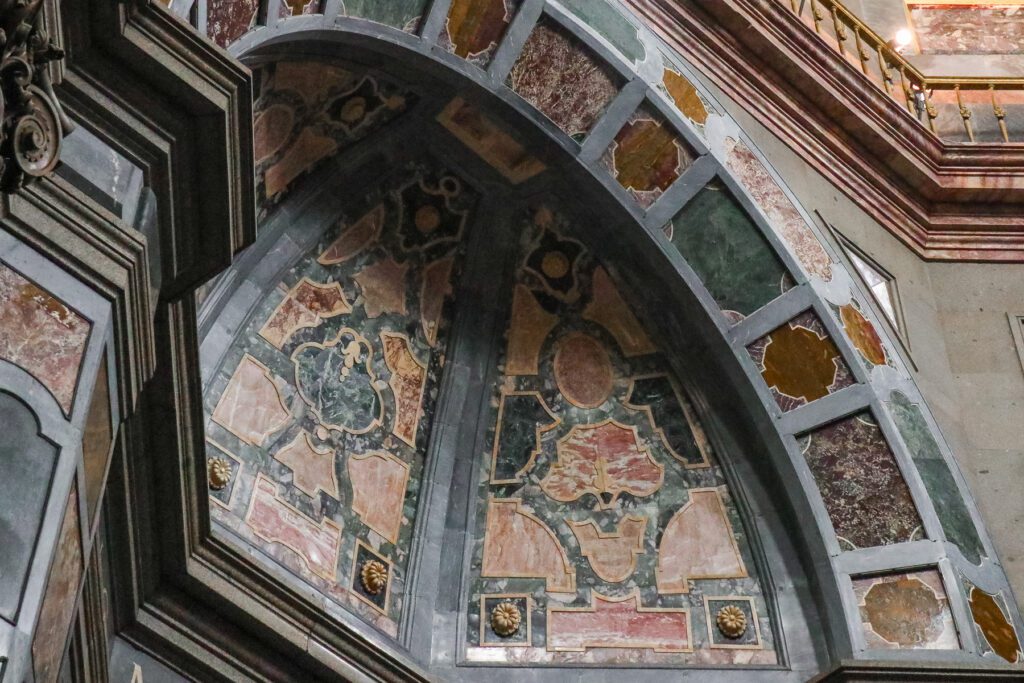
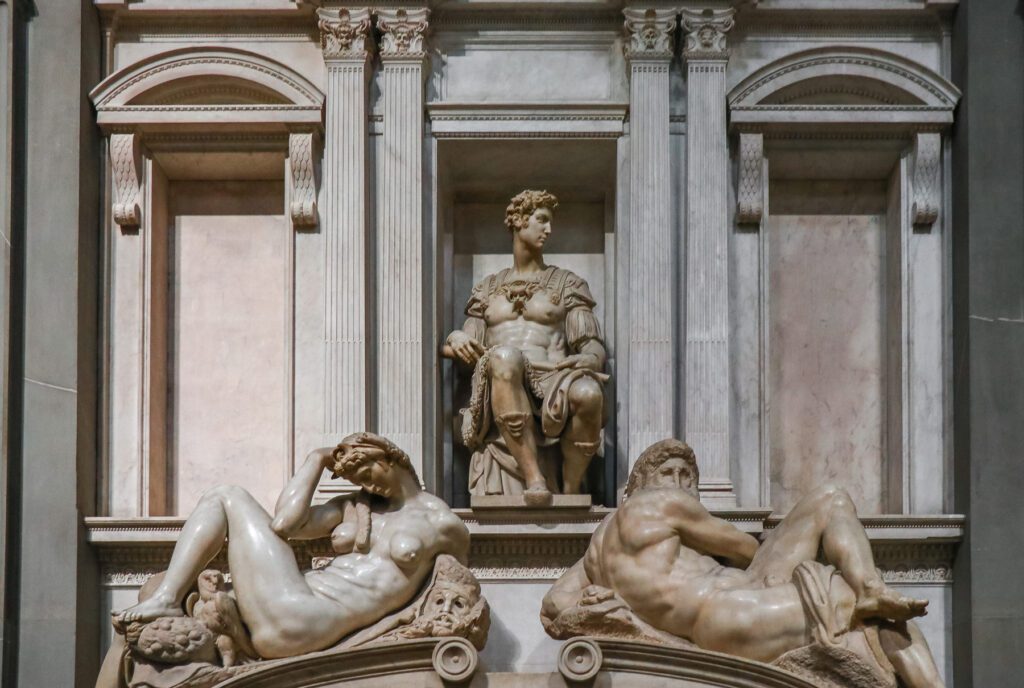

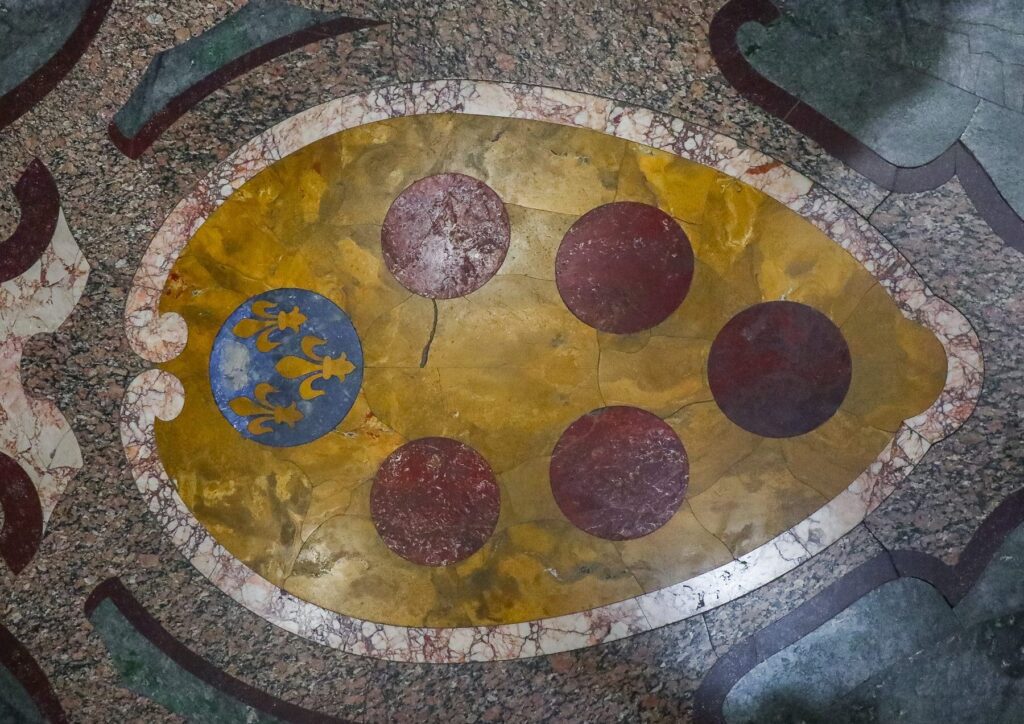
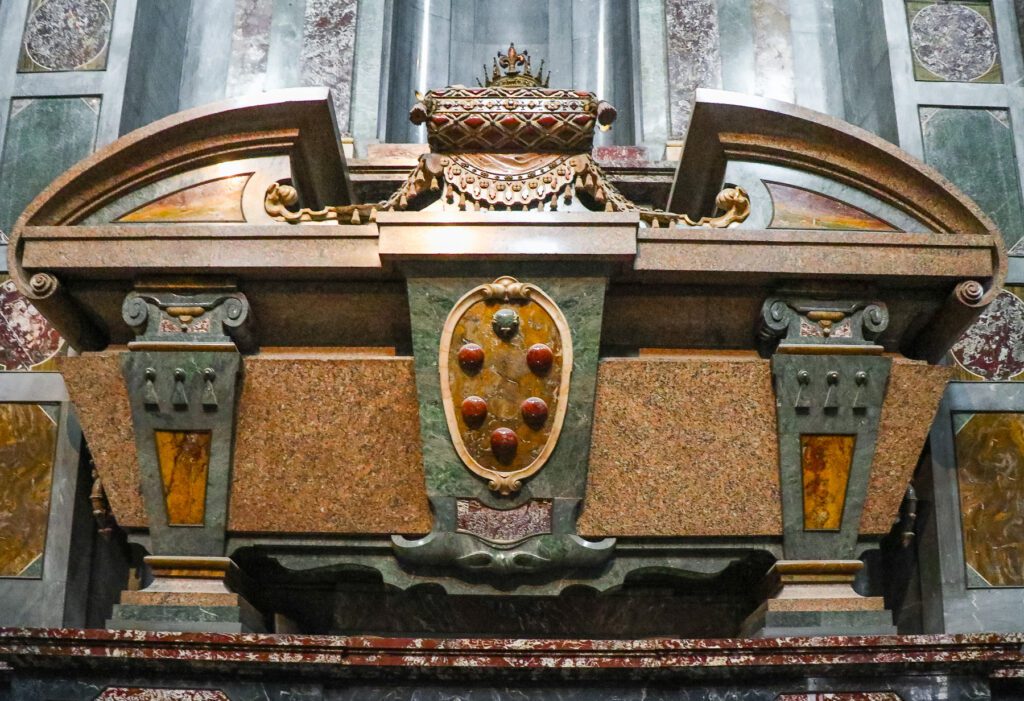
Sagrestia Nuova (it’s famous for the sculptures of Dawn, Day, Twilight, and Night, designed by Michelangelo in 1520-1534) and the Cappella dei Principi are the final burial places for the family members, starting from Cosimo I to the last of the Medici, Gian Gastone, who died in 1737. Spot the coat of arms of the Medici in the Cappelle Medicee too!
4. Ponte Vecchio
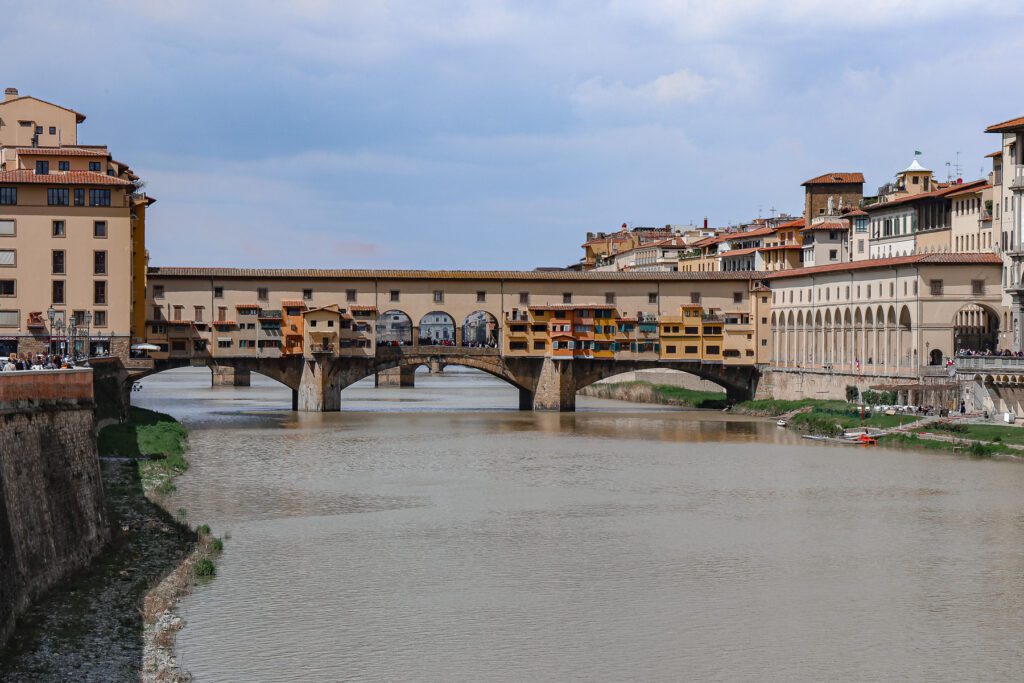
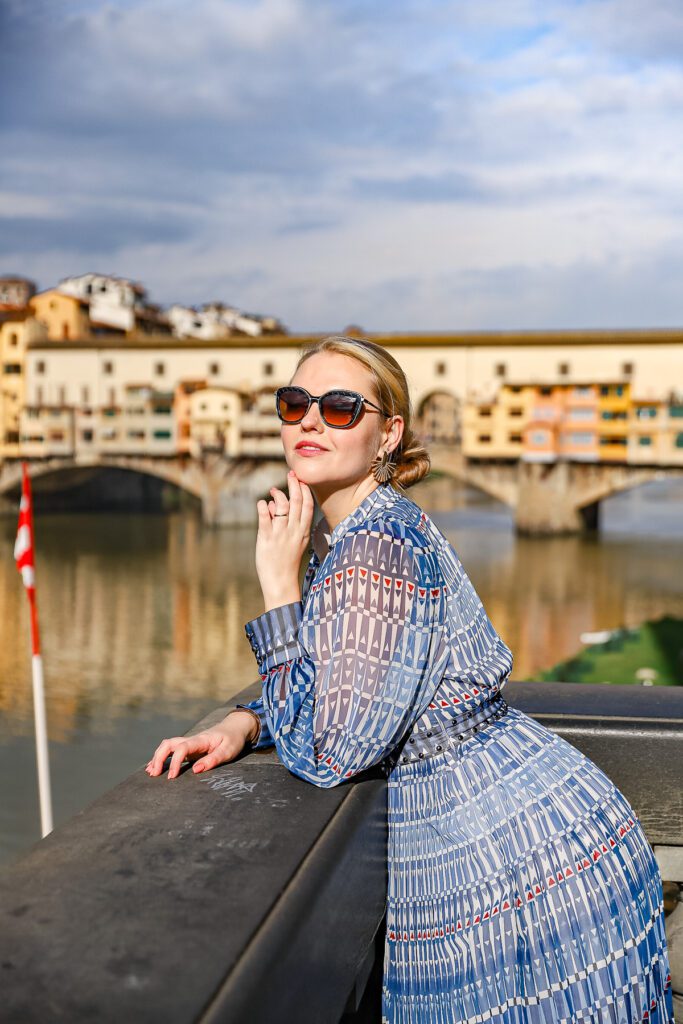
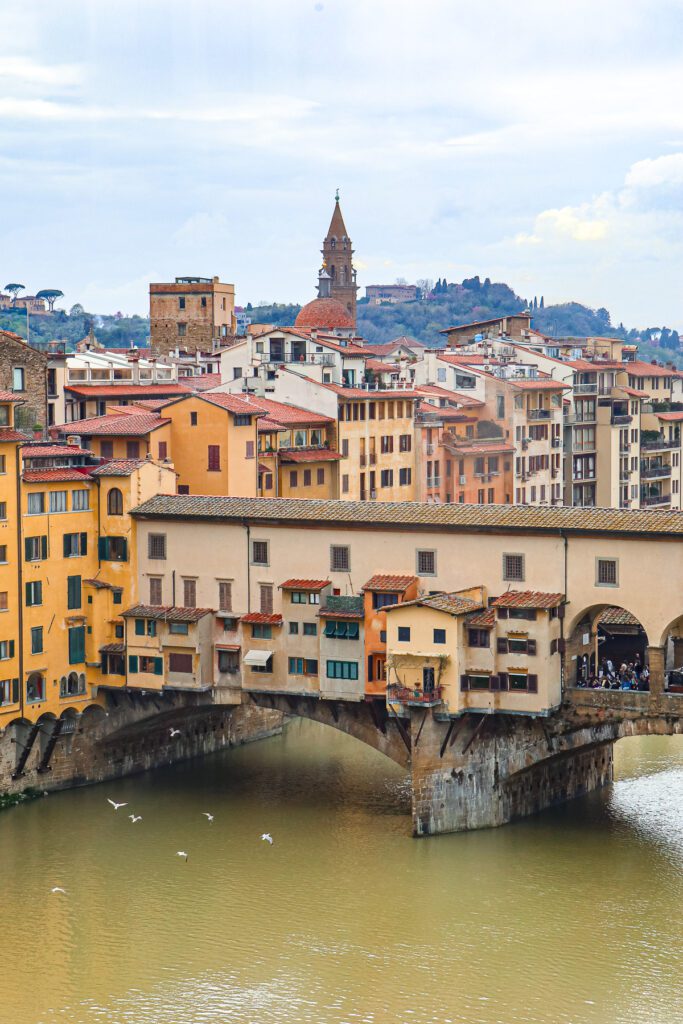
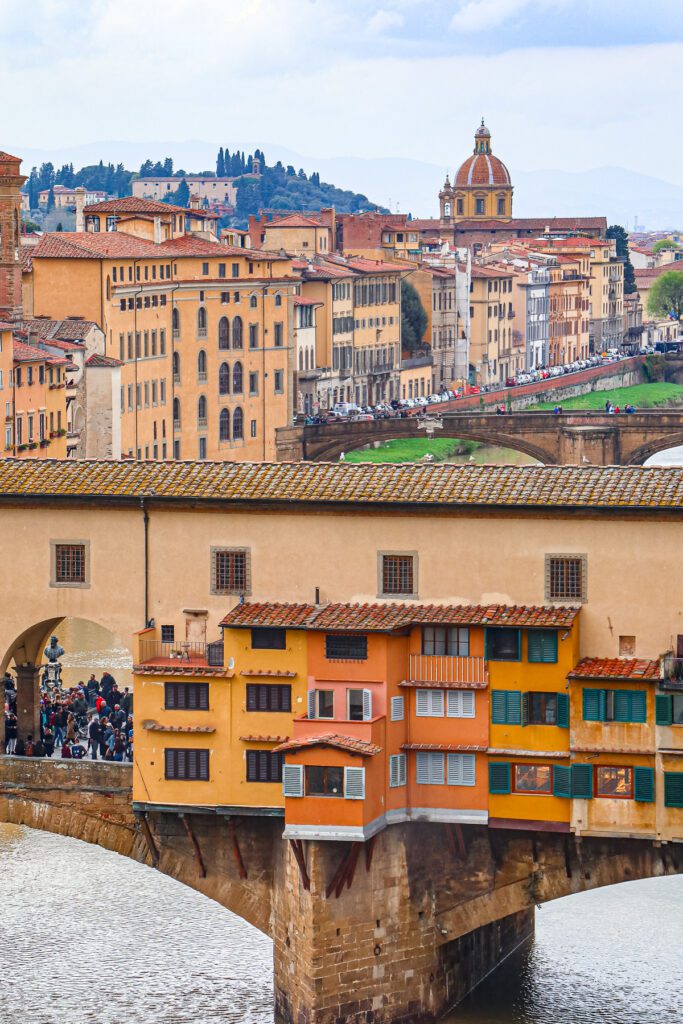
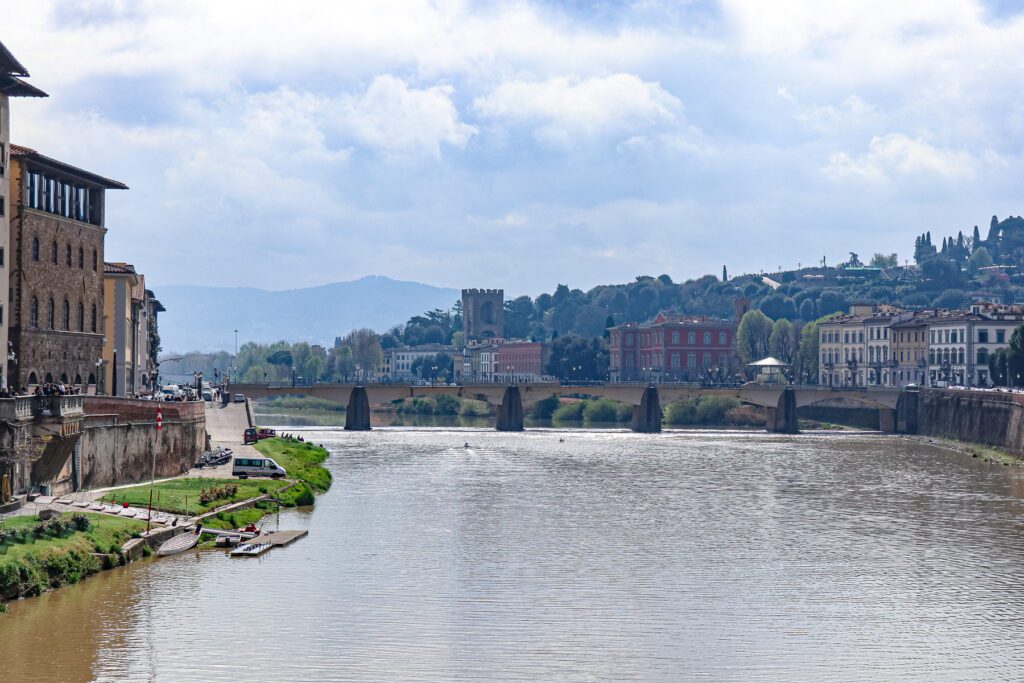
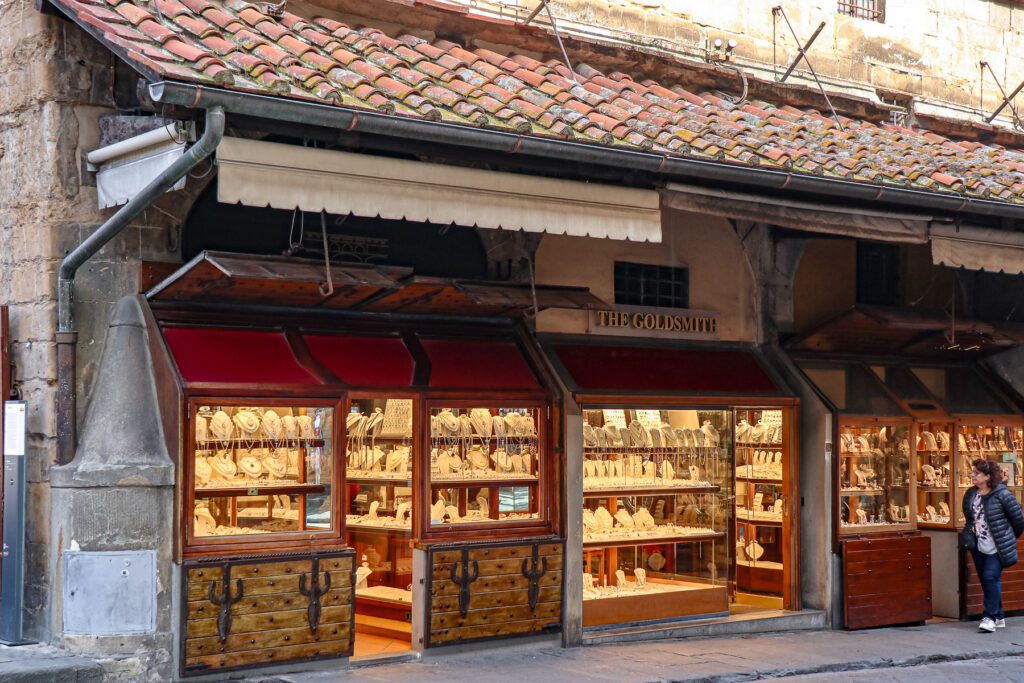
Ponte Vecchio, or the Old Bridge, is so much more than just an old bridge. In the past, the Medici needed a direct connection between Palazzo Vecchio and their administrative buildings on one bank of the Arno River and the Pitti Palace on the other bank.


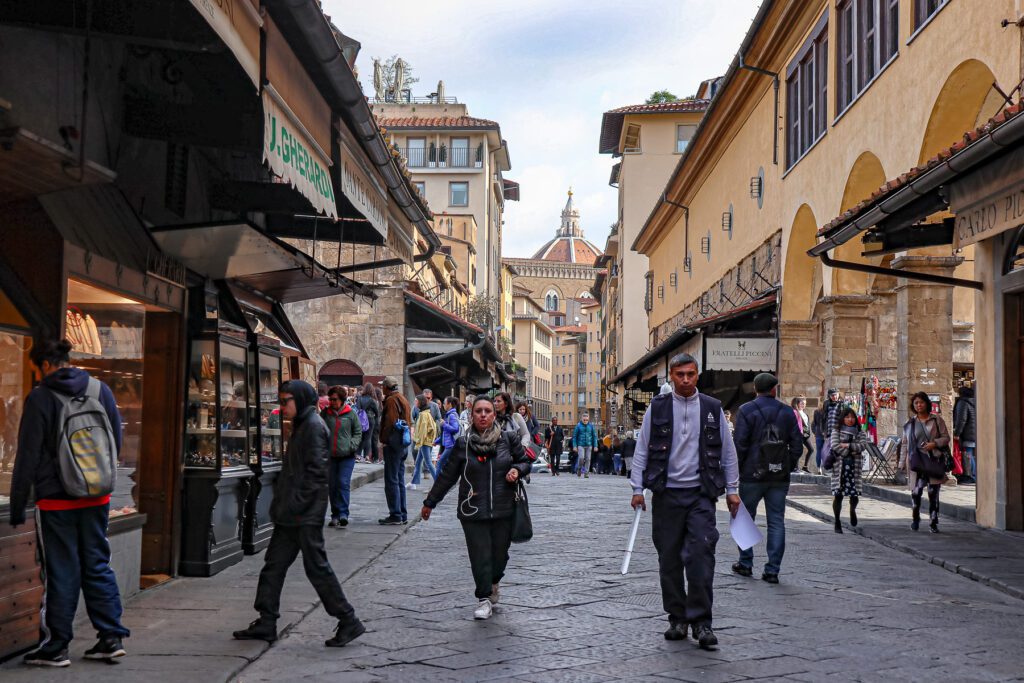
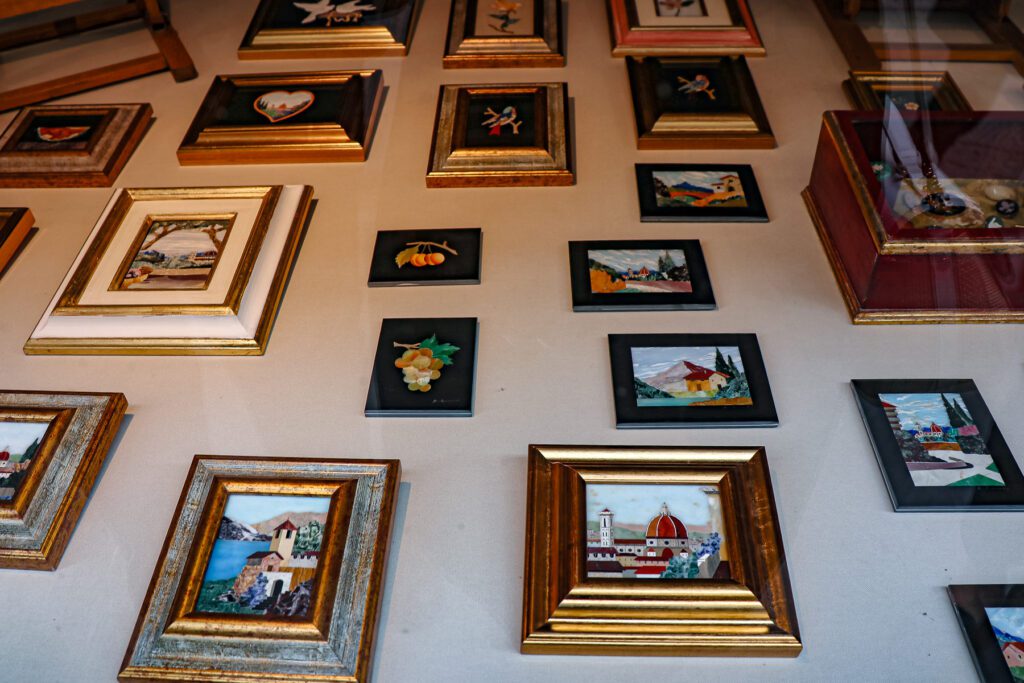
So, Cosimo I commissioned Giorgio Vasari to create a passage closed to the public, and he created the Corridoio Vasariano, part of which is located over the bridge! Before that, the bridge was occupied by butchers and tanners, but as their work meant quite an unpleasant smell, goldsmiths and jewelry shops were placed there instead.
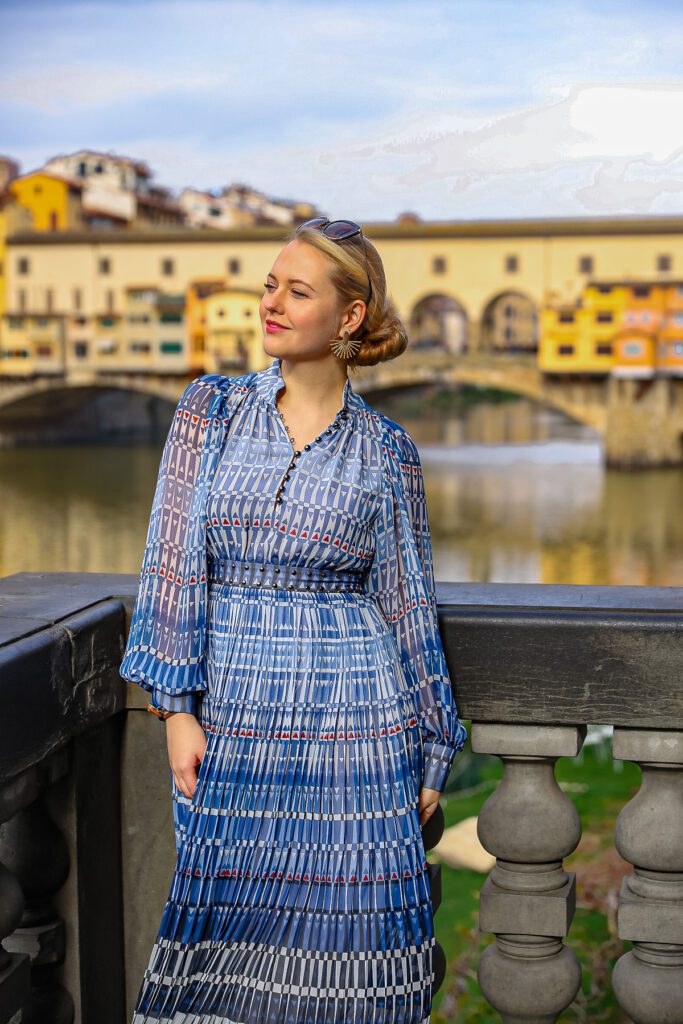
Interestingly, it is said that Adolf Hitler admired the Ponte Vecchio, and this saved it from destruction during the Nazi / fascist period.
5. Fontana del Porcellino
The Piglet fountain, or Fontana del Porcellino, is a cute name for a bronze statue of a massive wild boar near the Loggia del Mercato Nuovo. For centuries, it’s been considered a symbol of luck, so don’t forget to put a coin in its mouth and to rub its most shiny spot!

Today you see a modern replica that was cast after Pietro Tasso’s sculpture dating to 1633, which, in turn, was inspired by a marble Hellenistic sculpture of probably the Calydonian boar, whose Roman copy was brought by the Medici from Rome. What a journey of piglet reincarnations, I must say!
6. Basilica Santa Croce
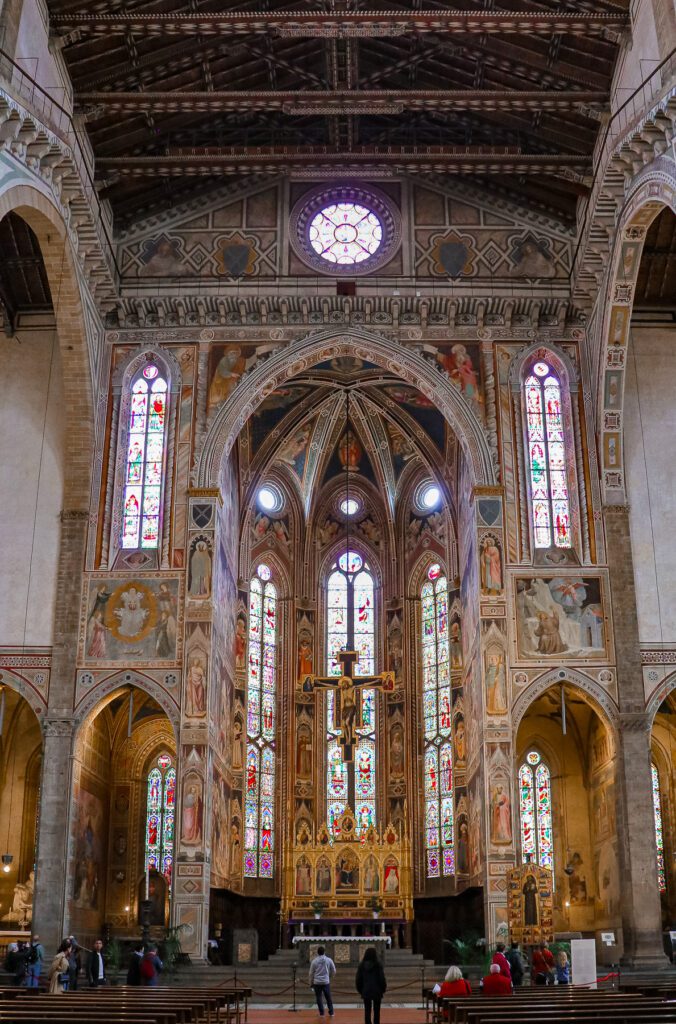
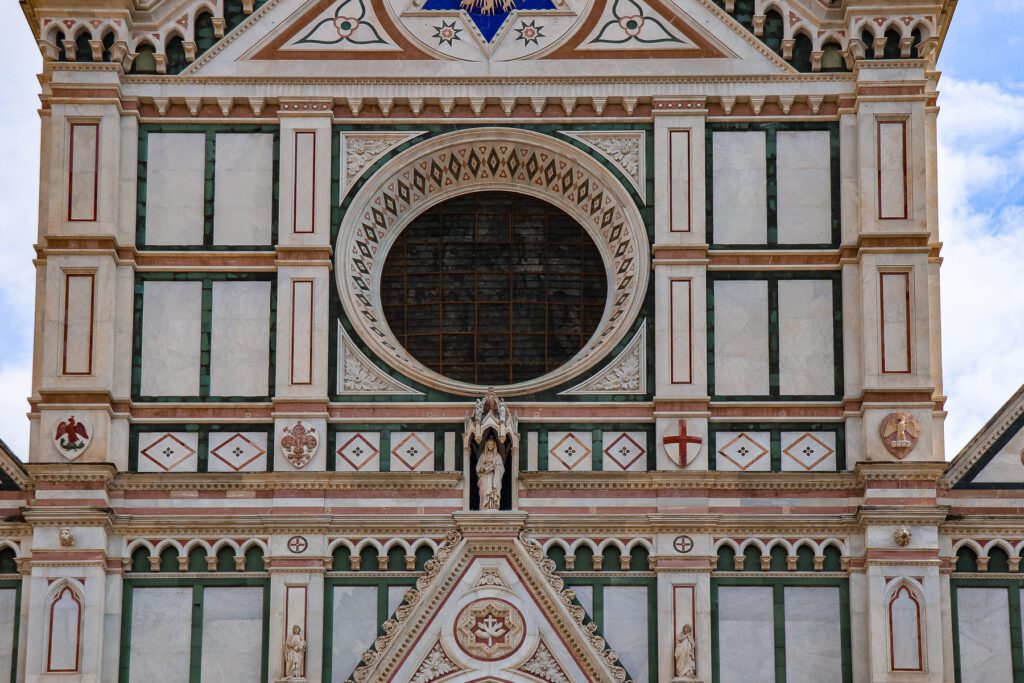
Basilica Santa Croce is probably the second best-known religious site in Florence and the largest Franciscan church in the world, whose construction started in 1294.

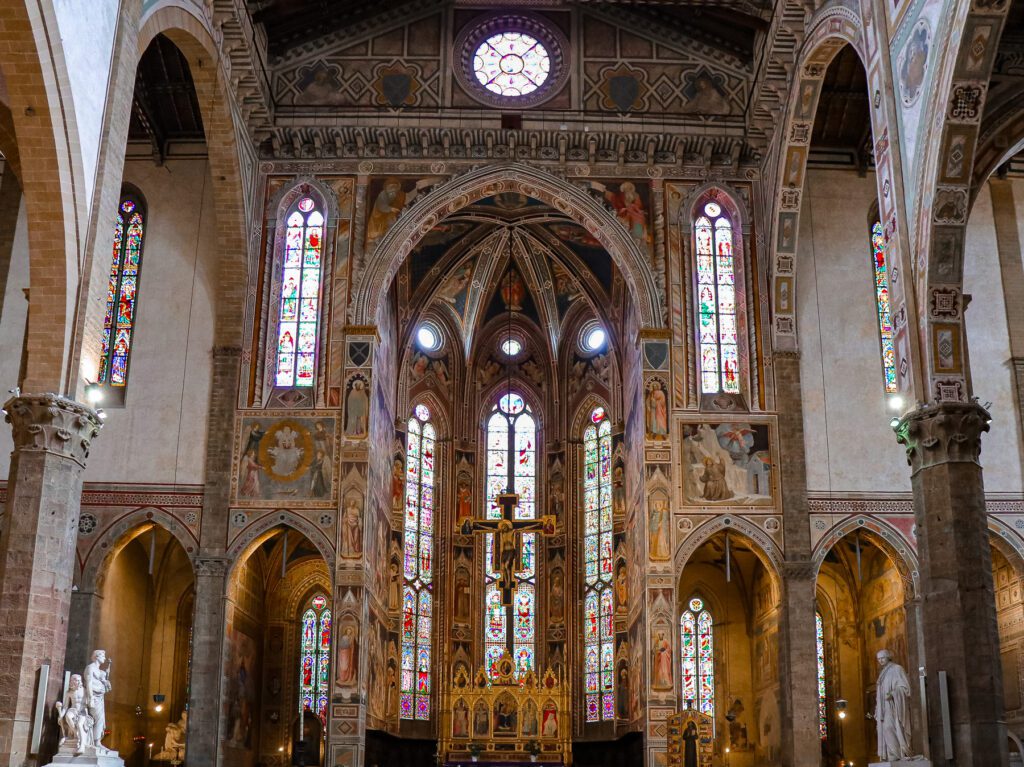
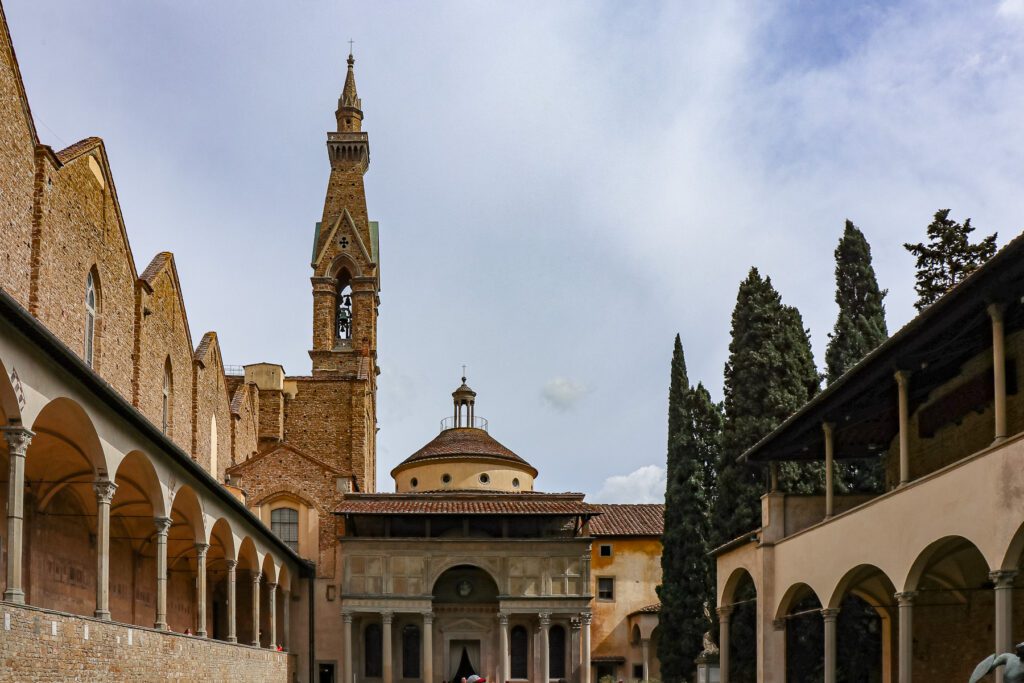
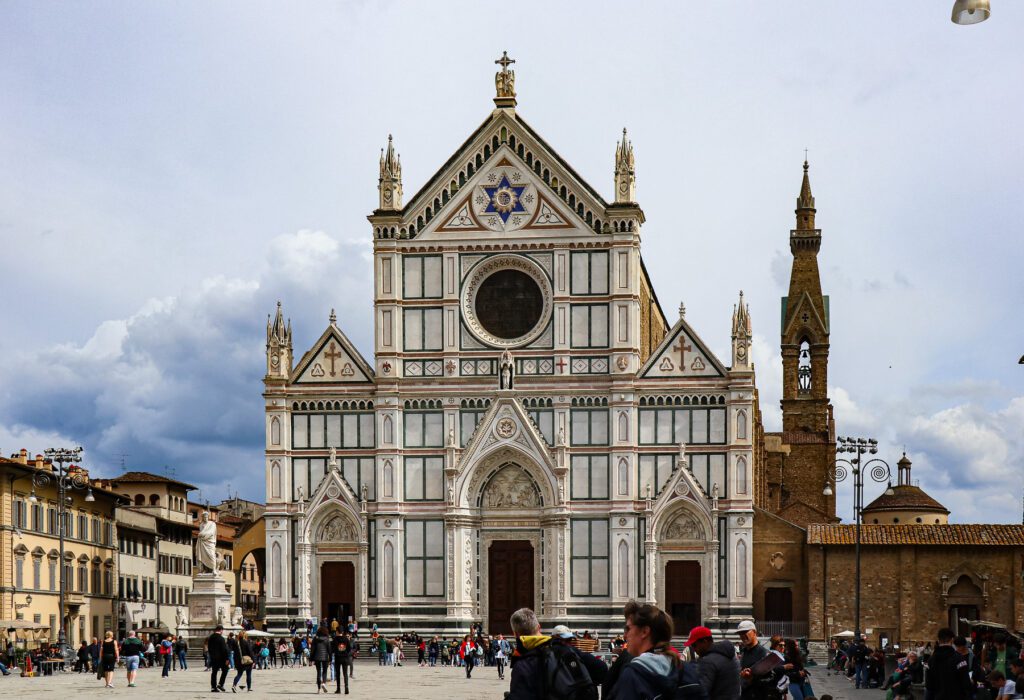
Although its exterior is more modest (its colourful façade dates to the 19th century, as does that of the Duomo), it’s famous for the frescoes, stained glass, monuments, and burials inside.
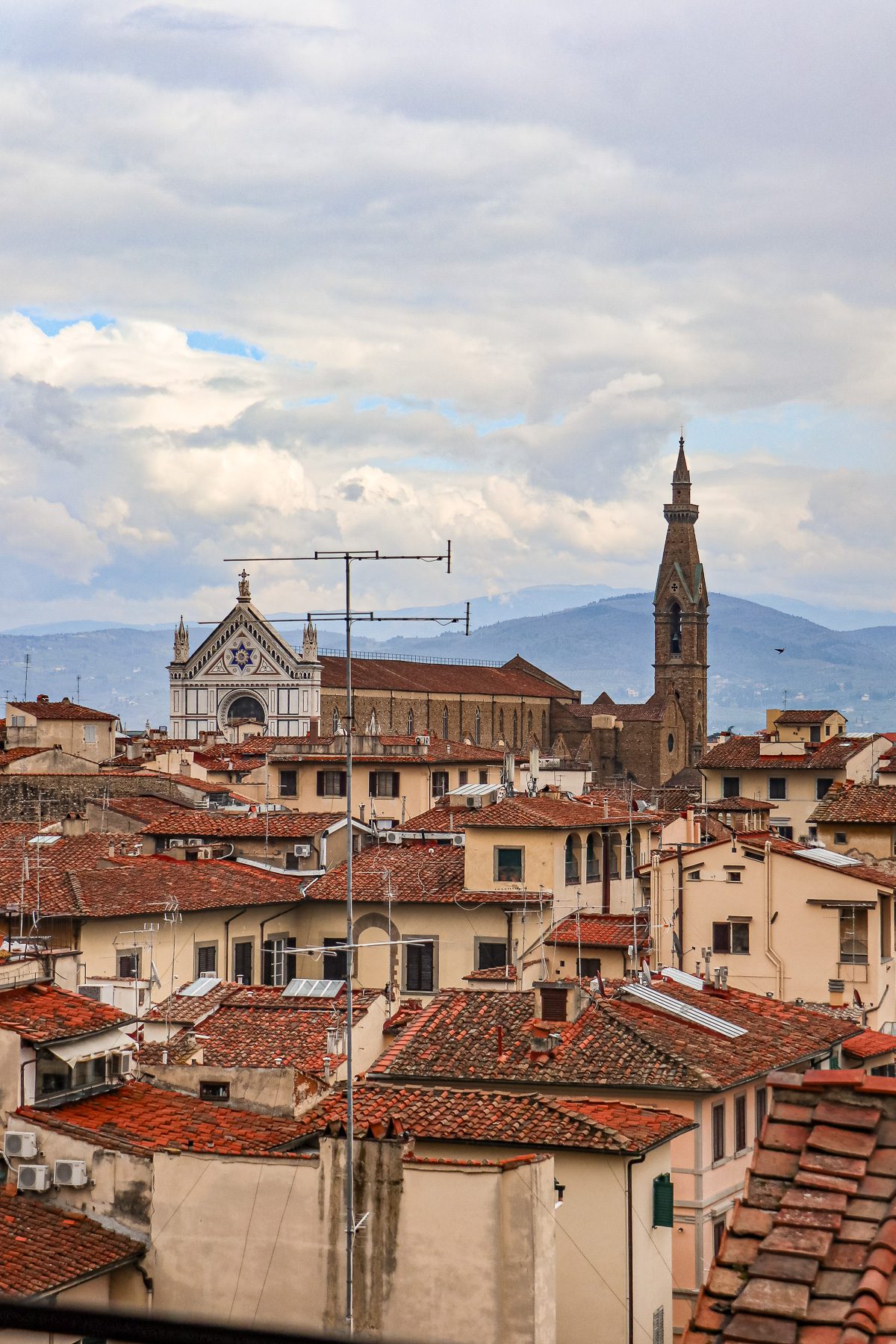
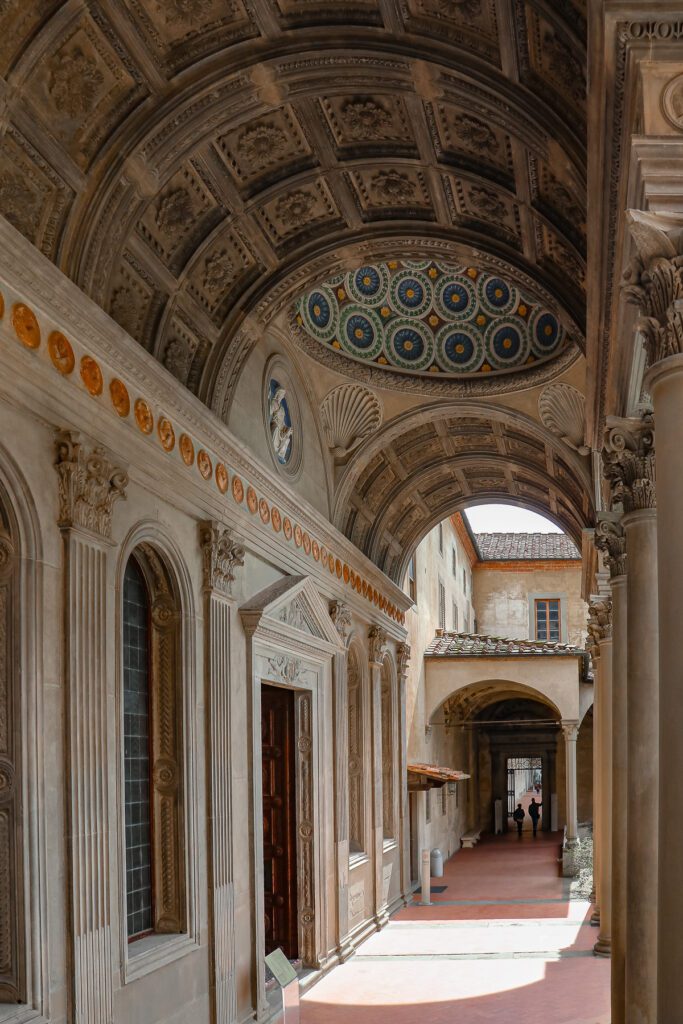
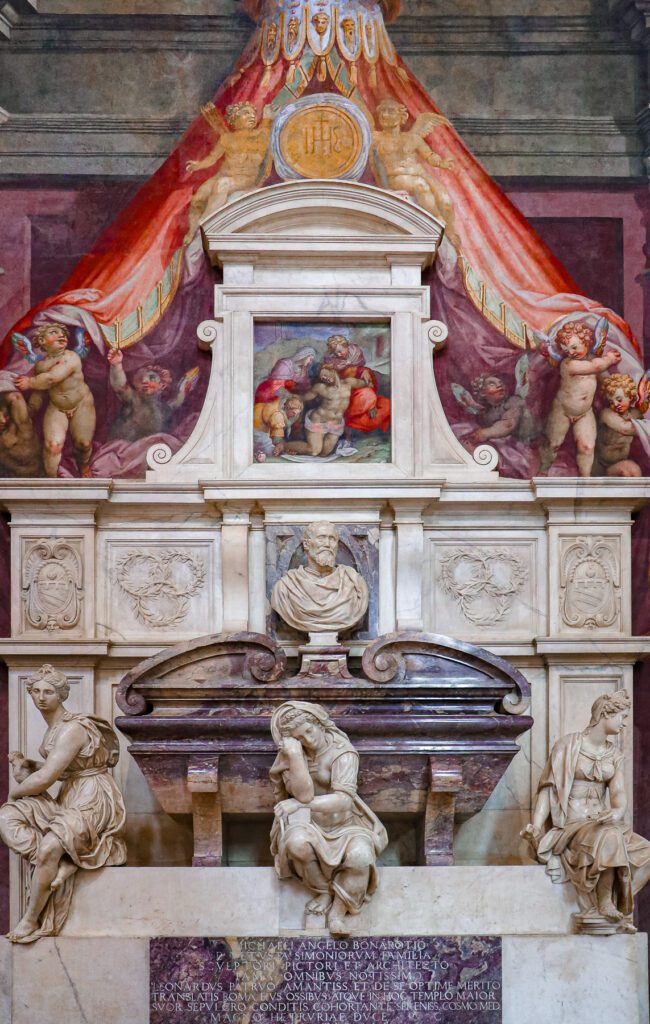
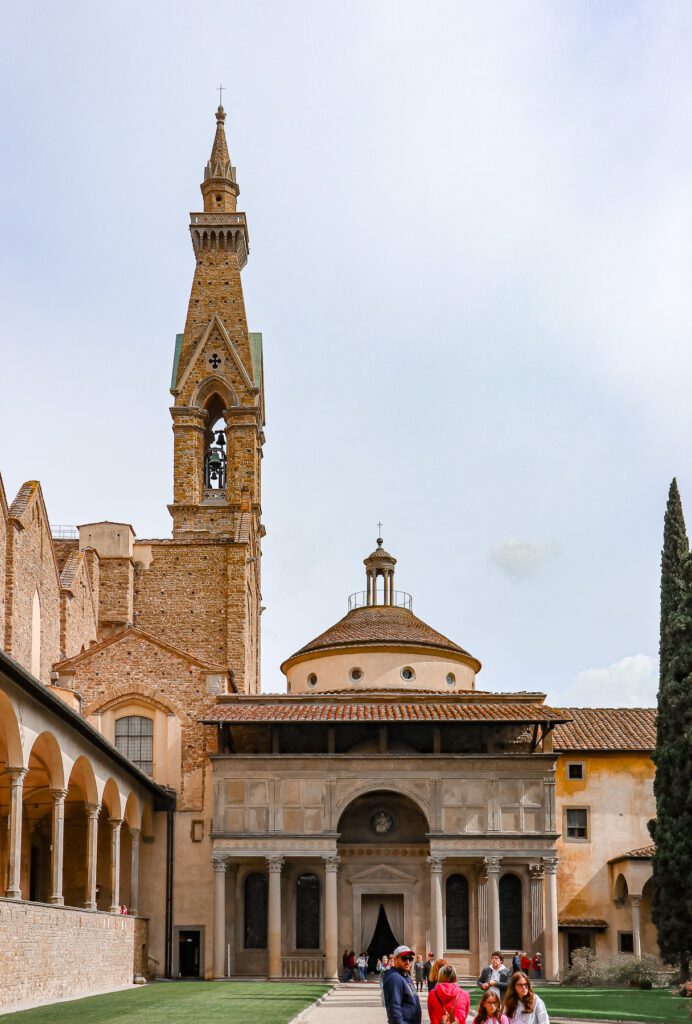
Come here to pay respects to the tombs of Michelangelo Buonarroti, one of the best Renaissance artists; astronomer Galileo Galilei; philosopher and writer Niccolò Machiavelli; composer Gioachino Rossini; dramatist Vittorio Alfieri; poet and writer Ugo Foscolo; diplomat and composer Michał Kleofas Ogiński; and inventor Guglielmo Marconi.

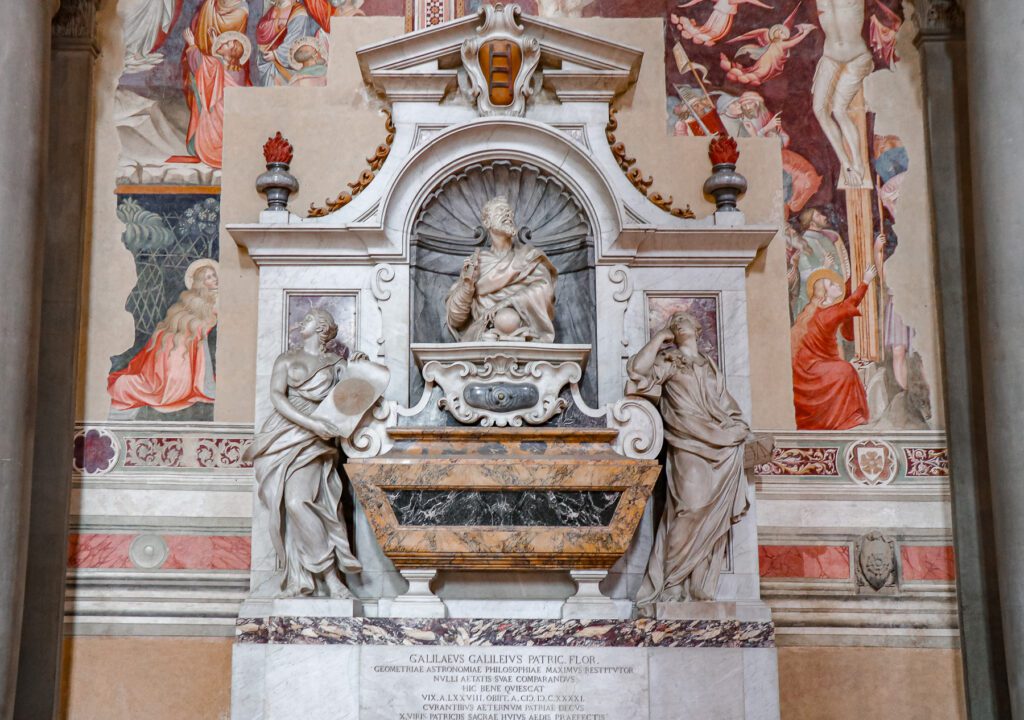
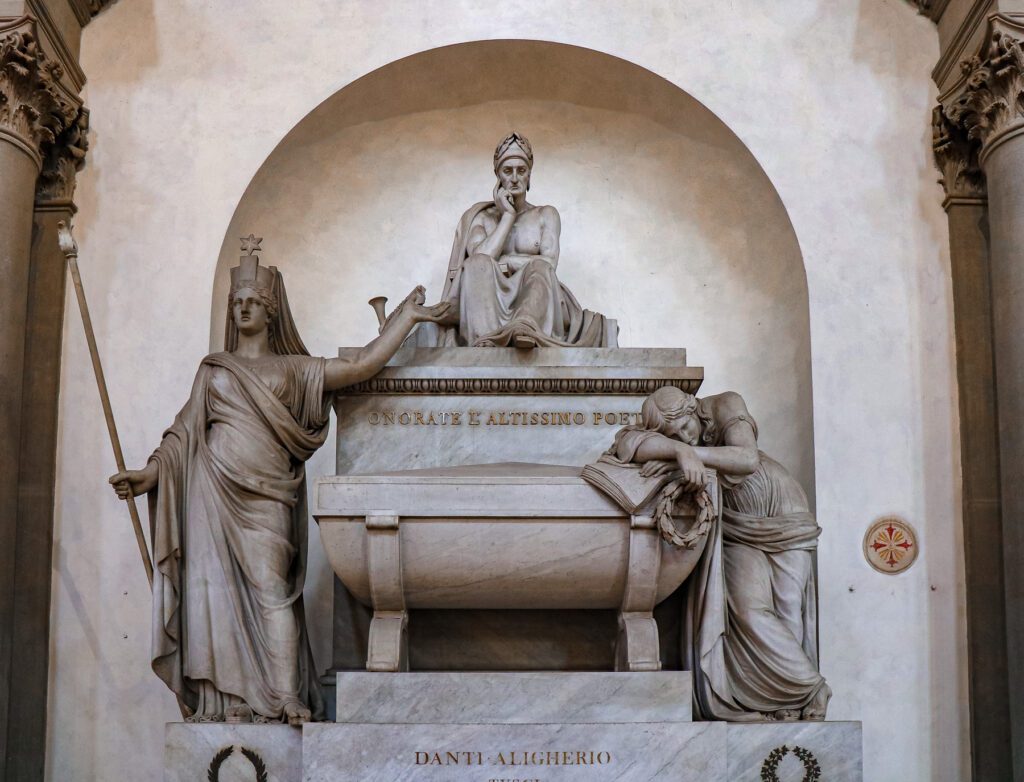
Dante Alighieri, who was born in Florence, is actually buried in Ravenna, where he died in 1321 in exile. However, there is a large monument honoring the poet inside the Basilica Santa Croce with the inscription ‘Onorate l’altissimo poeta.’
The Bardi Chapel with Giotto frescoes is also one of the gems; however, currently, it’s closed for restoration.
7. Palazzo Vecchio
Palazzo Vecchio, a former town hall and Medici residence, is one of the main attractions in Florence for many reasons.


Initially, it was titled ‘Palazzo della Signoria’ and was named ‘old’ only later in comparison to the Palazzo Pitti, where the Medici transferred their residence.



The historical importance of this place throughout the city’s history is hard to estimate.
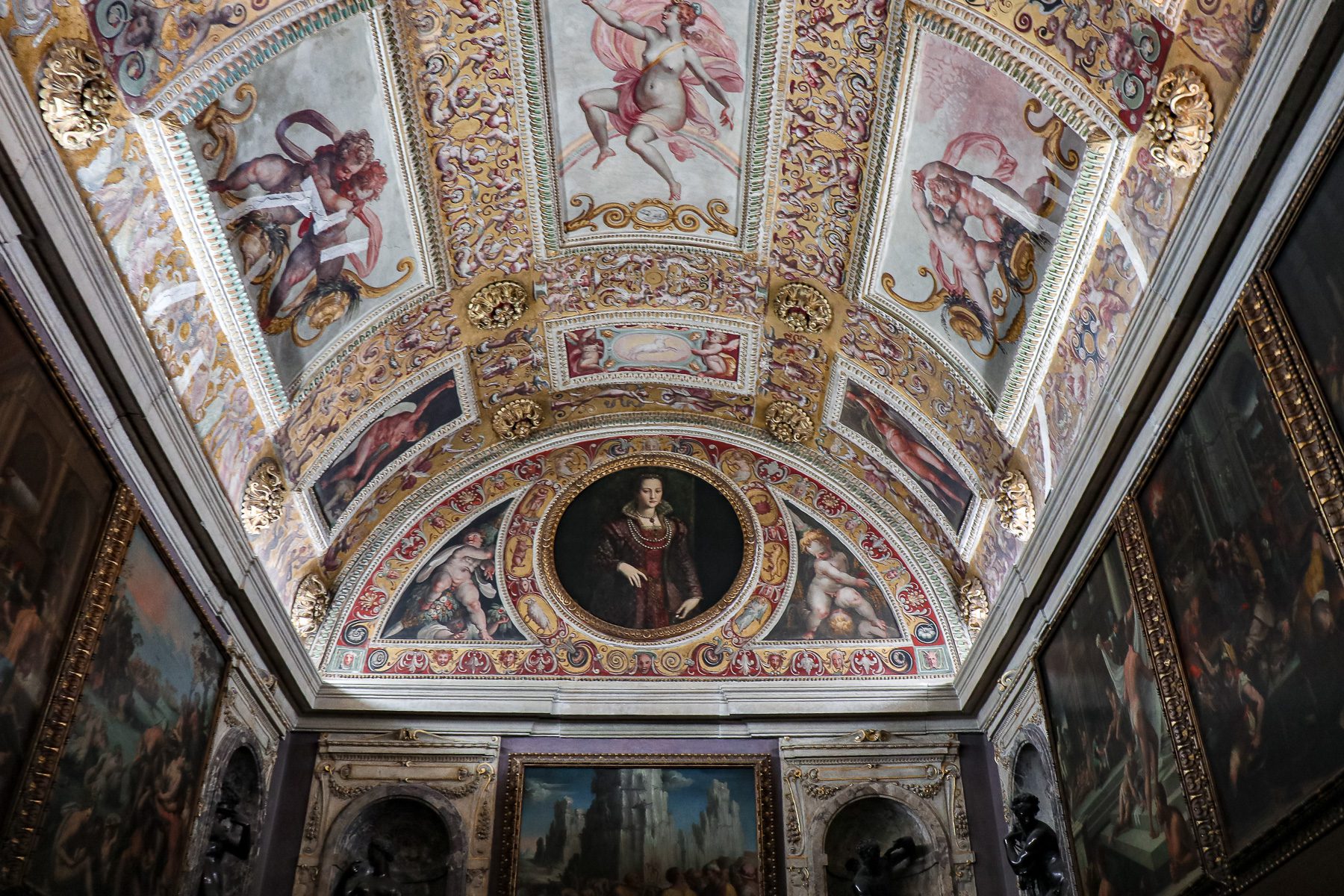
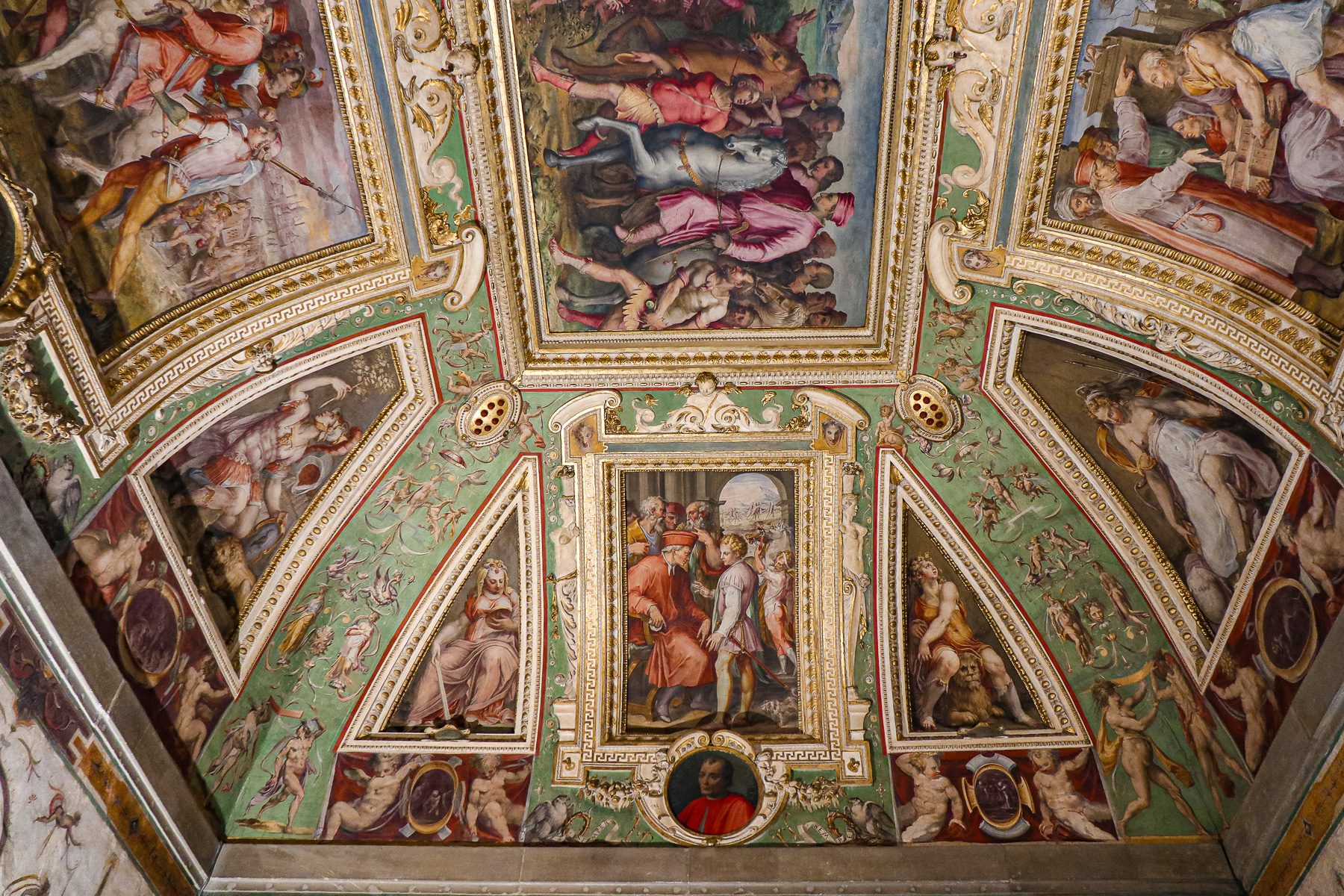
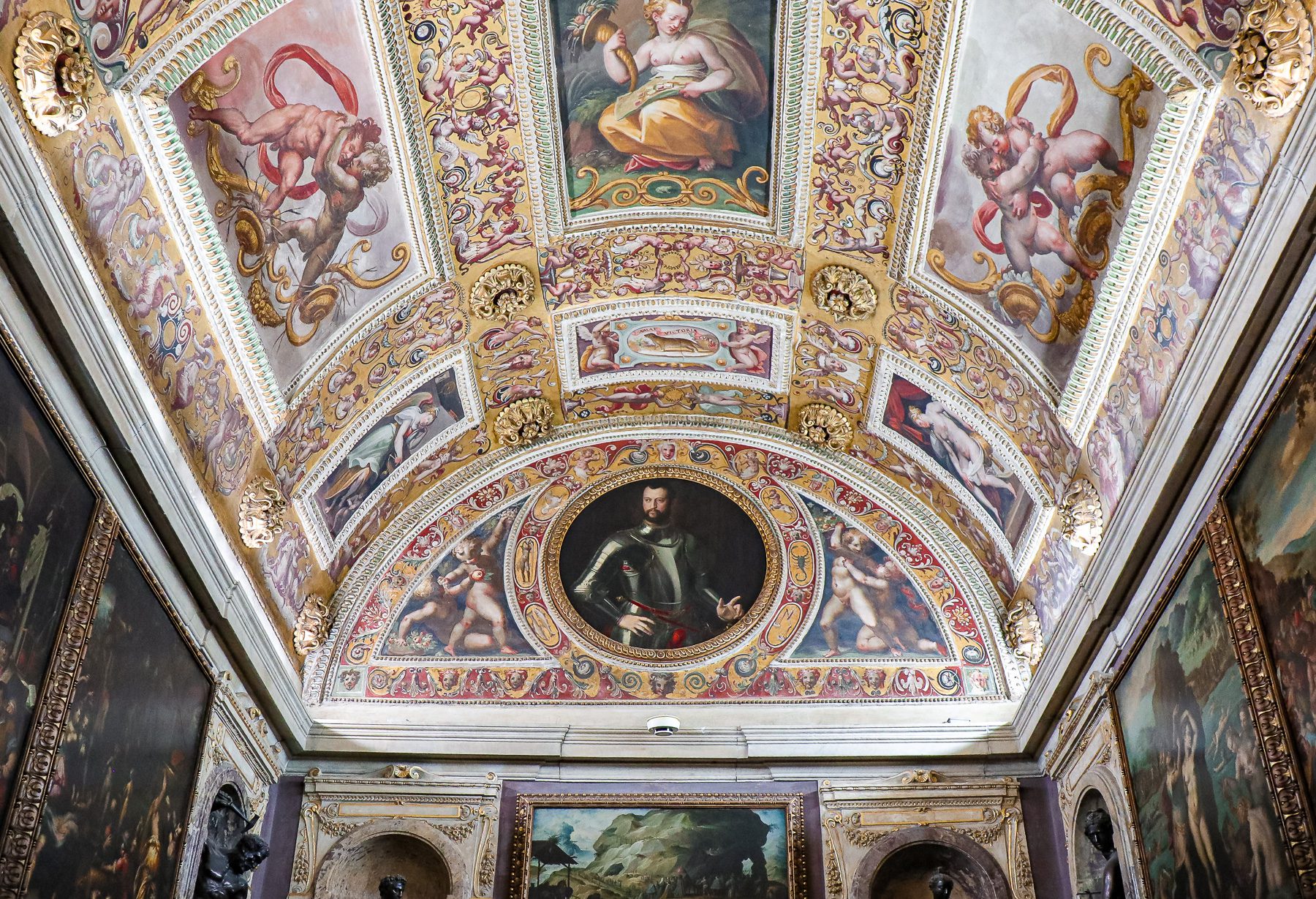
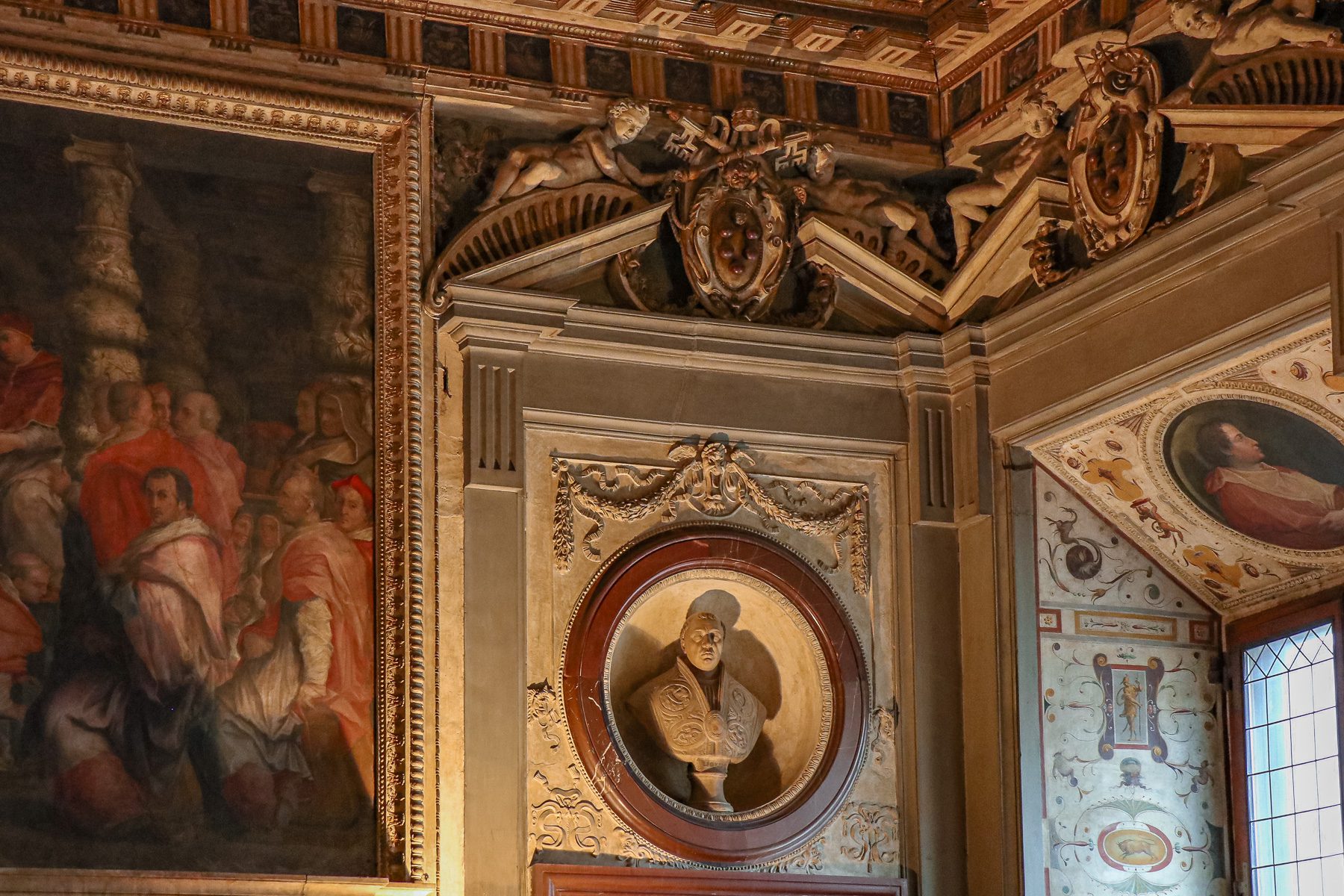

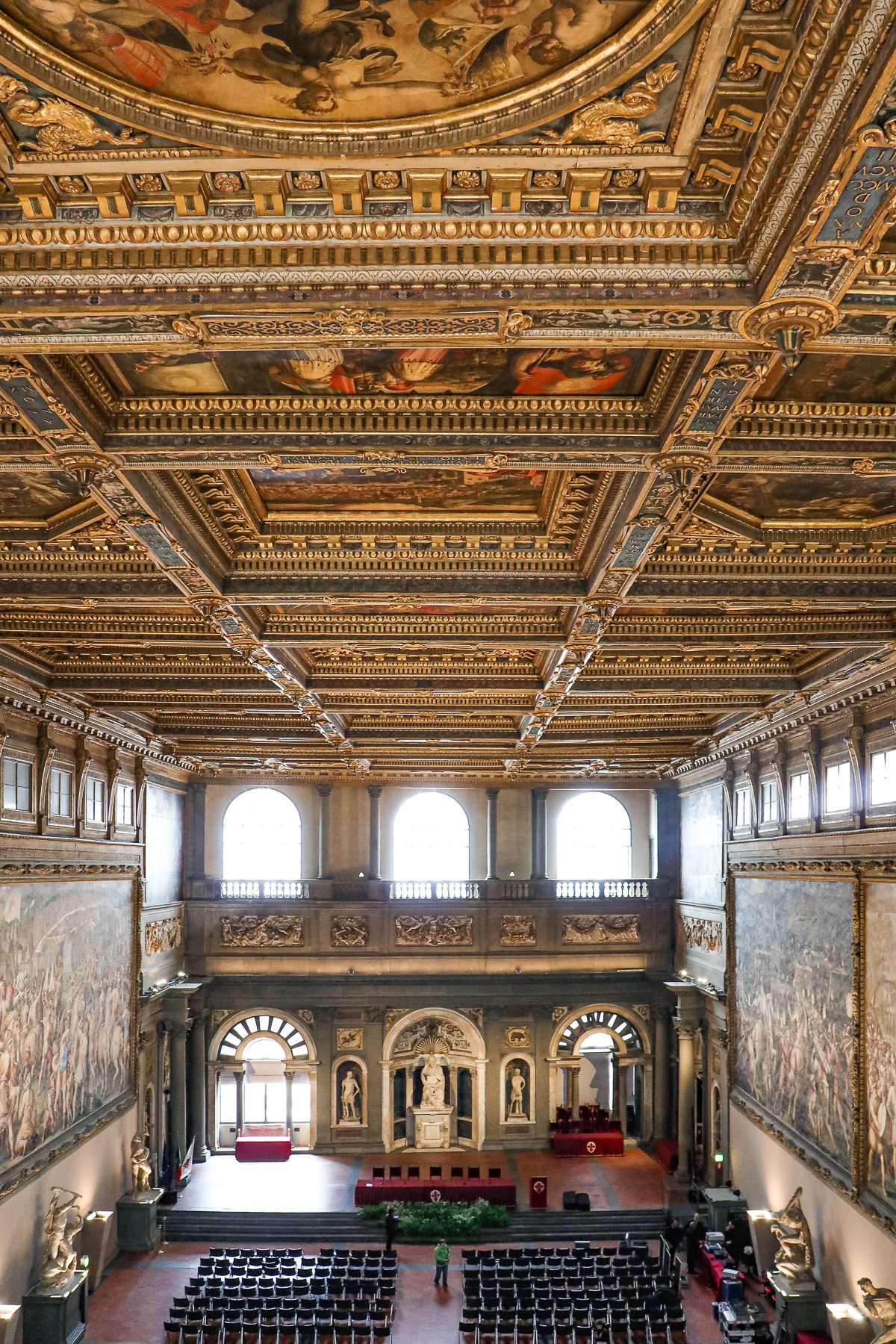
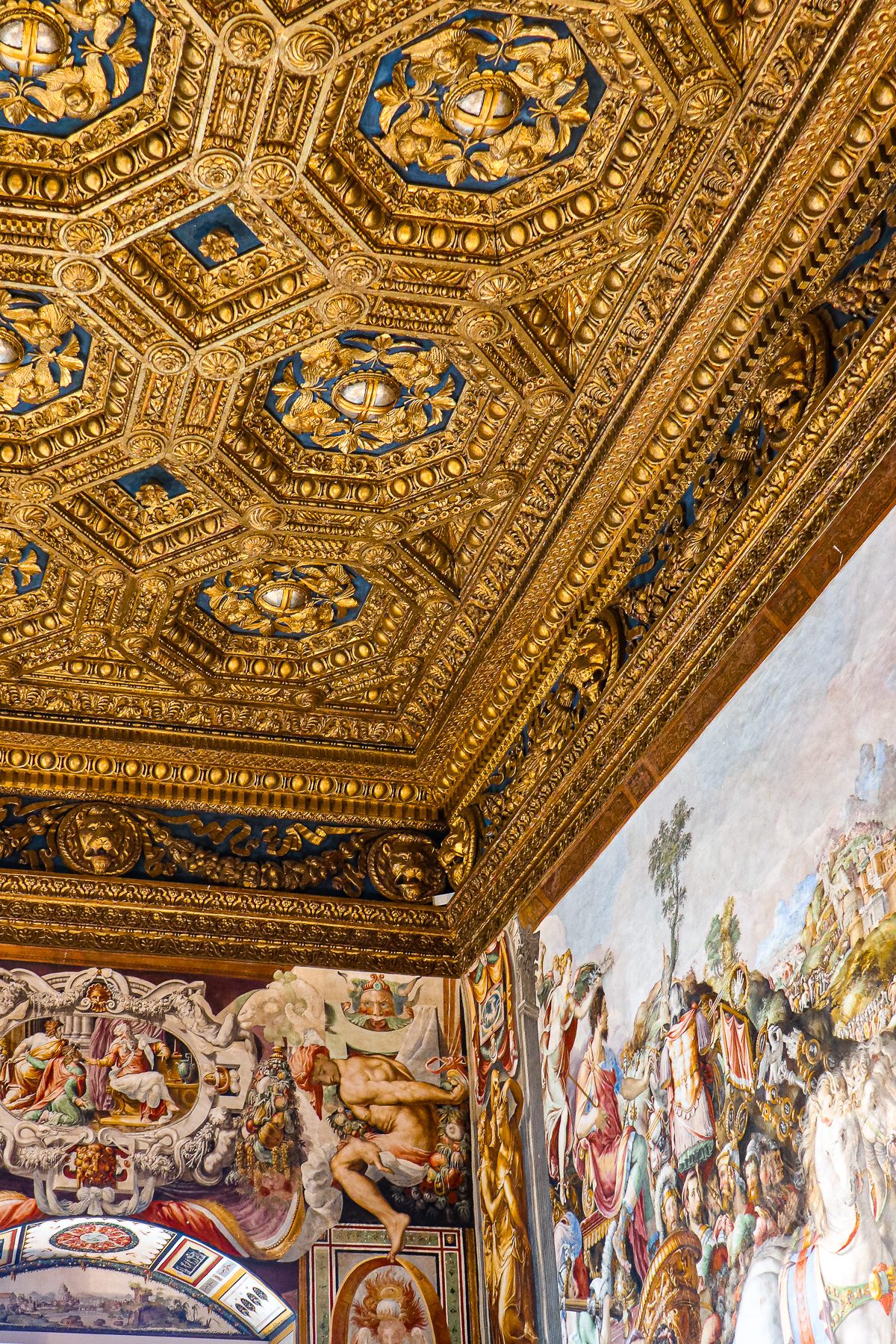
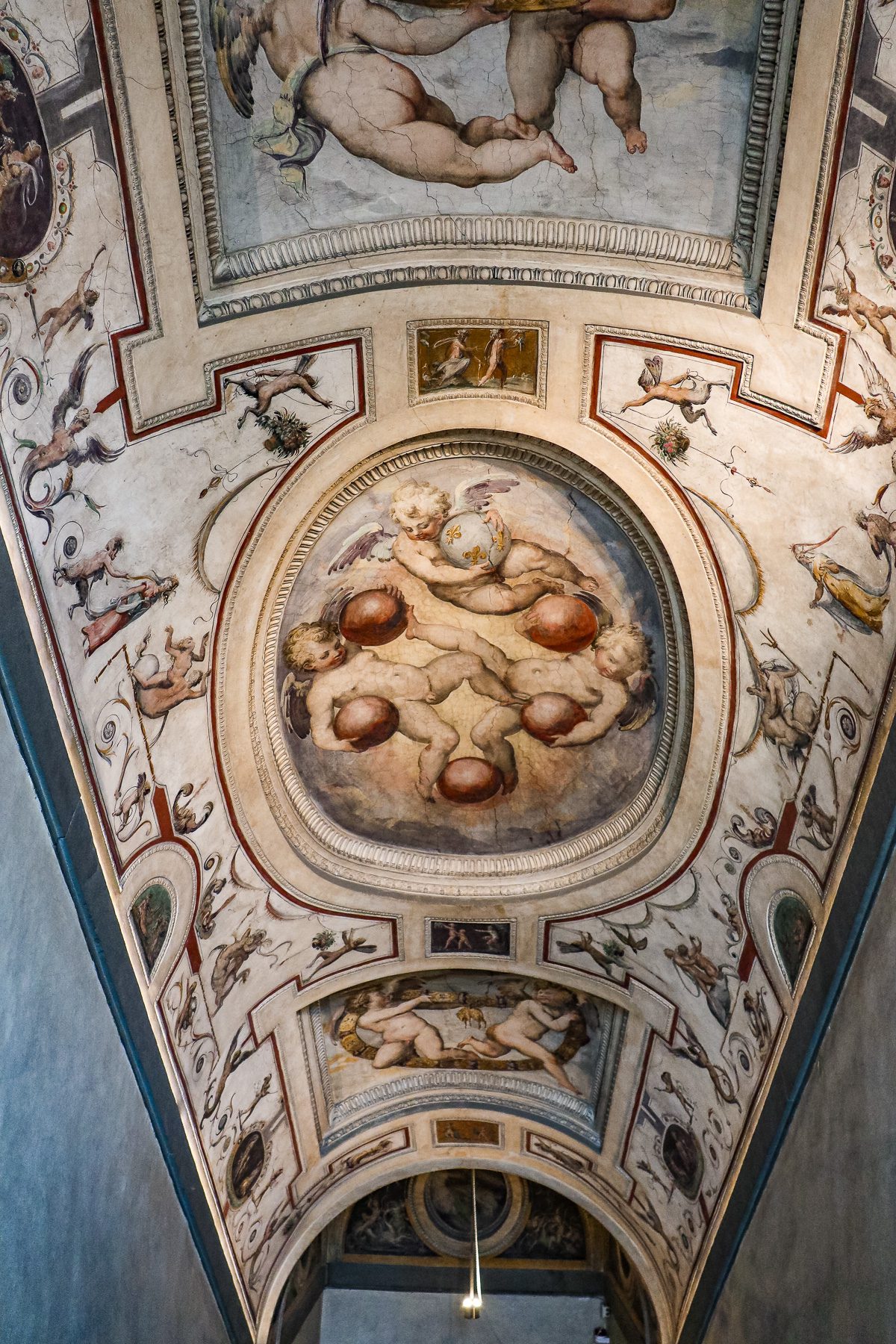
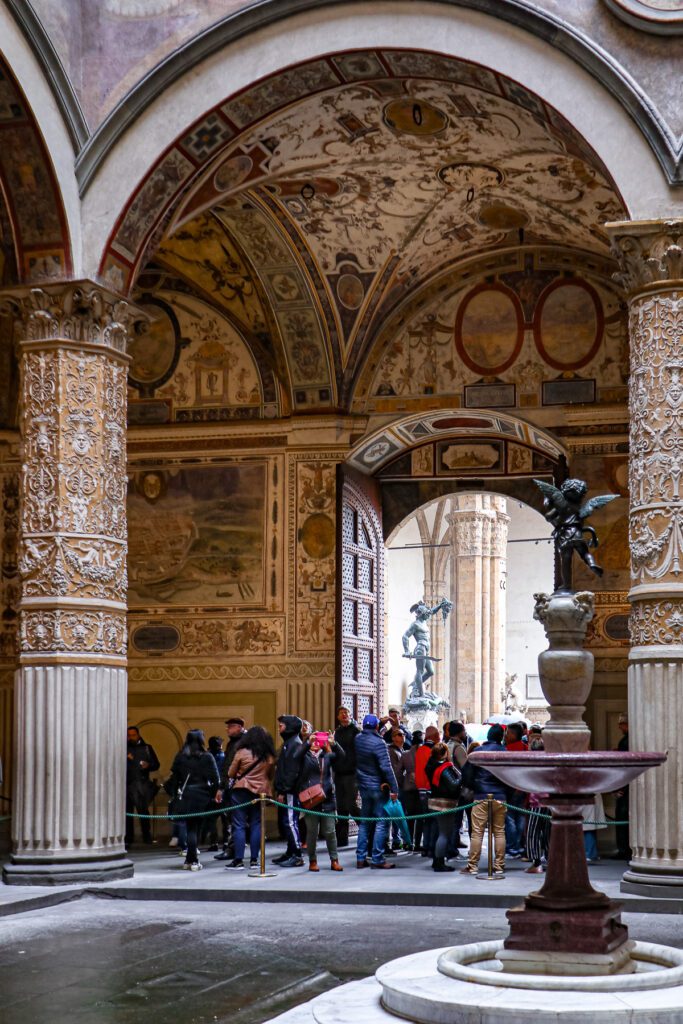
Come and explore the amazing Salone dei Cinquecento, initially dating to 1494 and later remodelled by Giorgio Vasari, multiple courtyards, rooms with frescoes, statues, carved ceilings, and other impressive decorations.
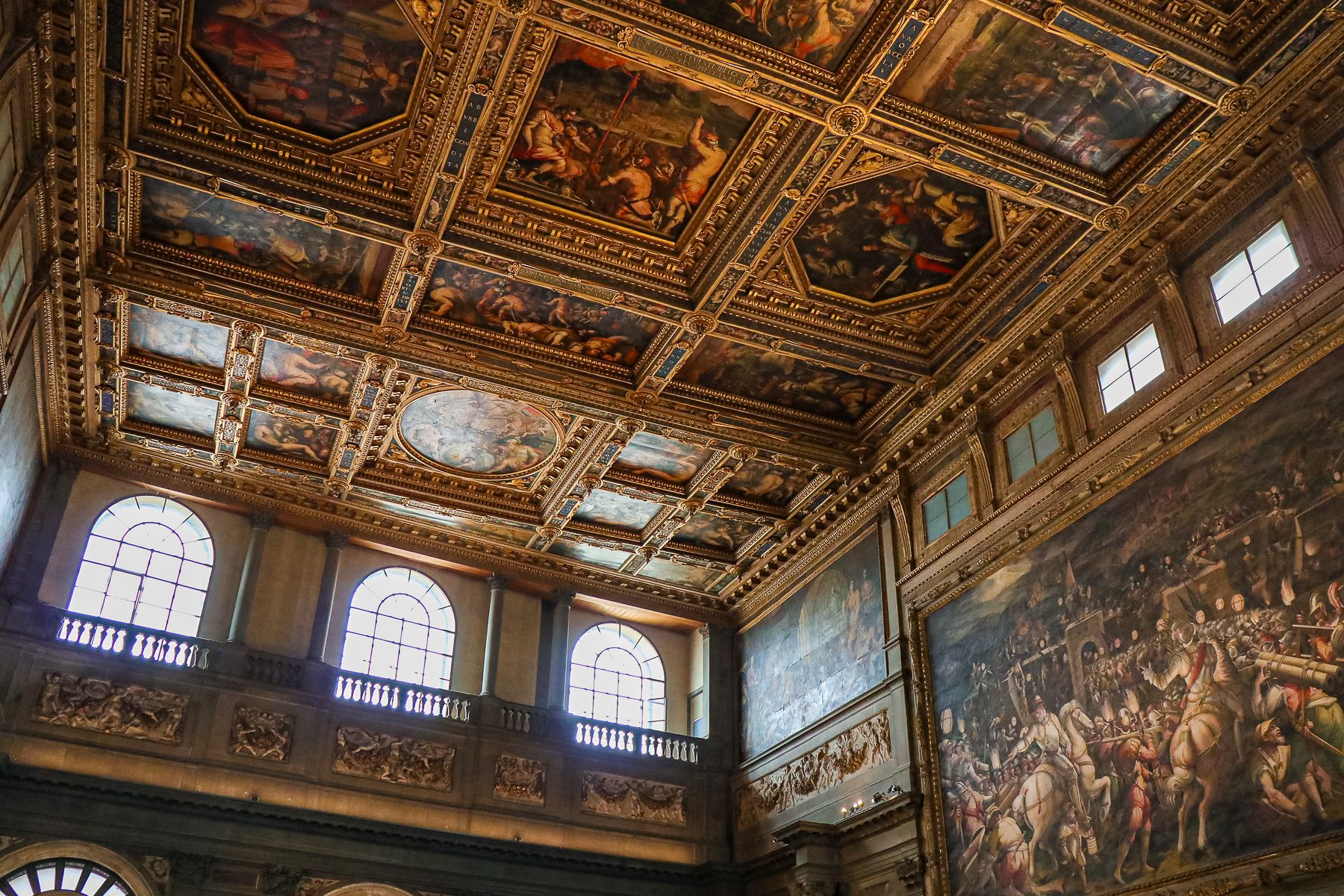
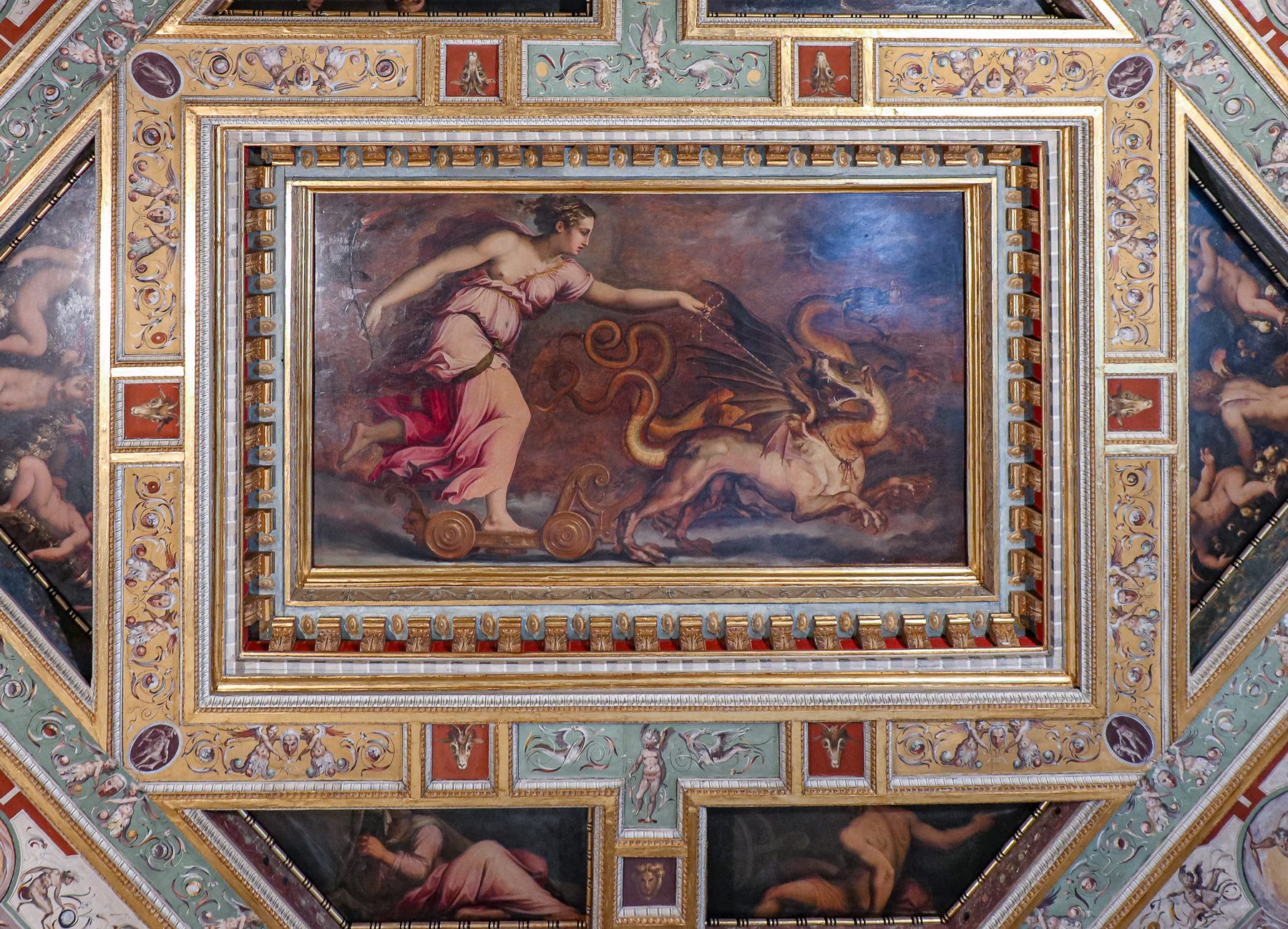

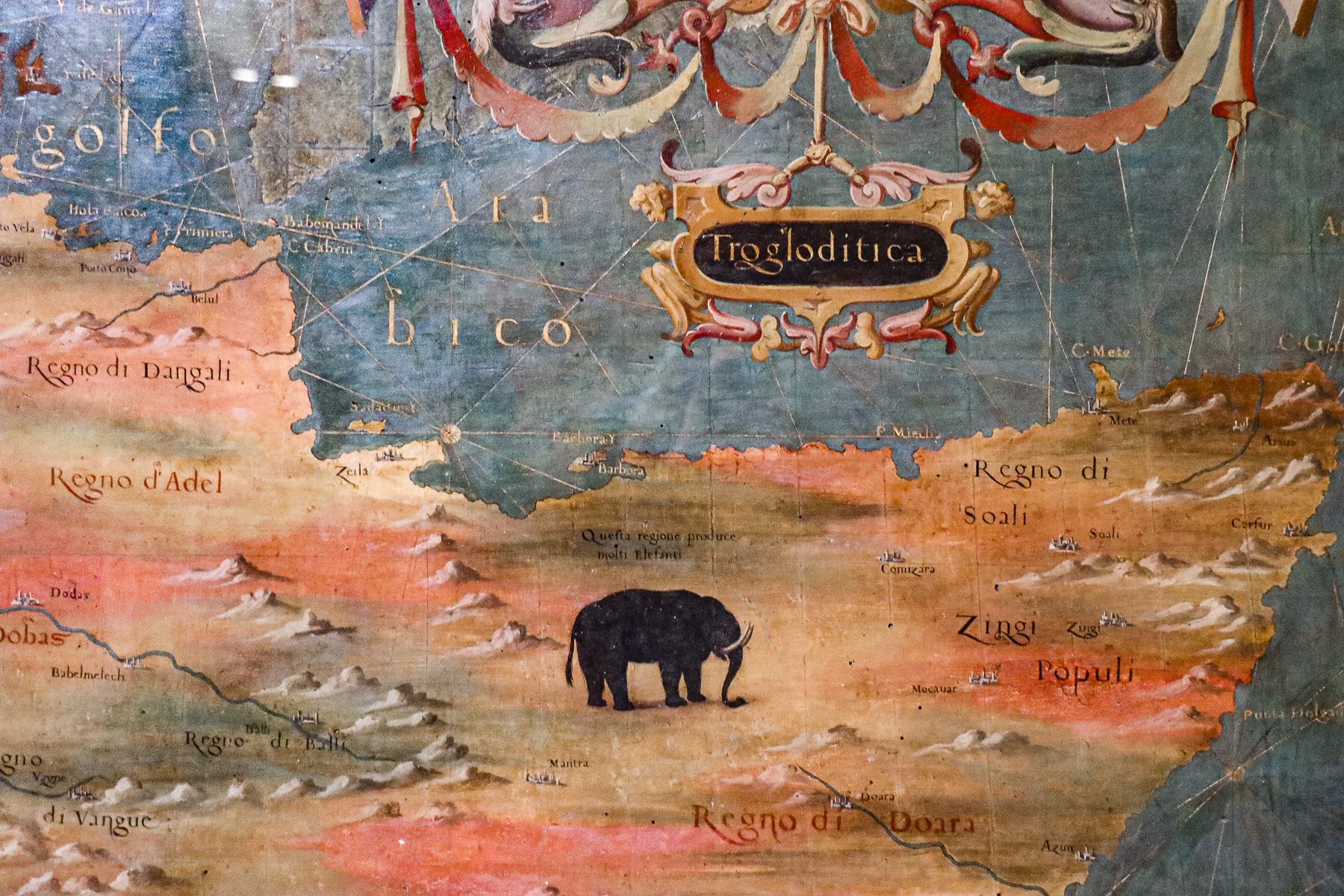

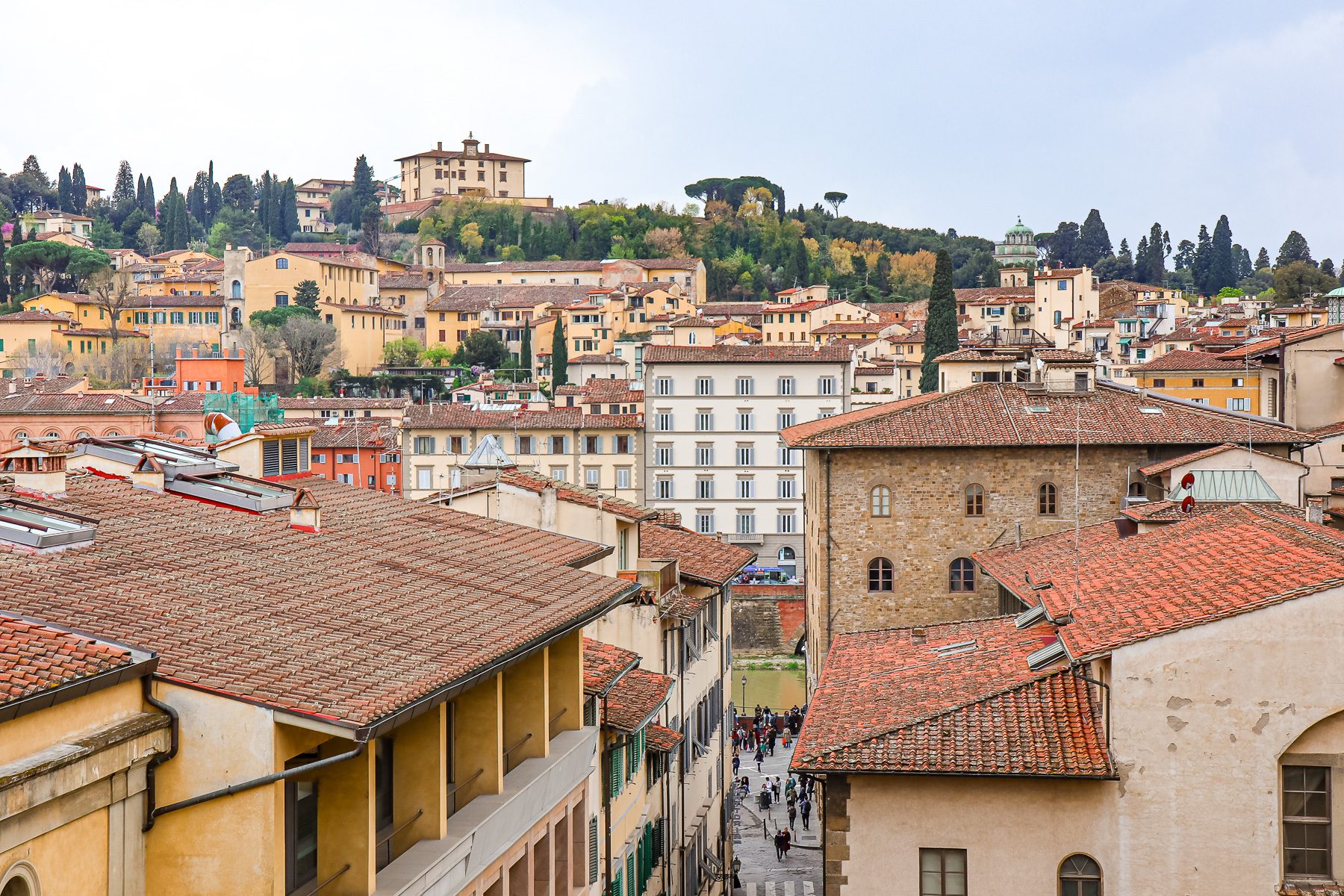
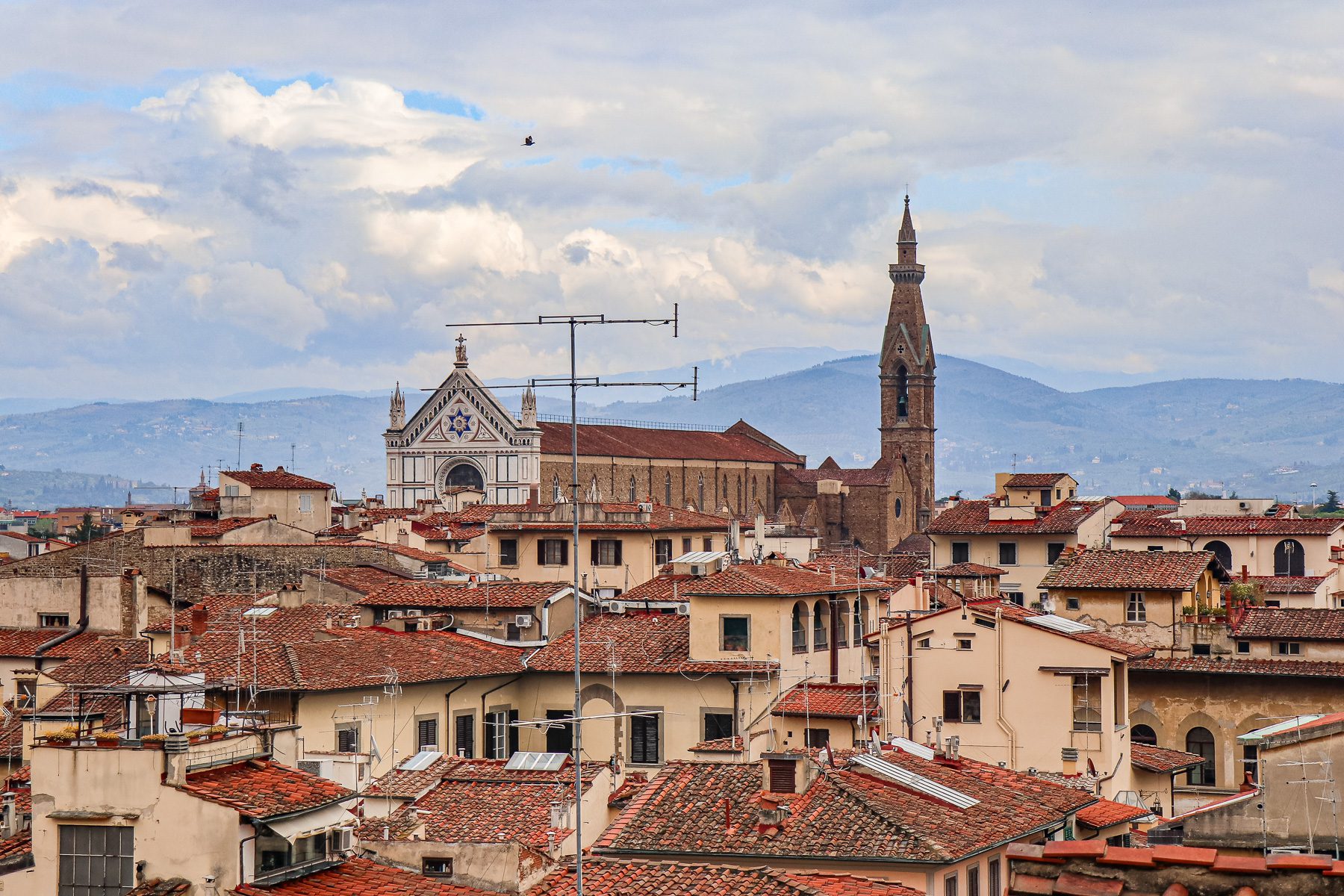
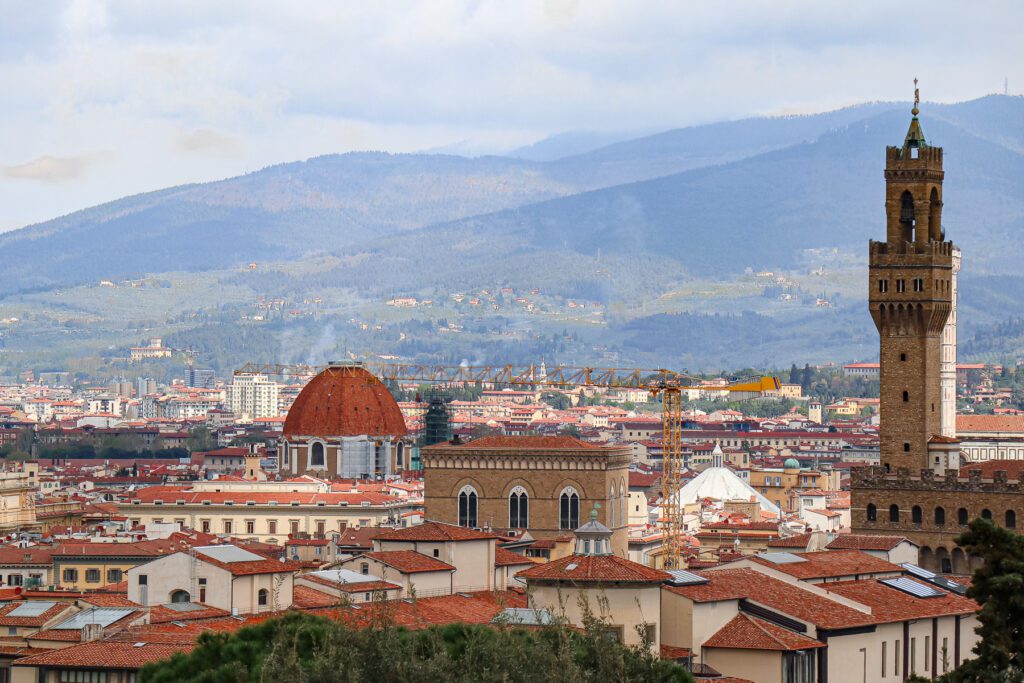
But apart from containing numerous masterpieces, it offers marvellous views over the city – which is not surprising at all considering its role as the main government building for centuries.

8. Piazza della Signoria
Piazza della Signoria is not simply one of the most photographed spots in Florence; this is the historical heart of the city, and it has played an important role in its political life.
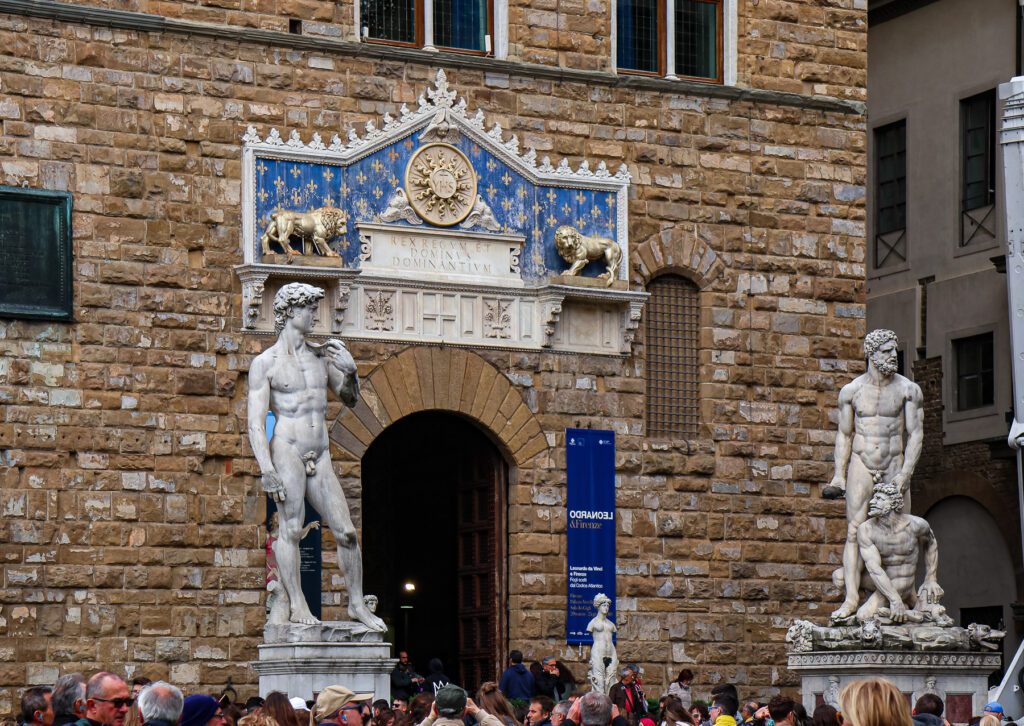

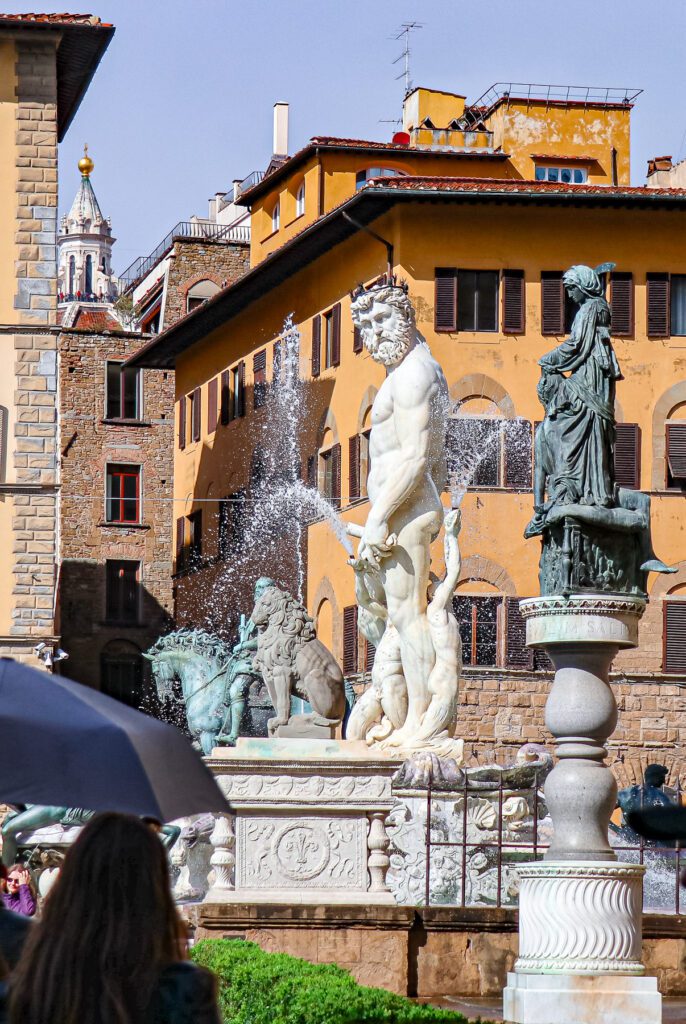
Piazza della Signoria has been named after the Palazzo della Signoria, or Palazzo Vecchio (see above), which is located there. Explore the Loggia dei Lanzi here and the statues there, such as a copy of Michelangelo’s David, a copy of Judith and Holofernes by Donatello, and a few 16th-century monuments: the Equestrian Monument of Cosimo I by Giambologna; Hercules and Cacus by Bandinelli; Perseus with the Head of Medusa by Cellini; and a few others.
9. Piazzale Michelangelo
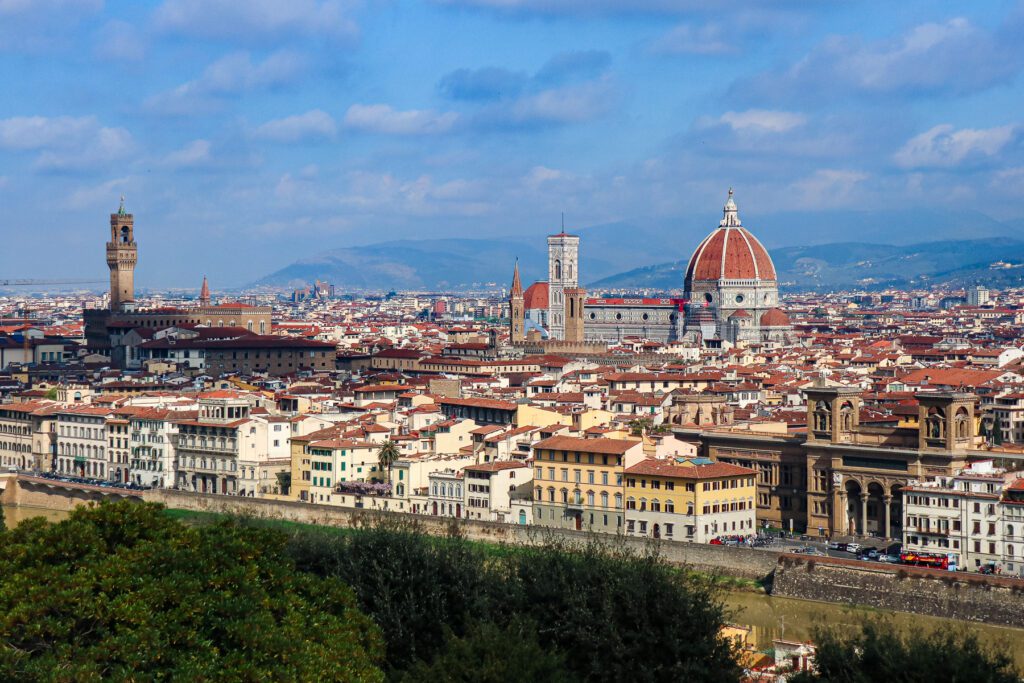
Piazzale Michelangelo sits in the Oltrarno district on the opposite side of the Arno River compared to the Duomo and Uffizi, so it will take some time for you to get there.
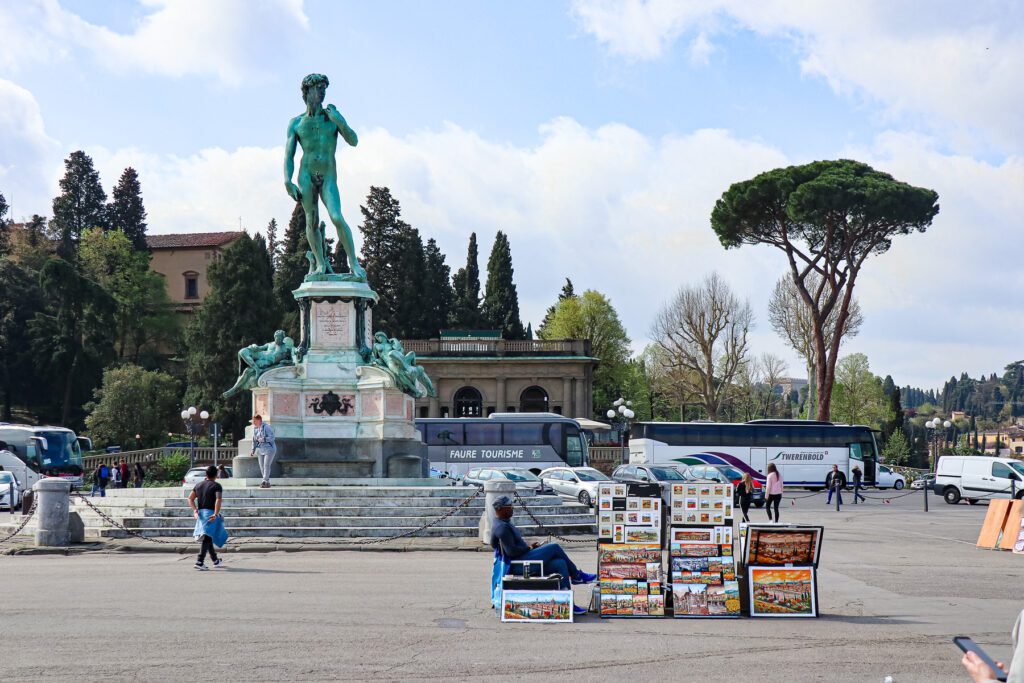
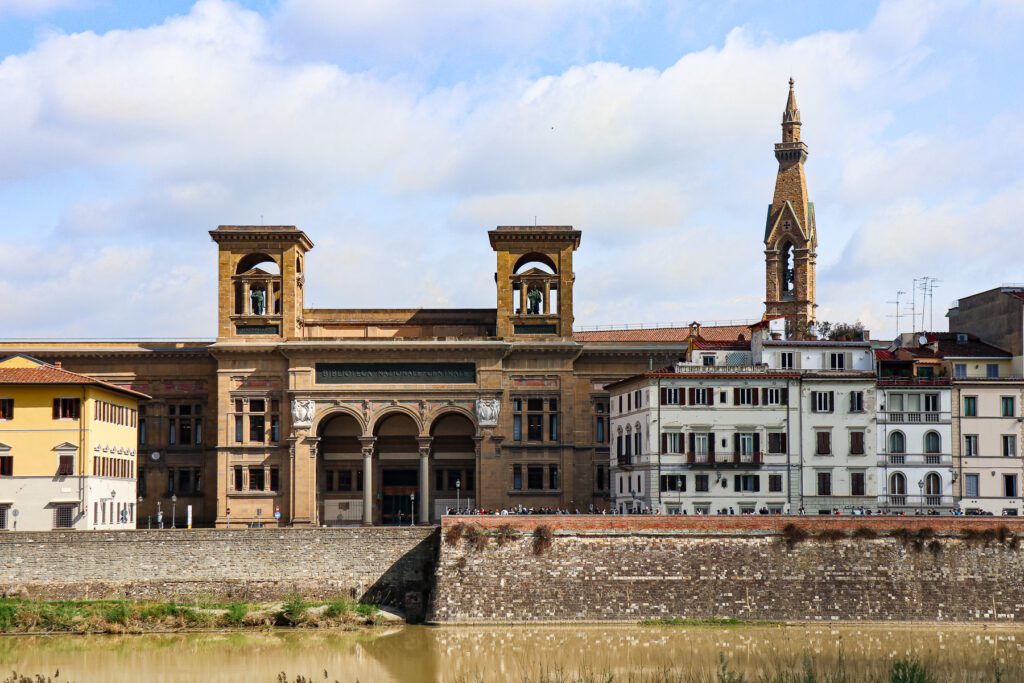
With the bronze David and sculptures from the Medici chapel, this square dates back to the 19th century, and it is one of the best locations to admire the skyline of Florence. The panorama includes all the main landmarks, from the Medici Chapel and Ponte Vecchio to the Duomo, Palazzo del Bargello, and Basilica di Santa Croce. It’s always open but usually gets very crowded.

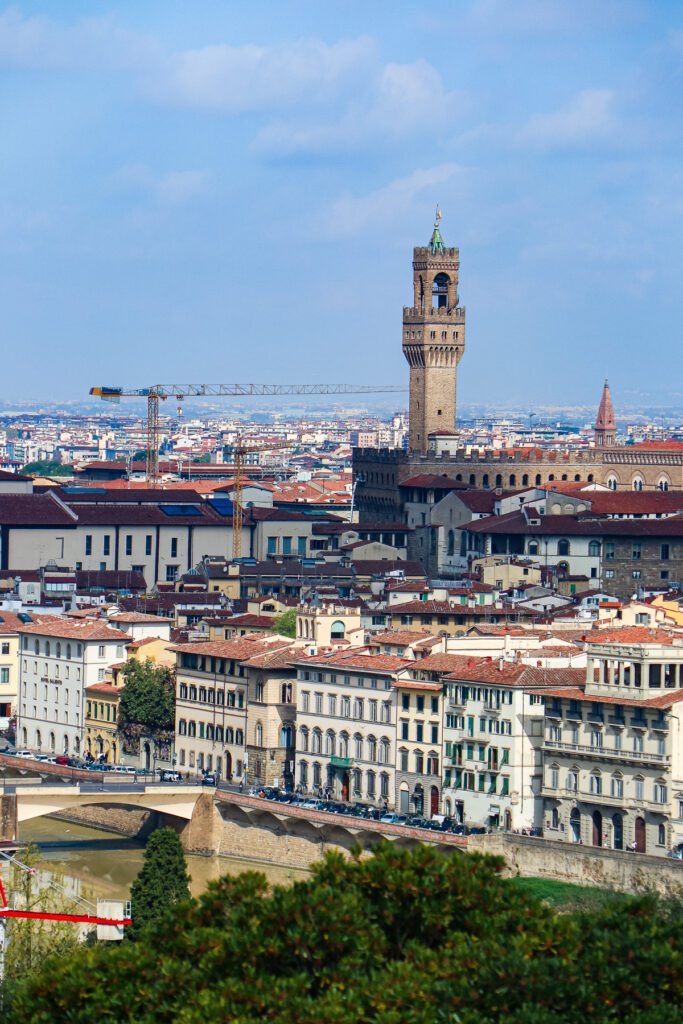
10. Badìa Fiorentina
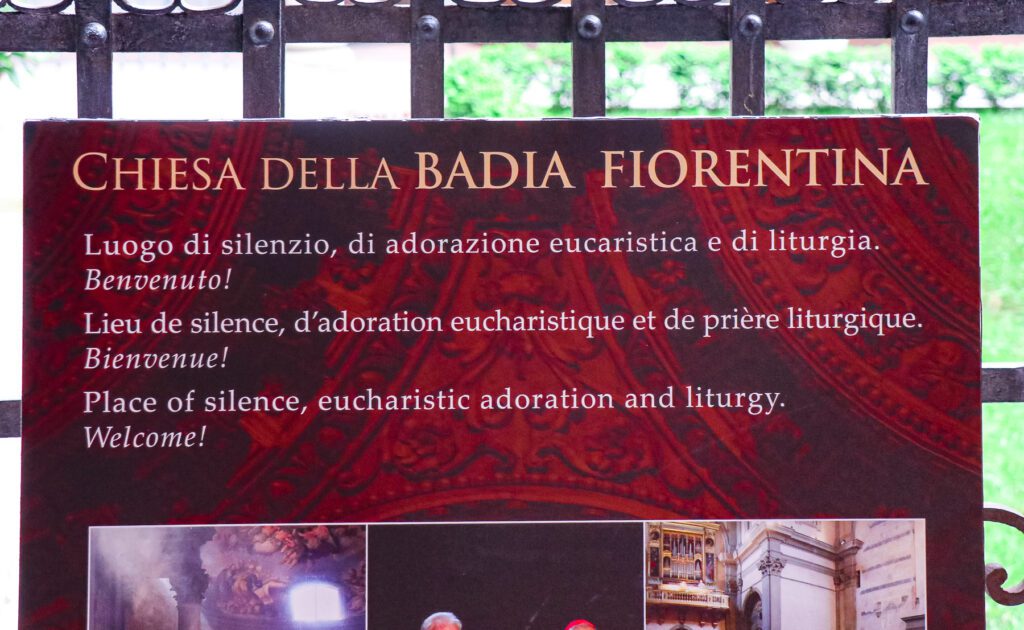
Badìa Fiorentina Fiorentina is sometimes overlooked by tourists, but it’s an amazing spot to visit – and its campanile is still an important part of Florence’s skyline! La Badia, or the abbey, is a Benedictine church and an abbey founded in 978, which makes it one of the oldest churches in Florence.

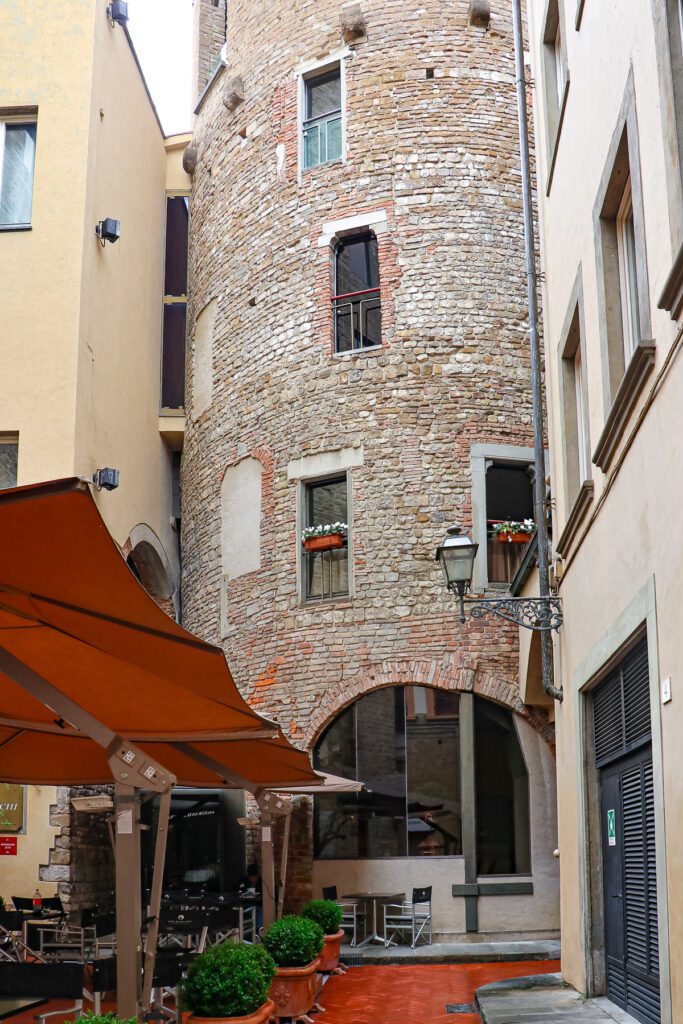
The original building was partly rebuilt in various styles throughout its history. Come inside to see the cloister, amazing works by Filippino Lippi, and the frescoes of Chiostro degli Aranci! According to legend, Dante saw Beatrice Portinari for the first time in this church!
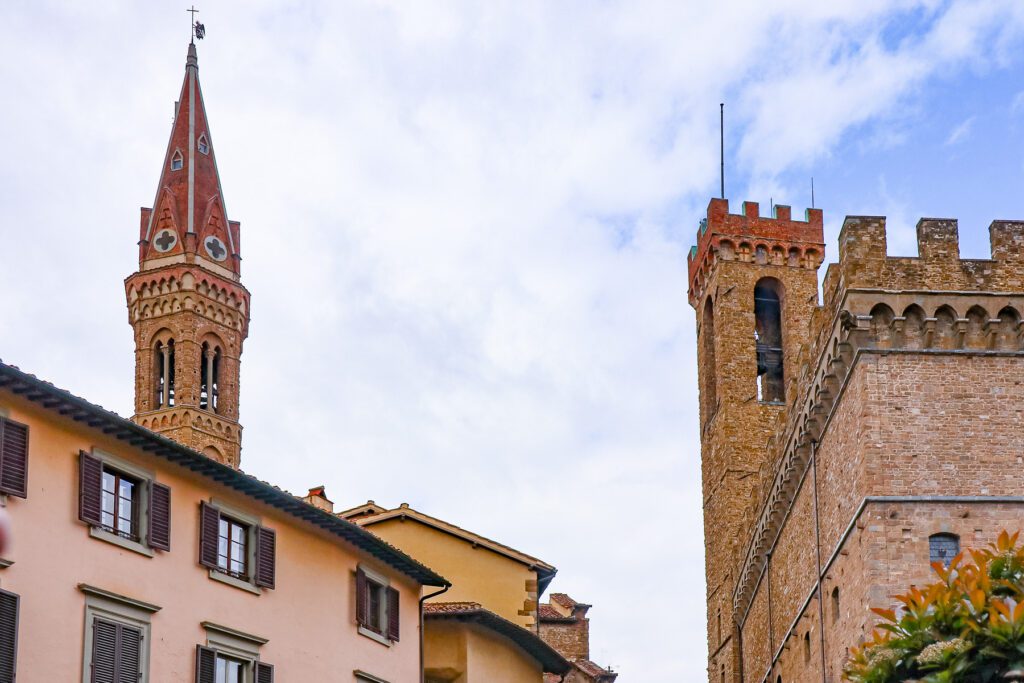
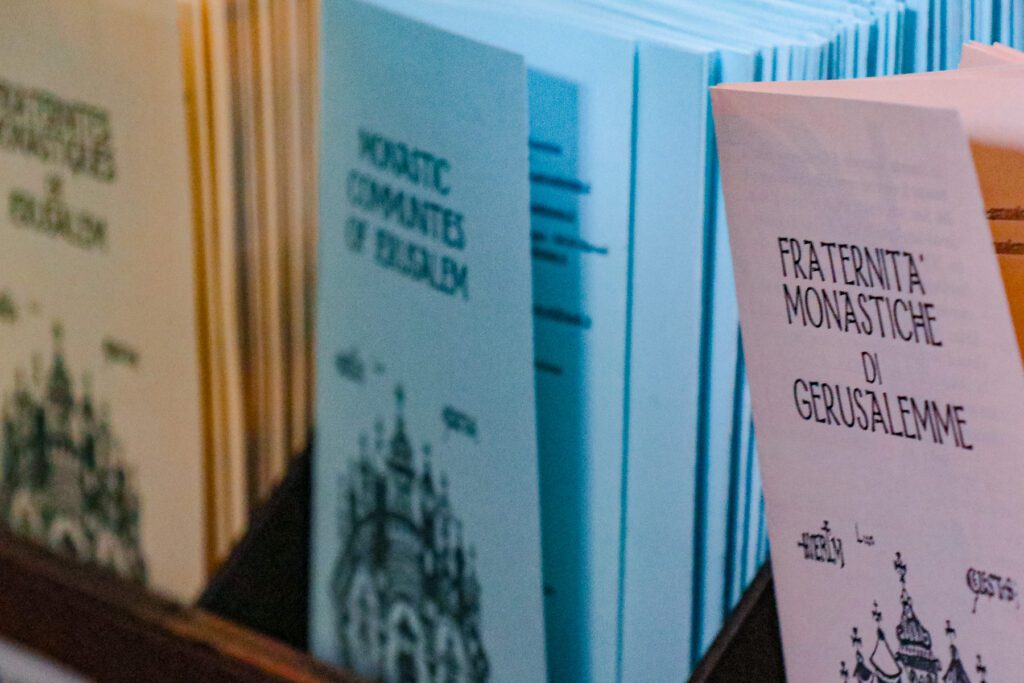
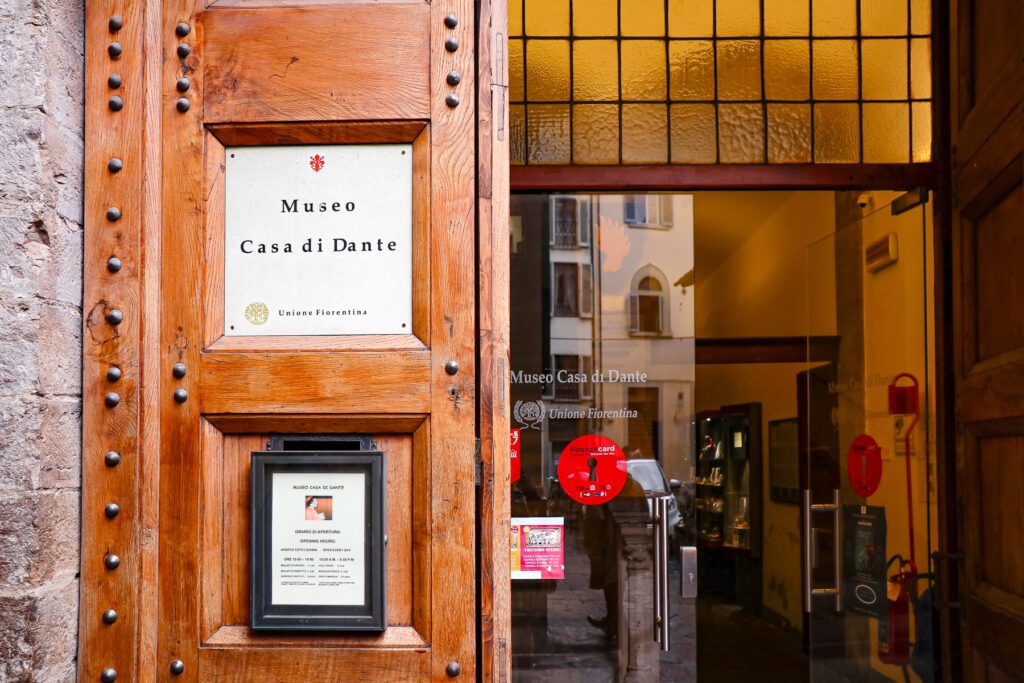
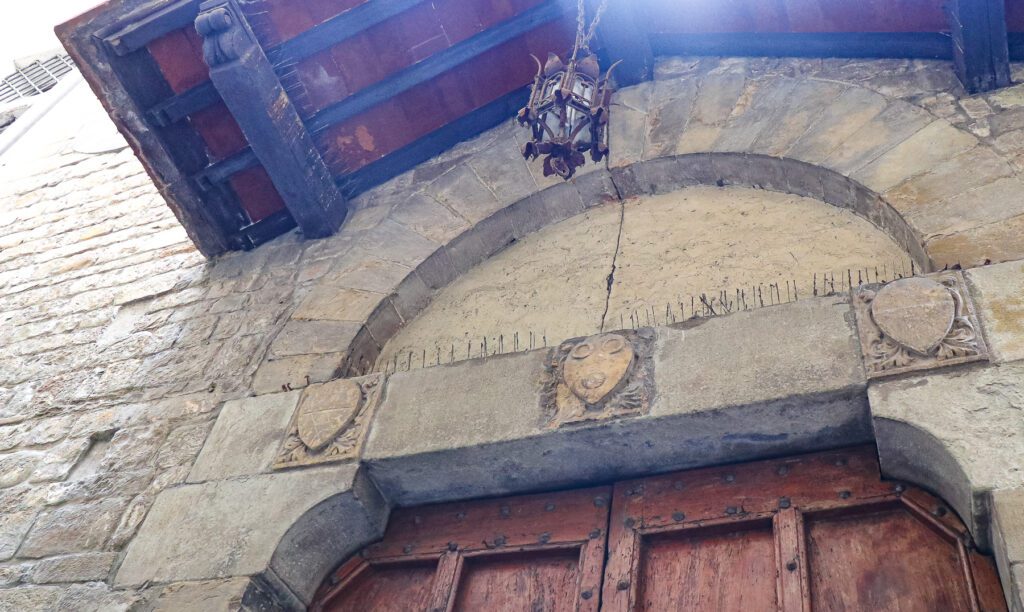
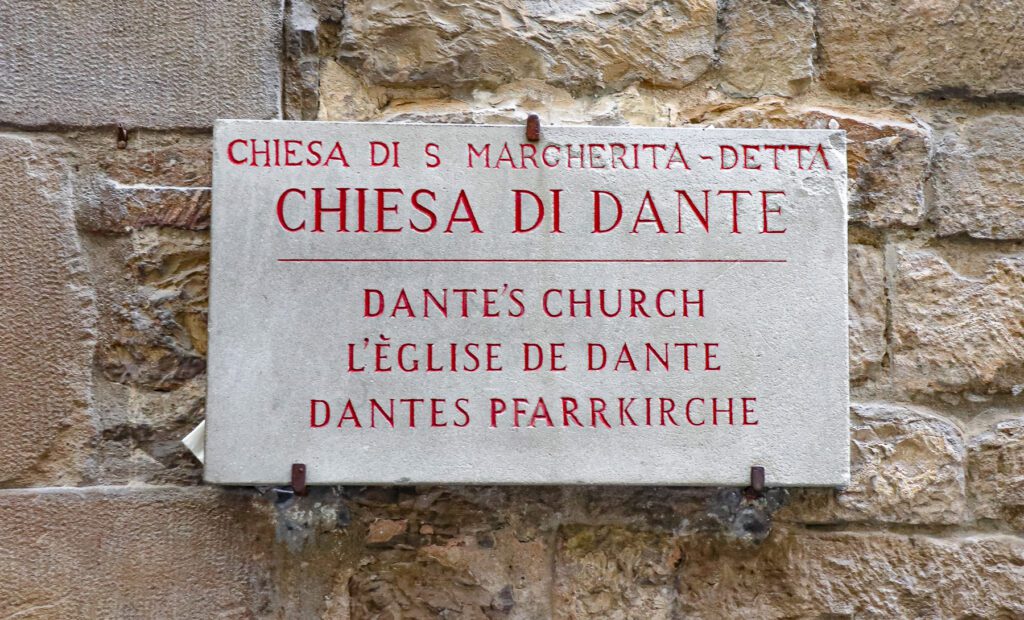
While you’re around the area, don’t miss the house where as some same – probably not – Dante Alighieri was brought up! Now this place has been turned into a museum. If you’re into exploring more of Dante’s heritage, come to Chiesa di Dante, or Chiesa di Santa Margherita de’ Cerchi, where – probably – Beatrice Portinari was buried.

11. Giardino Bardini
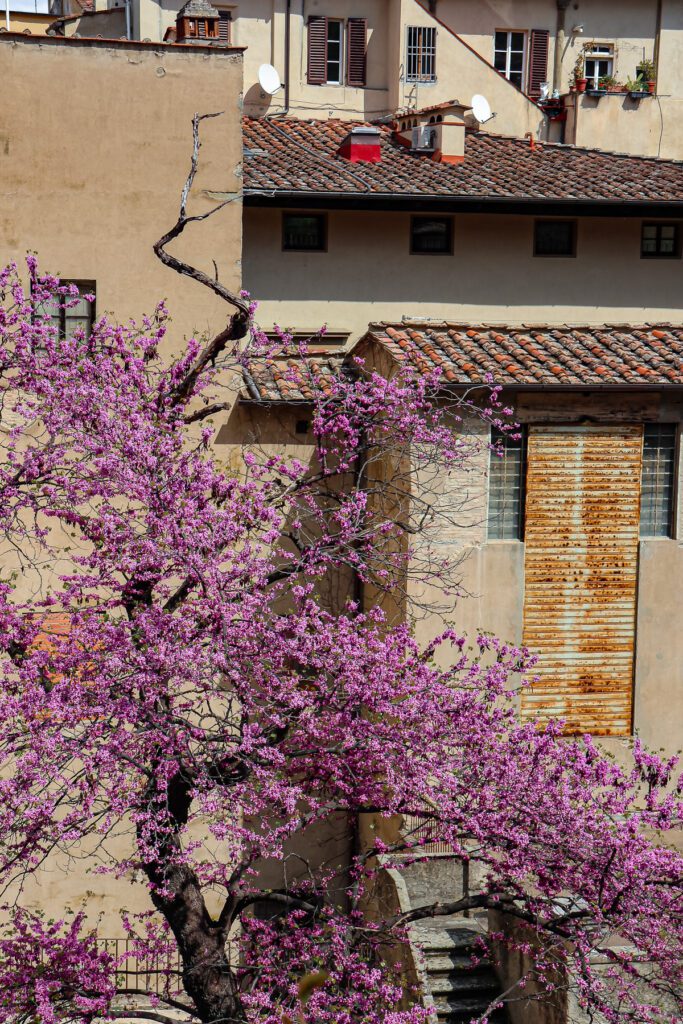
Looking for the prettiest blooming spots in Florence? Look no more!

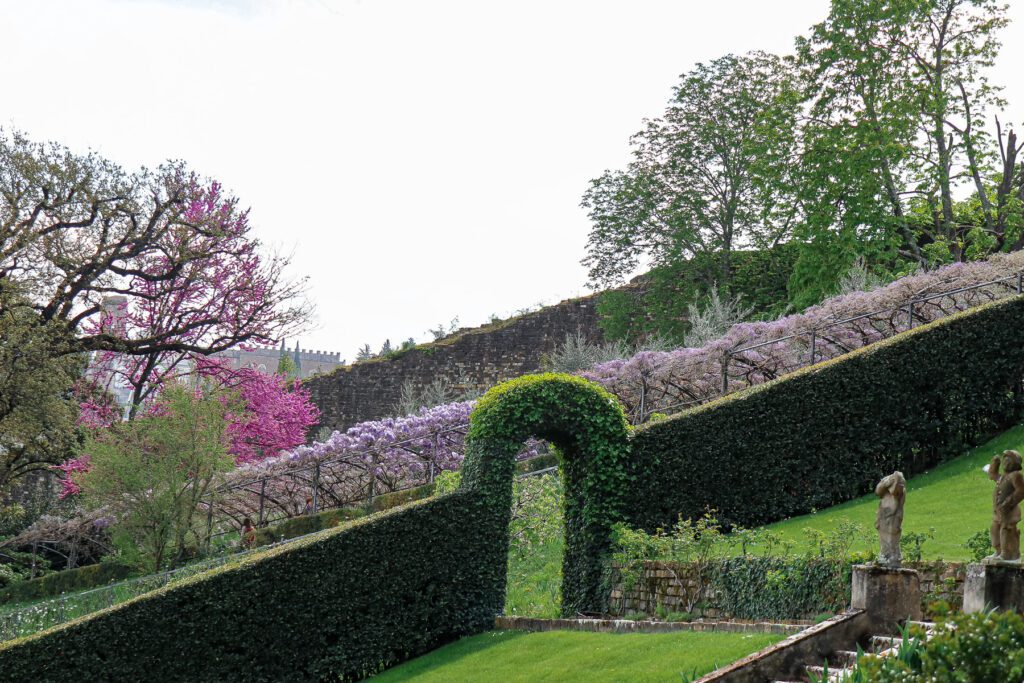
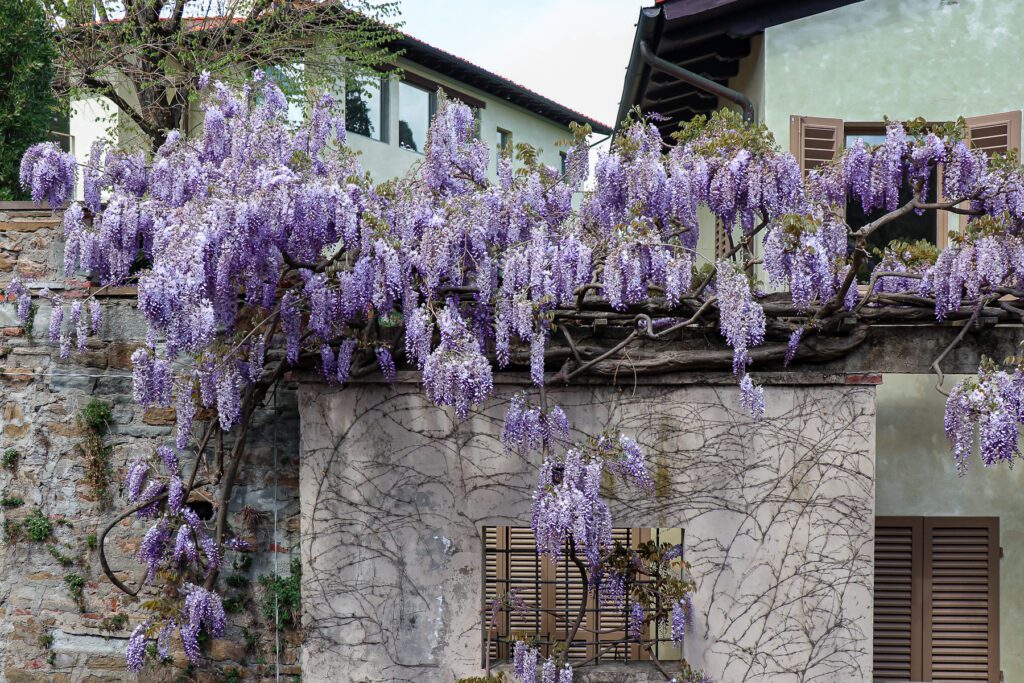
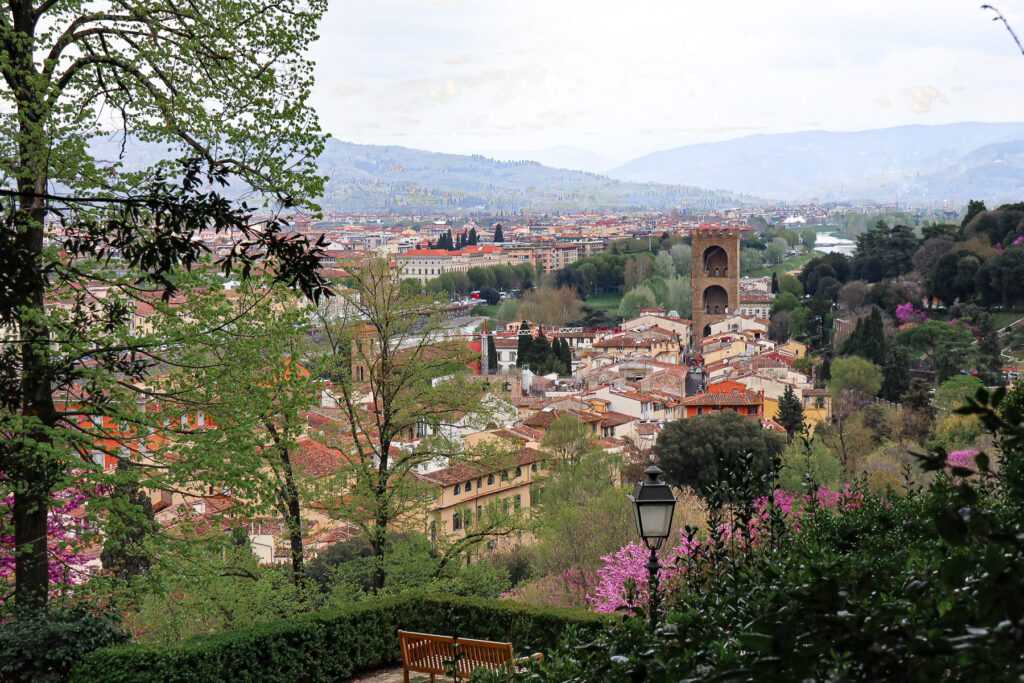

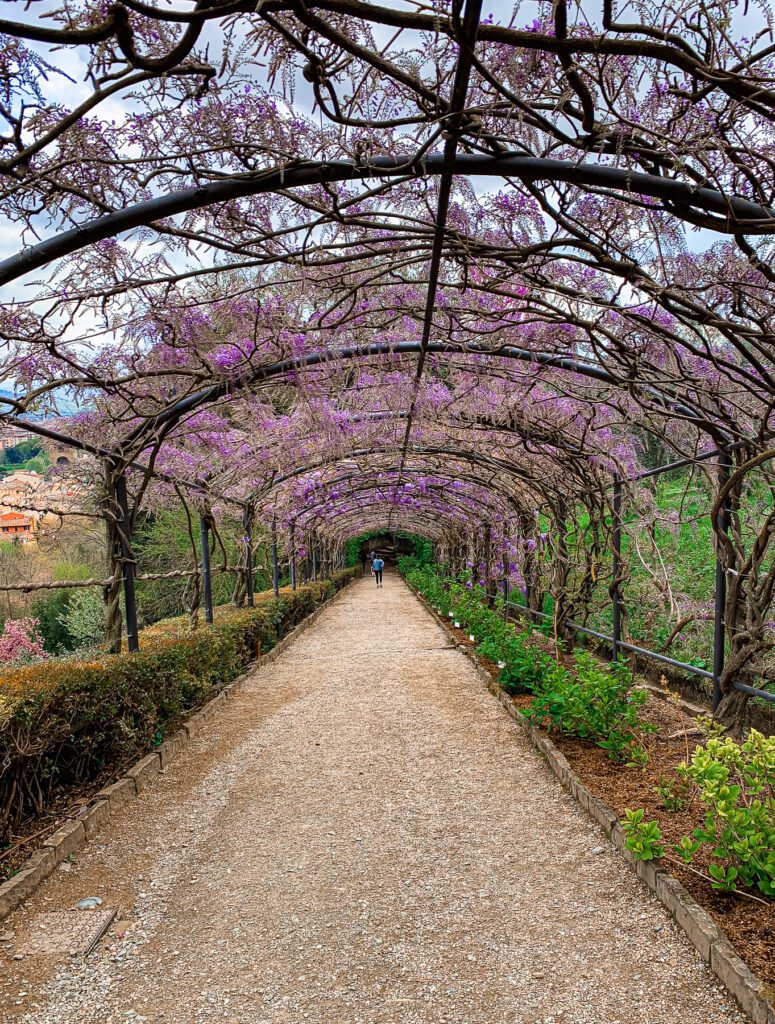
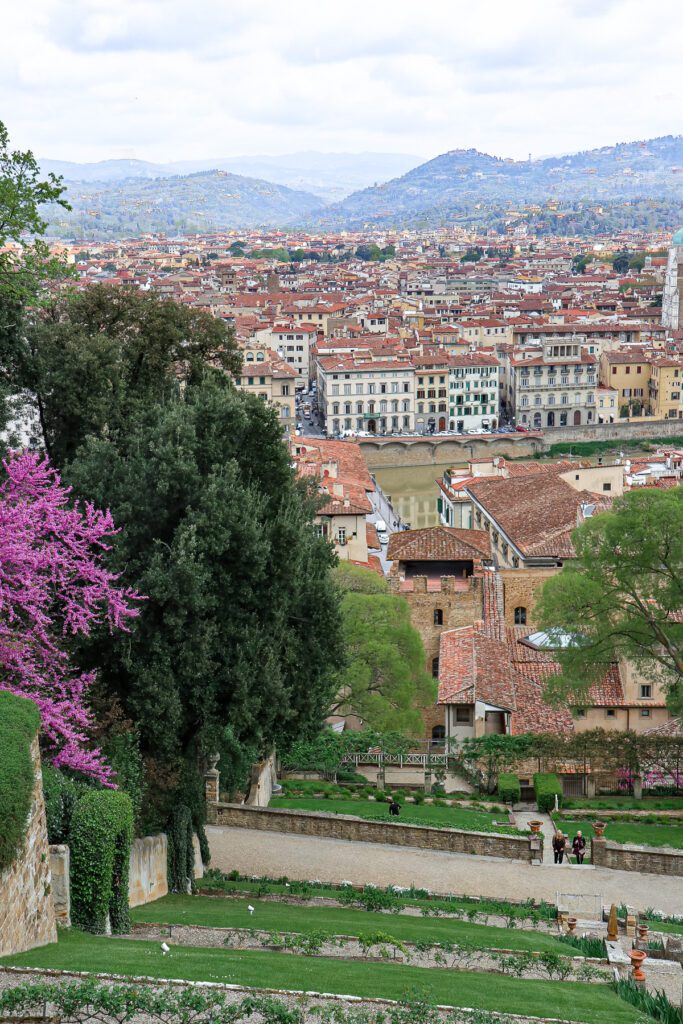
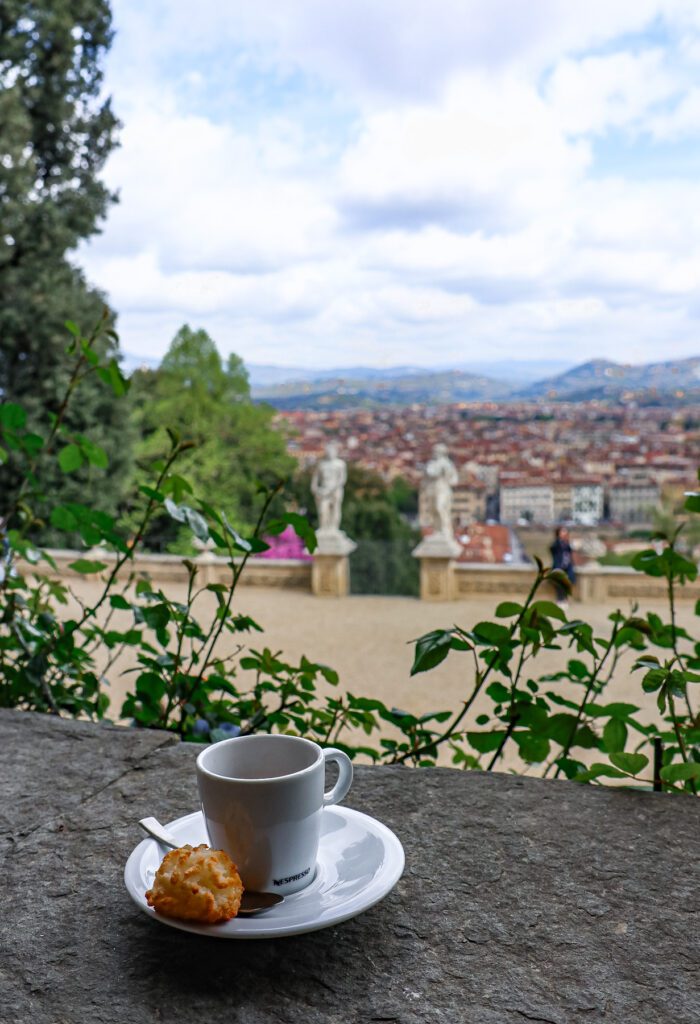
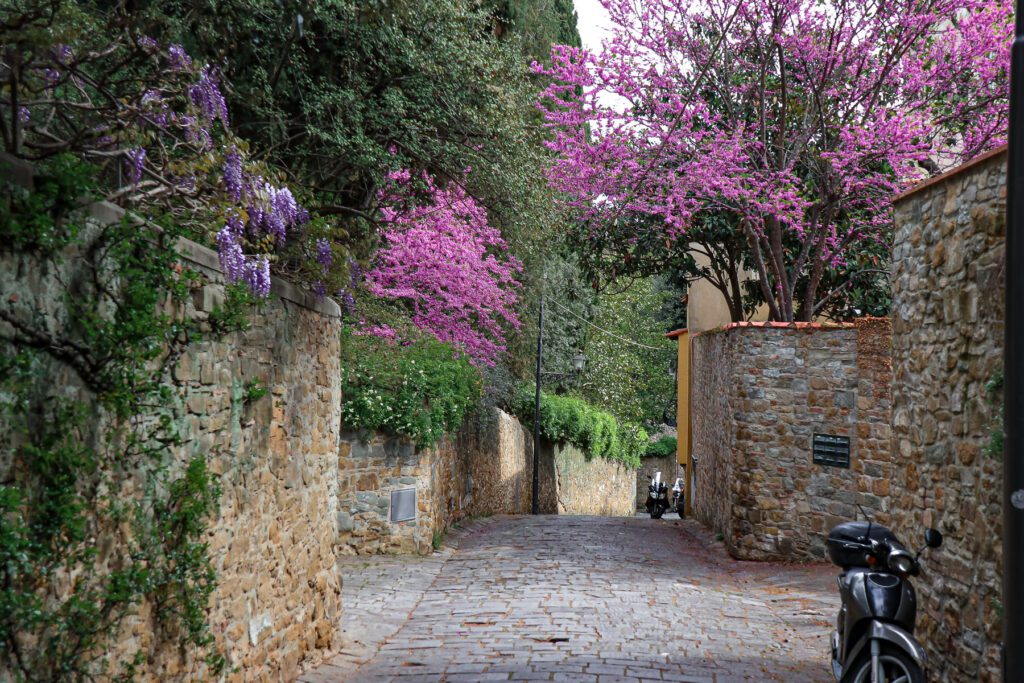
The recently renovated historical Giardino and Villa Bardini are especially famous for their wisteria tunnels and the main staircase. During my visit, there was a nice cafe there as well – imagine having a proper macchiato or espresso with this aesthetic around you!
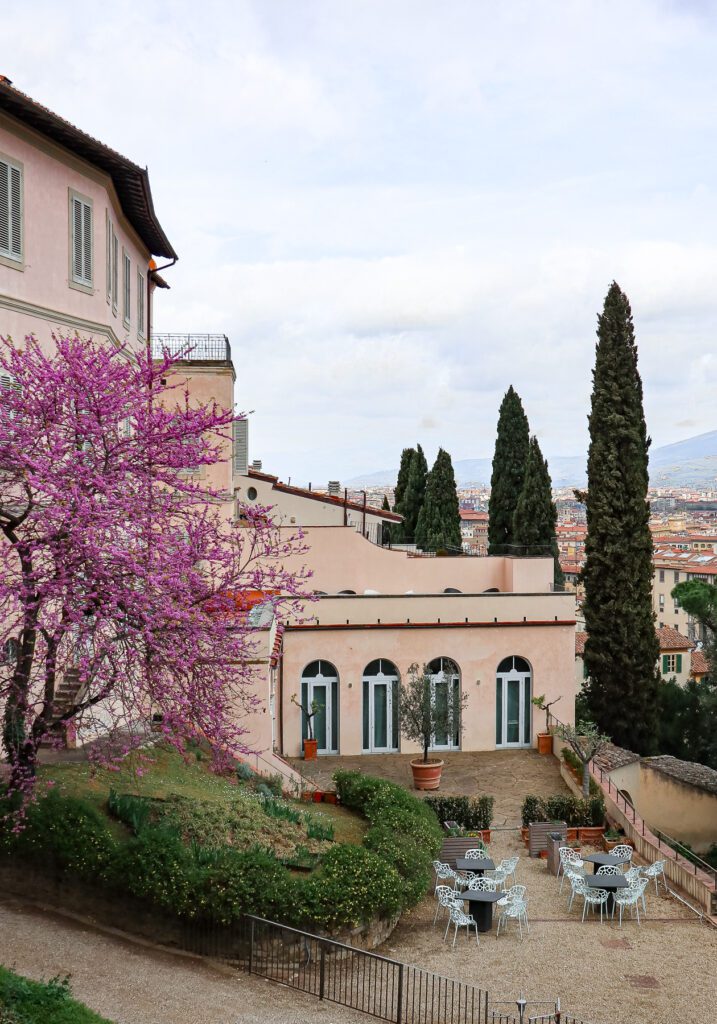
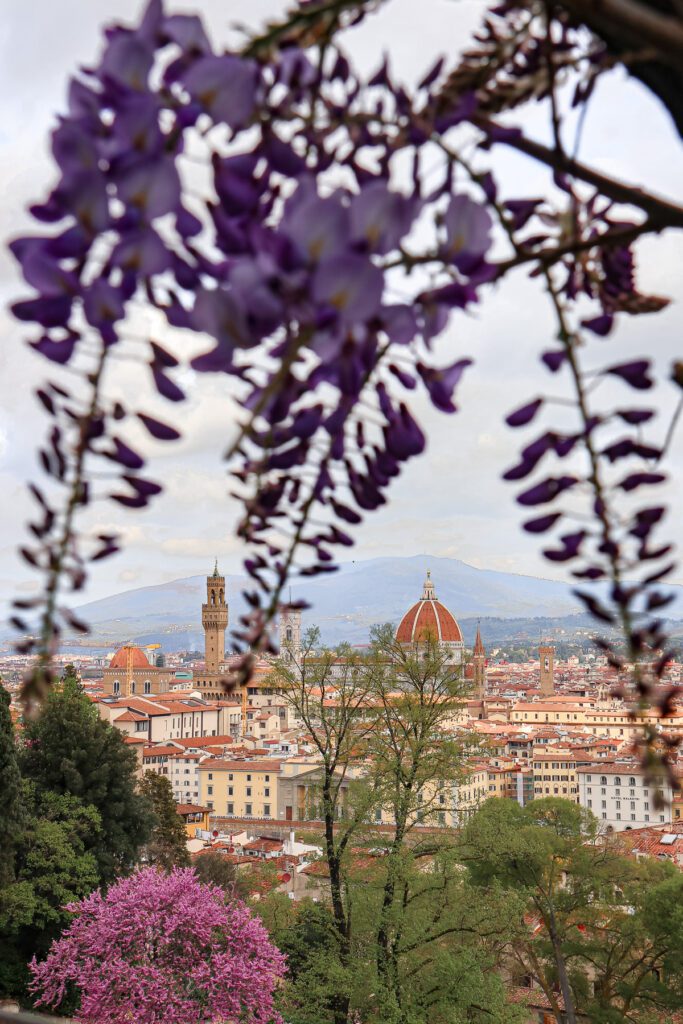

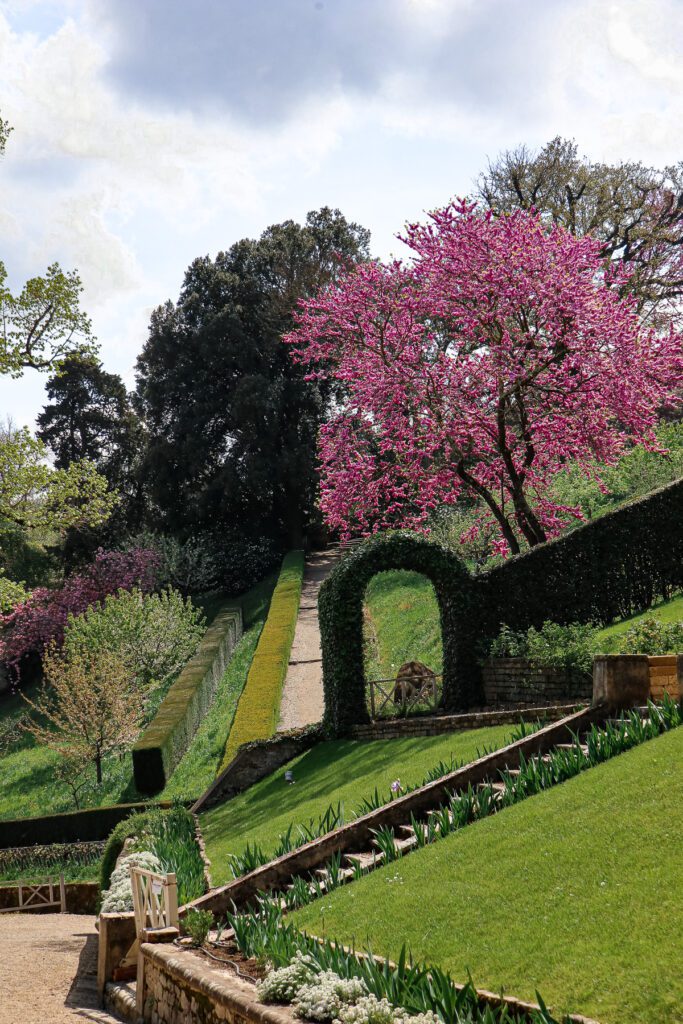
Besides that, the views from there are really amazing – the garden lies along the Arno River and the scenery is breathtaking!
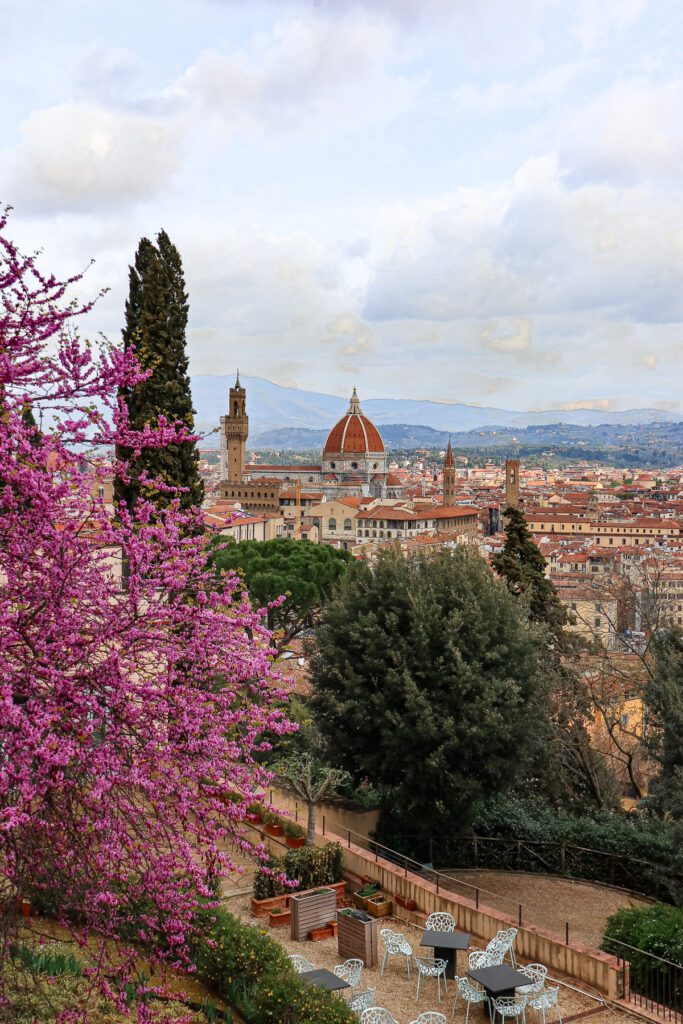

12. Palazzo Pitti and Giardino di Boboli
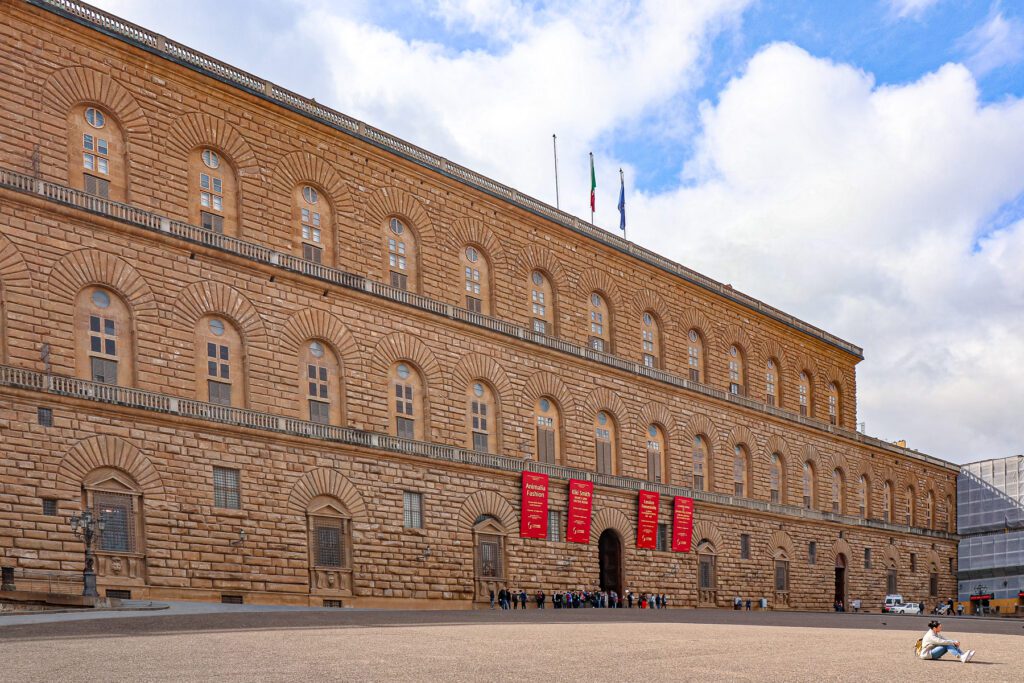
I must sincerely tell you: Palazzo Pitti is still on my list because I didn’t check in advance that it’s closed on Mondays. However, do not repeat my mistake and come on any other day of the week to admire the main residence of the Medici family and home to the Palatine Gallery.
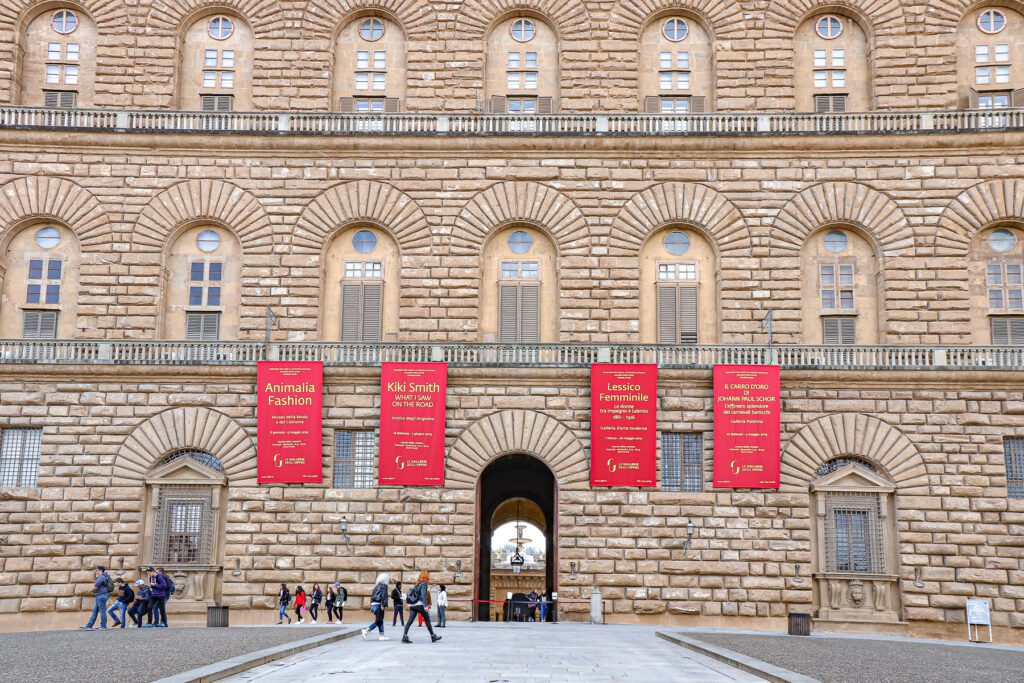
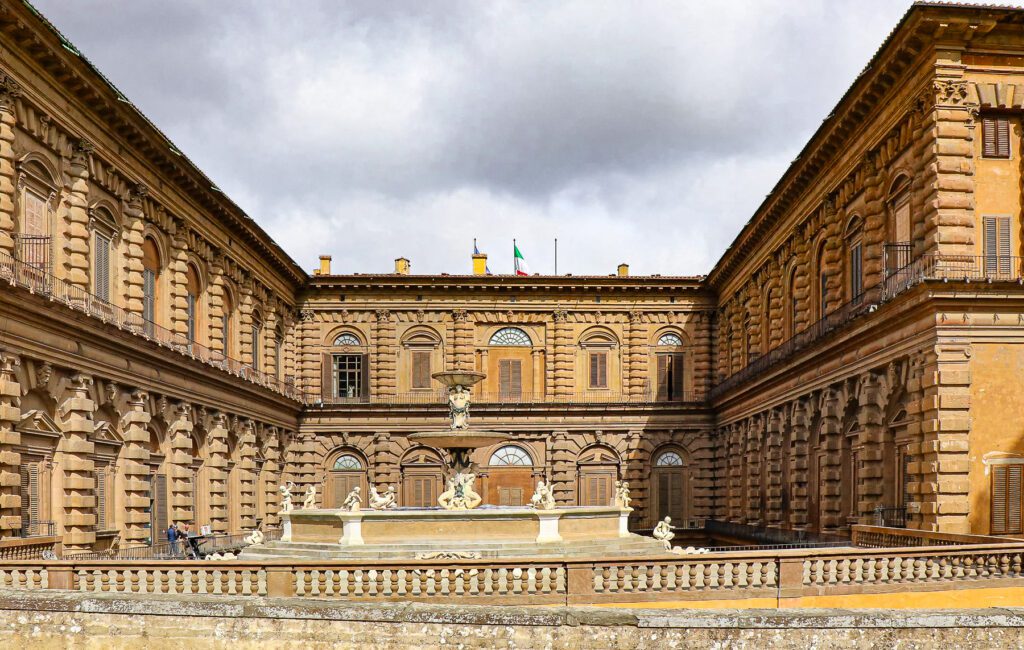

Originally, the building dates to the mid-15th century (1458) and was erected by Luca Pitti, an influential banker who initially worked together with Cosimo Medici but after his death conspired against his son Pietro. Eventually, the Pitti family lost its influence and wealth and sold the Palazzo to the Medici family in the mid-16th century.
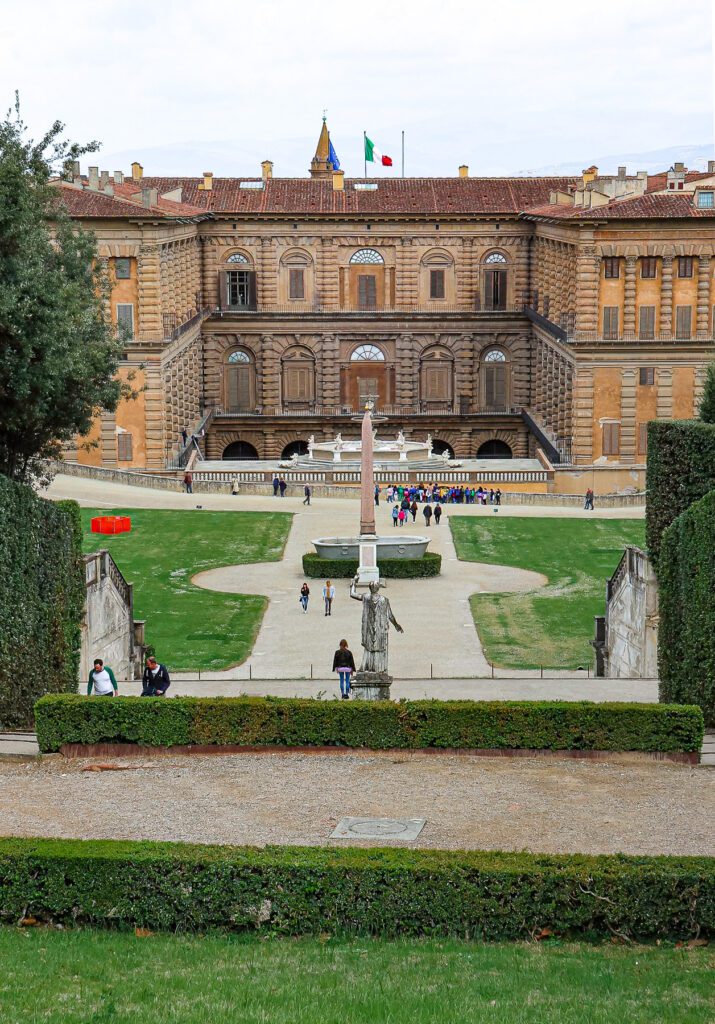
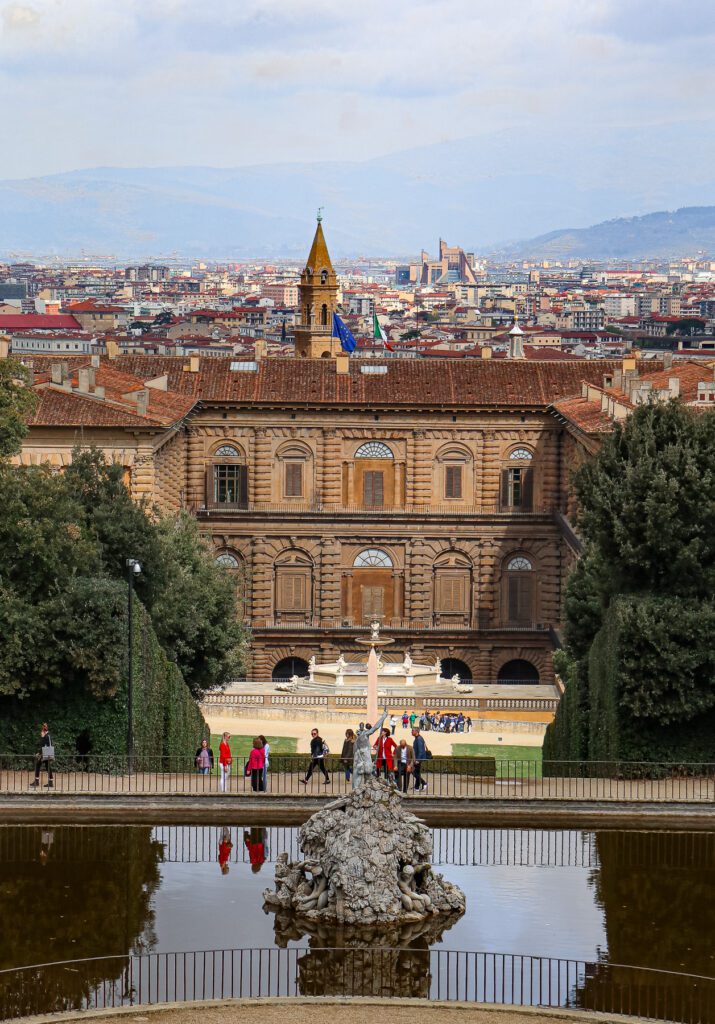

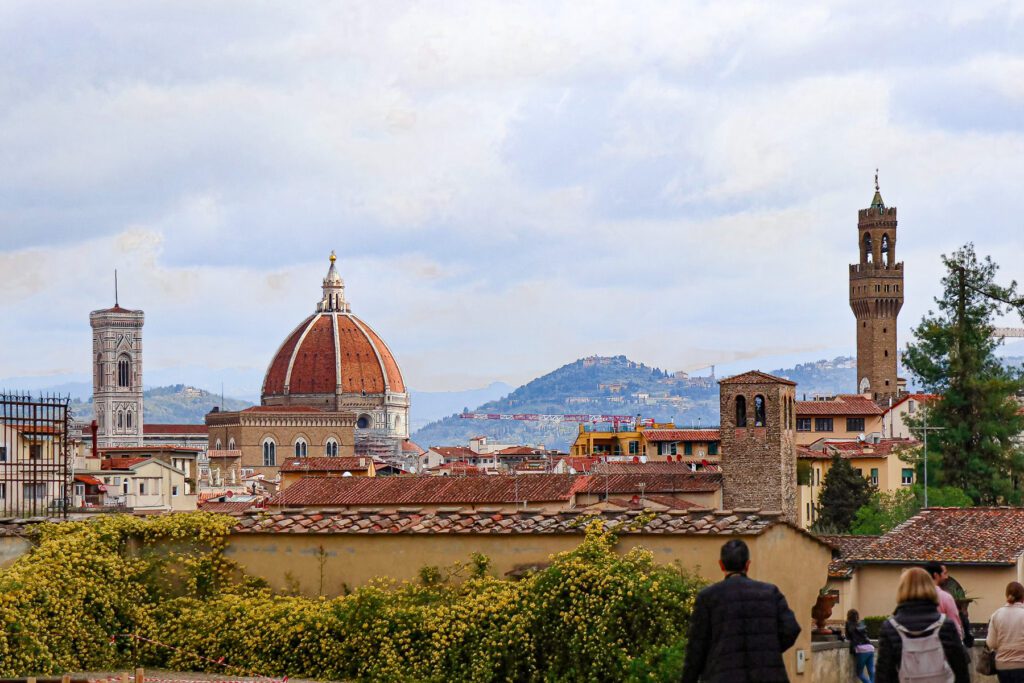
Besides that, have a stroll in the Giardino di Boboli adjacent to the Palazzo Pitti – originally in the 16th century, it was created for the Medici, but later, in 1766, it became a public park. It’s famous for its ‘surprise’ elements that were in fashion back in time, such as grottos like Grotta del Mosè, or artificially made amphitheatres.
13. Basilica di Santa Trinita
Santa Trinita Church is the last church on my list; however, there are many other churches that are worth your time in Florence. This Roman Catholic church was founded in the late 11th century and was remodelled a few times, as is usual.
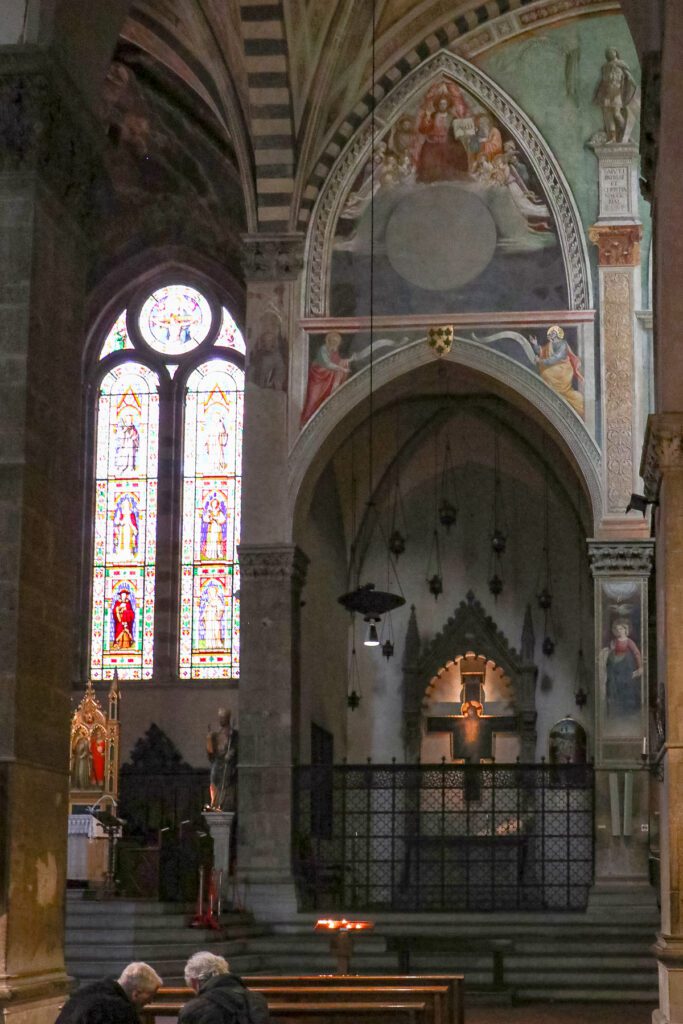
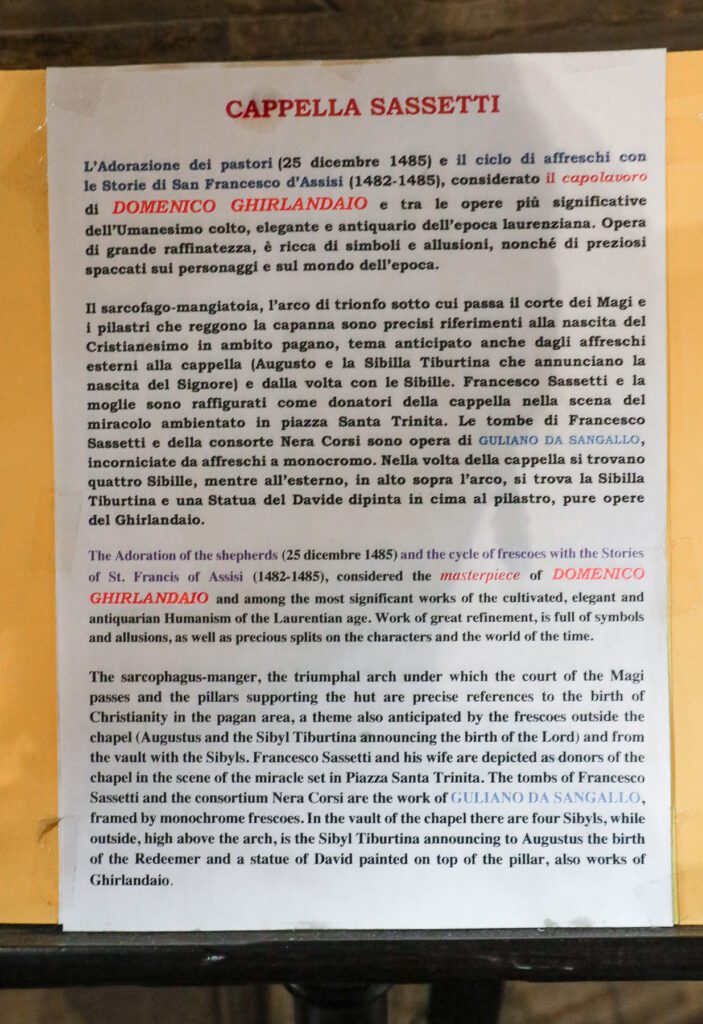
Although it’s a bit modest from the outside (the façade is designed by Bernardo Buontalenti) compared to Santa Maria dei Fiori and Santo Croce, come inside to admire all the beautiful pieces of art there! The carvings, the altarpiece, and especially the Sassetti Chapel, famous for frescoes realised by Domenico Ghirlandaio, and Bartolini Salimbeni chapel with Annunciation by Lorenzo Monaco, both dating to in the 15th century, are amazing.
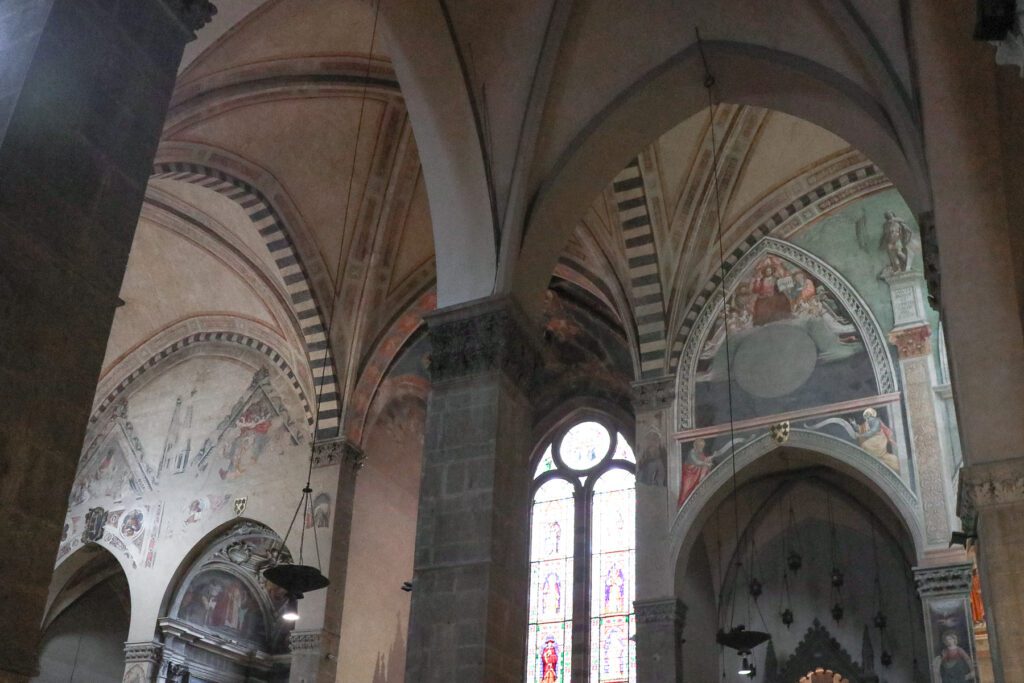
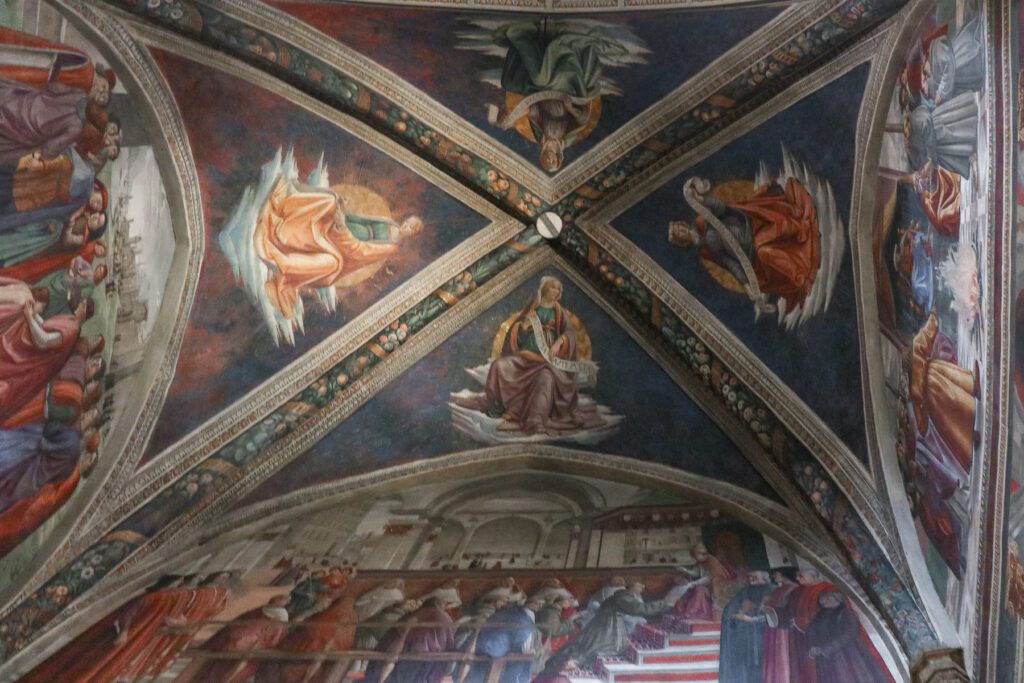
The Sassetti chapel itself was commissioned by the Sassetti family; Francesco Sassetti worked for the Medici bank. Other chapels are also lavishly decorated.
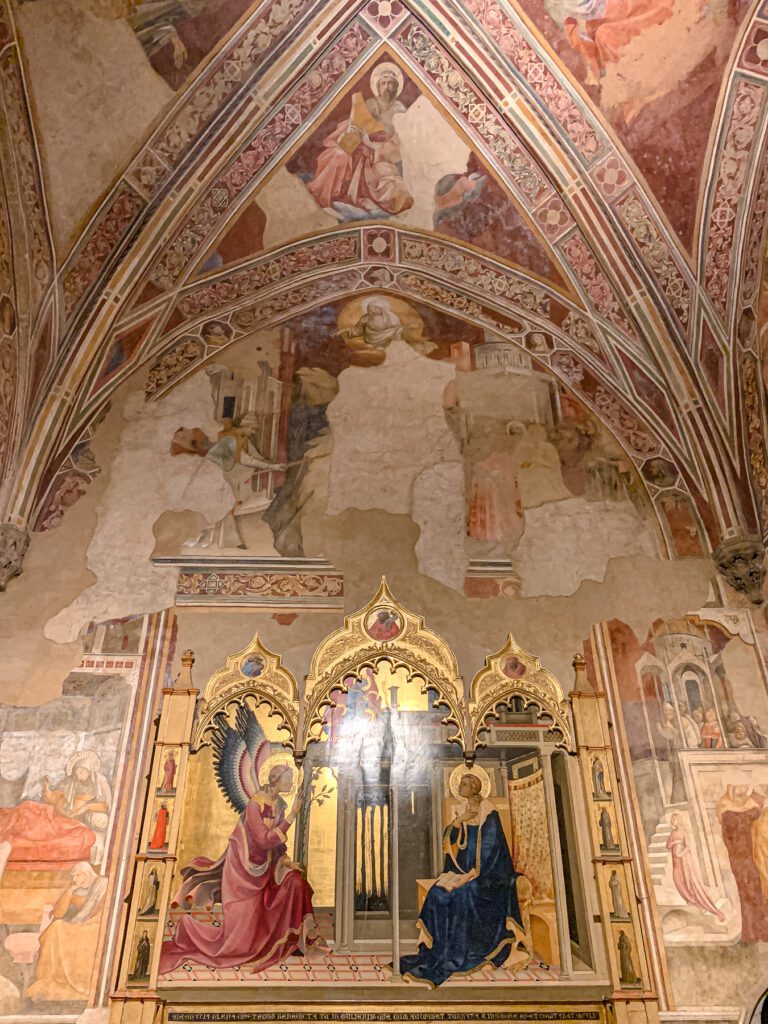
14. Biblioteca delle Oblate
Biblioteca delle Oblate (oblate means “a person who is specifically dedicated to God”) is a public library right in the heart of Florence. Its name comes from the Convent of the Oblate that used to occupy this location – and the structure of the building hasn’t changed much since the 14th century.

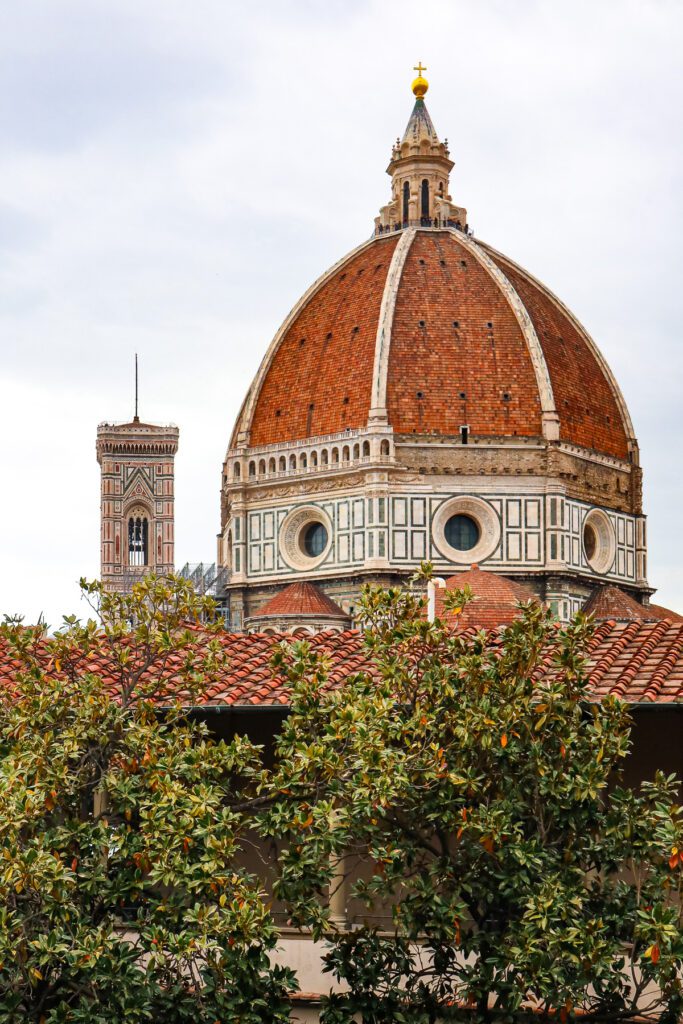
You can see the architectural elements of various times here blended together and attend cultural events and exhibitions. You can also find beautiful views from here. Just enter the building, head to the second floor, and enjoy the scenery – from the café or terrace!


15. Piazza la Repubblica
Piazza la Repubblica is still one of the most important squares in Florence, but back in the day, it was the heart of the Roman city – the forum was located here!
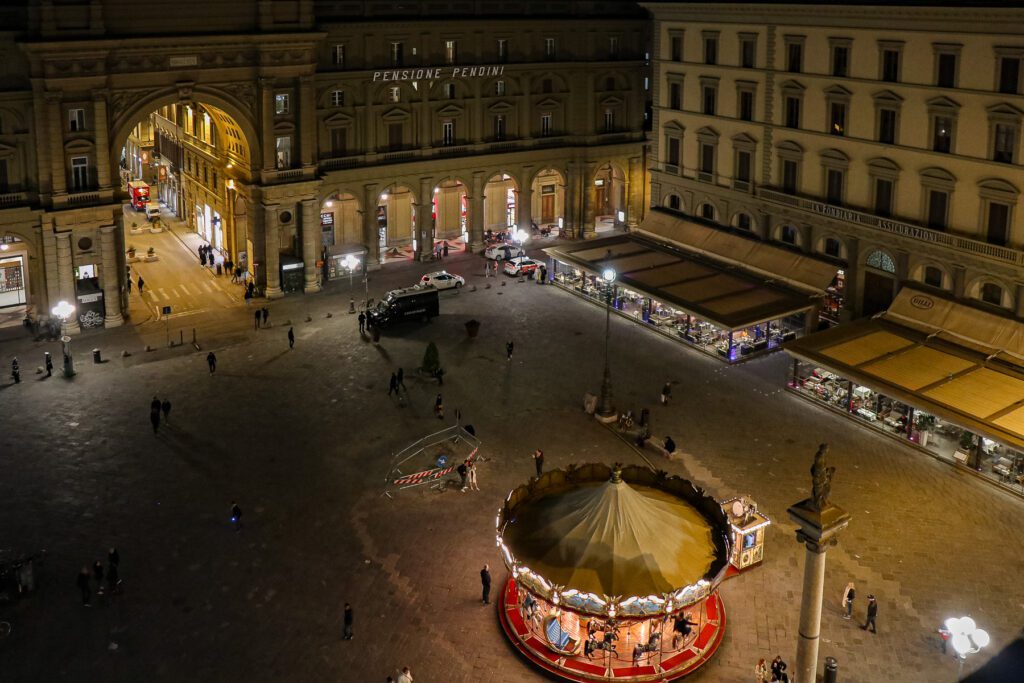
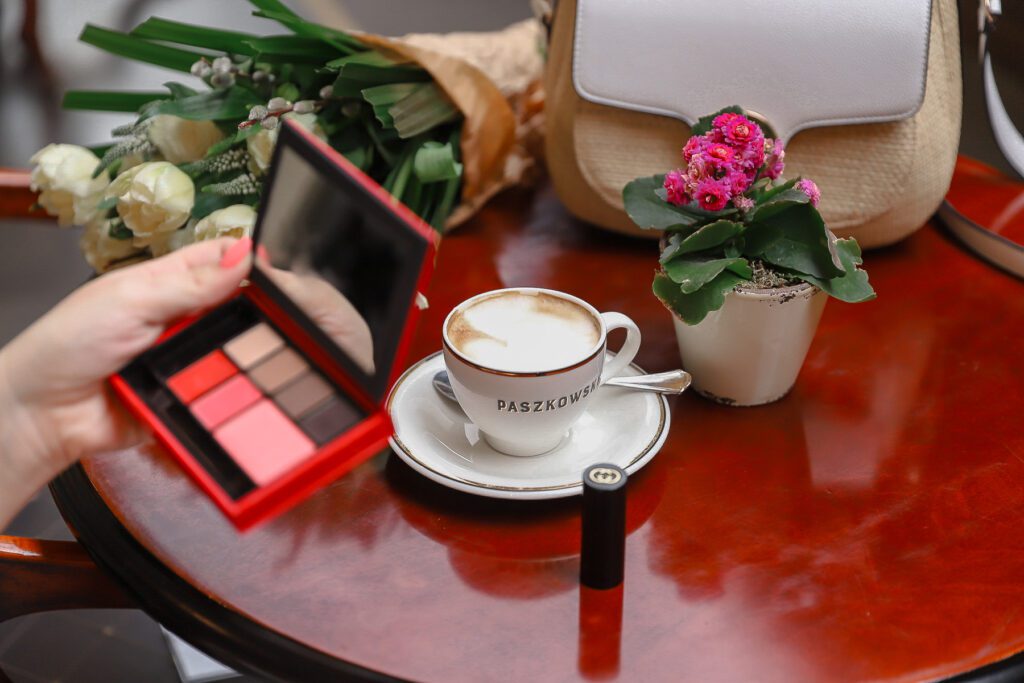
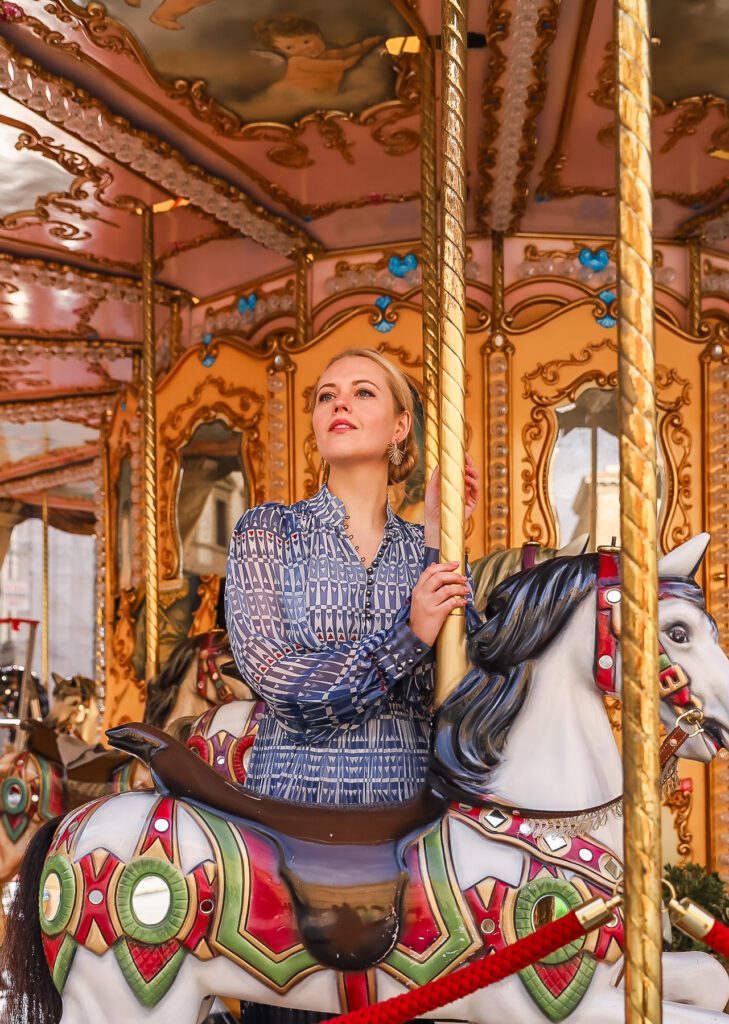
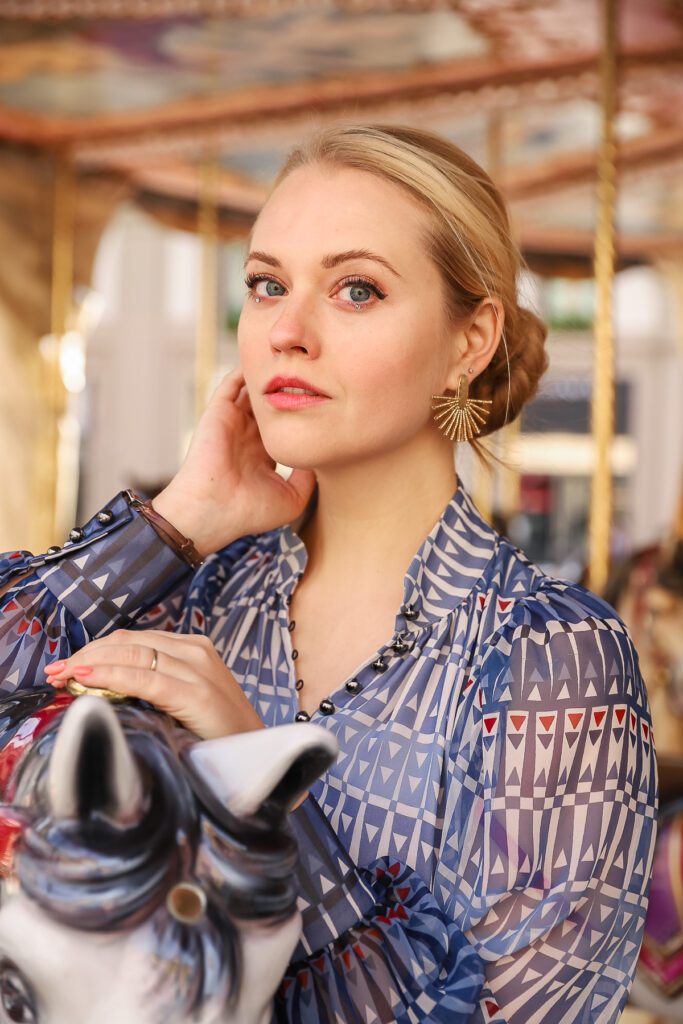
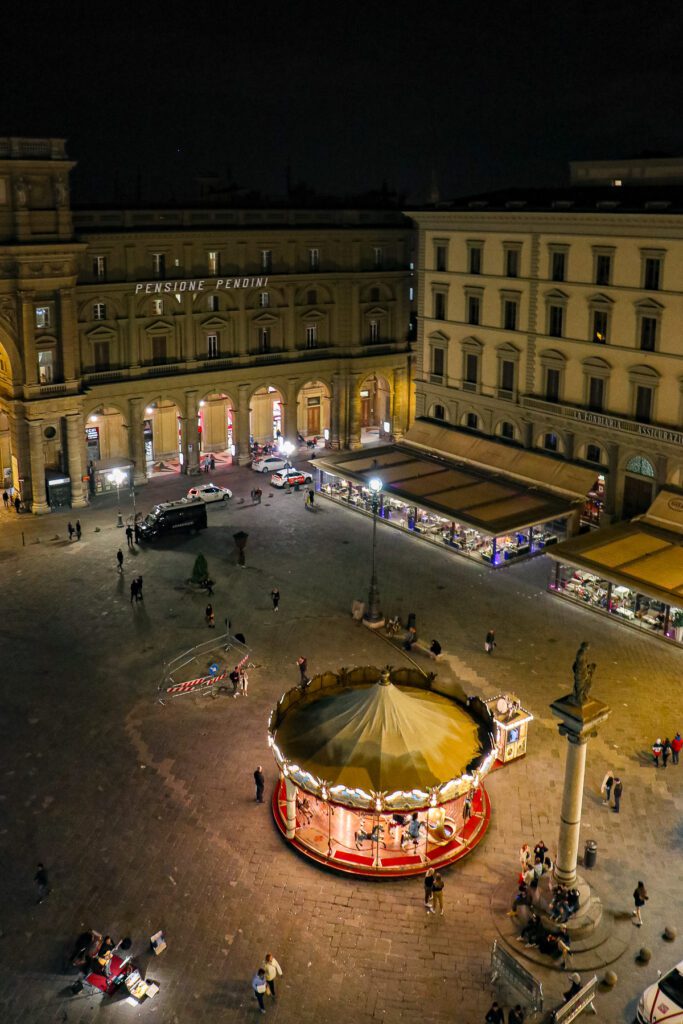
Later, the city market – Mercato Vecchio – and the Jewish Ghetto consequently occupied it before eventually this square was transformed into a new square when Florence briefly became the capital of the Kingdom of Italy (some historical buildings and monuments from this area were lost or transferred somewhere else). Eventually, it acquired the title of Piazza la Repubblica. Come here for the merry-go-round, famous cafés where intellectuals gathered in the late 19th century, such as Caffé Le Giubbe Rosse and Caffé Paszkowski…

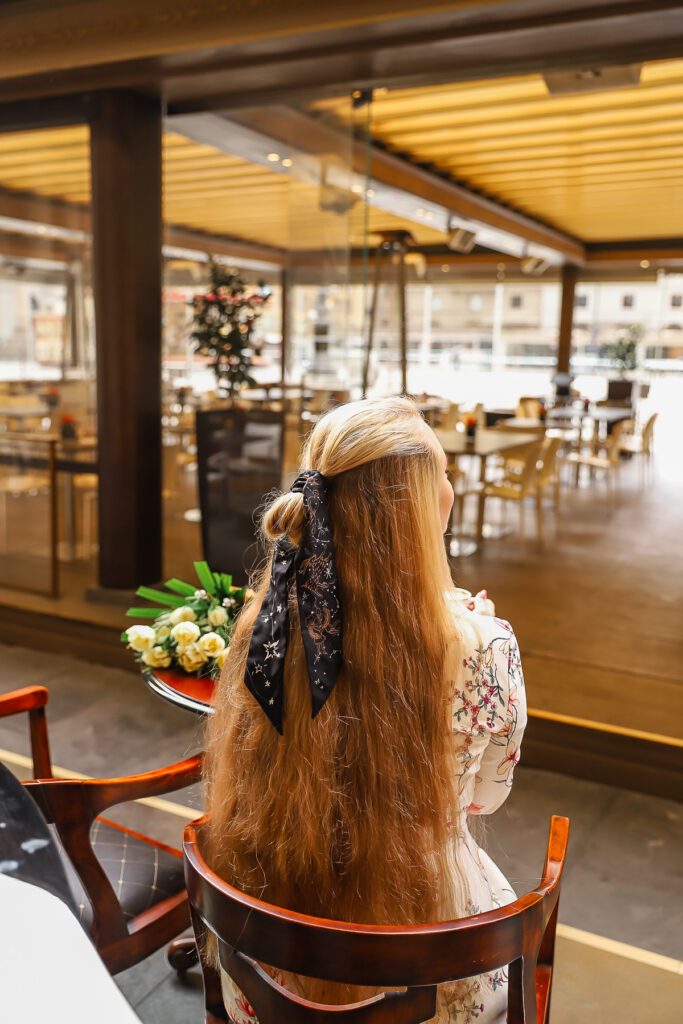

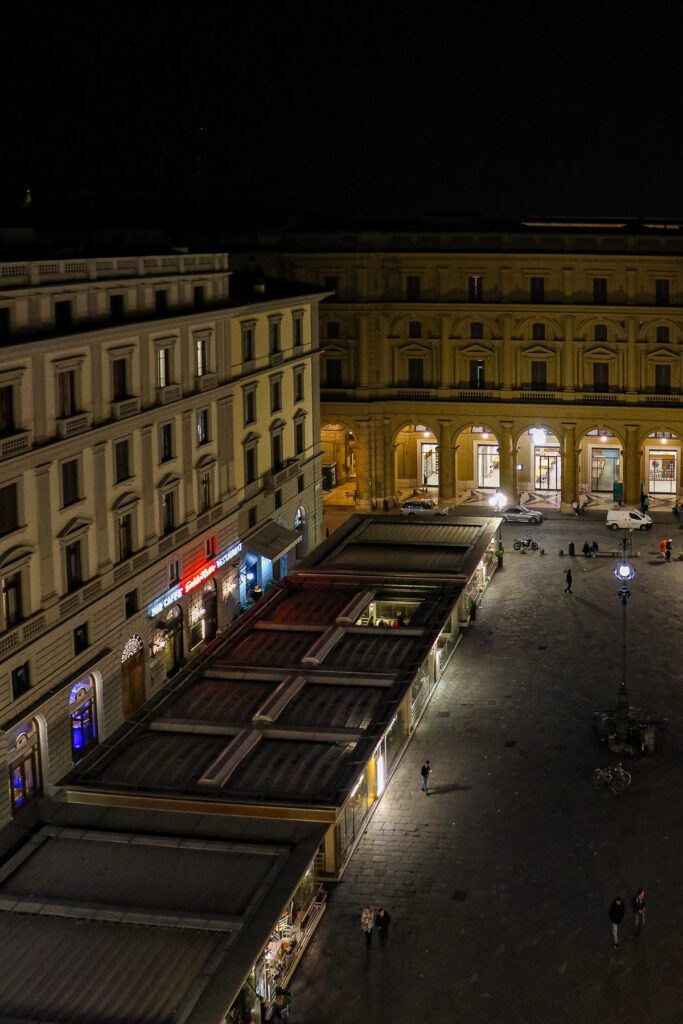
Or head to the top of La Rinascente Florence Shopping Centre to dine with a view! It’s located right on Piazza la Repubblica, so it offers some rare views of the square as well – not to mention a marvelous panorama of the Duomo.
You might also like:
- photoshoot in Rome,
- your guide to Rome,
- Milan: must-visit spots for the first-comers
- Milan in winter
- Florence,
- Verona,
- Guide to Venice p.1 and p.2
- 9 museums to see in Venice
- Burano,
- Dolomiti,
- Lake Garda,
- Siena,
- Mantova,
- Penne,
- Trento
- Alberobello
- Befana in Italy
- Agriturismo in Italy
- Bologna
- Padova
- Brescia
- Modena
- Parma
- Rimini
- Catania
Hope you liked my new blog,
Best, Anna
xxx