Borneo, divided among Malaysia, Indonesia and Brunei, is a true gem for nature lovers and these who seek off-beaten-path holidays and looking forward to explore the life and traditions of local people.


We headed to Sabah, one of the states of Malaysia, a real tourist magnet for its natural sights, and stayed not far away from Kota Kinabalu, the main city of Sabah.


Why visit Sabah? If you’re a nature lover, the reply is evident.


First, the Rafflesia flower is the largest flower in the world – and it’s one of the Borneo’s symbols! It blooms rarely and unpredictably in the jungle, and I really hoped we’d see it (spoiler: we didn’t as the chances were quite low).


Secondly, both orangutans and proboscis monkeys are endemic to Borneo, and you can see them in the wild here!


See our choice of activities for Borneo trip! For a relaxing schedule we stayed there for a week as you spend plenty of time traveling around by plane, by car or by boat but you can squeeze the itinerary a bit. Also check my blog about Brunei for more Borneo adventures!


1. Spot Mount Kinabalu
Mounts of Sabah are spectakular, and its main peak the Mount Kinabalu is the highest mountain not only in Borneo but in all of Malaysia!


Mount Kinabalu is surrounded by Kinabalu Park, a UNESCO World Heritage Site. It’s considered a sacred place by locals (so please, no naked tiktok videos – I’m not joking, we’ve been told there was a precedent like this). You can hike there but you can also spot it from the various spots around Sabah on a clear day.


The views of Mount Kinabalu are unbeatable — do you agree? This is also the view from our hotel.


2. See proboscis monkeys at Tempasuk River
Big-nosed monkeys, or proboscis monkeys, are one of the symbols of Borneo, no less famous than orangutans, because they are also endemic to this area.


These animals live in small groups with one alpha male (the one with the biggest nose, shaped like an eggplant) and a few females (with more graceful noses, but still larger than you’d expect a monkey to have) along with their young.


We went on a river cruise to see them in the wild — and we got extremely lucky to spot a couple of groups of proboscis monkeys up close!


The mangrove forest framing the river is a sight in itself, and it’s one of the best activities you can enjoy in Sabah!


But there’s more! We also spotted a few dozen long-tailed macaques; they are not shy at all, so don’t tease them. We were told that they can even break into homes to steal food.


There are several cruise options available, and we chose the cruise by Kausar Agritourism Farm along the Tempasuk River on a private boat (since monkeys can be shy, it’s more practical to go with people you can comfortably shush). The jetty is located close to Kota Belud, about 1.5 hours from Kota Kinabalu and one hour from Shangri-La Rasa Ria.


To be honest, our trip exceeded our expectations. Once you arrive at the site and wait for your boat, there are plenty of things to do. It’s a clean and well-maintained place with a swing, terrace, and… a farm!


The farm there is fantastic — one of the best I’ve seen in my life! There are goats, sheep, chickens, turkeys, and rabbits, all tidy and well-kept. You can feed them for free.


After that, try some local dishes at the buffet, such as noodles, fried fish, chicken, vegetables, and a selection of sweets.


3. See the fireflies
We had already watched fireflies on the Selangor River in Malaysia last year, and now we decided to visit the Nanamun River in Borneo to recreate that experience at B-Mataid Jetty! You can take a boat ride here along the river after dark and enjoy a night boat ride.


This time, the experience was even more fascinating, as there were more fireflies blinking their lights from the bushes along the riverbanks, like Christmas fairy lights synchronizing their sparkles. Sadly, cameras don’t do fireflies justice, but believe me, it is one of the most unique experiences you can have in your life.


Unfortunately, our boat captain chose to attract the fireflies with a special torch — while this helps visitors see the insects moving, which is undoubtedly mesmerizing, it also resulted in some fireflies ending up in the river. Was it really worth it?
Another issue was that we shared the boat with a group of Chinese tourists, who were convinced that if they screamed in unison, the fireflies would glow brighter (this is not a joke; they were directed by their guide). It’s true that fireflies do synchronize for a short time due to the noise, but the experience is quite different in such an environment. Nevertheless, I can’t recommend this activity enough!


Important: Don’t forget to use plenty of mosquito repellent!
4. Fly to Sandakan to see orangutans
We took a flight to Sandakan, the second-largest city in Sabah and the former capital of North Borneo during British rule, which suffered greatly during World War II at the hands of the Japanese. The flight took about 45 minutes from Kota Kinabalu airport to Sandakan, and we had a pre-booked car meeting us at the airport there (we had it with Amazing Borneo tours but as I understand, there are plenty of other options), and we flew back the same day.


Sandakan is an entry point for visiting the Sepilok Orangutan Rehabilitation Centre, the first official orangutan rehabilitation project in the world! It opened in 1964 to care for orphaned baby orangutans.


Sepilok Orangutan Rehabilitation Centre serves as a temporary home for orangutans, helping them transition back into the wild. It is located in an open part of one of the oldest rainforests in the world, where orangutans roam freely. Even wild orangutans come here for the yummy fruits!


As a visitor, first you go to the information center, where you learn about orangutan biology, their life in the wild, and the threats they encounter — of course, you will also learn about the center’s efforts to rehabilitate the animals.


Then, visitors enjoy a pleasant stroll along the walkway through the rainforest towards the feeding platforms, it’s a treat by itself as this part of the rainforest if one of the oldest in the world and you can observe the mighty ancient trees with their huge roots. During our visit, there were about 40 orangutans in the care of the center.


The first feeding takes place in a nursery where young orangutans are fed a limited amount of sweet fruits (to keep their energy up) and lots of vegetables to promote their natural foraging instincts and teach them to look for food in the wild. Since this area is part of the forest, macaques and adult wild orangutans also take advantage of the feeding and steal some food.


As this is a real forest with wild animals, many orangutans walk freely, but since they are shy, visitors usually only spot those on the feeding platforms. However, we were lucky: a gorgeous young mother decided to make an appearance right in front of us.


The second feeding platform focuses on adult orangutans. As you can see, this giant male adult orangutan is a wild guest here too alongside macaques and squirrels. You can watch them all interacting for hours (or until they leave when the food is gone).


You can also adopt an orangutan here through a British charity Orangutan Appeal UK, as we did.


5. Don’t miss sun bears too
Another activity to do in Sandakan is to see the sun bears!


Did you know that the sun bear is the smallest of all bears? It is named for the unique bright patch on its chest, which resembles a rising sun —each mark is different (but if you look at them from a viewing platform, these marks are quite hard to spot). Sun bears live in trees in the forests of Southeast Asia. Sadly, due to deforestation and human interactions – some even keep them as pets, the species has become vulnerable.


The Bornean Sun Bear Conservation Centre (BSBCC) takes care of bears that have been injured or abused and returns those capable of caring for themselves back to the wild. You can watch them from the walkway as a visitor. It was such a great experience, and it felt wonderful to know that our visit contributed to helping the animals a little bit. By the way, the sun bear is the symbol of the 2026 Malaysia tourism board campaign, highlighting the importance of wildlife conservation.


We also had lunch at the Sepilok Rainforest Reserve, a very nice made restaurant adjacent to a hotel of the same name.


6. Explore Sabah’s dark past
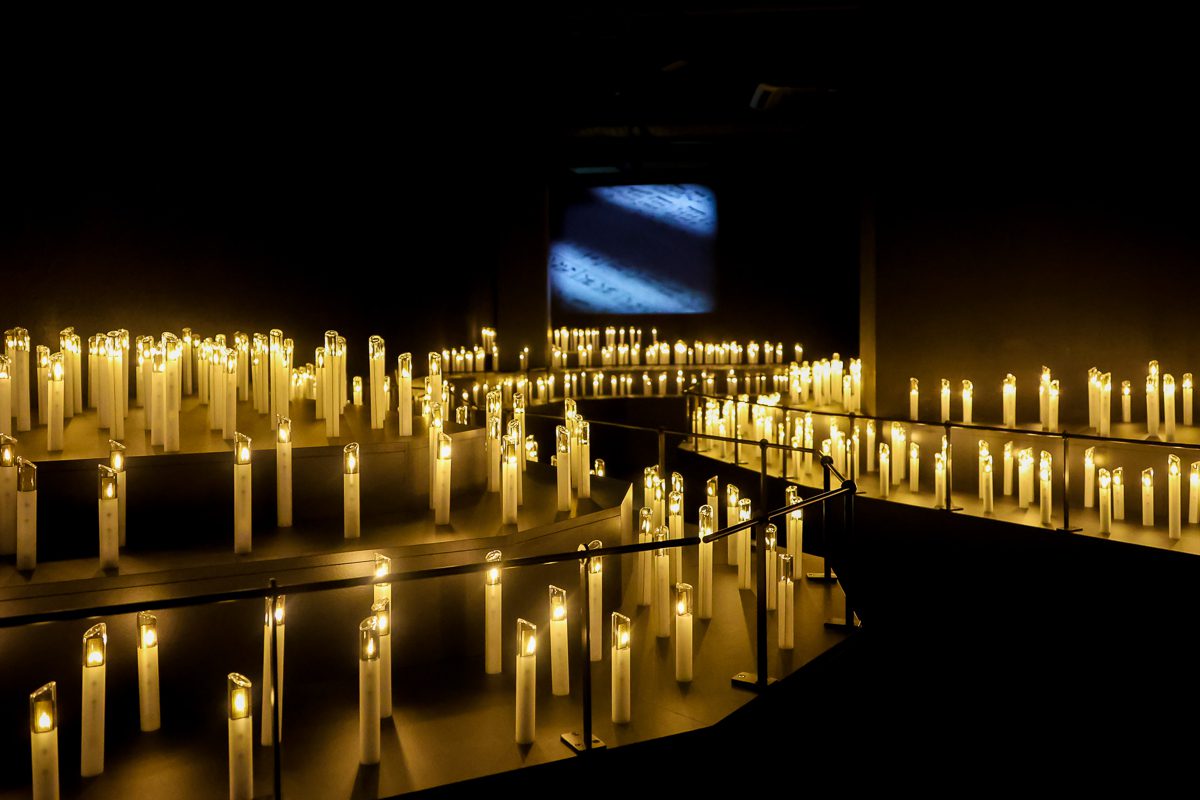
Our final stop in Sandakan was the Sandakan Memorial Park. Borneo suffered enormously under Japanese occupation during World War II, as did many parts of the world, and this location was one of the numerous camps for Prisoners of War (POWs) where people were mistreated, starved, tortured, and killed. The Sandakan Memorial Park is located on the site of one of those camps, in memory of nearly 2,500 people (mostly Australian and British) who were forced to march from Sandakan to Ranau under unbearable conditions during the so-called Sandakan Death Marches.


All 2,434 POWs died or were killed during these marches, except for six Australians who managed to escape. The Japanese also killed the locals who tried to help the POWs. If you ask me, the Japanese were much worse than the German Nazis during that period — and that’s quite a statement, right? If you have time, please come here to pay respects.


7. Stay in a luxury hotel
Kota Kinabalu is the capital city of Sabah and one of the fastest-growing cities in the country, so probably is probably your entry point to Borneo, so it makes sense to stay there or at least not too far from it!


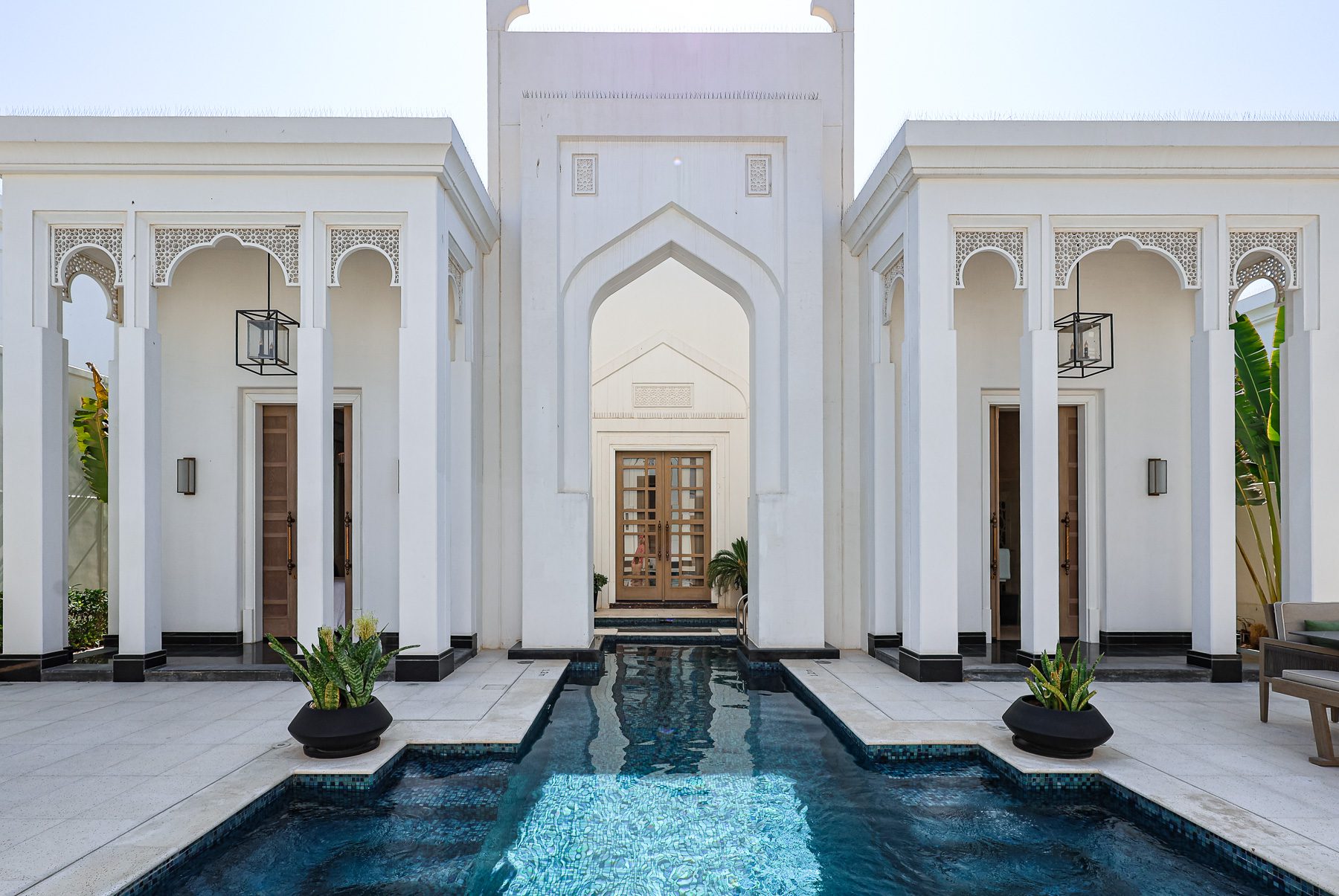
We went for the Shangri-La Rasa Ria, located a one-hour drive from Kota Kinabalu Airport. It sits right beside the Rasa Ria Natural Reserve and on the shores of the South China Sea. The hotel is designed to pay homage to Borneo’s heritage.


The hotel consists of two wings: the Garden Wing which is older and has access to only one pool and the Ocean Wing which is more modern and has additional facilities. It seems that most visitors are from Korea and the UK.


We stayed in the Ocean Wing Executive Suite, which has an extra room where George sleeps. Just look at all the beautiful details: ornaments, fish-decorated lamps, bird-of-paradise flowers, and a bathtub on the balcony overlooking the beach!


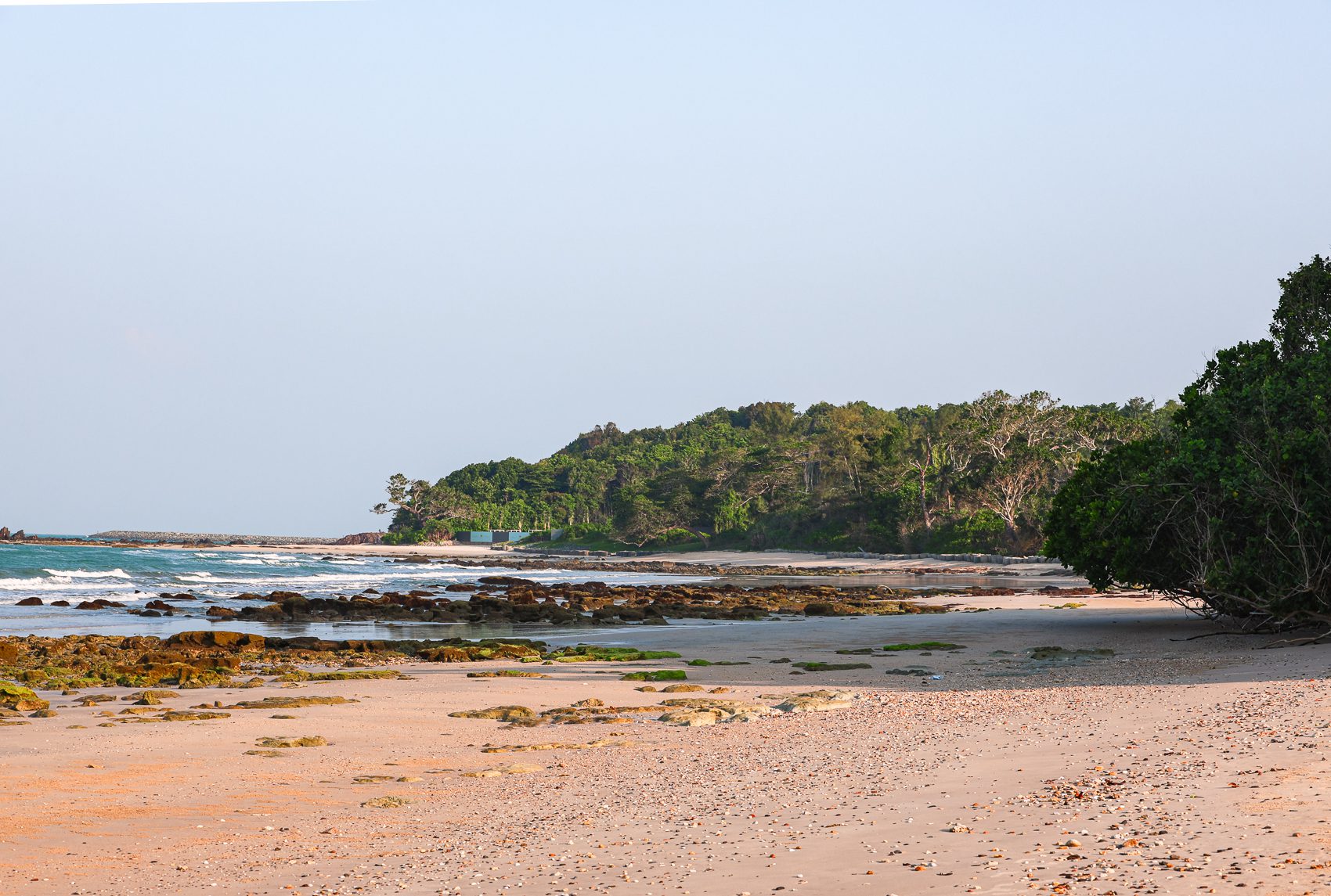
The Pantai Dalit Beach area is public as per law but you might still want to have a stroll there! The hotel makes sure to clear all the plastics arriving mainly by sea from Indonesia and Philippines.


The pool area with a large slide for kids, large jacuzzi area, pool for the guests of the Ocean Wing, kids club, a shop, an entry point to the Rasa Ria reserve with naturalist on the site, a golf course and stables are just a few features to mention.


The hotel also has a few restaurants where you can try Italian, Chinese, Malaysian and other types of cuisines. For snacks come to the ice cream kiosk and Sampan bar.


During our visit, the locals celebrated the Harvest Festival Kaamatan (it took place on May 30-31, 2025). We also had a chance to witness a dance celebrating Borneo’s warriors, featuring bamboo poles, and listen to the traditional music. If you’d like to explore more of bornean traditional culture, you can also visit the cultural villages of various tribes around the island.


Fire dances were another feature we admired: it took place a couple times a week, and with a dramatic background of the beach and the corded sky sitting on top of the moody sea, it was a mesmerising experience to witness.


8. Borneo Jungle tour
Borneo calls for animals encounters, and we were lucky that our hotel was located right in the jungles! Rasa Ria occupies 0,25 square km of tropical jungle and is squished between rivers and the South China Sea.


It used to be a rehabilitation centre for orangutans as well but the last monkey has been returned to the wild quite a long time ago. Nevertheless, there are lots of other animals to spot.


As Rasa Ria is a natural reserve partly located right in the Shangri-la, you can also explore the area in a tour organised by the hotel and accompanied by a real naturalist.


We joined a night walk tour at the reserve, which featured some light installations inspired by Avatar and fireflies. More importantly, we spotted some wildlife! We saw a scorpion, a tarantula, a viper, four hornbills, and even some fluorescent mushrooms, which are visible only under UV light.


Additionally, you can take a little safari tour around the area! George was super excited because he was given binoculars. We had the opportunity to spot monitor lizards, egrets, herons, and snake birds.


On a good (or not-so-good) day, you might also encounter otters, crocodiles, and monkeys. We were extremely lucky to see a binturong, or bearcat, in the wild too! The only other time I’ve seen one was at the Mandai Singapore Safari.


You might also like my other blogs about Asia.
Hope you liked my blog!
Yours, Anna
Xxxx