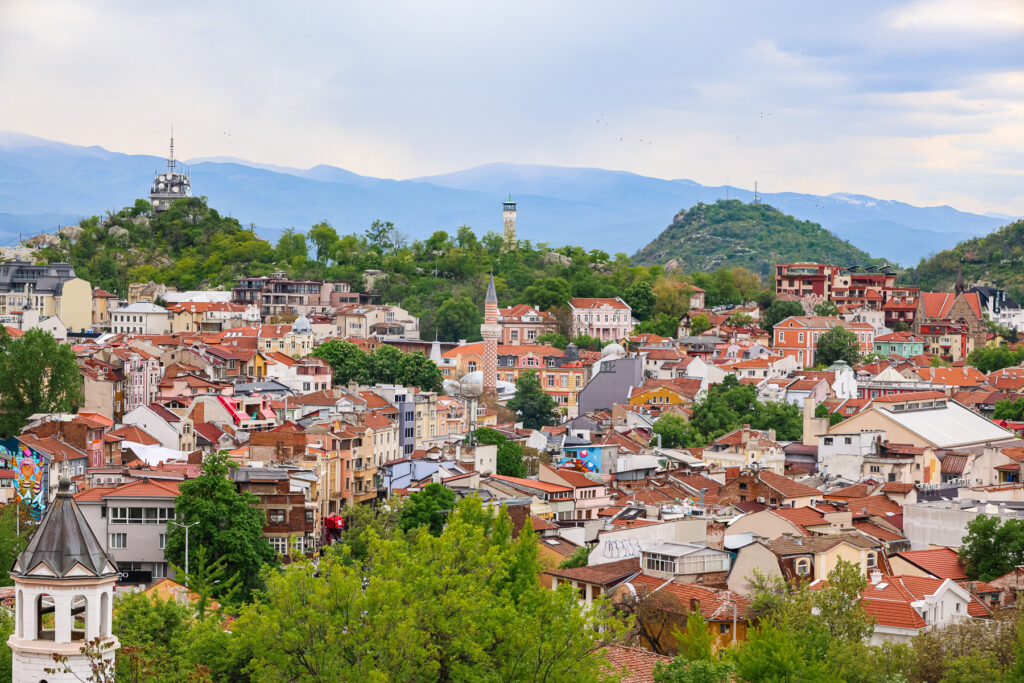
If you plan to visit Bulgaria, add Plovdiv founded on the seven hills and often called the oldest continuously inhabited city in Europe, to your itinerary!



Located approximately a 1.5-2 hour car ride from Sofia, the capital of the country, it’s a convenient day trip destination with numerous historic attractions.

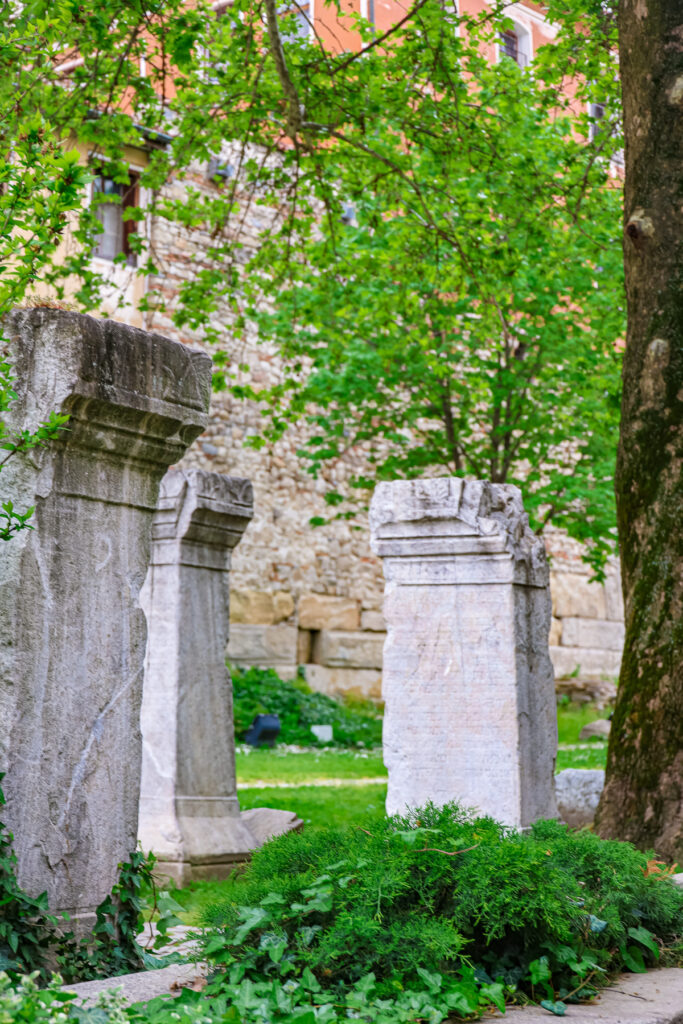


Early inhabitants occupied this area many thousands of years ago, since approximately 6000BC. Then the Hellenistic and Roman eras came: Philippopolis was a prosperous and well-known city conquered in the 4th century BC by Philip II of Macedon, the father of Alexander the Great, one of the most prominent figures in the human history, and named after him.


Later, it became the main city of the Roman province of Thracia. Today’s Plovdiv is located right on its site, and that’s why it has numerous ancient landmarks!





Nowadays it’s a modern city guarding its historical heritage. Huge wisterias, souvenir shops, museums, and excavated landmarks – scroll below to learn more.


1. Ancient Theatre of Philippopolis
One of your first spots should probably be the most famous site of Plovdiv: the Ancient Theatre of Philippopolis, a beautifully preserved Roman theatre built in the 1st century AD during the reign of Emperor Domitian.

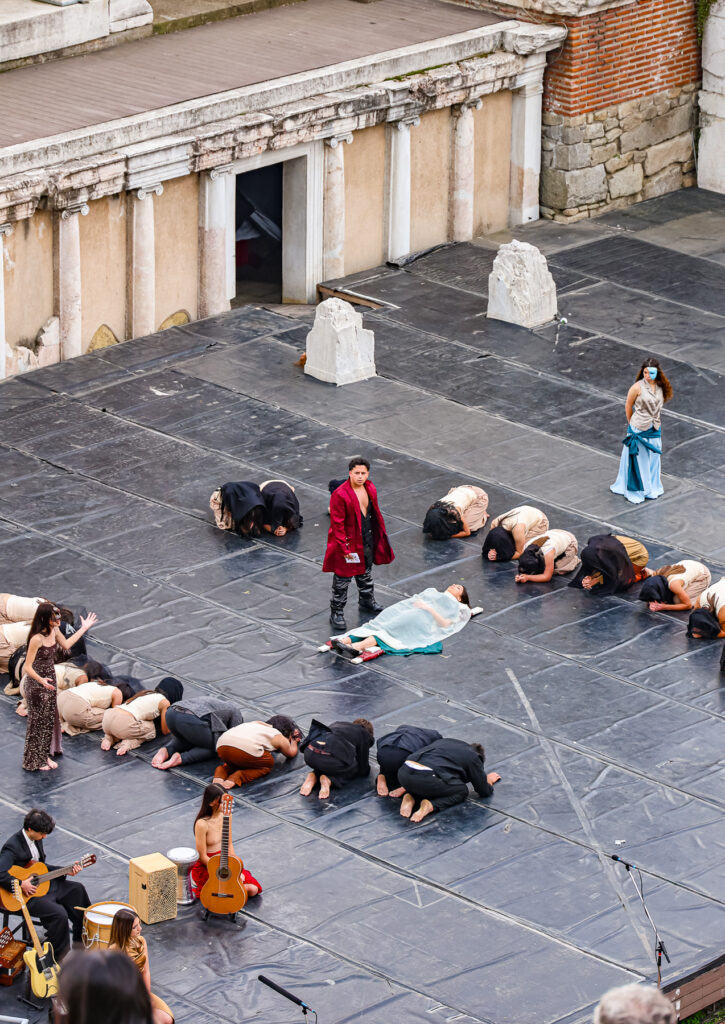
This theatre, founded in the 1st century AD between Taksim Tepe and Dzhambaz Tepe, played an essential role in the life of Philippopolis. During our visit, it hosted a play, Ex Machina, as part of the Ancient Theatre Festival.


2. Church of the Holy Archangels
Proceed to the observation point near the Plovdivska Mitropoliya, Metropolitan Church of St. Marina, and pop inside the Church of the Holy Archangels.
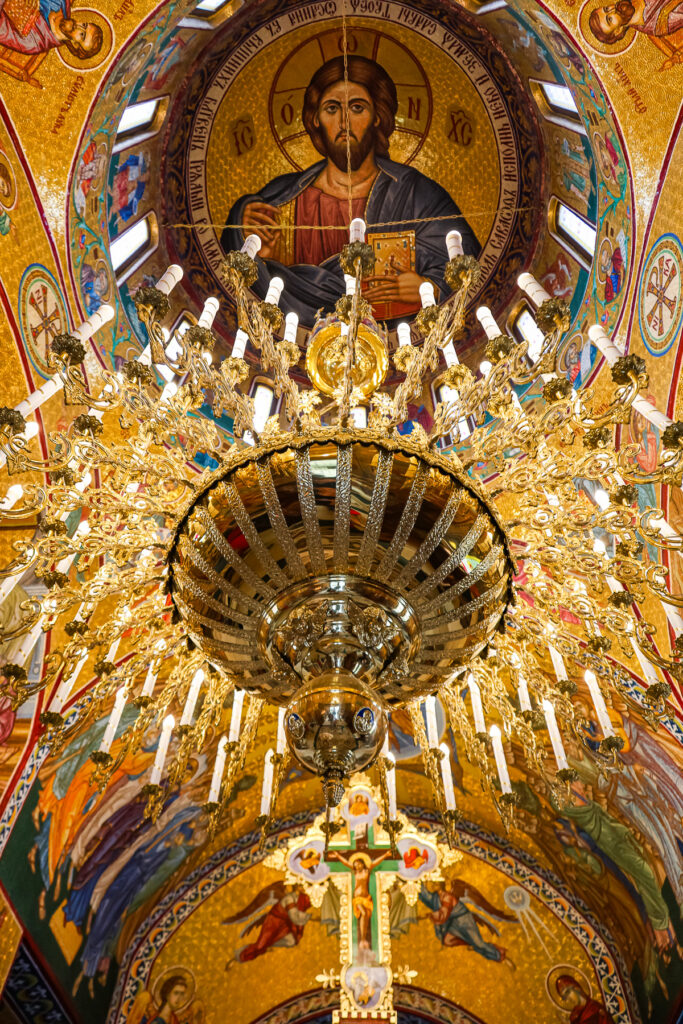
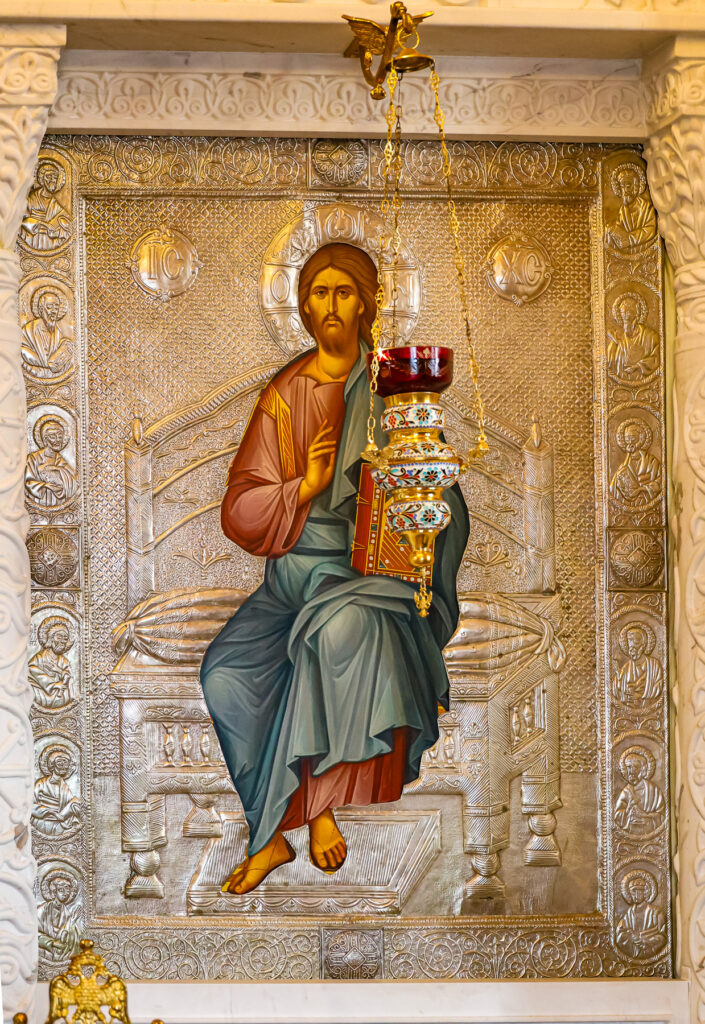
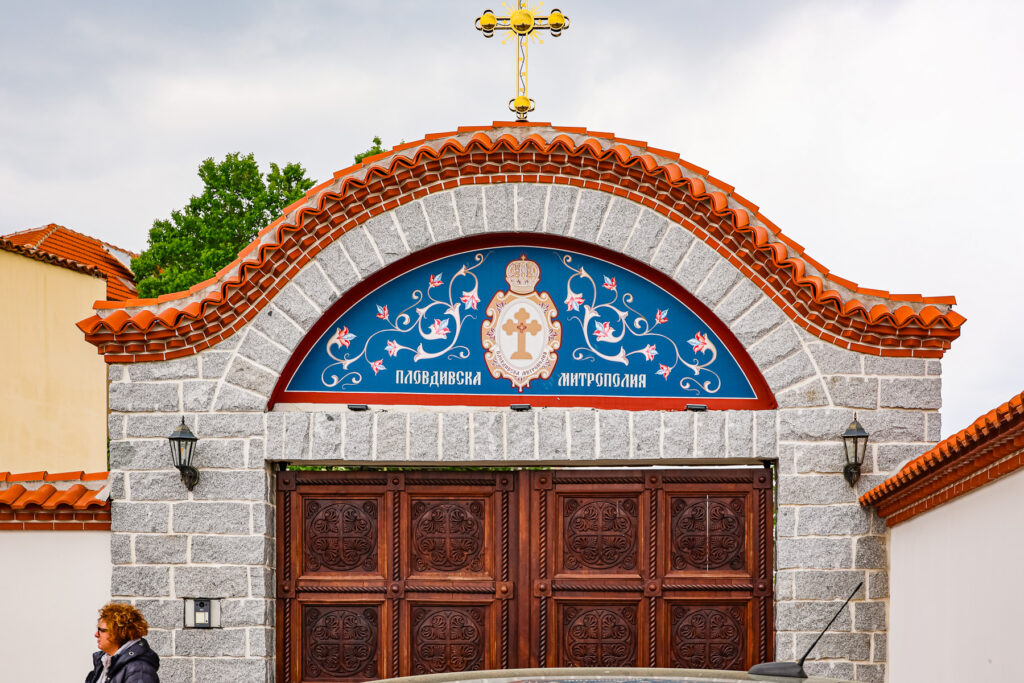
This is a tiny but lavishly decorated building commemorating a destroyed ancient church at the foot of the hill.
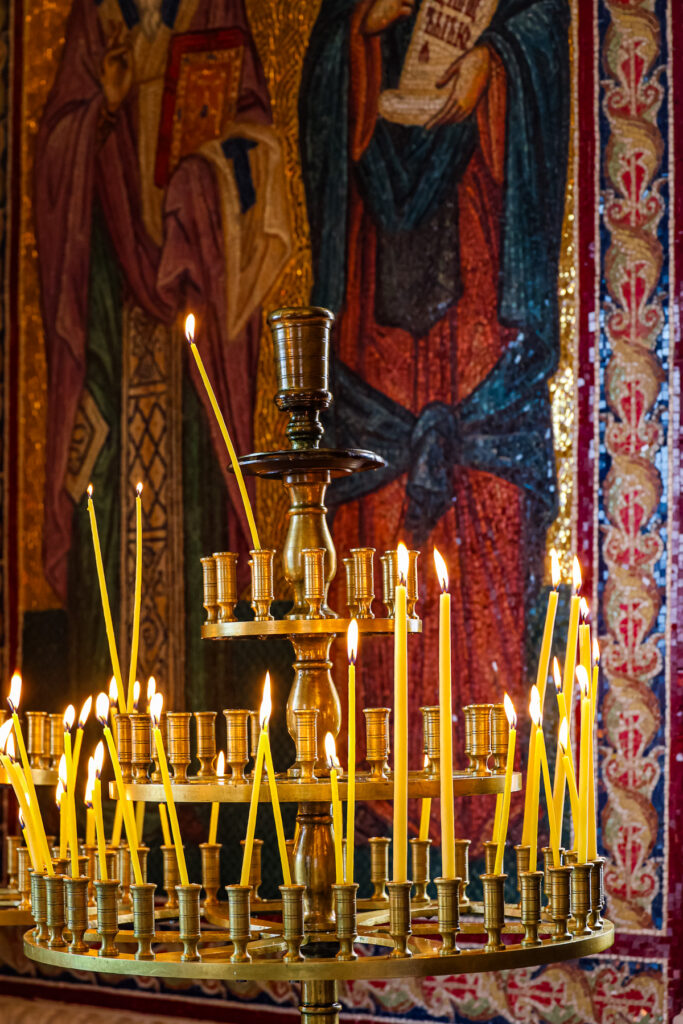
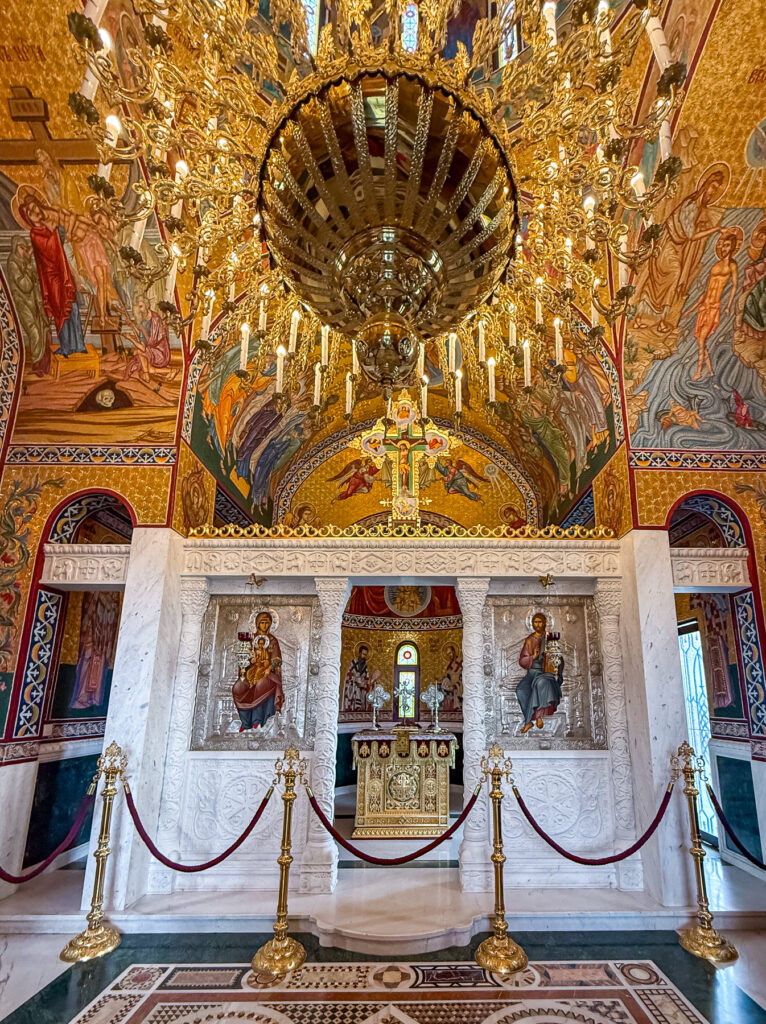


3. Viewpoint of Plovdiv
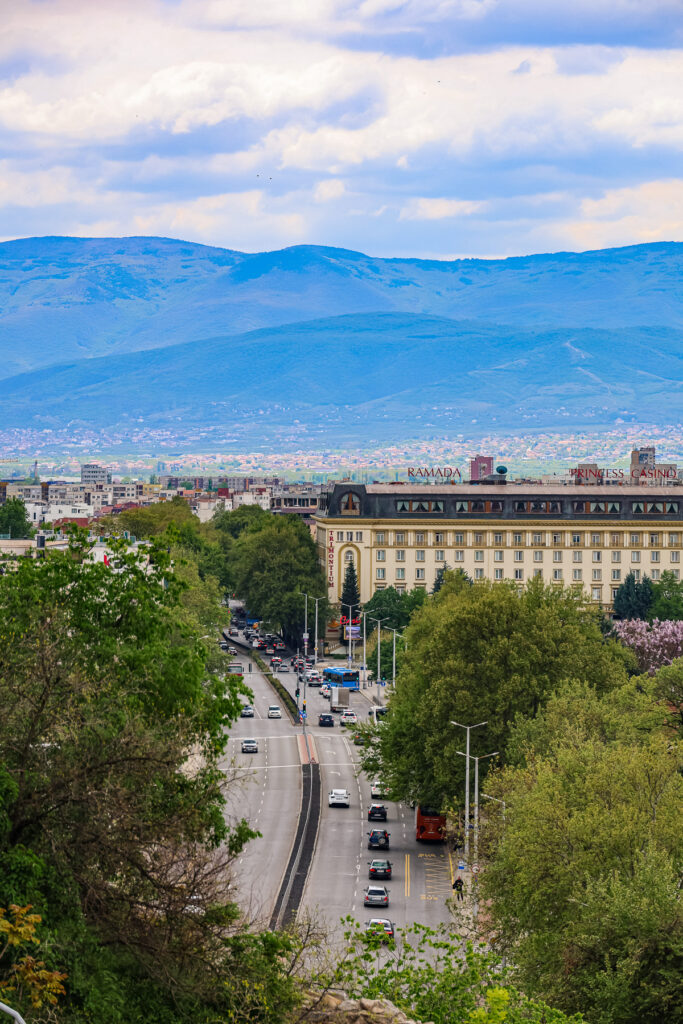
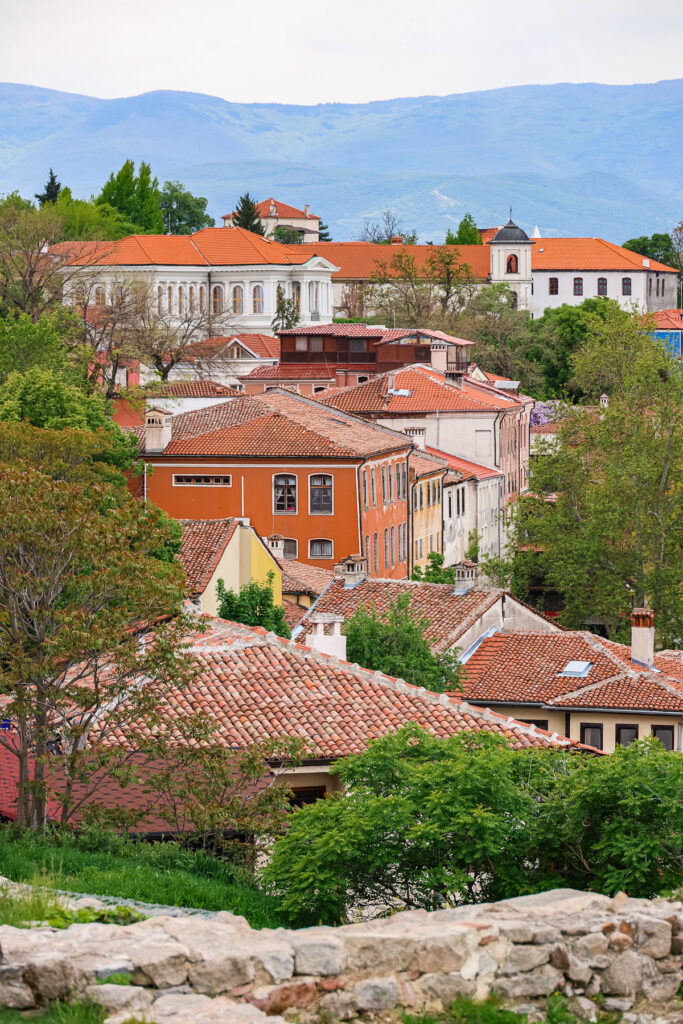
One of the most impressive views of the city awaits you near the Plovdivska Mitropoliya!


There’s an observation terrace located by the church, and it’s free to visit. You’ll get an amazing view on some of the Plovdiv hills, the Bishop’s basilica and the modern city. You might also spot the Alyosha monument on one of the hills dedicated to the fallen Soviet warriors during the WWII.

4. Church of St. Constantine and Helena
The Church of St. Constantine and Helena is also a must-visit landmark. It’s dedicated to martyrs of faith: in 304, two Christians were decapitated right on this site, and 38 other people from Plovdiv were persecuted because of their faith by the decree of Emperor Diocletian.

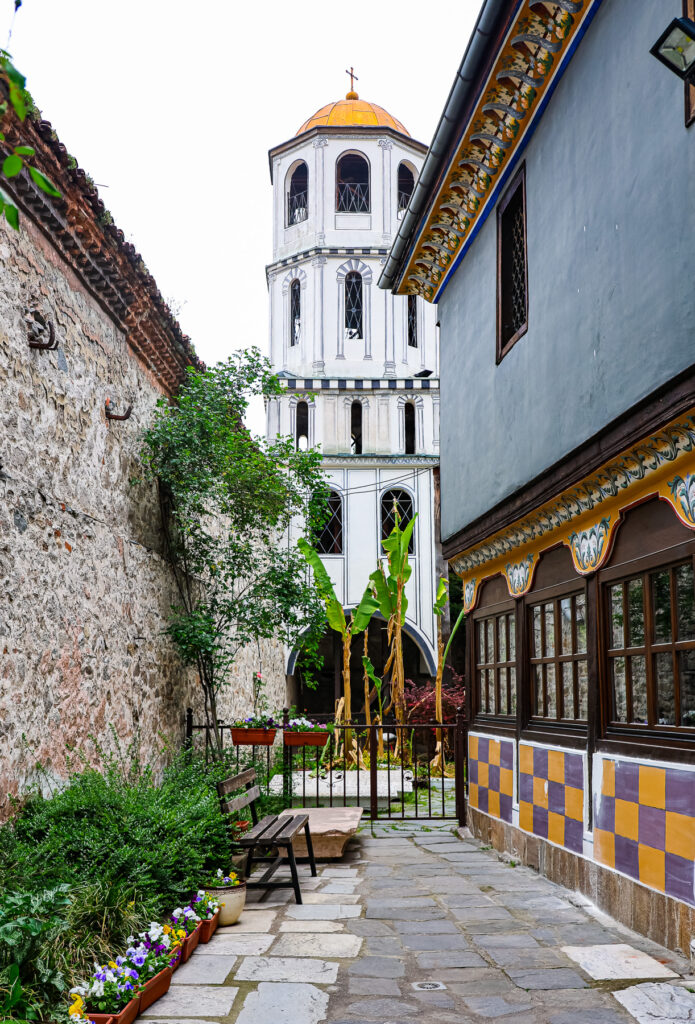


Churches on this site have existed on multiple occasions, while the current building dates to 1832 and is named after Emperor Constantine the Great and his mother, Helena.
5. Hisar Kapia
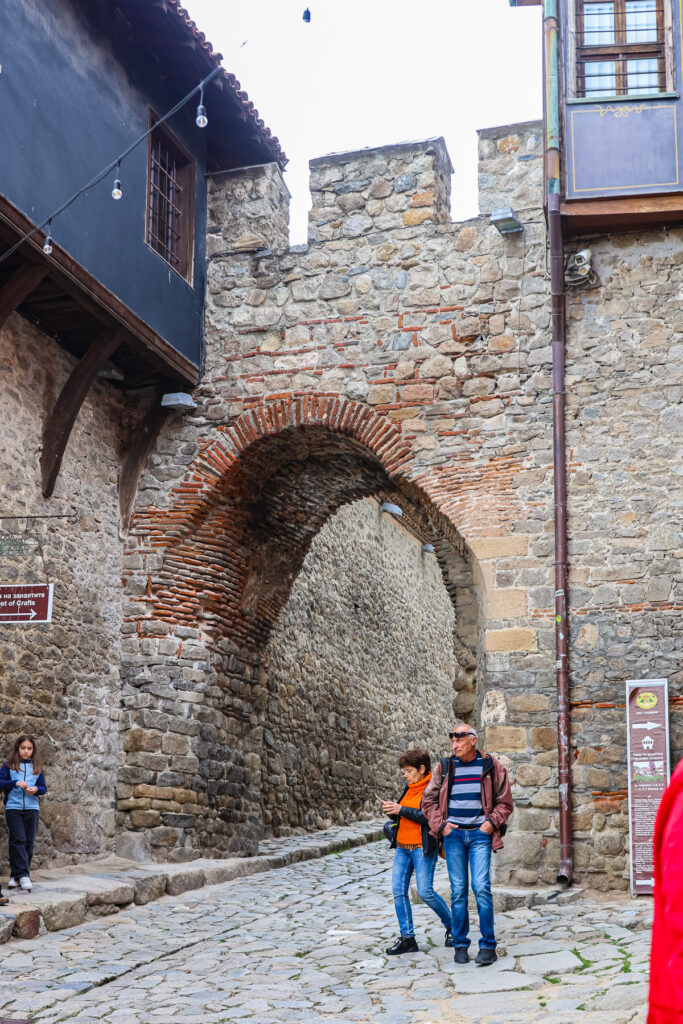
Make sure to spot Hisar Kapia, the 11th-century gates of medieval Plovdiv, erected over the old Roman gate probably dating back to the 2nd century AD. This site has been elegantly embedded into the more modern houses around it and is now one of the most popular places in the city.

6. Bishop’s Basilica of Philippopolis
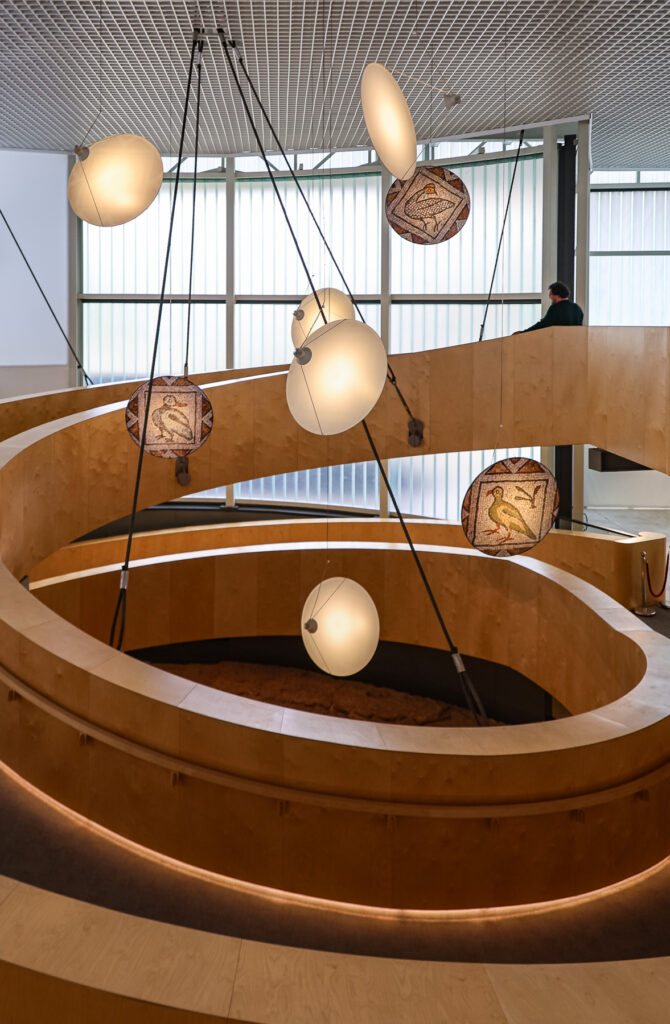
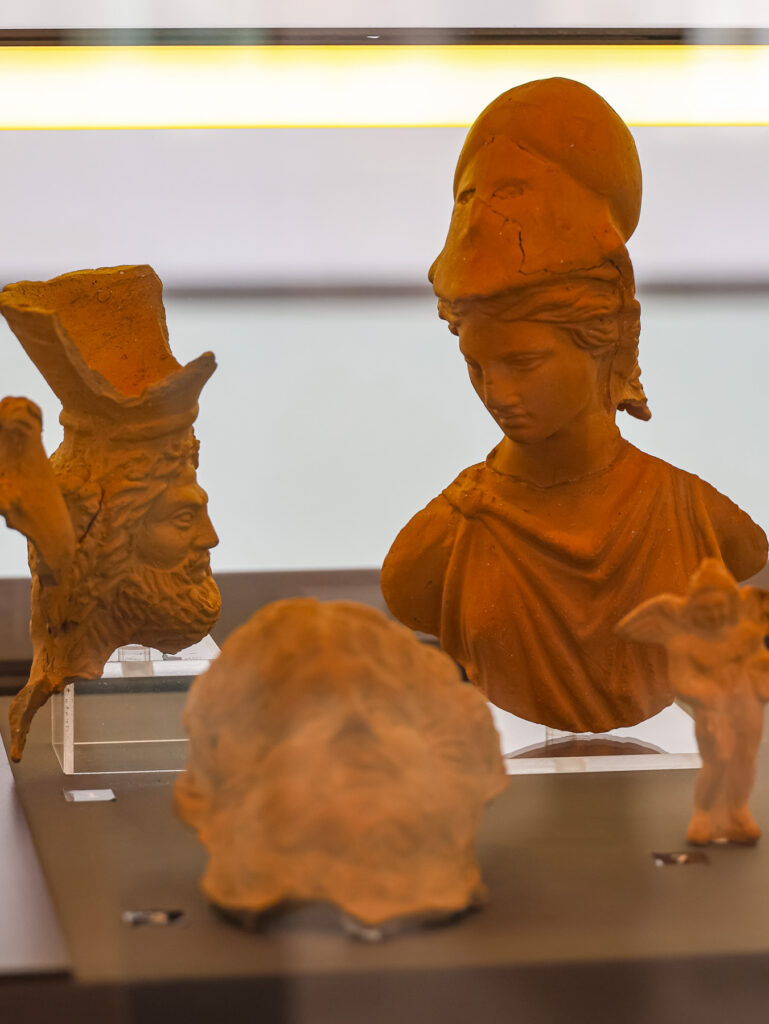
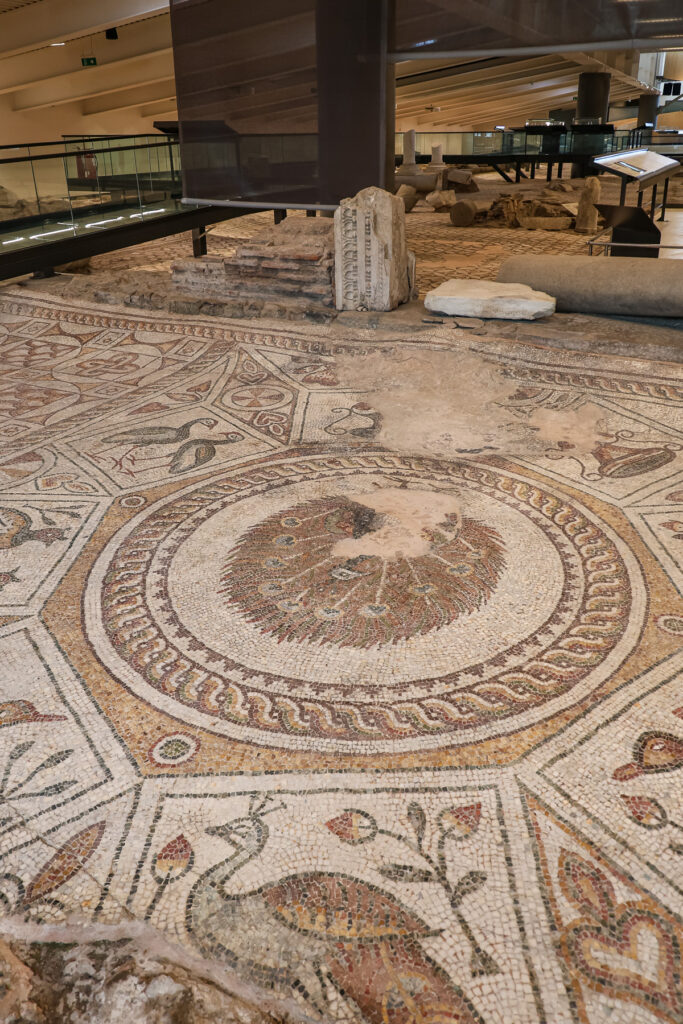
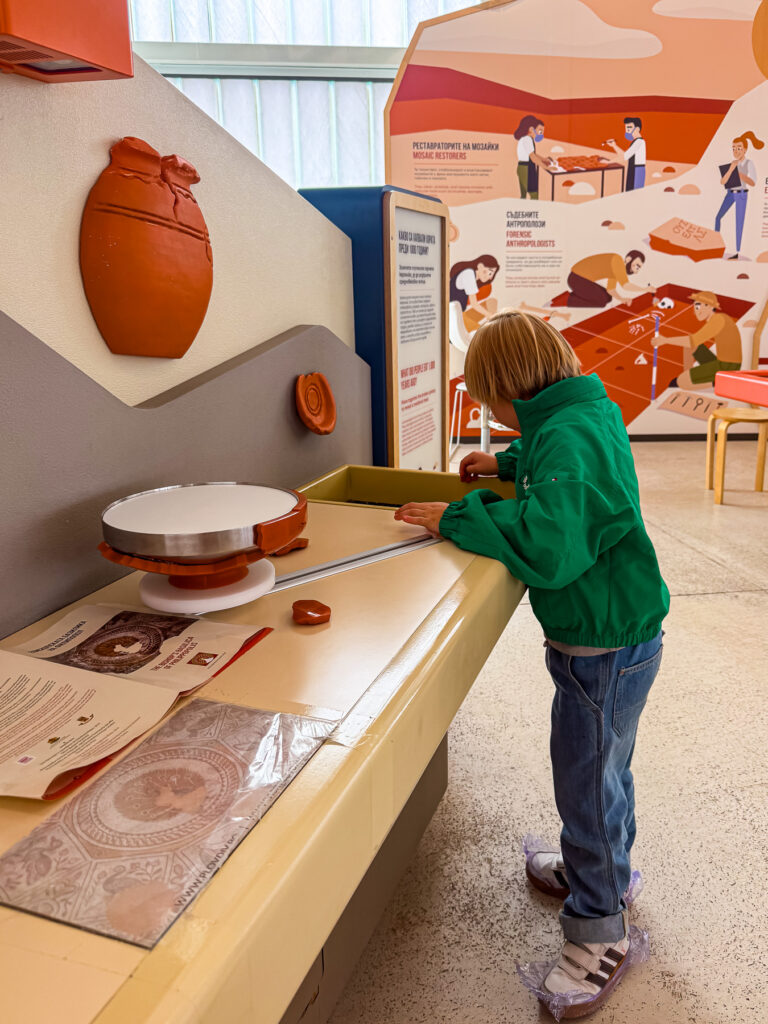
If you’re into antique history, go to the Bishop’s Basilica of Philippopolis to admire its mosaics! The site of the basilica has been transformed into a modern and well-equipped museum with video materials and a kids’ zone.


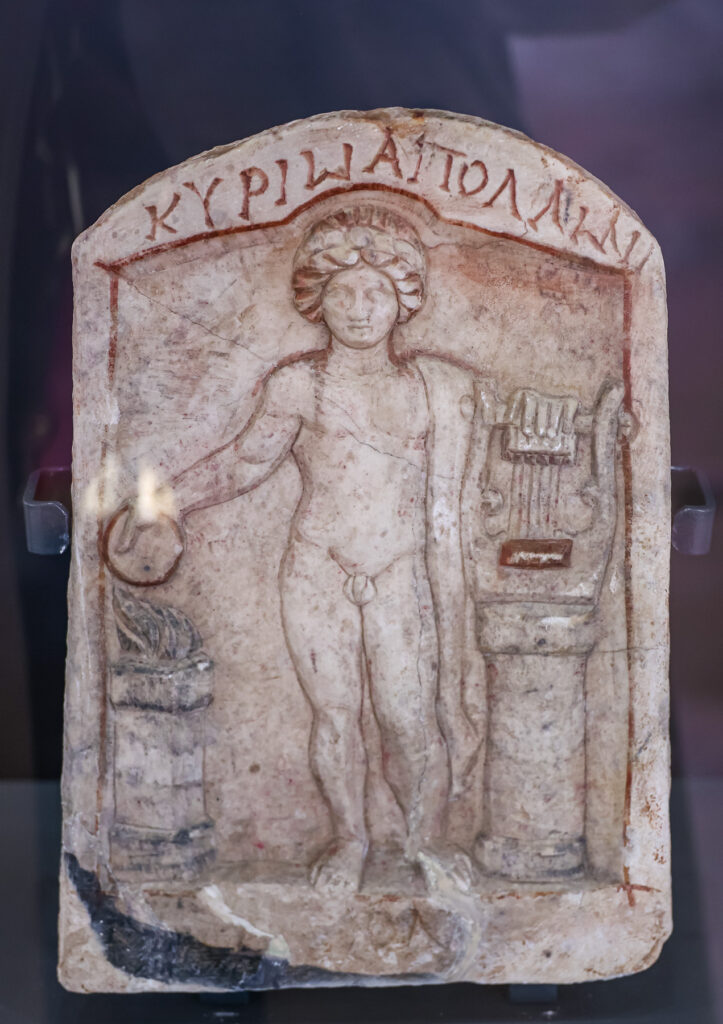

Most probably, this basilica was one of the very first basilicas in the Roman Empire after Christianity was officially declared tolerated in the early 4th century. It’s also the largest in Bulgaria!
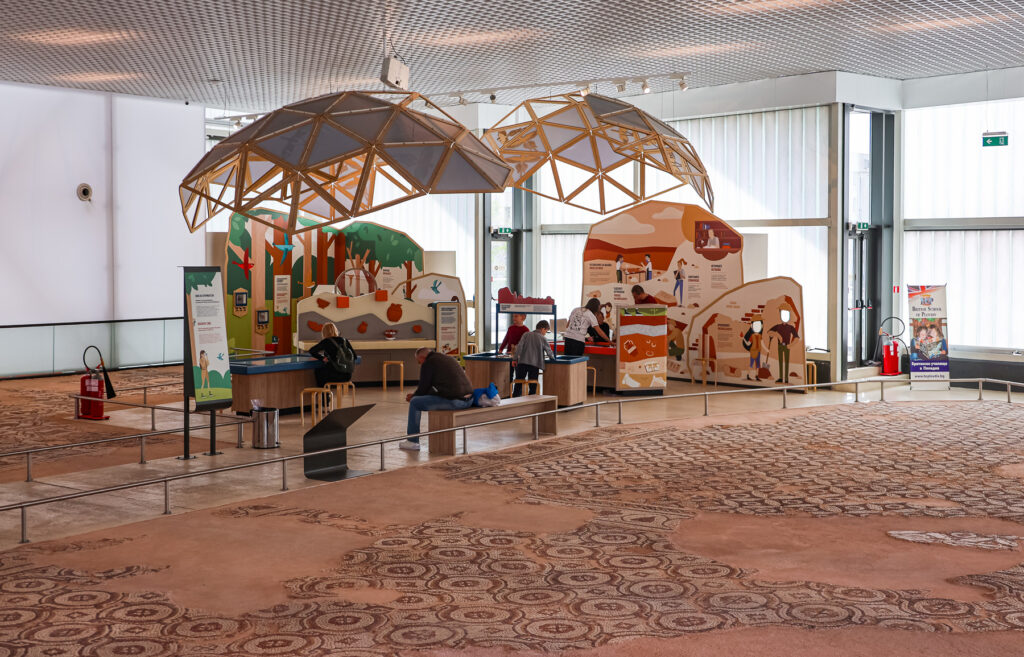


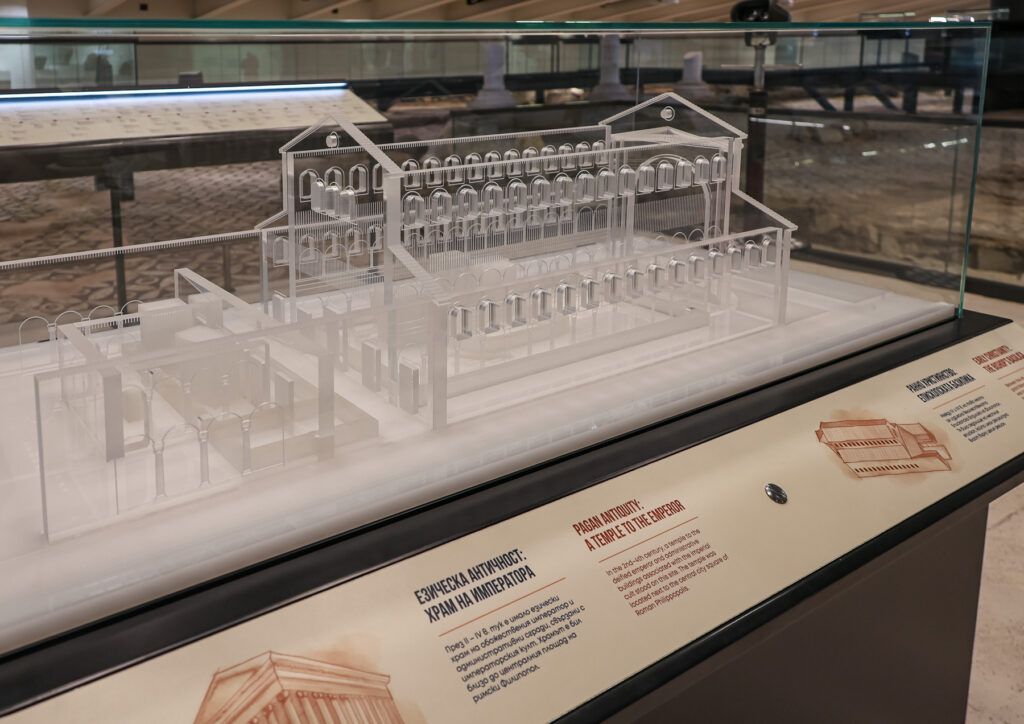

It’s famous for its bird mosaics, especially a large peacock image symbolising eternal life in Christianity. The basilica itself is located on the site of an earlier Roman building, and in the 6th century, it was abandoned, probably due to an earthquake. After that, a Christian necropolis was located on top of it.
7. Merchant Houses
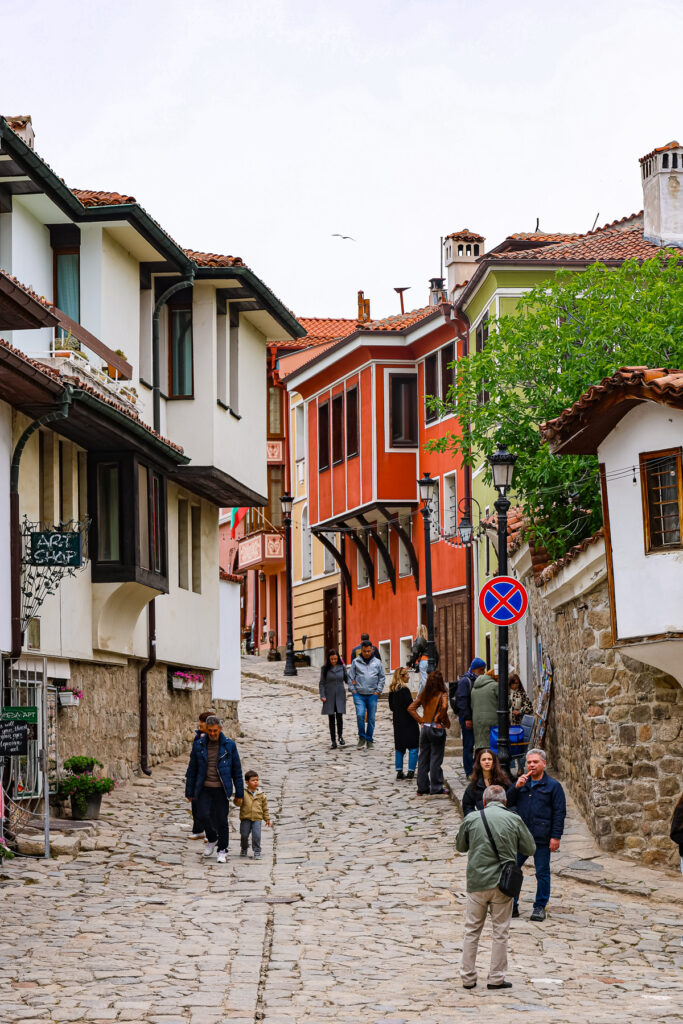
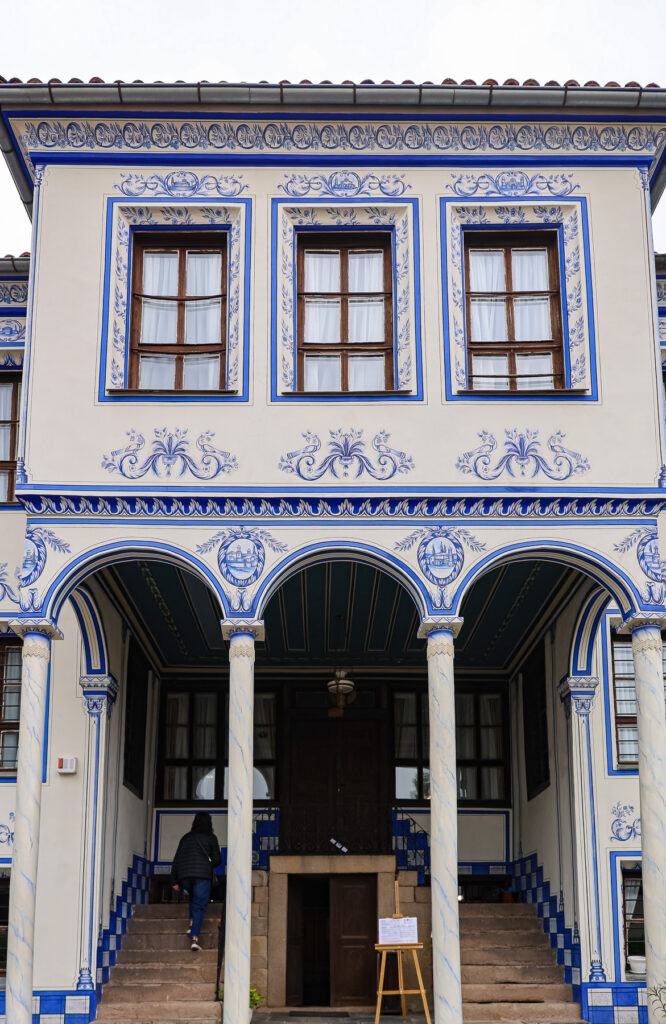
Spotting and visiting the houses of prominent merchants, mostly dating to the 19th century, is a must in Plovdiv. These houses are built in the National Revival style, nodding to the new life of Bulgarian architecture after gaining more independence from the Ottoman Empire.
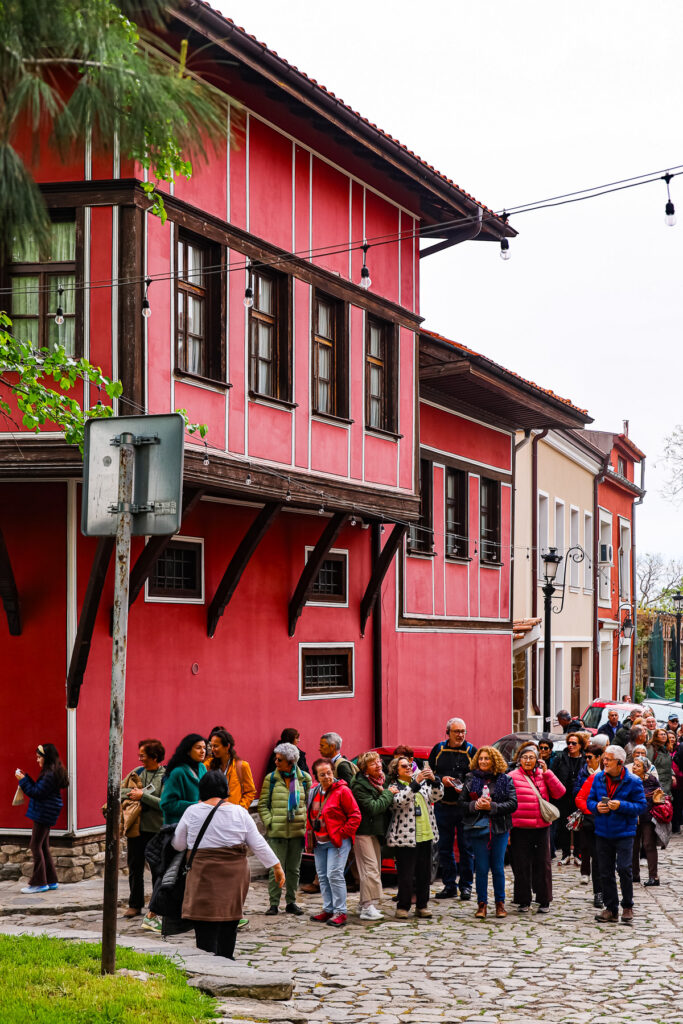

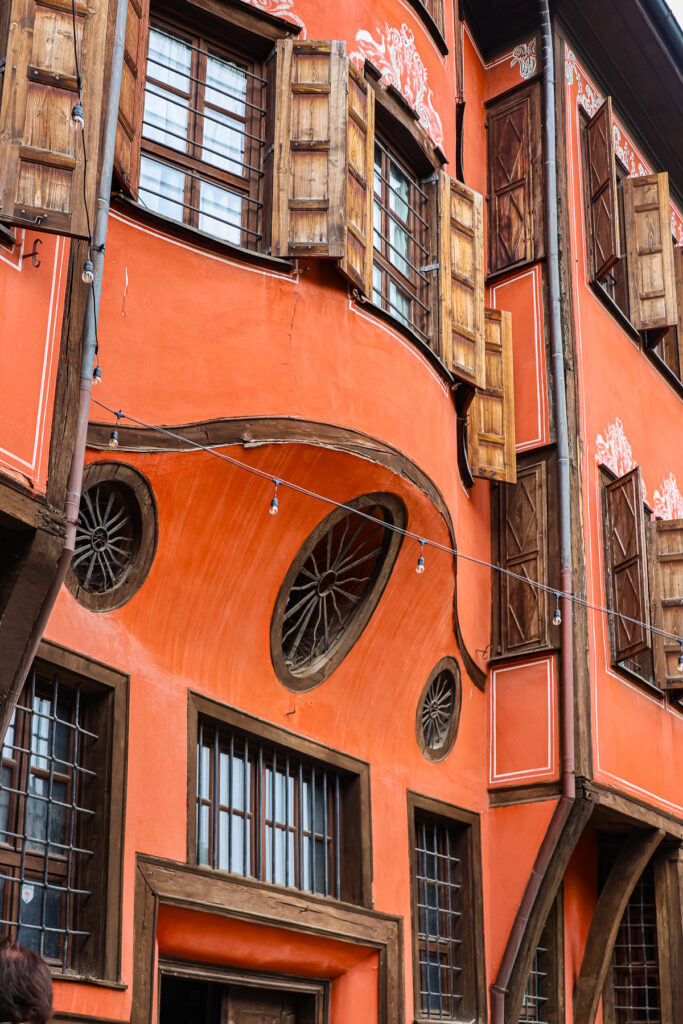
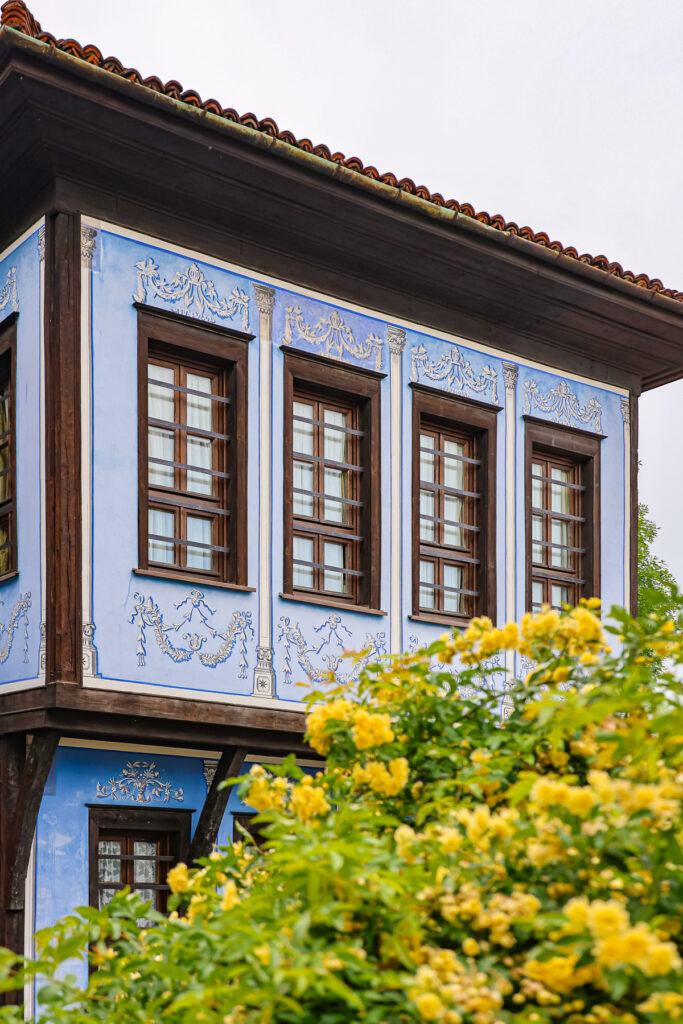
You might have noticed the signs mentioning that a house belonged to Luka Balabanov, Dimitar Georgiadi, Stepan Hindliyan, Georgi Klianti, or Georgi Mavridi. Some of them are mentioned below.


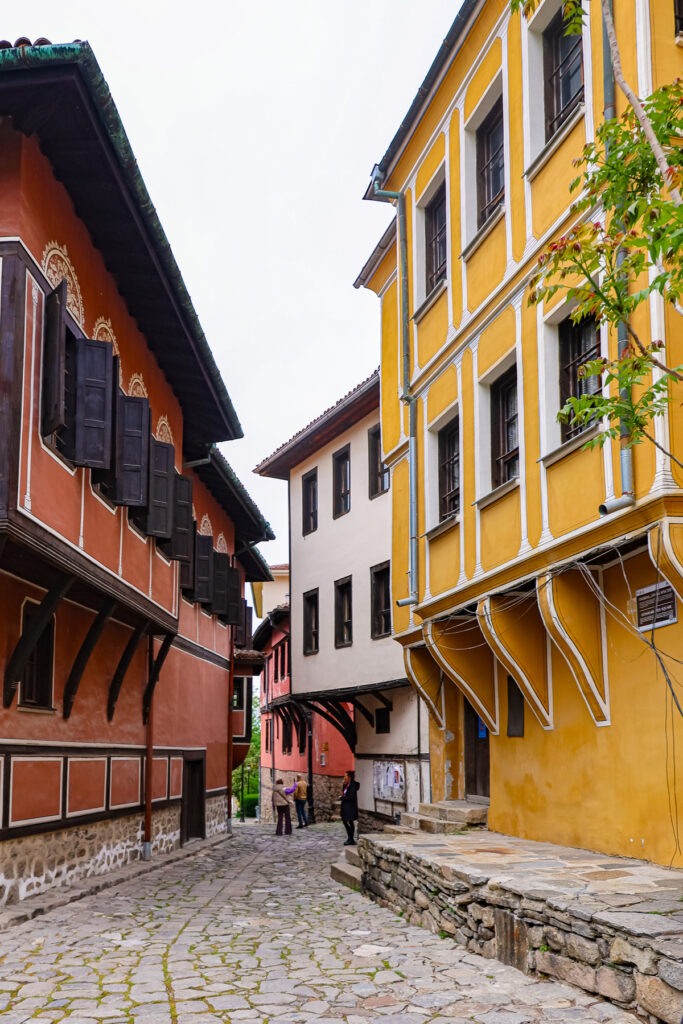
8. Luka Balabanov House
The house of Luka Balabanov is one of the finest examples of such symmetrical and lavishly decorated houses.
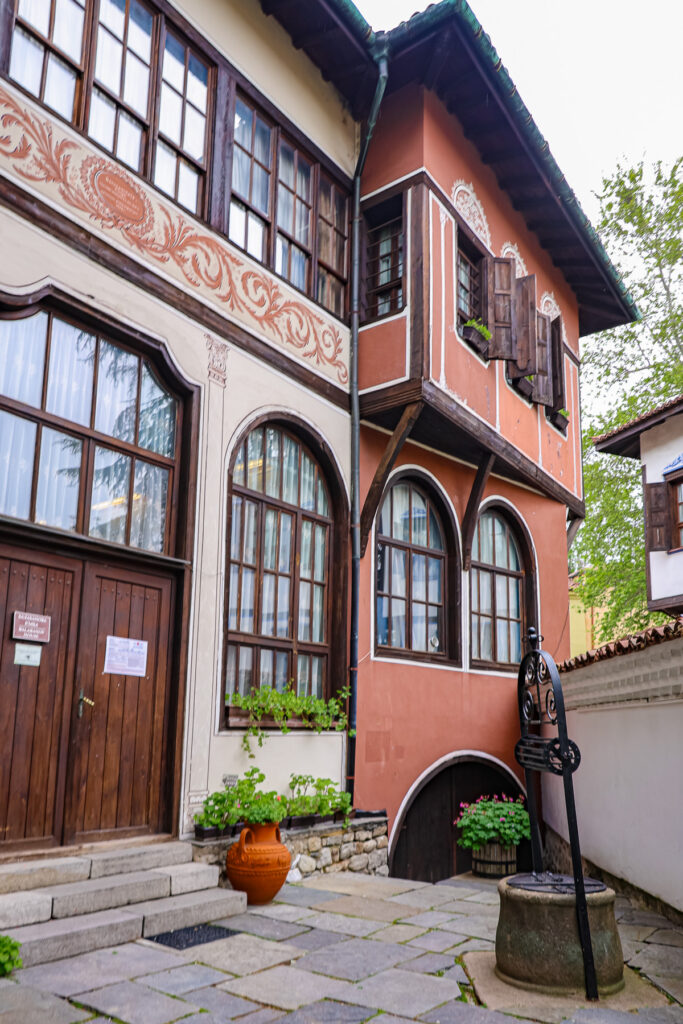
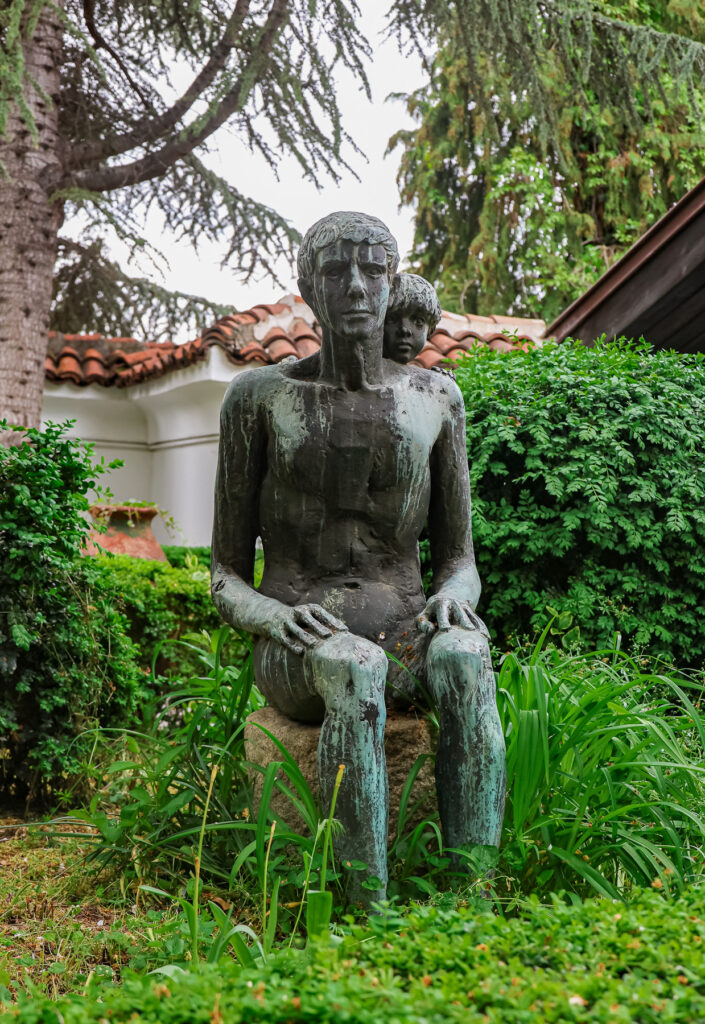

The building had three owners: wealthy merchant Hadzhi Panayot Lampsha from the tailor guild, then Hristo Gerov, and finally Luka Balabanov, after whom the house was named. The original house was unfortunately demolished, but half a century later, in the 1970s, it was meticulously restored.
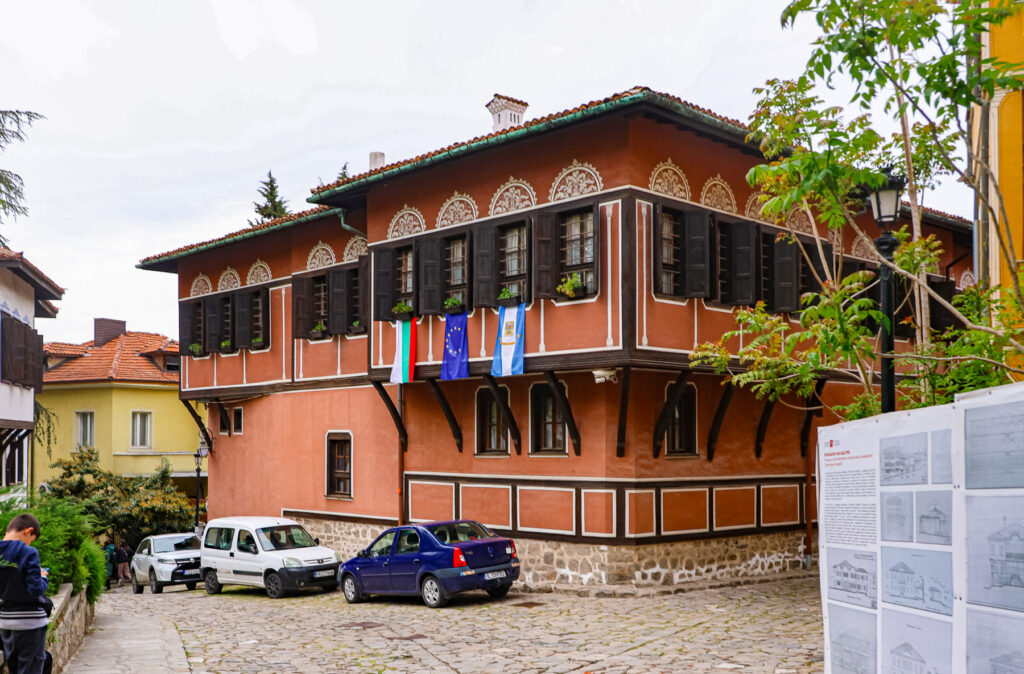
9. Stepan Hindliyan House
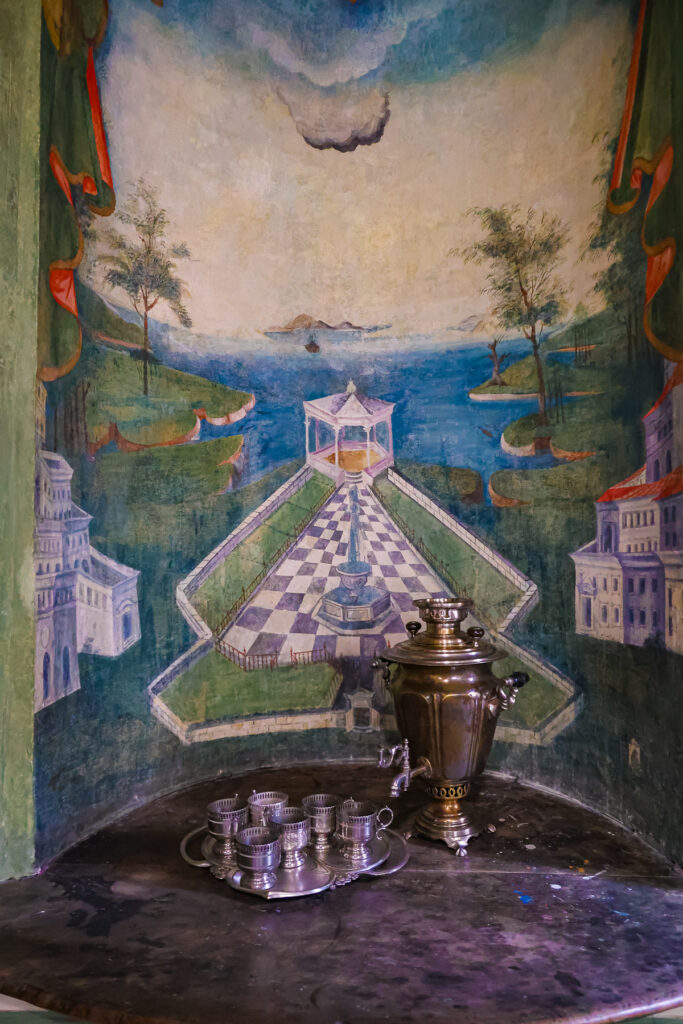
Another house you might want to visit belonged to Stepan Hindliyan (and his offspring can still be traced up to the very recent period)! In this house, you’ll find wonderful private apartments, a reception, an office, and even a hammam.
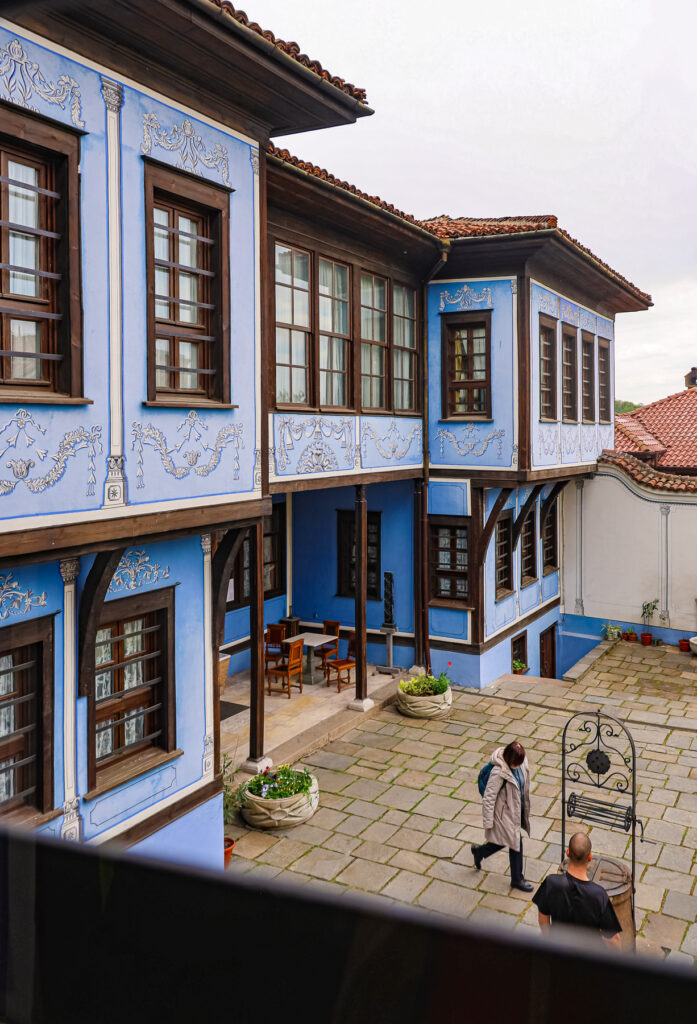
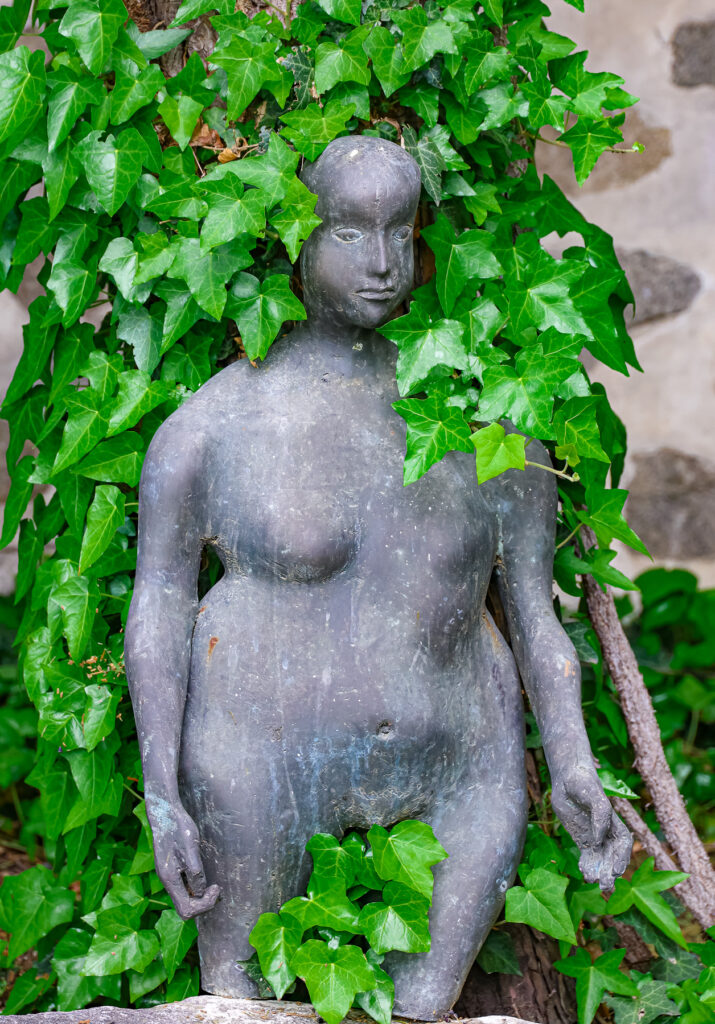
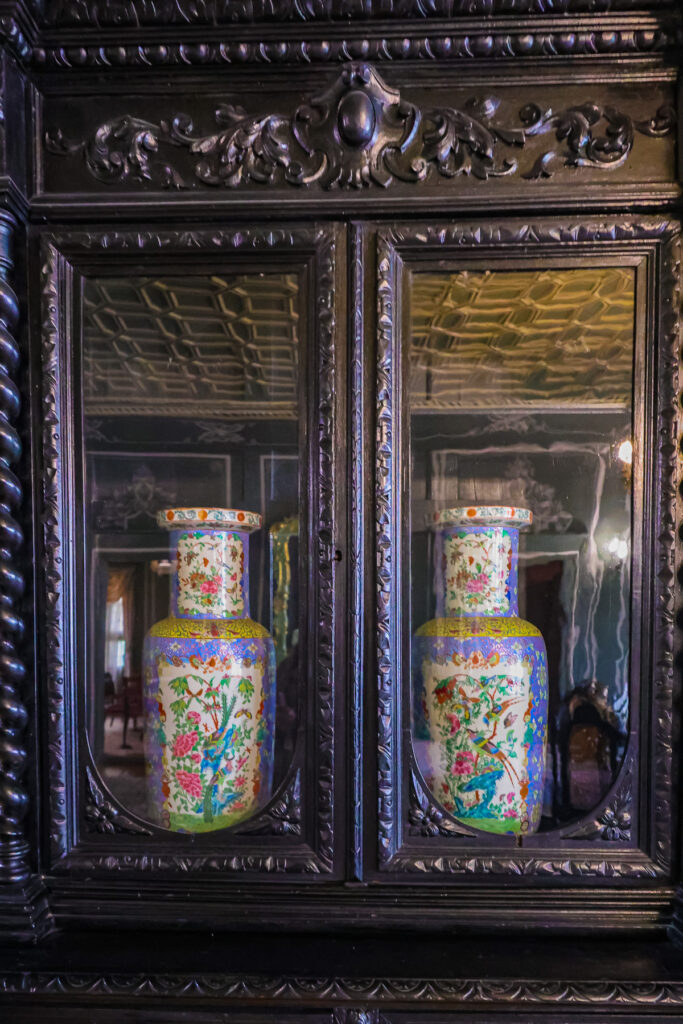
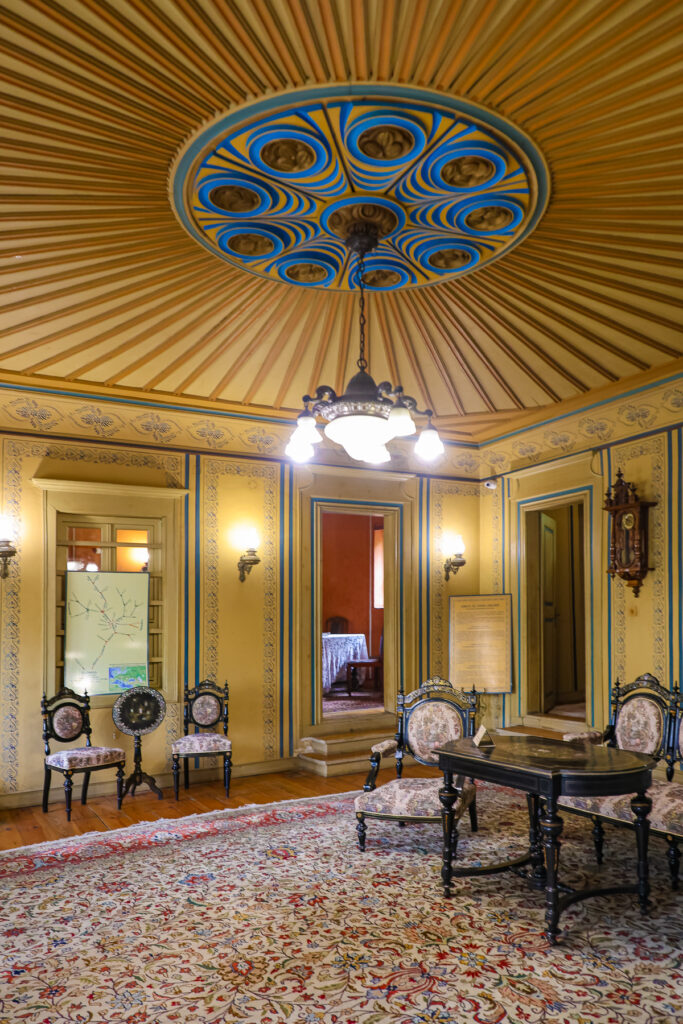

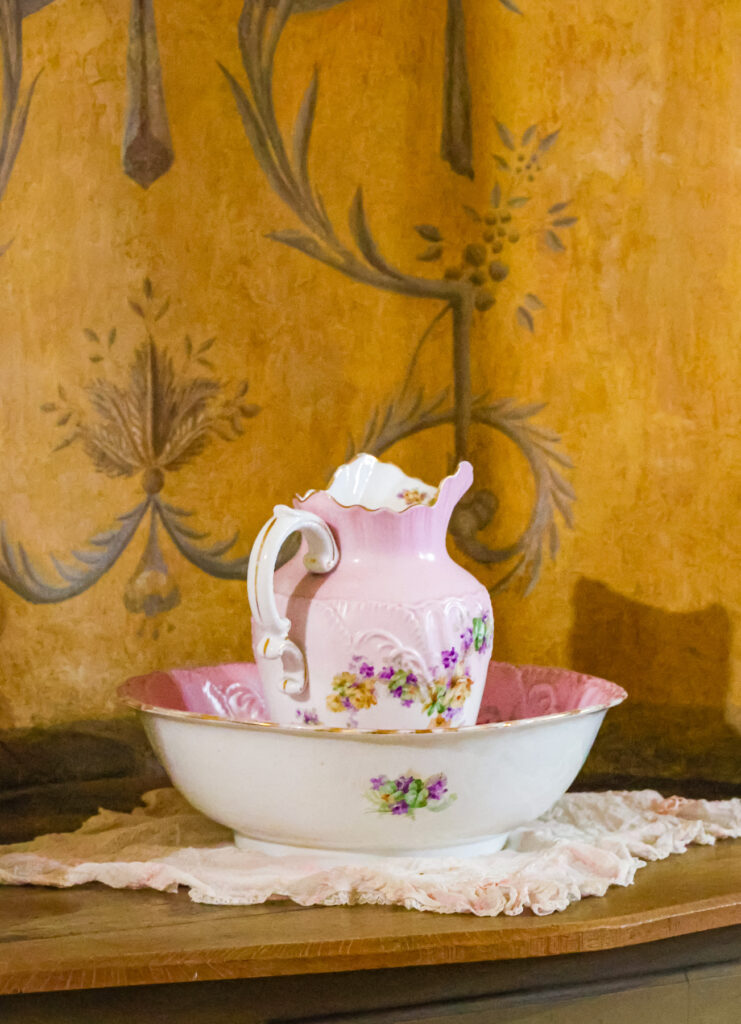
The building was erected between 1834 and 1835 and belonged to one of the wealthiest Armenian families in the city.
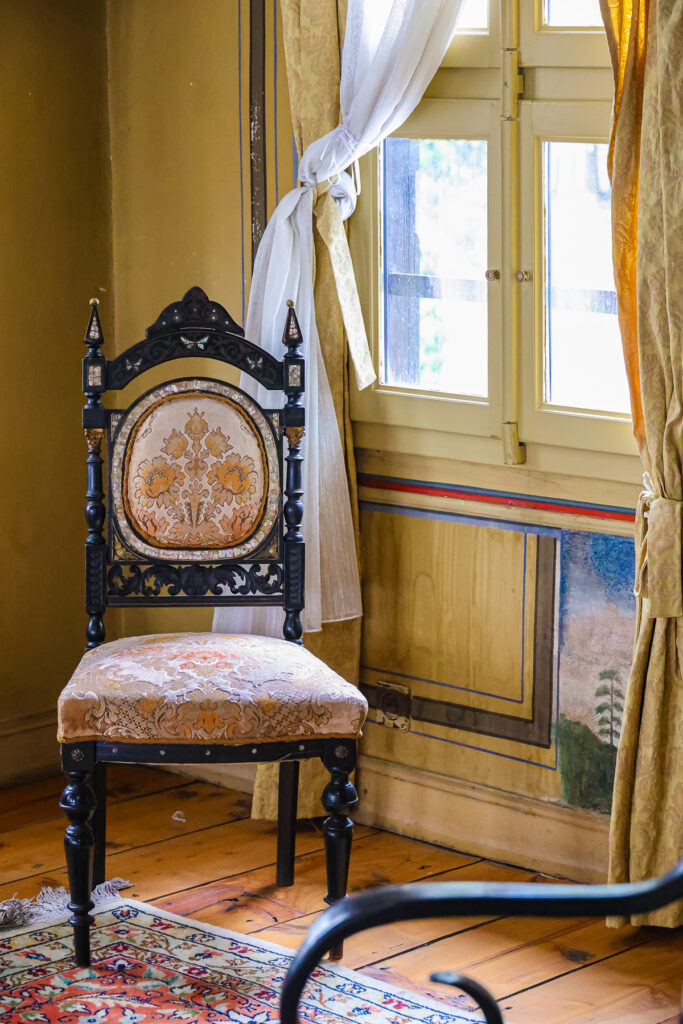
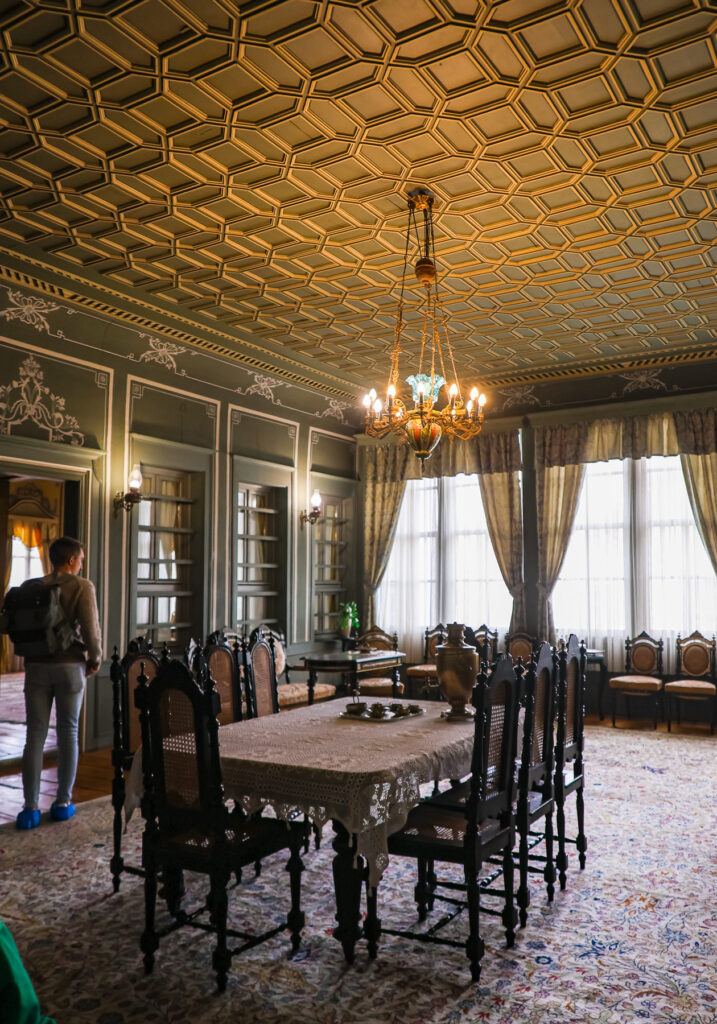


Come here to admire the decorations and the beautiful ceiling carvings; besides that, this building, in contrast to many other houses, preserves its original structure!



10. Lamartine House
Spot the Lamartine House here too: actually, the famous French poet Alphonse de Lamartine stayed there once in 1833, hence the name.
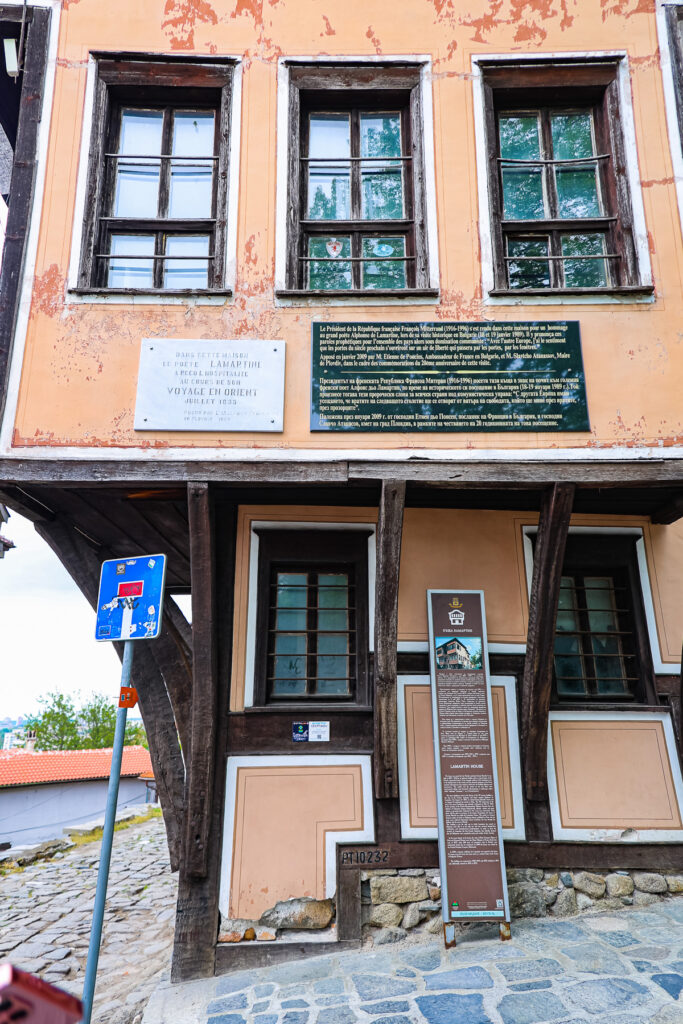
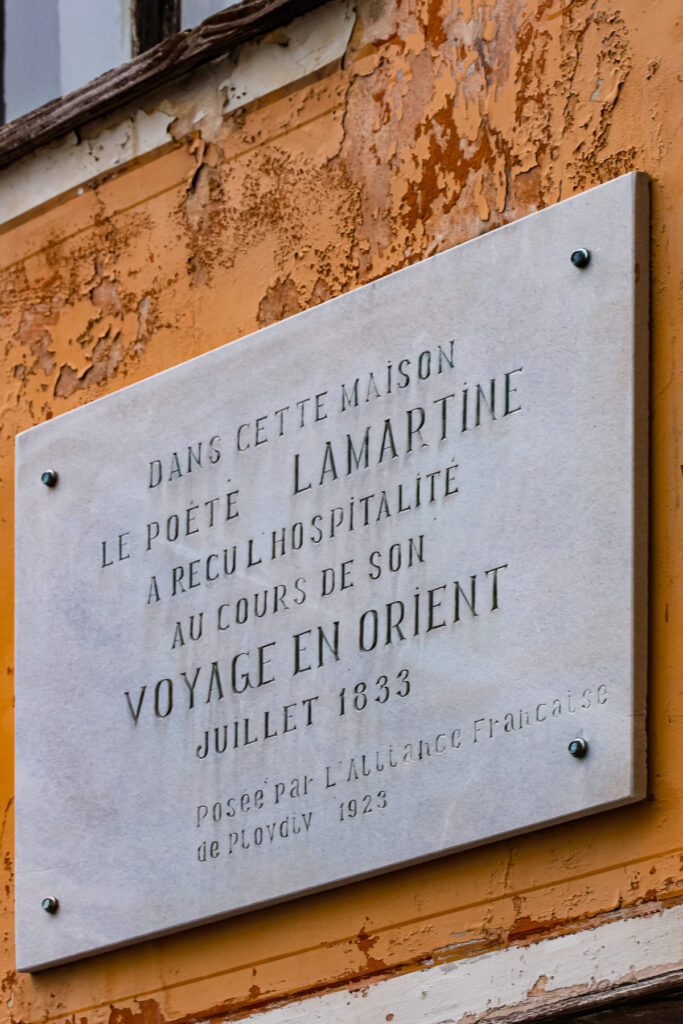
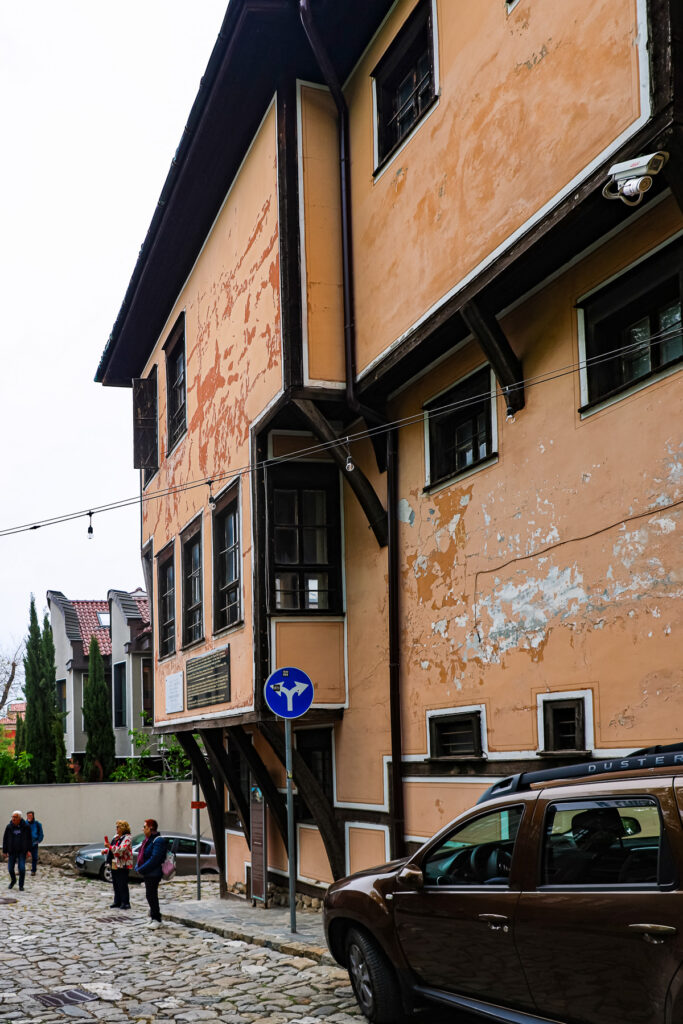
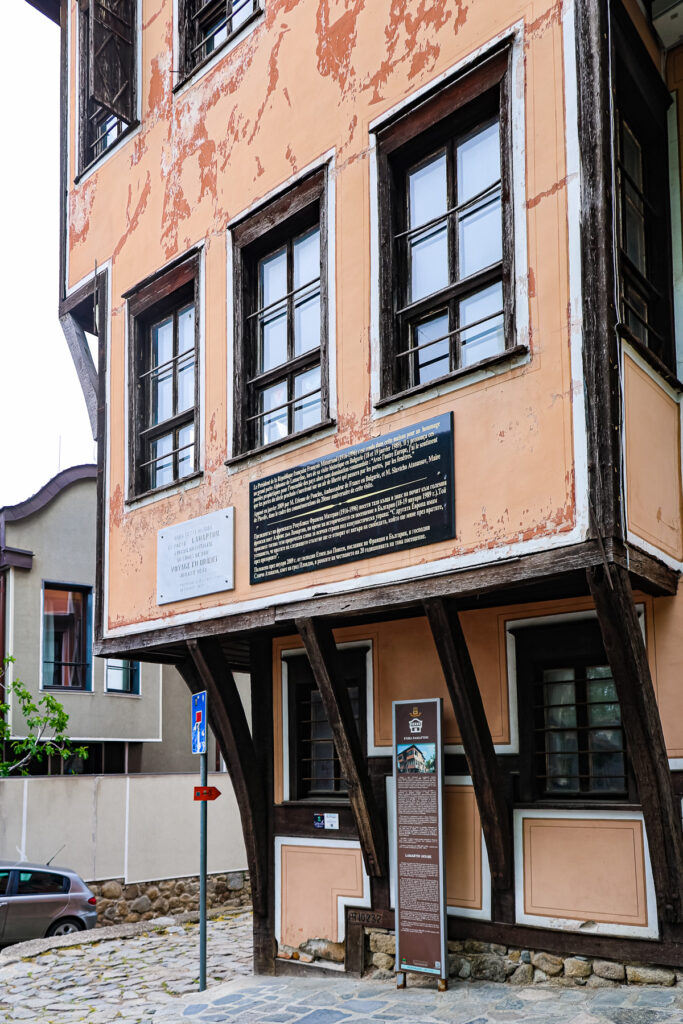
The building itself was built in the early 19th century for the merchant Georgi Mavridi and represents a beautiful architectural structure of that era (you’ll see more such houses in Plovdiv later, but this one is particularly large). Unfortunately, during our trip, it was closed to visitors.
11. Plovdiv Regional Ethnographic Museum
The Plovdiv Regional Ethnographic Museum is another important example of the National Revival style.

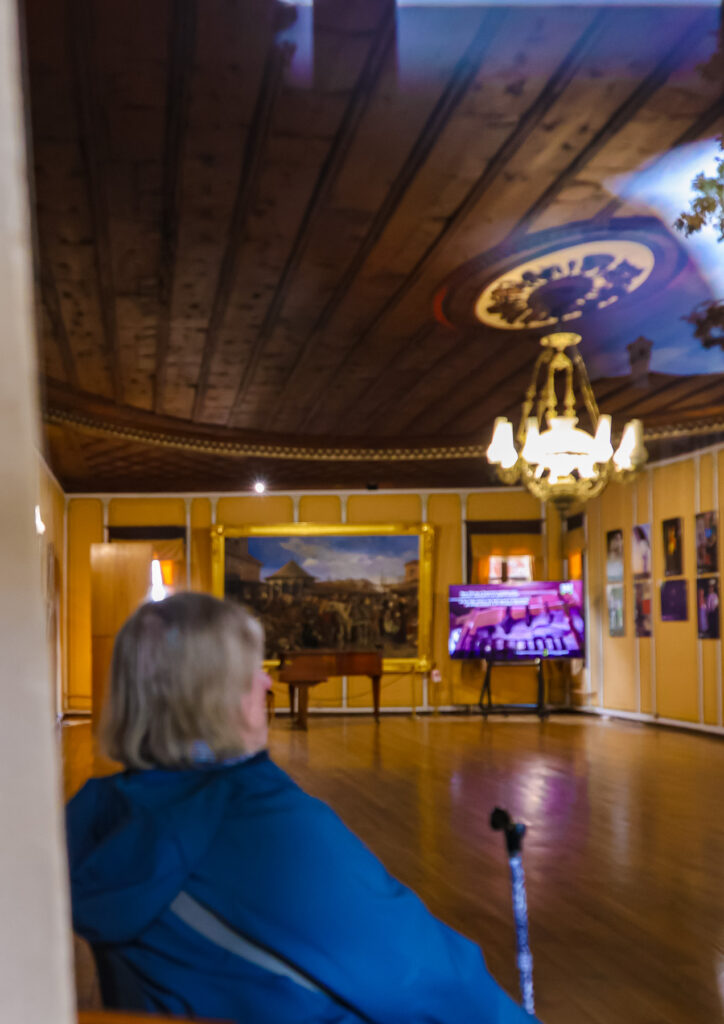

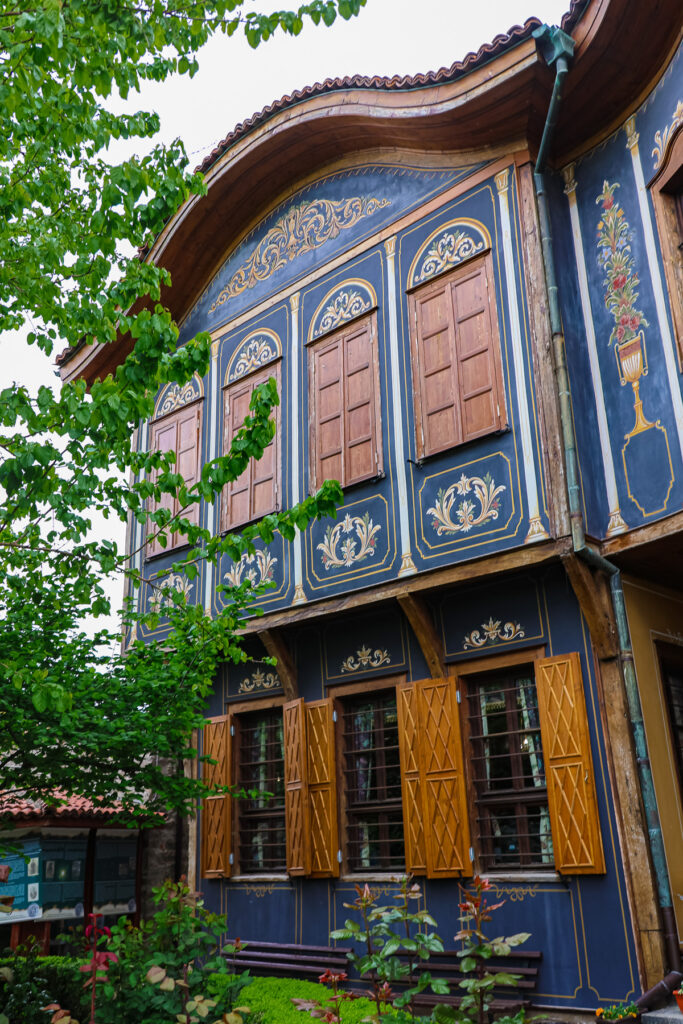
It was built in 1847 and belonged to another wealthy merchant, Argir Kuyumdzhioglu, and later housed numerous venues, such as girls’ schools and a vinegar factory. It has been open as a museum since 1943.
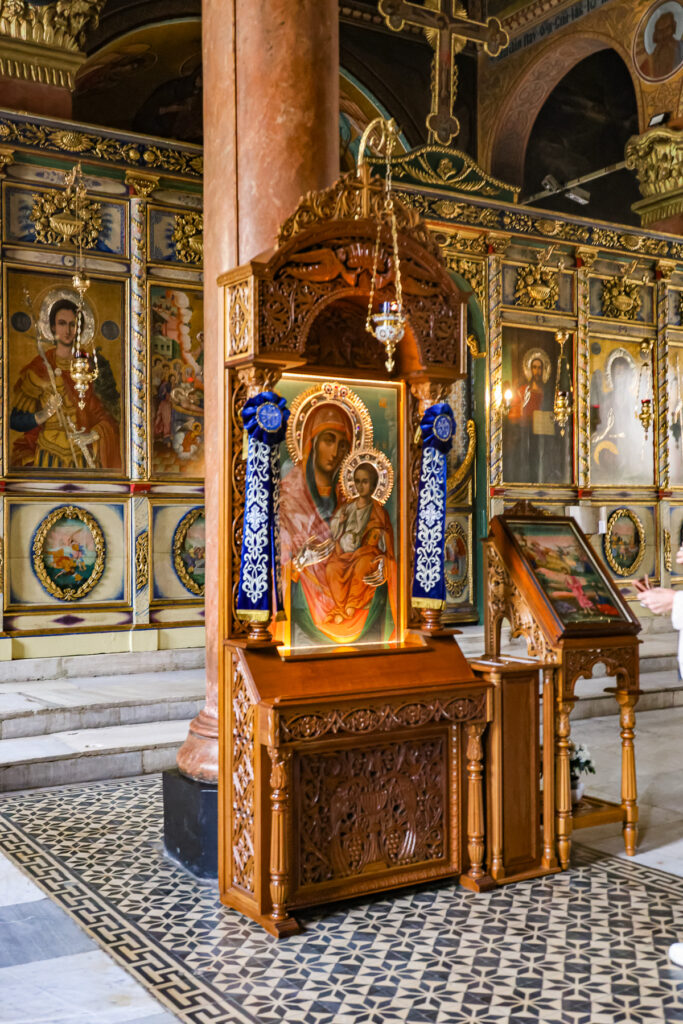
12. Church of the Holy Mother of God
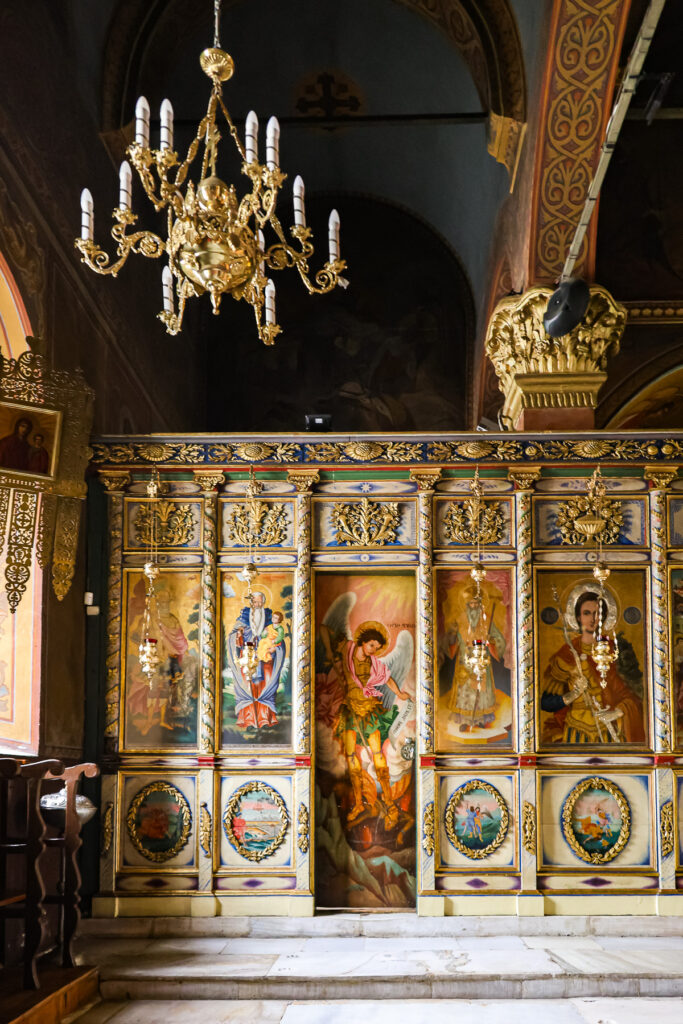
The Church of the Holy Mother of God is the second largest cathedral in Plovdiv. It’s unknown when the first church on this site was erected, but it already existed in the 9th century.
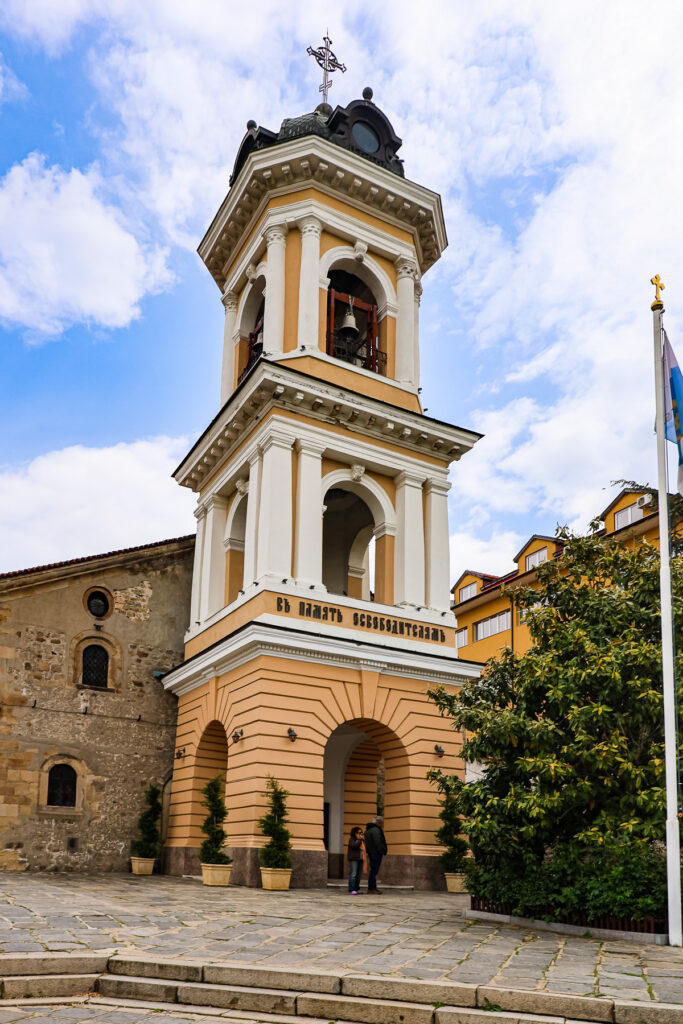


Later it became part of a monastery, and today’s church was built in 1844. Now it’s a beautiful site where you can observe traditional Bulgarian Orthodox icons and decorations. You might also spot a sign on the belfry saying ‘in memory of the Liberators – въ память освободителямъ,’ thanking the Russian soldiers who freed Bulgaria from the Ottoman Empire during the Russo-Turkish War in 1876-1878.


13. Pharmacy Museum Hippocrates
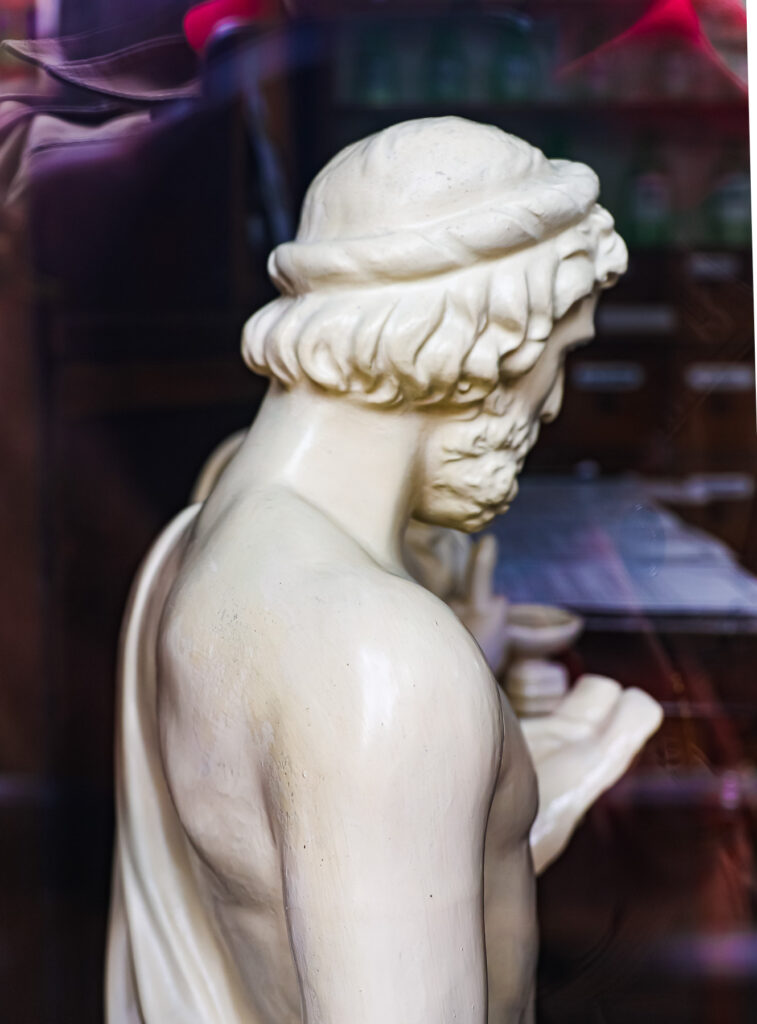
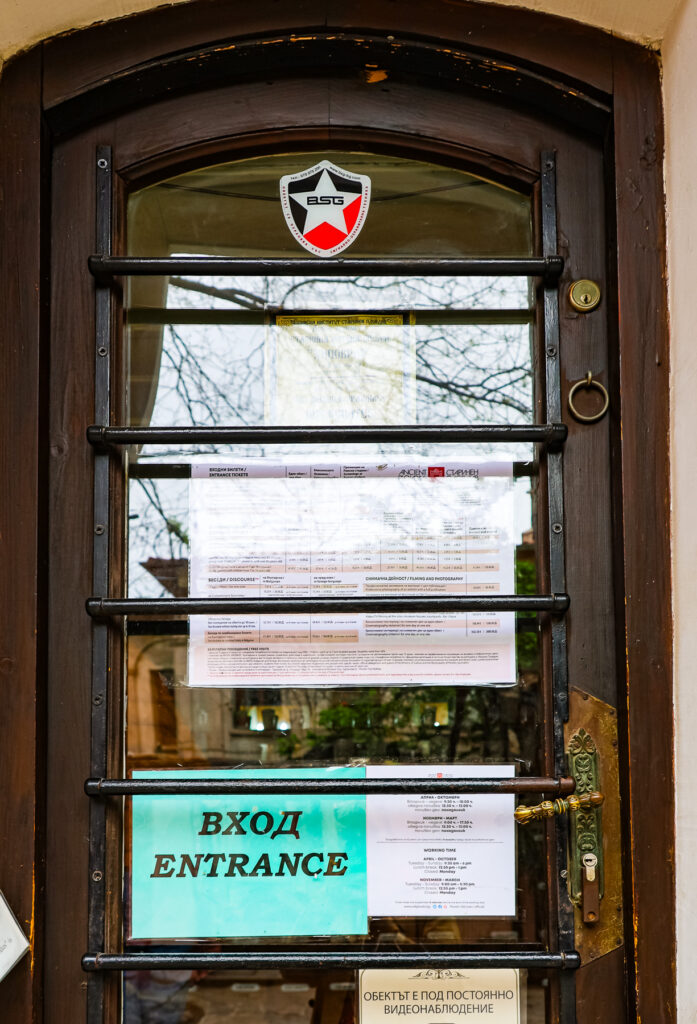
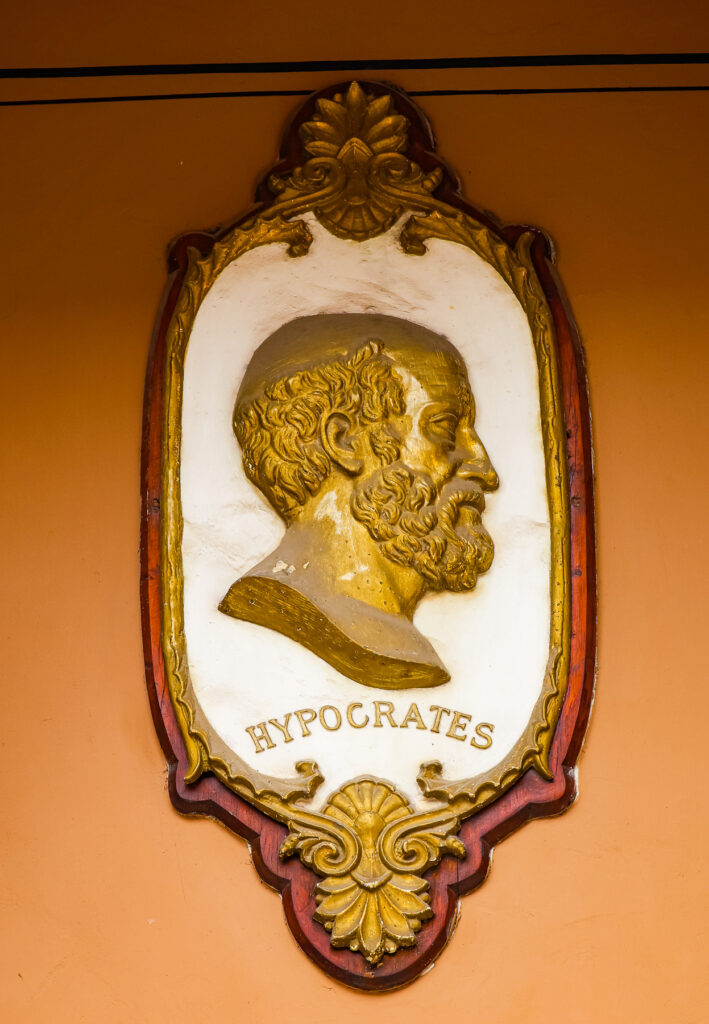
You might also want to visit the Pharmacy Museum Hippocrates on Saborna Street – this building operated as the best-equipped pharmacy from 1872 to 1947, initially under the control of Dr. Sotir Antoniadi, and since 1981 it houses a museum.

14. Kapana District
Walk around the Kapana district, a creative area with cafes and murals everywhere. Such a contrast to the old city center! It sits close to the main square of the city – don’t miss it!


15. St. Demetrius Church
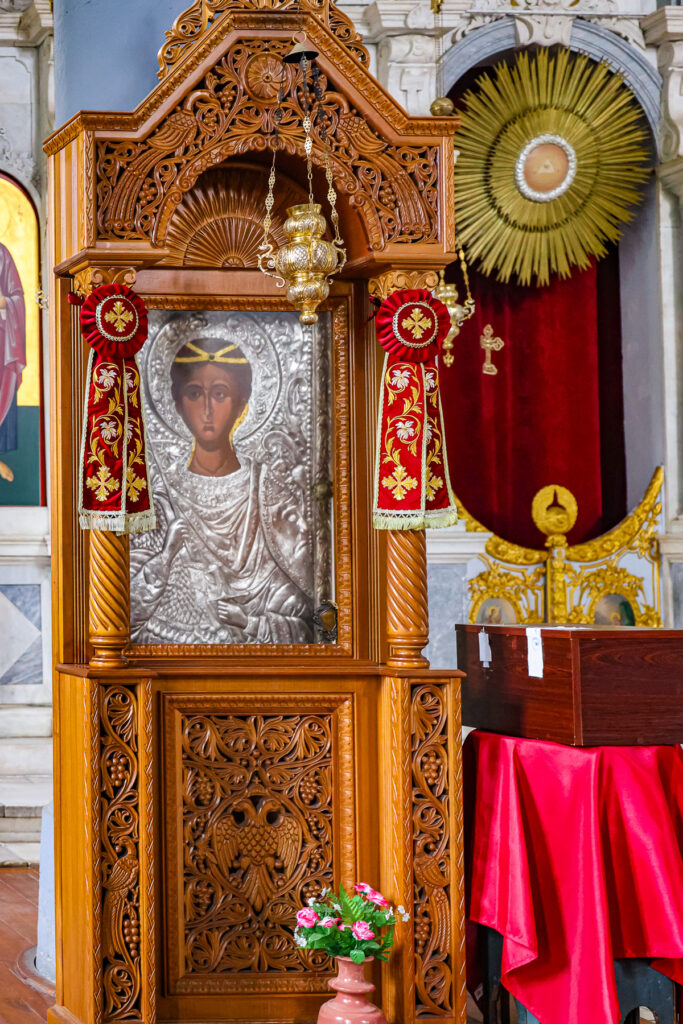
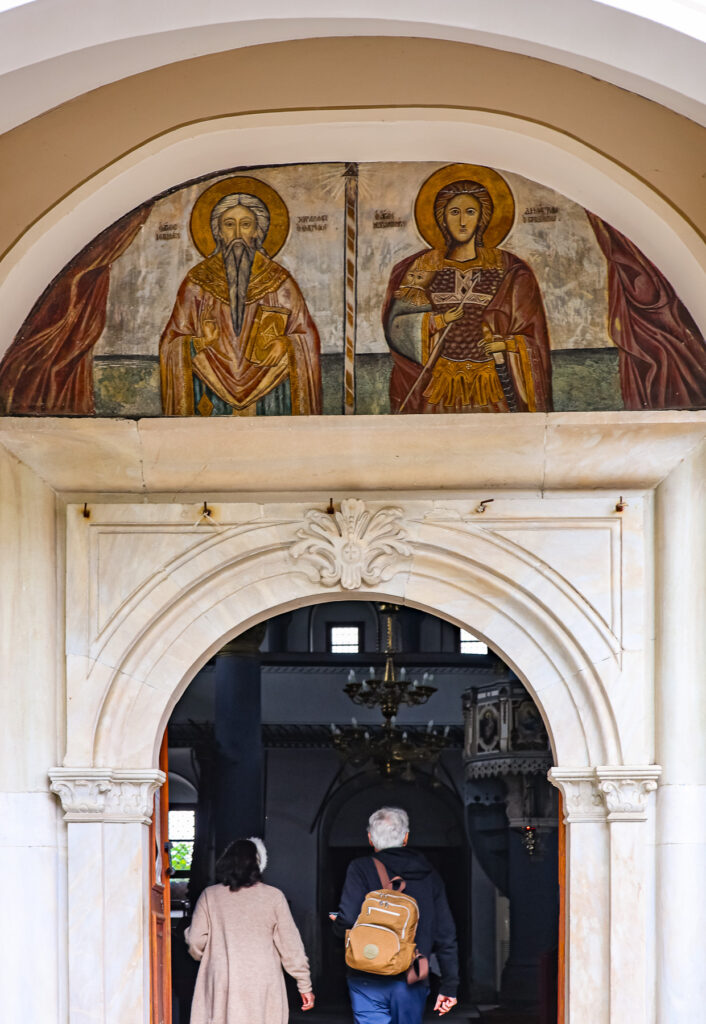
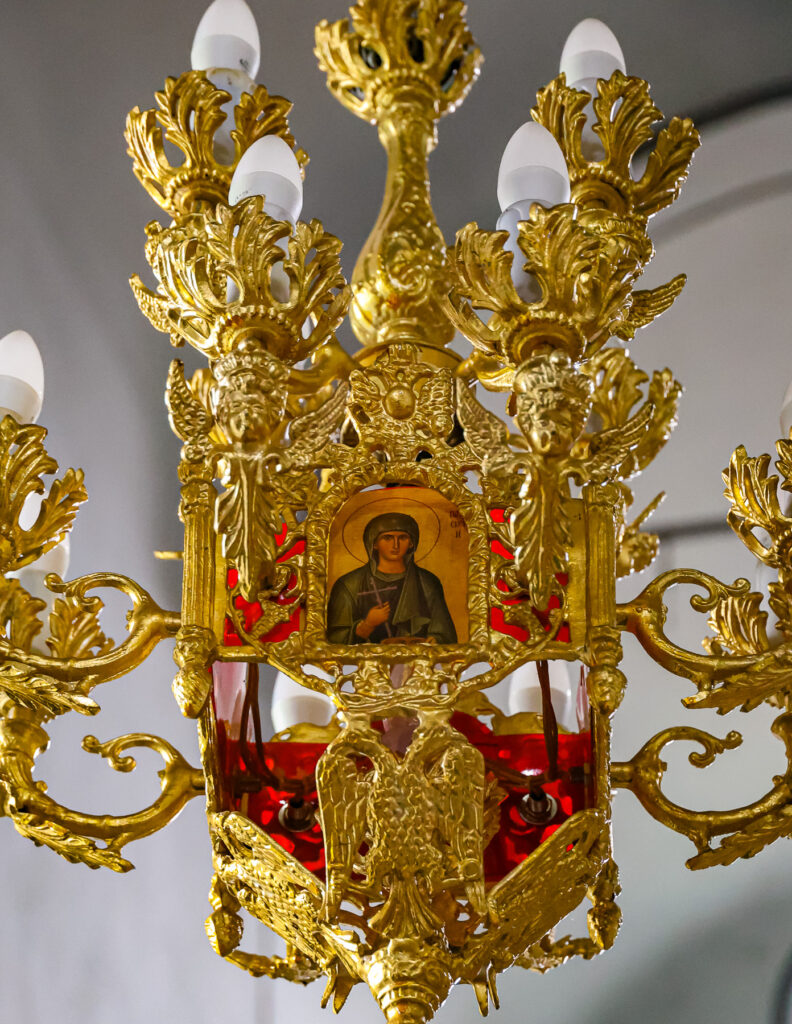
Close by, you can see more religious sites such as St. Demetrius Church, erected in the early 19th century on the site of a medieval church.

Many frescoes are lost, but the collection of icons is impressive.

16. Roman Forum and Odeon of Philippopolis
The Roman Forum and Odeon are other important remnants of Philippopolis.


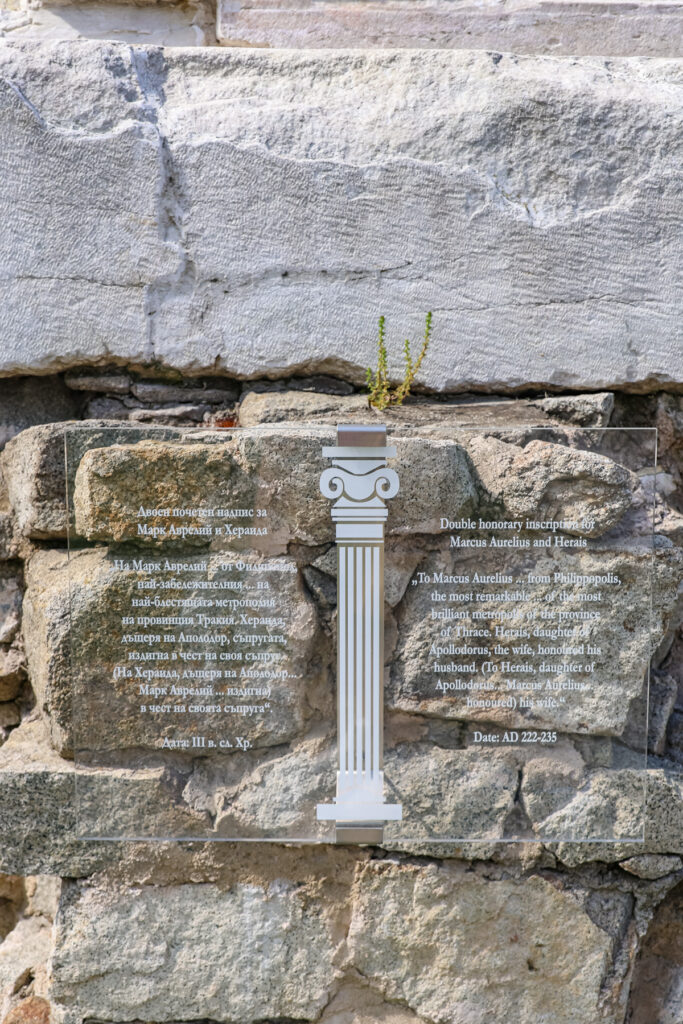
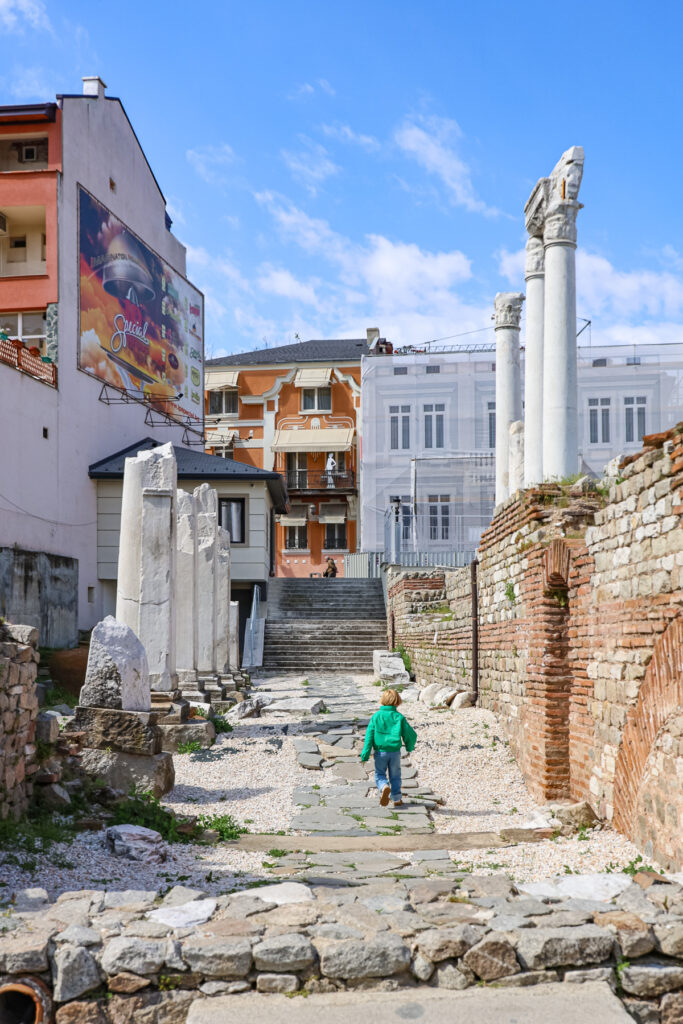
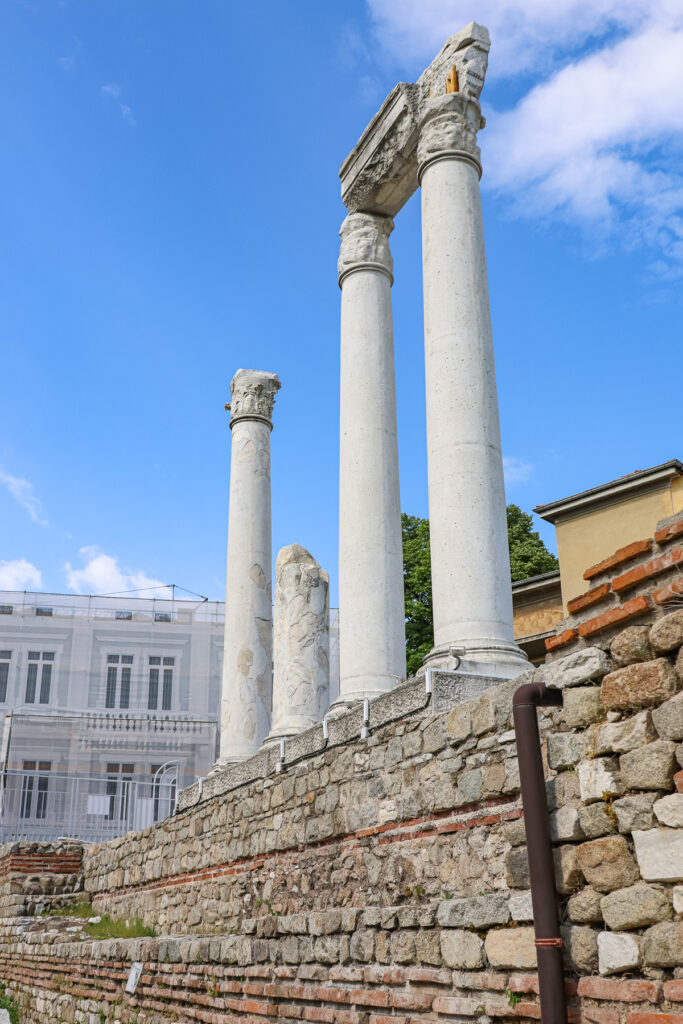

The Forum was founded around the 1st century AD and was an important center for the social, commercial, and administrative aspects of life, while the Odeon’s construction started in the 2nd century AD. Excavation began in 1971, and you can visit this archaeological site for free.

17. Knyaz Alexander of Battenberg Street
Take a stroll along the pedestrianised Knyaz Alexander of Battenberg Street – can you believe that it’s called the longest street in Europe?


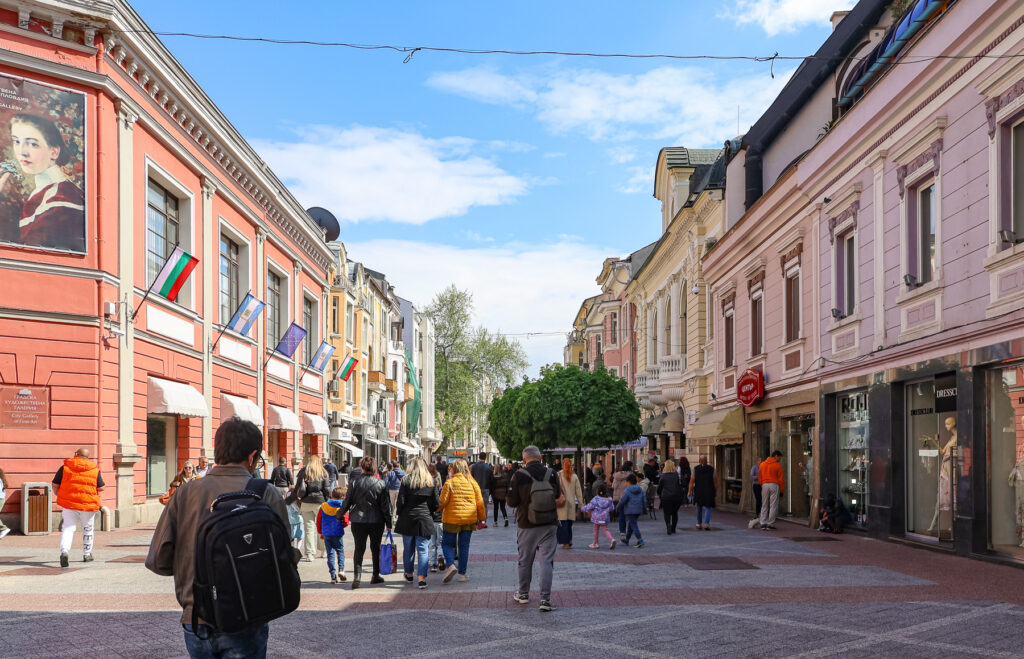
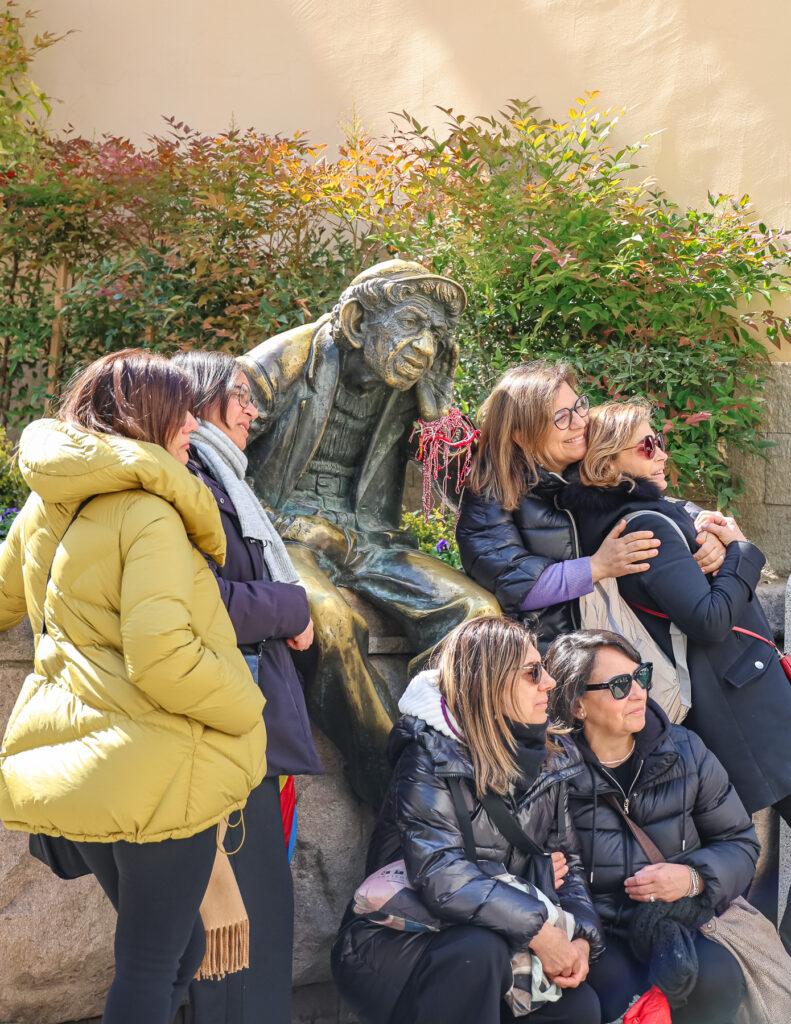
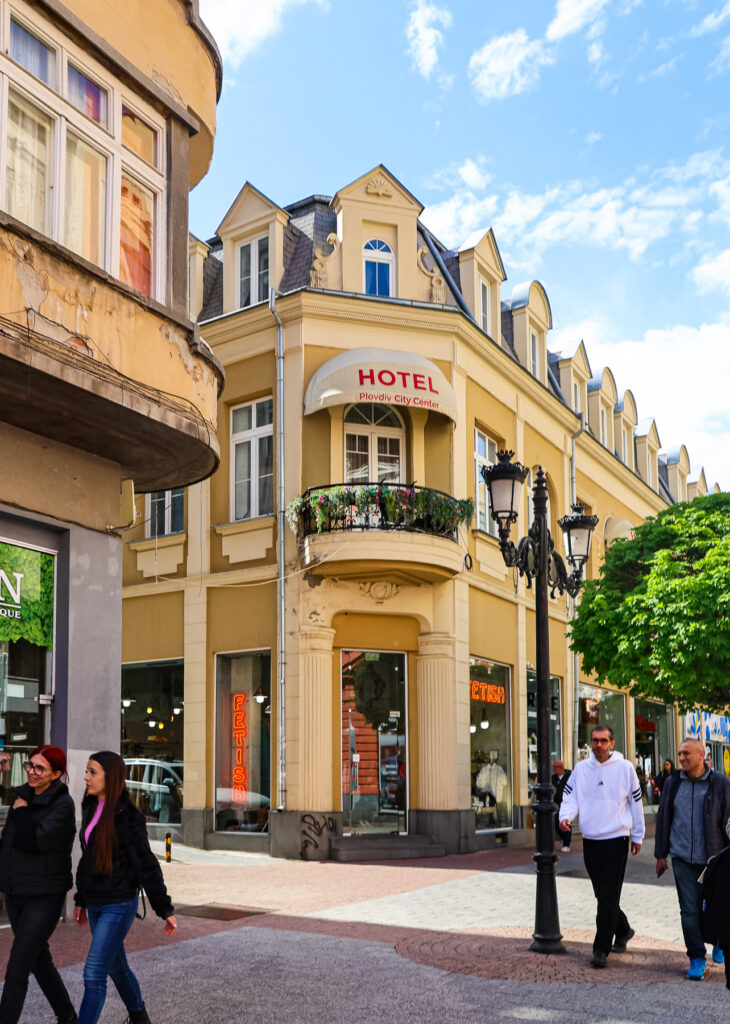
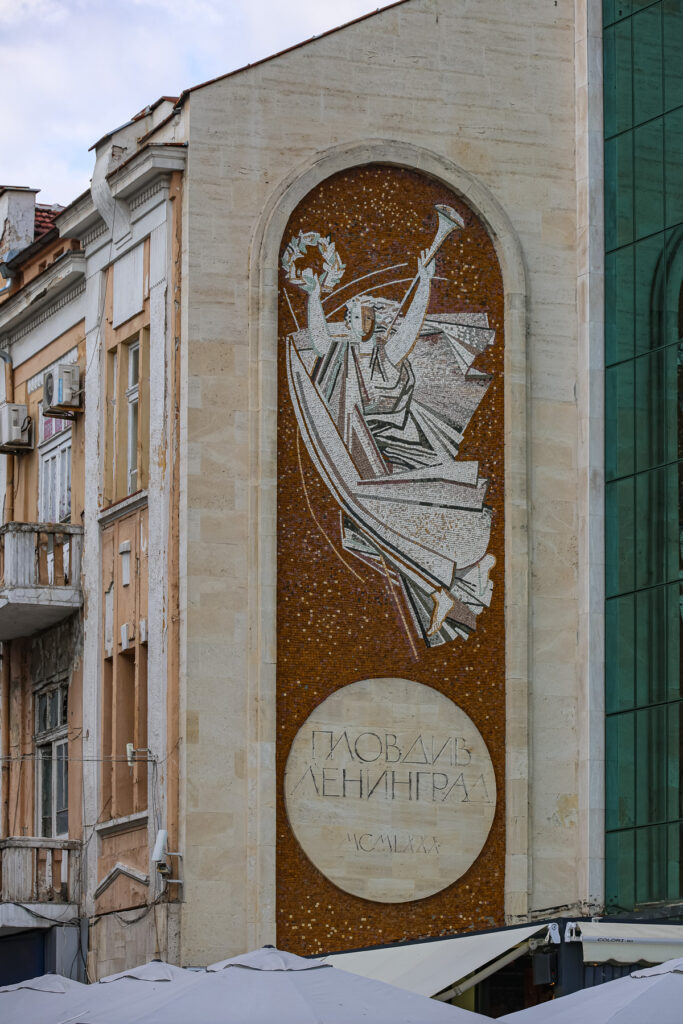
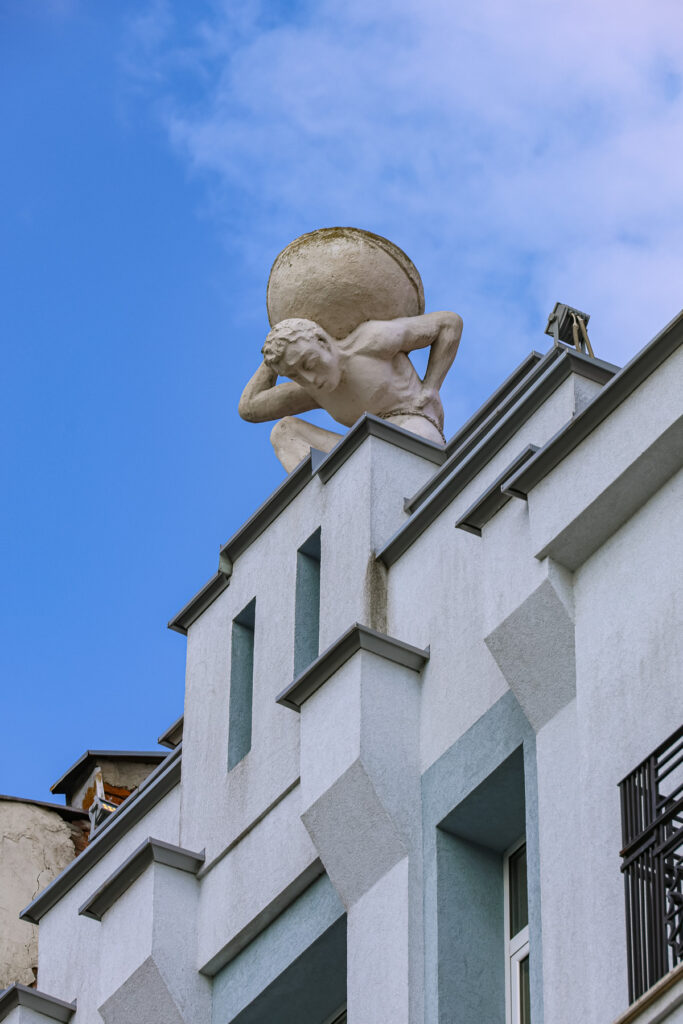
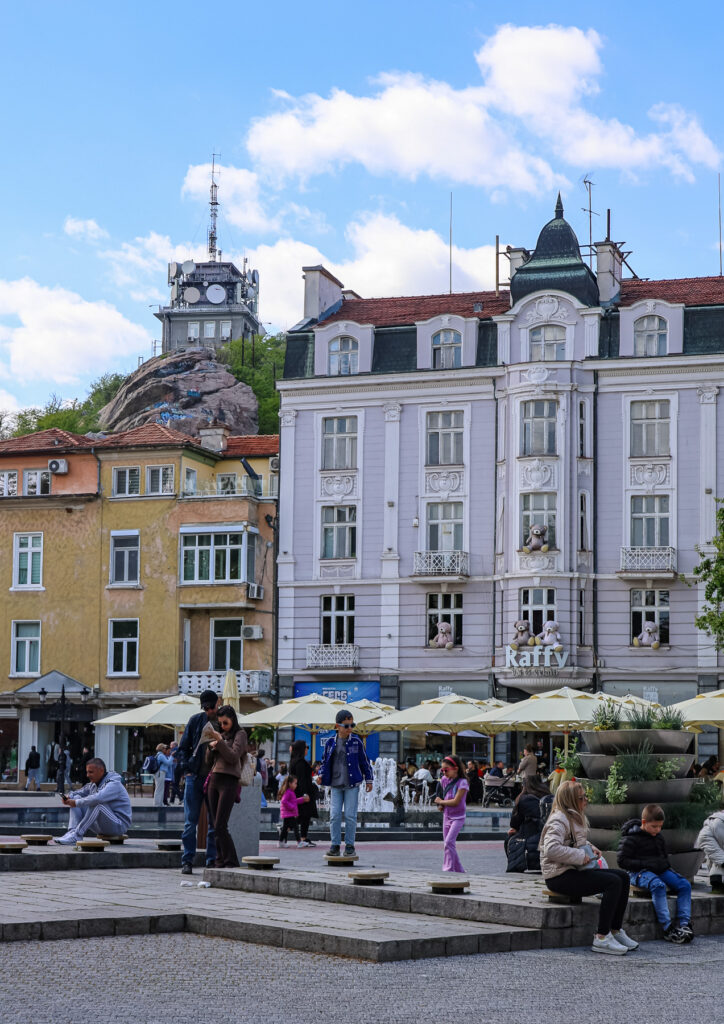
Adorned with Art Deco buildings and restaurants, it’s a nice shopping destination too. Walk along a gorgeous main square with a fountain, spot the Milyo statue, and the ‘Together’ monument dedicated to the period when Plovdiv was named the European Capital of Culture in 2019.

18. Stadium of Philippopolis
The Stadium of Philippopolis is another impressive Roman remnant; however, it’s only partially excavated.

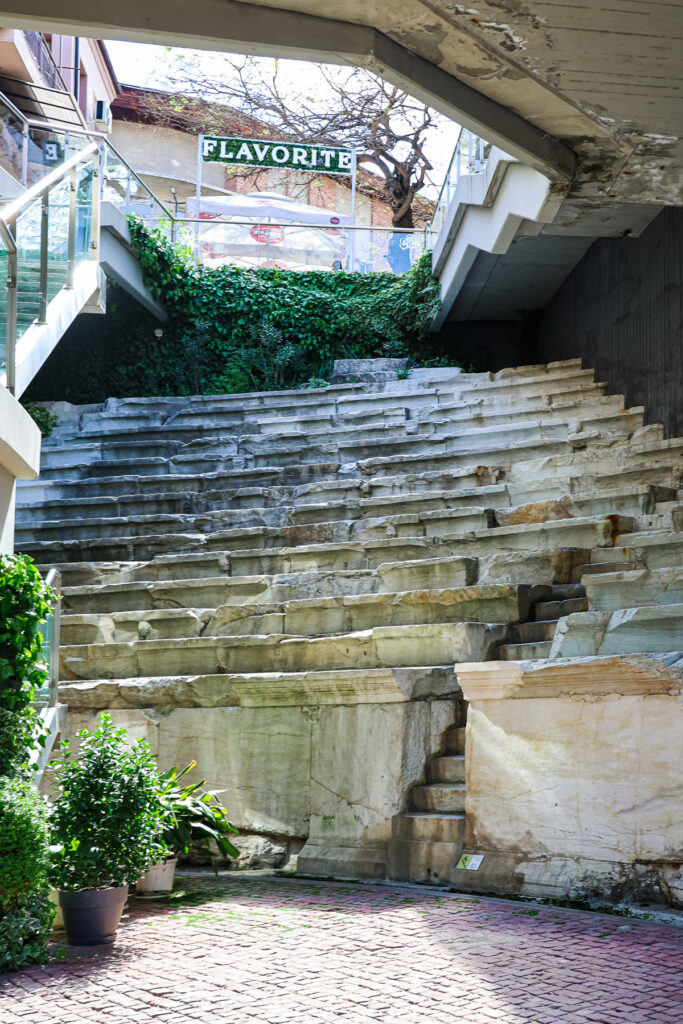
It was erected in the 2nd century AD and could accommodate up to 30,000 visitors. You can walk through the gate and observe the stadium from the bottom of it!
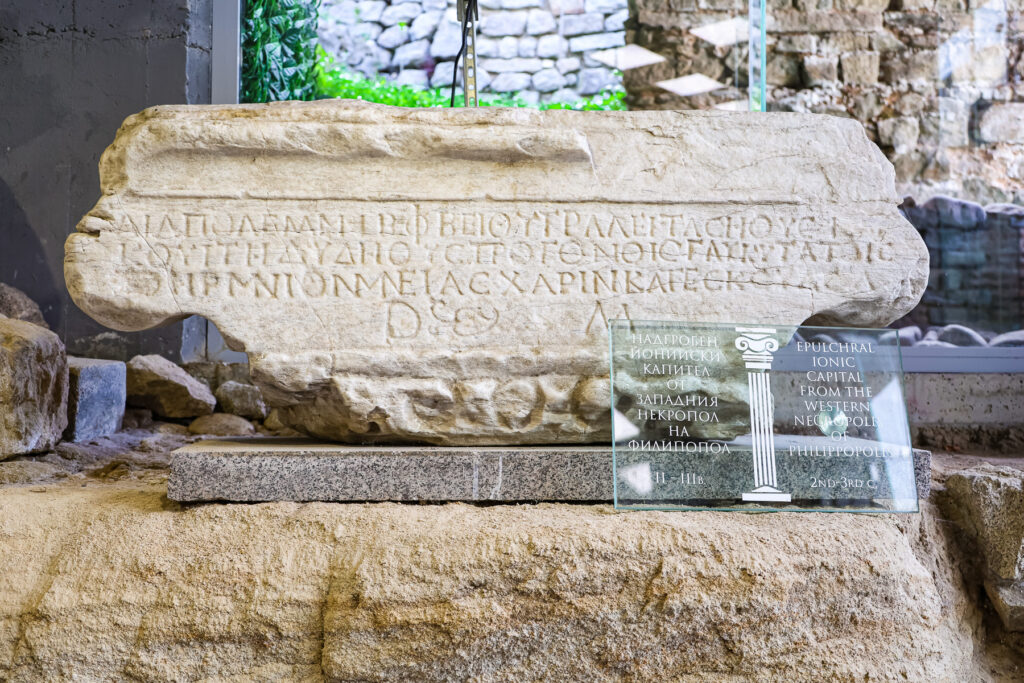


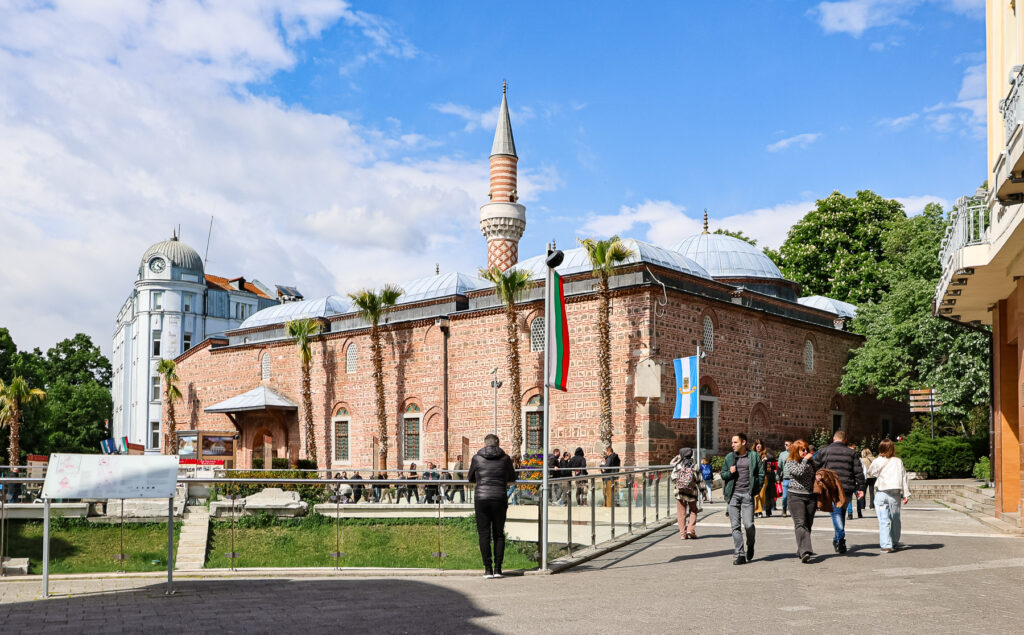
19. Dzhumaya Mosque
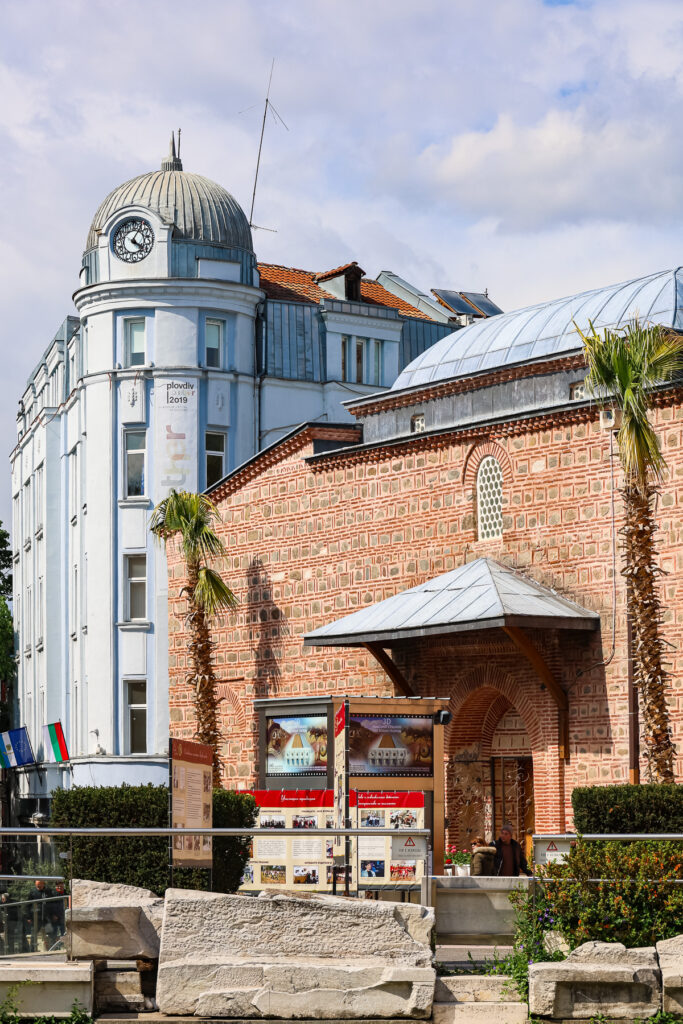
Dzhumaya Mosque, located in the very centre of modern Plovdiv, is a remnant of the Ottoman rule over Bulgaria.

Originally named Cuma Camii, the mosque was built in 1363–1364 on the site of a church marking the Turkish conquest. Today’s mosque was erected on the site of that cathedral in the 15th century.20. Street of Crafts

20. Nebet Tepe hill
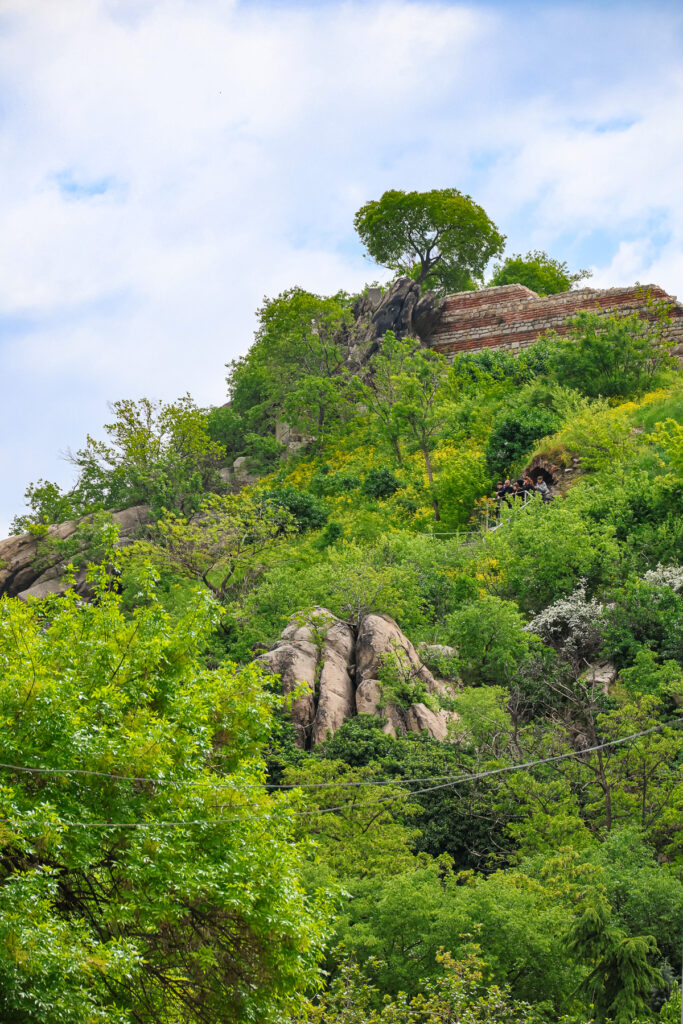
Plovdiv used to be nicknamed the City of the Seven Hills, but now only six of the hills are left. The old city sits on the three of them, and Nebet Tepe is the one you can’t miss!
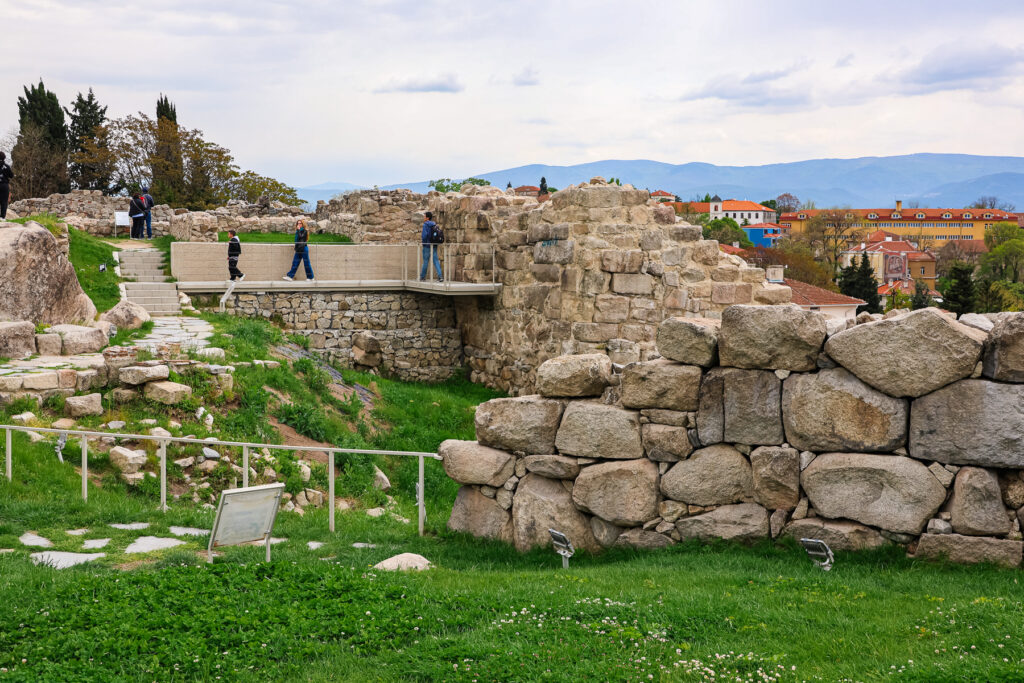
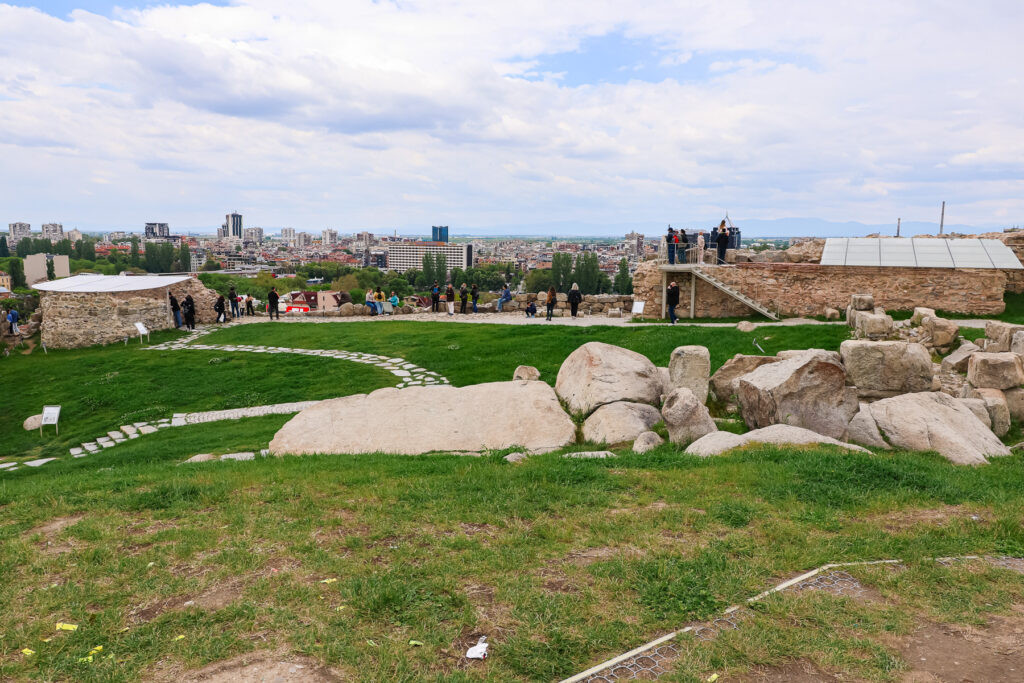

Now it’s a popular observation point and an archaeological site: the earliest settlement here dates to the 4000BC! Various civilisations have heart their traces here, with the earliest excavated ruins dating to the 4th century BC: this hill was used during the Thracian, Hellenistic / Philip II and Roman periods.
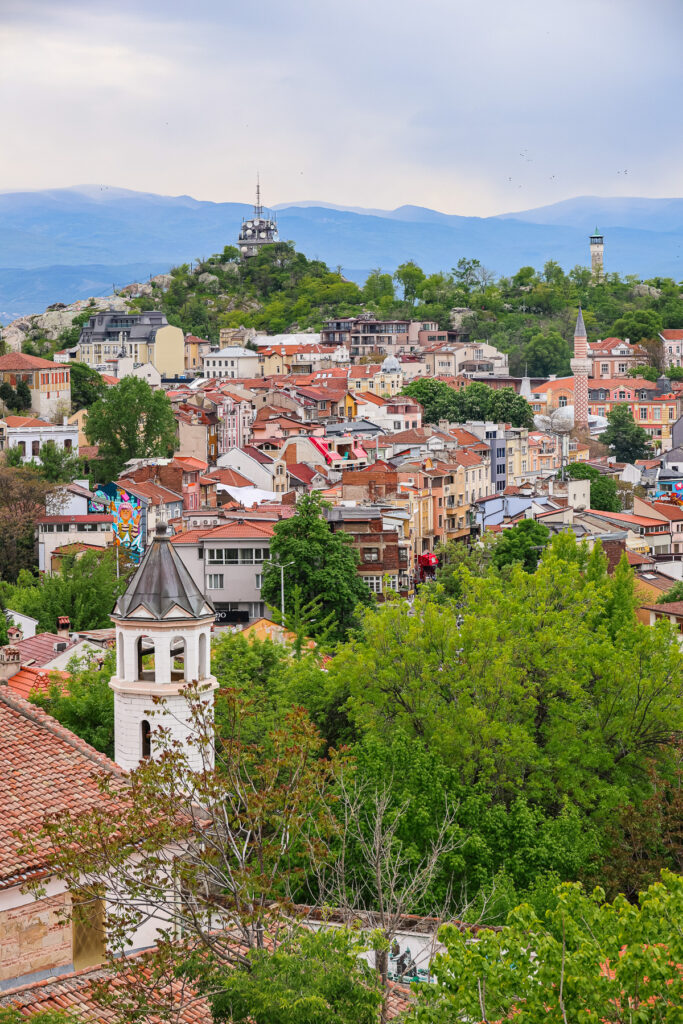


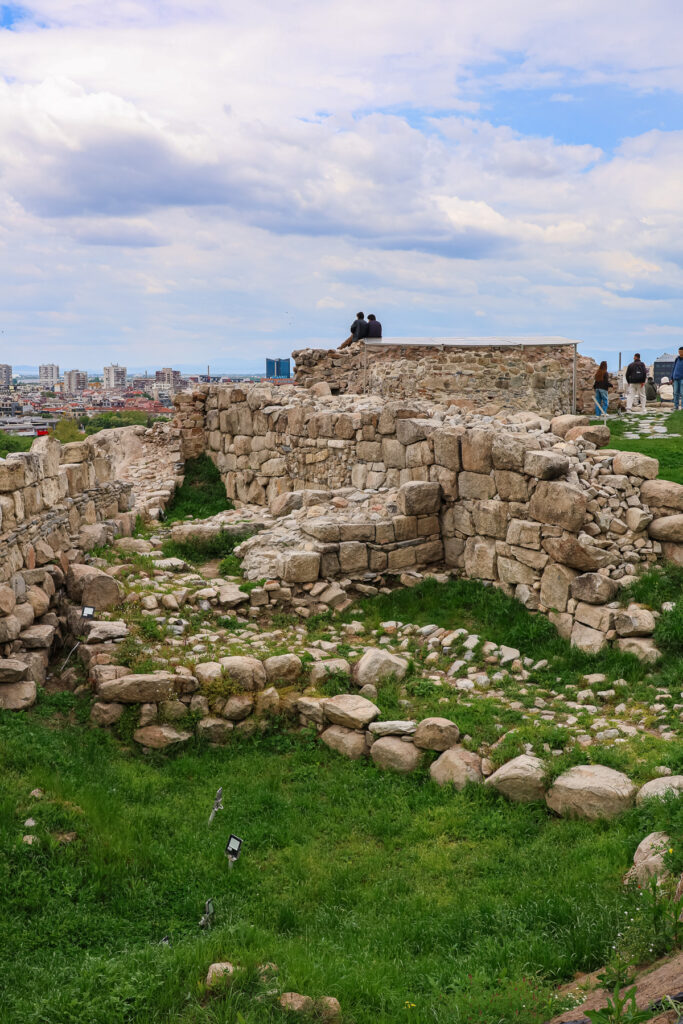
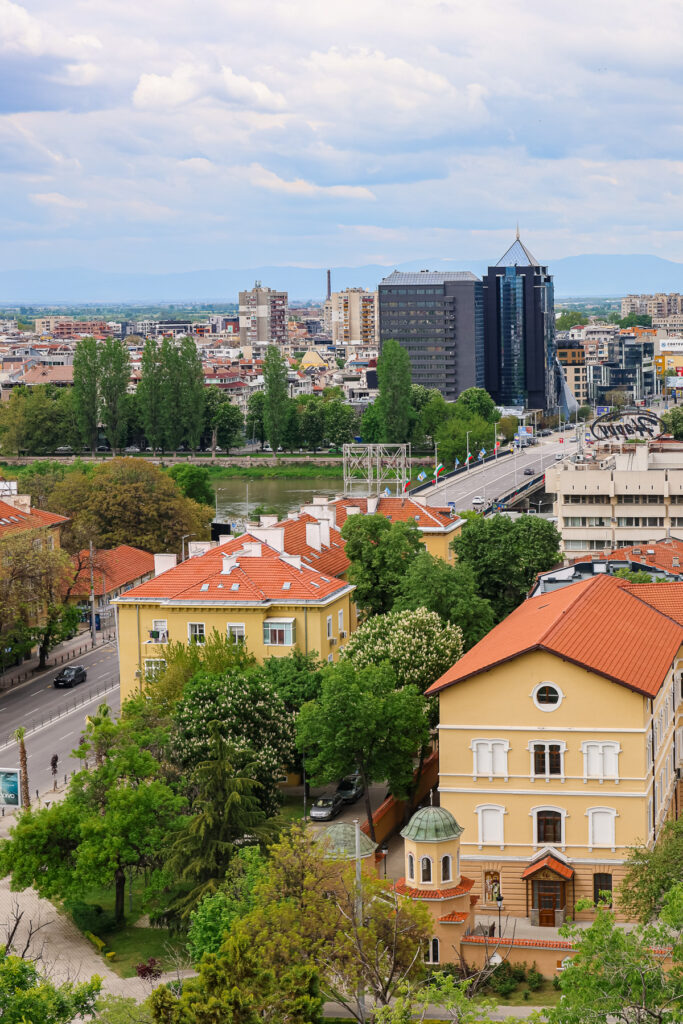
Observe the wall ruins, water reservoir, a tunnel – and of course admire the scenery! The latest restoration of the site has been conducted very recently.

What else?
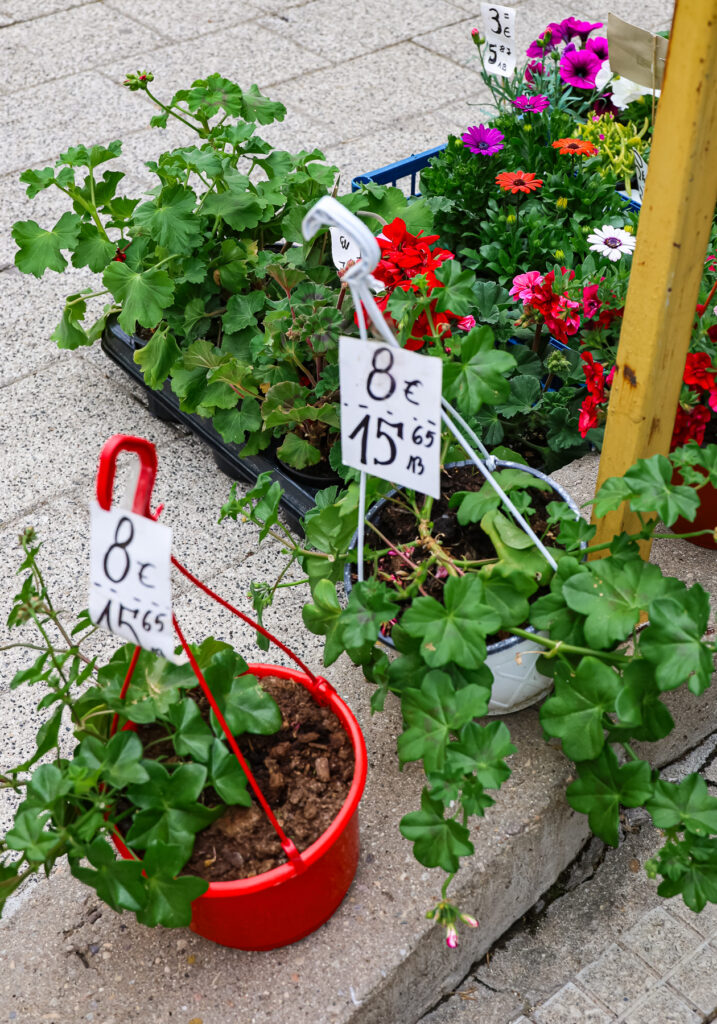
Come to the Monday market for fresh local produce!

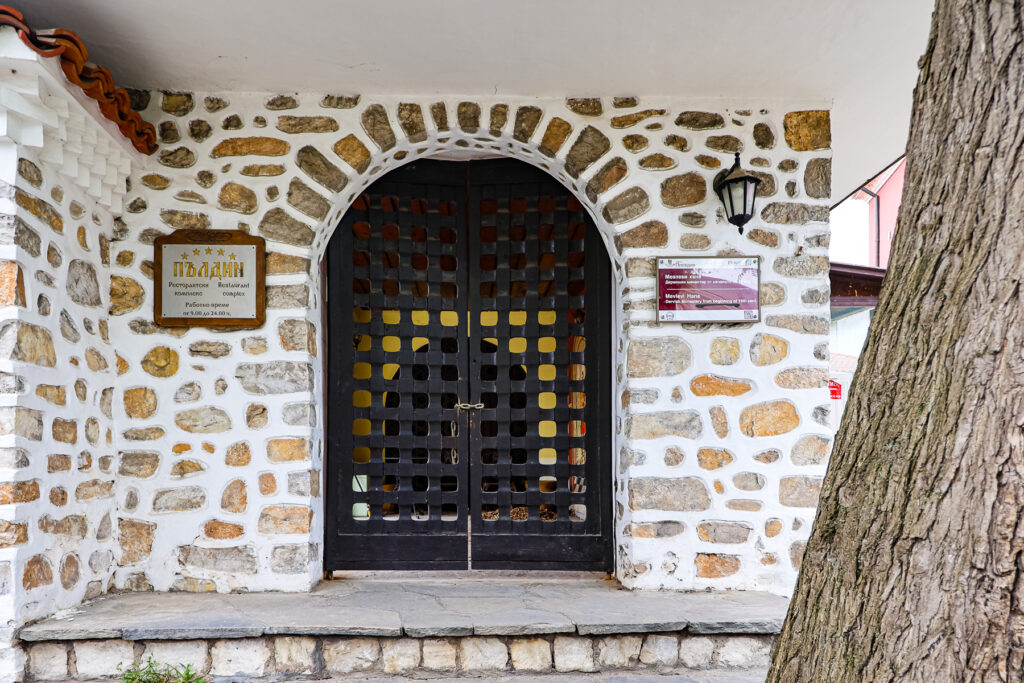
Besides that, spot the Mevlevi Hane: it’s a unique Muslim Dervish monastery that dates to the 16th century. Now it hosts a restaurant and it was closed during our visit.
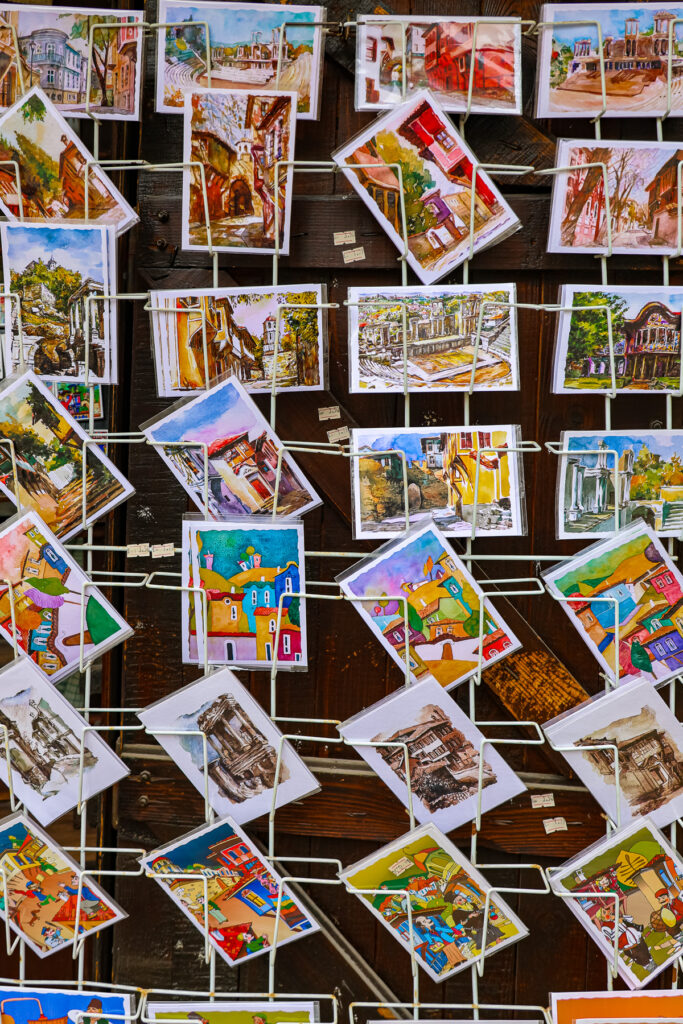
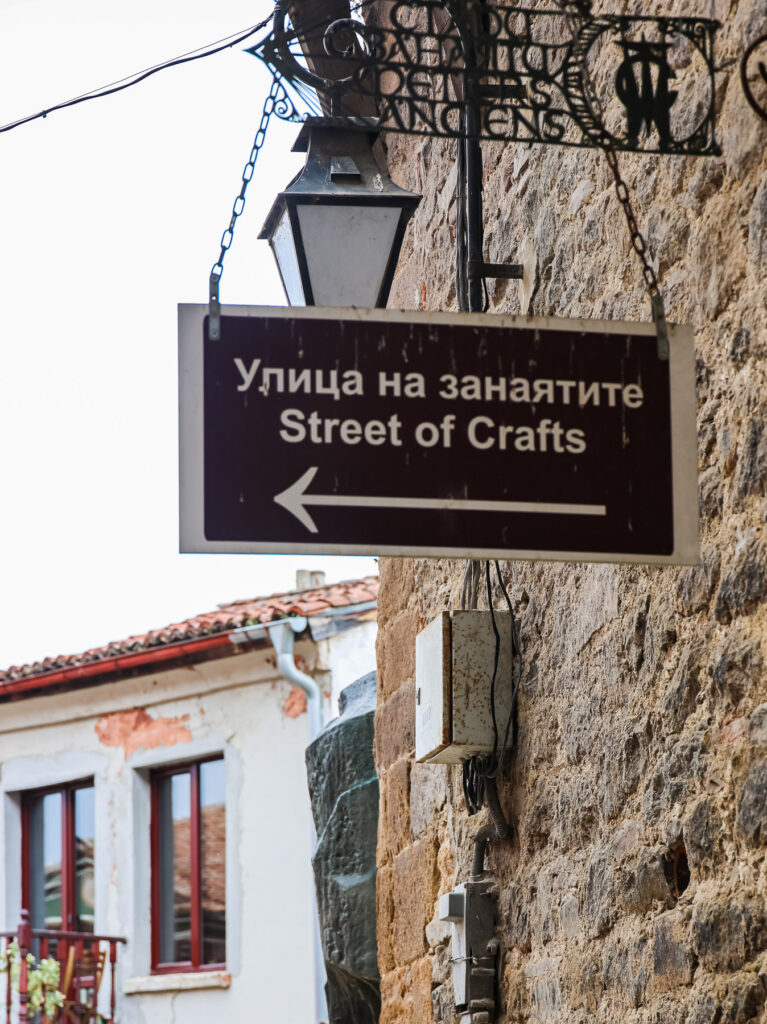
You can also explore the Street of Crafts on Strumna street if you’d like to learn about local arts and crafts. Besides that, you can spot other souvenir shops around Plovdiv as well. Among the goods you could bring home from Bulgaria are ceramics, leather goods, paintings, Bulgarian rose oil skincare products, and more.


Click to read more about Europe!
Hope you enjoyed my new article!
Best,
Anna xxx