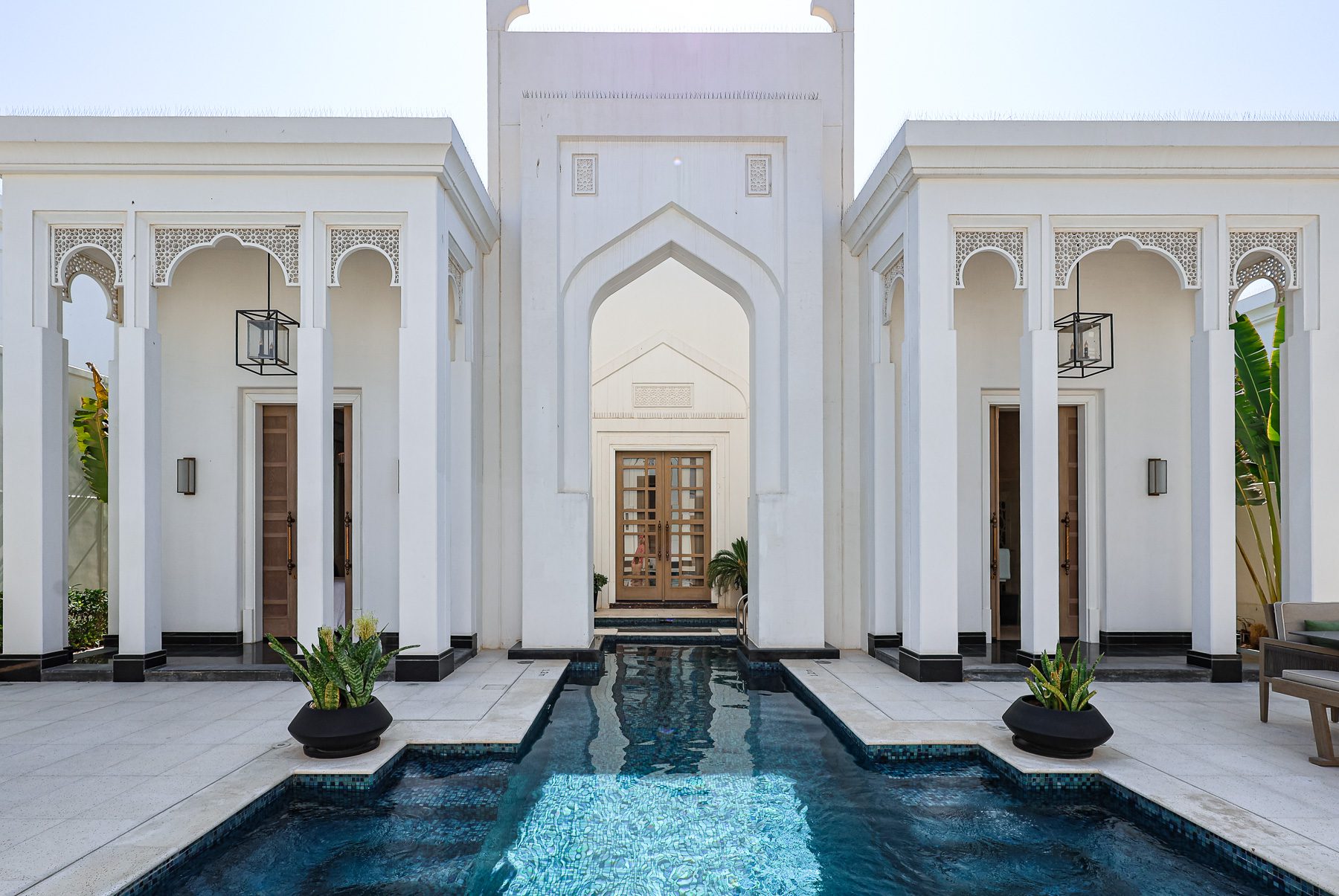
Panama is a gorgeous small country in Central America bordering Costa Rica in North America on one side and Colombia in South America on the other.
Many know it only because of the financial district, Panama hats and the Panama Canal, but this is a country with lots of historical significance and immense biodiversity.

See my list of things to do in Panama – you can do all of them being in Panama City or taking a short trip from it! In another article, I’ll share more details about the landmarks in Casco Antiguo!
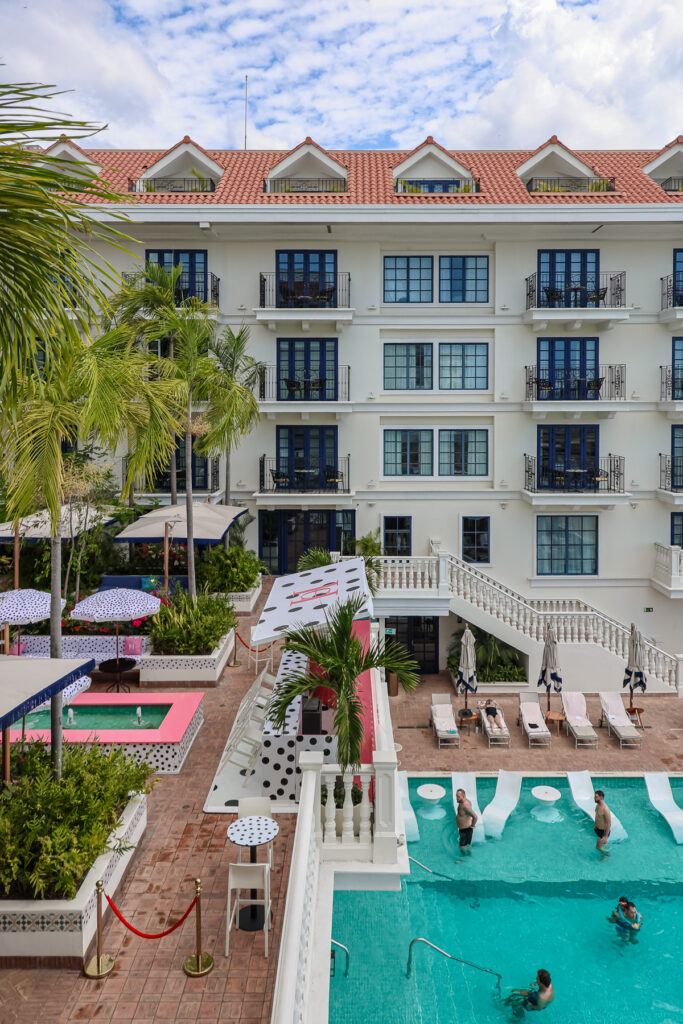

1. Explore the Casco Antiguo
Casco Antiguo, or Casco Viejo, is the historical centre of Panama City.
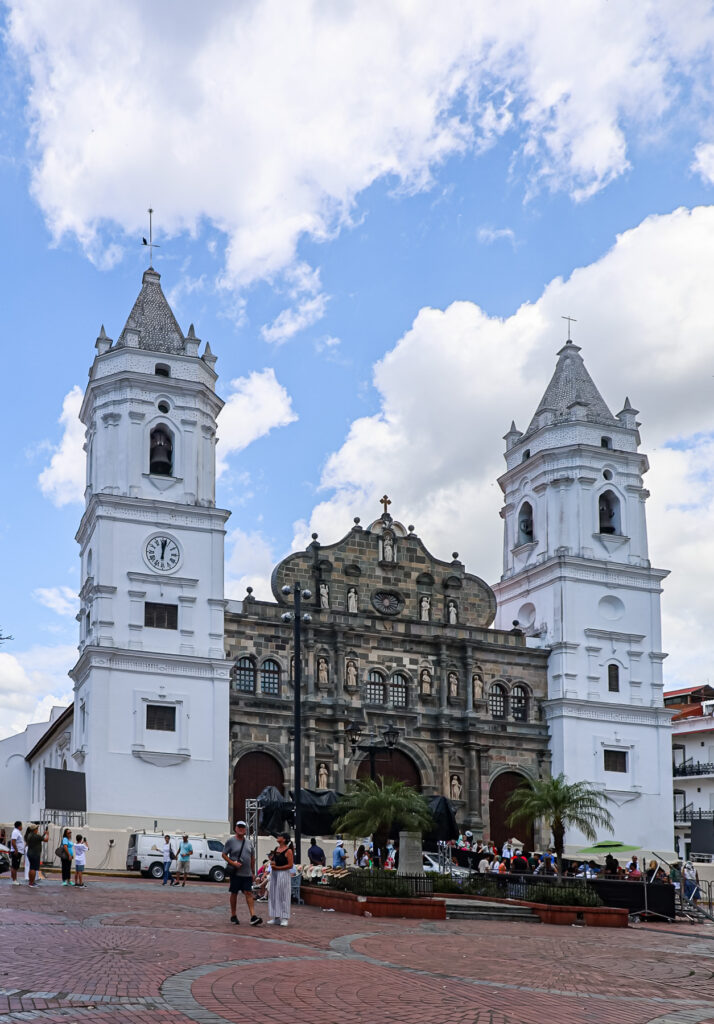
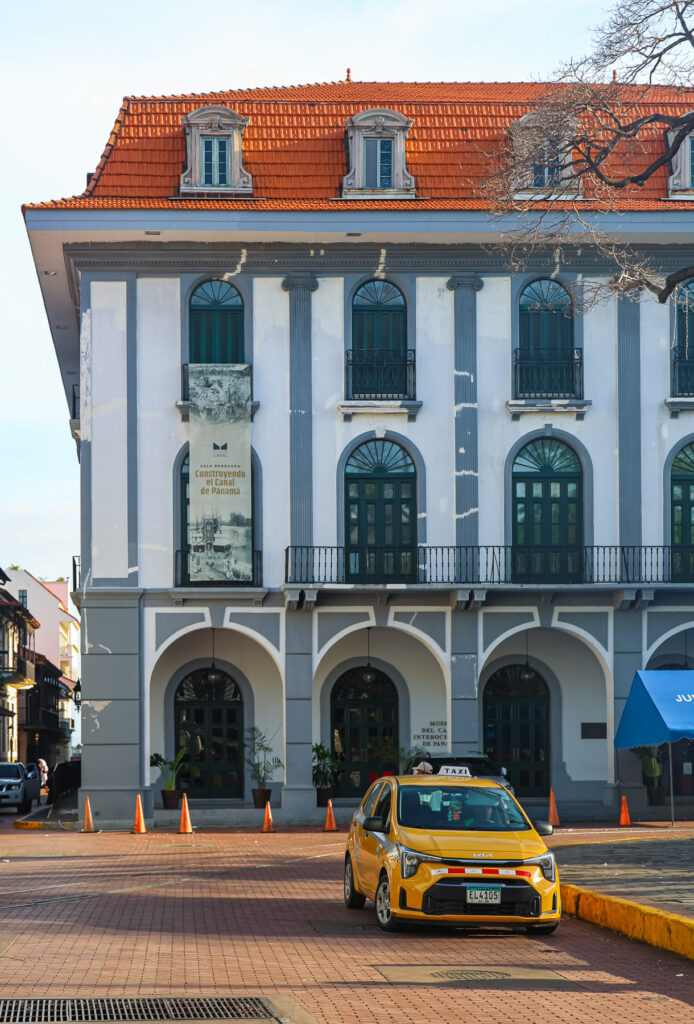
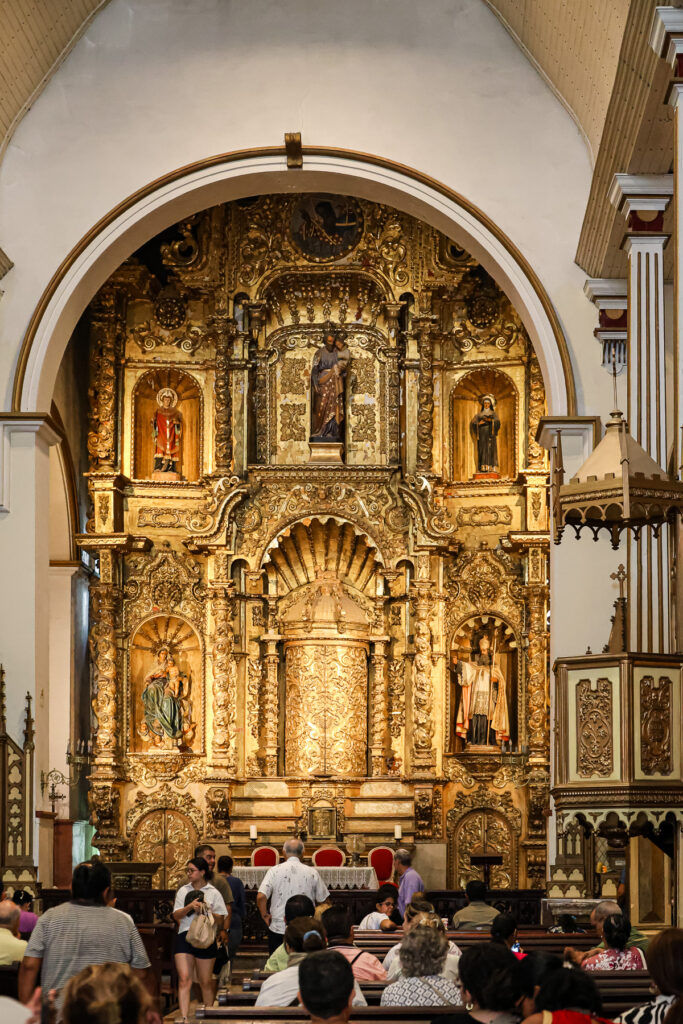
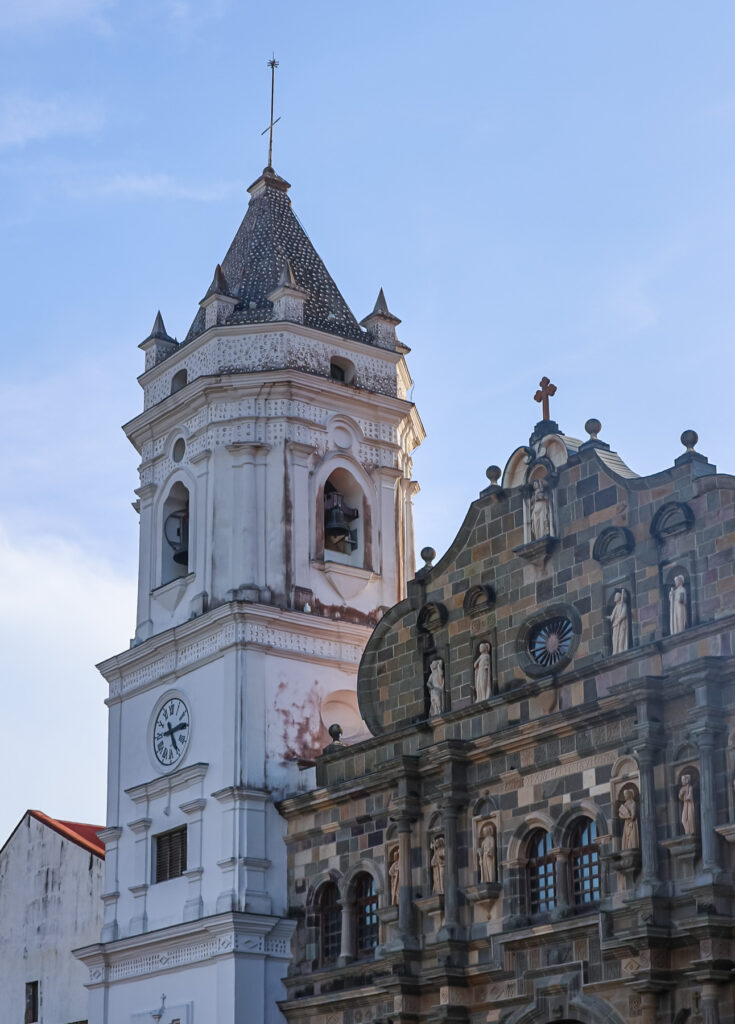
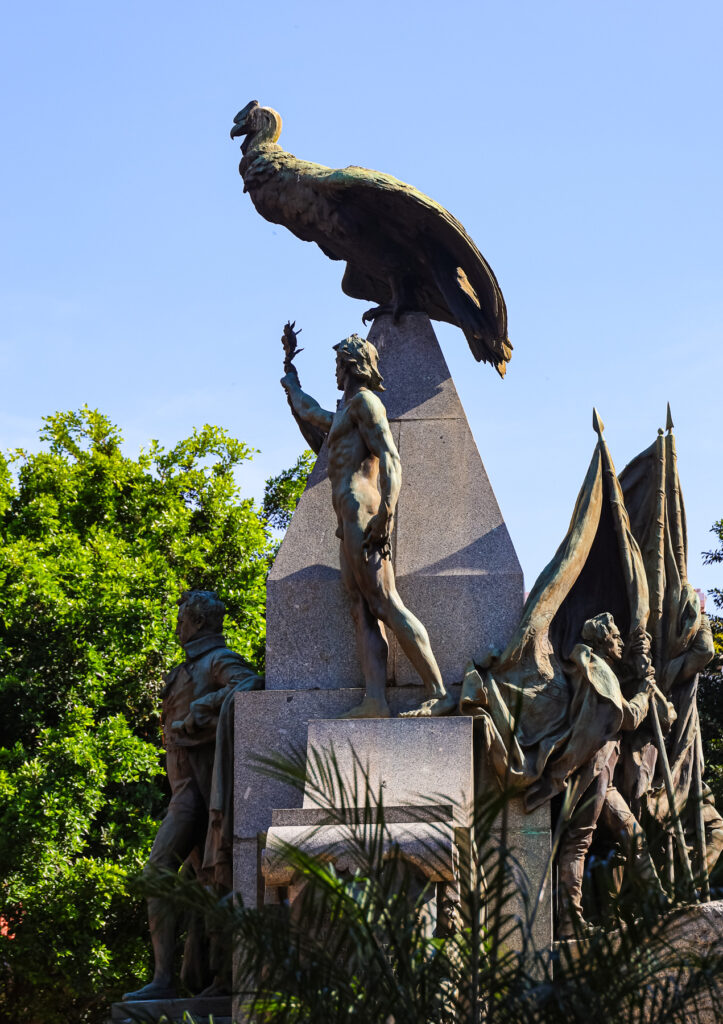
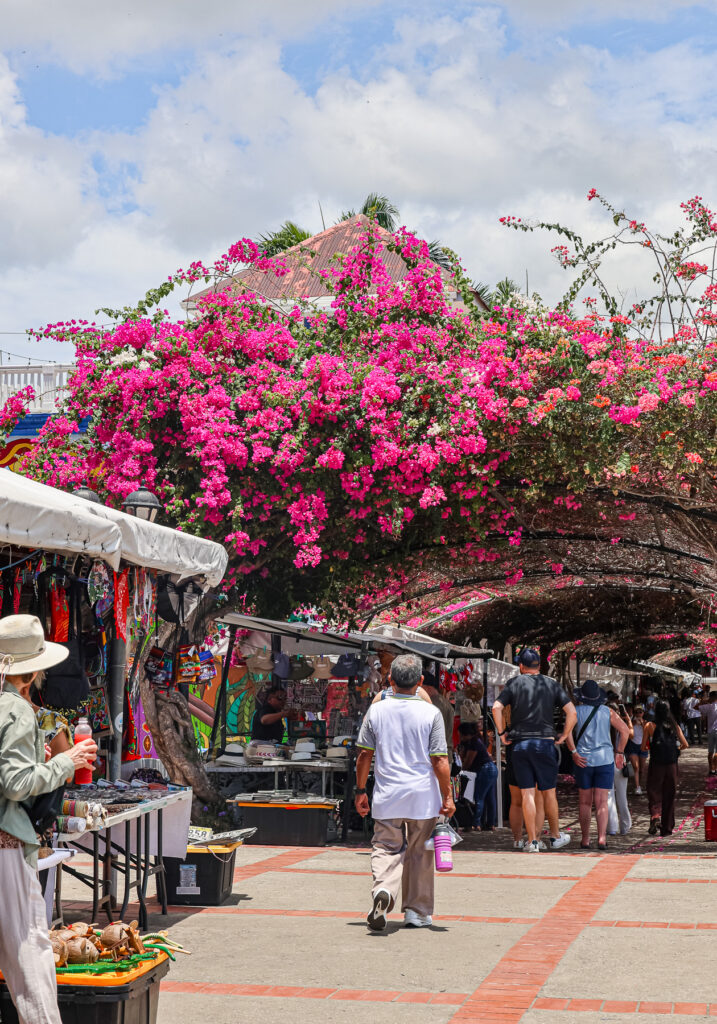
In the past, there was even an older part, Panamá Viejo, founded by the Spanish in 1519 and destroyed in 1671 by Henry Morgan, even despite the peace treaty between Spain and Britain as Morgan claimed he didn’t know about it (read more about it below!). After these events, in 1673, the city of Panama was transferred a bit further from the coastline to its current position.
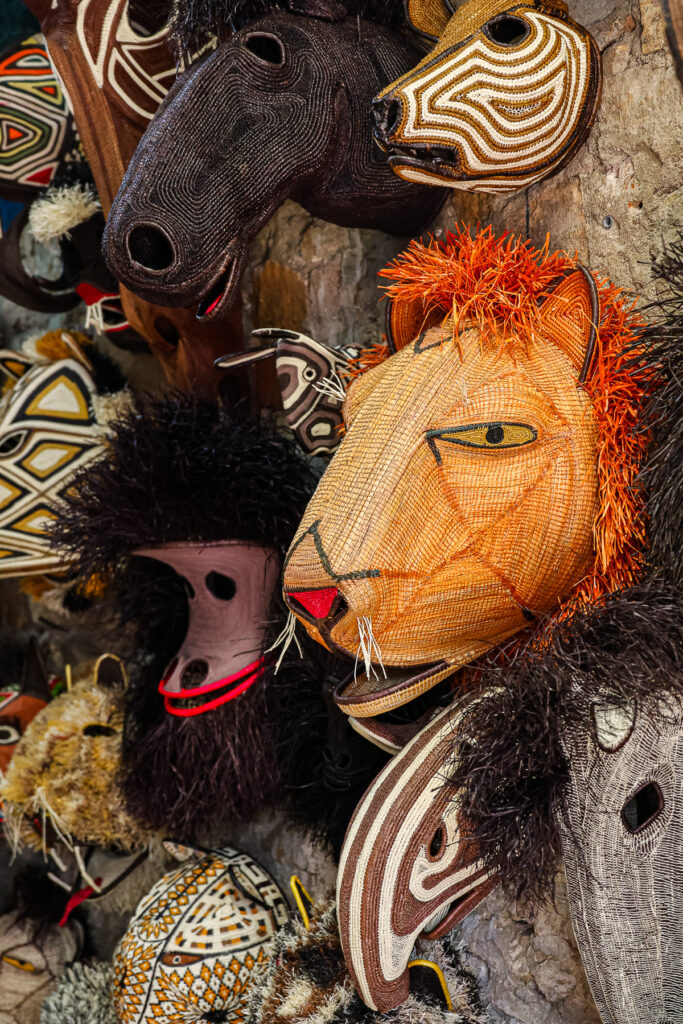
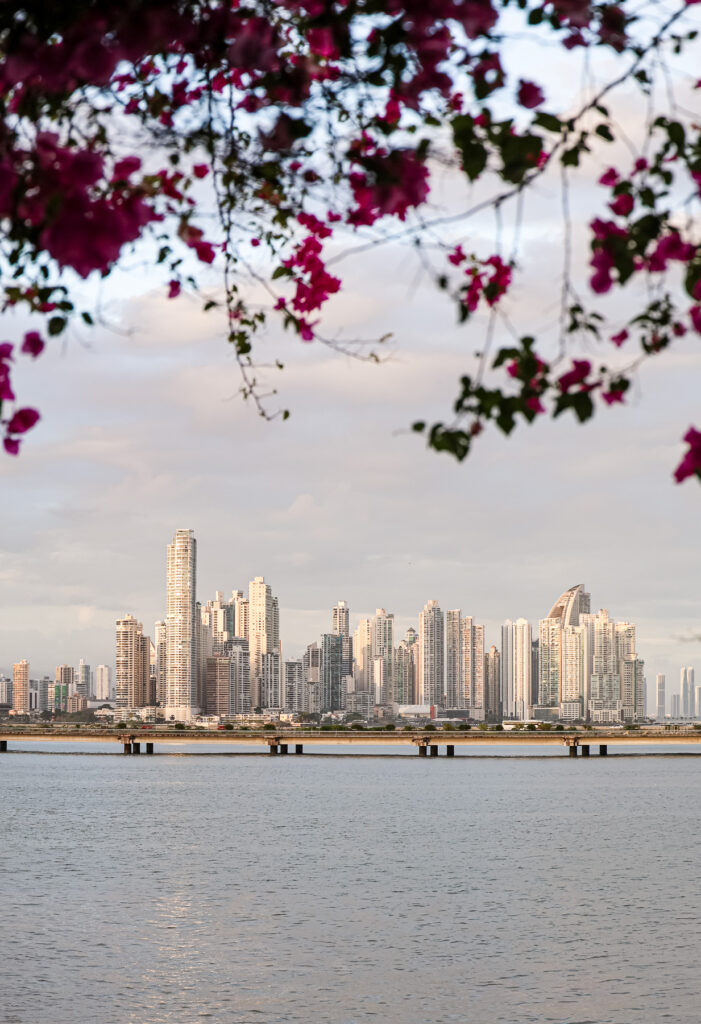
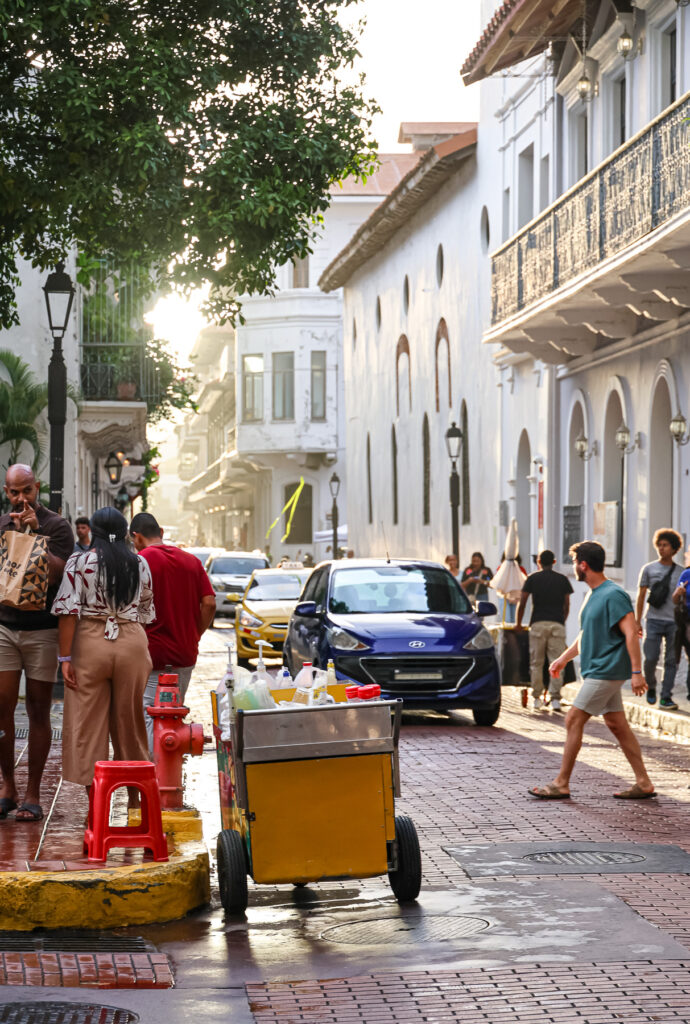
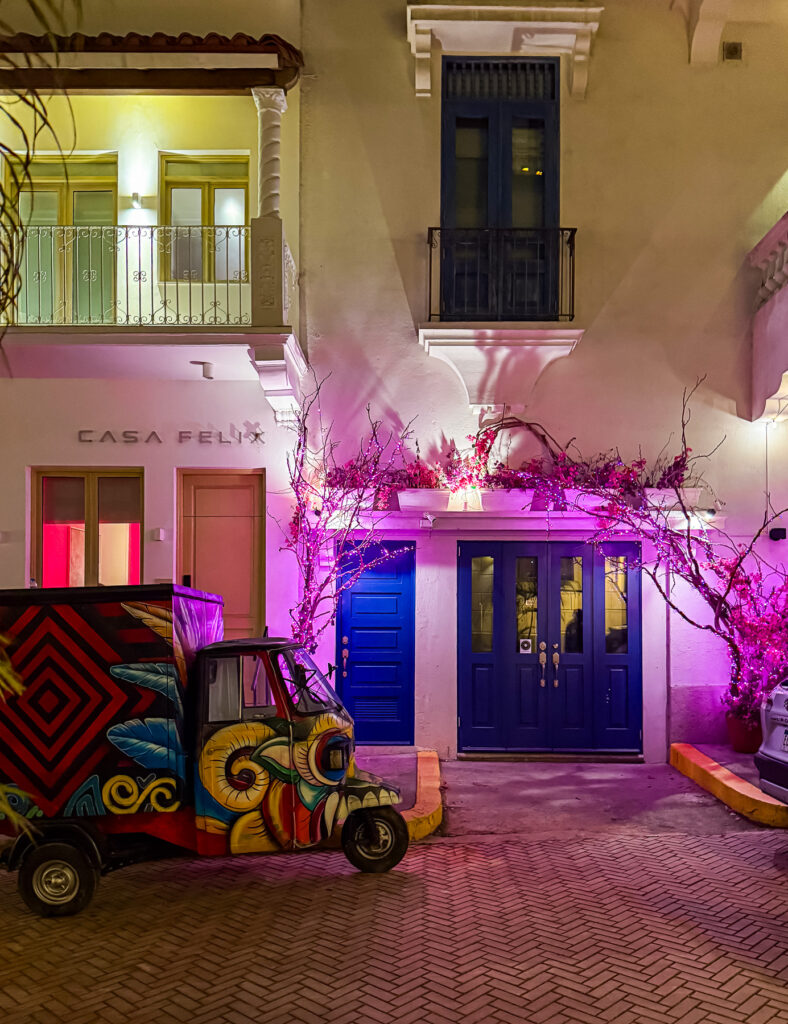
Now the streets around here are bursting with colours and tourists!
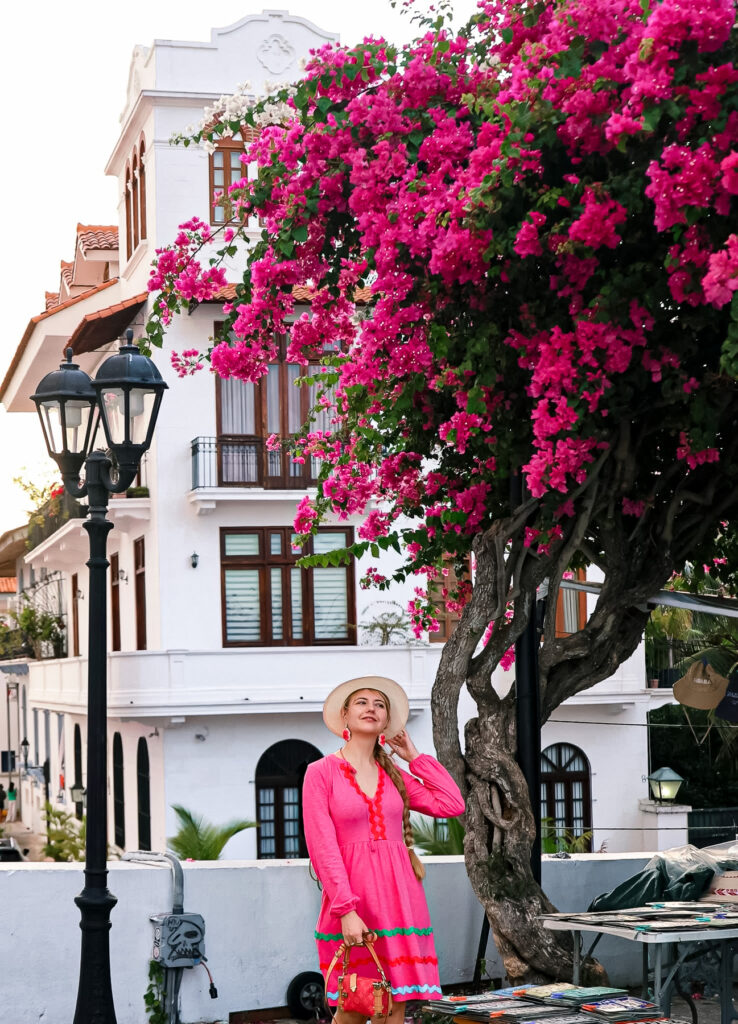
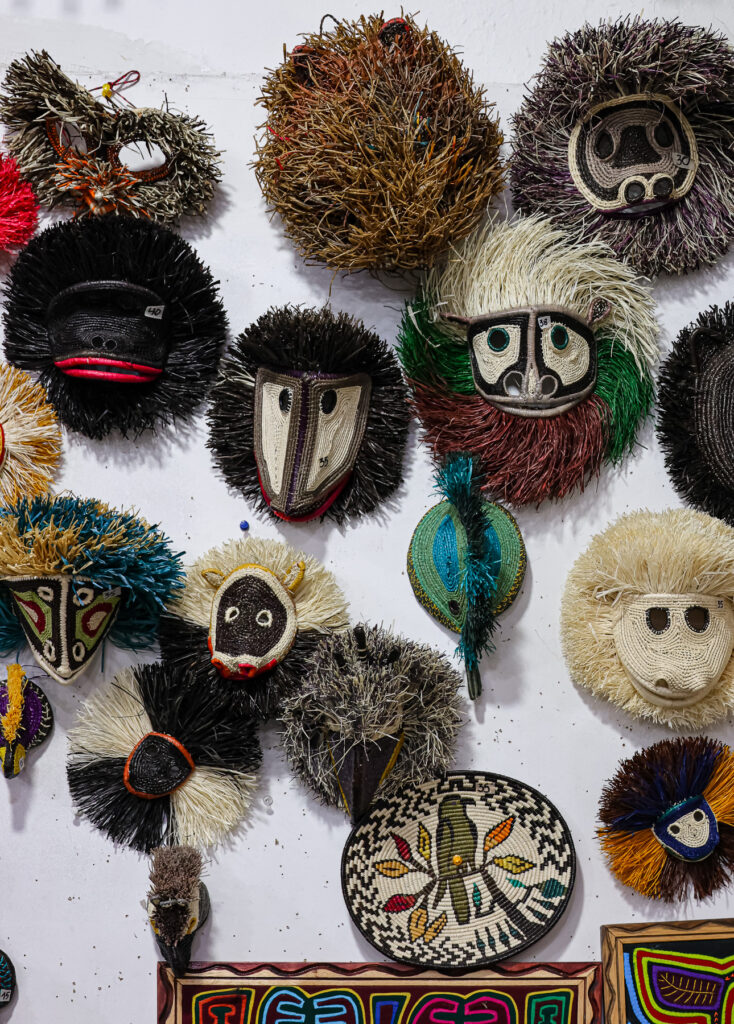

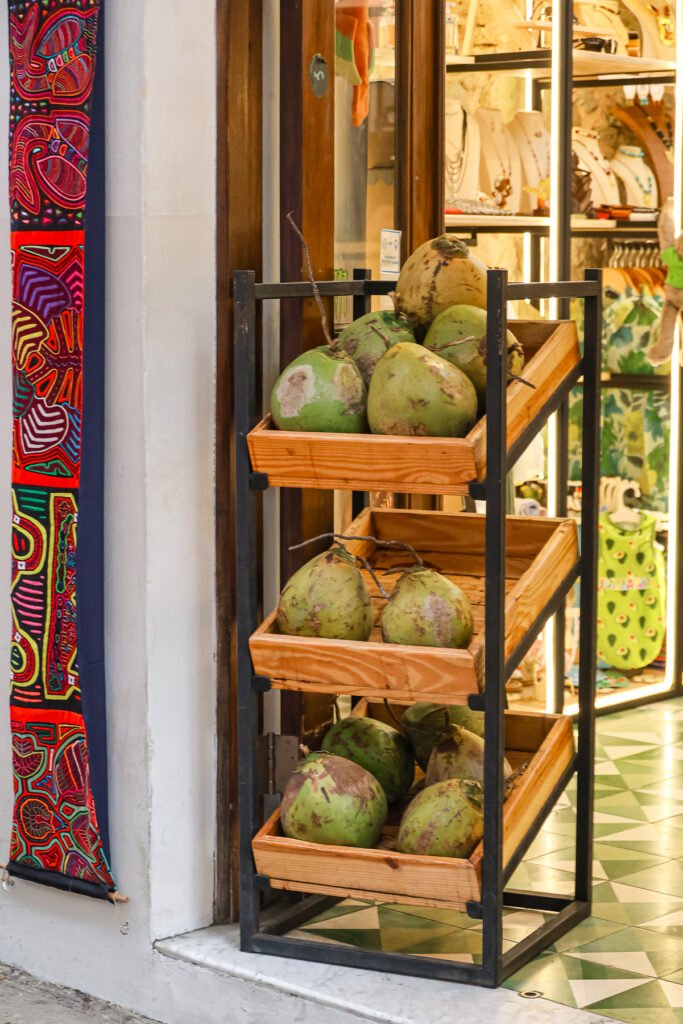
Here are some of the places to see in Casco Viejo: Plaza de Francia, Paseo de las Bóvedas, Plaza Carlos V, Ruins of the Dominican Church with Flat Arch, Plaza de la Independencia, Metropolitan Cathedral, Saint Francis of Assisi Church, Ruins of the Church of Society of Jesus, and Church of San José with Golden Altar.
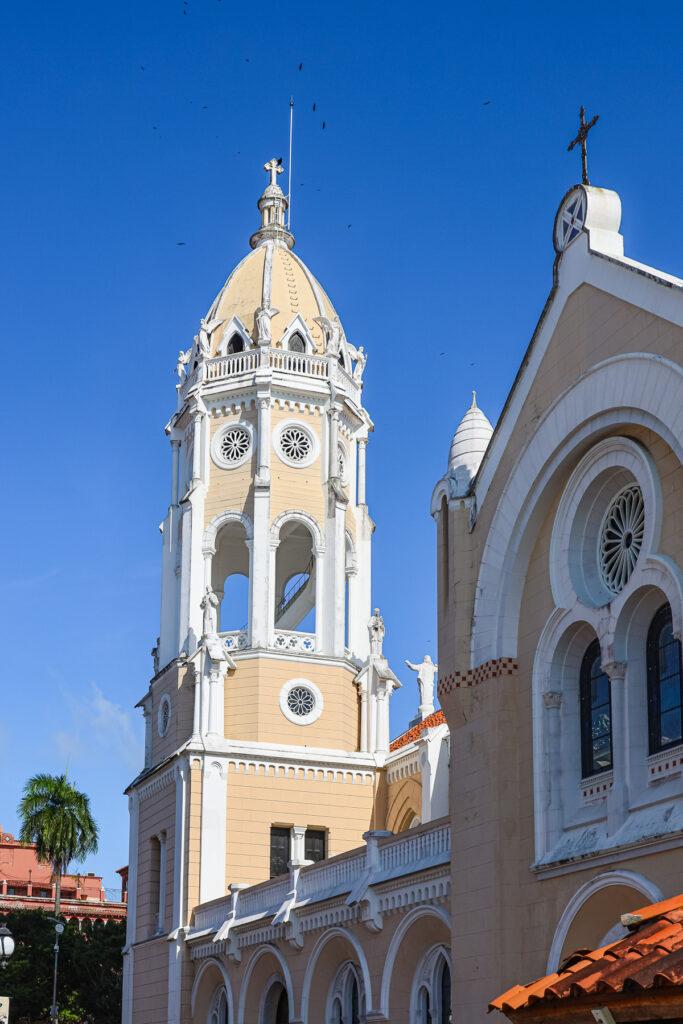
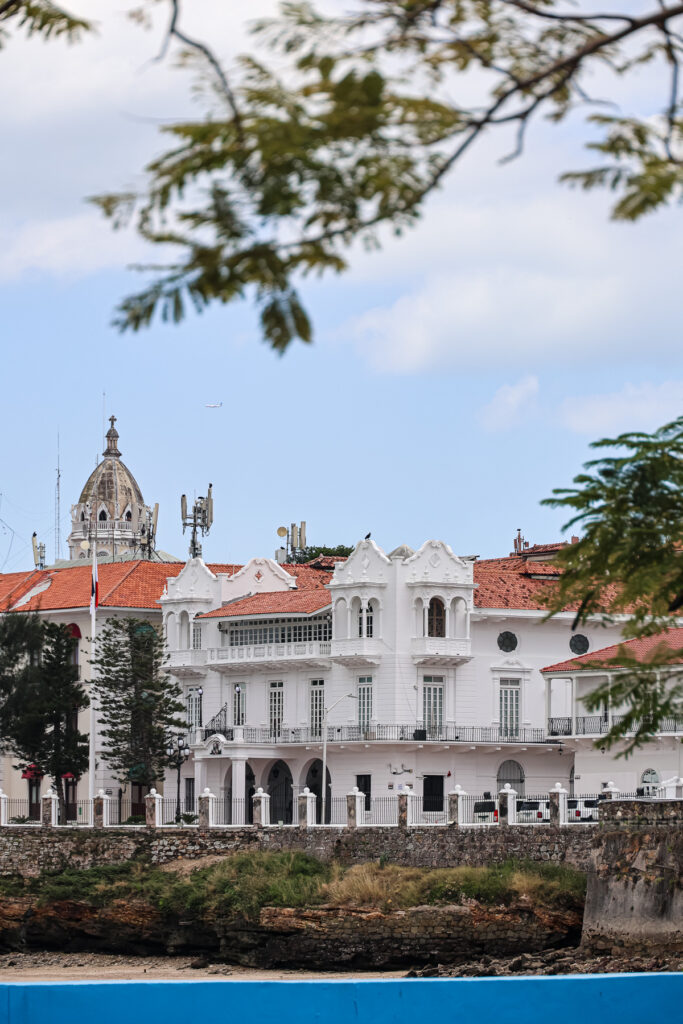
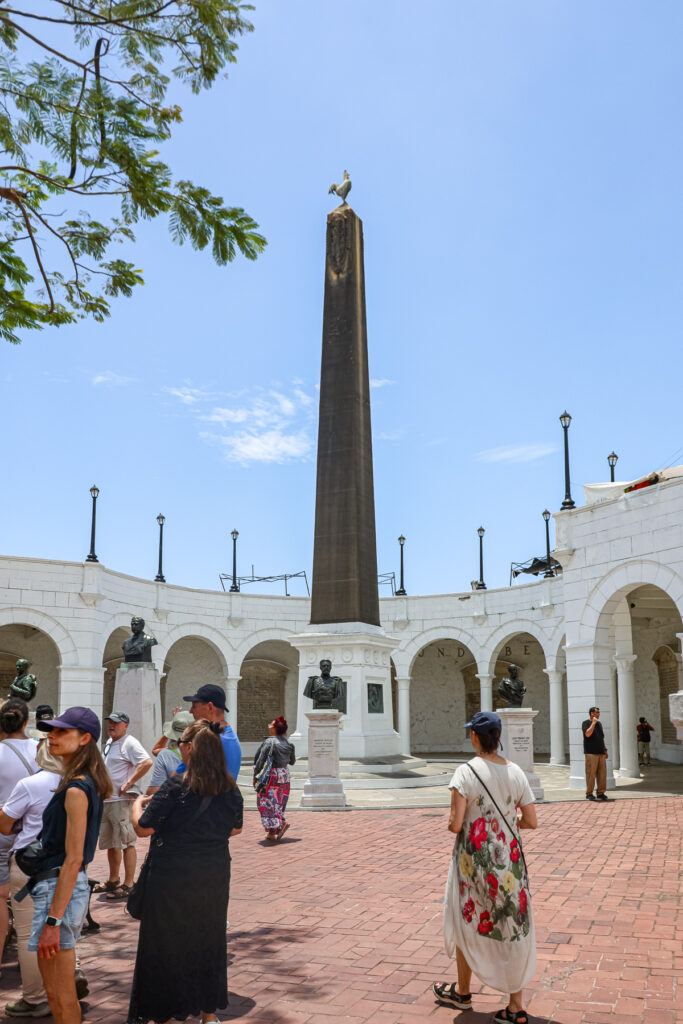
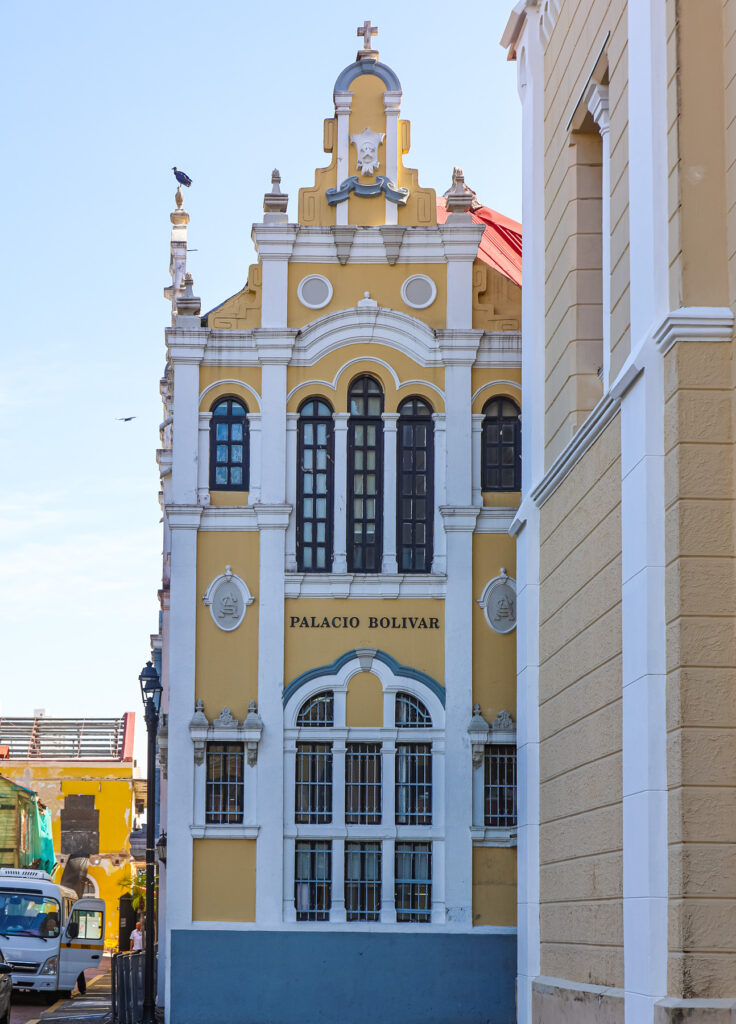
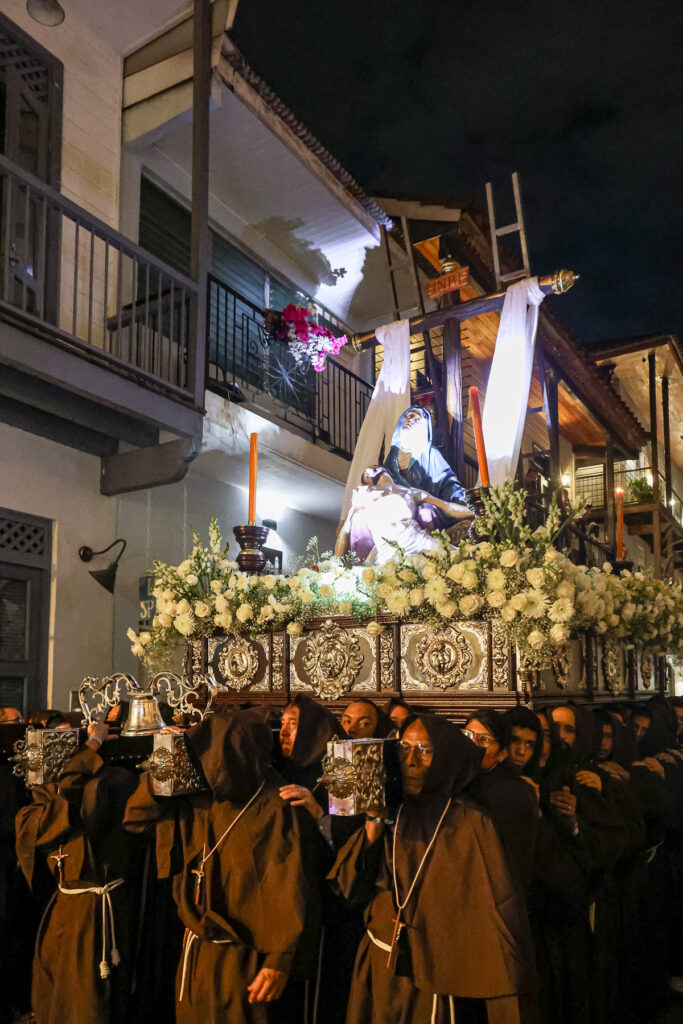
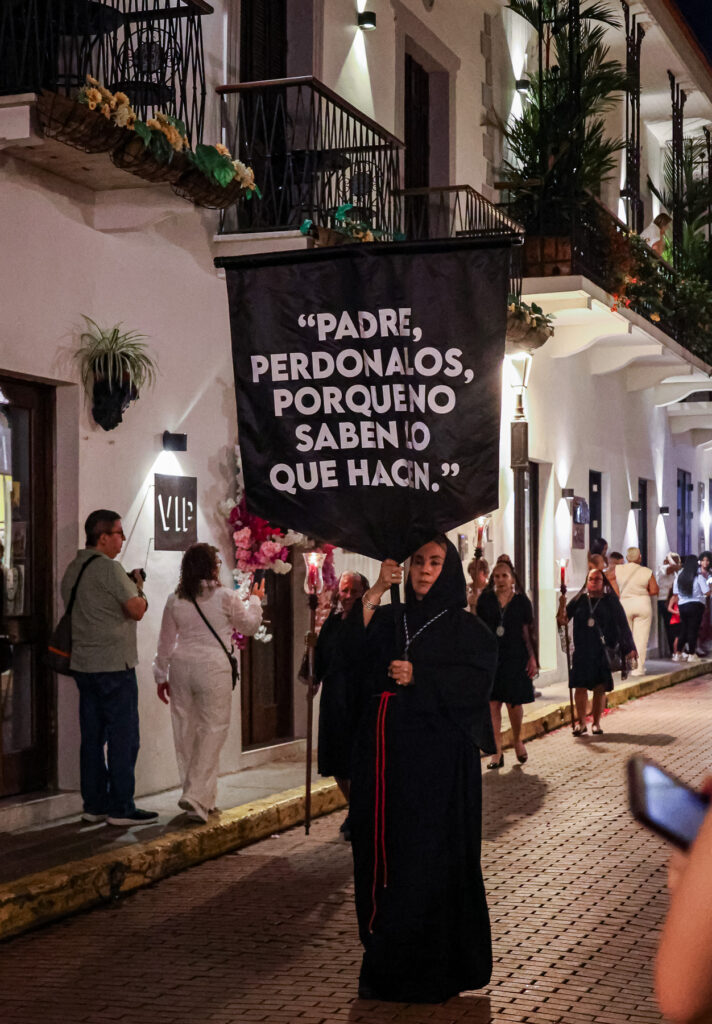
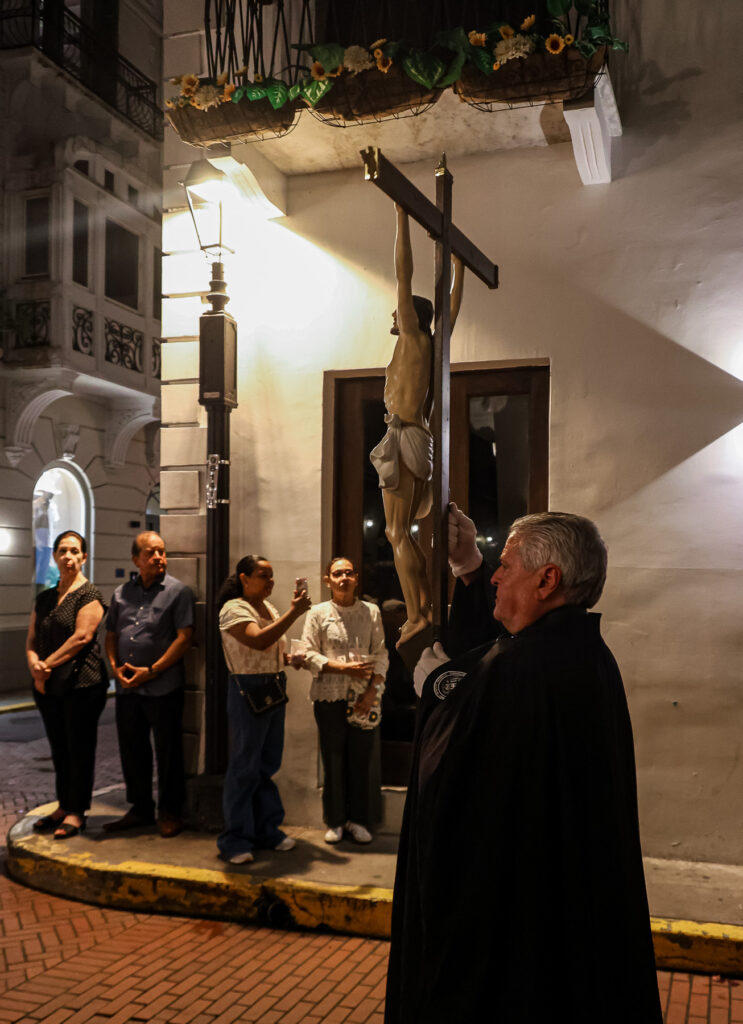
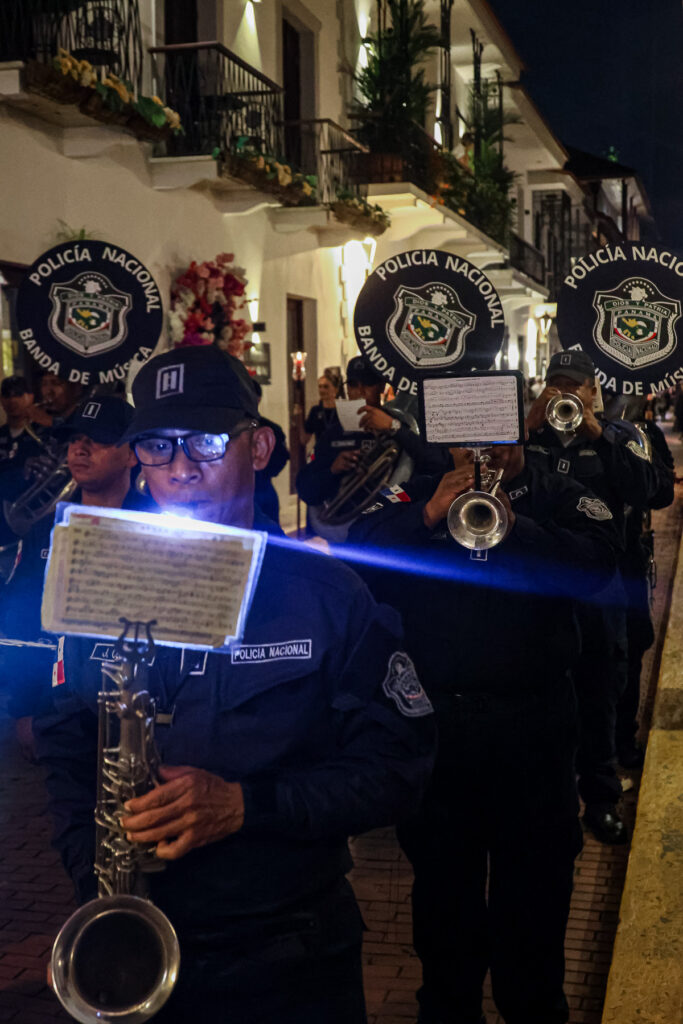
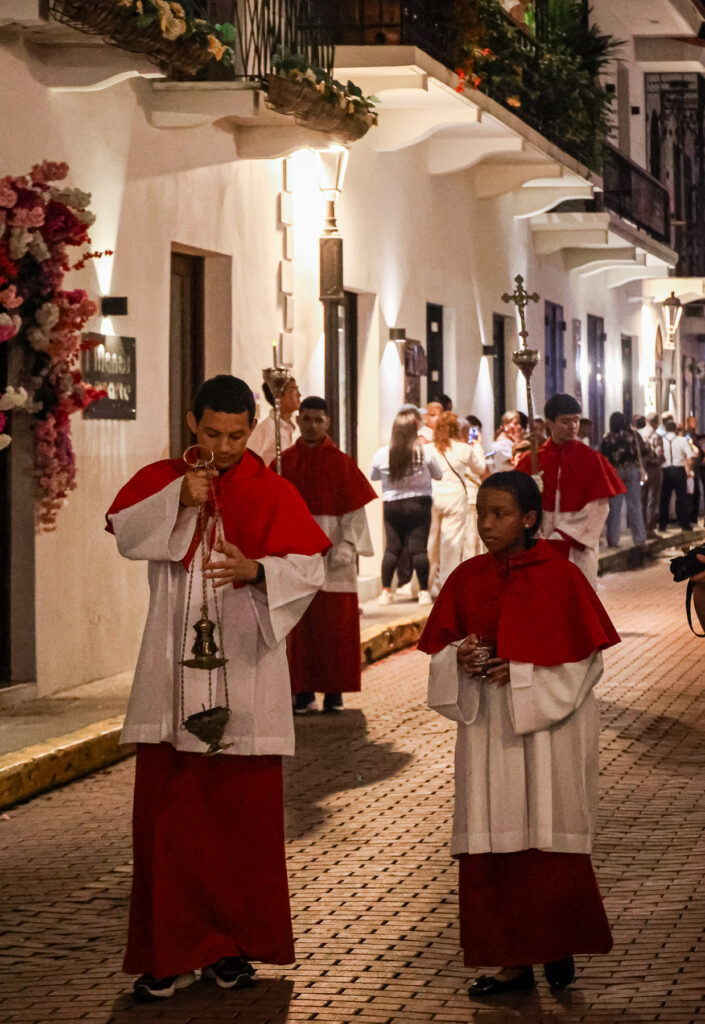
We visited Panama for the Holy Week and Easter, so we were able to see the religious side coming to life on the streets of the city: for instance, on Good Friday, we watched the procession filling the streets of the old city of Panama.

2. Watch Ships at Miraflores Visitors Center
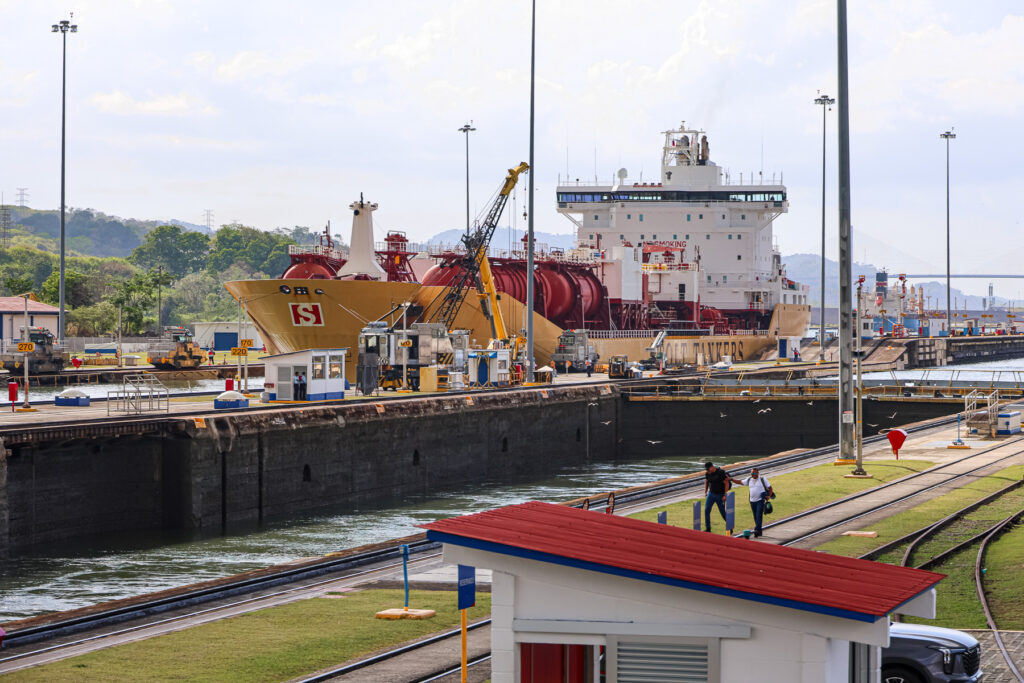
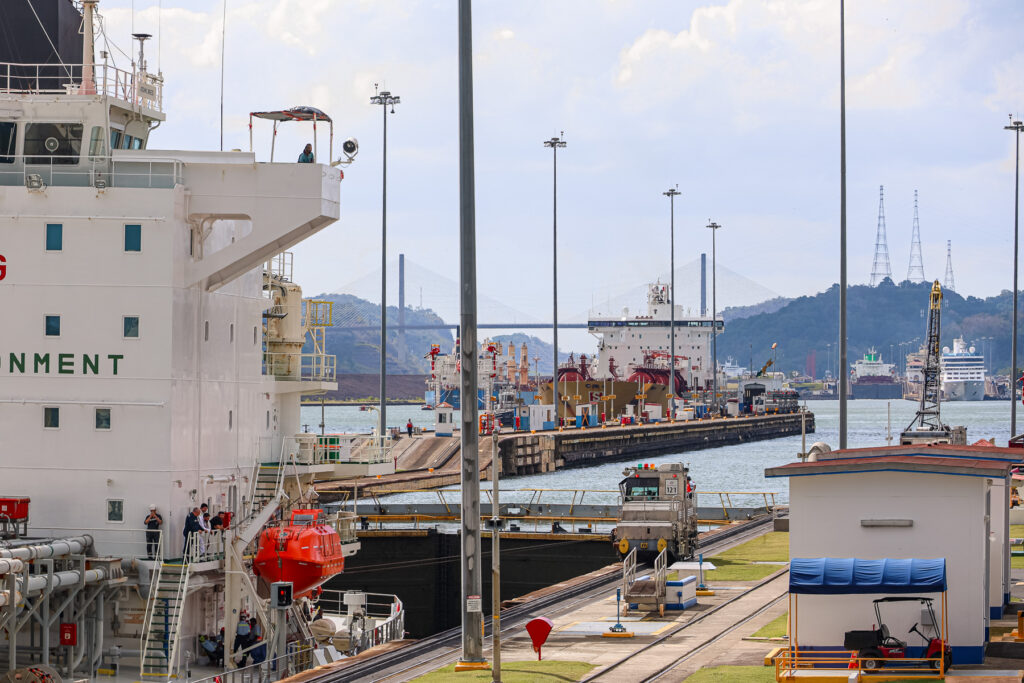
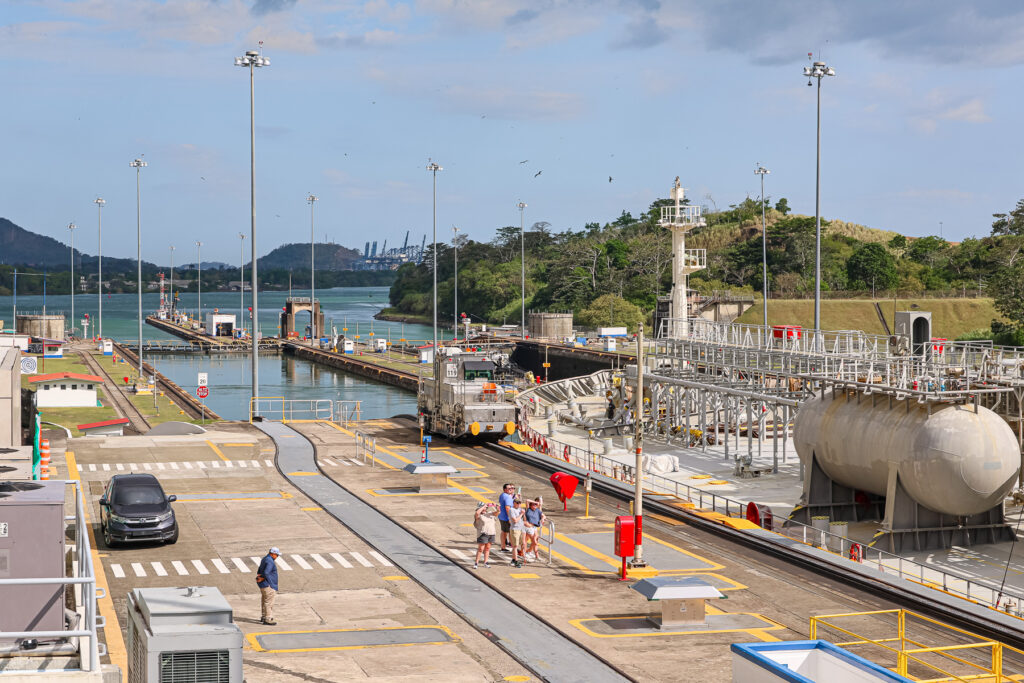
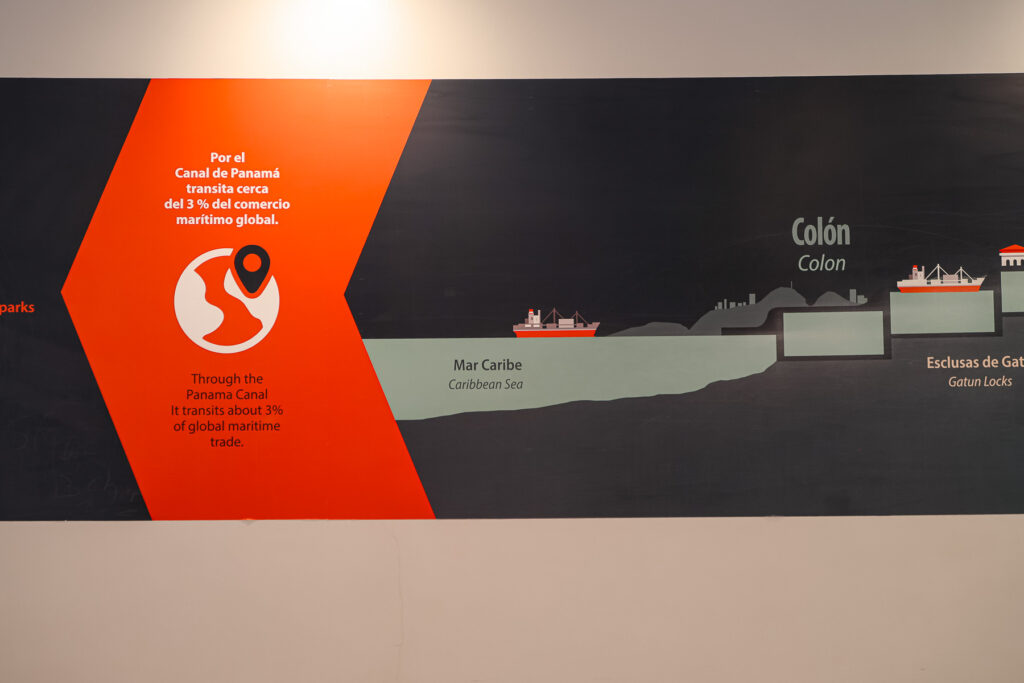
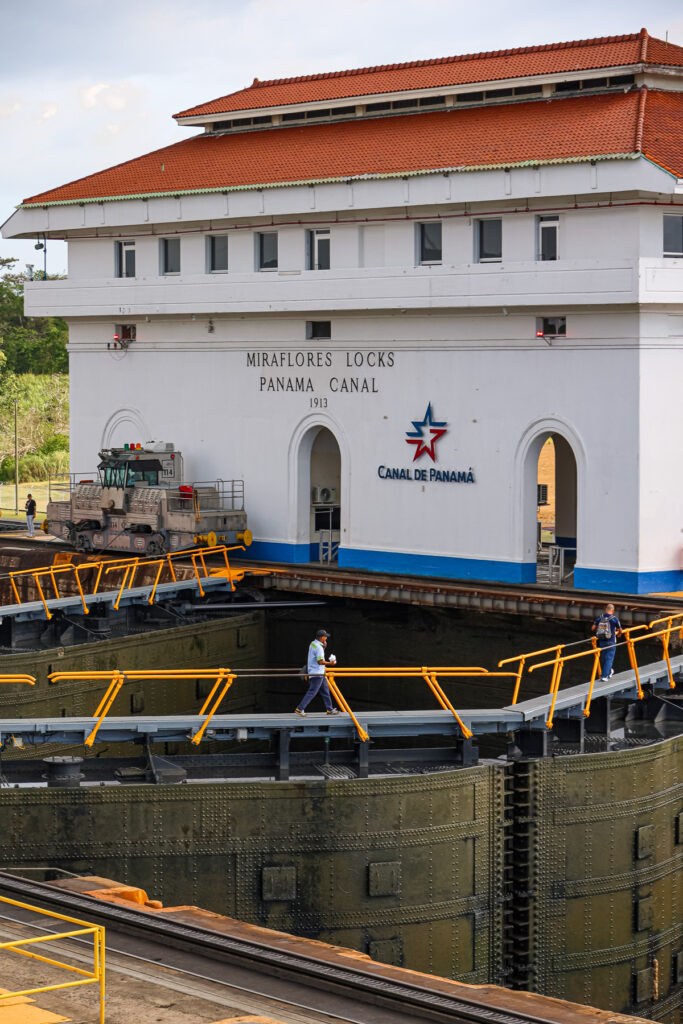
To admire the Panama Canal, we arrived at the Miraflores Visitors Center – it’s the closest part of the canal to Panama City, and it’s open to visitors.
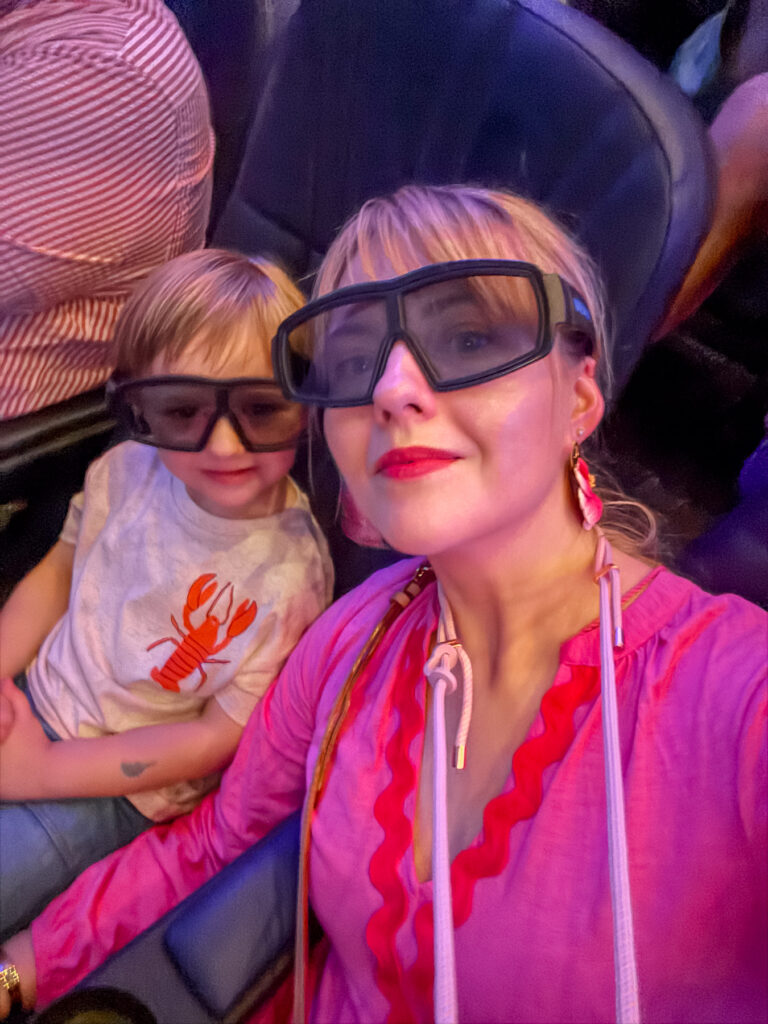
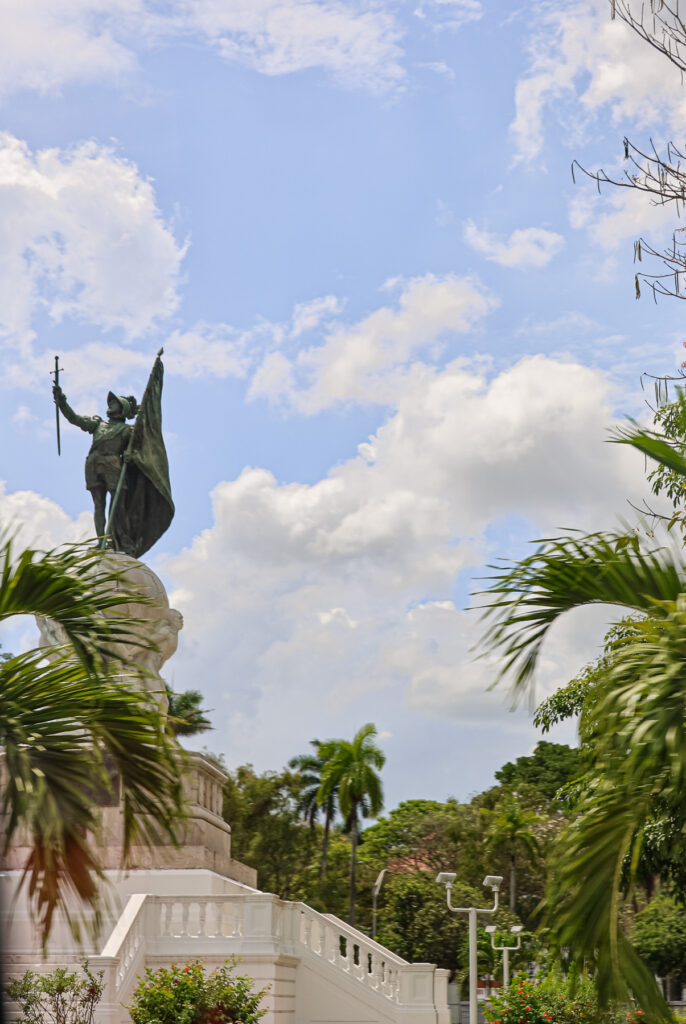
First, we went to see the IMAX movie voiced by Morgan Freeman about the history of the Canal (the movie takes about 45 minutes). The history of the Panama Canal is mesmerizing and shows the grandeur of human thought: a short trade route connecting the Caribbean Sea with the Pacific Ocean through Central America was a dream for centuries, since the times of Spanish conquistador Balboa.
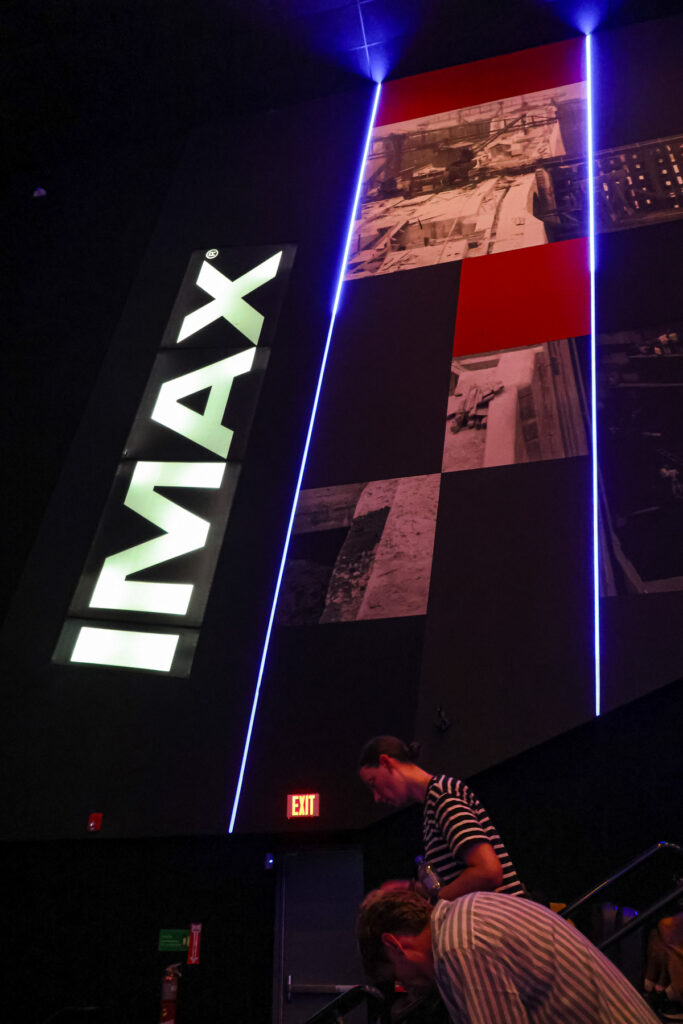
The French, under the guidance of Ferdinand de Lesseps (the person behind the Suez Canal), tried but miserably failed: the methods used for Suez didn’t work out here, thousands of people tragically died from diseases, and almost 10 years of hard work were in vain. Then the US stepped in: they supported Panama in gaining its independence from Colombia in 1903, and a completely new idea for constructing a canal was proposed by American engineer John Frank Stevens. The canal opened in 1914.
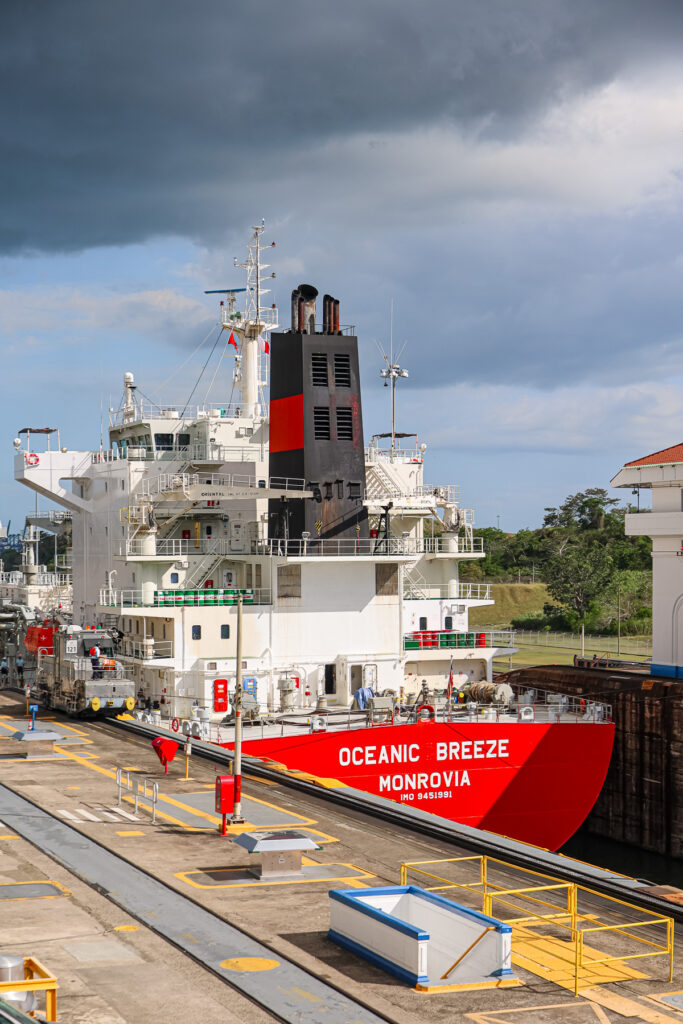
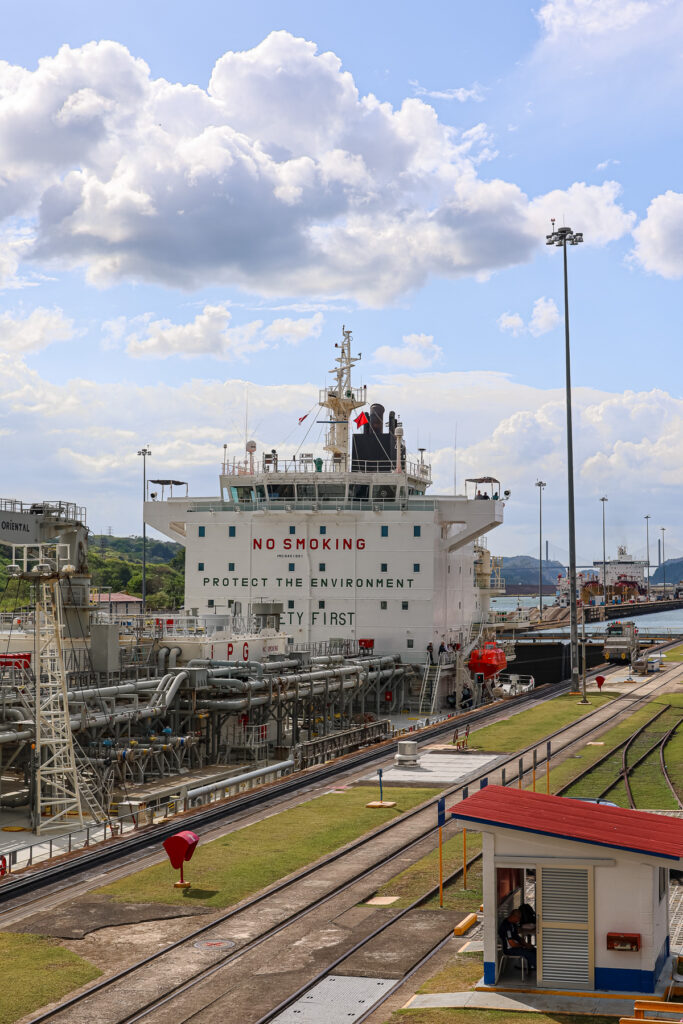
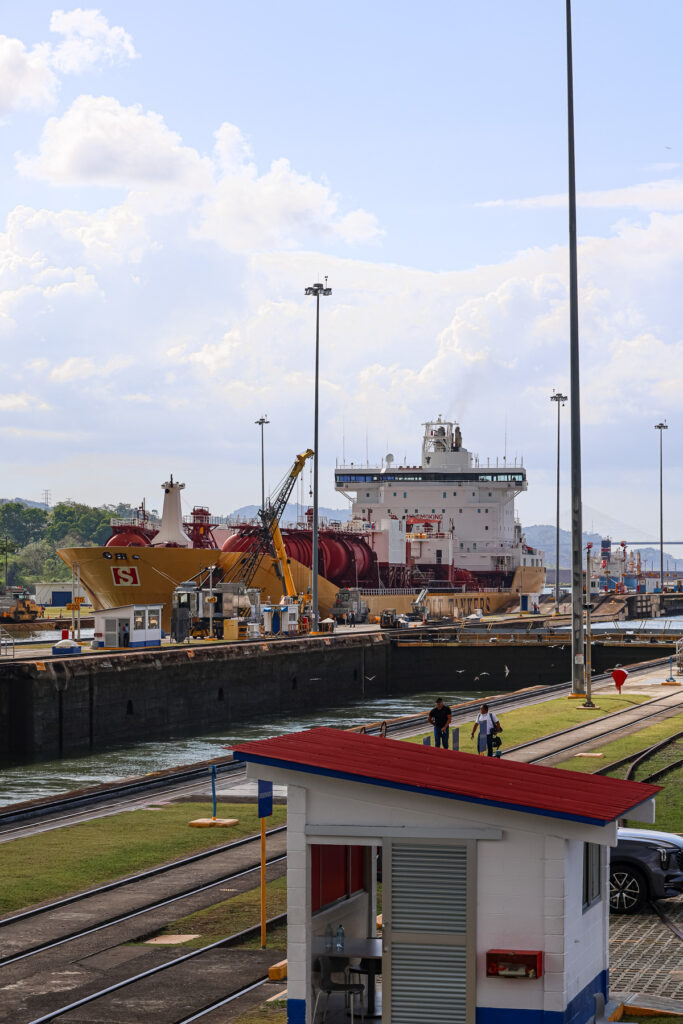
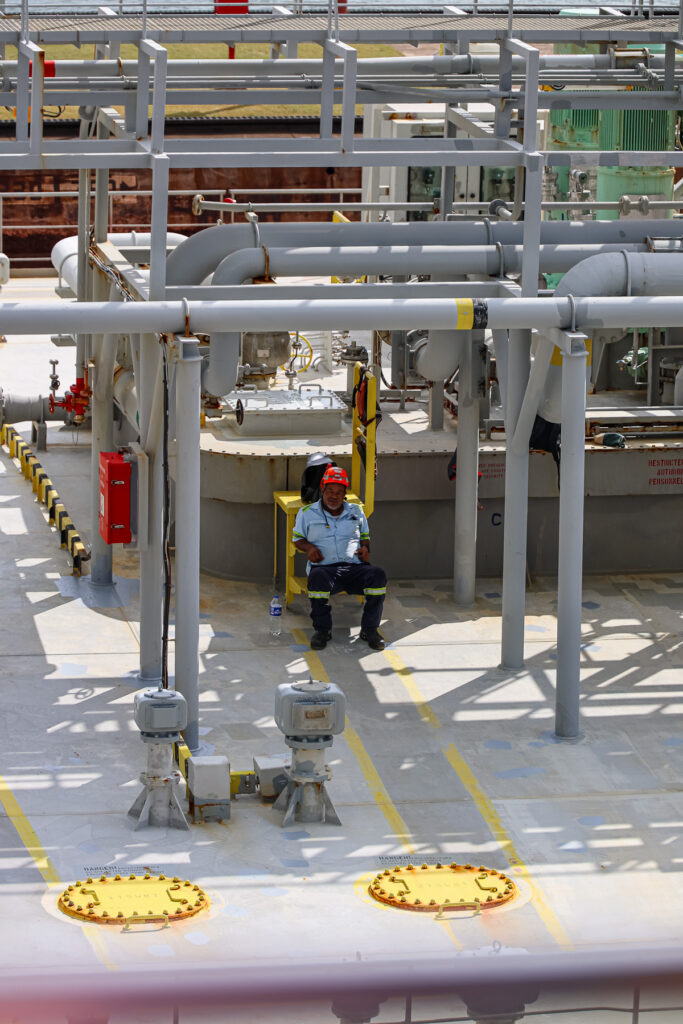
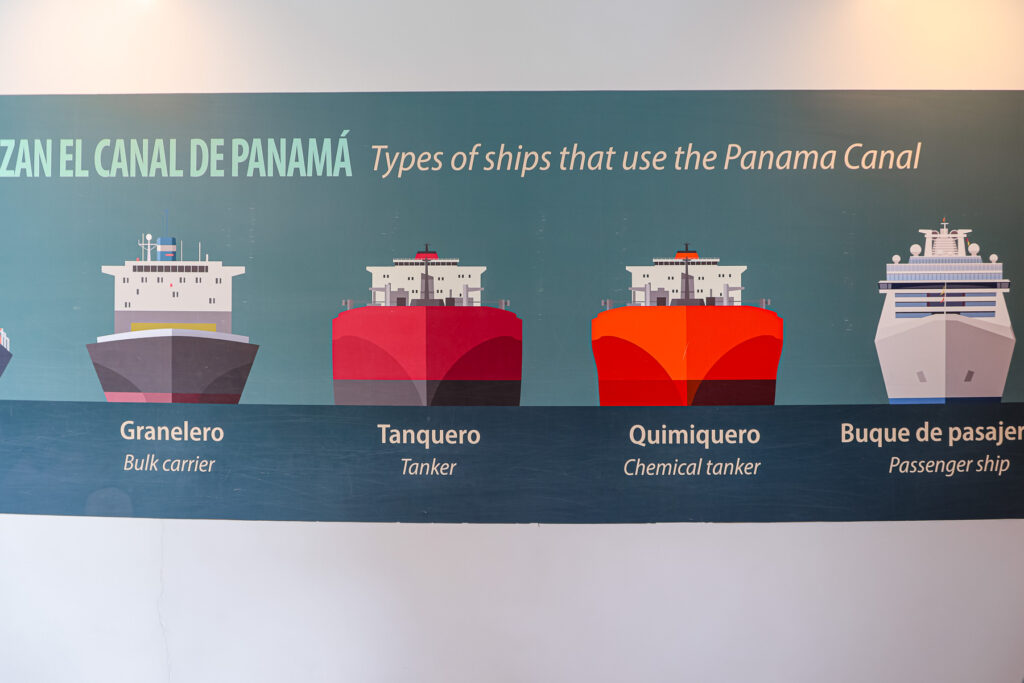
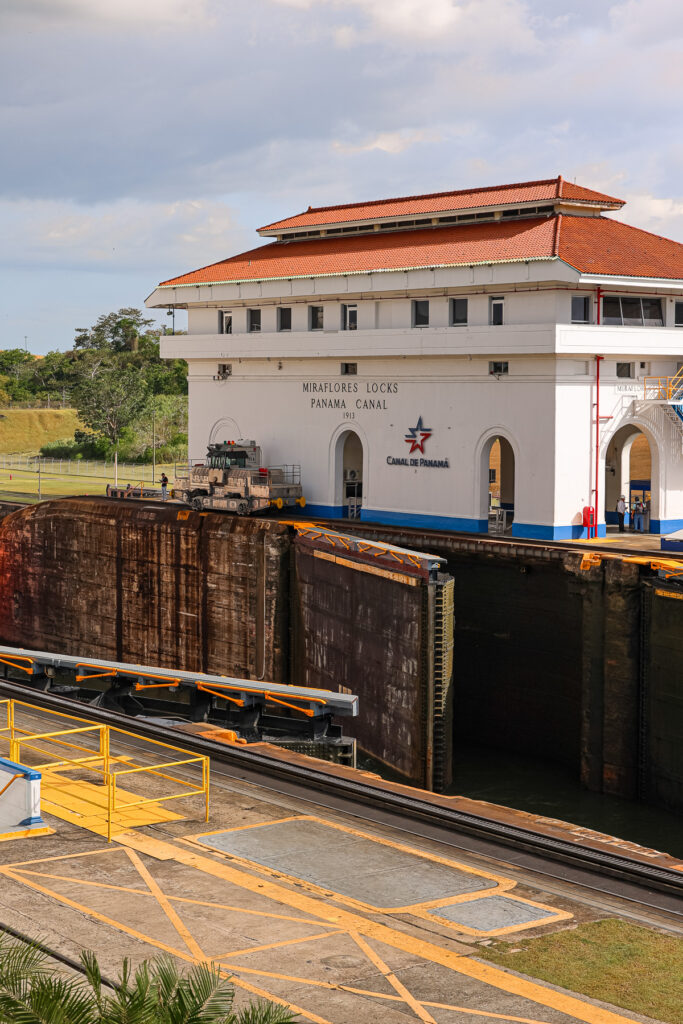
After the movie, we went to the platform from which we saw a ship coming through the canal with the help of special machinery called ‘mules’ – the commentary was provided in both Spanish and English. Such a great experience!
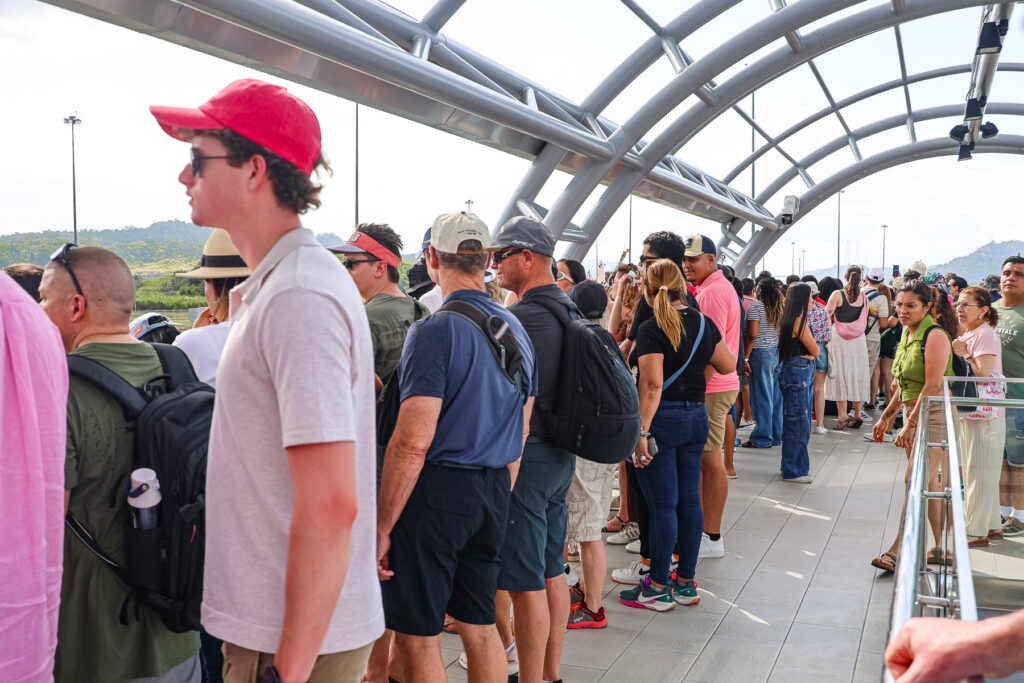
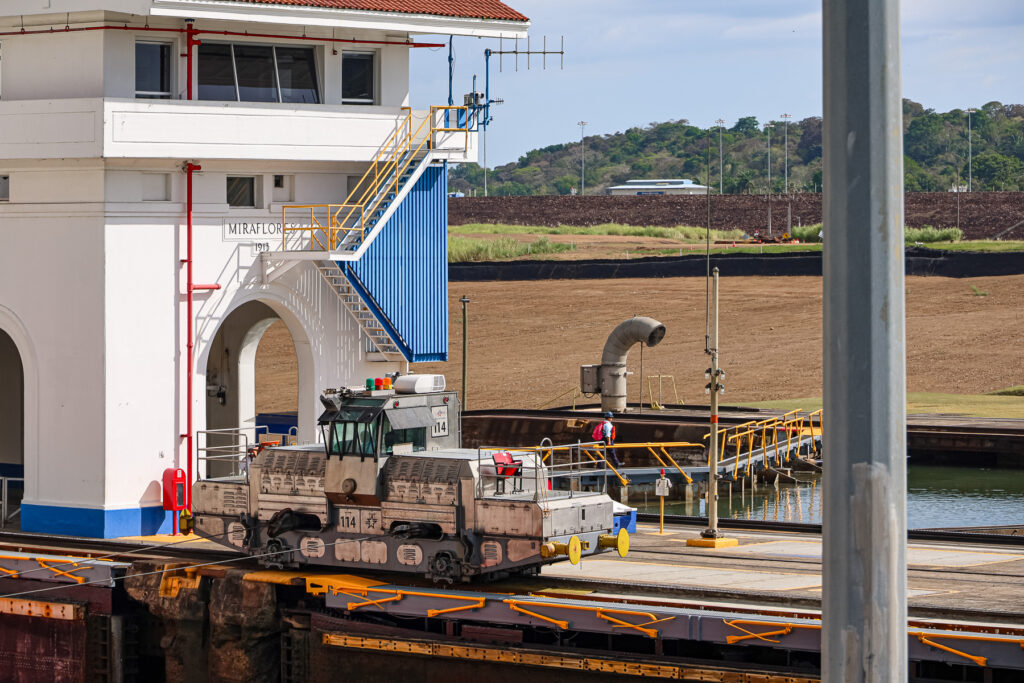
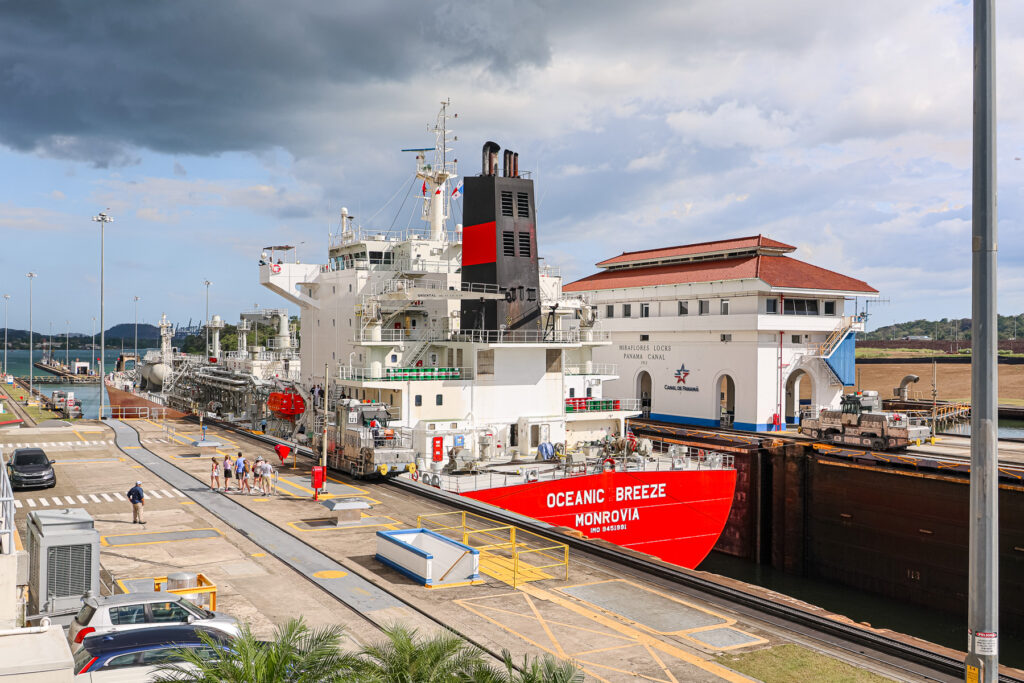
There’s also a small education gallery as well, a few shops, cafes and playground.
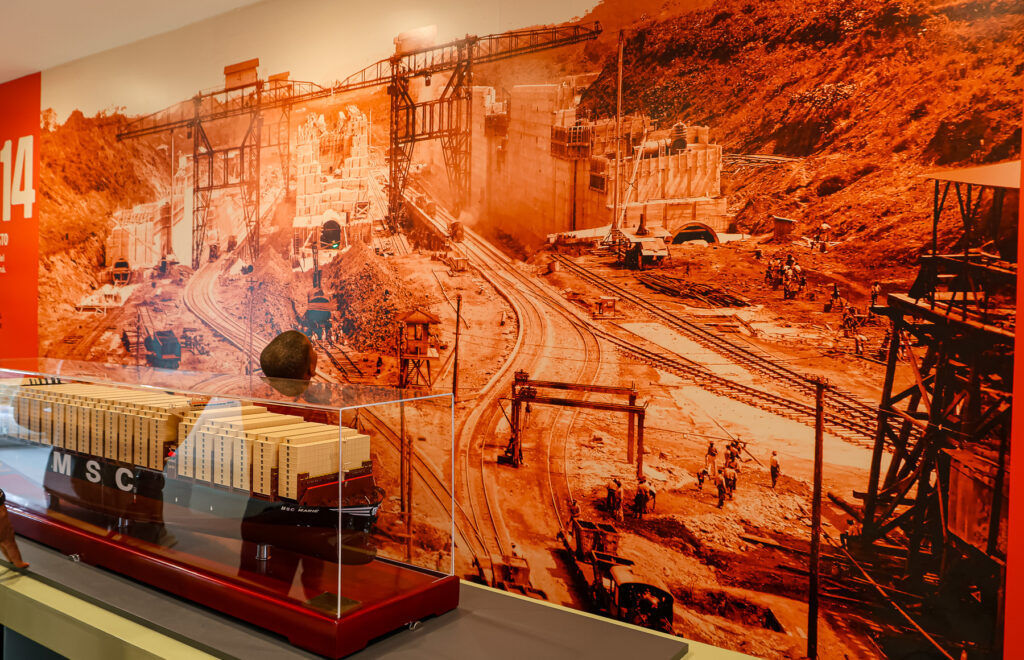

Spot the locks closing after the ship transforms into a bridge! To track when ships enter the canal, you can use an app such as MarineTraffic.
3. See the City Panorama from Metropolitan Natural Park
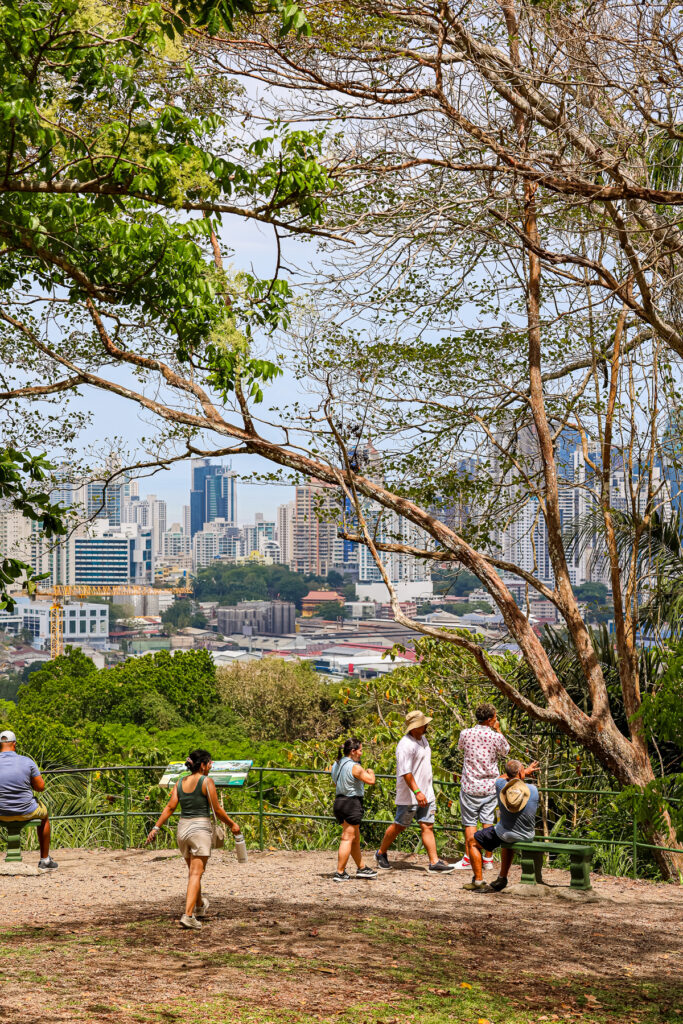
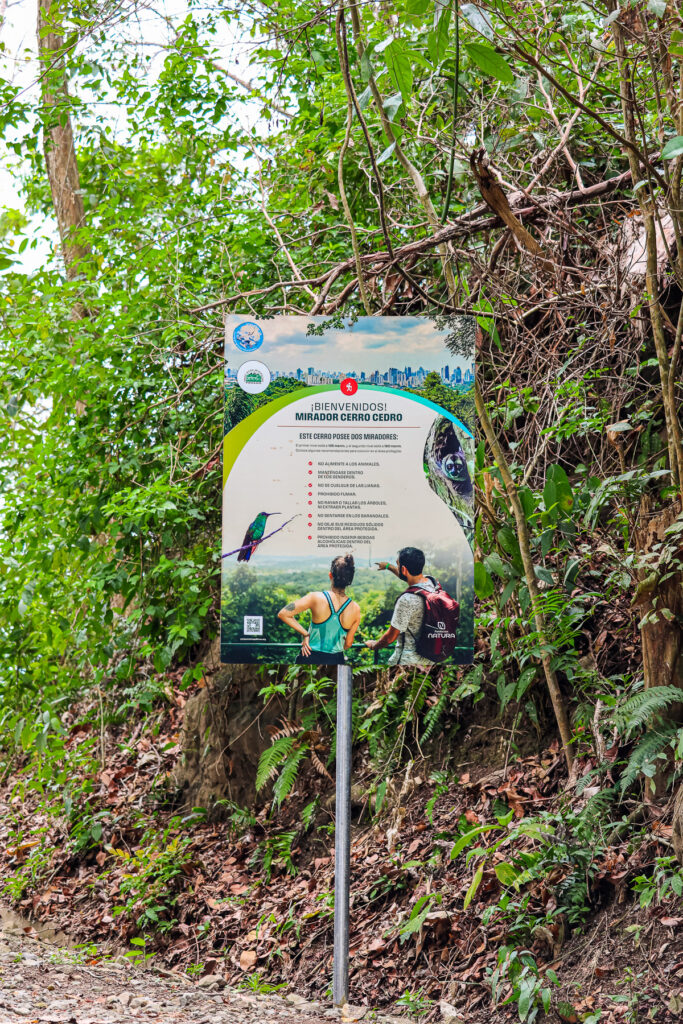
The Metropolitan Natural Park is a part of the real wild tropical rainforest but sits on a hill inside Panama City.
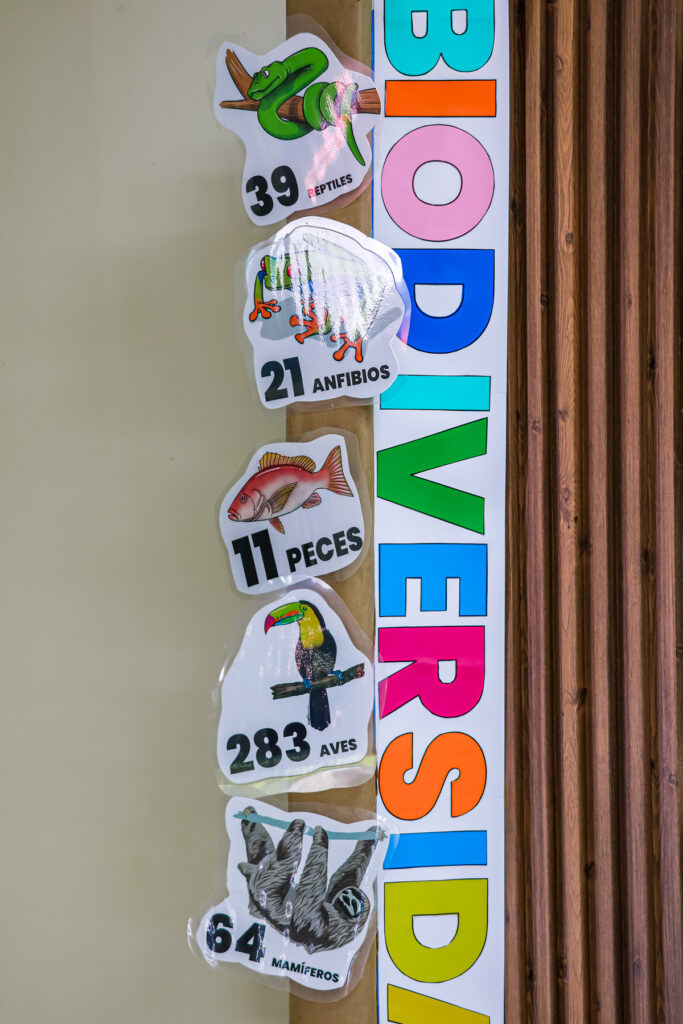
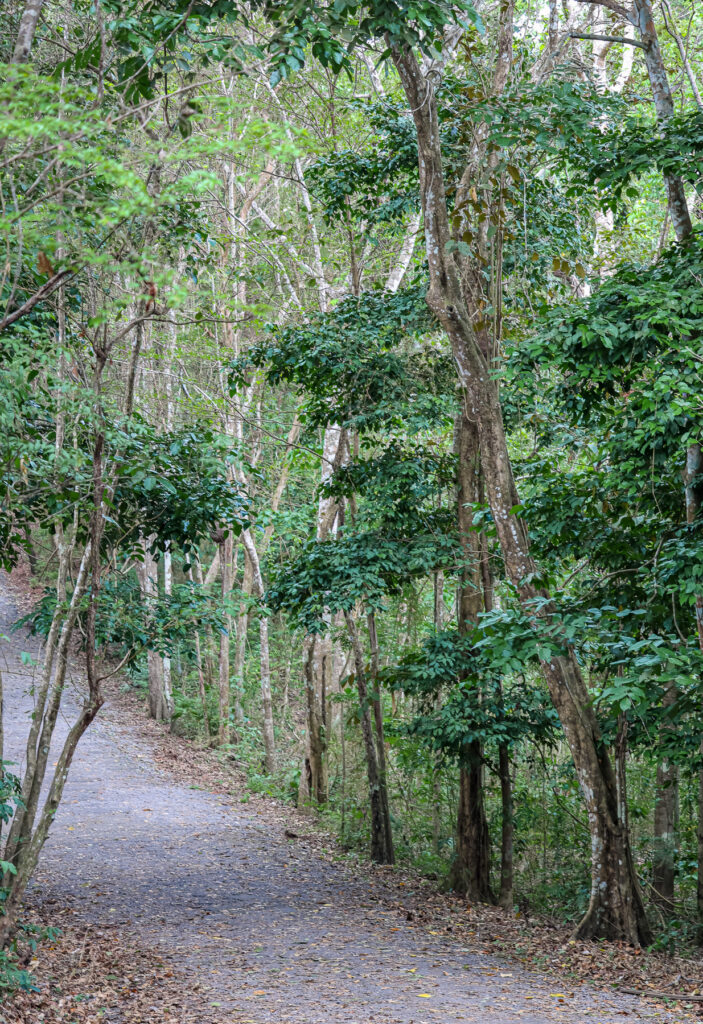
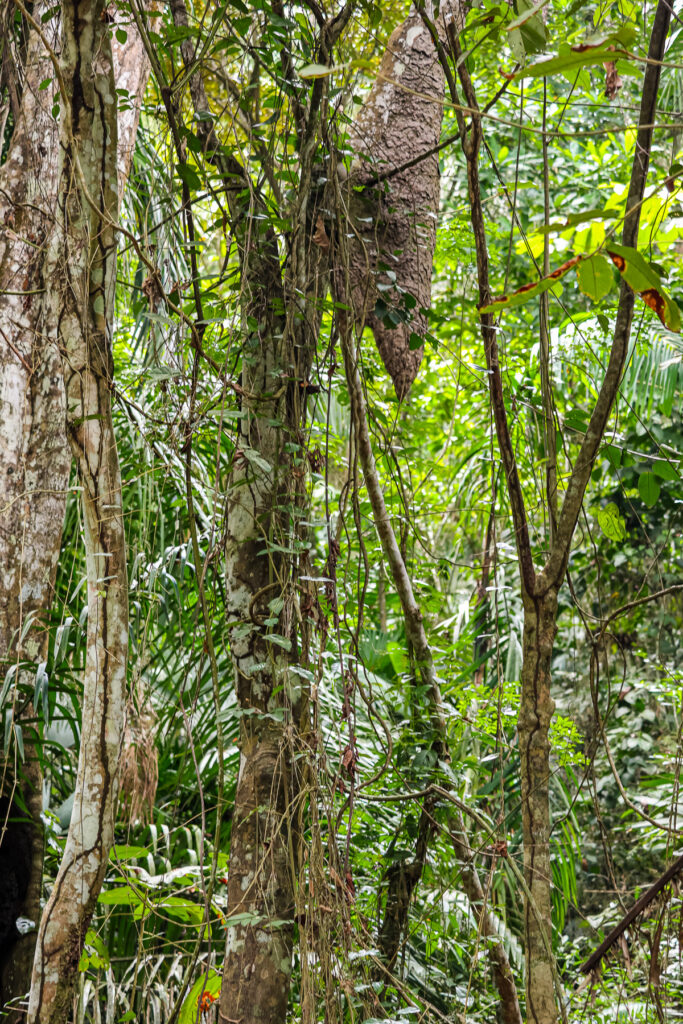
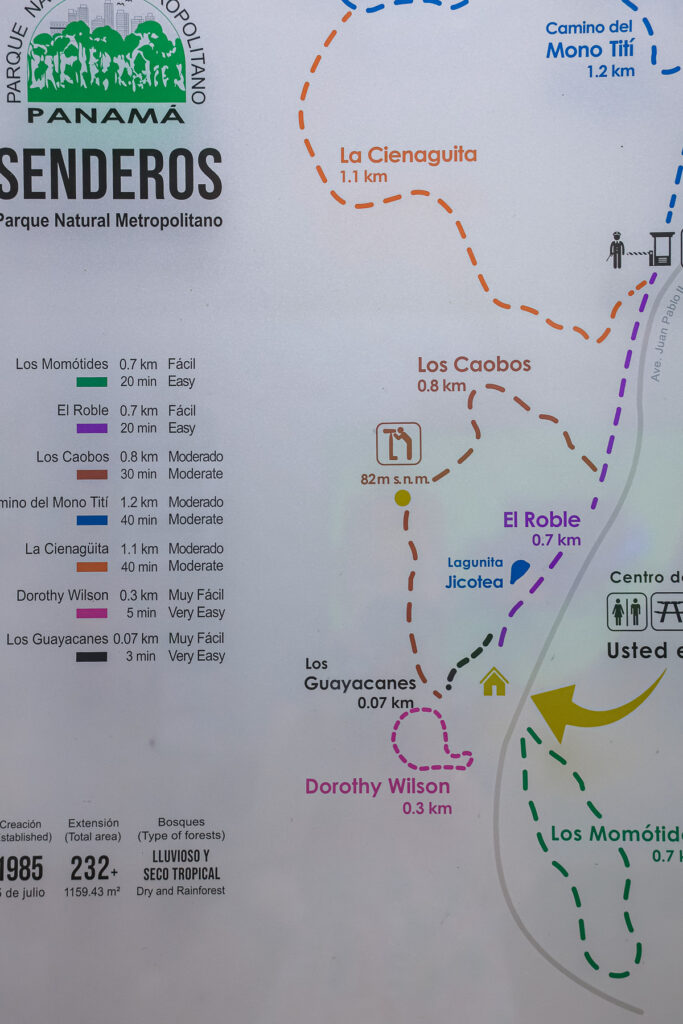
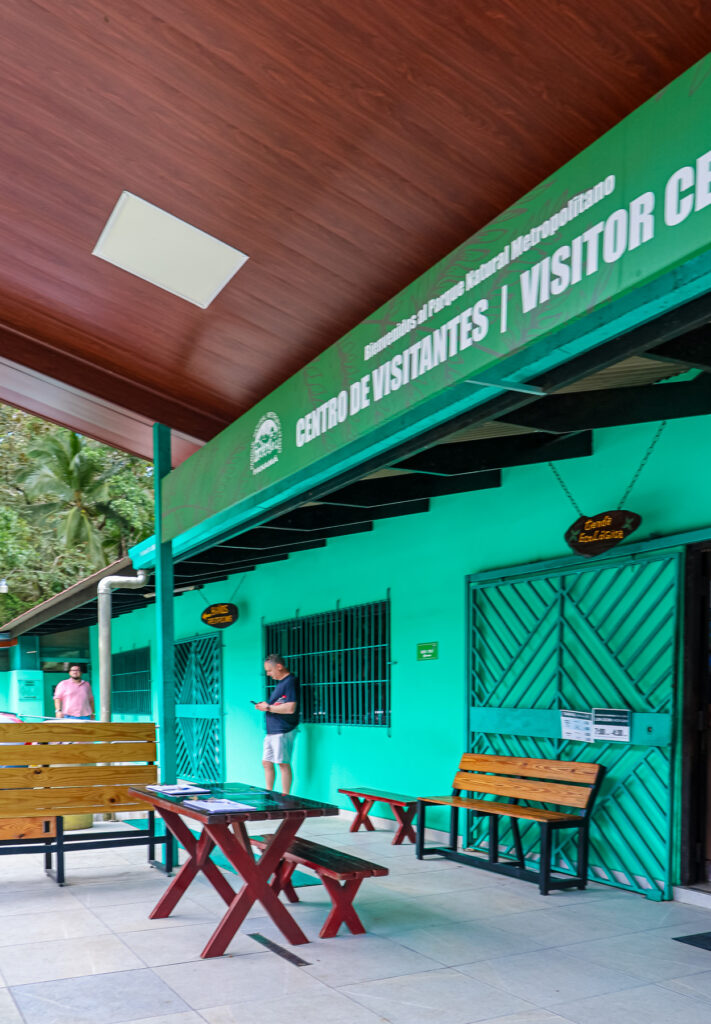
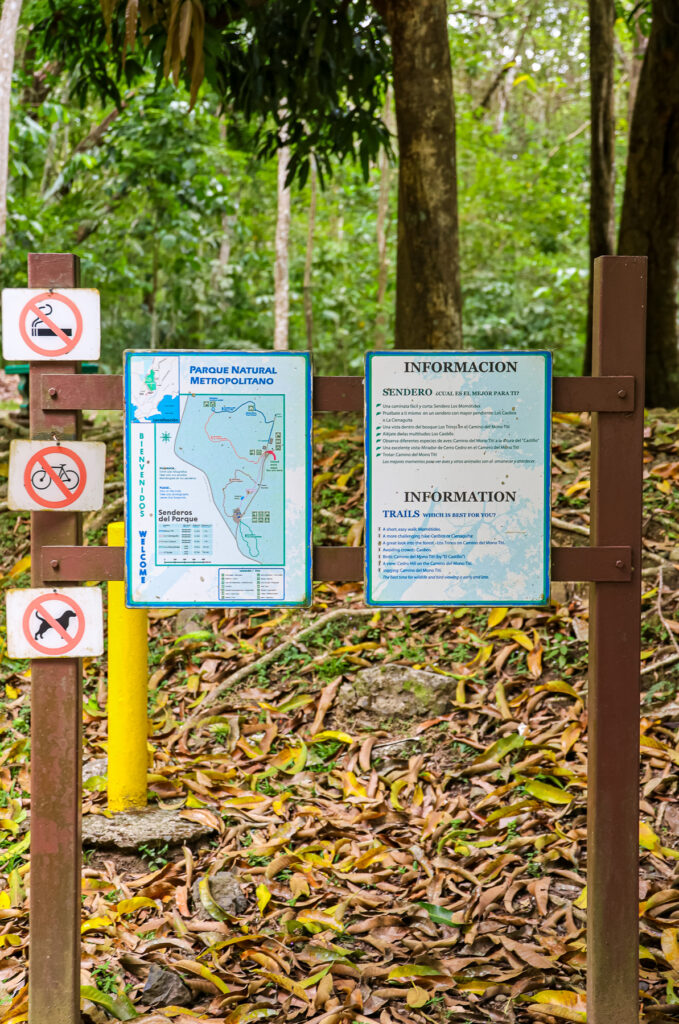
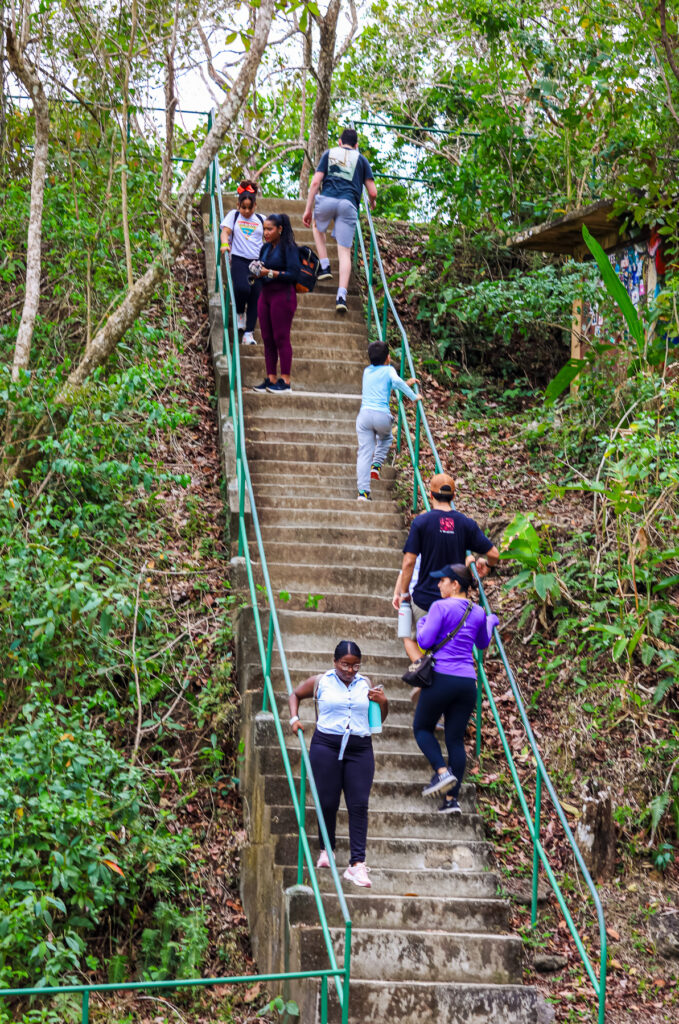
You have to buy tickets to enter first, and then you choose one of the paths to the top with an observation point depending on how much time you have.
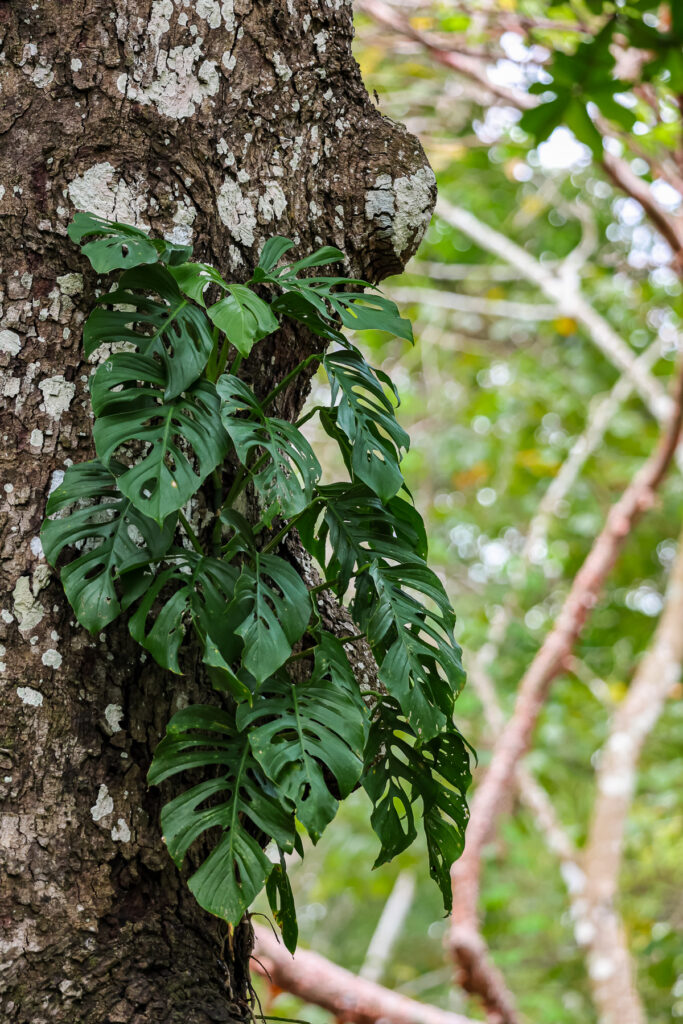

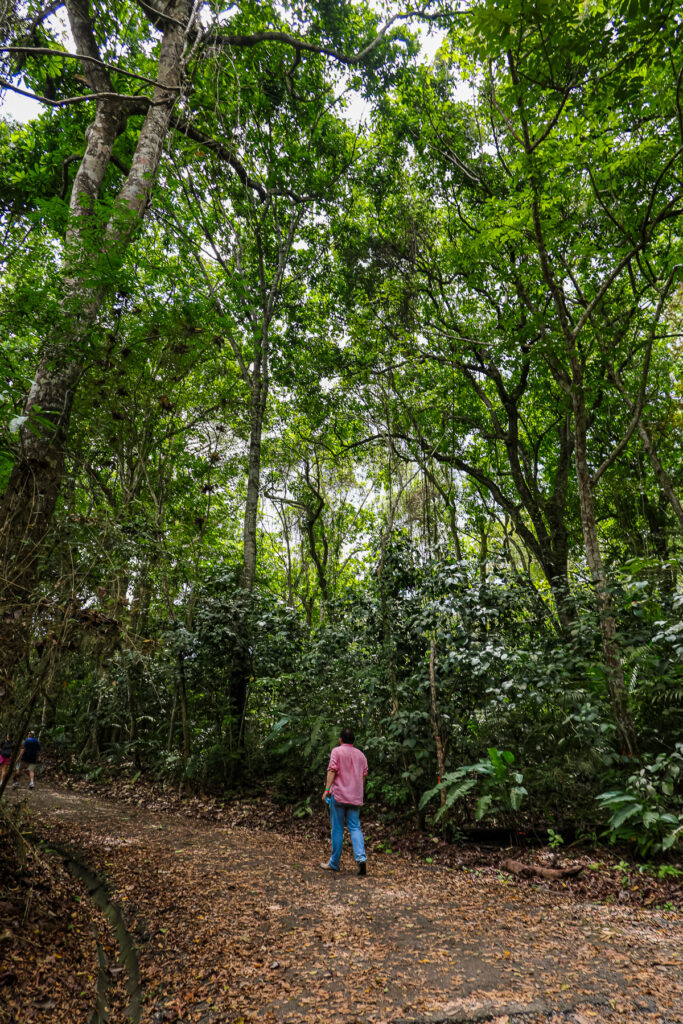
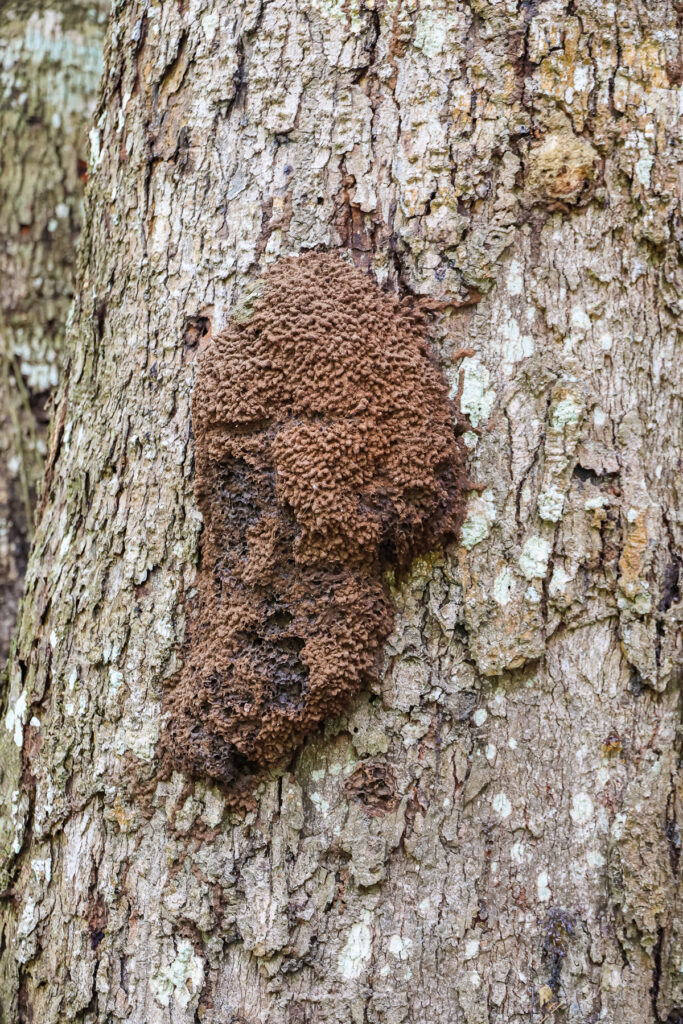
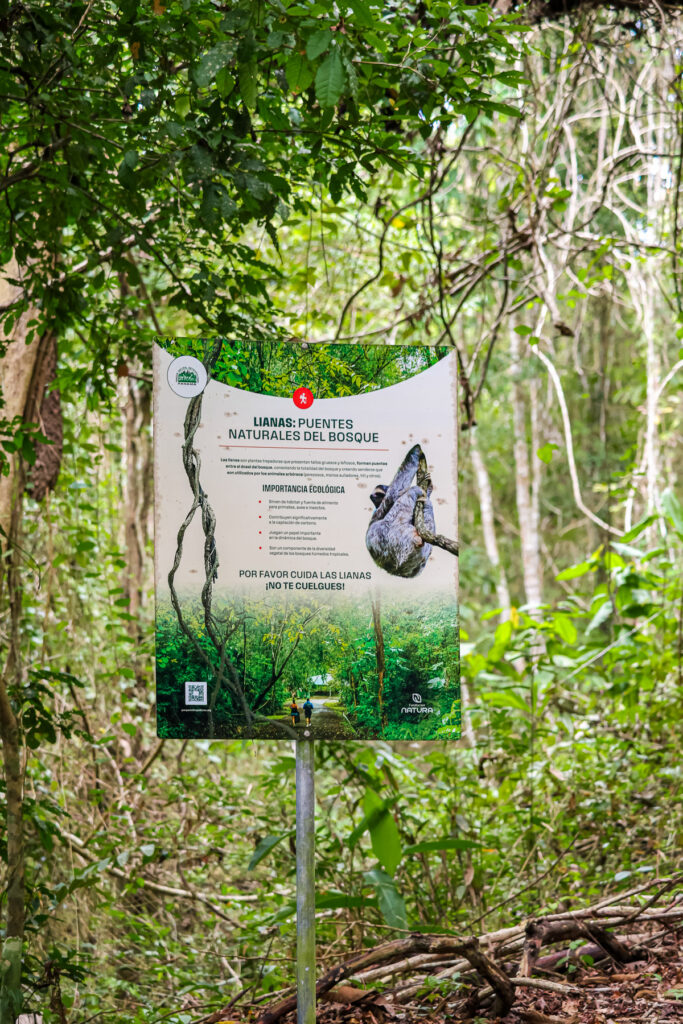
Please wear comfortable shoes and take sun protection and an anti-mosquito spray – and be prepared to get tired on your way!
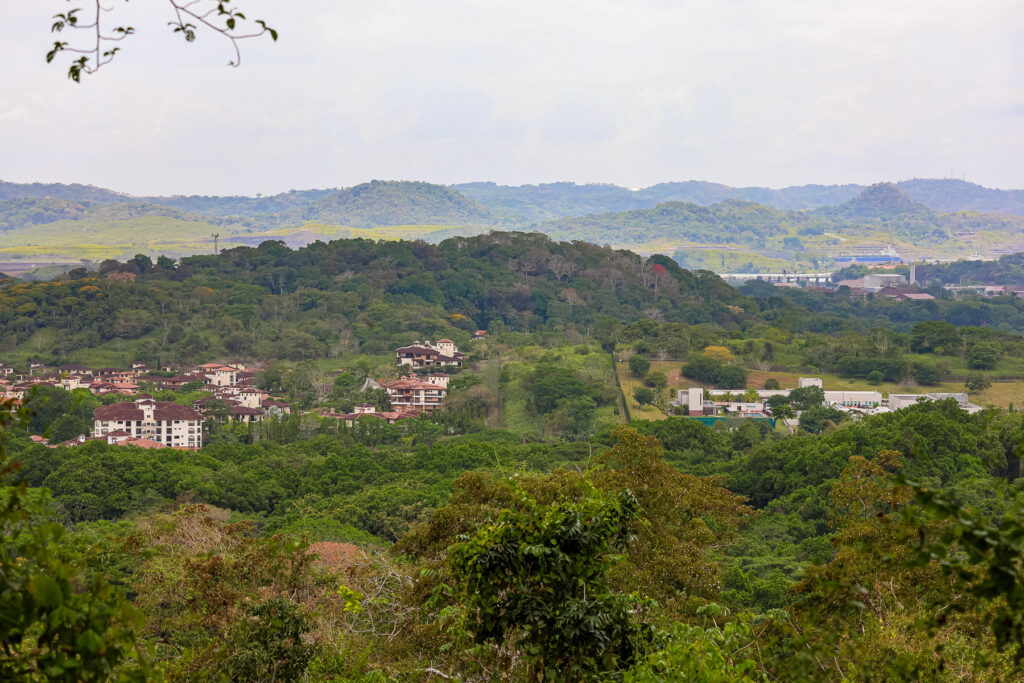
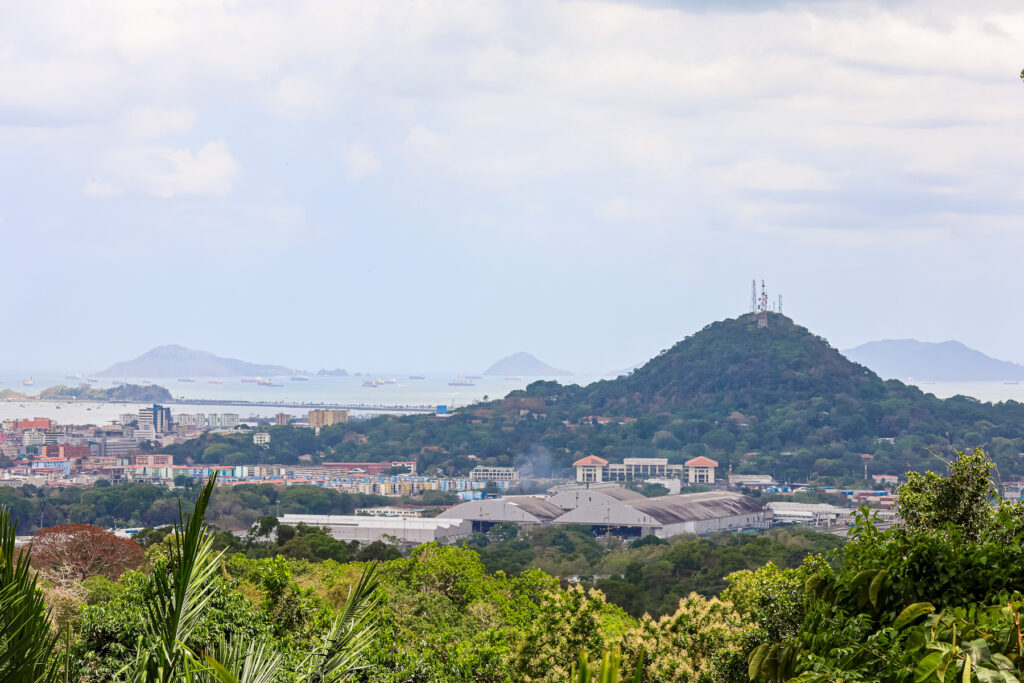
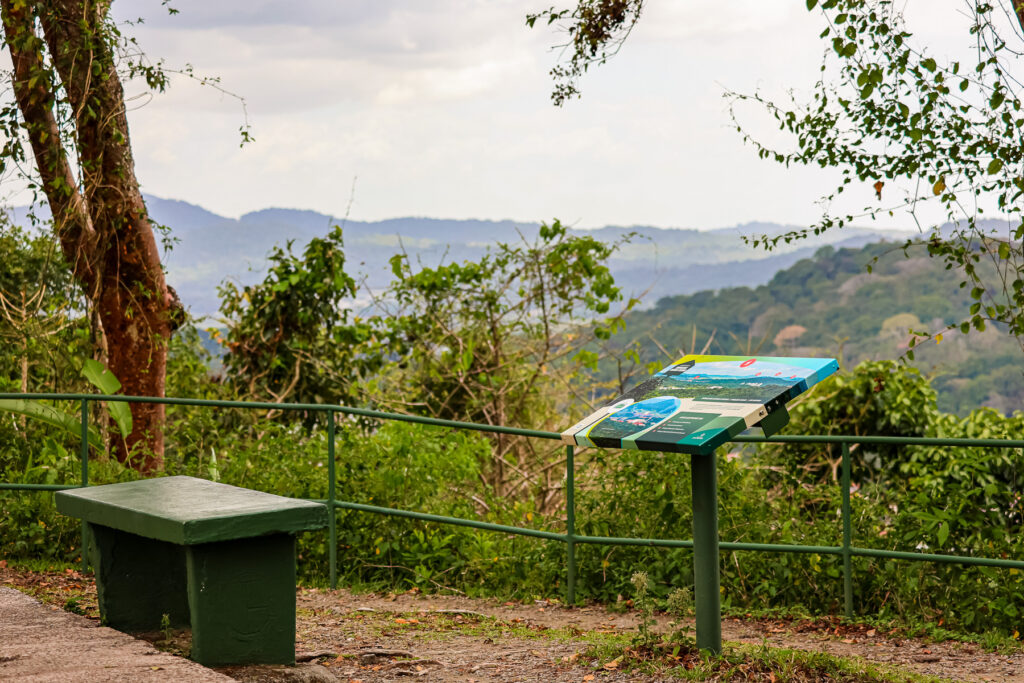
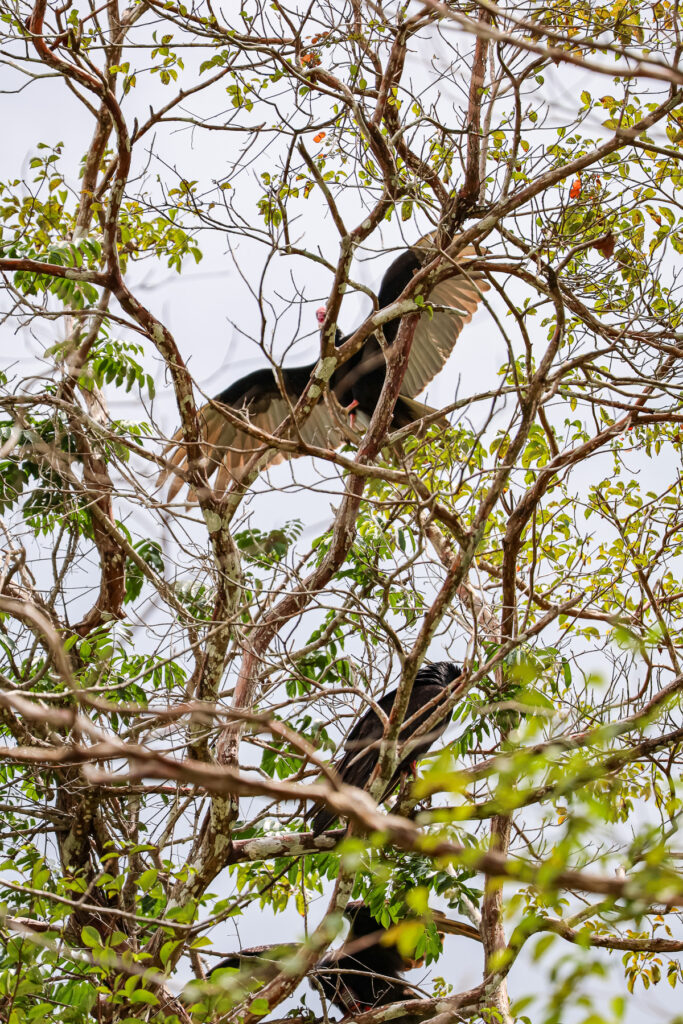
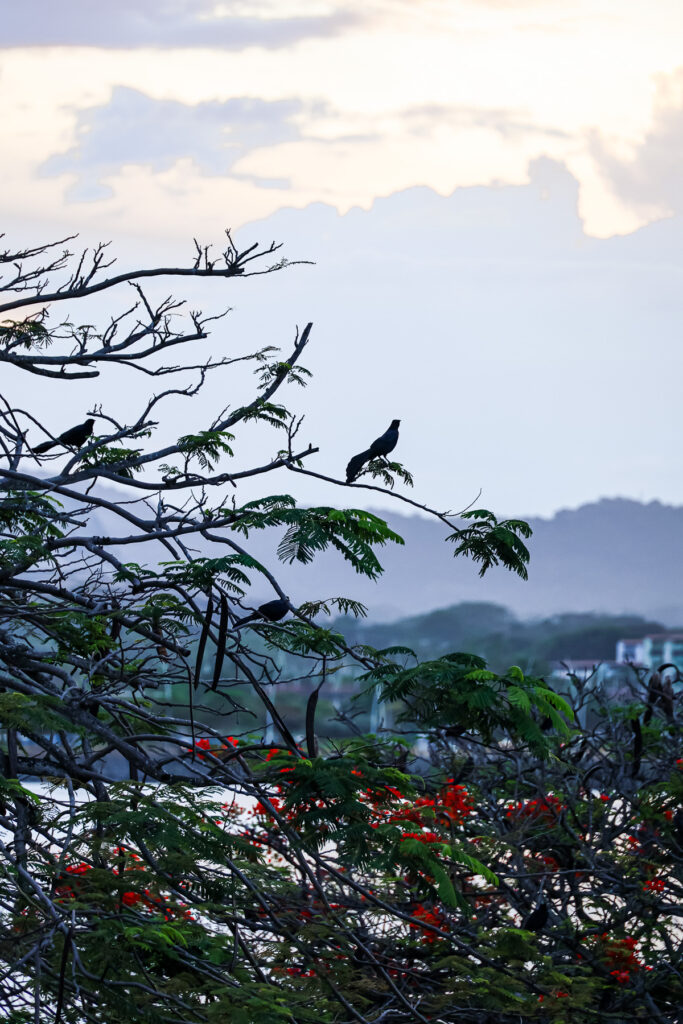
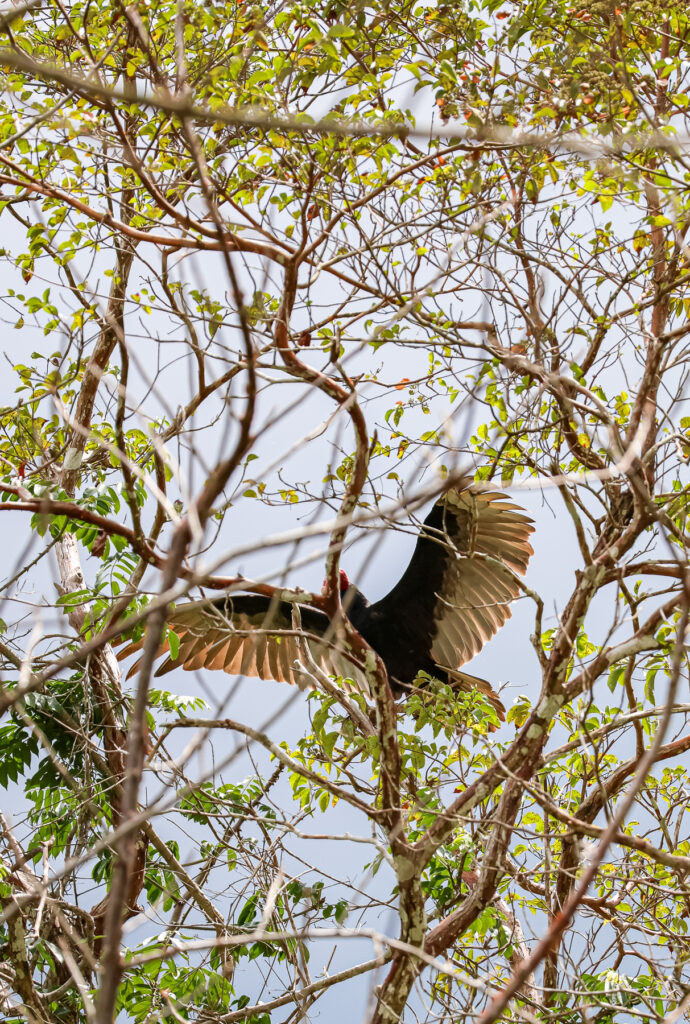
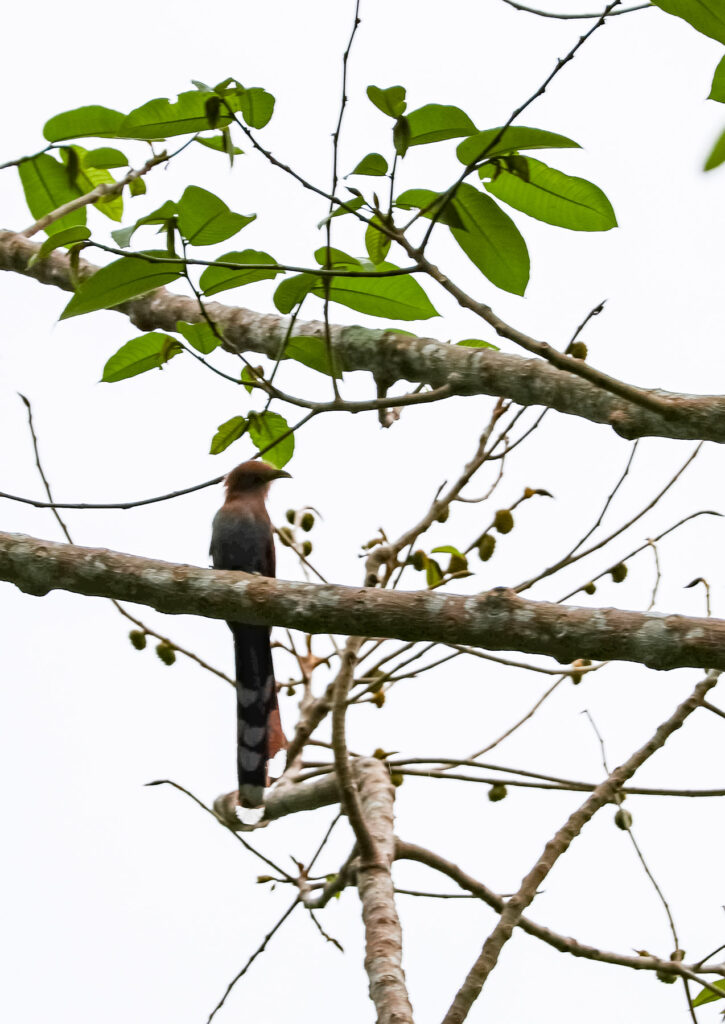
We had the most amazing time there, spotting turkey vultures, two toucans, and some other birds. Sadly, I don’t have good pictures of all the birds we saw but bird-watching was really good there despite a light rain and a very steep path.
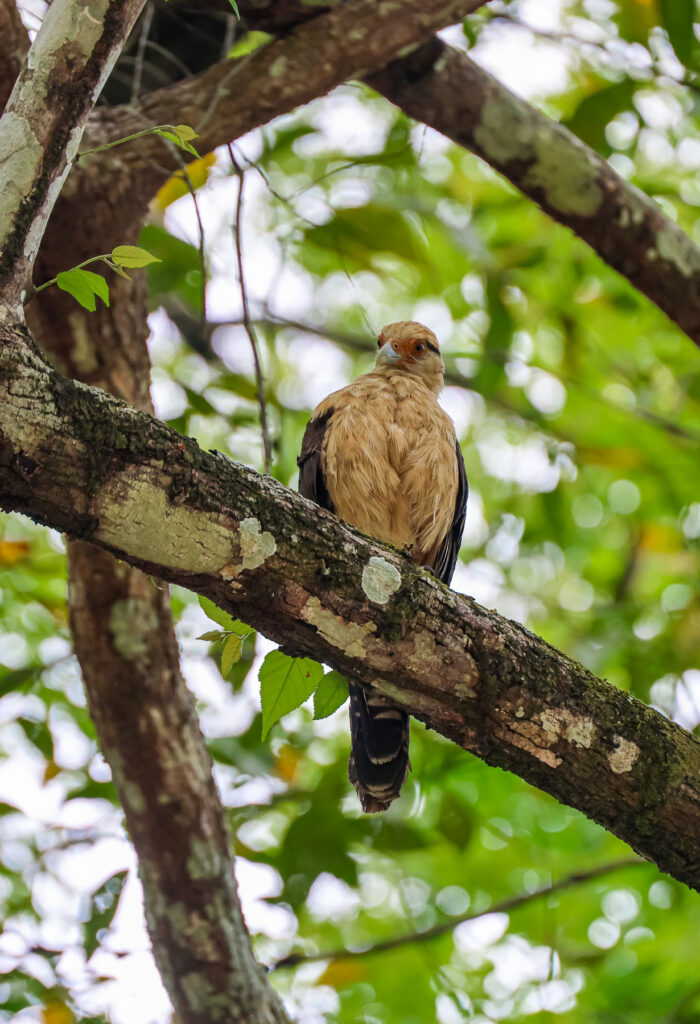
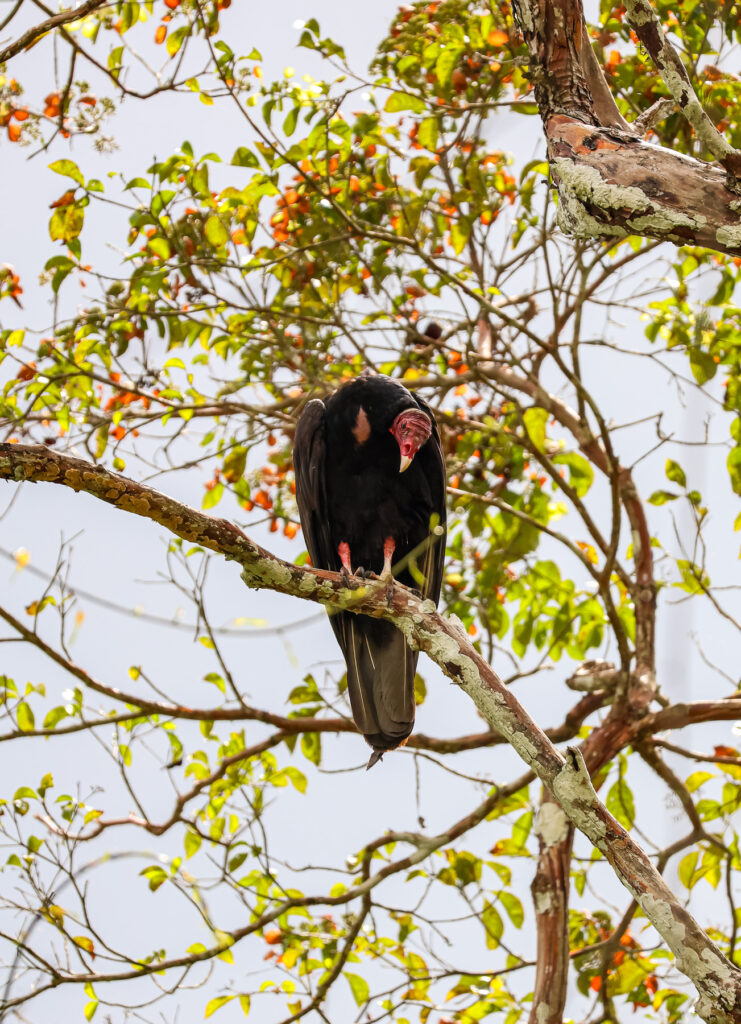
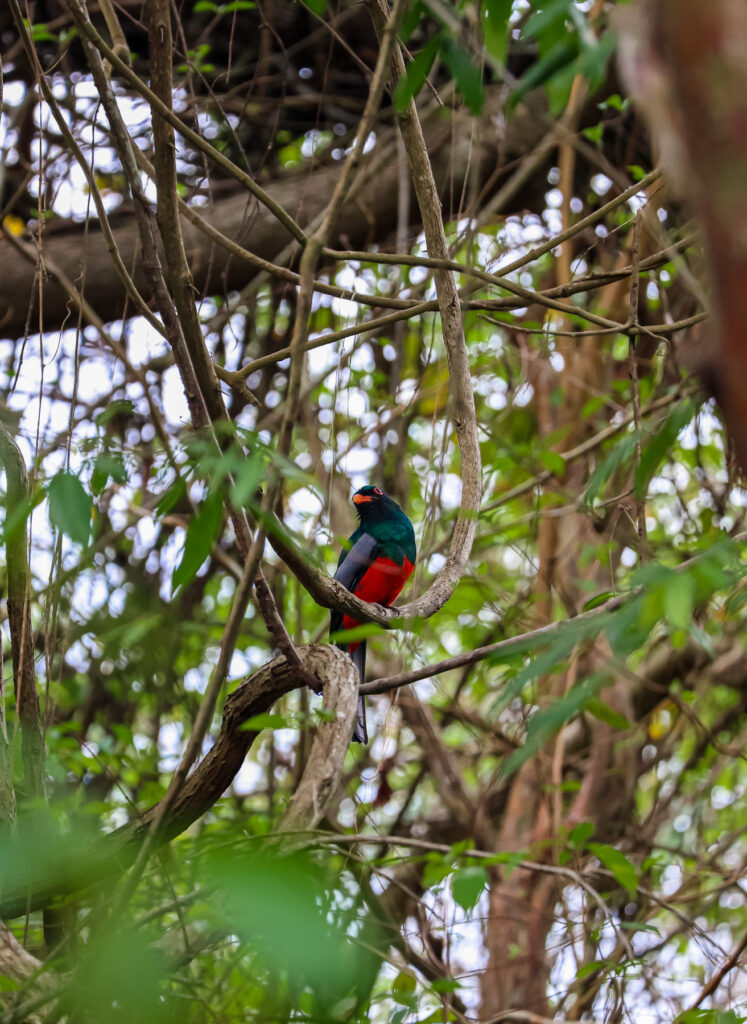
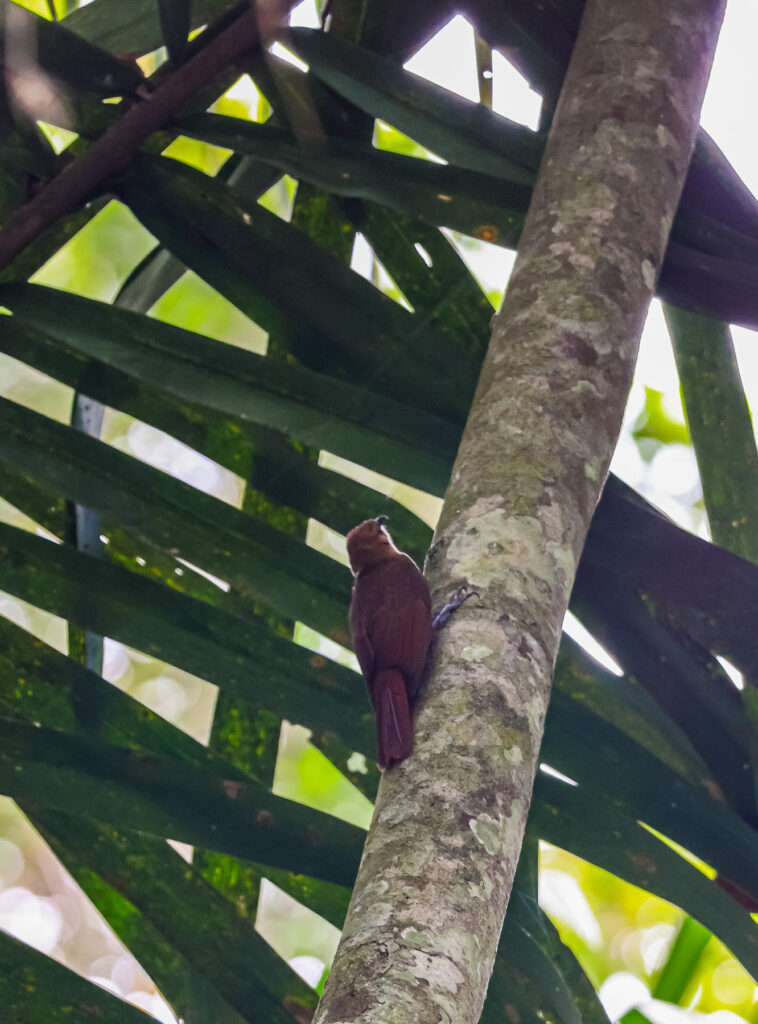
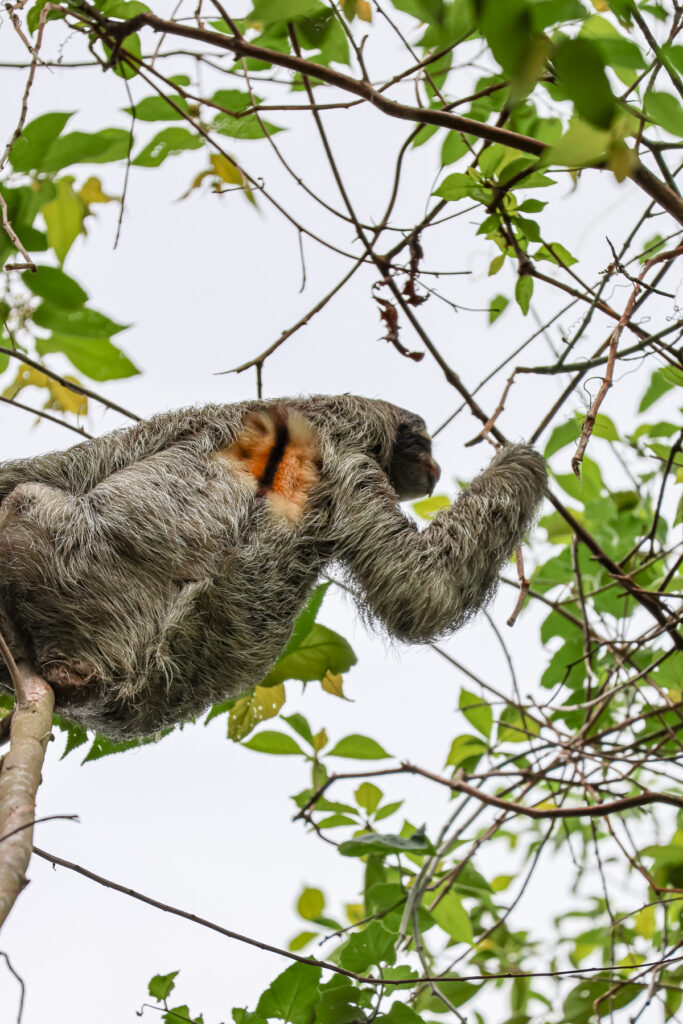
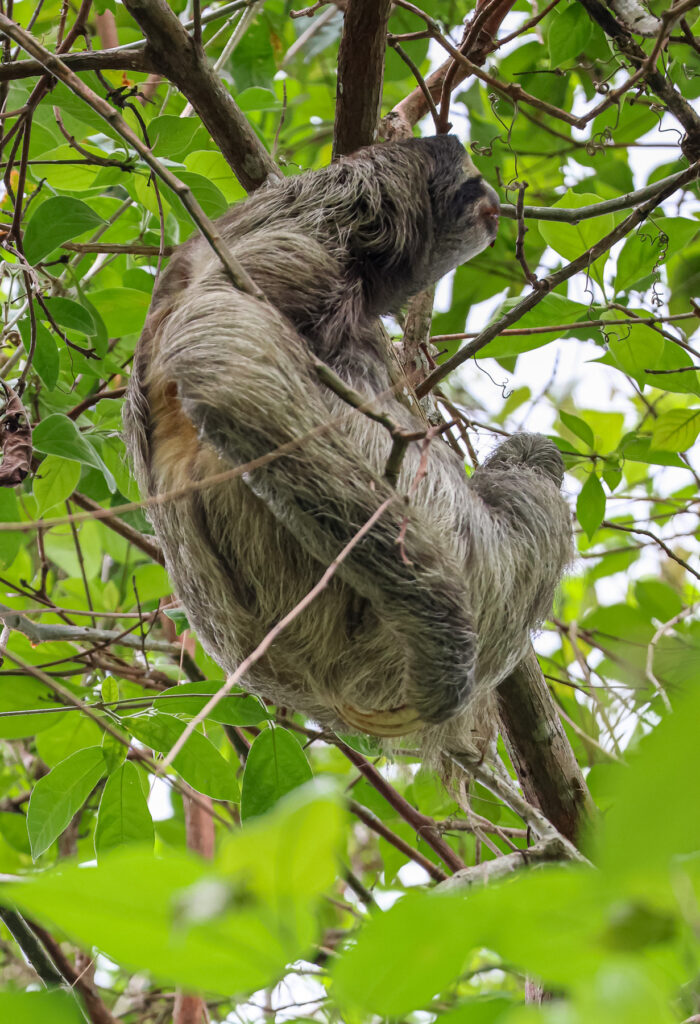
A real pinch-me moment of our visit was when we saw a real wild three-toed sloth just minding its own business in this part of the jungle!


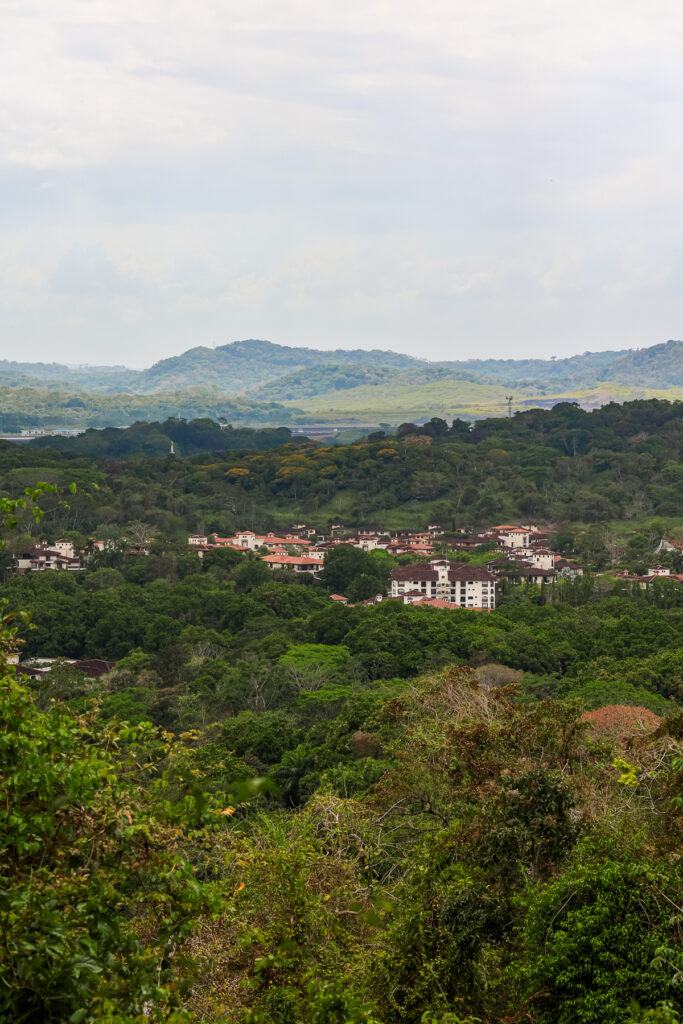
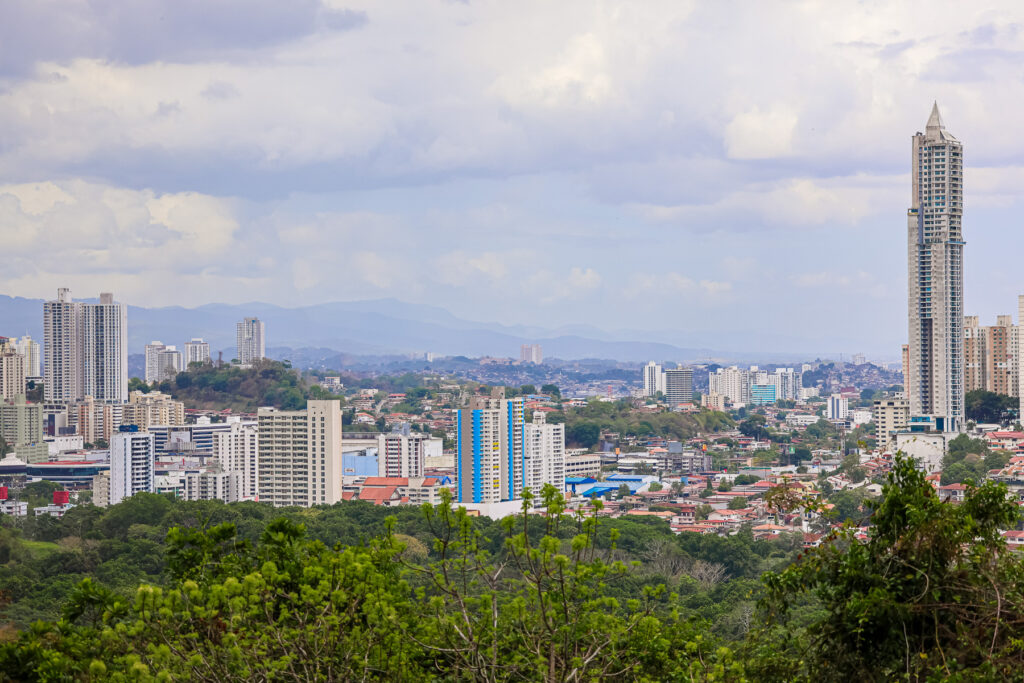
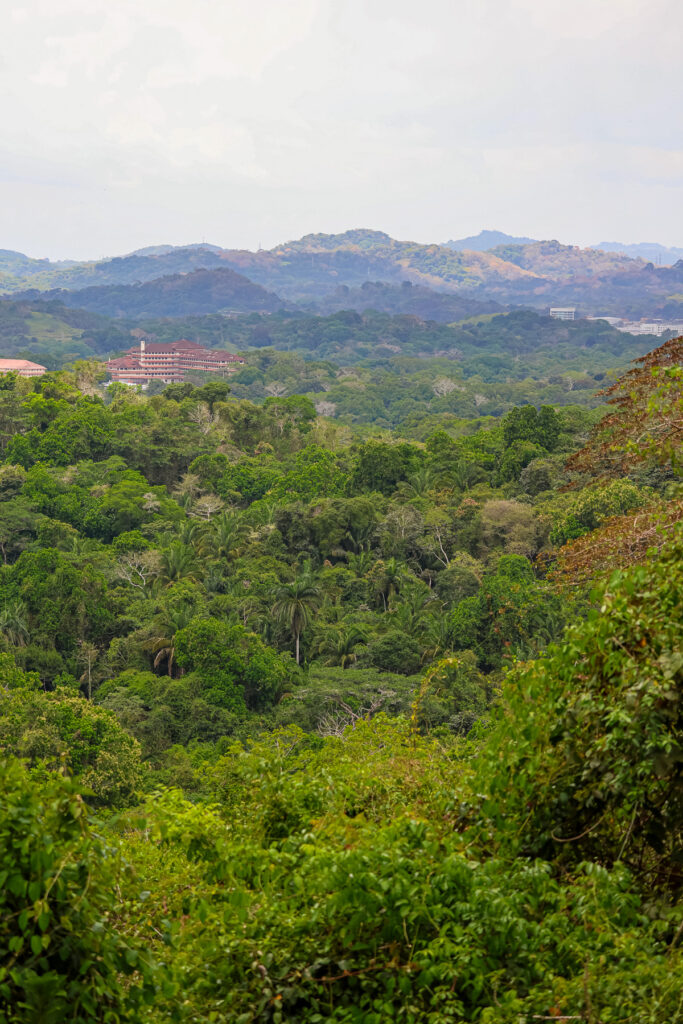
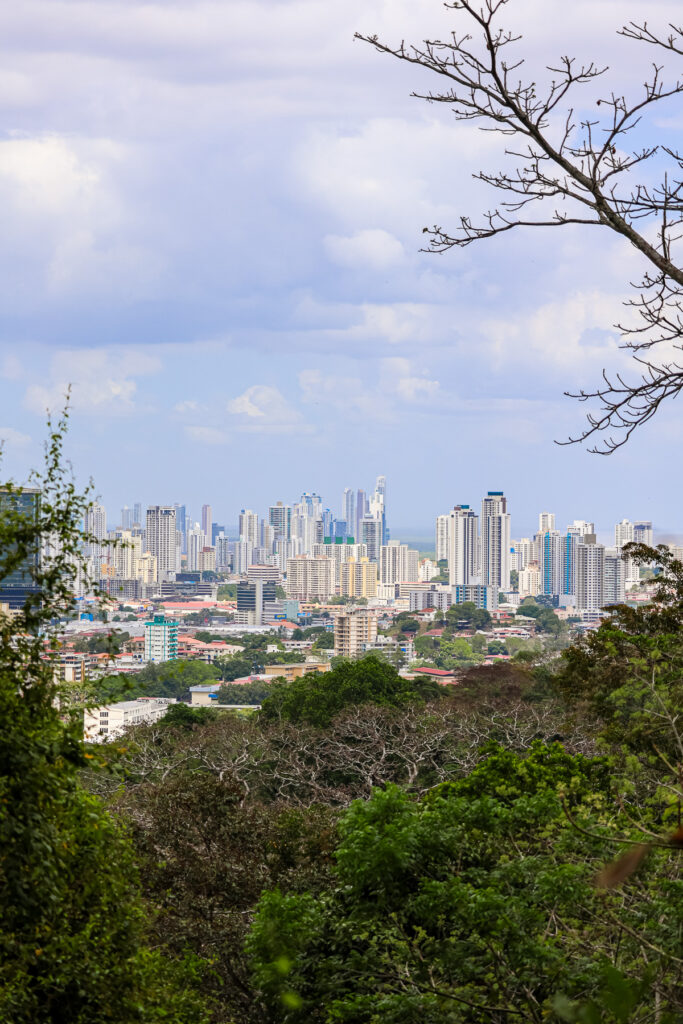
We also made it to the very top of the hill to admire this incredible view over Panama City.

4. Have Luxury Shopping
It is absolutely surreal that in just 10-15 minutes by car from a jungle-like Park Metropolitano, you can get to a shopping mall like Multiplaza with Chanel, Hermes, Louis Vuitton, and other luxury shops!
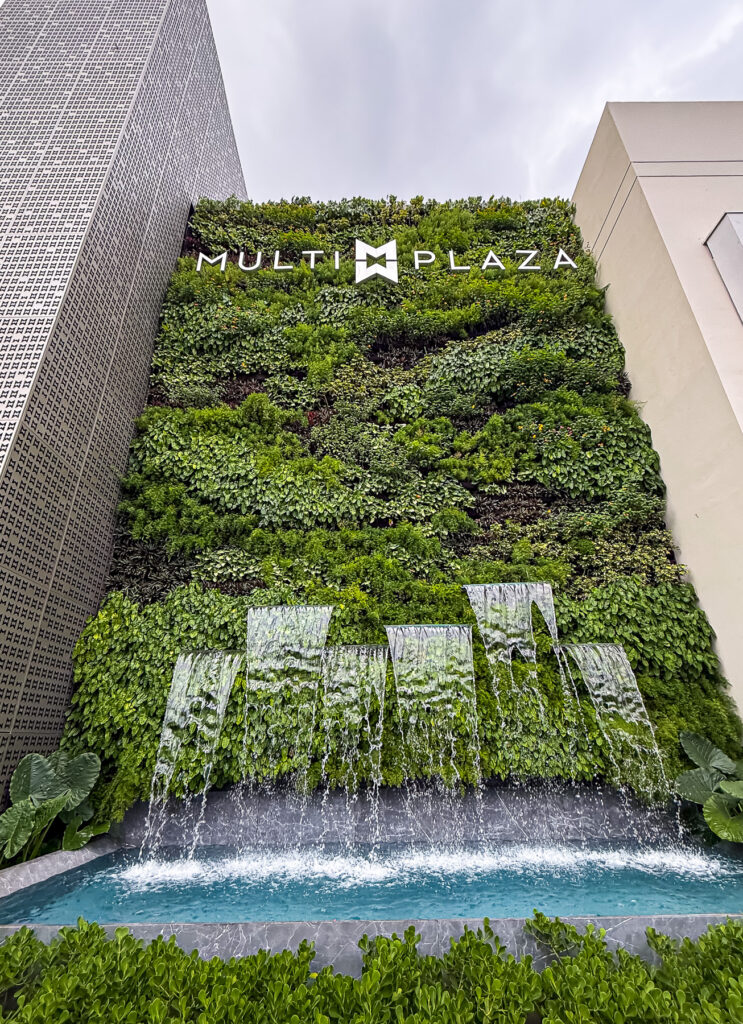

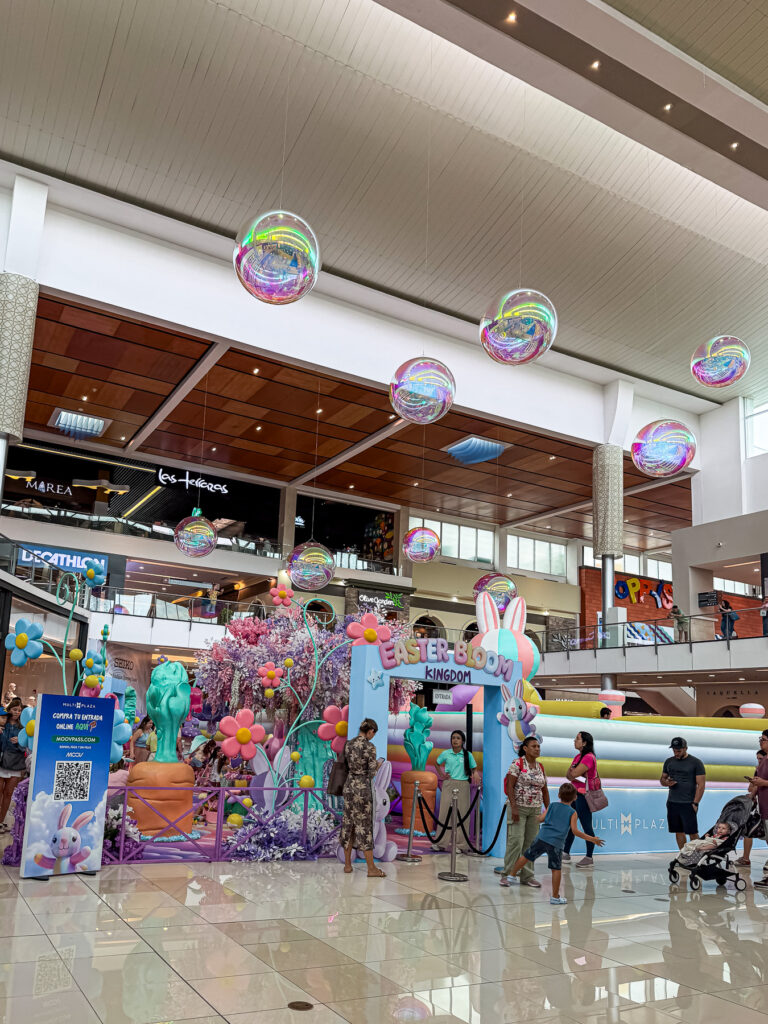
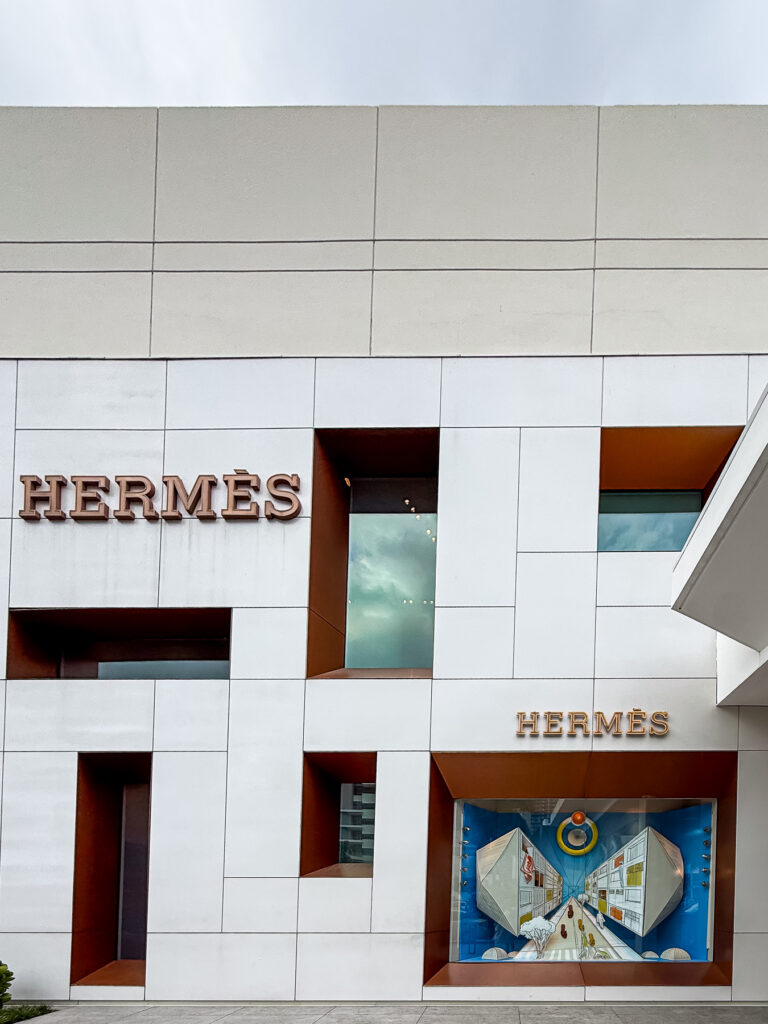
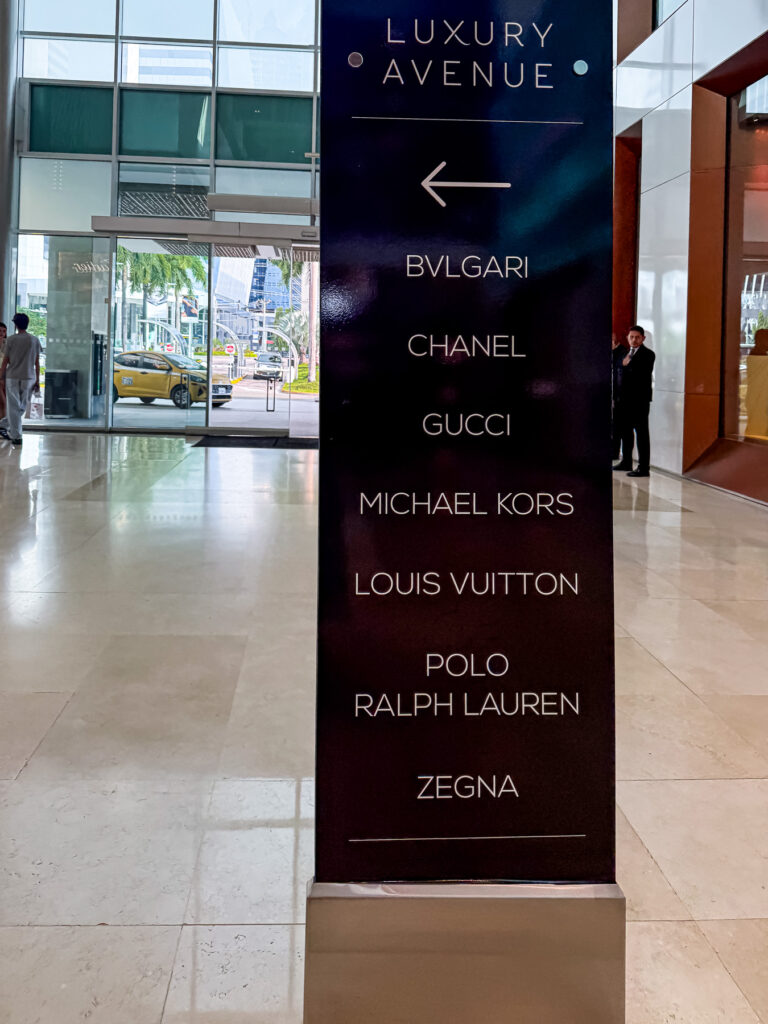
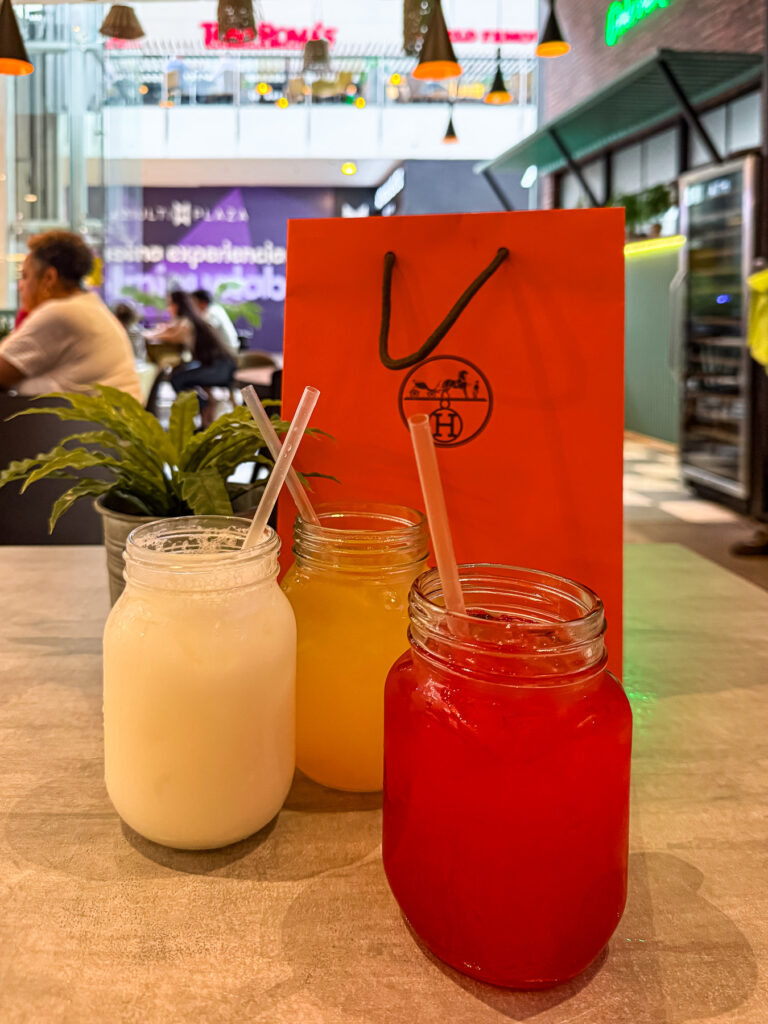
We spent some time there too – high-end shops, numerous restaurants and cafes, kids’ shops, interior shops, fun installations – you’ll find everything here. They also had a lovely egg exposition and Easter-related activities for kids.

5. Buy a Panama Hat
And of course, you can’t visit Panama without buying a famous Panama hat!
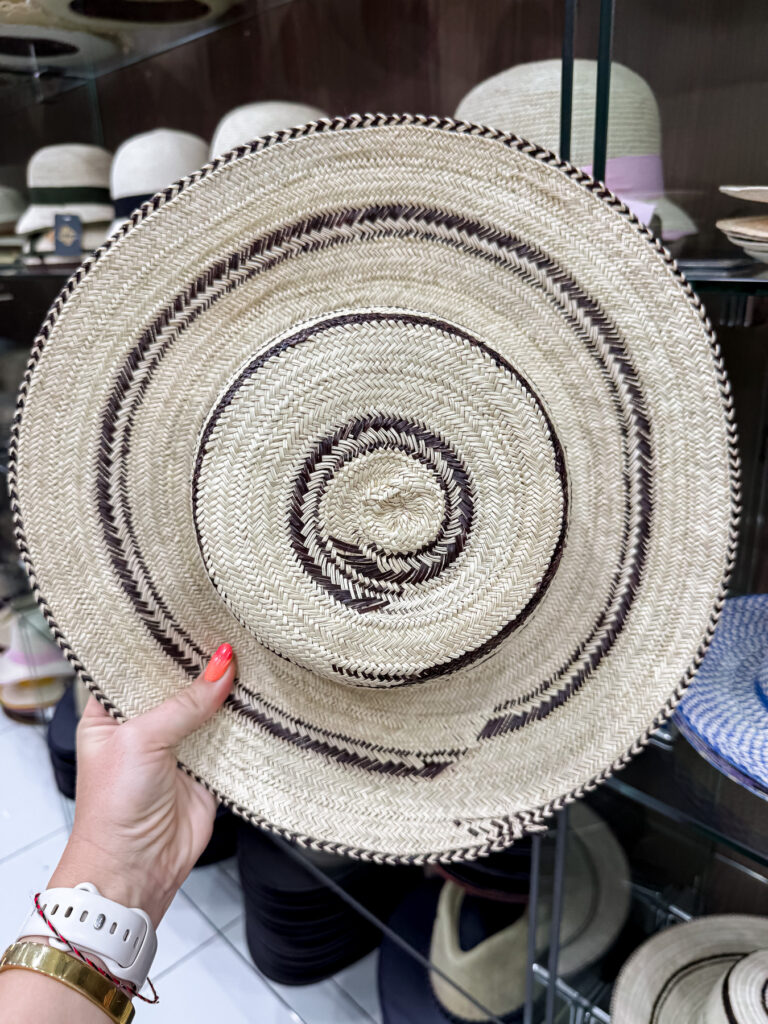
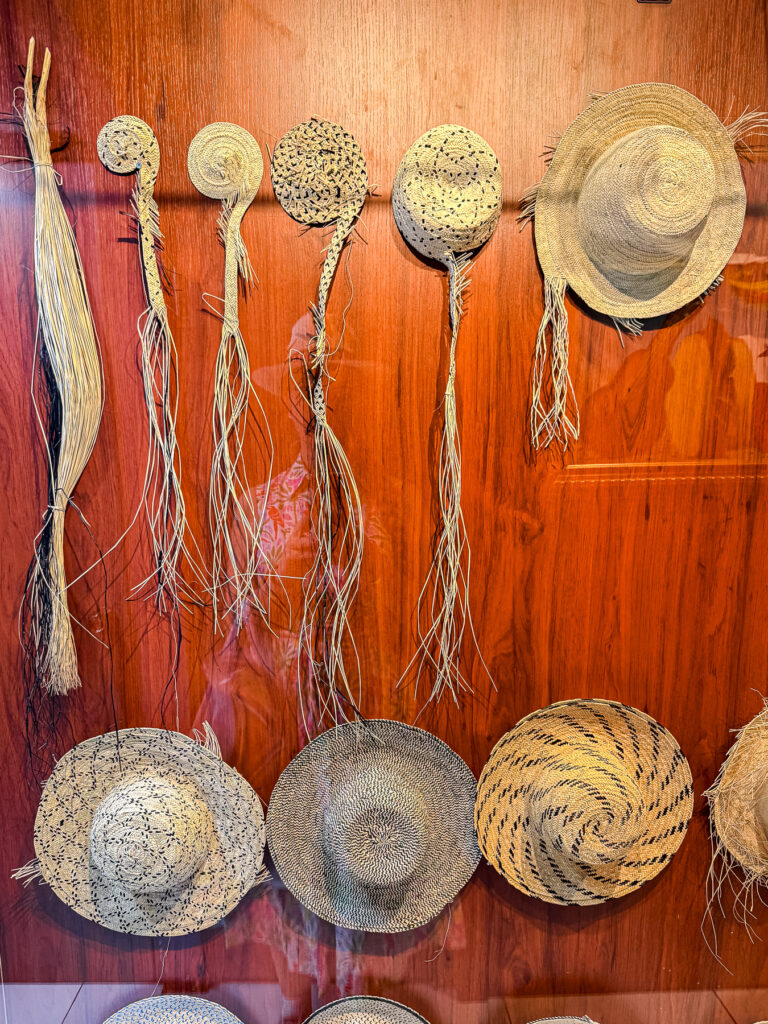
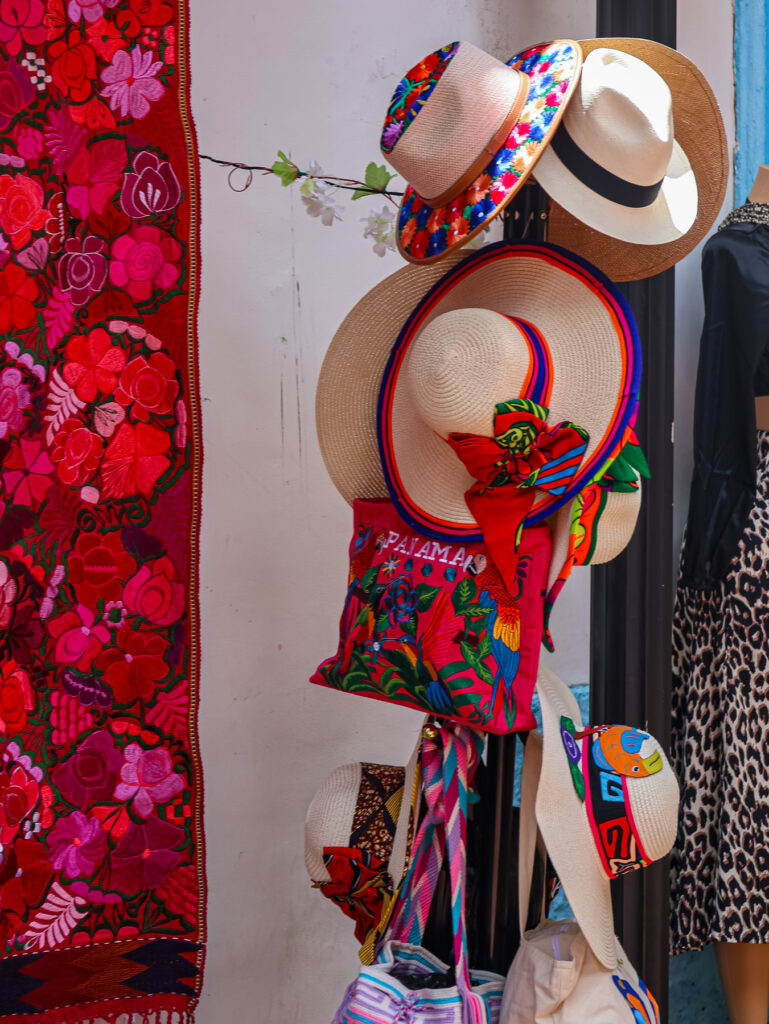
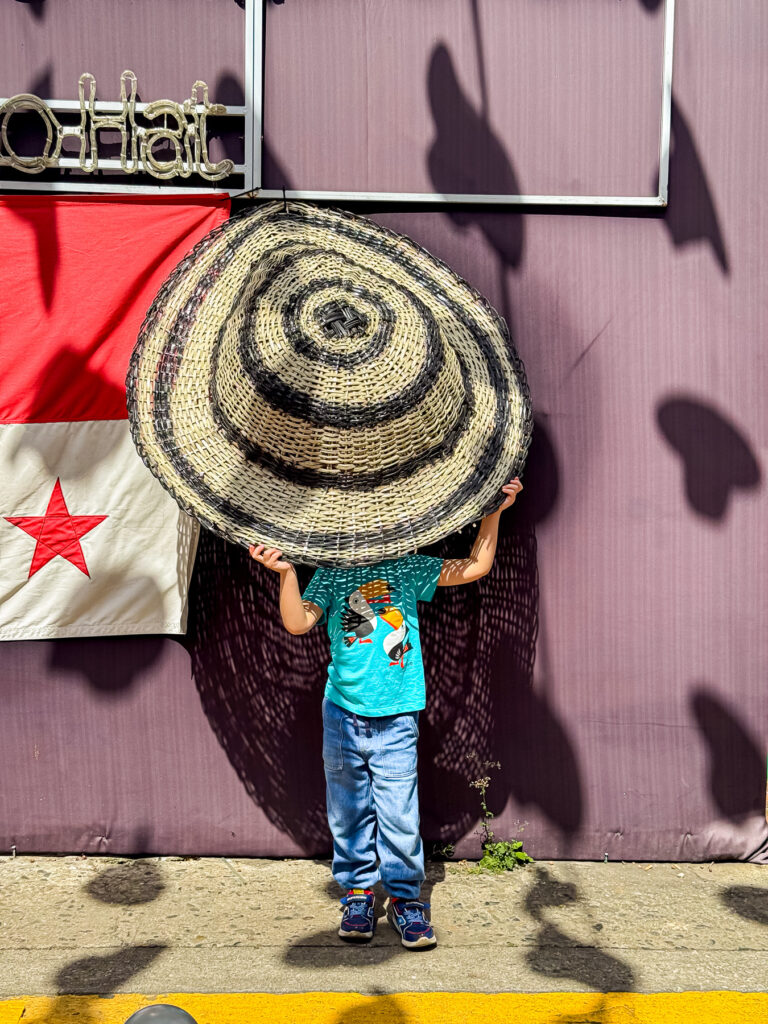
Did you know that the Panama hat you usually see today comes from Ecuador (Ecuadorian workers brought the hats with them while being involved in building the Panama Canal)? The traditional hat is black-and-white, as pictured. It’s called a real sombrero pintado (painted hat), or simply pinta’o – what a difference from what you call a Panama hat today!
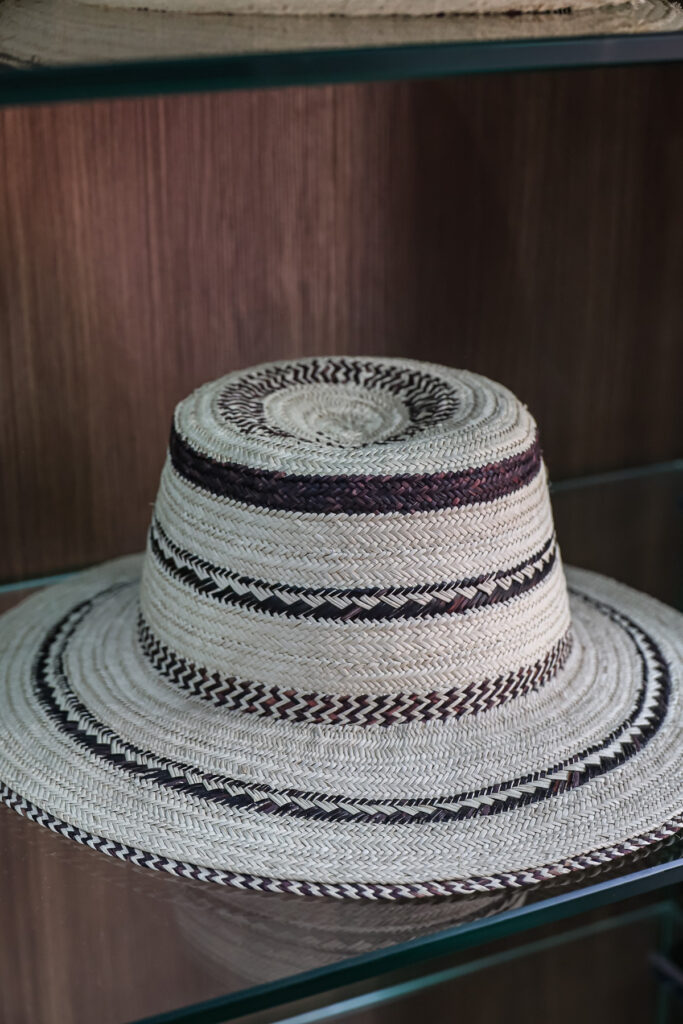
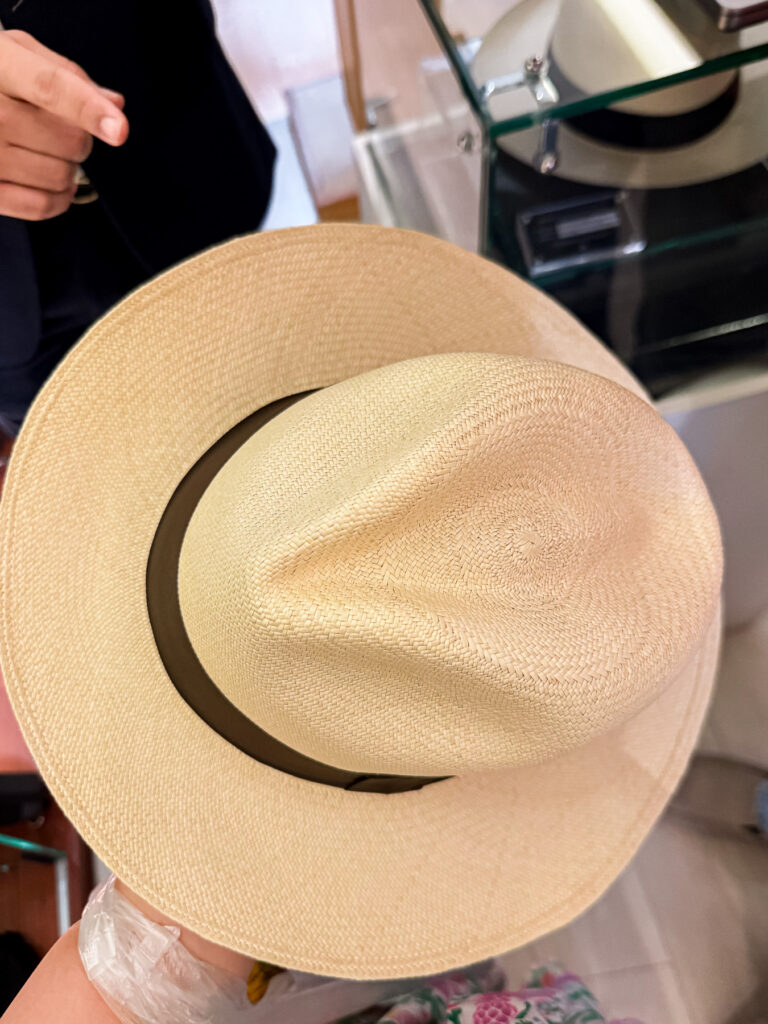
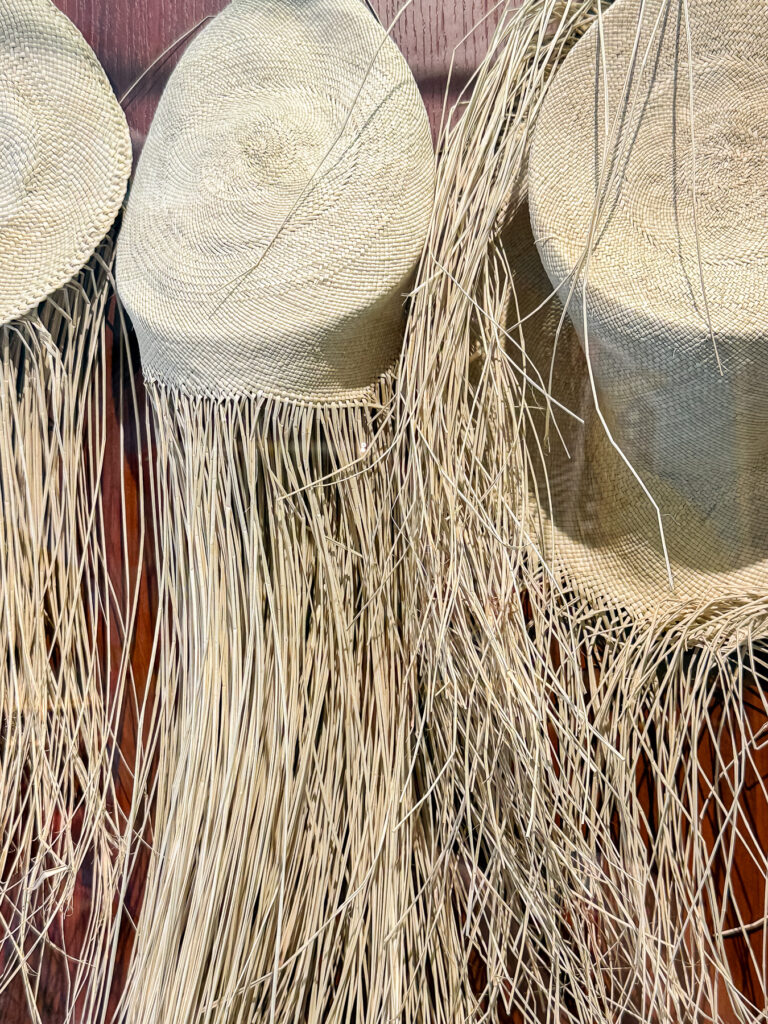
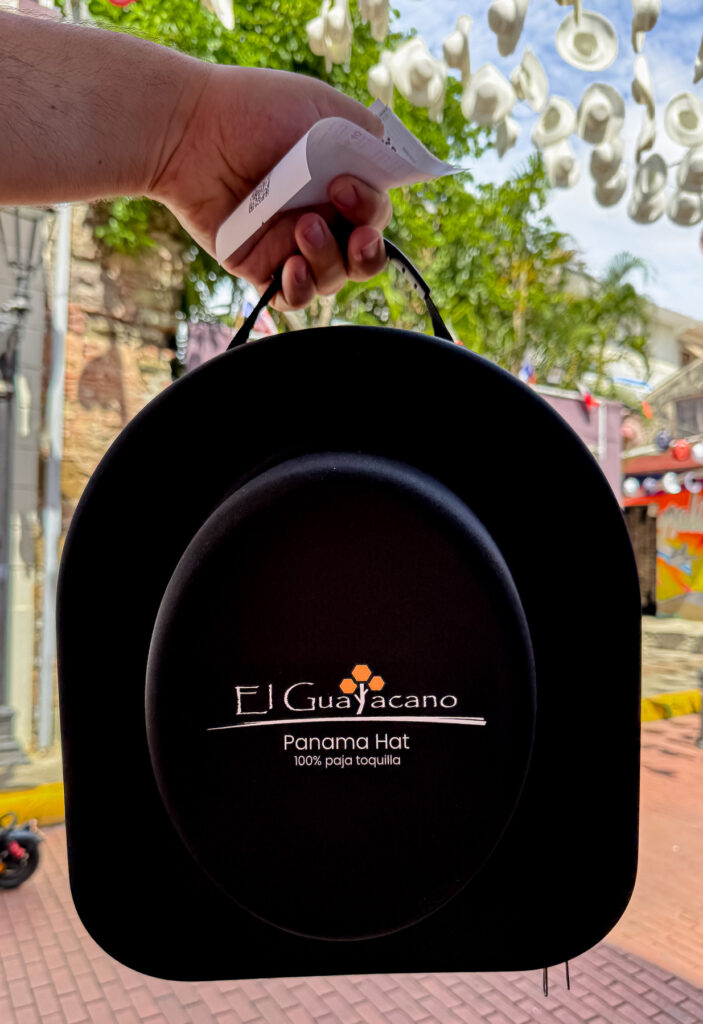
You can buy a Panama hat in numerous stores in Panama City. Some are very cheap, while others can cost a few hundred or even thousand dollars! For instance, here are three hand-woven hats with different techniques used, which results in different hat structures: the cheapest has tiny holes in it, and the most expensive has a few layers of material and no holes at all. The final prices for the hats are approximately $120, $200, and $600 (but we were told that some hats could cost even a few thousand dollars!). We bought ours at El Guayacano Hat, and here a hat comes with a nice box.

6. See Sloths at the Gamboa Reserve and Sanctuary
Gamboa Reserve, located approximately 30 minutes from Panama City, is part of the large Panamanian rainforest close to the Panama Canal. It’s a hotel with its own territory, but it provides numerous activities for non-guests too.
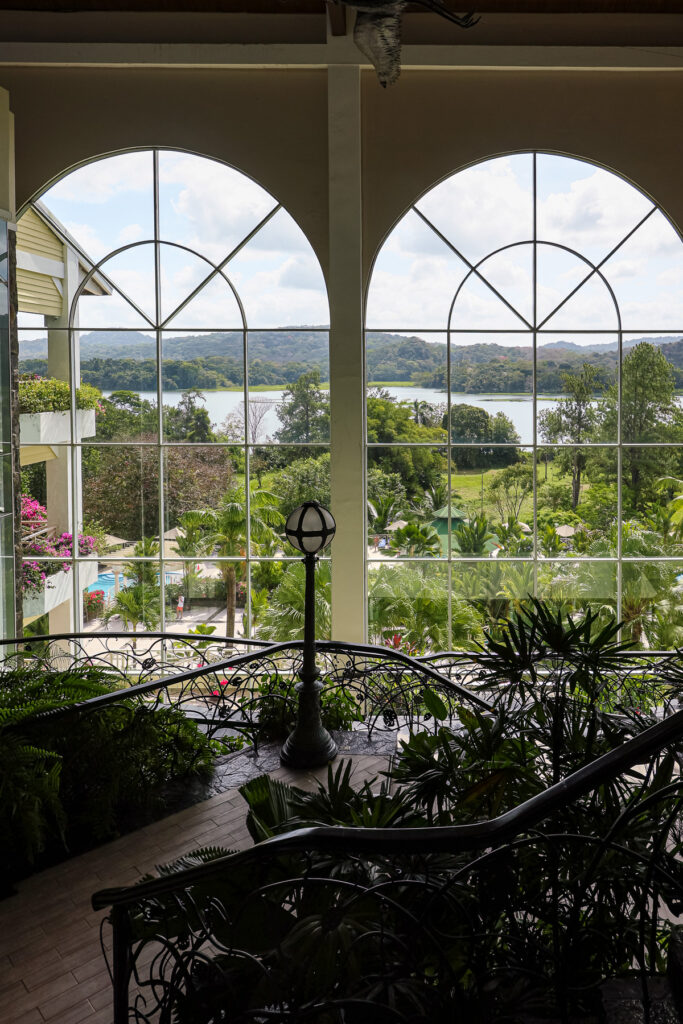
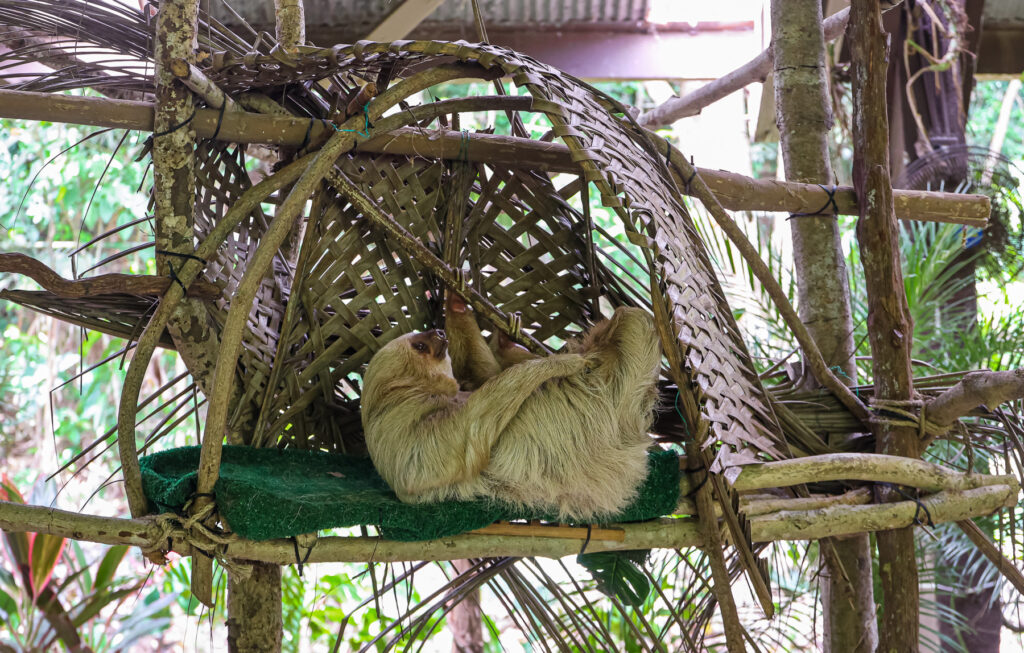

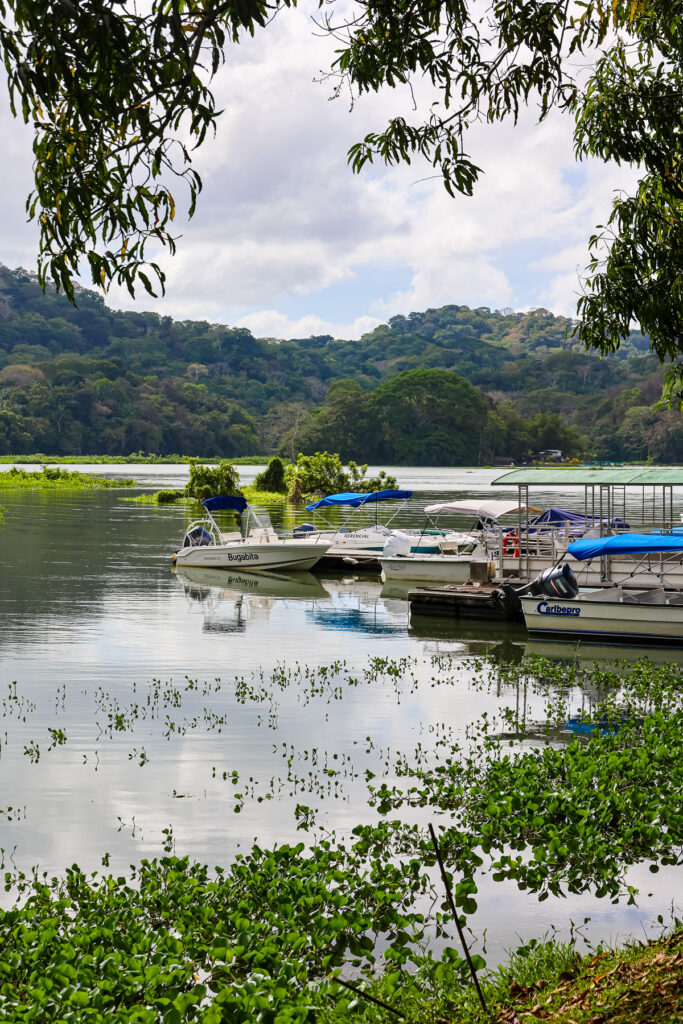
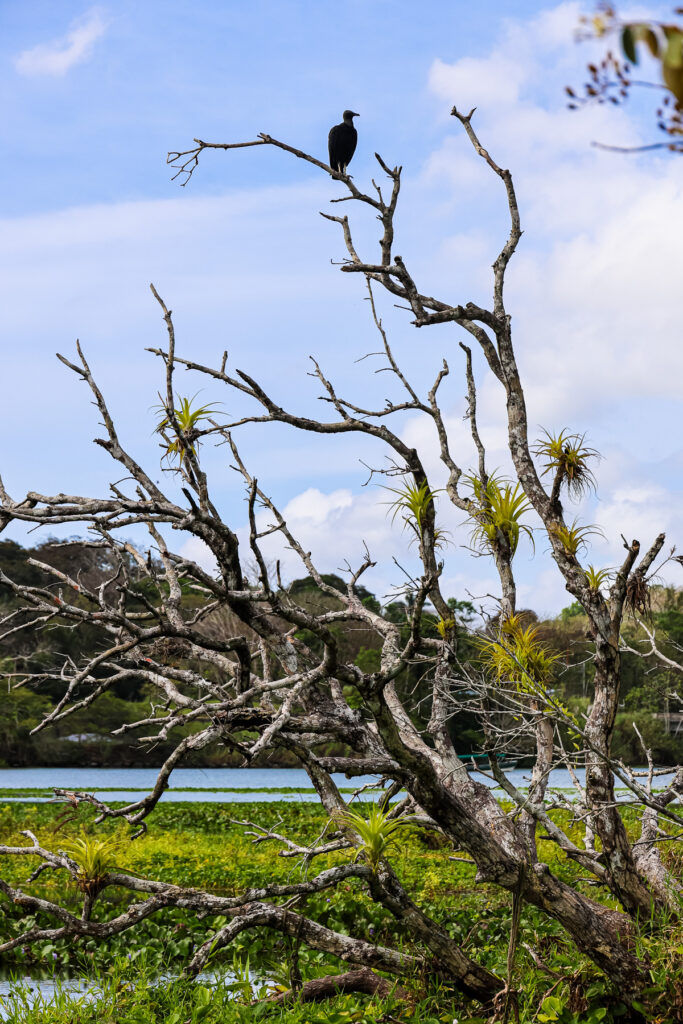
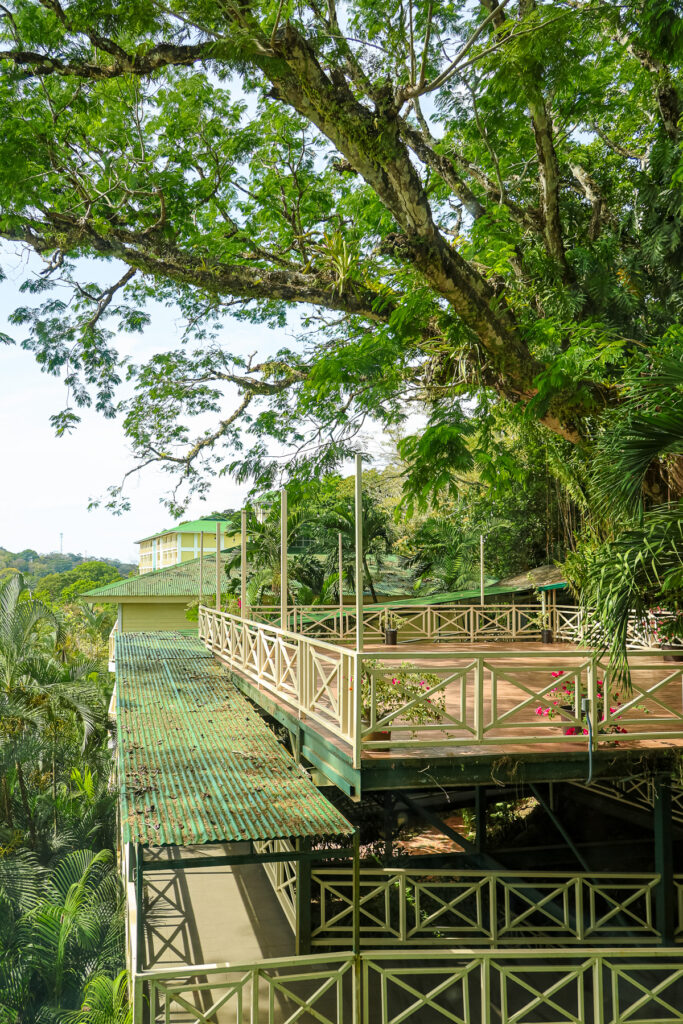
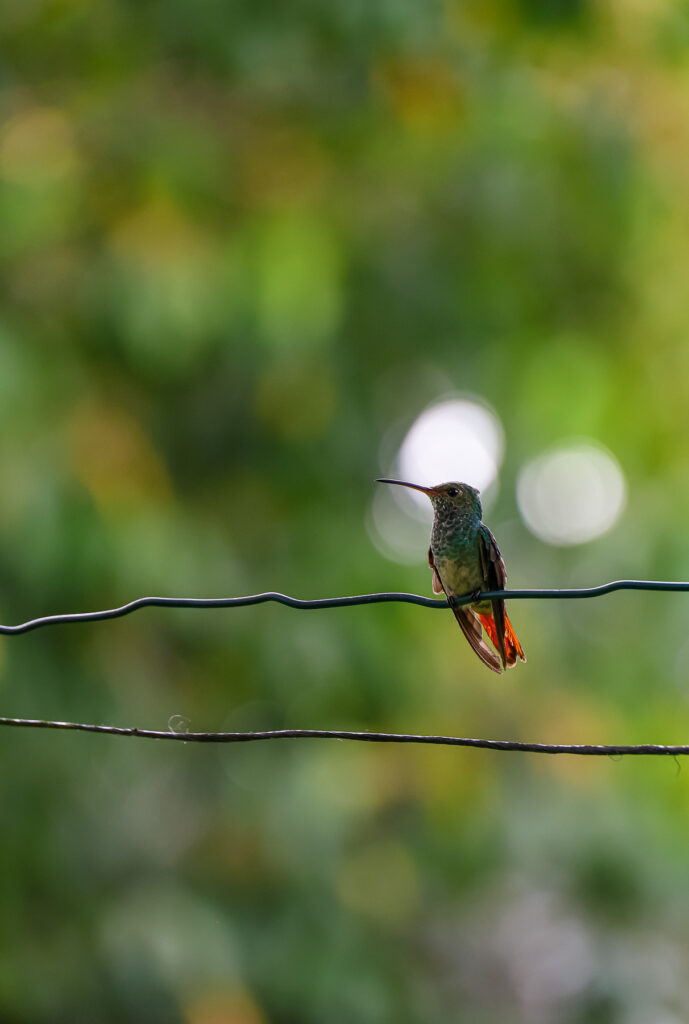
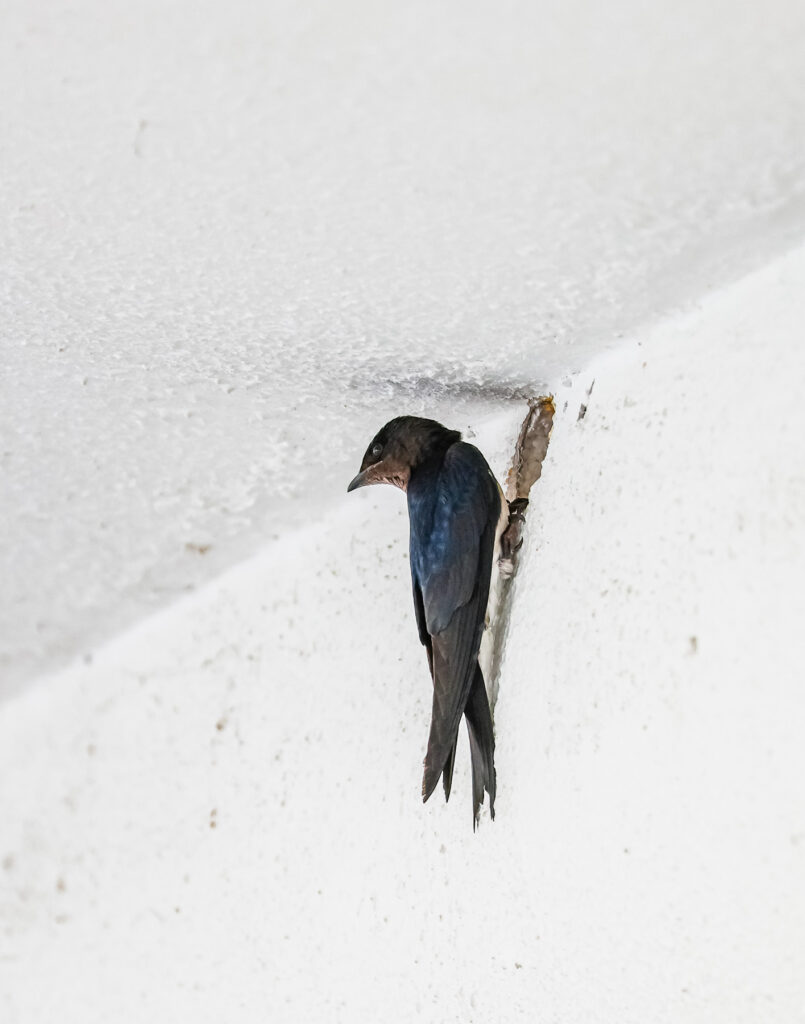
Among them are fishing trips, boat rides along Gatun Lake, cable car rides, bird-watching trails, and visits to the animal sanctuary. We came here to see the animal sanctuary with frogs, butterflies, and rescued sloths! Besides that, on the territory of Gamboa Resort live wild hummingbirds and other bird species, butterflies, and even agouti – I saw one, but it quickly rushed into the bushes!
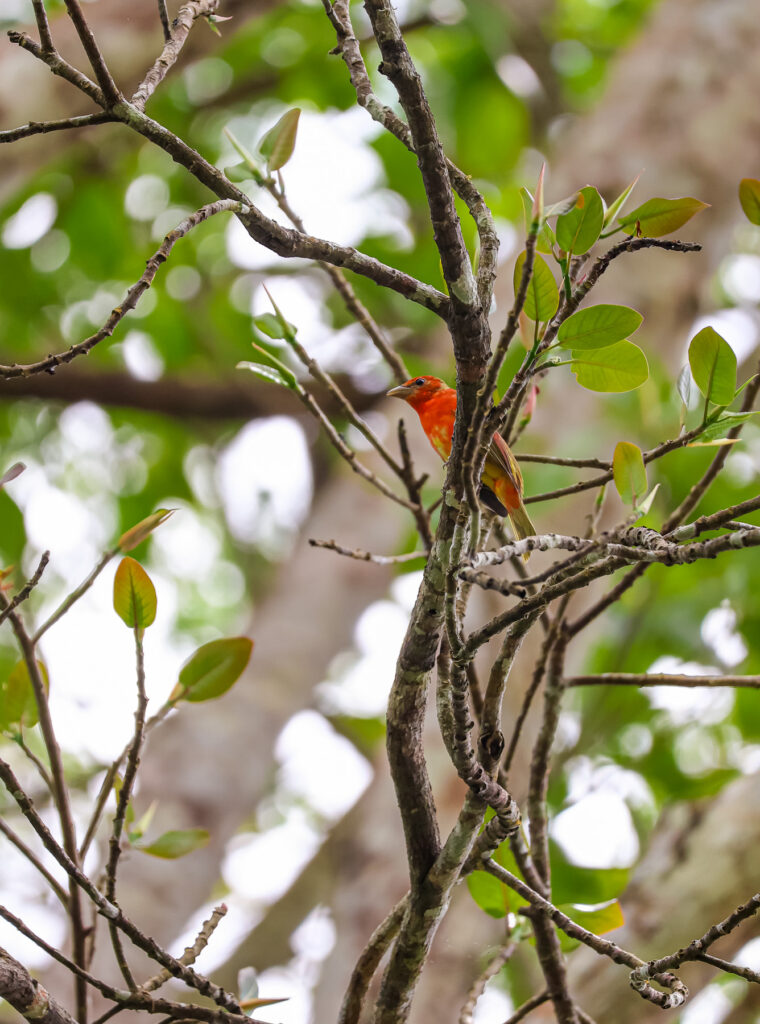
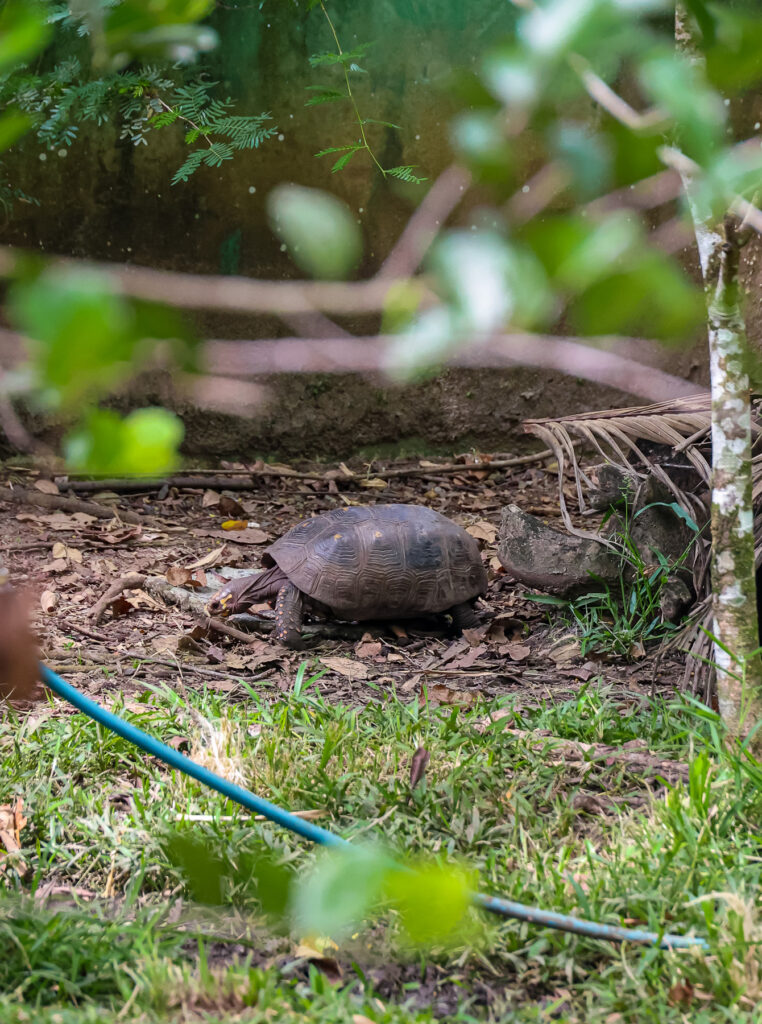
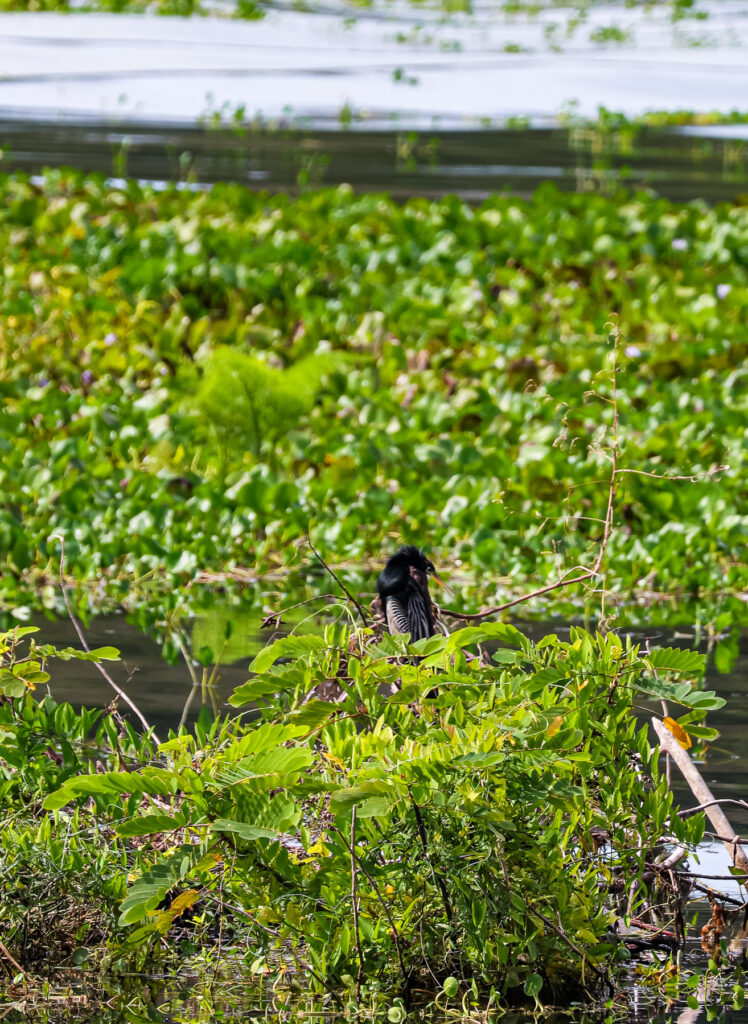

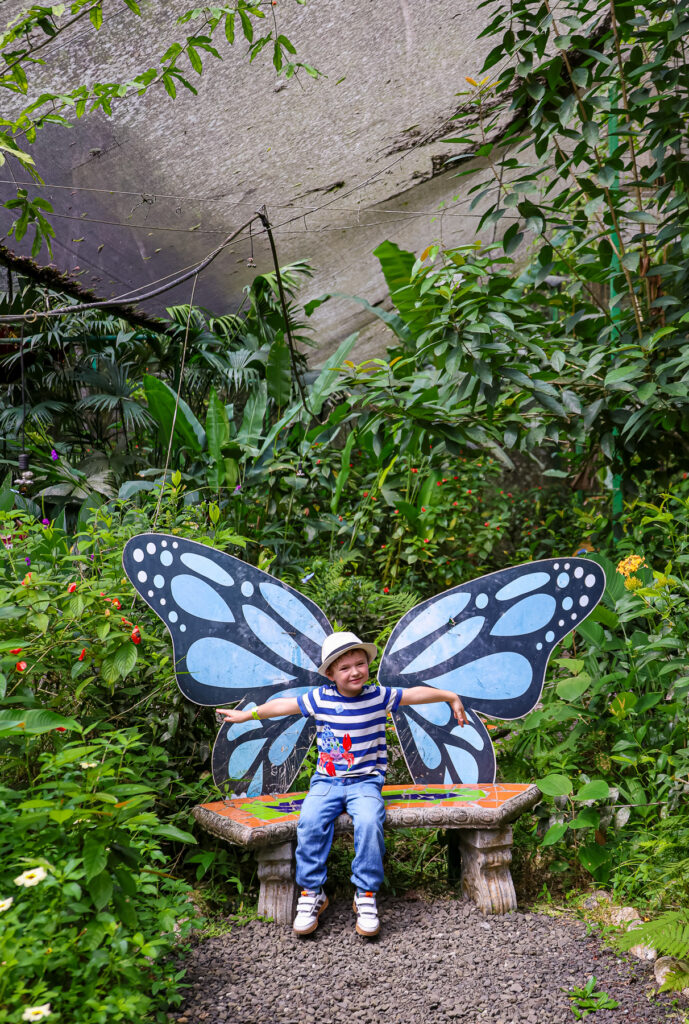
While visiting the sanctuary, you get a chance to explore some of the national symbols of the country, such as the golden frog endemic to Panama (on the picture, there’s a different one), the national flower of Panama – the Dove Orchid – and the national butterfly of Panama, the famous Blue Morpho.
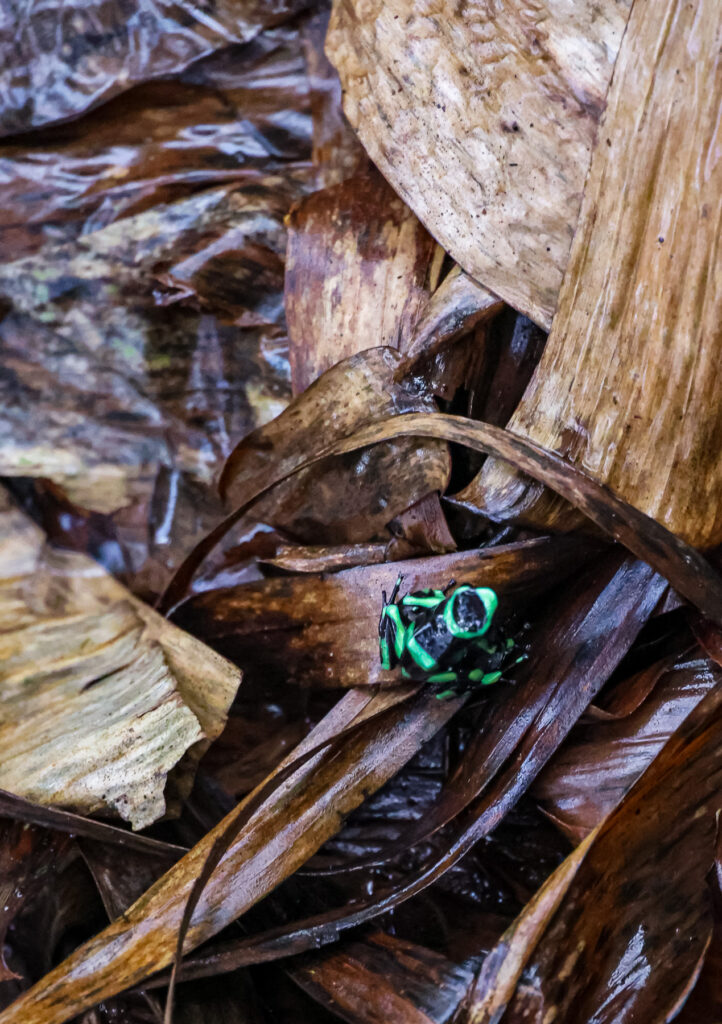
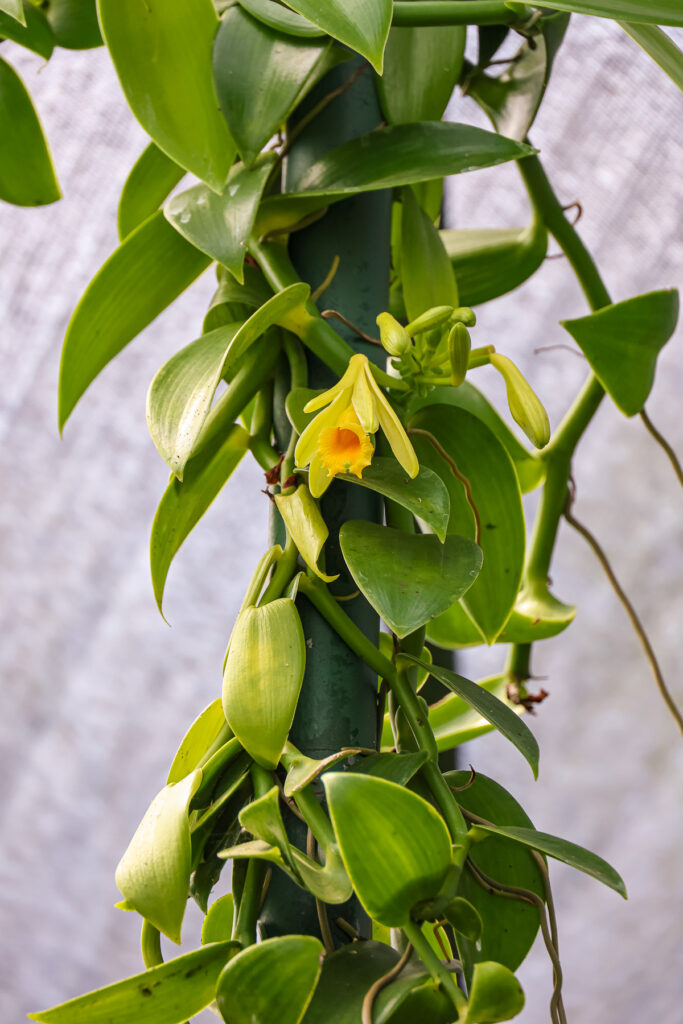
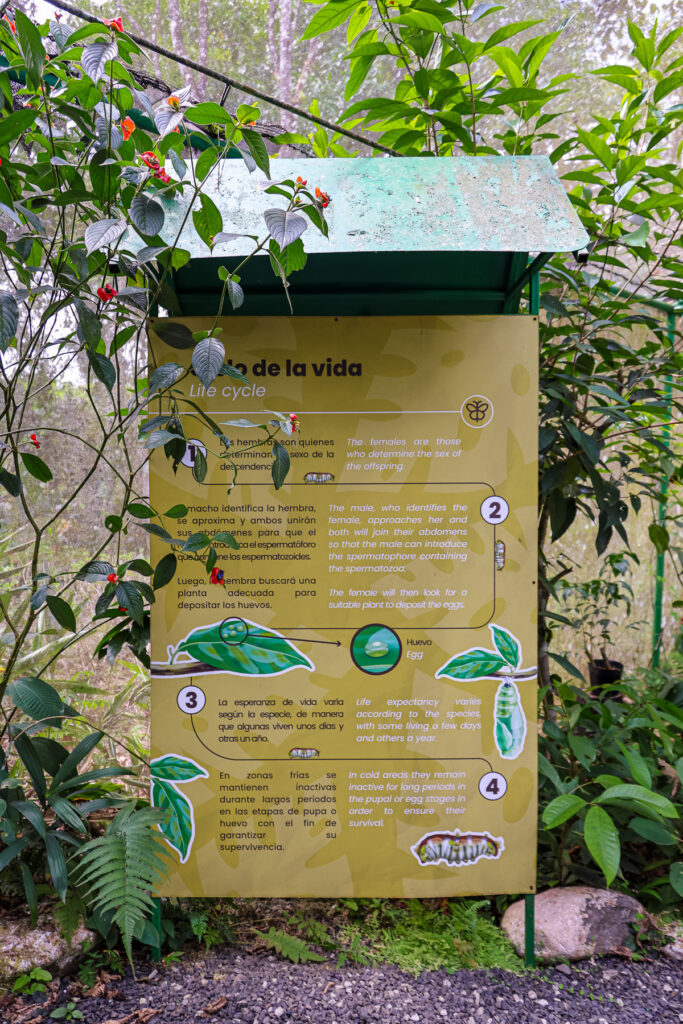

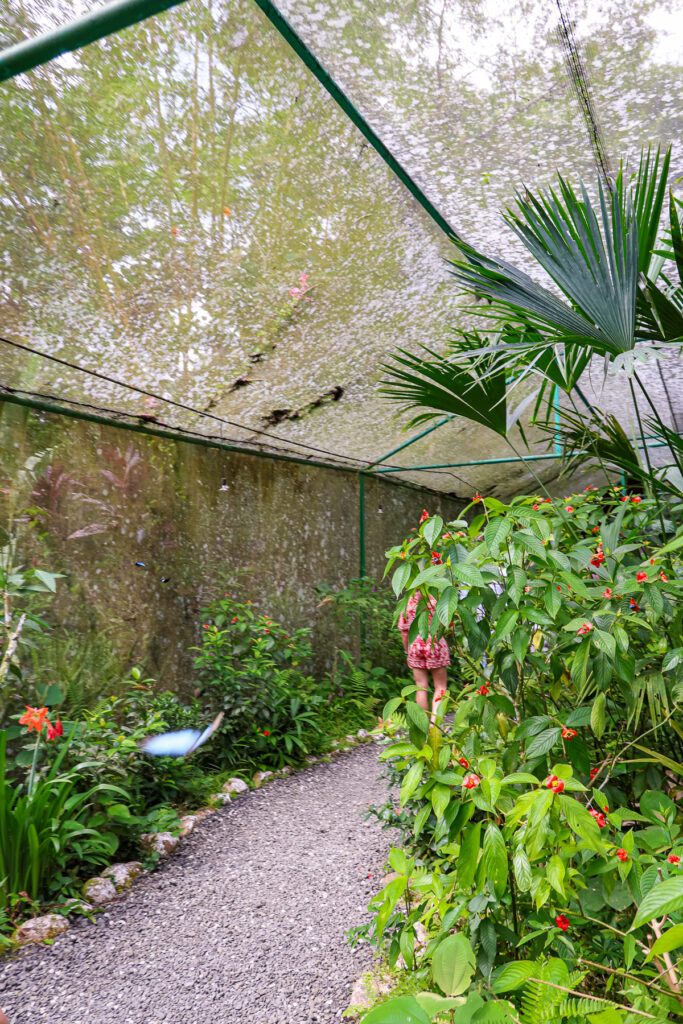
I visited the butterfly domes in Ecuador before, and once again, I was mesmerized once again by how incredible Latin America’s butterflies are.


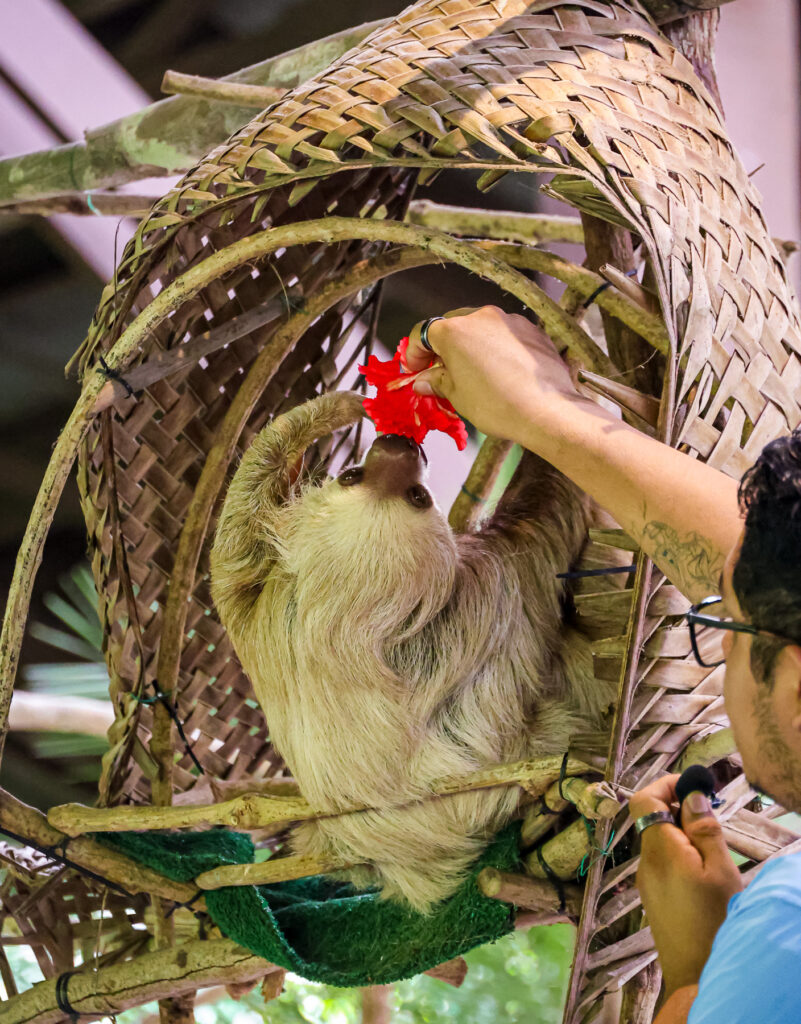
And finally, we met some rescued sloths, which are undergoing their rehabilitation process in this center; as you can see, some of them were treated with hibiscus flowers during our visit.


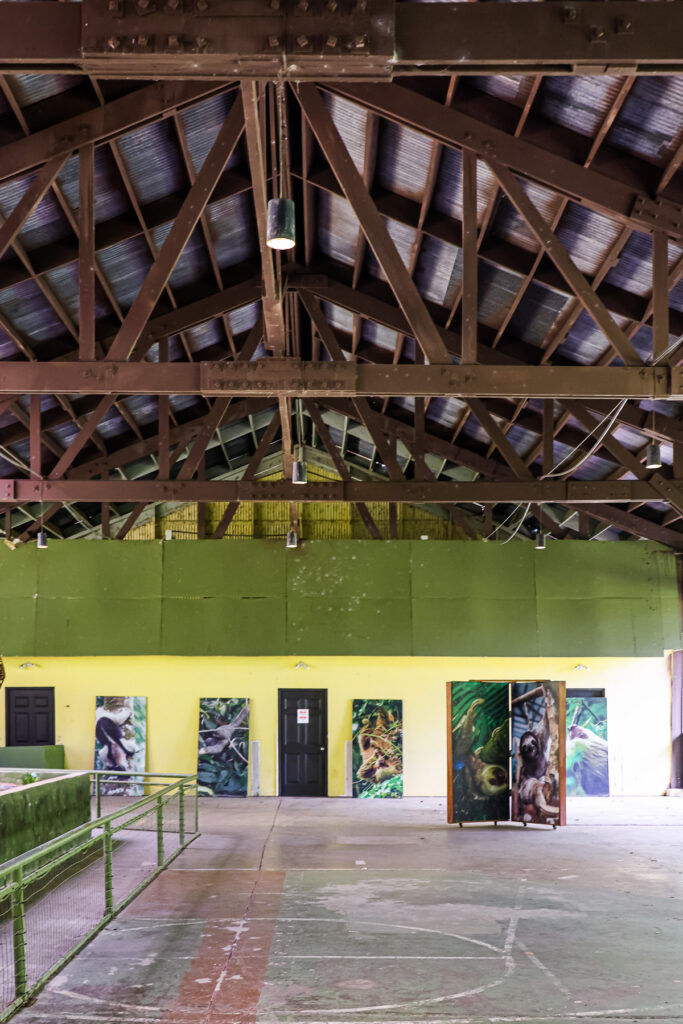
Overall, I felt that this rescue center is a bit more touristy compared to the Panama Nature Centre (see below), but both are legitimate conservation centers (no sloths feeding or touching), and you can choose which one to visit depending on your timeframes and preferences.

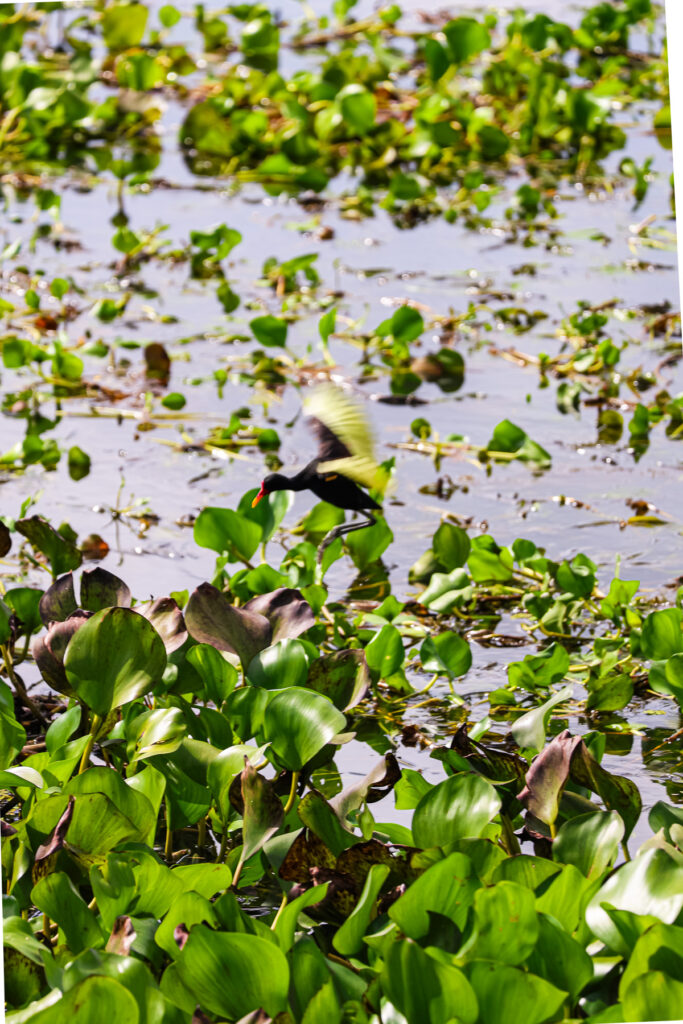
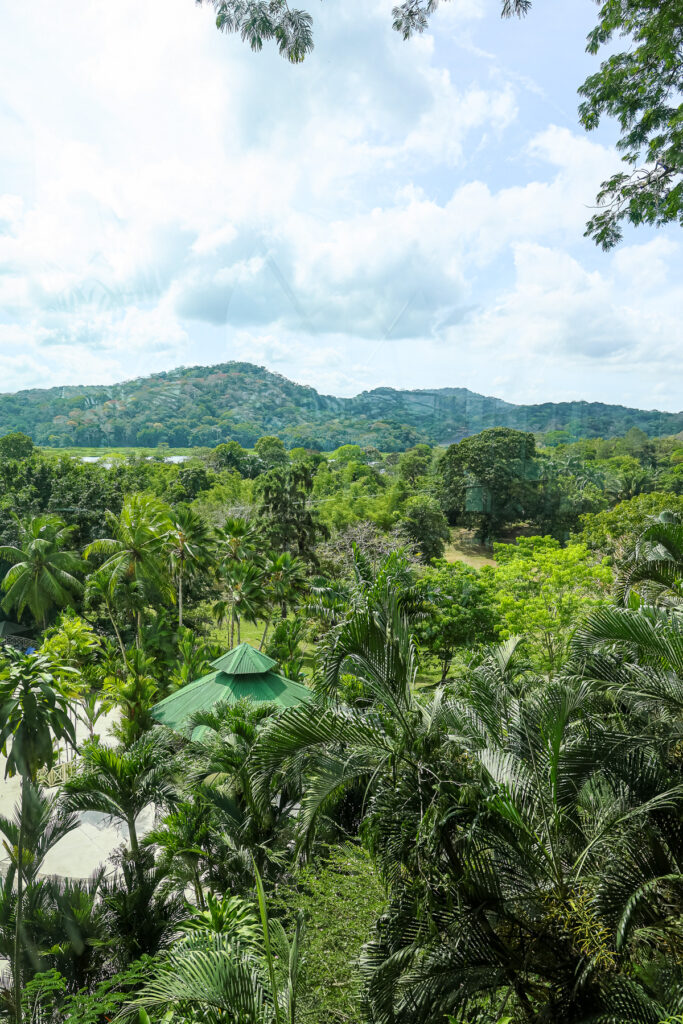
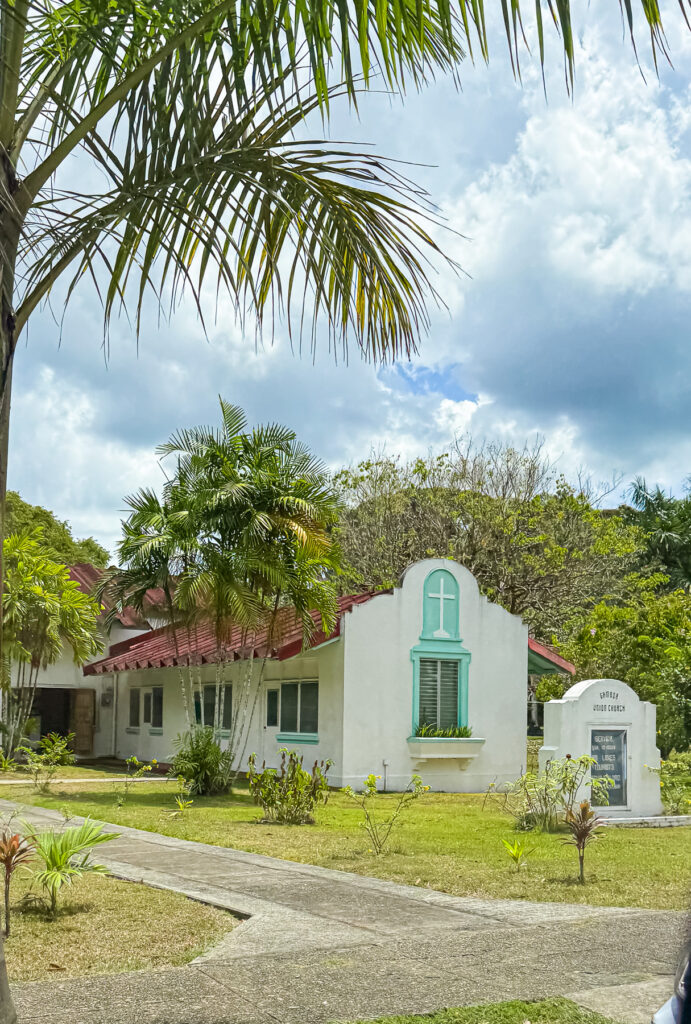
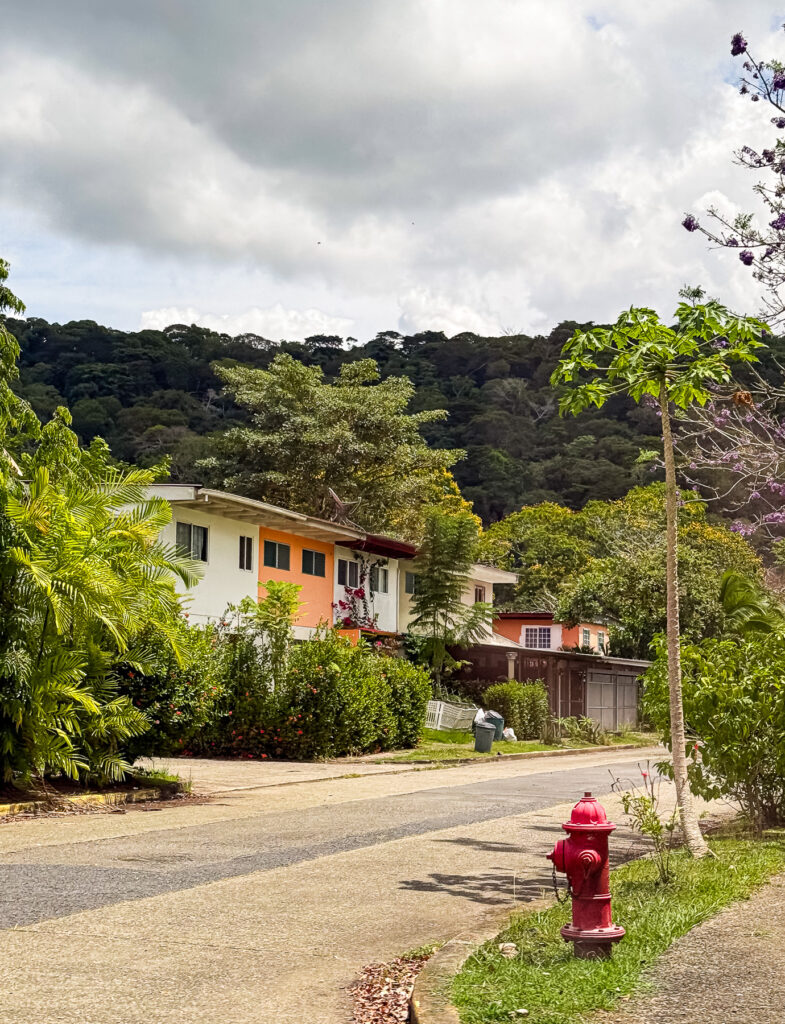
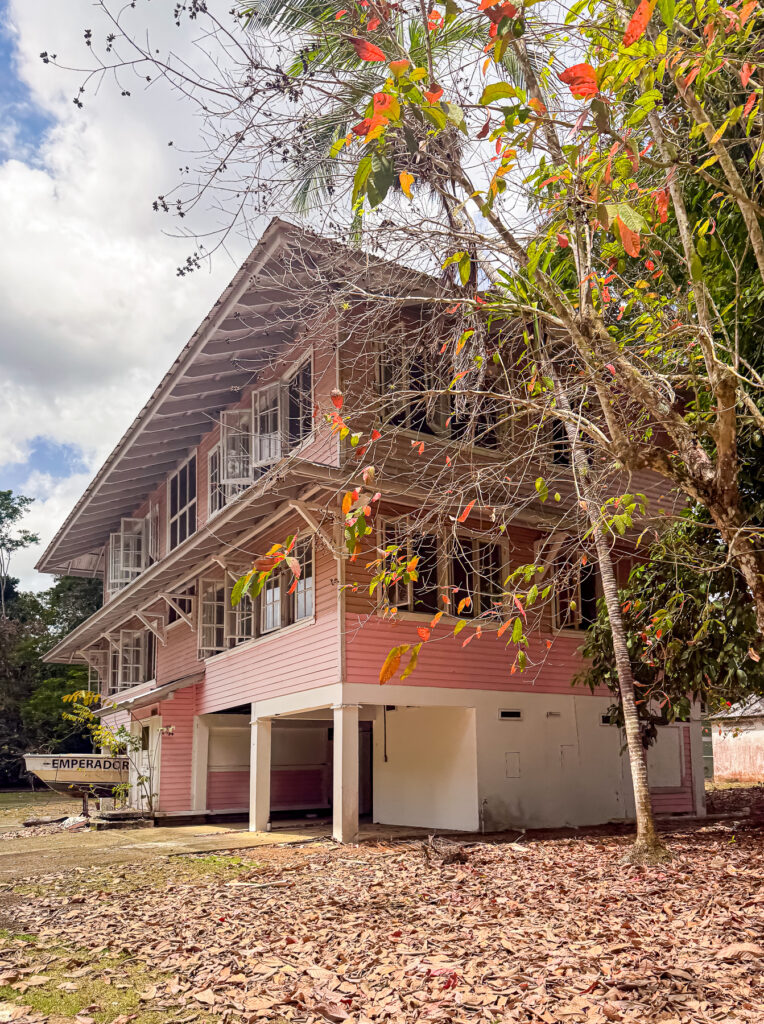
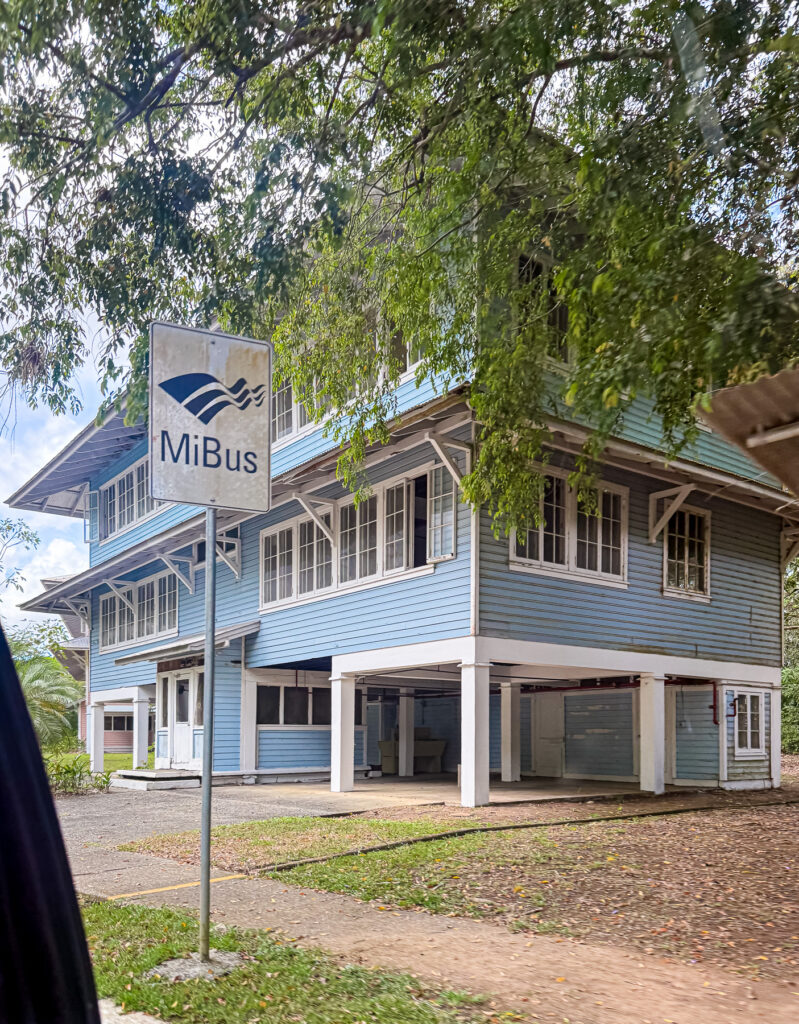
Once we left the Gamboa Reserve, we found ourselves in the area supporting the Panama Canal system, with construction machinery, a few specialized laboratories, and even residential houses located here as well. Some of them looked abandoned, though.

7. Explore Gatun Lake by Boat
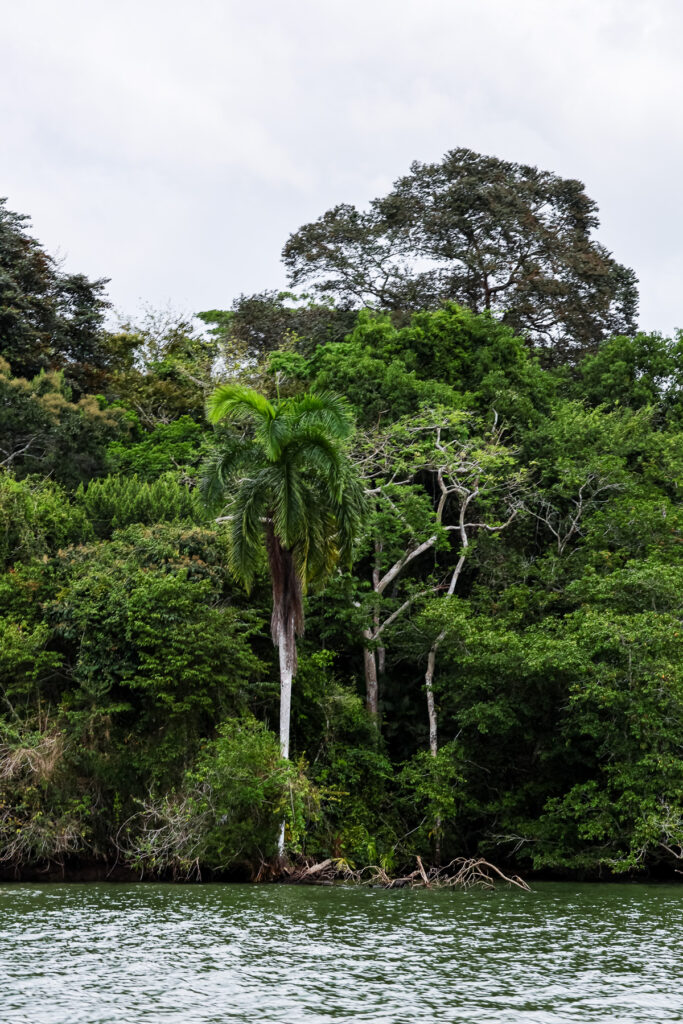
Gatun Lake is an artificial freshwater lake created during the construction of the Panama Canal in 1913 when a dam in the Chagres River was constructed to support the system of locks through the canal.
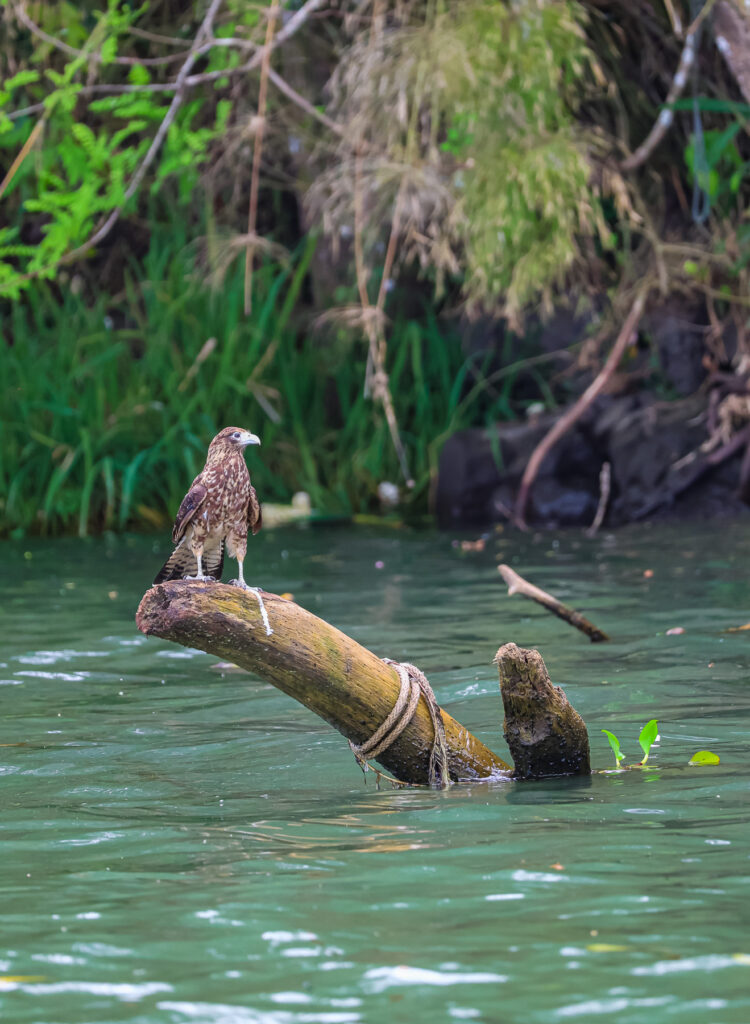
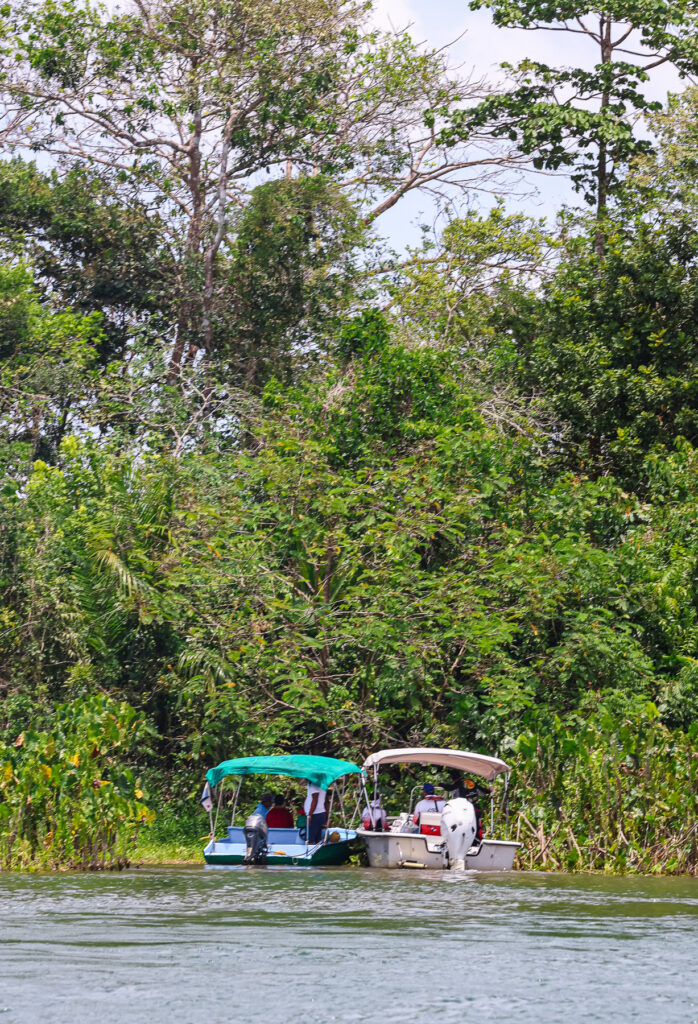
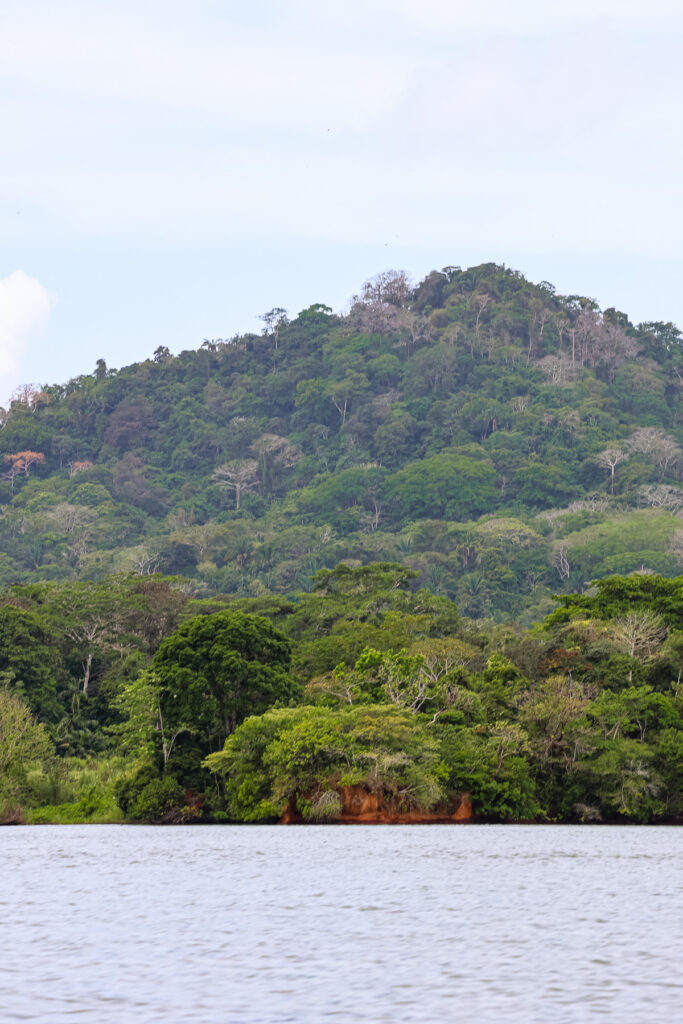
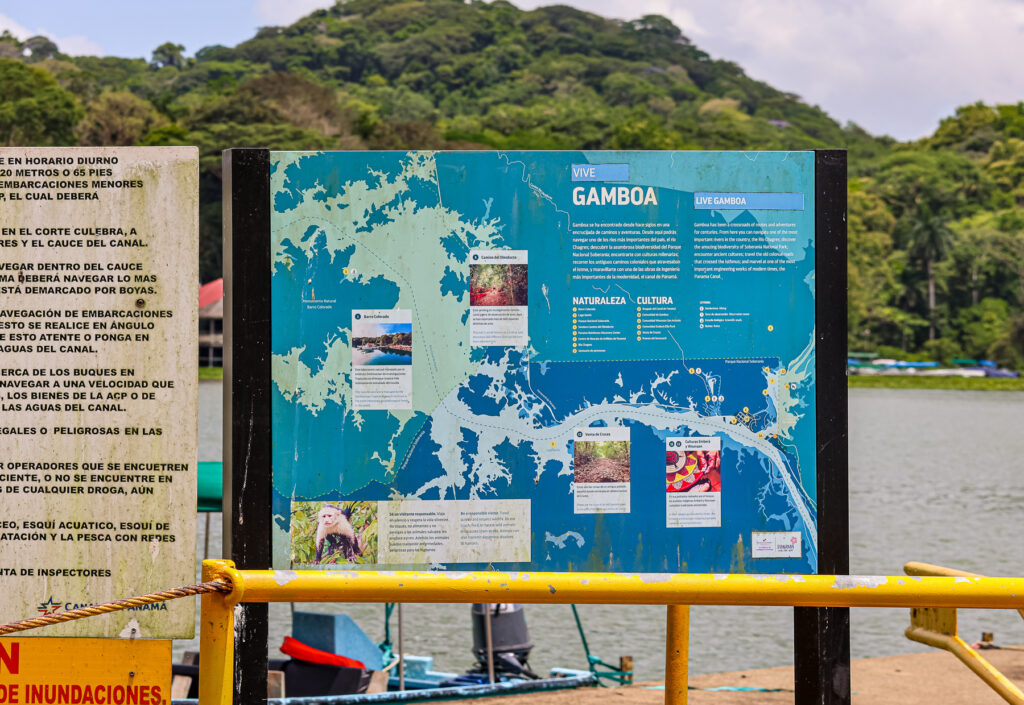
Its shores are covered in wild rainforest, where you can see lots of animals living there in the wild. Note: It’s very important to choose your boat company and captain properly: feeding the wildlife is not allowed here, but we noticed some people giving fruits to the animals and, even worse, bringing snacks in plastic packages.
And of course, we had to take a boat ride to explore Gatun Lake by water and see its wildlife! Just to give you an idea of where it is: basically, Panama City faces the Pacific Ocean, and we are moving alongside the Panama Canal towards the Atlantic Ocean (towards the Caribbean Sea).
Boats stop at various locations on your way when they spot animals.
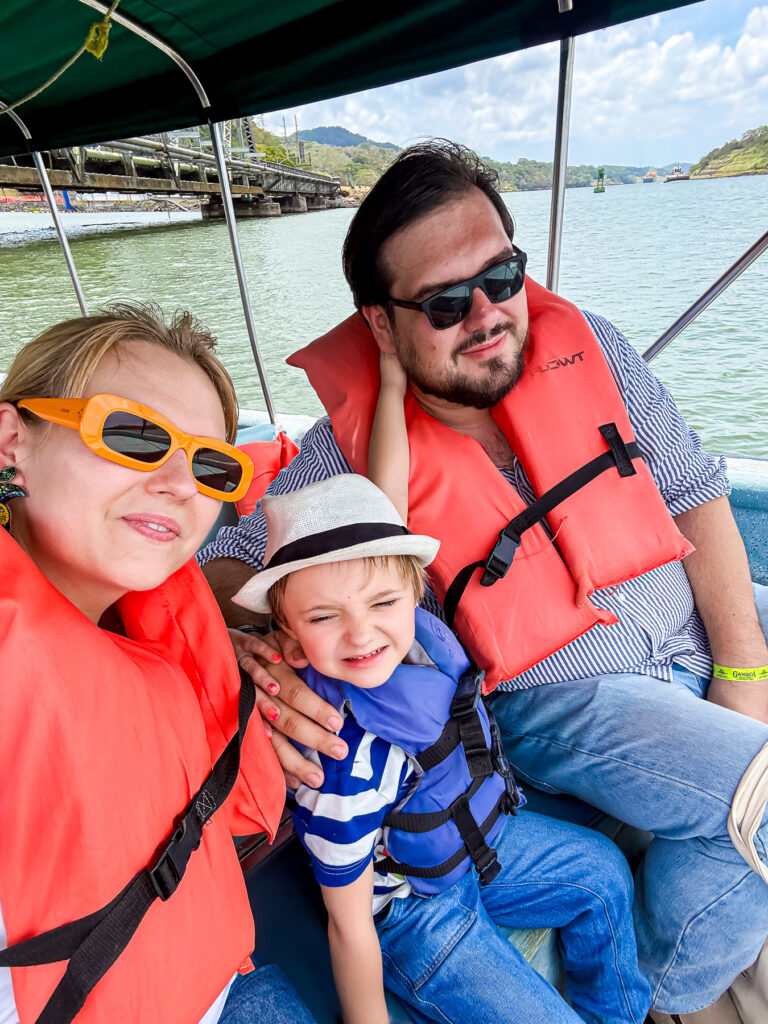


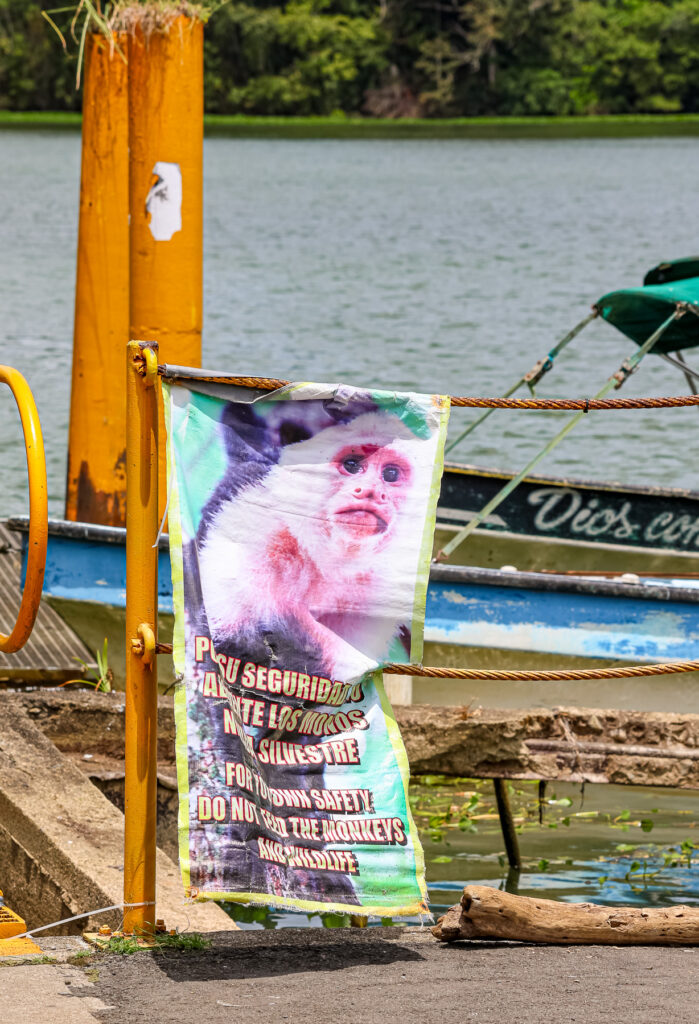
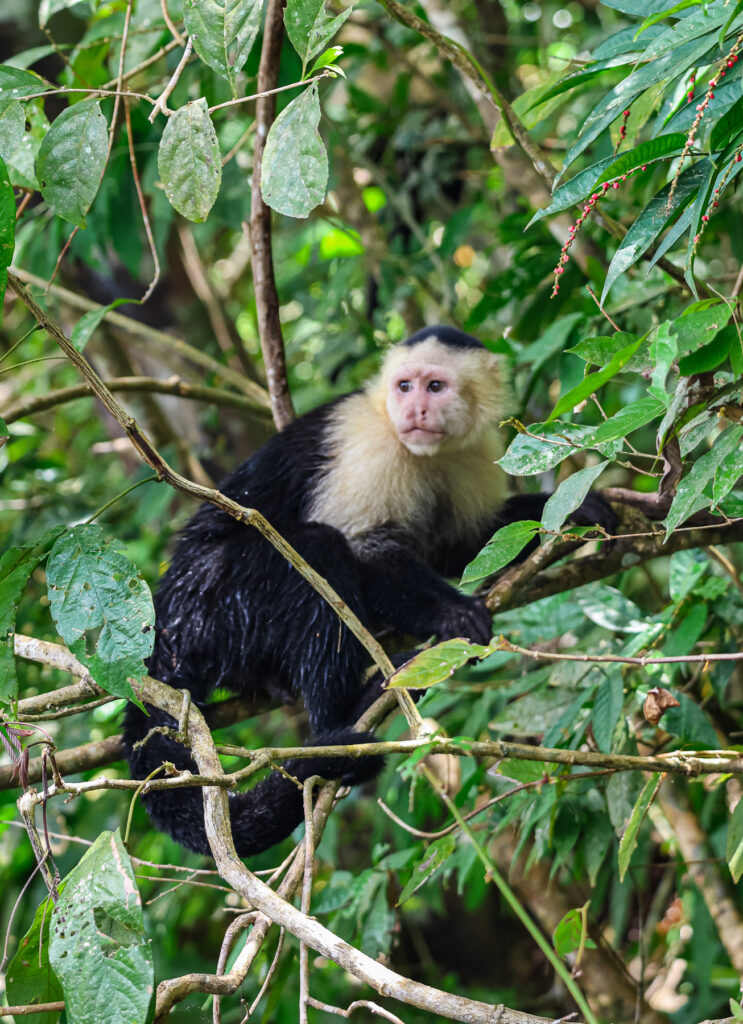
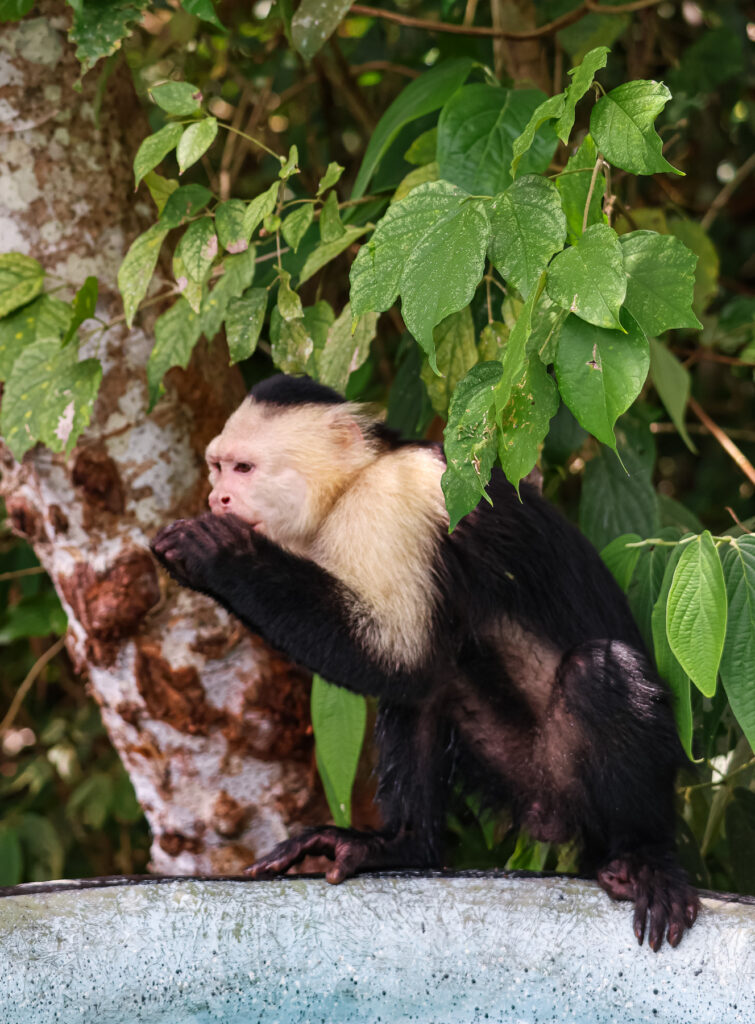
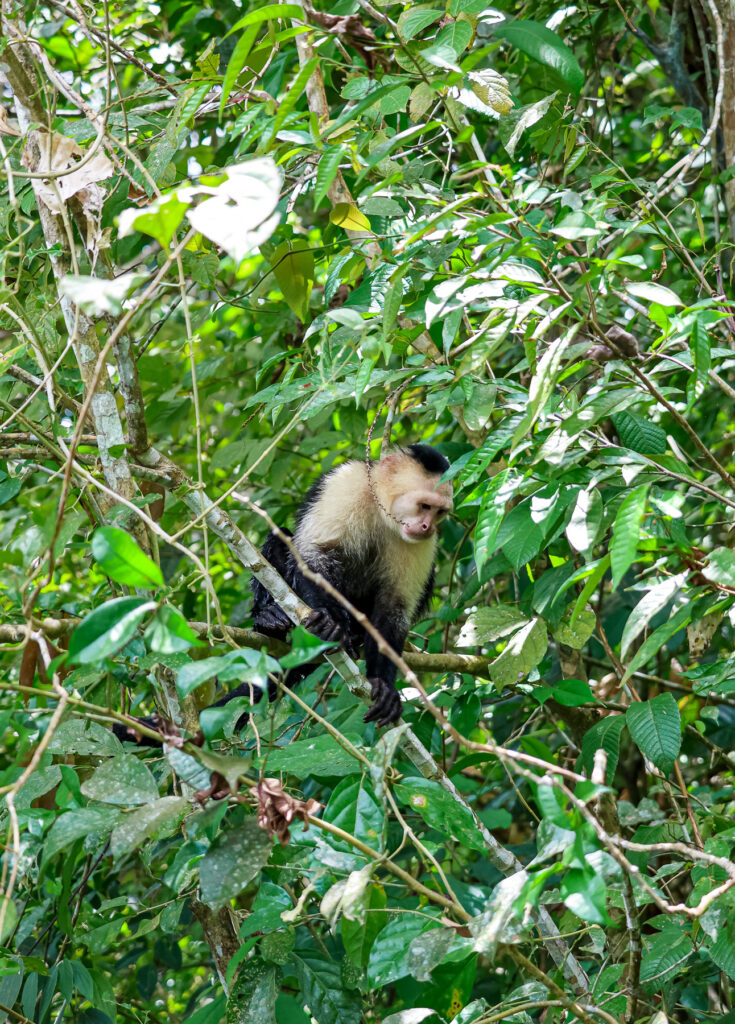
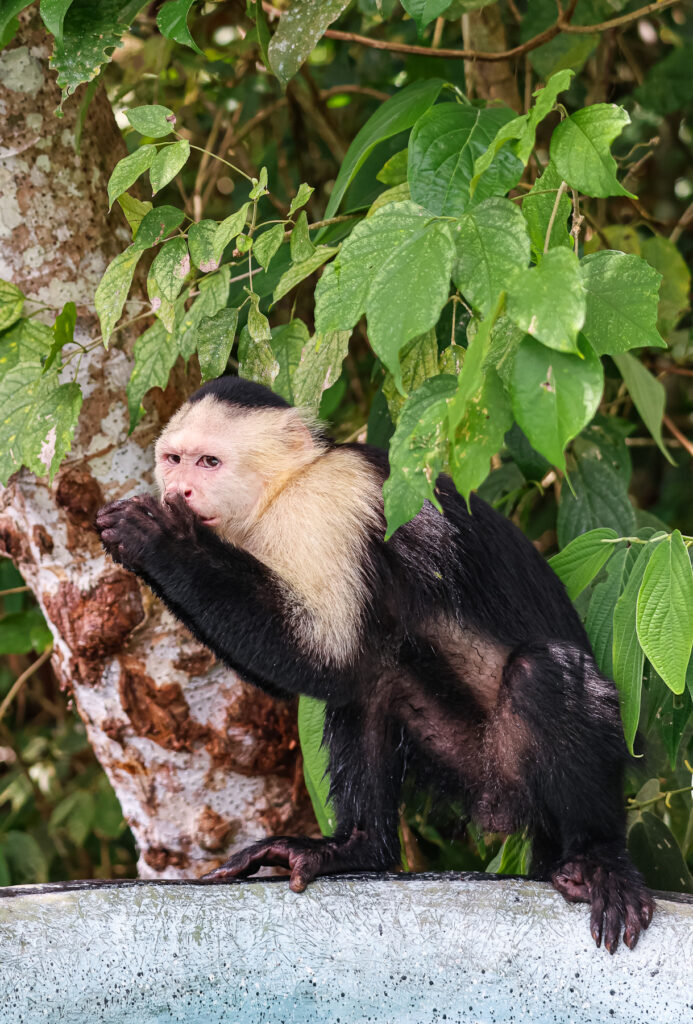
First, we saw white-faced capuchin monkeys – they are not shy around people and eager to jump onto the boats looking for some food. We welcomed cuties to our boat too! Of course, don’t try to pet the monkeys.
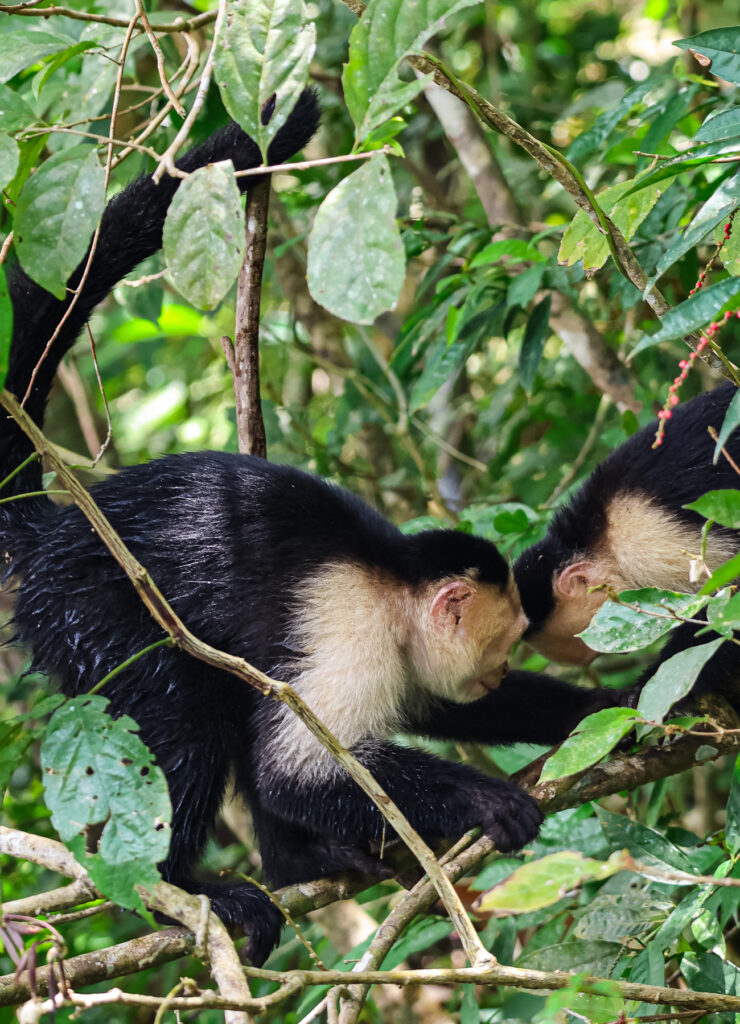
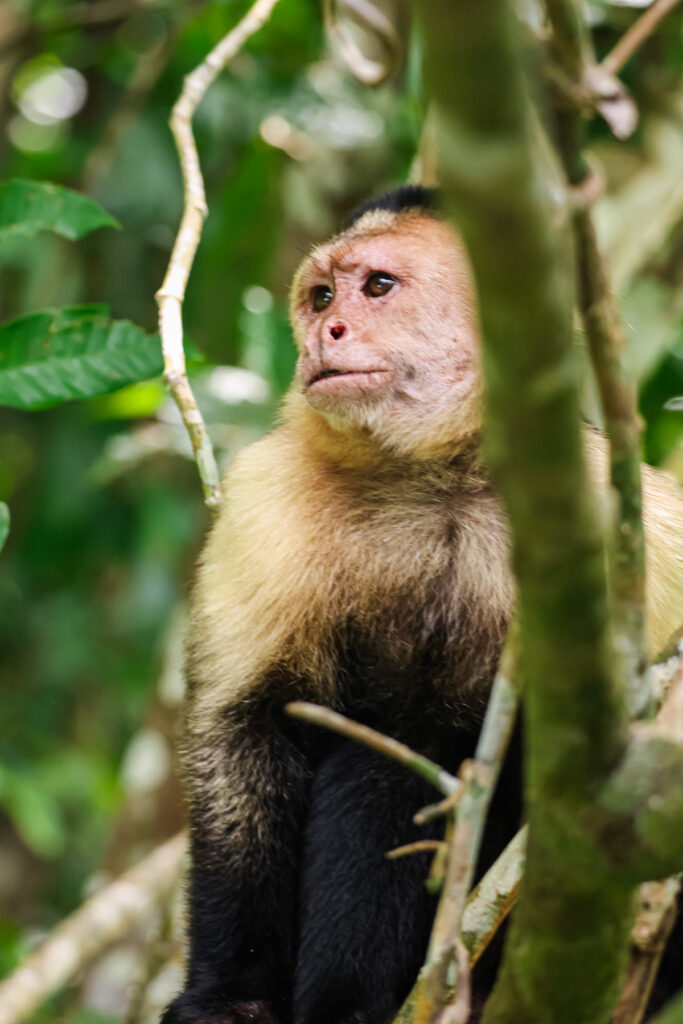
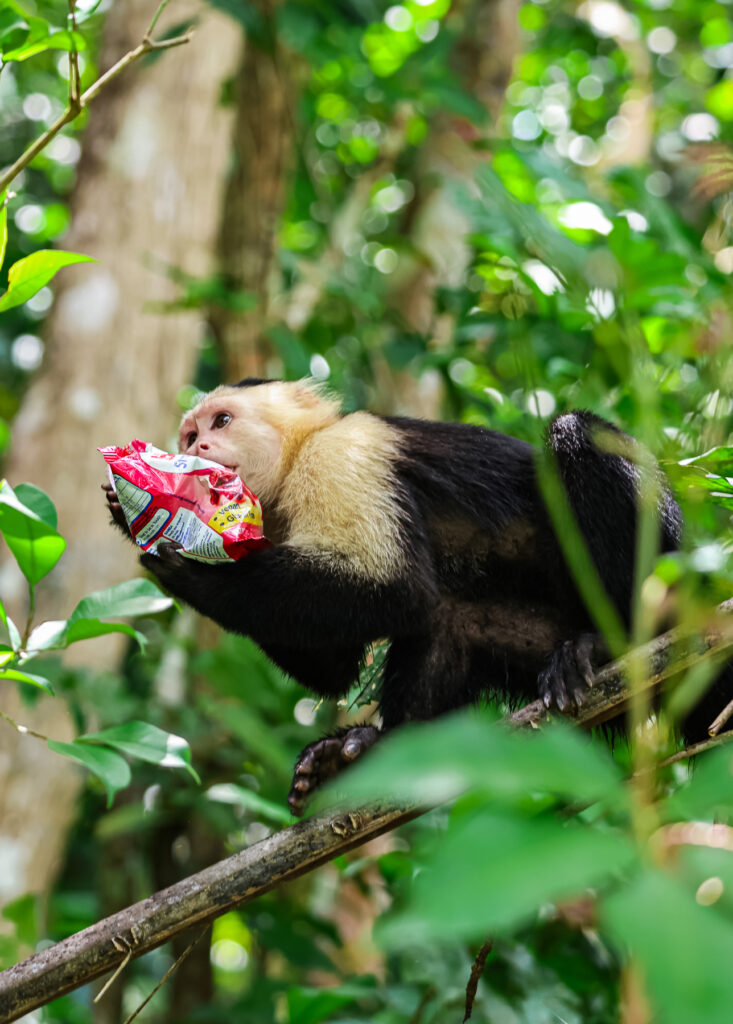
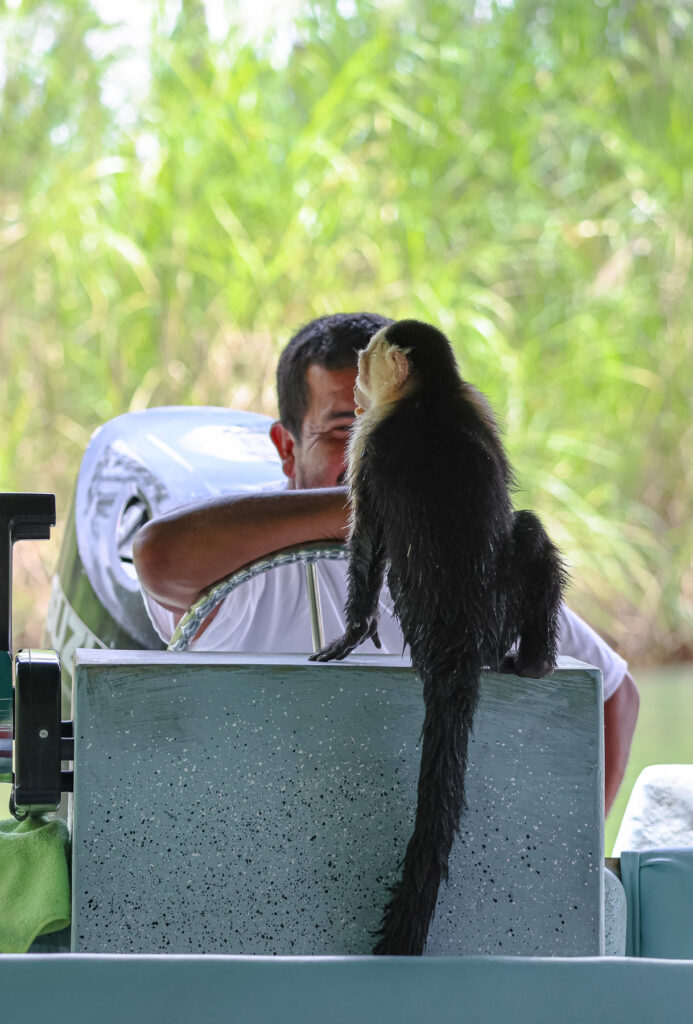
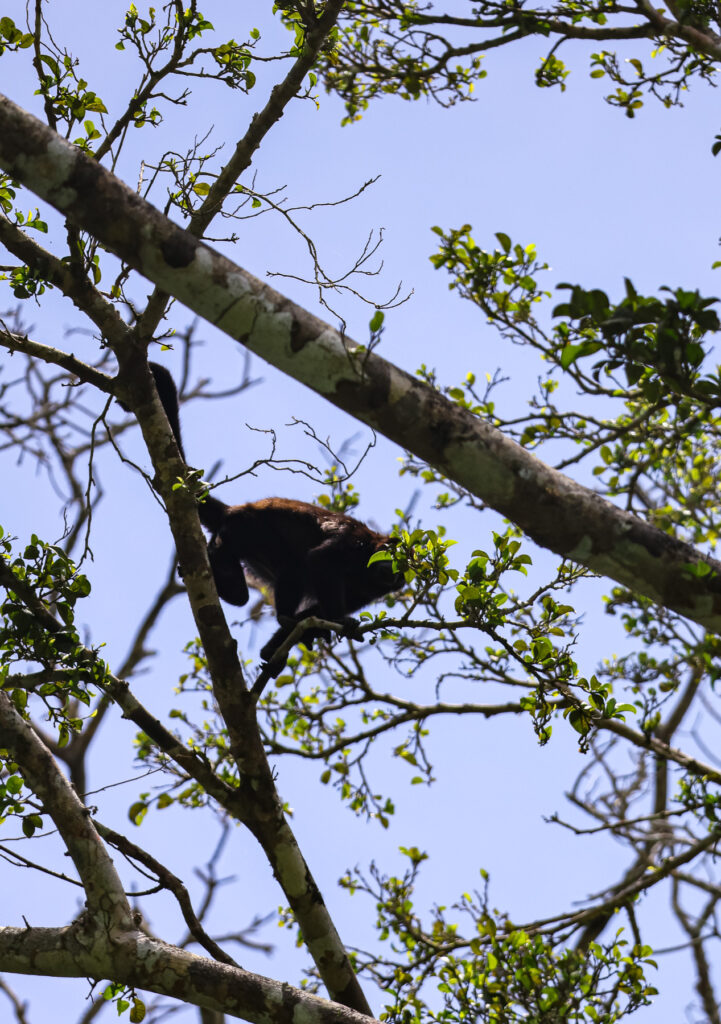
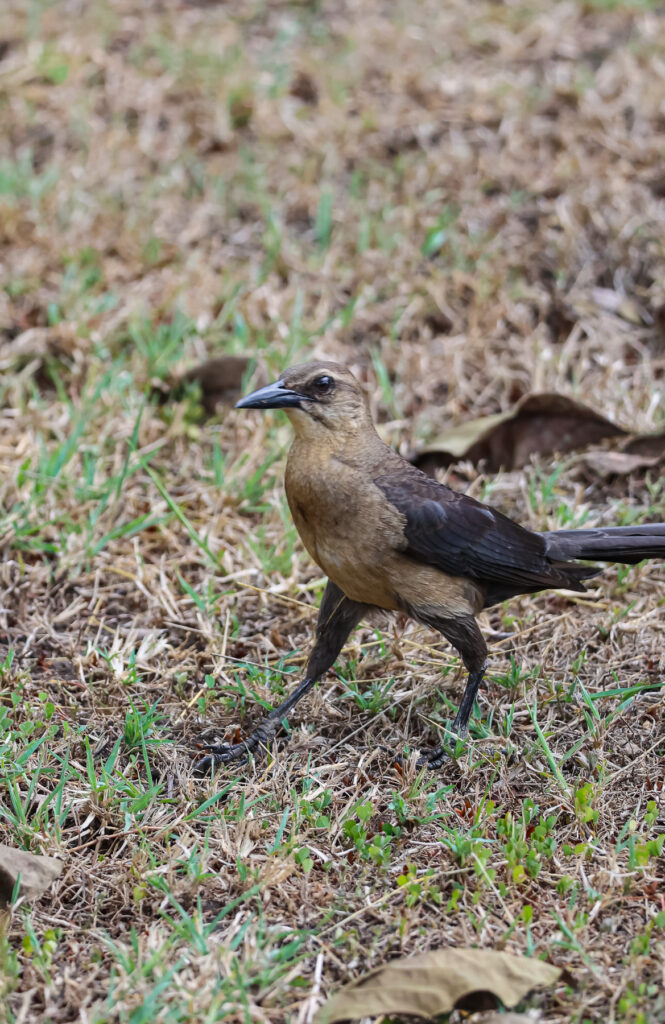
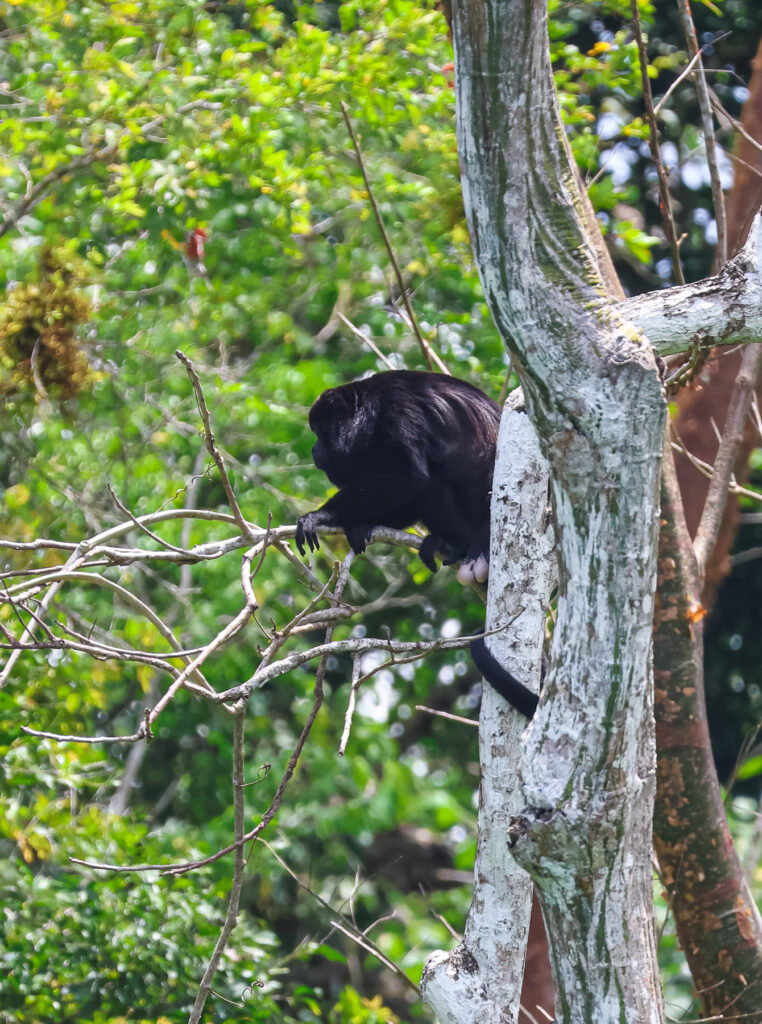
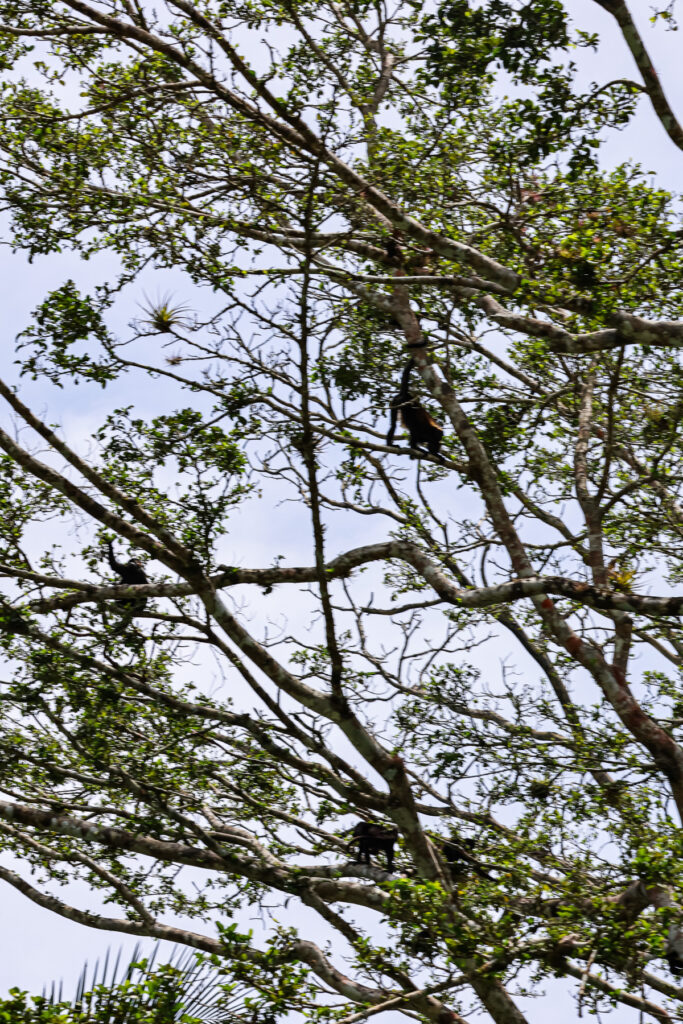
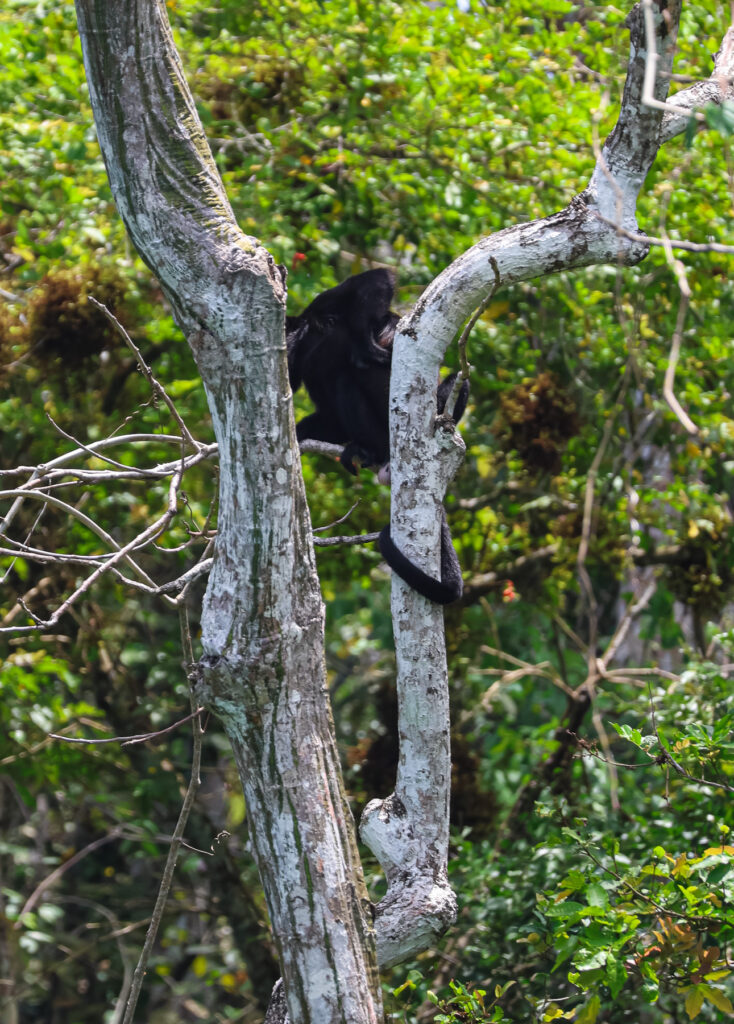
After greeting the capuchins, we were off to search for other animals. Howler monkeys don’t really care about visitors and stay high up in the trees. We saw them on a few different locations but always in a distance.

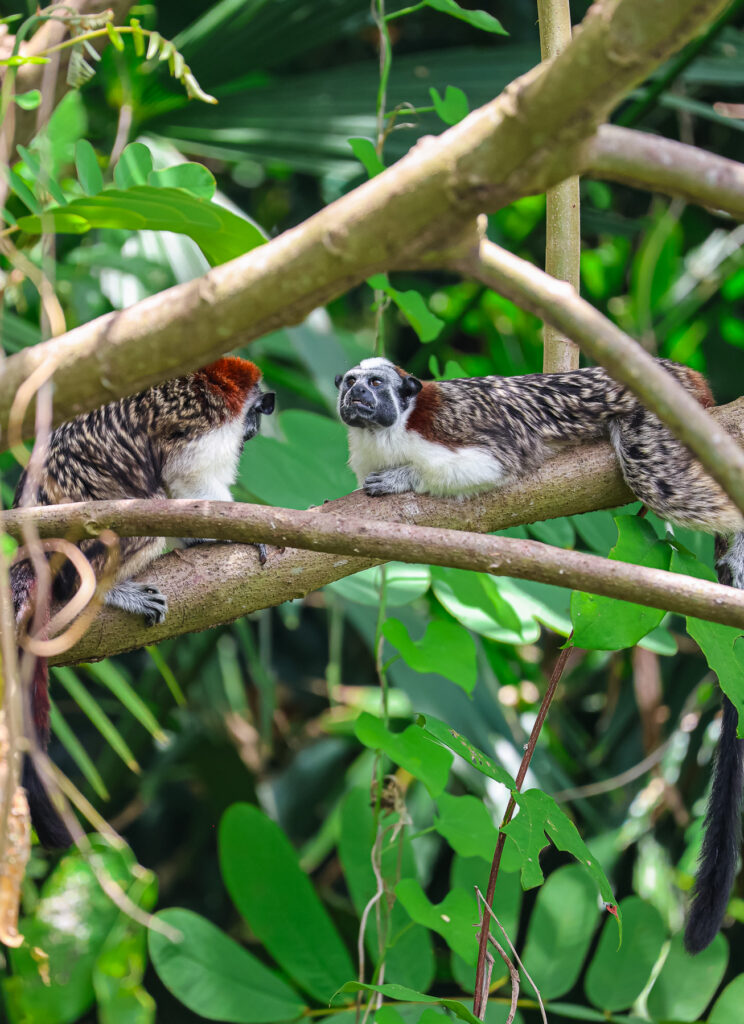
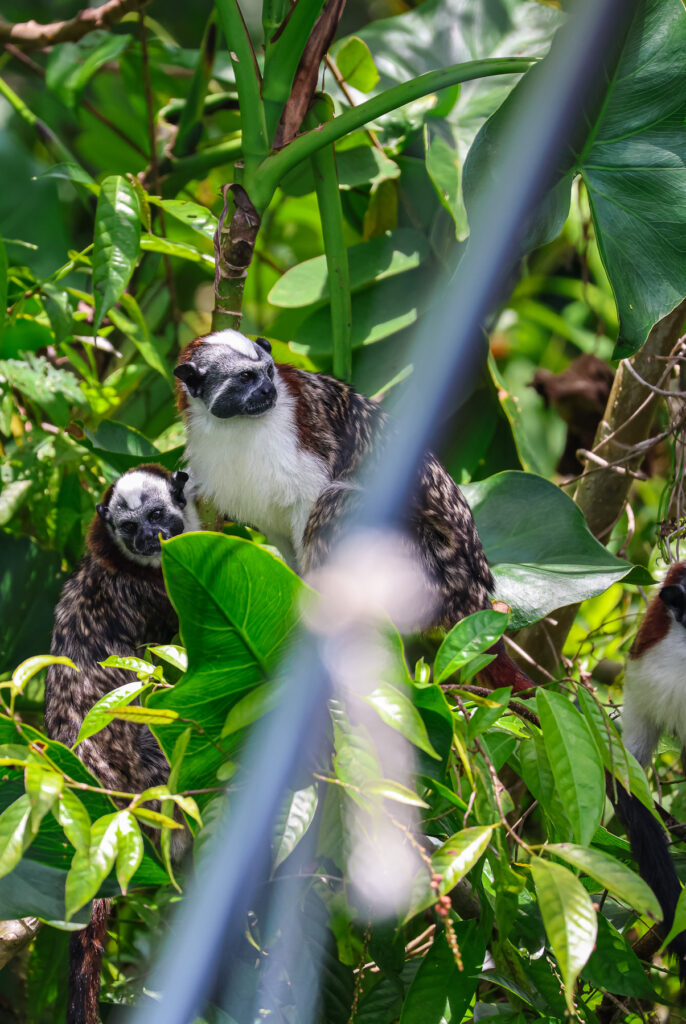
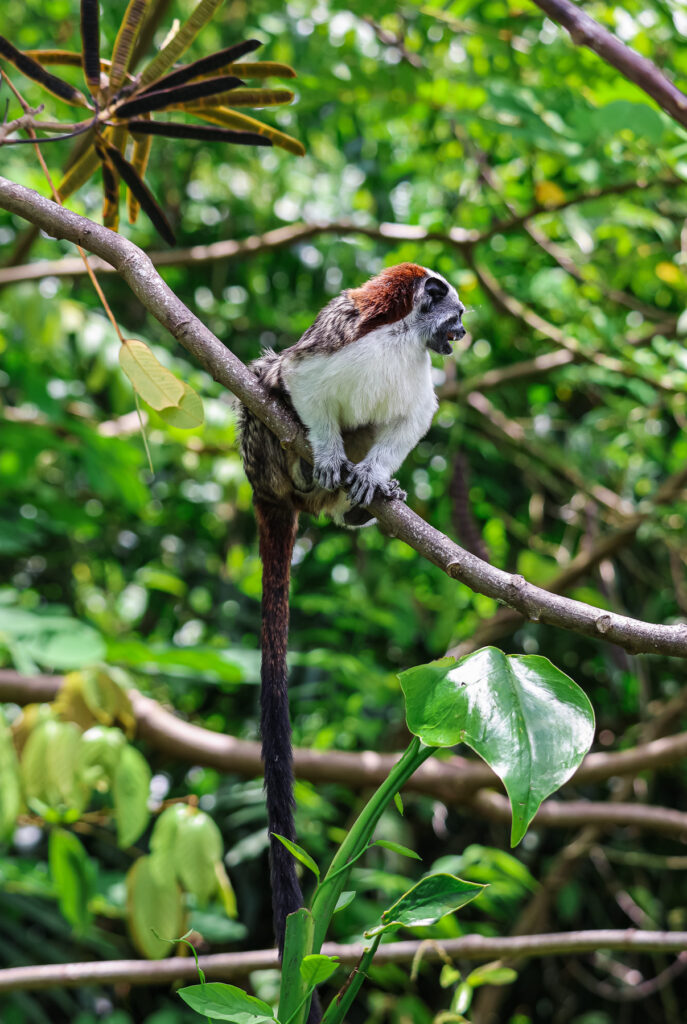
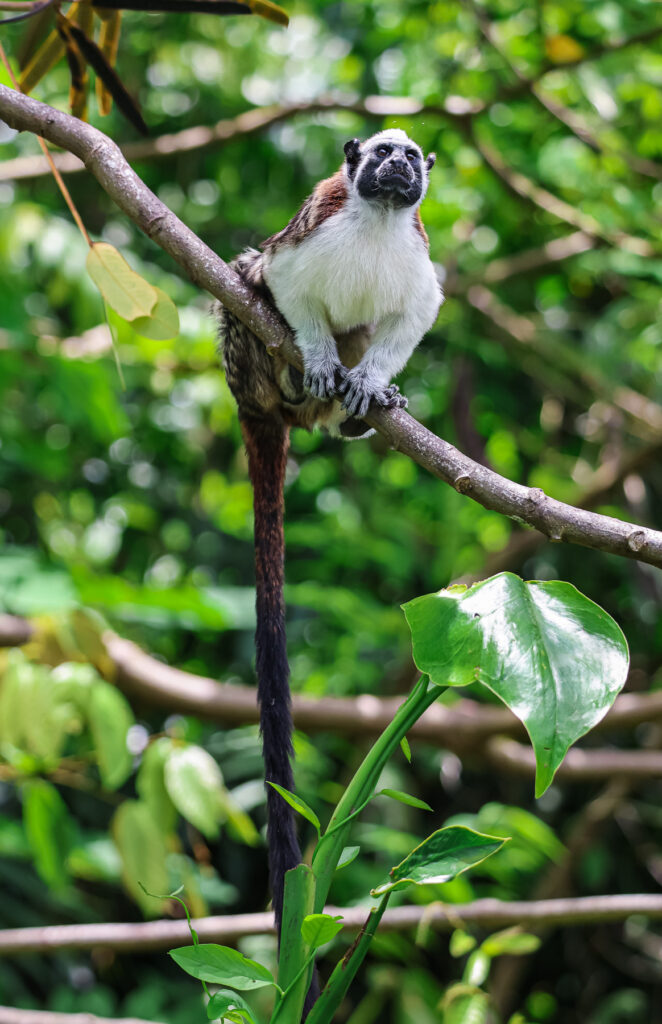
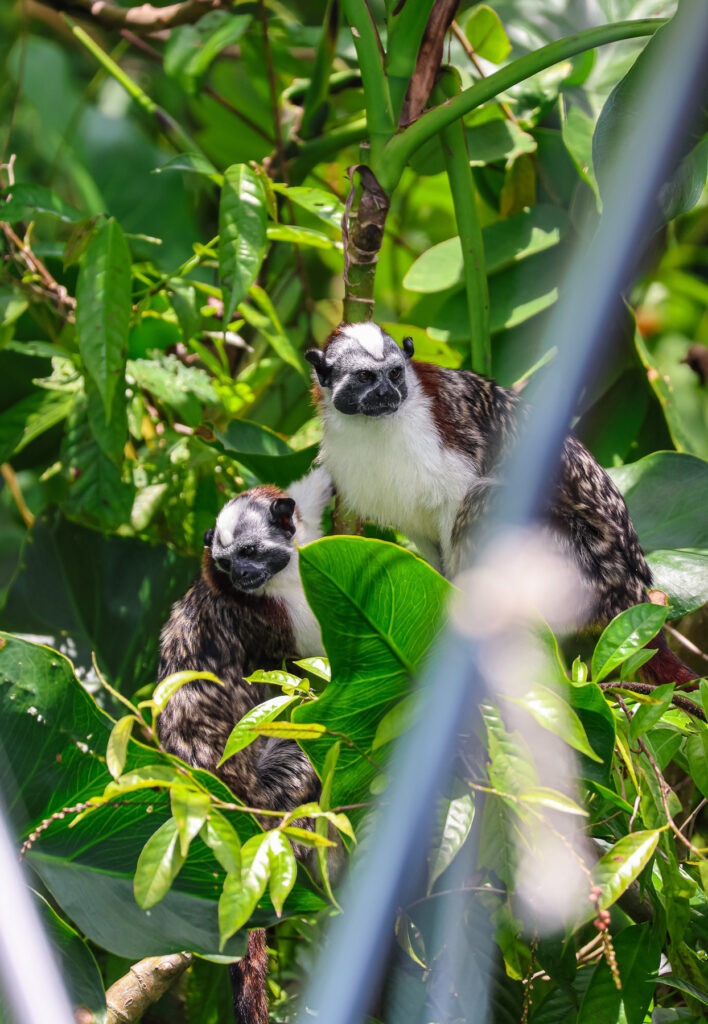
Next, we found Geoffroy’s tamarins, chatty tiny monkeys living in groups, – they seemed extremely disappointed that we didn’t have any bananas with us.

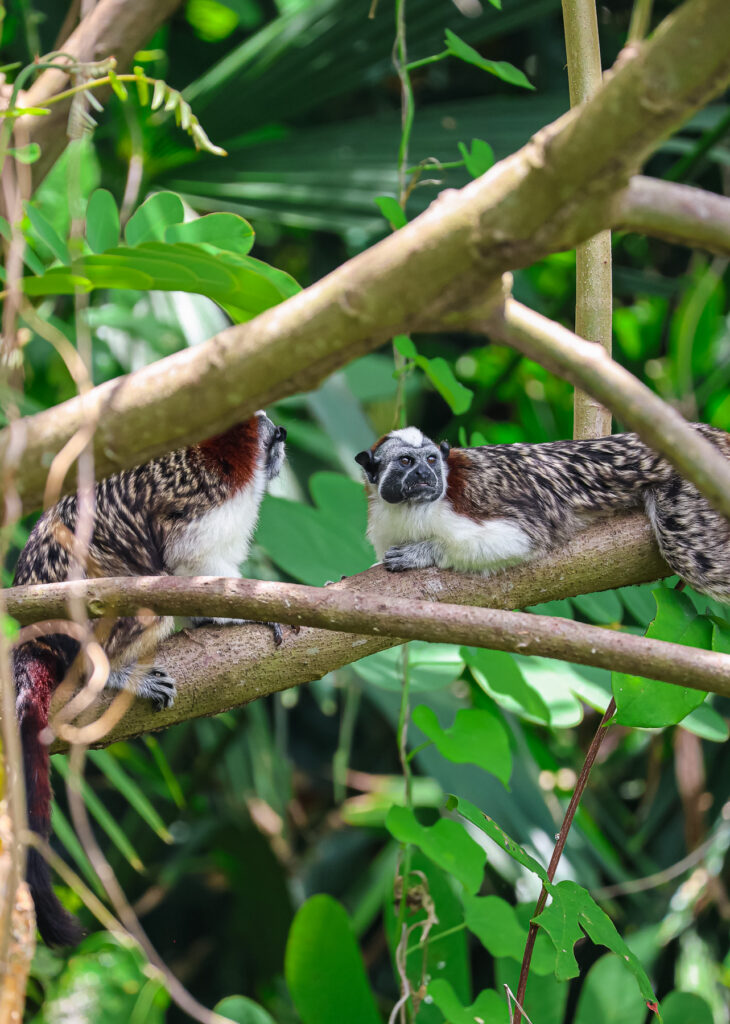
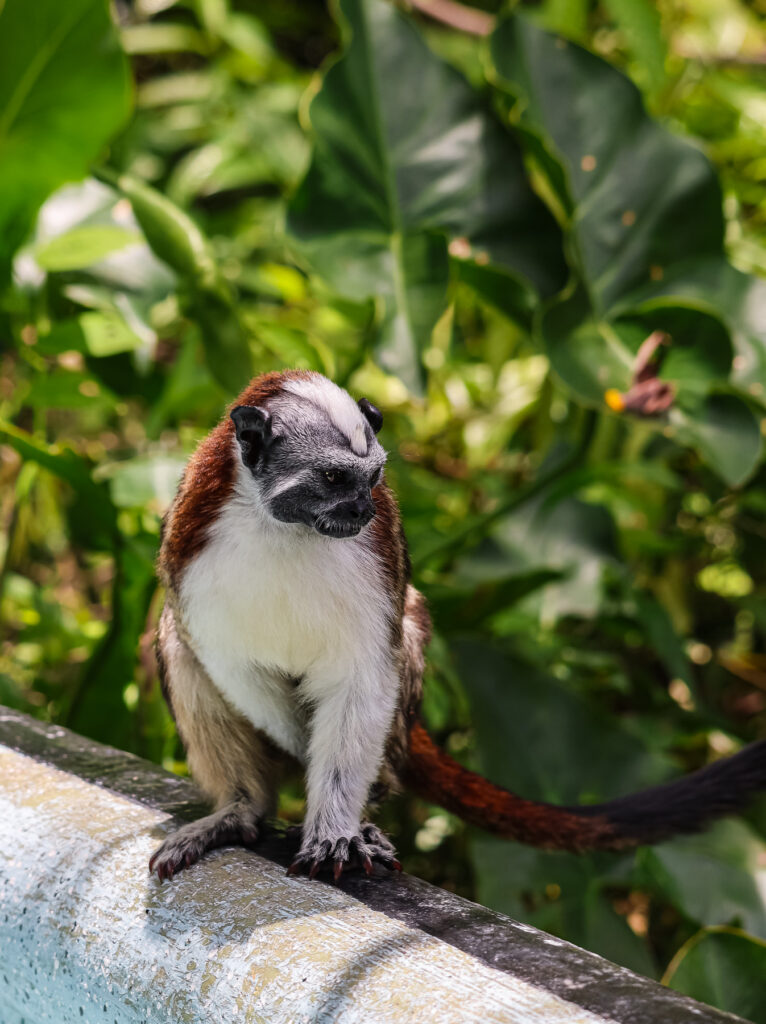
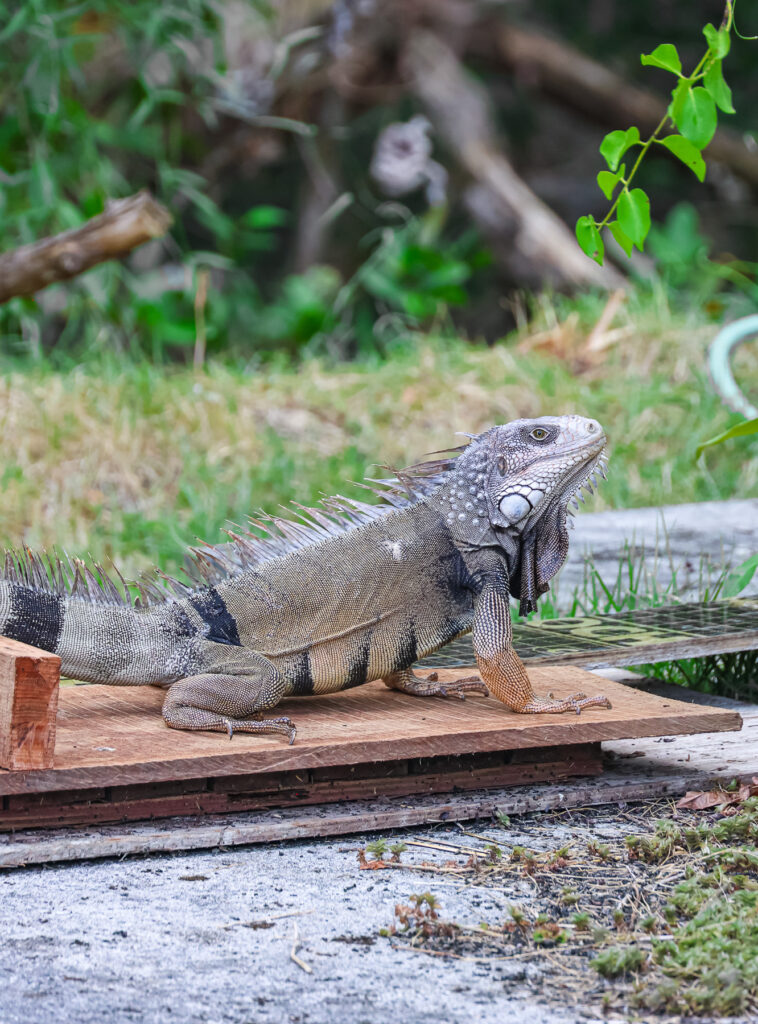
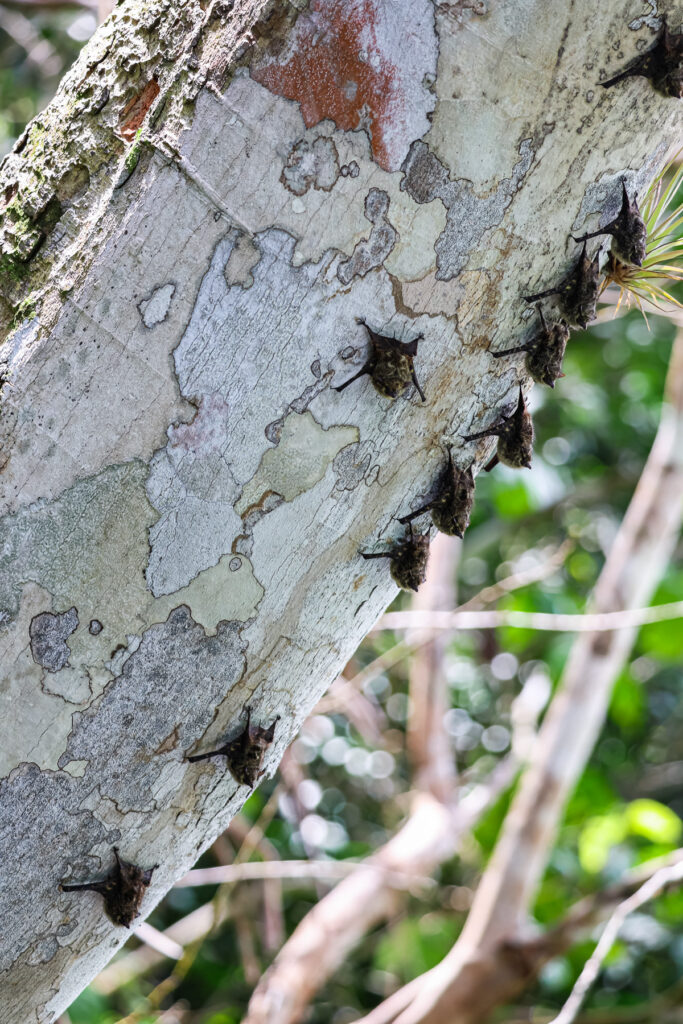
Our captain was also able to spot a sloth and iguanas up in the trees – I would never have noticed them myself. And I had never seen bats hanging on a tree like this before!
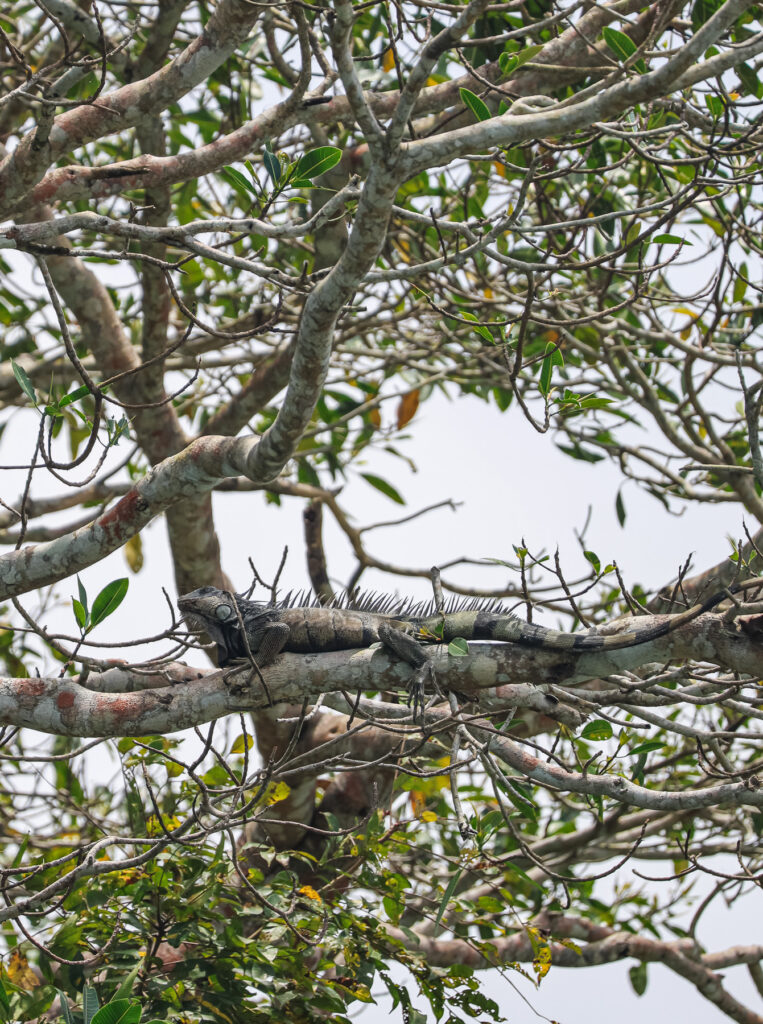
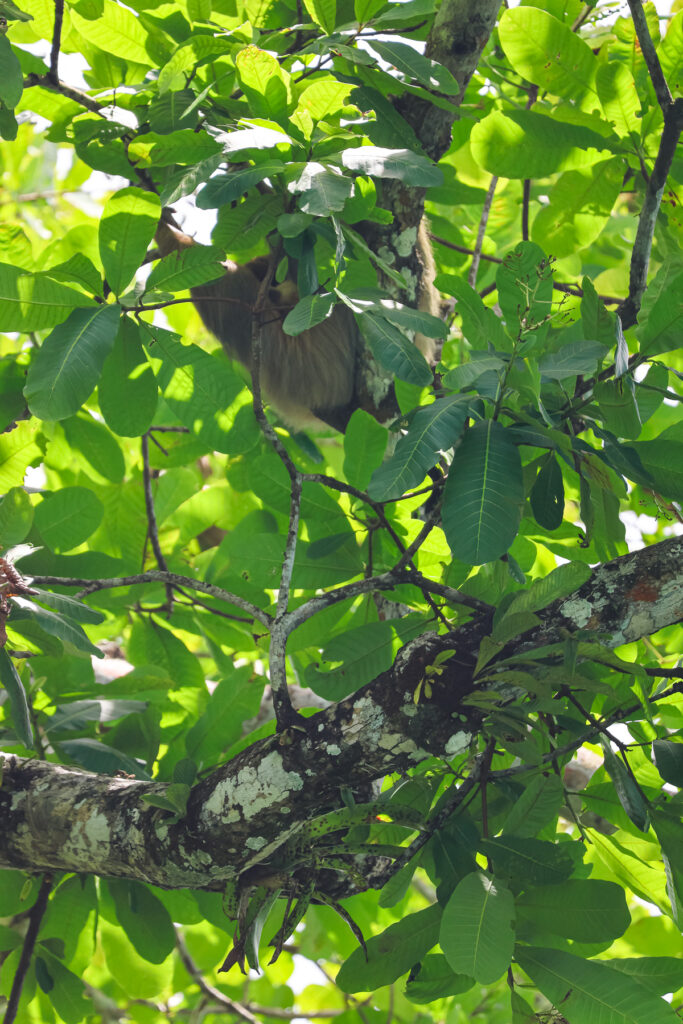
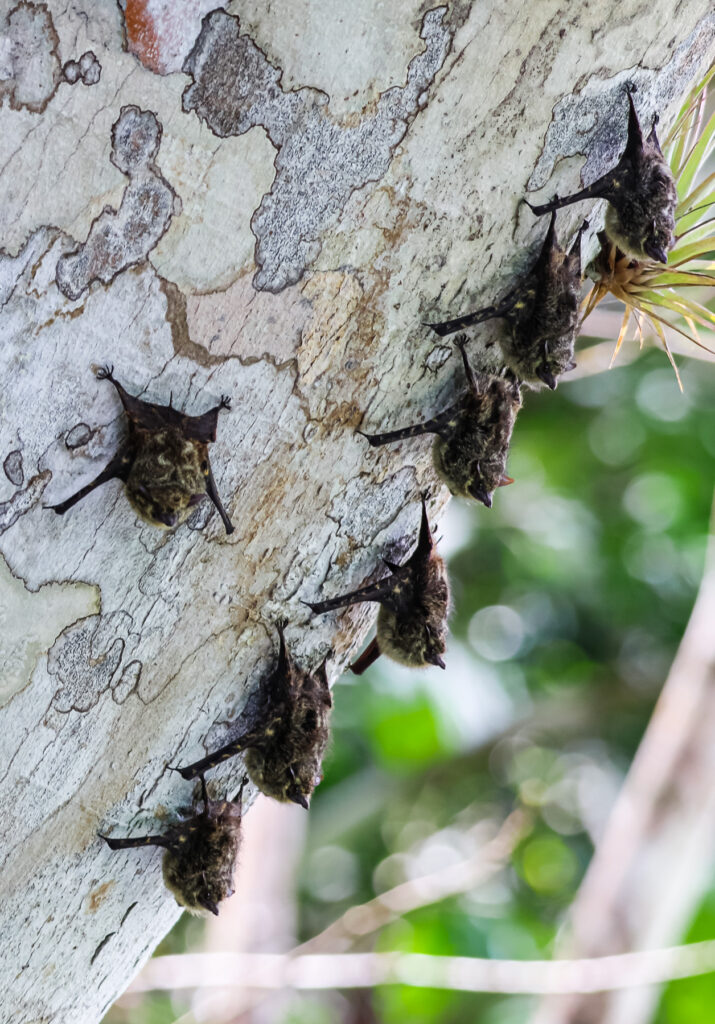
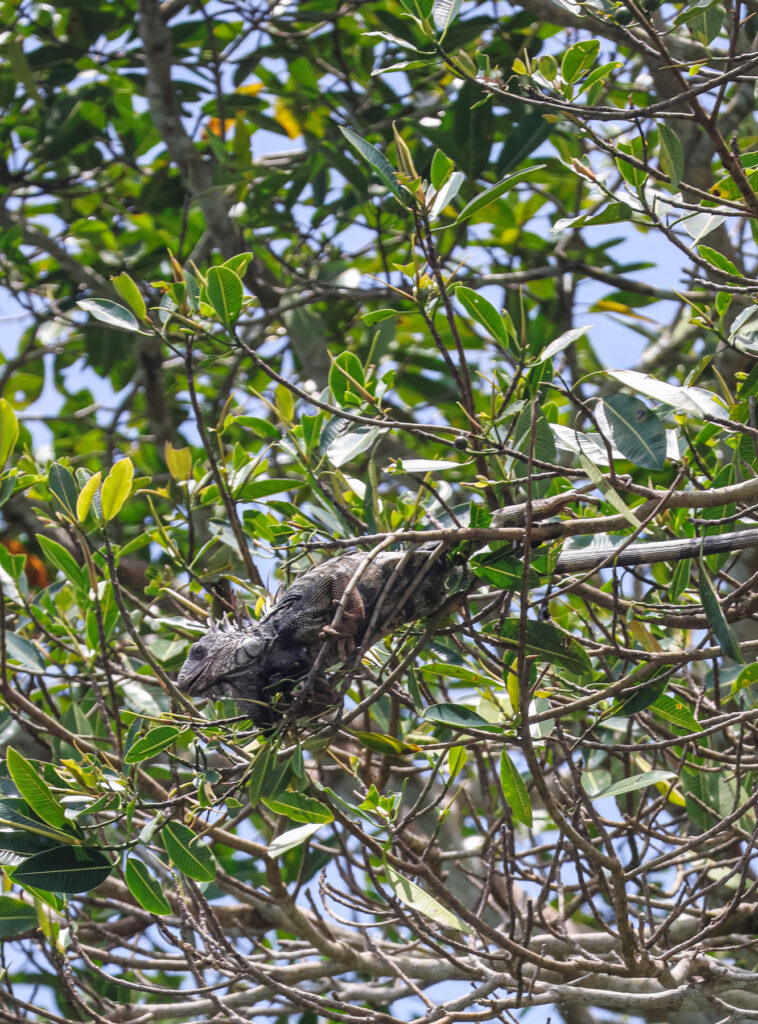
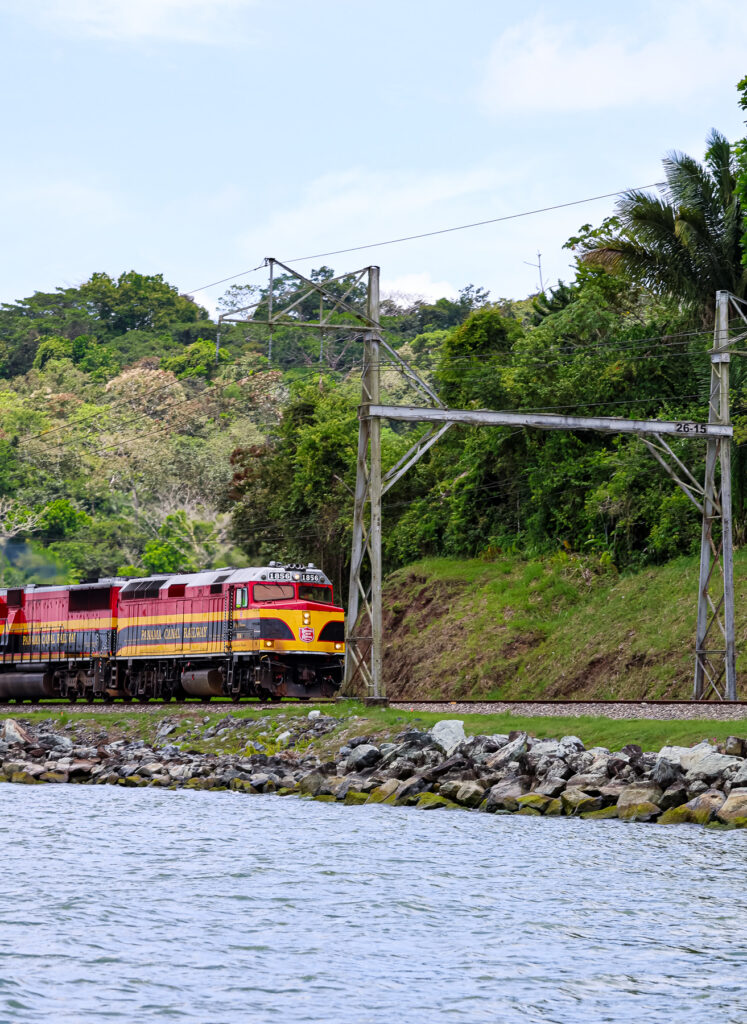
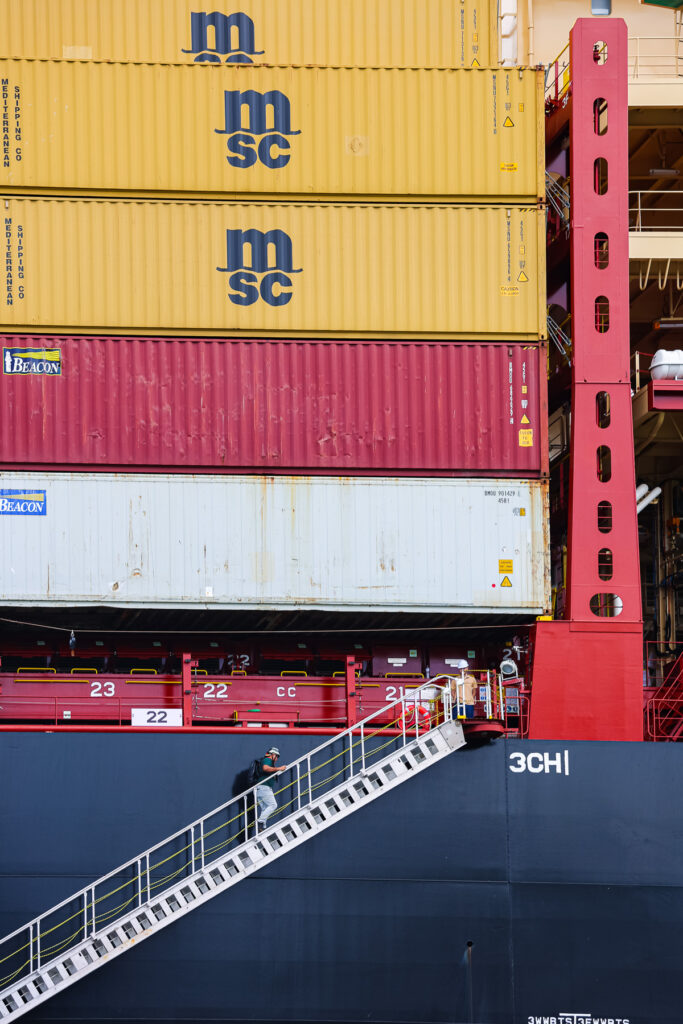
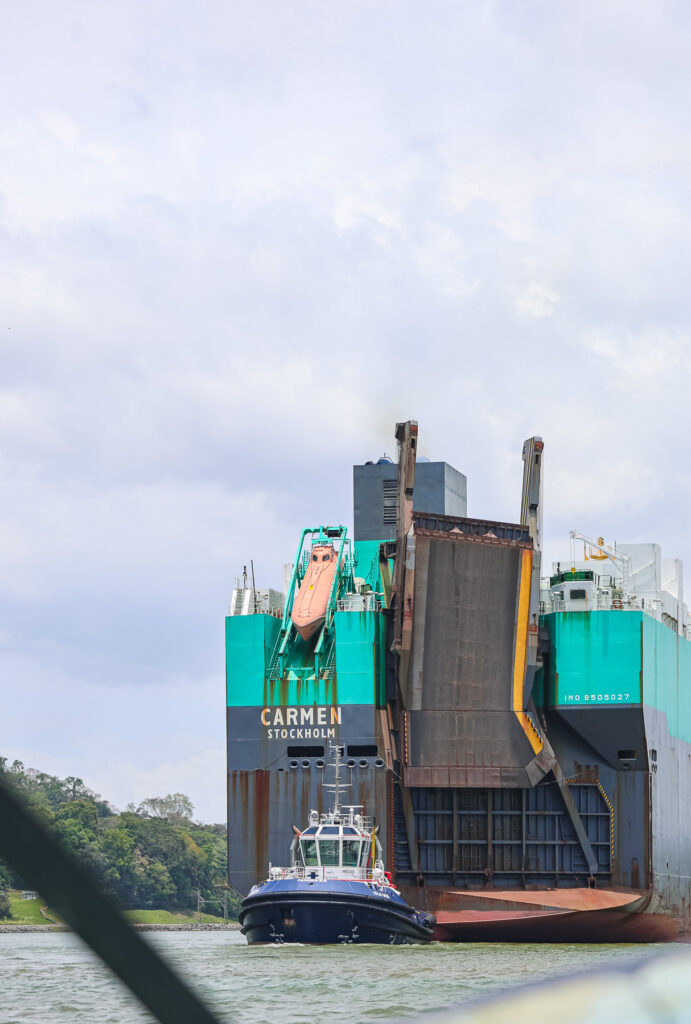
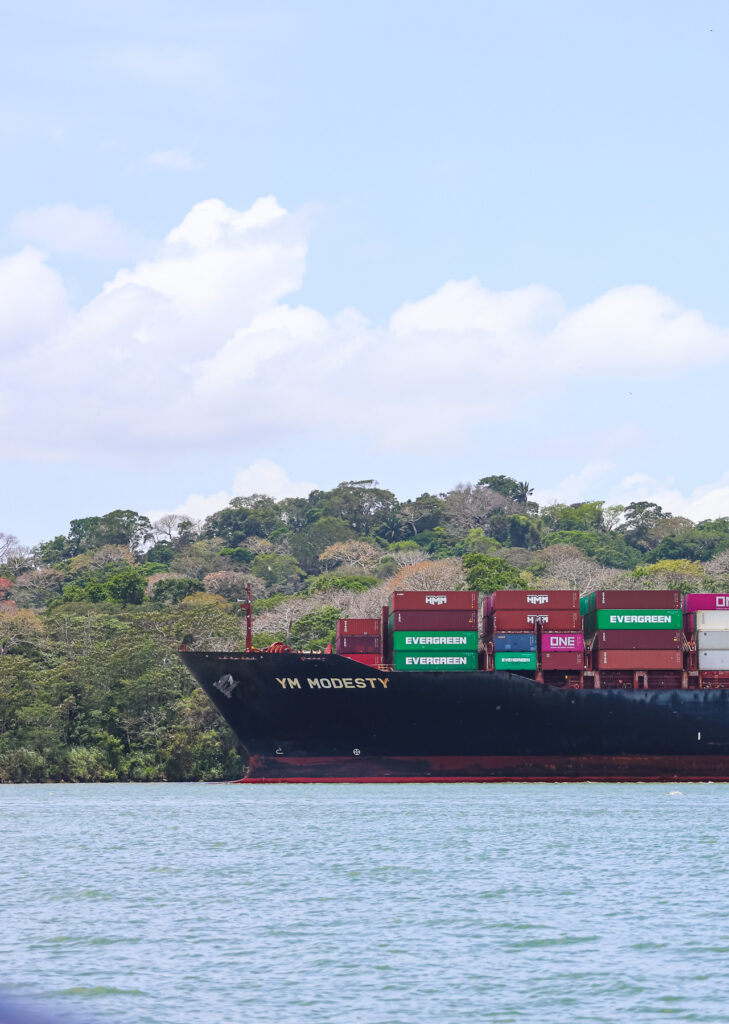
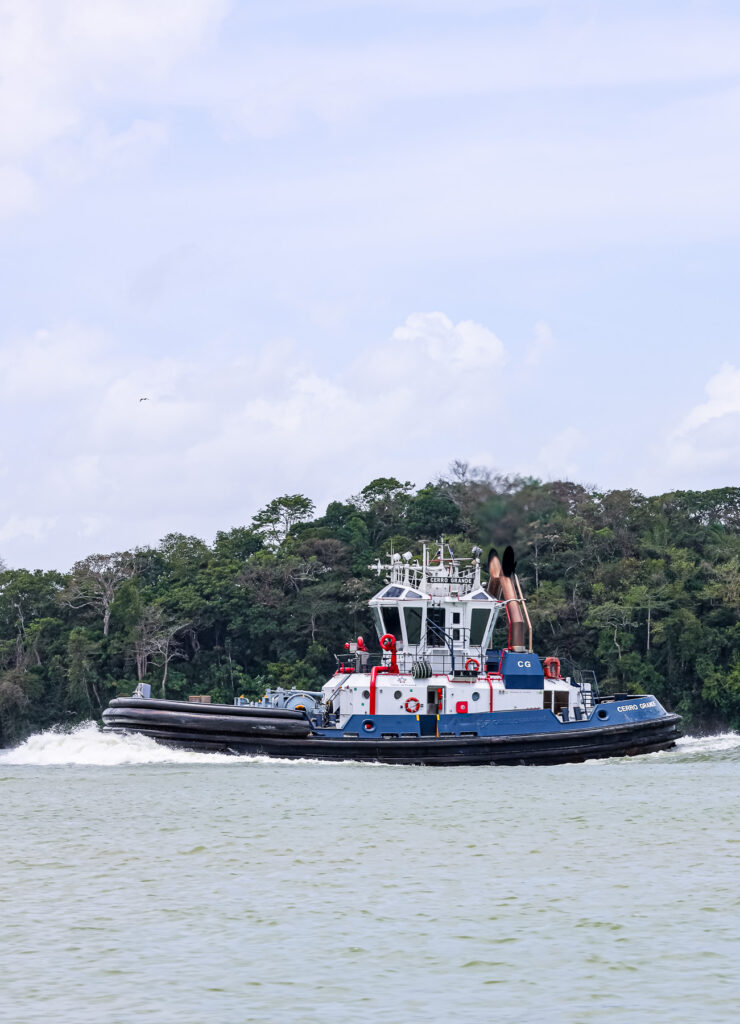
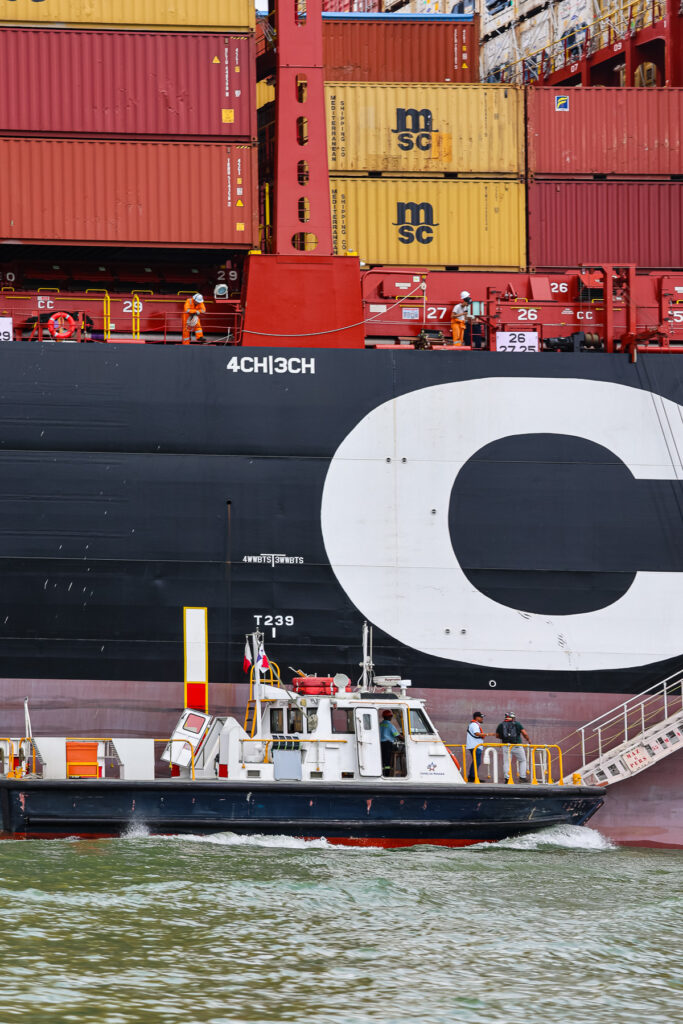
Another highlight of the Gatun Lake trip is that you can come close to giant ships heading to the Panama Canal passing through!

8. Learn About the Mola
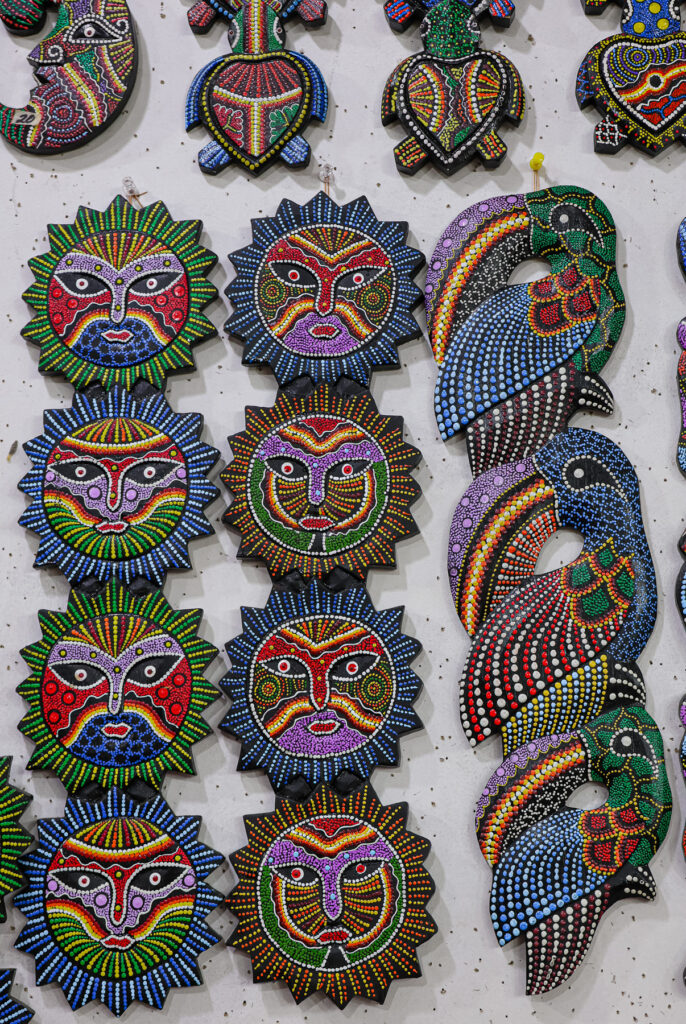
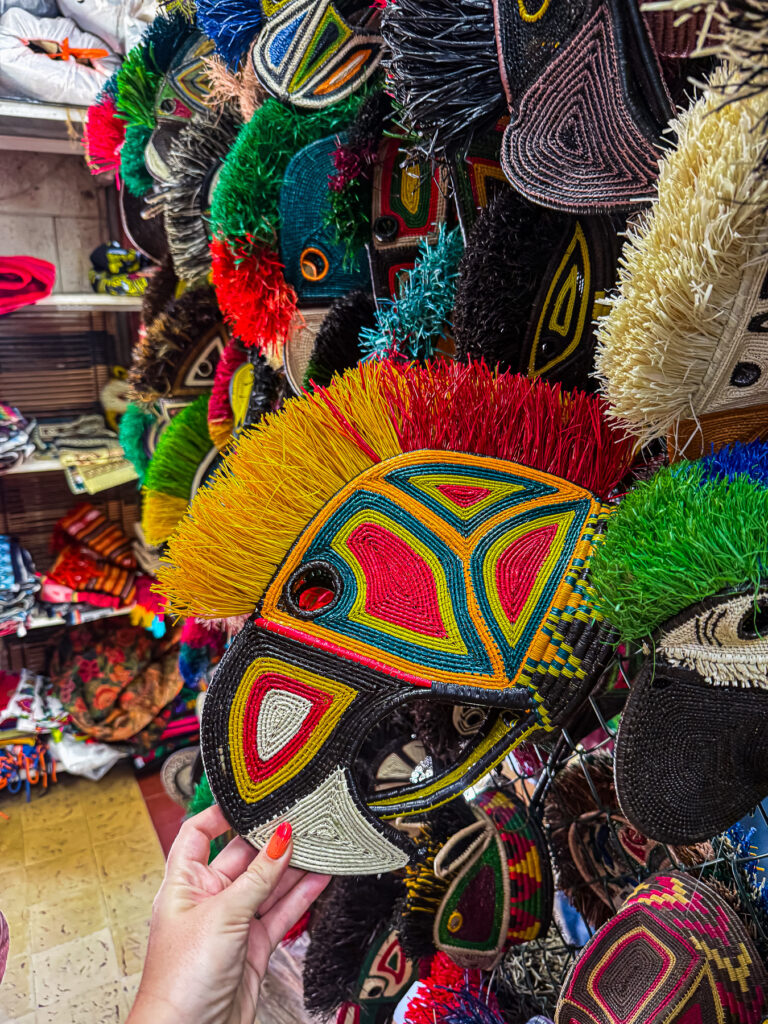
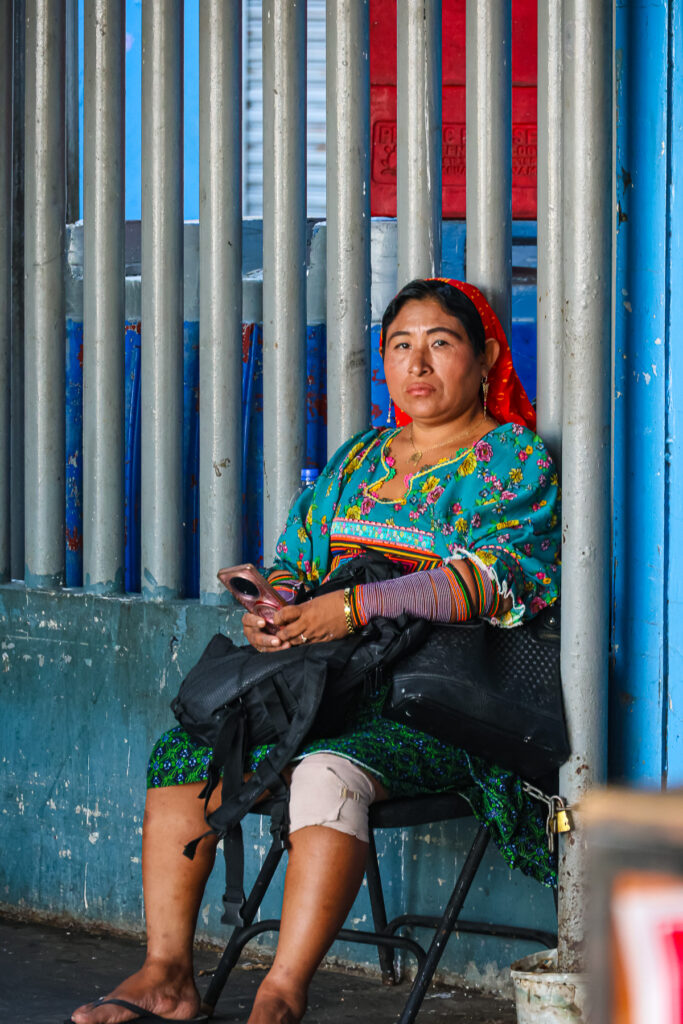
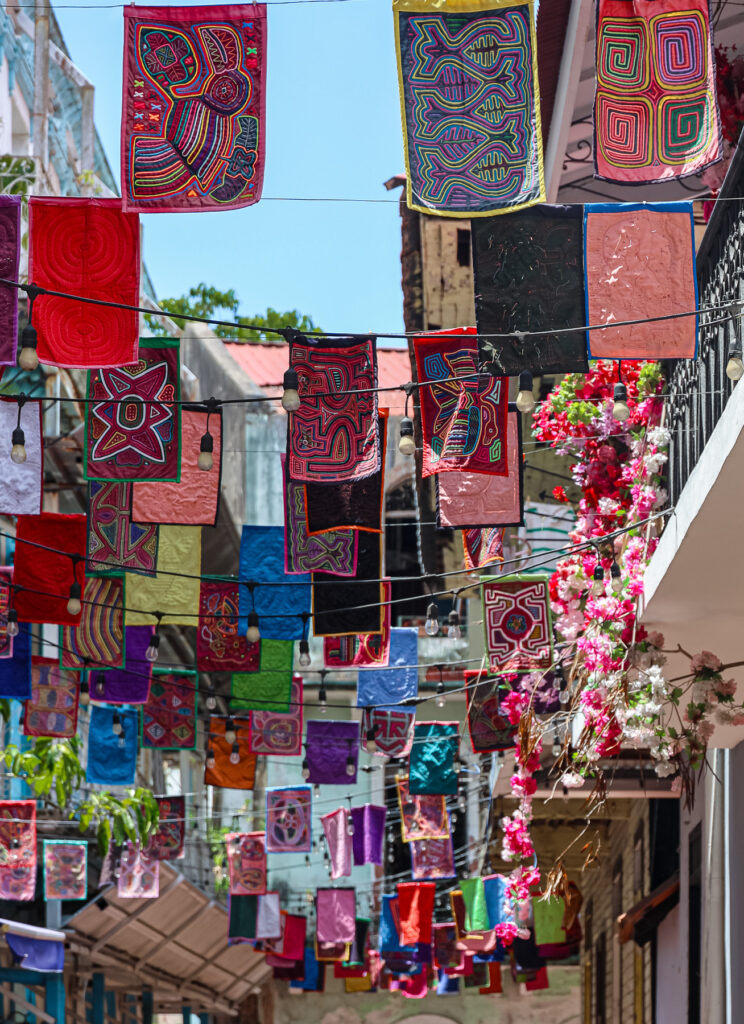
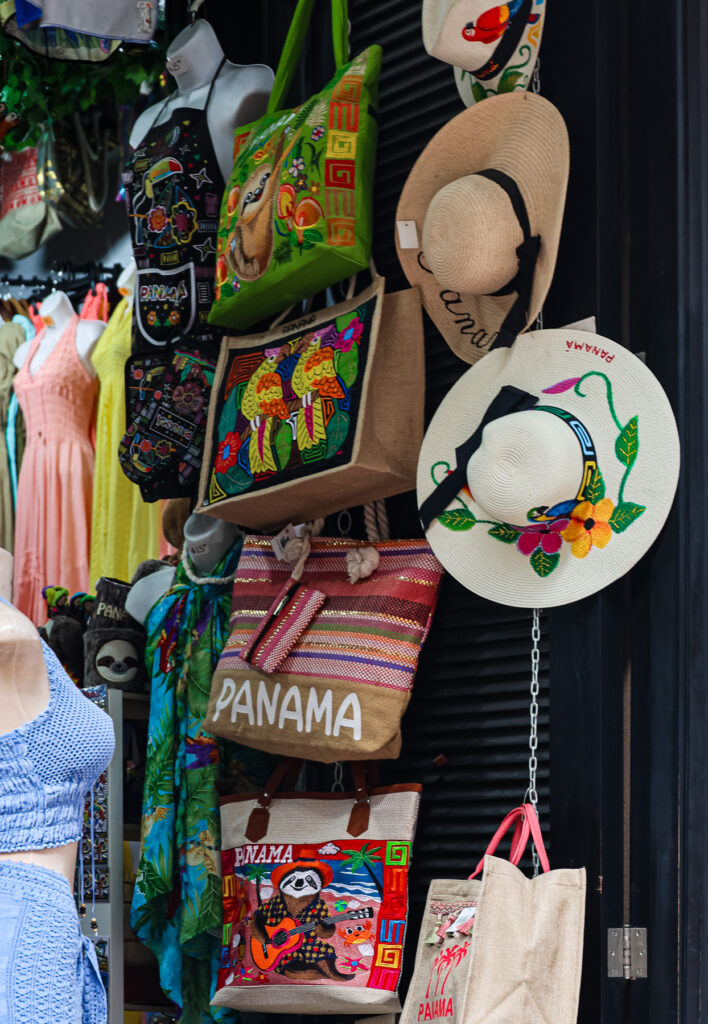
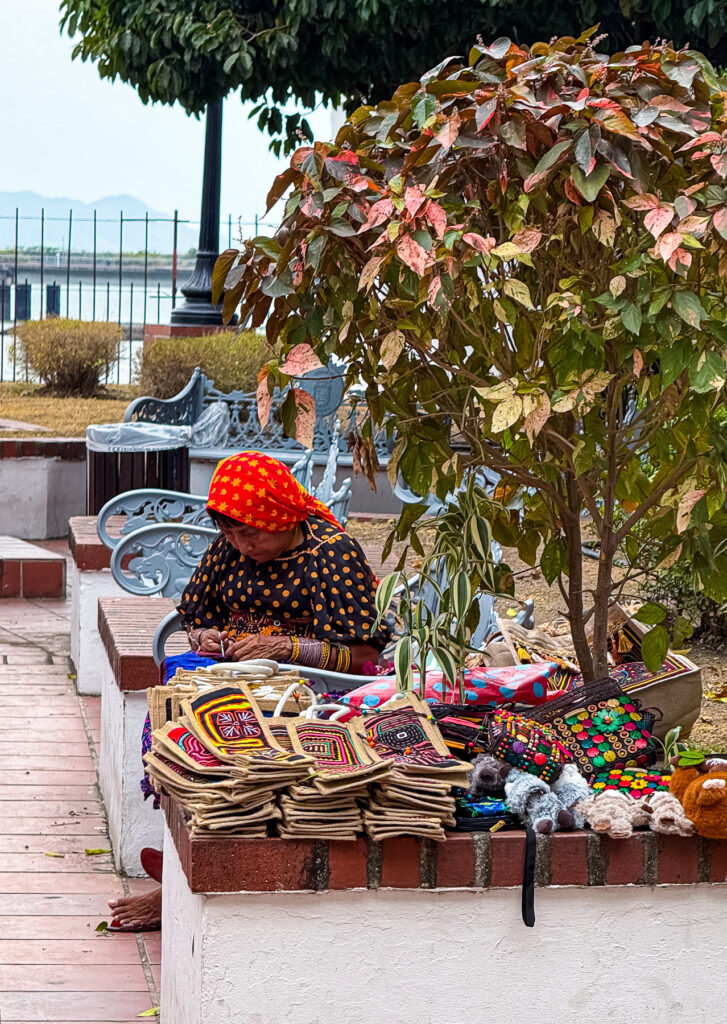
Some streets of Panama are decorated with molas – traditional colorful pieces of fabric with bright designs created by the Guna women, an indigenous community living here in Panama. You can spot Guna women in traditional outfits selling molas on the streets too!
9. Support the Animals at Panama Nature Centre
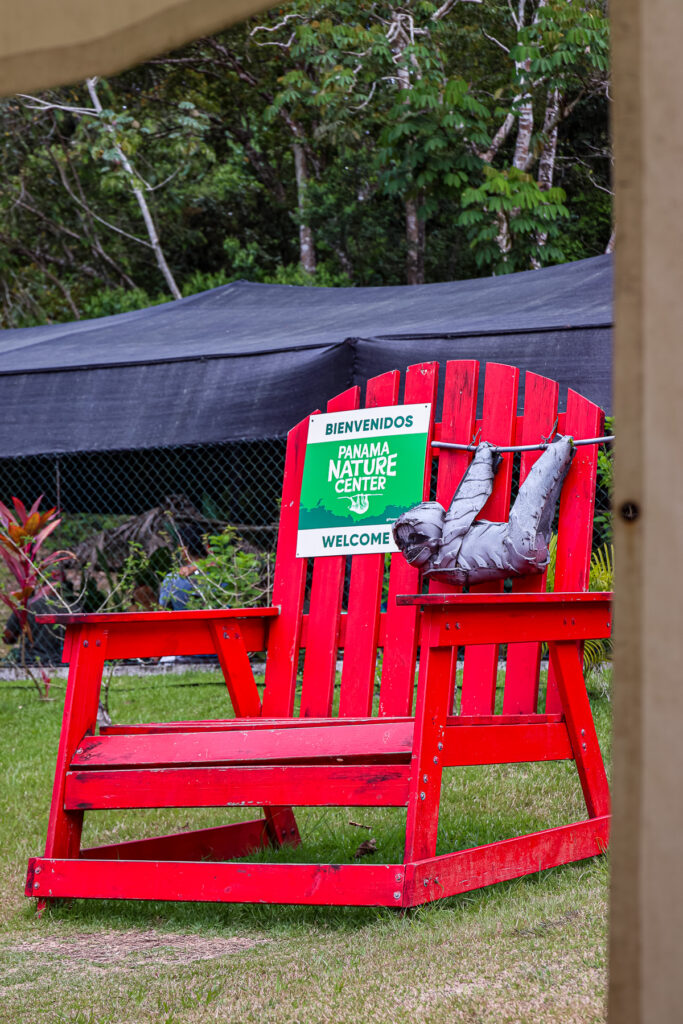
The Panama Nature Centre is located not far from the historical center where we stayed. This is an official rescue centre by APPCPANAMA established in 2005. You can visit it only with a guided tour – check the timetable in advance!
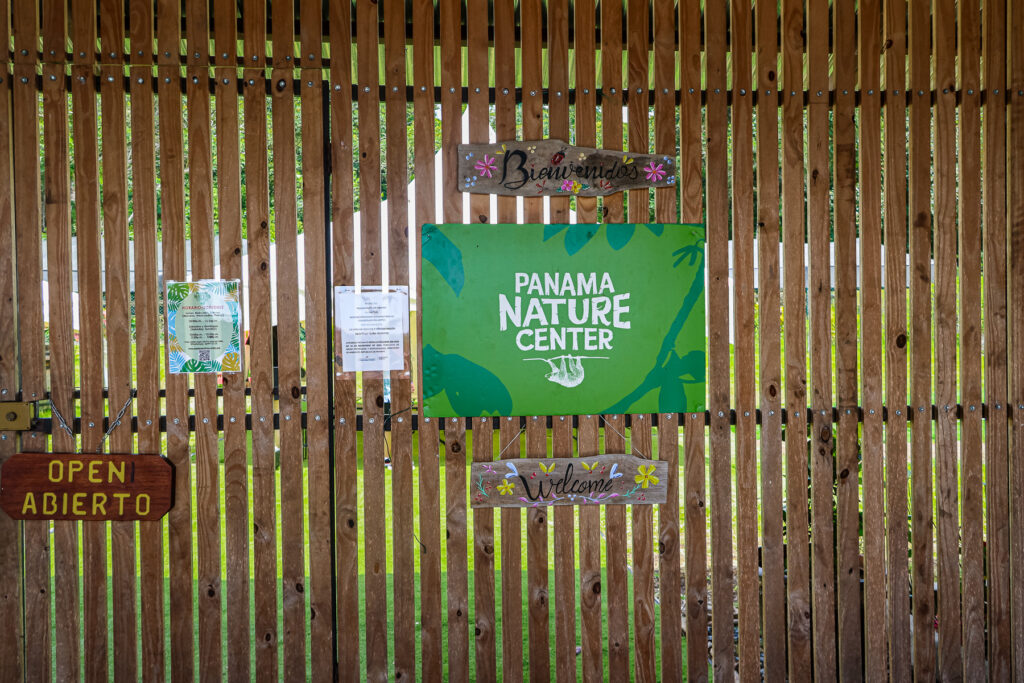

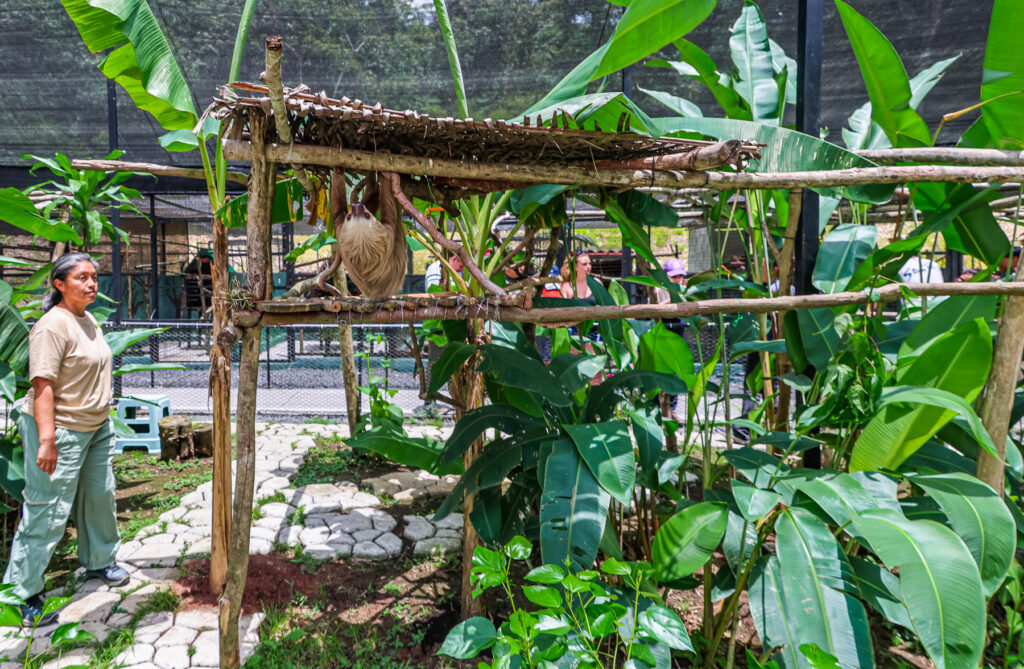
The sloths are the main characters here: you will get a detailed educational talk from the visitors.
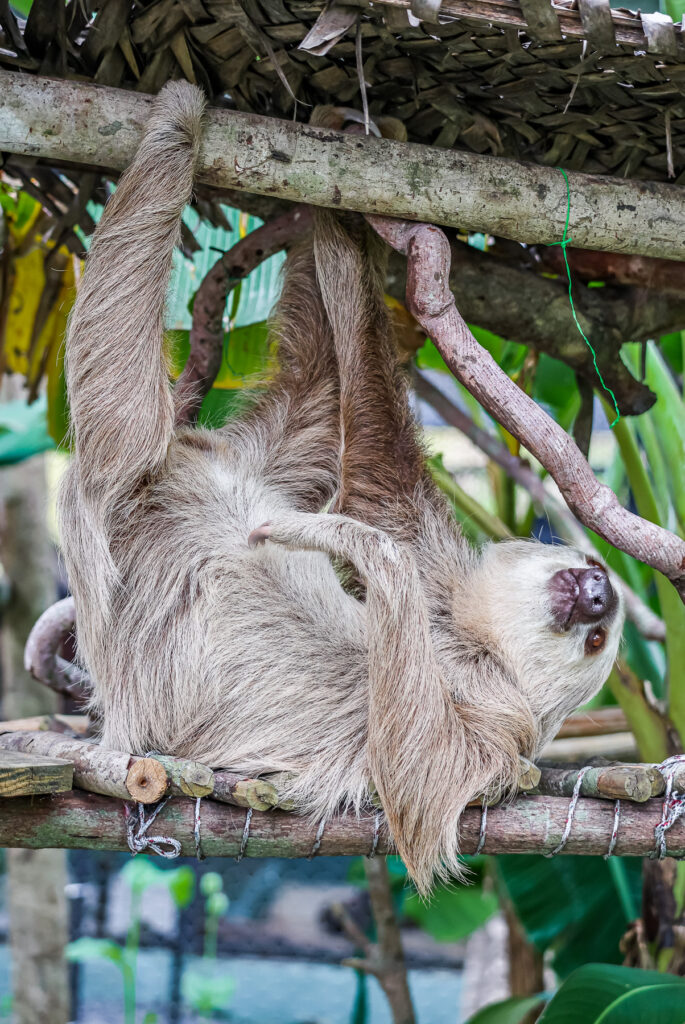
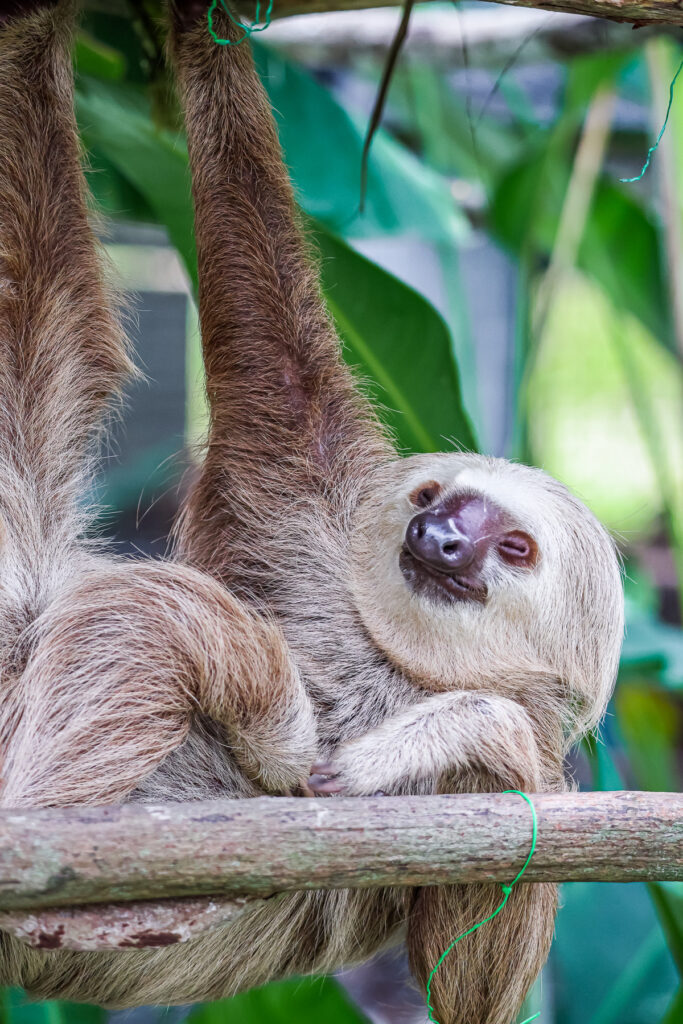
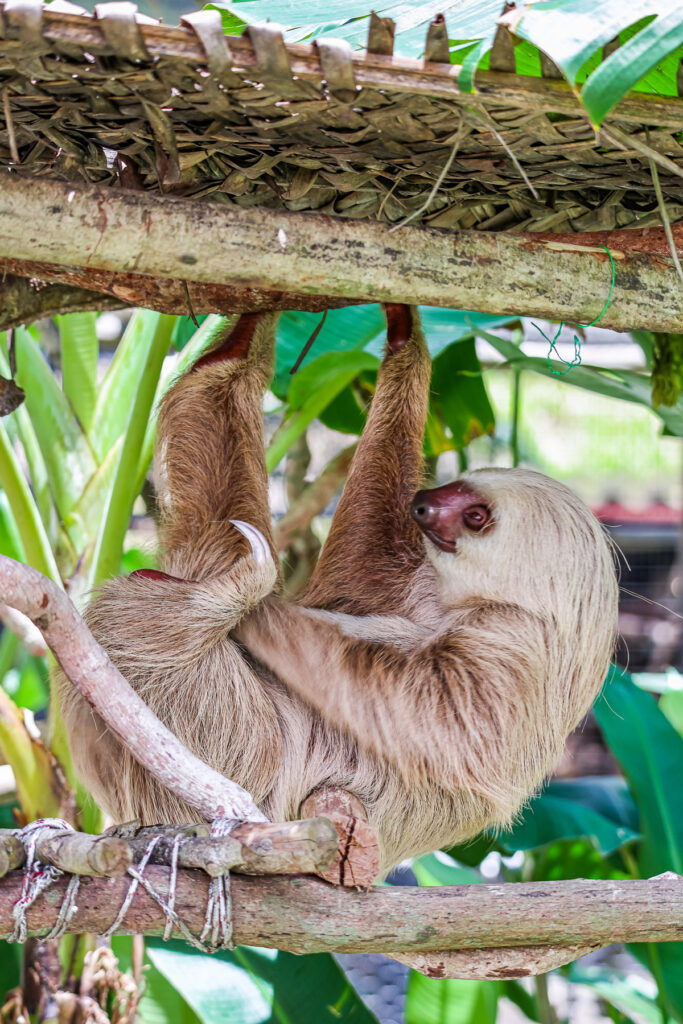
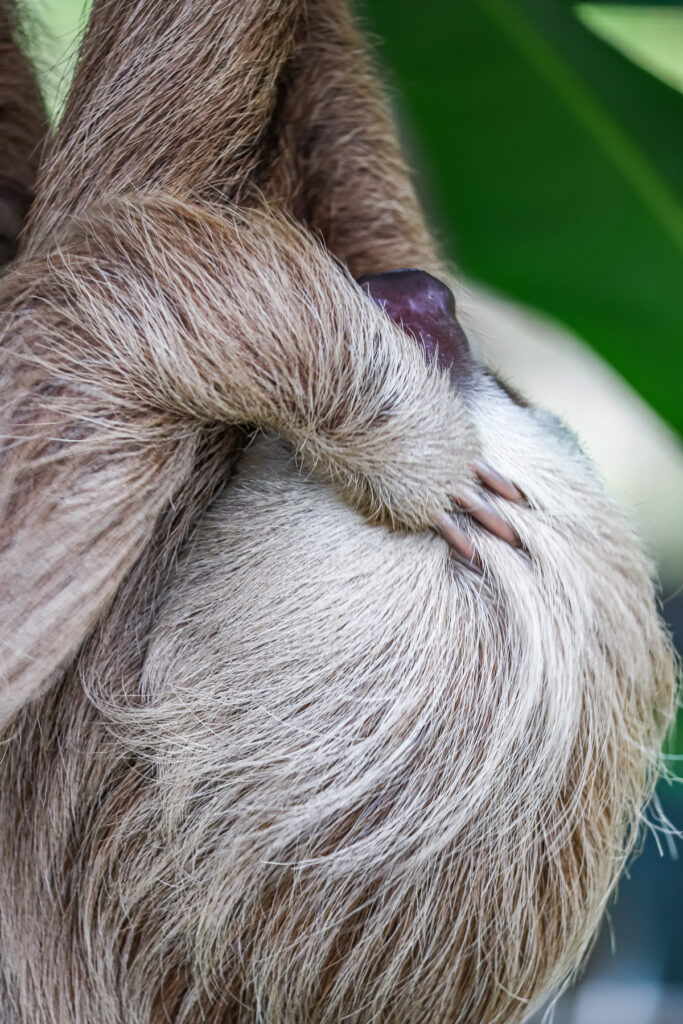

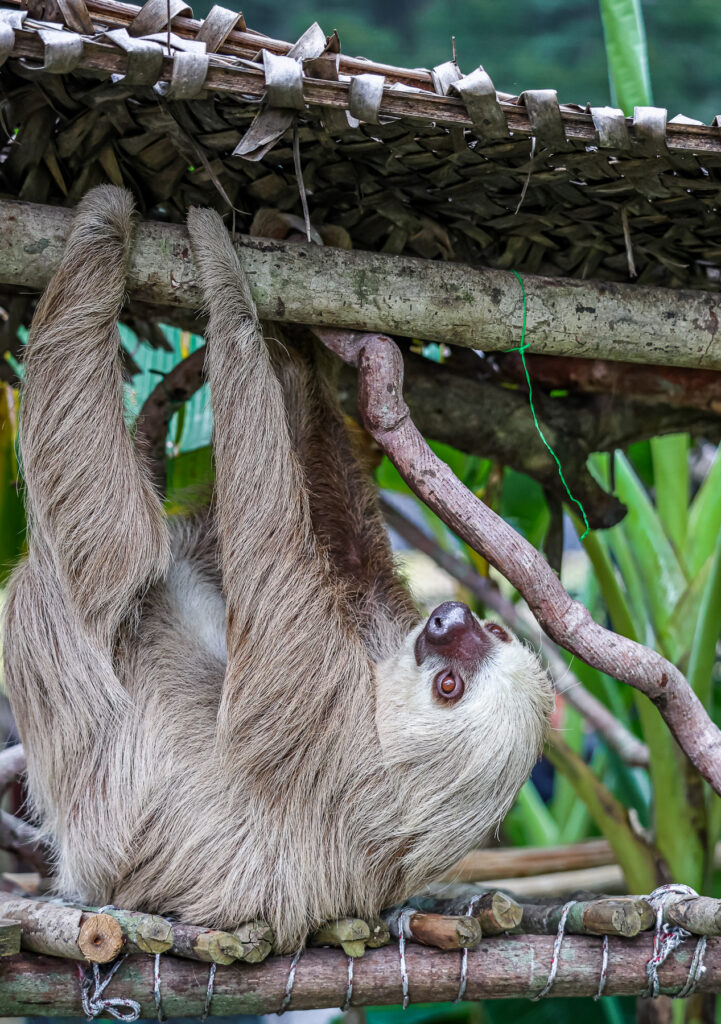
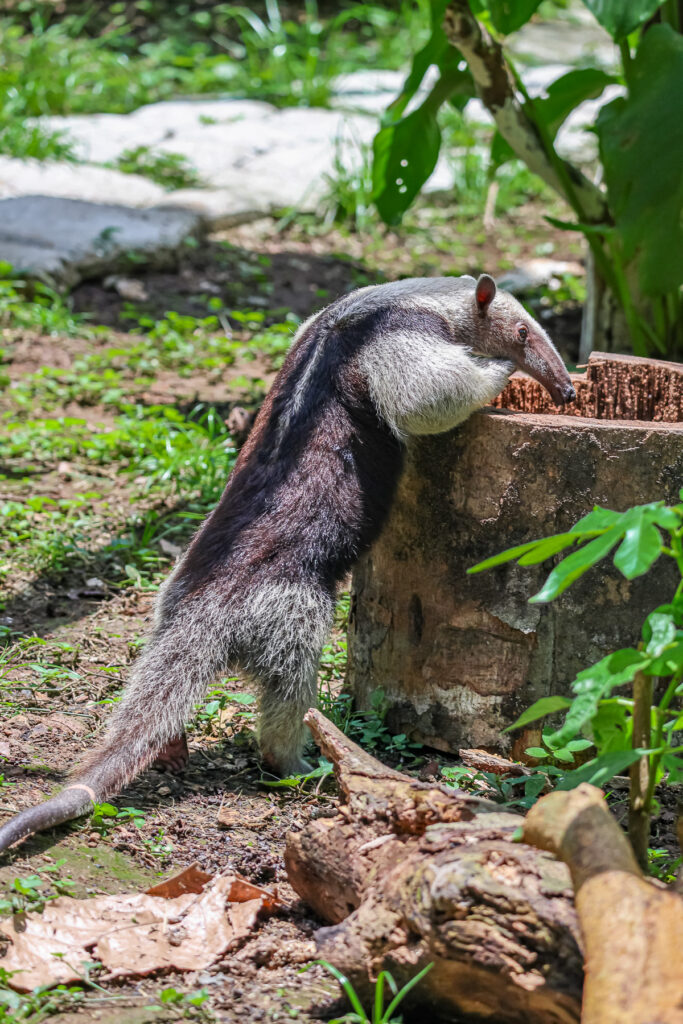
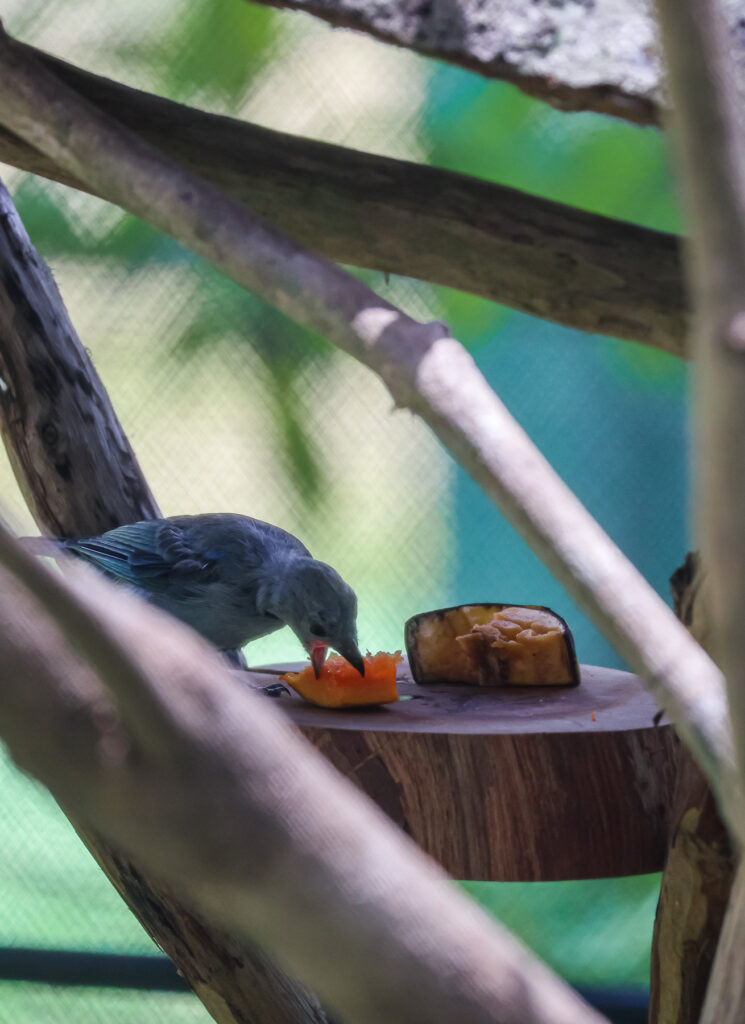
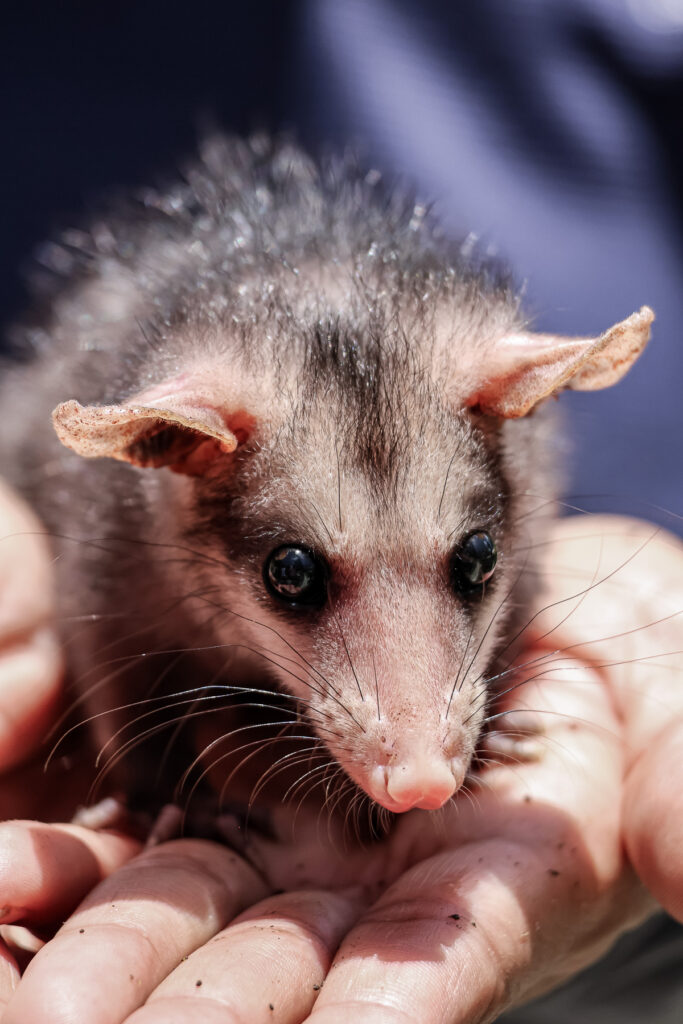
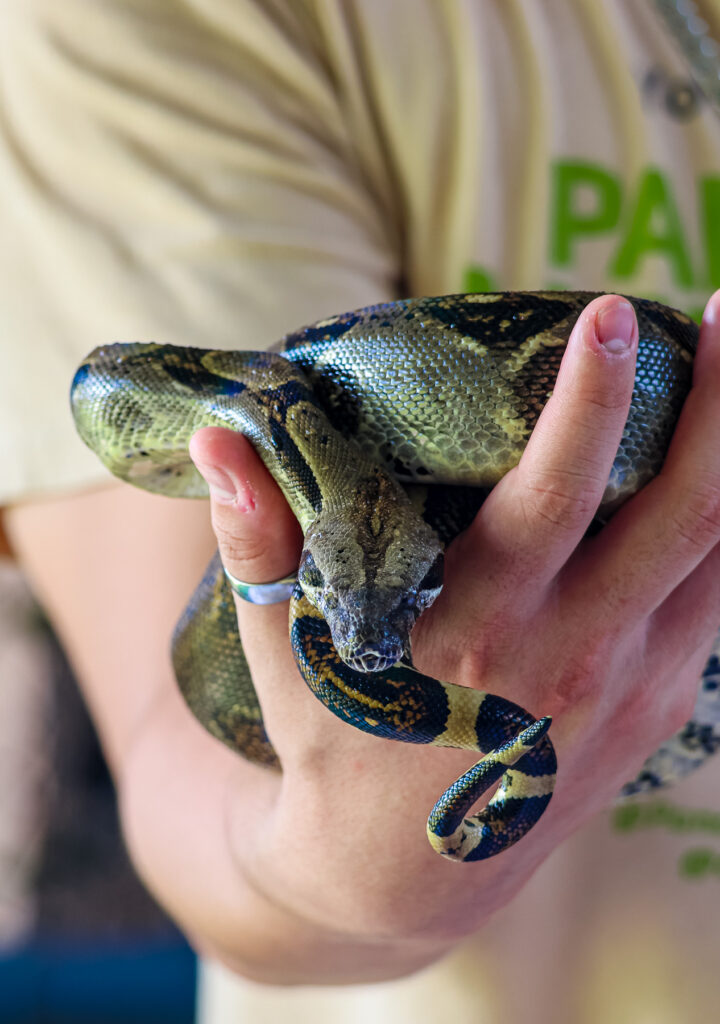
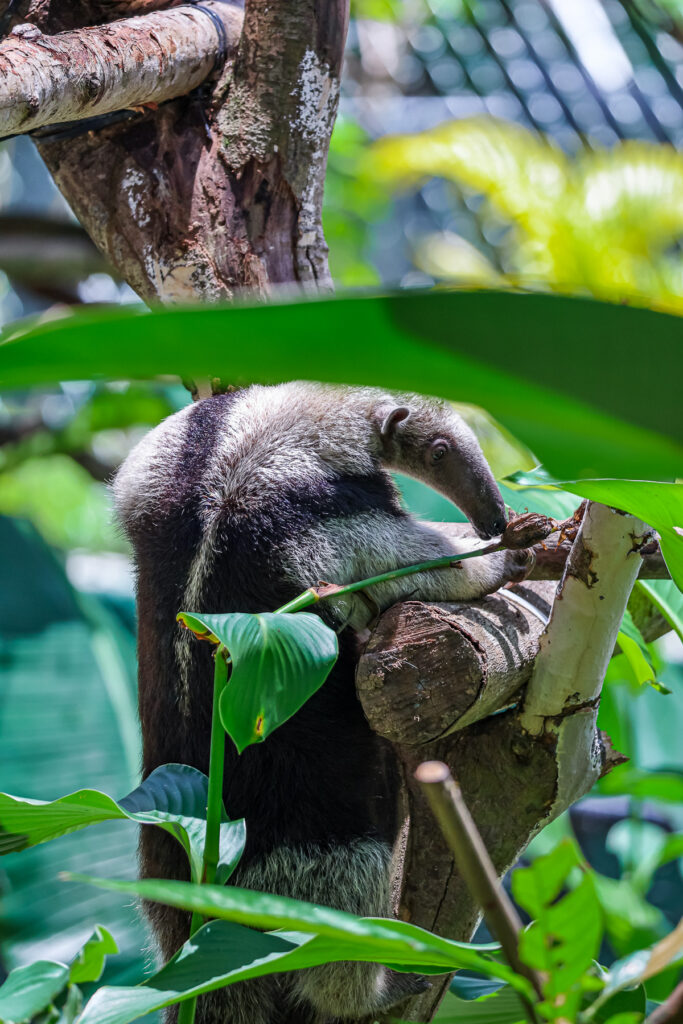
Apart from several sloths, we also saw an owl, tamandua (anteater), baby opossum, a turtle, a porcupine, a caiman, and a couple of snakes. All the animals were rescued, and some are good candidates to return to their natural habitat soon.
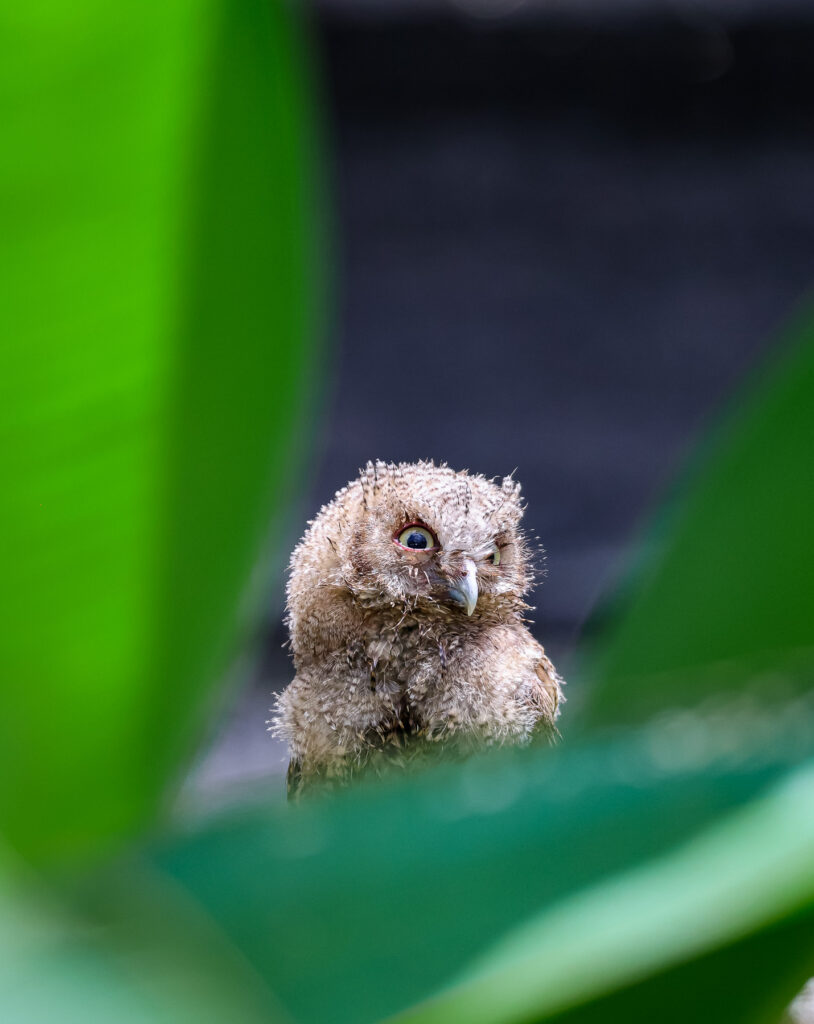
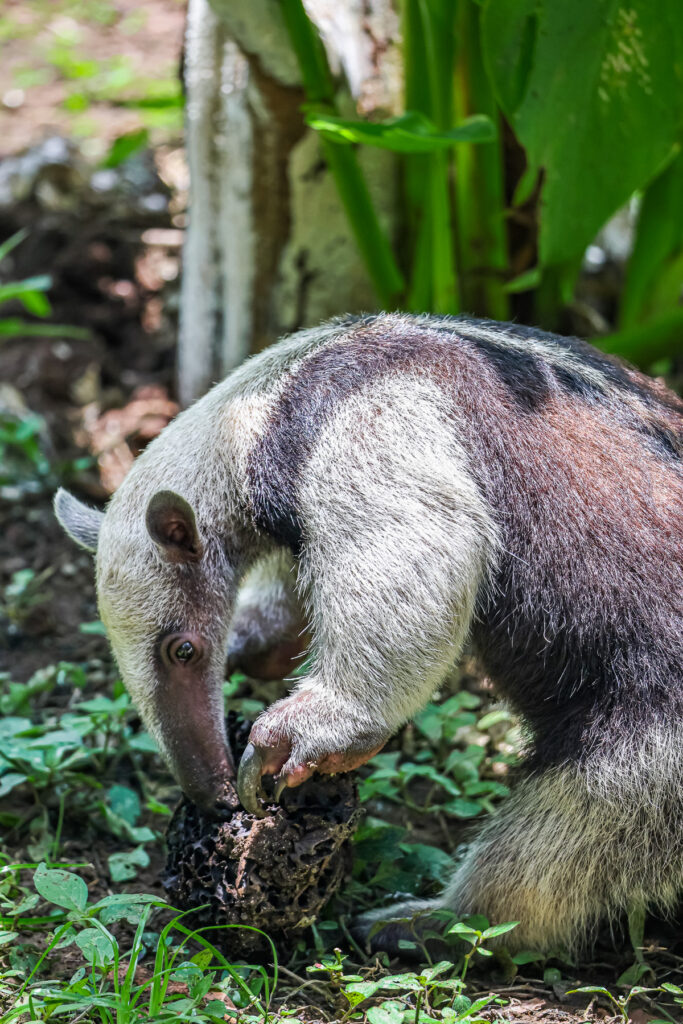
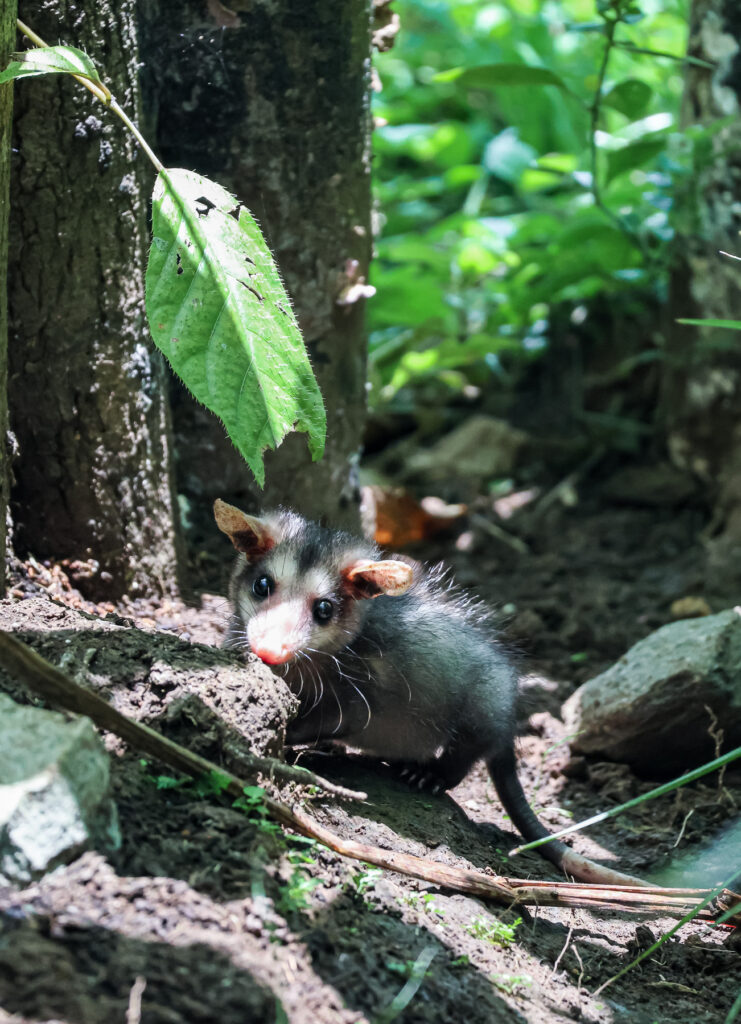
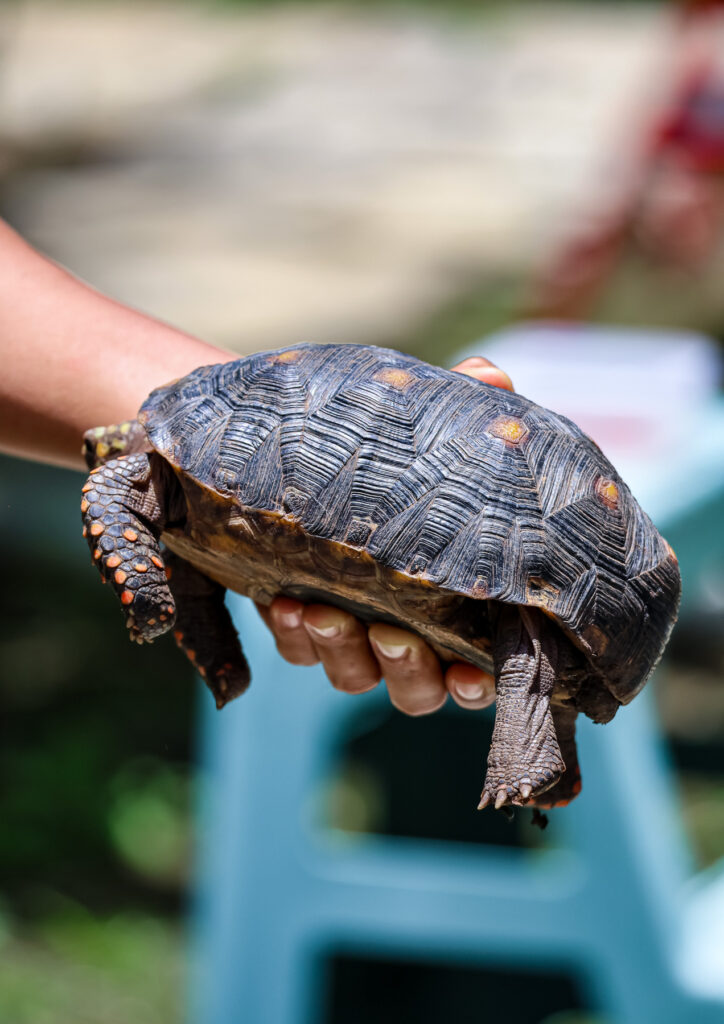
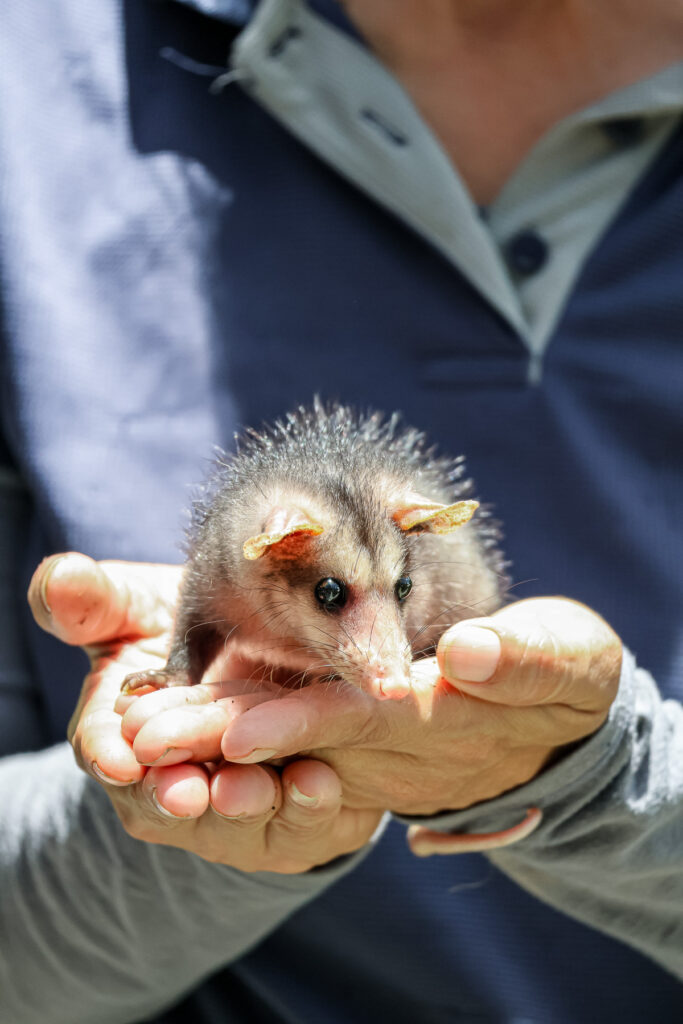
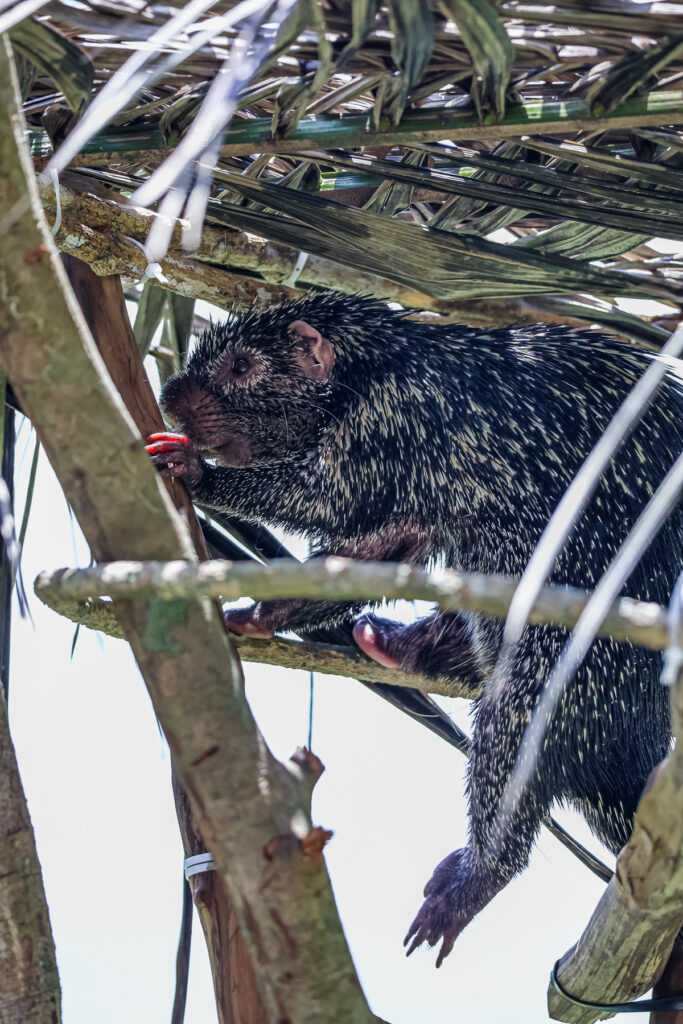
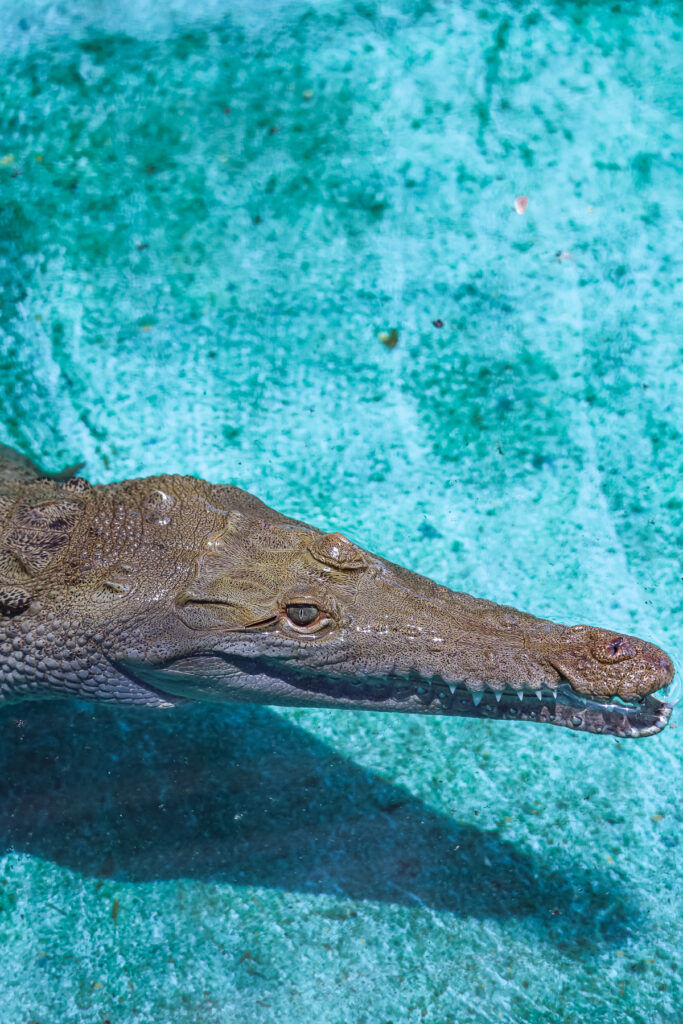
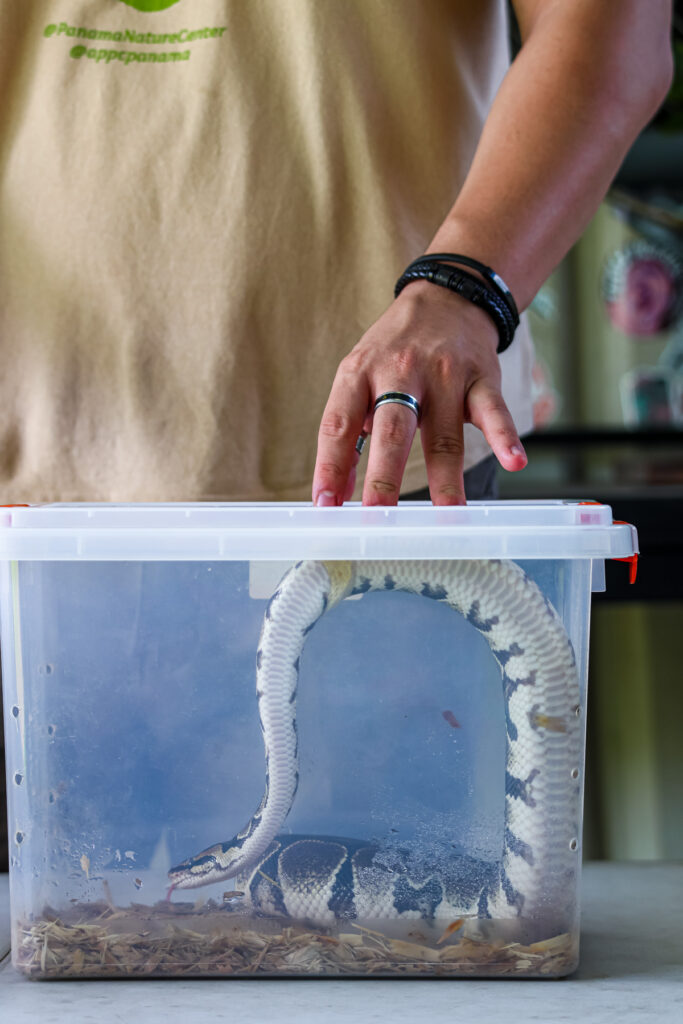
The centre is located in the City of Knowledge and is easily accessible if you’re short on time because you don’t have to go all the way to Gamboa Reserve (we’re planning to visit it too). The guided tours are provided in both Spanish and English, and your ticket fee supports the animals in their care.
10. Visit Panamá Viejo
If you visit only one museum in Panama, let it be the archaeological site of Old Panama (you pass it by on your way from the airport to Casco Antiguo).
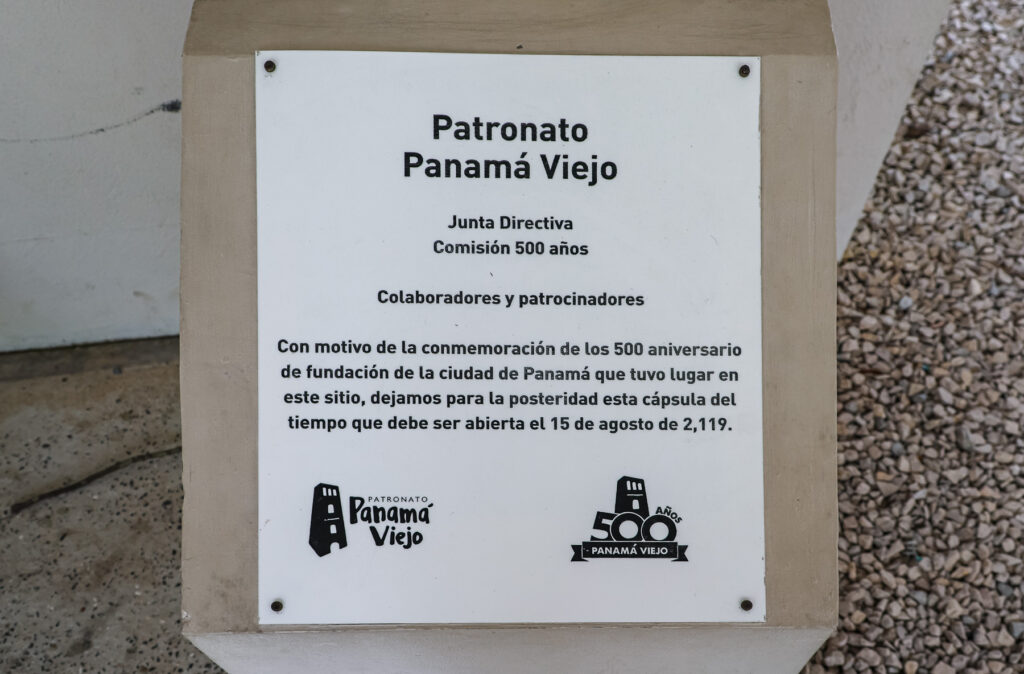
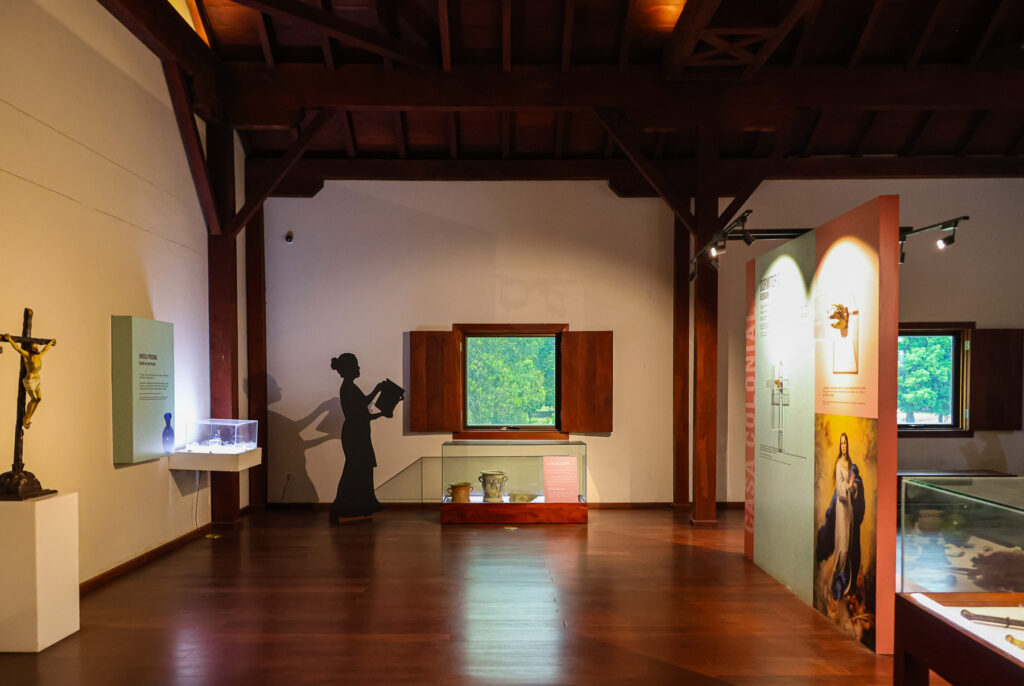
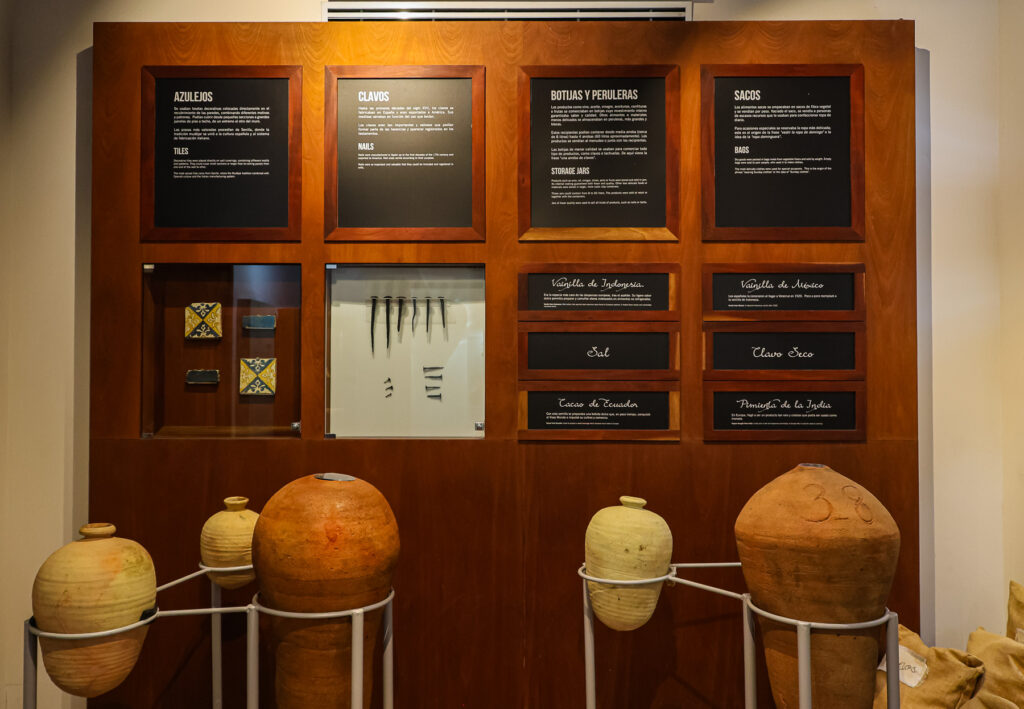
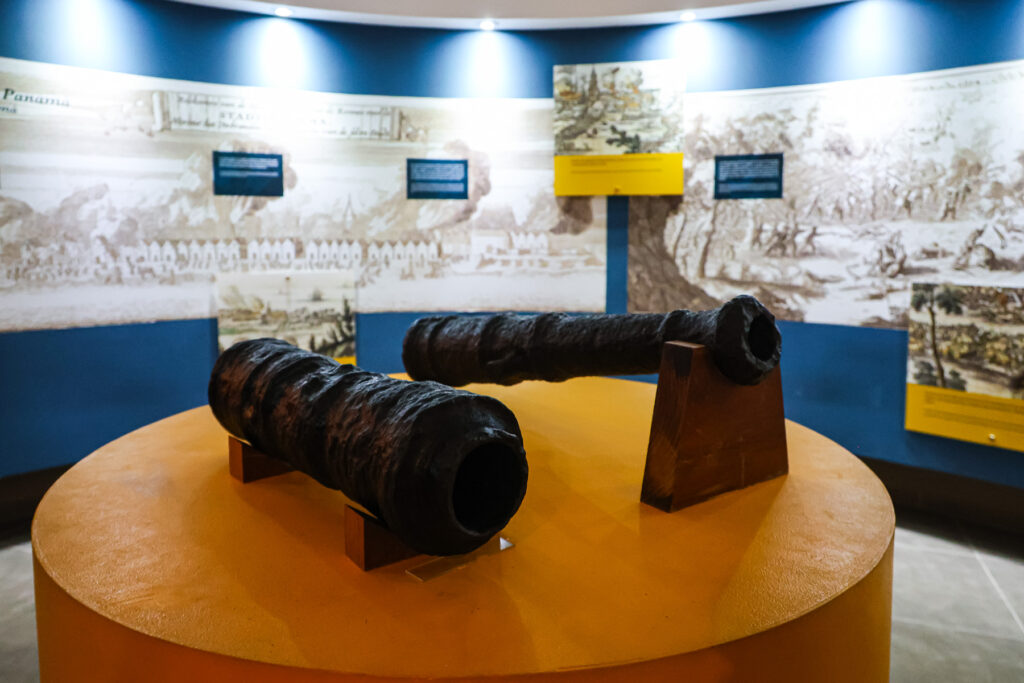
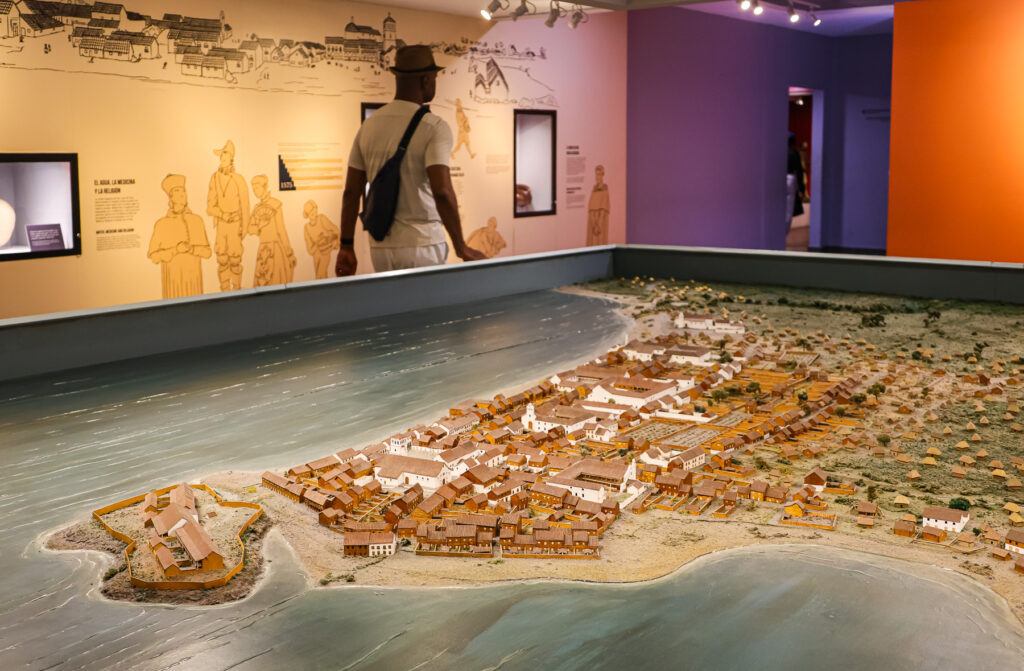
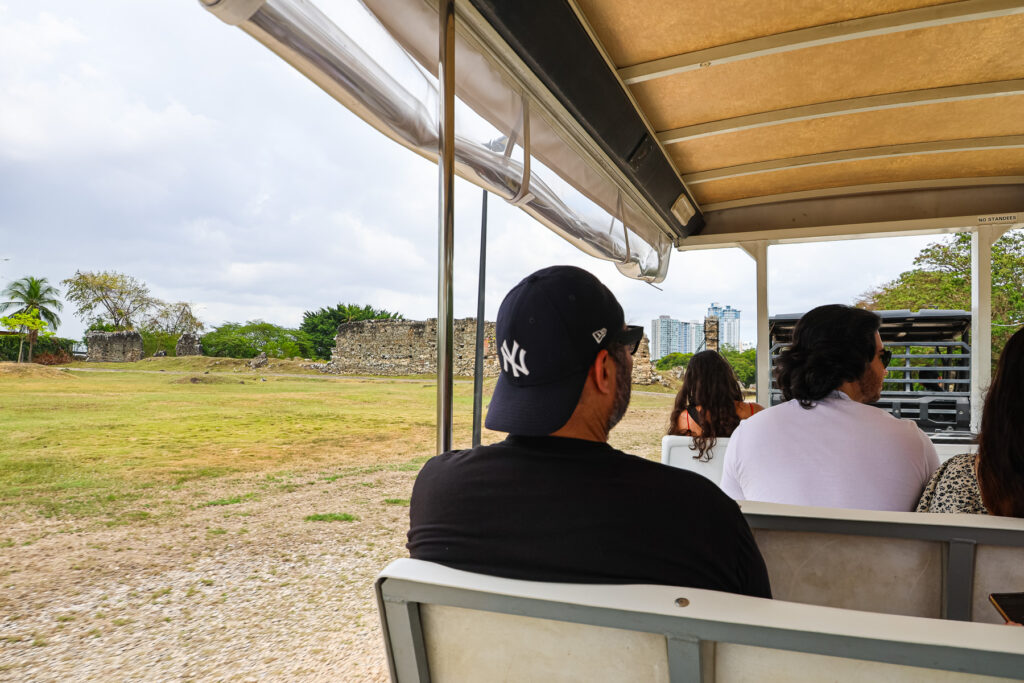

The territory of the park is so big that you can partly explore it on a buggy! This visit is a must if you’d like to understand the history of Panama.
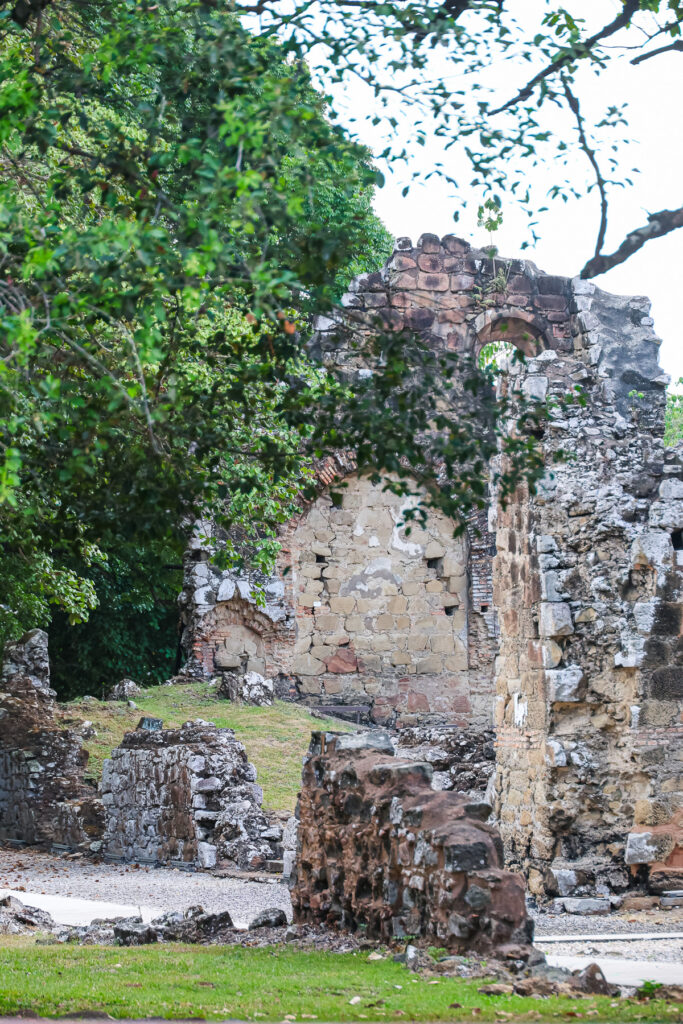

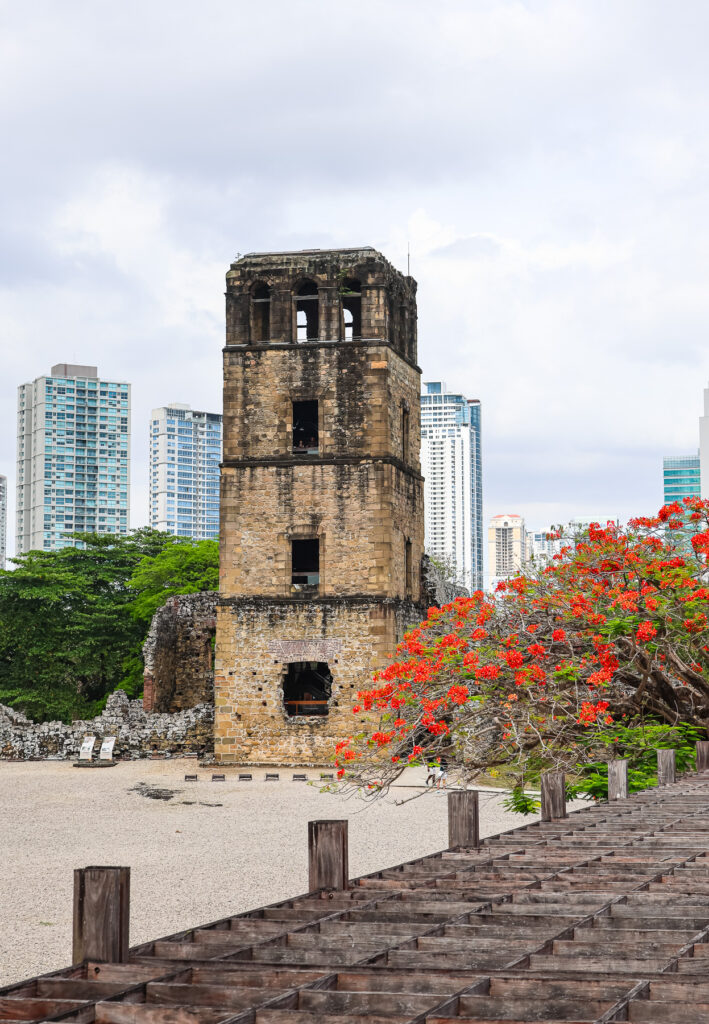
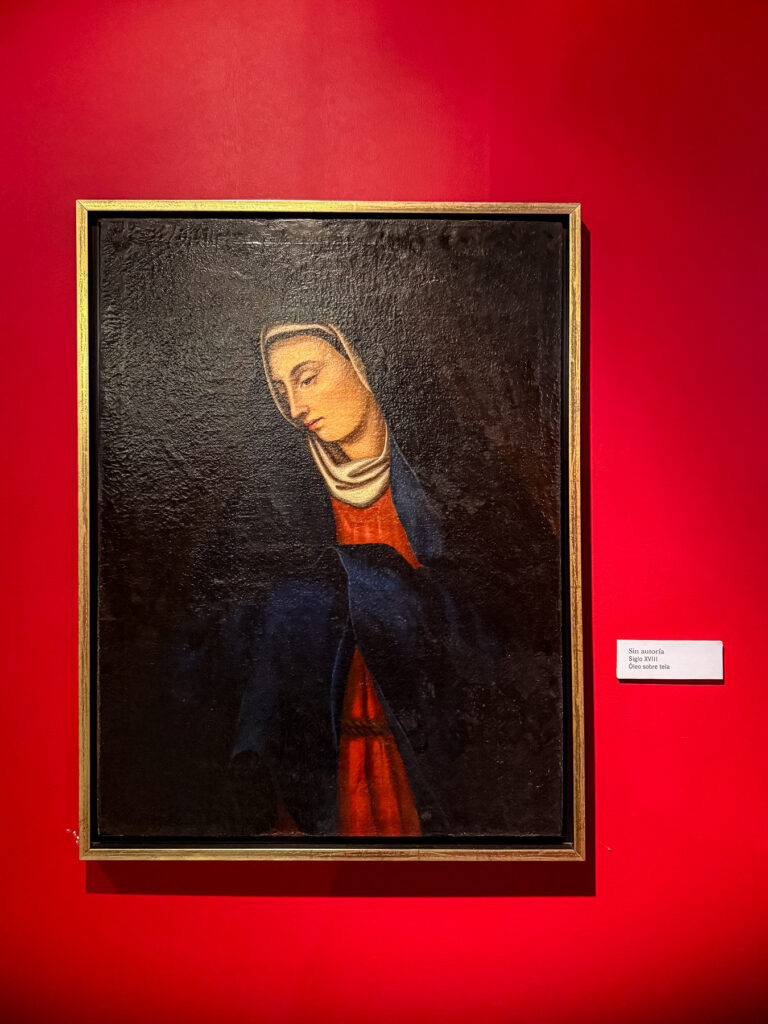
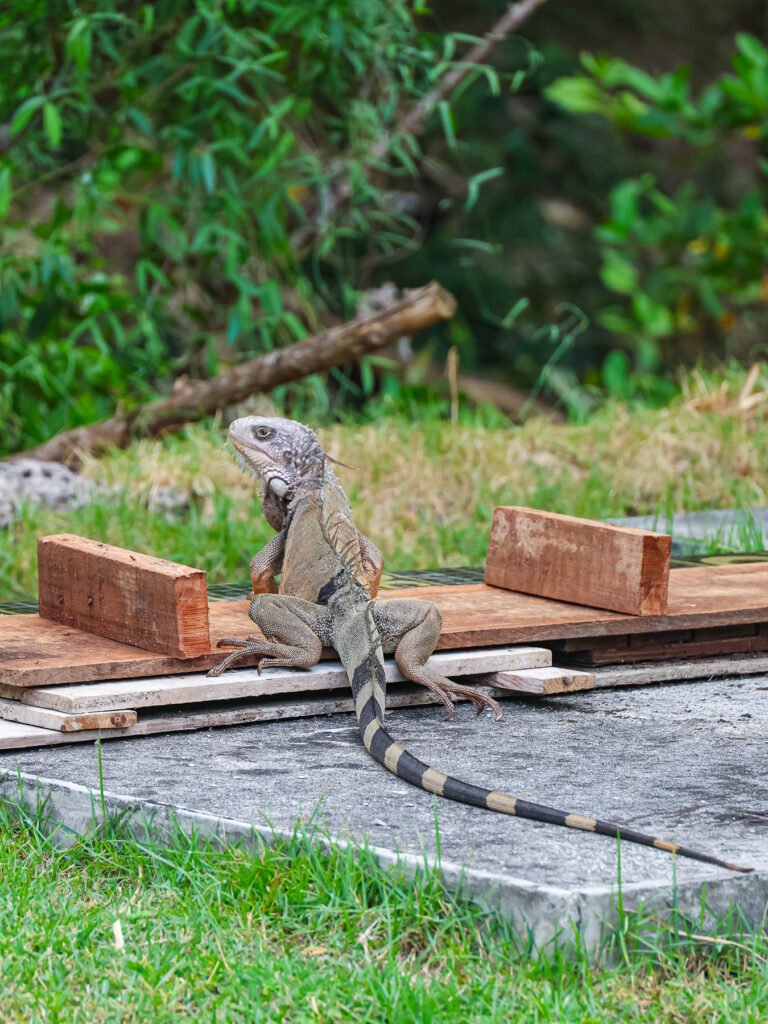
To give you the full timeline, Santa María la Antigua del Darién was the first permanent European town in the Americas, founded by Spaniard Vasco Núñez de Balboa in 1510. It was abandoned in 1524 in favour of the newly established Panama City (now Old Panama), which was consequently also abandoned after the pirate attack and transferred to Casco Antiguo.
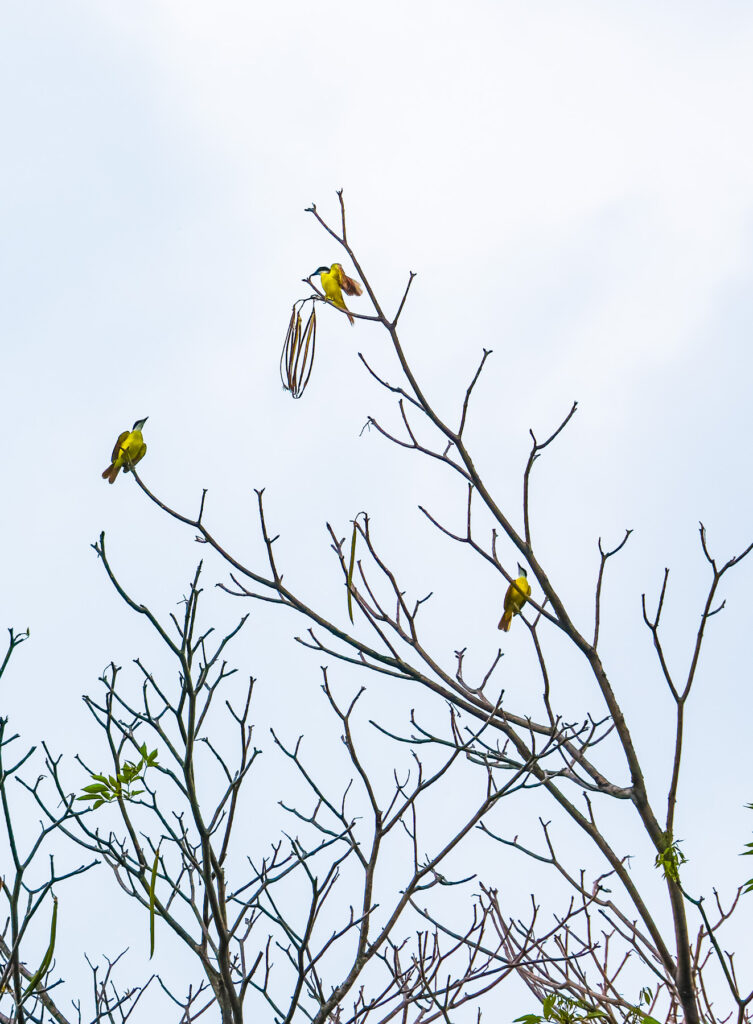
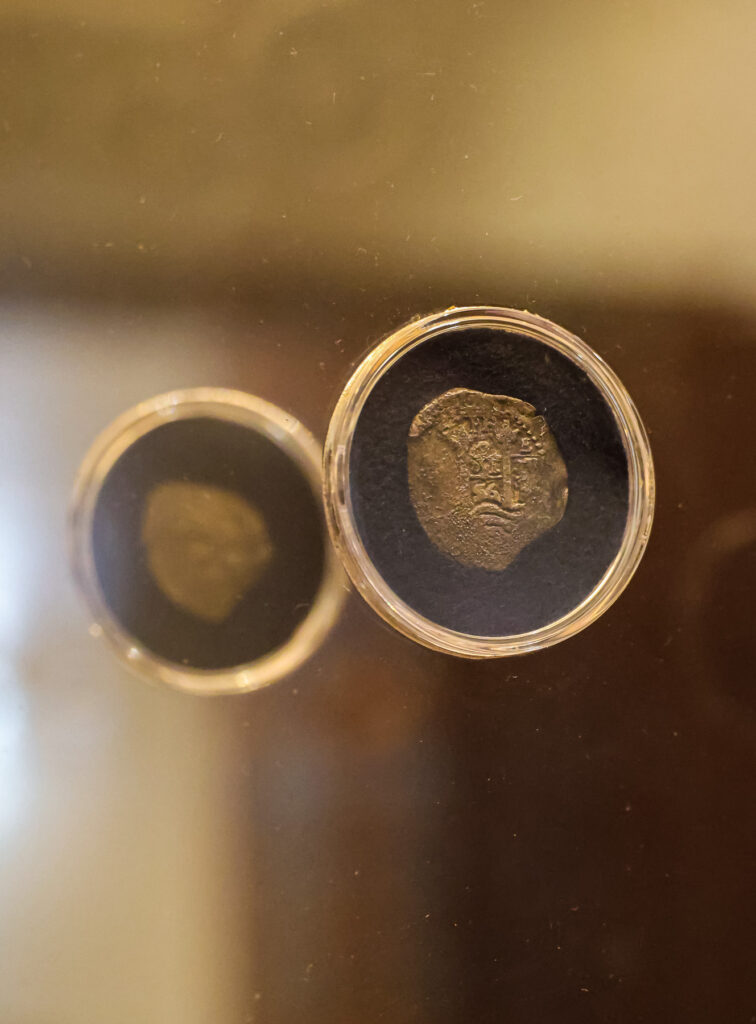

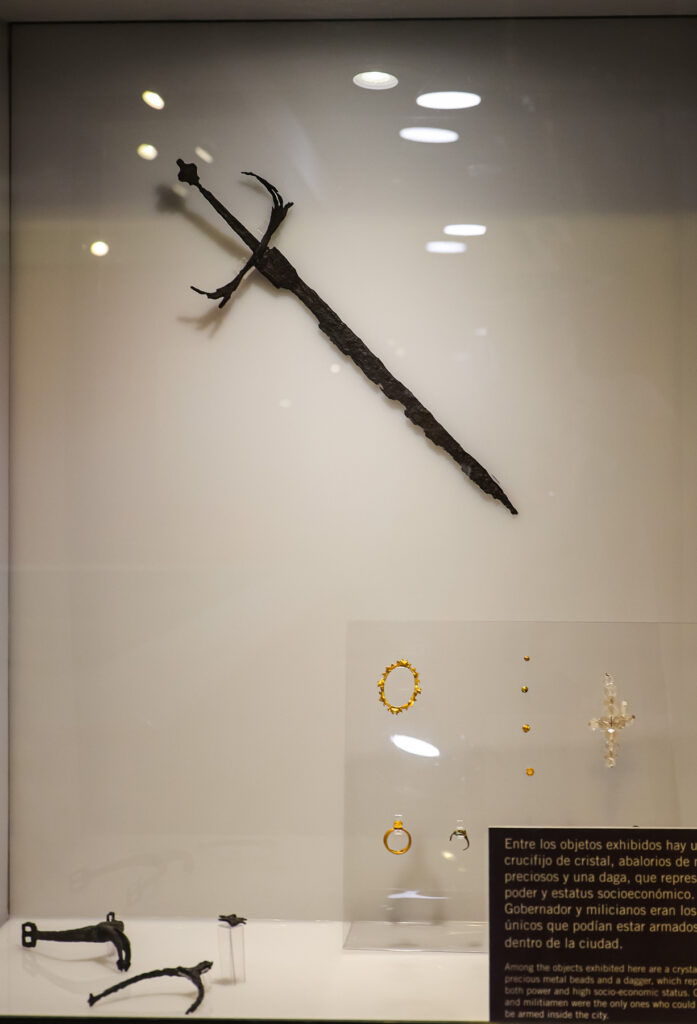
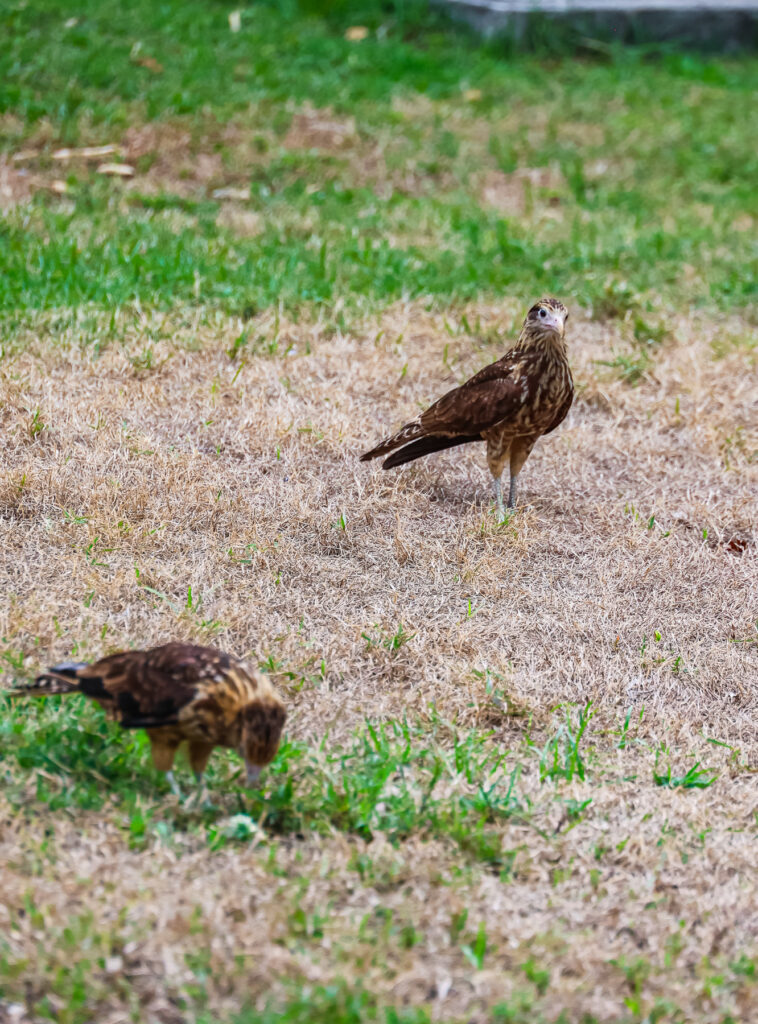
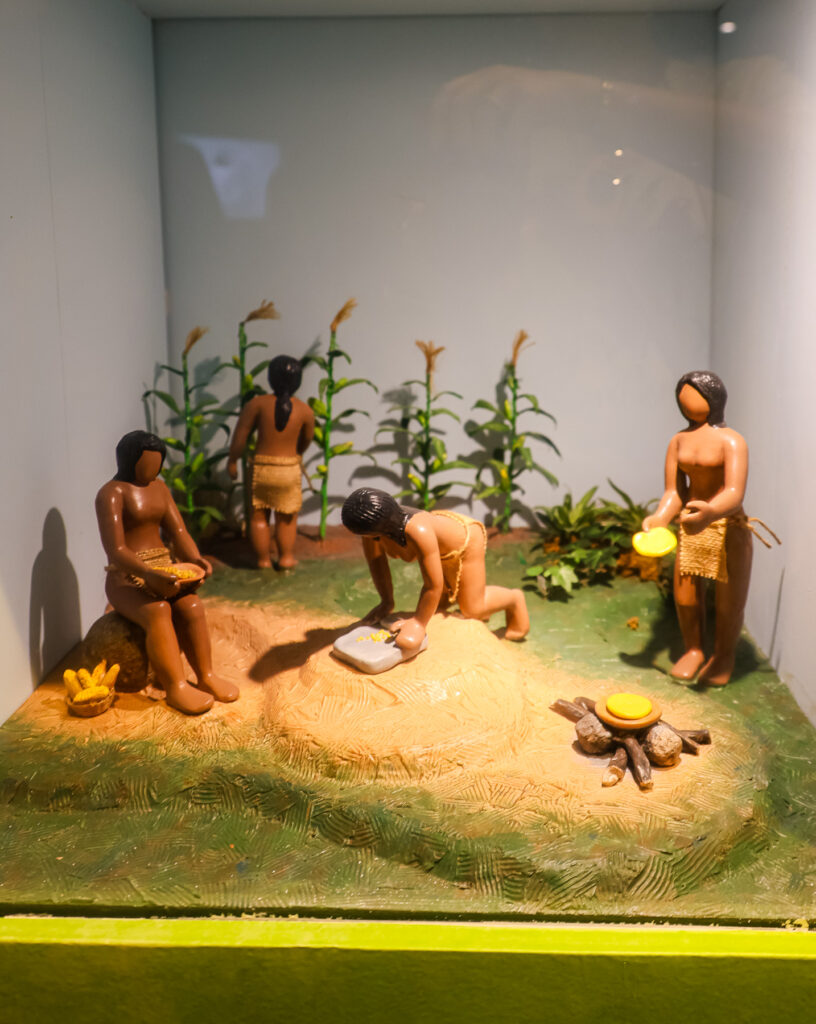
So, Panamá Viejo existed from 1519 to 1671 when it was ravaged by Henry Morgan, the famous British pirate (later he was promoted to the governor of Jamaica): Spaniards got so scared that he would claim this land for Britain that they decided to destroy the rest of the city and move their settlement to the site of today’s Casco Antiguo.
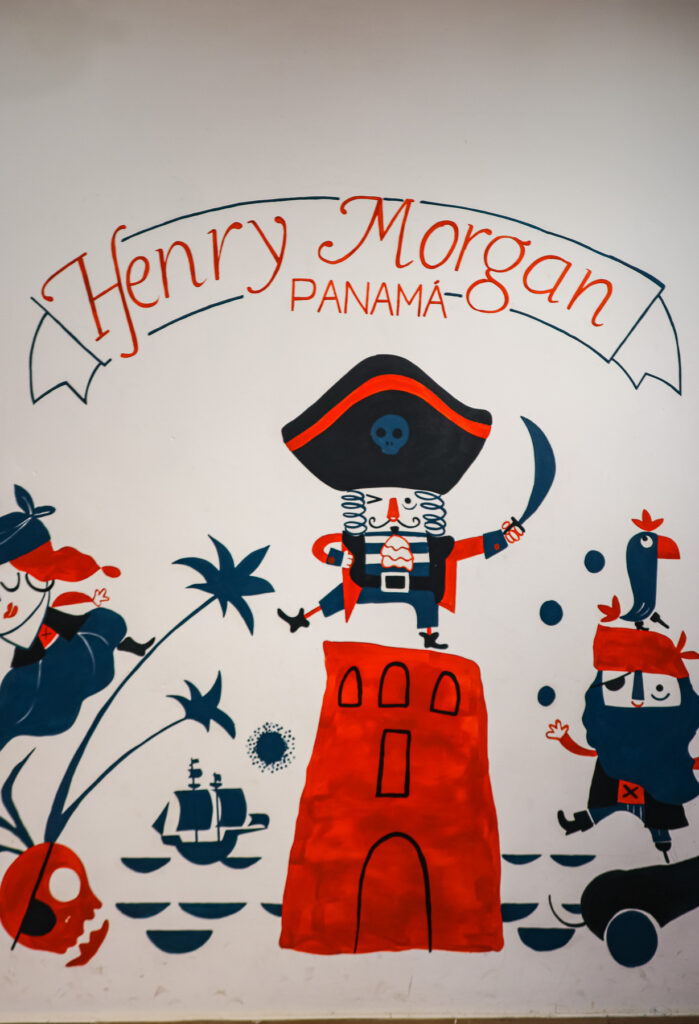

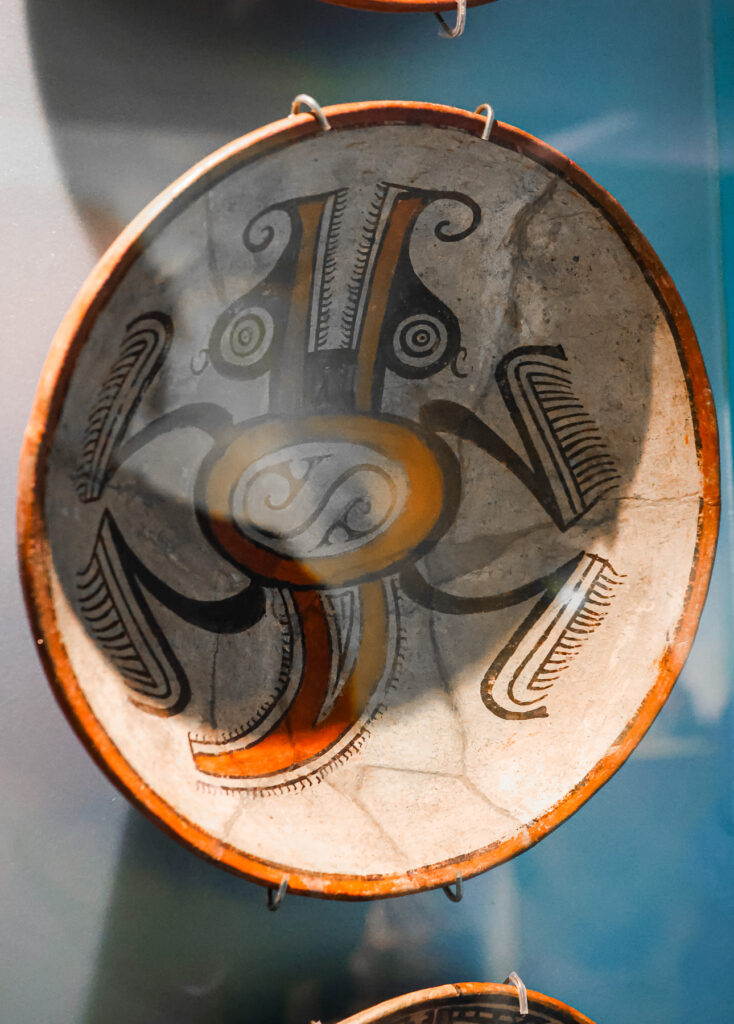
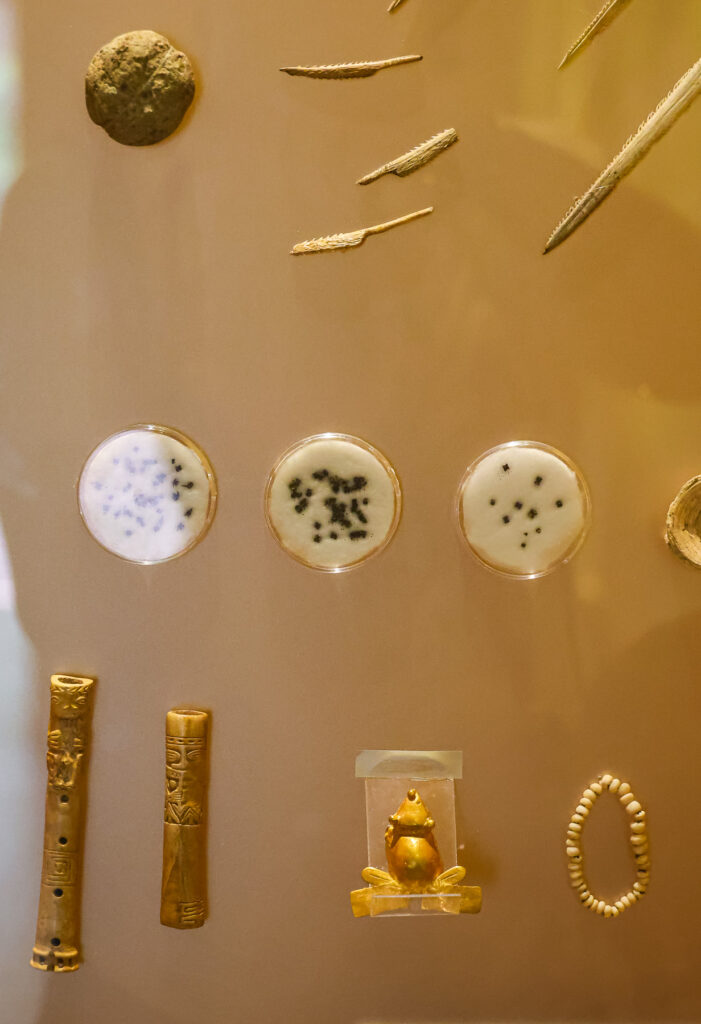
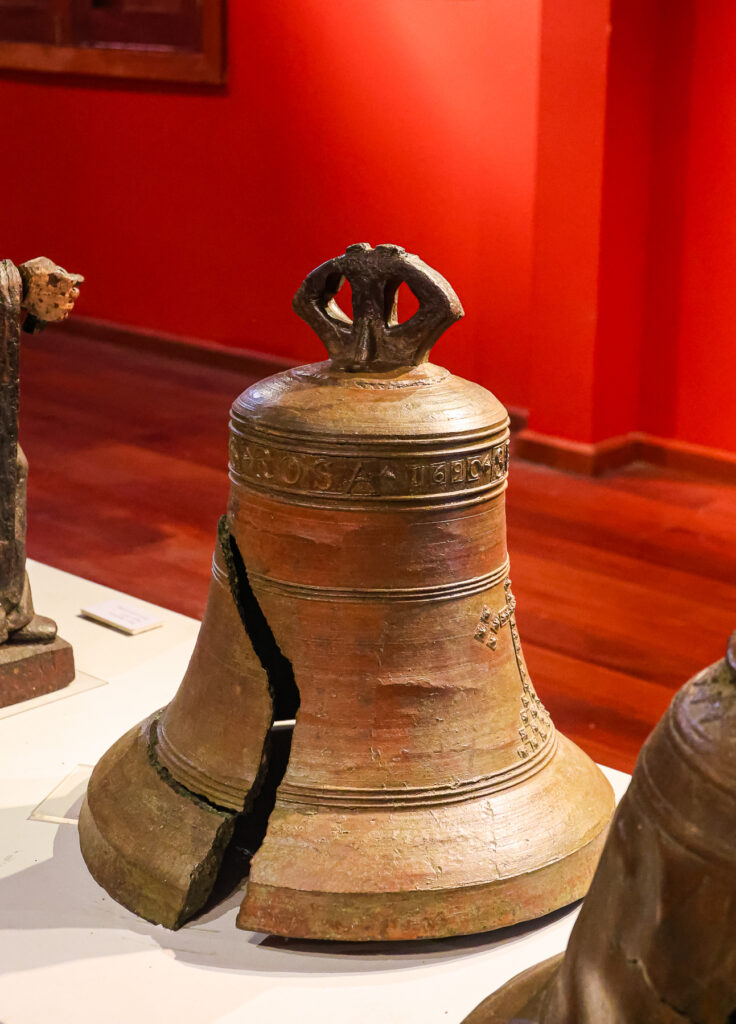
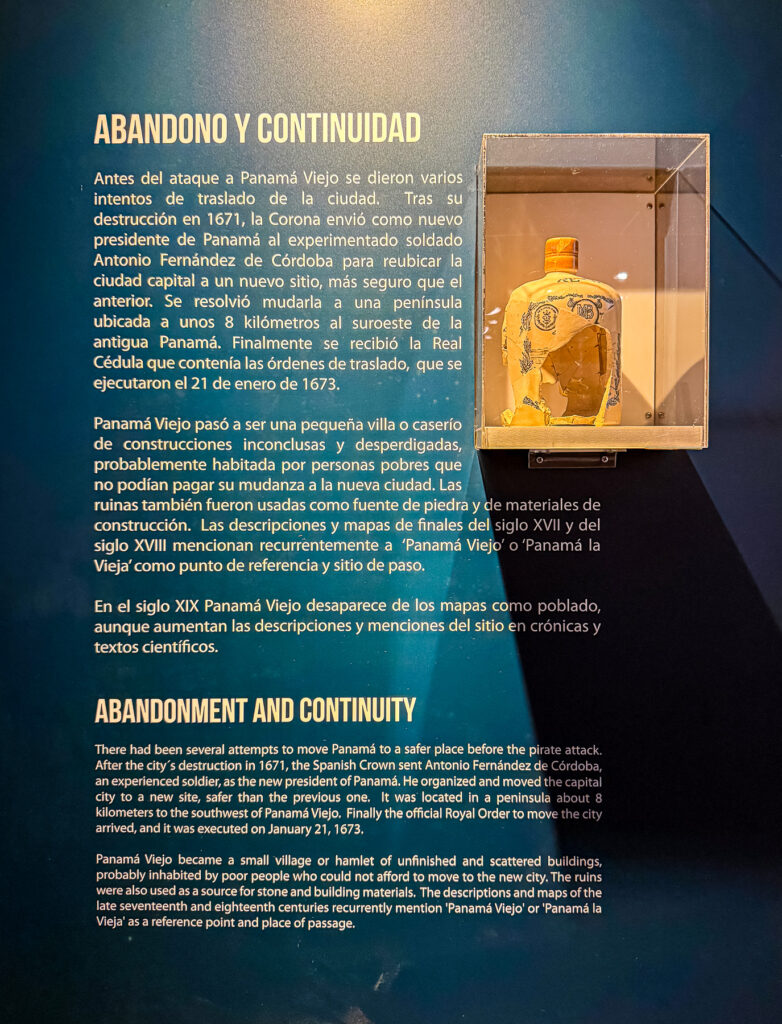
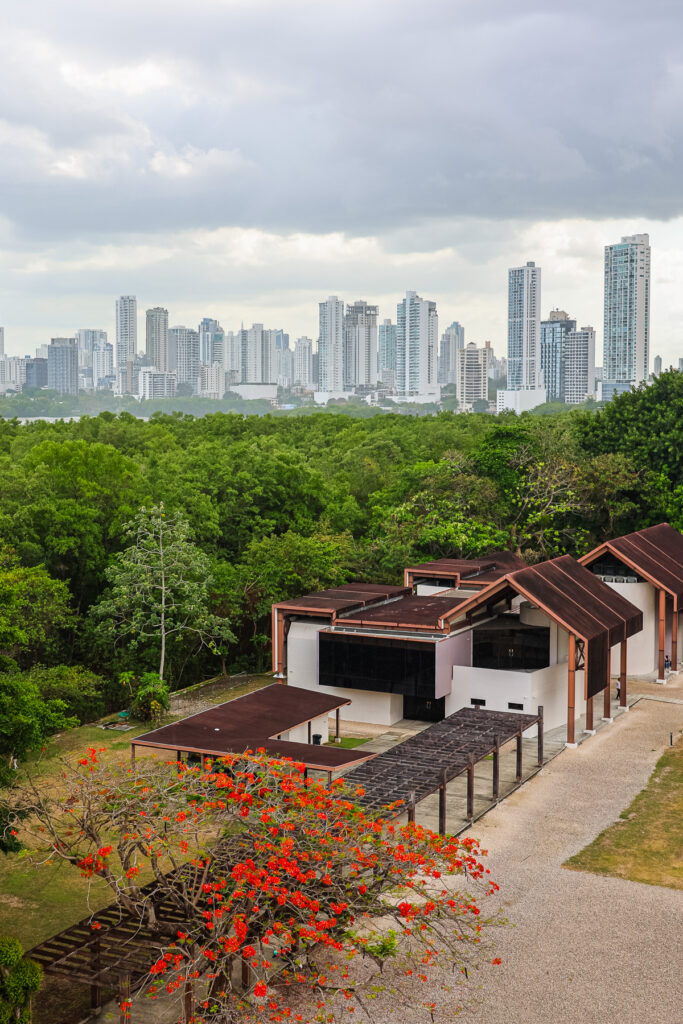
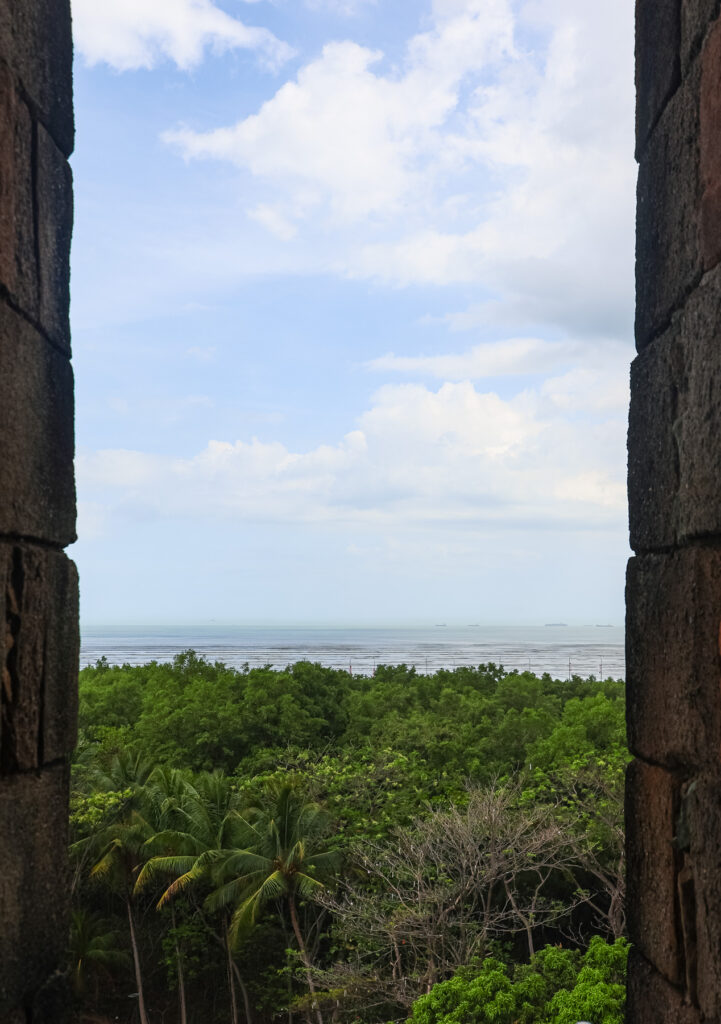
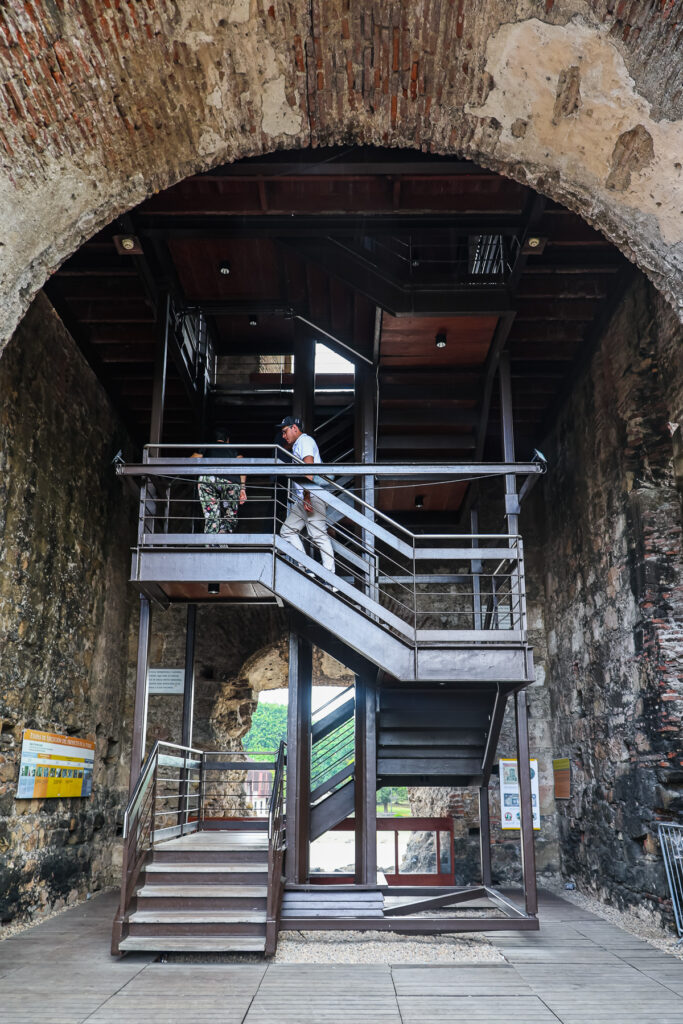
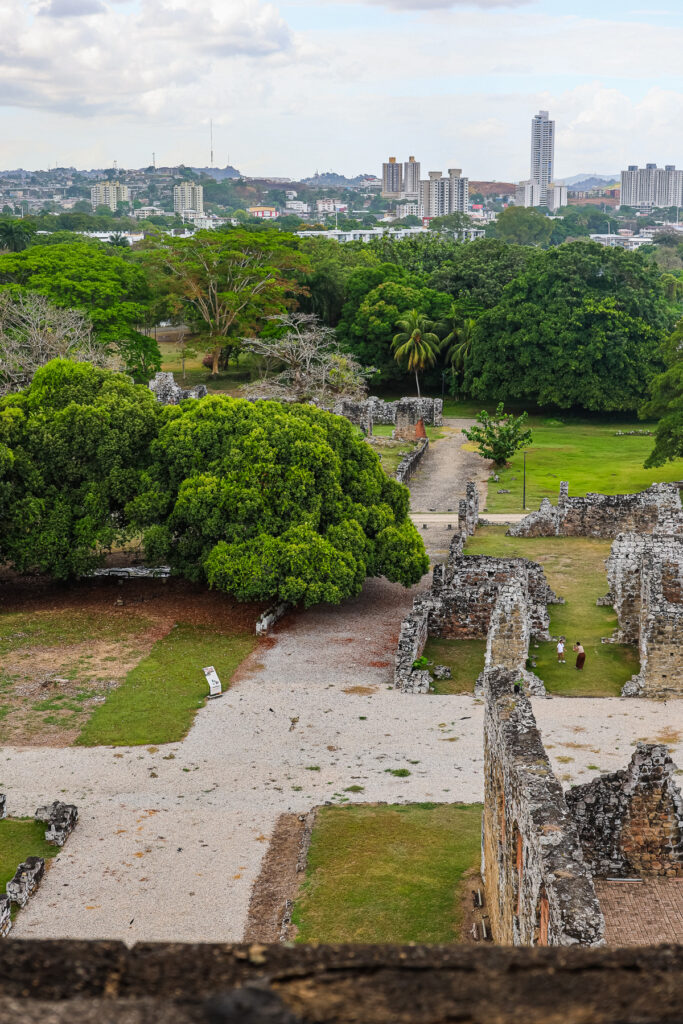
Now you can visit the museum and ruins of the city, including the famous tower of the cathedral that once stood in the main square. And make sure to climb the tower for the views!
11. Try Geisha (Gesha) Coffee
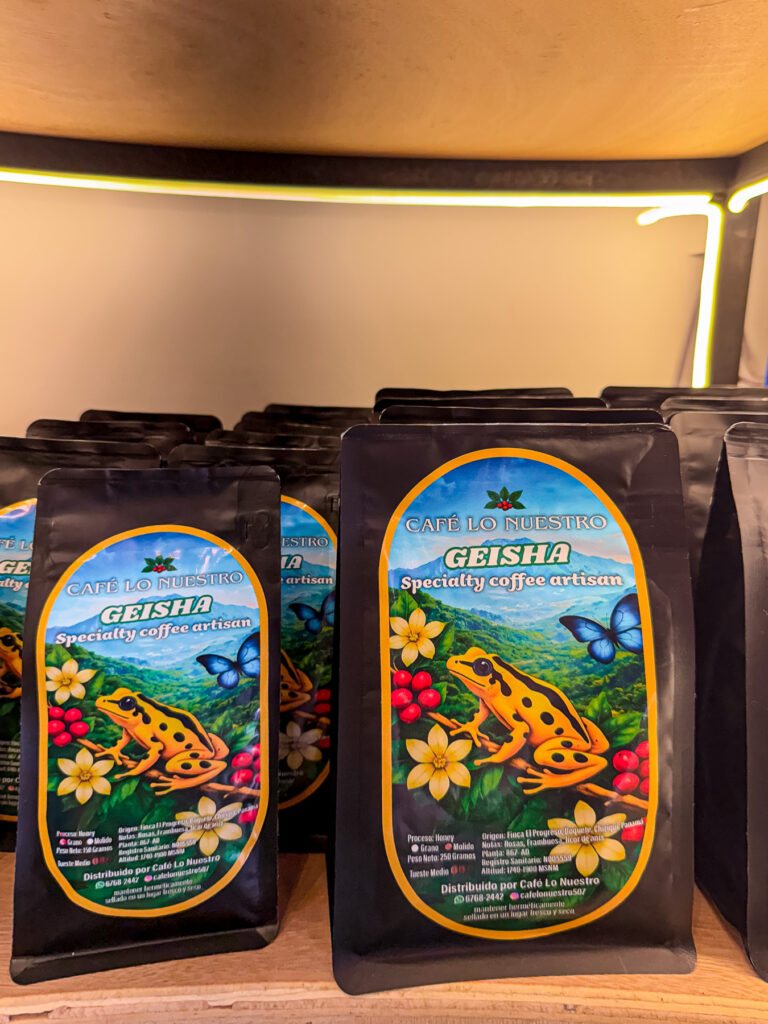
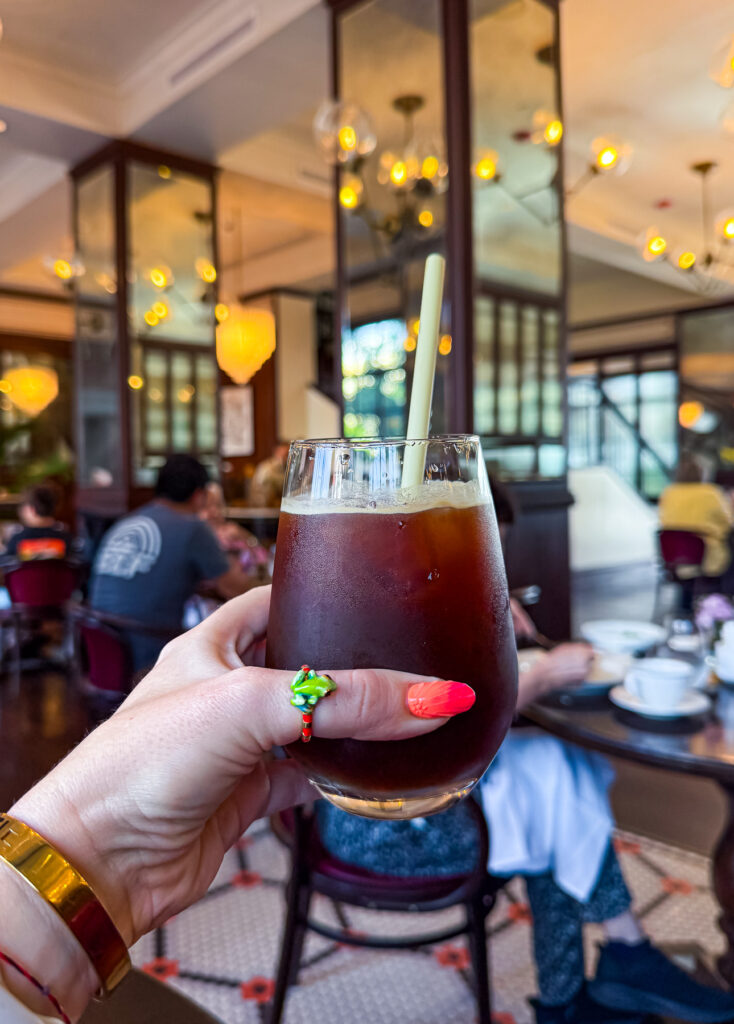
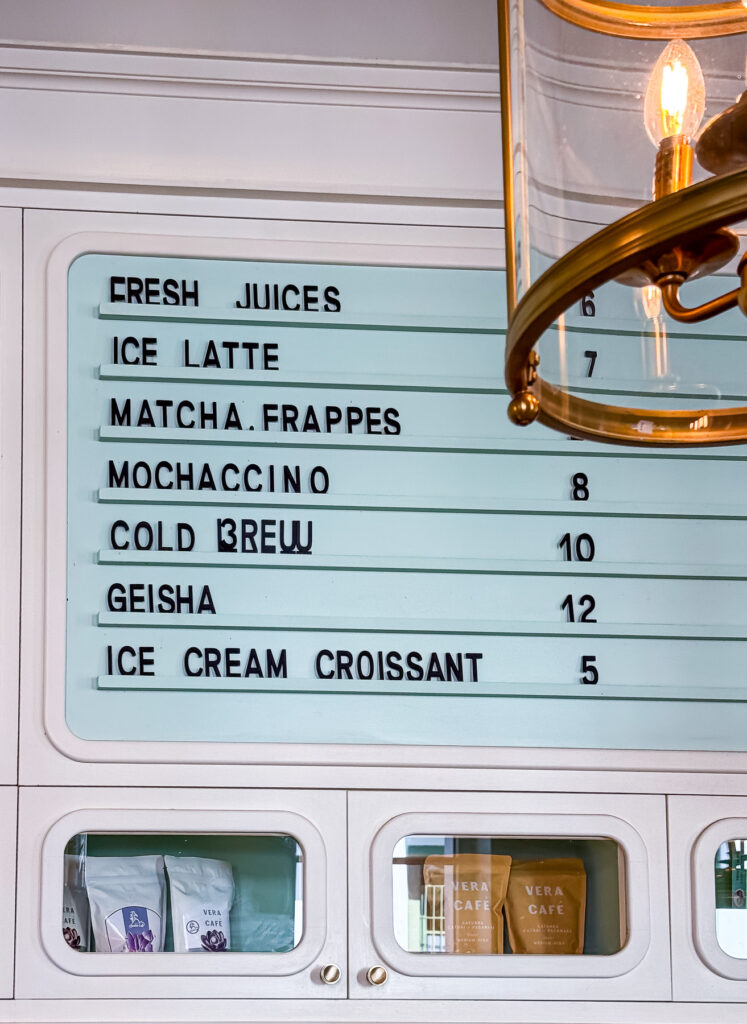
Another Panamanian specialty is geisha coffee. You simply must try it in a café or take some coffee beans with you! In reality, it’s called Gesha coffee (actually, the name was changed for marketing purposes to attract more people, I suppose) and originally comes from Ethiopia; however, this variety grows perfectly in Panama!
12. Eat Panamanian Delicacies
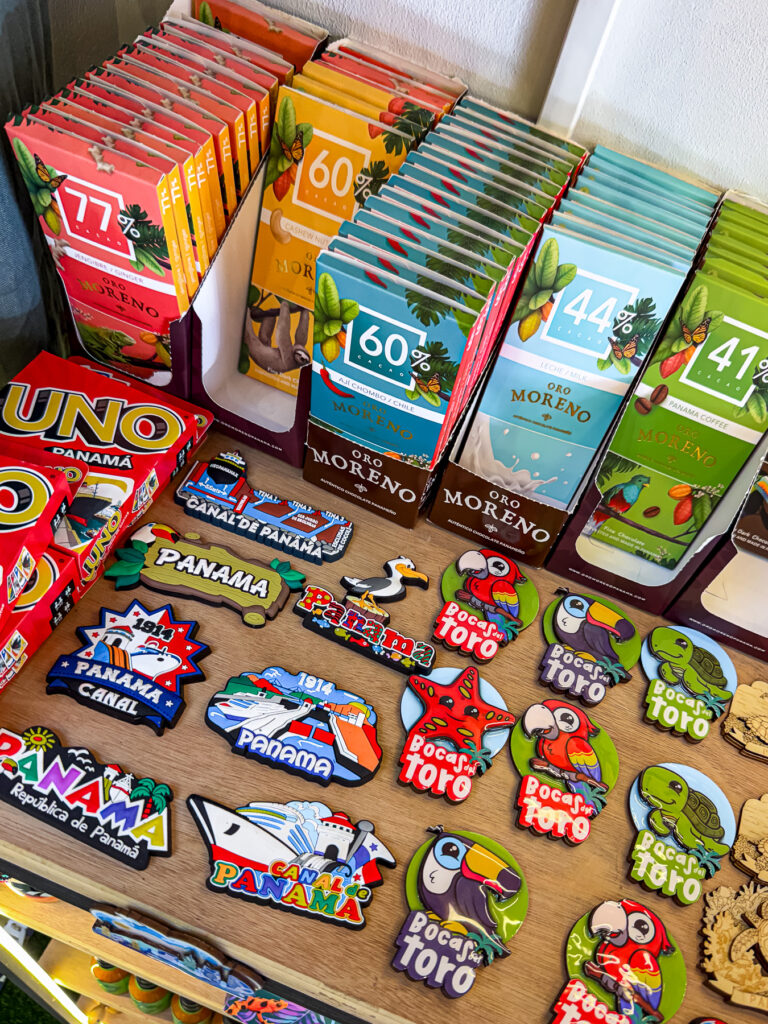
Furst of all, chocolate and fruits are the must in Panama: calories definitely don’t count here!
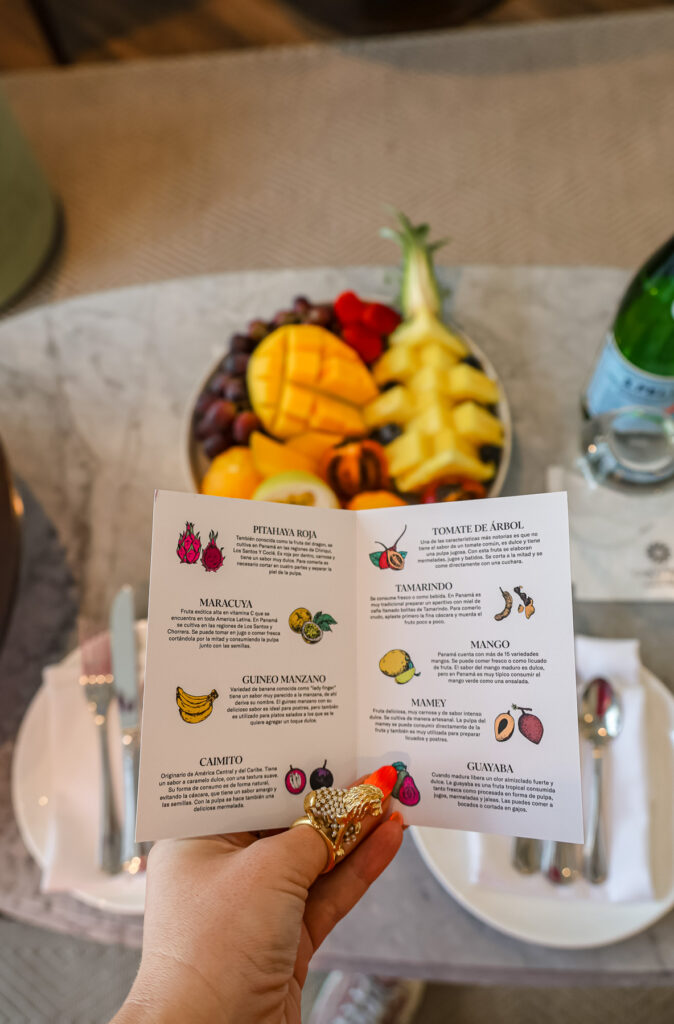

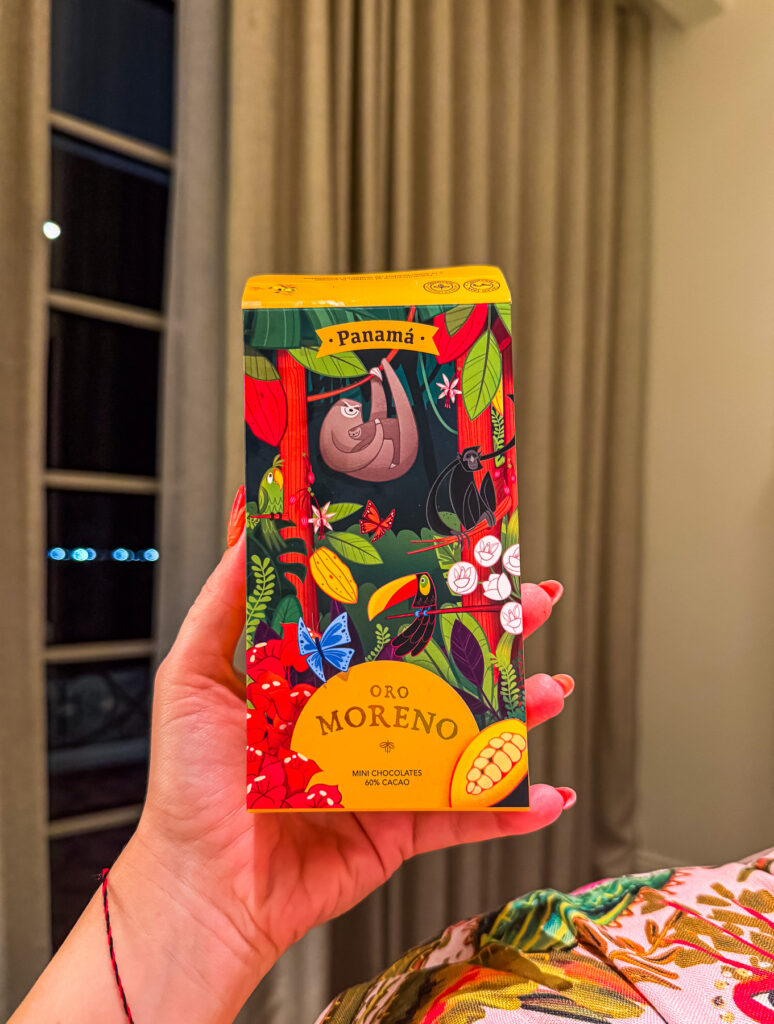
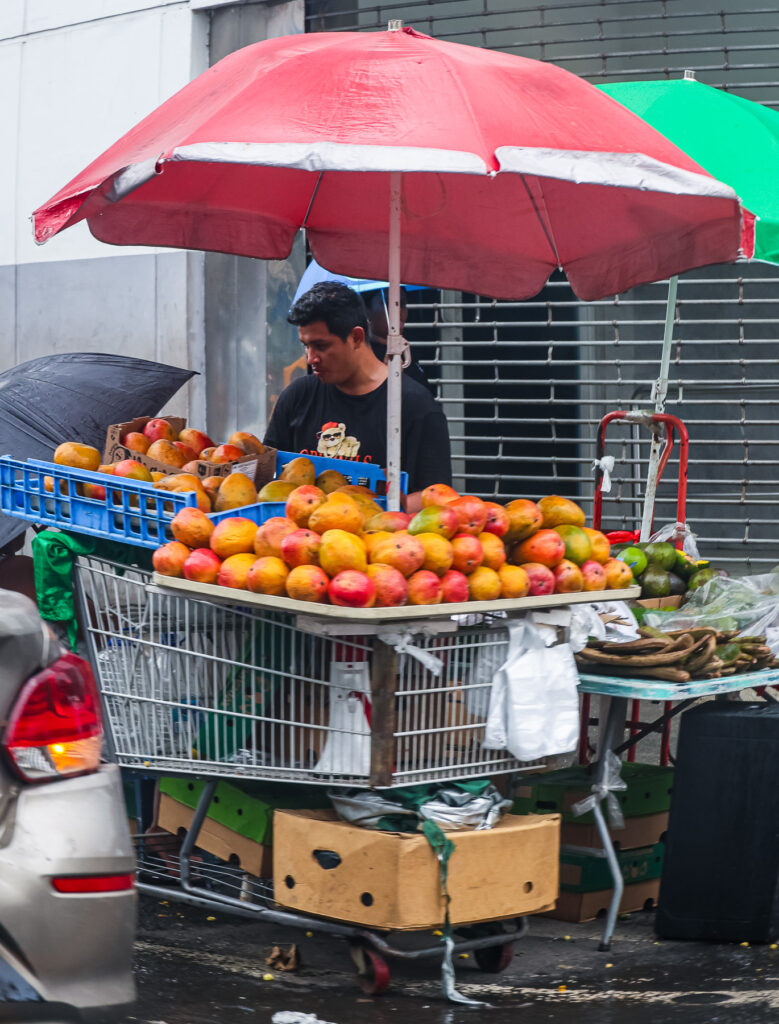
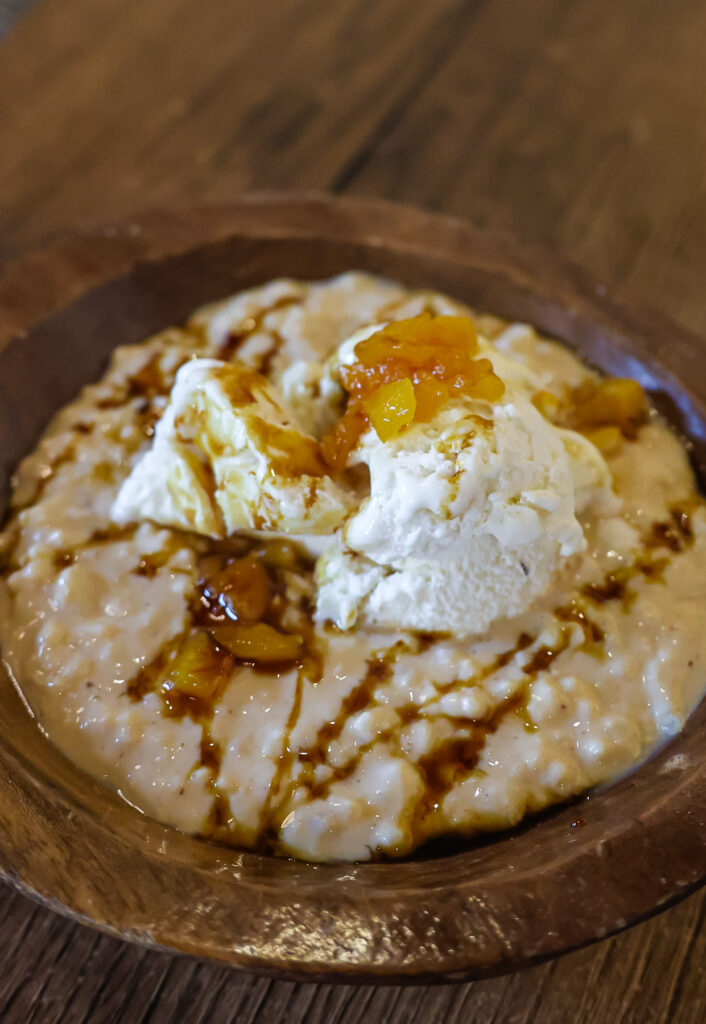
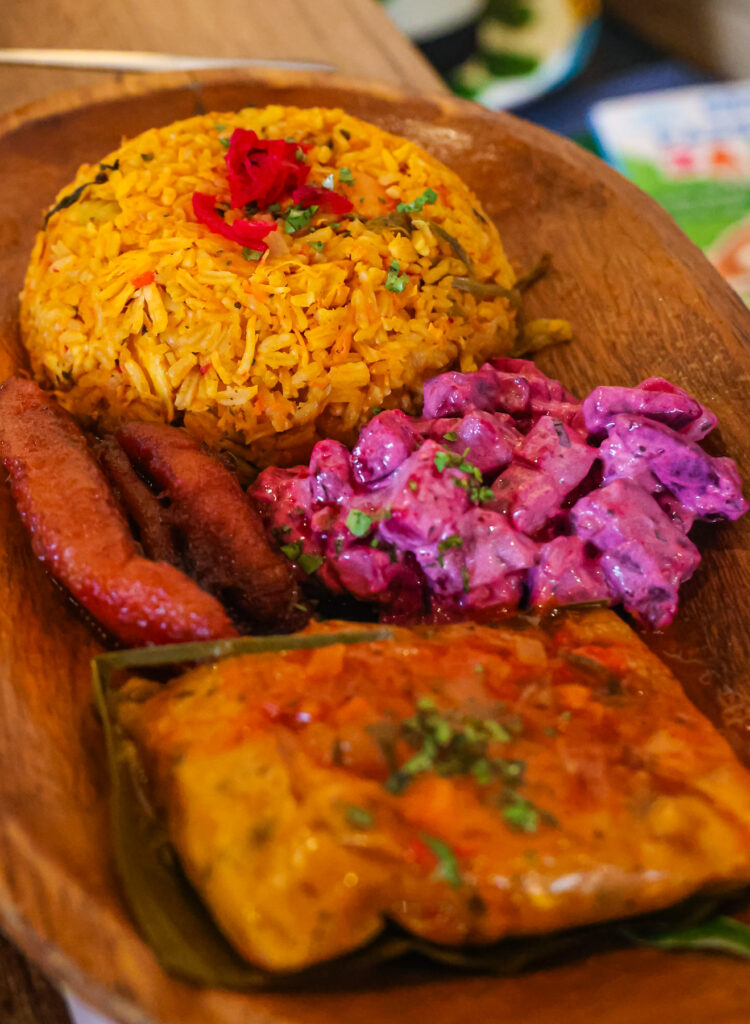
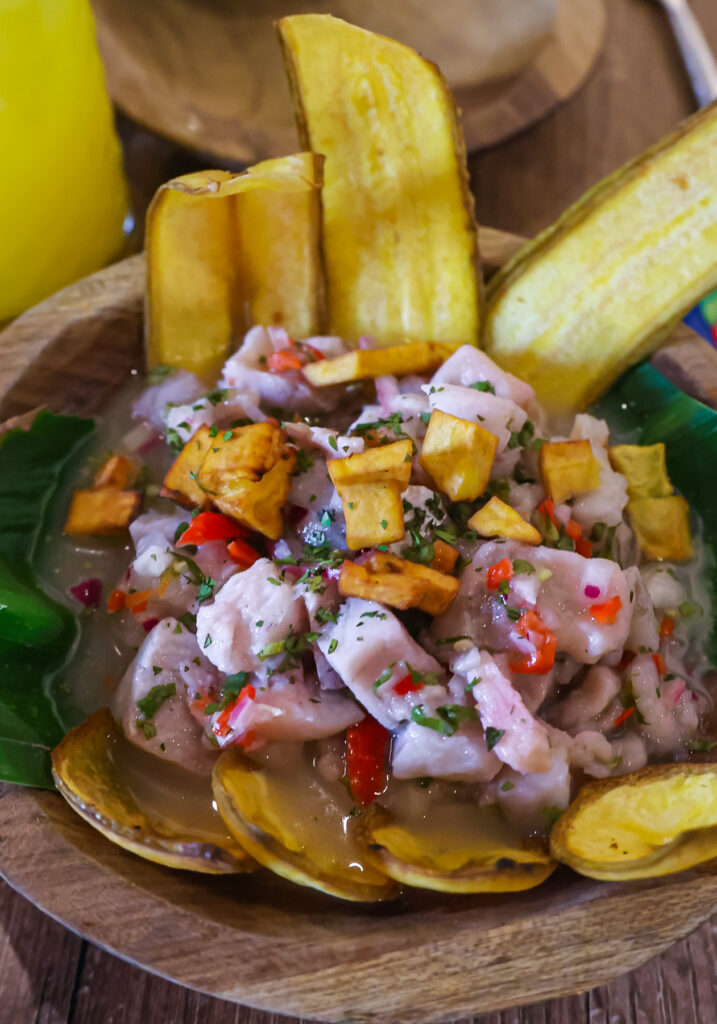
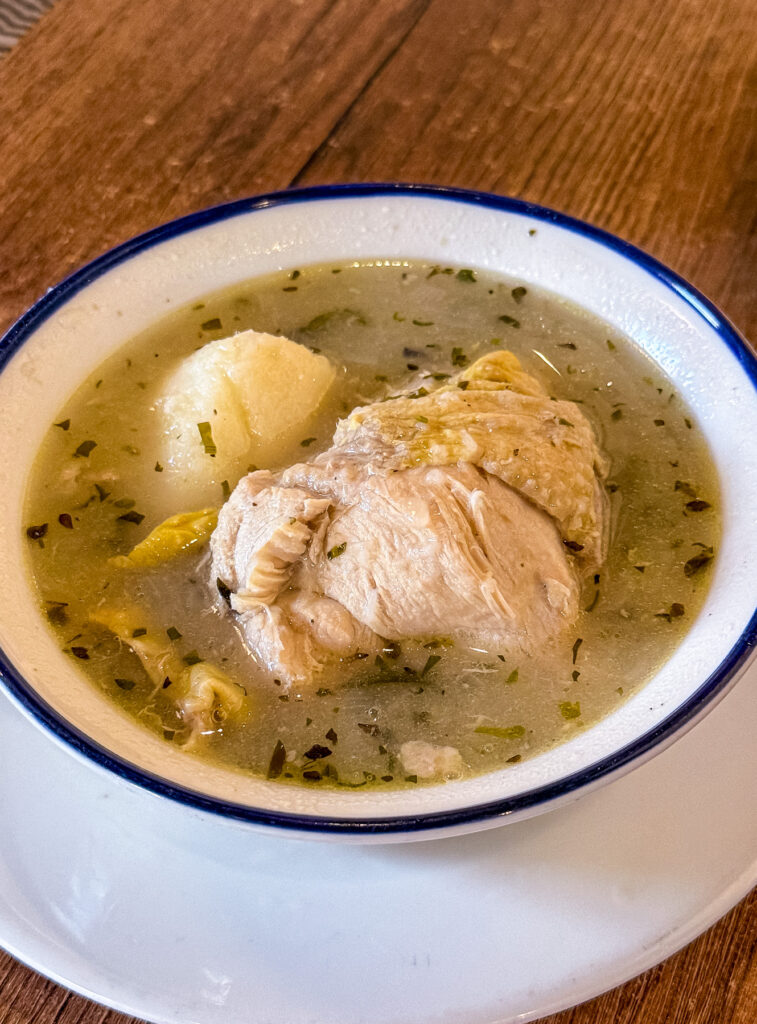
Try traditional Panamanian dishes at El Nacional on the main square of Casco Viejo: Arroz con Pollo (rice with chicken) with tamales and sweet plantain; Ropa Vieja (shredded beef in achiote and house sauce with white rice and beans); Sancocho (chicken soup); and fish ceviche. And for dessert, we had rice pudding and mamallena.

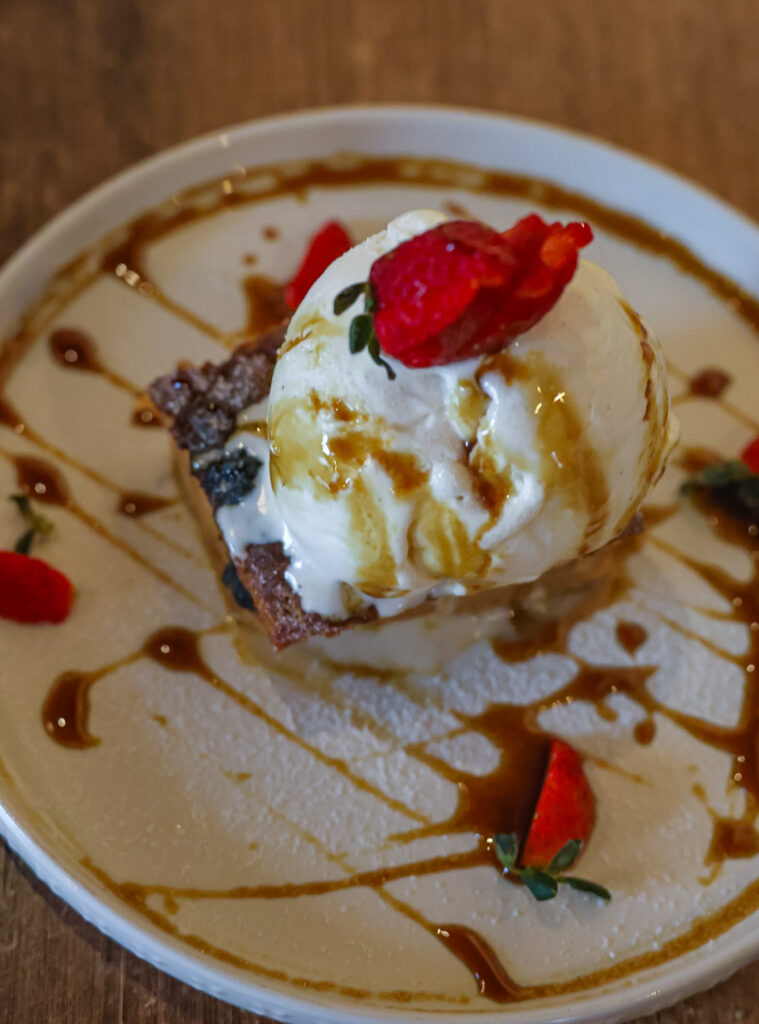
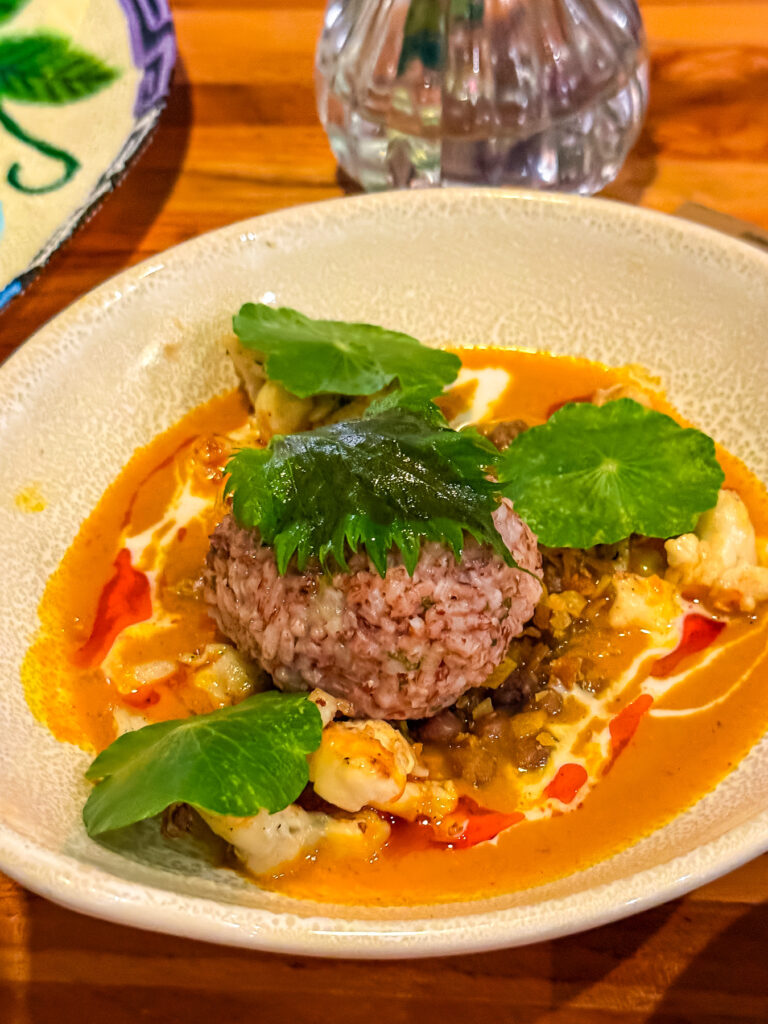
We also tried the Kaandela fusion restaurant; the dishes were plated beautifully, however, we weren’t very impressed by the taste of them.

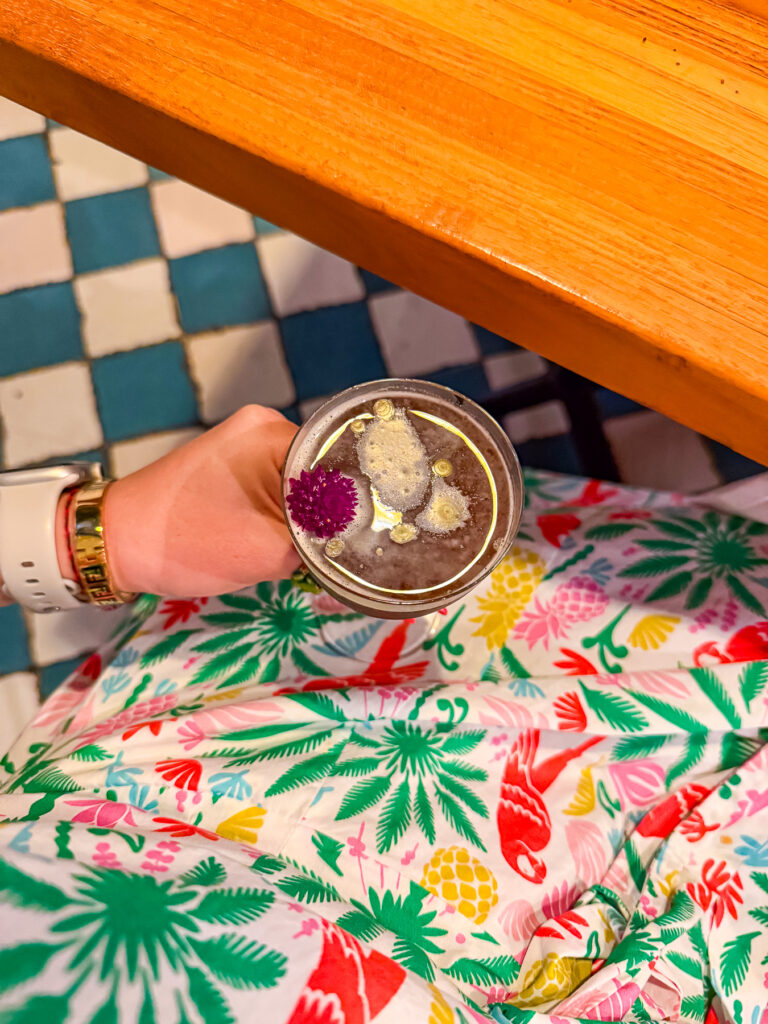
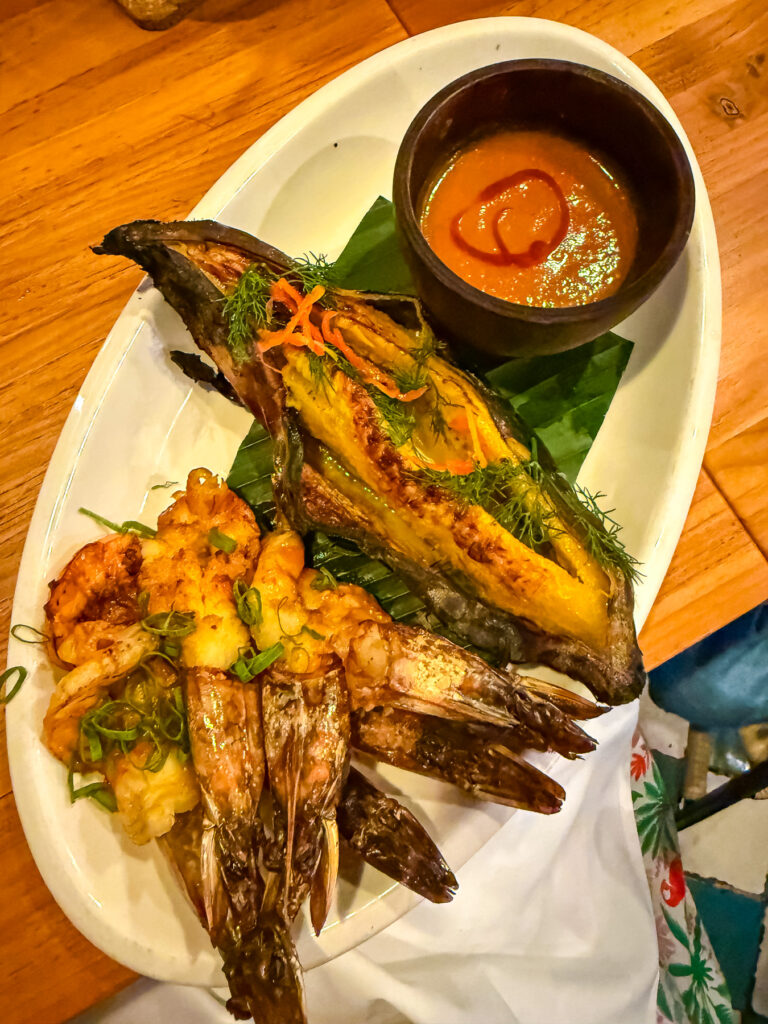
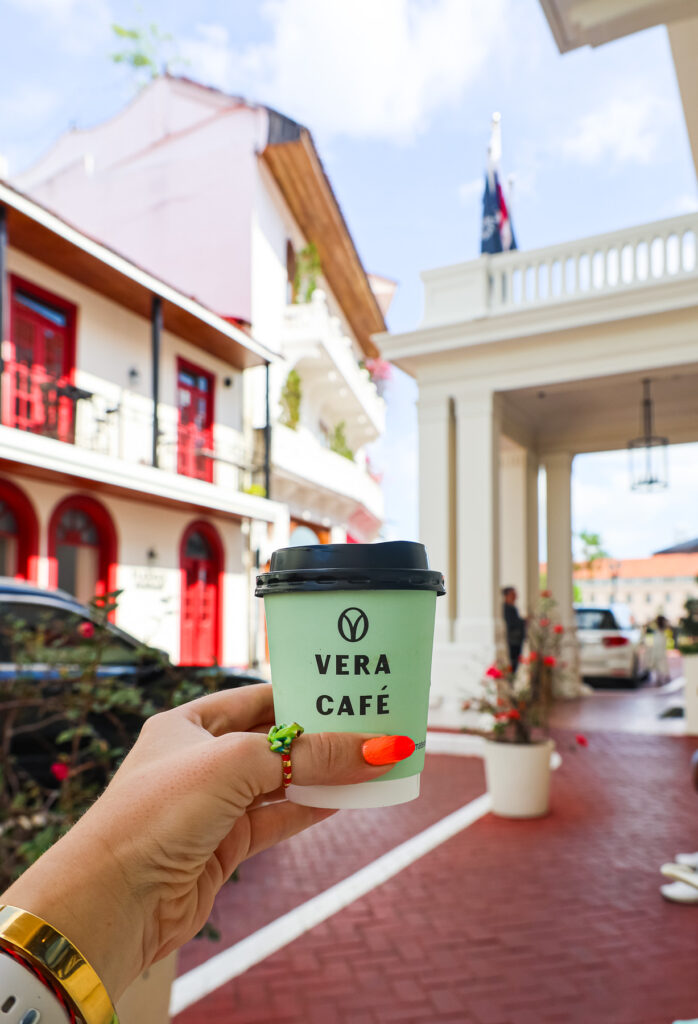
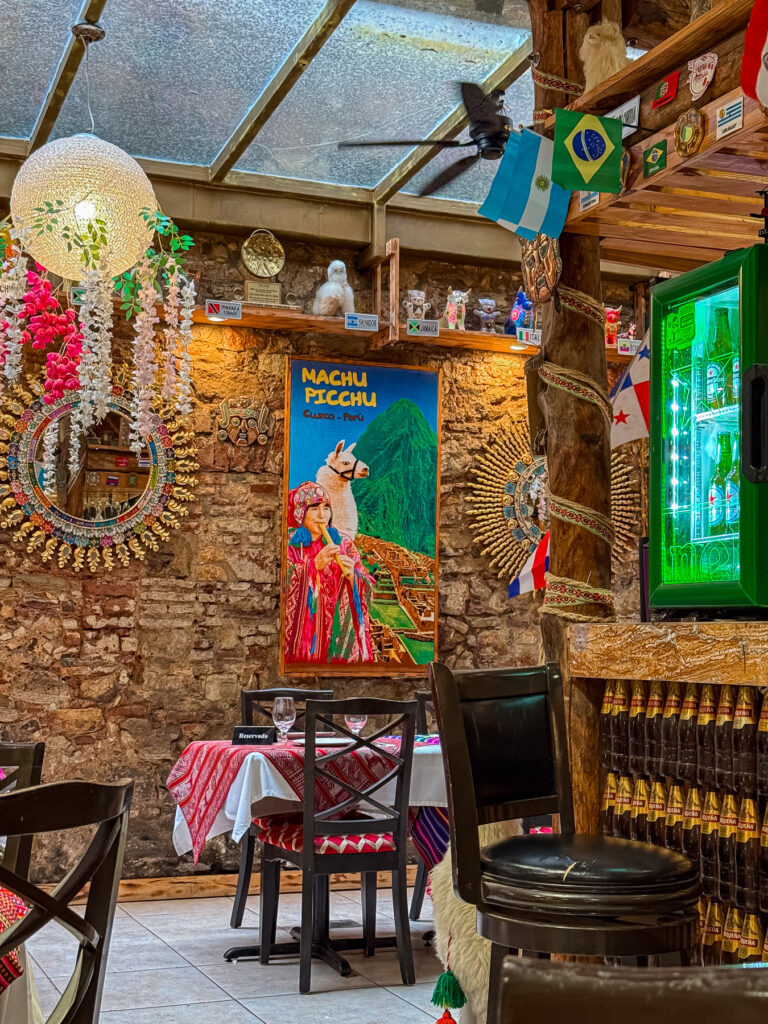
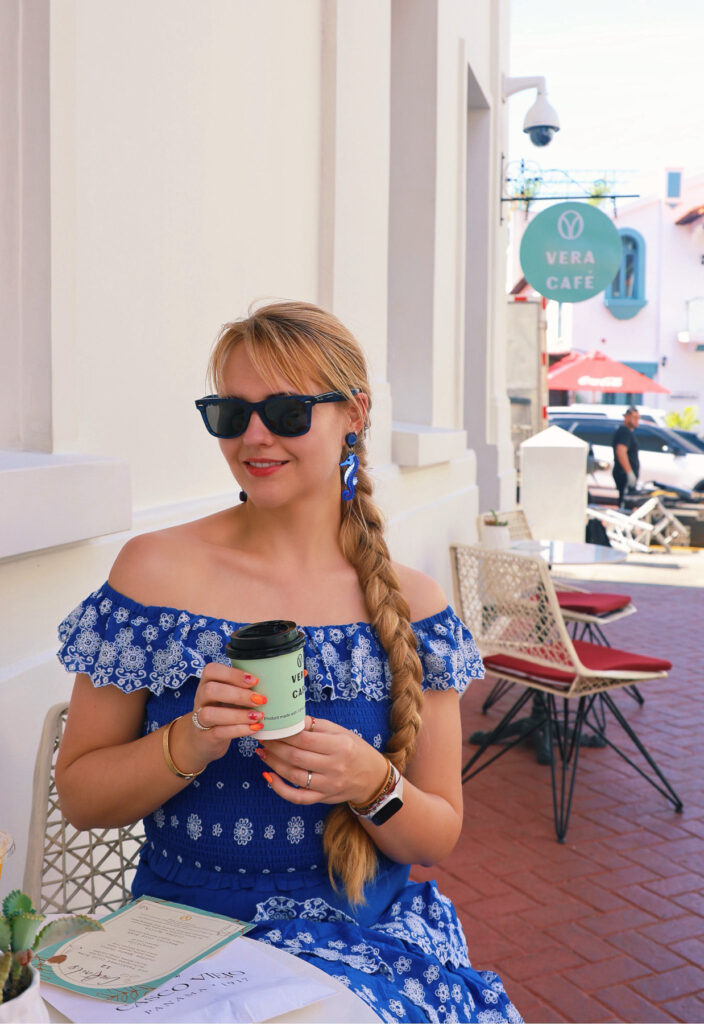
I could also recommend Nazco 21 for some Peruvian cuisine and Vera Café for sweets and coffee.

13. Explore the Causeway Islands
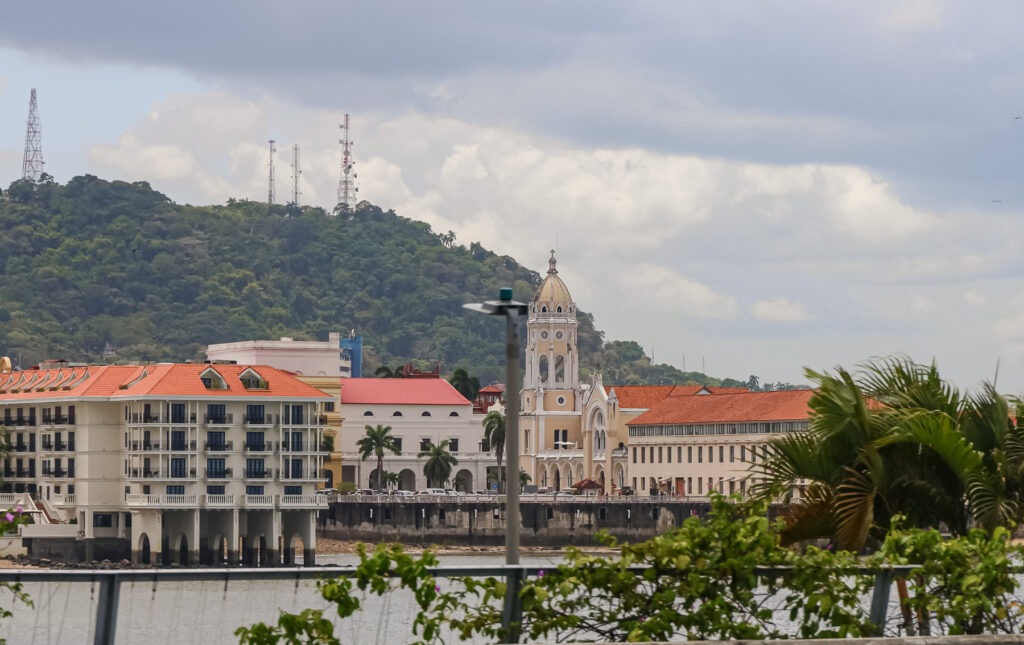
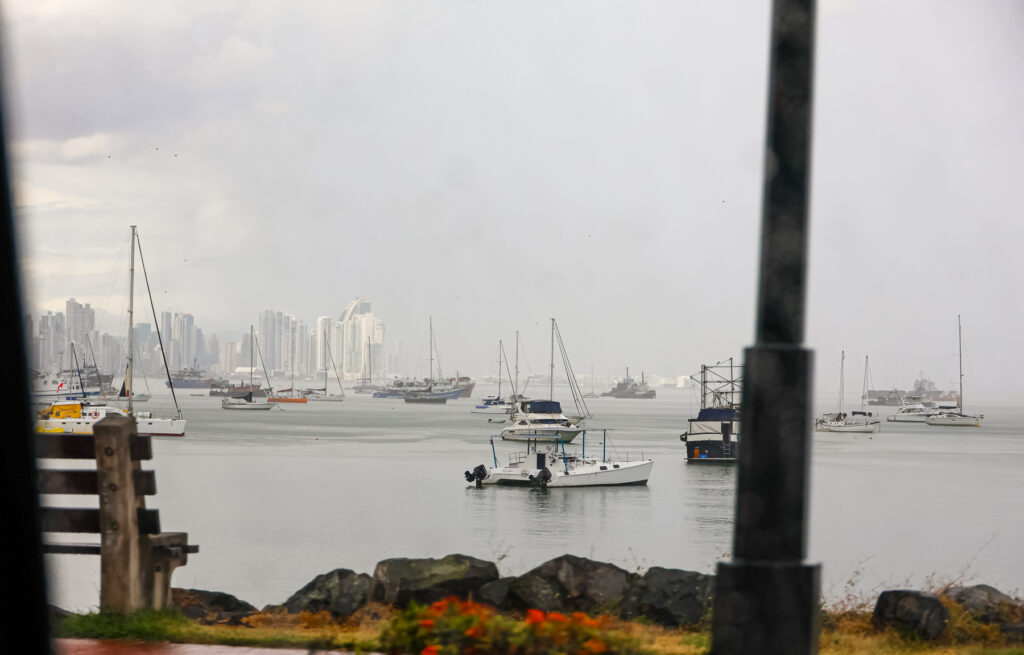
The Causeway Islands are four islands in Panama – Naos, Perico, Culebra, and Flamenco – interconnected by the Amador Causeway made from the materials excavated during the Panama Canal construction.
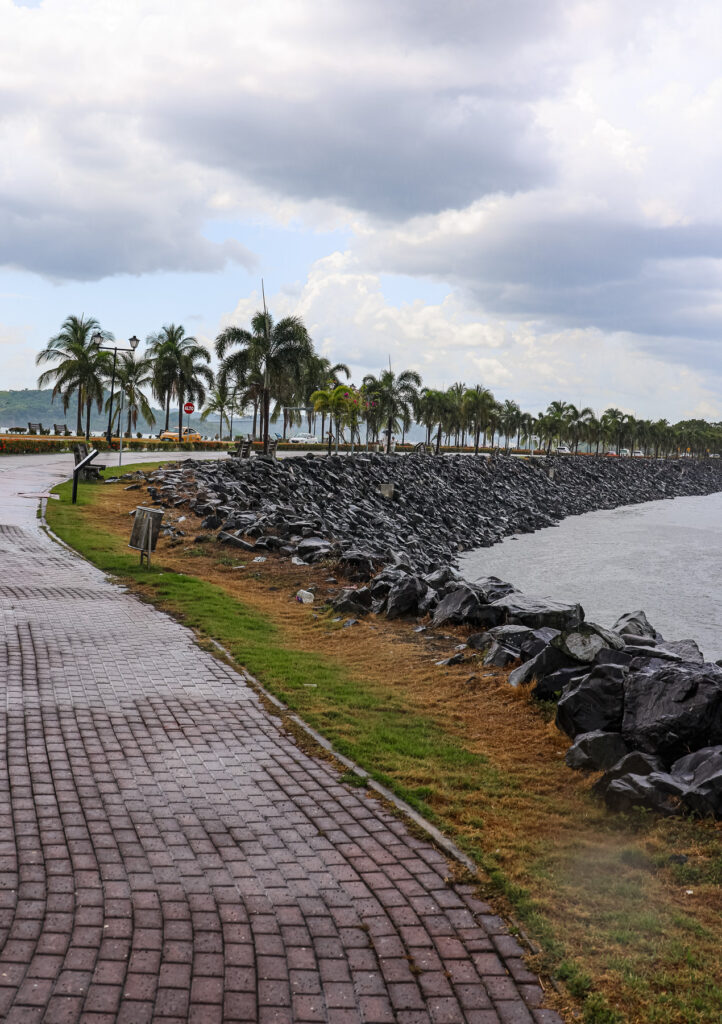

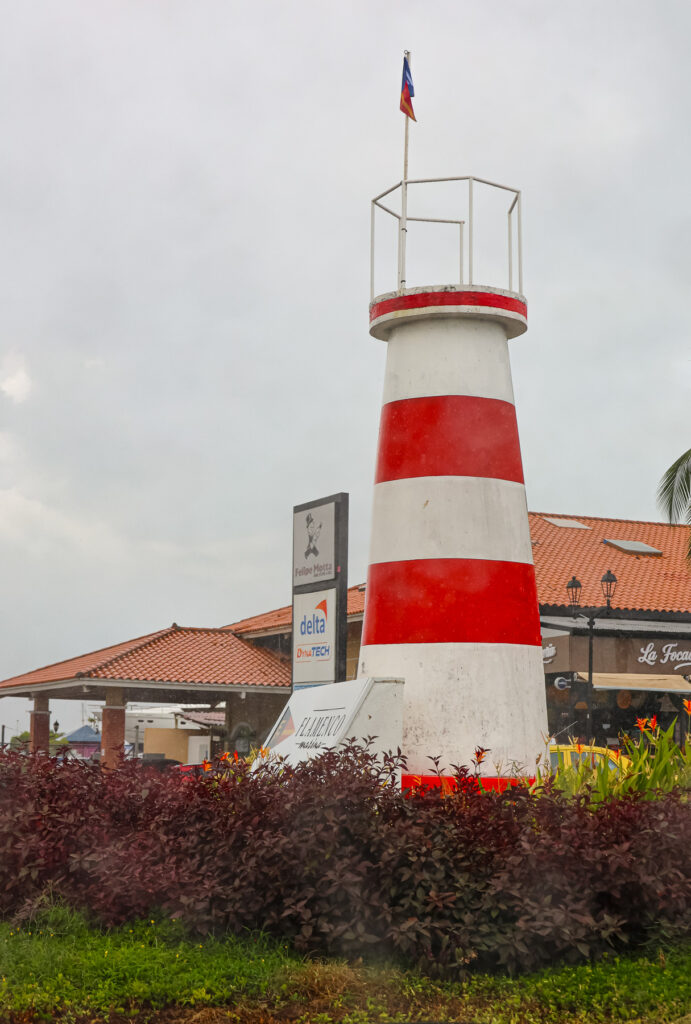
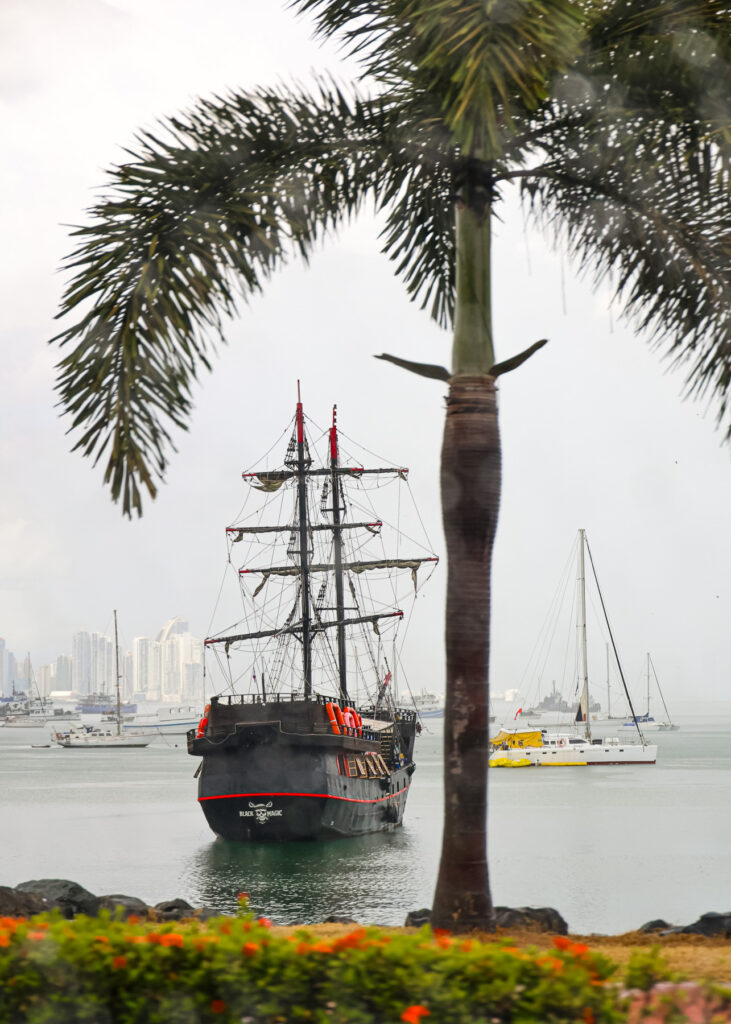
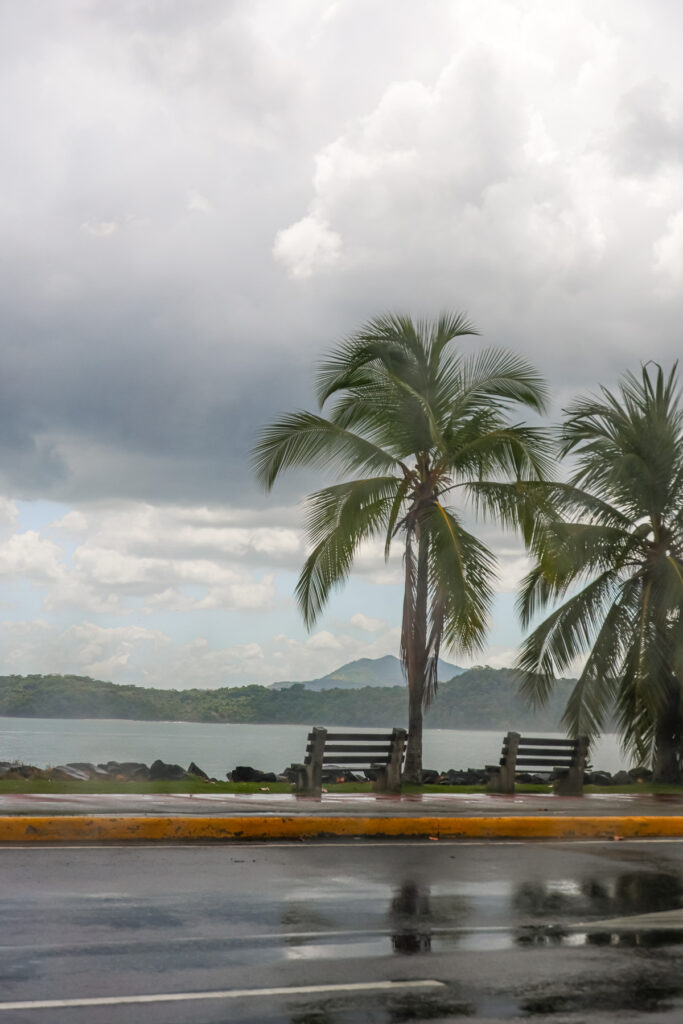
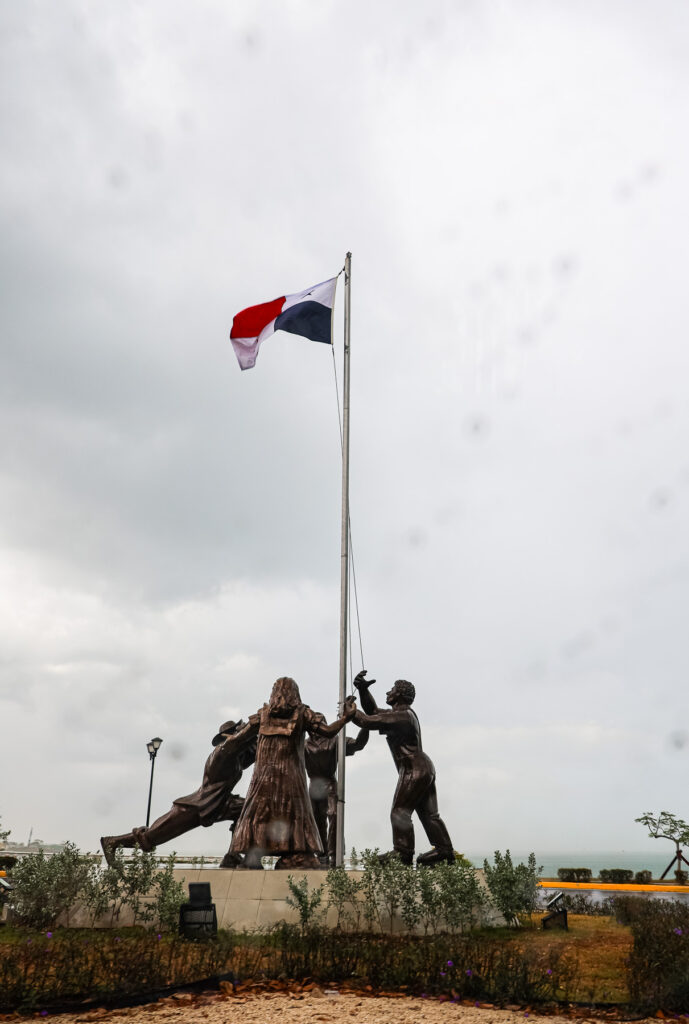
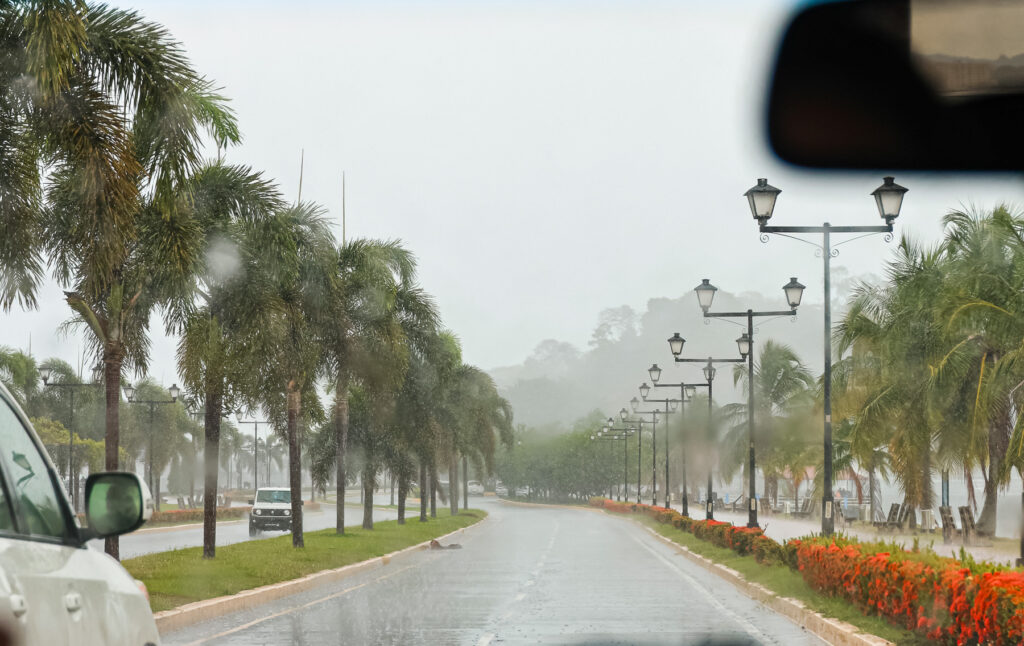
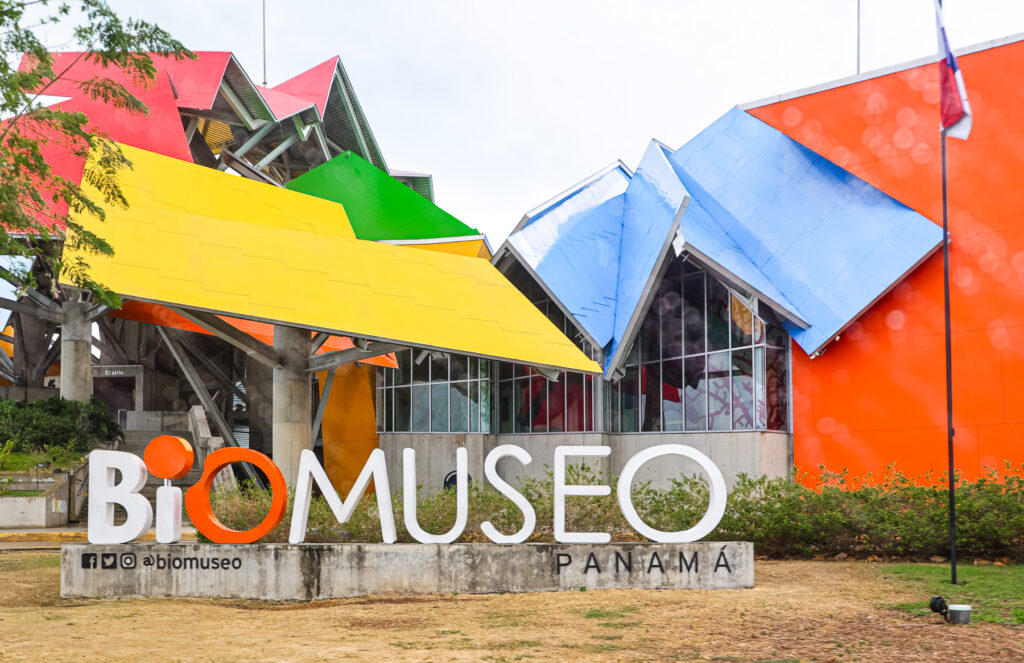
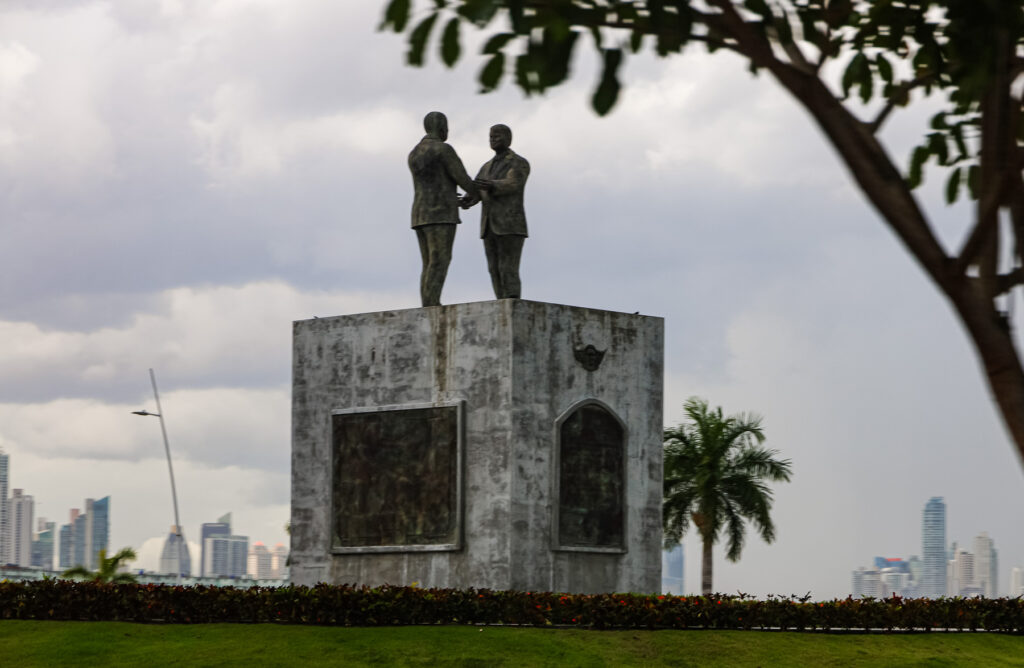
It’s quite a unique spot where you can admire the views, visit numerous restaurants, and stop by the Biomuseo. The amount of ships and boats is amazing as well! Unfortunately, we were caught in the rain there and didn’t enjoy the promenade to the fullest, but the scenery was still impressive.
14. Have a Ride Over the Puente de las Américas
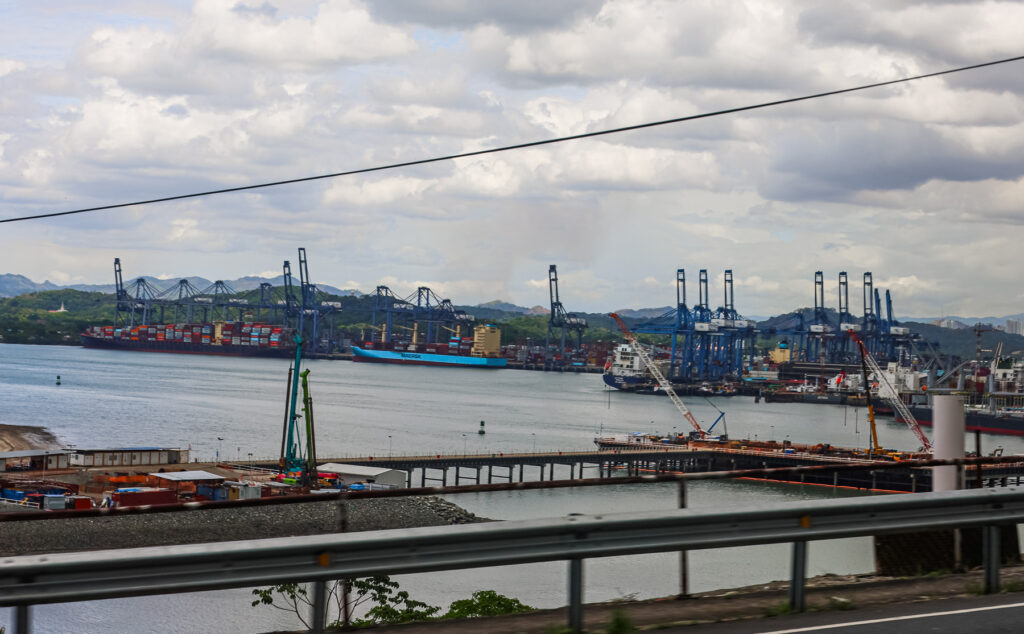
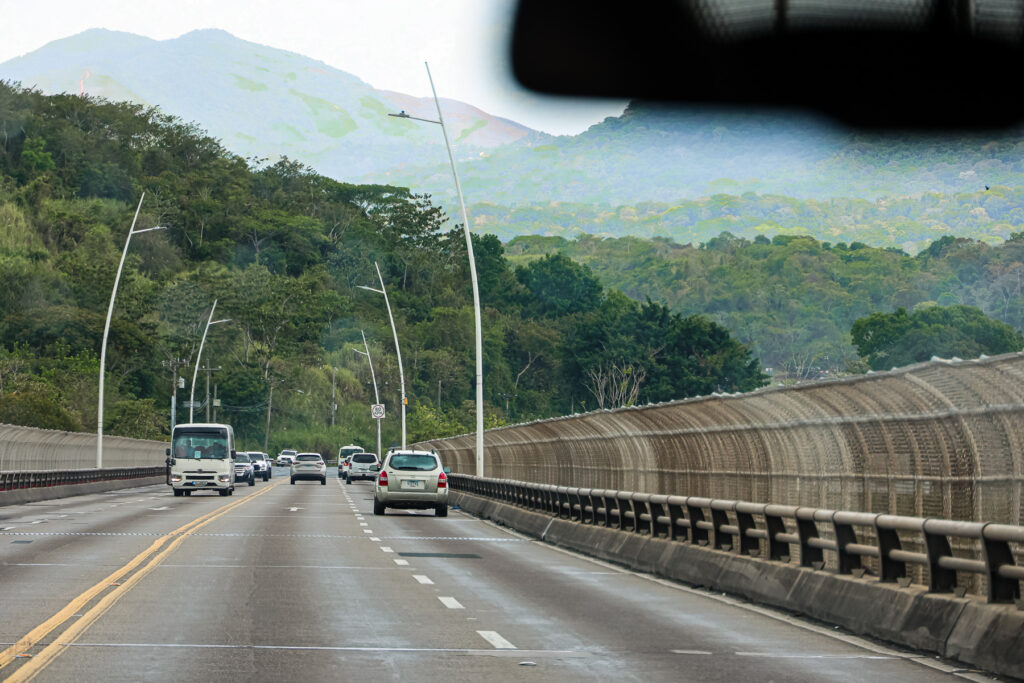
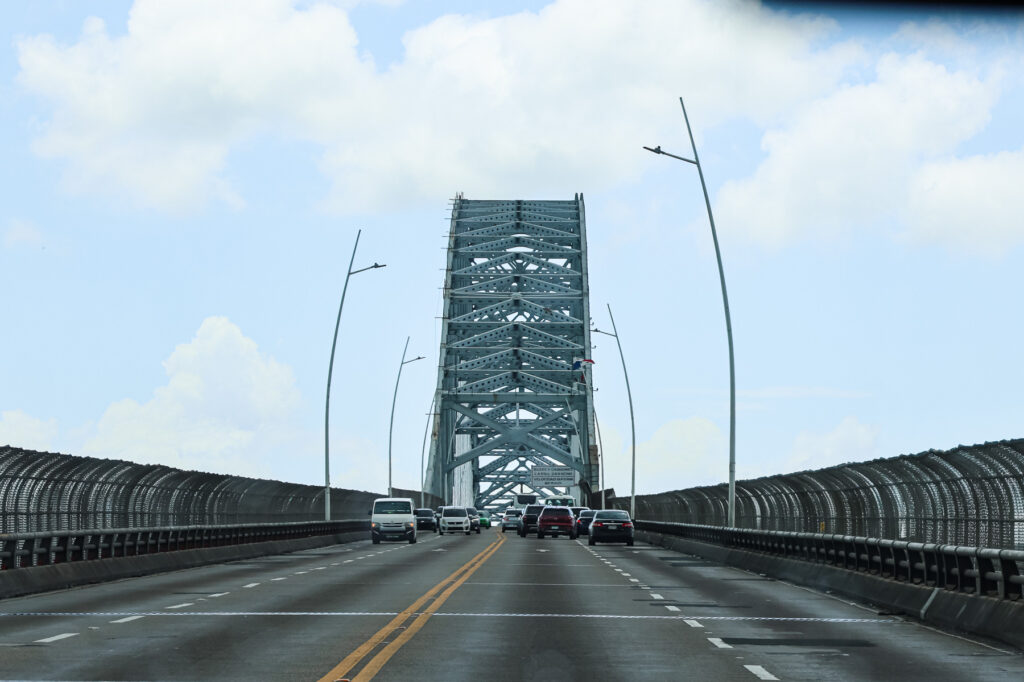
In Panama, you can have a unique experience: ride over the Bridge of the Americas (Puente de las Américas) between North and South America, a part of the Pan-American Highway.
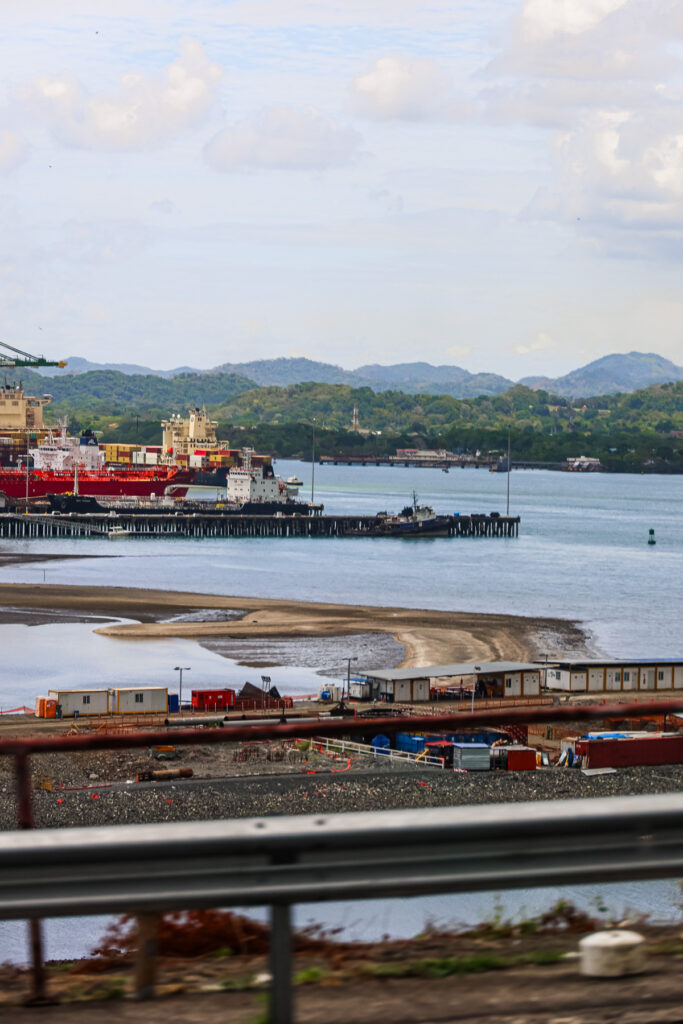
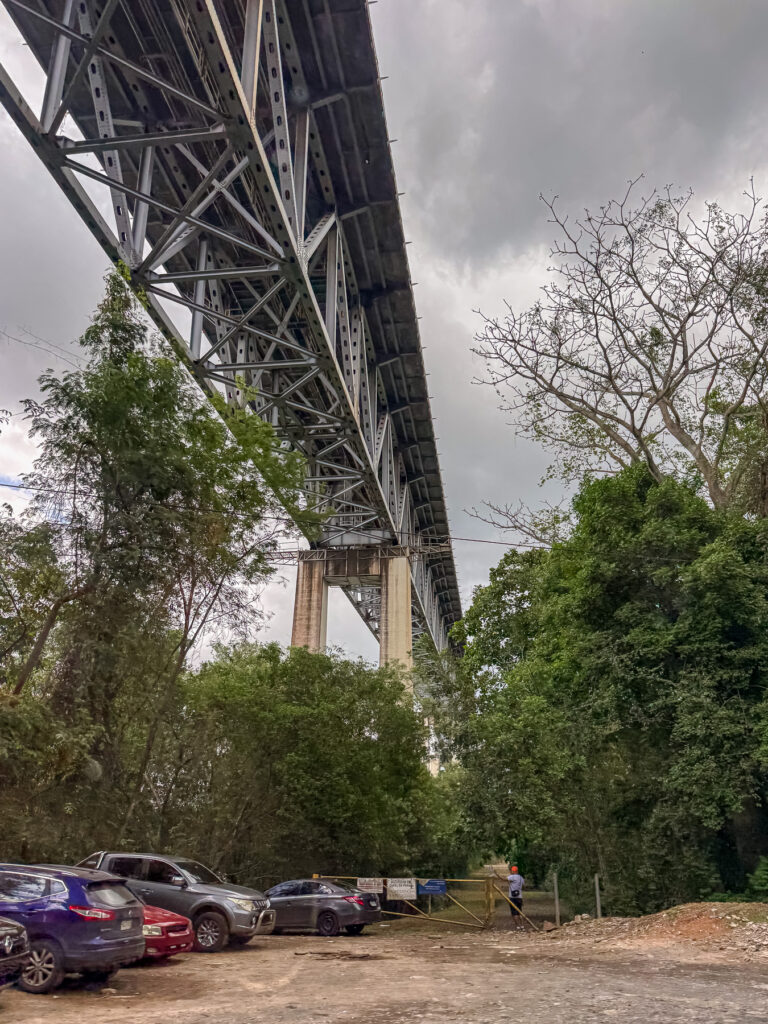
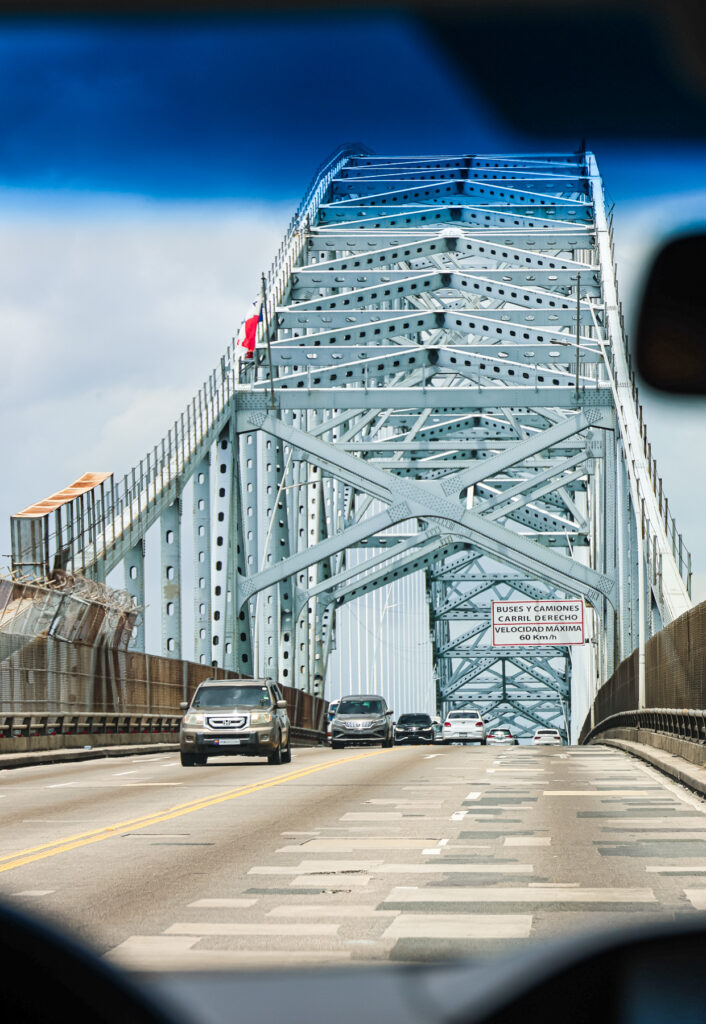
It opened in 1962, crossing over the Panama Canal from the Pacific Ocean side. Why not visit such an iconic spot?

15. Pop Inside the Seafood Market
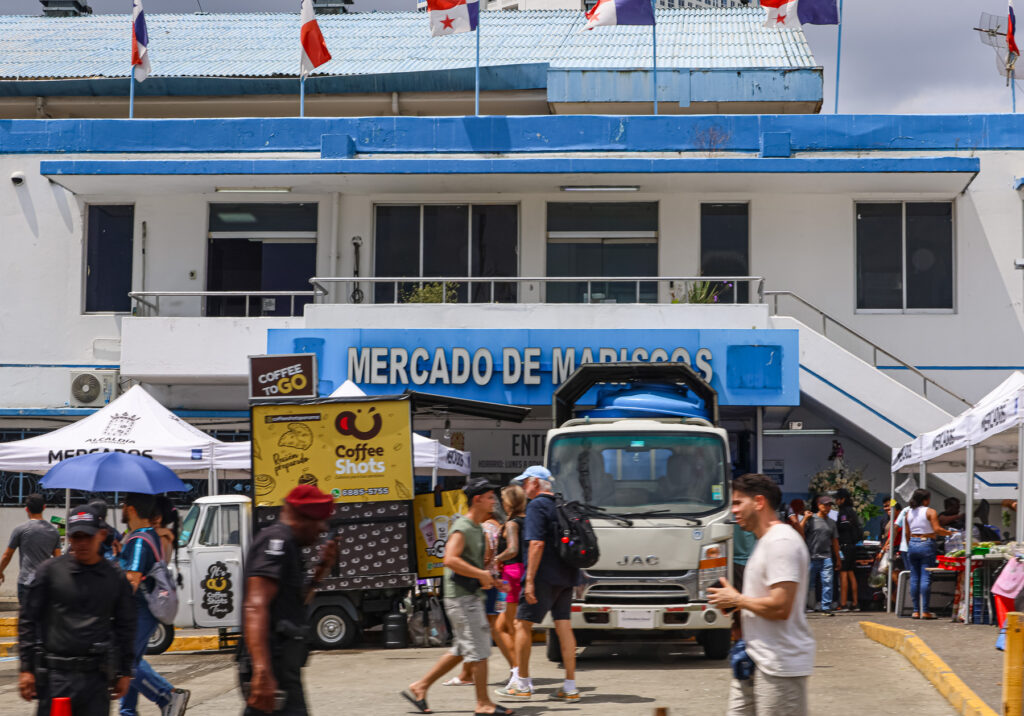
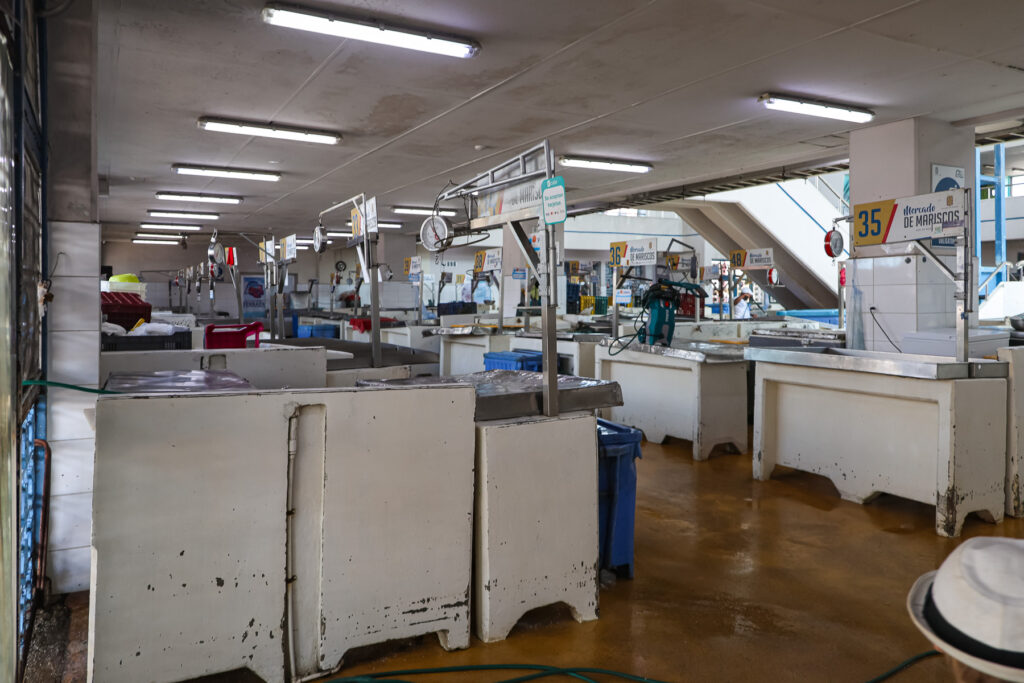
The Mercado De Marisco, or the seafood market, is an important spot in Panama considering the prevalence of seafood in their diet and a unique position between the Pacific and Atlantic Oceans.
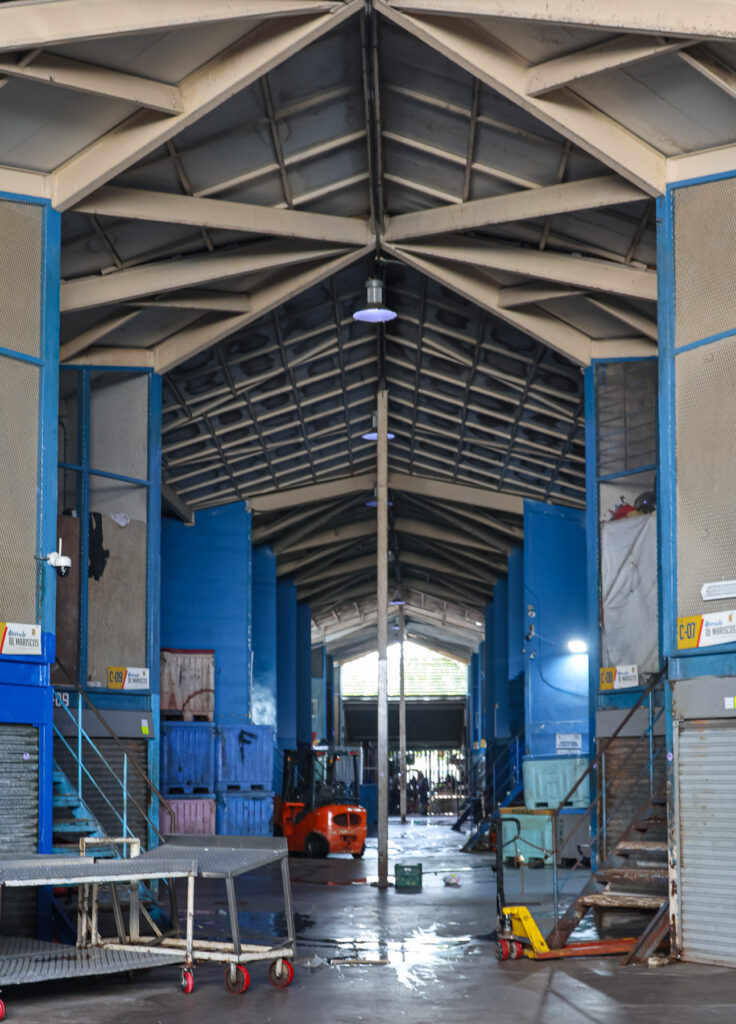

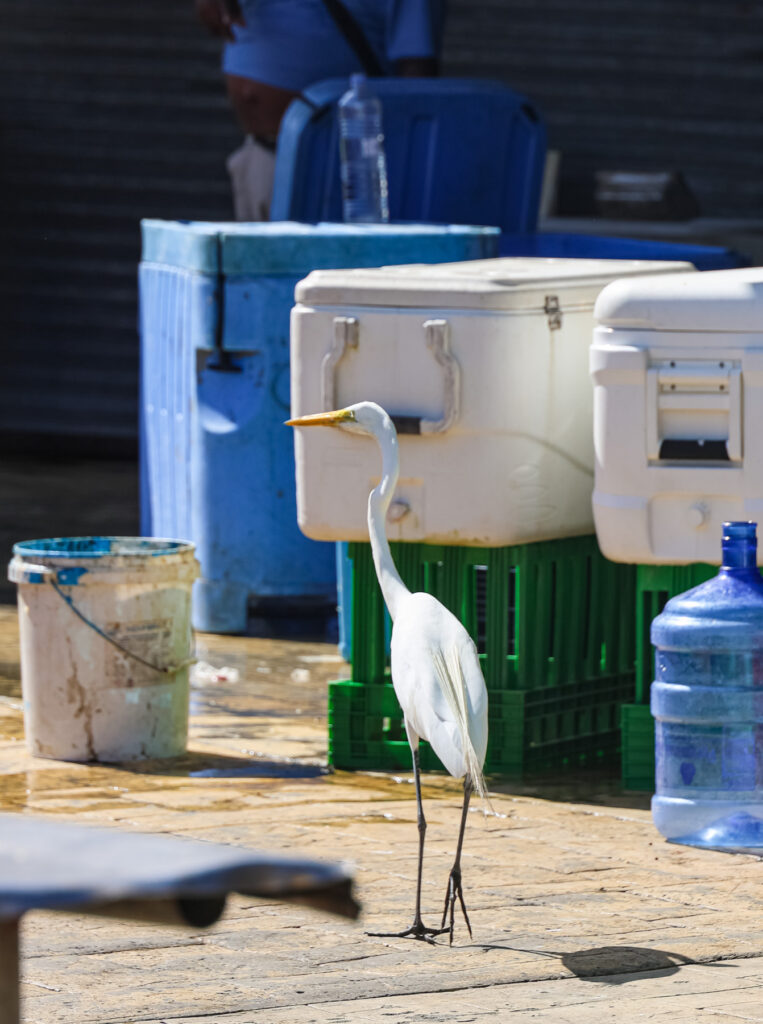
Actually, the market should be open daily, but sadly it was closed during our visit on Monday morning after Easter: the stalls were empty, the cleaners were present, and some birds waited for food in vain. Maybe you’ll have better luck!
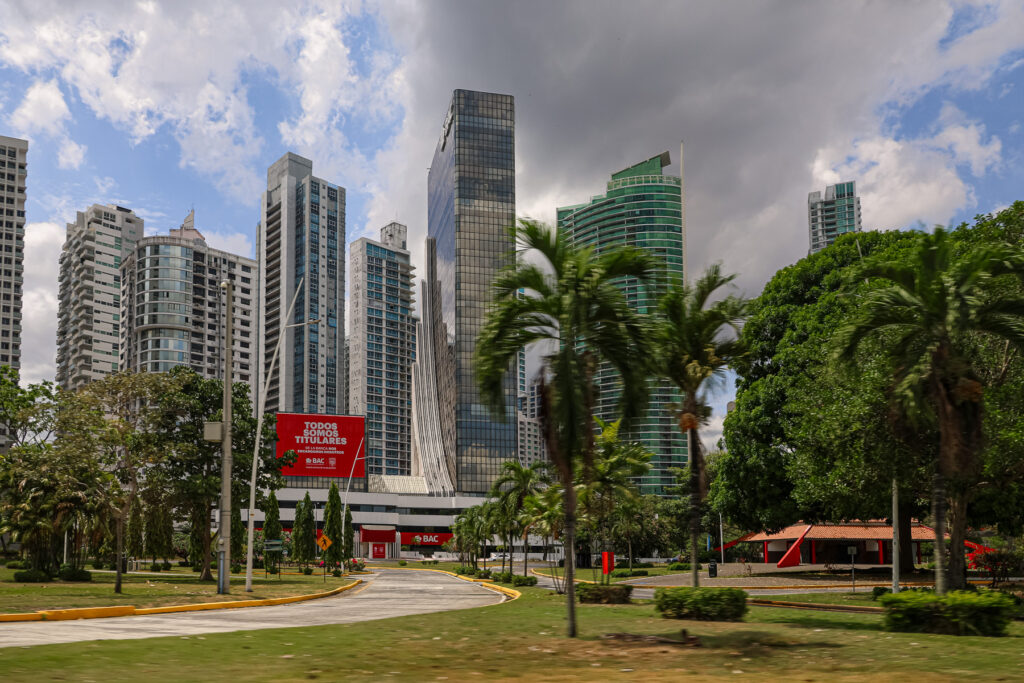
16. Spot iconic skyscrapers of Panama City
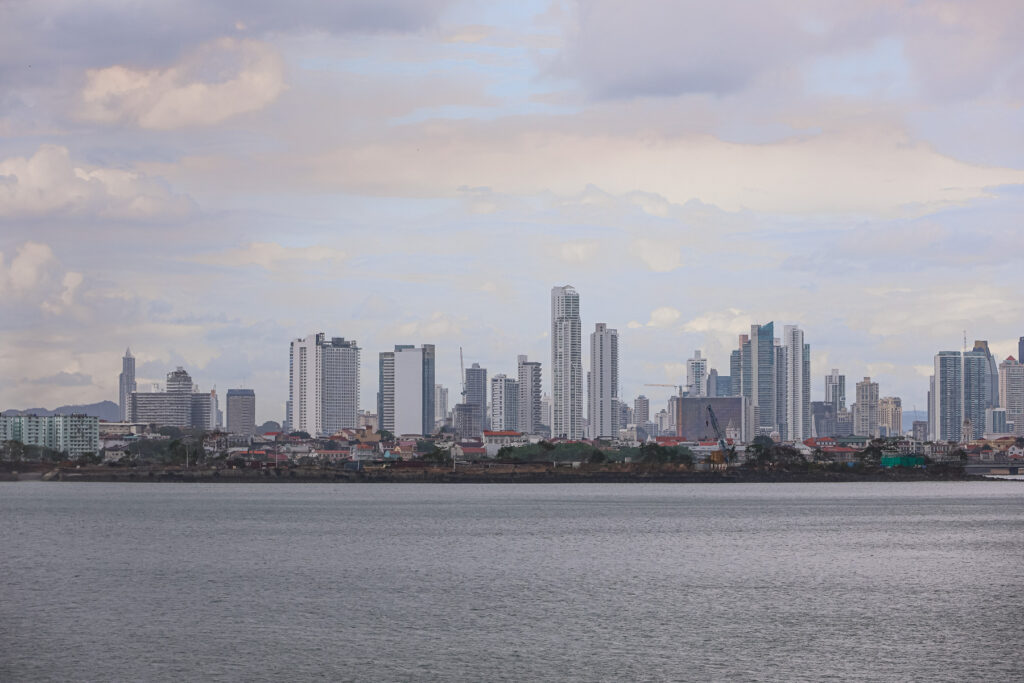
Panama City if famous for its extensive skyline which impresses you first from the plane when you arrive to the city!
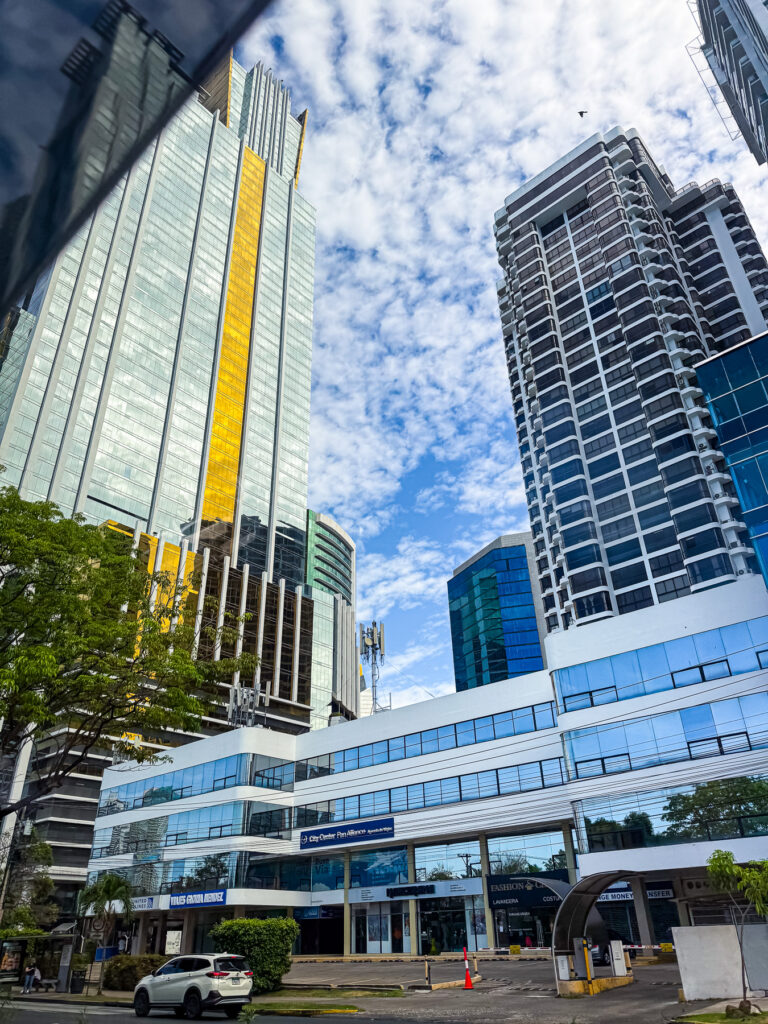
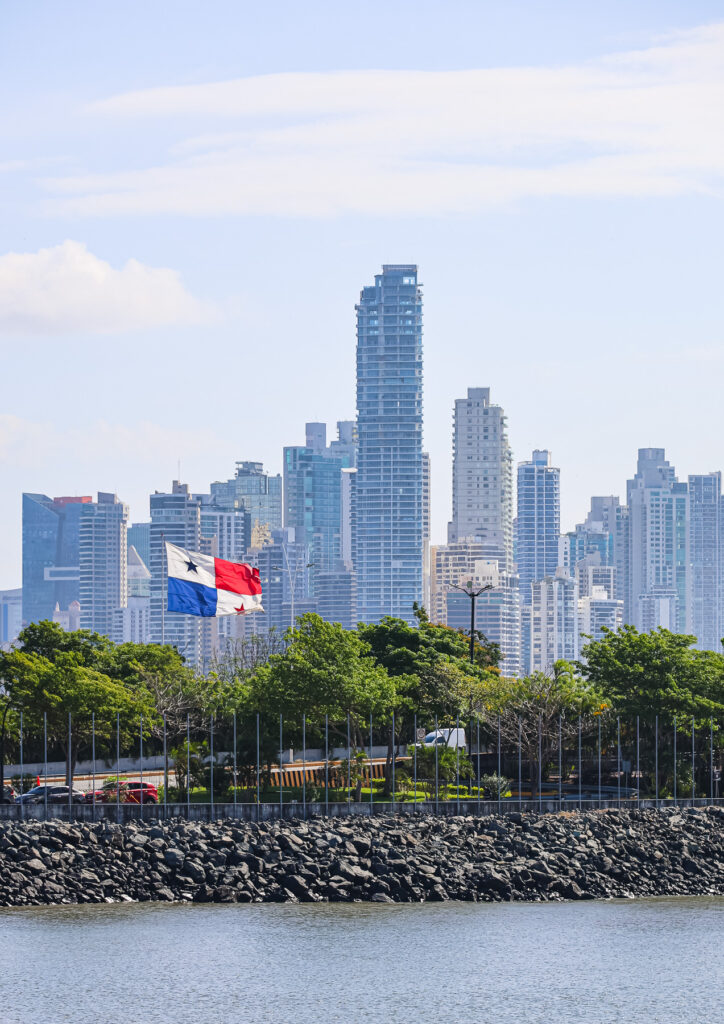
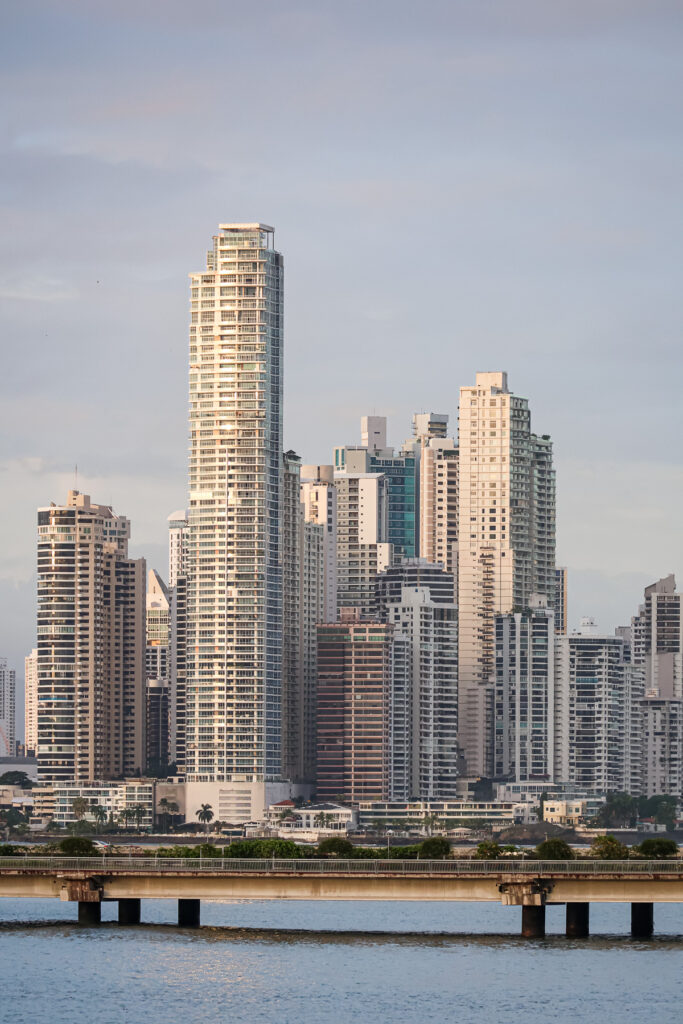
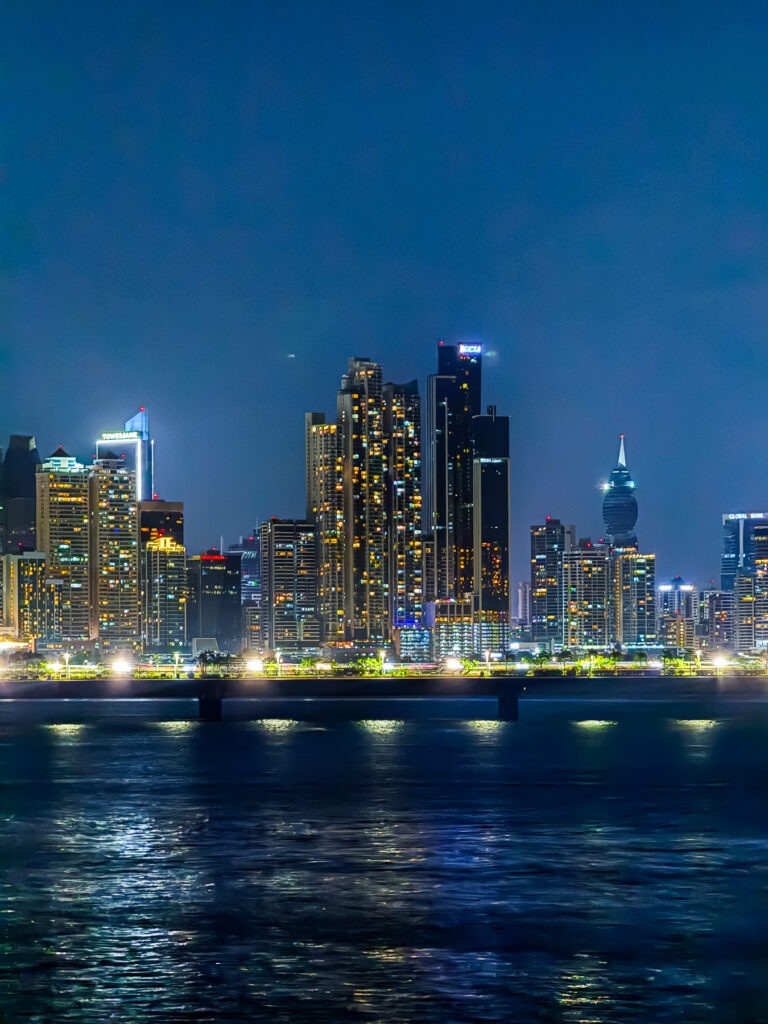
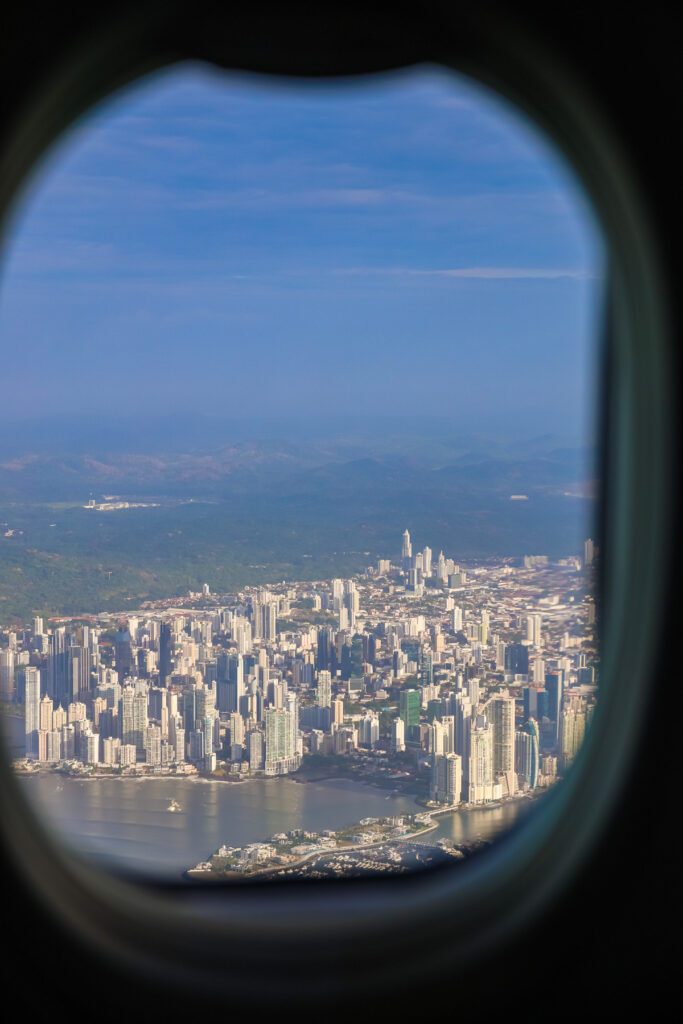
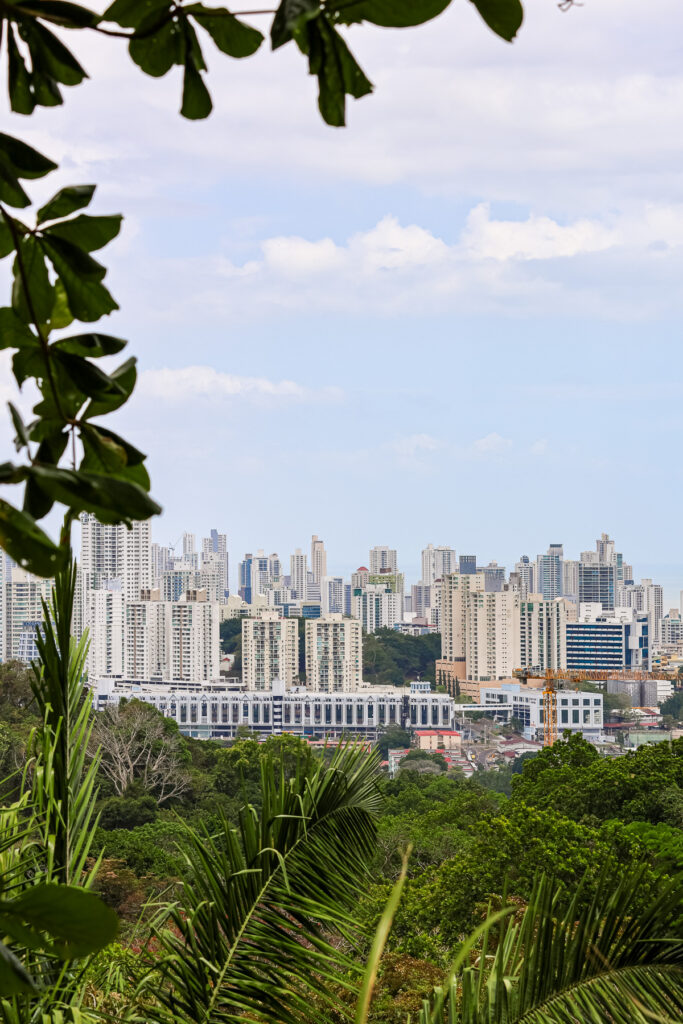
The finances are famously strong in this country, so no surprise many tall buildings belong to the large companies but there are hotels and residential buildings as well. Spot El Tornillo (or F&F Tower), a twisted skyscraper, and JW Marriott, the tallest of them shaped as a sailboat!
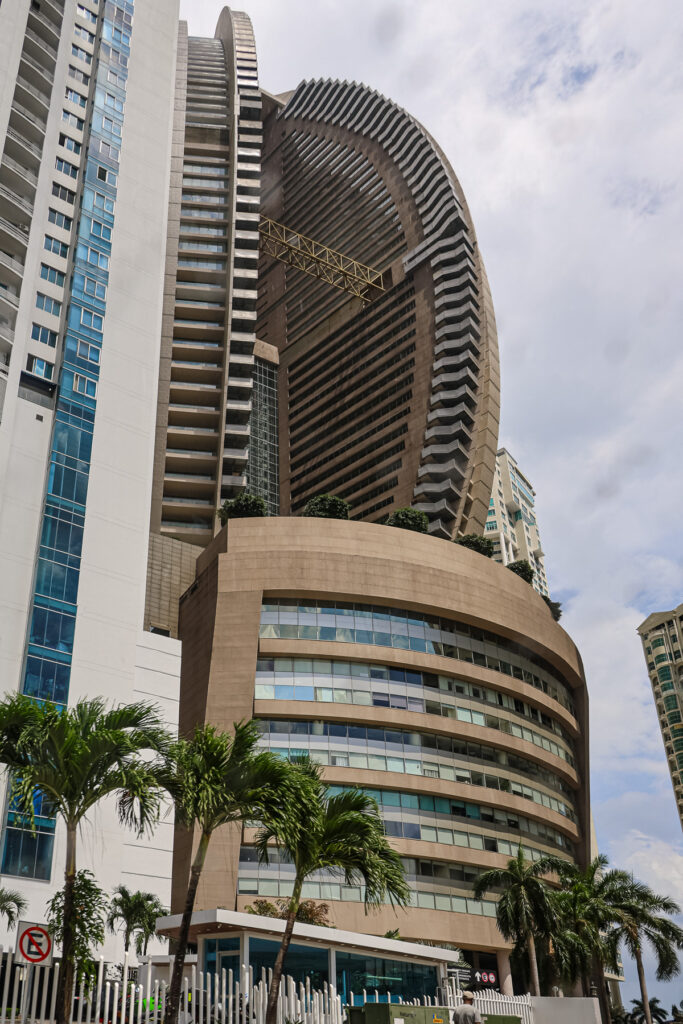
17. Stay at the Sofitel Legend Casco Viejo
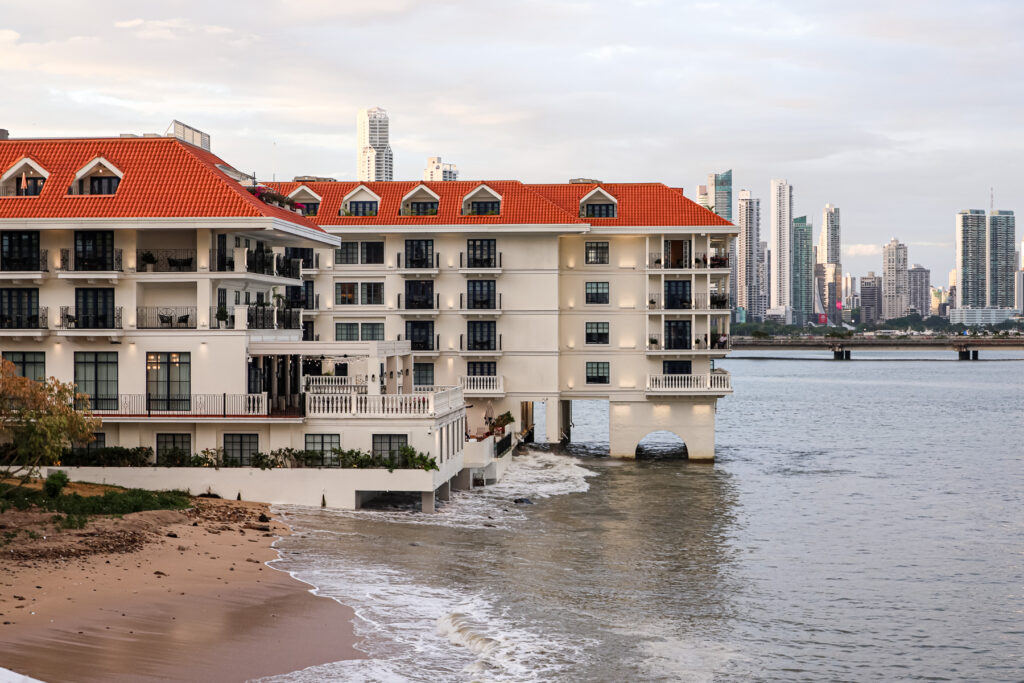
Choose to stay at the best hotel in Casco Viejo, the historical centre of Panama City, – the Sofitel Legend Casco Viejo.

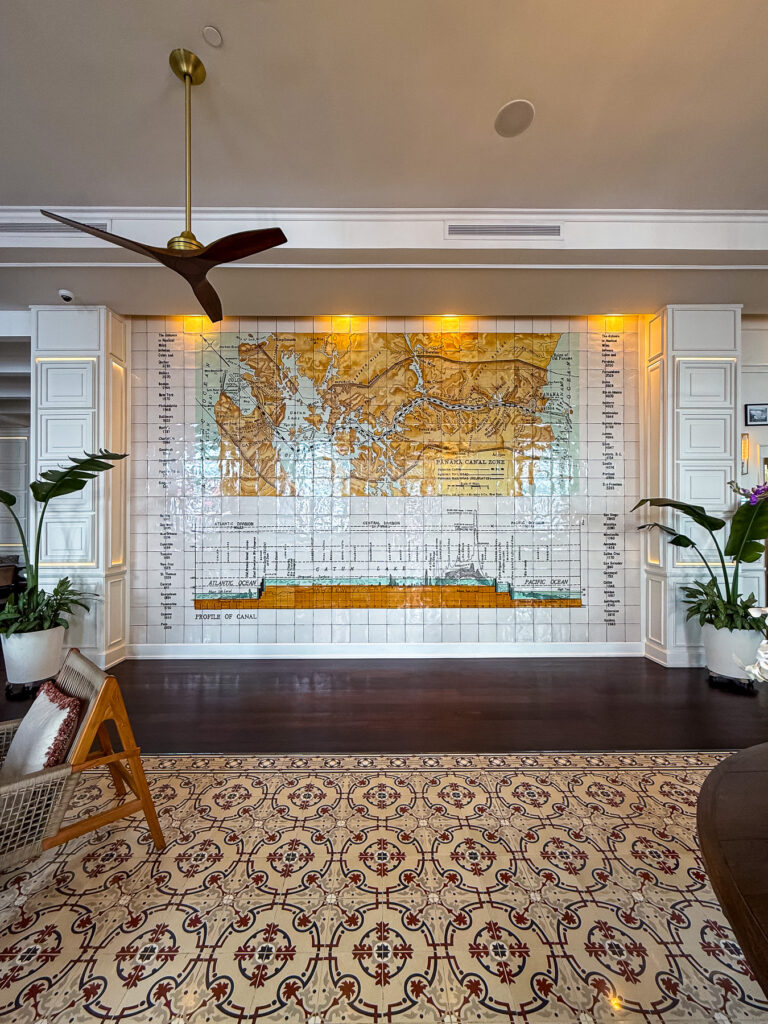
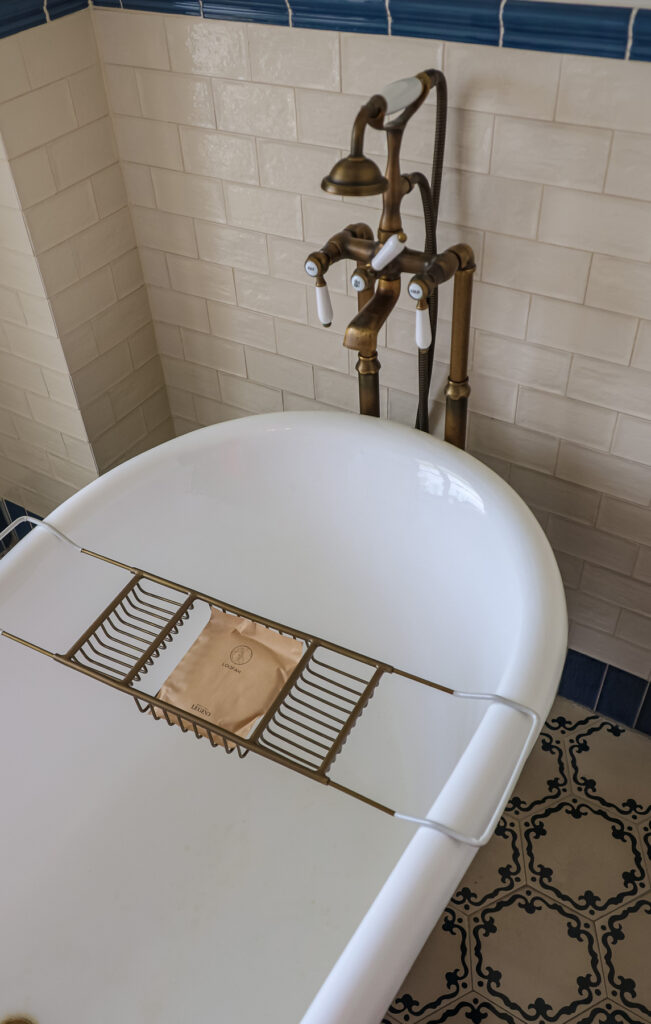
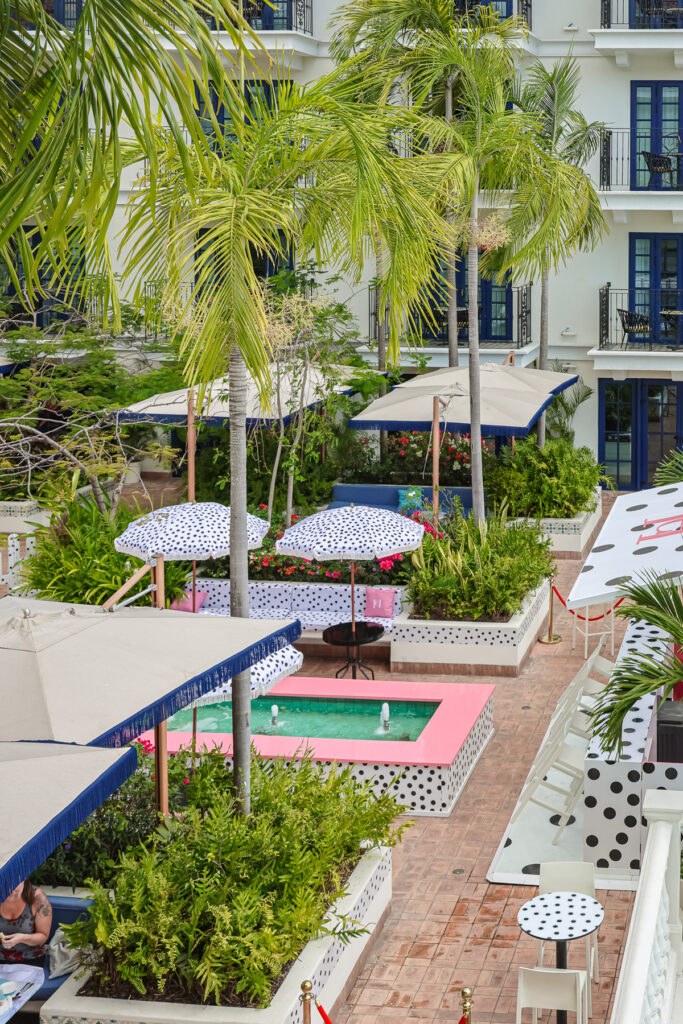

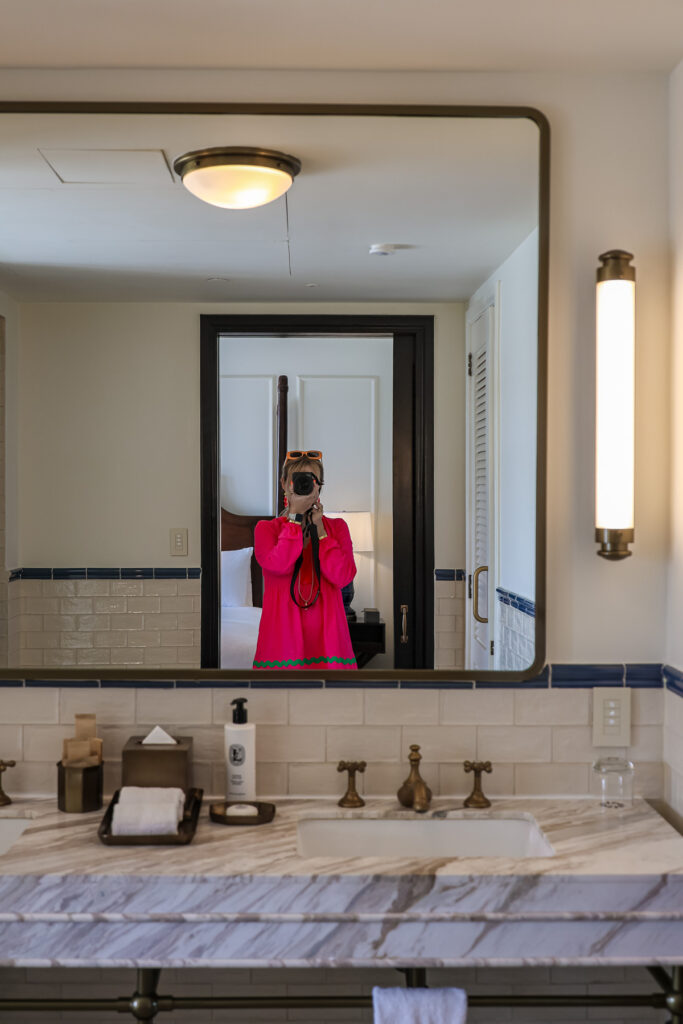
In terms of location, it’s perfect as you can walk the streets of the historical centre anytime you like. Sofitel Legend Casco Viejo is one of the six Sofitel Legend hotels in the whole world: we actually stayed in their Sofitel Legend in Xi’an, China, and had afternoon tea at their Sofitel Legend Metropole Hanoi.
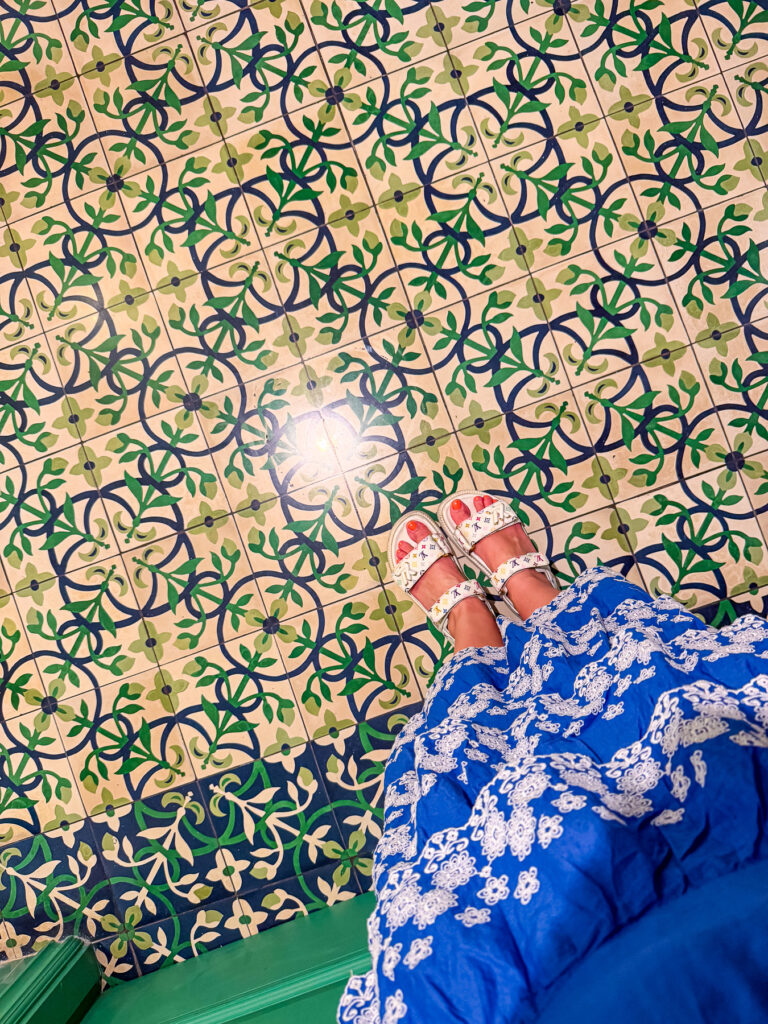
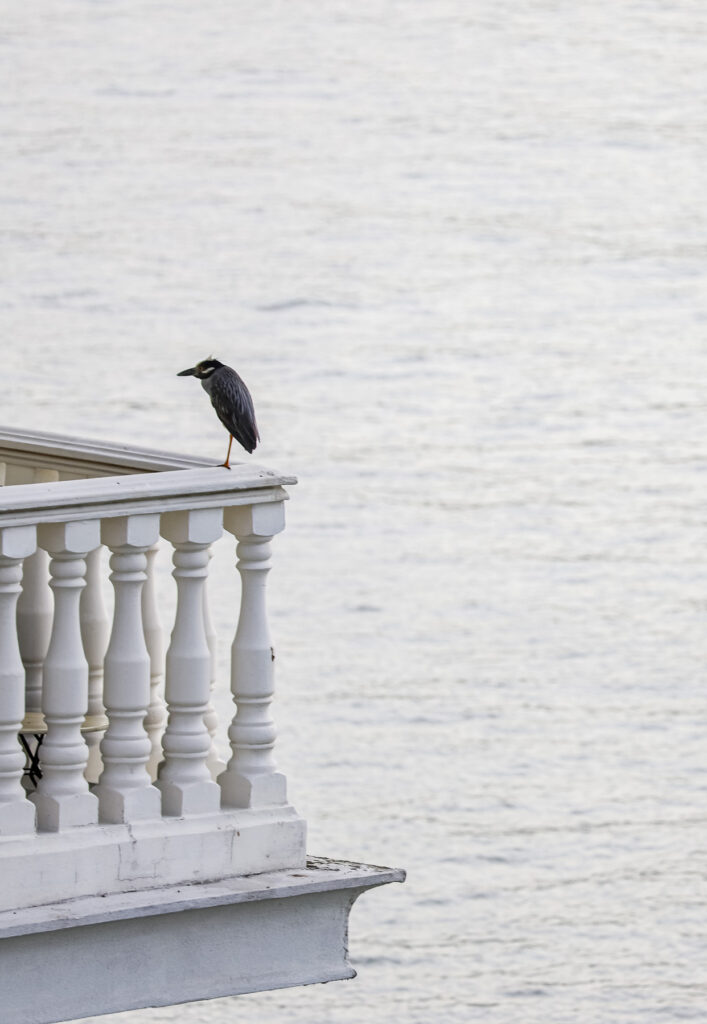
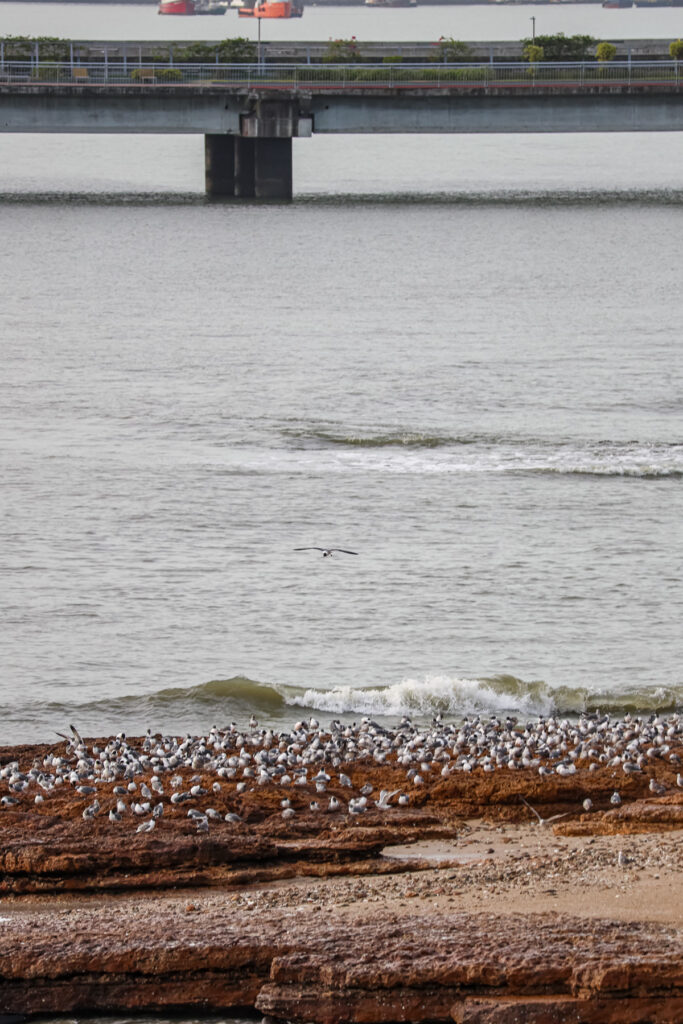

Yes, you heard it right – only six Sofitel Legend hotels in the world, and we were lucky to visit half of them! The building itself was erected in 1917 by James C. Wright as a venue to host the Club Union, the social club of wealthy businessmen, and in 2022, after thoughtful restoration, it reopened as a hotel.
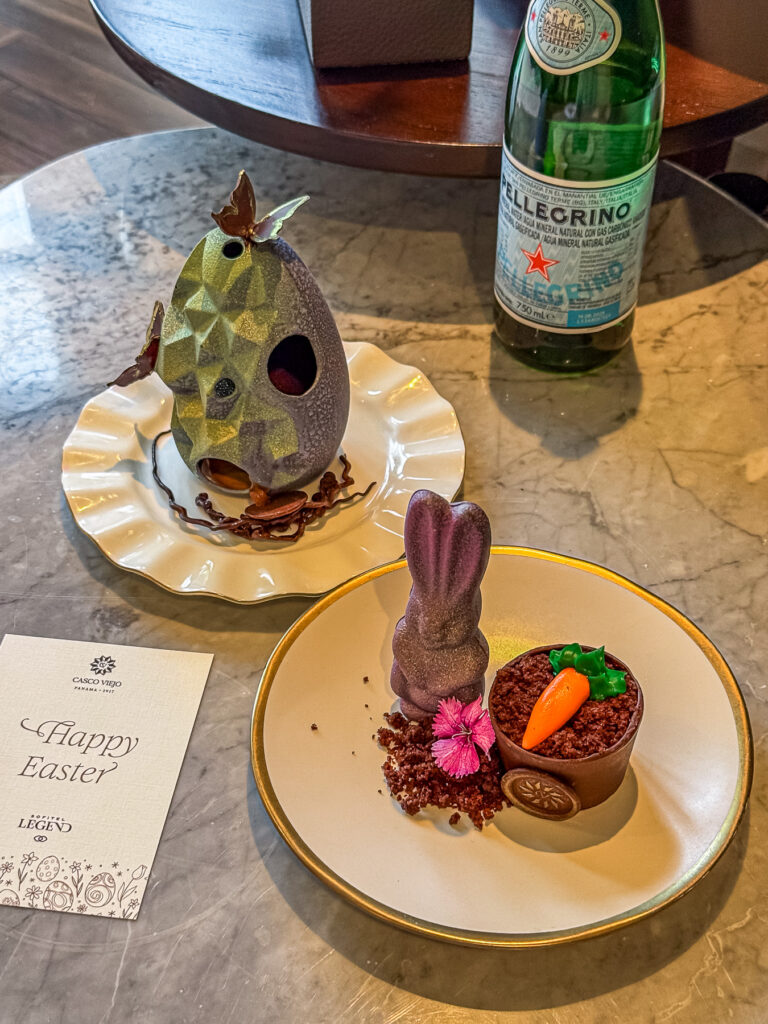
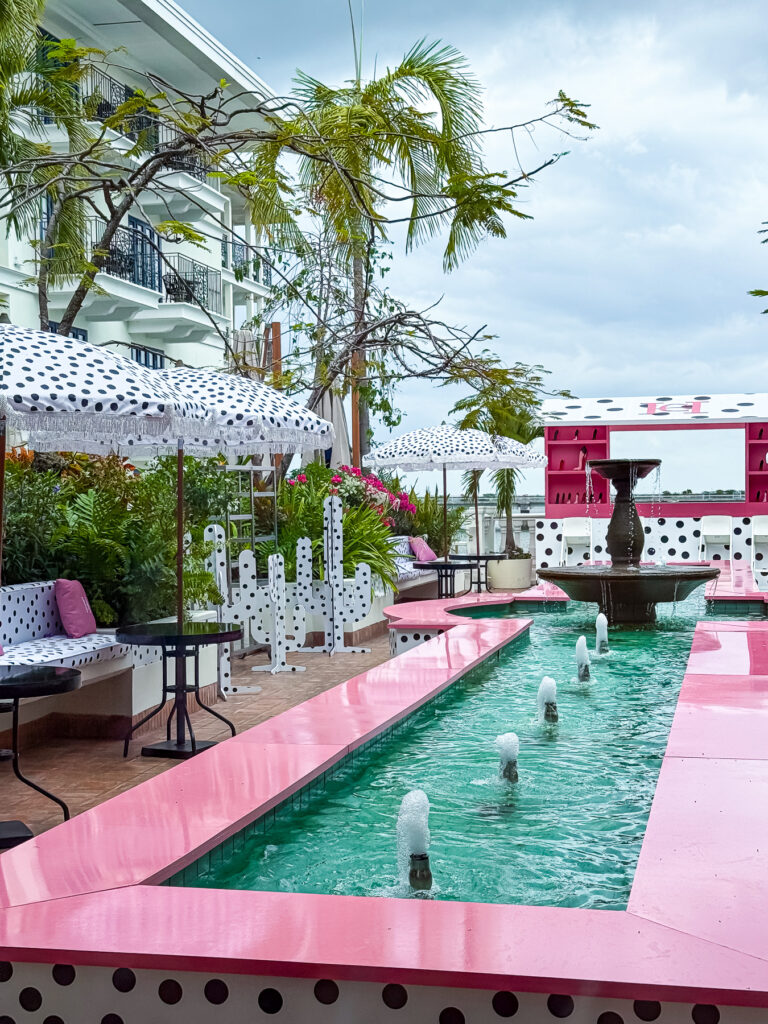


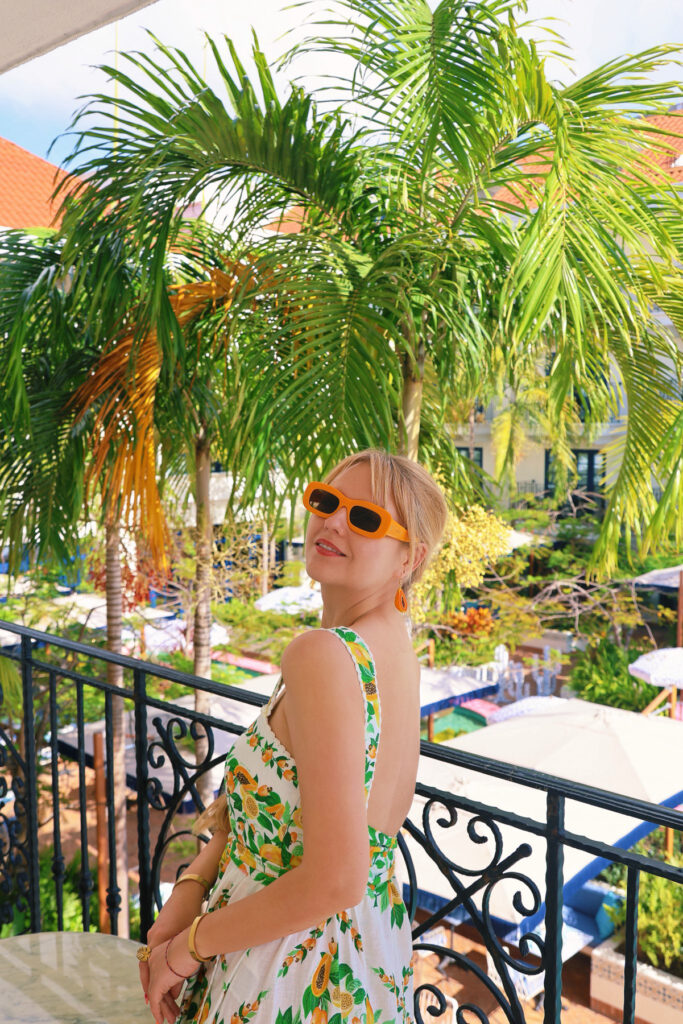
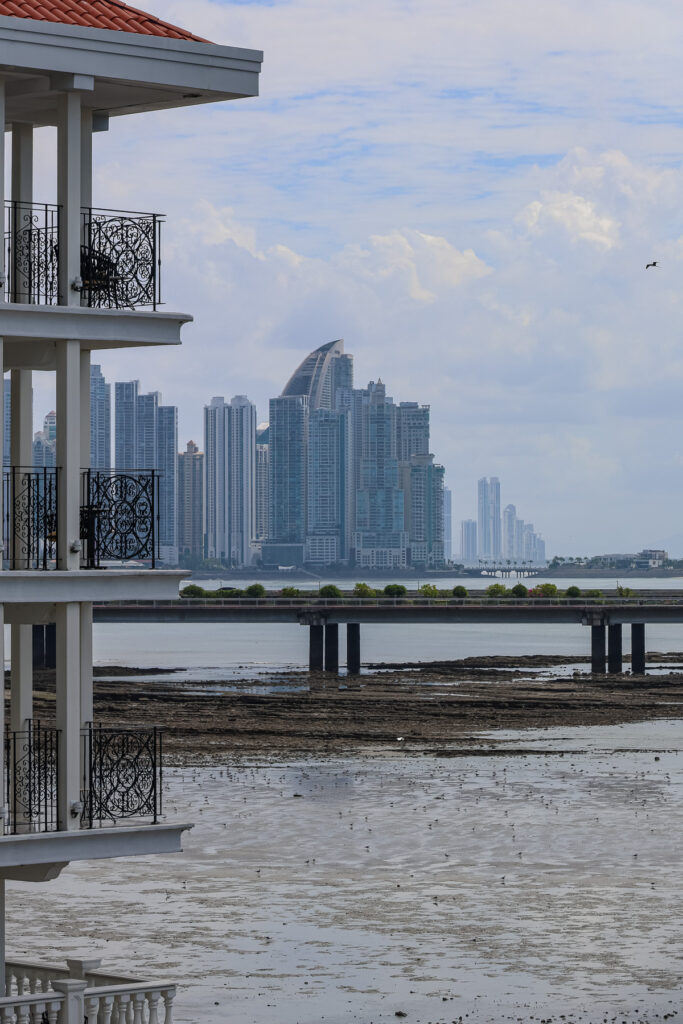
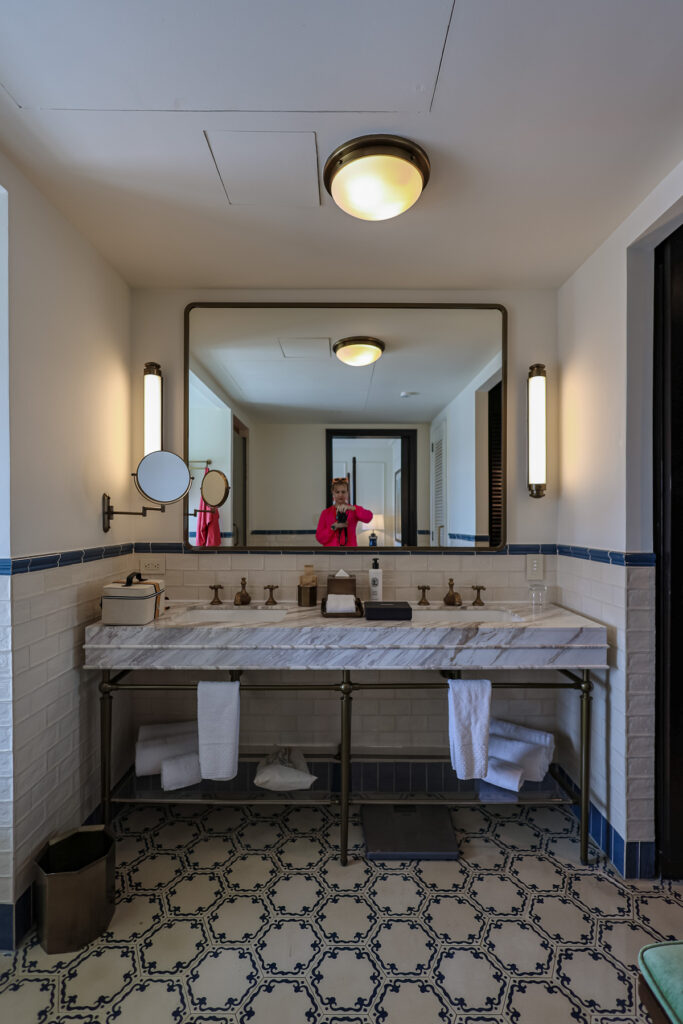
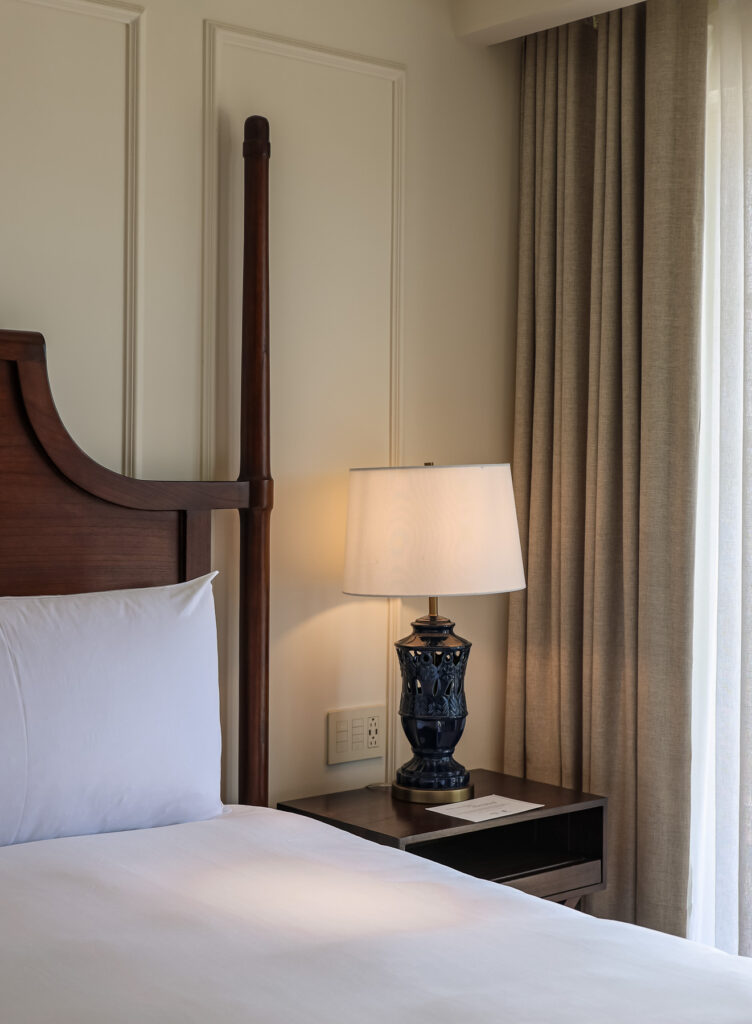
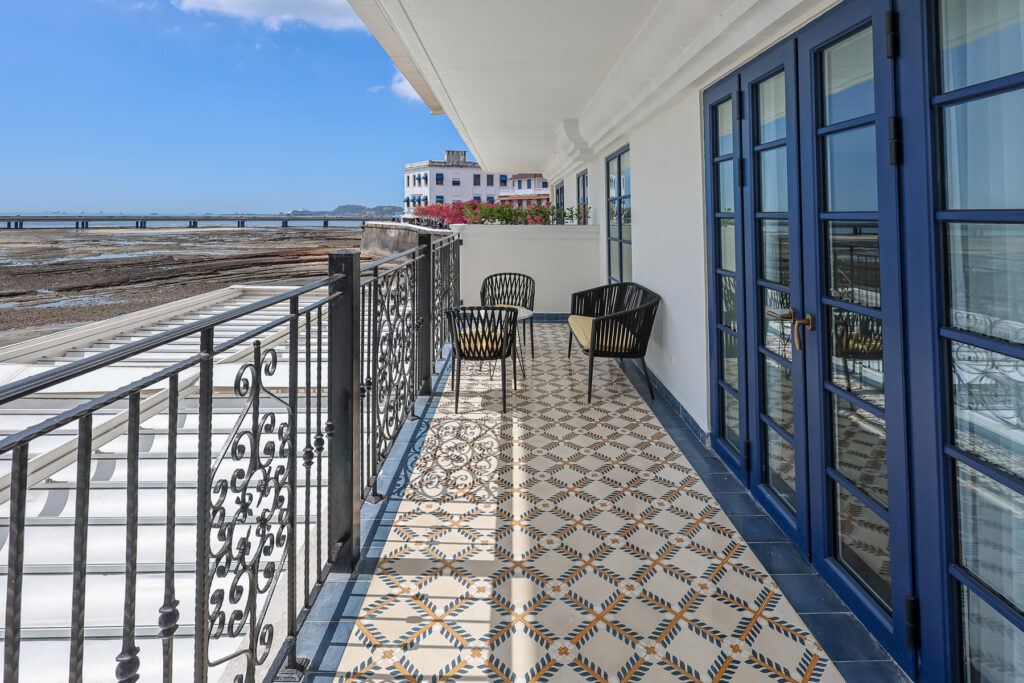
Our room was an aesthetic take on colonial architectural style – and yes, our large balcony opens up not only to the pool area but to the Pacific! Tides change twice a day here.
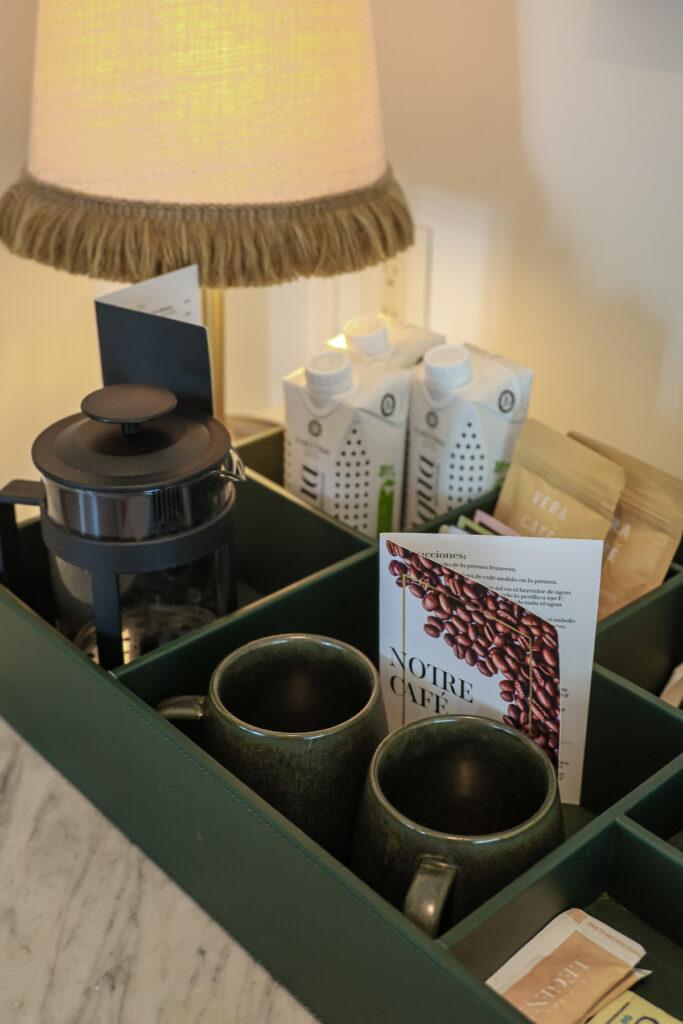
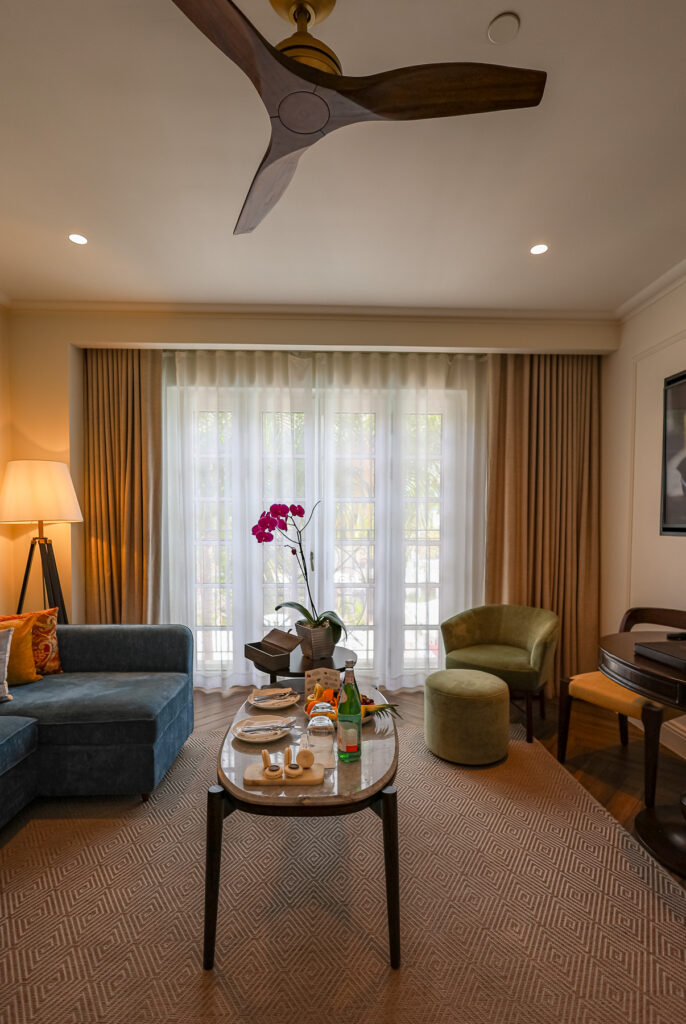

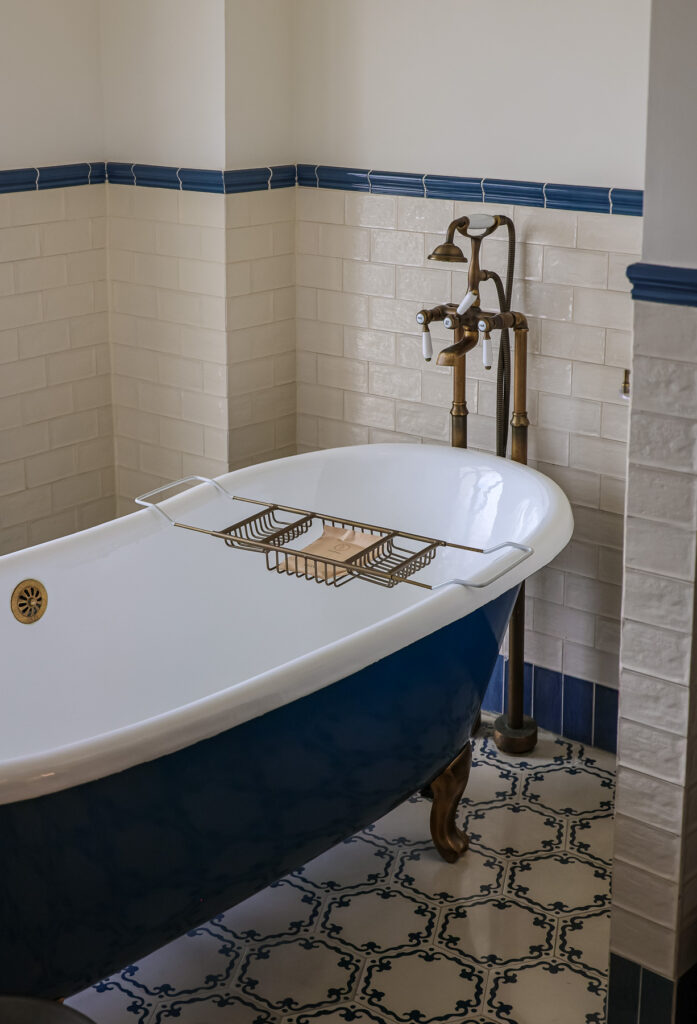
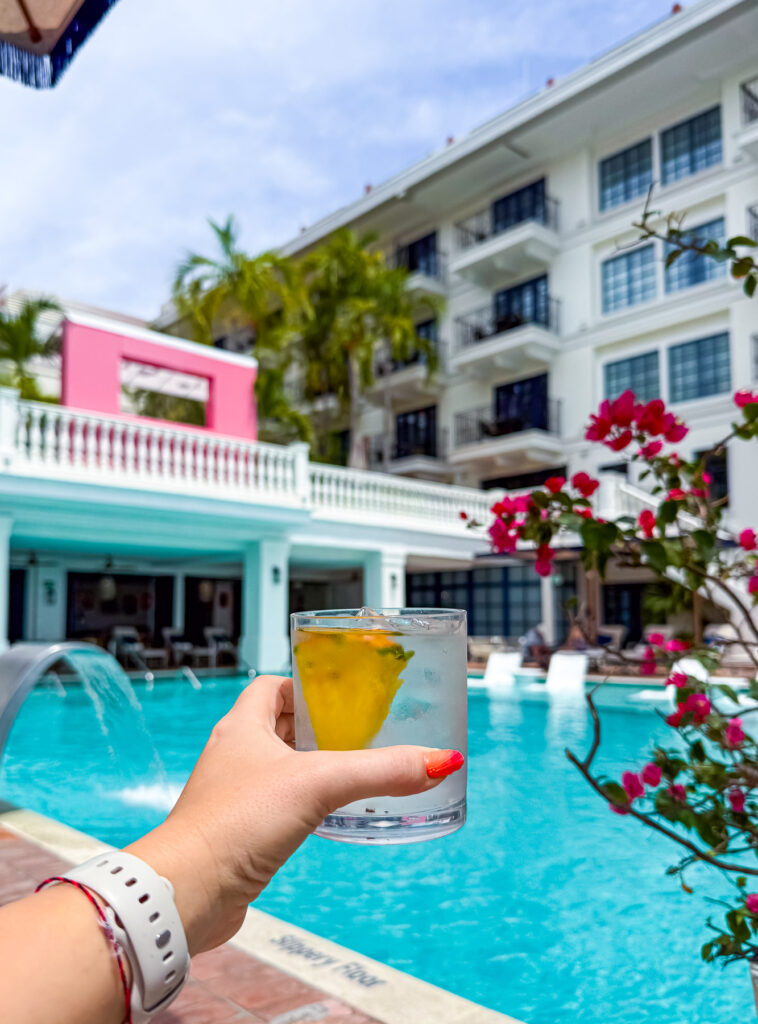
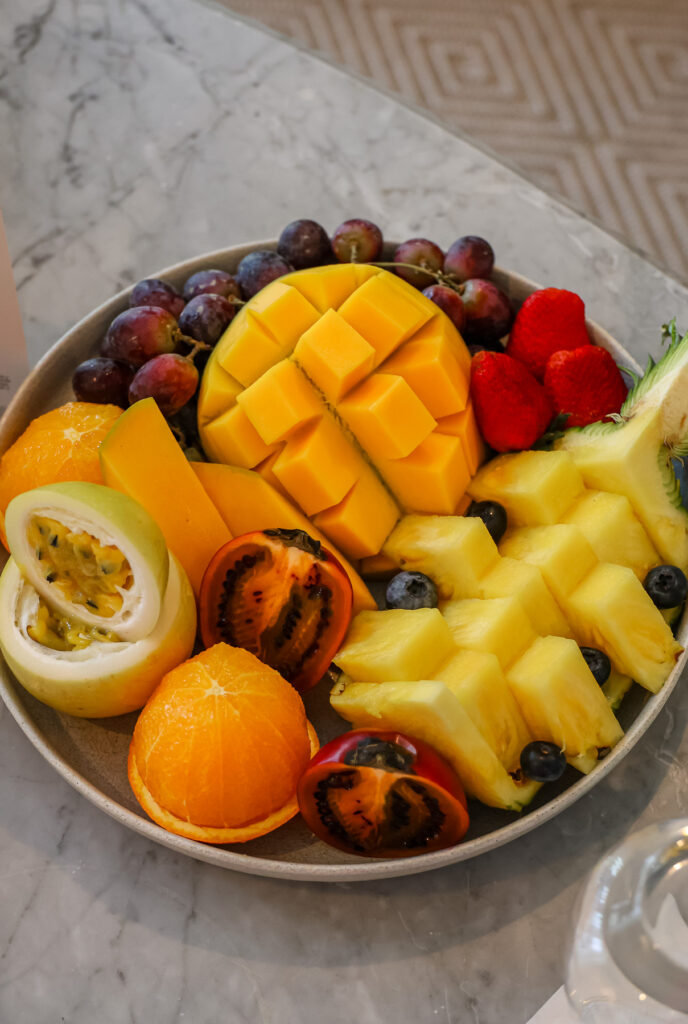
The pool area was very pleasant, with guests constantly receiving complimentary refreshments such as water with fresh pineapple.

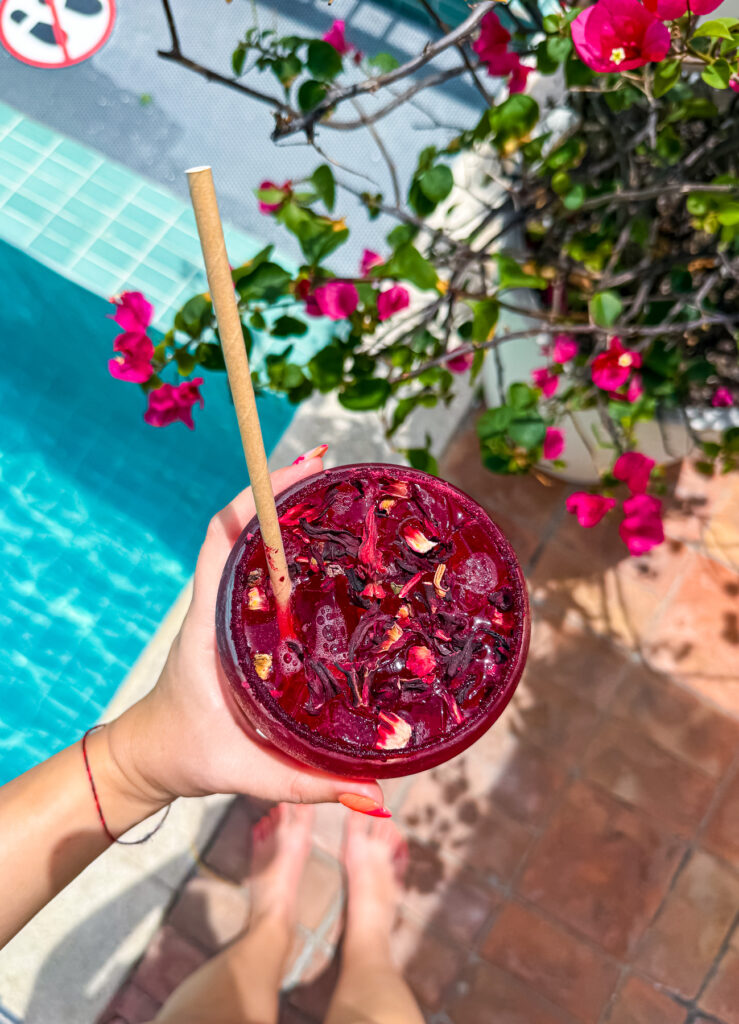
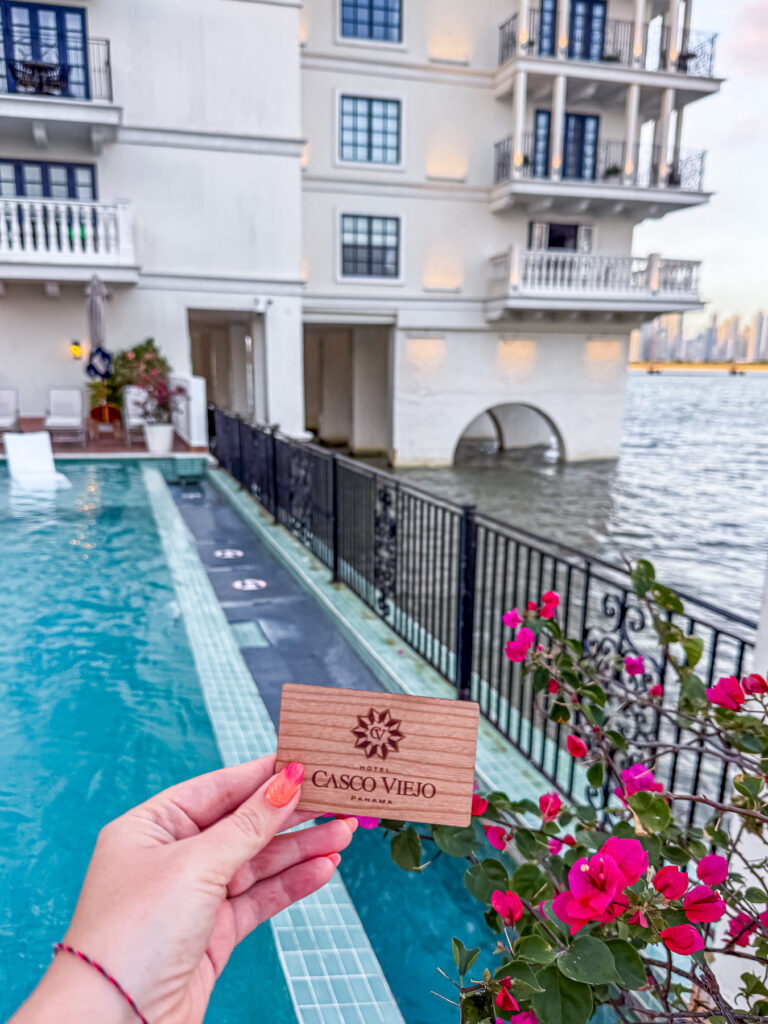

The hotel doesn’t have a buffet for breakfast, but there are multiple choices available through the à la carte menu, including Panamanian breakfast (scrambled eggs with cilantro, corn tortillas, cheese carimañolas, chicken tamales), fresh juices, and kids-adapted dishes from the Little Prince menu.
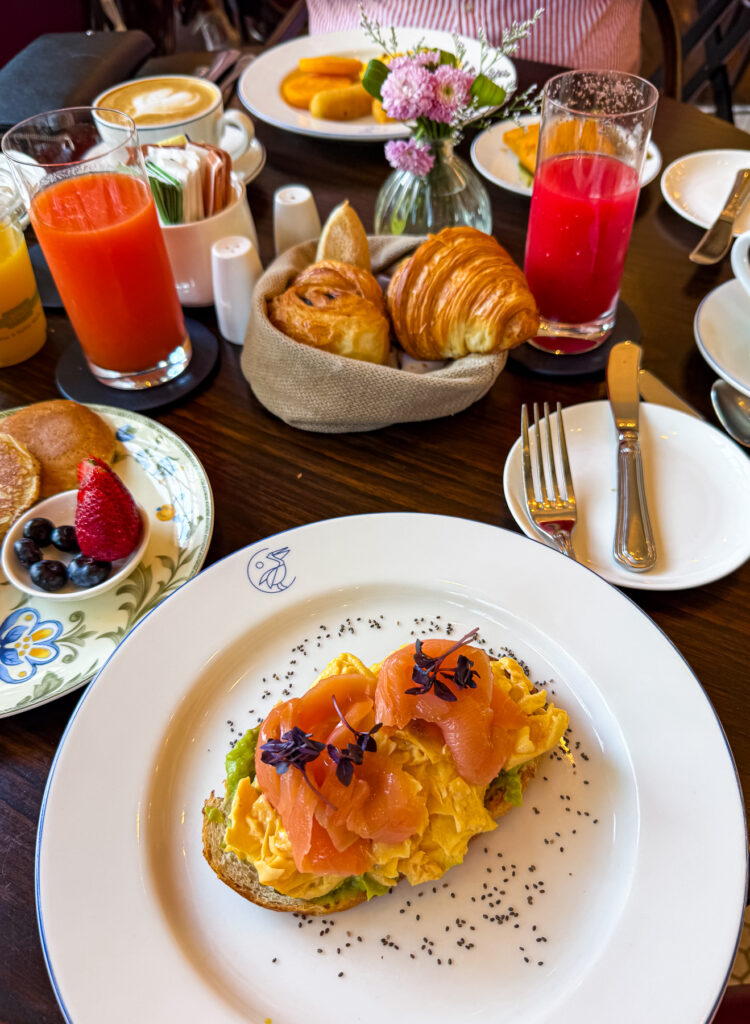

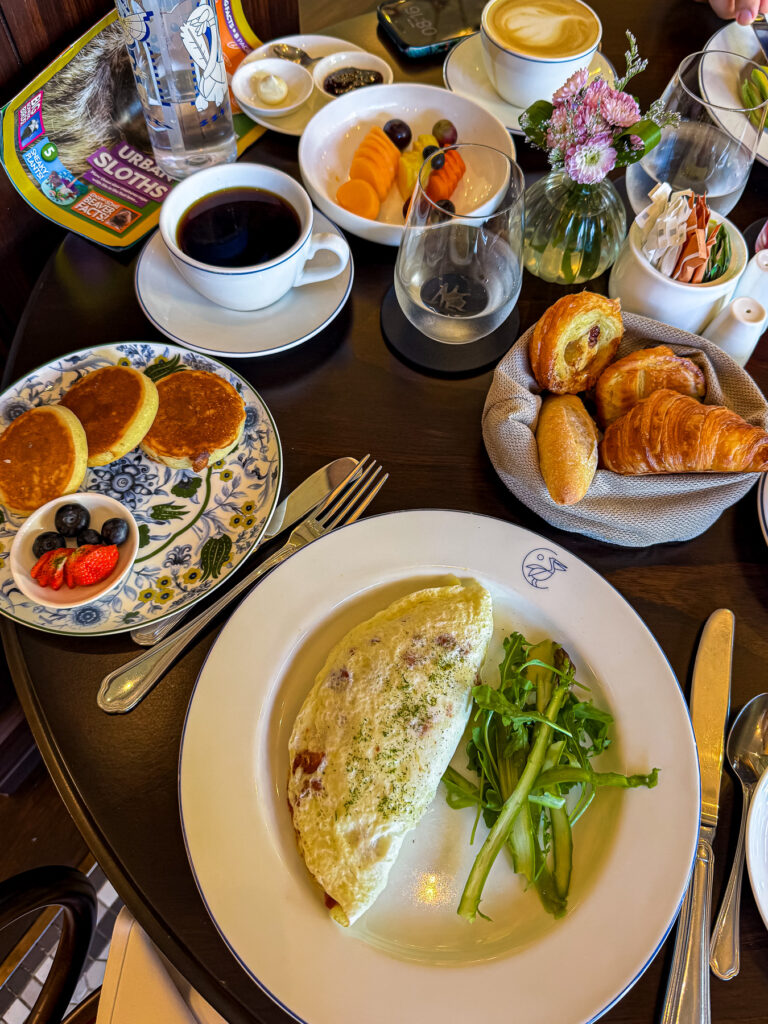
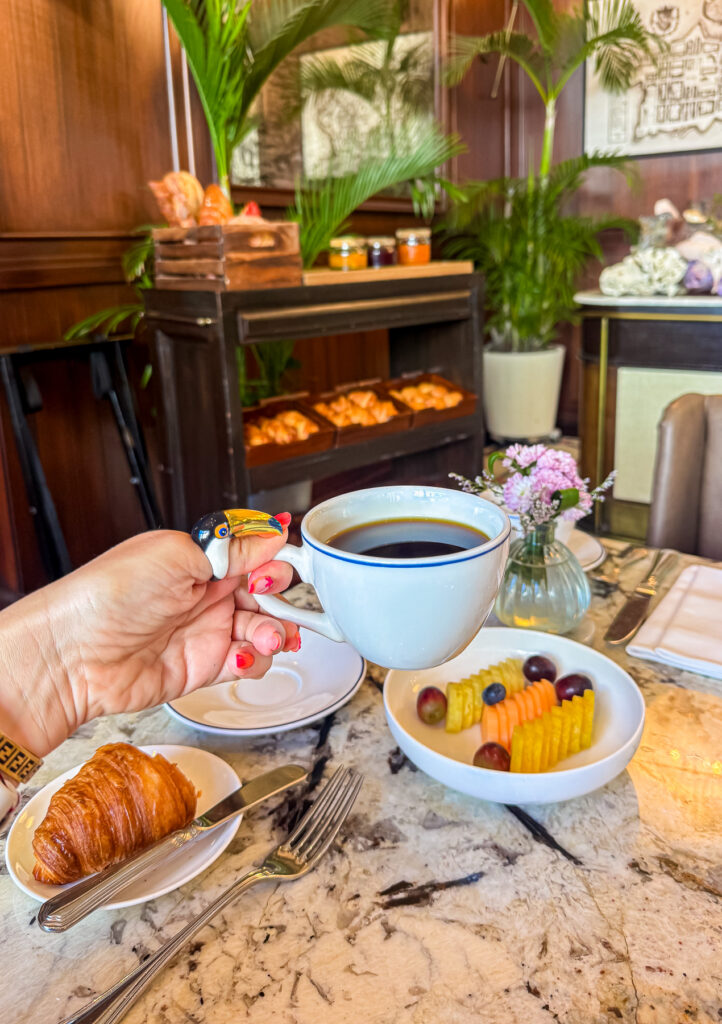
Overall, our experience was up to the highest standards, and we would gladly return there again.
Click to read more about the North America!
Hope you enjoyed my new article!
Best,
Anna xxx