Bogotá is the capital of Colombia, famous for its history, natural beauty, numerous museums and architecture.
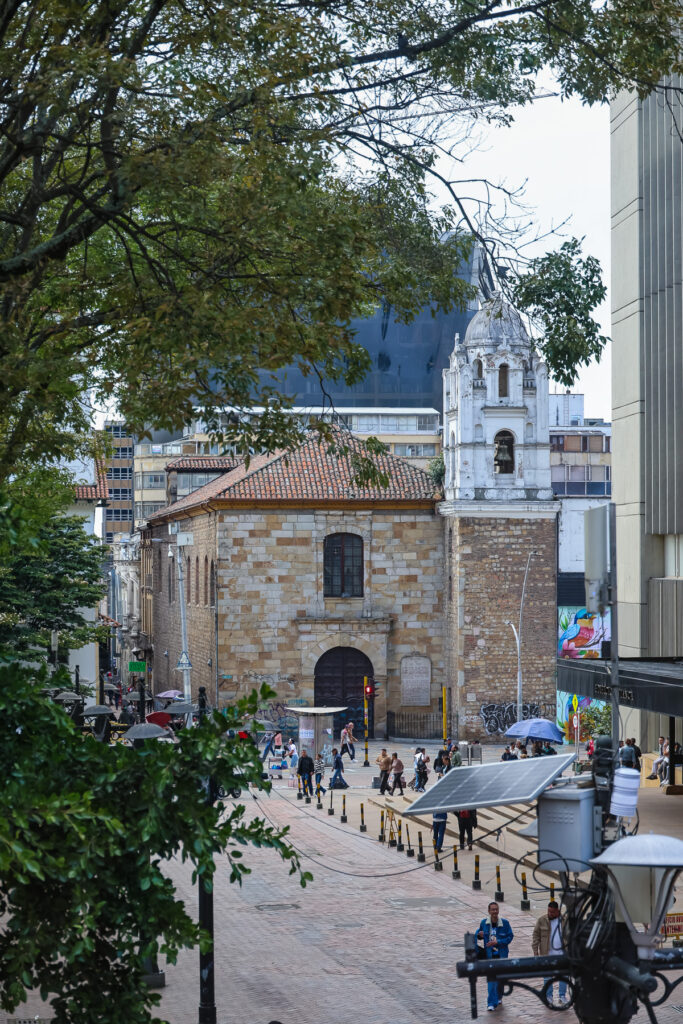
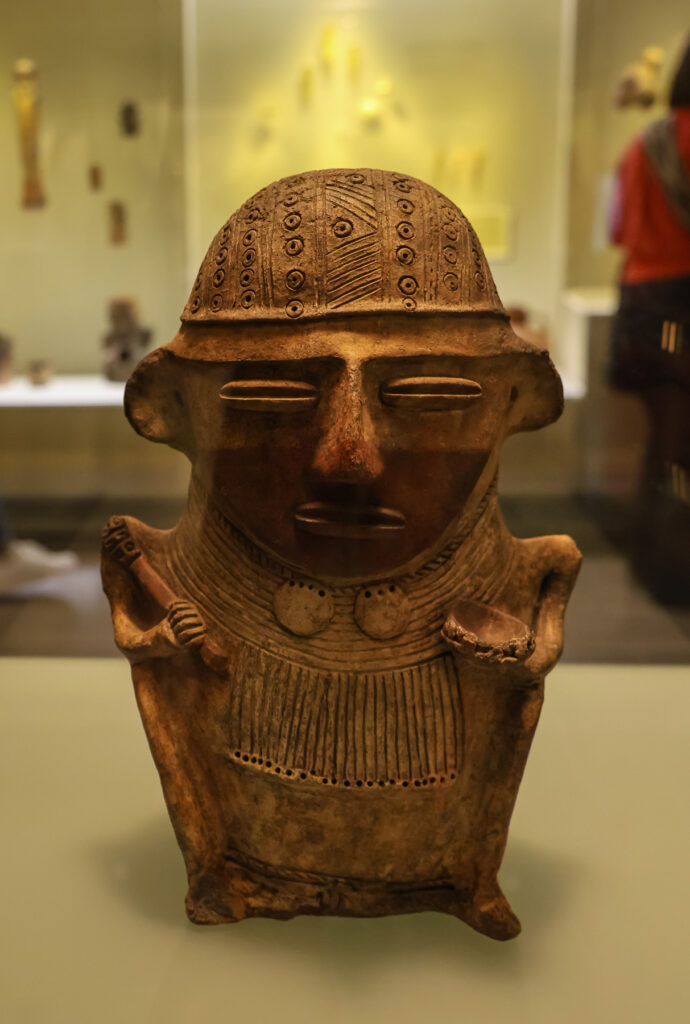
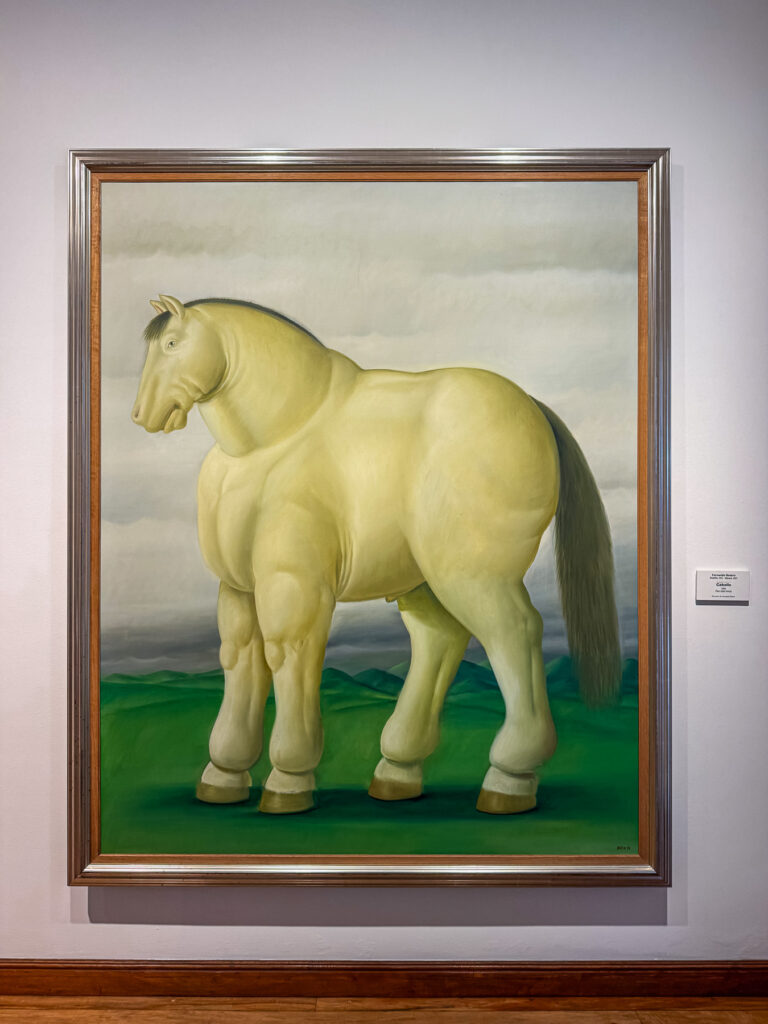

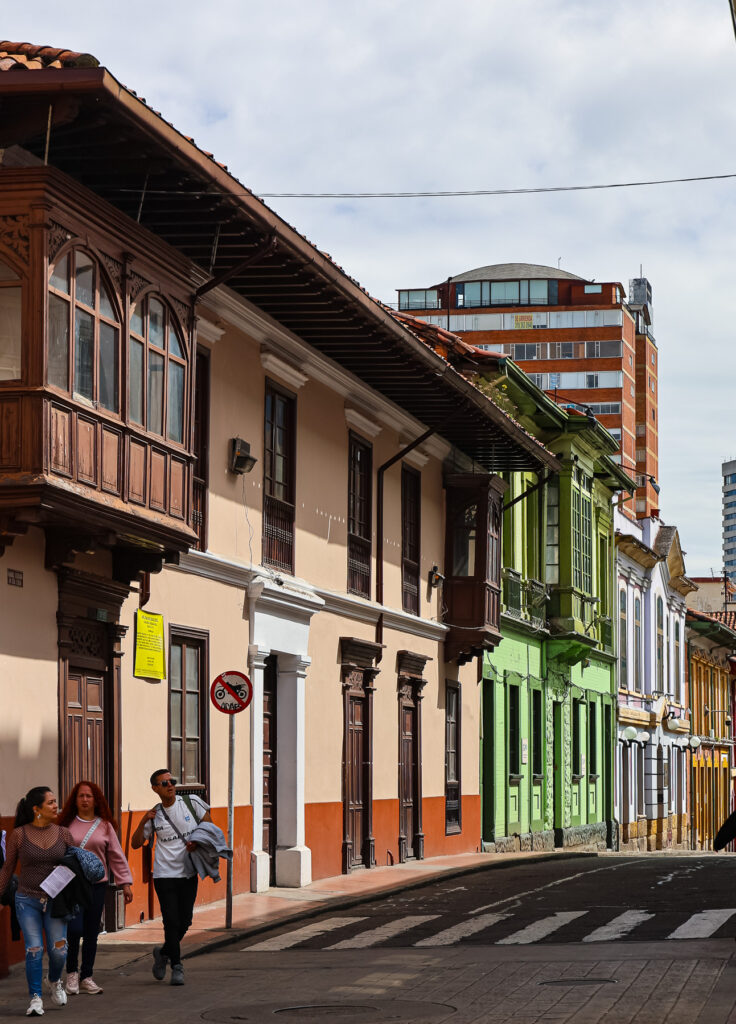
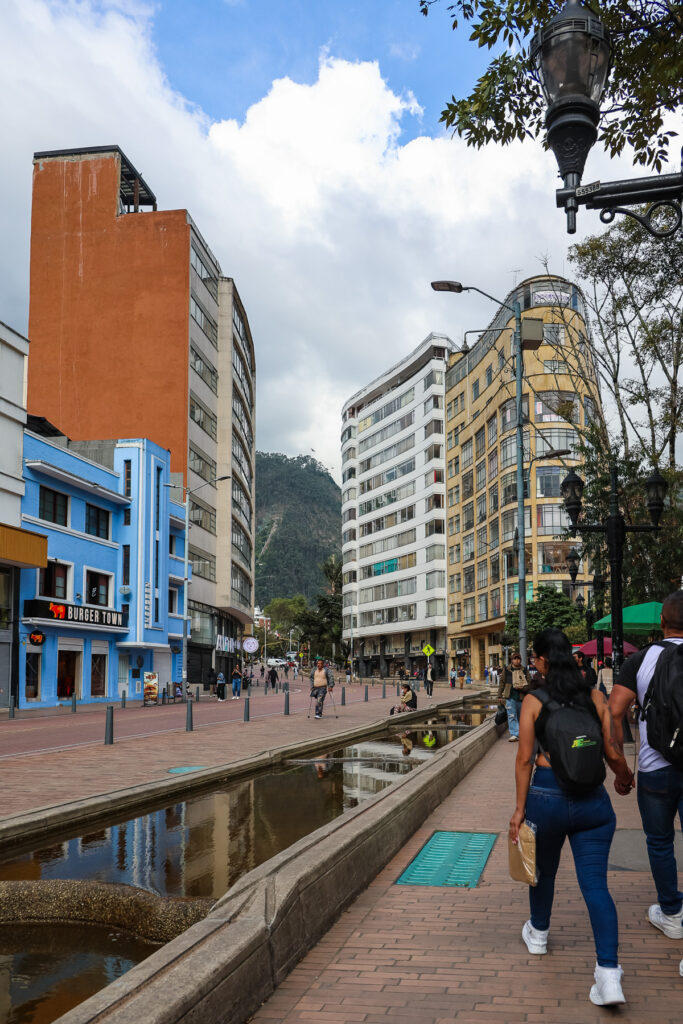
And it’s such a great destination for street photography!

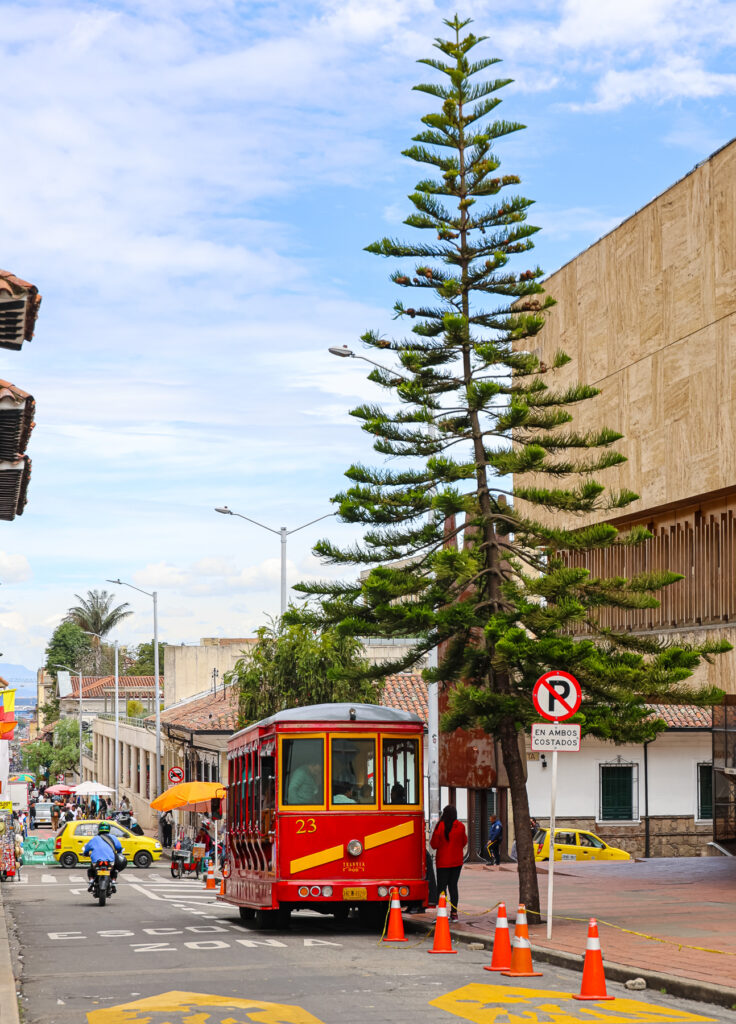
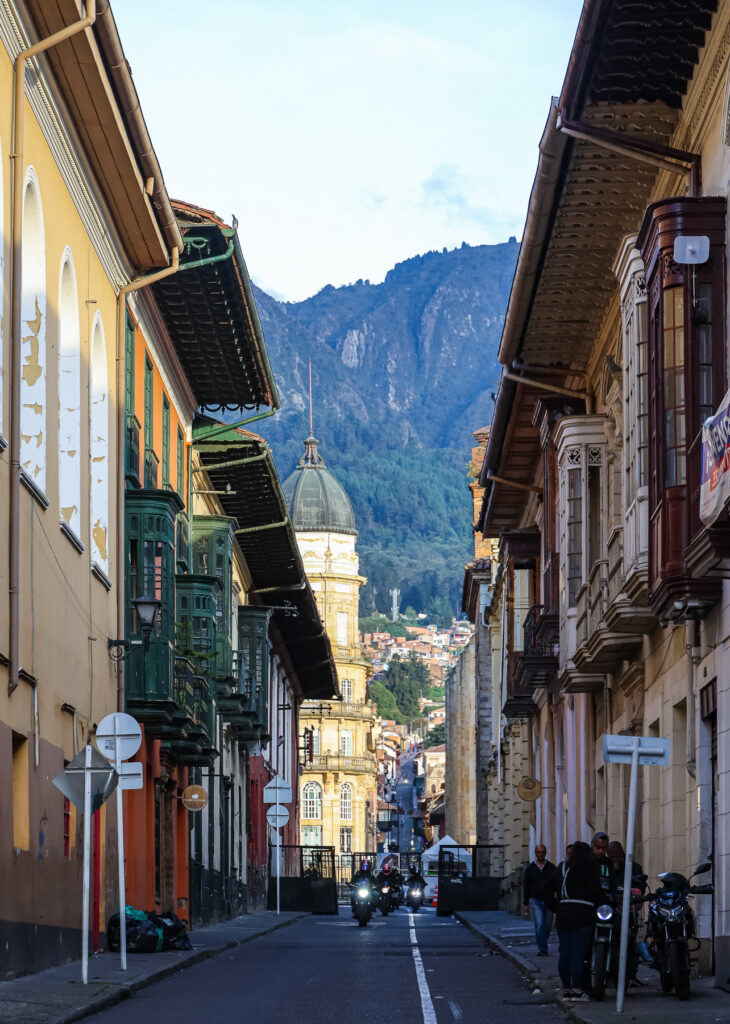
There only two things to keep in mind for your trip. First, keep an eye on your belongings. Second, try to learn some Spanish vocabulary beforehand as even in the Hospitality sector the level of English proficiency is extremely low (personally, I was extremely glad that I had learn some Spanish in the past and was at least able to communicate on the very basic level).

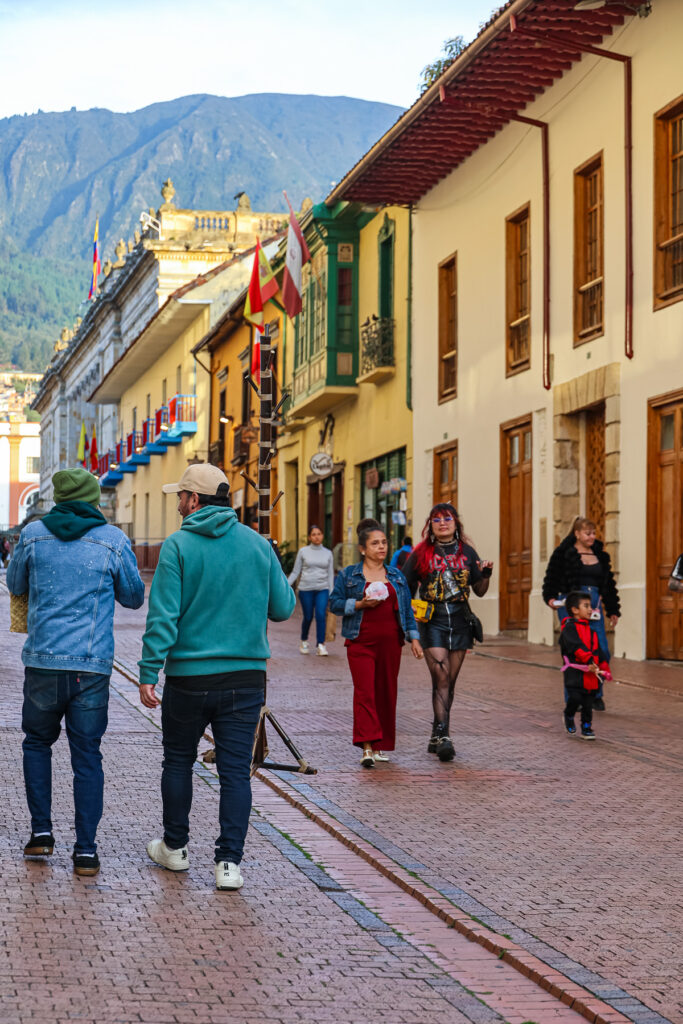
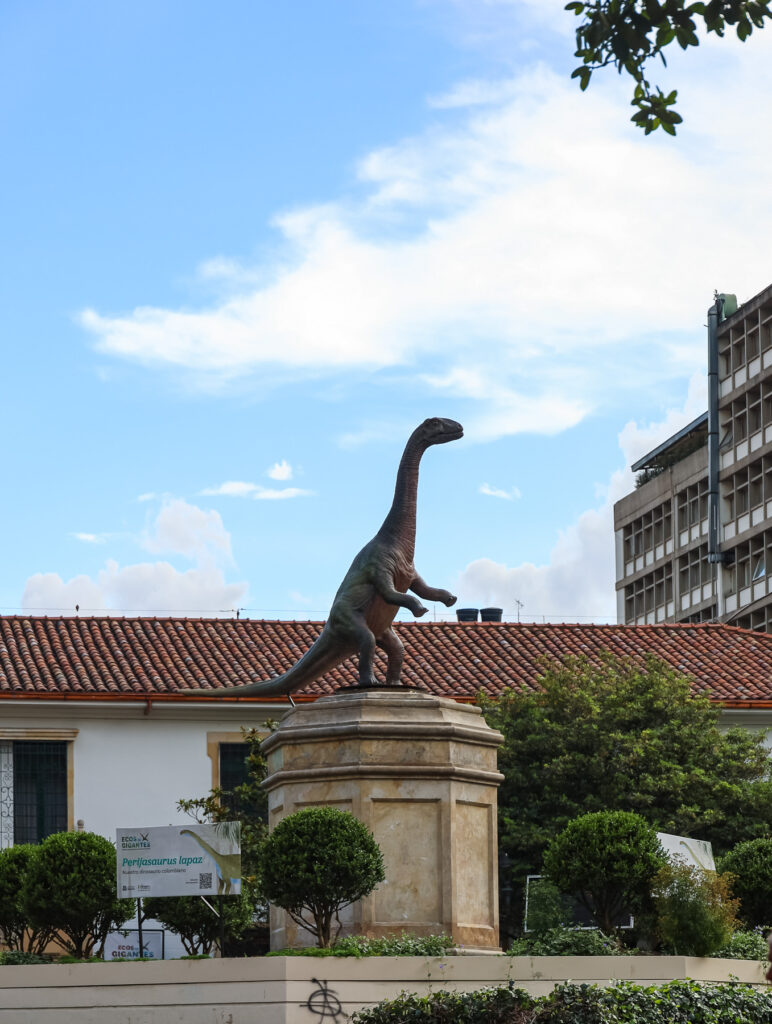
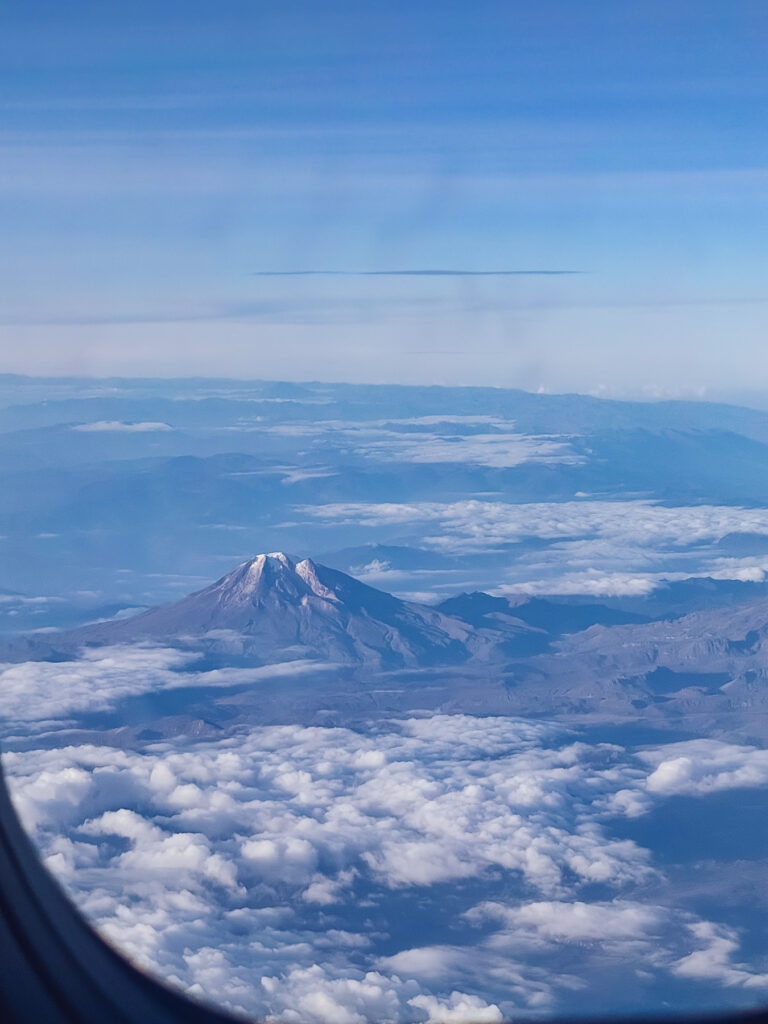
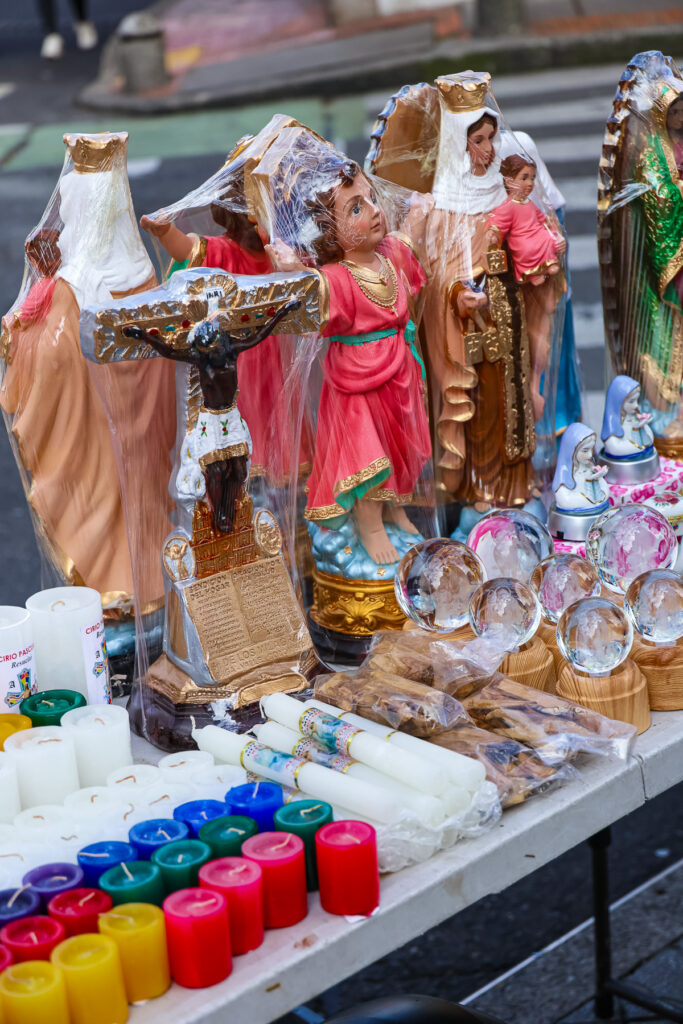
Although it’s not the safest city I’ve been to, it has a lot to offer, and I expected much less from it – scroll below to learn more!


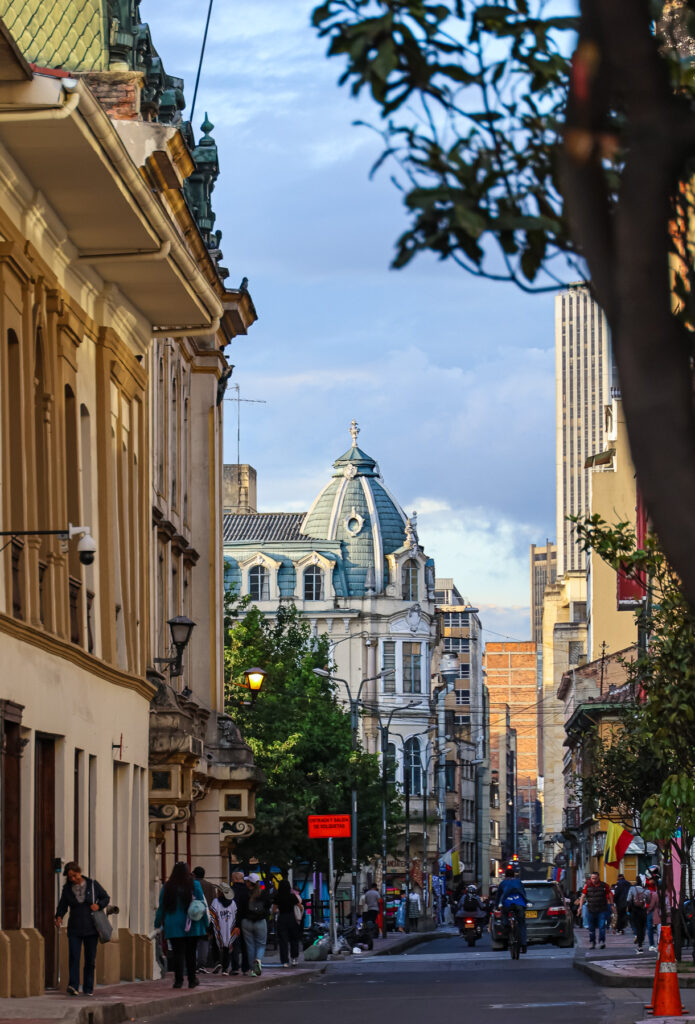
1. Plaza de Bolívar
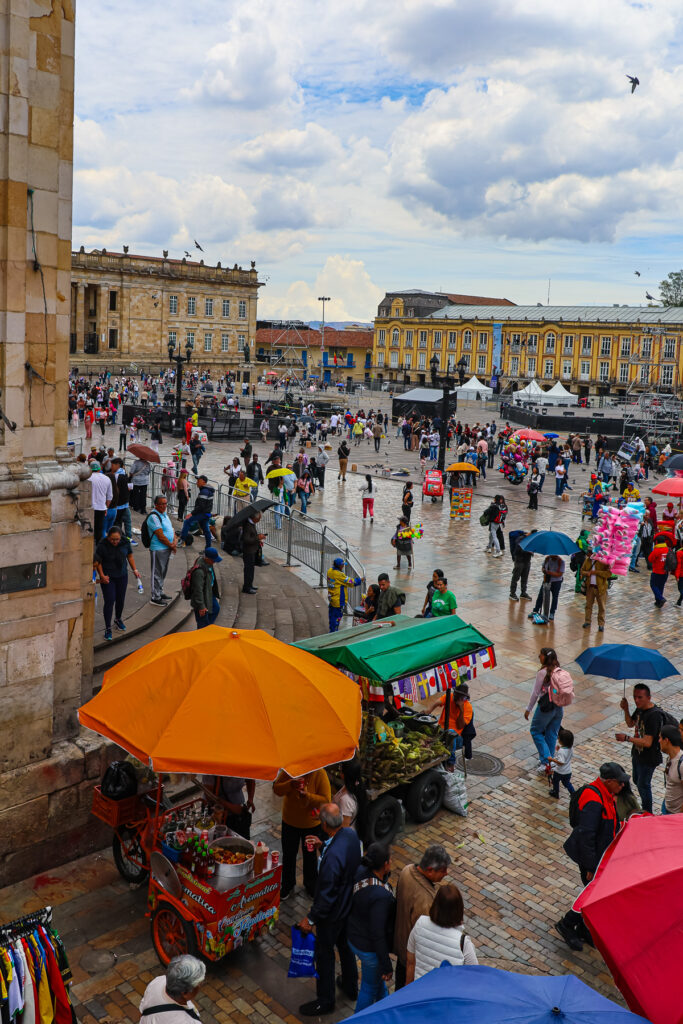
The Plaza de Bolívar is the main square of the city. Previously, it was known as Plaza Mayor from 1539 until 1821, and then as Plaza de la Constitución until 1846.

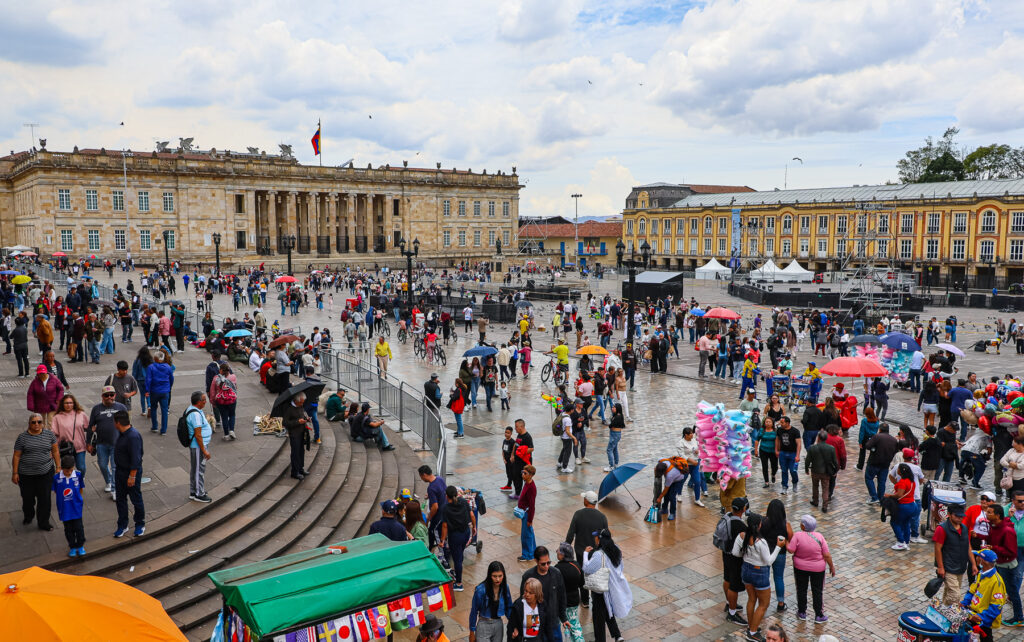
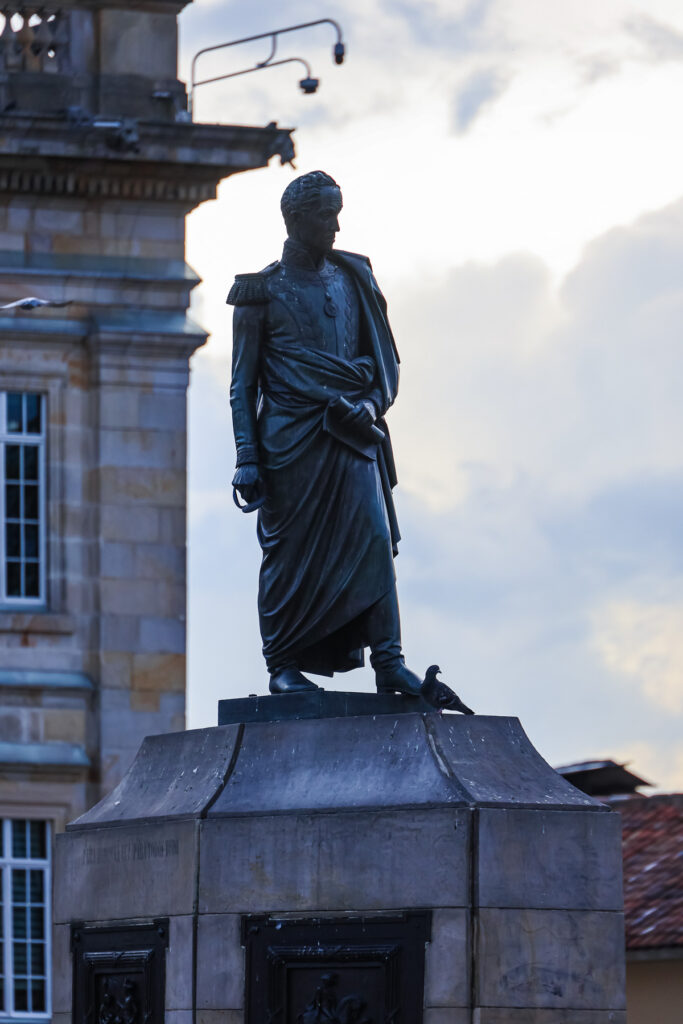
Now it’s named after Simón Bolívar the Liberator, a Venezuelan military leader who led not only Colombia but also Venezuela, Bolivia, Ecuador, Panama, and Peru to freedom from Spanish rule in the early 19th century.
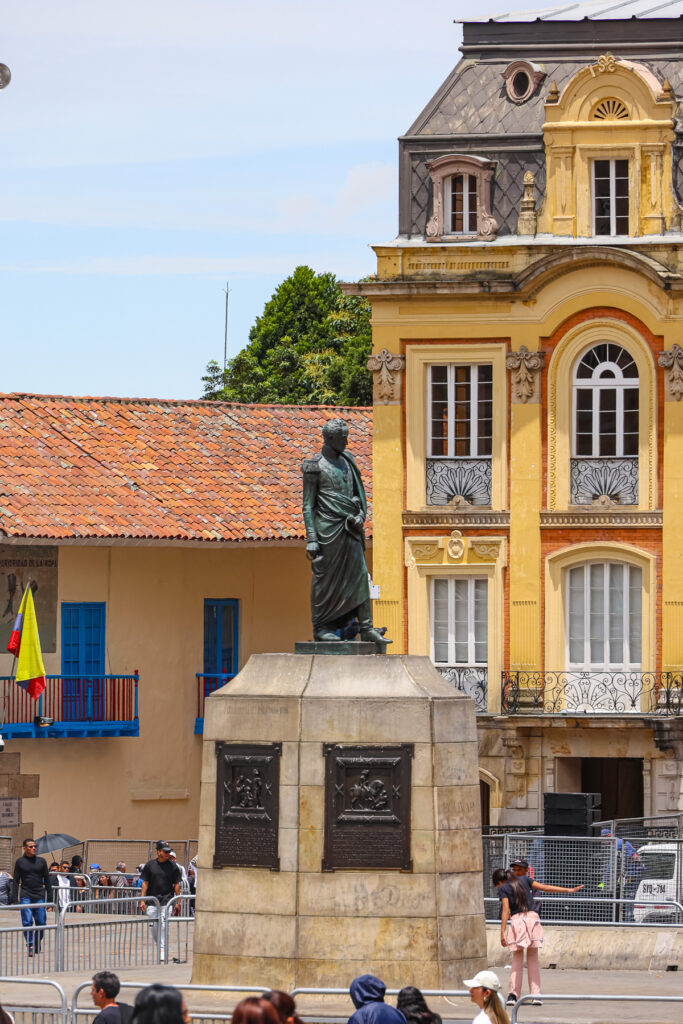
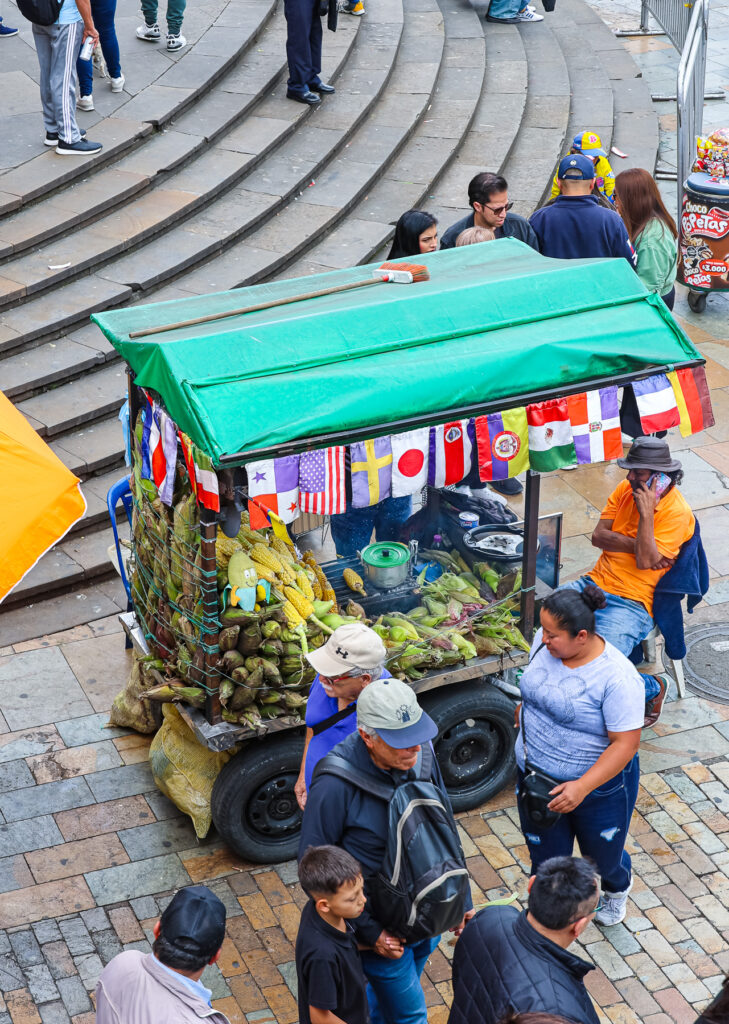
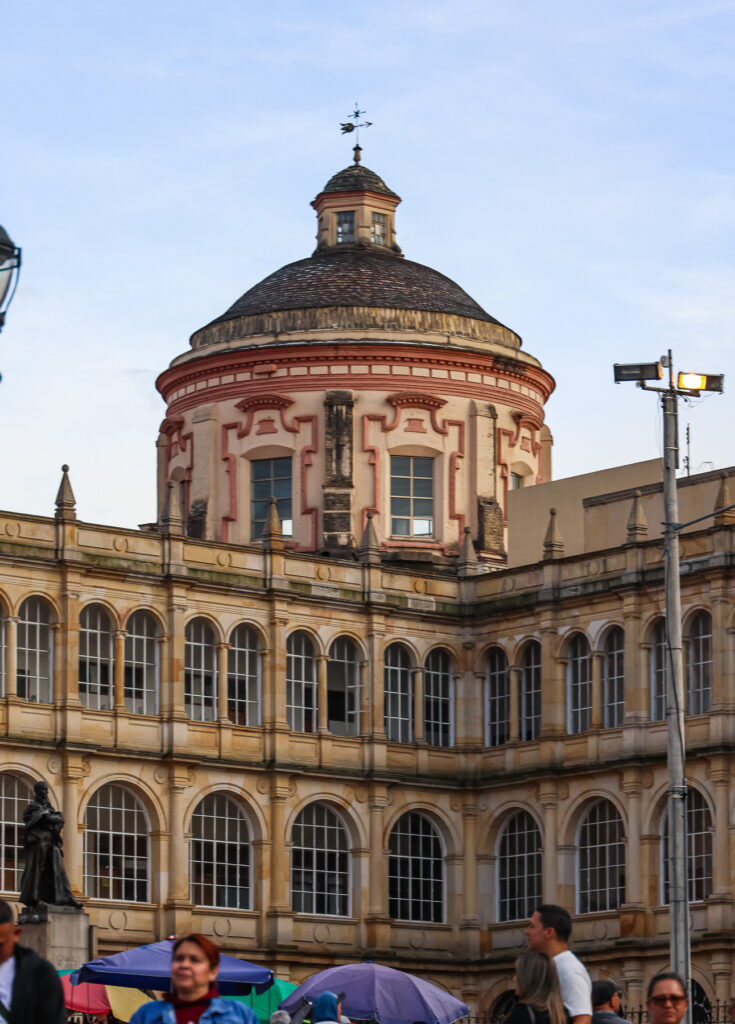
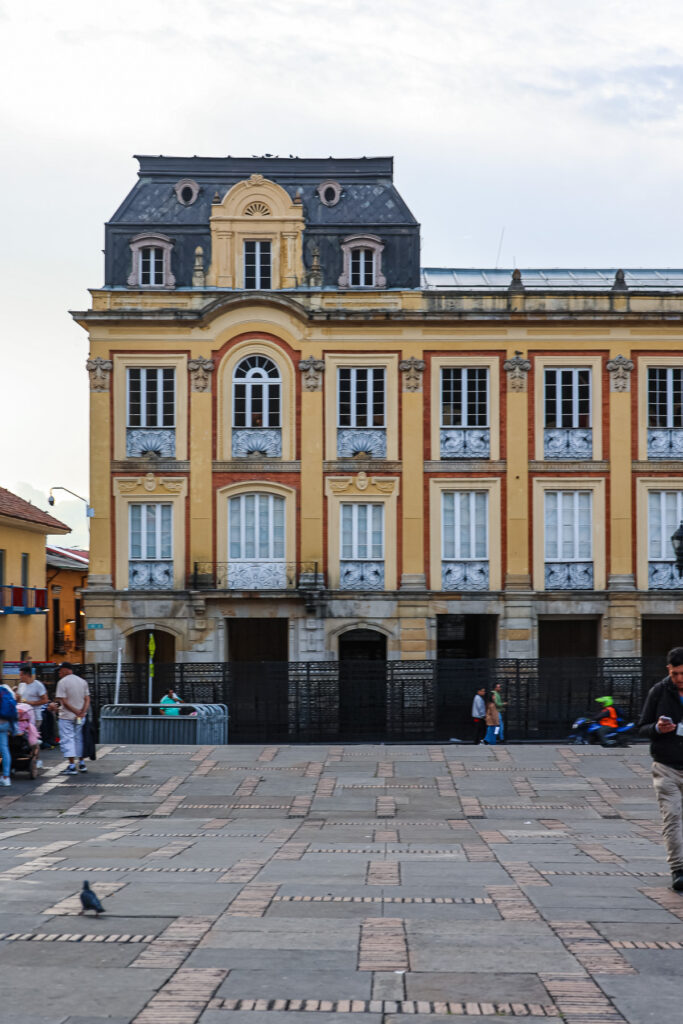
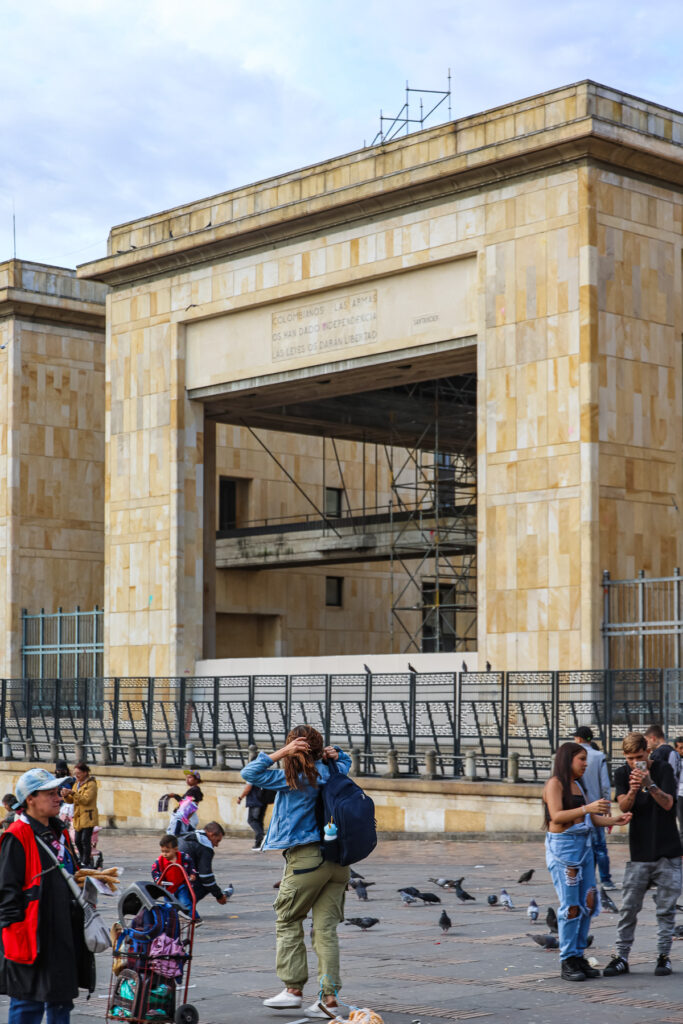
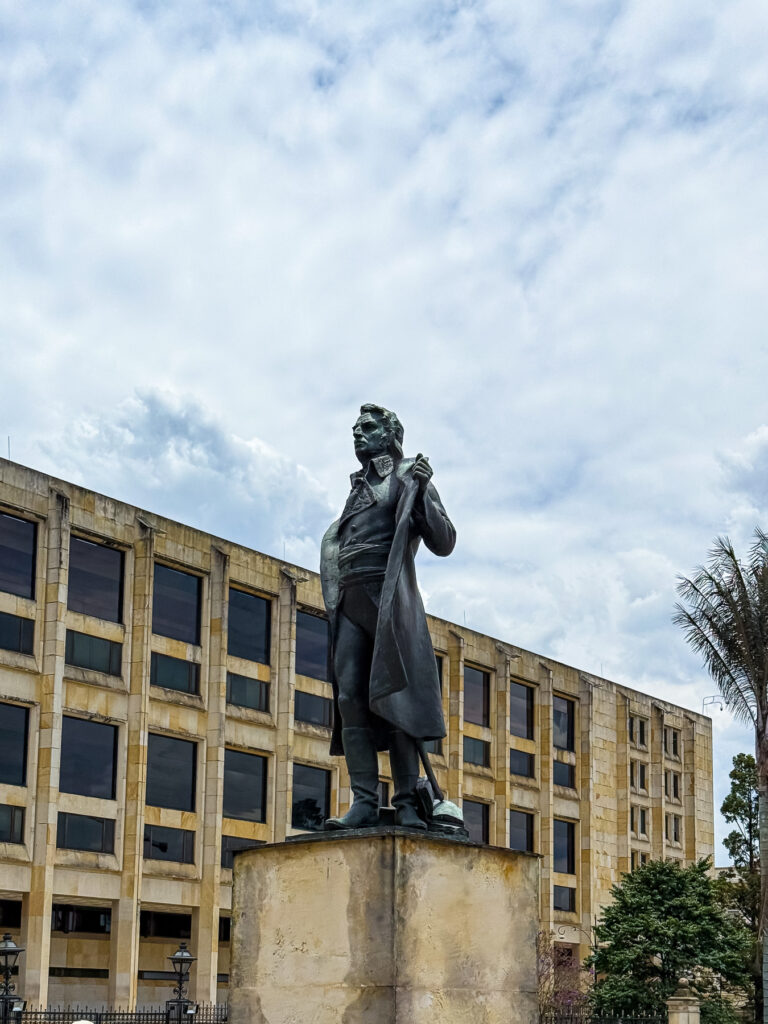
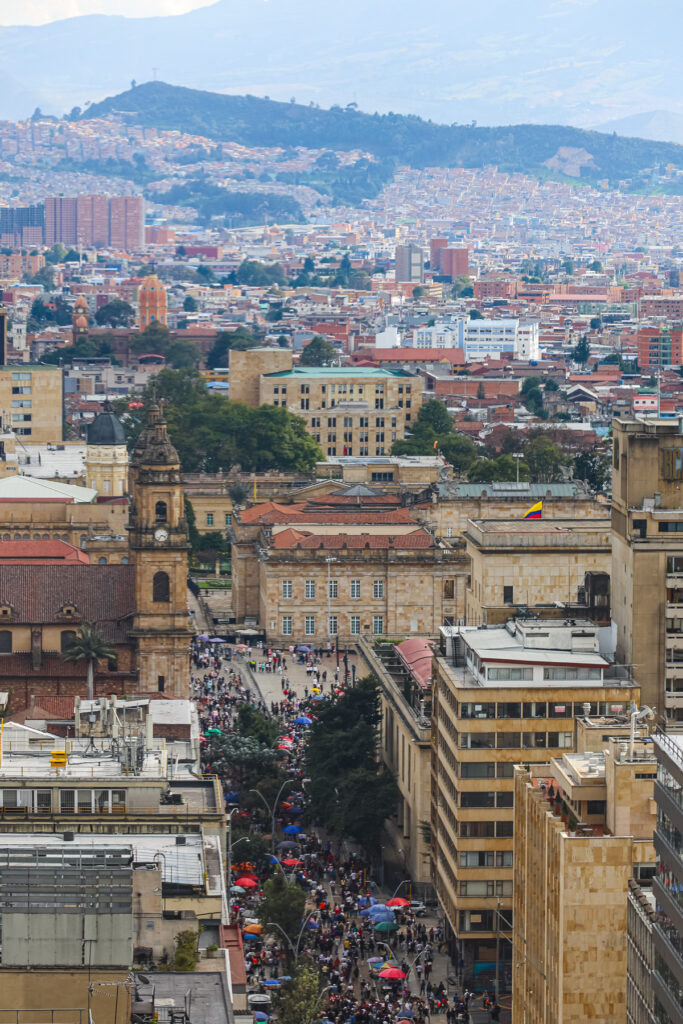
There are quite a few important buildings located here on the square: the Primary Cathedral of Bogotá, the Archiepiscopal Palace, the National Capitol of Colombia, the Palacio Liévano (now housing the City Hall), the modern Palace of Justice, and a statue of Simón Bolívar dating to 1846.
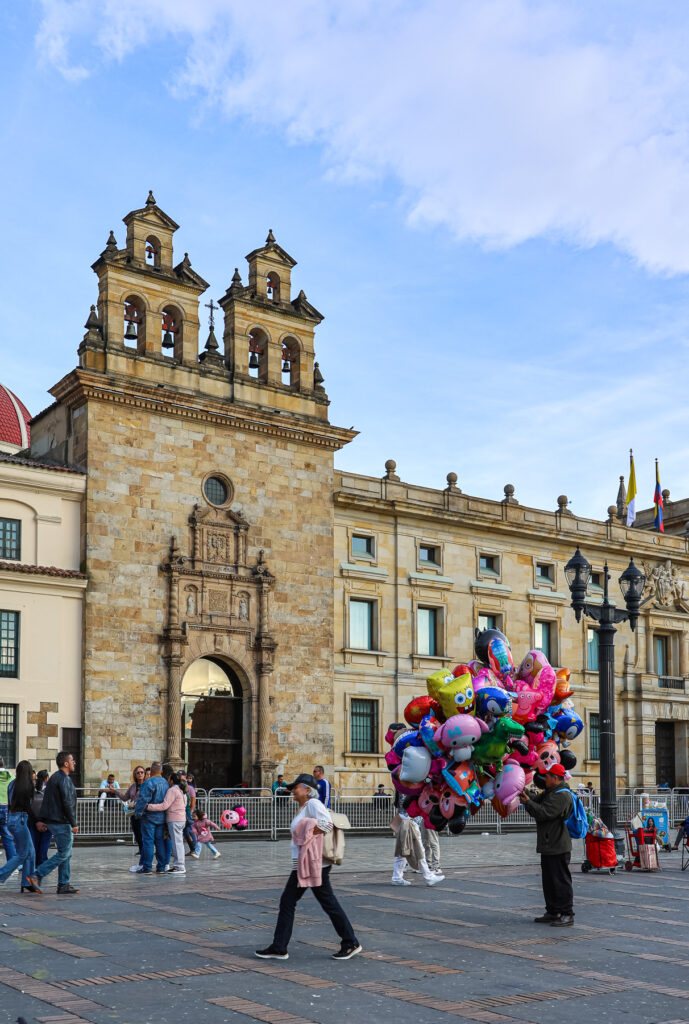
2. Primary Cathedral of Bogotá
The Primary Cathedral of Bogotá was built from 1807 to 1823 and is the main religious site of the city. The Archiepiscopal Palace is located right next to it.

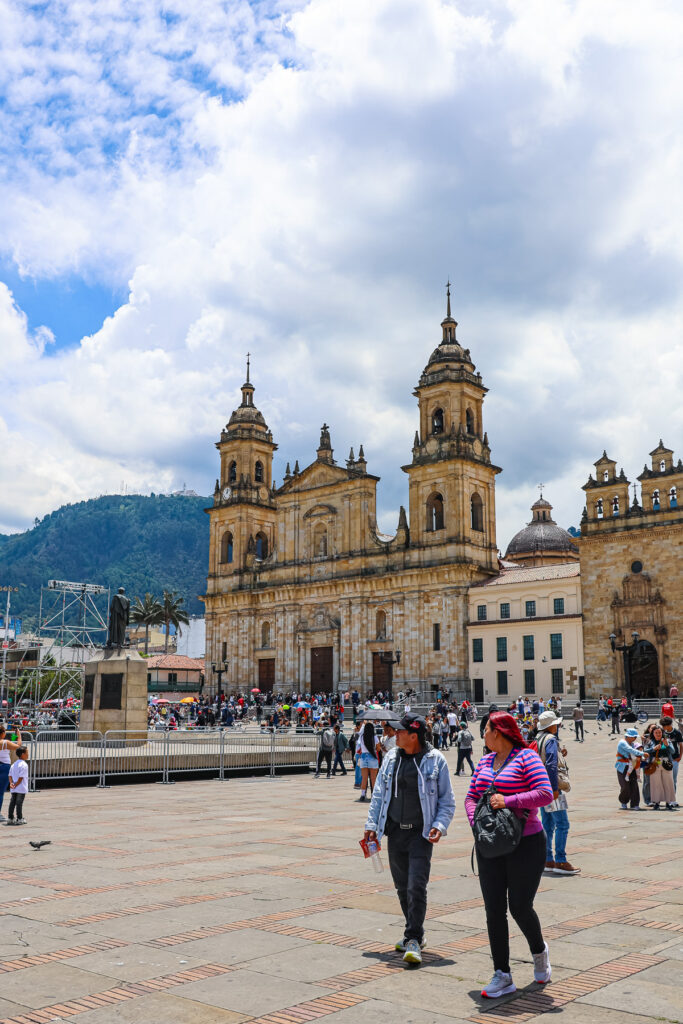
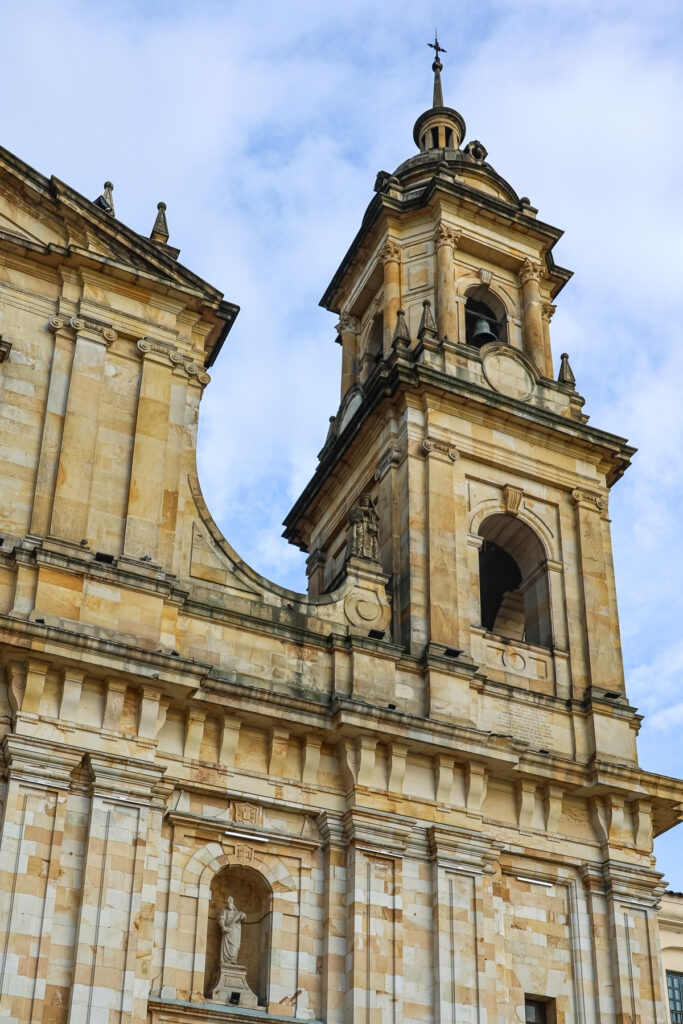

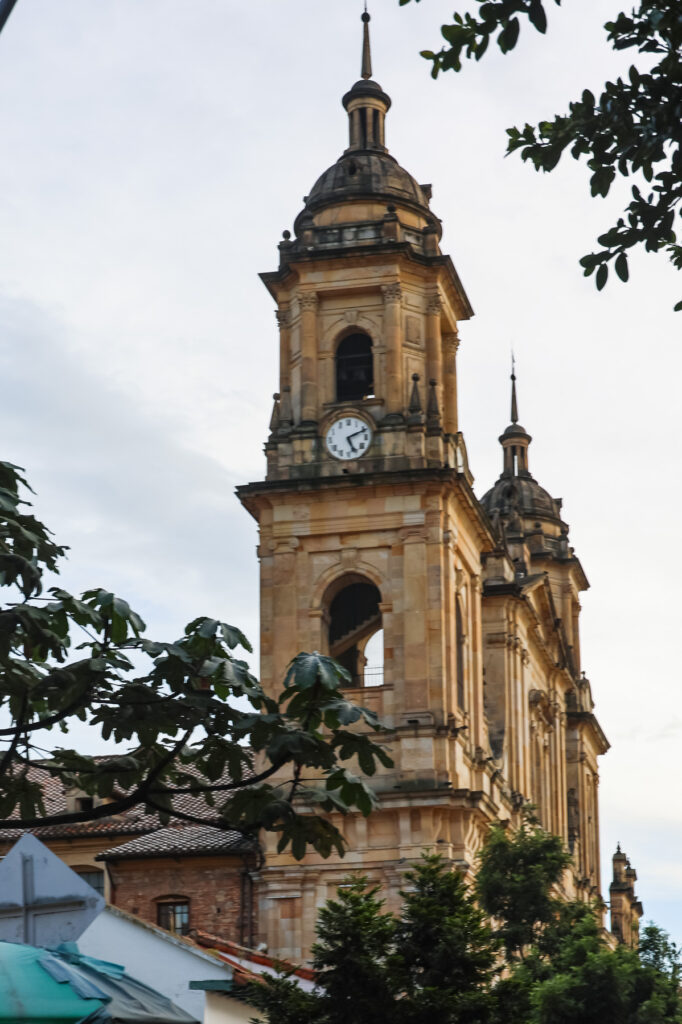
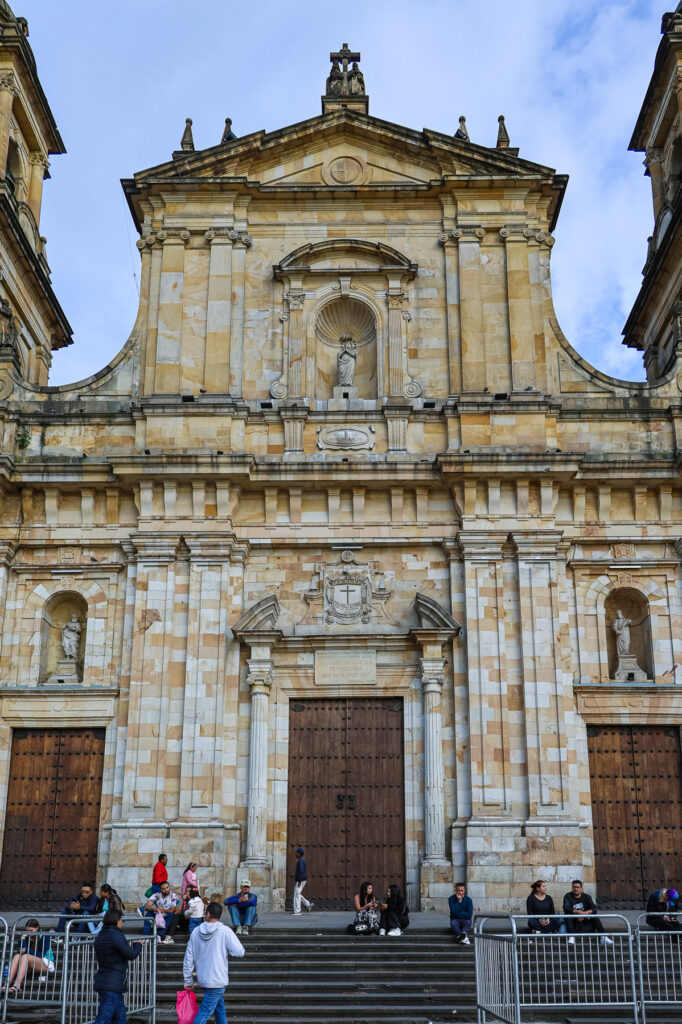
The Primary Cathedral of Bogotá is usually open in the mornings, but as we visited during Santa Semana before Easter, the opening hours differed from the normal ones, and we didn’t get to see it from the inside – we tried twice but failed.
3. Casa de Nariño
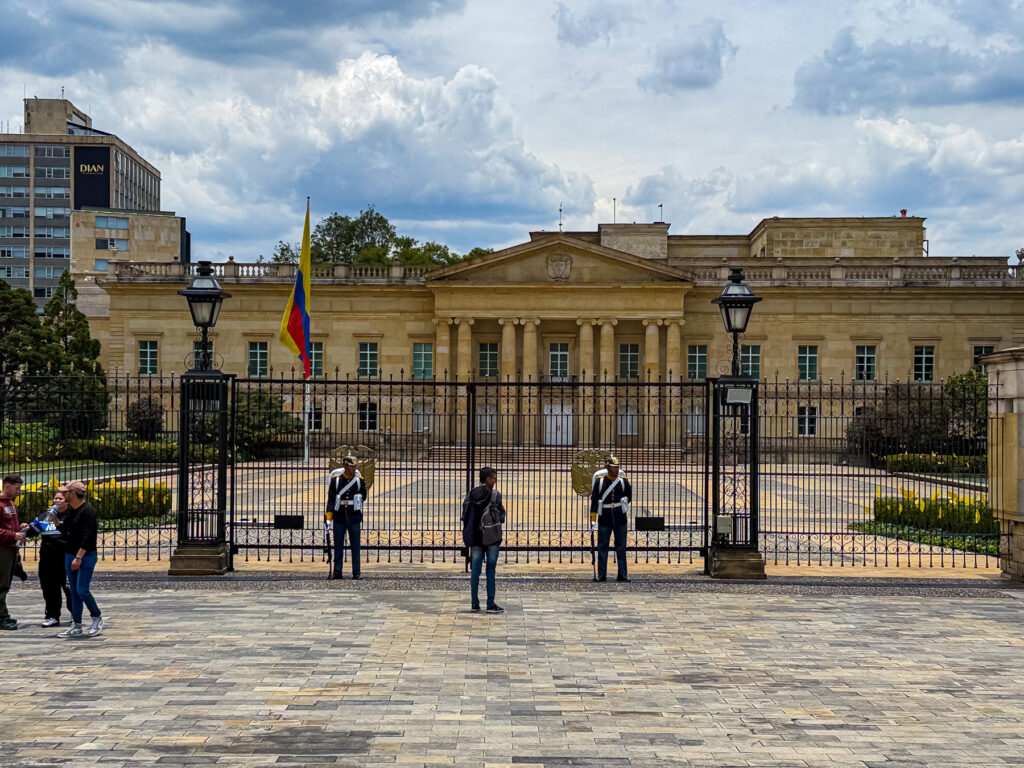
Casa de Nariño, or the Presidential Palace, is another landmark you can see from the outside. Its facade is located just a stone’s throw from the Bolívar square, but it’s heavily guarded and not always open to visitors.
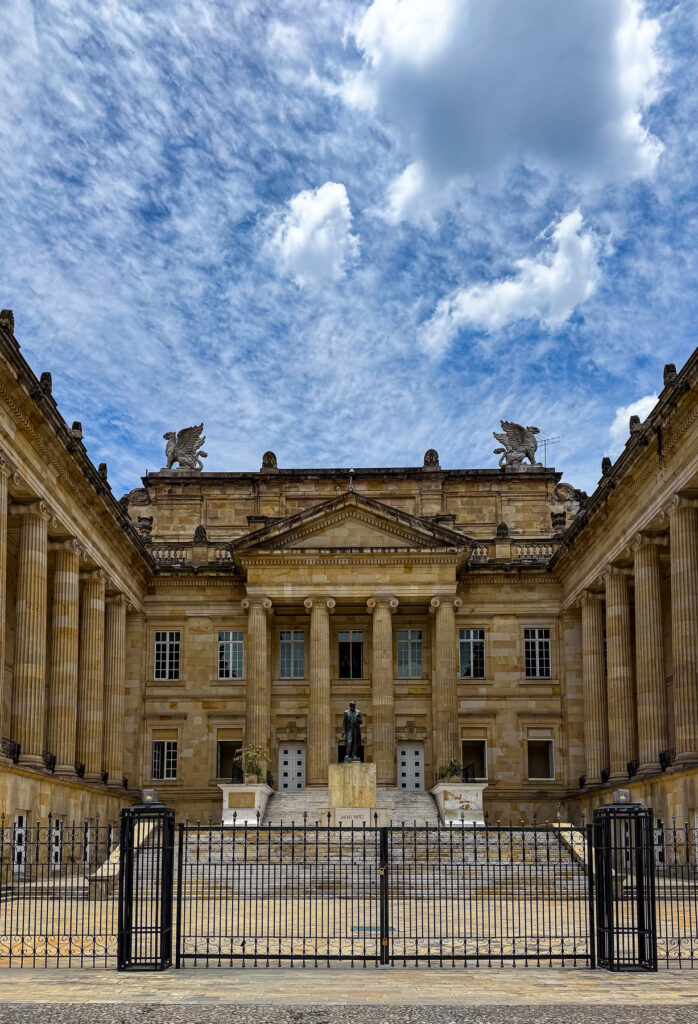
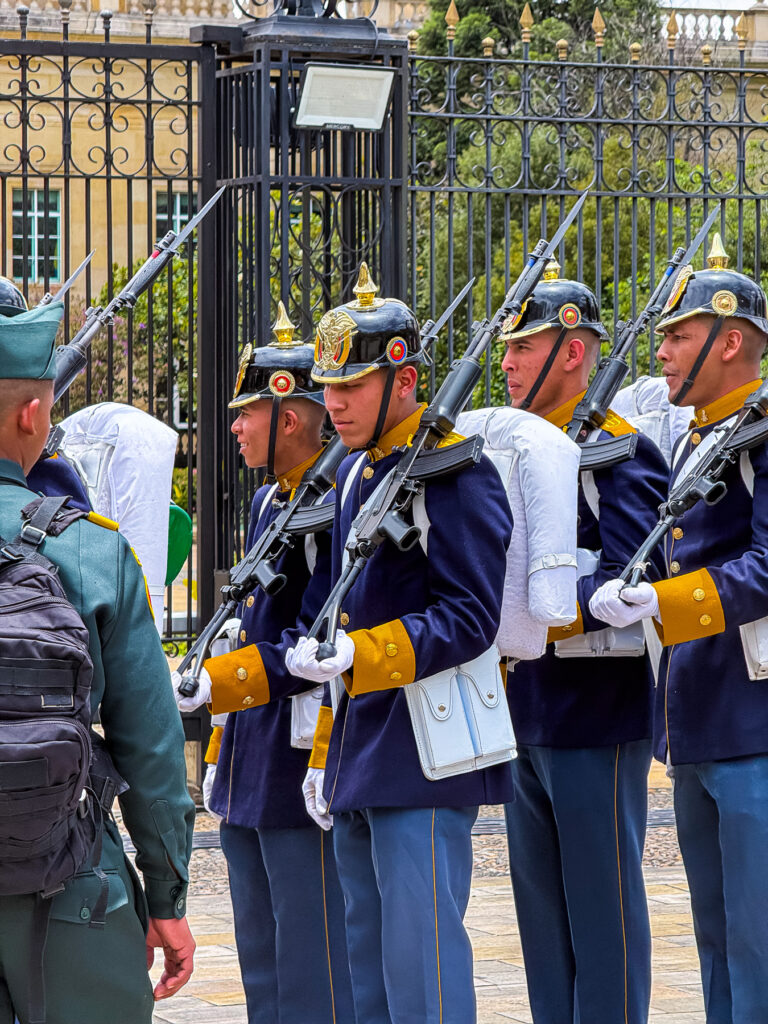
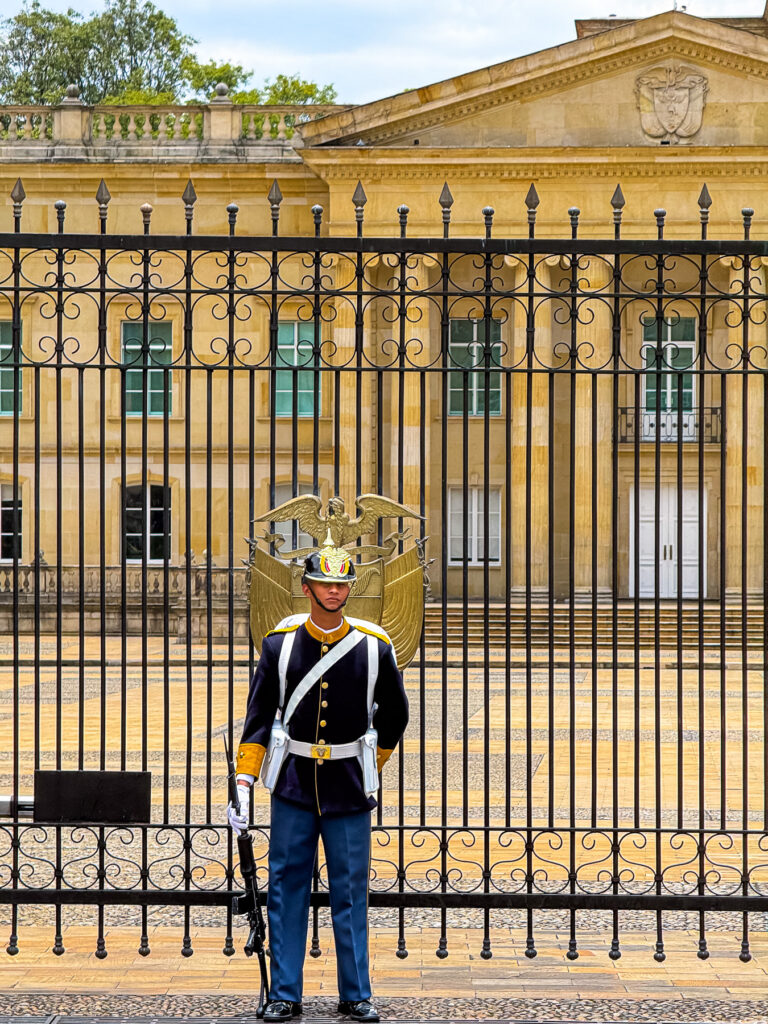
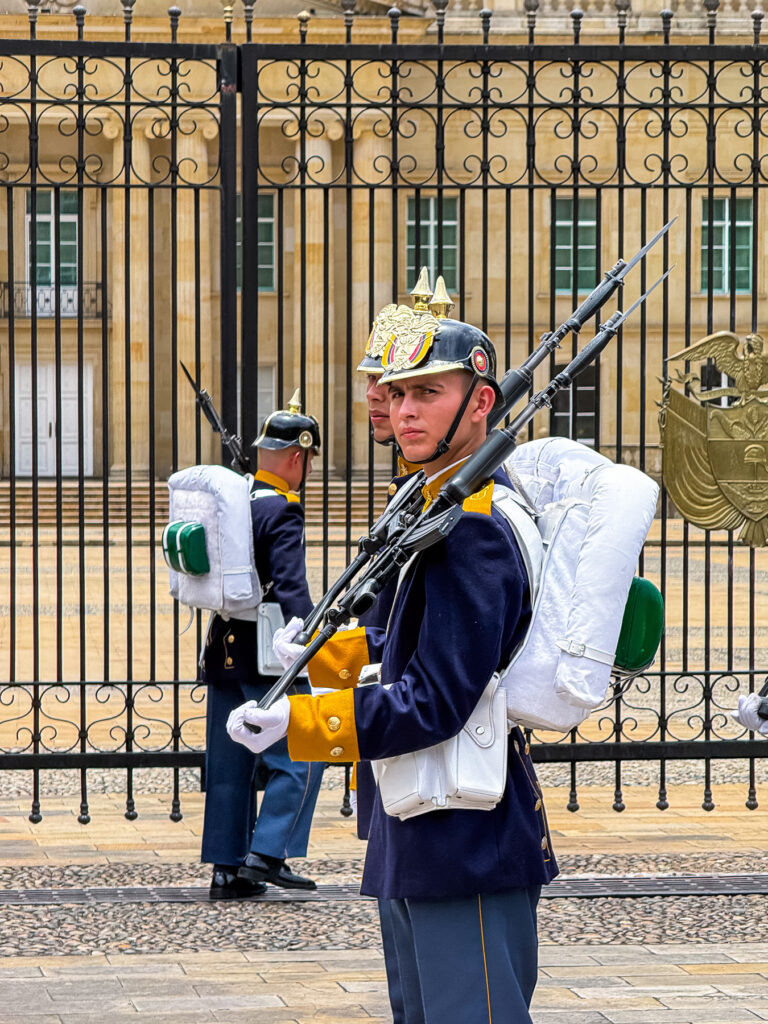
It is named Casa de Nariño after the site where Antonio de Nariño was born (the house used to be on this location). He was the person who promoted human rights and independence during the late Spanish rule in Colombia, before independence. We were lucky to see the guards there too! Photography with a camera is not allowed.
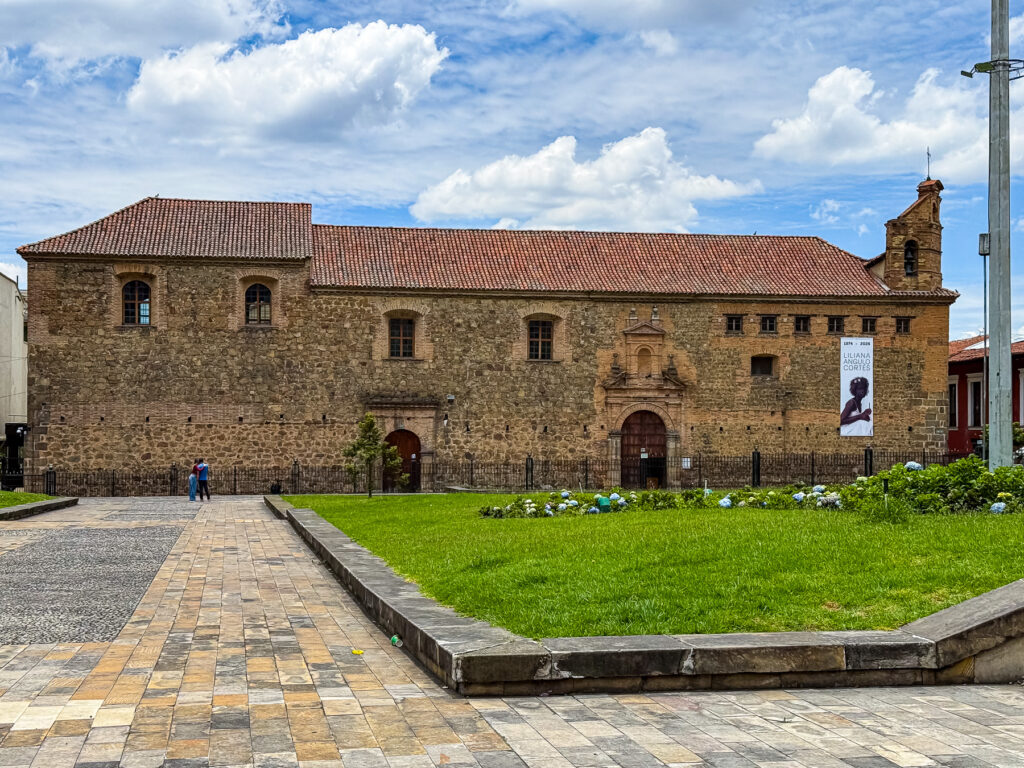
4. Museo del Oro
If you have time for only one museum in Bogotá, let it be the Museum of Gold, or Museo del Oro.
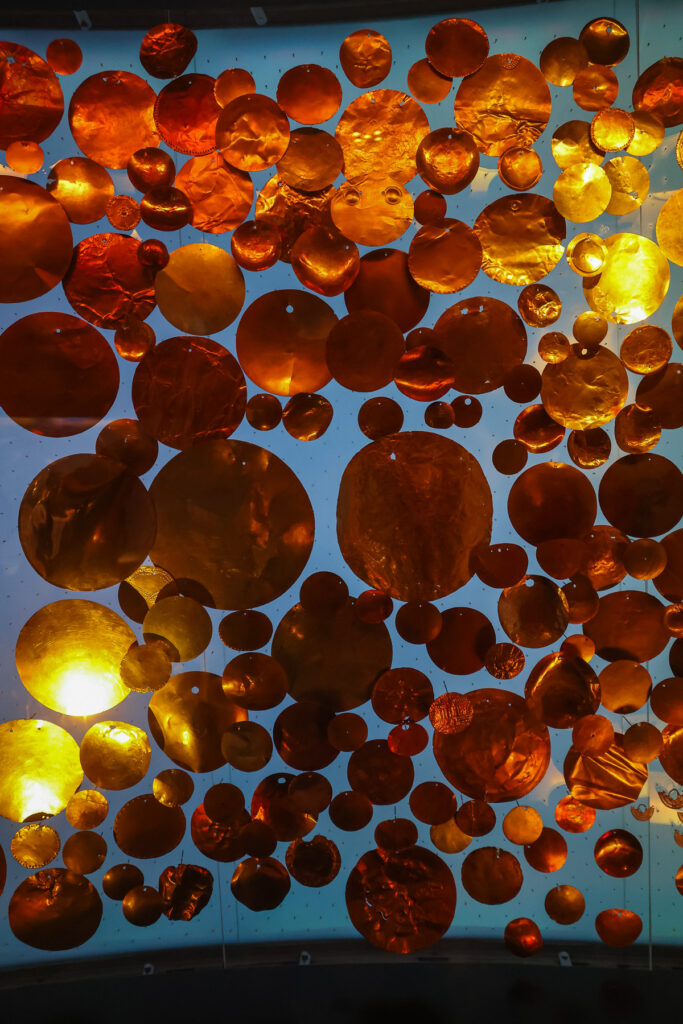
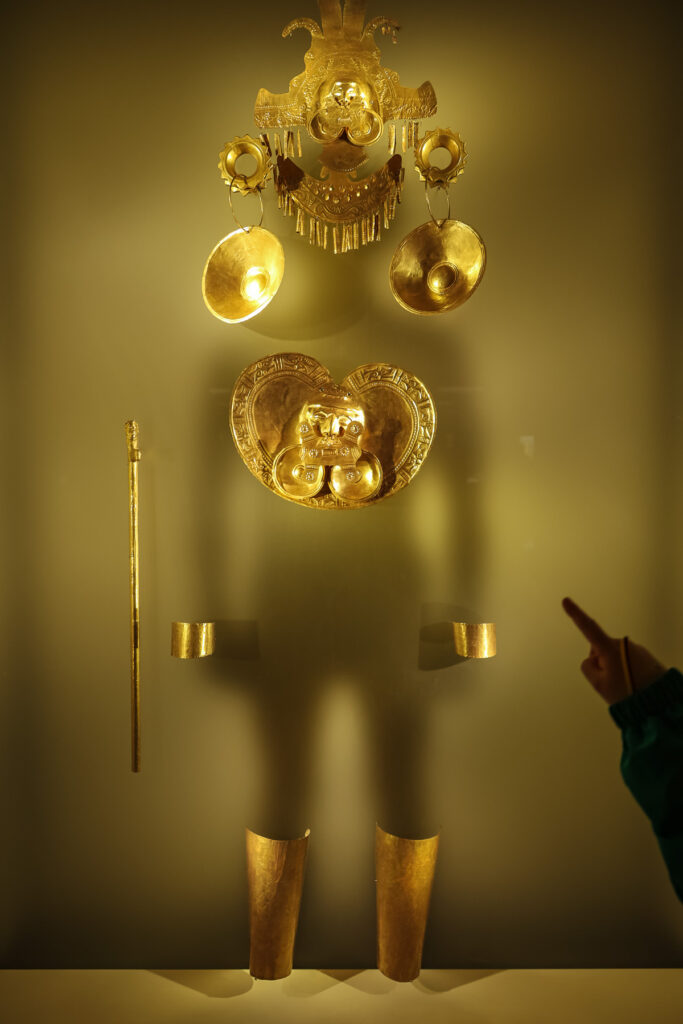
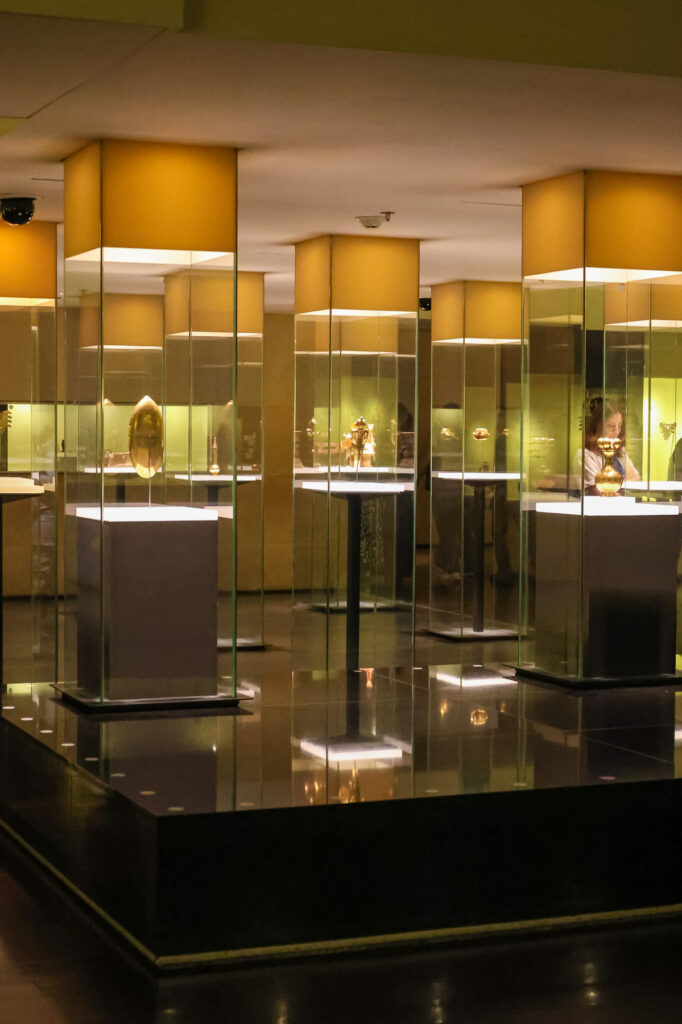
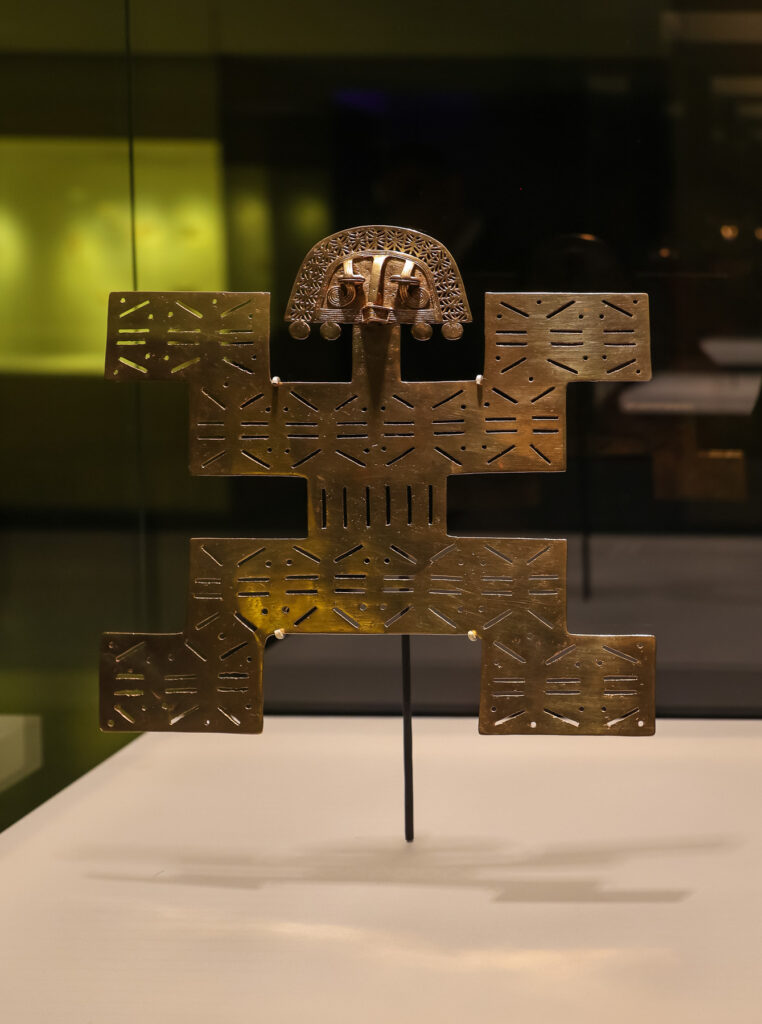
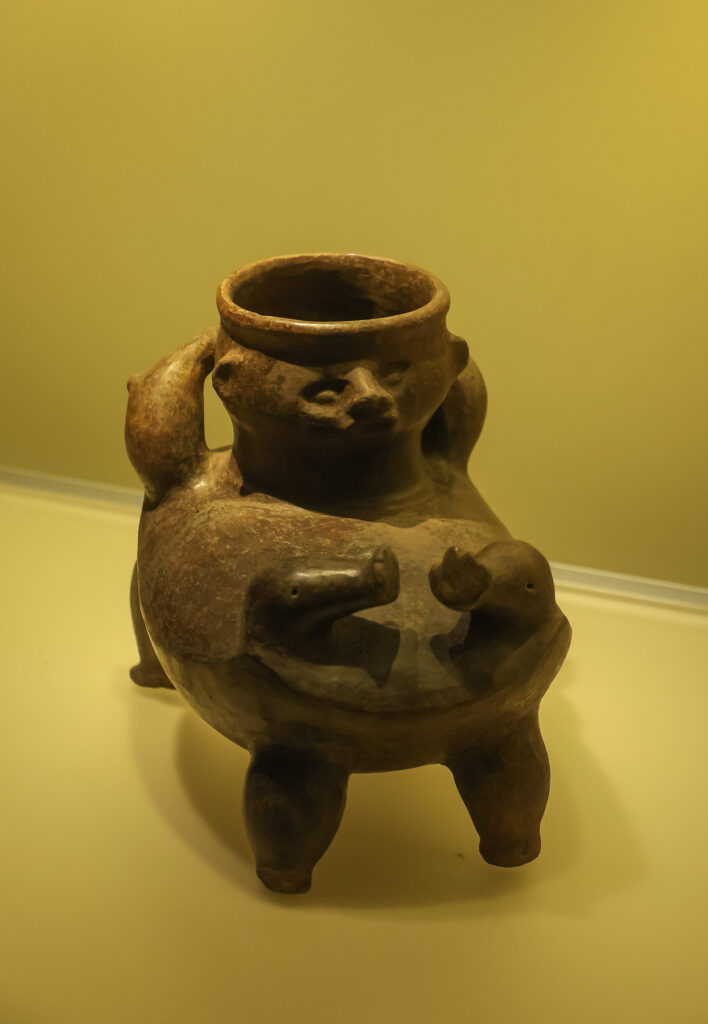
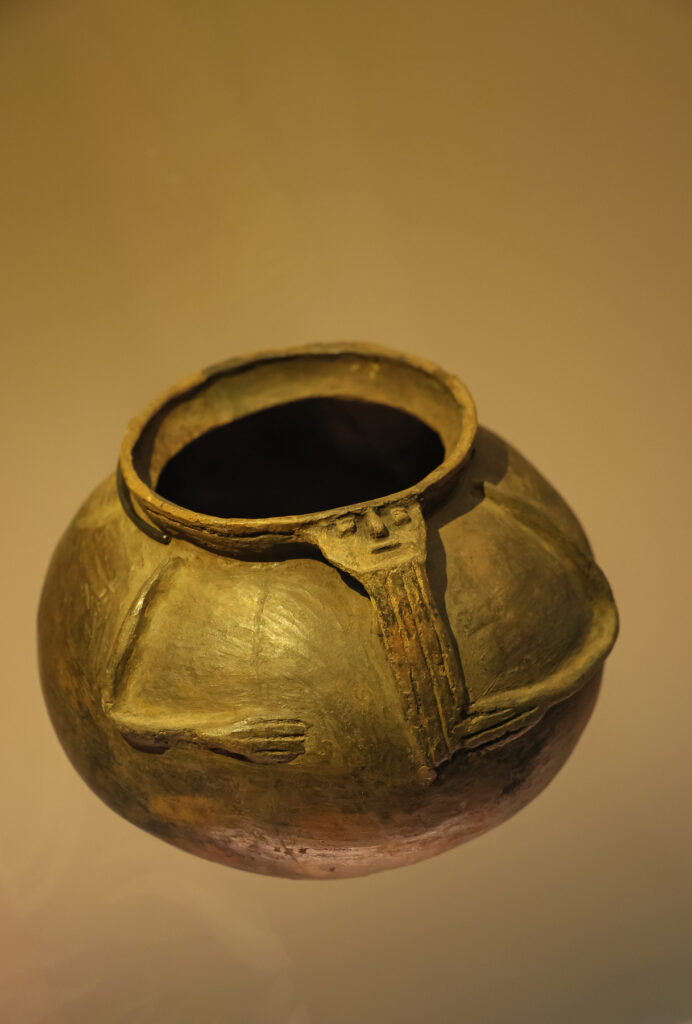
Established in 1939, it houses a fantastic archaeological collection from pre-colonial times when people were attracted by the colour, shine and textures they could get from gold, not by its value we out into it today. Some ceramic and stone objects are also in display.
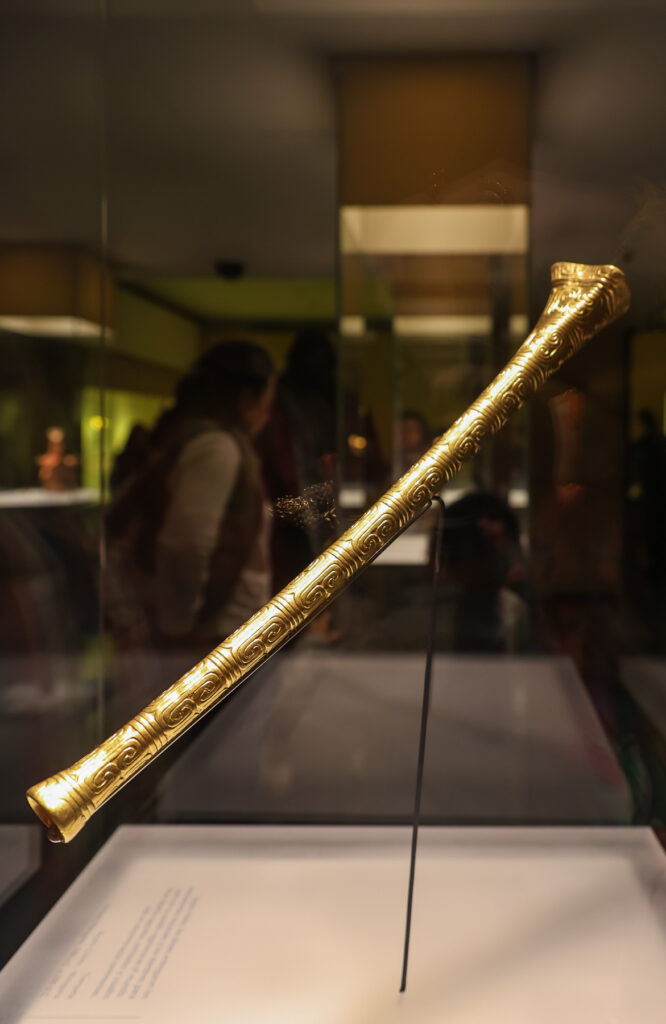
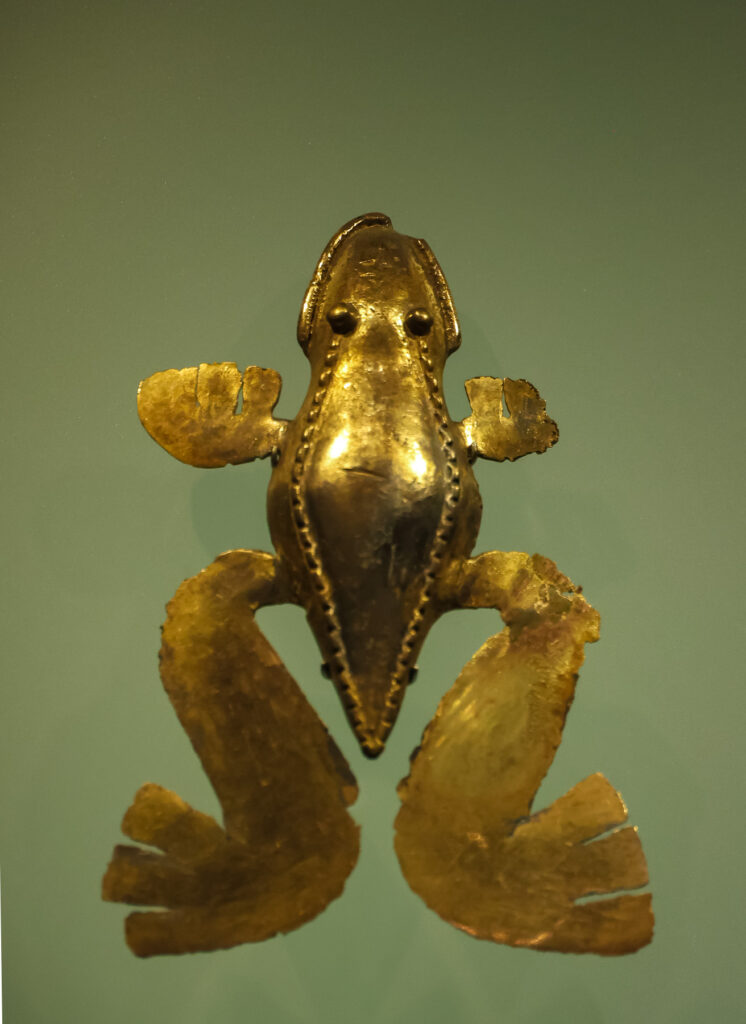
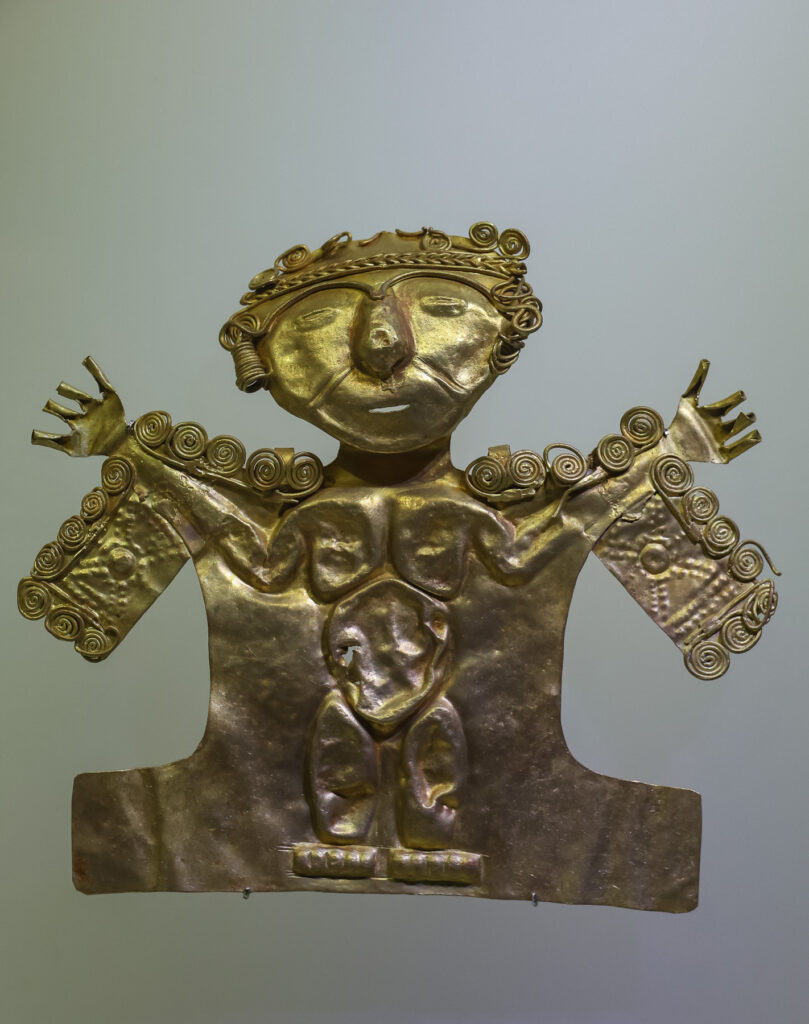
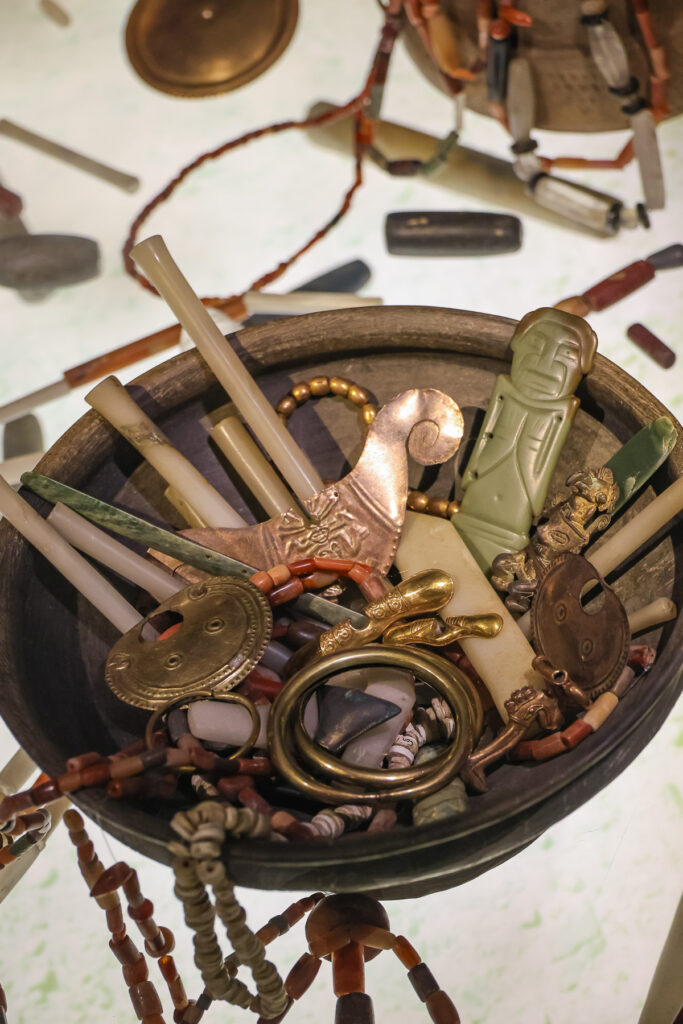
Their collection is enormous: here you can learn about mythology, shamanism, everyday life, rituals, funerals, and other aspects of human life that included gold objects and ceramic elements – all carrying symbolic meaning.
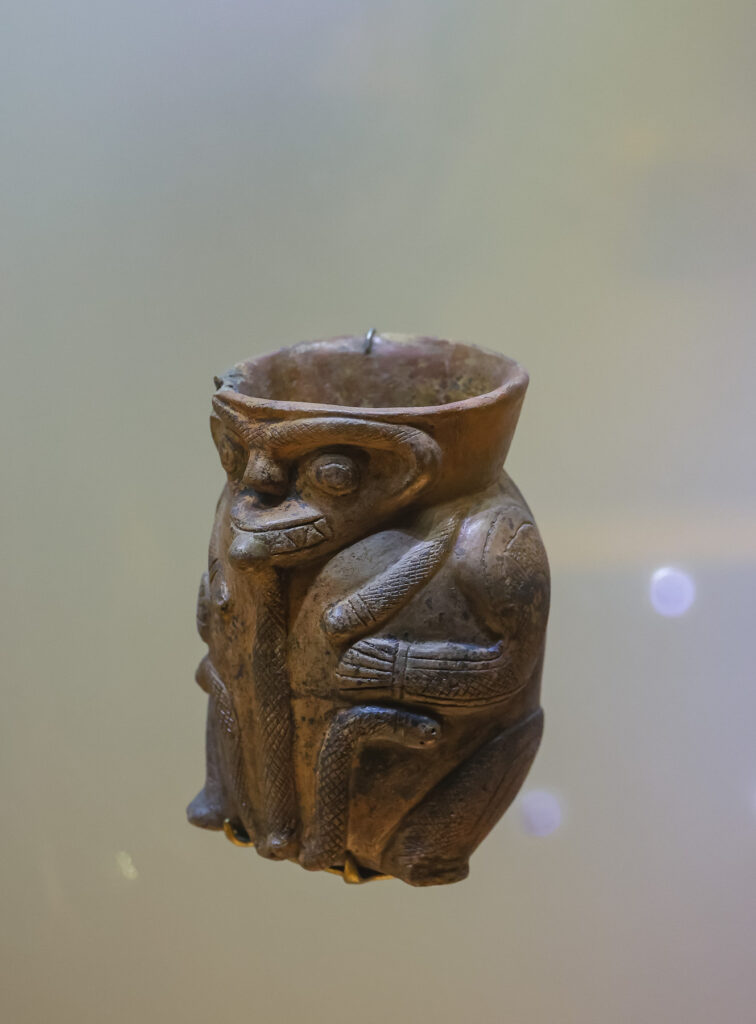
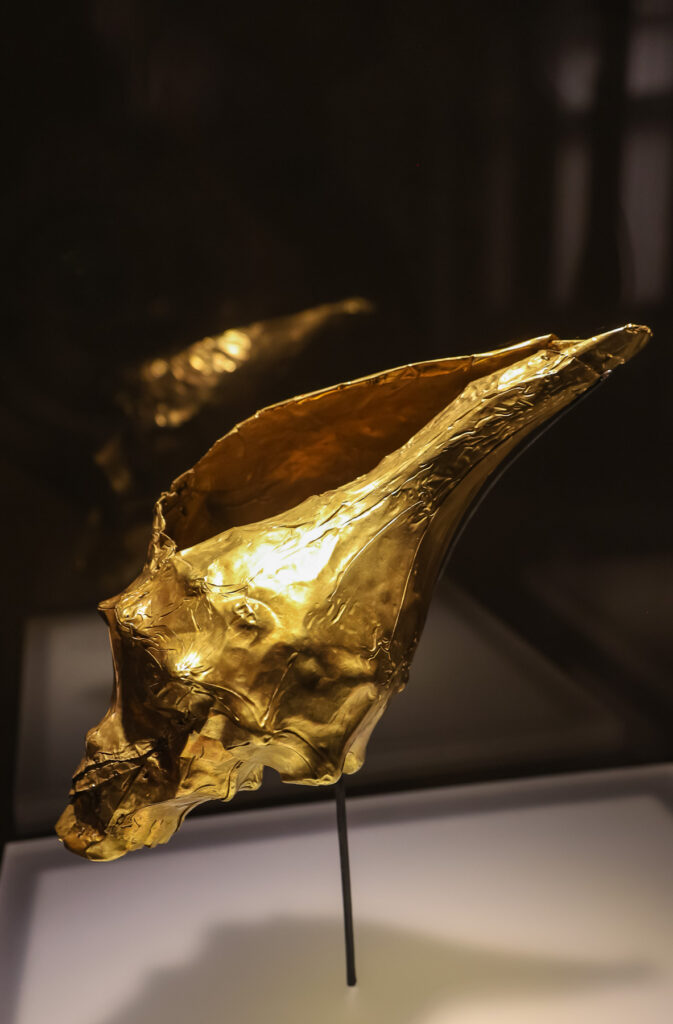
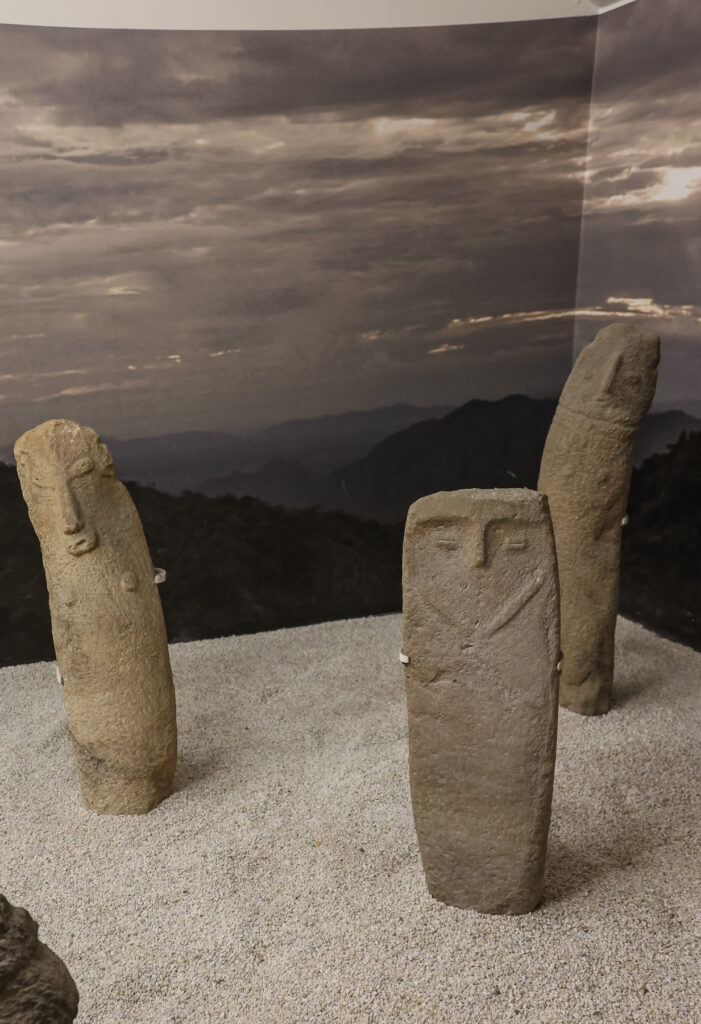
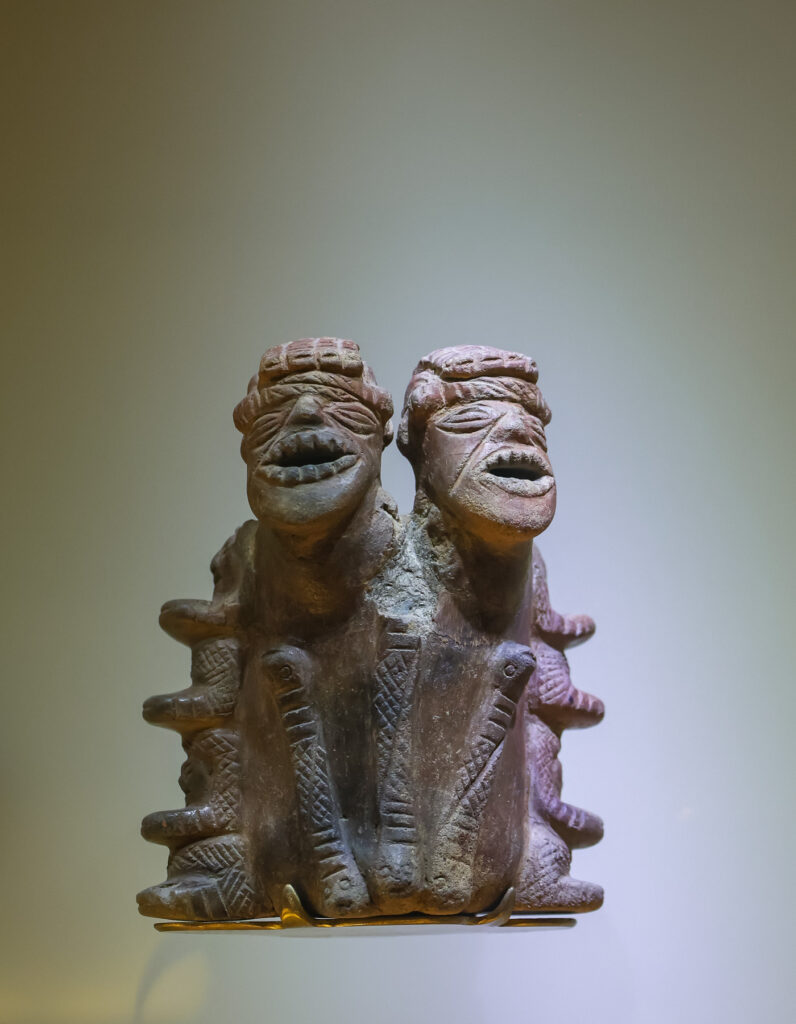
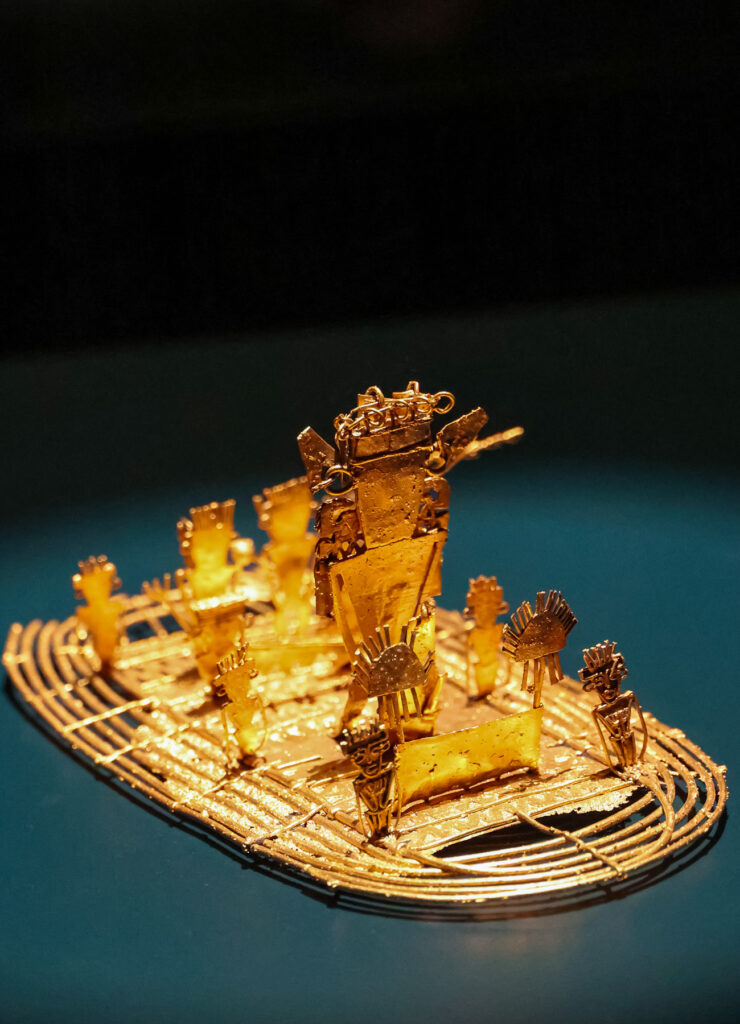
Look for Tunjos – figurines of animals and humans, Poporos for coca leaves, gold jewelry, huge nose earrings, funeral gold masks, gold disks – and probably the most famous piece of them all, the Muisca golden raft found in 1969!
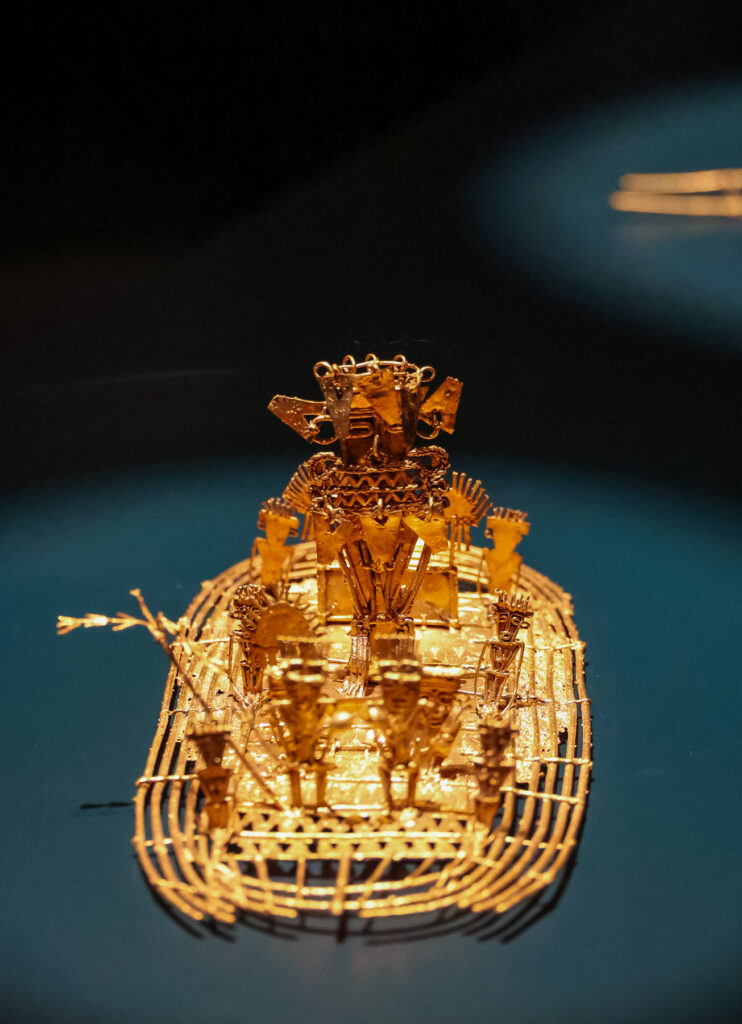

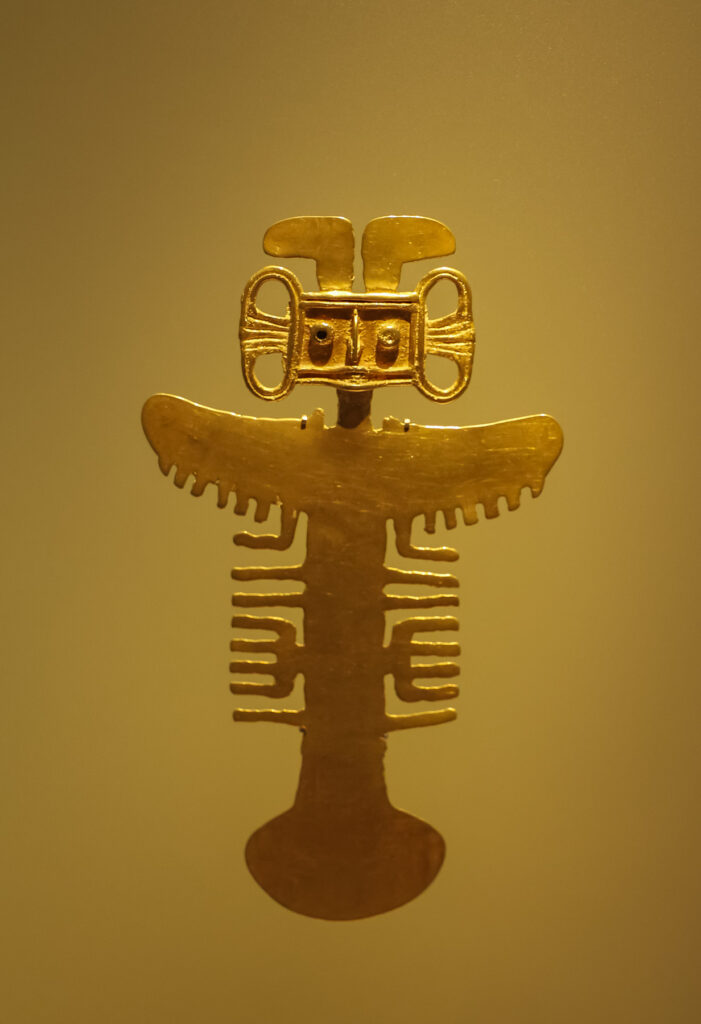
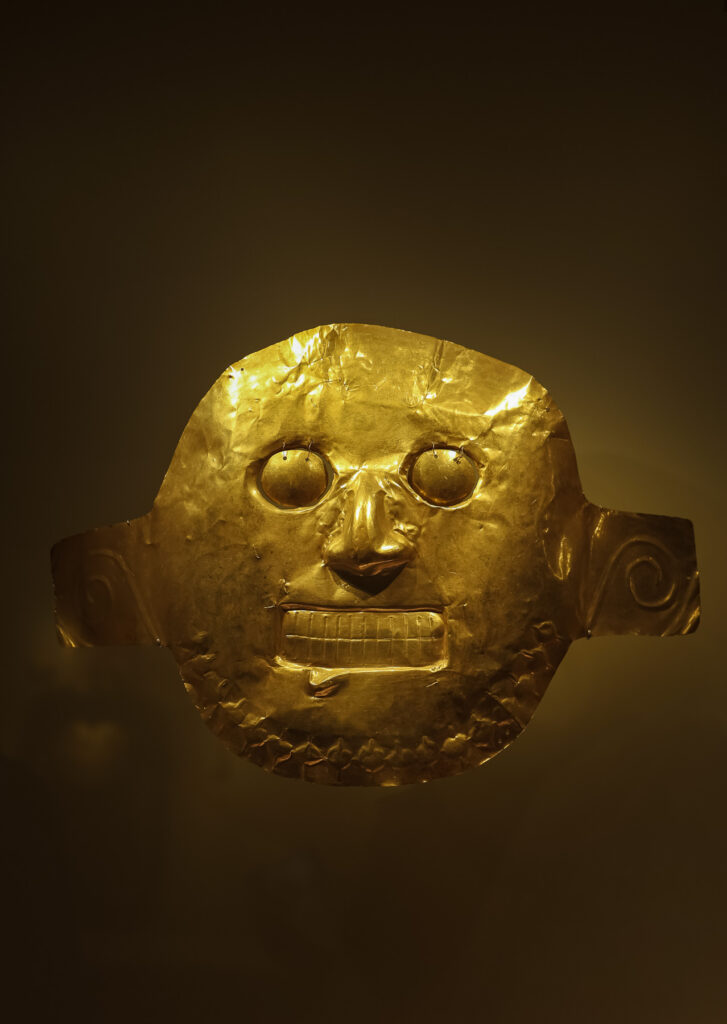
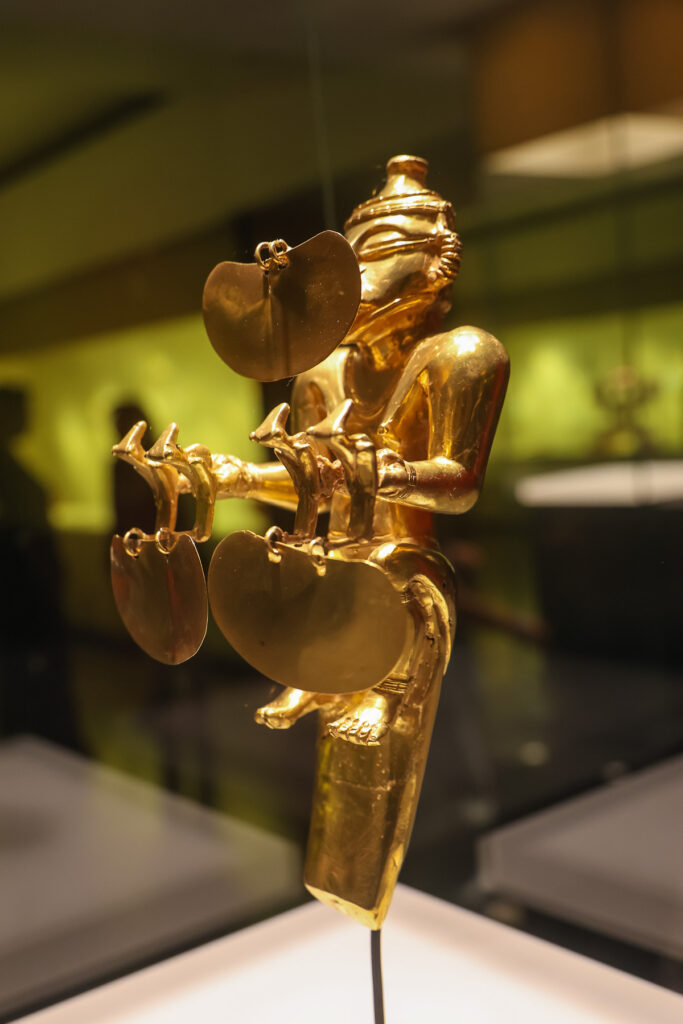
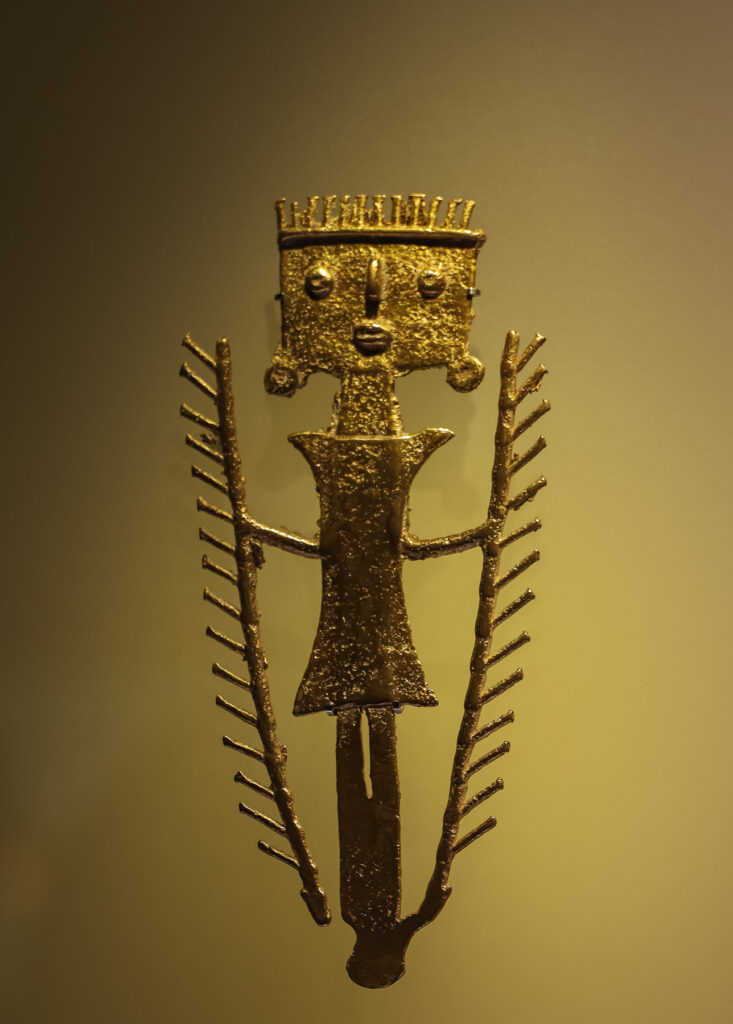
The museum has descriptions in English too (not all the museums in Bogotá can offer this luxury). There’s also a nice shop, a café, and a great restaurant there (see below).
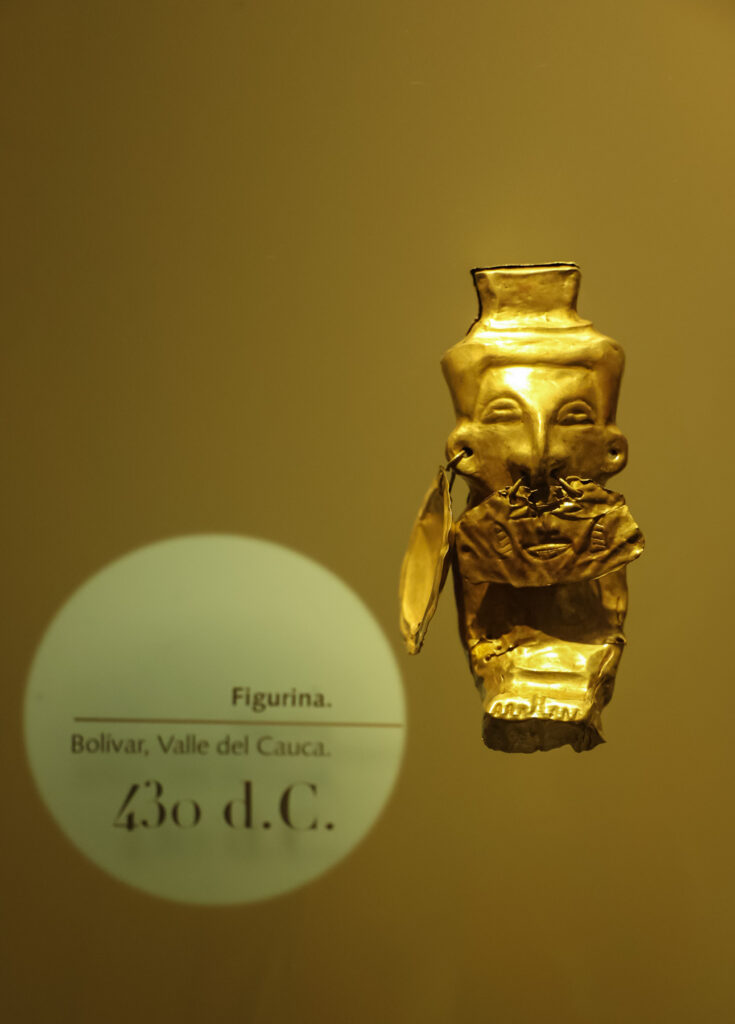

5. Botero Museum
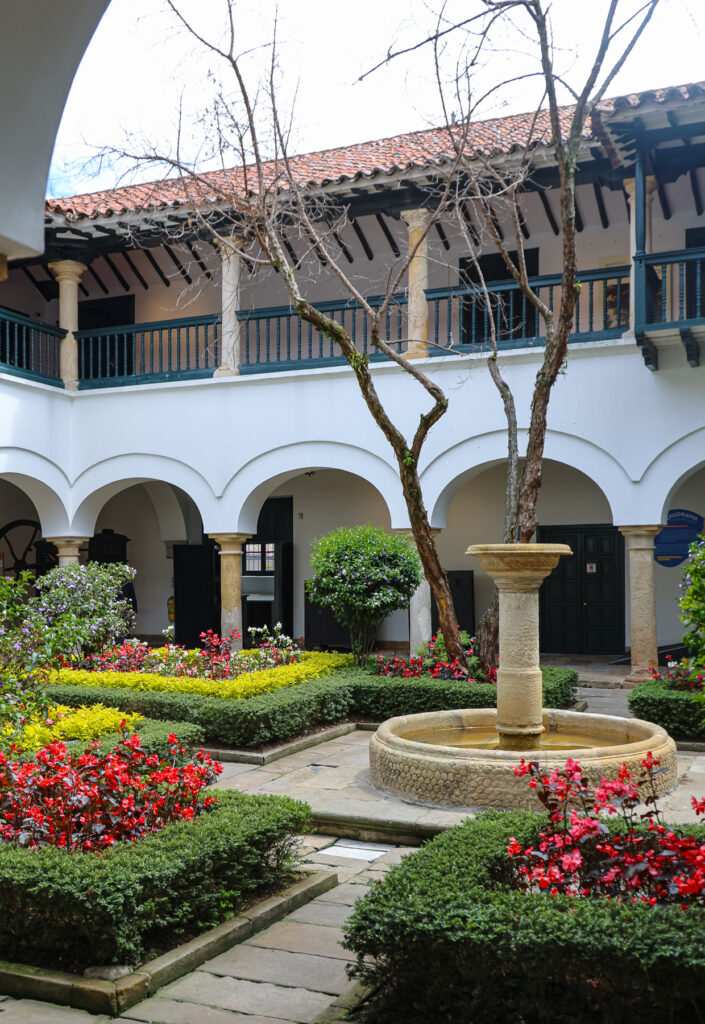
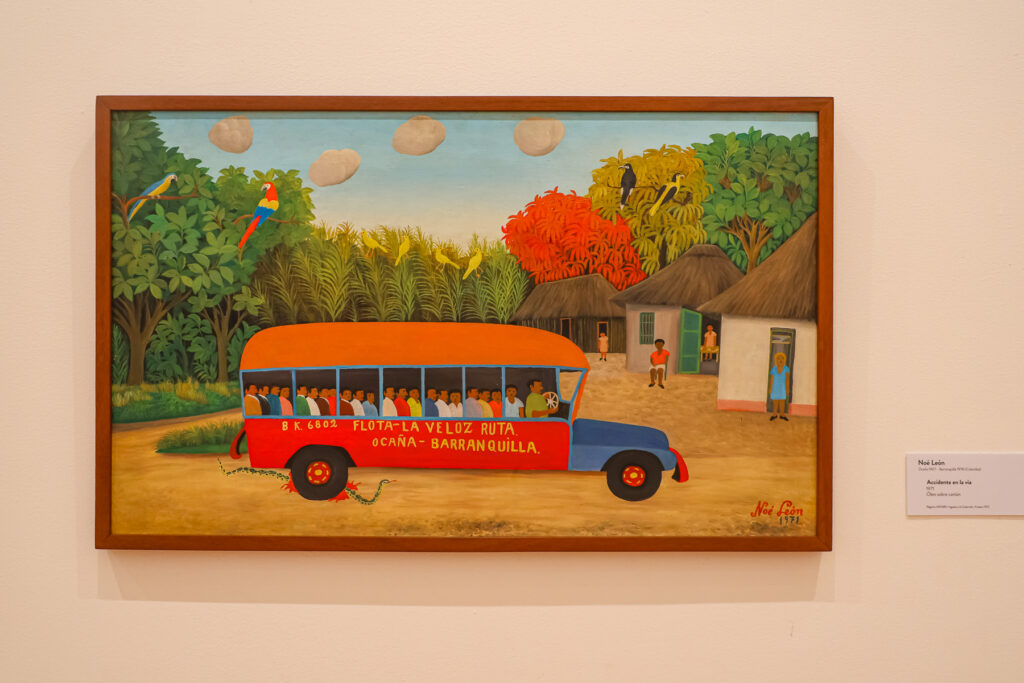
Try to add the Botero Museum to your itinerary even if you’re short on time! Located in a beautiful colonial mansion, this museum showcases the works of Fernando Botero (1932–2023), probably the most famous modern artist of Colombia.

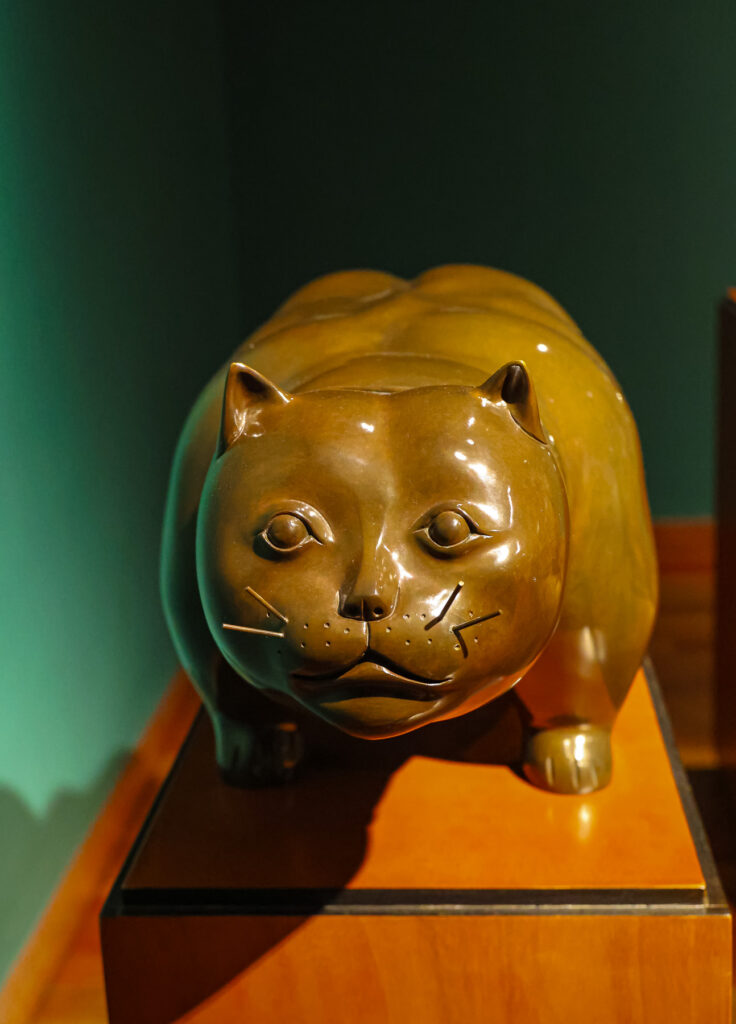
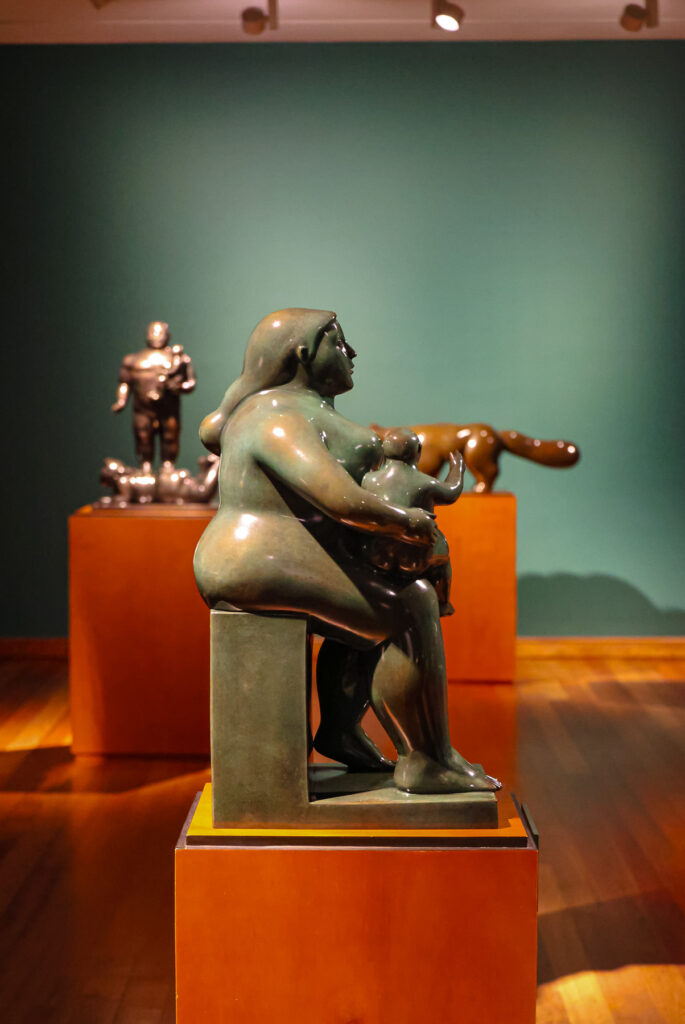
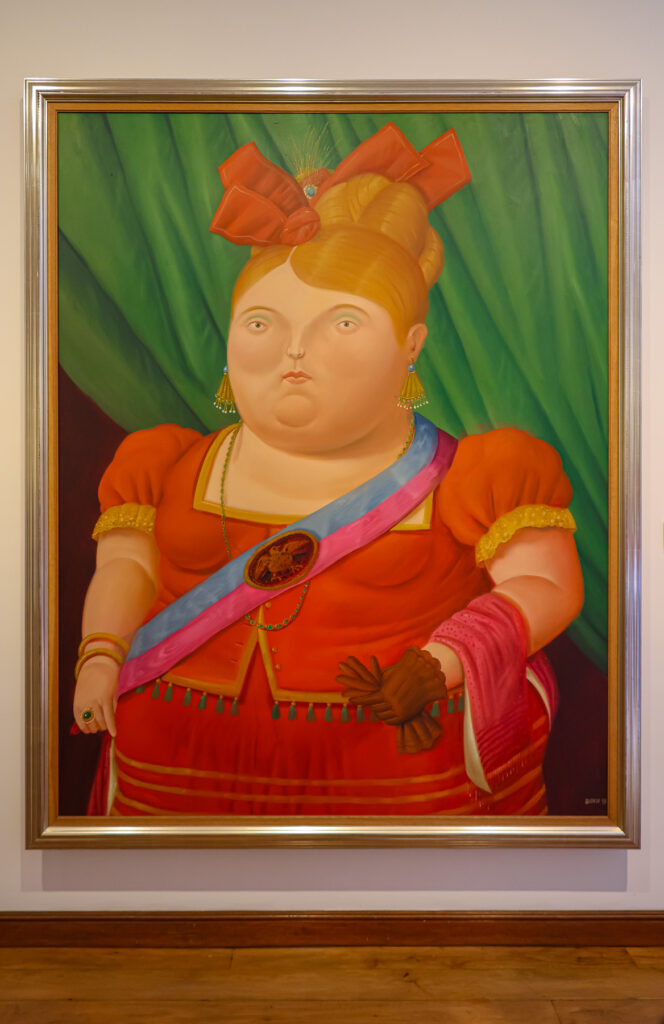
He created his own peculiar style of depicting people and animals: they look enlarged and puffed! This style is named Boterismo after him.
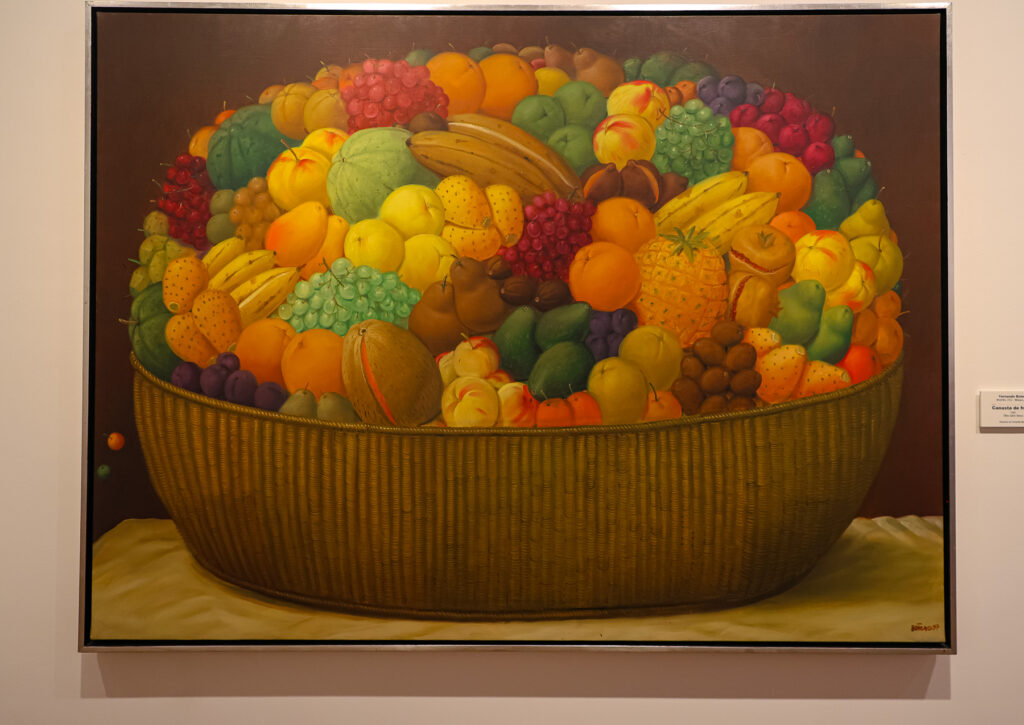
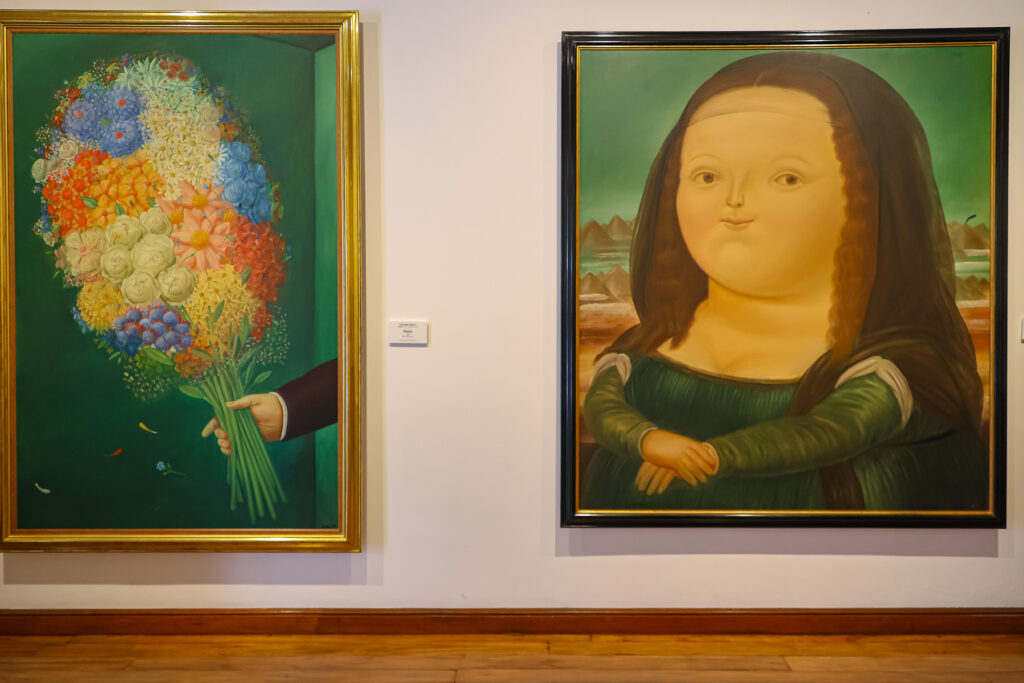
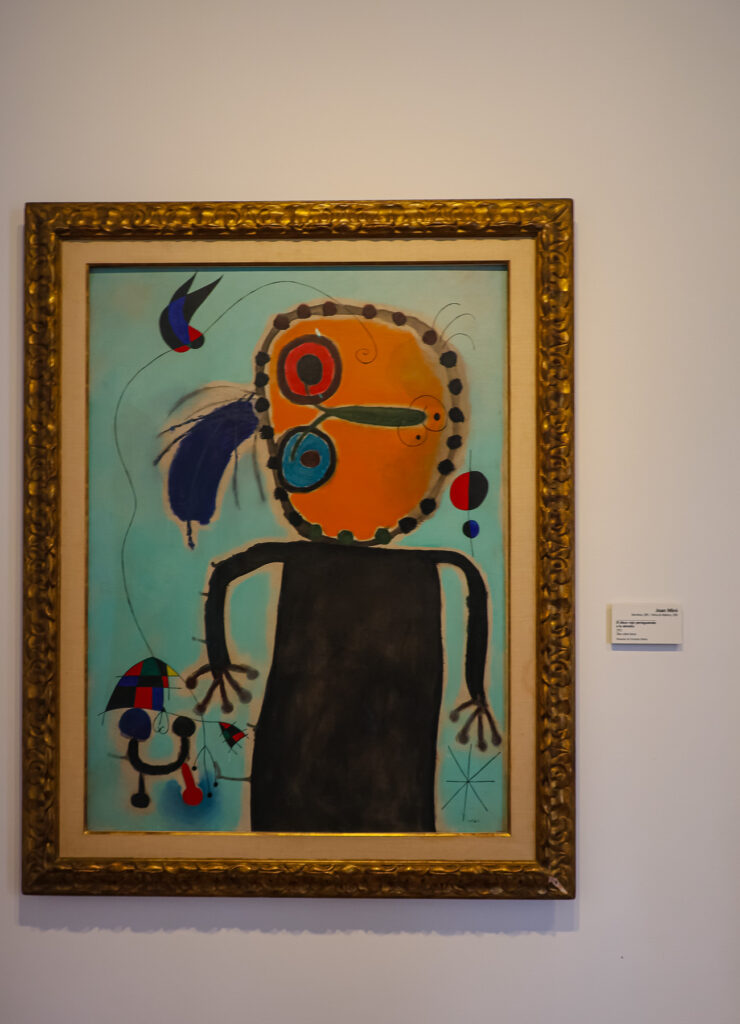
Apart from his own paintings and sculptures, the museum also hosts Botero’s private collection of art pieces, which includes works by Renoir, Monet, Chagall, Miró, and other world-renowned artists.
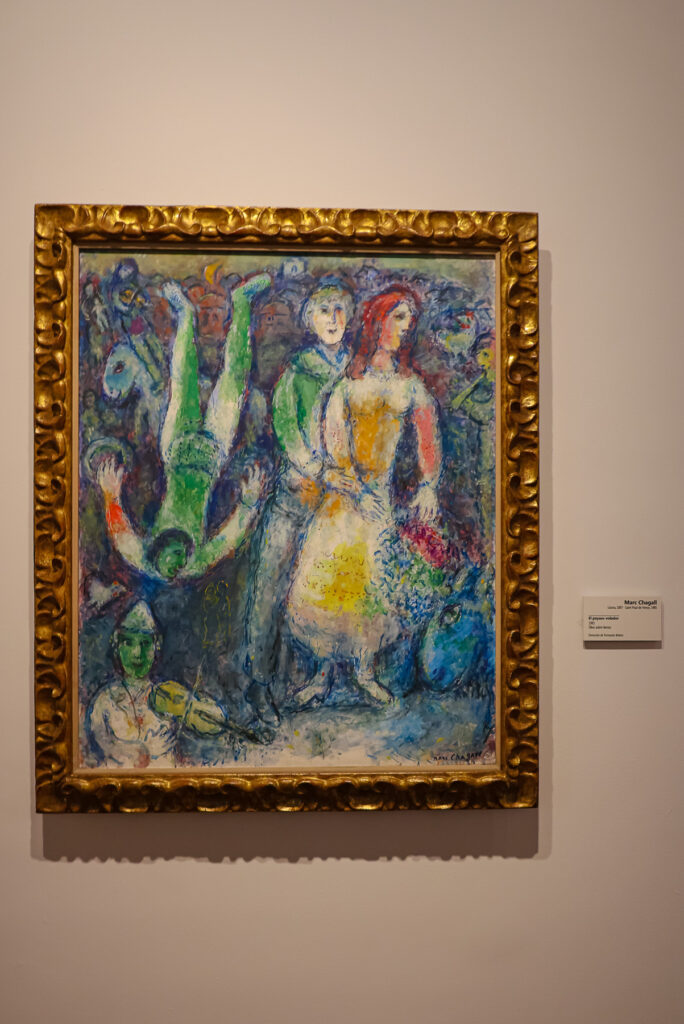
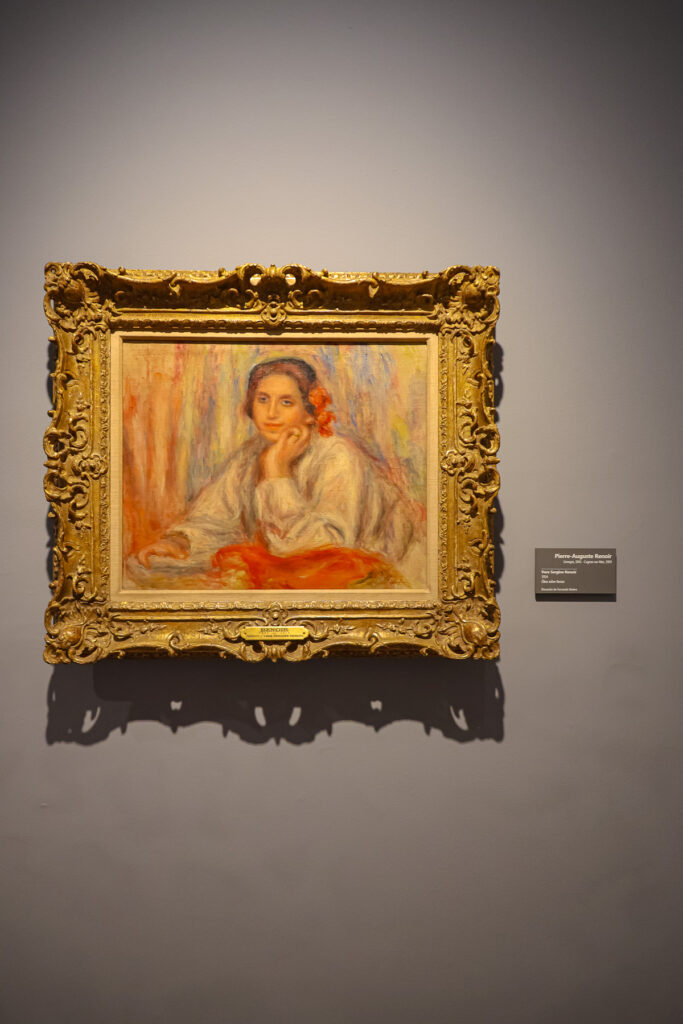
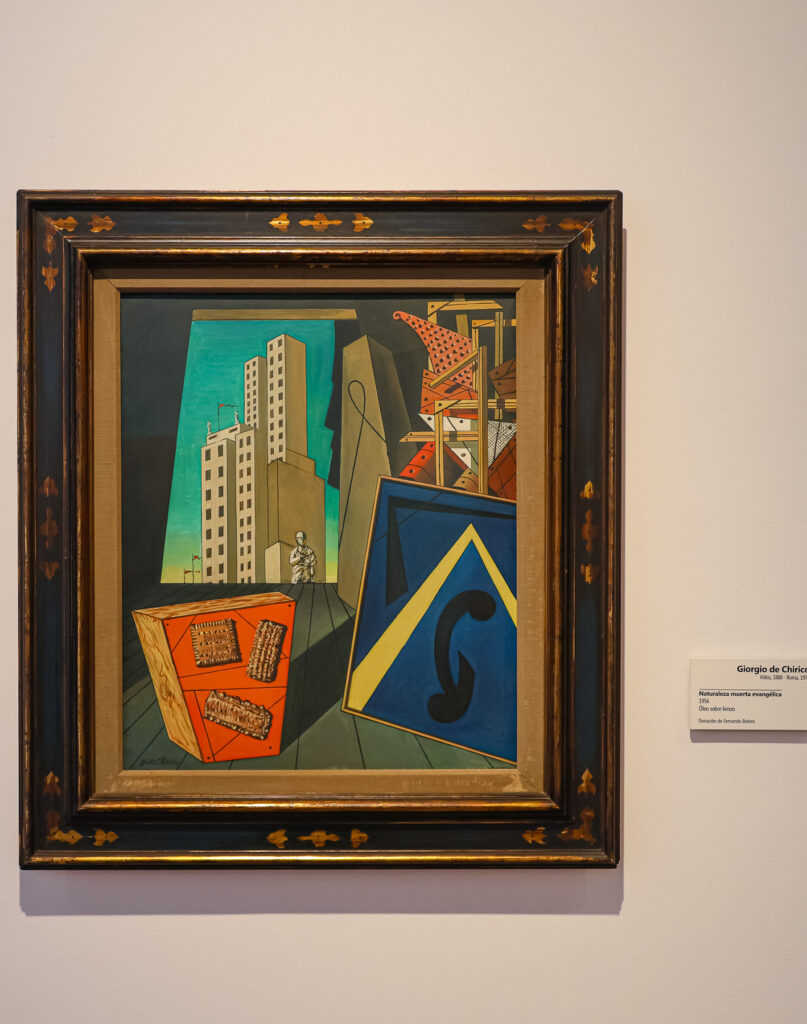
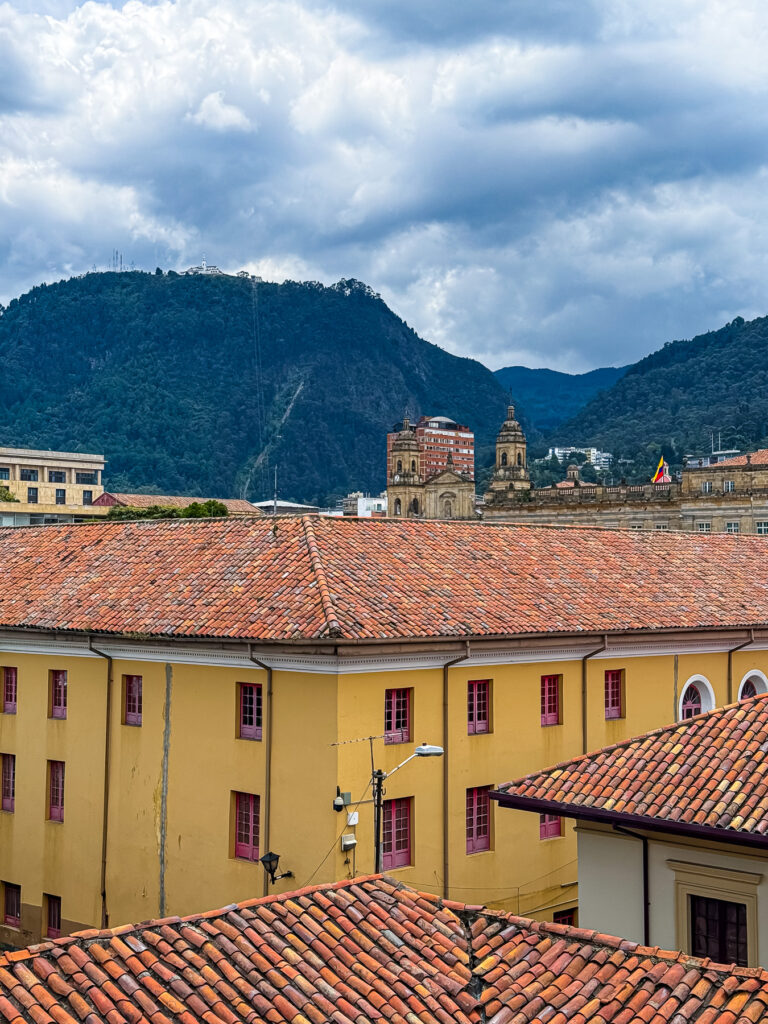
What a gorgeous building the museum is housed in – do you agree? And the views over the Monserratte mountains are superb!
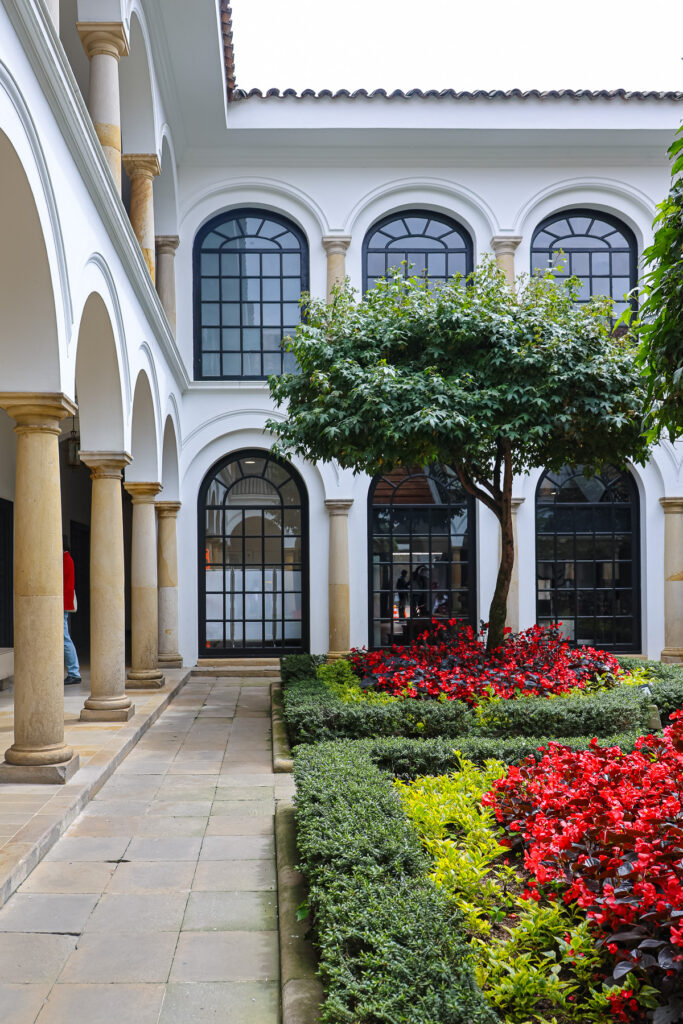
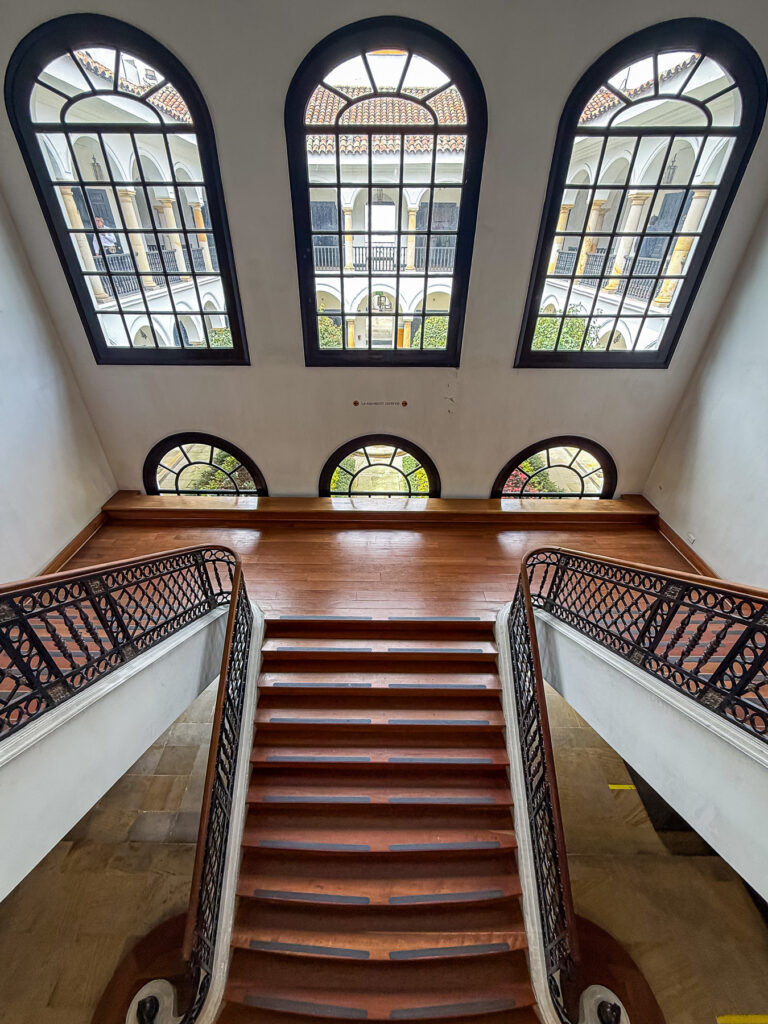
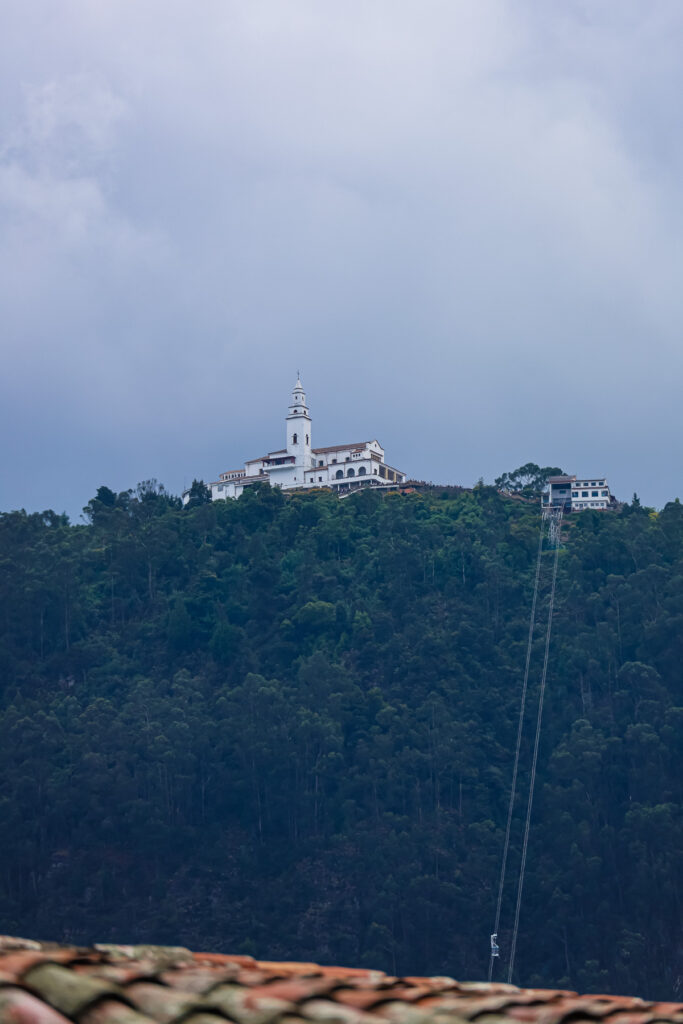
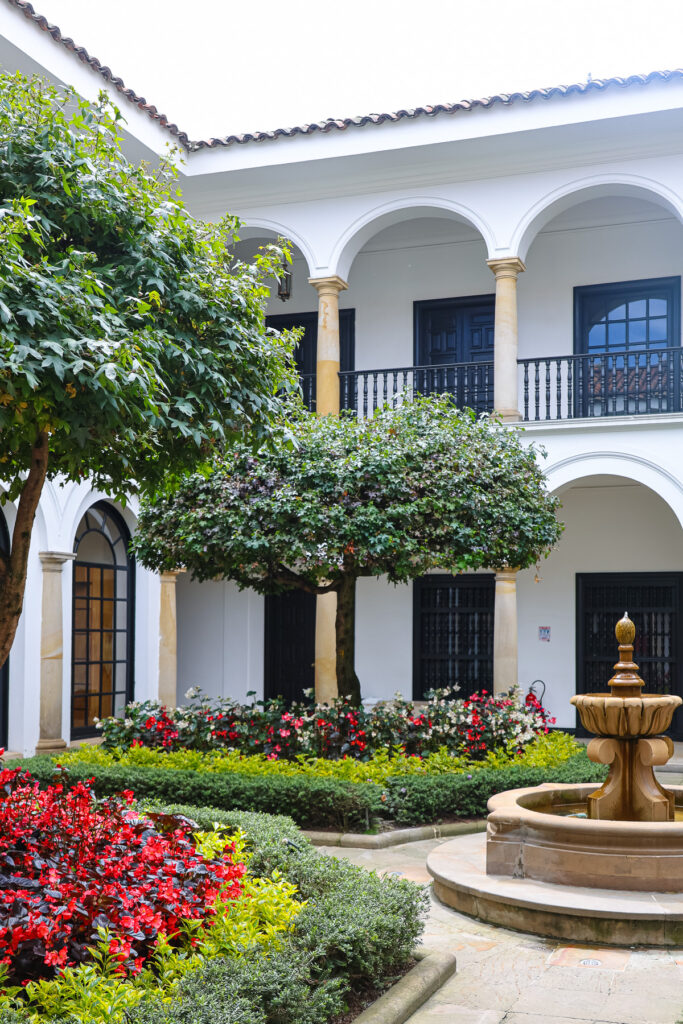
The Botero Museum is interconnected with other museums: the Miguel Urrutia Art Museum and the Museo Casa de Moneda.
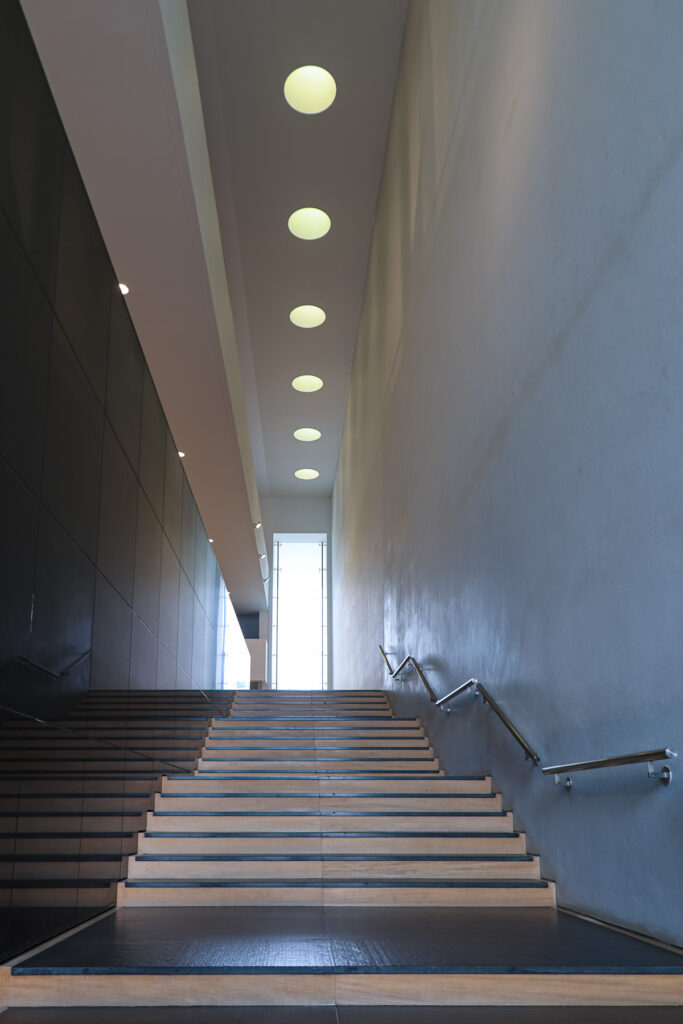
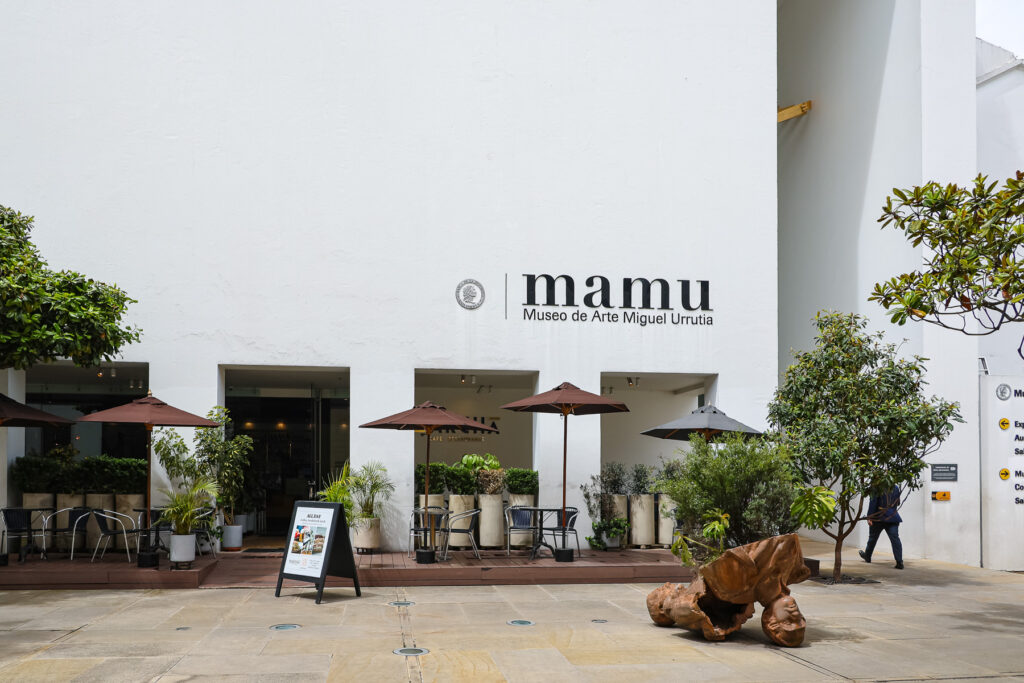
6. Museo Casa de Moneda
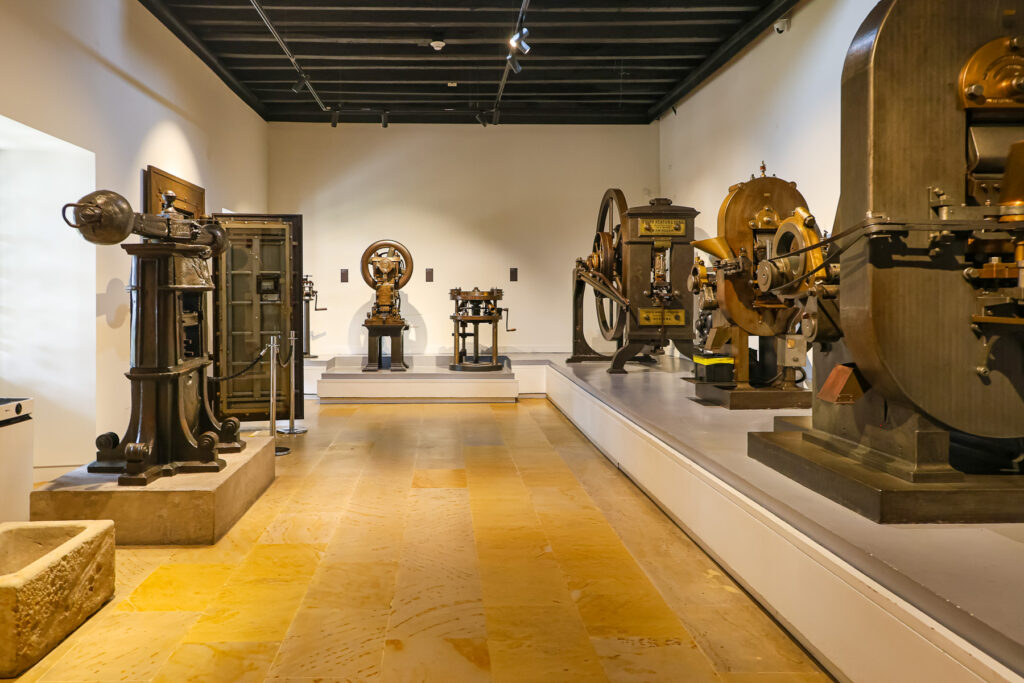
Museo Casa de Moneda, or the Mint Museum, is also located in a stunning historical colonial building adjacent to the Botero Museum. In the past, the main coin mint was housed here and made currency for several political entities in succession: the New Kingdom of Granada, the Viceroyalty of the New Kingdom of Granada, and Colombia up to very recent years.
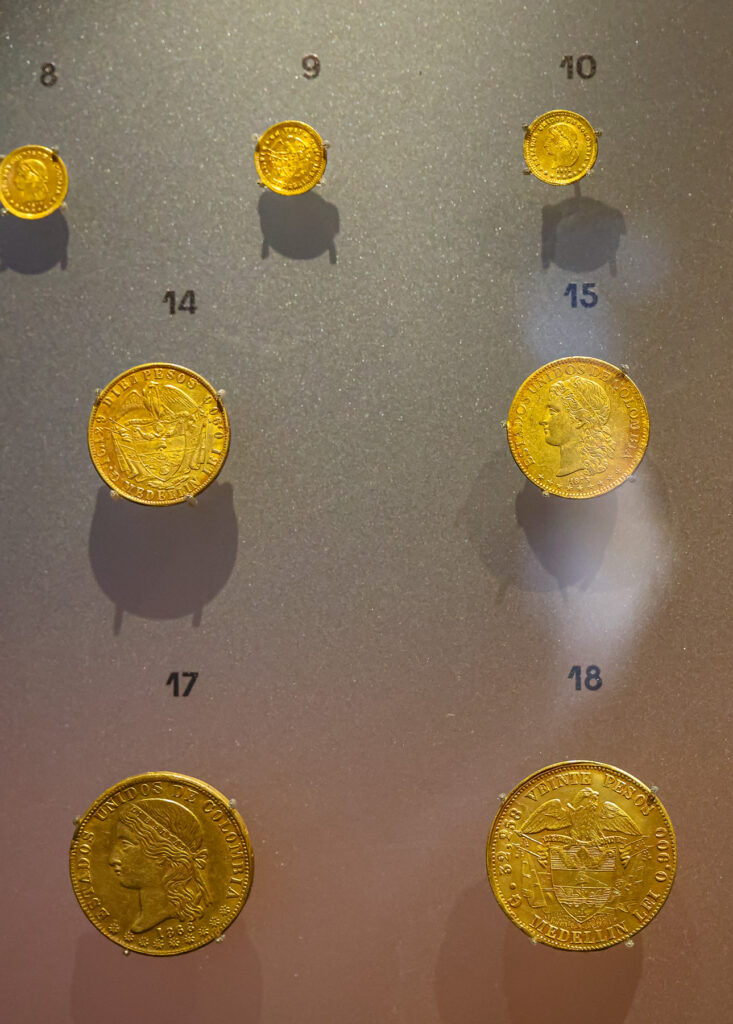
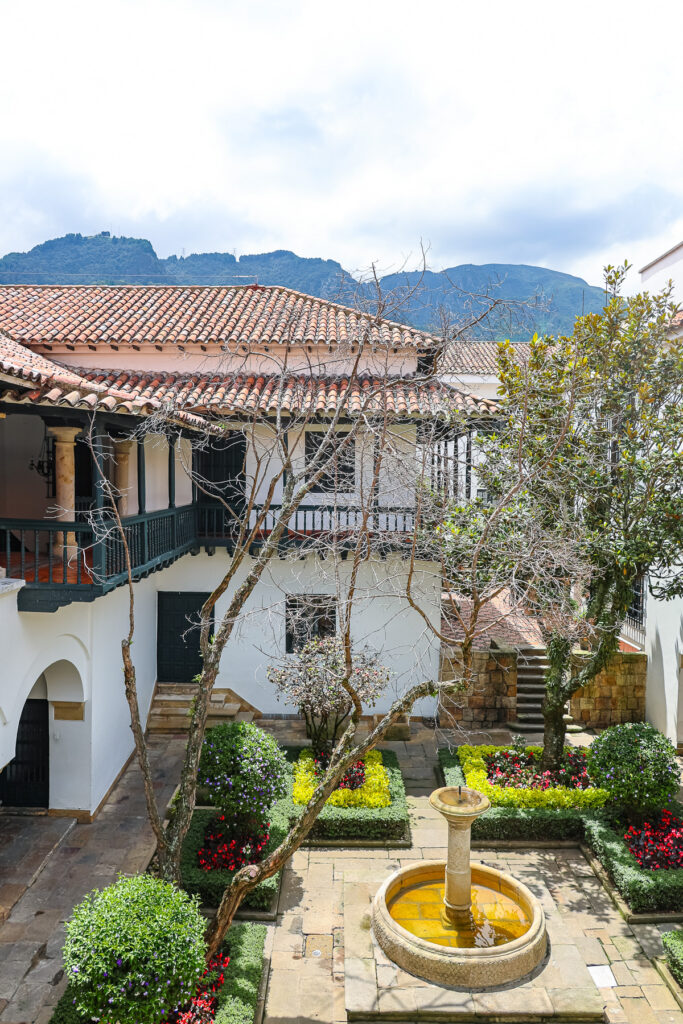
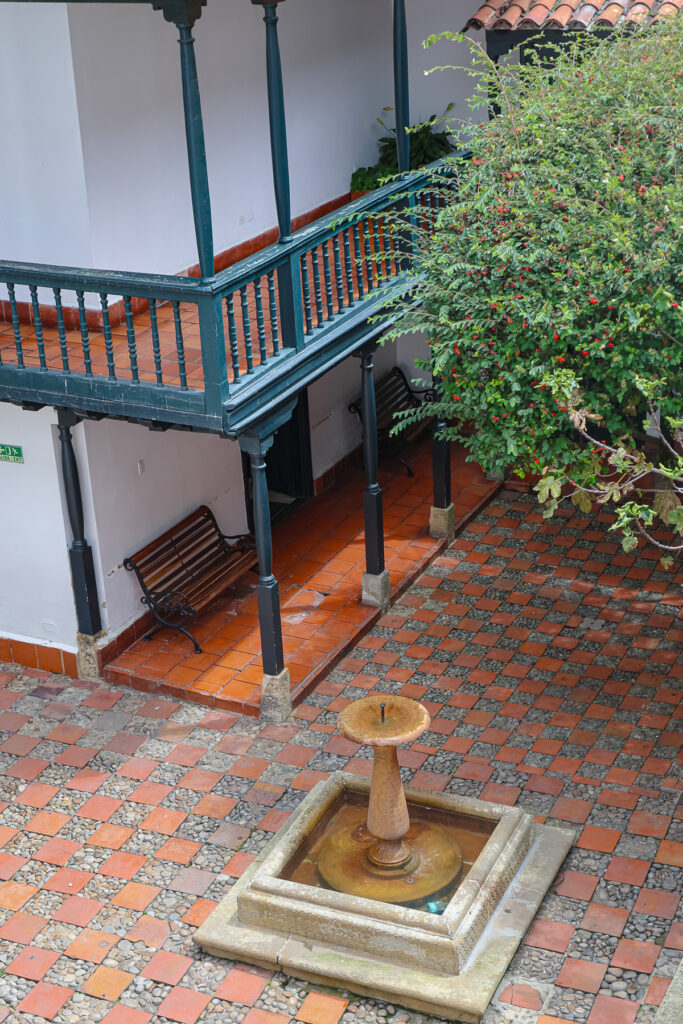
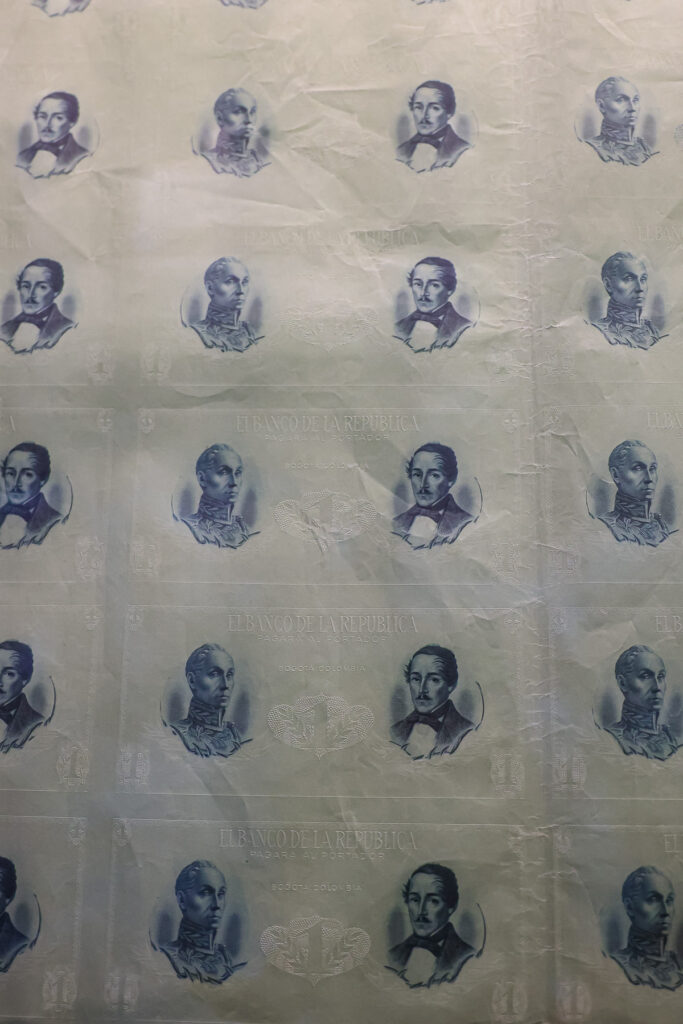
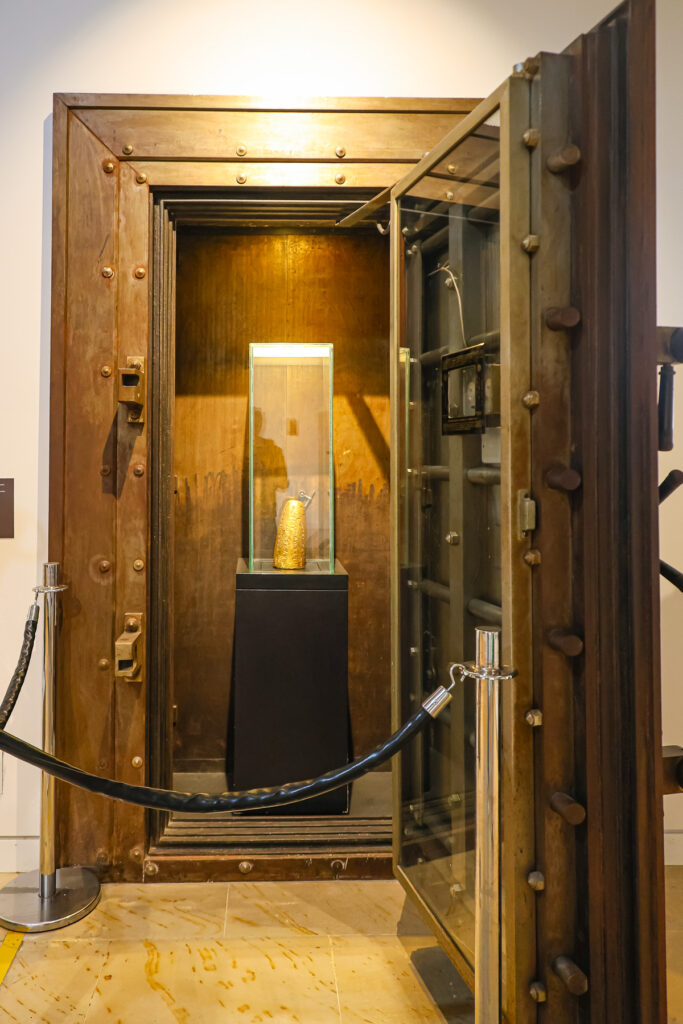
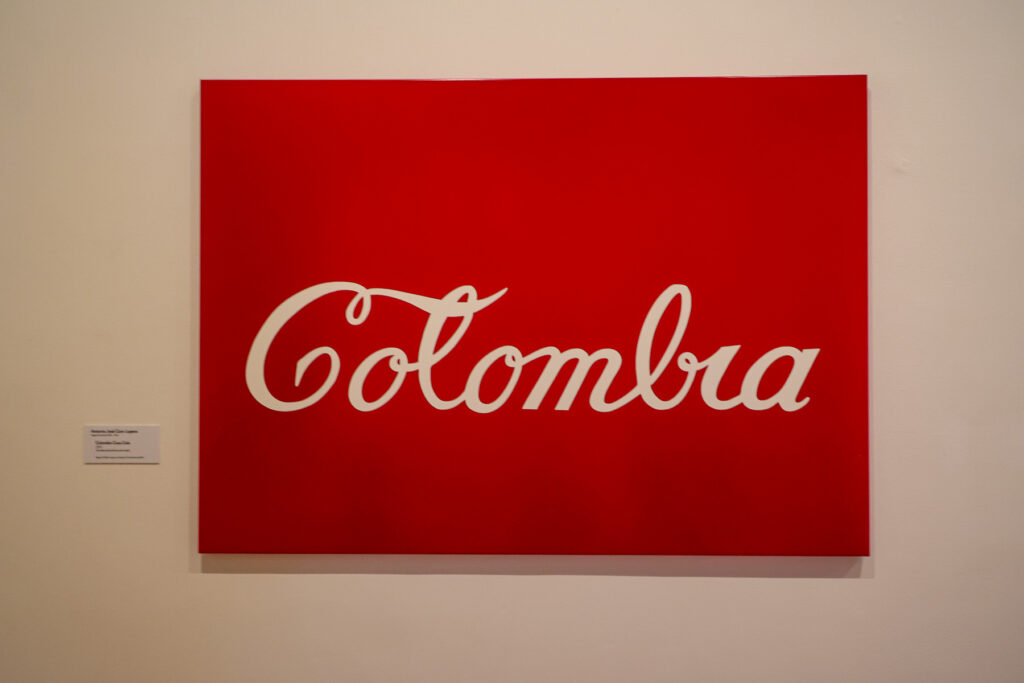
It features a numismatic collection and printing machinery from various periods, allowing you to learn about the history of Colombia through its minting history. Besides that, there’s a large collection of modern art objects.
7. Monserrate Mountain
Monserrate Mountain is a place you can’t skip. Make sure you have lots of time to pay this location a visit!
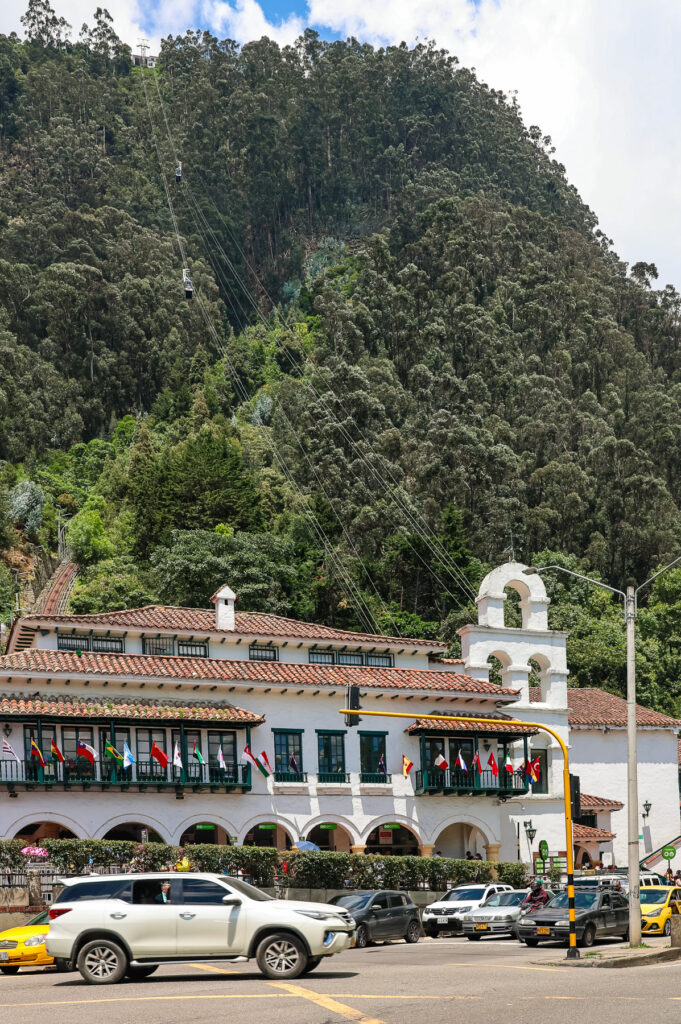
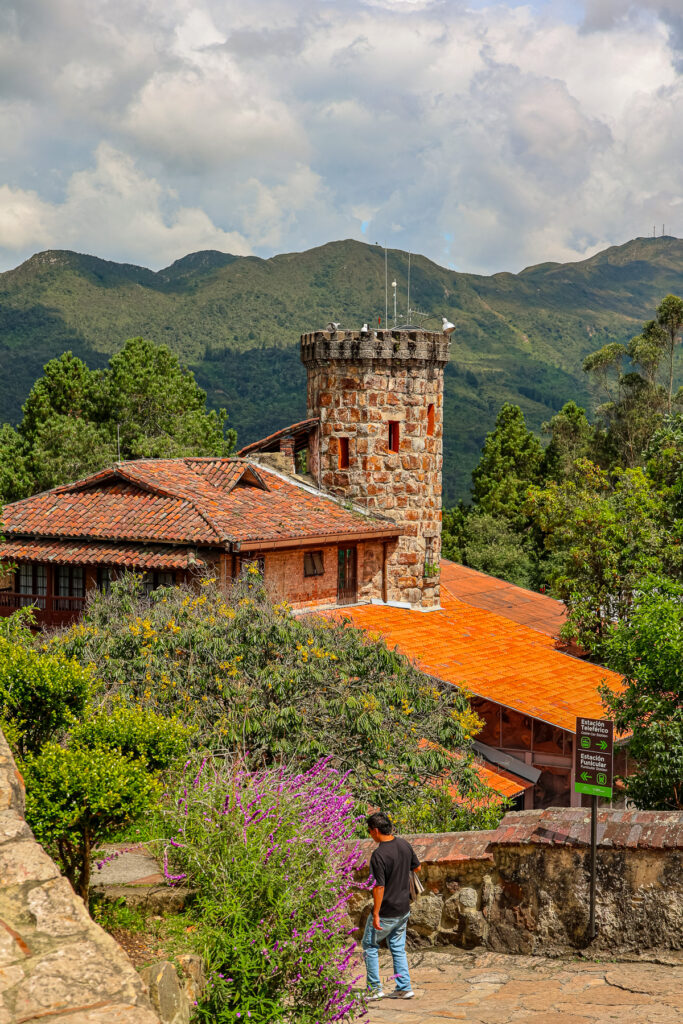

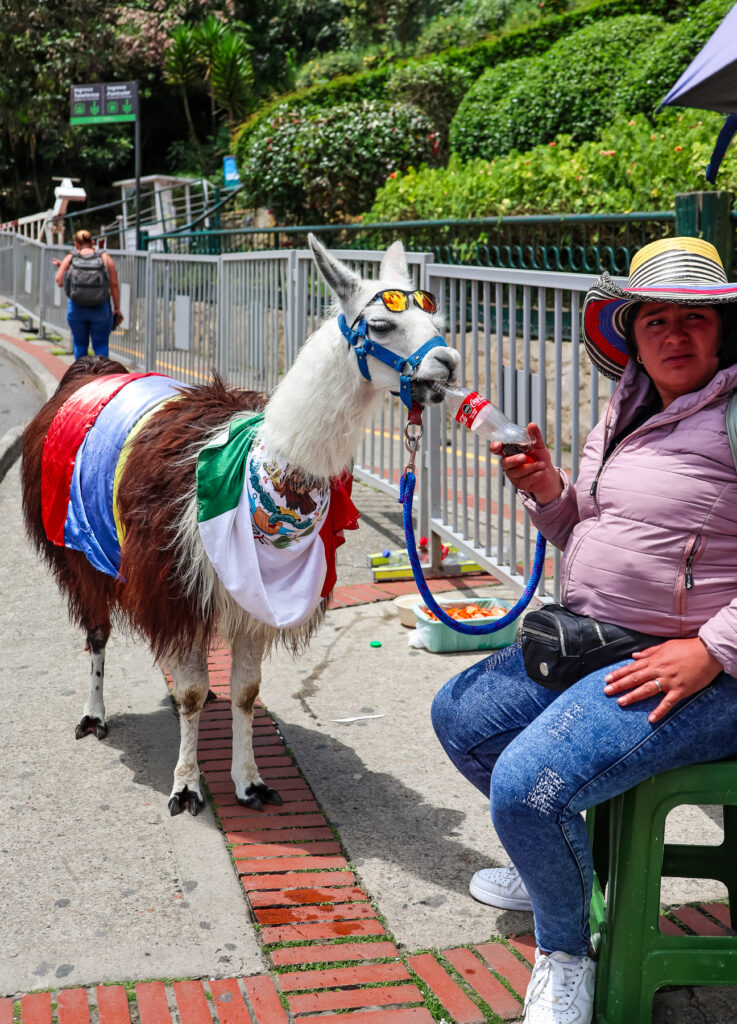
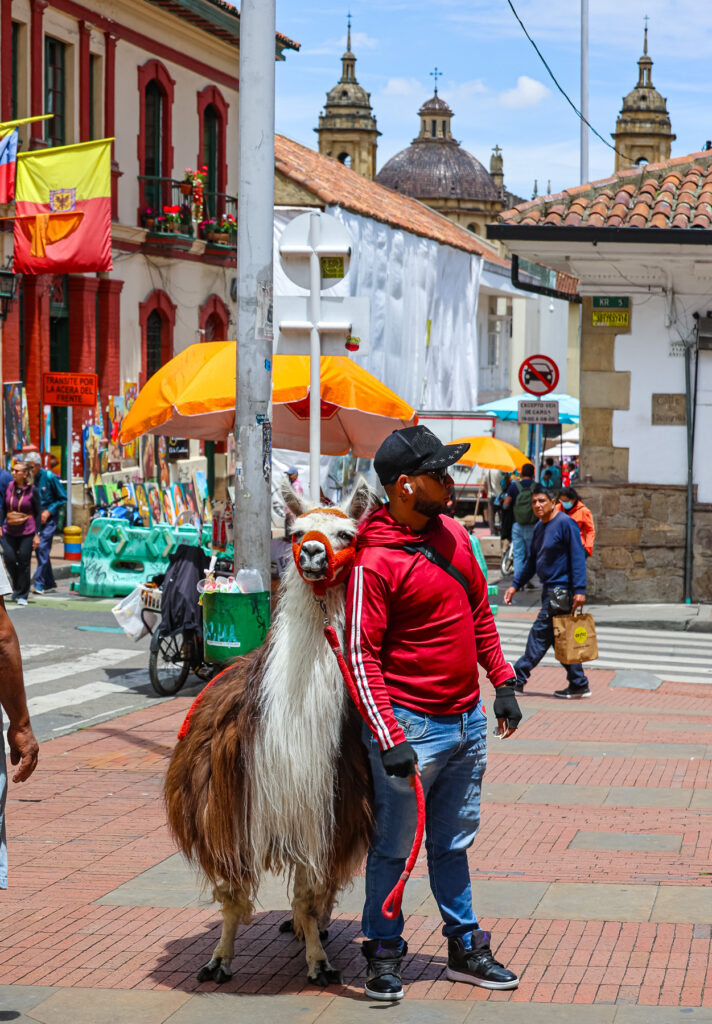
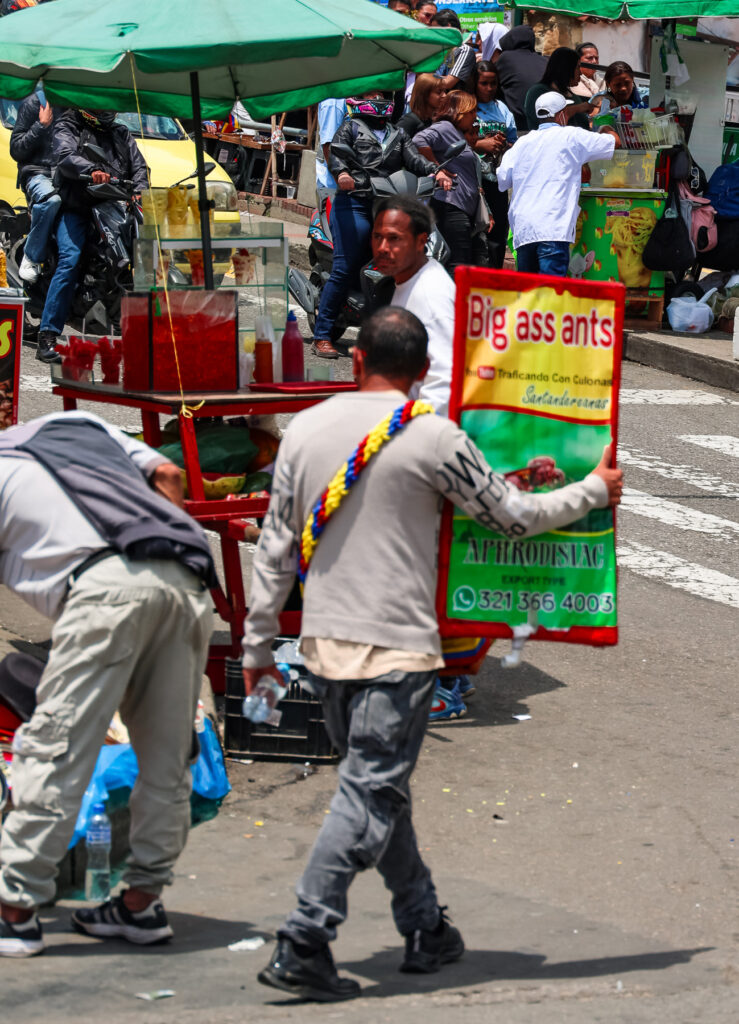
At its foot, you’ll find a touristy area with llamas and street vendors selling traditional colourful hats and fried ants, a local delicacy, but there some food kiosks on the top too.

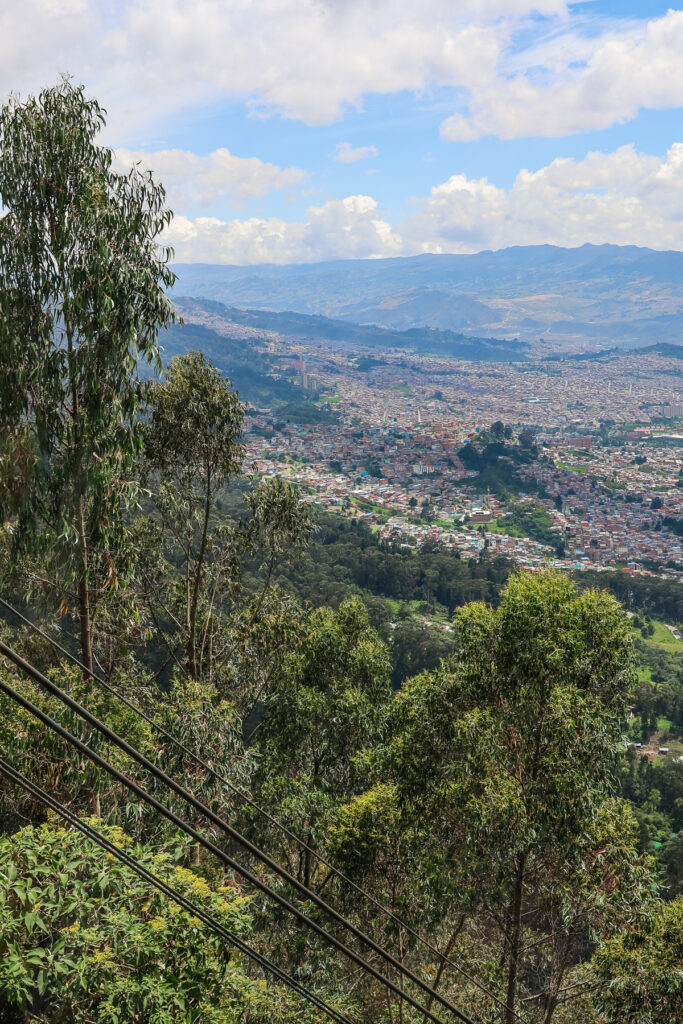
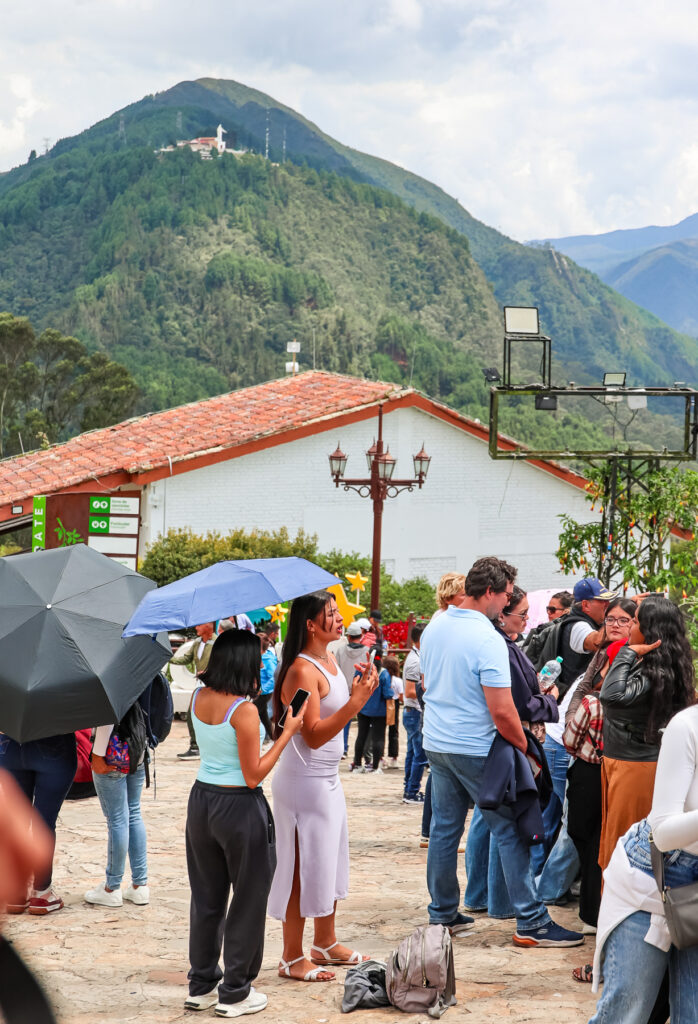
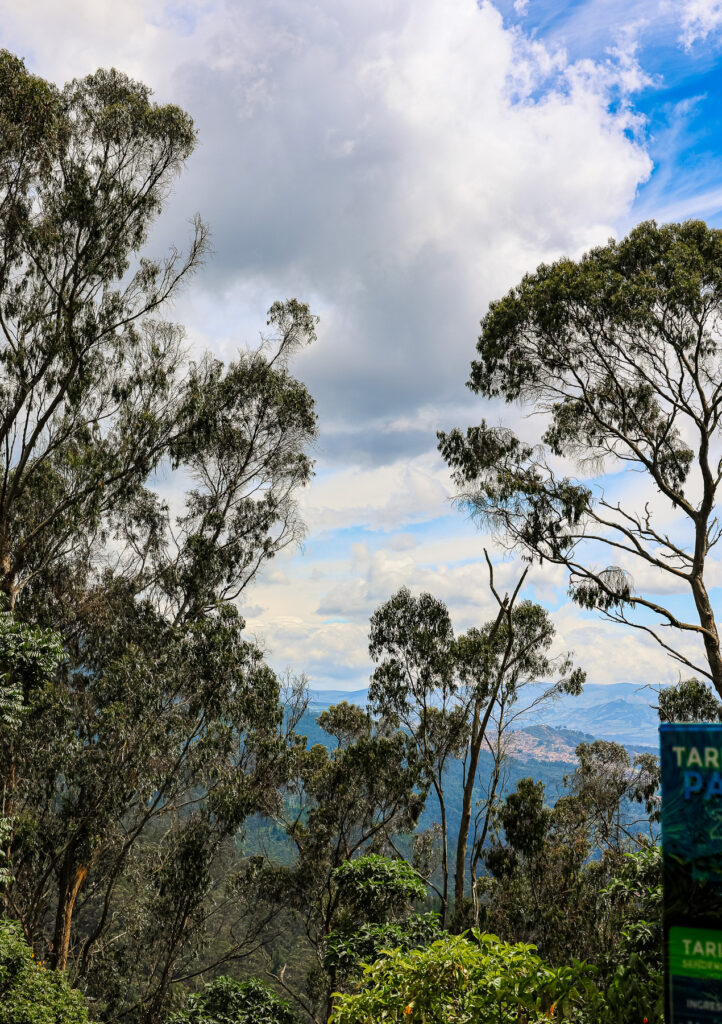
Monserrate is 3,152 meters high, and to get to the top of the mountain, you can choose one of three options: a walking trail, a cable car, or a funicular. We opted for the fast-track tickets (basically, you don’t have to wait in the queue at all – you go straight to the next available funicular or cable car) and went up by cable car and down on a funicular; both options were included in our tickets. Designed by the Swiss company Von Roll, the cable car, or teleférico, flies over the High Andean Forest and has operated since 1955. We also enjoyed the historical funicular on the way down – it was fun too.
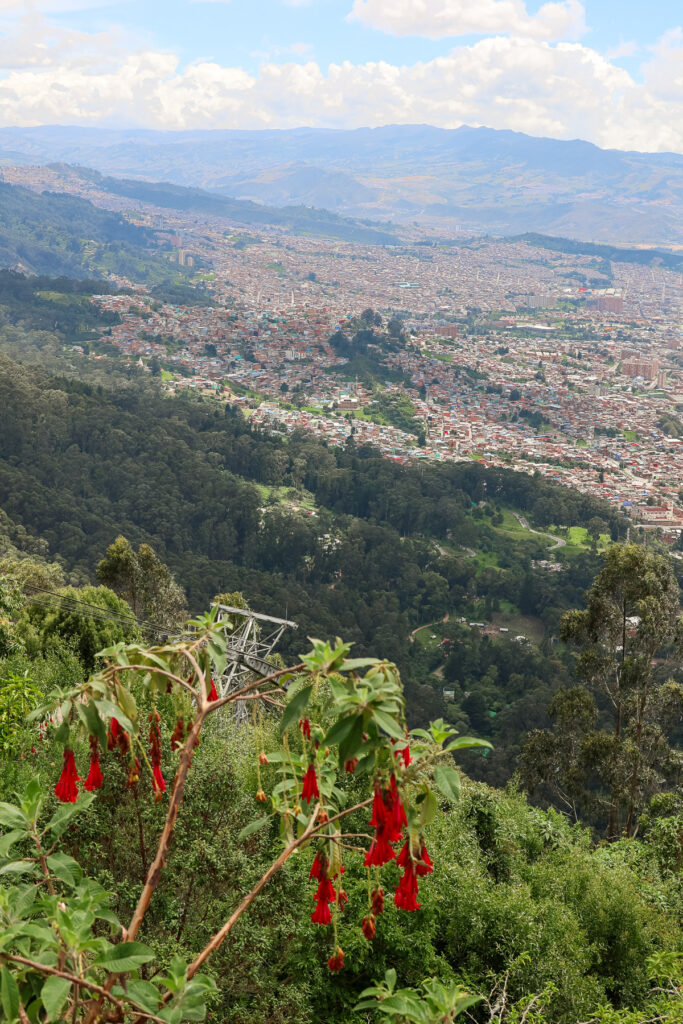
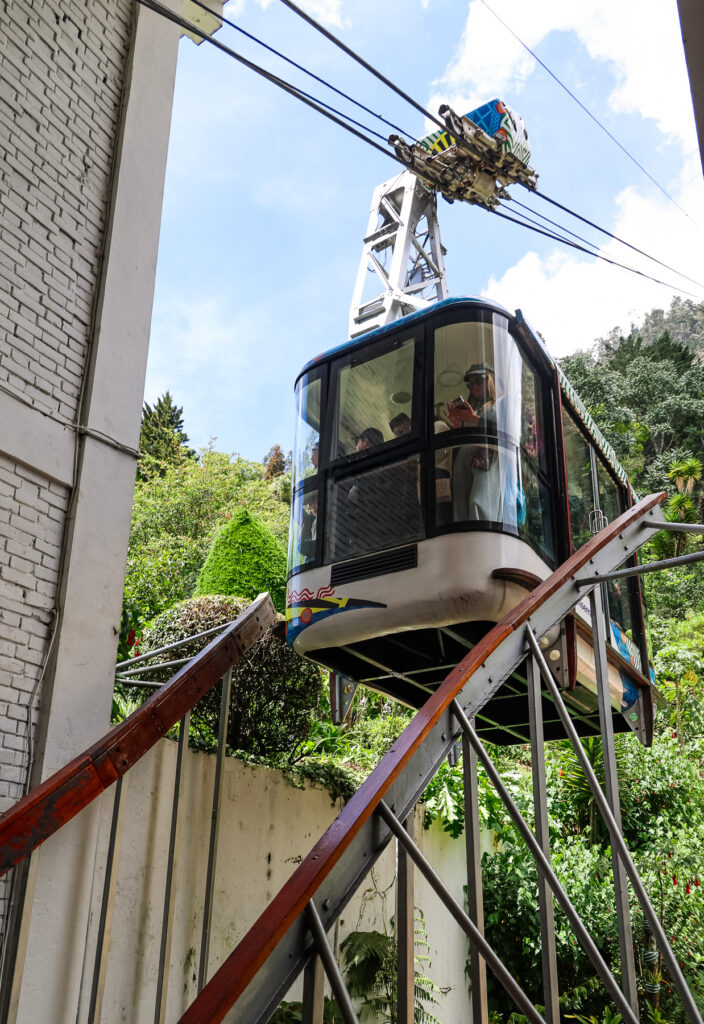
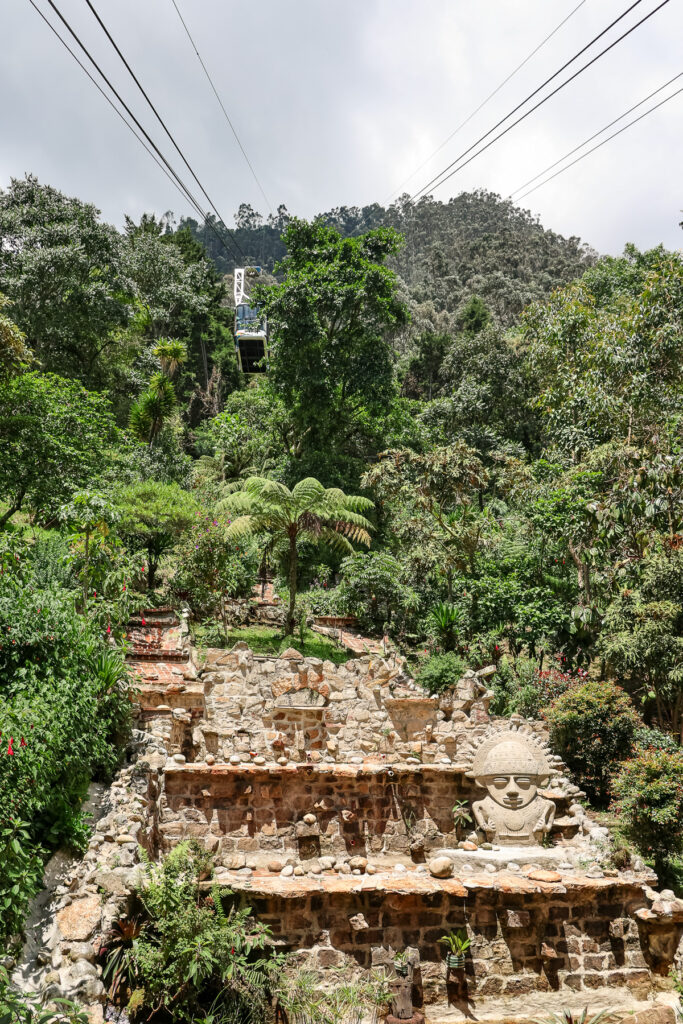
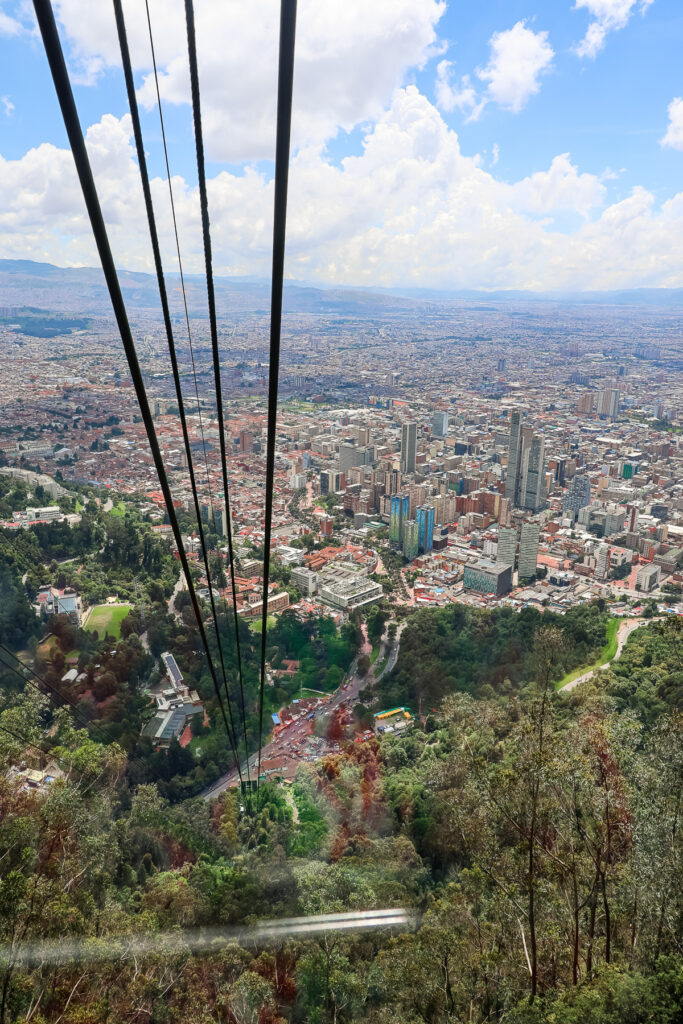
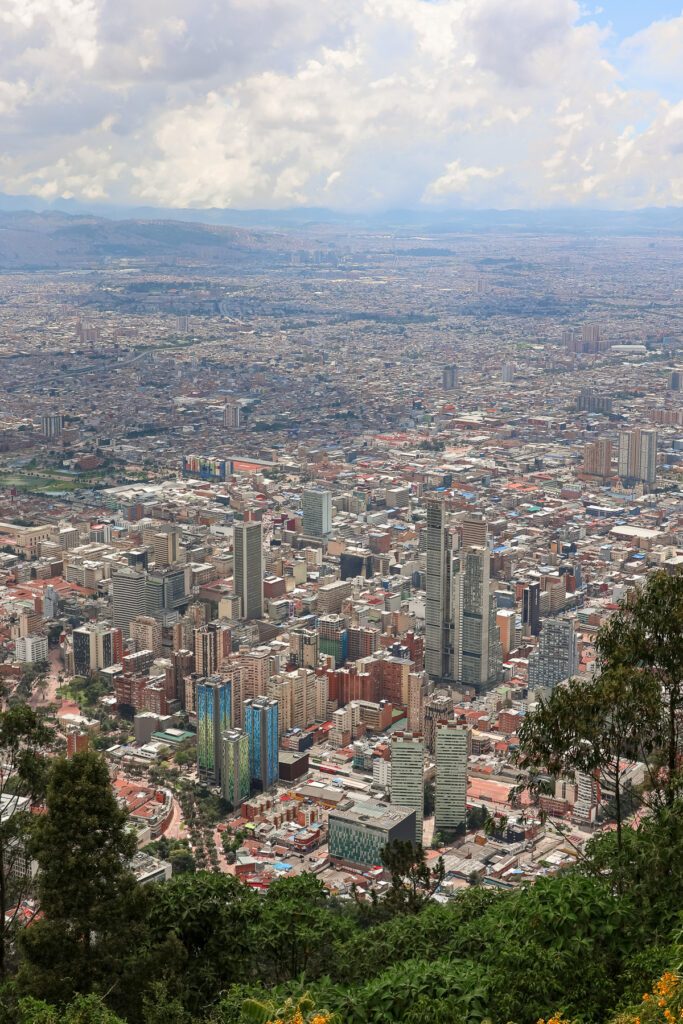
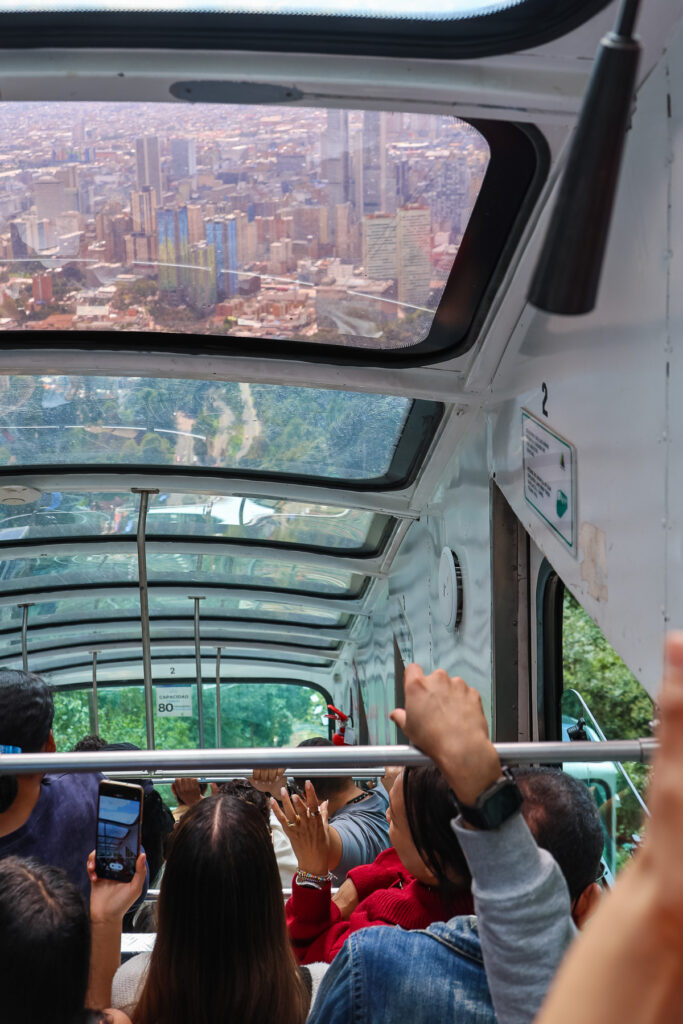
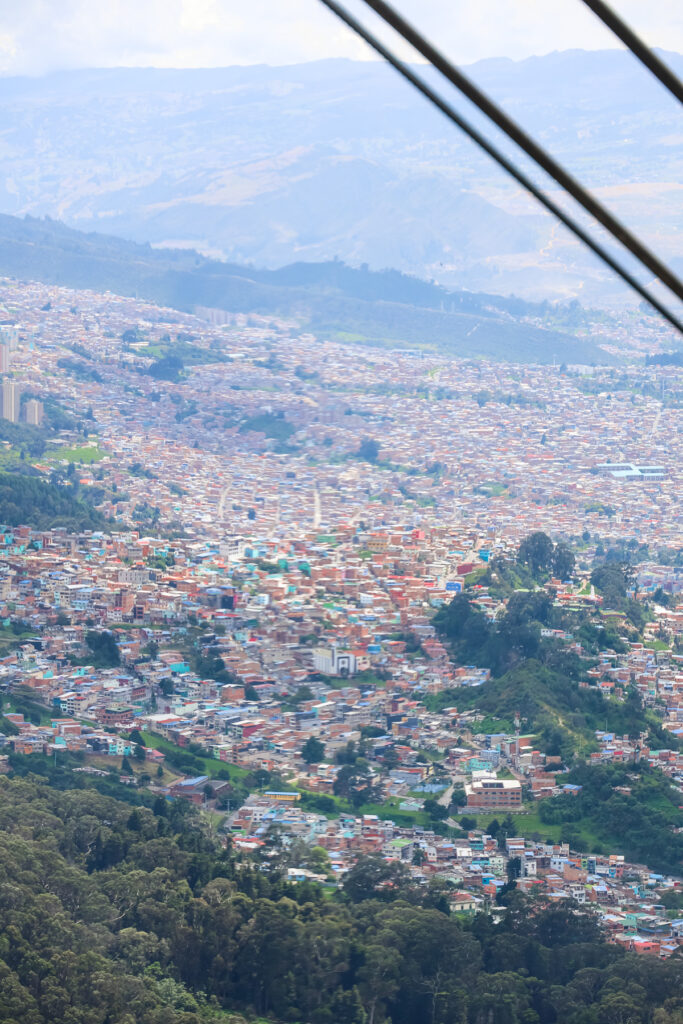
What an iconic view of Bogotá you’ll observe from the top of the mountain!
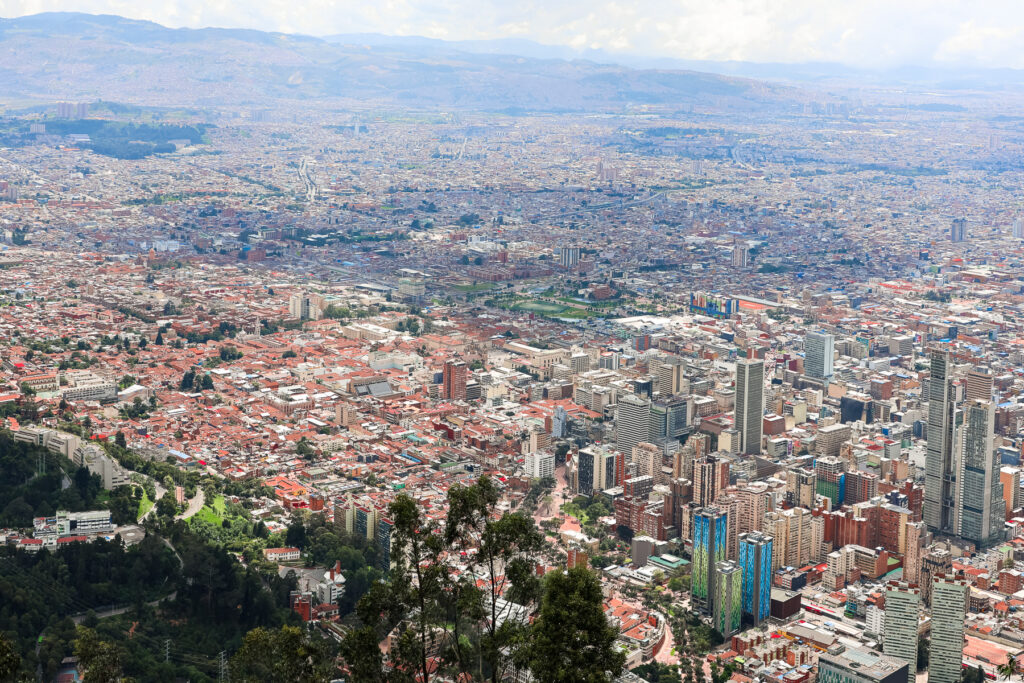
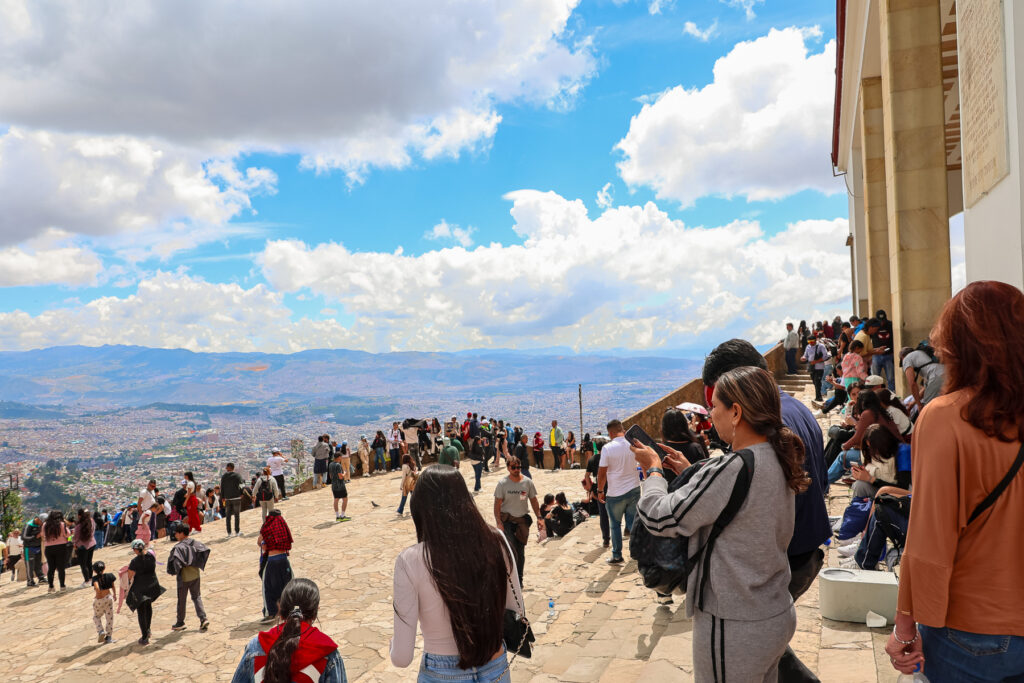
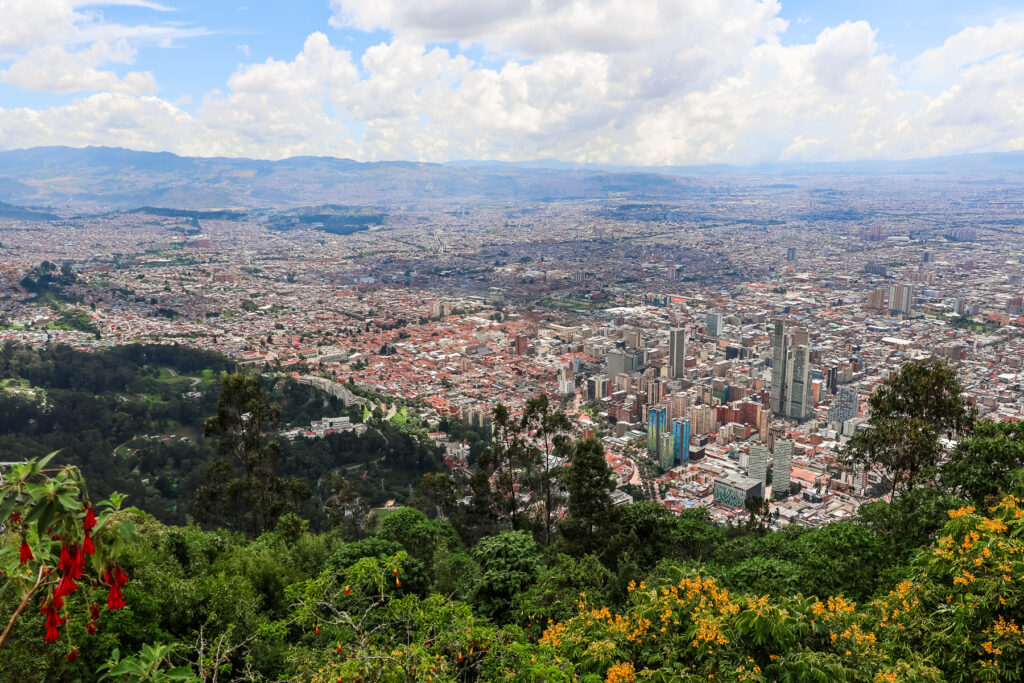
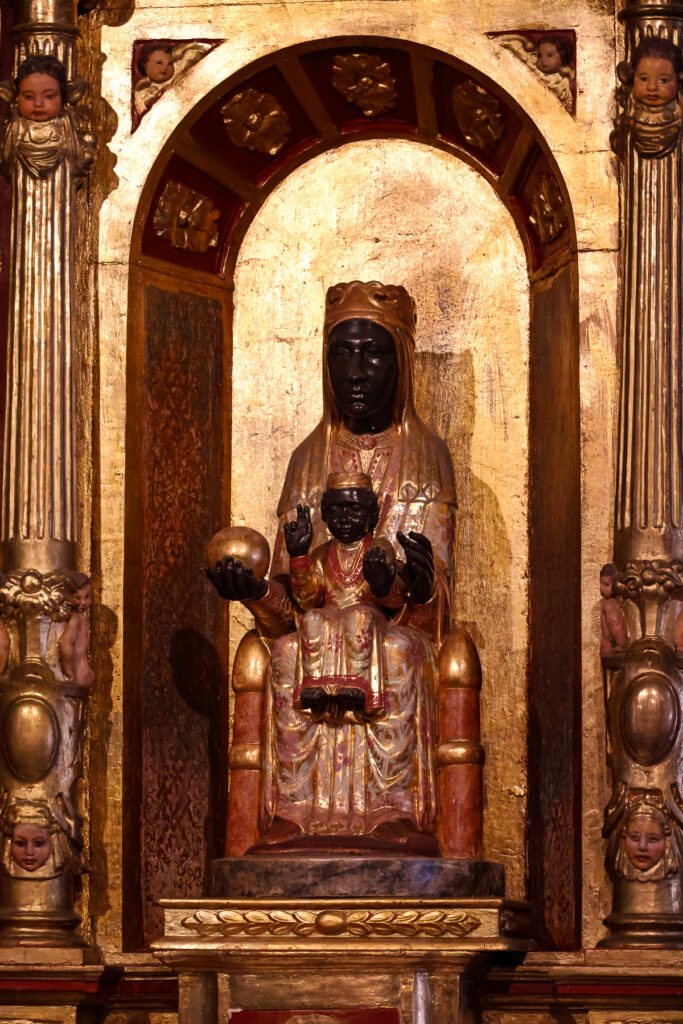
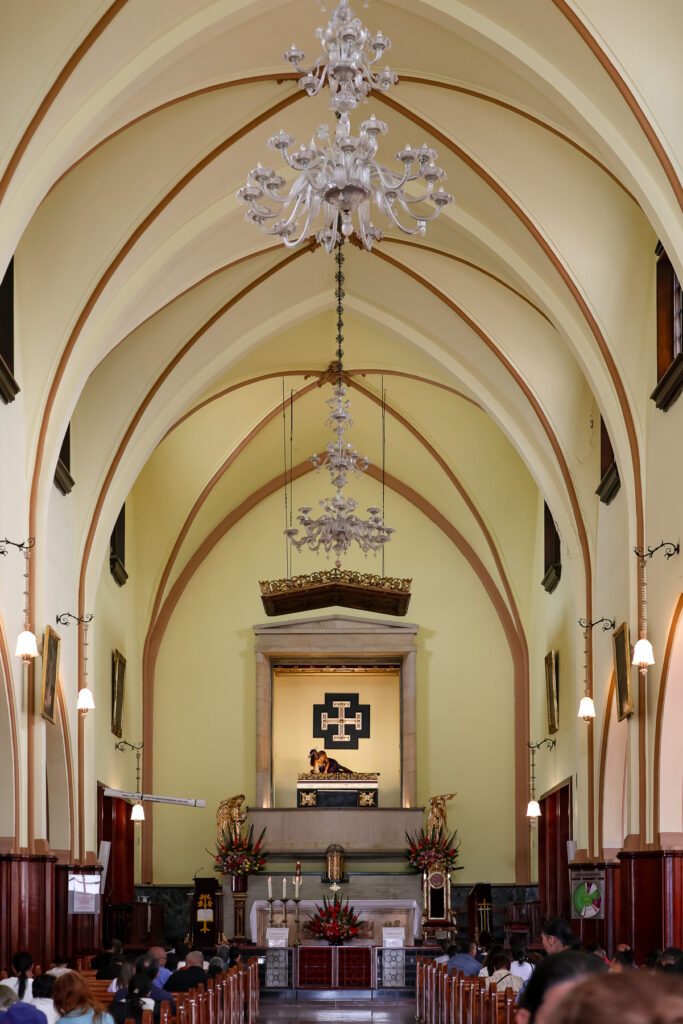
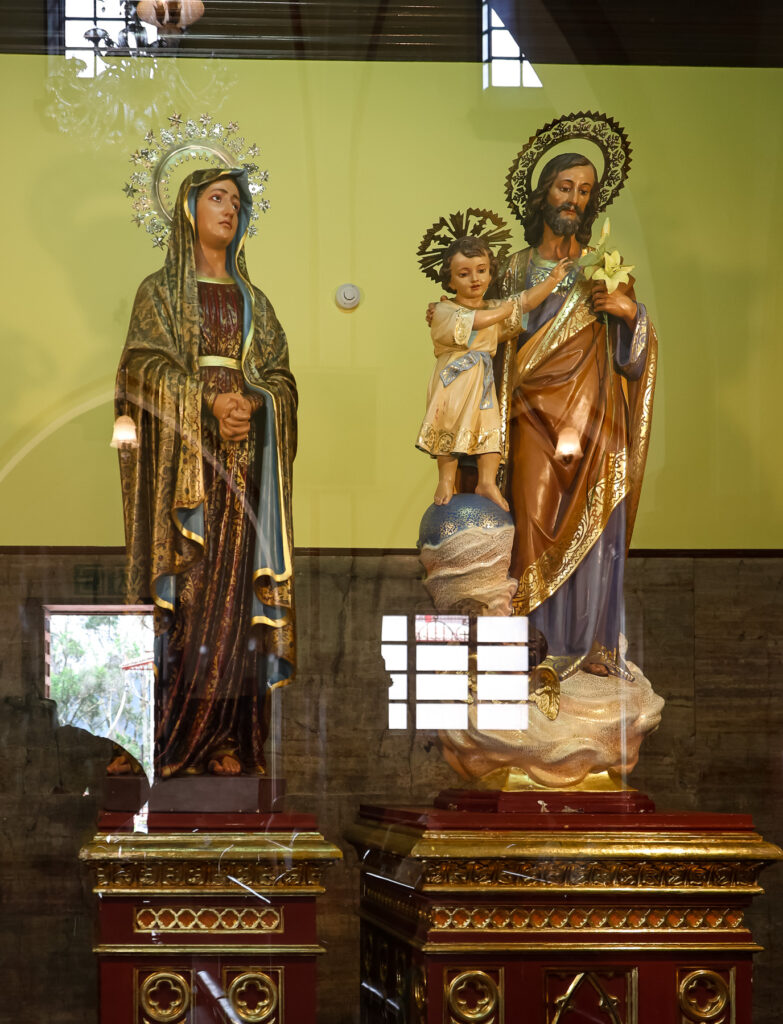
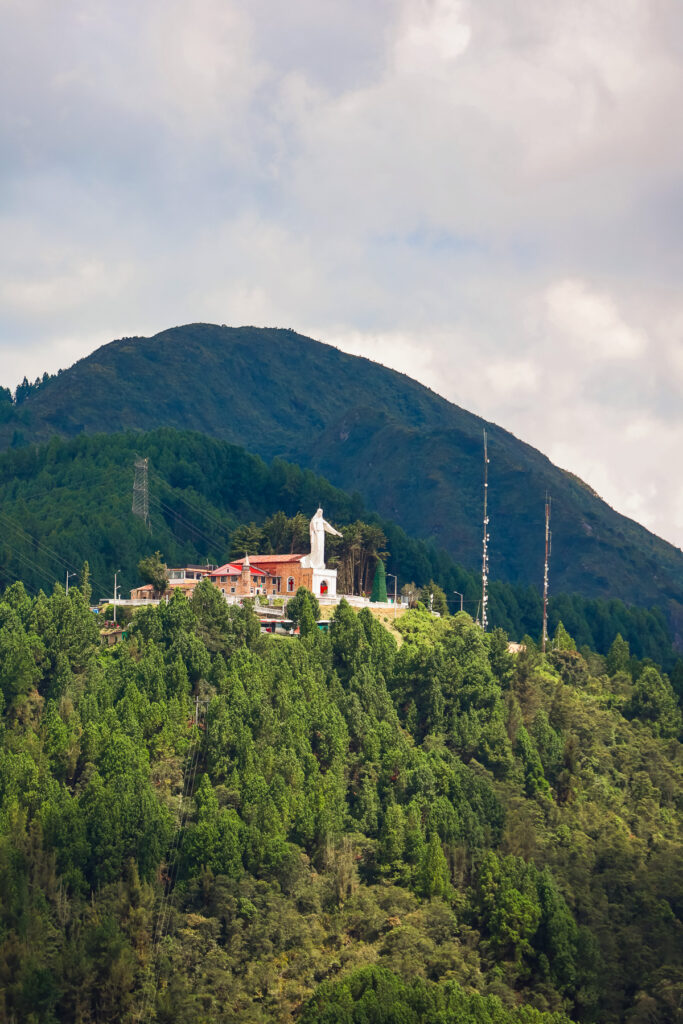
In ancient times, Monserrate Mountain was considered sacred by the Muisca indigenous population and was linked to the cult of the sun; with Spanish colonial rule, it became a Catholic religious site as well. Originally, a black figure of the Virgin Mary, named after a Portuguese statue of the same name, was placed here, and in the 17th century, the church of Monserrate was built on this site. Later on, it became an important pilgrimage site, with a statue of The Fallen Lord (El Señor Caído) brought in the 19th century from Italy. A larger basilica now stands on the old revered site.

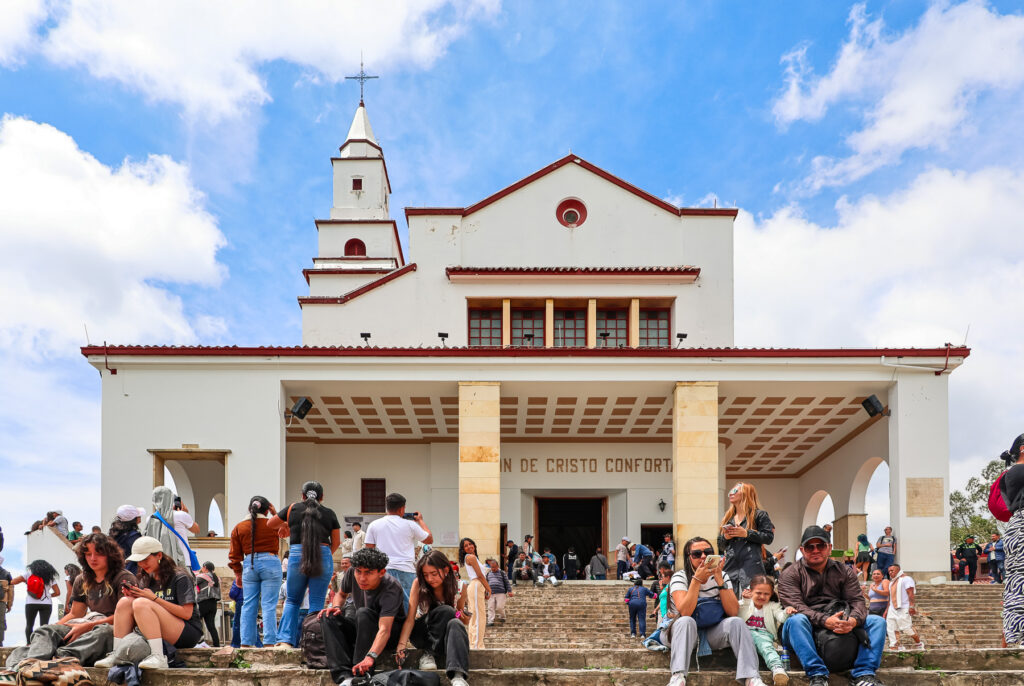
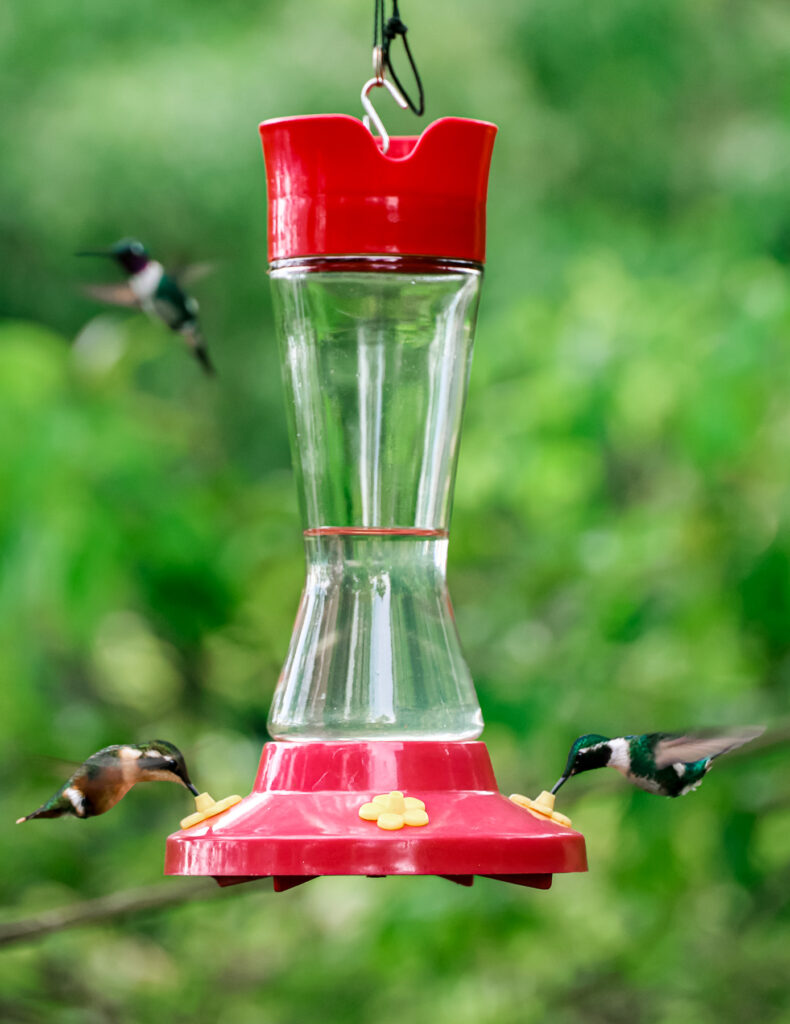
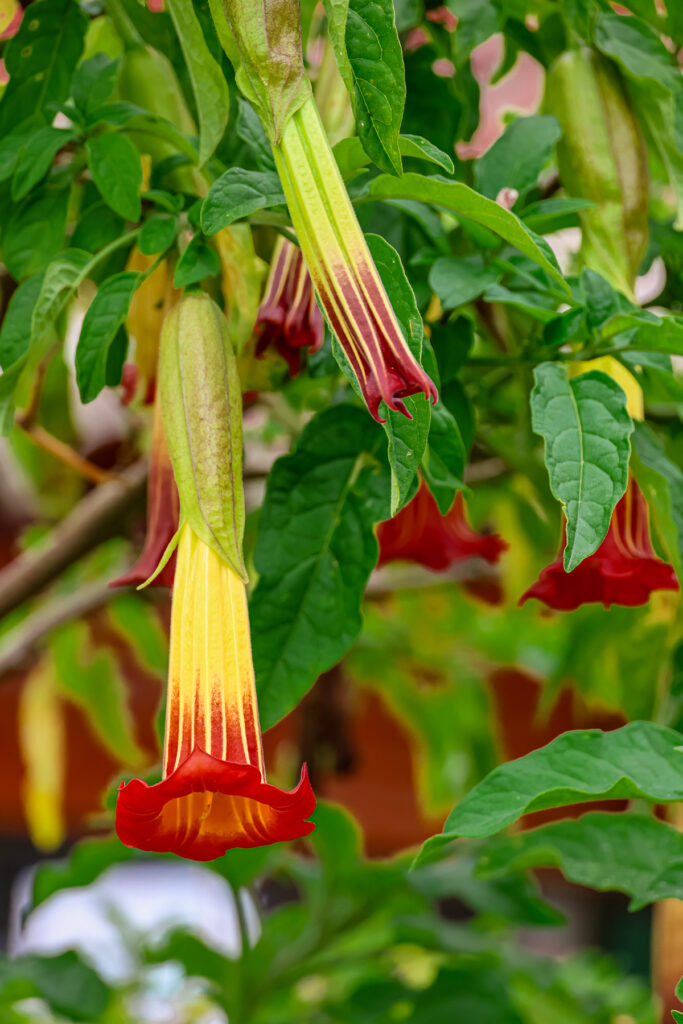
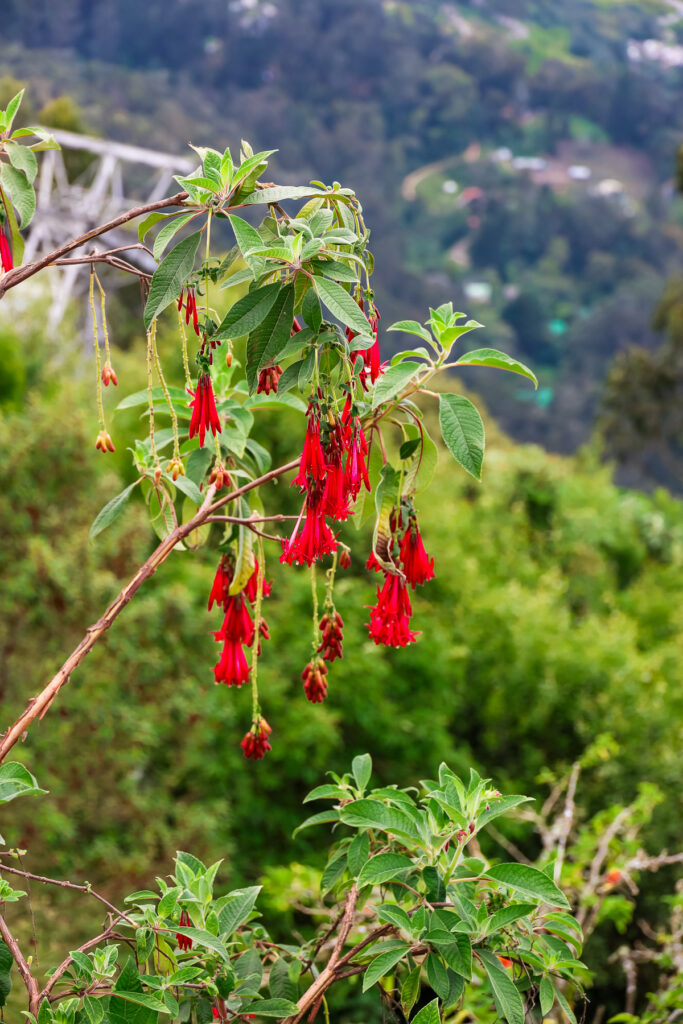
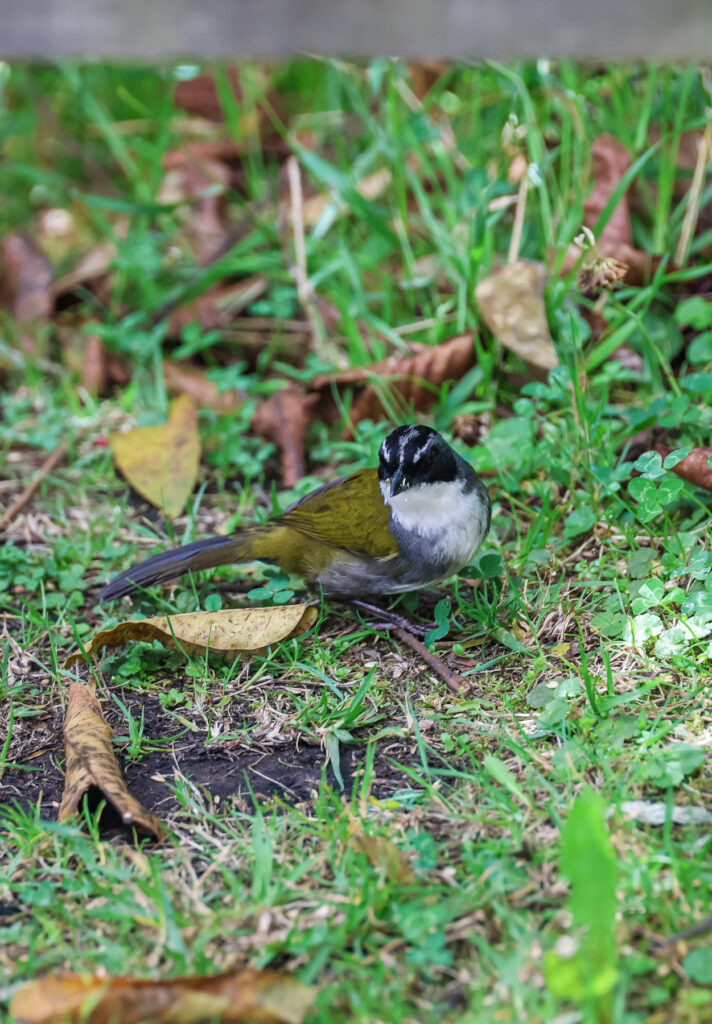
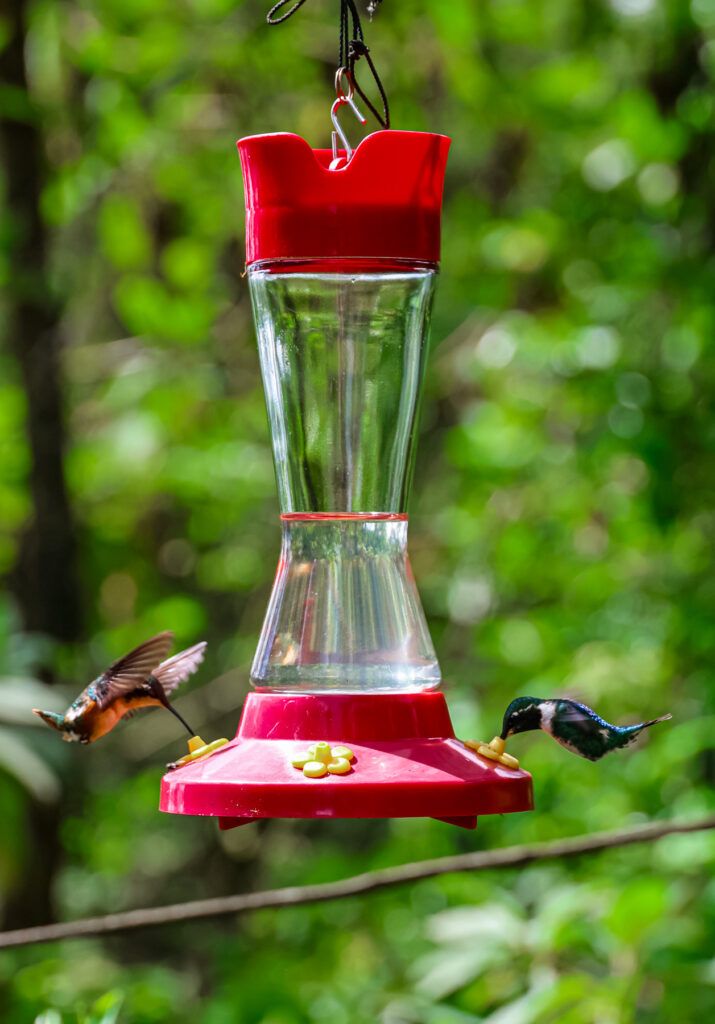
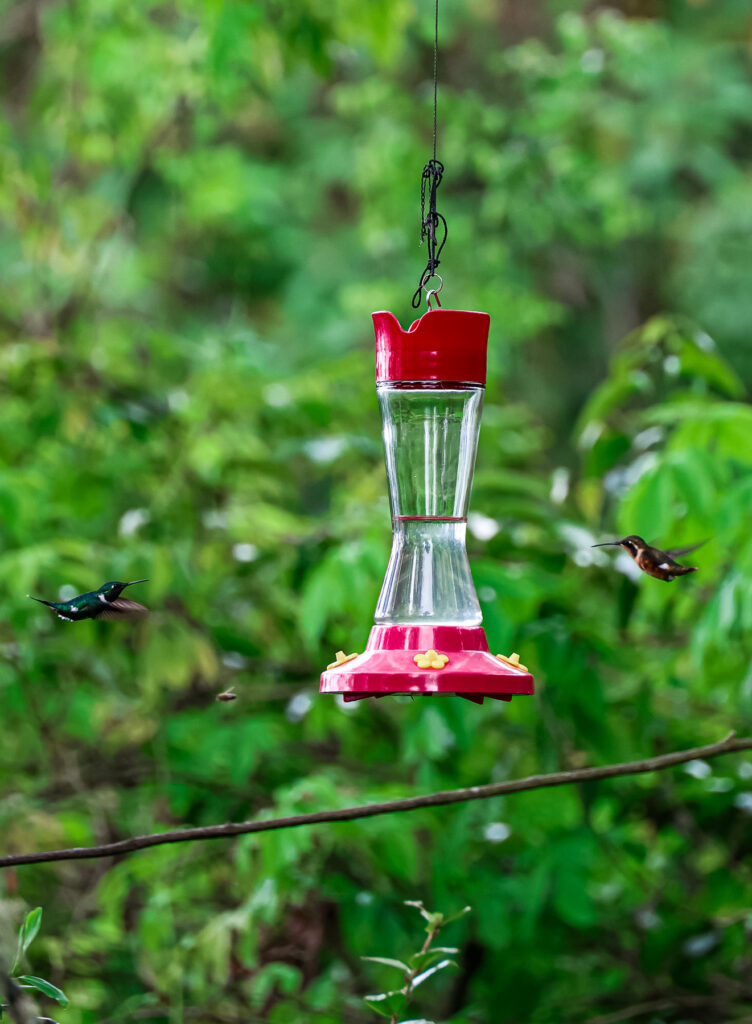
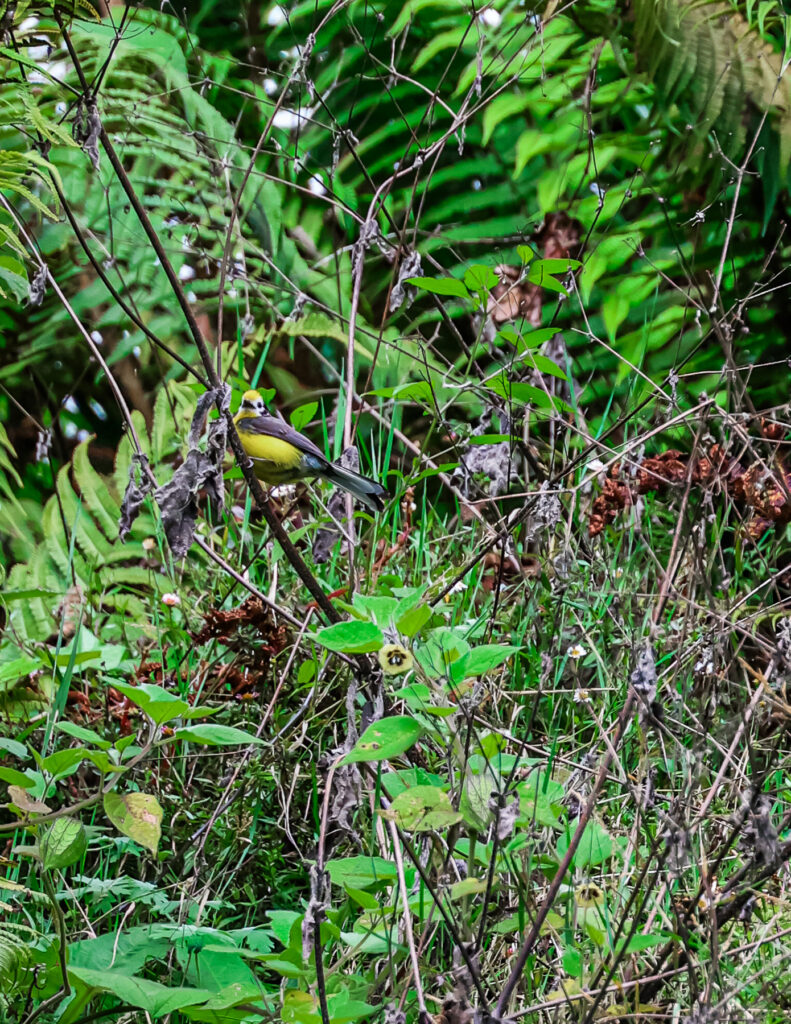
But don’t hurry down just yet – there’s more than views and the church. Besides that, there’s a birdwatching trail with about 115 species living here!
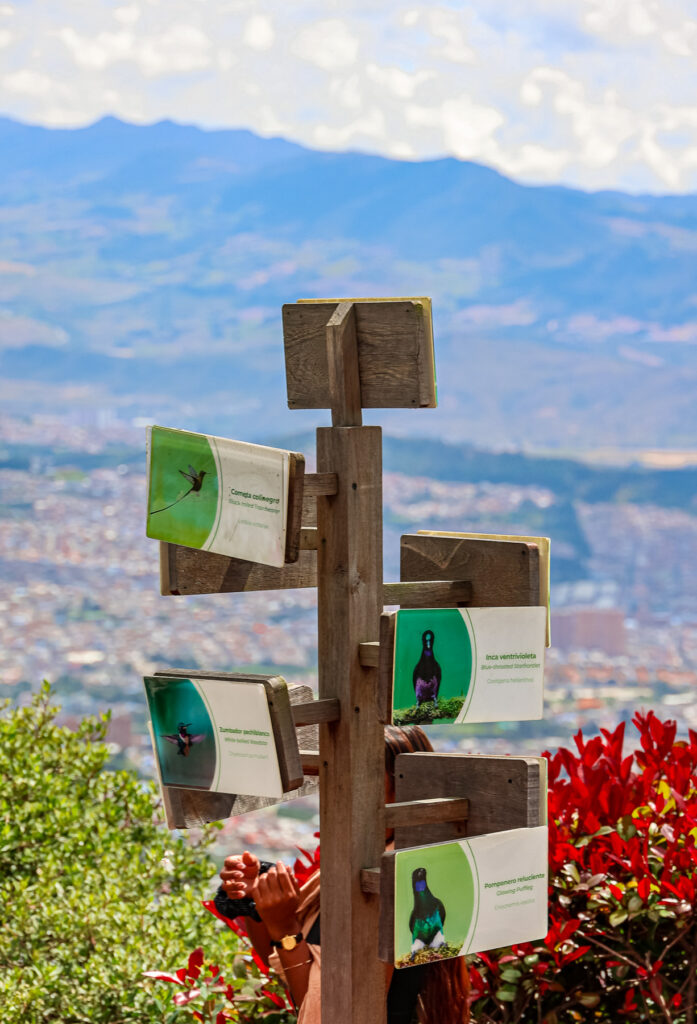
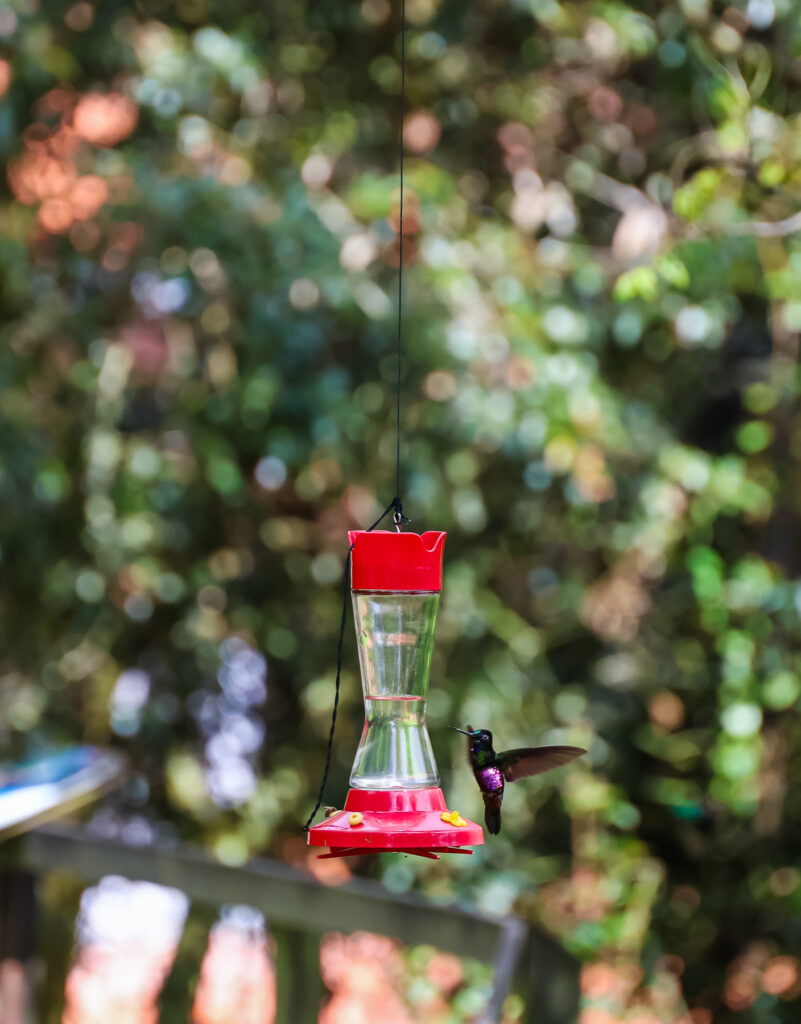
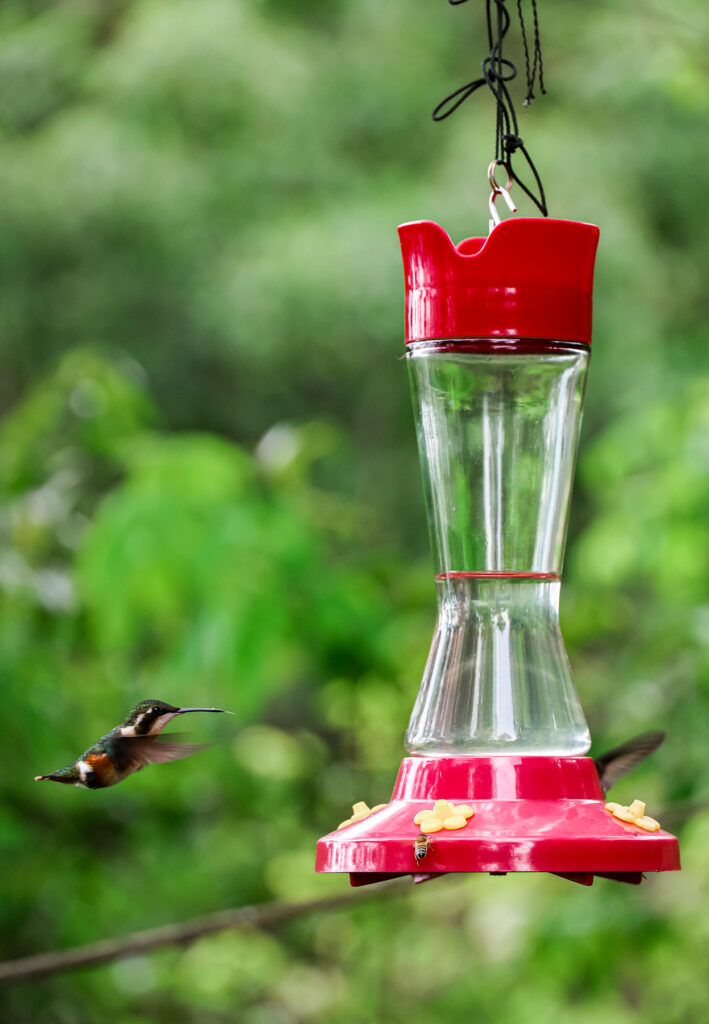
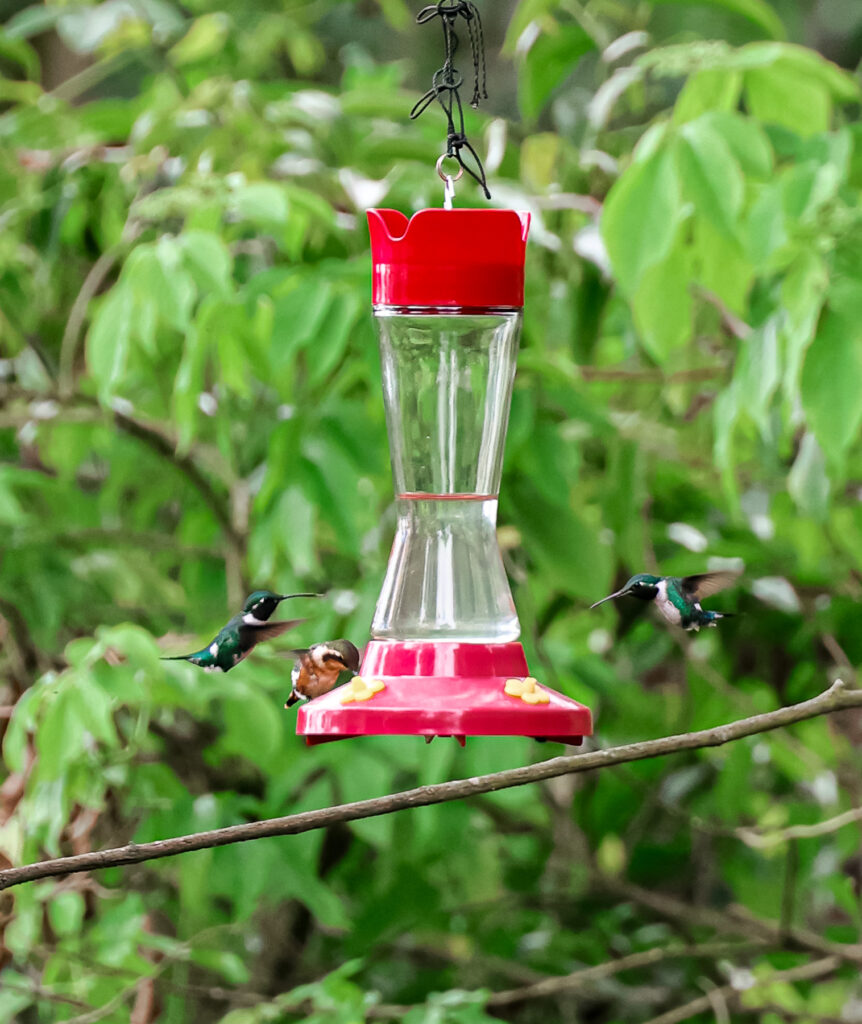
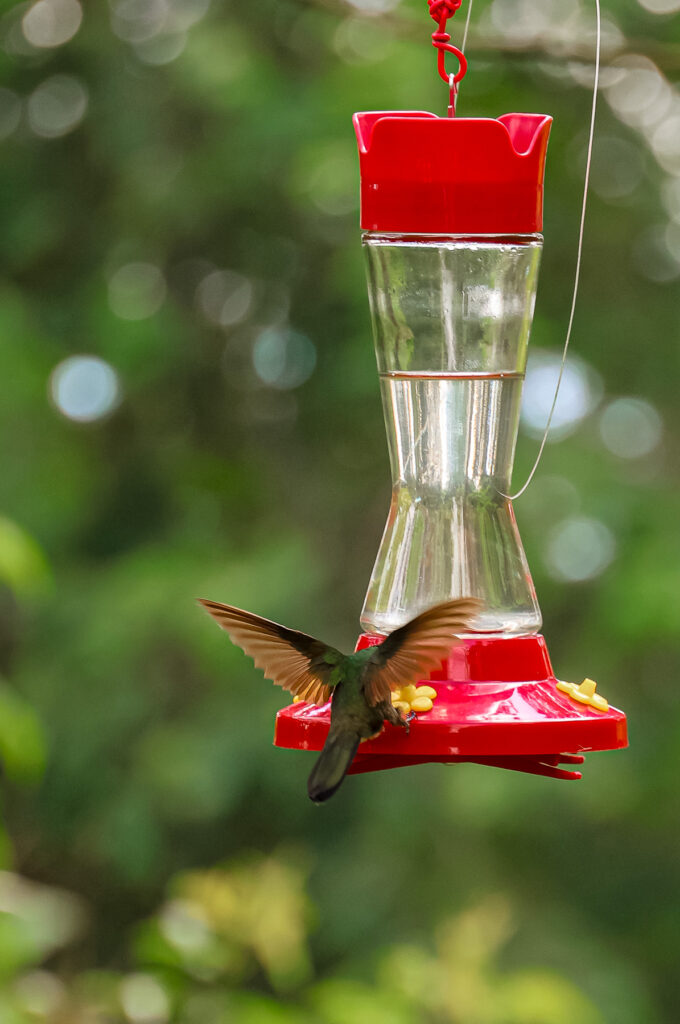
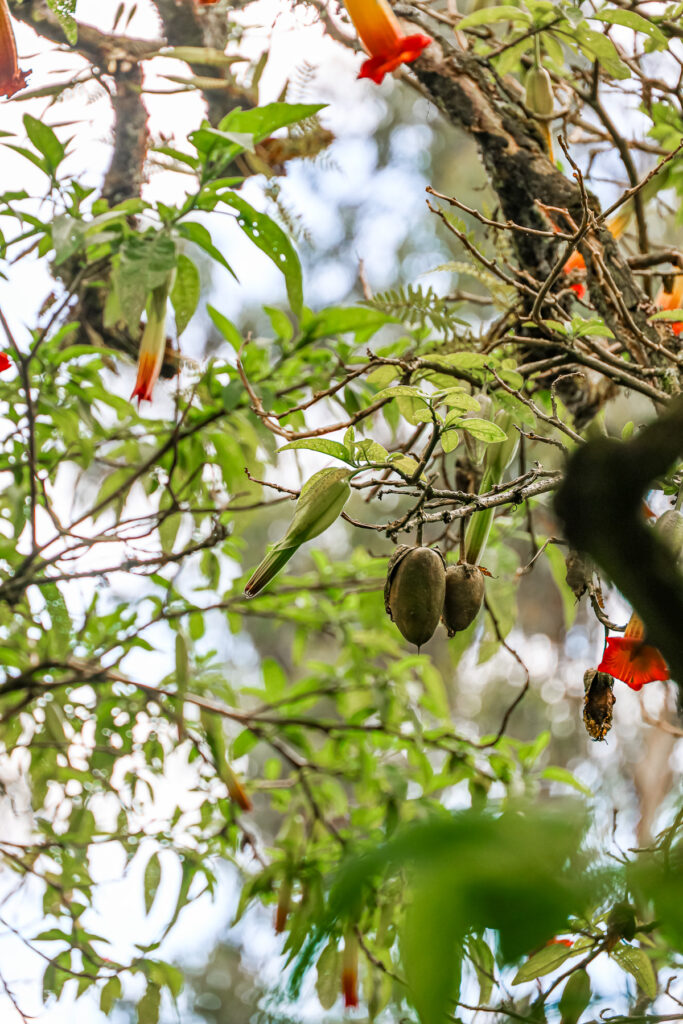
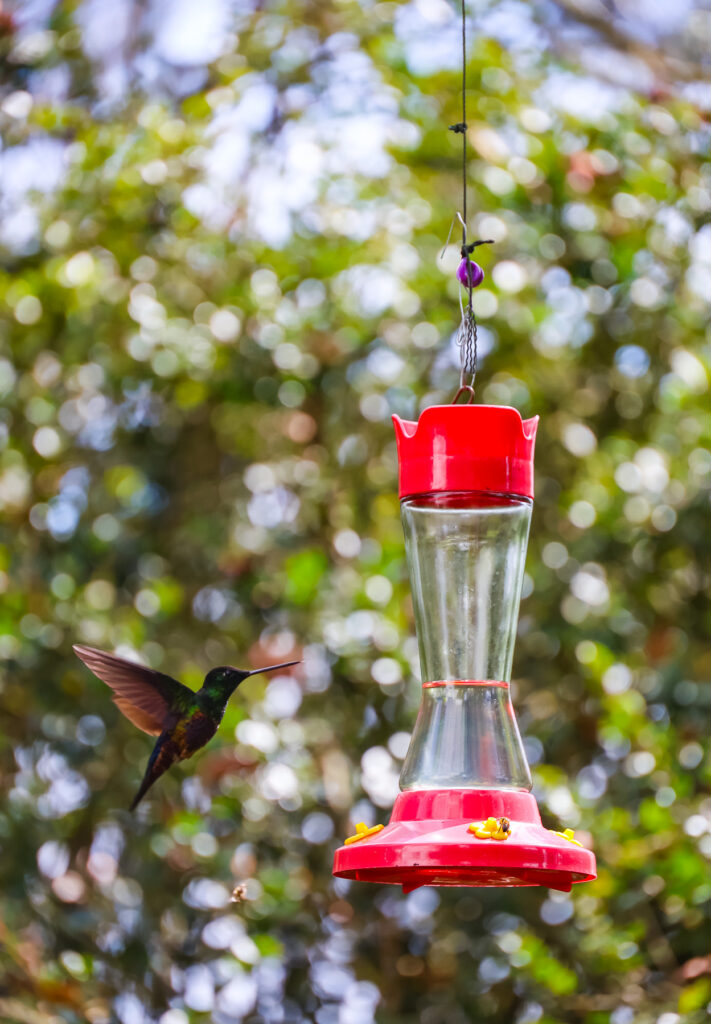
You can just walk around observing the wildlife or buy a ticket and enter the Sendero El Paramuno area. This is a small trail on the slopes of the mountain where 20 species of hummingbirds native to this part of the world feed from feeders with sweetened water.
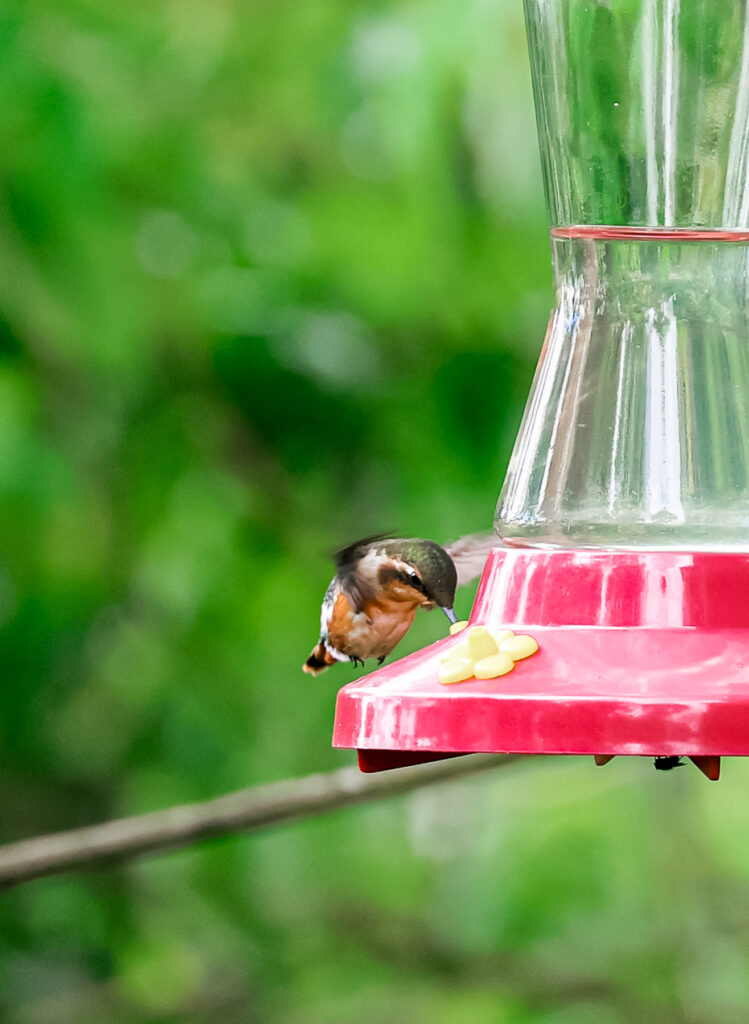

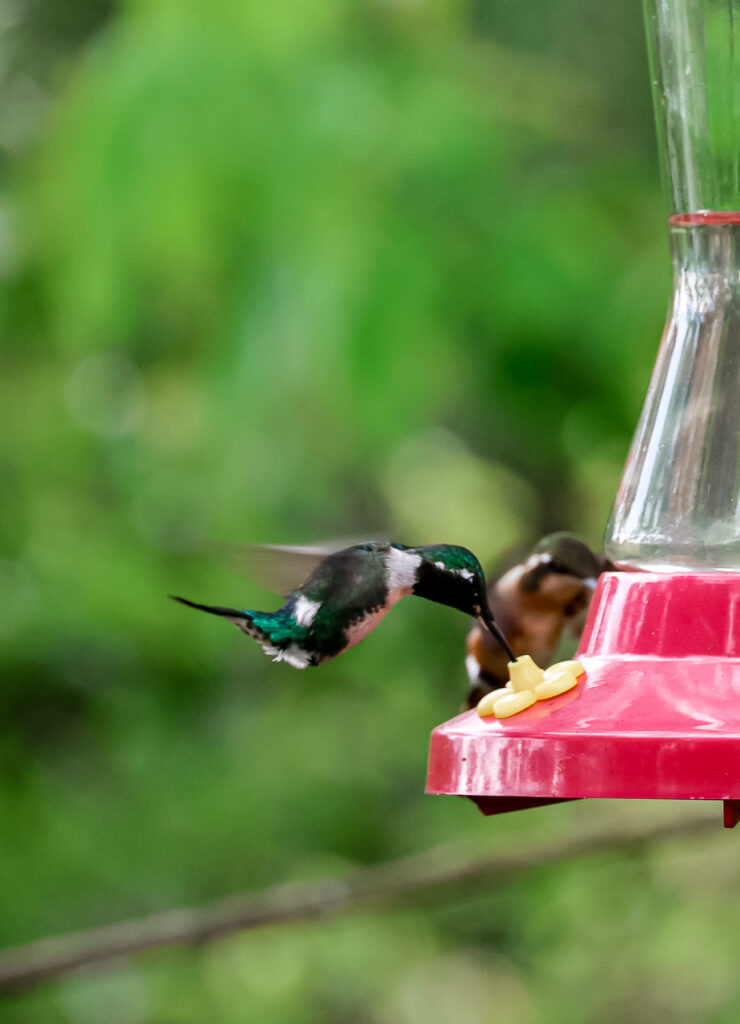
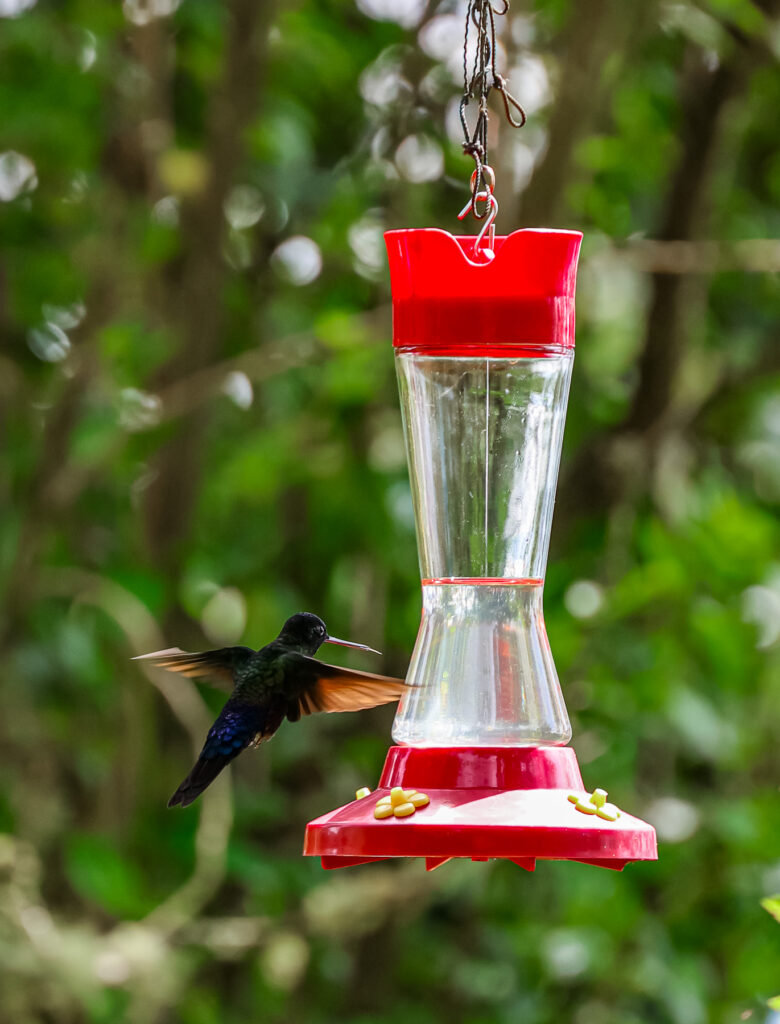
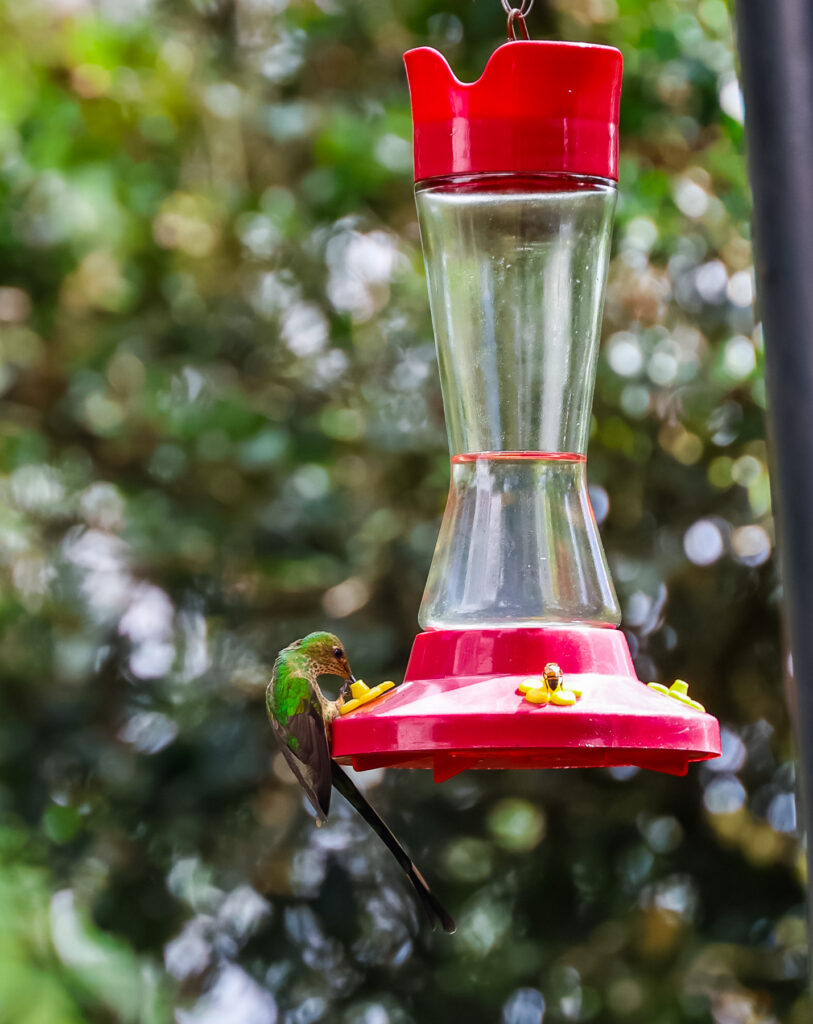
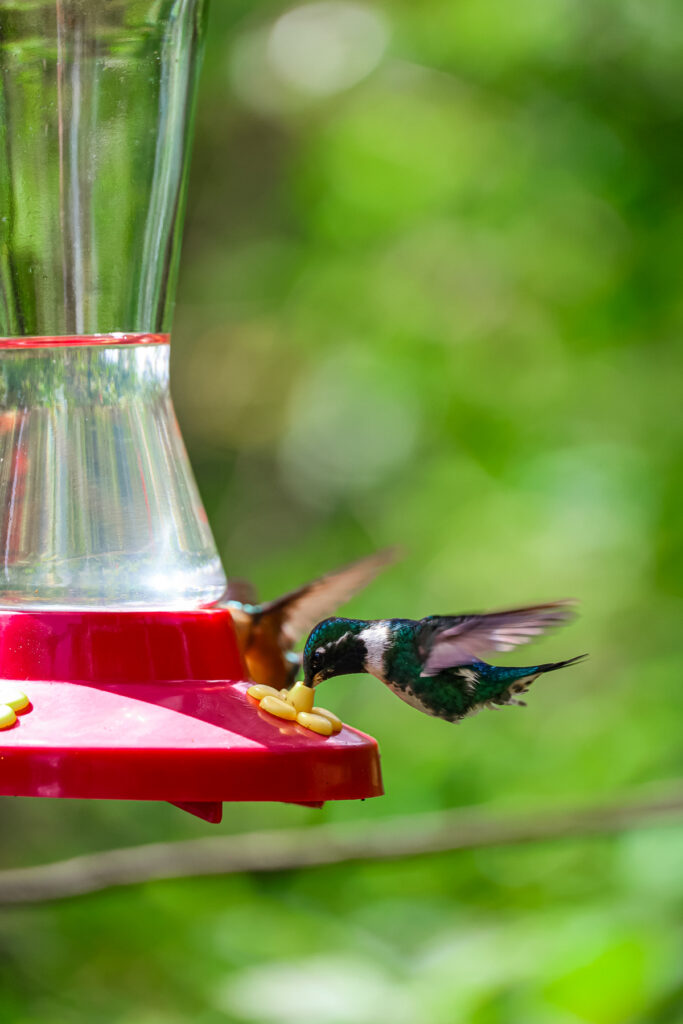
Your patience will be rewarded: we saw about 10 different avian species just walking there in silence. Absolutely an out-of-this-world experience!
8. Church of San Francisco
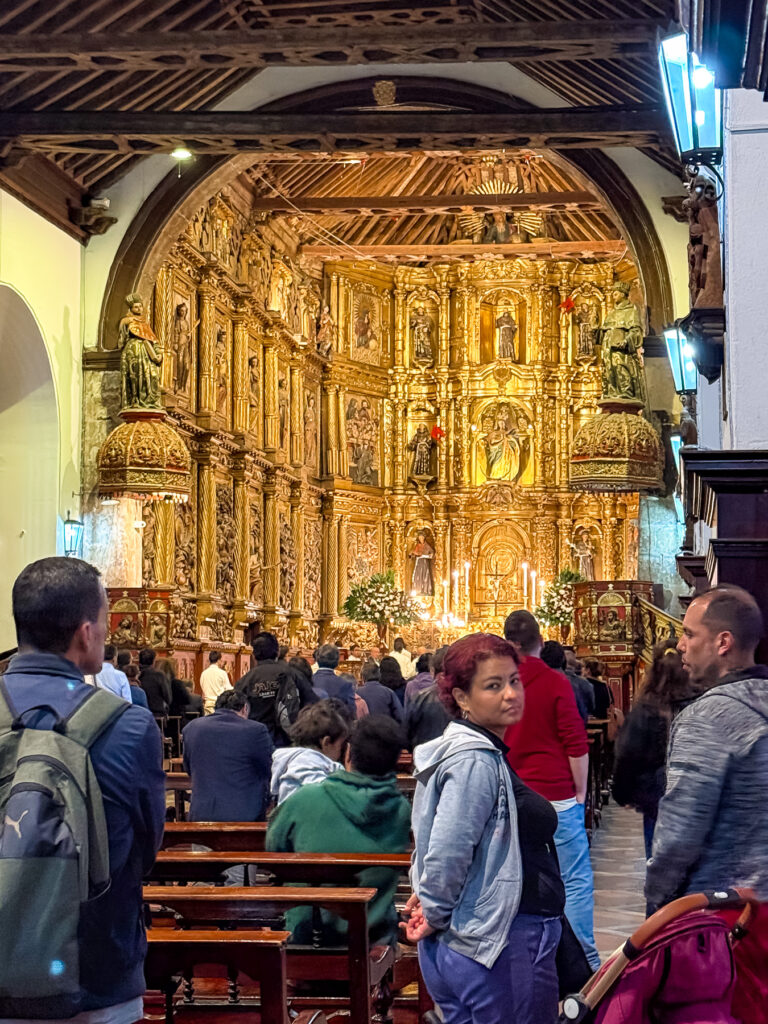
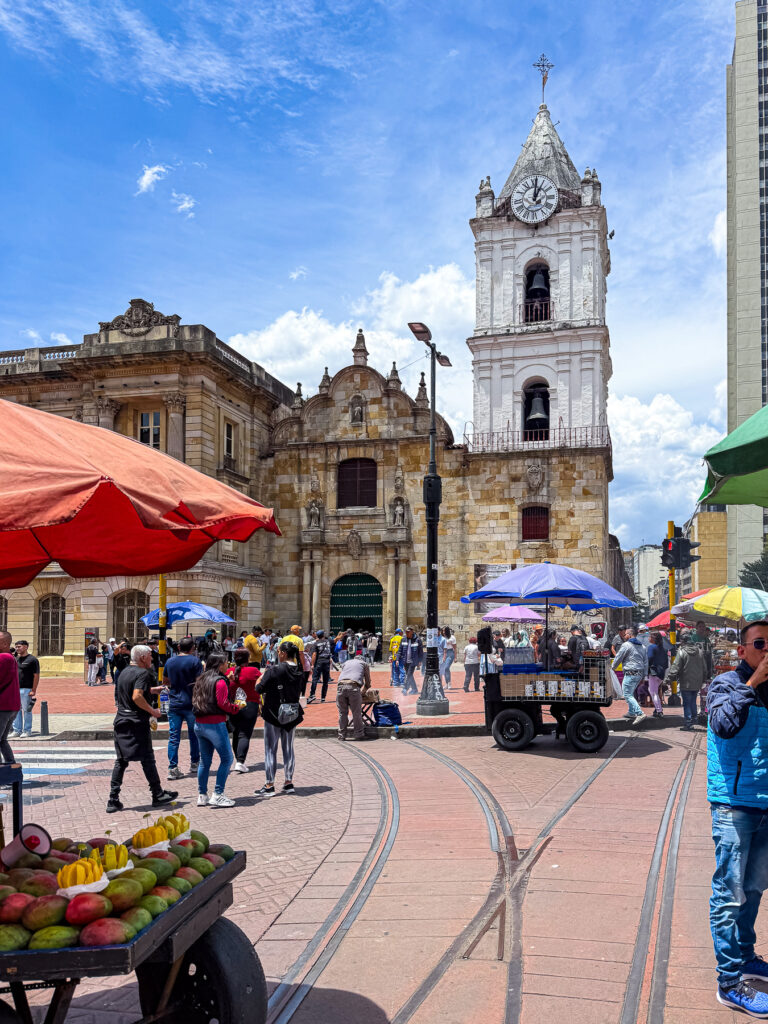
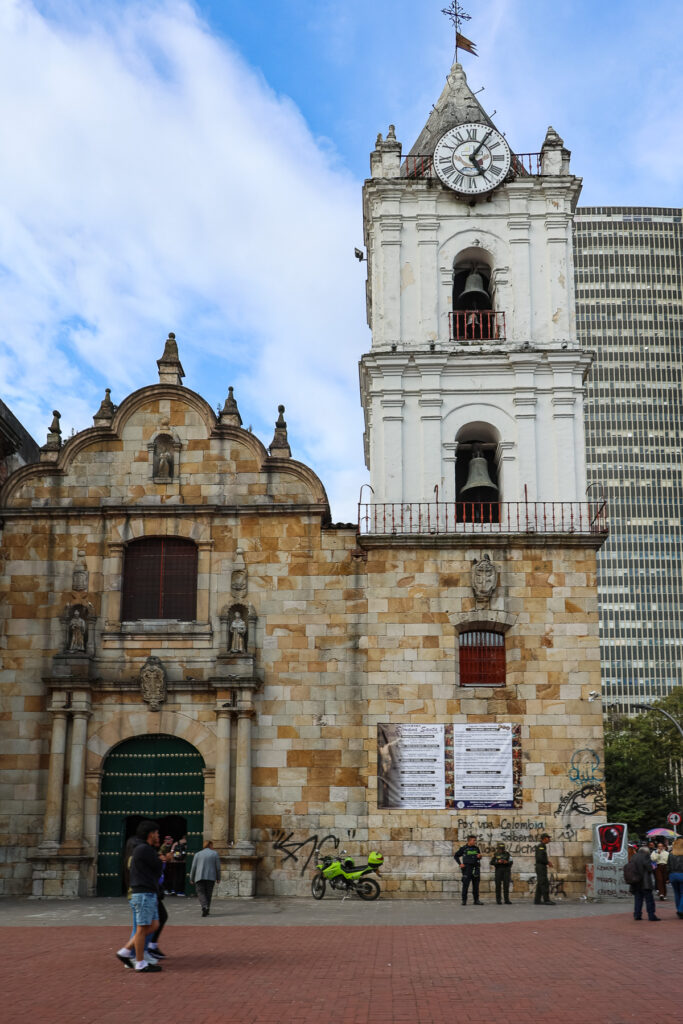
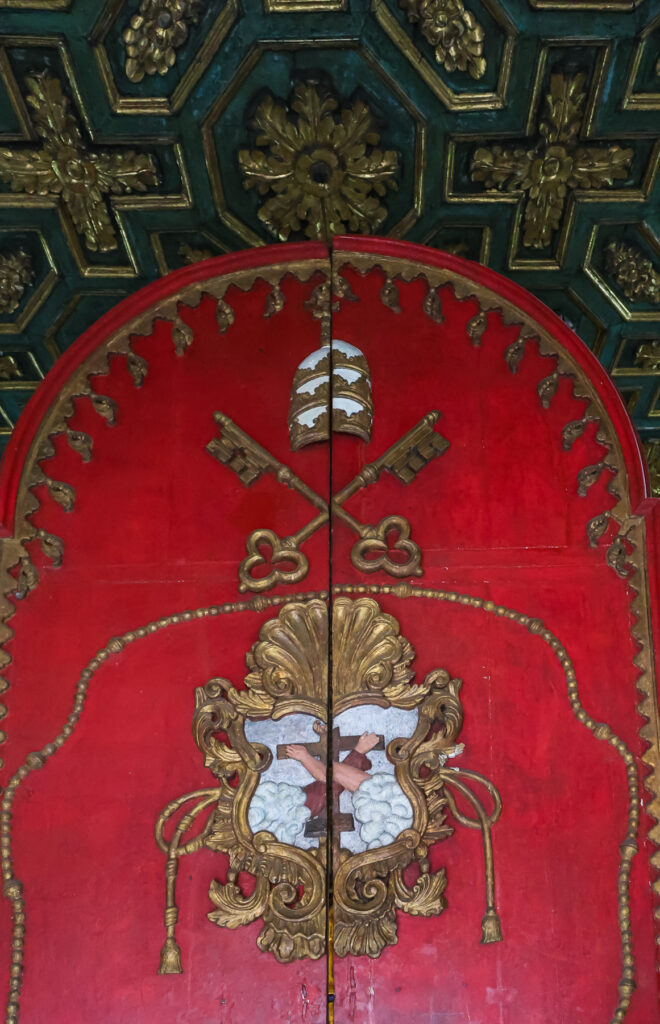
Don’t miss the gorgeous Church of San Francisco: its interior is breathtaking! Photography is limited inside, though. The church was founded by the Minor Friars, who arrived in the city in 1550, and construction ended in 1611. This makes it one of the oldest surviving churches in Bogotá! The altar also dates to the 17th century.
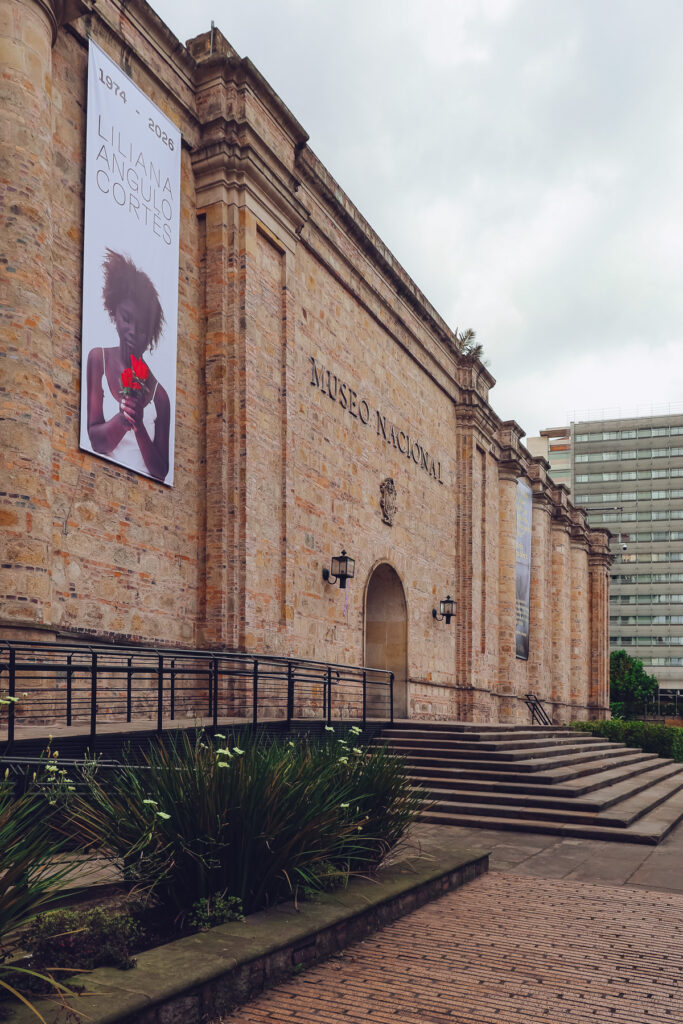
9. National Museum of Colombia
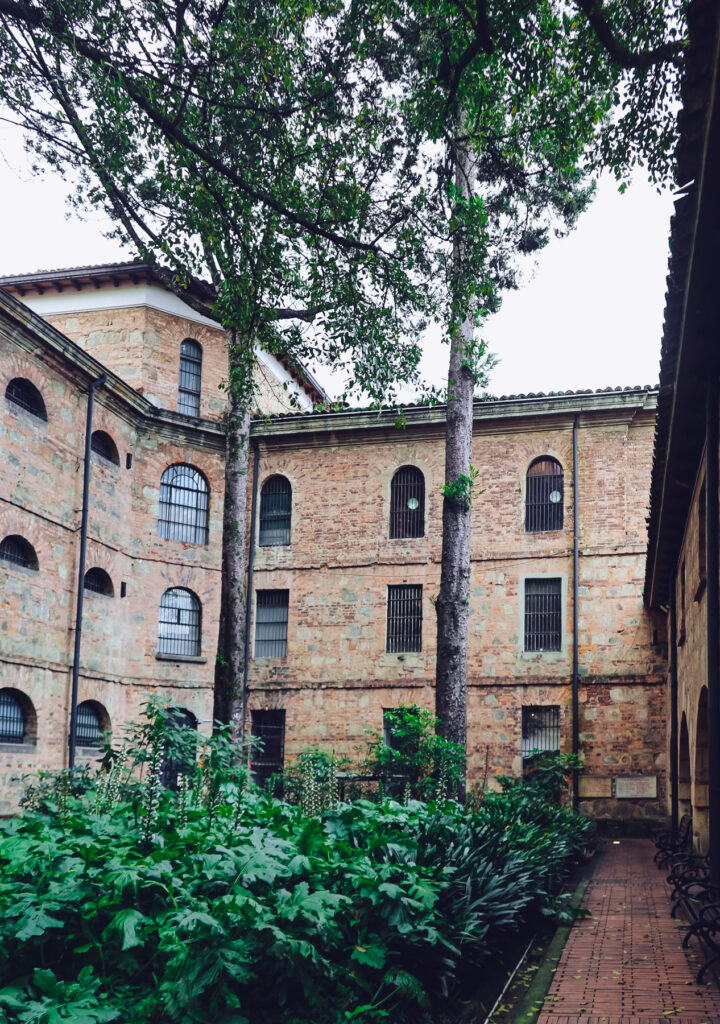
The National Museum of Colombia is located in the former prison and established in 1823.
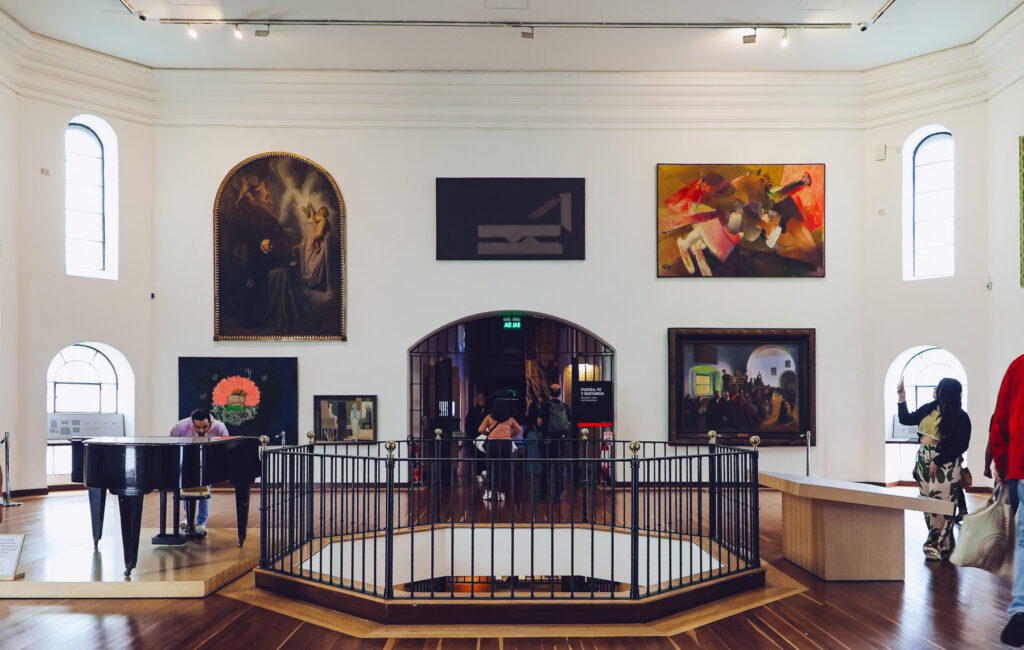
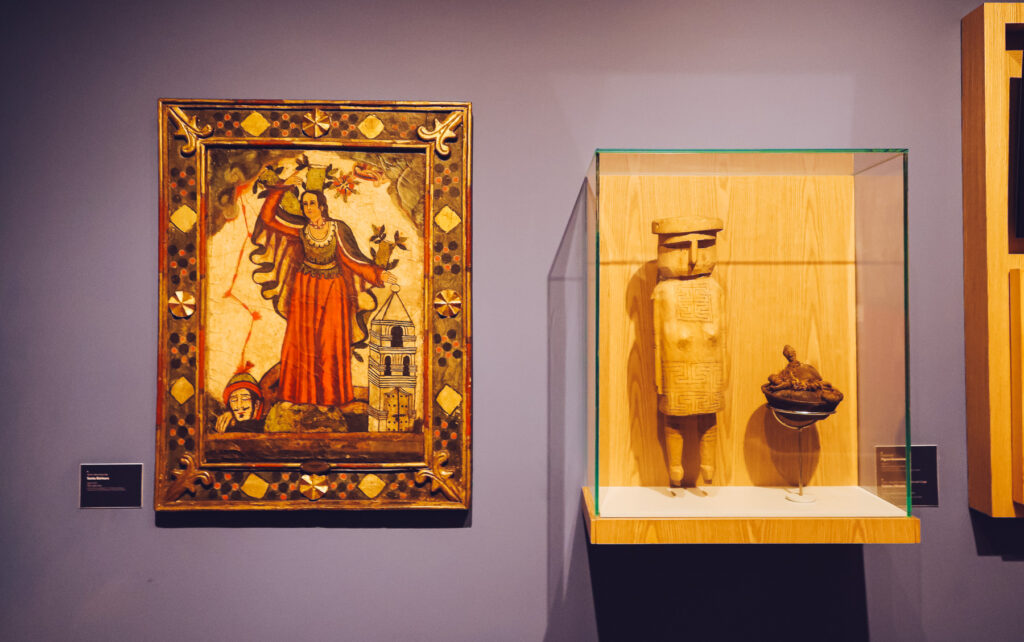
It has around 2,500 objects on display depicting various periods of the country’s history; however, the overall collection includes about 200,000 items!

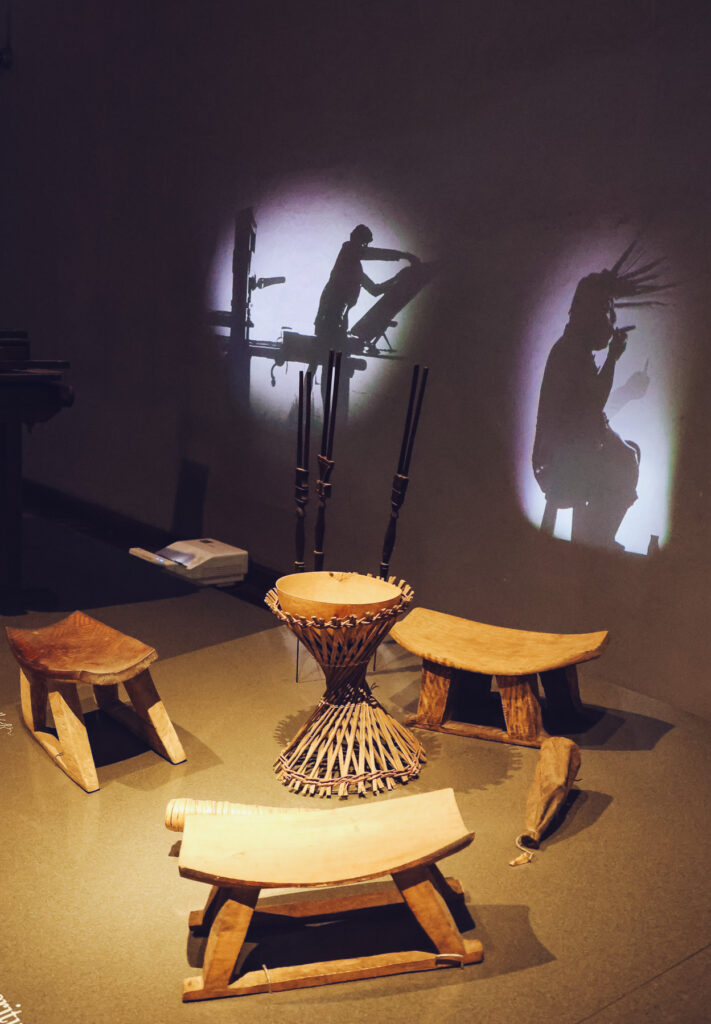
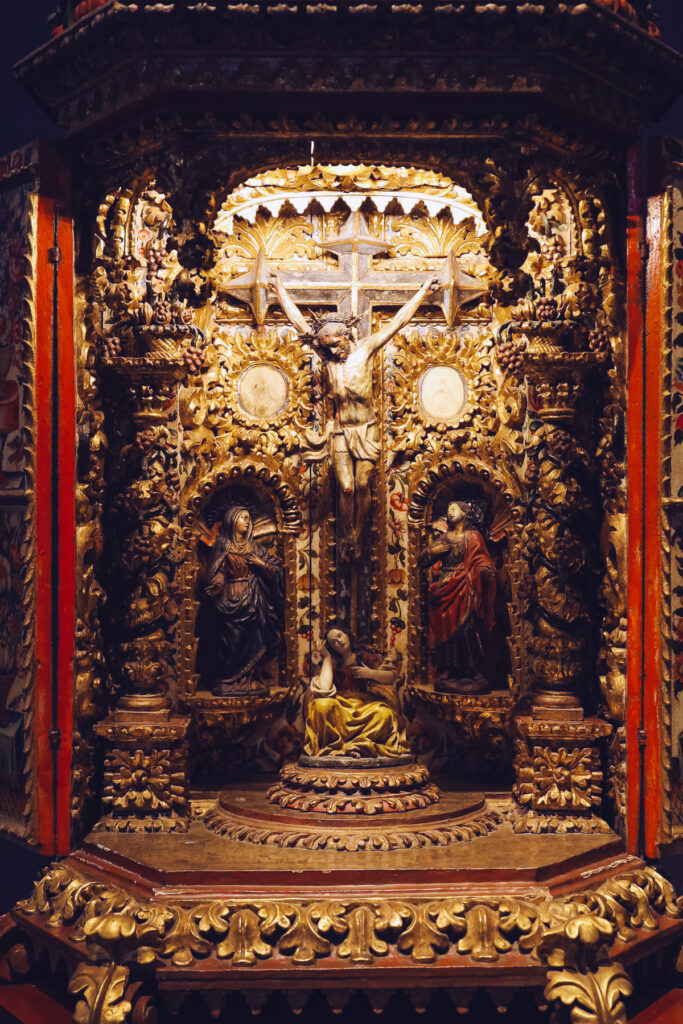
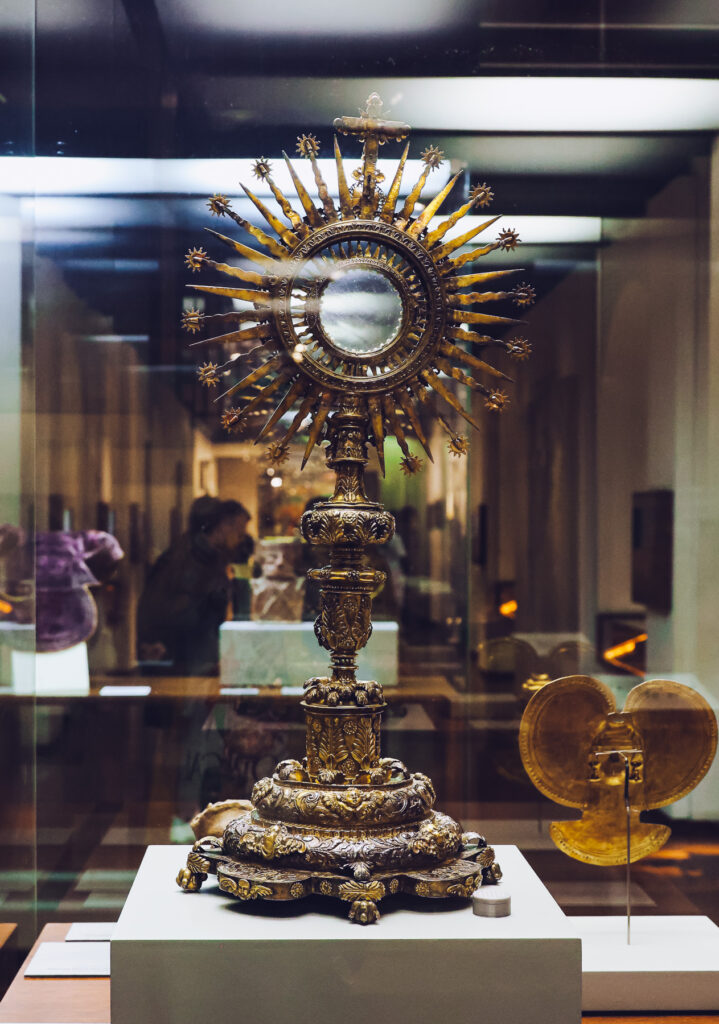
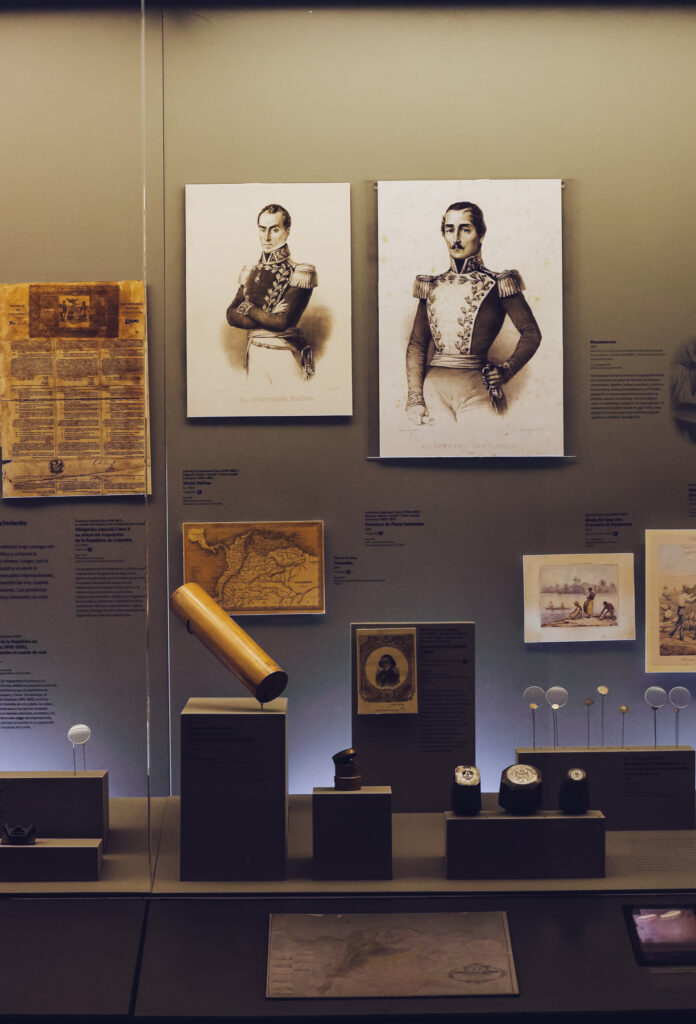
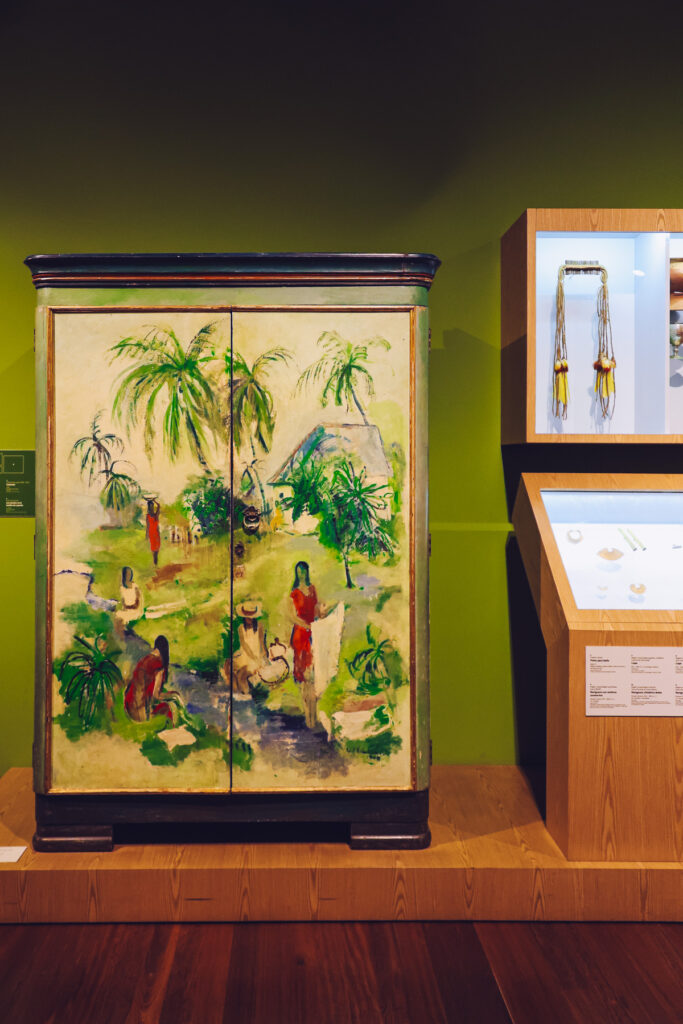
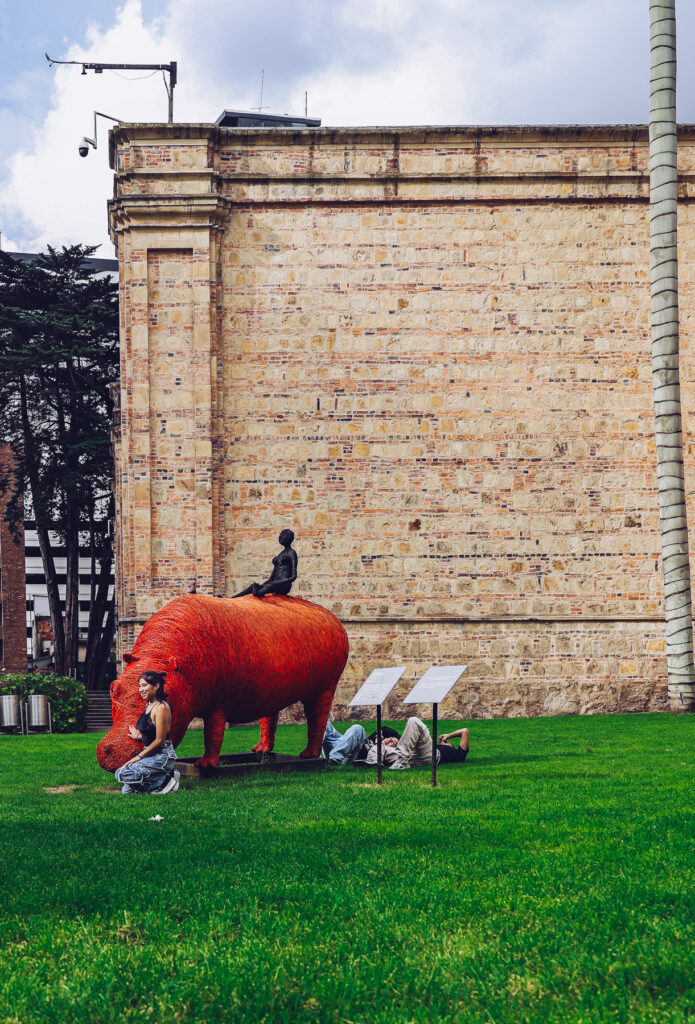
It’s a well-made museum with numerous modern elements and family-friendly activities where you can learn about the history of the museum itself, various indigenous Colombian traditions and crafts, the Spanish period, and modern objects.
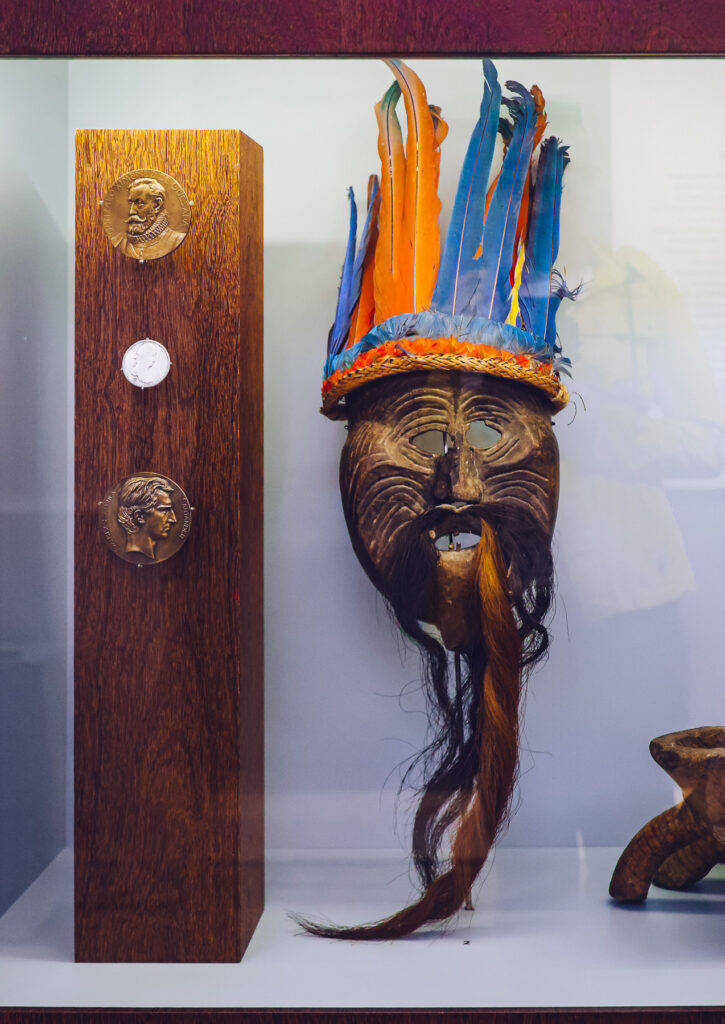
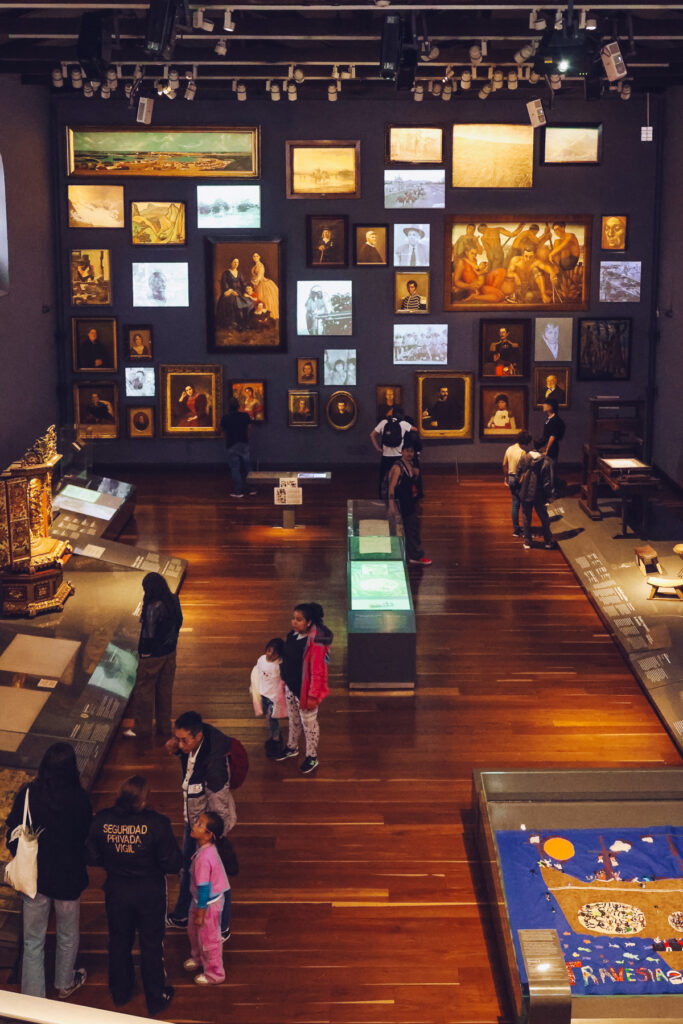
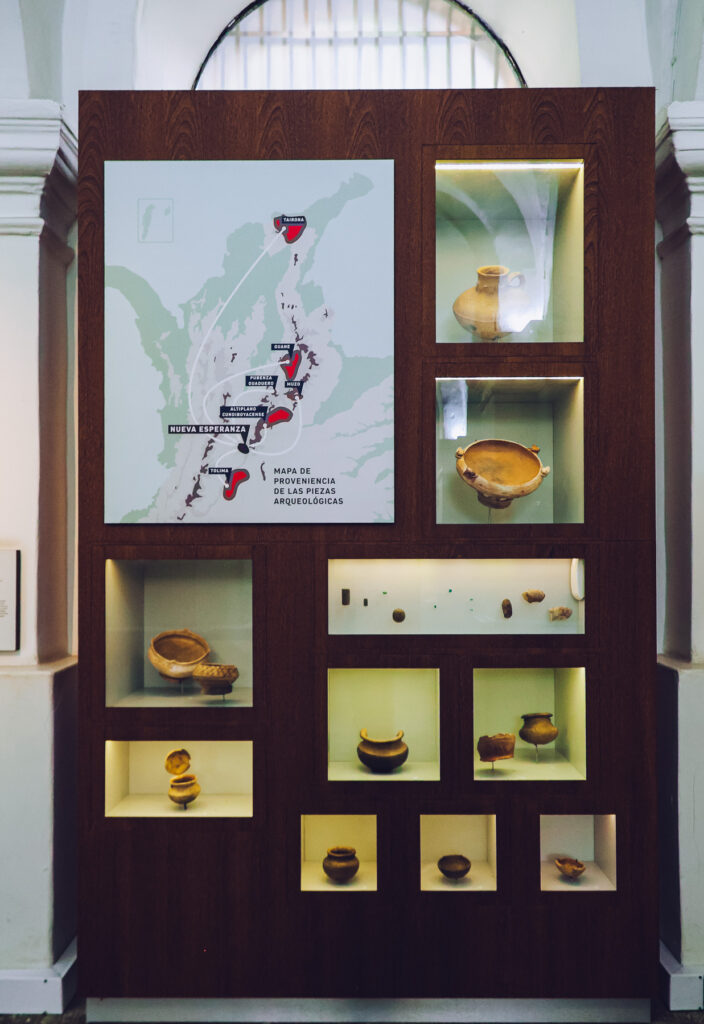
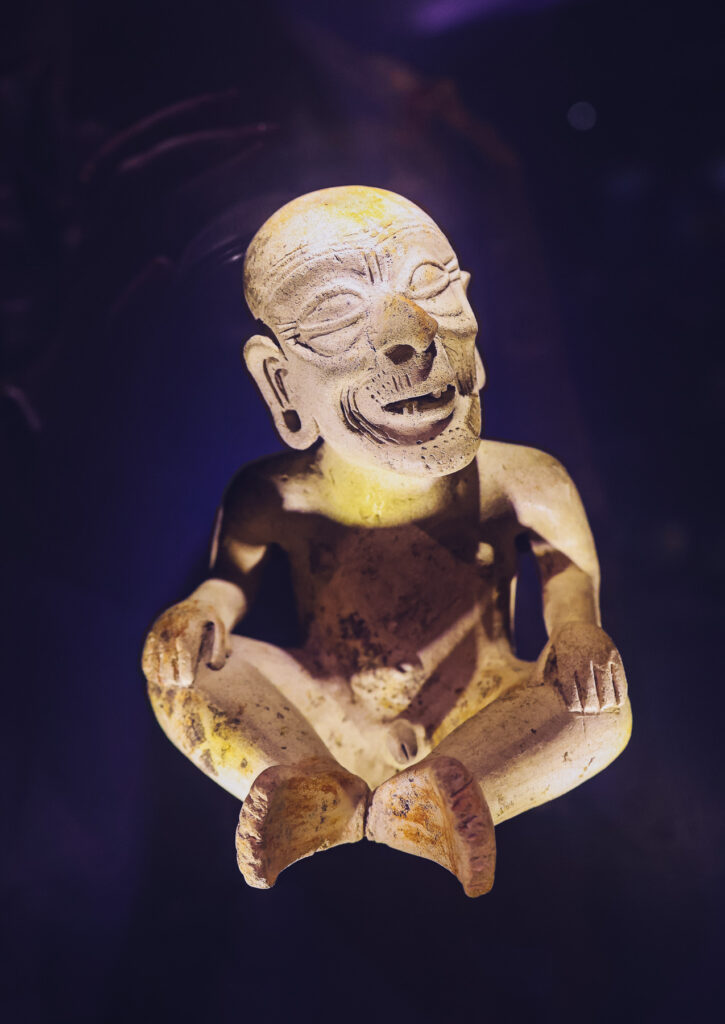
The castle-like building where the museum is located is worth your attention too: it used to be the largest prison in the country, designed by Thomas Reed and named the Central Penitentiary of Cundinamarca, or the Panóptico.

10. Casa del Florero
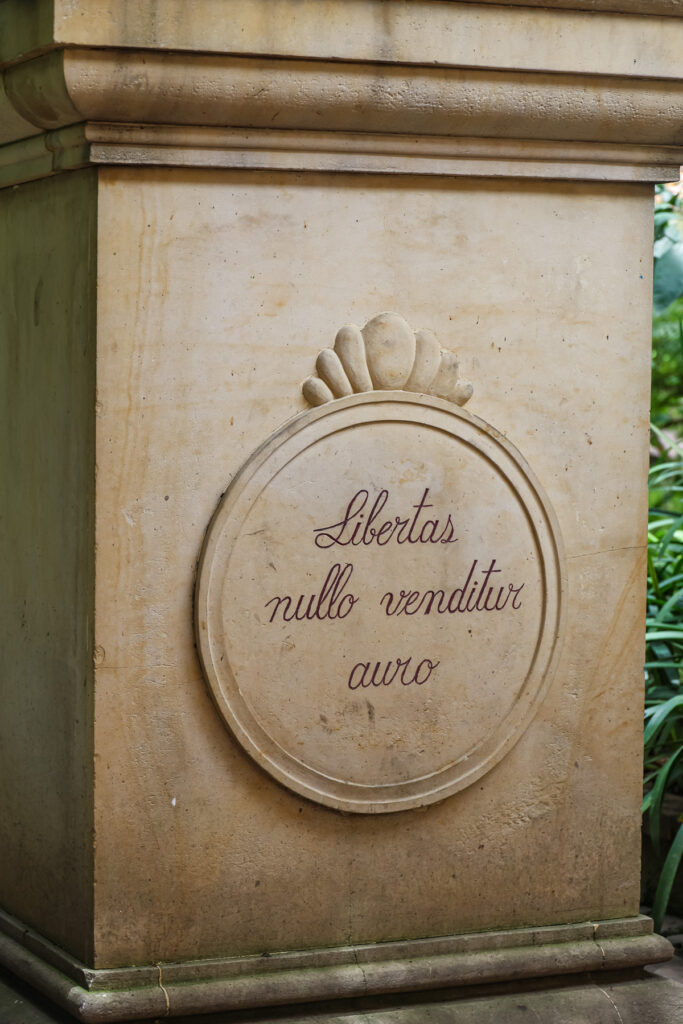
The Museum of Independence, or the Flower Vase House (Museo de la Independencia, Casa del Florero), located on the side of Bolívar Square, is one of the most historically significant buildings in Bogotá.
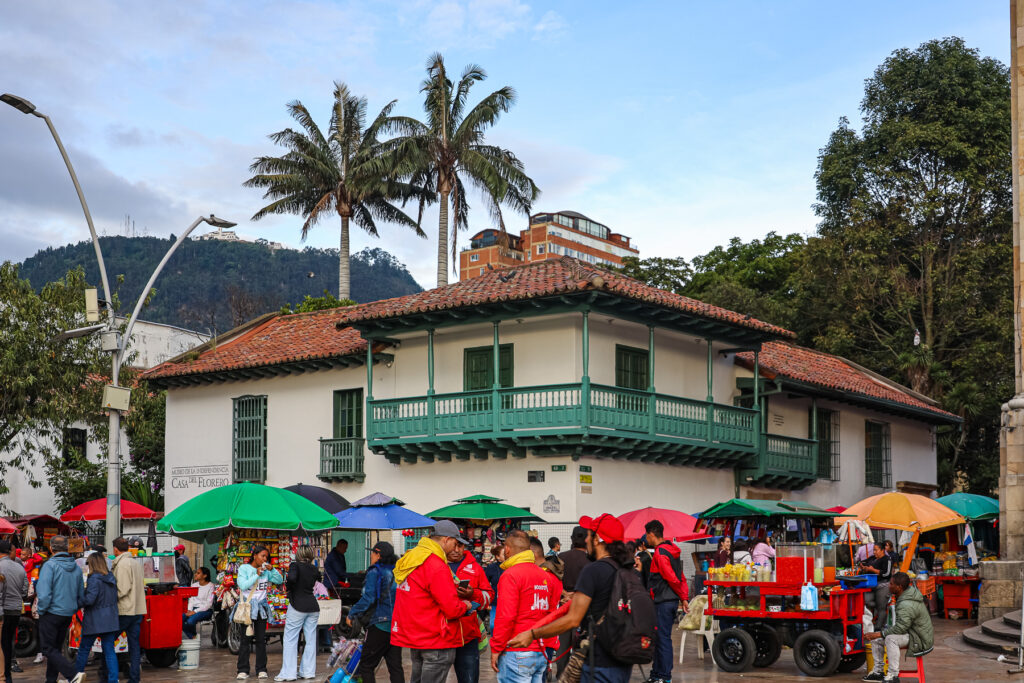
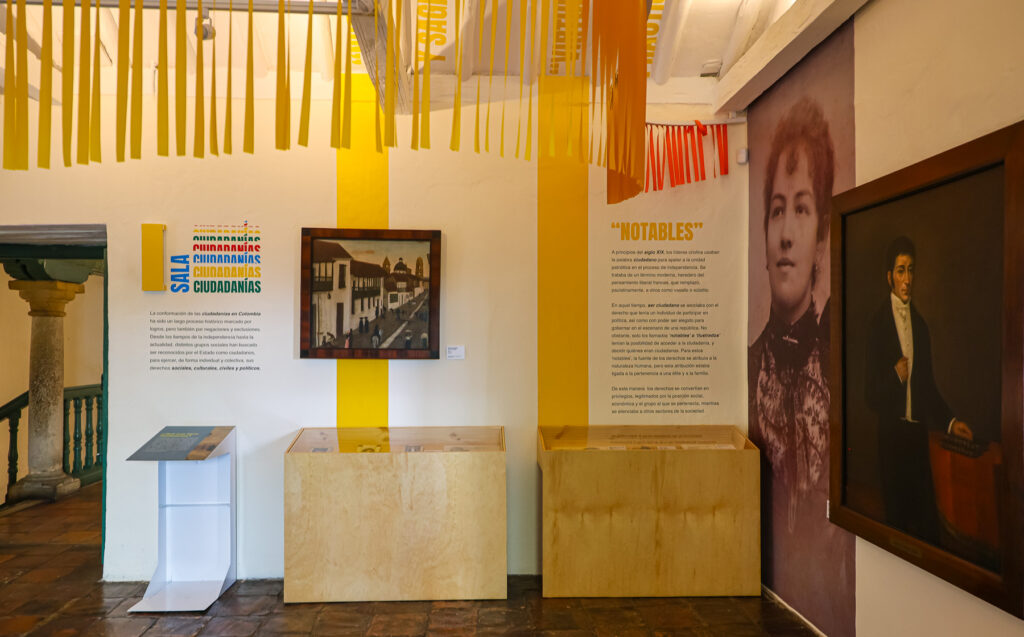
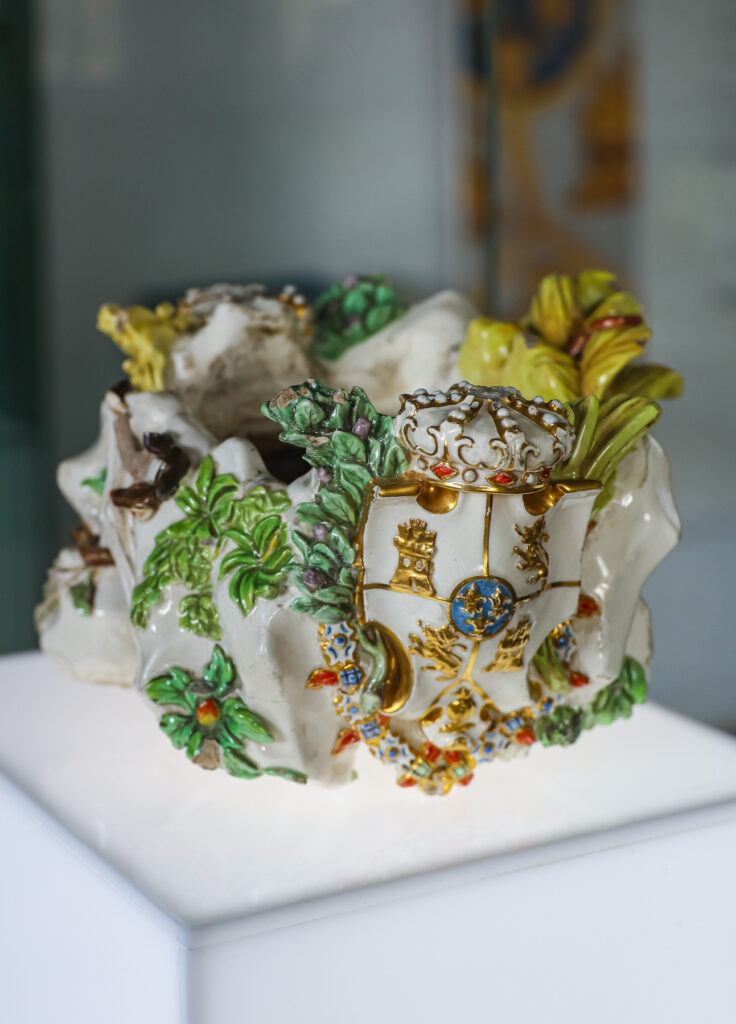
The events of the war for independence from Spain were triggered by a scene now called the ‘Florero de Llorente incident’ that happened here on July 20, 1810. A few creoles (Spaniards born here, not in Europe) intentionally wanted to provoke the Spanish and decided to borrow a vase from the local shop run by Spanish owners; however, they were rudely refused just as they hoped.
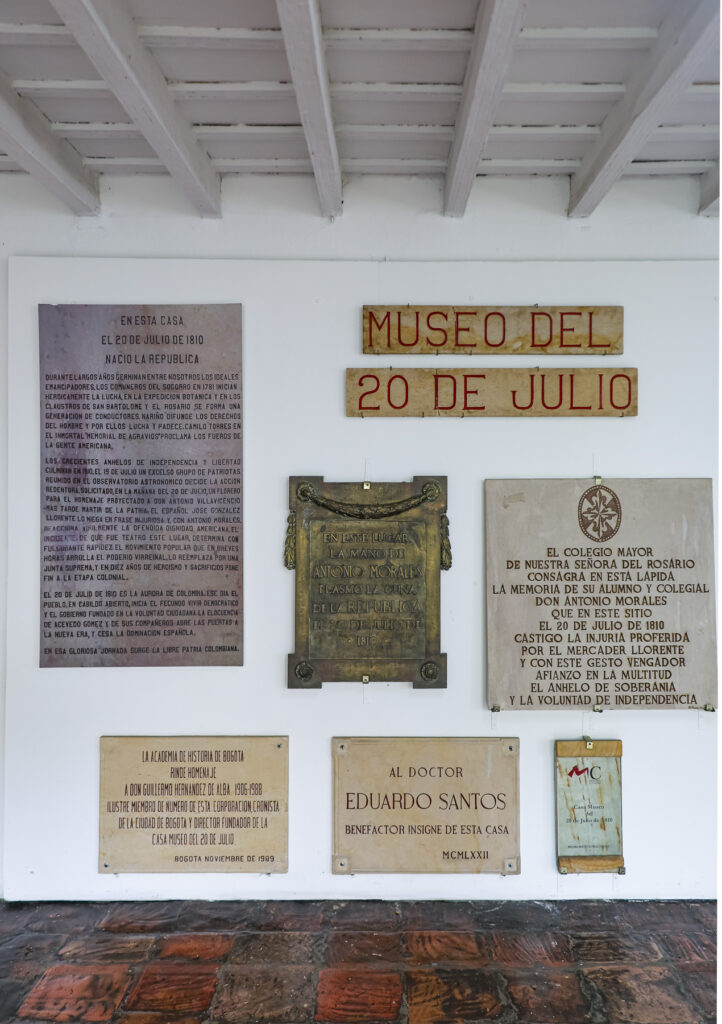
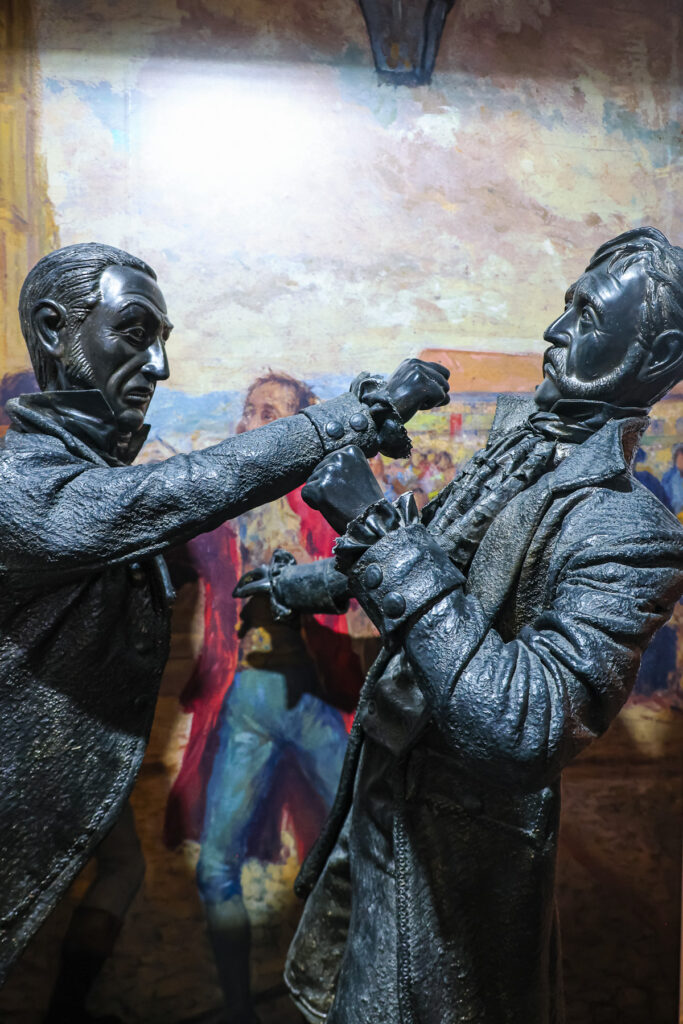
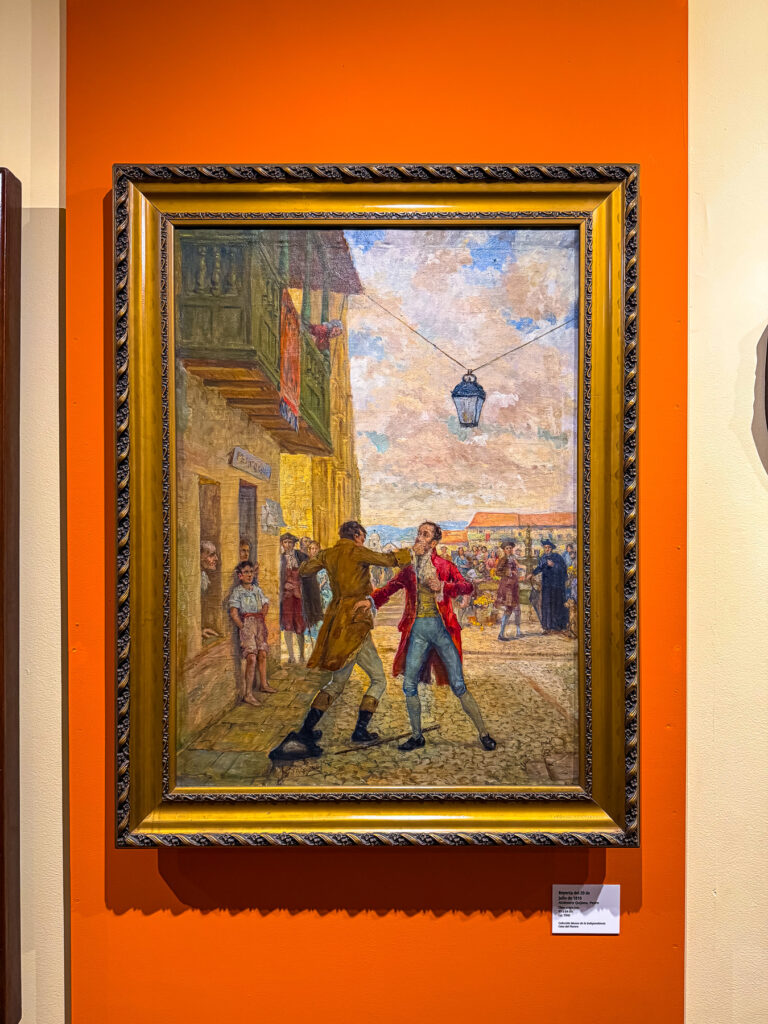
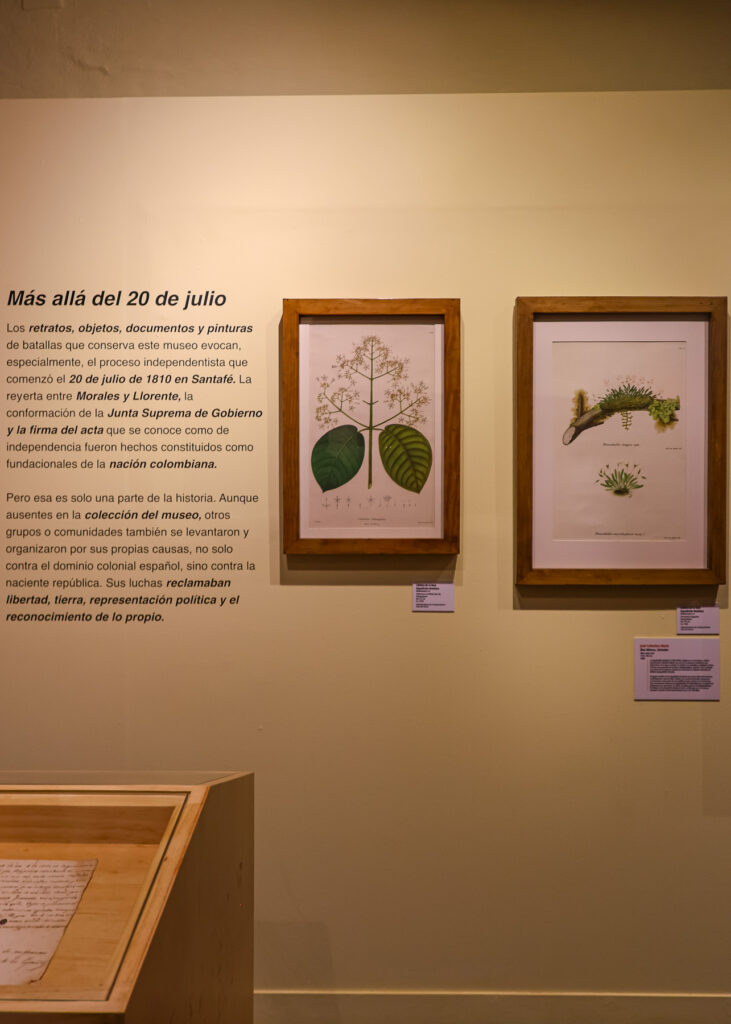
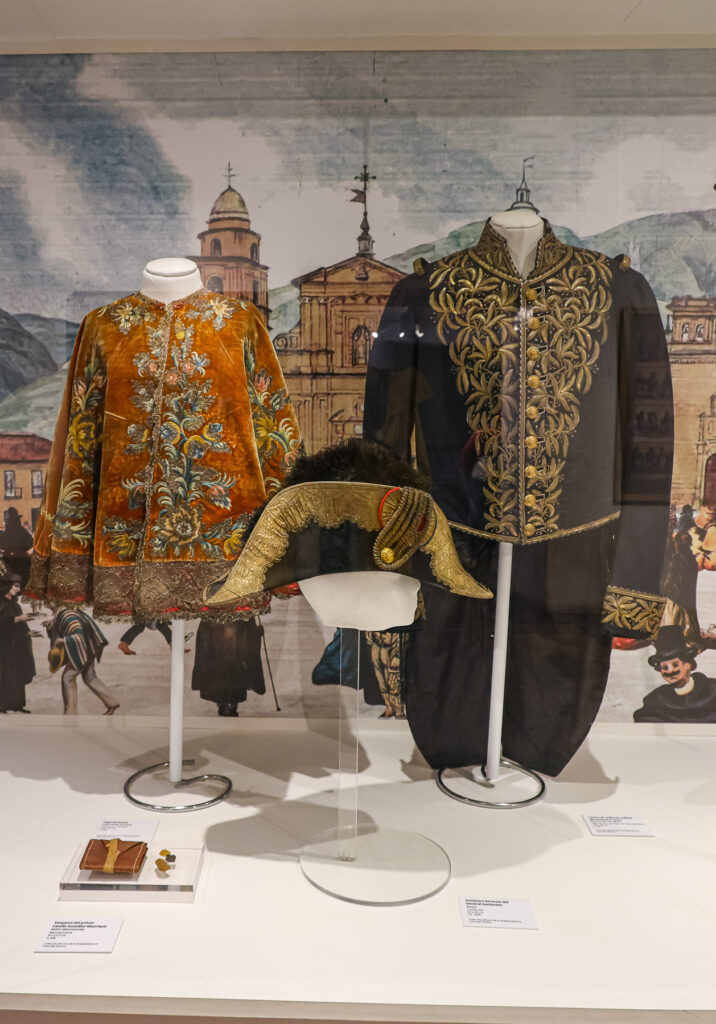
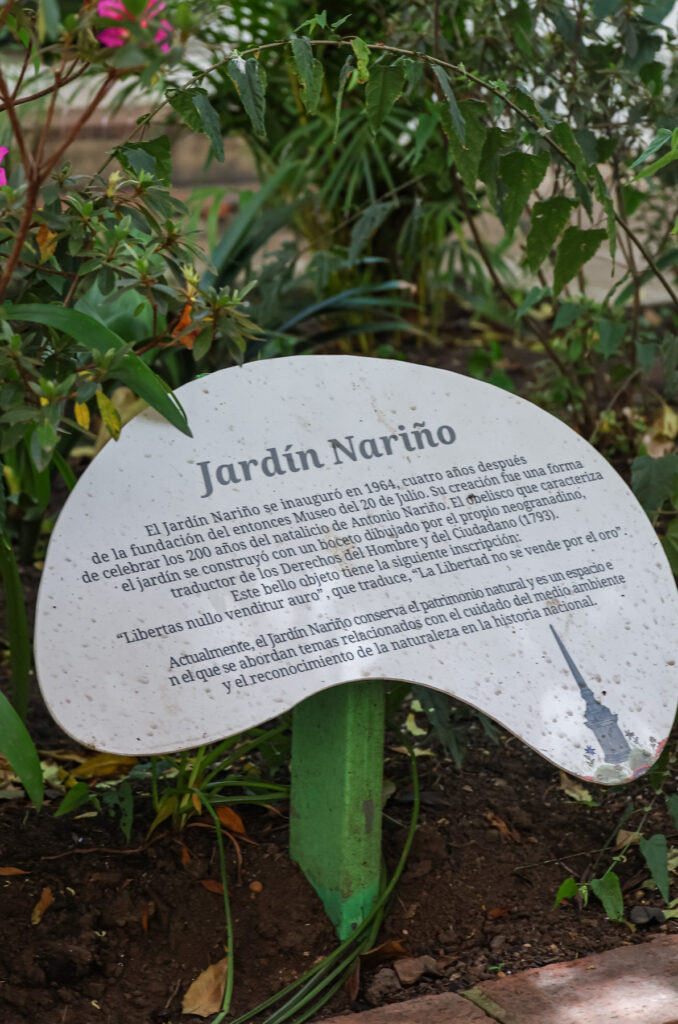
This incident grew into massive unrest against colonial rule and is now considered an important date for the Colombian identity: July 20 is now the national day of independence. The original vase itself, as well as other objects documenting that period of Colombian history, are on display in this museum.
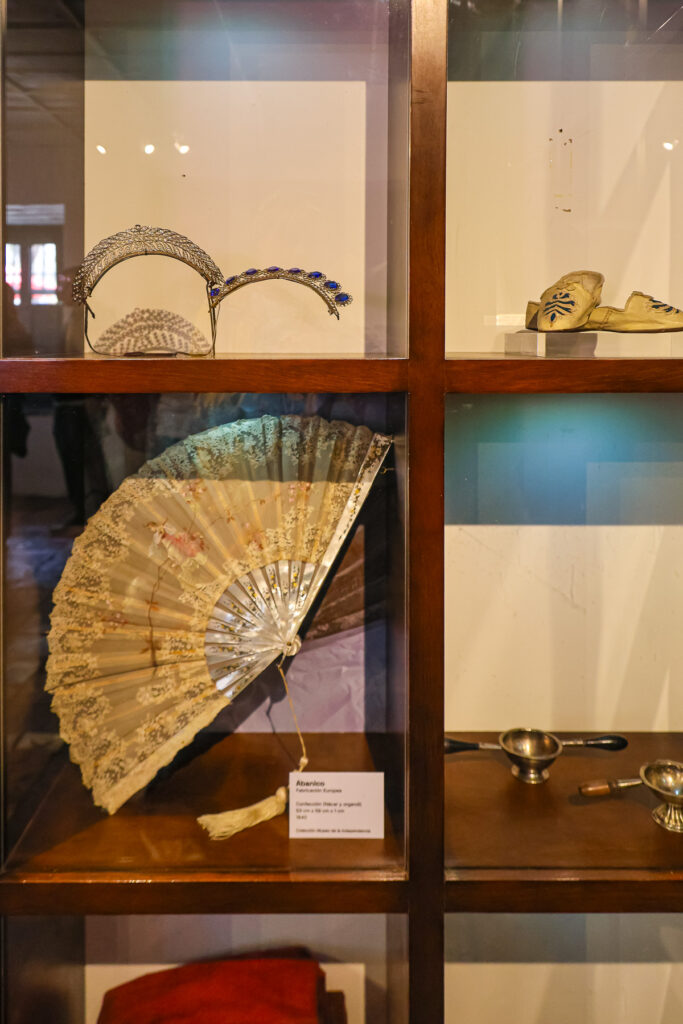
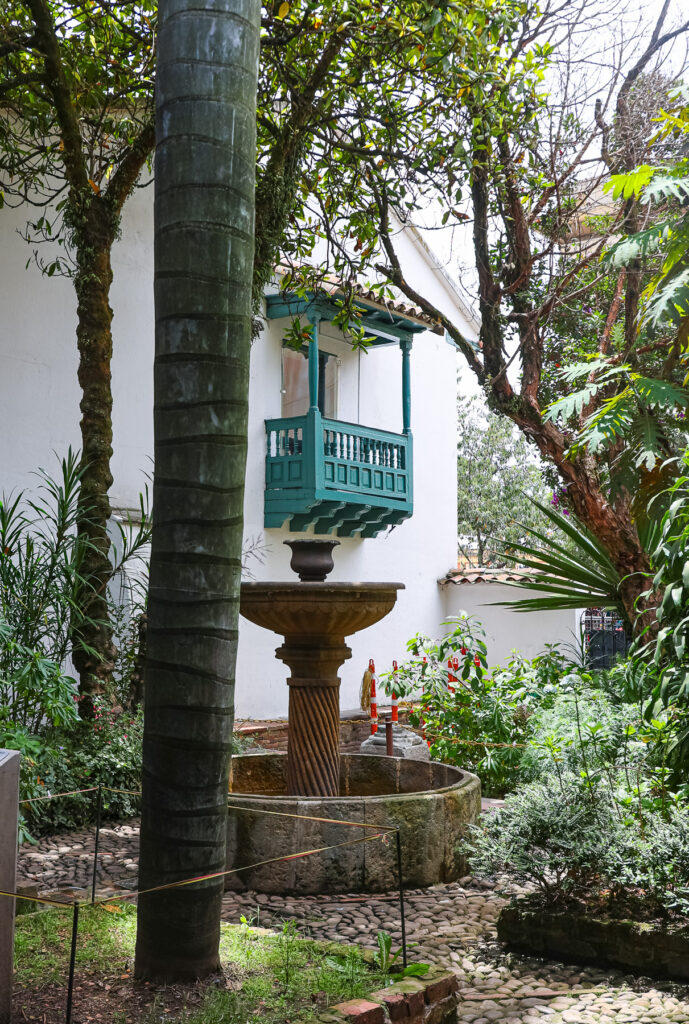
Besides that, you can get a great view of the main square Plaza be Bolivar and Calle 11 from here!
11. Galería Artesanal de Colombia
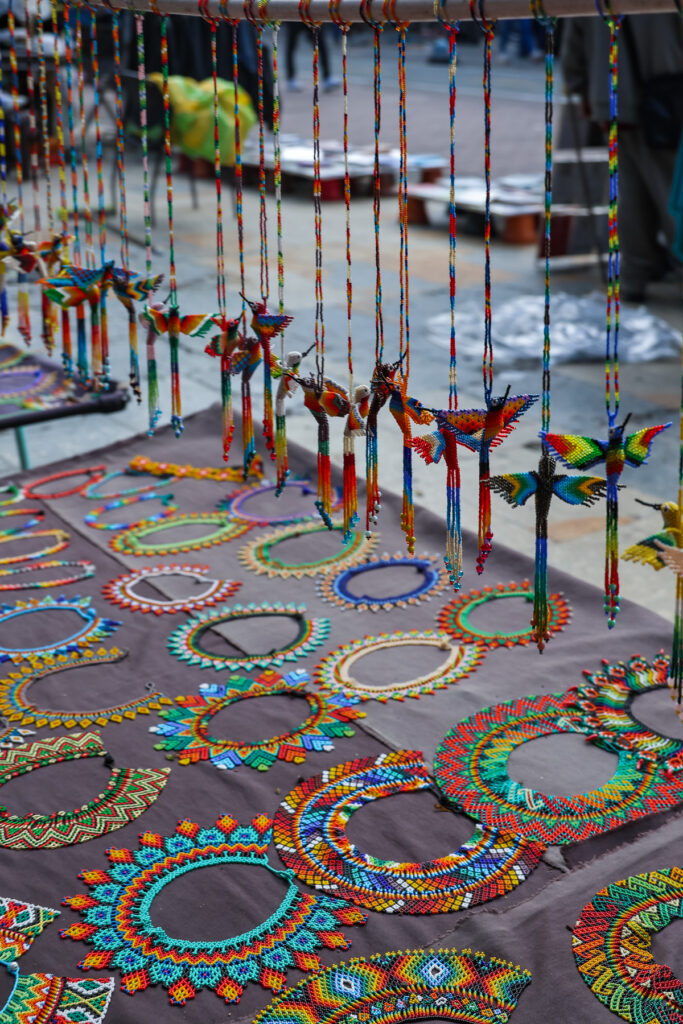
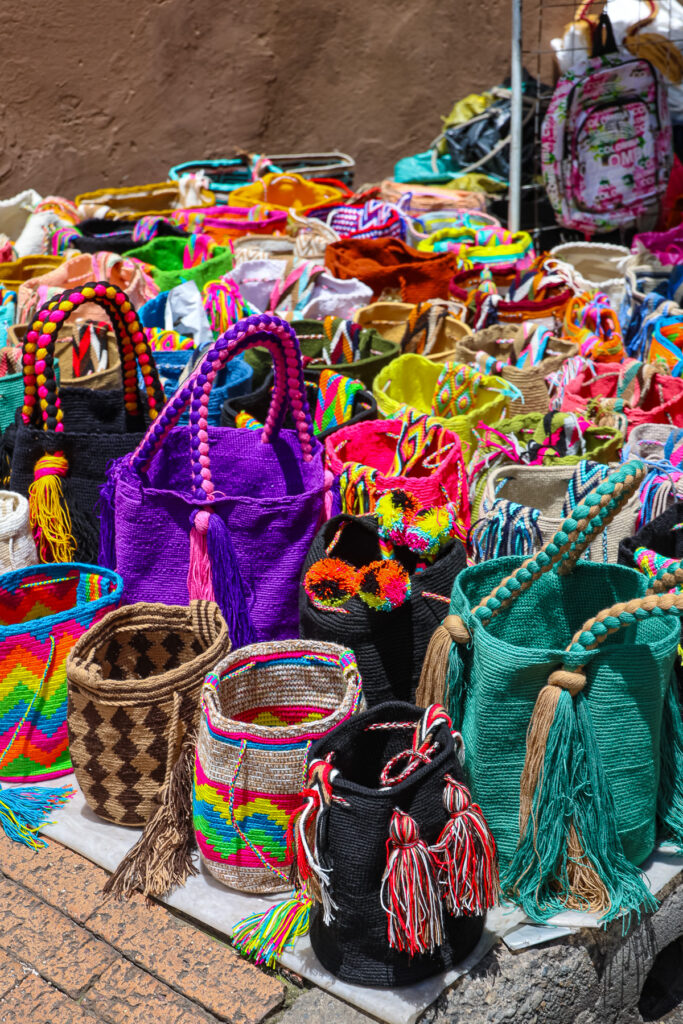
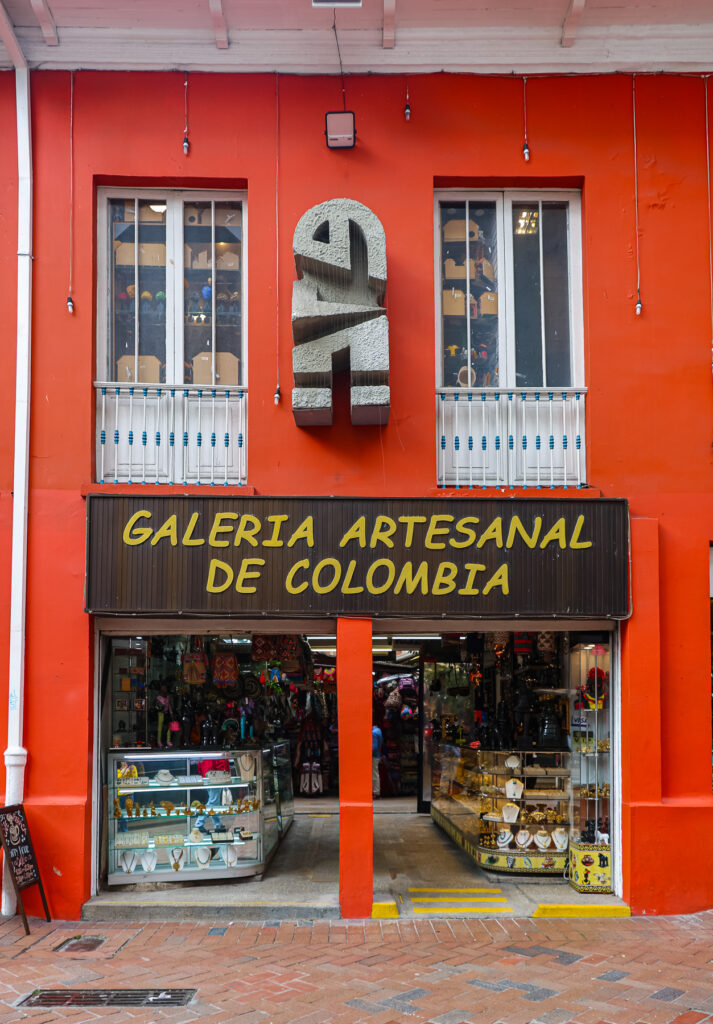
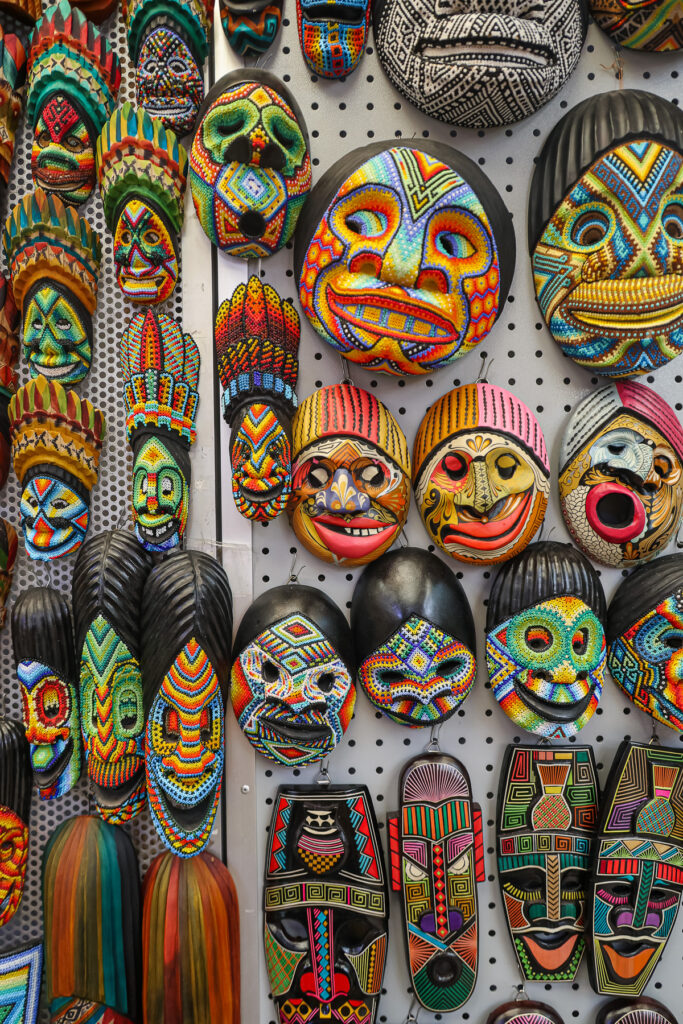
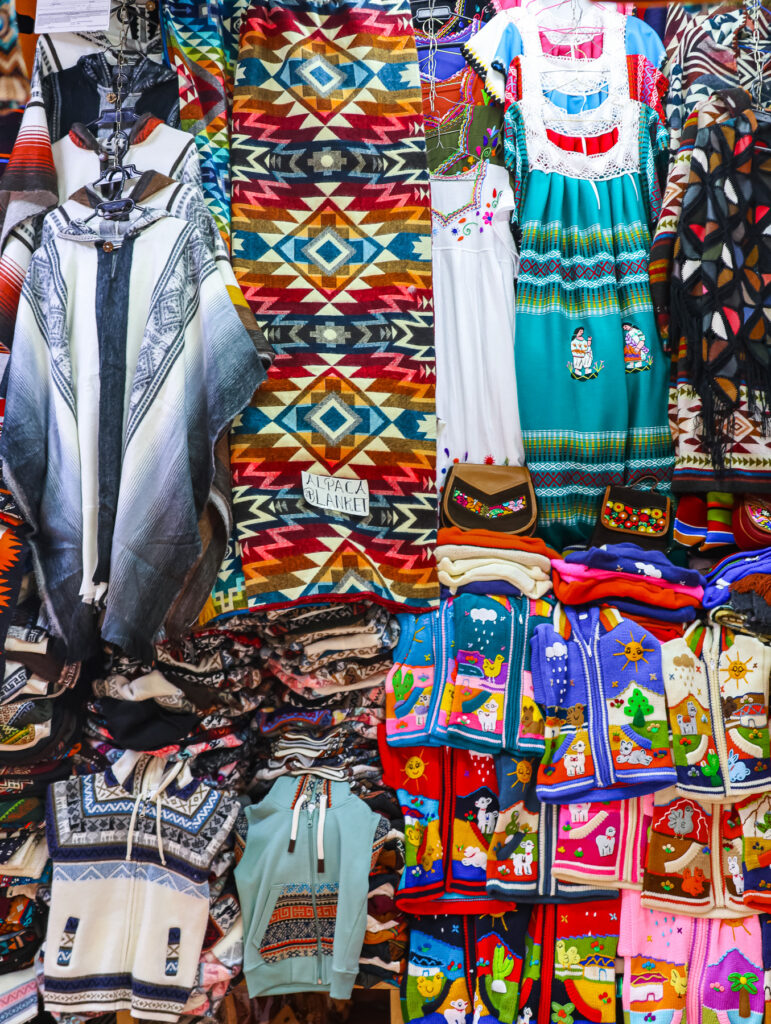
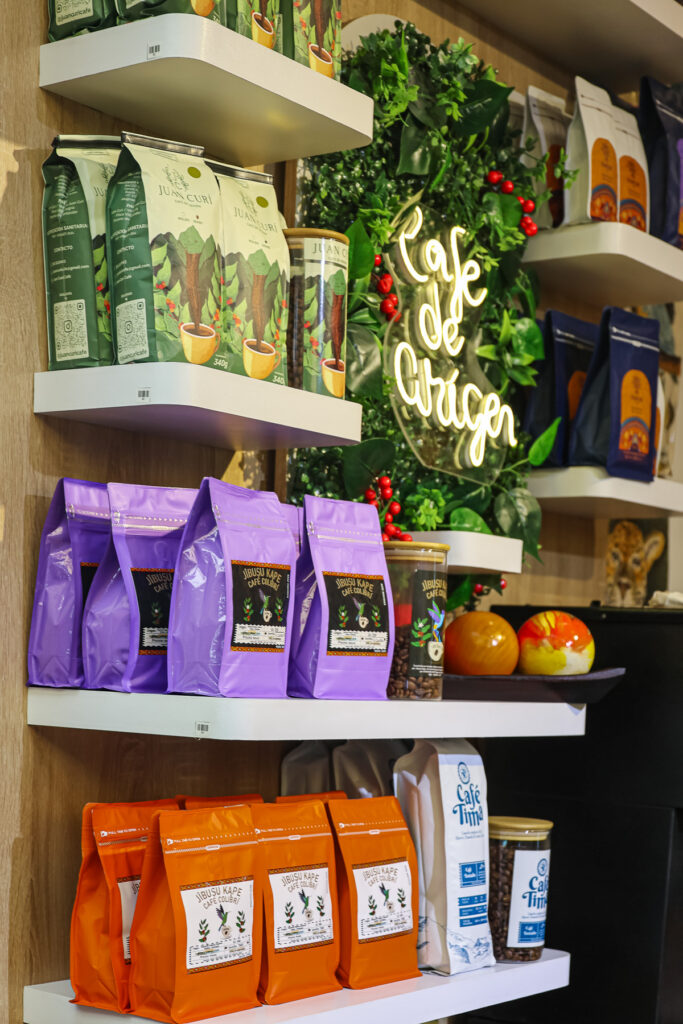
Galería Artesanal de Colombia is located next to the Gold Museum, and you might pop in there for some souvenirs. Yes, it’s obviously a touristy place, but the selection of stalls here is good, although some prices might still be a bit high. Come here for coffee, jewelry, masks, and ponchos!
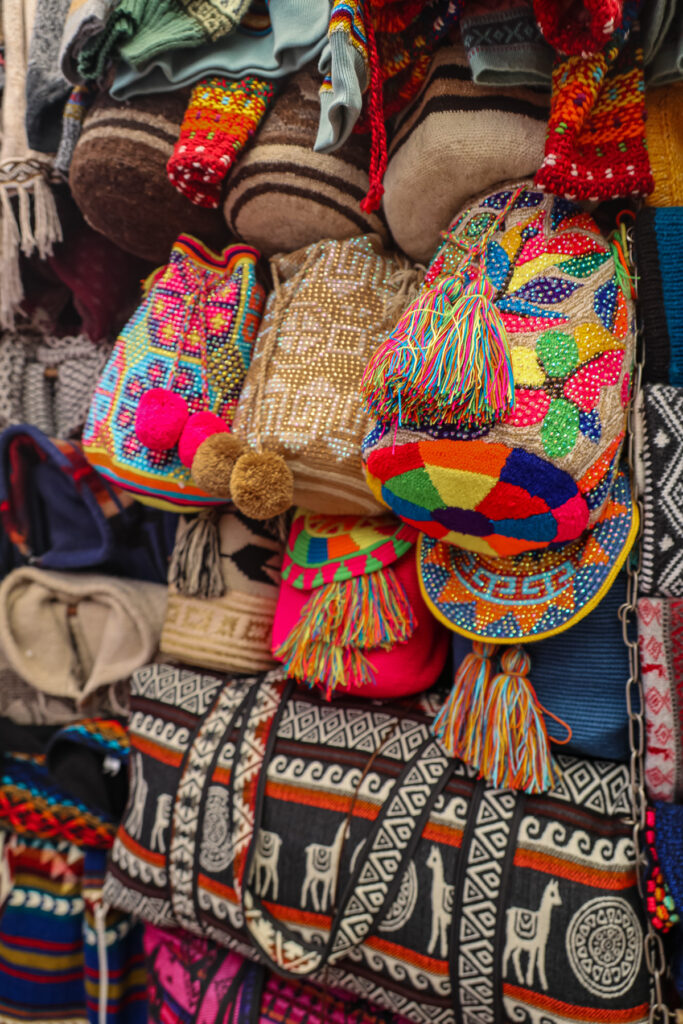

12. Avenida Carrera 7
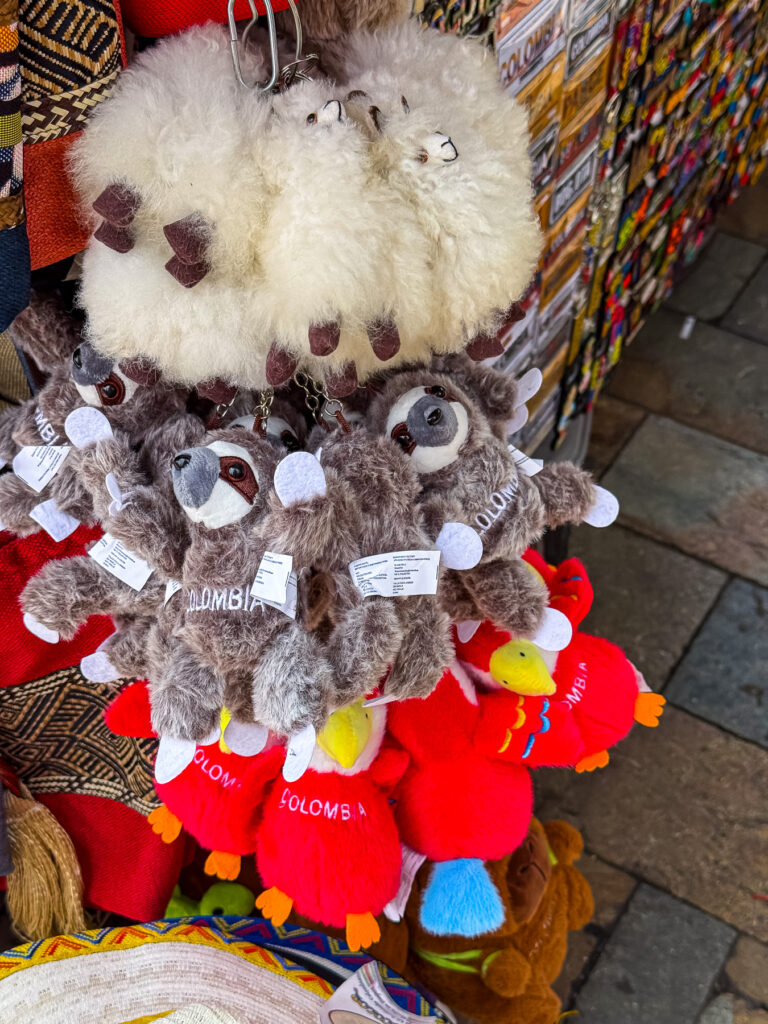
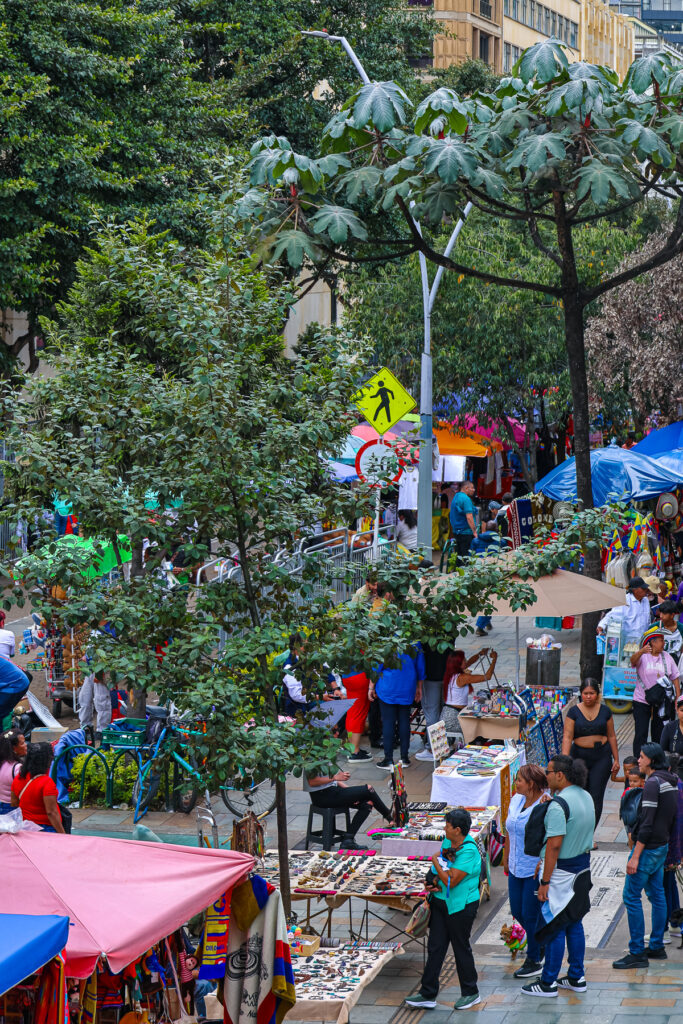
When in the historical centre of Bogota, walk through Avenida Carrera 7 from the Gold Museum towards the main city square for some authentic and touristy shopping.
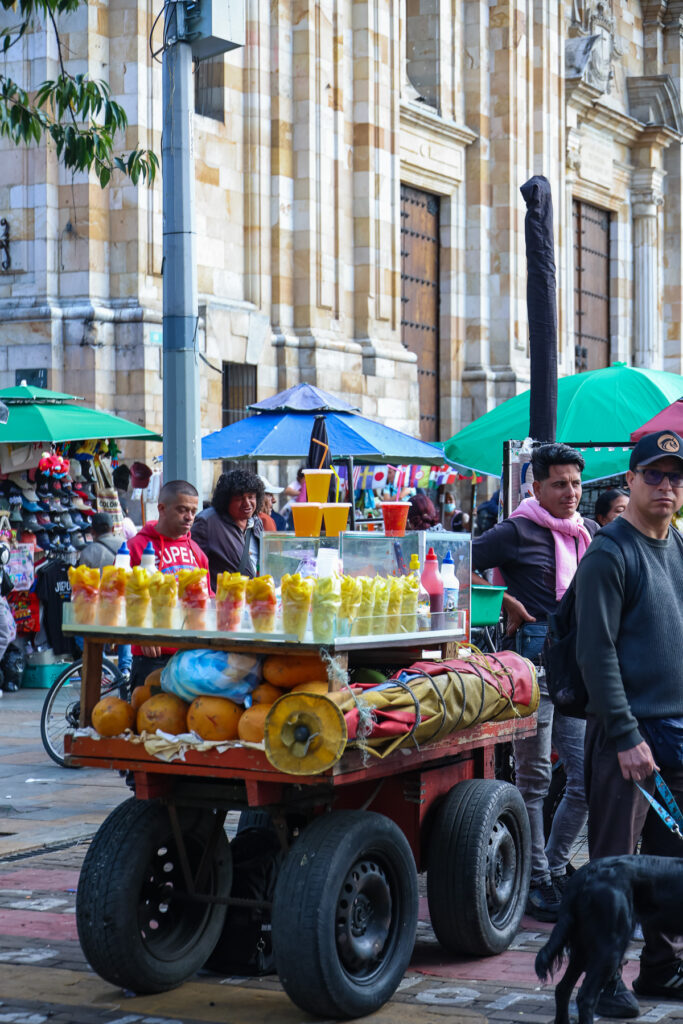
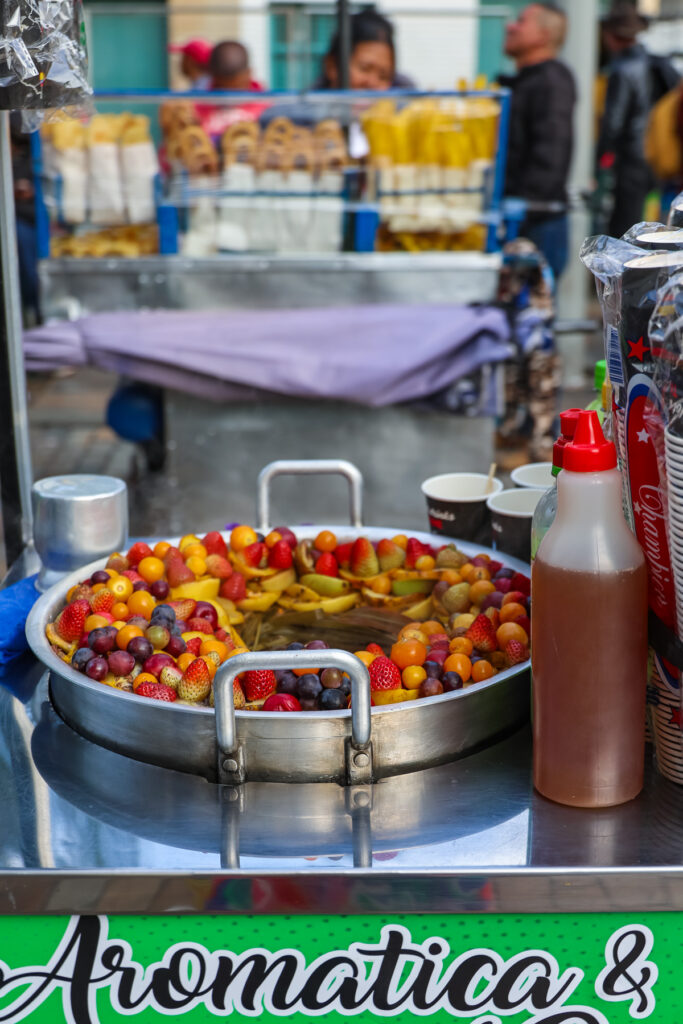
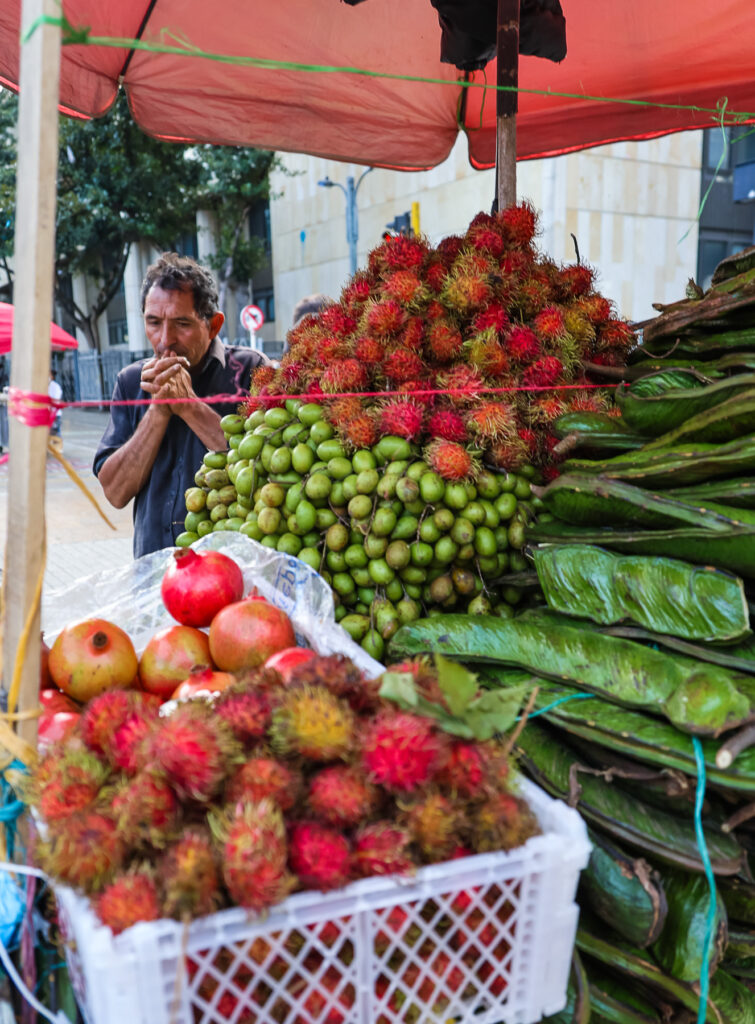

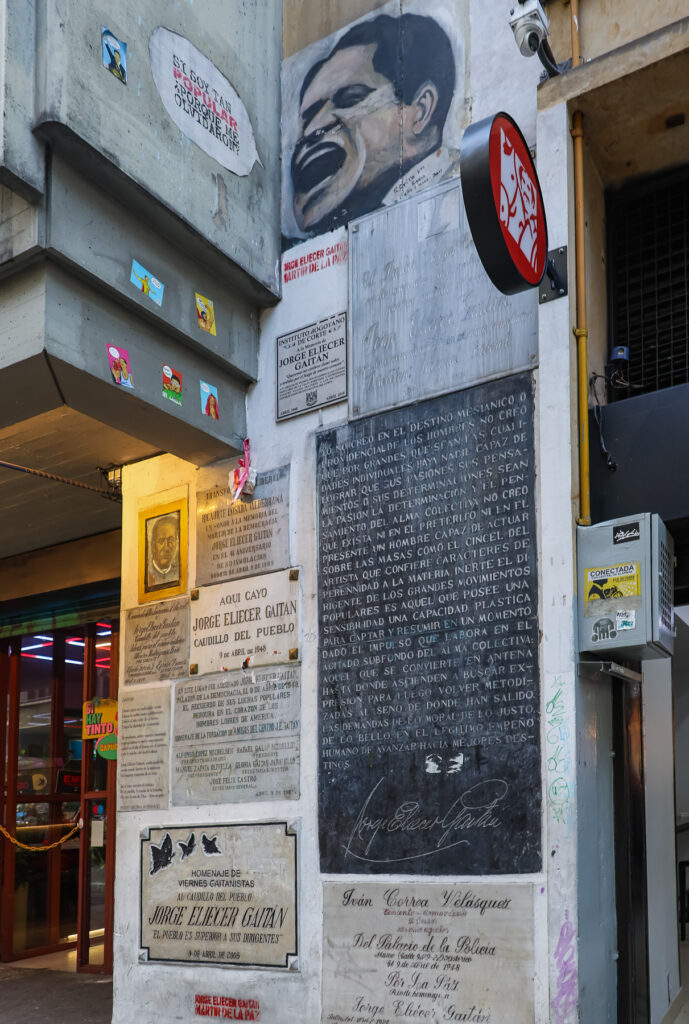

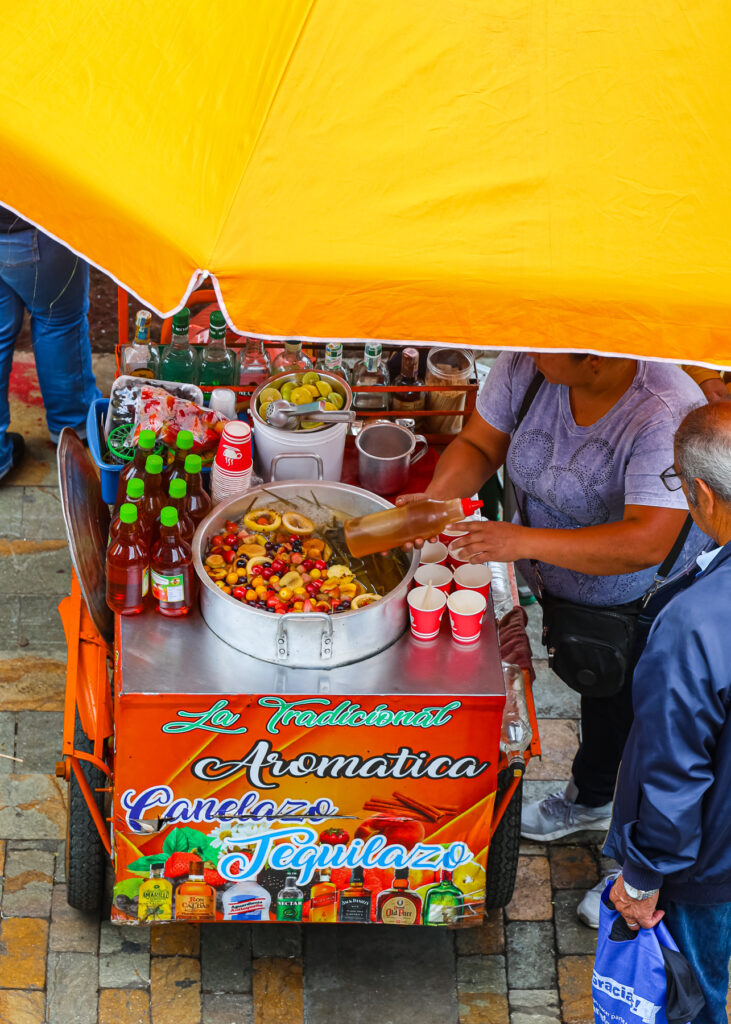
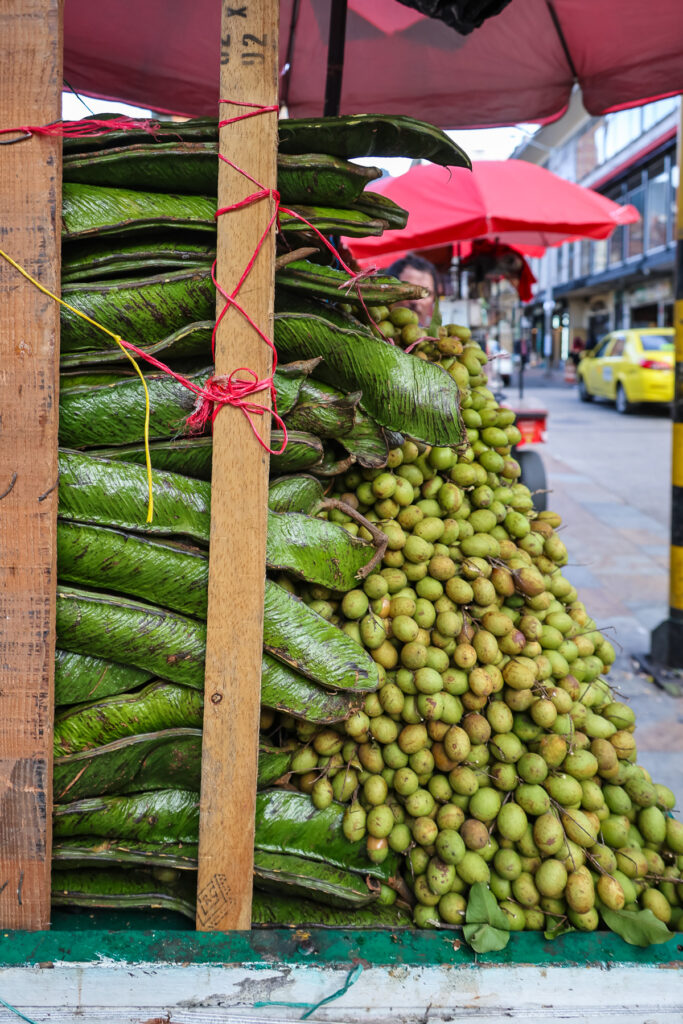
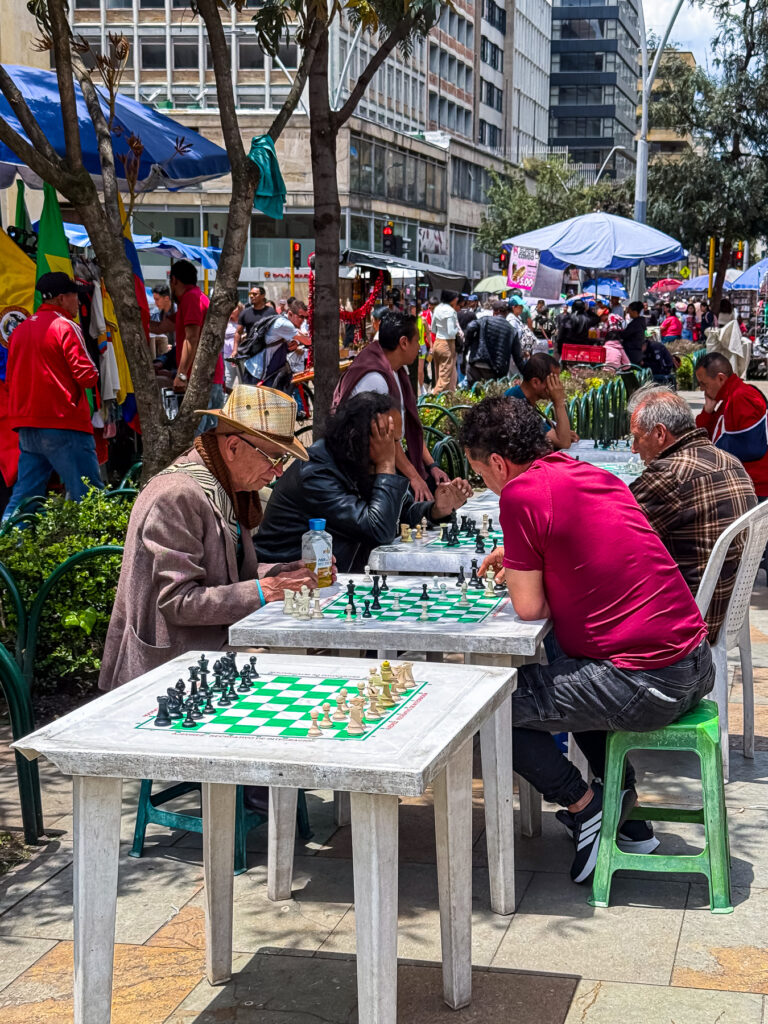
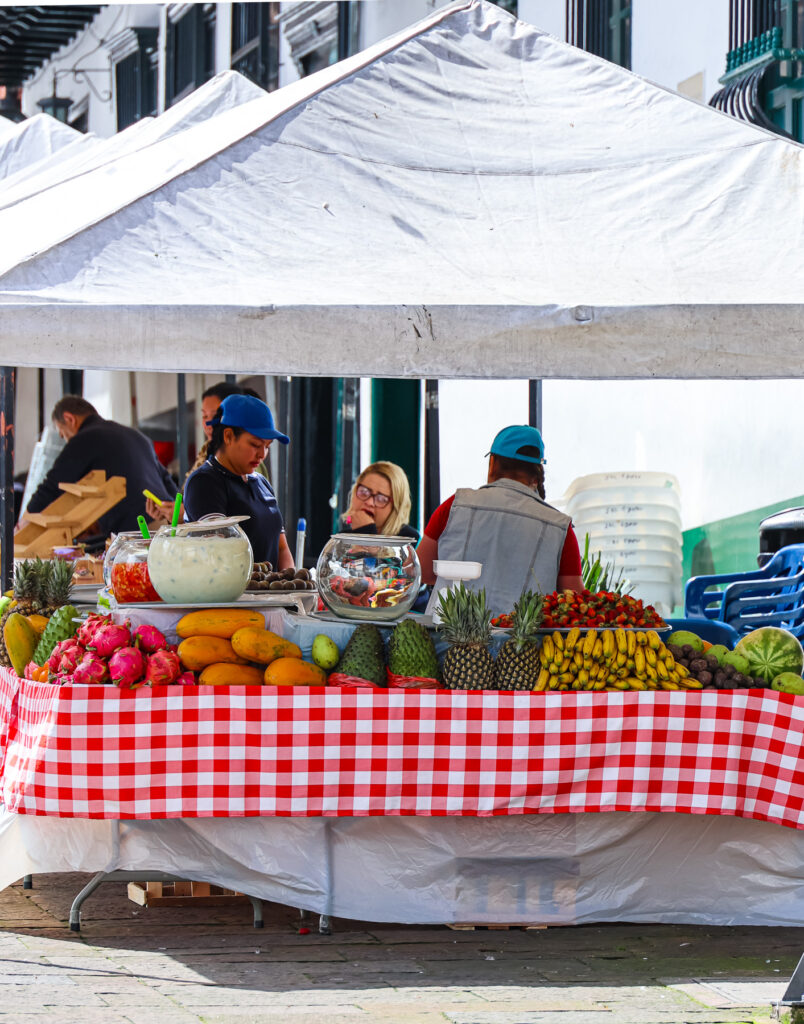
There are street vendors with local fruits, traditional, and less traditional souvenirs – but watch your pockets as thieves operate in this area!


13. Historical Museum of the National Police
The Historical Museum of the National Police is a true hidden gem of Bogotá. It was erected in the 1920s and served as the headquarters for the General Directorate of the National Police.
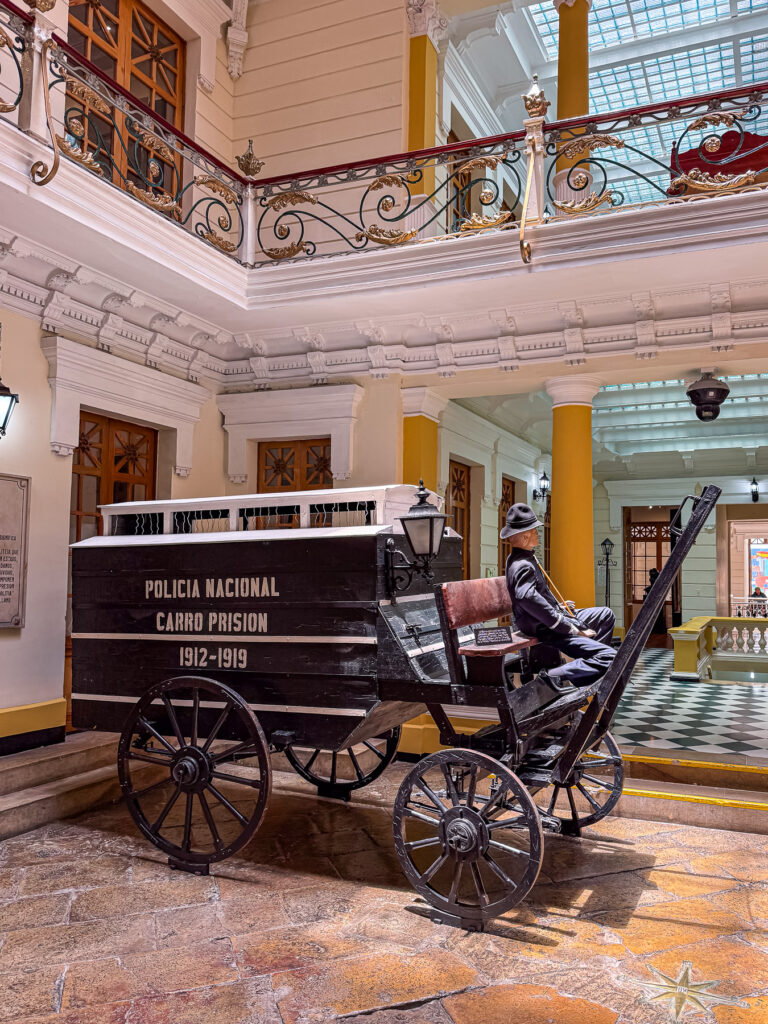
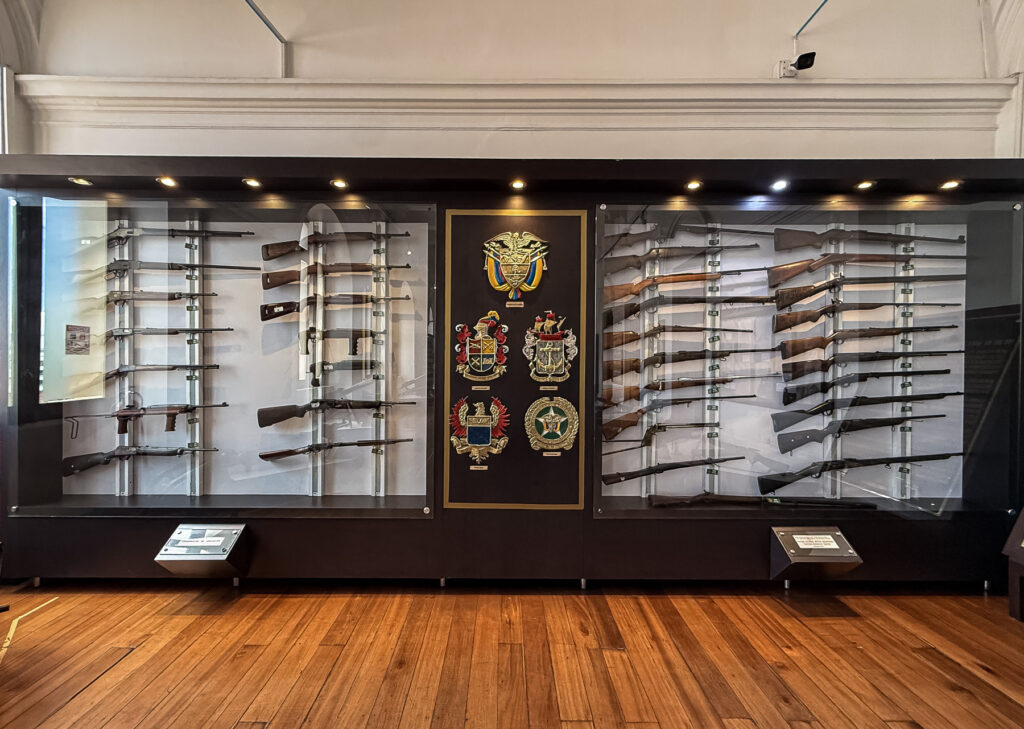
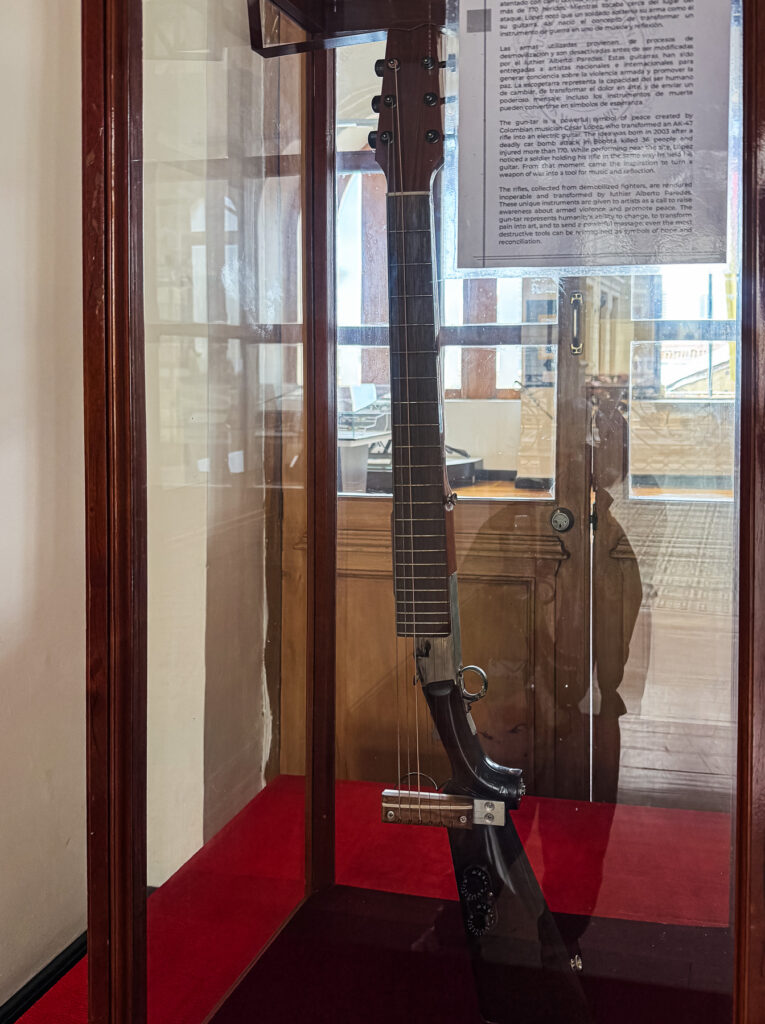

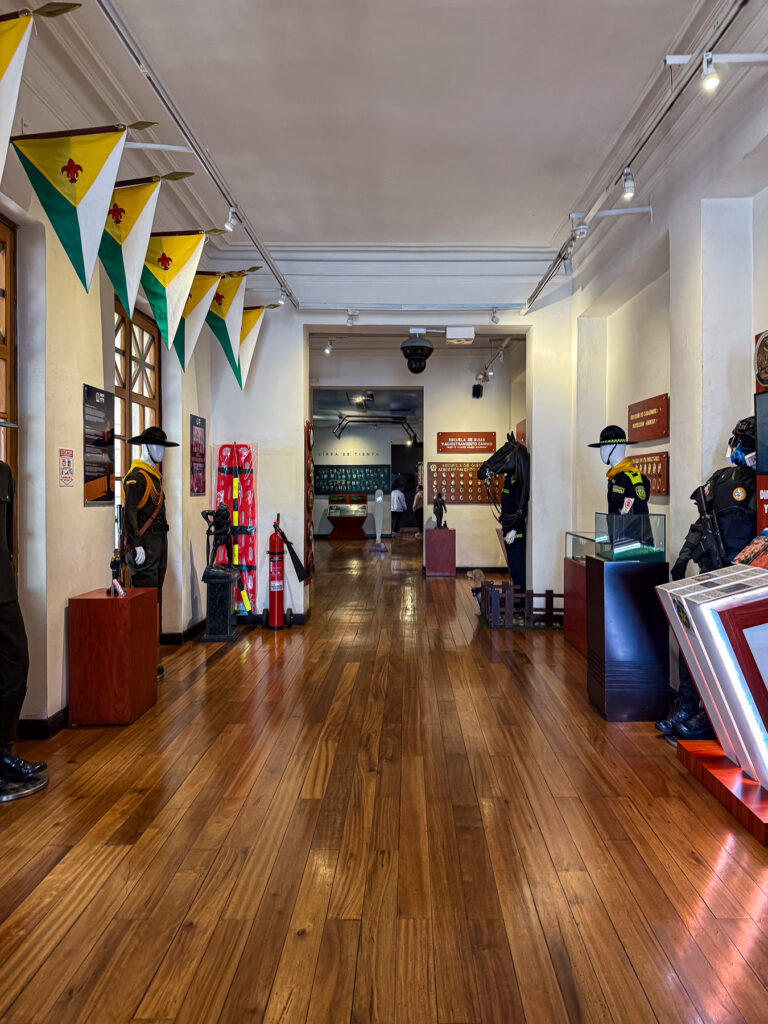
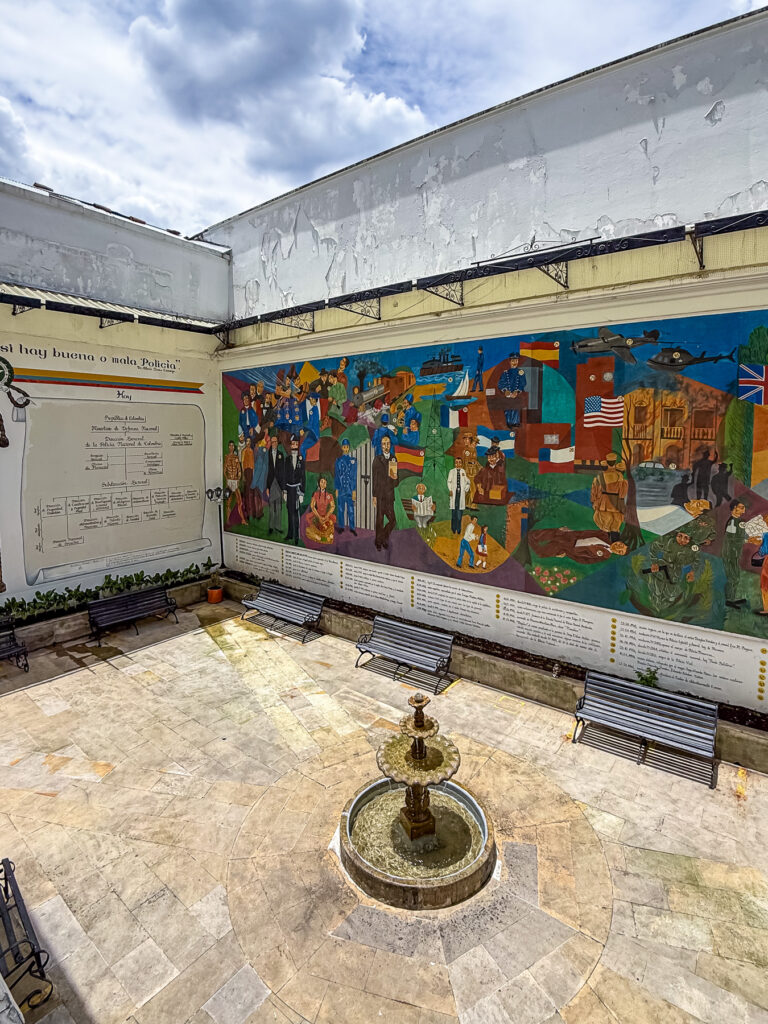
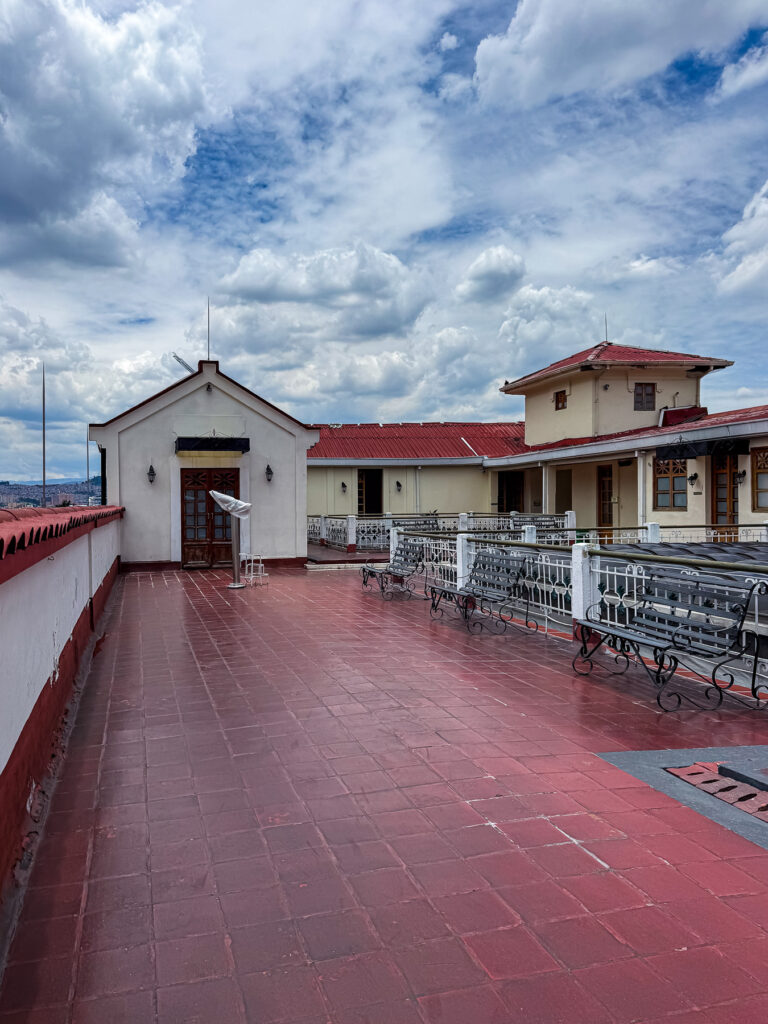
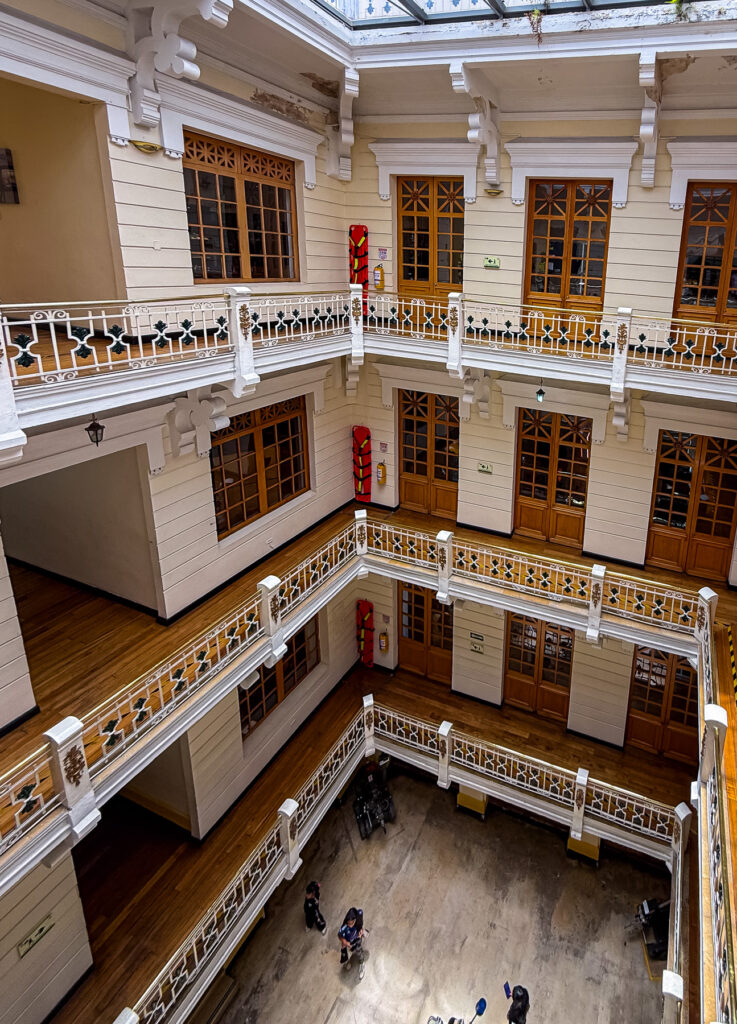
Now it’s been turned into a three-storey museum with a large courtyard of fame for fallen policemen. As the history of Colombia has been very turbulent in the 20th century, the efforts of the police to protect civilians and catch criminals were extremely important for the country. This museum serves as visual documentation of modern Colombian history. There’s also a nice view from the rooftop terrace of the building too!
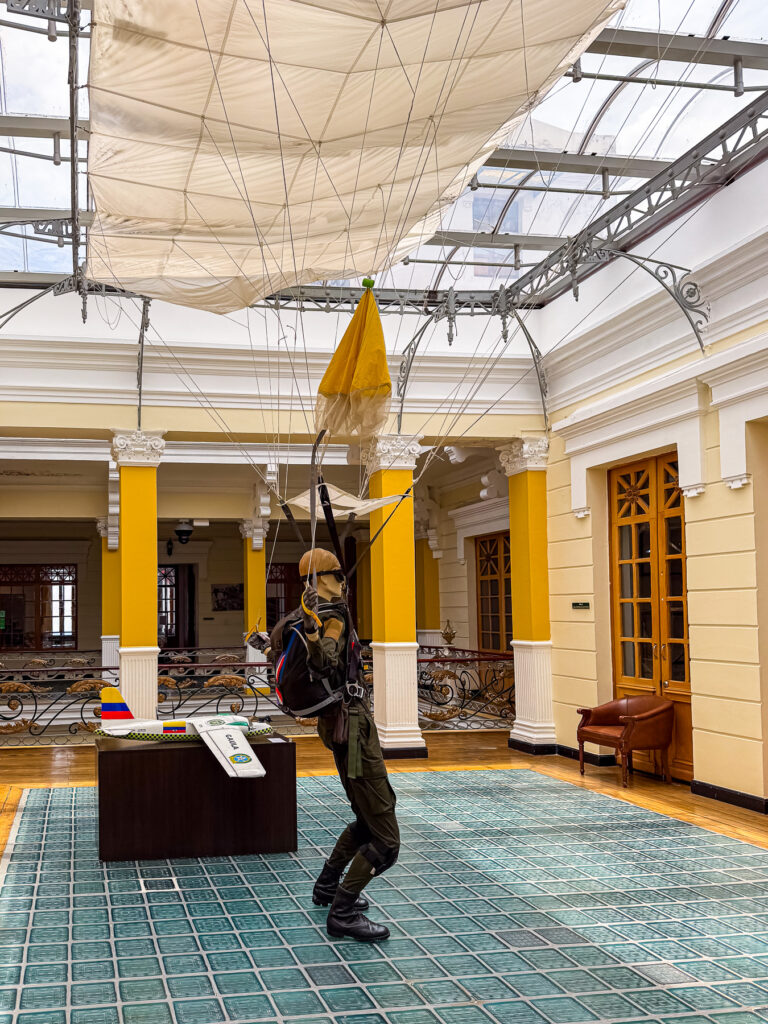
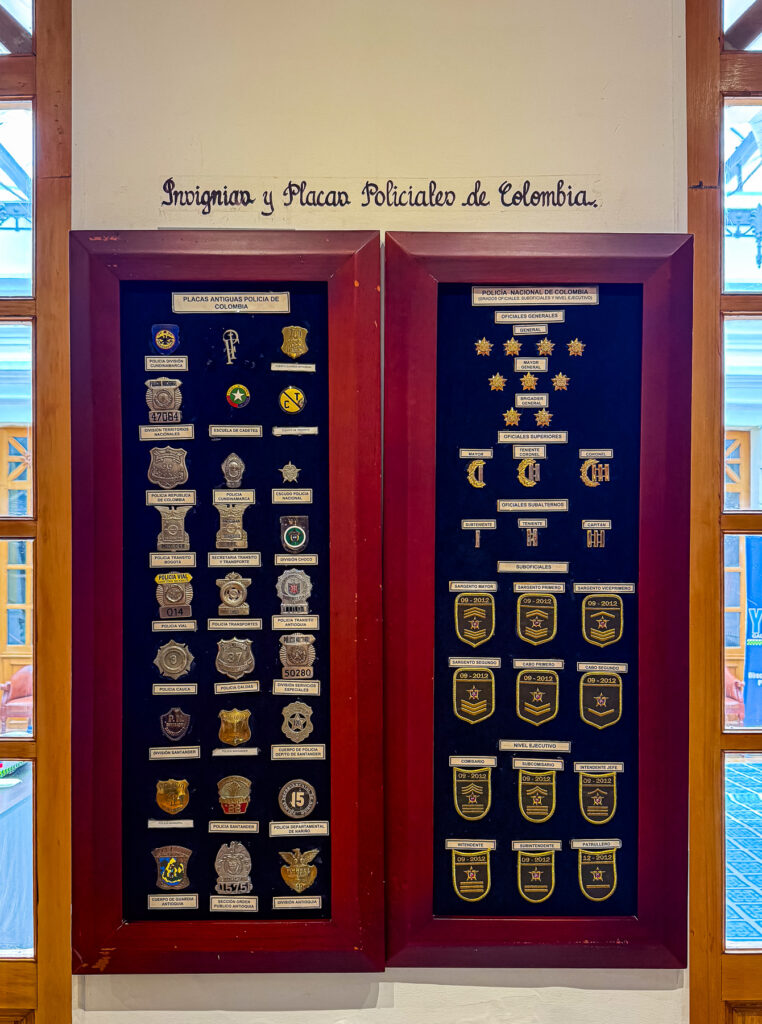
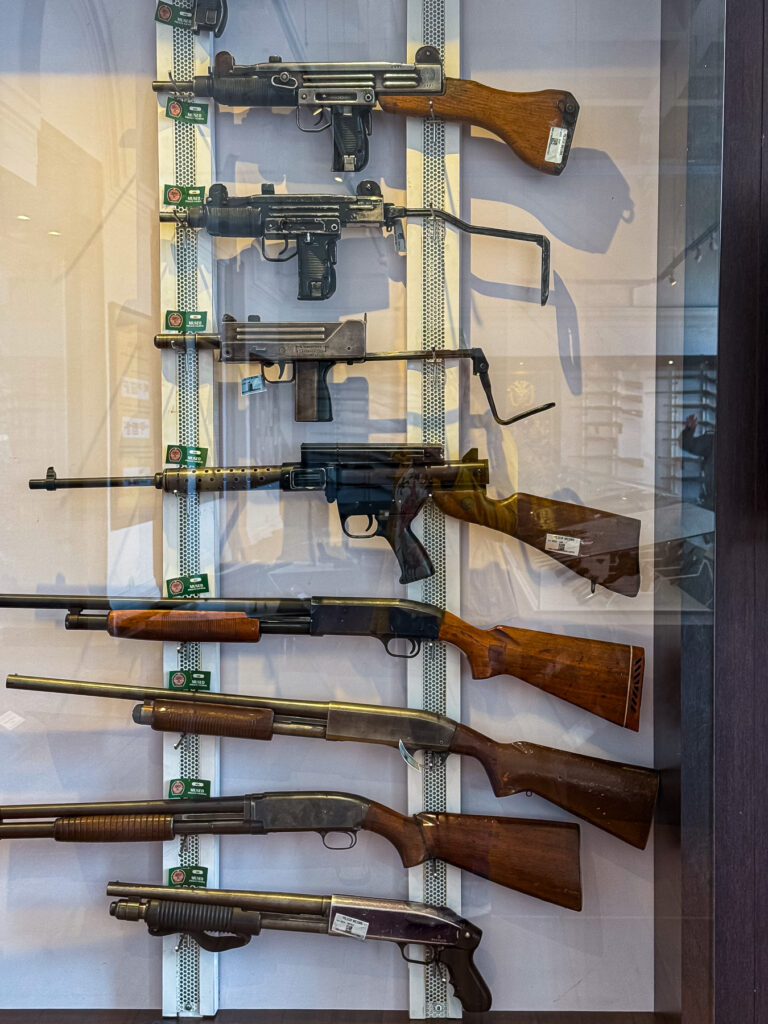
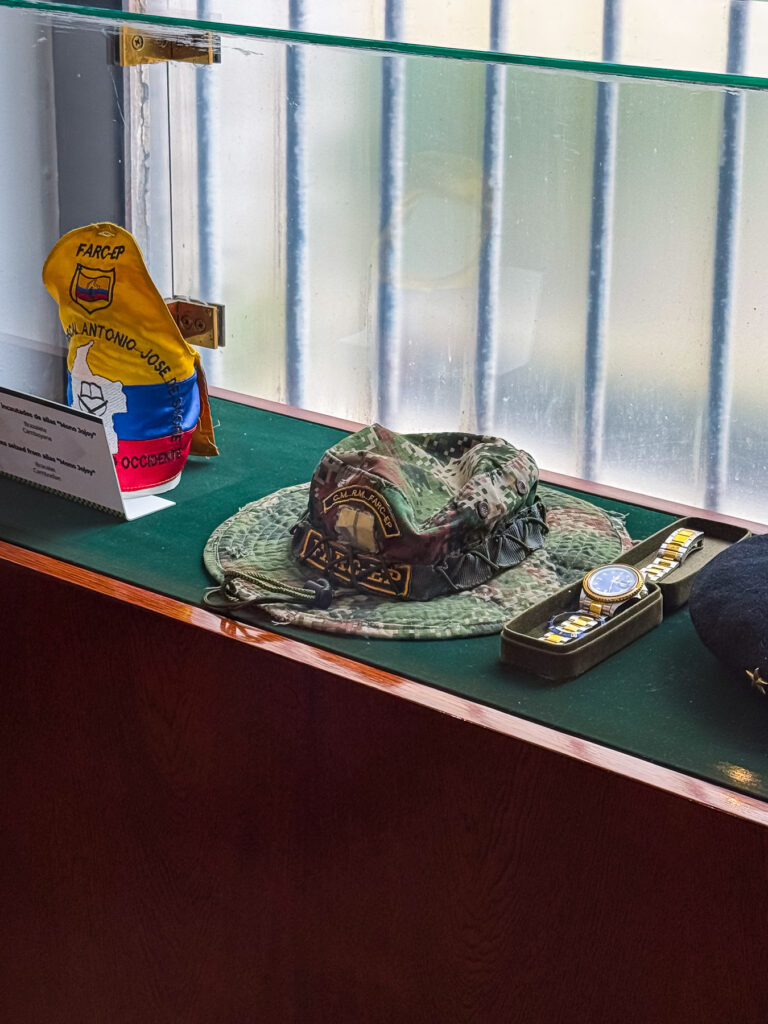
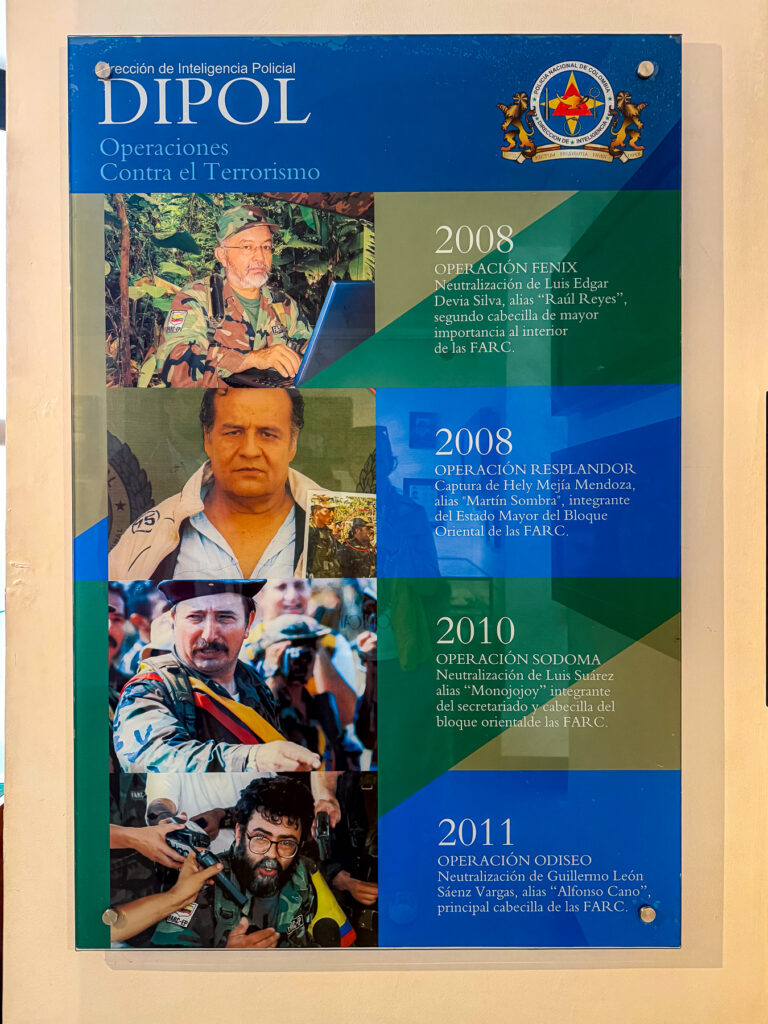
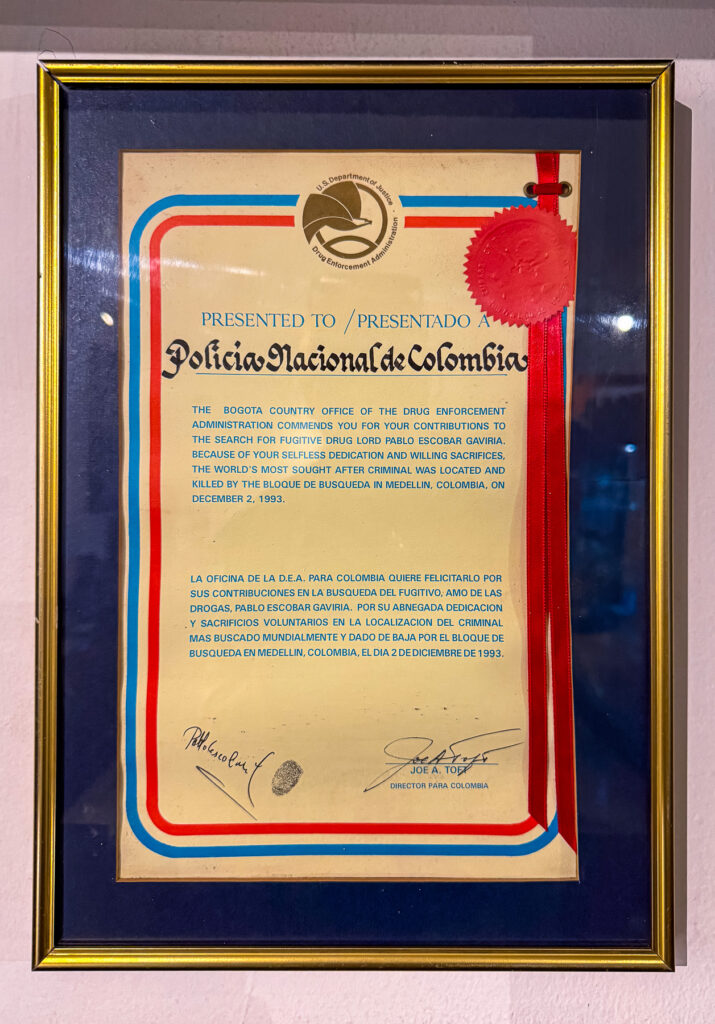
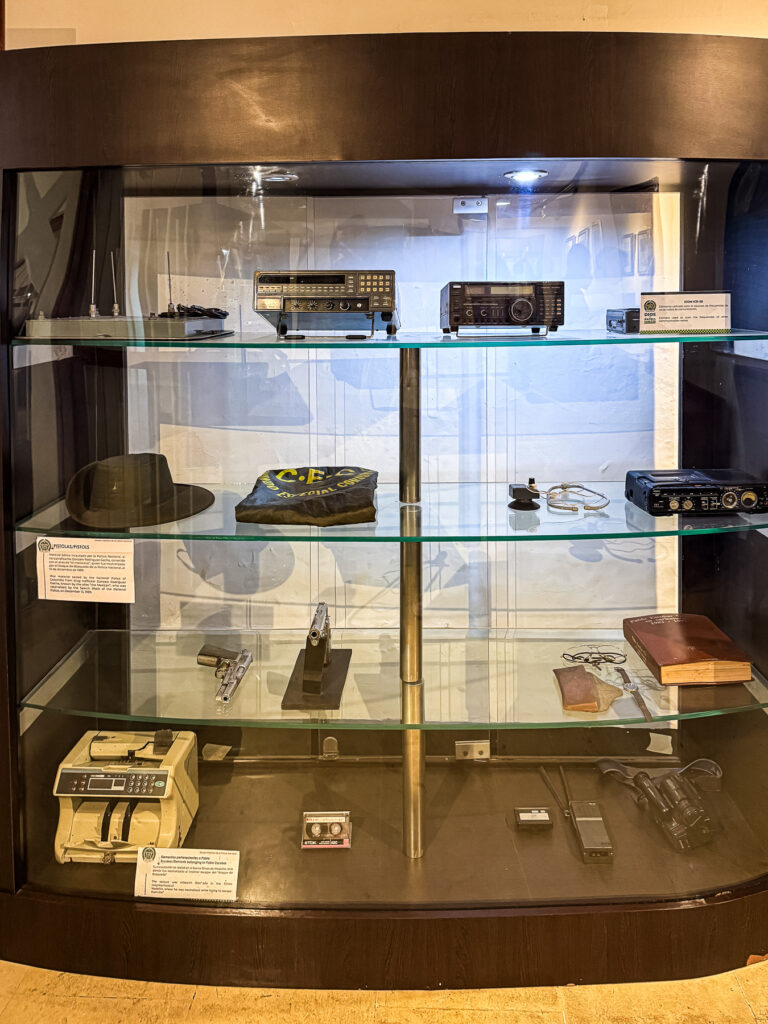
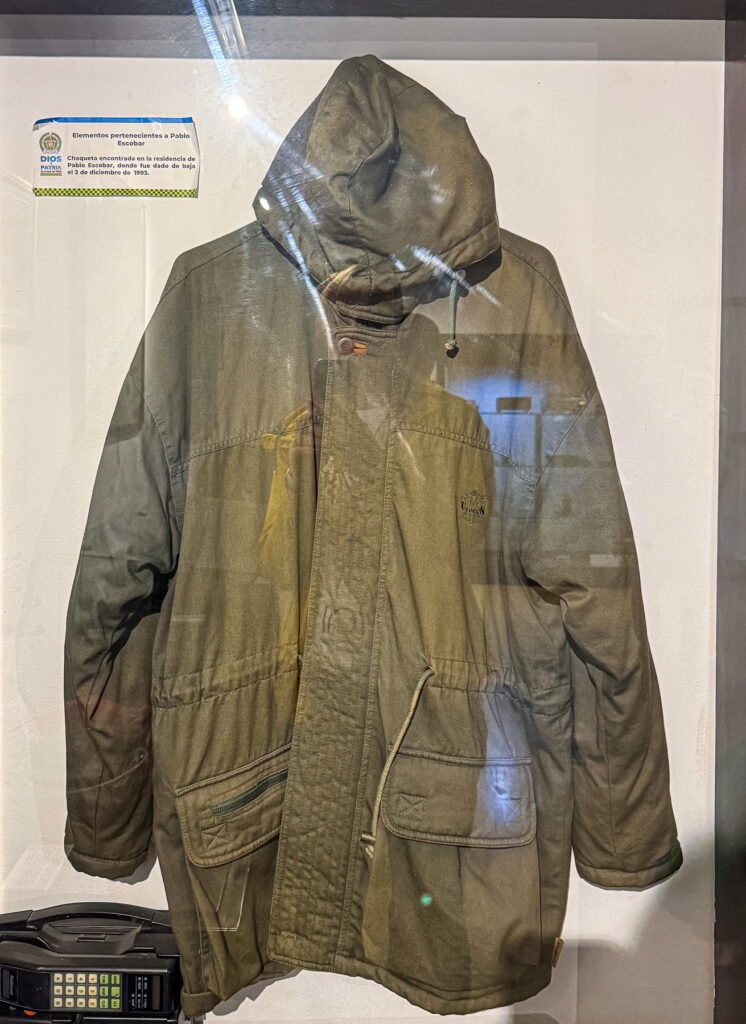
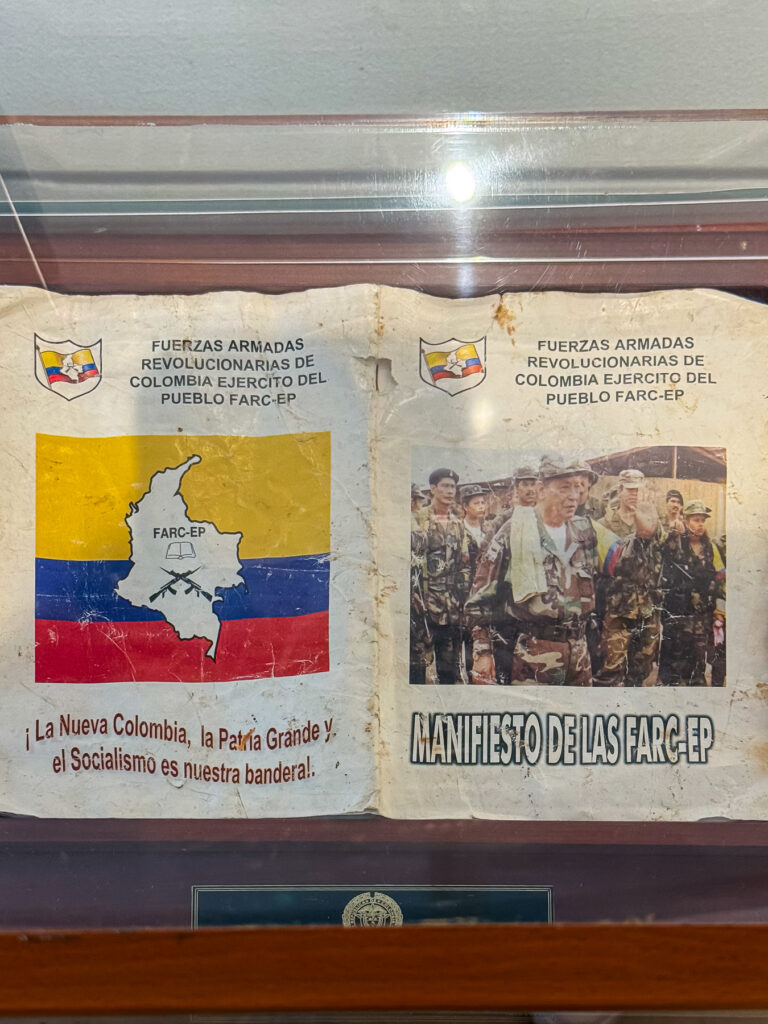
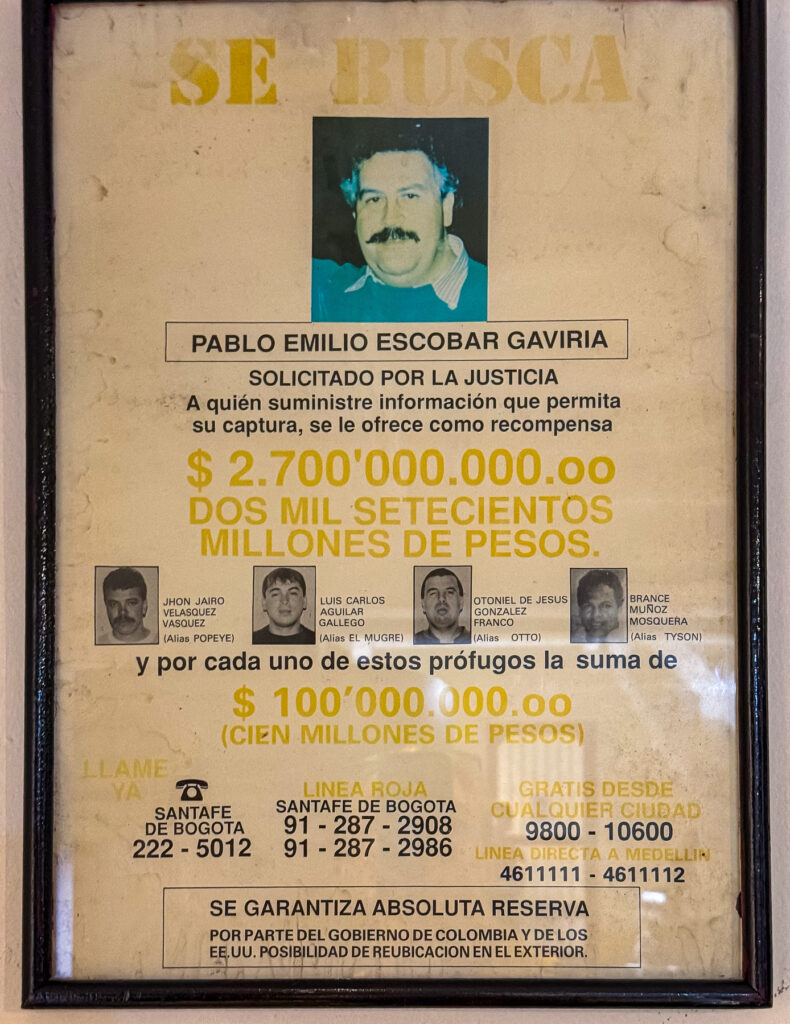
Besides that, there are special displays dedicated to police operations targeting drug cartels and the Revolutionary Armed Forces of Colombia (FARC-EP); for instance, you can see the personal belongings of Pablo Escobar and some objects linked to his elimination in 1993.

14. Santuario Nuestra Señora del Carmen
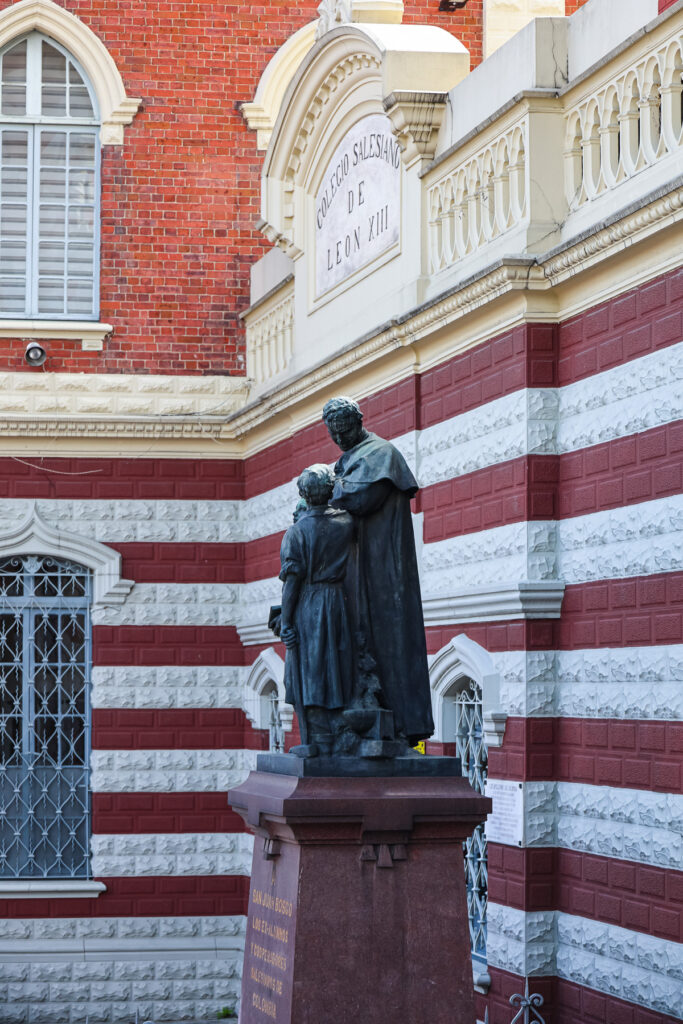
Santuario Nuestra Señora del Carmen, or The National Shrine of Our Lady of Carmen, was erected close to the site where the 17th-century church of the same name once stood.
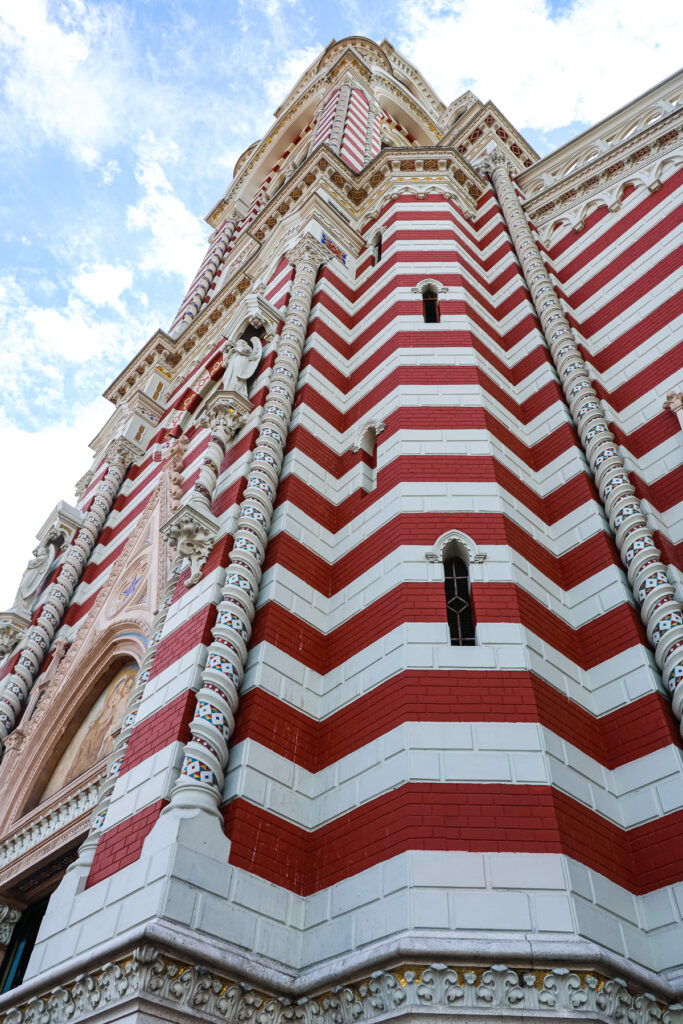
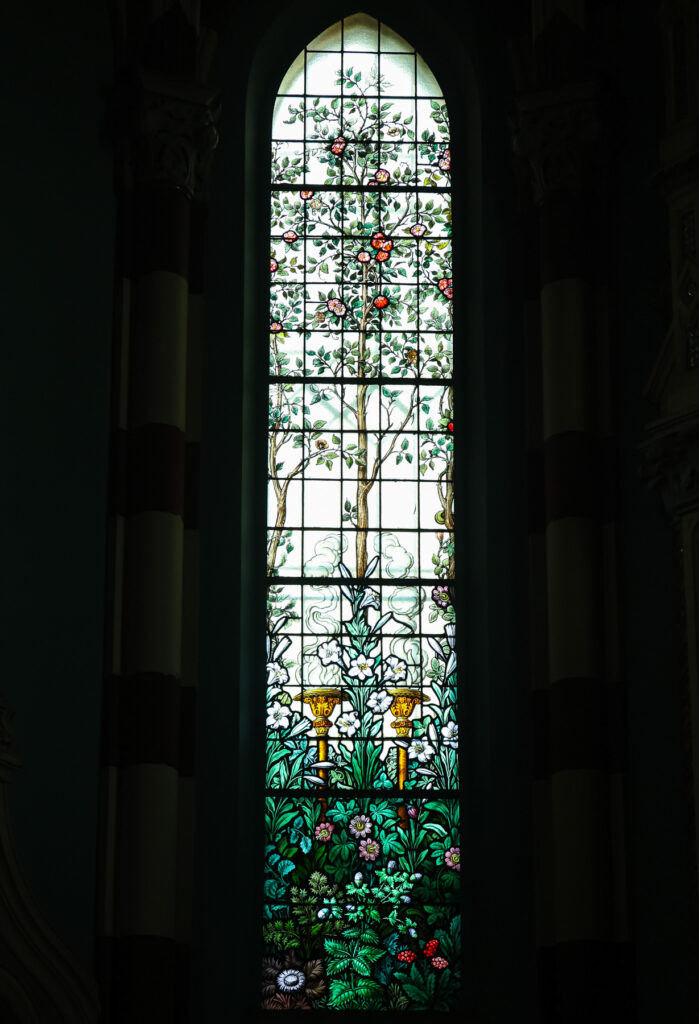
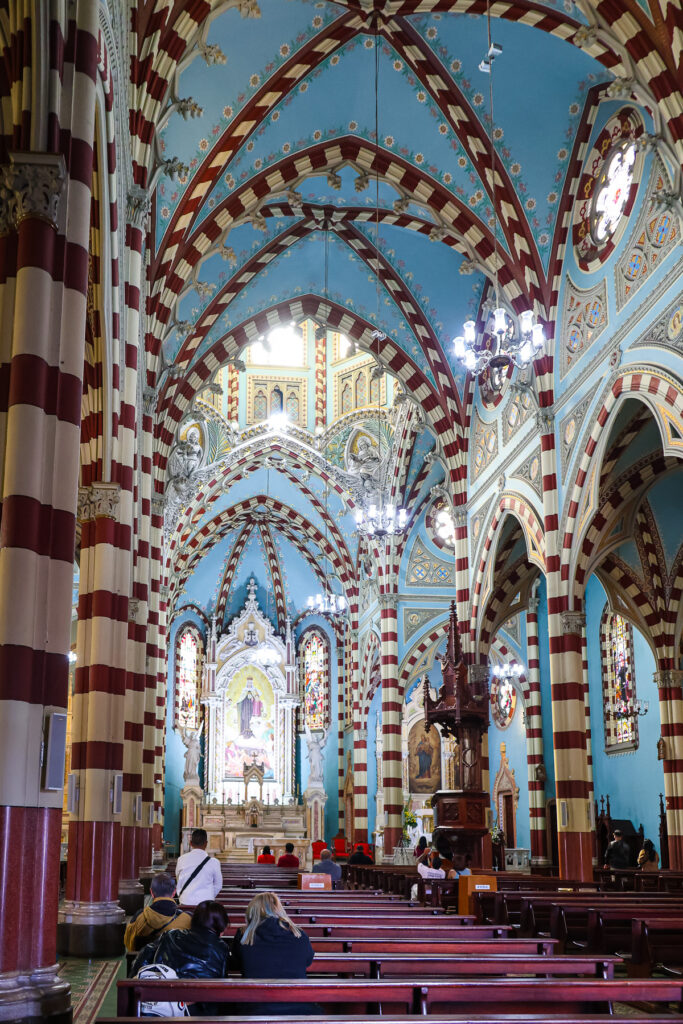
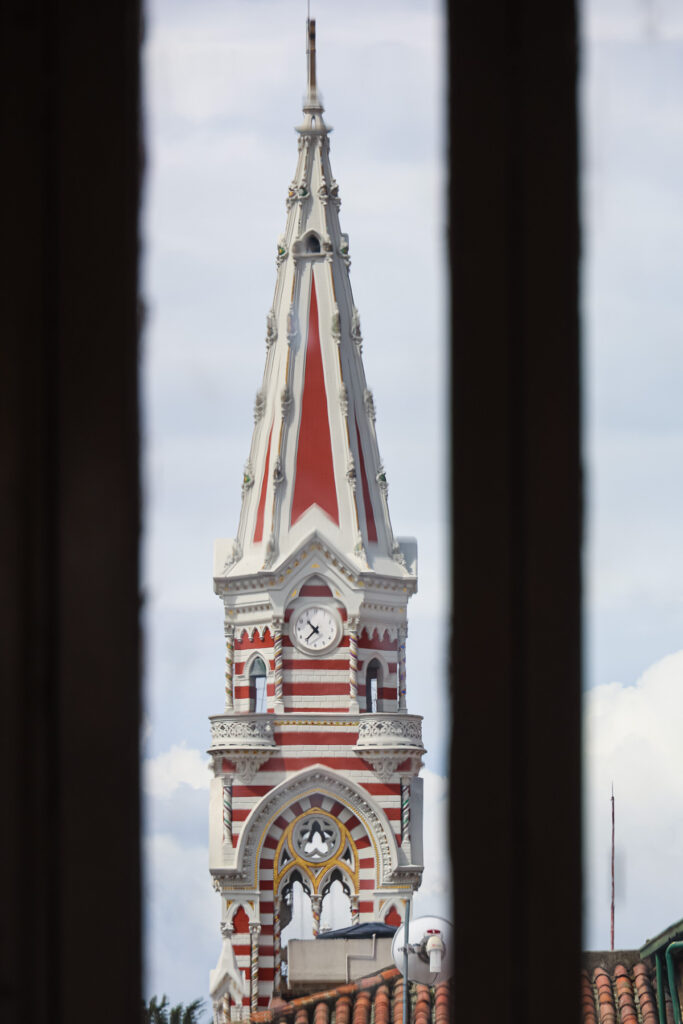
It is very distinctive from other churches in Bogotá: its red-and-white decorative elements are absolutely amazing! It was designed by Italian architect Giovanni Buscaglione; construction started in 1926 and it was renovated quite reverently. Pop inside too to admire the skillful stained glass and impressive interior as well.

15. Military Museum of Colombia
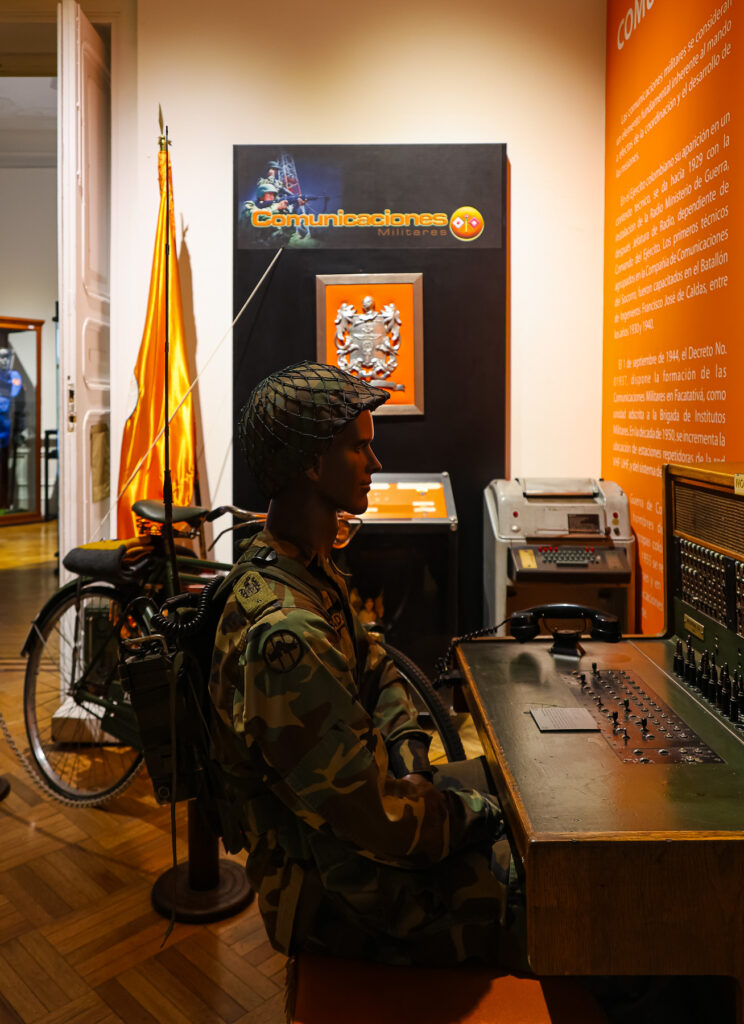
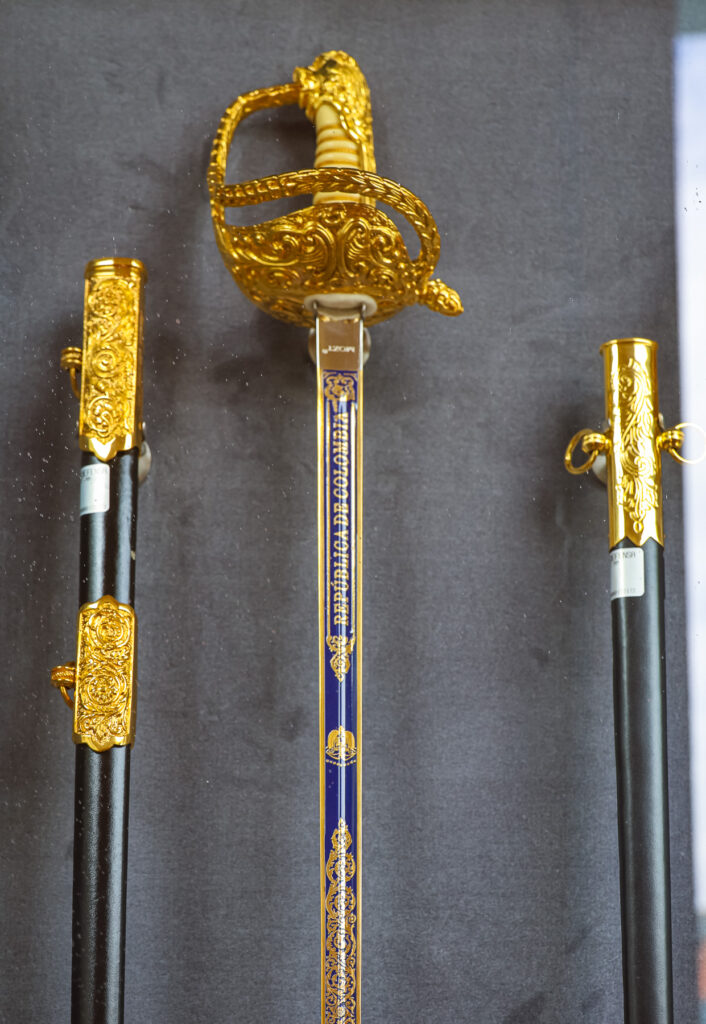
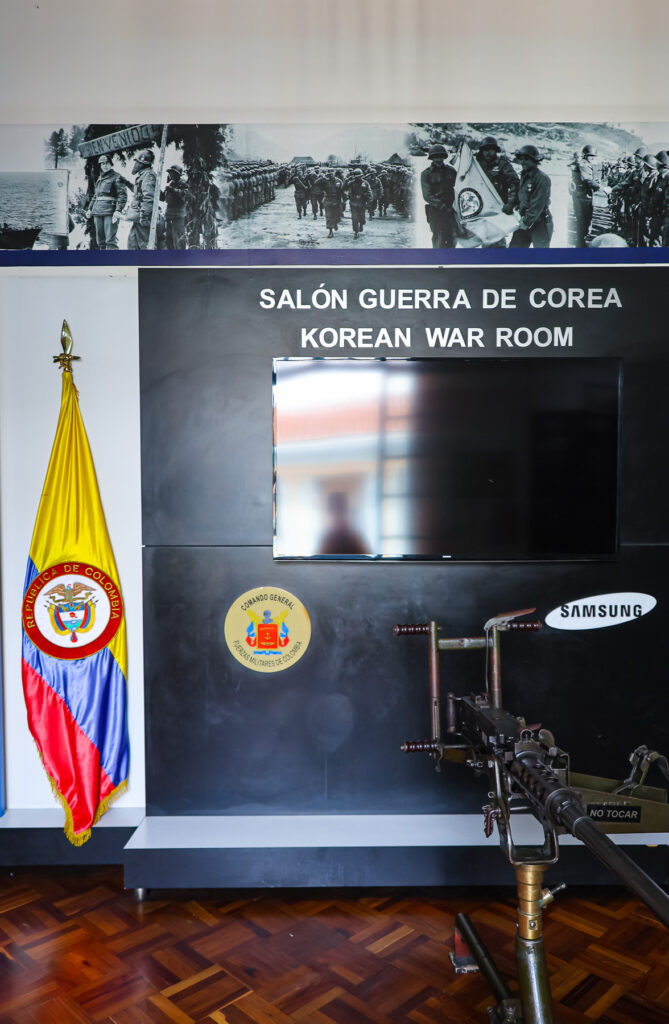
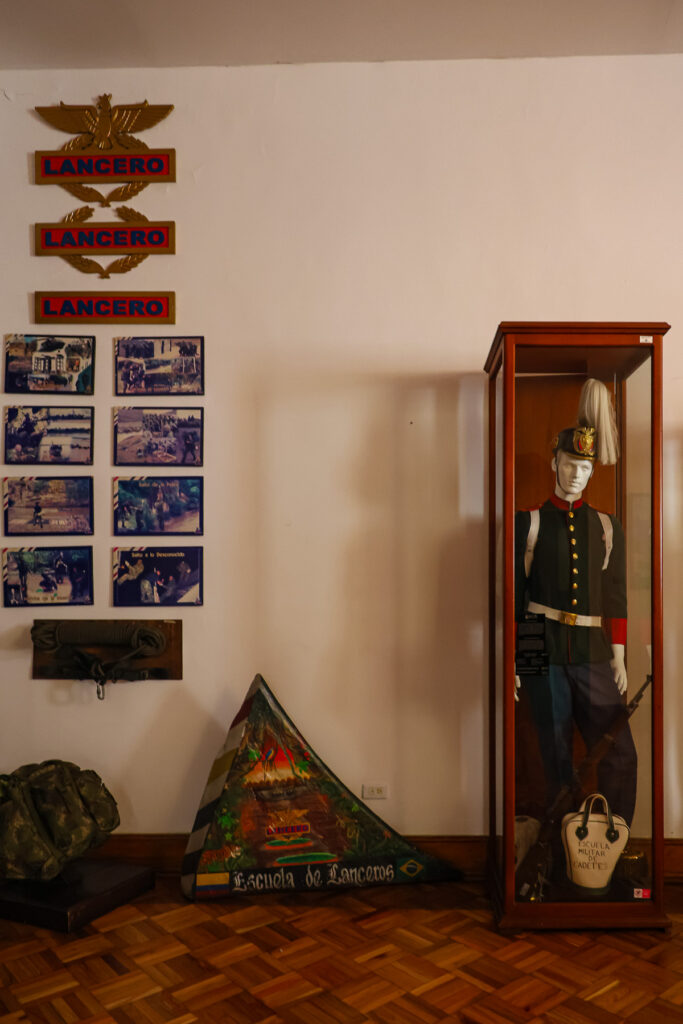
The Military Museum of Colombia is a museum for weapon enthusiasts.
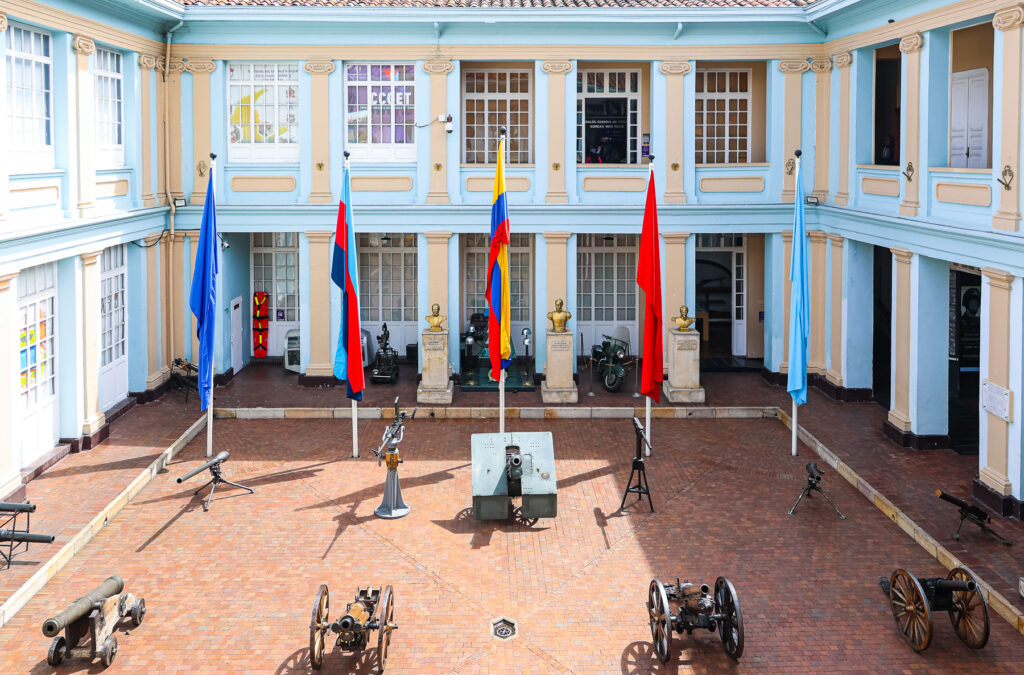
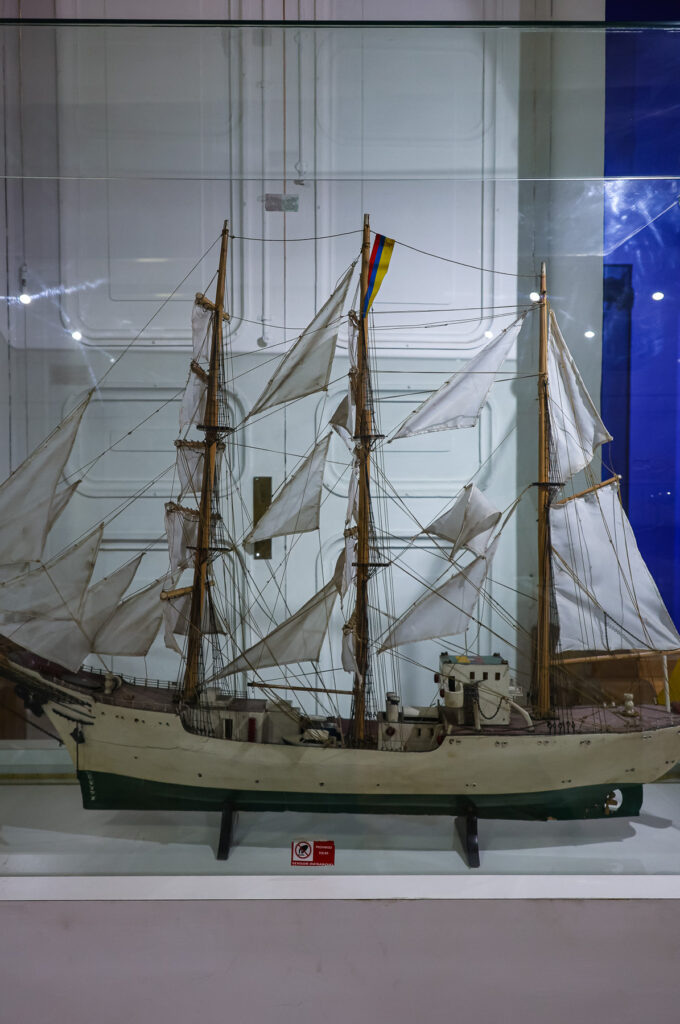
On the route through two floors and a courtyard, it features various arms and machinery used by naval and aerial forces and provides some highlights about significant military events in Colombia. Unfortunately, almost all the information is provided only in Spanish. Entry is free, but you have to fill out an online registration form (and you have to carry some IDs with you – ours weren’t checked, though).
16. T Zone and Andino Shopping Mall
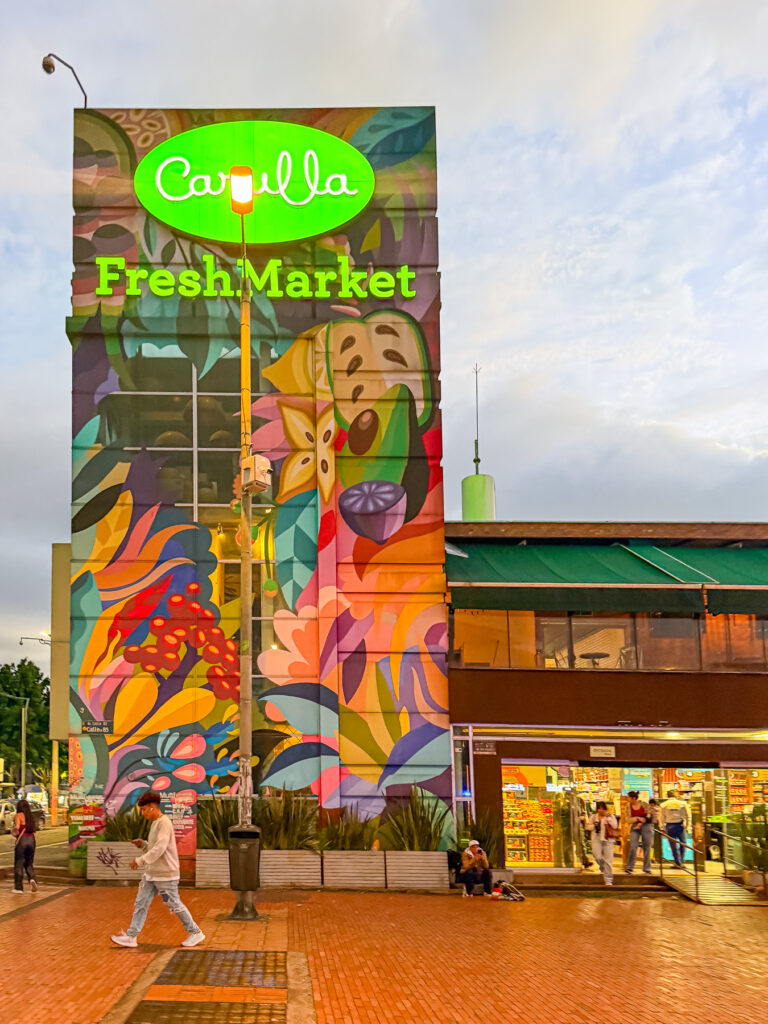
The T Zone in the north of the city is a stark contrast to the rest of Bogotá. Here, two pedestrian streets cross and form the letter T, hence the name. This area is located in the Zona Rosa of the city, where the nightlife is booming.
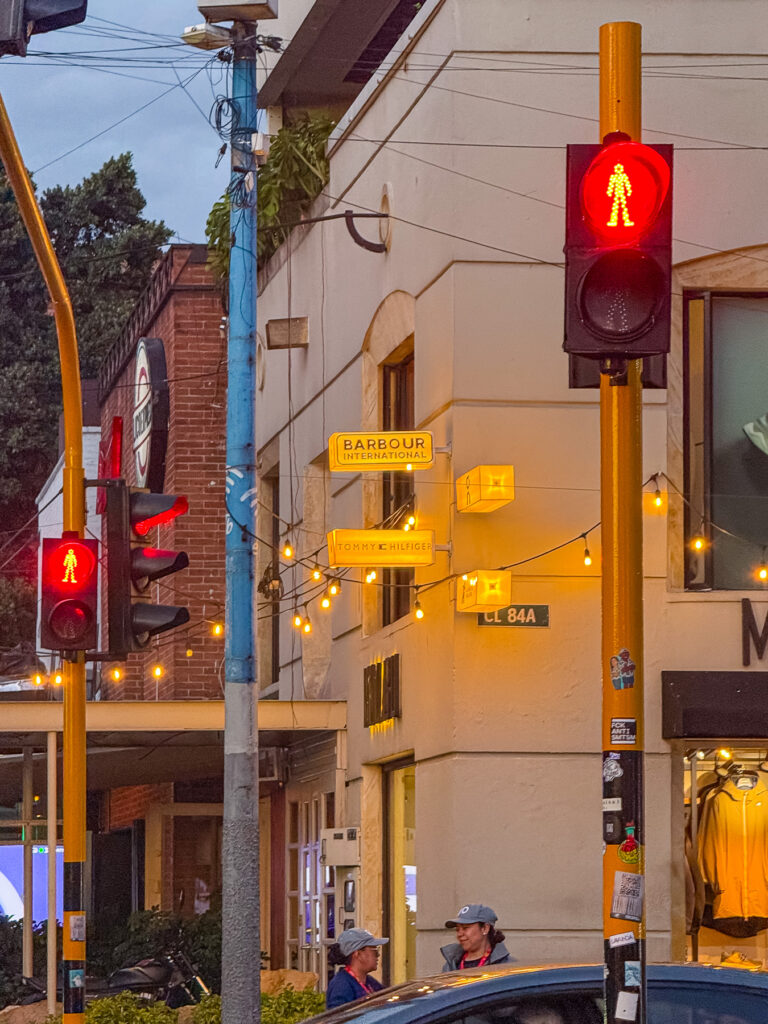

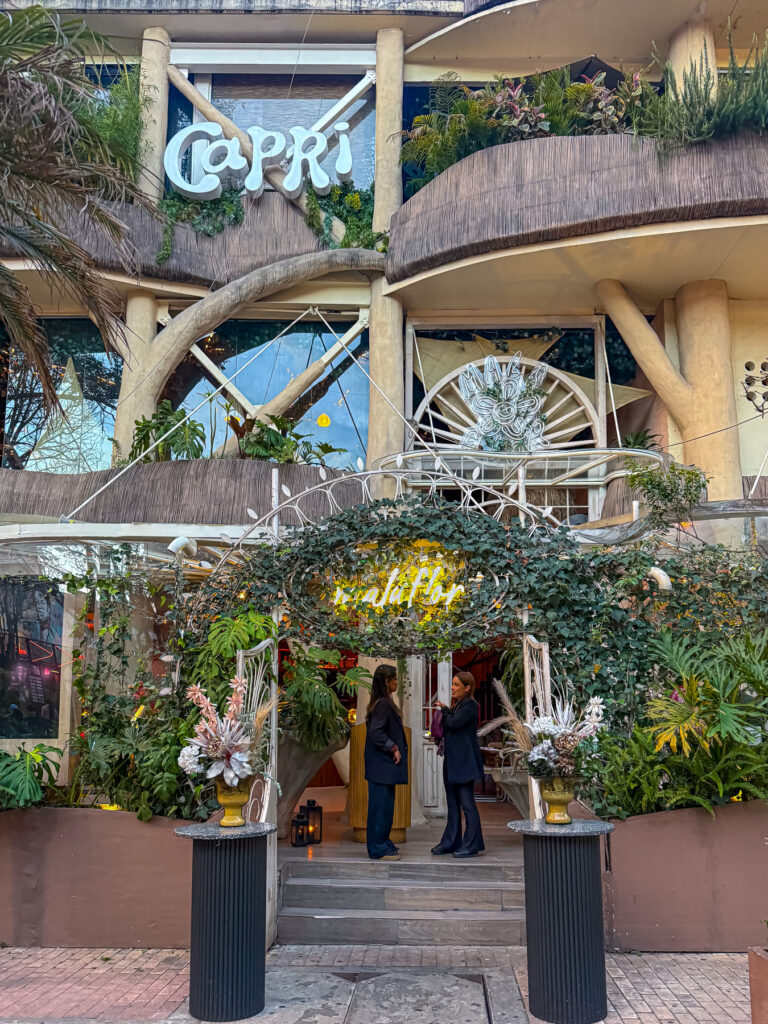
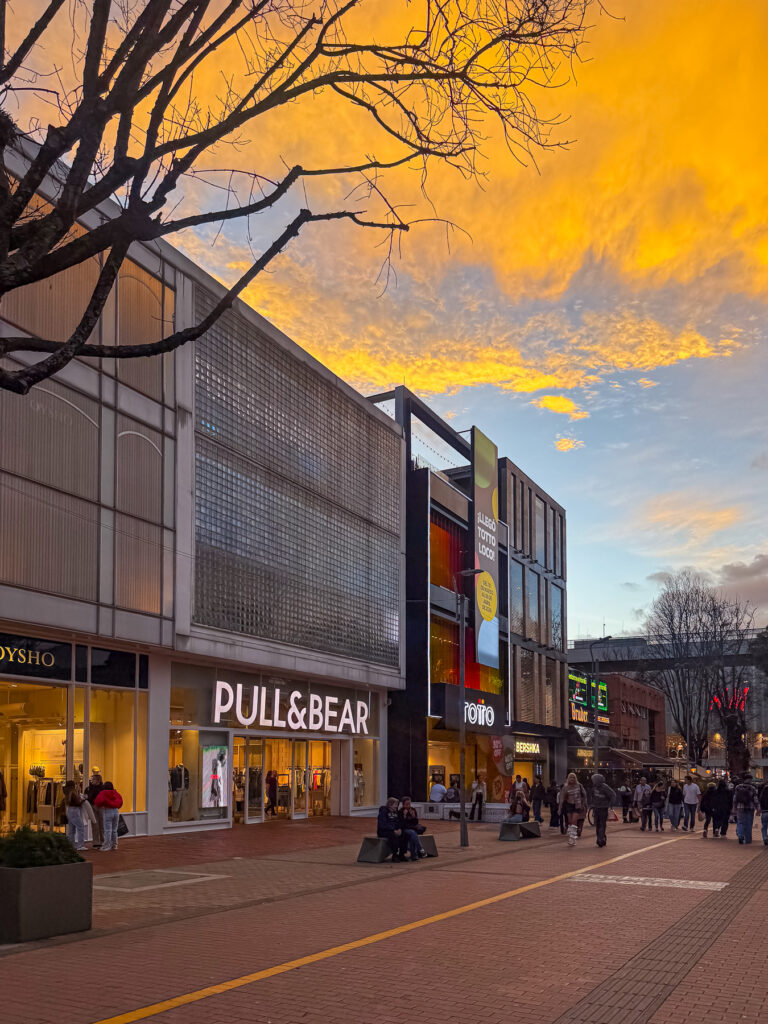
Besides that, it’s an area where many expats and wealthy Colombians spend their time visiting the shopping mall Andino, as well as numerous cafés and restaurants. It’s partly pedestrianized and feels more upscale and modern. This is the best nightlife spot in the city, with a great variety of discos, bars, and restaurants.
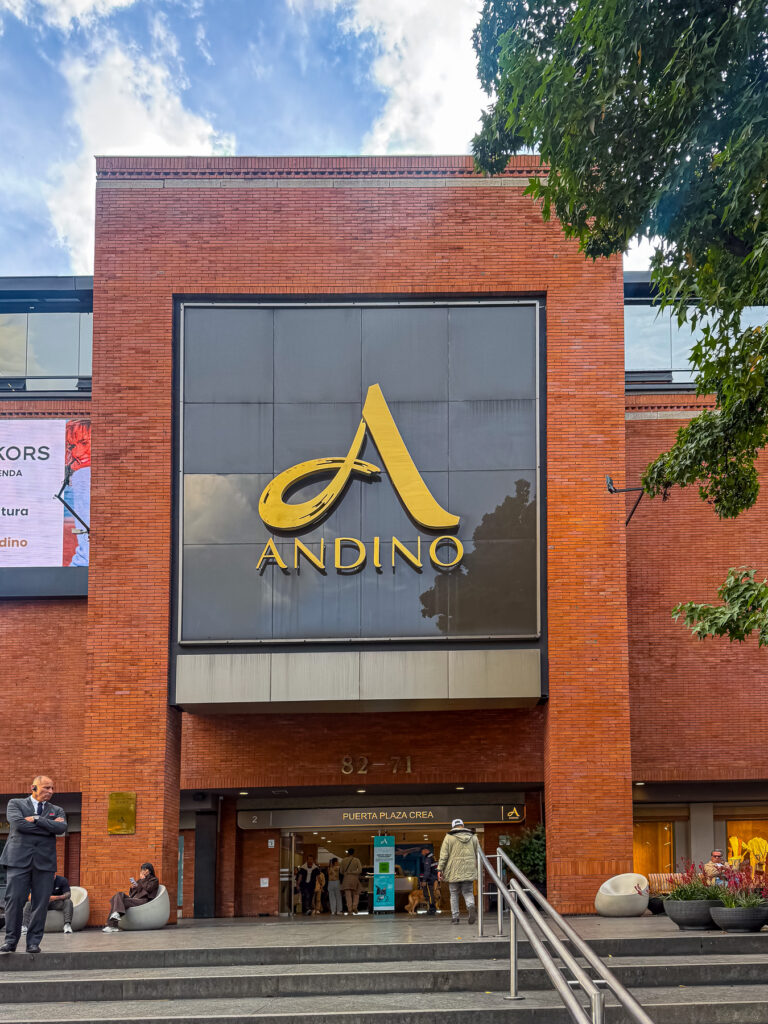
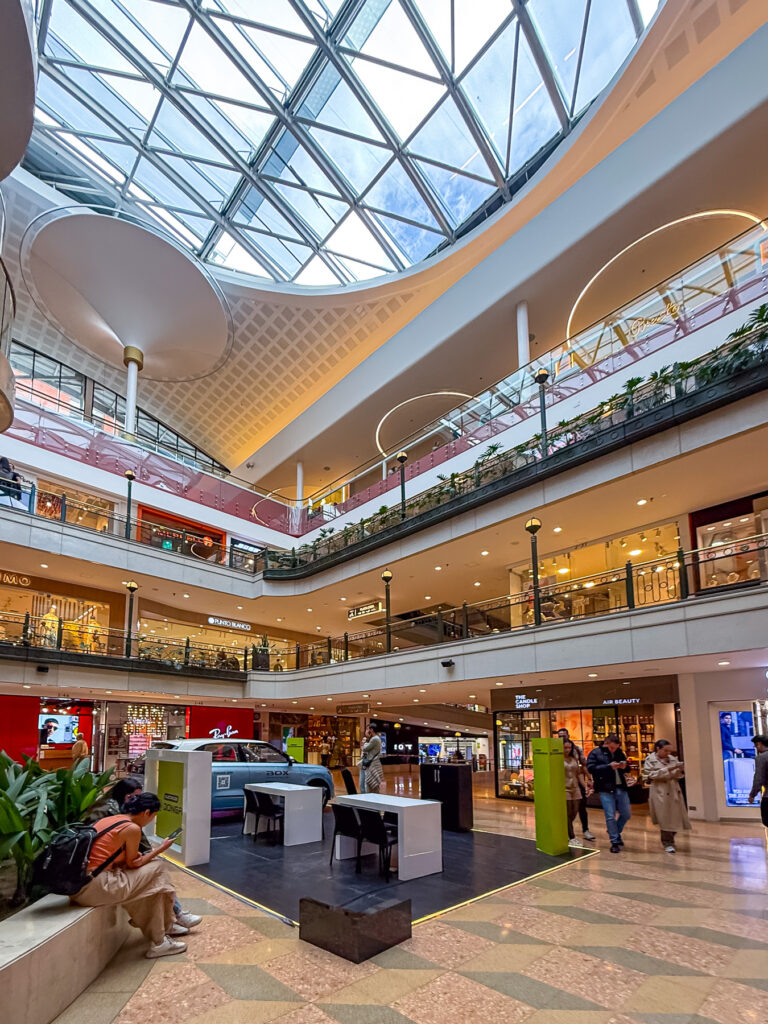
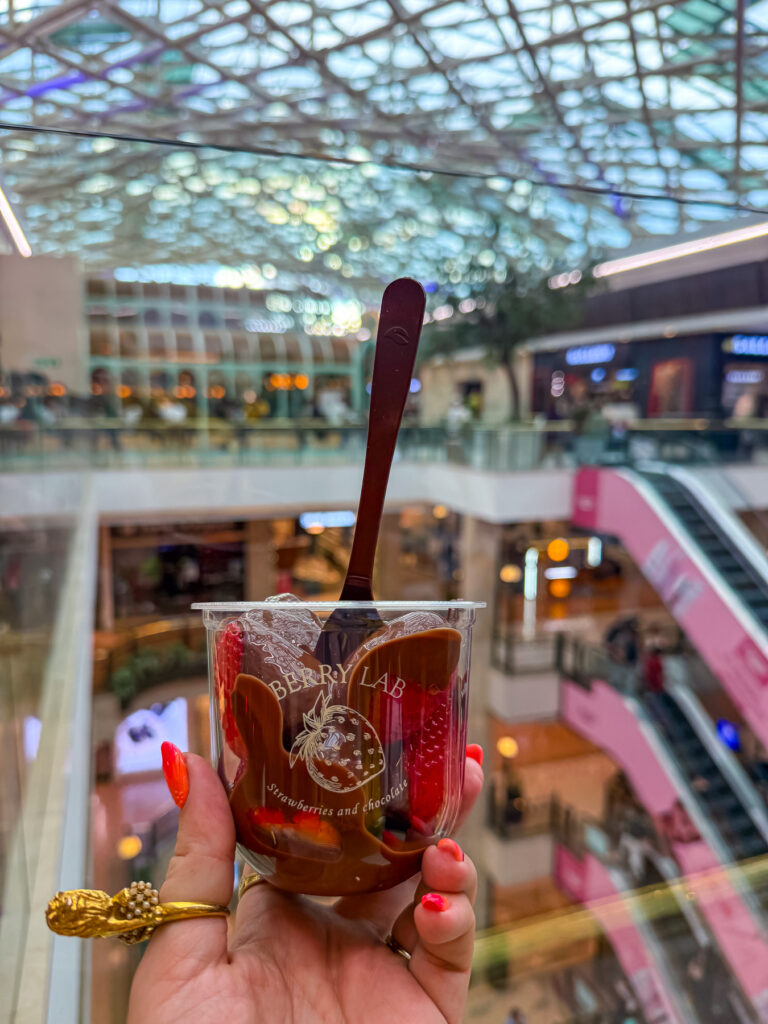
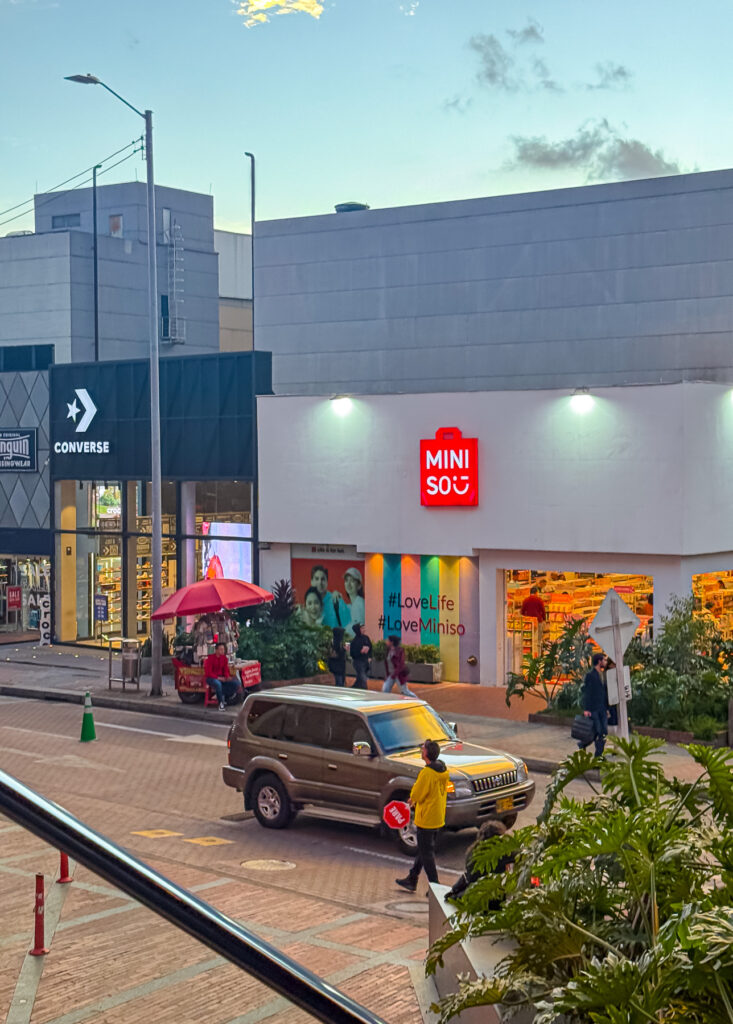
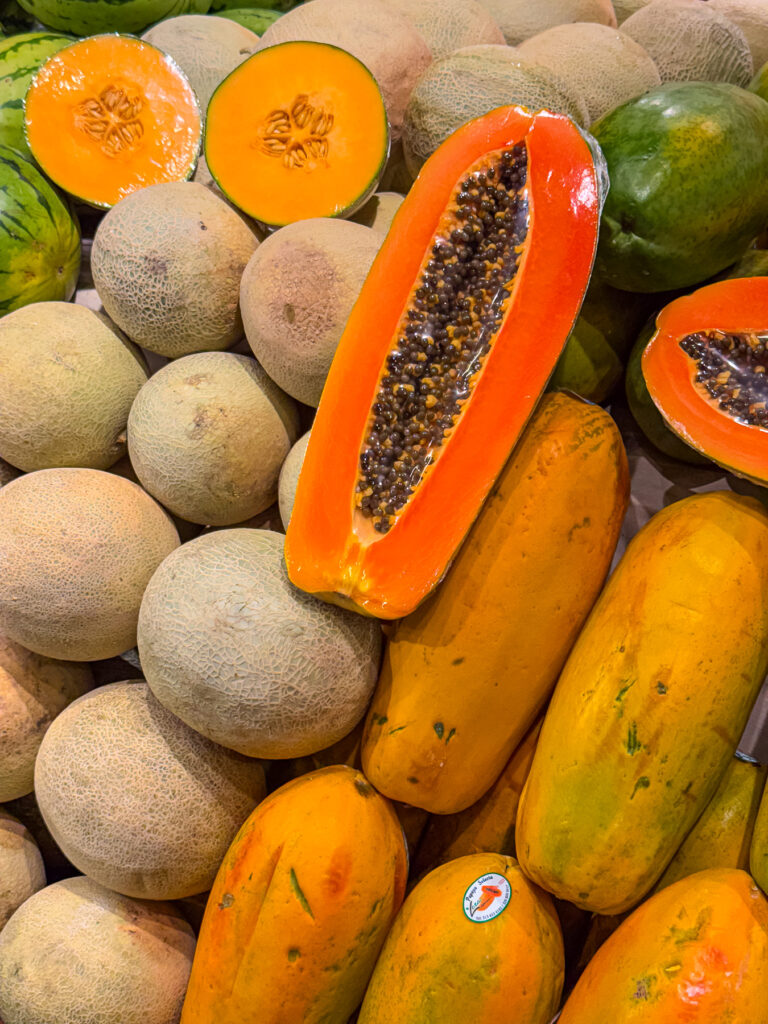
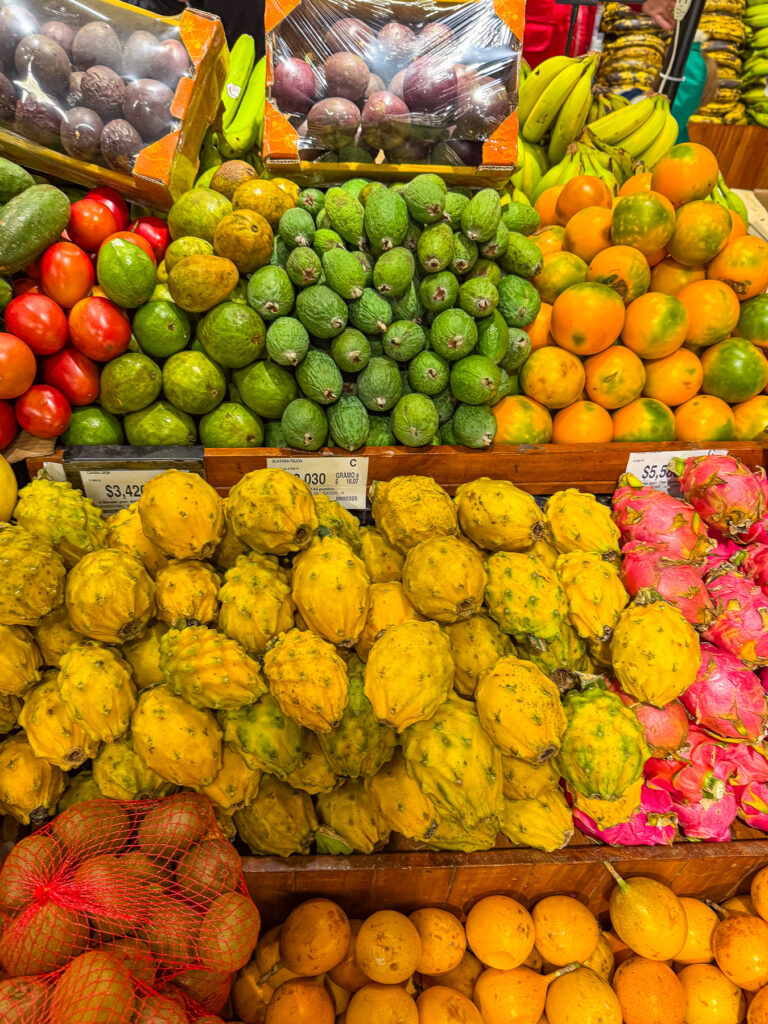
We came there to buy some fruits in a supermarket – highly recommended activity for any Latin American country!

17. International Museum of Emeralds
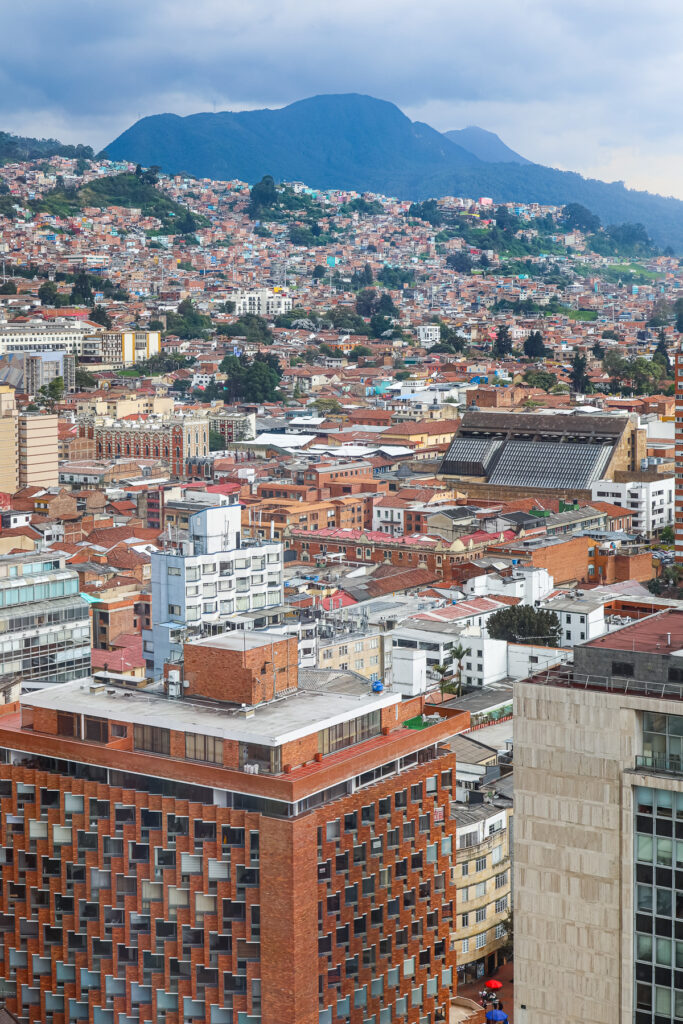
Did you know that Colombia is one of the main countries where emeralds are extracted from the mines? The International Museum of Emeralds is located on the 23rd floor of the Avianca building.
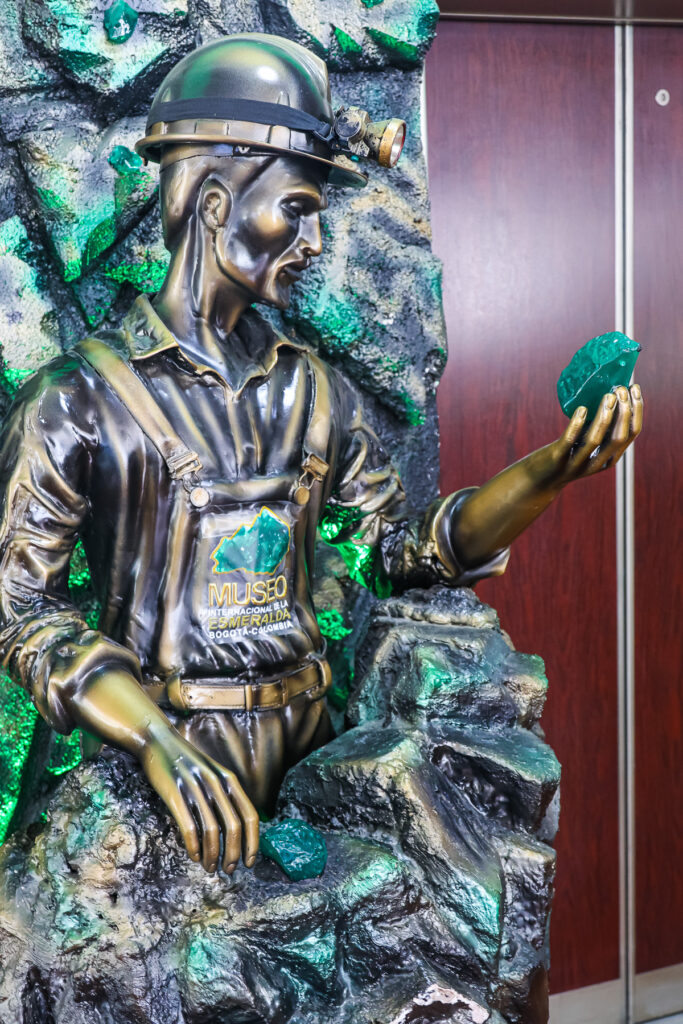
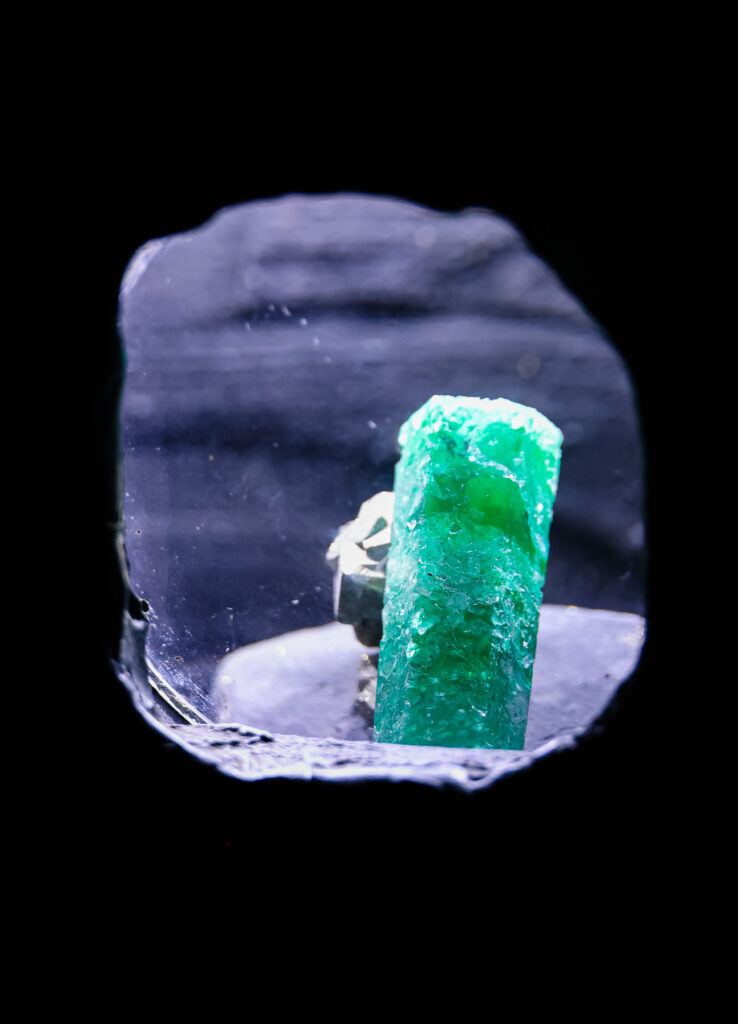
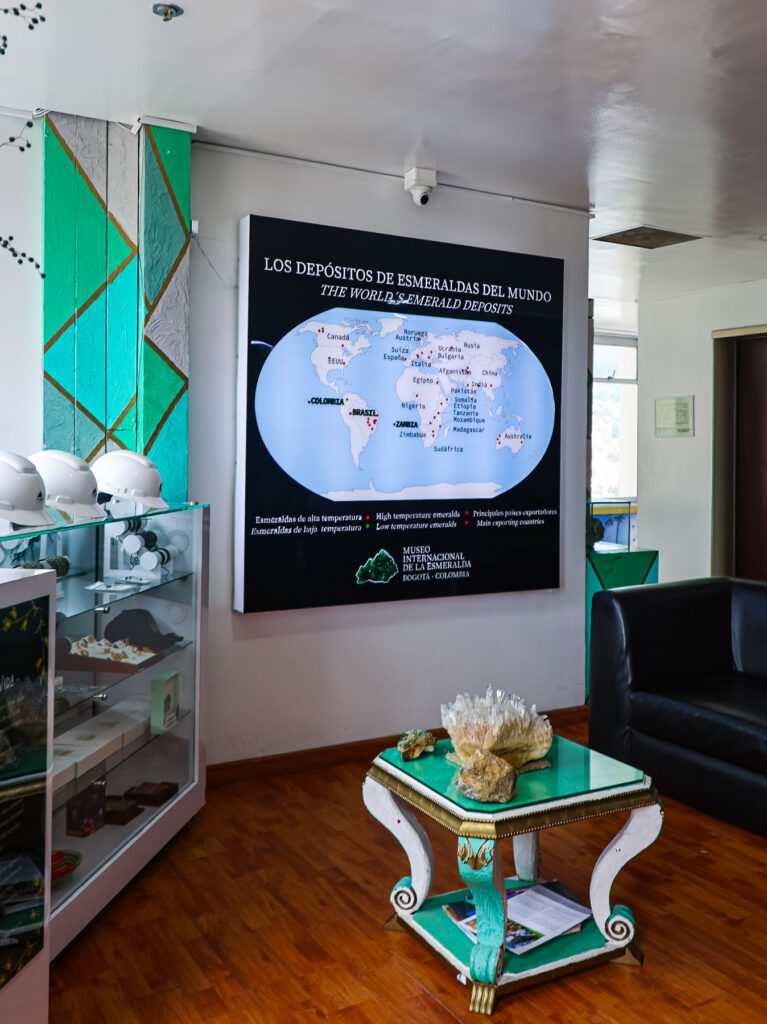
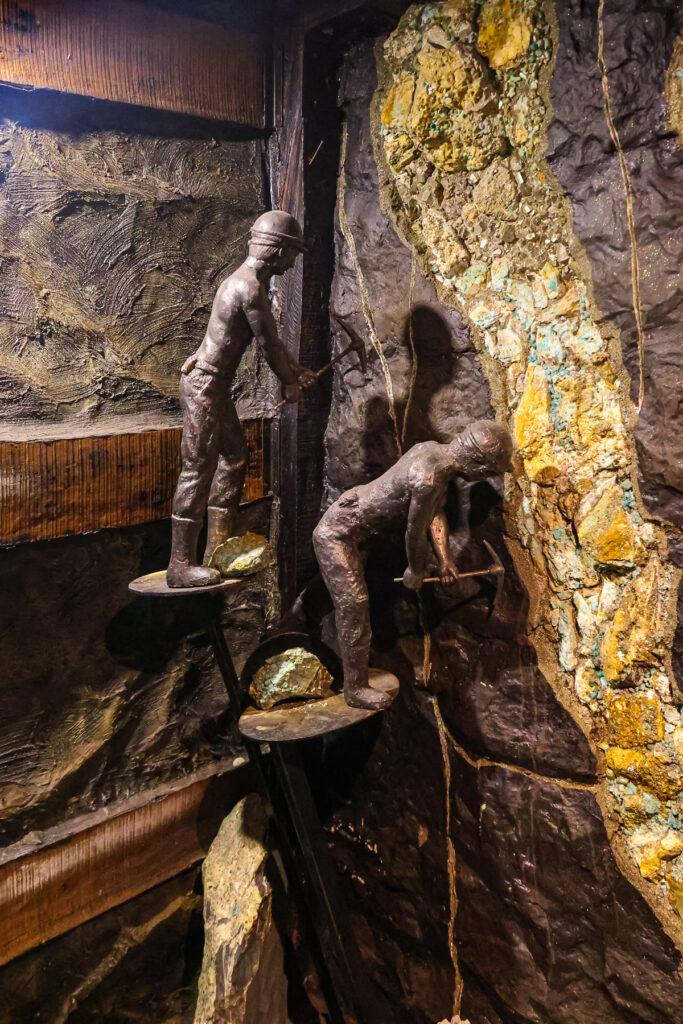
I’m not sure I can recommend this museum, as there are just a few rooms representing various mines and a few stands with real emeralds. They are also very proud of their butterfly display.
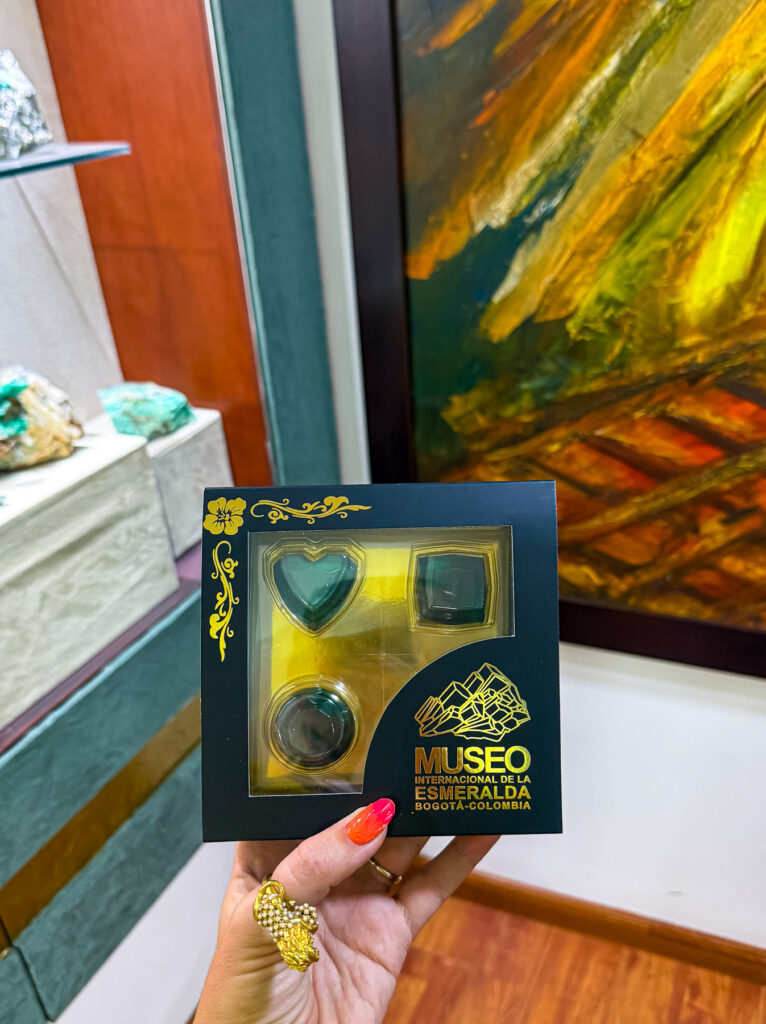
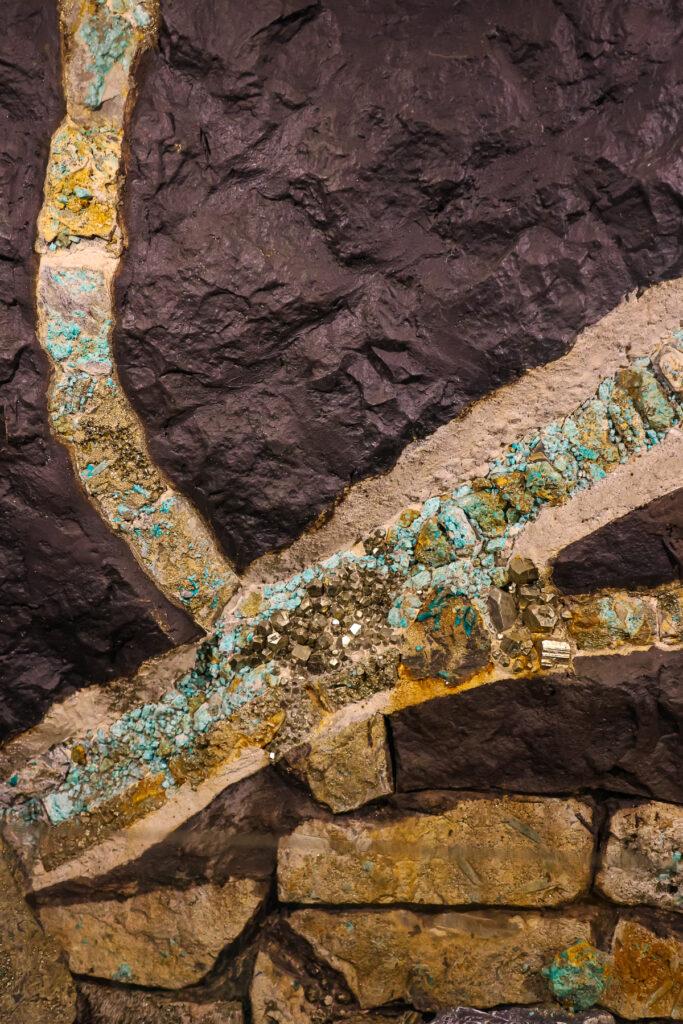
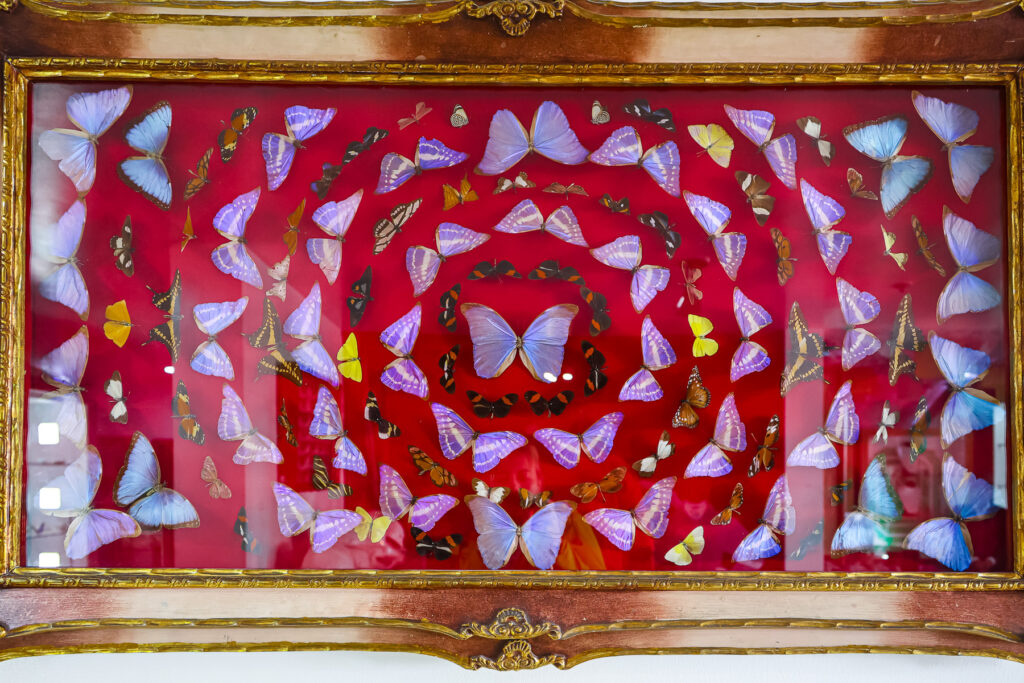
However, the guide wasn’t bad and gave us some info about emerald properties and the mining process. Photography is limited in some halls, but the views from the museum are still decent.
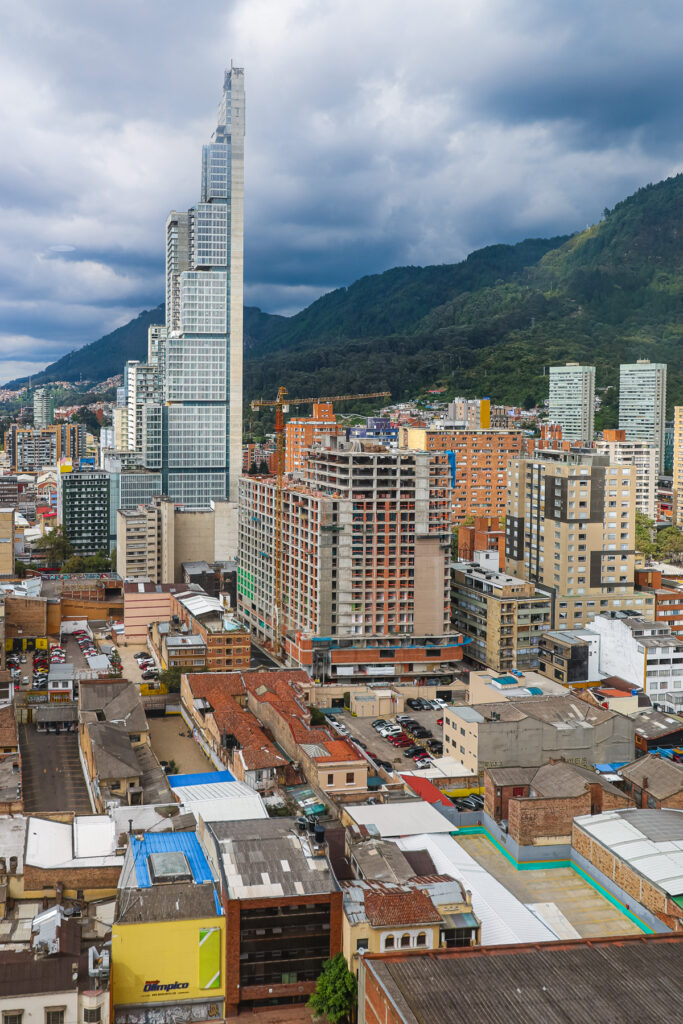
18. Calle 11
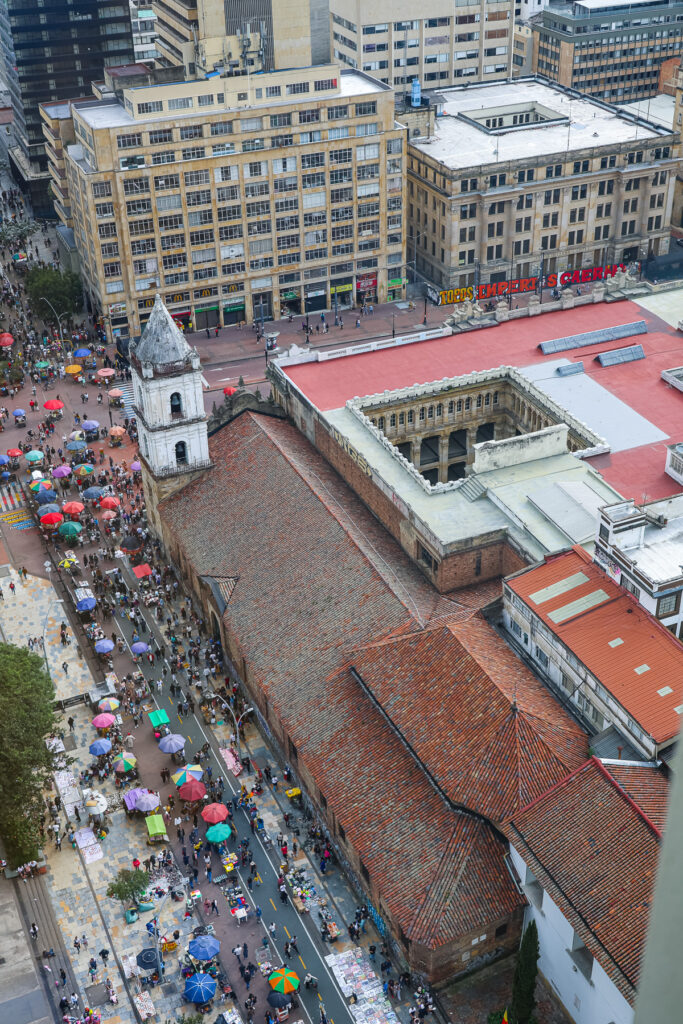
Calle 11, or the Street N11, is another street where street vendors aggregate.
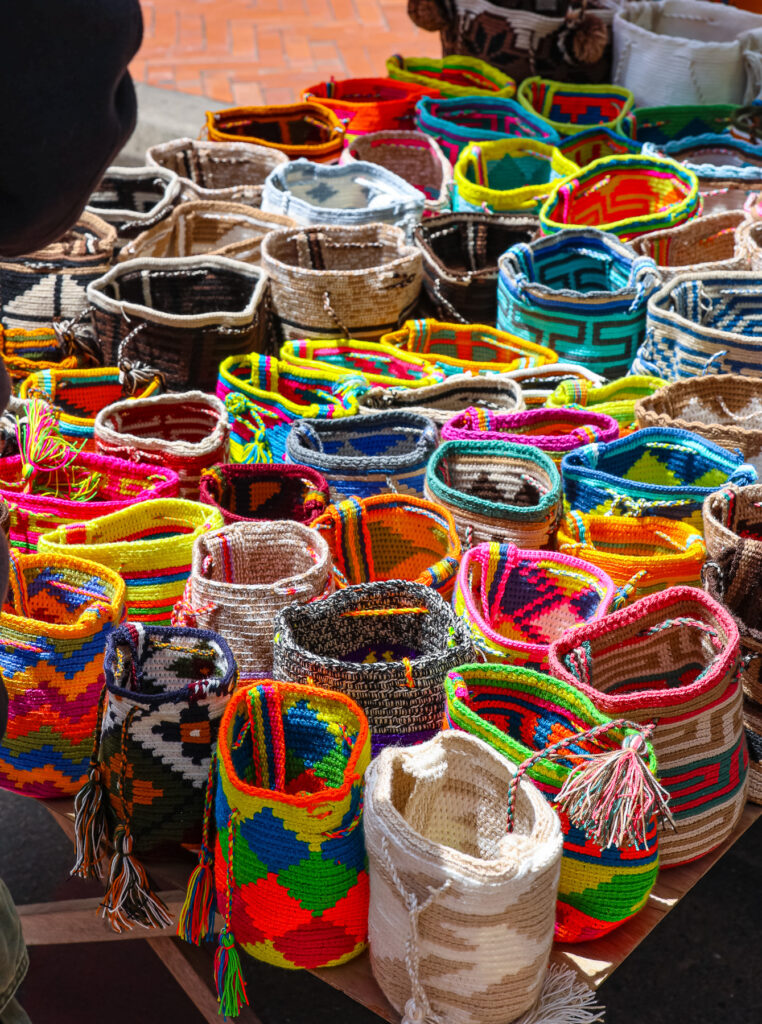
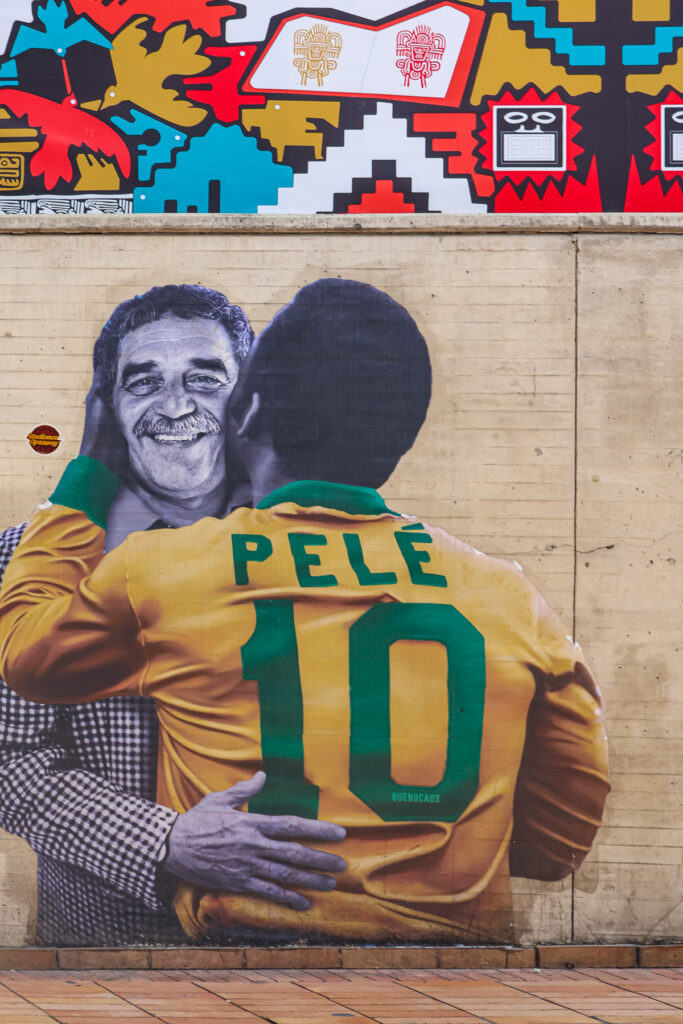
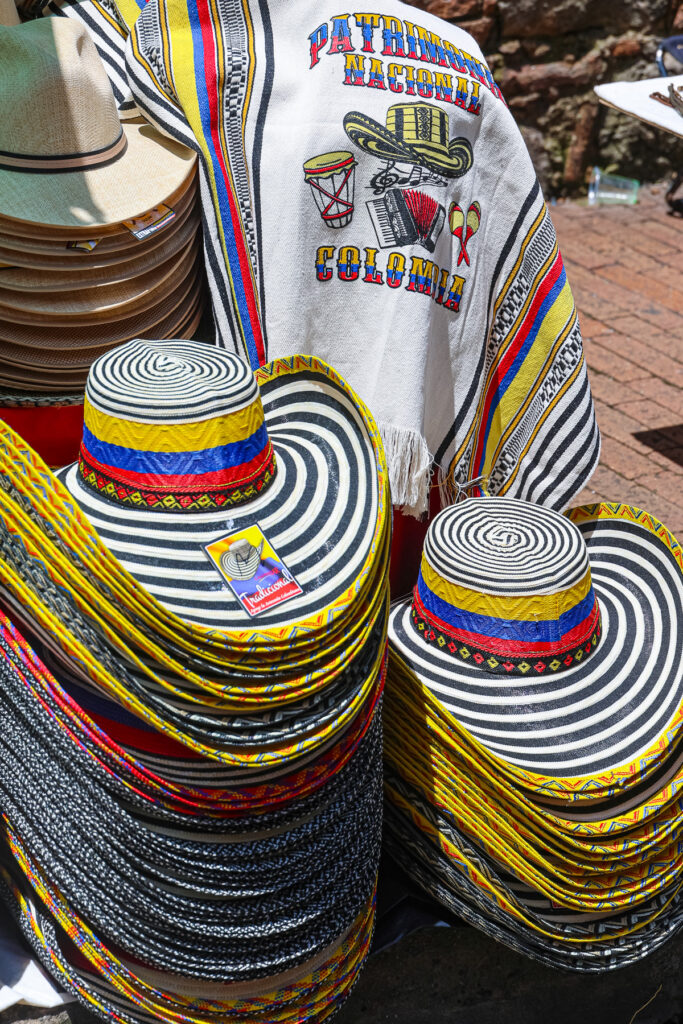
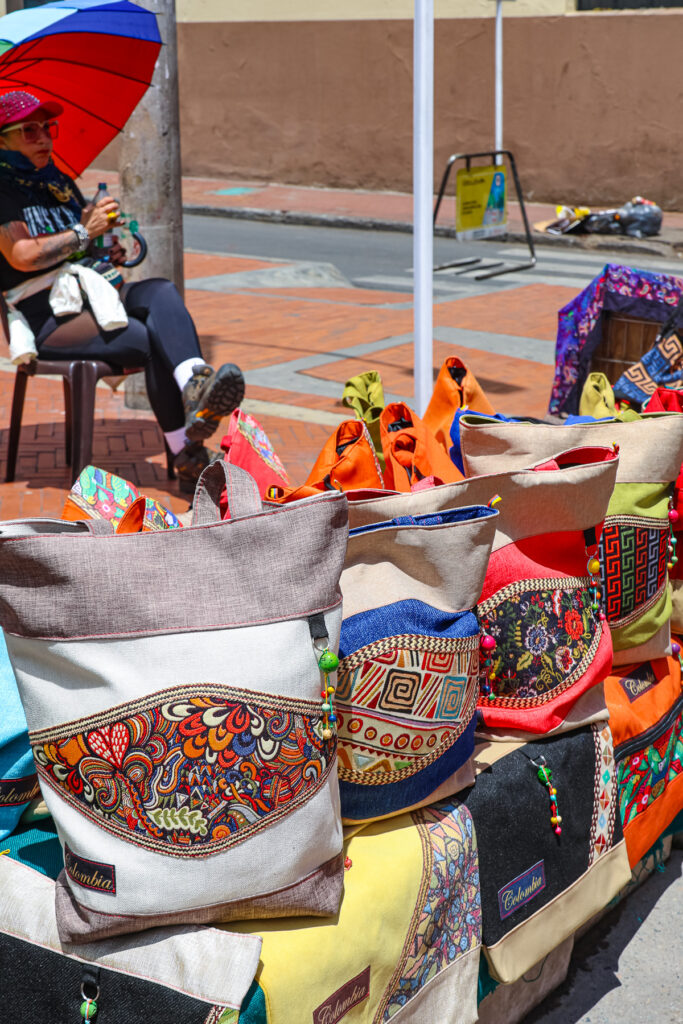
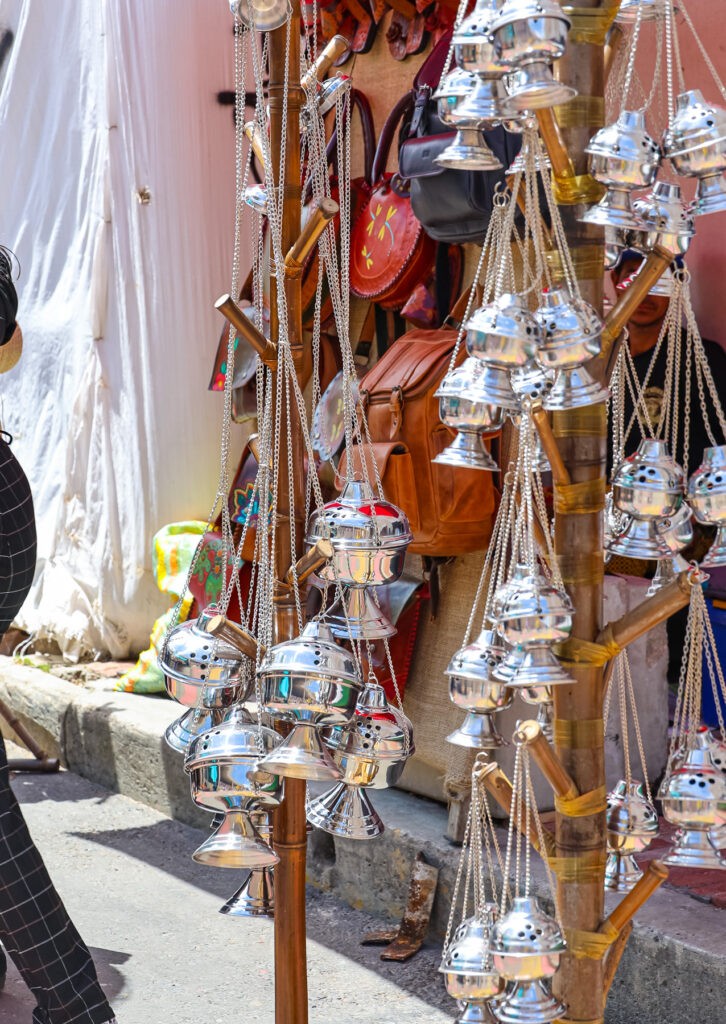
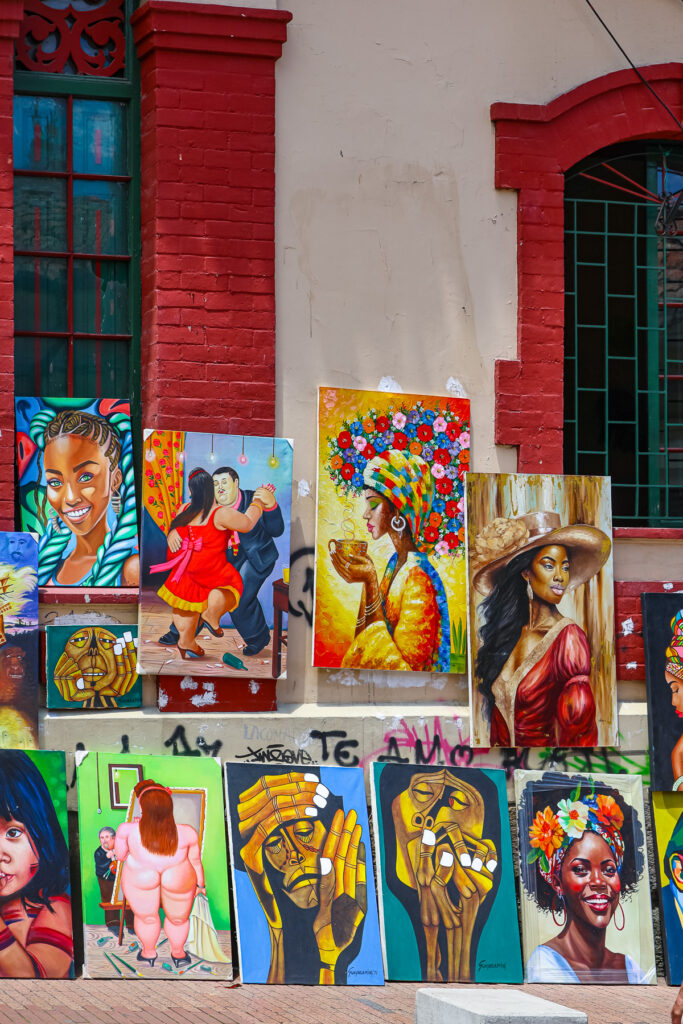
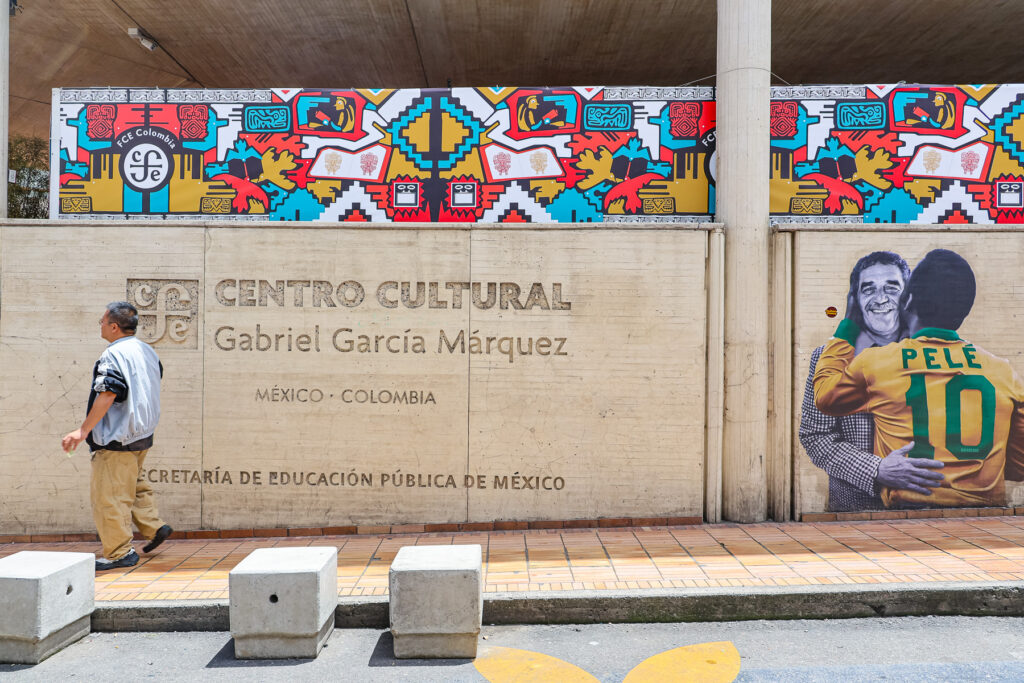
Come to the Boater museum and then conveniently take this street to reach the Bolivar Square! You can also spot the Marquez Cultural Centre.
19. A Day in Zipaquirá
Zipaquirá is located 1-2 hours by car from Bogotá and is usually known as a site where the Salt mines are located, but the city is worth your attention too! Archaeological research shows that the area around Zipaquirá was inhabited for many centuries by indigenous people, but the modern city was founded on July 18, 1600, by Spaniard Luis Henríquez.
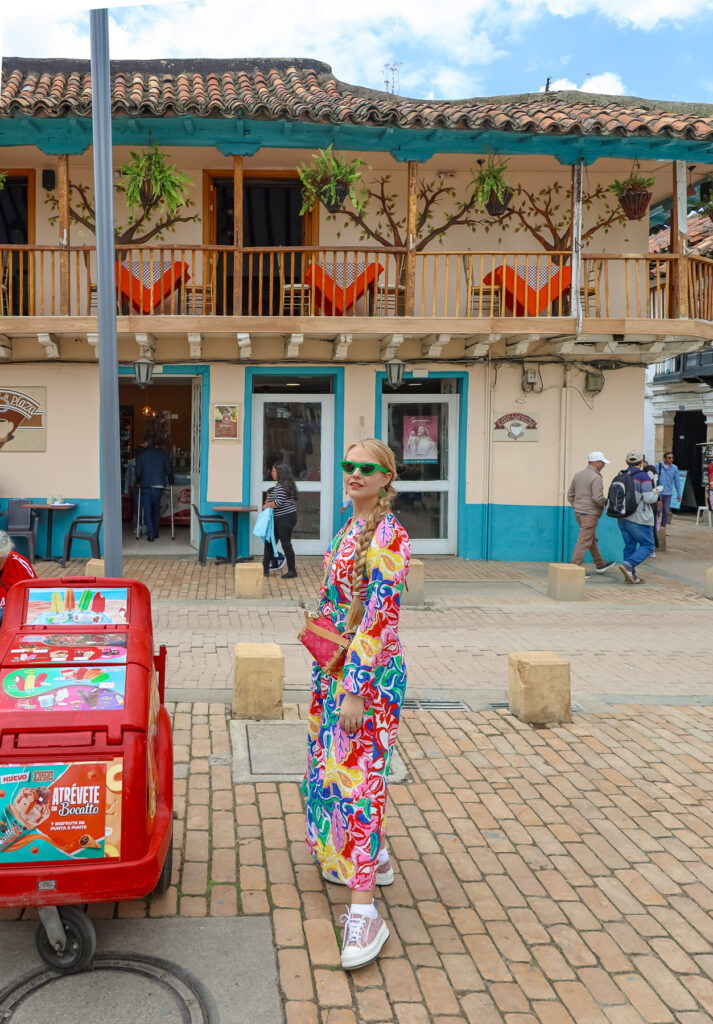
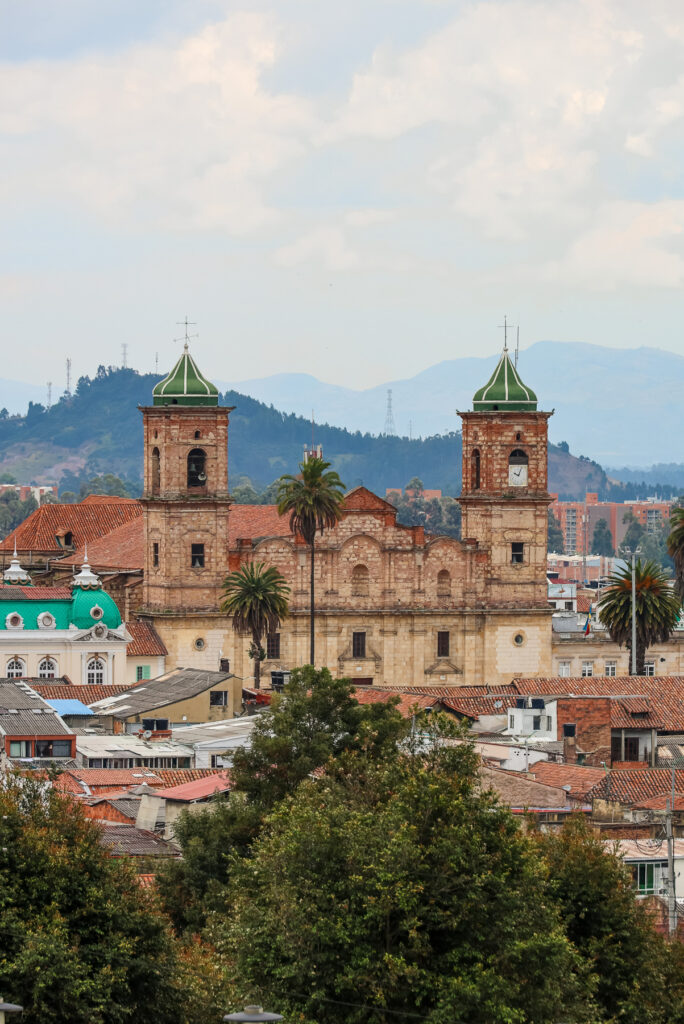
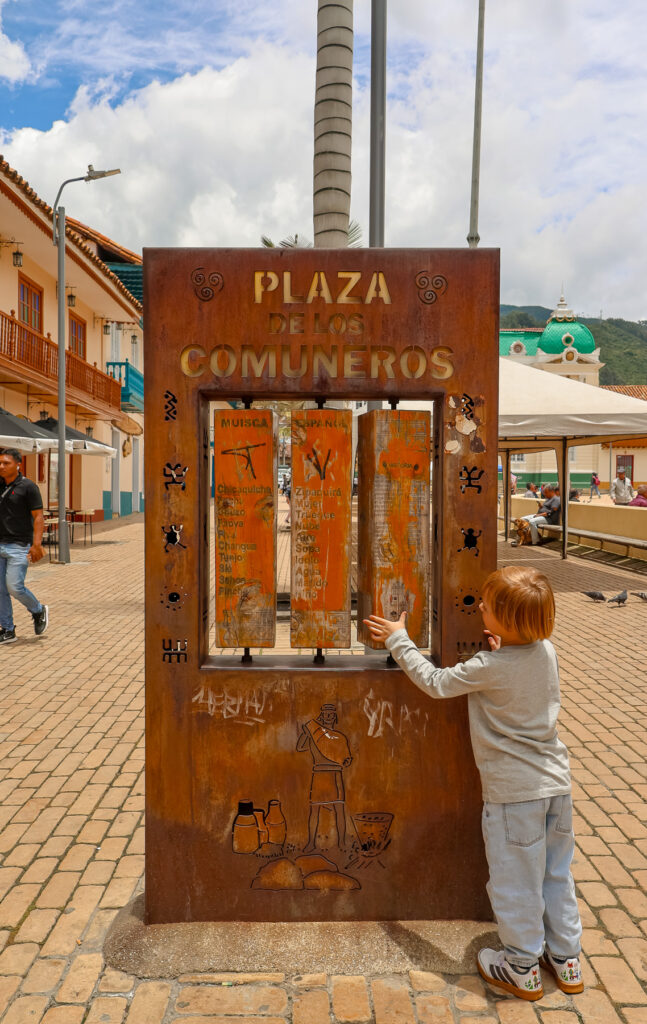

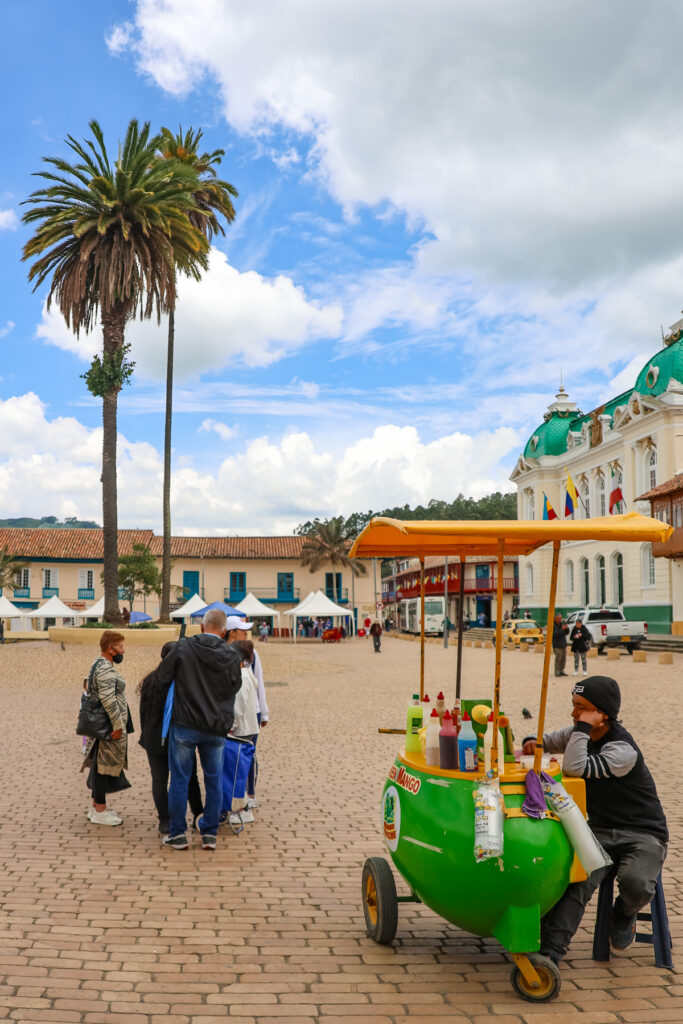
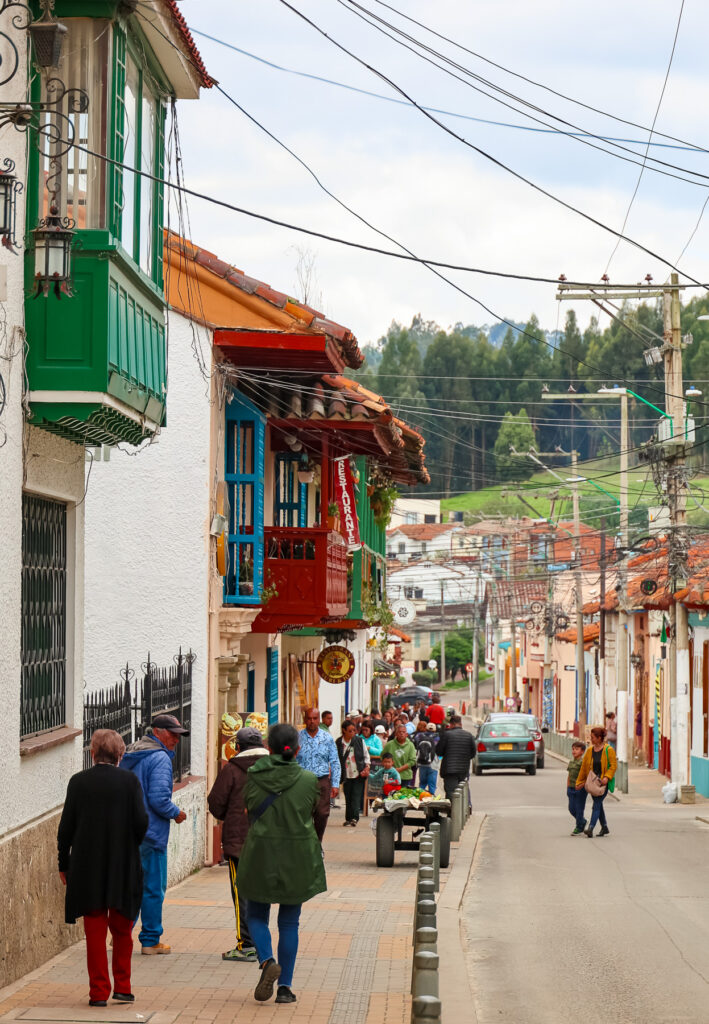
The city centre is famous for its well-preserved Spanish colonial architecture. There are numerous photogenic spots to admire!

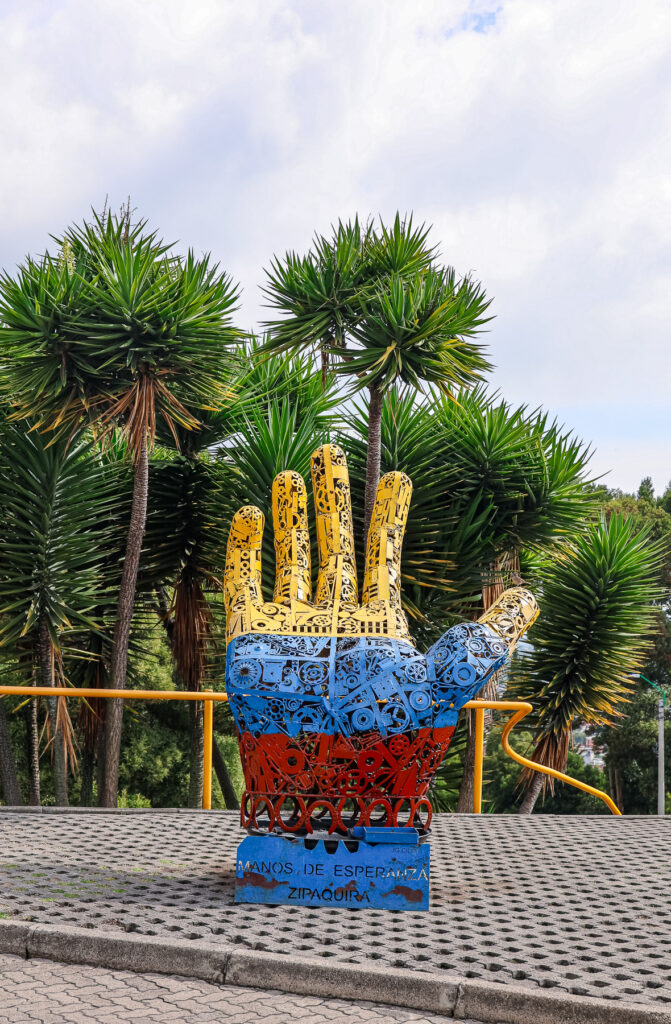
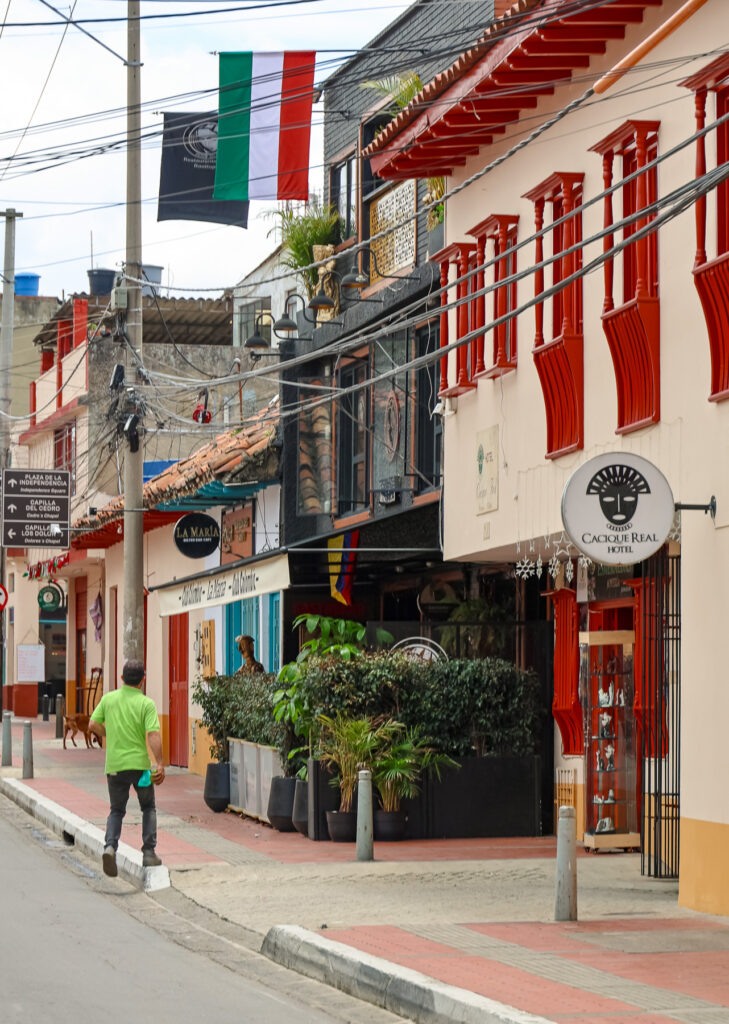
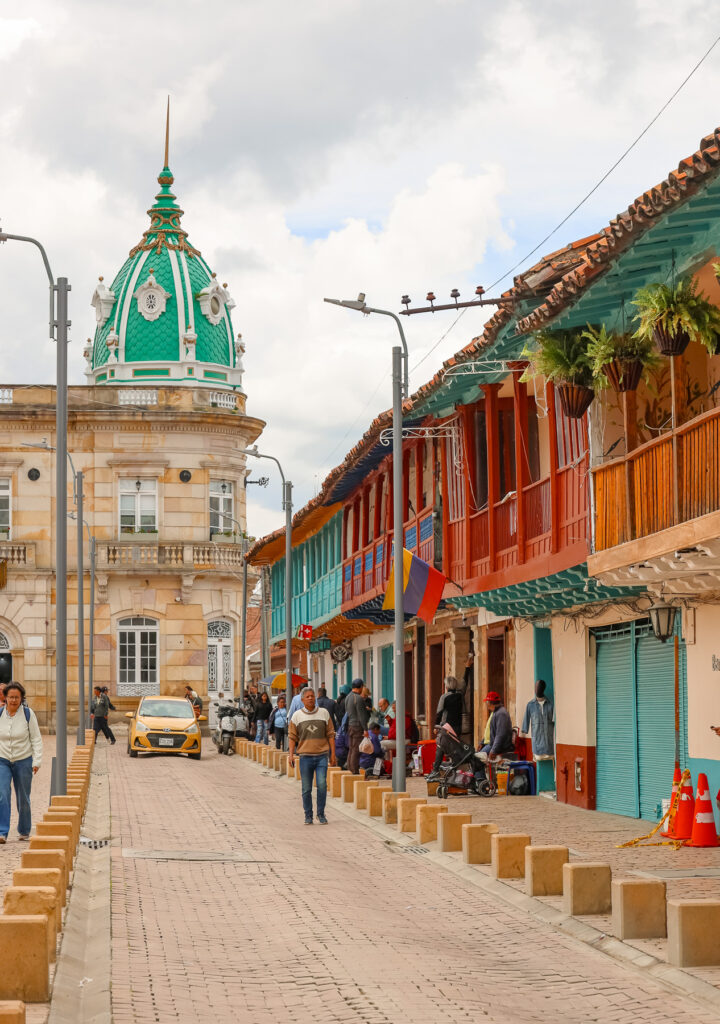
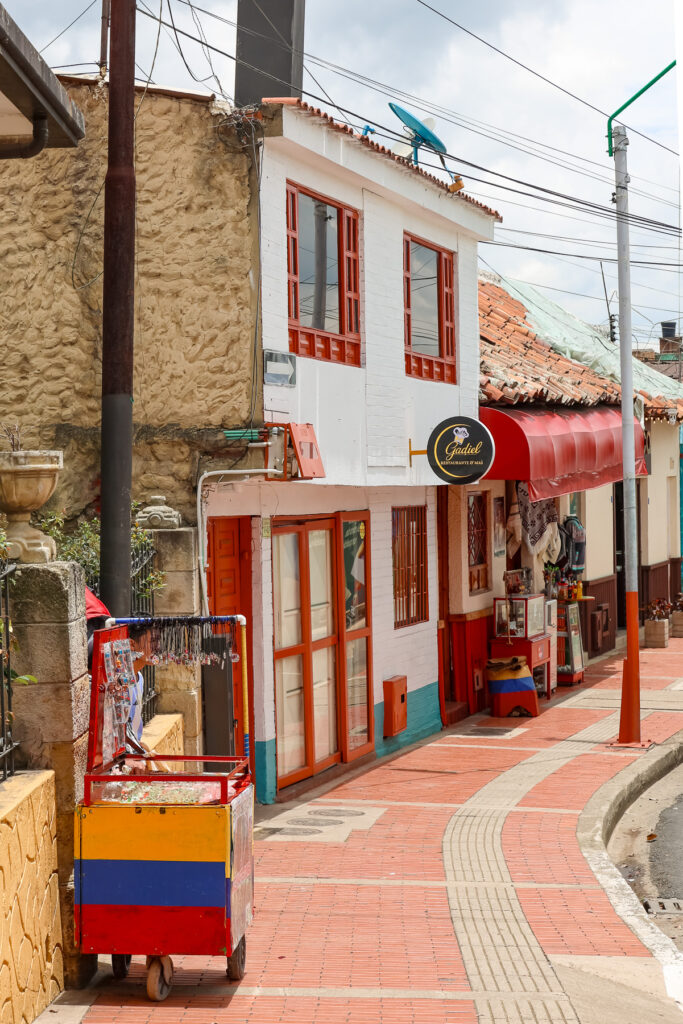
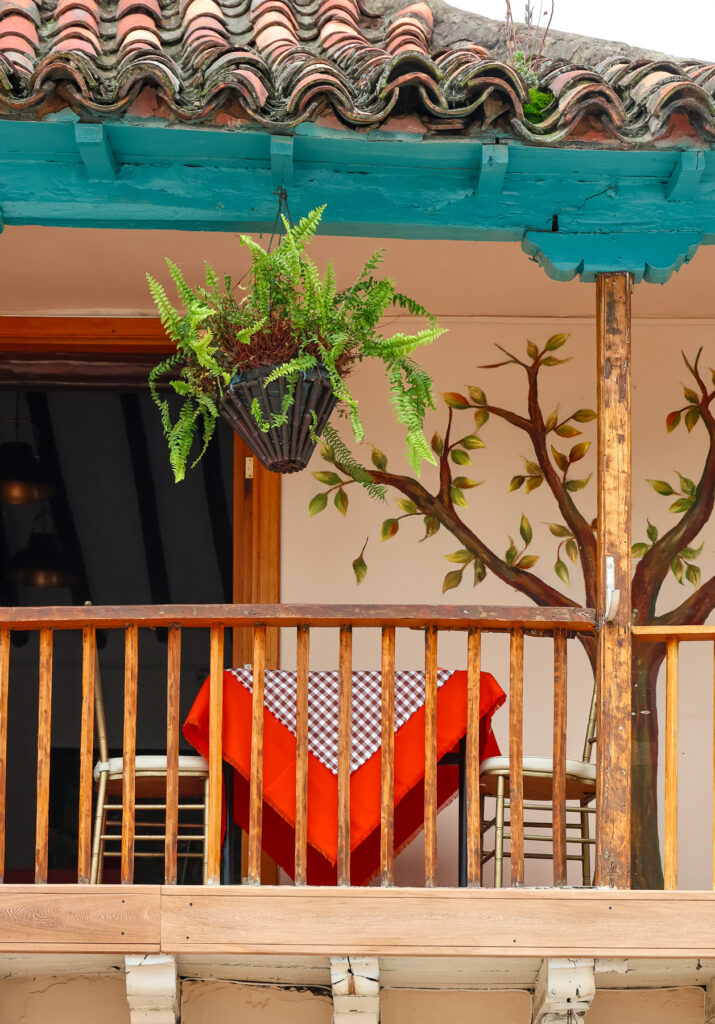
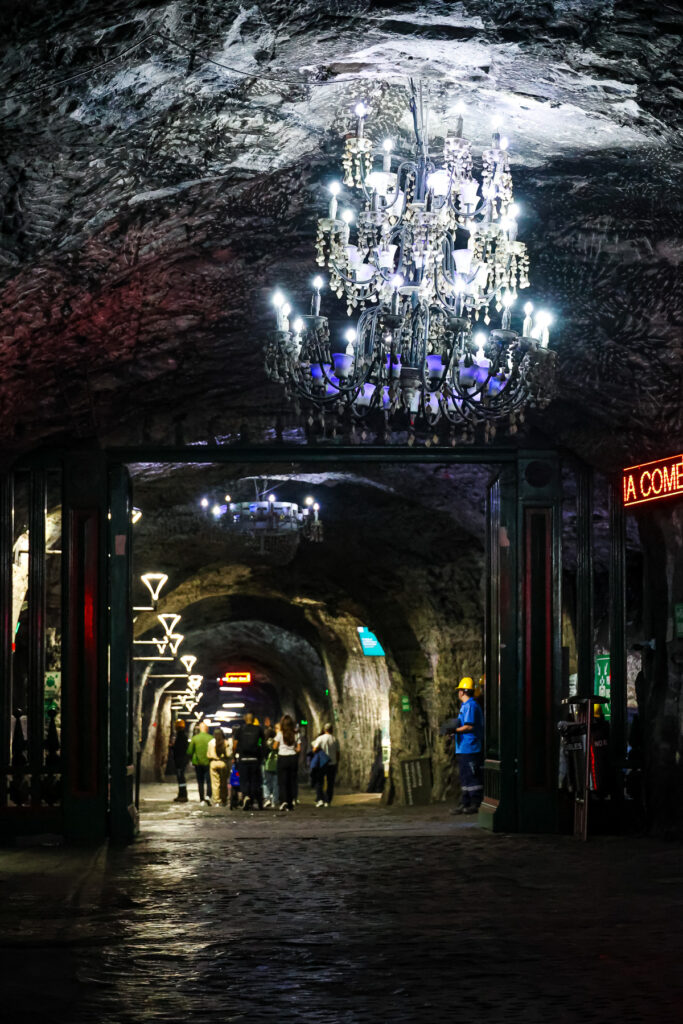
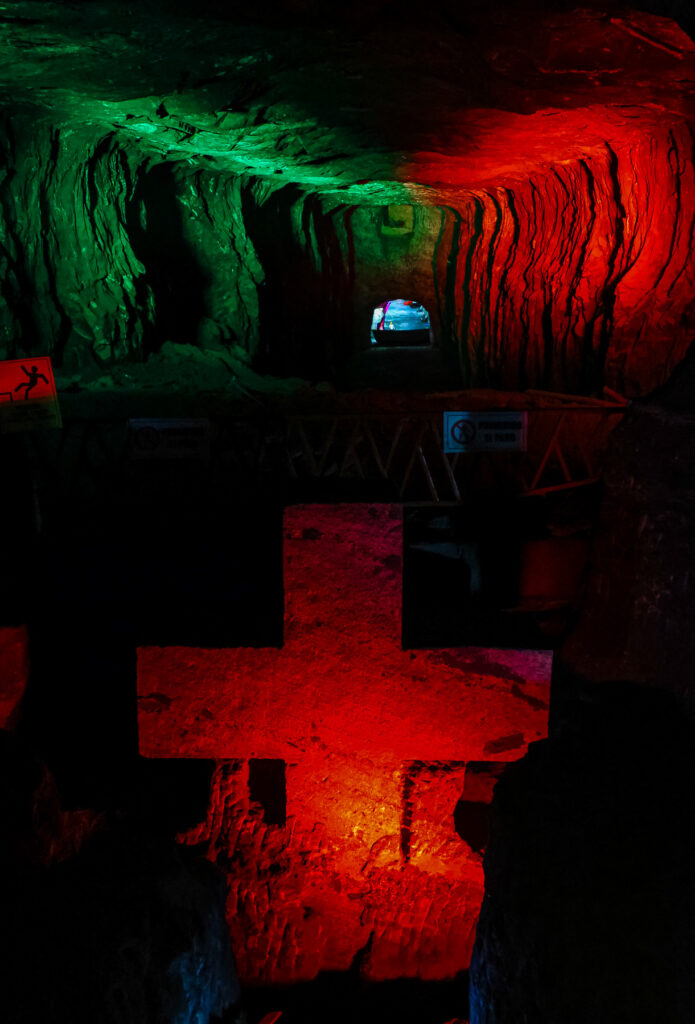
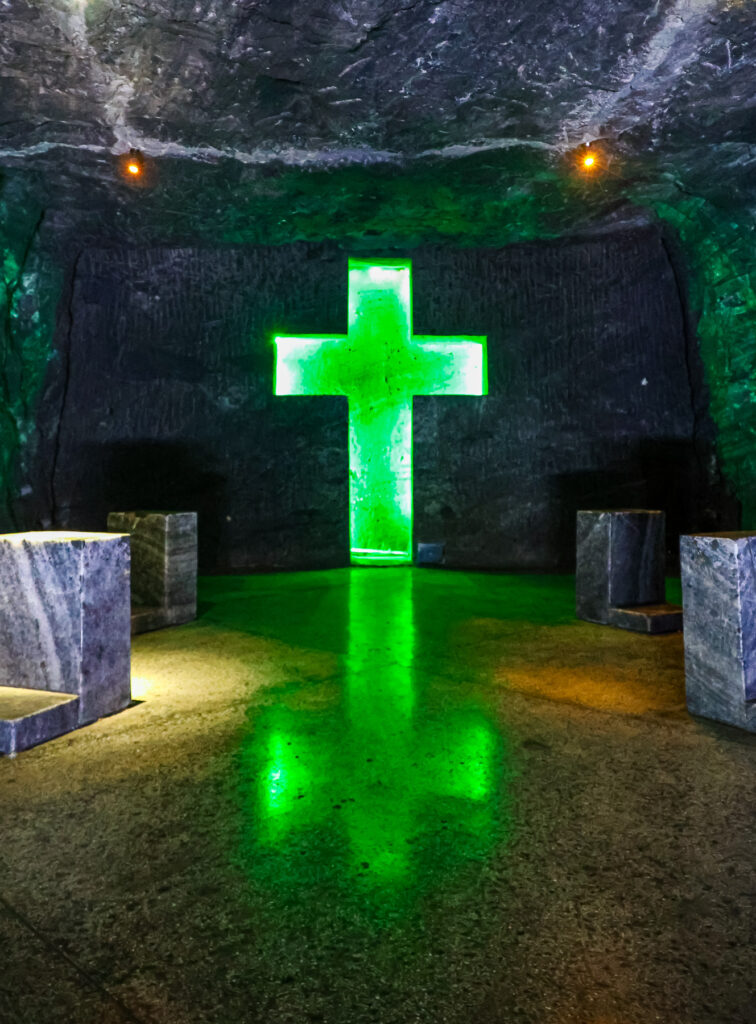
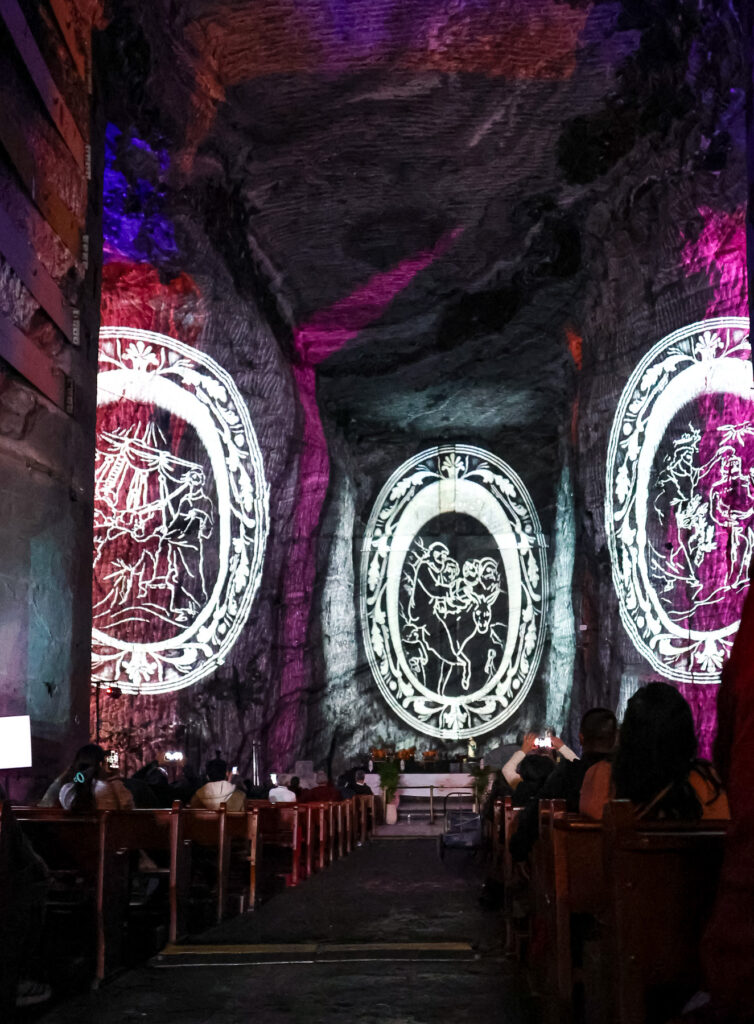
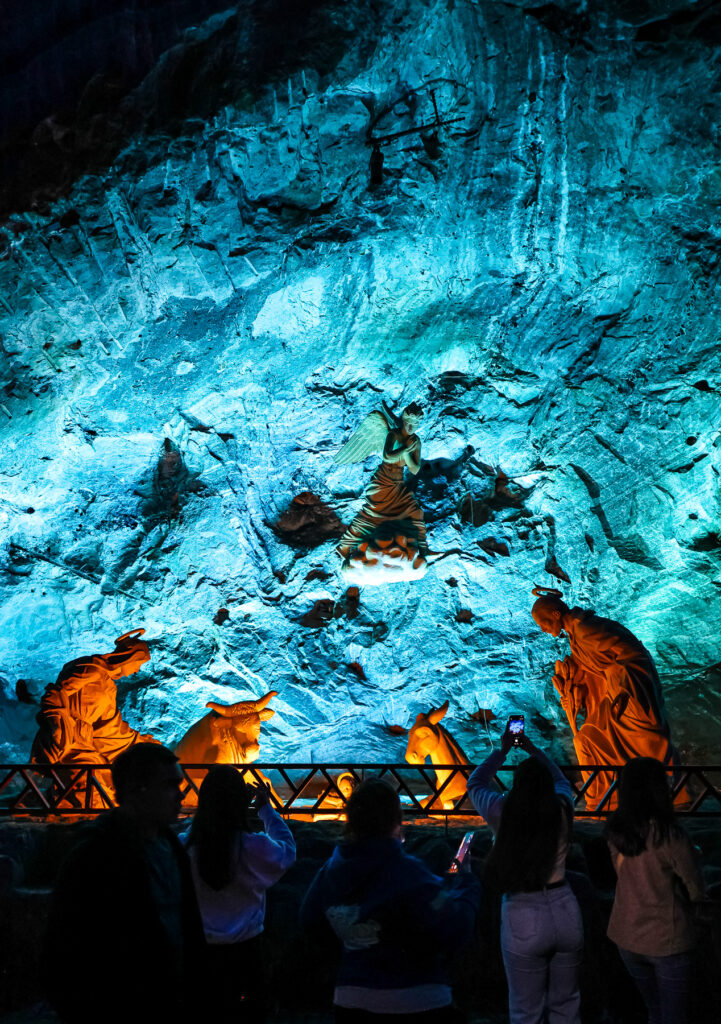
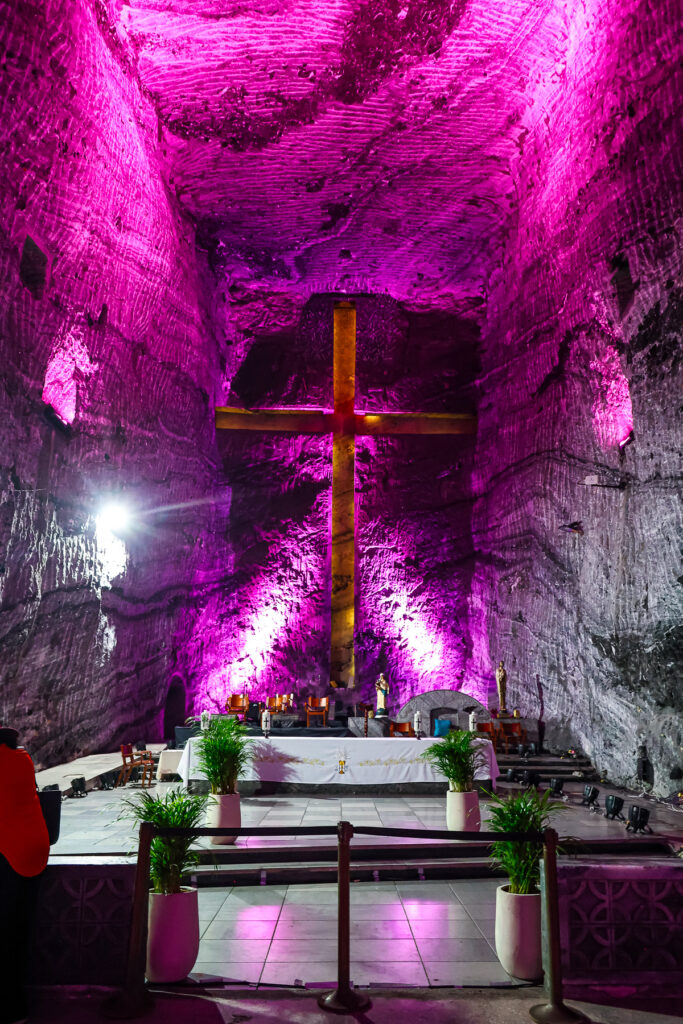
But the main spot is the Salt Cathedral lying 180 metres underground.. Located in the old salt mines, it was established in 1995 and now attracts many religious and non-religious visitors. The rock salt, or halite, was a historically important product of this region: pre-Columbian communities of Muisca were known to extract it from the 5th century BC.
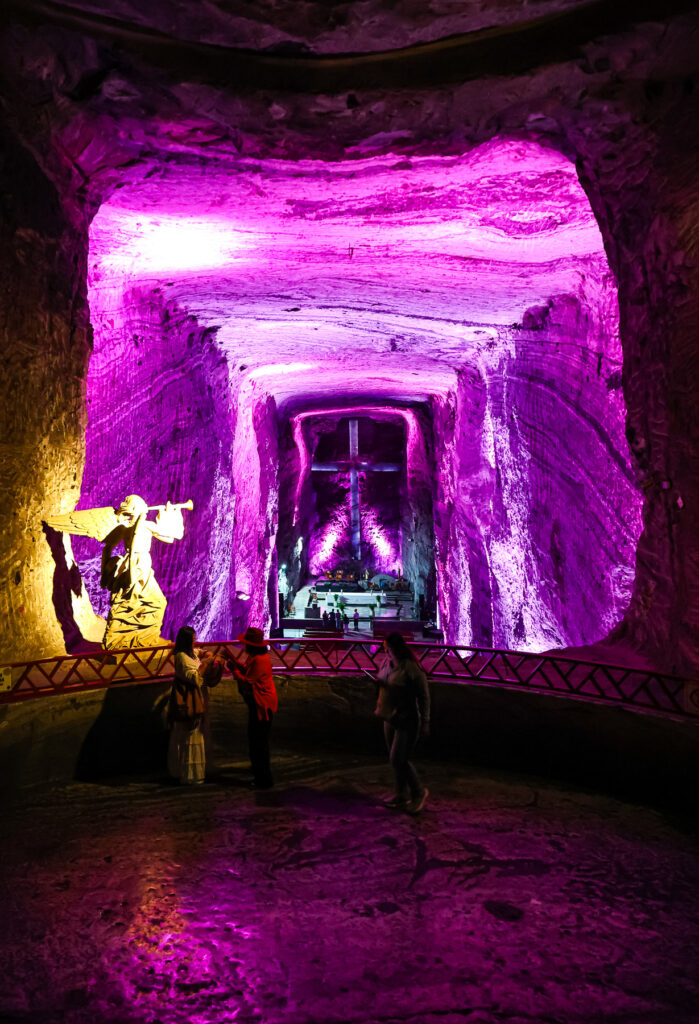
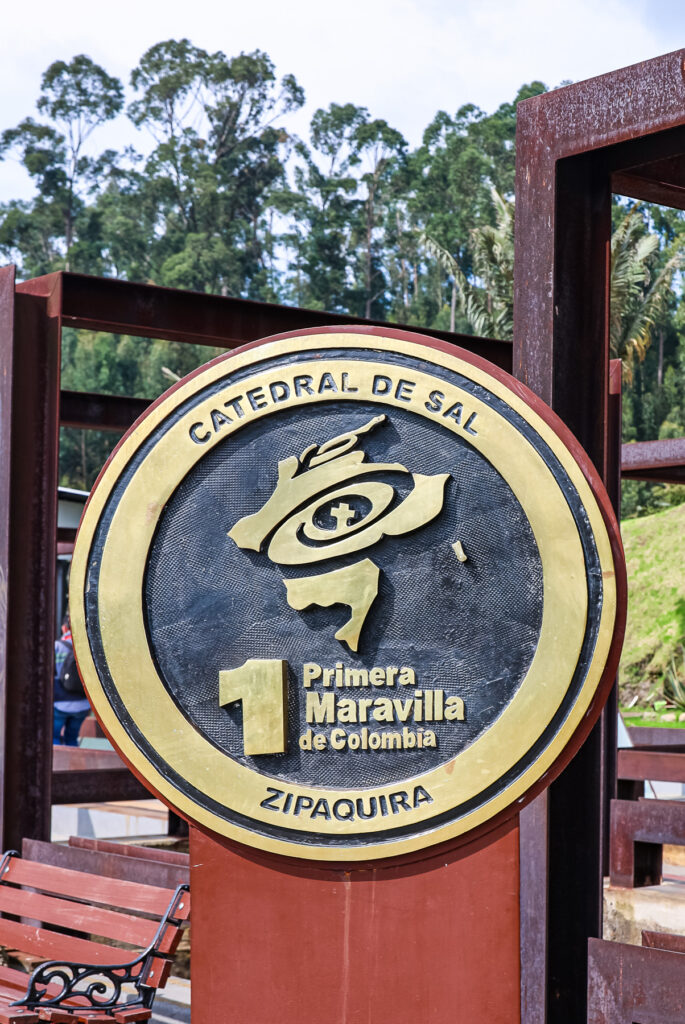

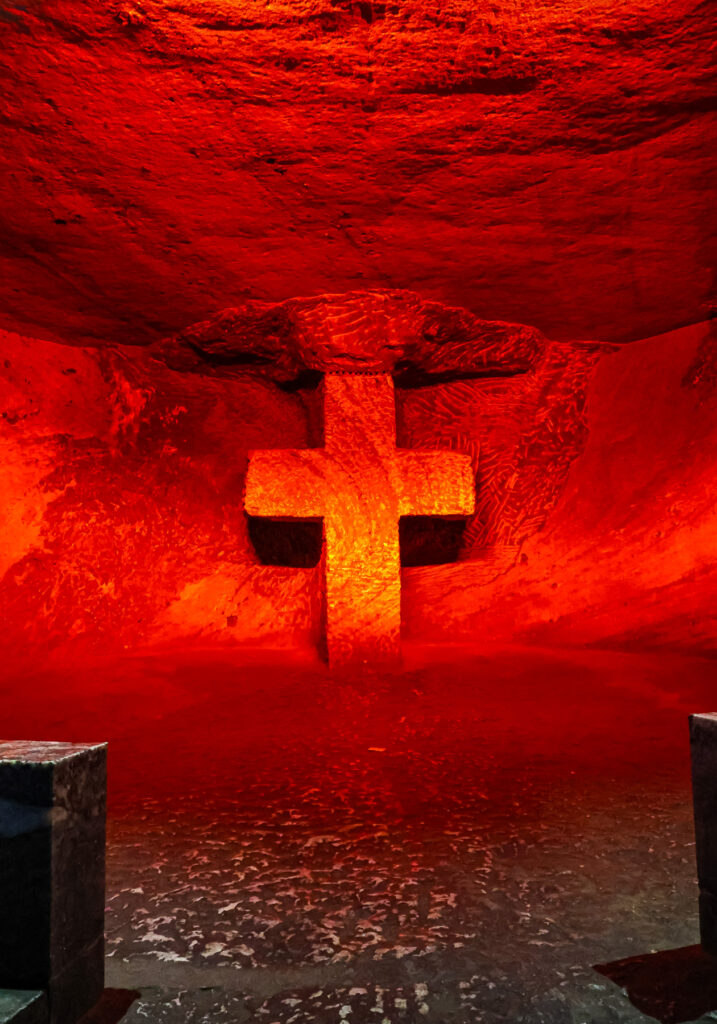
More modern miners exploited the salt mines here in Zipaquirá for a long time and also created a few religious statues that they brought with them into the mines. Now this place has been transformed into the Parque de la Sal (Salt Park), and it’s really huge and very impressive!
20. Try the Traditional Cuisine of Colombia
Colombian cuisine is a good and hearty option for travelers. I’d recommend lunch at Origen or at the restaurant inside the Gold Museum if you’re exploring the Bogotá center.
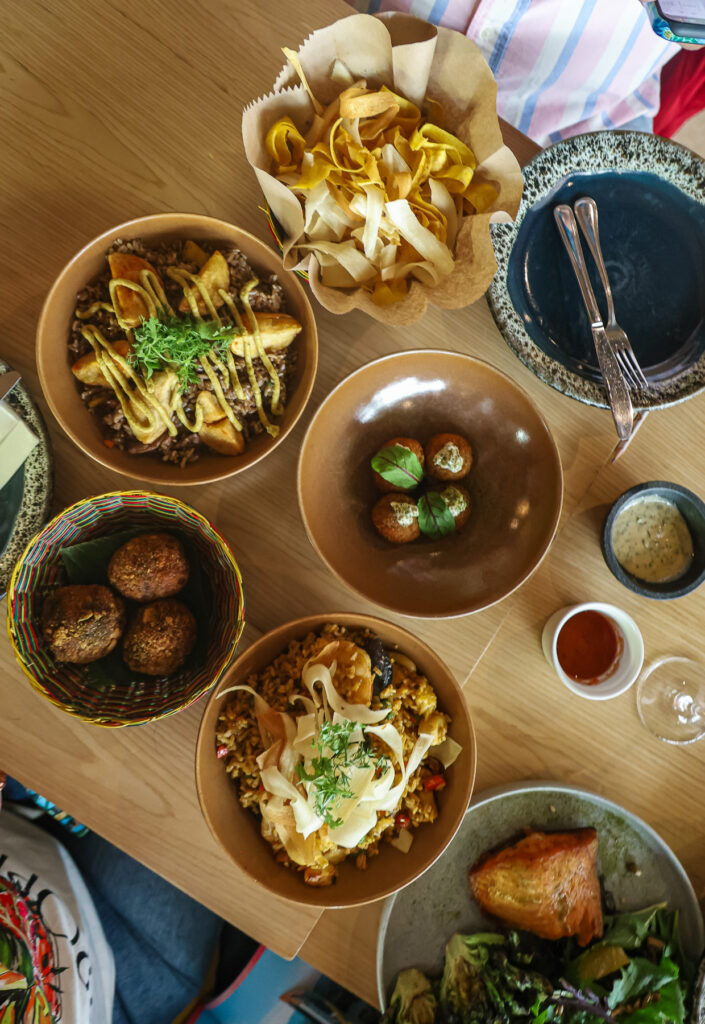

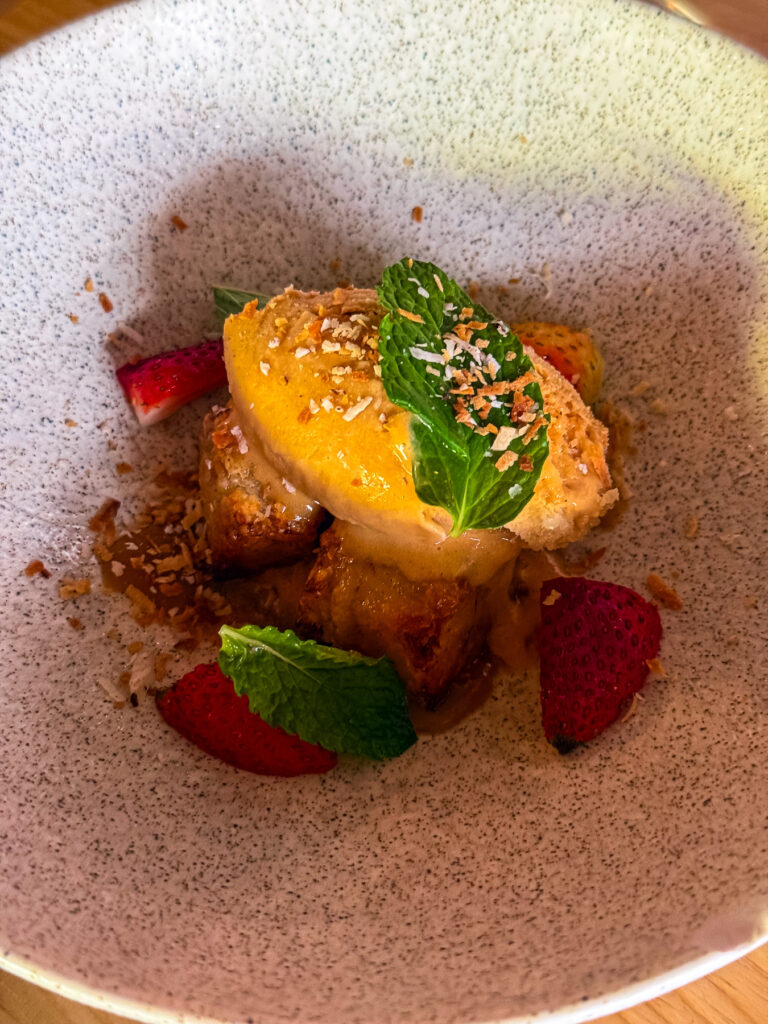
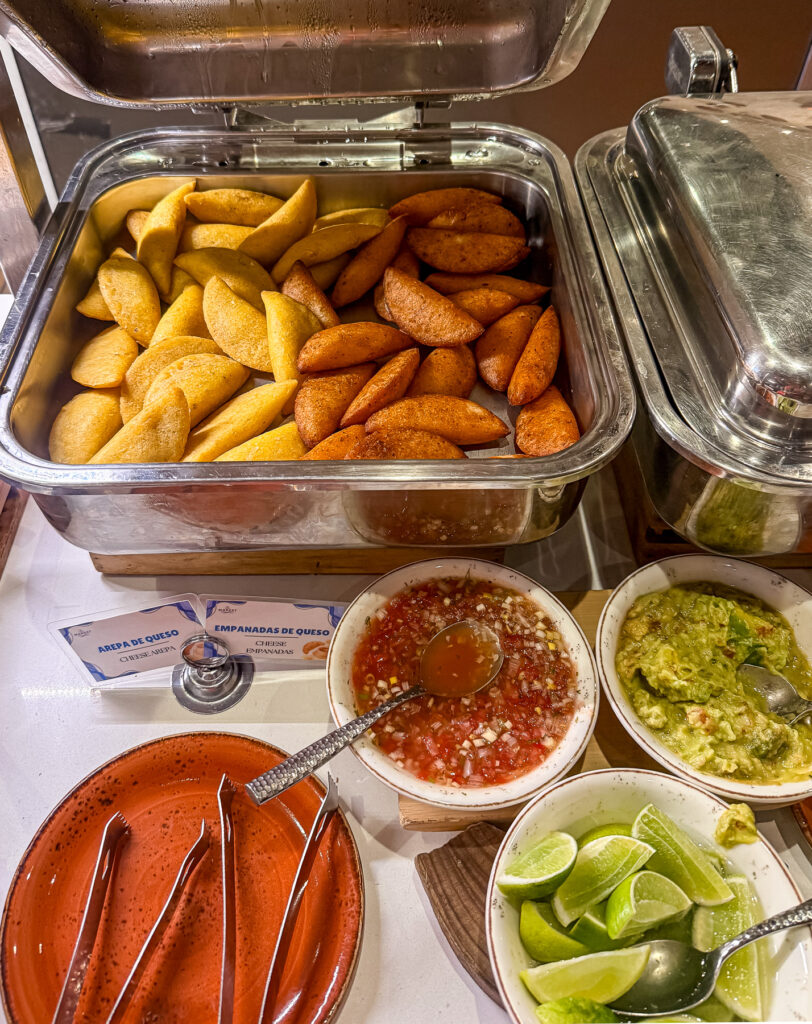
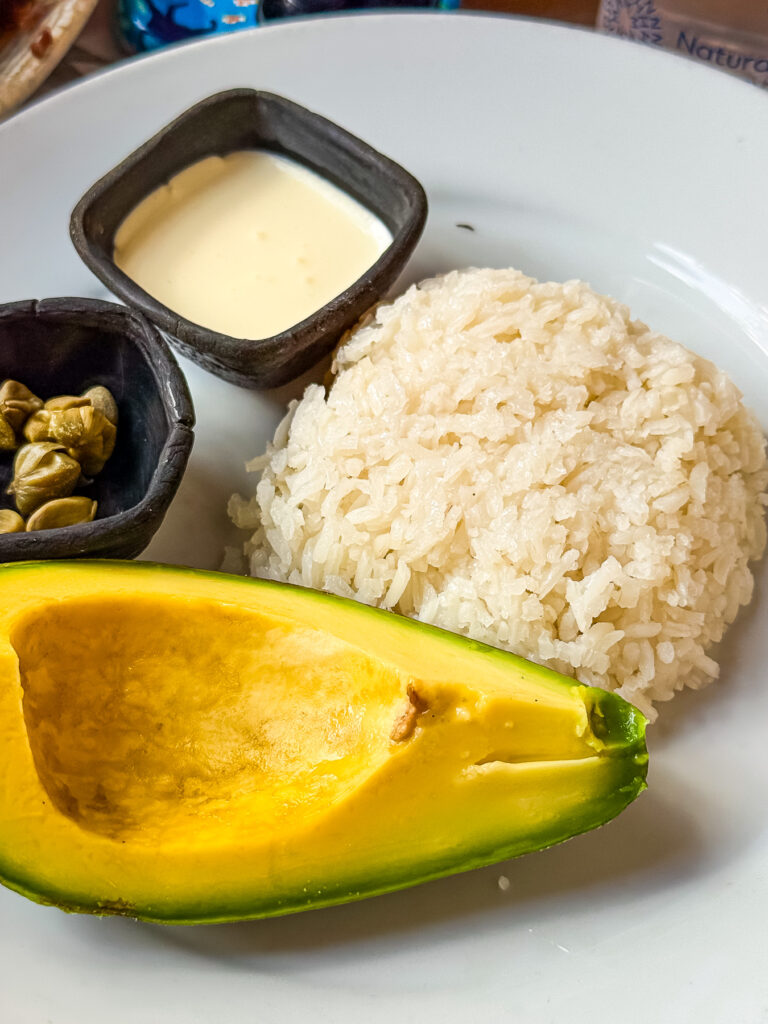
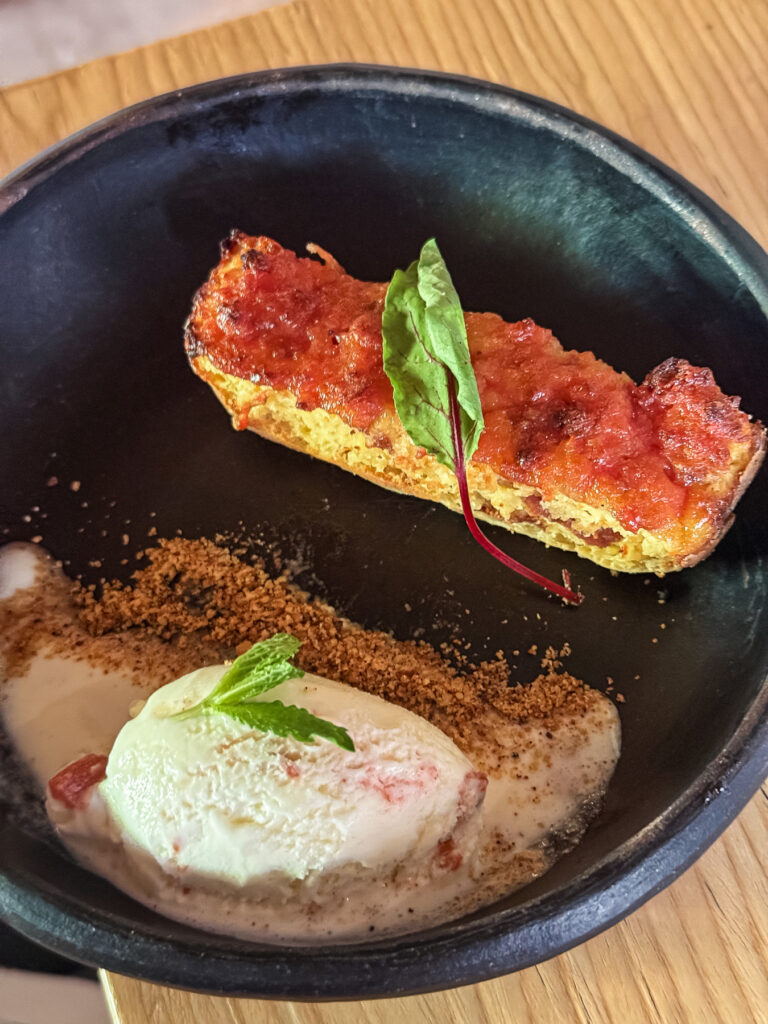
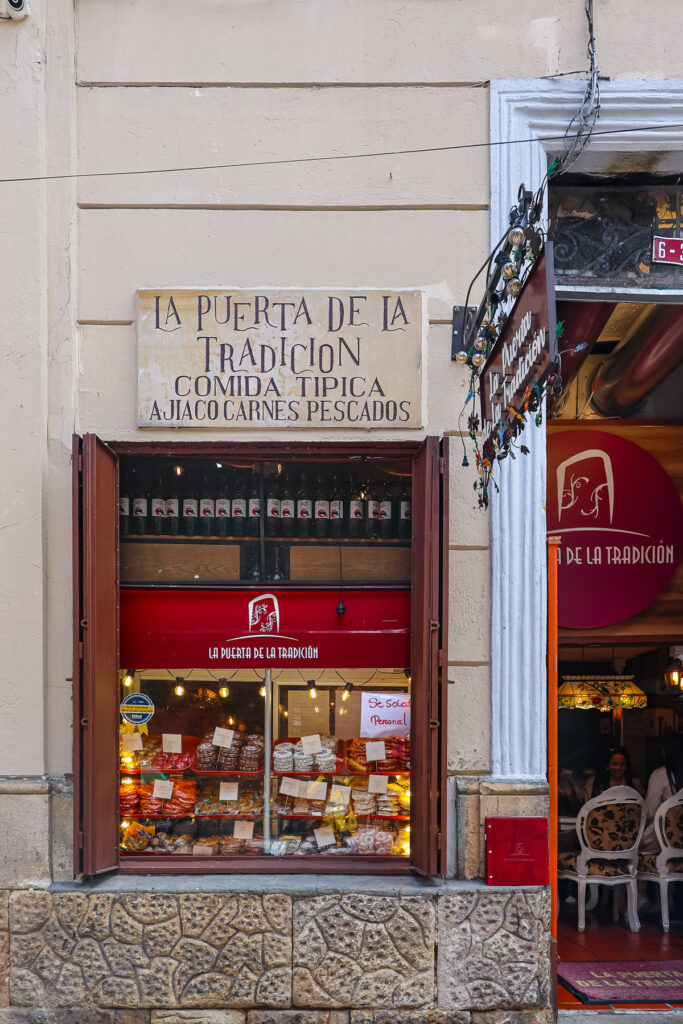
Dishes not to miss include Ceviche, Bandeja Paisa, Empanadas, Ajiaco soup, Chocolate con queso, Arepas with various toppings/fillings, and Patacones.
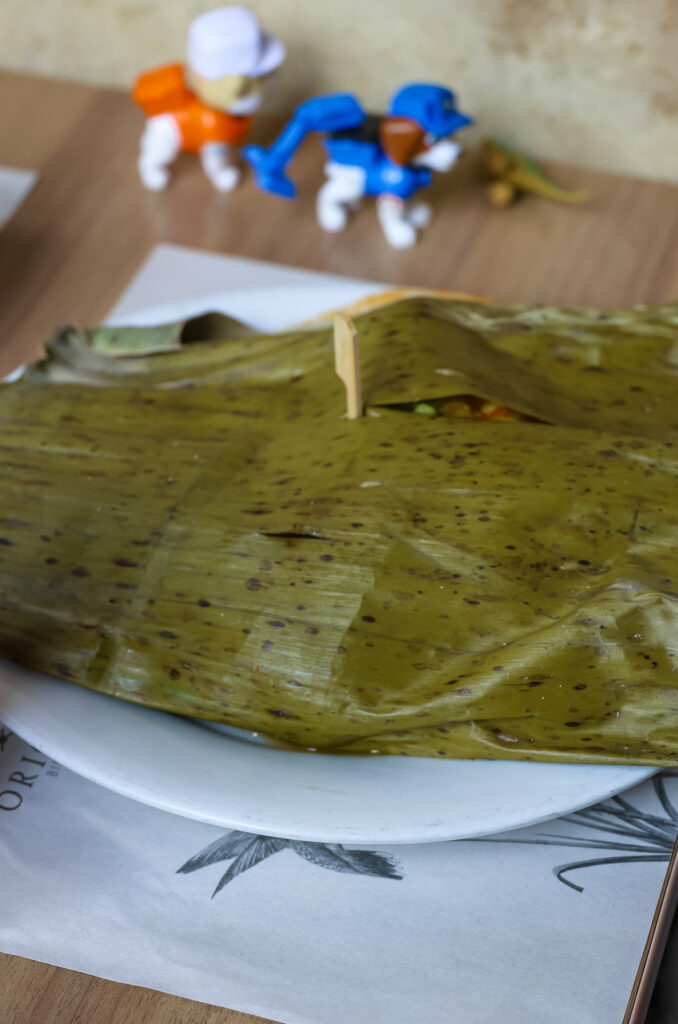
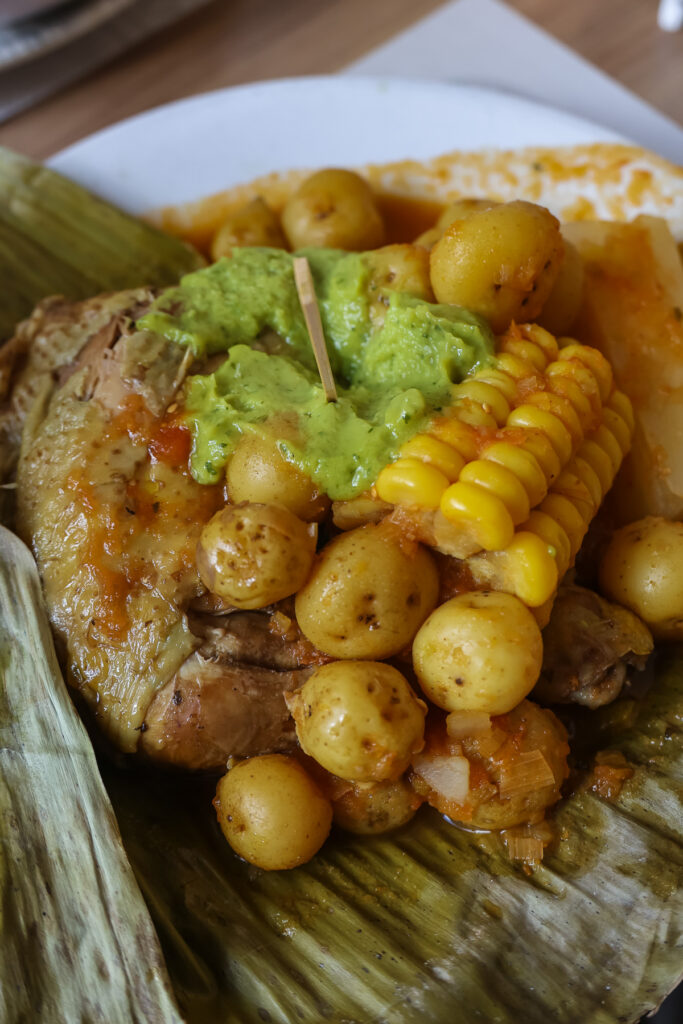
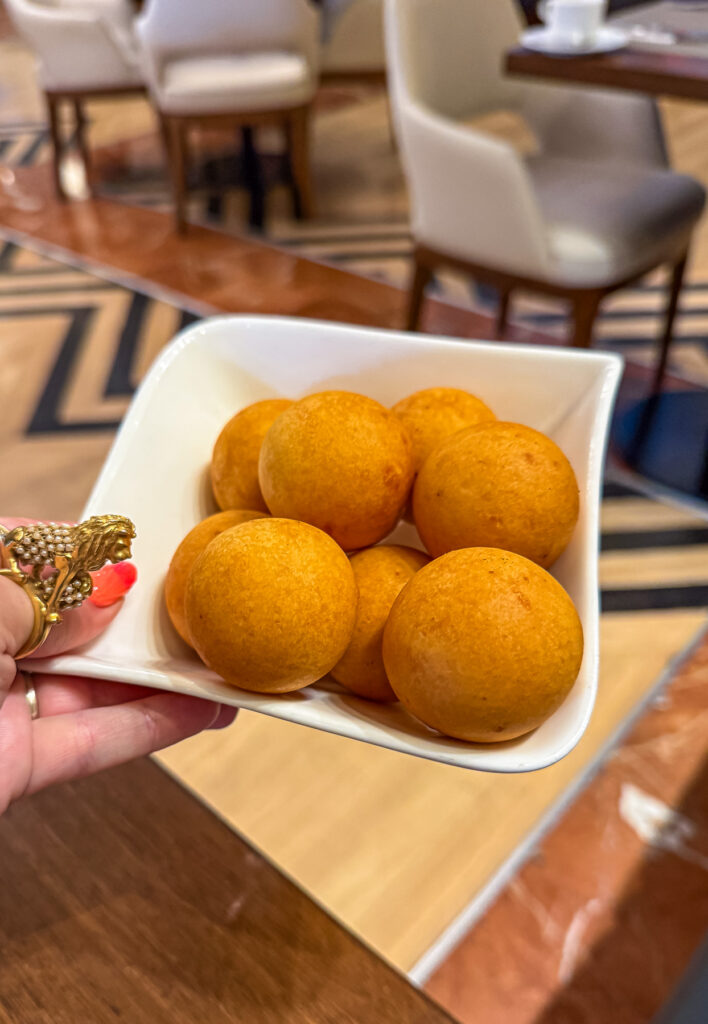
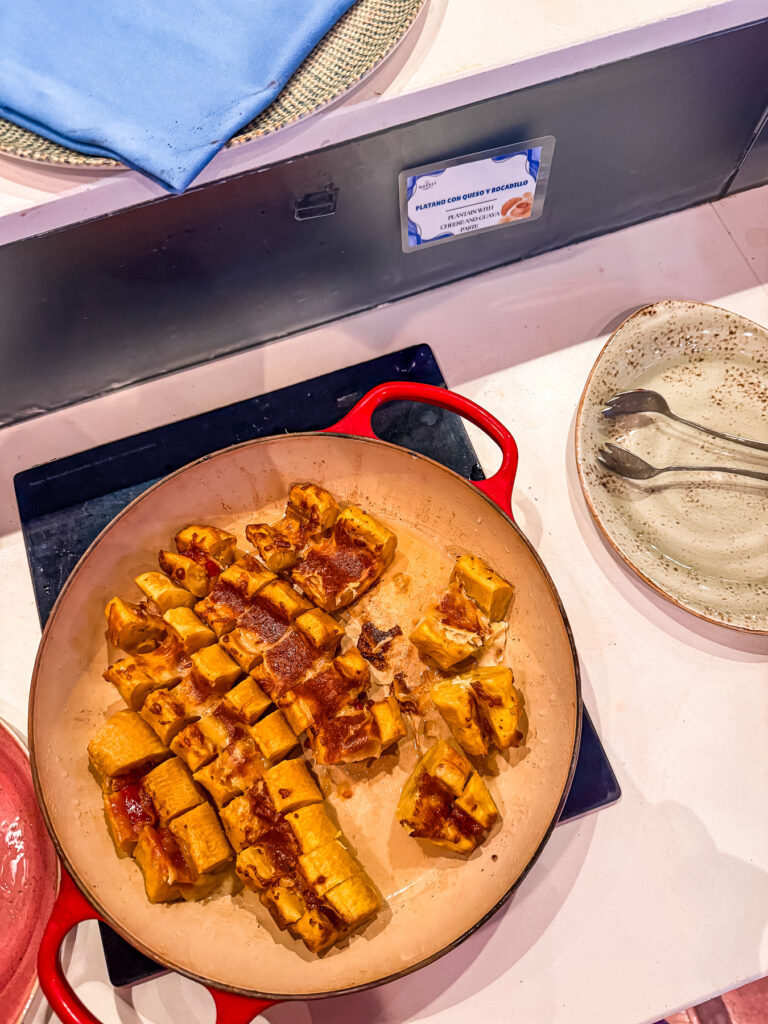
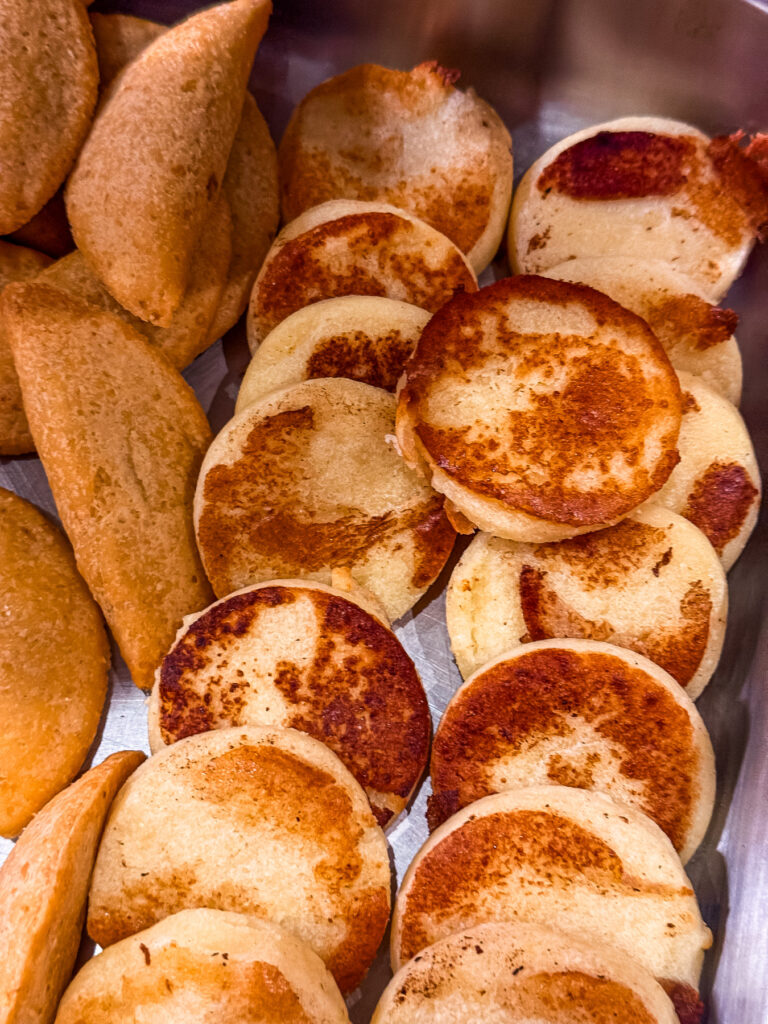
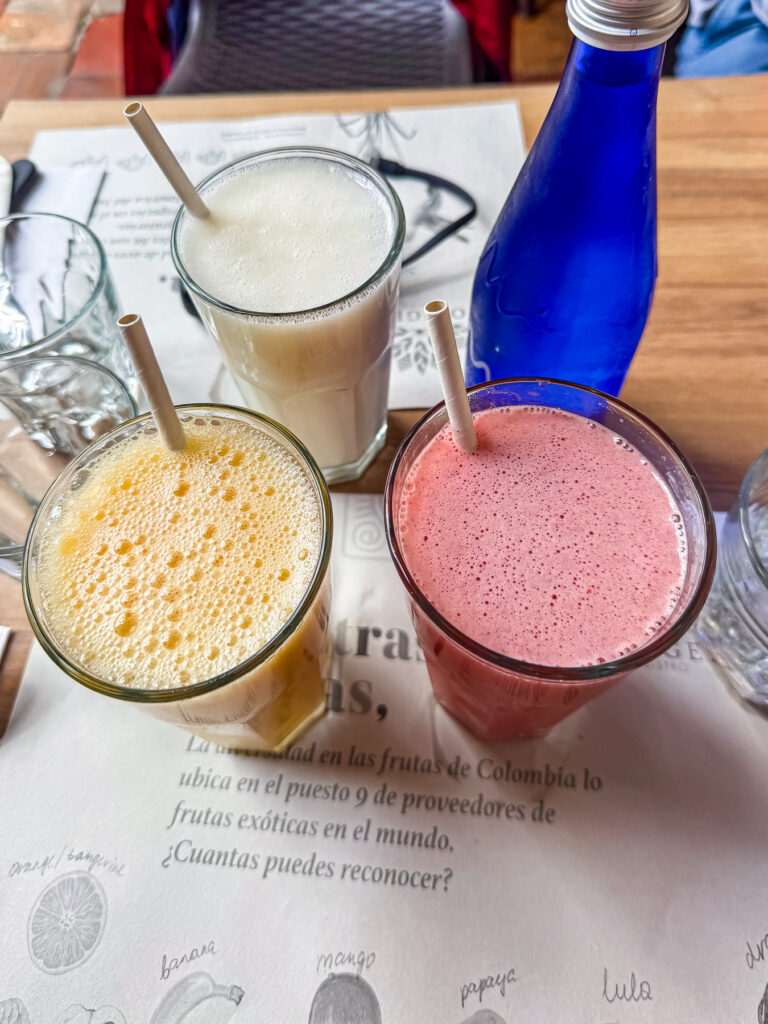
Don’t miss Colombian coffee and Colombian chocolate too – and fresh local fruits are amazing, of course!
Where to stay? JW Marriott
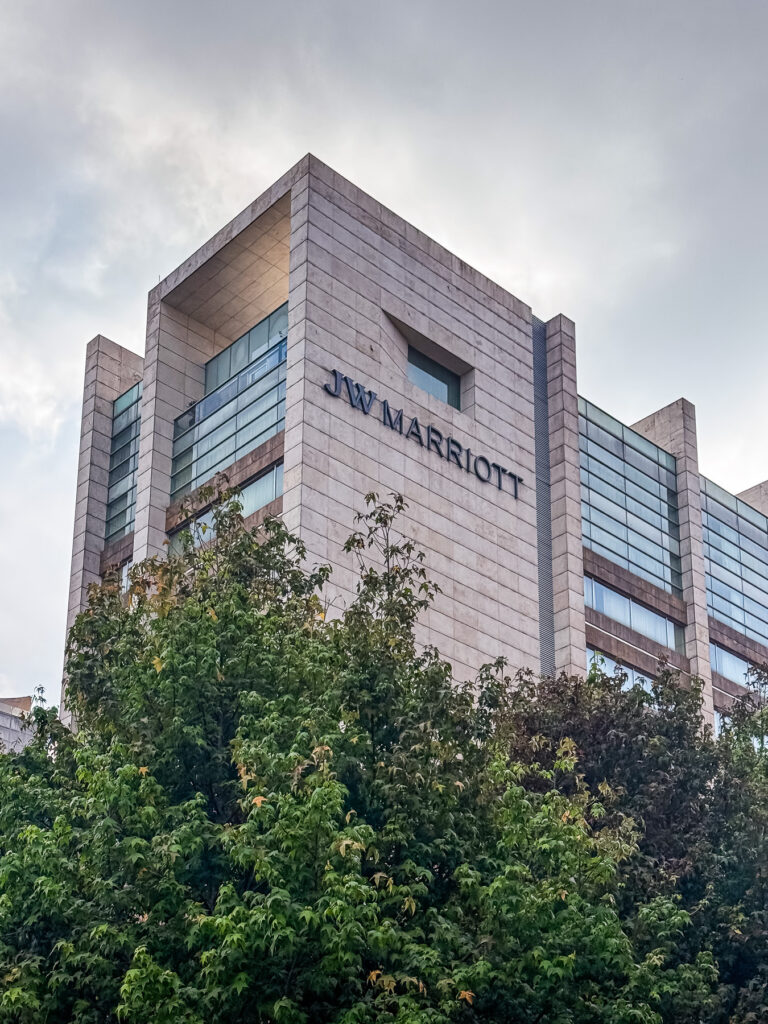
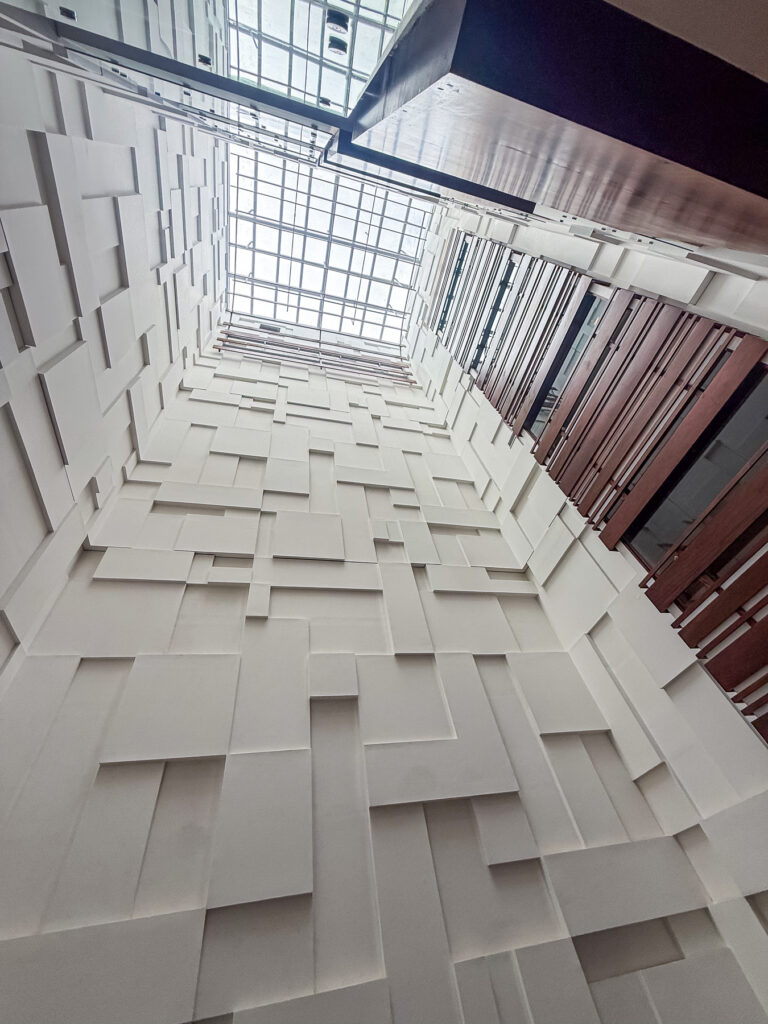
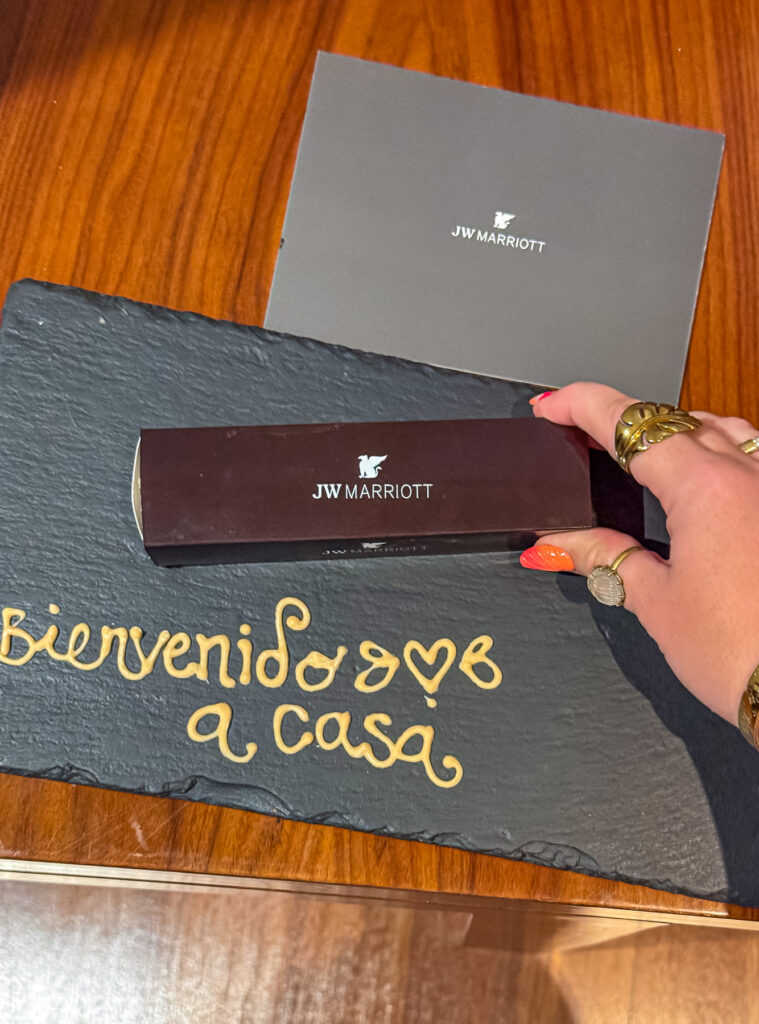
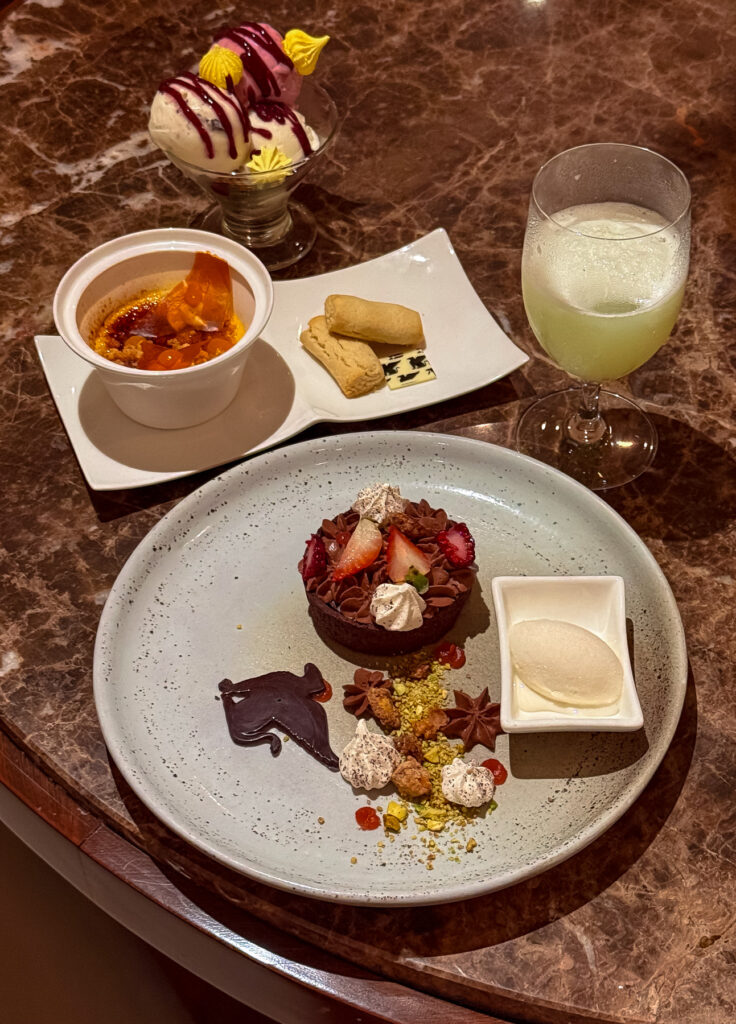
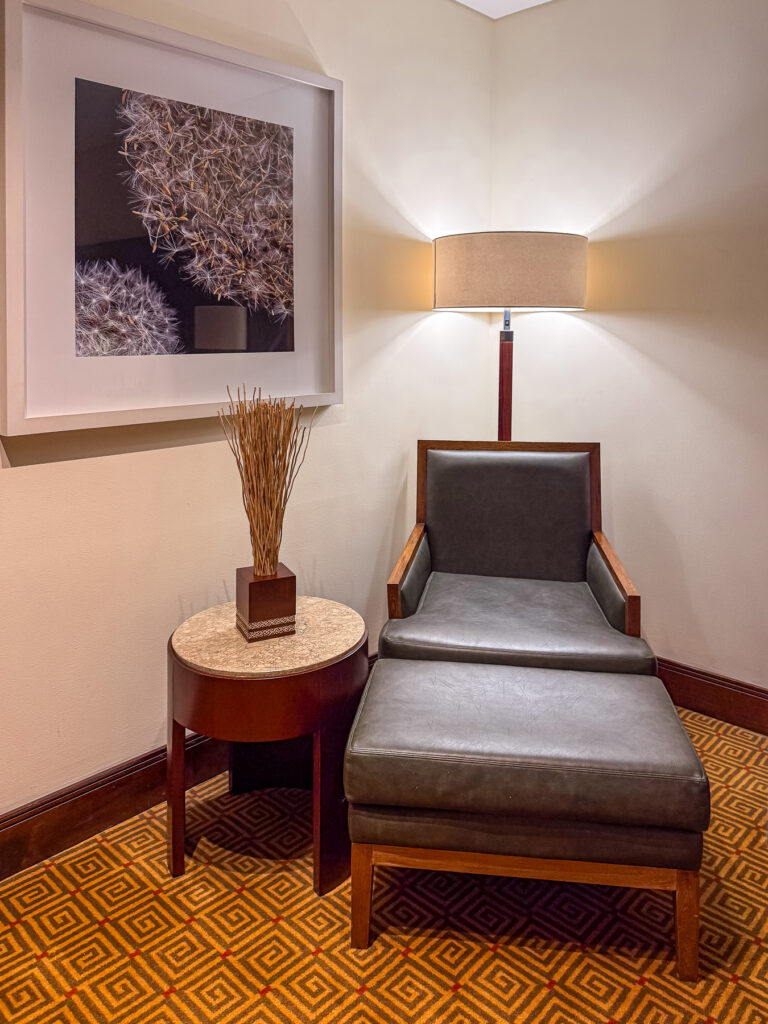
We stayed at the JW Marriott in the north of the city, and overall our stay was pretty good.
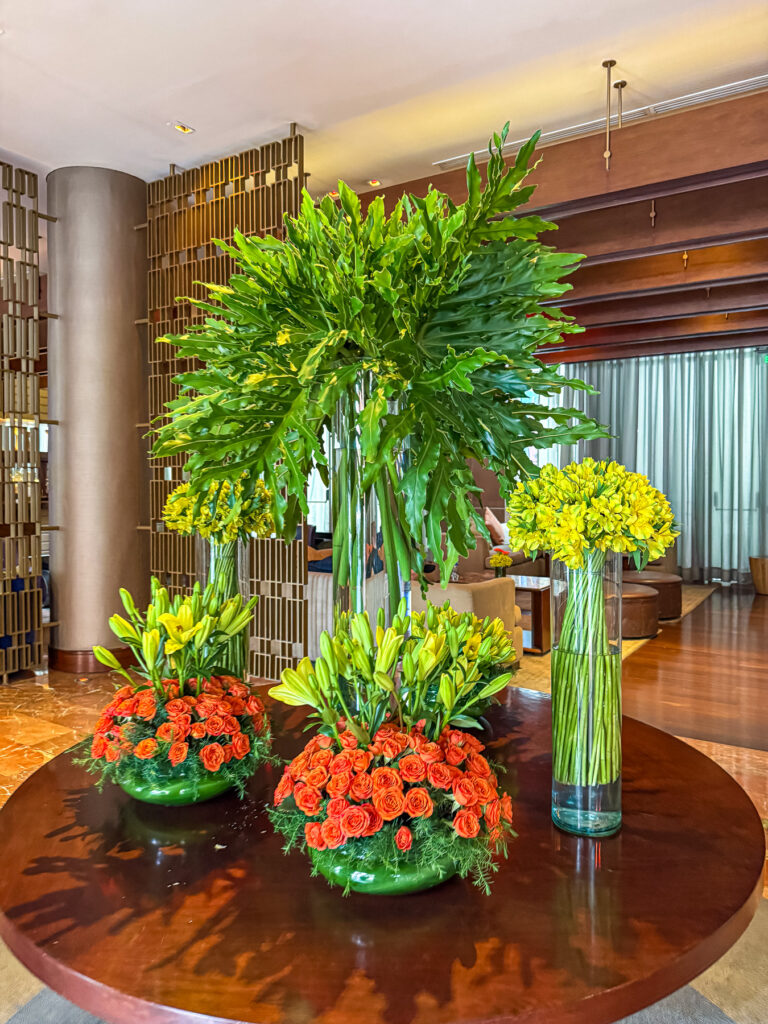
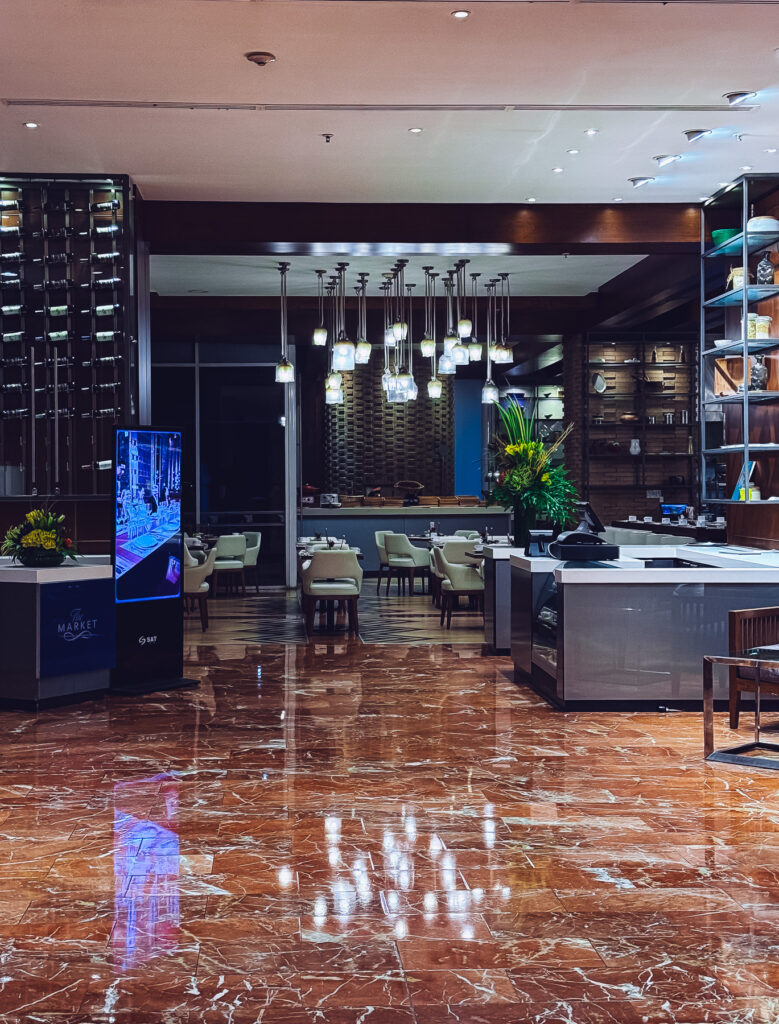
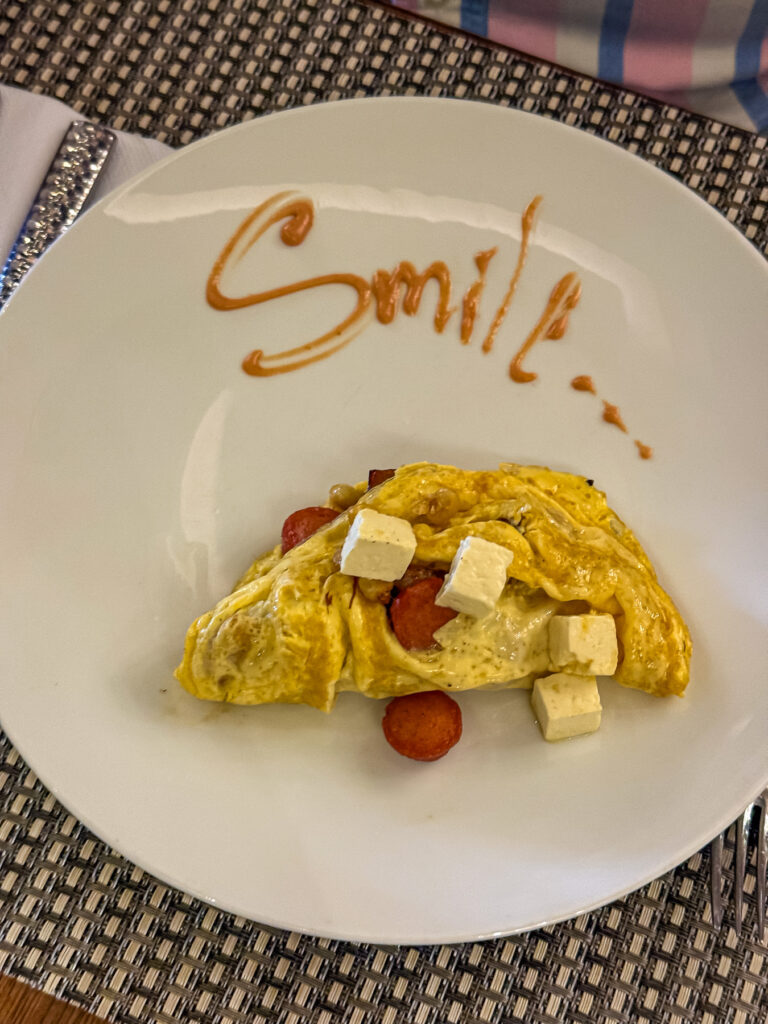
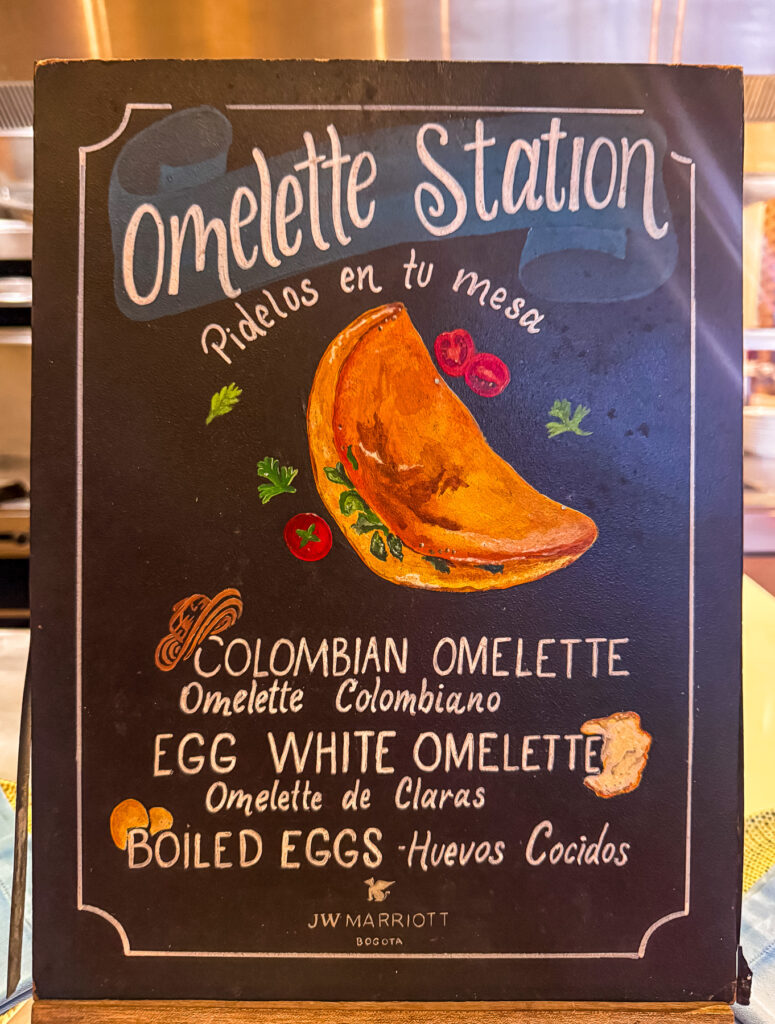
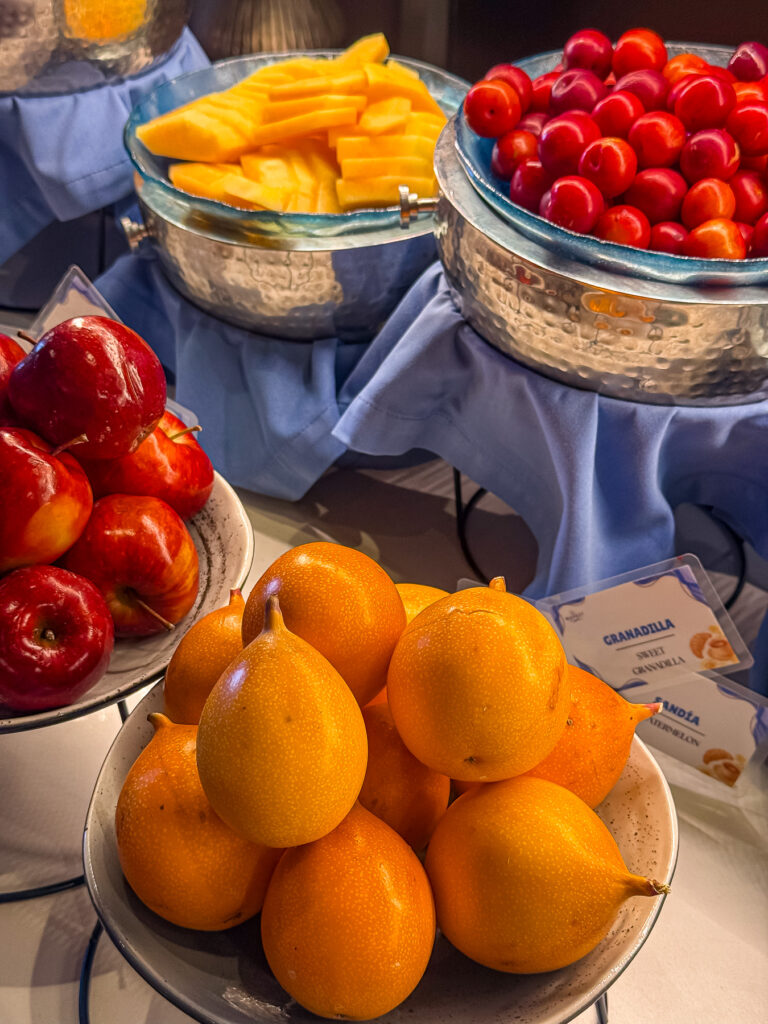
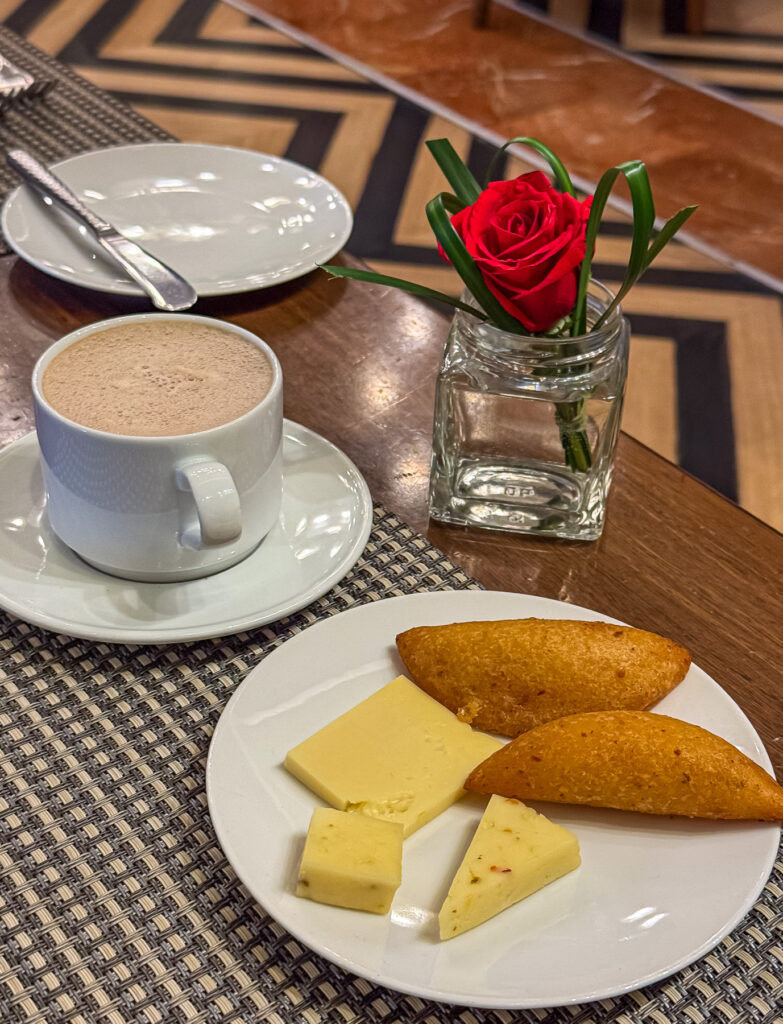
The staff was friendly, and the breakfasts had a good representation of local cuisine: fried plantains, empanadas, arepas, local fruits, Colombian omelet with corn, plantain, sausage, and cheese; hot chocolate with cheese – a traditional breakfast dish – and so on.
The room felt a bit tired, but since we didn’t spend much time in the hotel, it didn’t bother us at all.

Click to read more about South America.
Hope you enjoyed my new article!
Best,
Anna xxx