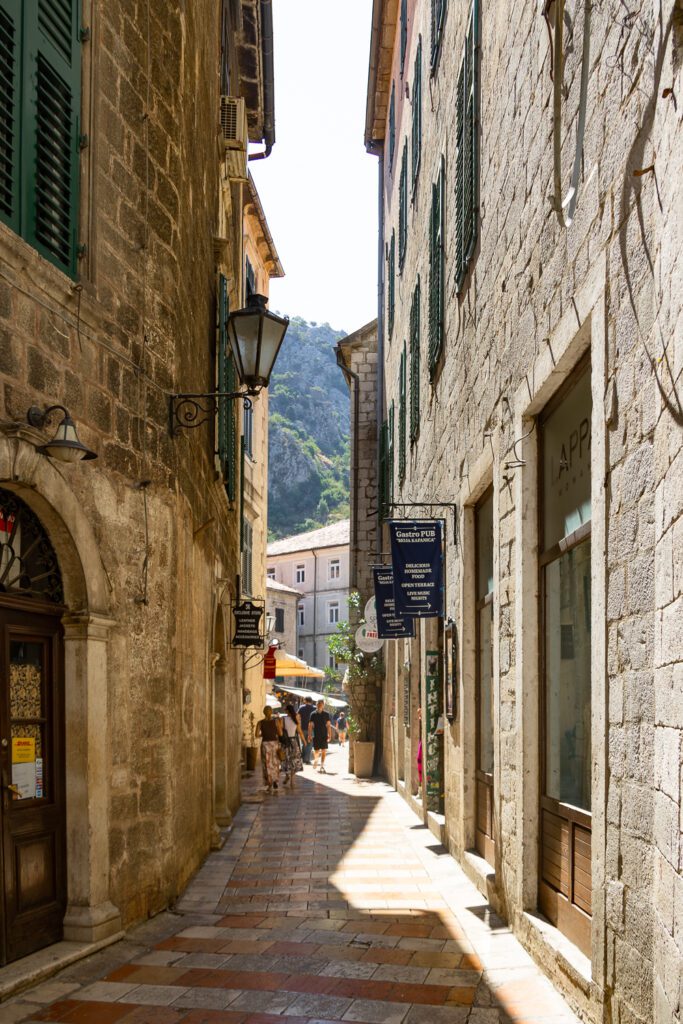
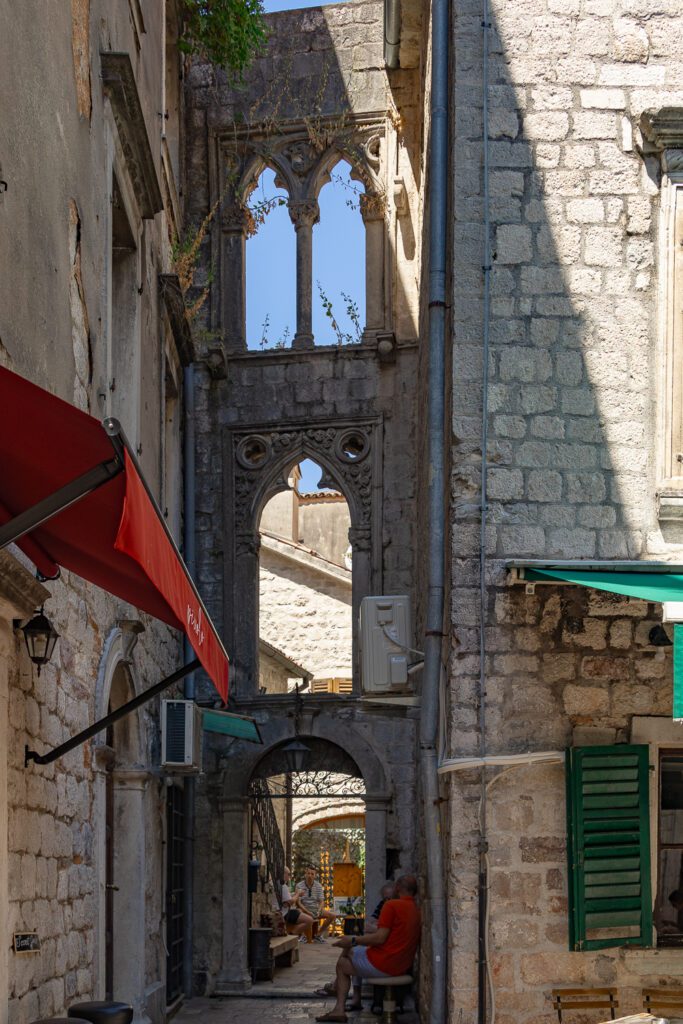
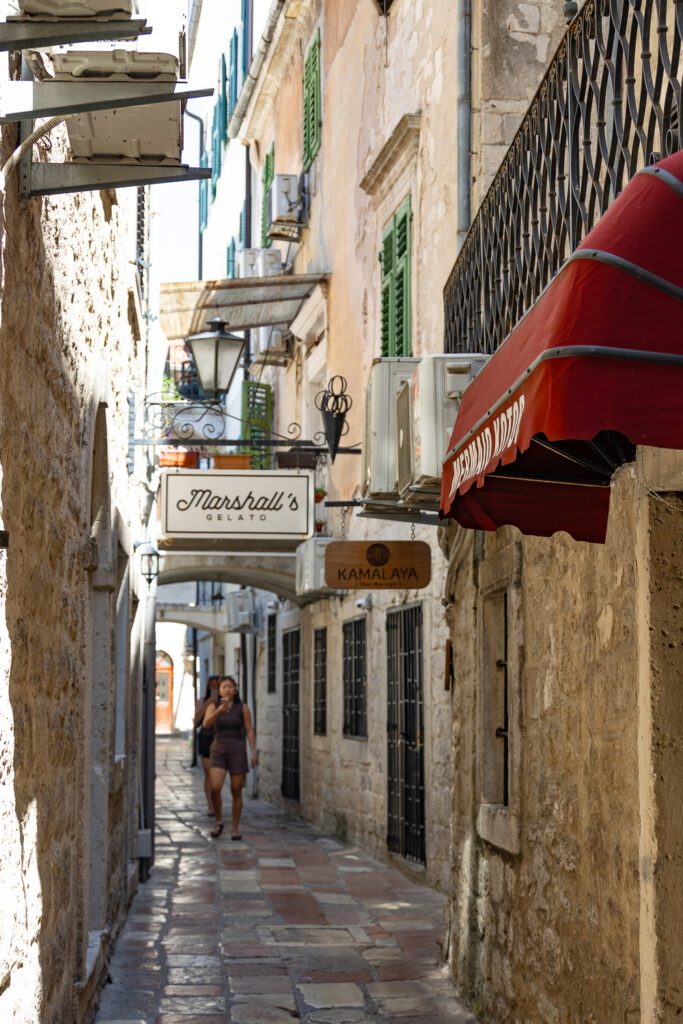
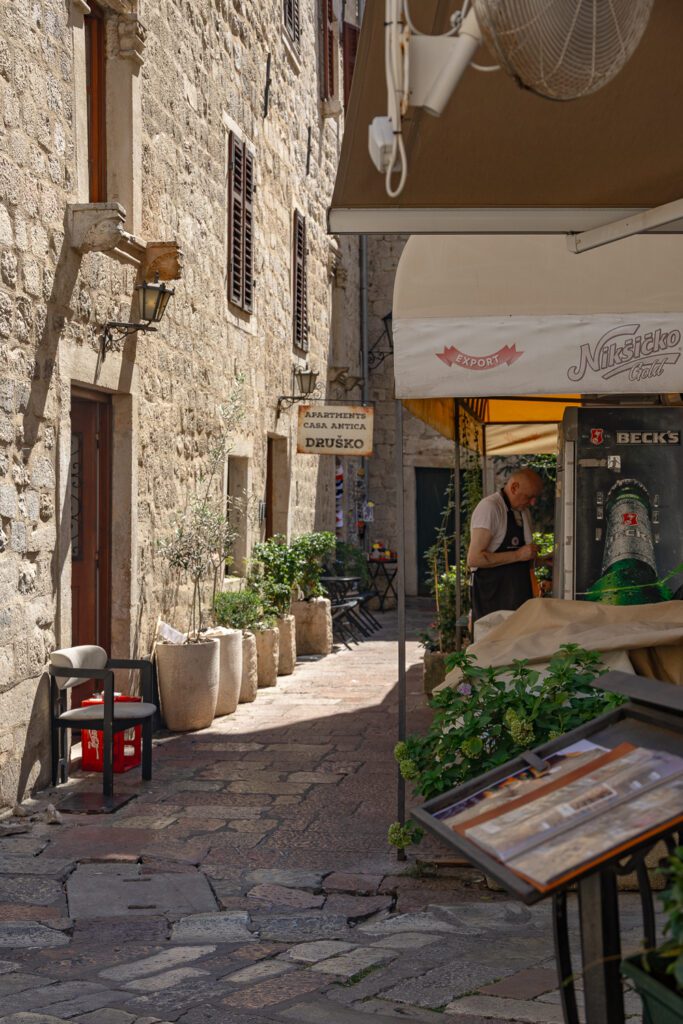
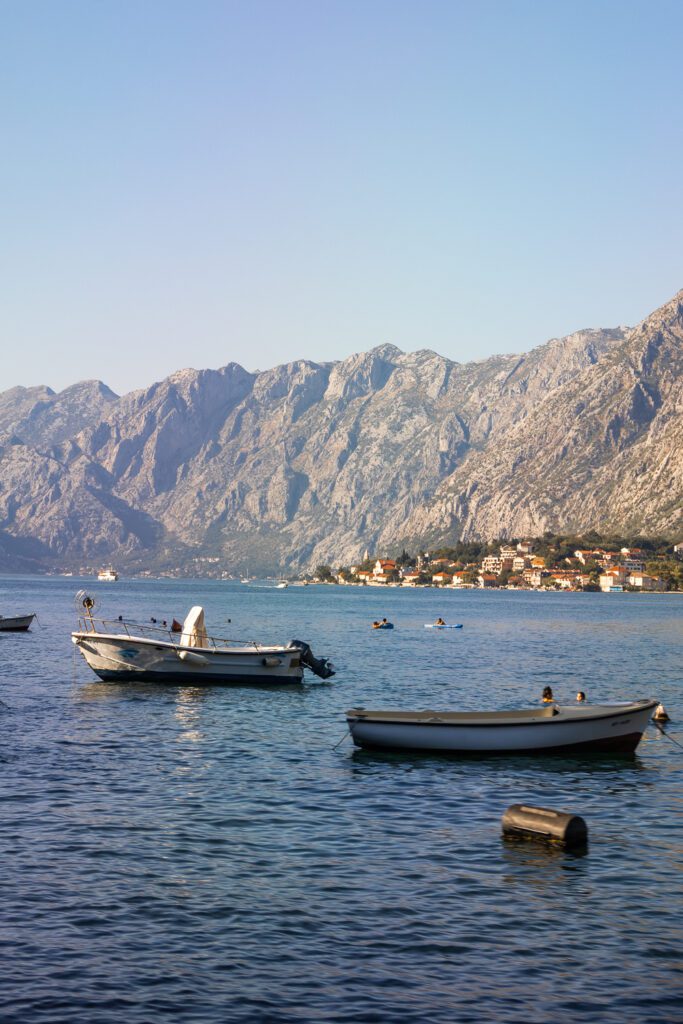
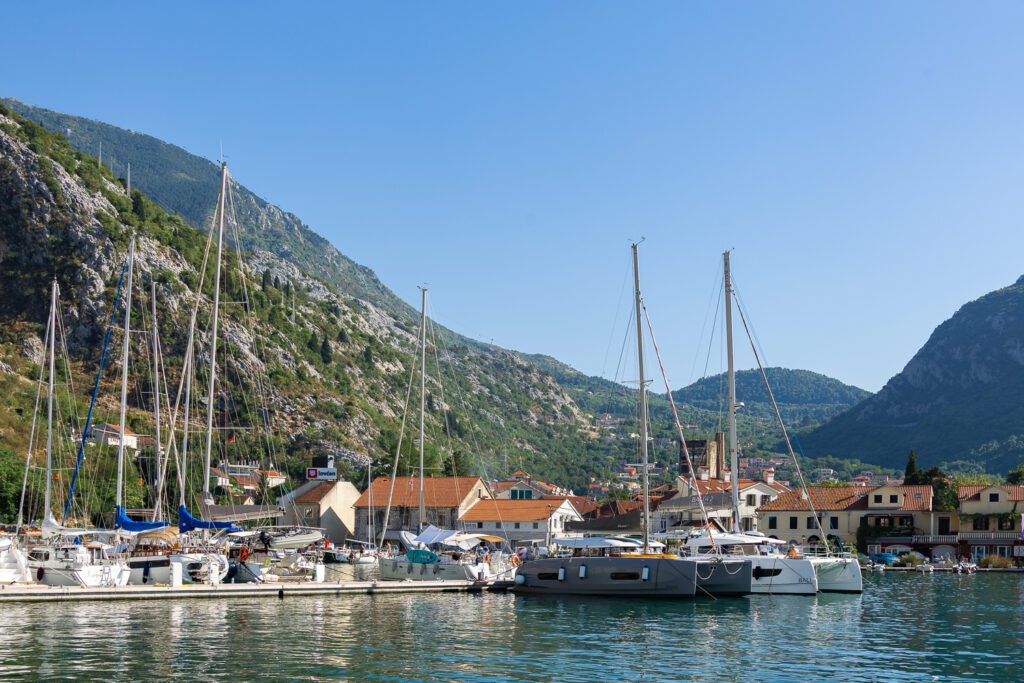
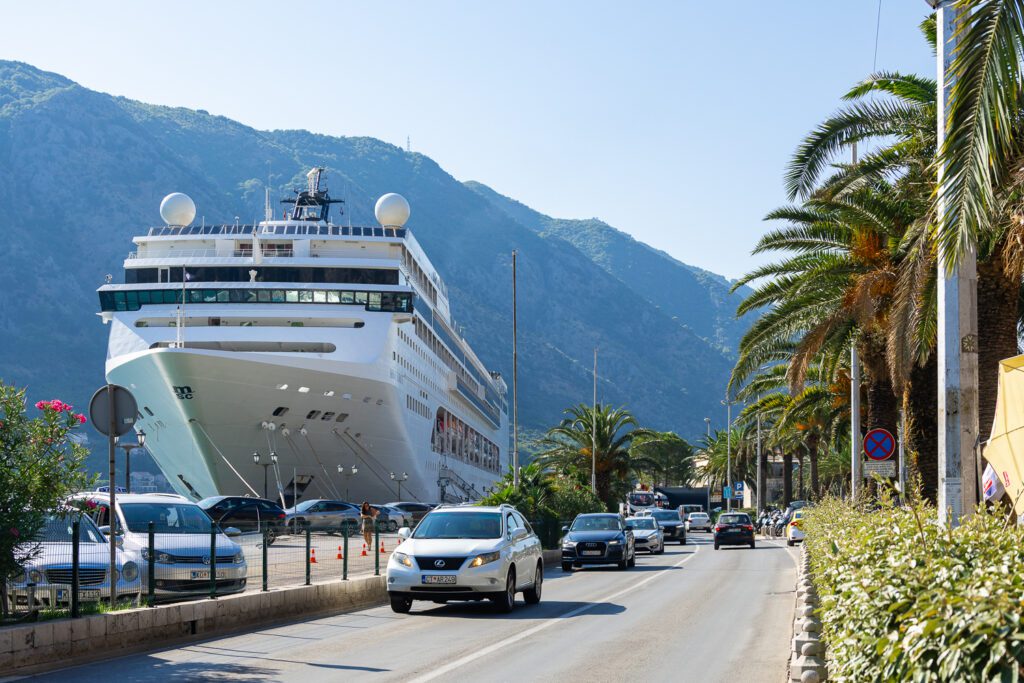
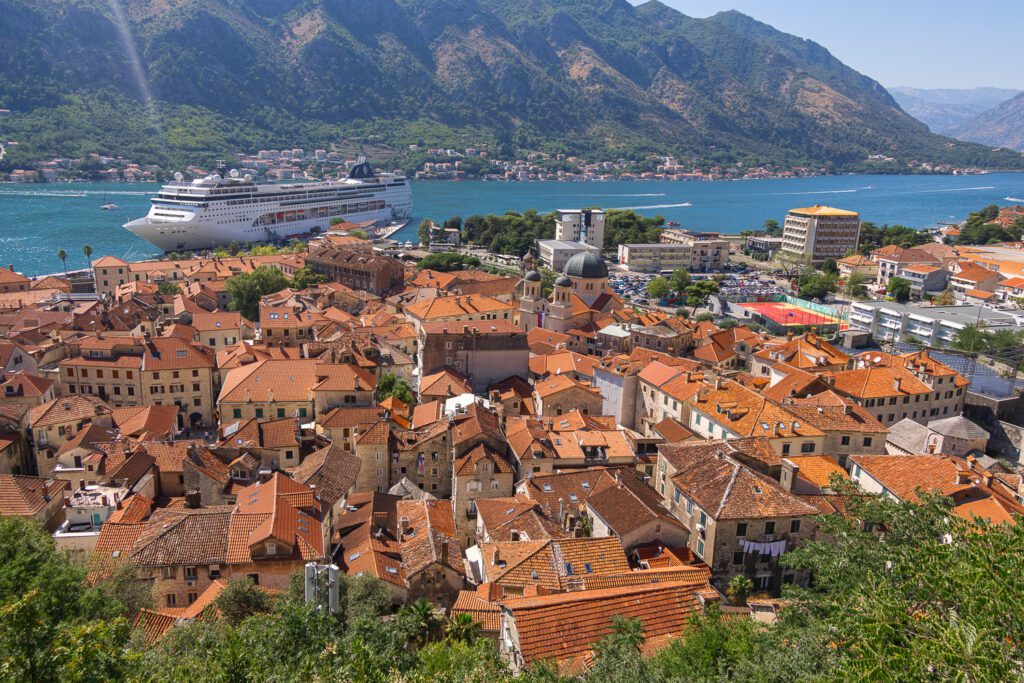
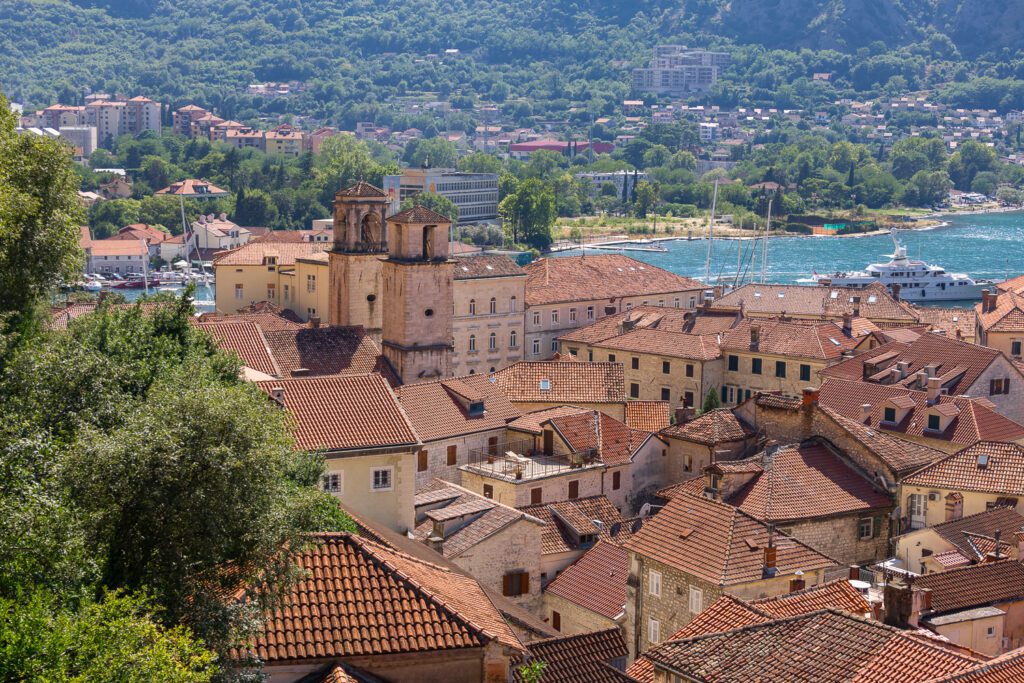
Kotor is a lovely ancient city on the Bay of Kotor, and a tourist magnet for those who explore Montenegro. Many visitors arrive by cruise ship, which is why this city of tiny alleys can feel so crowded with large groups but good news are that they don’t stay long there.
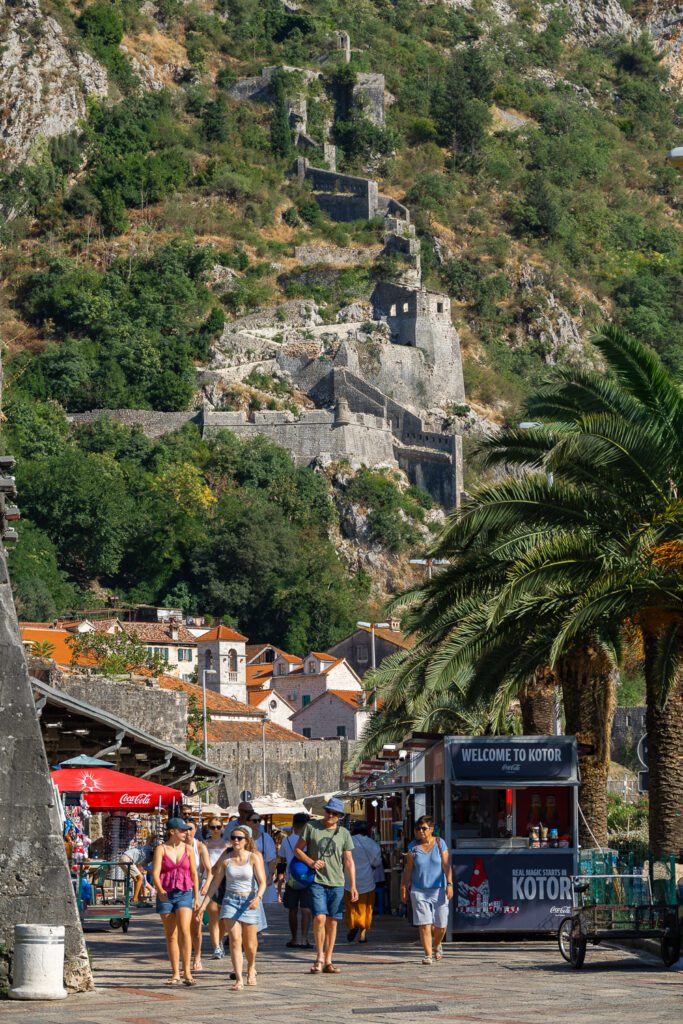
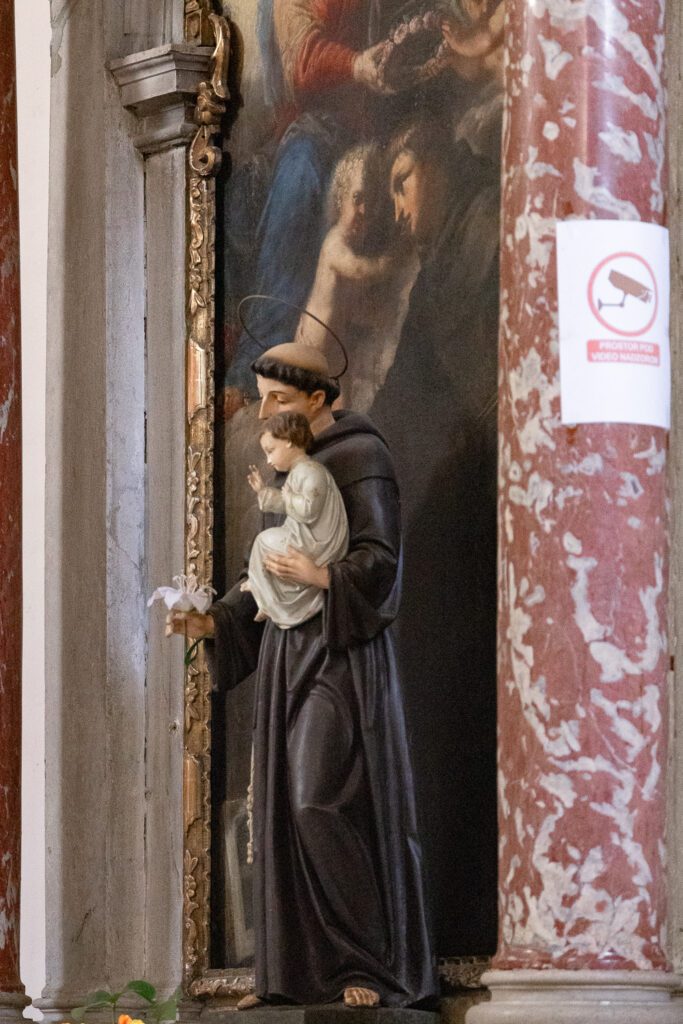
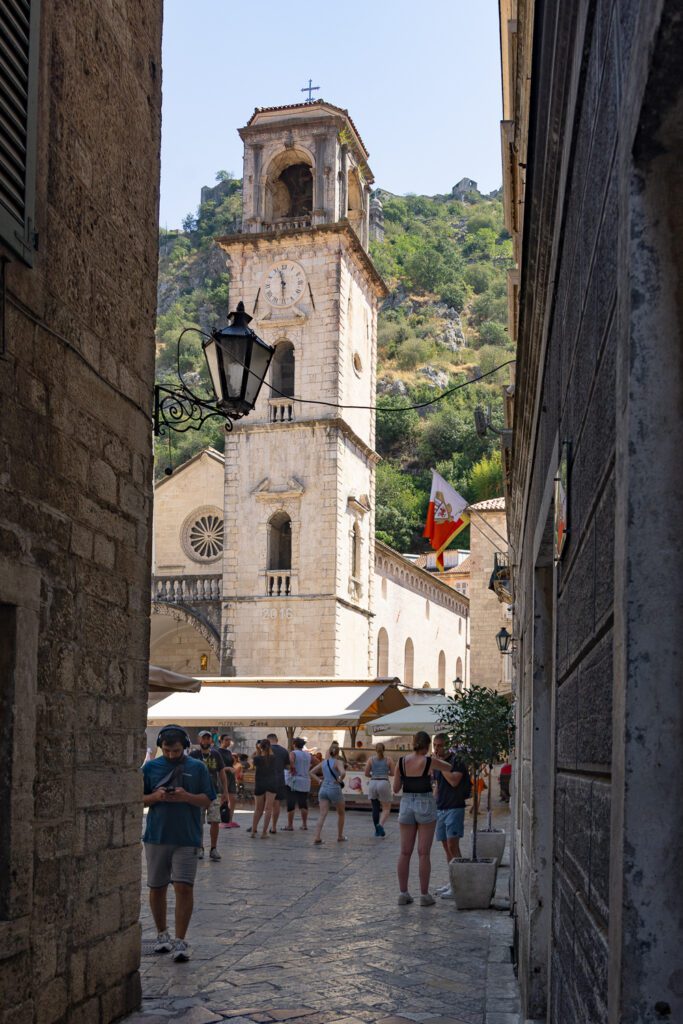
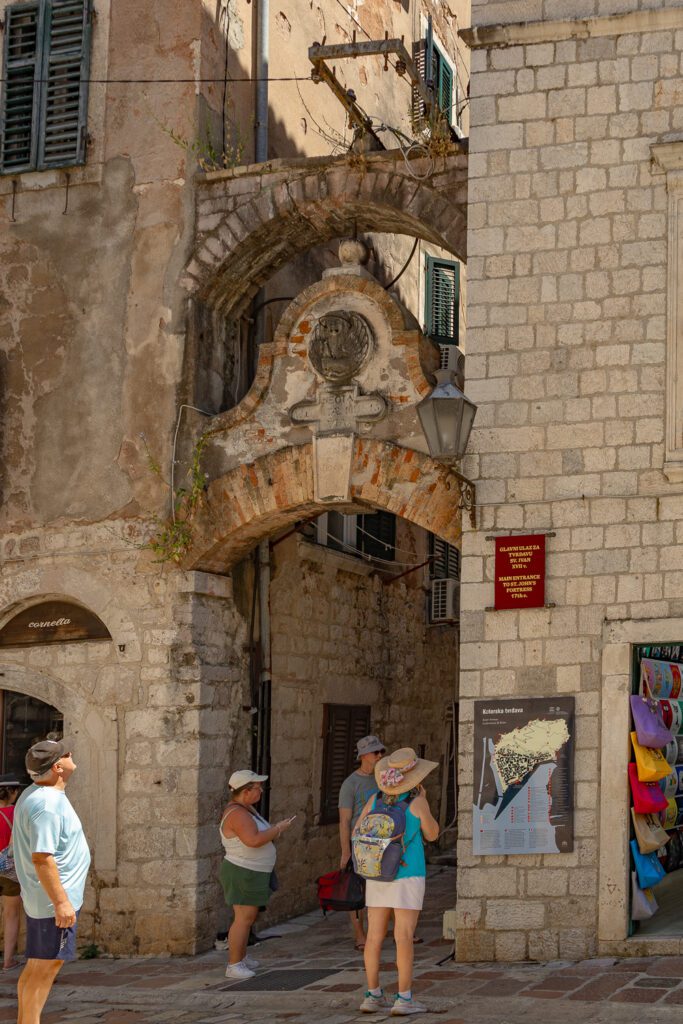

August is the peak season for seaside tourism, so expect the narrow streets to be busy is you’re visit in the end of summer – other months should be less busy!
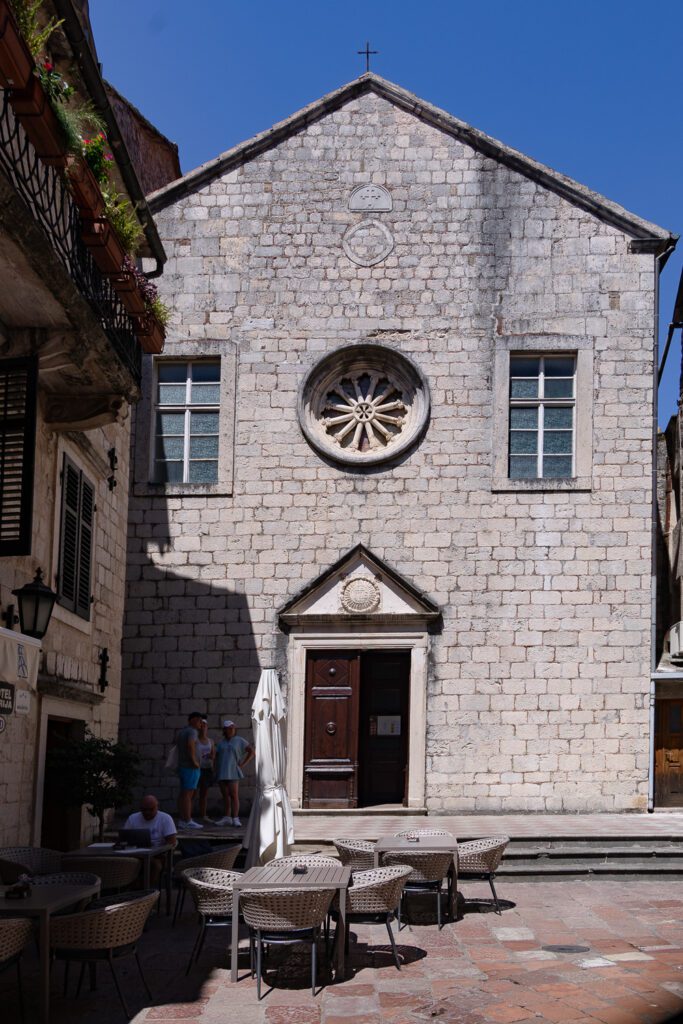
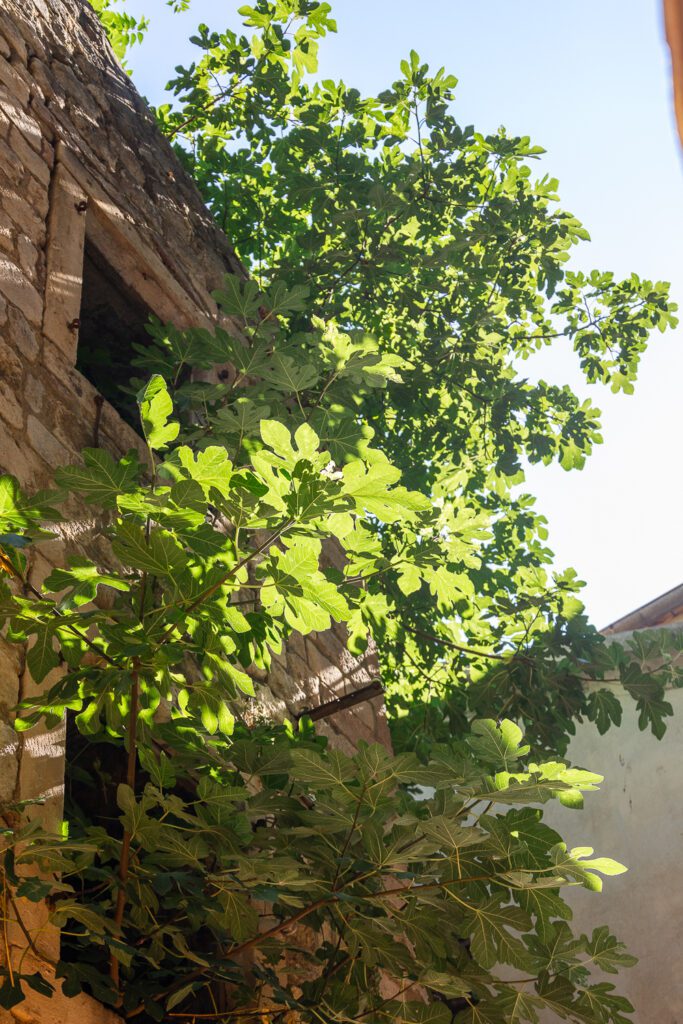
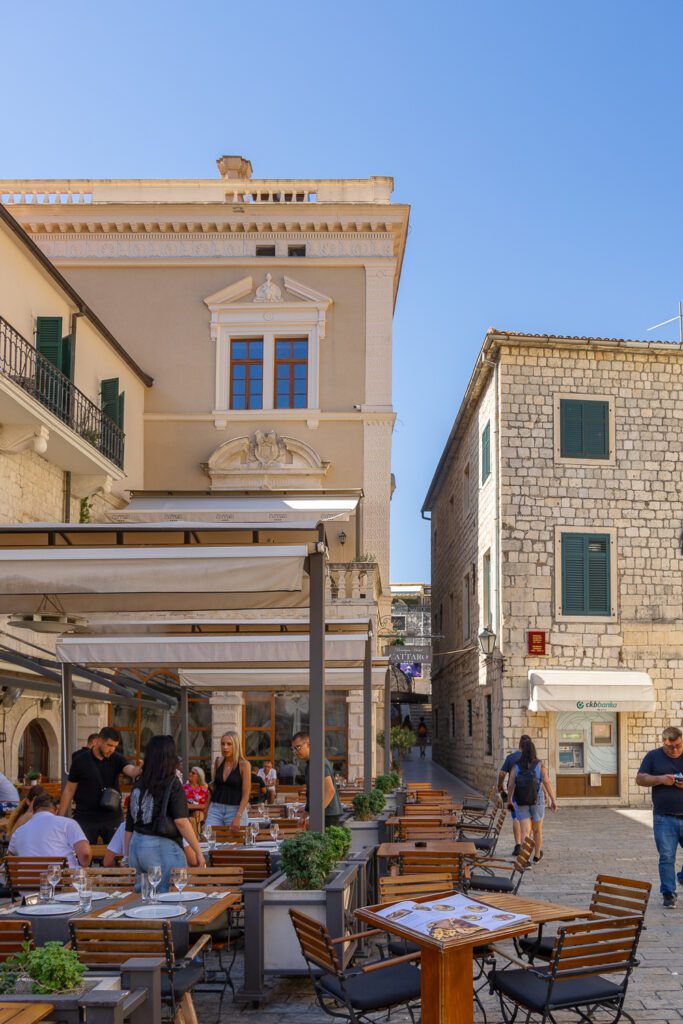
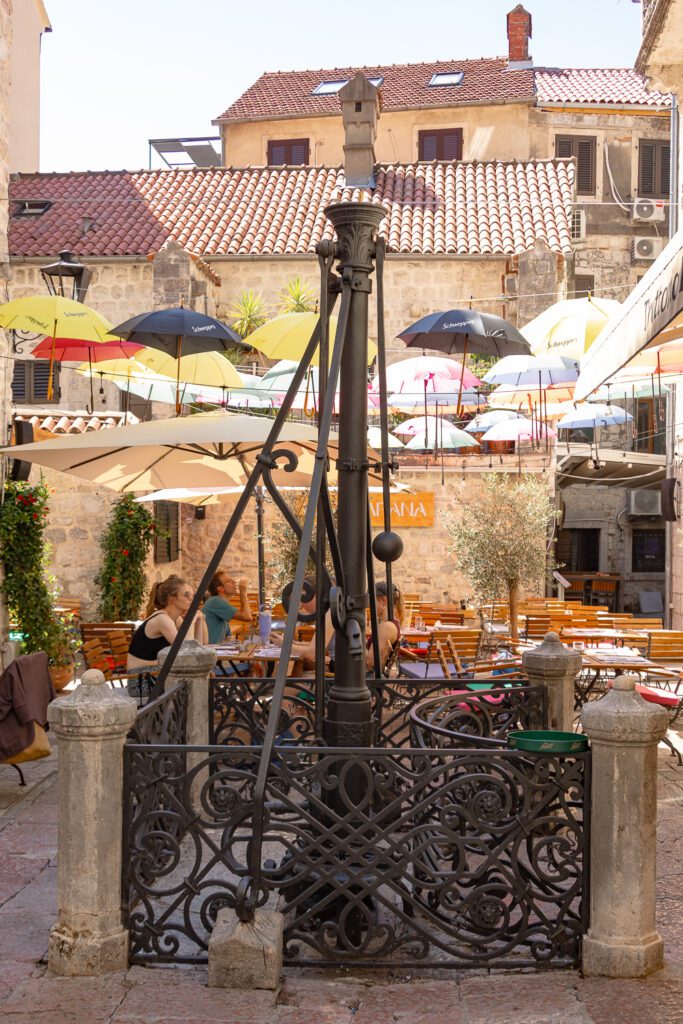
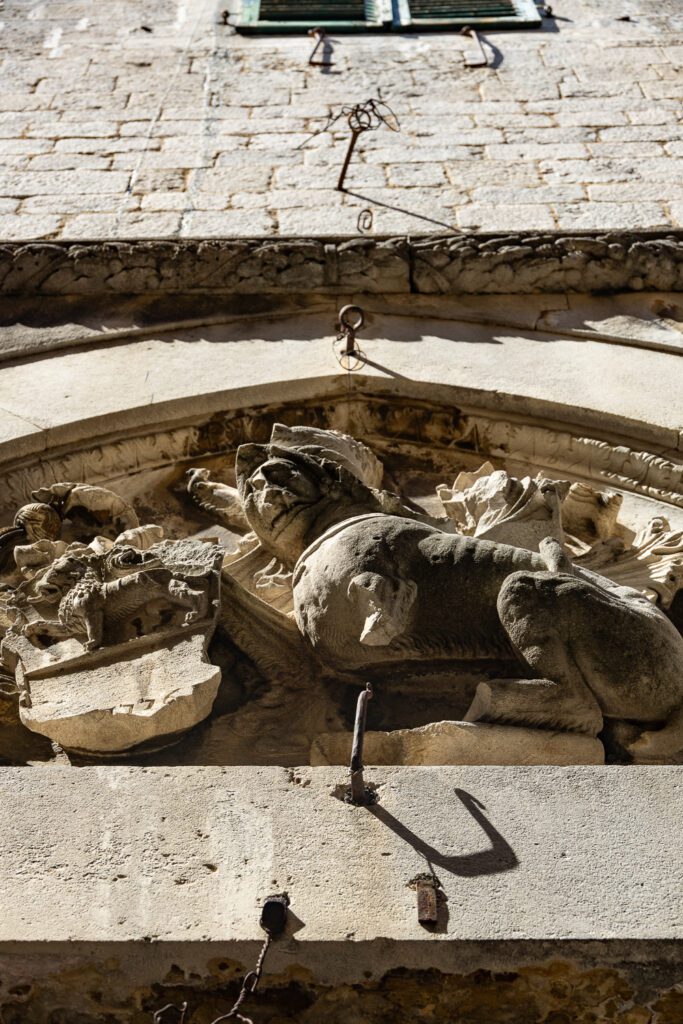
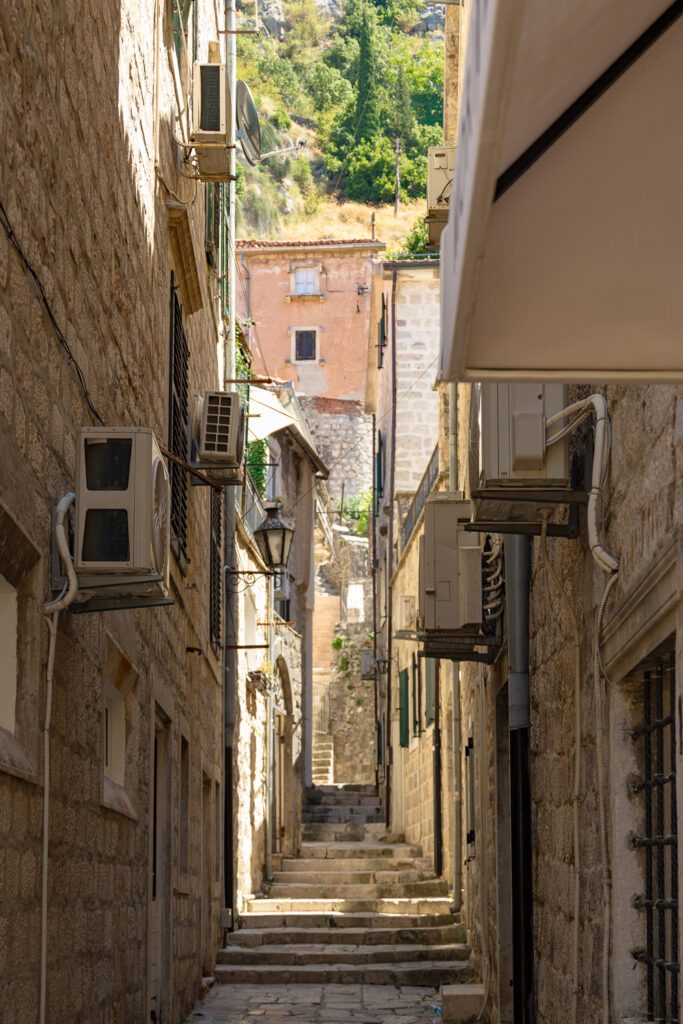
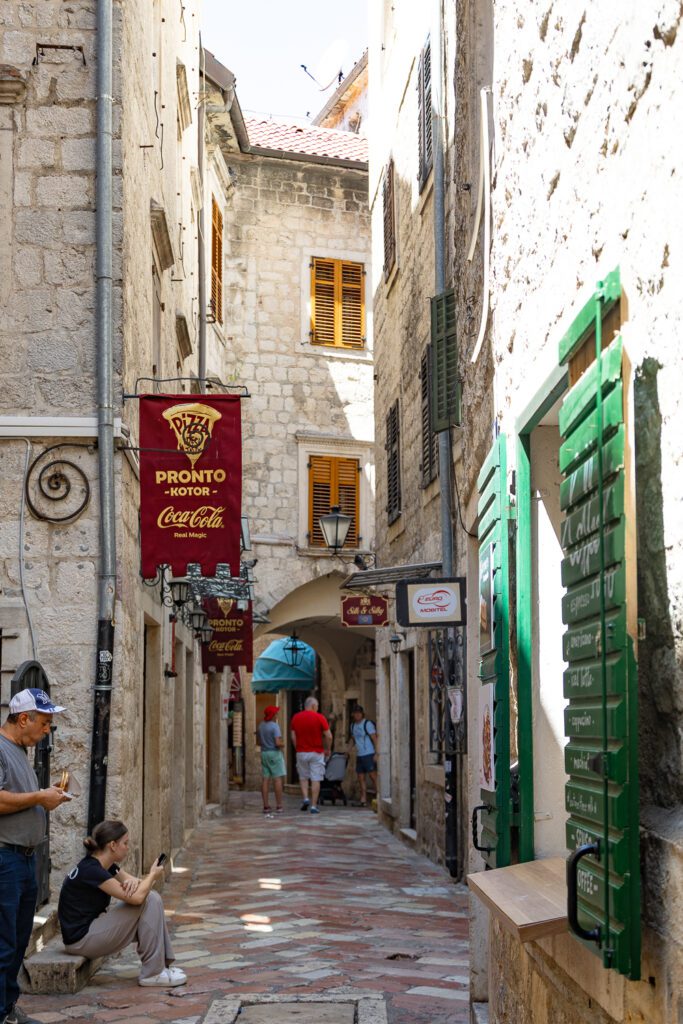
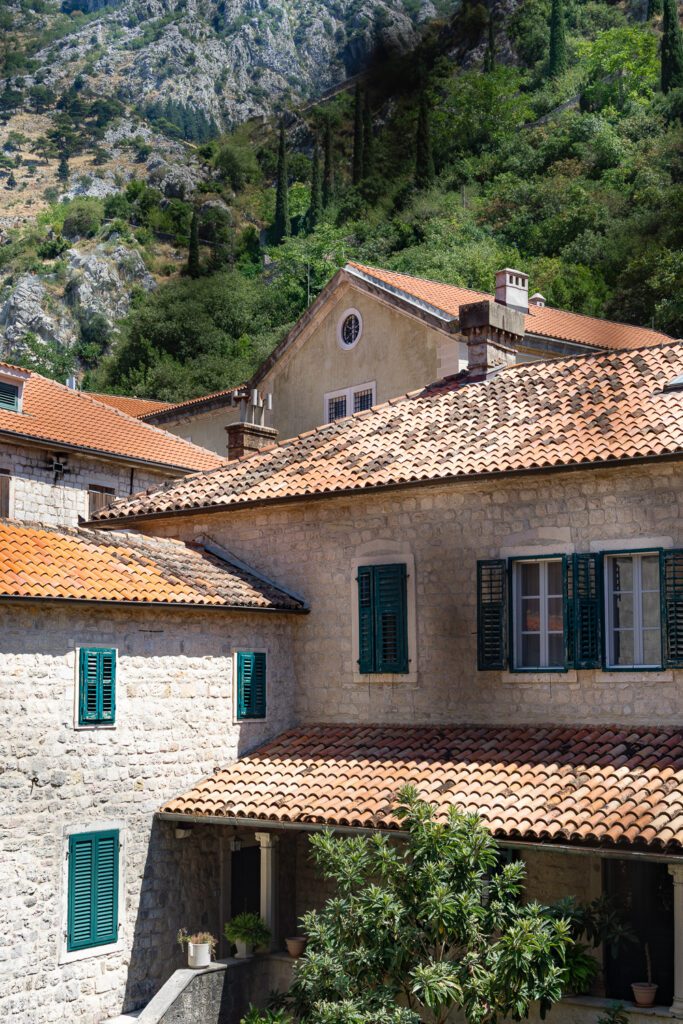
Kotor is a place you can explore in a couple of hours or linger in for days – the choice is yours. Beyond the main landmarks, there are numerous beautiful palaces and large manor houses built for the noble, wealthy, and influential families of the area.
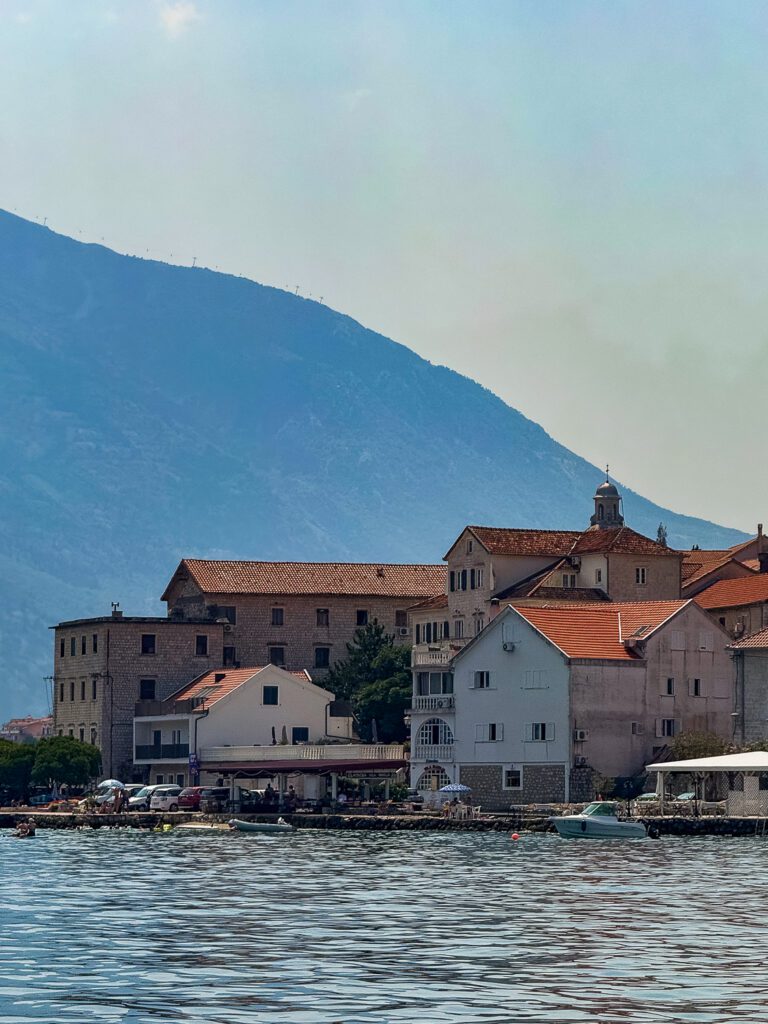
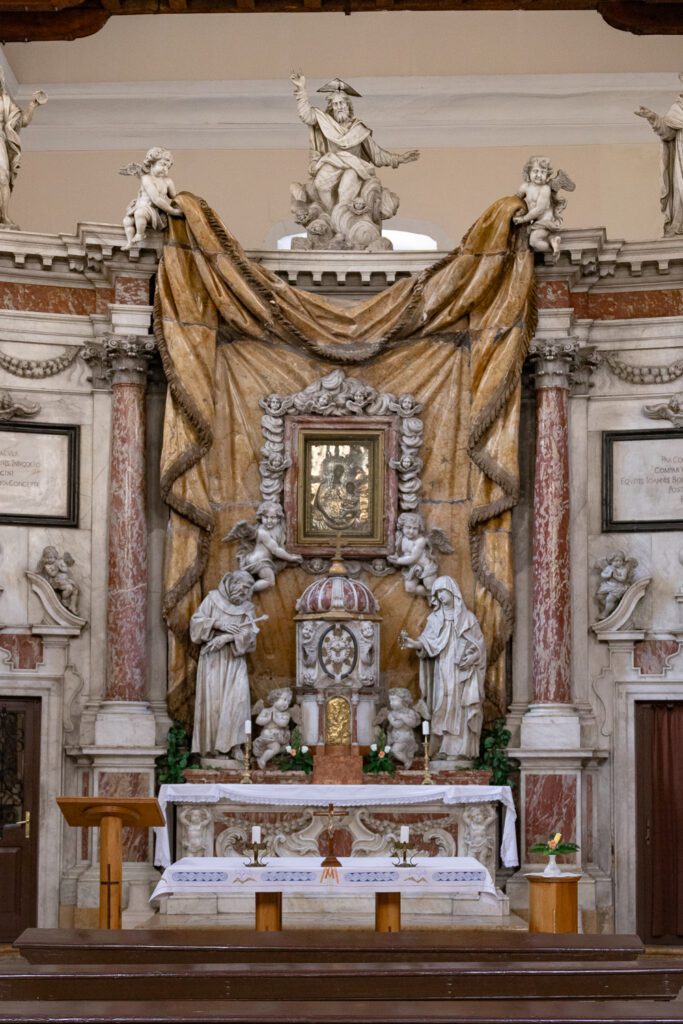
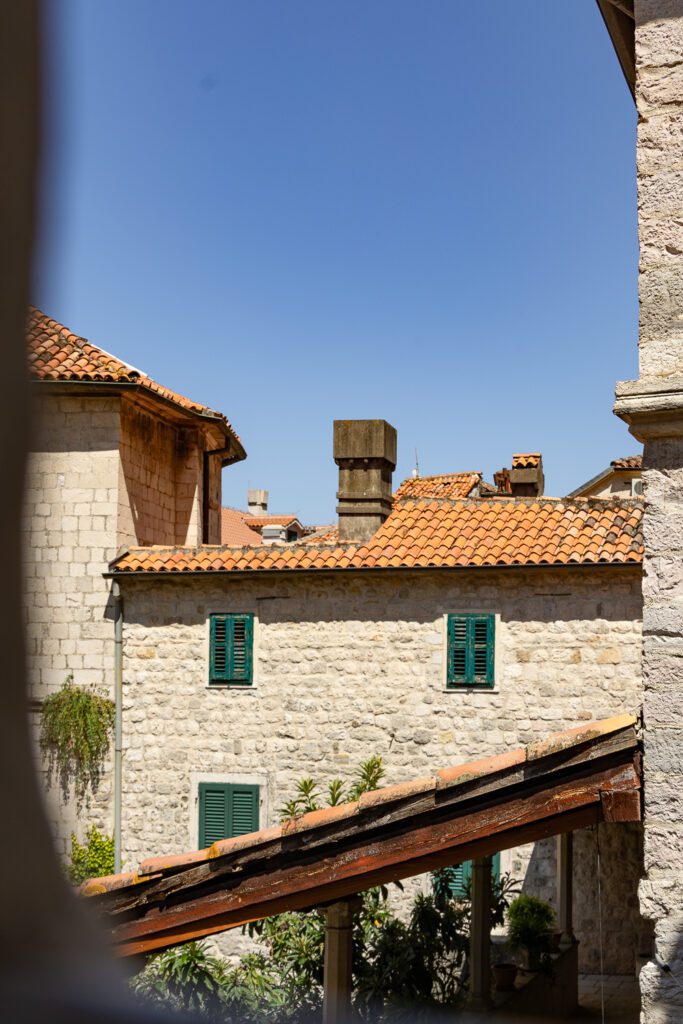
A few notable examples are Palace Bizanti, Palace Grgurin, Palace Buća, Palace Drago, and Pima Palace. Some of these buildings are now museums, others serve as administrative buildings or hotels.
Below is my selection of places you should not miss.
1. Gates of Kotor and the city walls
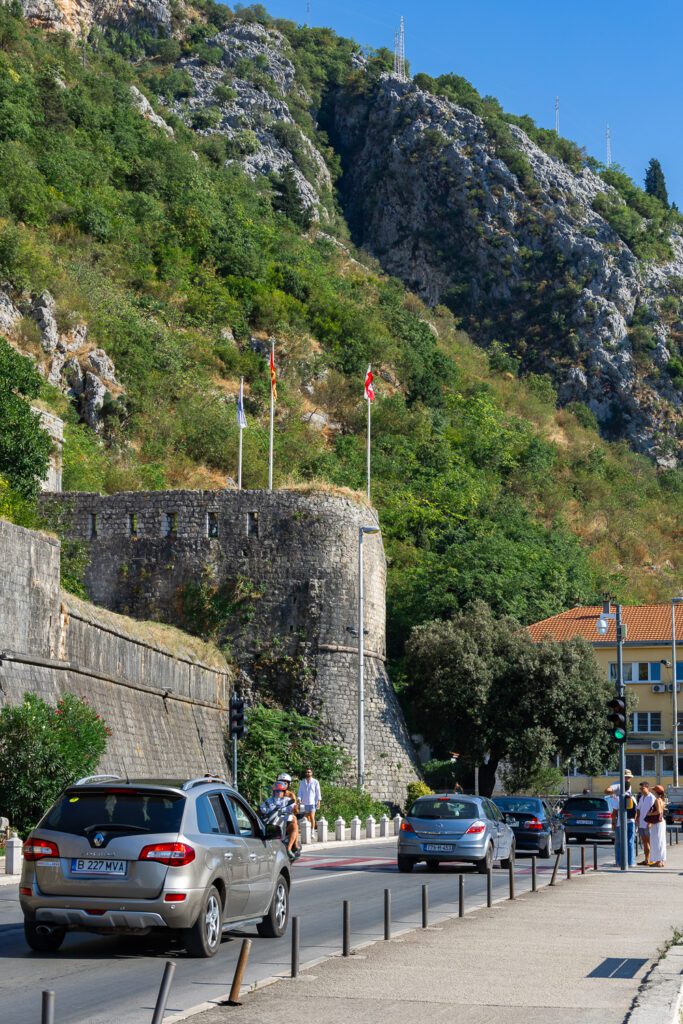
To enter the Old Town you must pass through one of the gates – the city is enclosed by thick fortified walls, with the gates constructed in the 16th century and fortifications that date back even further. Thanks to the defensive system of walls, gates, towers, and a castle high above, Kotor is on the UNESCO World Heritage list.
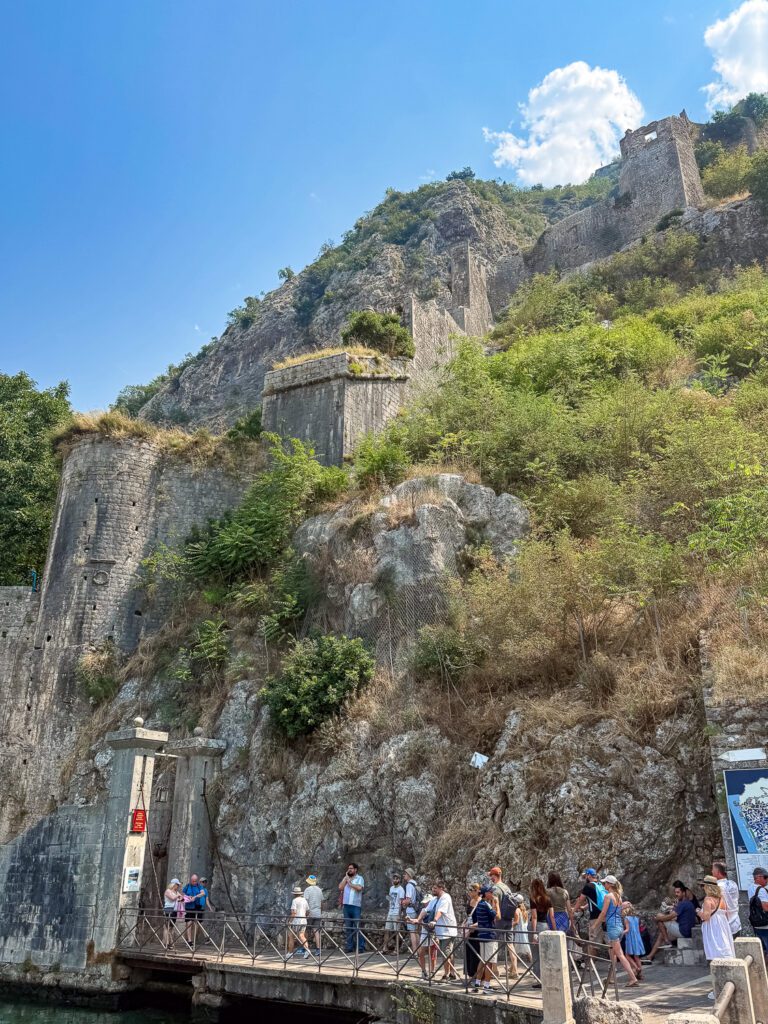
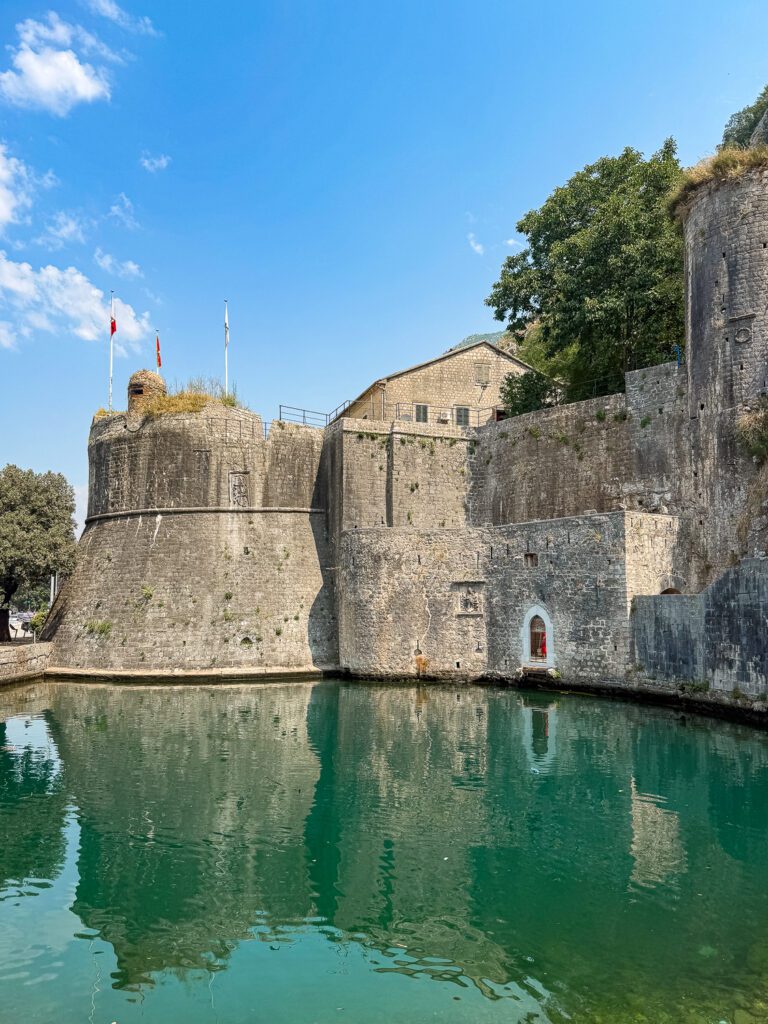
The Sea Gate, the main entrance, opens onto the Square of Arms and the Clock Tower. To see the best views, find one of the staircases that lead up to the walls and observe the city from there.

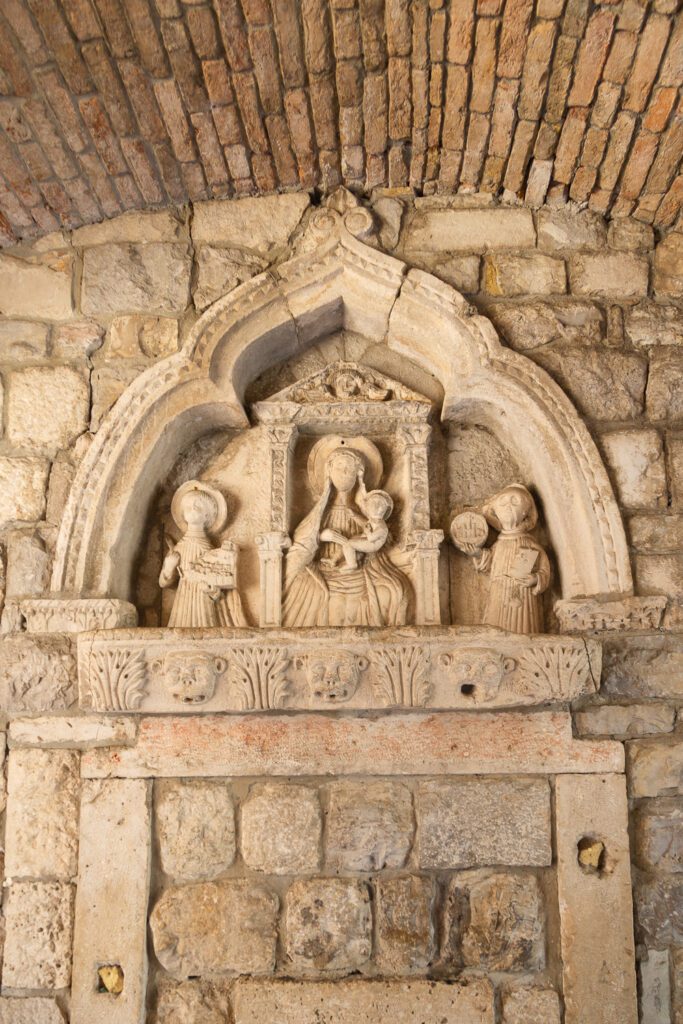
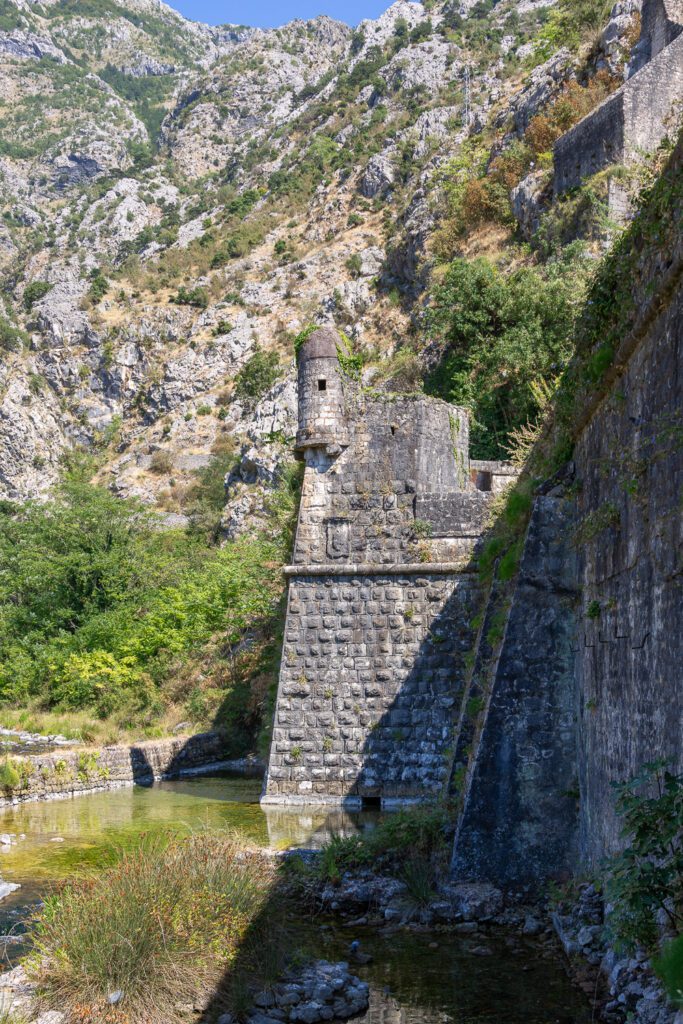
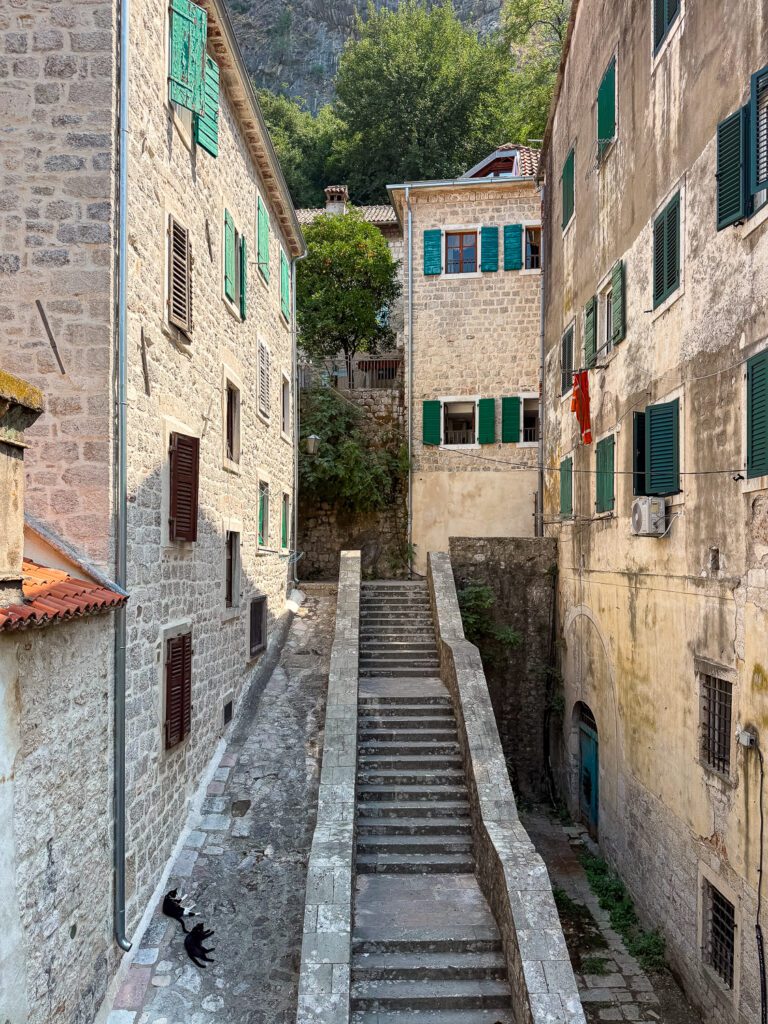
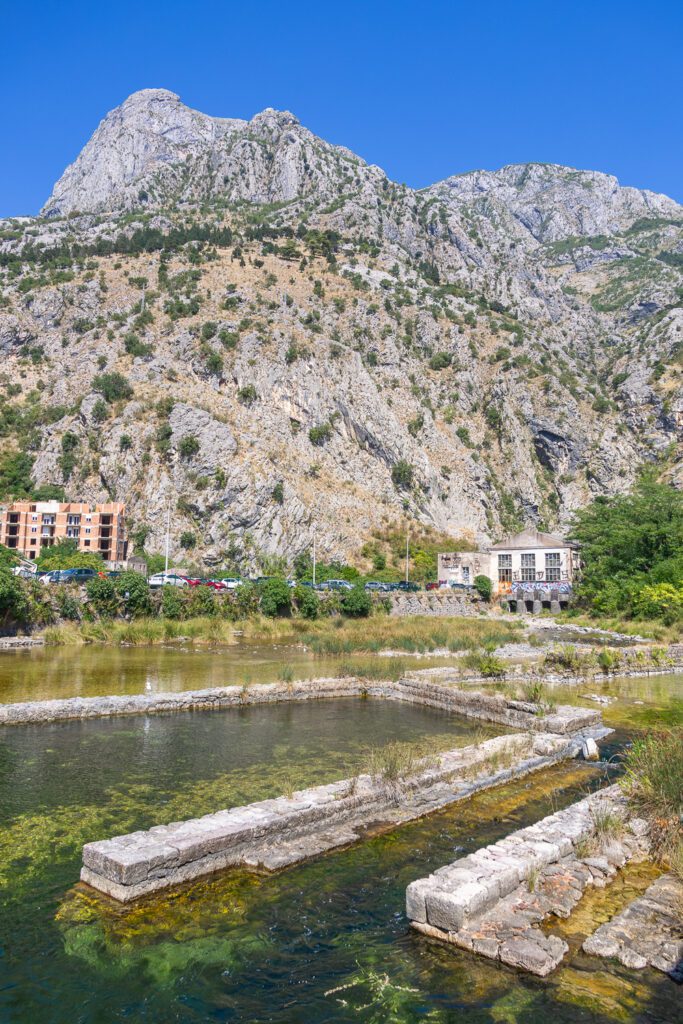
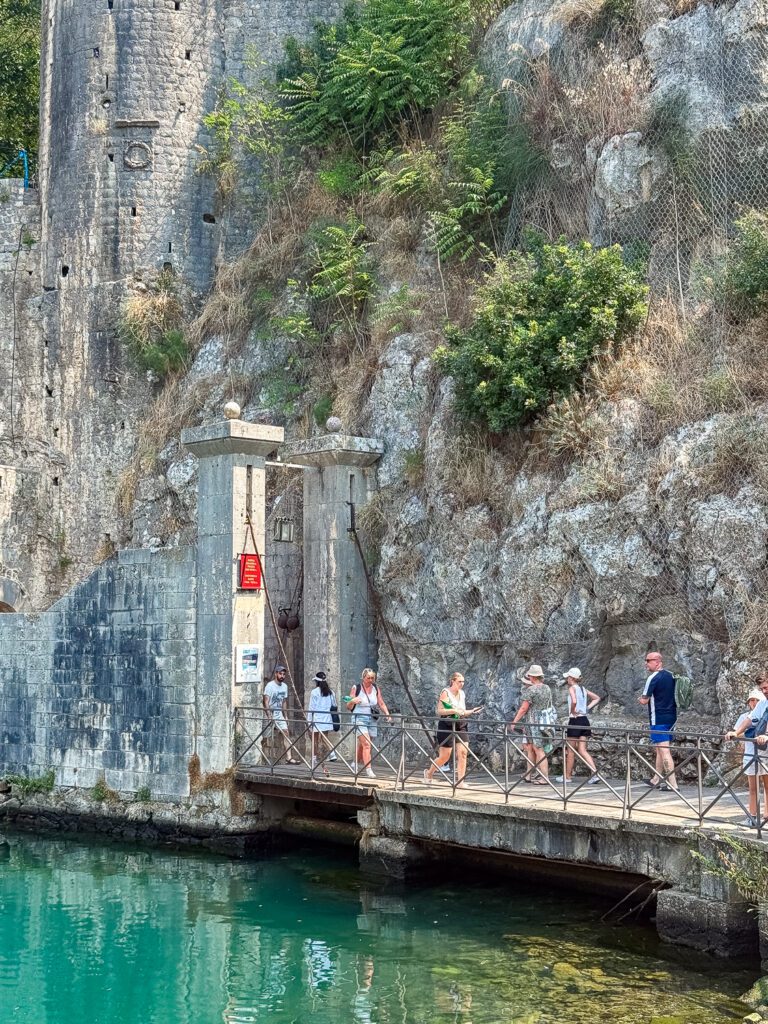
The North Gate, near the entrance to the fortress path, offers views of the clear flow of the Škurda River, the bridge over it, and the city walls.
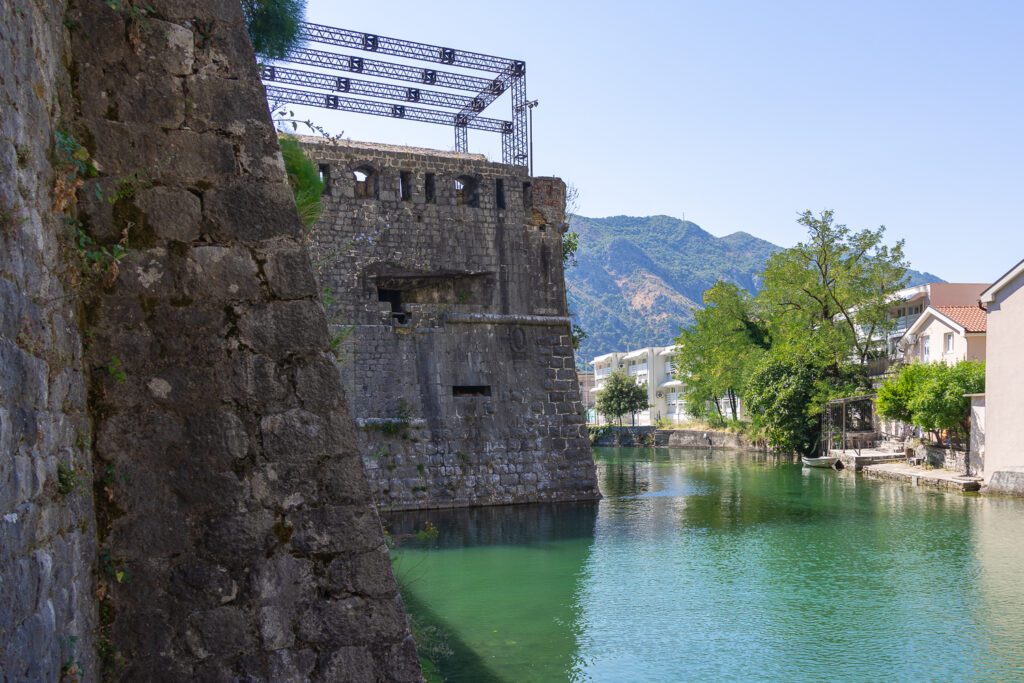
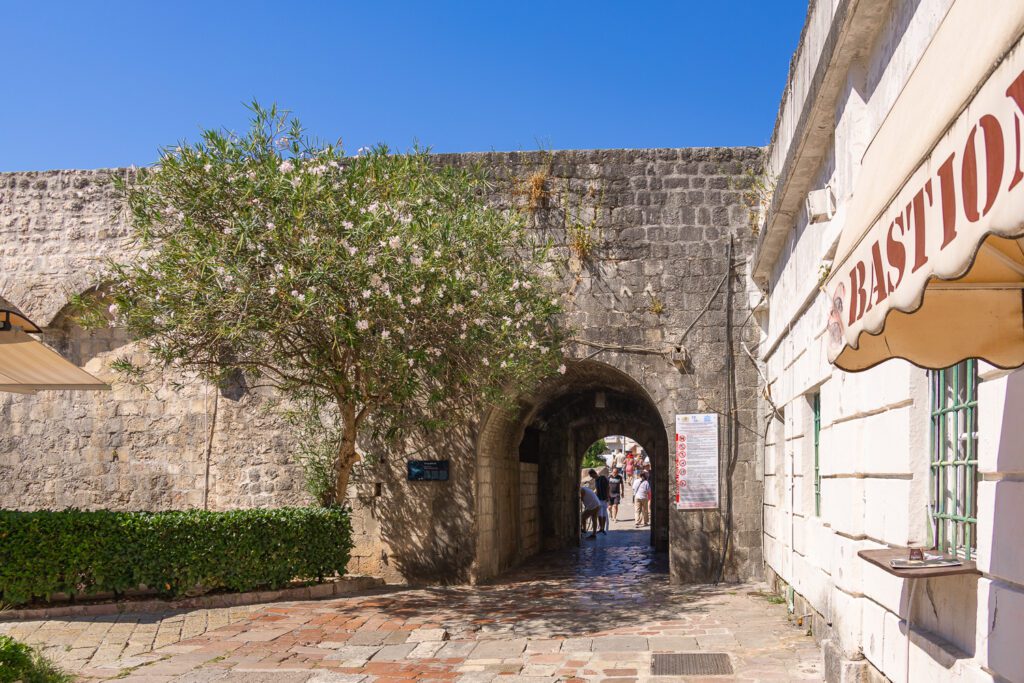
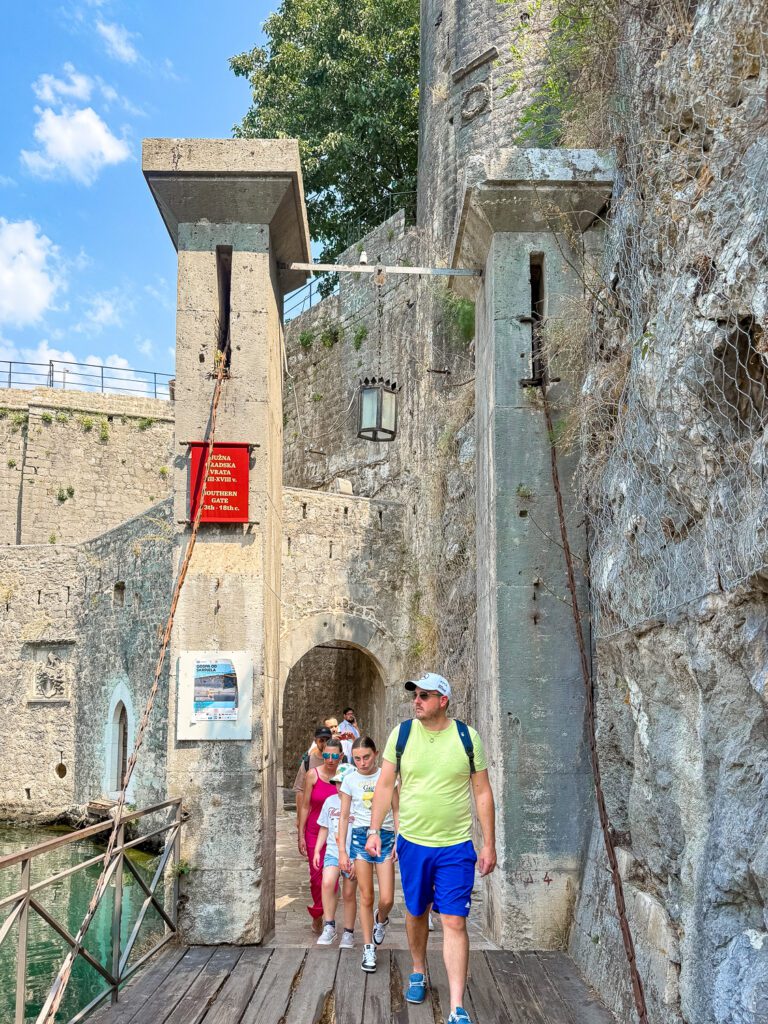
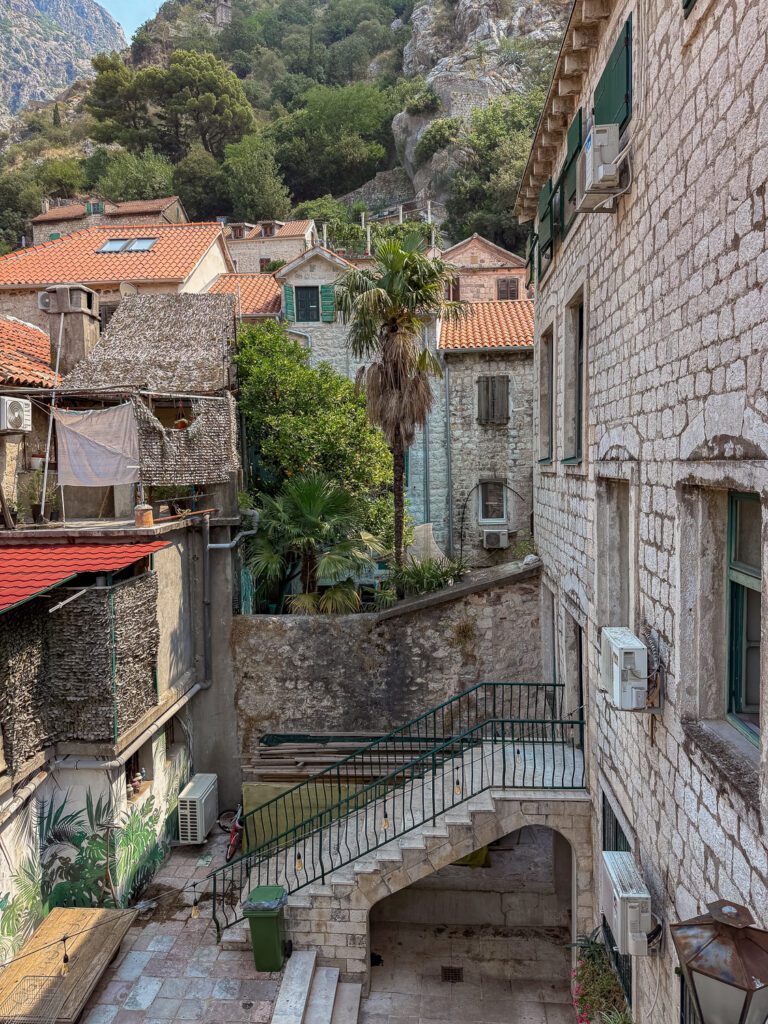
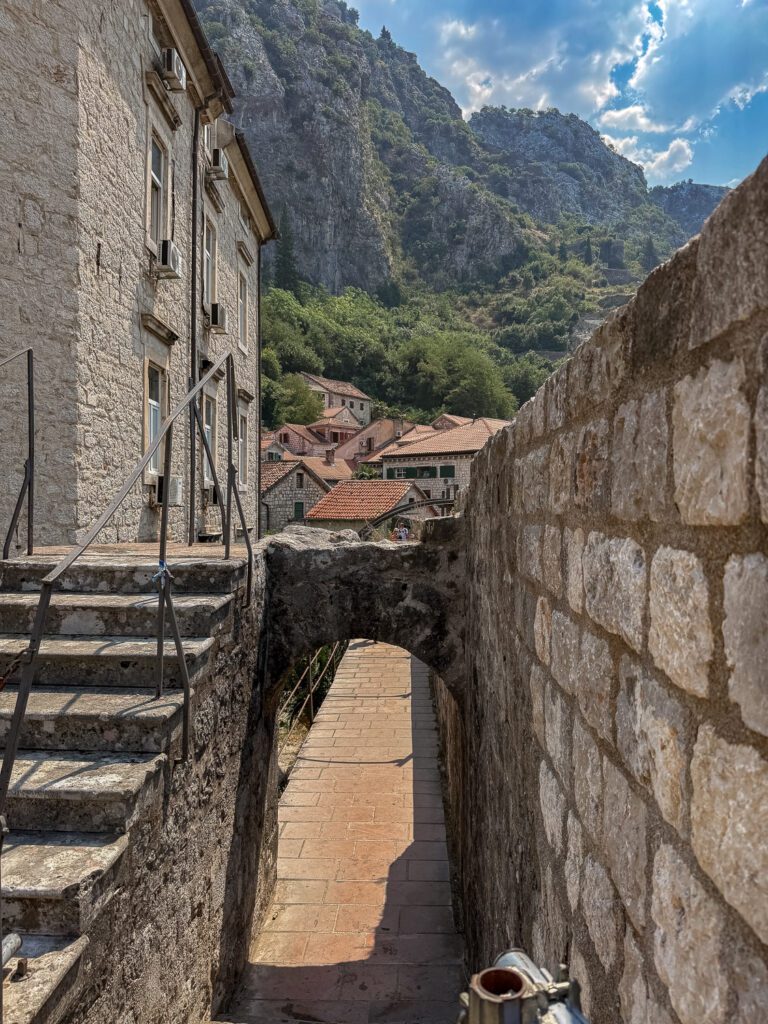
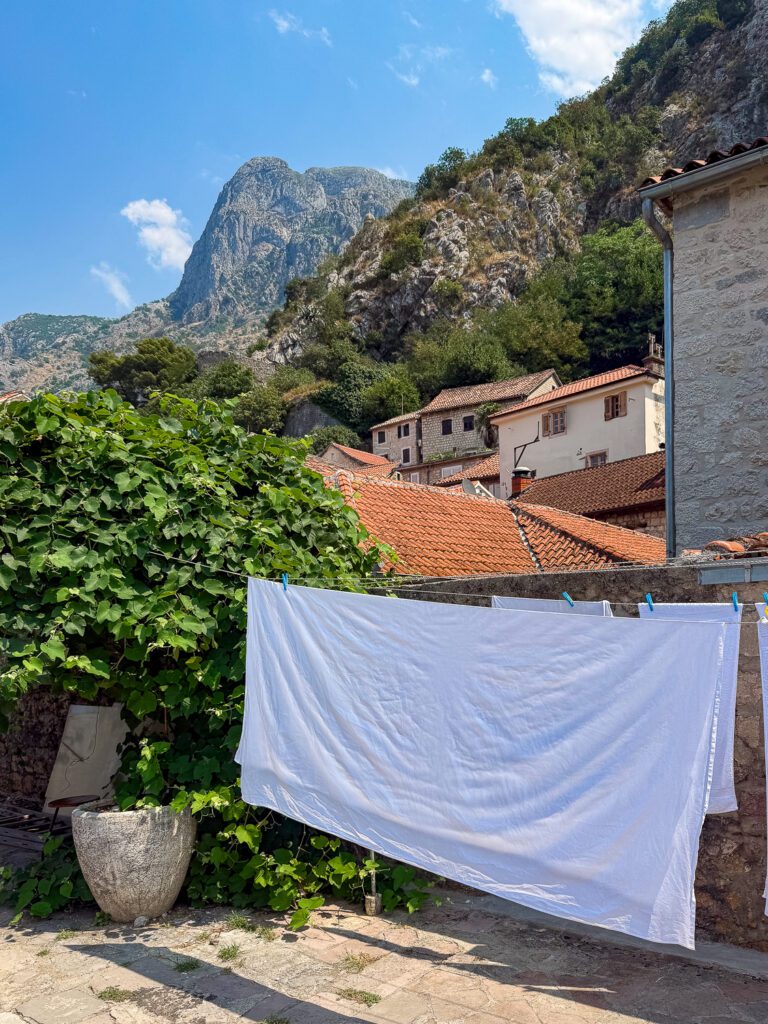
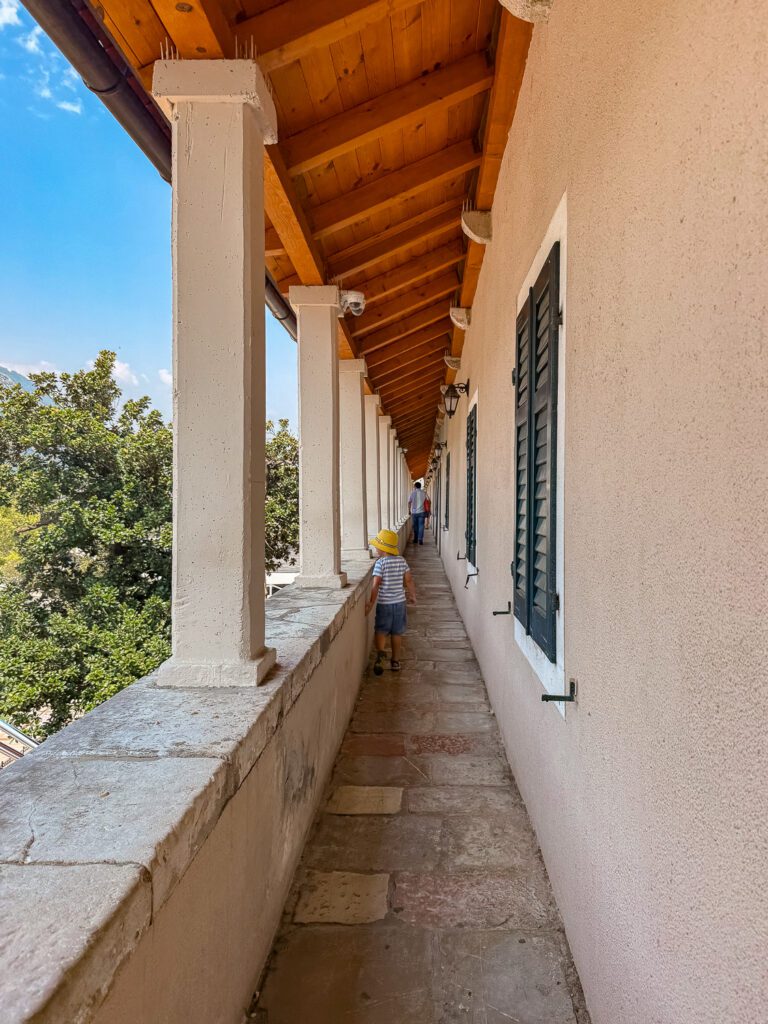
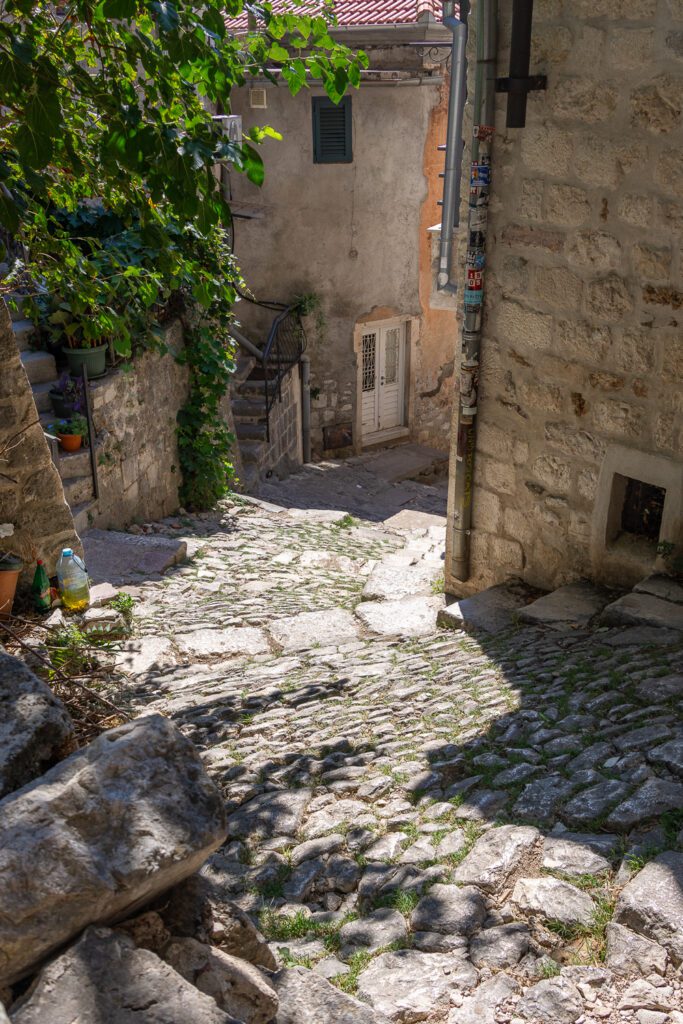
The South Gate (Gurdić Gate) is the least used entrance but has an unbeatable old-city atmosphere. This was probably my favorite entrance to Kotor; you can climb the wall near this gate as well for panoramic views of the bay and the city itself!

2. St. John’s Fortress
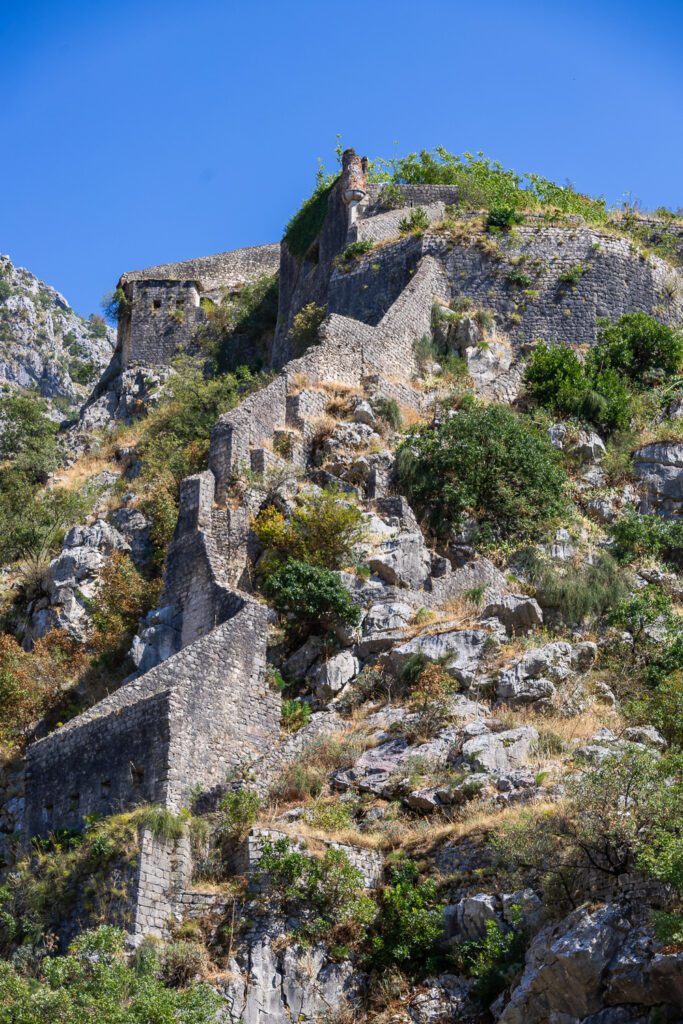
San Giovanni, or St. John’s Fortress, is the most iconic fortification of Kotor, and there is noawy you can miss it – especially if you approach the city from the water.

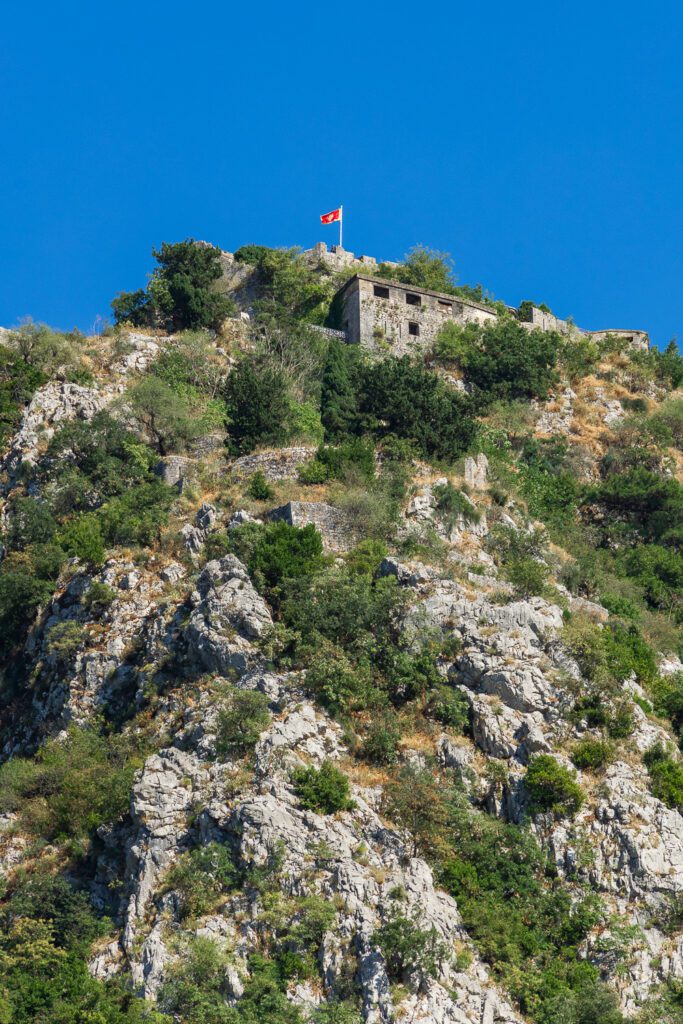
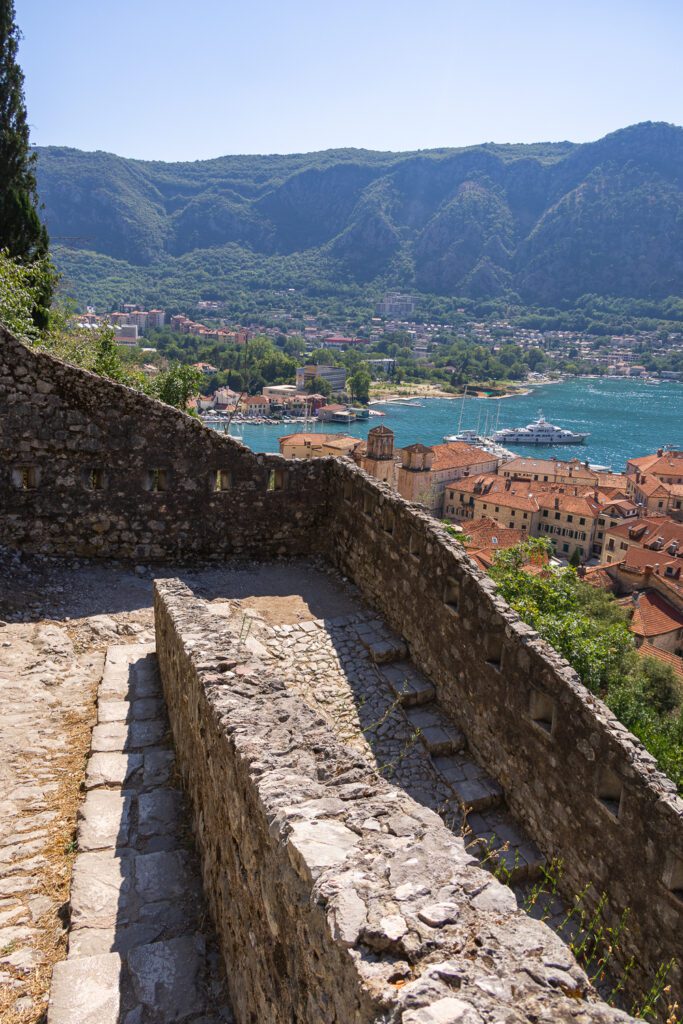
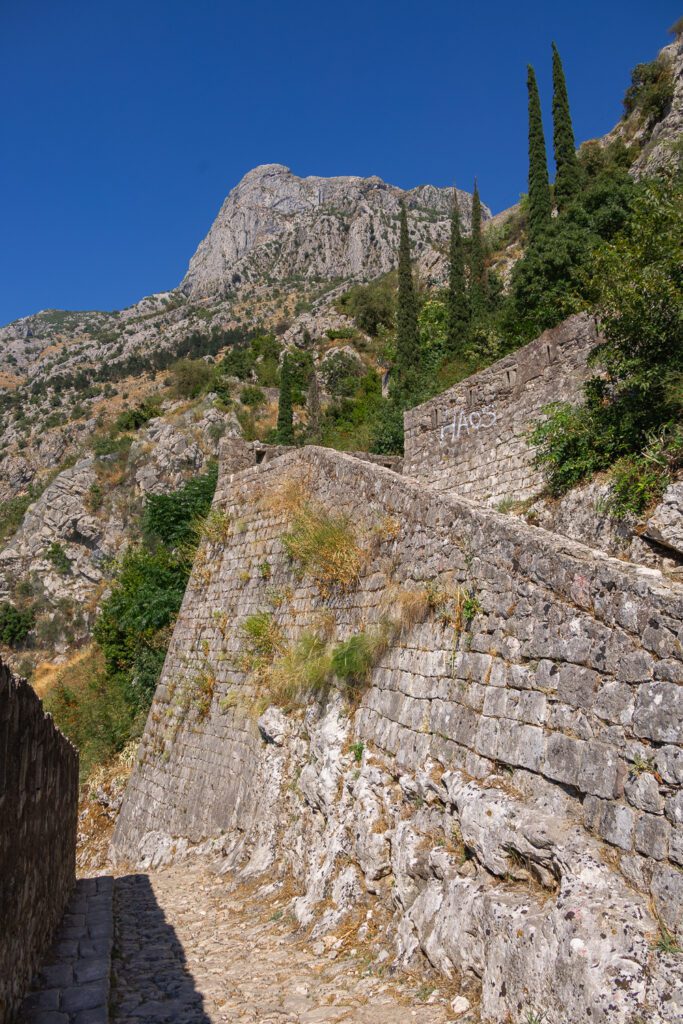
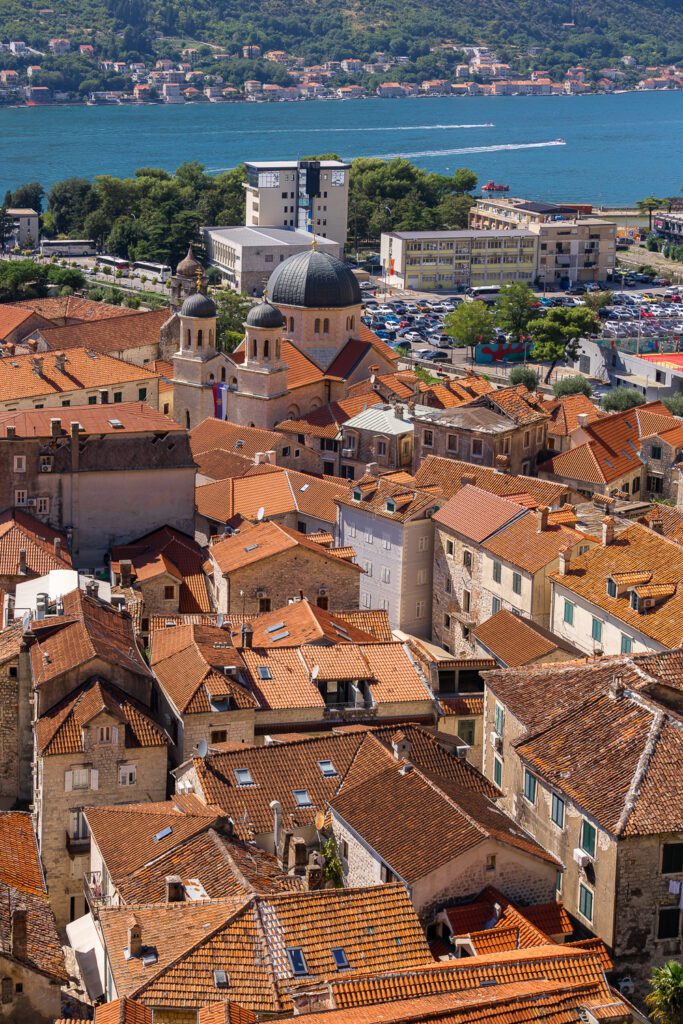
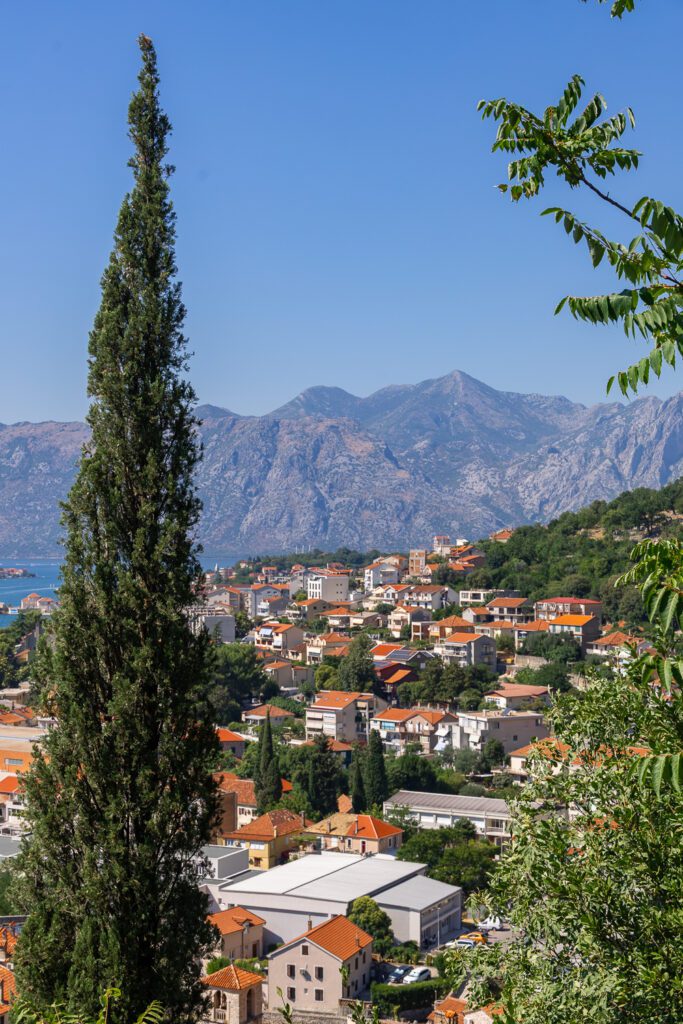
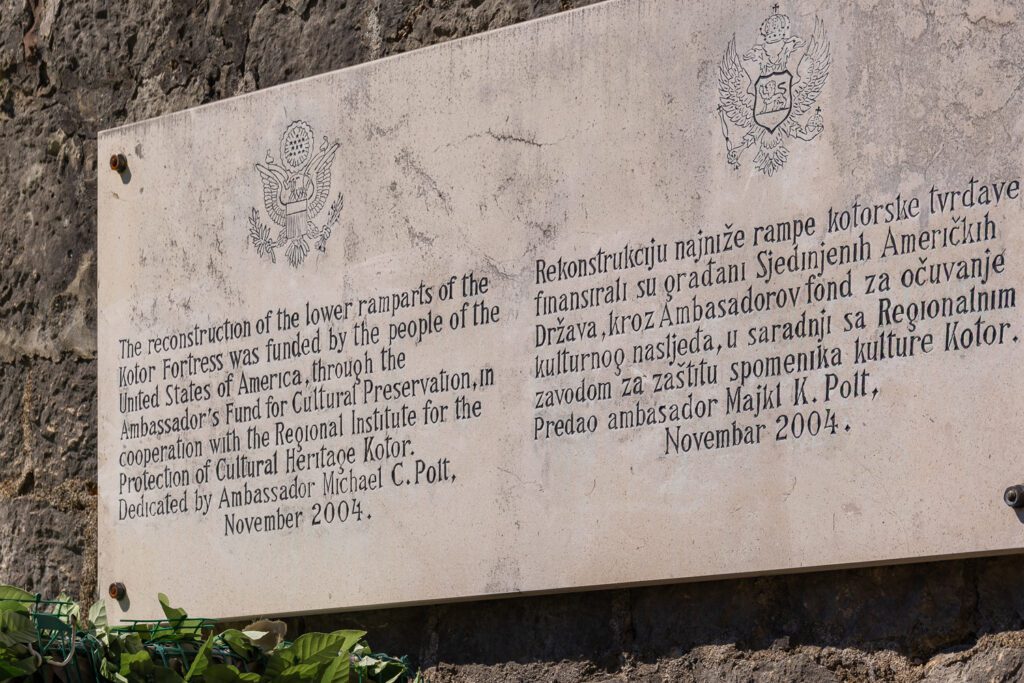
Its origins go back to Illyrian times and the Byzantine period; Emperor Justinian I reconstructed fortifications here in the 6th century. The main structure visible today was built by the Venetians and restored after several earthquakes.
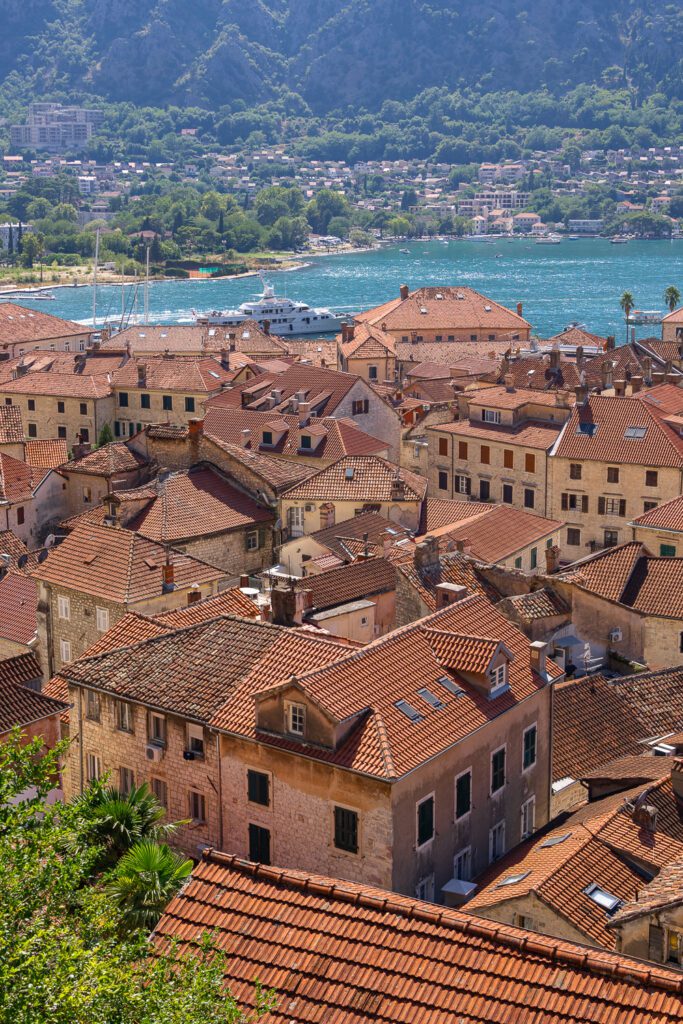
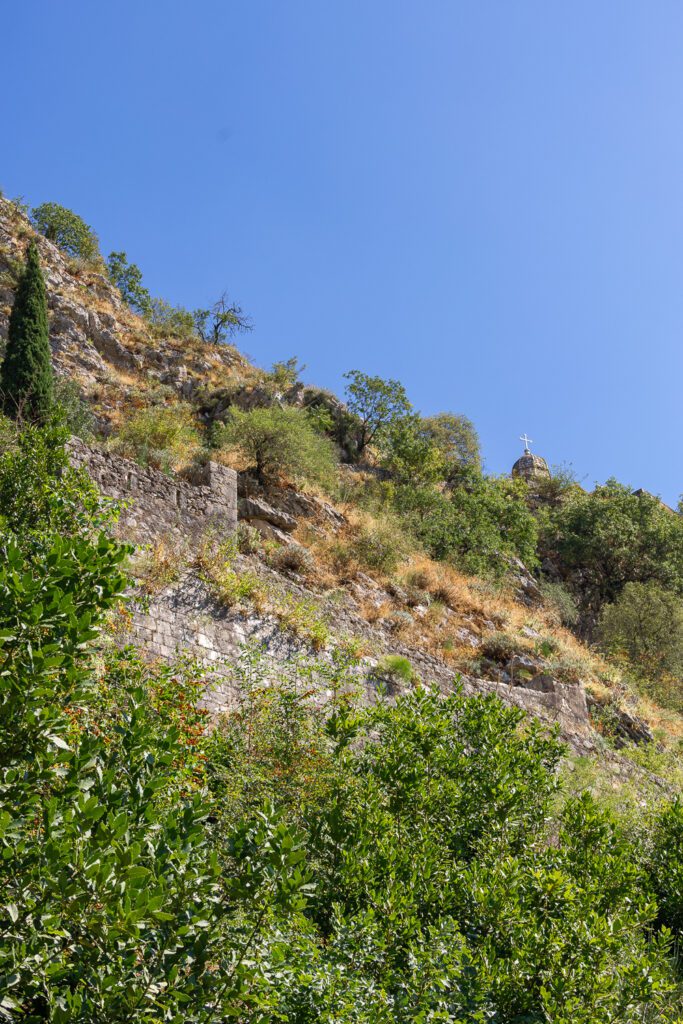
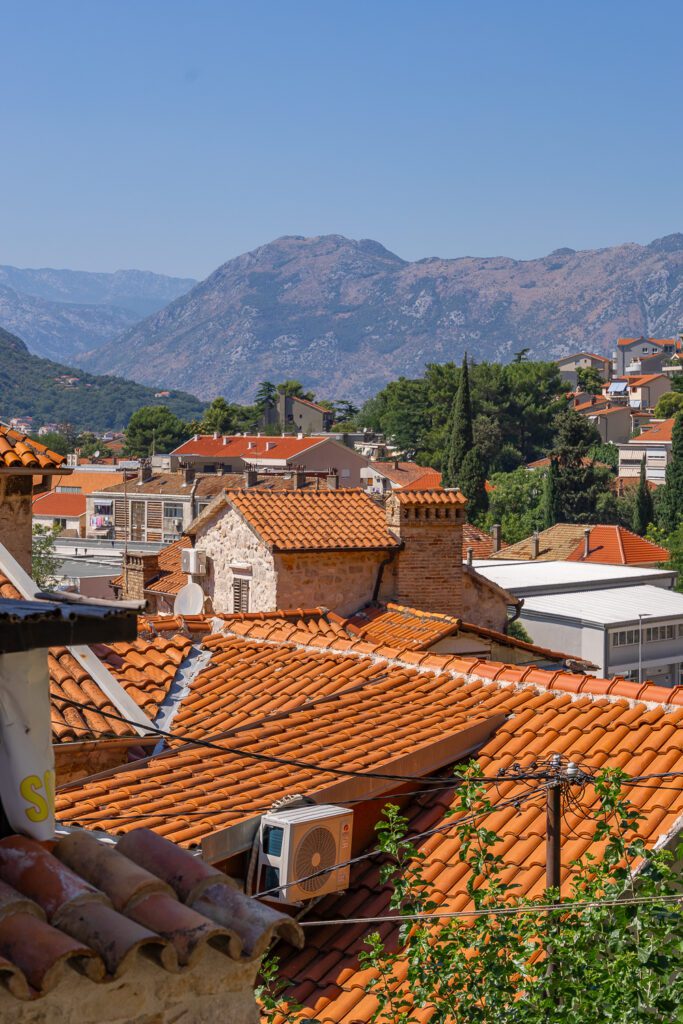
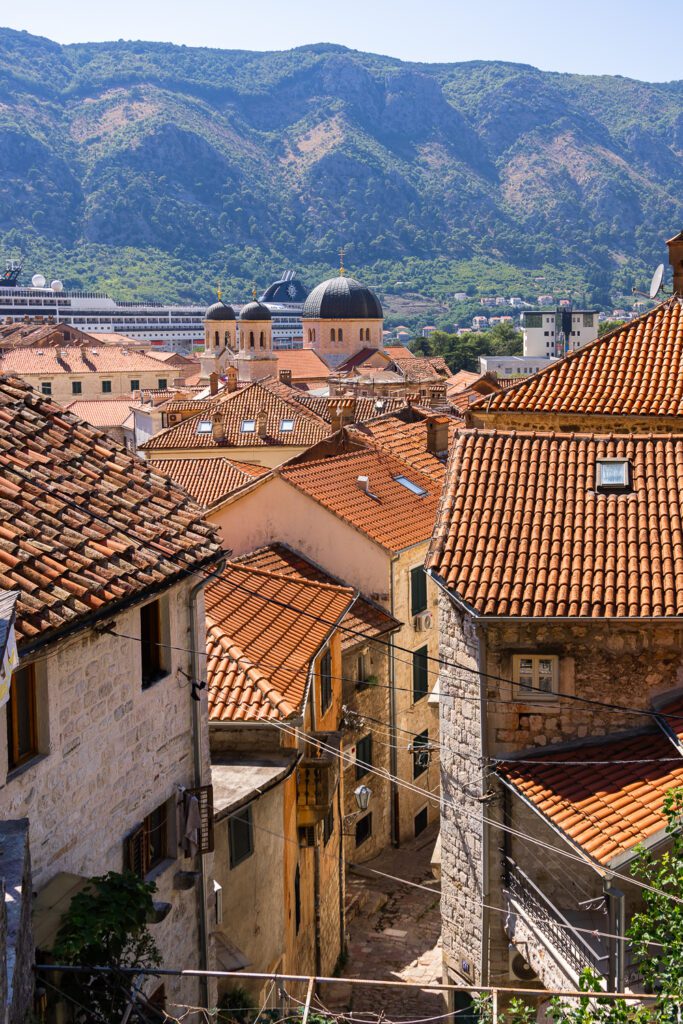
The fortress sits high on the mountain and offers the best panoramic views of the Bay of Kotor for those who dares to climb it to the very top (it sits on a cliff, so there is no way you can access it by car, only by walking).
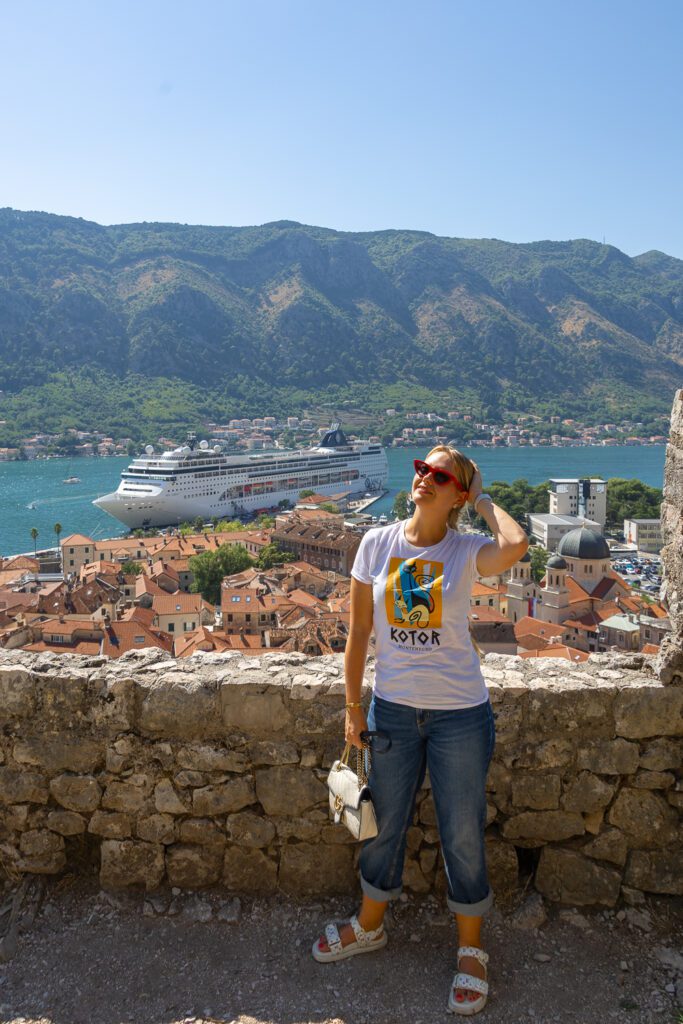
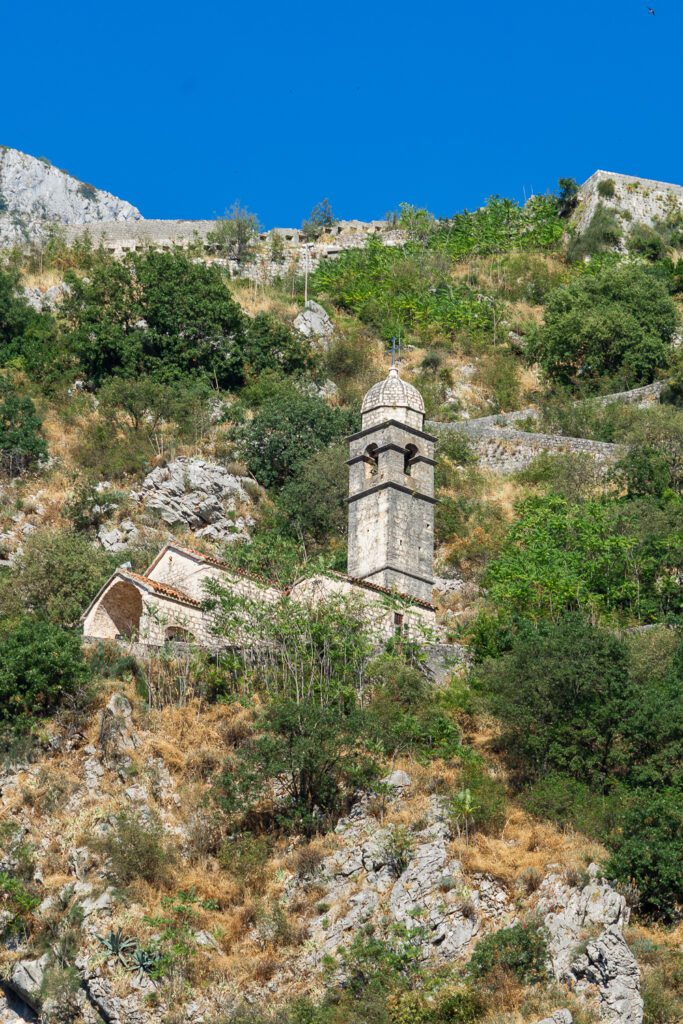
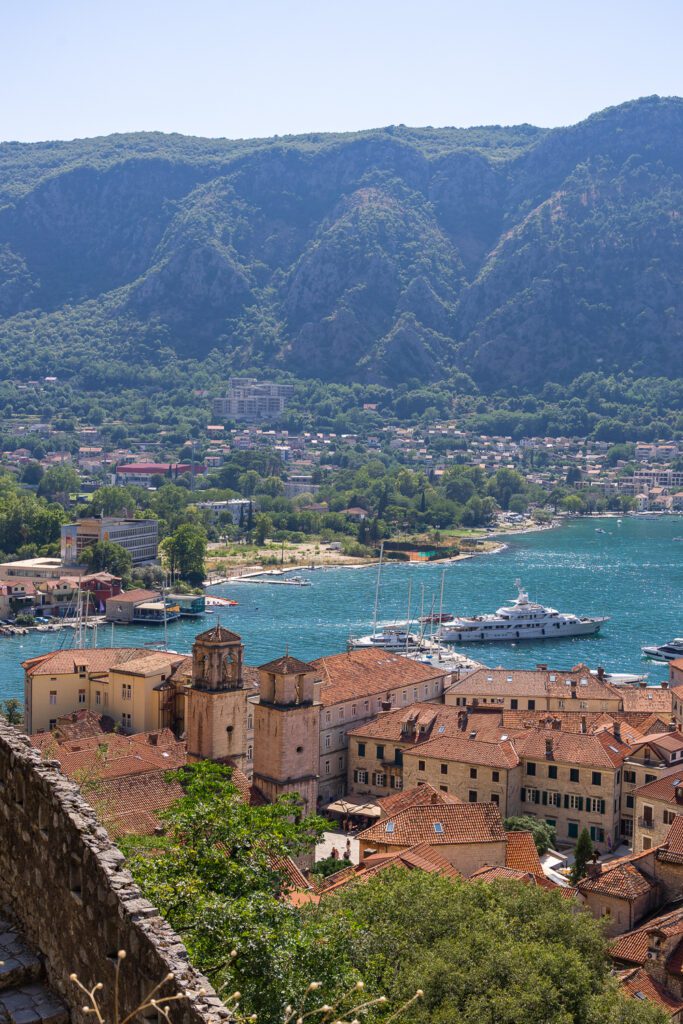
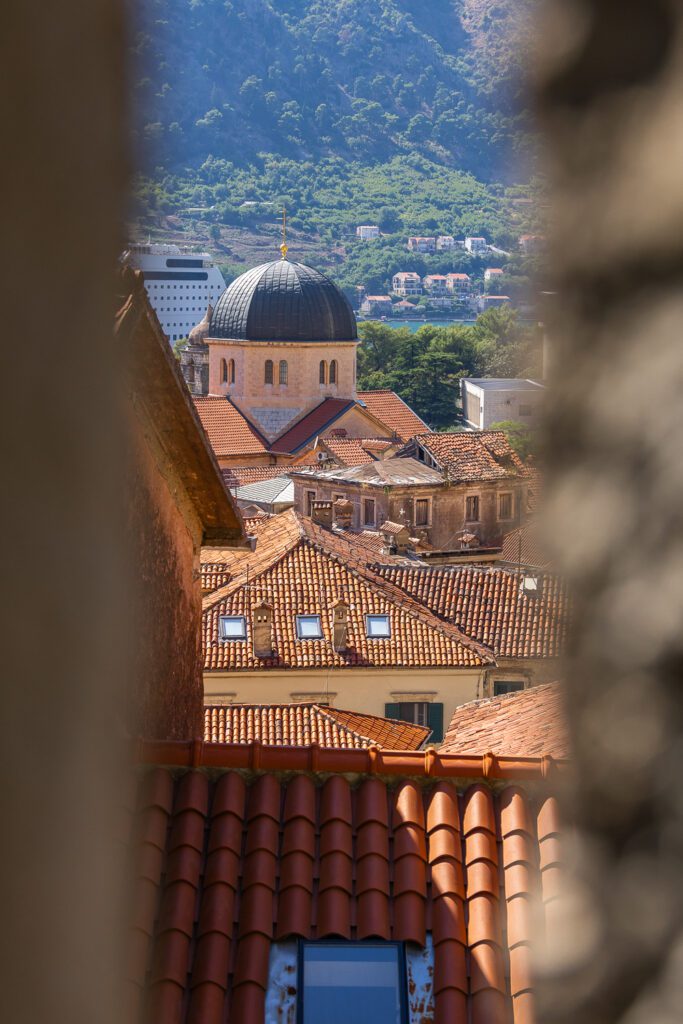
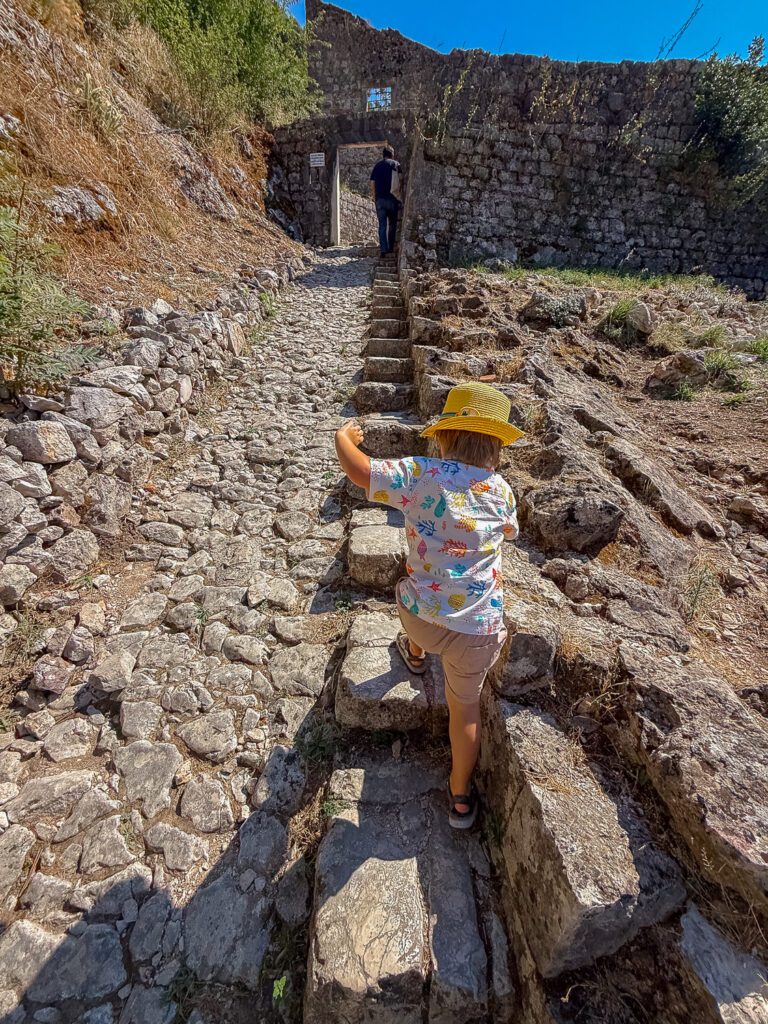
The climb to the top is demanding – about 1,350 steps, with no infrastructure or water stations along the way. With a ticket price of €15, you might expect some facilities, but there are none (there is also an unofficial entrance).
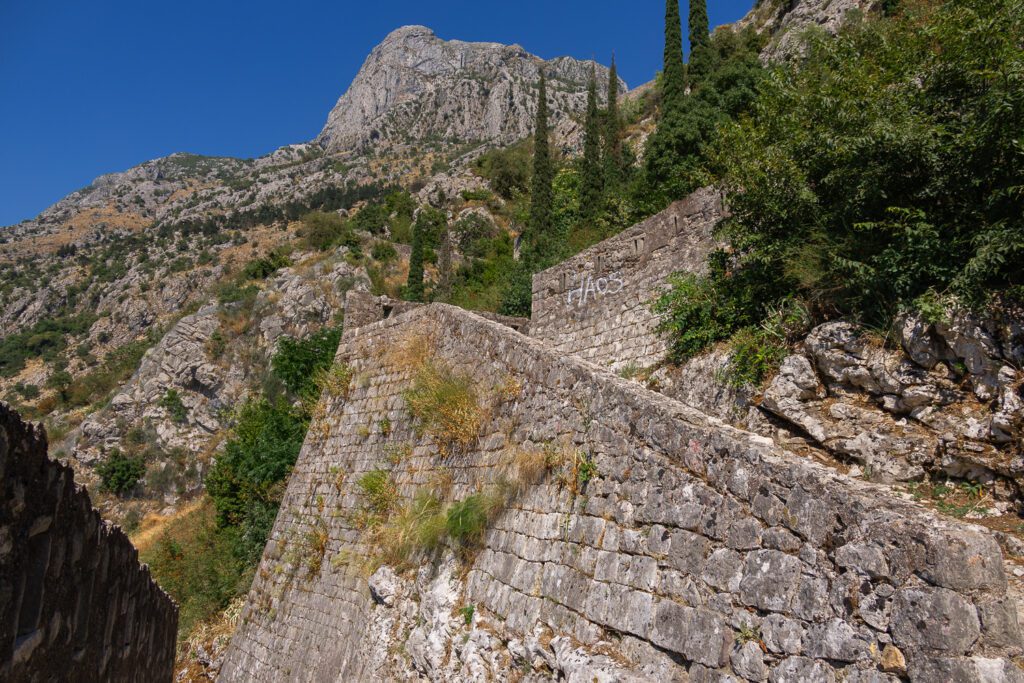

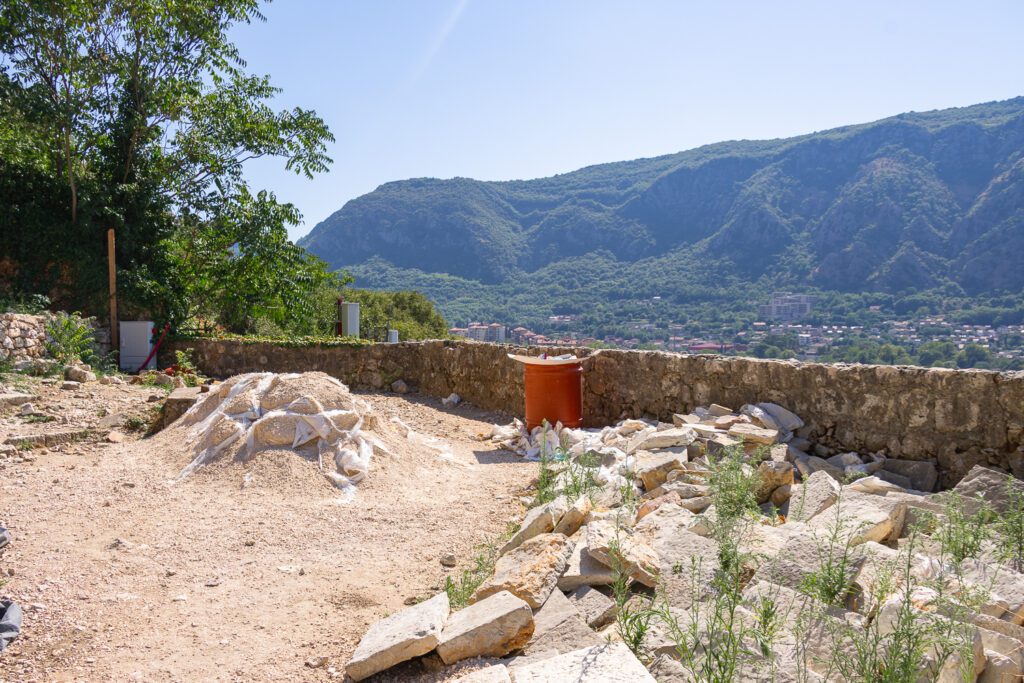

On a hot day (+37°C) and when traveling with a 4‑year‑old, we only made it partway. If you visit without children and in a cooler weather, the climb is manageable – bring water and wear comfortable shoes.

3. Square of Arms and the Clock Tower
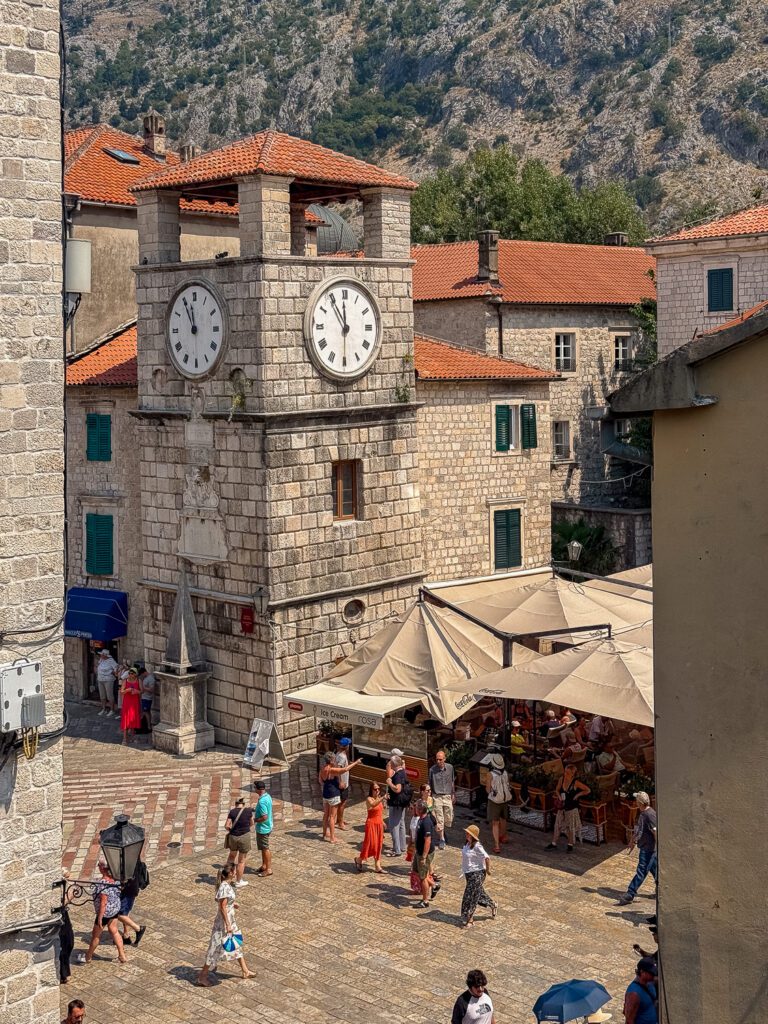
The Square of Arms and the Clock Tower are among the city’s most recognizable sights.
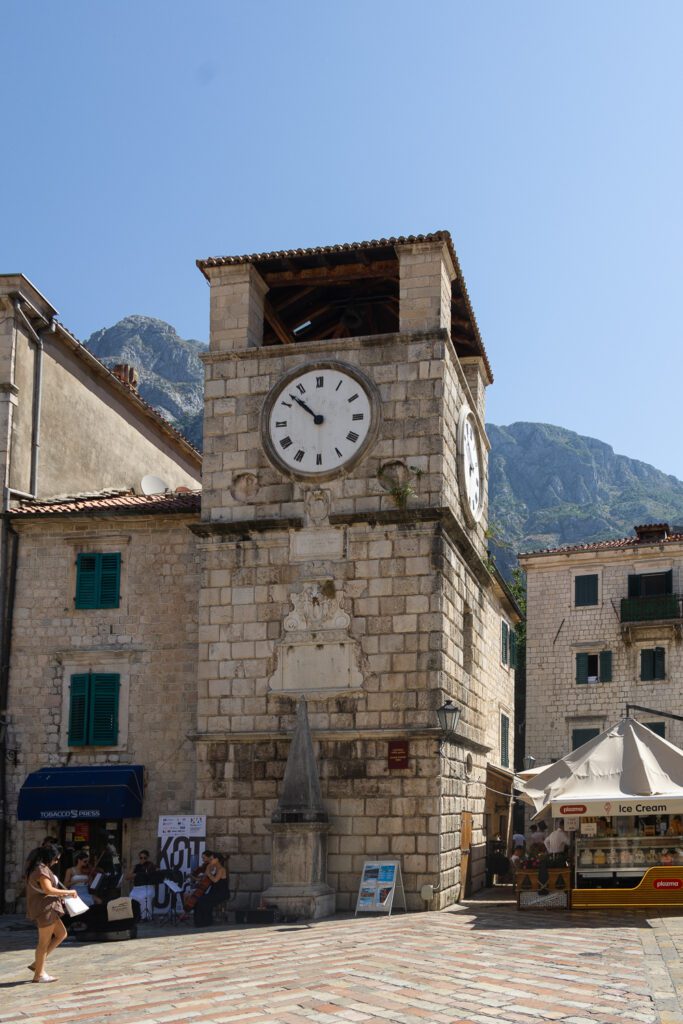
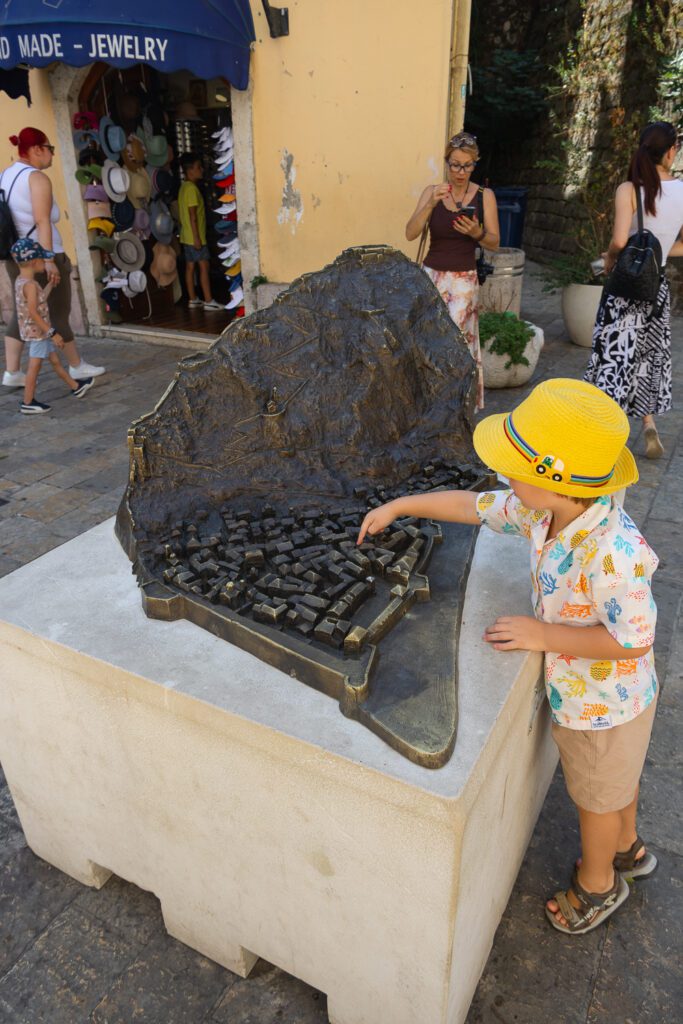
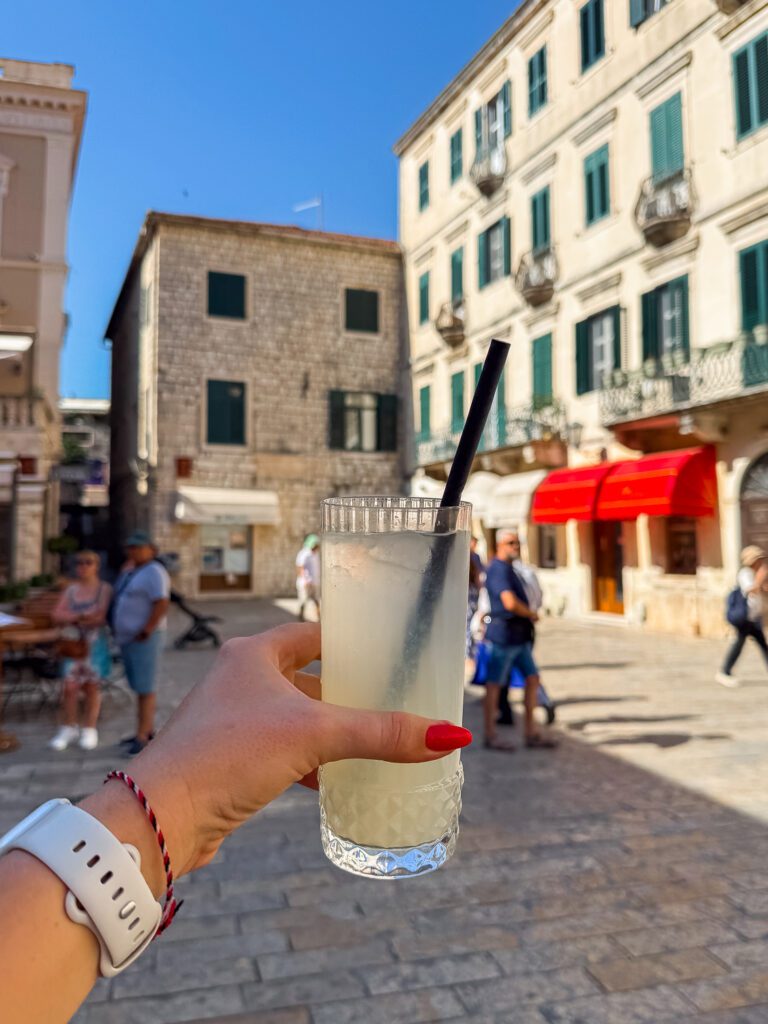
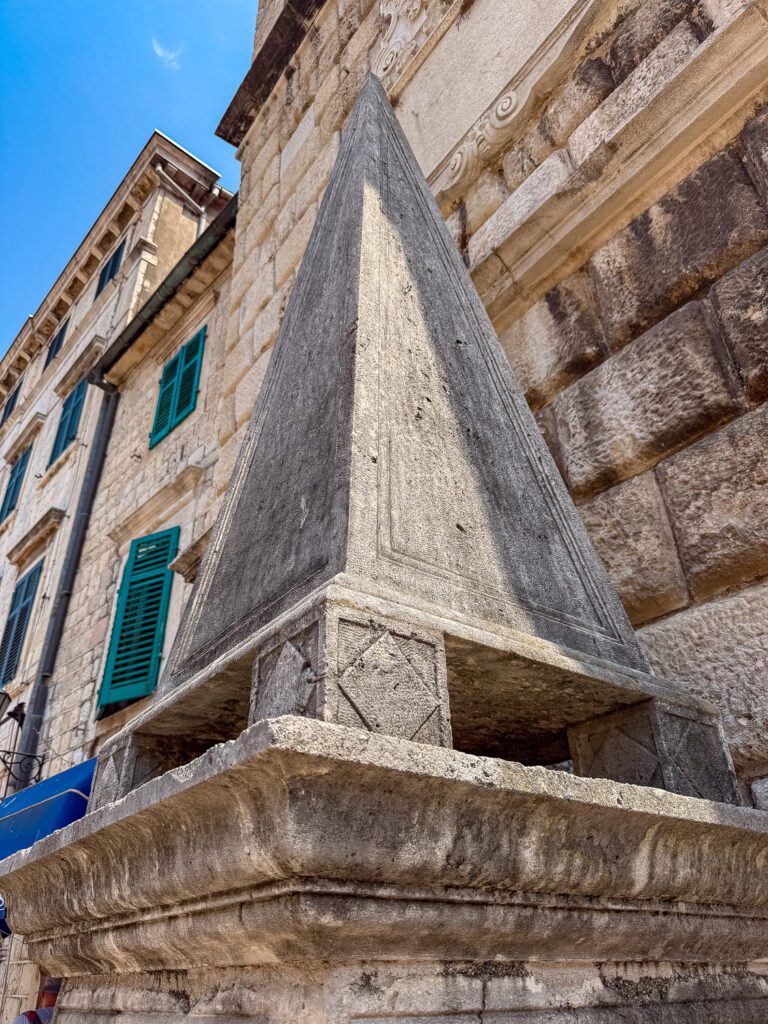
The Clock Tower dates to the 17th century. At one time the adjacent pyramidal structure was used as a pillory for prisoners. Other notable buildings around the square include the Rector’s Palace (the former Venetian governor’s residence) and Kotor’s first theatre, established during Napoleon’s rule.
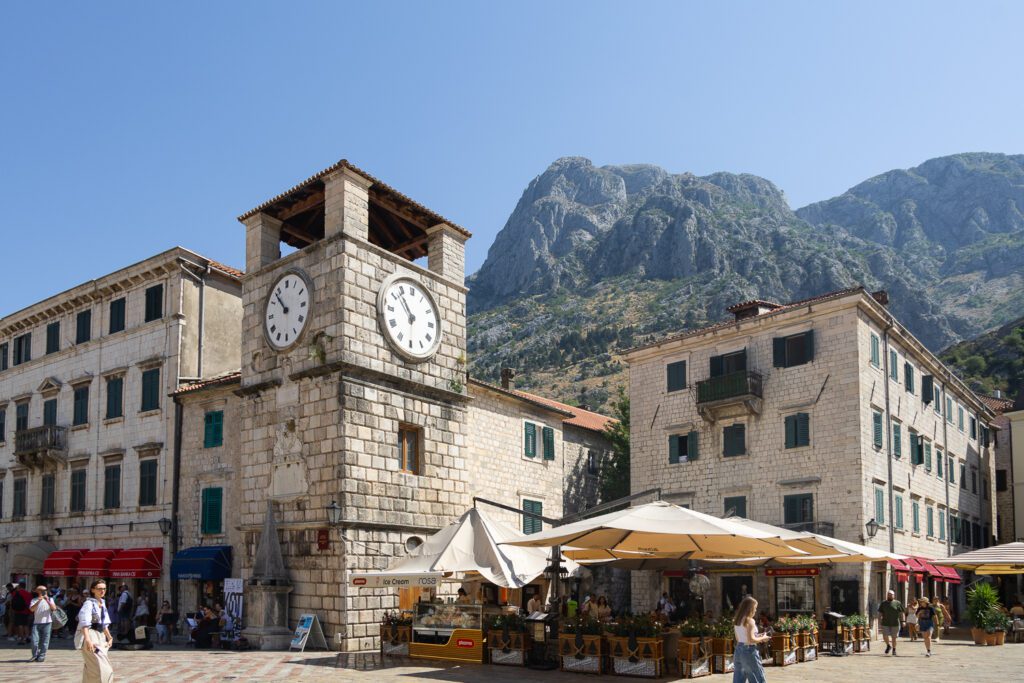
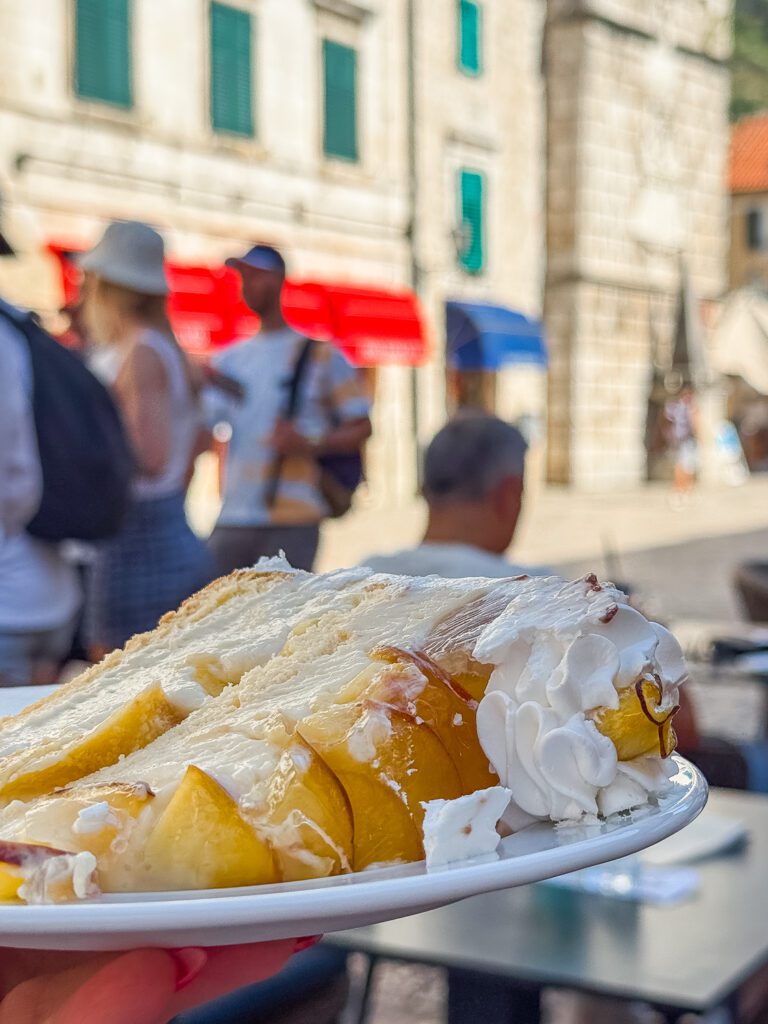
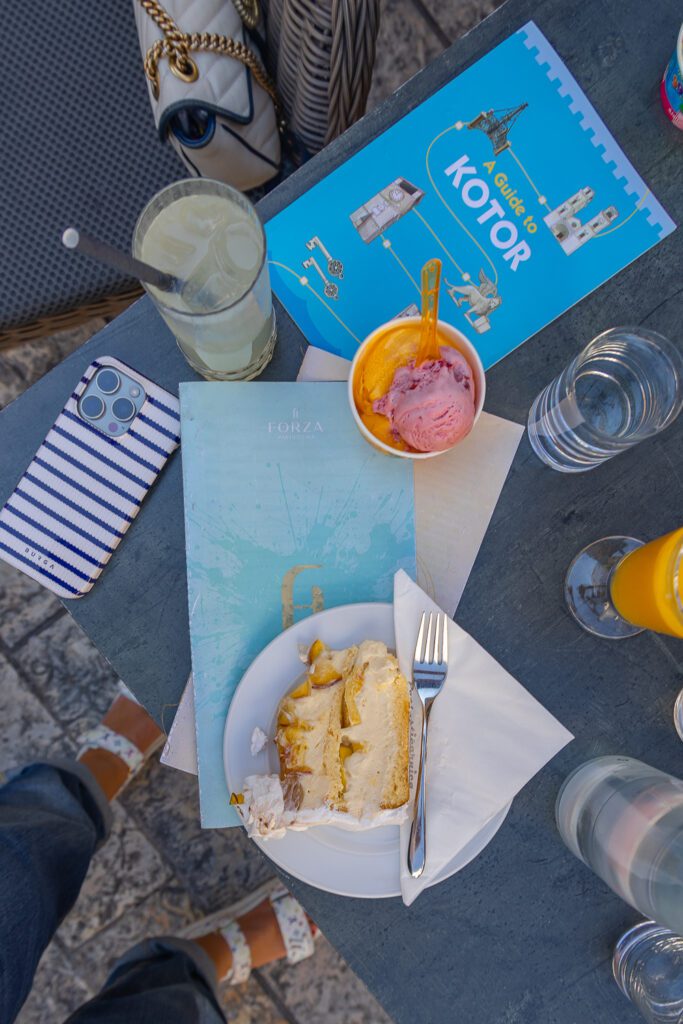
There are many cafés in the square – we enjoyed great desserts and ice cream there on a couple of occasions there.
4. Cathedral of Saint Tryphon
St. Tryphon’s Cathedral, dating to the 12th century, is unquestionably Kotor’s major landmark, and it’s located on the Saint Tryphon square/

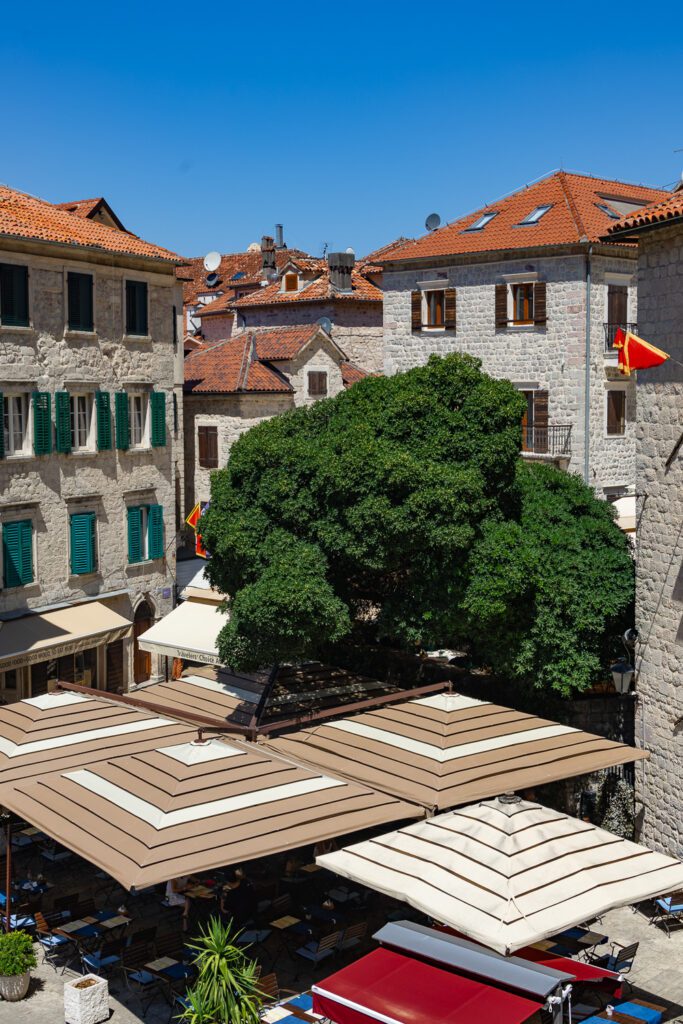

It stands beside the remains of a much older cathedral from the 9th century – according to tradition, relics of Saint Tryphon were taken with the intention of reaching Venice but remained in Kotor due to weather.
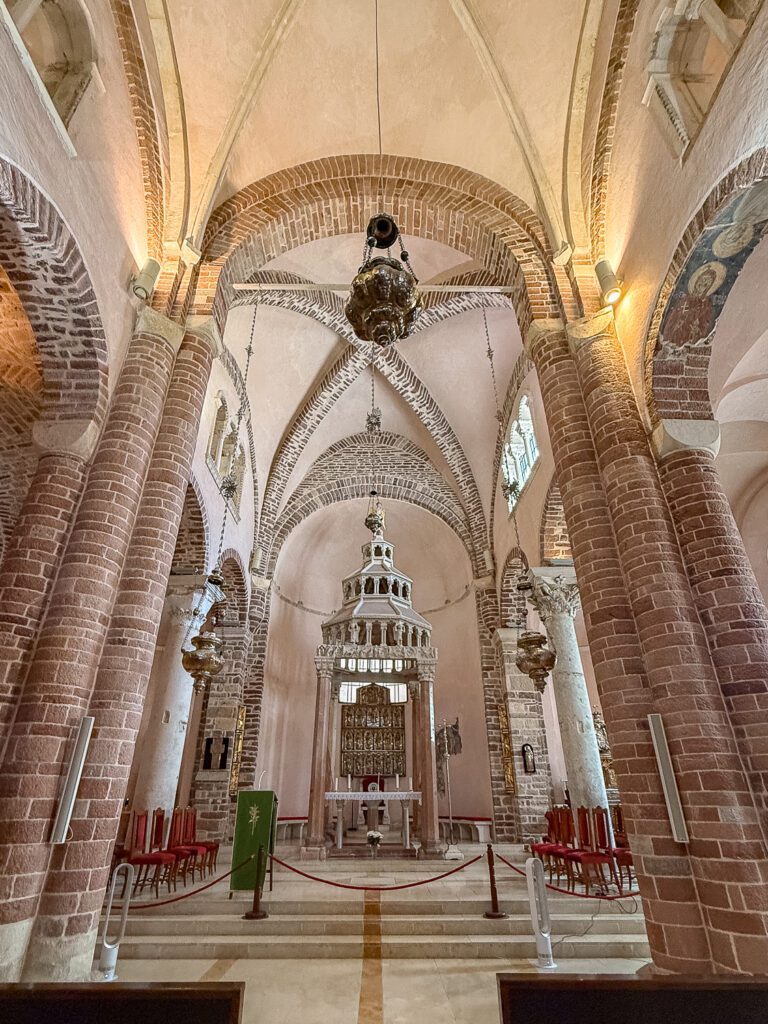
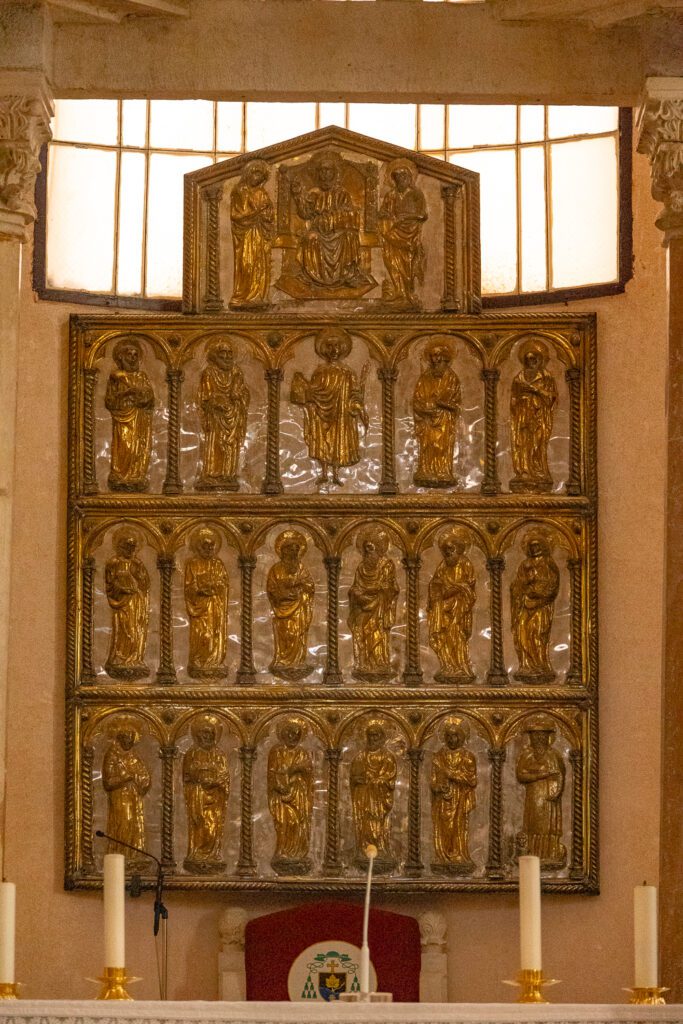
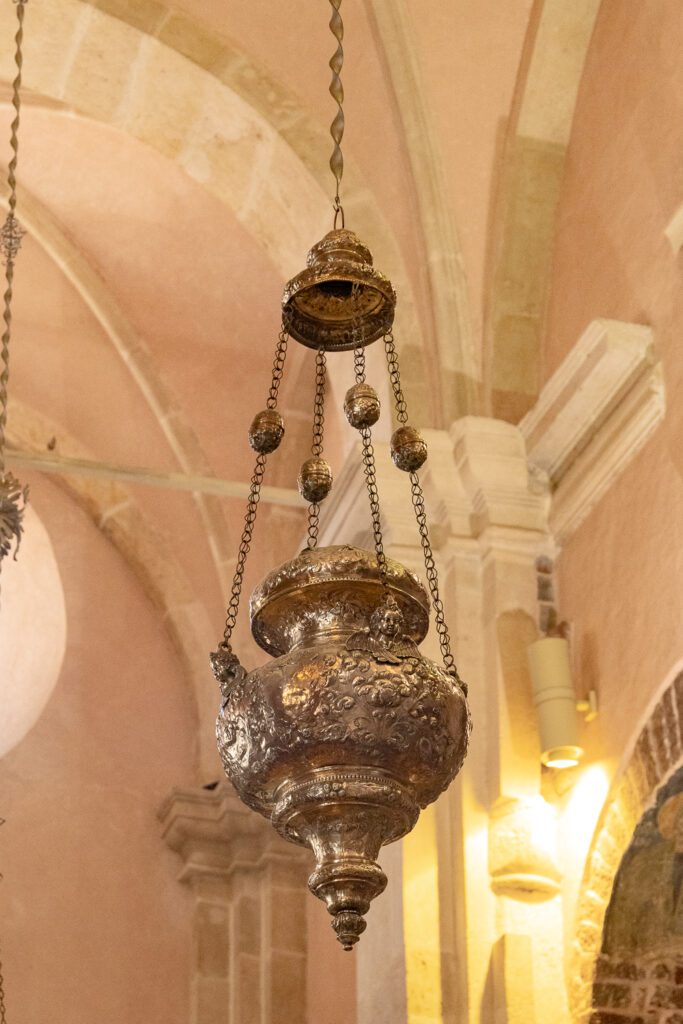
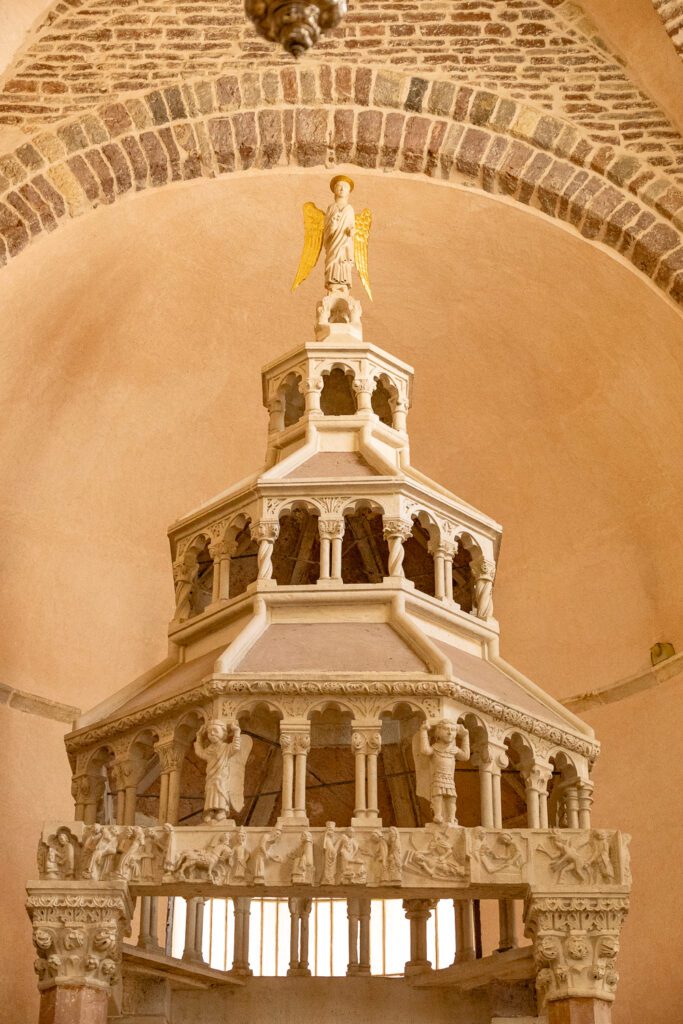
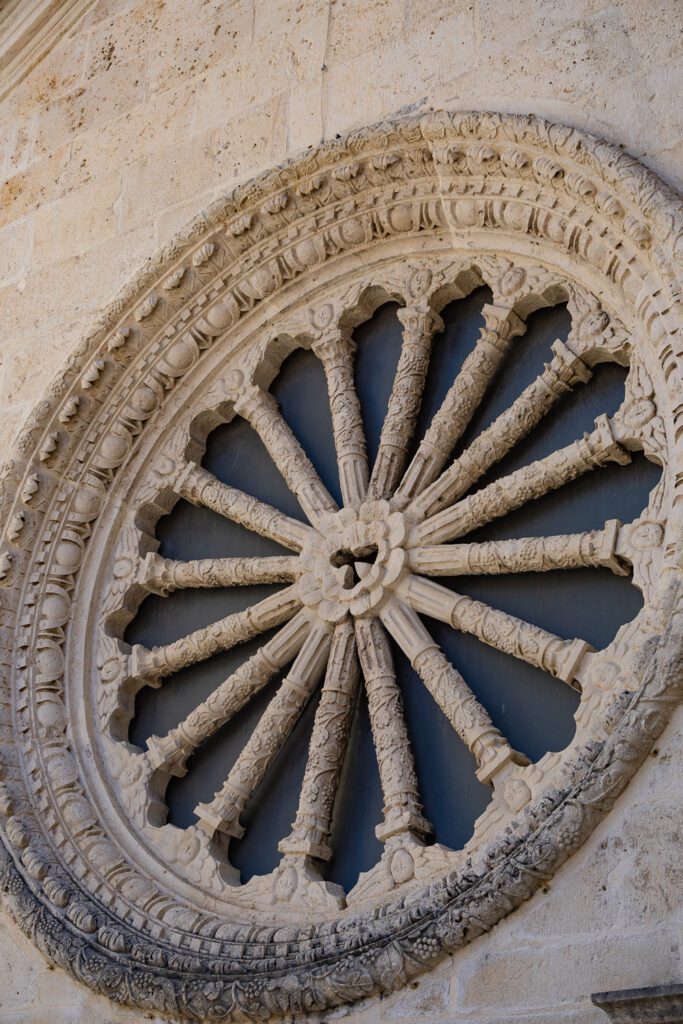
The cathedral has been rebuilt several times, especially after major earthquakes in the 17th and 20th centuries, so much of the present structure is reconstructed.
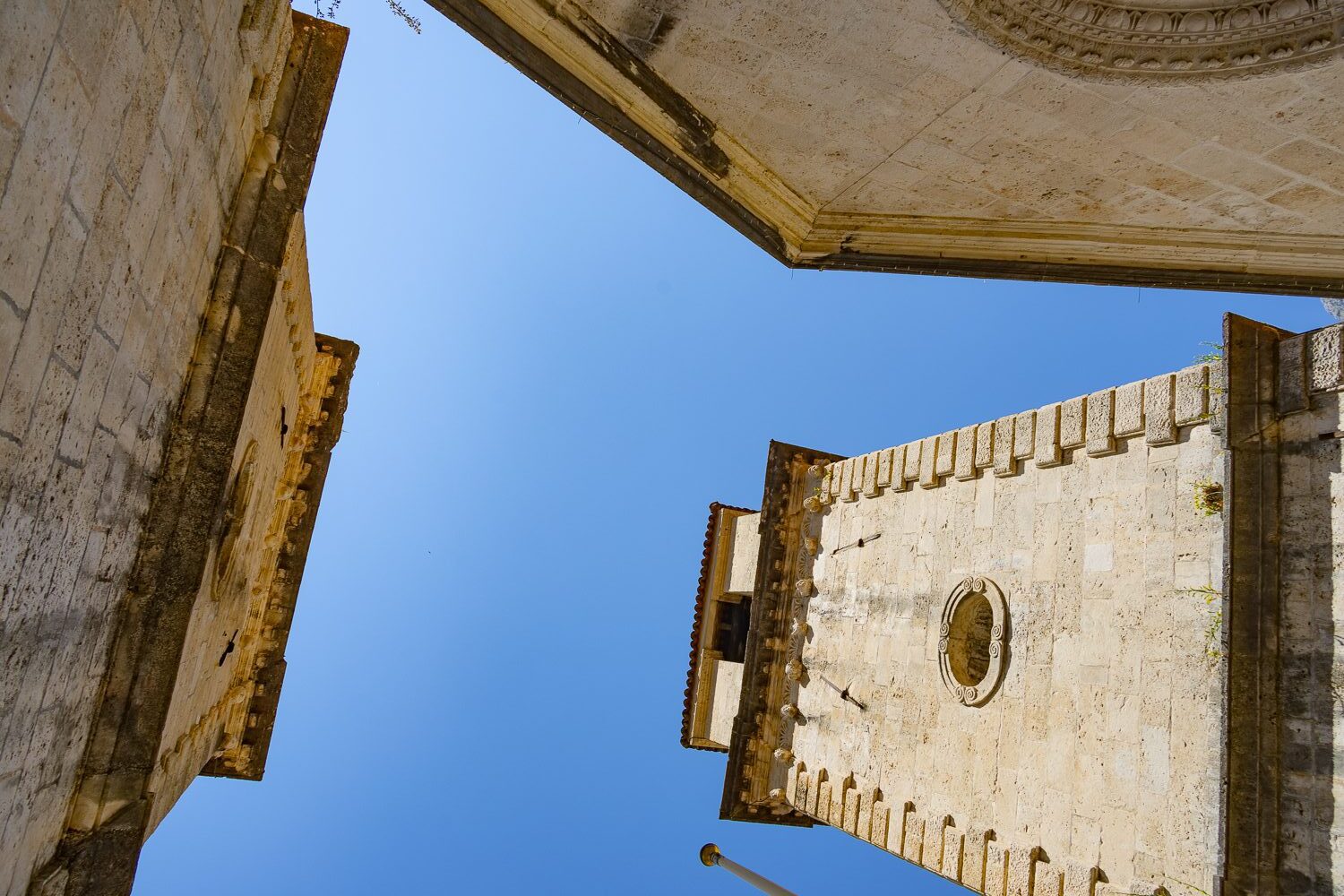

Inside you can visit the religious museum, which houses icons, paintings, books, and sacred objects made of precious metals.
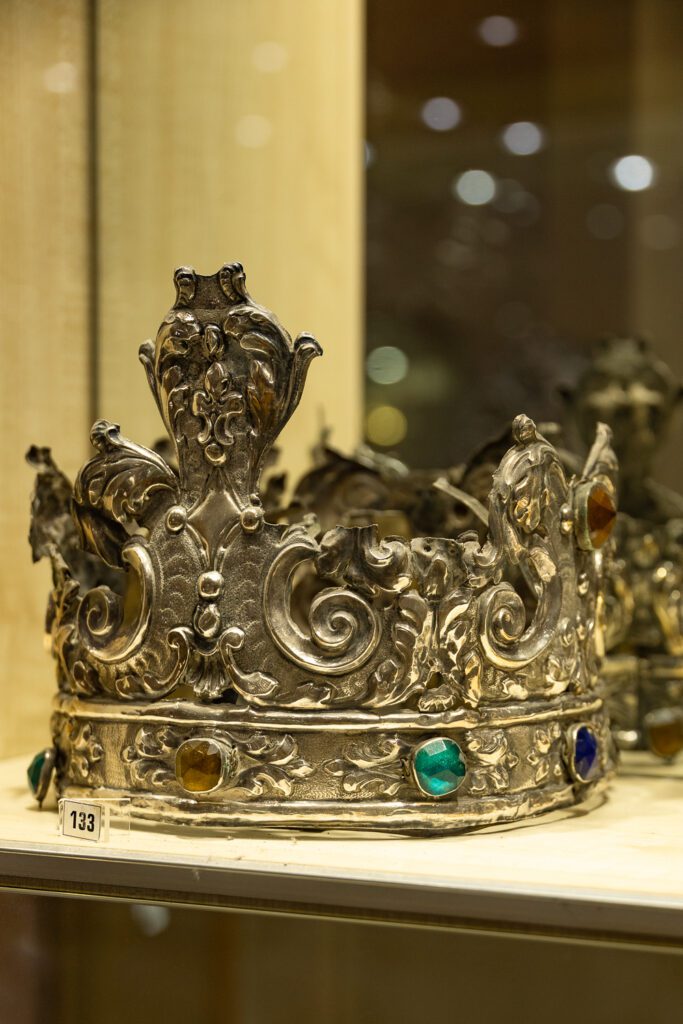
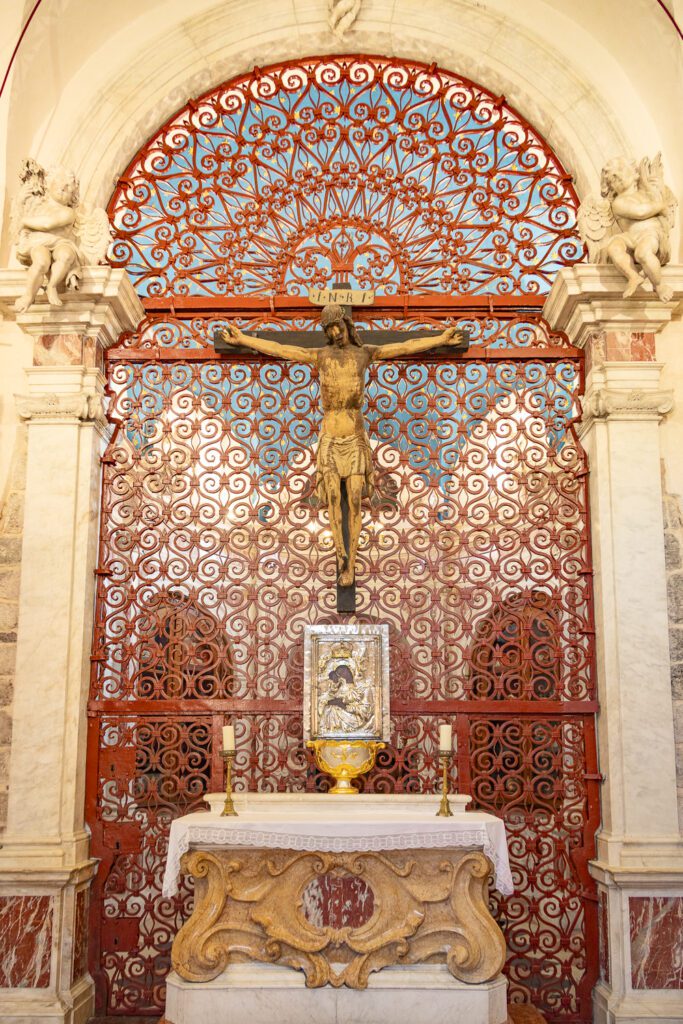
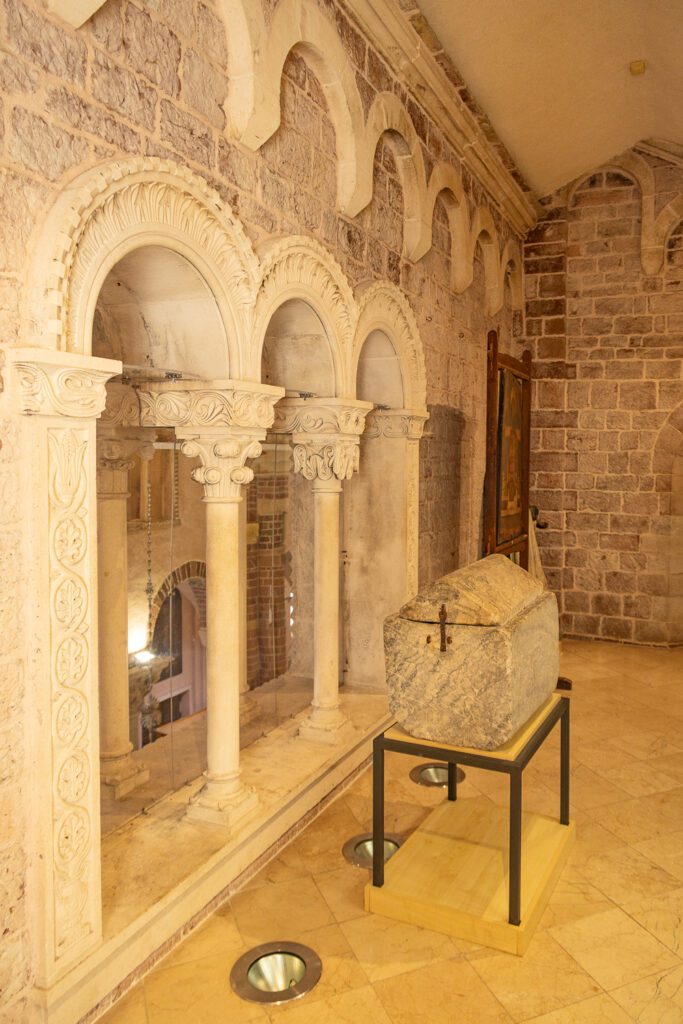
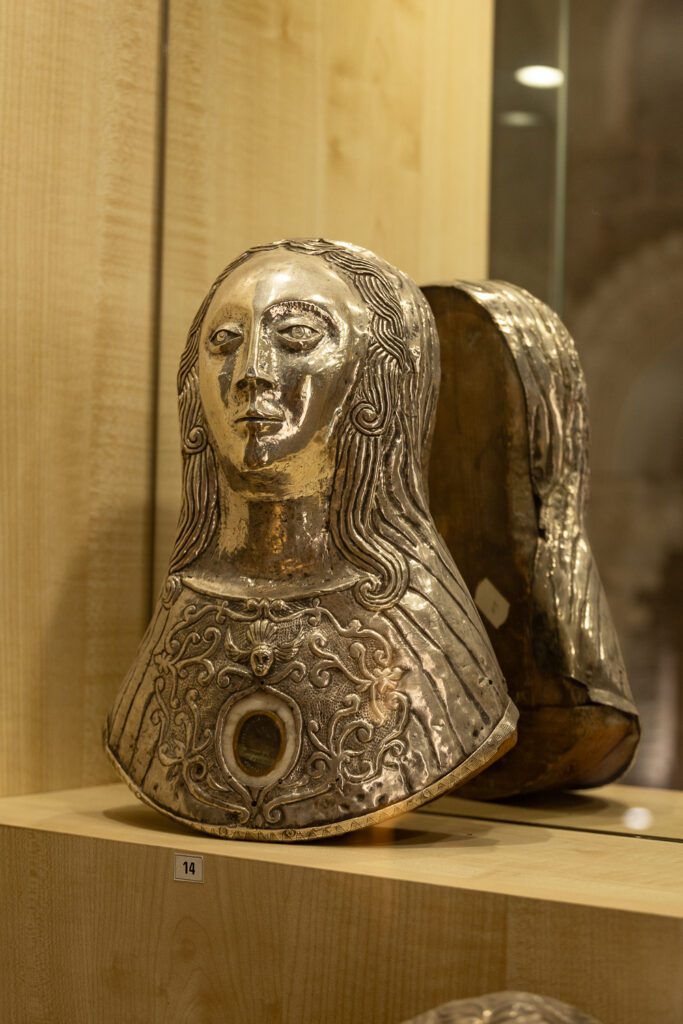
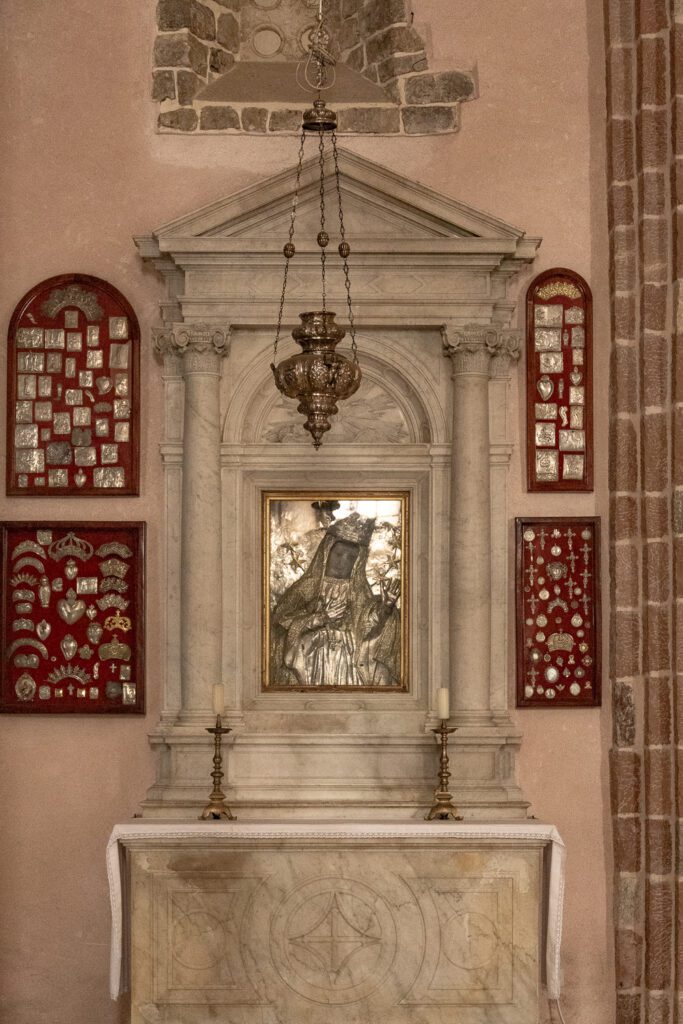
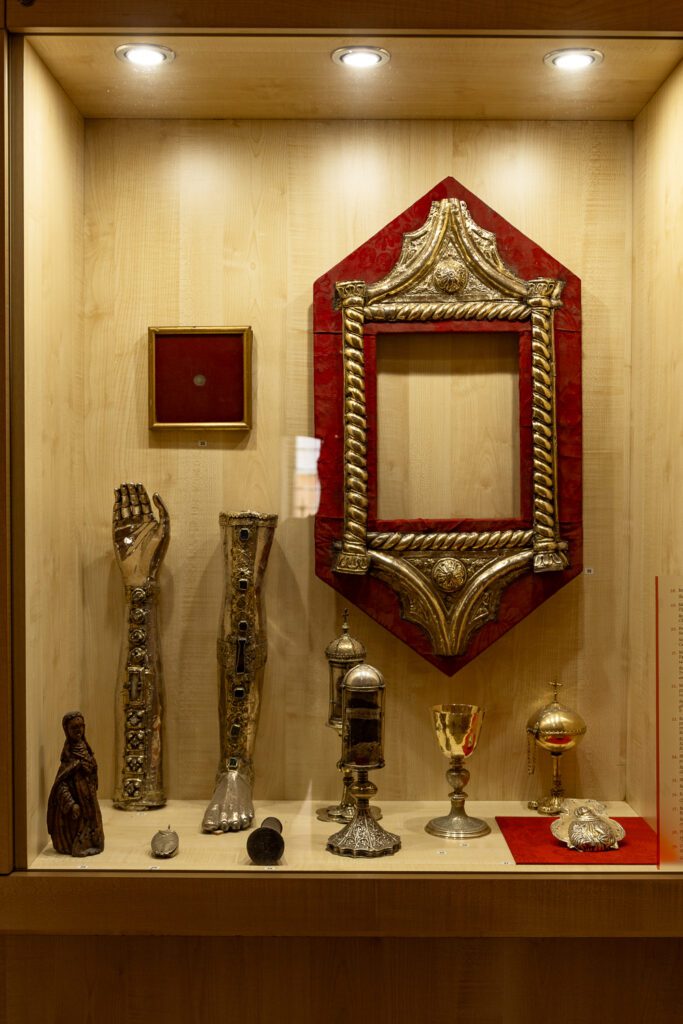
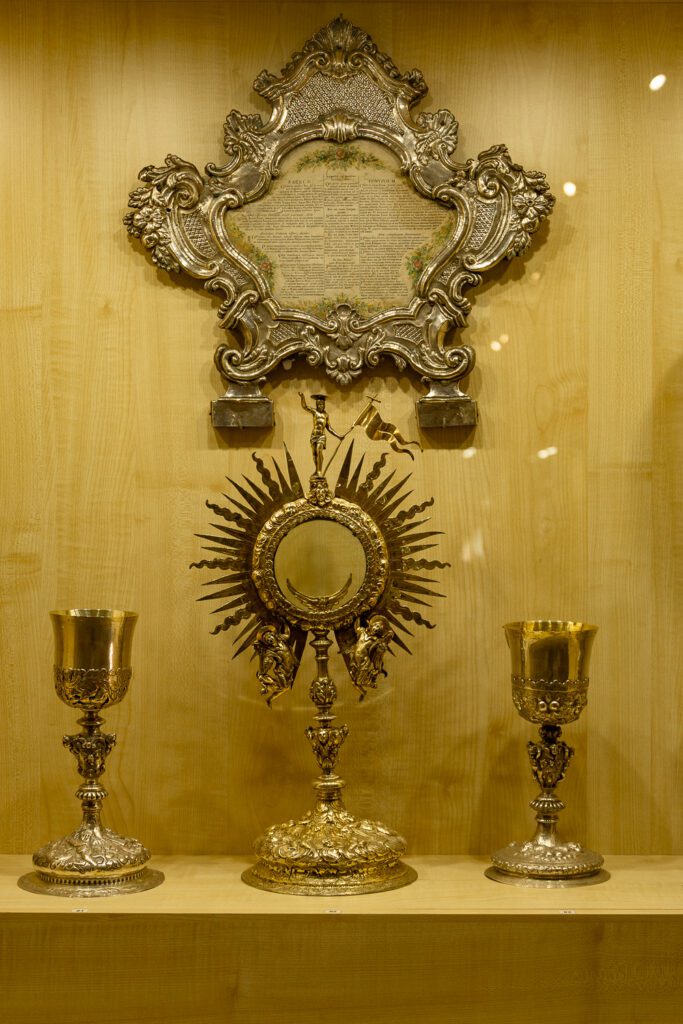
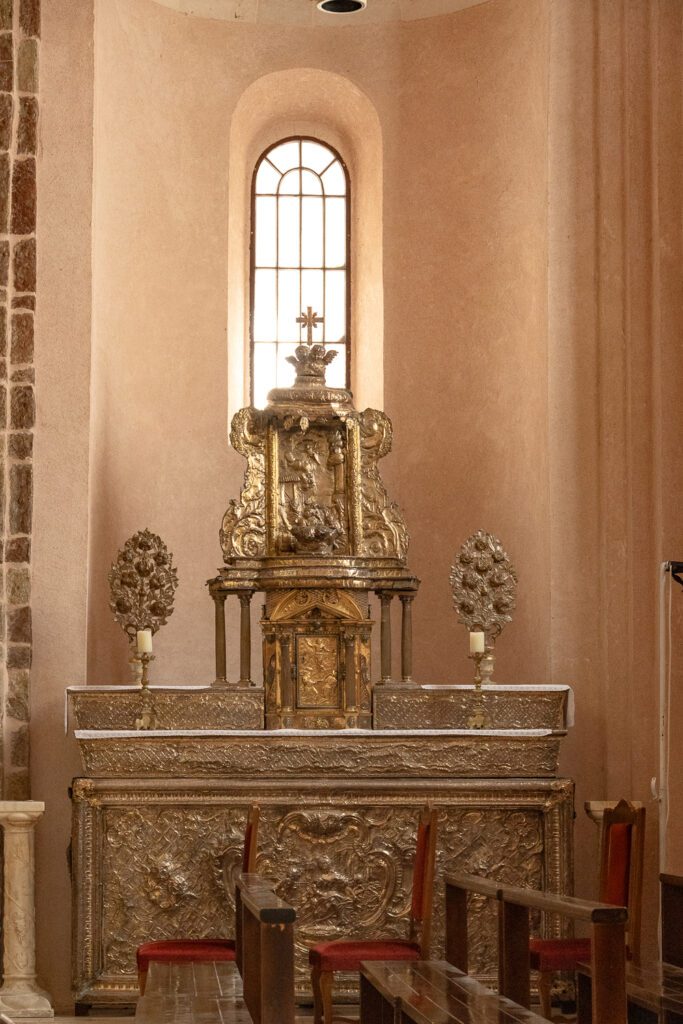
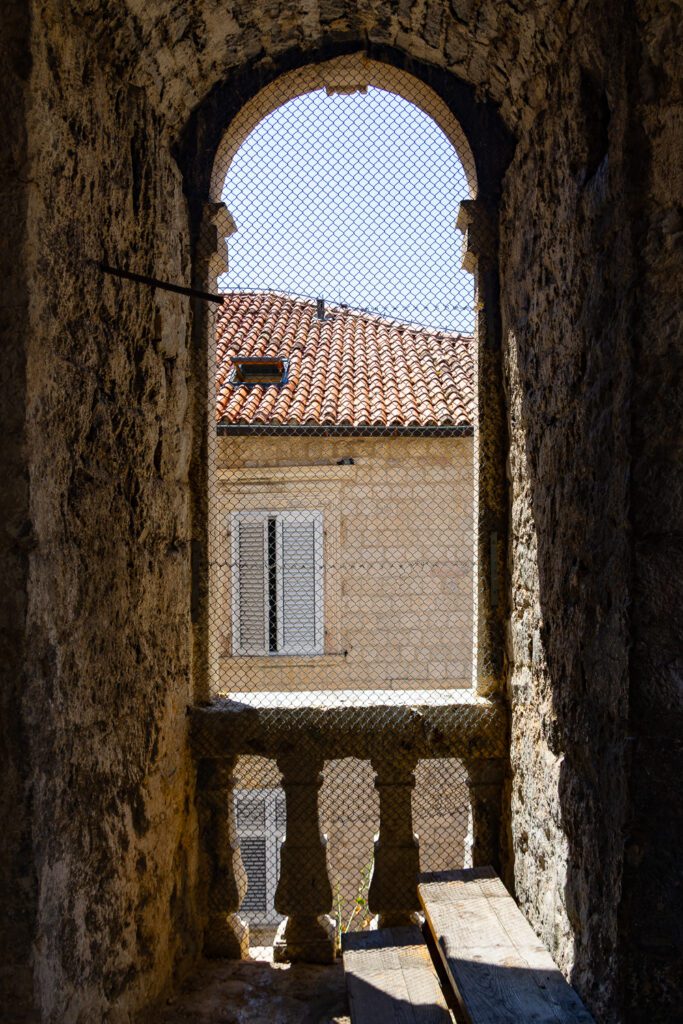
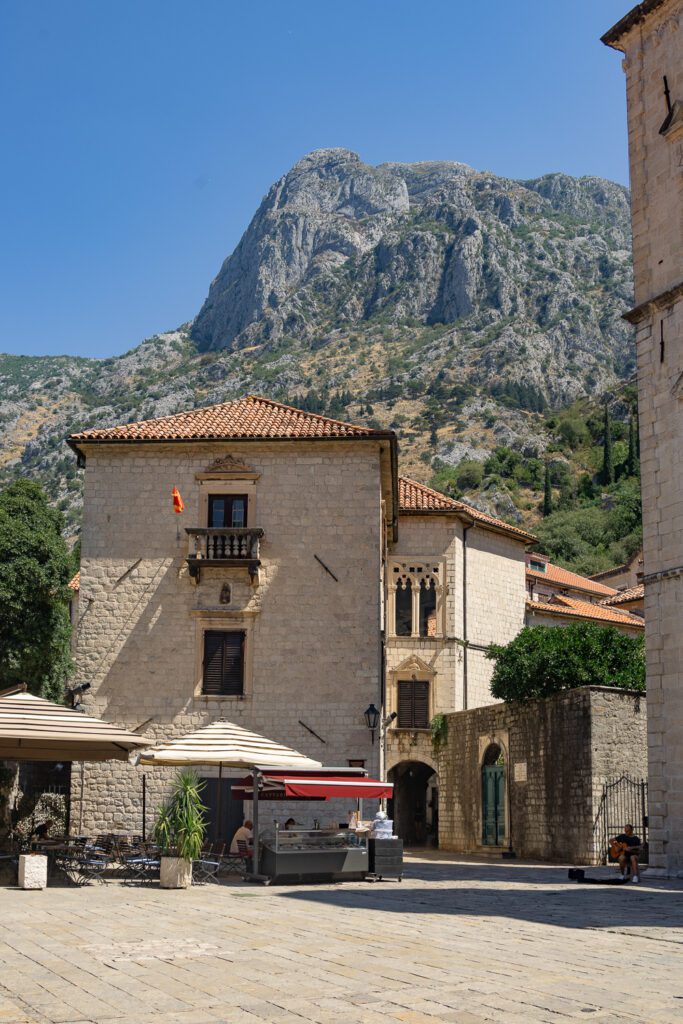
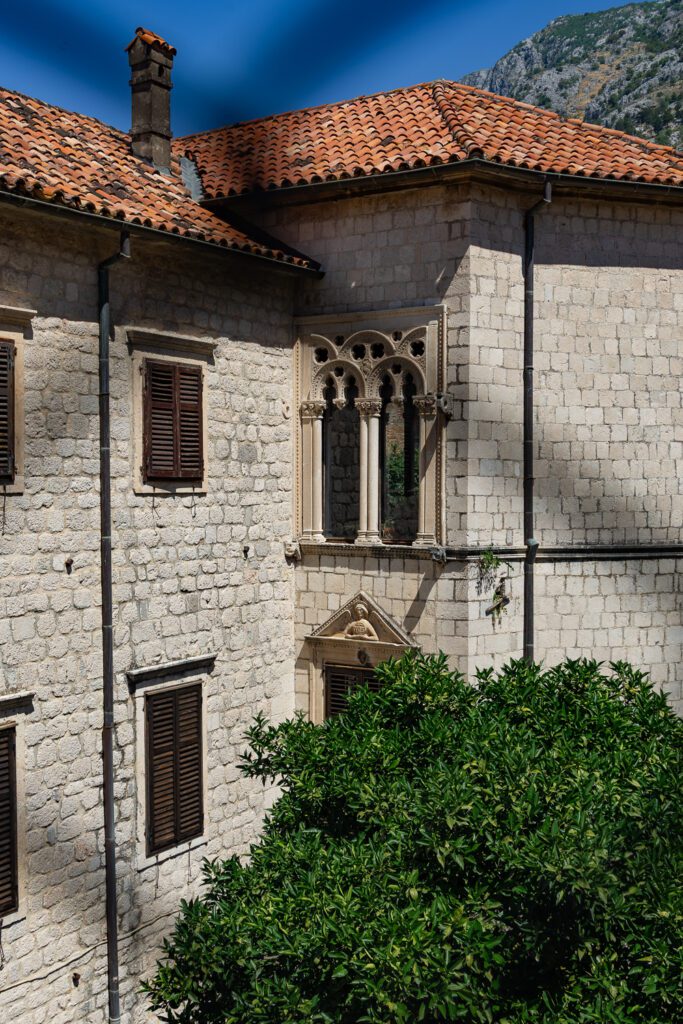
You can also access the balcony for a magnificent view over the square and Palace Drago next to the cathedral. Don’t miss the beautiful arched window there.
5. Flour Square
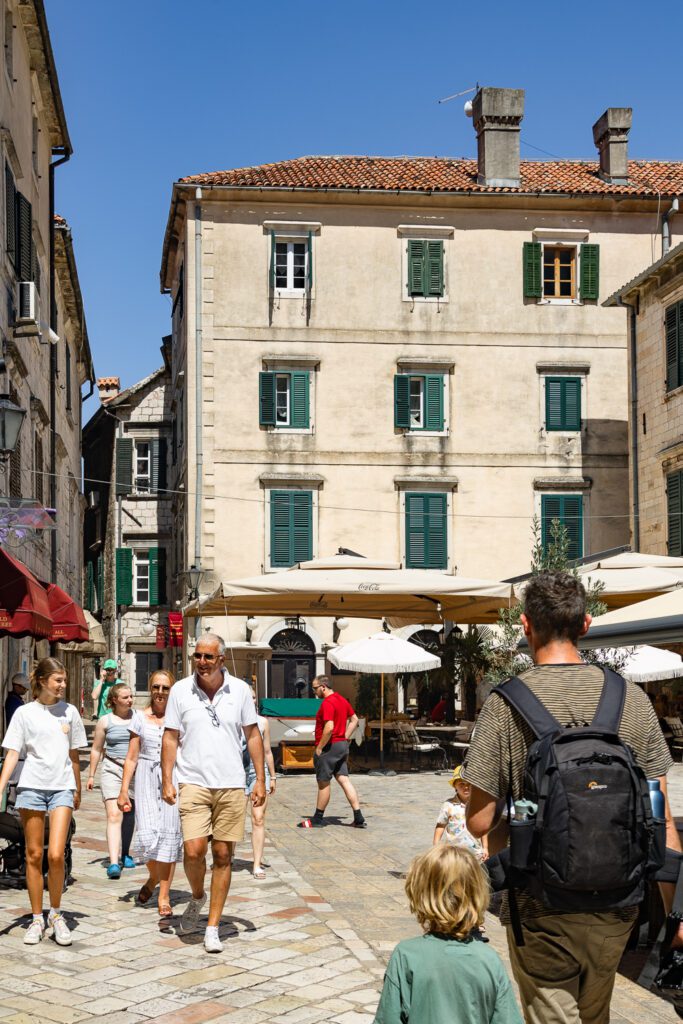
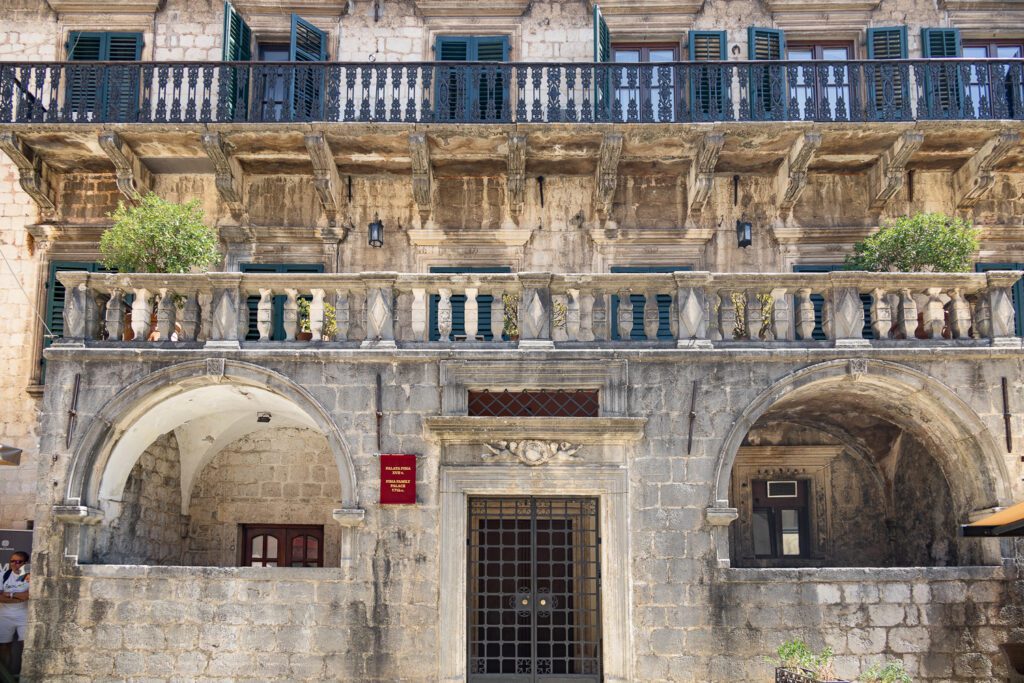
Flour Square (Trg od Brasna) takes its name from the flour warehouse that once stood here. Sit and enjoy the view of historic buildings and palaces decorated with ornate details: Pima Palace and Buća Palace are located here, along with the Church of Saint Nicholas of the Seamen. We stopped here to try Kotor’s traditional pastry filled with custard cream.

6. St. Michael’s Church
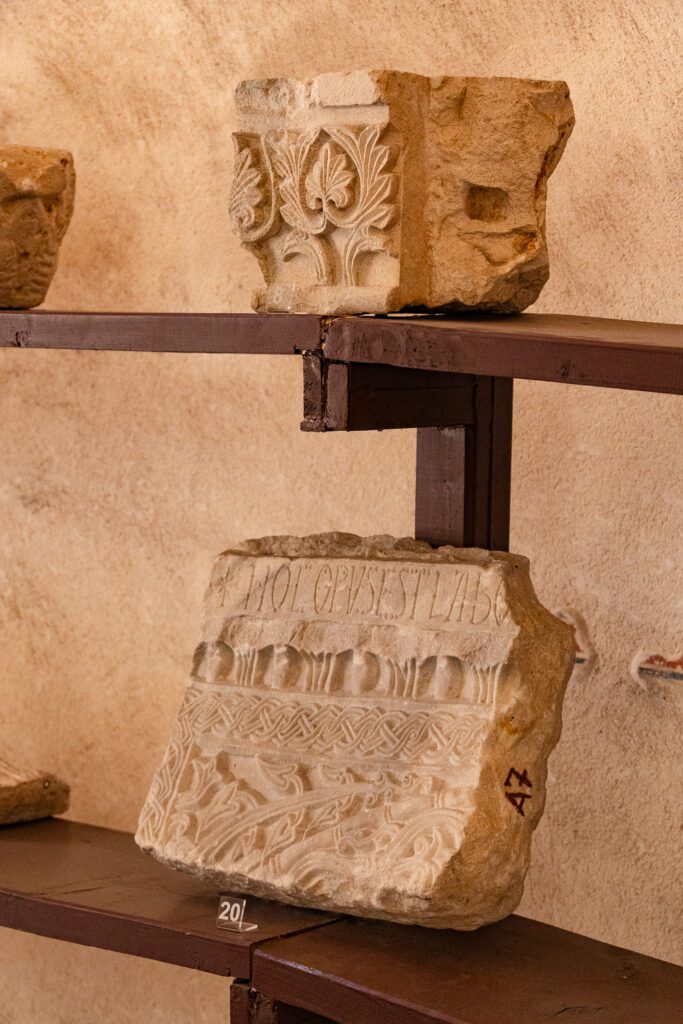
St. Michael’s Church now houses the Lapidarium museum. The building contains rare frescoes from the 15th century – you can still spot some images on the walls.
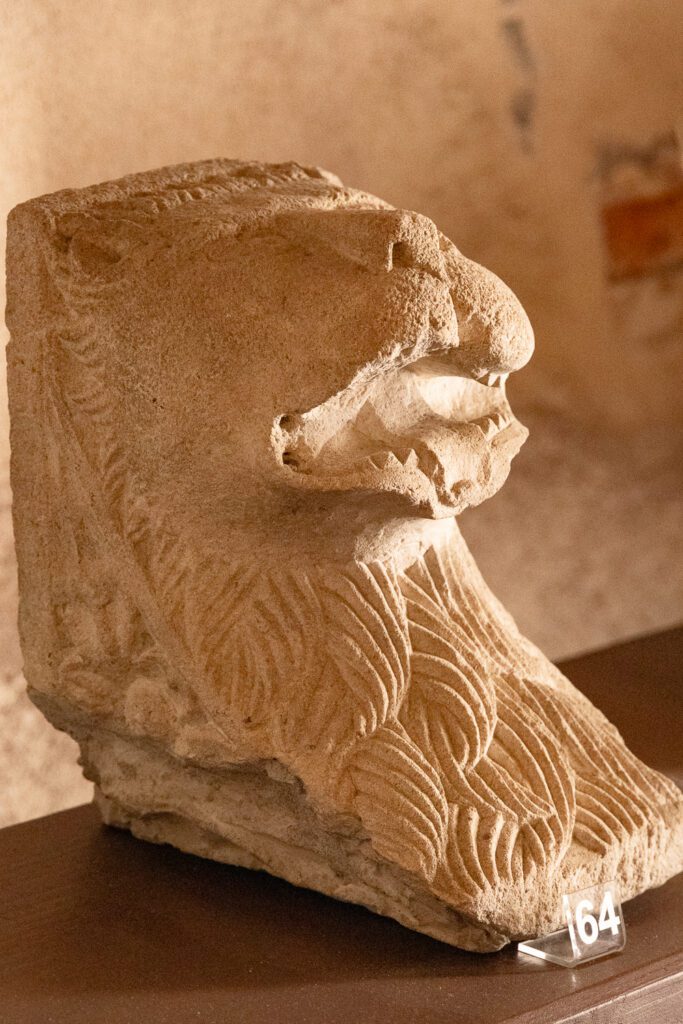
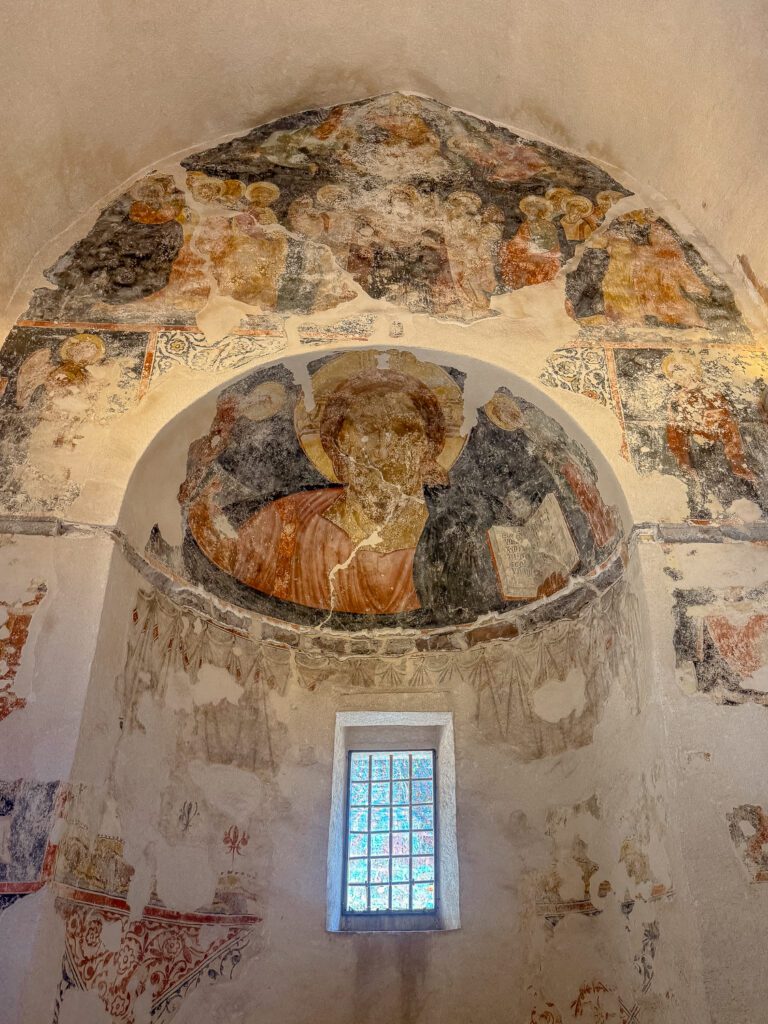
The museum’s collection is relatively small but contains unique items from the Roman and early Christian periods; be sure to admire the marble portrait of Emperor Domitian found in Kotor and dated to the late 1st century.


7. Cat Museum
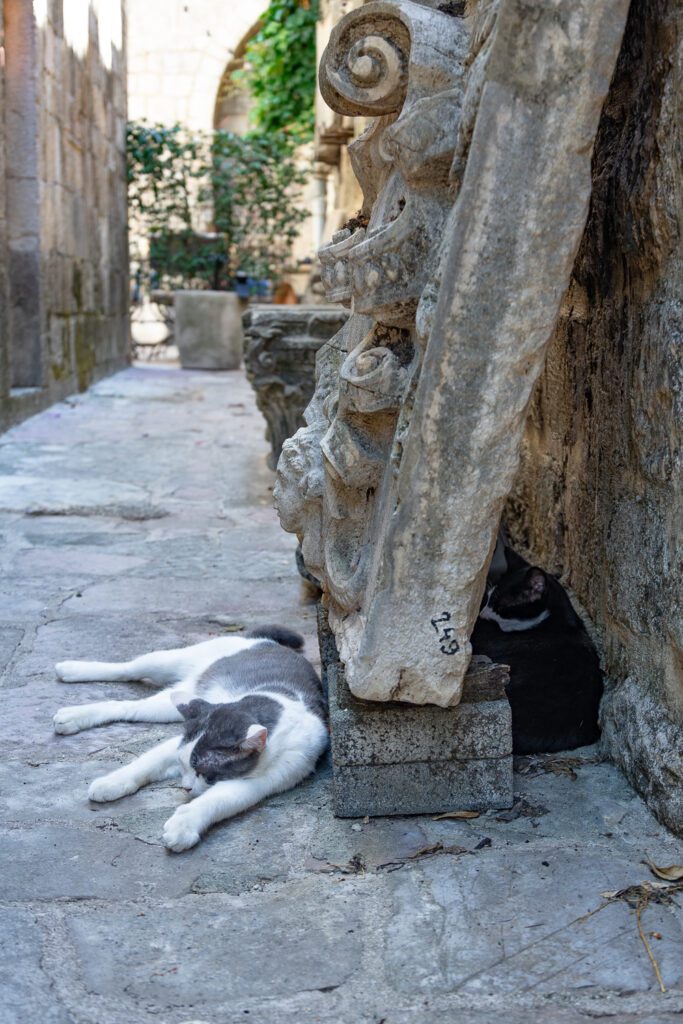
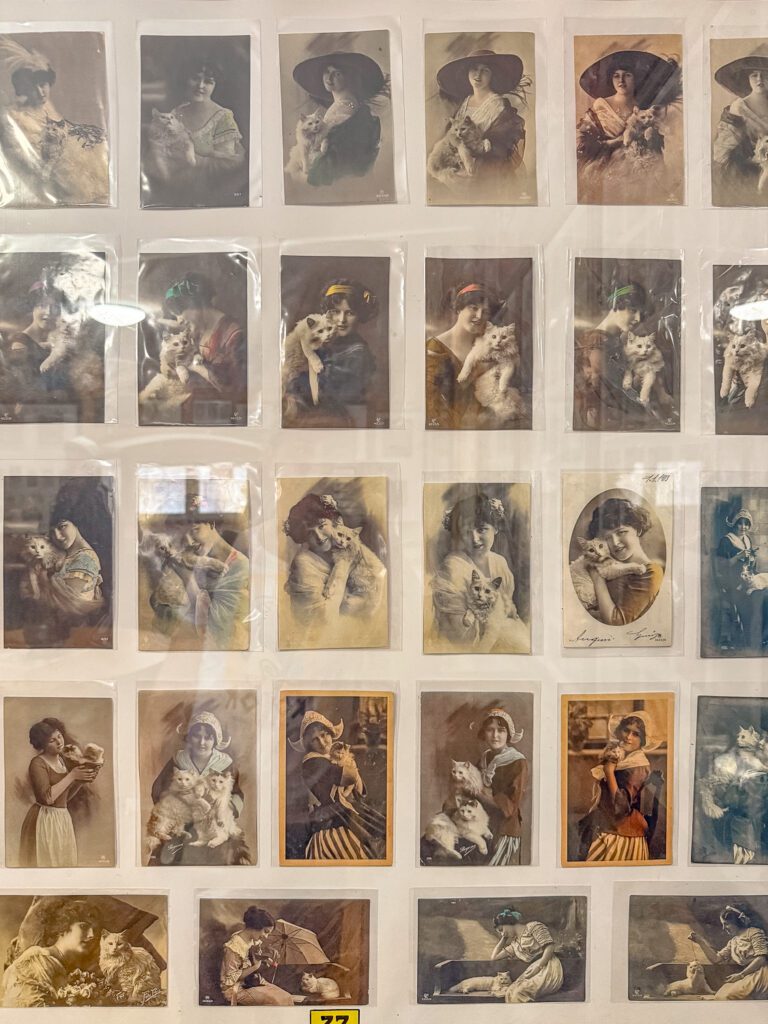
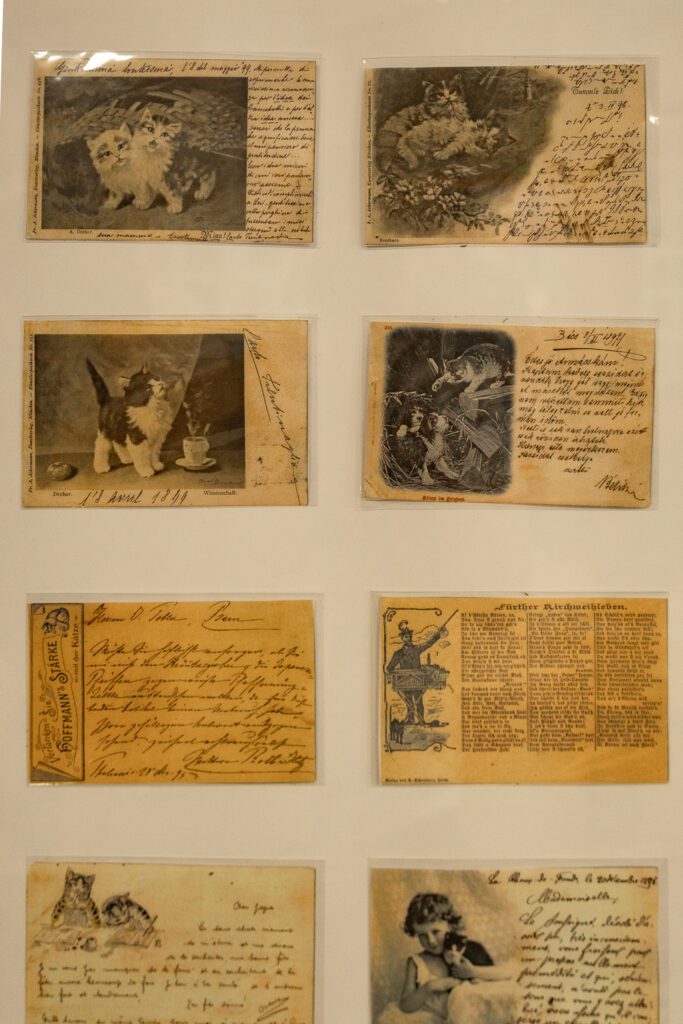
The Cat Museum is a unique attraction for cat lovers.
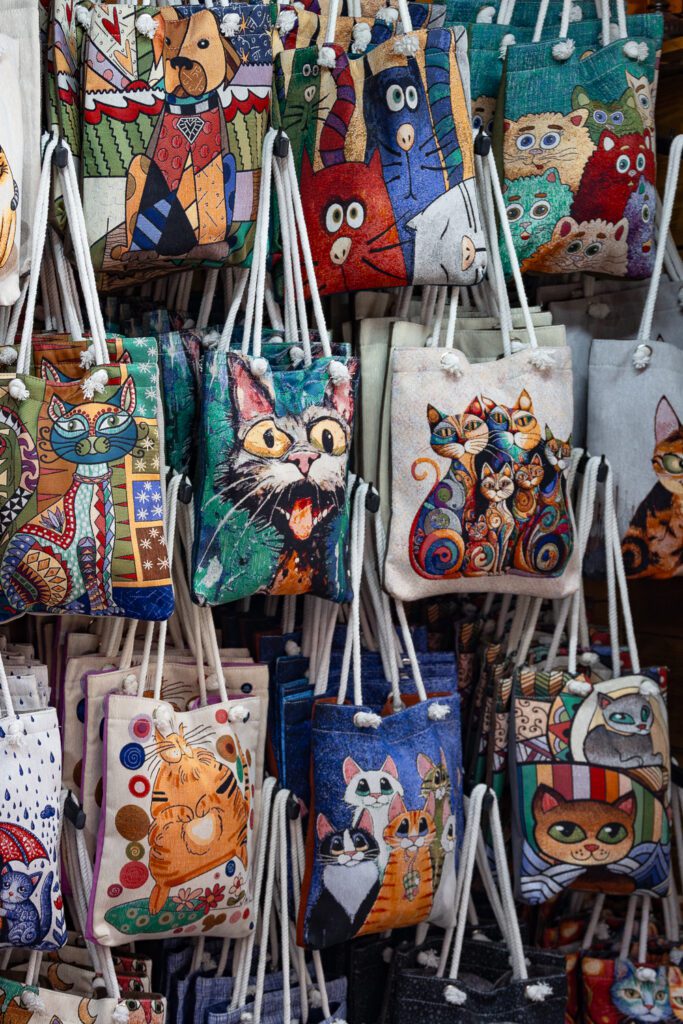
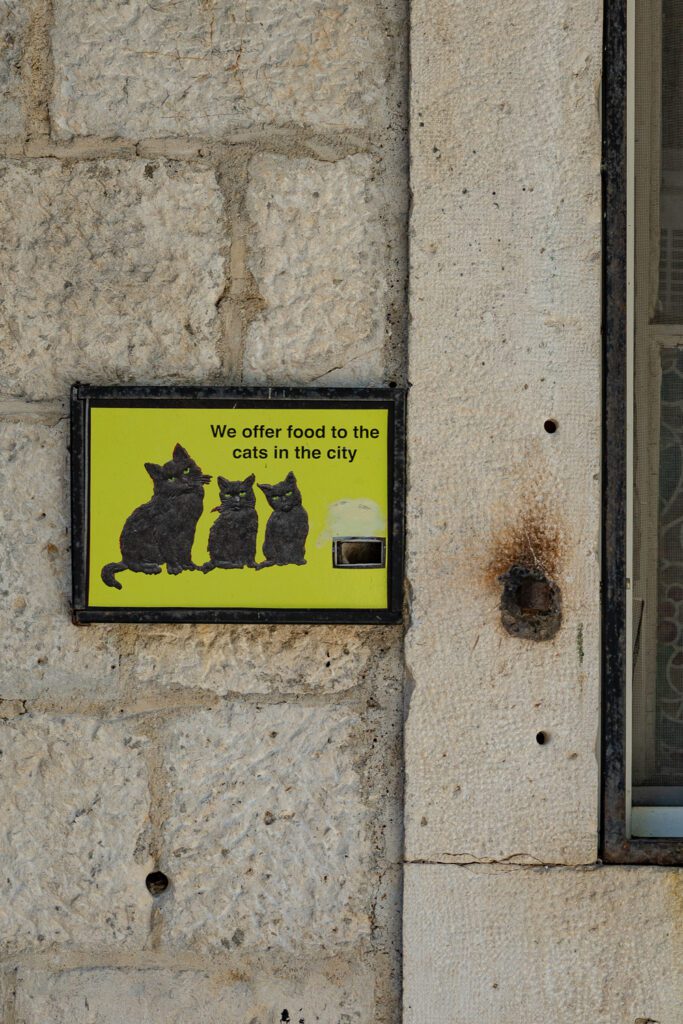
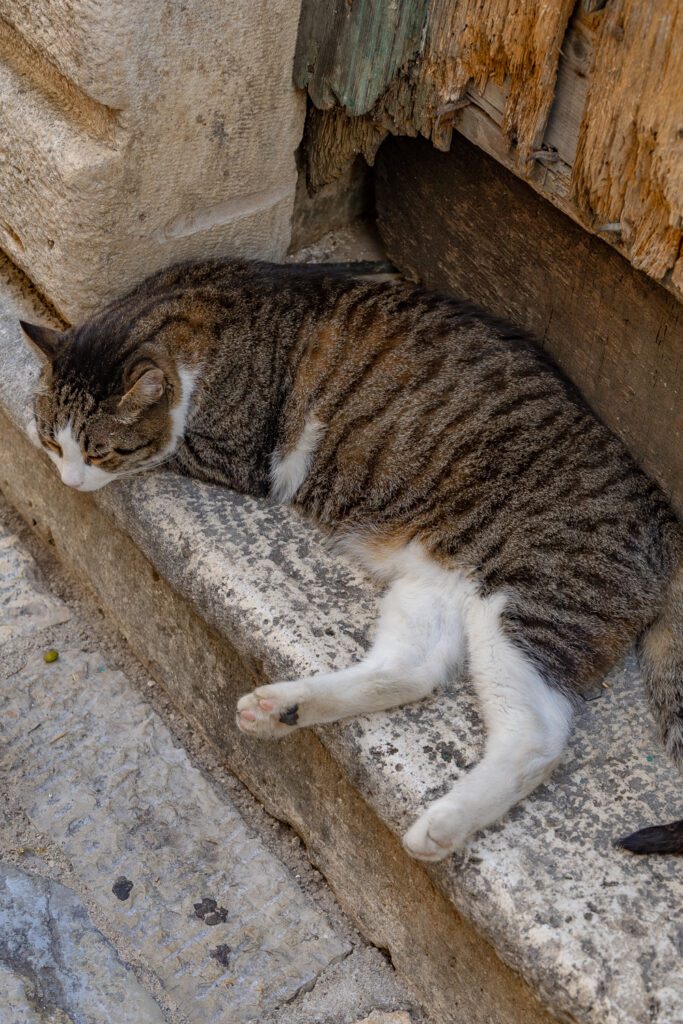
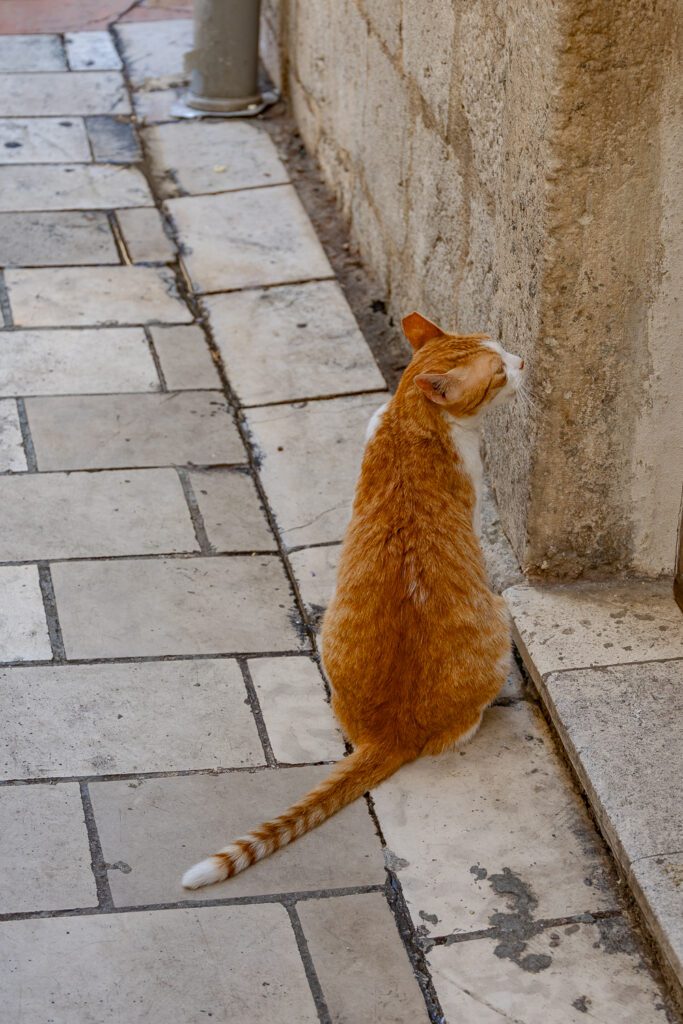
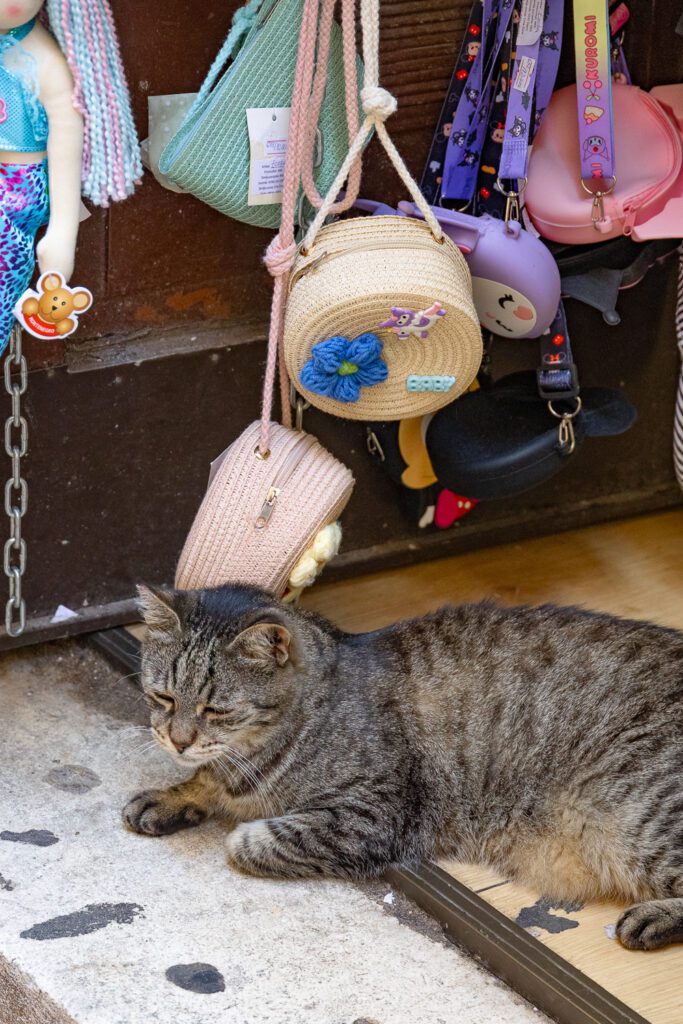
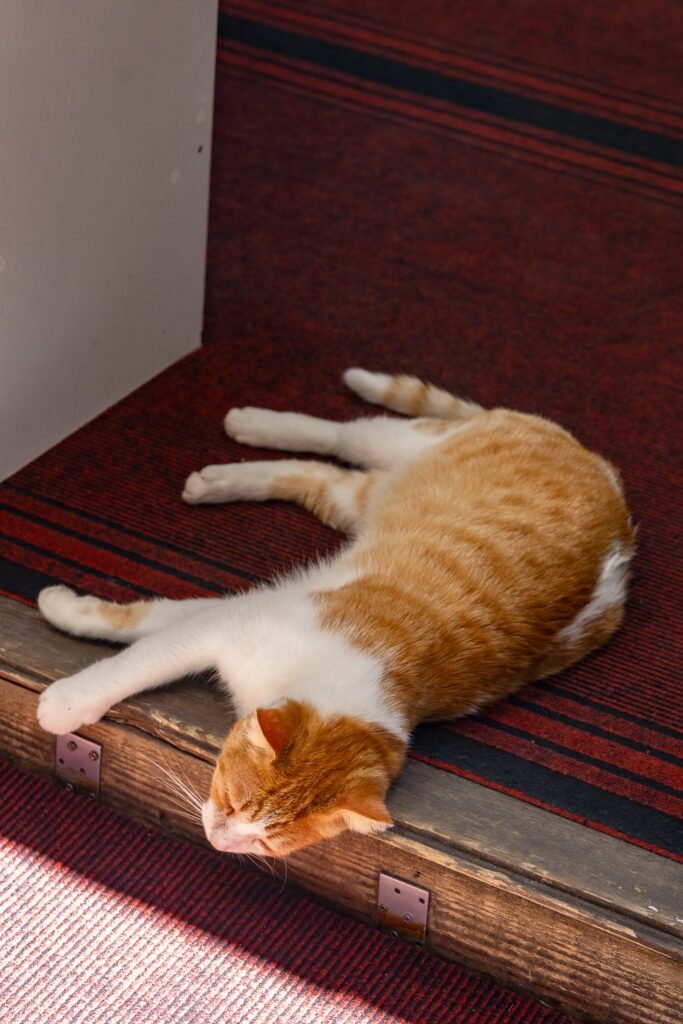
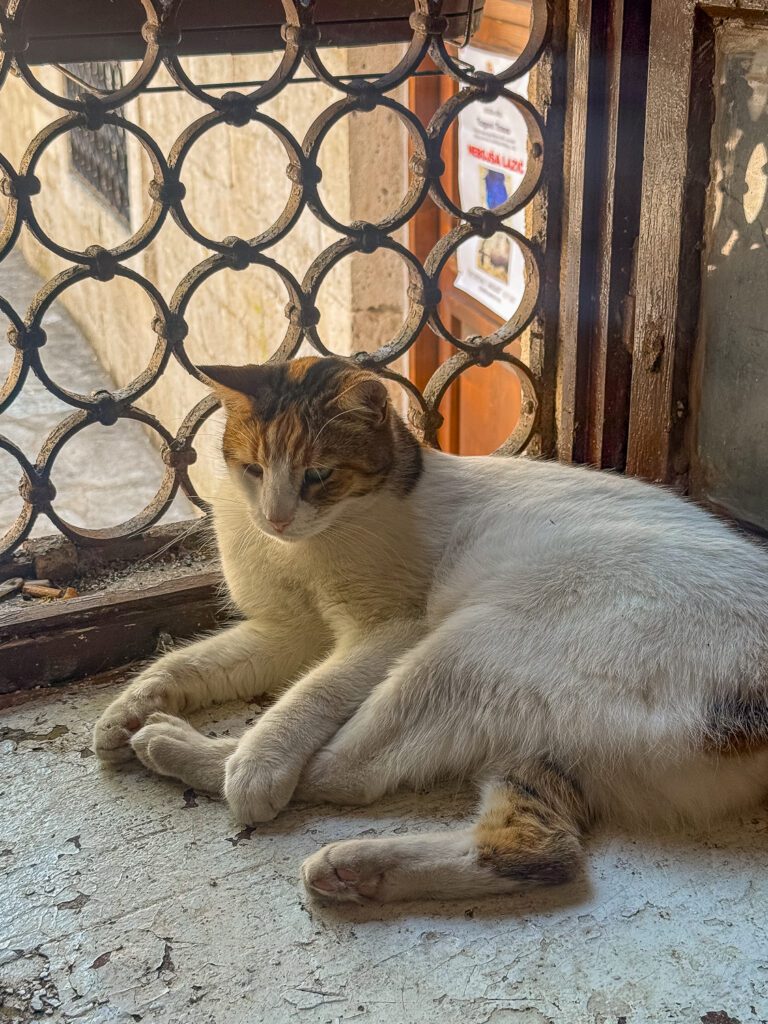
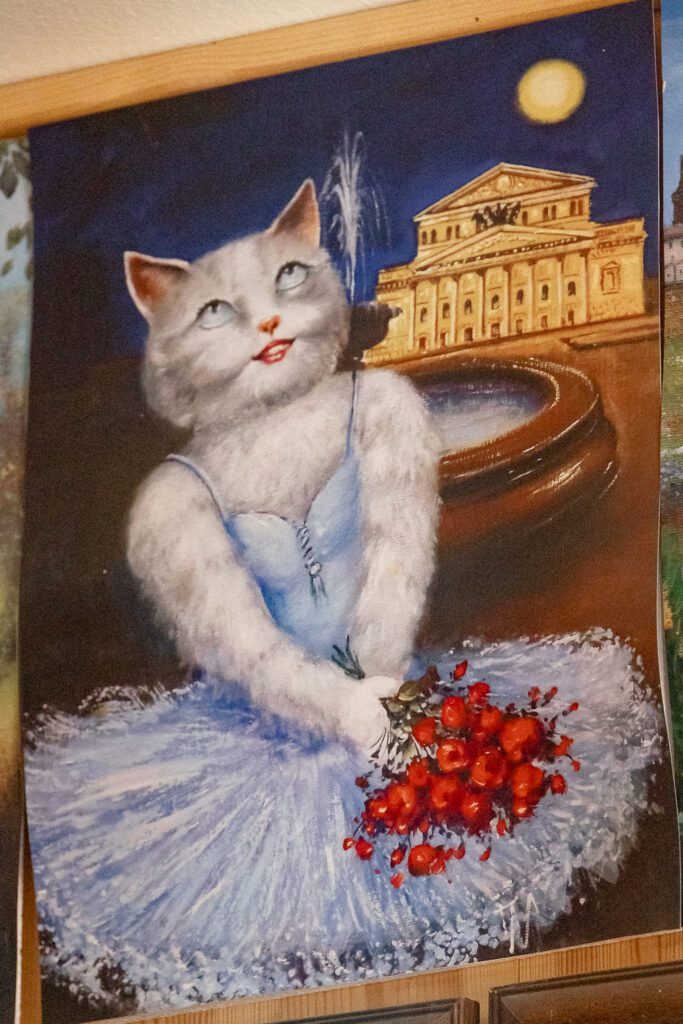
The museum displays items from the 16th century to modern times – all featuring cats. Cats are one of Kotor’s most significant symbols and appear on many souvenirs. The collection began when the private collection of Countess di Montereale Mantica merged with that of the Venetian International Cats’ Adoption Centre “Badoer.”
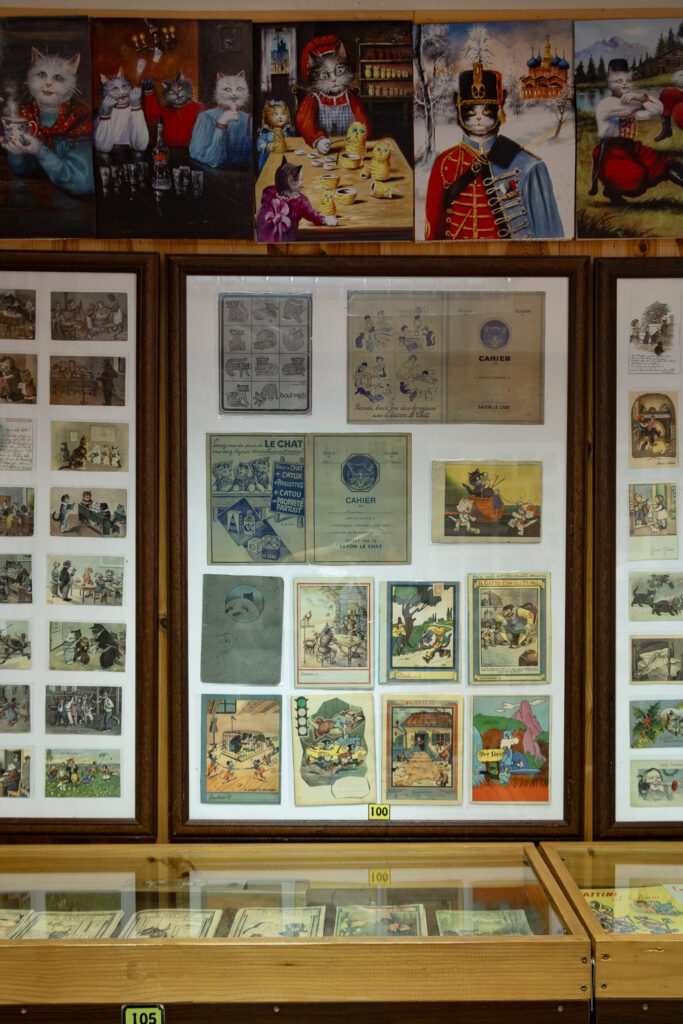
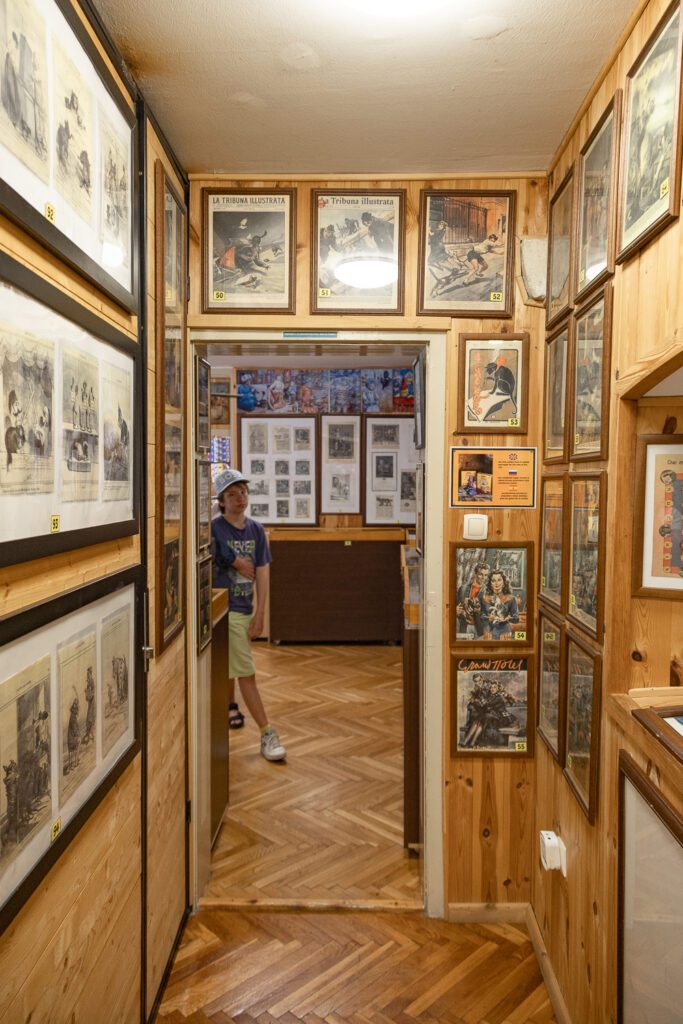
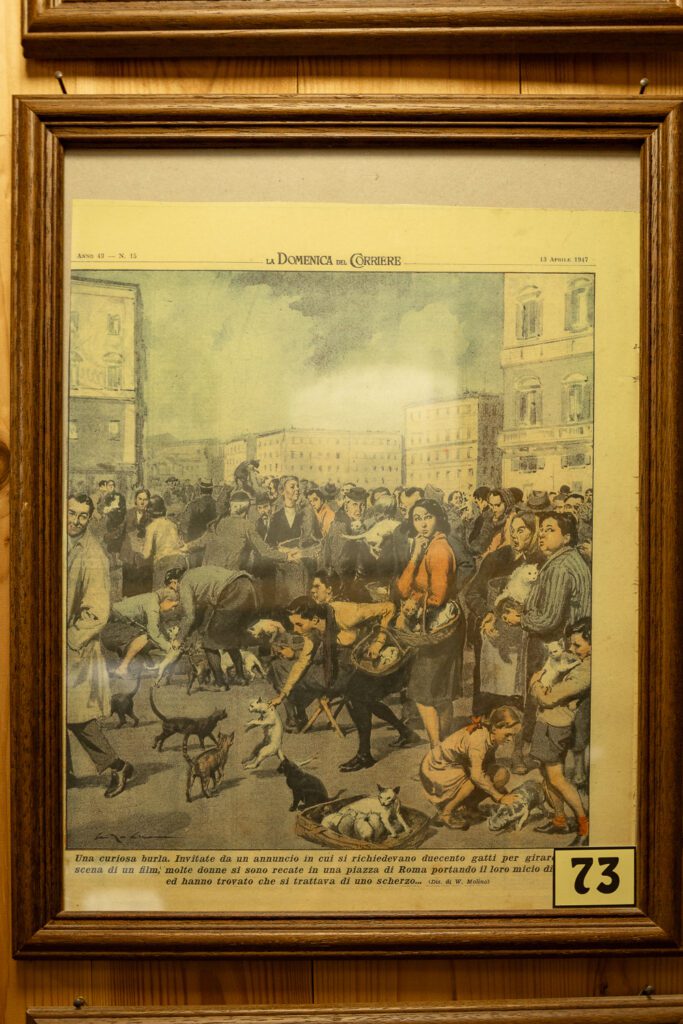
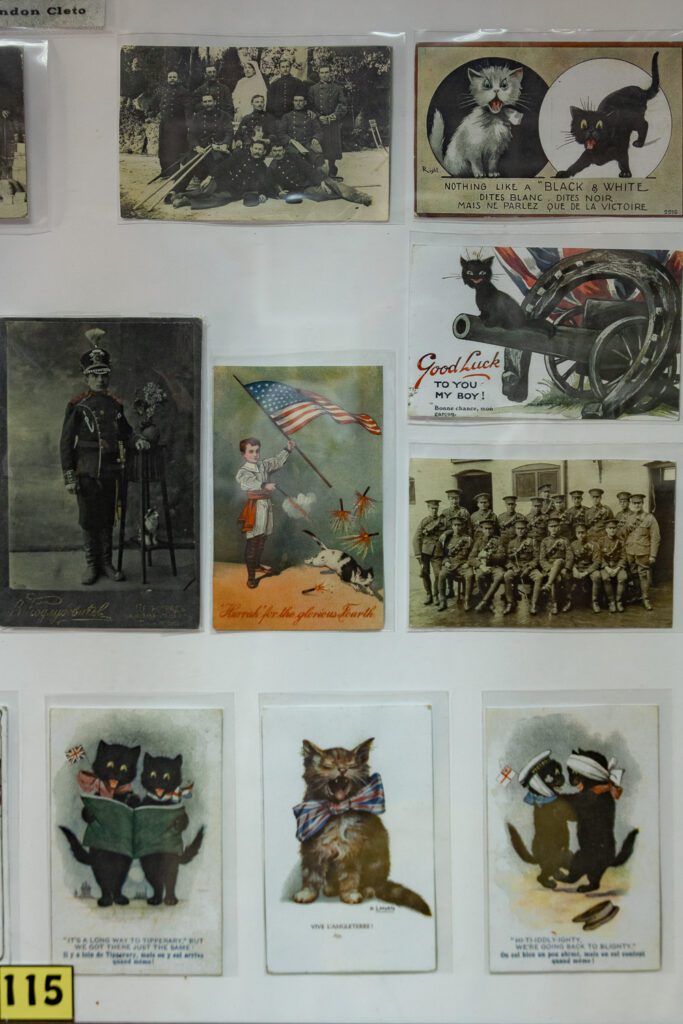

Paintings, postcards, brochures, photographs – everything related to cats is here. Entrance fees help locals feed and care for Kotor’s cats.
8. Black Poplar
In Cinema Square, in front of the Cat Museum, you’ll see a black poplar (Populus nigra), a large historic tree.
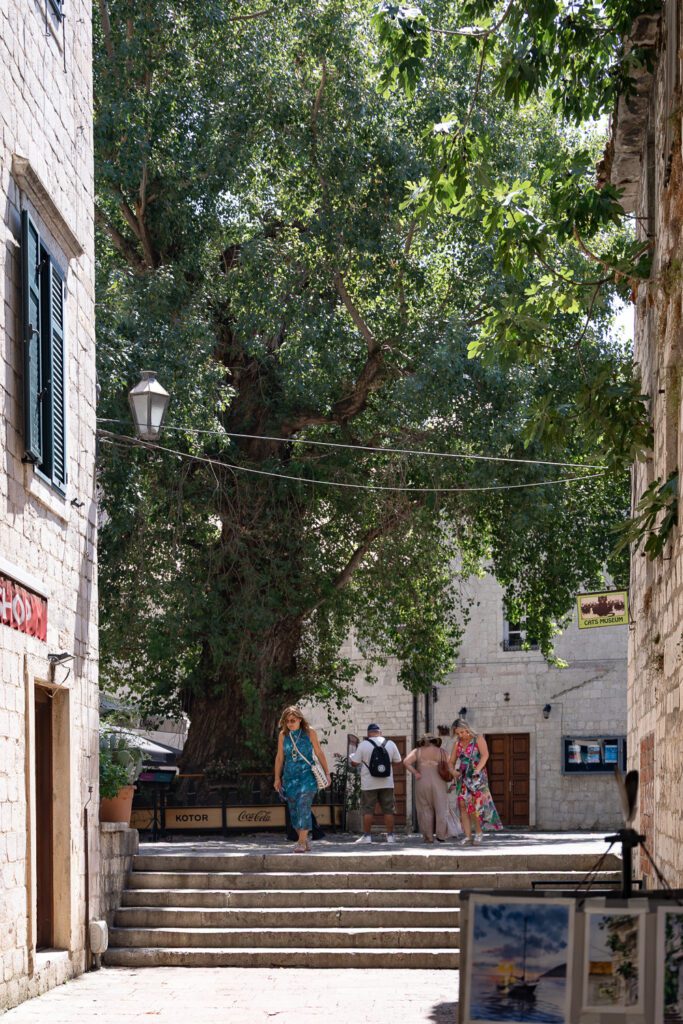

It was planted after the devastating earthquake of 1667 on the site of the courtyard of the Franciscan monastery of Our Lady of the Angels. The monastery’s well is gone, but the poplar remains.
9. Maritime Museum
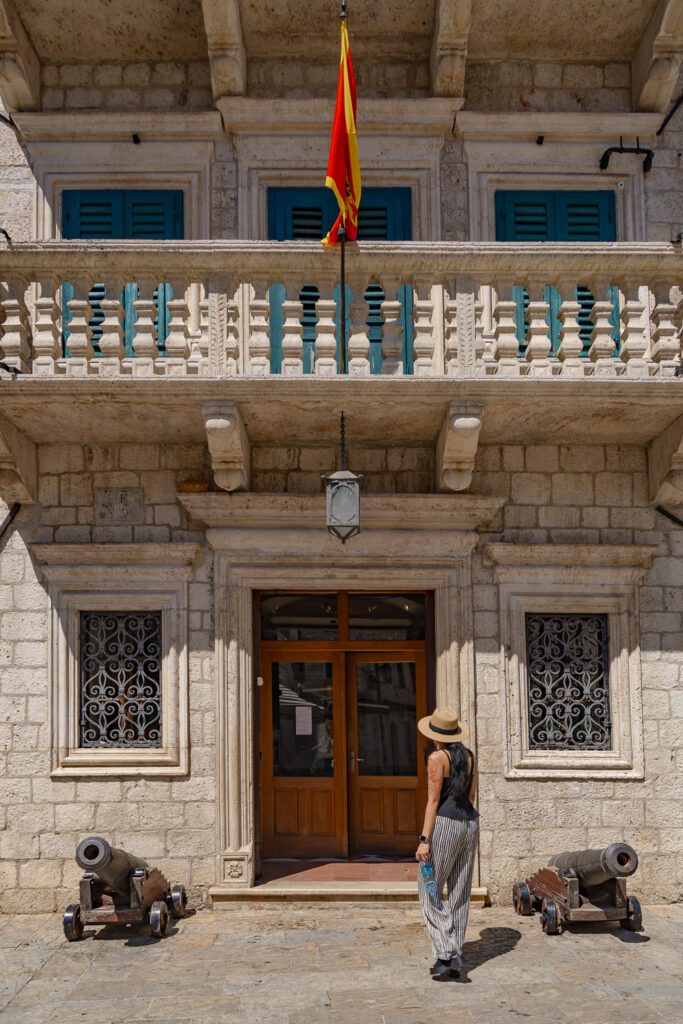
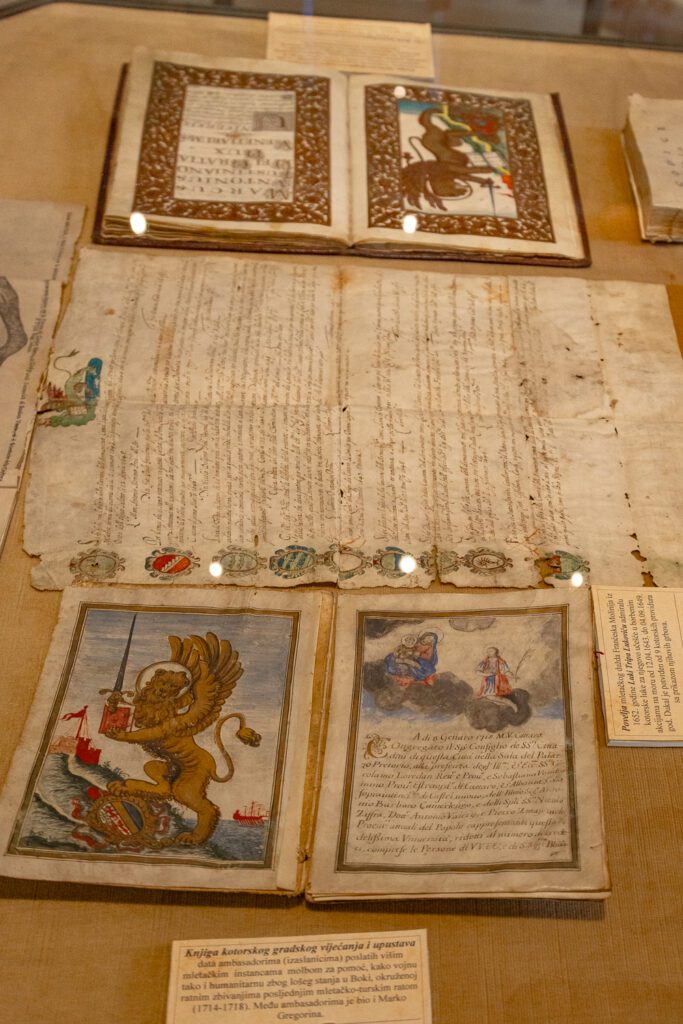
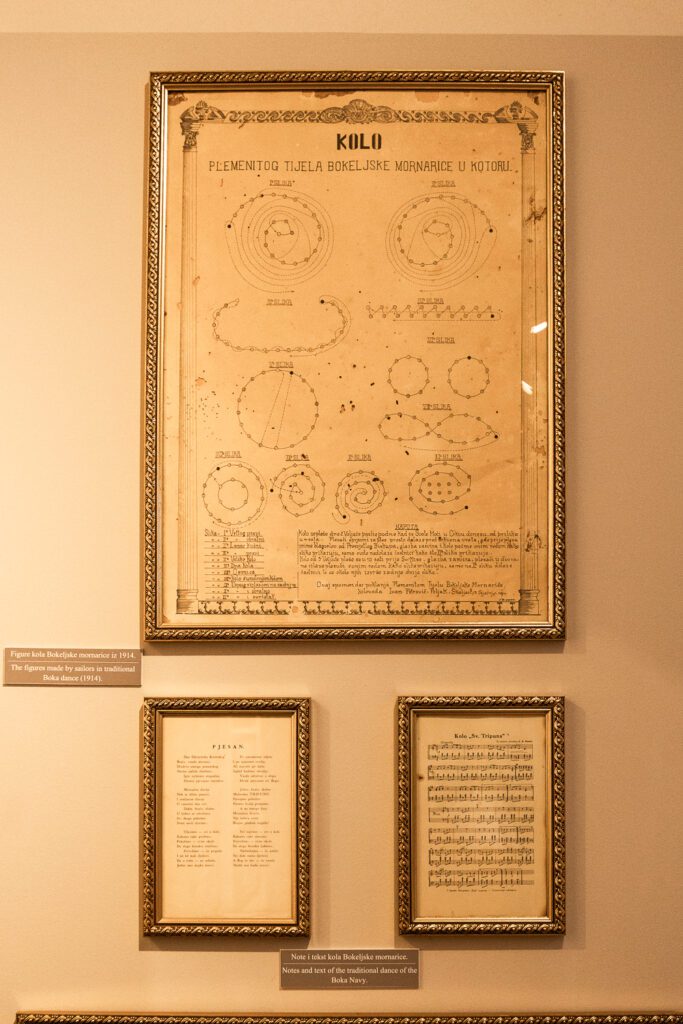
The Maritime Museum is housed in the beautiful Grgurina family palace and has been there since 1938. The collection began in 1880 with the Boka Marine Fraternity and opened in another location in 1900.
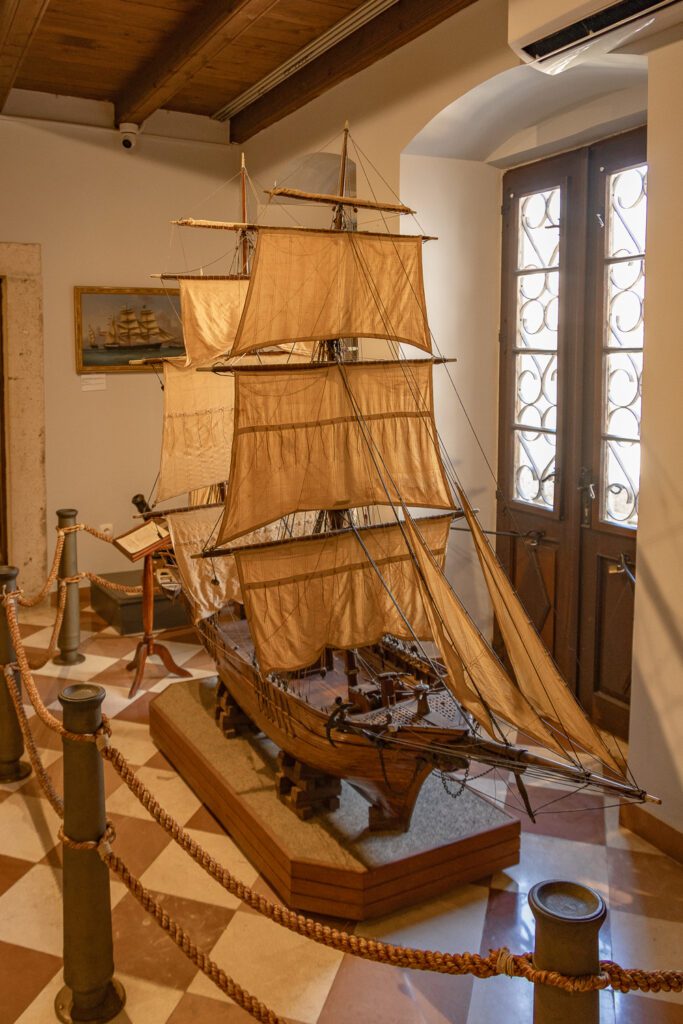

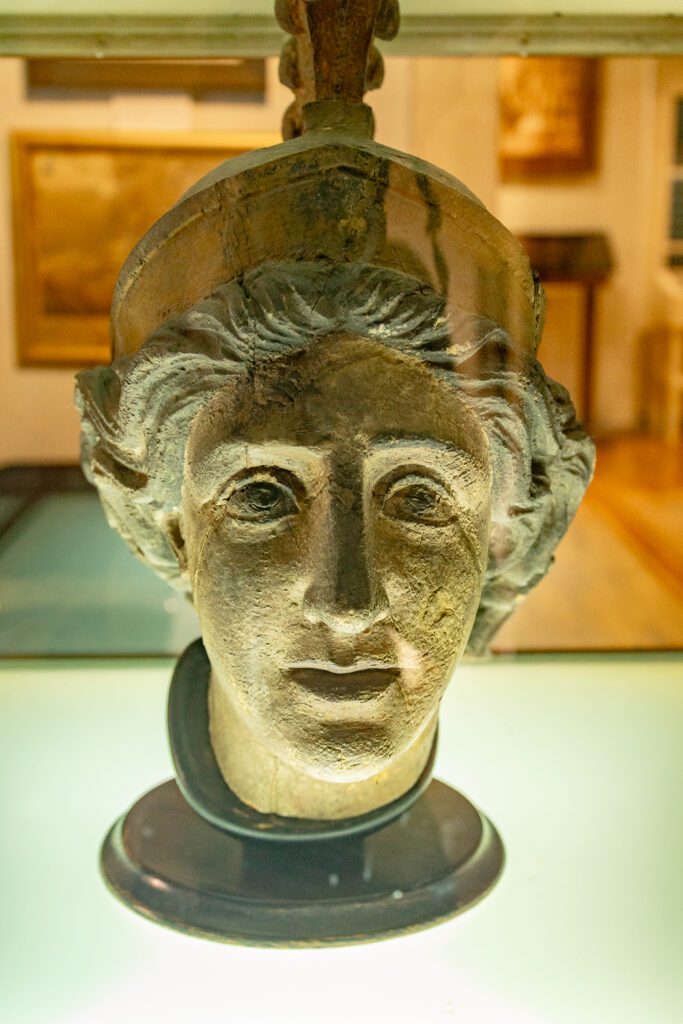

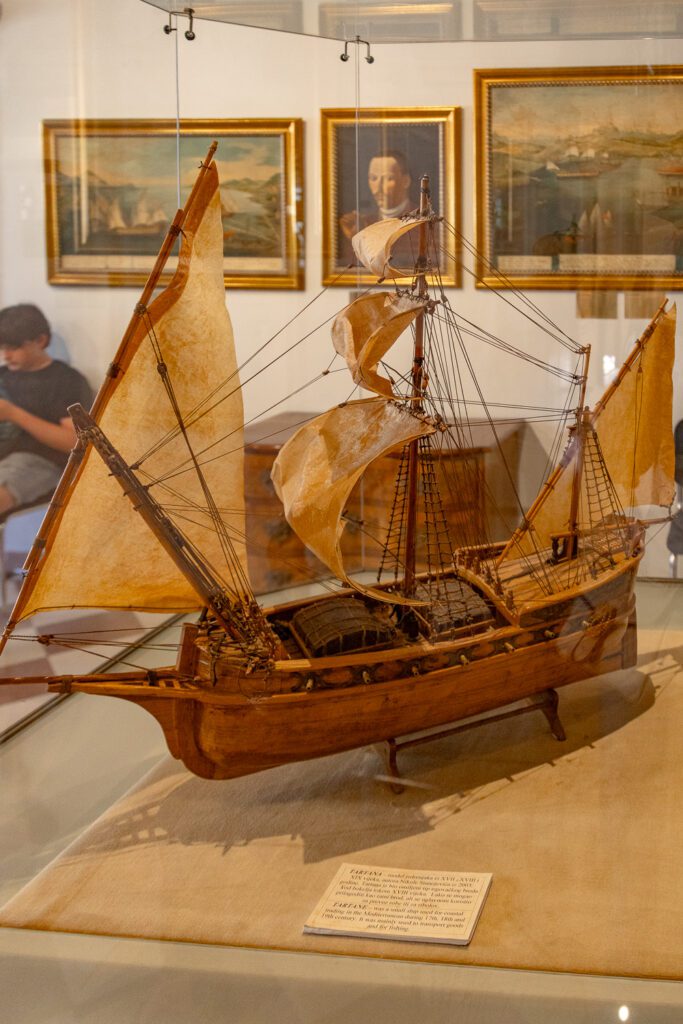
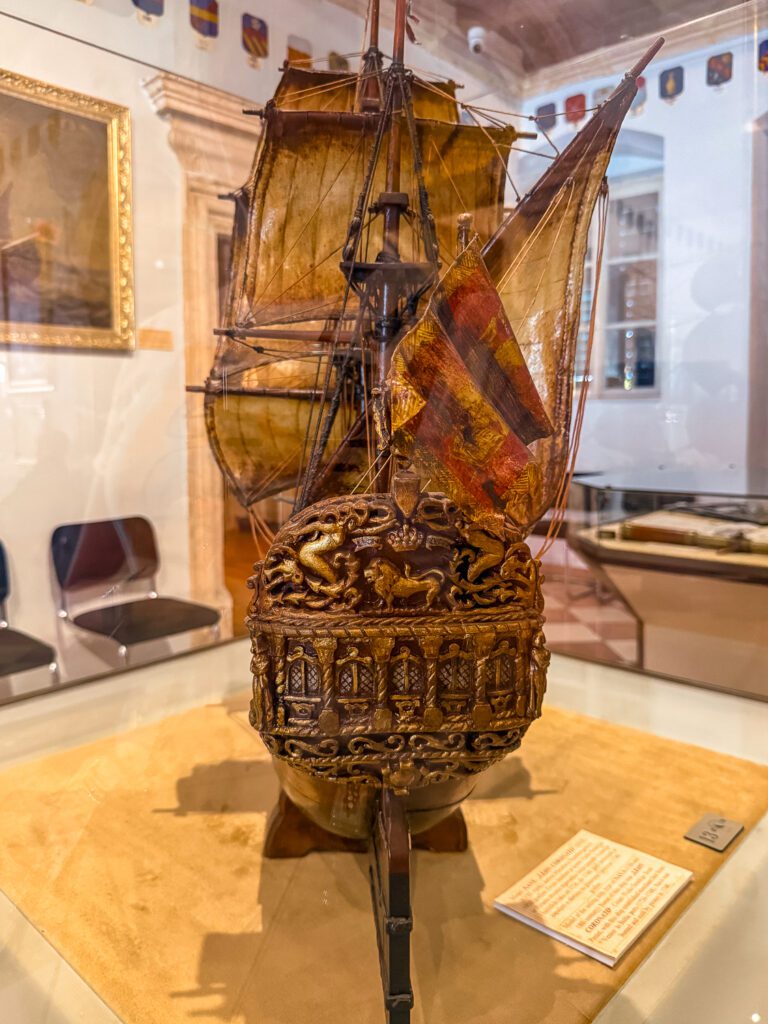
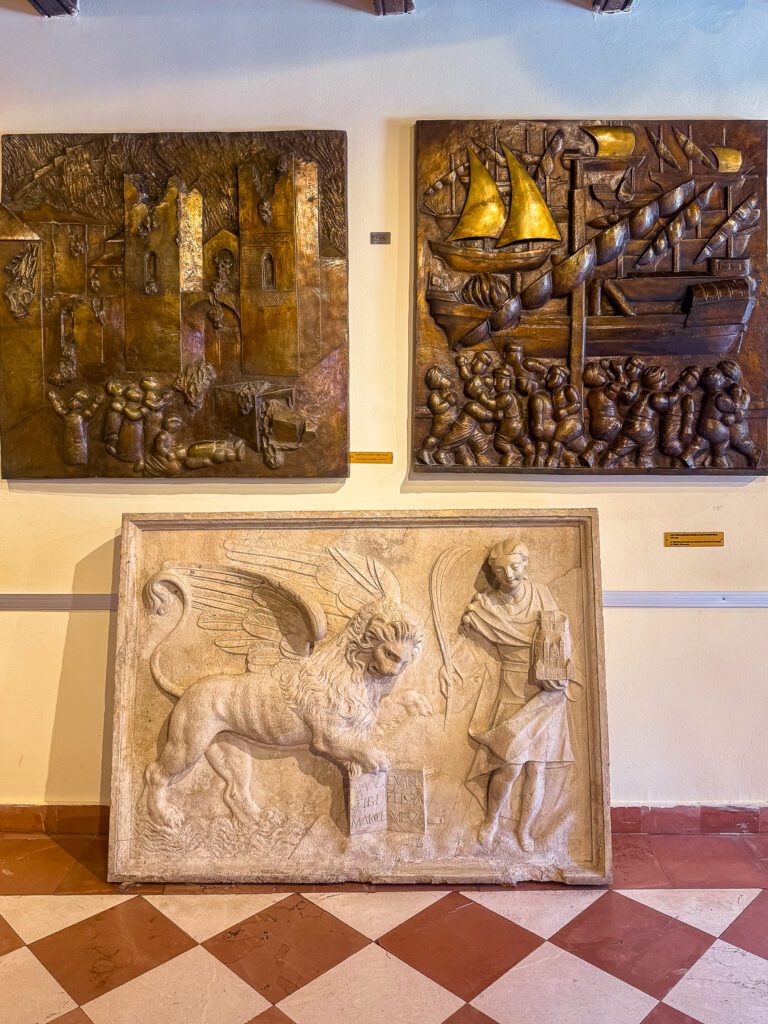
The museum features maritime paintings, ship models (ancient and modern), weapons, navigational instruments, maps, and displays that highlight Kotor’s maritime history. On the top floor you can watch a recording of the Boka dance – it’s mesmerizing.
Use their audio guide, but note their policy: children are not allowed to use the audio guides (not really an educational move, right?).
10. Church of St. Mary Collegiate
The Church of St. Mary Collegiate is located near the North Gate and is one of the most visited churches in Kotor.
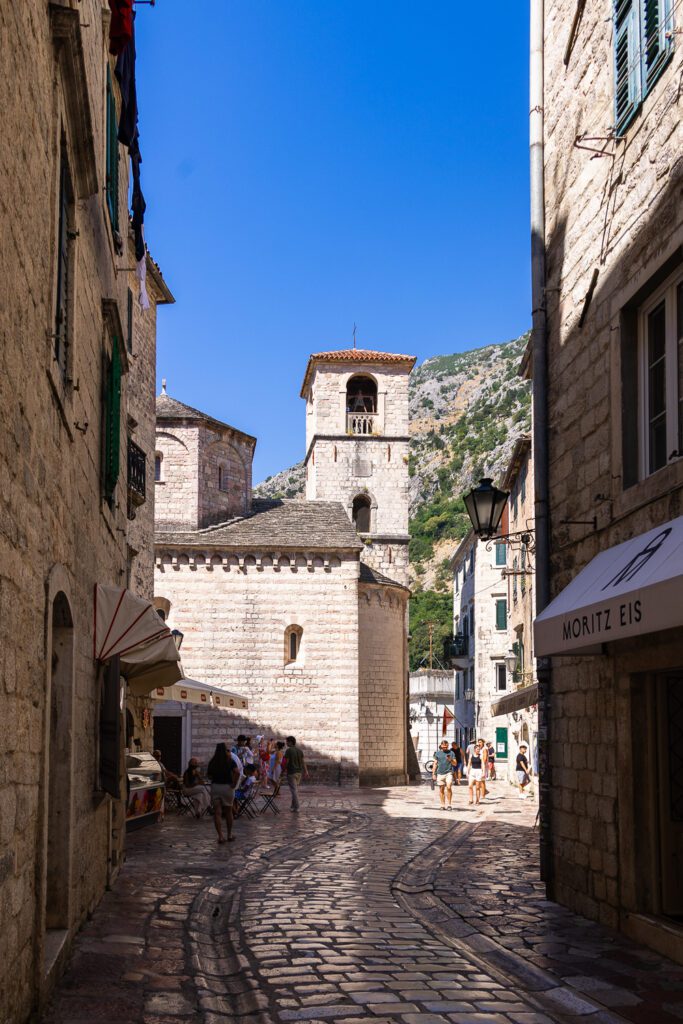
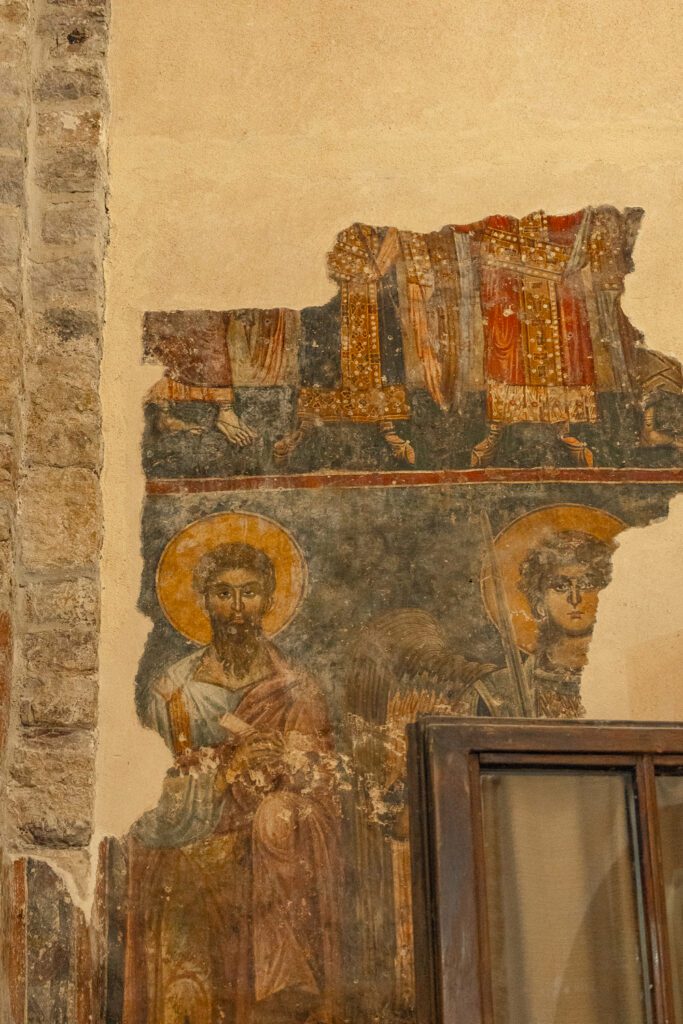
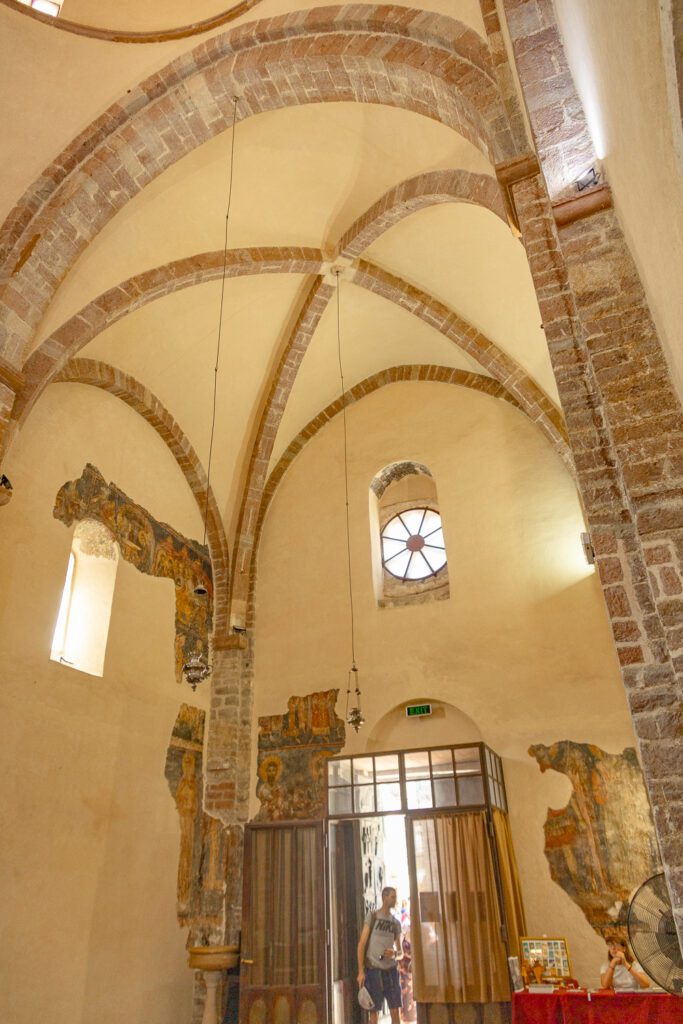
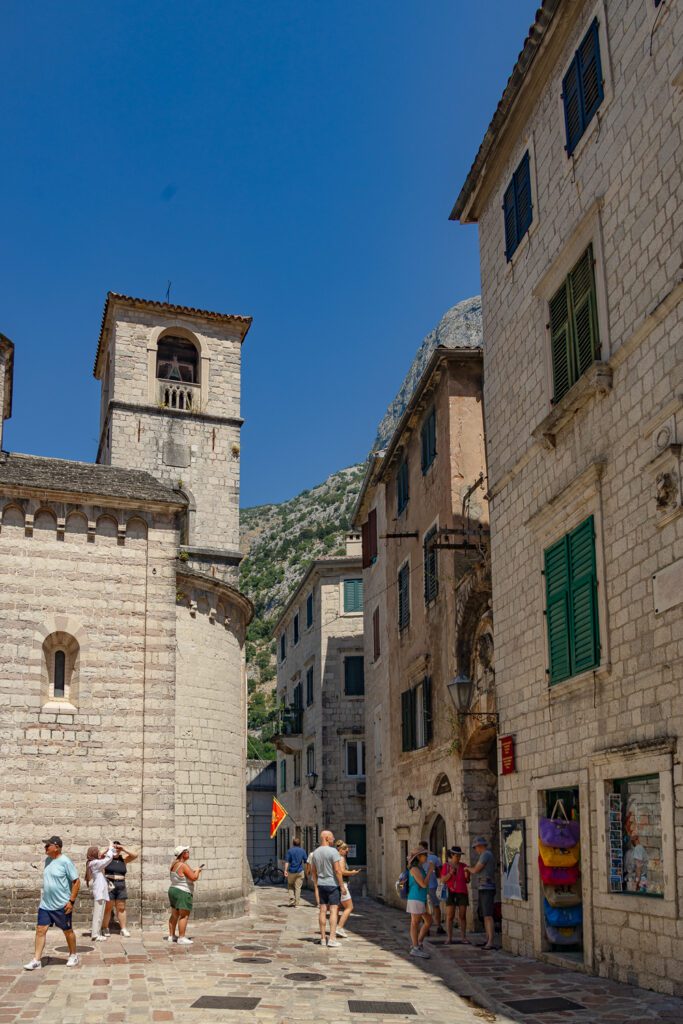
Dating to the 13th century, it contains frescoes and is also known as the Church of Our Lady of Health. It stands on the site of the oldest archaeological structure found in Kotor, a 6th‑century Christian basilica.
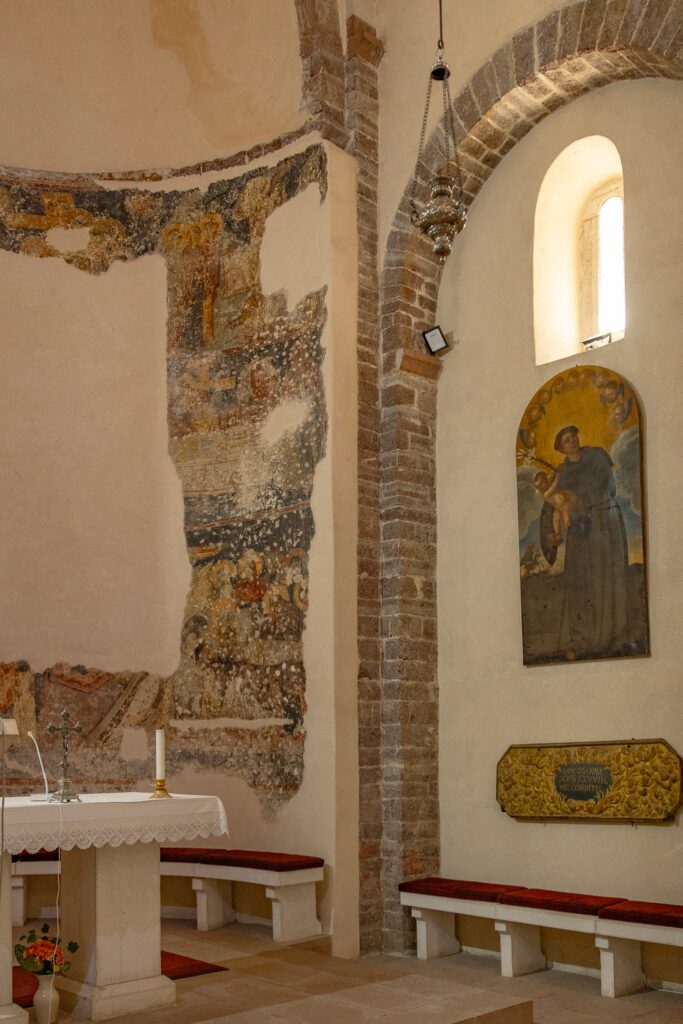
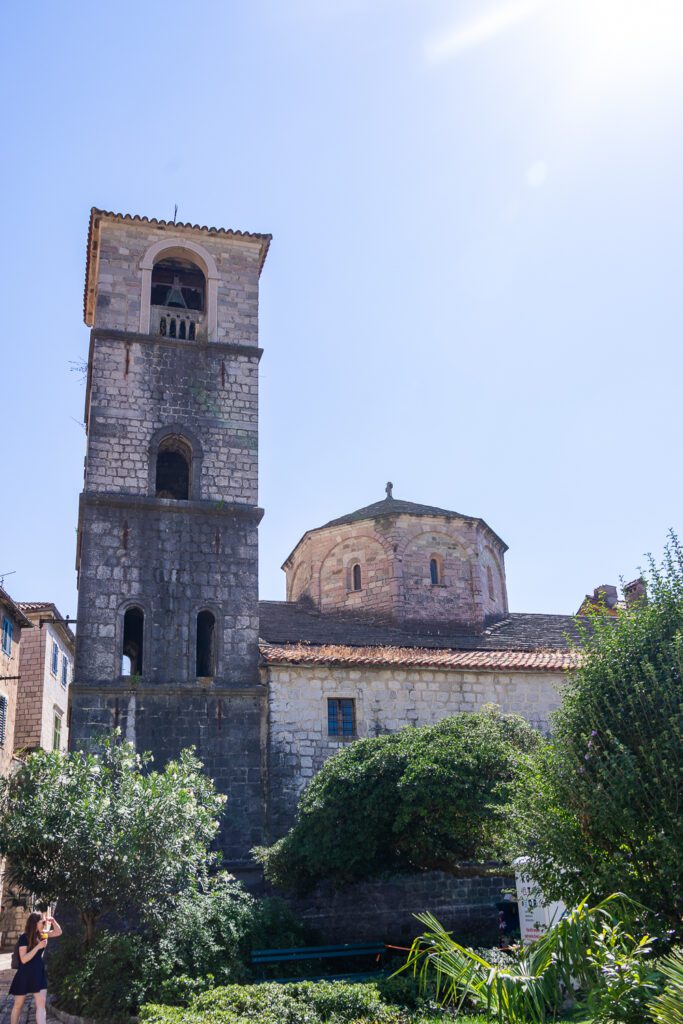
11. St. Luke’s Square: Saint Nicholas Church and Saint Luke’s Church
St. Luke’s Square is home to several churches. Saint Nicholas Church is a large Orthodox church with enormous interior paintings; it was built in the 20th century on the site of an older Catholic monastery destroyed in the 19th century.
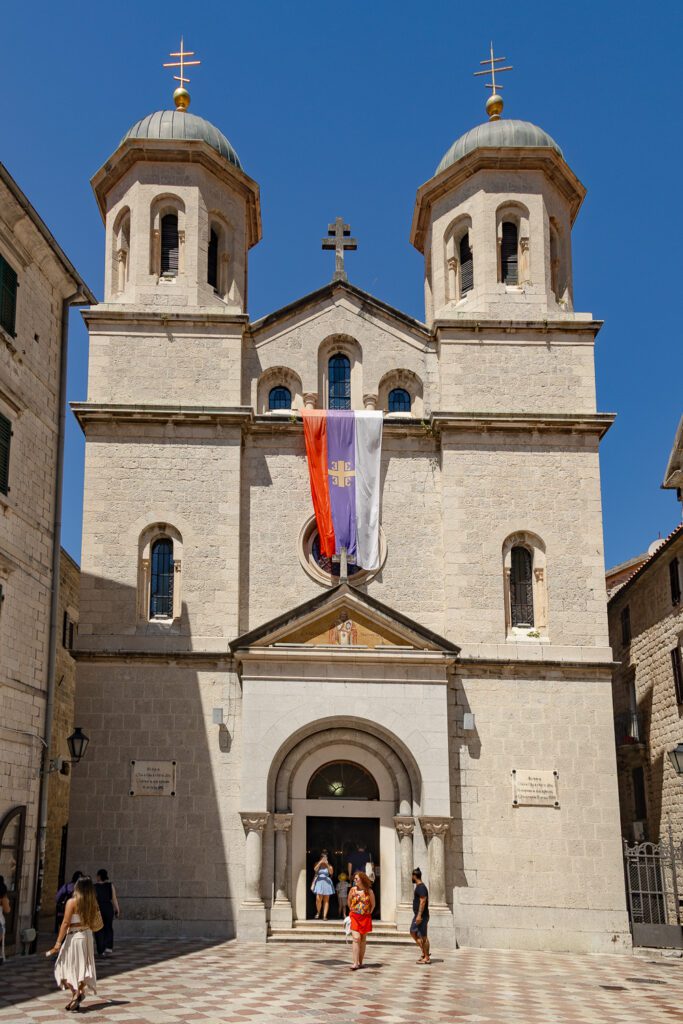
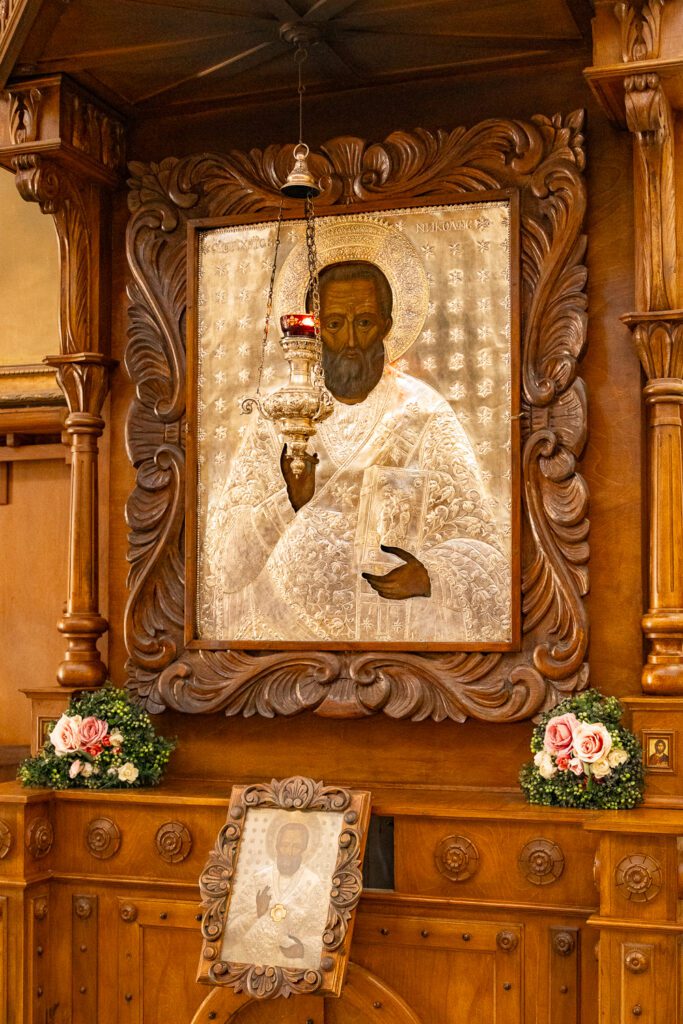
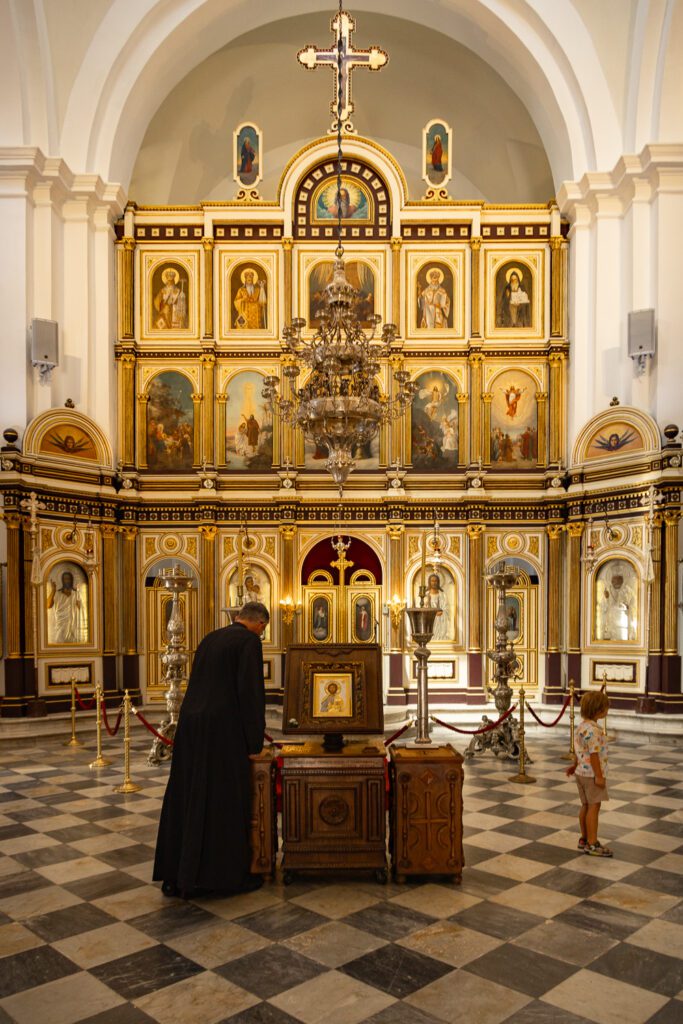
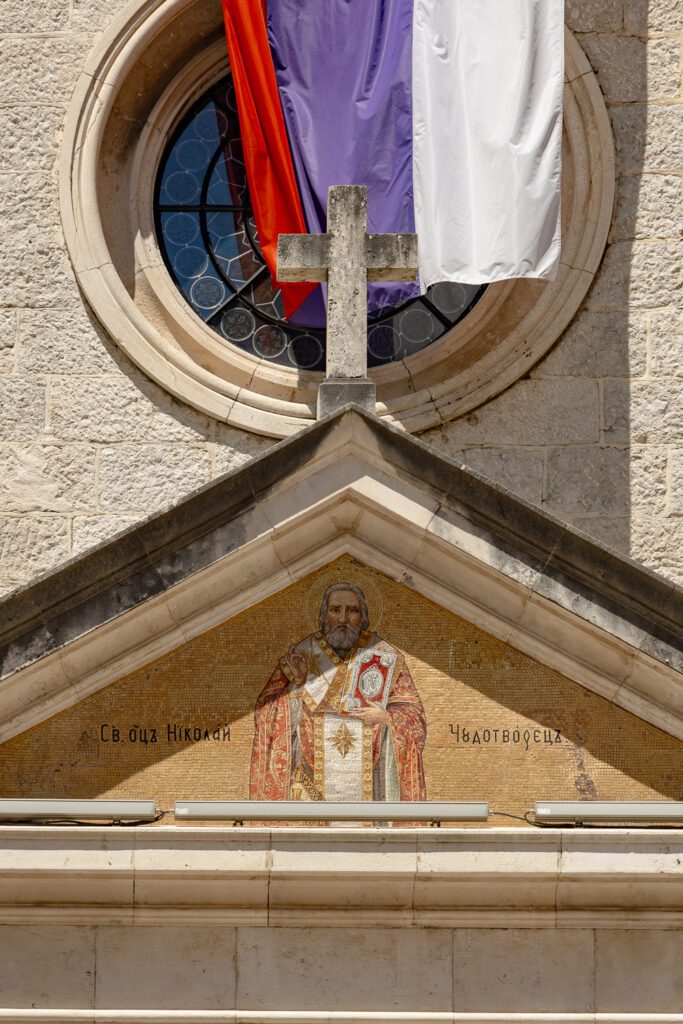
Opposite it is the small Saint Luke’s Church, a Serbian Orthodox church dating to the 12th century (originally Catholic, it later became Orthodox after conflicts with the Ottomans).
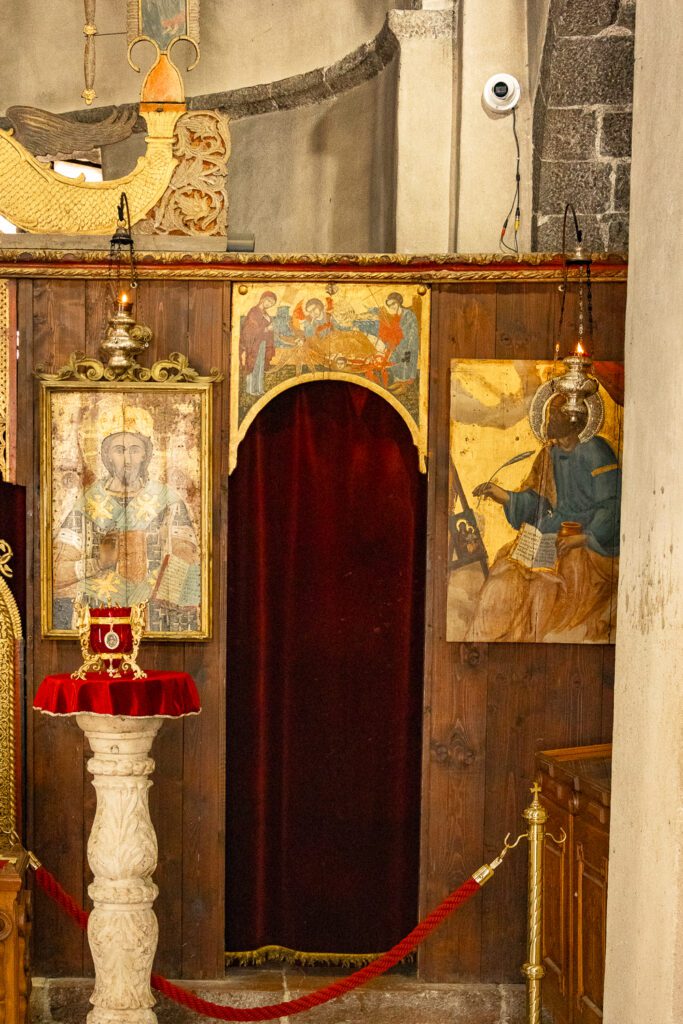
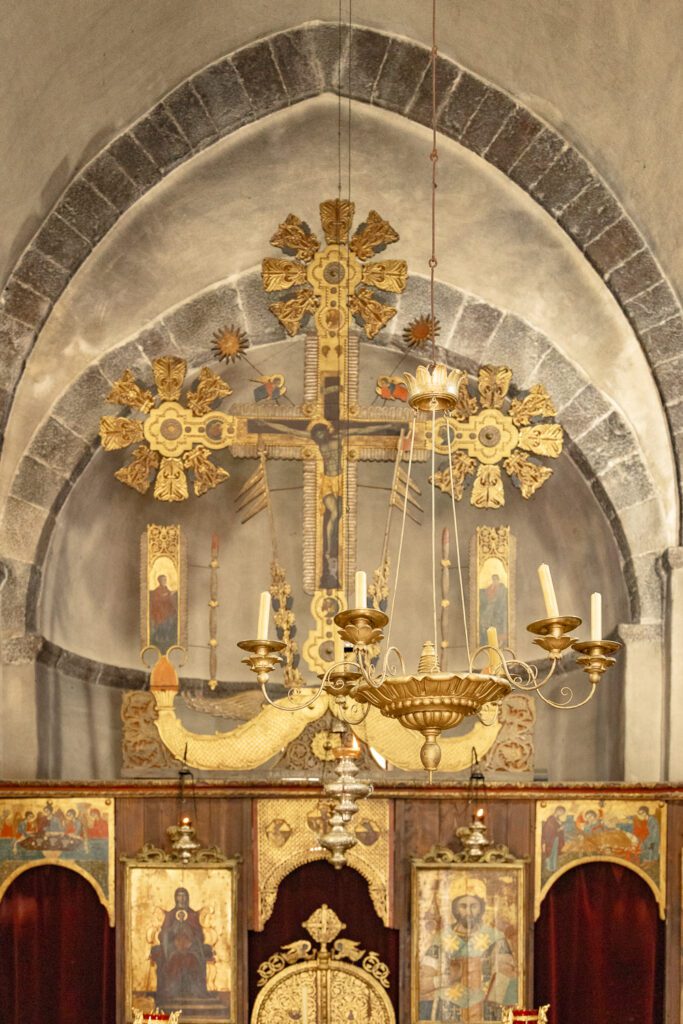
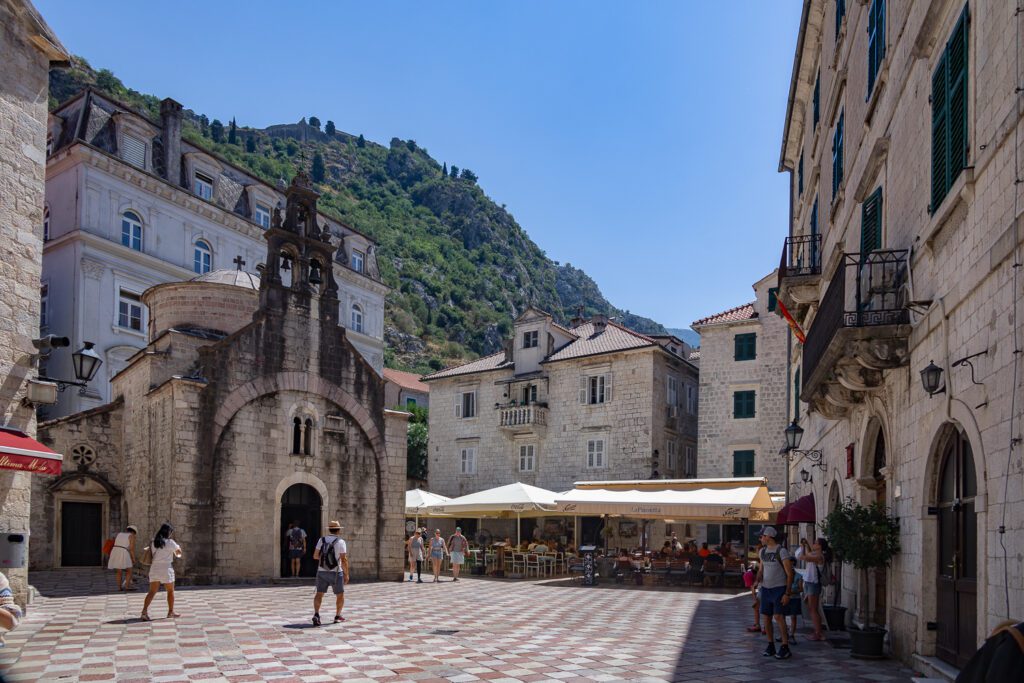
Other nearby churches include those dedicated to St. Joseph, Our Lady of the Angels, and St. Paul.
12. Shopping:Farmers’ Market and Bazaar
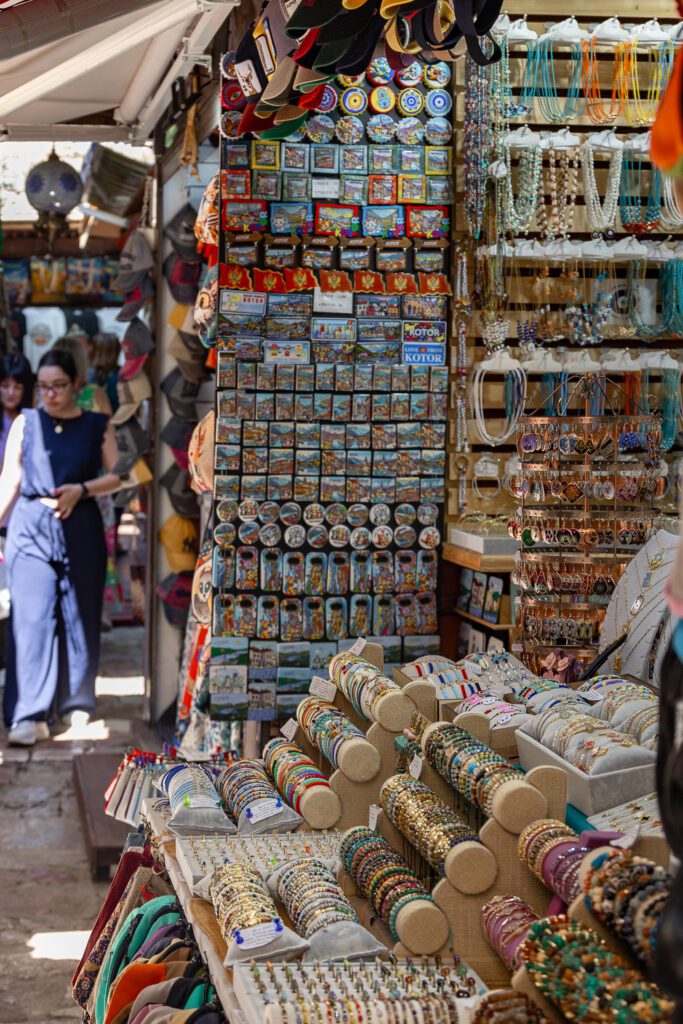
Looking for some authentic food and souvenirs? There are plenty option in Kotor! For souvenirs, there are many options inside the city walls. Souvenir shops are literally every second door in the city, many of them are pretty cliché but sill you can find something there you’ll like.
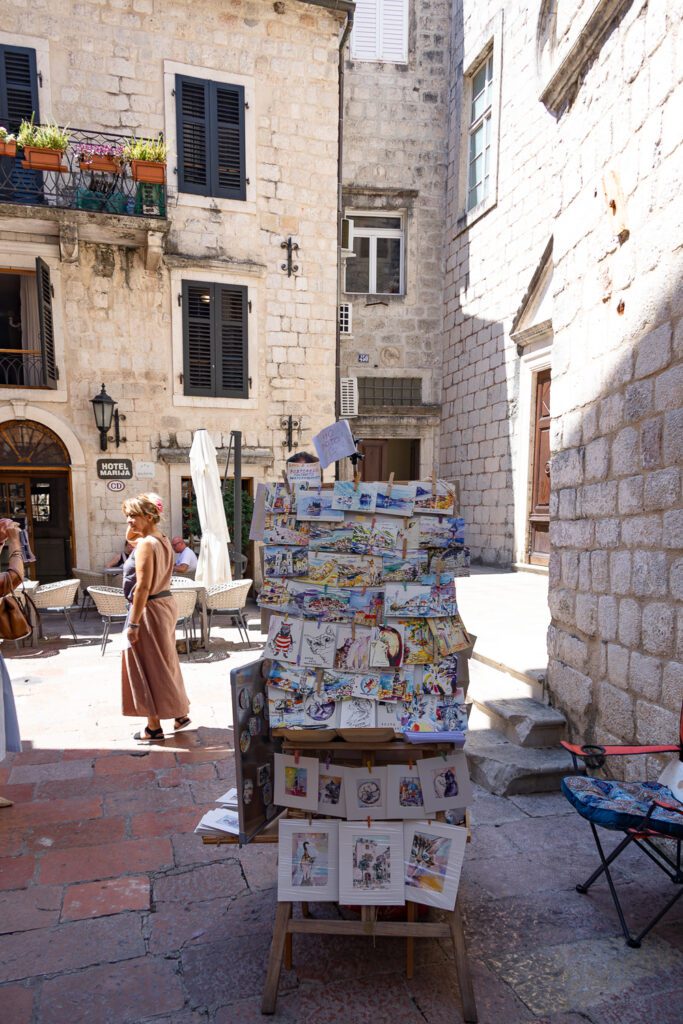

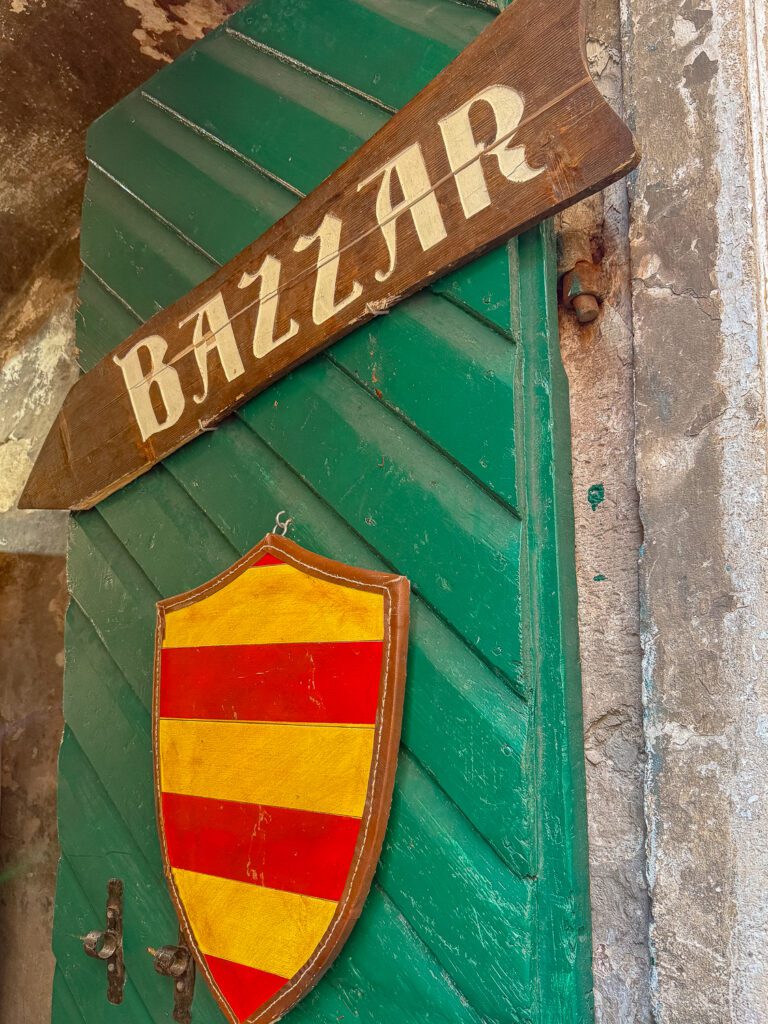
The Bazzar is an outdoor market where you can buy T‑shirts, coasters, prints, and plenty of cat-themed items.

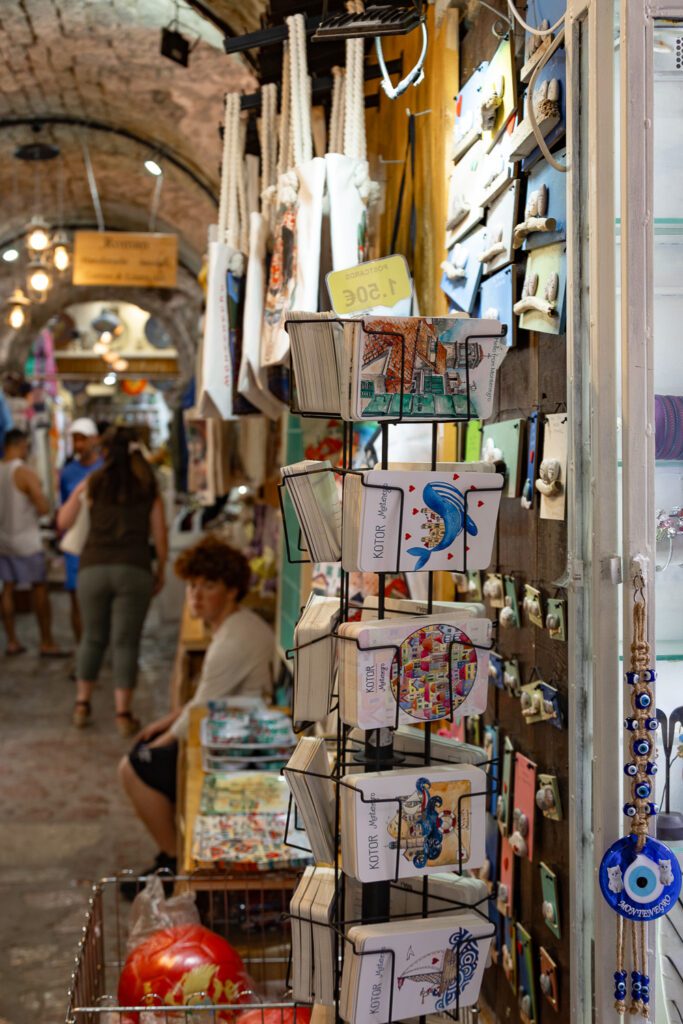
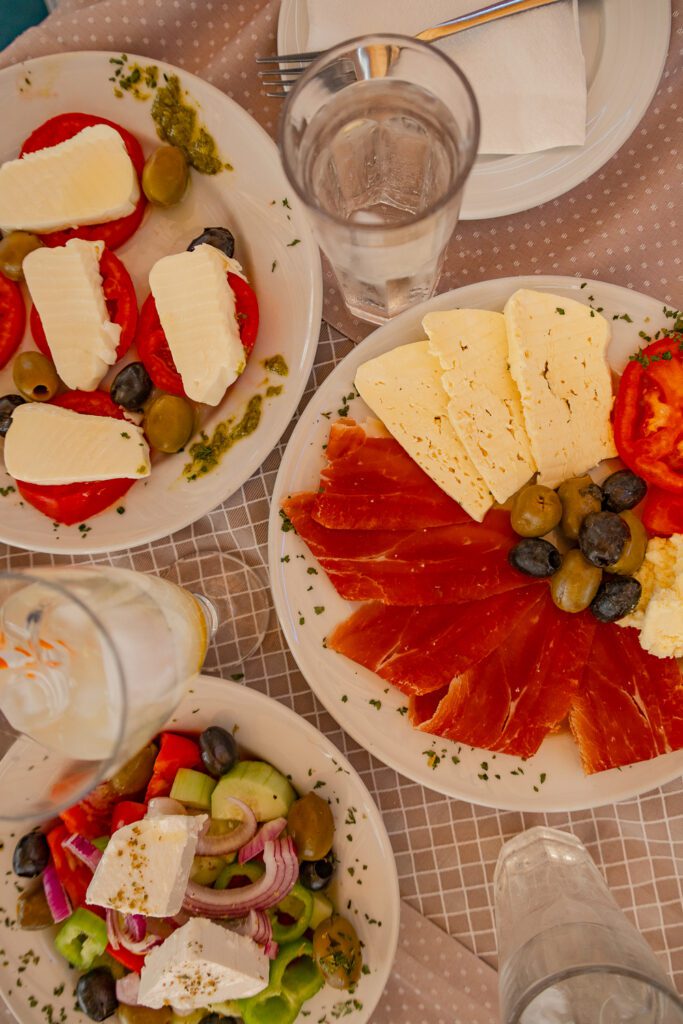
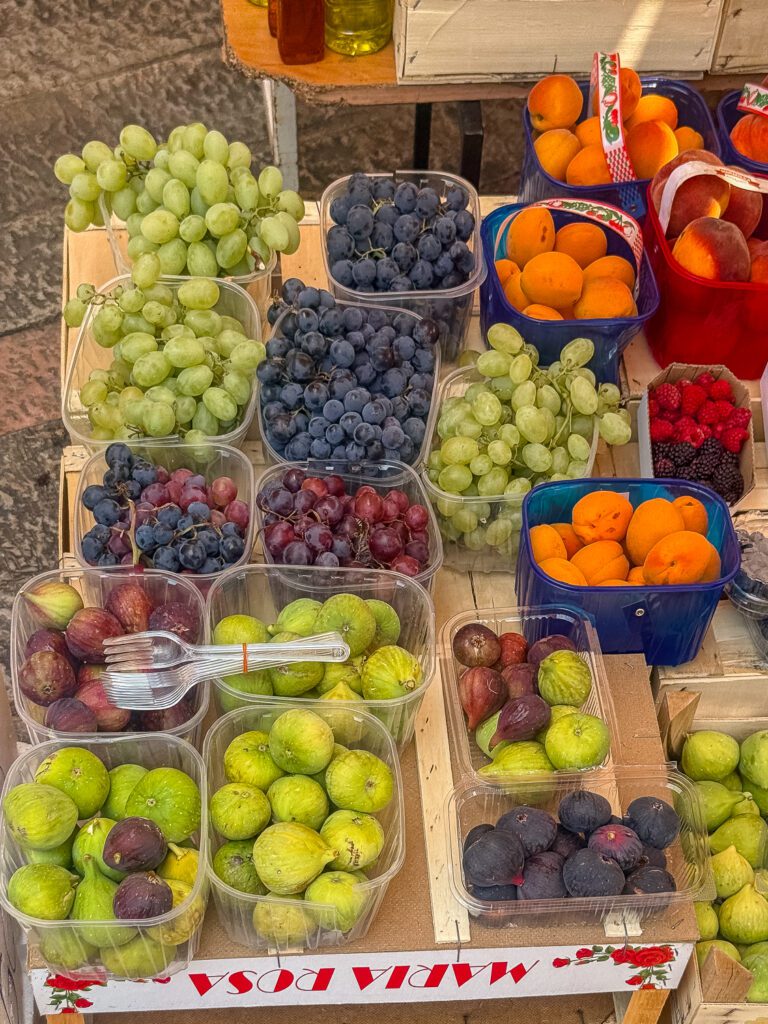
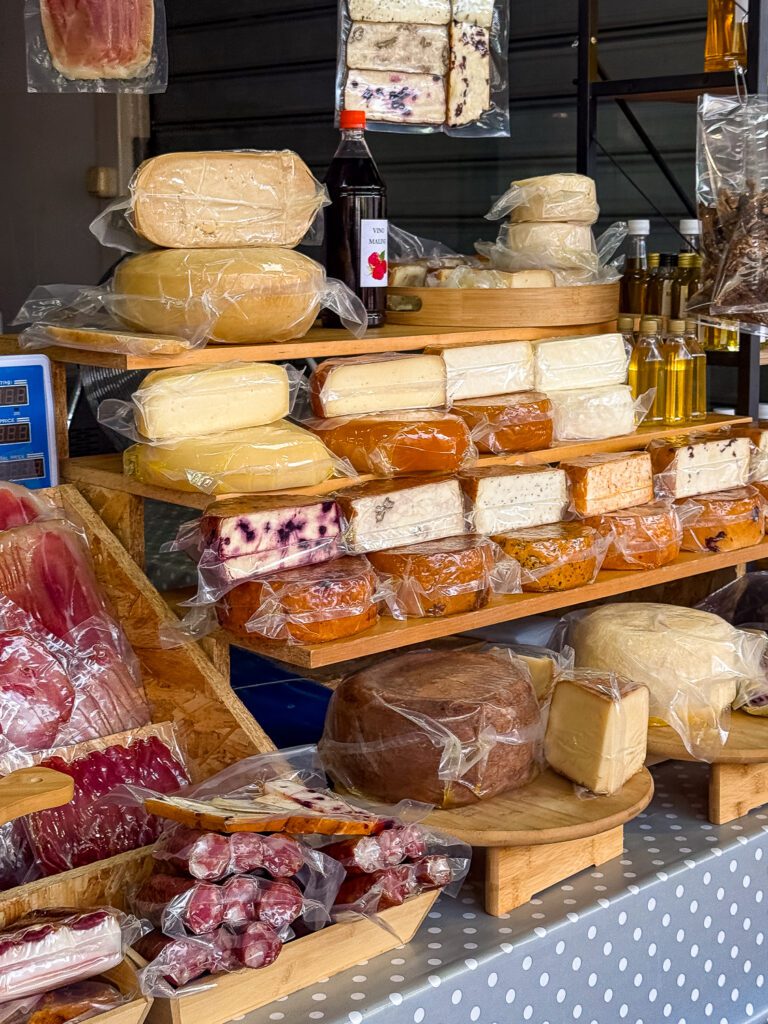
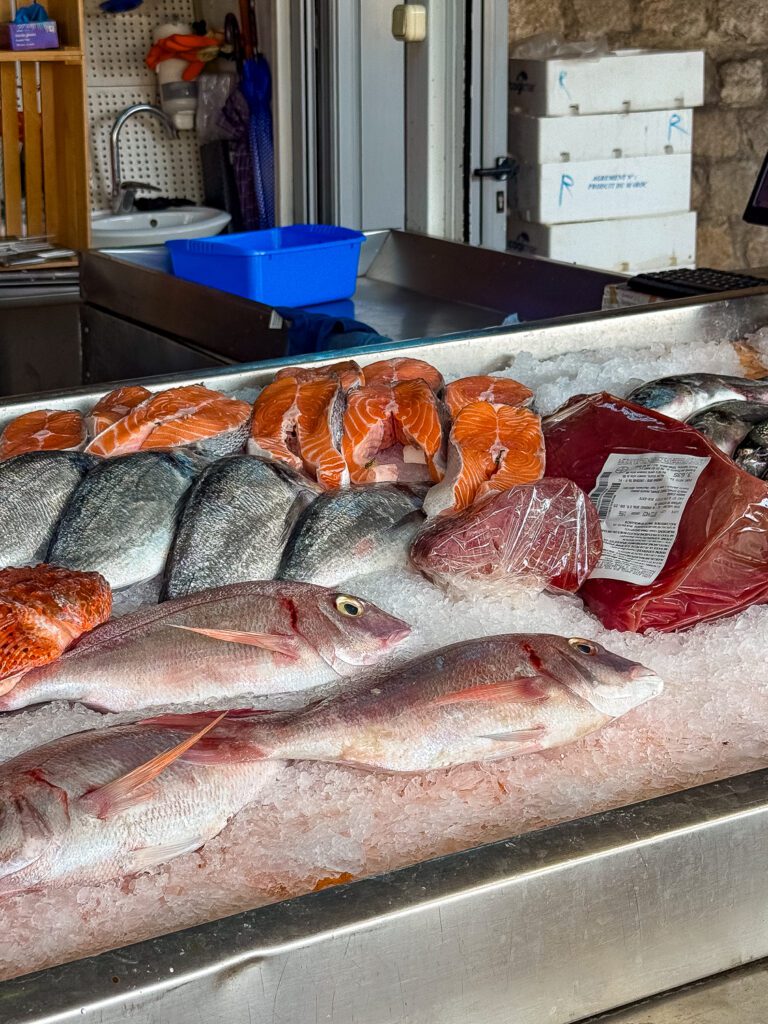
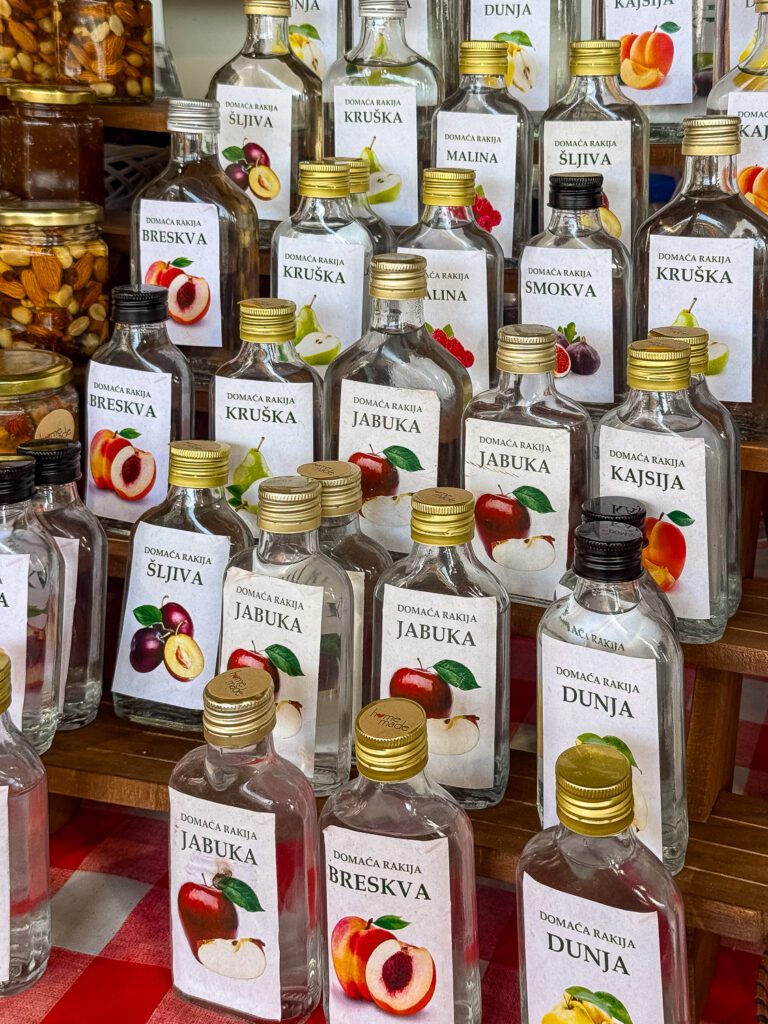
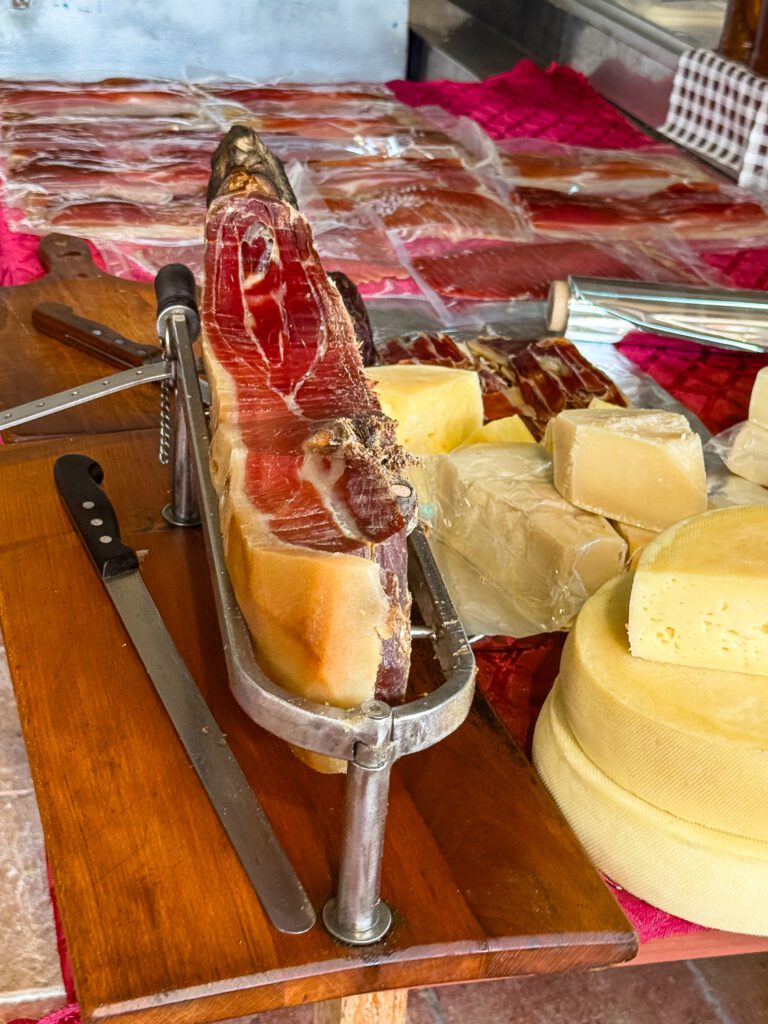
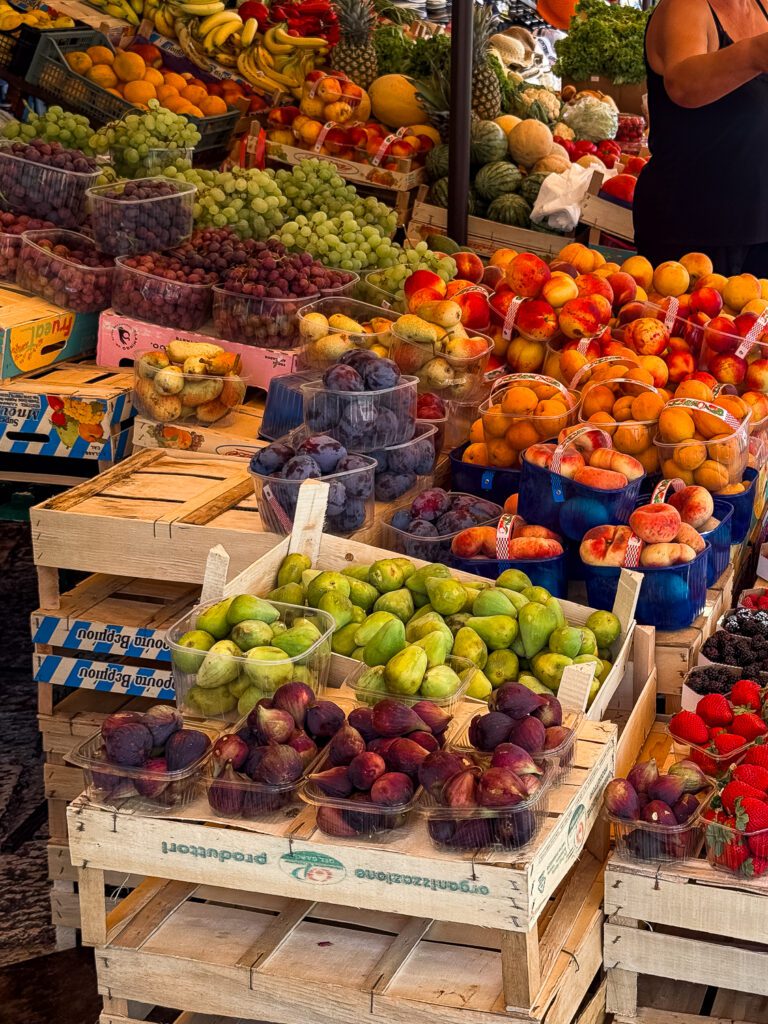
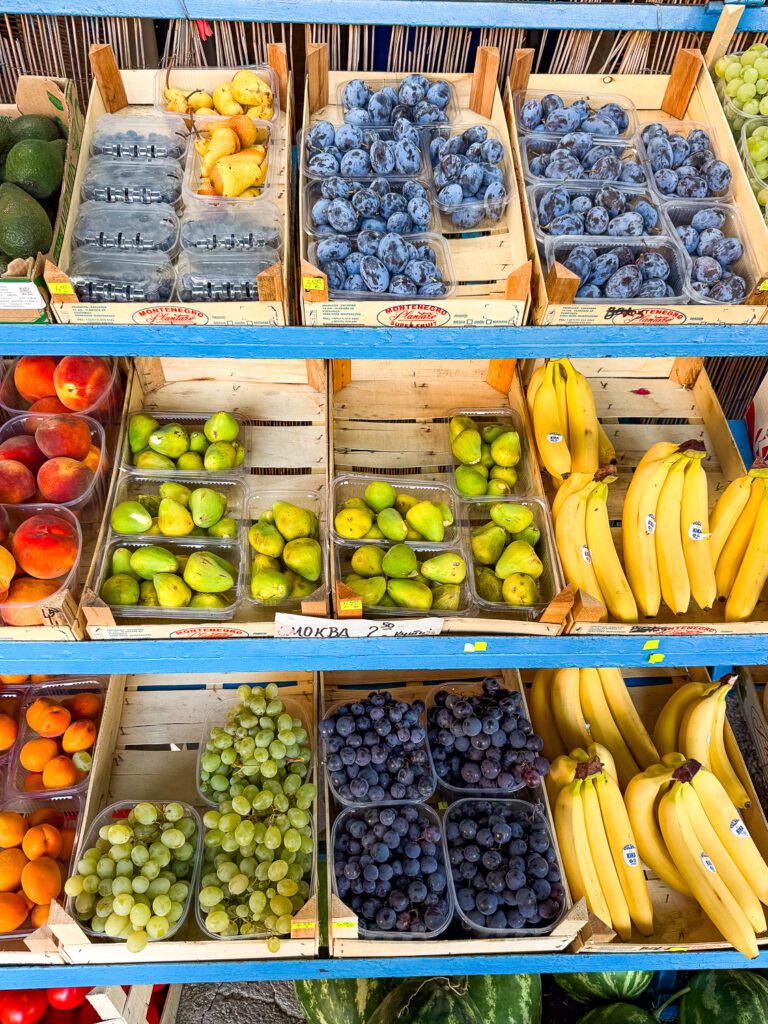
Along the city wall you’ll find a small farmers’ market selling delicious local fruit and vegetables, olive oil, cheeses, and ham. Be sure to try Njeguši prosciutto and sample some rakija, the local fruit brandy.

What else?
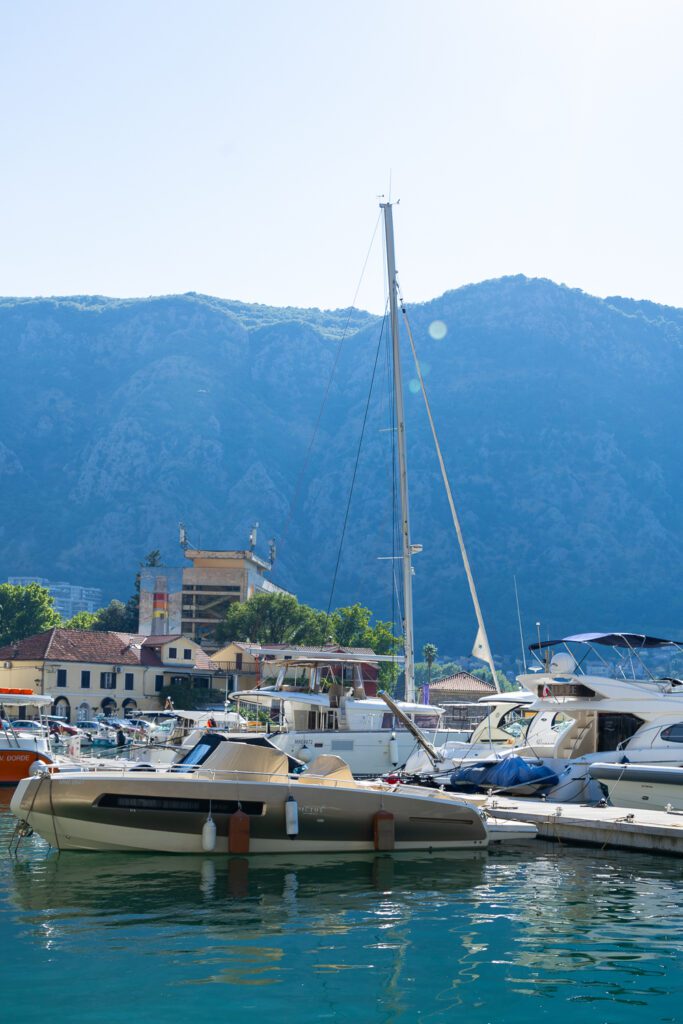
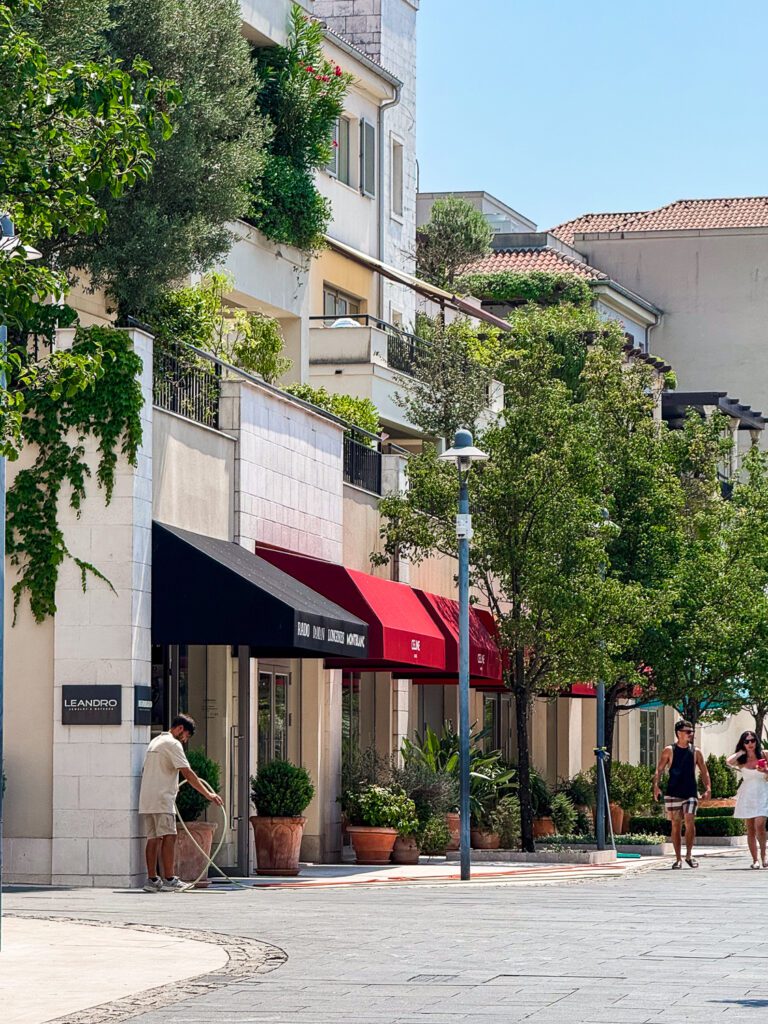
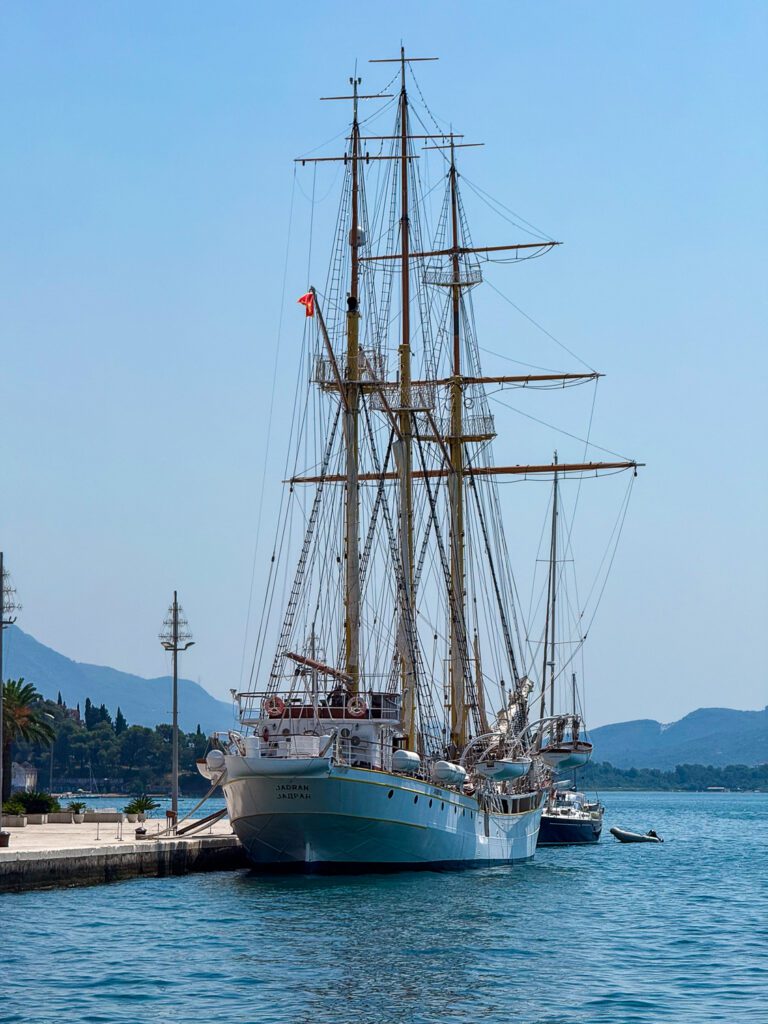
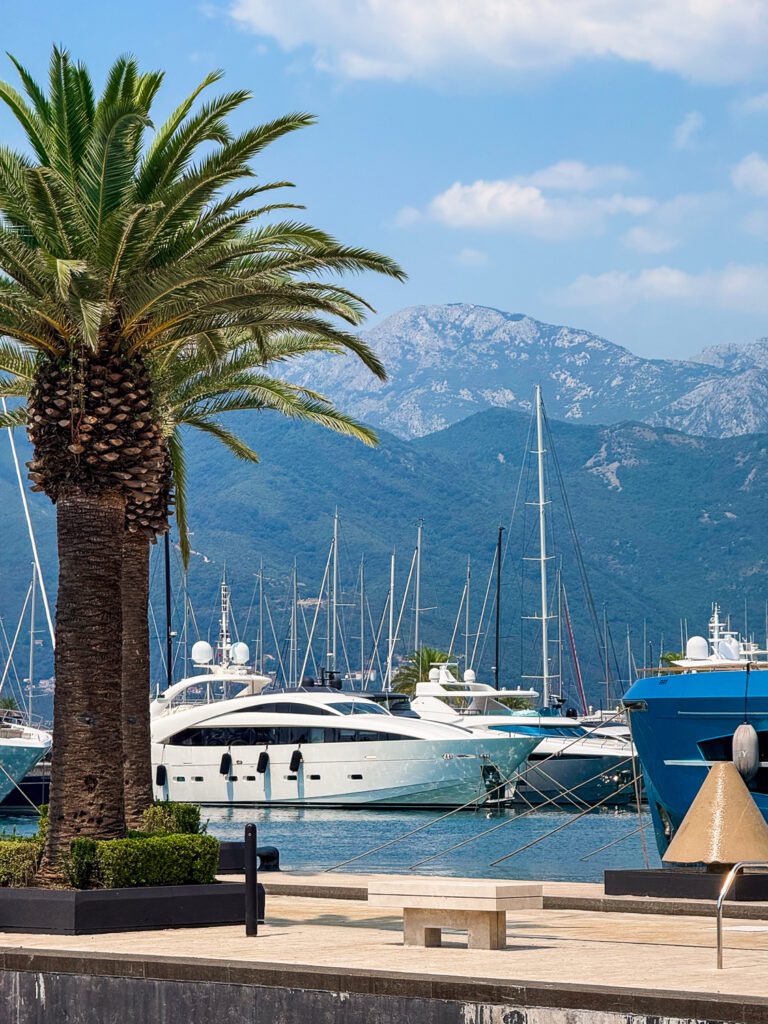
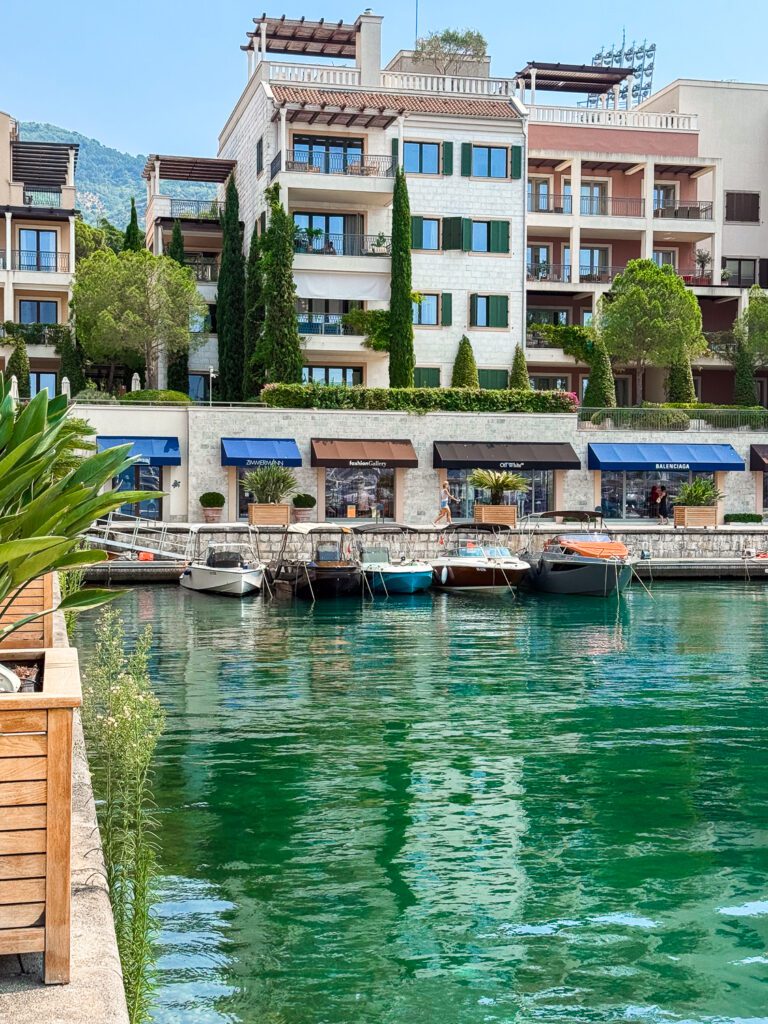
Make sure to explore the Kotor Bay and other cities close to Kotor! You can take a ride to Tivat, a gorgeous city close to the airport with luxury shops, restaurants and Porto Montenegro port with turquoise water and white yachts.


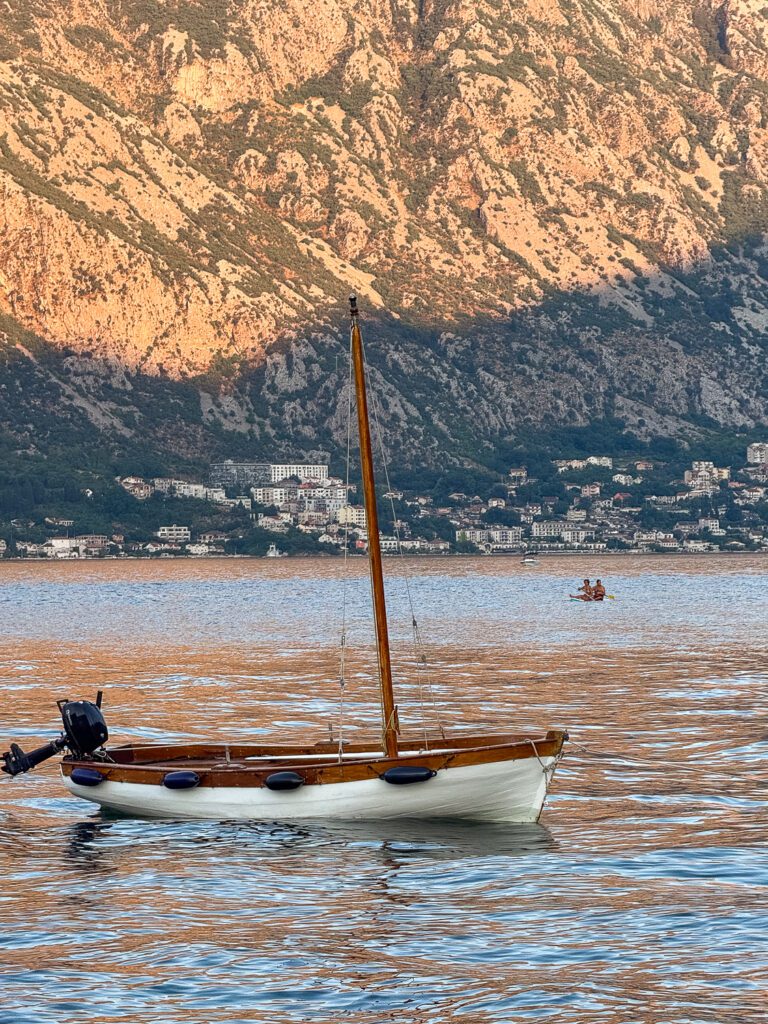
You can also rent a boat, go to Perast, visit the Blue Cave, Submarine tunnels, and Lady on the Rocks and St George’s islands.
Where to stay: Hyatt Regency Kotor Bay
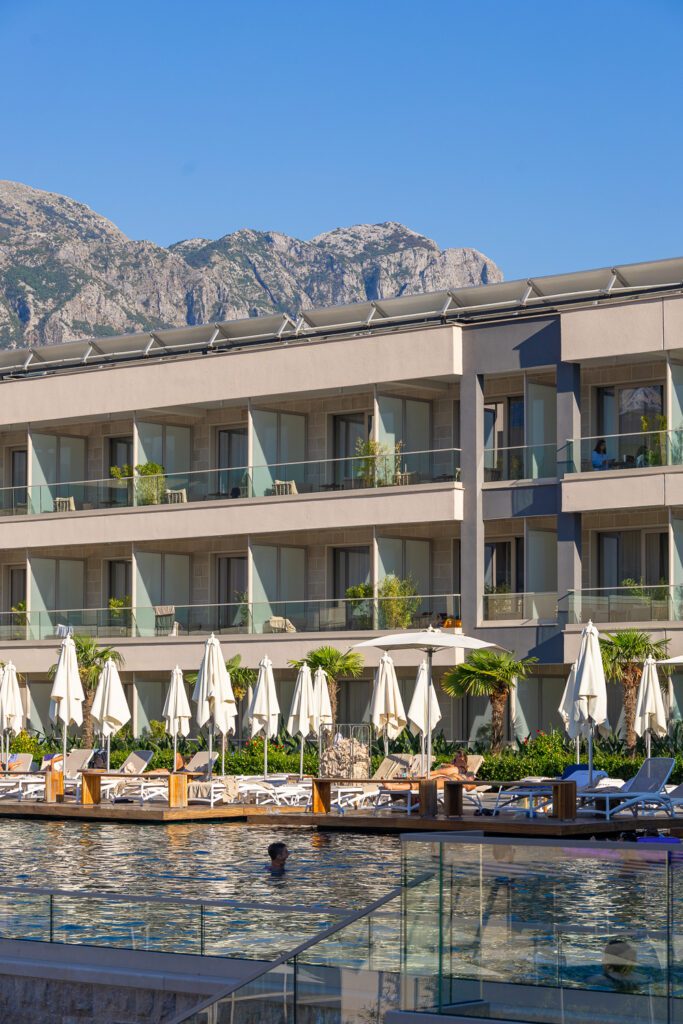
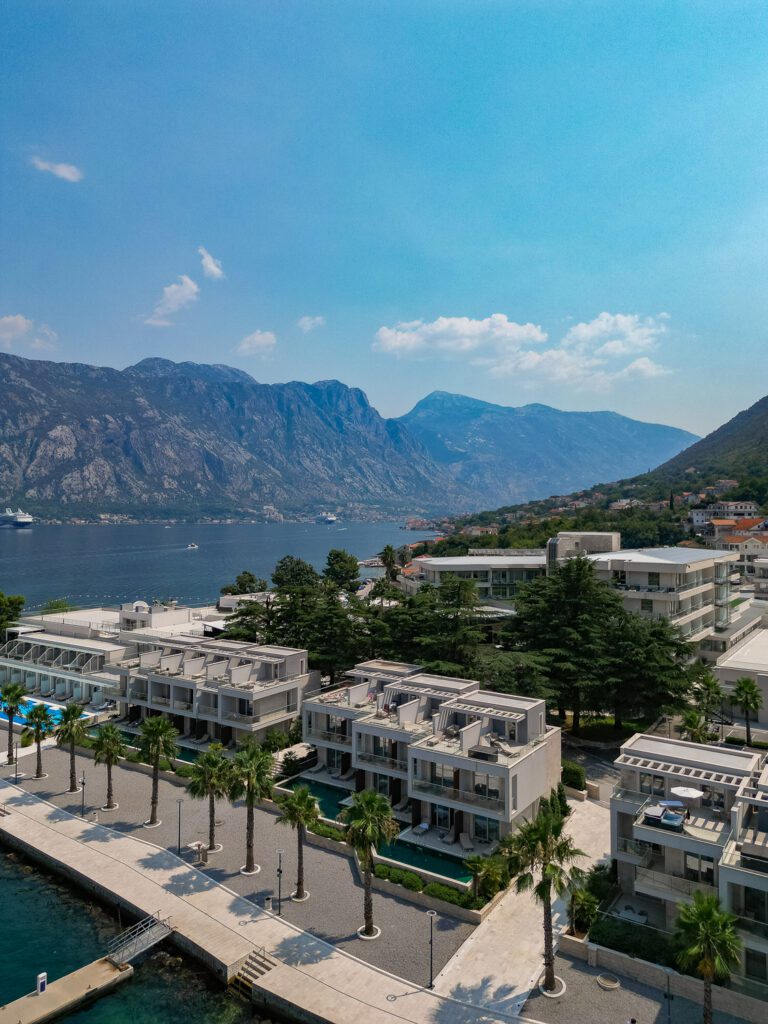
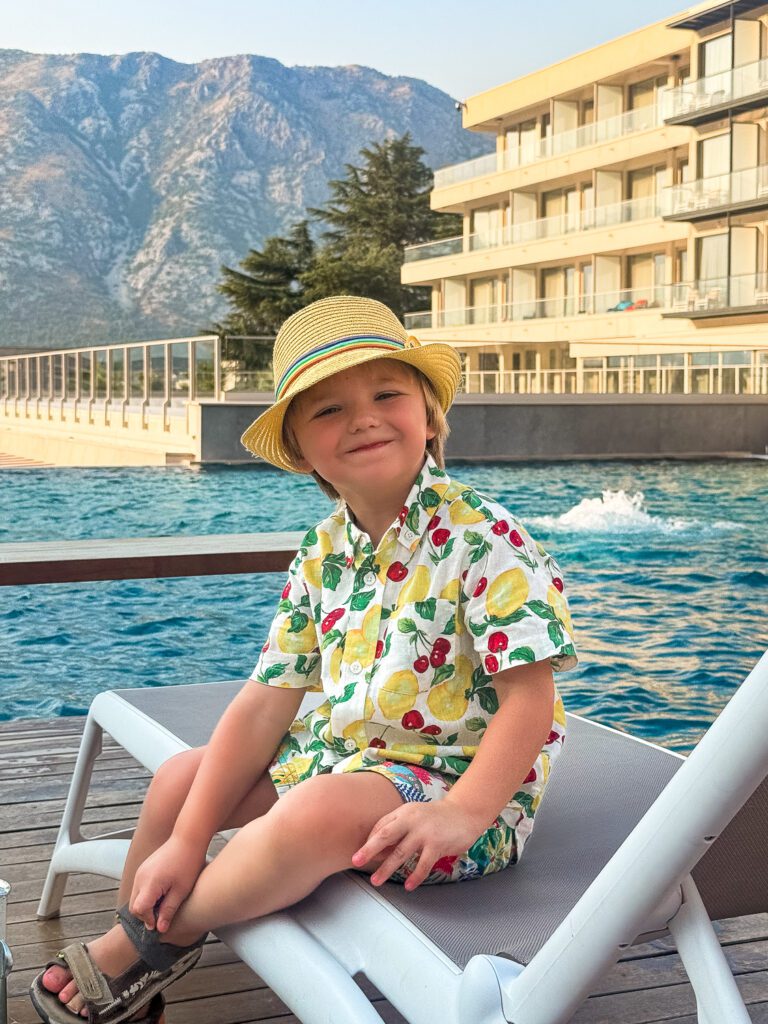
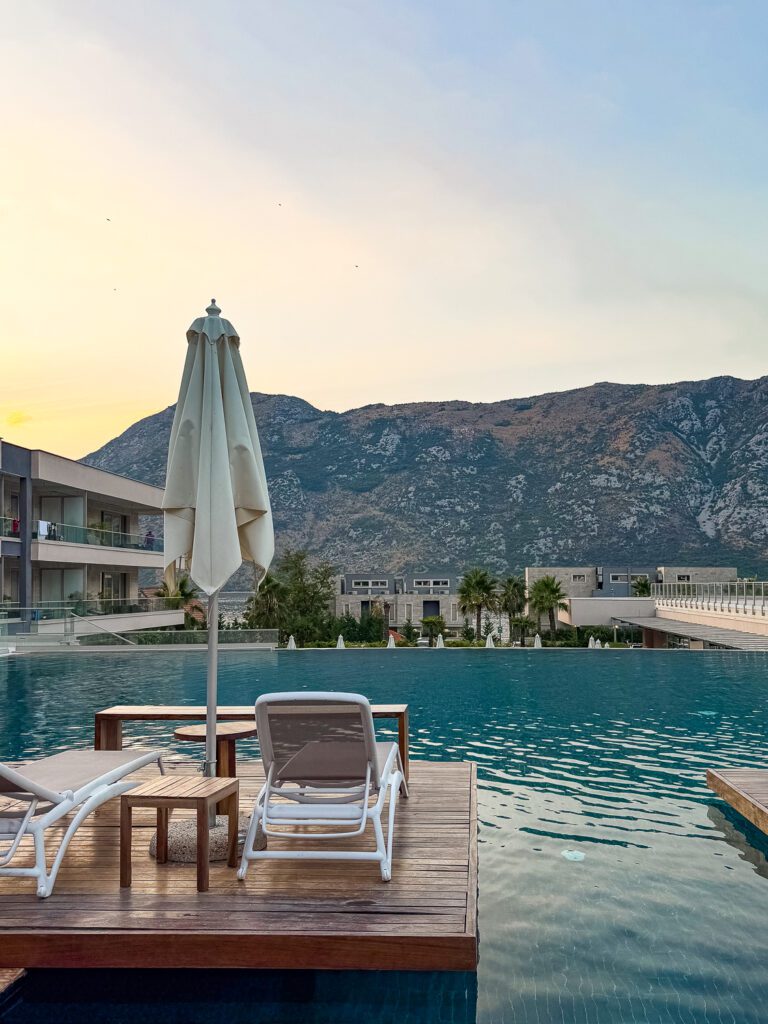
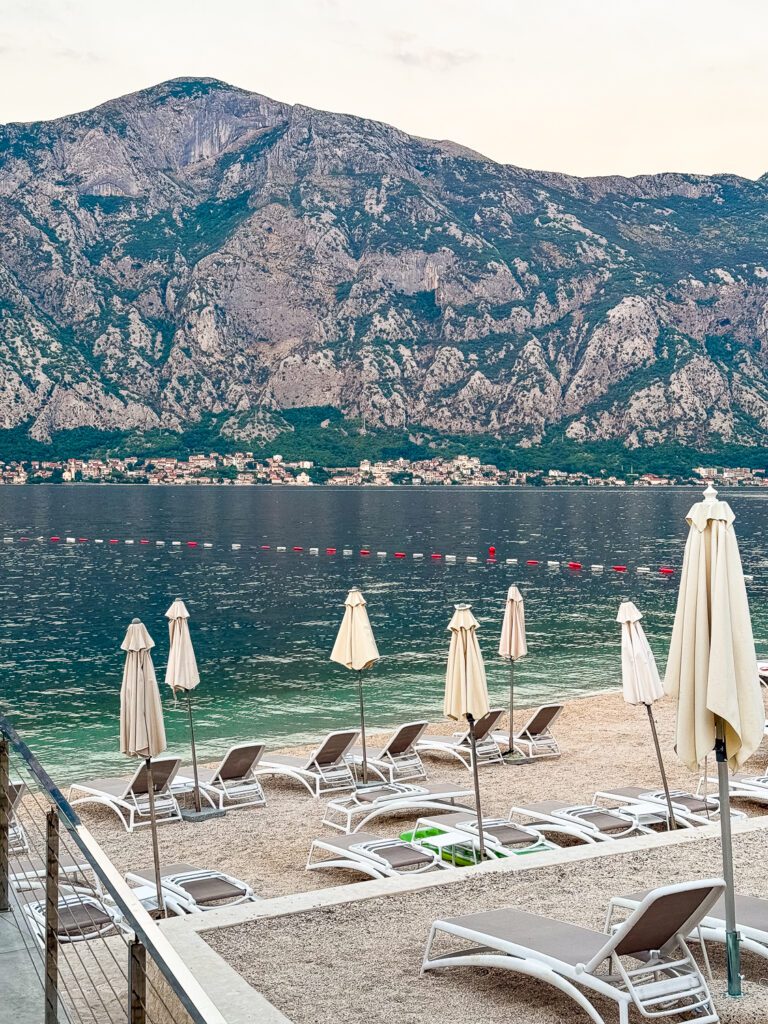
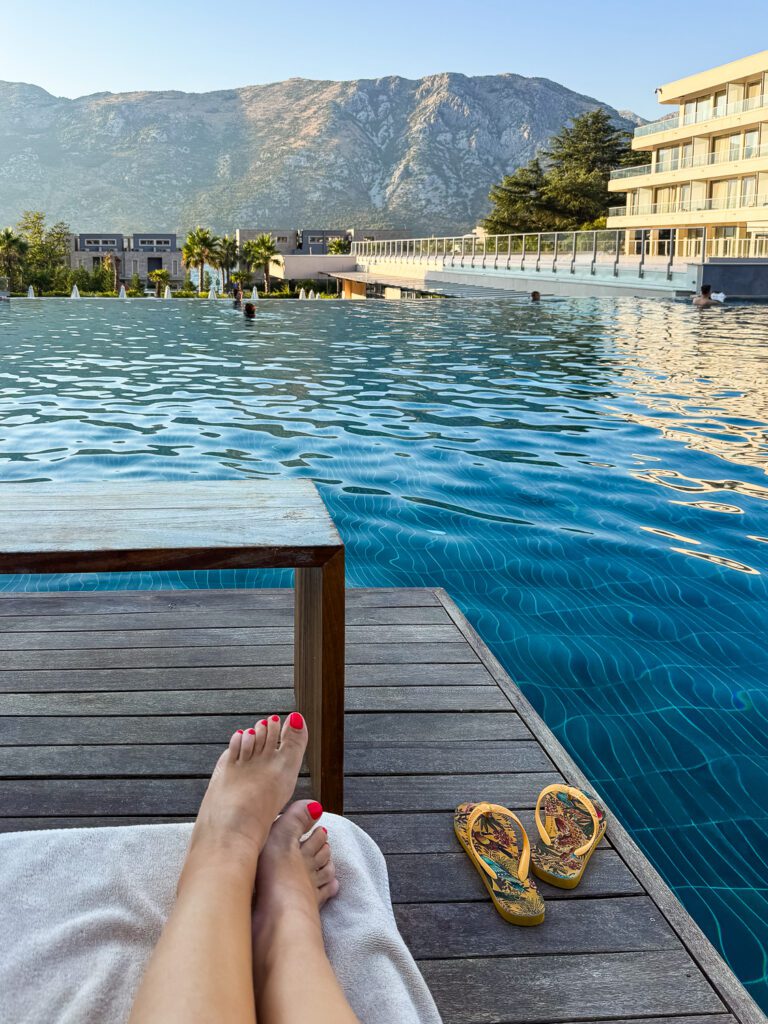
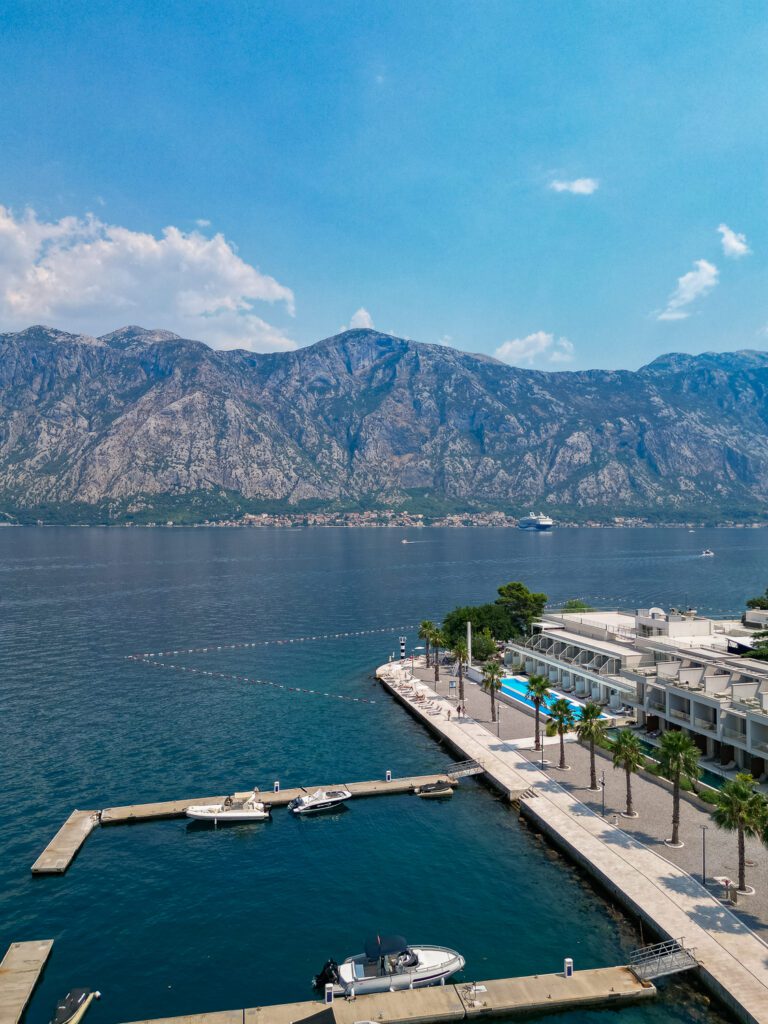
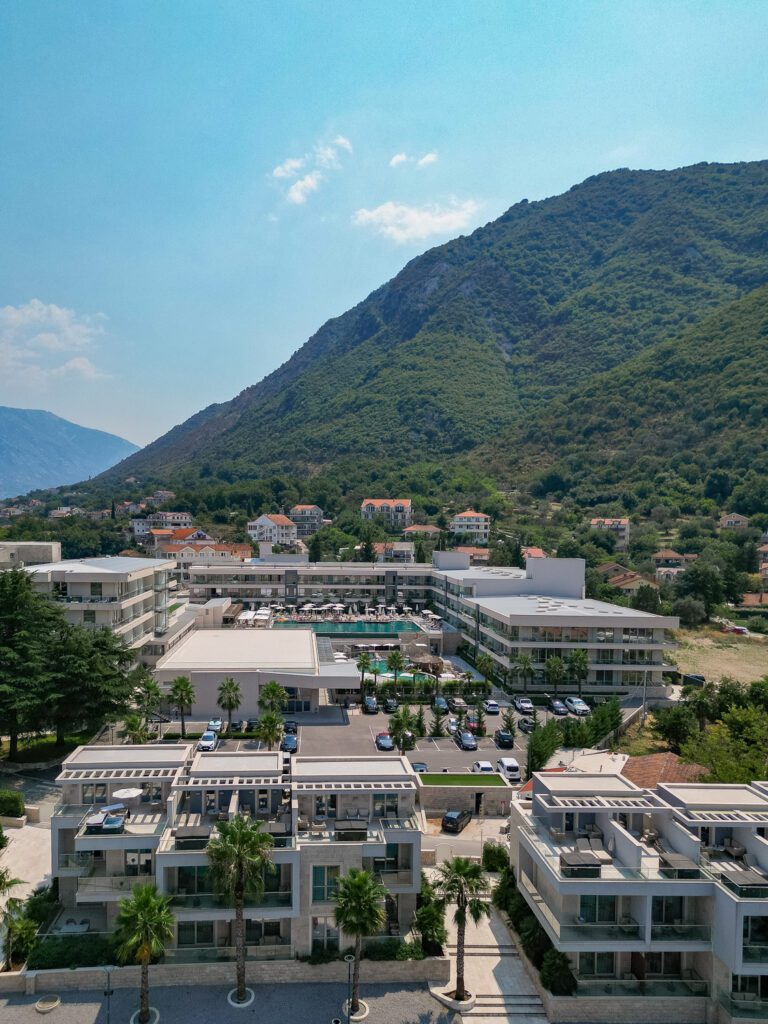
Kotor is one of Montenegro’s most visited cities, and we stayed nearby at the Hyatt Regency Kotor Bay – a convenient base for further exploring the area.
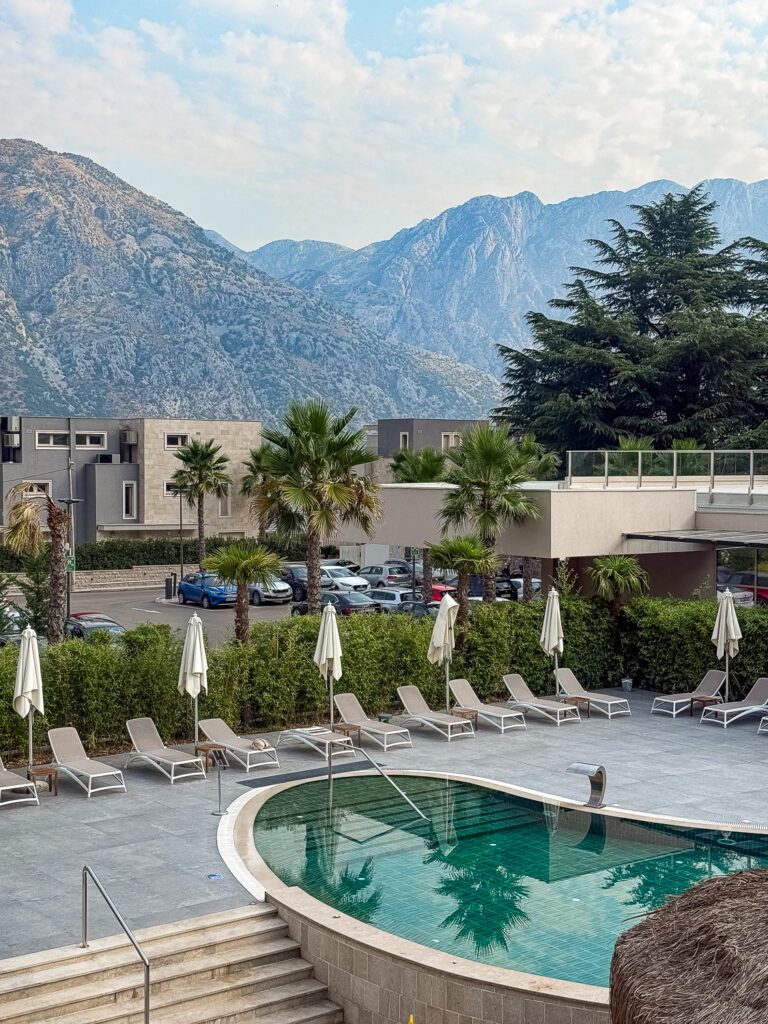
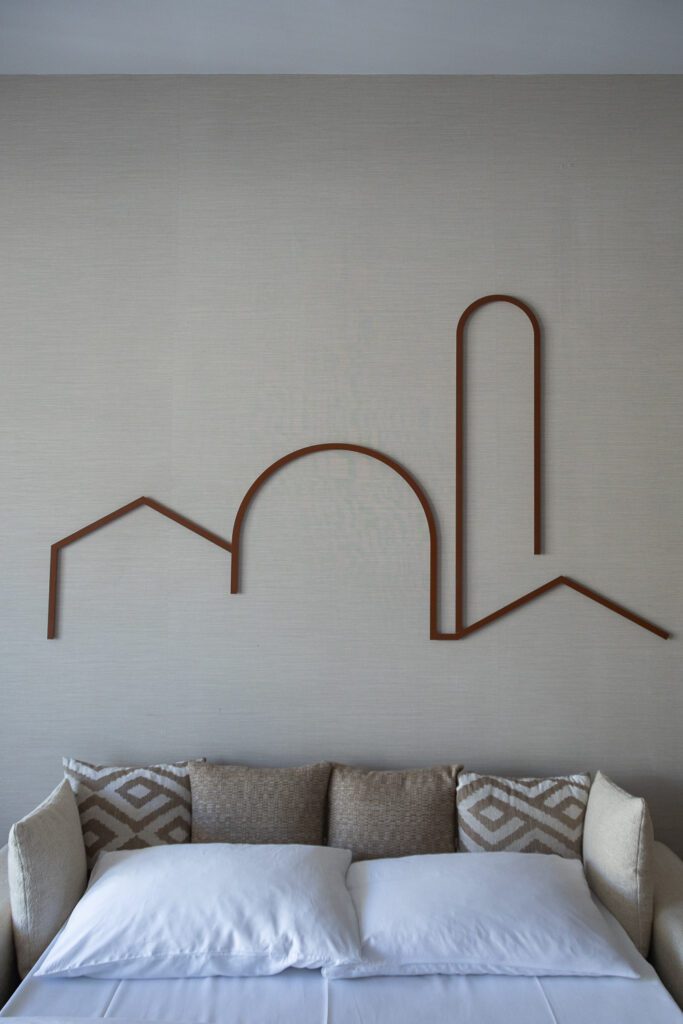
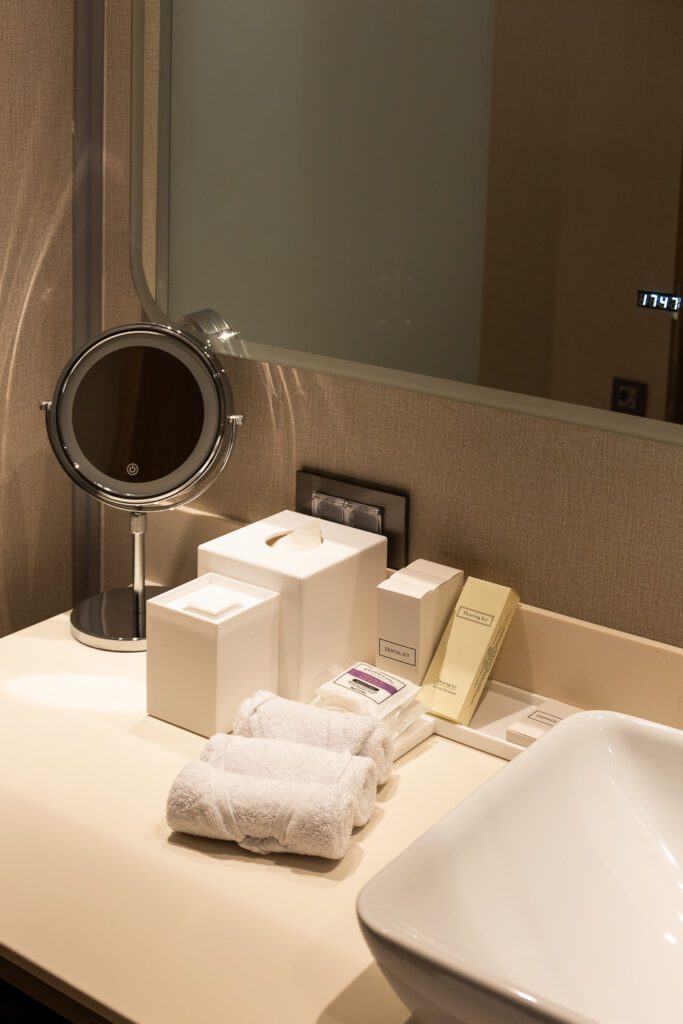
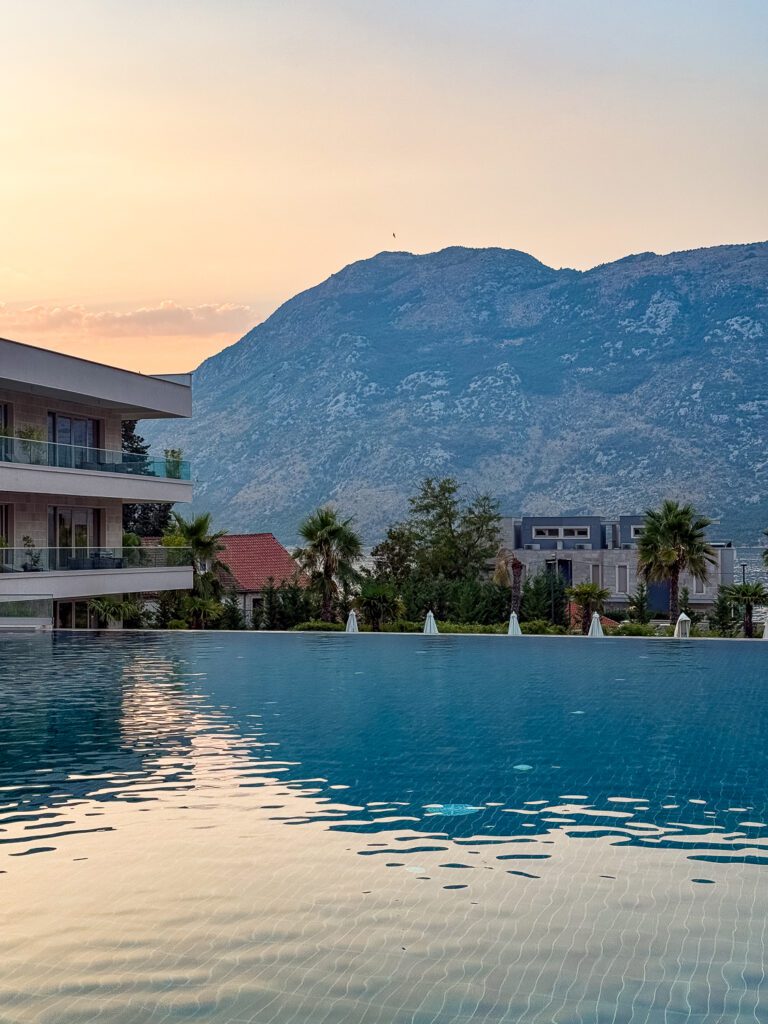
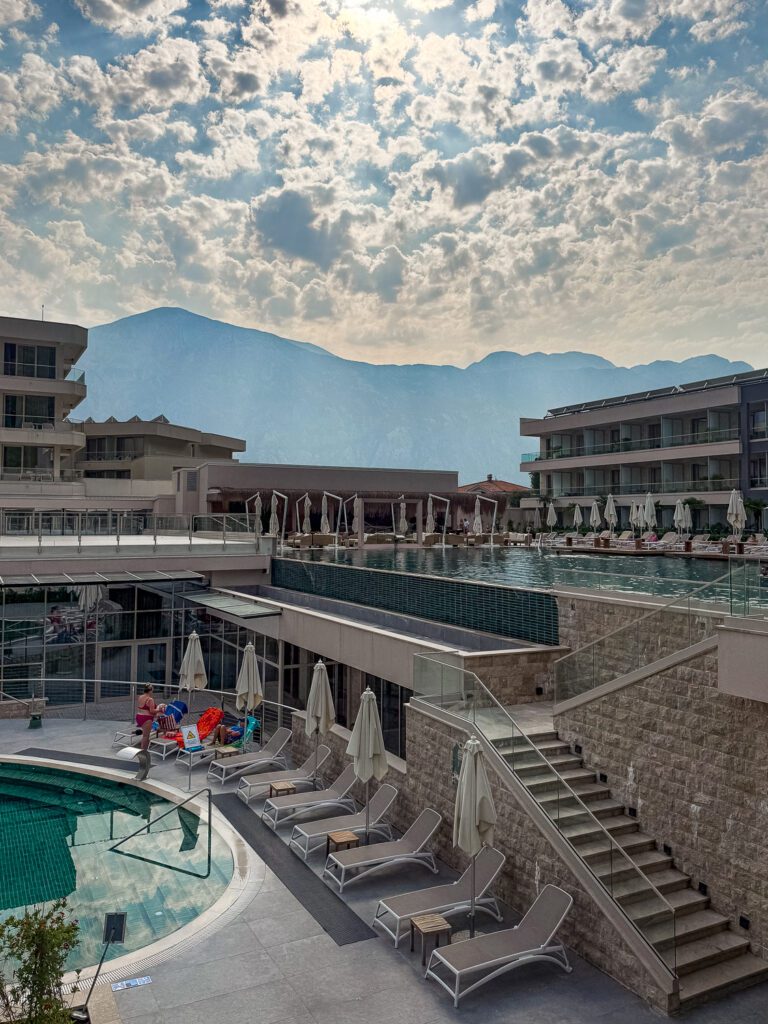
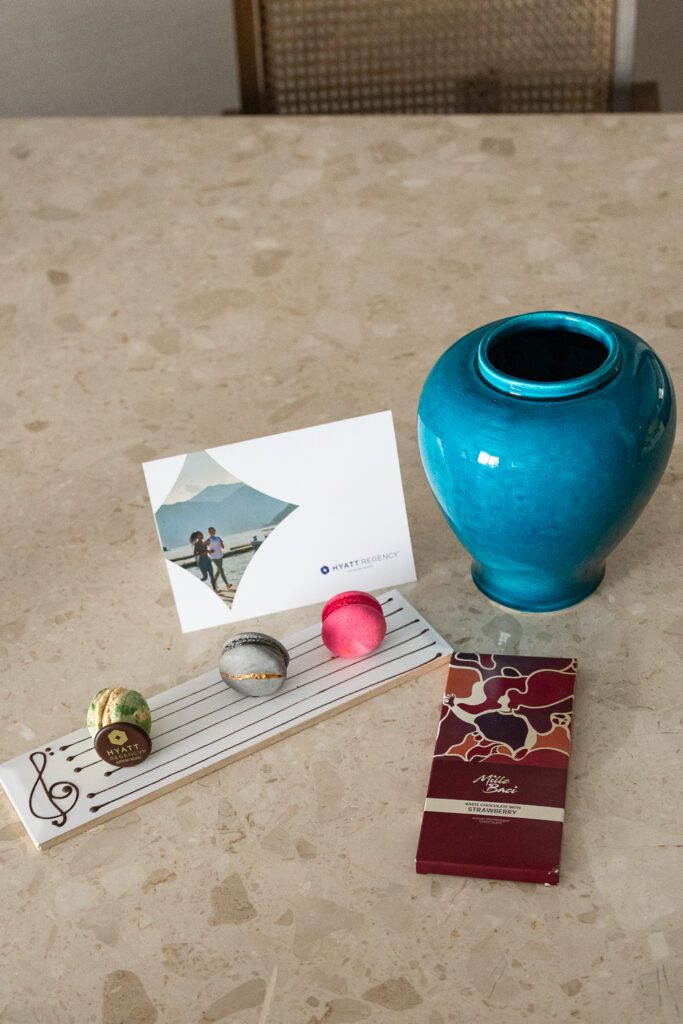
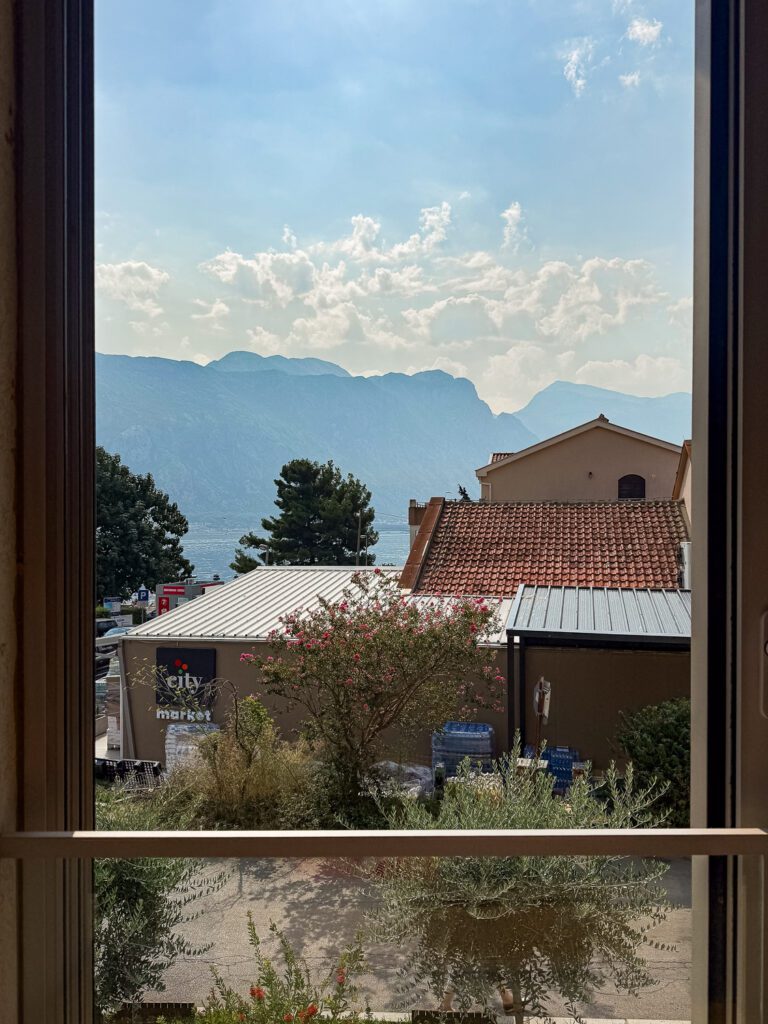
We stayed in a minimalistic room overviewing the pool. You can spend your days exploring the Old Town and your evenings relaxing by the hotel pool.
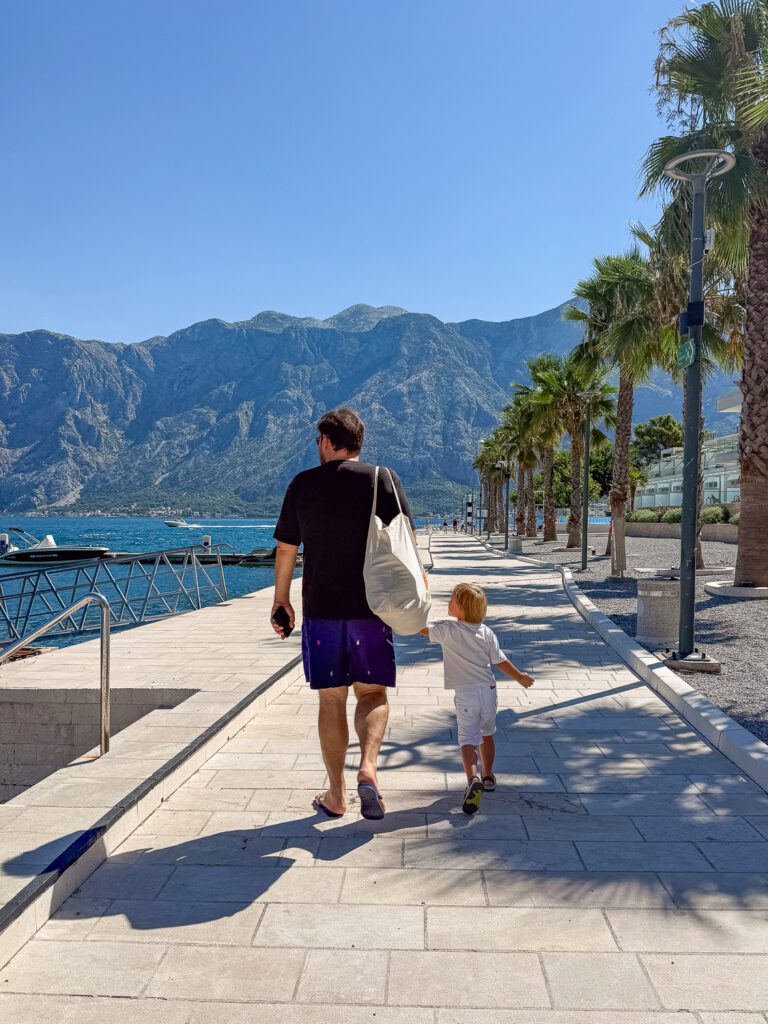
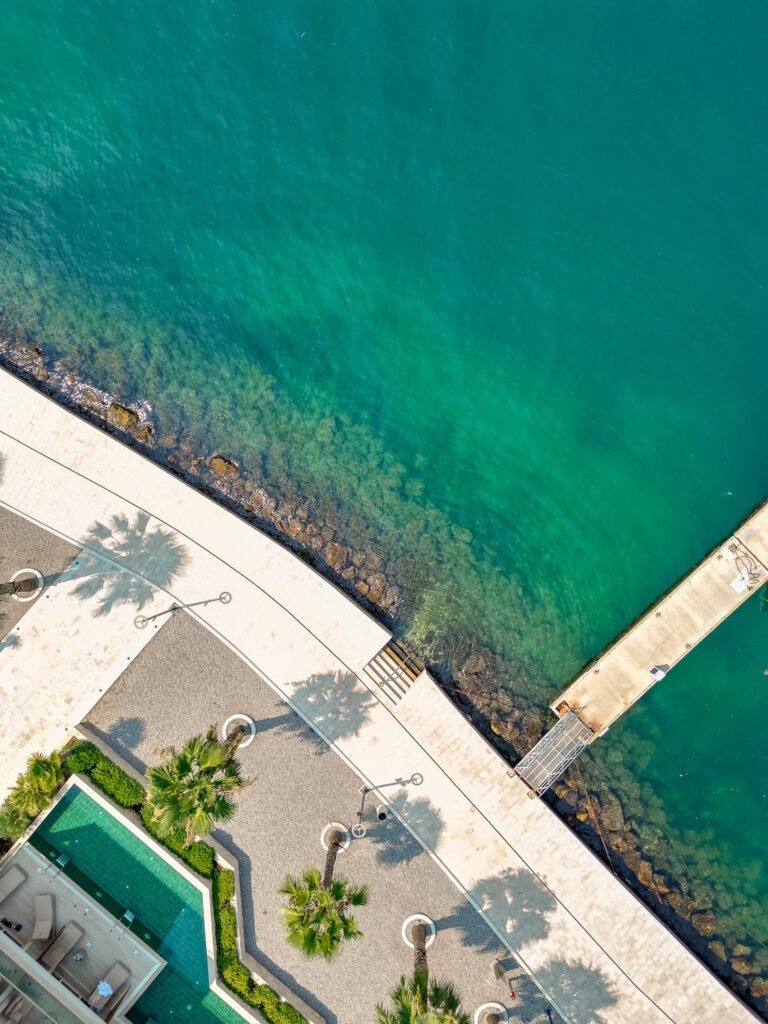
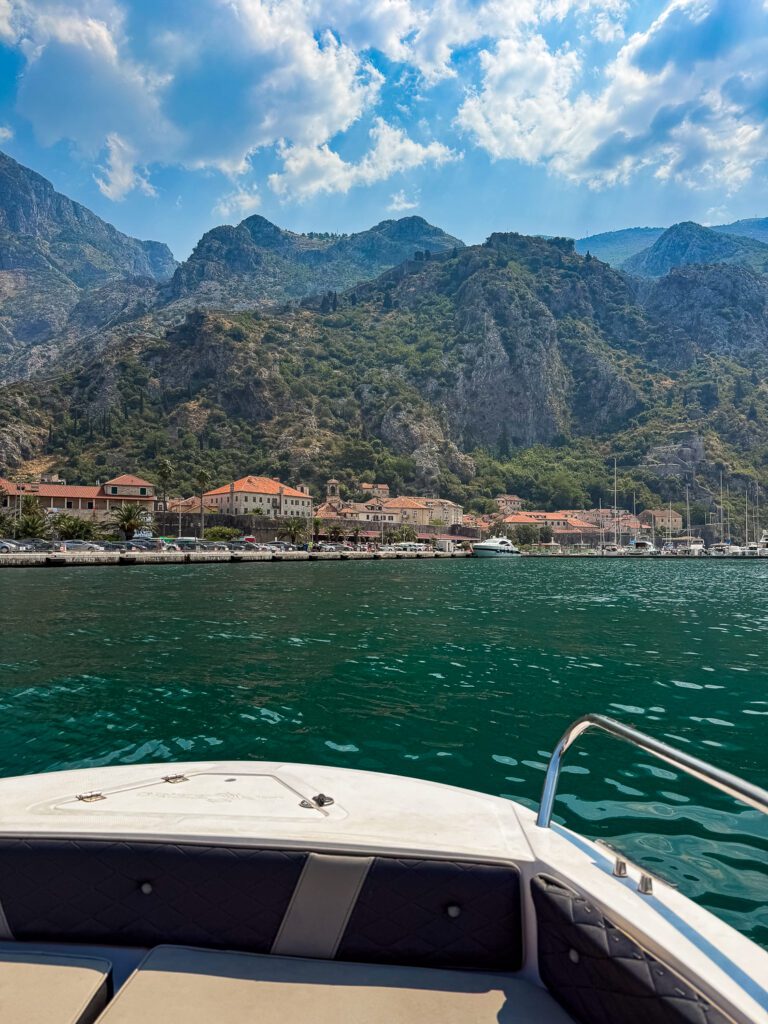
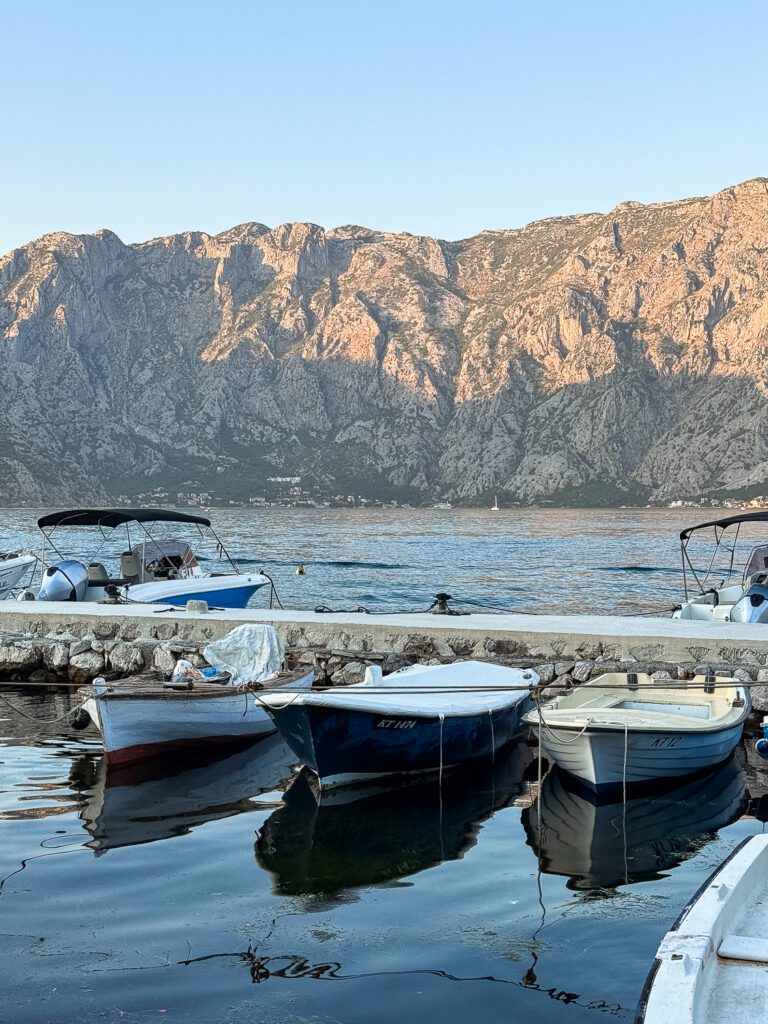
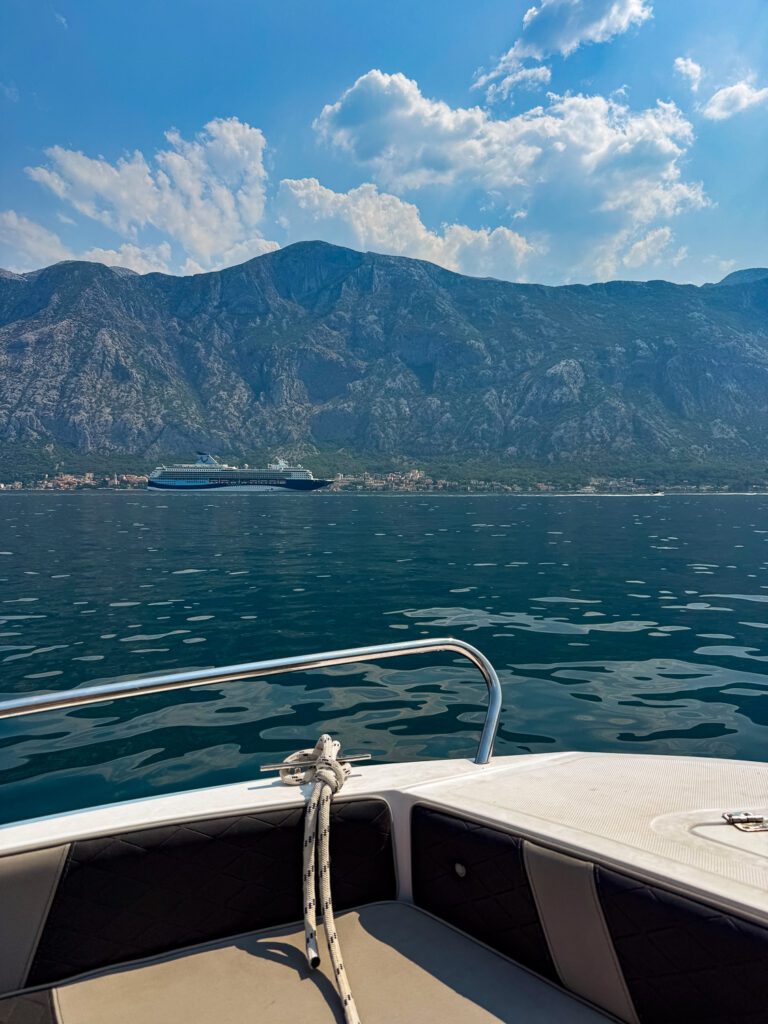
To get to Kotor, it’ll take 20-40 min by car depending on traffic (and you’ll also have to wait for a car at least for 15 min if you’re coming form the hotel) and around 15 min by boat (it’s much more expensive but the views are exquisite and it’s much quicker).


Their breakfast selection was decent, with Montenegro delicacies, fresh veggies, cold cuts and abundance of cheeses.

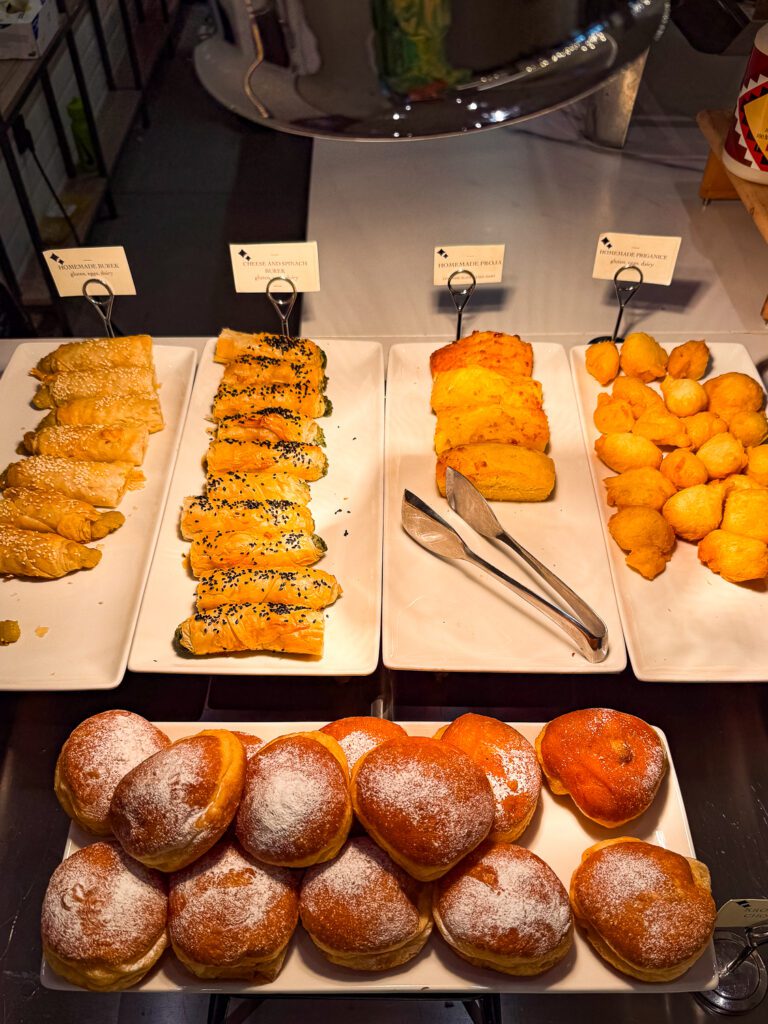
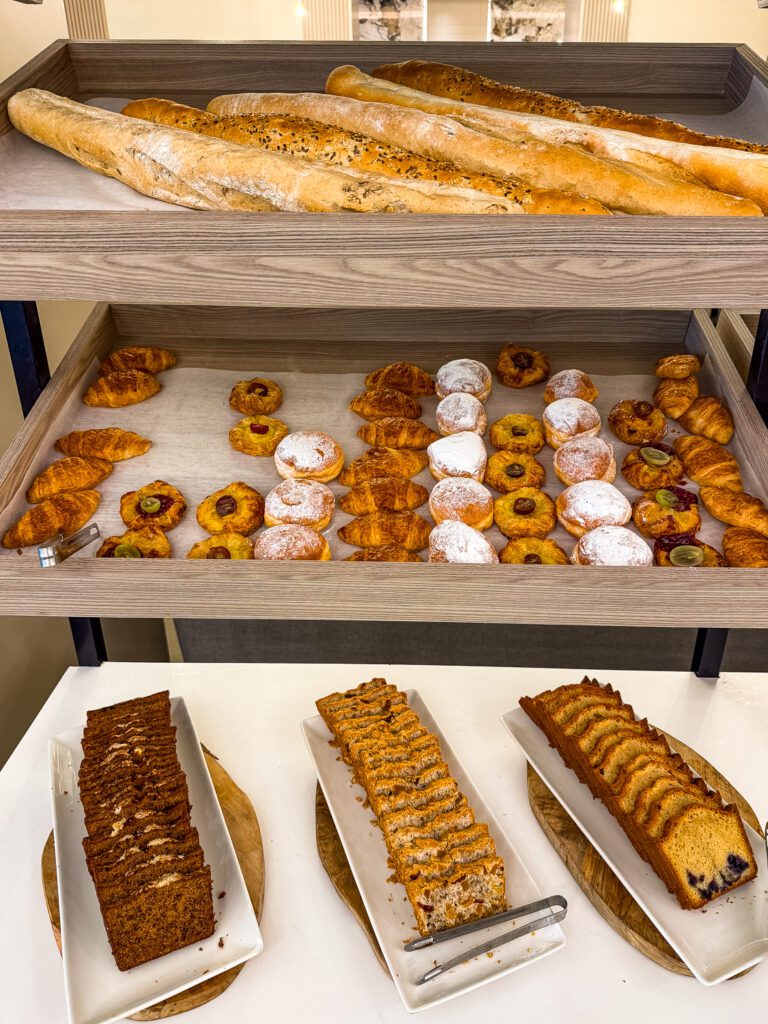
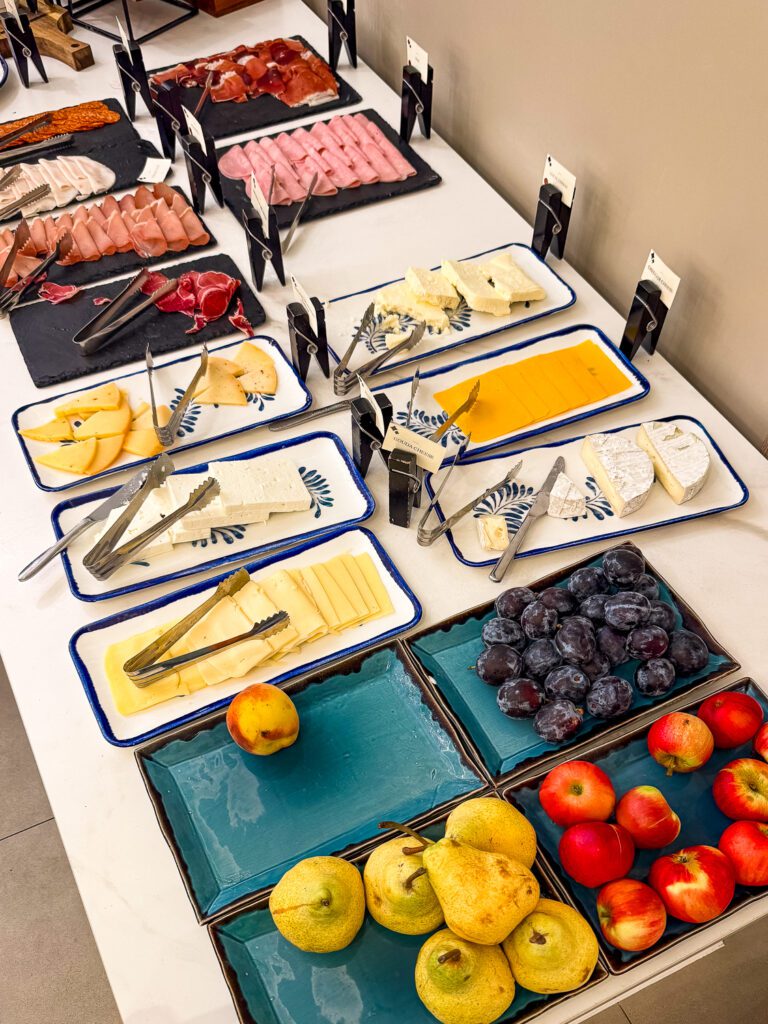
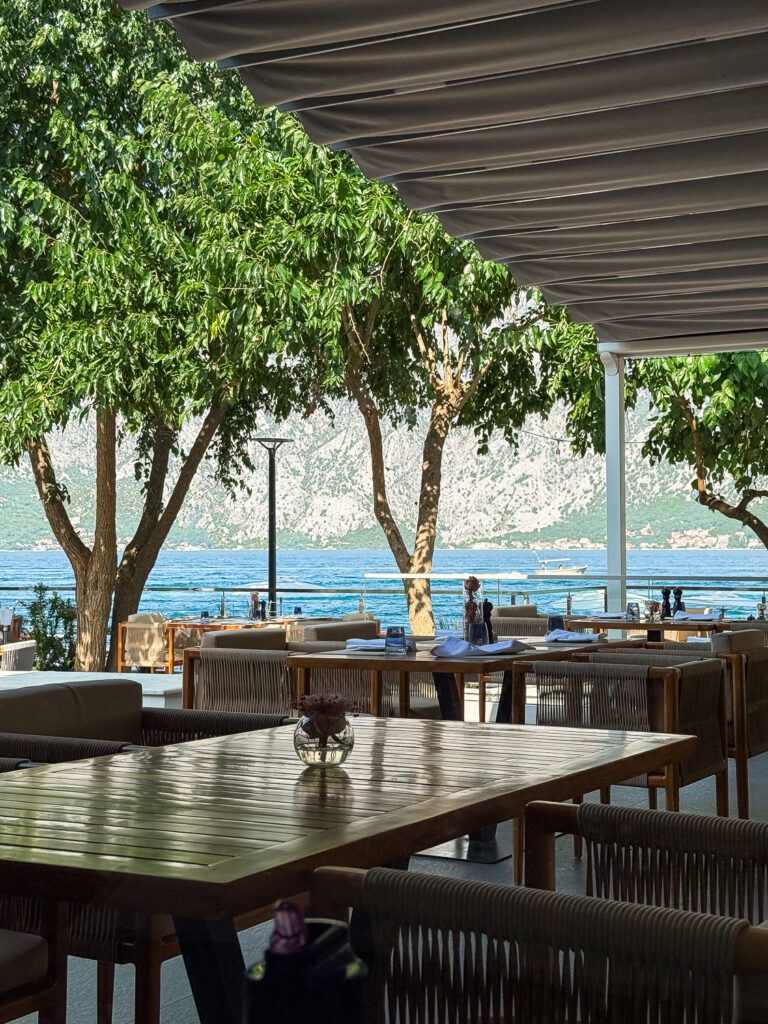
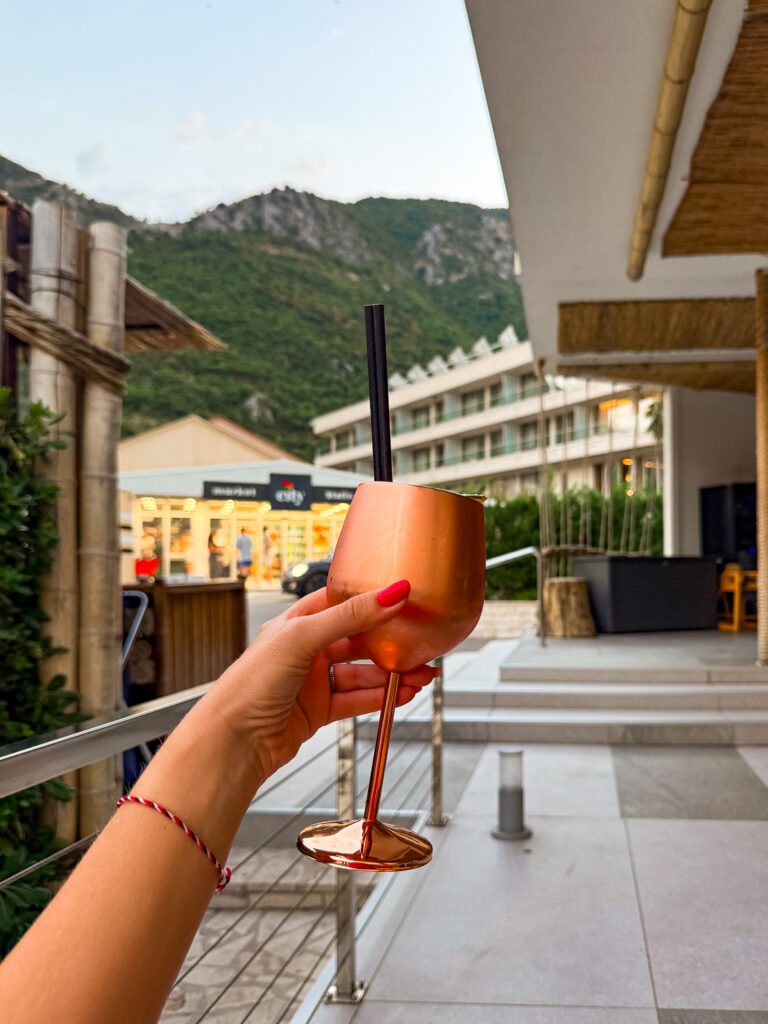
For restaurants, there are a few options in the hotel itself such as the posh Lighthouse restaurant, pool bars and a buffet restaurant.
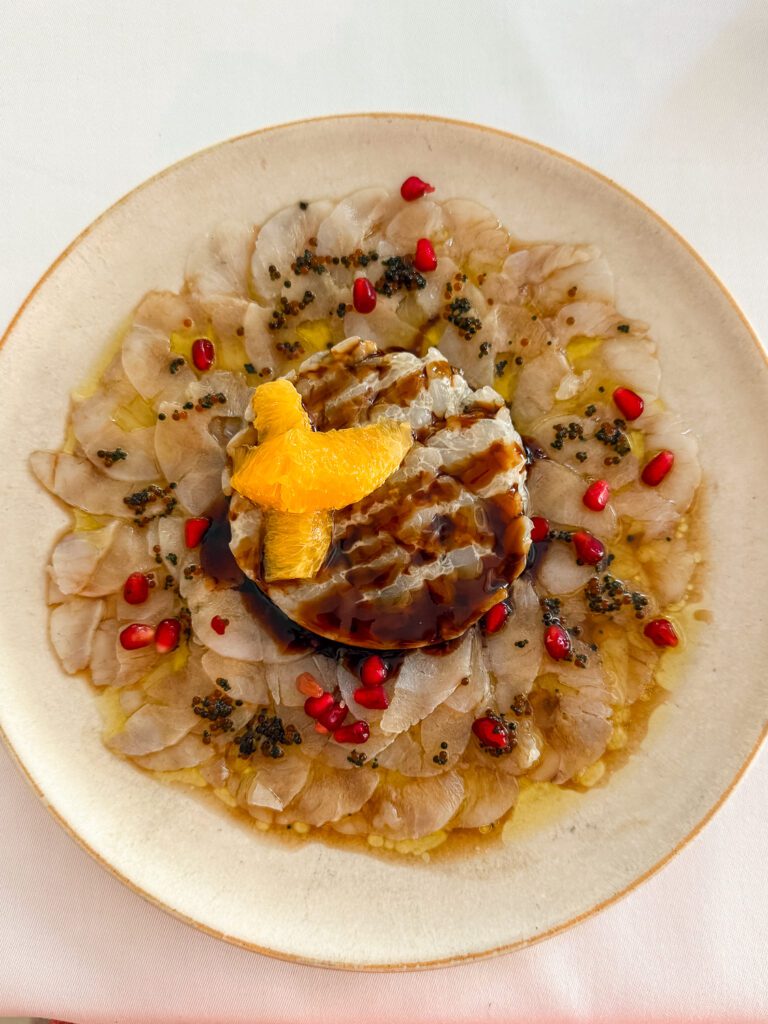

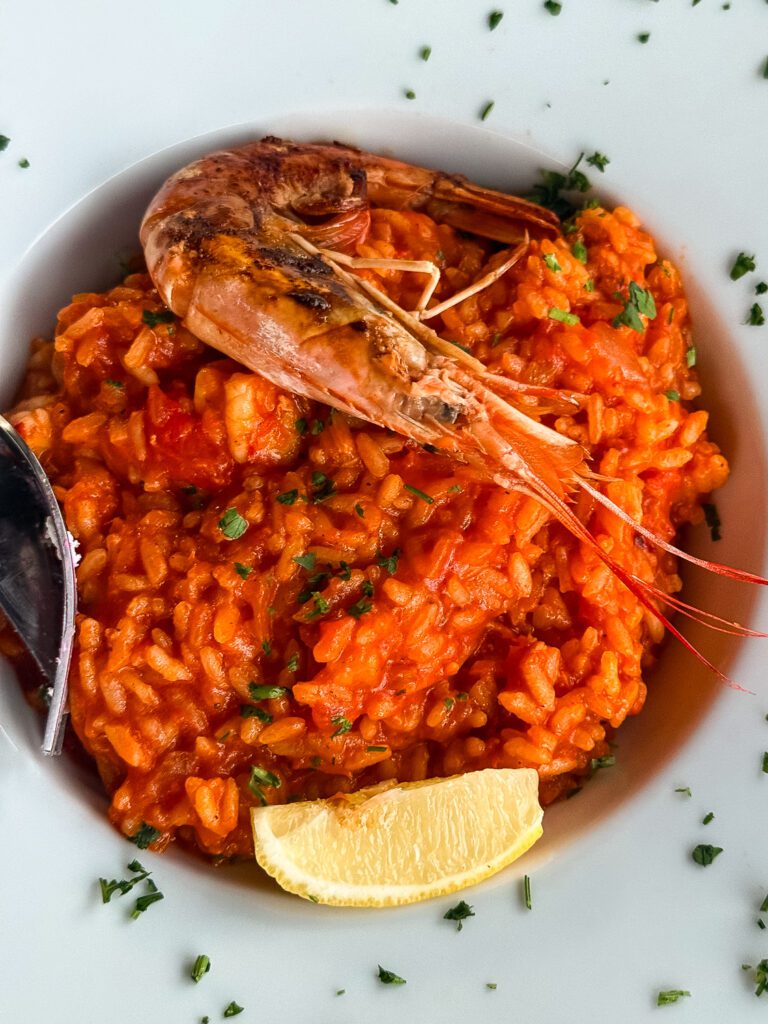
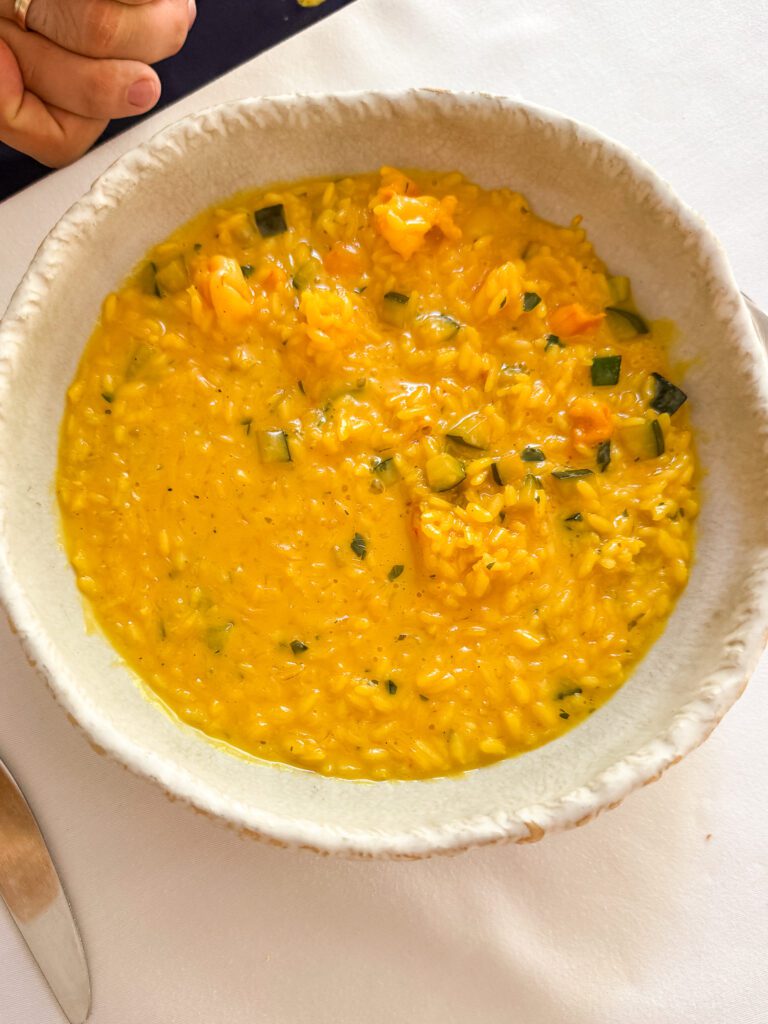

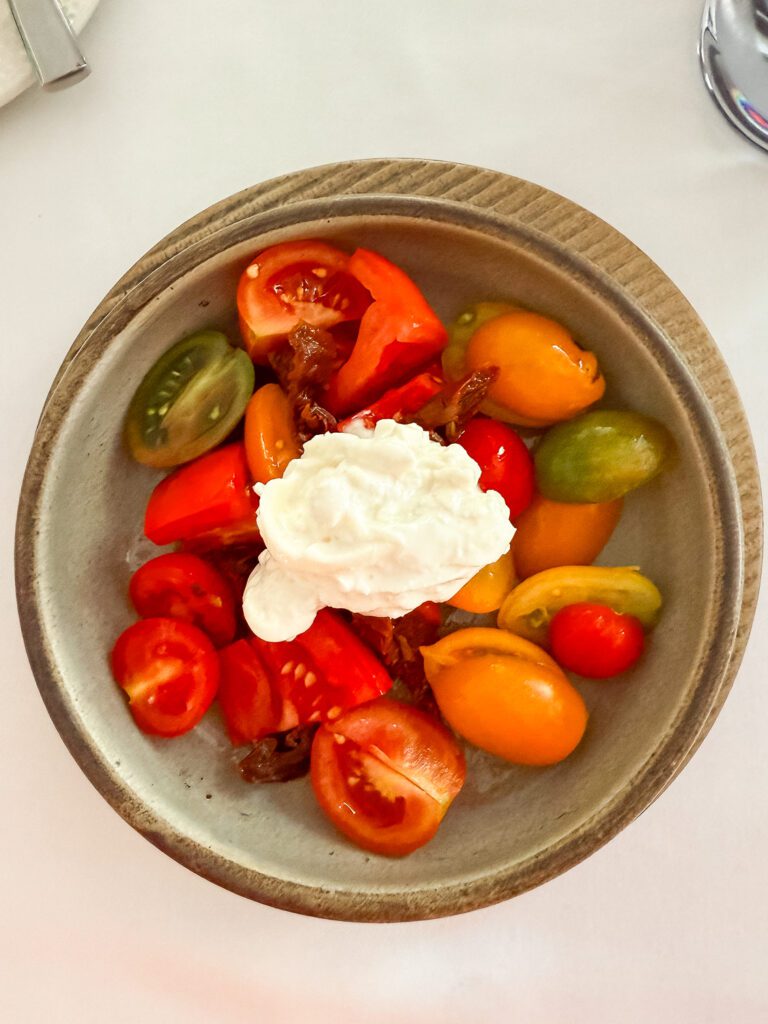
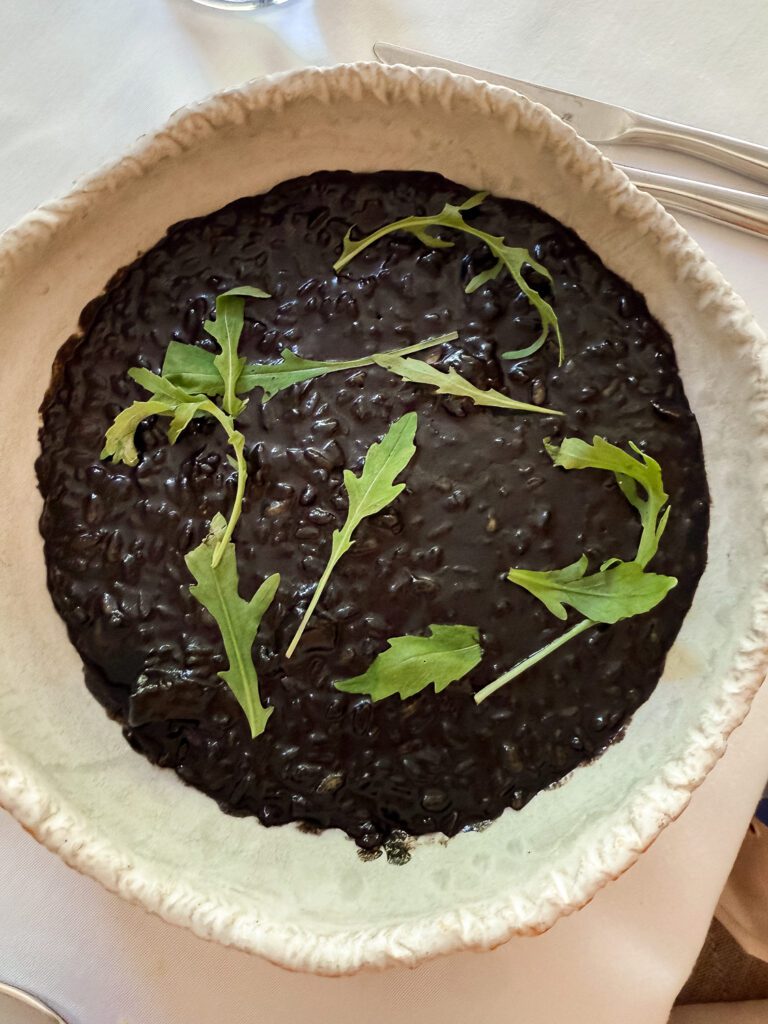
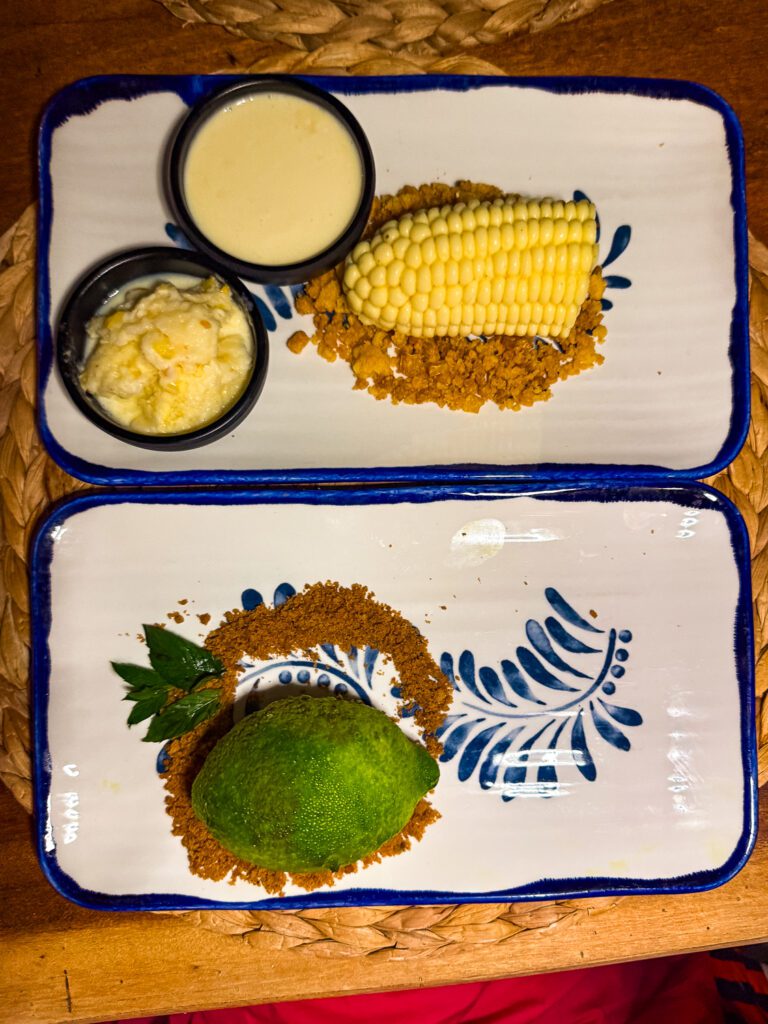

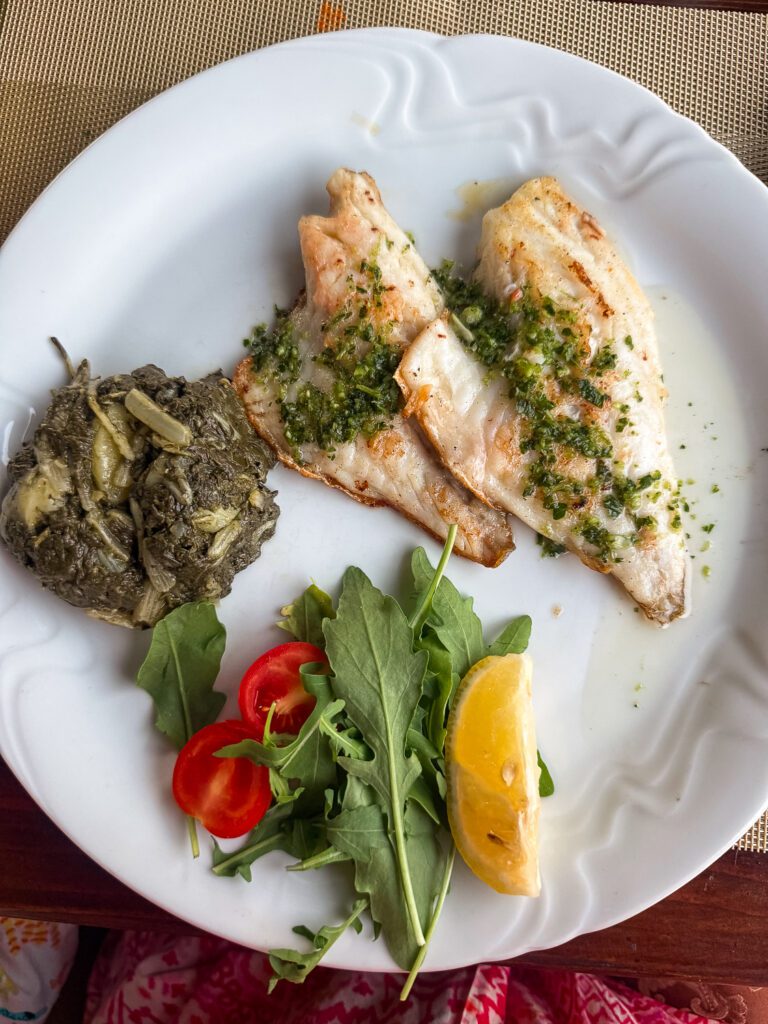
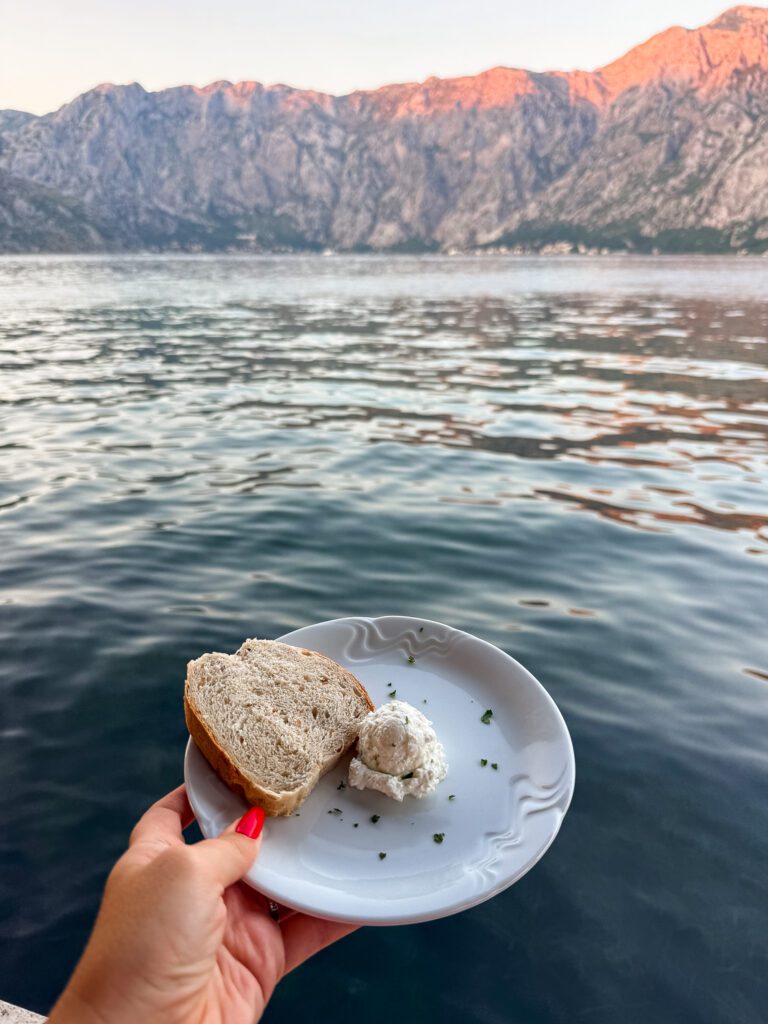
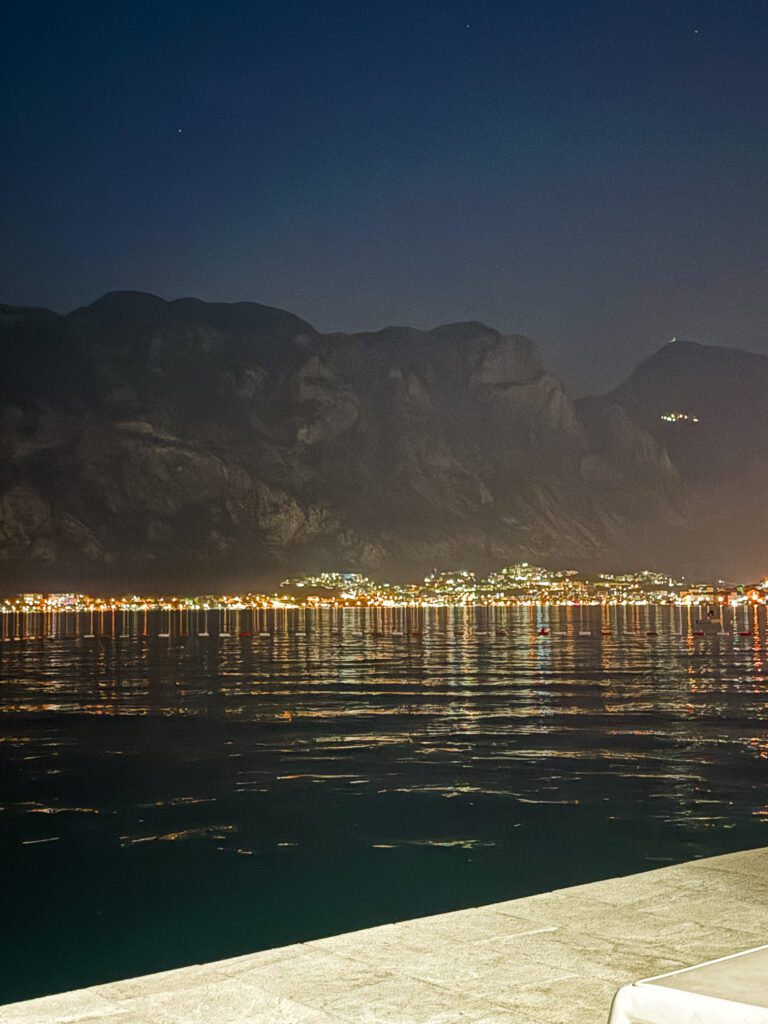
For seafood with a view, try Marius Restaurant nearby – the setting is worth the visit.
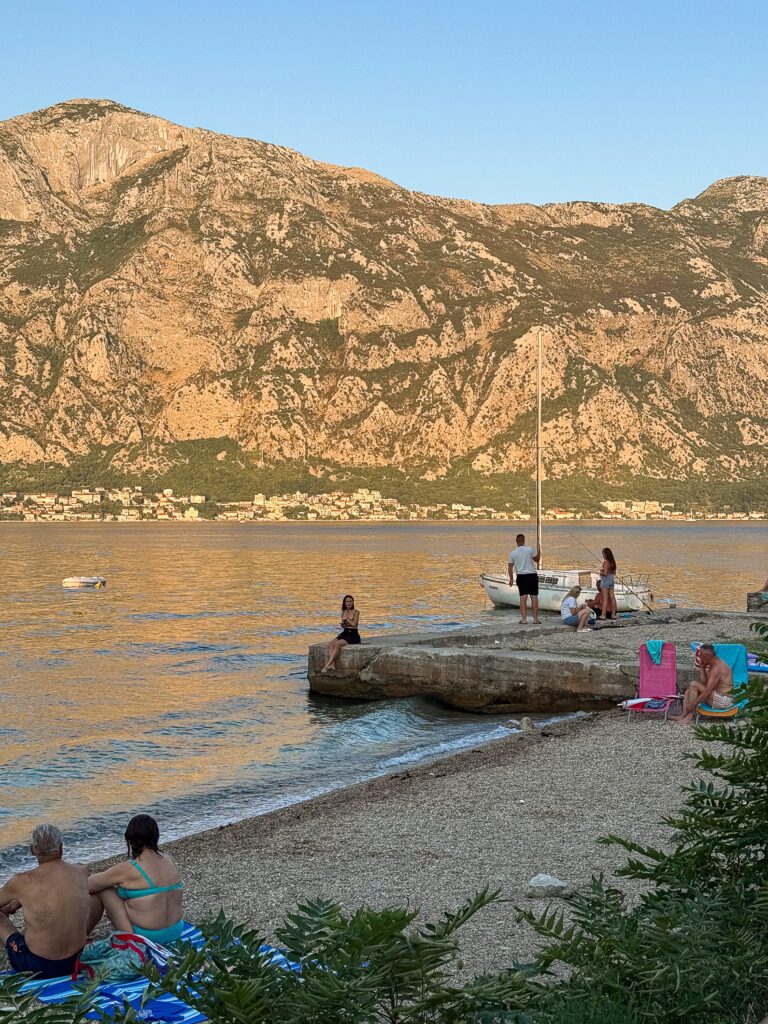
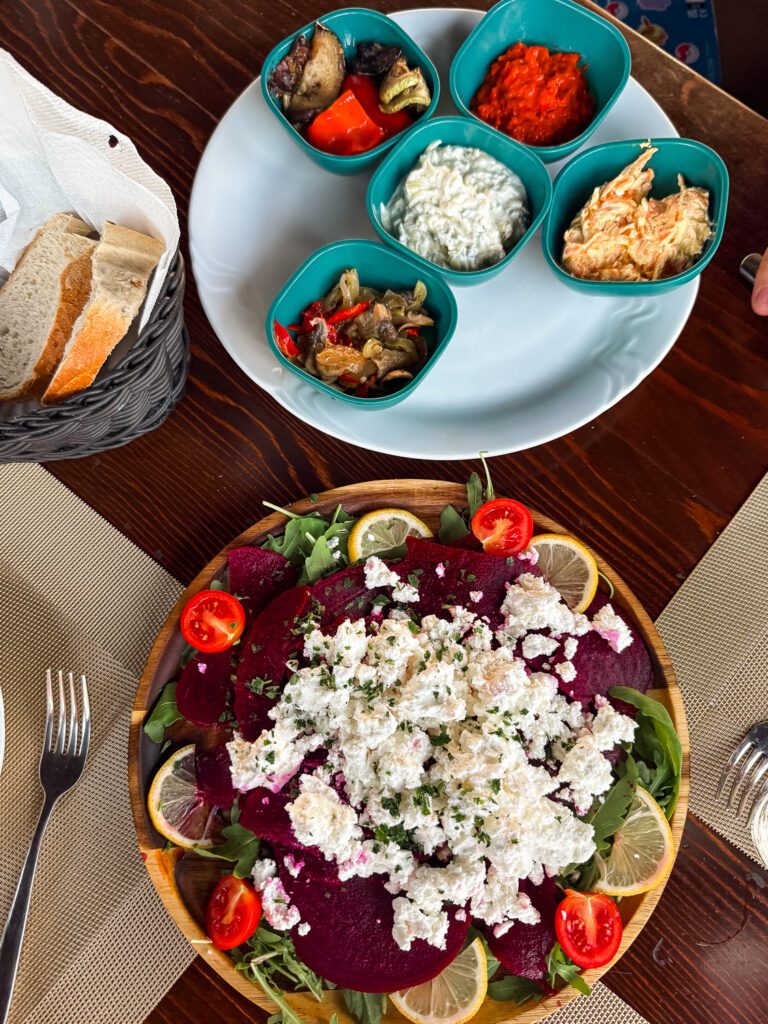
To get to Kotor, you have to order a taxi (or ride a car if you arrived on one) or to order boat – the most expensive but the most picturesque way of arriving to the city!
Overall, we enjoyed our visit, and if we’re back in Kotor, we’ll probably stay there again.
Read more about Europe and European travels here.
Hope you enjoyed my blog,
Yours, Anna
xxxx