Dubrovnik is a true pearl of the Adriatic Sea and it has been on my list for so long!




This area was inhabited by Roman immigrants and Slavic tribes. It was under Byzantine and Venetian influence. While it was a tiny but self-governing republic from 1359 to 1808, Dubrovnik was known as Ragusa.


The 16th century is considered its golden period due to all the trade routes coming though it. And this tiny piece of land had a huge fleet! Later it was conquered by Napoleon and later incorporated into the Kingdom of Dalmatia, later the crown land of the Austrian Empire. Now Dubrovnik is a part of Croatia.


Every step is full of rich history here (and of the Game of Thrones locations).


We got there from Montenegro: we booked a car to get to this destination across the borders. Our journey from a hotel to a hotel took us only 2,5h including crossing the border control. And we immediately fell in love with this city!

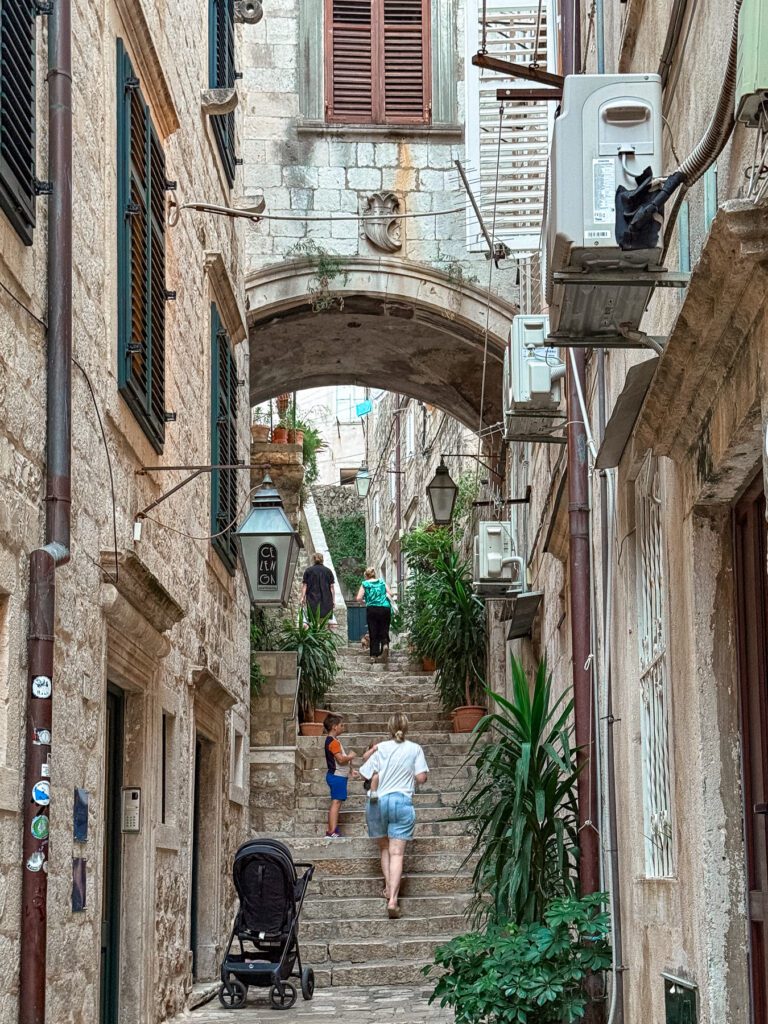
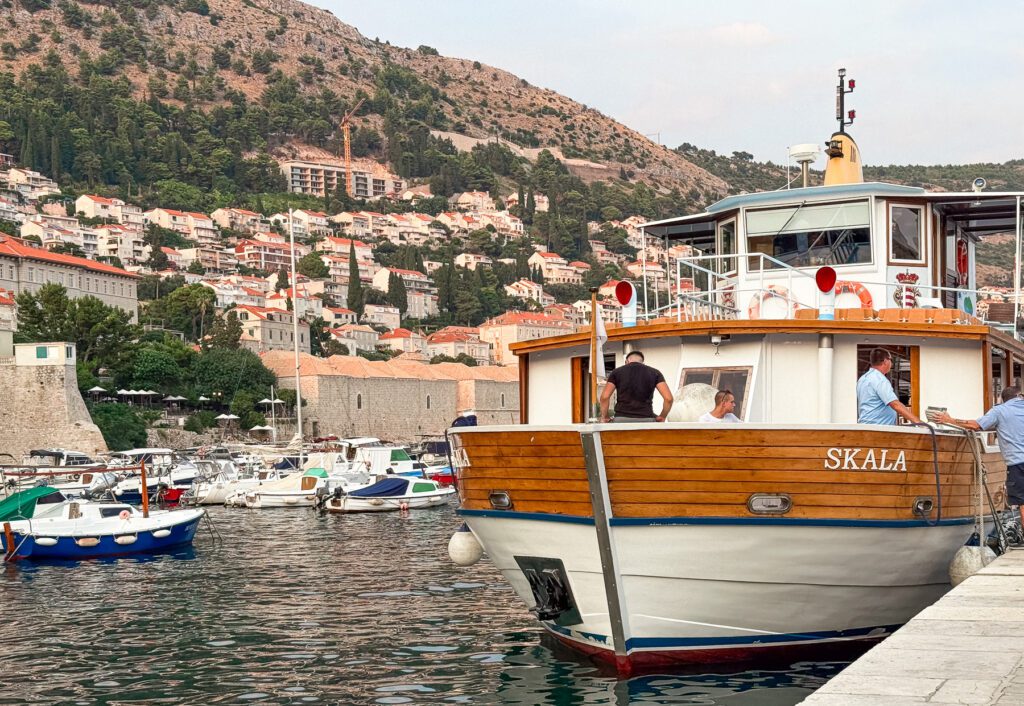


What to see in Dubrovnik? Find out below!


1. Dubrovnik City Walls
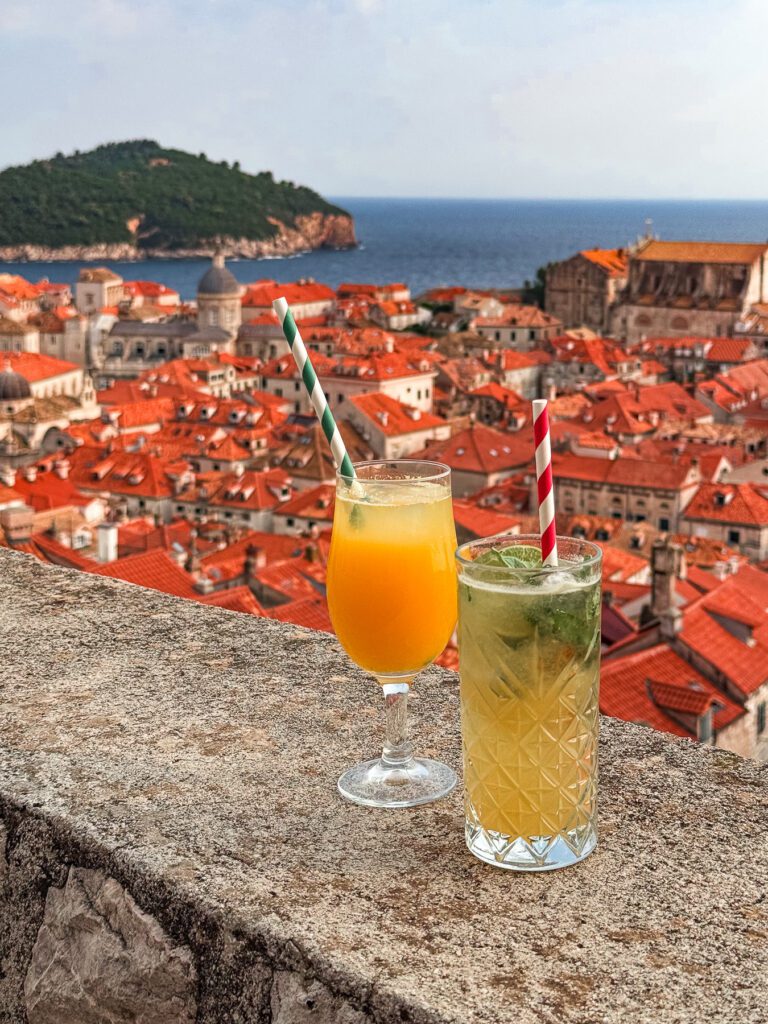
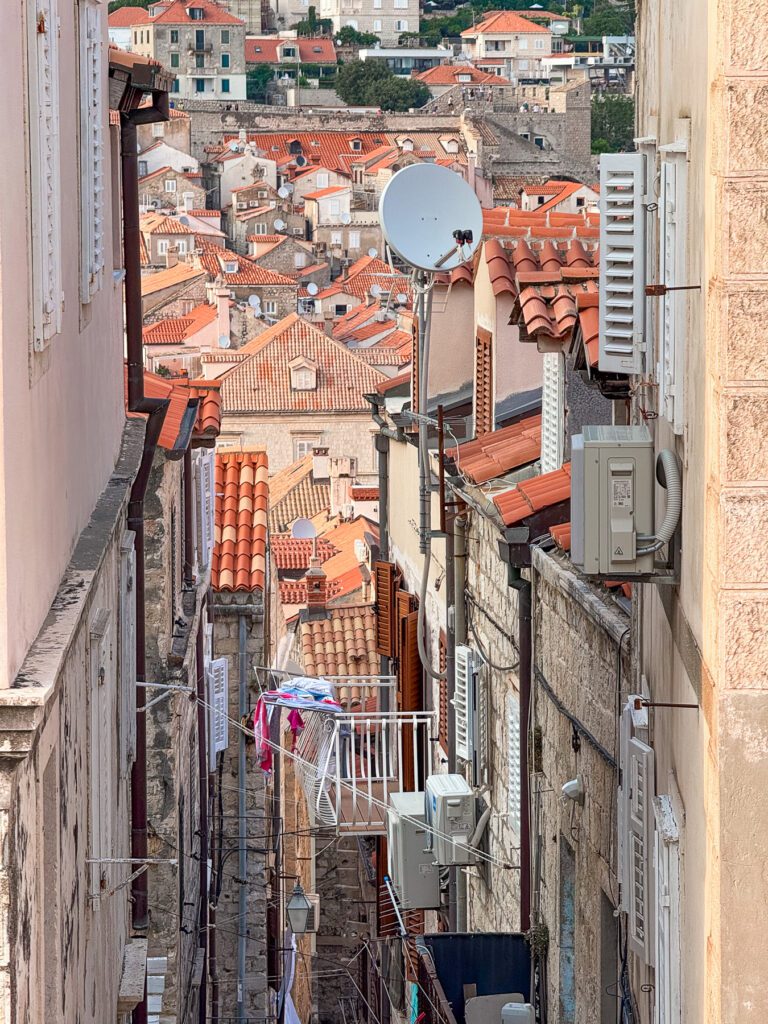
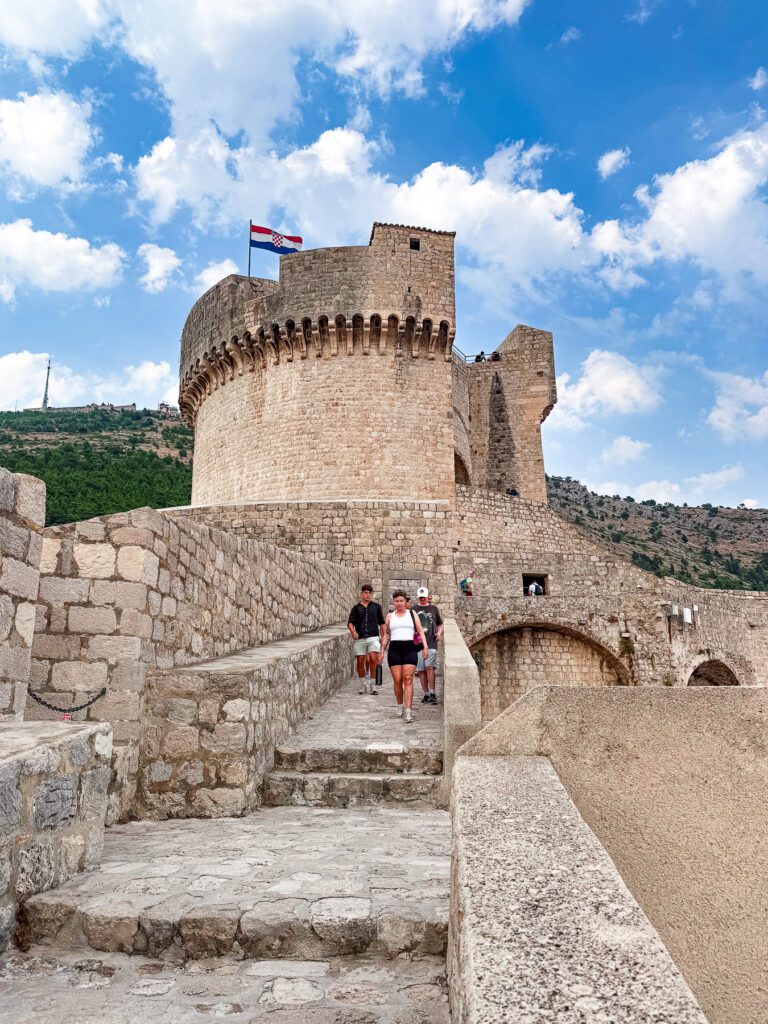
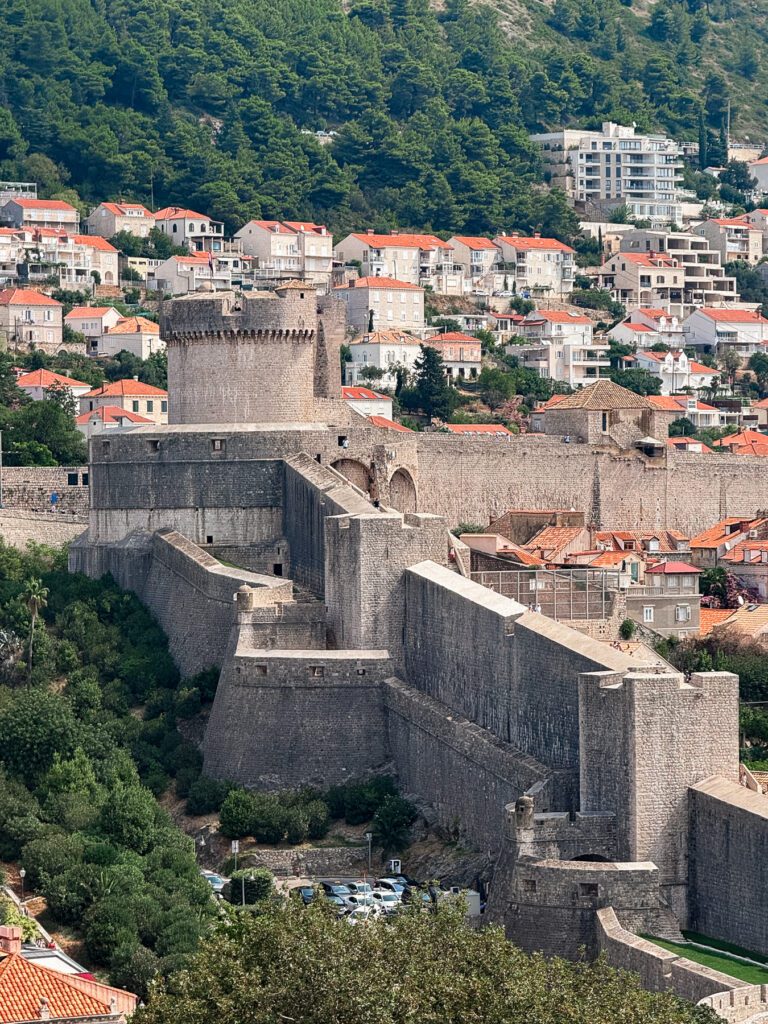
The Dubrovnik city wall stretches for about 2km and encircles the old town, and it’s exactly what makes this city special: there are bastions, turrets, towers, ups and downs (wearing comfortable shoes is a must!) – and the views are unbeatable!
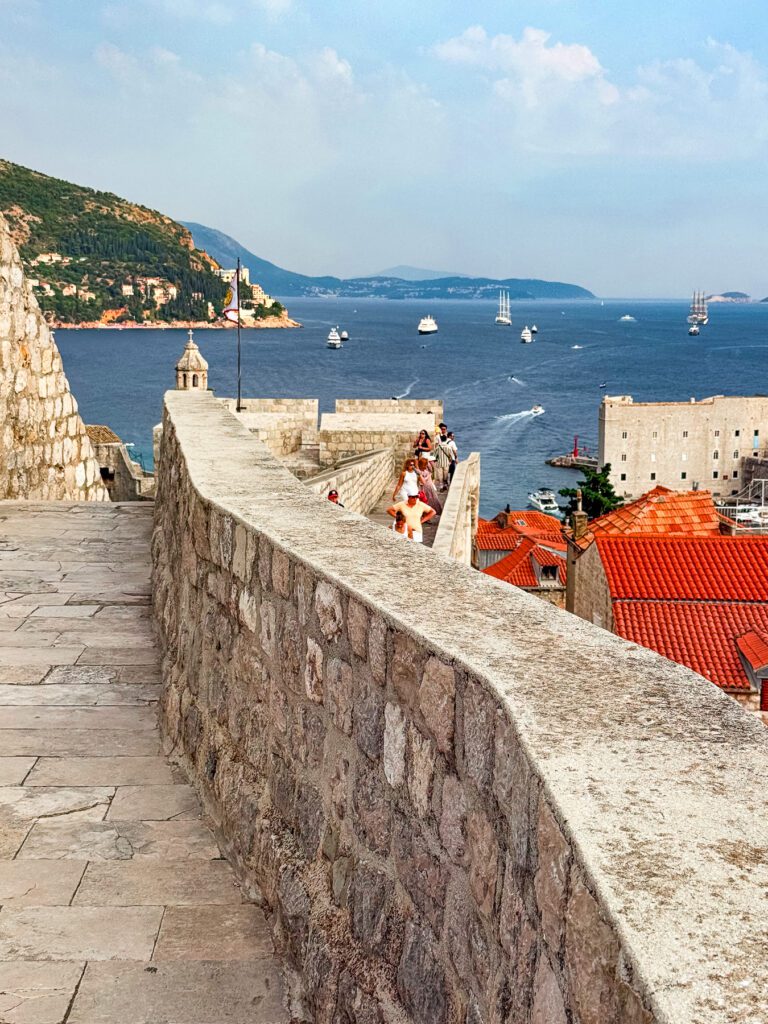
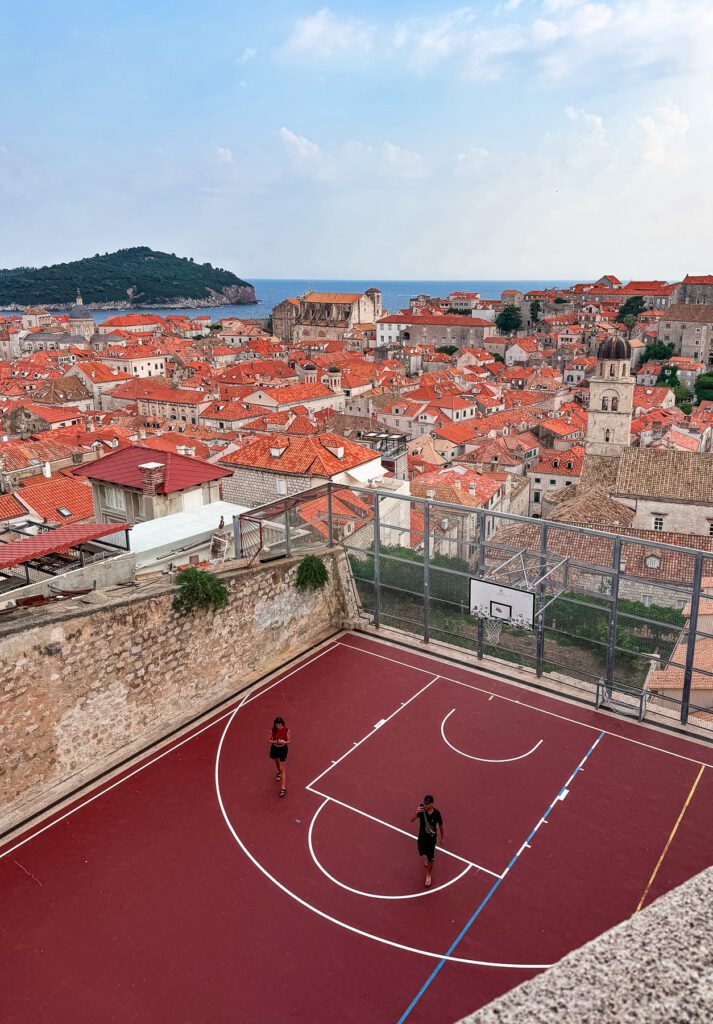




The Pile Gate and the Ploce Gate are the most impressive entrances to the old city in the wall, make sure to explore them too.
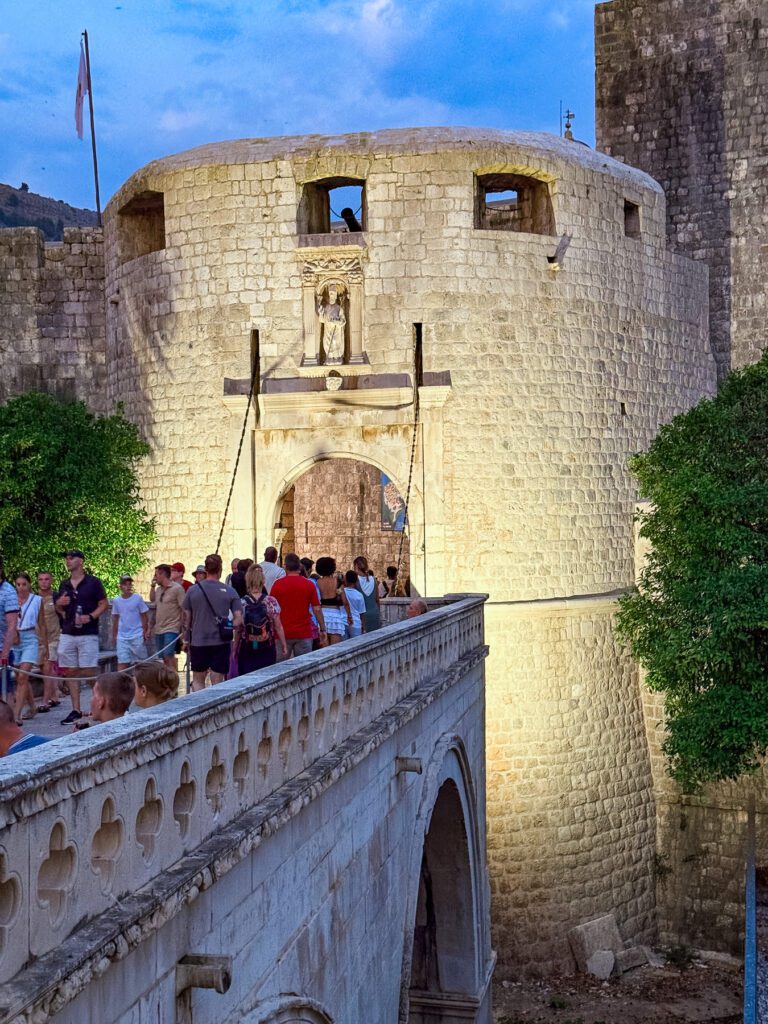
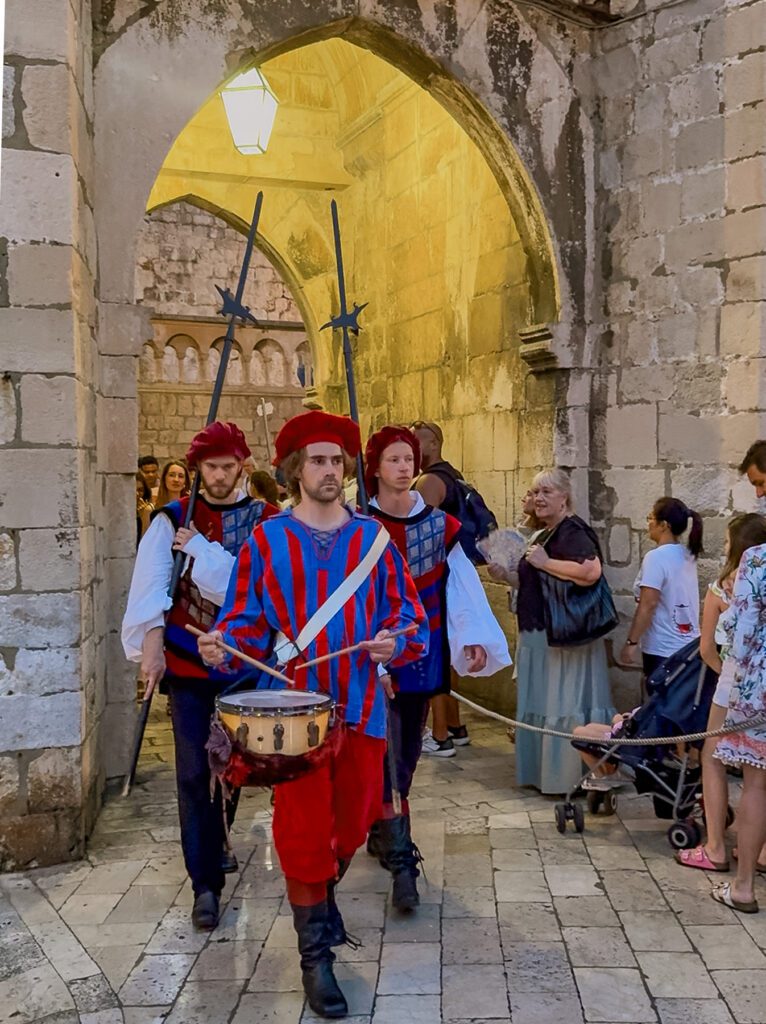

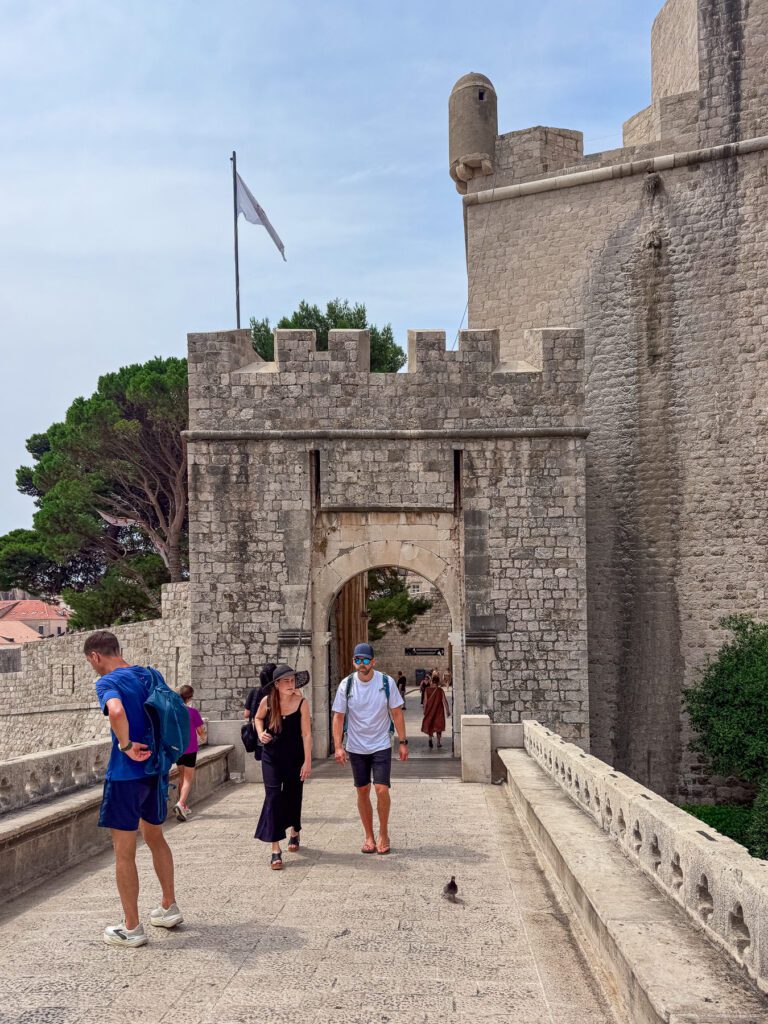
It was amazing how this structure dating to the 13-17 century is beautifully maintained and even has some infrastructure such as cafes and toilets for visitors. Just look – these walls played a huge role in Dubrovnik becoming a UNESCO World Heritage site! There are a few entrances to the wall (they act as exits too), and you can move only in one direction – otherwise there would be mess.


Observing people swimming in the sea or wandering around the Stradun street or spotting some landmarks from above is a must here too. We made the full circle with a few stops (those are necessary if you travel with kids in summer), and just enjoyed our walk.


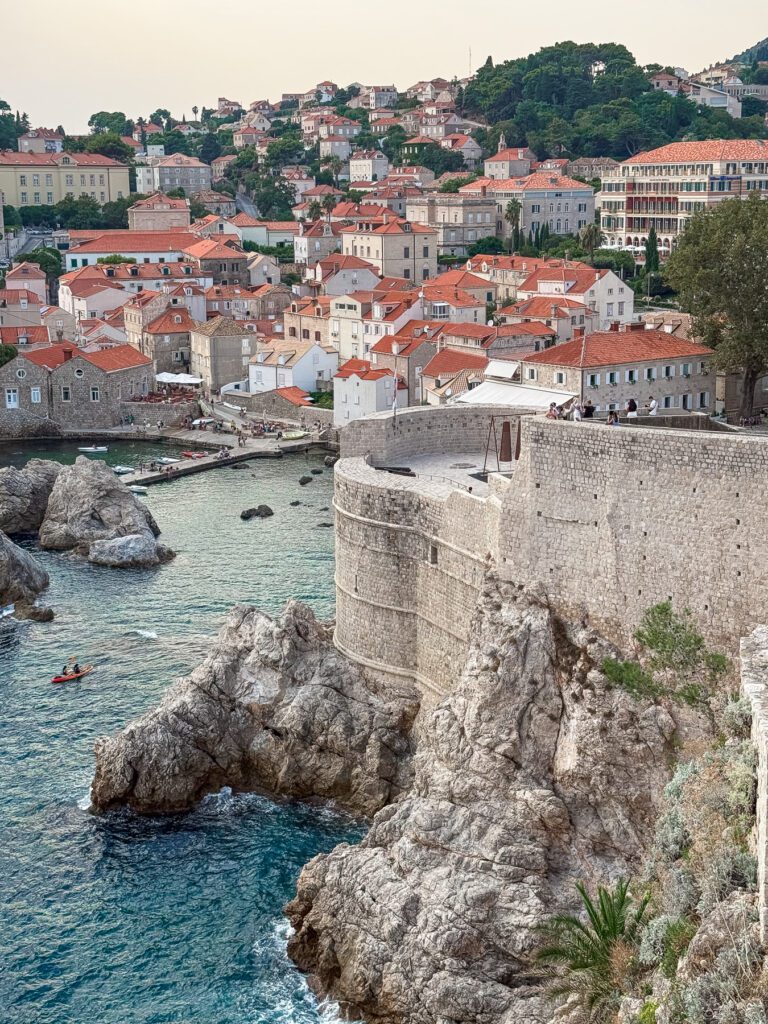
The entrance is costly but if you buy Dubrovnik pass and visit at least a few attractions it gives access to, it’s totally worth buying it.





2. Rector’s Palace
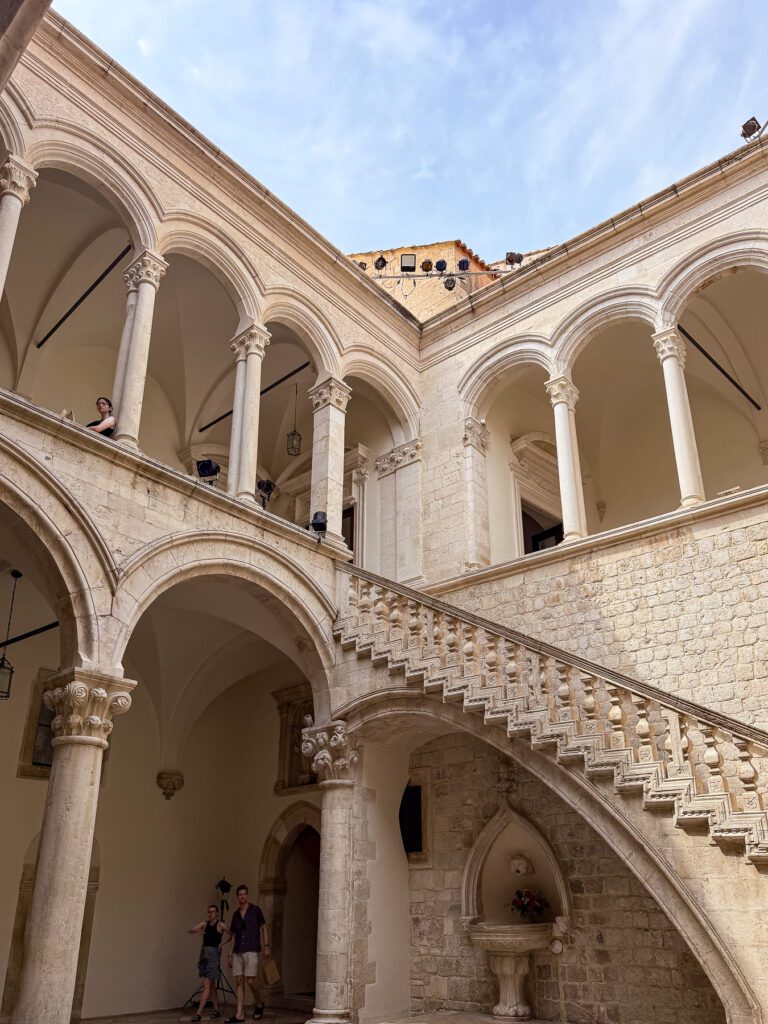
The Rector’s Palace is a breathtaking 14th-century Gothic building with Renaissance elements that served as the official residence of the Rector, Ragusa’s head of government.


It’s one of thr most important sights of Dubrovnik – but you might recognize it as the Palace of the Spice king in Qarth.
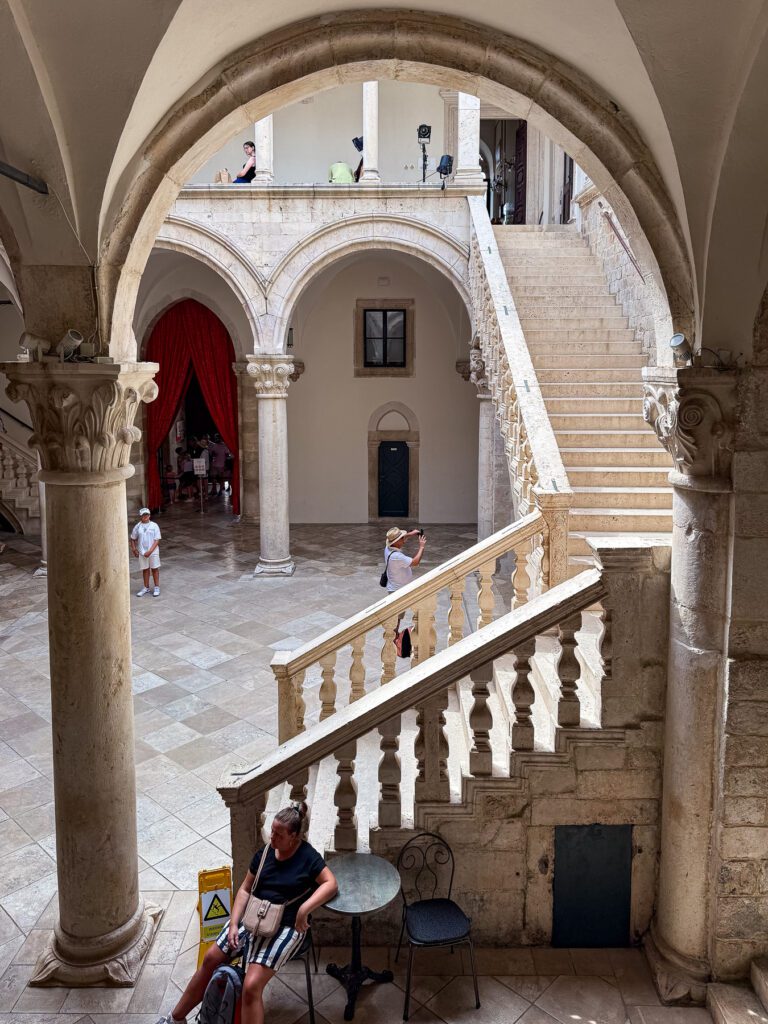


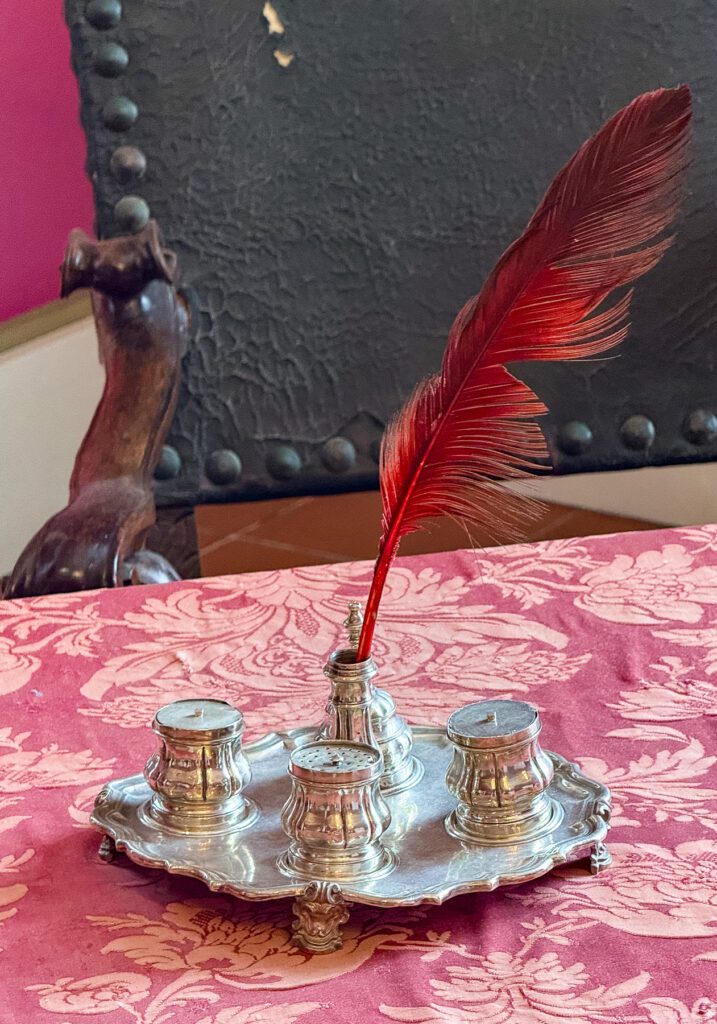
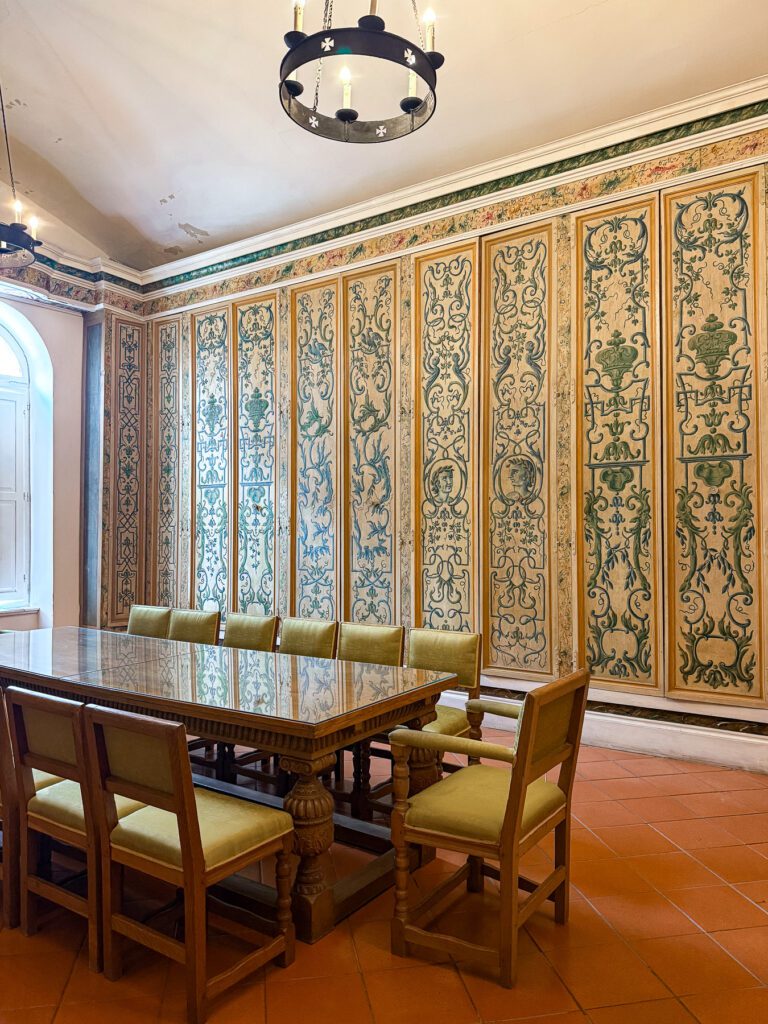
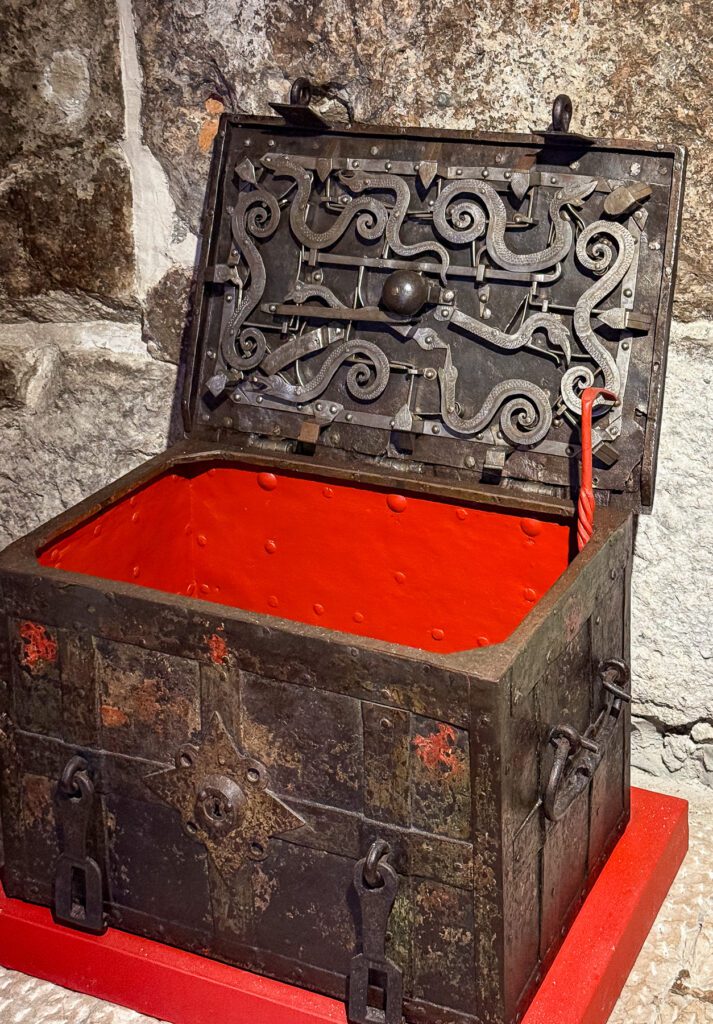
Now it houses the Cultural History Museum. Explore here the magnificent religious objects, including the sculptures of St Blaise, the saint patron of the city, the prison and everyday objects from the life of the Ragusian noblemen of the past, such as the carriers, furniture and the portraits.


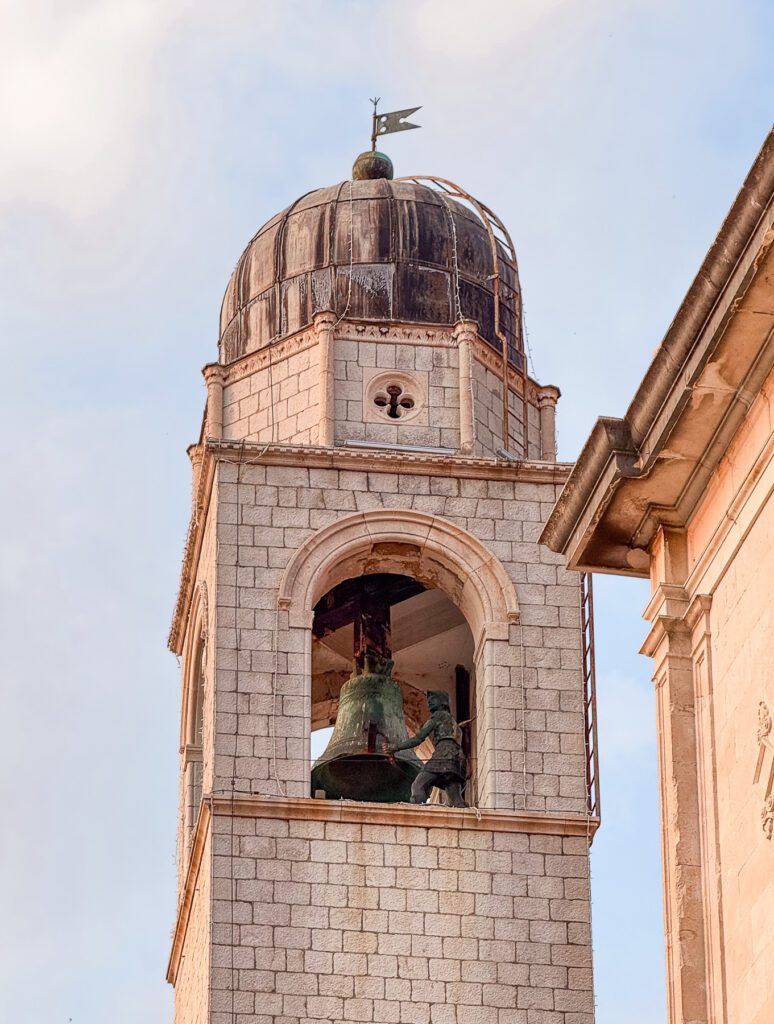
Also you can explore the original pots and bottles used in the pharmacy of the Franciscan monastery (you can read about it below). Spot the Jacks too: these are metal sculptures nicknamed Maro and Baro who struck the bell of the Bell Tower nearby – the modern replicas of the bell stickers are still in the tower!



3. Cathedral of the Assumption of the Virgin Mary
The Cathedral of the Assumption of the Virgin Mary, a Roman Catholic cathedral, is another unmissable landmark of Dubrovnik.

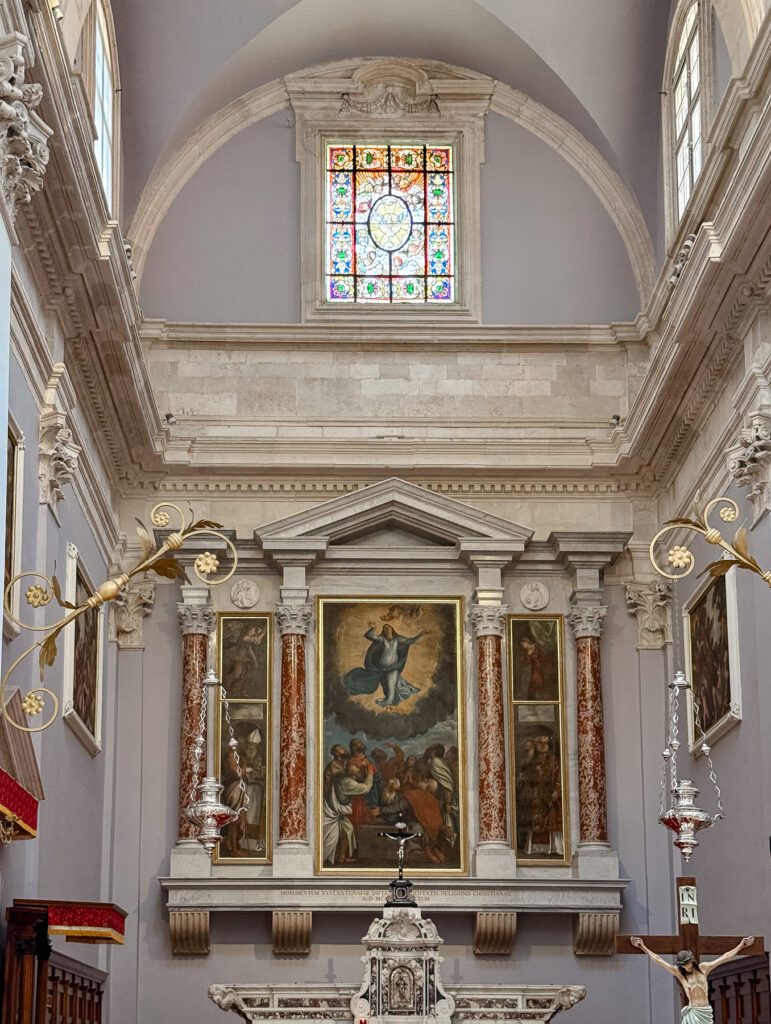
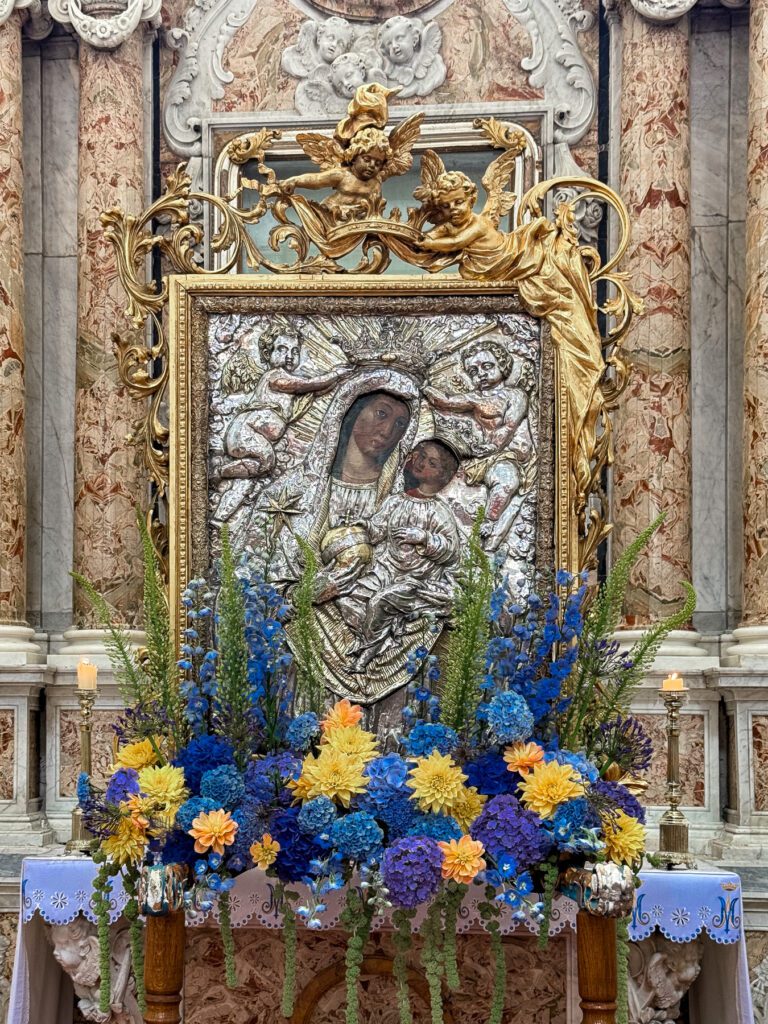


It was constructed in the 17-18 centuries on the site of previous cathedrals (one of them was partly commissioned by Richard the Lion Heart!) See there a beautiful altarpiece, an organ and rare reliquaries brought from the Byzantine empire and Venice. You can also visit the treasury (unfortunately, we haven’t been there).


4. Jesuit stairs and St Ignatius church
Do you recognize this site? Yes, that’s a location for the Cersei’s Walk of shame and some other events of the Game of thrones.


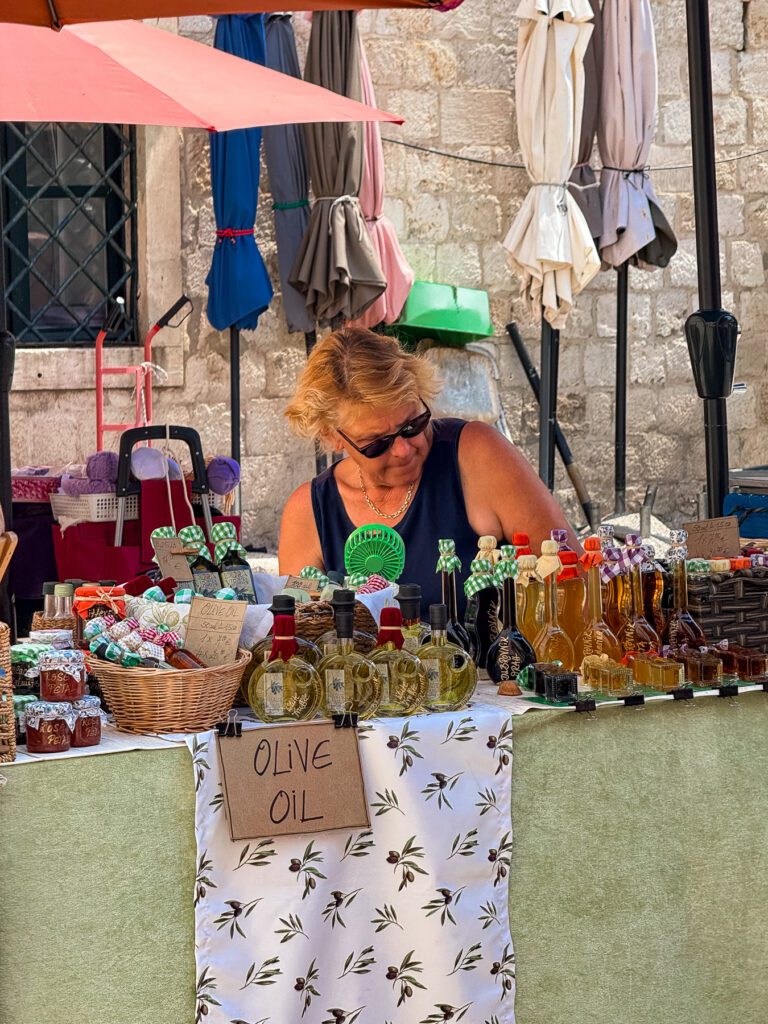
In reality, these stairs connect the St Ignatius Church on the top and Gundulic Square below where you can buy the local produce from the farmers.



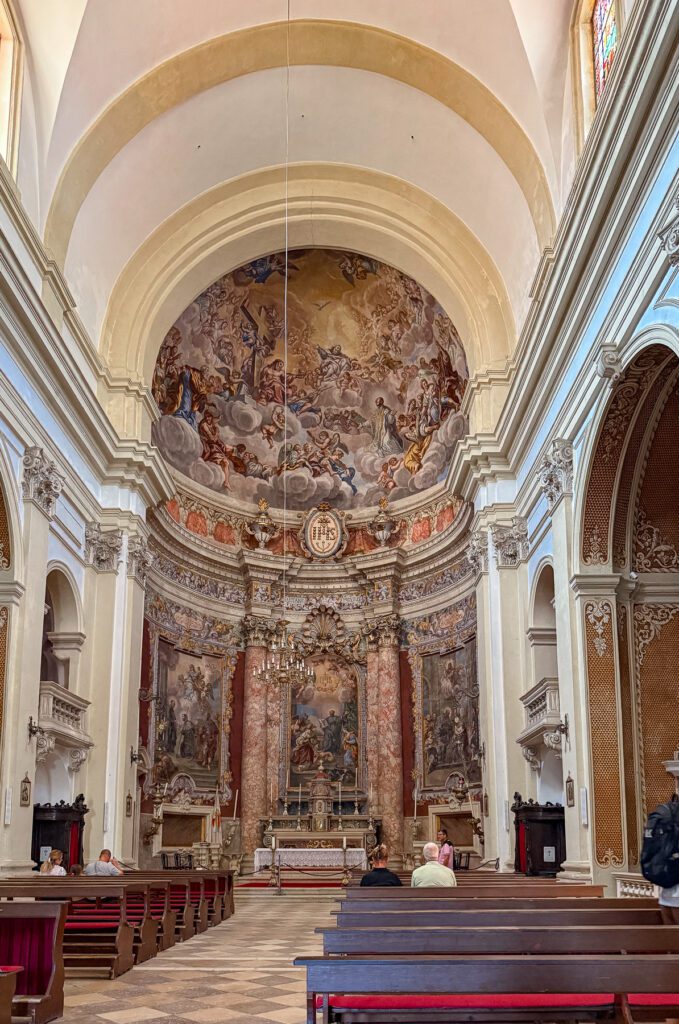
The church is named after Ignatius of Loyola, the founder of the Society of Jesus, or Jesuits, and its construction lasted from 1699 to 1725. Now it’s one of the most visited places in Dubrovnik, with the stairs being a major attraction to everyone.


5. Franciscan Church and Monastery
Once you enter the city through the Pile gate, right across the Onofrio’s Large Fountain and just off the Stradun Main Street you’ll see the sign to the Franciscan Church and Monastery. Don’t miss it! Fun fact: there’s a small stone head from the Stradum side of the building – if you can stand there without holding onto anything, your wish is said to became true!


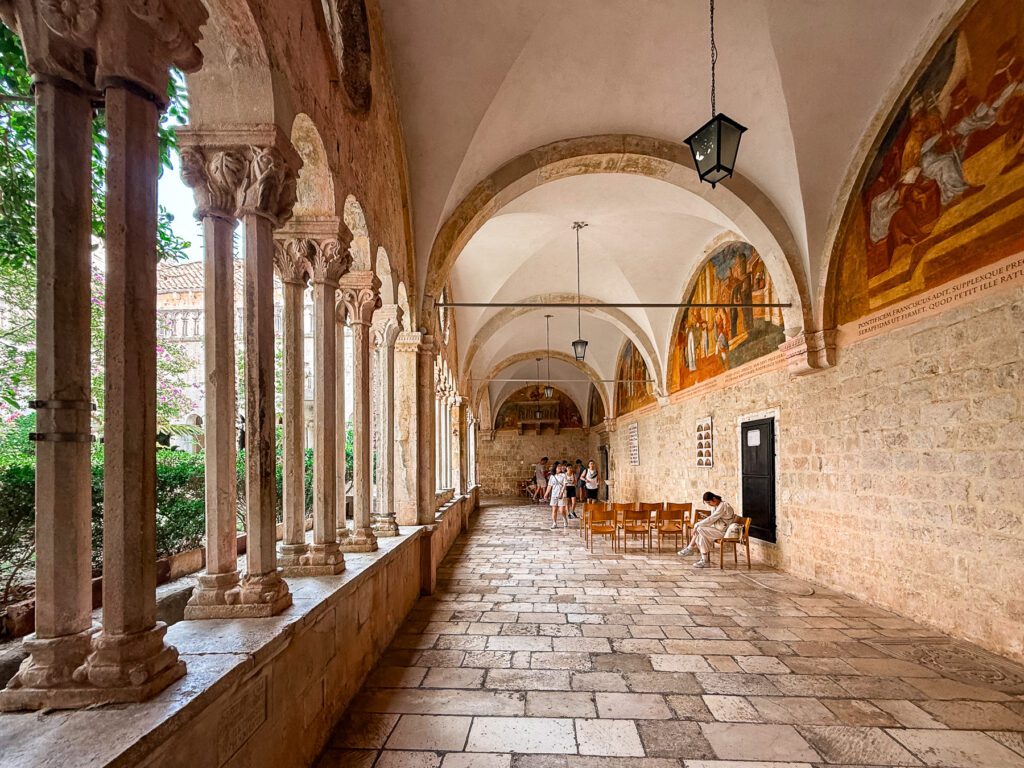
The 14th century Franciscan Monastery is an architectural gem: once you enter it, you’ll be mesmerized by its Romanesque-Gothic cloisters.


Besides that, you can visit a small exhibition of the religious objects there as well as Friars Minor Pharmacy, one of the oldest pharmacies in the world dating to 1317. This place is also famous for its library – the building for it was added around the 17th century.


6. Orlando’s Column
Famous Orlando’s Column is sadly closed for restoration at the moment. It was erected in 1418 in Luža Square as a symbol of freedom because the knight depicted on it is said to have protected people of Ragusa against enemies during the medieval times.


7. Stradun
Stradun, or the Main Street, is a lovely wide street with polished cobble stones flanked with shops and cafes – and of course, many notable buildings such as churches and palaces. It runs for around 300 metres from the Pile gate to the Bell Tower and the Rectors palace that overlooks the old port.



Can you imagine that in the past this part was a part of the sea? Only in the 12th century it was decided to unite an island part and a continental part by filling this area in!


8. Maritime museum
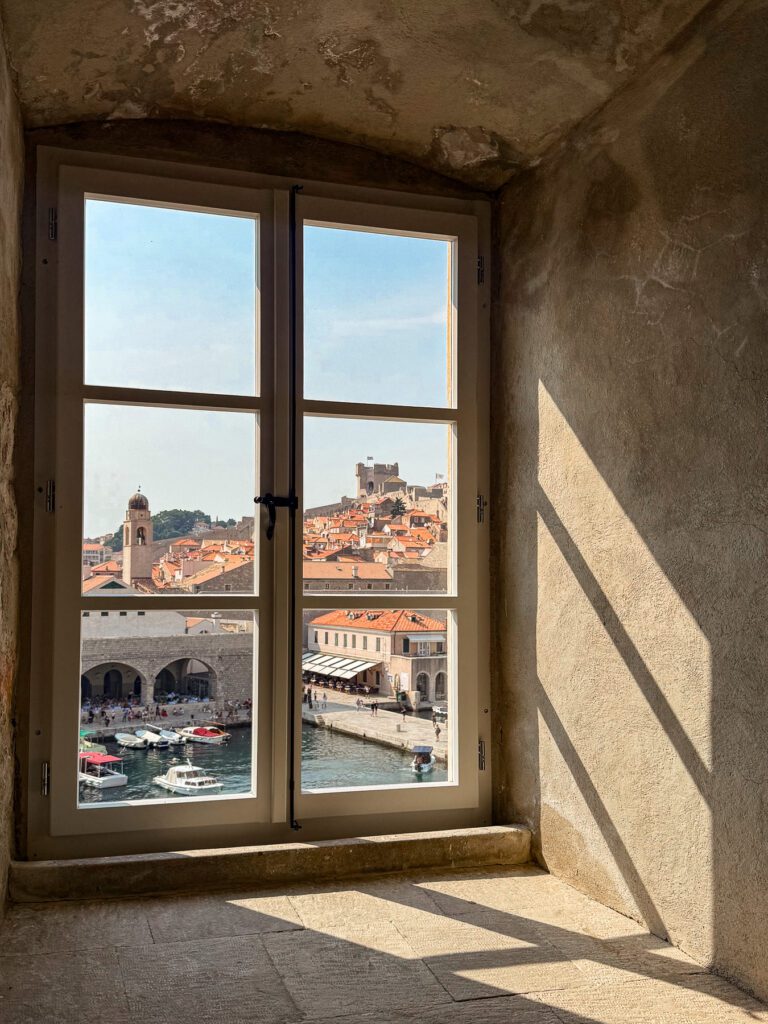
The Maritime Museum is a stunning venue situated in St. John’s Fort, just above the aquarium. The museum spans two floors, showcasing the history of maritime trade and invasions, which played a crucial role in Dubrovnik/Ragusa’s past as a Maritime Republic with trade connections to Venice, the Orient, Europe, and beyond.



It has a vast array of ships, models, navigation tools, maps, personal items, and other objects linked to the sea and maritime activities. The collection of paintings and ship models is really impressive as well.

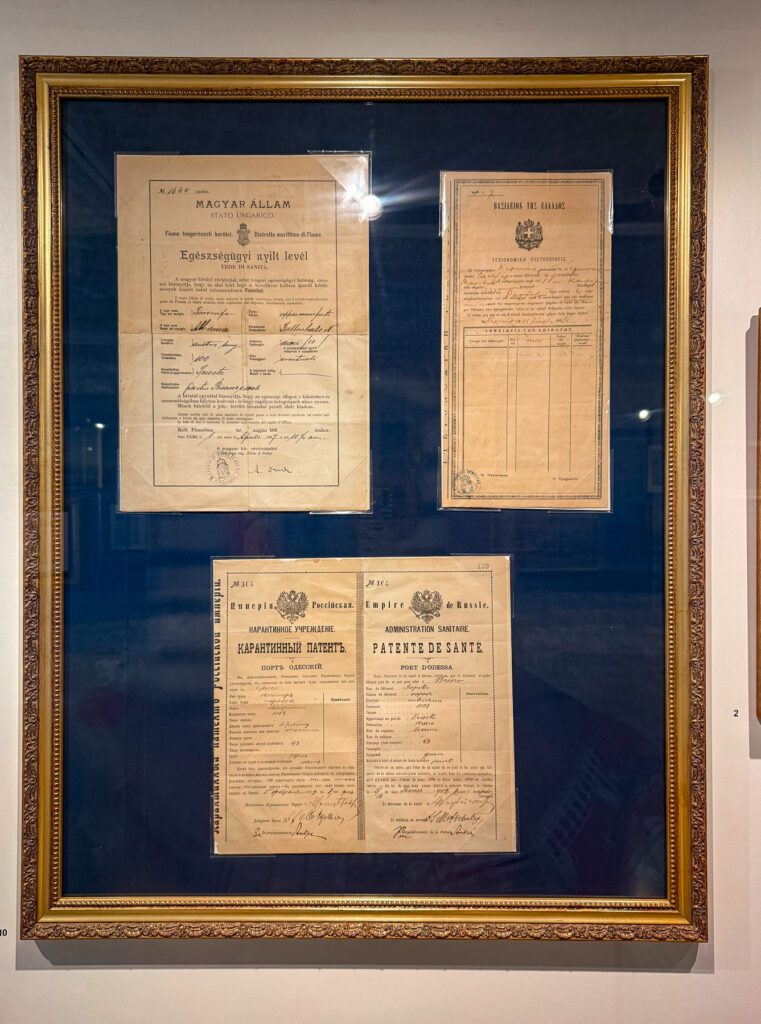


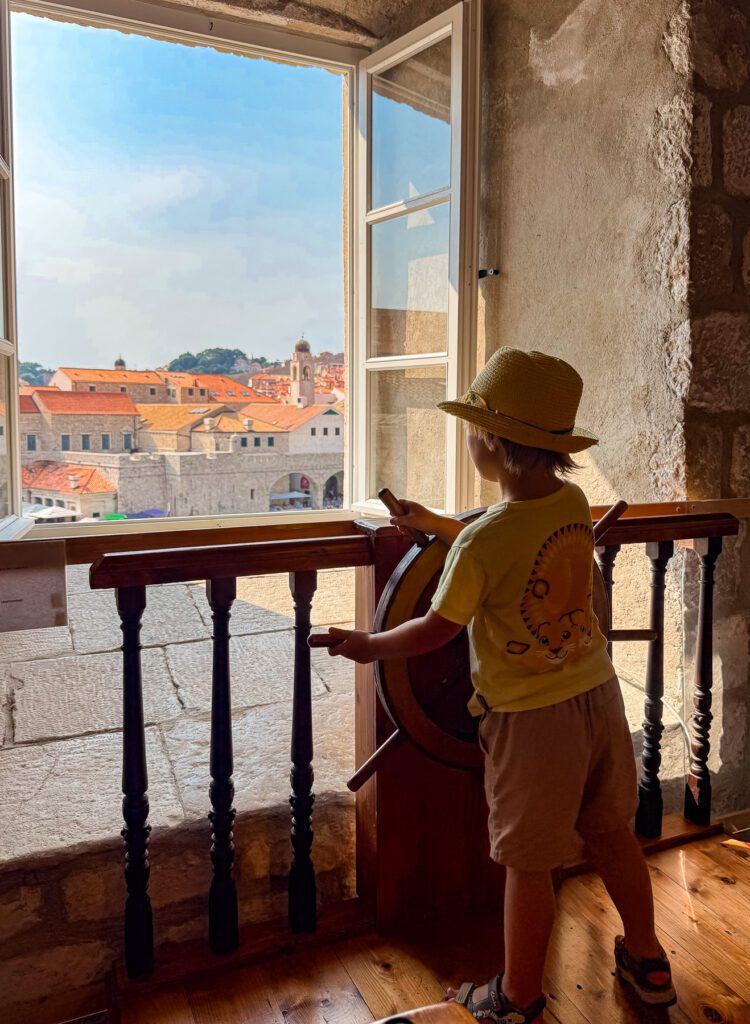
You can learn here about the history of different ship building from the ancient times like the Greek triremes up to the more modern steamboats. They also have a very nice kids corner, where your kid can draw some books and even the captain of the ship overlooking the Dubrovnik panorama.



9. Sponza Palace
Sponza palace is located right in the very heart of the old city. This is a Gothic-Renaissance building with a gorgeous courtyard and numerous sculptures dated to the 16th century, and its name is probably related to the collectors of rainwater named Spongia in Latin.

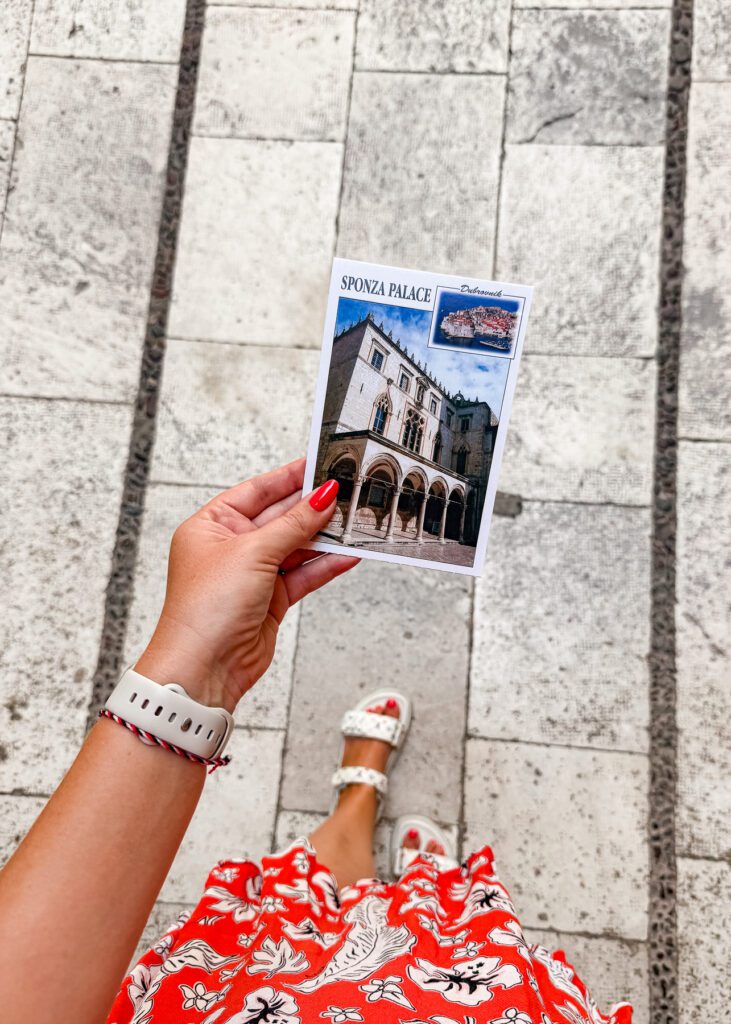


It was a seat for Accademia dei Concordi during the Republic of Ragusa (old name of Dubrovnik) and now houses Dubrovnik State Archive.


It also showcases a detailed exhibition on the history of Dubrovnik from the ancient times and a memorial room to the city defenders who had fallen during the Homeland war of 1991-1995.


10. Dominican Monastery
Dominican Monastery is another gorgeous monastery of Dubrovnik.


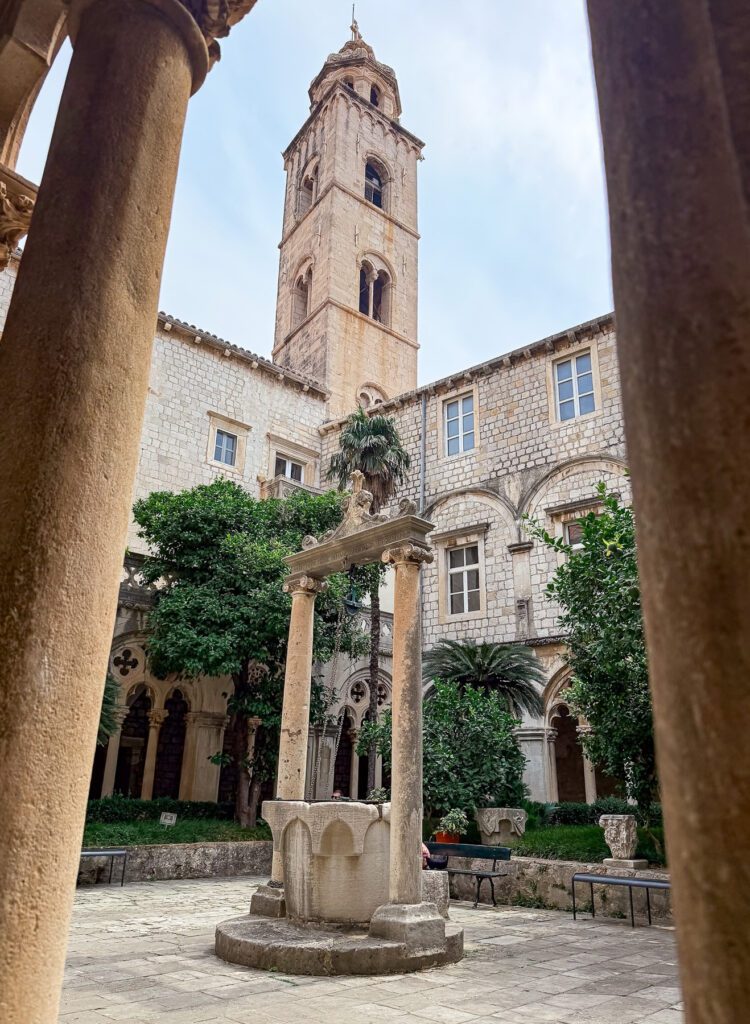
This building was erected in the 14th century (of course, after the earthquakes and human-caused disasters it was rebuilt) and attracts tourists by its gothic cloisters and an idyllic garden with a well.


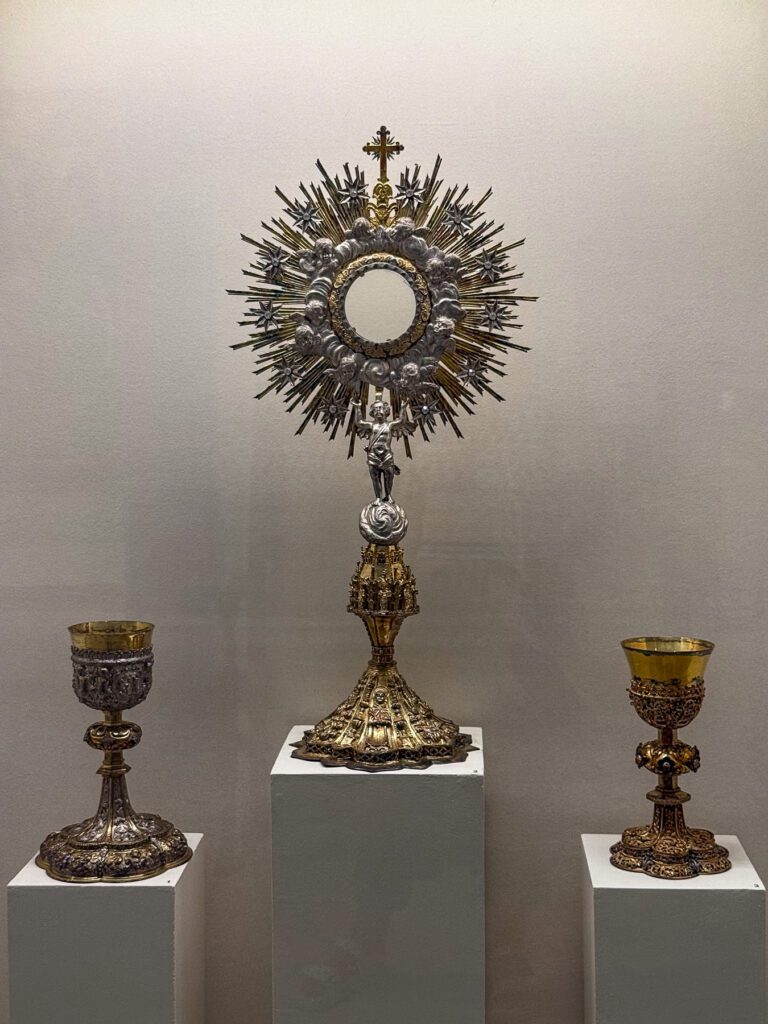
This place also has a museum exposition of religious items and art objects: paintings including the ones from Dubrovnik Painters School dating to the 15th and 16th centuries; reliquaries, icons, statues and so on.


Apart from the museum inside the monastery, you can visit the church nearby too.
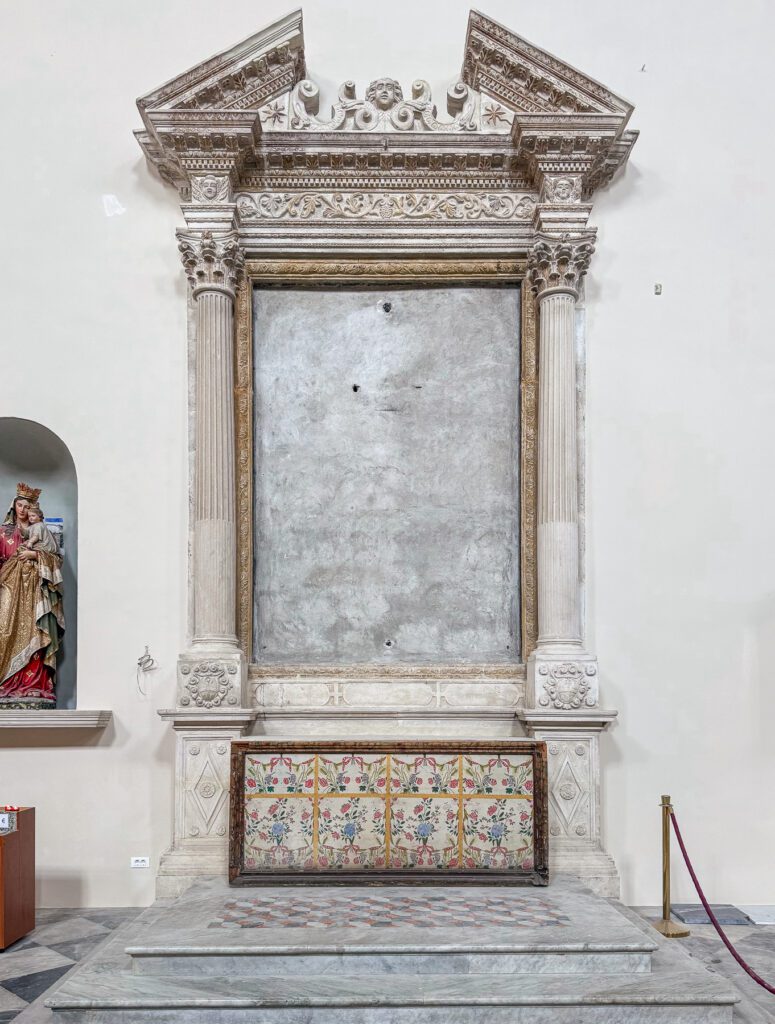


11. Church of St. Blaise
The Church of St. Blaise is one of the most important religious buildings of Dubrovnik. It’s dedicated to St Blaise, saint patron of the city who is said to have saved people of the city from Venetian invasion in the 10th century.
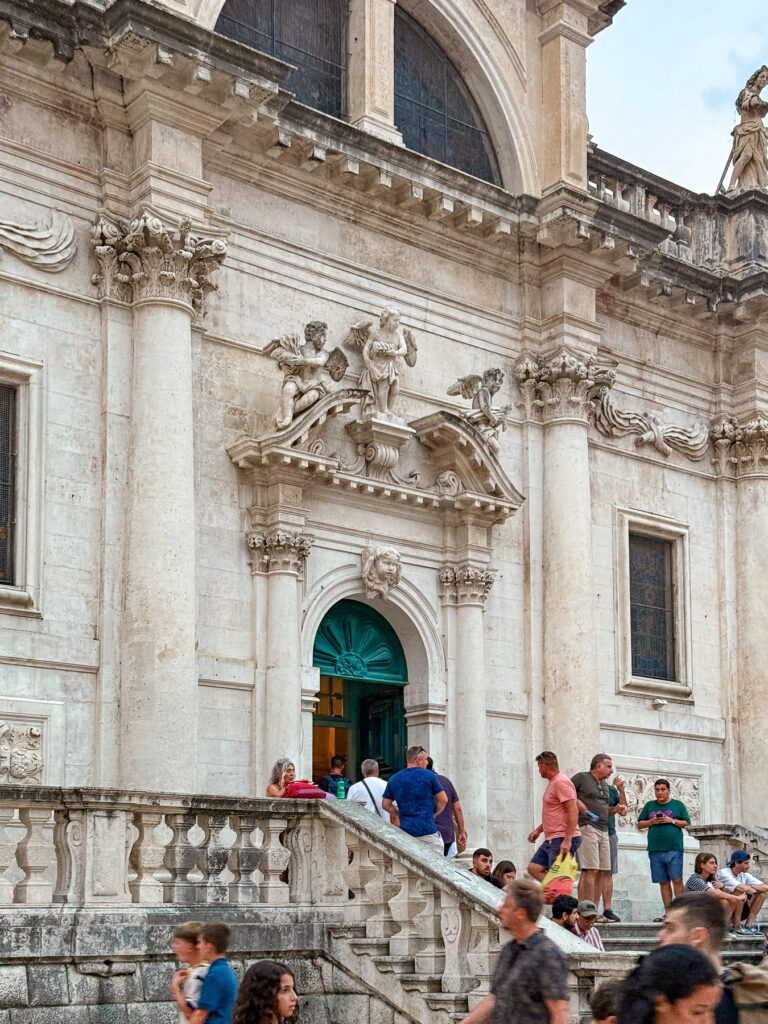

There is a famous saying that every city has a patron saint but only St Blaise has a city (aka Dubrovnik), so it’s hard to undermine its importance. You can easily recognize him as he holds a city in the palm of his hand!


A previous church erected in the 14th century after the plague that devastated the city has been lost to fire; and the current baroque church was built in the early 18th century. St Blaises Day is celebrated on the 3rd of February alongside the City of Dubrovnik Day.
12. Dubrovnik cable car
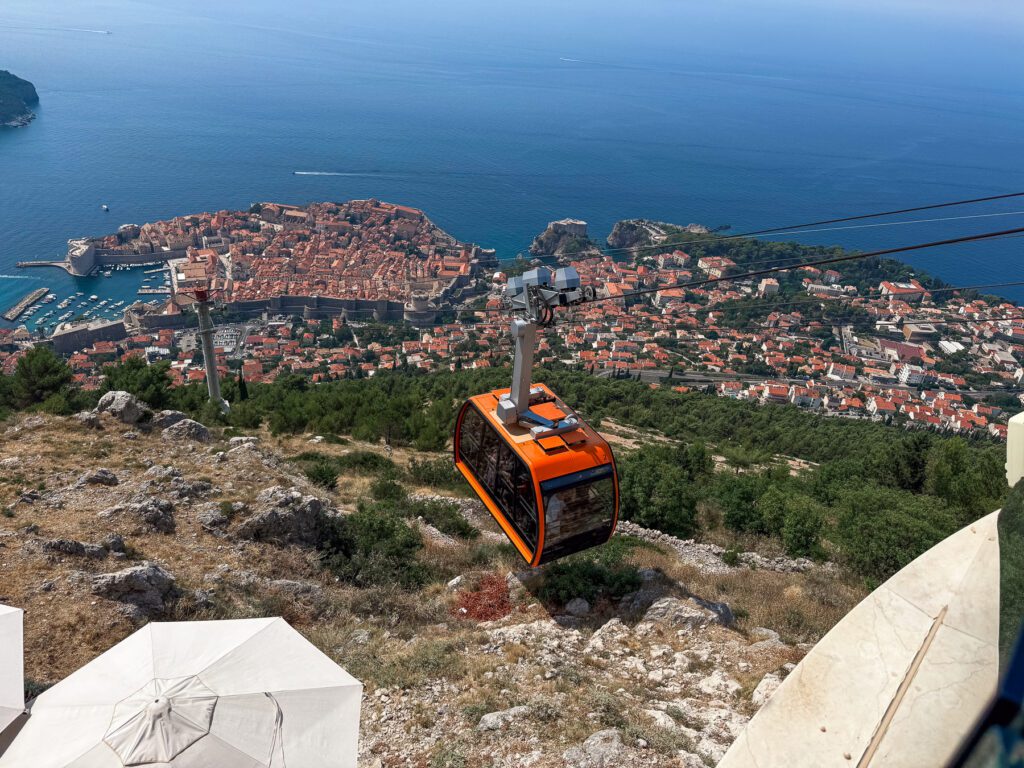
Getting to the very top of Mount Srđ, overlooking the old city of Dubrovnik, could not have been easier: the cable car takes you there swiftly!


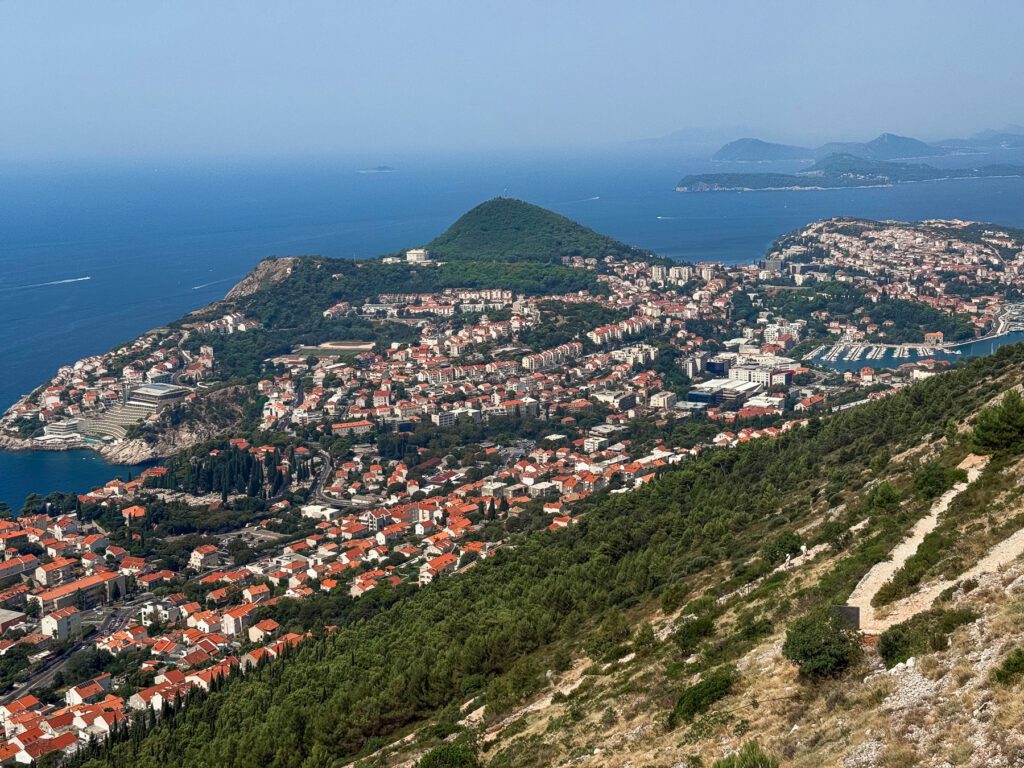
And just look at these panoramic views – you can not only admirea panorama of Dubrovnik but also you’ll be rewarded with a bird-eye views of the big stretch of Croatian coast with its beautiful bays, greenery and small towns.

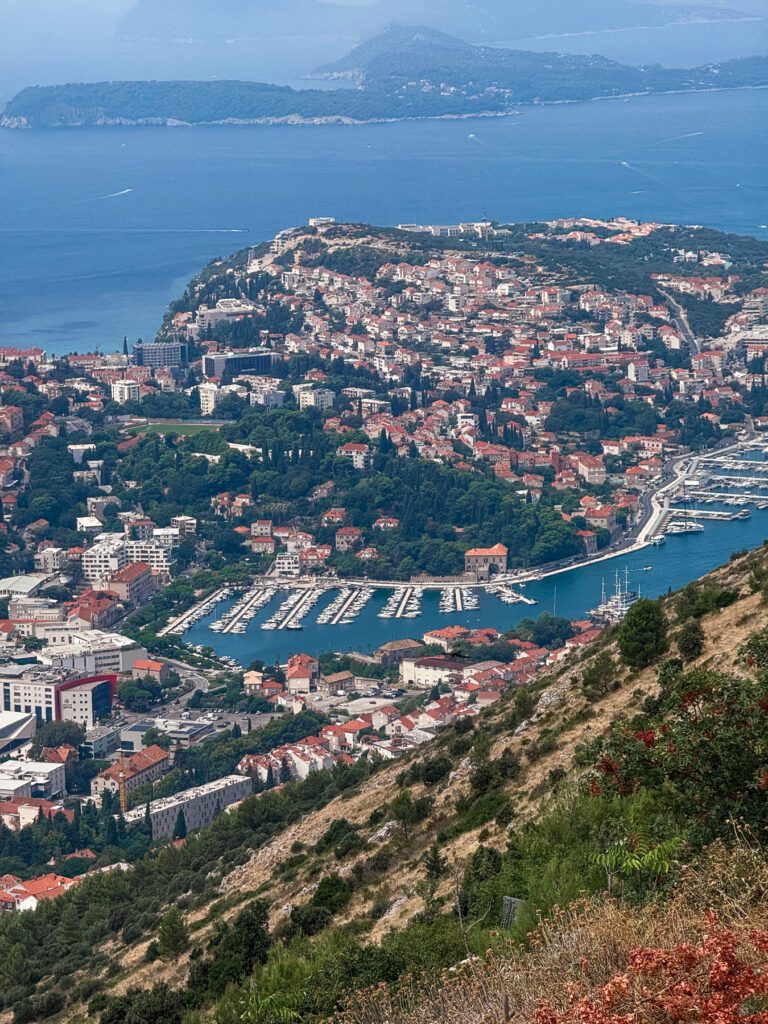

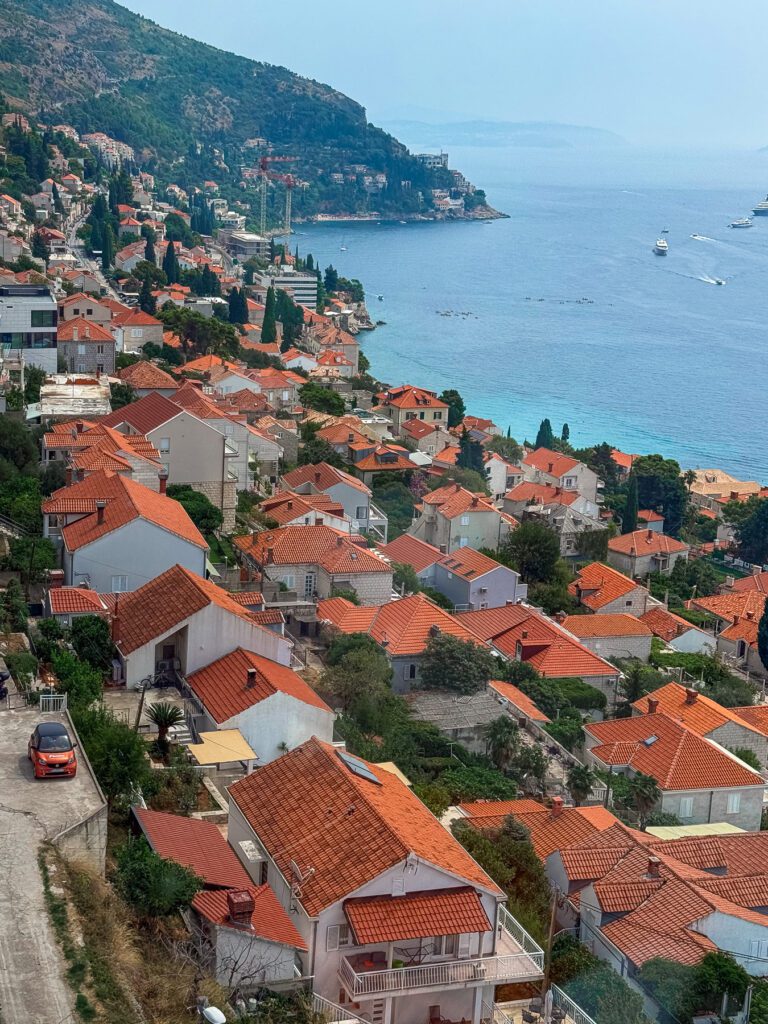

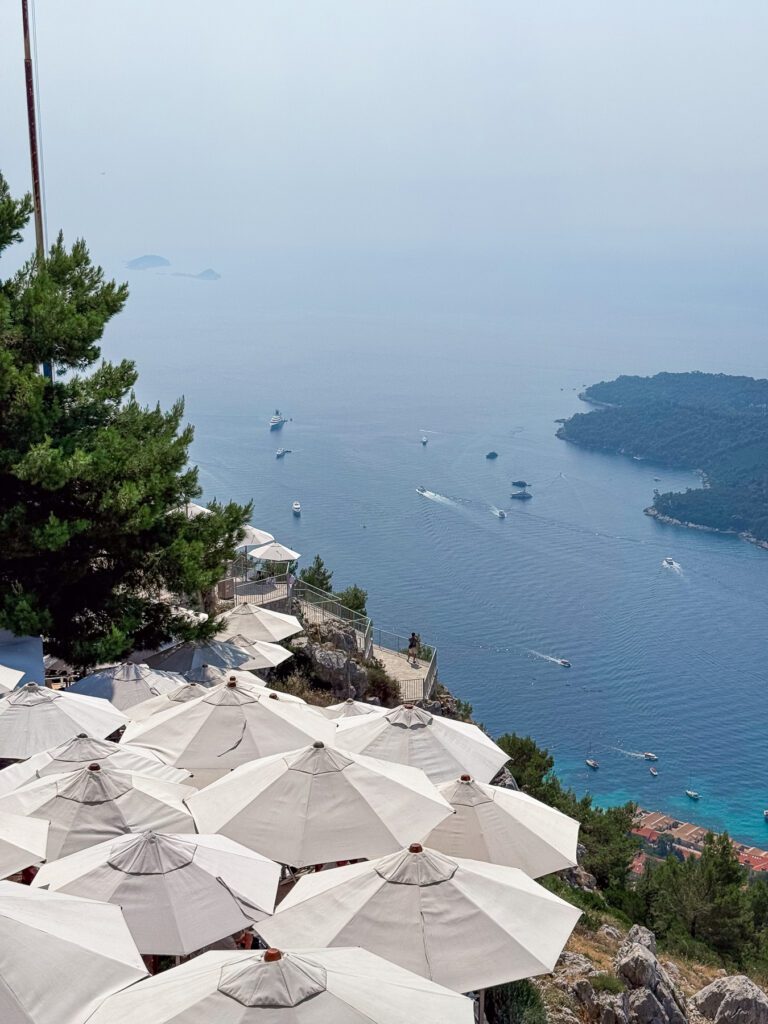
Here, on 412 metre high, you can find a restaurant, the ruins of the Napoleon Imperial fortress and a few observatory decks (both free and paid).



13. Dubrovnik aquarium
The Dubrovnik aquarium occupies a lower floor of the fortress of St. John, part of the the City medieval fortification.


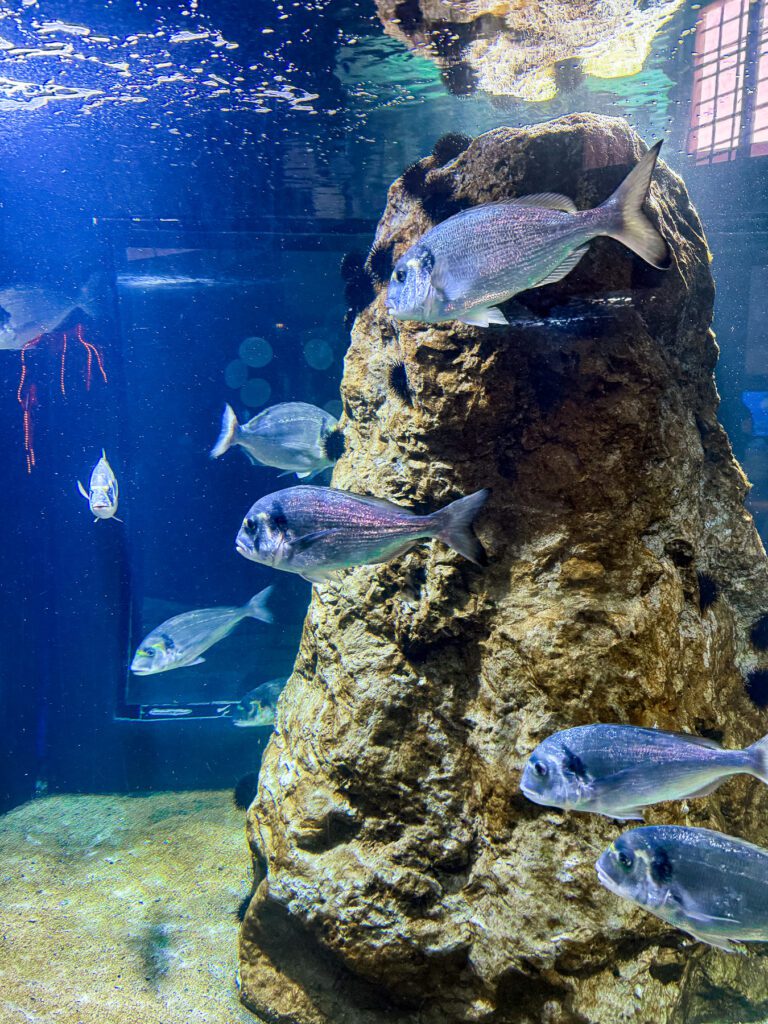
It might be small but has a nice variety of fish and other marine animals. With 31 tanks to explore, you’ll find the perfect summer escape in the dark, cool rooms teeming with Adriatic Sea creatures like eels, starfish, and sea urchins.



14. Onofrio’s Fountain
This round structure is Onofrio’s Fountain located by the Pile gate, was built in 1438 and has been a part of the water system from Šumet springs providing drinking water to the city – and you can still spot tourists drinking from it. The name of it probably refers to an architect of the fountain, Onofrio della Cava, but no one knows for sure. Spot the decorations there too!


What a wonderful view of the Onofrio’s Fountain you can get from the city walls!
15. Rupe museum
A quick stop at the Rupe museum: this is an Ethnographic Museum occupying a building where a granary has been located.


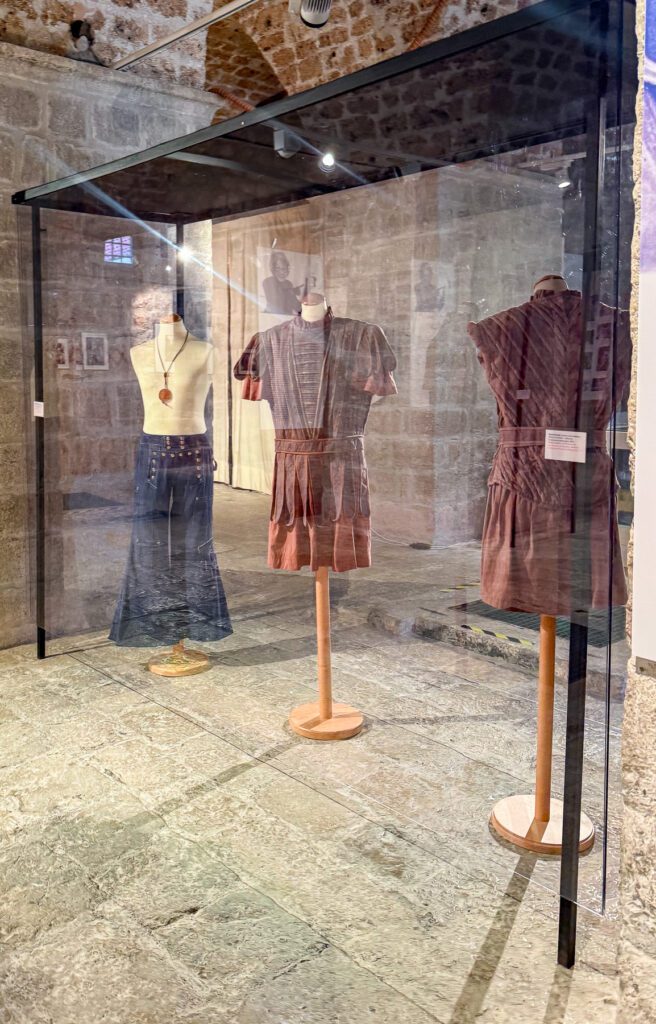

It showcases the cultural heritage of Dubrovnik, and during our visit it housed an exhibition about the Dubrovnik summer festival (a famous theatrical event) and people who make it happen.
16. Lokrum island
Take a ferry to Lokrum island: it takes only 15 min – the island is located very close, and from the water the views of both Dubrovnik and Lokrum are amazing, and the boats depart frequently.
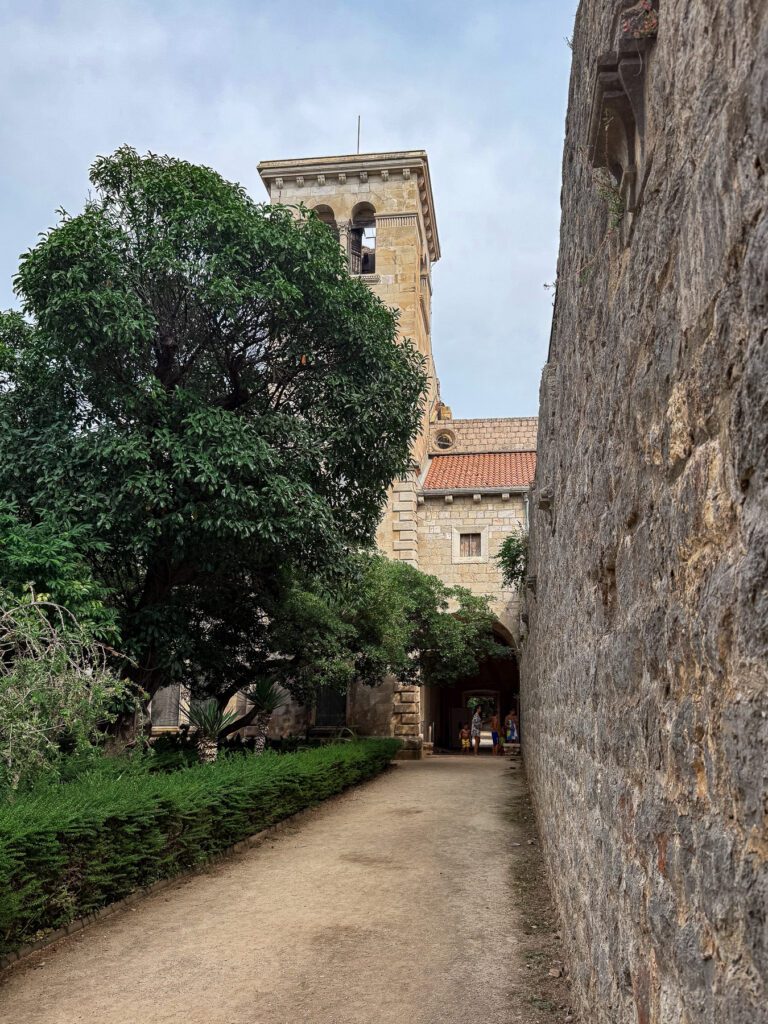
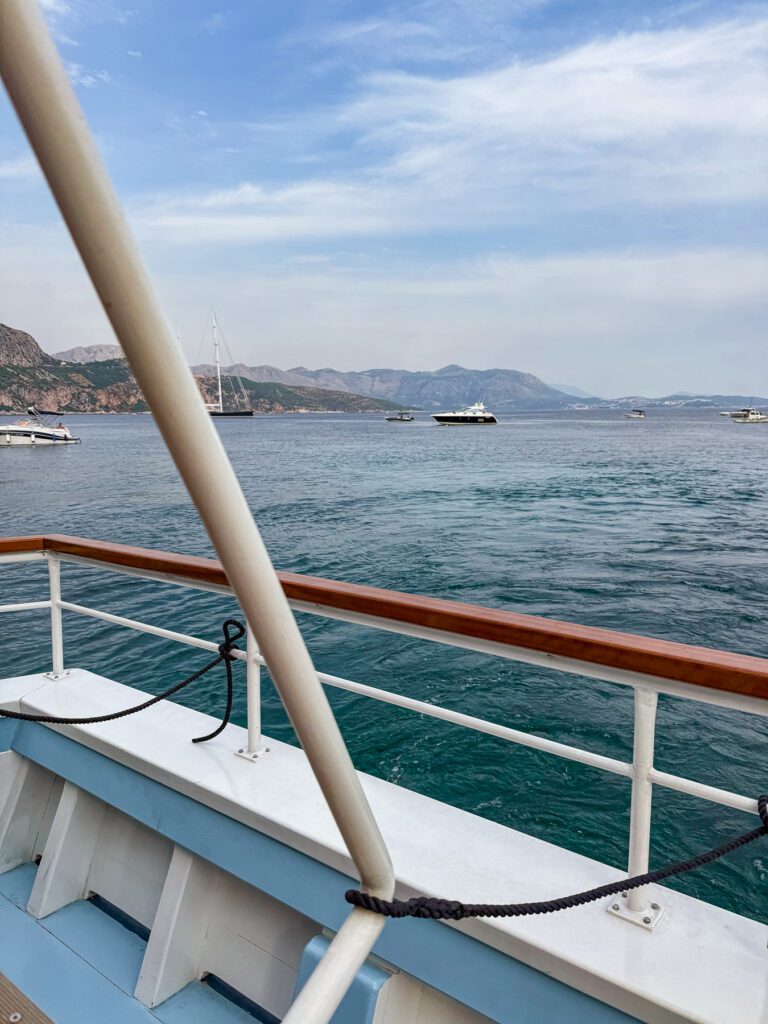


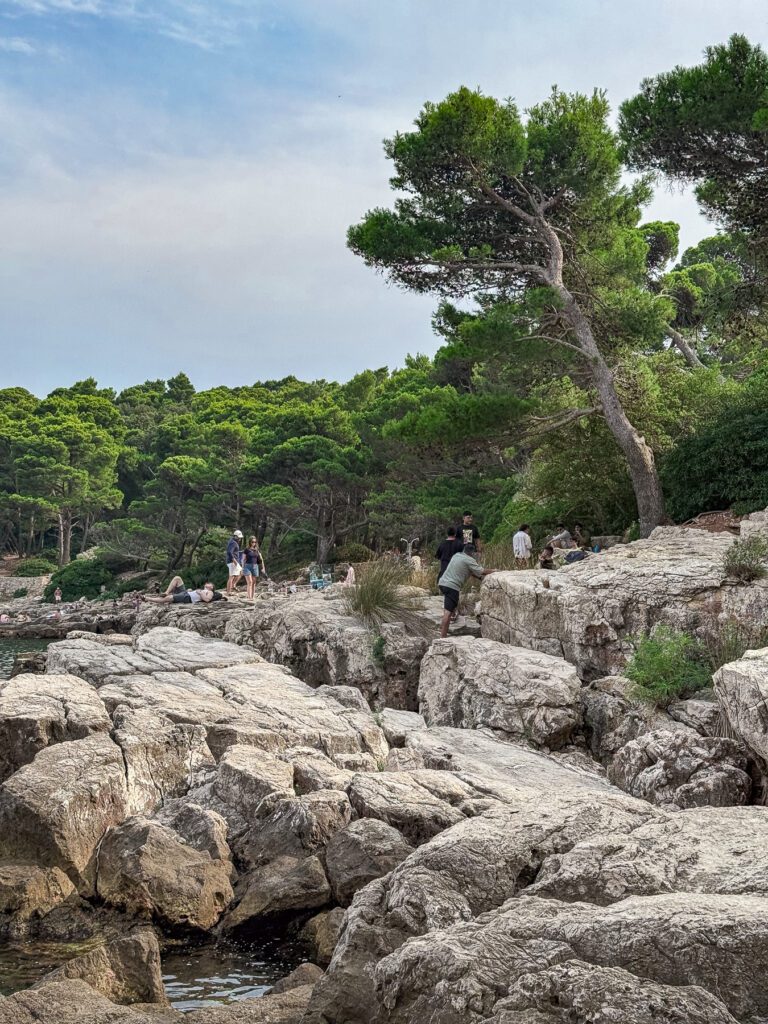
The Lokrum island is a stunning natural sanctuary with peacocks (with tiny chicks!), amazing sea views, pine trees growing on the whitish rocks, the ruins of Benedictine monastery, and Fort Royal.

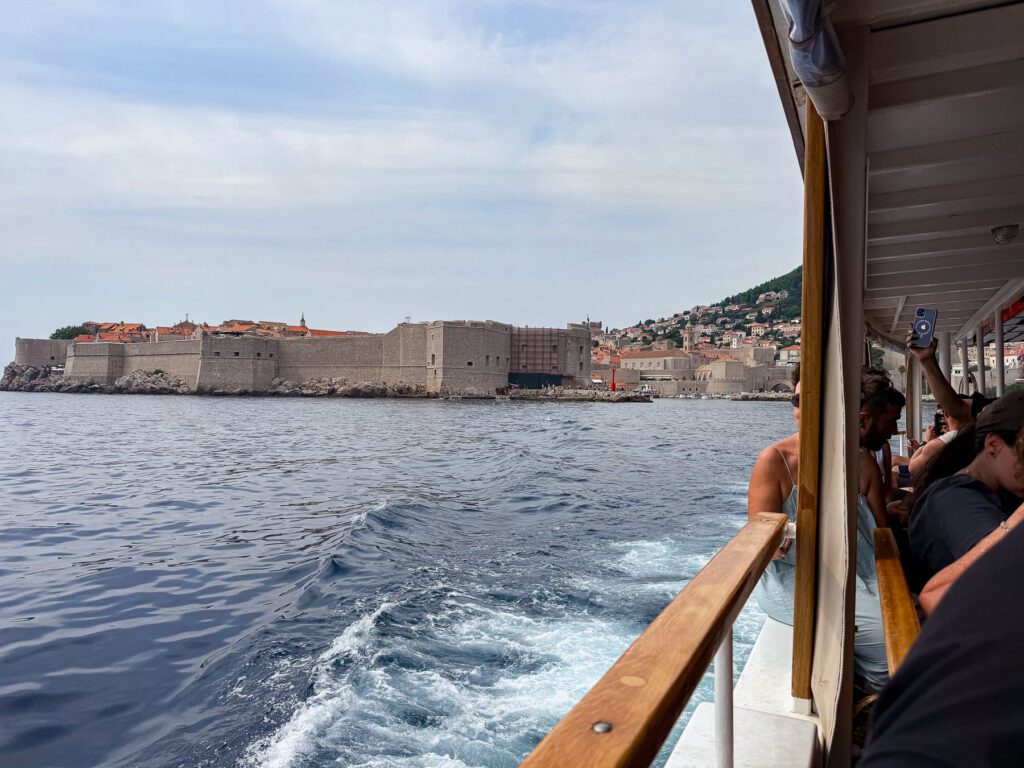

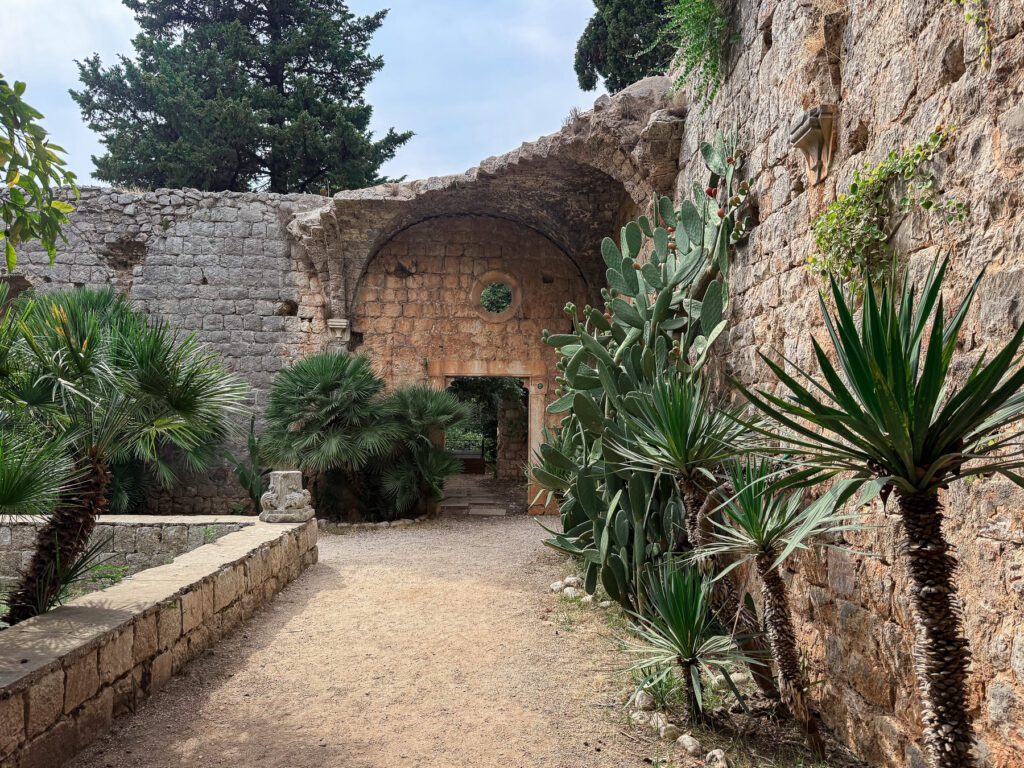


You might easily spend a half day here or just an hour or two, but make sure to visit this magnificent spot!
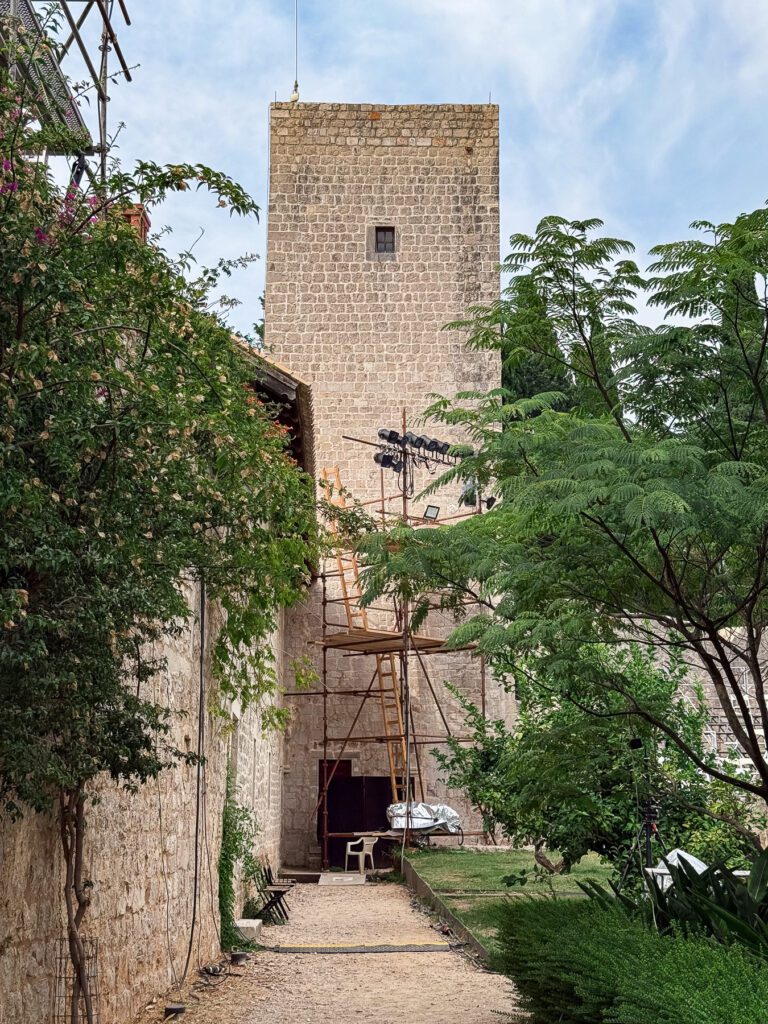


No surprise Maximilian Ferdinand of Habsburg (infamous emperor of Mexico who was executed in 1867) also built his villa here. And yes, Game of thrones was shot here too, and there’s a small exposition dedicated to it – and you even can sit on the Iron throne! Do you recognize this spot? Yeah, that’s the monastery from above.


17. Fort Lovrijenac
Fort Lovrijenac was the first landmark we explored in Dubrovnik because we literally could see it from our hotel window.


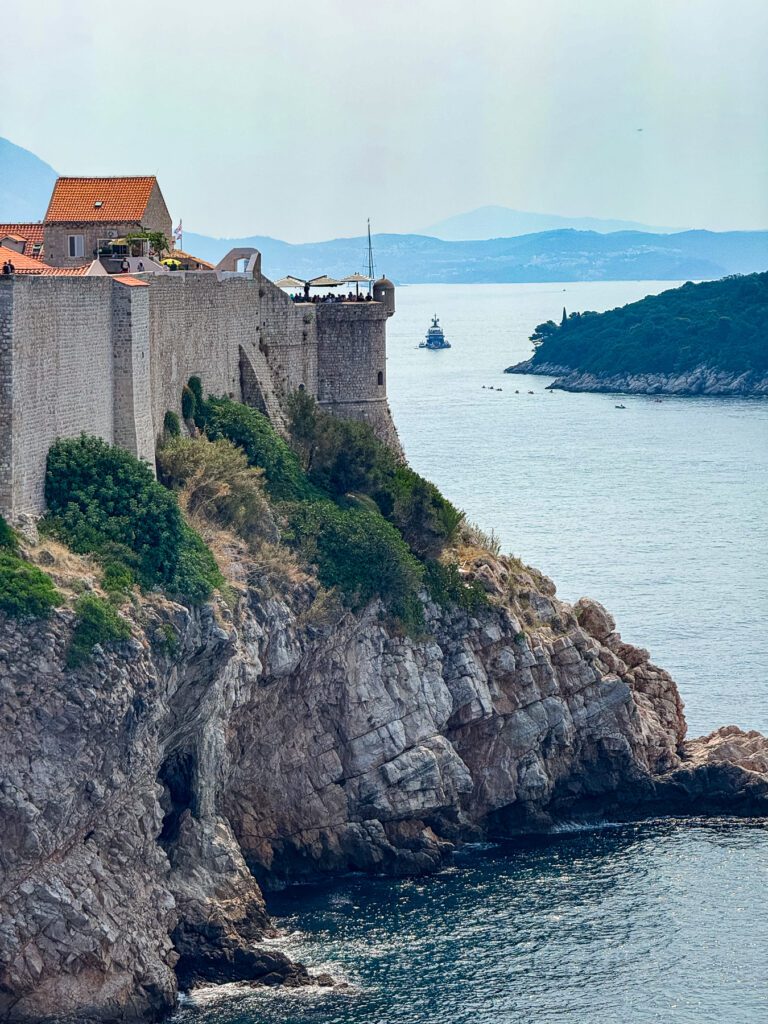
However, coming there was a bit challenging because it sits on a high hill right outside the old city, and first you have to climb lots of statues (the heat in our case). Also known as St Lawrence’s Fortress, this fortification dates to at least the early 14th century and has been dutifully protecting the city.


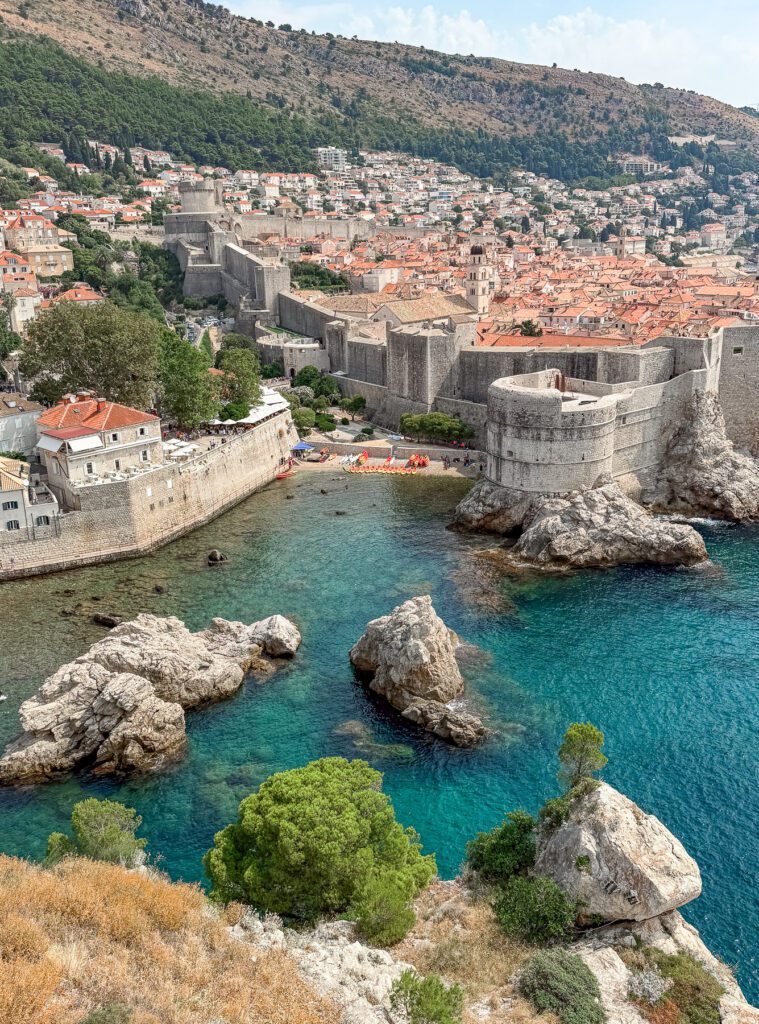
It stayed there for centuries: just look at those mighty walls, cannons and unusual triangular shape. As it’s located on a 37-metre high cliff overlooking the sea, the views from here are astonishing!


No surprise it’s been used as a stage for many performances – for instance, some Shakespearean plays during the Summer festival. It just has a special effect on a viewer!

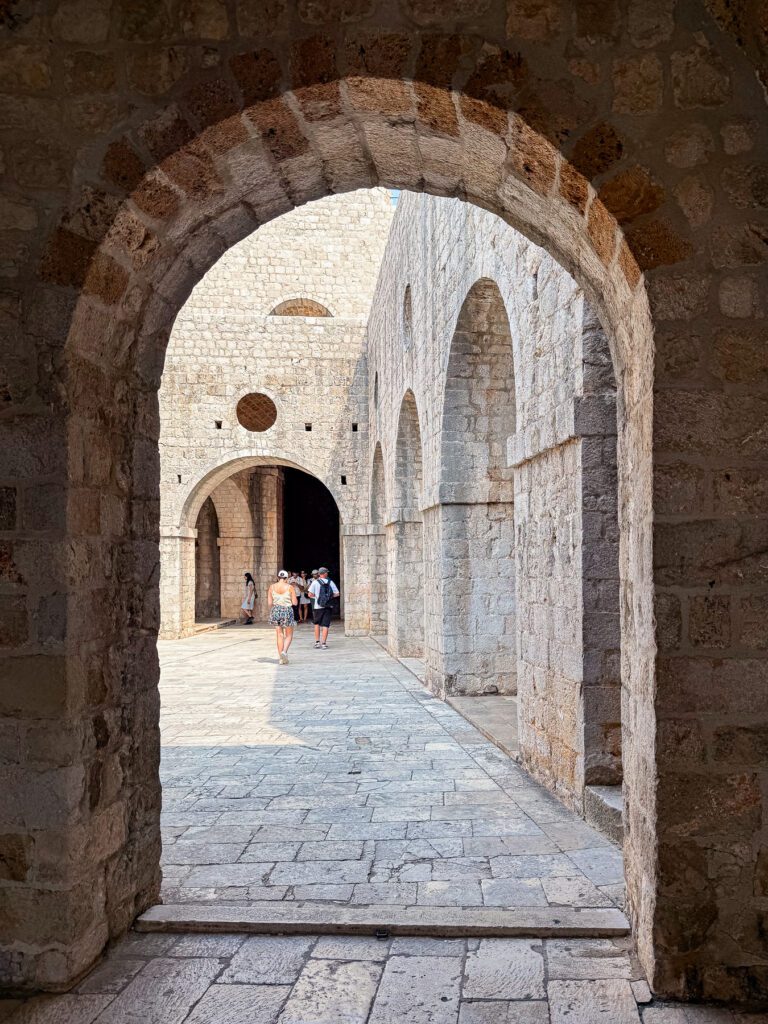


Of course, the Game of Thrones was shot here too: this place became the Red Keep in King’s Landing.


18. Pile Bay
The Pile Bay below the St. Lawrence Fortress and the old city wall is known as a starting point for kayaking tours around Dubrovnik as well as a gorgeous natural beauty as the transparent turquoise water is combined here with massive rocks.
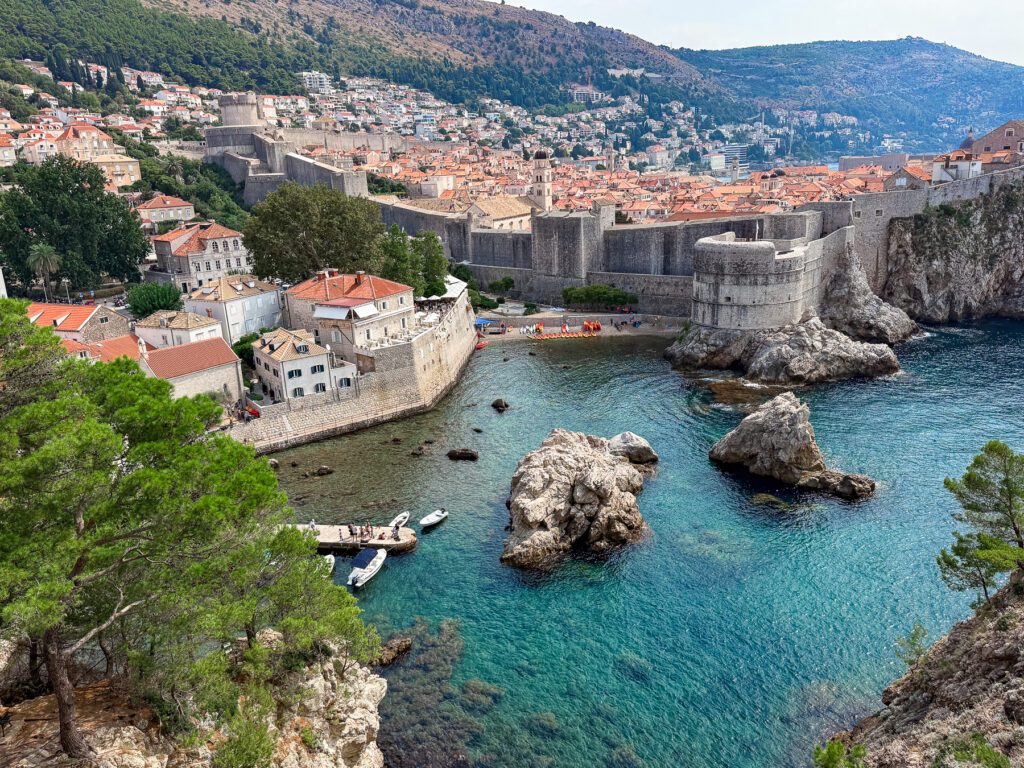


The views from here of both the Dubrovnik City walls and the fort are incredible not to mention the water colour and natural rock formations there.


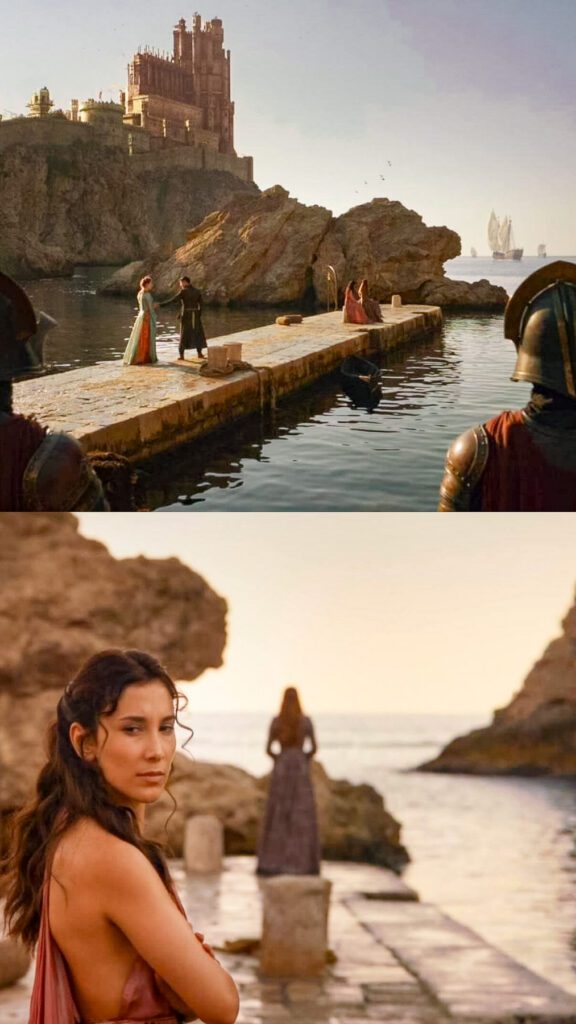
Besides that it’s also been in Blackwater bay at the Game of Thrones.

19. Love stories museum
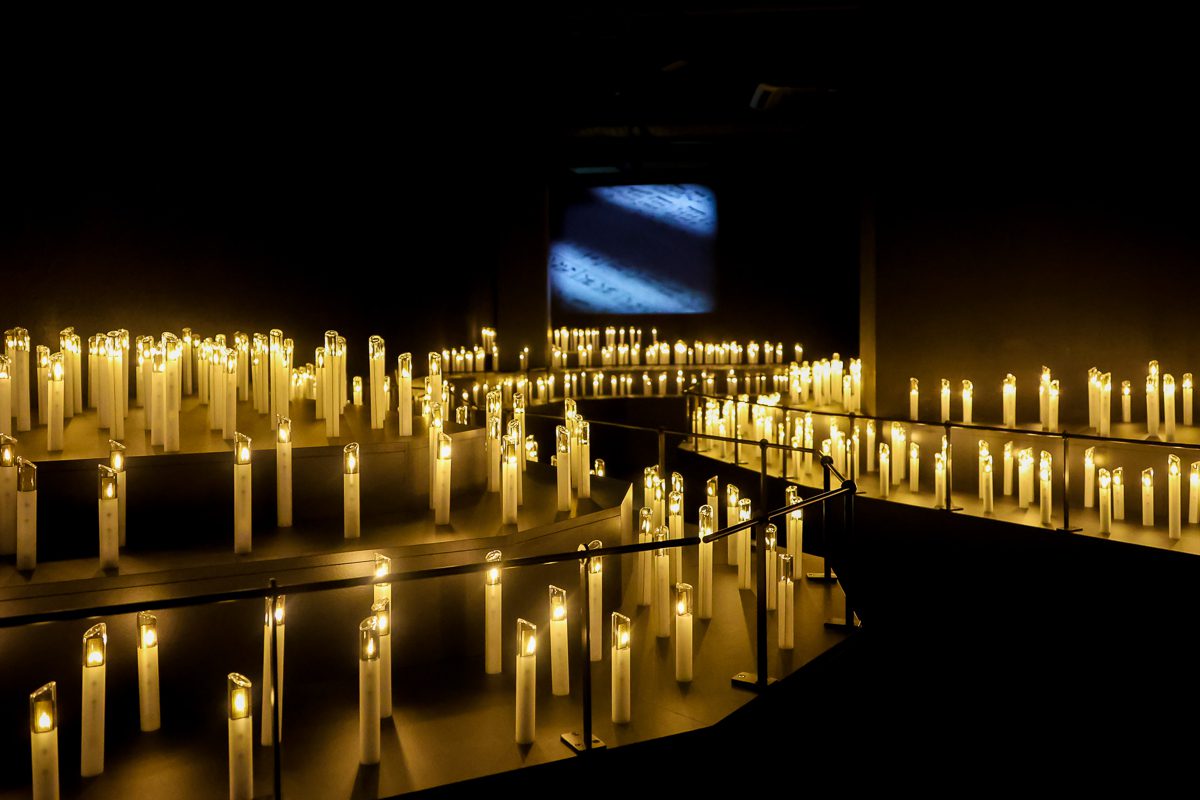
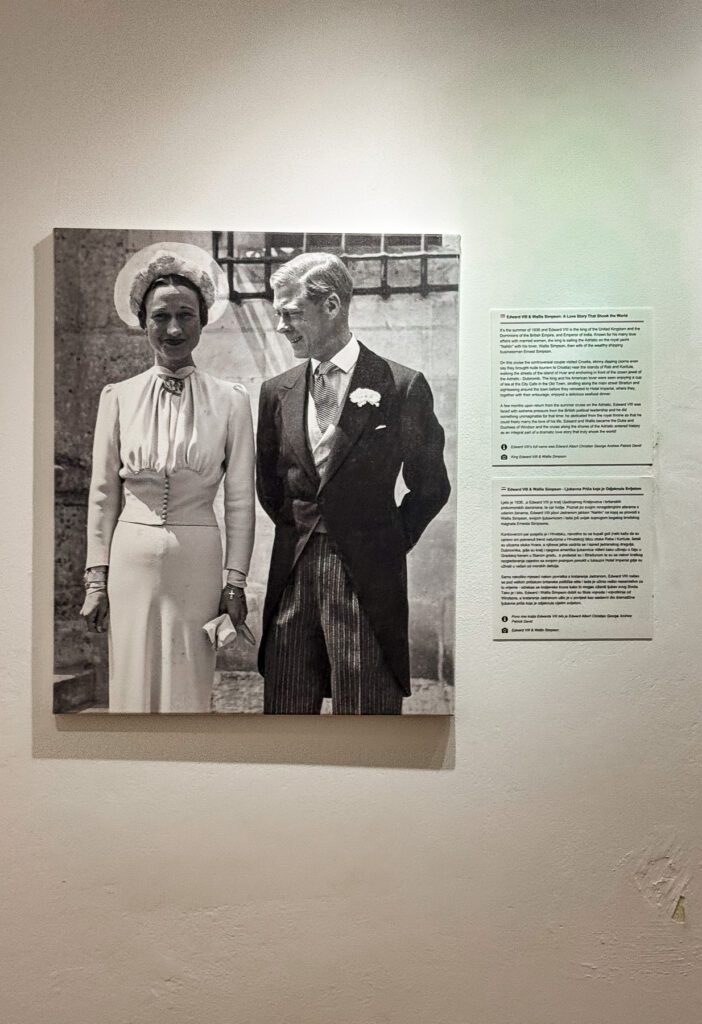
Next, we visited the Love Stories museum. We have already been to a similar museum in Zagreb, and we decided to pop in here too! The concept of the museum is to showcase the unique love stories of the real people.


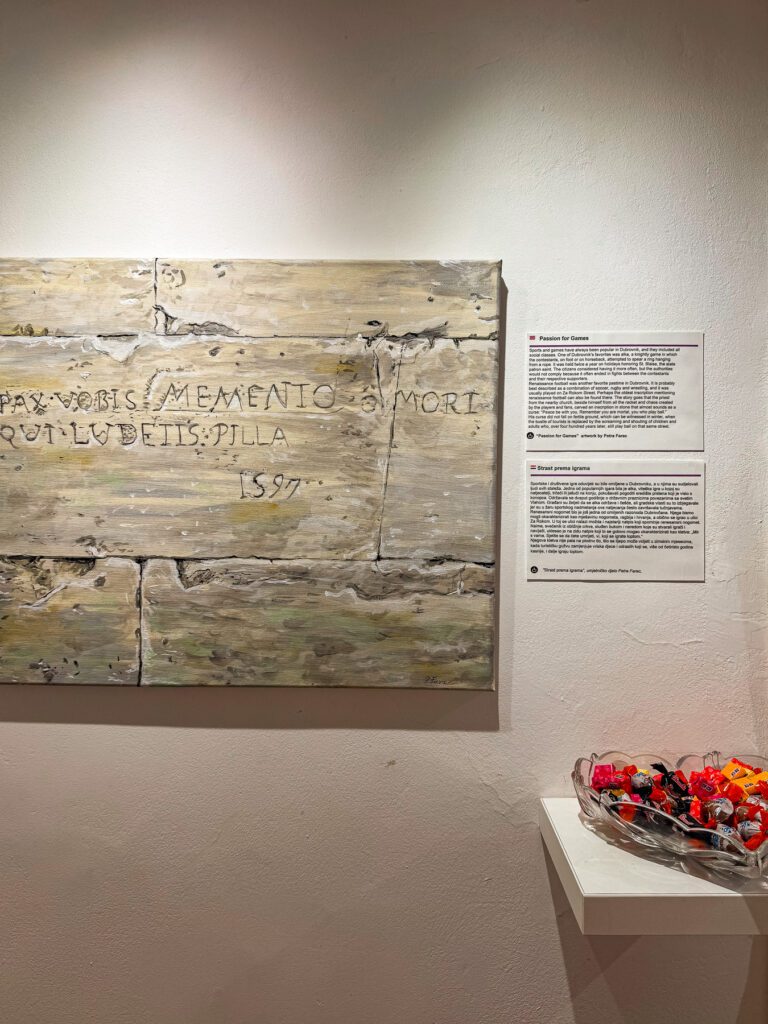

You can spot lots of objects people sent here reminiscing about their past, present or lost love. Besides that, the museums hosts a collection of love stories linked to Dubrovnik directly, and finally there’s a small exhibition on movies shot here (like the Last Jedi, the Robin Hood and so on)


20. Boat sunset ride
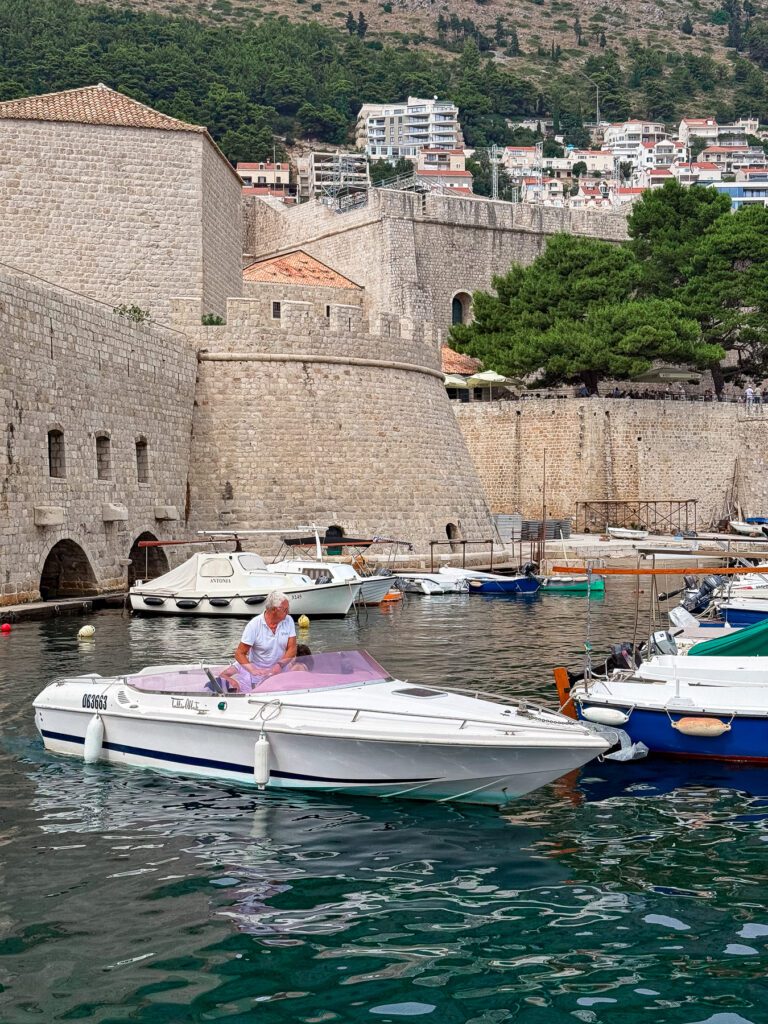
We loved our ferry ride to the Lokrum island so much that we decided to book a private boat ride from the Old port for the sunset. This activity is pretty easy to organise, just come to the Dubrovnik’s waterfront and talk to vendors at the small stalls (or they probably will talk to you first).


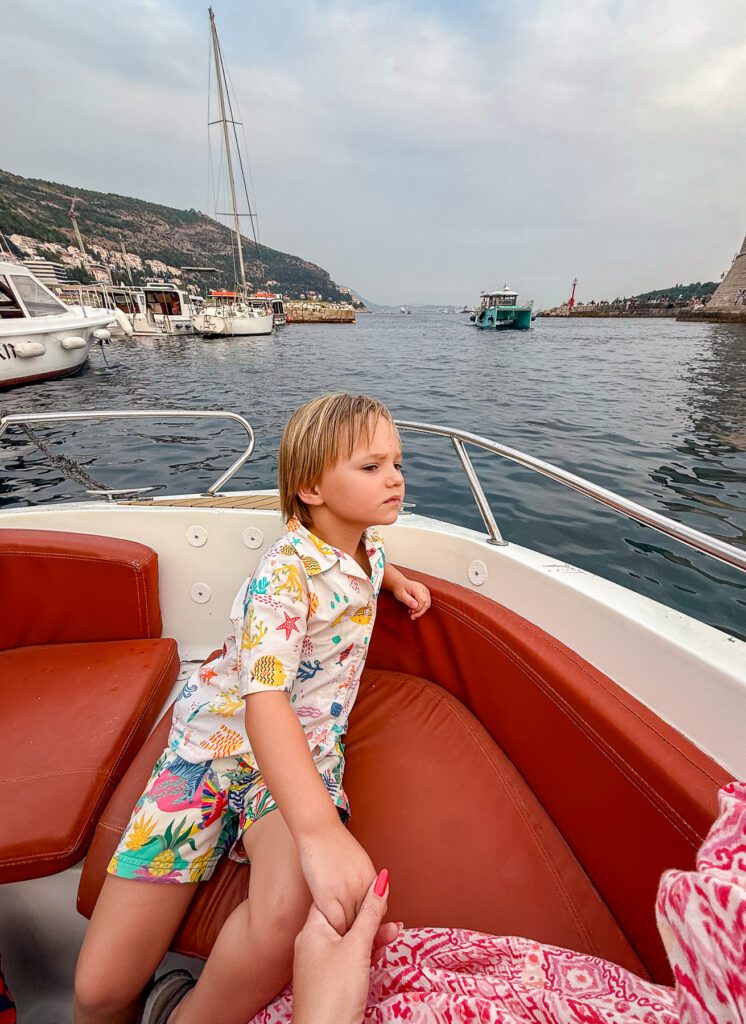
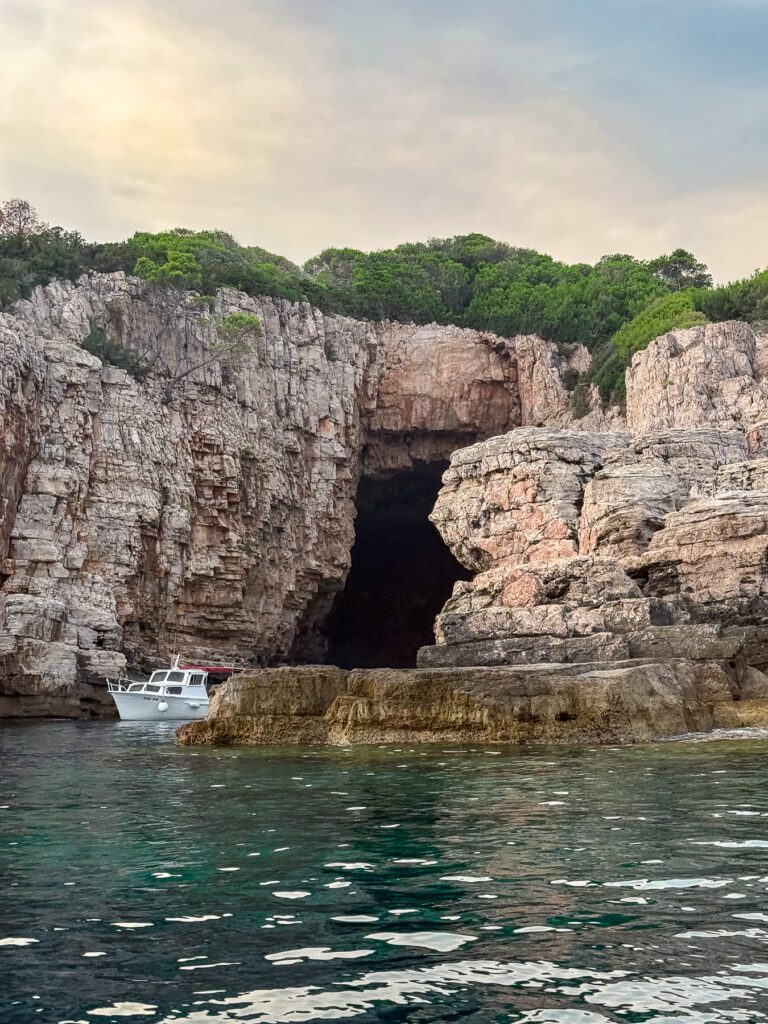
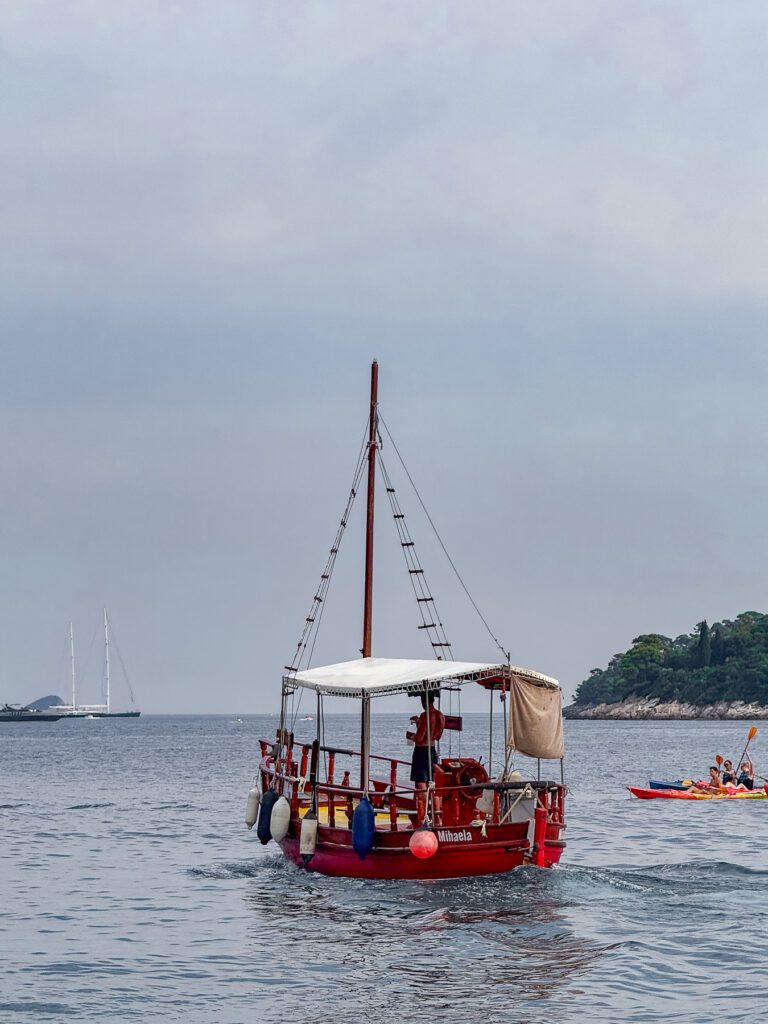
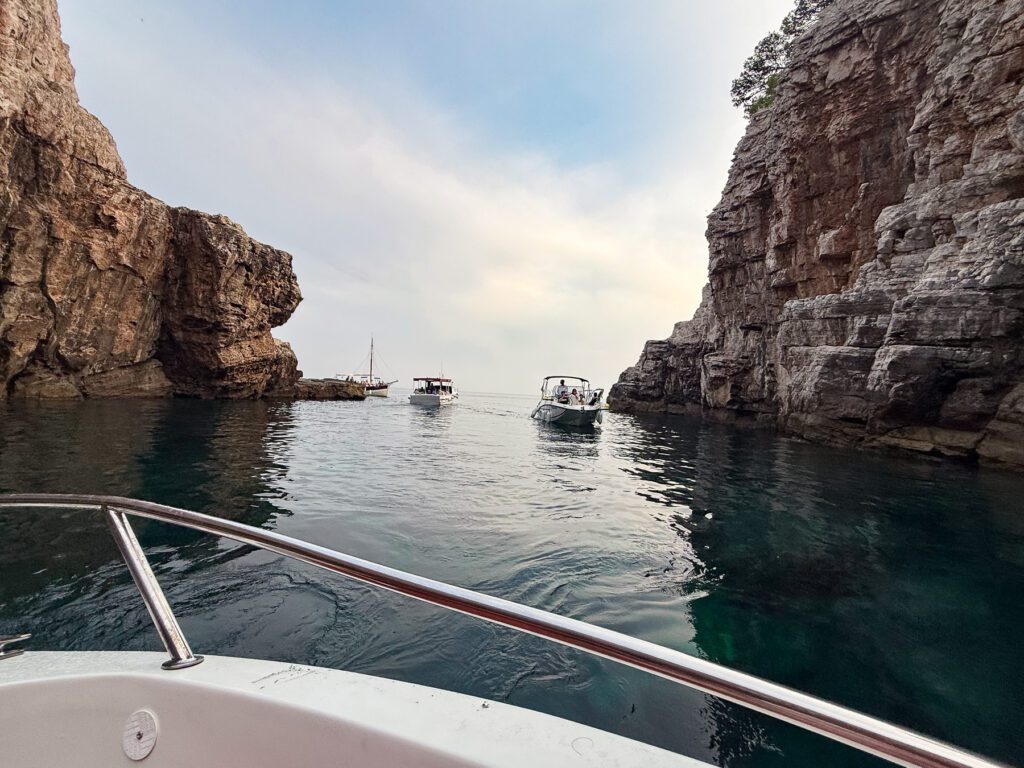
Our trip took about 45 minutes and was mesmerising. If you have time, make sure to participate in this activity: you can hire a small private boat or have a larger boat ride with other people – sunsets are the same for everyone.


We even managed to have a look at the caves of Lokrum not to mention the sunset over the sea!

Where to eat in Dubrovnik?
Dubrovnik has a vast selection of restaurants, and here are my recommendations.

If you’re lucky, you can get a table at the Gradska Kavana Arsenal: it’s located in a historical building adjacent to the Rector’s palace, and has a great variety of desserts and light snacks! The restaurant part of it overlooks the bay with boats.


For lunch, we headed to the Taj Mahal – and they serve here the Bosnian cuisine to my surprise. The place is included in the Bib Gourmand guide. It’s my first time trying Bosnian cuisine (we haven’t been to Bosnia yet), and I simply admired it – especially the desserts.


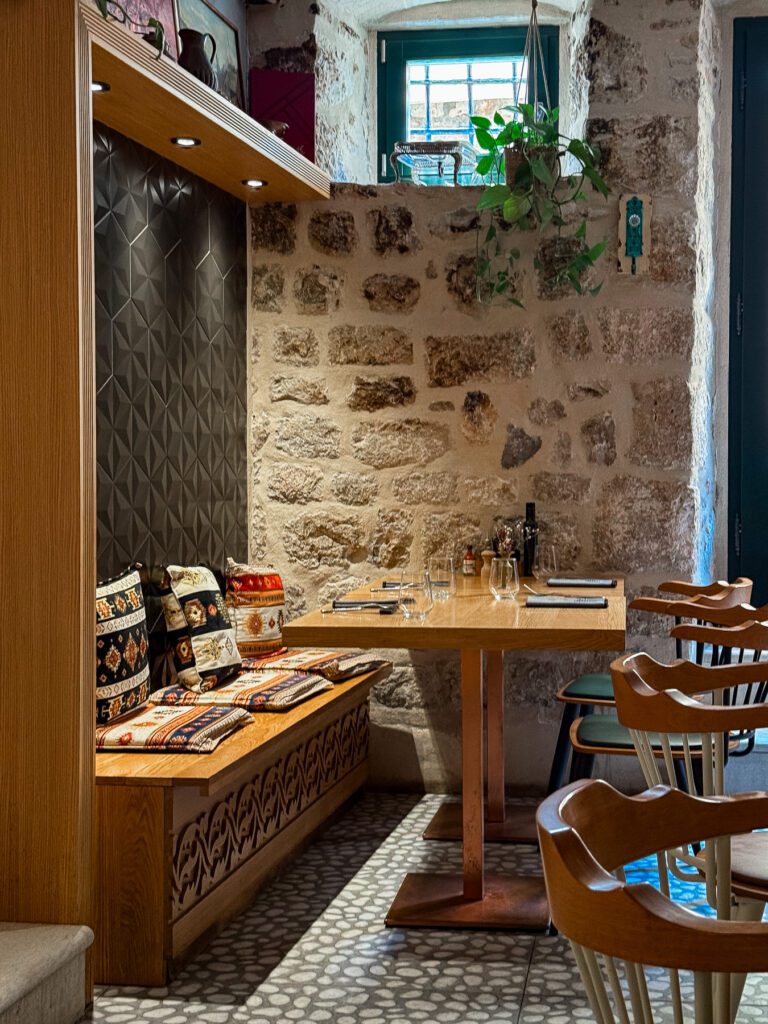
The Tavulin is another good spot to have lunch or dinner and it’s also included in the Michelin Guide.


The Paradise was one of the restaurants we just came across and had a lovely dinner filled with local dishes. And the hospitality there on top there!


Finally, when in Croatia, you must try burek pastry, and the Holy burek was a really great spot!


Where to stay in Dubrovnik? Imperial Hotel Hilton
We decided to stay in the most amazing hotel in the city, the Imperial Hotel Hilton.


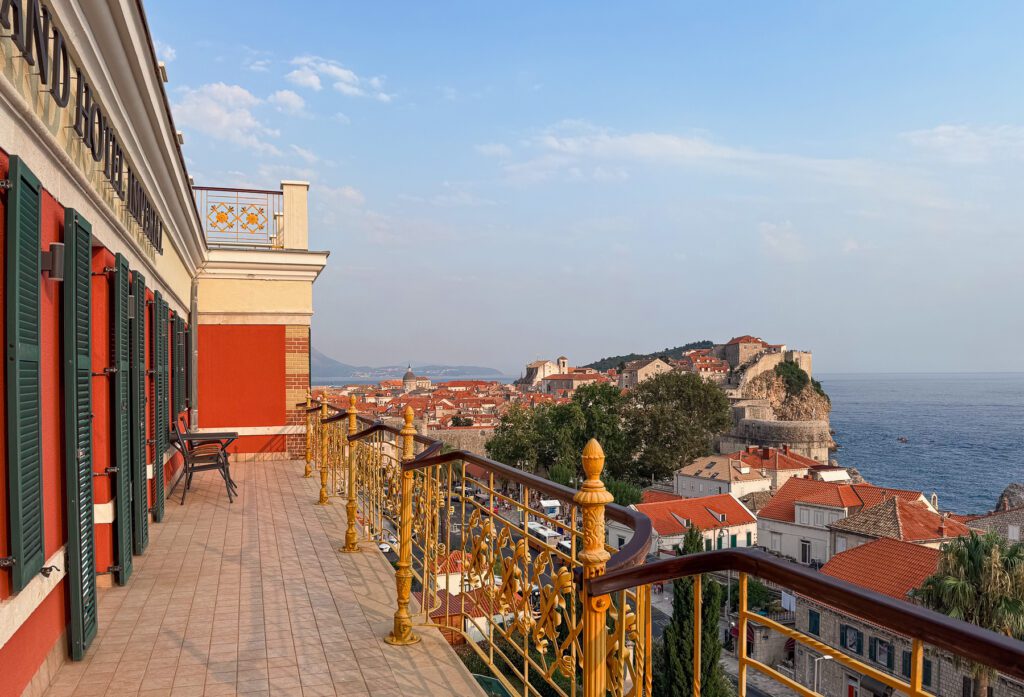
We stayed in the Imperial suite, and it was breathtaking – that’s exactly what you expect from a 5* hotel of this level. Imagine having a bathroom view over Fort Lovrijenac.


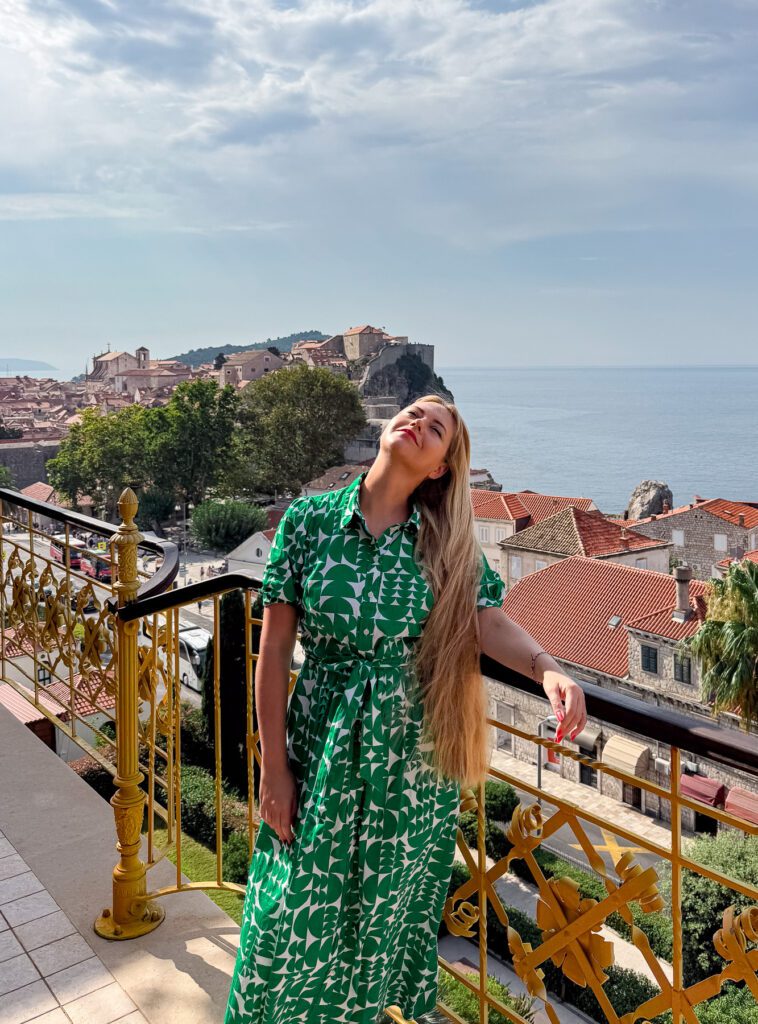
Omg, and this was our balcony, with the best view you can imagine! And yes, the hotel is located just a few minutes away from the Old city.
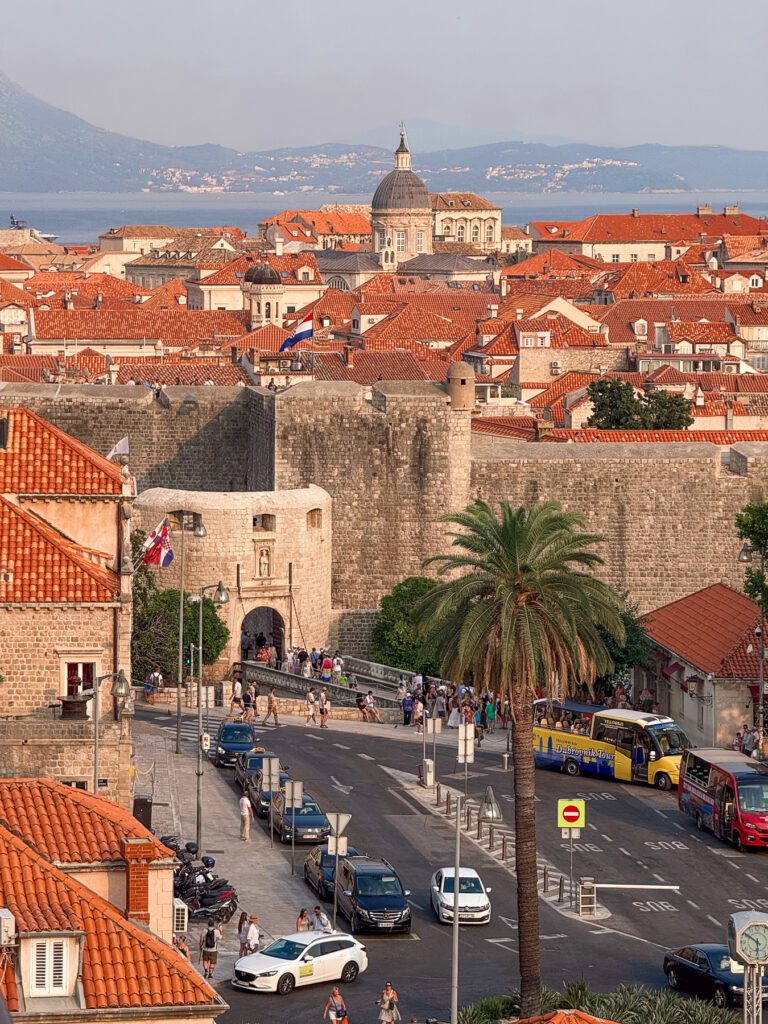


We absolutely admired our stay, and if we’re back to Dubrovnik, we’ll definitely stay here. The interiors, the views, the staff – everything was perfect.


Check my guide to Zagreb as well!
Hope you liked my blog,
Yours,
Anna xxx